Construction sites rarely struggle because they lack materials. They struggle when materials, tools, and waste have nowhere useful to go. A well-chosen construction container can protect equipment from rain, keep walkways clearer, and reduce unnecessary trips across a muddy site. But one size never suits every project. That is worth remembering.
Construction productivity researcher Paul Teicholz has studied performance across the building industry. A practical takeaway from his work, paraphrased rather than quoted verbatim, is: “Reduce avoidable handling, and the workflow has a better chance to improve.” That principle helps explain why container choice matters. A lockable tool container serves a different purpose from an open-top unit for bulky debris. A roll-off container may suit a renovation with steady waste removal, while a storage container can keep costly tools dry and organized. Small details count, too: door clearance, ground conditions, delivery access, and how often crews need each item.
This guide compares the top types of construction containers and the jobs they handle best. It looks at storage units, roll-off containers, open-top models, and specialized options. The right choice depends on site layout, project duration, material volume, and pickup schedules. There is no perfect container for every job. A container placed too far from the work area can create extra carrying, even when its capacity looks ideal on paper. Real sites are messier than plans.
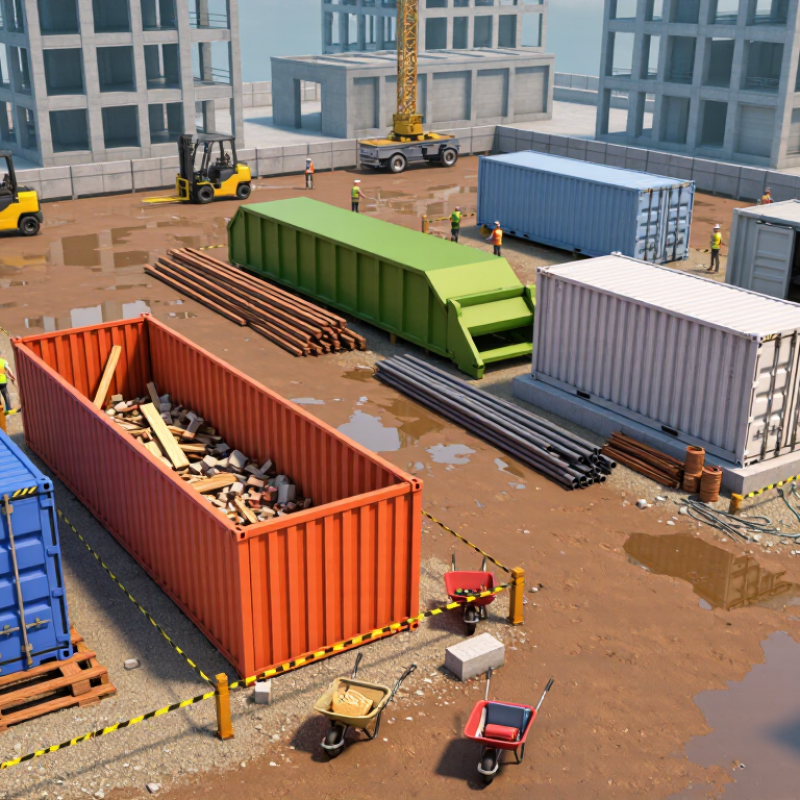
Construction containers are commonly classified by capacity and jobsite function. Small containers, often around 2–8 cubic yards, suit tight sites and light debris. Mid-size units handle renovation waste, while large roll-off containers, commonly 20–40 cubic yards, serve bulky demolition projects. Exact dimensions vary by provider, so check container measurements, not just the advertised capacity. A tall container may hold more, but can be harder to load by hand.
Purpose matters as much as size. Open-top roll-offs take mixed construction debris, such as timber, drywall, and packaging. Dedicated containers keep concrete, soil, or metal separate for easier handling and recovery. Enclosed units can help protect materials from rain and reduce windblown litter.
The U.S. Environmental Protection Agency estimated 600 million tons of construction and demolition debris in 2018—more than twice the amount of municipal solid waste. That figure shows why sorting and choosing the right container matter. Still, a tidy plan can fail when crews lack room to separate waste.
Tips: Estimate debris volume before ordering, and allow space for bulky pieces. Confirm weight limits and accepted materials with the hauler. A container that looks large can fill quickly with dense concrete. Conversely, oversized containers may waste valuable space on a narrow site.

Roll-off dumpsters are a practical choice for construction and demolition debris because crews can load them directly at the work area. The U.S. Environmental Protection Agency estimated that construction and demolition activities generated 600 million tons of debris in 2018—more than twice the amount of municipal solid waste. Its report also estimated that 455 million tons were directed to reuse or recycling. These figures show why sorting matters, even on a small renovation.
Choose container capacity based on both volume and weight. Concrete, brick, and soil can reach weight limits before a container looks full; lumber and packaging take up more space but are lighter. Keep clean wood, metal, and concrete separate when local recovery options accept them. A mixed load may be easier to manage, but it can reduce recycling opportunities. That trade-off is easy to overlook. Place the container on firm, level ground, allow room for loading, and keep debris below the rim.
Tips: Estimate heavy materials separately before ordering. Confirm accepted materials and pickup timing with the hauler. Keep walkways clear, and don’t assume a half-full container is under its weight limit. EPA’s 2018 Construction and Demolition Debris report is a useful benchmark, not a job-specific estimate.
Front-load dumpsters suit construction sites that produce steady, manageable waste: cardboard, plastic wrap, packaging, and short offcuts. Their lidded, relatively compact design helps keep routine debris contained near a loading area. Scheduled pickups can prevent bins from overflowing during busy shifts. Keep the approach clear for collection trucks, and place the container where crews can reach it without blocking deliveries.
The U.S. Environmental Protection Agency estimated that construction and demolition activities generated 600 million tons of debris in 2018—more than twice the amount of municipal solid waste. That figure covers many material types and does not mean a front-load bin can handle every load. Heavy concrete, long lumber, and bulky demolition debris may require a different container. A practical site check matters: note the waste stream, available space, and expected fill rate before choosing a size or pickup schedule. Even then, estimates can be wrong. A few days of monitoring may reveal that crews are filling the bin faster than planned.
Typical nominal capacity ranges for common construction waste containers, in cubic yards.
Front-load dumpsters, commonly available in 2–8 cubic-yard sizes, can suit routine, lower-volume waste when pickup access is available. Open-top roll-offs handle larger debris volumes, while stationary compactors can help manage recurring waste where compaction is appropriate. Actual sizes vary by provider and location.
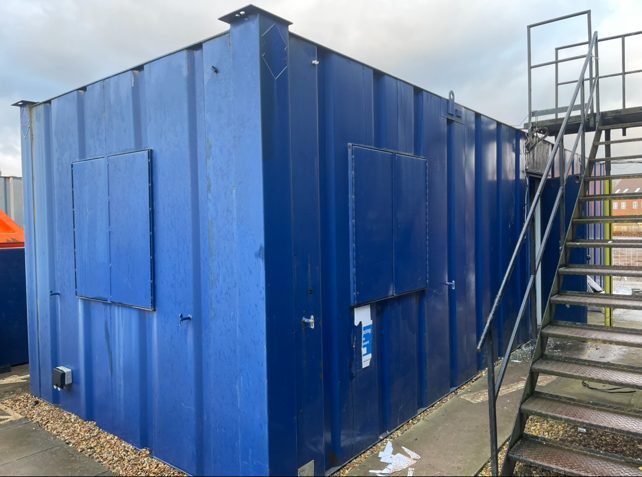
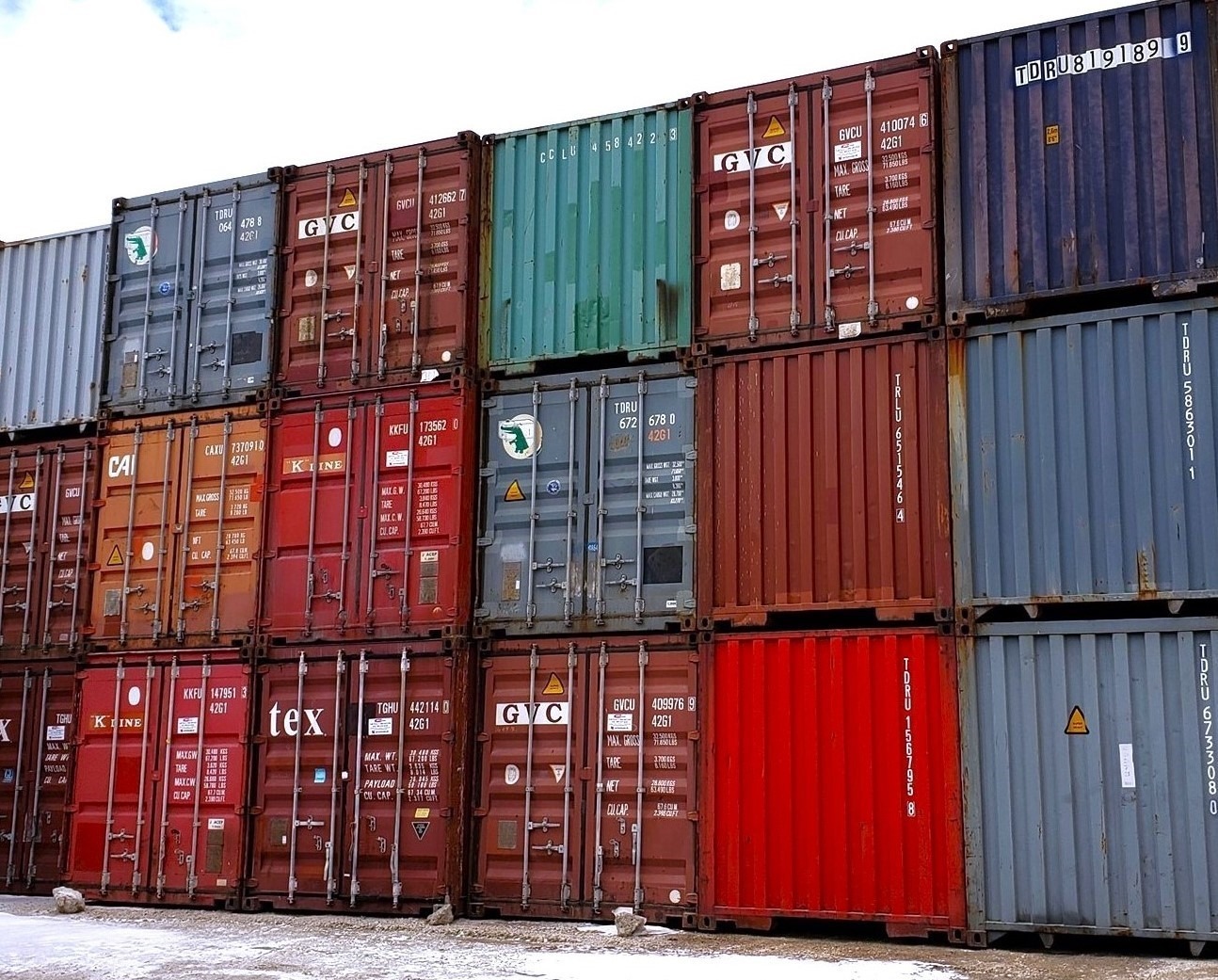
Shipping containers serve two practical roles on construction sites: secure storage and movable transport. Their steel walls shield tools, fittings, and packaged materials from rain and casual access. A sound container should have doors that close evenly, intact seals, and a floor without soft or damaged areas. Check these details before loading. A bent door can turn a simple lock into a daily frustration.
Security depends on more than steel. Use a well-fitted lock, keep the container in a visible, well-lit location, and record what goes inside. For transport, distribute weight evenly and secure items so they cannot shift when the vehicle brakes or turns. Heavy equipment needs suitable loading gear and correctly rated restraints. Follow the carrier’s loading instructions. Small details matter. Moisture can collect inside, especially when damp materials are stored with little airflow, so ventilation and regular checks may help protect sensitive supplies. A container is not a magic vault; its condition and placement affect how well it performs. That assumption deserves a second look. Even a sturdy unit may need maintenance, and checking it after severe weather is easy to overlook.
| Container Type | Typical Dimensions | Design Features | Common Construction Uses | Storage and Transport Notes |
|---|---|---|---|---|
| 20-Foot Standard Dry | External: about 6.06 × 2.44 × 2.59 m Internal: about 5.90 × 2.35 × 2.39 m |
Enclosed steel structure with end doors; suitable for general cargo. | Tools, small equipment, boxed materials, and site supplies. | Compact footprint suits tighter sites. A sound door seal and suitable lock help protect stored contents. |
| 40-Foot Standard Dry | External: about 12.19 × 2.44 × 2.59 m Internal: about 12.03 × 2.35 × 2.39 m |
Long enclosed cargo space with end doors; common for containerized freight. | Long or palletized materials, packaged supplies, and larger tool inventories. | Provides substantial volume for transport and storage. Check access and turning space before positioning on site. |
| 40-Foot High-Cube Dry | External: about 12.19 × 2.44 × 2.90 m Internal height: about 2.69 m |
Similar footprint to a standard 40-foot unit, with roughly 30 cm of extra external height. | Bulky materials, tall equipment, and storage where additional vertical space is useful. | The extra height can increase usable volume. Confirm clearance under site gates, overhead lines, and transport routes. |
| Open-Top Container | Commonly 20 or 40 ft; dimensions vary by unit. Overall footprint is similar to the corresponding standard container. | Removable roof covering or open top, usually with end doors; designed for loading from above. | Tall machinery, awkward loads, and materials loaded by crane. | Useful when top-loading is essential, but the cover may offer less weather protection than a rigid roof. Secure and inspect it for the journey. |
| Side-Opening Container | Available in common 20- and 40-foot formats; exact internal dimensions vary by design. | Wide-opening side doors, often combined with end doors, provide access along the container length. | Long materials, frequently accessed supplies, and items difficult to reach through end doors. | Makes loading and picking easier, but the side-door locking points should be checked and secured when unattended. |
| Flat-Rack Container | Commonly 20 or 40 ft; usable deck dimensions and load limits vary by unit. | Open sides and no fixed roof; end walls may be fixed or foldable, depending on the model. | Oversized machinery, structural components, and loads that exceed enclosed-container dimensions. | Designed for transporting out-of-gauge cargo, not secure or weatherproof storage. Loads need suitable restraint and weather protection. |
| Refrigerated Container | Commonly 20 or 40 ft; internal space is reduced by the insulation and refrigeration machinery. | Insulated walls and a powered refrigeration unit for temperature-controlled cargo. | Temperature-sensitive materials or supplies when storage conditions require cooling. | Requires a suitable electrical supply and temperature monitoring. Not usually necessary for ordinary construction materials. |
Dimensions are typical approximate values for common container formats; actual internal measurements, tare weight, payload, and maximum gross weight vary by unit. Always check the container’s identification plate and condition, and confirm transport and site requirements before use.
Concrete work needs more than an ordinary open dumpster. A dedicated washout container holds wet slurry and rinse water while the concrete settles. Choose a sturdy, leak-resistant unit with enough capacity for the crew’s daily work. Place it on stable ground, away from storm drains. Small details matter. Hardened buildup can reduce usable space faster than expected, so check fill levels regularly. A container plan may look tidy on paper, yet rushed cleanup can still lead to spills.
Scrap containers should match the material and loading method. A roll-off with reinforced sides can handle heavy offcuts, while a smaller bin may suit clean, sorted metal. Keep sharp pieces inside the container, not hanging over the rim. Separate scrap from general debris when practical; mixed loads are harder to sort and may create unnecessary handling risks. Keep streams separate.
Hazardous materials require purpose-designed, compatible containers with secure closures and clear identification. Store them in a protected area with suitable secondary containment, and keep incompatible materials apart. Follow site procedures and applicable local requirements, using trained personnel for handling and collection. Never assume one container suits every material. The correct choice depends on what is being stored, how long it stays onsite, and the conditions around it. Teams should review those details before work begins, then revise the setup if actual waste volumes differ.
Registered in England & Wales No. 2786496
Registered office at: 337 Tanworth Lane,
Shirley, Solihull, B90 4DU
Registered for VAT, registration No.
GB 655 1347 38


Location: Nationwide
Not Available for Hire
We can deliver for a cost please ask and send us post code.
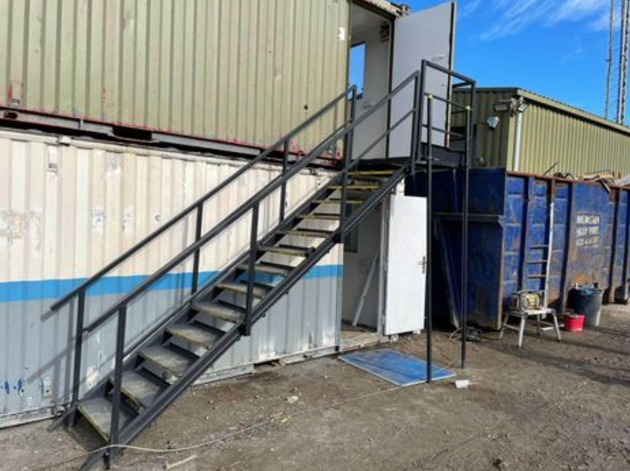
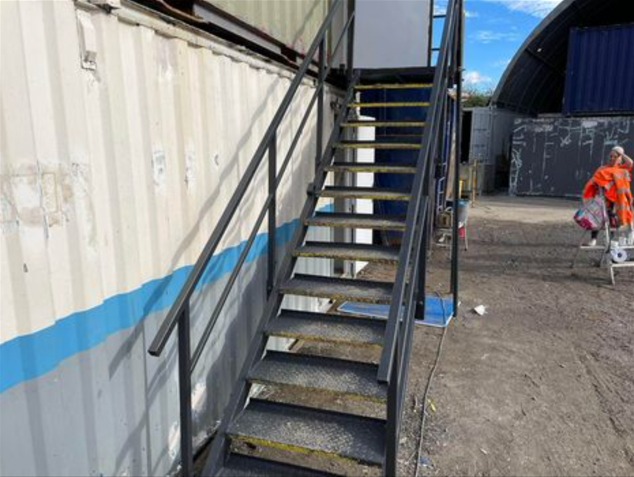
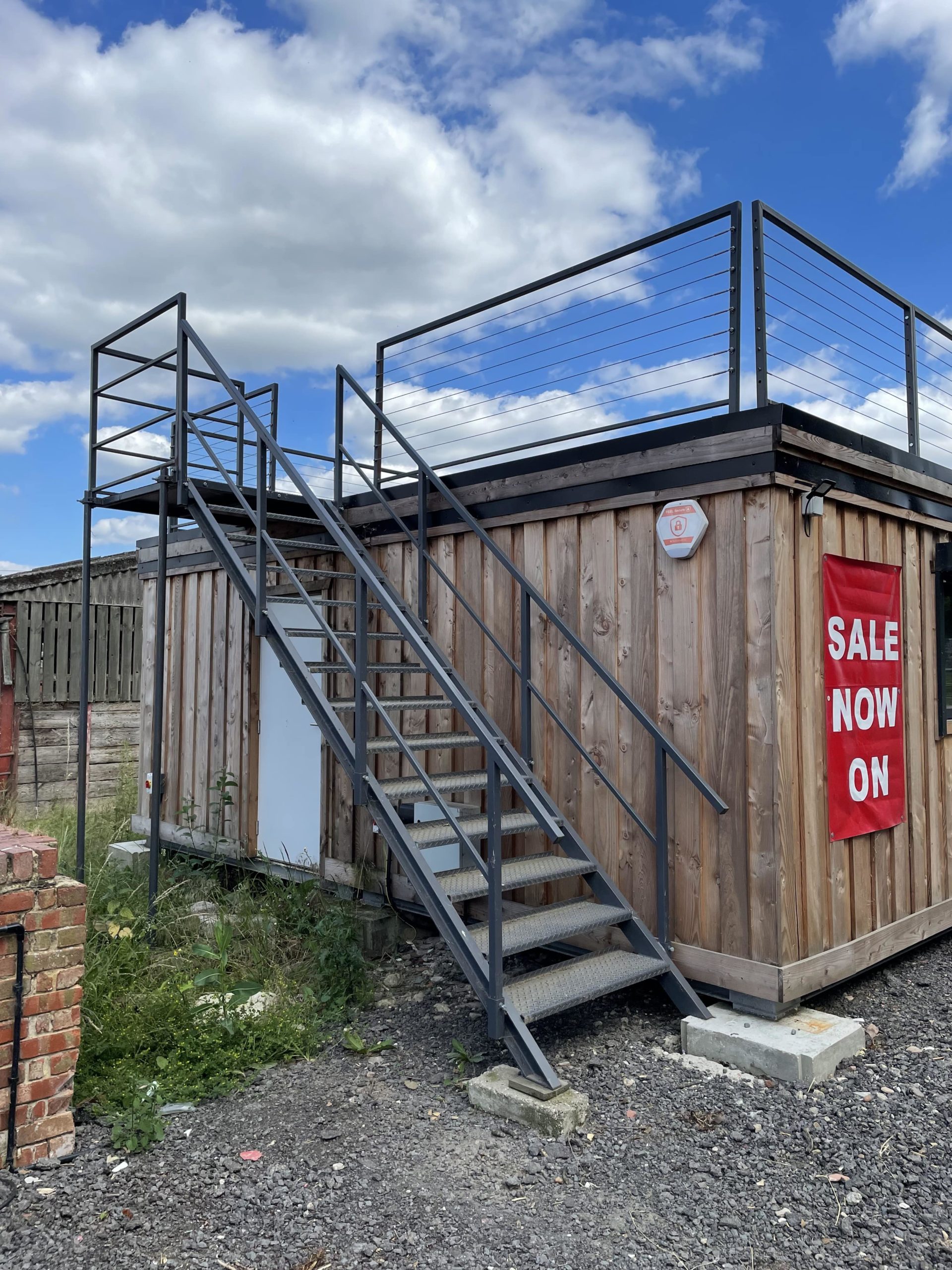
13 tread
14 tread
15 tread


Location: Nationwide
Not Available for Hire
Call for an instant quote!


Location: Nationwide
Not Available for Hire
We can deliver for a cost please ask and send us post code.
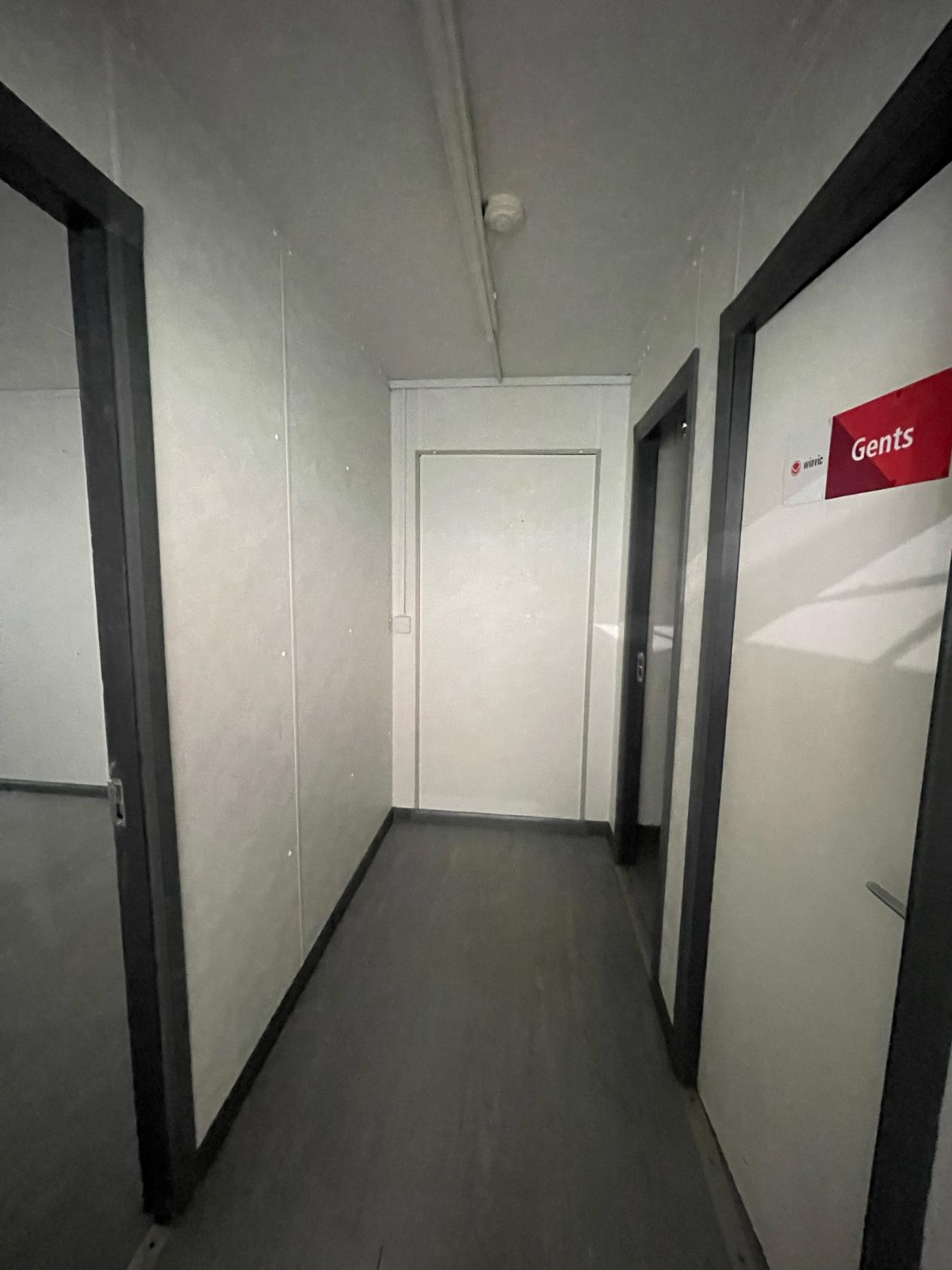
Hallway leading into:
Transport can be arranged please ask.


Location: Nationwide
Not Available for Hire
Call for an instant quote!
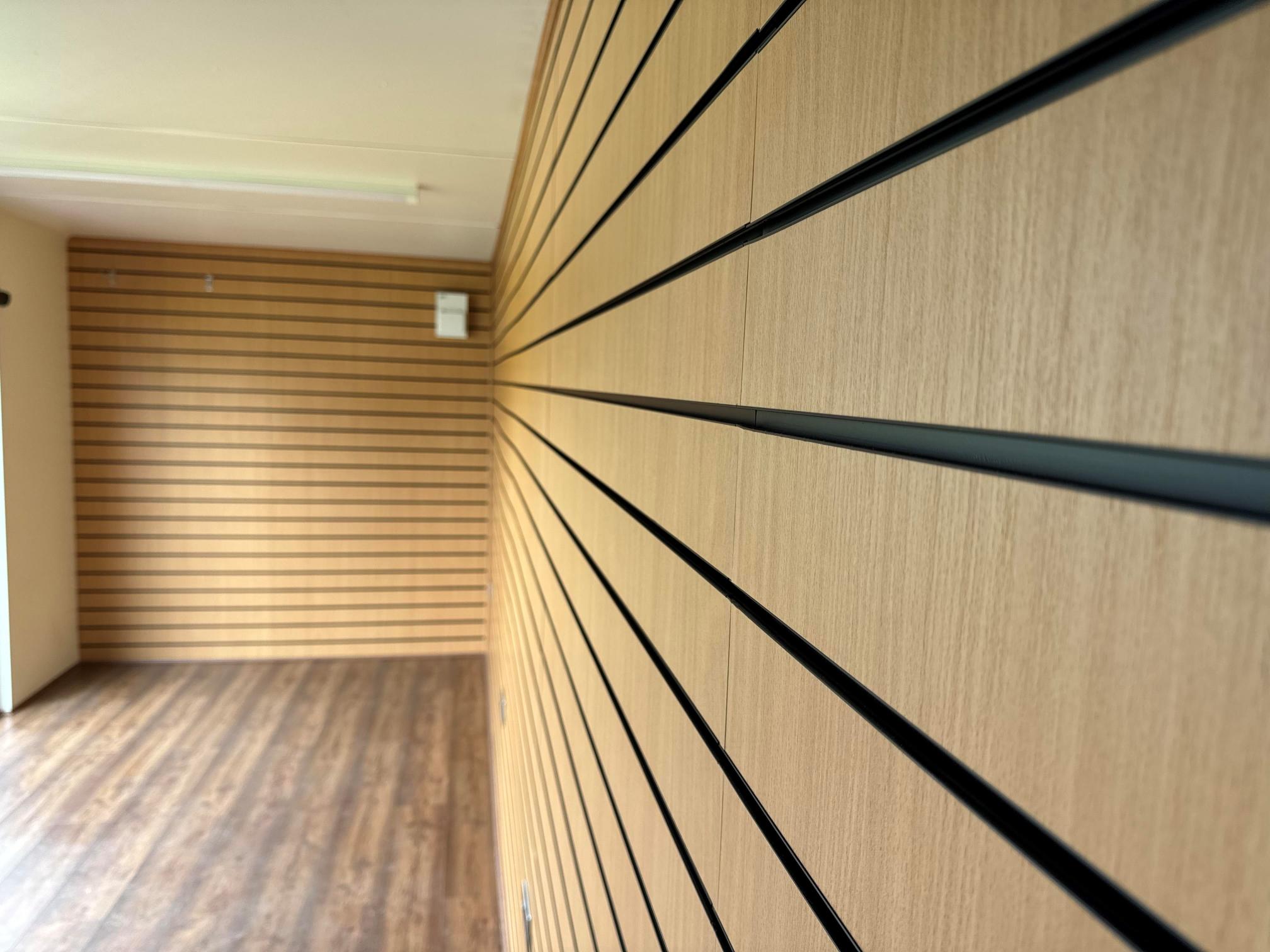
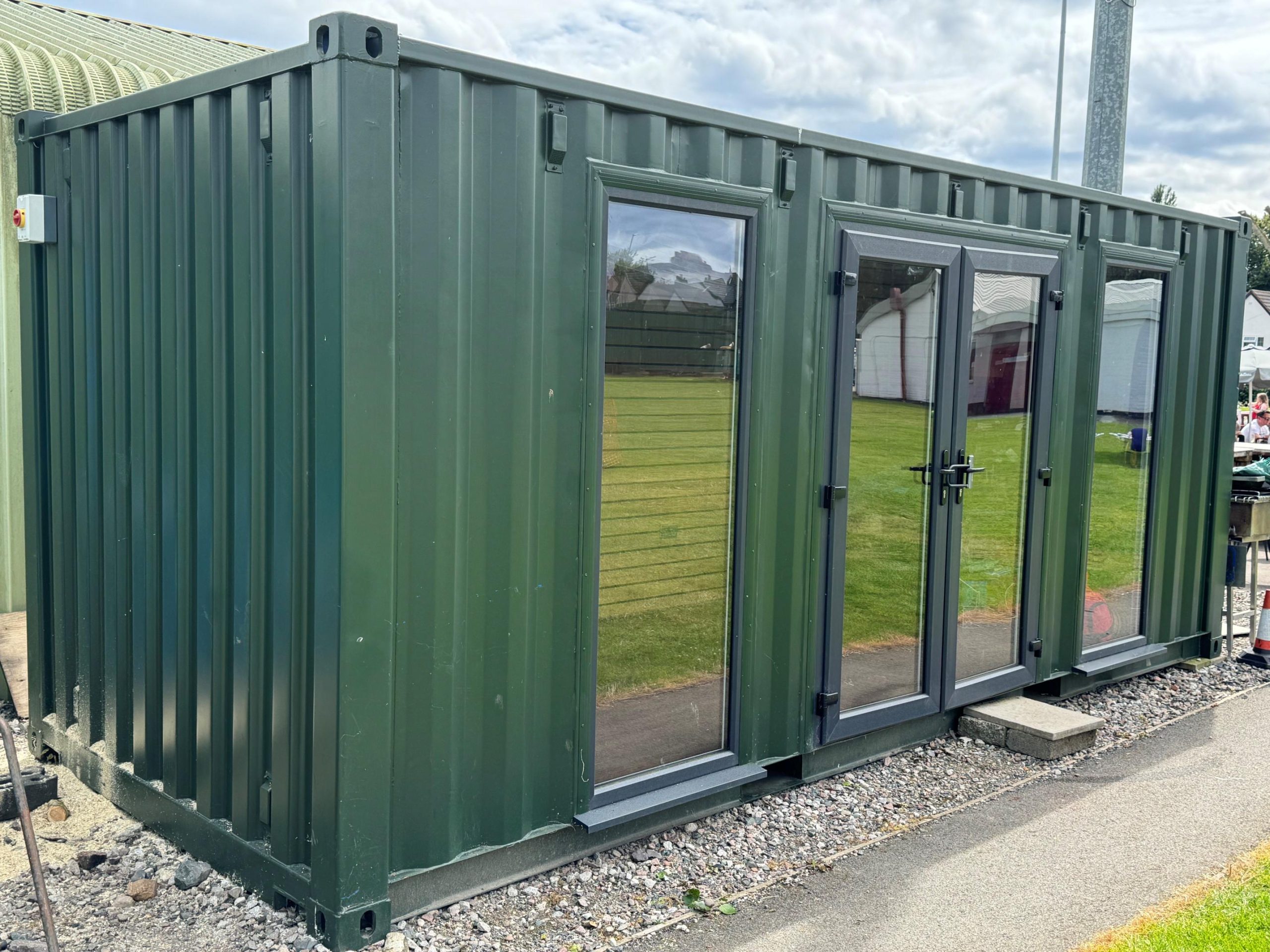
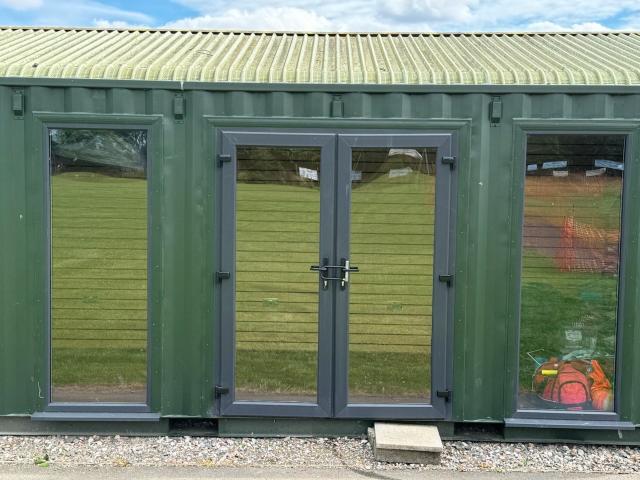
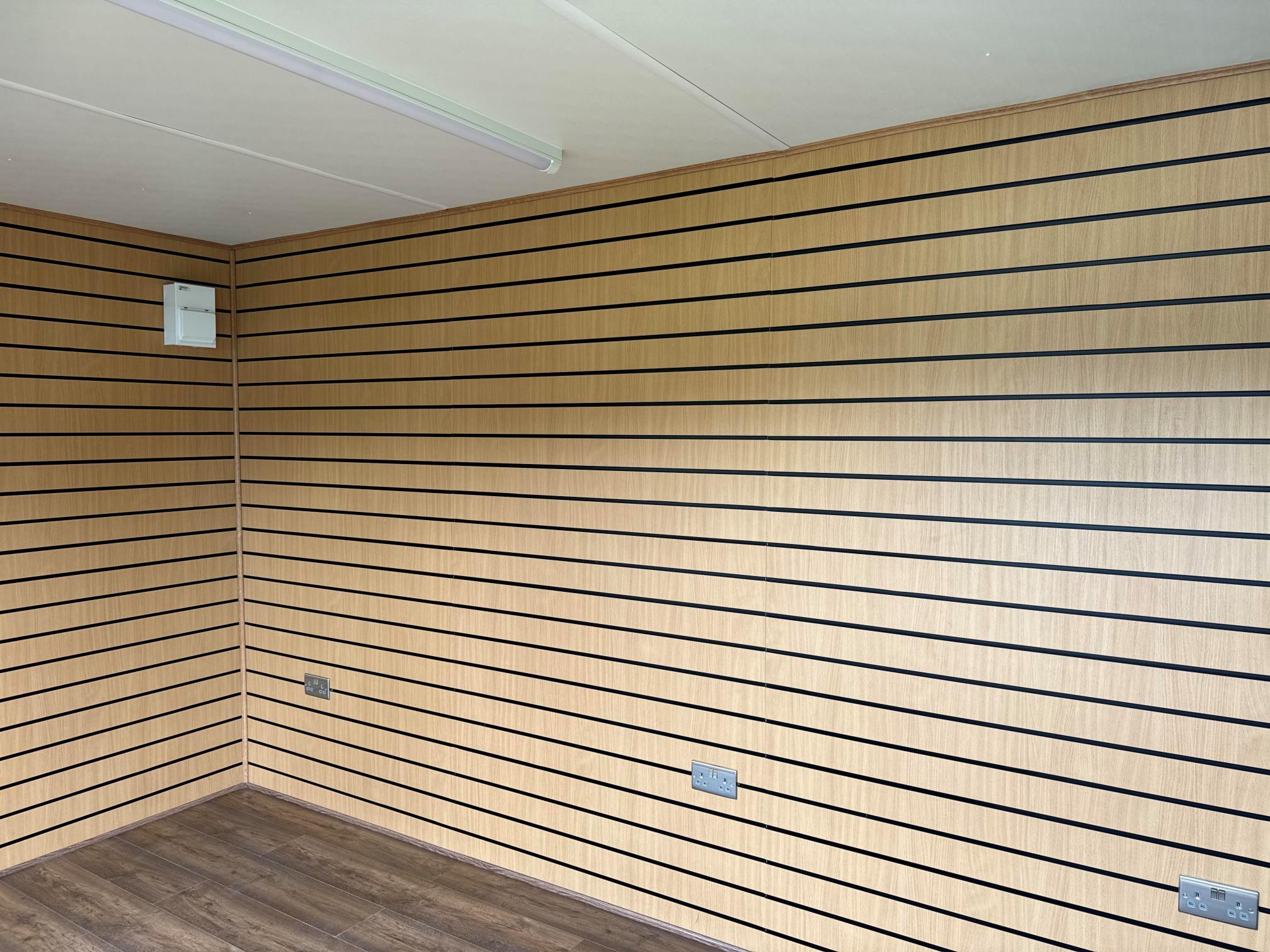
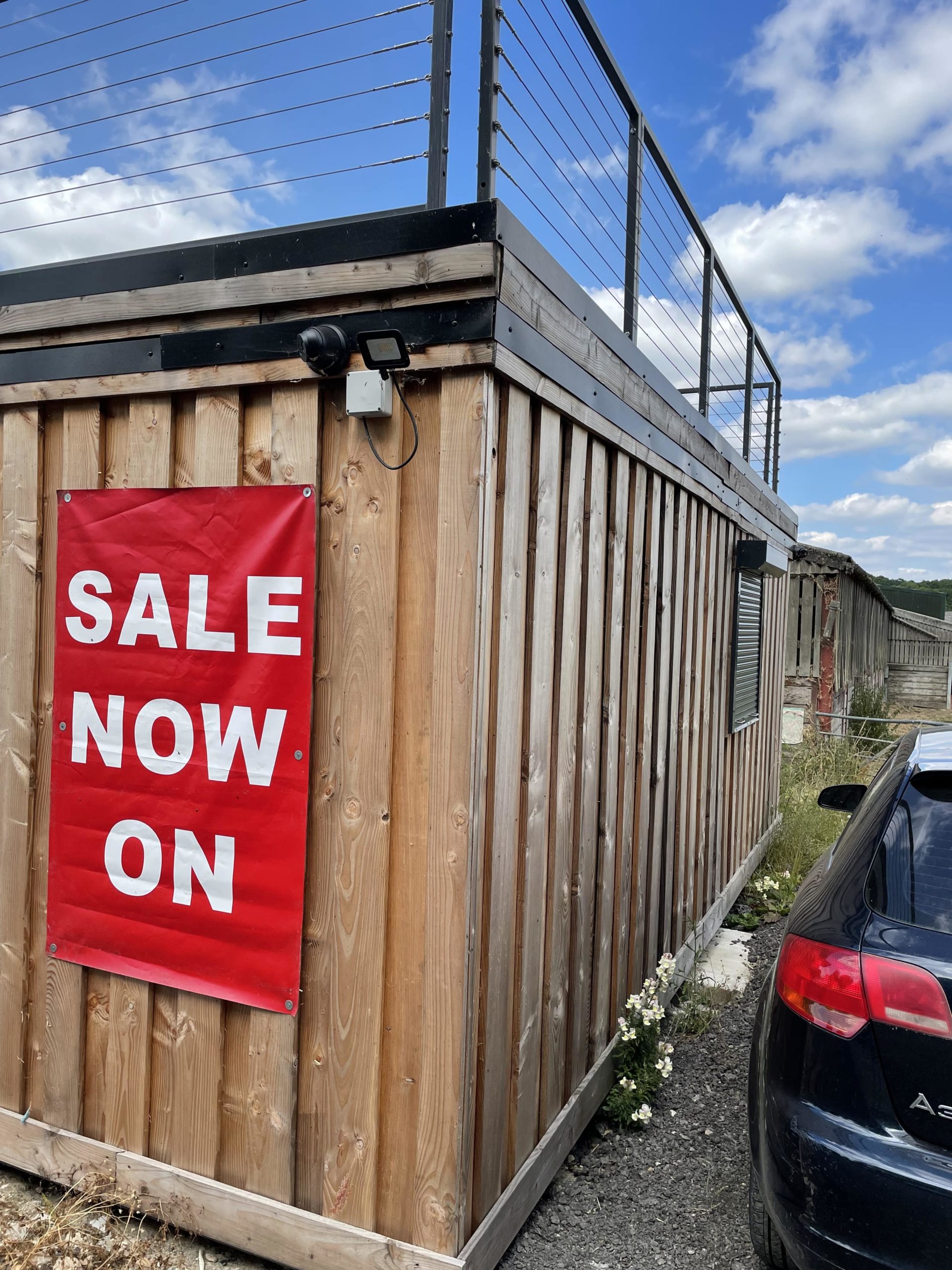
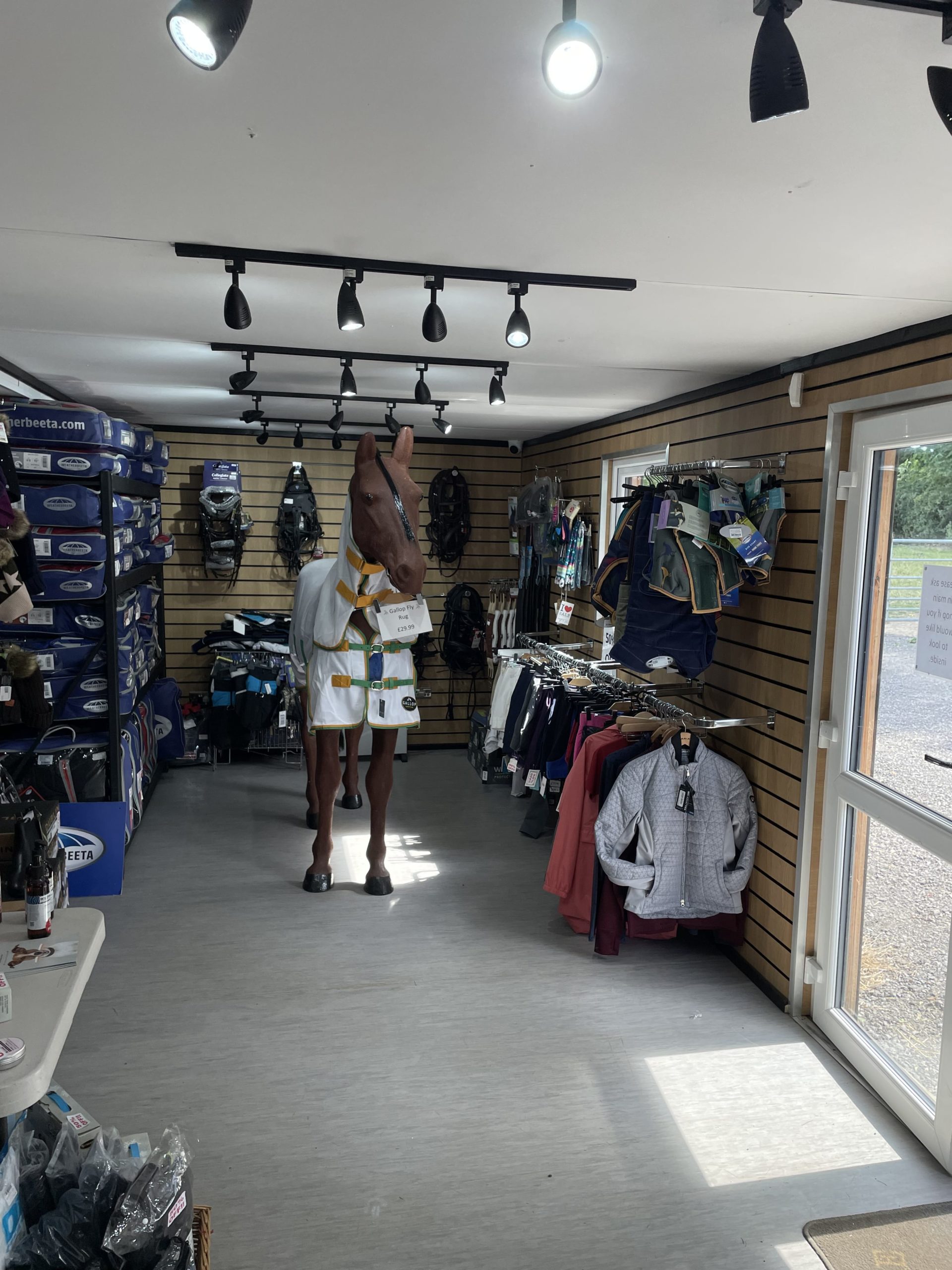
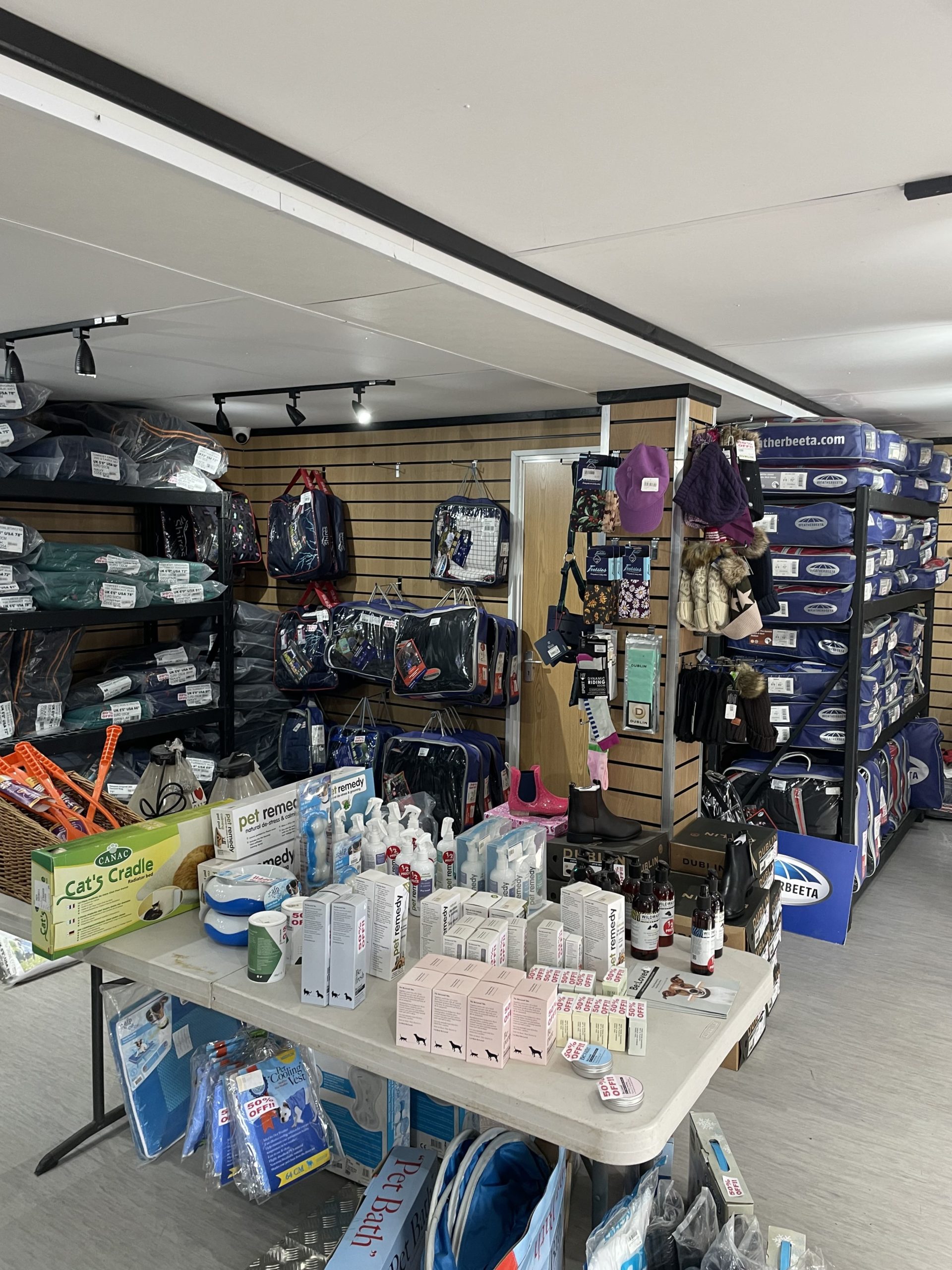
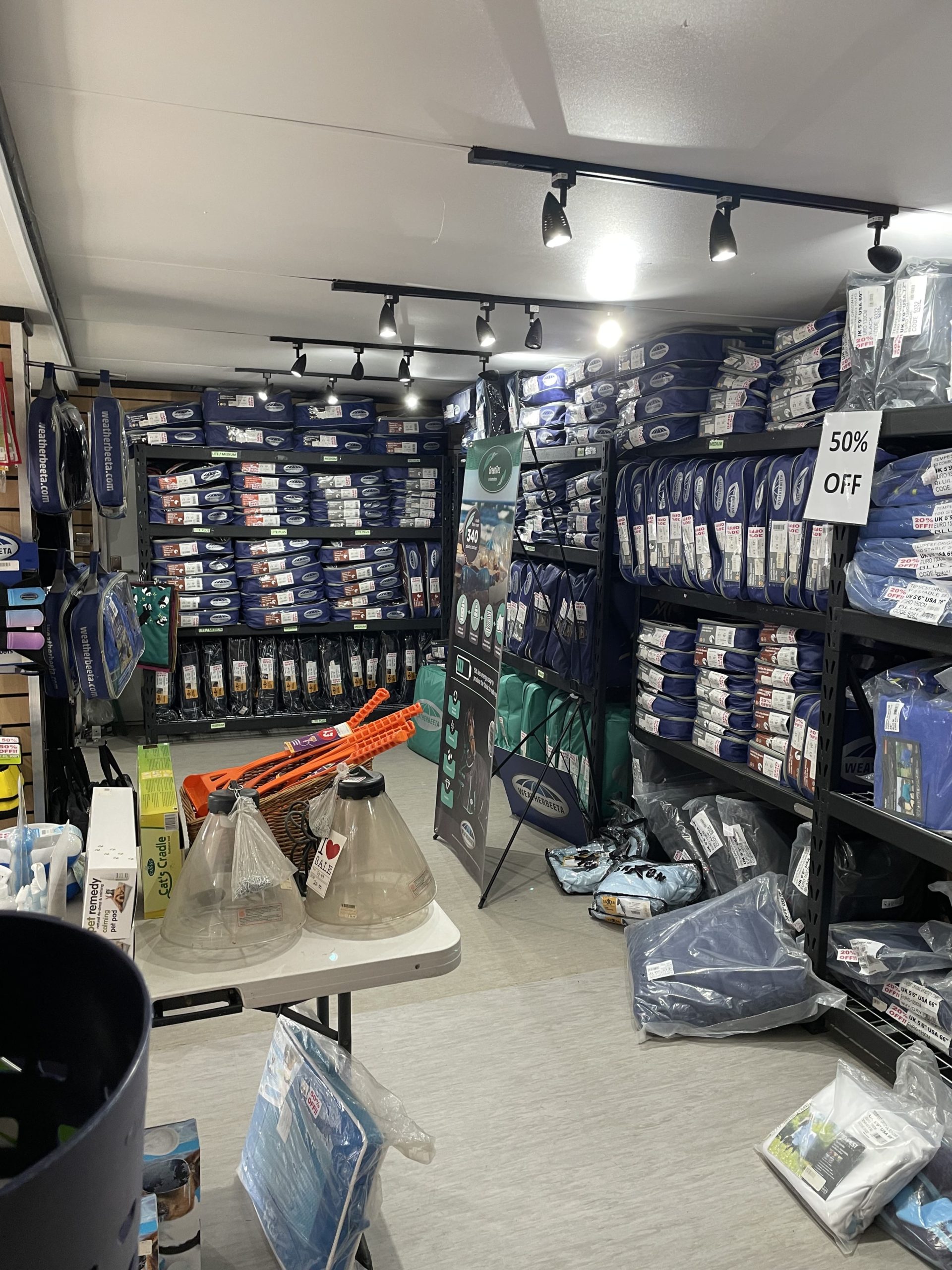
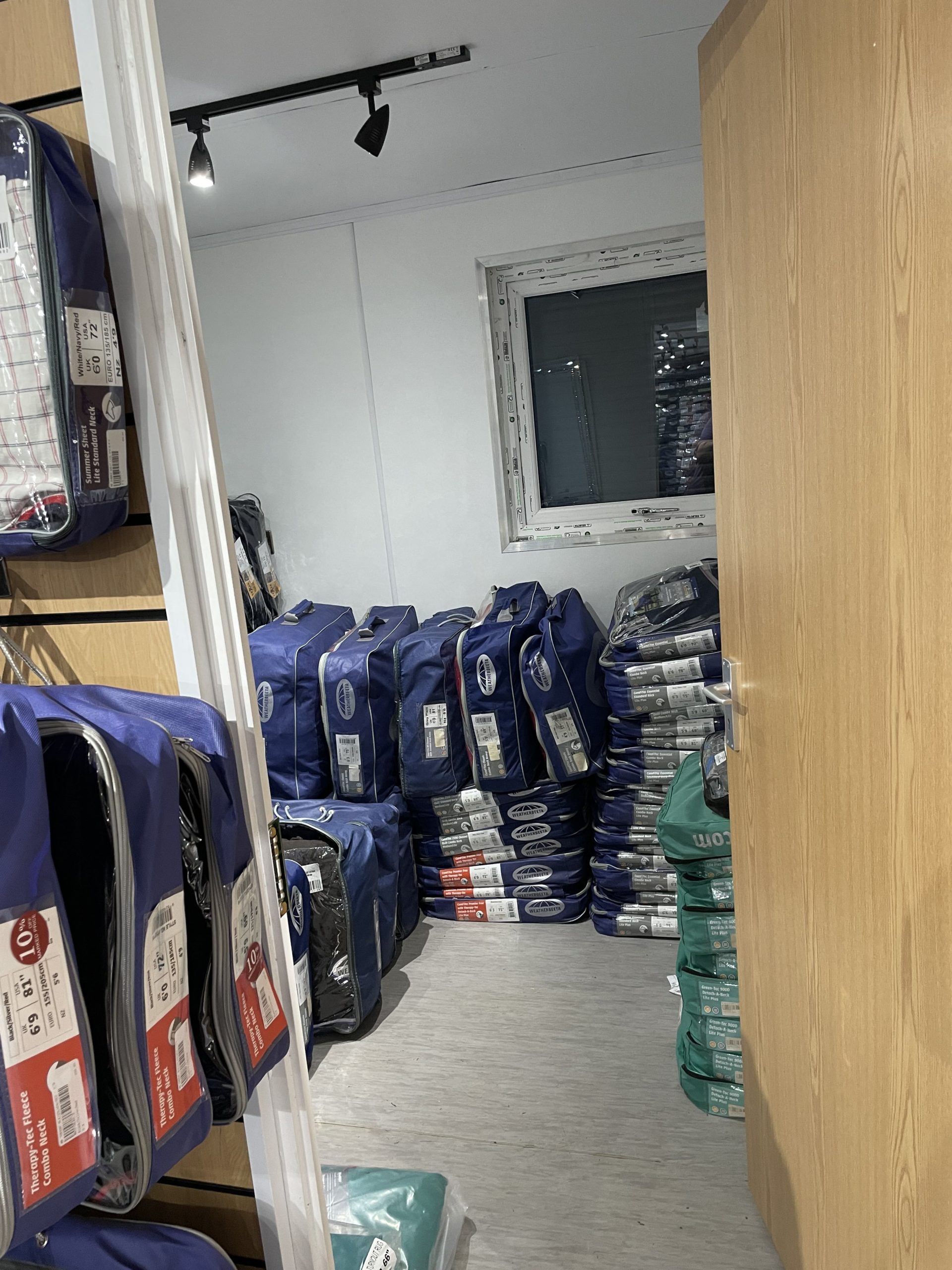
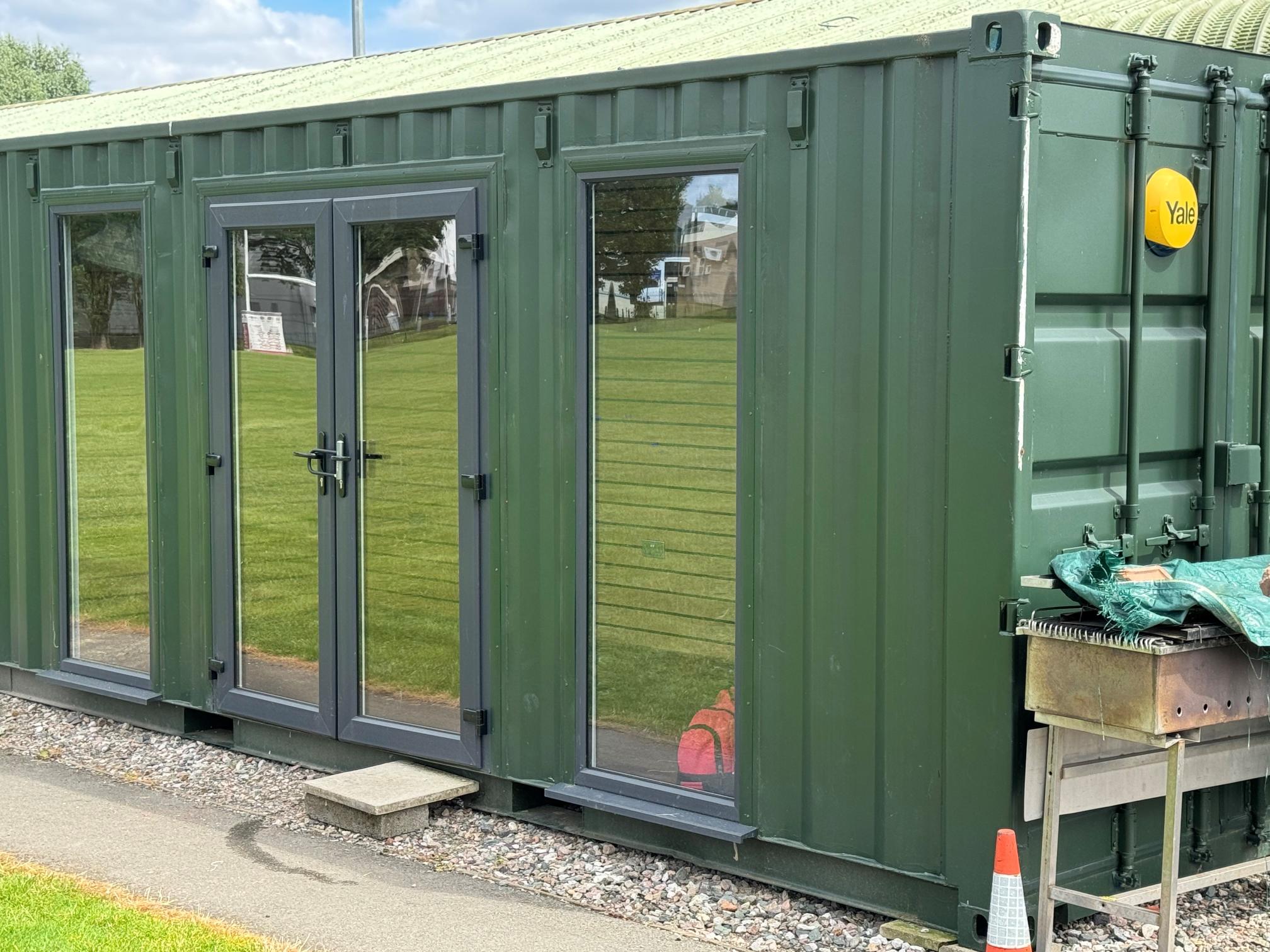
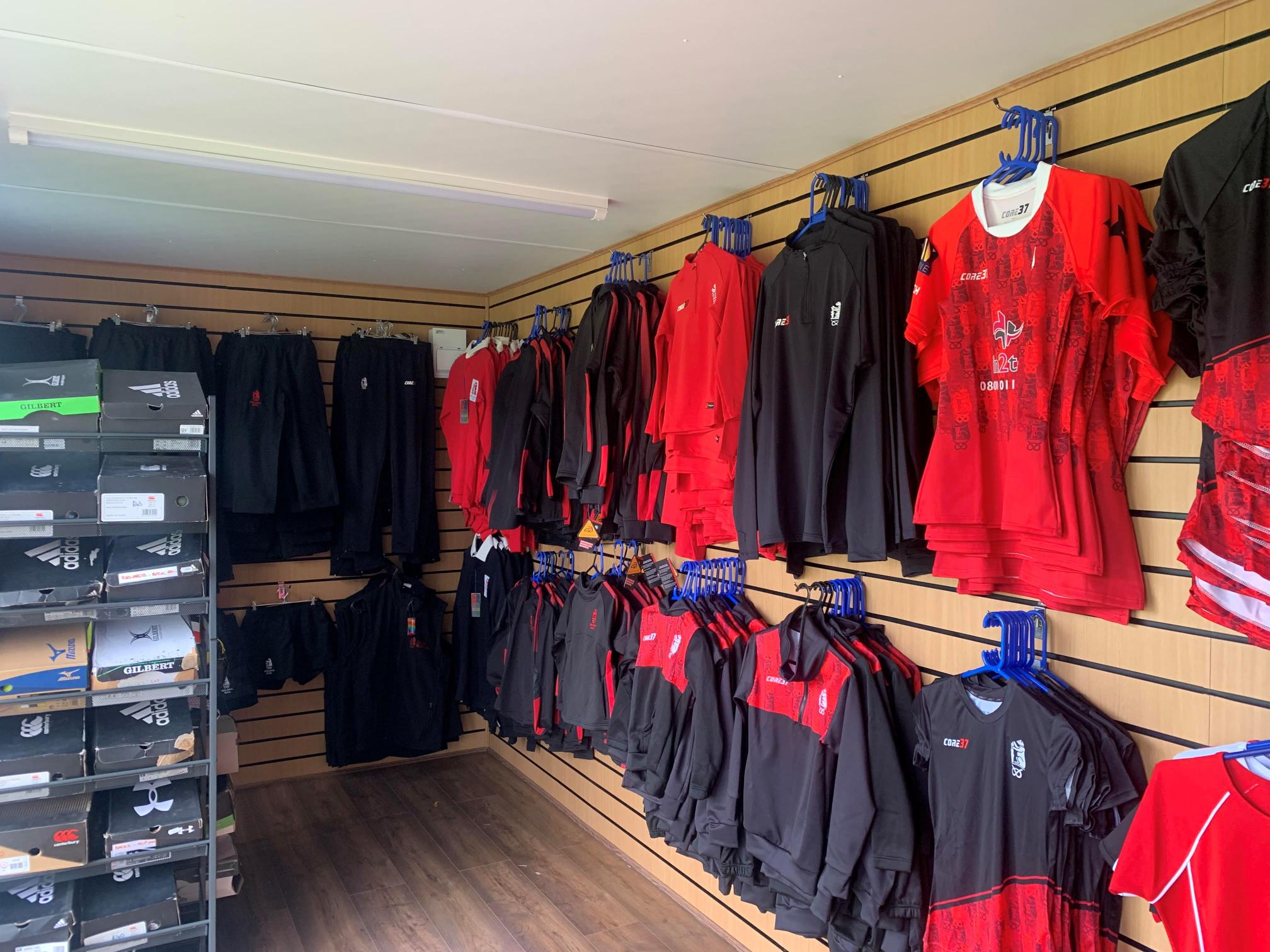
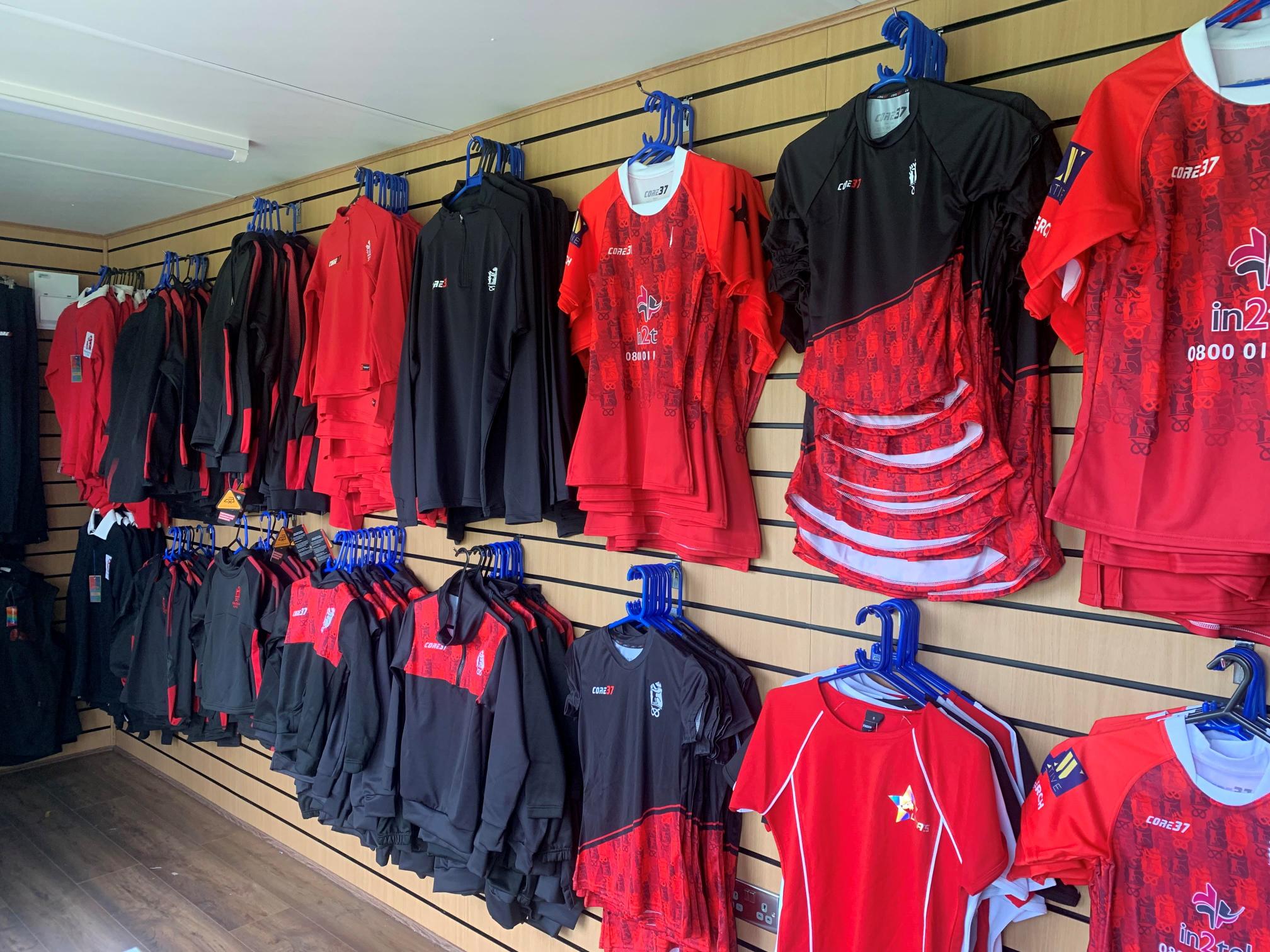
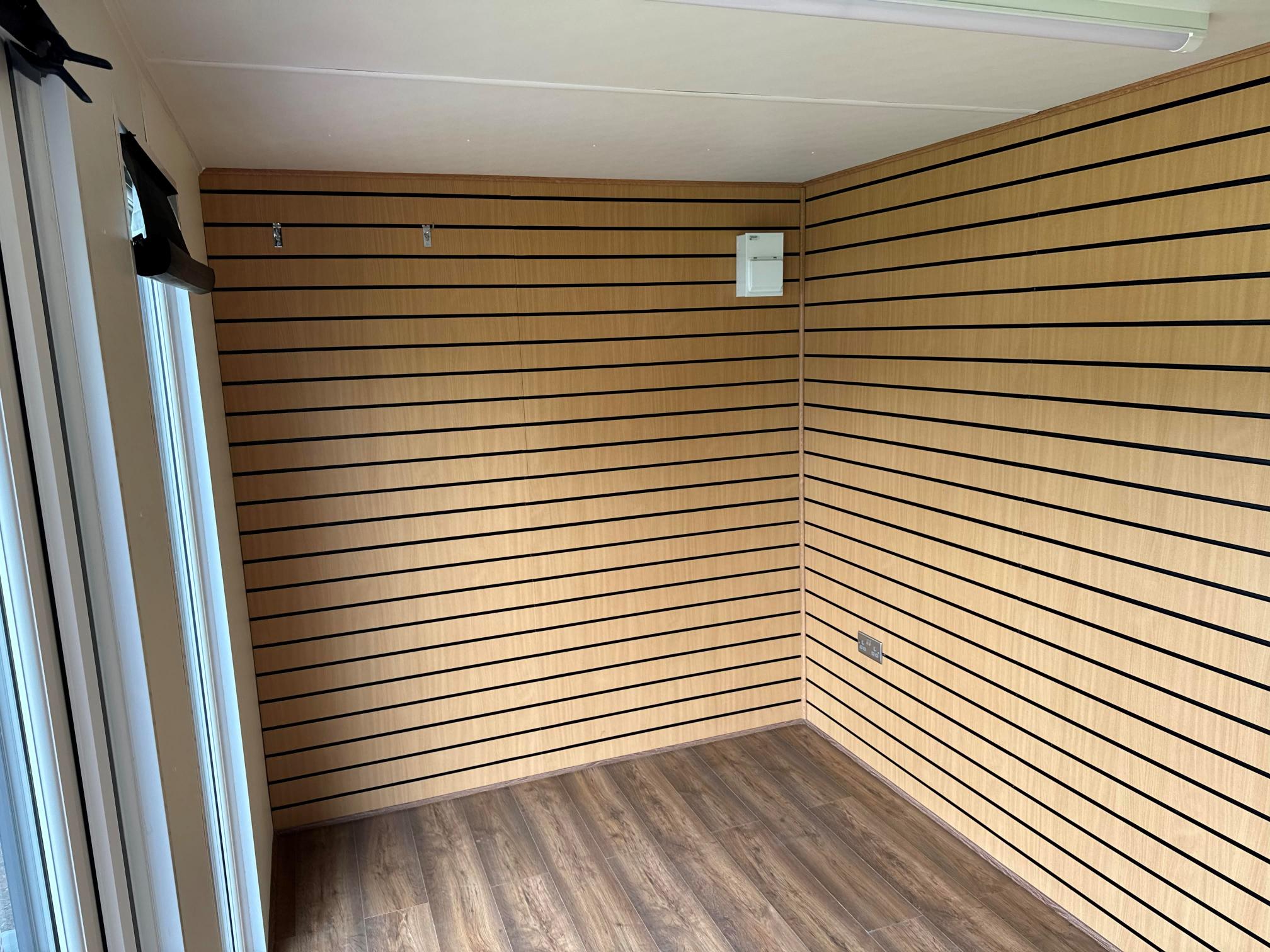
20ft x 8ft Container Conversion Retail Shop
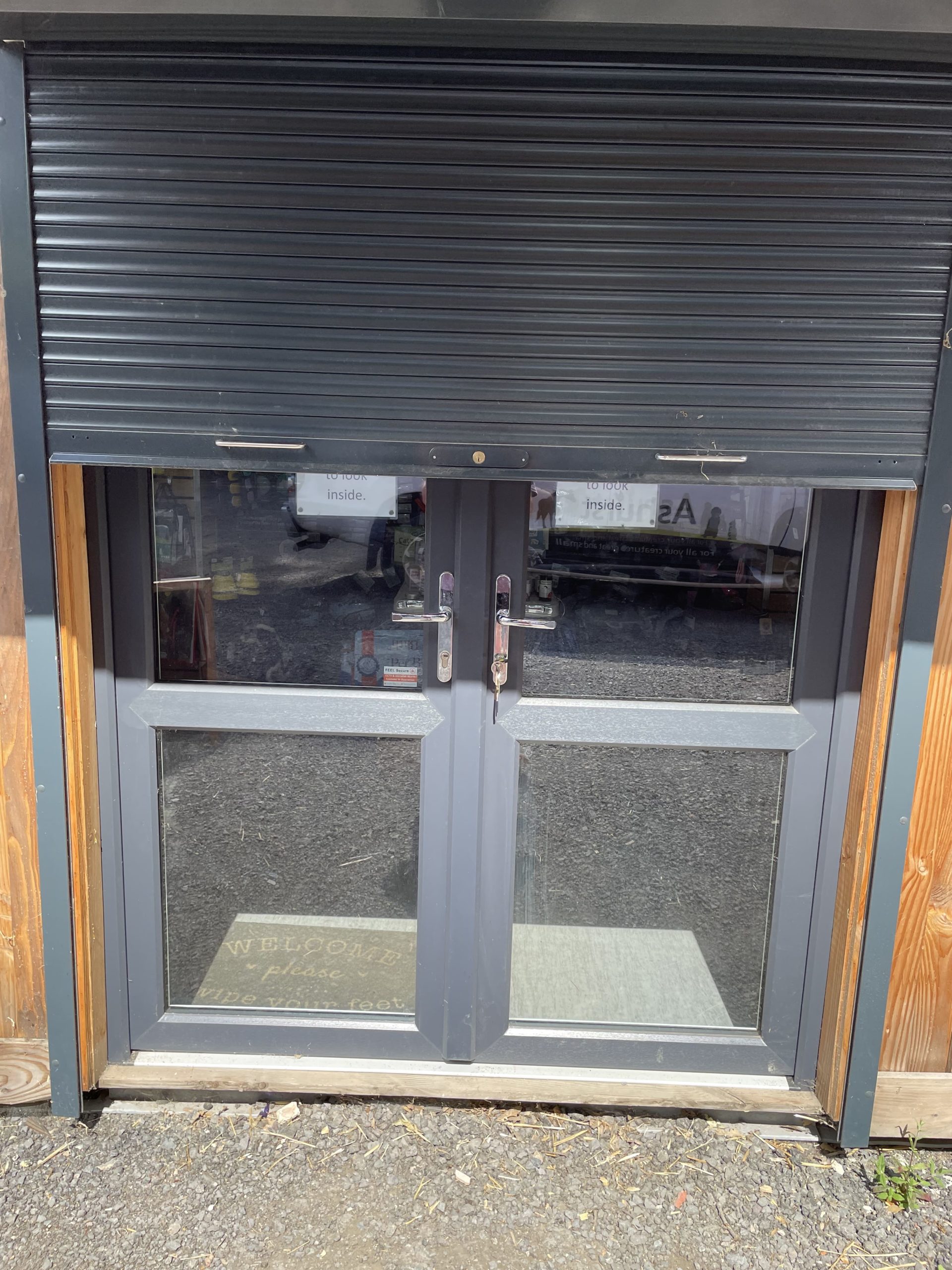
UPVC Double glazed Windows + French Doors
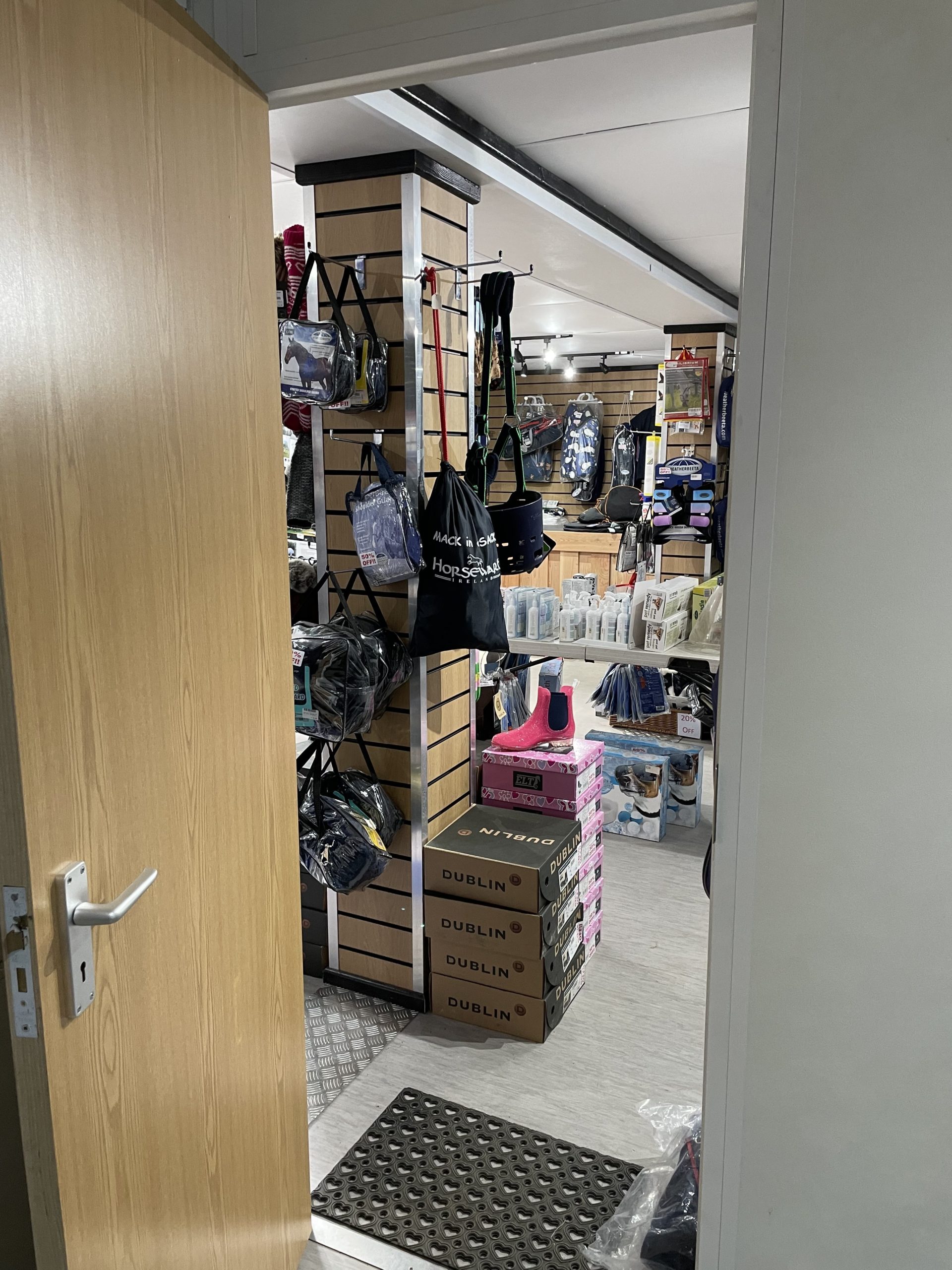
Slat Wall for retail fixings and Merchandise
Electric Chrome Sockets, led lighting and heating.
Laminate Flooring
12 months Warranty
Maintenance call out package included
Less than 2 years old
Still in Brand New Condition


Fully refurbished
Colour light grey
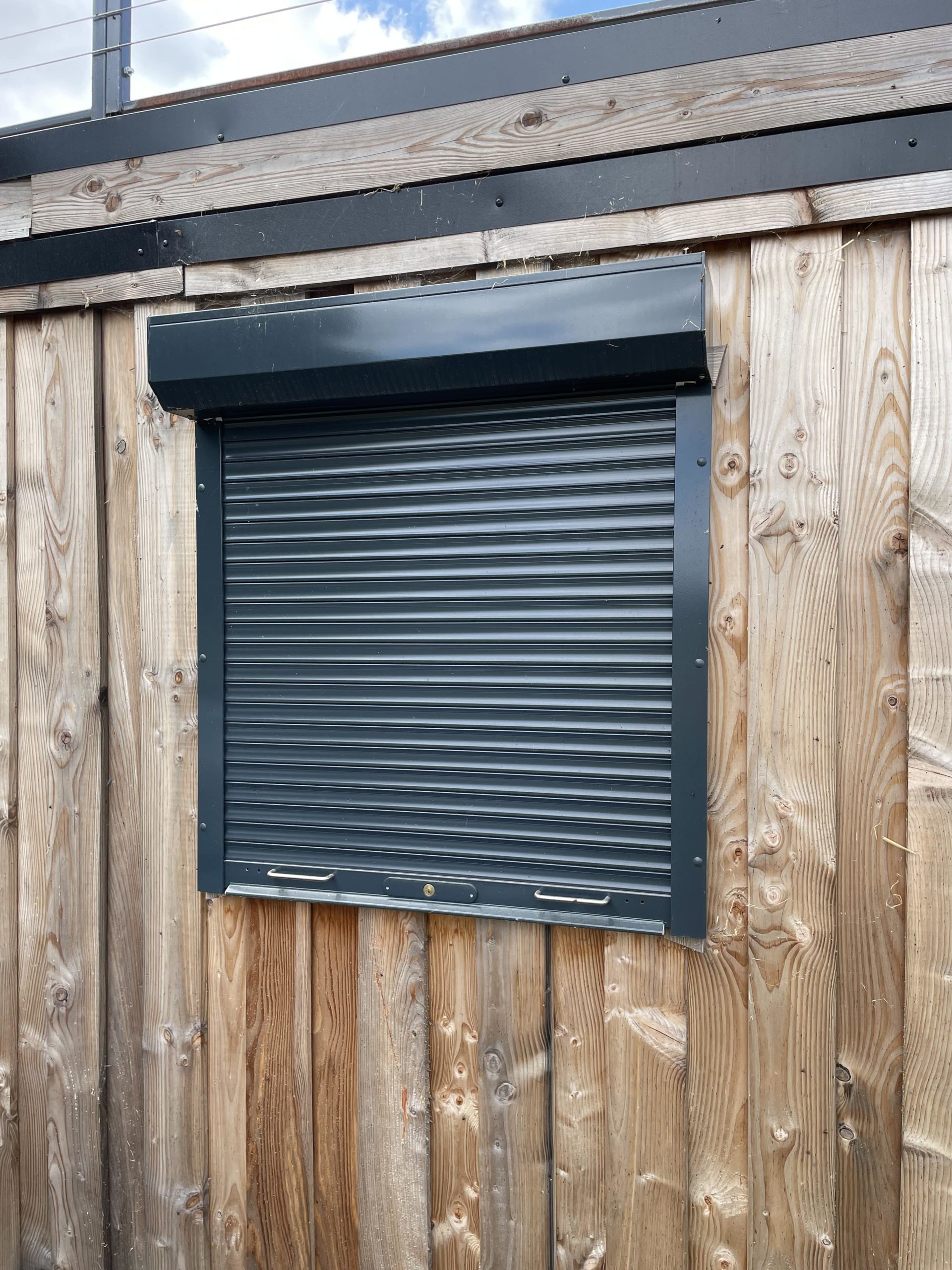
Slate grey anthracite upvc double glazed windows


Location: Nationwide
+ VAT
Not Available for Hire
Call for an instant quote!
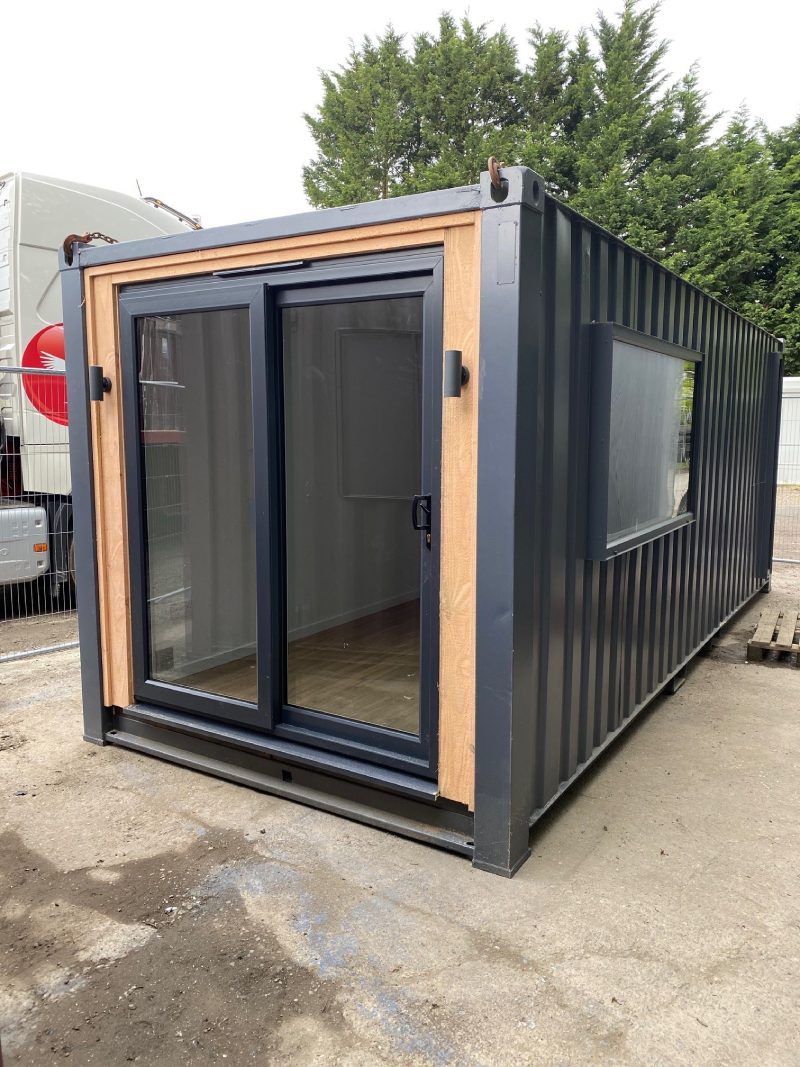
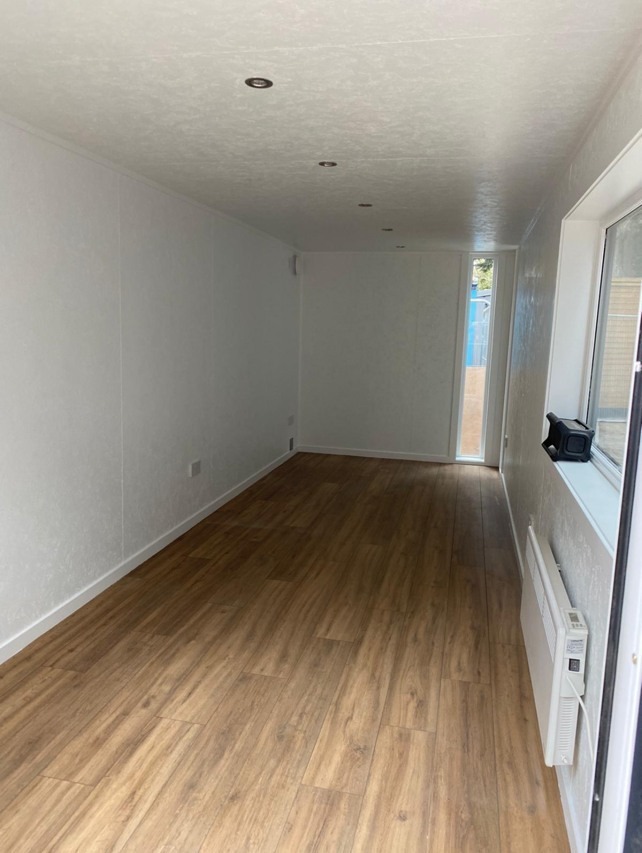
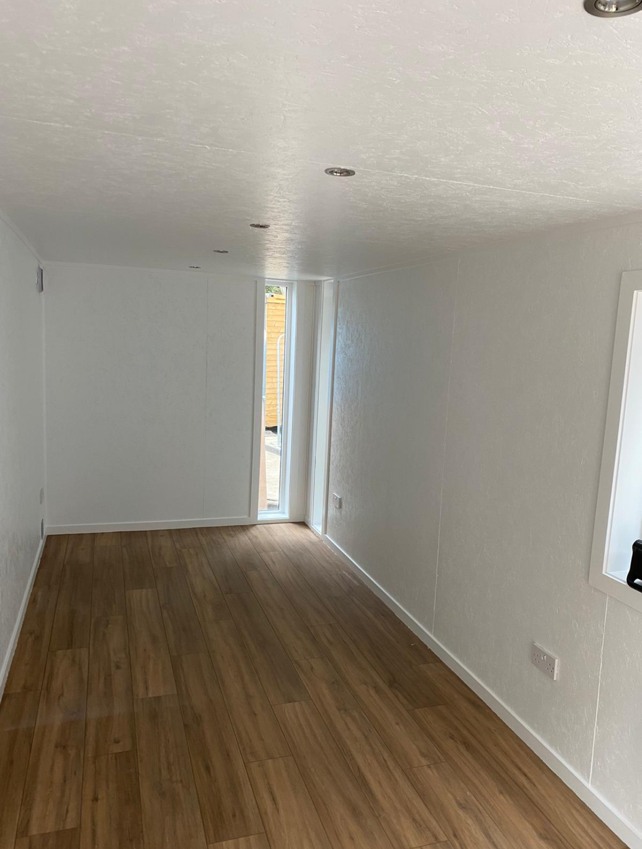
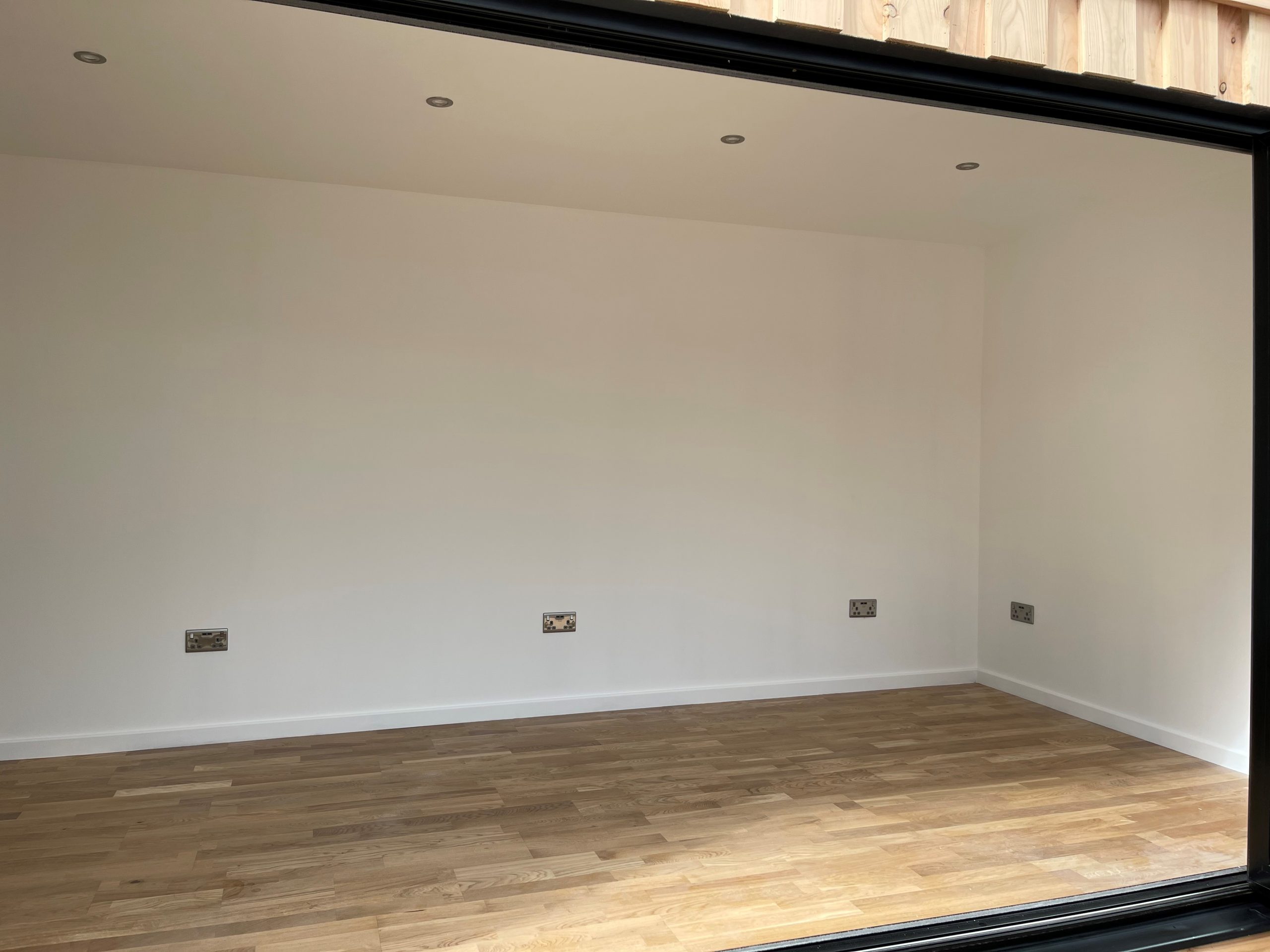
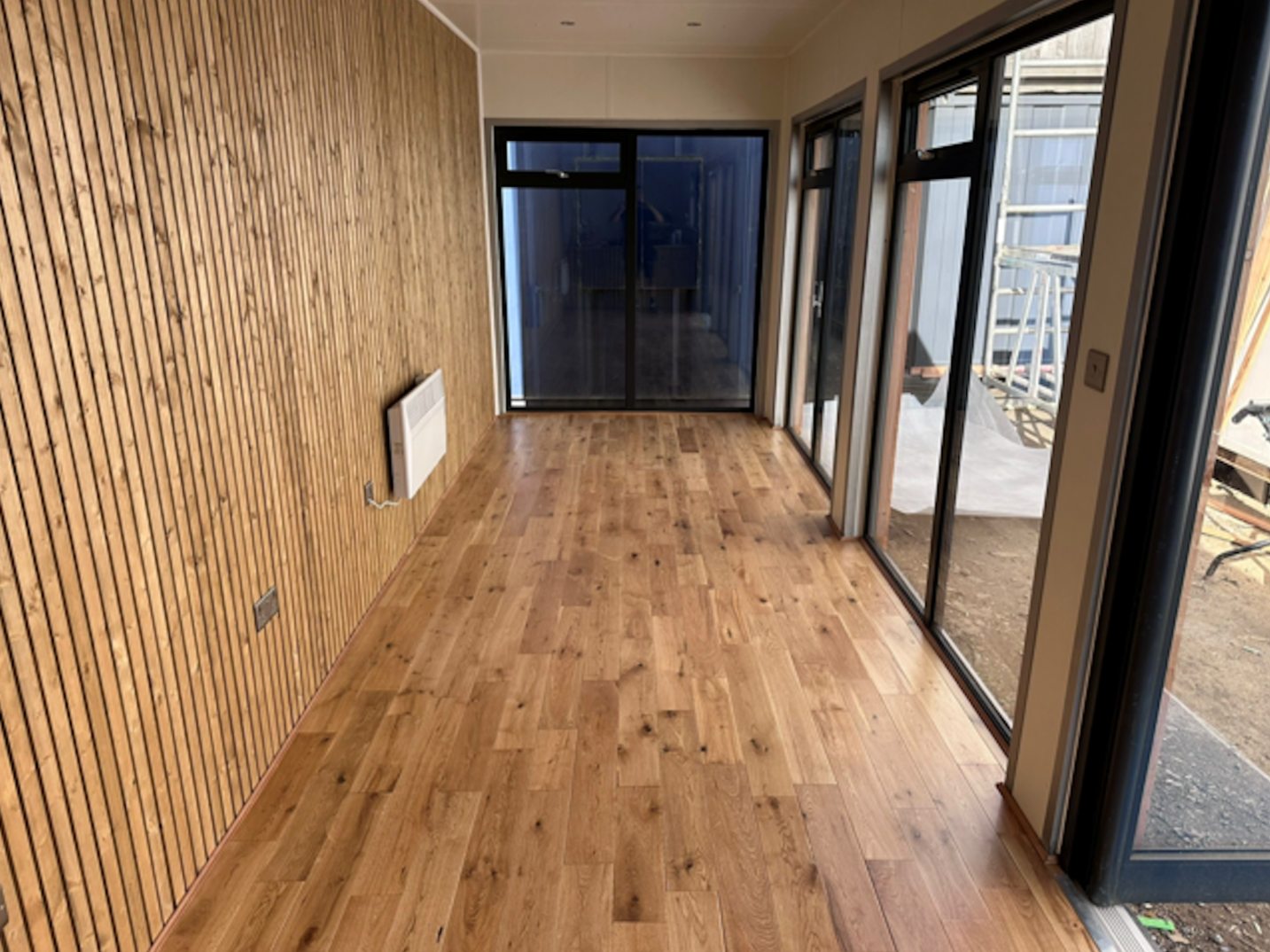
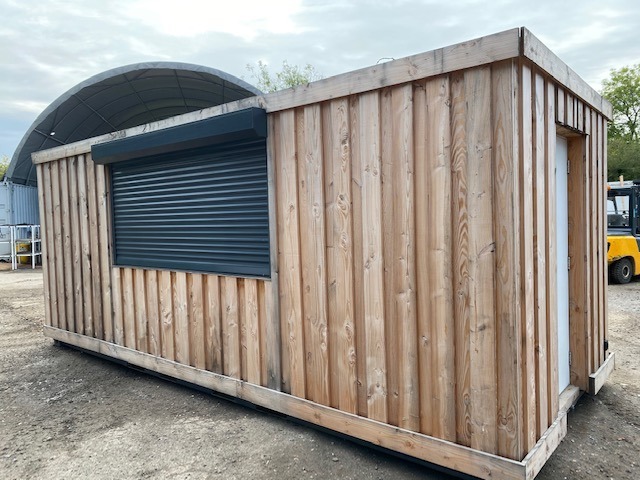
Fully Insulated with electric sockets, spot lighting, and heating
Wood Flooring
UPVC Sliding Door + Windows
Lead Time for build 6-8 weeks


Location: Nationwide
+ VAT
Not Available for Hire
Call for an instant quote!
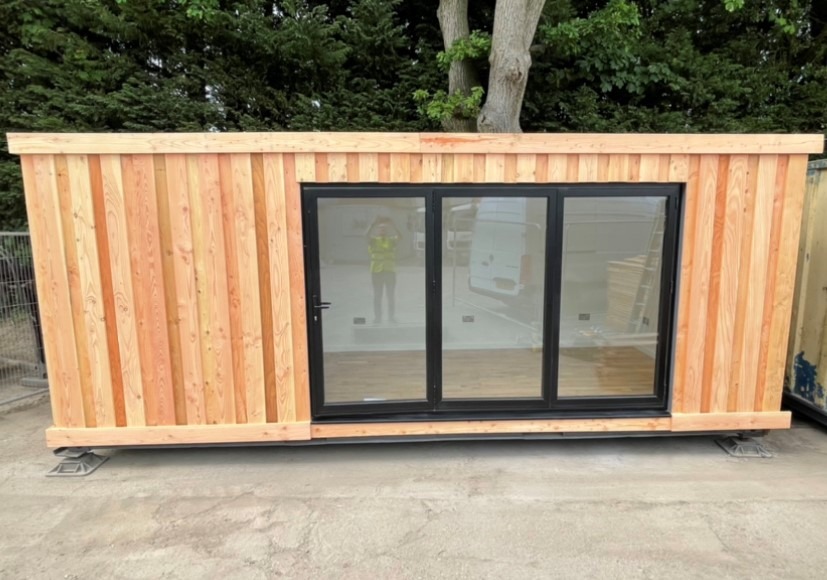
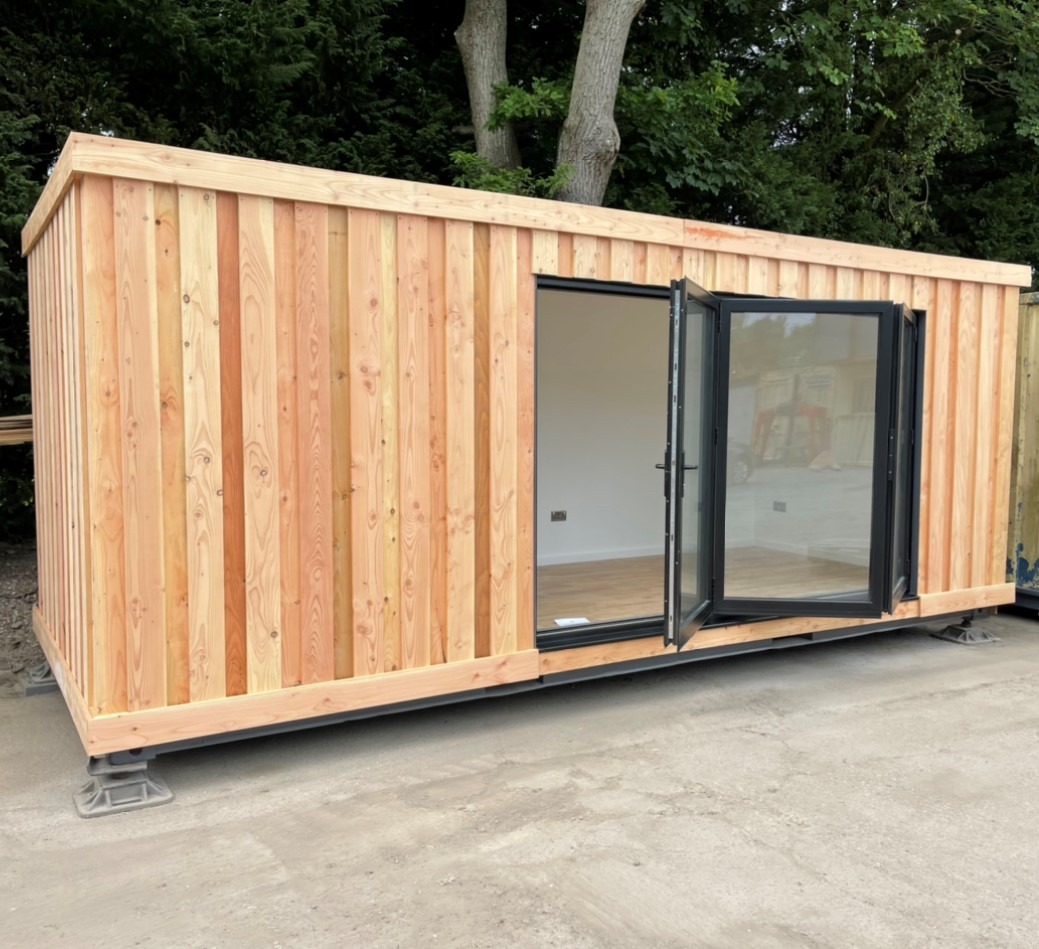
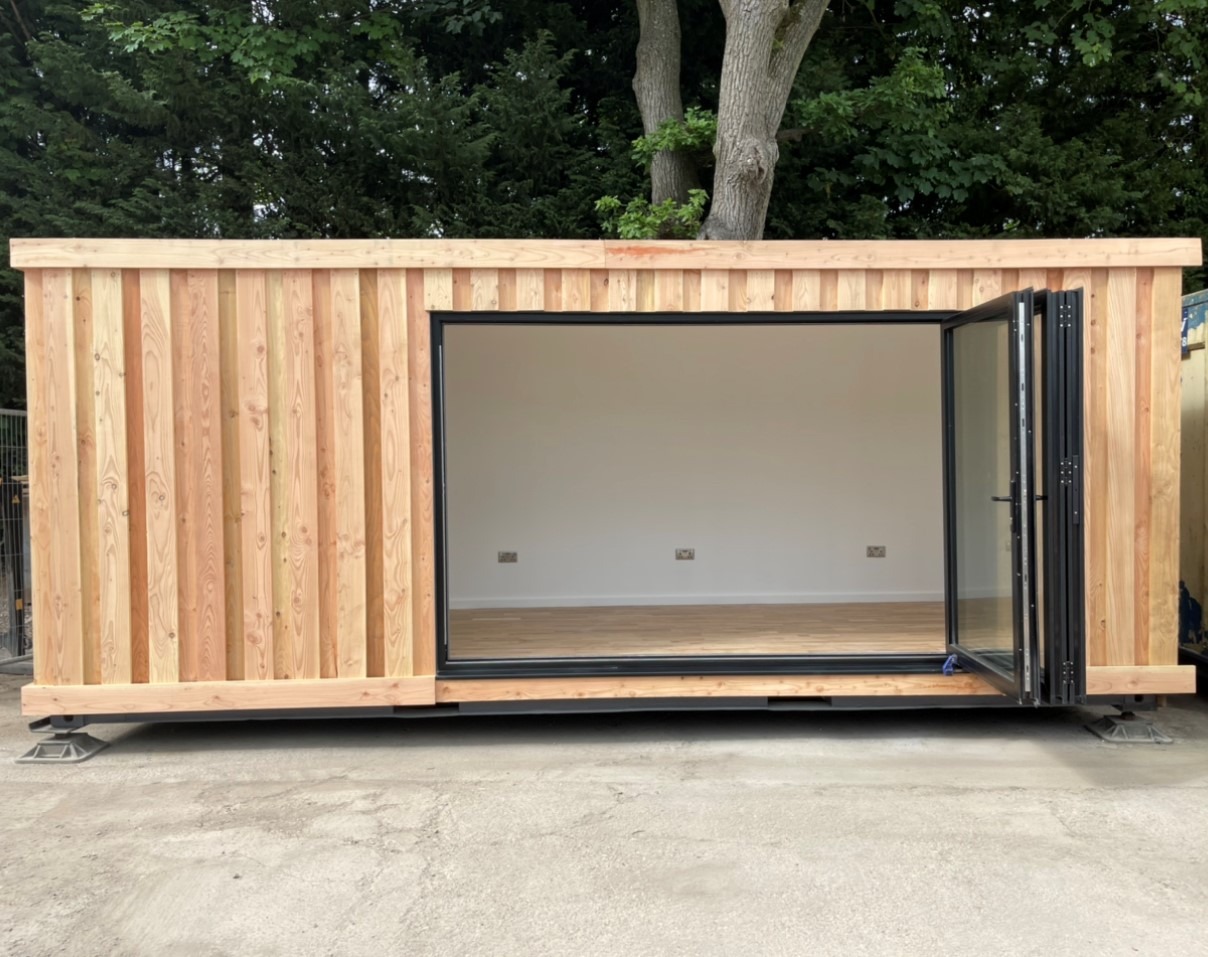
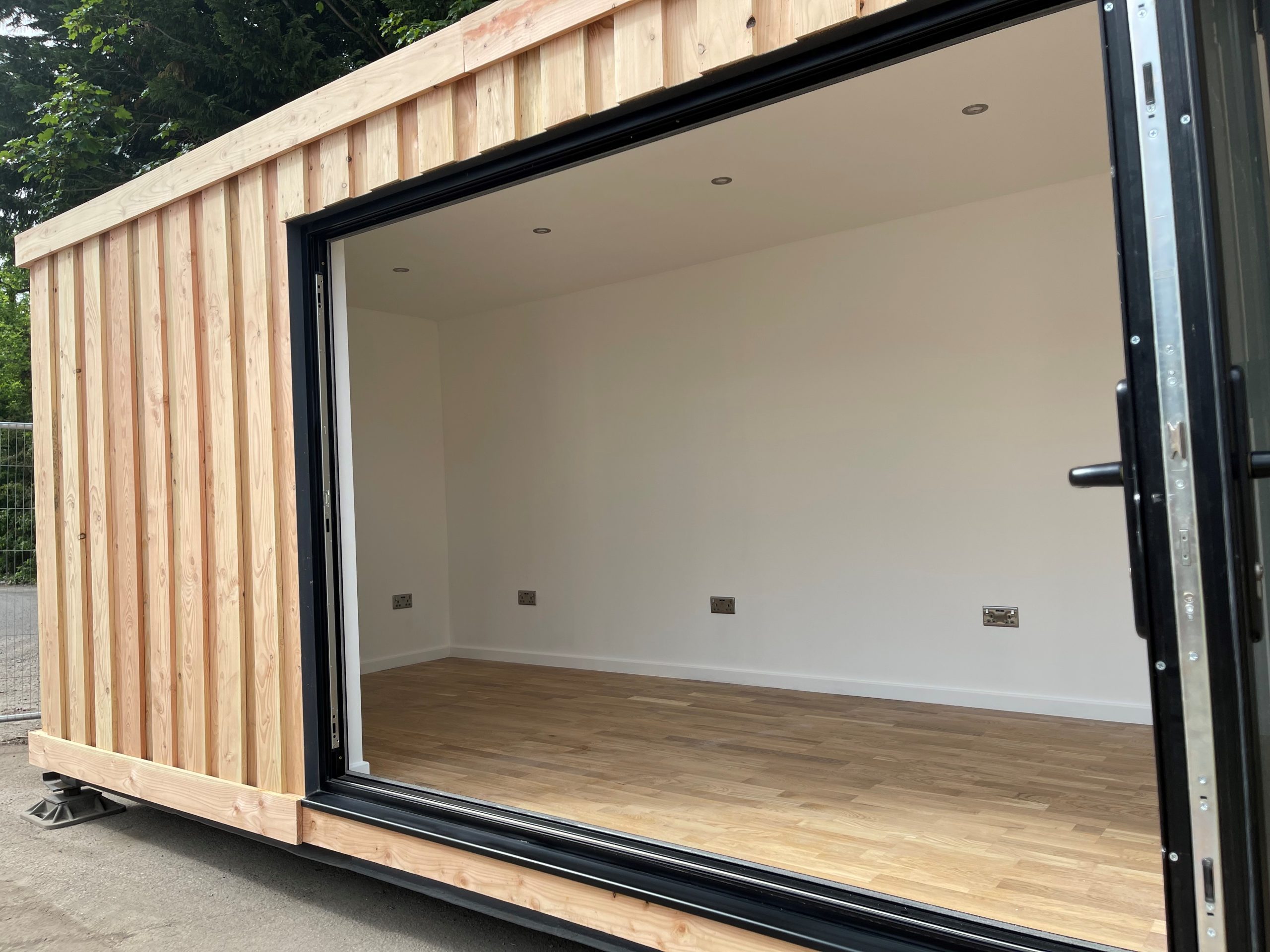
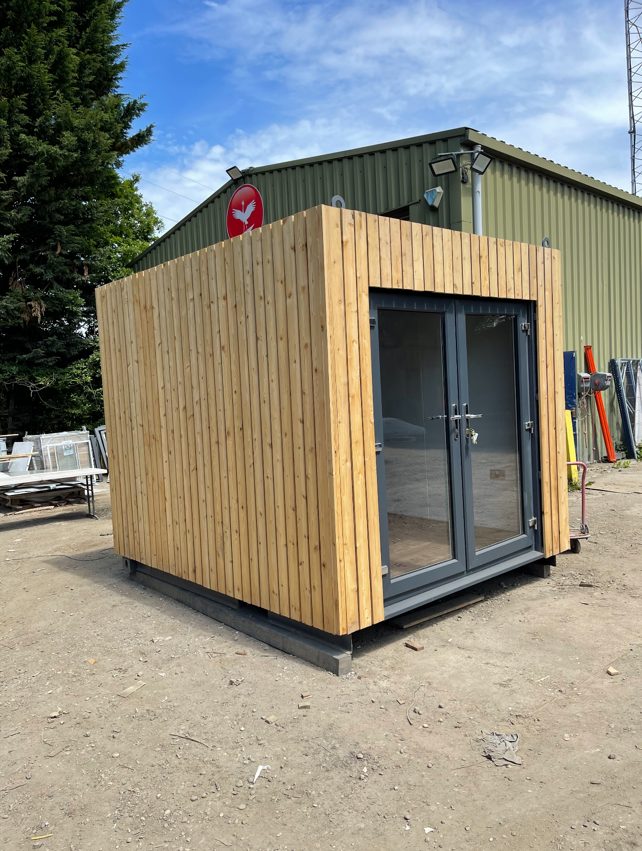
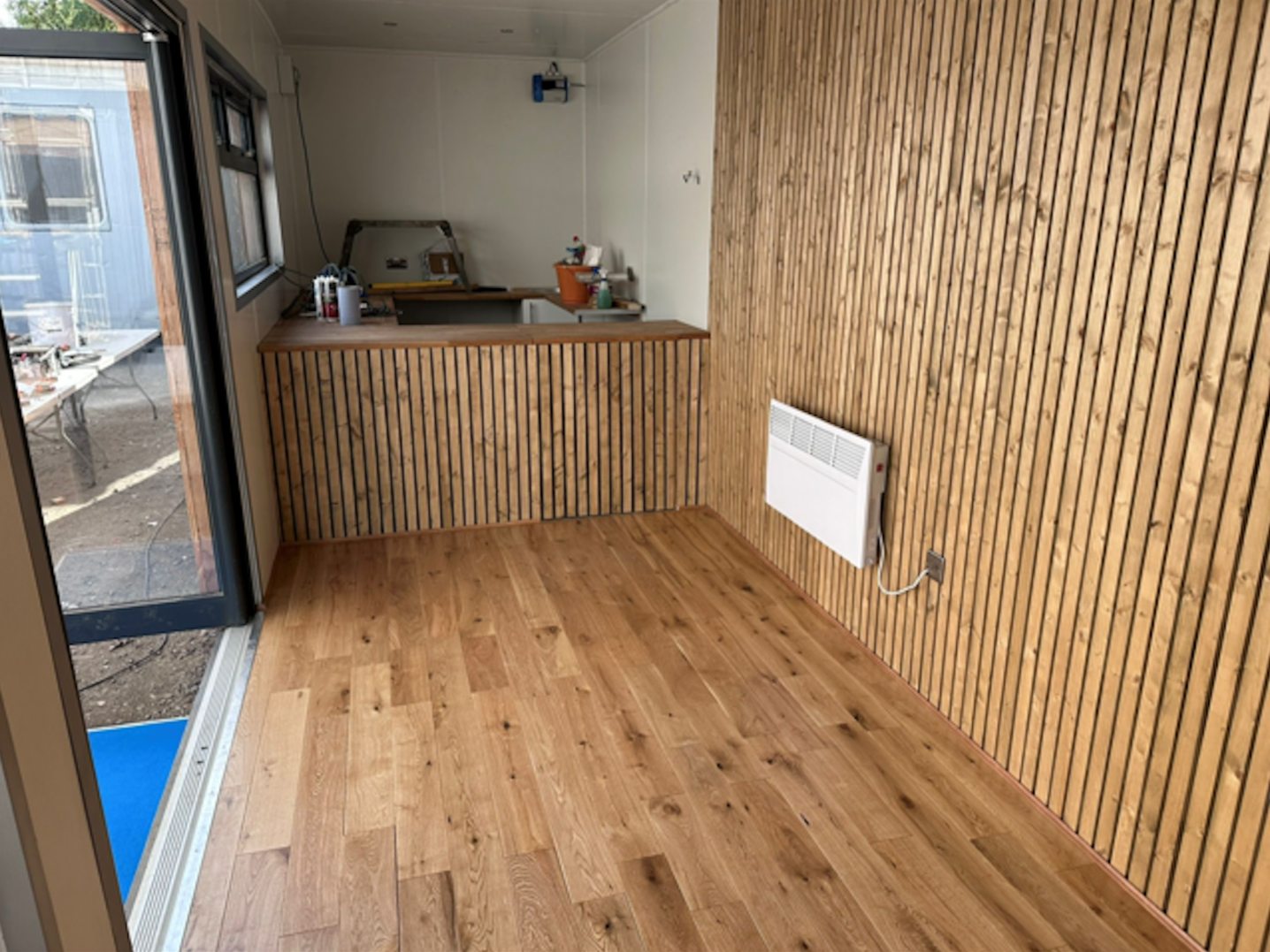
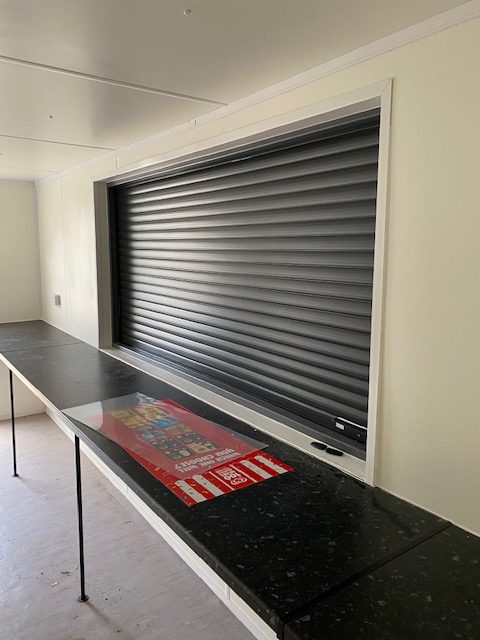
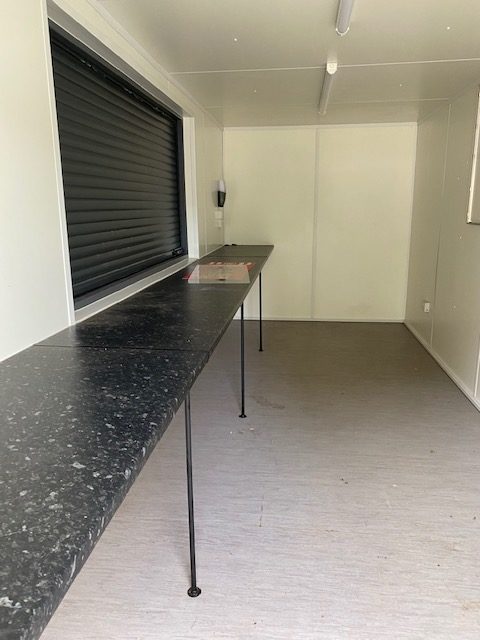
Fully Insulated with electric sockets, spot lighting, and heating
Wood Flooring
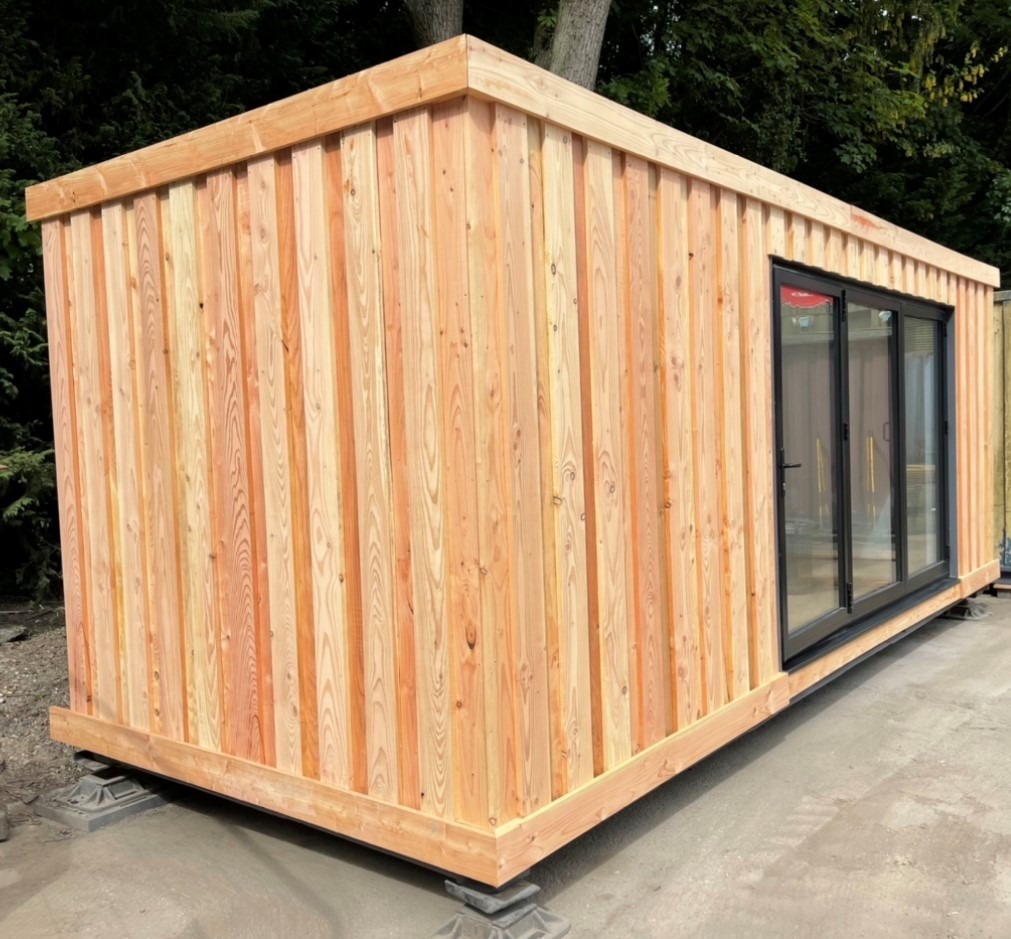
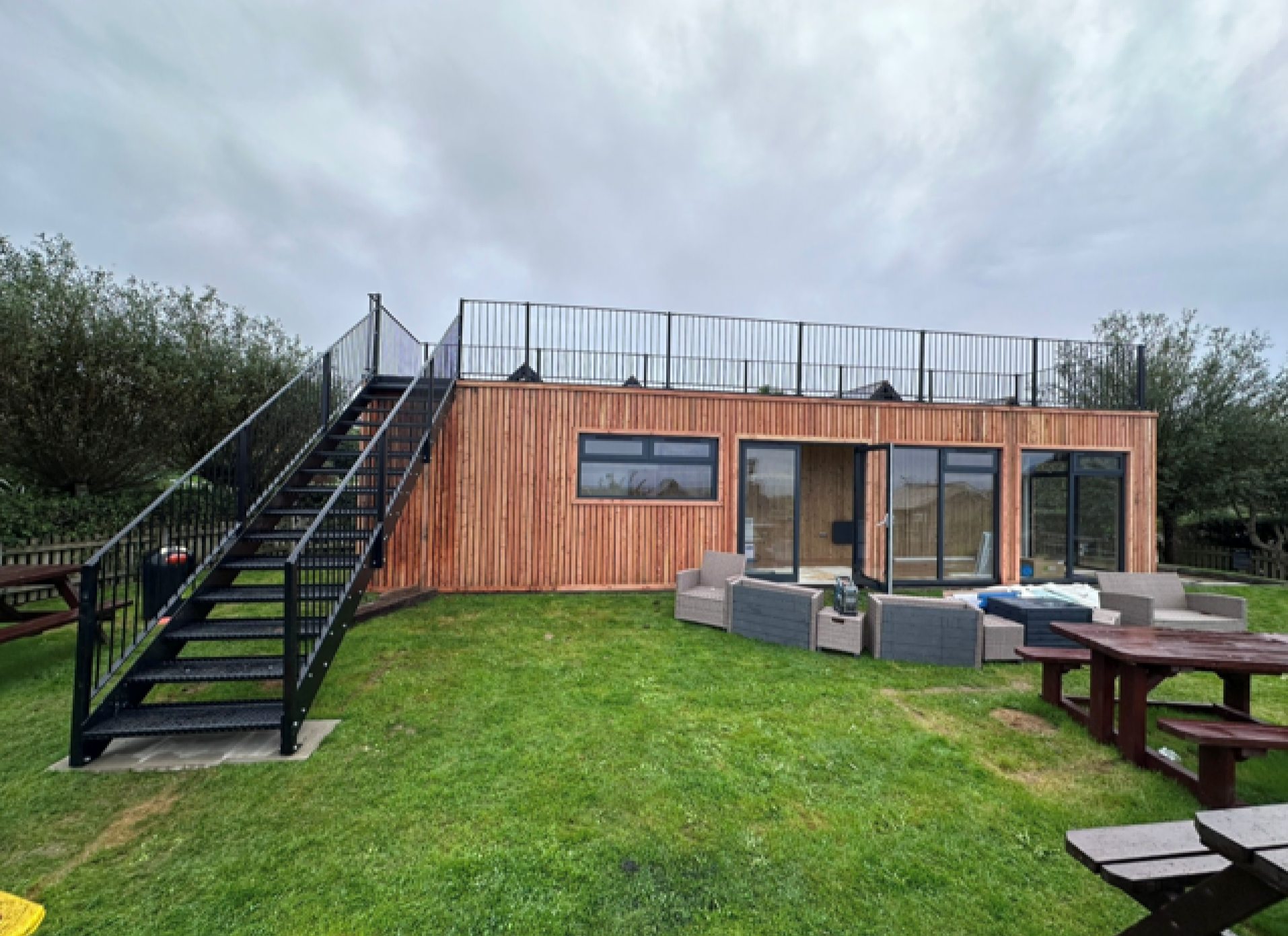
Aluminium Bi Fold Doors
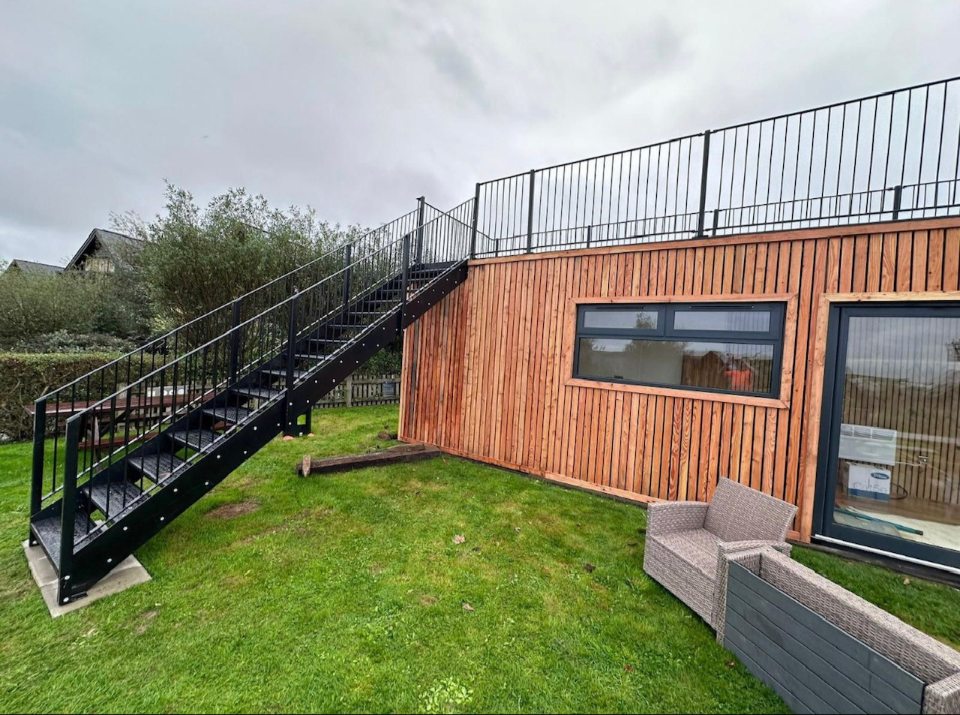
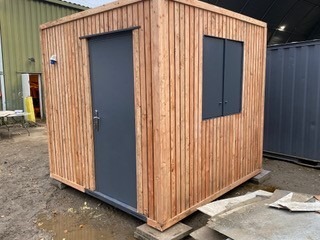
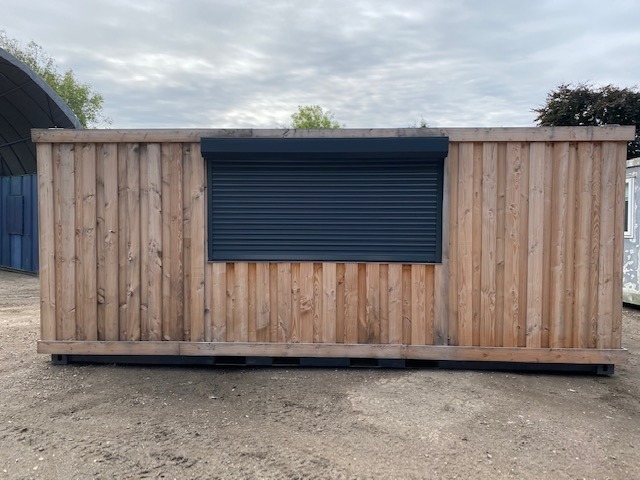
Fully wrapped in larch cladding
Lead Time for build 6-8 weeks


Location: Nationwide
+ VAT
Not Available for Hire
Call for an instant quote!
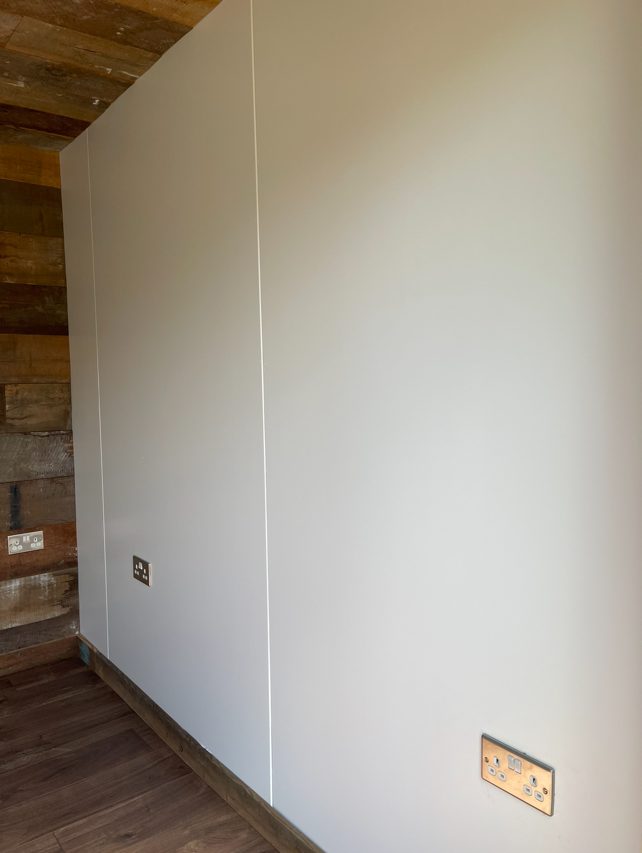
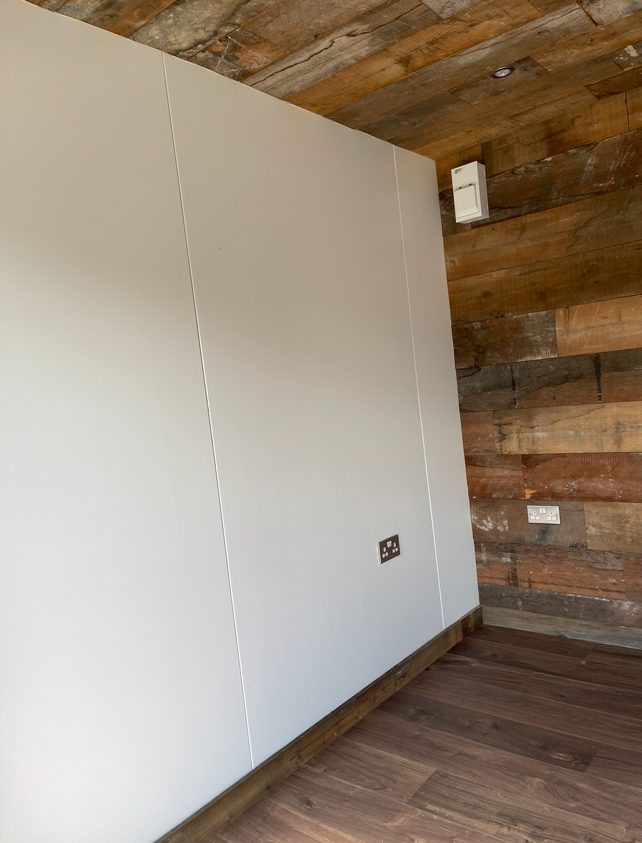
Fully Insulated with electric sockets, spot lighting, and heating
Wood Flooring
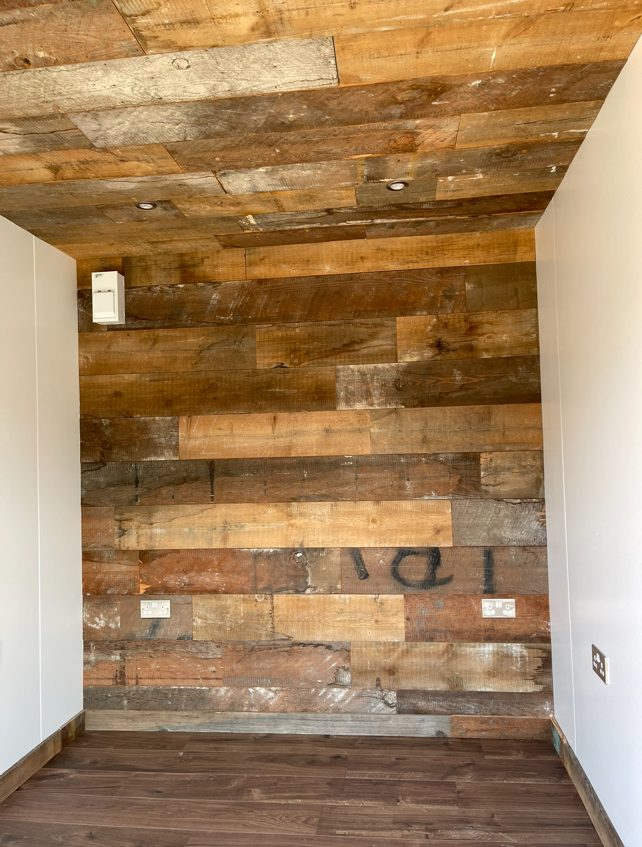
Feature Clad Wall and Ceiling
UPVC Double glazed French Doors
Fully wrapped in larch cladding
Lead Time for build 6-8 weeks


Location: Nationwide
EX VAT
Not Available for Hire
Call for an instant quote!


Location: Nationwide
EX VAT
Not Available for Hire
Call for an instant quote!


Location: Nationwide
EX VAT
Not Available for Hire
Call for an instant quote!


Location: Nationwide
EX VAT
Not Available for Hire
Call for an instant quote!


Location: Nationwide
EX VAT
Not Available for Hire
Call for an instant quote!

Location: Nationwide
EX VAT
Not Available for Hire
Call for an instant quote!


Location: Nationwide
EX VAT
Not Available for Hire
Call for an instant quote!


Location: Nationwide
EX VAT
Not Available for Hire
Call for an instant quote!


Location: Nationwide
EX VAT
Not Available for Hire
Call for an instant quote!


Location: Nationwide
EX VAT
Not Available for Hire
Call for an instant quote!


Location: Nationwide
EX VAT
Not Available for Hire
Call for an instant quote!


Location: Nationwide
EX VAT
Not Available for Hire
Call for an instant quote!


Location: Nationwide
EX VAT
Not Available for Hire
Call for an instant quote!


Location: Nationwide
EX VAT
Not Available for Hire
Call for an instant quote!


Location: Nationwide
EX VAT
Not Available for Hire
Call for an instant quote!


Location: Nationwide
EX VAT
Not Available for Hire
Call for an instant quote!
10ftx8ft – £5950 + Vat / 16ftx8ft – £7950 + Vat / 20ftx8ft – £9000 + Vat / 24ftx8ft – £12000 + Vat / 30ftx8ft – £13500 + Vat


Location: Nationwide
EX VAT
Not Available for Hire
Call for an instant quote!


Location: Nationwide
EX VAT
Not Available for Hire
Call for an instant quote!


Location: Nationwide
EX VAT
Not Available for Hire
Call for an instant quote!

Location: Nationwide
Quantity: ∞
EX VAT
Not Available for Hire
Call for an instant quote!
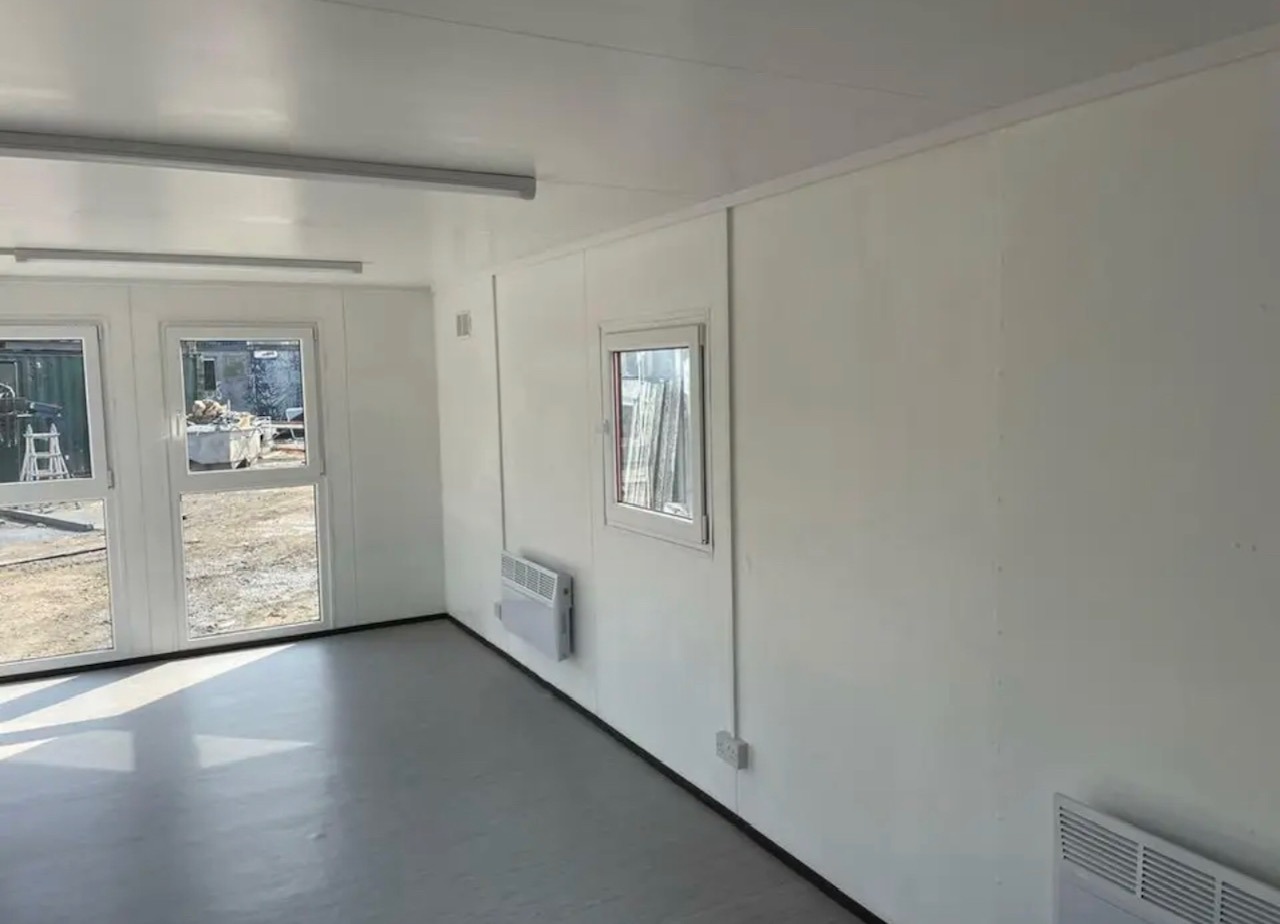
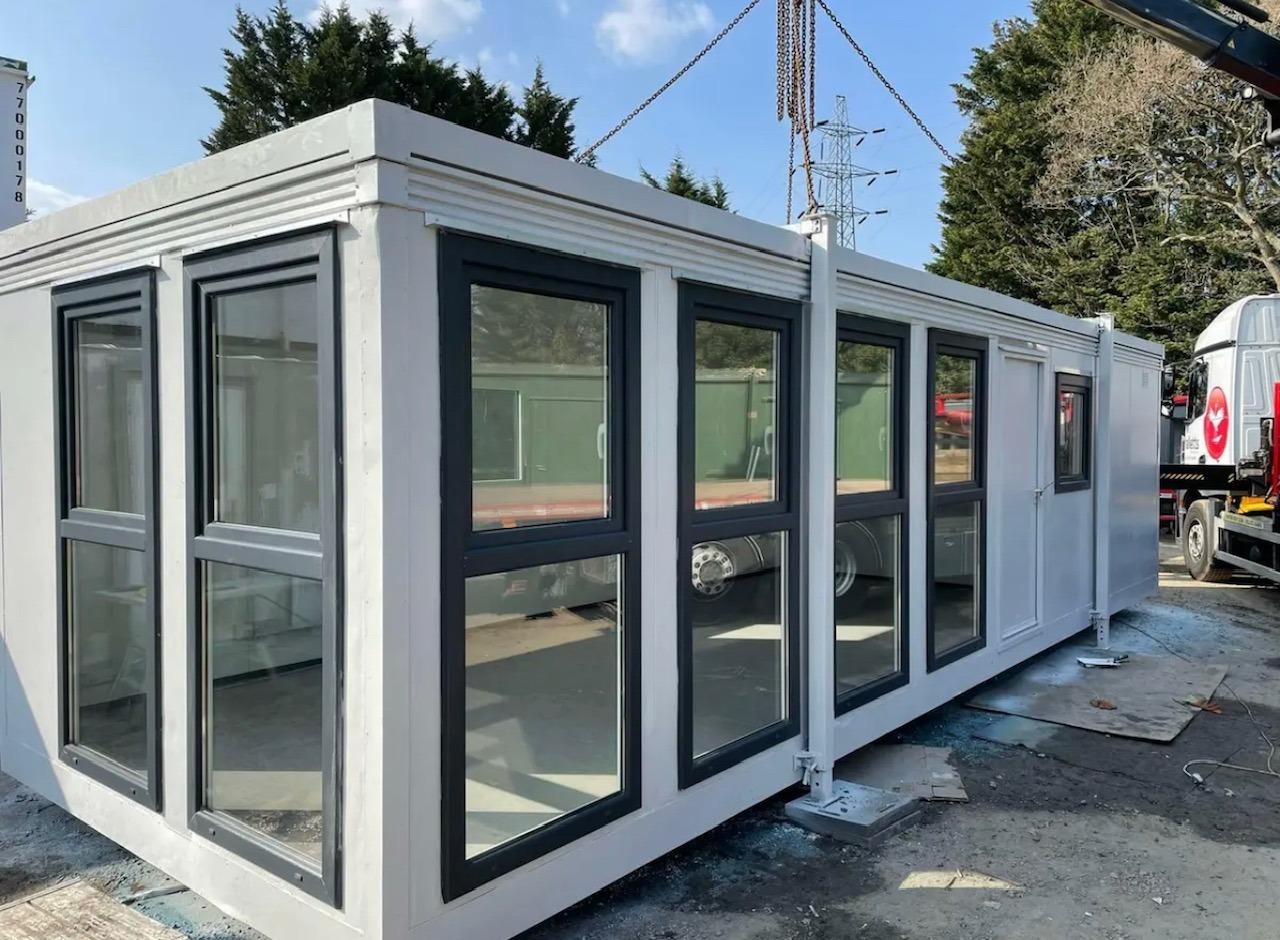
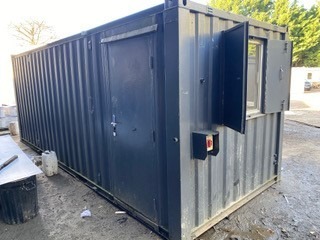
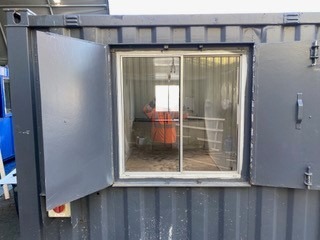
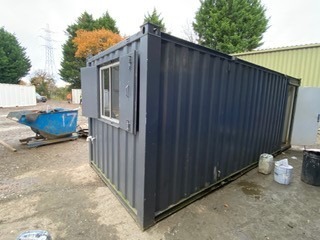
• Reinforced doors and windows with secure locking
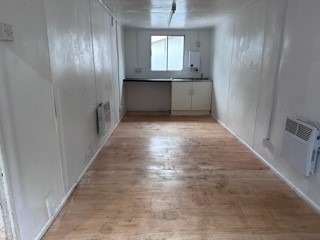
• Open plan with electric sockets and lighting
• Ral Code Colour of choice
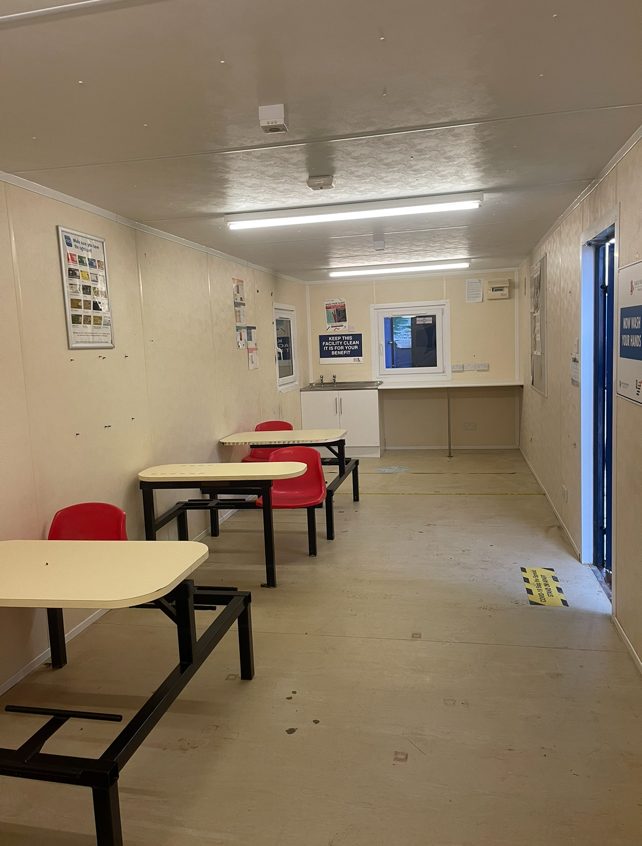
• Any Extras available : Canteen, Partitions, Toilets.


Location: Nationwide
EX VAT
Not Available for Hire
Call for an instant quote!
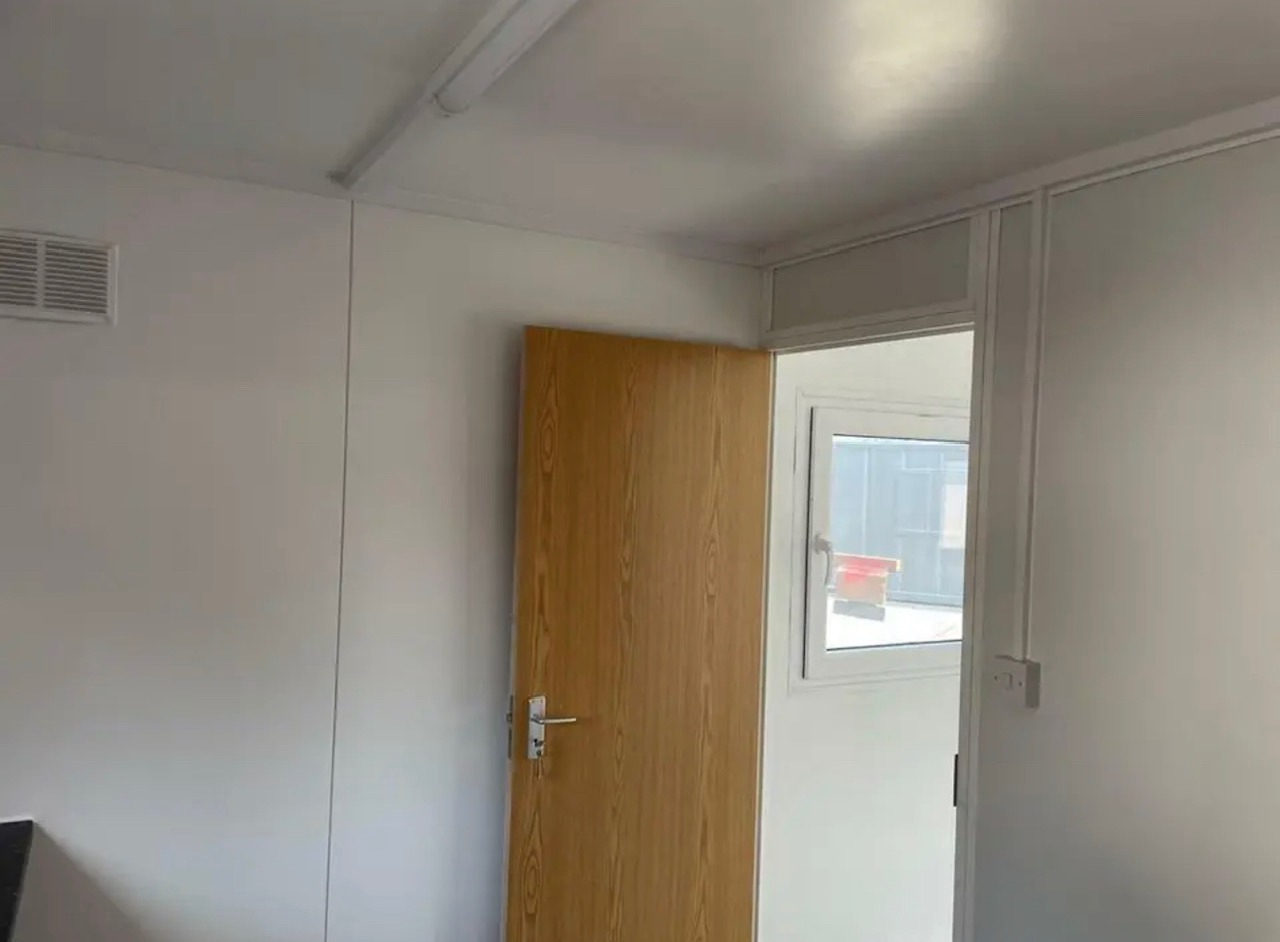
• Reinforced doors and windows with secure locking
• Open plan with electric sockets and lighting
• Ral Code Colour of choice
• Any Extras available : Canteen, Partitions, Toilets.

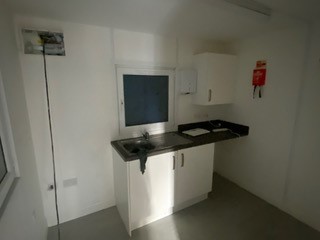
• Reinforced doors with secure locking
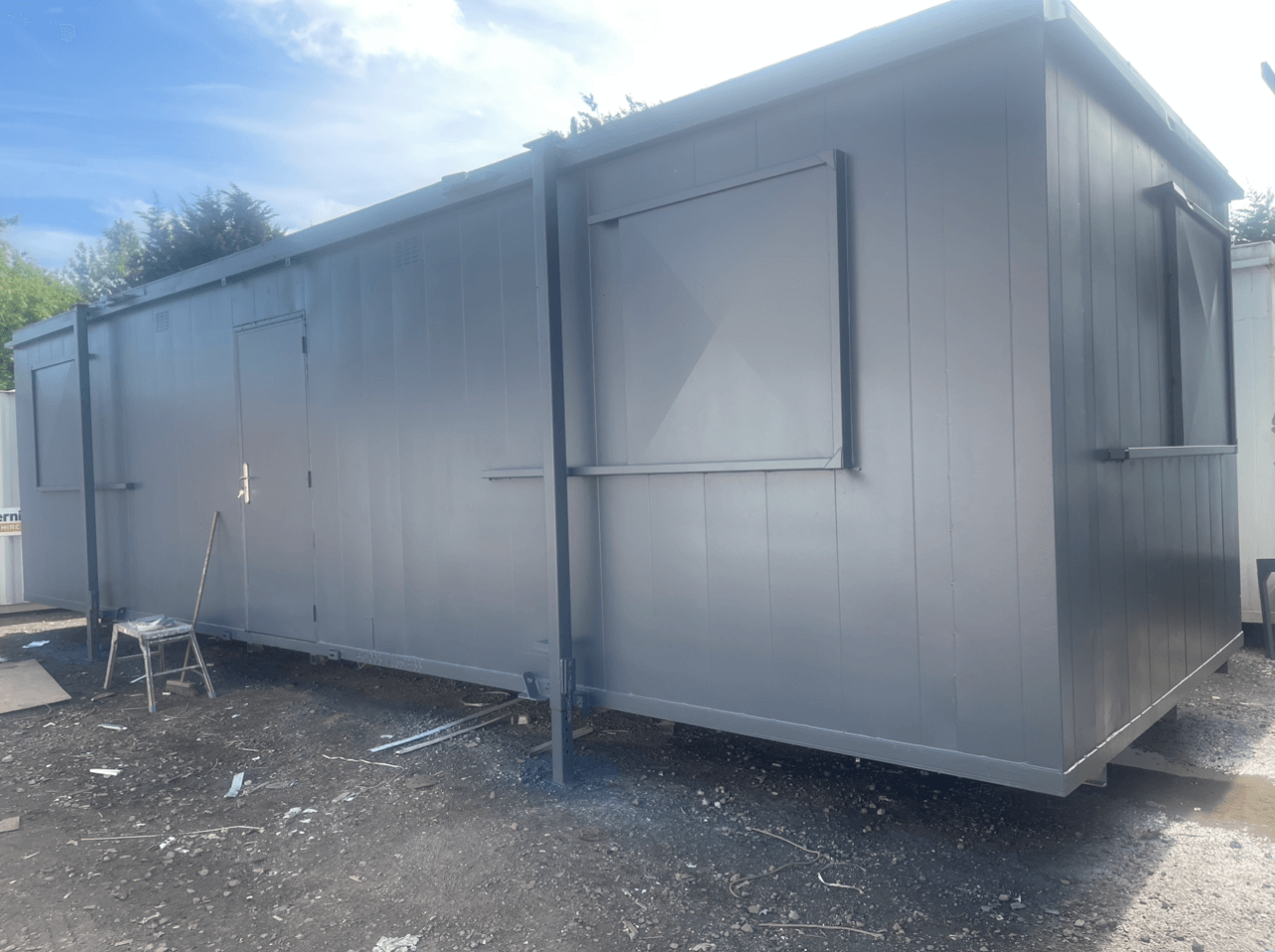
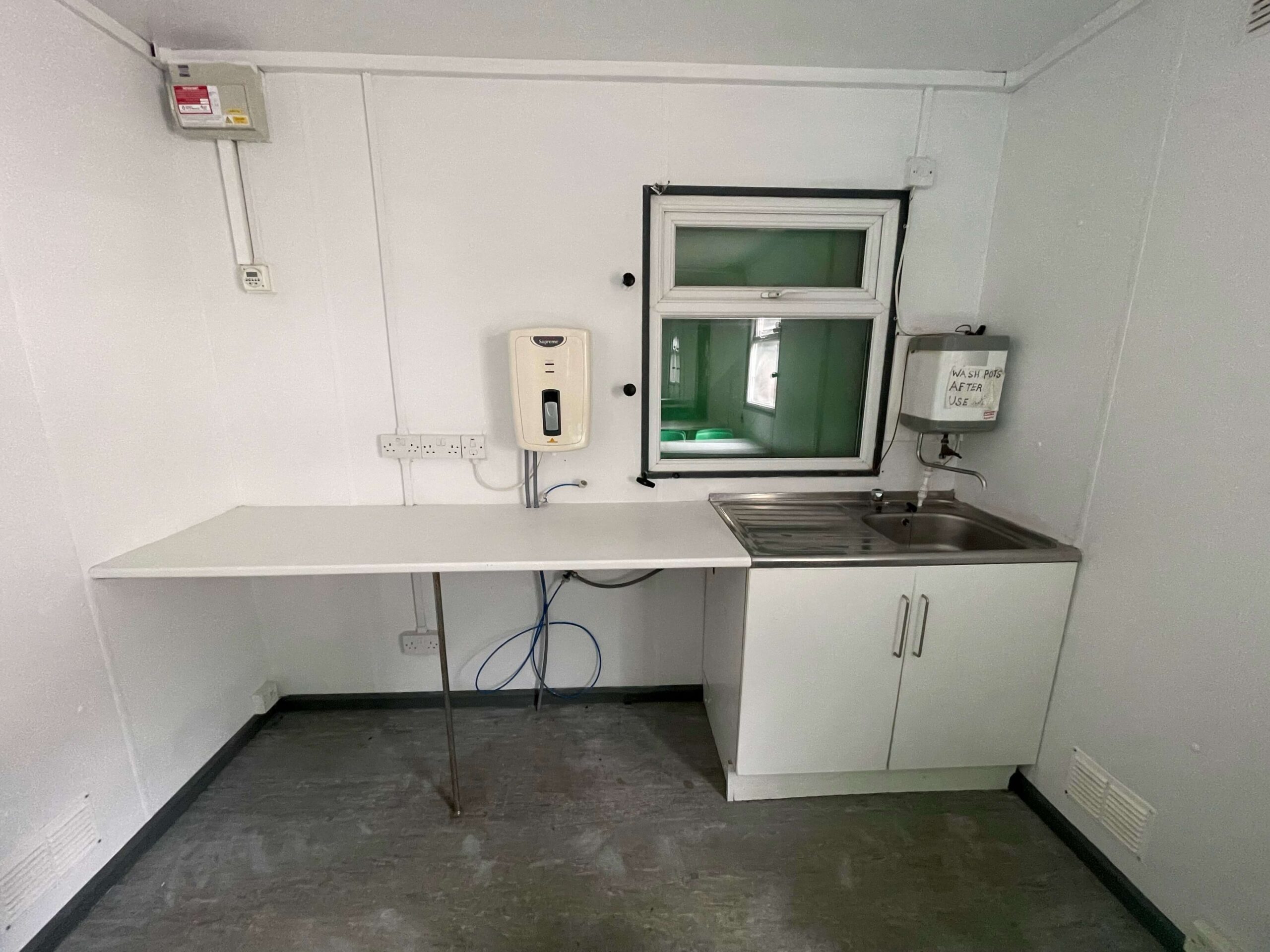
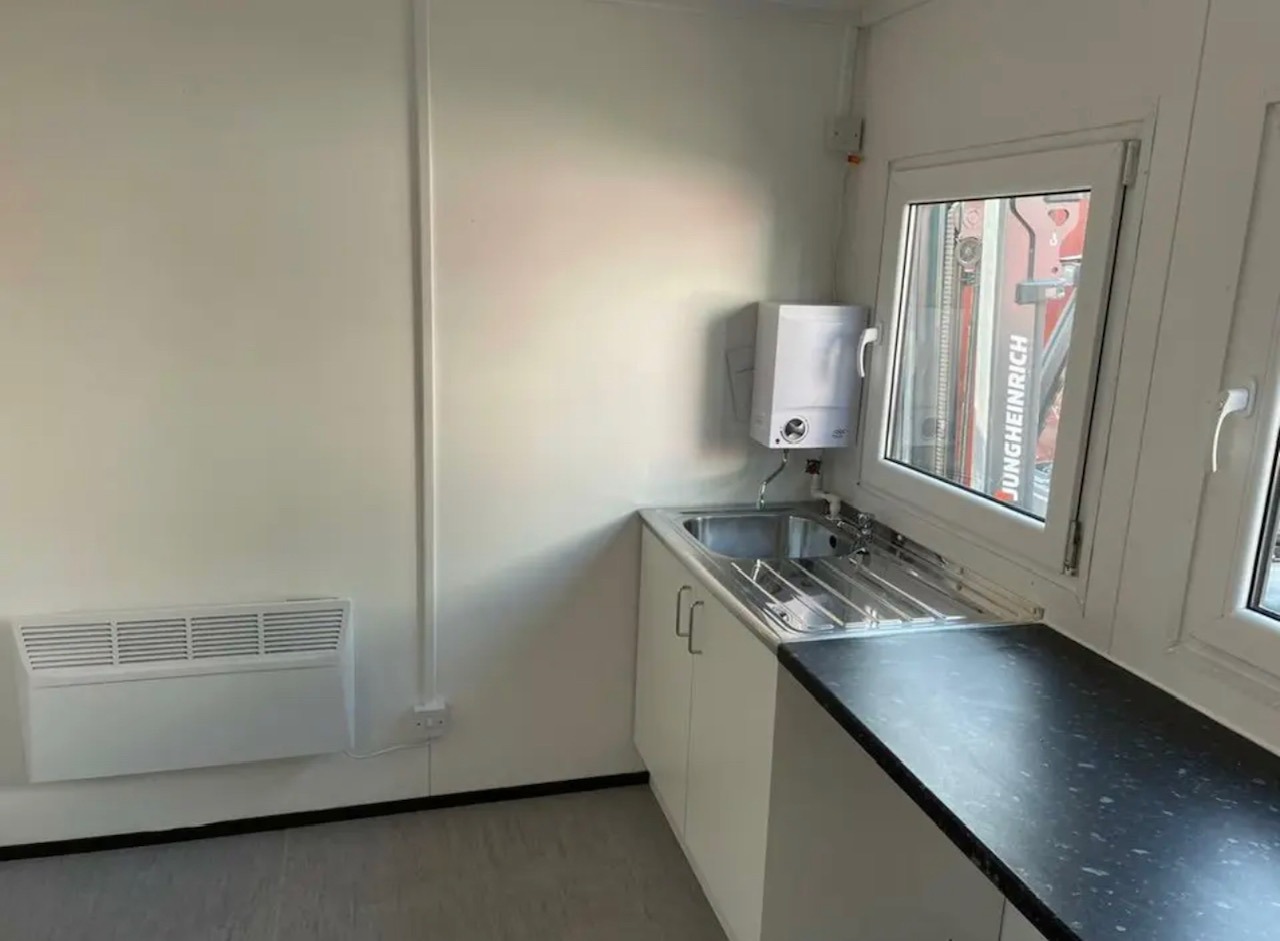
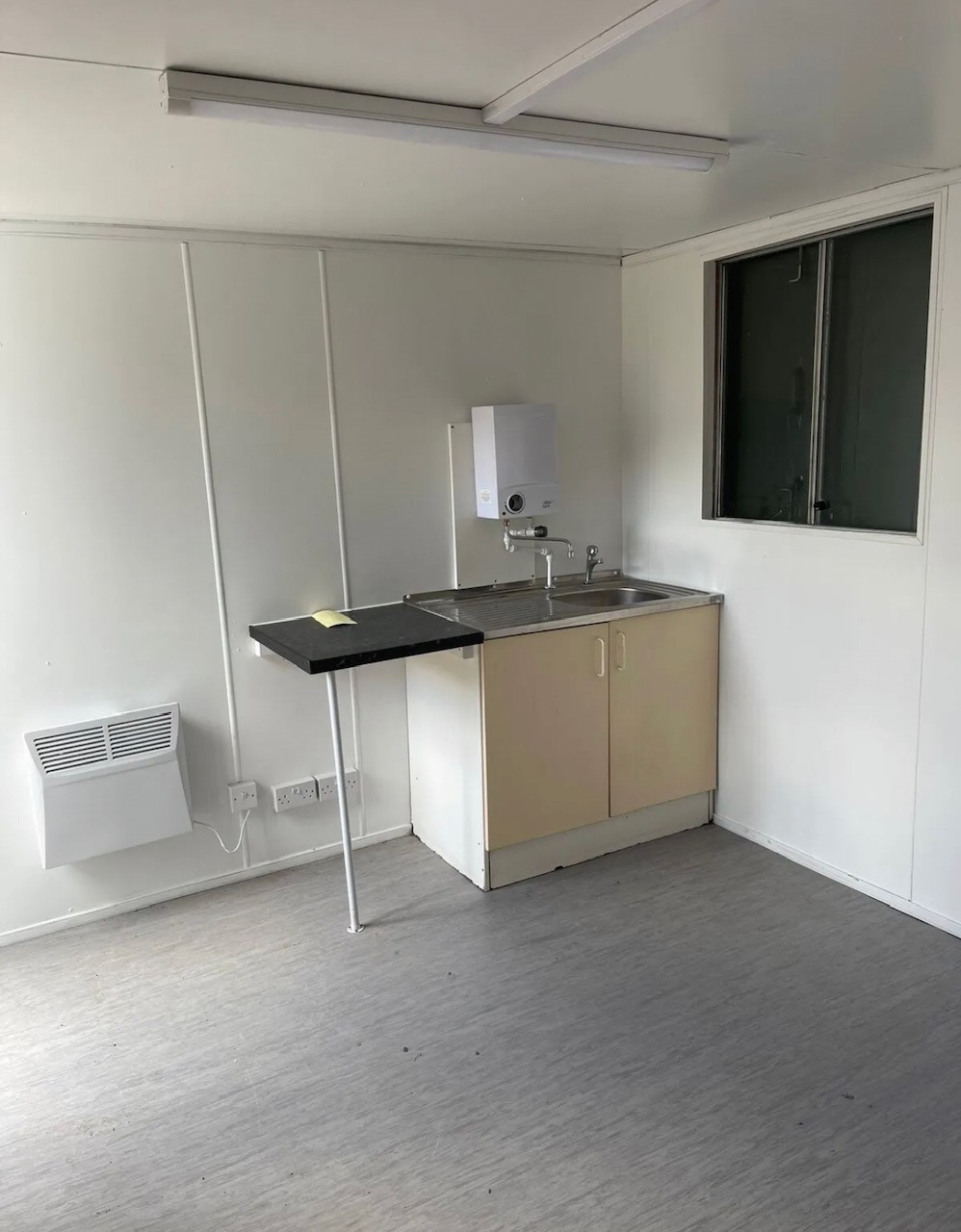
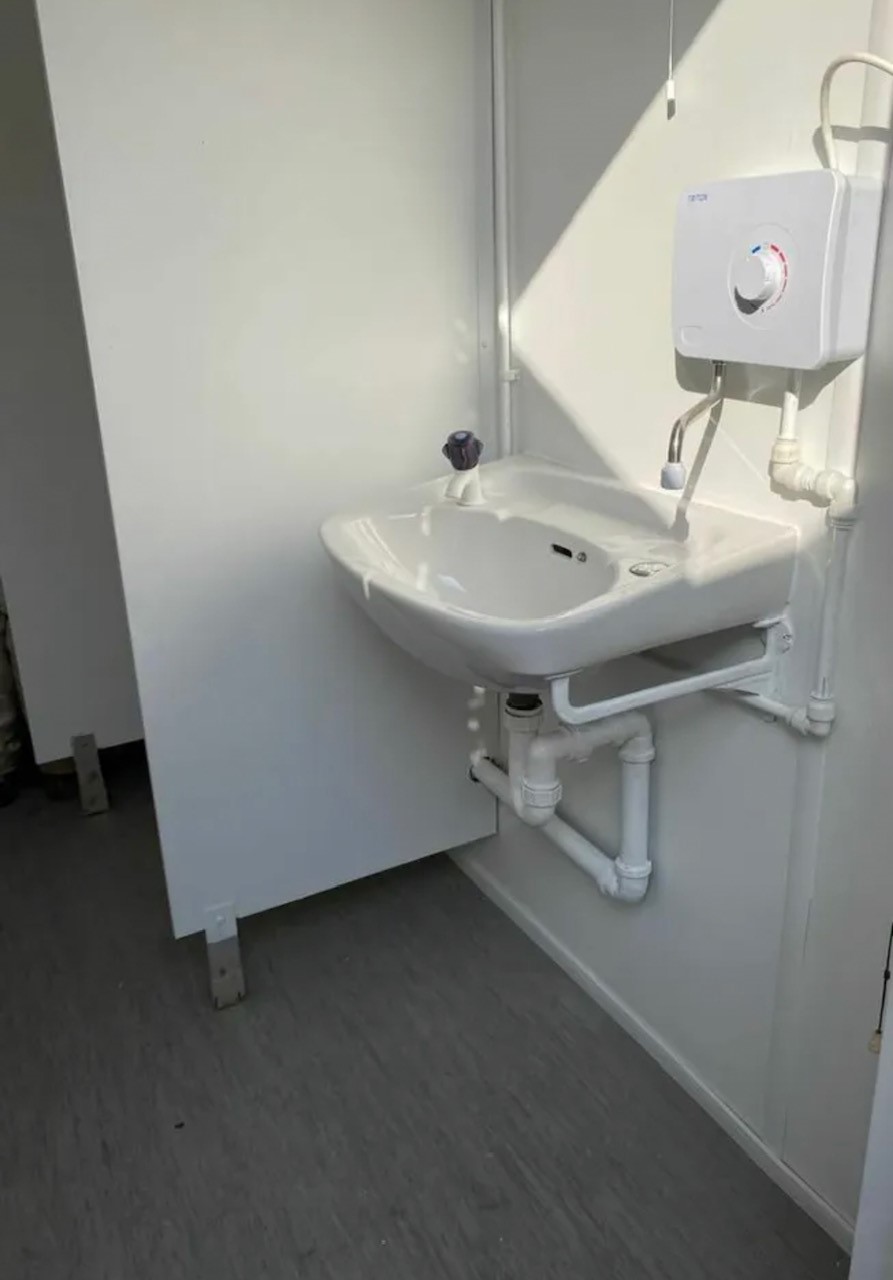
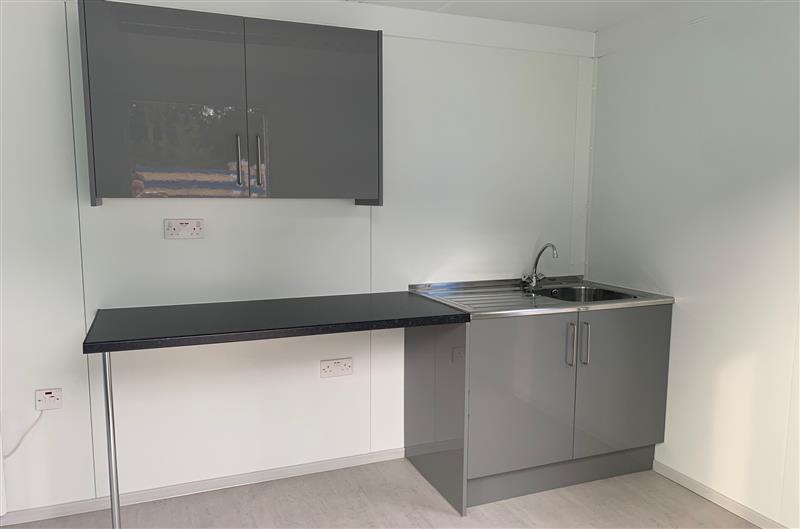
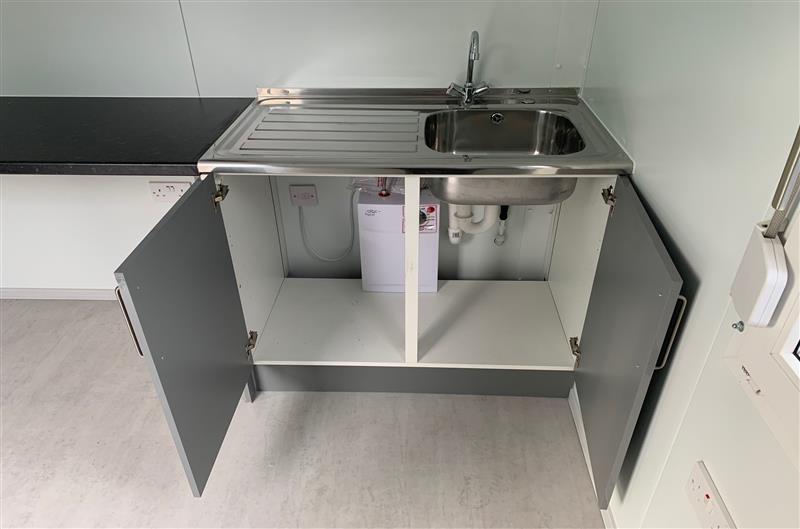
• Sink and water boiler included


Location: Nationwide
Quantity: ∞
EX VAT
Not Available for Hire
Call for an instant quote!


Location: Nationwide
EX VAT
Not Available for Hire
Call for an instant quote!
Get a Quick Container Quote Now!


Location: Nationwide
EX VAT
Not Available for Hire
Call for an instant quote!
Get a Quick Container Quote Now!