Global buyers are seeking reliable power systems that balance cost, resilience, safety, and sustainability. Hybrid Energy Storage Solutions combine technologies such as lithium-ion batteries, flow batteries, thermal storage, or diesel alternatives. Each configuration serves a different operating reality. A remote clinic may need quiet overnight power. A factory may require rapid discharge during production peaks. A solar farm may need storage that responds to changing weather and grid prices.
This guide examines leading solutions through practical purchasing criteria. These include usable capacity, round-trip efficiency, response time, thermal management, maintenance access, and expected degradation. It also considers local climate, grid conditions, shipping requirements, warranty terms, and service coverage. Technical specifications can look impressive on paper. Field performance often depends on installation quality and software integration. That distinction matters.
Our evaluation draws on engineering principles, supplier documentation, and common deployment experience across commercial, industrial, and utility projects. Buyers should verify certifications, test reports, cybersecurity controls, and end-of-life procedures before signing contracts. No single system is ideal for every market. A low-cost battery may become expensive when replacement cycles, cooling, and downtime are included. A premium system may still disappoint if the installer lacks regional expertise.
Some assumptions will need reconsideration. Forecasts are not guarantees. Battery life varies with temperature, cycling depth, and operating discipline. The strongest purchasing decision therefore combines measurable performance with transparent risk assessment. Readers can use this framework to compare technologies fairly and identify a solution that remains dependable beyond its first year.
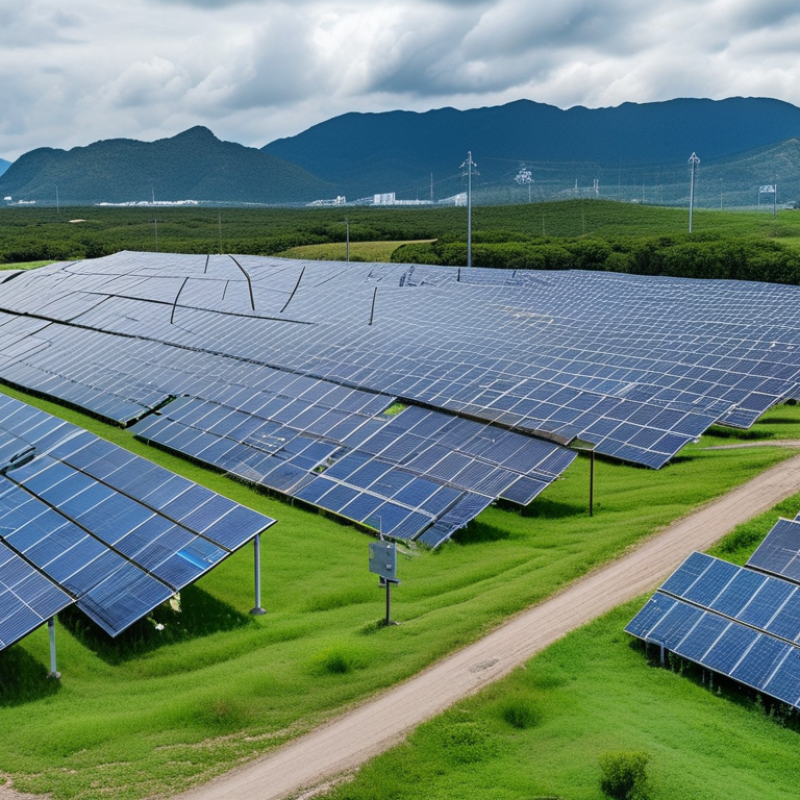
Hybrid energy storage combines two or more storage technologies within one coordinated power system. A common design pairs lithium-based batteries with supercapacitors, flow batteries, or thermal storage. Each unit serves a different electrical task. Batteries provide sustained energy for hours. Supercapacitors respond to sudden changes in milliseconds. This division reduces stress on the main battery and can improve operating life.
At the center, a power conversion system controls voltage, current, and bidirectional energy flow. An energy management system reads demand, state of charge, temperature, and grid conditions. It then assigns fast spikes to the high-power device and longer loads to the high-energy device. During a sunny afternoon, excess solar power may charge the battery steadily while a supercapacitor handles brief cloud-driven fluctuations. During discharge, sensors continuously check operating limits. Safety remains active at every step.
For global buyers, system sizing should begin with measured load profiles, climate data, duty cycles, and required response time. Engineers should verify thermal management, enclosure protection, communications, maintenance access, and applicable electrical standards. A larger battery is not automatically better. It may increase cost and cooling demands. The split is not always clean. Poor control settings can create unnecessary cycling or leave fast-response capacity unused. Field data often exposes assumptions that simulations miss. That distinction matters.
Hybrid energy storage systems combine several technologies to balance power, energy, cost, and response speed. Lithium-based batteries deliver fast control for frequency support and peak shaving. Flow batteries offer longer discharge periods, especially for renewable projects with evening demand. Thermal storage can shift cooling or heating loads without using battery capacity. Each technology solves a different operating problem.
The power conversion system links storage units with the grid, solar array, or local loads. It controls charging, discharging, voltage, and grid synchronization. An energy management system then forecasts demand and renewable output. It may charge batteries at noon and discharge them after sunset. A battery management system monitors cell voltage, temperature, state of charge, and imbalance. Small errors matter.
Thermal control is equally important. Air cooling may suit moderate climates, while liquid cooling supports high-density installations. Fire detection, isolation circuits, and controlled ventilation add another safety layer. In field projects, cable routing and sensor placement often receive less attention than battery capacity. That is a mistake. A technically strong system can still underperform because of heat, poor maintenance access, or inaccurate forecasts. Hybrid designs also need clear testing procedures, communication protocols, and records for future operators. Reliability comes from measured performance, not attractive specifications.
The chart compares representative round-trip efficiency values for major energy storage technologies used in hybrid systems. Lithium-ion batteries generally provide high efficiency for short- to medium-duration storage, while flow batteries, pumped-hydro storage, compressed-air energy storage, and lead-acid batteries are selected according to project duration, site conditions, cycle requirements, and cost.
Evaluating hybrid energy storage solutions requires more than comparing battery prices. In project reviews, I examine load profiles, grid rules, climate, and service capacity together. The International Energy Agency reported that global battery storage additions reached about 42 GW in 2023, nearly doubling from the previous year. This growth hides major regional differences.
Match duration to the market. A solar-heavy island may need four to eight hours of storage for evening demand. A frequency-regulation project may need faster response and shorter duration. In hot regions, check cooling performance above 40°C, not only laboratory efficiency. In cold markets, confirm heating energy, enclosure insulation, and low-temperature charging limits. Small details matter.
Reliability is measurable. Request round-trip efficiency, usable capacity, degradation assumptions, fire protection tests, and warranty conditions. The U.S. National Renewable Energy Laboratory notes that battery lifetime depends strongly on temperature, cycling depth, and operating strategy. That makes a simple price-per-kilowatt-hour comparison incomplete. It is easy to overlook.
Global buyers should also verify local grid-code compliance, spare-parts access, technician training, and end-of-life handling. A lower-cost system can become expensive when replacement modules cross borders slowly. IRENA’s cost studies show that falling technology costs do not remove financing, integration, or operational risks. My own assessment would still include uncertainty ranges, because demand forecasts are often optimistic and degradation is rarely perfectly predictable.
Hybrid energy storage systems combine batteries with solar, thermal storage, flywheels, or dispatchable generation.
For global buyers, value depends on operating conditions, not impressive nameplate capacity. A practical assessment starts with fifteen-minute load data, tariff schedules, outage history, and local weather records. This reveals whether the site needs fast response, long duration, or both. Small details matter. A battery room beside a loading dock may face dust, heat, and accidental impact.
Commercial buildings often pair solar with batteries to reduce peak demand and shift midday energy into evening operations. Retail sites, offices, and cold-storage facilities need quiet systems, predictable controls, and safe maintenance access. Industrial users may combine batteries with thermal storage or flywheels. This supports motor starts, welding loads, process stability, and power-quality control. A battery can handle short events while thermal storage manages refrigeration demand. However, oversizing remains an expensive mistake. Equipment performance can decline in heat, and control settings need seasonal review.
Grid-scale projects require longer-duration storage, forecasting, communications, and tested protection schemes. Hybrid assets can provide frequency response, renewable firming, congestion relief, and reserve capacity. Buyers should verify round-trip efficiency under real dispatch patterns, not laboratory conditions alone. Fire protection, cybersecurity, recycling plans, and technician training belong in procurement documents. The difficult part is coordination. Solar output, market signals, and network limits rarely align perfectly. Even a well-modeled project may perform differently after commissioning.
Hybrid energy storage combines batteries with solar, wind, thermal, or other flexible assets. This design improves resilience when renewable output changes quickly. The International Energy Agency reported that global battery storage additions exceeded 40 GW in 2023, more than doubling from 2022. That growth increases pressure on safety engineering.
Safety begins with cell chemistry, thermal monitoring, ventilation, and physical separation. A container near homes needs clear emergency access and controlled gas release. Round-trip efficiency also matters. A system losing 15% of stored electricity may require more renewable capacity. Independent testing remains essential, because attractive specifications can hide weak performance under heat, dust, or repeated cycling.
Costs are falling, but the cheapest quotation is rarely the safest choice. BloombergNEF reported an average lithium-ion battery pack price of 115 dollars per kilowatt-hour in 2024. Project owners still pay for inverters, land, grid studies, insurance, software, and replacement capacity. Sustainability requires more than low emissions during operation. IRENA’s cost reports show strong renewable cost reductions, yet battery minerals, transport, and end-of-life recovery remain difficult. Recycling systems are improving, but not perfectly.
Future projects will likely use modular storage, second-life batteries, and stronger digital controls. Artificial intelligence may forecast demand and renewable output, but poor data can create confident mistakes. Hybrid systems should therefore include manual overrides, transparent degradation records, and independent audits. The U.S. Department of Energy continues to emphasize long-duration storage, especially for multi-hour reliability. That direction is promising, although many technologies still need lower costs and proven field lifetimes.
| Hybrid Storage Architecture | Best-Fit Application | Typical Response Time | Practical Discharge Duration | Typical Round-Trip Efficiency | Indicative Installed Cost | Safety Profile | Sustainability Considerations | Expected Service Life | Future Development Trend |
|---|---|---|---|---|---|---|---|---|---|
| Lithium-Ion Battery + Supercapacitor High-energy battery cells are combined with a high-power supercapacitor bank. | Frequency regulation, renewable smoothing, voltage support, fast electric-vehicle charging, and applications with frequent short cycles. | Milliseconds to less than 1 second | Seconds to approximately 15 minutes | Approximately 85–95% | Approximately US$250–600 per usable kWh for the combined electrical system; strongly influenced by the supercapacitor power rating. | High when properly managed Supercapacitors reduce high-power stress on the battery, but lithium-ion thermal-runaway controls, spacing, monitoring, and fire protection remain necessary. | Supercapacitors can provide very long cycle life, while batteries still require responsible mineral sourcing, recycling, and end-of-life management. | Supercapacitor subsystem: often more than 1,000,000 cycles. Battery subsystem: commonly 8–15 years, depending on duty cycle and temperature. | Wider use of silicon-based electrodes, advanced power electronics, predictive energy management, and smaller batteries optimized for high-value ancillary services. |
| Lithium-Ion Battery + Flow Battery A high-power battery is paired with a long-duration flow battery. | Solar and wind shifting, peak-load management, microgrids, and projects requiring both rapid response and multi-hour discharge. | Milliseconds to seconds | Approximately 2–12 hours; longer durations are possible by increasing electrolyte volume. | Approximately 65–85%, depending on flow chemistry, temperature, and auxiliary loads. | Approximately US$300–700 per usable kWh for a combined system; long-duration configurations may have lower incremental energy cost than adding more battery cells. | Generally favorable Flow systems avoid the same type of cell-level thermal propagation risk as conventional lithium-ion systems, but pumps, electrolyte handling, ventilation, and electrical protection are still required. | Flow batteries can offer deep cycling and potentially easier component replacement. Sustainability depends on electrolyte chemistry, membrane materials, mining, and recovery pathways. | Flow subsystem: commonly 15–25 years with component refurbishment. Lithium-ion subsystem: commonly 8–15 years. | Lower-cost and lower-toxicity electrolytes, higher energy density, modular electrolyte replacement, and improved hybrid controls for capacity and power optimization. |
| Battery + Thermal Energy Storage An electrical battery is combined with hot-water, molten-salt, phase-change, or chilled-water storage. | District energy, industrial heat, commercial cooling, combined heat and power, and facilities where not all stored energy must be returned as electricity. | Battery: milliseconds to seconds. Thermal system: minutes to hours. | Approximately 2–24 hours for thermal delivery; electrical duration is normally 1–8 hours. | Electrical storage: approximately 85–95%. Thermal storage: often 80–95% for direct heat or cooling delivery. | Approximately US$150–450 per kWh-equivalent for many large thermal applications, plus the electrical battery cost. Direct heat or cooling is usually less costly than converting energy back to electricity. | Application-dependent Thermal hazards include hot surfaces, pressure, refrigerants, and molten materials. Battery safety systems remain necessary for the electrical subsystem. | Can reduce battery size and avoid inefficient electricity-to-electricity conversion. Water use, insulation materials, refrigerant selection, and heat-source emissions must be assessed. | Commonly 15–30 years for tanks and thermal equipment; battery subsystem commonly 8–15 years. | Growth in high-temperature industrial storage, heat pumps, phase-change materials, digital thermal controls, and sector coupling between electricity and heat networks. |
| Battery + Pumped-Hydropower Storage A fast-response battery supports a large, long-duration pumped-hydropower plant. | Grid-scale renewable integration, capacity adequacy, black start, inertia support, and multi-hour or multi-day balancing. | Battery: milliseconds to seconds. Pumped hydro: seconds to minutes. | Approximately 4–24 hours; site geometry determines reservoir capacity. | Approximately 70–85% for pumped hydro; the hybrid result depends on the share of battery dispatch. | Approximately US$100–300 per usable kWh for large, suitable pumped-hydropower sites, excluding unusual civil works and major transmission upgrades. | Mature but site-specific Main risks include dam integrity, flooding, electrical faults, and battery thermal events. Comprehensive civil, environmental, and emergency planning is required. | Long operating life and low material replacement requirements are advantages. Potential impacts include land use, aquatic ecosystems, water availability, and construction emissions. | Civil works: commonly 50–100 years or more with refurbishment. Battery subsystem: commonly 8–15 years. | Closed-loop reservoirs, abandoned-mine sites, variable-speed pumping, digital dispatch, and hybridization with solar and wind projects. |
| Battery + Compressed-Air Energy Storage A battery handles fast fluctuations while compressed air provides longer-duration storage. | Large renewable projects, industrial sites, long-duration grid balancing, and locations with suitable underground or engineered storage volume. | Battery: milliseconds to seconds. Compressed air: minutes. | Approximately 4–100 hours, depending on cavern or vessel volume and system design. | Approximately 40–70% for many compressed-air configurations; advanced designs can perform better. | Approximately US$100–300 per usable kWh for large geological-storage projects; engineered above-ground systems may cost substantially more. | Moderate Requires pressure-vessel, cavern, rotating-equipment, and gas-management controls. Thermal management is important during compression and expansion. | Long service life and low electrochemical material use are potential benefits. Geological impacts, construction, auxiliary fuel, and air leakage must be evaluated. | Major mechanical and civil assets: commonly 25–50 years. Battery subsystem: commonly 8–15 years. | Adiabatic designs that recover compression heat, improved turbomachinery, porous-rock storage, and integration with industrial waste heat. |
| Battery + Hydrogen Storage A battery provides fast electrical services while electrolyzers, hydrogen storage, and fuel cells provide long-duration or seasonal capability. | Seasonal renewable balancing, remote or islanded grids, backup power, heavy industry, shipping fuel, and applications requiring hydrogen as a product. | Battery: milliseconds to seconds. Fuel-cell generation: seconds to minutes. | Several hours to seasonal storage, depending on hydrogen tank or underground storage capacity. | Approximately 25–45% when electricity is converted to hydrogen and then returned to electricity; higher overall efficiency is possible when hydrogen is used directly. | Approximately US$500–1,500 per usable kWh-equivalent of electricity for complete power-to-hydrogen-to-power systems; project scale and utilization have a major effect. | Requires strict controls Hydrogen is highly flammable and can leak easily. Systems require ventilation, leak detection, ignition control, pressure management, and separation distances. | Enables very long-duration storage and may support low-carbon industrial processes. Climate performance depends on electricity source, methane leakage where relevant, water supply, and hydrogen production pathway. | Tanks and balance-of-plant equipment: commonly 20–30 years. Electrolyzer and fuel-cell stacks require periodic replacement. | Lower-cost electrolyzers, improved fuel-cell durability, underground hydrogen storage, hydrogen-ready turbines, and integrated power-and-fuel optimization. |
| Sodium-Ion Battery + Lithium-Ion Battery Sodium-ion cells provide cost and resource diversification while lithium-ion cells provide higher energy density or power performance. | Stationary storage, cold-climate projects, renewable firming, commercial backup, and applications where weight and volume are less important than supply resilience. | Milliseconds to seconds | Approximately 1–8 hours | Approximately 80–92%, depending on chemistry and operating temperature. | Approximately US$180–450 per usable kWh for mature, containerized systems; early-stage deployments may be higher. | Generally favorable Some sodium-ion chemistries offer improved low-temperature behavior and reduced dependence on certain critical minerals, but electrical and thermal protection remains essential. | Sodium is widely available and can reduce exposure to lithium, nickel, or cobalt supply constraints. Recycling infrastructure and manufacturing scale are still developing. | Commonly 10–20 years, subject to chemistry, temperature, depth of discharge, and cycle frequency. | Higher energy density, longer cycle life, improved low-temperature performance, standardized battery modules, and expanded recycling processes. |

Registered in England & Wales No. 2786496
Registered office at: 337 Tanworth Lane,
Shirley, Solihull, B90 4DU
Registered for VAT, registration No.
GB 655 1347 38
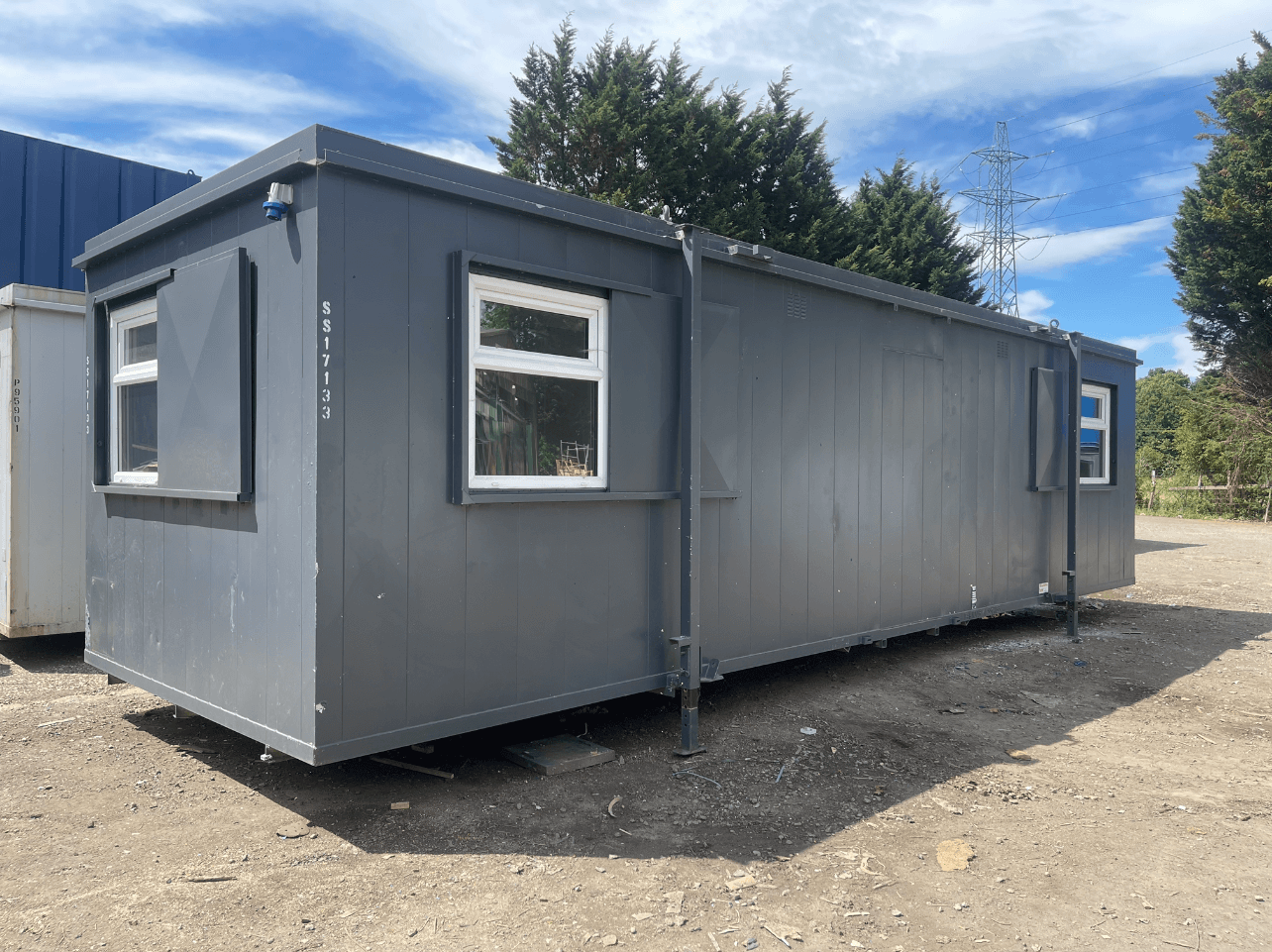
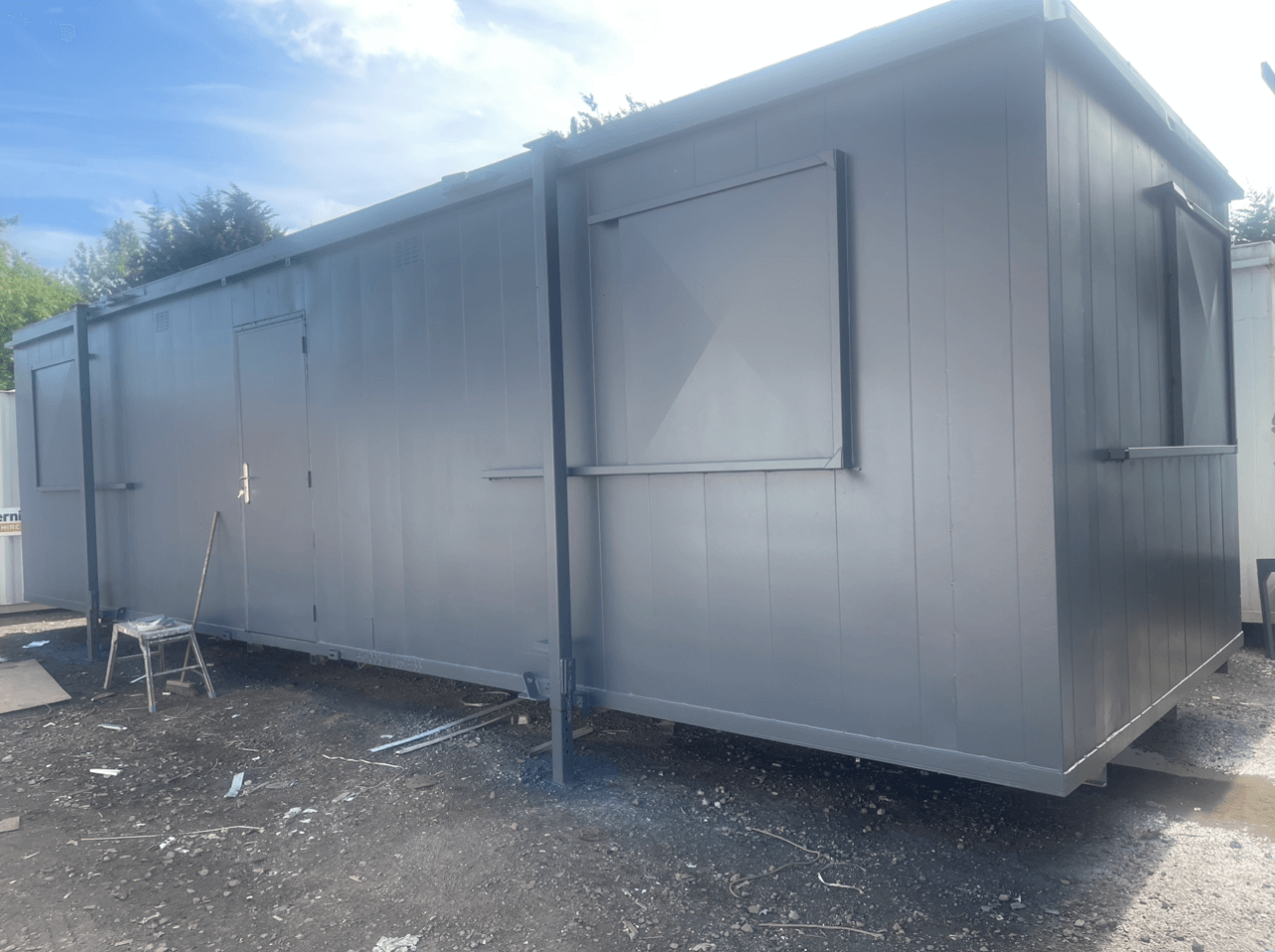
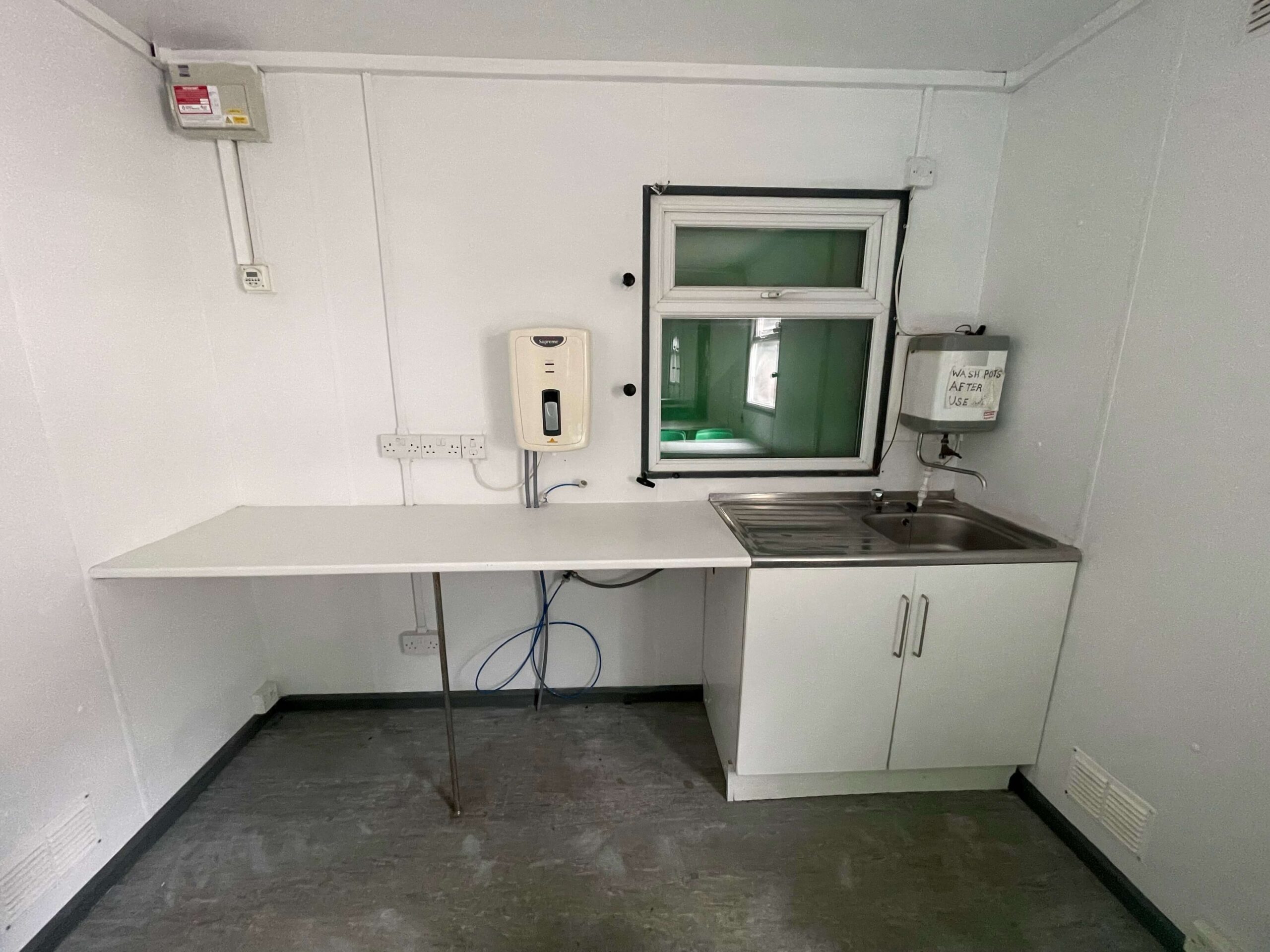
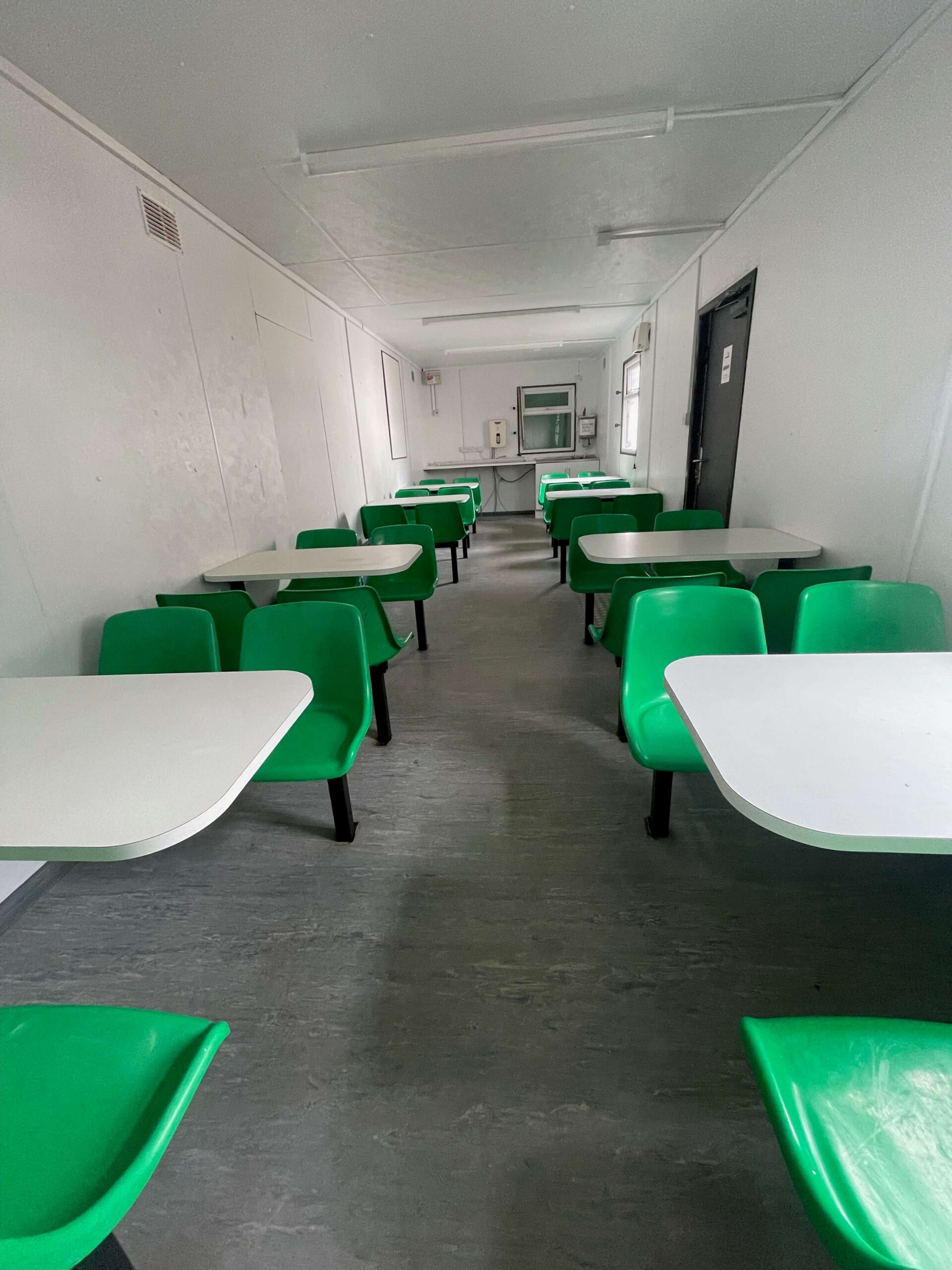

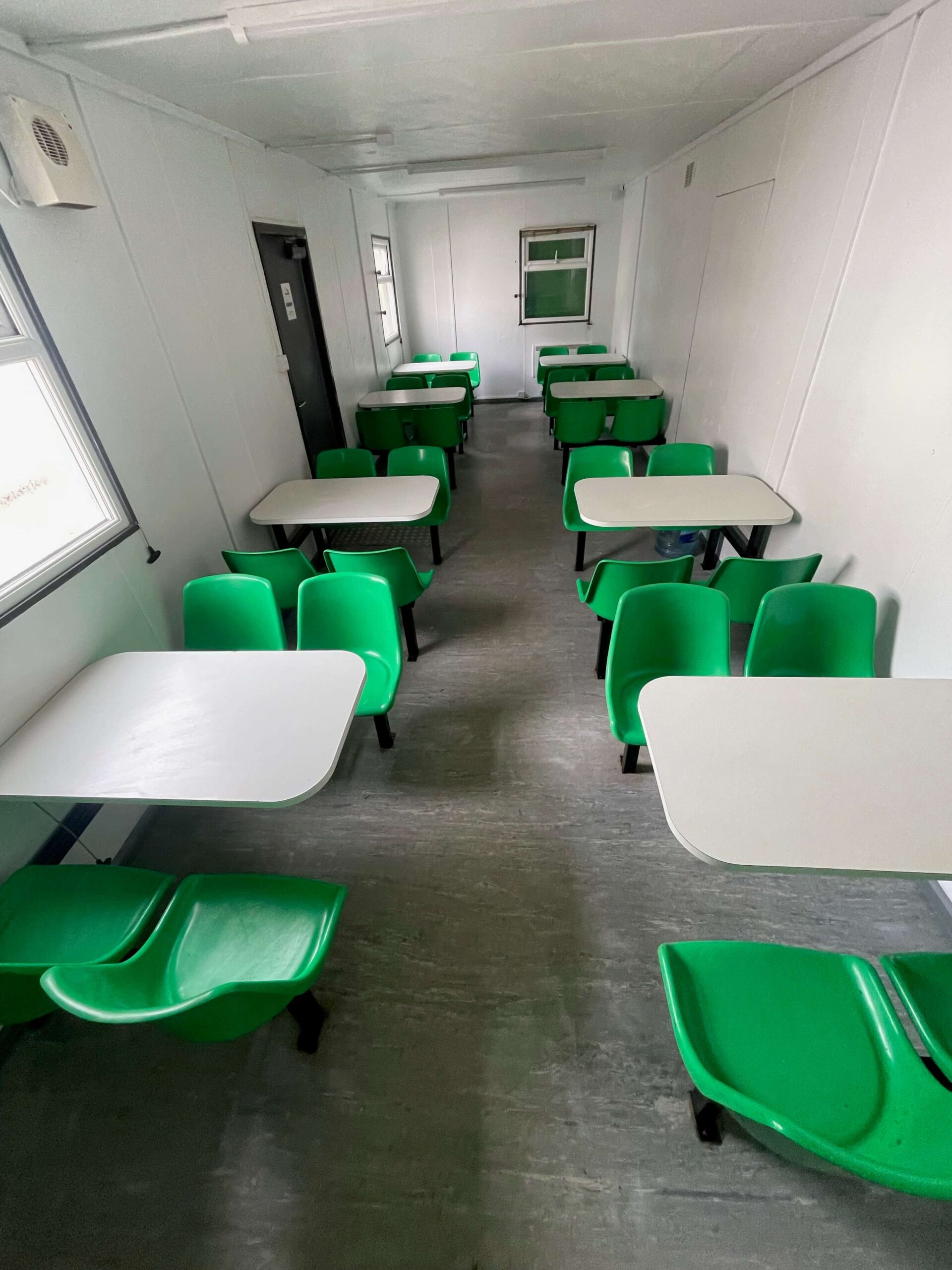
Location: Nationwide
Not Available for Hire
We can deliver for a cost please ask and send us post code.
13 tread
14 tread
15 tread
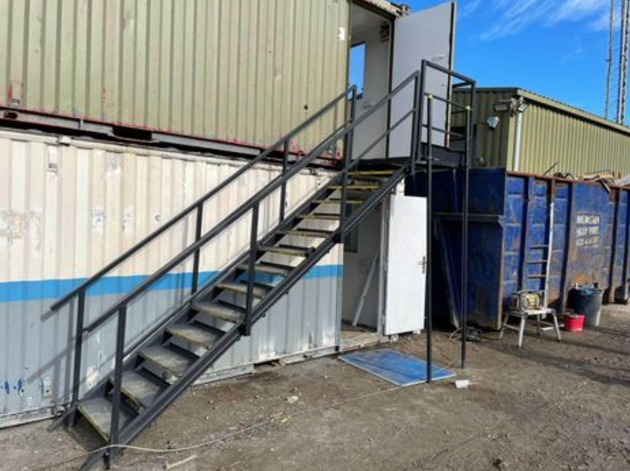
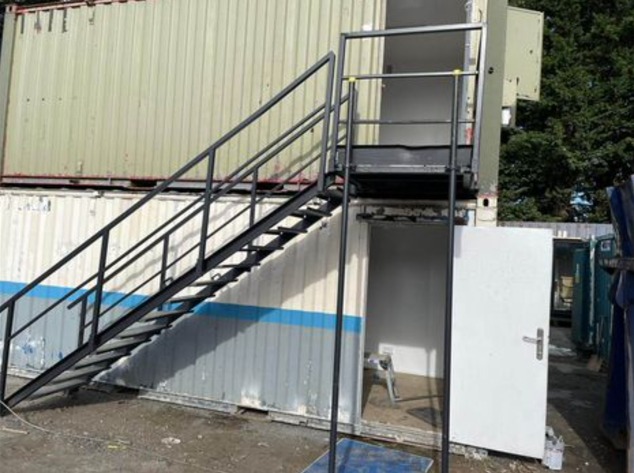
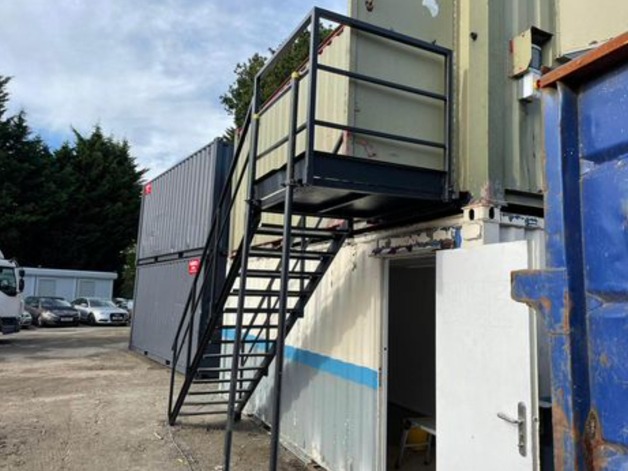
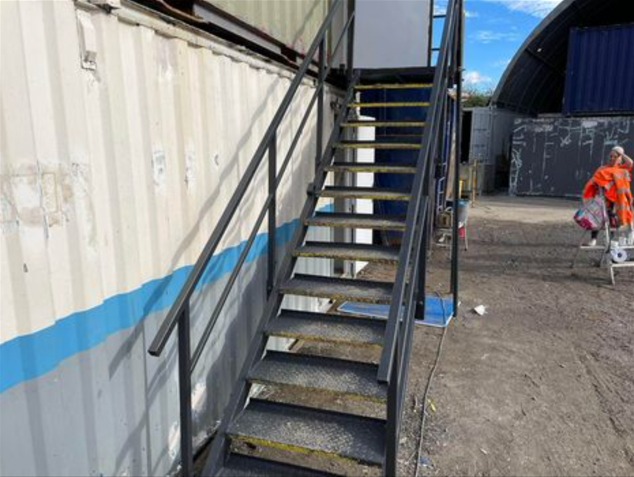
Location: Nationwide
Not Available for Hire
Call for an instant quote!
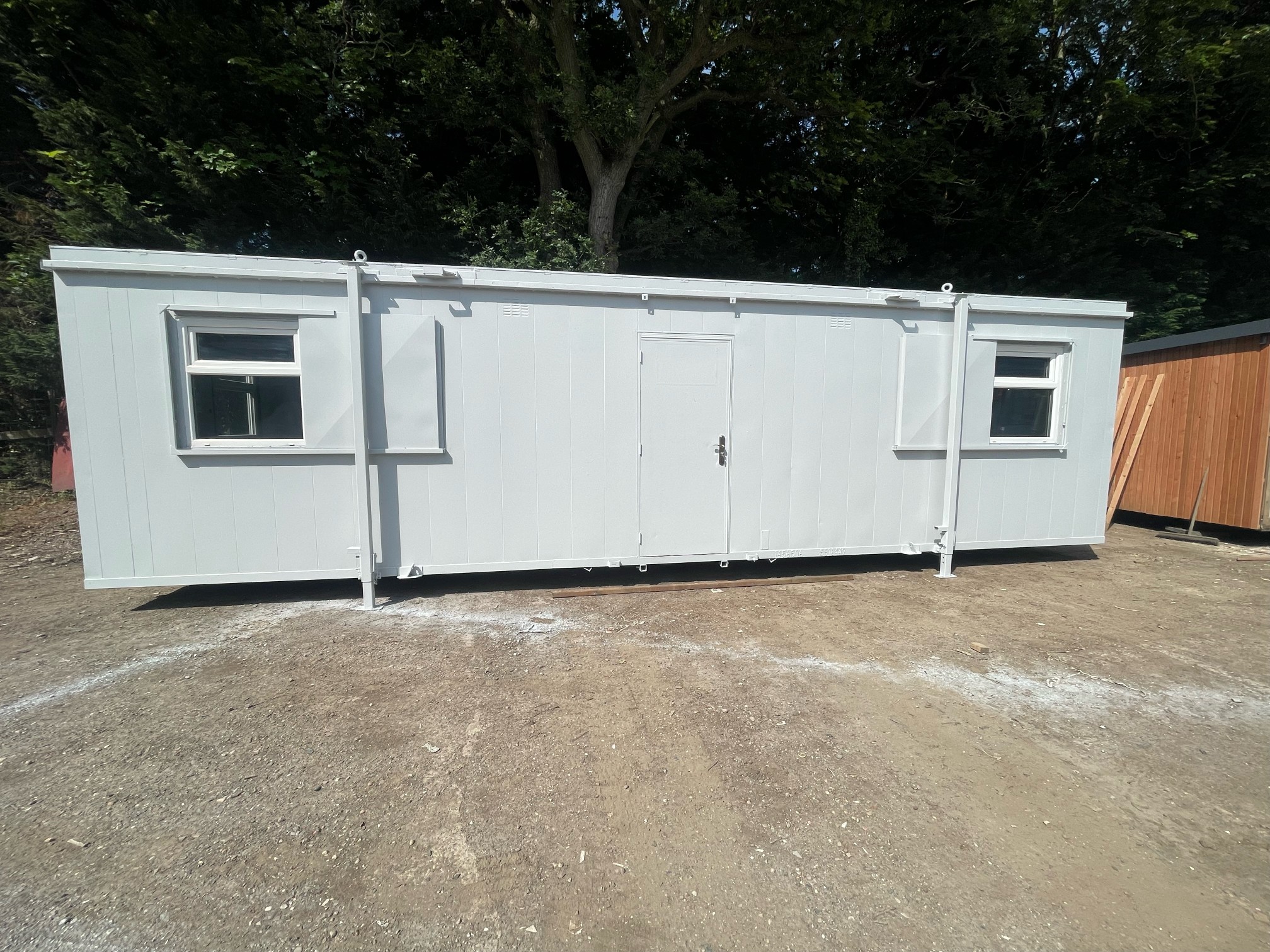
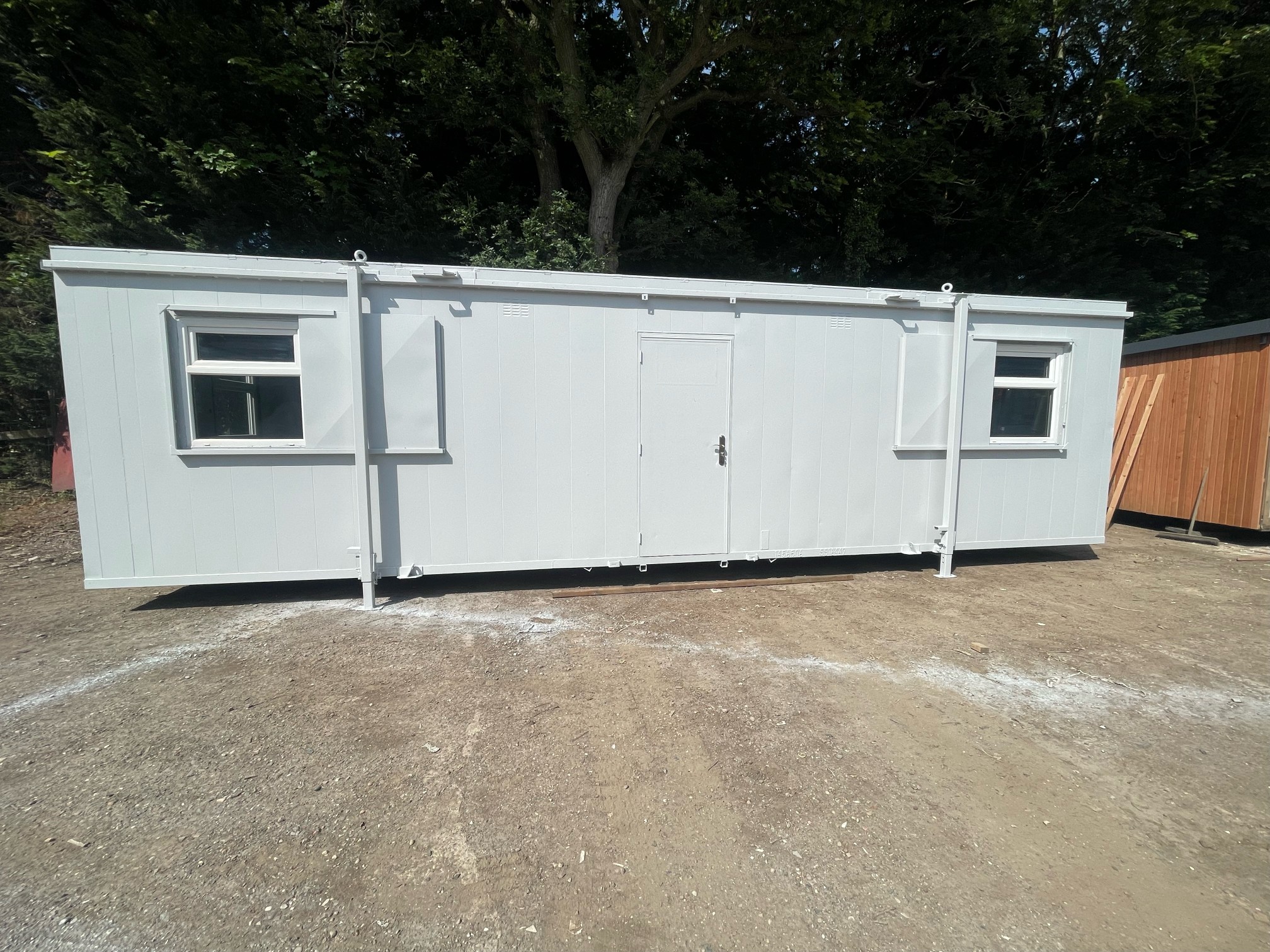
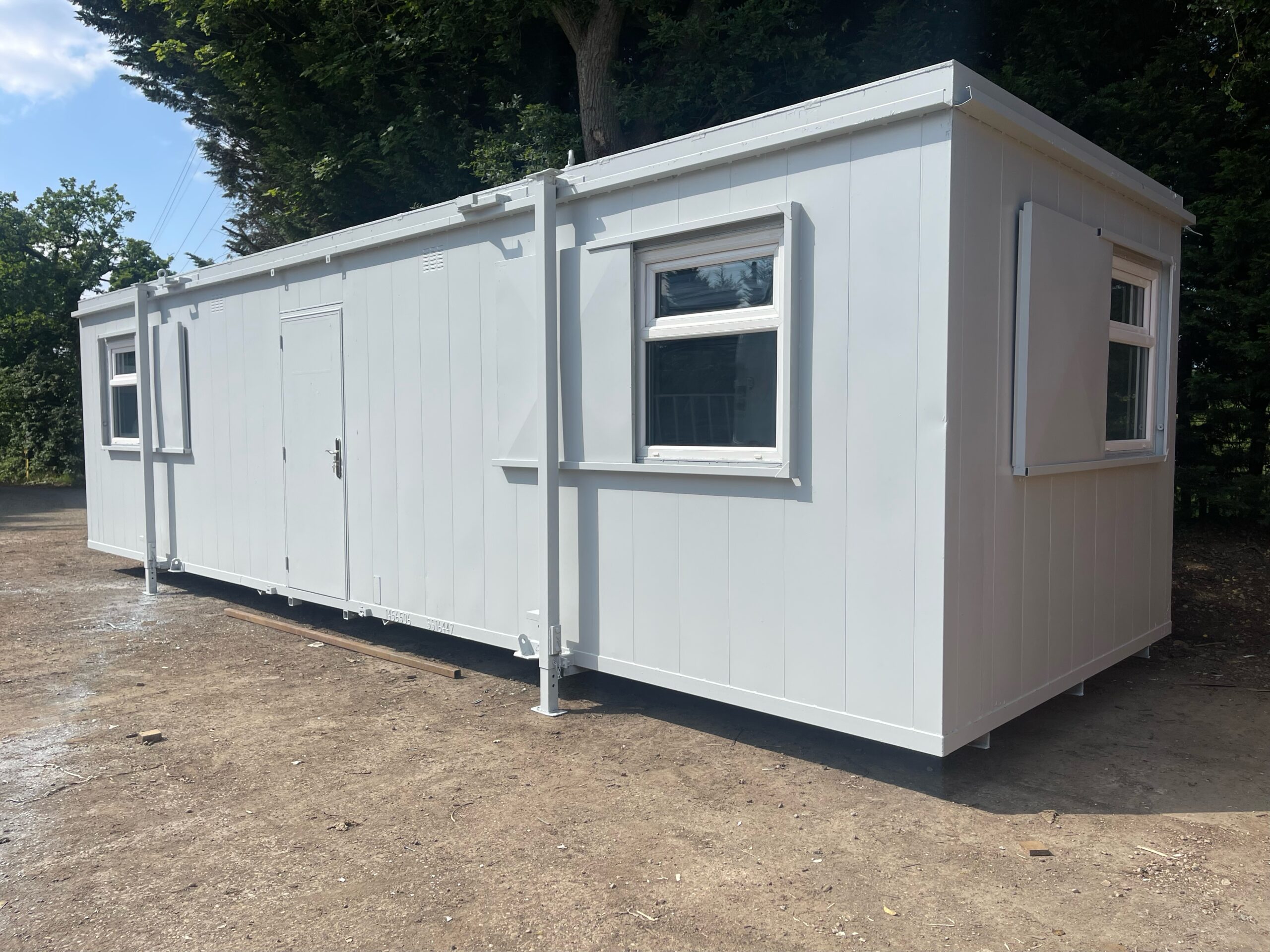
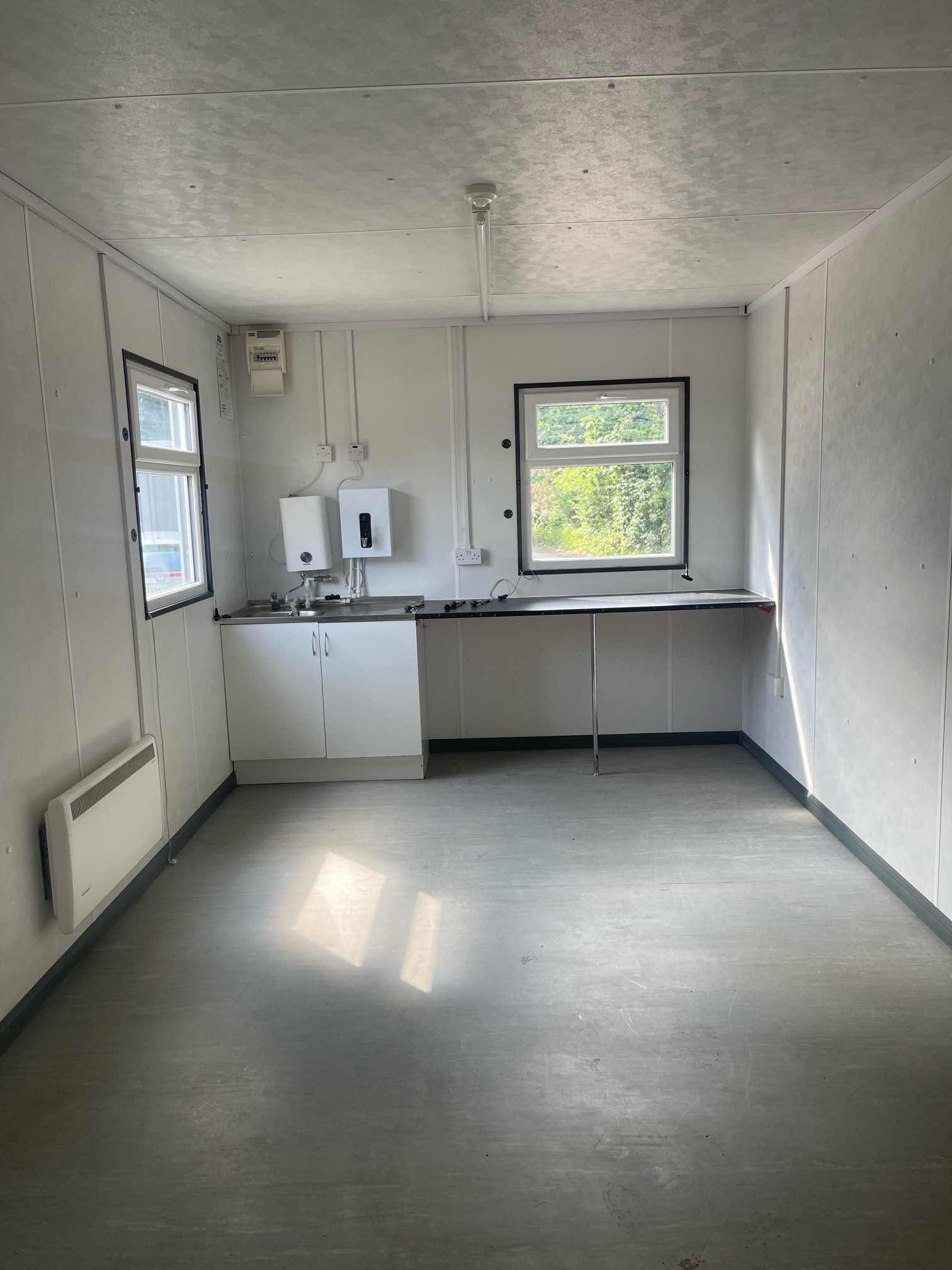
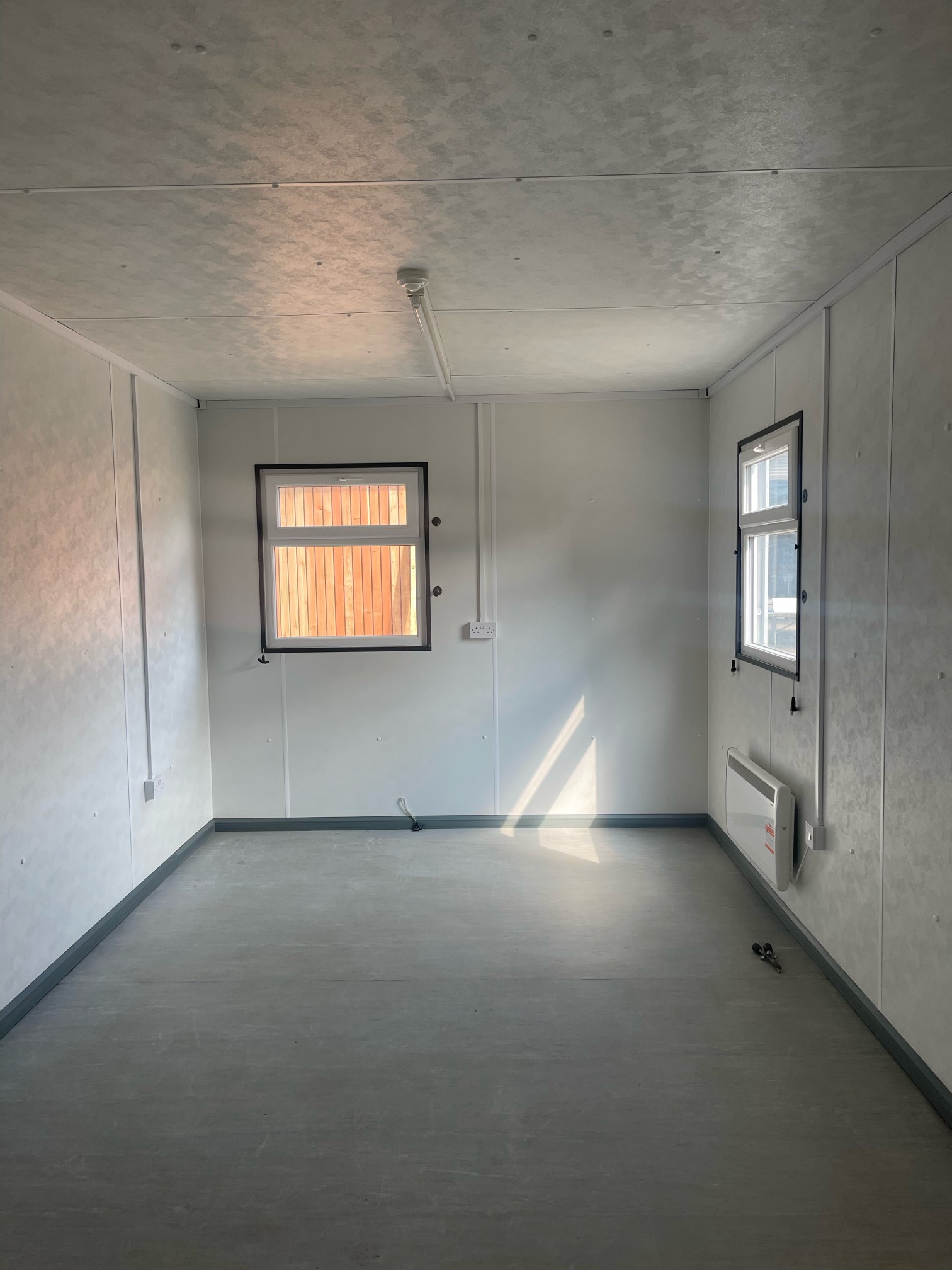
Location: Nationwide
Not Available for Hire
We can deliver for a cost please ask and send us post code.
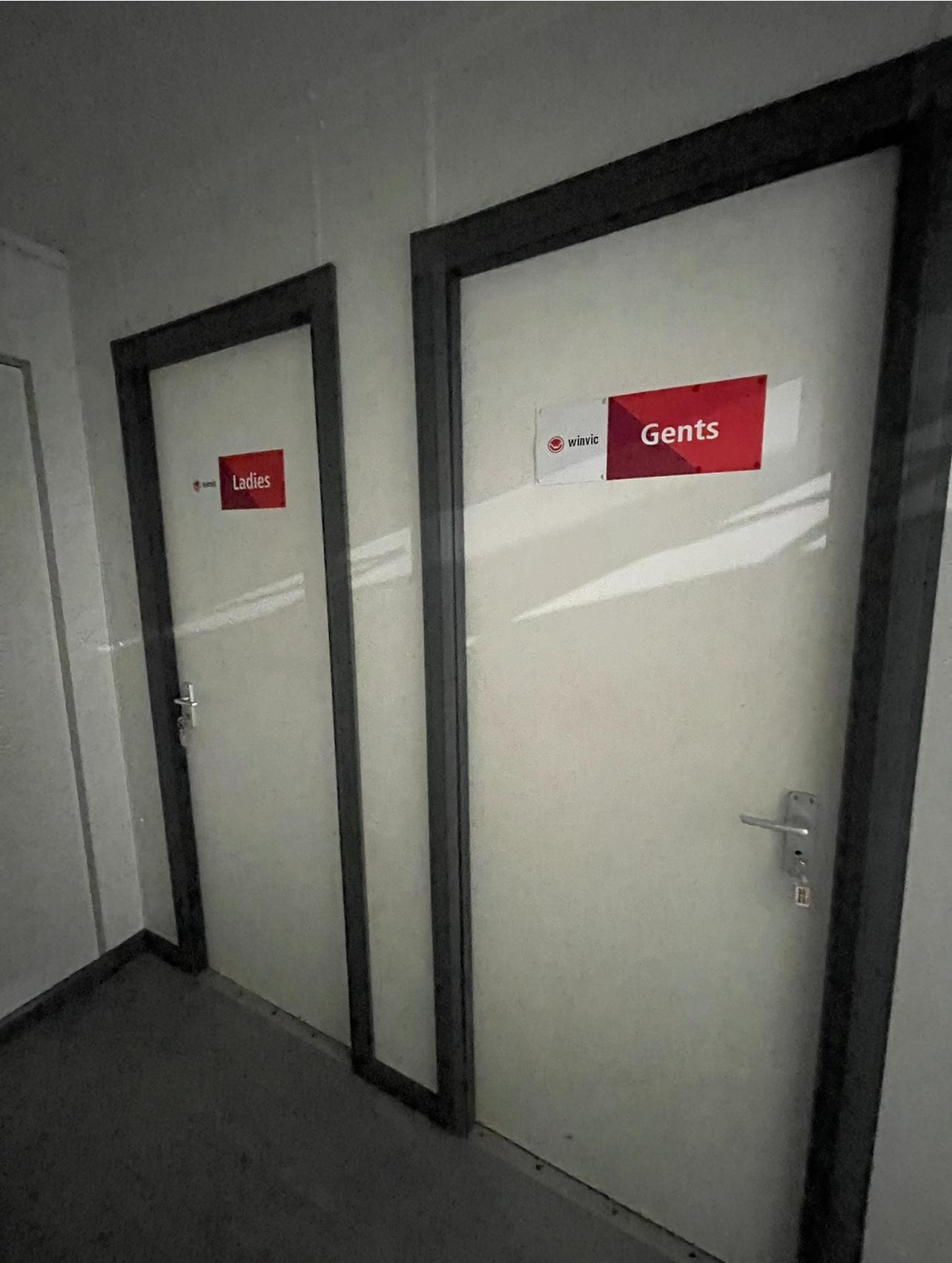
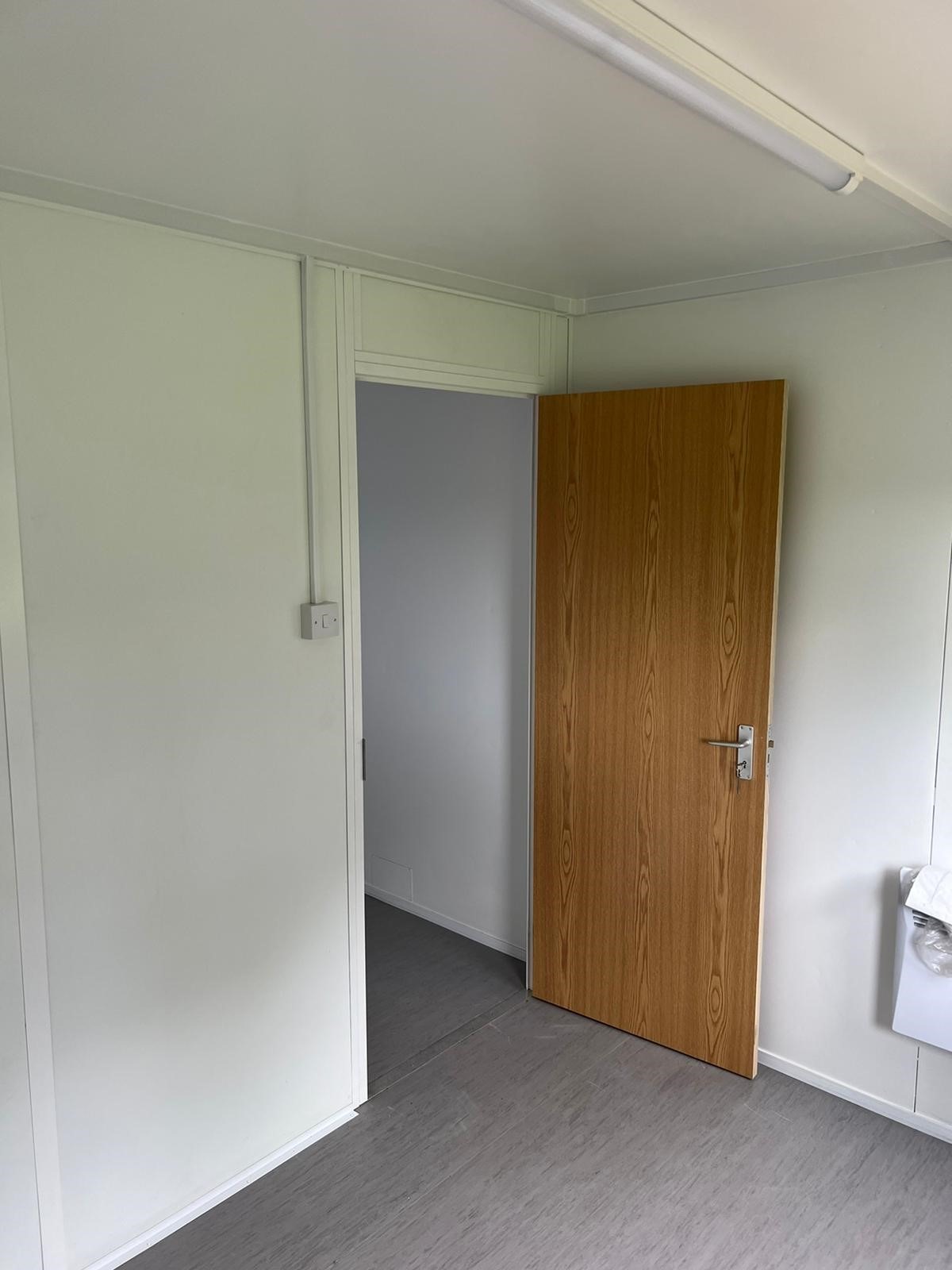
Hallway leading into:
Transport can be arranged please ask.
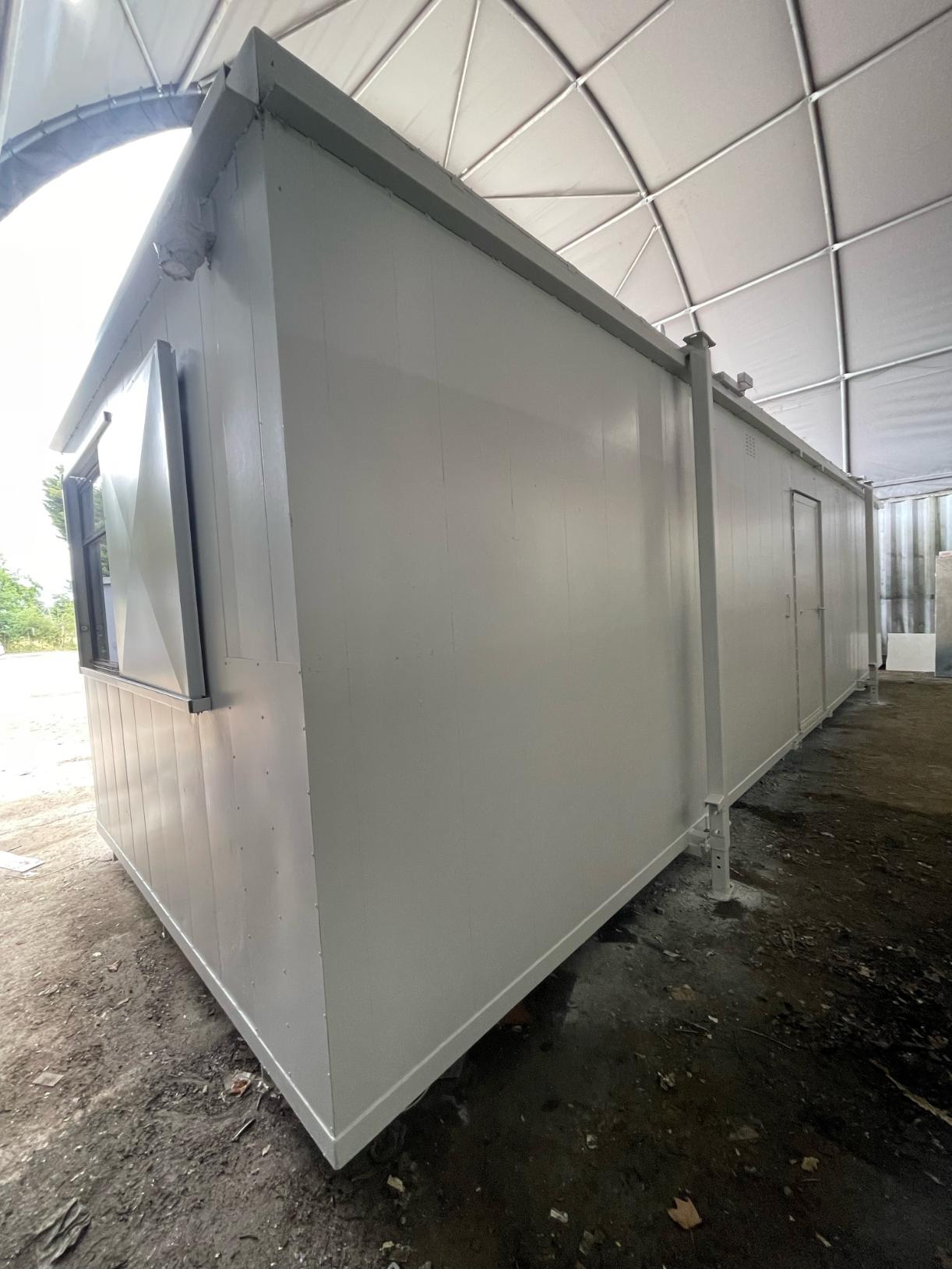
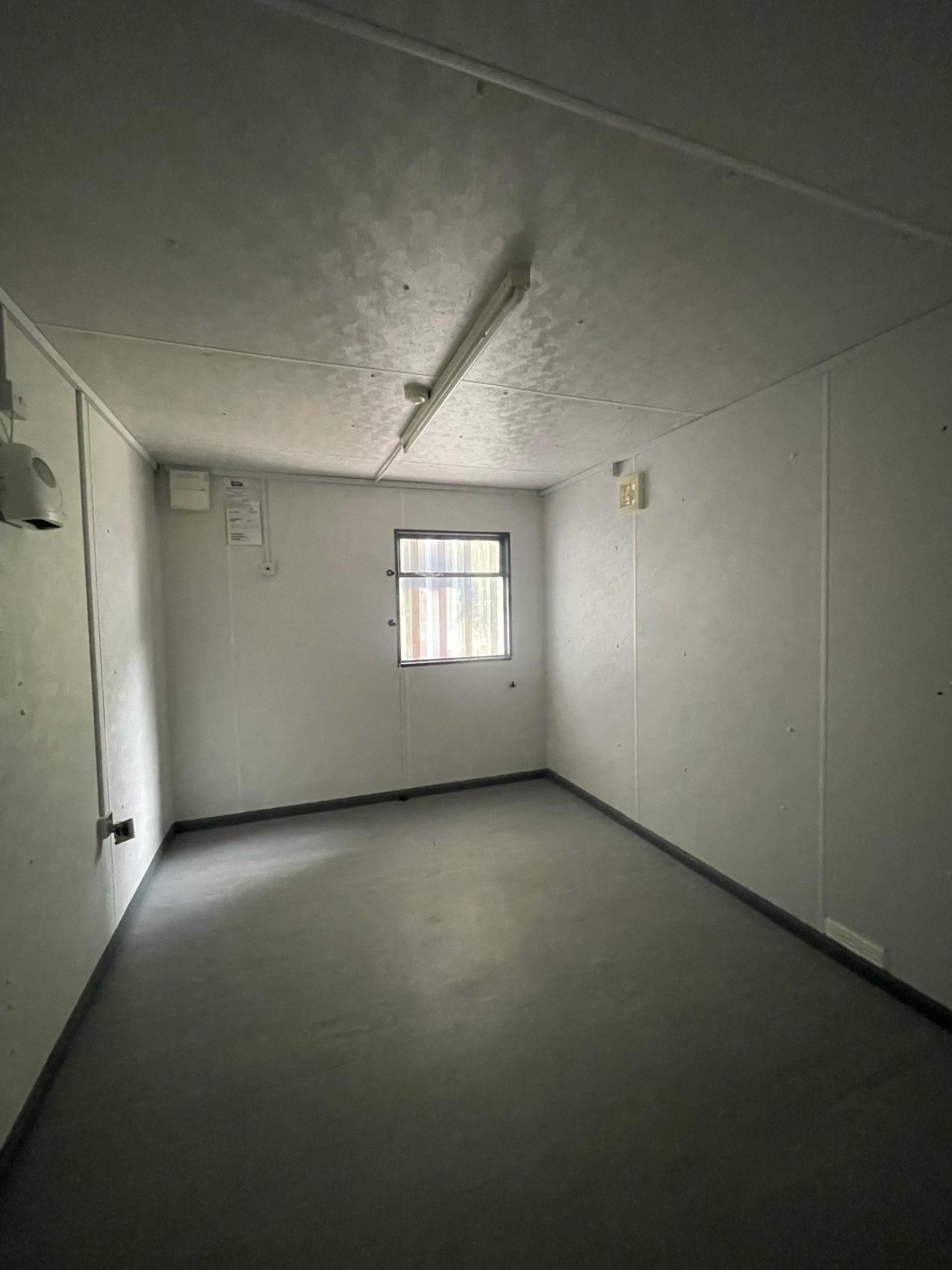
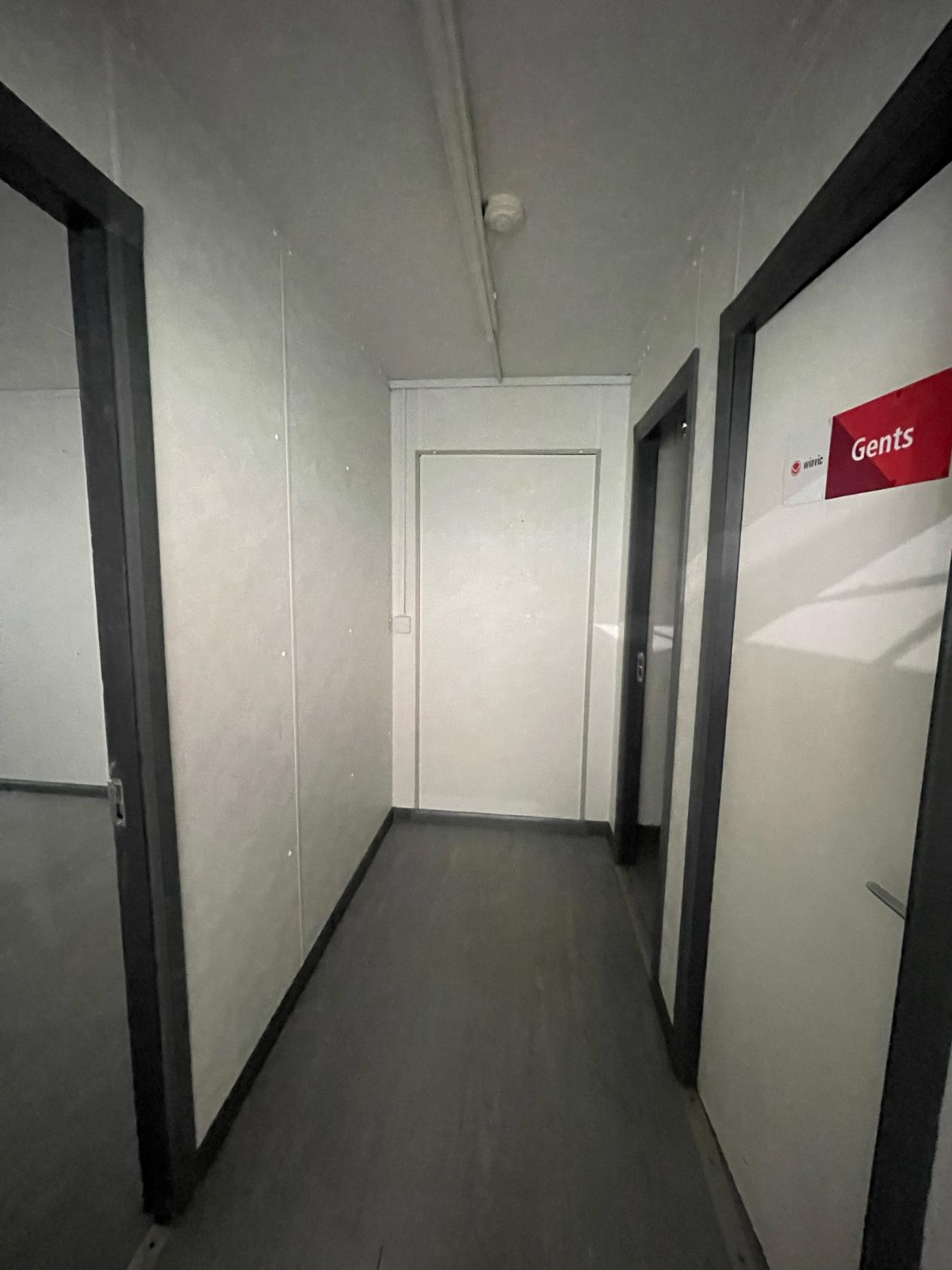
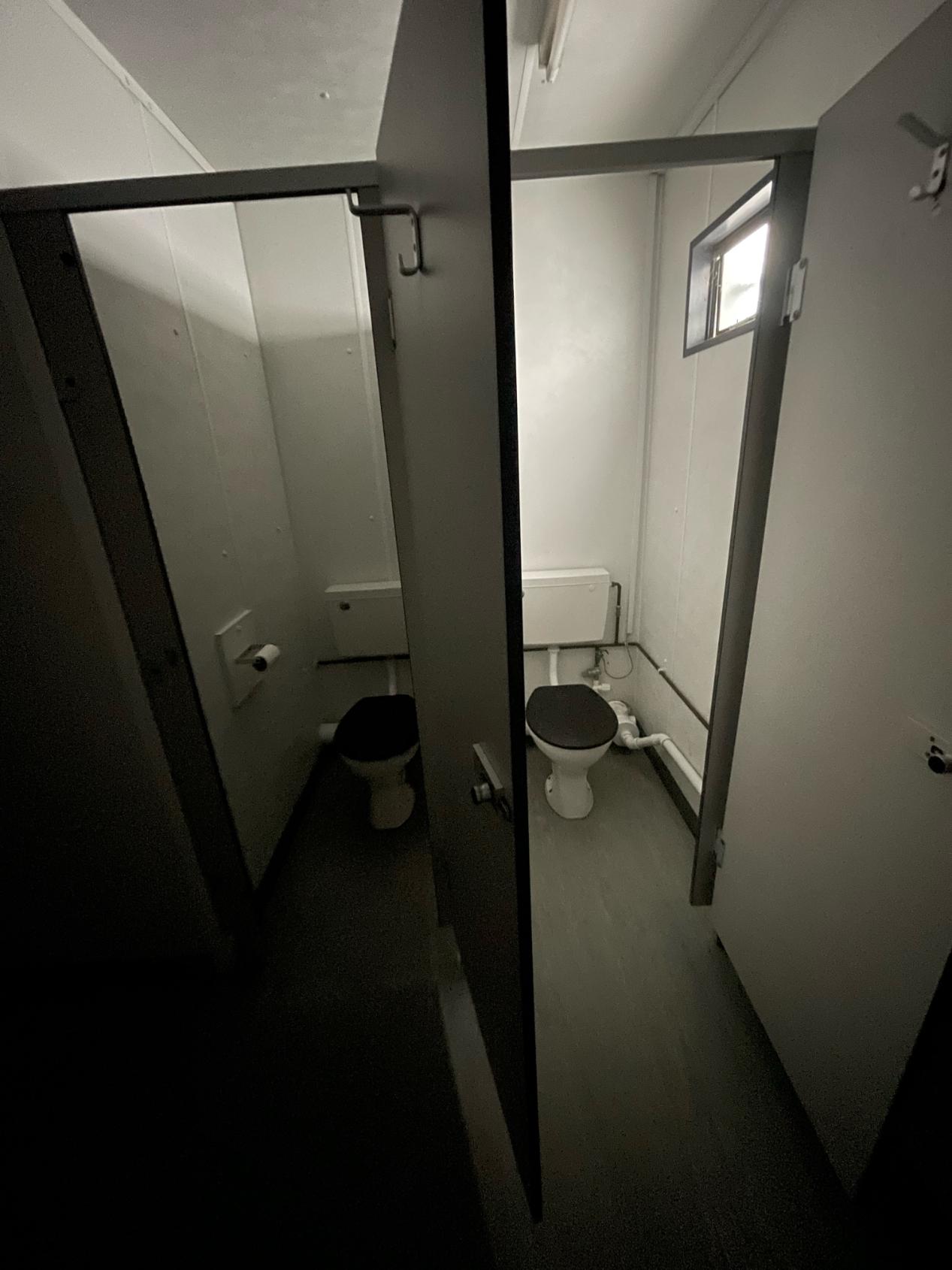
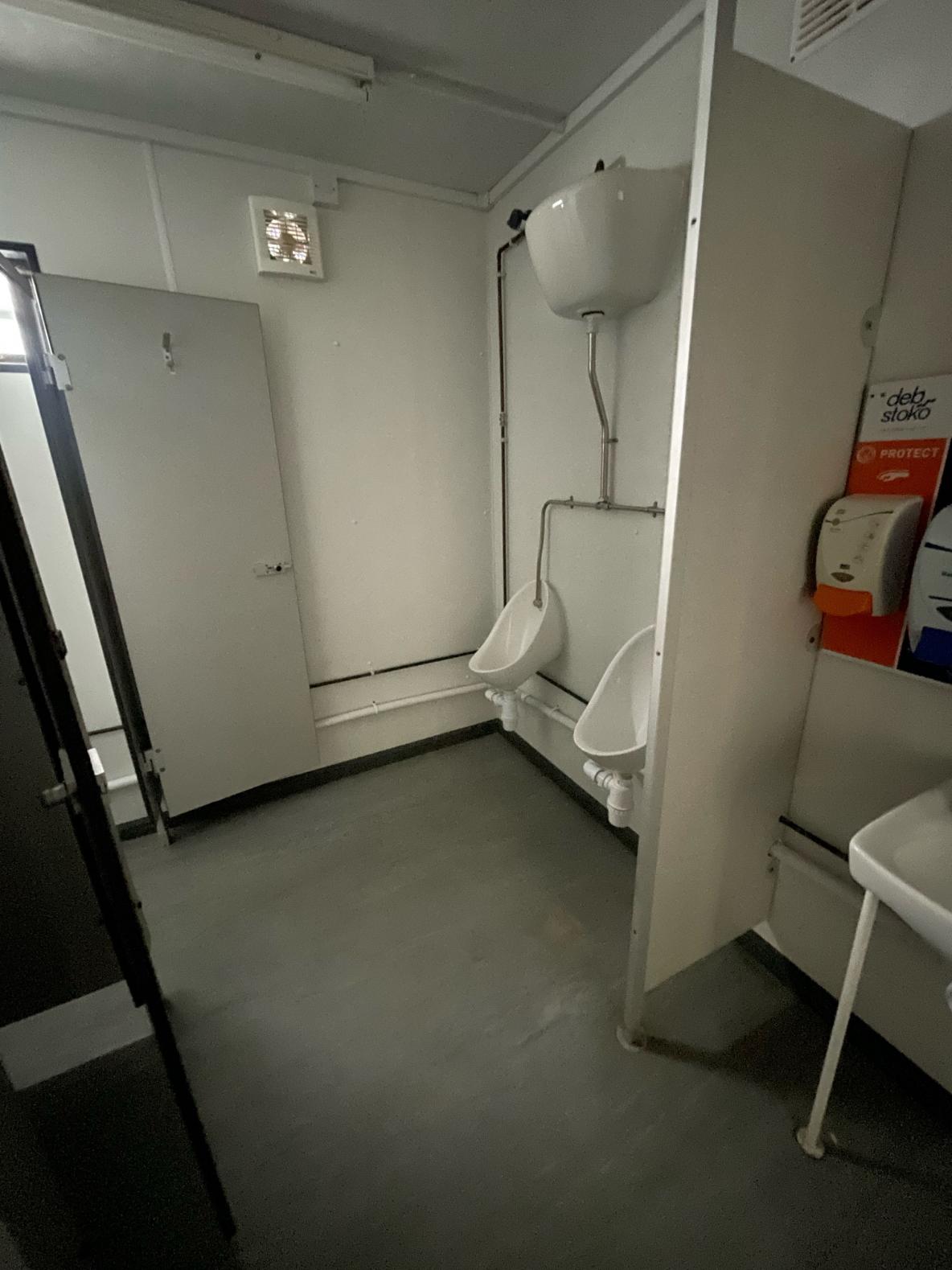
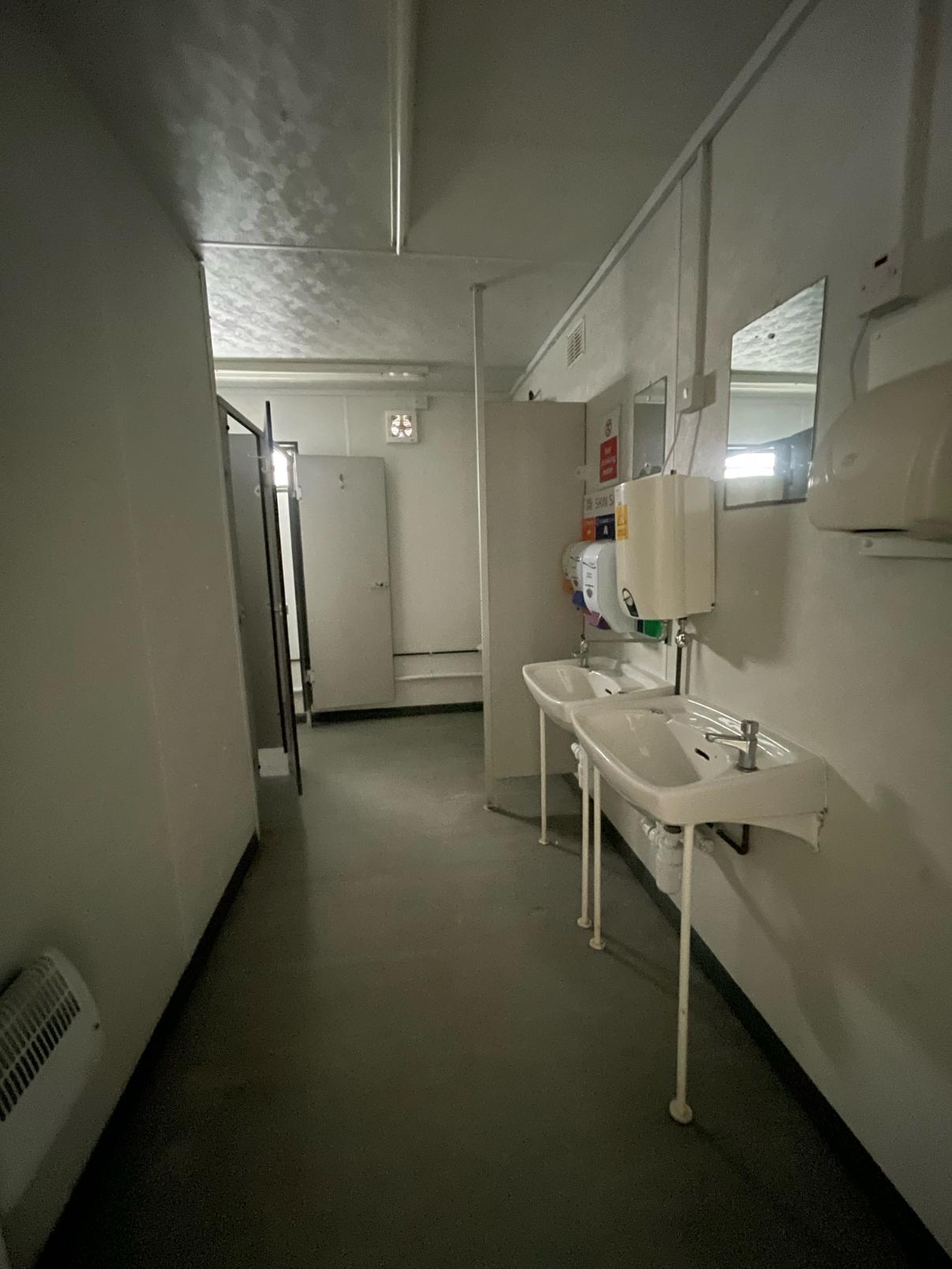
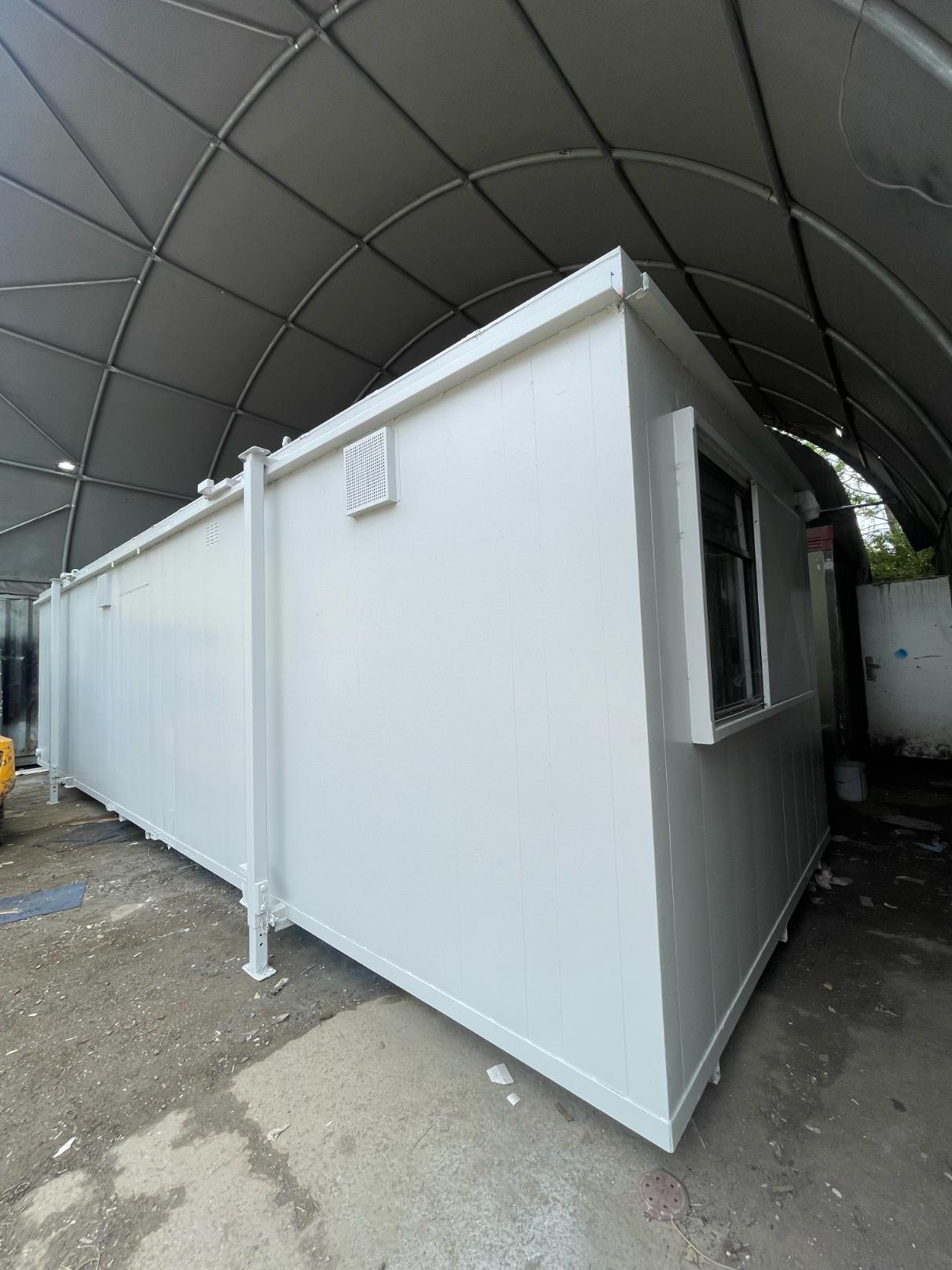
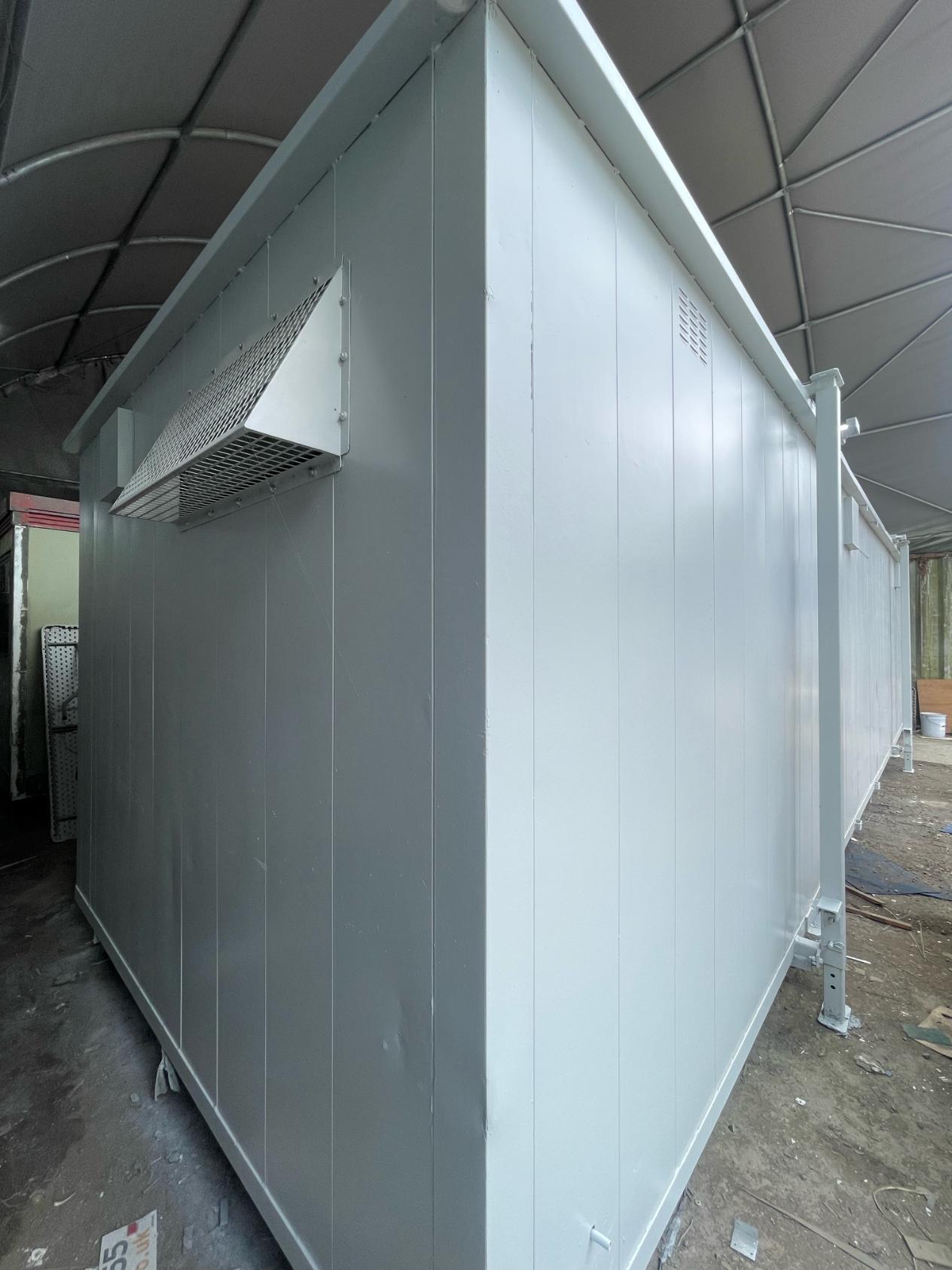
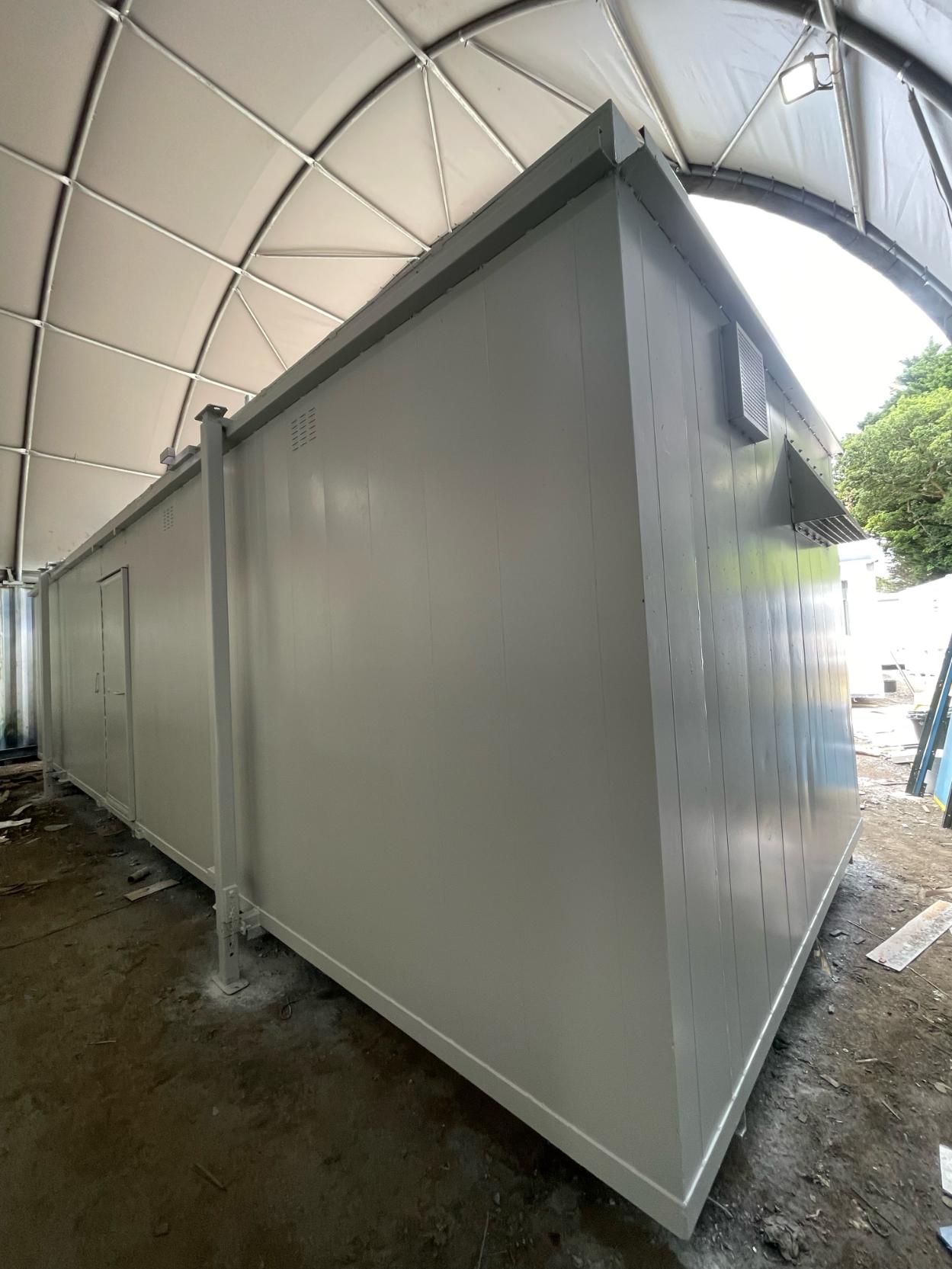
Location: Nationwide
Not Available for Hire
Call for an instant quote!
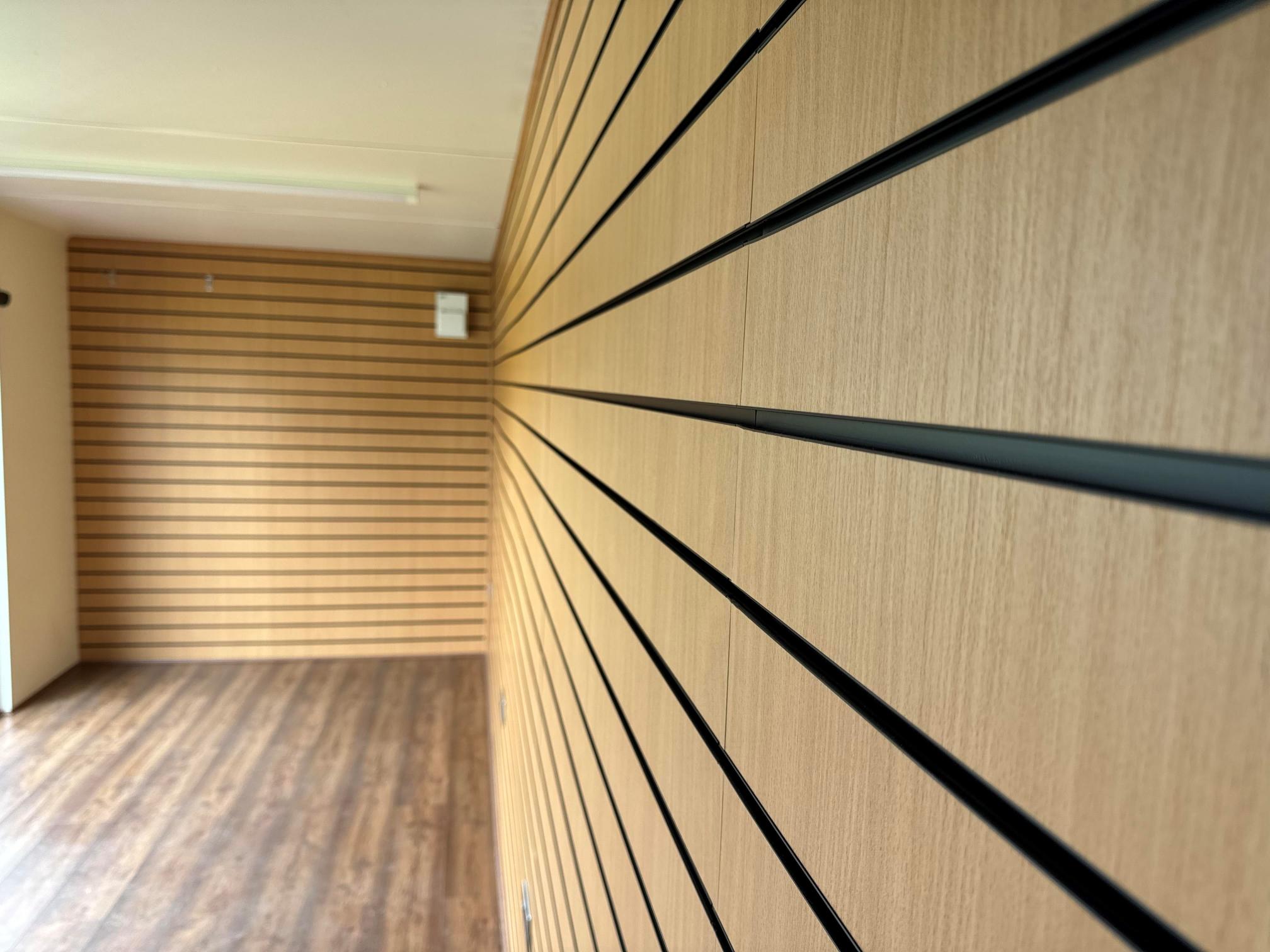
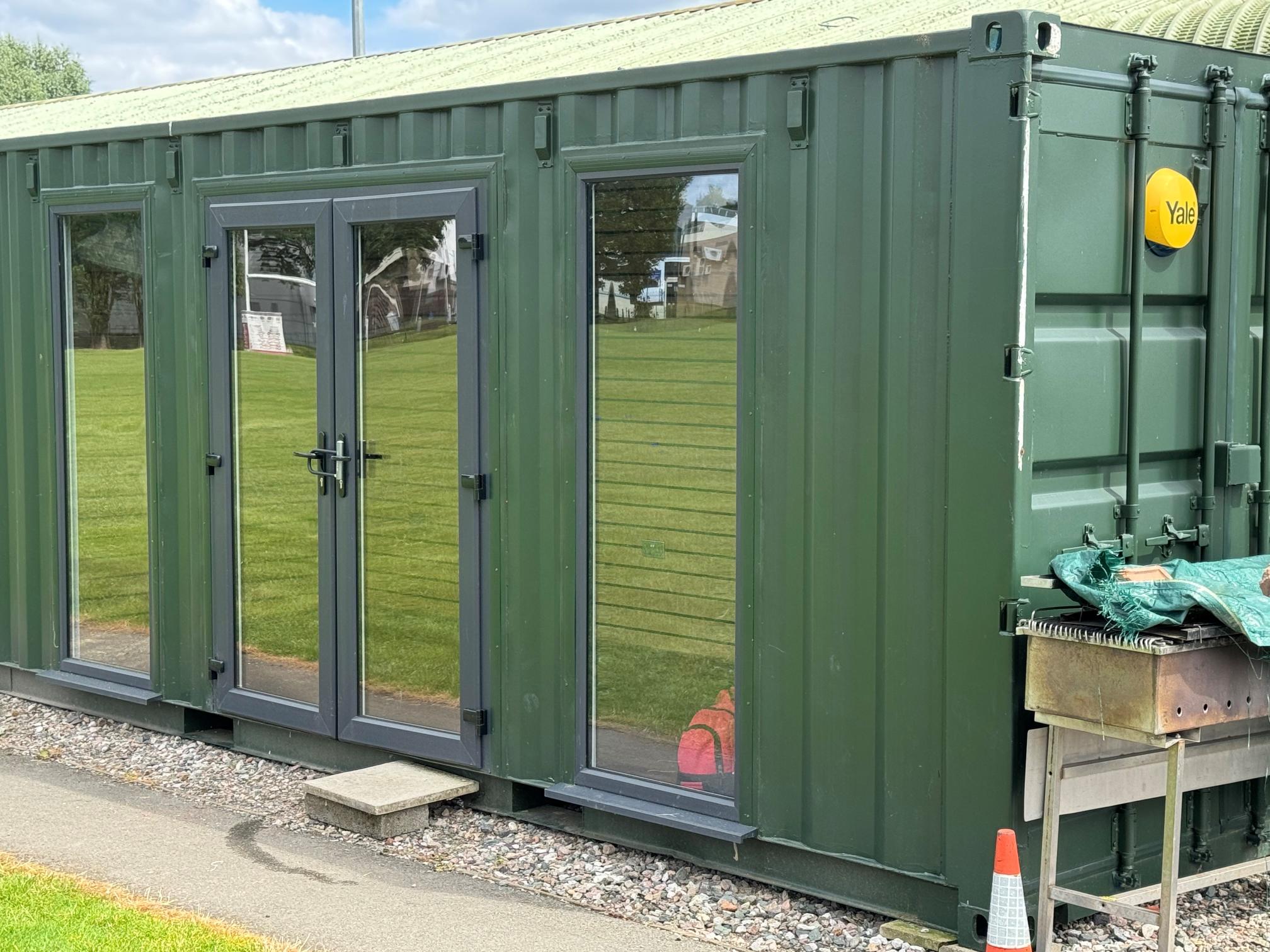
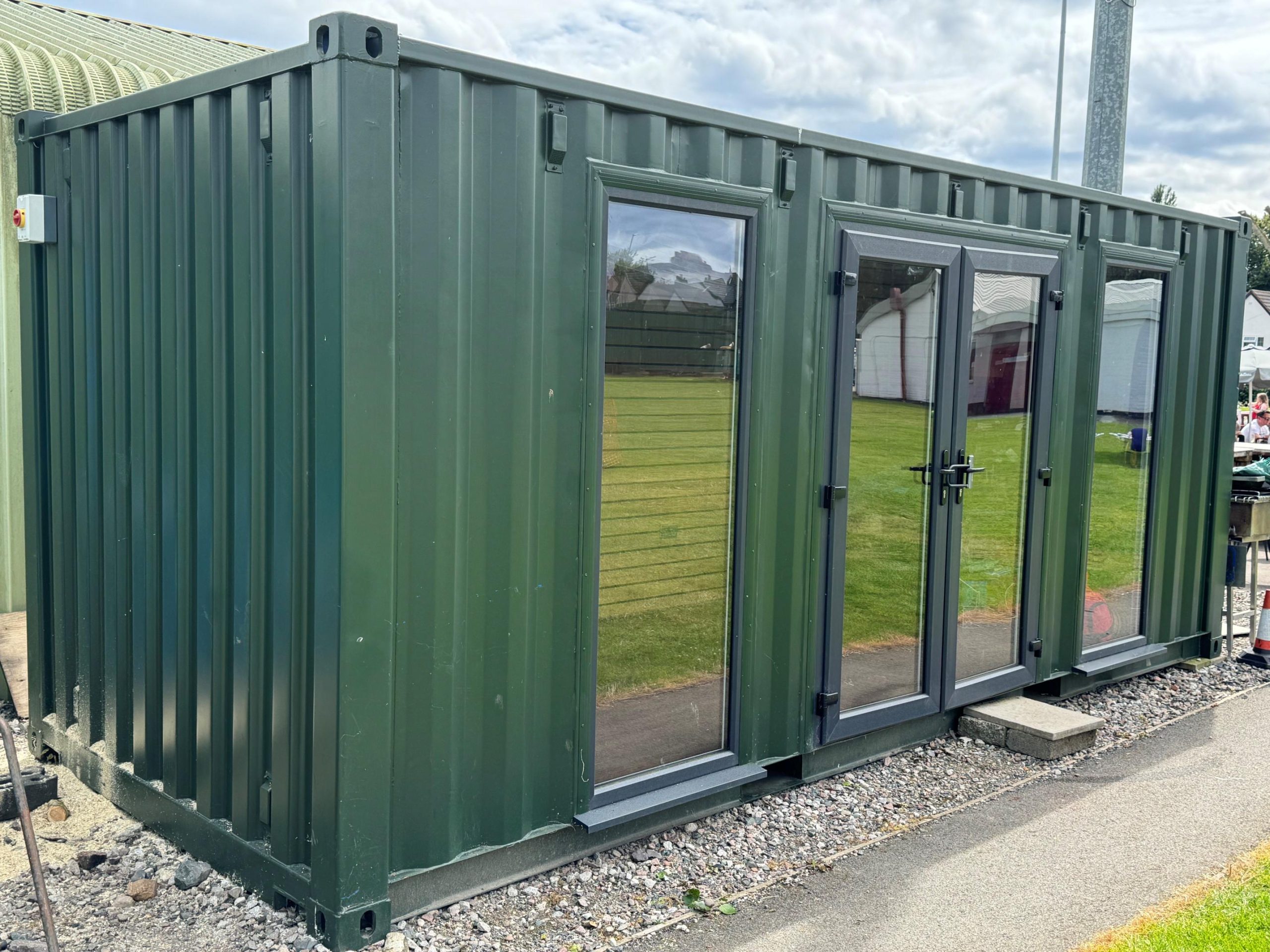
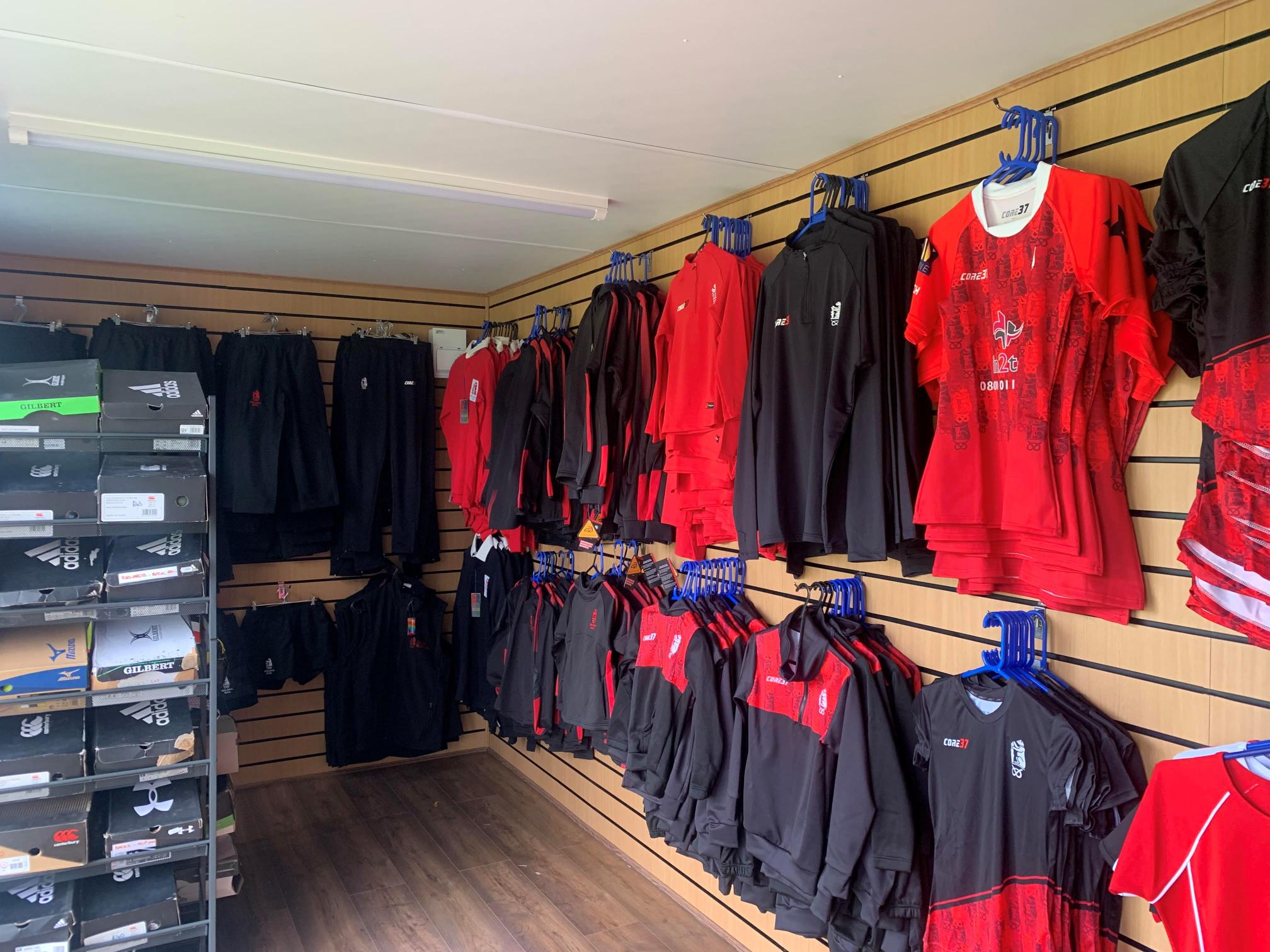
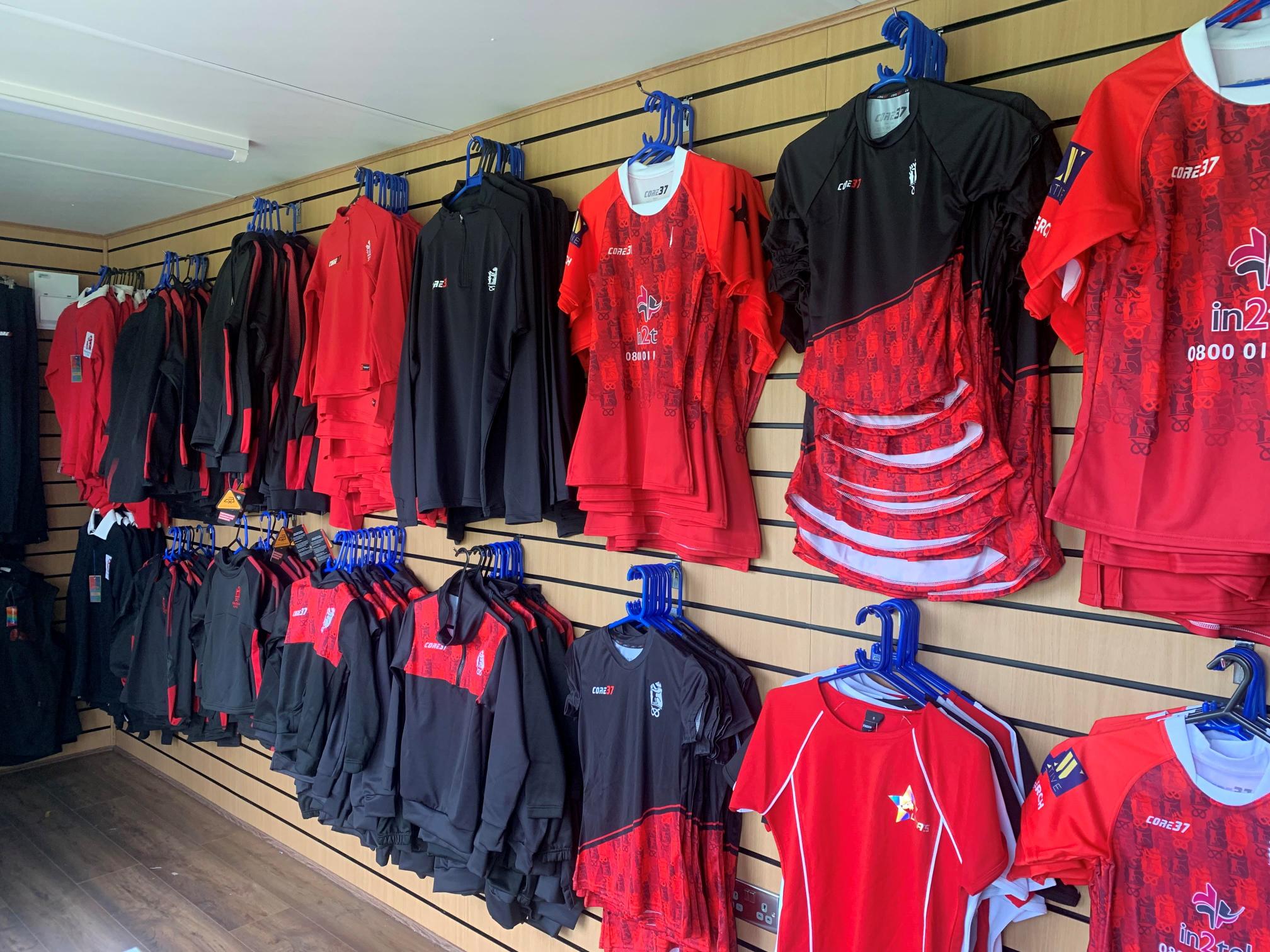
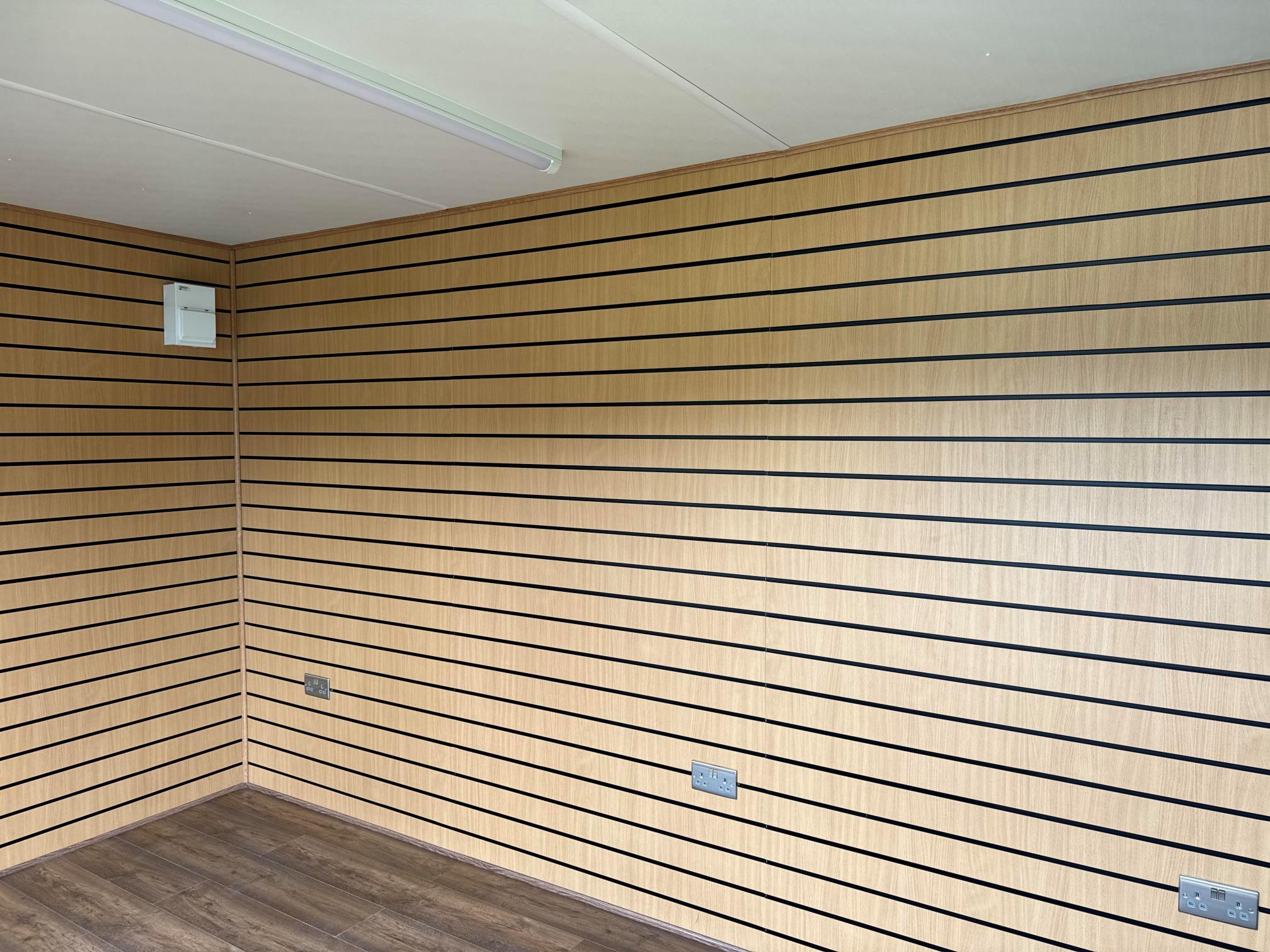
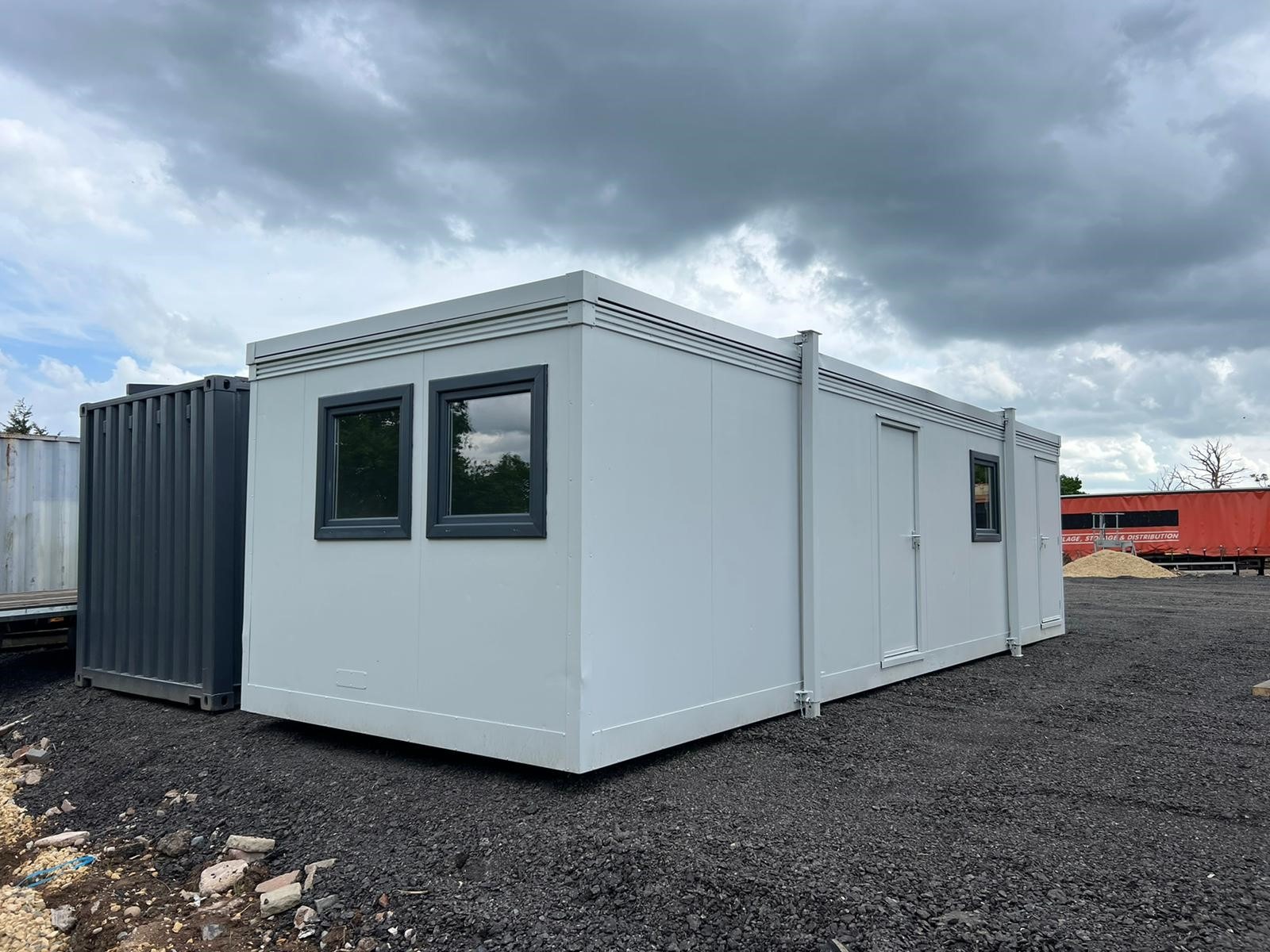
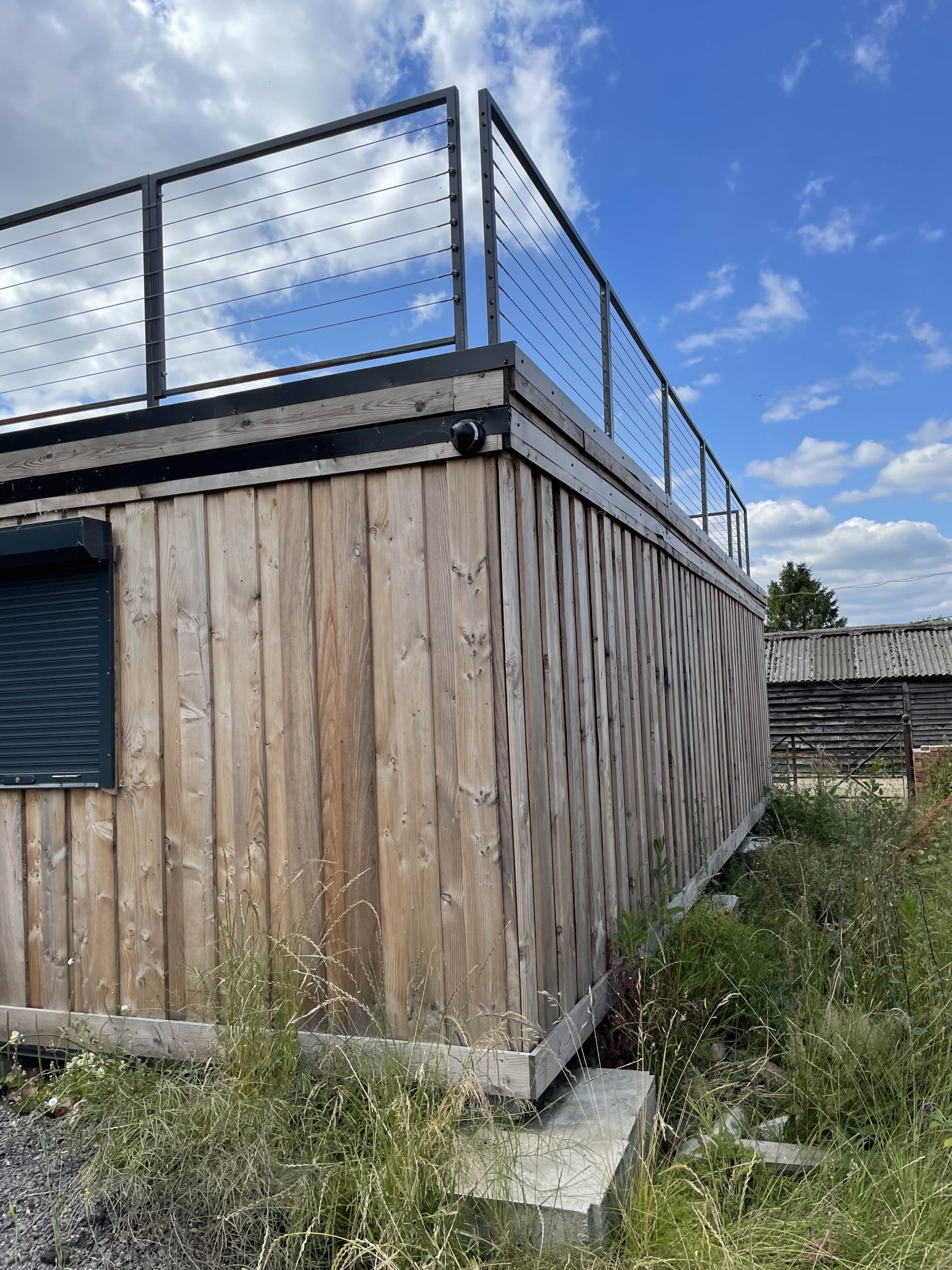
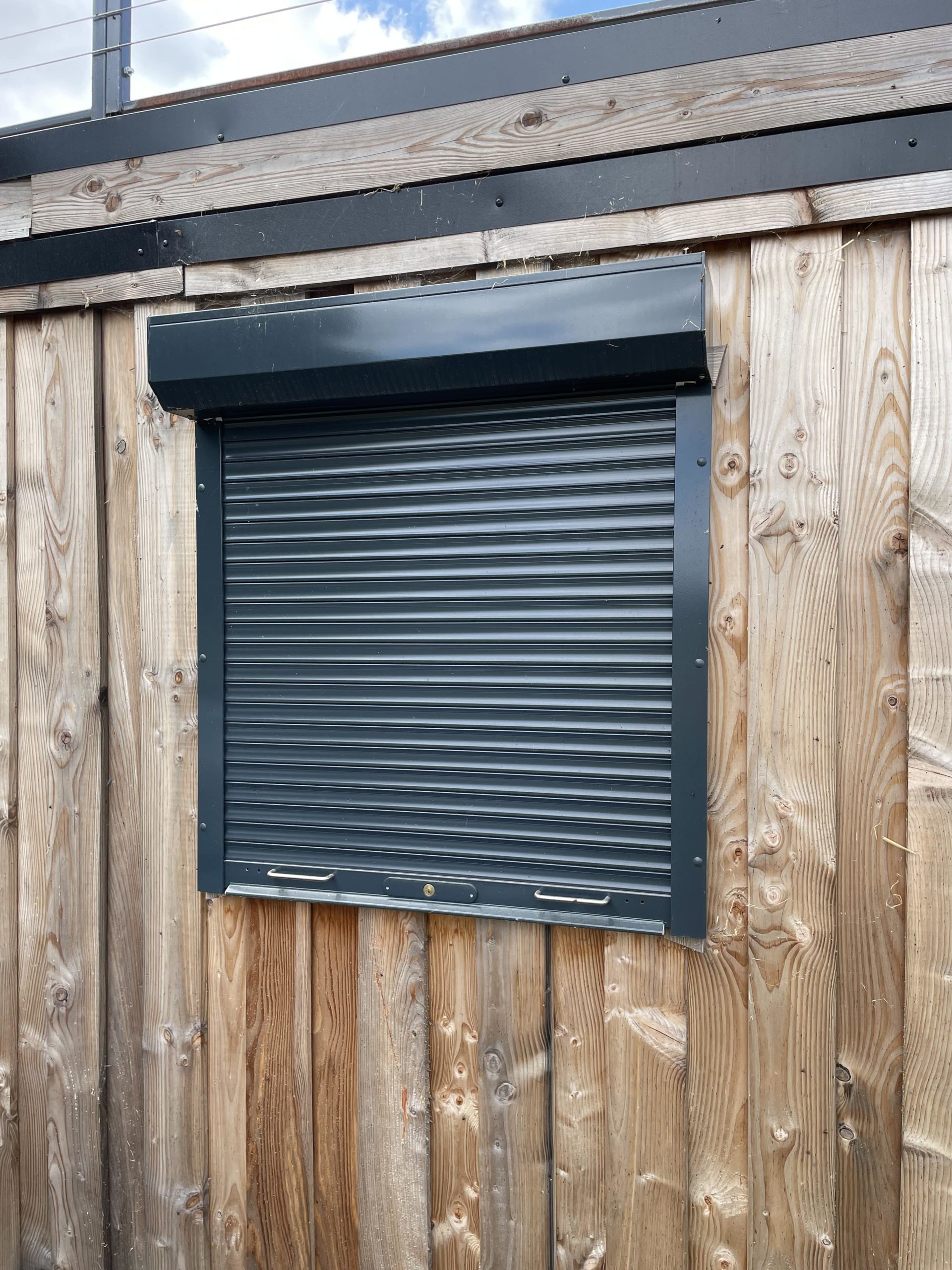
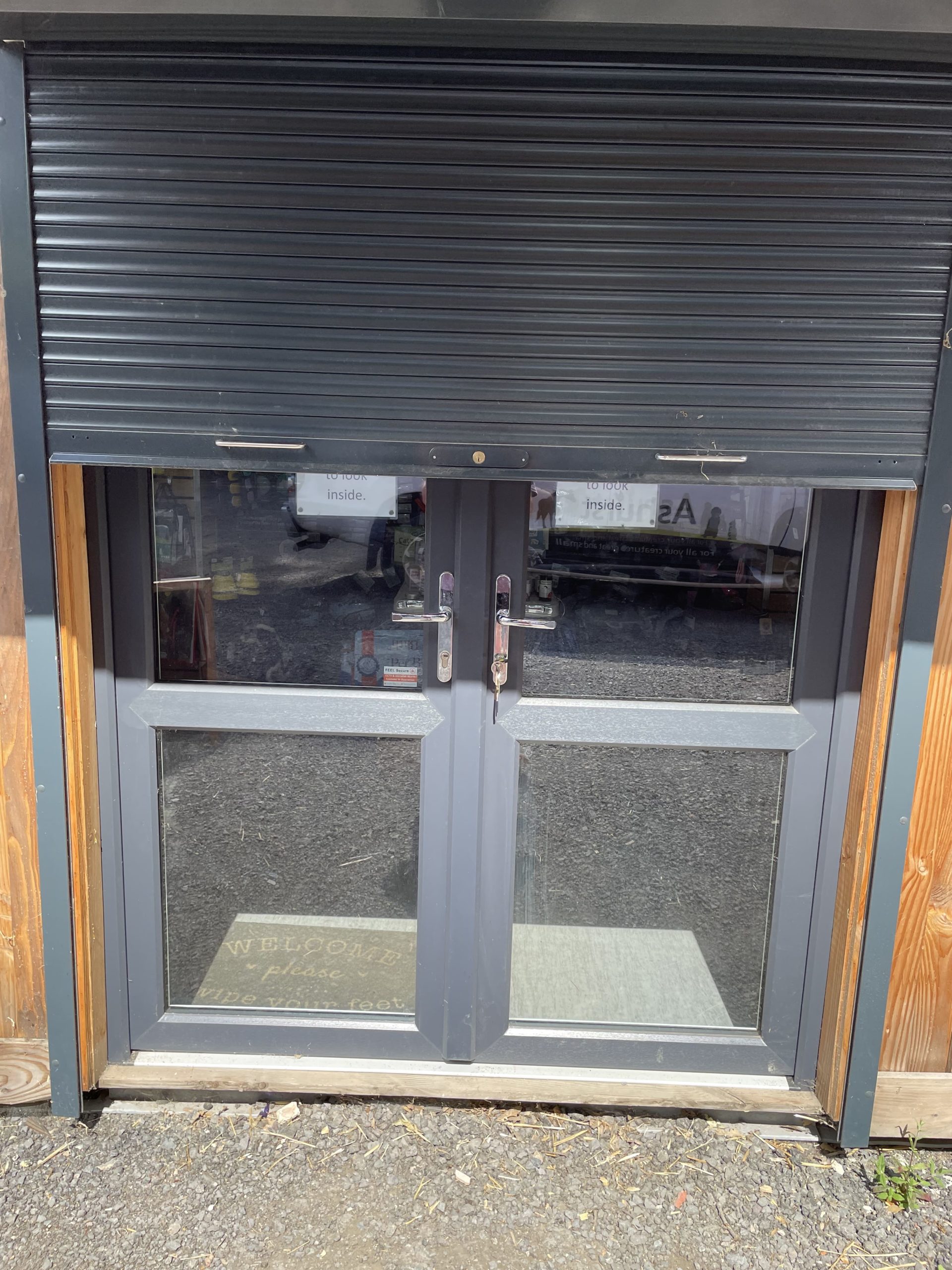
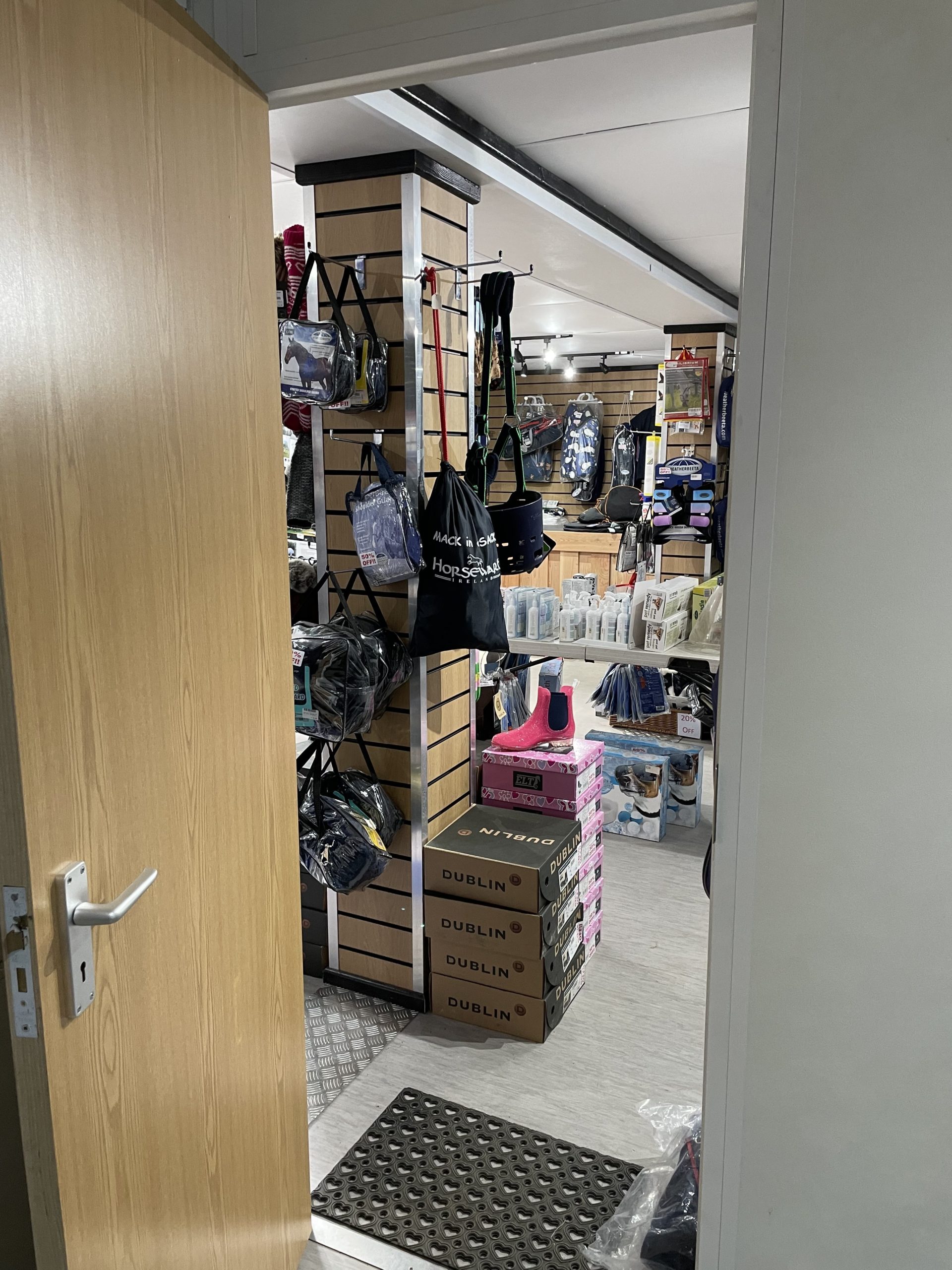
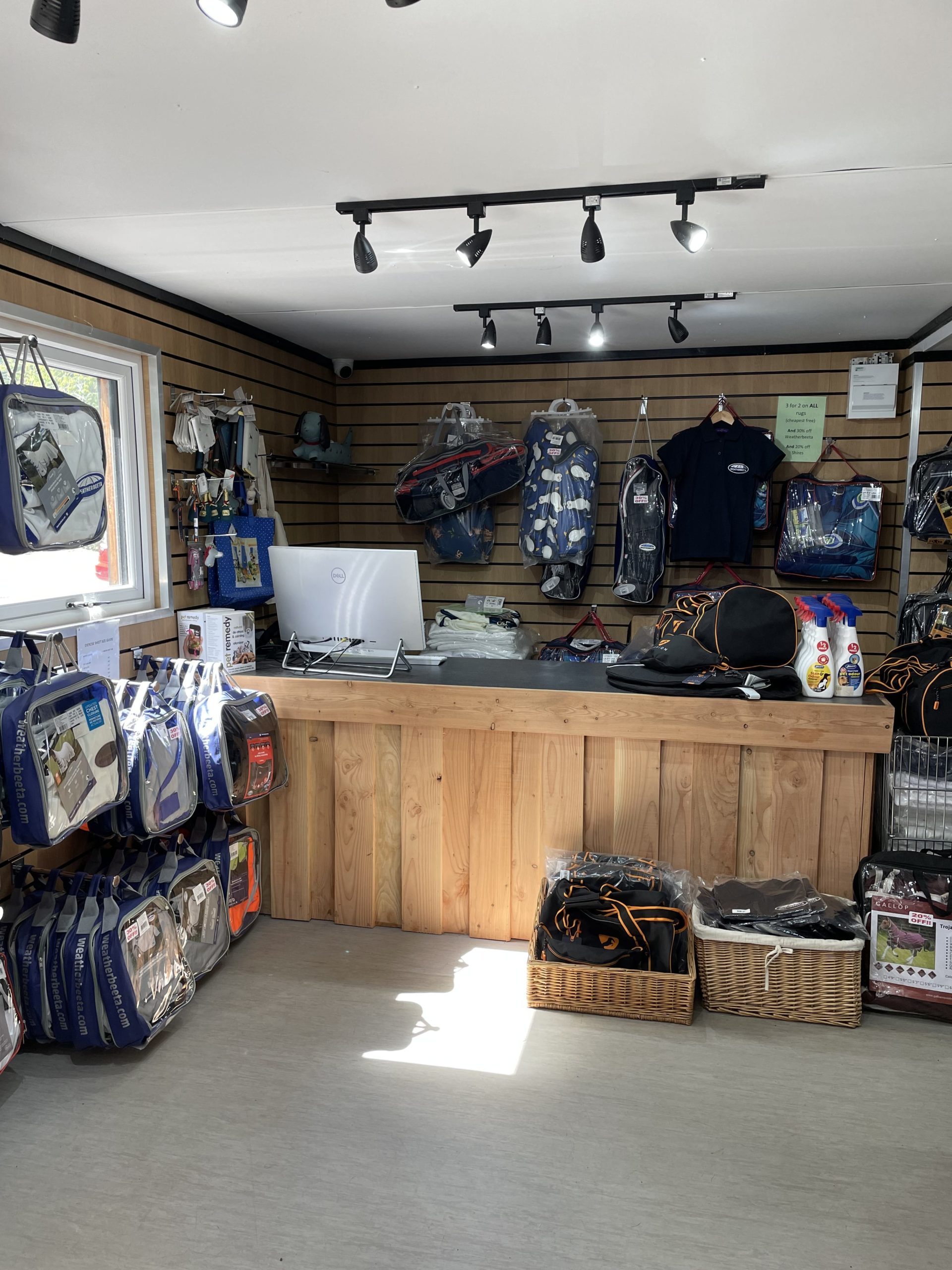
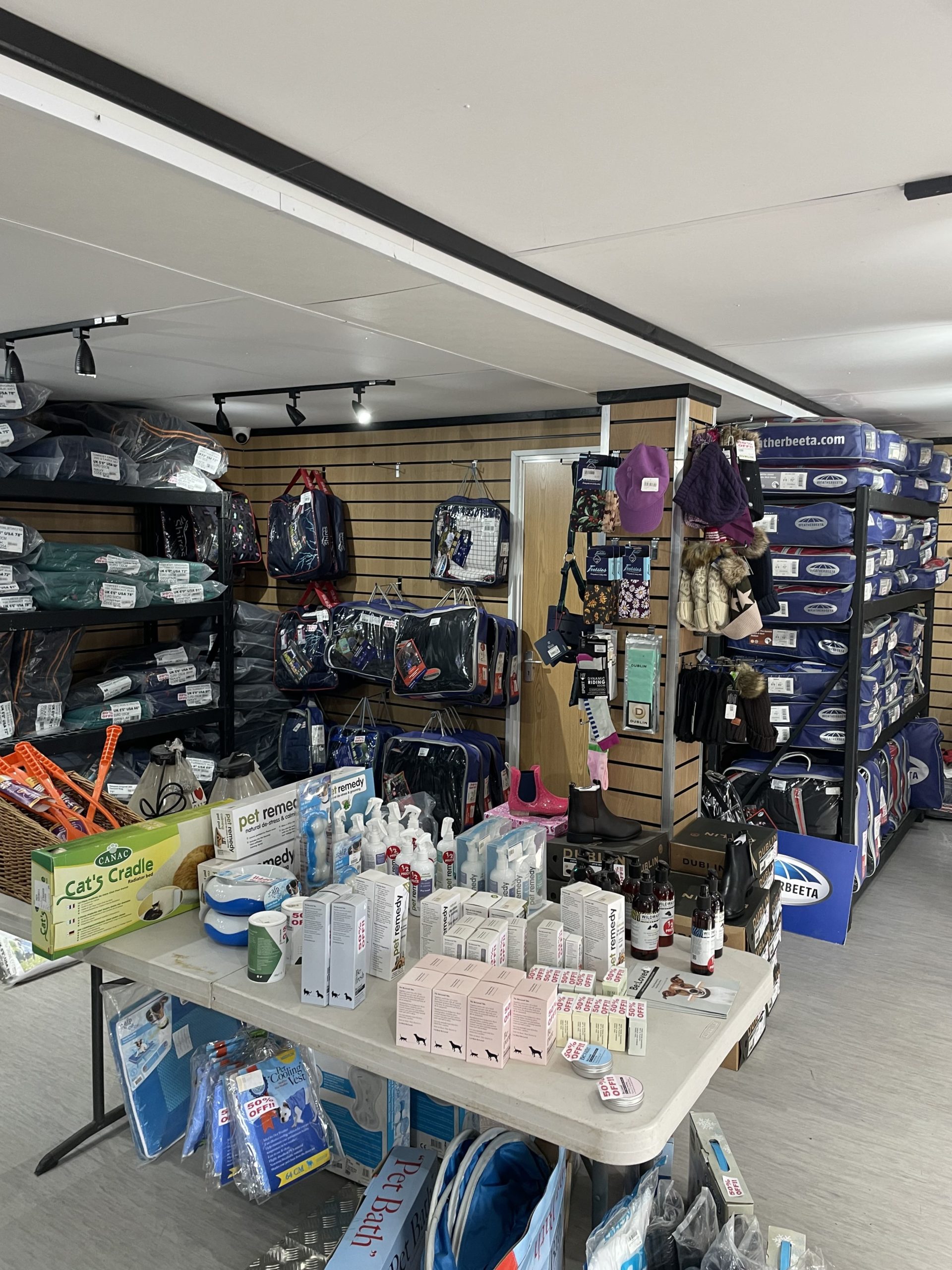
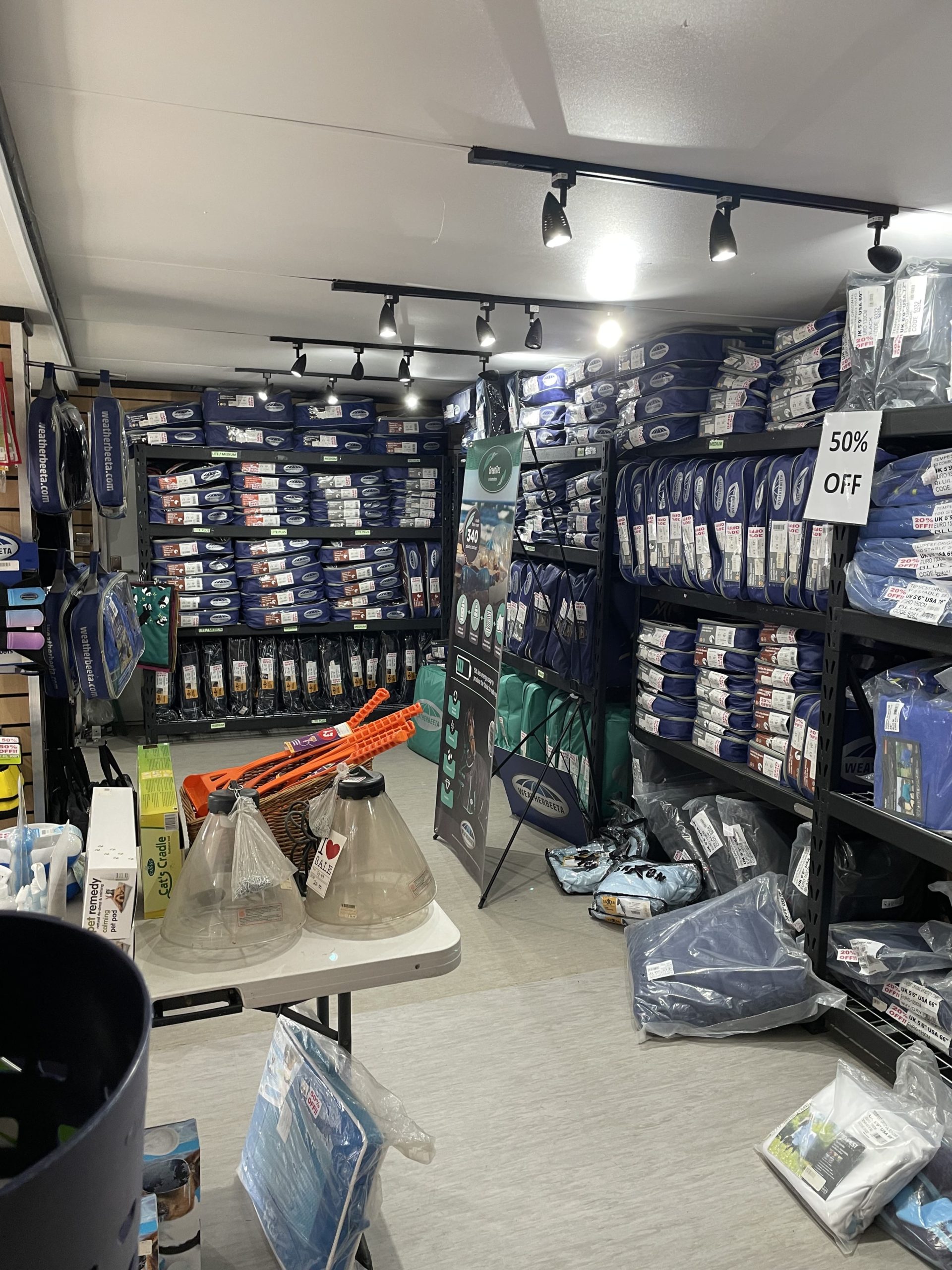
20ft x 8ft Container Conversion Retail Shop
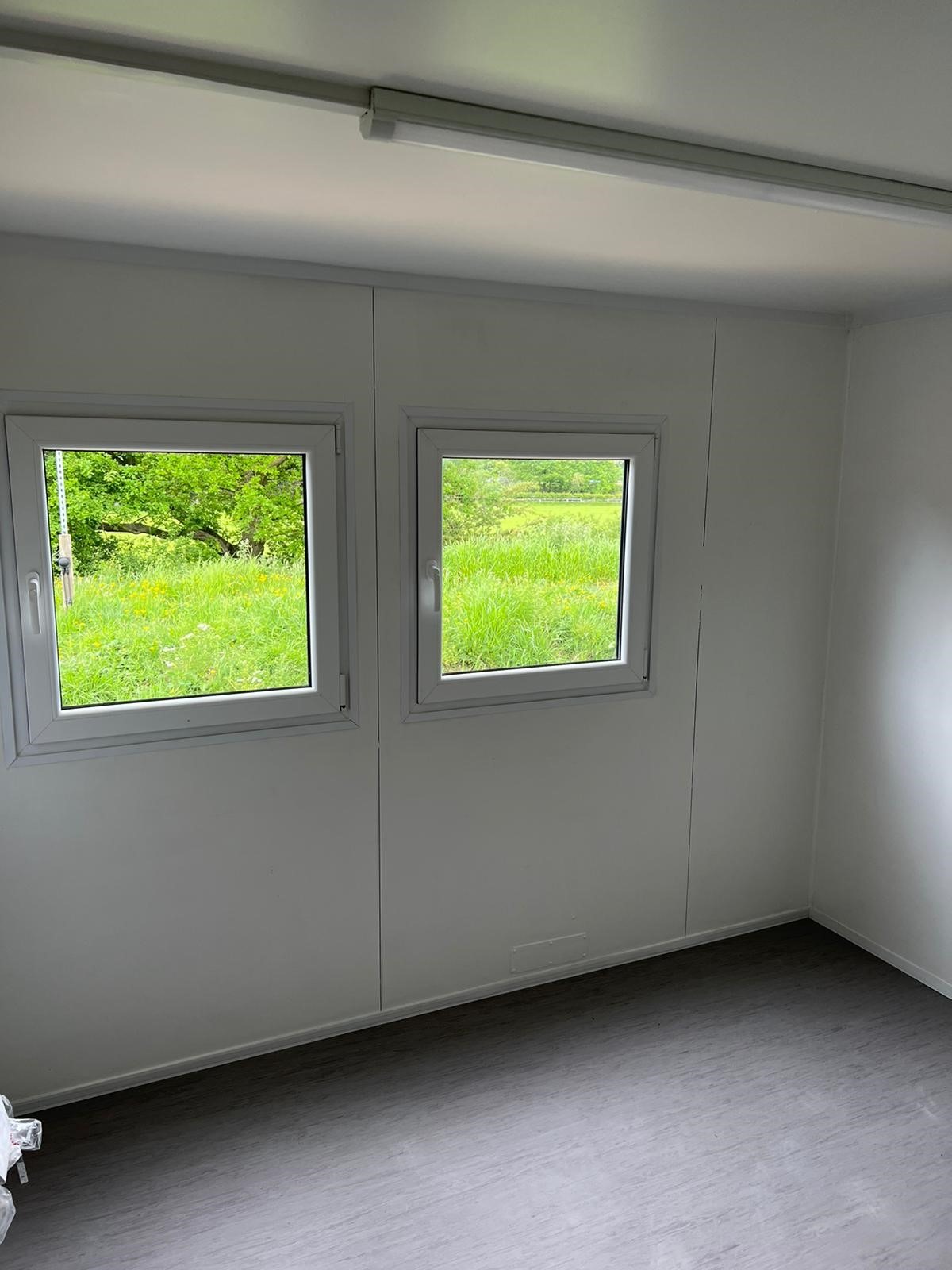
UPVC Double glazed Windows + French Doors
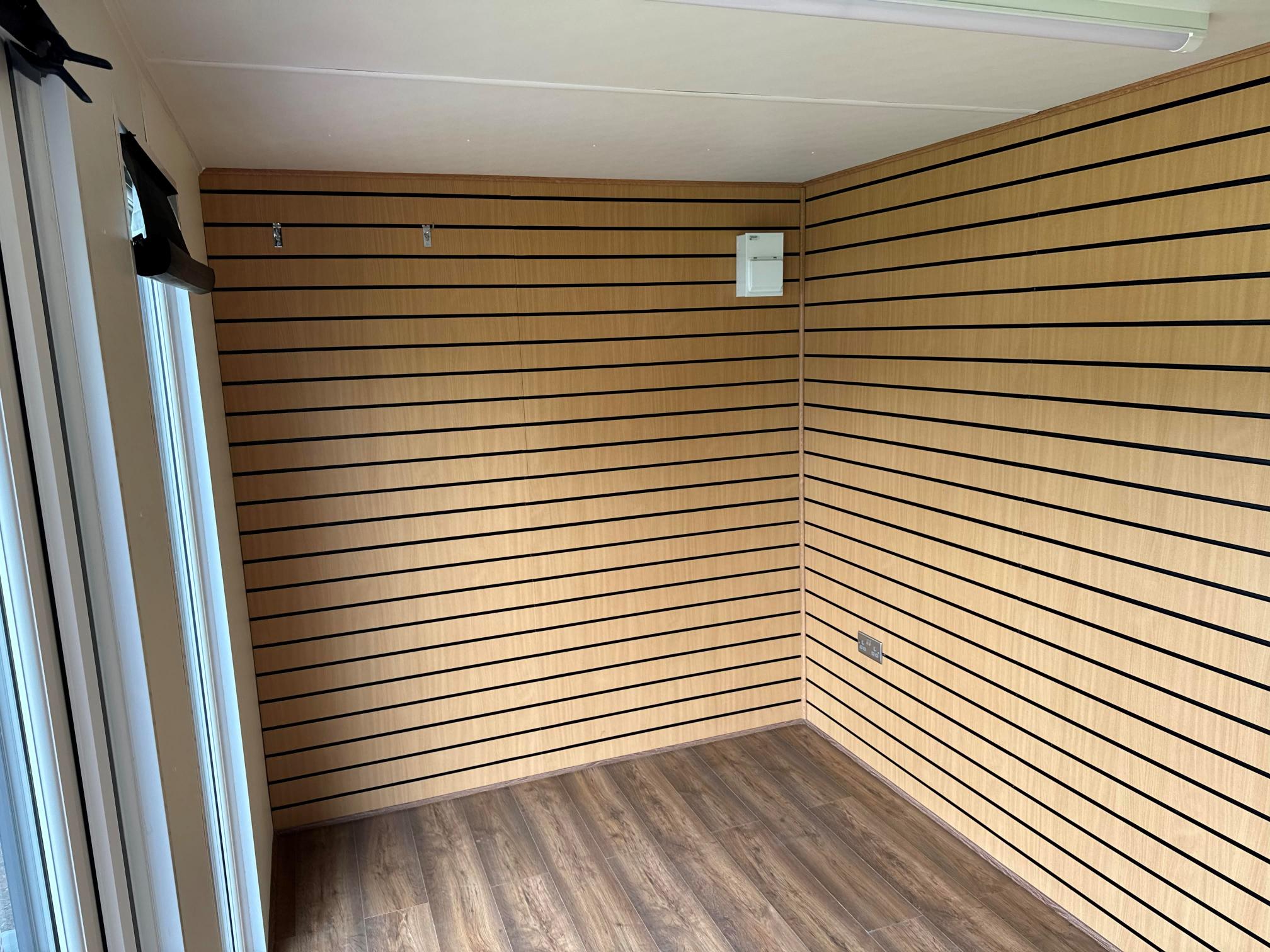
Slat Wall for retail fixings and Merchandise
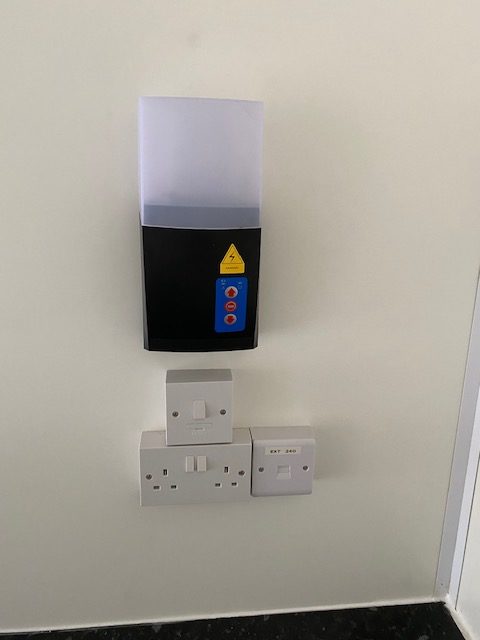
Electric Chrome Sockets, led lighting and heating.
Laminate Flooring
12 months Warranty
Maintenance call out package included
Less than 2 years old
Still in Brand New Condition
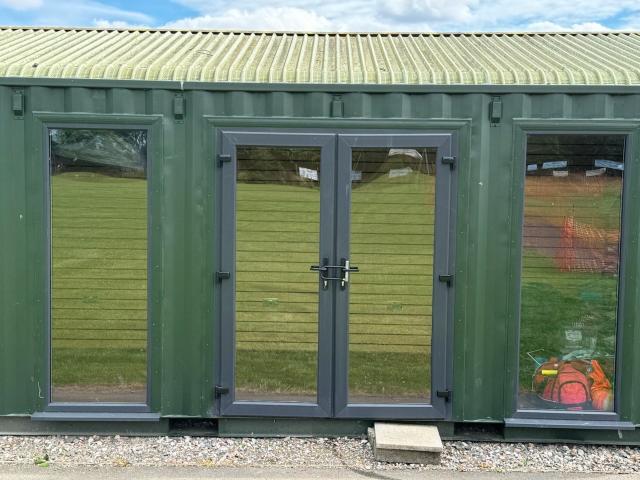
Fully refurbished
Colour light grey
Slate grey anthracite upvc double glazed windows
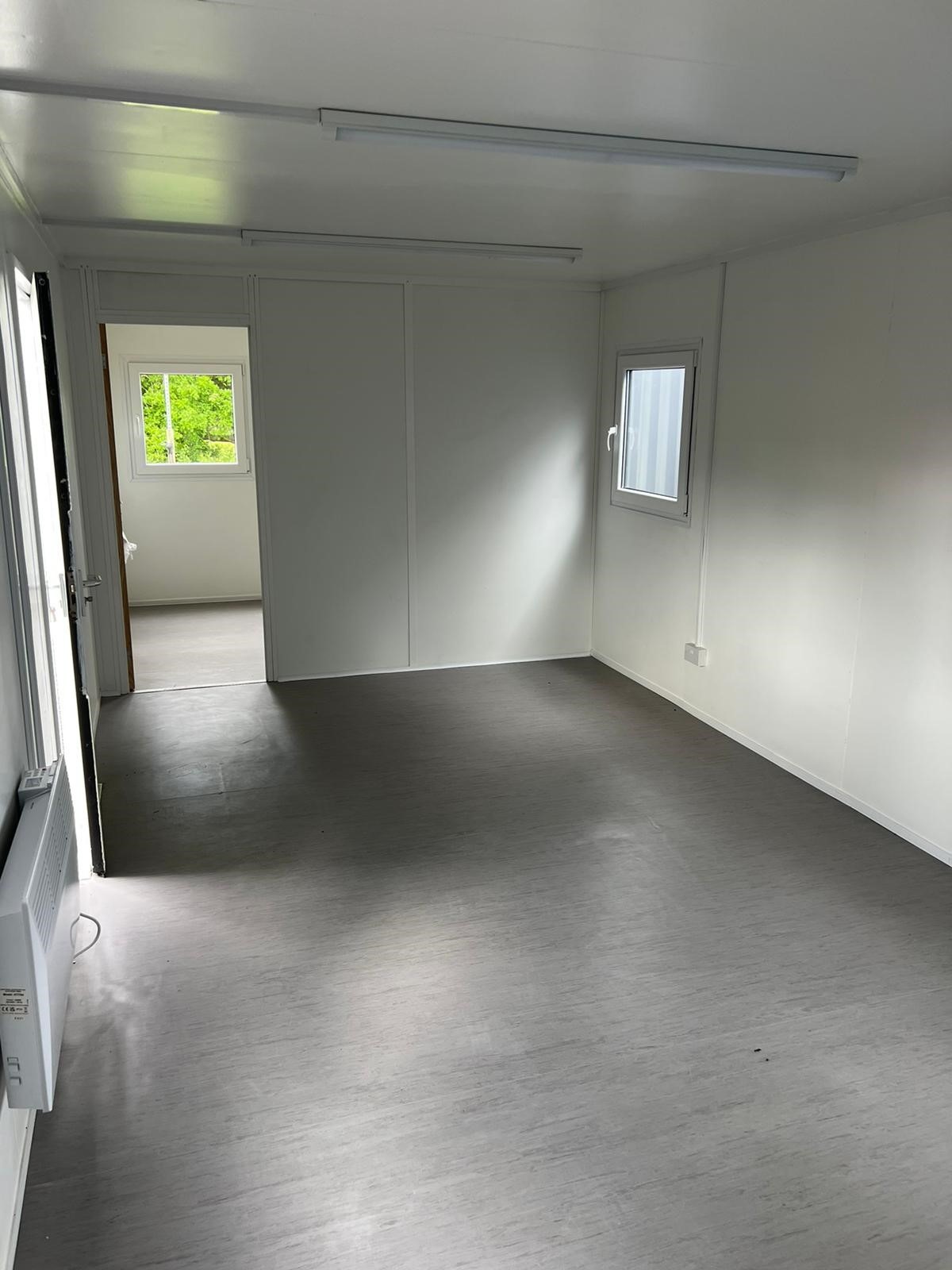
Location: Nationwide
+ VAT
Not Available for Hire
Call for an instant quote!
Fully Insulated with electric sockets, spot lighting, and heating
Wood Flooring
UPVC Sliding Door + Windows
Lead Time for build 6-8 weeks
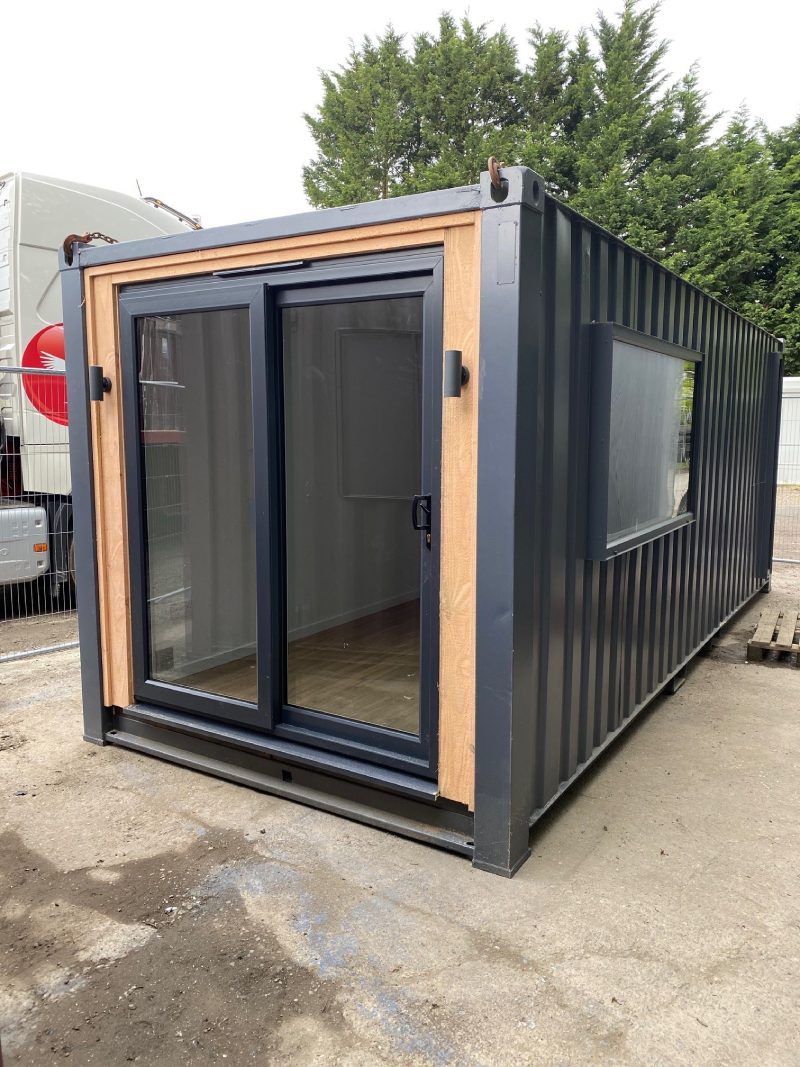
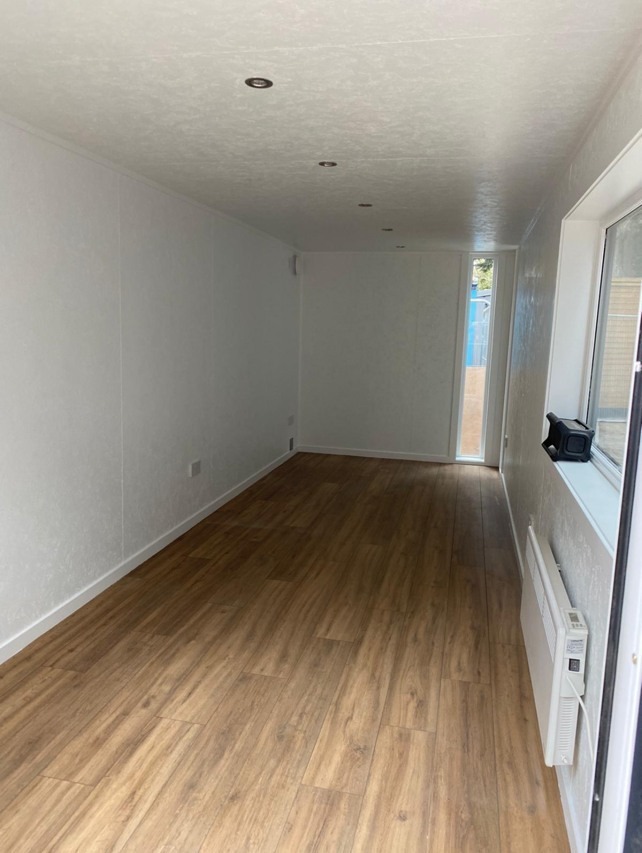
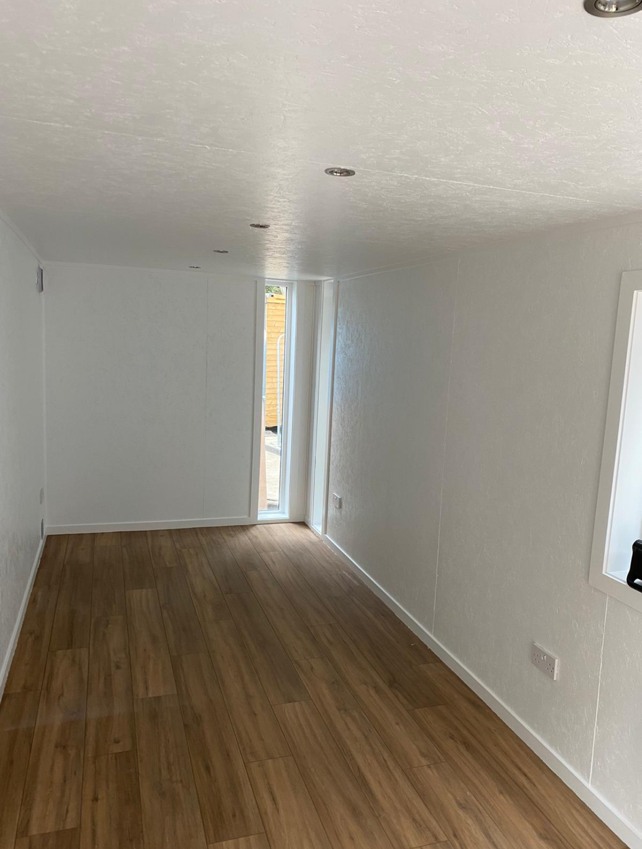
Location: Nationwide
+ VAT
Not Available for Hire
Call for an instant quote!
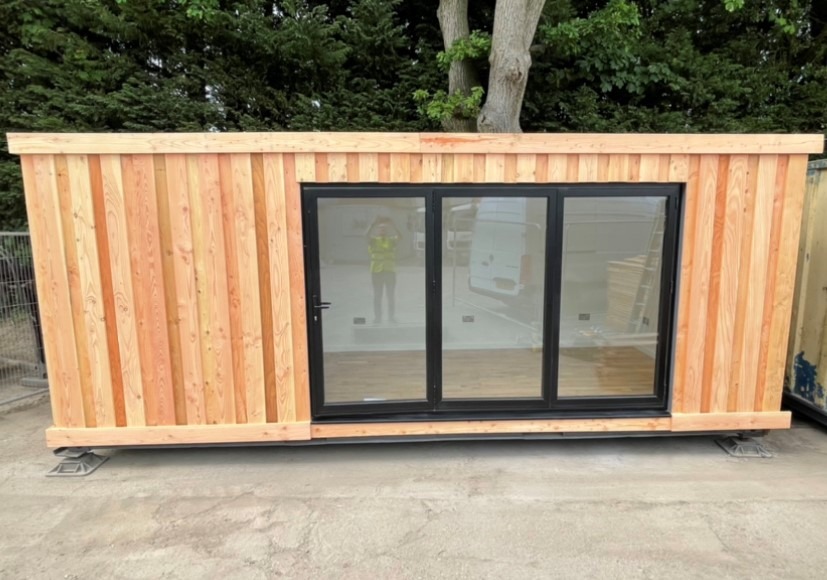
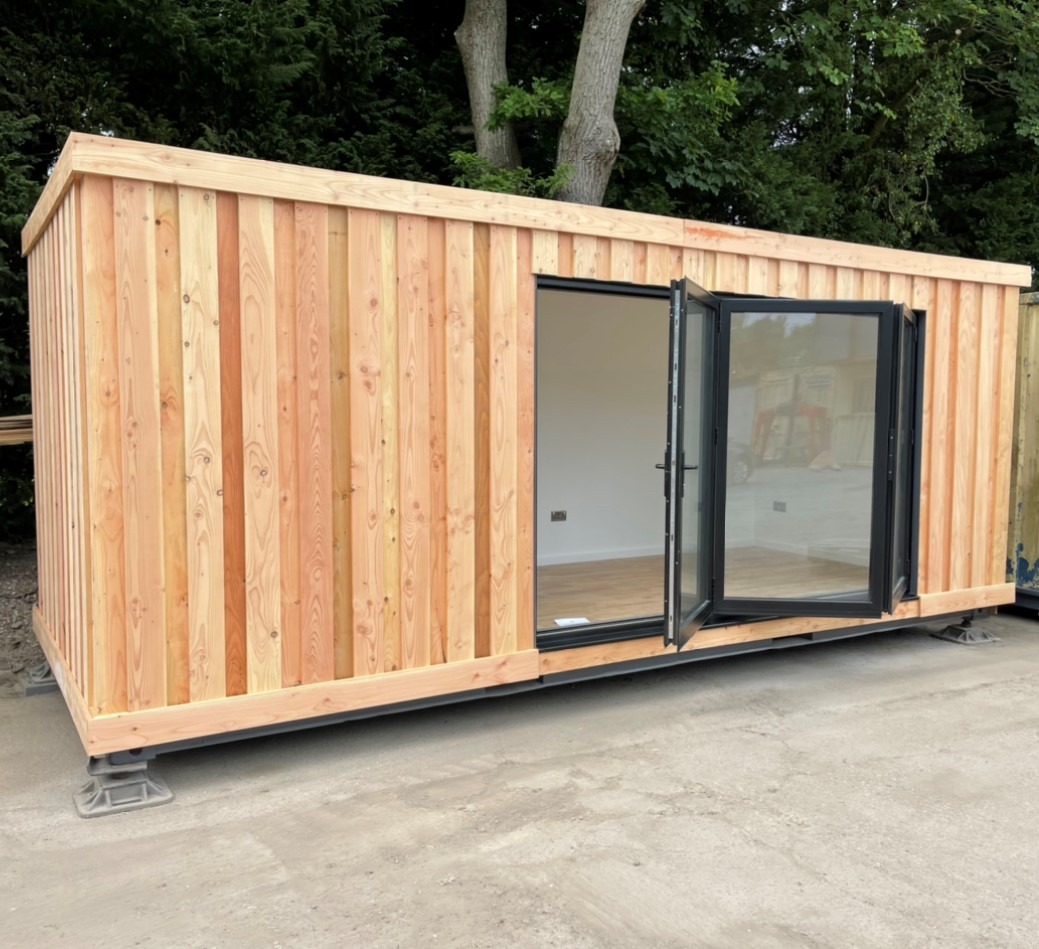
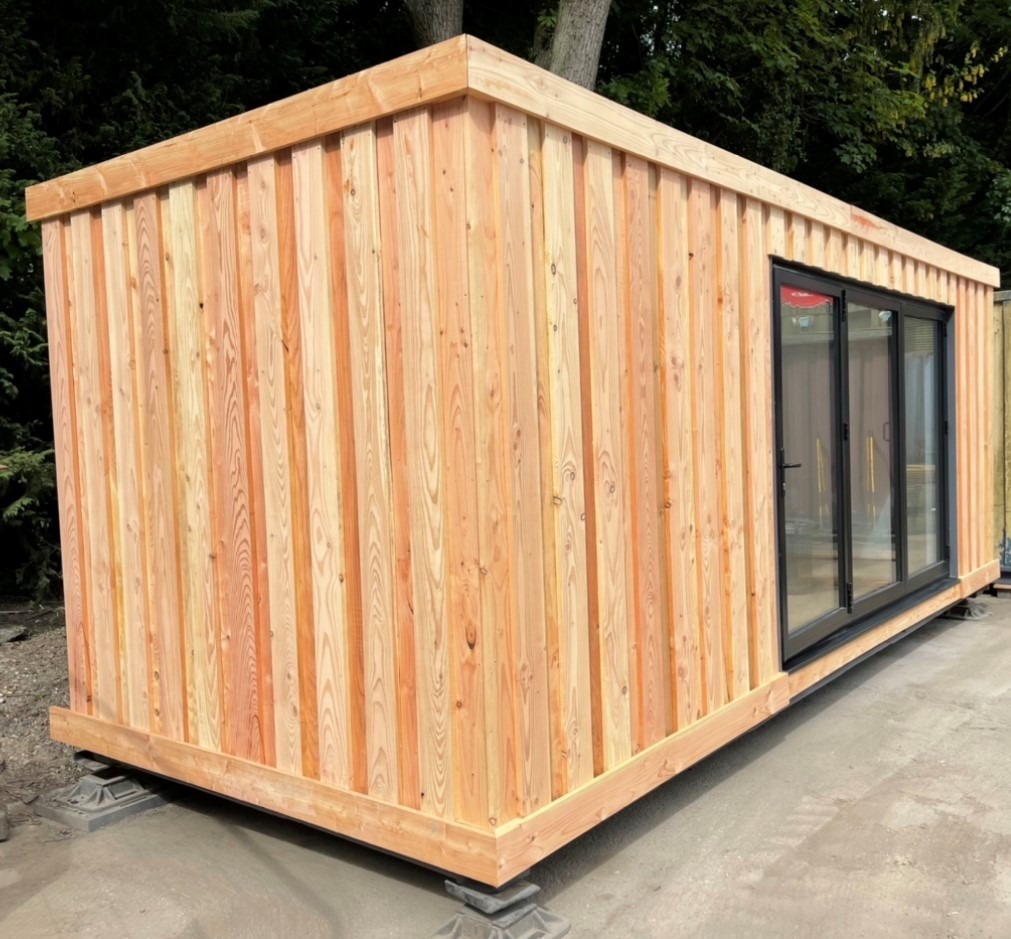
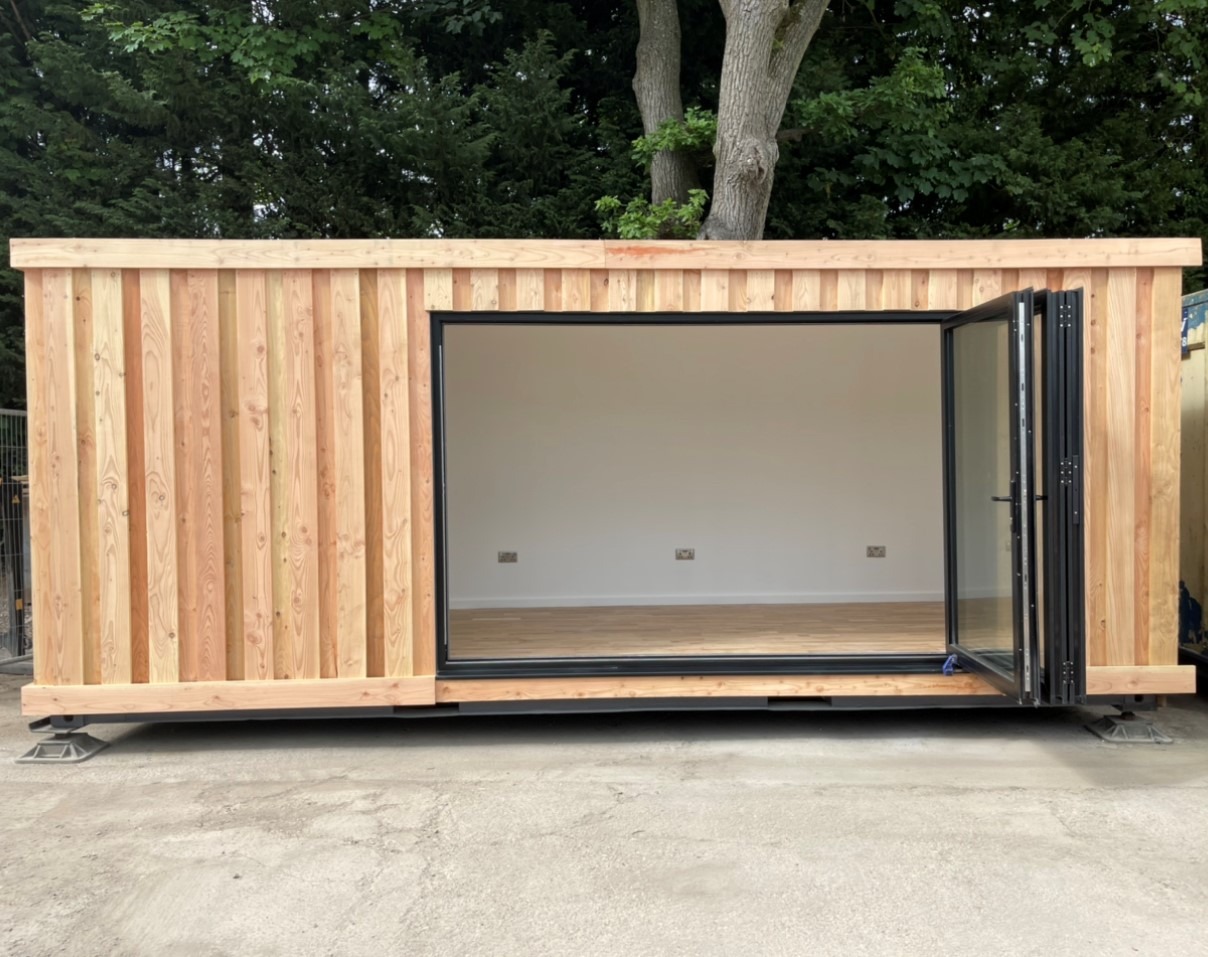
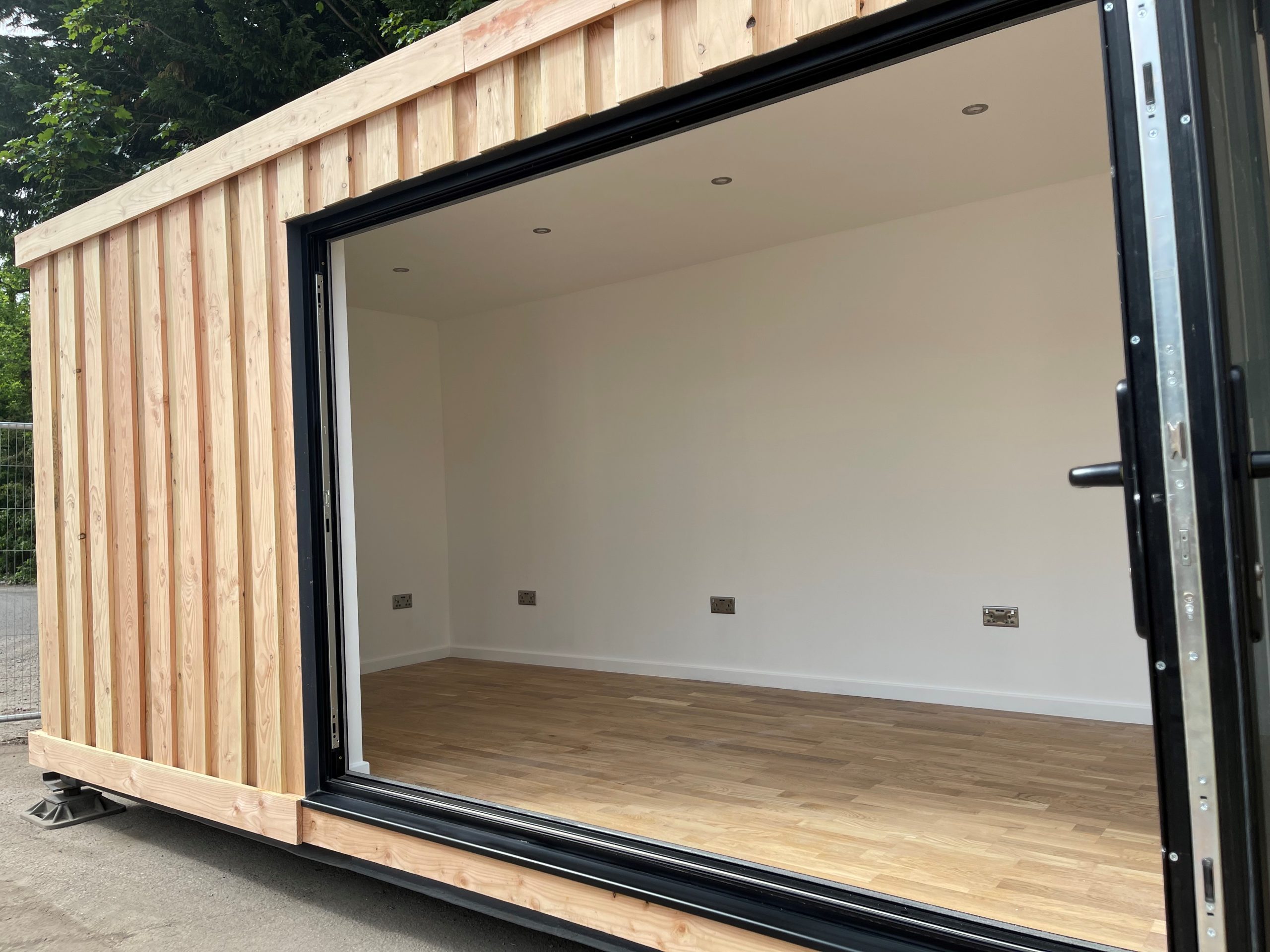
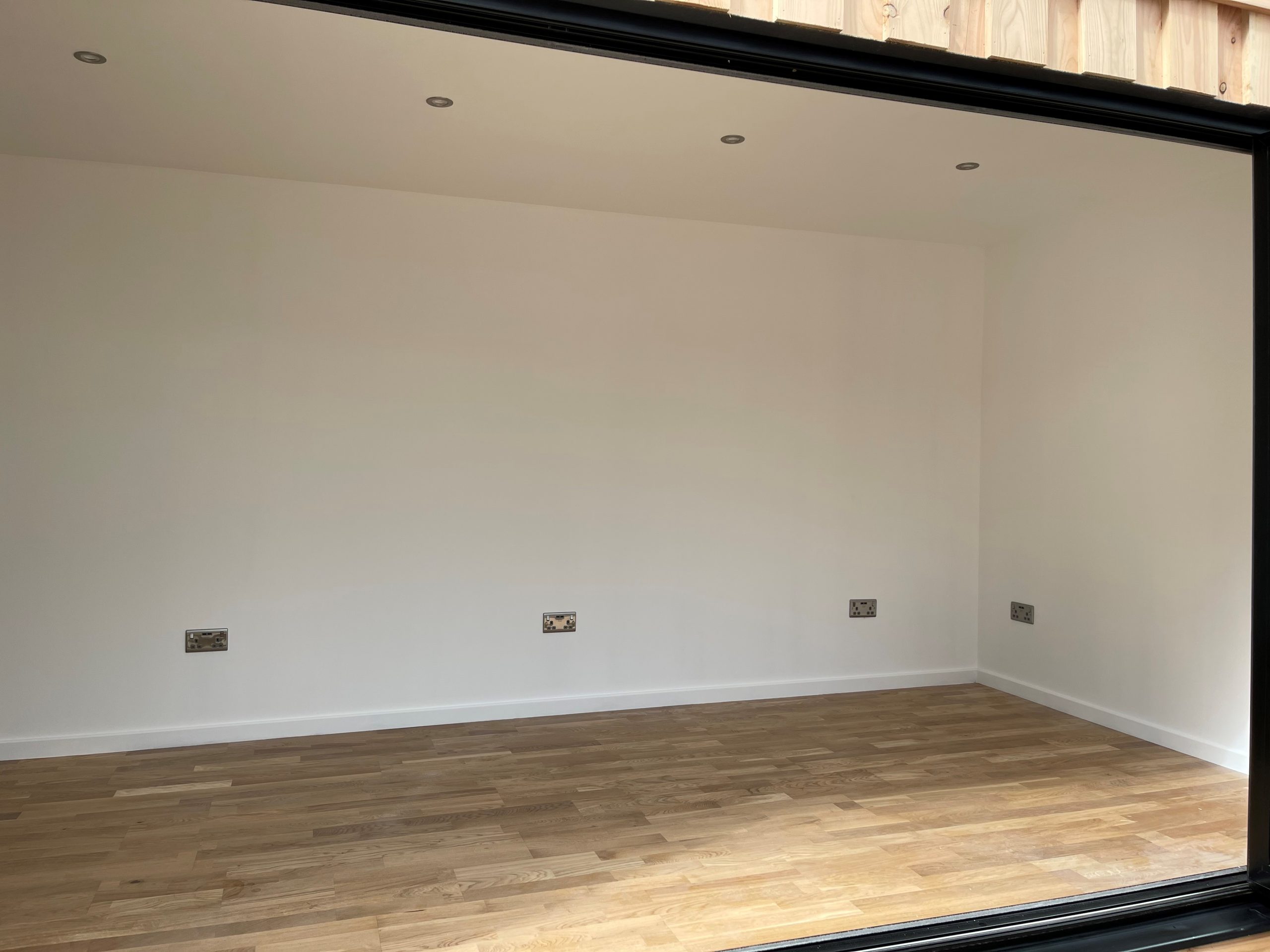
Fully Insulated with electric sockets, spot lighting, and heating
Wood Flooring
Aluminium Bi Fold Doors
Fully wrapped in larch cladding
Lead Time for build 6-8 weeks
Location: Nationwide
+ VAT
Not Available for Hire
Call for an instant quote!
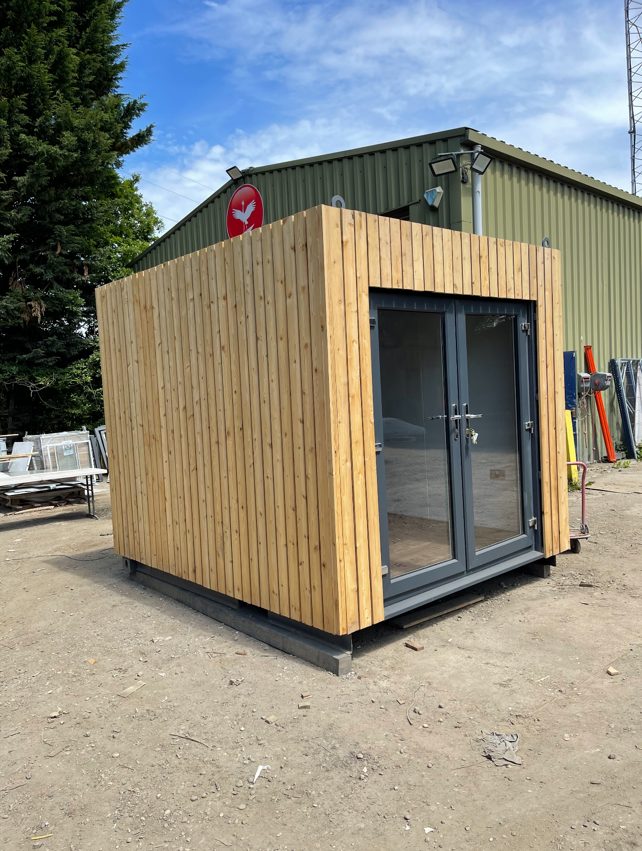
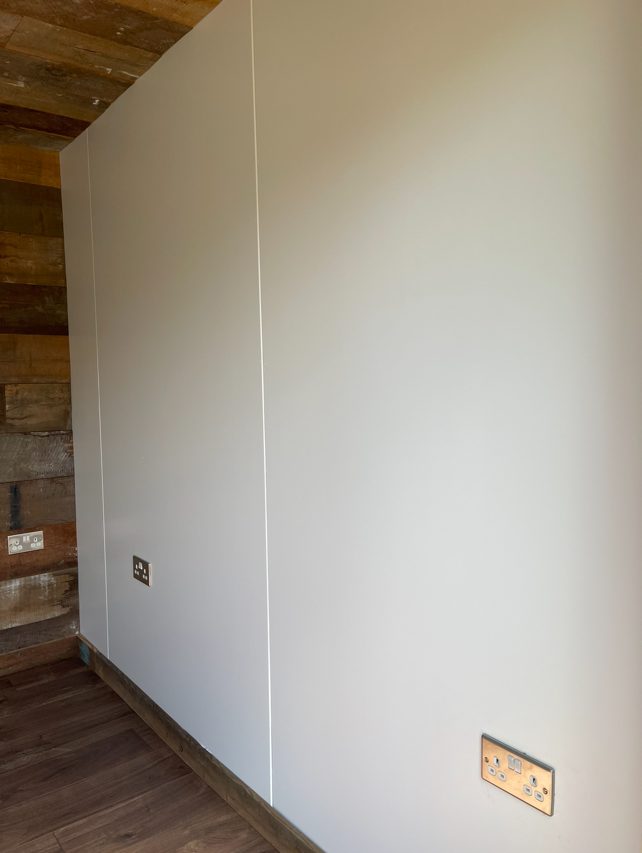
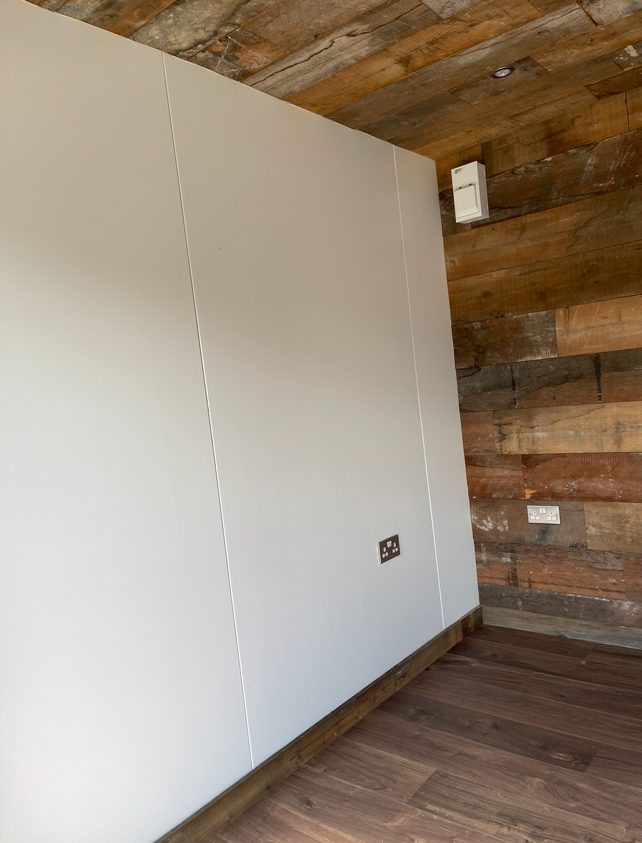
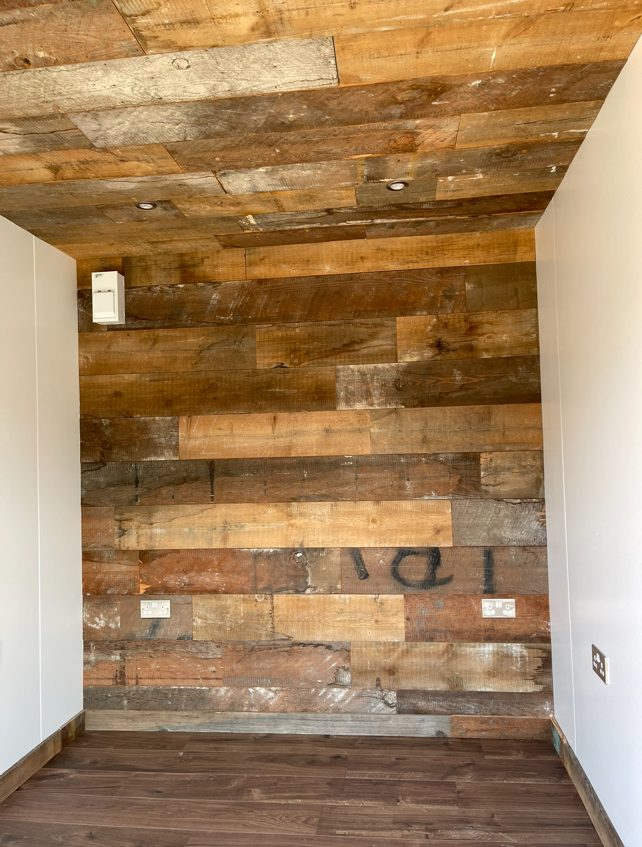
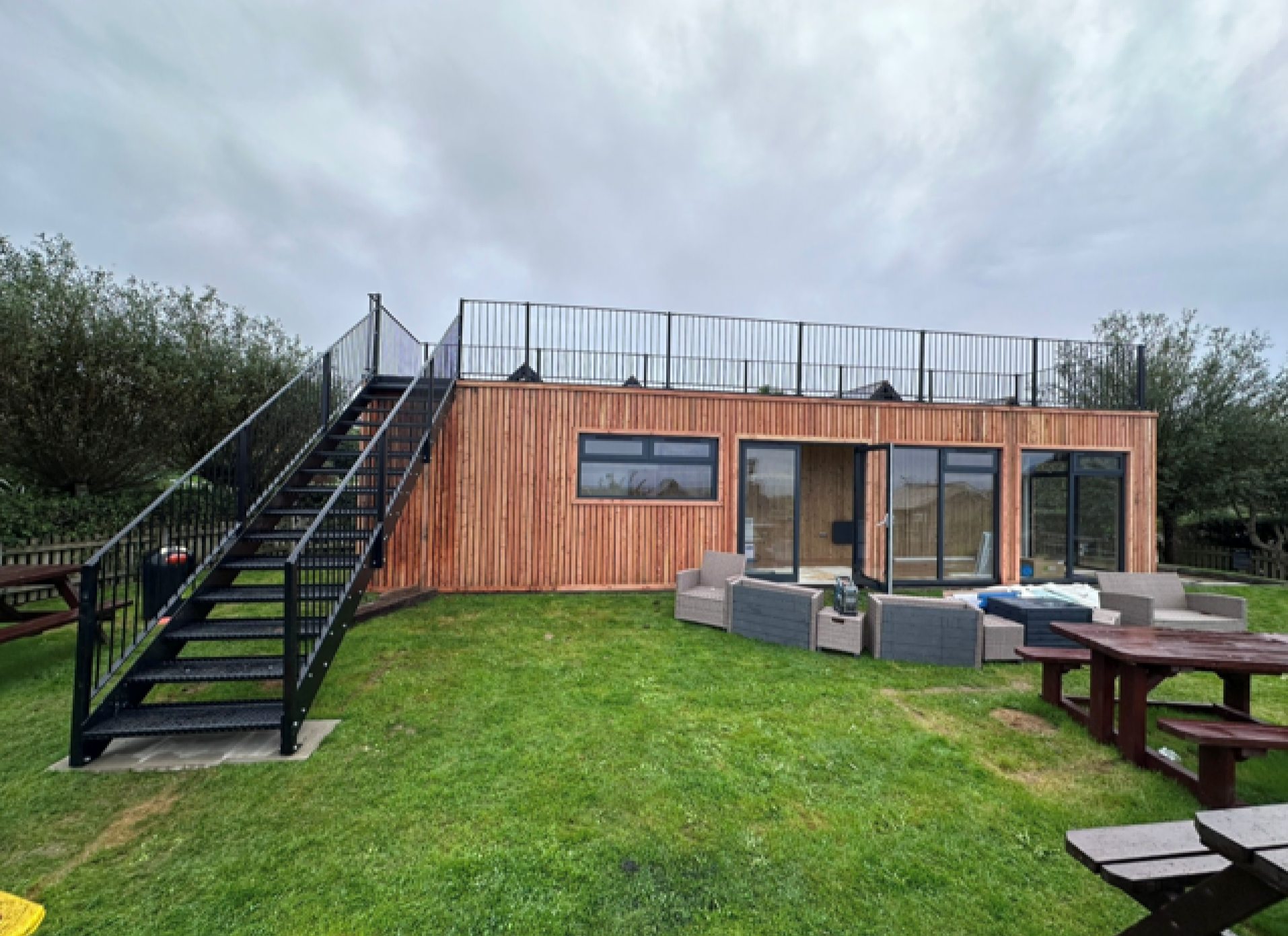
Fully Insulated with electric sockets, spot lighting, and heating
Wood Flooring
Feature Clad Wall and Ceiling
UPVC Double glazed French Doors
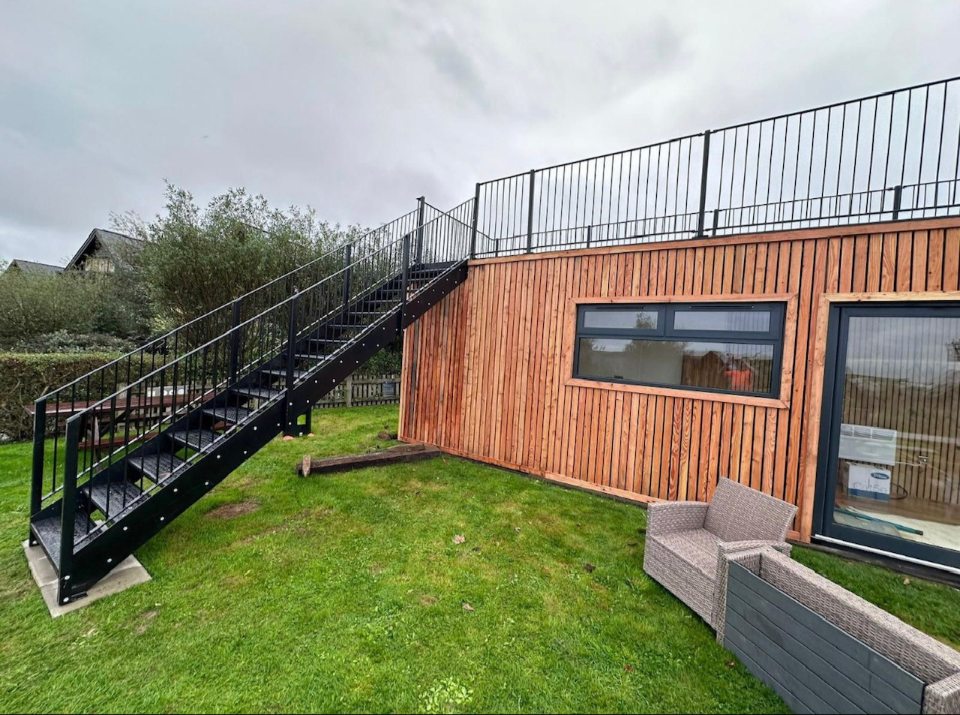
Fully wrapped in larch cladding
Lead Time for build 6-8 weeks
Location: Nationwide
EX VAT
Not Available for Hire
Call for an instant quote!
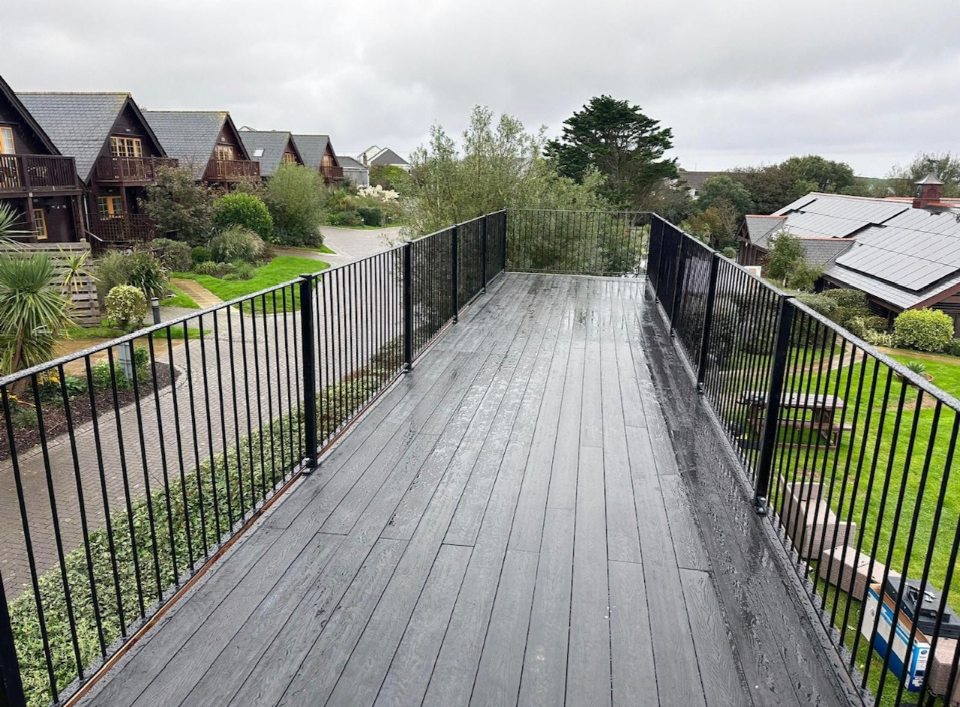
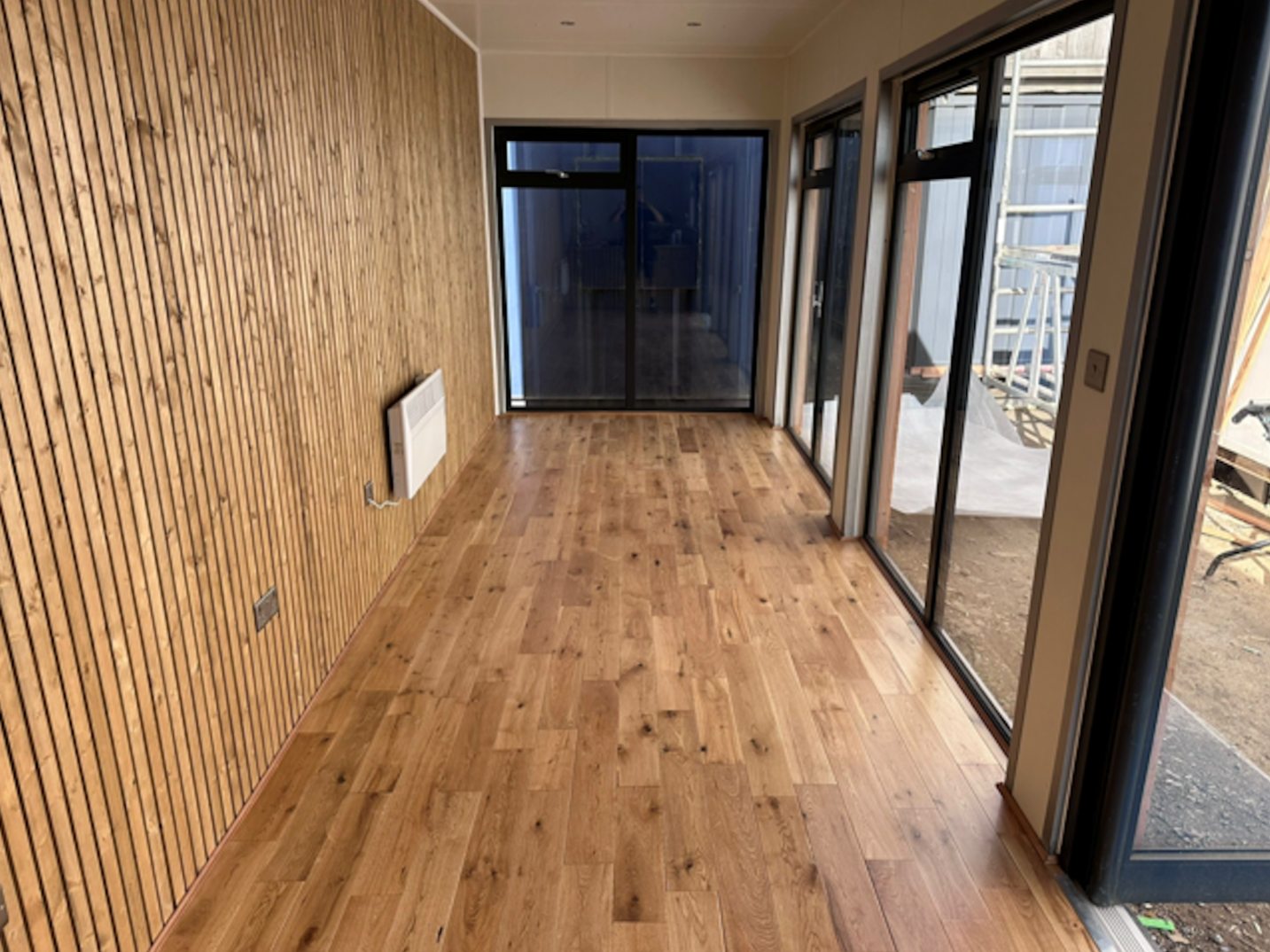
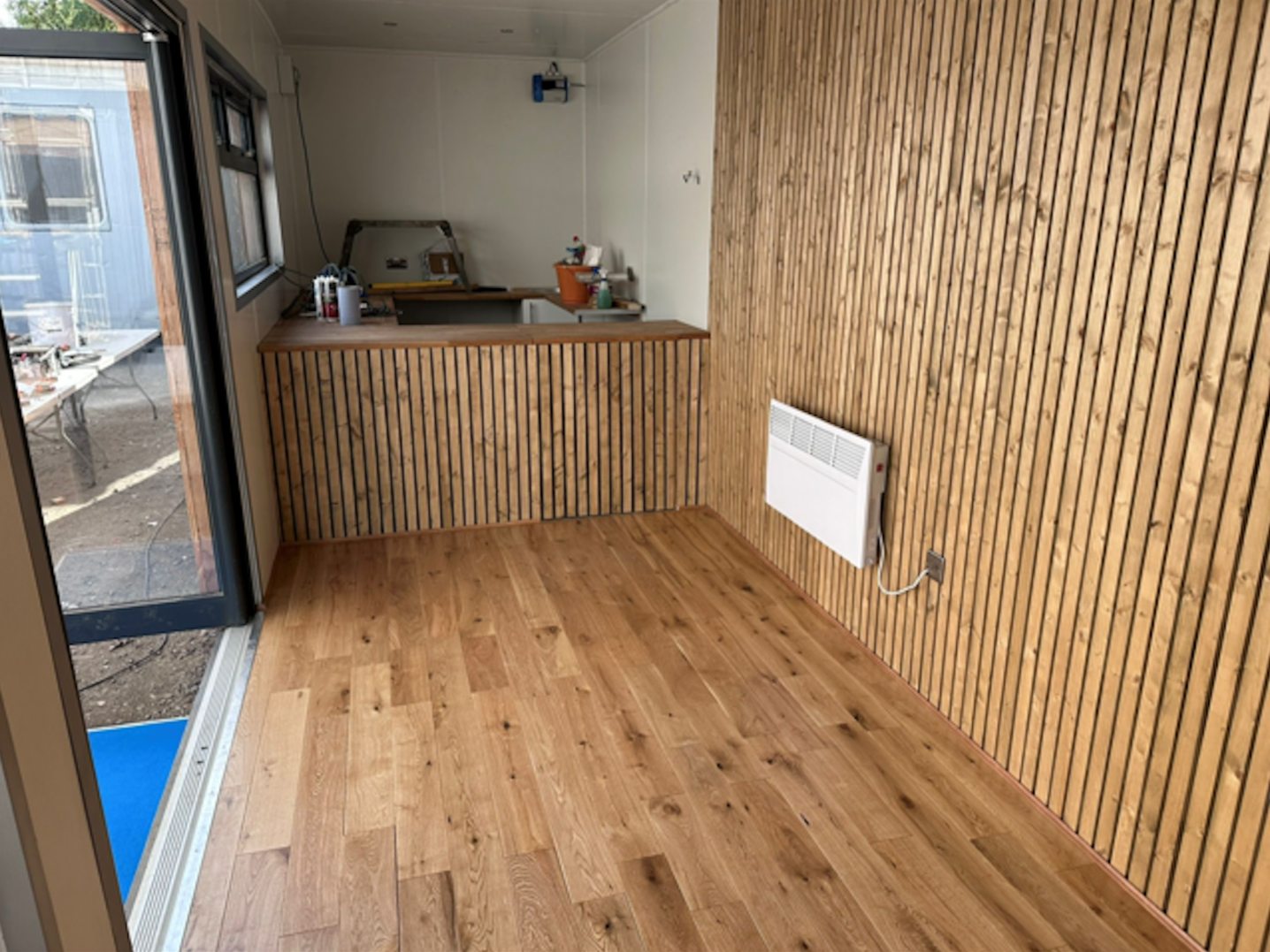
Location: Nationwide
EX VAT
Not Available for Hire
Call for an instant quote!
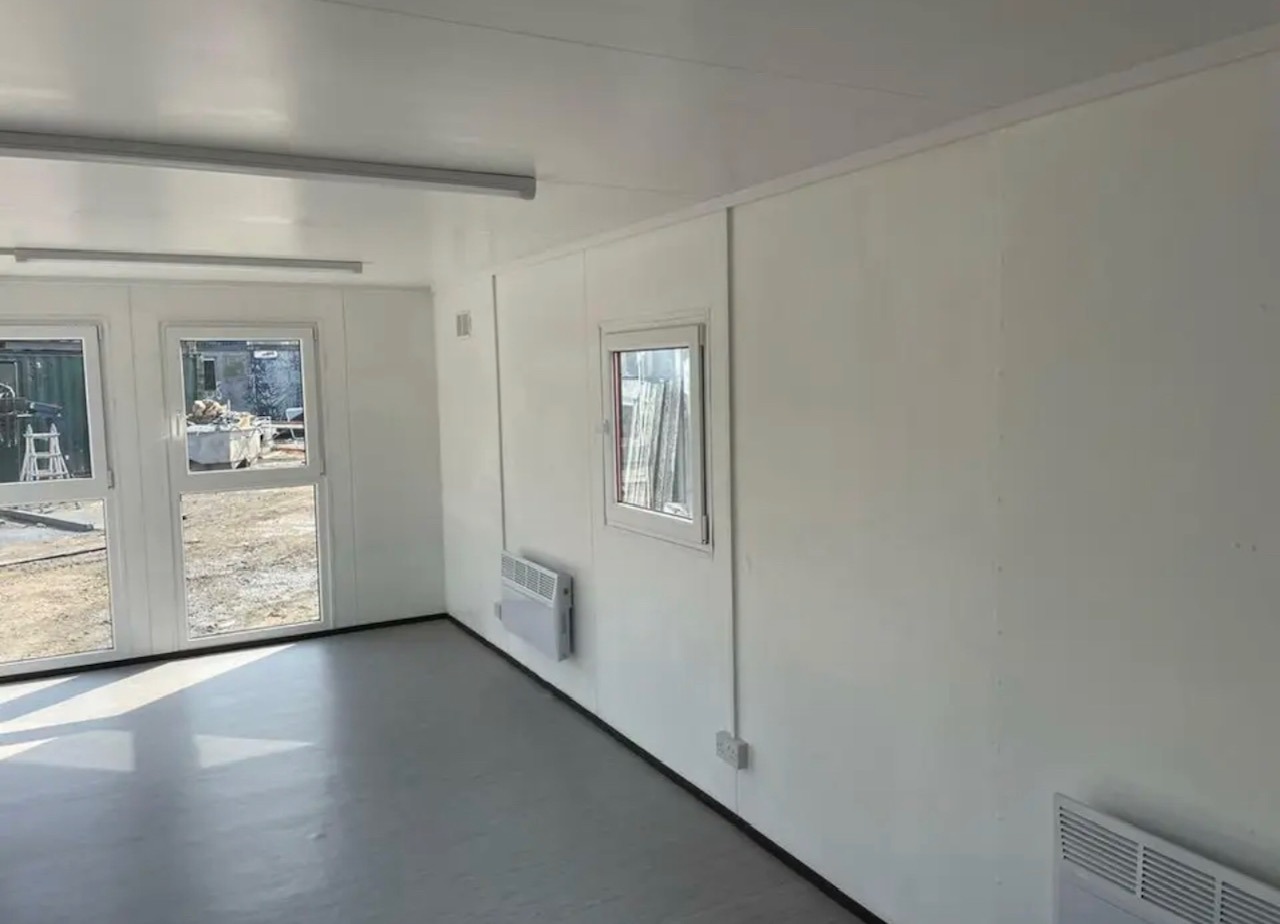
Location: Nationwide
EX VAT
Not Available for Hire
Call for an instant quote!
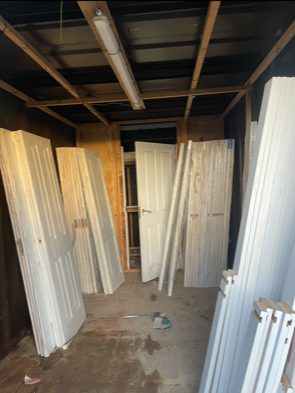
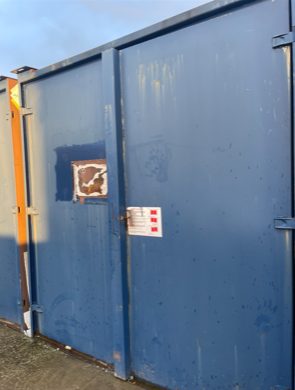
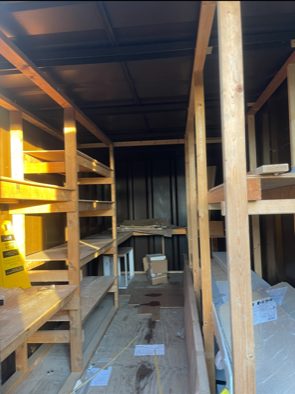
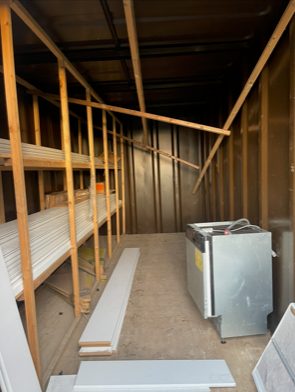
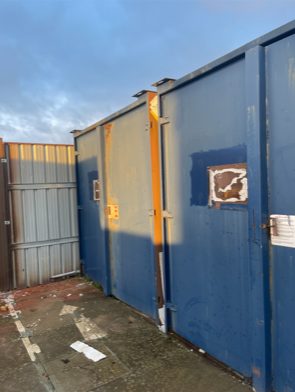
Location: Nationwide
EX VAT
Not Available for Hire
Call for an instant quote!
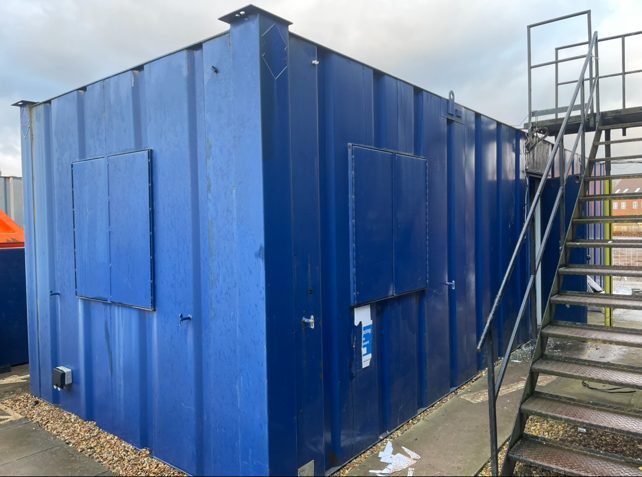
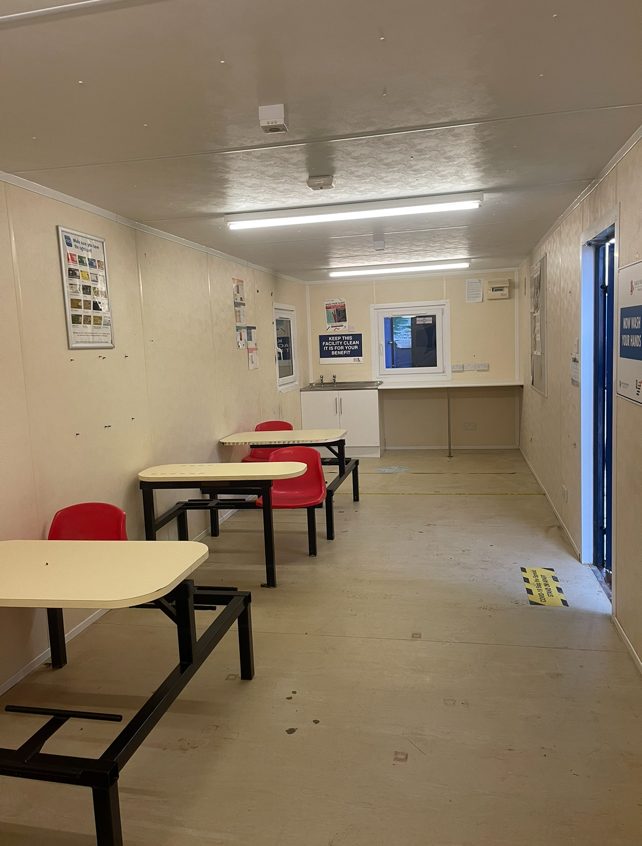
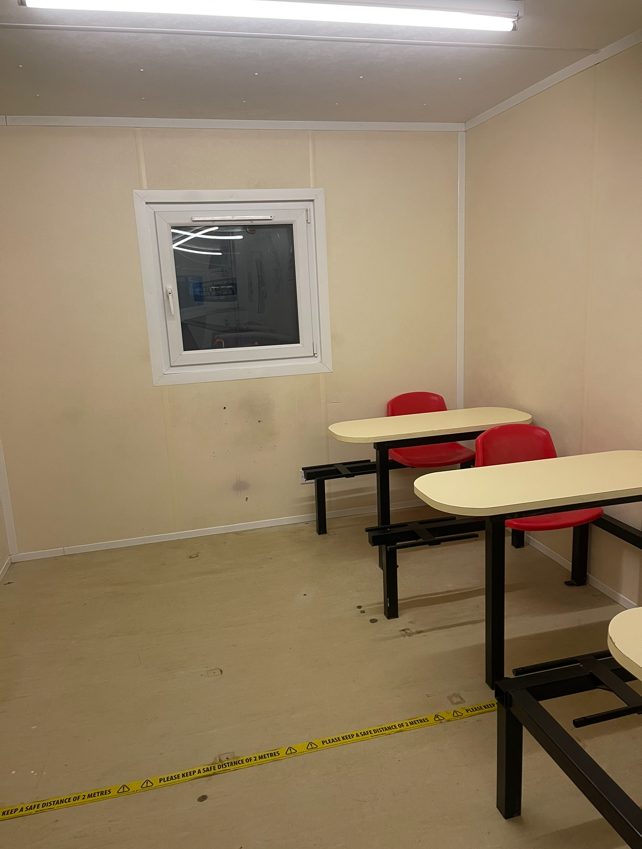
Location: Nationwide
EX VAT
Not Available for Hire
Call for an instant quote!
Location: Nationwide
EX VAT
Not Available for Hire
Call for an instant quote!
Location: Nationwide
EX VAT
Not Available for Hire
Call for an instant quote!
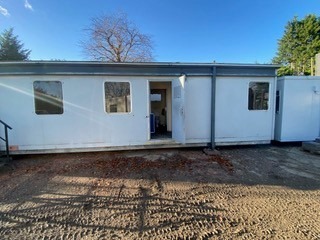
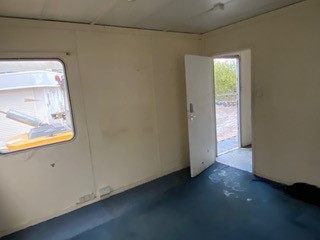
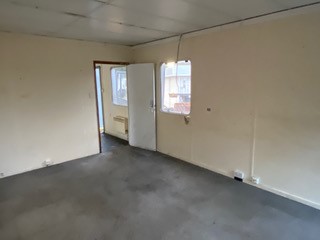


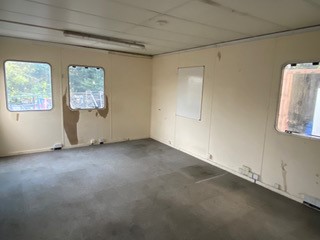
Location: Nationwide
EX VAT
Not Available for Hire
Call for an instant quote!


Location: Nationwide
EX VAT
Not Available for Hire
Call for an instant quote!
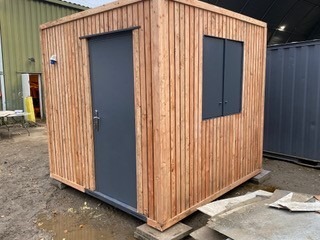
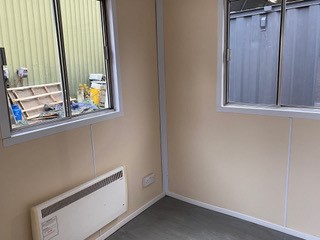
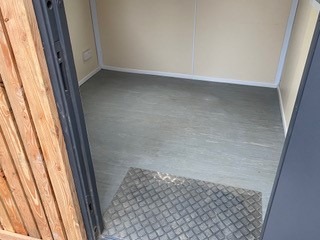
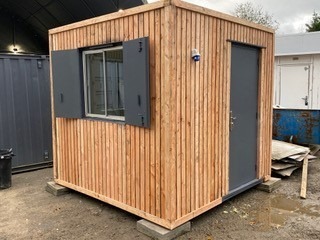
Location: Nationwide
EX VAT
Not Available for Hire
Call for an instant quote!




Location: Nationwide
EX VAT
Not Available for Hire
Call for an instant quote!
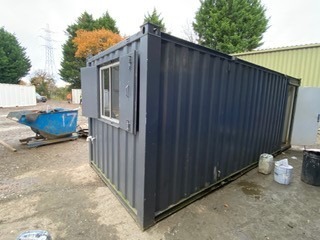
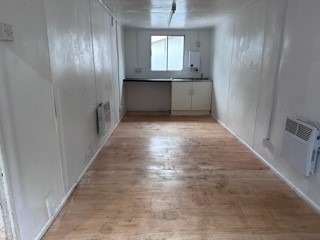
Location: Nationwide
EX VAT
Not Available for Hire
Call for an instant quote!
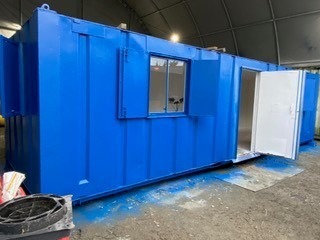
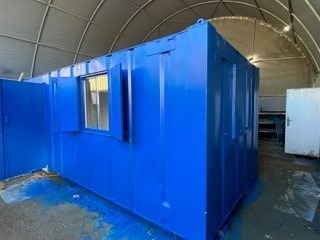
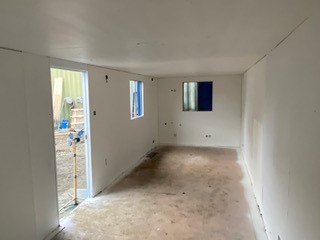
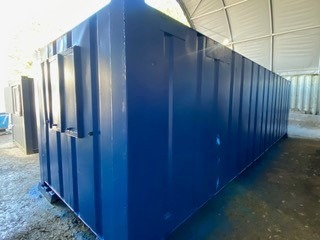
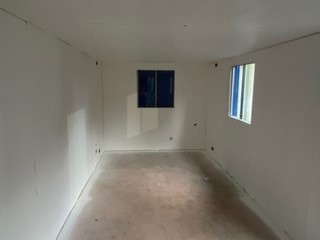
Location: Nationwide
EX VAT
Not Available for Hire
Call for an instant quote!
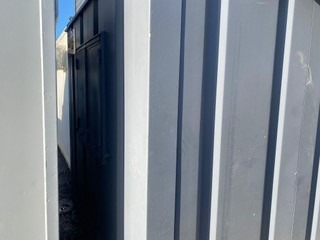
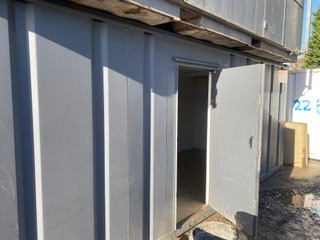
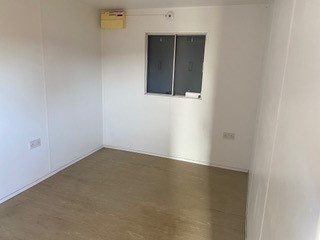
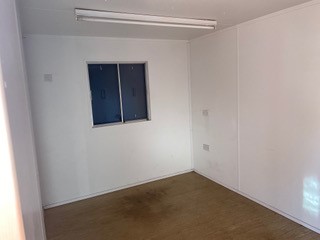
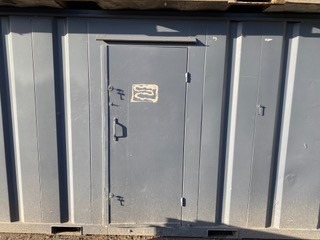
Location: Nationwide
EX VAT
Not Available for Hire
Call for an instant quote!
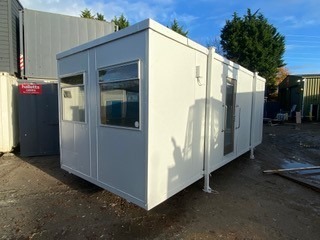
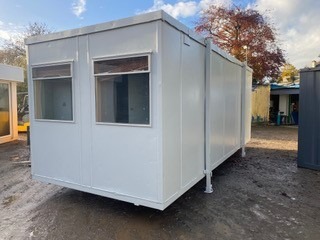
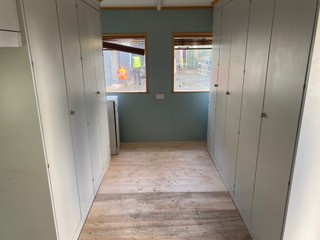

Location: Nationwide
EX VAT
Not Available for Hire
Call for an instant quote!
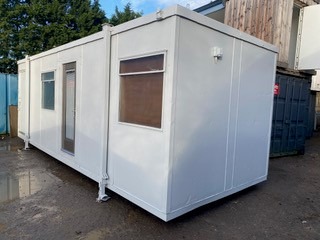
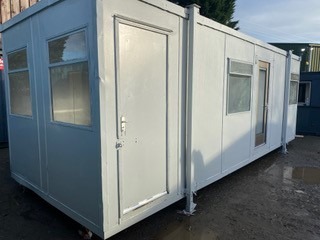
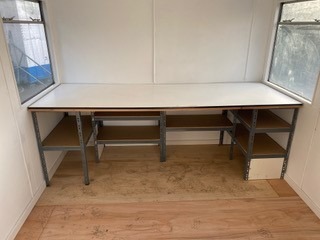
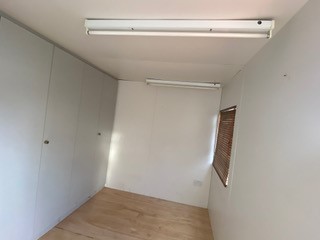
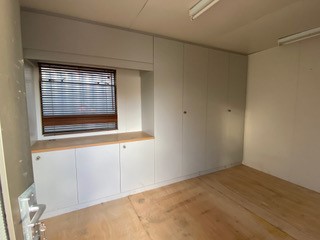
Location: Nationwide
EX VAT
Not Available for Hire
Call for an instant quote!
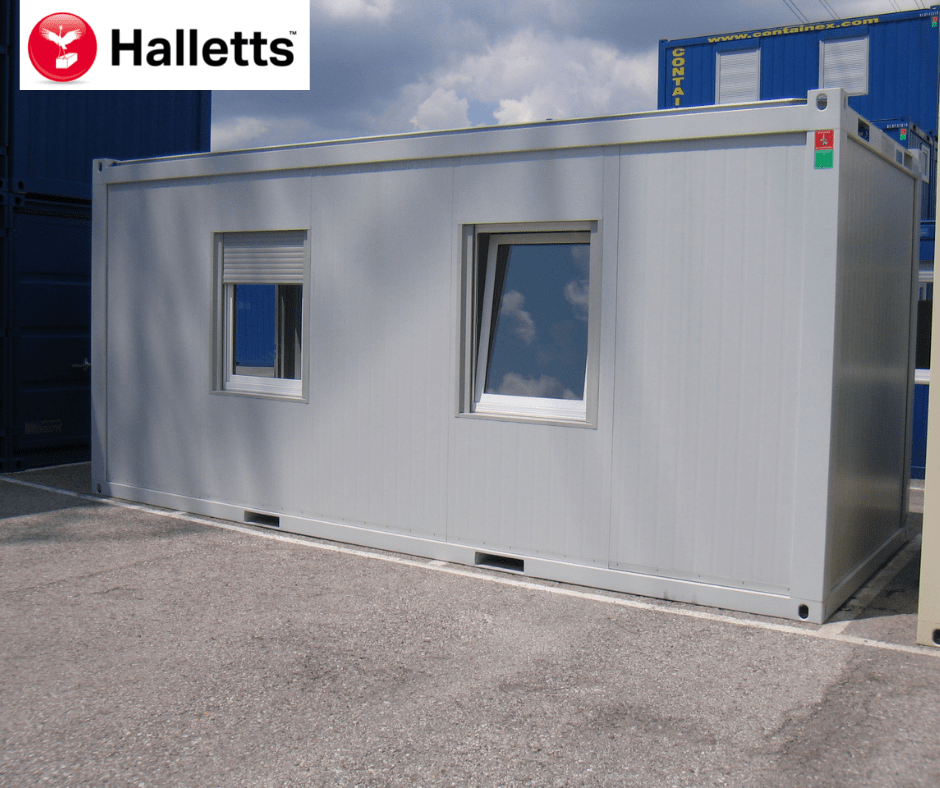
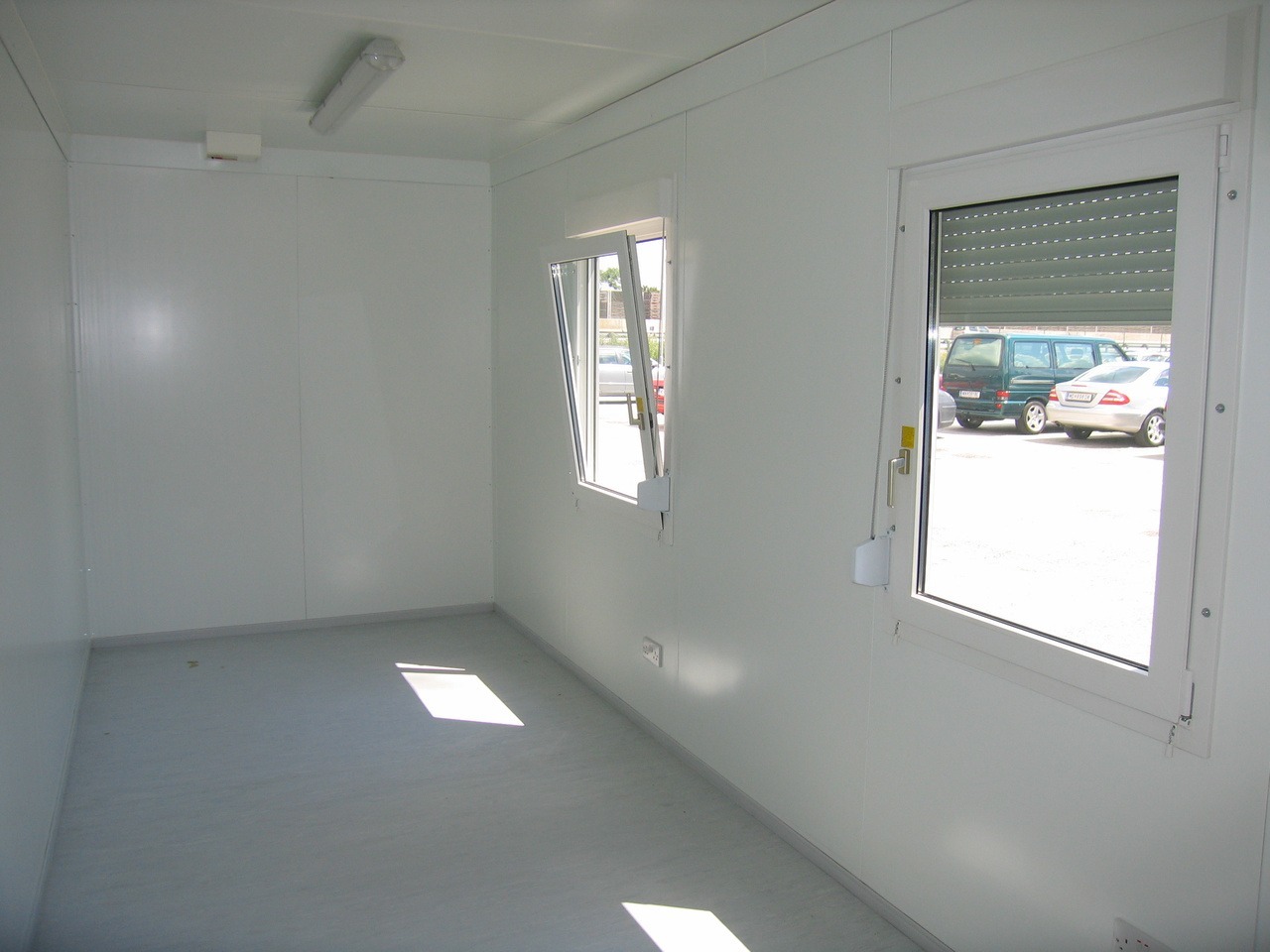
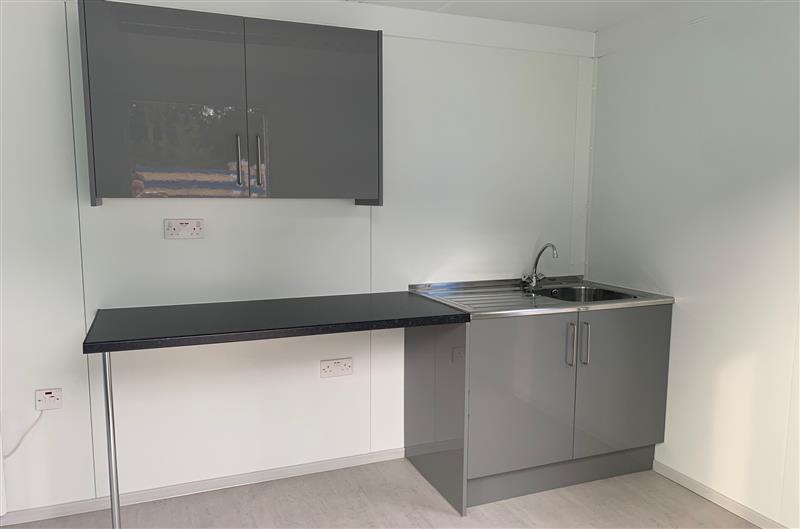
10ftx8ft – £5950 + Vat / 16ftx8ft – £7950 + Vat / 20ftx8ft – £9000 + Vat / 24ftx8ft – £12000 + Vat / 30ftx8ft – £13500 + Vat
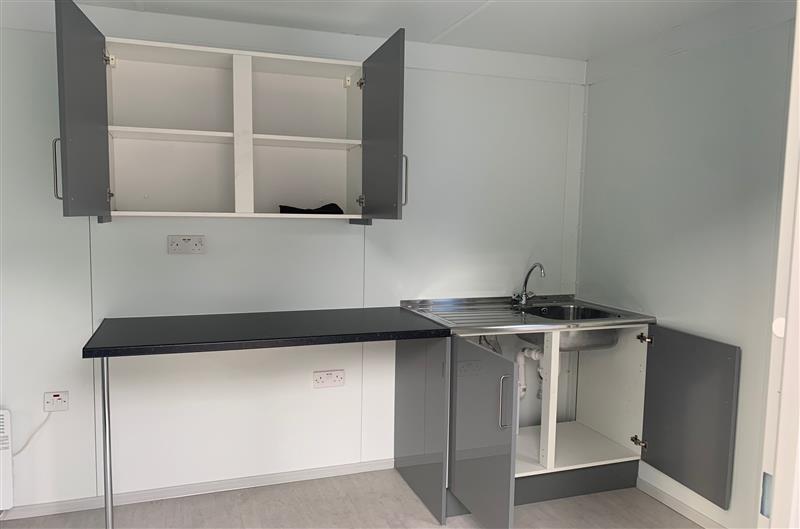
Location: Nationwide
EX VAT
Not Available for Hire
Call for an instant quote!
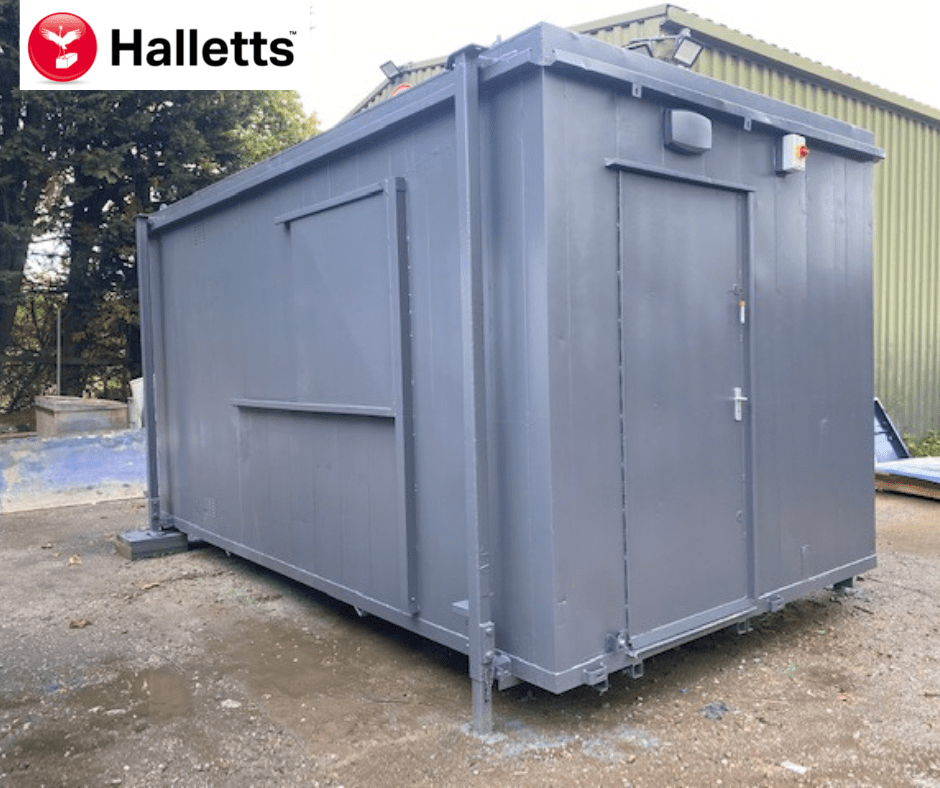
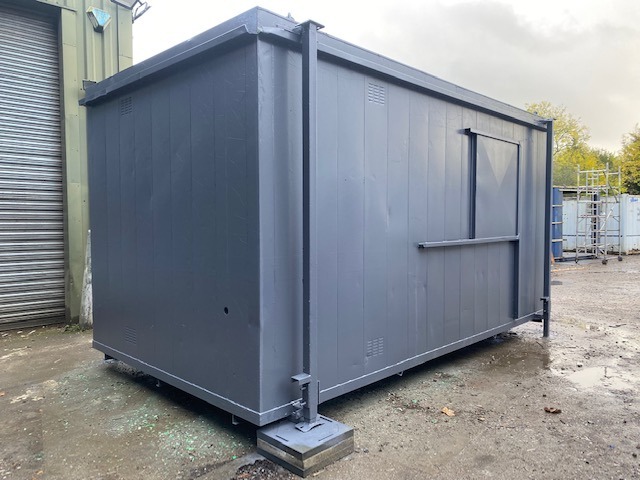
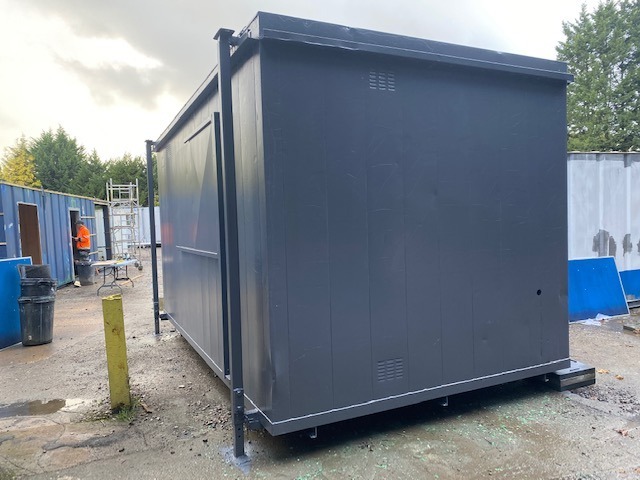
Location: Nationwide
EX VAT
Not Available for Hire
Call for an instant quote!
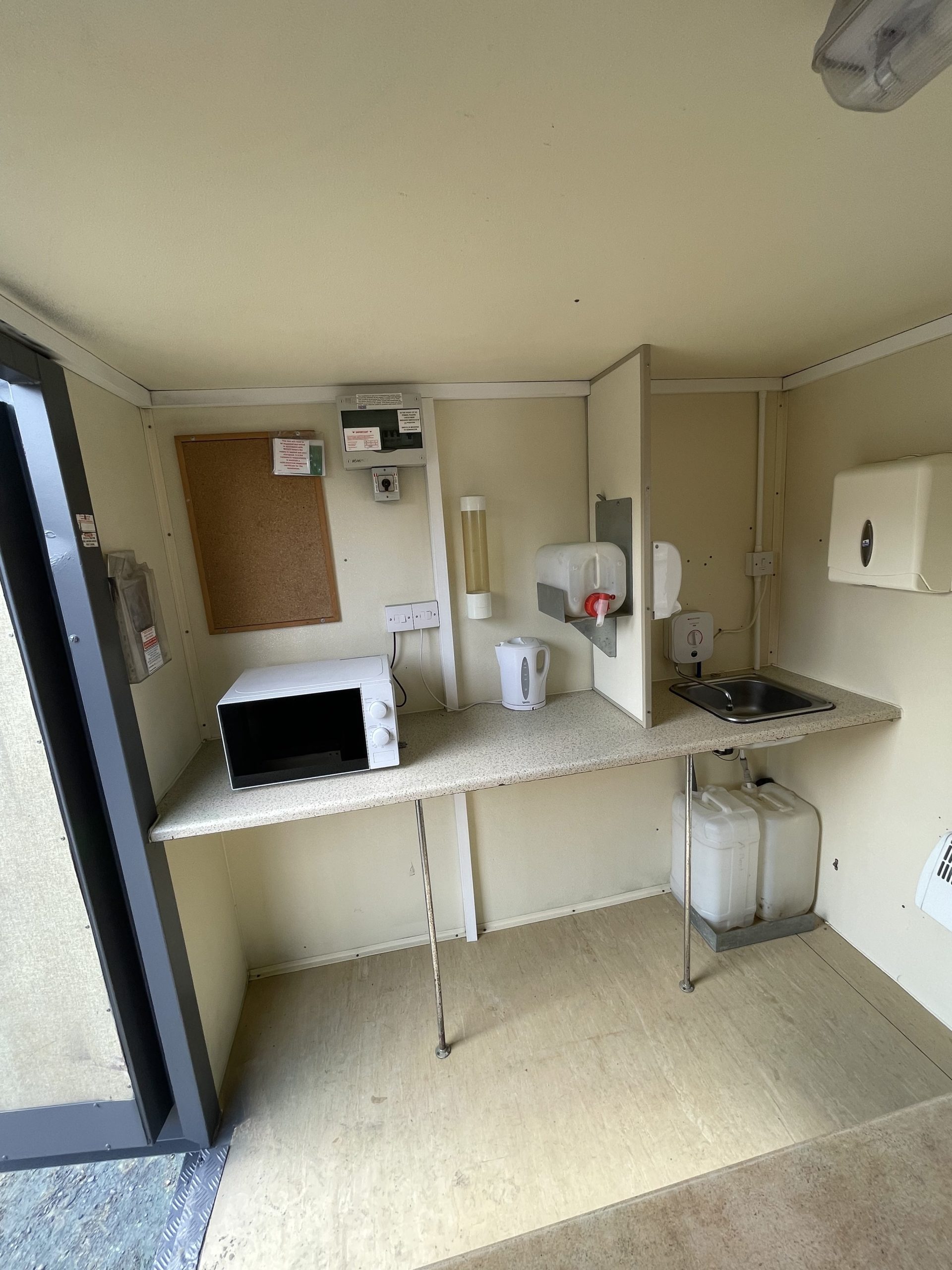
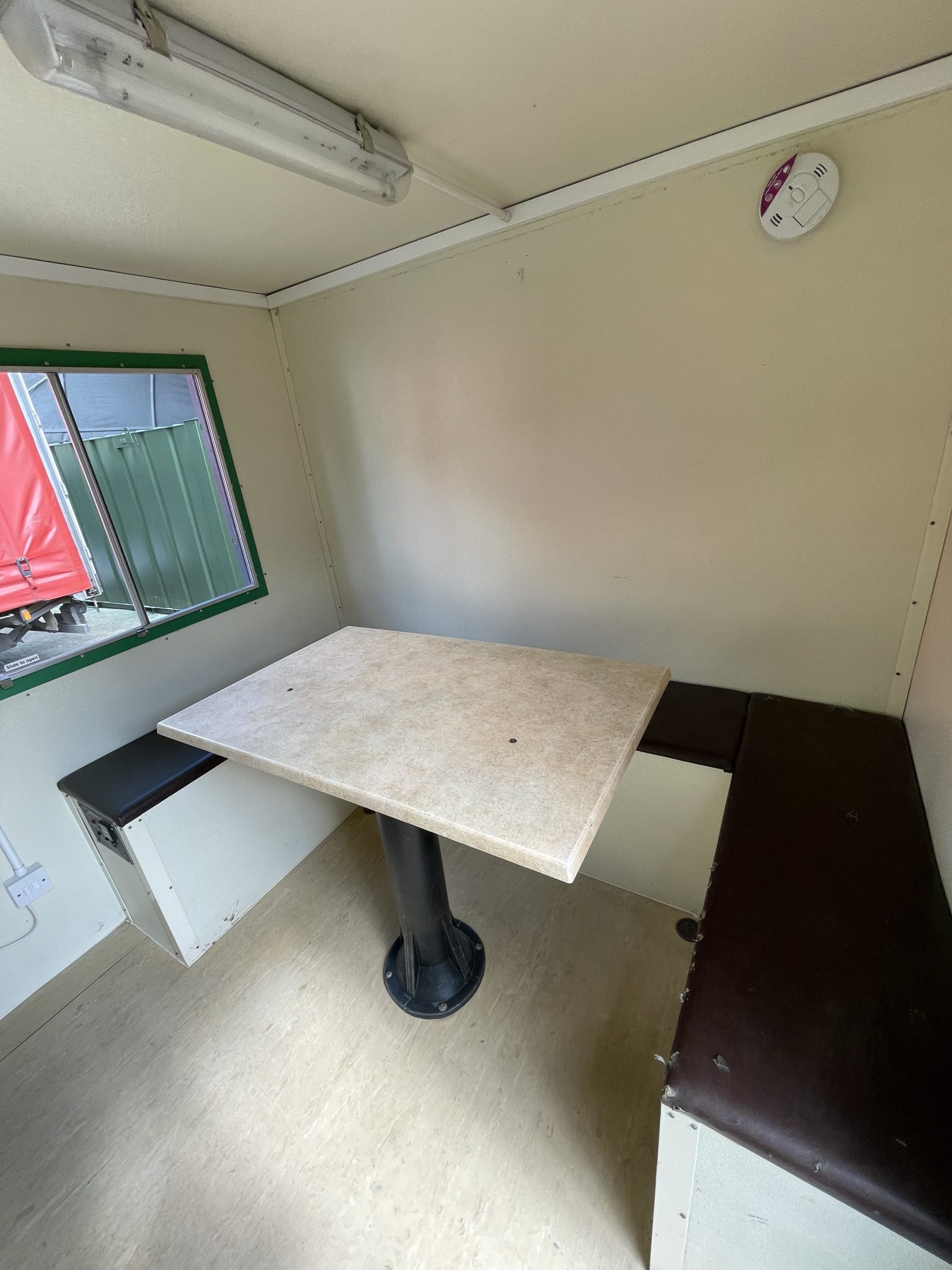
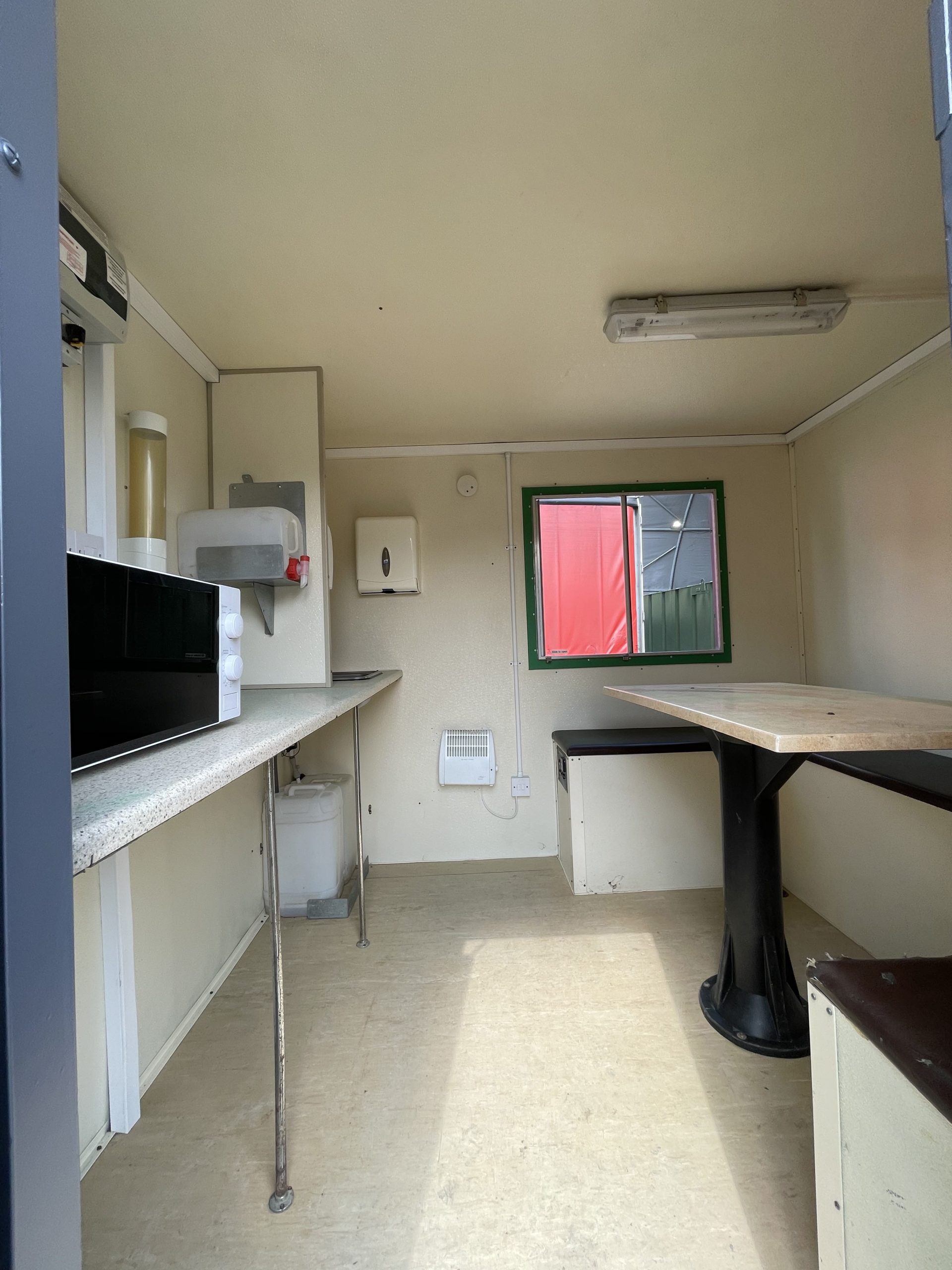
Location: Nationwide
EX VAT
Not Available for Hire
Call for an instant quote!
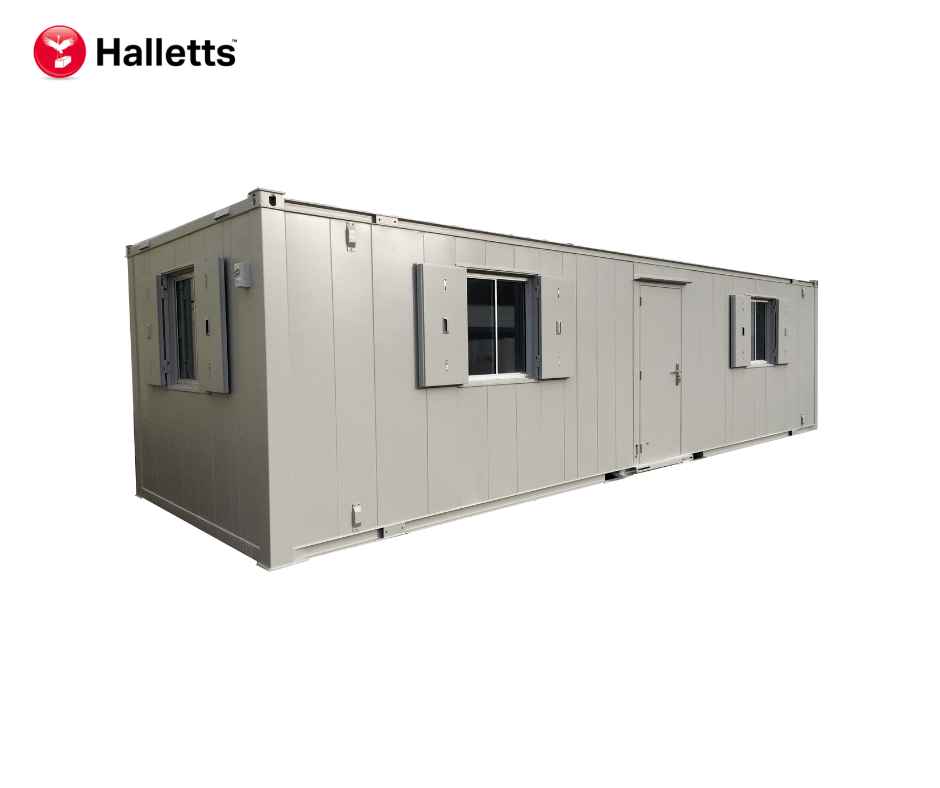
Location: Nationwide
Quantity: ∞
EX VAT
Not Available for Hire
Call for an instant quote!
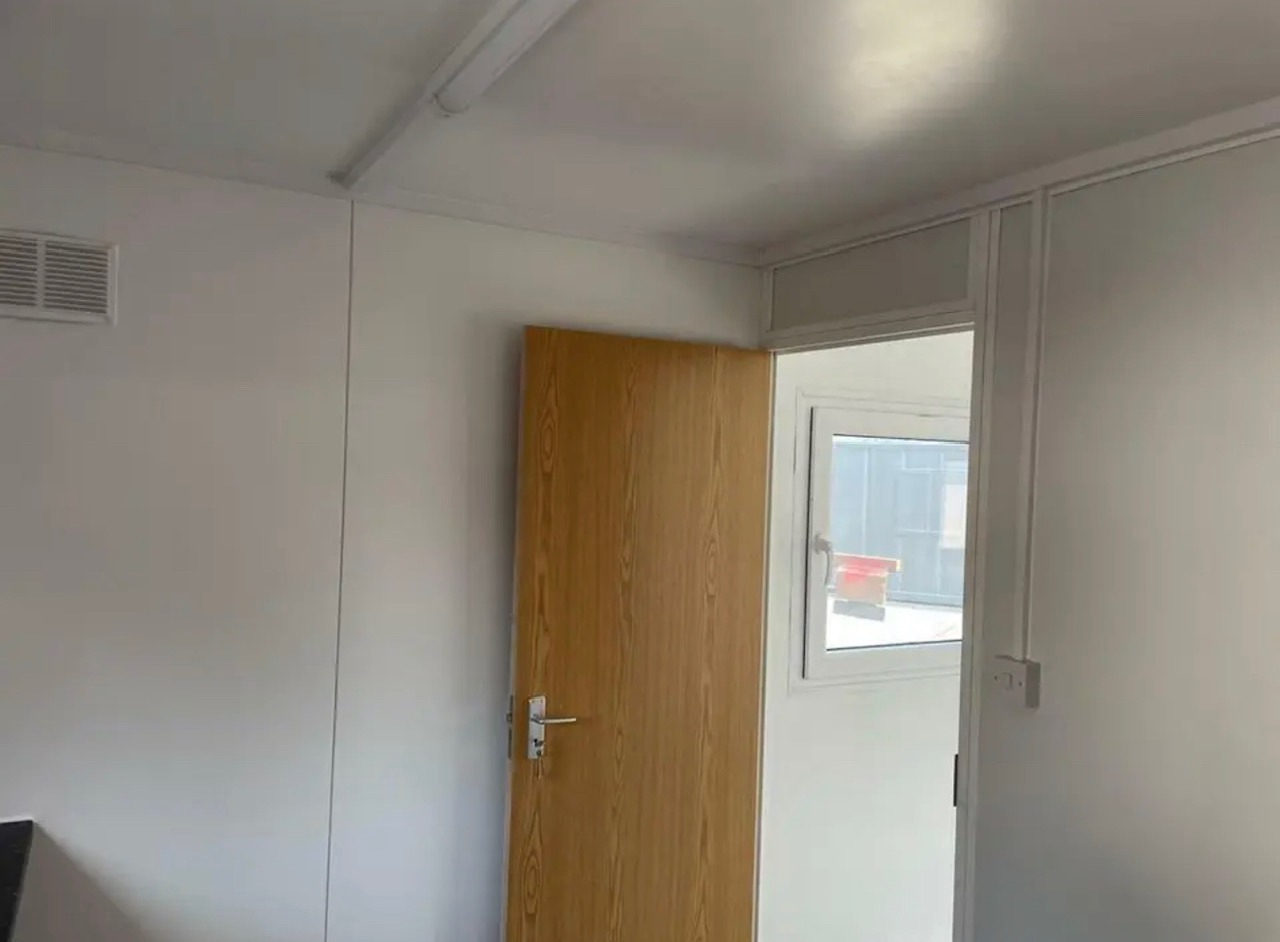
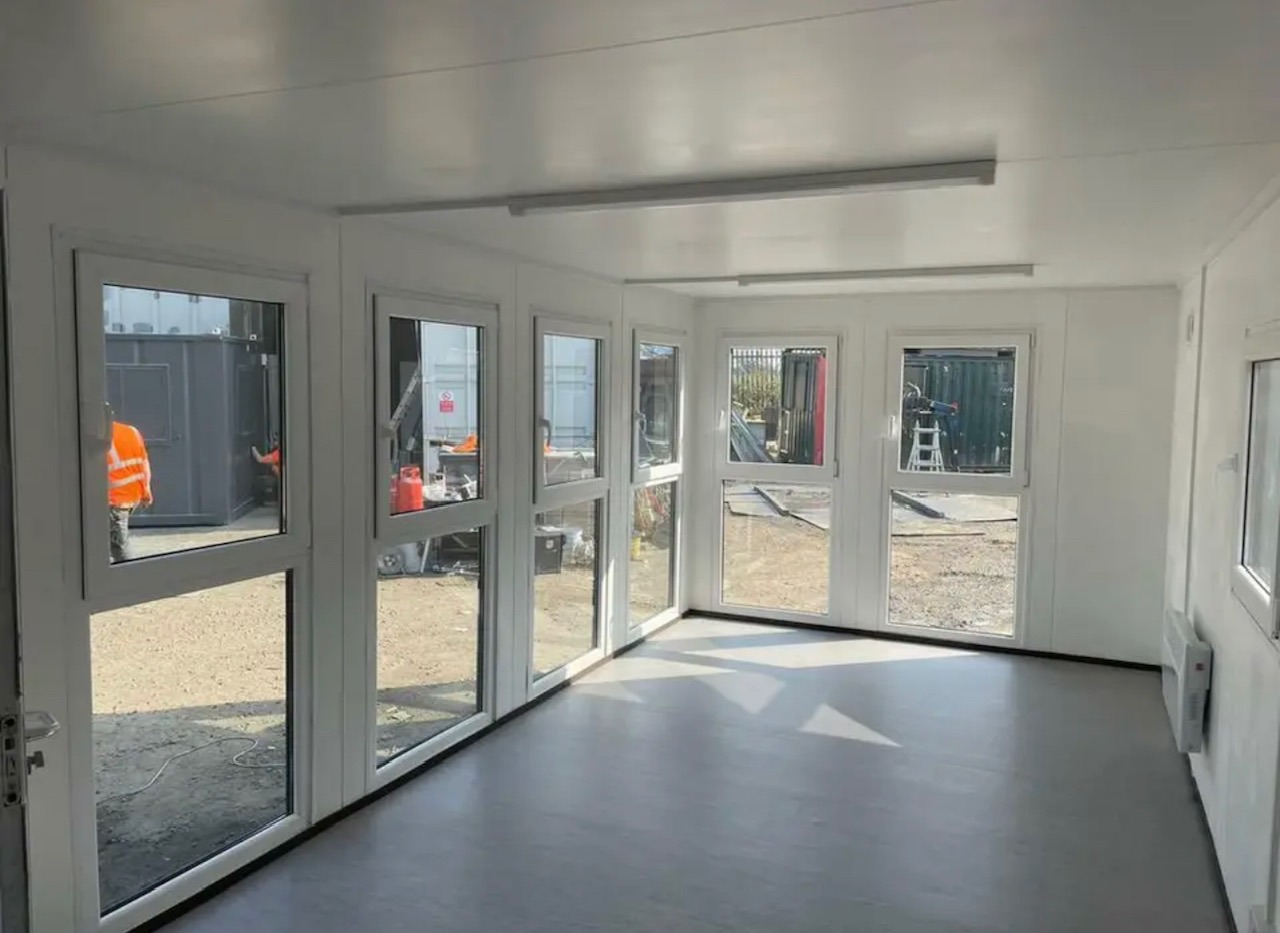
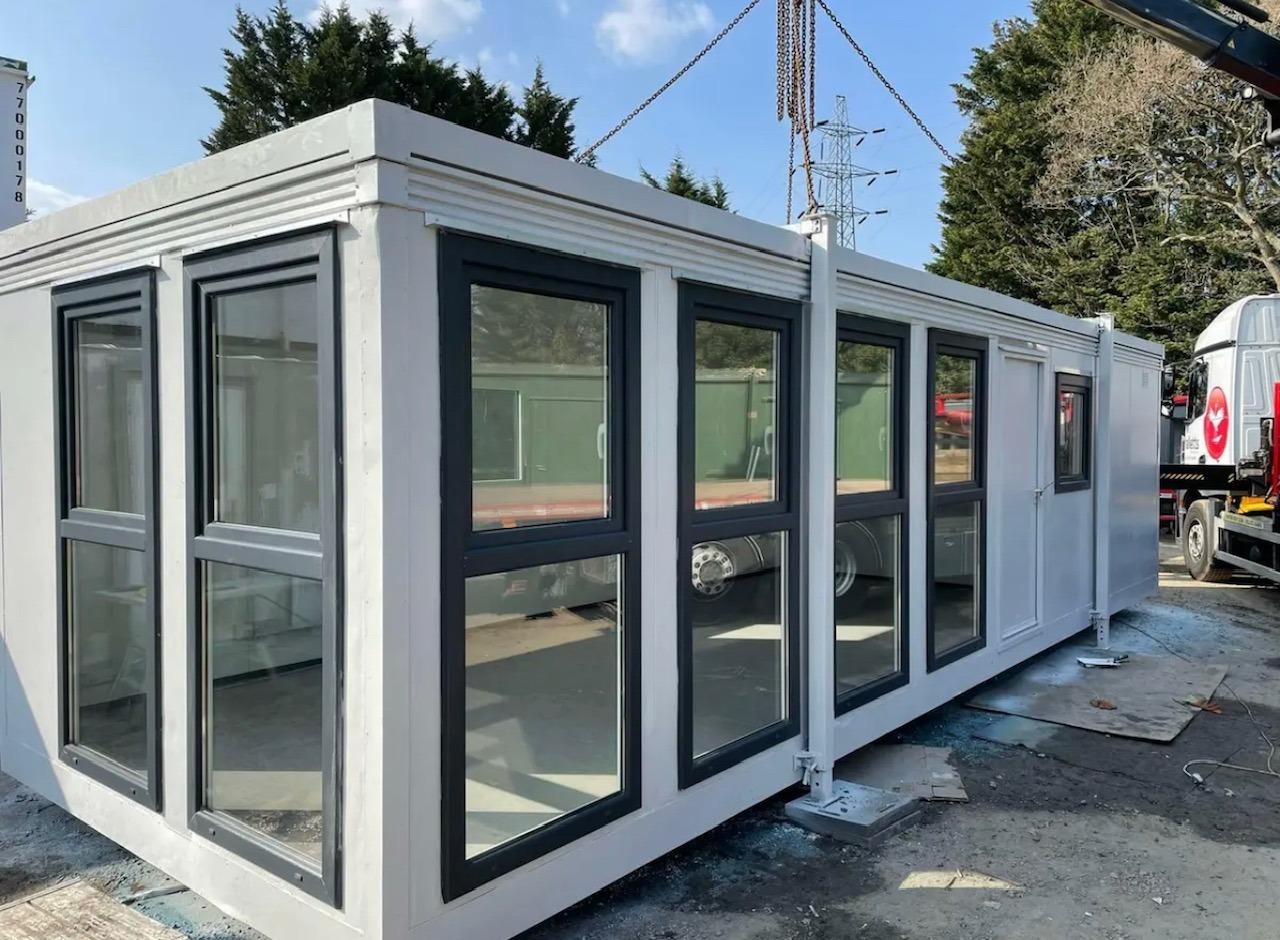
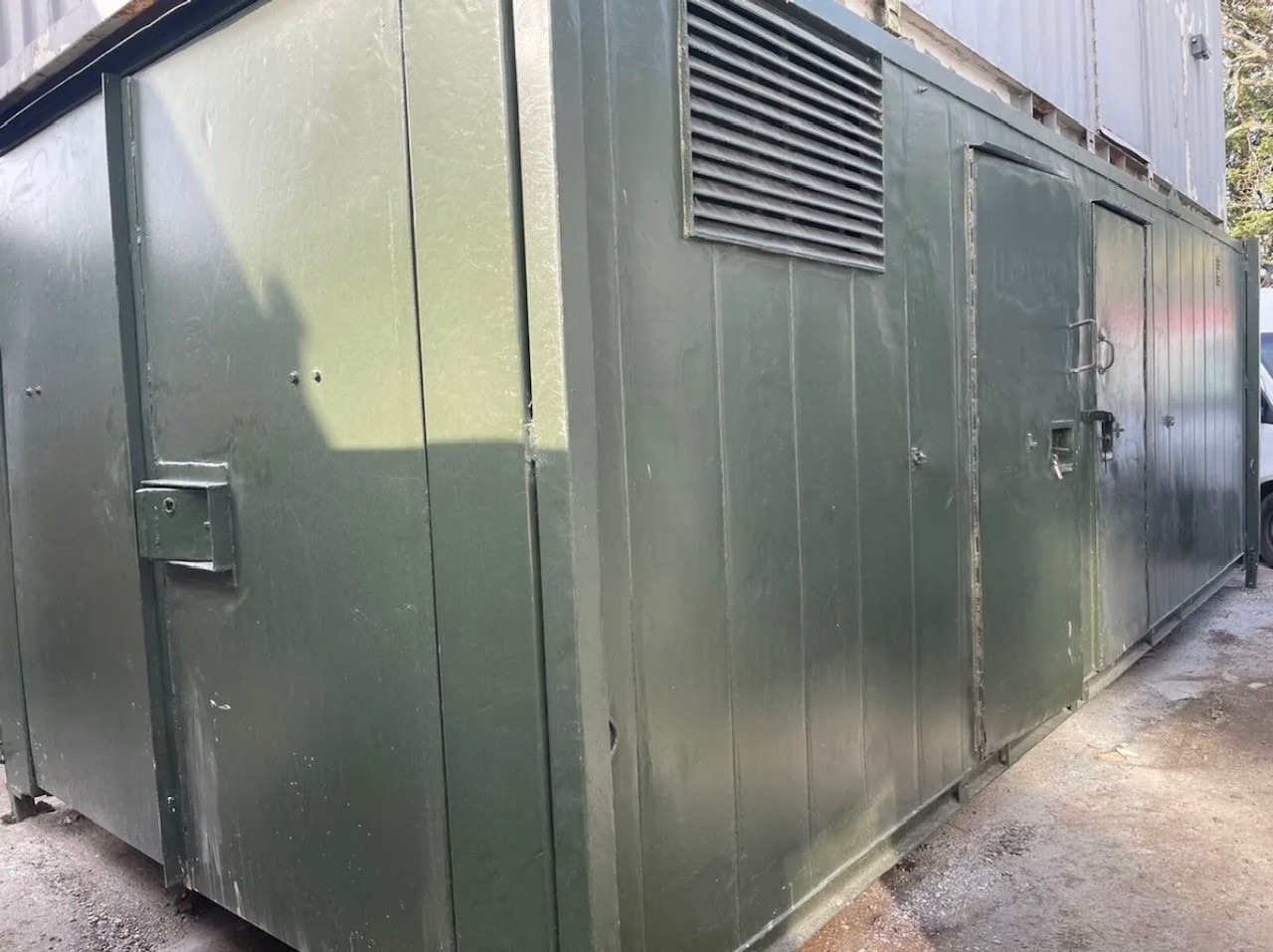
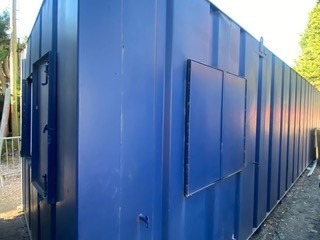
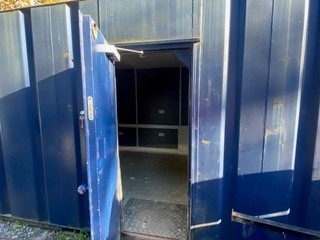
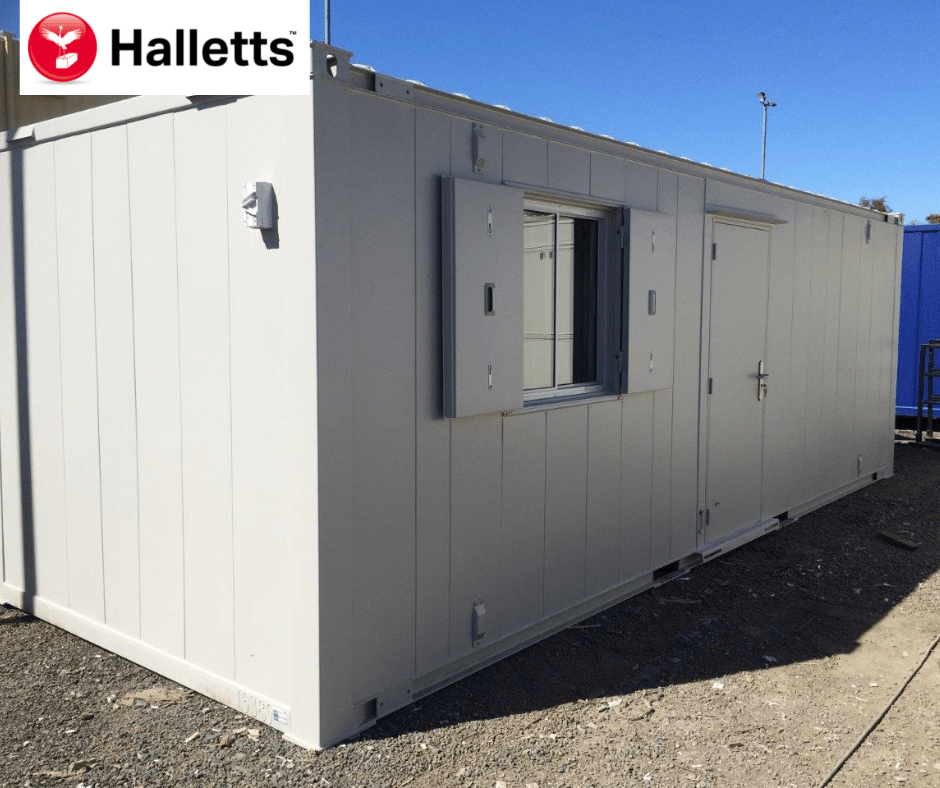
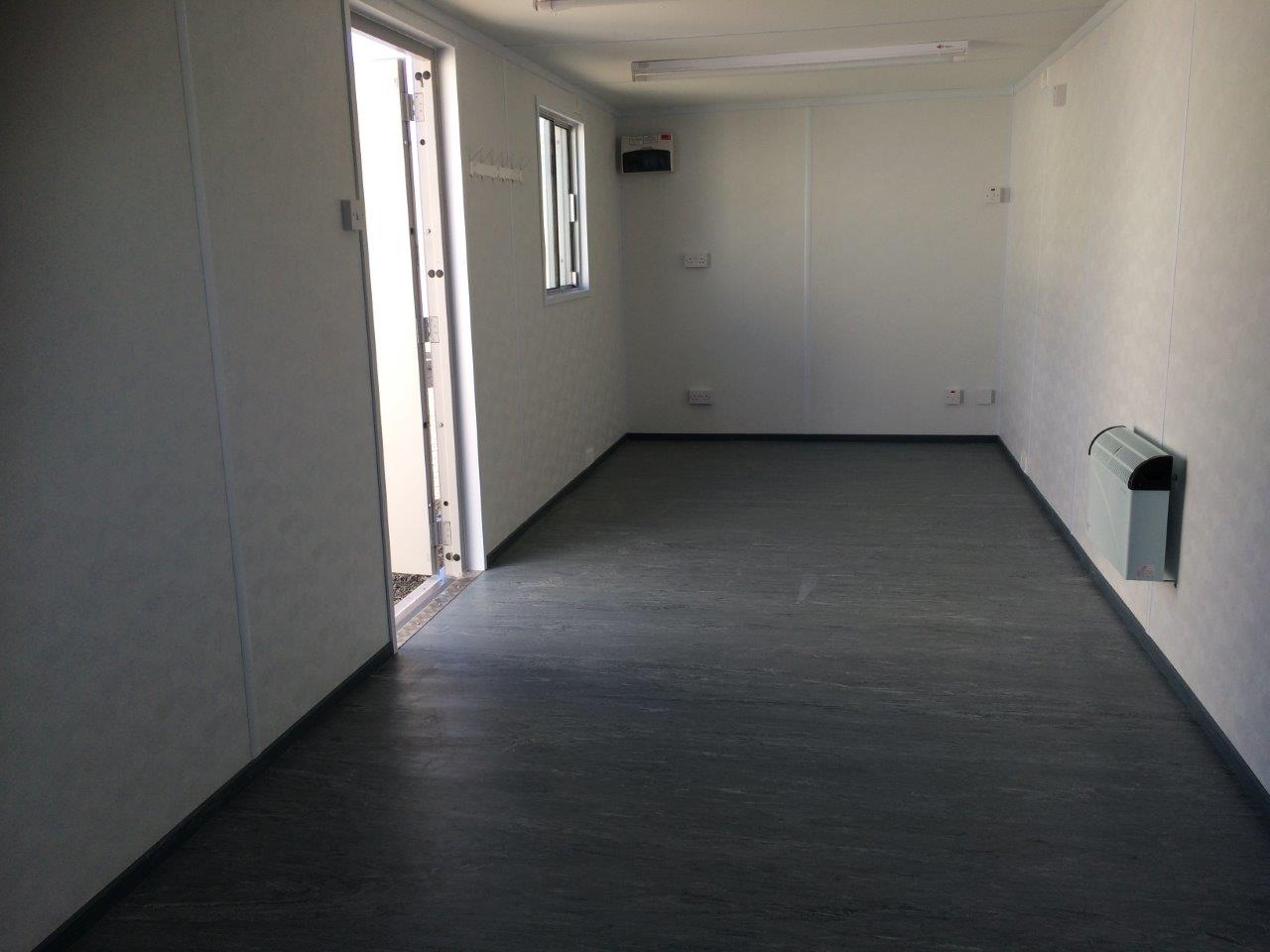
• Reinforced doors and windows with secure locking
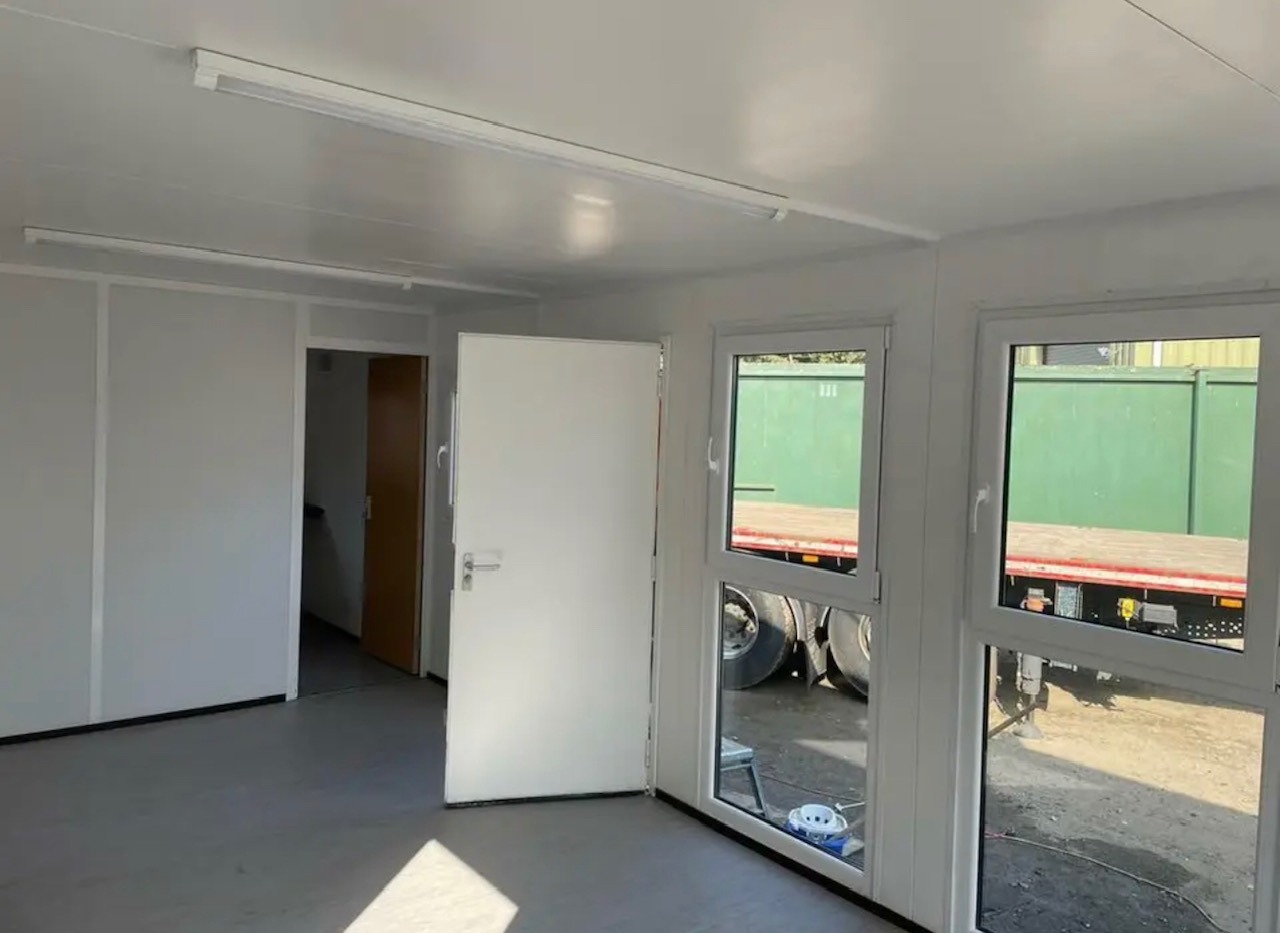
• Open plan with electric sockets and lighting
• Ral Code Colour of choice
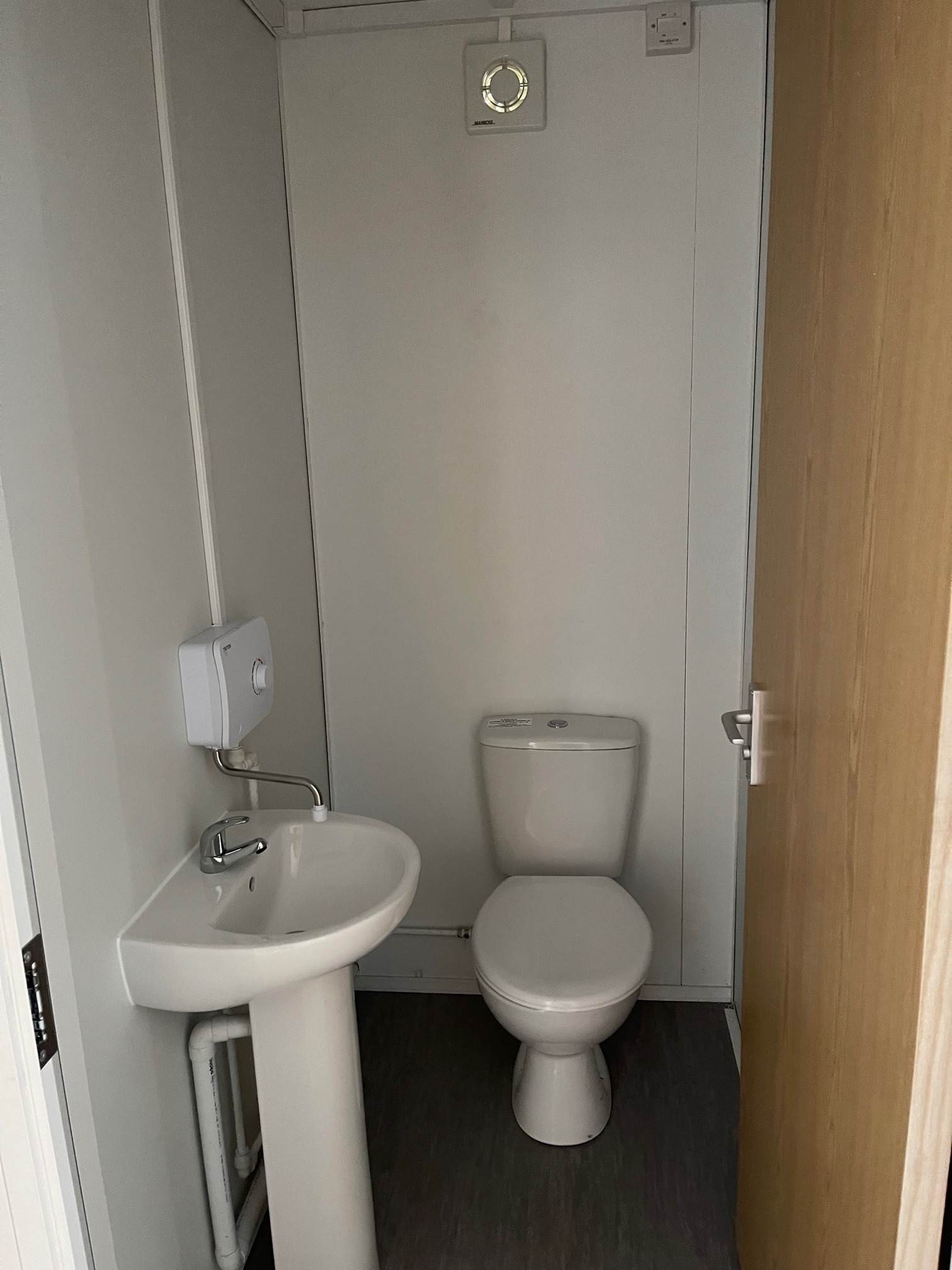
• Any Extras available : Canteen, Partitions, Toilets.
Location: Nationwide
EX VAT
Not Available for Hire
Call for an instant quote!
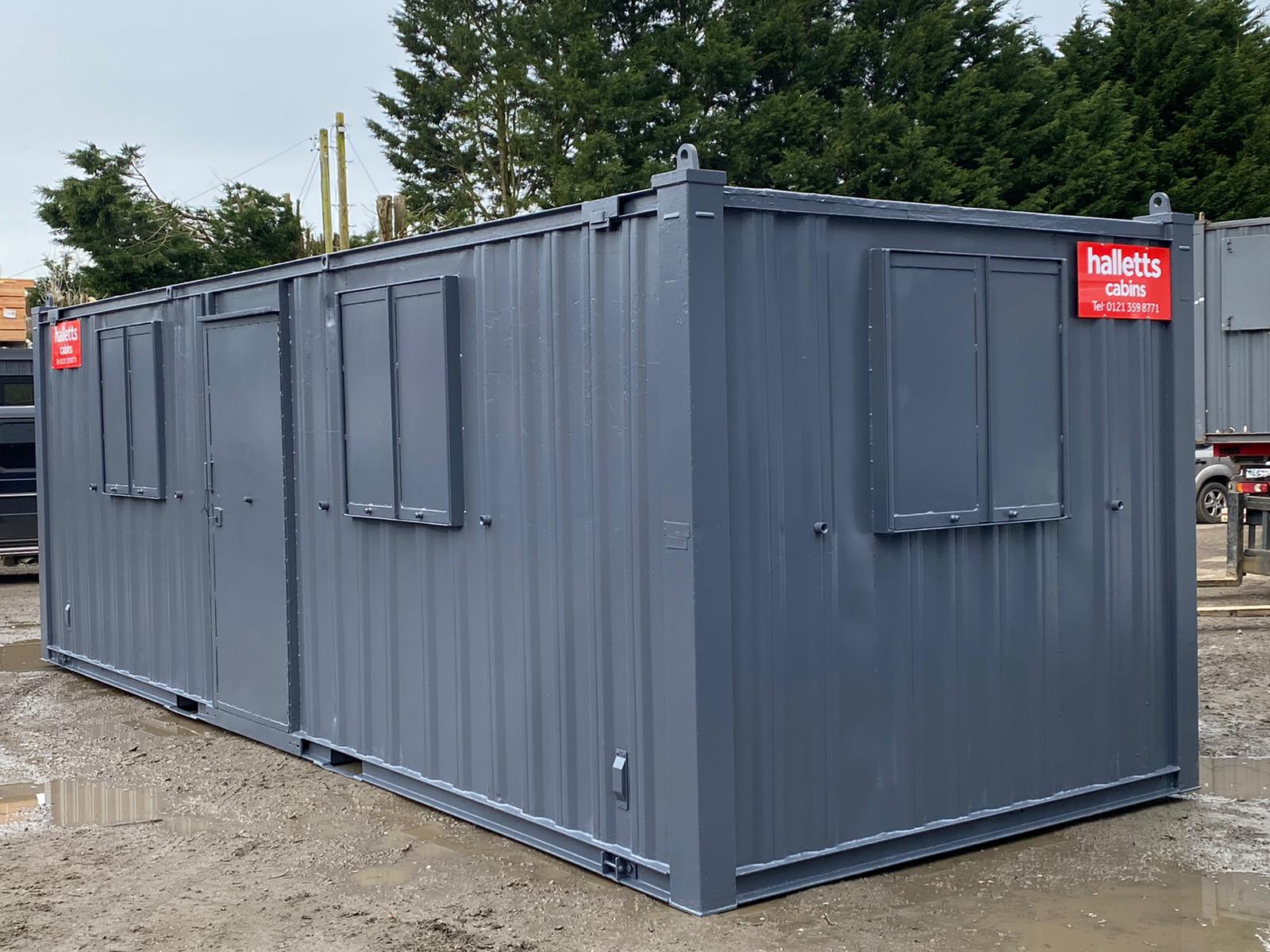
• Reinforced doors and windows with secure locking
• Open plan with electric sockets and lighting
• Ral Code Colour of choice
• Any Extras available : Canteen, Partitions, Toilets.
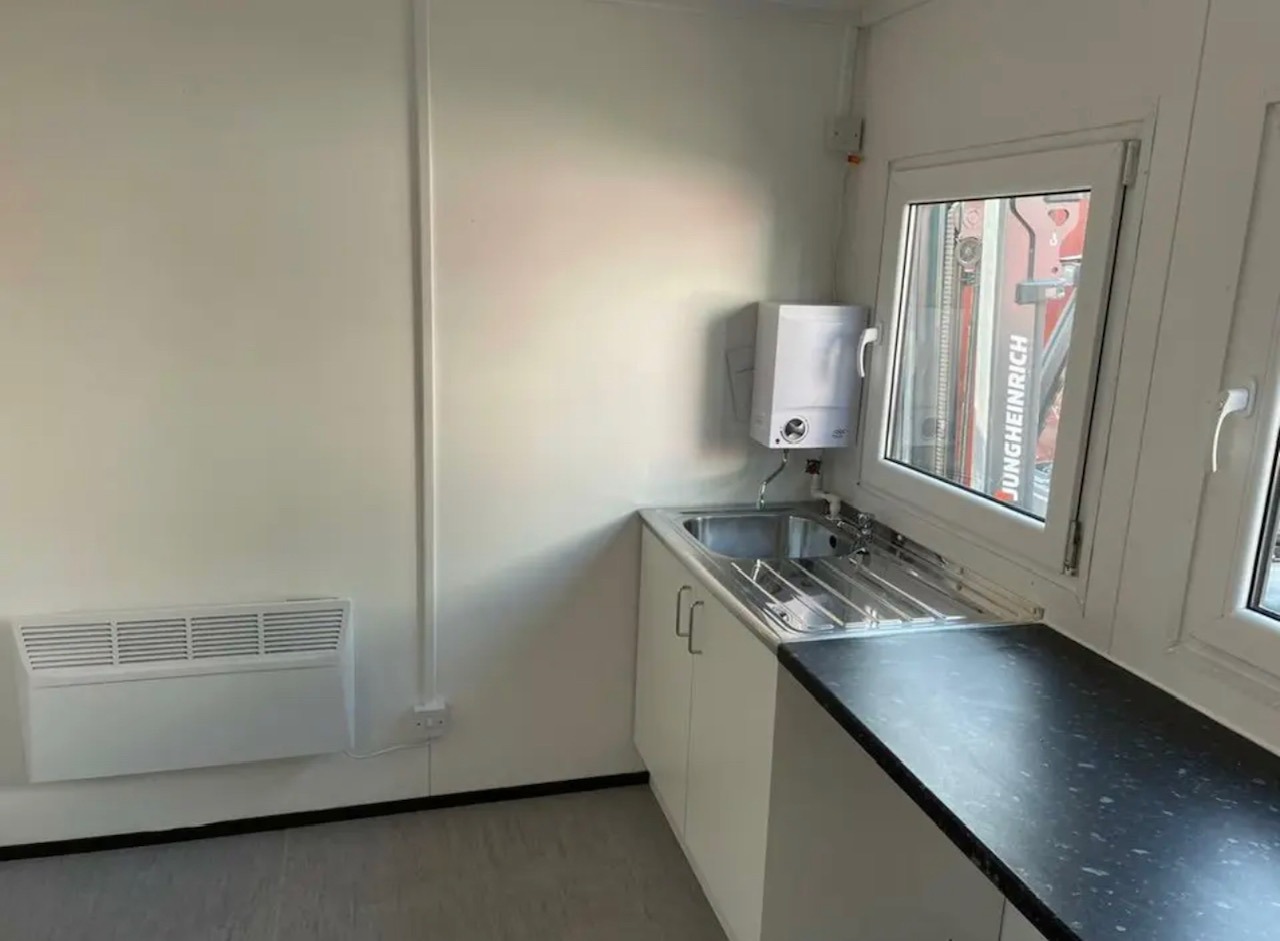
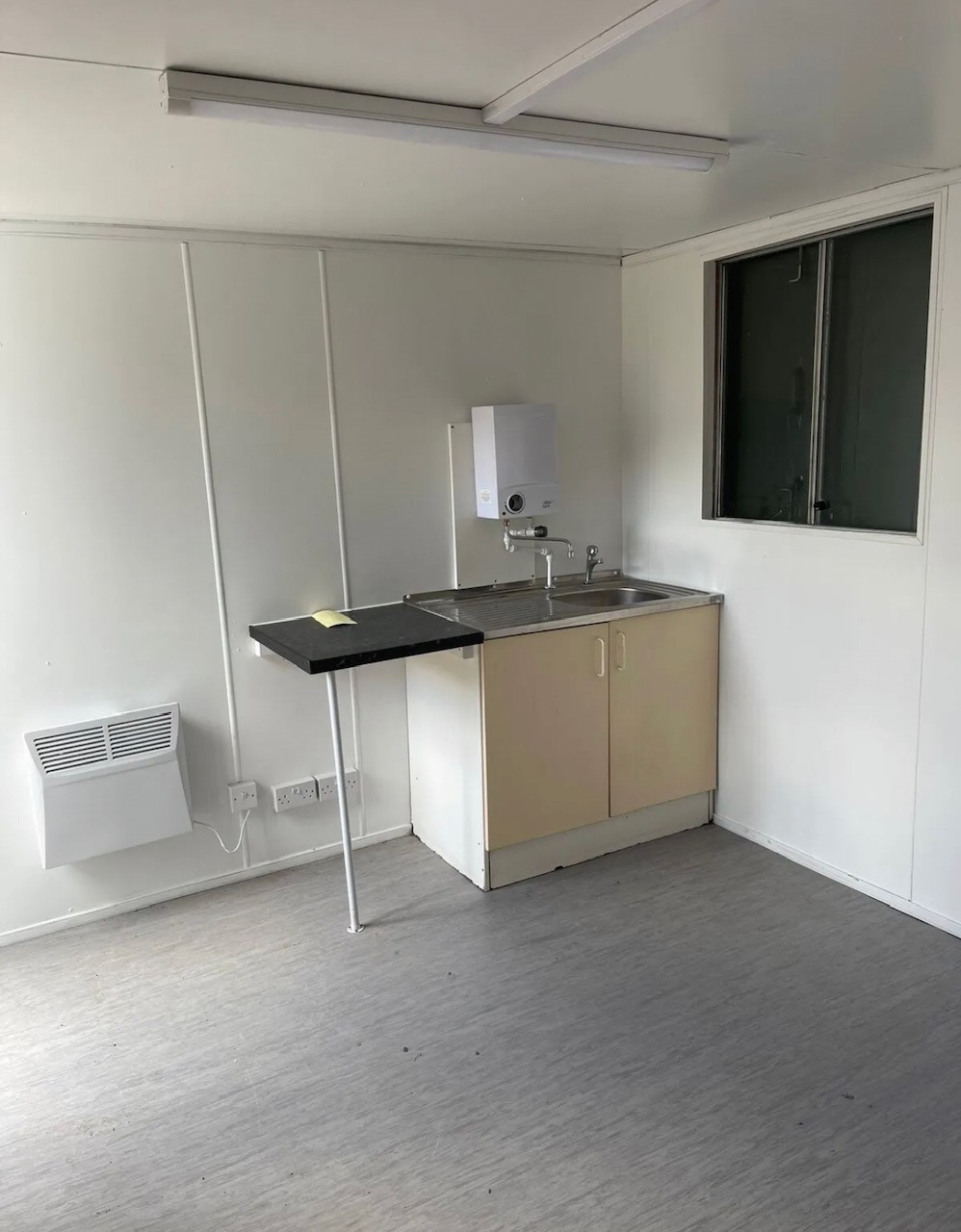
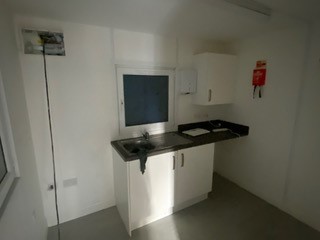
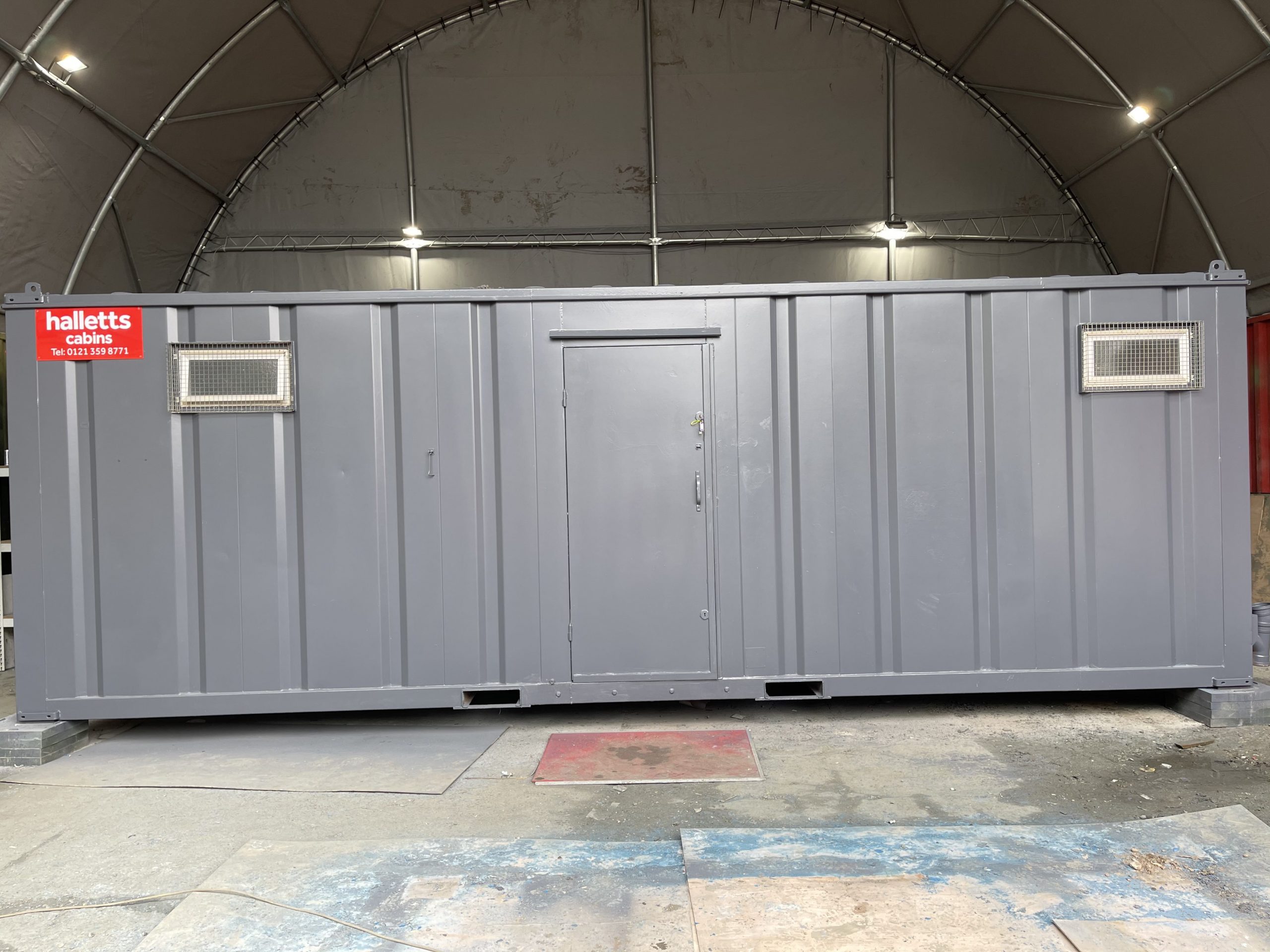
• Reinforced doors with secure locking
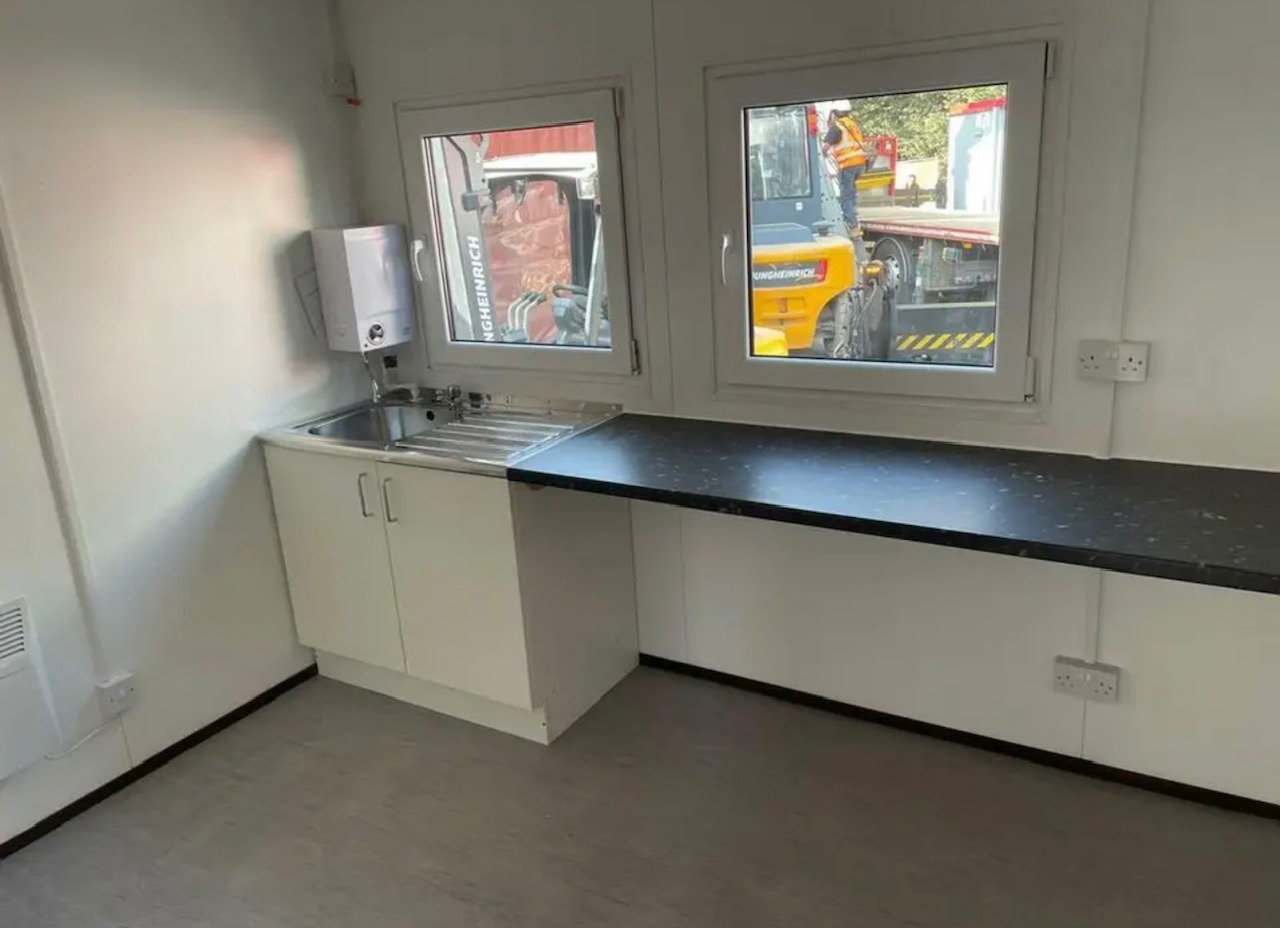
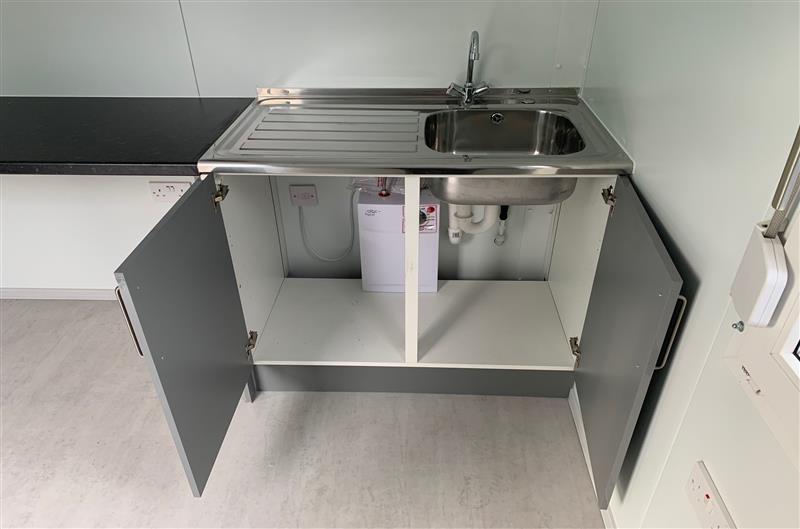
• Sink and water boiler included
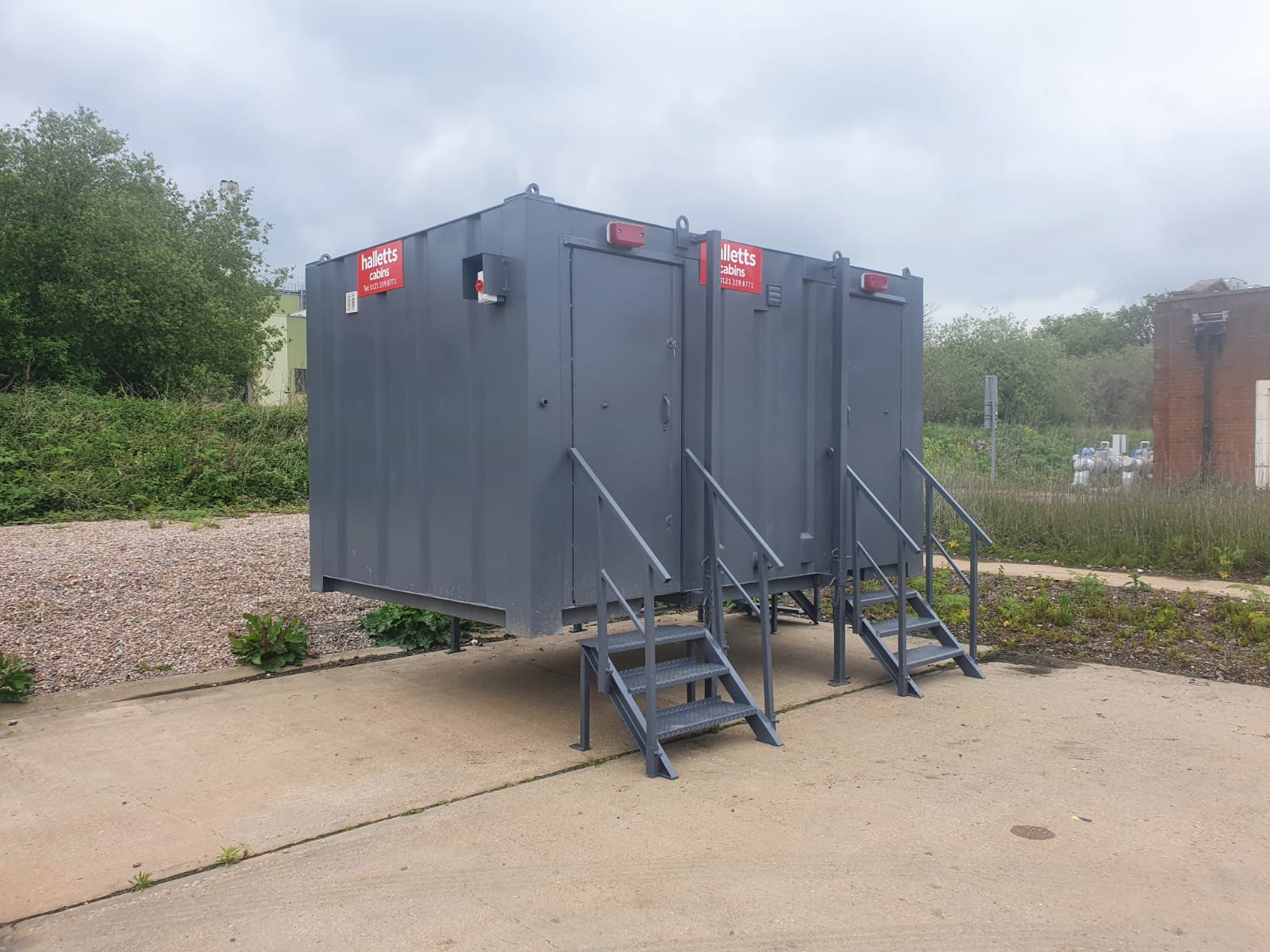
Location: Nationwide
Quantity: ∞
EX VAT
Not Available for Hire
Call for an instant quote!
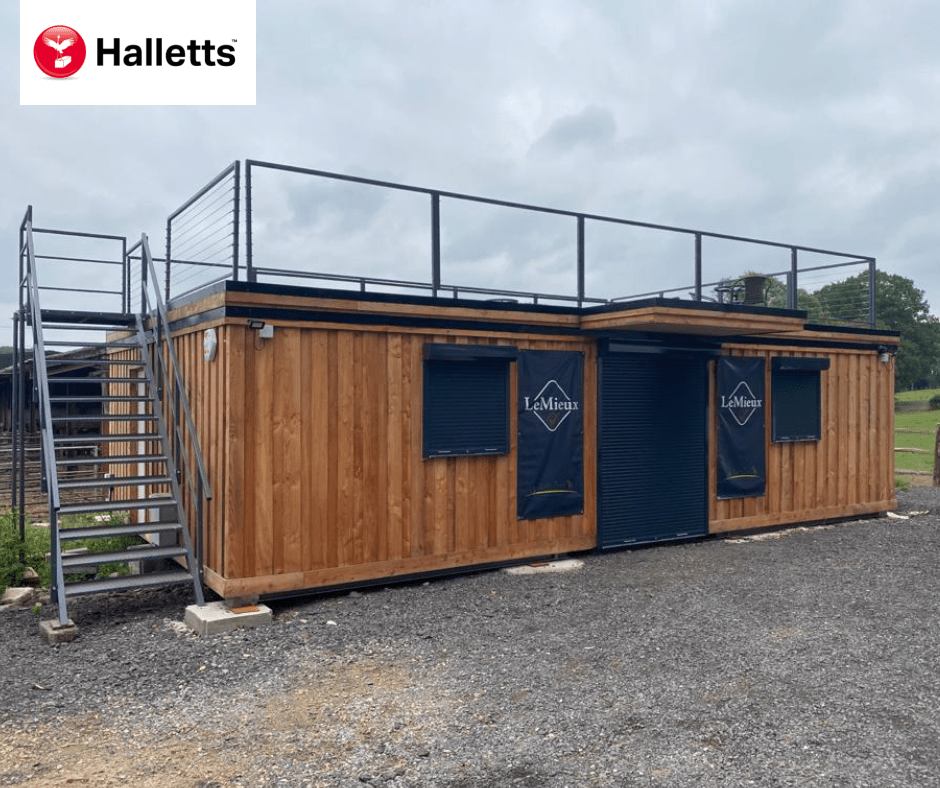
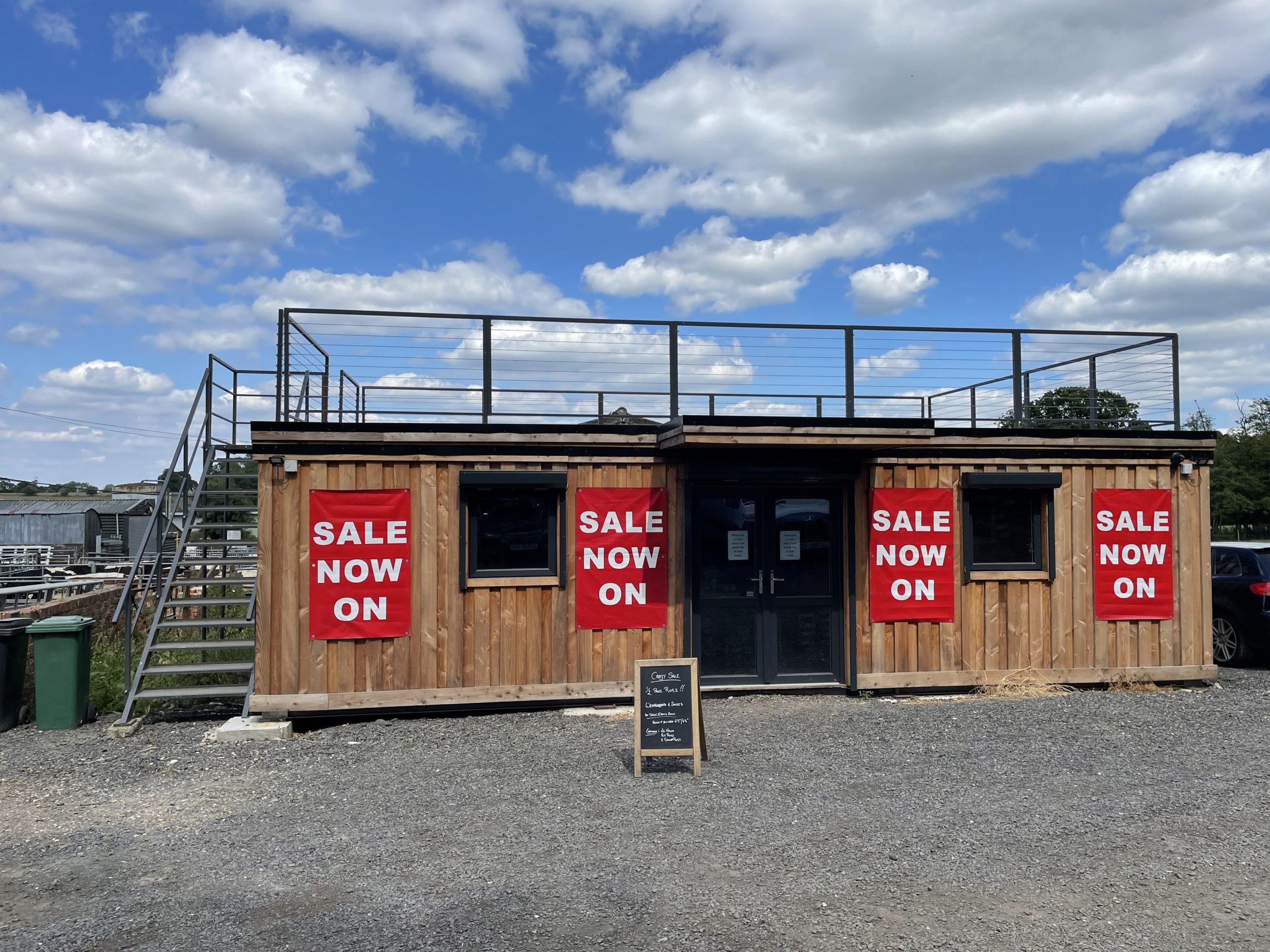
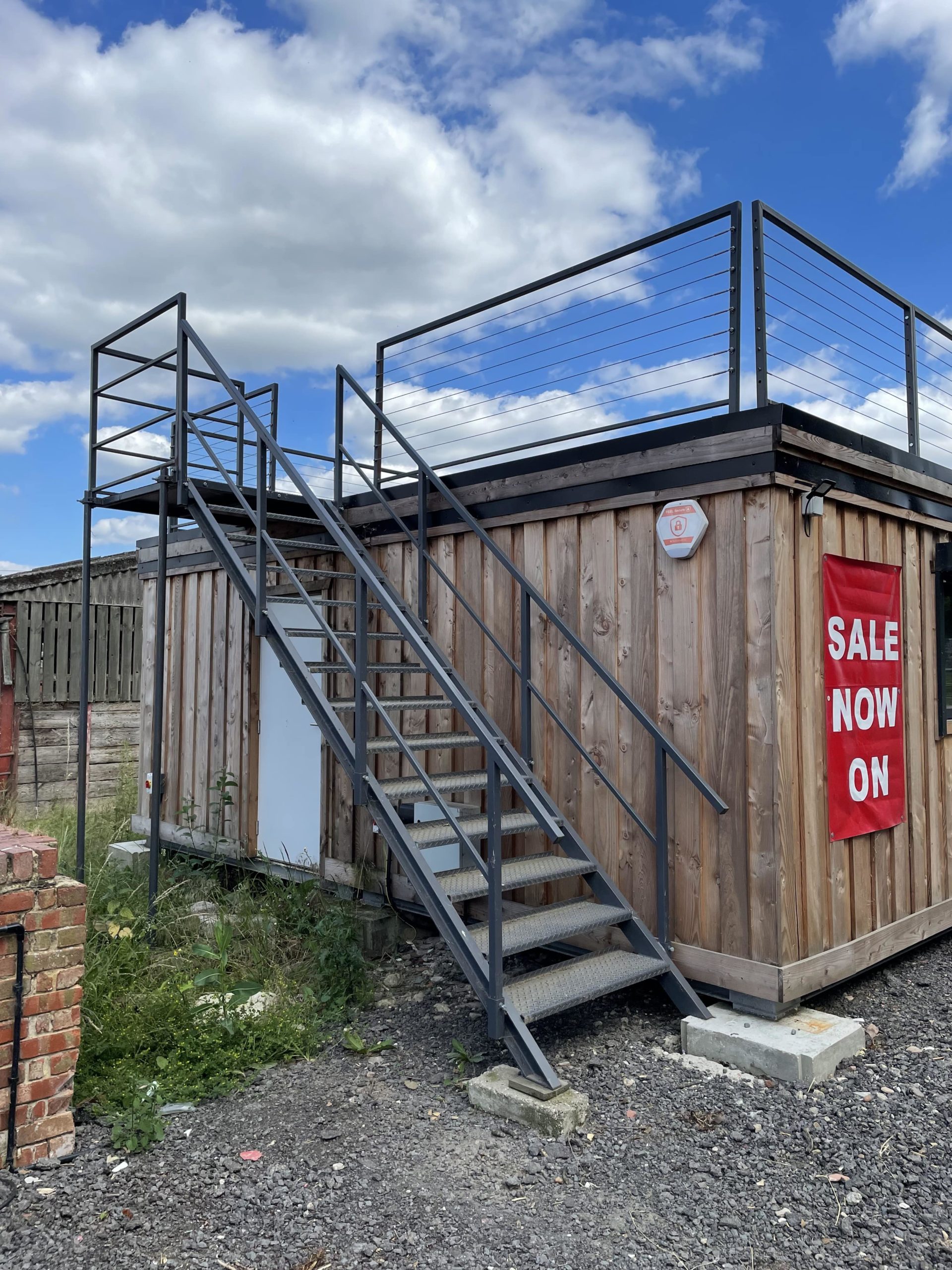


Location: Nationwide
EX VAT
Not Available for Hire
Call for an instant quote!
Get a Quick Container Quote Now!
Location: Nationwide
EX VAT
Not Available for Hire
Call for an instant quote!
Get a Quick Container Quote Now!
Get a Quick Container Quote Now!
