Selecting a reliable Custom Rubber Springs Supplier is a technical decision, not merely a purchasing exercise. Global buyers need stable performance, clear documentation, and responsive engineering support. A rubber spring may appear simple, yet its behavior depends on compound design, shape, bonding, temperature, and repeated loading.
Dr. Andrew N. Gent, a respected rubber scientist, described rubber as “an unusual material with remarkable properties.” That observation remains practical today. The right supplier should explain those properties in measurable terms. Shore hardness alone is not enough. Buyers should request compression data, fatigue results, dimensional tolerances, and operating-temperature limits.
Look closely at the details.
A dependable manufacturer can discuss natural rubber, EPDM, neoprene, silicone, and other compounds without making vague promises. It should also explain how rubber hardness affects deflection, vibration isolation, and service life. Samples should be tested under realistic conditions, including moisture, dust, temperature changes, and off-center loading.
This process is not always perfect. Laboratory results may differ from field performance. Installation errors can also damage an otherwise well-designed spring. For that reason, experienced suppliers review drawings, load requirements, mounting surfaces, and expected movement before production.
China has a broad manufacturing base for molded and bonded rubber components. However, quality varies between factories. Buyers should examine inspection records, traceability systems, tooling control, and communication practices. Certifications help, but they do not replace technical evidence.
The strongest Custom Rubber Springs Supplier combines material knowledge with practical manufacturing experience. It listens carefully, tests honestly, and admits uncertainty when data is incomplete. That standard gives global buyers a clearer path toward safer, longer-lasting, and more predictable rubber spring applications.
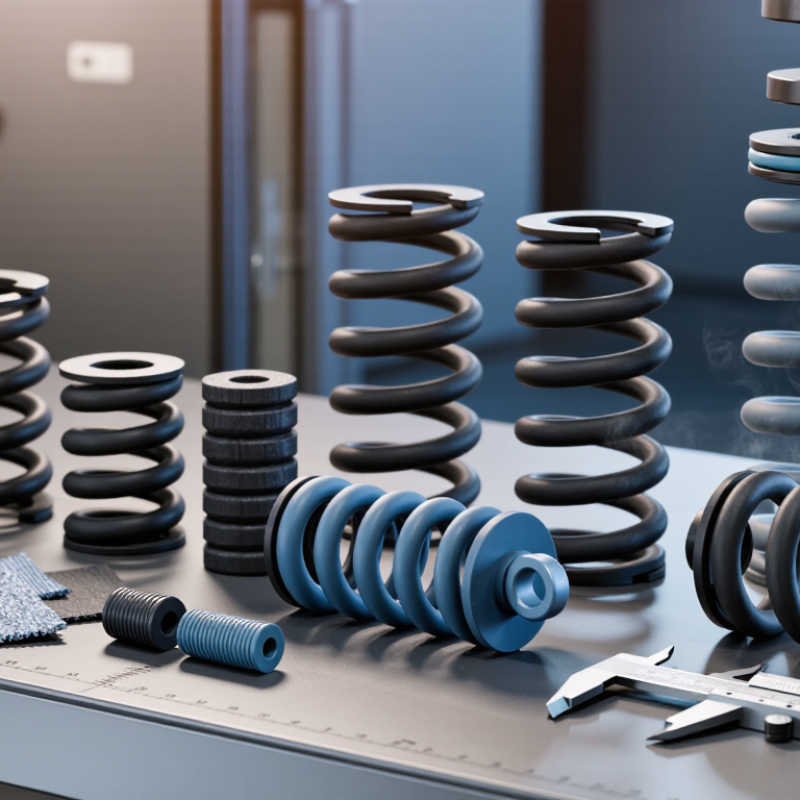
Custom rubber springs are elastic components designed to carry, isolate, or return mechanical loads. Unlike steel coils, they combine flexibility with damping. A rubber spring may sit between a machine frame and a moving assembly. Under compression, shear, or torsion, its shape changes. Internal molecular friction absorbs part of the vibration energy. The stored energy then helps the component recover its original position. This action is quiet and compact. It also limits shock transfer.
Custom design starts with the working load, travel, temperature, and mounting space. Engineers select a rubber compound for hardness, fatigue resistance, oil exposure, and weather conditions. Geometry matters just as much. A thick center, bonded plate, or hollow section can change stiffness across the stroke. This lets one spring support light movement and resist heavier impact. Production samples should be tested for load deflection, compression set, aging, and repeated cycles. Measurements reveal behavior that a drawing can miss.
In real projects, the first design is rarely perfect. A spring may feel too stiff at low temperatures, or creep after long compression. That is why experienced suppliers review actual duty cycles, not only catalog values. Clear drawings, material records, and batch inspections improve consistency for global buyers. Test results should match the intended installation. Small changes in rubber hardness or bonding can affect alignment, noise, and service life. A careful design leaves room for those surprises.

Rubber springs combine elastic rubber with metal inserts, creating compact isolation components for machinery and transport equipment. The rubber compound controls resilience, damping, temperature tolerance, and resistance to aging. Natural rubber offers strong elasticity and fatigue performance under repeated loading. EPDM performs well against weather, ozone, and hot water. NBR is more suitable where mineral oils may contact the spring. These materials are not interchangeable.
Steel inserts provide load support and accurate mounting. They may use coated carbon steel or stainless steel, depending on moisture, corrosion, and cost requirements. Adhesion between rubber and metal is critical. Poor bonding can appear as edge lifting after thousands of cycles. That failure is easy to miss in a short inspection.
Performance depends on more than hardness. A harder compound is not automatically better. Engineers should review compression, shear, dynamic stiffness, creep, and temperature range together. A spring measuring 60 Shore A may behave differently under slow and rapid loading. Laboratory tests should include load-deflection curves, fatigue cycling, bond inspection, and environmental aging. Real installations also need attention to misalignment and uneven mounting surfaces.
In custom production, compound selection should follow the working environment, not preference alone. We sometimes find that an early design focuses too heavily on static load. That can overlook heat buildup and long-term compression set. Clear drawings, sample testing, and traceable batch records make global procurement more reliable. Small details matter.
China Top Custom Rubber Springs Supplier for Global Buyers
Custom rubber spring manufacturing starts with the working condition, not a catalogue shape. Engineers review load, compression travel, temperature, vibration, and mounting space. A spring may look simple, yet a two-millimeter change can alter its stiffness. Computer modeling helps, but physical testing remains essential.
The global industrial rubber market was valued at about USD 40.27 billion in 2023, according to Fortune Business Insights’ 2024 market report. This growth reflects demand for durable components in transport, machinery, construction, and energy equipment. For overseas buyers, custom production can reduce assembly space and control vibration more effectively than standard metal springs. Material selection matters. Natural rubber suits many flexible applications, while EPDM, silicone, or nitrile may perform better under heat, weather, or oil exposure.
A reliable process includes drawing review, rubber compound selection, mold design, sample production, and performance testing. Each batch should be checked for hardness, dimensions, bonding quality, and compression behavior. Test records should be traceable. Small details matter.
No design is perfect first.
In practice, early samples sometimes reveal uneven deformation or unexpected temperature effects. That is not failure; it is useful evidence. Global buyers should request load-deflection curves, tolerance data, inspection records, and clear packaging plans before approving mass production. Communication can still be imperfect, especially across technical languages. Careful drawings and measurable standards reduce that risk.
| Custom Rubber Spring Configuration | Common Rubber Compound | Typical Hardness (Shore A) | Typical Service Temperature | Typical Application | Main Design Considerations | Manufacturing Route | Recommended Inspection Items |
|---|---|---|---|---|---|---|---|
| Cylindrical bonded rubber spring | Natural rubber | 40–80 | Approximately −40°C to +80°C | Vibration isolation, suspension assemblies and industrial machinery | High elasticity, compression deflection, bonded-area strength and fatigue life | Metal preparation, primer and adhesive application, compression molding, post-curing and trimming | Dimensions, hardness, bond integrity, compression load and visual defects |
| Conical rubber spring | Natural rubber or EPDM | 50–85 | Approximately −45°C to +120°C, compound dependent | Vehicle suspension, rail equipment and heavy-duty mounts | Nonlinear spring rate, buckling resistance, lateral movement and geometric stability | CAD-controlled mold design, rubber preforming, compression or transfer molding and finishing | Free height, concentricity, load-deflection curve and surface condition |
| Metal-insert rubber spring | NR, SBR or NBR | 45–85 | Approximately −40°C to +100°C | Engine mounts, machinery supports and structural isolation systems | Insert geometry, adhesive compatibility, corrosion protection and load direction | CNC or stamping insert production, blasting or chemical treatment, bonding and vulcanization | Insert position, bond separation, hardness, dimensions and pull or shear strength |
| High-temperature rubber spring | Silicone or FKM | 50–80 | Approximately −50°C to +200°C, grade dependent | Thermal equipment, chemical processing and high-temperature machinery | Heat aging, compression set, fluid exposure and long-term dimensional stability | Compound mixing, precision molding, controlled vulcanization, post-curing where required and inspection | Heat aging, compression set, hardness change, dimensions and visual quality |
| Oil-resistant rubber spring | Nitrile rubber (NBR) | 50–90 | Approximately −30°C to +100°C | Hydraulic systems, pumps, machine tools and oil-exposed equipment | Oil type, acrylonitrile content, swelling resistance and cyclic loading | Mold design, compression molding, curing, flash removal and compound verification | Volume change after fluid immersion, hardness, compression set and load testing |
| Low-temperature rubber spring | EPDM or silicone | 40–80 | Approximately −55°C to +120°C, grade dependent | Outdoor equipment, cold-region transport and weather-exposed systems | Glass-transition behavior, ozone resistance, moisture exposure and fatigue performance | Prototype tooling, controlled vulcanization, dimensional stabilization and batch testing | Low-temperature flexibility, ozone resistance, hardness and compression deflection |
| Shear-type rubber spring | Natural rubber or neoprene | 40–75 | Approximately −35°C to +100°C | Lateral vibration isolation and compact suspension mechanisms | Shear strain, bonded-area stress, angular movement and natural frequency | Precision insert alignment, adhesive bonding, molding, curing and deflection testing | Shear stiffness, angular deflection, bond integrity and dimensional accuracy |
| Custom hollow rubber spring | Natural rubber, EPDM or NBR | 45–85 | Compound dependent | Progressive cushioning, impact absorption and space-limited assemblies | Cavity geometry, wall thickness, buckling mode and compression travel | Cavity-core tooling, compression or transfer molding, deflashing and functional testing | Wall thickness, cavity condition, compression load, rebound and leakage where applicable |
A dependable rubber spring supplier should begin with clear drawings, load requirements, and environmental conditions. Material selection matters. Natural rubber, EPDM, silicone, and other compounds behave differently under heat, oil, ozone, and repeated compression. Ask for batch traceability, controlled mixing records, and inspection reports linked to each production lot. A quality certificate alone proves little.
Testing should match the real application. Technicians commonly measure hardness, density, tensile strength, elongation, compression set, and tear resistance. Load-deflection testing is especially important for rubber springs. The test record should show force, displacement, temperature, and cycle count. Samples may be compressed thousands of times, then checked for cracks, permanent deformation, and unstable rebound. Dimensional checks need calibrated tools, not visual judgment. Small errors can change the installed load.
Supplier evaluation requires more than comparing prices.
Request a sample before approving mass production, and compare its measured performance with the agreed specification. Review equipment maintenance, laboratory capability, corrective-action records, and packaging controls. A factory should explain failed results openly. That is useful evidence. In practice, some reports look complete but omit aging conditions or sample size. This deserves a question, not an assumption. Factory audits, video inspections, and independent testing can reduce uncertainty, although none removes it entirely. Real reliability is built through repeatable data, transparent communication, and careful review of weaknesses.
Custom rubber springs support vibration isolation in presses, conveyors, vehicle systems, pumps, and industrial machinery. Their performance depends on load, travel, temperature, and mounting space. A practical supplier begins with drawings, load-deflection targets, and operating conditions. Samples should be tested under repeated compression, not only measured when new. Small details matter. A two-millimeter tolerance can change assembly behavior.
For overseas buyers, reliable export service includes technical drawing review, compound selection, sample approval, and batch documentation. Suppliers should provide inspection records, packing details, commercial invoices, and shipment tracking. Moisture-resistant packaging helps protect rubber parts during long sea transport. Clear communication also prevents costly misunderstandings about quantities, delivery terms, and replacement procedures. Translation can still fail. Confirm every critical dimension in writing.
Buyer selection requires more than comparing unit prices. Review production experience, mold capability, laboratory equipment, and traceability controls. Ask for material data, hardness results, fatigue testing, and references from comparable applications. A factory audit may reveal storage problems or weak inspection routines. Request a pilot order before committing to large volumes. No supplier gets every sample perfect. However, a dependable partner explains deviations, corrects tooling issues, and records the changes. Buyers should also consider response speed, engineering support, and consistent performance across repeated batches. A cheaper spring is not economical if it causes machine noise, downtime, or early replacement.


Registered in England & Wales No. 2786496
Registered office at: 337 Tanworth Lane,
Shirley, Solihull, B90 4DU
Registered for VAT, registration No.
GB 655 1347 38


Location: Nationwide
Not Available for Hire
We can deliver for a cost please ask and send us post code.
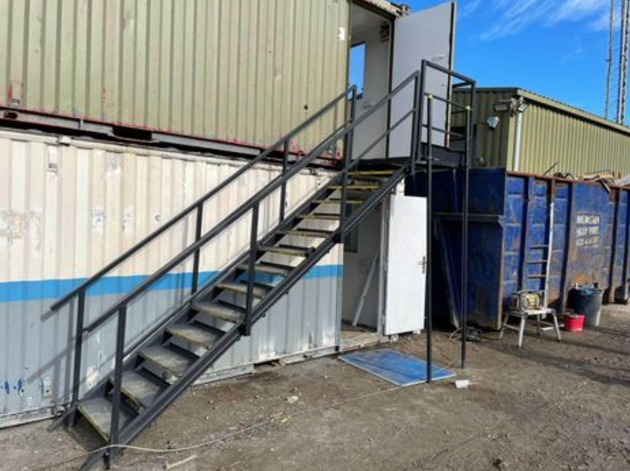
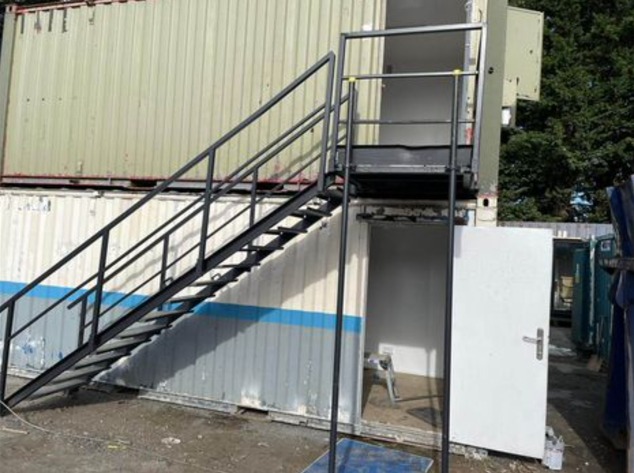
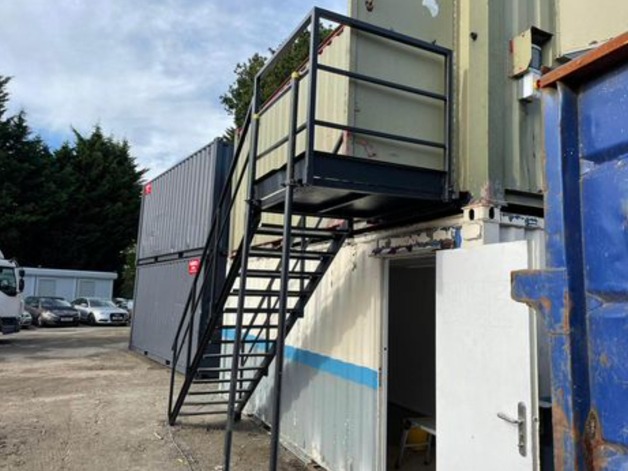
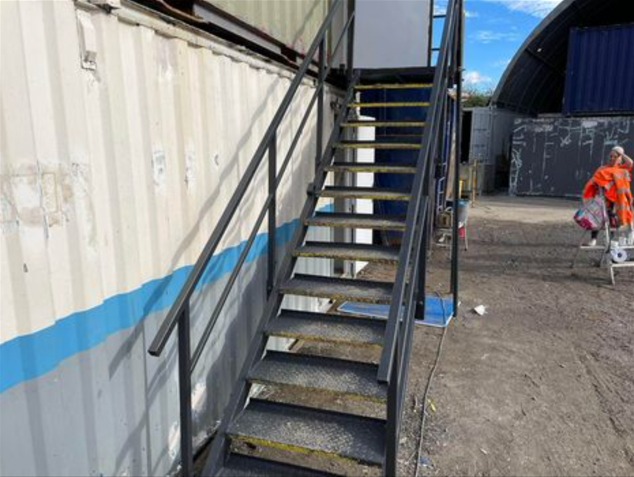
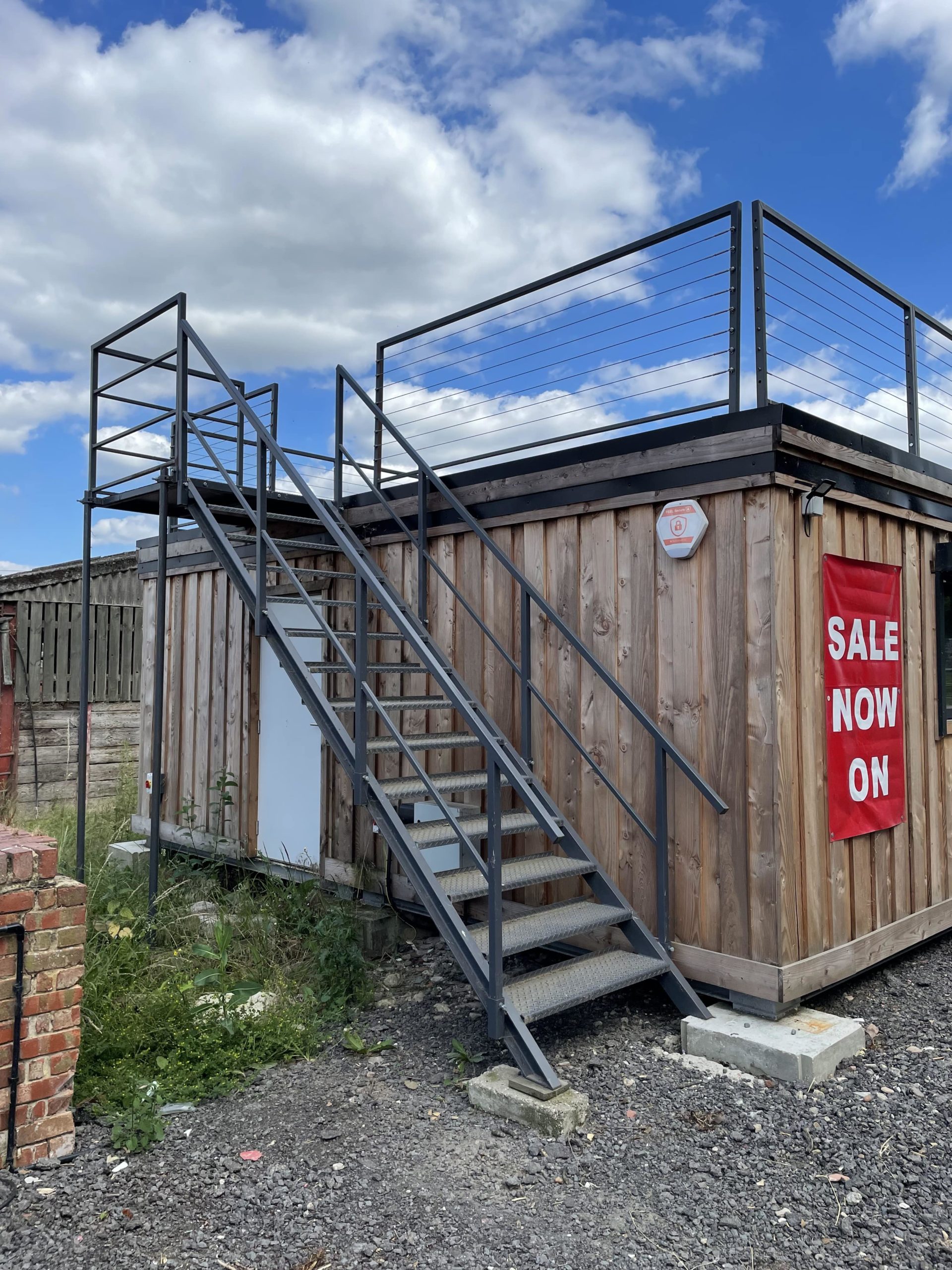
13 tread
14 tread
15 tread


Location: Nationwide
Not Available for Hire
Call for an instant quote!


Location: Nationwide
Not Available for Hire
We can deliver for a cost please ask and send us post code.
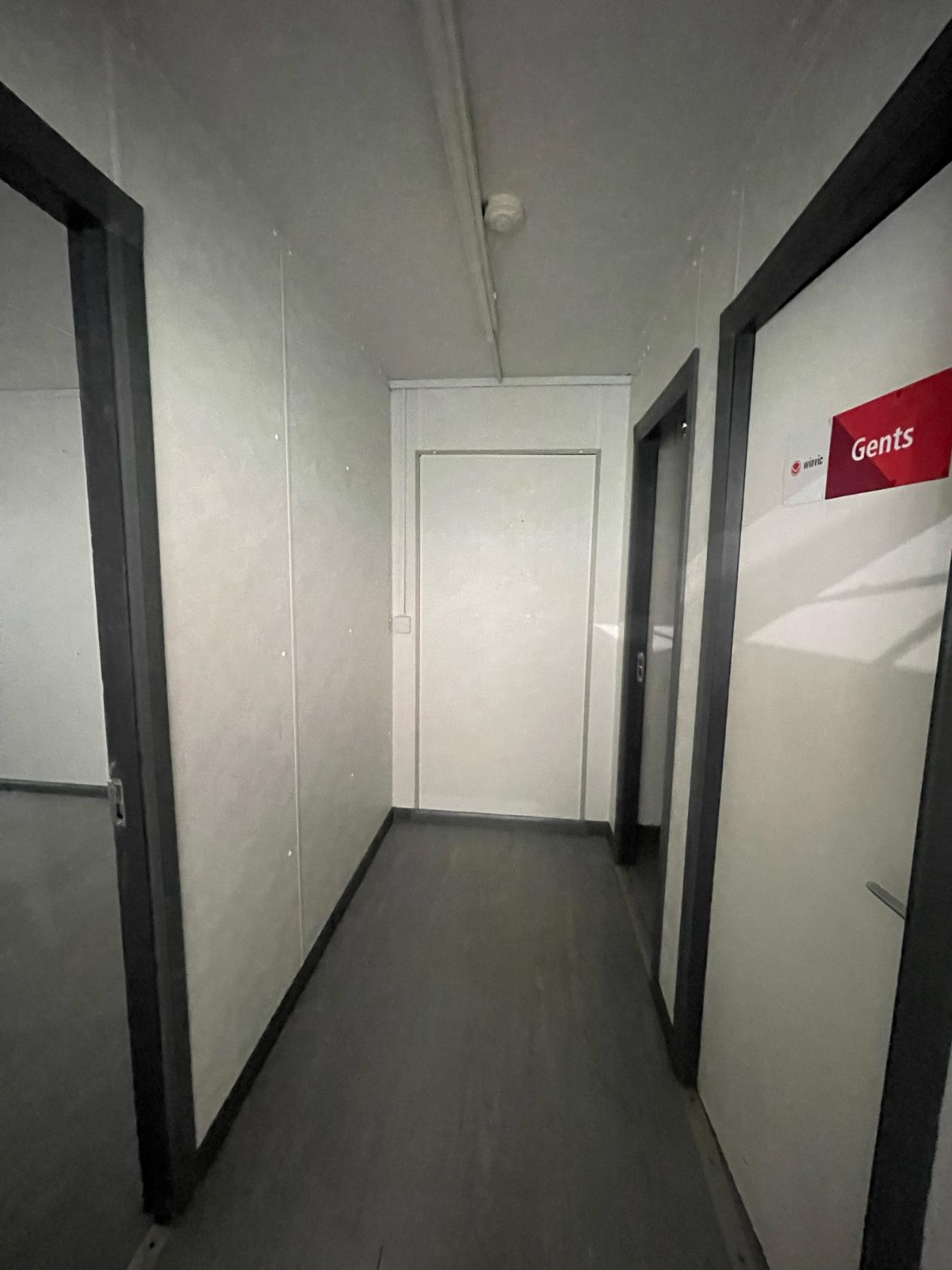
Hallway leading into:
Transport can be arranged please ask.


Location: Nationwide
Not Available for Hire
Call for an instant quote!
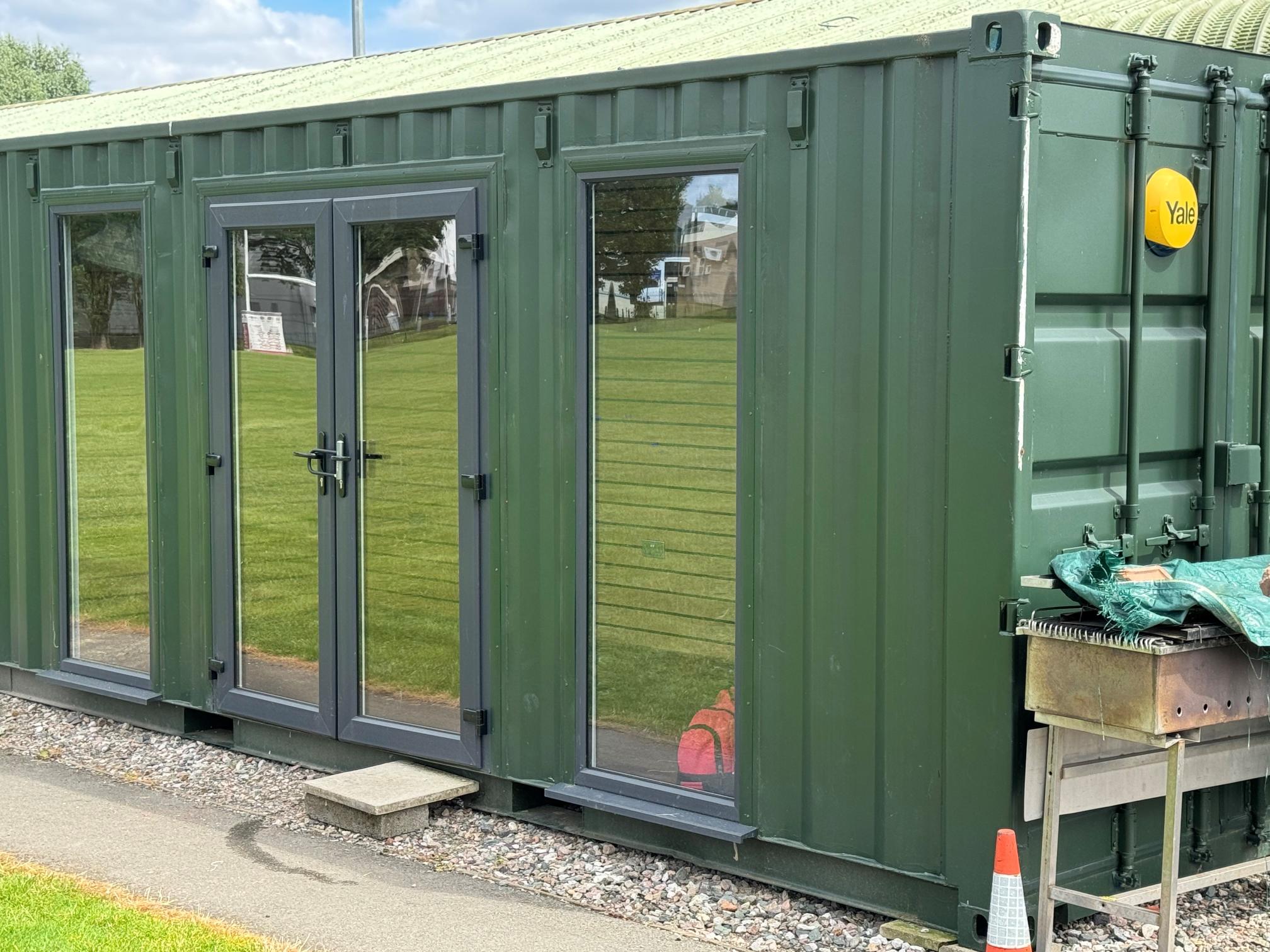
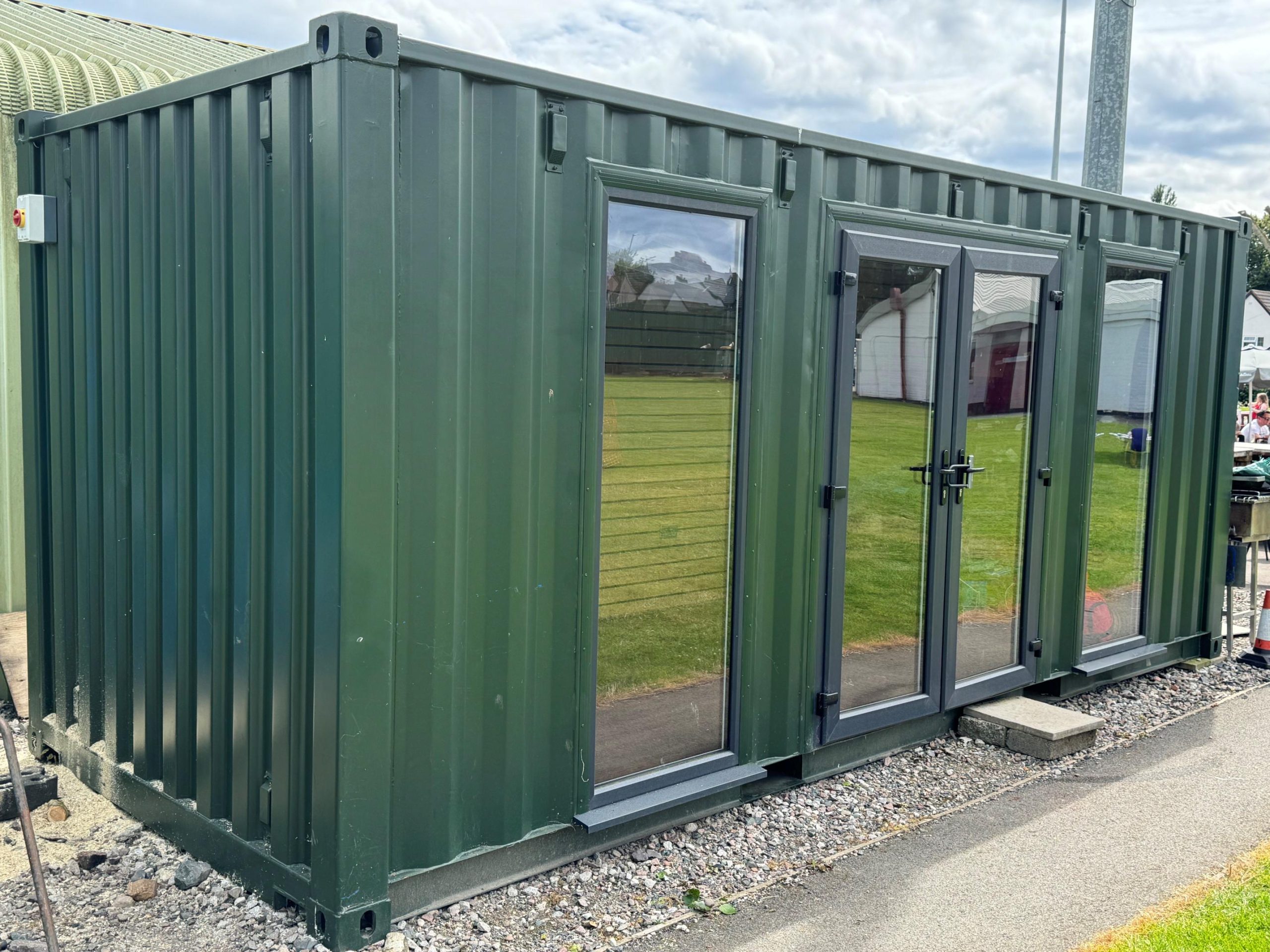
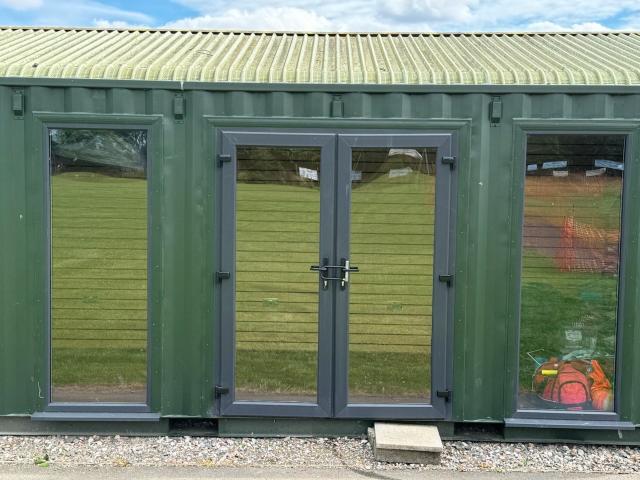
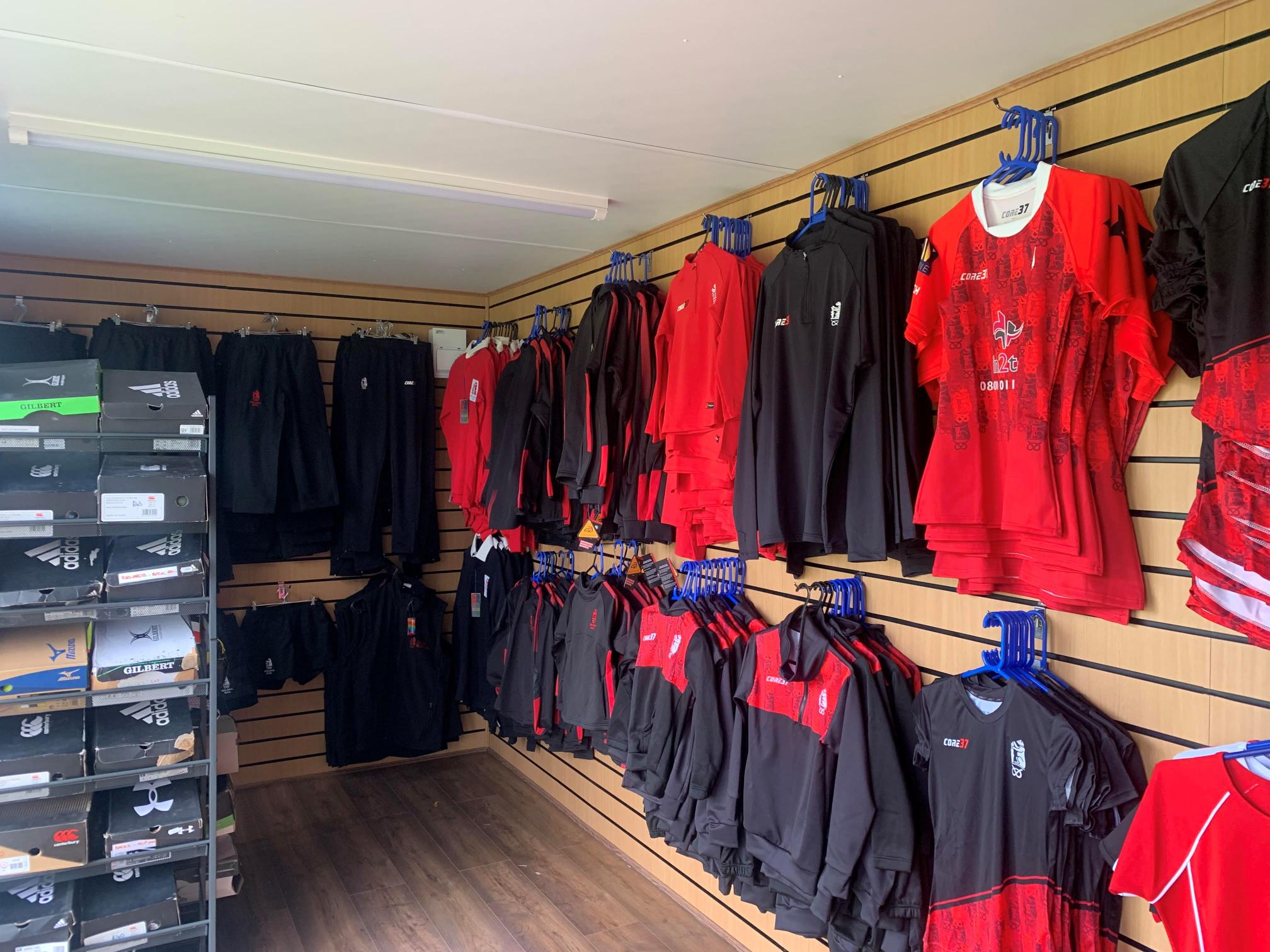
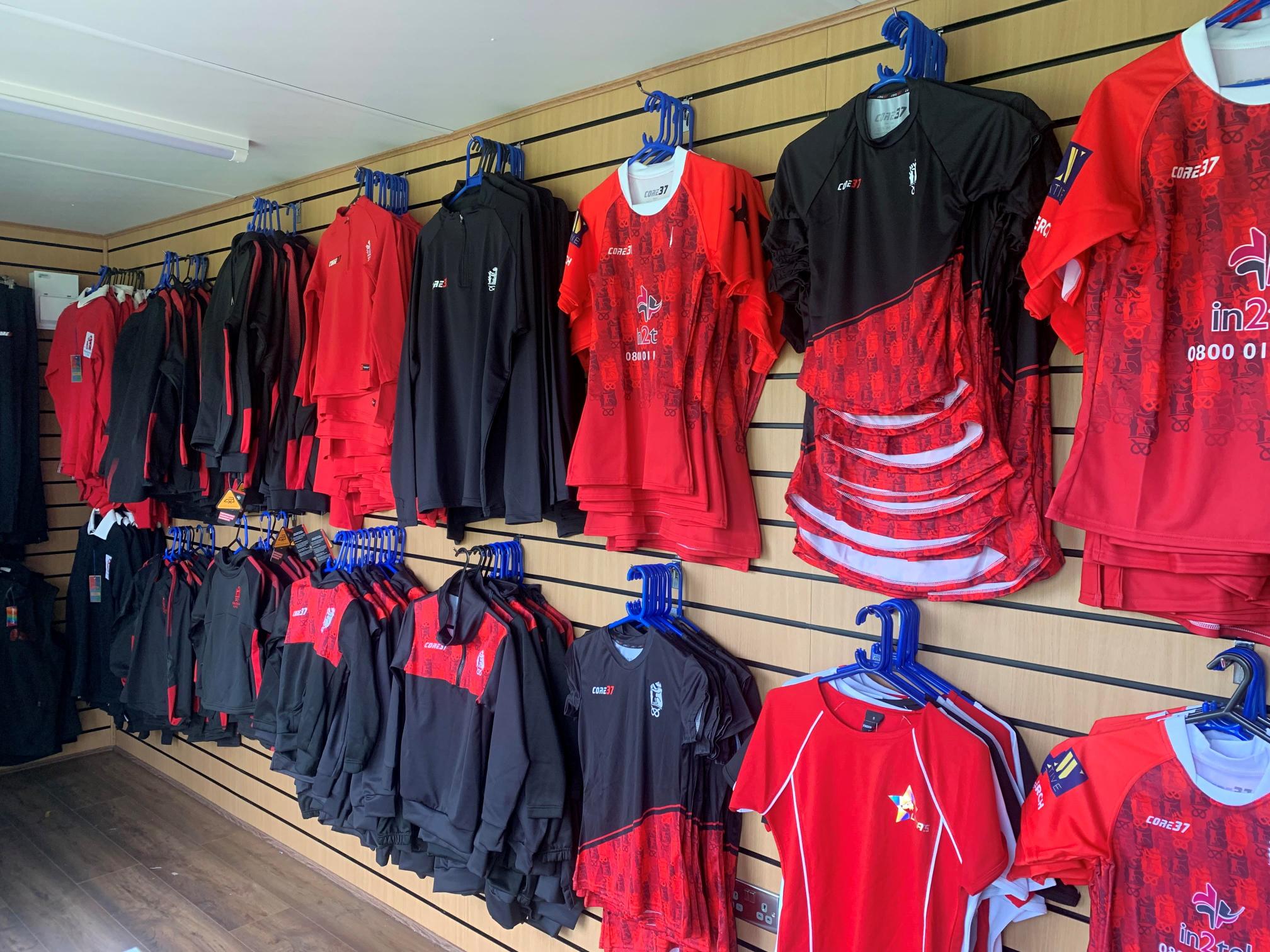
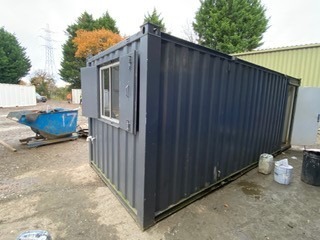
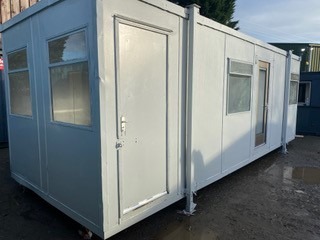
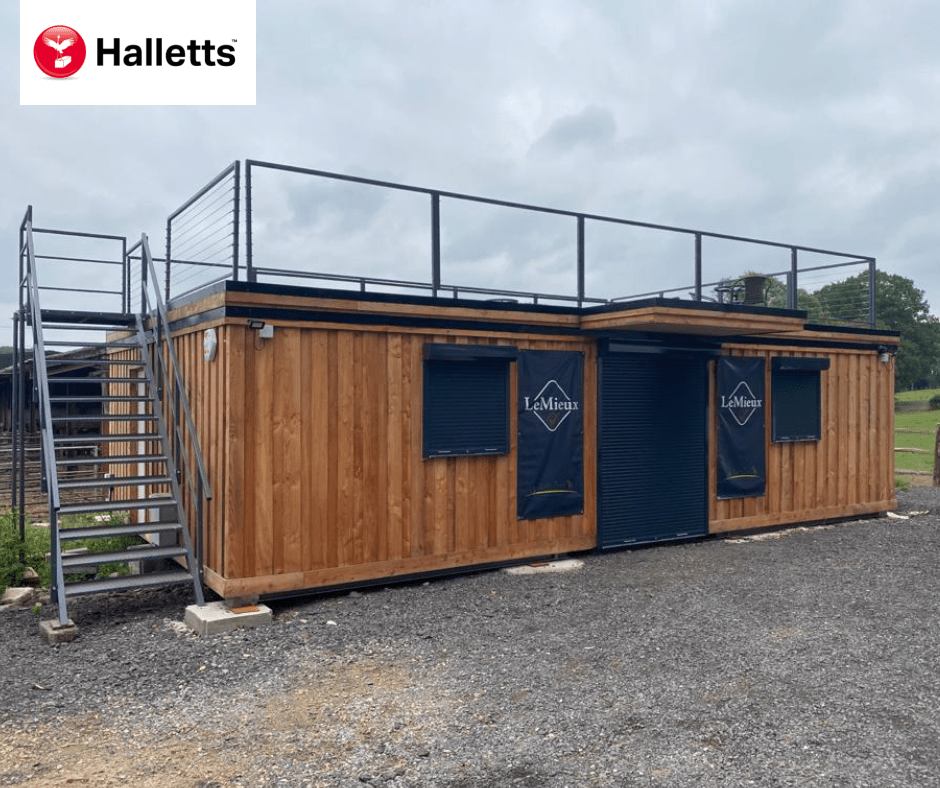
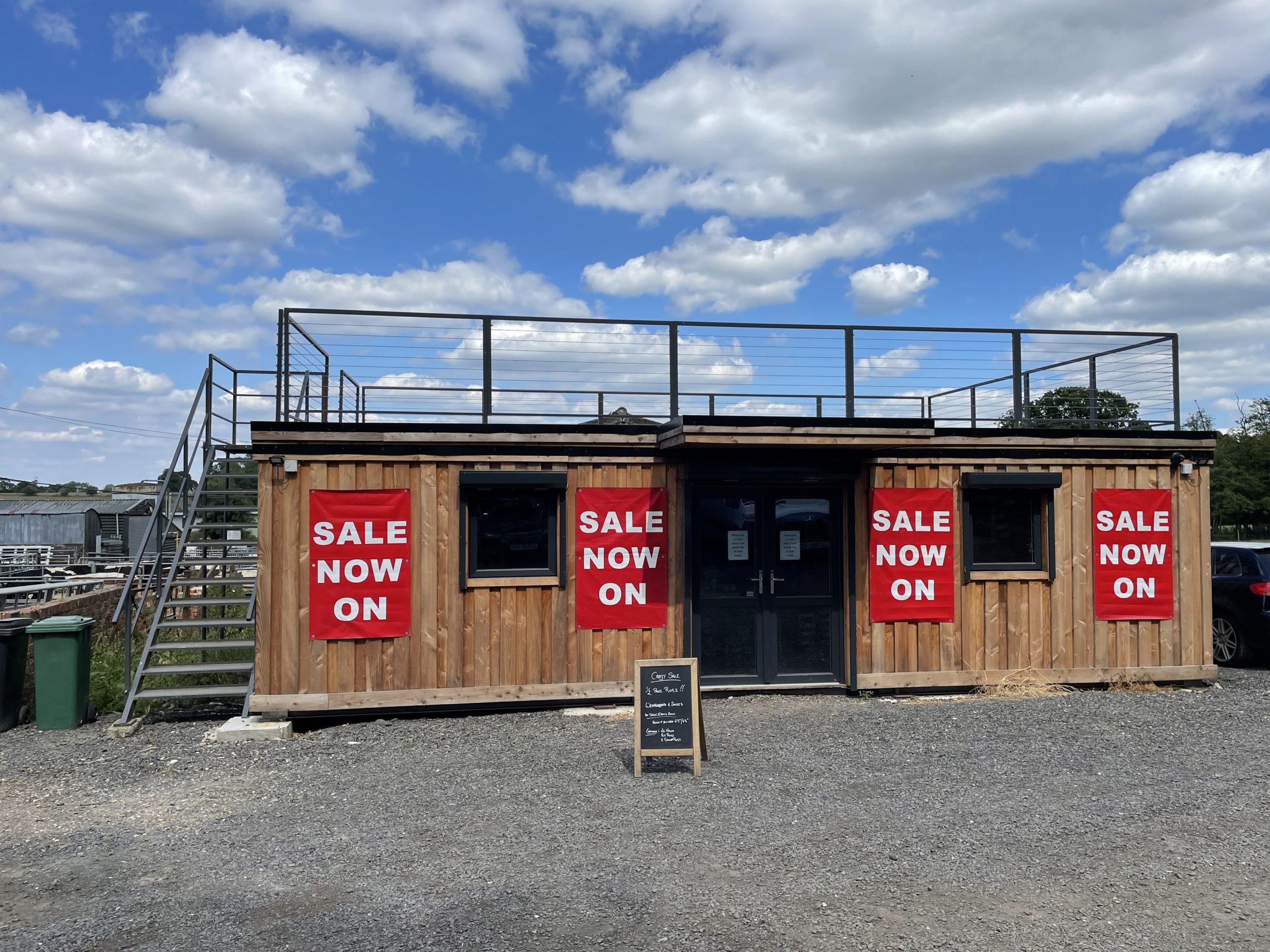
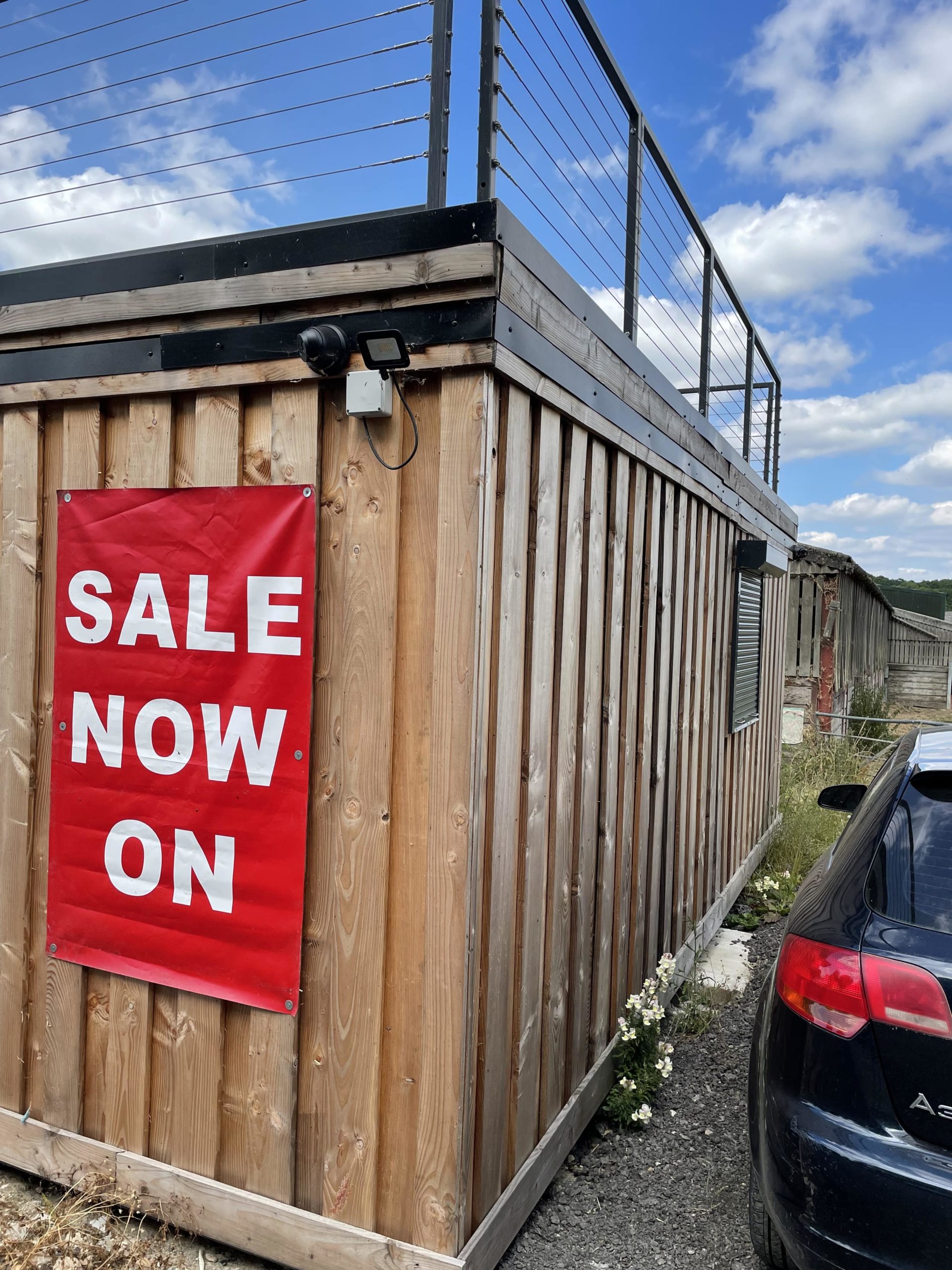
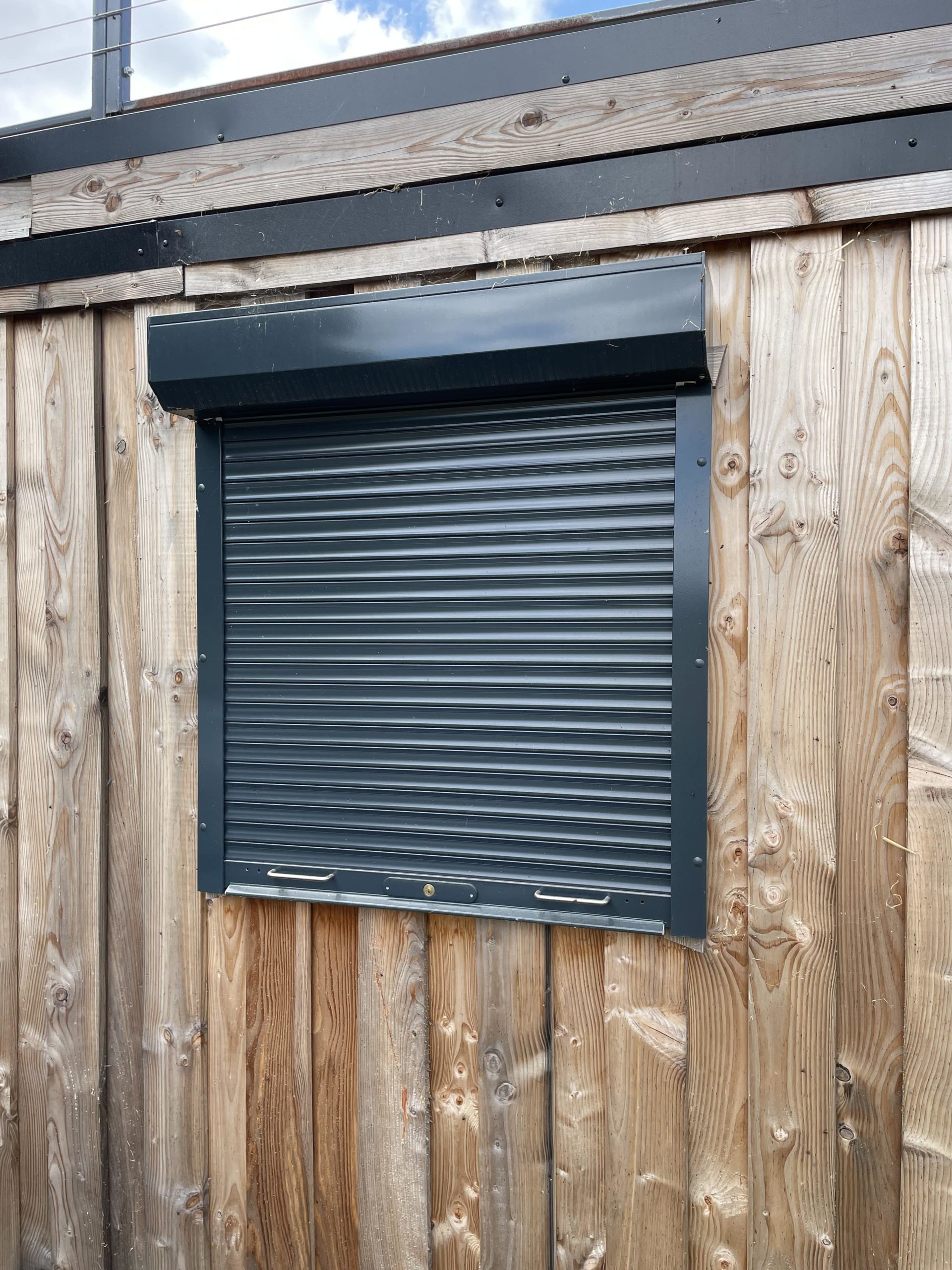
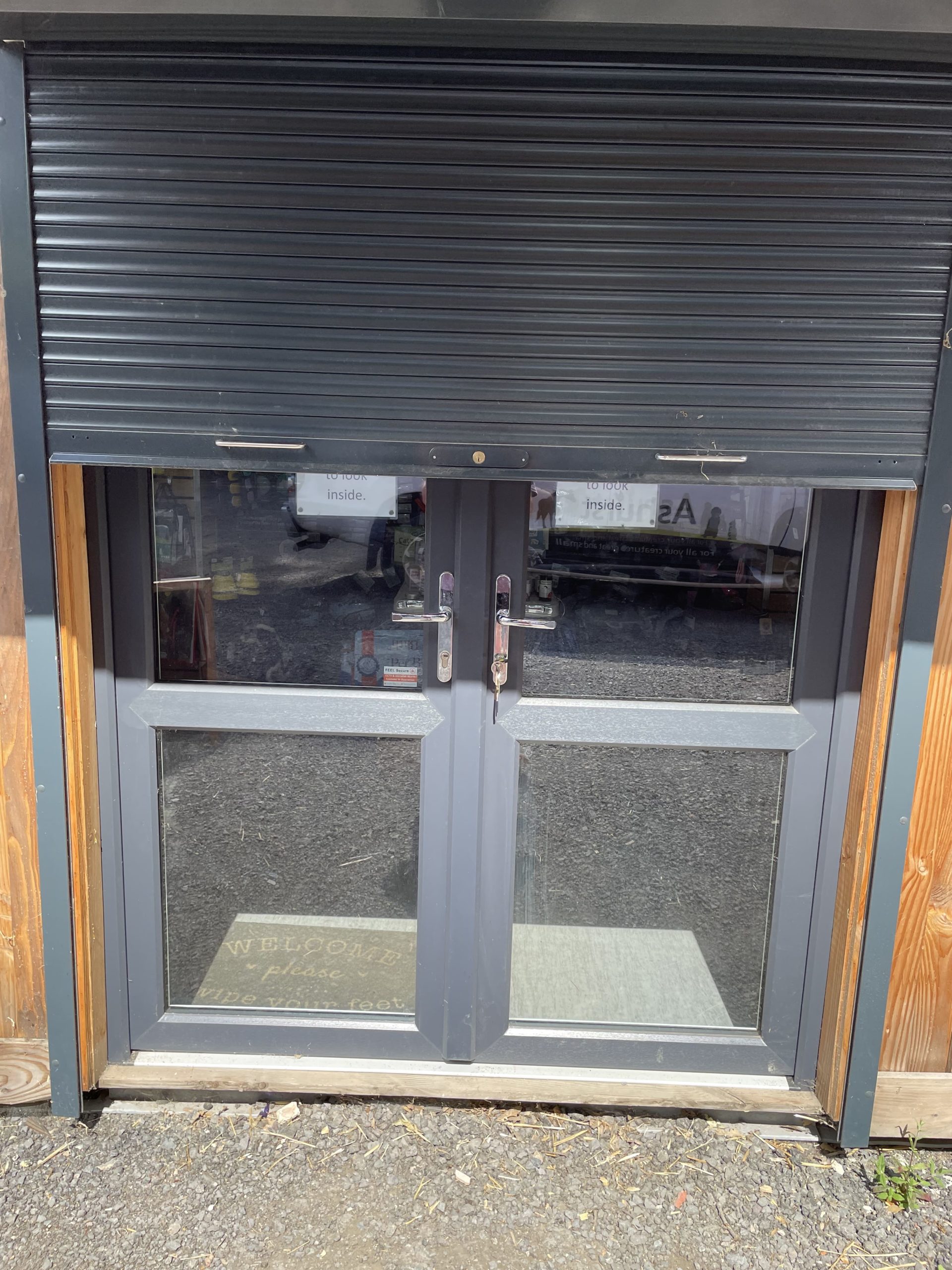
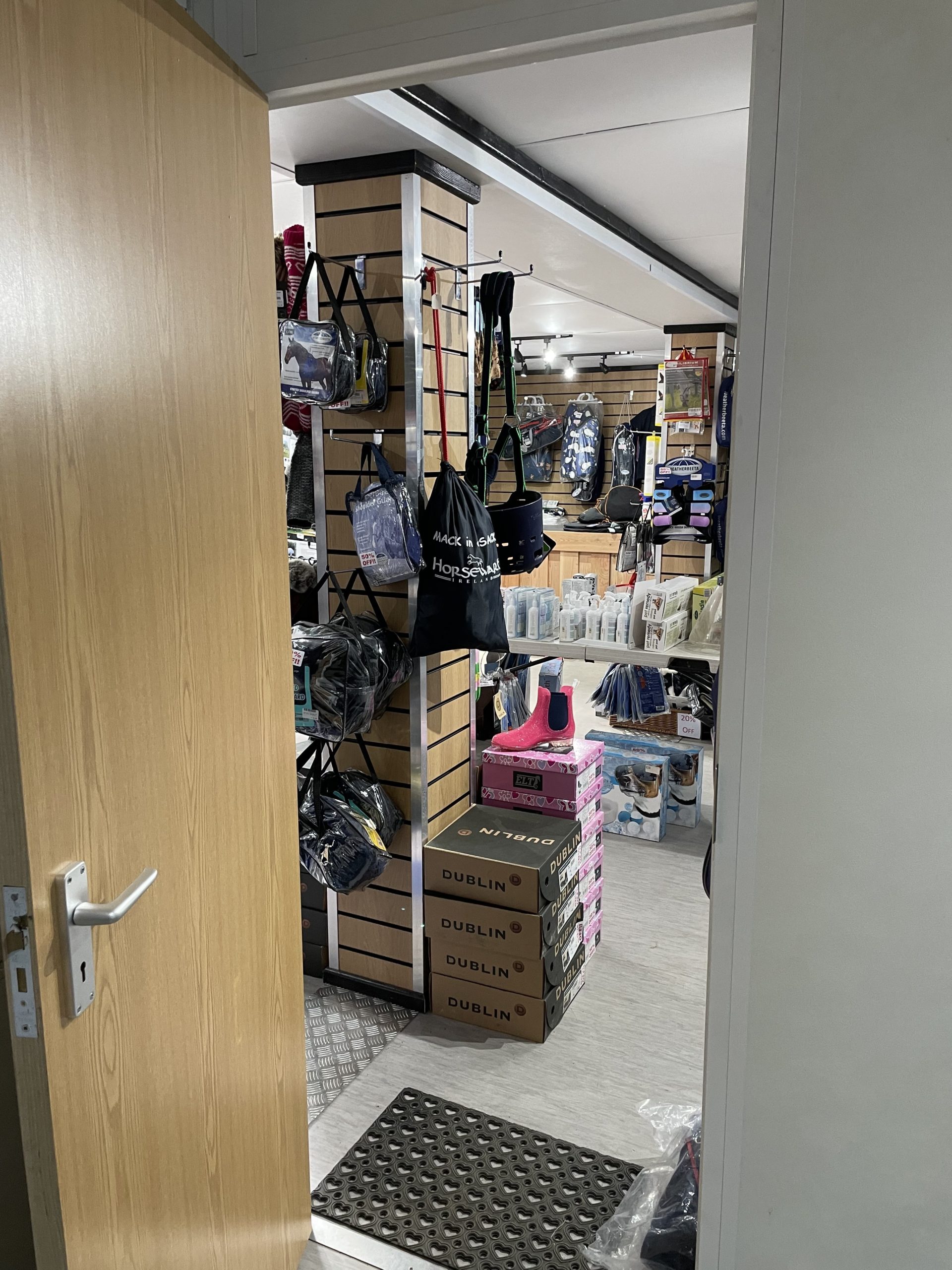
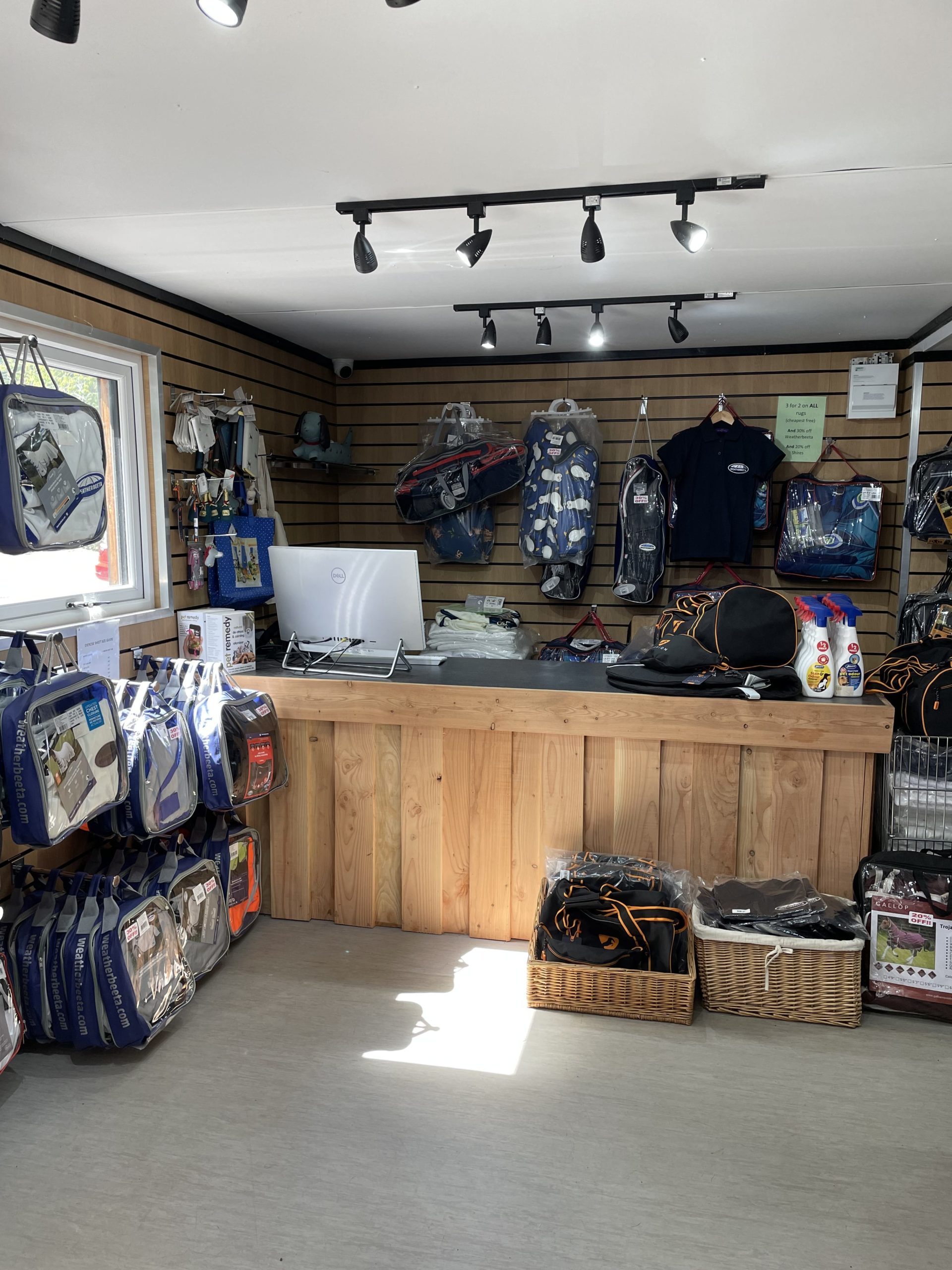
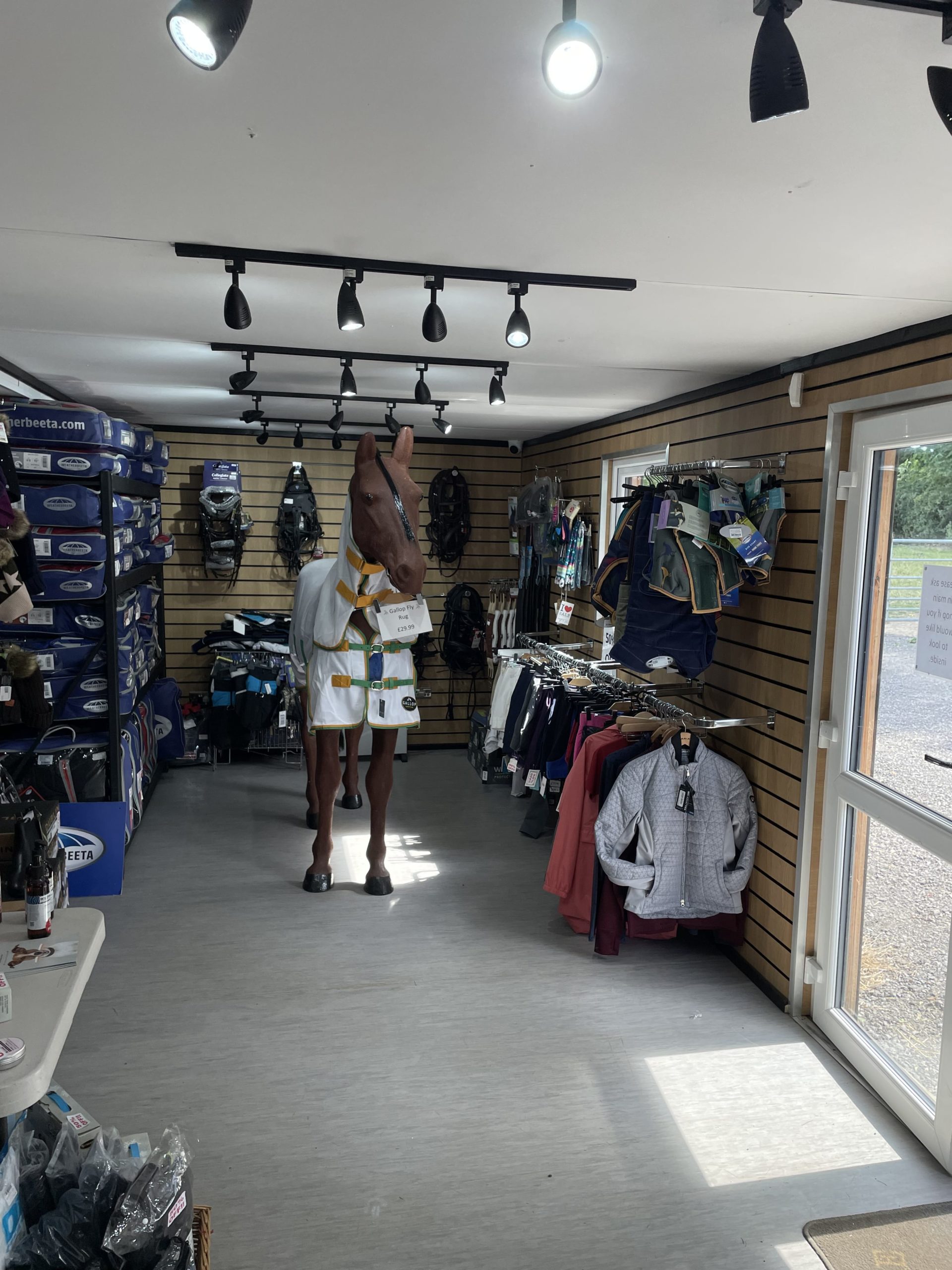
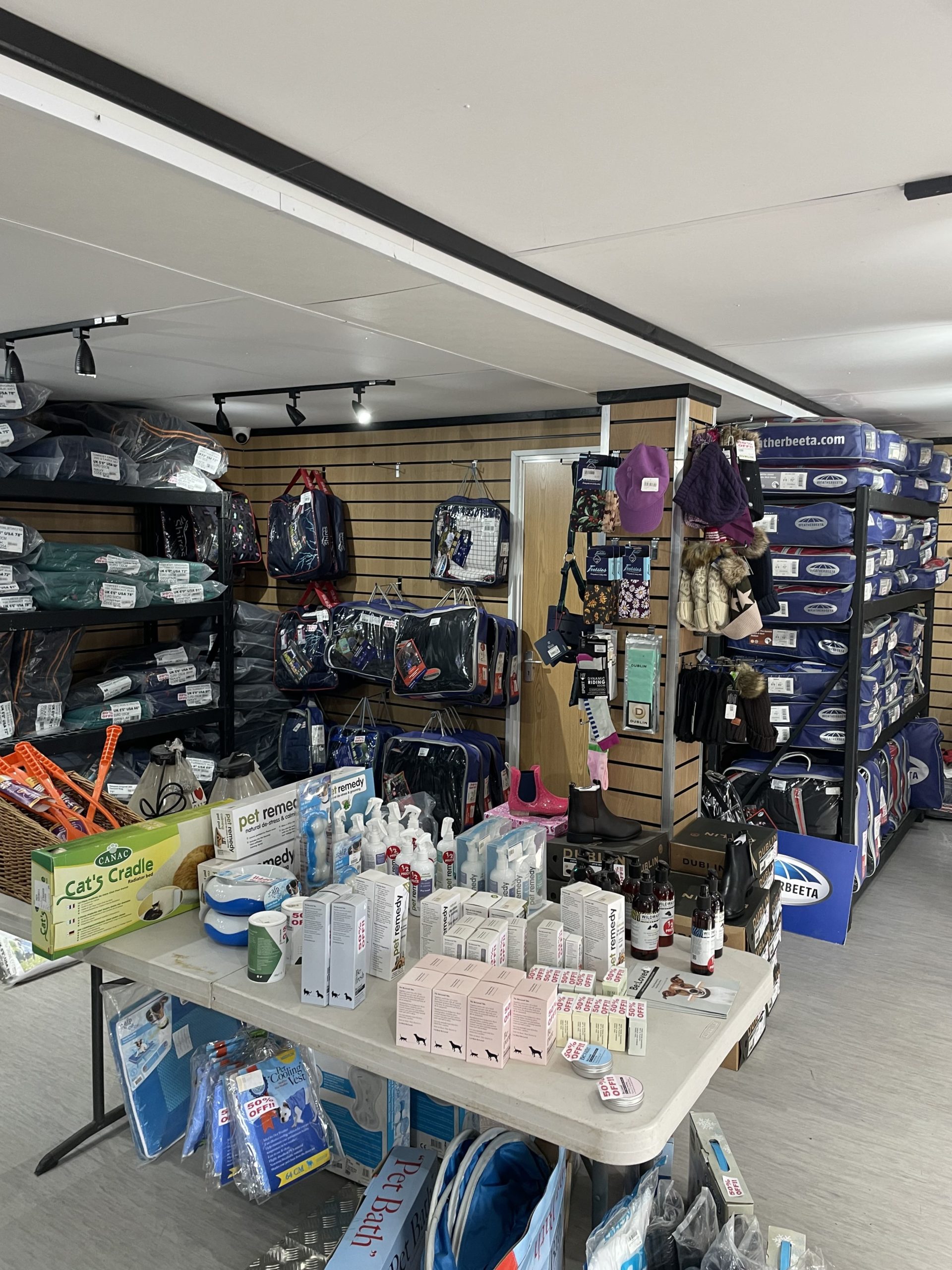
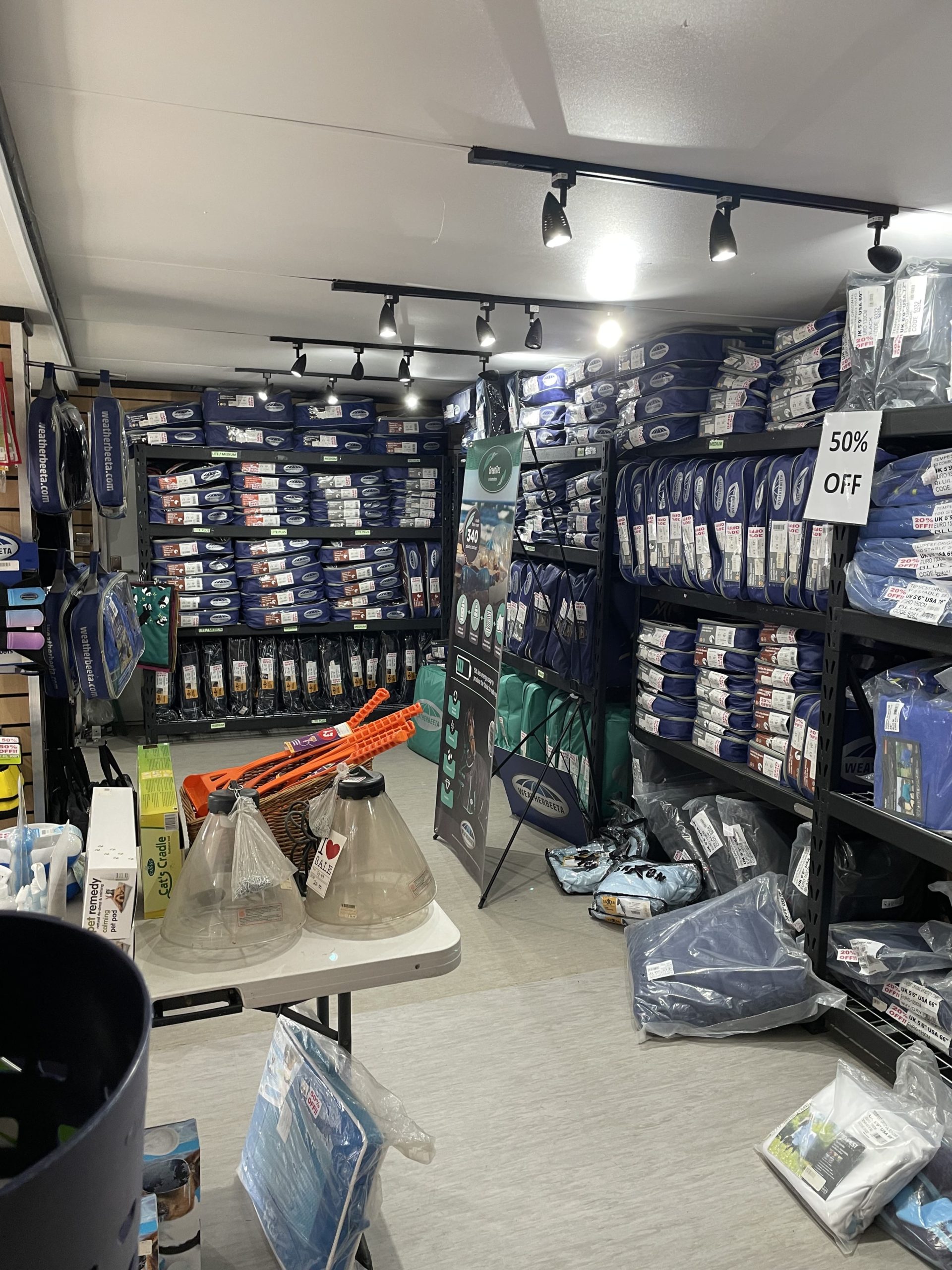
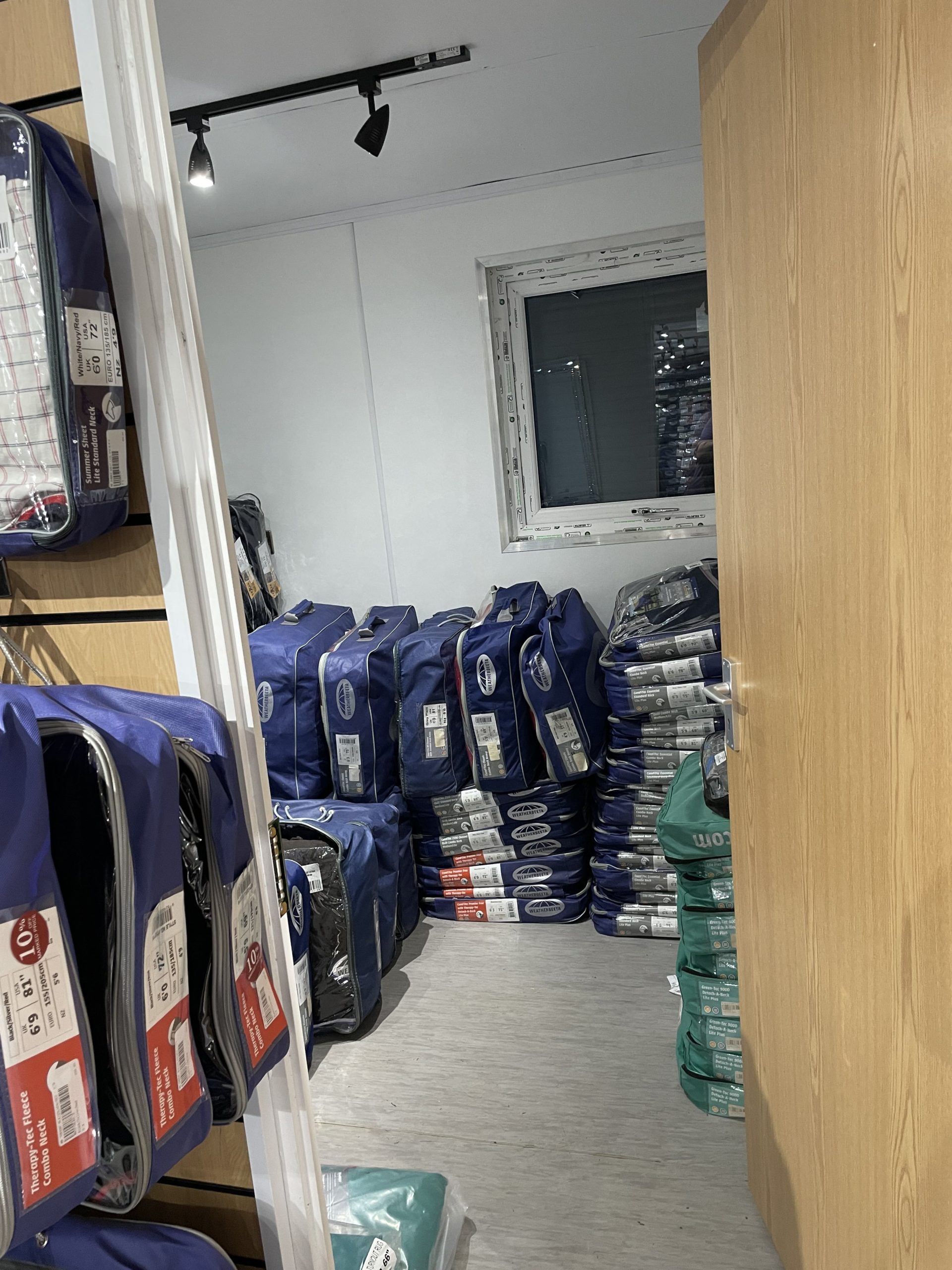
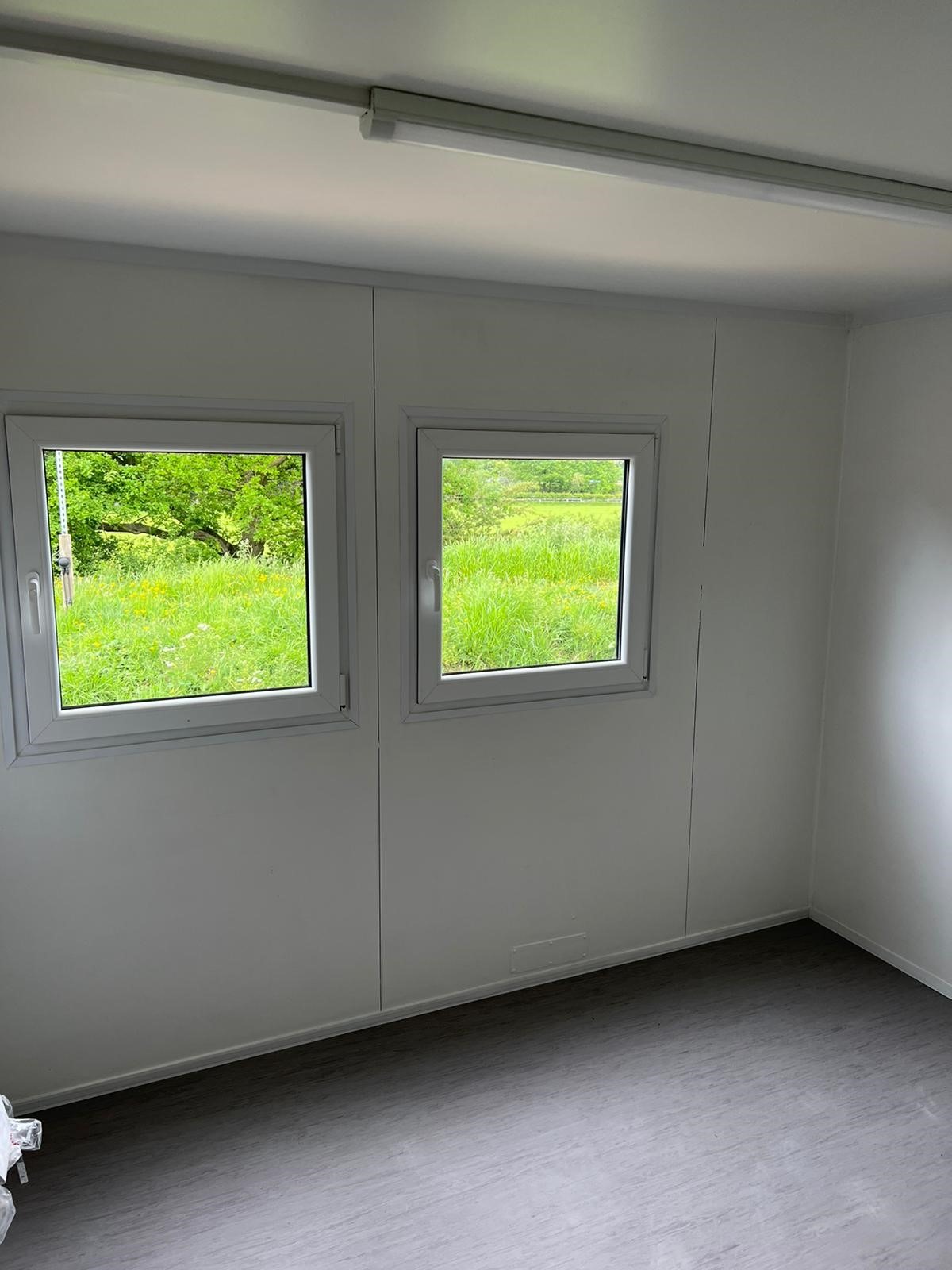
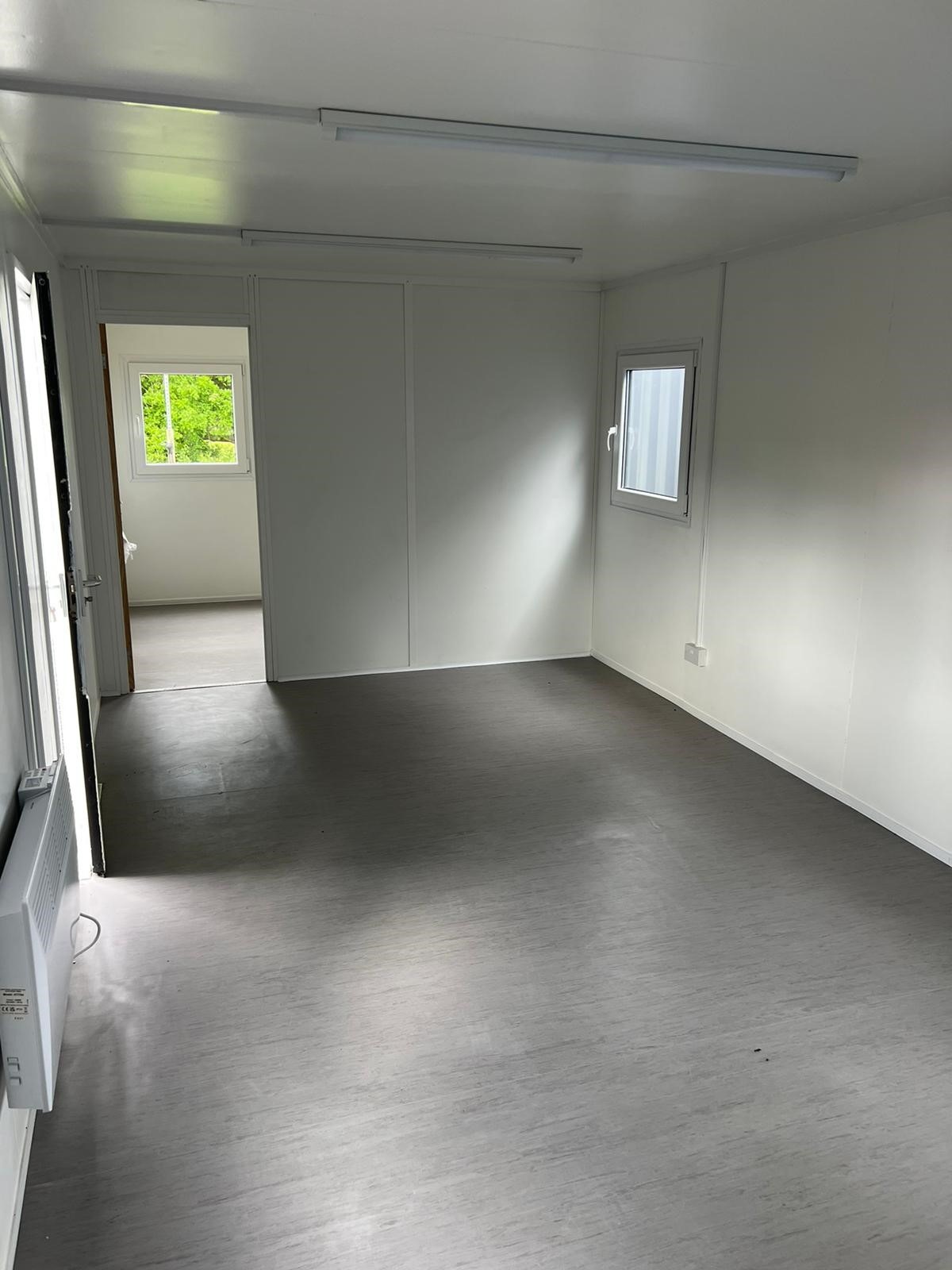
20ft x 8ft Container Conversion Retail Shop
UPVC Double glazed Windows + French Doors
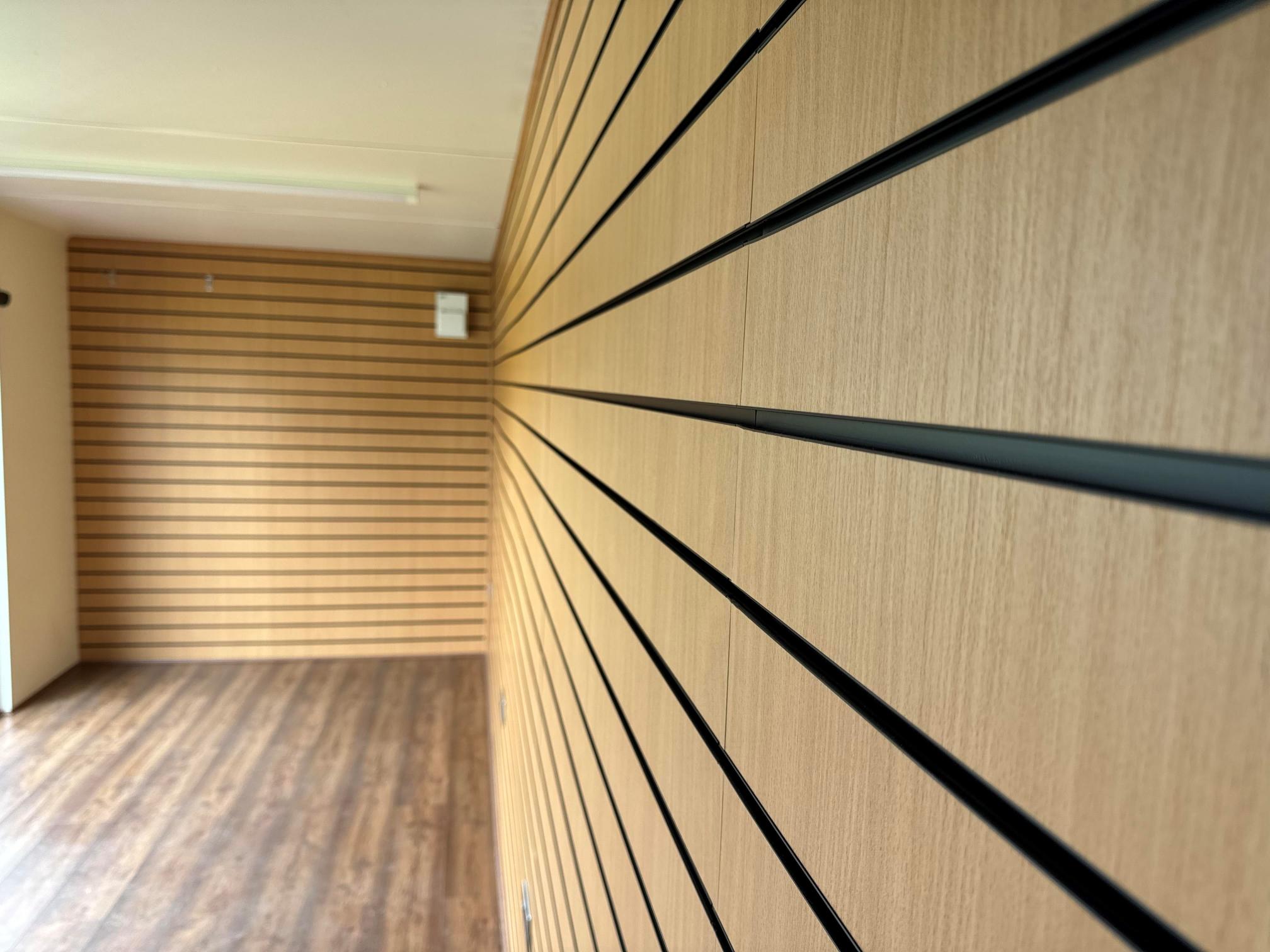
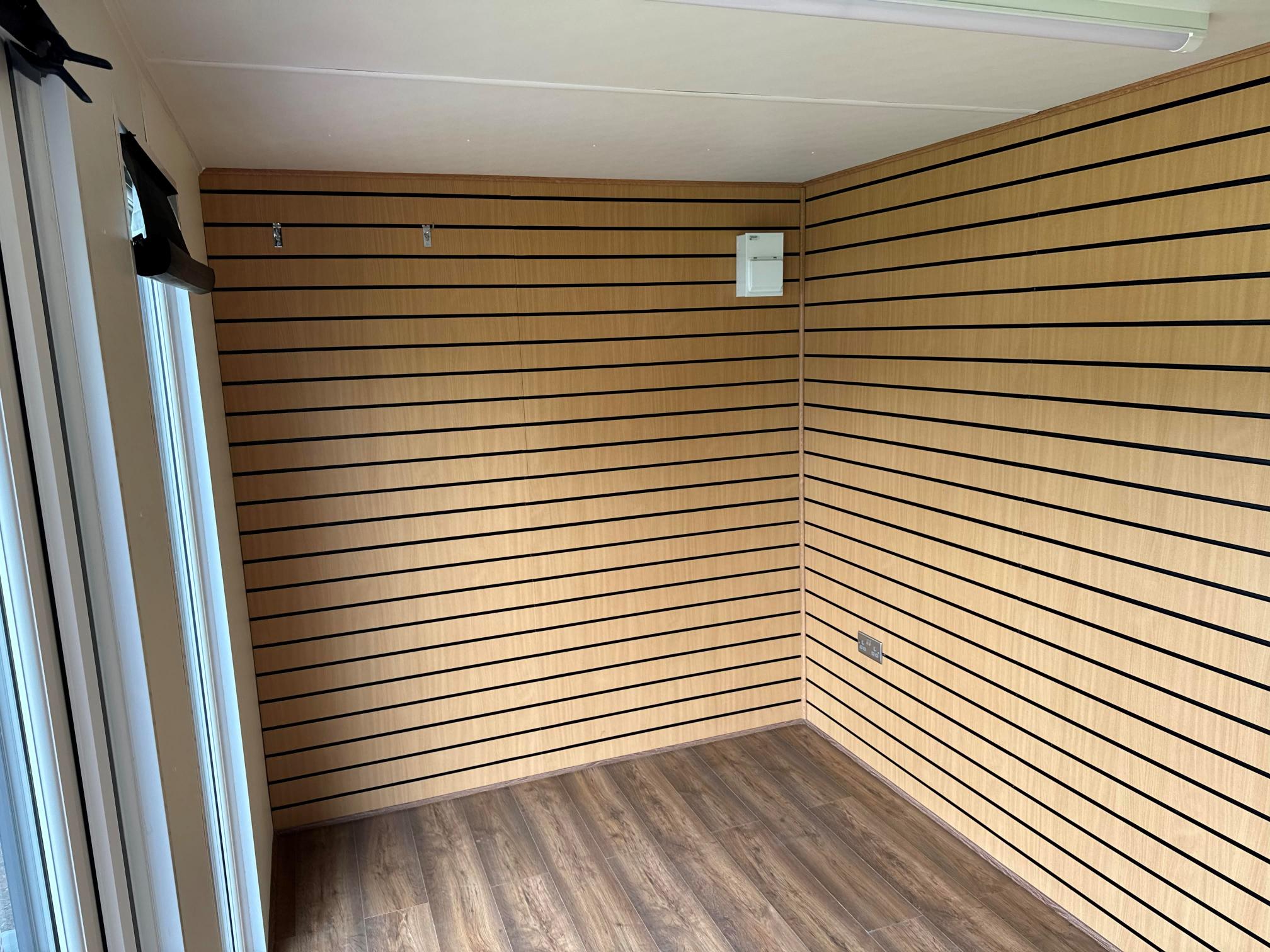
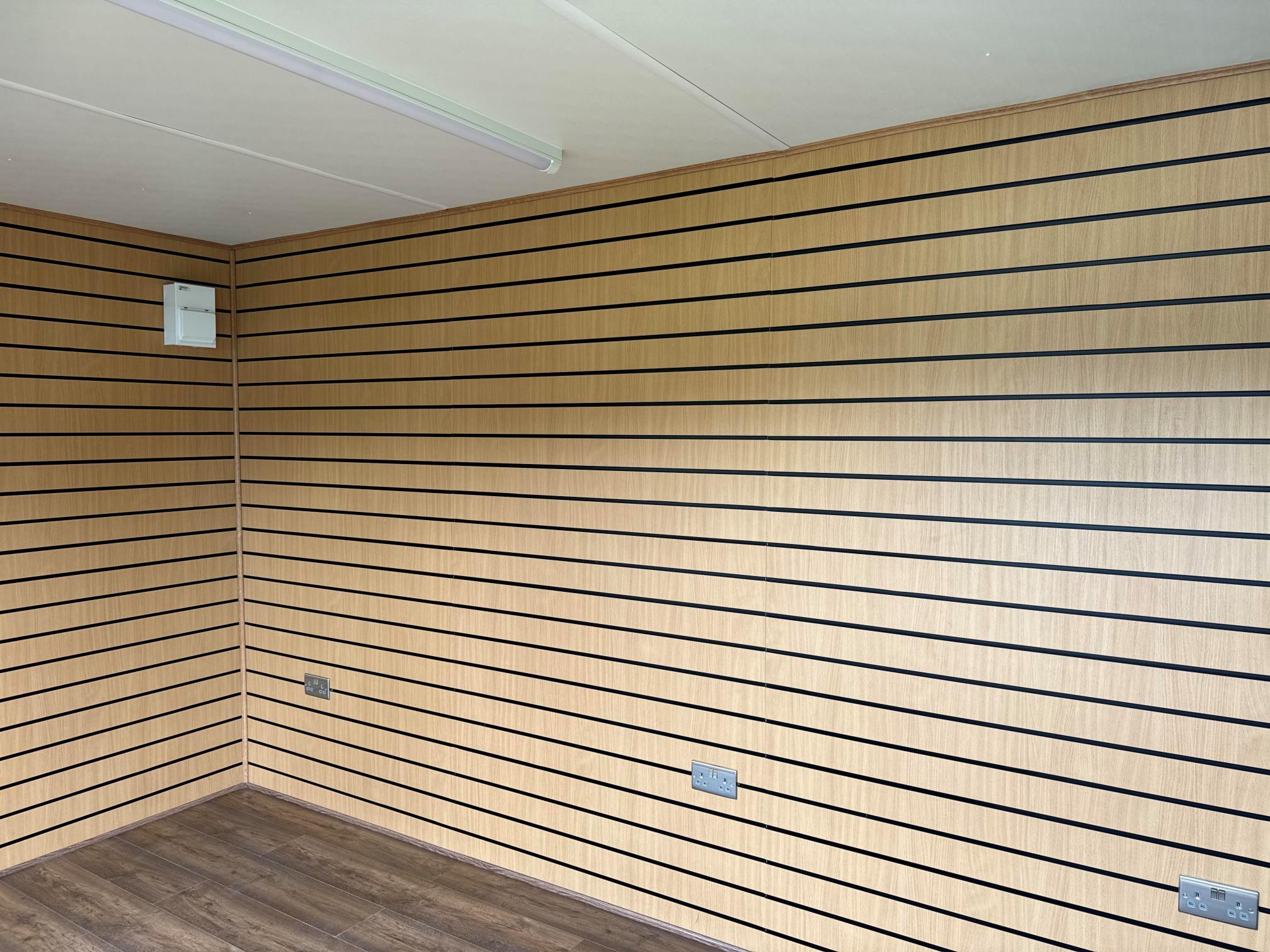
Slat Wall for retail fixings and Merchandise
Electric Chrome Sockets, led lighting and heating.
Laminate Flooring
12 months Warranty
Maintenance call out package included
Less than 2 years old
Still in Brand New Condition


Fully refurbished
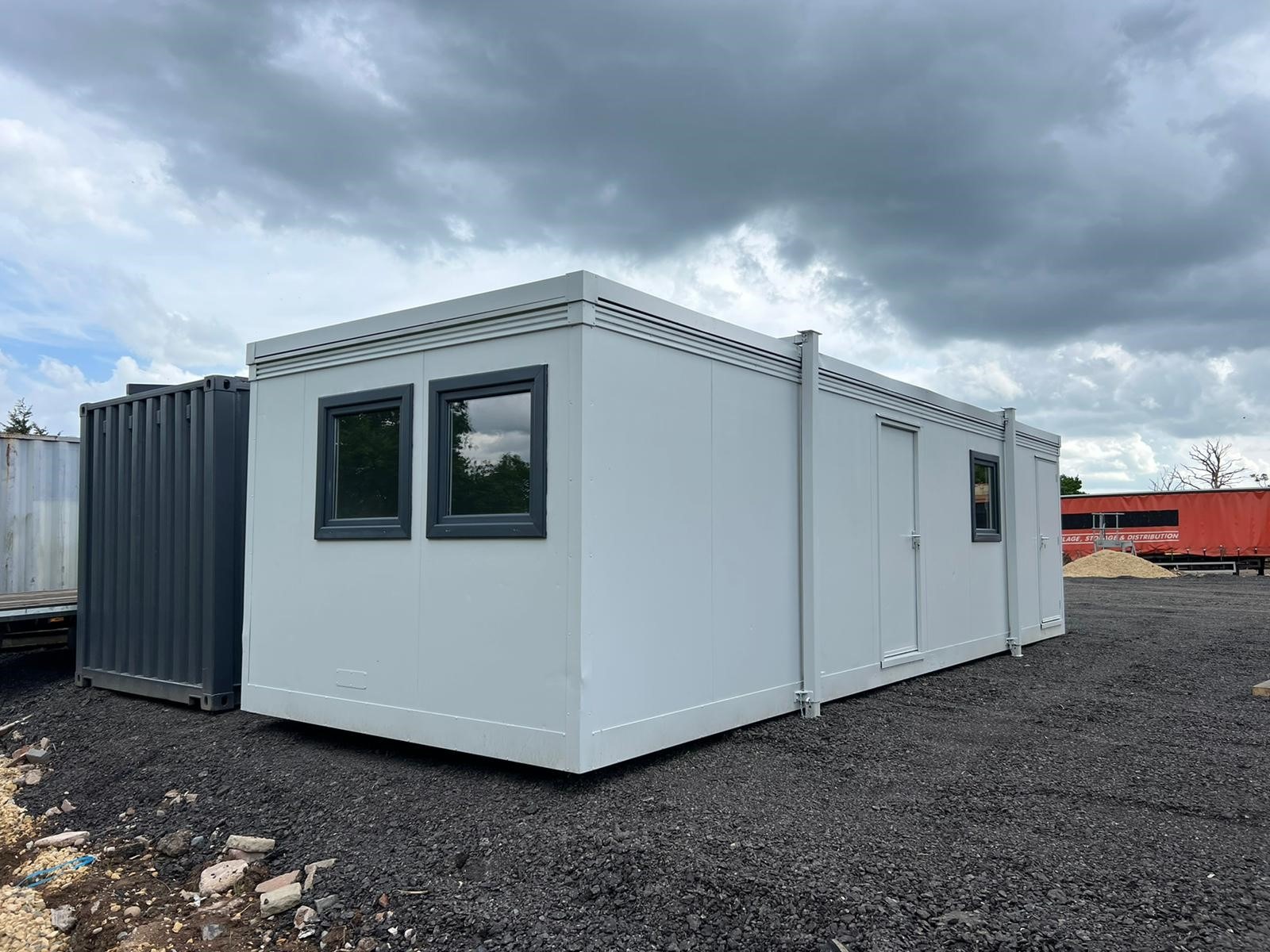
Colour light grey
Slate grey anthracite upvc double glazed windows


Location: Nationwide
+ VAT
Not Available for Hire
Call for an instant quote!
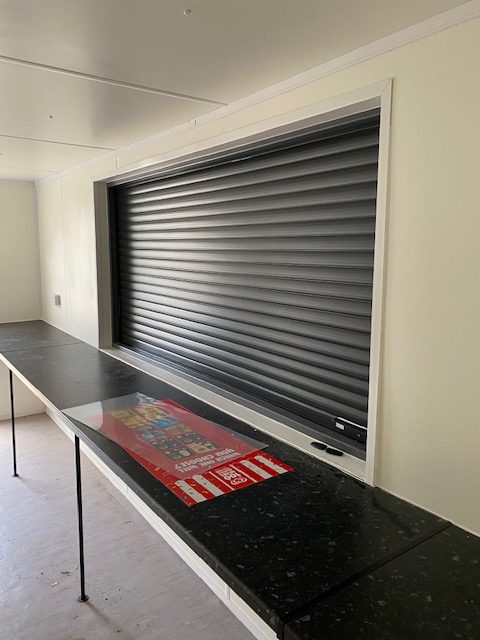
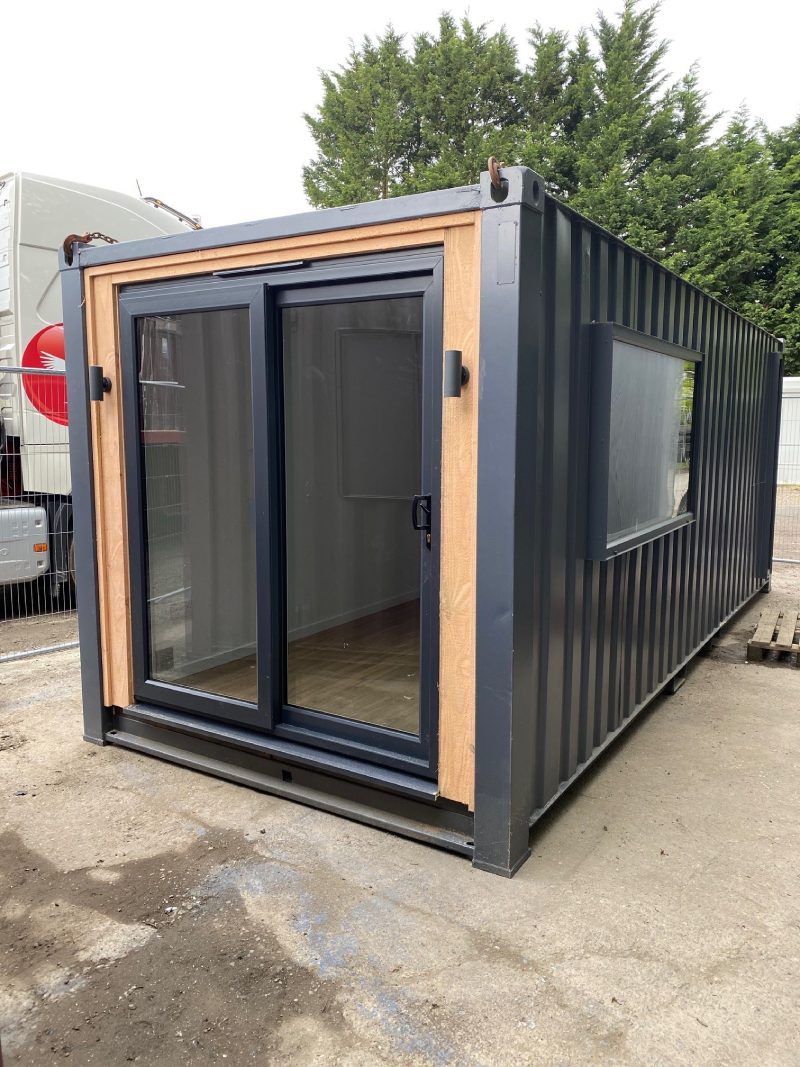
Fully Insulated with electric sockets, spot lighting, and heating
Wood Flooring
UPVC Sliding Door + Windows
Lead Time for build 6-8 weeks


Location: Nationwide
+ VAT
Not Available for Hire
Call for an instant quote!
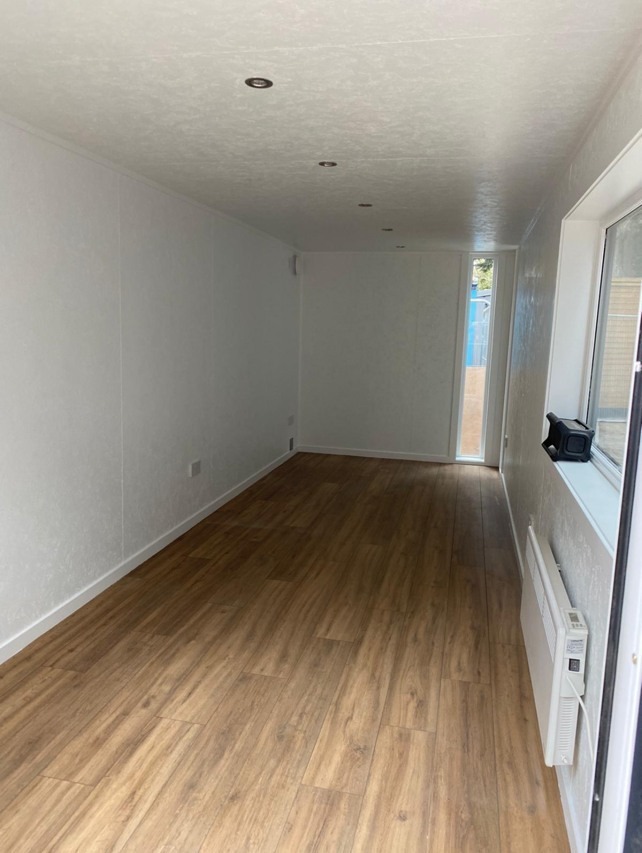
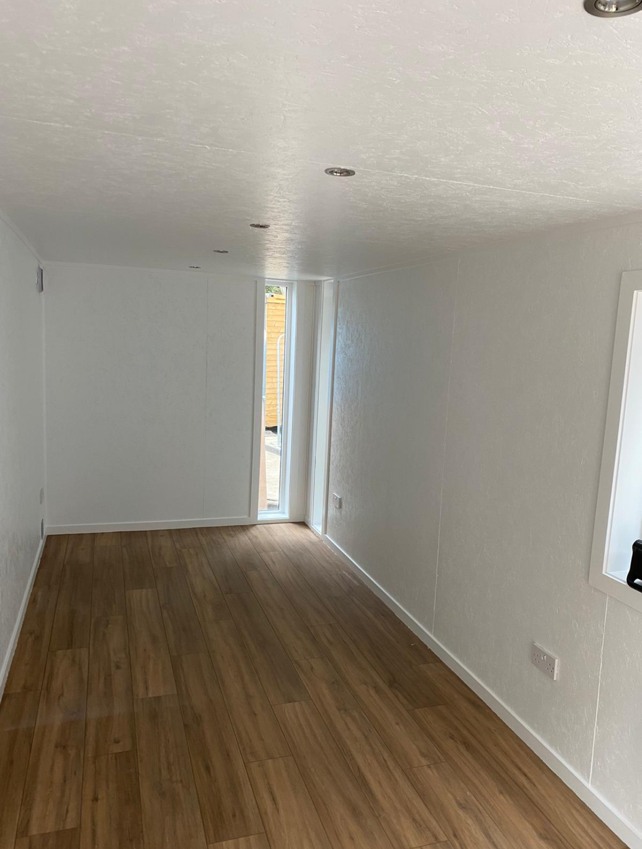
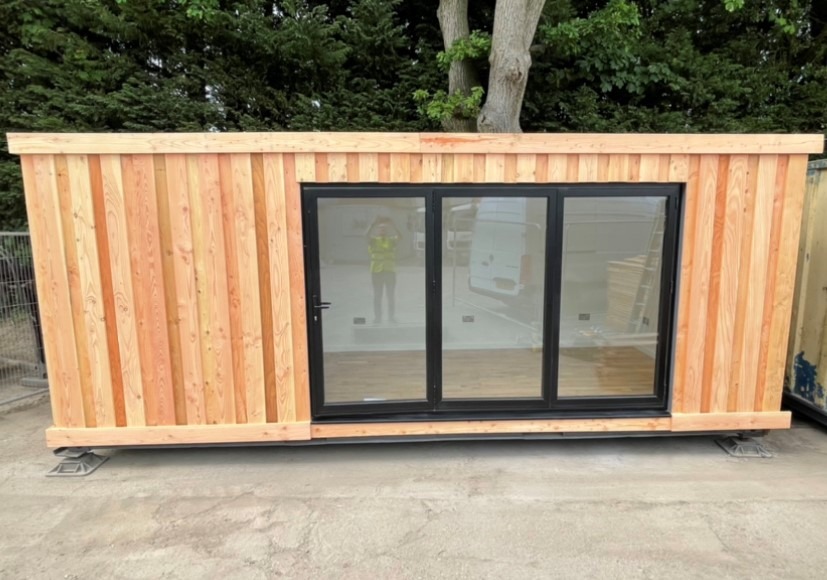
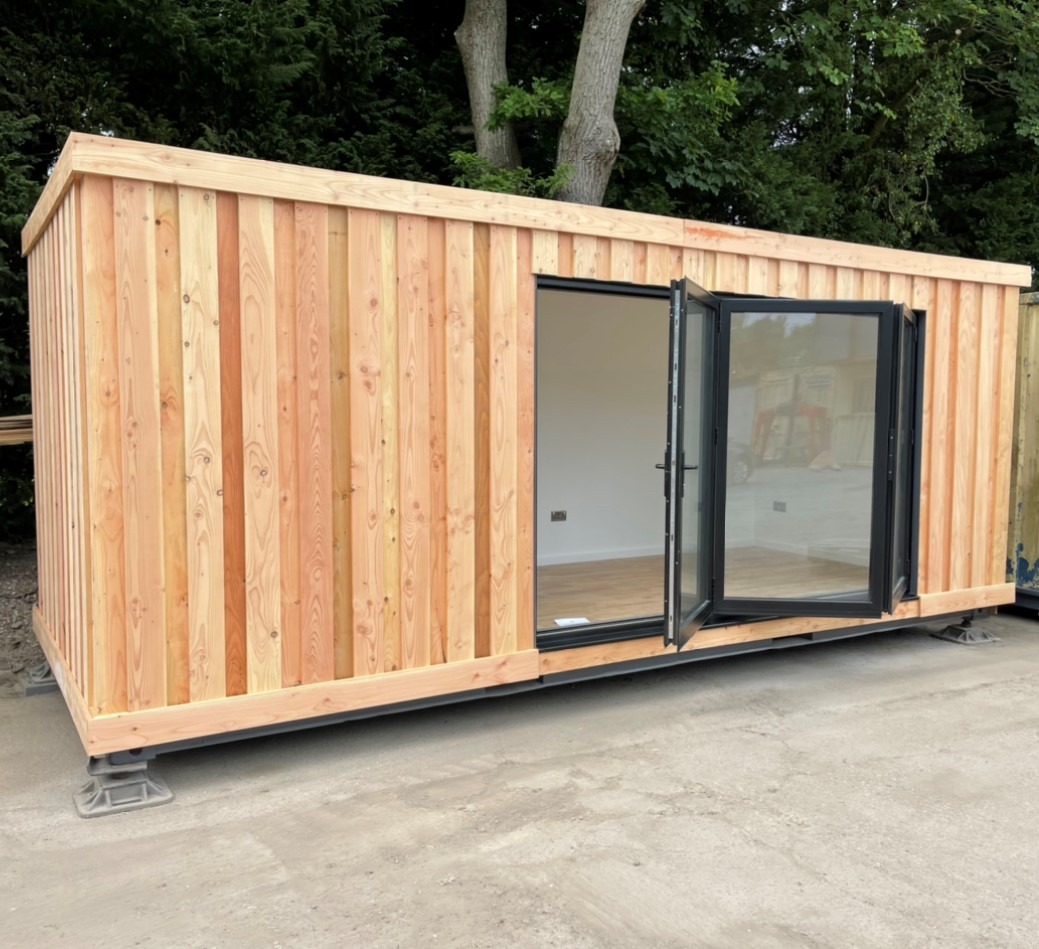
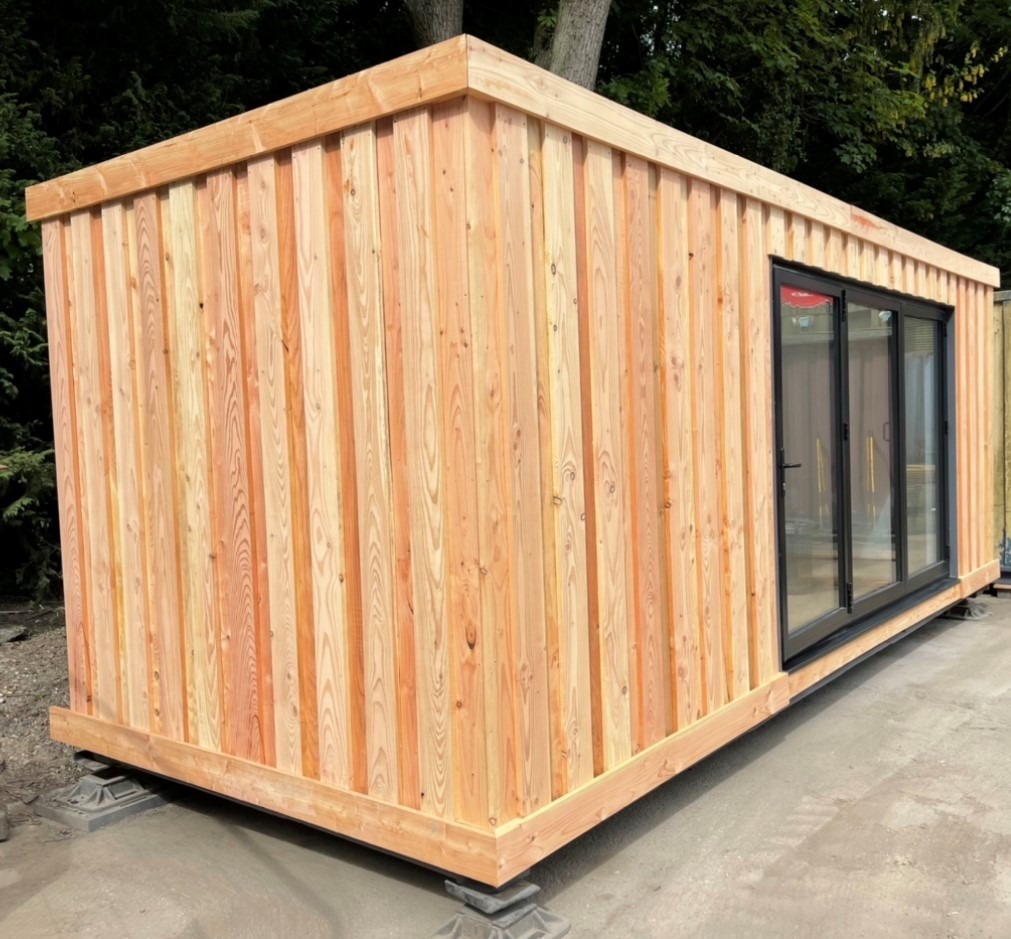
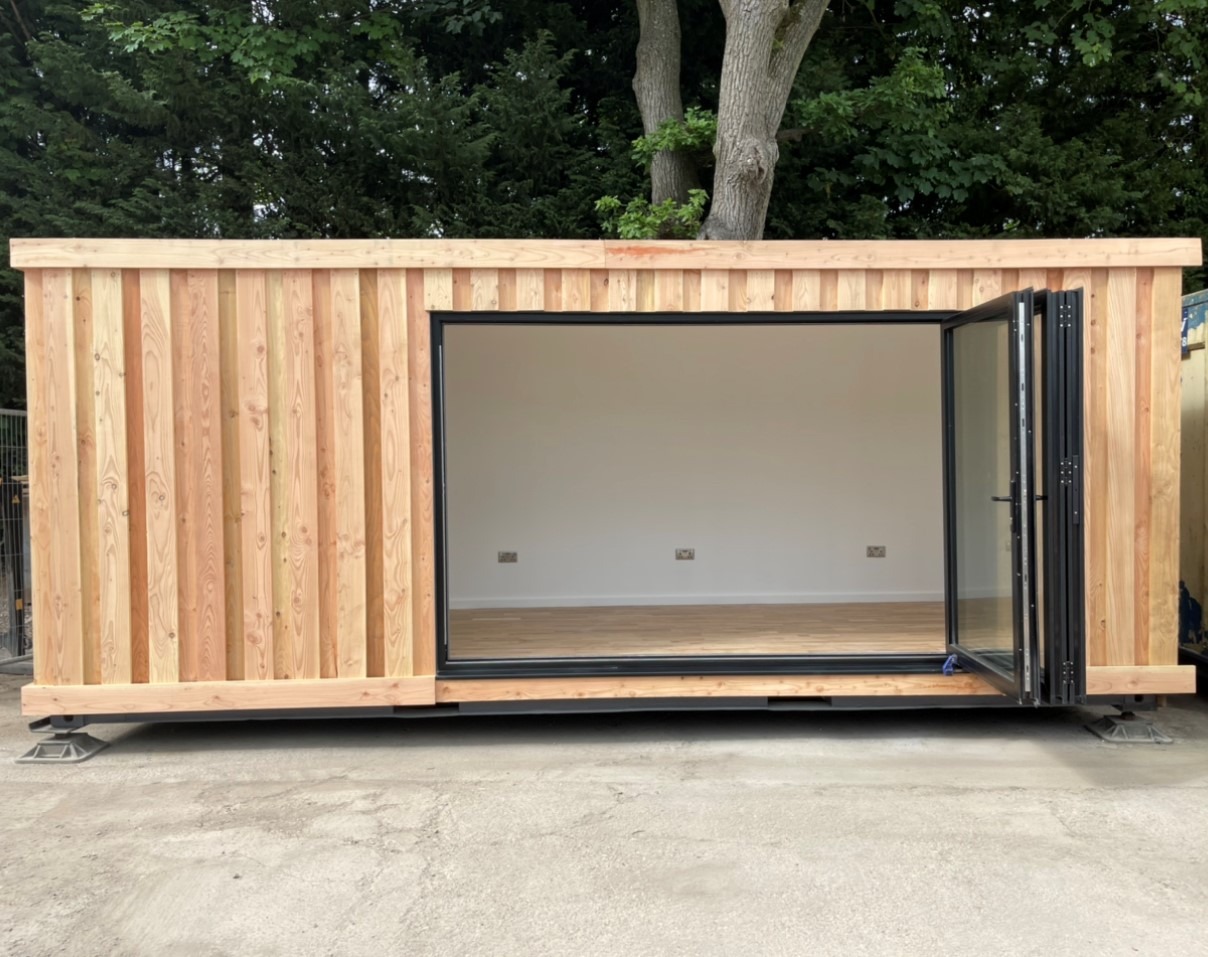
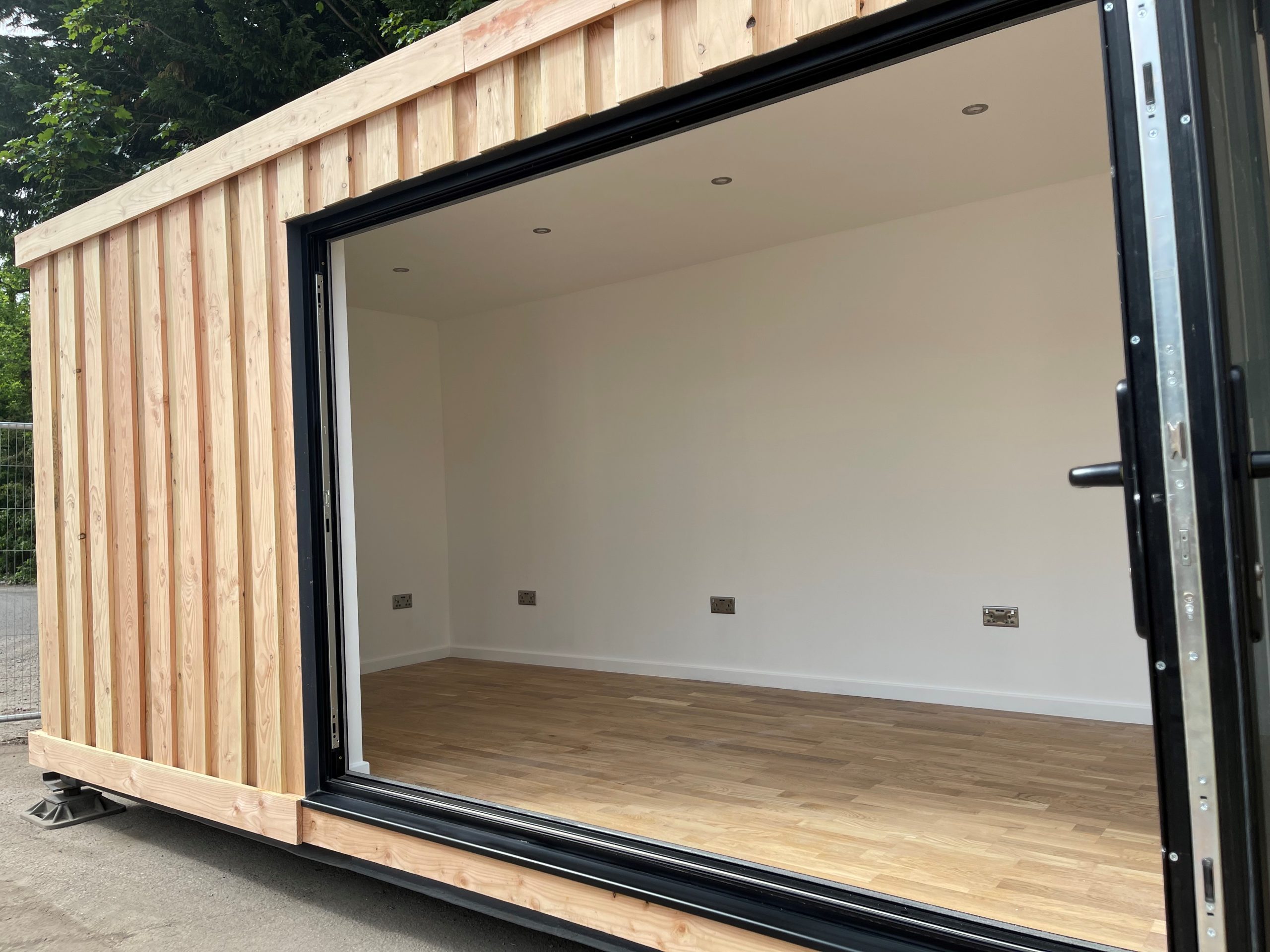
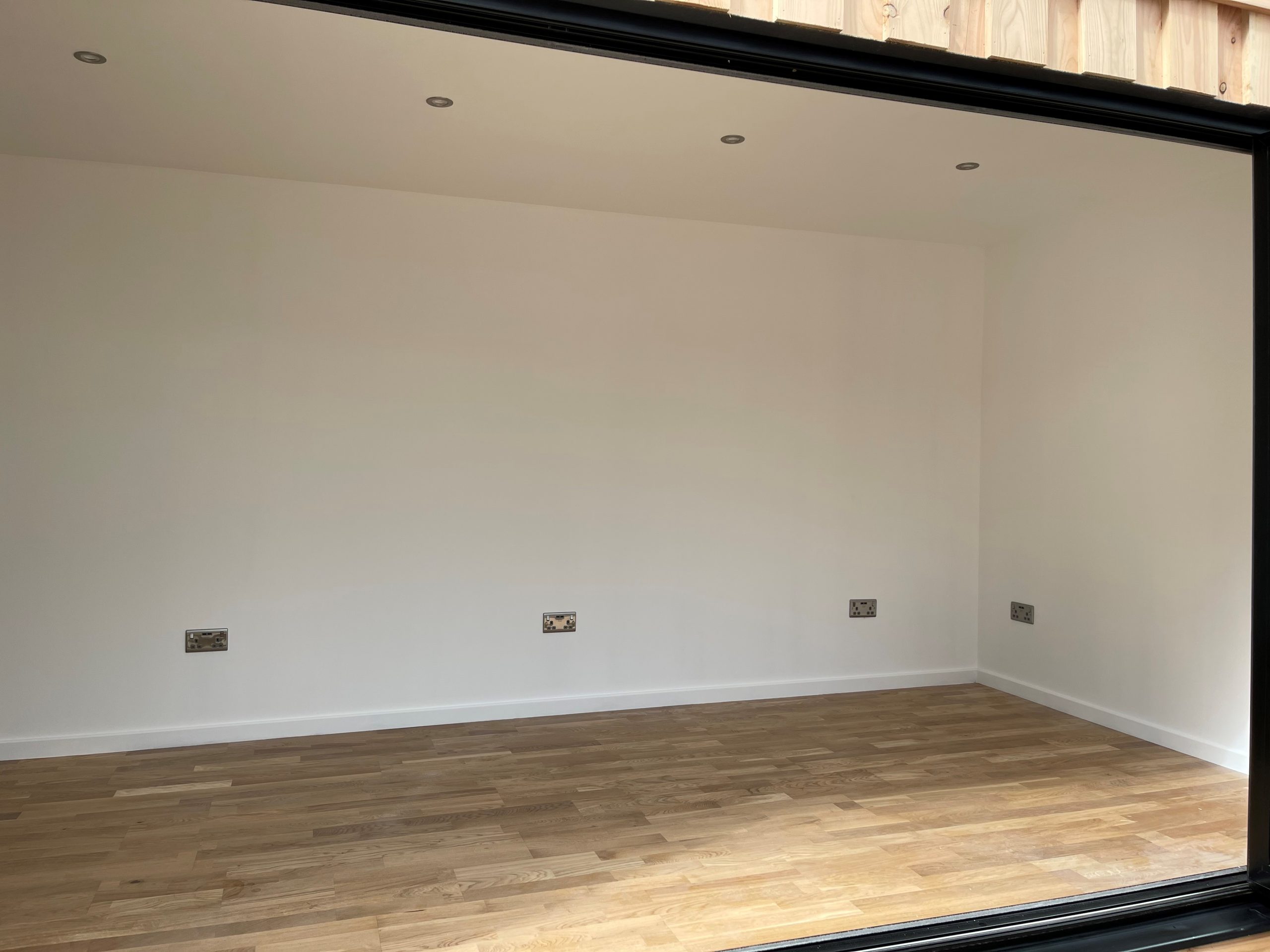
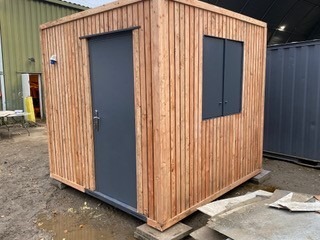
Fully Insulated with electric sockets, spot lighting, and heating
Wood Flooring
Aluminium Bi Fold Doors
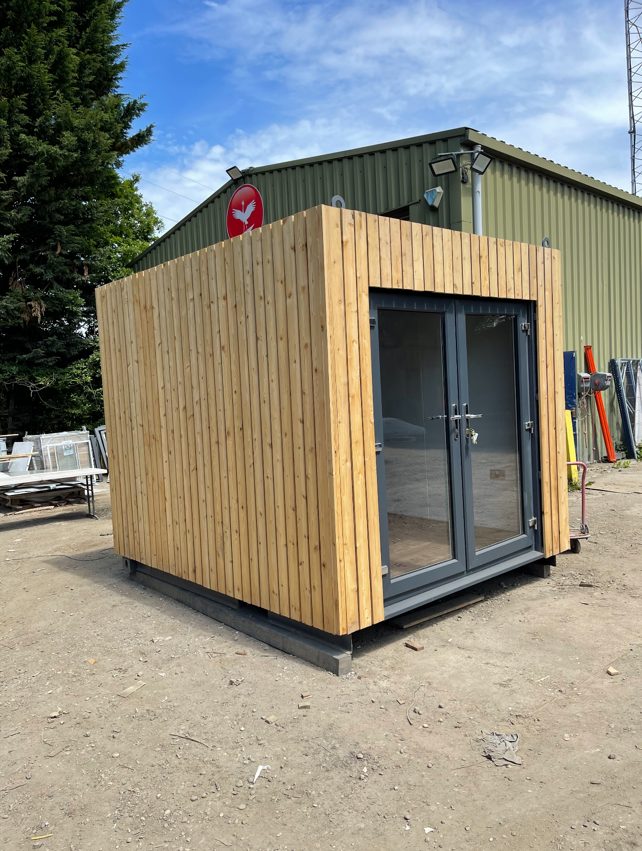
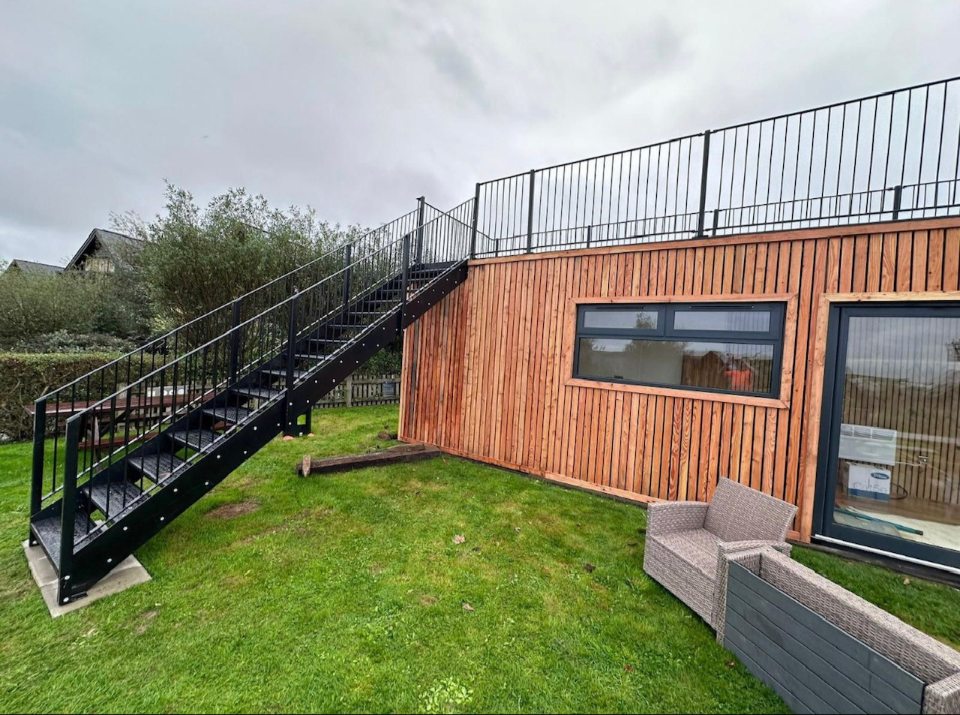
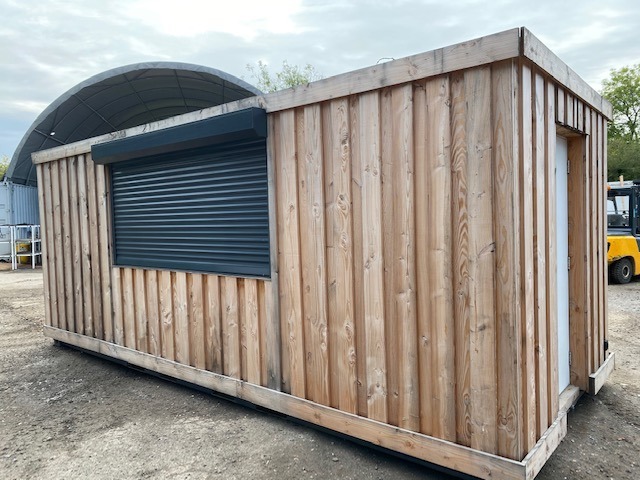
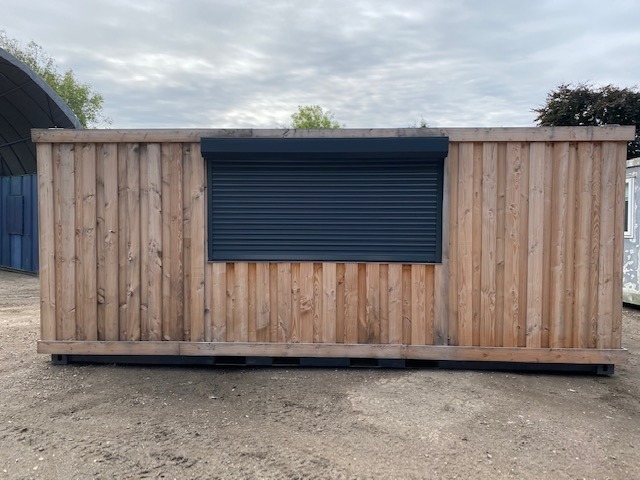
Fully wrapped in larch cladding
Lead Time for build 6-8 weeks


Location: Nationwide
+ VAT
Not Available for Hire
Call for an instant quote!
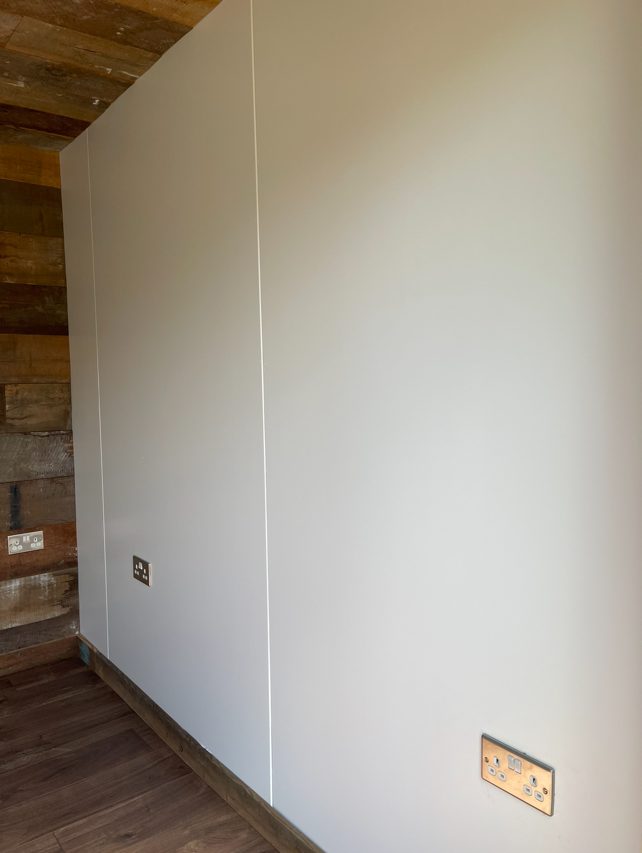
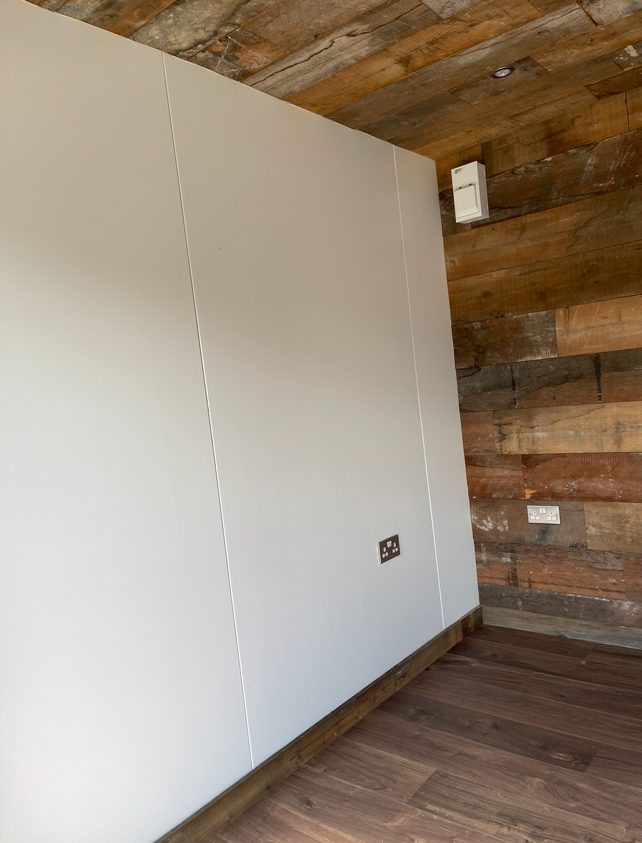
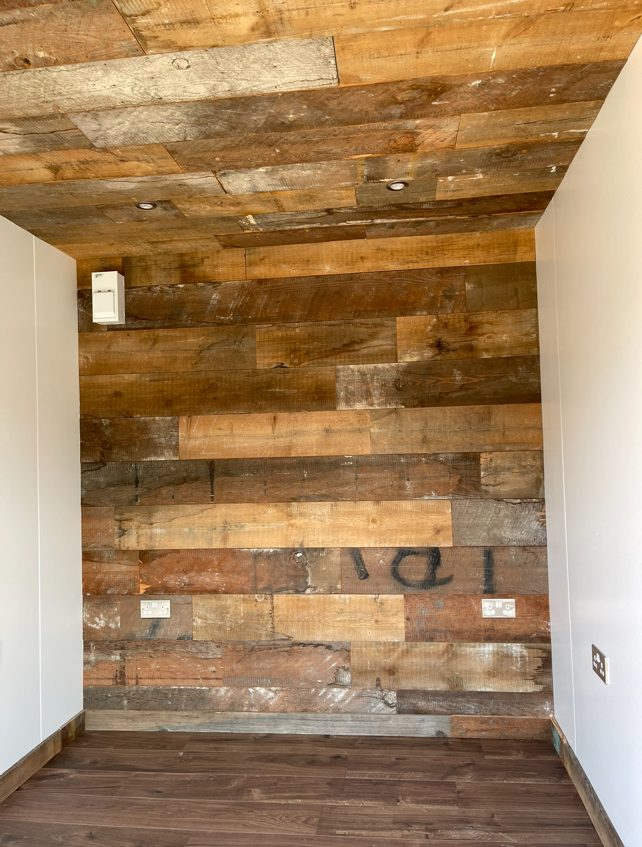
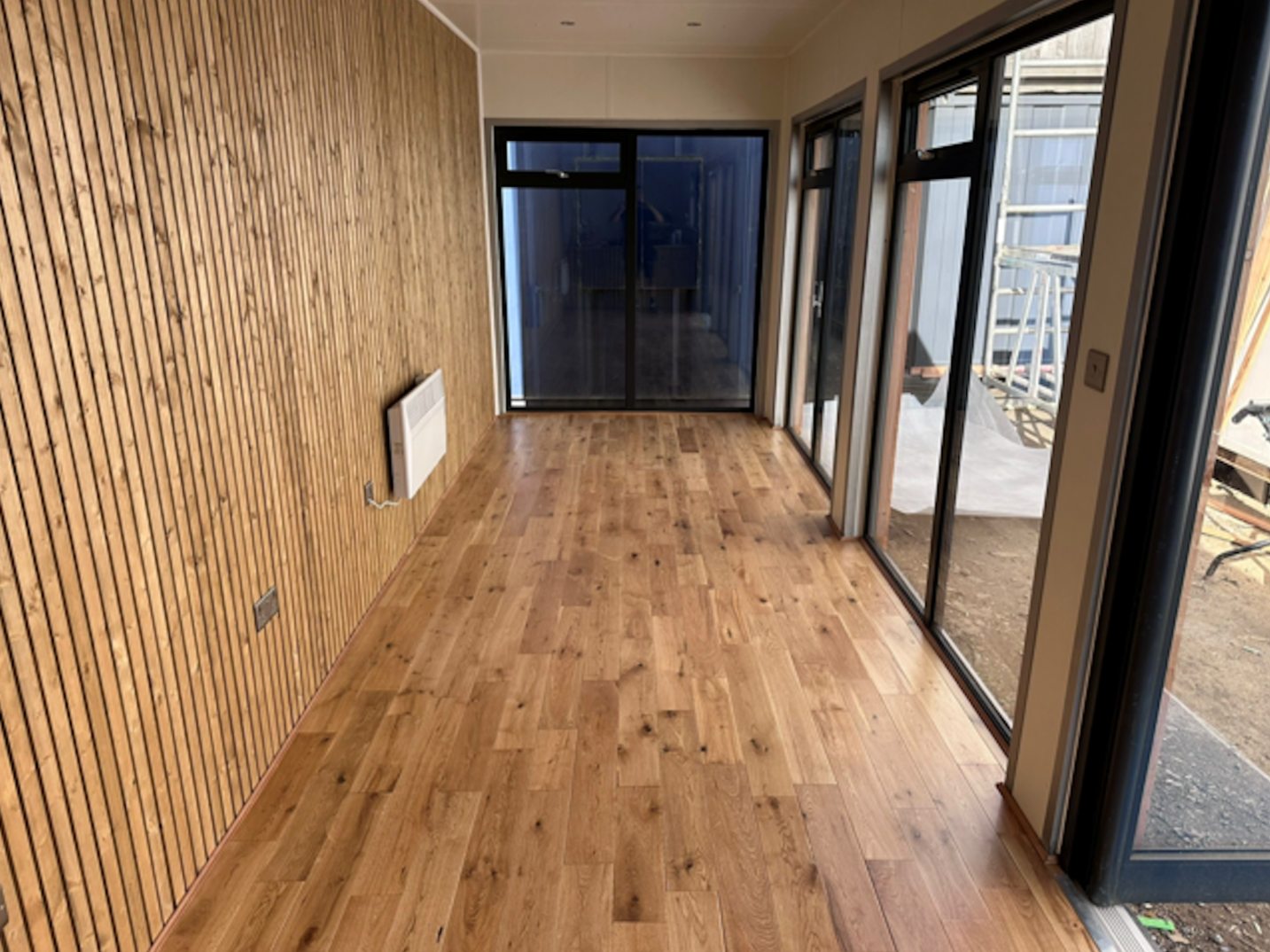
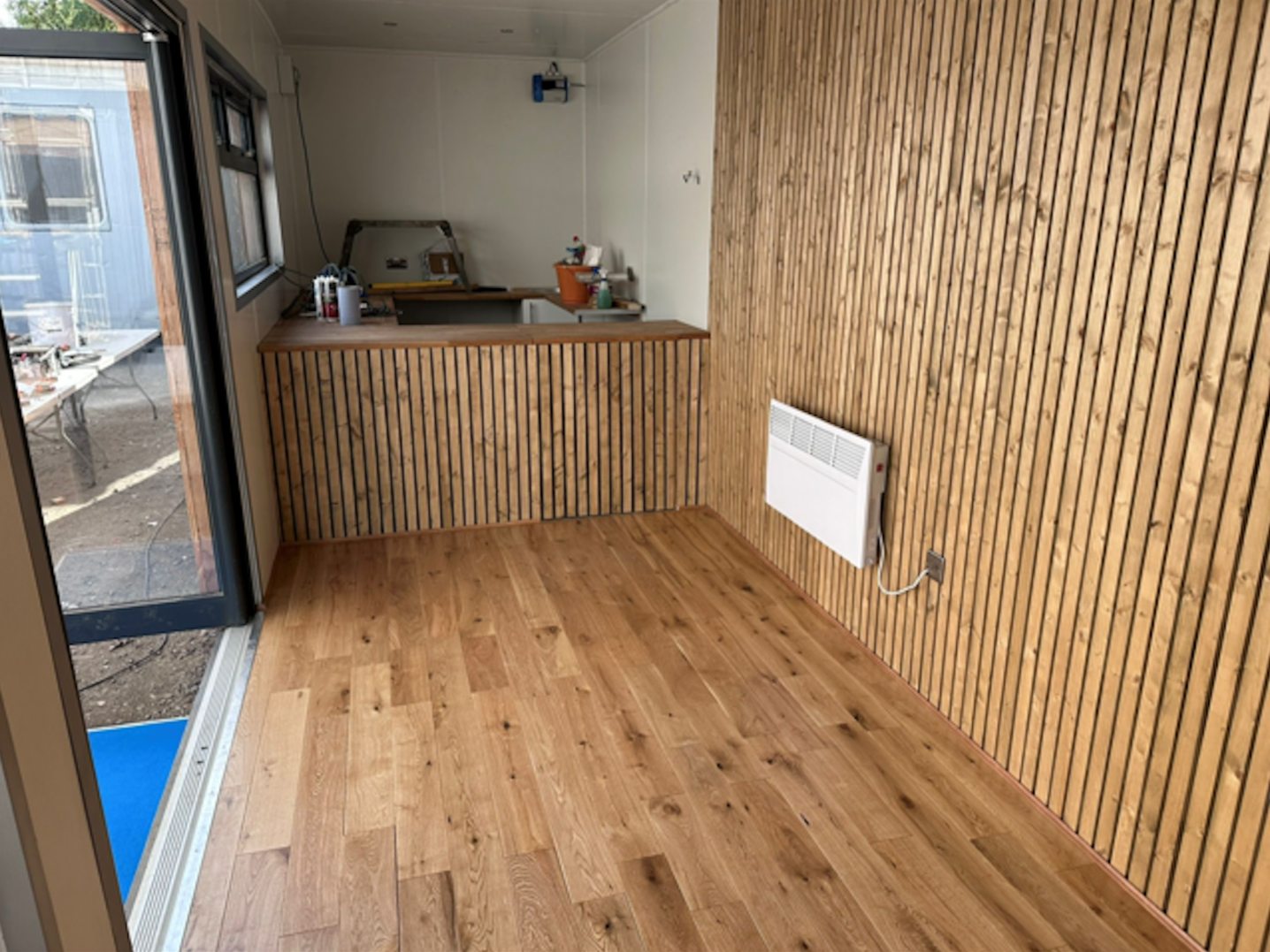
Fully Insulated with electric sockets, spot lighting, and heating
Wood Flooring
Feature Clad Wall and Ceiling
UPVC Double glazed French Doors
Fully wrapped in larch cladding
Lead Time for build 6-8 weeks


Location: Nationwide
EX VAT
Not Available for Hire
Call for an instant quote!


Location: Nationwide
EX VAT
Not Available for Hire
Call for an instant quote!


Location: Nationwide
EX VAT
Not Available for Hire
Call for an instant quote!


Location: Nationwide
EX VAT
Not Available for Hire
Call for an instant quote!


Location: Nationwide
EX VAT
Not Available for Hire
Call for an instant quote!

Location: Nationwide
EX VAT
Not Available for Hire
Call for an instant quote!


Location: Nationwide
EX VAT
Not Available for Hire
Call for an instant quote!


Location: Nationwide
EX VAT
Not Available for Hire
Call for an instant quote!


Location: Nationwide
EX VAT
Not Available for Hire
Call for an instant quote!


Location: Nationwide
EX VAT
Not Available for Hire
Call for an instant quote!


Location: Nationwide
EX VAT
Not Available for Hire
Call for an instant quote!


Location: Nationwide
EX VAT
Not Available for Hire
Call for an instant quote!


Location: Nationwide
EX VAT
Not Available for Hire
Call for an instant quote!


Location: Nationwide
EX VAT
Not Available for Hire
Call for an instant quote!


Location: Nationwide
EX VAT
Not Available for Hire
Call for an instant quote!


Location: Nationwide
EX VAT
Not Available for Hire
Call for an instant quote!
10ftx8ft – £5950 + Vat / 16ftx8ft – £7950 + Vat / 20ftx8ft – £9000 + Vat / 24ftx8ft – £12000 + Vat / 30ftx8ft – £13500 + Vat


Location: Nationwide
EX VAT
Not Available for Hire
Call for an instant quote!


Location: Nationwide
EX VAT
Not Available for Hire
Call for an instant quote!


Location: Nationwide
EX VAT
Not Available for Hire
Call for an instant quote!

Location: Nationwide
Quantity: ∞
EX VAT
Not Available for Hire
Call for an instant quote!
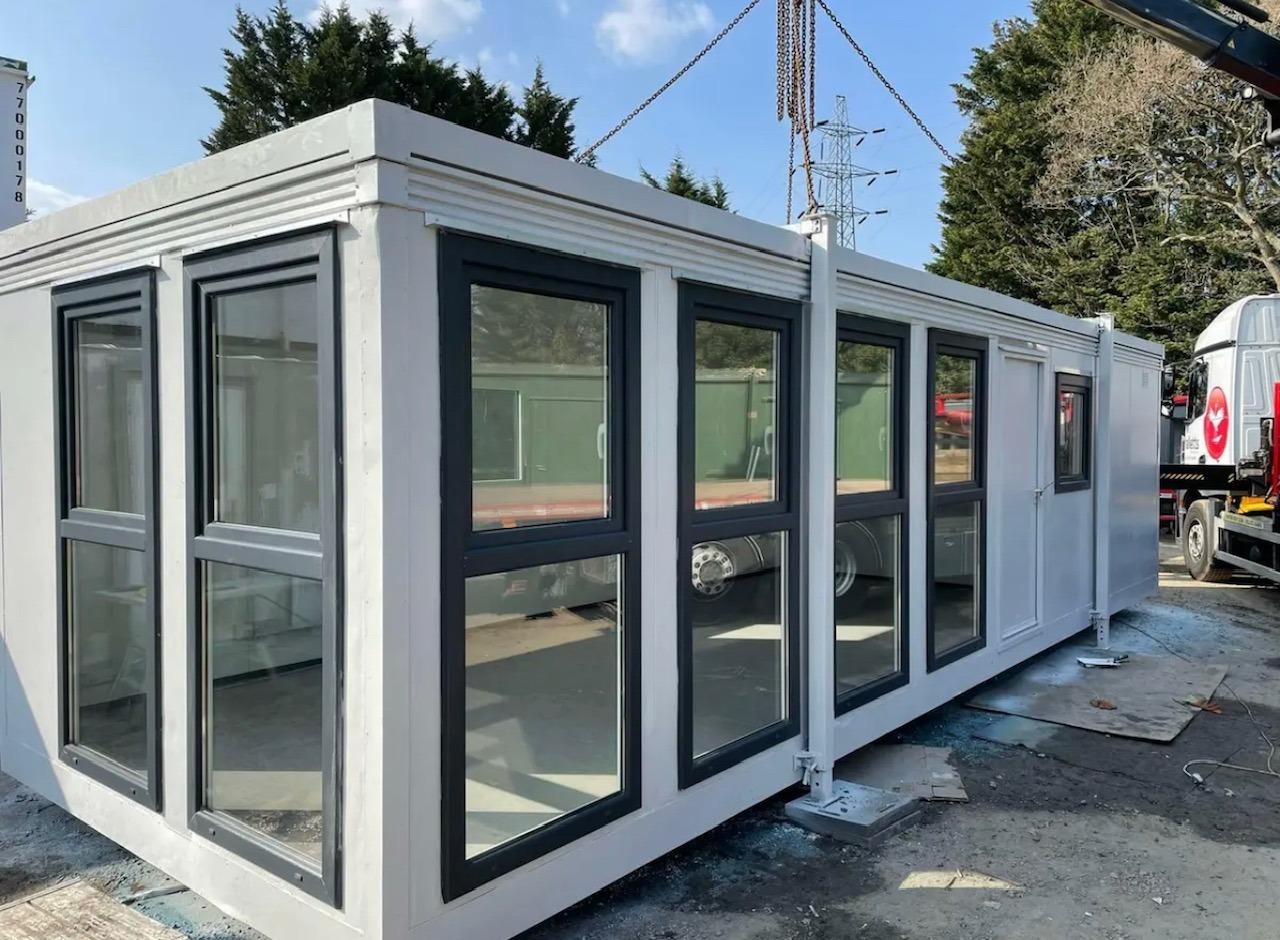
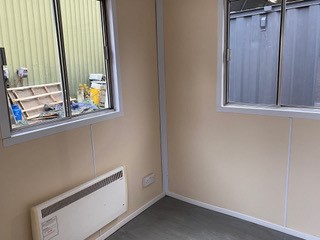
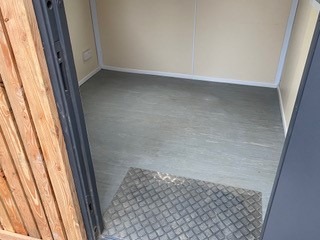
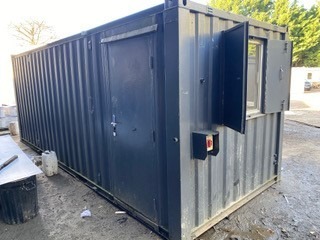
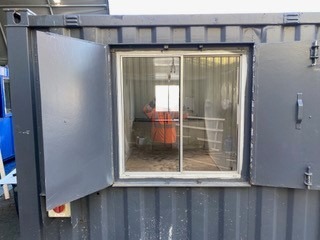
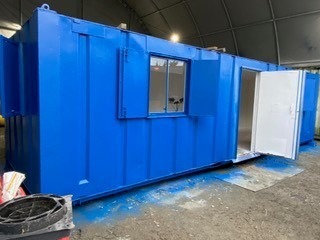
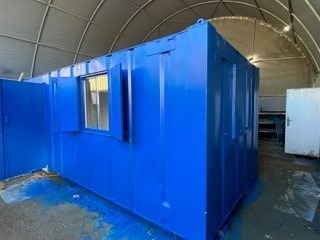
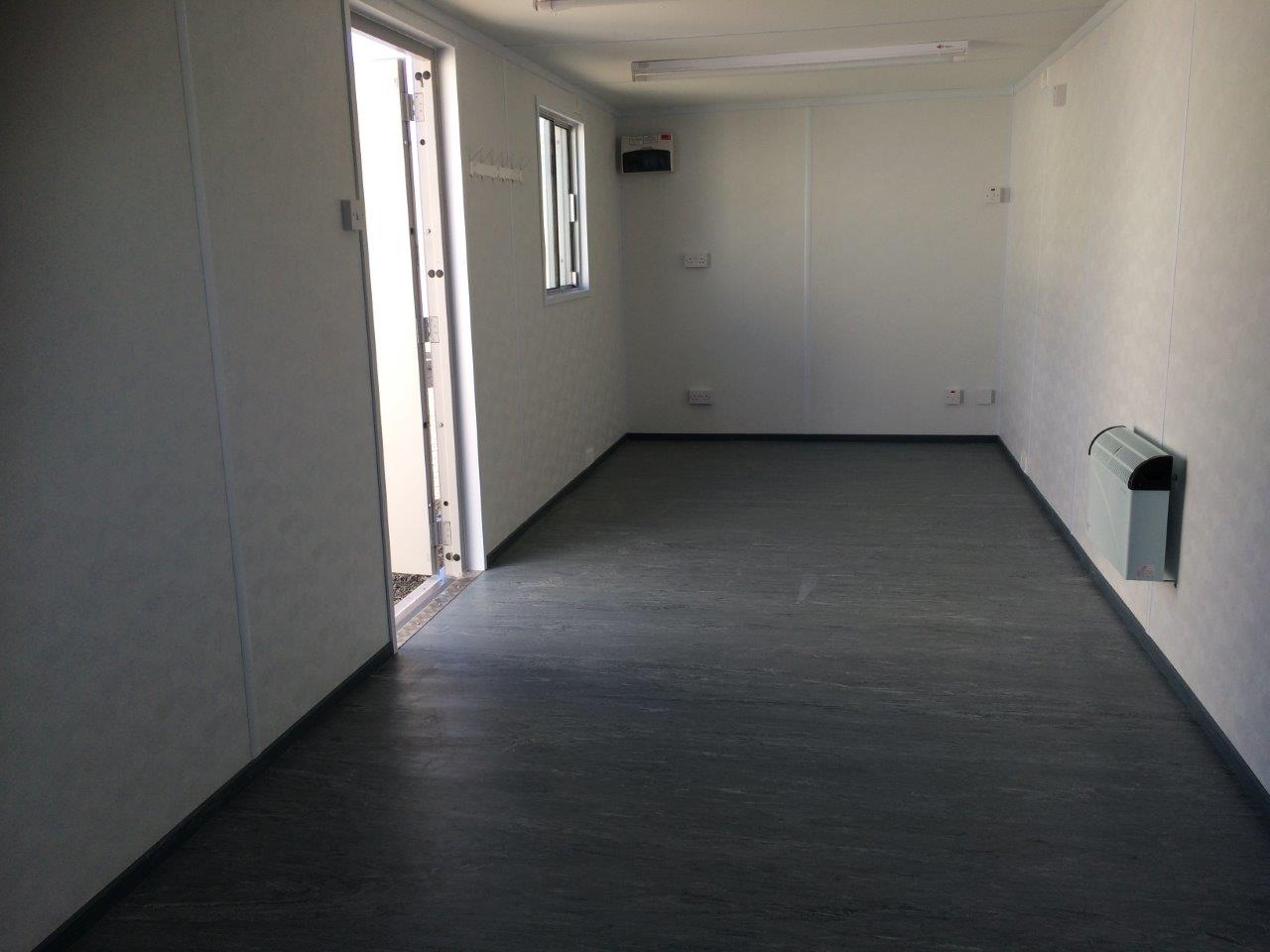
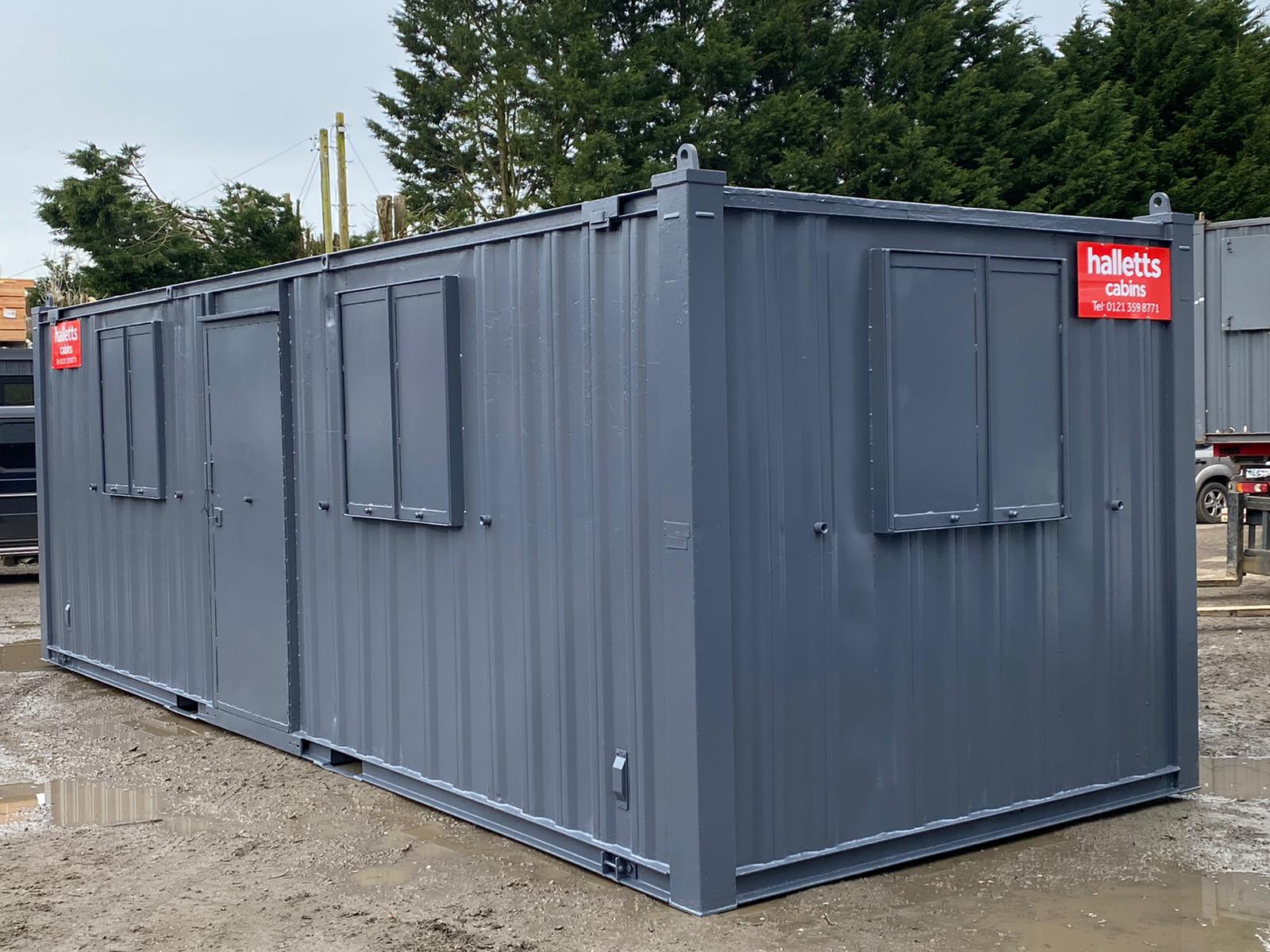
• Reinforced doors and windows with secure locking
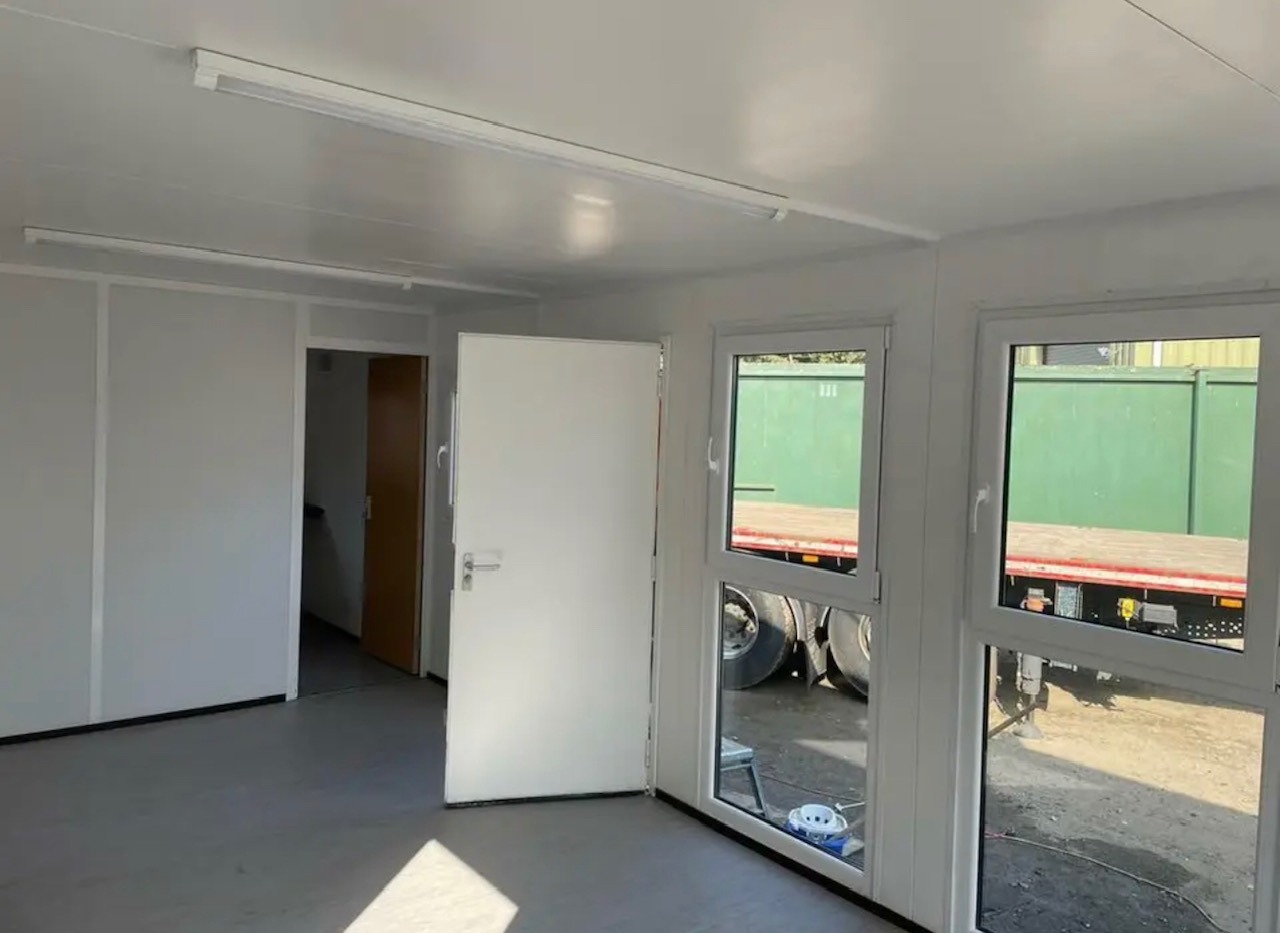
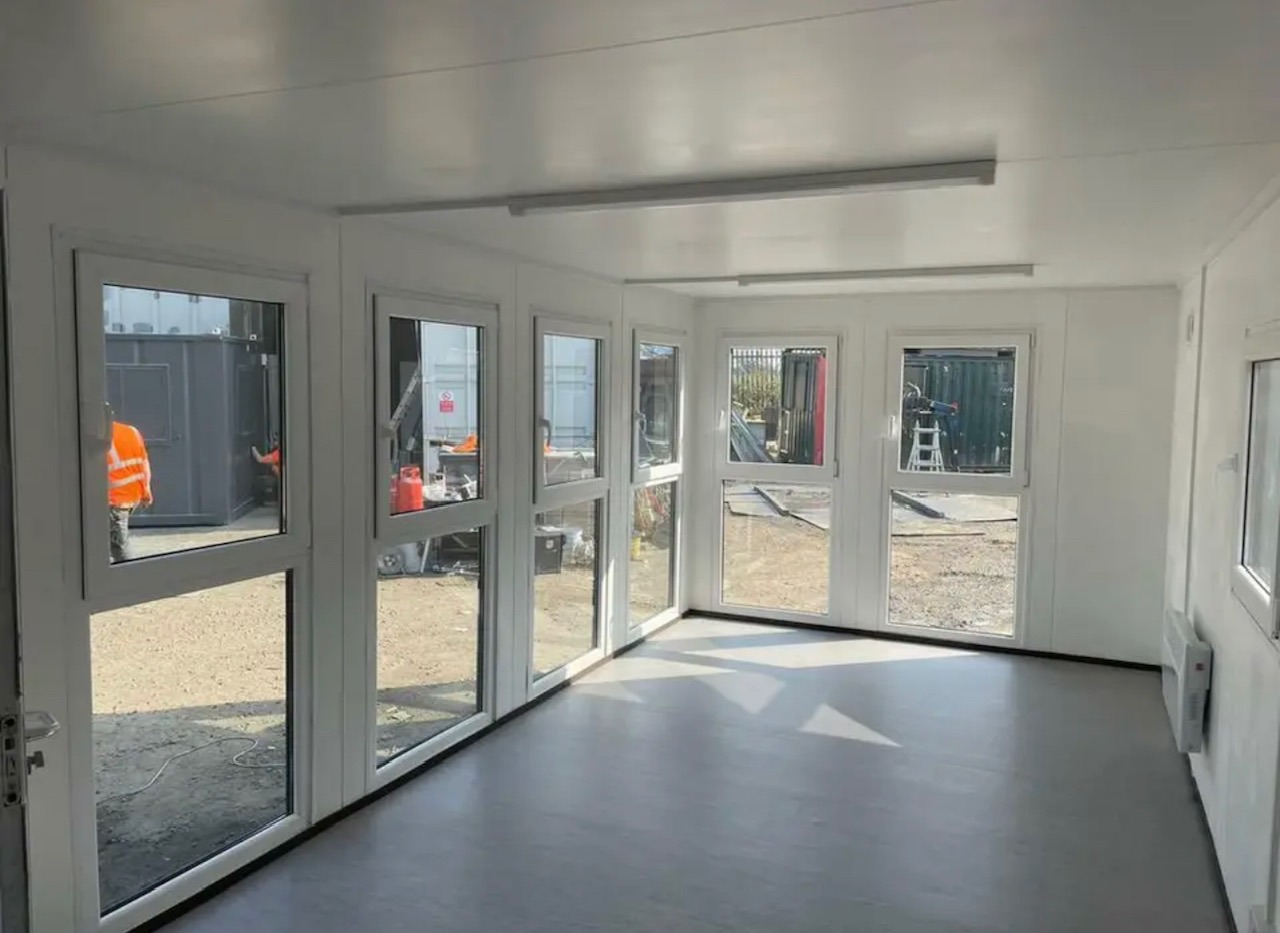
• Open plan with electric sockets and lighting
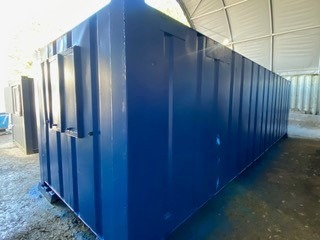
• Ral Code Colour of choice
• Any Extras available : Canteen, Partitions, Toilets.


Location: Nationwide
EX VAT
Not Available for Hire
Call for an instant quote!
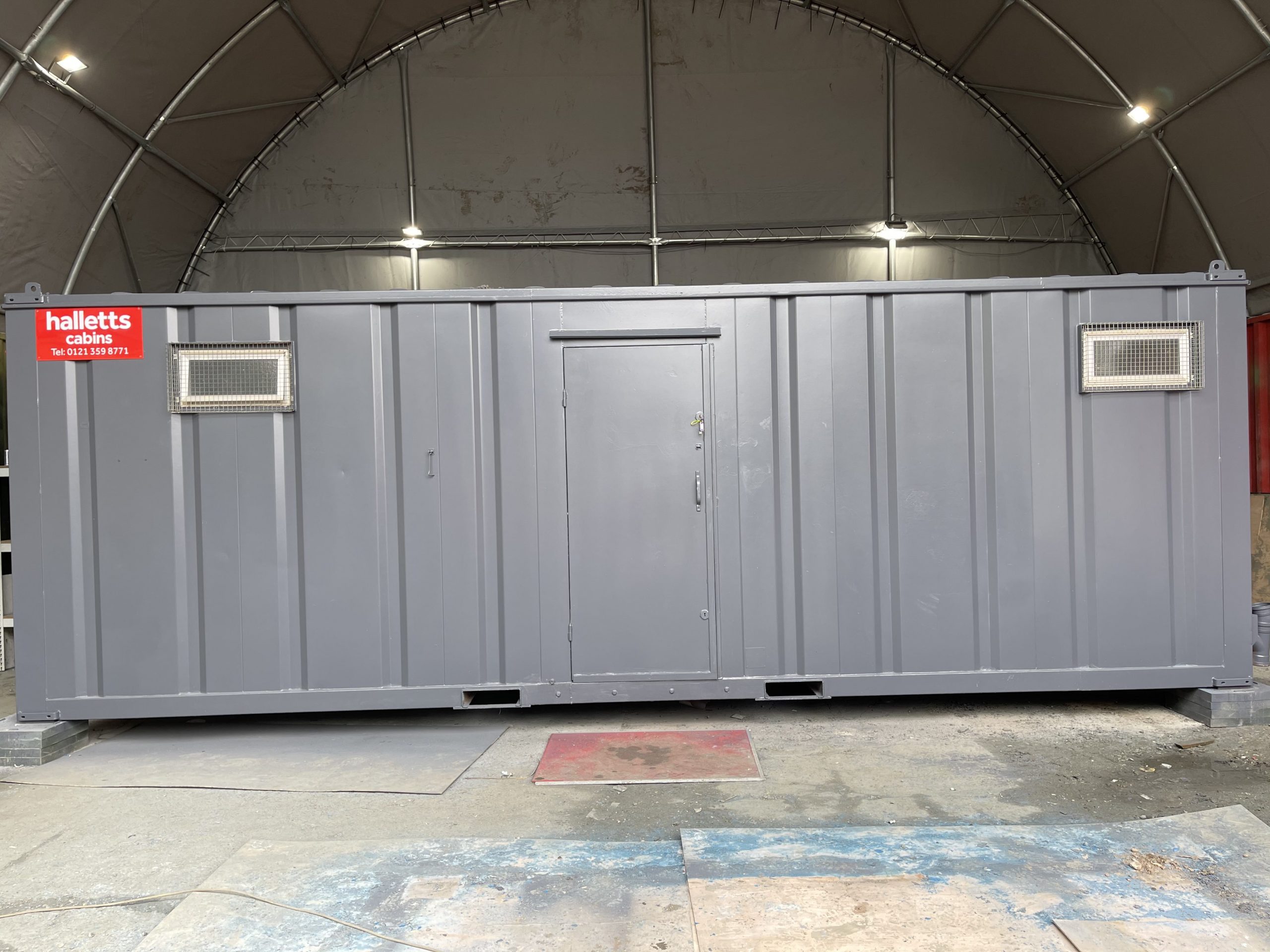
• Reinforced doors and windows with secure locking
• Open plan with electric sockets and lighting
• Ral Code Colour of choice
• Any Extras available : Canteen, Partitions, Toilets.

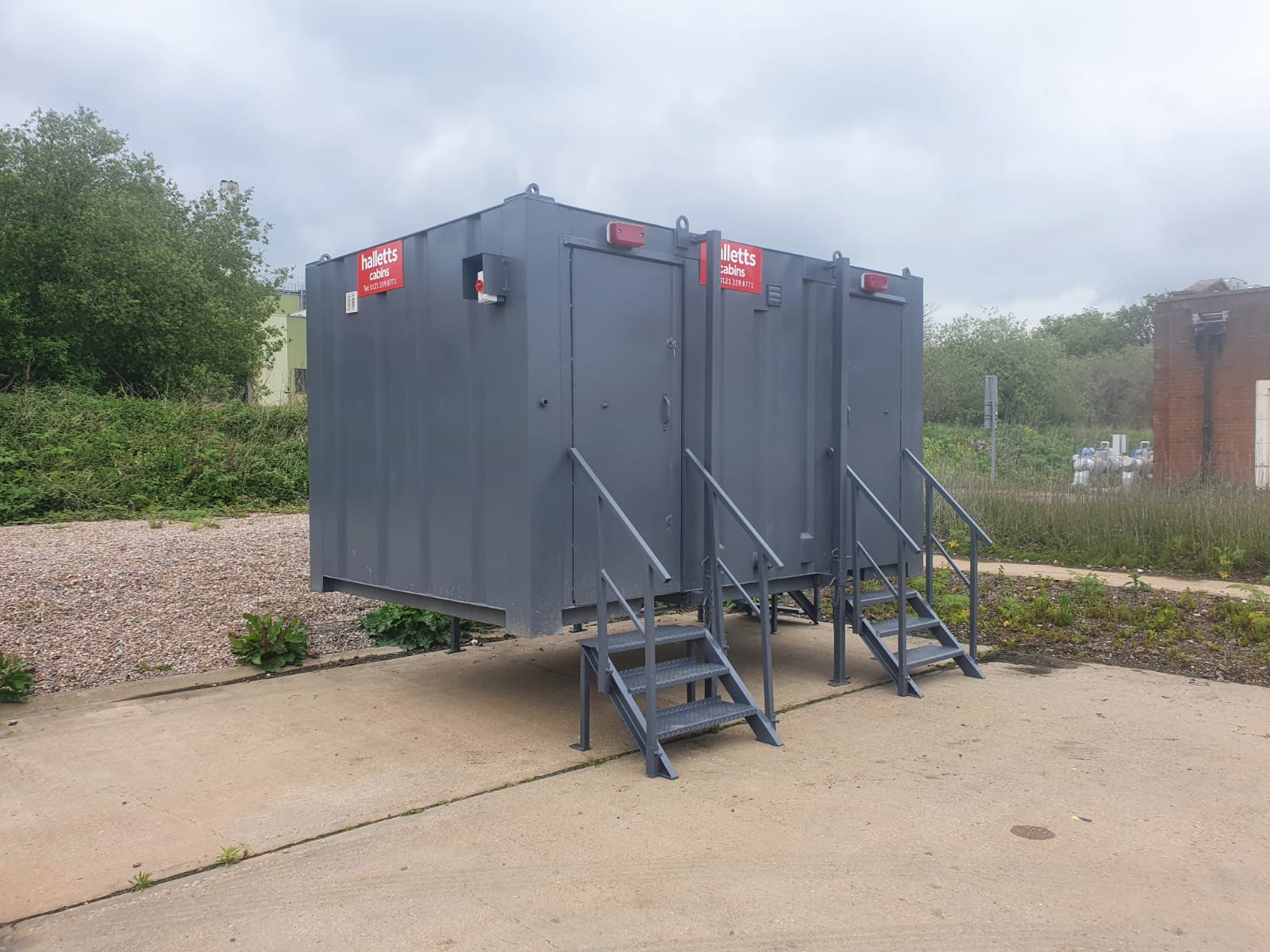
• Reinforced doors with secure locking
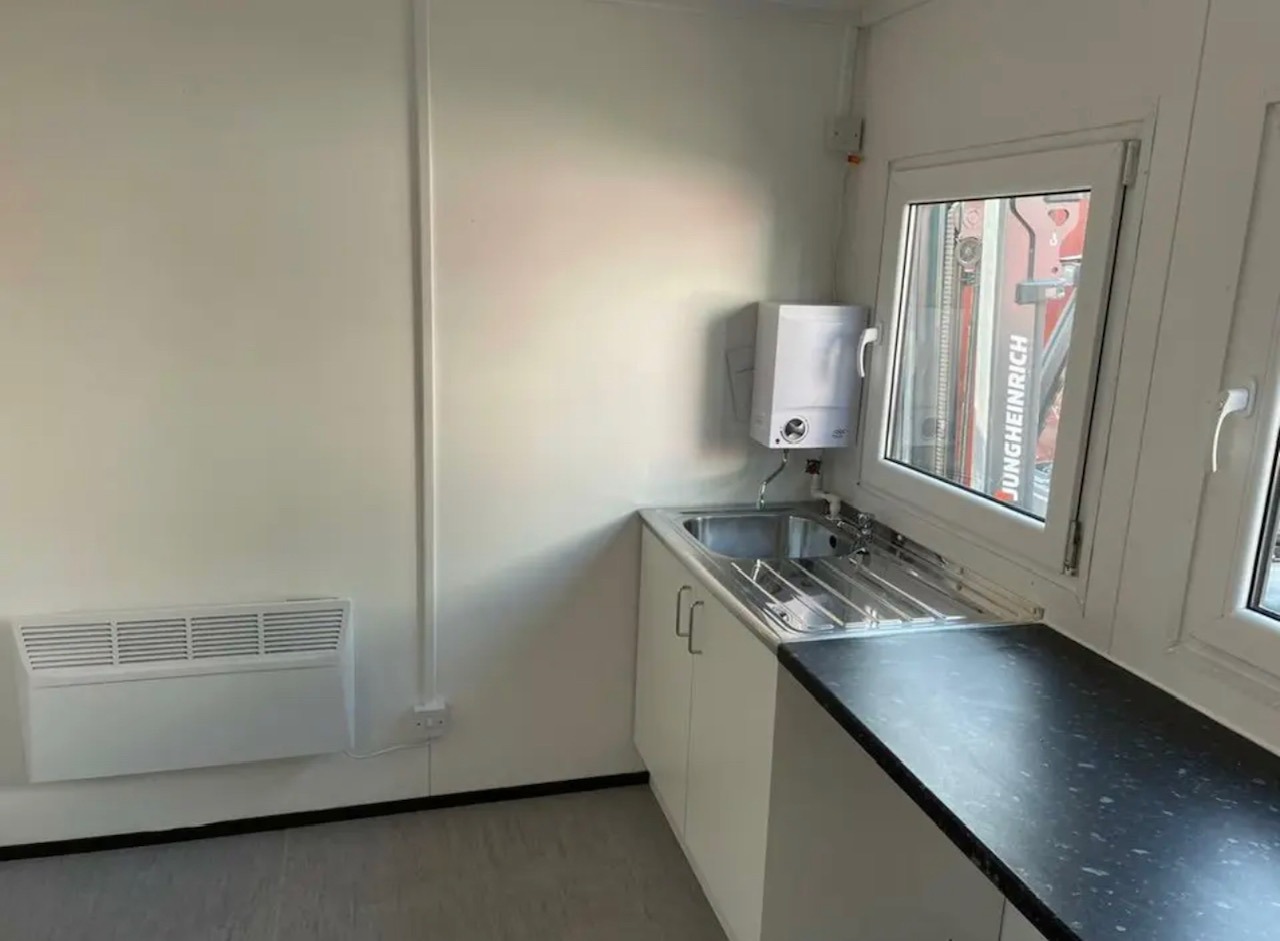
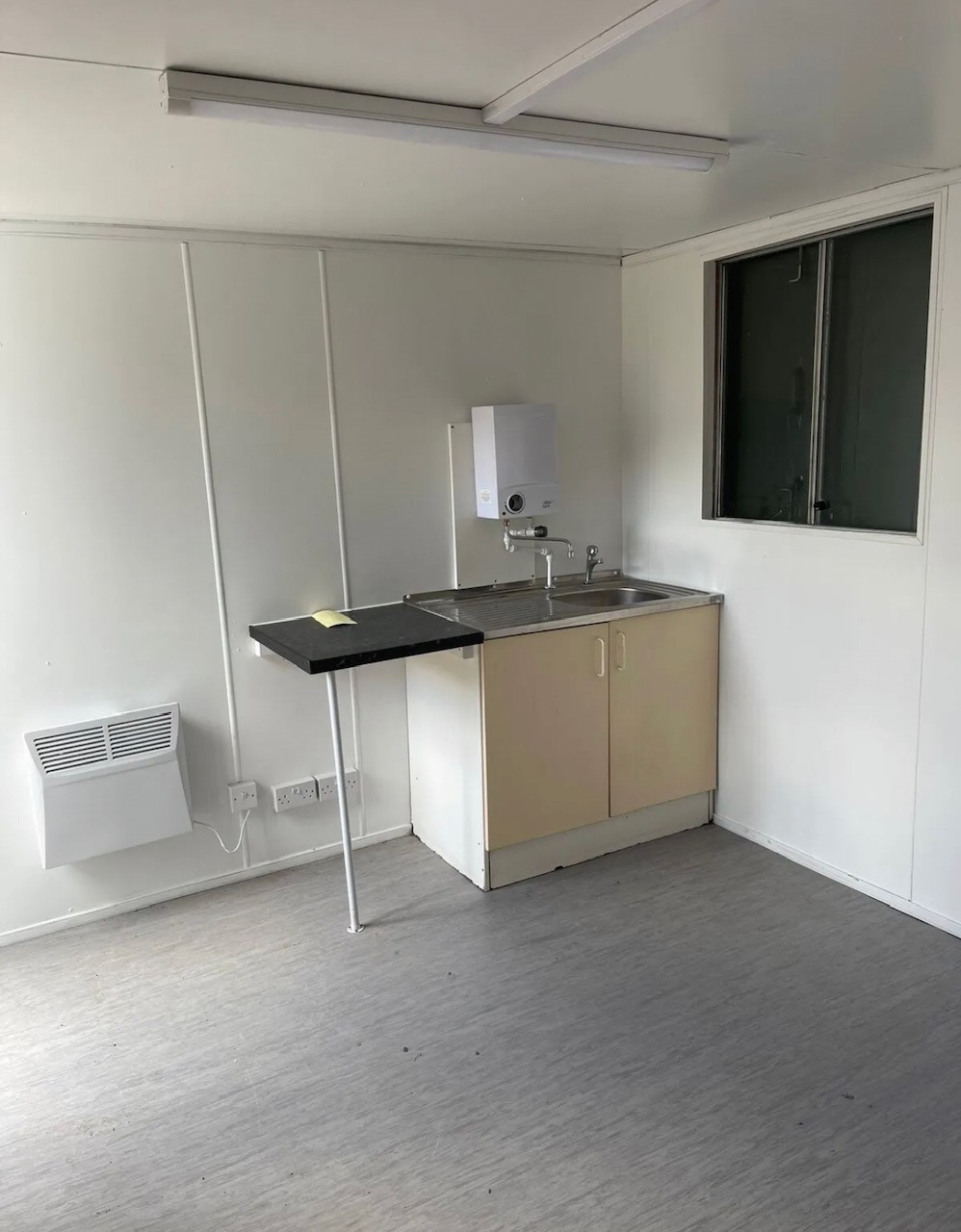
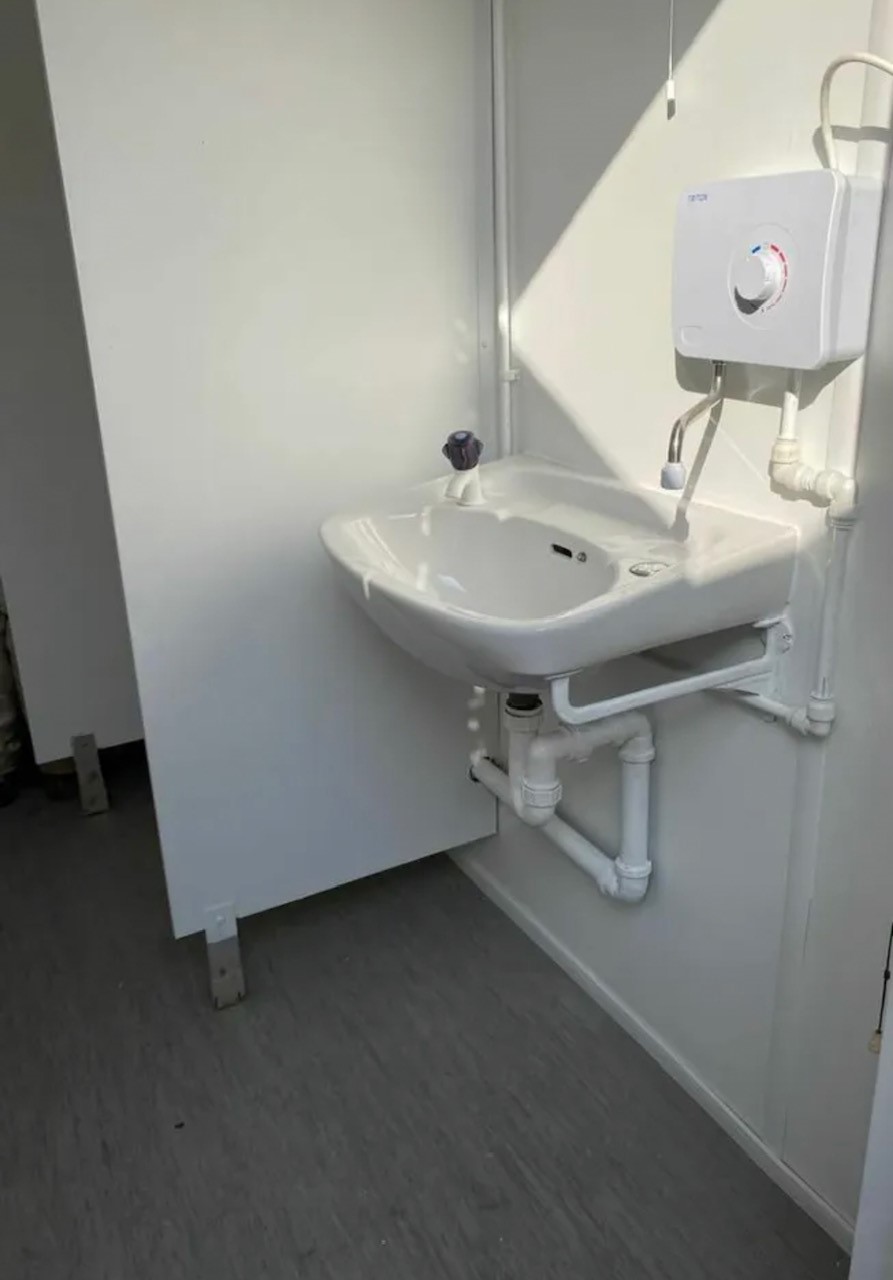
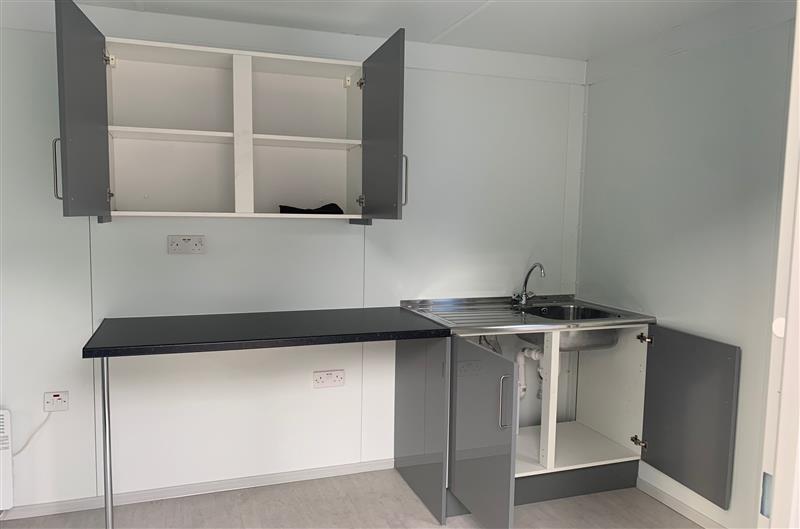
• Sink and water boiler included


Location: Nationwide
Quantity: ∞
EX VAT
Not Available for Hire
Call for an instant quote!


Location: Nationwide
EX VAT
Not Available for Hire
Call for an instant quote!
Get a Quick Container Quote Now!


Location: Nationwide
EX VAT
Not Available for Hire
Call for an instant quote!
Get a Quick Container Quote Now!