Choosing the right Changeover Switch in 2026 requires more than comparing price and current ratings. Electrical systems now face stricter uptime expectations, smarter monitoring, and more variable power sources. A switch may serve a home, a data room, a factory, or a medical facility. Each setting creates different risks.
This guide examines the leading types, including manual changeover switches, automatic transfer switches, motorized units, static transfer switches, and bypass isolation designs. Manual models remain practical for small generators and simple backup circuits. Automatic transfer switches react quickly when utility power fails. Static switches can support sensitive equipment that cannot tolerate even a brief interruption. Bypass systems help technicians maintain equipment without removing essential loads.
Real installation experience shows that selection depends on more than speed. A panel near a generator may need clear mechanical interlocking and visible position indicators. A server room may require fast transfer, monitoring contacts, and tested coordination with protective devices. Rated current, short-circuit withstand, switching category, neutral arrangement, enclosure protection, and maintenance access also deserve careful review. Relevant standards, such as IEC 60947-6-1 where applicable, should guide verification.
No single type wins every project.
In 2026, connected features will influence many purchasing decisions. Remote status signals, event records, and alarm integration can improve maintenance planning. However, extra electronics may increase complexity. That detail is easy to overlook. A technically advanced Changeover Switch can still perform poorly when installers ignore cable length, load behavior, or generator stabilization time. This overview compares practical strengths and limitations, helping engineers, contractors, and facility owners make safer, more defensible choices. The answer may not be the newest model. It may be the one that operators understand and can maintain reliably.
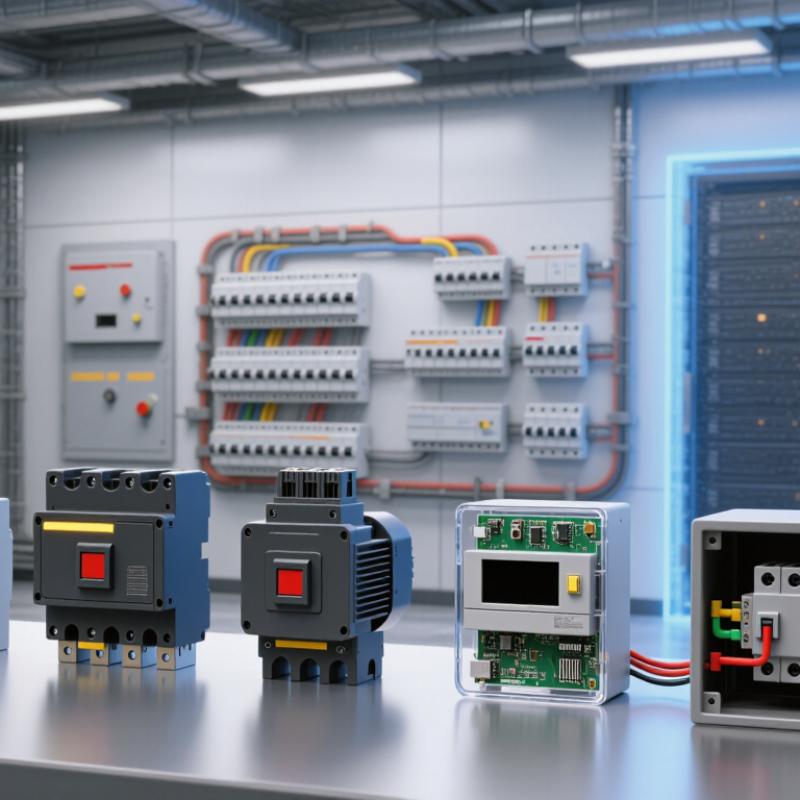
Manual changeover switches let an operator move a load between two power sources, such as utility supply and a standby generator. The handle provides a clear, physical indication of the selected source. No automatic transfer occurs; someone must operate the switch and follow the site procedure. Simple, but not foolproof. IEC 60947-6-1 covers transfer switching equipment and helps define relevant performance and testing requirements. When selecting a switch, check its rated operational voltage and current, number of poles, and suitability for the intended load. The utilization category matters too, because motor loads and resistive loads can impose different switching demands.
For a small commercial panel, a four-pole device may be needed to switch neutral along with the phase conductors, depending on the system design. Verify this with a qualified electrical professional. Also confirm short-circuit withstand or conditional short-circuit ratings, including any required upstream protective device. A current rating alone does not establish that the assembly is suitable for the installation. Real layouts can be less tidy than drawings suggest, so allow space for safe access and clear source labels.
Tips: Match the switch rating to the actual load and system voltage. Check interlocking, enclosure protection, and operating instructions. Test the changeover procedure under controlled conditions before relying on it during an outage. A careful inspection can catch loose terminals, but it cannot replace correct design.

What Are the Top Changeover Switch Types in 2026?
Automatic Transfer Switches: NFPA 110 Response Times and Critical Loads
An automatic transfer switch (ATS) detects a utility failure and moves a facility’s electrical load to standby power. Under NFPA 110, the “Type” rating specifies the maximum time, in seconds, before power is available. Type 10 systems must restore power within 10 seconds; Type 60 and Type 120 allow up to 60 and 120 seconds. These are performance limits, not promises that every load can restart instantly. A stalled generator can still delay recovery.
The right response time depends on what loses power. Life-safety and other critical loads may require rapid restoration, while nonessential equipment can often wait. NFPA 110 sets requirements for emergency and standby power systems, but the applicable rules depend on the system’s use and adopted codes. The U.S. Energy Information Administration’s 2023 reliability data reported an average interruption duration of about 5.6 hours per customer, including major events. That figure is not a design target, but it shows why backup plans need to account for extended outages as well as brief transfer gaps.
Tips: List critical loads before selecting an ATS. Check generator starting time, transfer settings, and load sequencing under real operating conditions. Test with representative equipment, not just an unloaded switch. Small details matter. I’ve seen plans overlook refrigeration controls or network gear; reviewing those assumptions can prevent an awkward surprise.
| Changeover Switch Type | How It Transfers | Typical Interruption | NFPA 110 Response-Time Context | Common Critical-Load Applications | Key Consideration |
|---|---|---|---|---|---|
| Automatic transfer switch (ATS), open transition | Disconnects the normal source before connecting the alternate source (“break before make”). | Brief interruption during transfer; duration depends on the system and equipment. | Can be used in a system designed to meet a specified NFPA 110 Type. Type 10 systems are designed to supply the load within 10 seconds after loss of normal power. | Emergency lighting, fire alarm systems, life-safety circuits and essential building services. | Common and straightforward; connected equipment must tolerate the transfer interruption. |
| Automatic transfer switch (ATS), delayed transition | Disconnects the normal source, waits for a programmed interval, then connects the alternate source. | Includes a deliberate neutral interval in addition to the source-transfer time. | The delay does not itself define the NFPA 110 Type. The complete emergency power supply system must meet its required response time. | Motors, transformers and loads that may need time to dissipate residual voltage before reconnection. | Can help reduce electrical stress or out-of-phase reconnection; the intentional delay must be compatible with the load and required response. |
| Automatic transfer switch (ATS), closed transition | Momentarily connects the alternate source before disconnecting the normal source, with both sources briefly in parallel. | Typically no-break or near-no-break transfer when synchronization and operating conditions permit. | NFPA 110 response classification remains a system-level requirement; closed-transition operation does not automatically establish a Type 10 rating. | Data processing, process controls and other loads sensitive to short interruptions. | Requires suitable source synchronization and utility approval where applicable; paralleling is brief and controlled. |
| Bypass-isolation ATS | Combines automatic transfer with a bypass path that can maintain the load while the ATS is isolated for service. | Depends on the transfer mode and system arrangement; the bypass can support continuity during maintenance. | The bypass feature is a maintainability function, not an NFPA 110 response-time category. Verify the complete system’s required Type. | Hospitals, emergency power systems and facilities where transfer equipment maintenance must not interrupt critical loads. | Provides a maintenance option but adds equipment, space and operating procedures. |
| Manual transfer switch | An operator selects and connects the available source manually. | Depends on operator response and switching procedure; not inherently automatic. | Manual operation alone does not demonstrate compliance with a required automatic response time such as Type 10. | Non-life-safety backup circuits, portable generator connections and selected low-priority loads. | Requires trained personnel and a clear procedure; generally unsuitable as the sole means of automatic transfer for loads requiring rapid restoration. |
| Service-entrance-rated ATS | An ATS arrangement designed and listed for use at the service entrance, subject to applicable electrical-code requirements. | Determined by its transfer mechanism, such as open or closed transition. | Service-entrance rating does not specify the NFPA 110 Type; response performance depends on the overall emergency power system. | Facilities where the transfer equipment is installed at or near the utility service entrance. | Confirm the equipment listing, overcurrent protection arrangement and installation requirements for the specific application. |
Important: NFPA 110 “Type” identifies the maximum time, in seconds, for the emergency power supply system to restore power to the load after loss of normal power; it is not a switch-transition mode. Type 10 means the system is intended to supply the load within 10 seconds. The applicable edition, occupancy requirements, essential electrical system rules and authority having jurisdiction determine the project requirements. Always verify the complete generator, controls, transfer equipment and load sequence as a coordinated system.
Open-transition changeover switches remain a practical choice for many backup power systems. Their break-before-make sequence disconnects one source before connecting another. This prevents both sources from energizing the same circuit. It also reduces the risk of damaging generators, transformers, and sensitive control equipment.
IEEE-oriented engineering guidance emphasizes verified separation, suitable interrupting ratings, and controlled transfer timing. In a typical installation, utility contacts open first. A mechanical or electrical interlock confirms separation. The alternate source then closes its contacts. The transfer may leave lights off briefly, but that pause is intentional. It protects equipment from unwanted source overlap.
Small details matter. Inspectors often check contact spacing, enclosure condition, neutral switching, and control wiring. A switch serving a medical room needs different planning from one serving a workshop. Field technicians should test simulated source loss, return transfer, and manual operation. Testing exposes weaknesses that drawings can hide.
Open transition is not perfect. Sensitive computers may reboot during the transfer interval. A short interruption can still disrupt a process. Engineers may need power conditioning or another transfer arrangement after studying the load. That decision should follow measured site conditions, fault-current data, and applicable IEEE recommendations. Guesswork has no place inside a live distribution panel.
Closed-transition switches are gaining attention among the top changeover switch types in 2026. They transfer loads through a make-before-break sequence, reducing interruption to milliseconds. For hospitals, data rooms, and precision machinery, that brief overlap can protect sensitive operations from sudden voltage loss. It is not seamless.
The switch briefly connects the normal and standby sources in parallel. Both sources must match closely in voltage, frequency, phase angle, and rotation. A small timing error can create heavy circulating current. Protective settings, available fault current, and generator capacity also require careful review. In commissioning work, technicians often discover that a connected motor load behaves differently from a resistive test load. That detail is easy to miss. Closed-transition equipment may also need utility approval, synchronizing controls, and a defined maximum paralleling time. These limits prevent unwanted source stress during transfer.
Tips:Confirm source compatibility before installation. Test with realistic loads, not only a lamp bank. Record transfer time, phase conditions, and generator response. Ask whether the load can tolerate a short open transition if synchronization fails. A practical design should include a safe fallback mode. Engineers sometimes focus on the millisecond transfer and overlook maintenance access. That choice can make future testing slower and less reliable.
Smart changeover switches do more than transfer a load between utility and backup power. They can record voltage, frequency, switching events, and alarms, giving maintenance teams useful evidence before a failure occurs. IEC 60947-6-1 specifies requirements for low-voltage transfer switching equipment. Buyers should check that a unit’s declared ratings and test documentation match the installation, not rely on a “smart” label alone. That matters. A clear event log can help pinpoint whether a transfer followed a supply dip, overload, or manual command.
The grid is changing quickly. The IEA’s Renewables 2024 report says renewable capacity additions reached about 510 GW in 2023, nearly 50% above 2022. More variable generation makes dependable switching and clear operating data increasingly valuable, especially at sites combining utility power, generators, and storage. In its 2023 grids report, the IEA estimated annual grid investment must rise from about $300 billion to more than $600 billion by 2030. Monitoring can support better maintenance decisions, but it cannot replace correct protection settings or physical inspections. A dashboard may look reassuring. It can still miss a poorly chosen sensor, stale communications, or an incorrectly configured threshold. Those details deserve a second look during commissioning.
Indicative transfer-interruption ranges by switching method
Static transfer switches can transfer in milliseconds, while open-transition and manual switches typically have a longer interruption. Actual performance depends on equipment, load, settings, and operating conditions. These illustrative ranges are not IEC limits; IEC 60947-6-1 specifies requirements for transfer switching equipment.
Registered in England & Wales No. 2786496
Registered office at: 337 Tanworth Lane,
Shirley, Solihull, B90 4DU
Registered for VAT, registration No.
GB 655 1347 38


Location: Nationwide
Not Available for Hire
We can deliver for a cost please ask and send us post code.
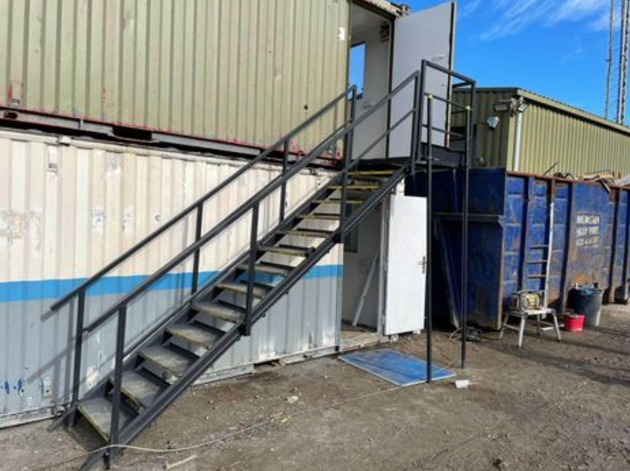
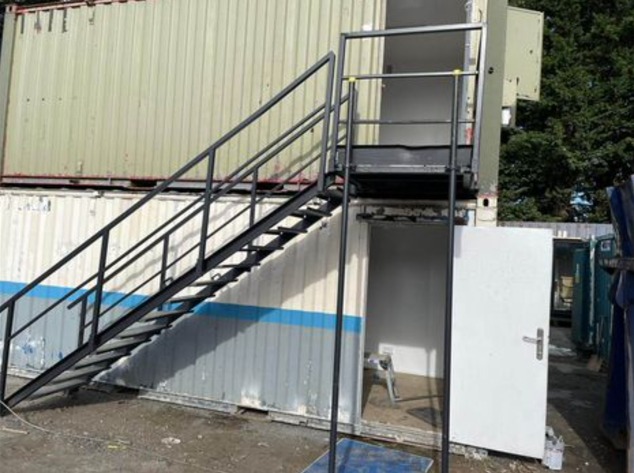
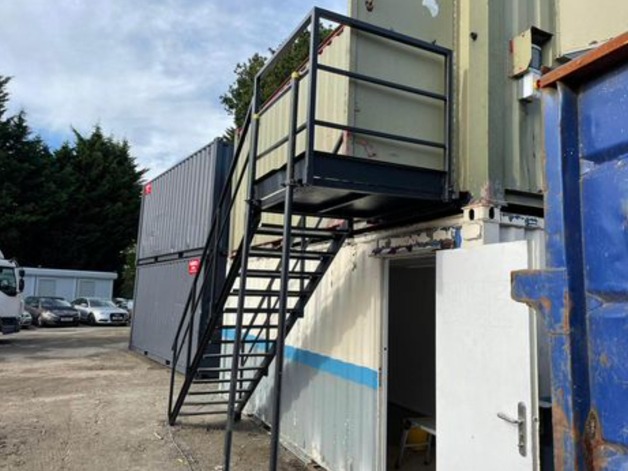
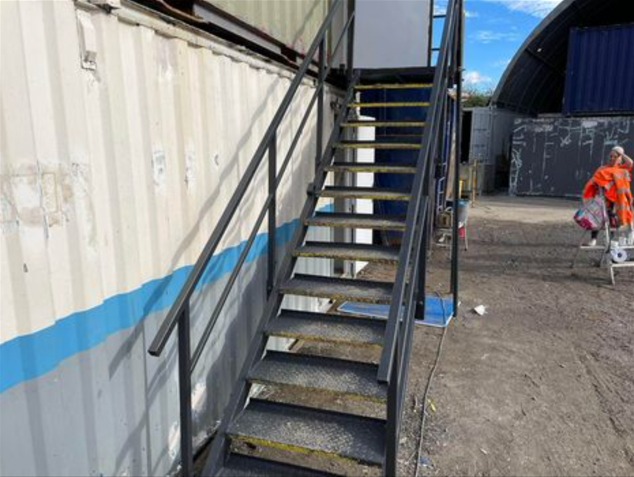
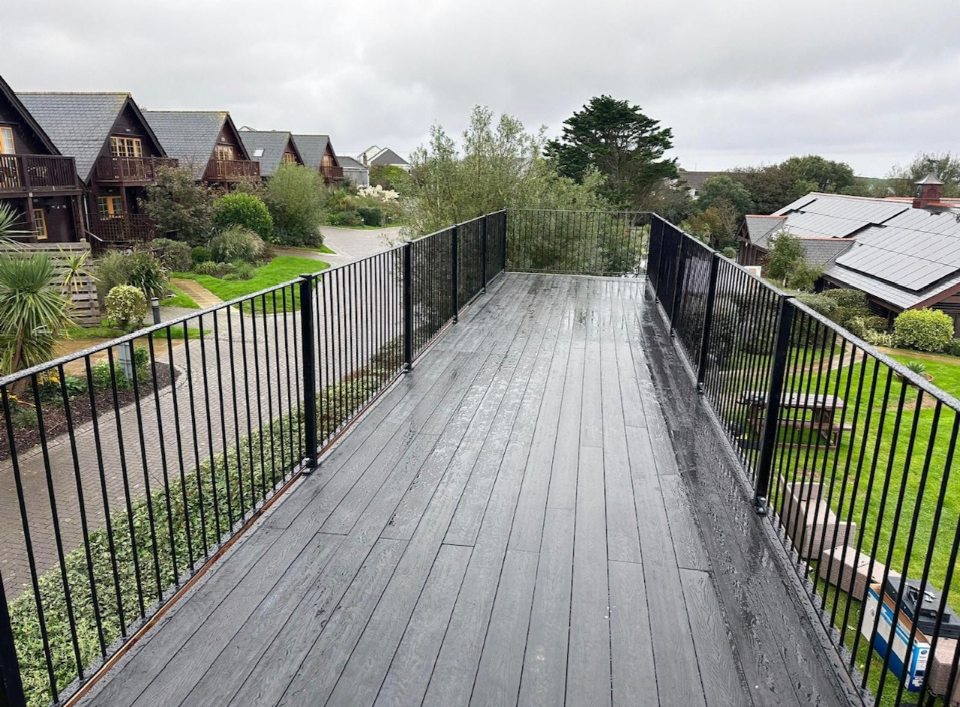
13 tread
14 tread
15 tread


Location: Nationwide
Not Available for Hire
Call for an instant quote!


Location: Nationwide
Not Available for Hire
We can deliver for a cost please ask and send us post code.
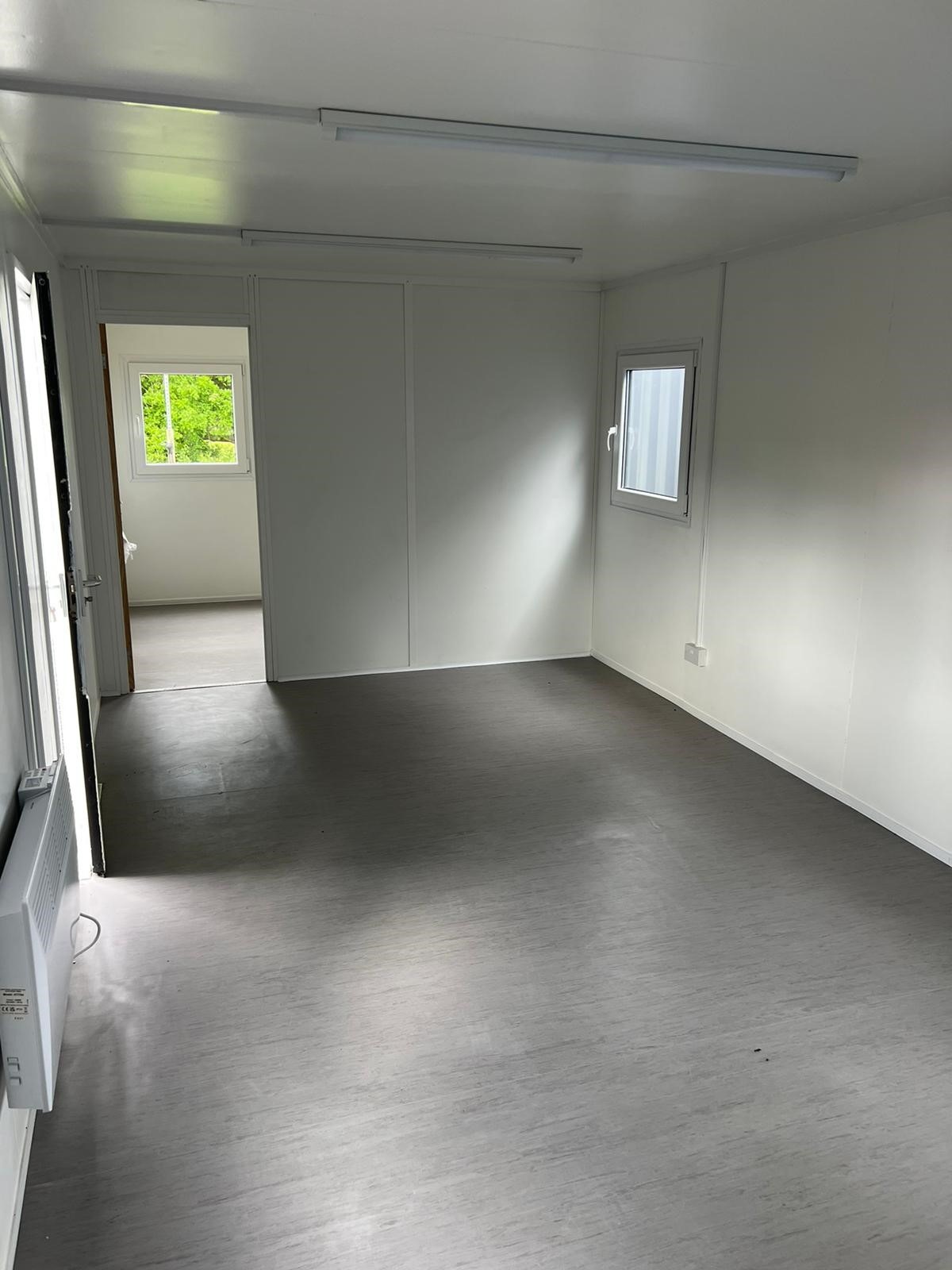
Hallway leading into:
Transport can be arranged please ask.


Location: Nationwide
Not Available for Hire
Call for an instant quote!
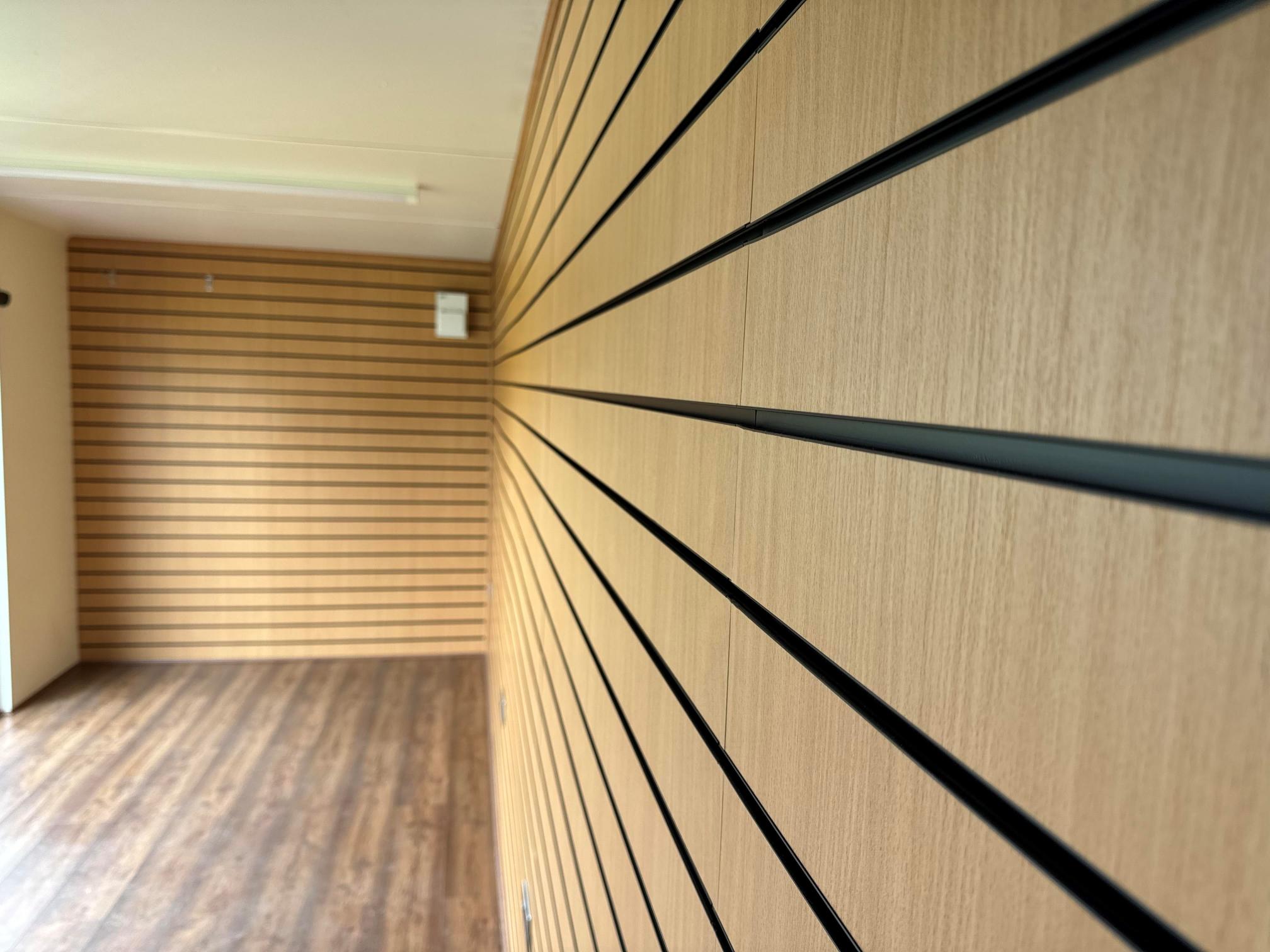
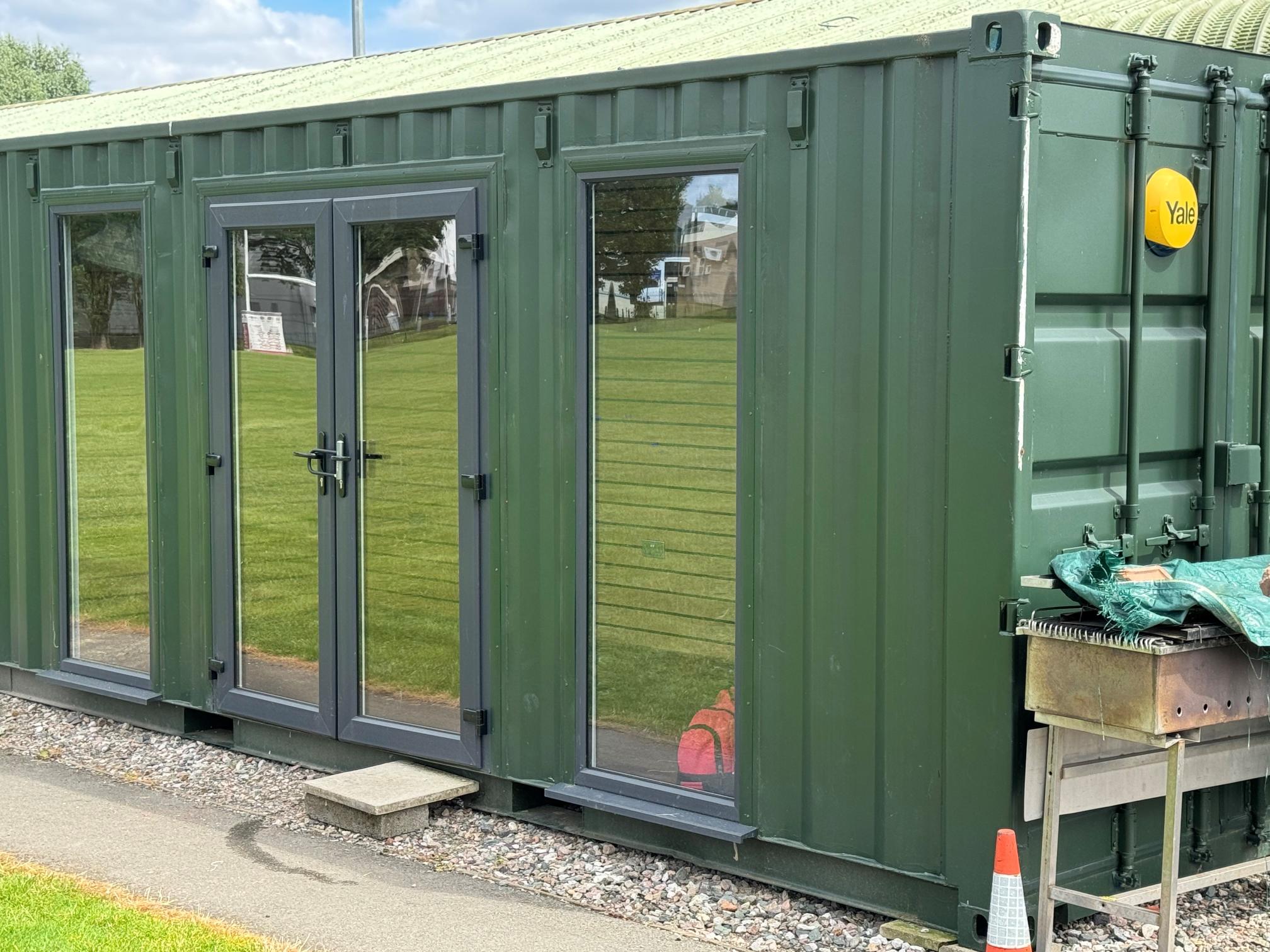
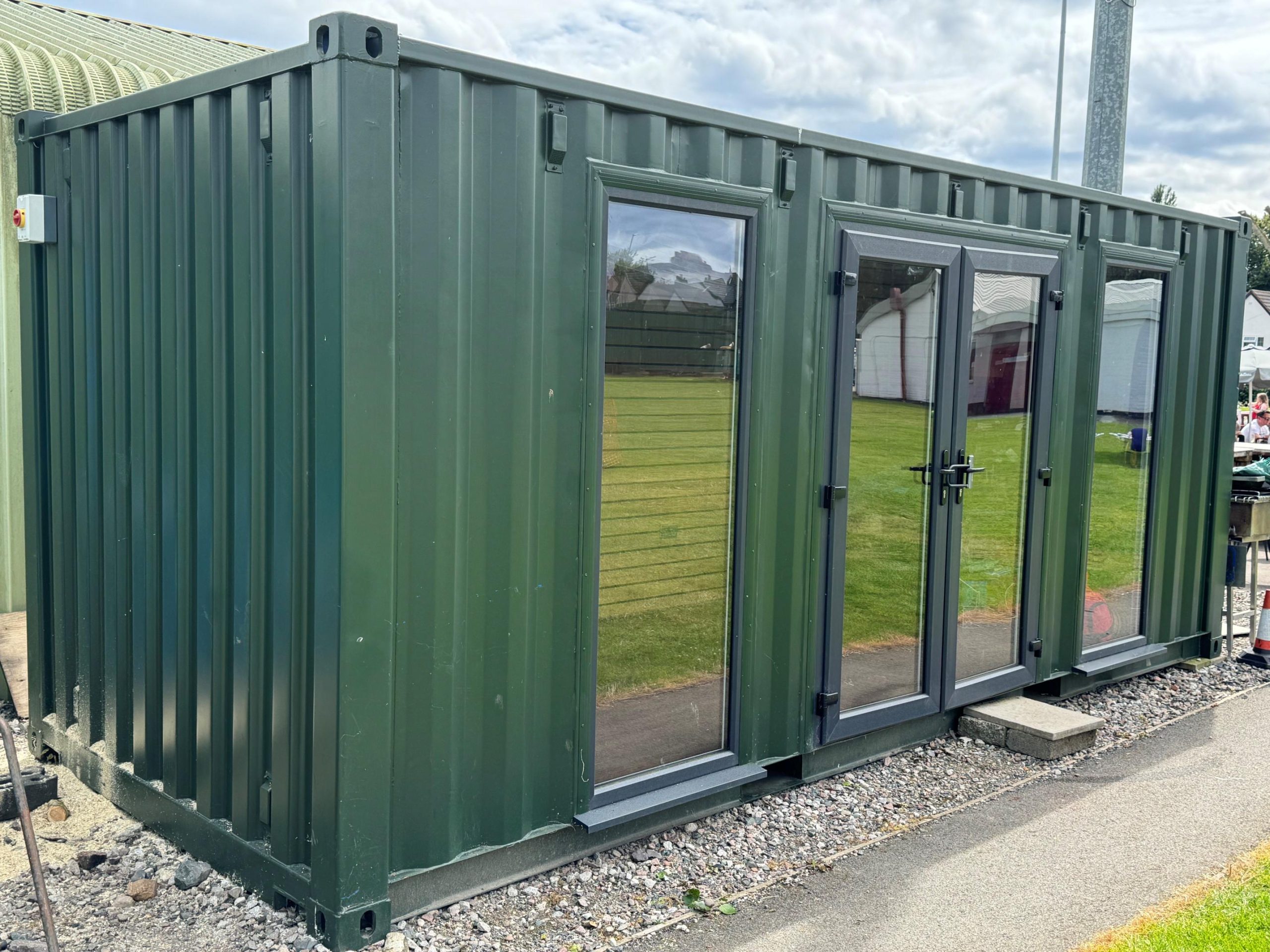
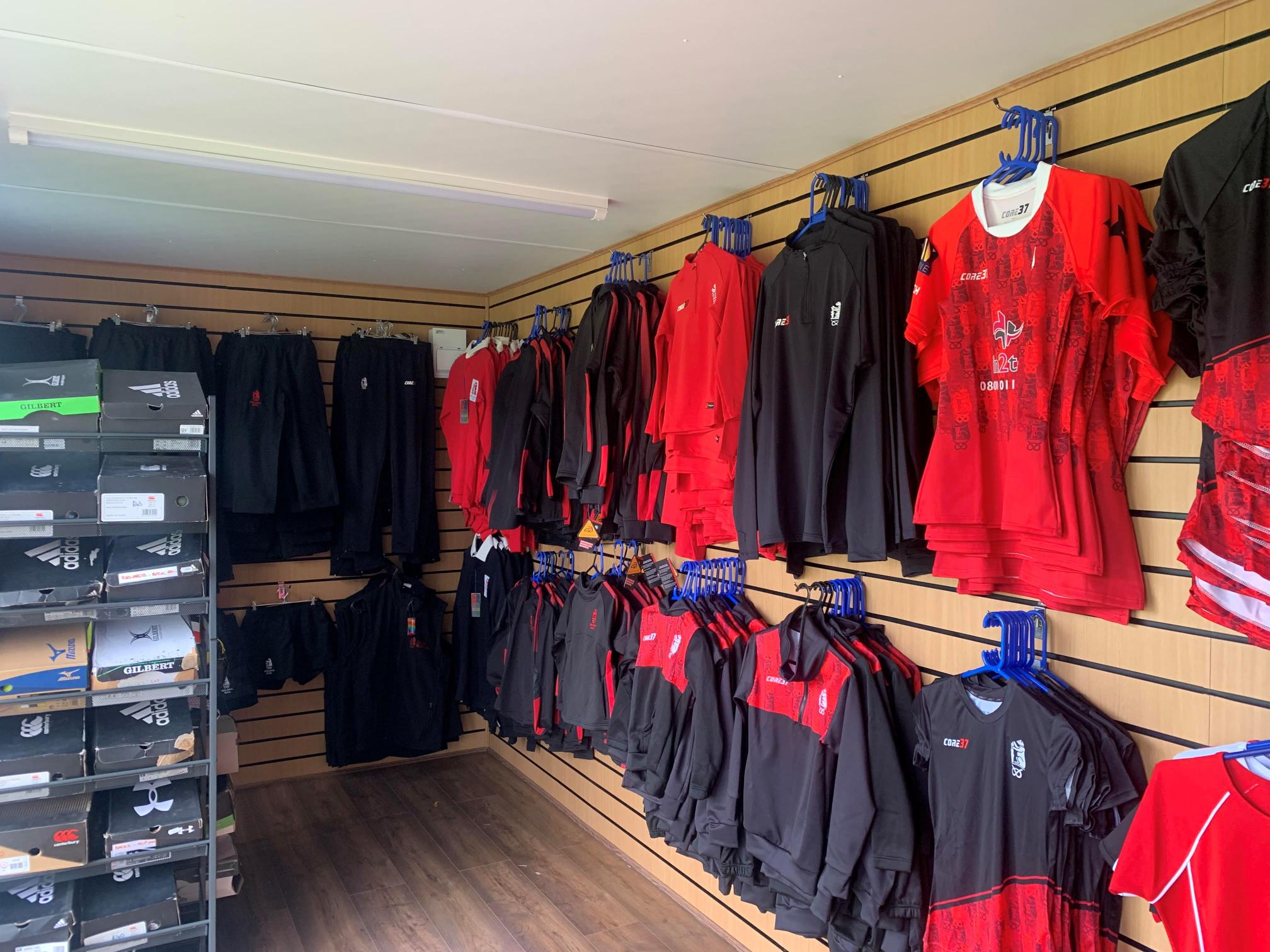
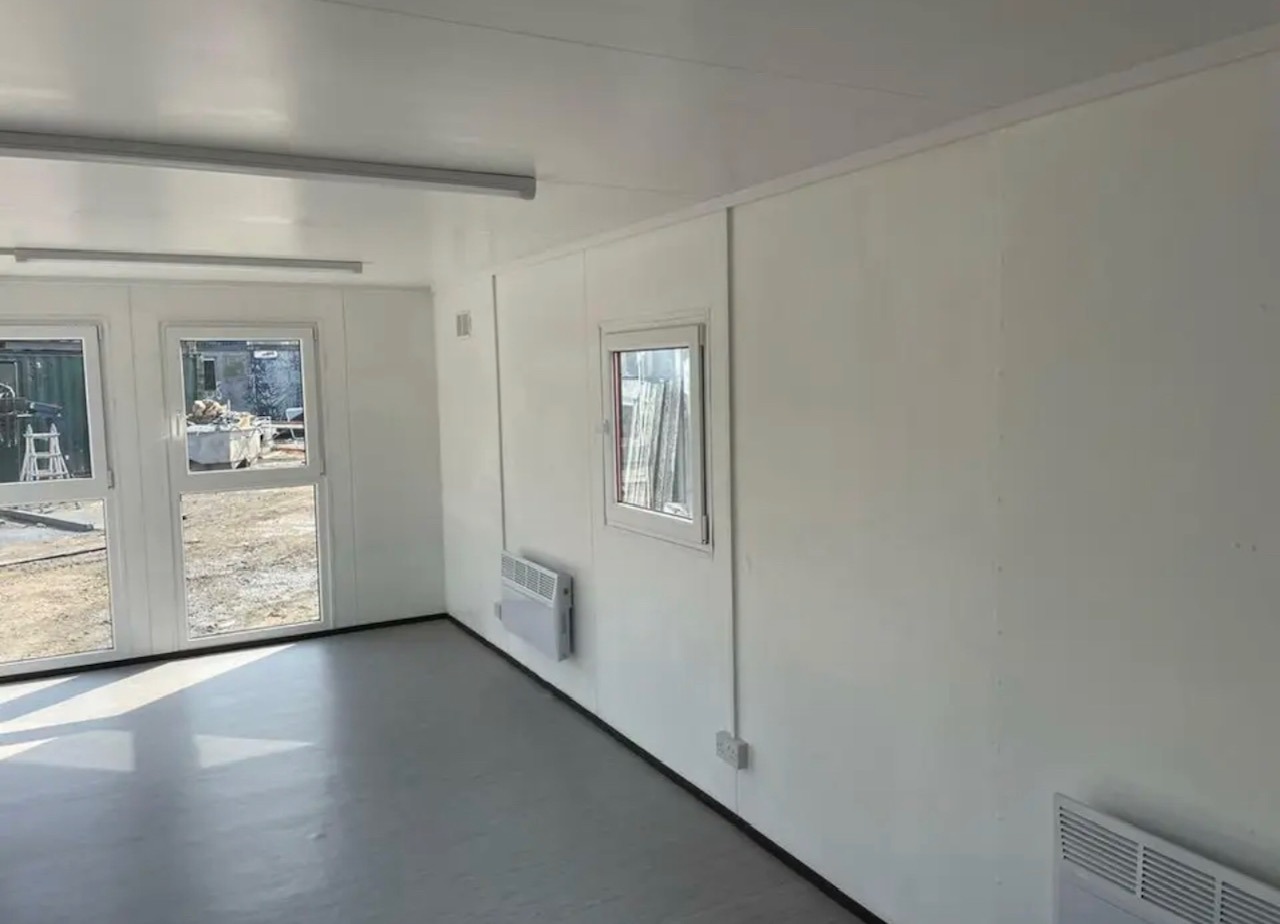
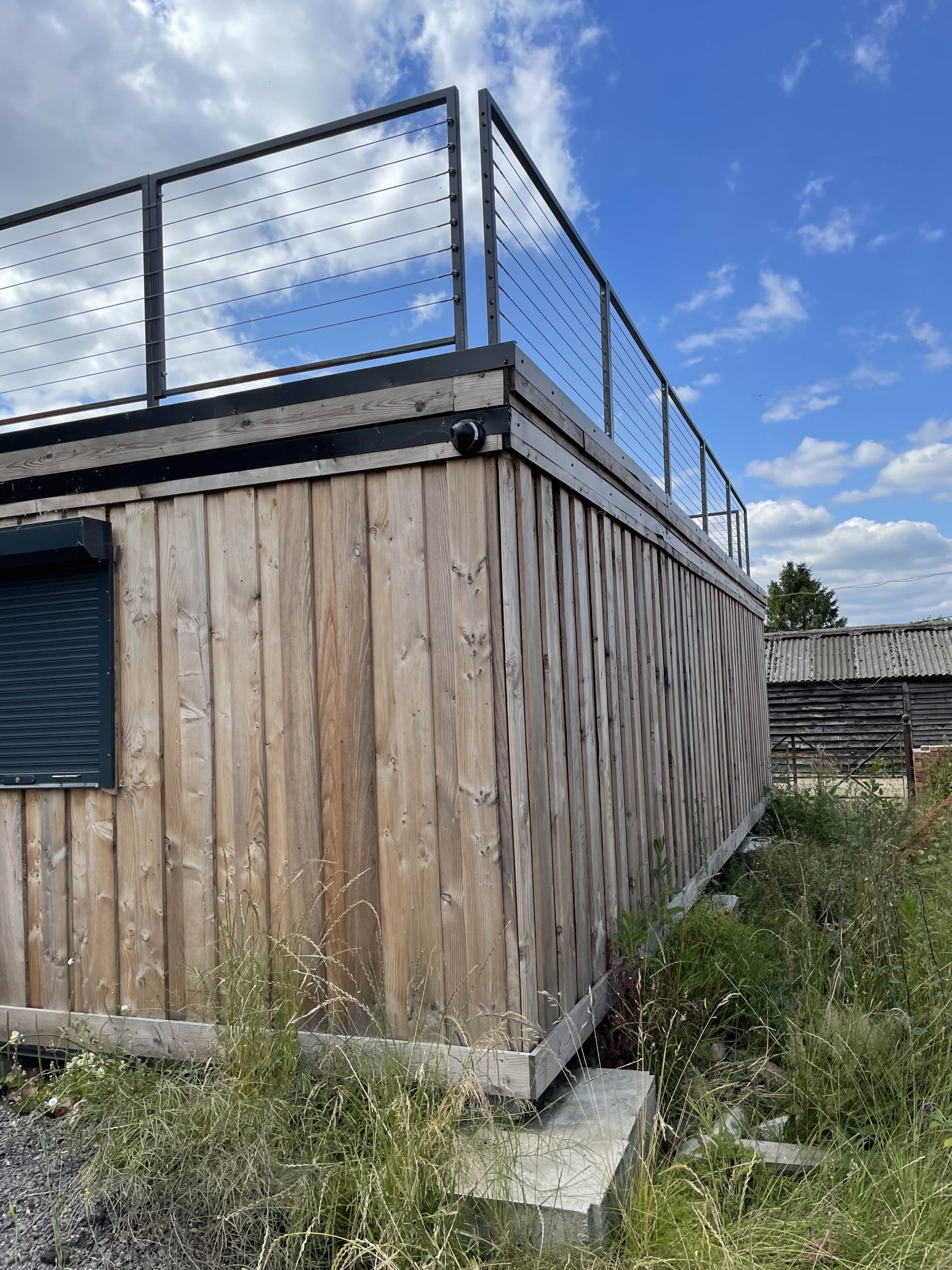
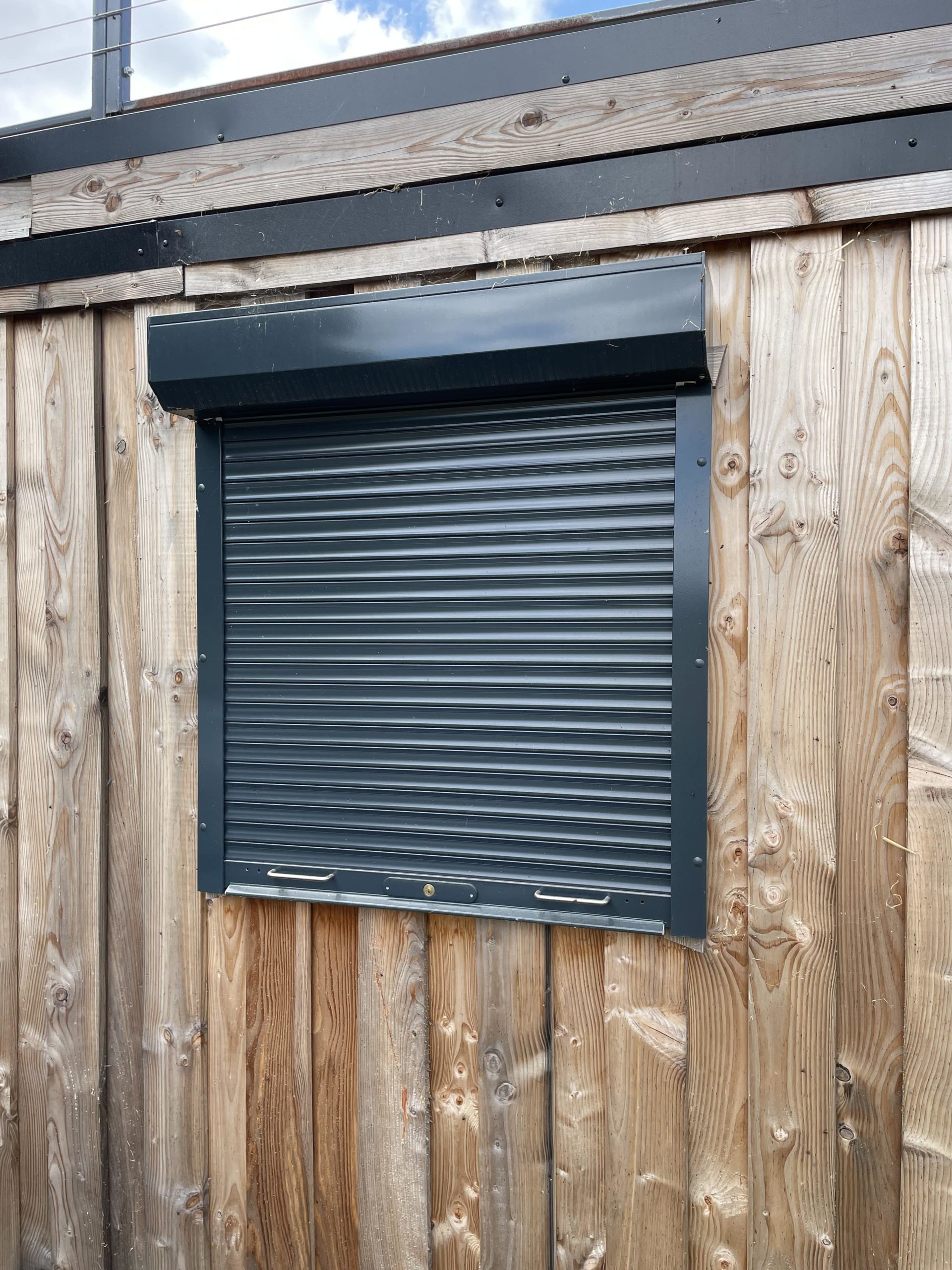
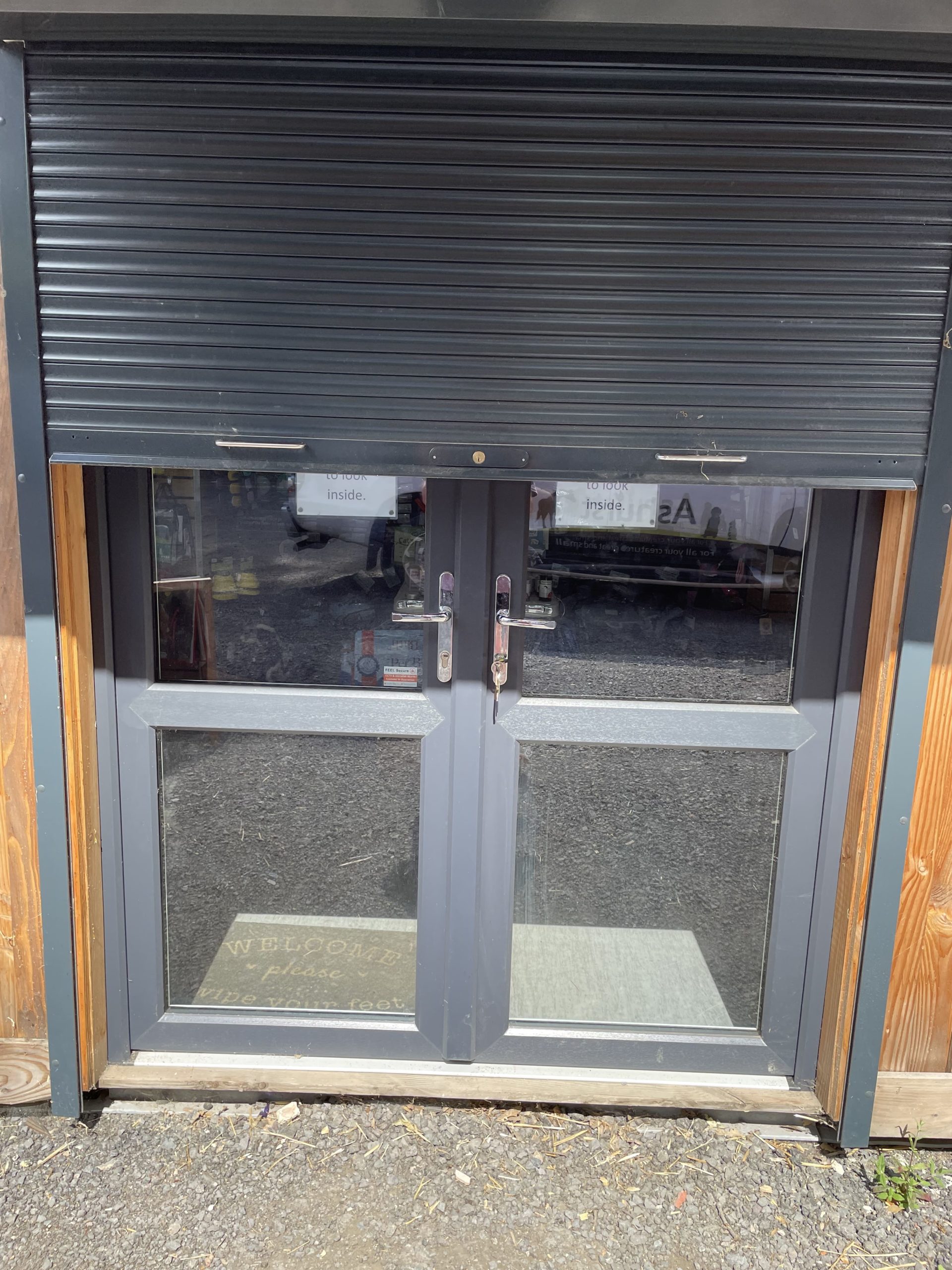
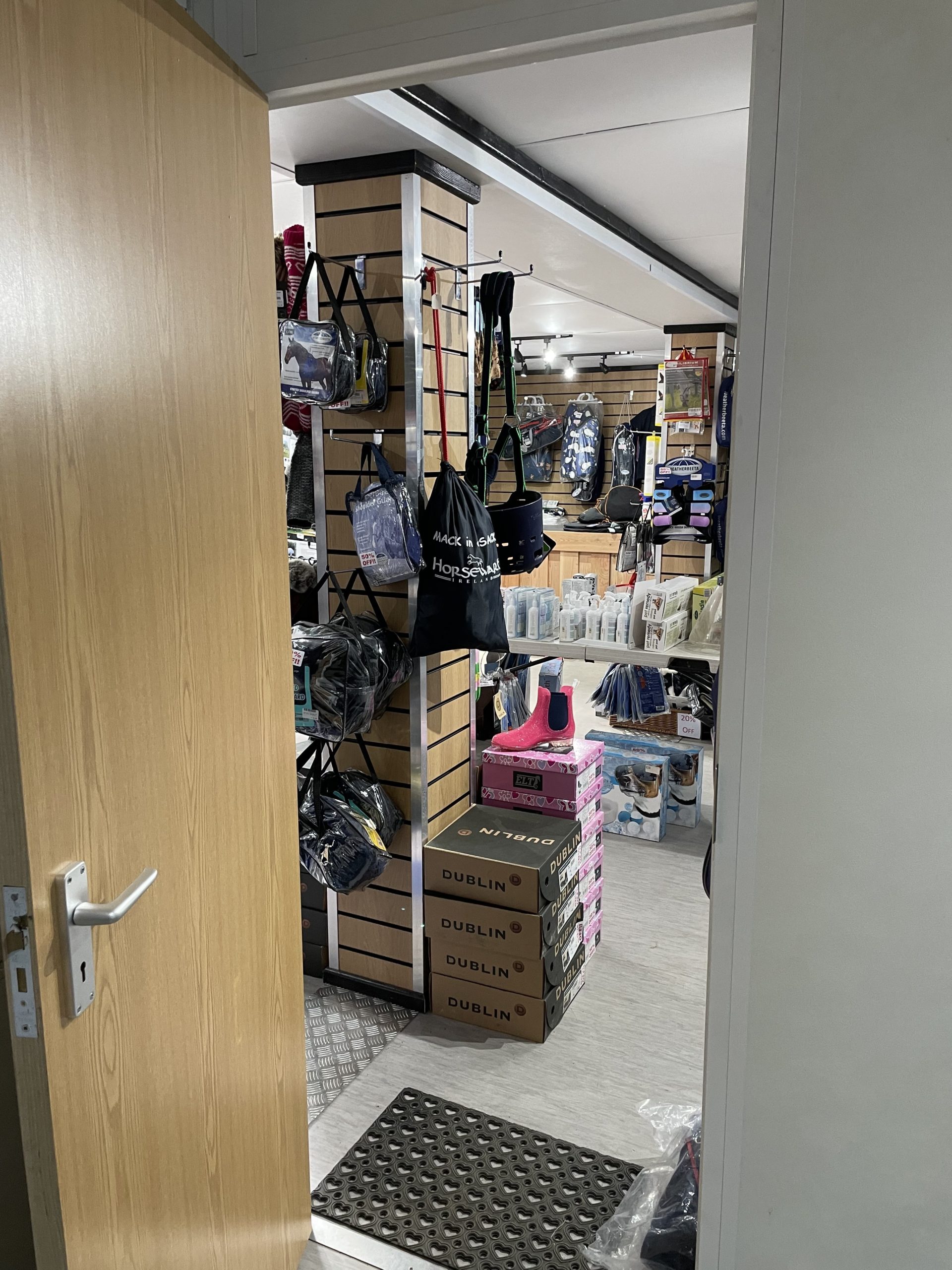
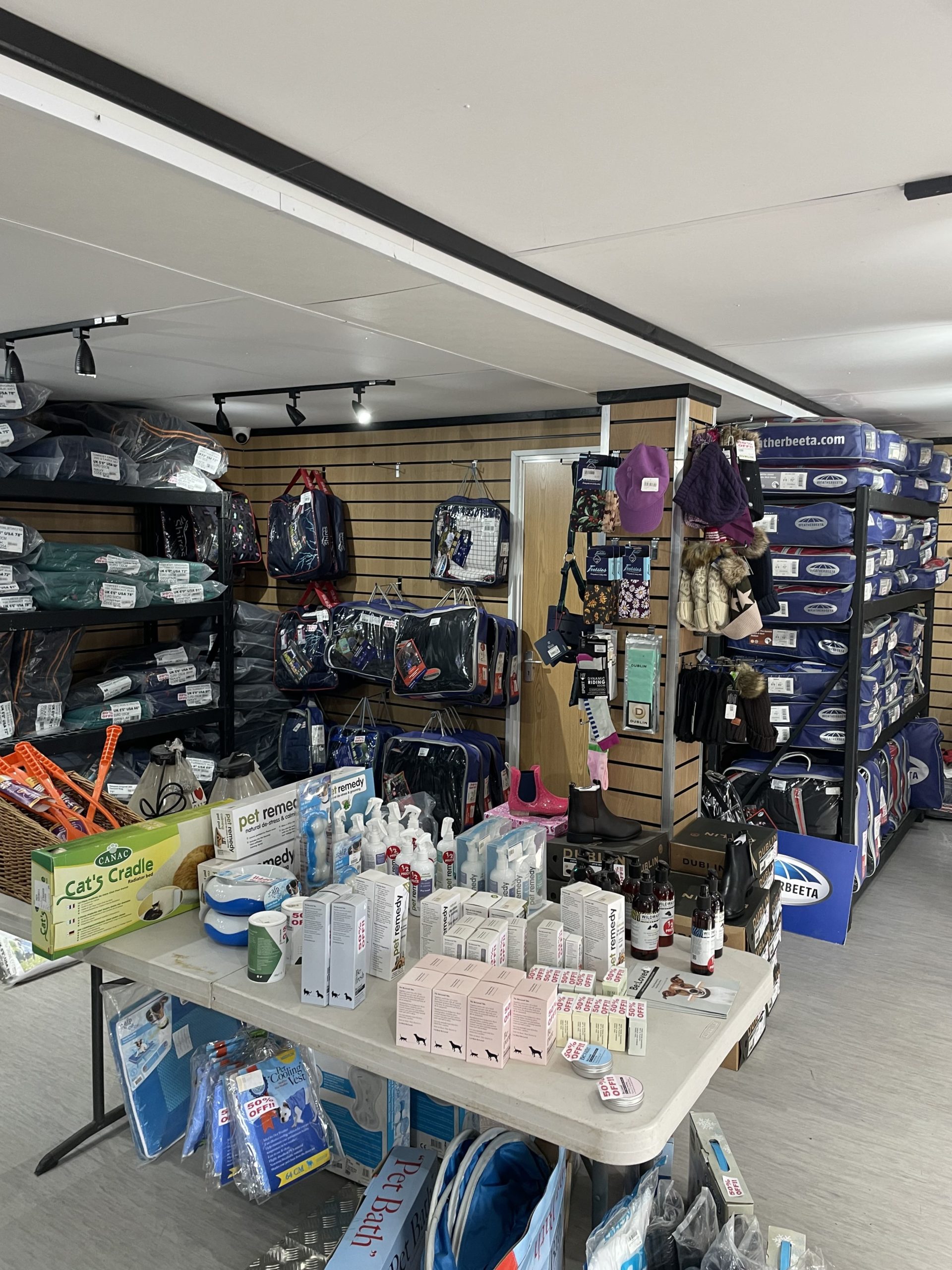
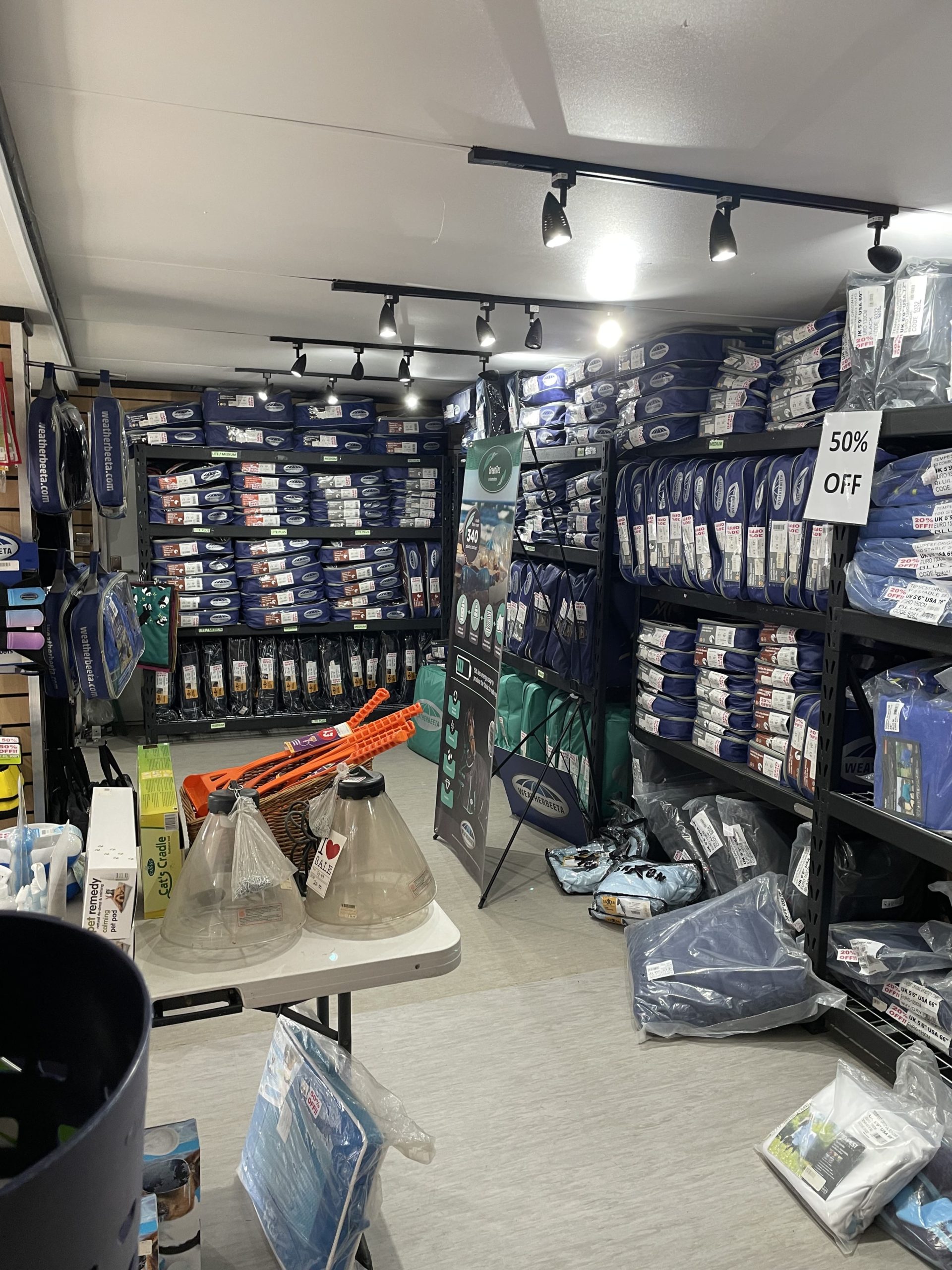
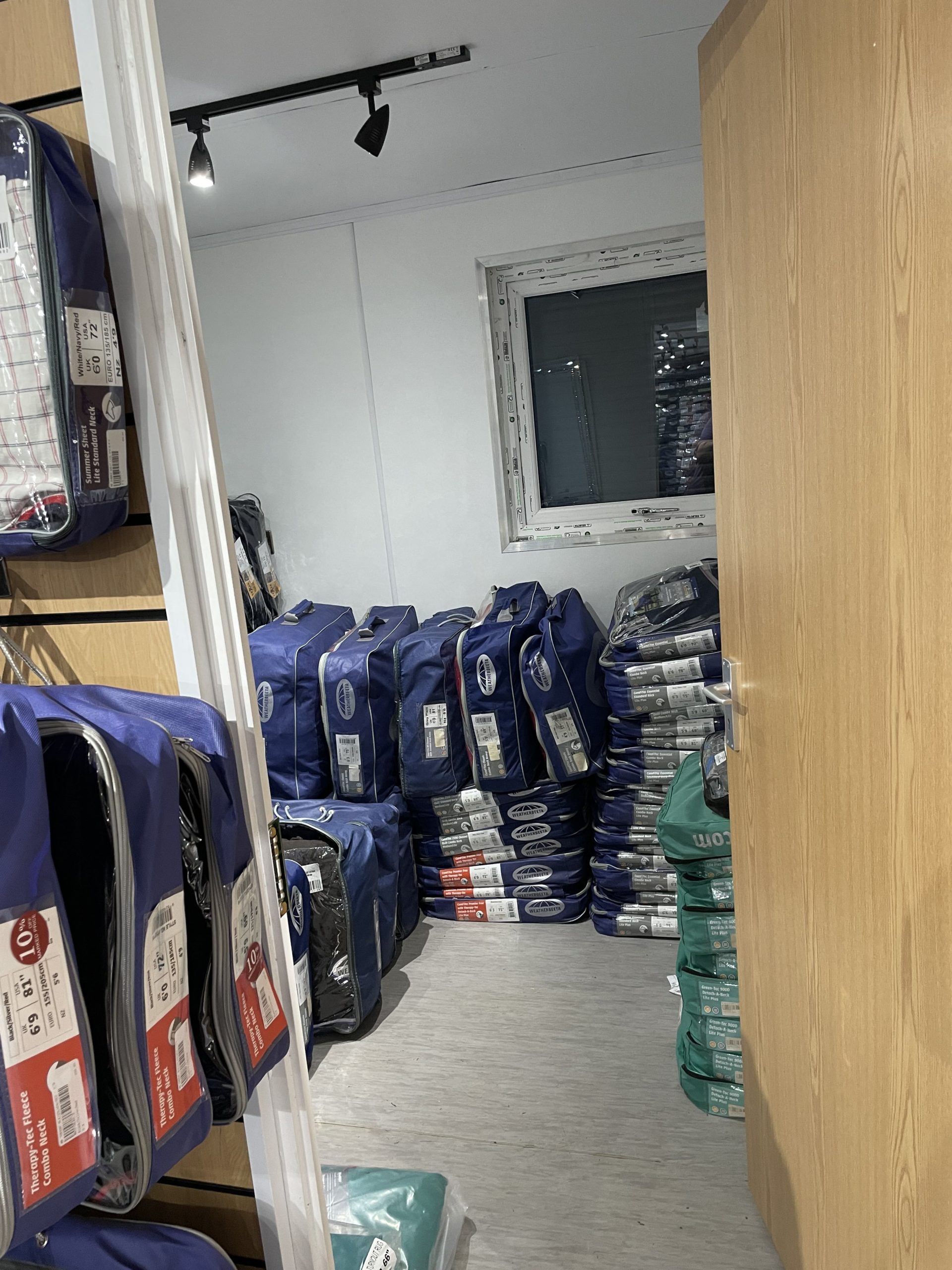
20ft x 8ft Container Conversion Retail Shop
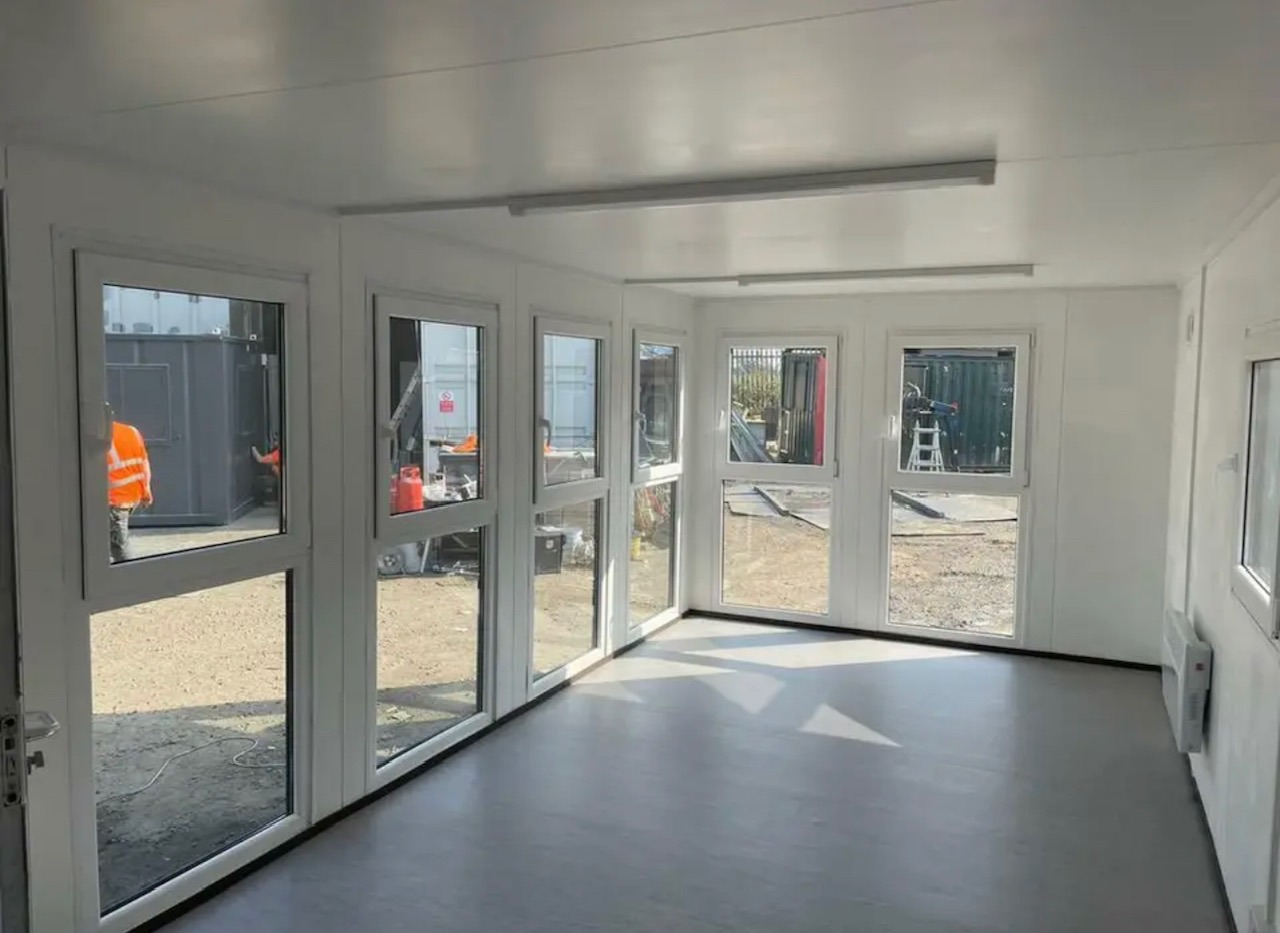
UPVC Double glazed Windows + French Doors
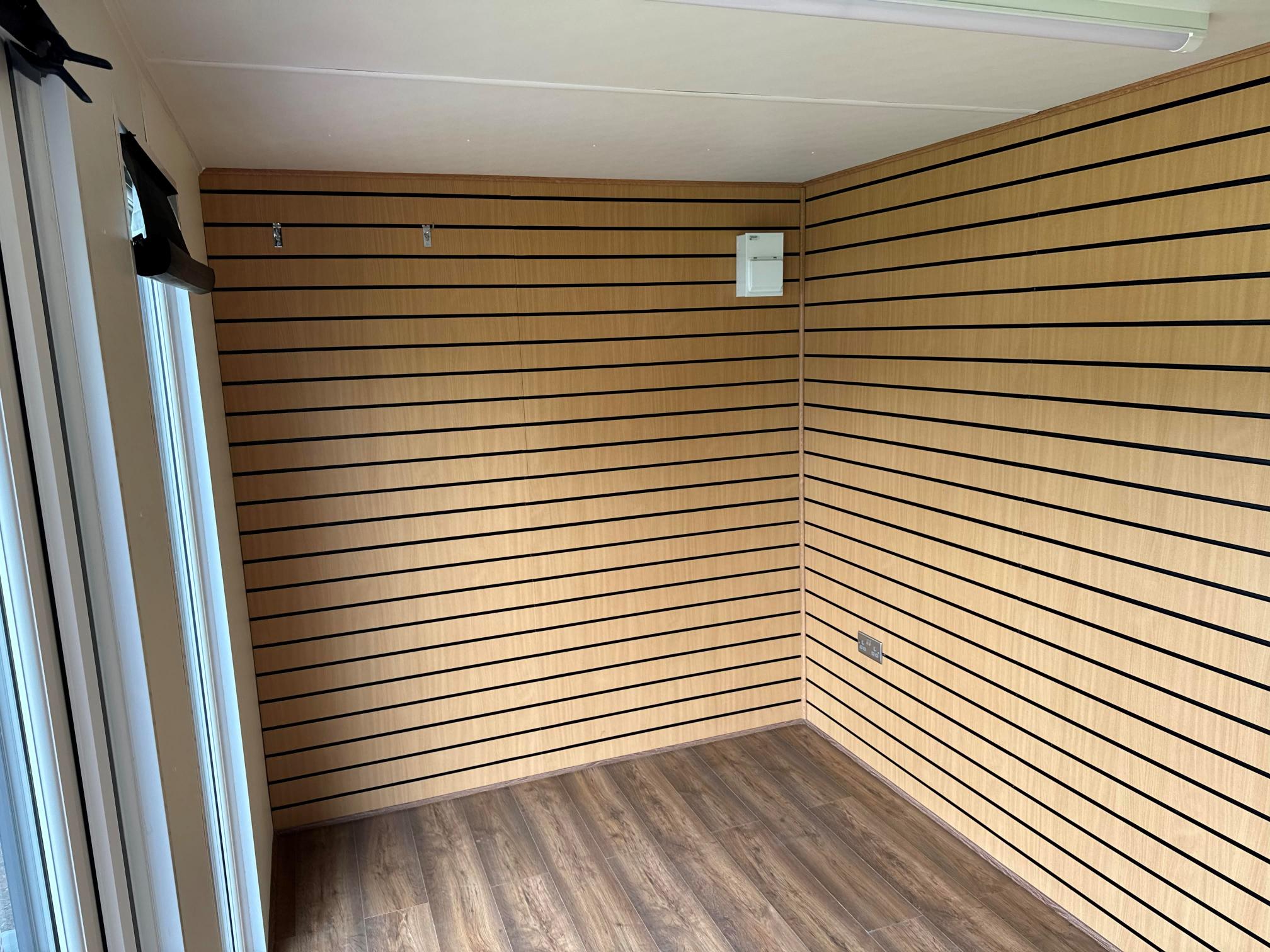
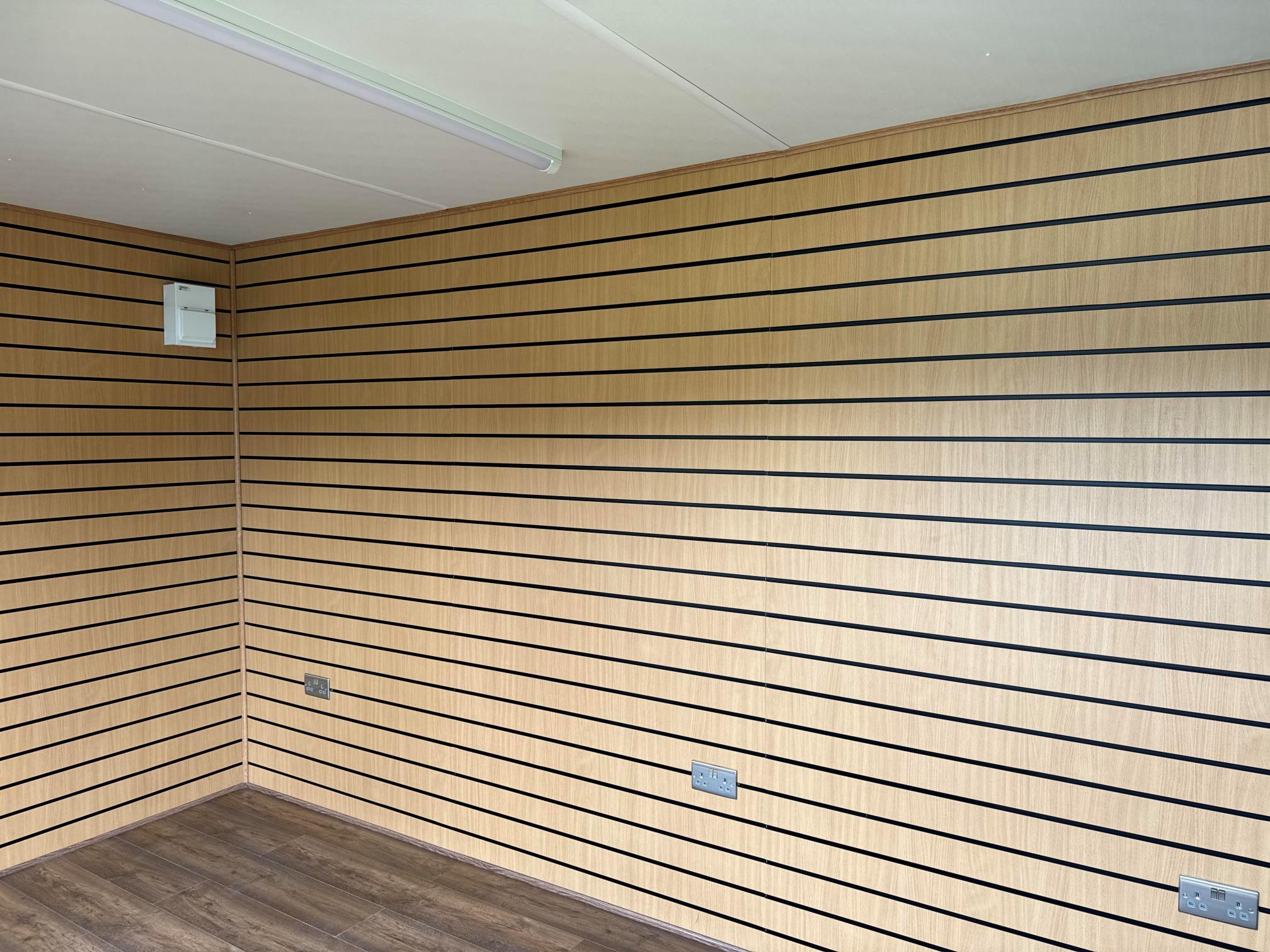
Slat Wall for retail fixings and Merchandise
Electric Chrome Sockets, led lighting and heating.
Laminate Flooring
12 months Warranty
Maintenance call out package included
Less than 2 years old
Still in Brand New Condition


Fully refurbished
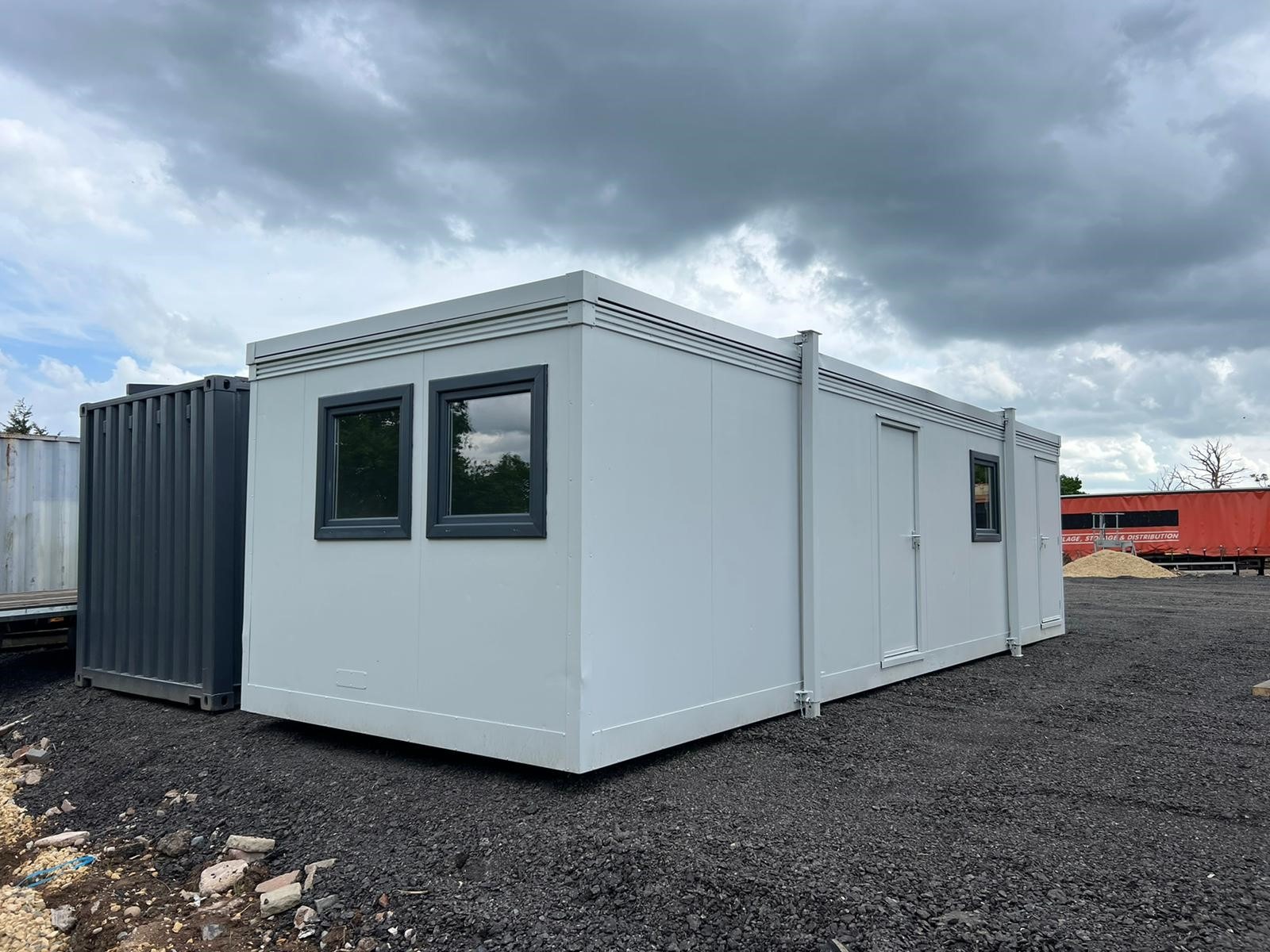
Colour light grey
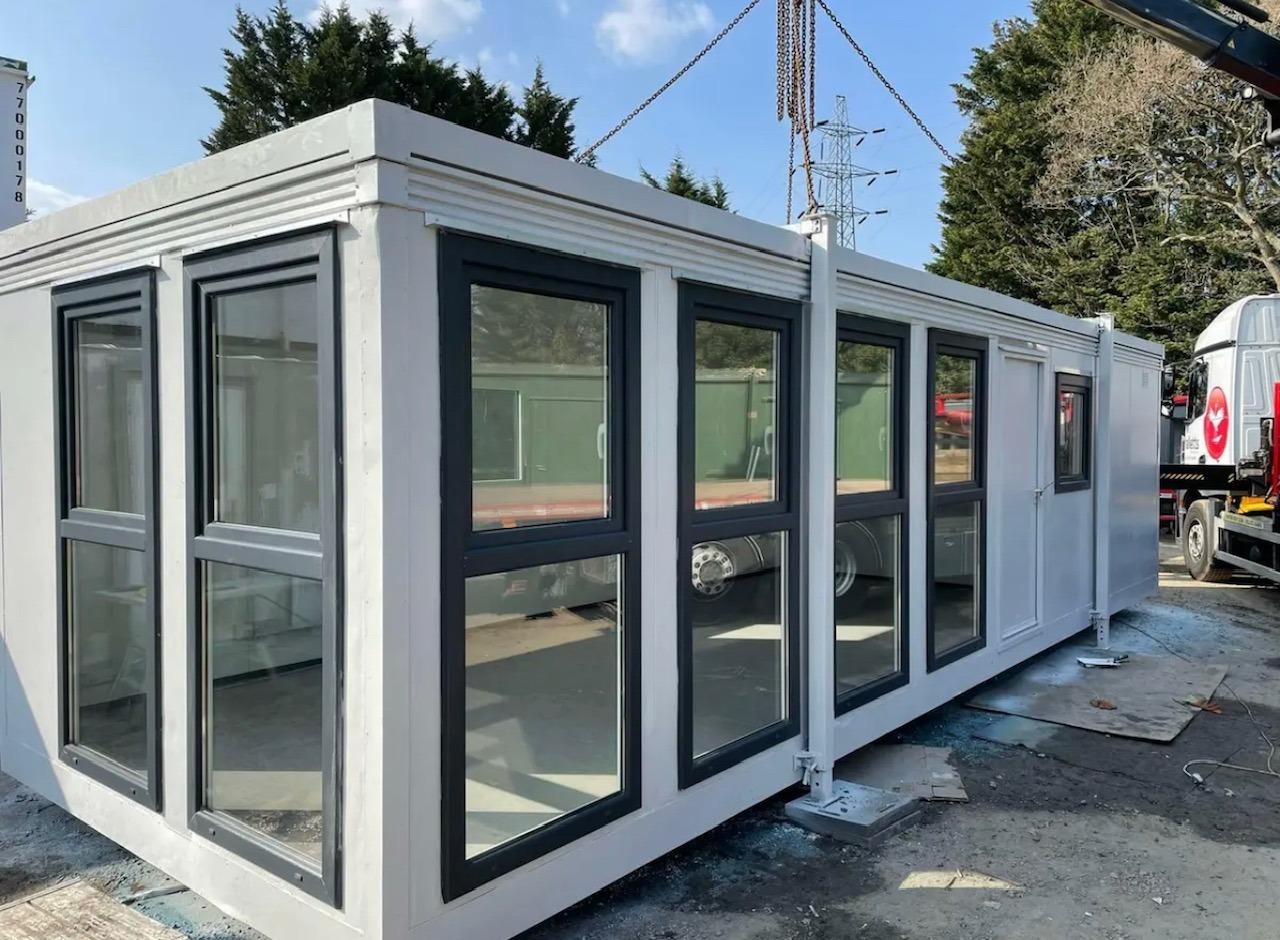
Slate grey anthracite upvc double glazed windows


Location: Nationwide
+ VAT
Not Available for Hire
Call for an instant quote!
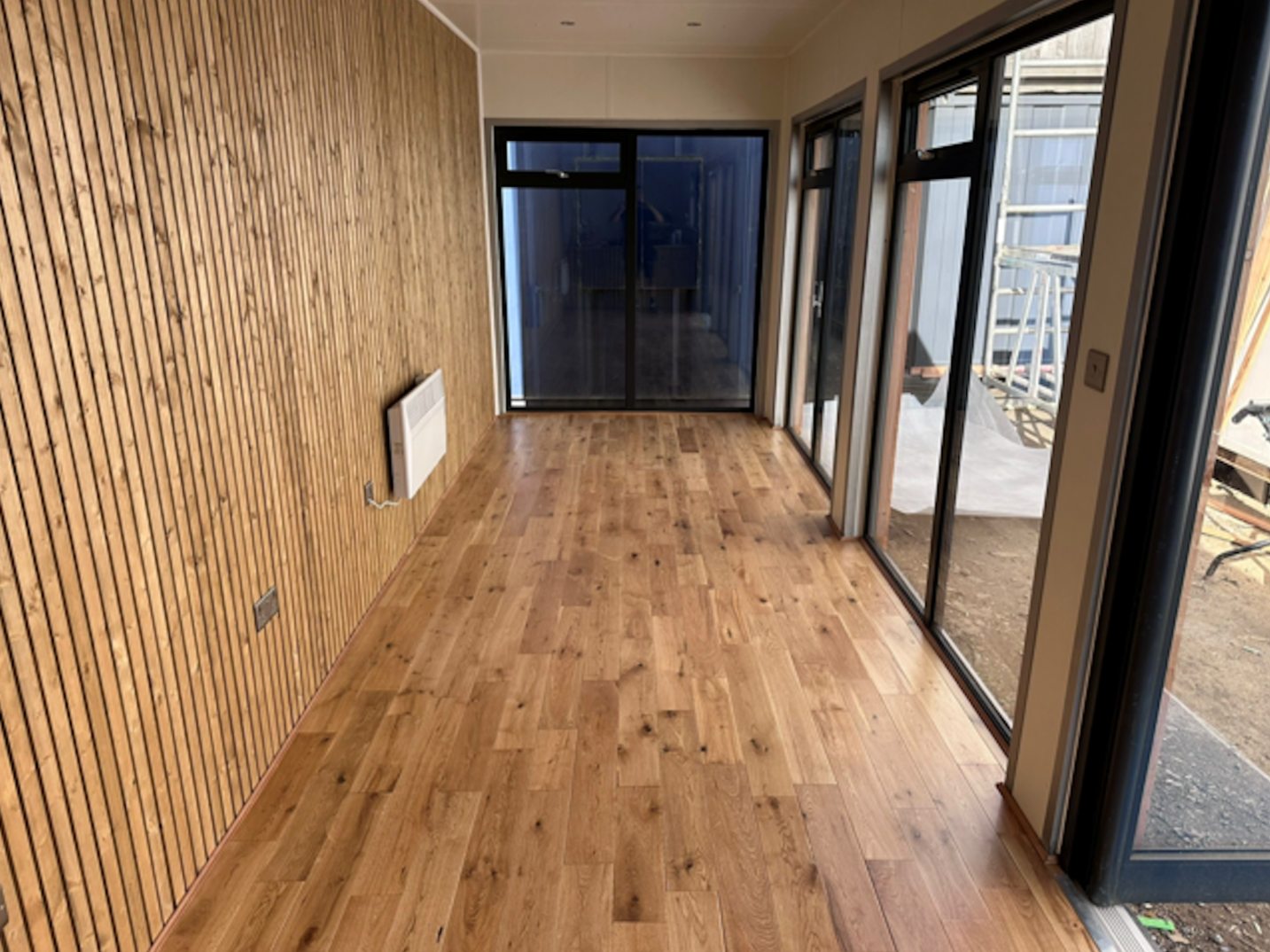
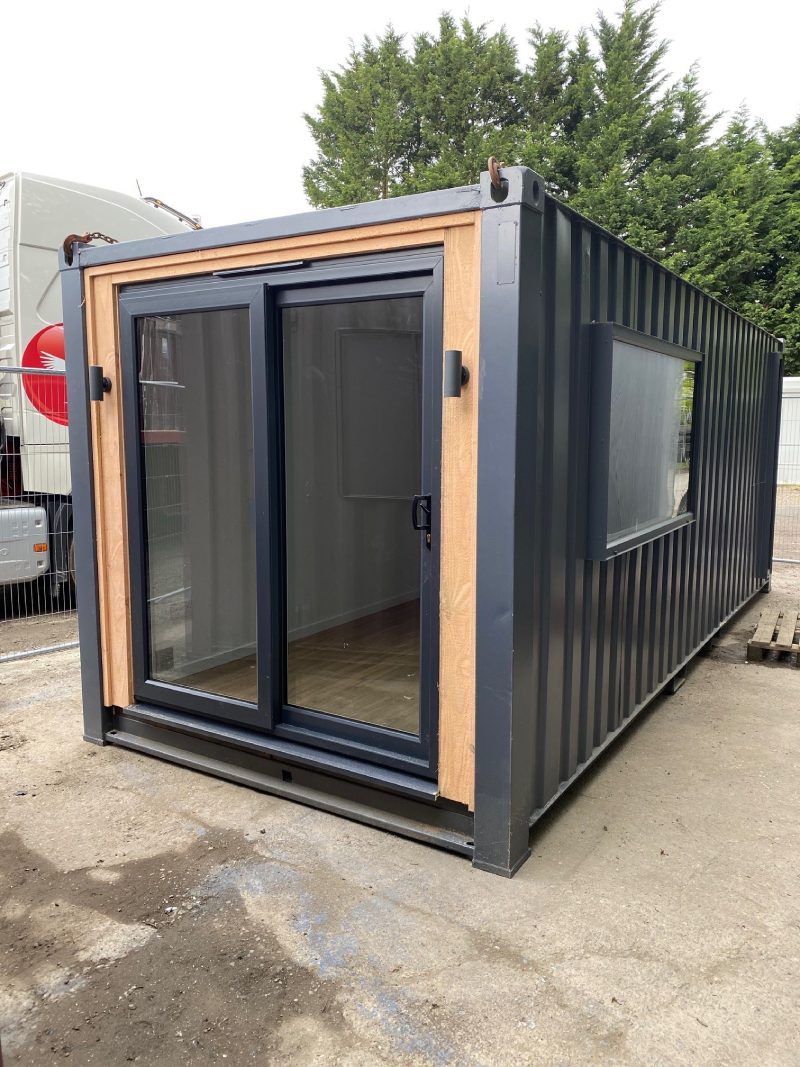
Fully Insulated with electric sockets, spot lighting, and heating
Wood Flooring
UPVC Sliding Door + Windows
Lead Time for build 6-8 weeks


Location: Nationwide
+ VAT
Not Available for Hire
Call for an instant quote!
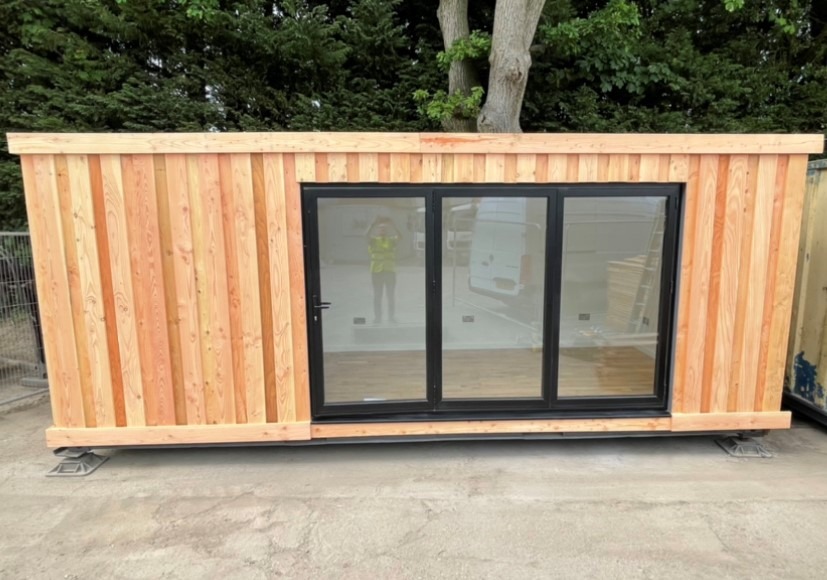
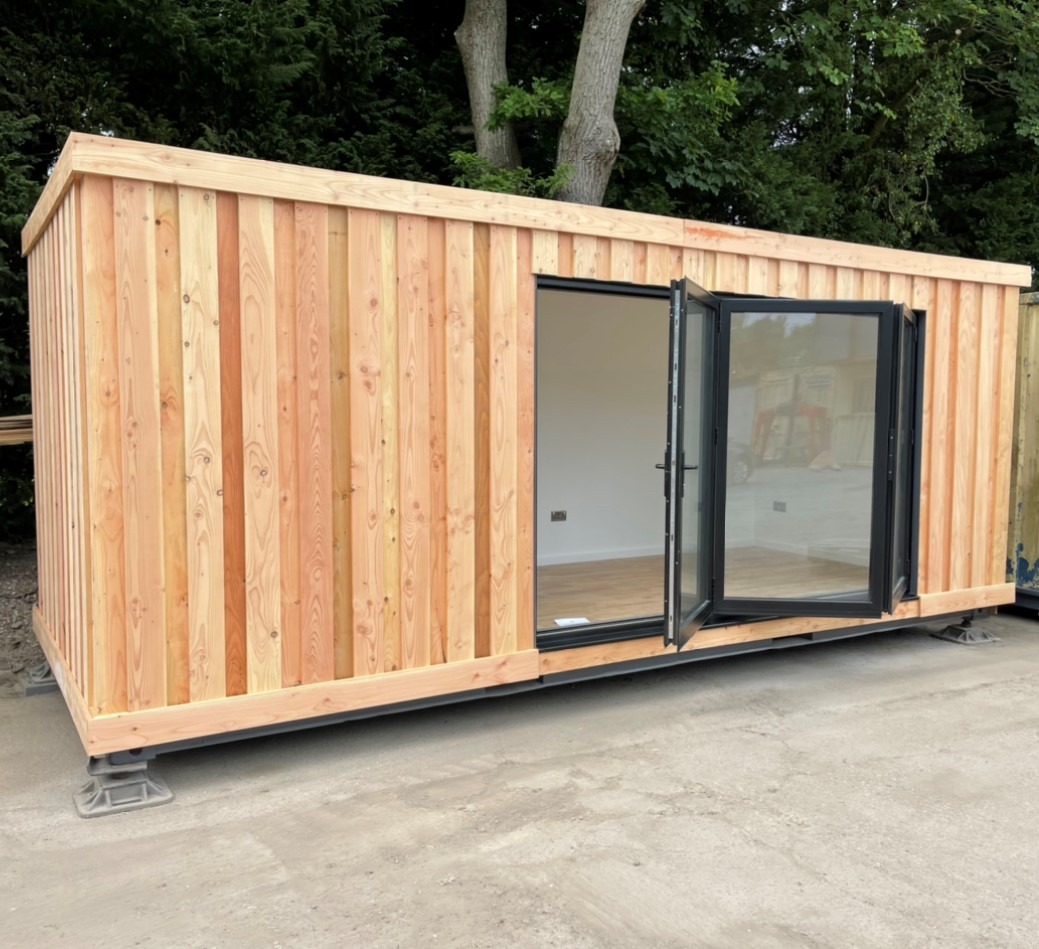
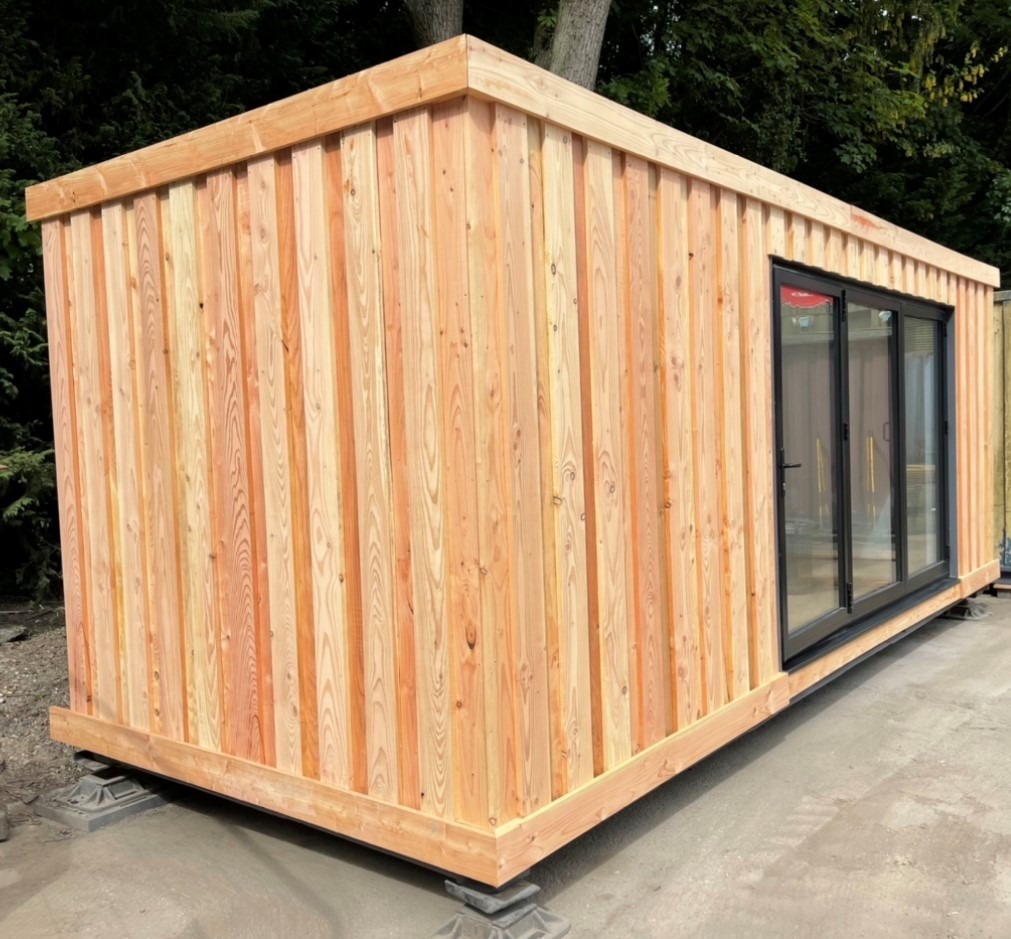
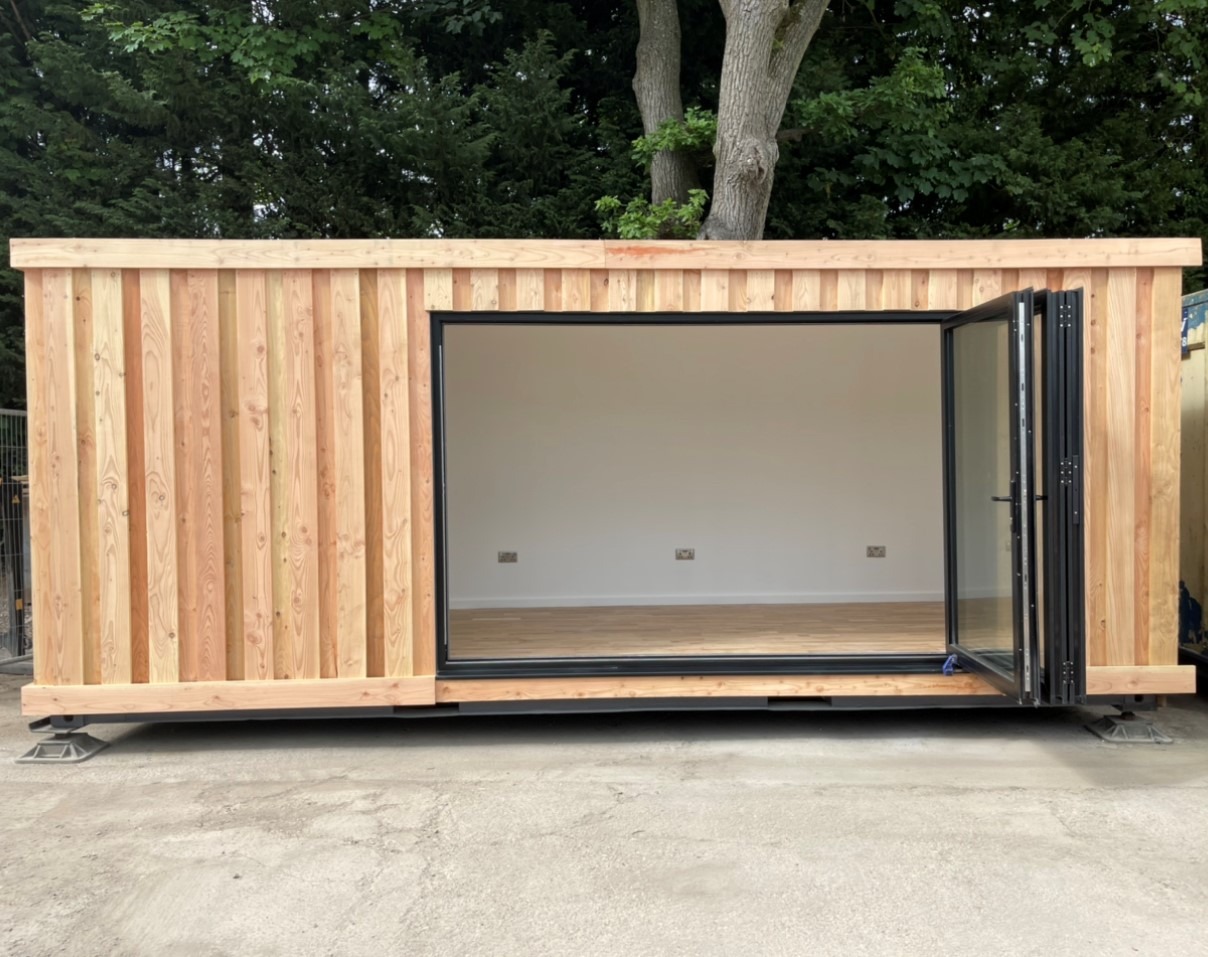
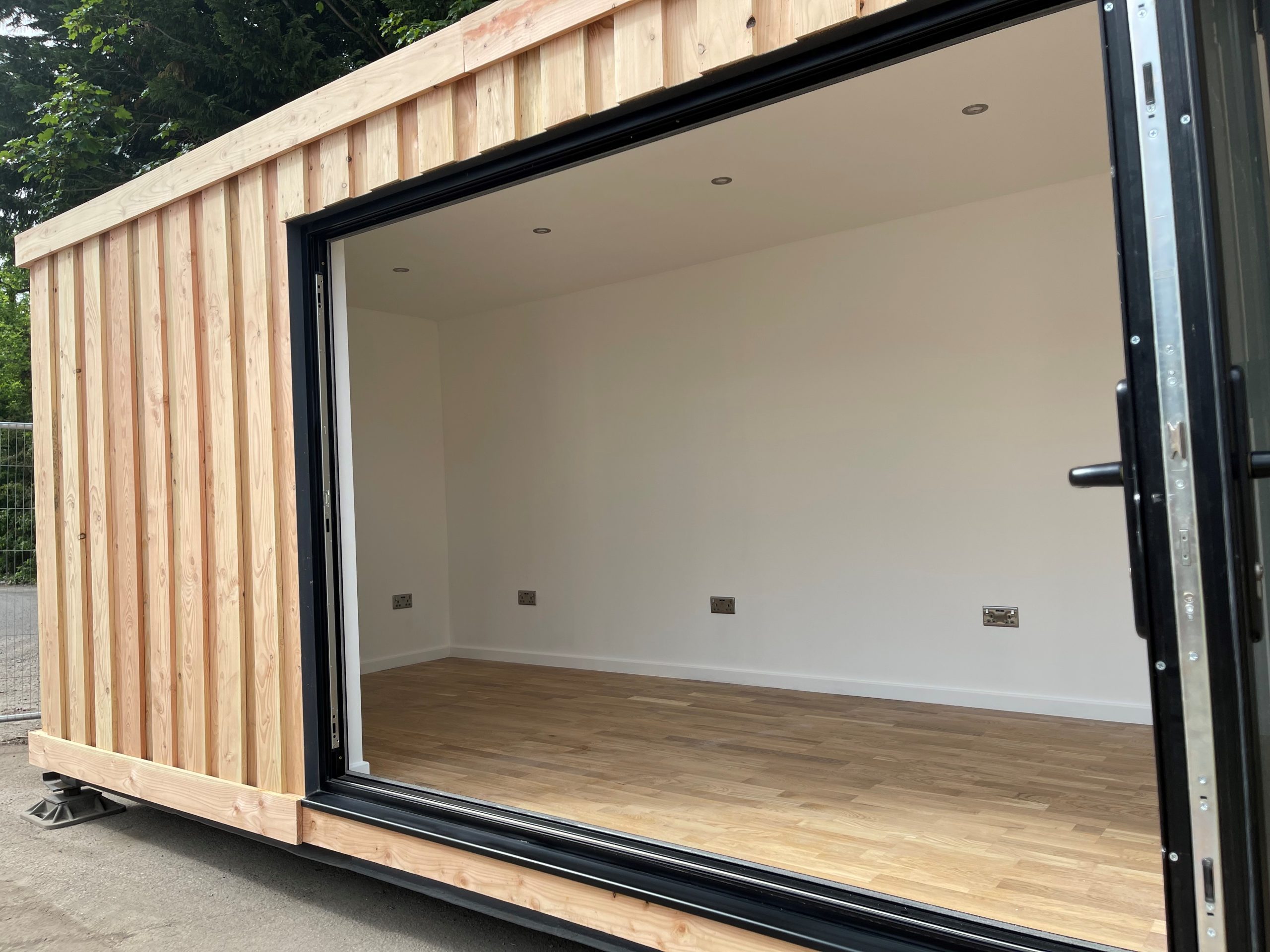
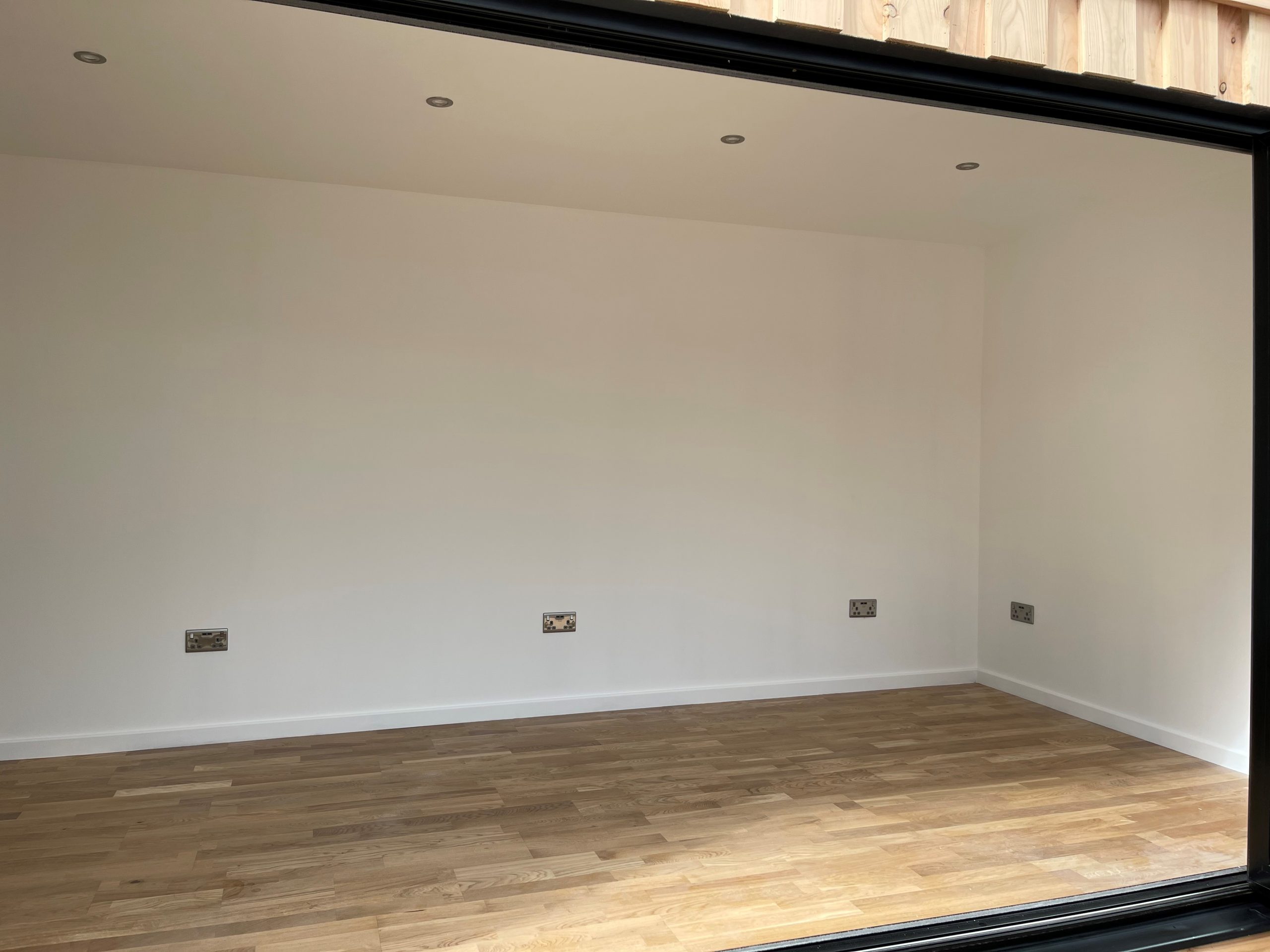
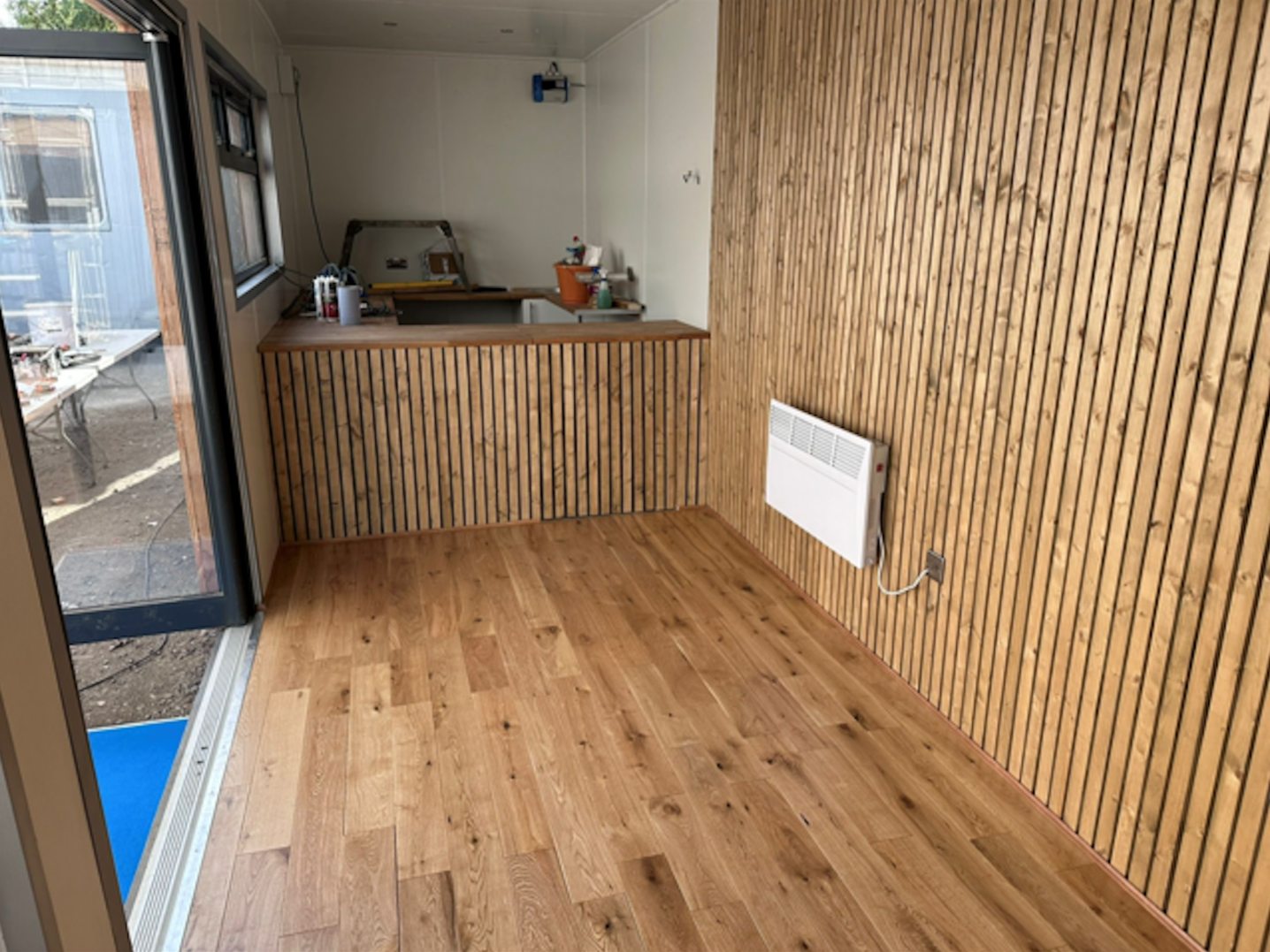
Fully Insulated with electric sockets, spot lighting, and heating
Wood Flooring
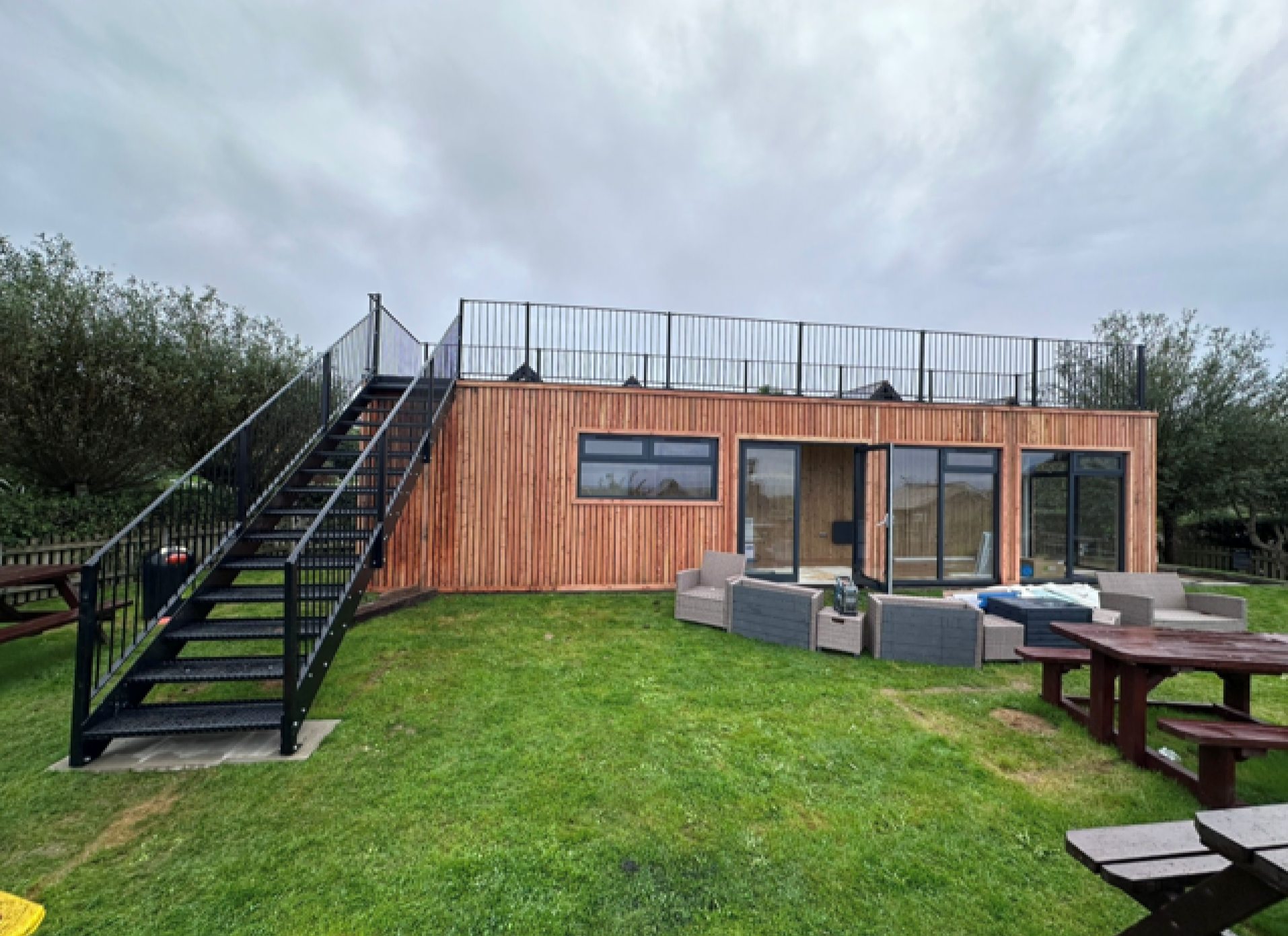
Aluminium Bi Fold Doors
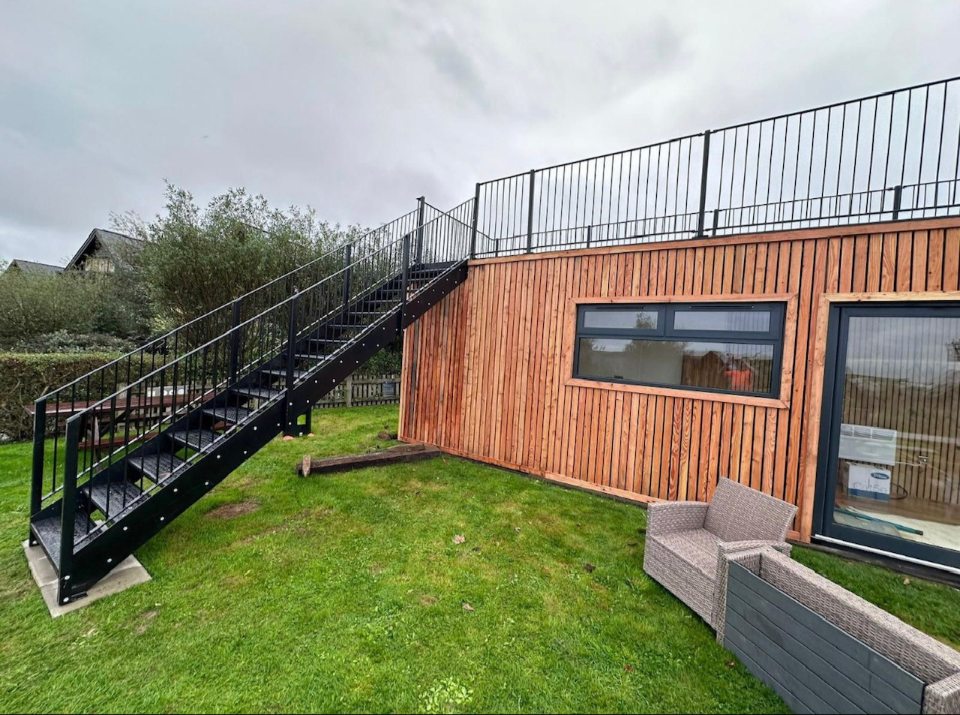
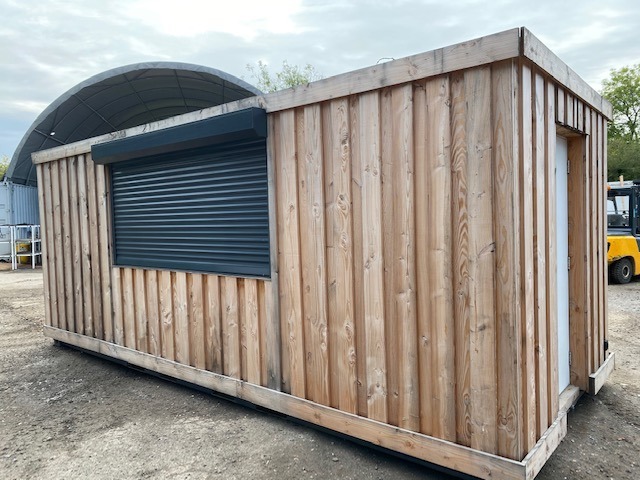
Fully wrapped in larch cladding
Lead Time for build 6-8 weeks


Location: Nationwide
+ VAT
Not Available for Hire
Call for an instant quote!
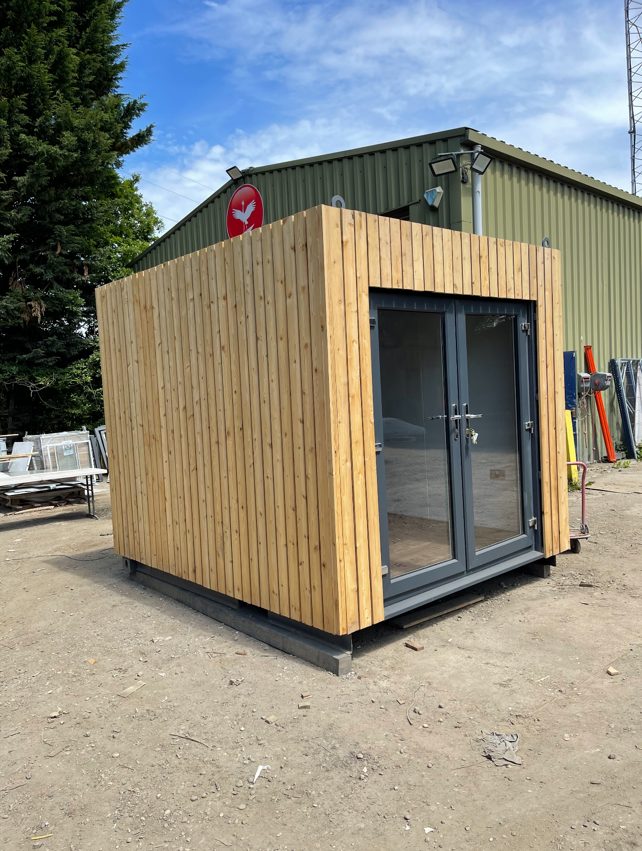
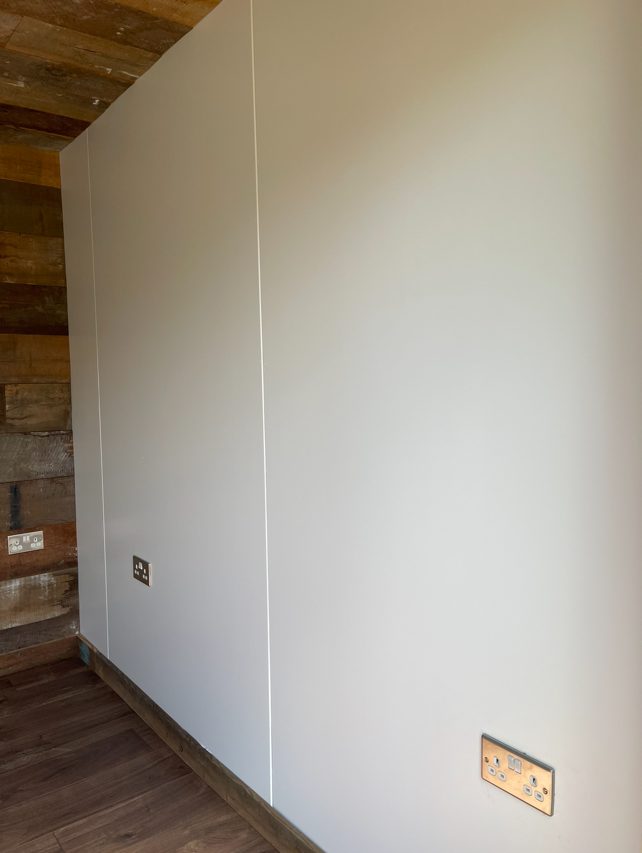
Fully Insulated with electric sockets, spot lighting, and heating
Wood Flooring
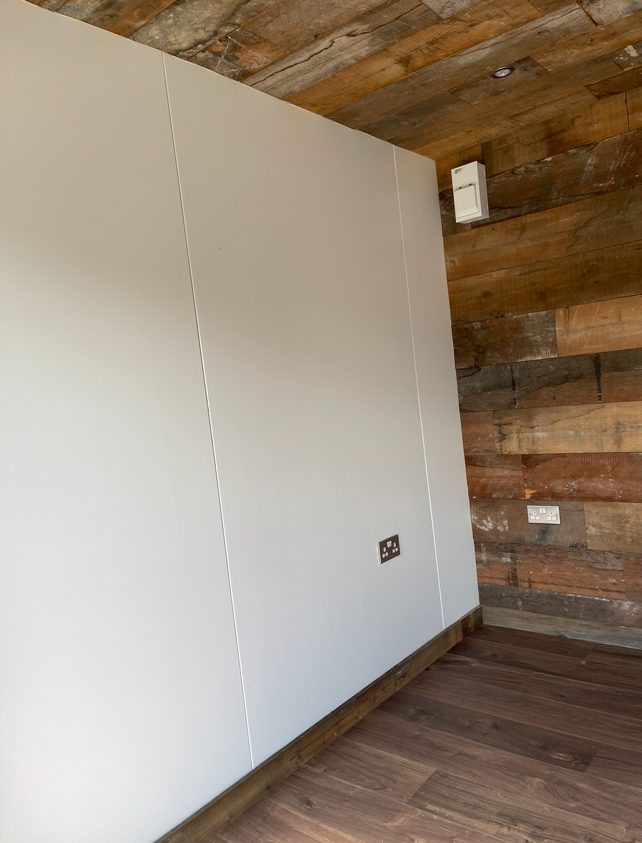
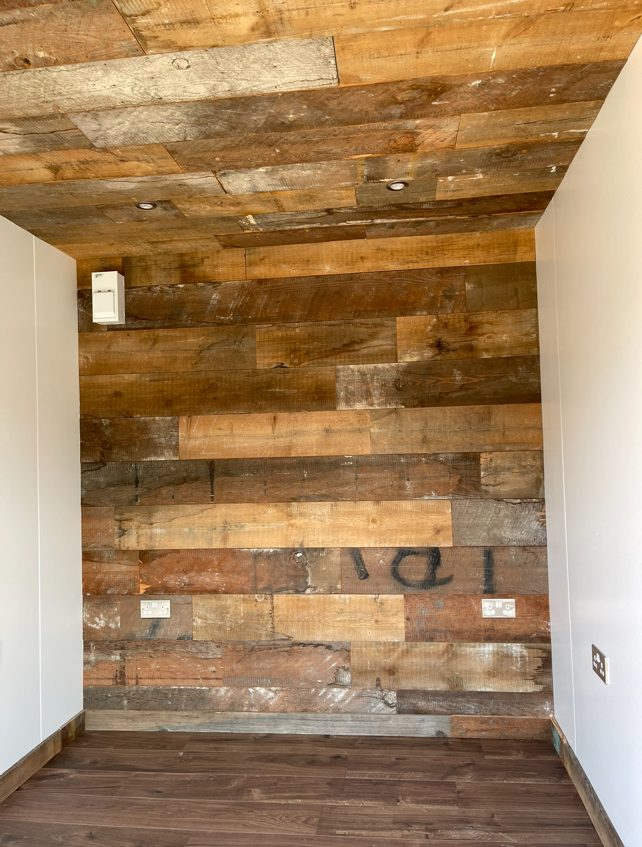
Feature Clad Wall and Ceiling
UPVC Double glazed French Doors
Fully wrapped in larch cladding
Lead Time for build 6-8 weeks


Location: Nationwide
EX VAT
Not Available for Hire
Call for an instant quote!


Location: Nationwide
EX VAT
Not Available for Hire
Call for an instant quote!


Location: Nationwide
EX VAT
Not Available for Hire
Call for an instant quote!


Location: Nationwide
EX VAT
Not Available for Hire
Call for an instant quote!


Location: Nationwide
EX VAT
Not Available for Hire
Call for an instant quote!

Location: Nationwide
EX VAT
Not Available for Hire
Call for an instant quote!


Location: Nationwide
EX VAT
Not Available for Hire
Call for an instant quote!


Location: Nationwide
EX VAT
Not Available for Hire
Call for an instant quote!


Location: Nationwide
EX VAT
Not Available for Hire
Call for an instant quote!


Location: Nationwide
EX VAT
Not Available for Hire
Call for an instant quote!


Location: Nationwide
EX VAT
Not Available for Hire
Call for an instant quote!


Location: Nationwide
EX VAT
Not Available for Hire
Call for an instant quote!


Location: Nationwide
EX VAT
Not Available for Hire
Call for an instant quote!


Location: Nationwide
EX VAT
Not Available for Hire
Call for an instant quote!


Location: Nationwide
EX VAT
Not Available for Hire
Call for an instant quote!


Location: Nationwide
EX VAT
Not Available for Hire
Call for an instant quote!
10ftx8ft – £5950 + Vat / 16ftx8ft – £7950 + Vat / 20ftx8ft – £9000 + Vat / 24ftx8ft – £12000 + Vat / 30ftx8ft – £13500 + Vat


Location: Nationwide
EX VAT
Not Available for Hire
Call for an instant quote!


Location: Nationwide
EX VAT
Not Available for Hire
Call for an instant quote!


Location: Nationwide
EX VAT
Not Available for Hire
Call for an instant quote!

Location: Nationwide
Quantity: ∞
EX VAT
Not Available for Hire
Call for an instant quote!
• Reinforced doors and windows with secure locking
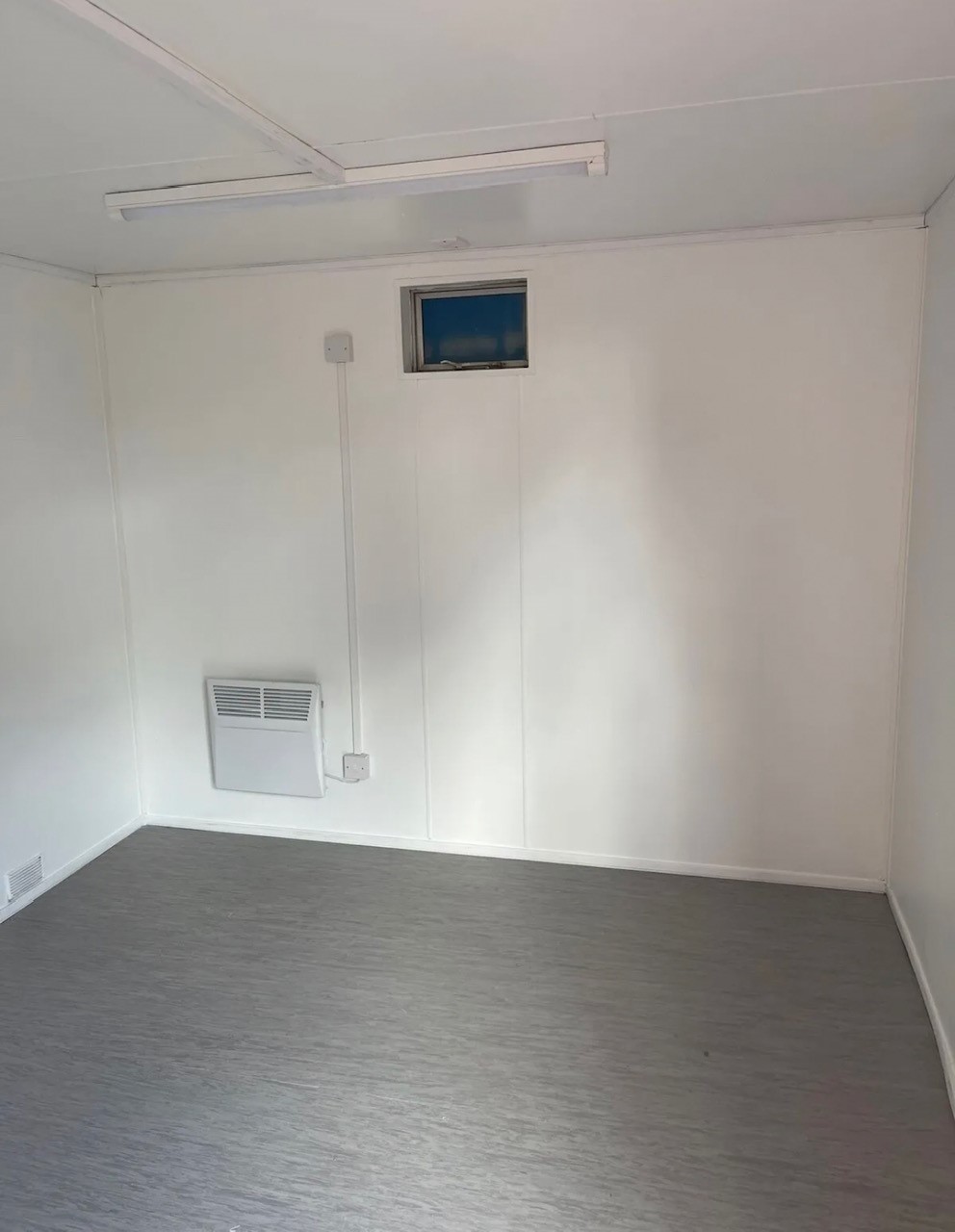
• Open plan with electric sockets and lighting
• Ral Code Colour of choice
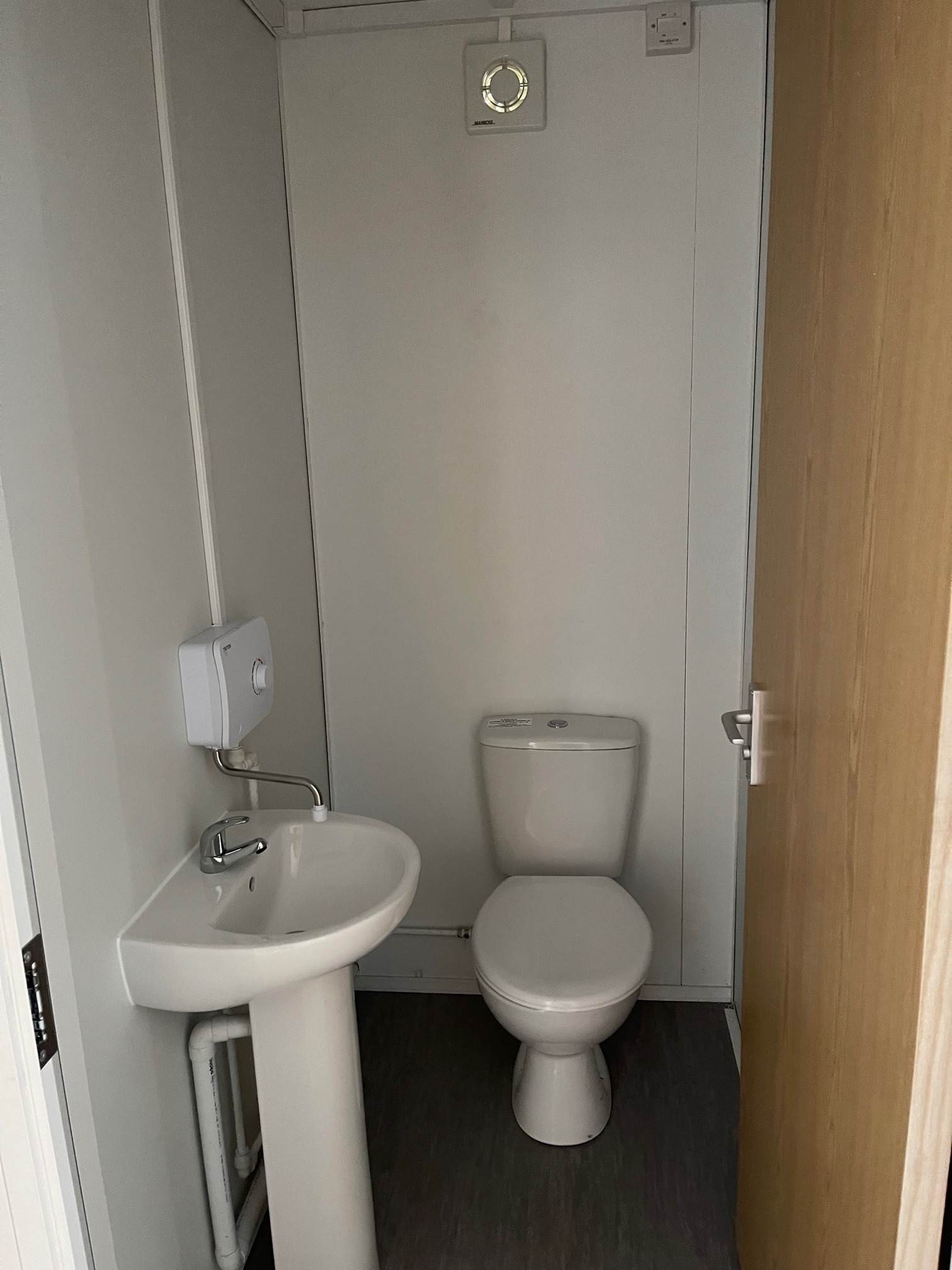
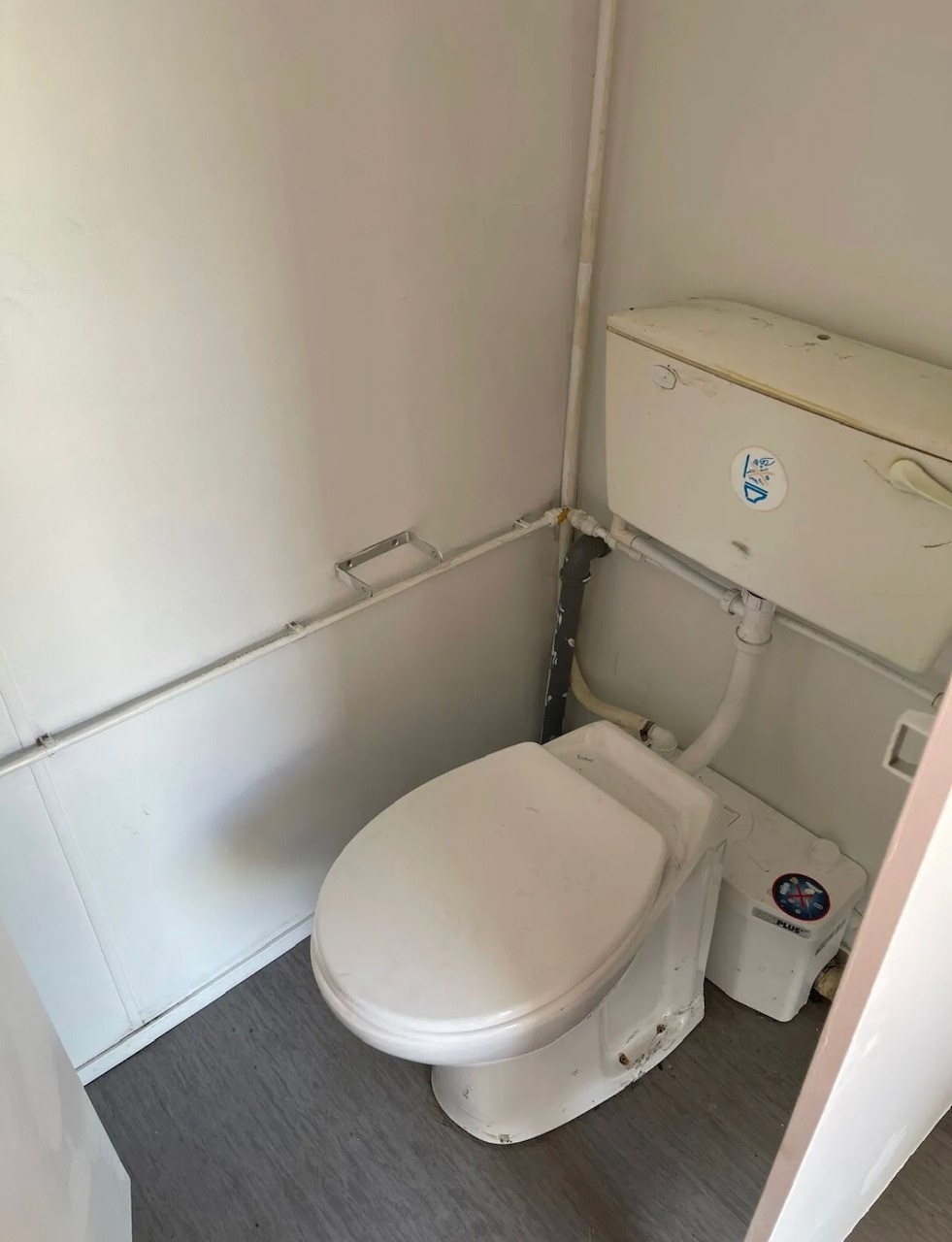
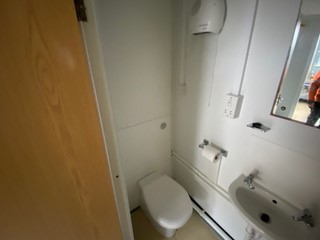
• Any Extras available : Canteen, Partitions, Toilets.


Location: Nationwide
EX VAT
Not Available for Hire
Call for an instant quote!
• Reinforced doors and windows with secure locking
• Open plan with electric sockets and lighting
• Ral Code Colour of choice
• Any Extras available : Canteen, Partitions, Toilets.

• Reinforced doors with secure locking
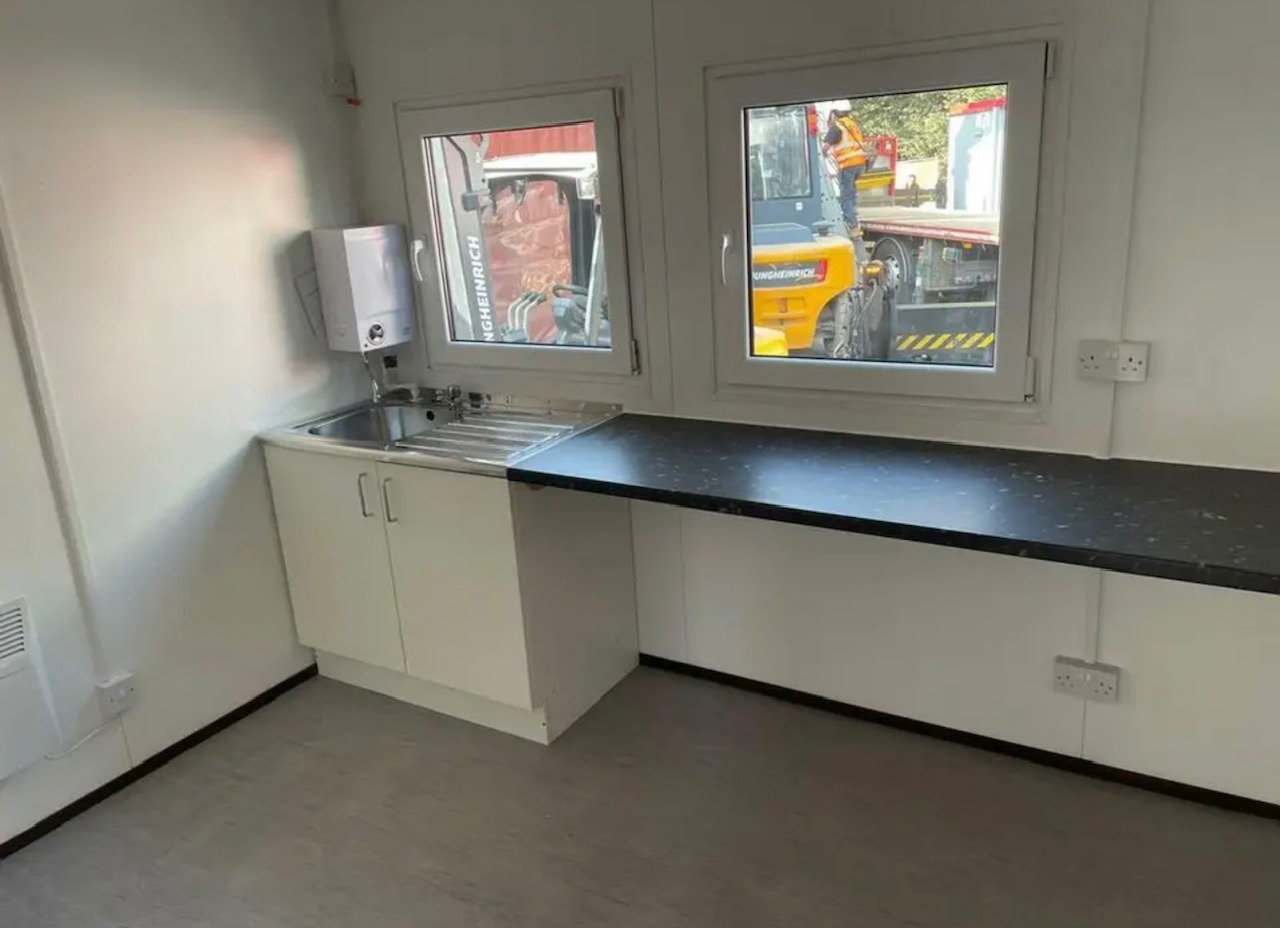
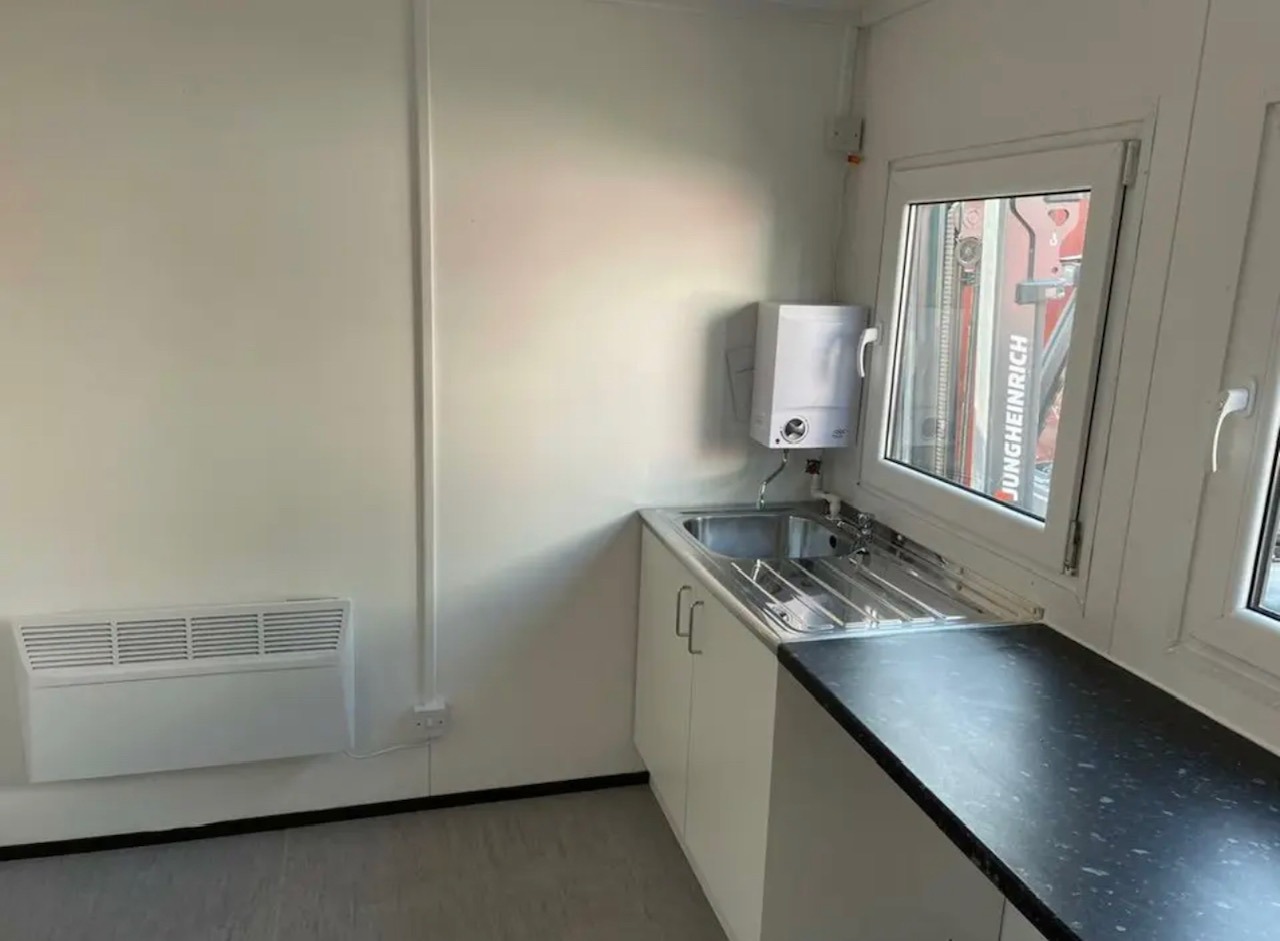
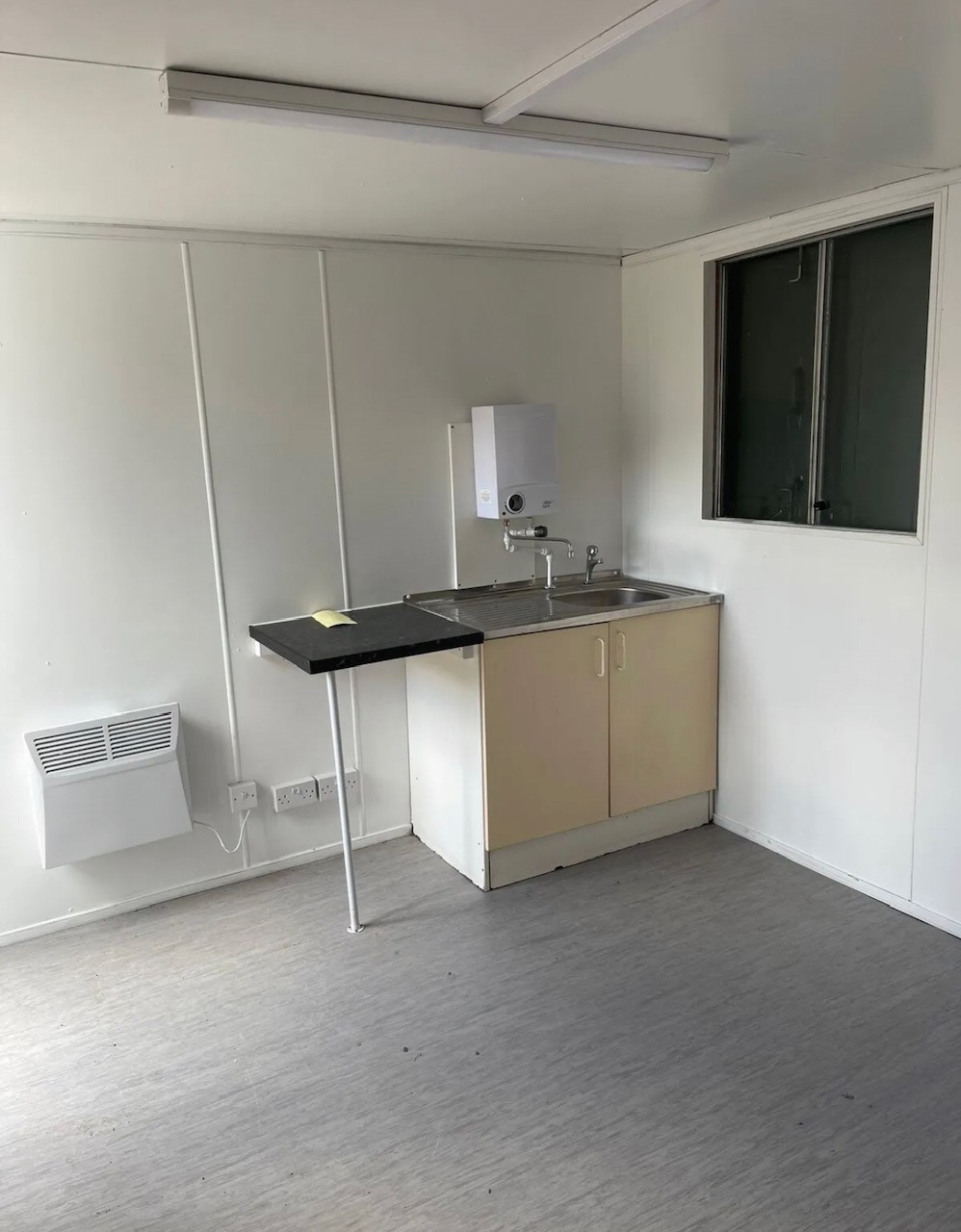
• Sink and water boiler included


Location: Nationwide
Quantity: ∞
EX VAT
Not Available for Hire
Call for an instant quote!


Location: Nationwide
EX VAT
Not Available for Hire
Call for an instant quote!
Get a Quick Container Quote Now!


Location: Nationwide
EX VAT
Not Available for Hire
Call for an instant quote!
Get a Quick Container Quote Now!