7 Tips for Choosing the Right Diode Sensor?

Choosing the right Diode Sensor can influence measurement accuracy, response speed, operating life, and total system cost. A sensor may look suitable on paper, yet fail beside a hot motor, bright lamp, or dusty production line. That difference matters.

Jacob Fraden, a recognized sensor technology author, defines a sensor as “a device that receives a stimulus and responds with an electrical signal.” This principle guides every practical Diode Sensor decision. The device must respond to the intended light, temperature, or radiation level. It must also remain stable when conditions become less friendly.

This guide presents seven practical tips for selecting the right Diode Sensor. It examines spectral range, sensitivity, response time, noise, temperature behavior, package design, and circuit compatibility. These factors are connected. Improving sensitivity may increase noise. A faster sensor may require more demanding electronics. A compact package may struggle with heat removal.

Start with the measurement target. Is the sensor detecting a weak infrared signal, monitoring laser output, or measuring changing illumination? Each task needs different specifications. Check real operating conditions, not only laboratory values. Include cable length, optical filters, ambient temperature, vibration, and calibration requirements.

A datasheet is useful. It is not the whole answer.

Engineers should compare test results from actual installations whenever possible. They should question impressive specifications that lack measurement conditions. I have found that selection mistakes often come from overlooked details, such as connector leakage or window contamination. These issues are easy to underestimate.

The best Diode Sensor is not always the most sensitive model. It is the model that delivers dependable signals within the complete system. That choice requires technical judgment, careful testing, and willingness to reconsider early assumptions.
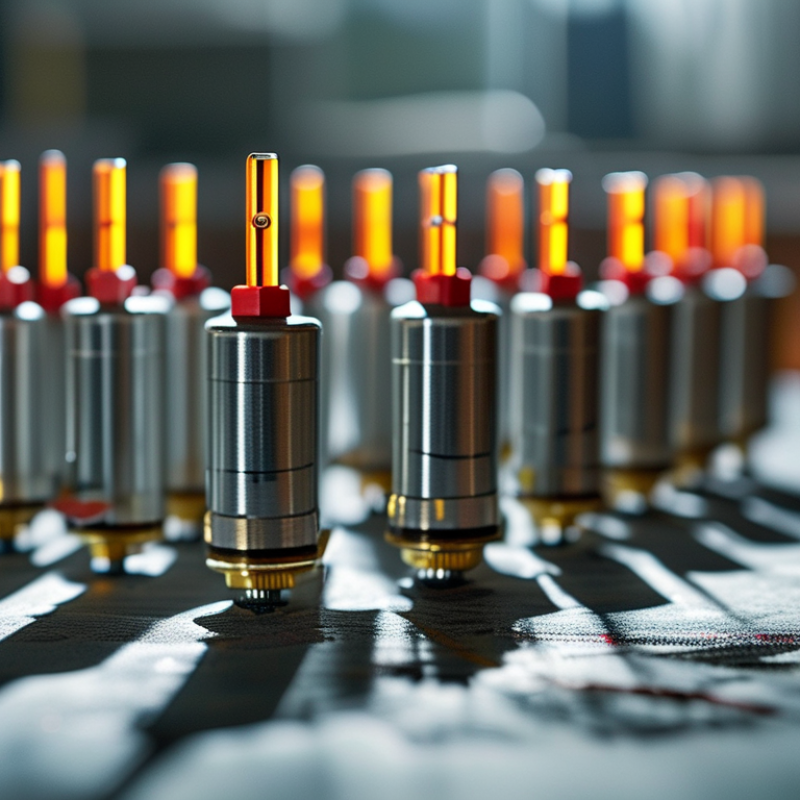
7 Tips for Choosing the Right Diode Sensor?

Define Your Measurement Needs and Operating Conditions

Choosing a diode sensor starts with the measurand, not the component catalog. Define whether you need irradiance, pulse energy, position, or simple light detection. Record the target wavelength, minimum signal, maximum signal, response time, and acceptable error. A 2023 NIST technical report identifies spectral responsivity, linearity, and temperature as major photodiode measurement concerns. That matters in practice.

Check the operating scene. A sensor near a furnace may face high temperature, vibration, and stray infrared radiation. A laboratory detector may instead need low noise and stable readings below microampere levels. Match the active area to the beam size. A large area captures more light, but it usually adds capacitance and reduces bandwidth. For pulsed signals, review junction capacitance, reverse-bias limits, and amplifier noise together. Do not choose sensitivity alone.

Industry data also supports careful qualification. The Semiconductor Industry Association reported global semiconductor sales of 526.8 billion dollars in 2023, showing how broad the supply chain has become. Availability does not guarantee measurement fitness. Test the sensor with your real source, cable length, enclosure, and temperature range. I once underestimated reflected light from a matte metal surface. The readings looked stable, but they were wrong. That mistake still deserves attention. Use calibration records, uncertainty budgets, and repeatability tests before approval.

Compare Diode Sensor Types and Detection Principles

7 Tips for Choosing the Right Diode Sensor

Choosing a diode sensor begins with its detection principle. A photodiode converts incoming light into a measurable current. A PIN photodiode uses an intrinsic layer for fast response and low capacitance. It suits pulse detection, optical measurement, and moderate light levels. An avalanche photodiode adds internal electrical gain. However, it needs higher bias voltage and careful noise control. Compare sensitivity, wavelength range, and response speed before selecting a type.

Match the sensor to the light source. Check whether it detects ultraviolet, visible, or infrared wavelengths. A Schottky photodiode can provide quick response in some short-wavelength applications. Review the active area carefully. A larger area collects more light, but it may respond more slowly. Consider the seventh factor: operating temperature. Dark current can rise noticeably in a warm enclosure. It can quietly reduce measurement stability.

Practical testing matters more than a data sheet alone. Place the diode at the expected distance, then measure output under real background light. Check whether the signal remains clear after amplification. Shielding may help, but it cannot fix a poor spectral match. I once treated sensitivity as the main priority and overlooked saturation from a bright source. That was a useful mistake. The best choice also considers bias requirements, circuit compatibility, long-term drift, and calibration access. Perform a simple trial before final installation.

7 Tips for Choosing the Right Diode Sensor

Compare diode sensor types by spectral response and detection principles before selecting a detector for your application.

How to Read the Chart

The chart shows typical usable wavelength ranges for common photodiode materials. Silicon is suitable for visible and near-infrared light, while germanium and InGaAs are better suited to longer near-infrared wavelengths. UV-enhanced silicon extends detection further into the ultraviolet range.

  • Match the sensor material to the wavelength of the target light.
  • Check whether the application requires ultraviolet, visible, or infrared detection.
  • Choose a PIN photodiode for fast, linear light measurement.
  • Consider an avalanche photodiode when higher internal gain is required.
  • Review responsivity and detectivity, not only the wavelength range.
  • Check dark current and temperature stability for low-light measurements.
  • Verify the sensor's active area, response speed, and electrical interface.

Evaluate Wavelength Range, Sensitivity, and Response Speed

Choosing a diode sensor starts with the measured light, not the lowest price. Silicon devices typically cover about 400–1,100 nm, while indium gallium arsenide devices often reach 900–1,700 nm. These ranges reflect common industry data sheets and photonics measurement reports. Check the source spectrum carefully. A red LED and a near-infrared laser may look similar, but they need different sensor materials.

Tip 1: Match the wavelength range. Sensitivity must also be tested at your operating wavelength. A sensor may show 0.6 A/W at one wavelength, but much less elsewhere. Review responsivity curves, dark current, and noise-equivalent power. NIST calibration guidance emphasizes traceable measurements, yet field conditions can still change results. Dust, temperature, and optical reflections matter.

Tip 2: Measure response speed in the real circuit. A 10 ns sensor can perform poorly with long cables or excess capacitance. Industry reports on optical receivers commonly compare bandwidth in MHz or GHz, but bandwidth alone is not enough. Check rise time, load resistance, and amplifier limits.

Tip 3: Test before approval. Use the actual light source, pulse pattern, and temperature range. My practical mistake was trusting a headline sensitivity value. It looked impressive. The complete curve told a different story.
Check Compatibility, Reliability, and Environmental Protection

Choosing the right diode sensor starts with compatibility, not price. Confirm its spectral response matches the light source and measurement range. Check the output type, bias requirements, connector, and signal-conditioning circuit. A sensor can fit mechanically yet fail electrically. Test it early.

Reliability depends on more than a clean datasheet. Review measurement drift, noise, response time, and expected operating hours. Ask for calibration records and traceability from a competent laboratory, preferably one following ISO/IEC 17025 practices. In field projects, I have seen small connector weaknesses create unstable readings after repeated cable movement. The original design was technically correct, but the installation was not.

Environmental protection deserves equal attention. Examine the operating temperature, humidity limits, vibration resistance, and resistance to dust or moisture. An enclosure rated under IEC 60529 may help, but the rating applies to the complete installed assembly, not always the bare sensor. Use sealed cable entries and avoid placing the diode near condensation points. Small leaks matter. If chemicals, outdoor sunlight, or rapid temperature changes are present, request test data for those conditions. I sometimes prefer a slightly less sensitive sensor with stronger protection. It may produce fewer impressive laboratory results, but more dependable field data. Review the choice after a trial period; early assumptions are often wrong.

Balance Installation Requirements, Cost, and Long-Term Support

7 Tips for Choosing the Right Diode Sensor?

Balance Installation Requirements, Cost, and Long-Term Support

Start with the installation site, not the product list. Measure available space, cable routes, temperature, vibration, and light exposure. Confirm the sensing range and response speed match the application. Check connector access before ordering. A sensor that fits electrically may still be difficult to mount. Ask whether calibration can be completed after installation. Test one unit in the real environment.

Review the total cost, not only the purchase price. Include mounting parts, wiring, calibration, replacement labor, and possible downtime. Compare accuracy with the value of the measurement. A cheaper sensor can become expensive when readings drift. Request clear tolerance data and maintenance intervals. Also check power requirements. Small differences can affect a large installation. Keep a reasonable spare-parts plan.

Long-term support deserves equal attention. Confirm technical documentation, troubleshooting guidance, and expected service life. Ask how quickly replacement units can be supplied. Verify whether firmware, calibration, or repair services remain available. Speak with engineers, not only sales staff. Their answers often reveal practical limits. Avoid choosing a sensor based on one impressive specification. Field performance can differ. I once underestimated cable routing, and the installation needed extra labor. That mistake was avoidable. Leave room for future changes, too. Standards may evolve, and your equipment may expand. A short trial, recorded test results, and honest review notes can prevent a costly decision.

7 Tips for Choosing the Right Diode Sensor? - Balance Installation Requirements, Cost, and Long-Term Support

Tip Selection Dimension Practical Specification or Target Installation Requirement Cost and Performance Effect How to Verify Before Purchase Priority
1 Match the sensing wavelength Choose a photodiode whose specified spectral-response range covers the source wavelength. Silicon devices commonly cover approximately 400–1,100 nm, while InGaAs devices are commonly used for approximately 900–1,700 nm. Confirm that optical filters, windows, and covers do not block the required wavelength. Avoid relying only on visible-light sensitivity when the system operates in infrared. A correct spectral match improves signal level and may reduce the need for high-gain amplification. A mismatched sensor can create low sensitivity, noise, and additional optical costs. Compare the sensor’s responsivity curve with the source wavelength and request measured responsivity at the actual operating wavelength. High
2 Size the active area and field of view Select an active area large enough to capture the expected beam or light spot, but not unnecessarily large. Smaller active areas generally support lower capacitance and faster response. Allow for alignment tolerance, beam movement, mounting clearance, and any diffuser or lens used in front of the sensor. Larger-area devices can simplify installation and alignment, while smaller-area devices can improve bandwidth. An optical concentrator may reduce sensor size but adds alignment sensitivity and component cost. Calculate the maximum spot diameter and position error. Confirm the active-area drawing, acceptance angle, and mechanical tolerances. High
3 Set the required speed and bandwidth Choose a sensor and amplifier with a bandwidth comfortably above the highest signal frequency. For pulsed or rapidly modulated light, check rise time, junction capacitance, and reverse-bias conditions. Keep leads short, use suitable shielding, and control cable capacitance. The enclosure and amplifier layout should minimize electromagnetic interference. High-speed sensors and amplifiers usually cost more and may require tighter PCB design. Selecting excessive bandwidth can increase noise without improving measurement results. Request rise time, junction capacitance, noise-current data, and frequency-response plots under the intended bias and load conditions. High
4 Check signal level, linearity, and dynamic range Estimate photocurrent using the approximate relationship: photocurrent = responsivity × optical power. Verify that the maximum signal remains below the sensor and transimpedance amplifier limits. Provide a stable optical path and prevent saturation from direct or reflected light. Add an aperture, attenuator, or optical filter where necessary. A sensor with adequate dynamic range reduces clipping and recalibration. Excessively sensitive components may require attenuation, while low-sensitivity components may require a more expensive low-noise amplifier. Test minimum, nominal, and maximum optical power. Review linearity error, saturation level, dark current, and output noise over the operating temperature range. High
5 Confirm environmental and packaging requirements Check operating temperature, humidity, vibration, ingress protection, window material, and connector requirements. The selected package should meet the actual installation environment rather than only laboratory conditions. Use appropriate sealing, strain relief, grounding, and thermal design. Avoid condensation and keep the optical window clean and protected from abrasion. Rugged packaging may increase purchase price but can reduce field failures, contamination, and maintenance labor. Environmental mismatch can shorten service life and invalidate calibration. Review the environmental rating, temperature coefficient, storage limits, vibration data, material compatibility, and installation instructions. High
6 Compare total installed cost Evaluate the complete cost of the sensor, mounting hardware, optics, amplifier, cables, connectors, shielding, calibration, installation time, and replacement inventory. Prefer a package that fits existing brackets, cable routes, power supplies, and signal interfaces when performance remains acceptable. The lowest unit price may lead to higher alignment, wiring, calibration, or integration costs. A moderately priced sensor with compatible interfaces can reduce total project cost. Build a three- to five-year cost estimate covering purchase, installation, calibration, expected replacements, downtime, and technician time. Medium
7 Assess calibration and long-term support Choose a supplier that can provide traceable calibration information, stable revision control, technical documentation, replacement availability, and a defined support process. Plan access for inspection and replacement. Record serial numbers, calibration dates, installation orientation, and the recommended recalibration interval. Documentation and continuity support may add little to the initial cost but can significantly reduce troubleshooting time, production interruptions, and measurement drift over the service life. Request a sample calibration certificate, product-change notification policy, expected availability period, repair or replacement procedure, and technical response targets. High
Note: Actual performance depends on the sensor material, optical configuration, amplifier design, temperature, and installation conditions. Verify all limits using the final application test setup.

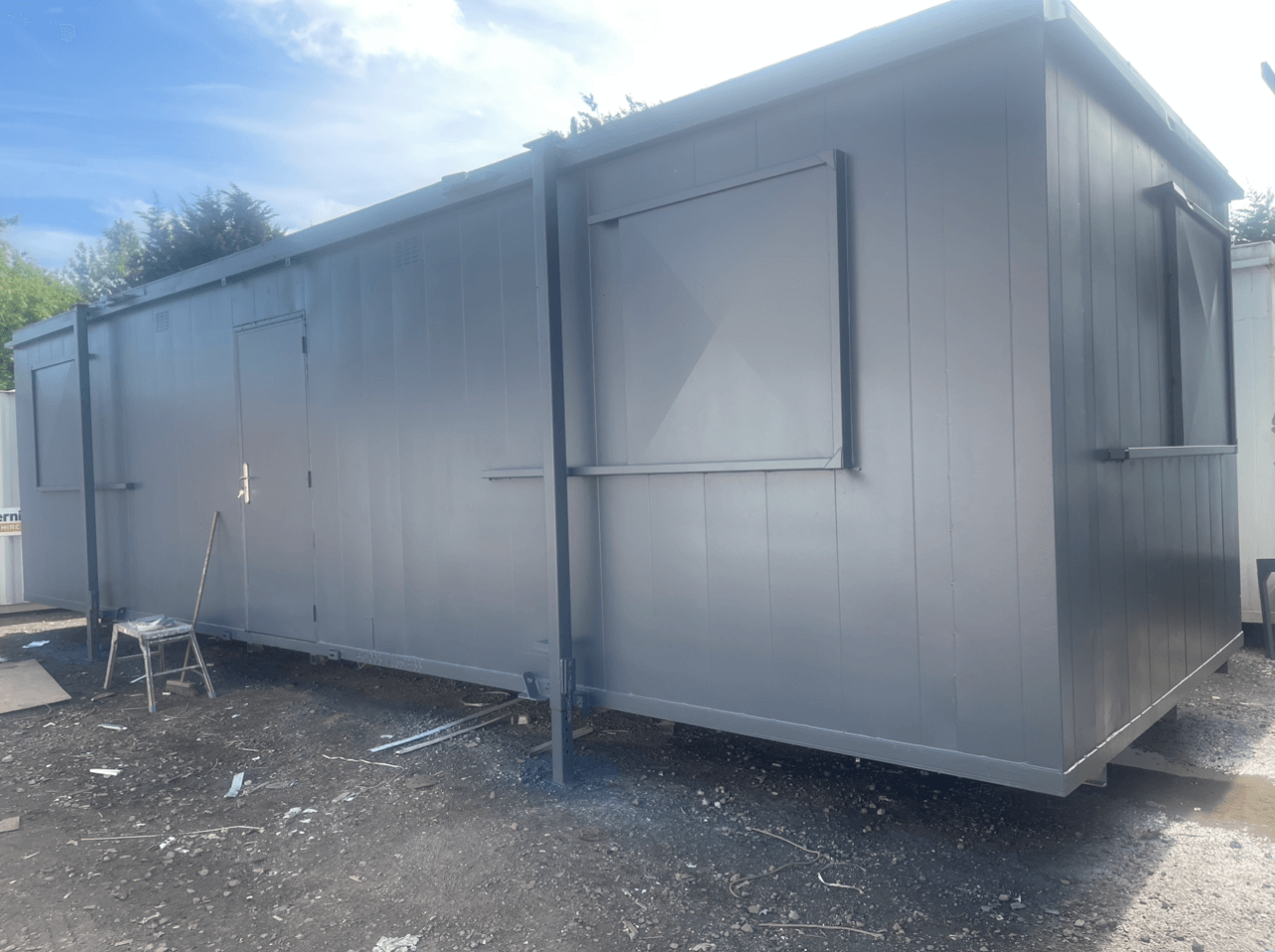
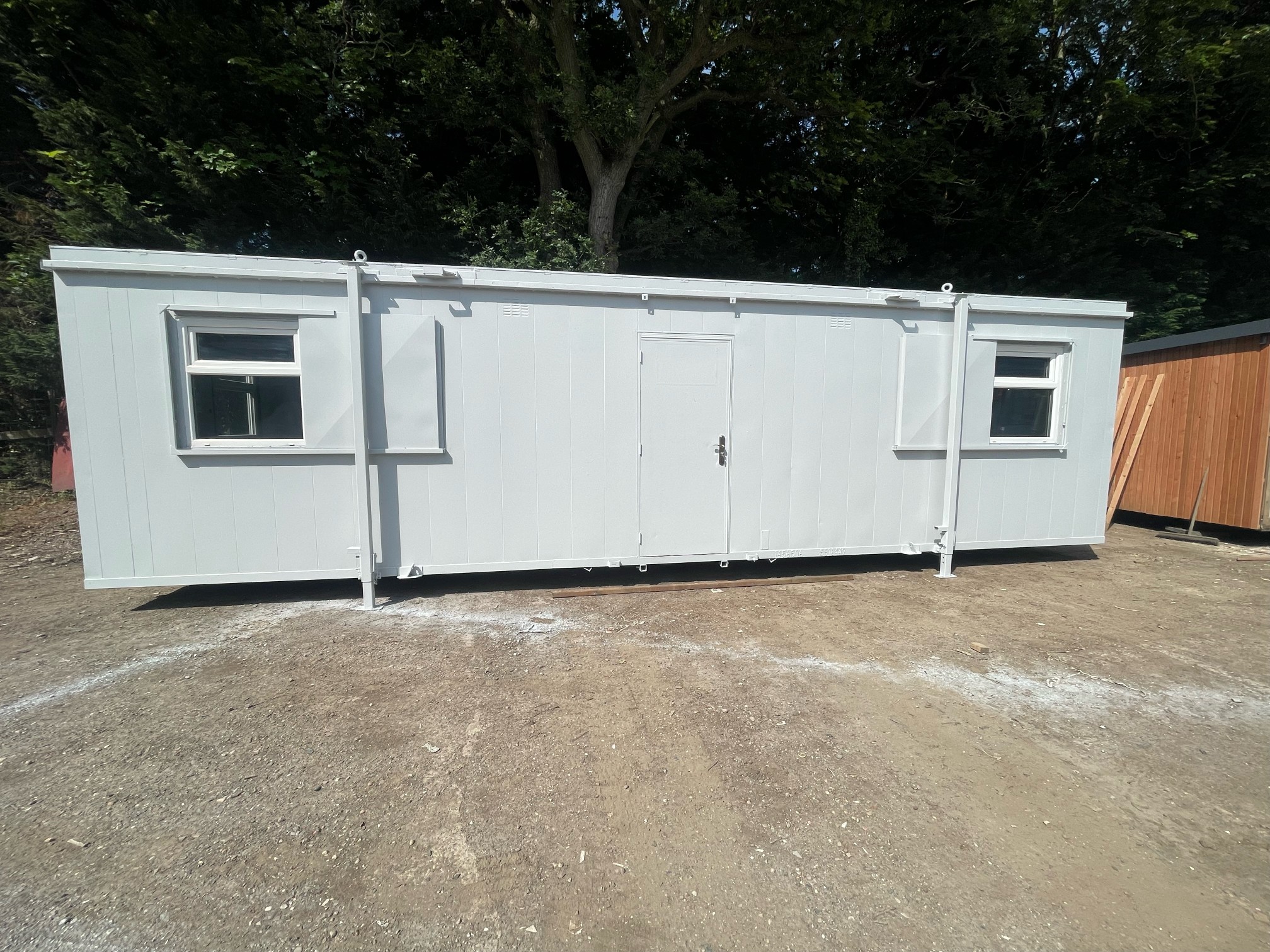
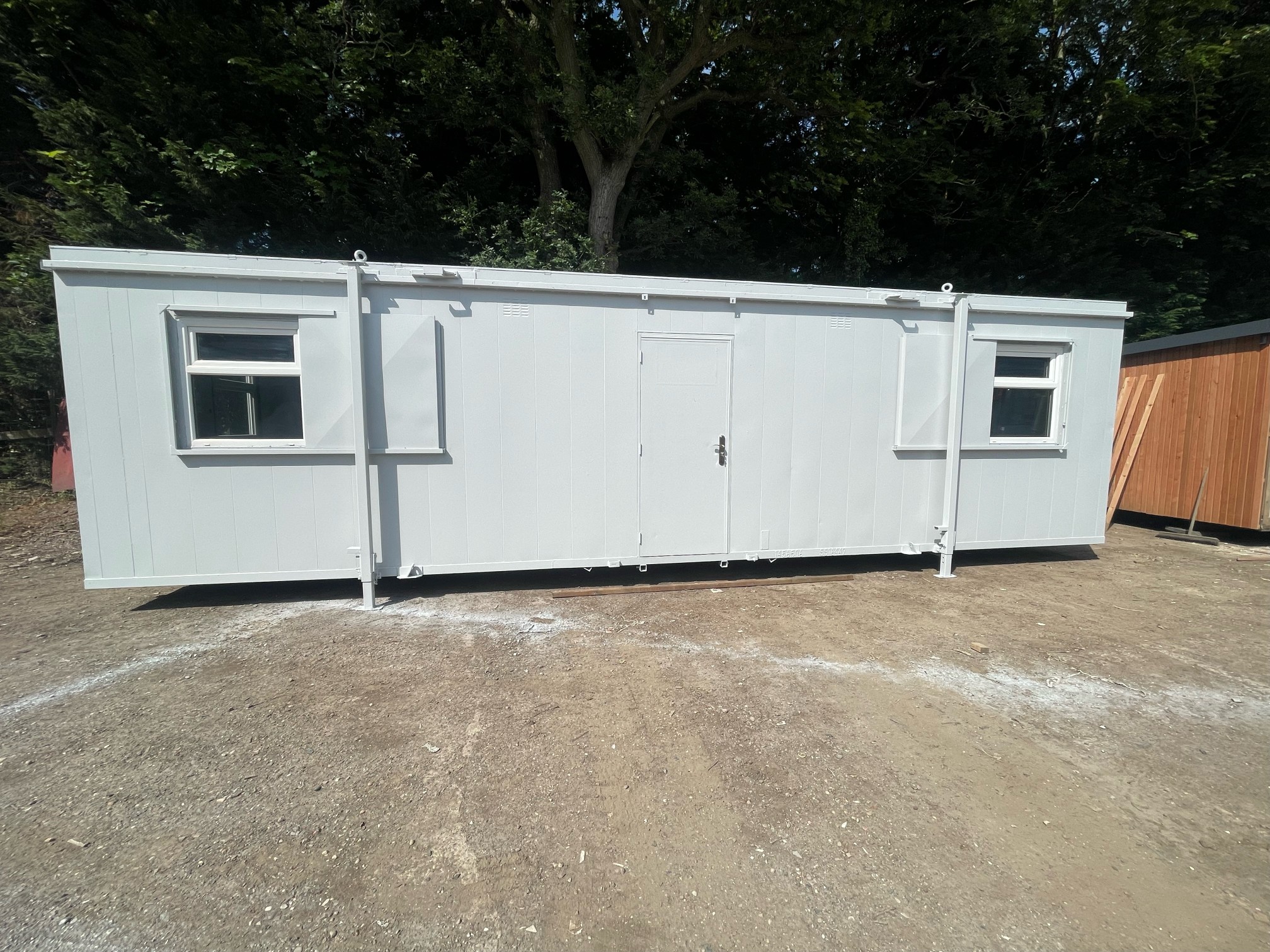
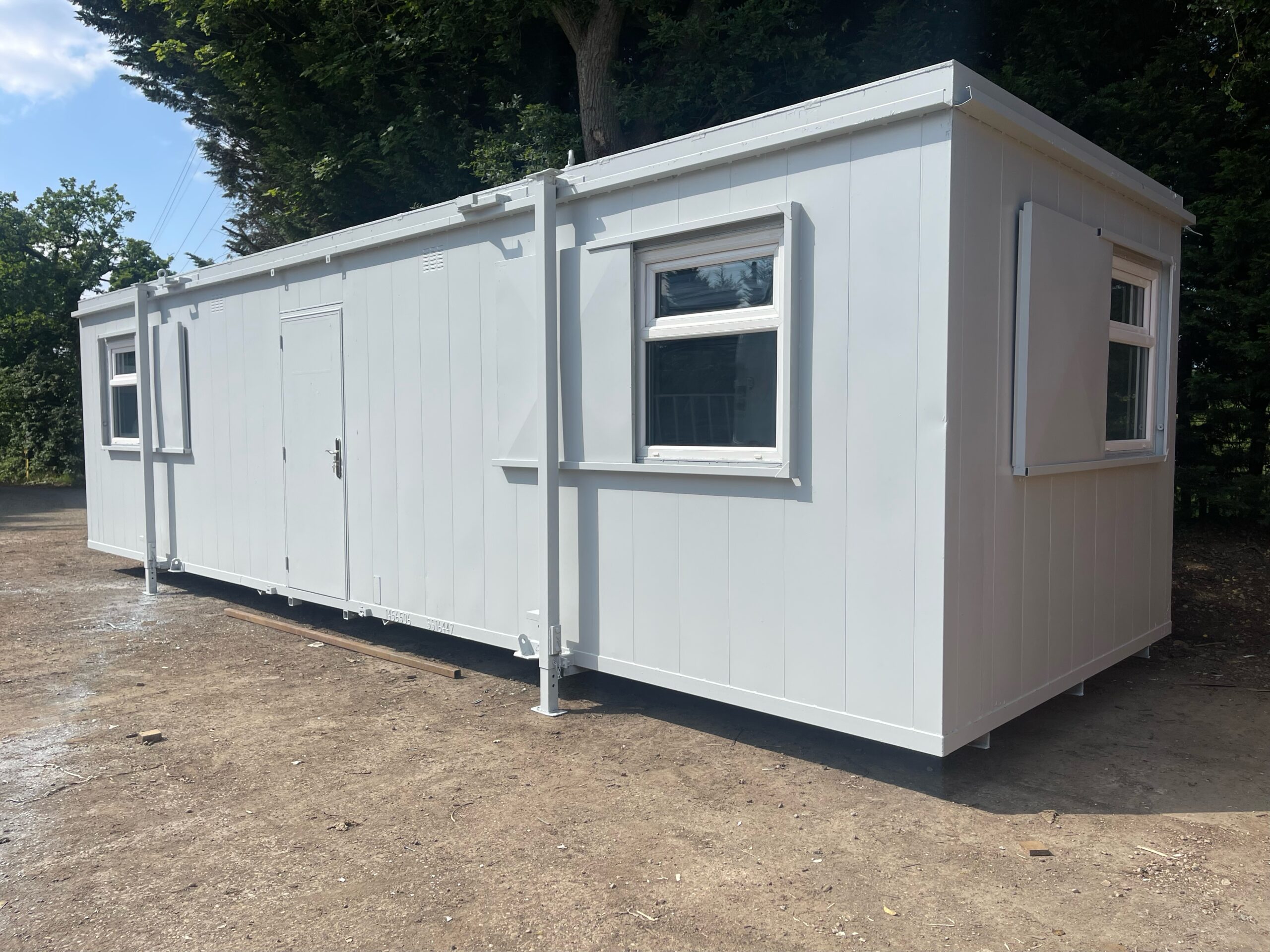
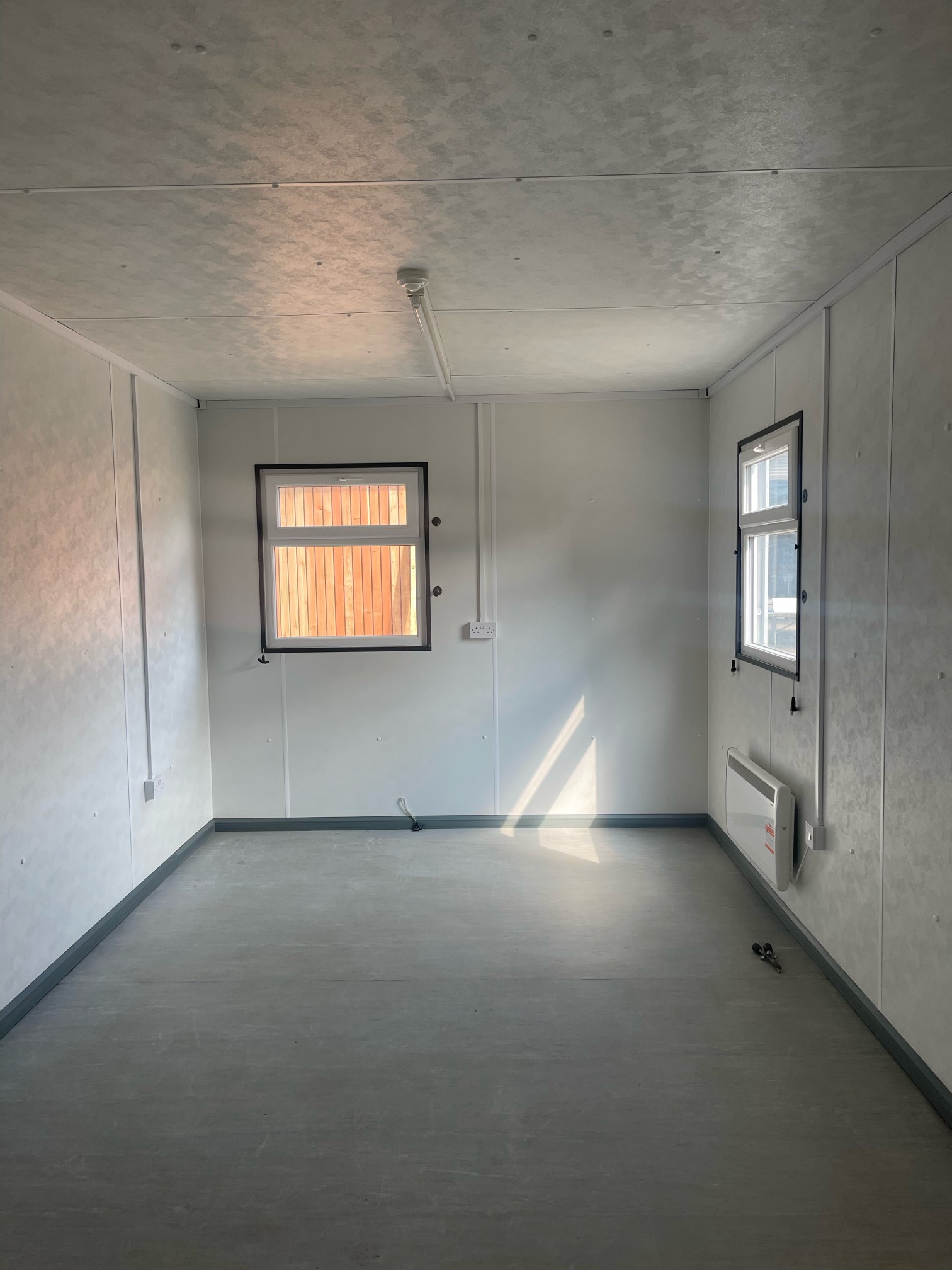
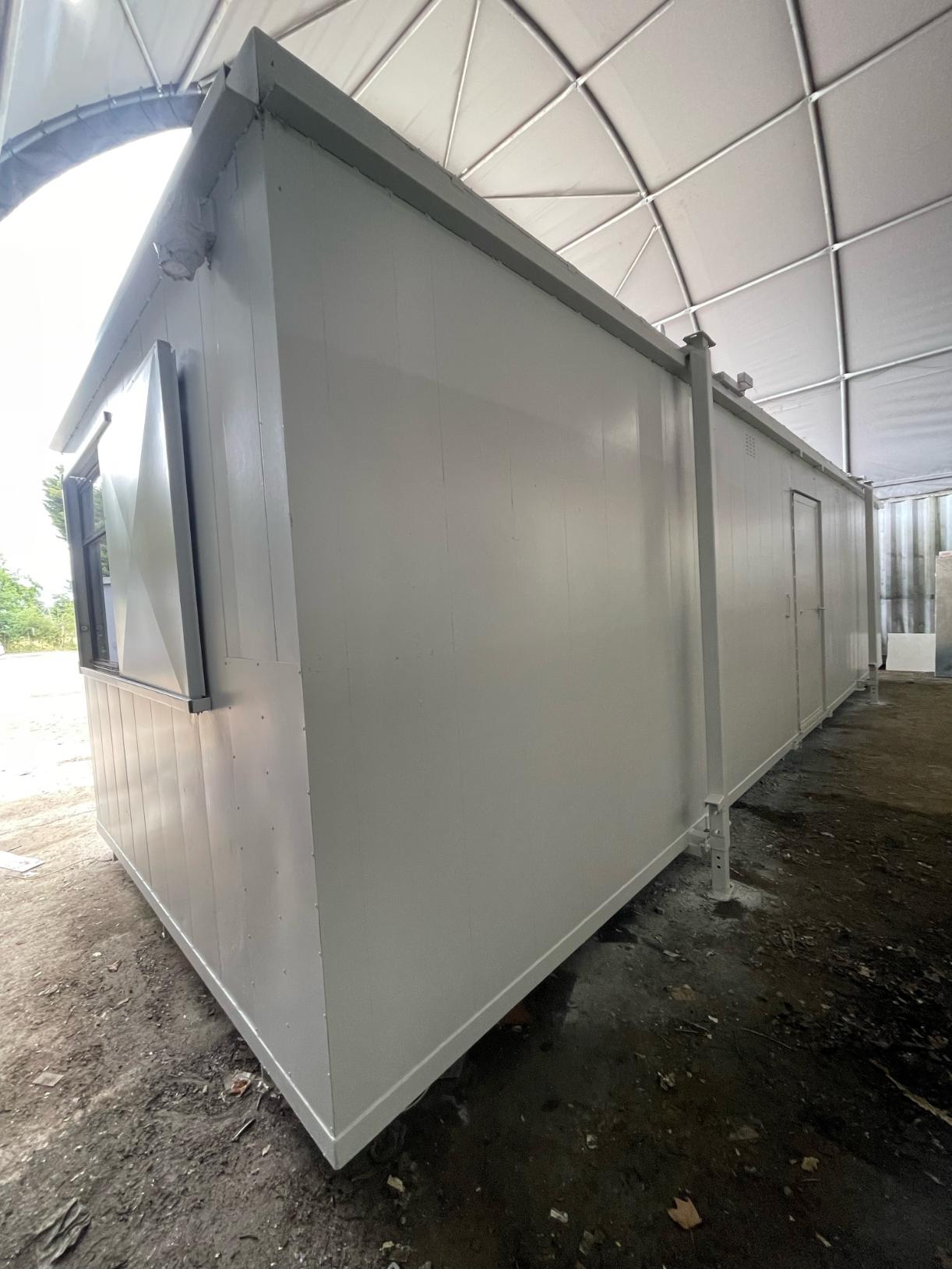
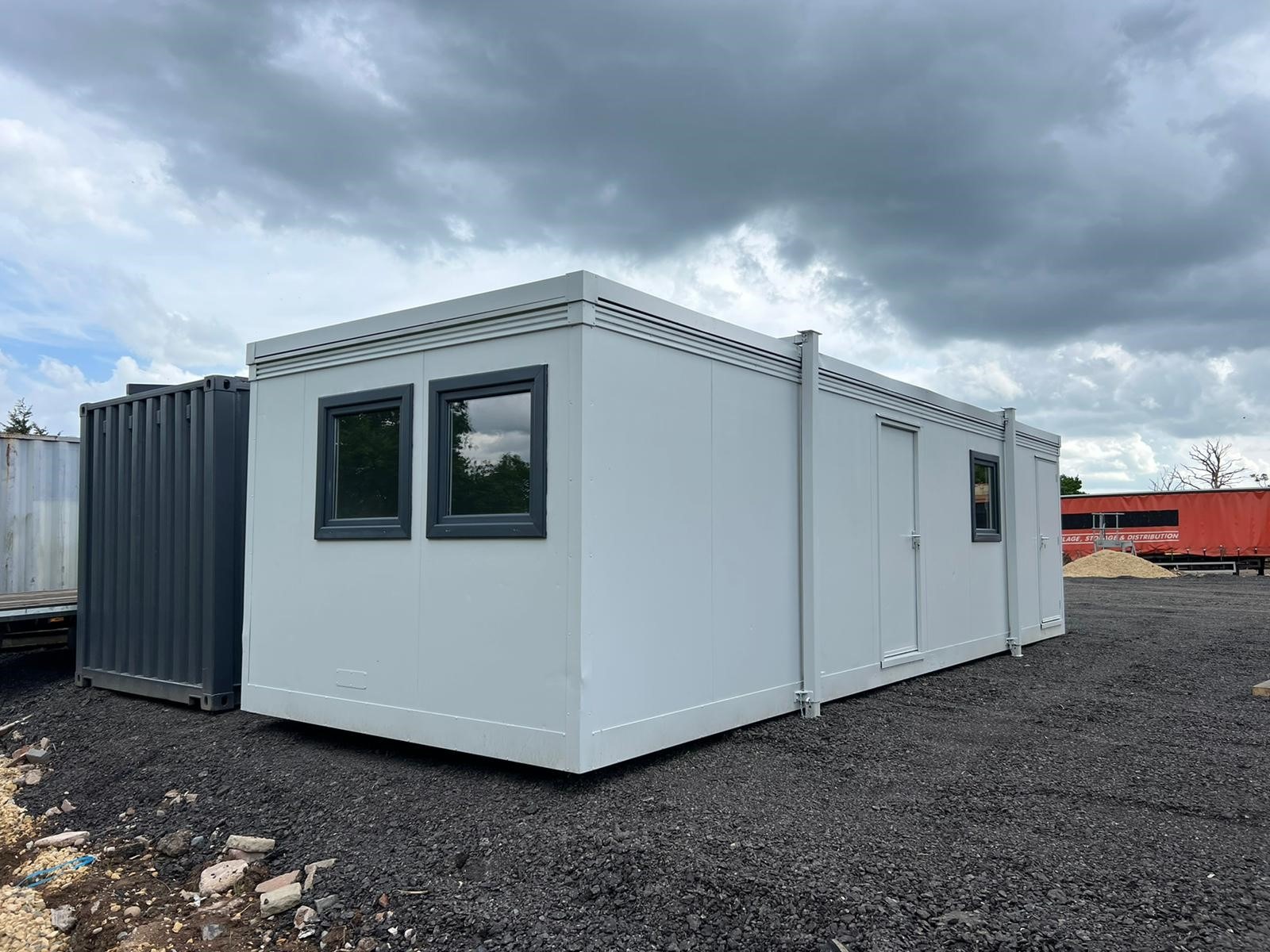
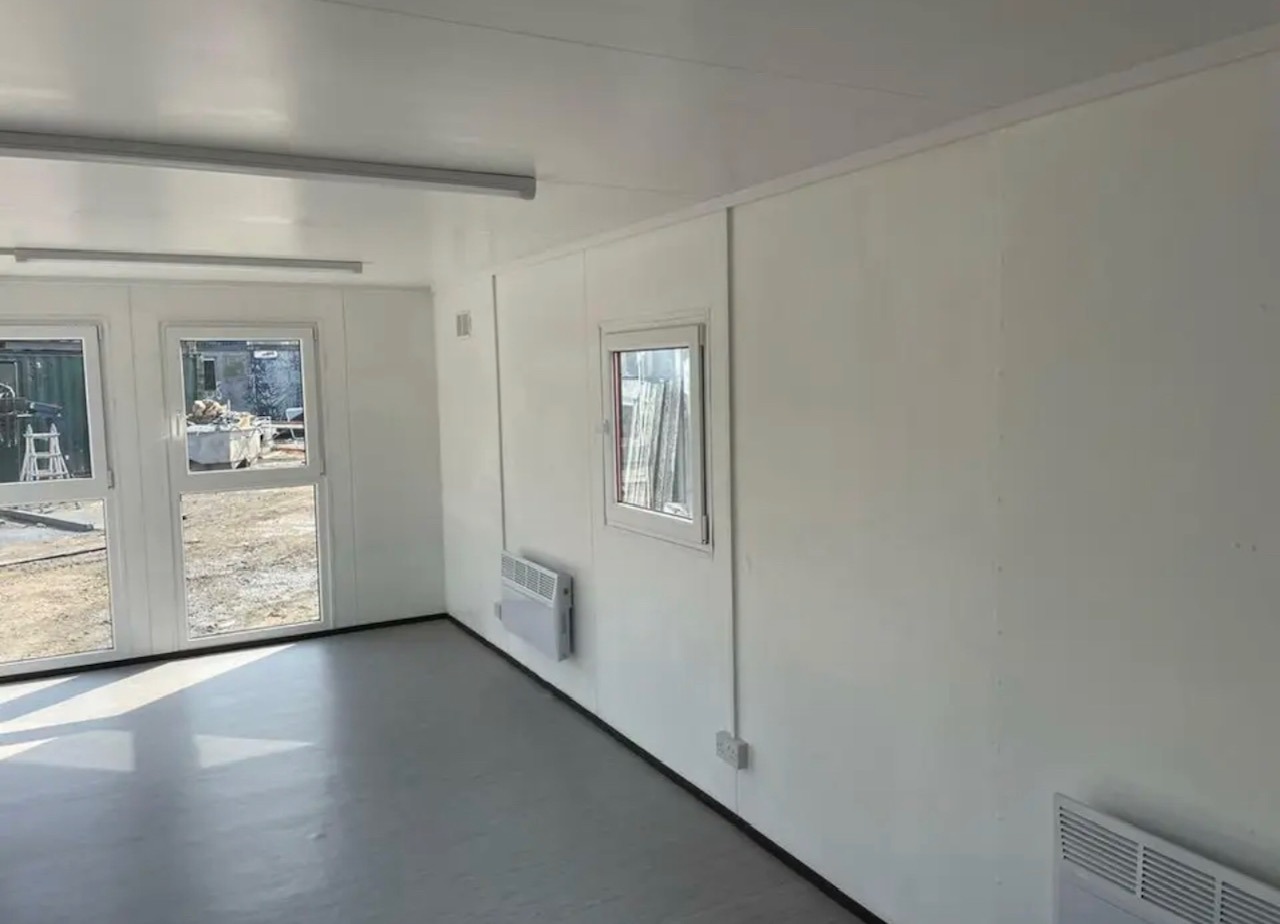
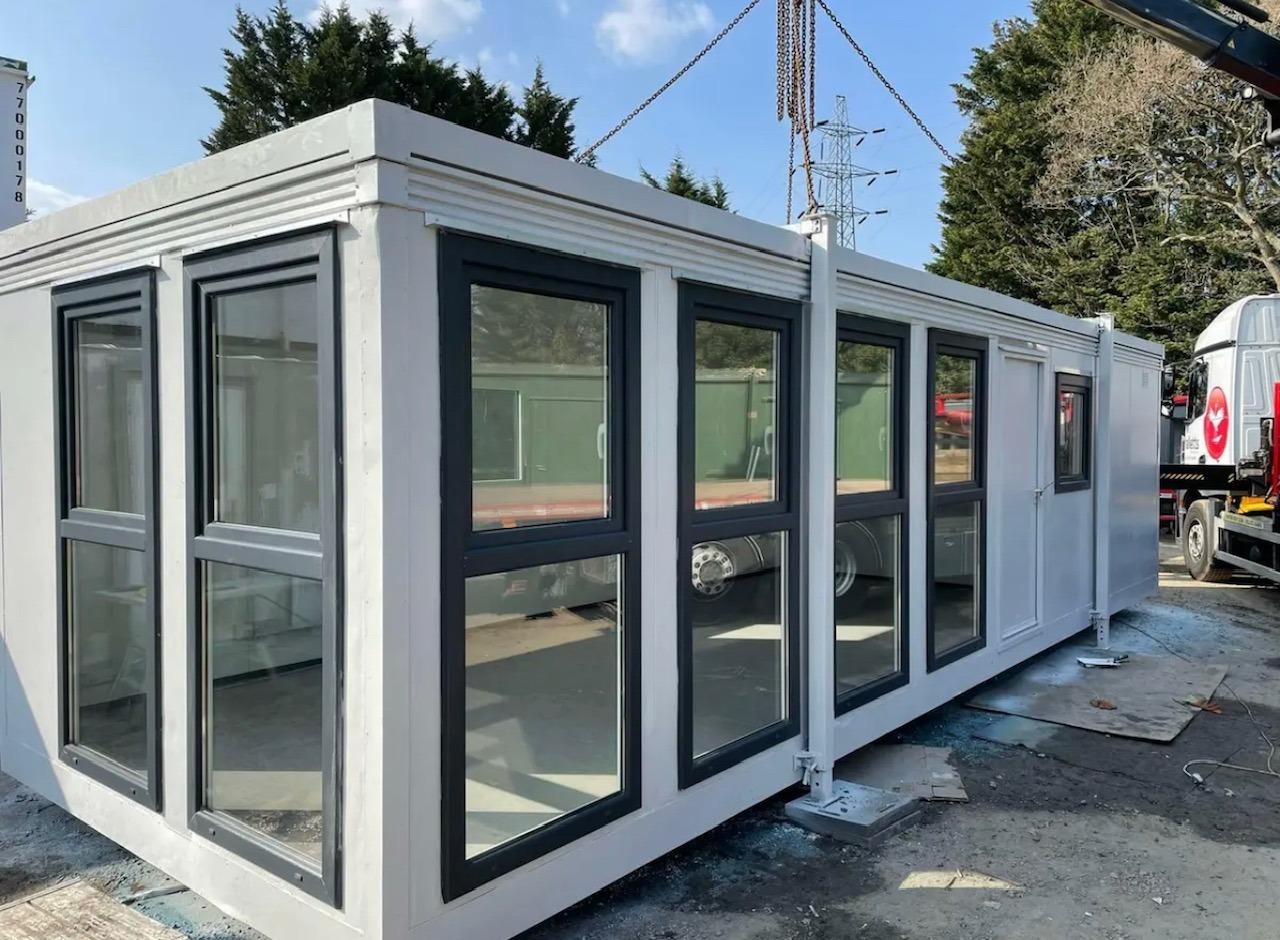
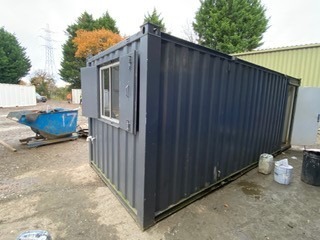
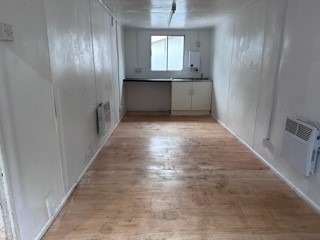
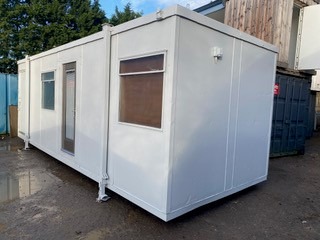
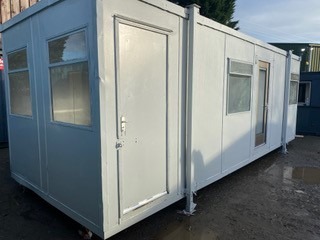
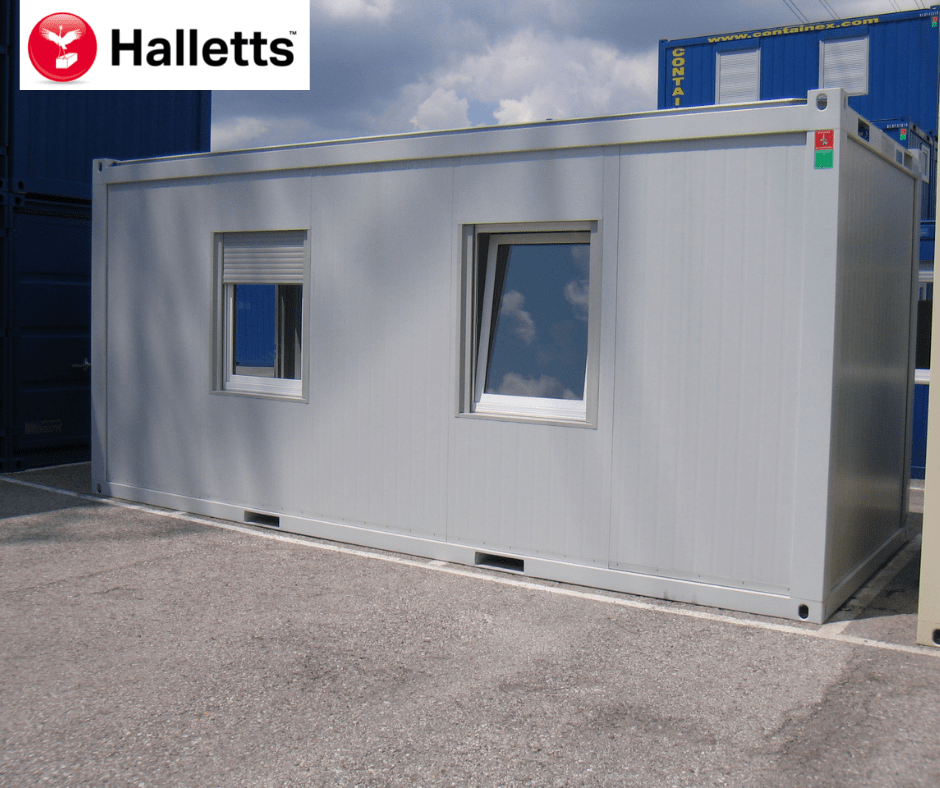
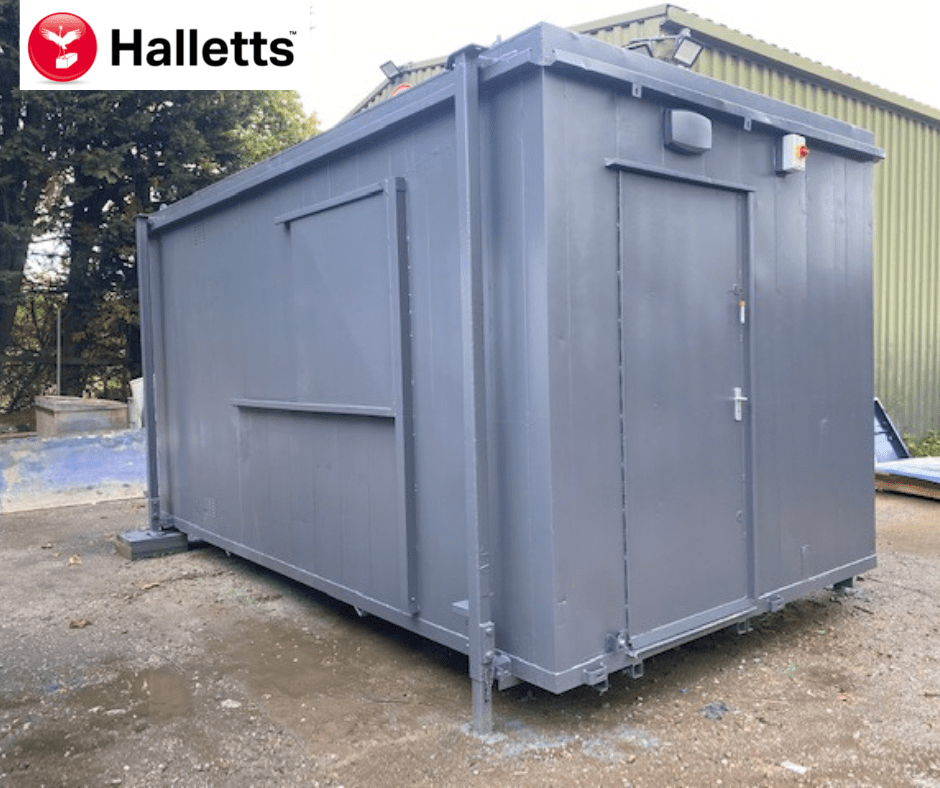
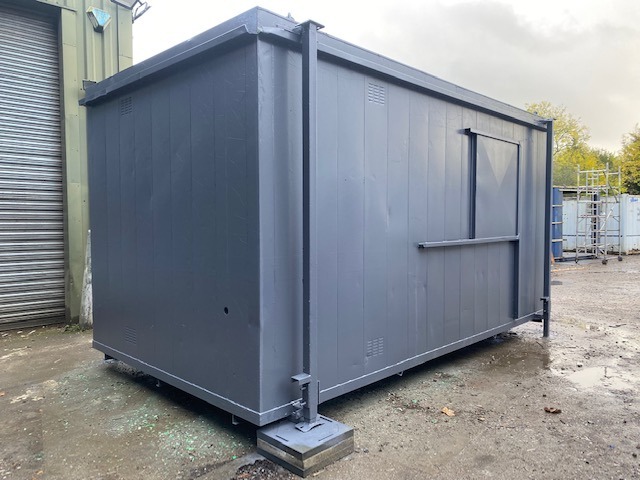
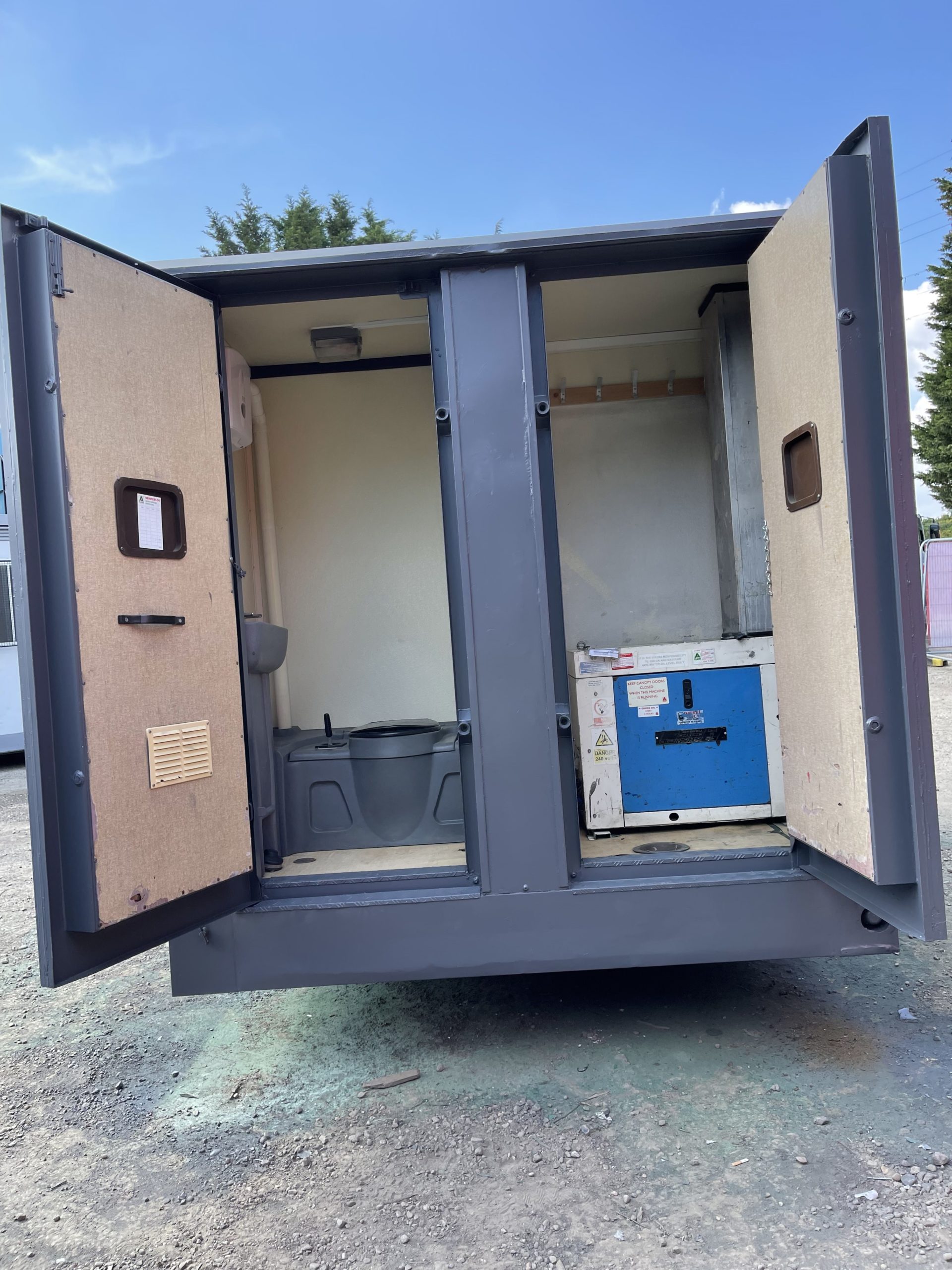
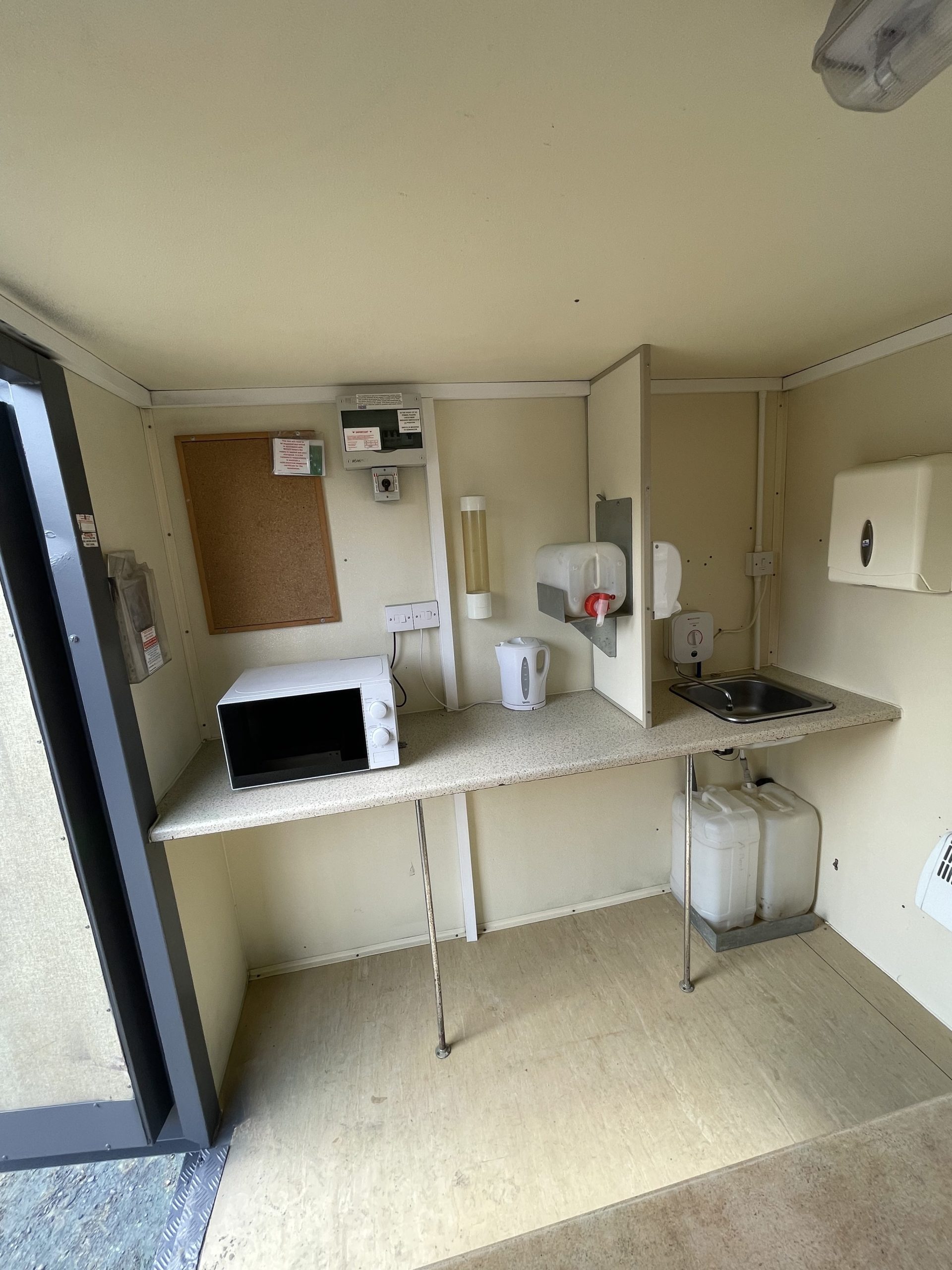
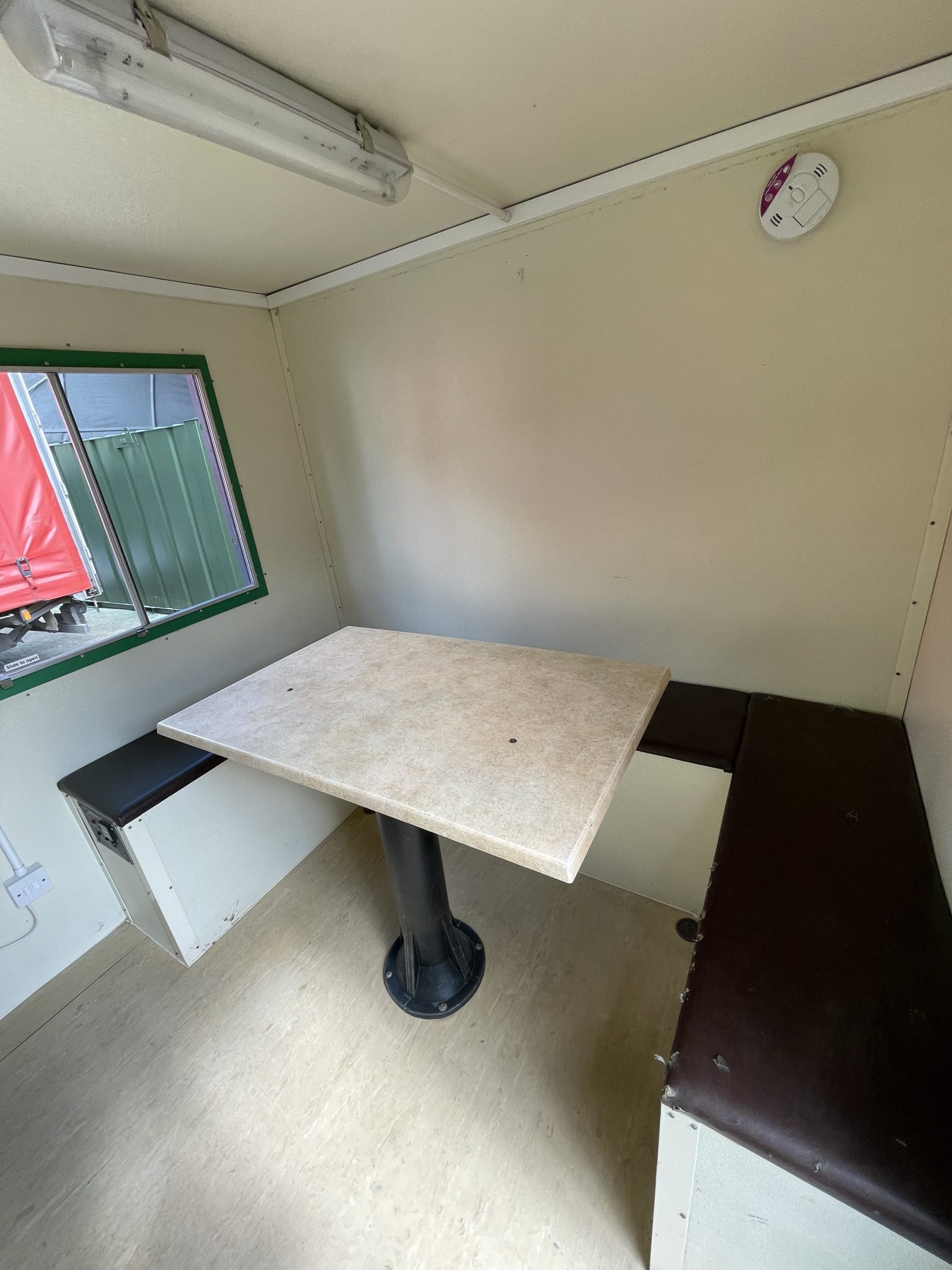
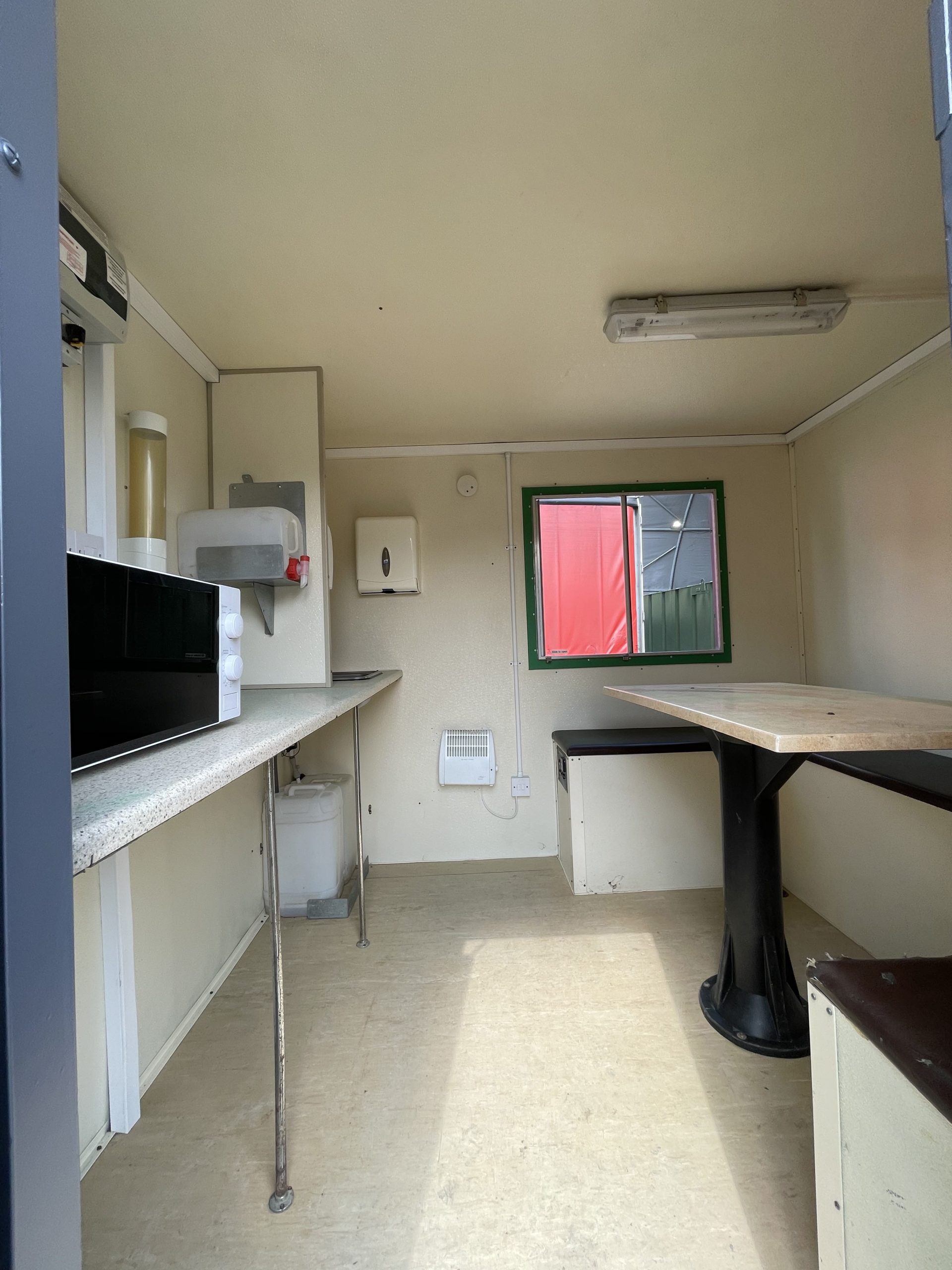
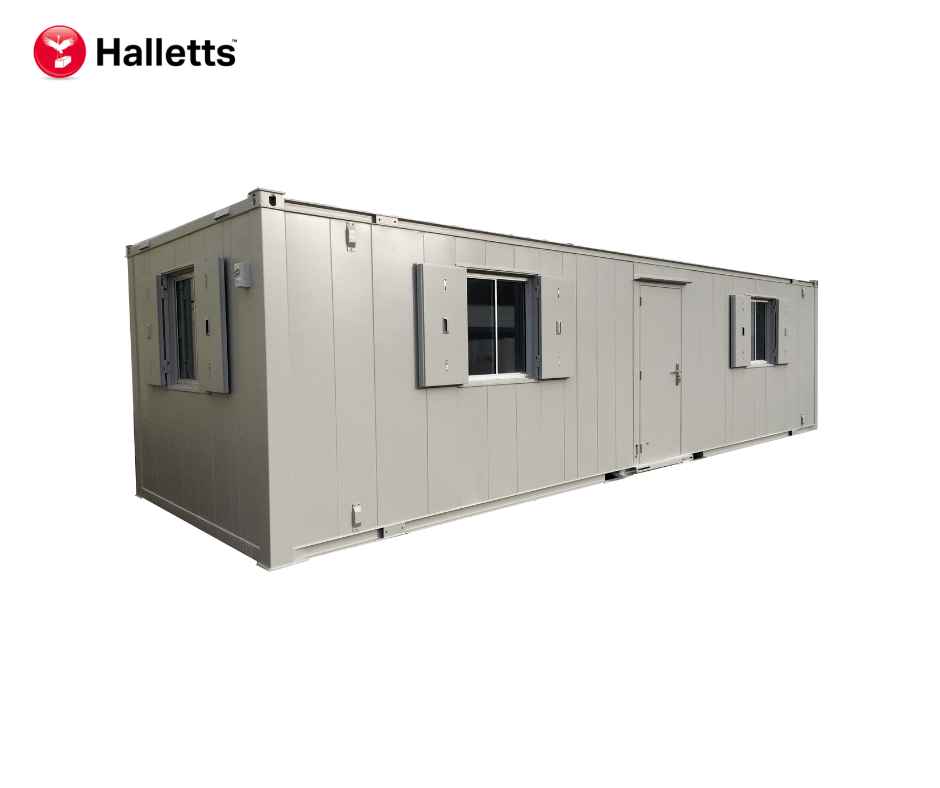
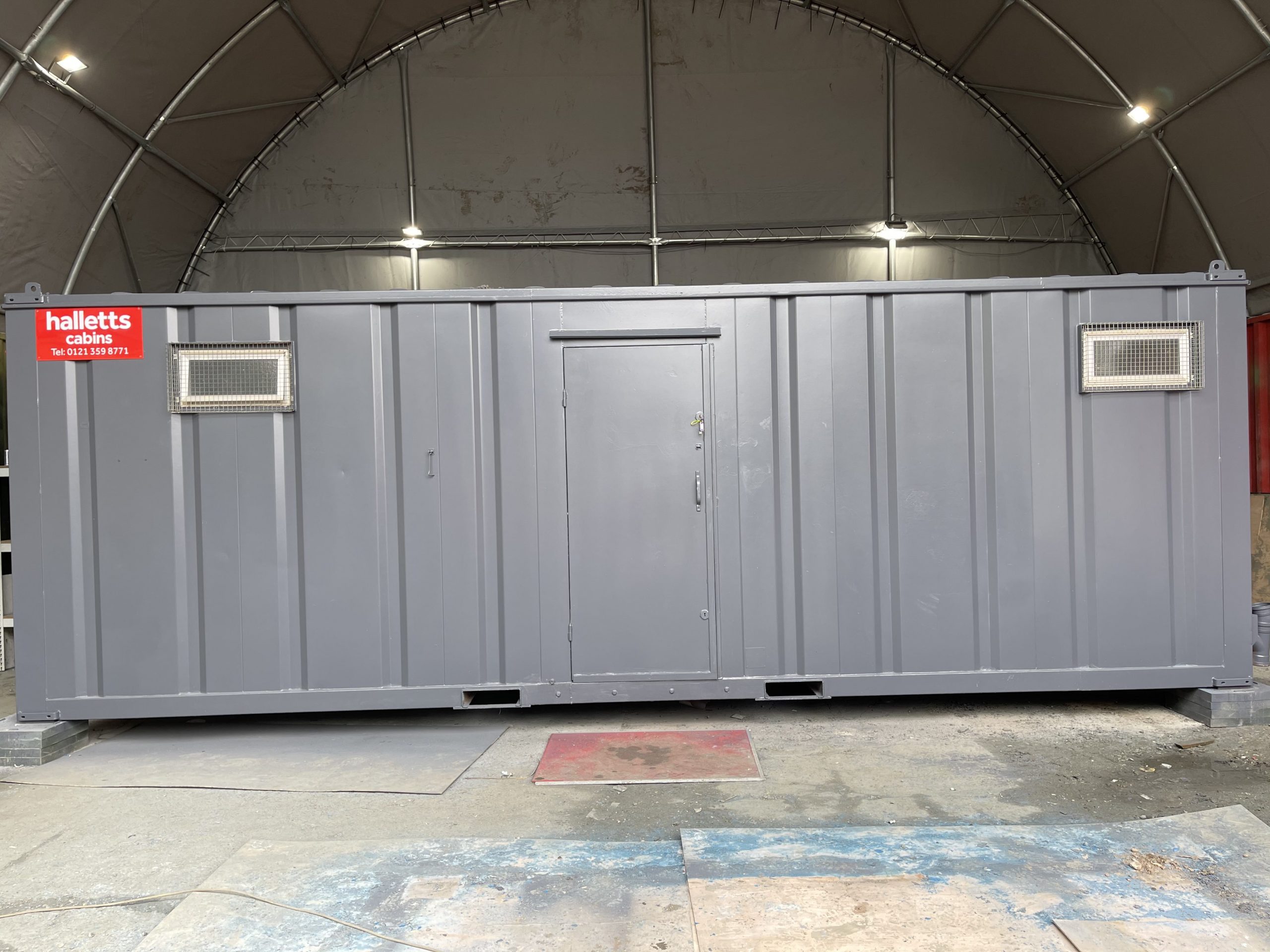
32ft x 10ft Anti Vandal Canteen/Office

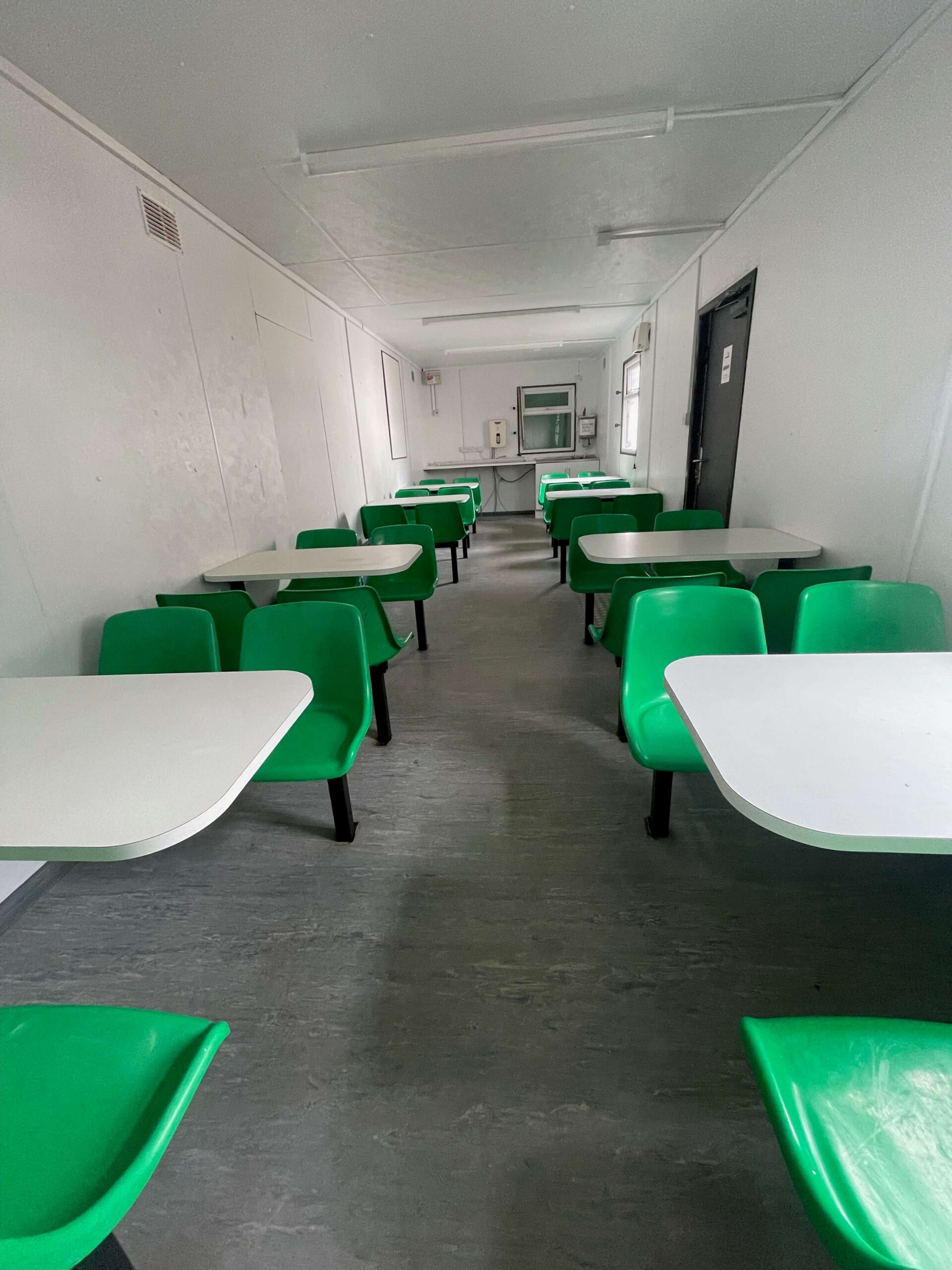
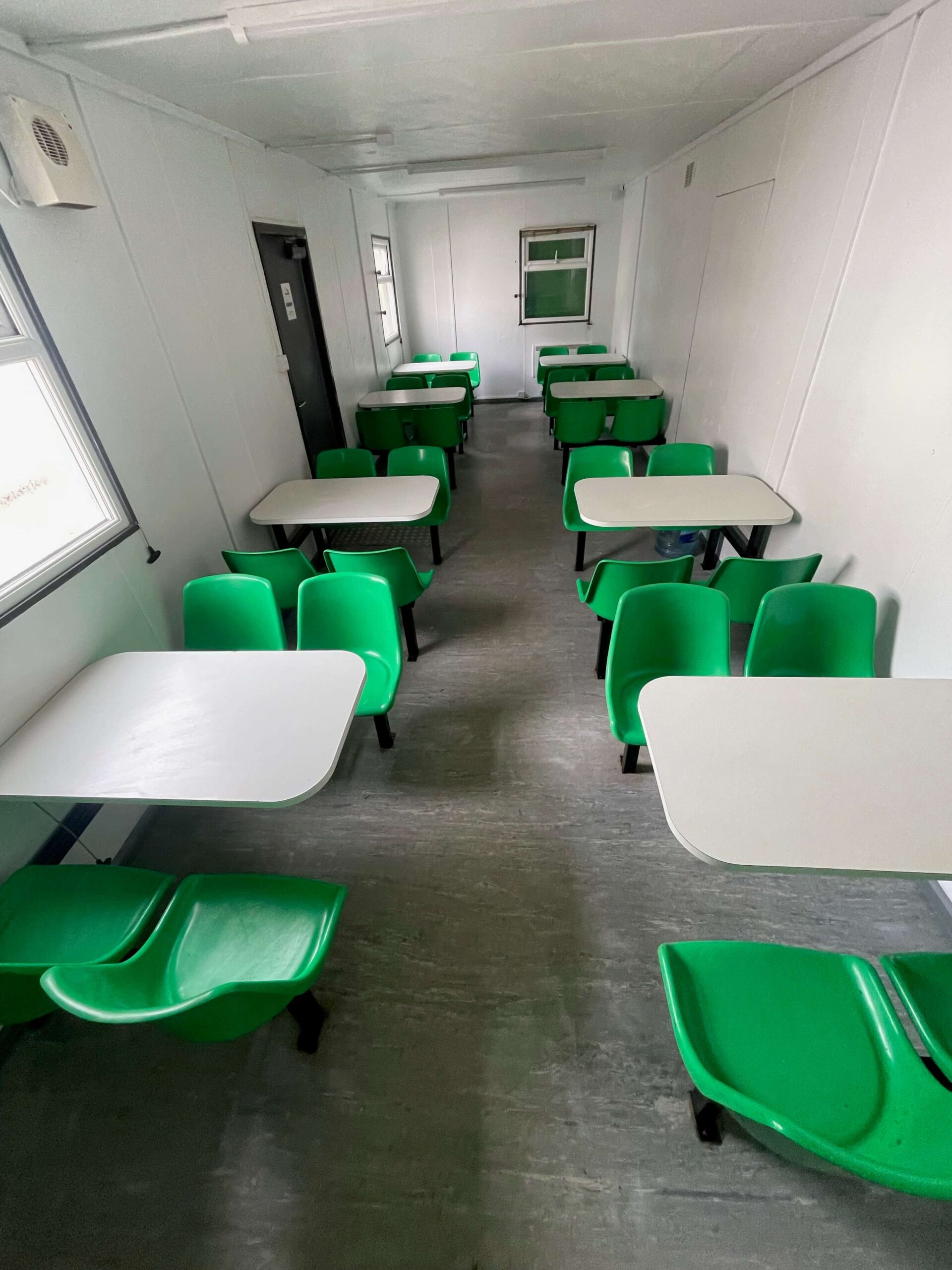
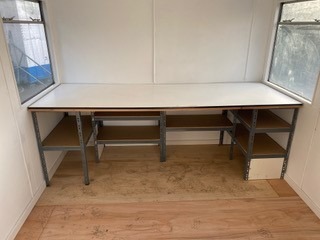
  • Complete with tables and chairs
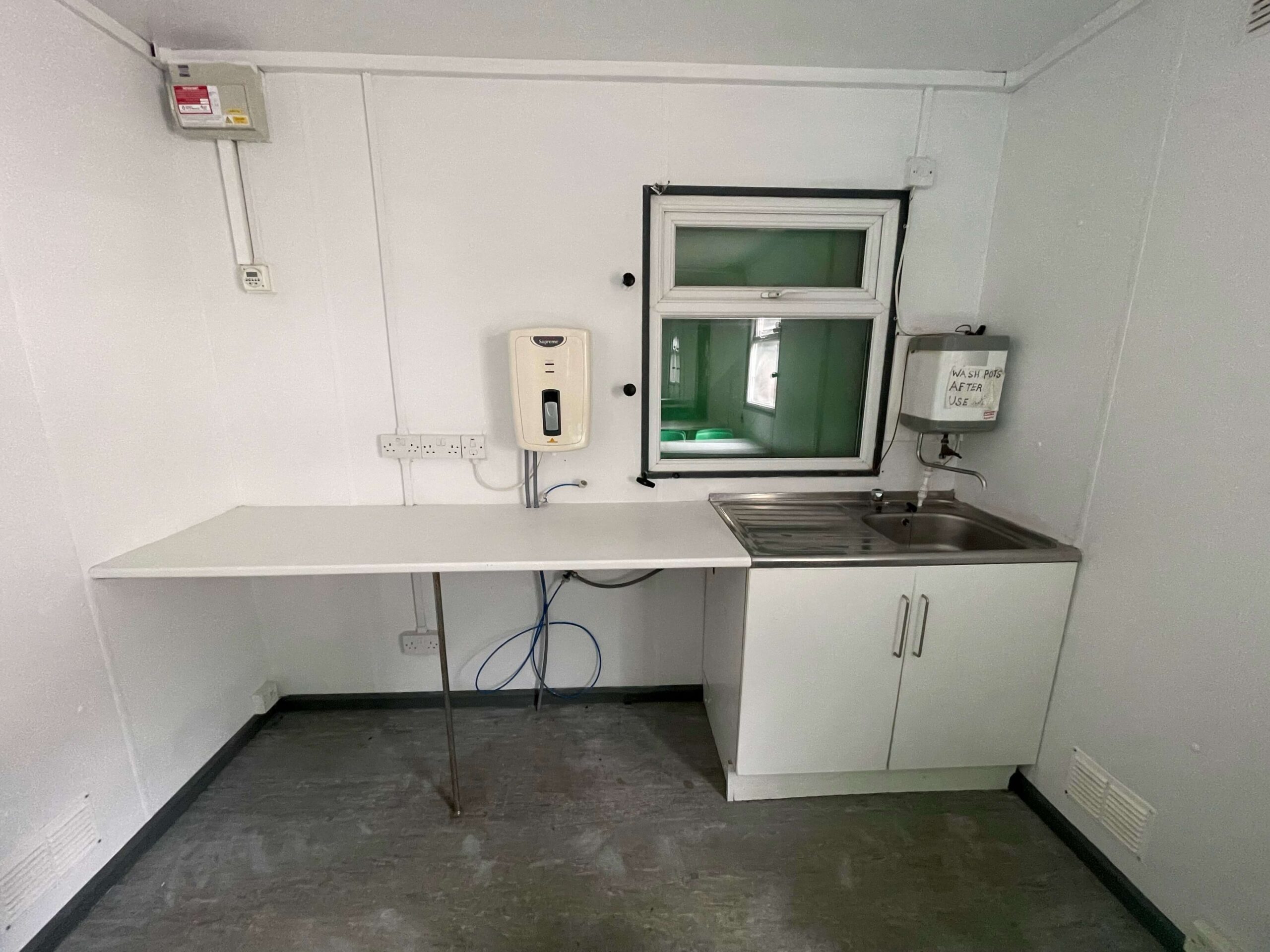
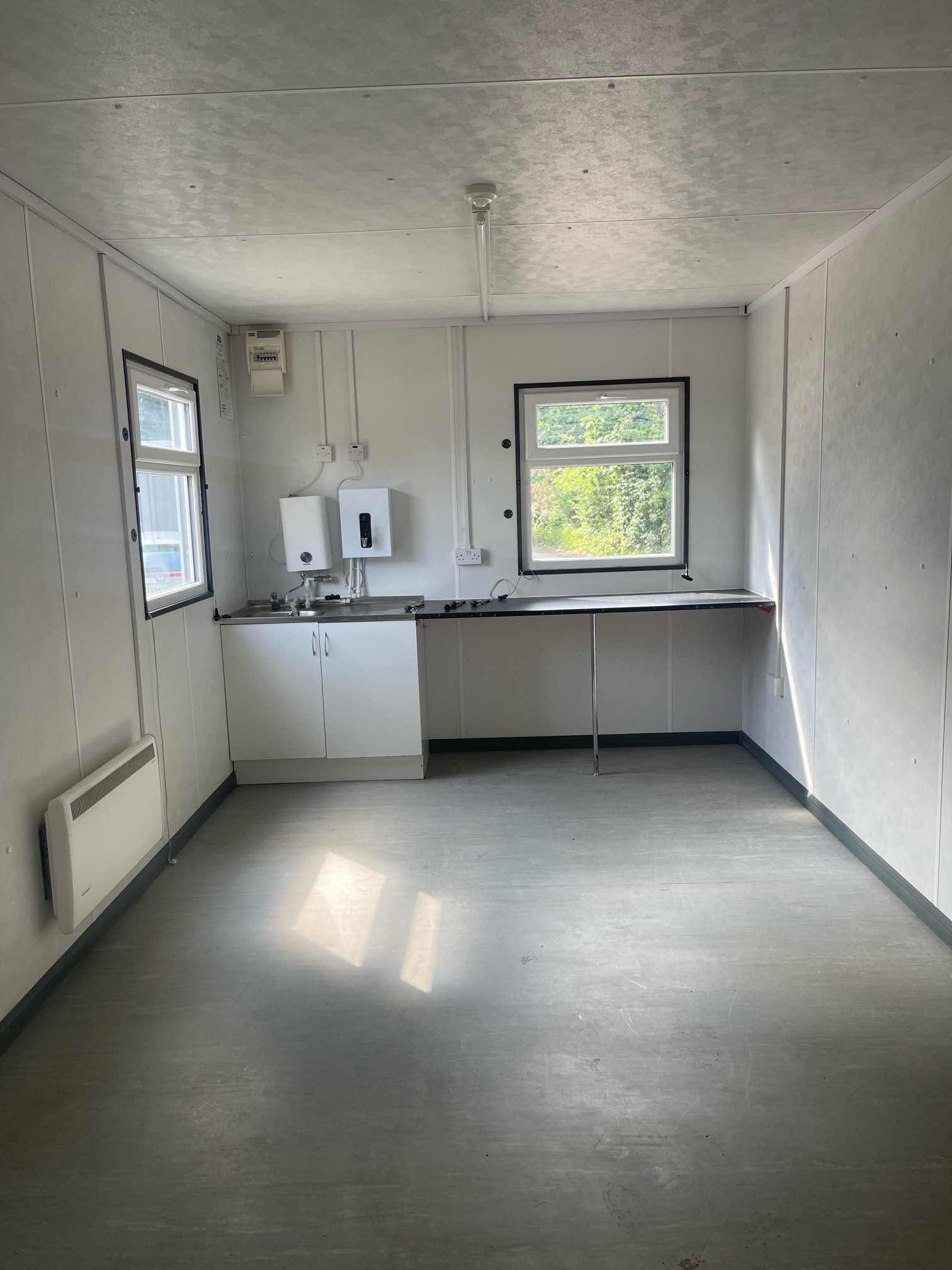
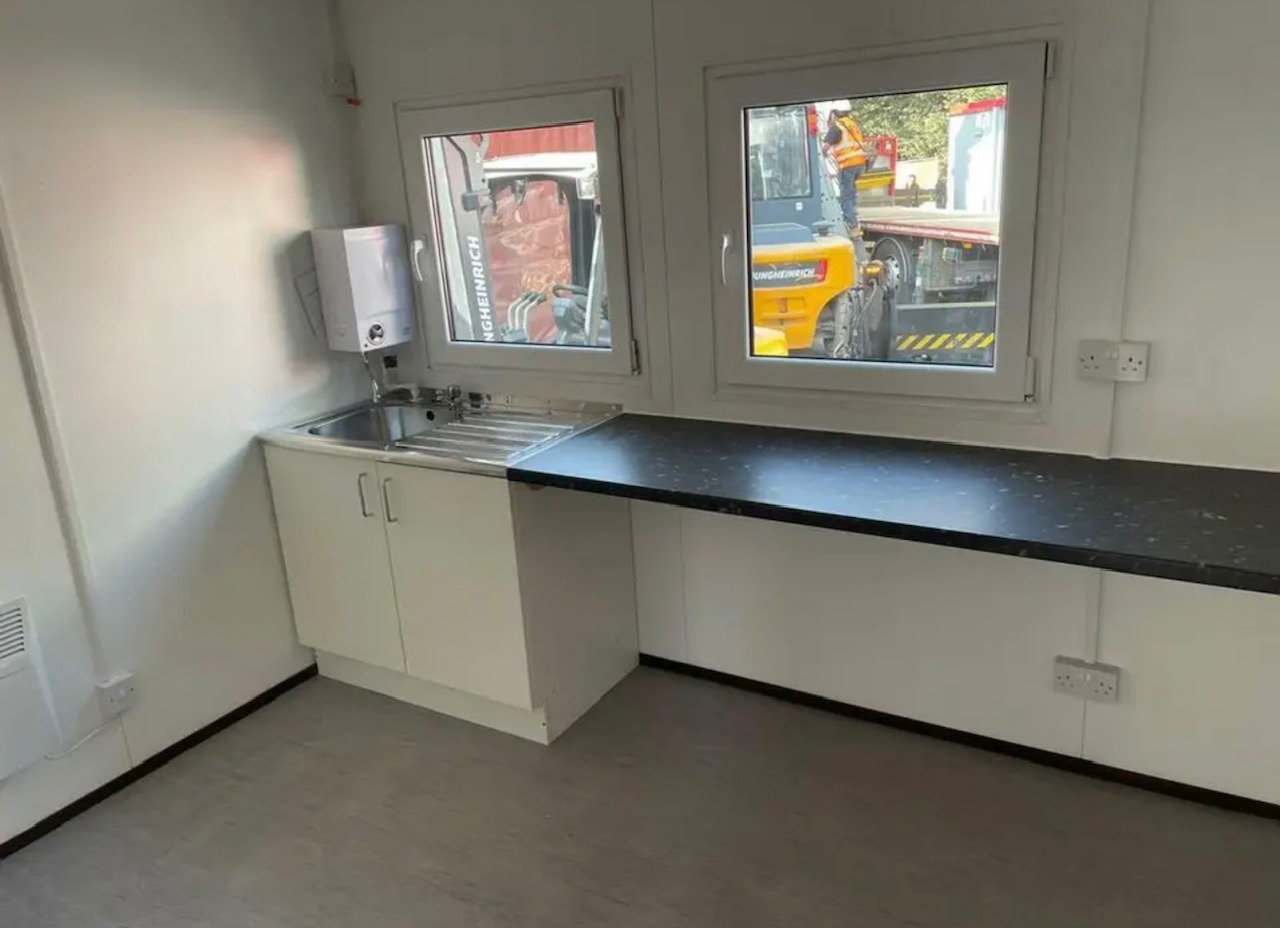
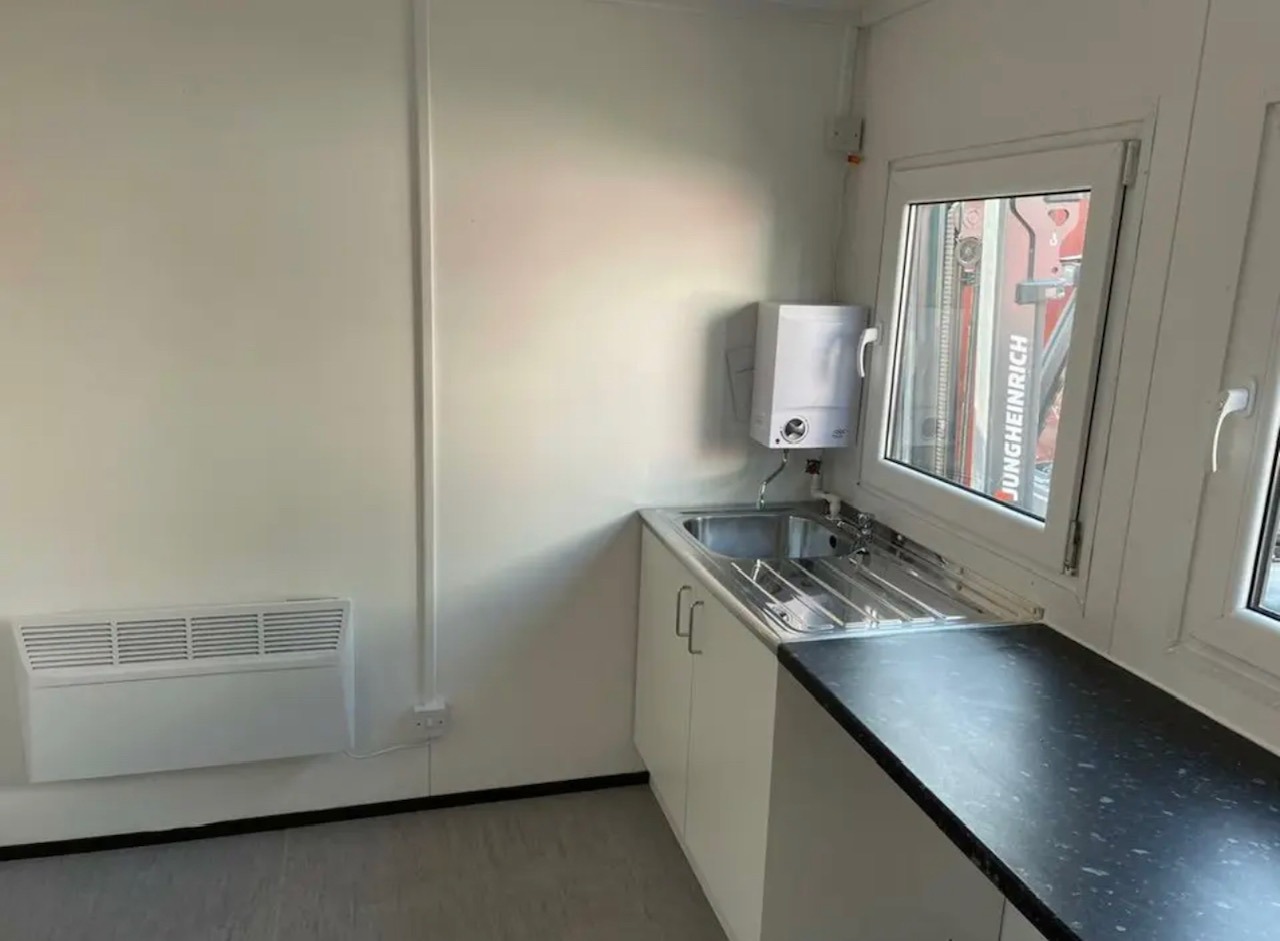
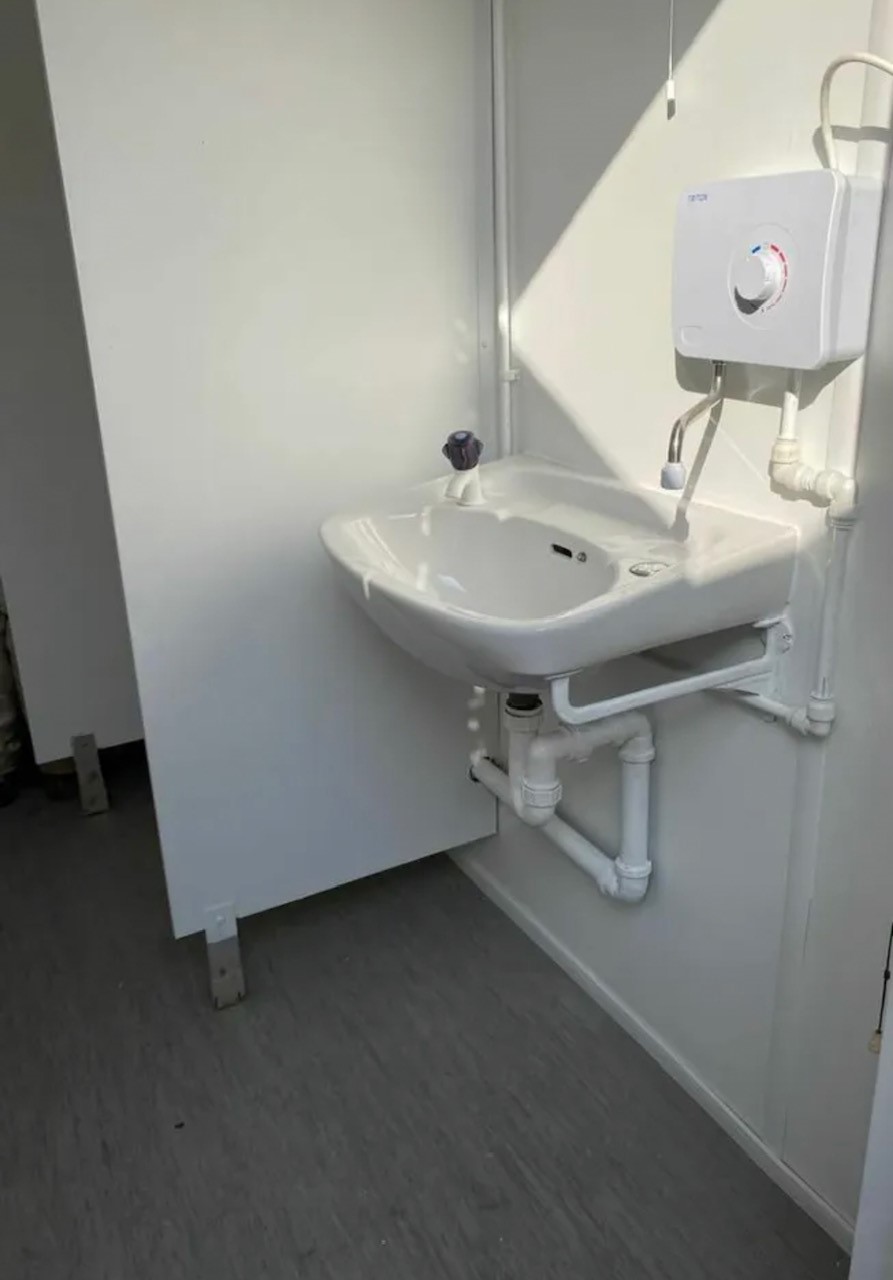
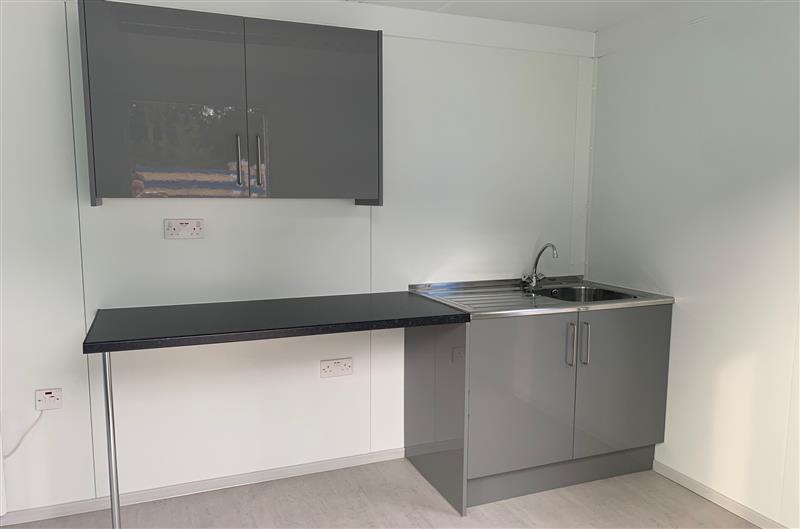
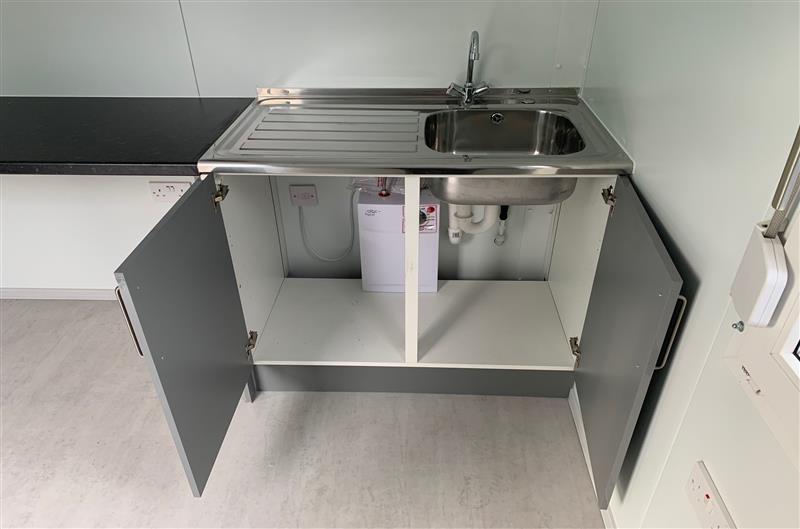
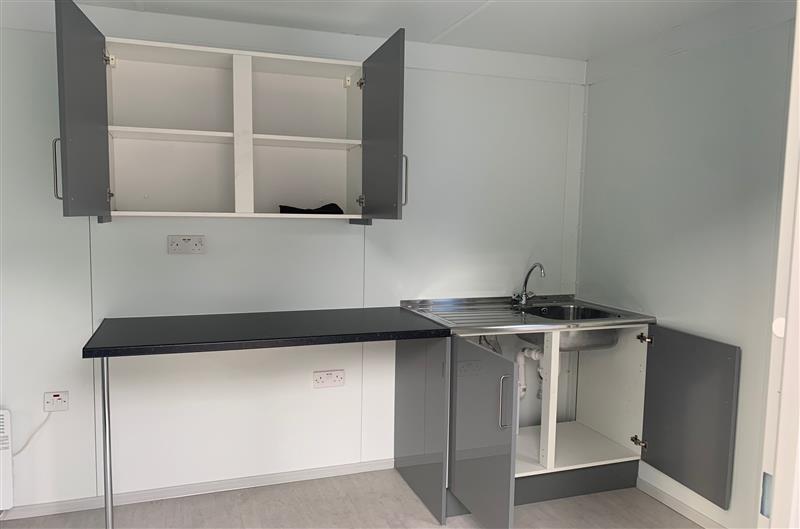
  • Kitchen with sink worktop, cupboard and water heater
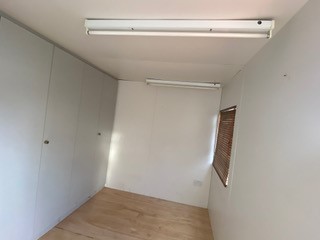
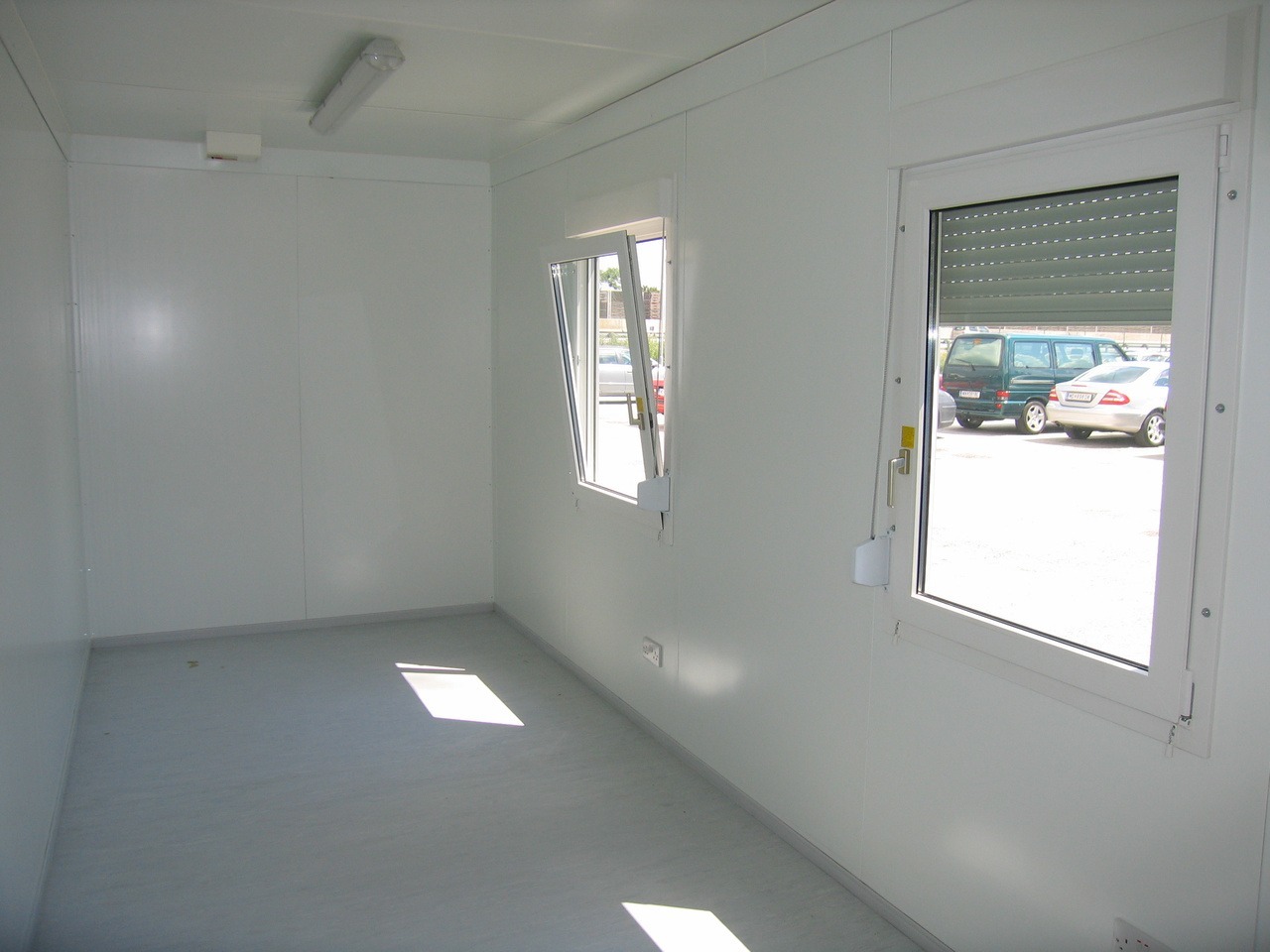
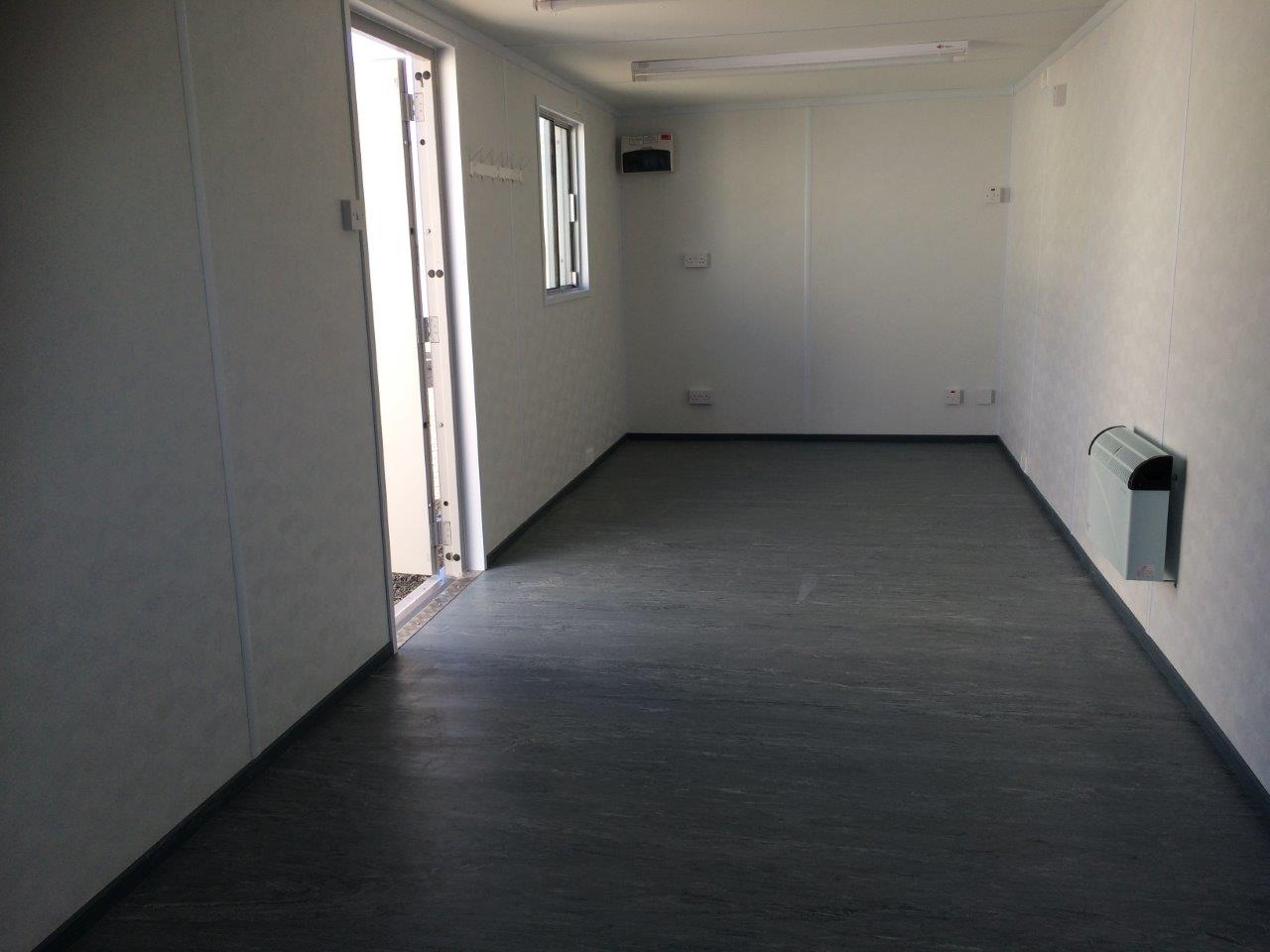
  • Insulated with electric sockets, lighting and heating
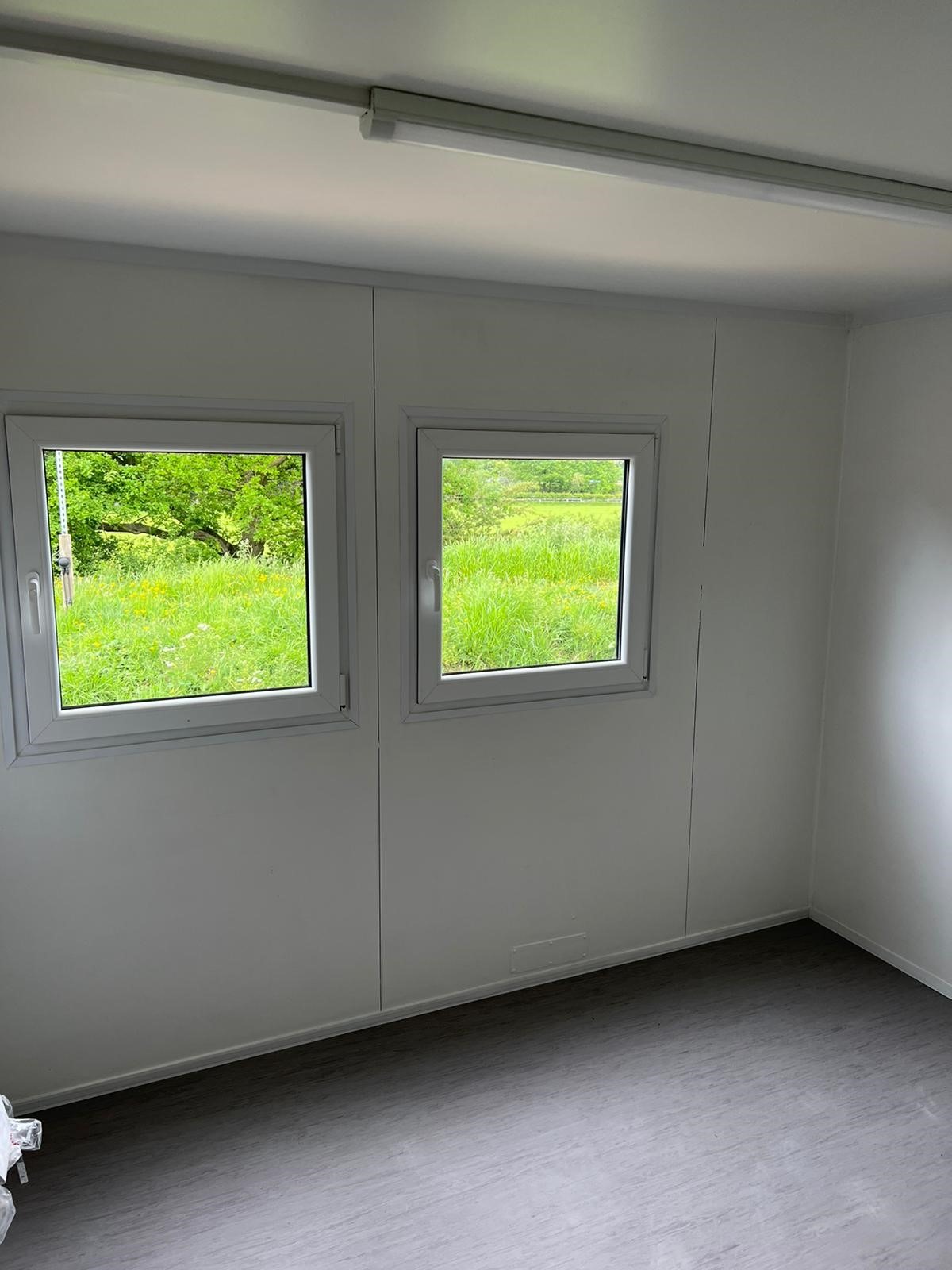
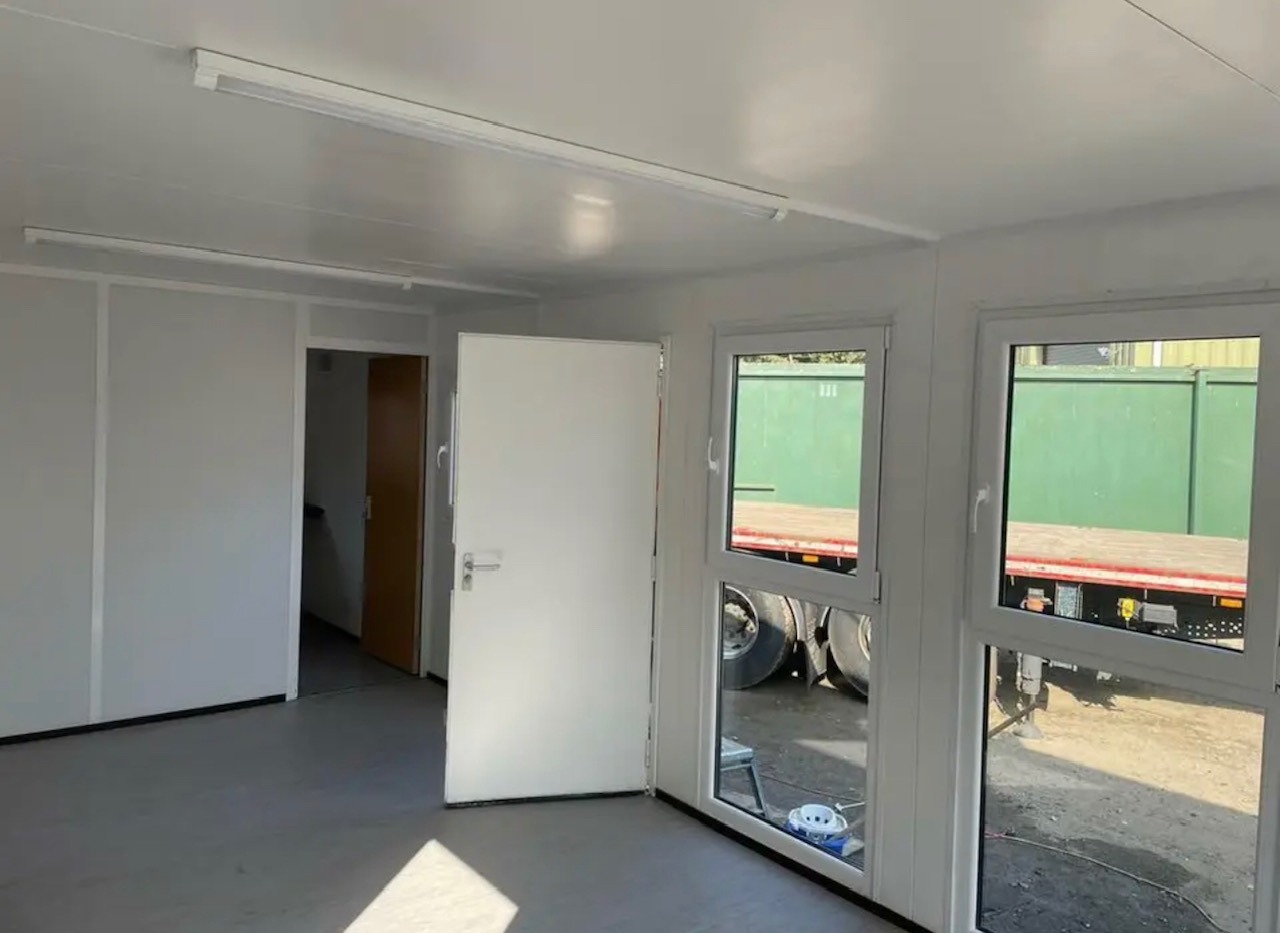
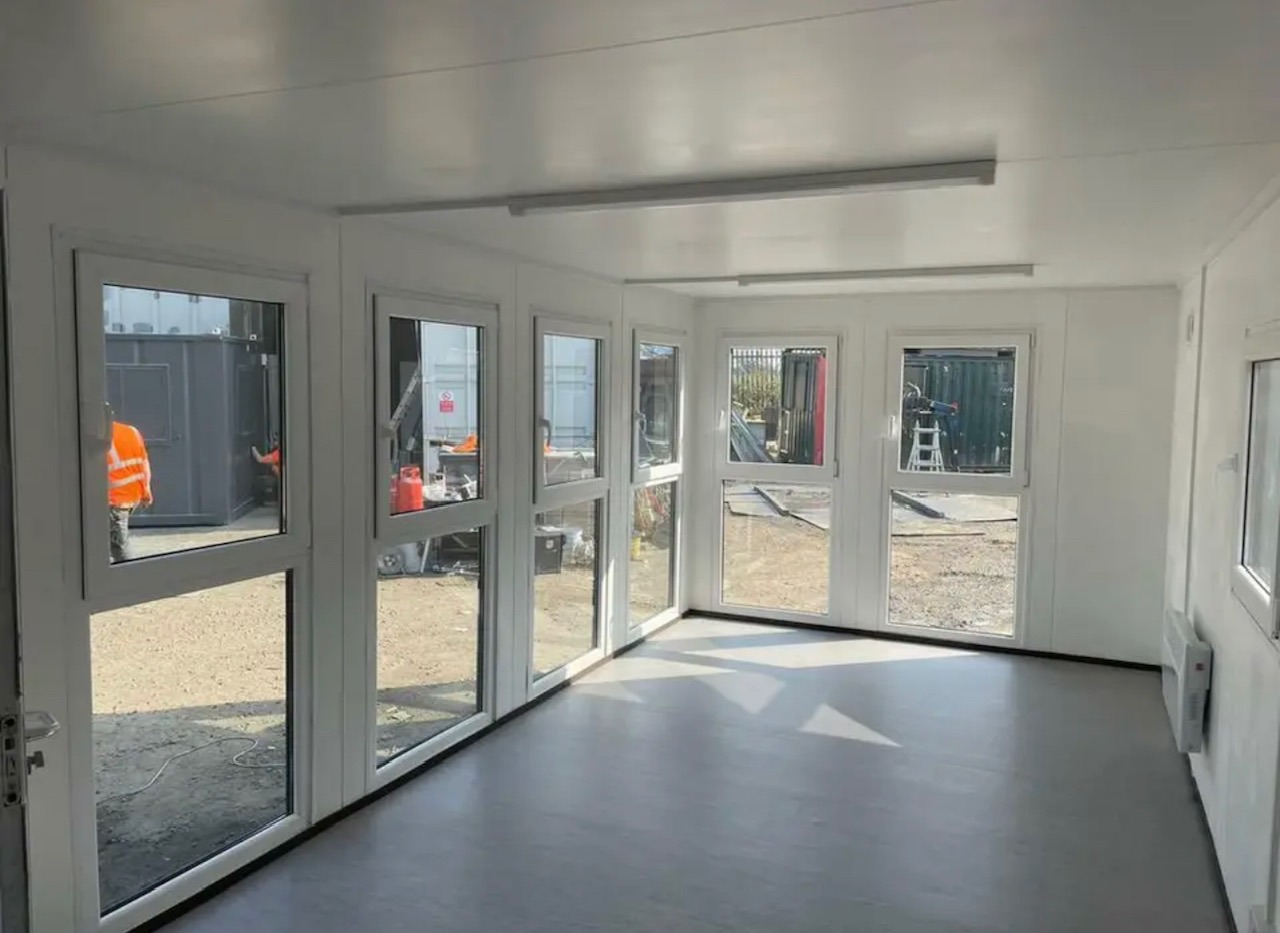
  • White upvc double glazing
  • External re spray in dark grey

Location: Nationwide

£6,500 + vat

Not Available for Hire

We can deliver for a cost please ask and send us post code.

Call for an instant quote!

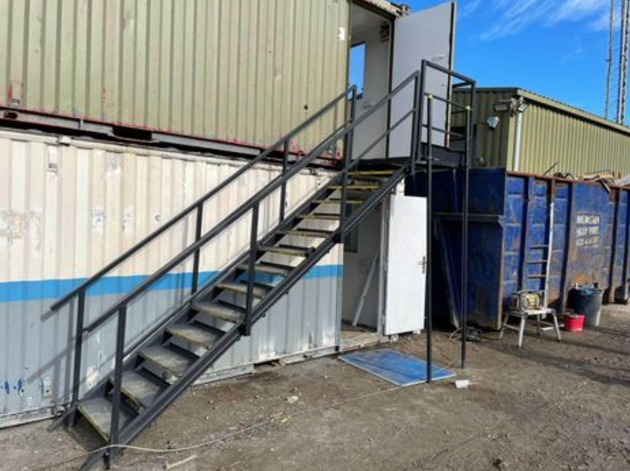
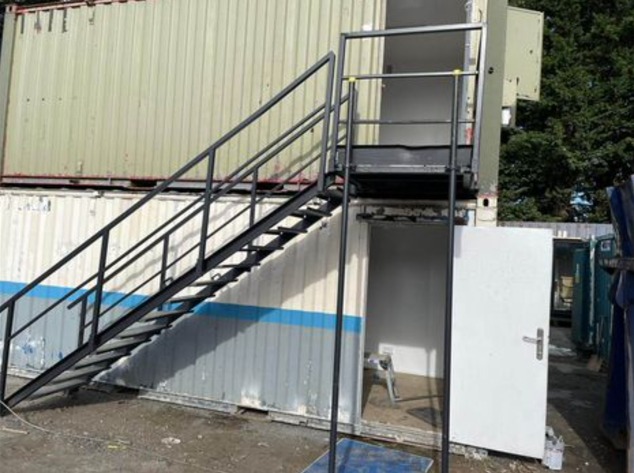
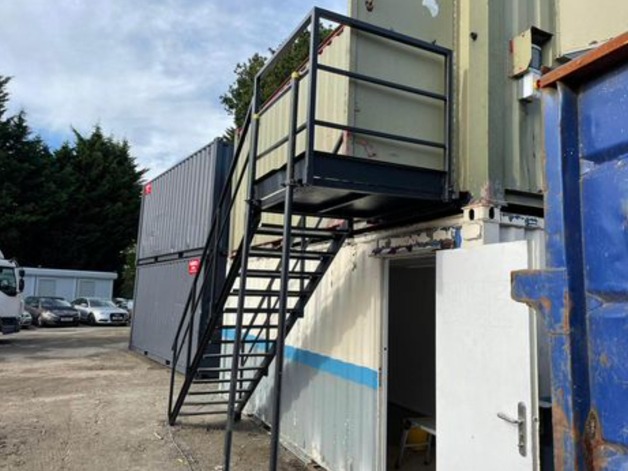
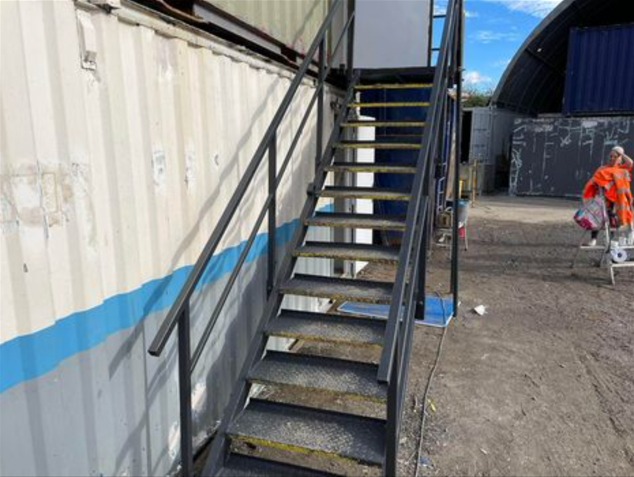
Steel Cabin Staircases, in various sizes

  • 13 tread

  • 14 tread

  • 15 tread

Location: Nationwide

£1,200.00 + vat

Not Available for Hire

Call for an instant quote!

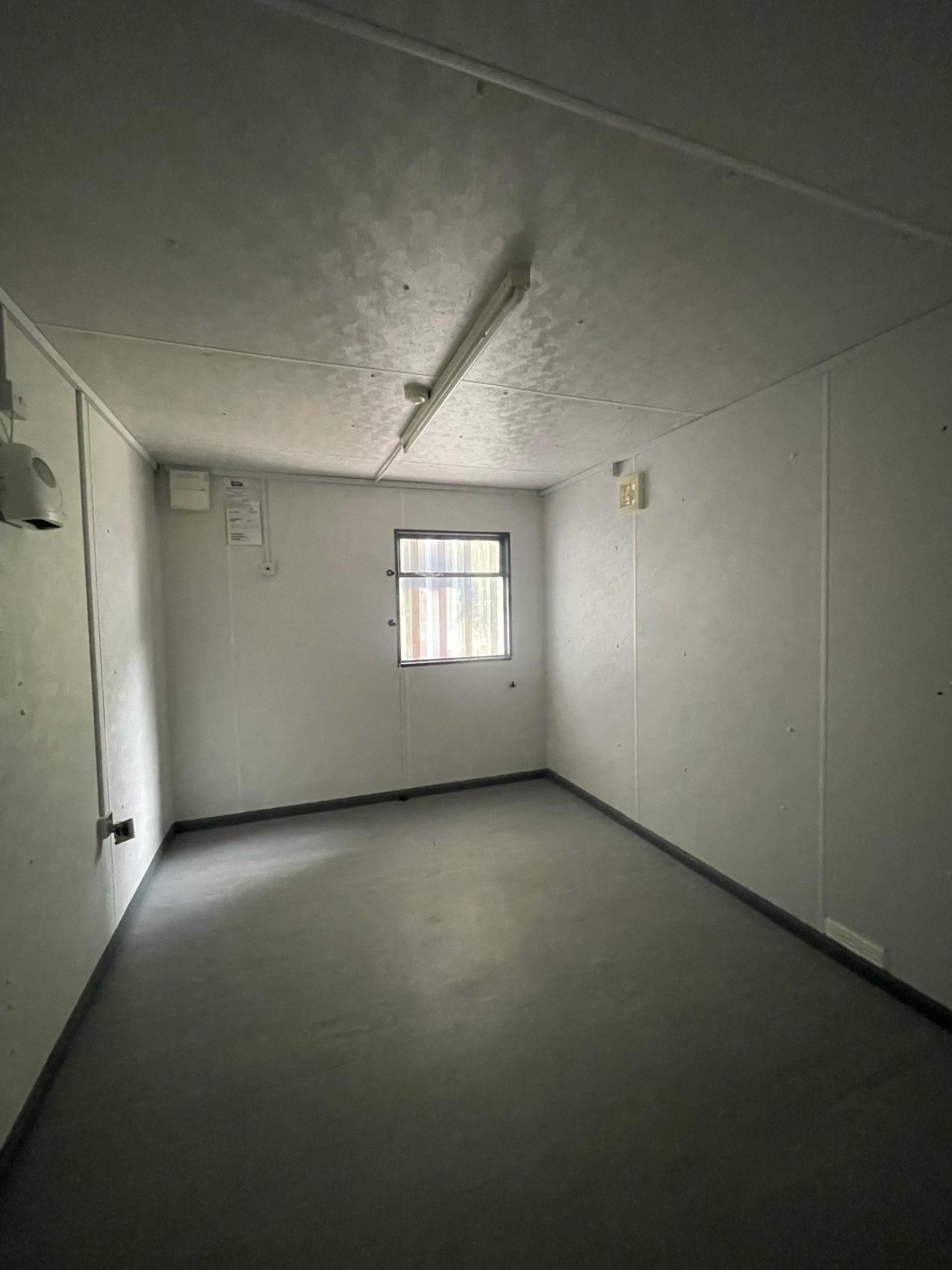
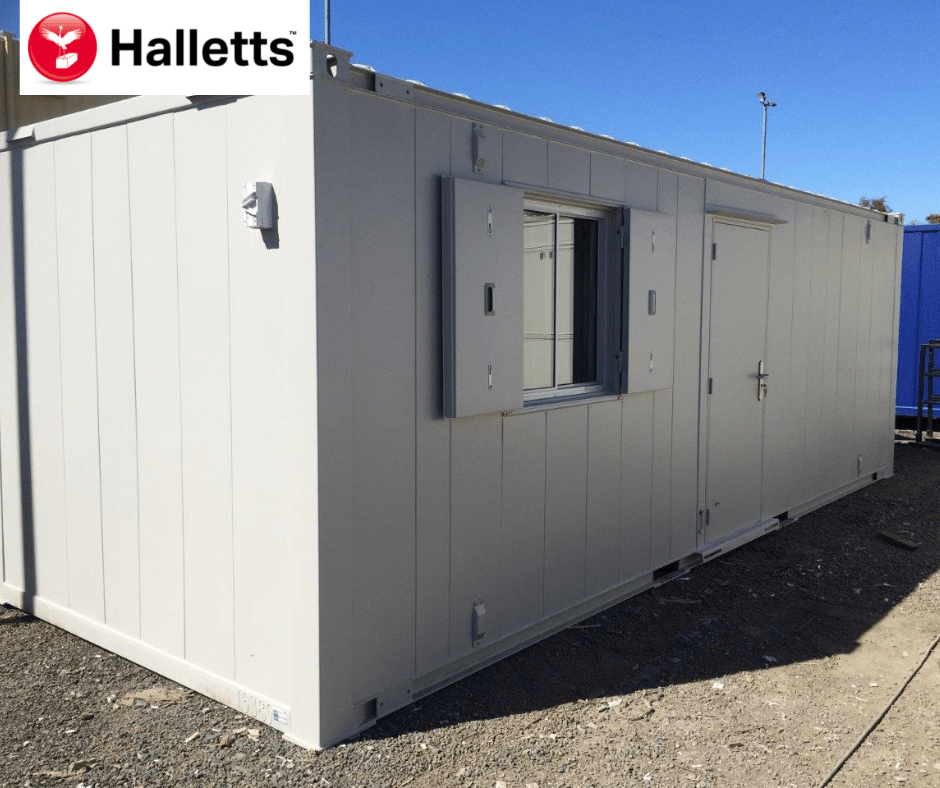
32ft x 10ft Anti Vandal Canteen/Office

    • Price: £5,995 + VAT
    • Description: 32ft x 10ft Anti Vandal Canteen/Office
  Part refurbished including:
  • Electric sockets, lighting and heating
  • White upvc double glazing
  • Canteen
  • Open plan
  • External light grey re spray

Location: Nationwide

£5,995 + vat

Not Available for Hire

We can deliver for a cost please ask and send us post code.

Call for an instant quote!

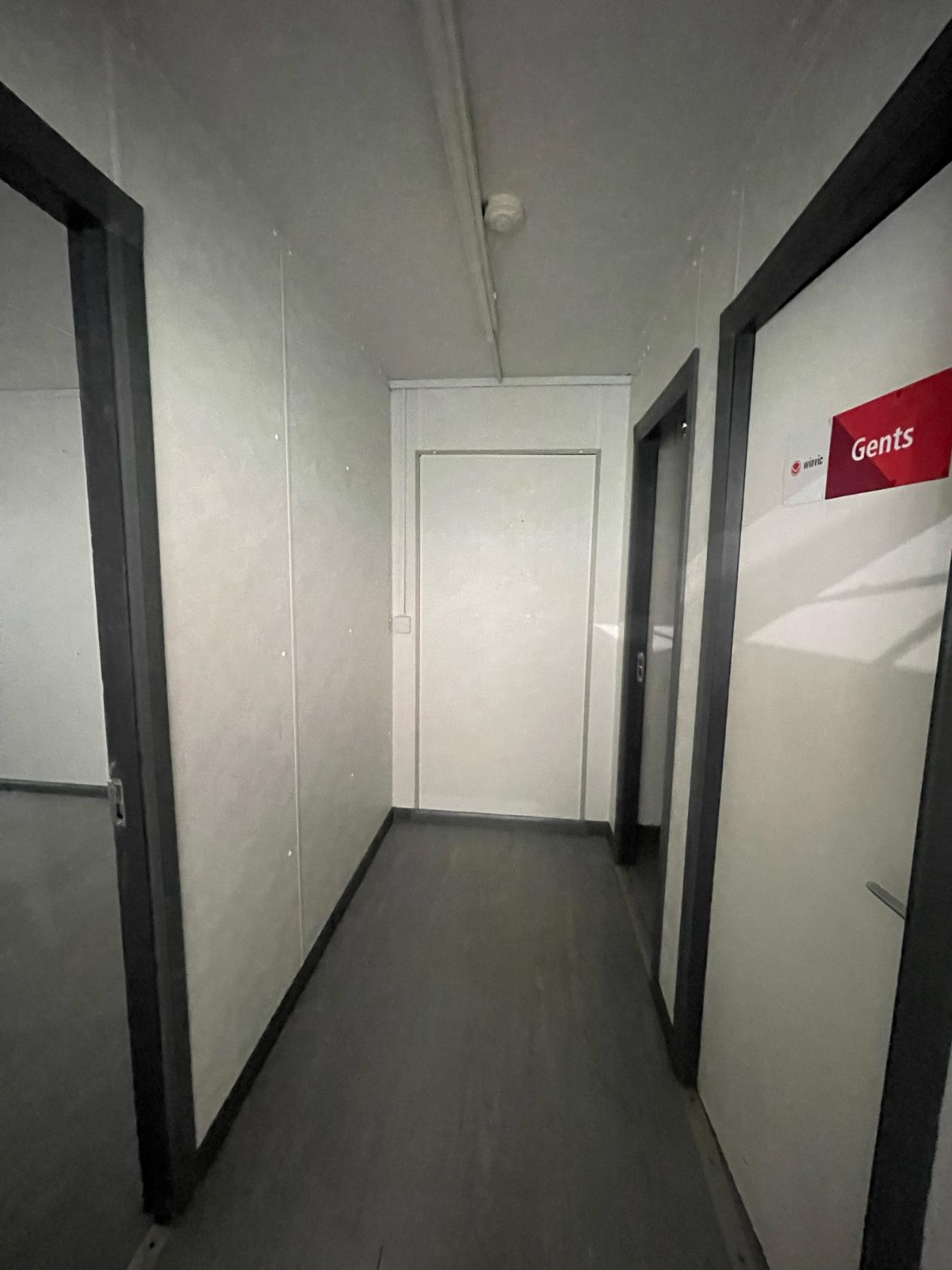
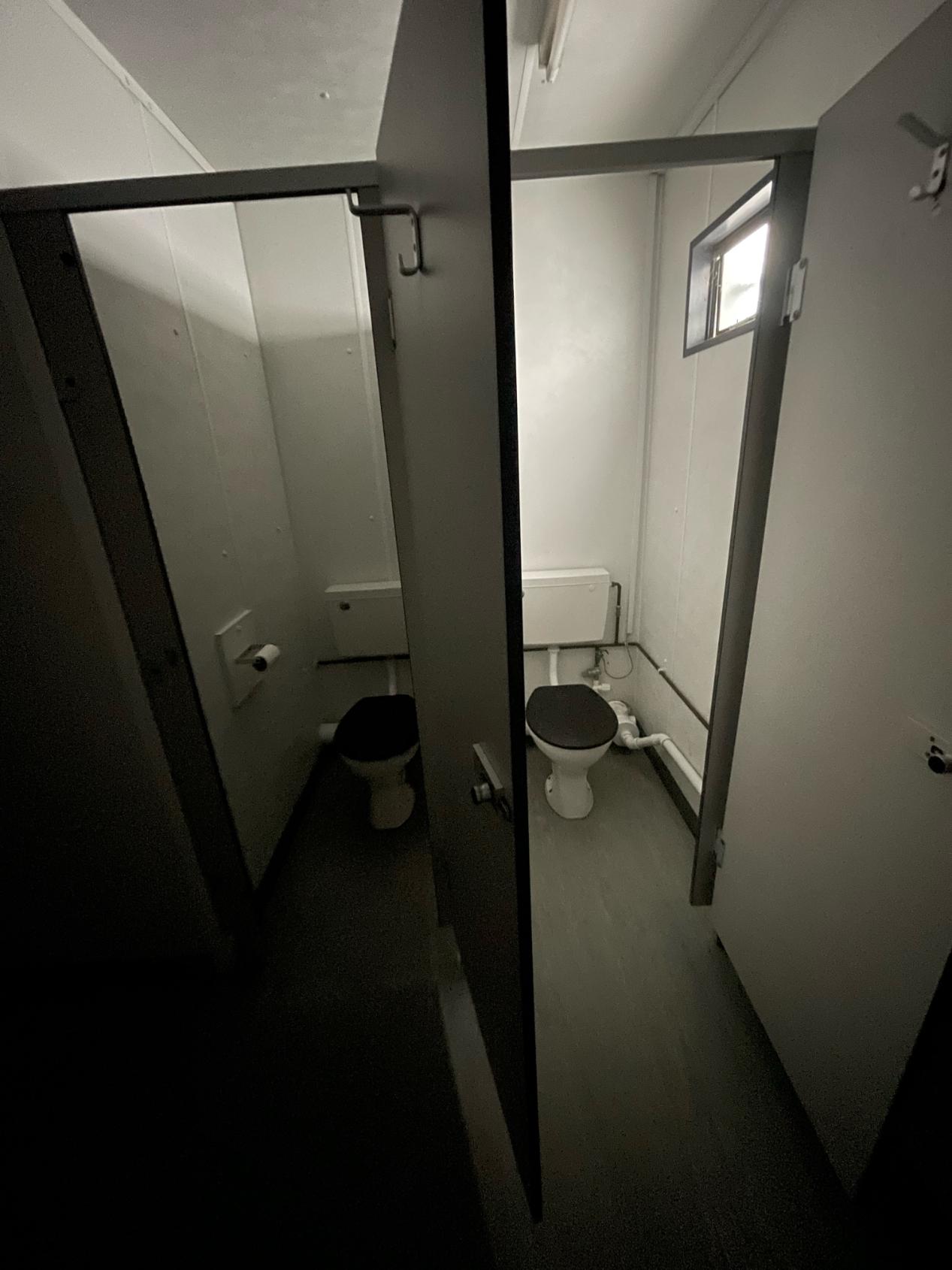
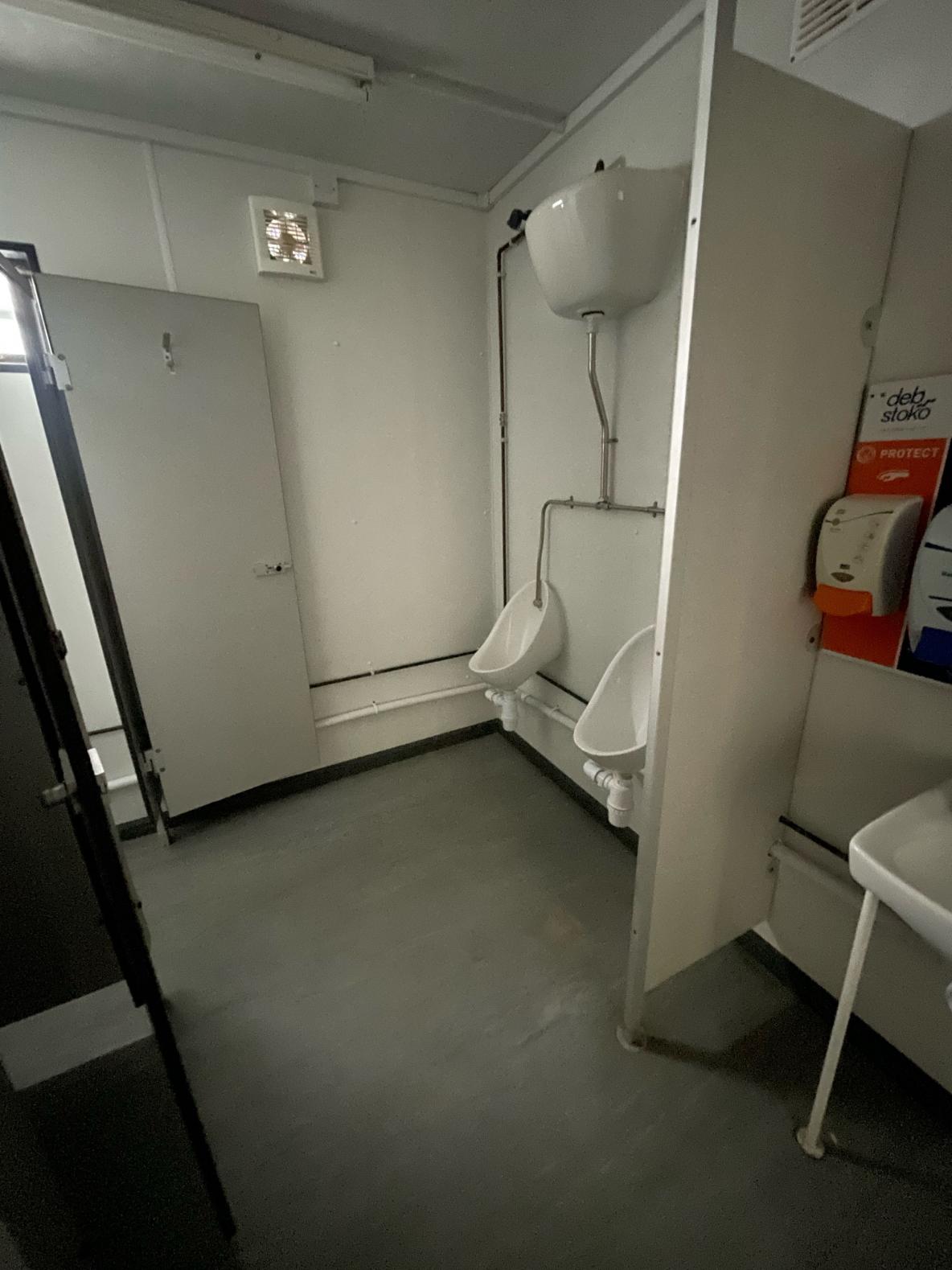
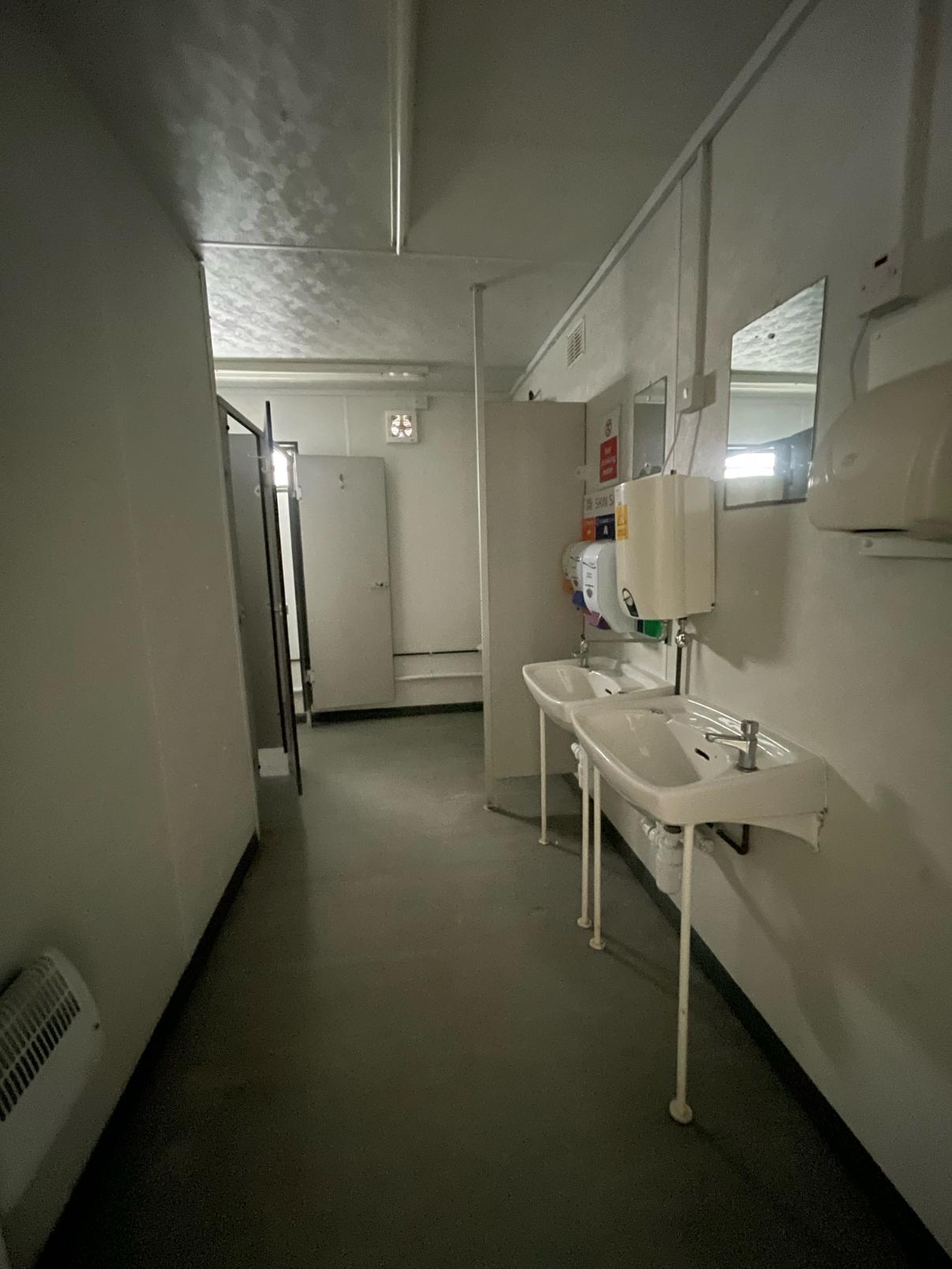
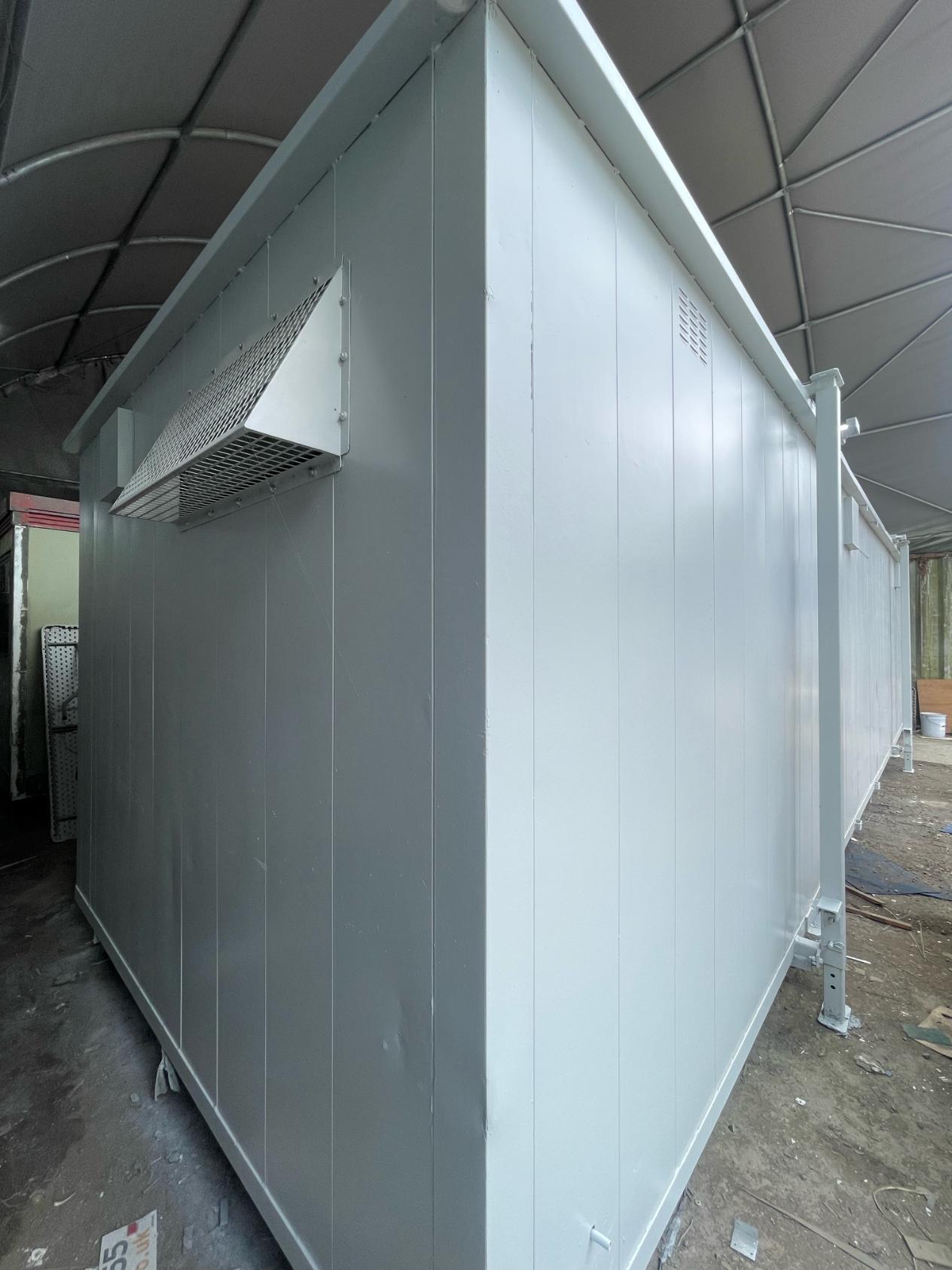
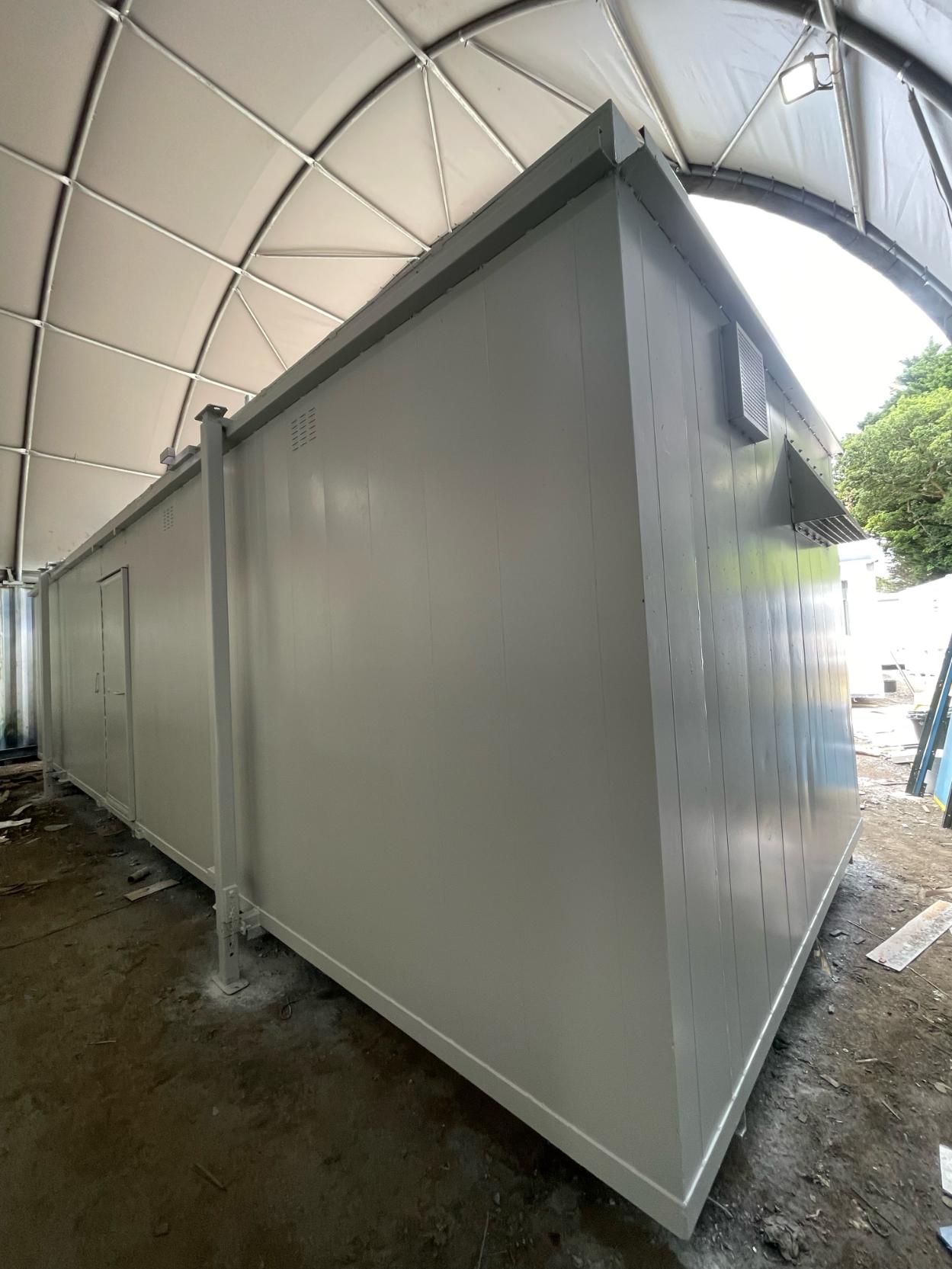
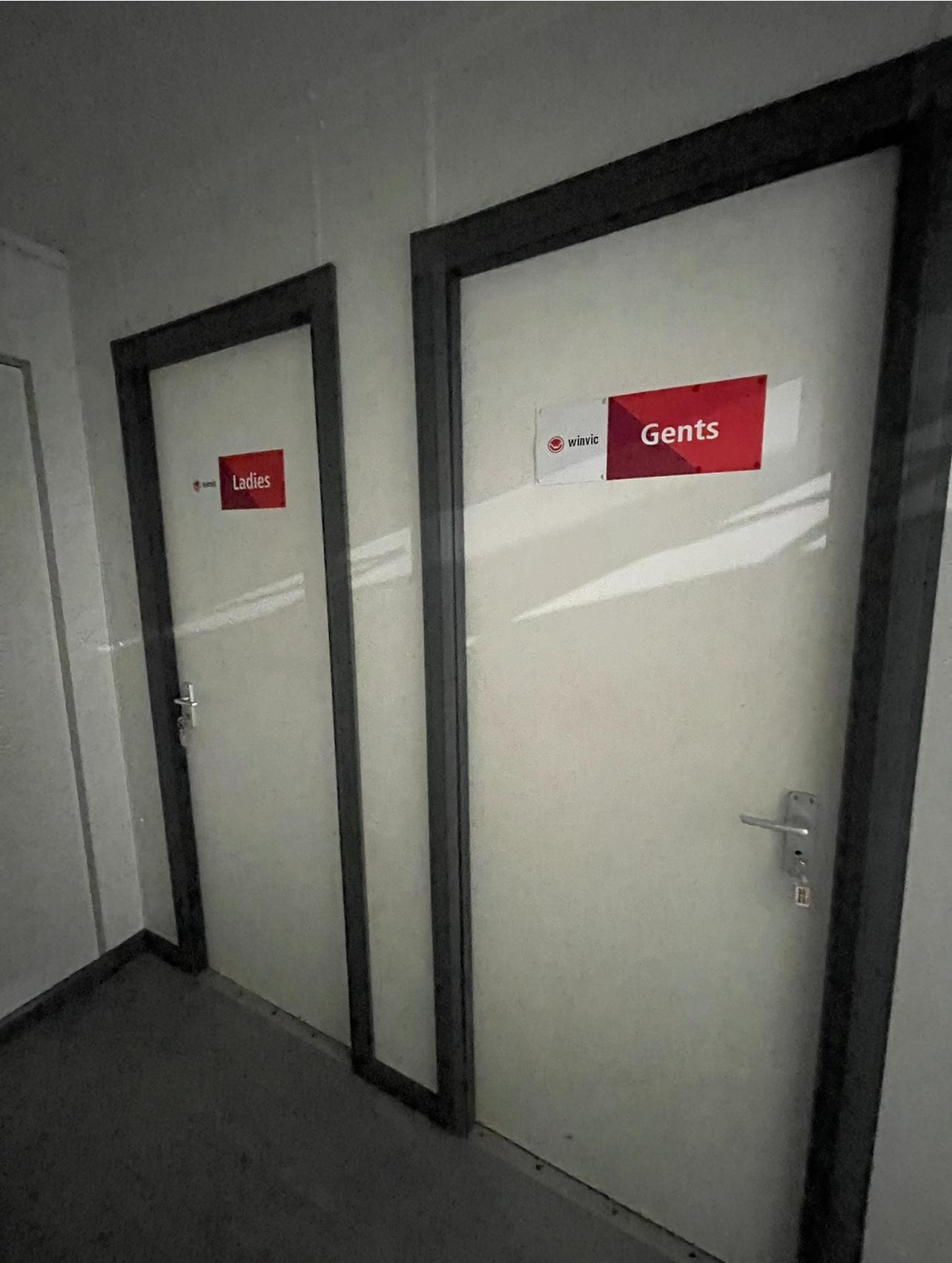
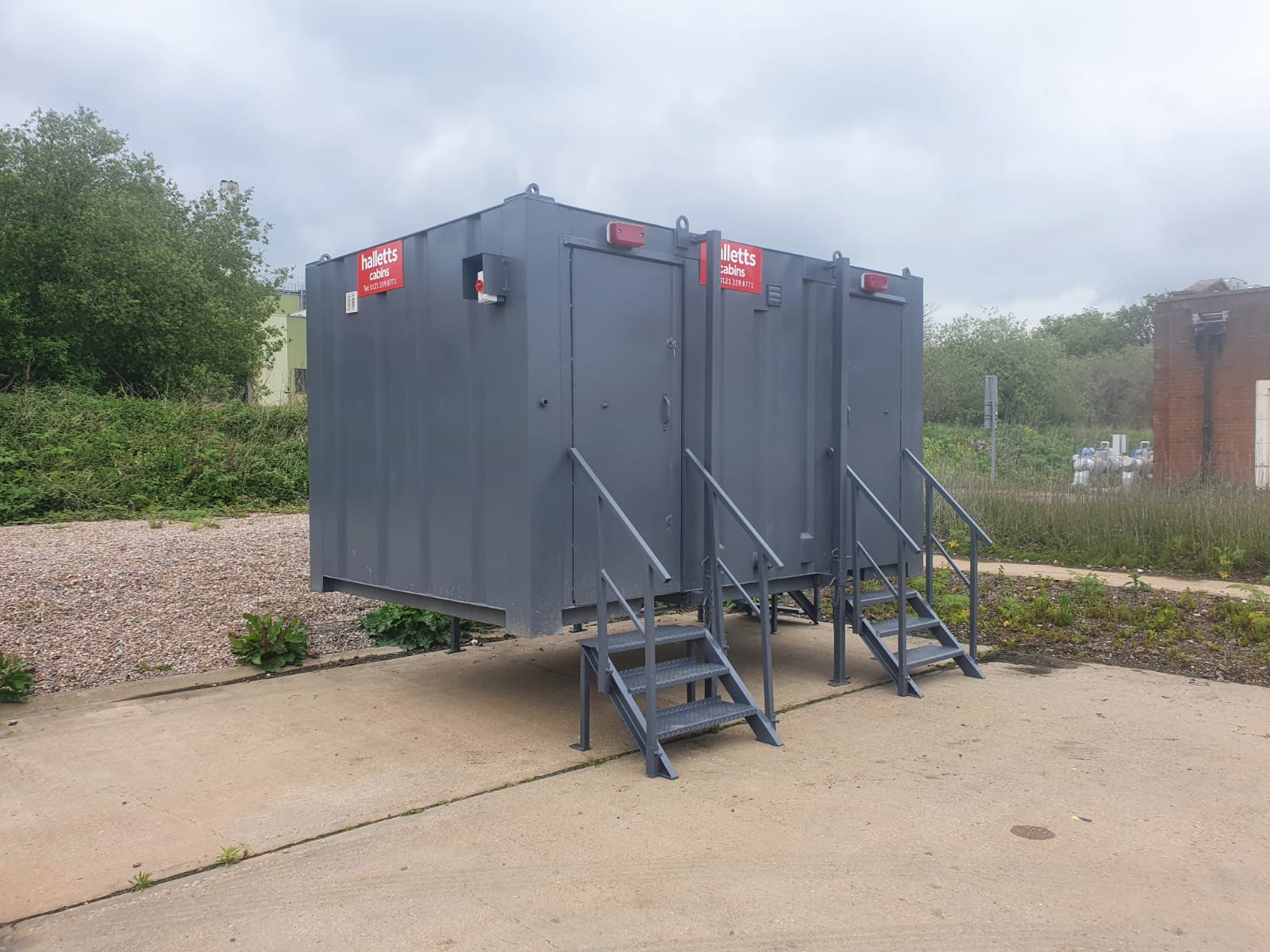
32ft x 10ft Drying Room, Toilet Block

Hallway leading into:

  • Price: £6,500 + VAT
  • Half open plan drying room, or we could add in a canteen. (additional cost)
  • Female Single toilet
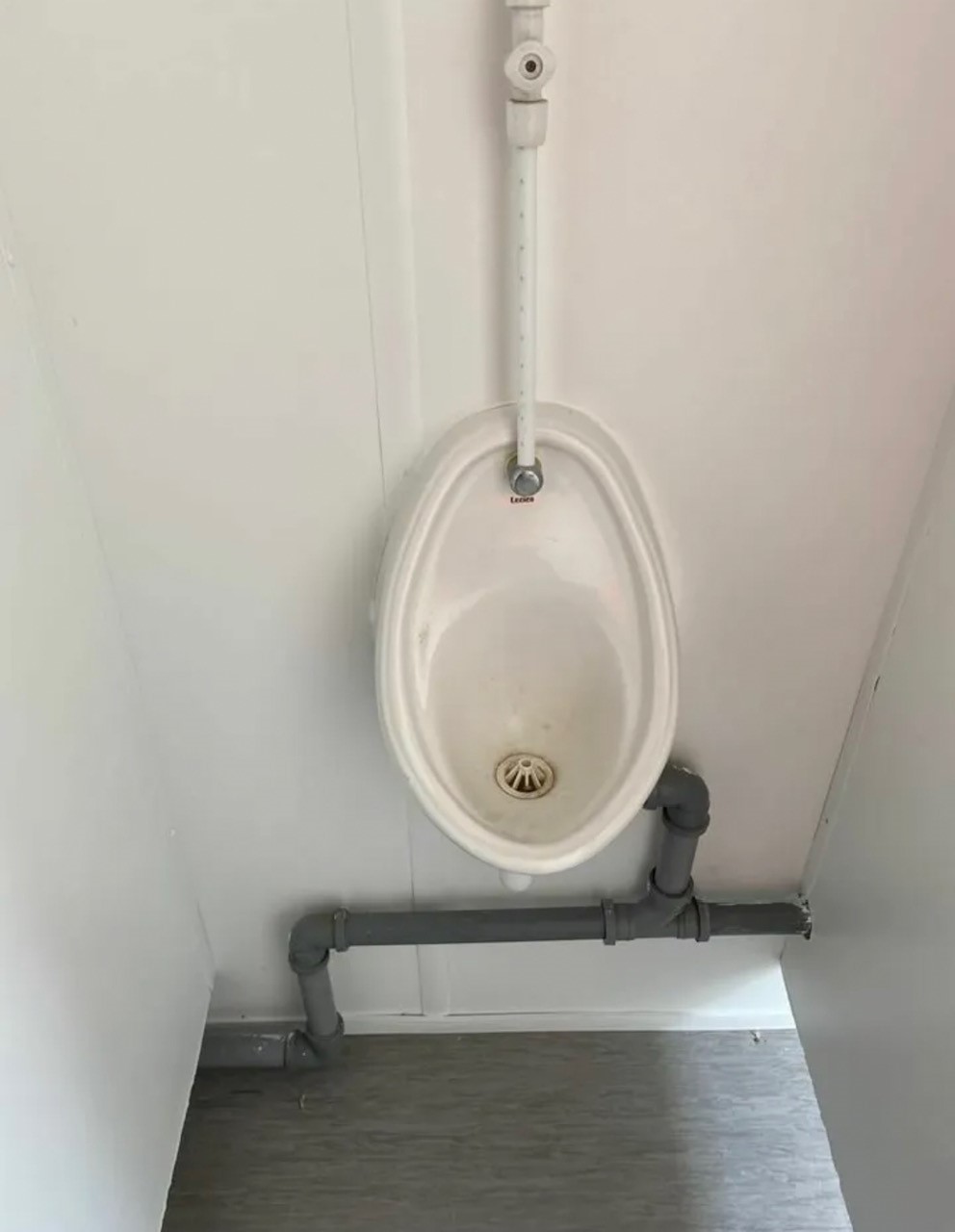
  • Male toilets including 2 x cubicles, 2 x urinals and 2 x sinks
  • External light grey spray
  • Deep cleaned
  • Ready to use
  • Excellent overall condition

Transport can be arranged please ask.

Location: Nationwide

£6,500.00 + vat

Not Available for Hire

Call for an instant quote!

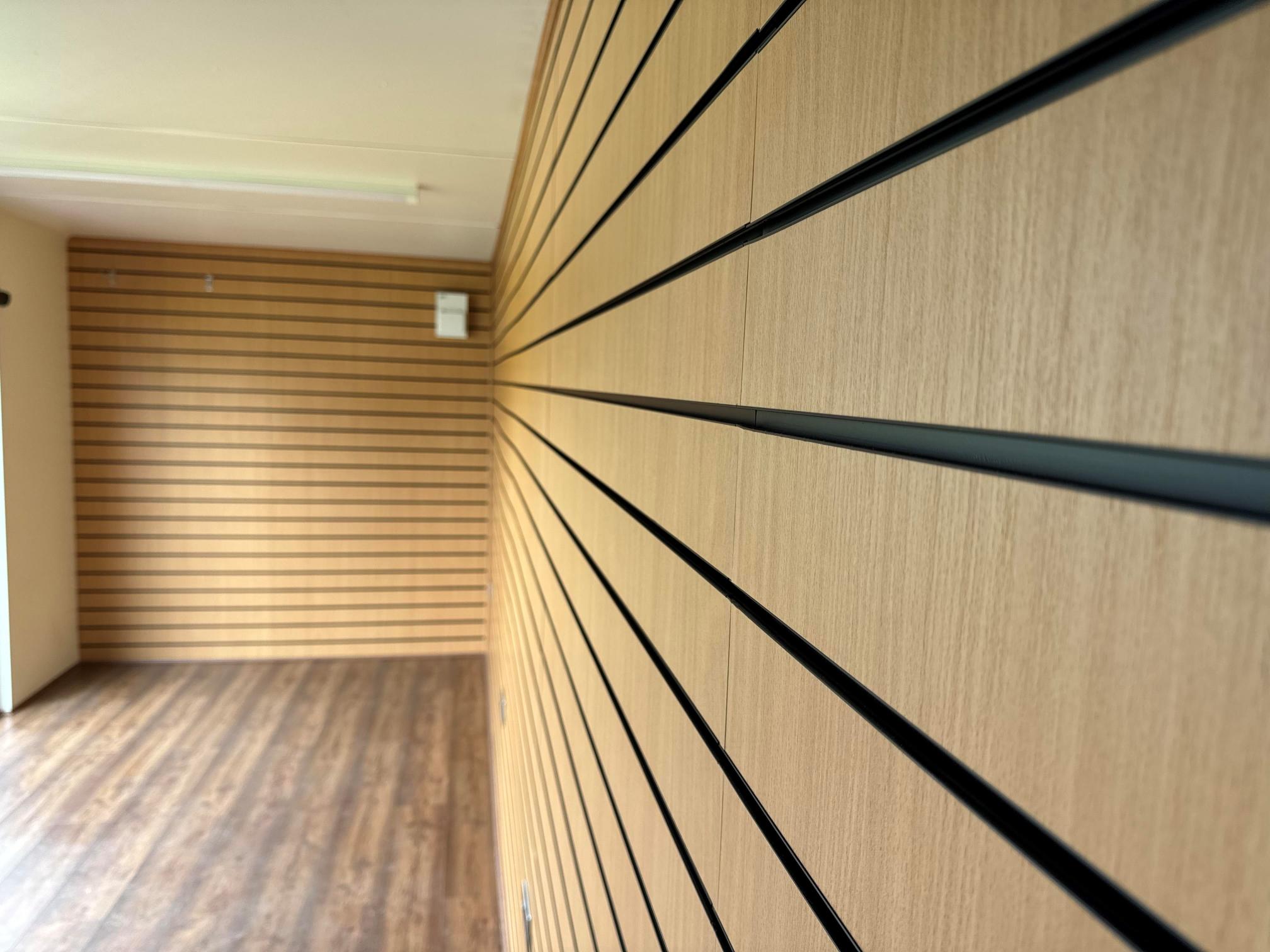
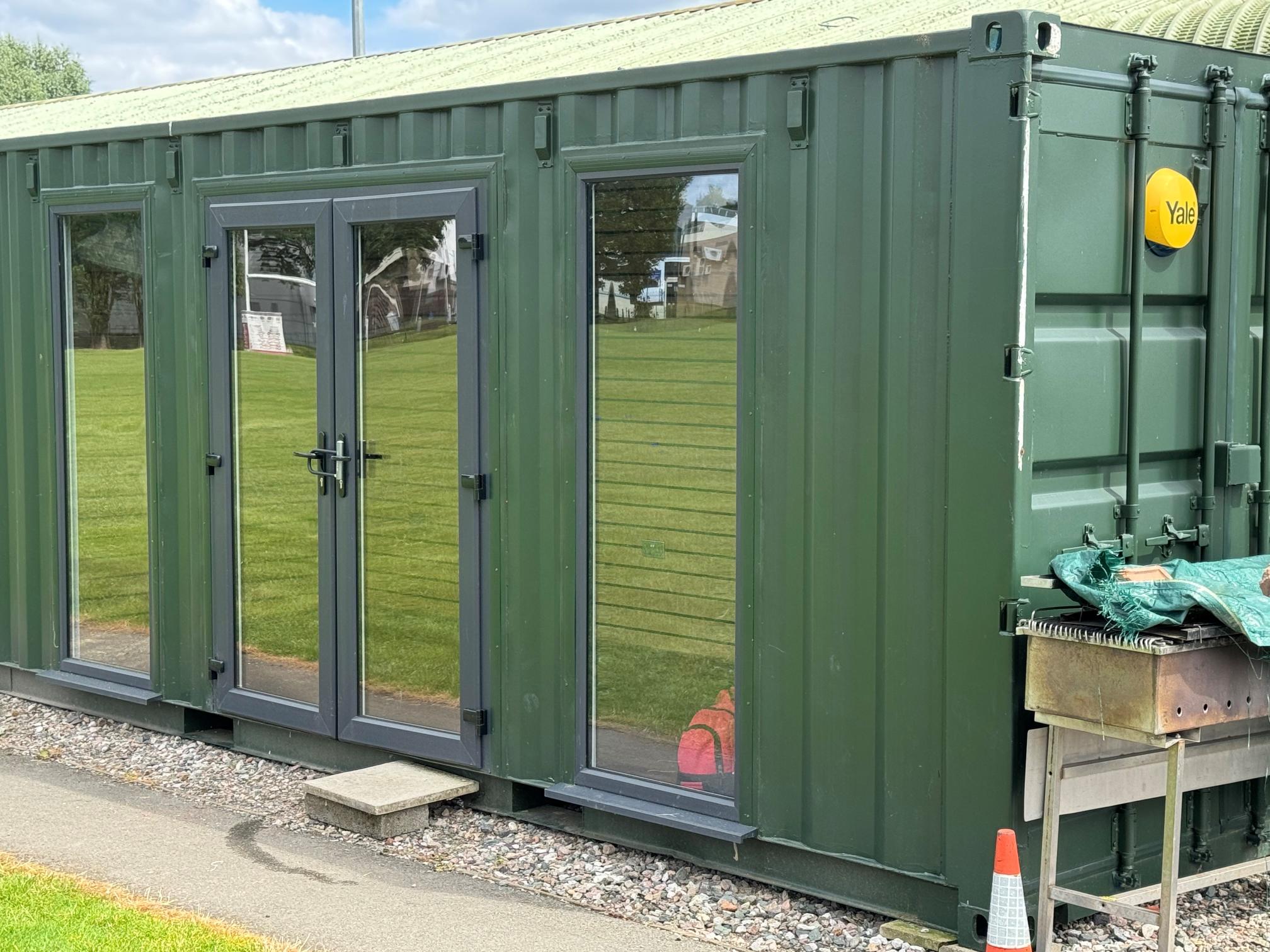
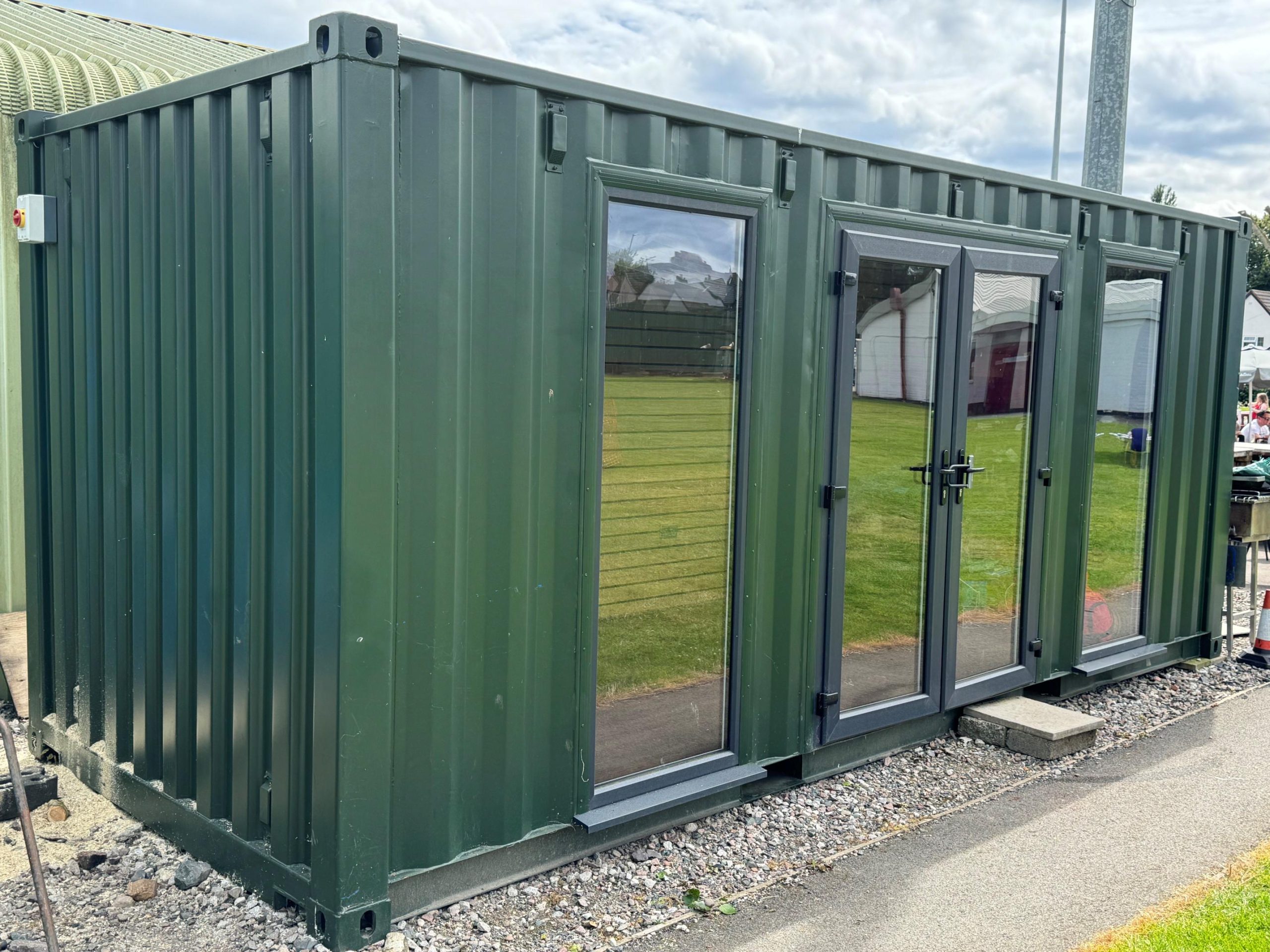
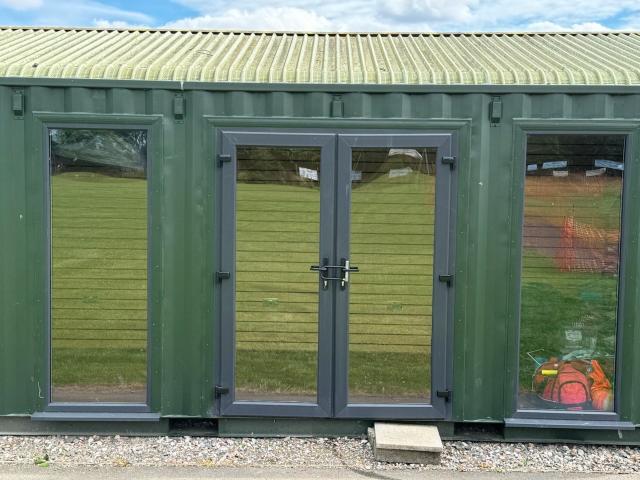
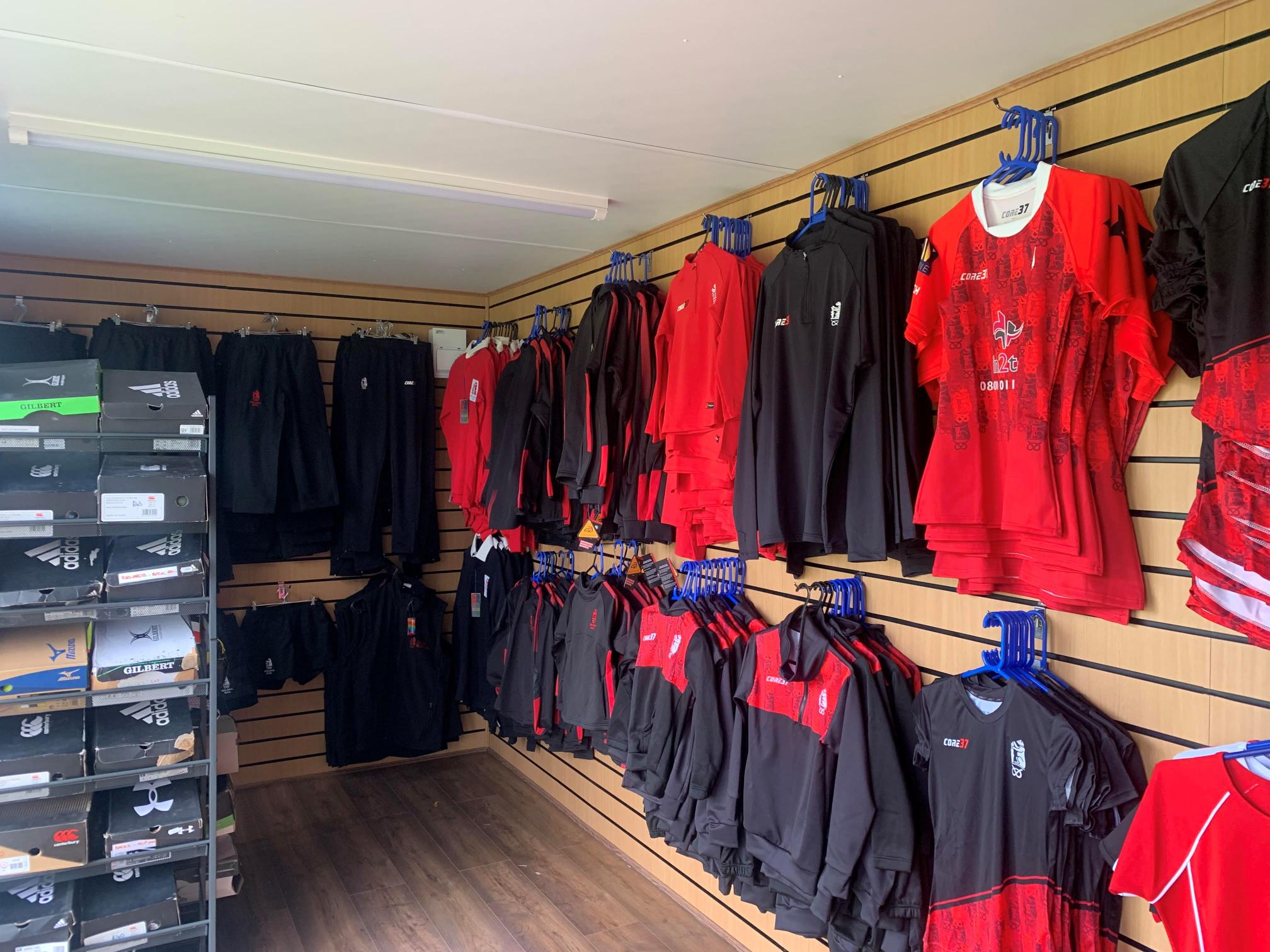
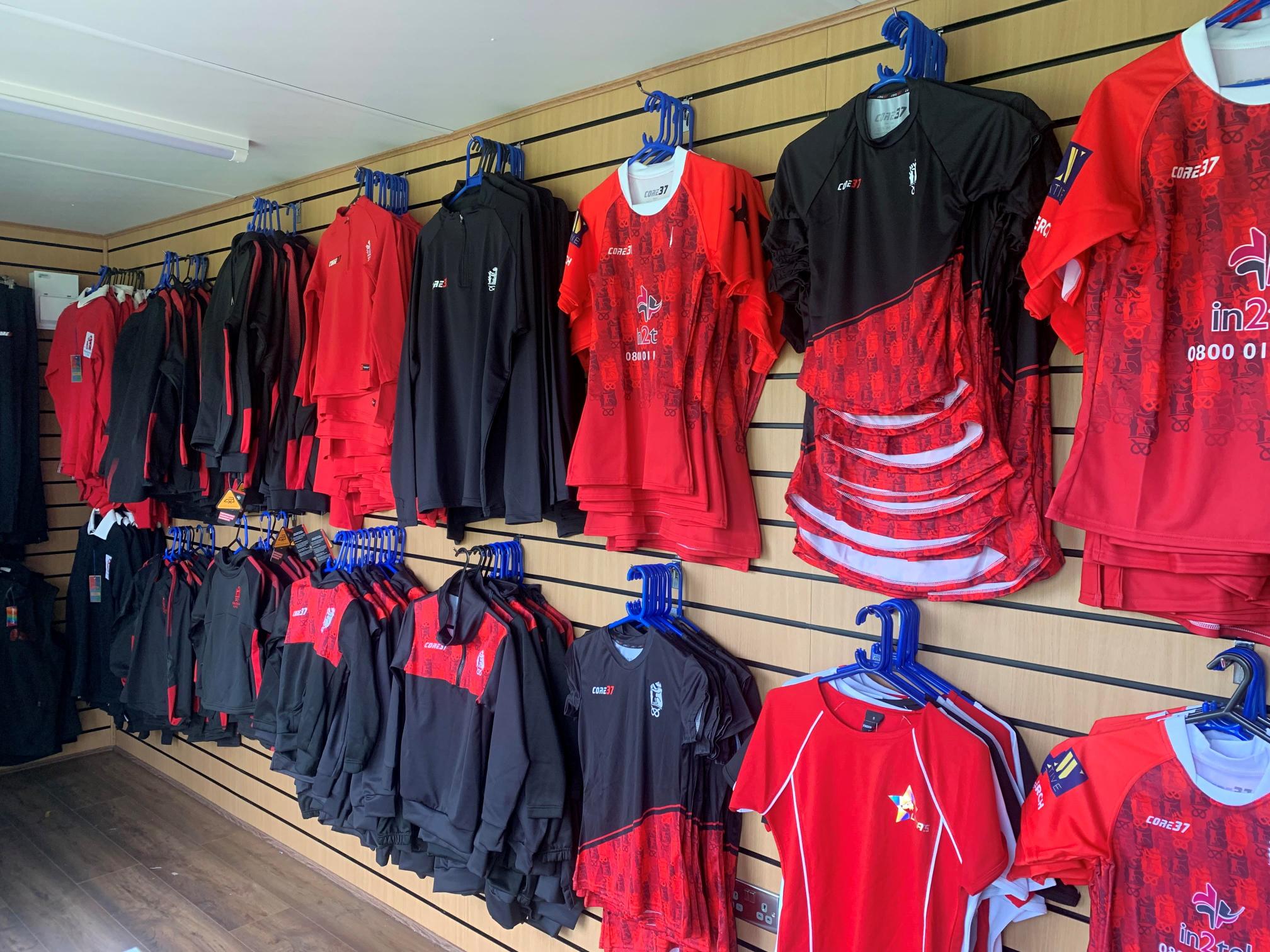
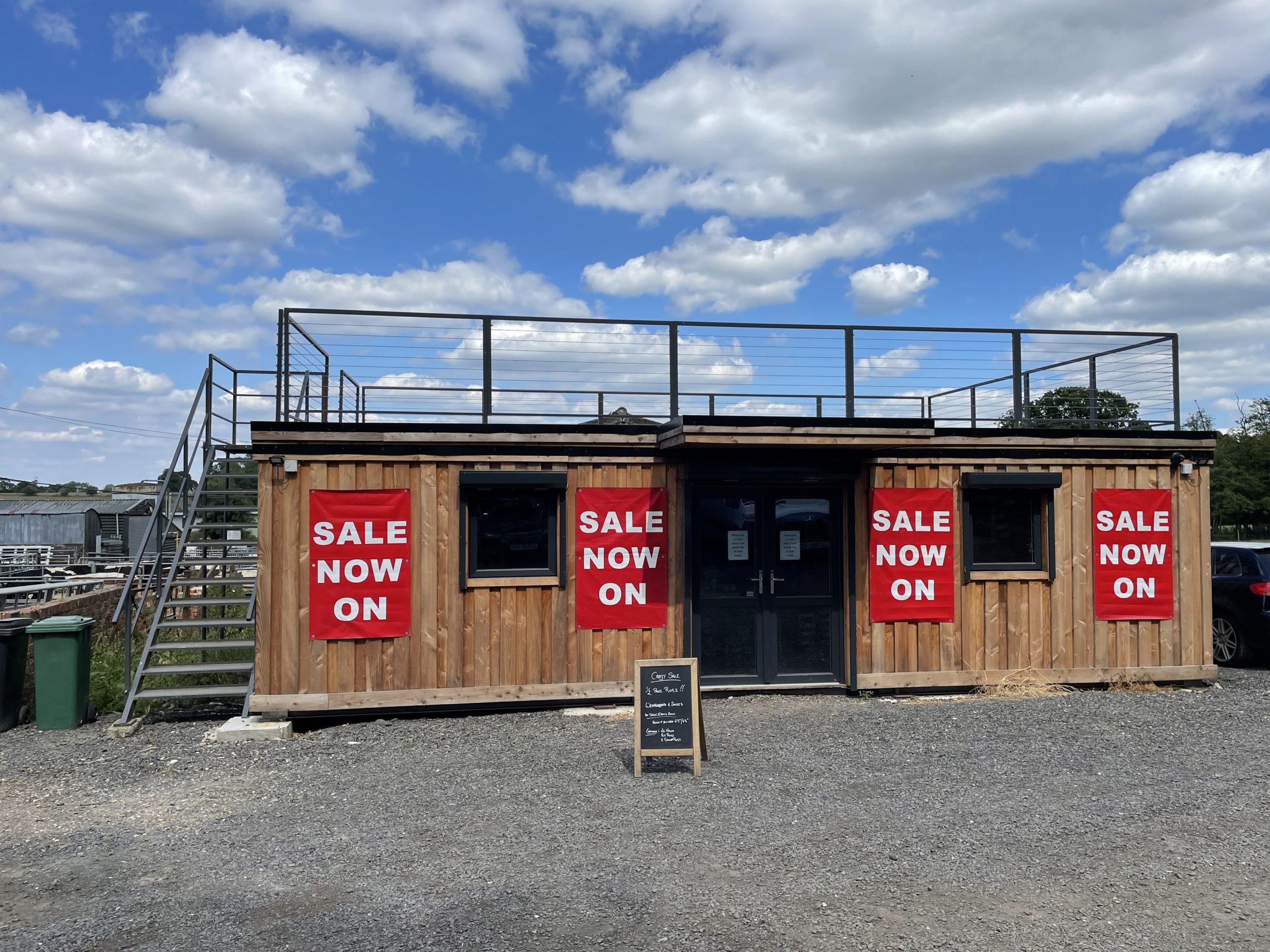
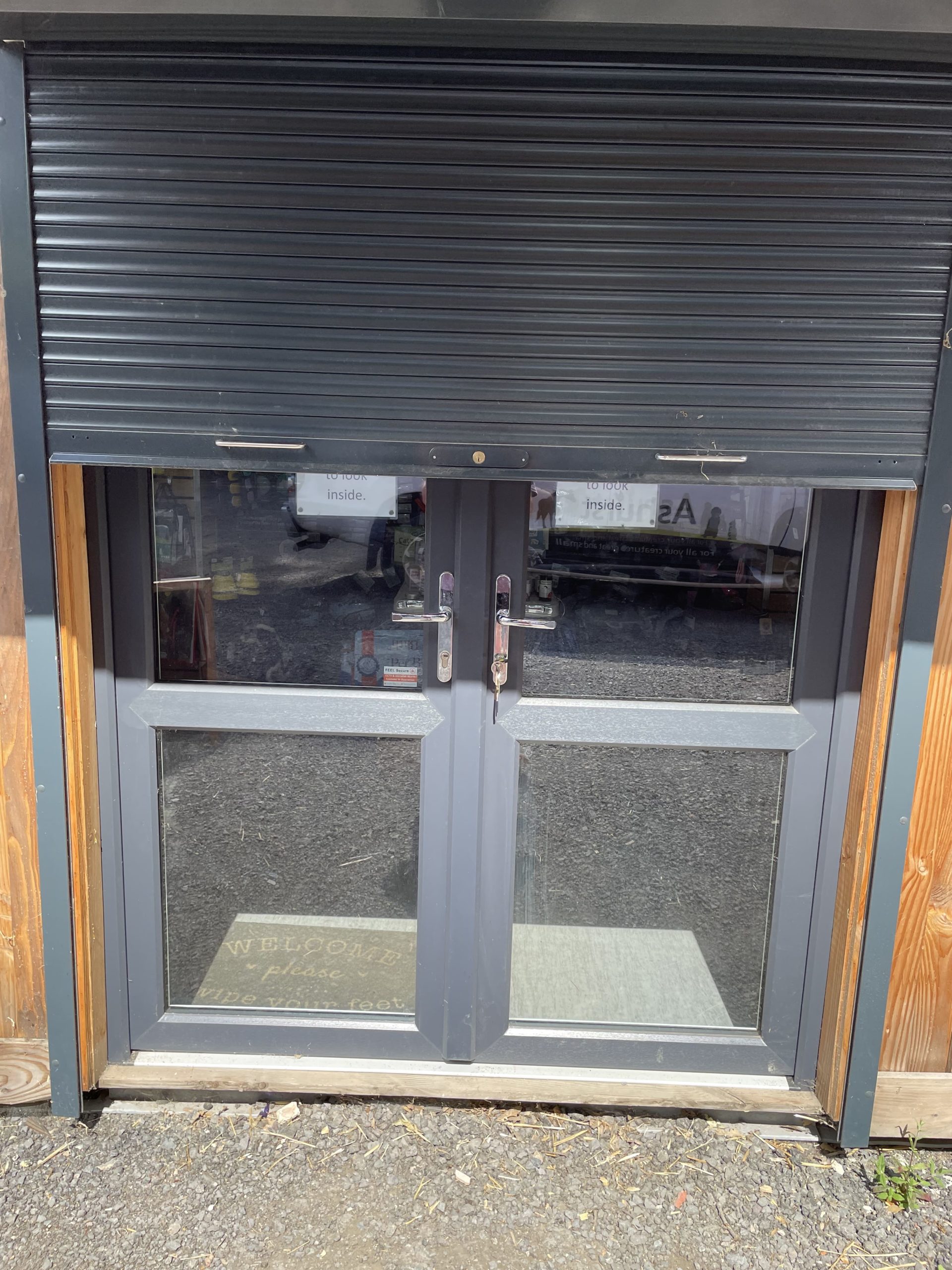
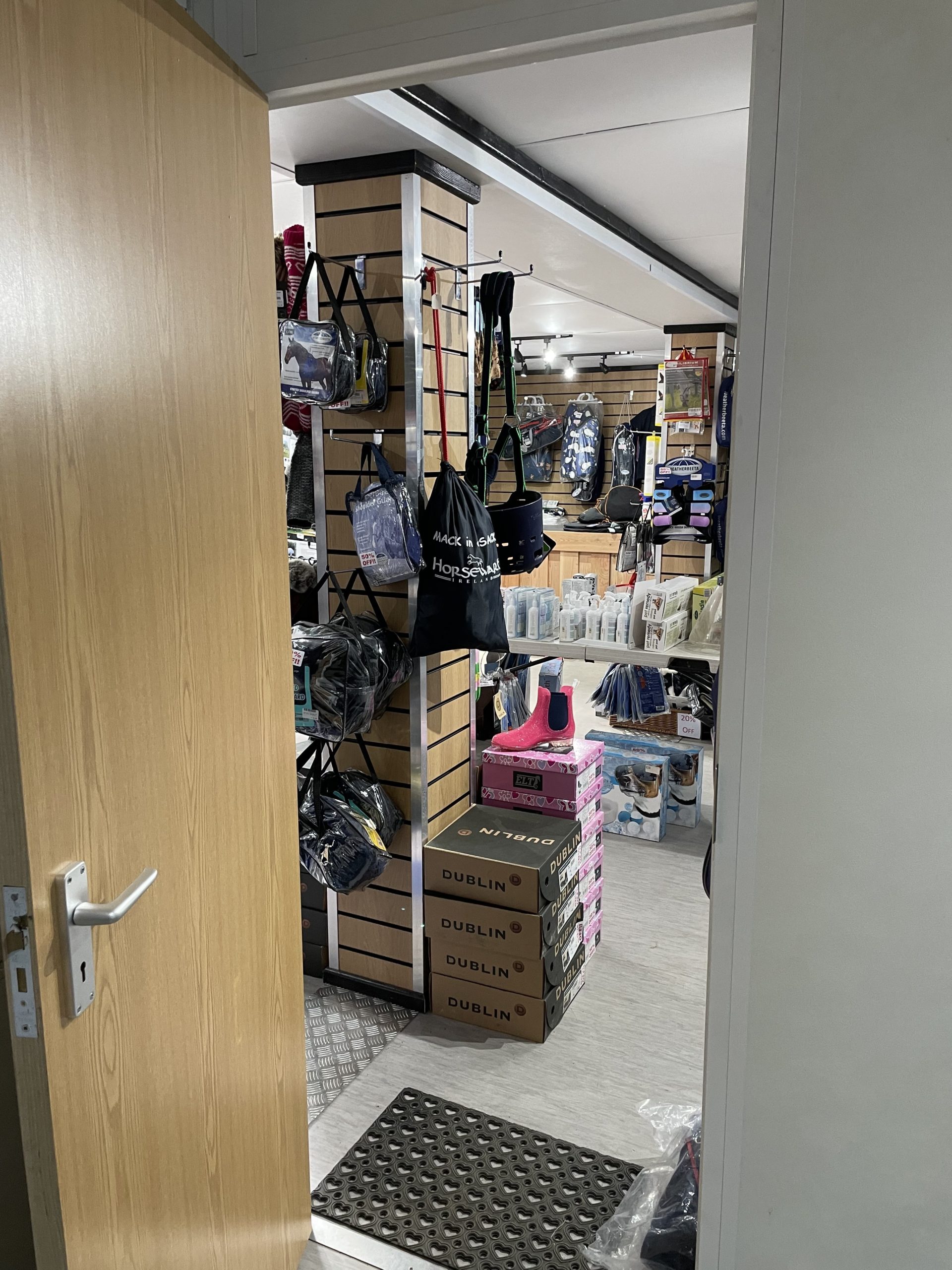
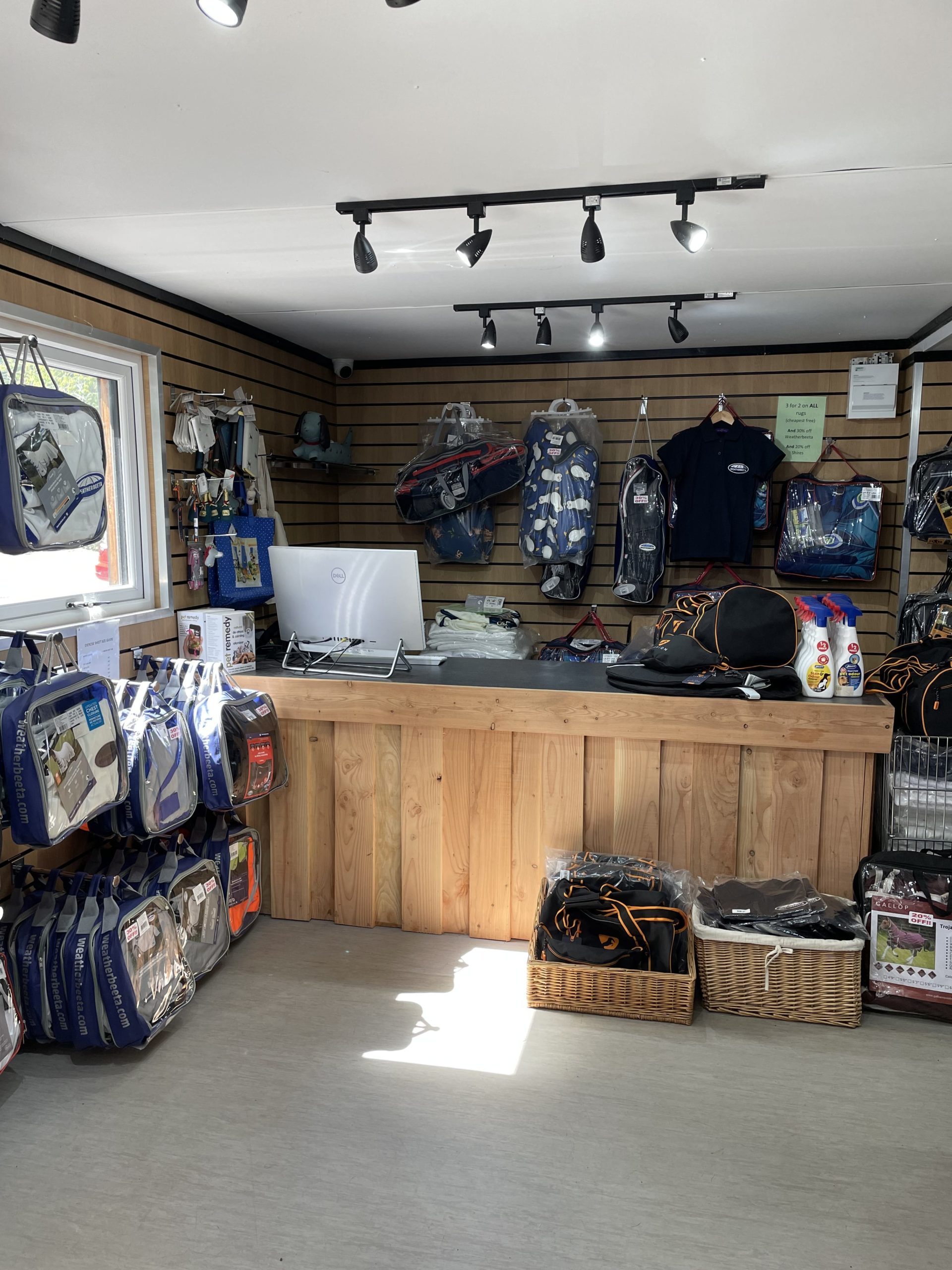
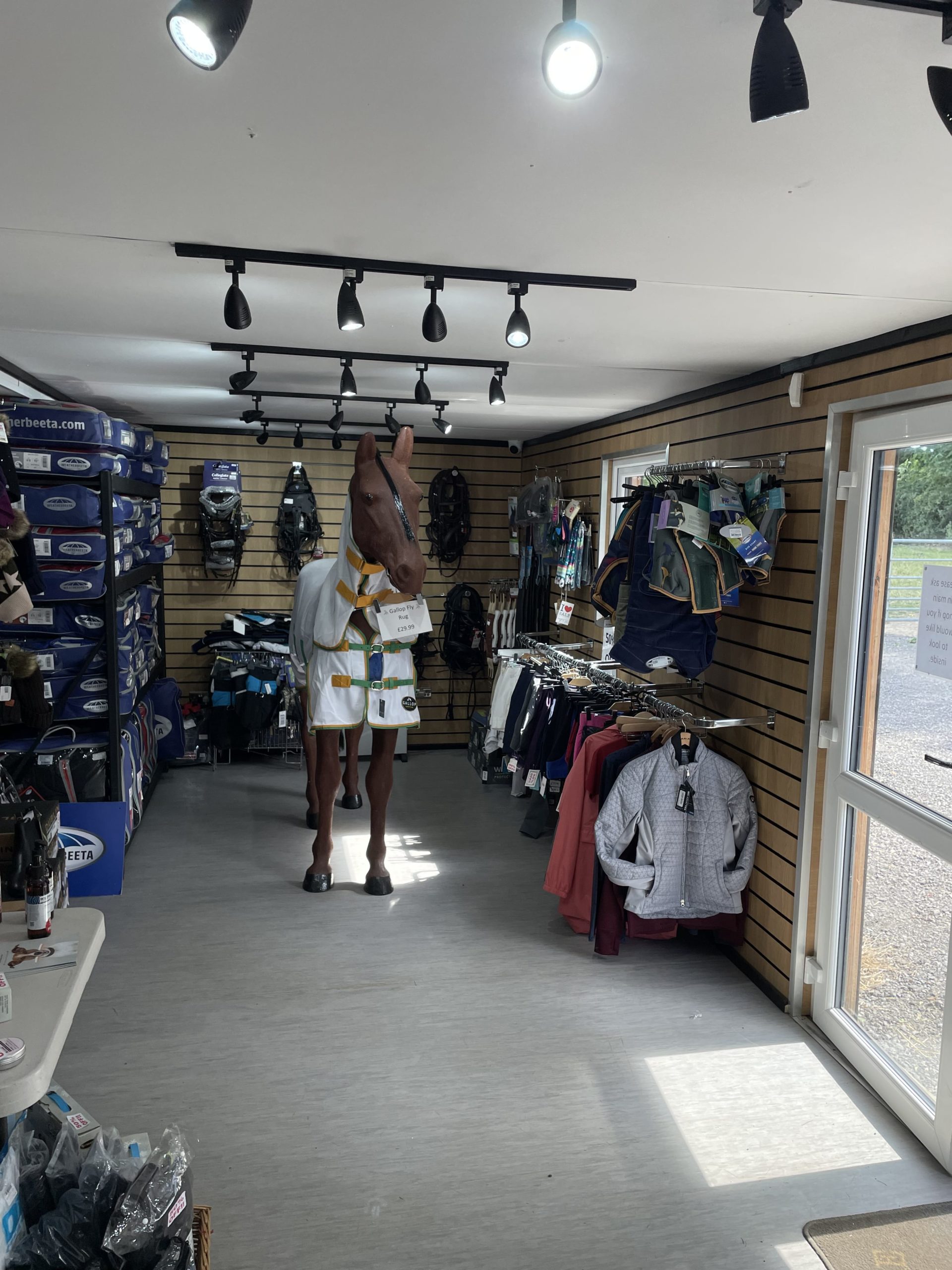
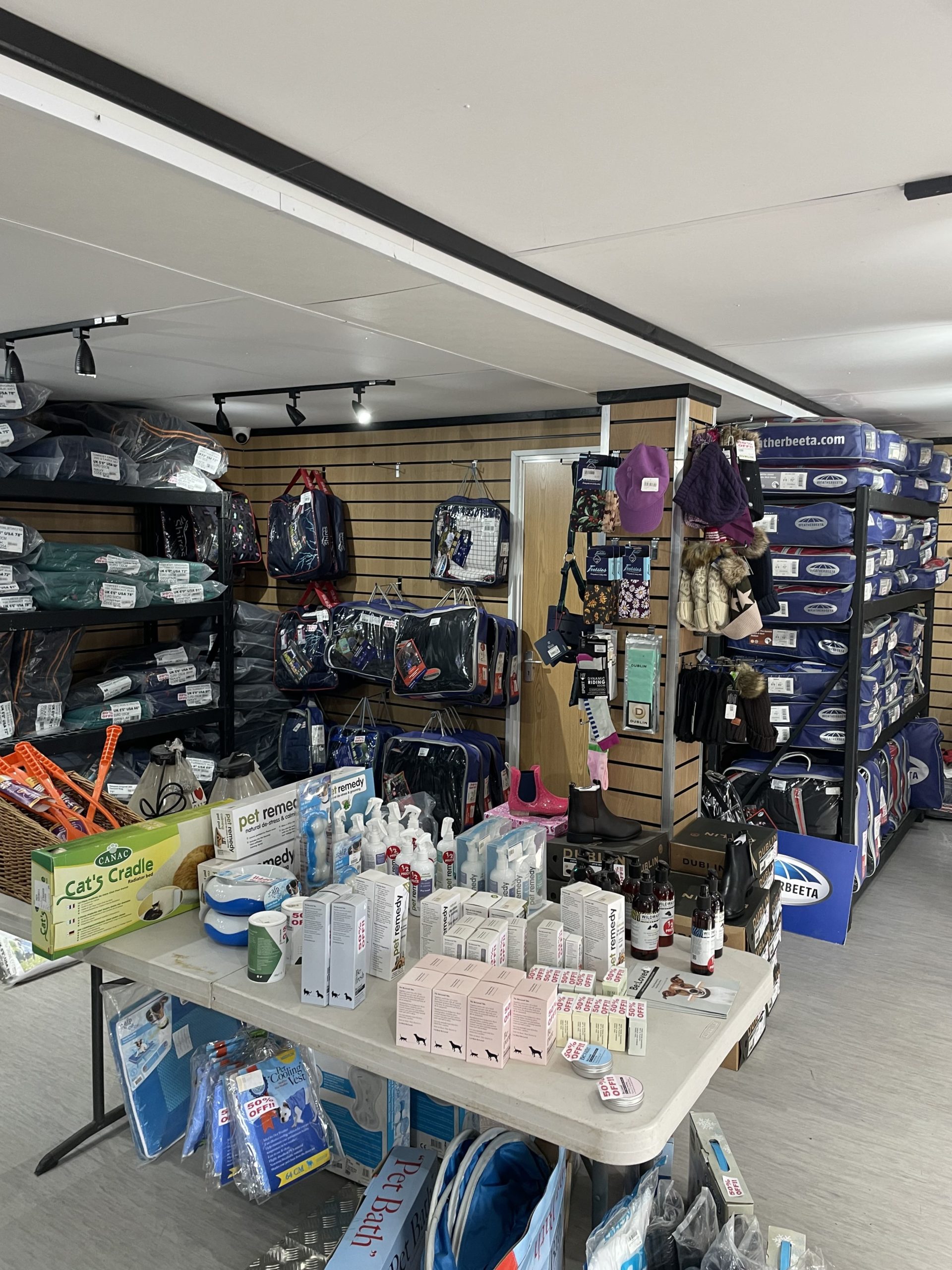
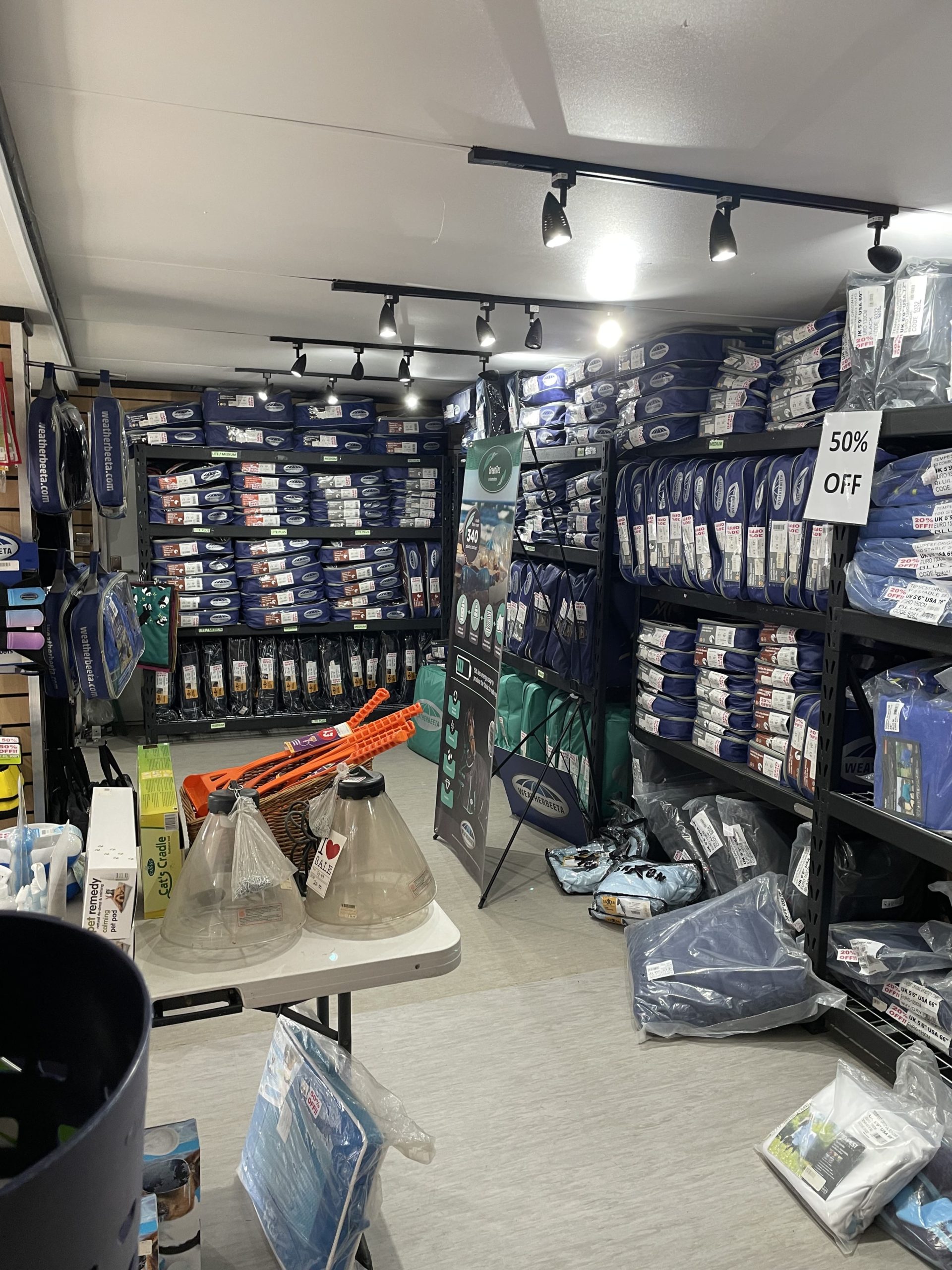
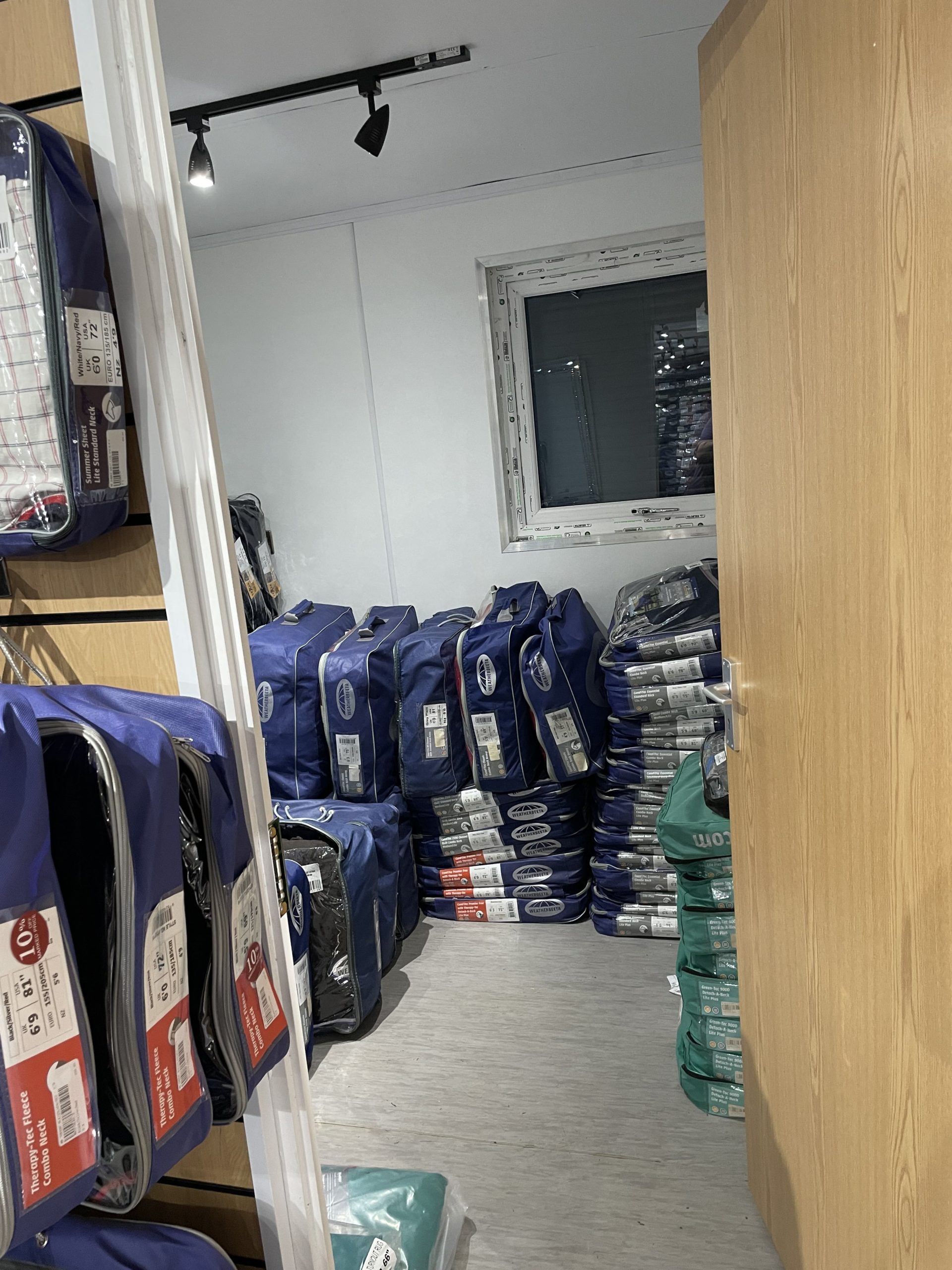
  • 20ft x 8ft Container Conversion Retail Shop

  • UPVC Double glazed Windows + French Doors

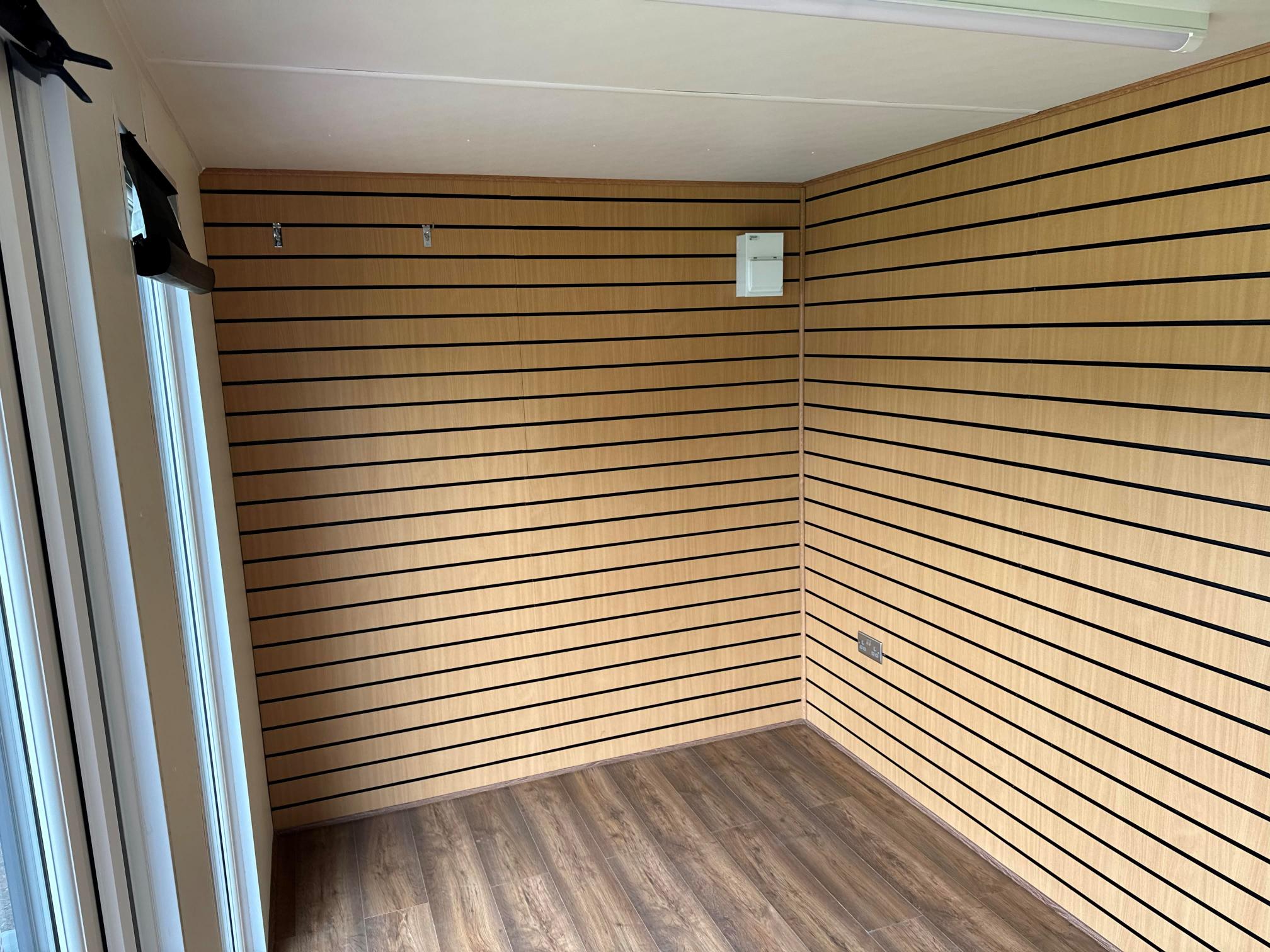
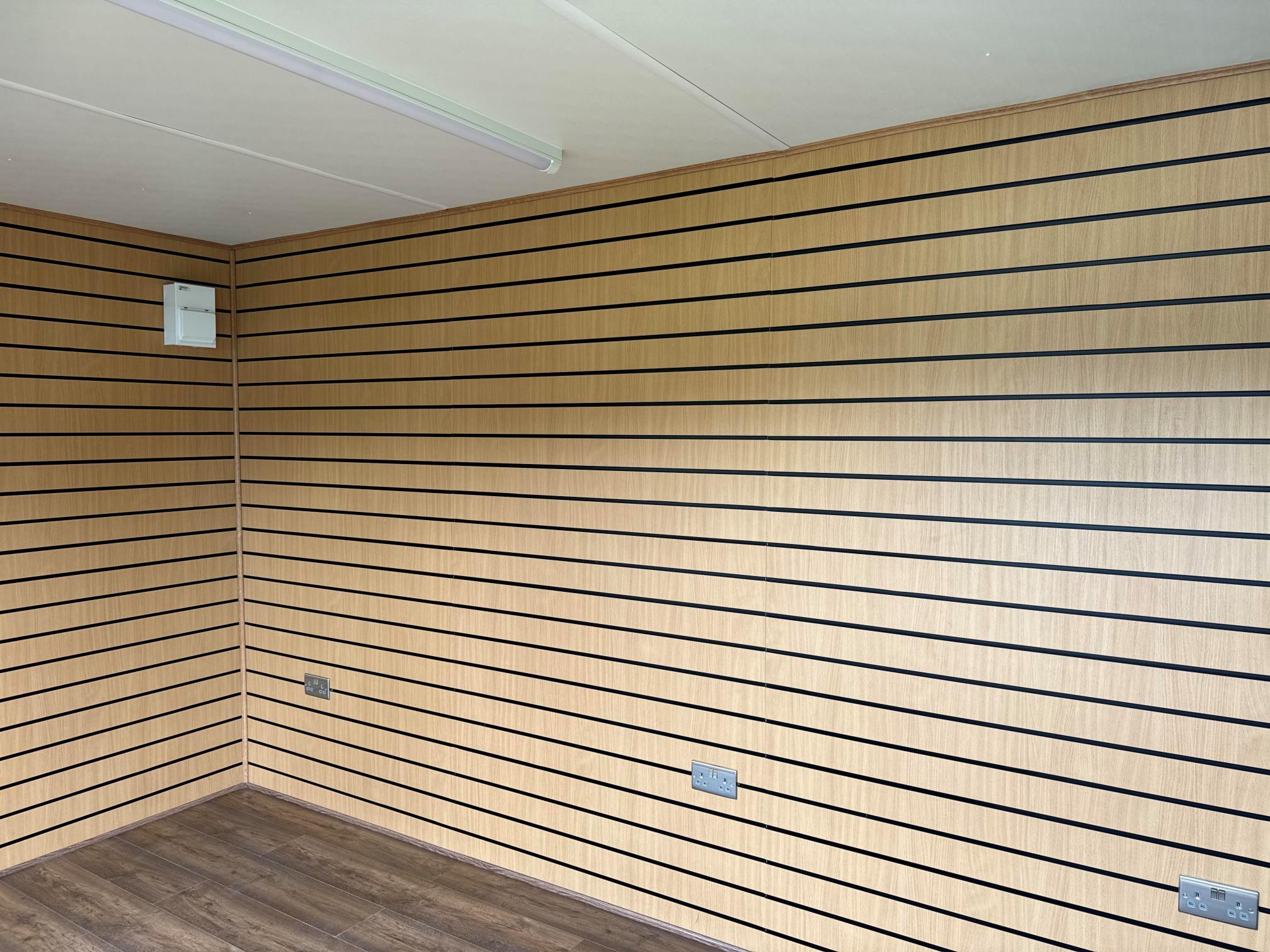
  • Slat Wall for retail fixings and Merchandise

  • Electric Chrome Sockets, led lighting and heating.

  • Laminate Flooring

  • 12 months Warranty

  • Maintenance call out package included

  • Less than 2 years old

  • Still in Brand New Condition

Location: Nationwide

POA

Not Available for Hire

Call for an instant quote!

32ft x 10ft Jack Leg Cabin

  • Fully refurbished

  • Colour light grey

  • Slate grey anthracite upvc double glazed windows

Location: Nationwide


£15,000

+ VAT

Not Available for Hire

Call for an instant quote!

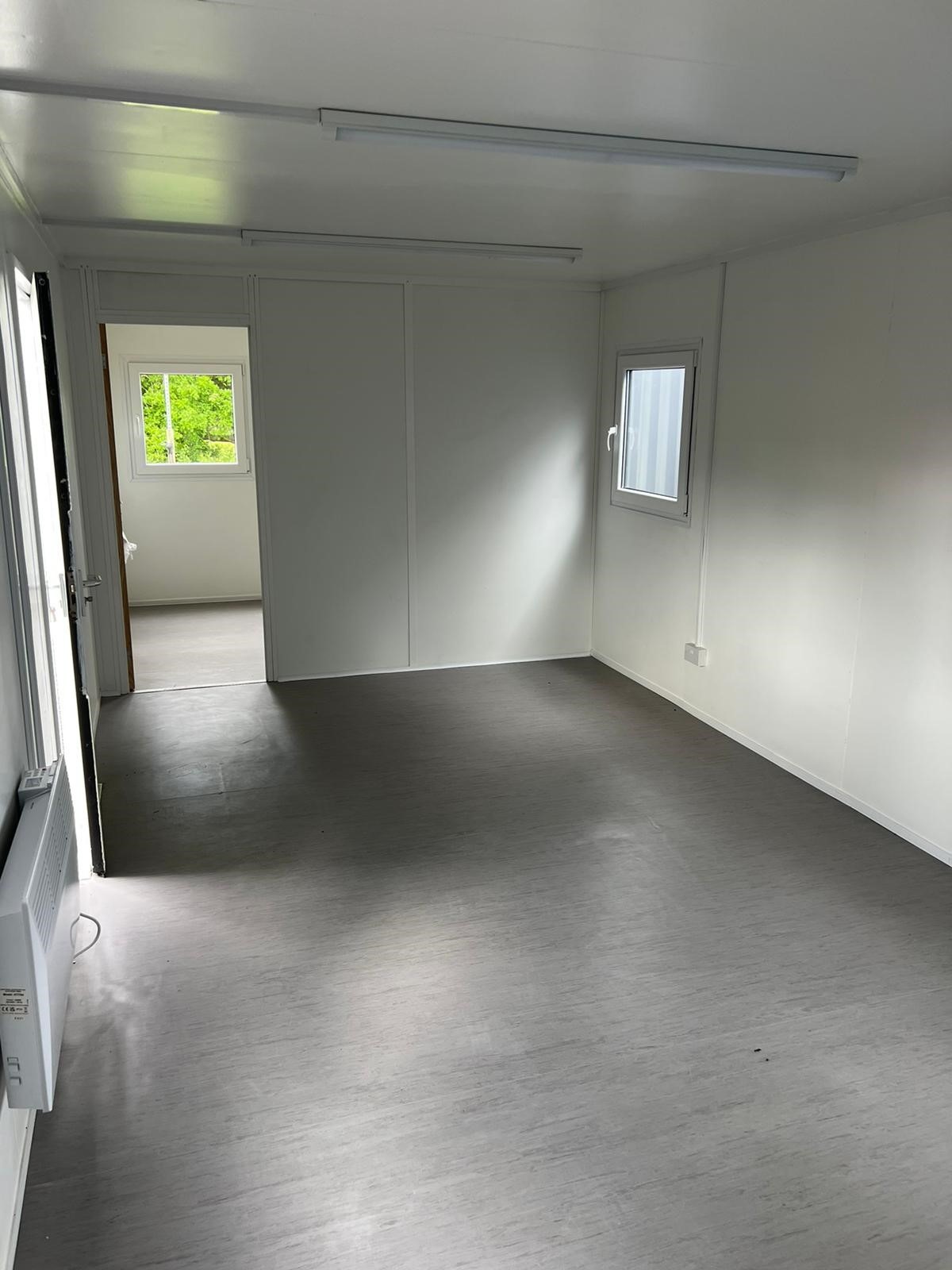
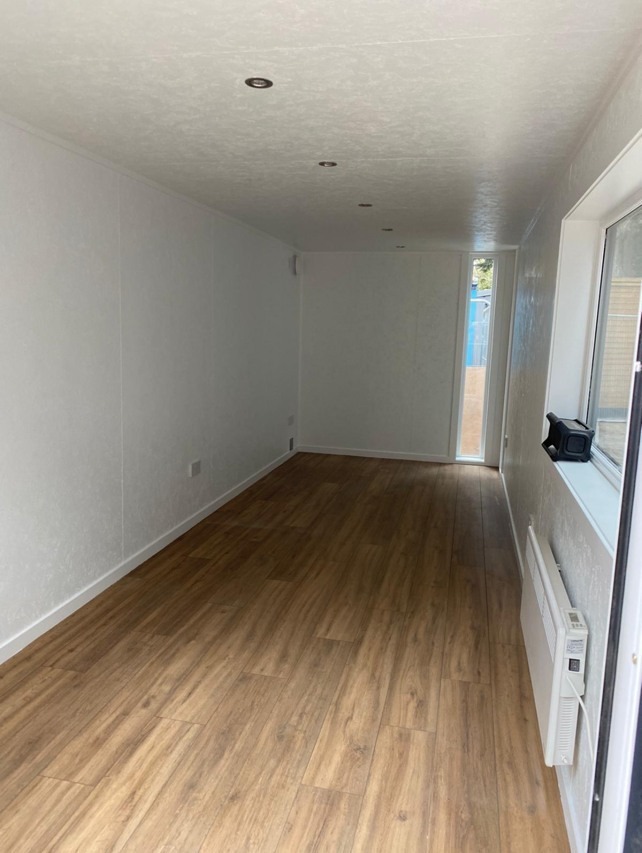
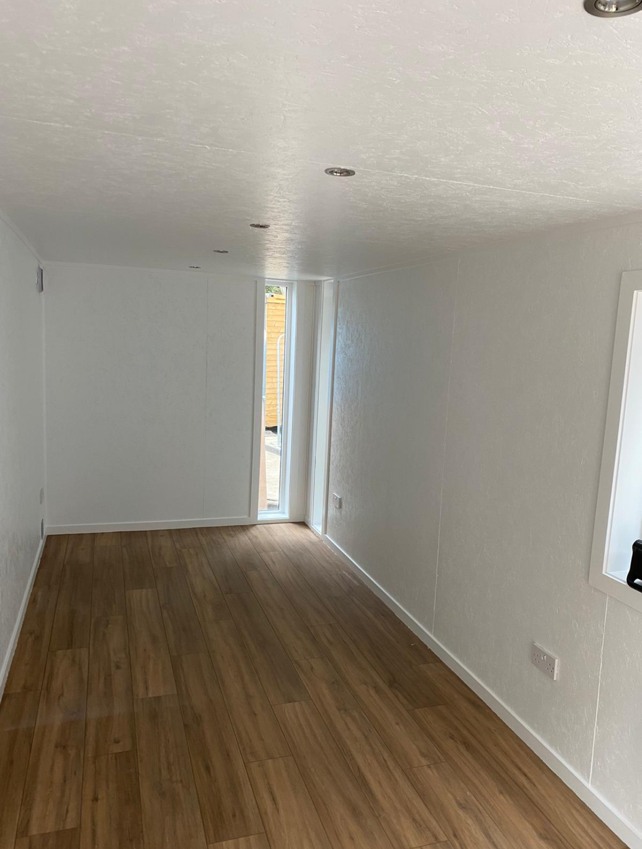
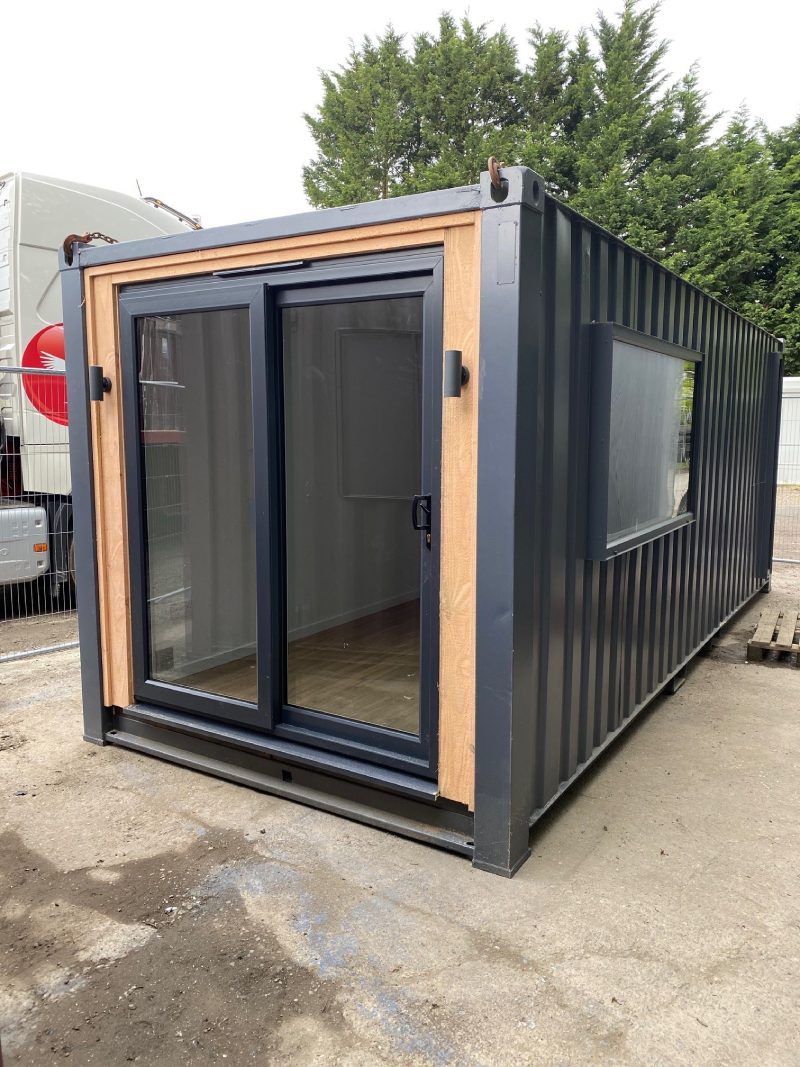
20ft x 8ft Container Office

  • Fully Insulated with electric sockets, spot lighting, and heating

  • Wood Flooring

  • UPVC Sliding Door + Windows

  • Lead Time for build 6-8 weeks

Location: Nationwide


£12,995.00

+ VAT

Not Available for Hire

Call for an instant quote!

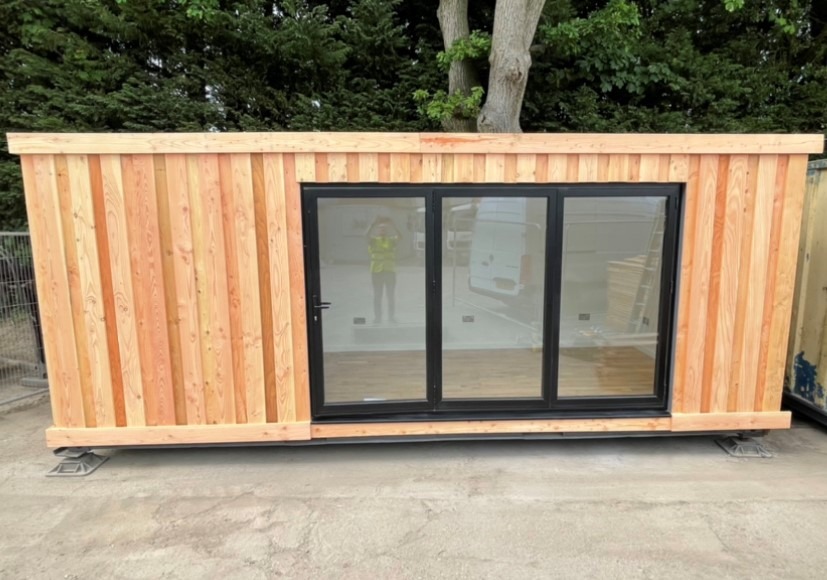
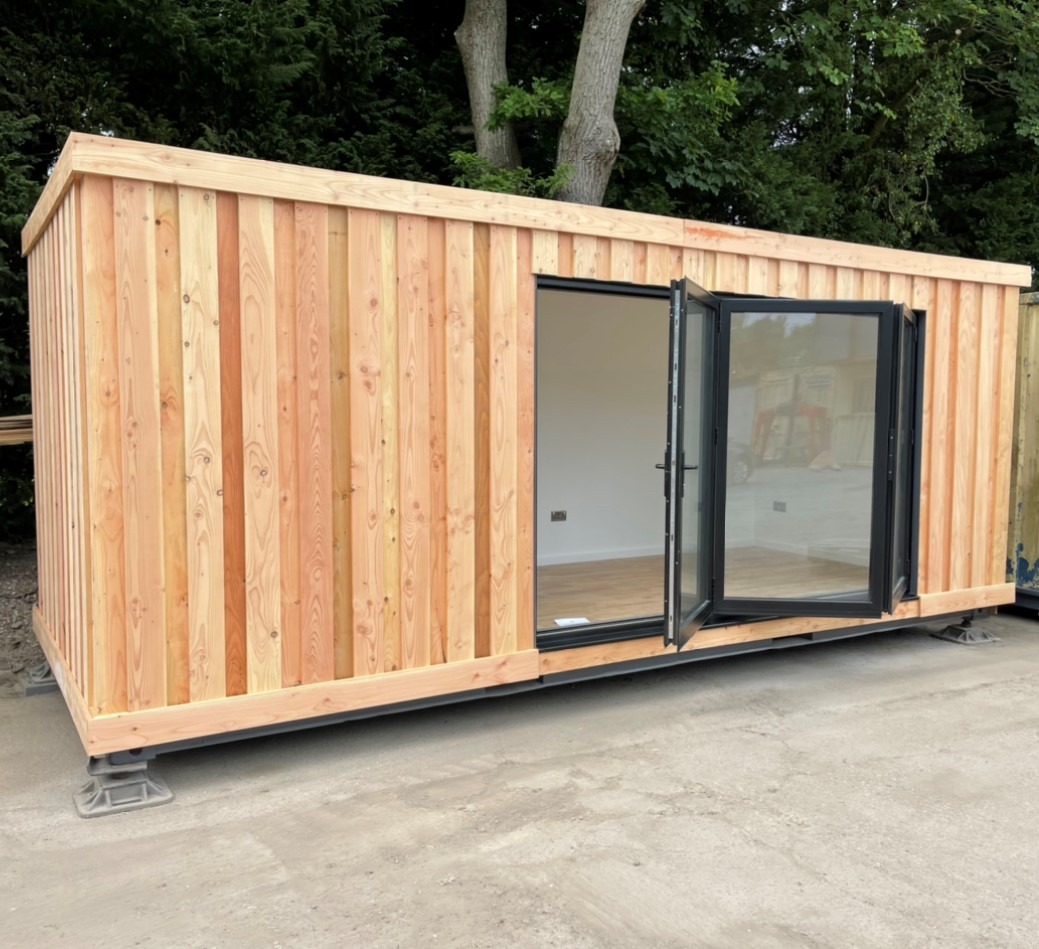
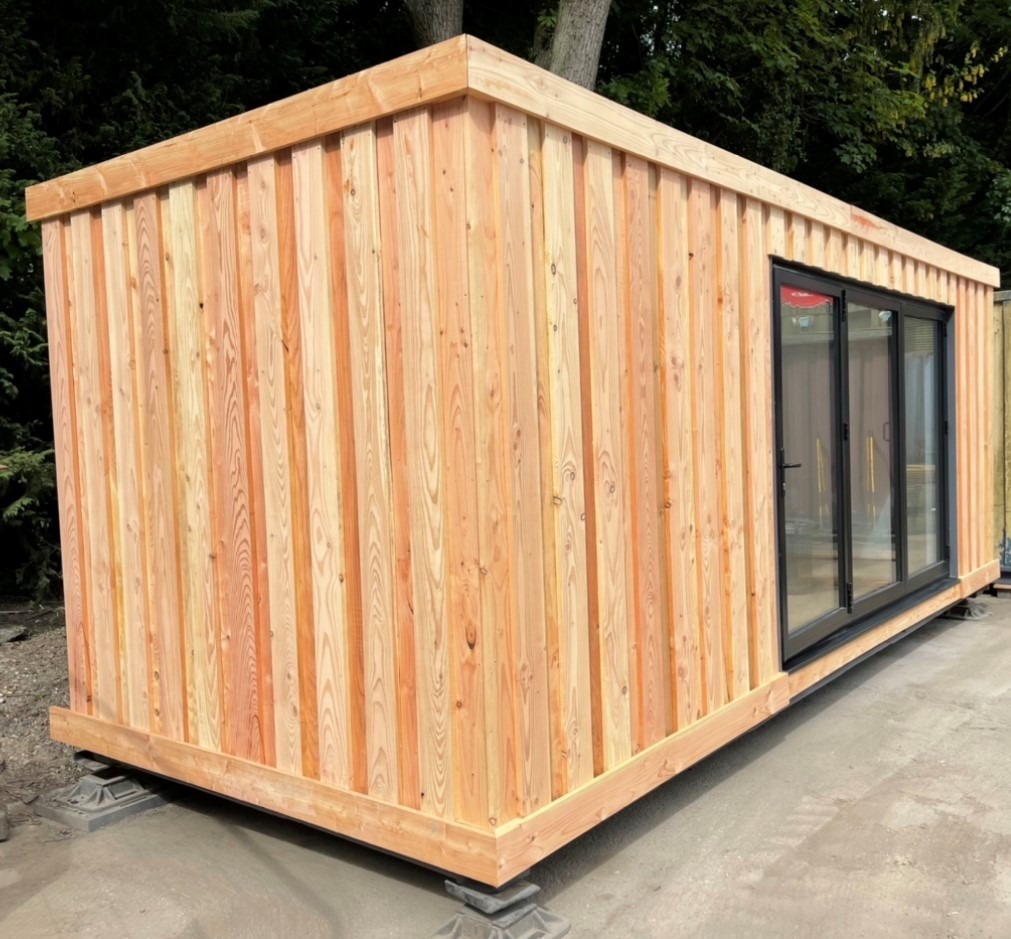
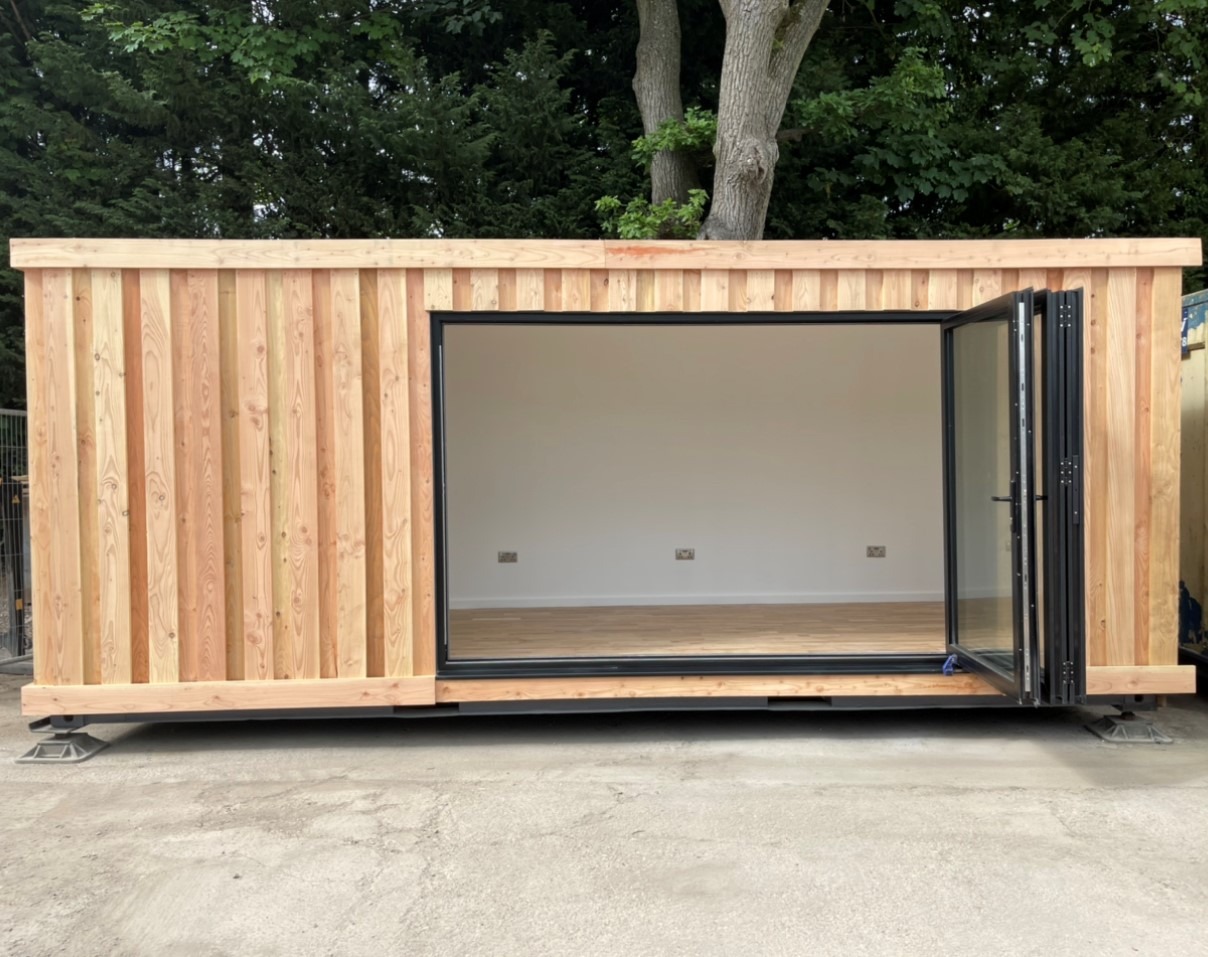
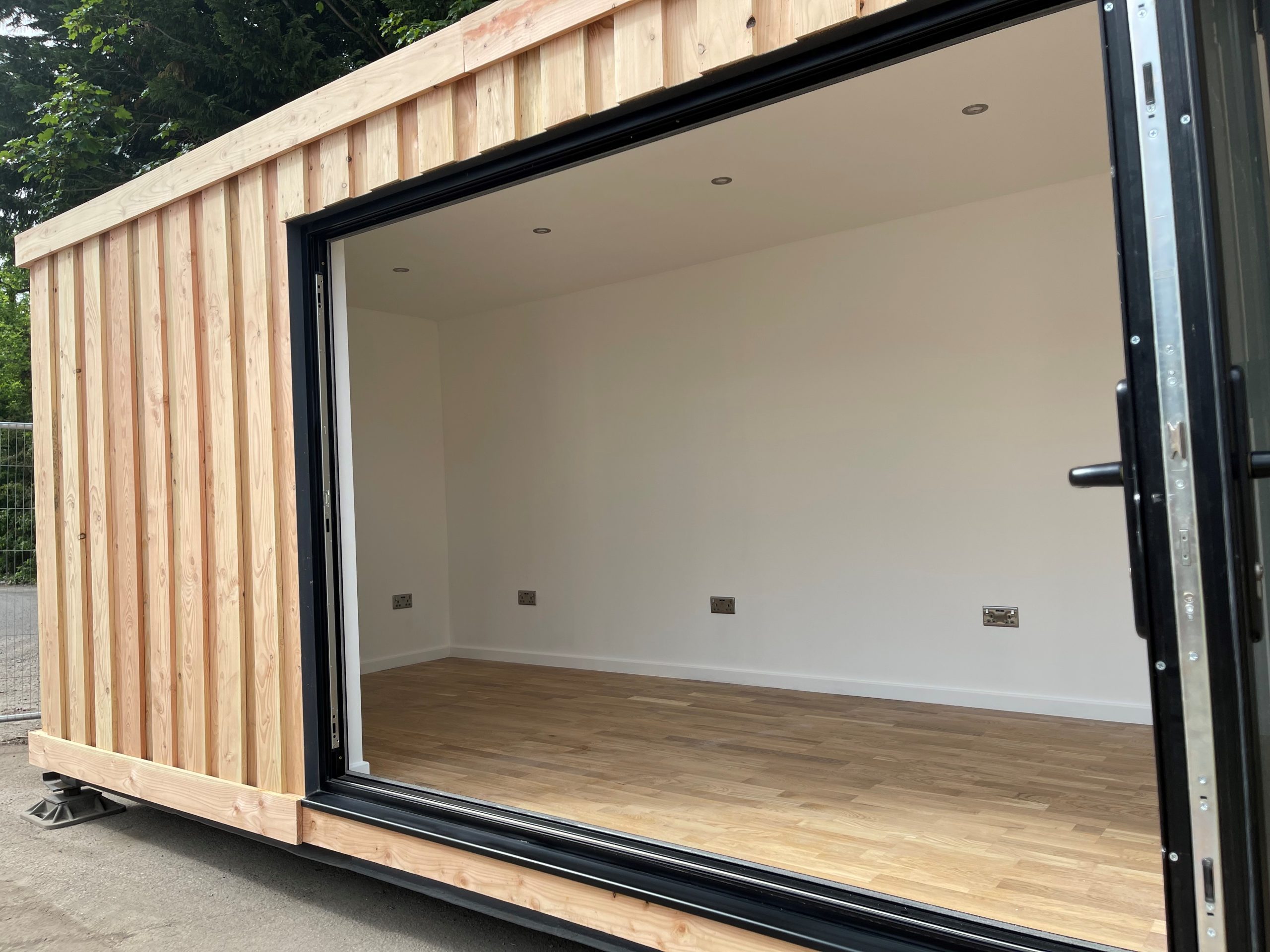
20ft x 8ft Container Office

  • Fully Insulated with electric sockets, spot lighting, and heating

  • Wood Flooring

  • Aluminium Bi Fold Doors

  • Fully wrapped in larch cladding

  • Lead Time for build 6-8 weeks

Location: Nationwide


£16,500.00

+ VAT

Not Available for Hire

Call for an instant quote!

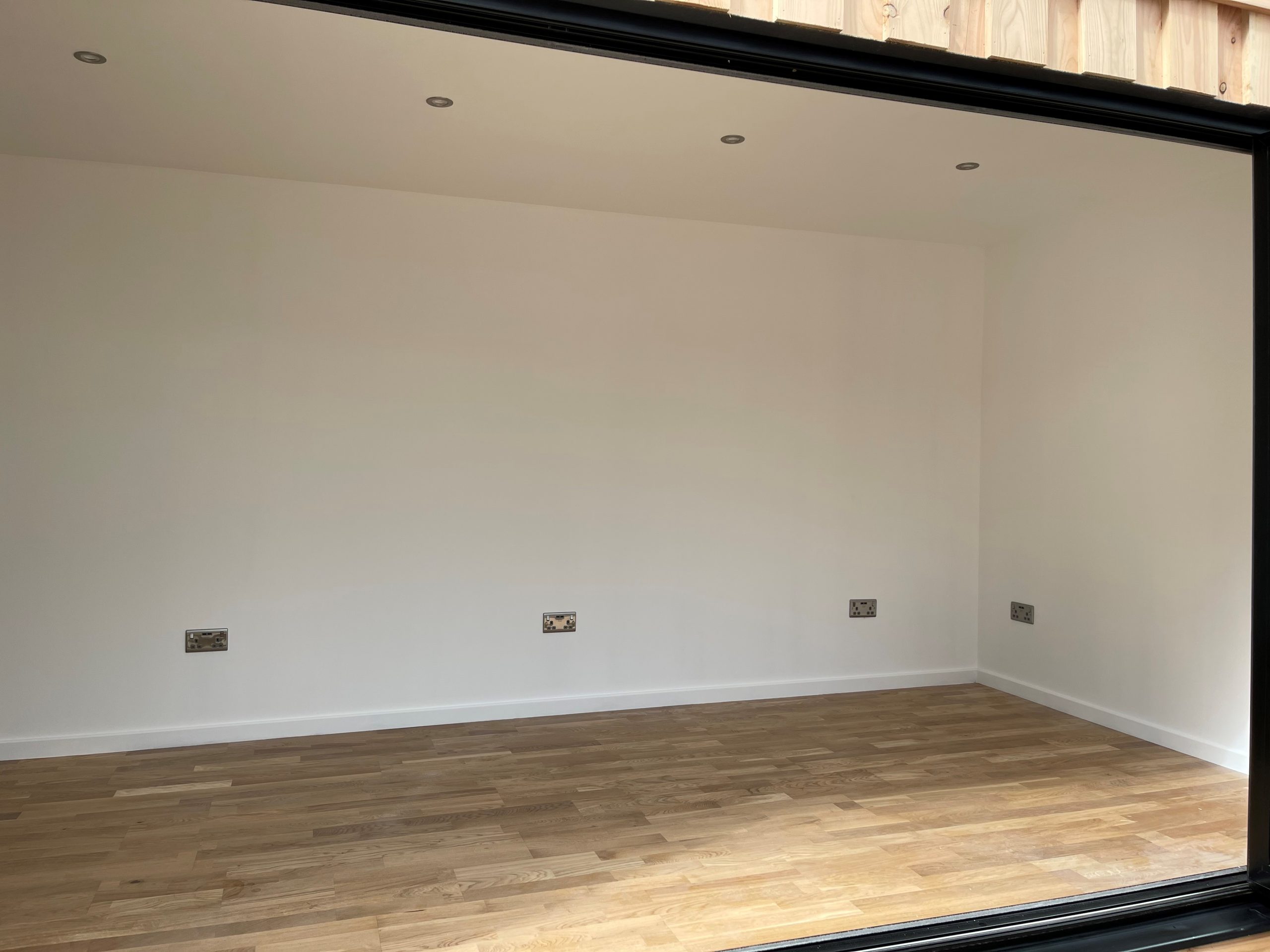
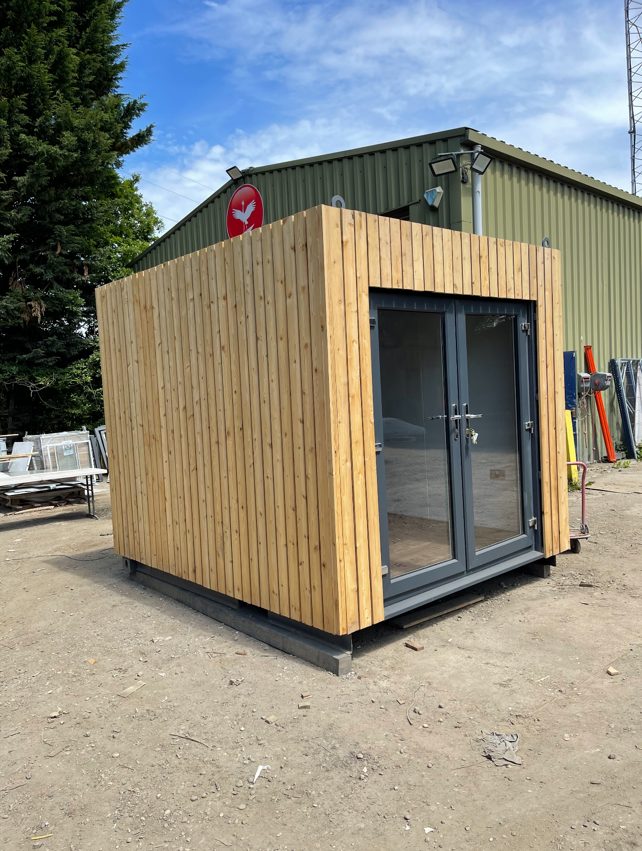
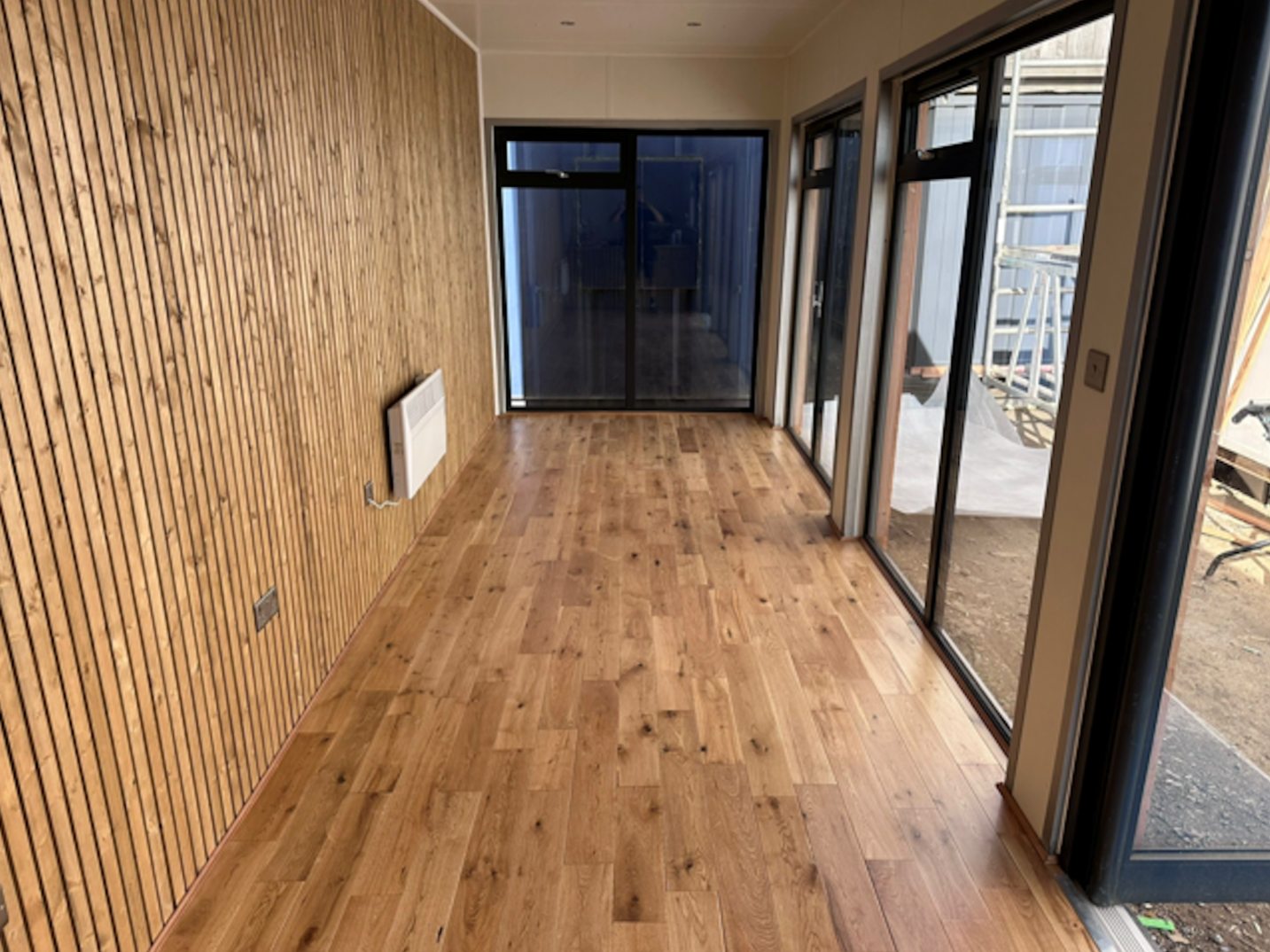
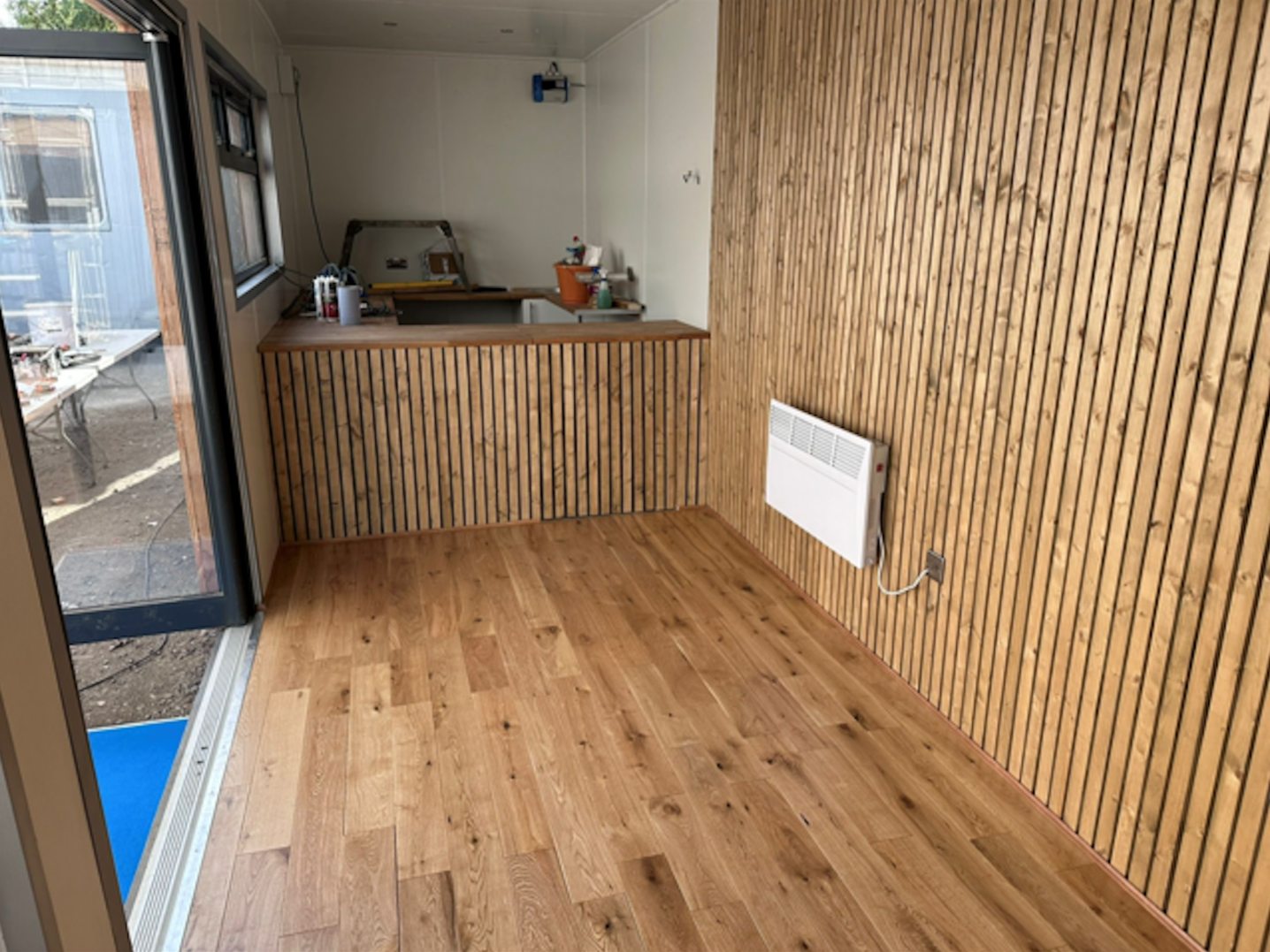
10ft x 8ft Container Conversion

  • Fully Insulated with electric sockets, spot lighting, and heating

  • Wood Flooring

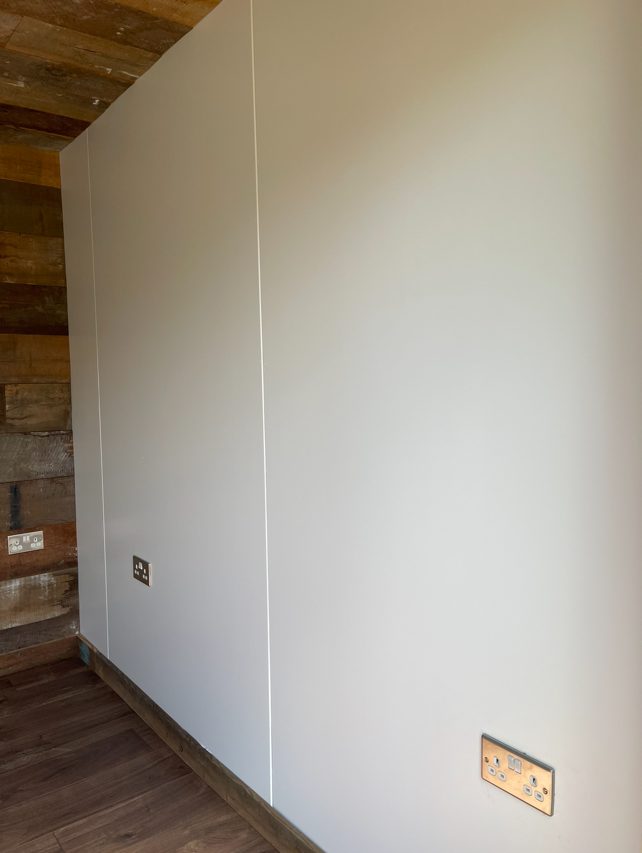
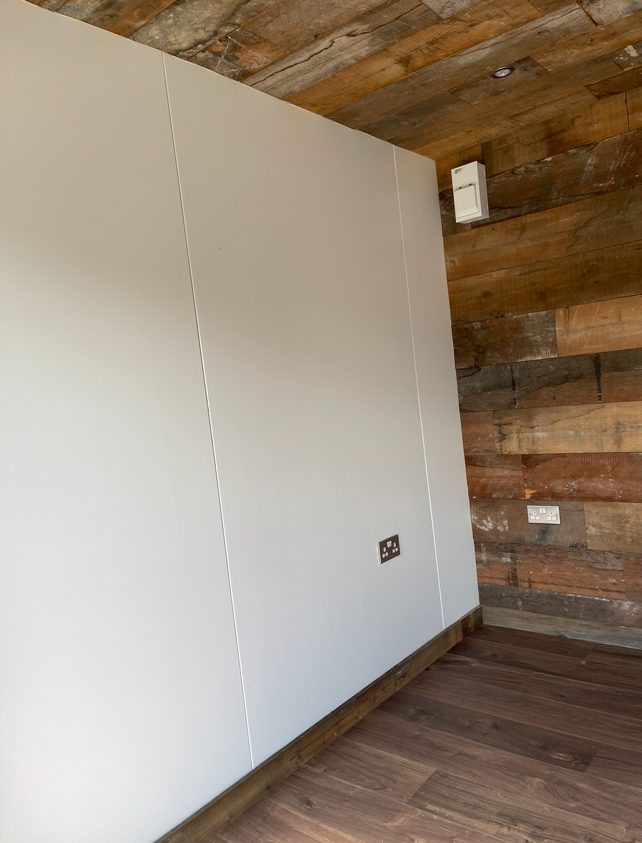
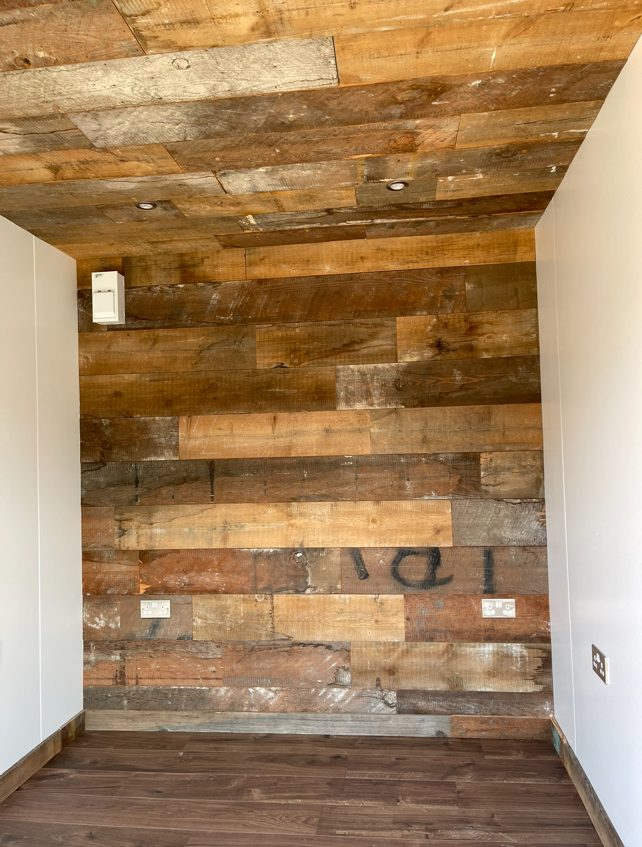
  • Feature Clad Wall and Ceiling

  • UPVC Double glazed French Doors

  • Fully wrapped in larch cladding

  • Lead Time for build 6-8 weeks

Location: Nationwide


£12,500.00

EX VAT

Not Available for Hire

Call for an instant quote!

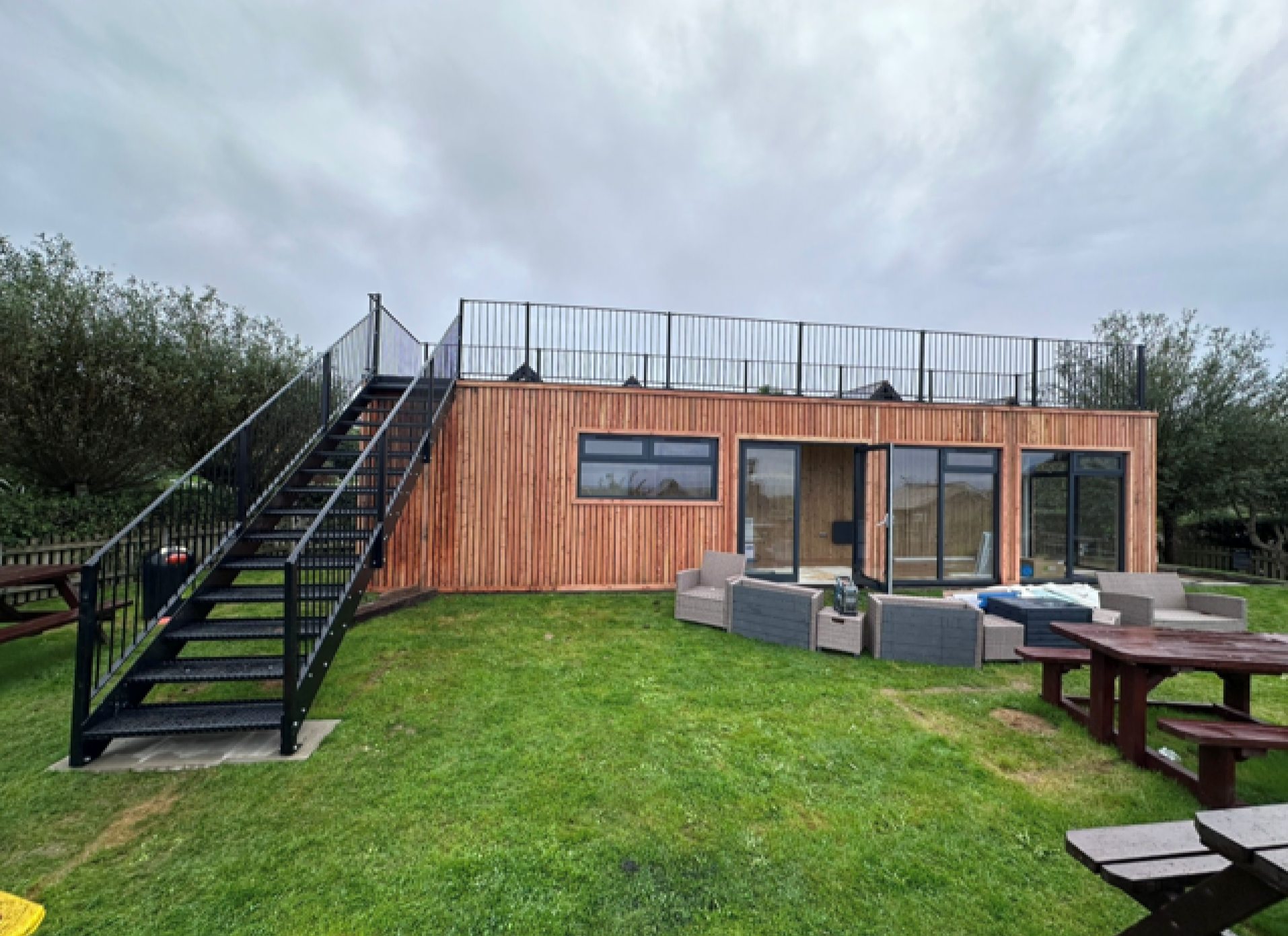
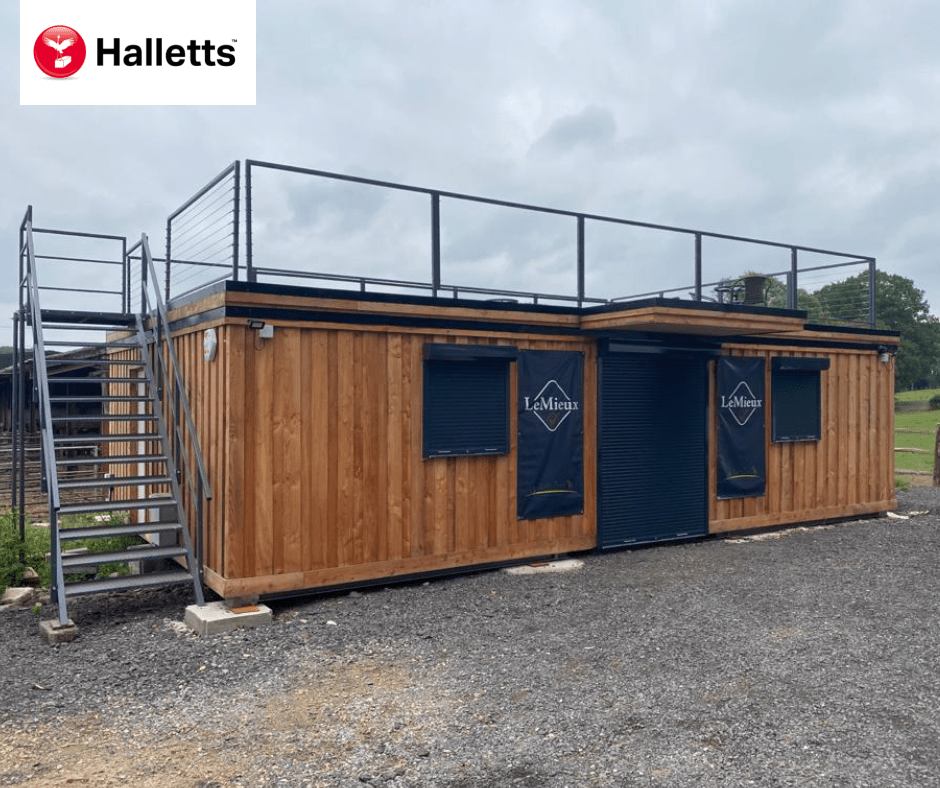
40ft x 8ft Rooftop Container Bar

  • 40ft x 8ft Rooftop Container Bar
  • Fully Insulated with electric sockets, spot lighting, and heating
  • Built in Bar
  • Wood Flooring
  • Feature Larch Clad Wall
  • Aluminium double glazed premium windows and double French doors
  • Fully wrapped in larch cladding
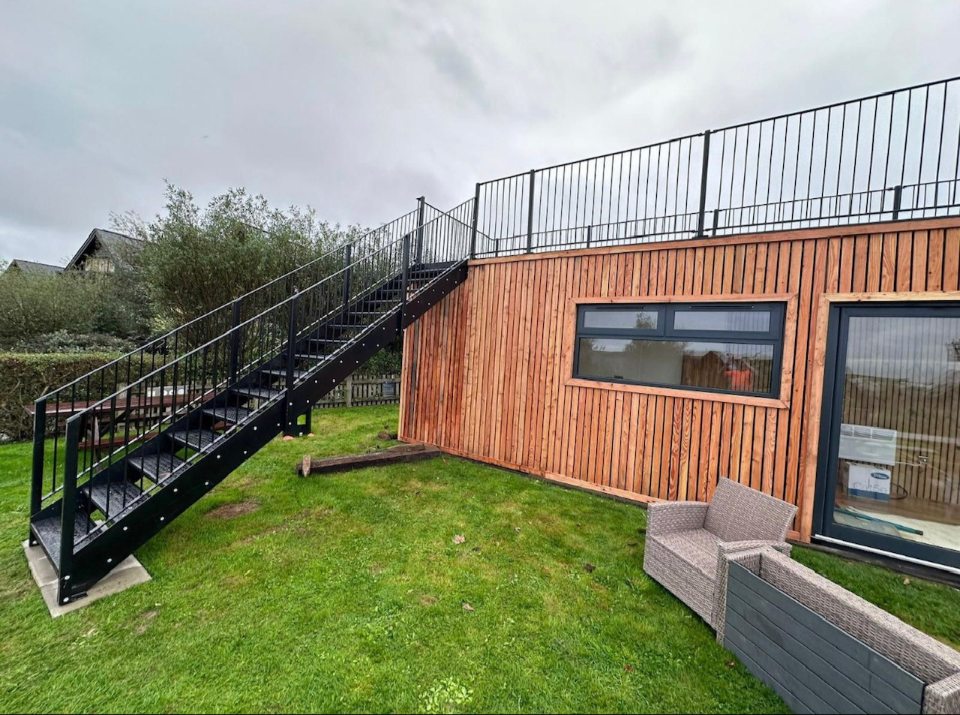
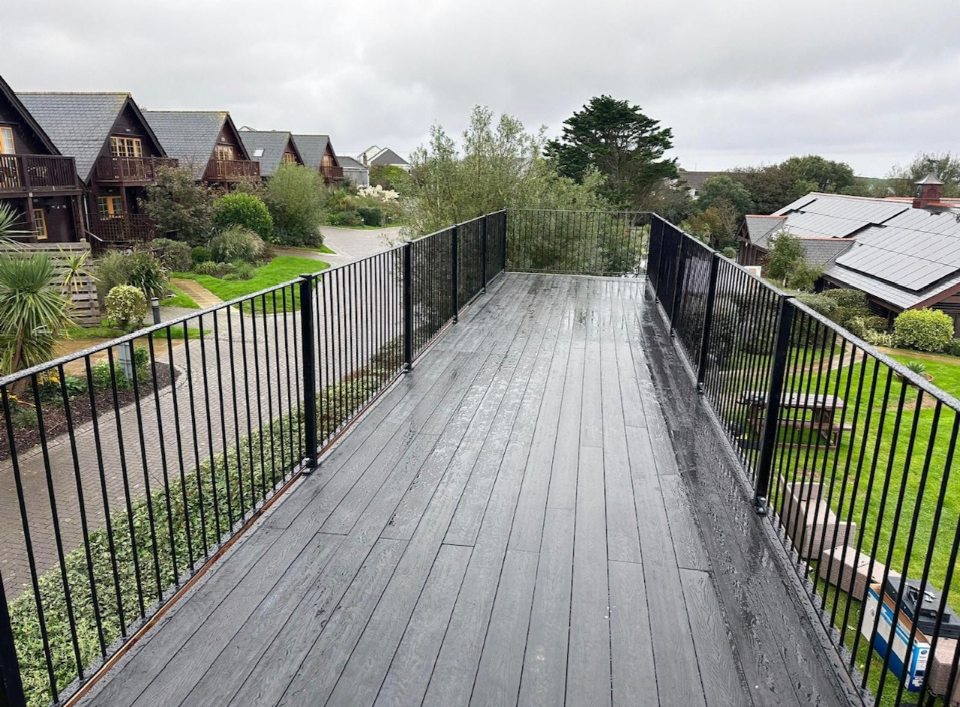
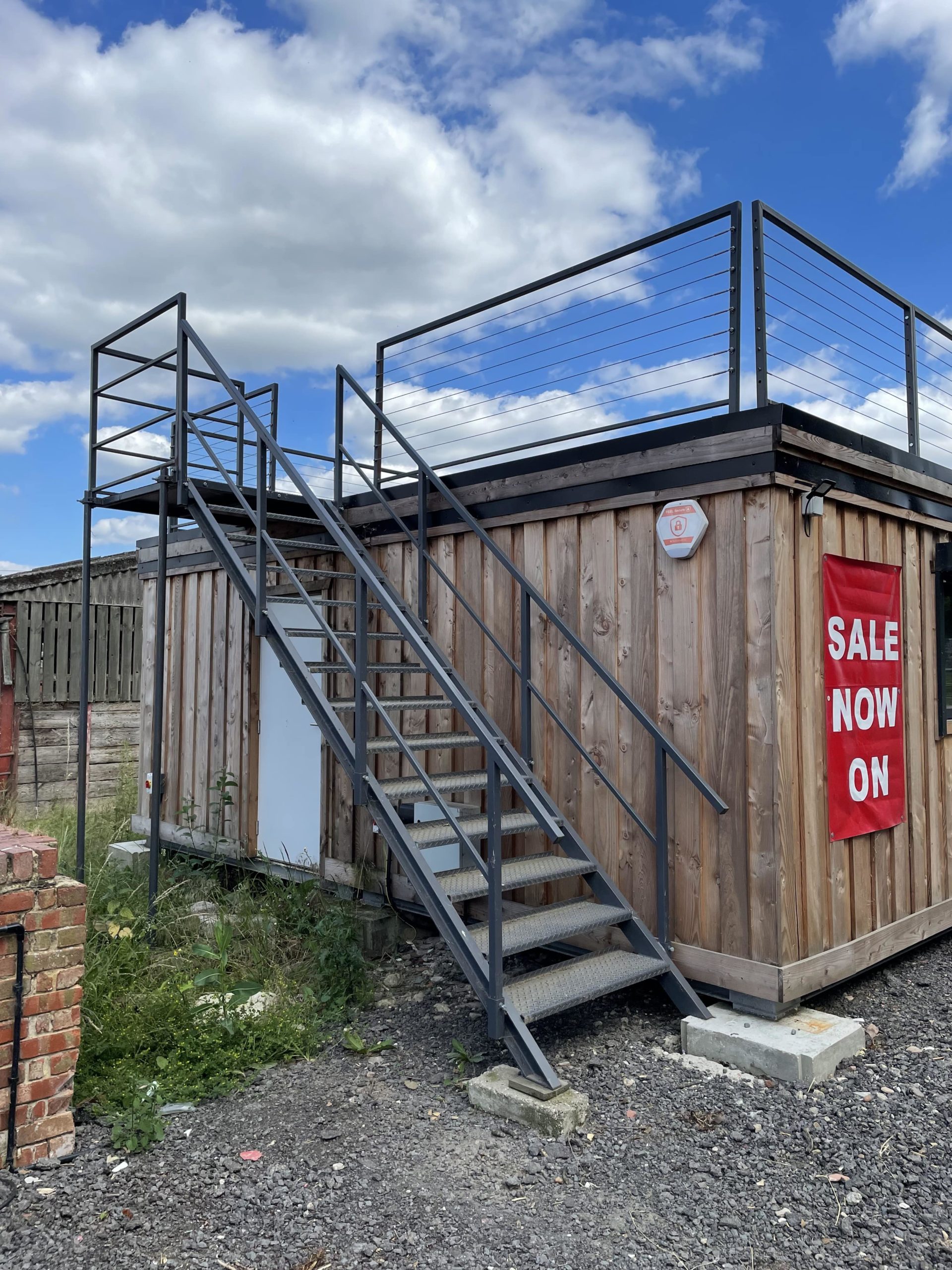
  • Steel staircase up to Rooftop terrace with full surrounding steel balustrade
  • Double container doors leading to cool room with Air Conditioning unit.
  • Lead Time for build 6-8 weeks

Location: Nationwide


£85,000.00

EX VAT

Not Available for Hire

Call for an instant quote!

  • Fully Refurbished
  • Zinc Roof
  • Colour Light Grey (Other Colour Options Available)
  • New Flooring
  • New Electric Sockets, Lighting and Heating
  • New UPVC Large and Small Windows
  • New Kitchenette with Partition
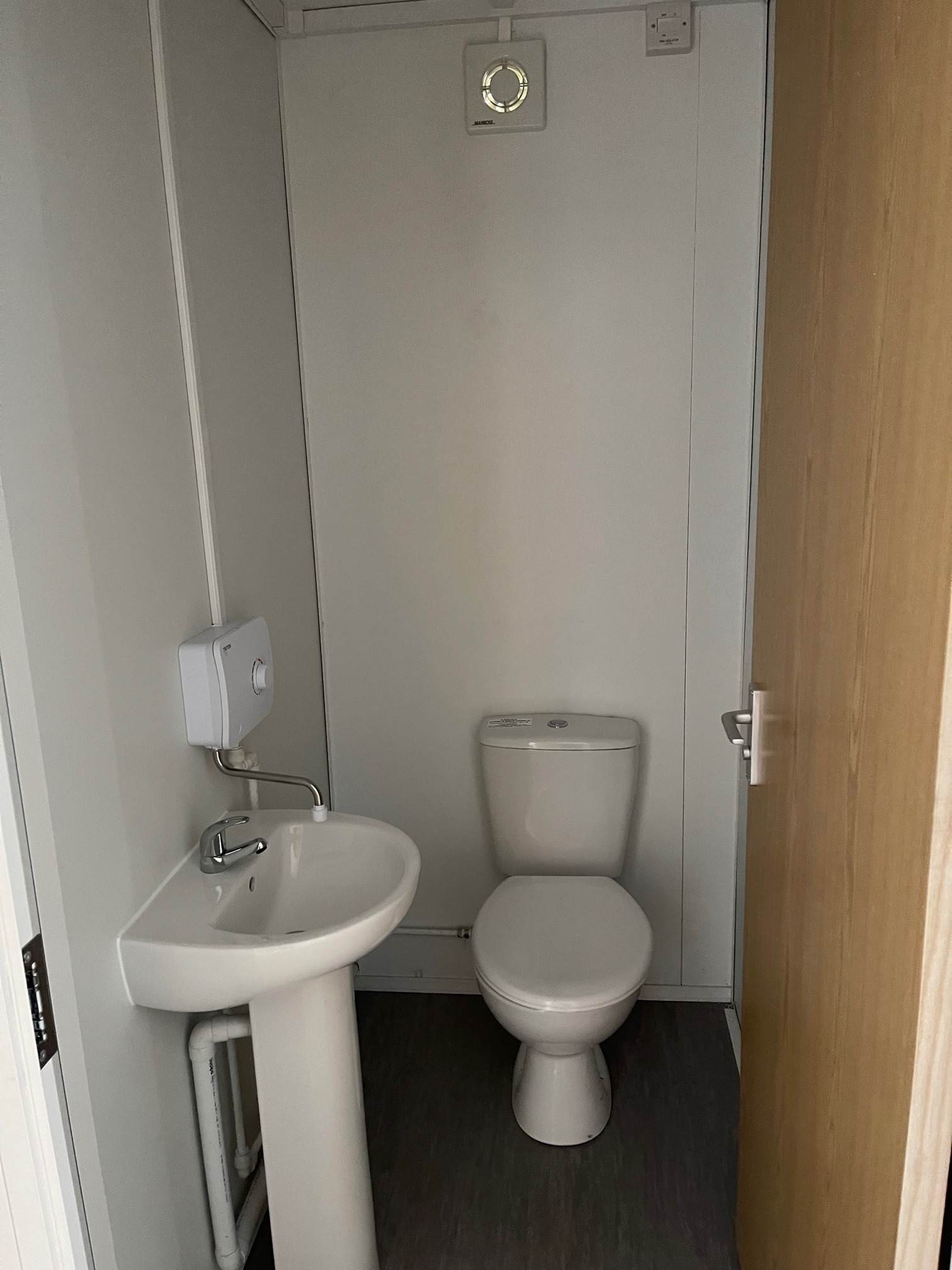
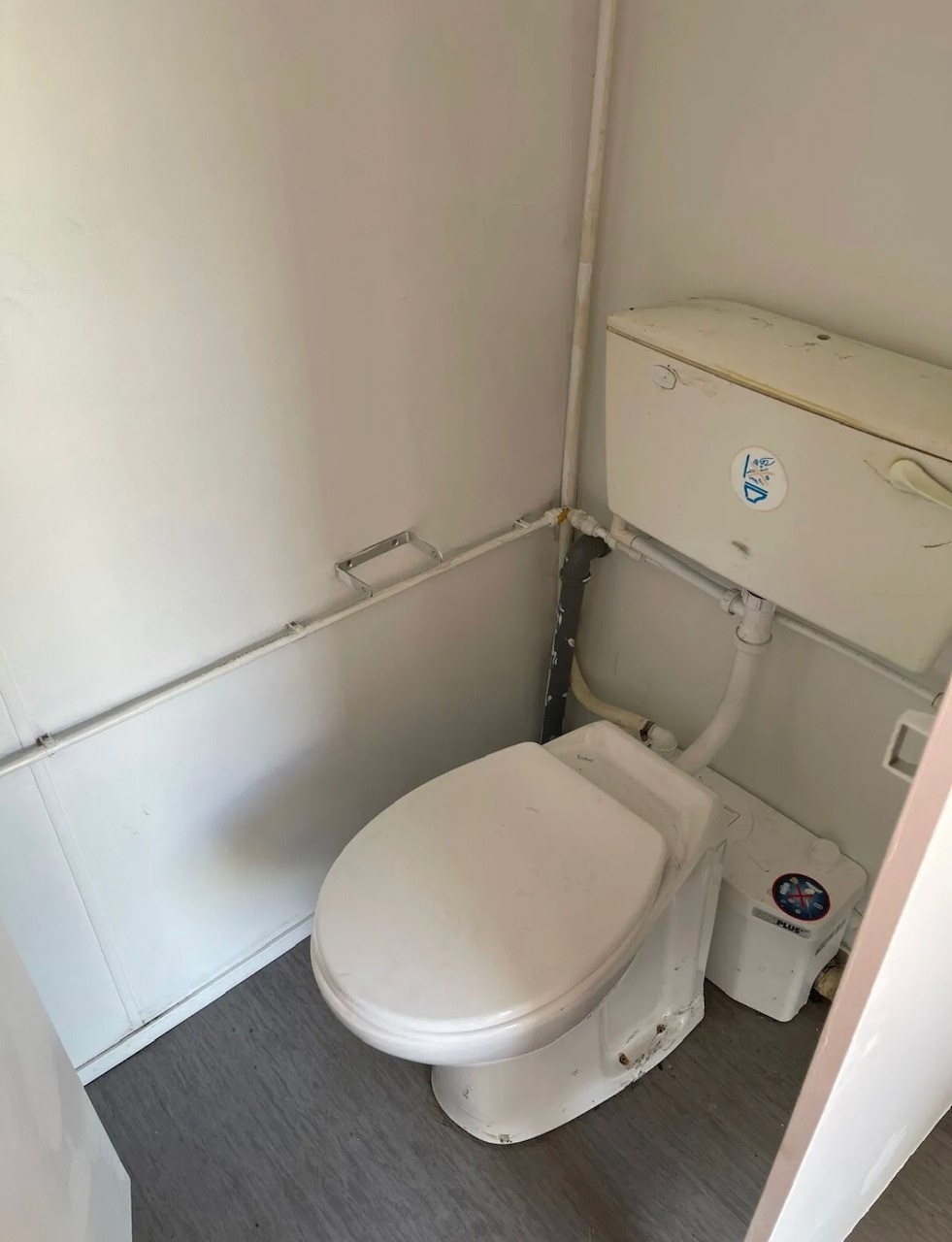
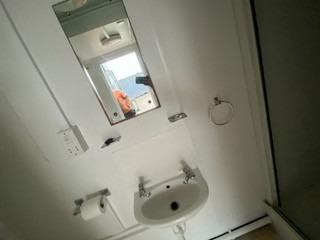
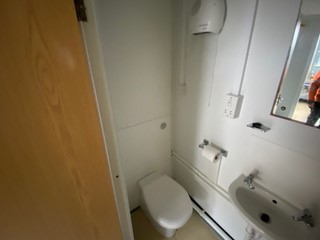
  • New Toilet Room with toilet, Sink, Water Heater and Fan

Location: Nationwide

£18,995

EX VAT

Not Available for Hire

Call for an instant quote!

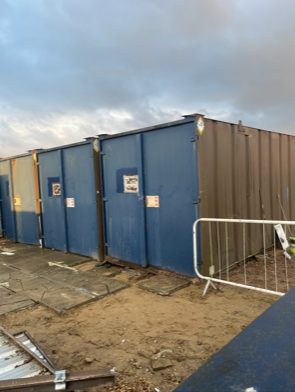
6 x 21ft x 8ft Container Stores

  • Wind and Water Tight
  • Very Good Condition
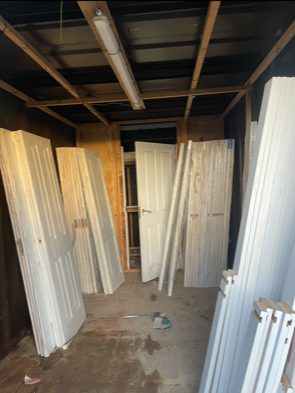
  • Some have racking inside
  • Floorings all good
  • Contents not included

Location: Nationwide


£1,500

EX VAT

Not Available for Hire

Call for an instant quote!

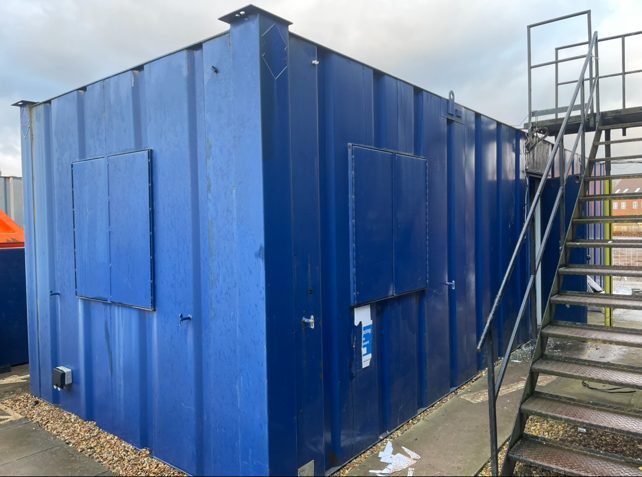
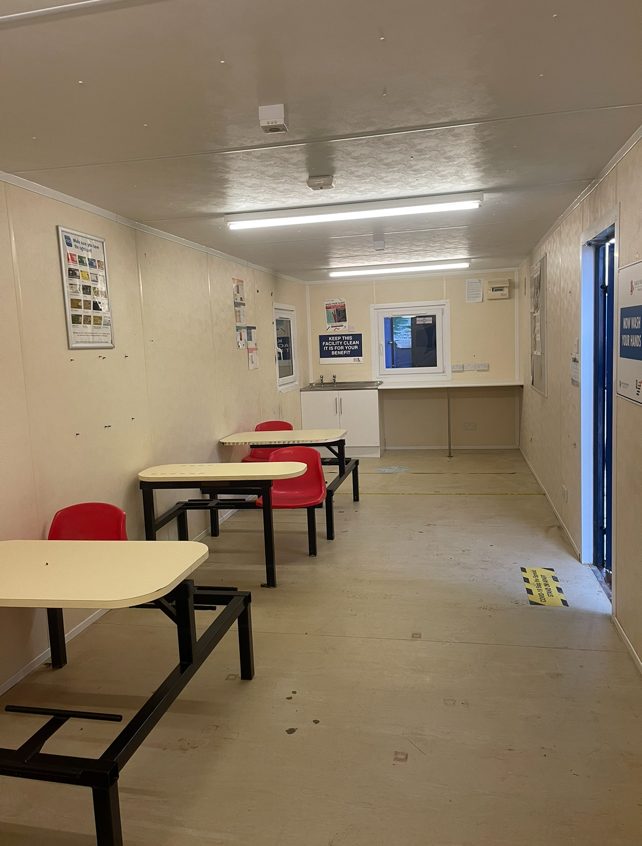
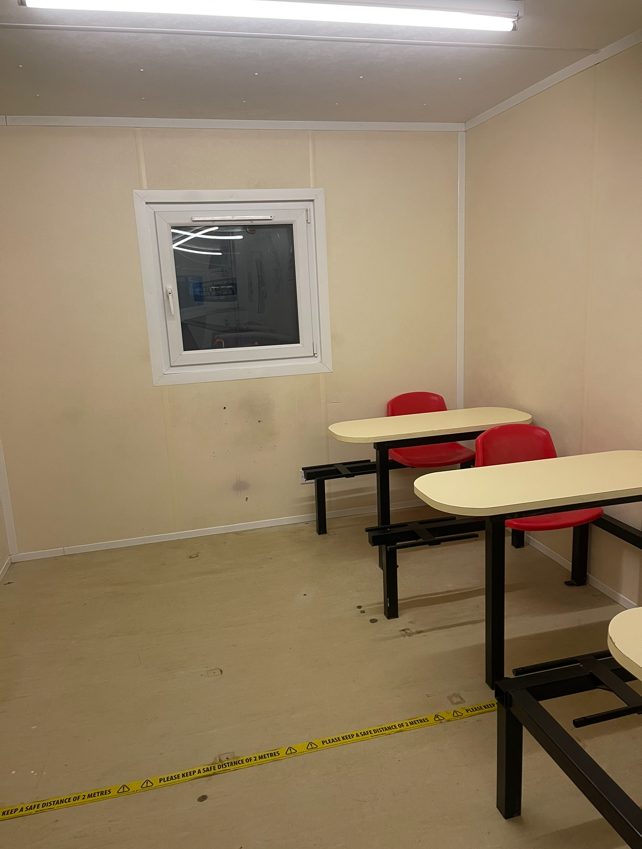
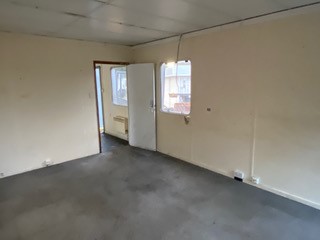
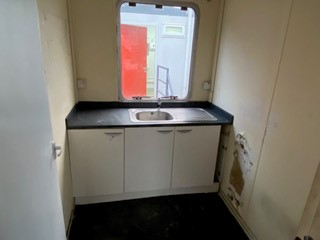
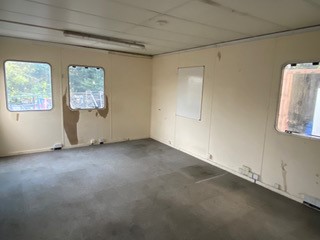
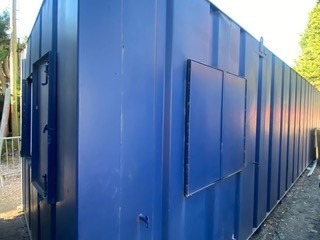
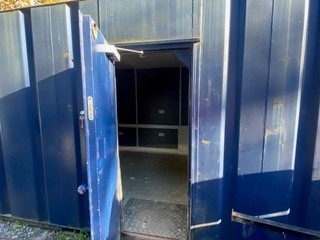
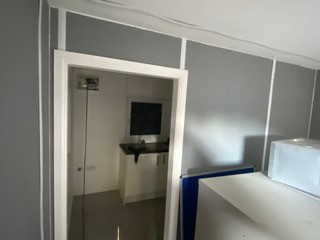
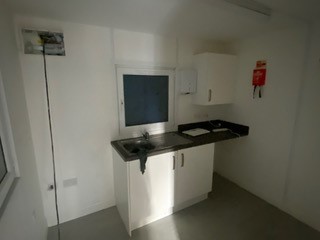
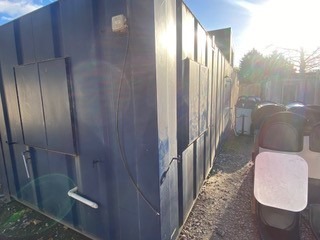
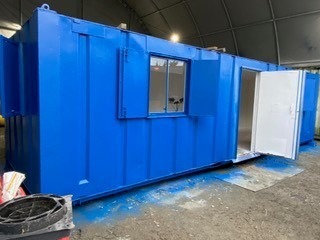
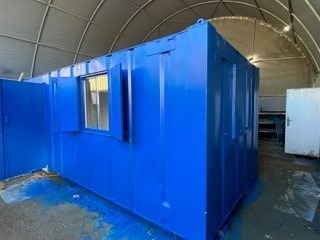
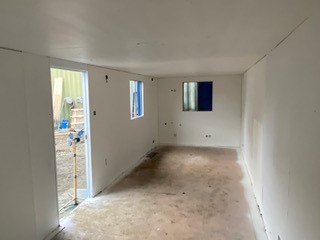
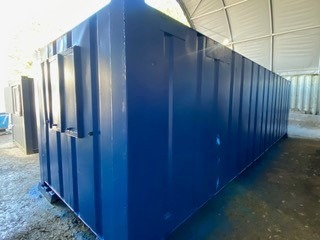
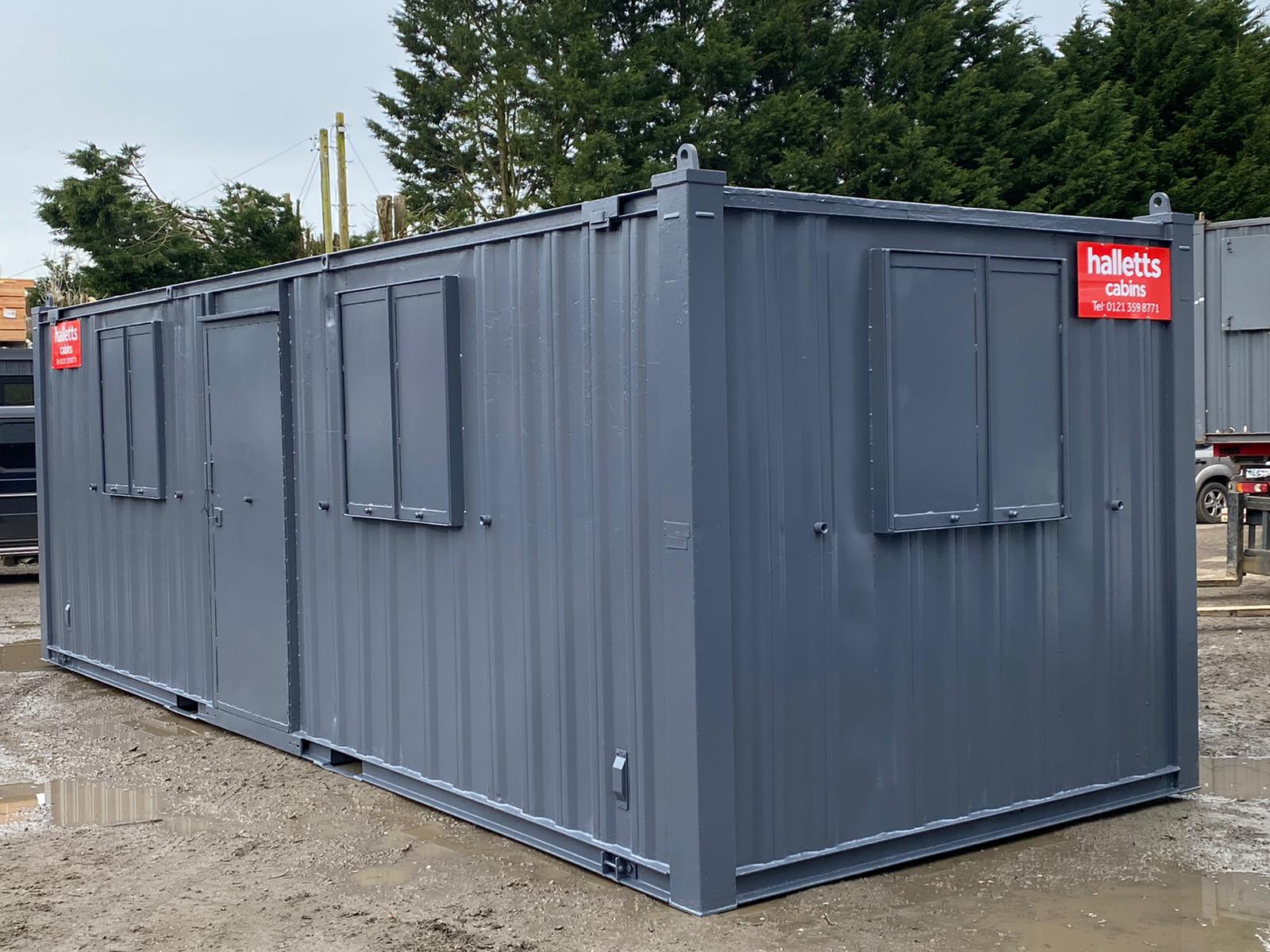
32ft x 10ft Anti Vandal Canteen in Blue

  • Used with electric sockets, lighting and heating
  • UPVC Double Glazed Windows
  • Furniture
  • Kitchenette 

Location: Nationwide


£4,995

EX VAT

Not Available for Hire

Call for an instant quote!

20ft Used Shipping Containers

  • Wind and Water Tight
  • Doors in good working Order
  • Random Selection
  • Lock Box and Lock additional cost.

Location: Nationwide


£1,500

EX VAT

Not Available for Hire

Call for an instant quote!

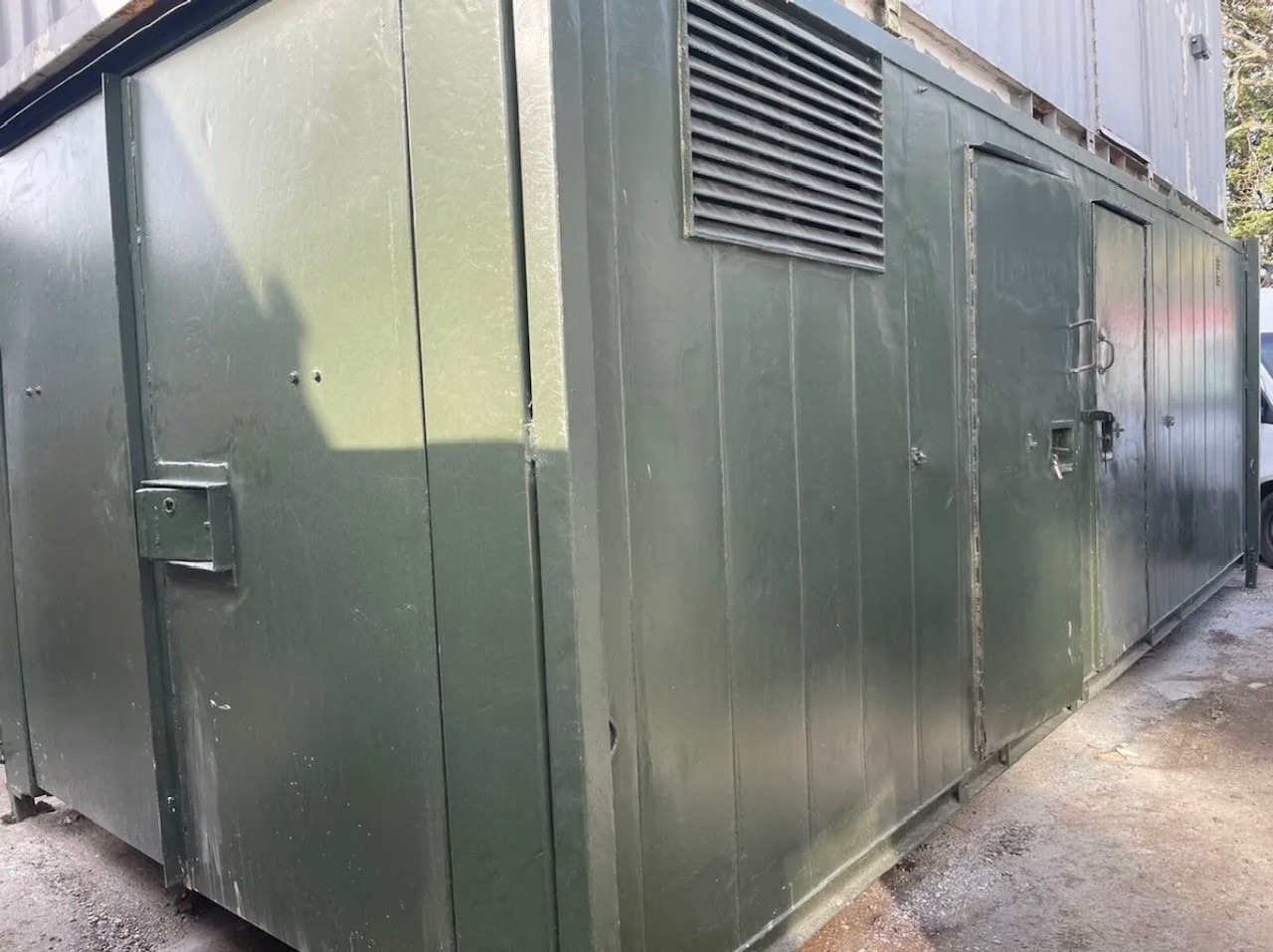
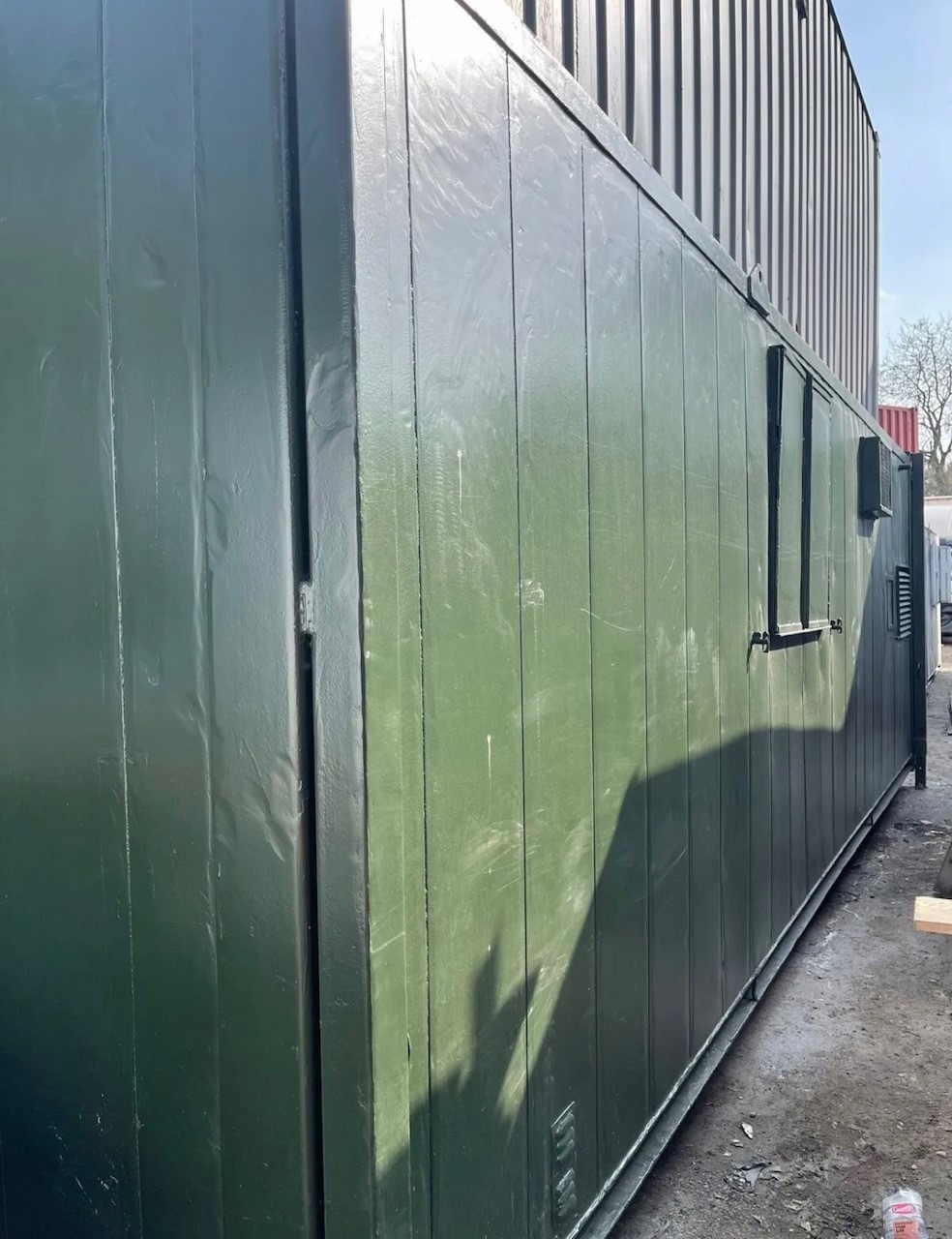
24ft x 10ft Jack Leg Anti Vandal Canteen/Toilet/Storage

  • Split entrance for Canteen room and WC which includes single cubical, urinal and sink.
  • Container door end with storage.
  • Electric Sockets, Lighting and Heating
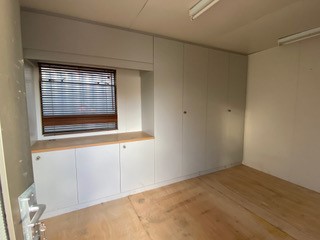
  • Fitted Floor to Ceiling Cupboards
  • Colour: Dark Green

Location: Nationwide


£5,000

EX VAT

Not Available for Hire

Call for an instant quote!

40ft x 12ft Jack Leg Genuine Portakabin Pullman

  • 2 x Offices, Canteen and WC
  • Electric Sockets, Lighting and Heating
  • Colour: Light Grey
  • Full or Part Refurbishment option is available please ask.

Location: Nationwide


£9,500

EX VAT

Not Available for Hire

Call for an instant quote!

32ft x 10ft Anti Vandal Split Canteen/Office

  • Canteen approx 10ft – Office approx 22ft
  • Electric Sockets, Lighting and Heating
  • UPVC Double Glazing
  • Colour: Dark Blue

Location: Nationwide


£5,500

EX VAT

Not Available for Hire

Call for an instant quote!

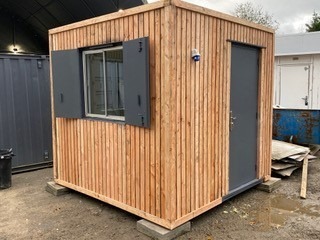
8ft x 8ft Anti Vandal Gate House/Office

  • Open Plan
  • Electric Sockets, Lighting and Heating
  • Colour: Clad in New Larch Timber

Location: Nationwide


£5,500

EX VAT

Not Available for Hire

Call for an instant quote!

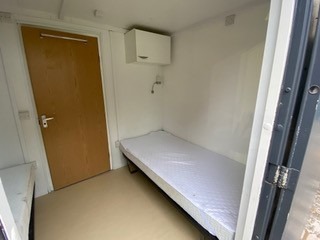
20ft x 10ft Anti Vandal Sleeper Unit

  • Split sides with two entrances, each side has its own room and Shower Toilet Facility
  • Electric Sockets, Lighting and Heating
  • Colour: Dark Grey

Location: Nationwide


£6,500

EX VAT

Not Available for Hire

Call for an instant quote!

21ft x 8ft Anti Vandal Canteen

  • Open Plan
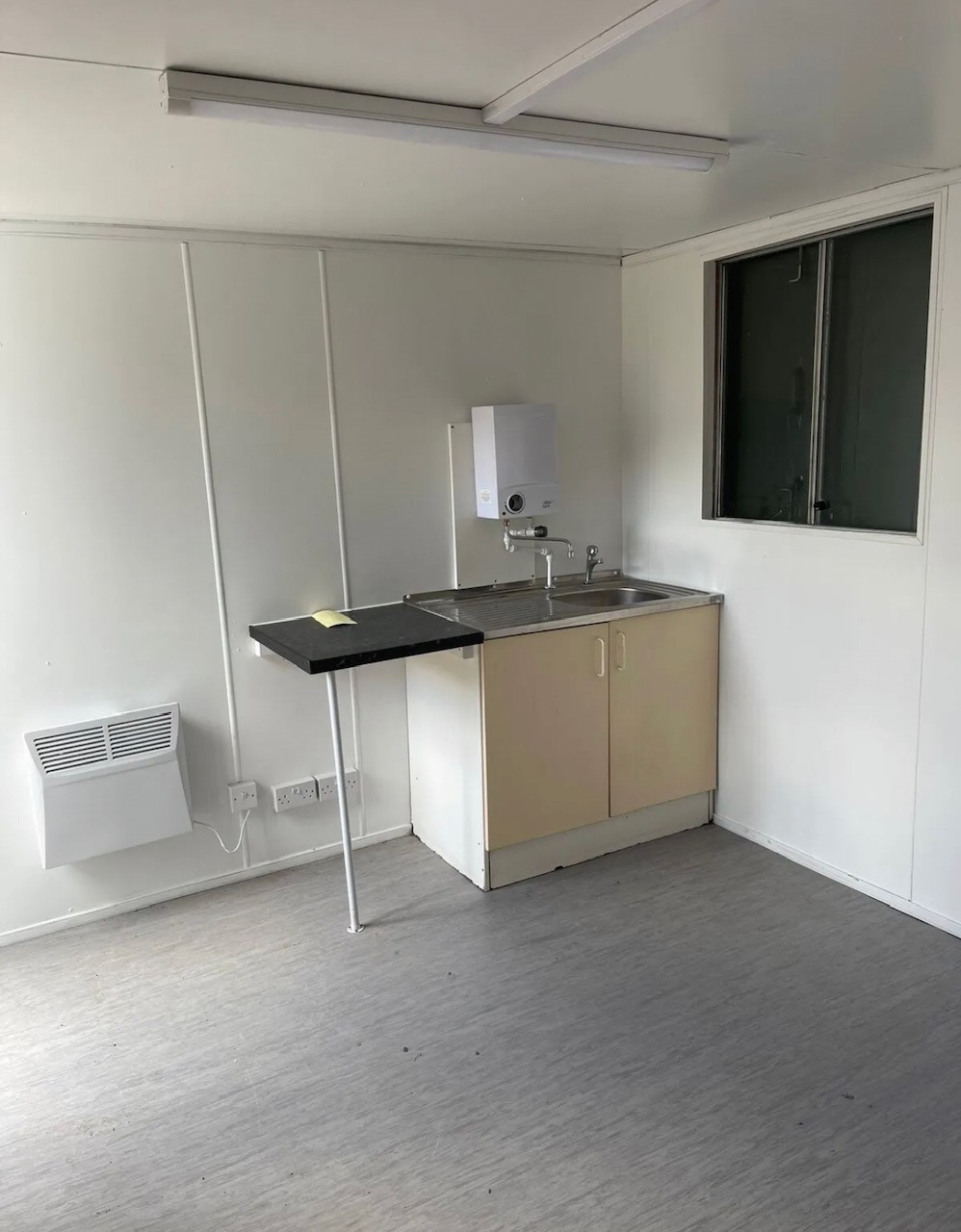
  • Electric Sockets, Lighting and Heating, Hot water Unit + kitchen with cupboards and work top.
  • Colour: Dark Grey 

Location: Nationwide


£4,200

EX VAT

Not Available for Hire

Call for an instant quote!

30ft x 9ft Anti Vandal Fire Rated Office

  • Open Plan Refurbished
  • Electric Sockets, Lighting and Heating
  • Colour: Dark Blue

Location: Nationwide


£6,500

EX VAT

Not Available for Hire

Call for an instant quote!

24ft x 9ft Anti Vandal Office

  • Open Plan
  • Electric Sockets, Lighting and Heating
  • Colour: Dark Grey

Location: Nationwide


£4,200

EX VAT

Not Available for Hire

Call for an instant quote!

22ft x 9ft Jack Leg Portable Cabin

  • 22ft x 9ft Jack Leg Portable Cabin
  • Open Plan
  • Electric Sockets, Lighting and Heating
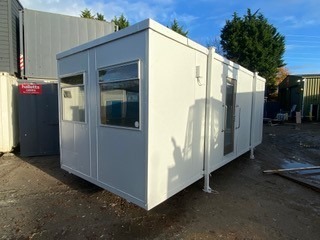
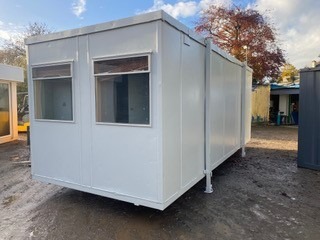
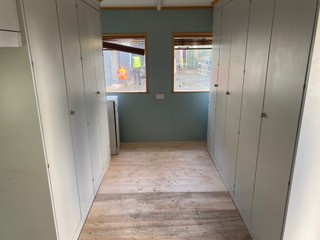
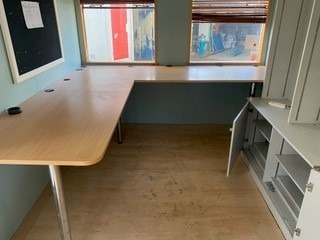
  • Fitted Desk and Floor to Ceiling Cupboards
  • Colour: Light Grey

Location: Nationwide


£4,995

EX VAT

Not Available for Hire

Call for an instant quote!

24ft x 9ft Jack Leg Portable Cabin

  • 24ft x 9ft Jack Leg Portable Cabin
  • Split Offices with two entrances
  • Electric Sockets, Lighting and Heating
  • Fitted Floor to Ceiling Cupboards
  • Colour: Light Grey

Location: Nationwide


£5,500

EX VAT

Not Available for Hire

Call for an instant quote!

10ftx8ft – £5950 + Vat / 16ftx8ft – £7950 + Vat / 20ftx8ft – £9000 + Vat / 24ftx8ft – £12000 + Vat / 30ftx8ft – £13500 + Vat

  • Reinforced doors and windows with secure locking
  • Open plan with electric sockets and lighting
  • Any Extras available: Canteen, Partitions, Toilets.

Location: Nationwide


From £5,950

EX VAT

Not Available for Hire

Call for an instant quote!

  •  Electric Sockets, Lighting and Heating
  •  Wind & watertight
  •  Sprayed Dark Grey

Location: Nationwide


£4,995

EX VAT

Not Available for Hire

Call for an instant quote!

  • 12ft Towable Gound Hog
  • Includes: toilet, canteen and seating area
  • Full working generator, fully serviced and in great condition


Location: Nationwide


£6,500

EX VAT

Not Available for Hire

Call for an instant quote!

  • Reinforced doors with secure locking 
  • Electrics and lights included
  • Sink and water boiler included

Location: Nationwide

Quantity: ∞

£15,000

EX VAT

Not Available for Hire

Call for an instant quote!

• Reinforced doors and windows with secure locking
• Open plan with electric sockets and lighting
• Ral Code Colour of choice

• Any Extras available : Canteen, Partitions, Toilets.

Location: Nationwide


£11,995

EX VAT

Not Available for Hire

Call for an instant quote!

• Reinforced doors and windows with secure locking

• Open plan with electric sockets and lighting

• Ral Code Colour of choice

• Any Extras available : Canteen, Partitions, Toilets.

Location: Nationwide


POA

Not Available for Hire

Call for an instant quote!

test

• Reinforced doors with secure locking
• Sink and water boiler included

Location: Nationwide

Quantity: ∞

£12,495

EX VAT

Not Available for Hire

Call for an instant quote!

32ft x 20ft Cabin

  • Reinforced doors with secure locking 
  • Electrics and lights included
  • Sink and water boiler included
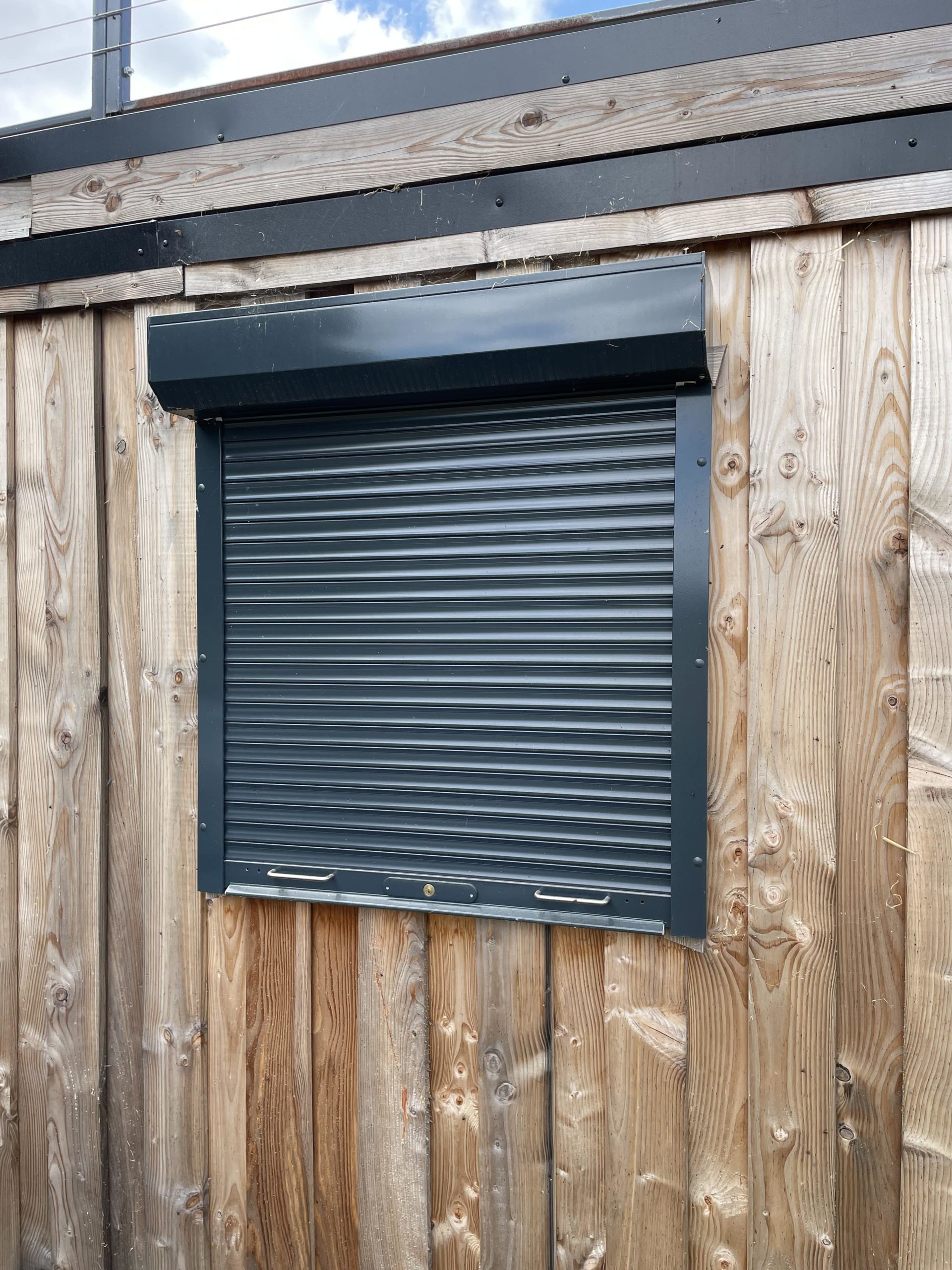
  • Electric Roller Shutters
  • Roof top terrace 
  • Store Room 
  • Slatwall installation 

Location: Nationwide


£39,000

EX VAT

Not Available for Hire

Call for an instant quote!

Looking to Buy or Hire?

Get a Quick Container Quote Now!

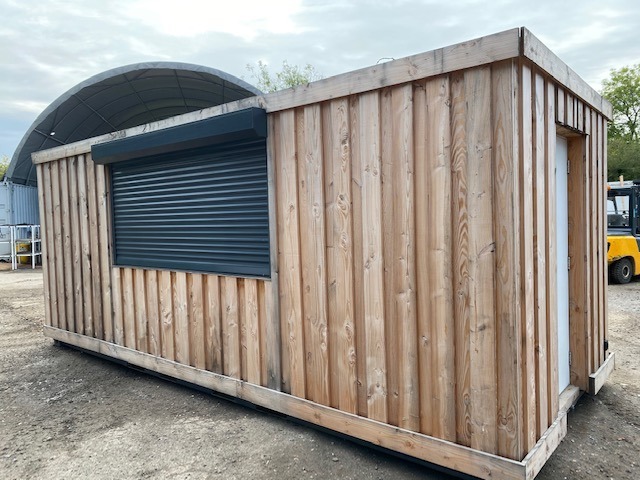
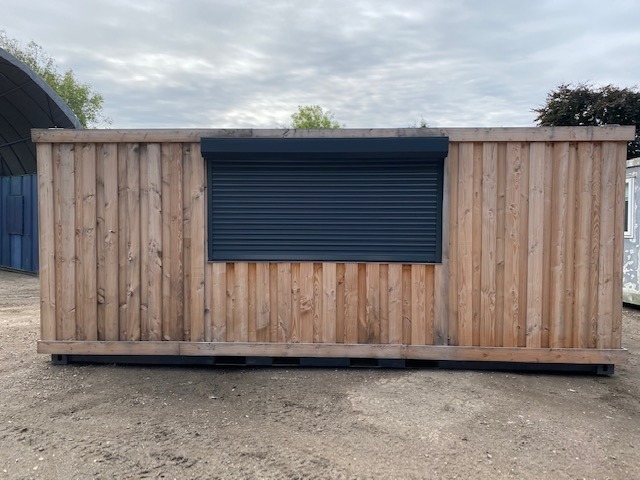
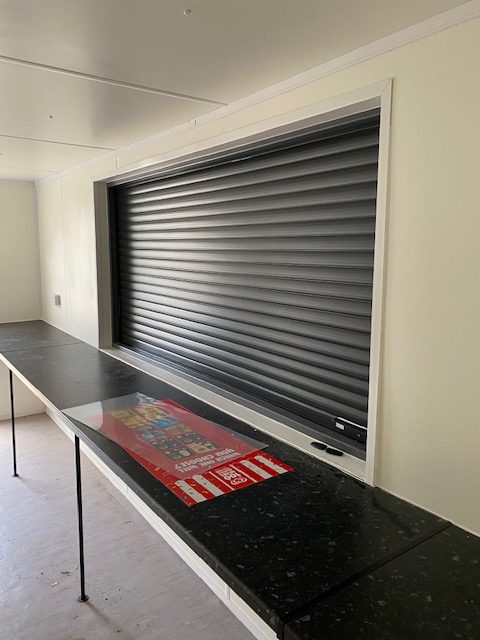
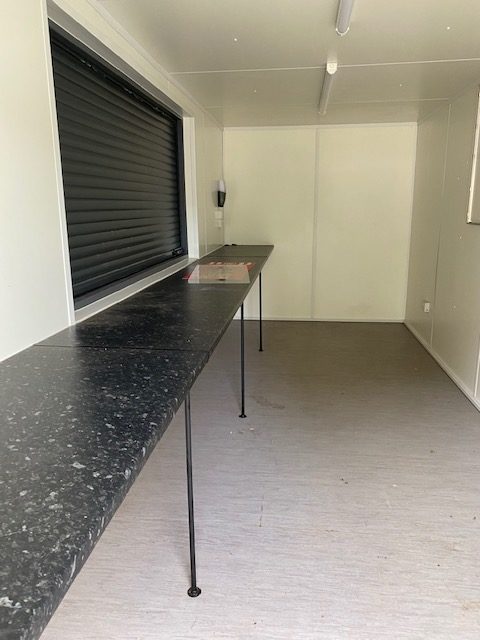
20ft x 8ft Container Kiosk

  • Open plan layout with worktop serving area
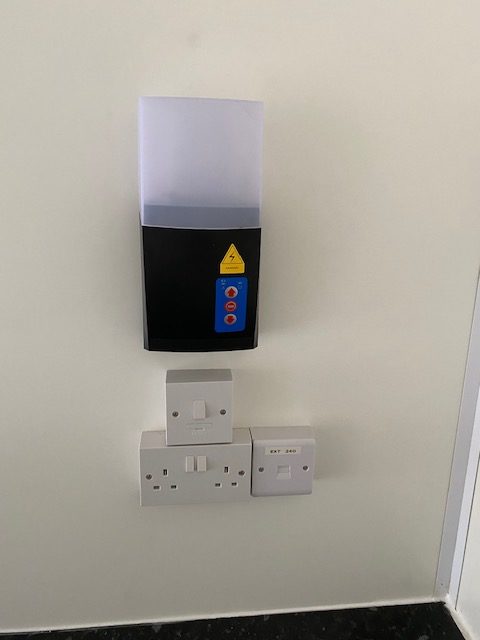
  • Electric roller shutter with remote control
  • Electrics and lights included

Location: Nationwide


£15,000

EX VAT

Not Available for Hire

Call for an instant quote!

Looking to Buy?

Get a Quick Container Quote Now!

Newsletter Signup Form

Be the first to discover our exclusive offers and latest company updates by signing up to our email newsletter. Every month we’ll keep you informed of our best prices, industry updates, customer’s container projects, national shows we’ll be exhibiting at, and much more.

Looking to Buy or Hire?

Get a Quick Container Quote Now!