A Recliner Massage Chair combines powered reclining with mechanical massage, bringing a spa-like routine into a living room. Its frame usually tilts the body backward, while rollers travel along the backrest. Some models extend beneath the seat, creating an L-track path toward the glutes and hamstrings. Airbags may compress the shoulders, arms, calves, and feet. Small motors create kneading, tapping, rolling, or vibration.
The mechanism is less mysterious than it looks. Sensors may measure shoulder height, then adjust roller positions. A controller changes pressure, speed, timing, and recline angle. The experience can feel surprisingly personal. Still, “automatic” does not mean clinically precise.
Grand View Research identifies massage equipment as a growing wellness category, supported by home-use demand and rising interest in recovery products. Its market analysis also highlights technology integration as a major development trend. These figures describe equipment broadly, not every Recliner Massage Chair sold worldwide. That distinction matters.
Dr. Tiffany Field, director of the Touch Research Institute, has stated, “Touch is the first sense to develop and the last sense to leave.” Her observation helps explain massage’s emotional appeal, although it does not prove that every chair delivers medical benefits. A chair can ease tension after desk work, yet it cannot replace diagnosis or professional treatment.
Consumers should examine roller coverage, adjustment range, noise, heat settings, warranty terms, and safety instructions. Try the chair before buying, if possible. Your shoulders may disagree with the showroom demo. A comfortable design should support relaxed breathing, stable posture, and controlled pressure. The most impressive feature list is not always the most useful one.
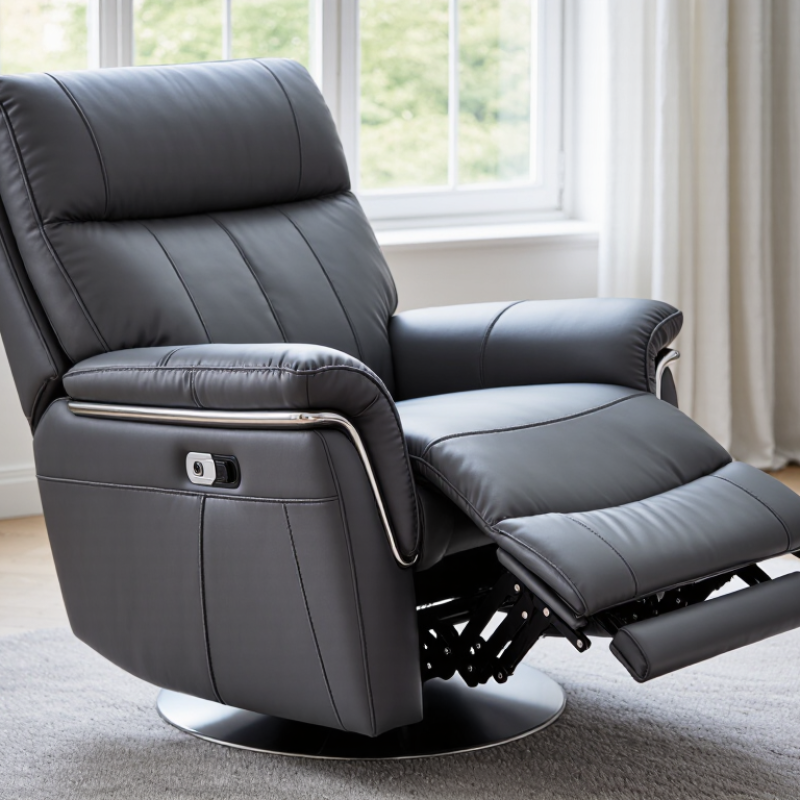
A recliner massage chair is a padded seat that combines reclining support with automated massage features. Its backrest tilts backward, while internal rollers move along the back, shoulders, and sometimes the hips. Air cushions may gently compress the arms, legs, or feet. Small motors control these movements through a handheld remote or built-in panel.
Unlike a standard recliner, it is designed to create repeated massage patterns while you sit. Common settings include kneading, tapping, rolling, and vibration. Some models also provide warmth across the lower back. The experience can feel relaxing after a long day, especially when your feet are elevated. However, comfort is not proof of medical benefit. Massage intensity, body size, and chair design can change the result. A setting that feels soothing to one person may feel too strong to another.
Tips: Start with the lowest intensity and a short session. Keep your posture natural, with your head supported. Stop if you notice pain, numbness, dizziness, or unusual pressure. Check the chair’s safety guidance before use, particularly if you have a serious health condition, recent injury, or implanted medical device. The controls may look simple, but learning your comfortable position takes patience.
A recliner massage chair combines a reclining frame with several coordinated mechanical and electronic systems. The frame supports the user’s weight, while electric actuators adjust the backrest and leg rest. Inside, a motorized massage mechanism travels along a track, applying rolling, kneading, or tapping movements. Some systems use two-dimensional movement, while advanced designs add depth control. The difference sounds small, but it changes pressure noticeably.
Airbags are another major component. A compact compressor inflates cushions around the shoulders, arms, hips, and calves. These cushions create rhythmic compression rather than deep tissue treatment. Foot wells may include rotating rollers, although their pressure can feel intense for sensitive users. Sensors measure body position and help align the massage path with the spine. Results vary.
The control system links the motors, airbags, sensors, and preset programs. A handheld controller or touchscreen adjusts speed, pressure, reclining angle, and massage zones. Power supplies and thermal protection help manage electrical and heat risks. Upholstery adds comfort, but dense padding can reduce the feeling of mechanical pressure.
The Global Wellness Institute reported that the wellness economy reached $5.6 trillion in 2022 and could reach $8.5 trillion by 2027. That growth encourages more home wellness equipment, but broad market data may not represent actual massage-chair use. Professional judgment still matters. Users should check weight limits, clear floor space, electrical certification, and medical guidance when necessary. Fancy controls do not guarantee better results.
A recliner massage chair combines a reclining seat with mechanical massage systems. When you sit down, built-in sensors may estimate your height, shoulder position, and body shape. The backrest then adjusts your posture and angle. Your legs usually rest on padded supports, while foot chambers hold your feet gently.
How does a recliner massage chair perform a massage? Small rollers move along a track behind the back cushion. They may travel vertically, press in short pulses, or imitate kneading and tapping. Some tracks follow the spine’s natural curve, but the fit is not always perfect. A roller can feel too high, too low, or unexpectedly firm. That depends on body size, posture, and chair design.
Air cushions expand around the shoulders, arms, hips, calves, and feet. Their pressure creates a squeezing sensation, while foot rollers may press the soles in repeated patterns. Vibration can add a lighter surface effect. Optional heat warms selected areas, although it does not replace controlled pressure. Most sessions use preset programs, but manual controls allow changes in speed, intensity, and massage zone. Start gently. Strong pressure can feel impressive, yet comfort matters more than force. People with injuries, reduced sensation, or certain medical conditions should seek professional advice before using intense settings. A short session also makes it easier to notice pressure points and adjust the chair safely.
A recliner massage chair combines a reclining frame with motorized rollers, airbags, and programmed body scans. Its rollers travel along the backrest, while sensors estimate shoulder height and spinal length. The chair then adjusts pressure and movement to the user’s body. It feels mechanical, not magical.
Common programs include kneading, tapping, rolling, compression, and shiatsu-style pressure. Kneading uses alternating rollers to imitate thumbs and palms. Tapping delivers quick percussion across the upper back. Rolling glides smoothly beside the spine. Airbags squeeze the calves, feet, arms, or hips in short cycles. Users can usually select intensity, speed, massage zone, session length, and recline angle. Some models add lumbar heat or a zero-gravity position. Heat can feel soothing, but it does not prove deeper tissue repair.
Market interest is growing. Grand View Research’s 2024 massage equipment analysis projects continued global growth through the decade. The Global Wellness Institute valued the worldwide wellness economy at 6.3 trillion dollars in 2023. Those figures show demand, not clinical effectiveness. That distinction matters. A chair may reduce perceived tension after desk work, yet it cannot diagnose pain or replace professional assessment. The scan may also miss a curved spine or sensitive area. Start with low intensity, especially around the neck and lower back. Stop if numbness, sharp pain, dizziness, or unusual discomfort appears. The settings look precise. They are still estimates.
A recliner massage chair combines adjustable back support with powered massage mechanisms. When activated, rollers move along the back, while airbags may compress the shoulders, arms, hips, or legs. Some models add heat or vibration. The reclined position can reduce pressure on the lower back and make a short relaxation session more comfortable. In practical use, gentle settings may ease temporary muscle tightness after desk work or travel. The effect is usually short-term, not a treatment for an underlying injury.
Its benefits have clear limits. Regular sessions may support relaxation, body awareness, and perceived comfort. They may also encourage brief rest for people who struggle to pause. However, strong pressure can cause soreness, bruising, or numbness, especially on sensitive areas. Heat can mask discomfort, leading someone to continue too long. A chair cannot diagnose pain, correct posture permanently, or replace rehabilitation. People with unexplained pain, recent surgery, reduced sensation, circulation problems, pregnancy, or implanted medical devices should seek qualified medical advice first. Safety varies by person. That deserves attention.
Tips: Start with five to ten minutes and the lowest pressure. Keep your spine neutral, and stop if pain, dizziness, or tingling appears. Check the manual before using heat. Clean contact surfaces regularly. A thoughtful trial is better than chasing intense pressure.
| Data Dimension | How It Works or Typical Information | Potential Benefits | Limitations and Considerations |
|---|---|---|---|
| Definition | A recliner massage chair is a powered chair that combines a reclining seat with mechanical massage functions. It is designed for seated, at-home use rather than clinical treatment. | Provides convenient relaxation without requiring a therapist or appointment. | It does not diagnose medical conditions or replace professional medical care. |
| Massage Mechanism | Internal rollers, nodes, airbags, or vibration motors apply pressure or movement to selected areas of the body. The exact mechanism varies by chair design. | Can create repetitive pressure and movement that many users find soothing. | Mechanical movement may feel too intense, uneven, or uncomfortable for some users. |
| Reclining Function | An electric motor changes the backrest and leg-rest positions. Some chairs use a zero-gravity-style position that elevates the legs and distributes body weight across the seat. | May reduce pressure on the back and support a comfortable resting posture. | Requires adequate floor space and access to a suitable electrical outlet. |
| Massage Areas | Depending on the model, massage may target the back, shoulders, neck, hips, arms, calves, and feet. | Allows users to focus on common areas of muscle tension. | Coverage is not always continuous or anatomically precise, and some body areas may receive little or no treatment. |
| Common Massage Programs | Preset programs commonly include relaxation, back massage, shoulder massage, stretching-style routines, and lower-body air compression. Manual controls may adjust time, area, speed, or intensity. | Offers different settings for personal comfort and short relaxation sessions. | More programs do not necessarily mean better therapeutic results; controls can also be complicated for some users. |
| Air Compression | Inflatable cushions periodically compress and release areas such as the arms, hips, calves, or feet. | May provide a gentle squeezing sensation and support relaxation in the limbs. | Pressure can be uncomfortable for people who are sensitive to compression or who have circulation-related conditions. |
| Heat Function | Some chairs use built-in heating elements, usually around the lower back or seat, to provide mild surface warmth. | Warmth may feel relaxing and can temporarily ease the sensation of muscle stiffness. | Heat is not a treatment for an underlying injury. Users with reduced heat sensitivity should use extra caution. |
| Typical Session Duration | Many automatic programs are designed for short sessions, commonly around 10 to 30 minutes, although the recommended duration depends on the chair and the user. | Short sessions can fit conveniently into a daily relaxation routine. | Longer or excessively intense sessions may increase soreness, discomfort, or skin irritation. |
| Possible Relaxation Effects | Rhythmic pressure, reclining, warmth, and reduced activity may help the body enter a more relaxed state. | Users may experience temporary relaxation, reduced perceived stress, and improved comfort after sitting. | Individual responses vary, and relaxation benefits may be temporary rather than lasting. |
| Muscle Tension | Massage pressure can stimulate soft tissues and may temporarily reduce the feeling of tightness in some muscles. | May improve perceived comfort after prolonged sitting or light daily activity. | It may aggravate acute injuries, inflammation, bruising, or undiagnosed pain. |
| Circulation-Related Sensations | Reclining and intermittent air compression can change pressure on the limbs and create a temporary massage sensation. | Some users may feel warmth or lightness in the legs after a session. | A massage chair should not be relied on to treat blood clots, vascular disease, swelling, or poor circulation. |
| Convenience | The chair can be used at home whenever it is connected to power and positioned safely. | Offers repeatable access to massage without travel, scheduling, or recurring therapist appointments. | The chair may be expensive, heavy, difficult to move, and demanding of floor space. |
| Cost Consideration | Purchase prices vary widely according to construction, motor count, massage coverage, control features, and additional functions. | Frequent users may find ownership convenient over time compared with repeated paid sessions. | Up-front cost, electricity use, maintenance, and repairs should be included in the overall ownership cost. |
| Noise Level | Motors, pumps, rollers, and air-compression systems produce varying levels of operating noise. | Quieter operation may be suitable for reading, resting, or watching television. | Mechanical sounds may disturb other people, especially in quiet rooms or shared living spaces. |
| Body Fit and Adjustability | Comfort depends on the chair's dimensions, adjustable settings, roller reach, seat depth, and the user's height and body shape. | Better fit can improve comfort and help position massage functions more appropriately. | A poor fit may cause pressure points, incomplete coverage, or uncomfortable positioning. |
| People Who Should Seek Medical Advice First | People who are pregnant, have osteoporosis, recent surgery, serious cardiovascular disease, implanted medical devices, blood-clotting problems, neuropathy, or unexplained pain should consult a qualified healthcare professional before use. | Professional guidance can help determine whether massage and reclining are appropriate. | A chair may be unsuitable or require restrictions for certain medical conditions. |
| Safe-Use Practices | Start with the lowest comfortable intensity, follow the instruction manual, keep sessions moderate, stop if pain or dizziness occurs, and inspect the chair before use. | Gradual use can help users identify comfortable settings and reduce the risk of overuse. | Discomfort, numbness, bruising, worsening pain, or unusual symptoms are reasons to stop and seek advice. |
| Information in this table describes common features and general considerations. Functions, dimensions, intensity, safety instructions, and user limits vary by chair design. A recliner massage chair is intended for comfort and relaxation, not for diagnosing or treating disease. | |||

Registered in England & Wales No. 2786496
Registered office at: 337 Tanworth Lane,
Shirley, Solihull, B90 4DU
Registered for VAT, registration No.
GB 655 1347 38
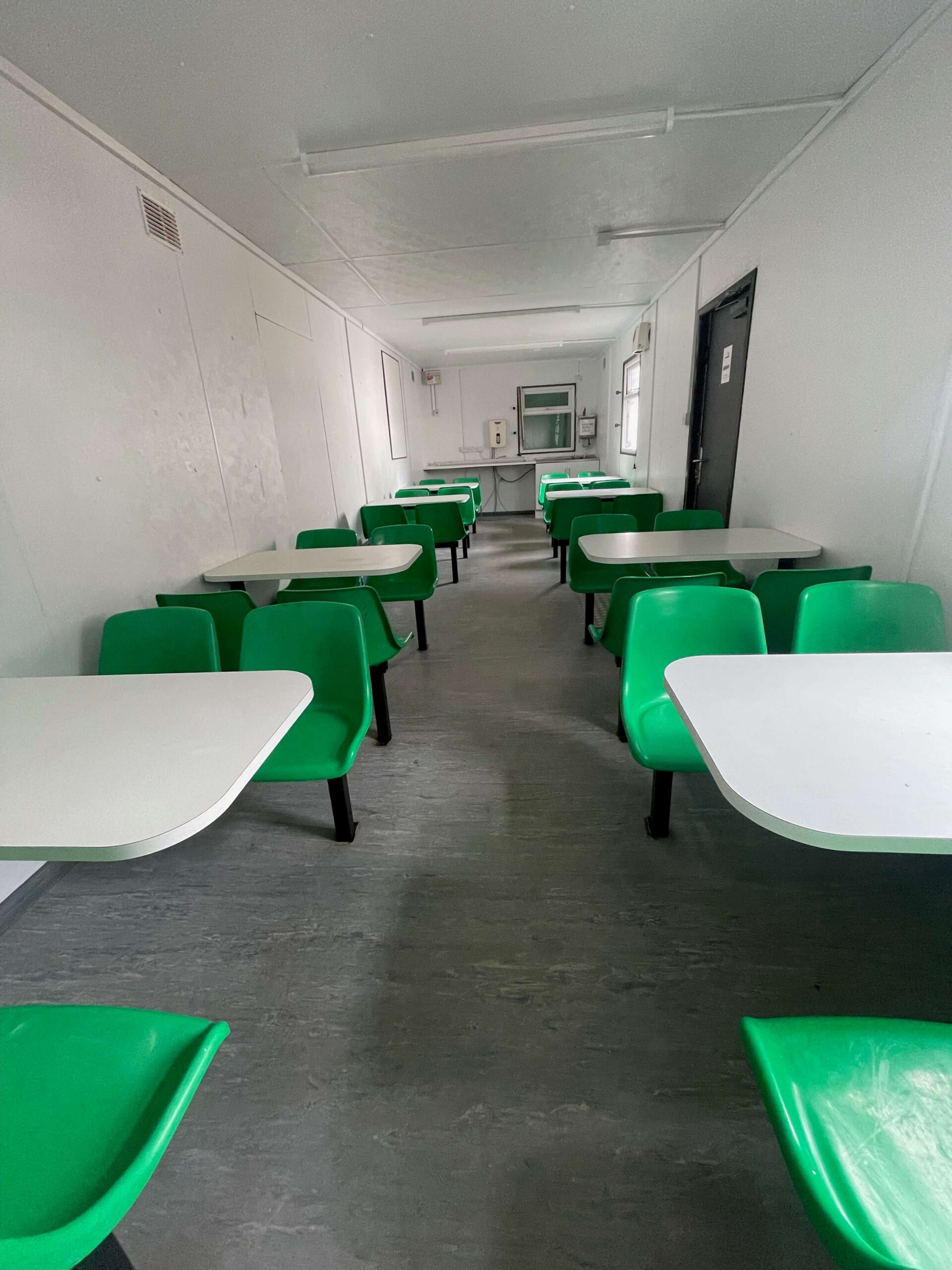
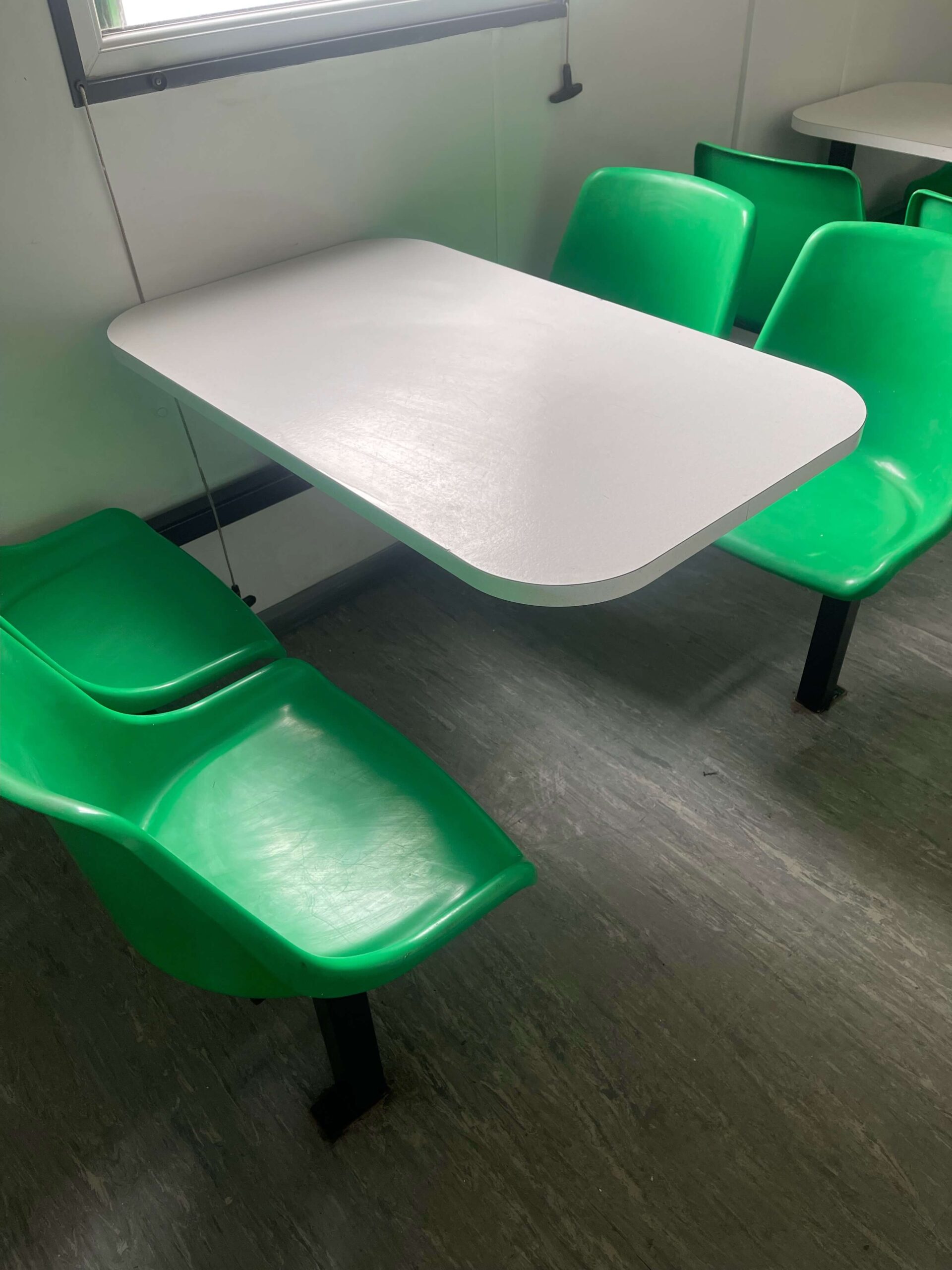
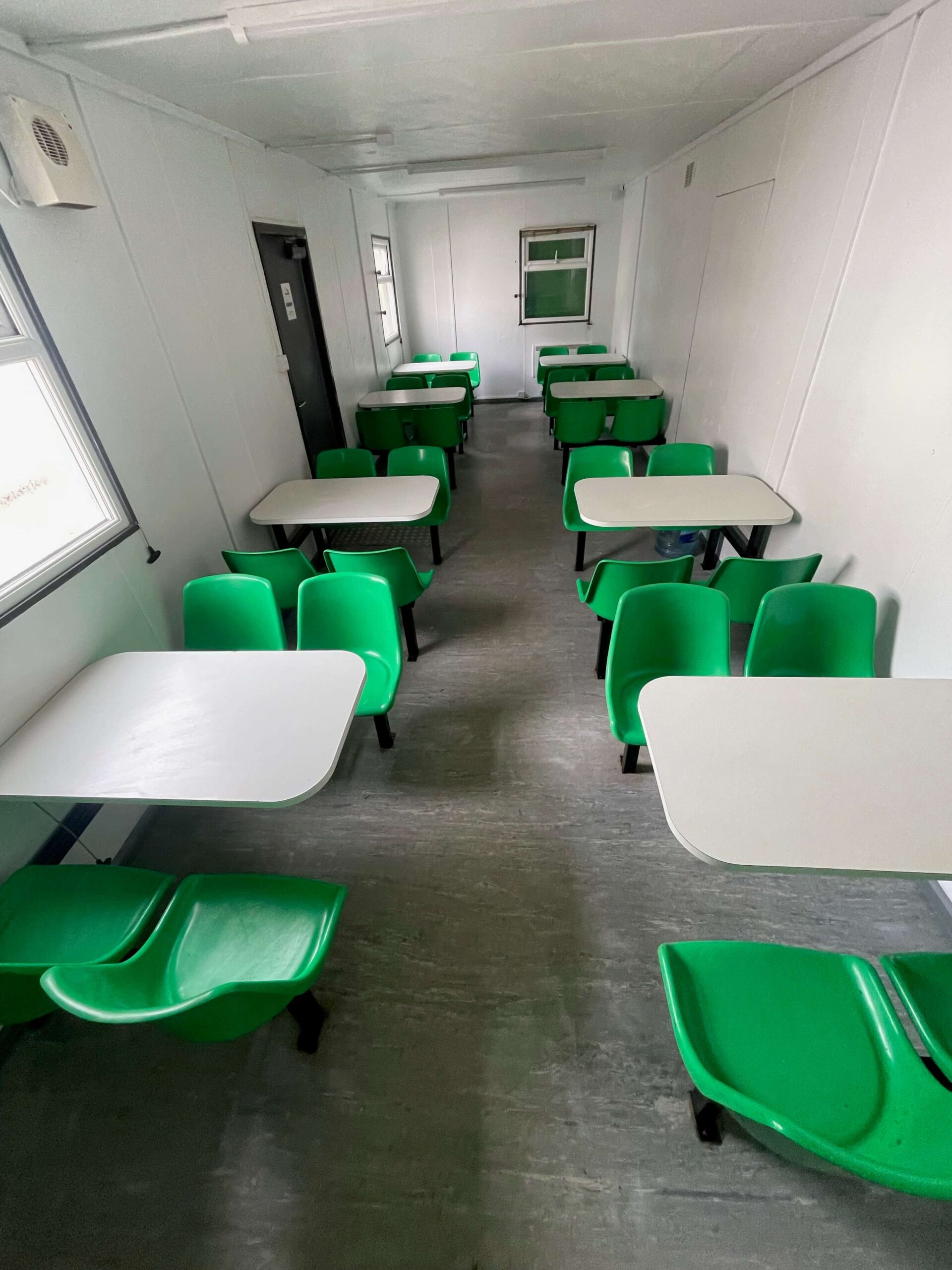
Location: Nationwide
Not Available for Hire
We can deliver for a cost please ask and send us post code.
13 tread
14 tread
15 tread
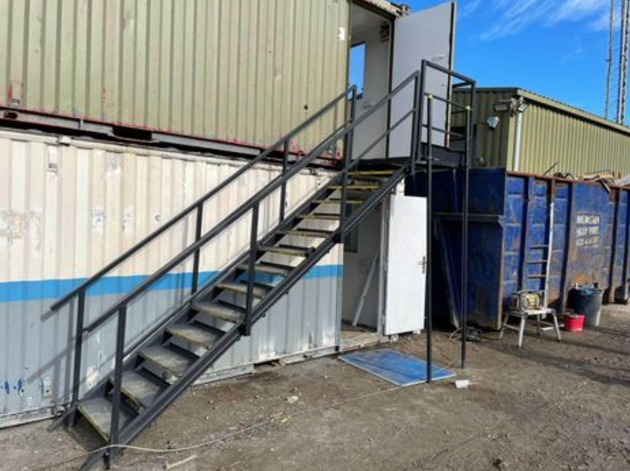
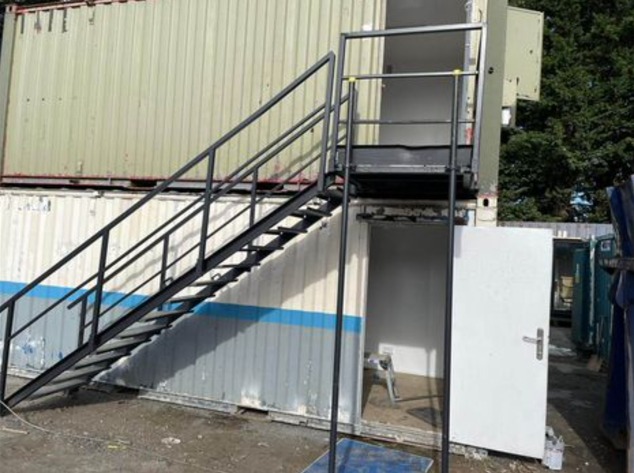
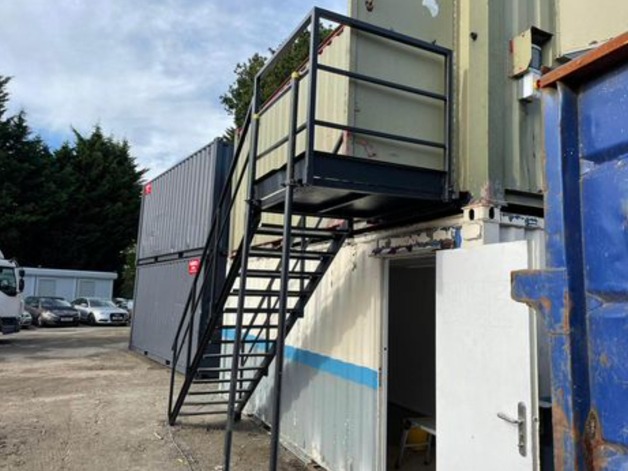
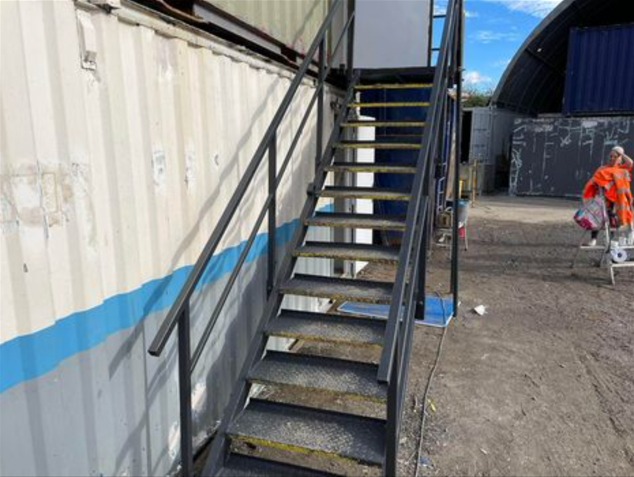
Location: Nationwide
Not Available for Hire
Call for an instant quote!
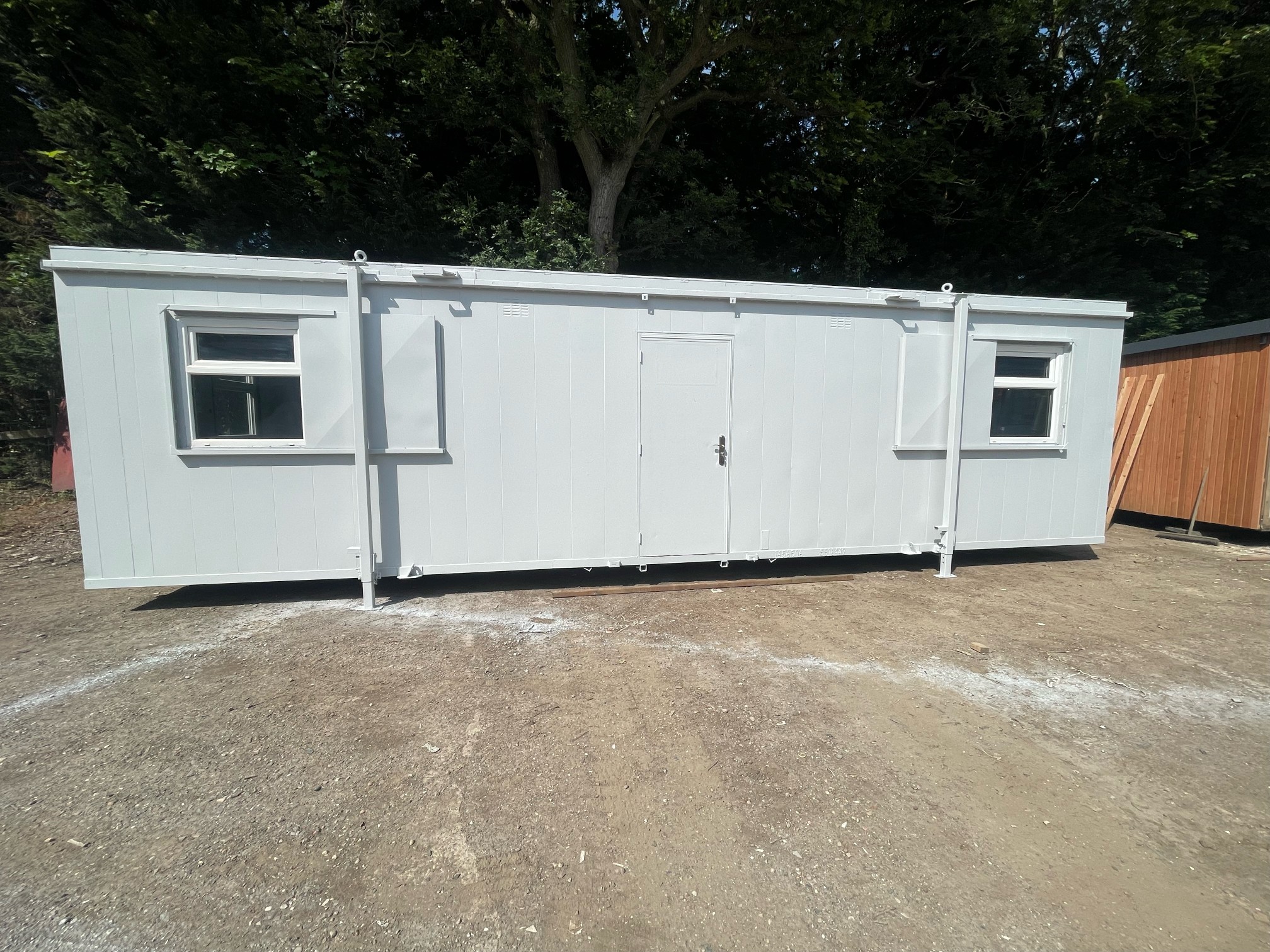
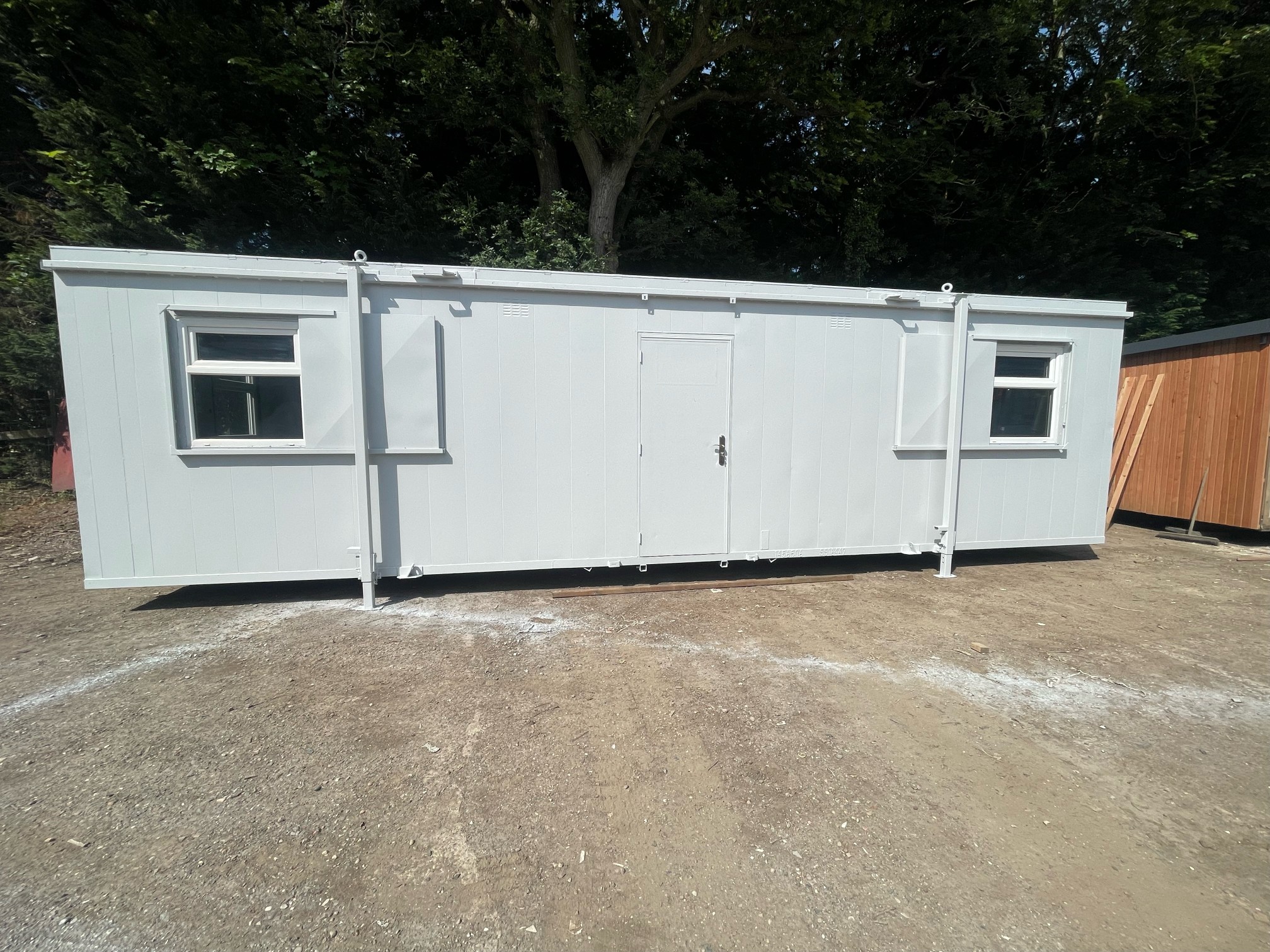
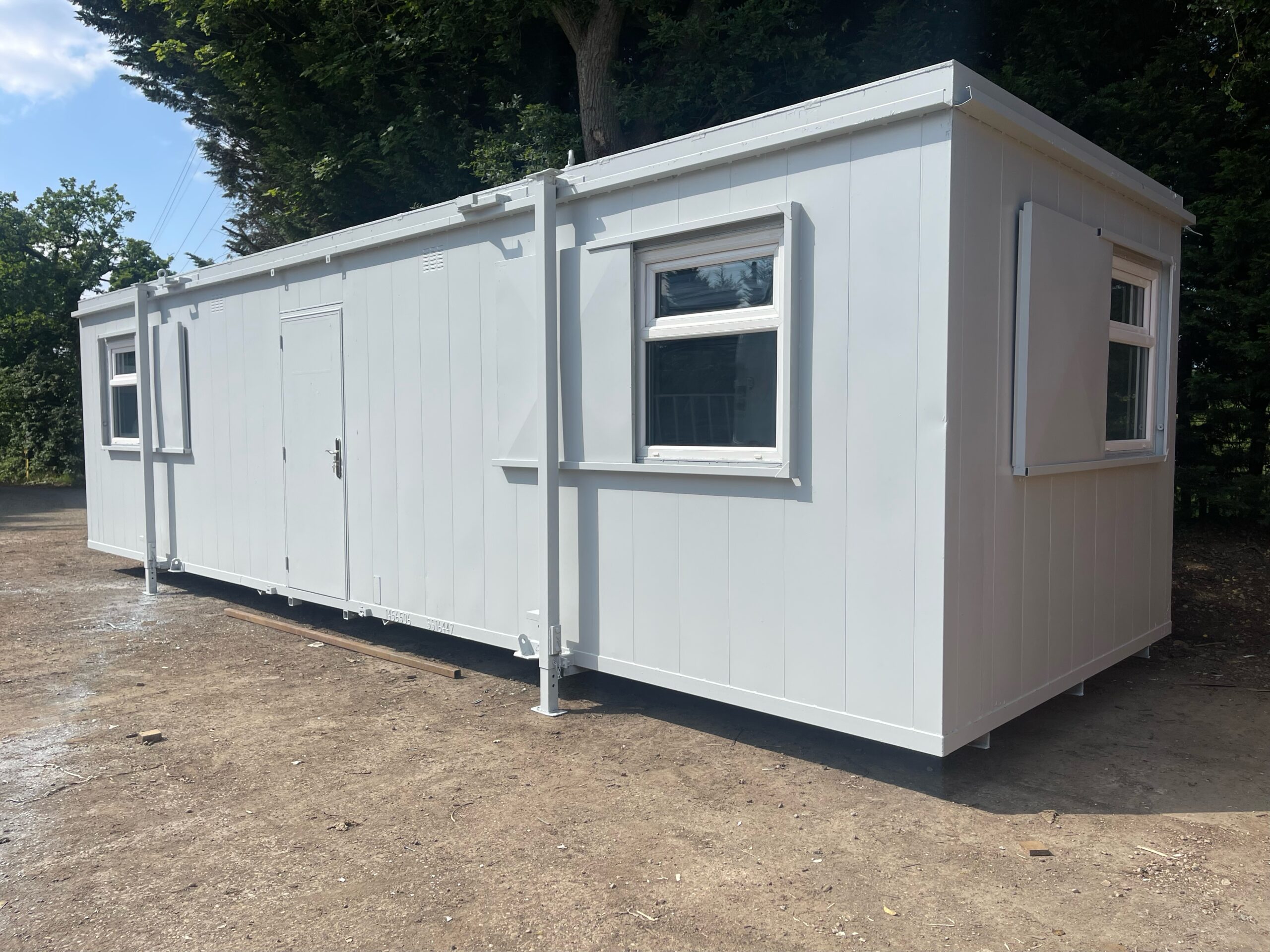
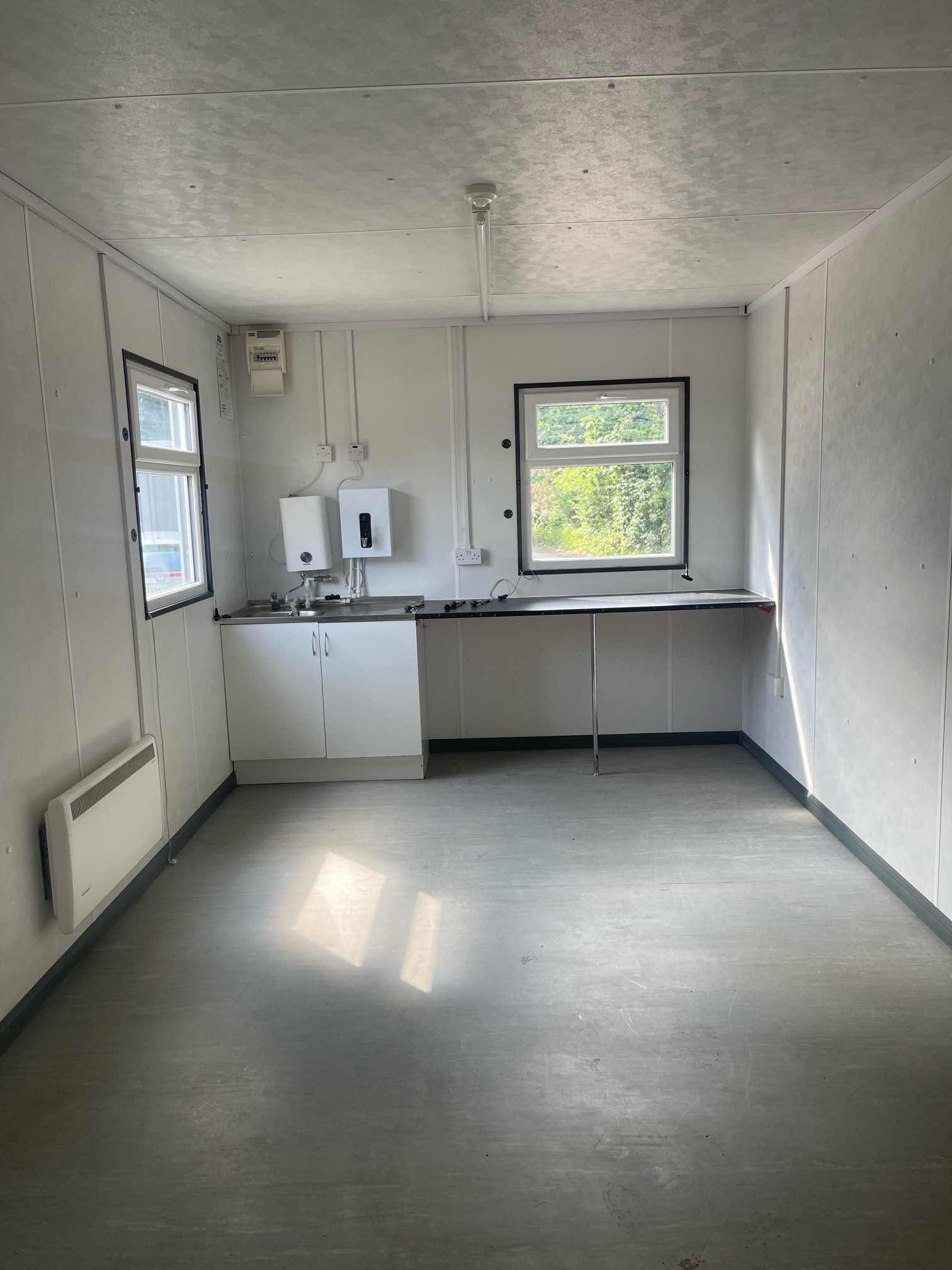
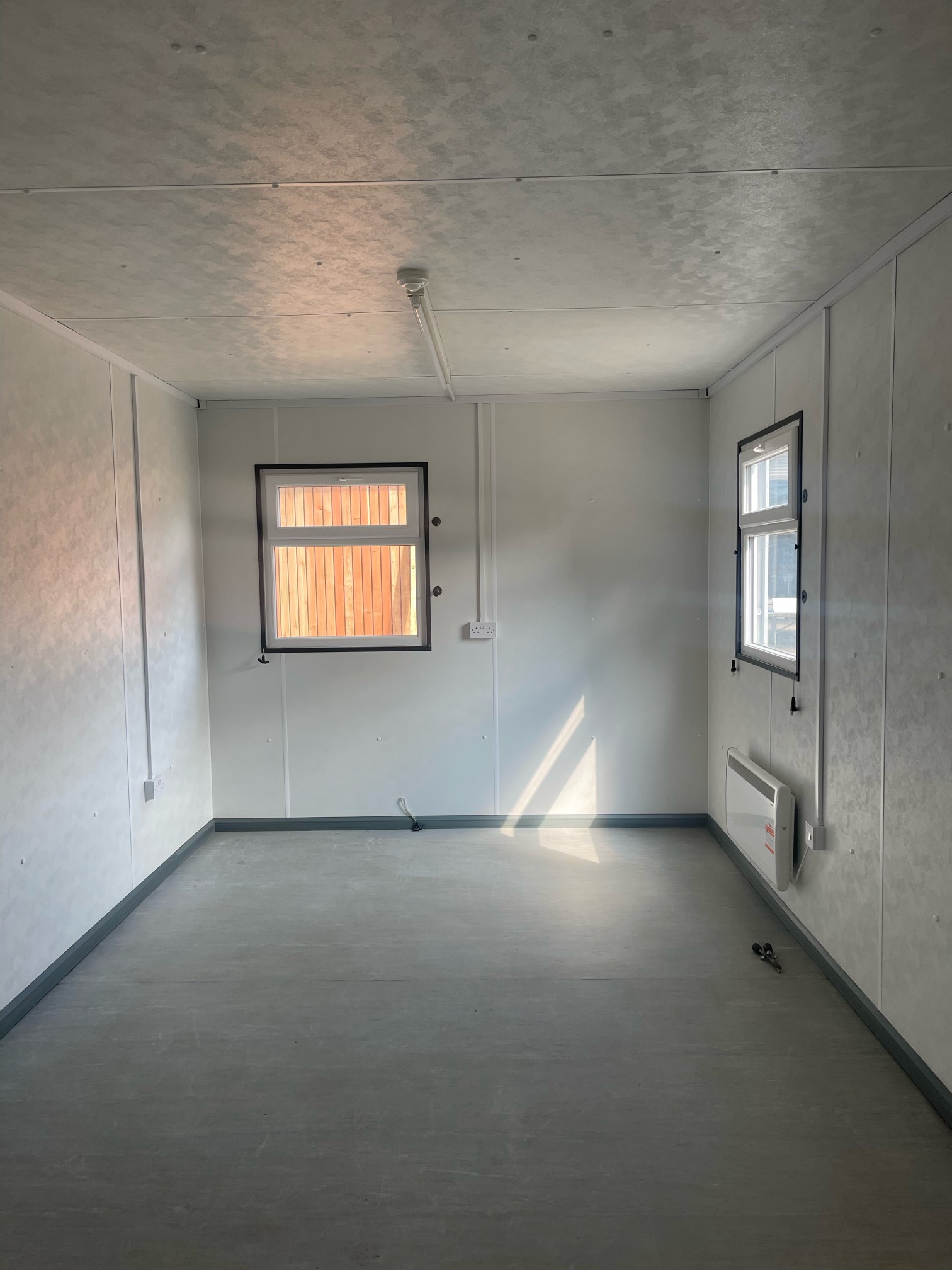
Location: Nationwide
Not Available for Hire
We can deliver for a cost please ask and send us post code.
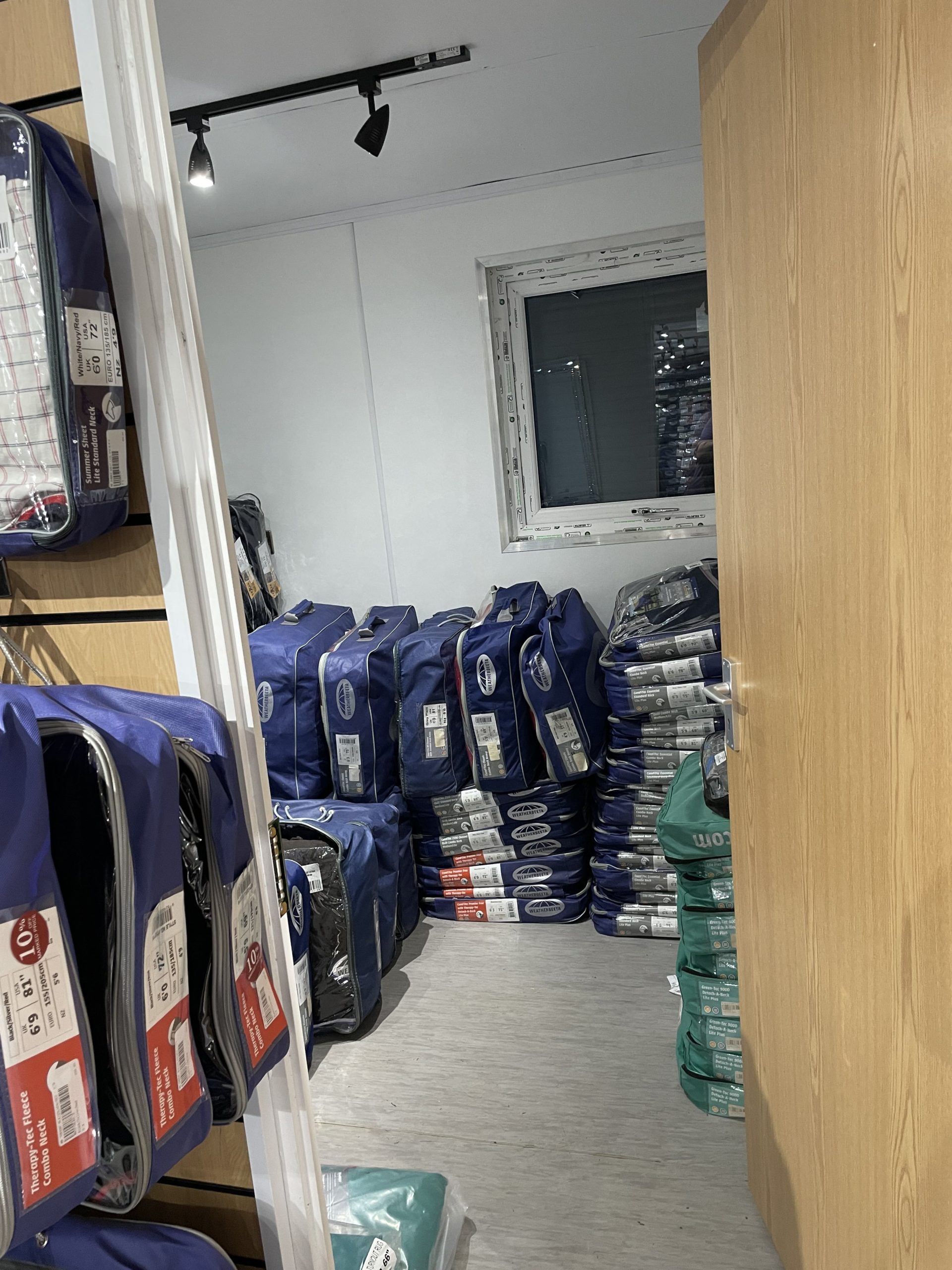
Hallway leading into:
Transport can be arranged please ask.
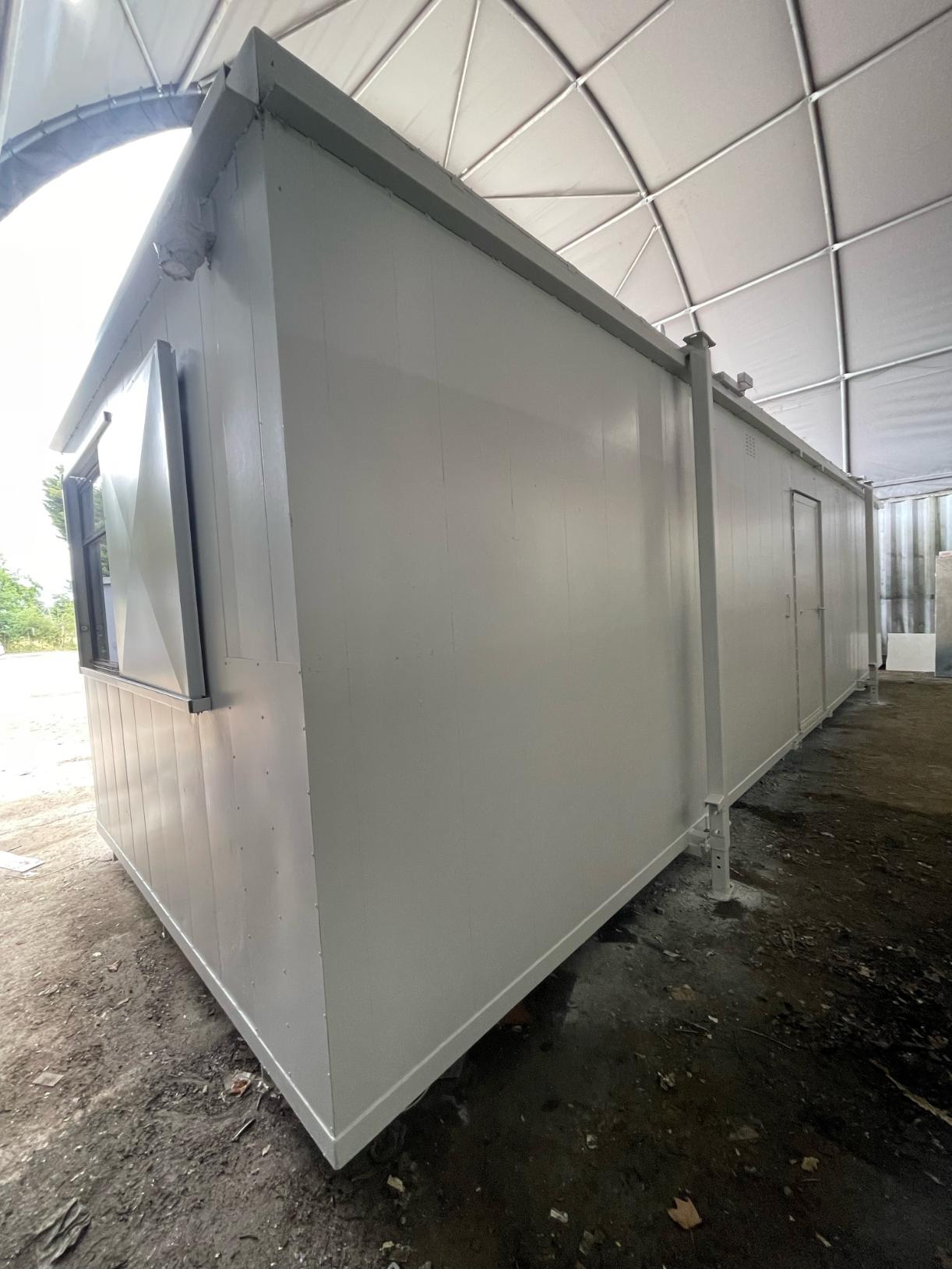
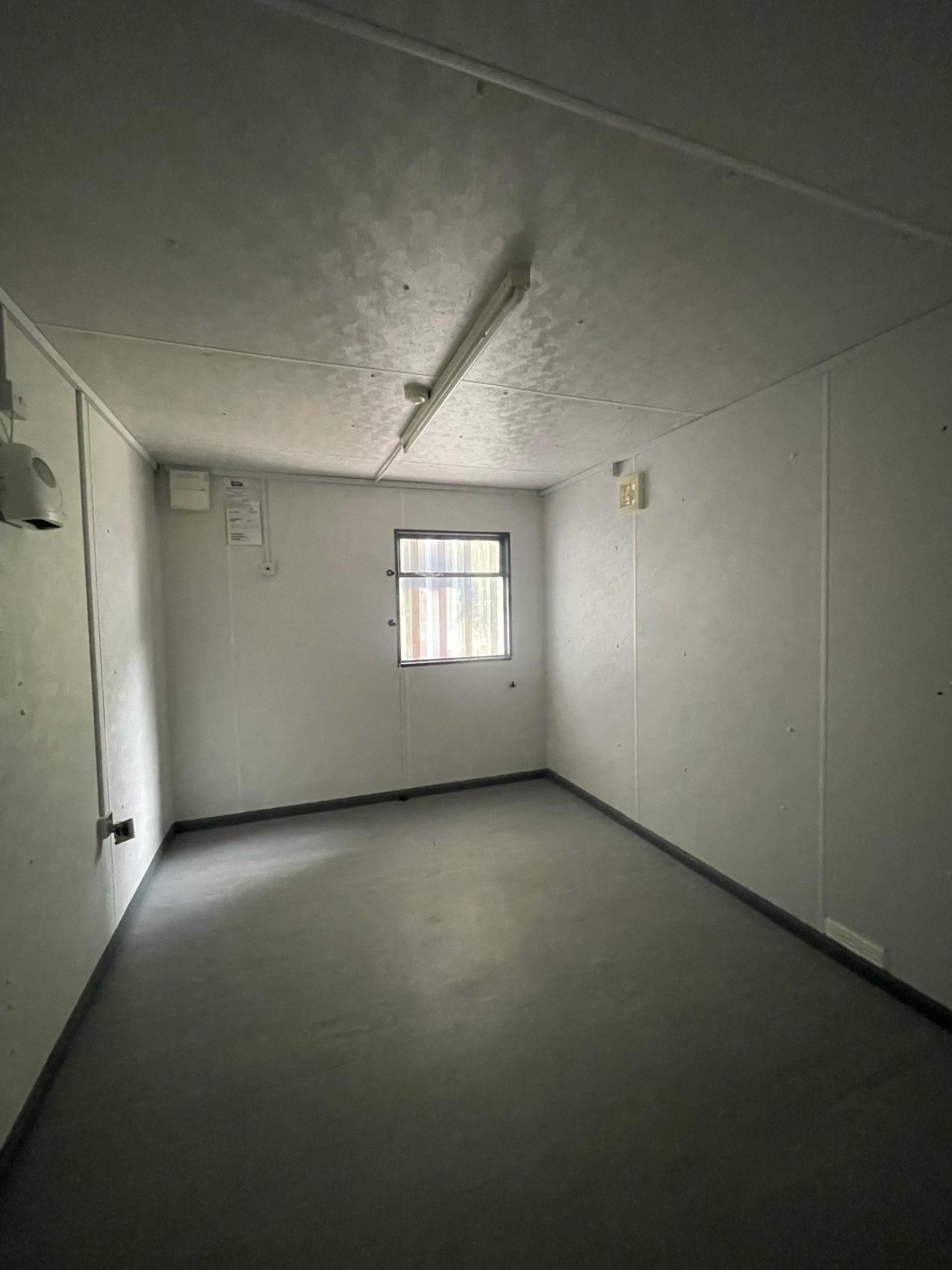
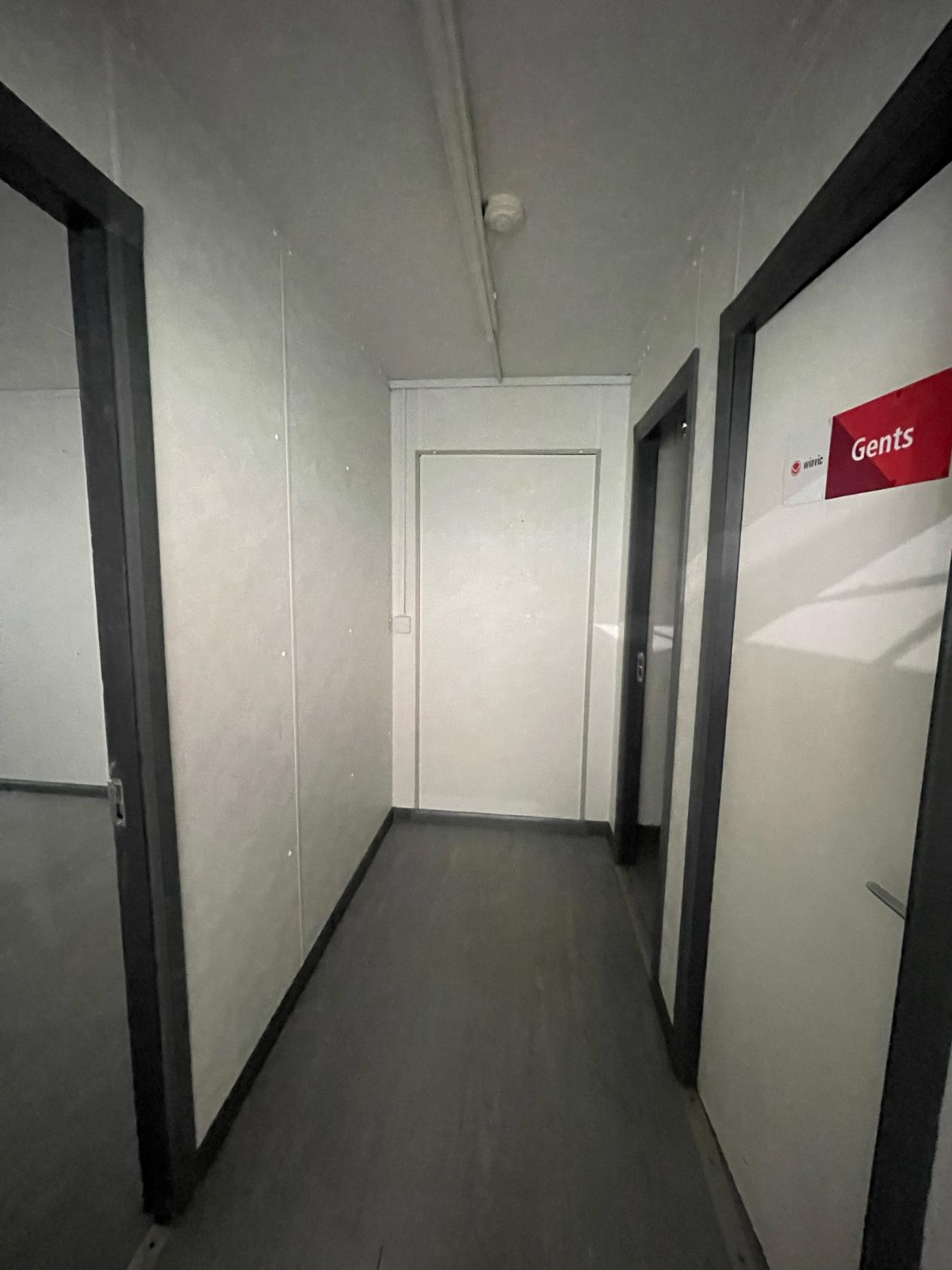
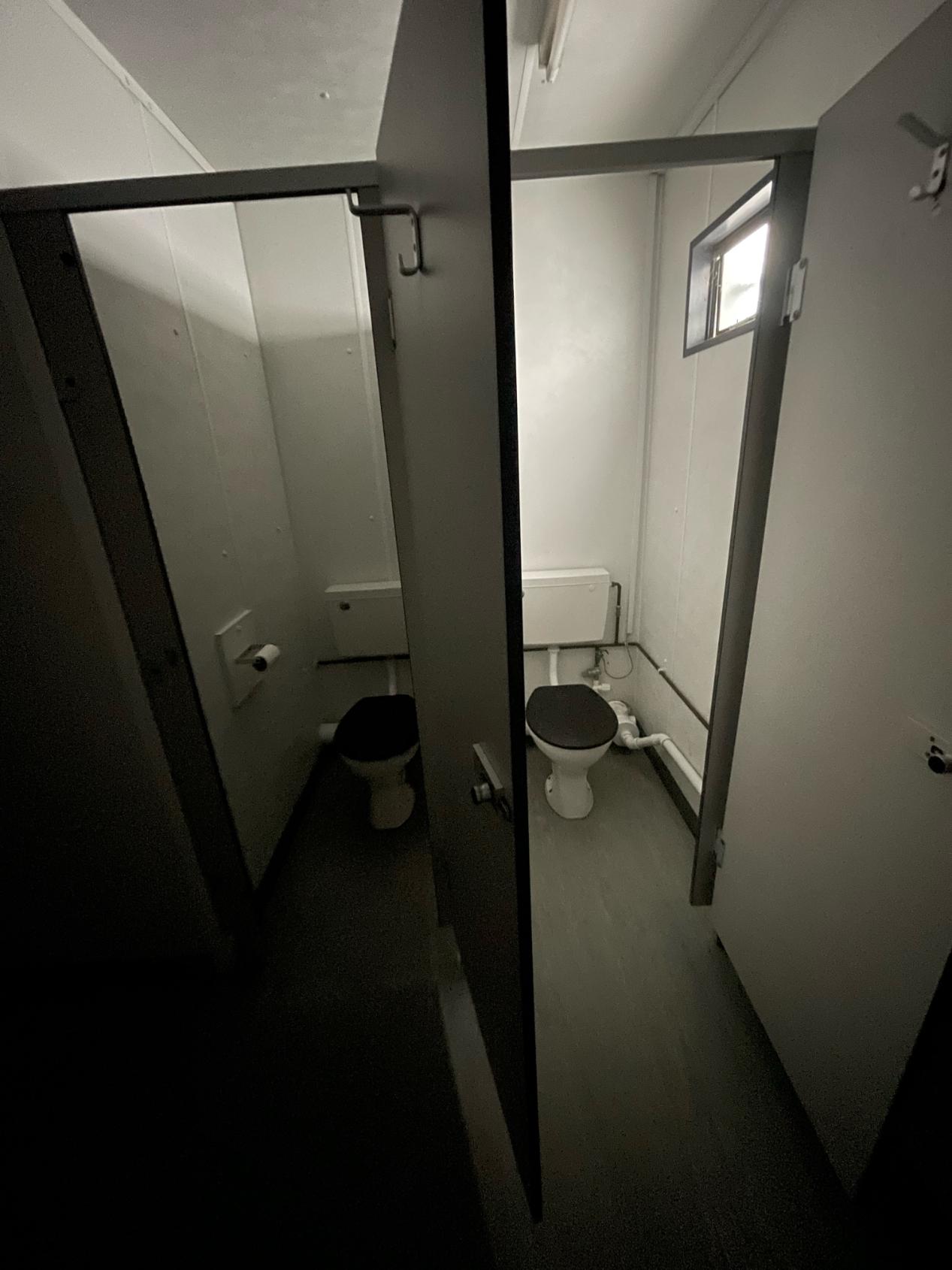
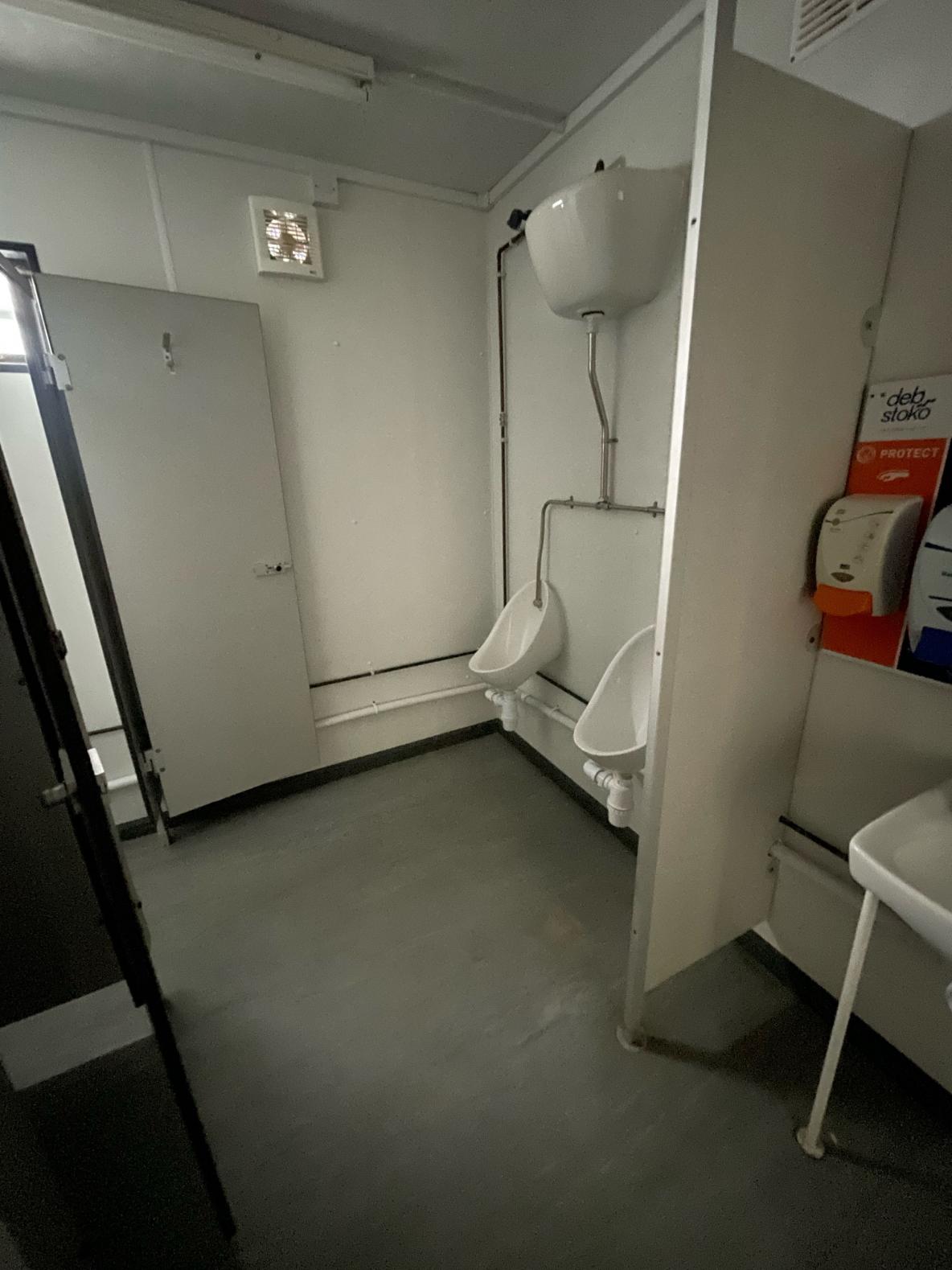
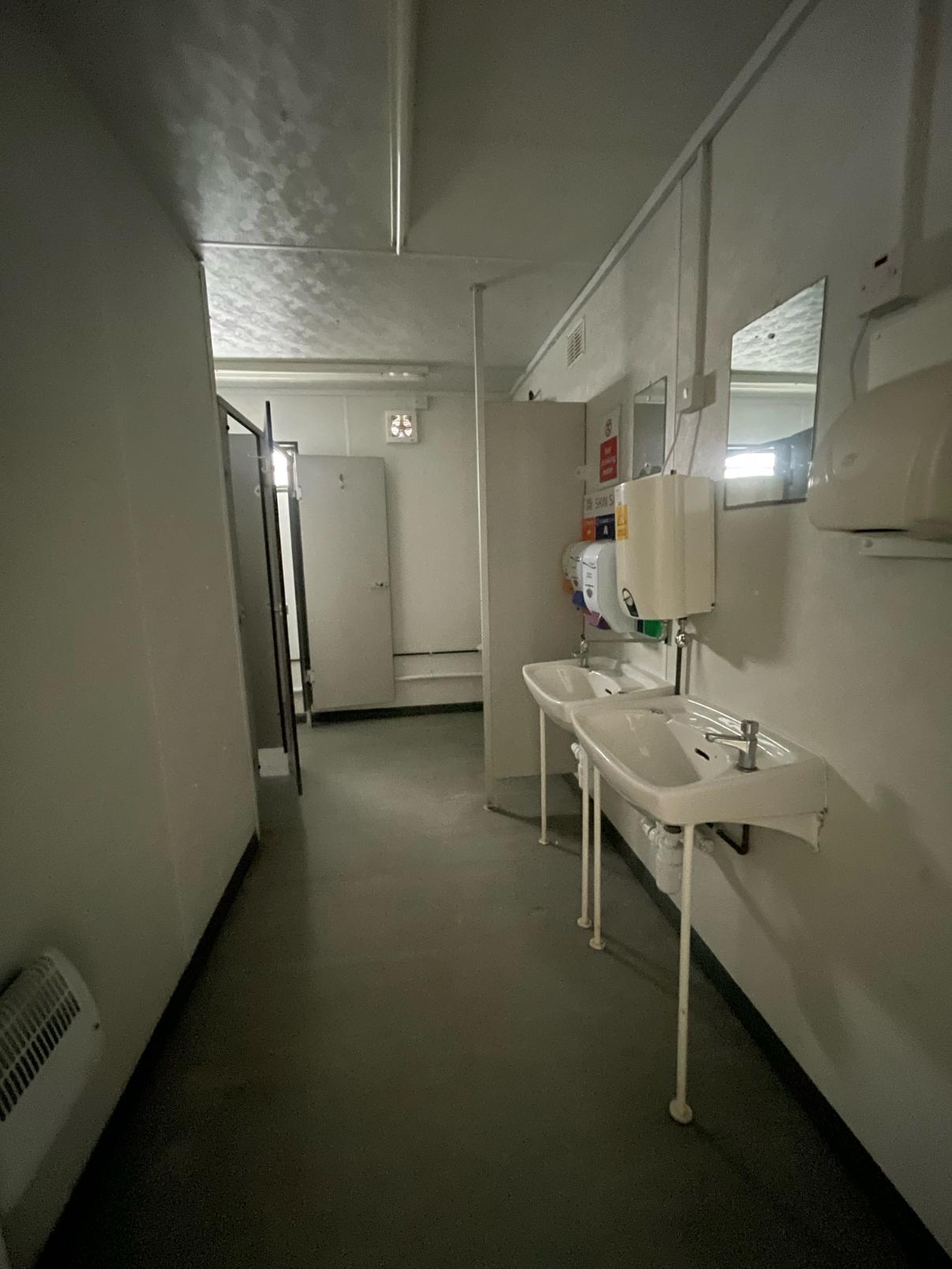
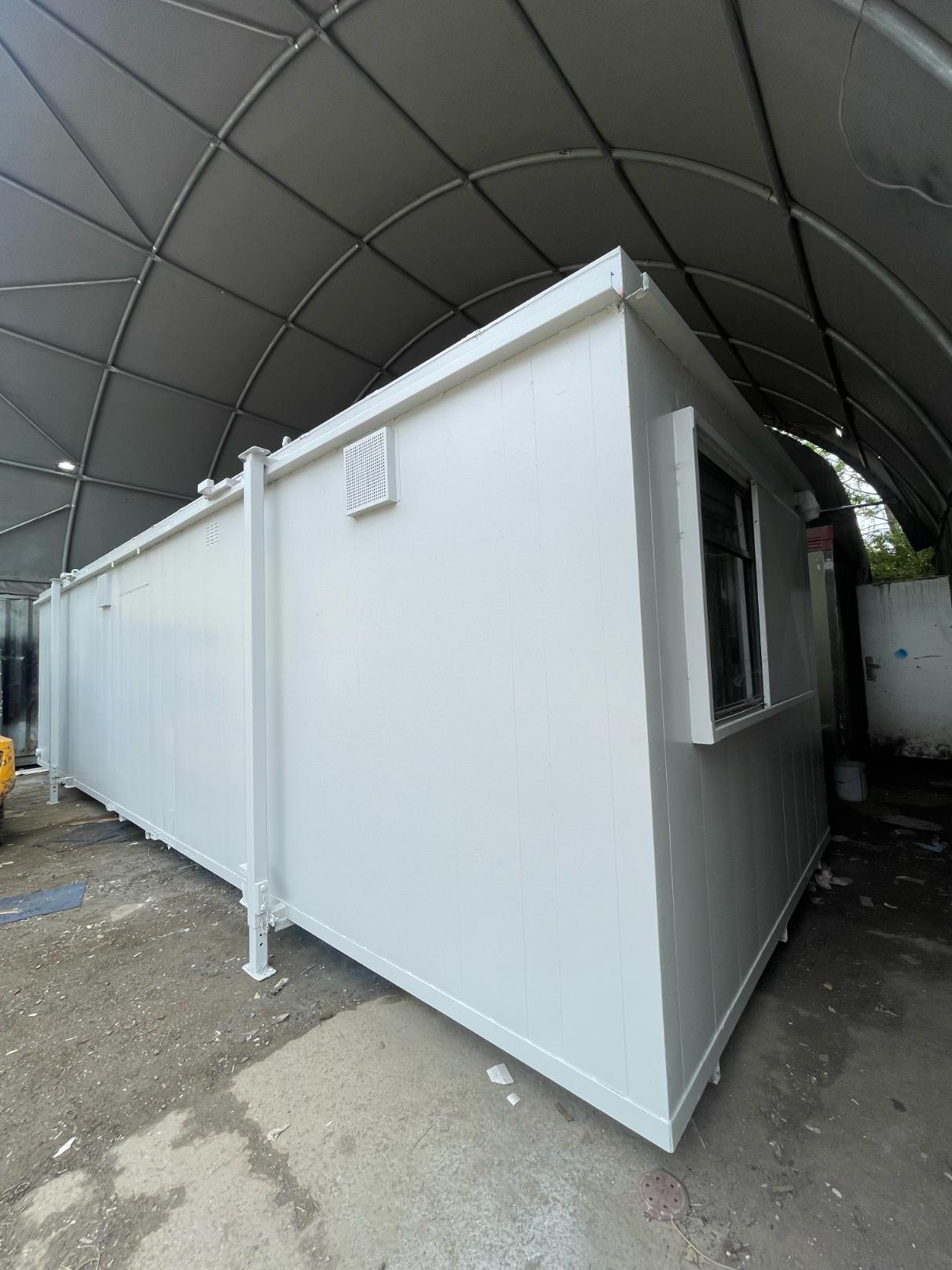
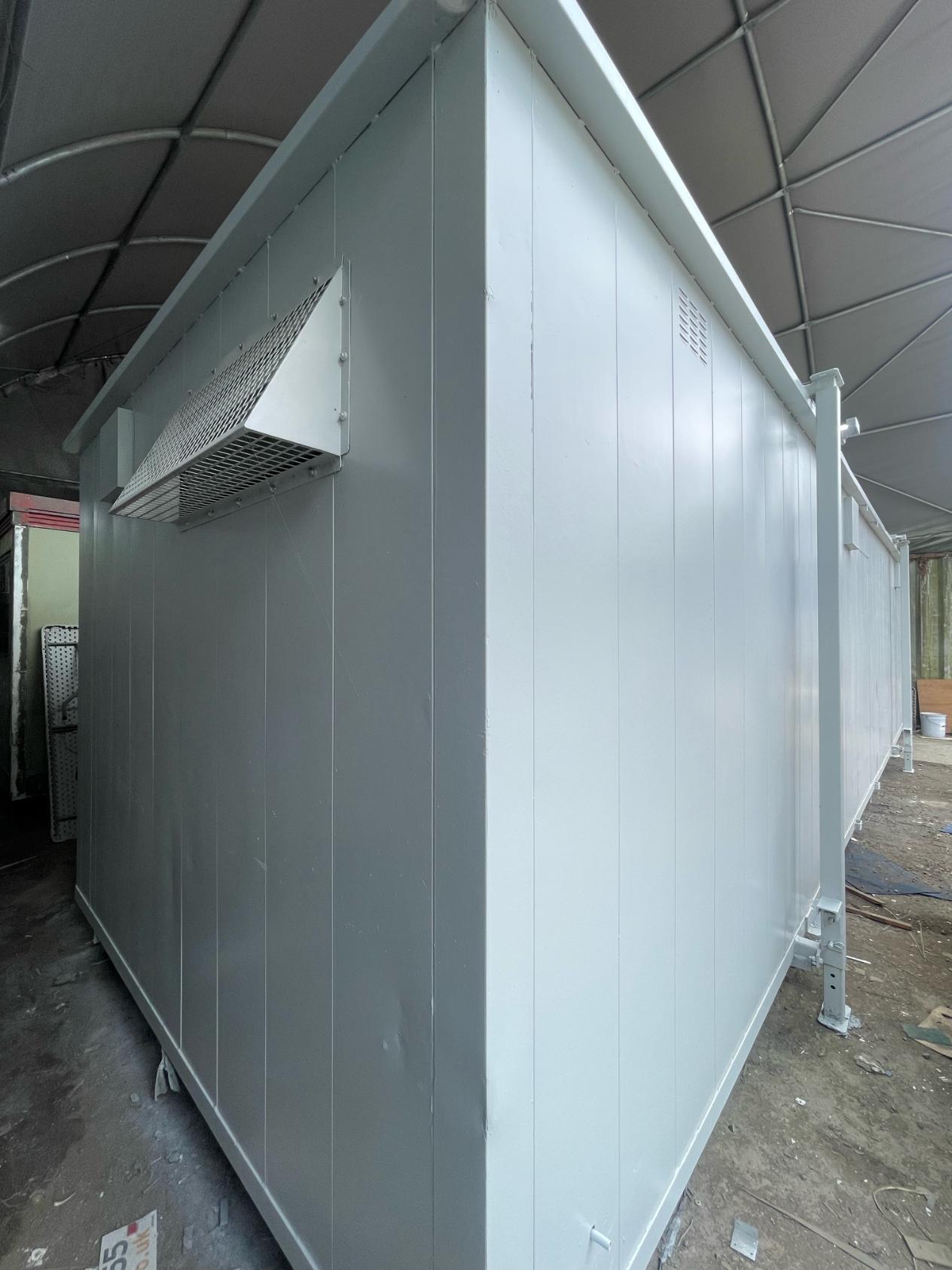
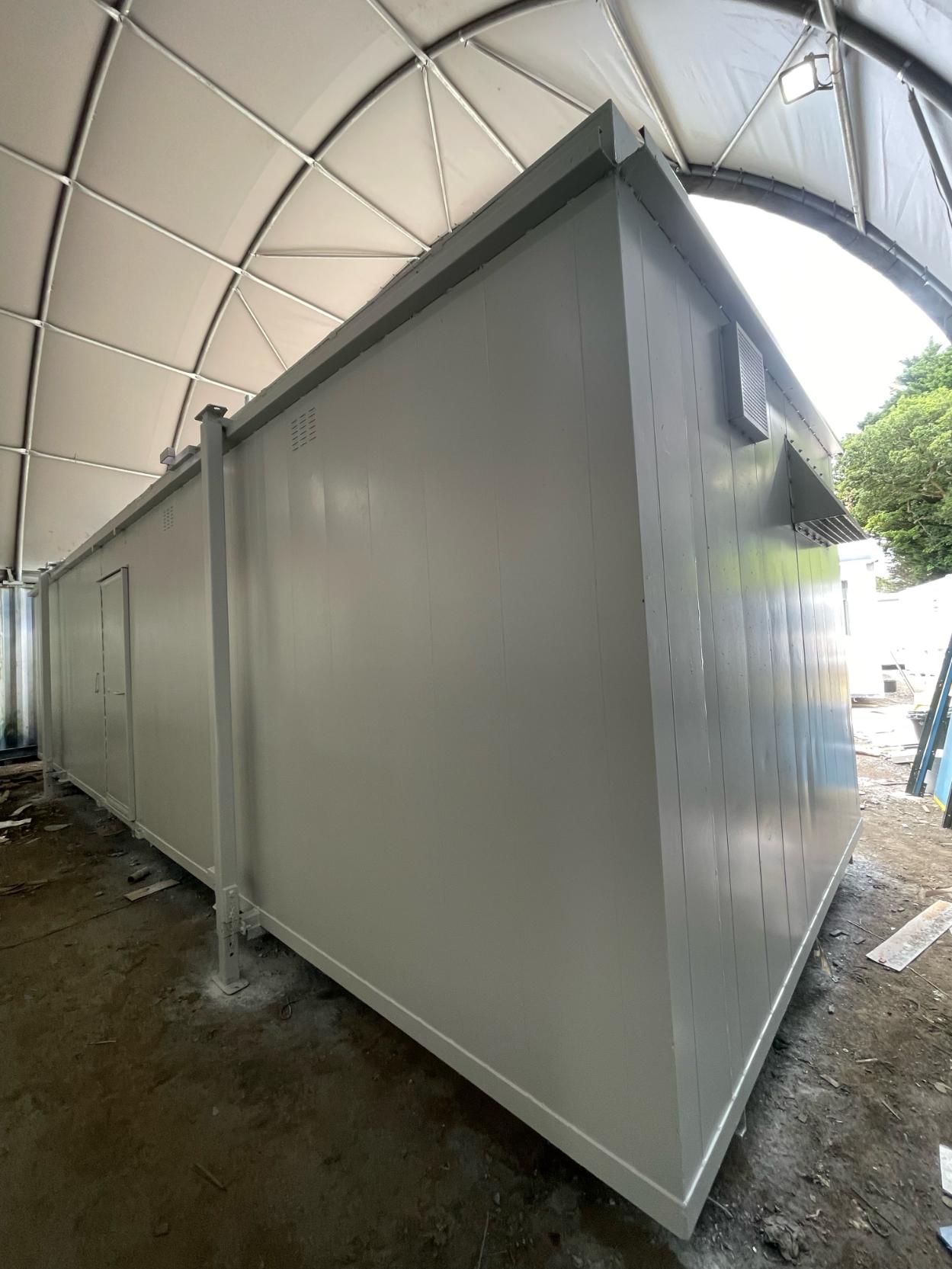
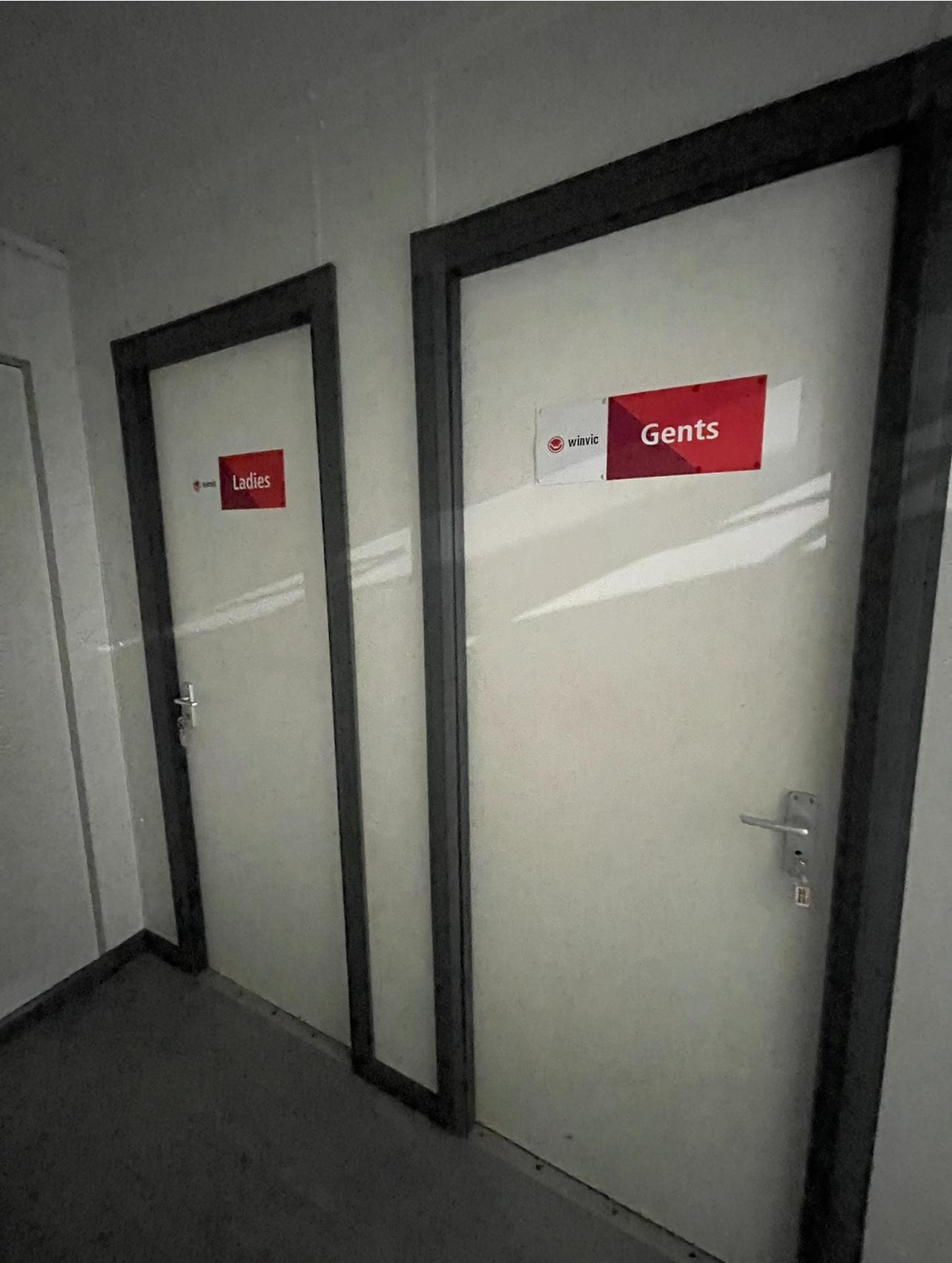
Location: Nationwide
Not Available for Hire
Call for an instant quote!
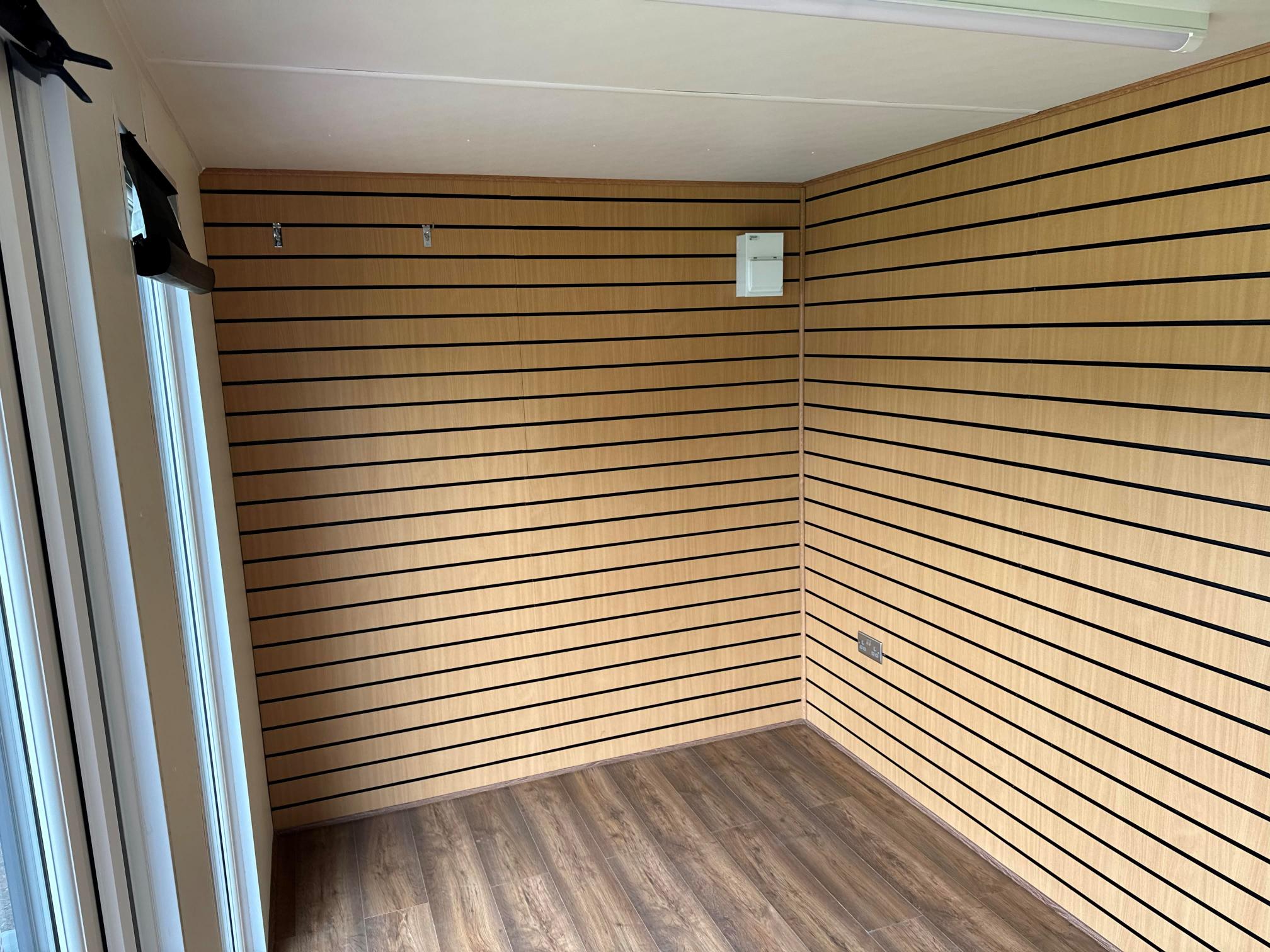
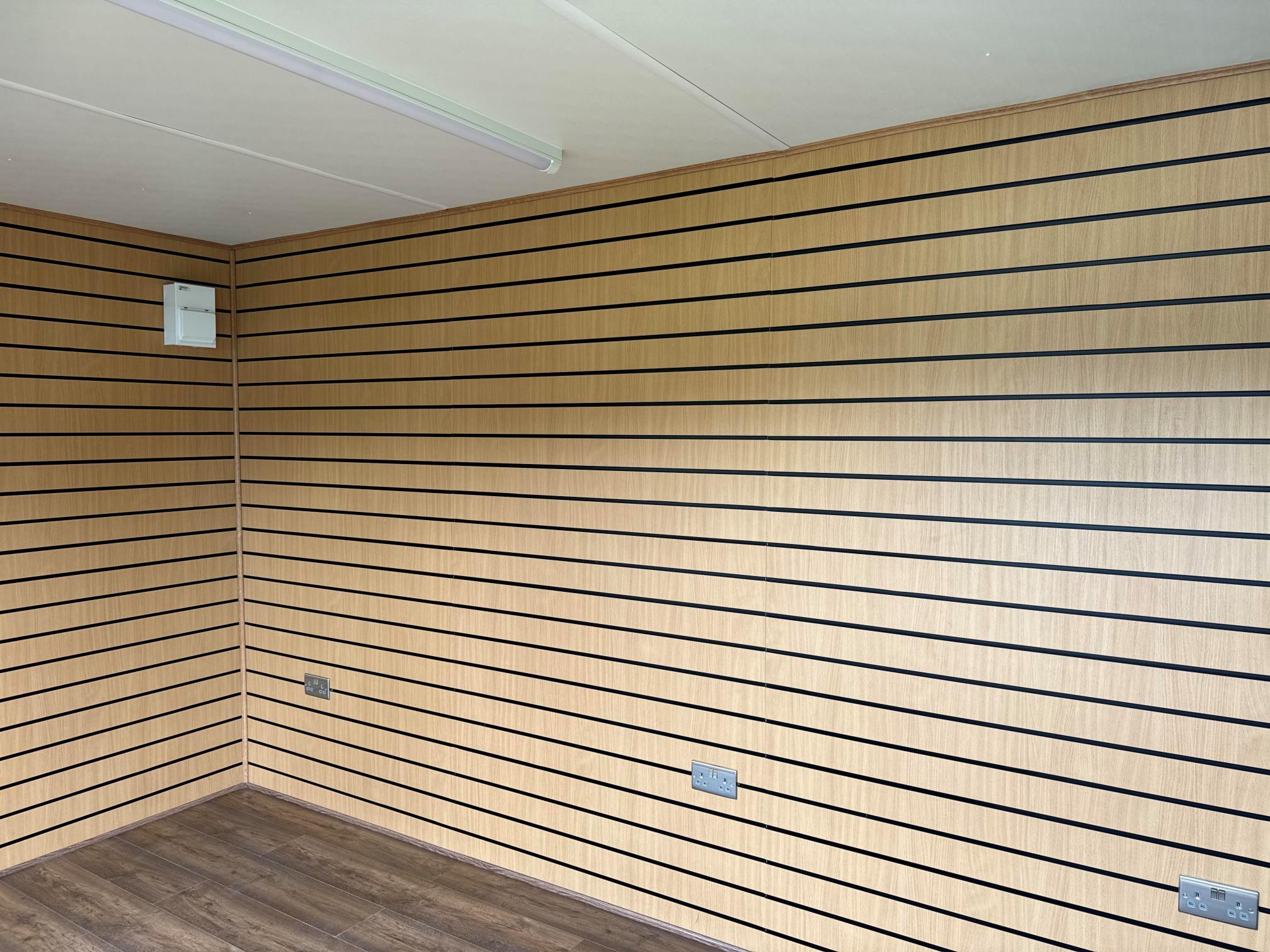
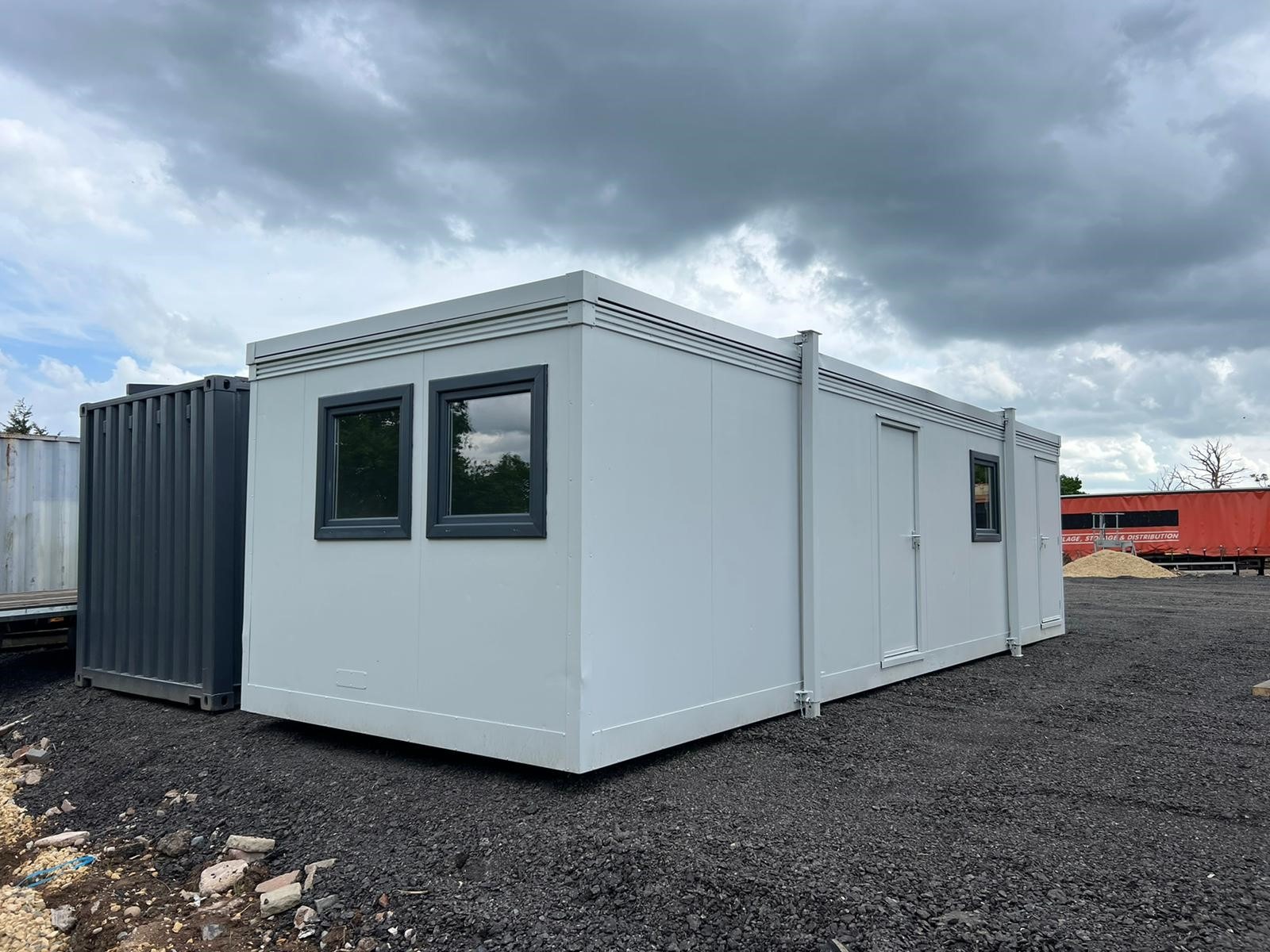
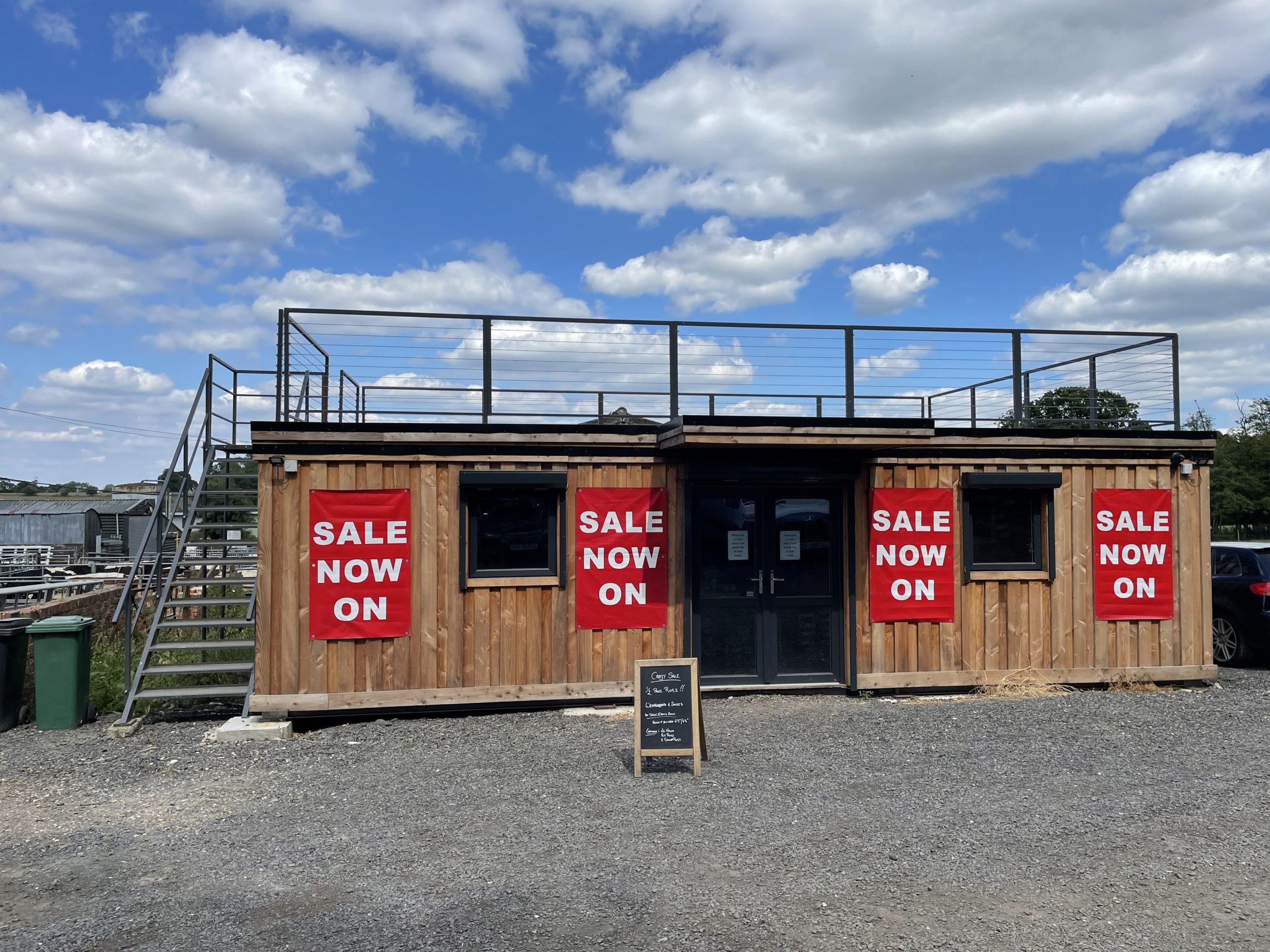
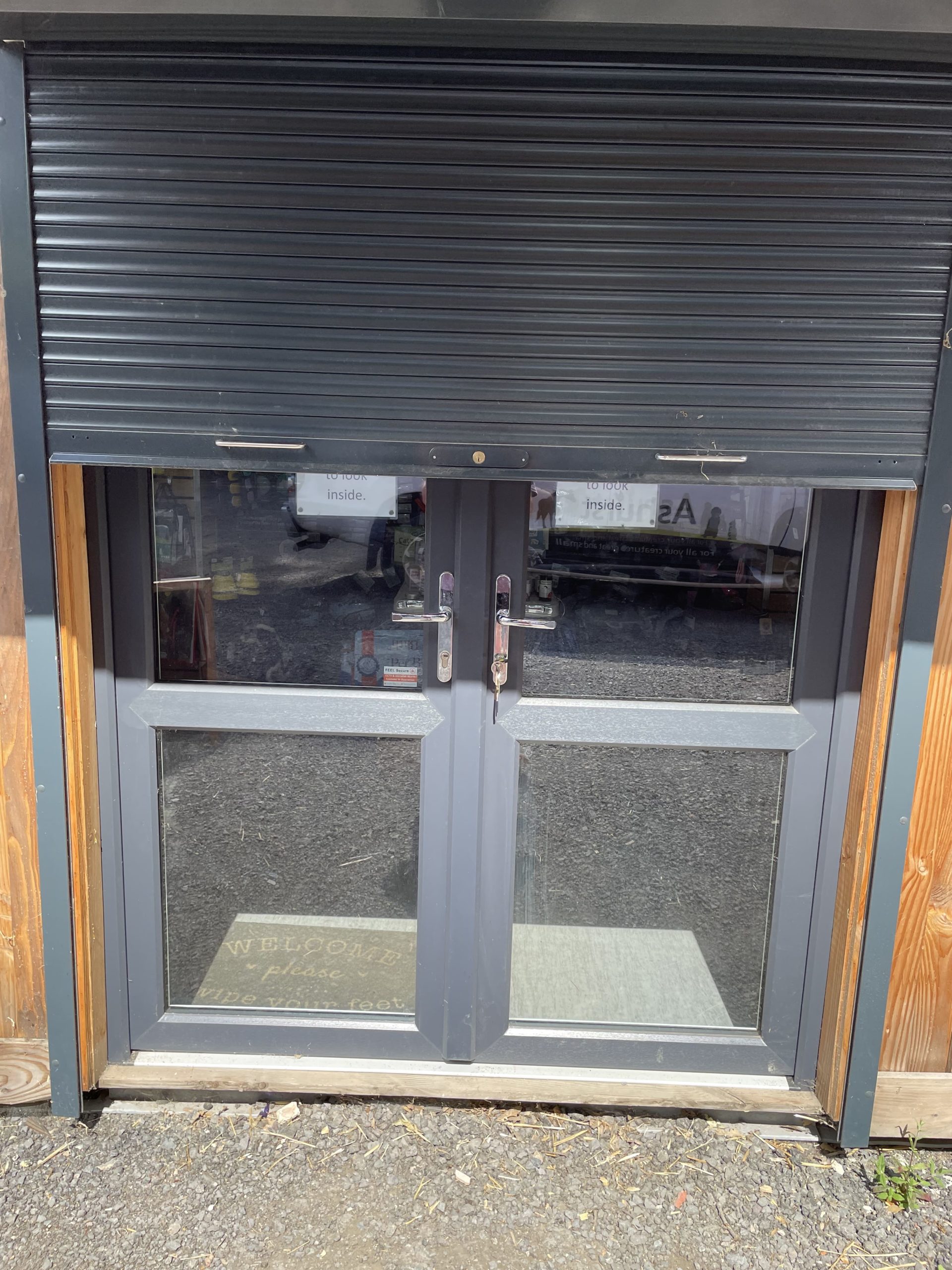
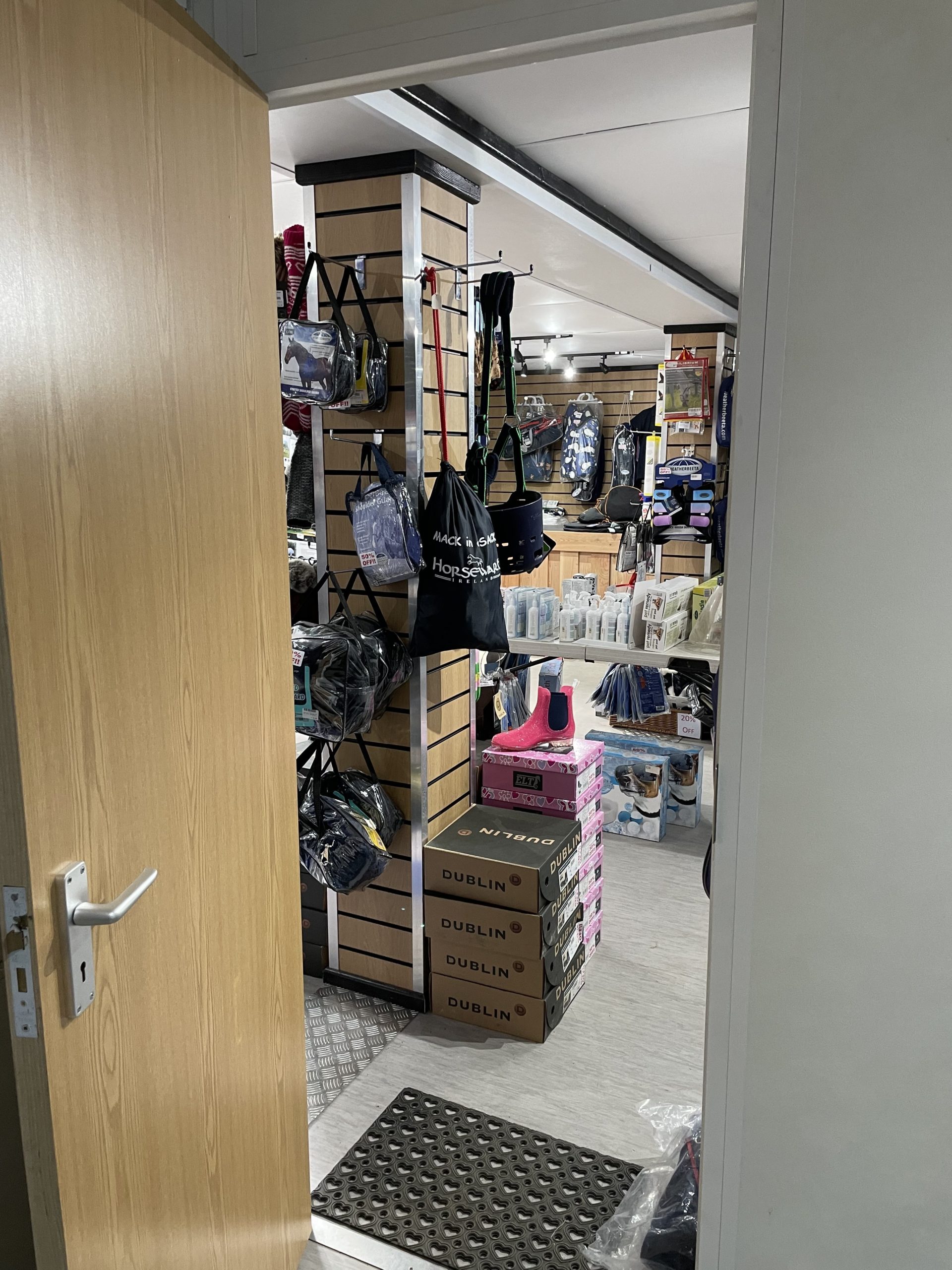
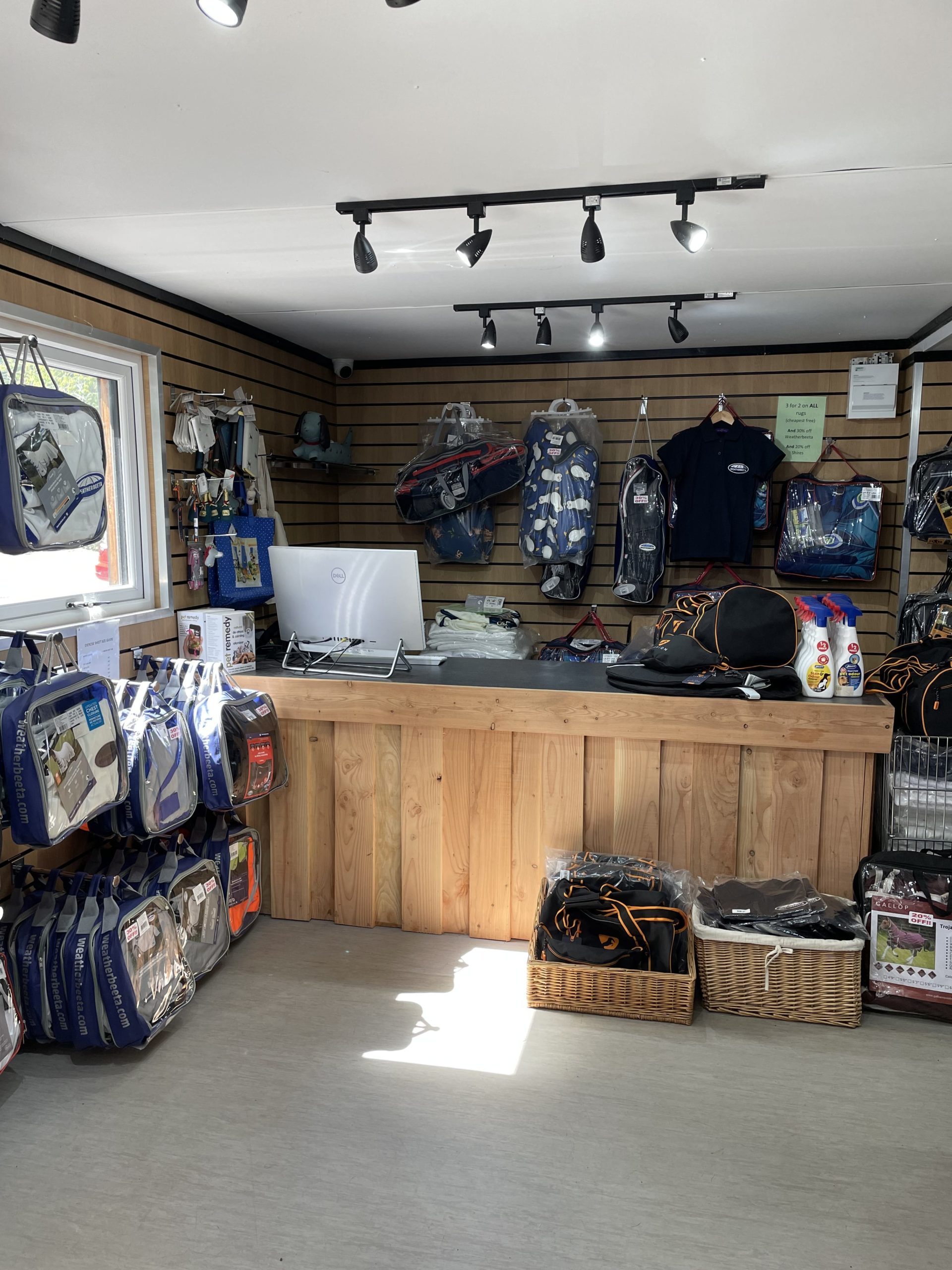
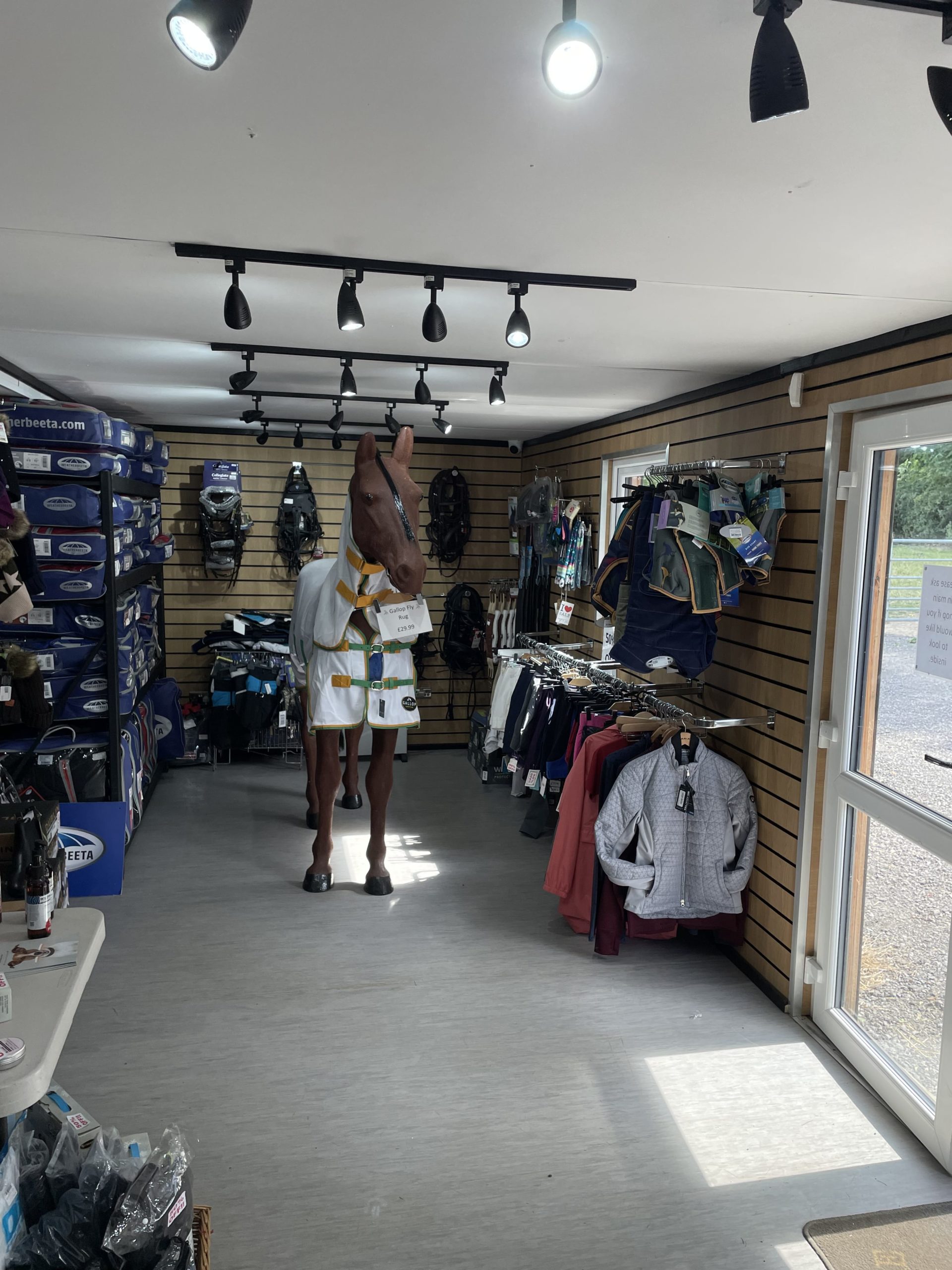
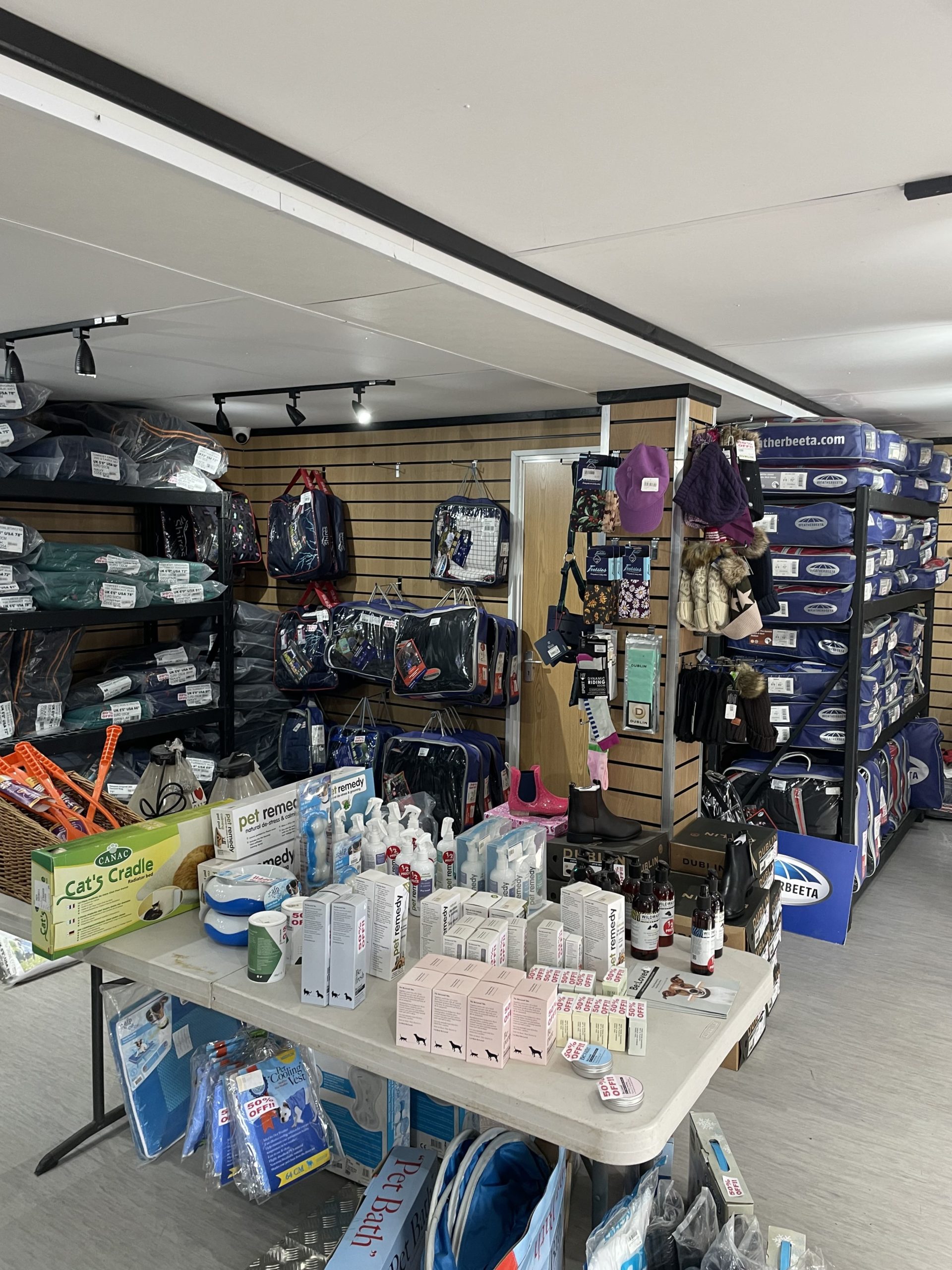
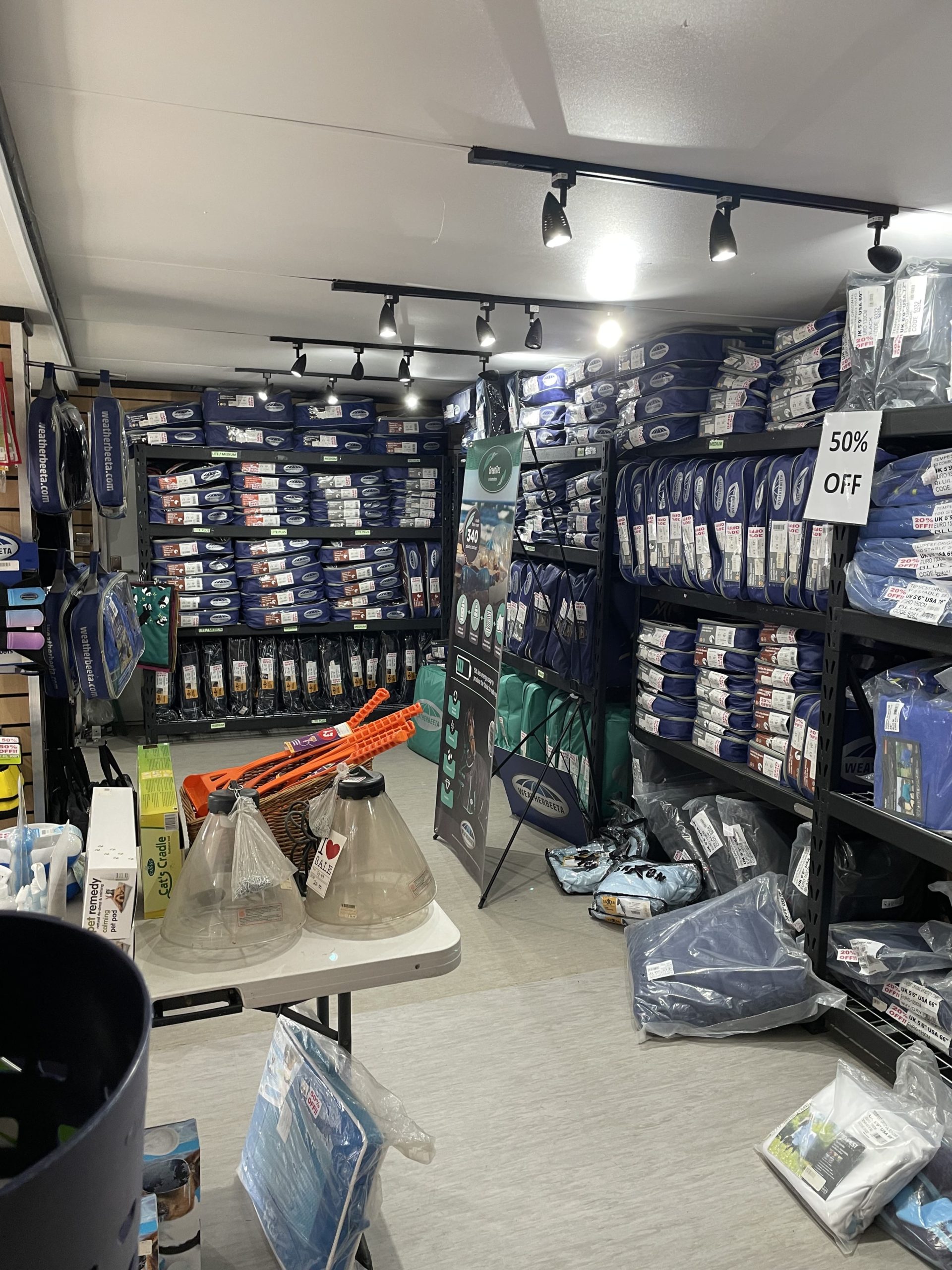
20ft x 8ft Container Conversion Retail Shop
UPVC Double glazed Windows + French Doors
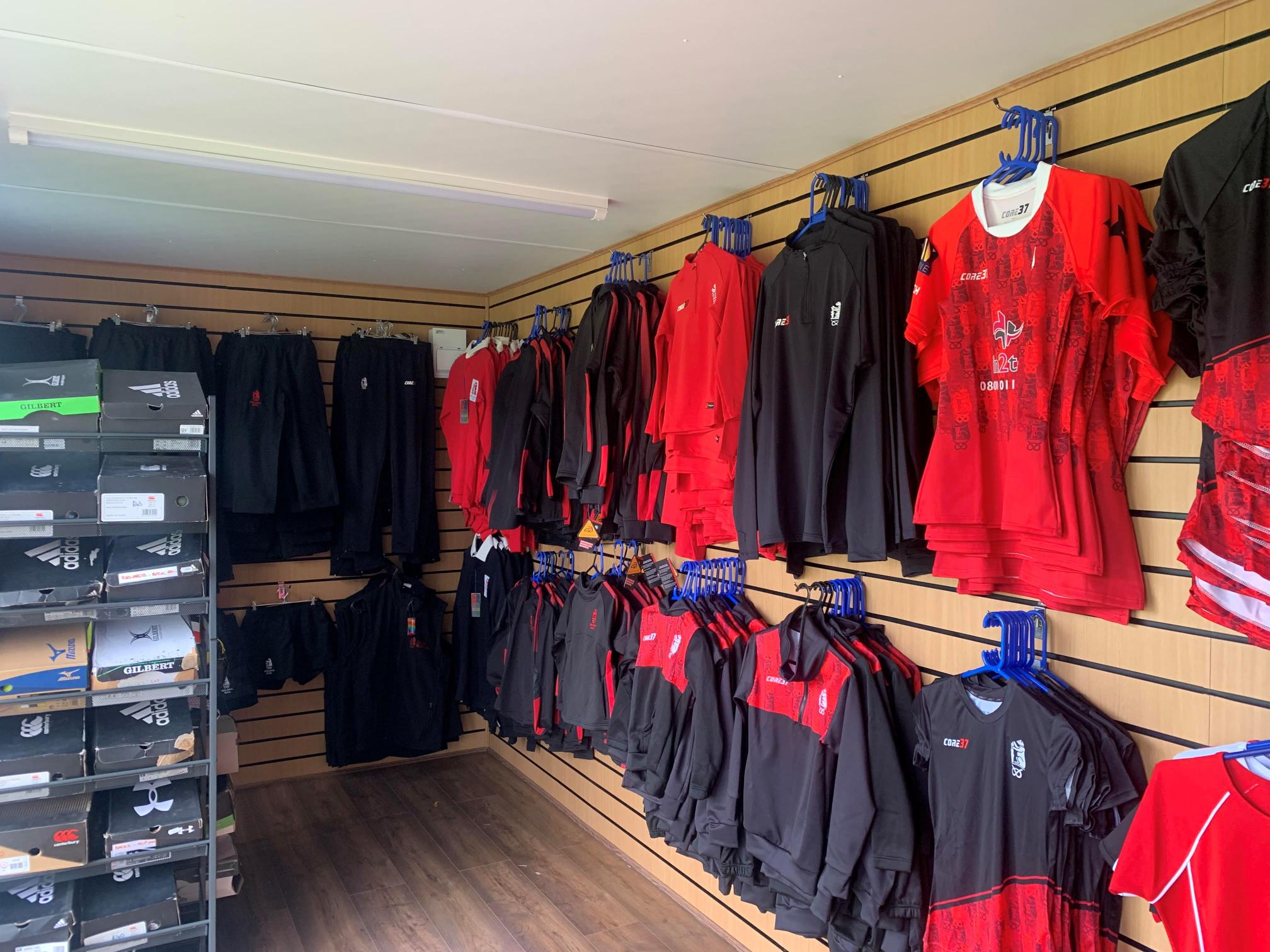
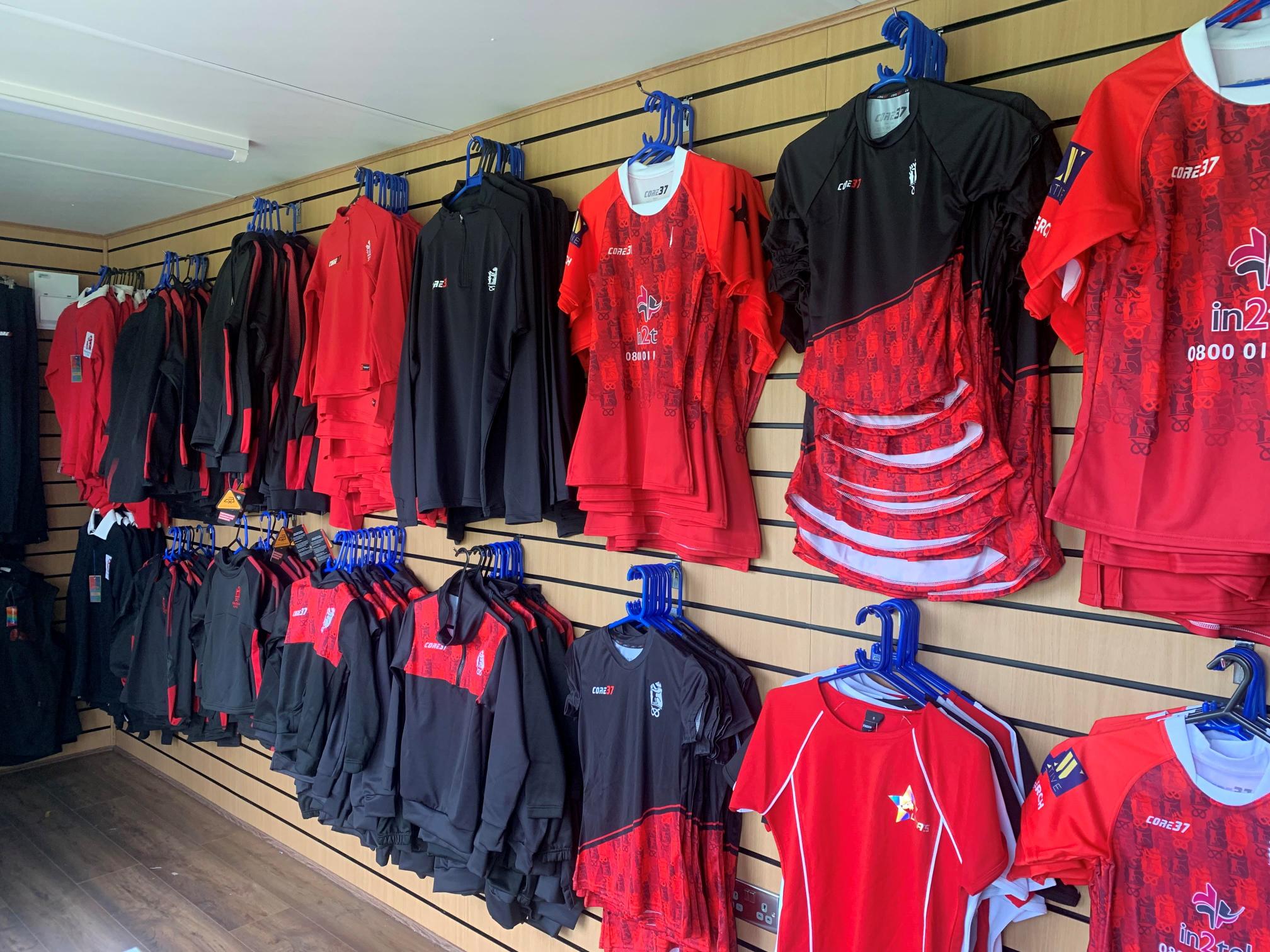
Slat Wall for retail fixings and Merchandise
Electric Chrome Sockets, led lighting and heating.
Laminate Flooring
12 months Warranty
Maintenance call out package included
Less than 2 years old
Still in Brand New Condition
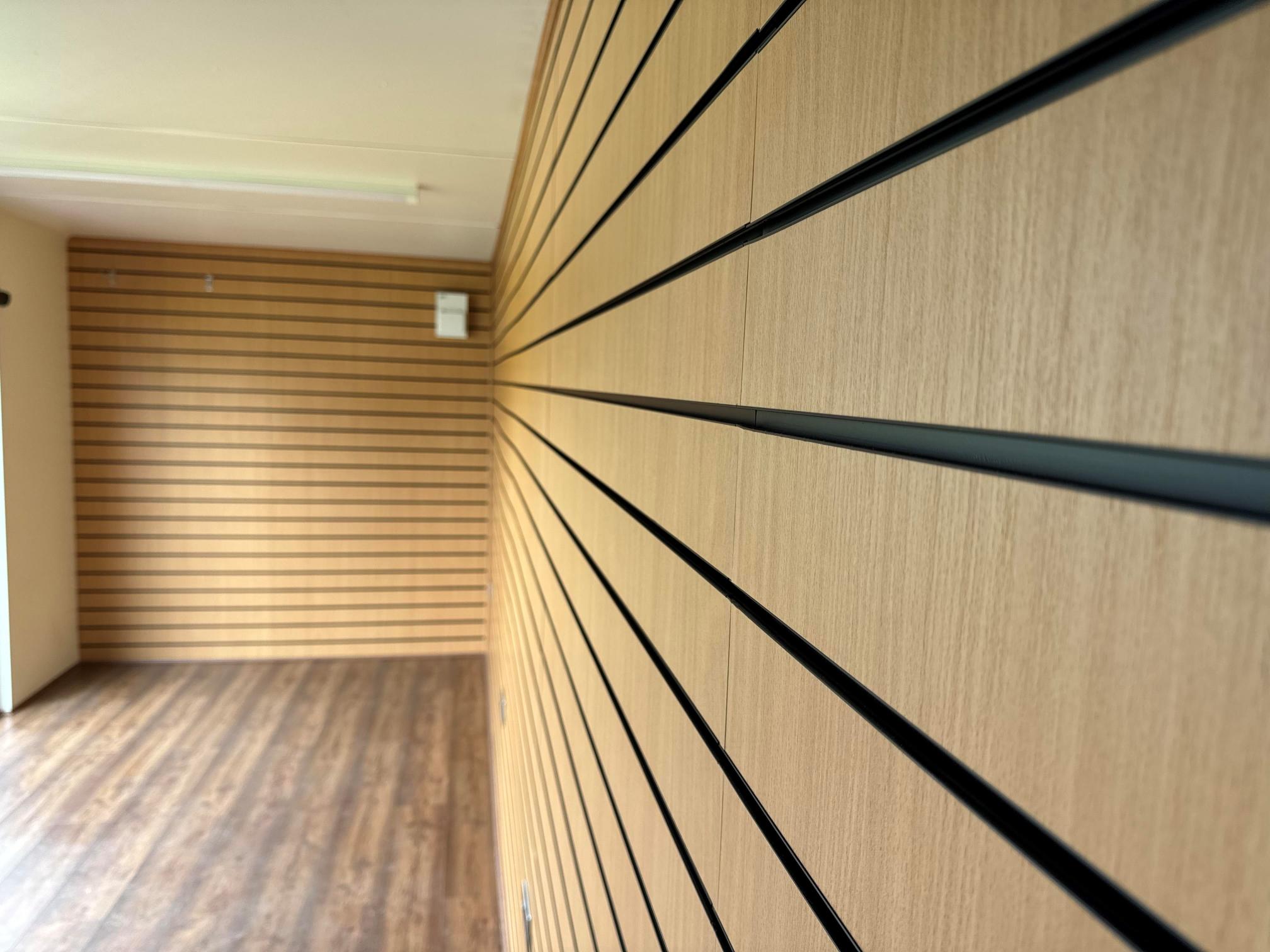
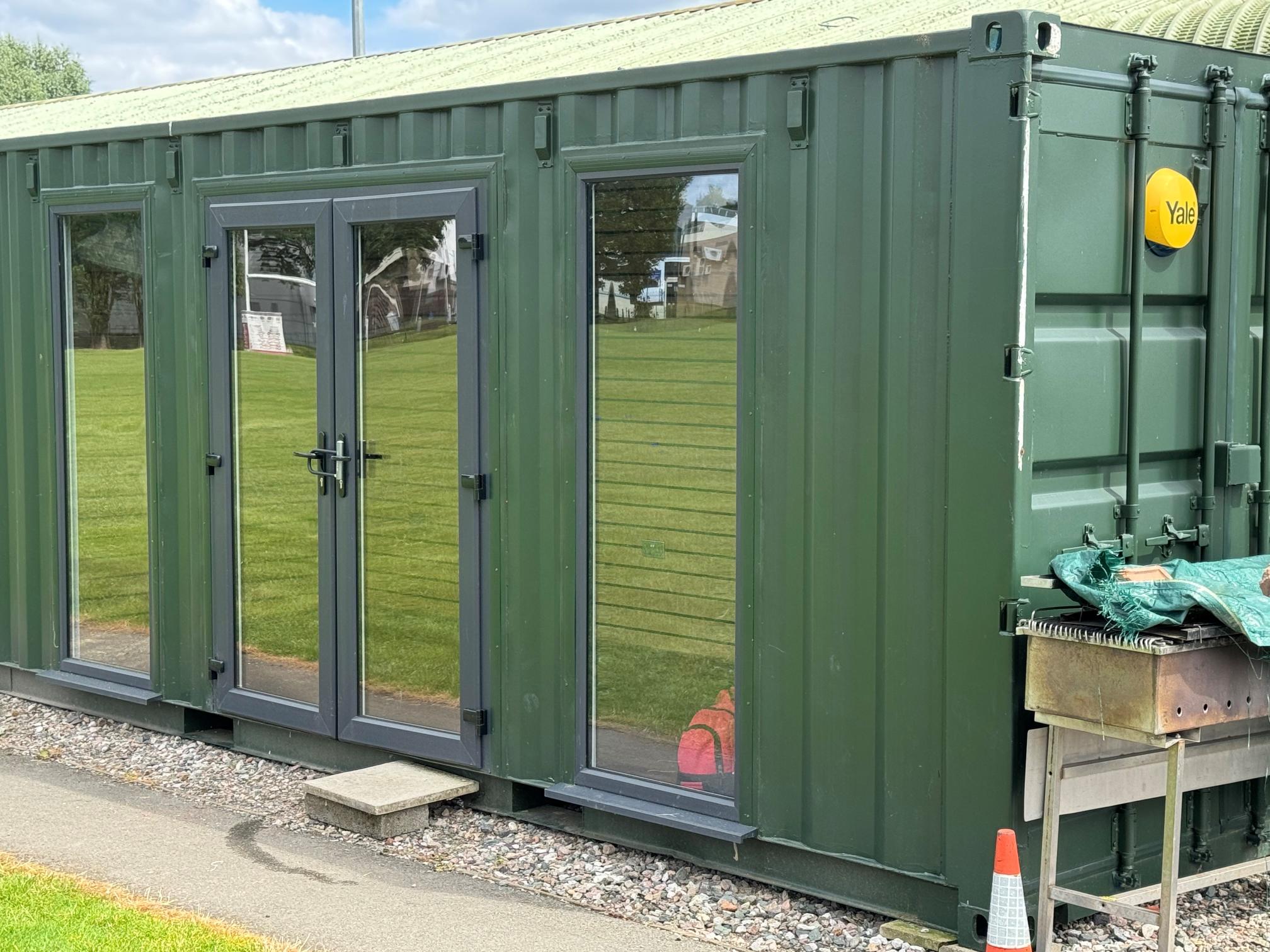
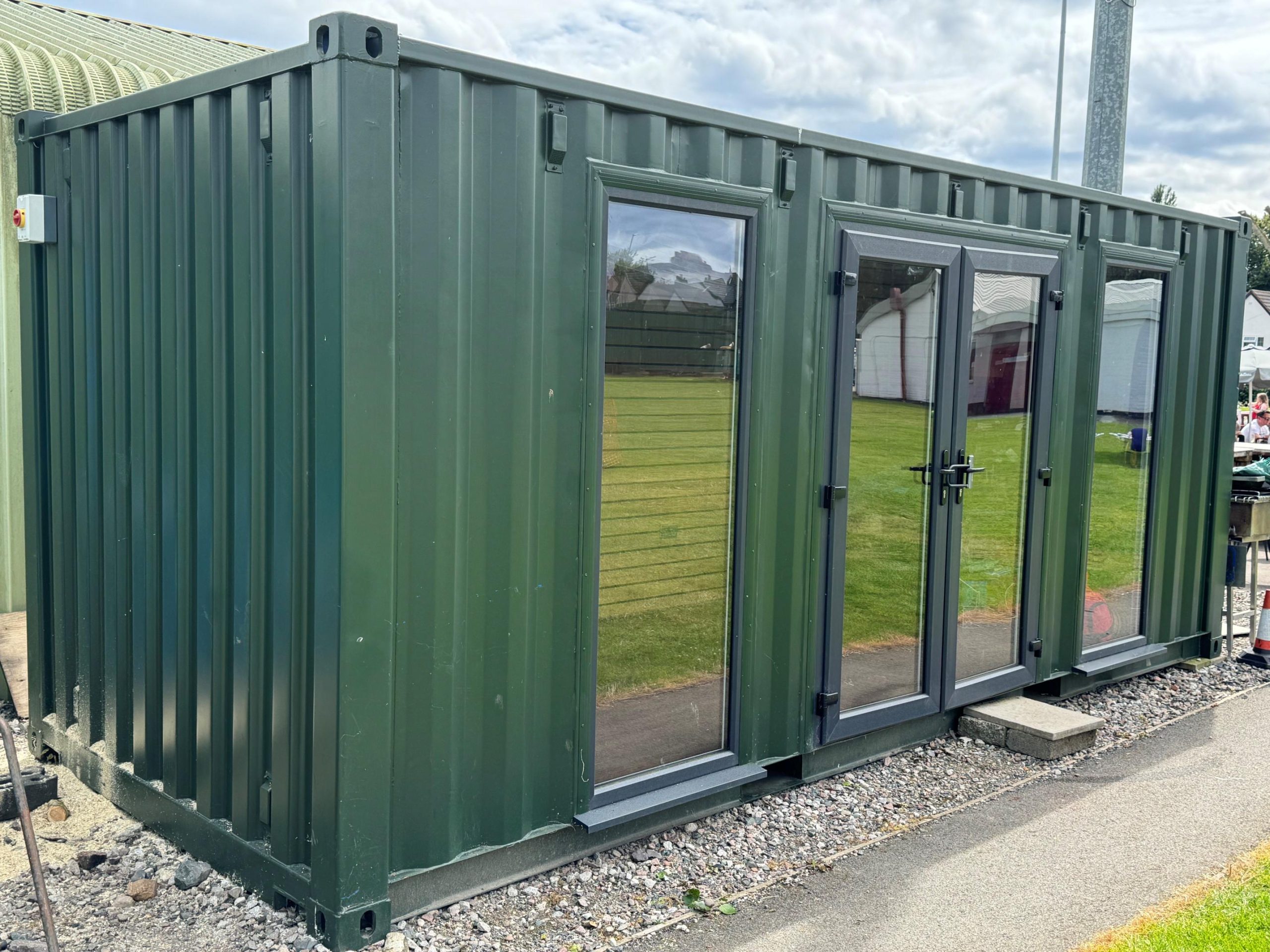
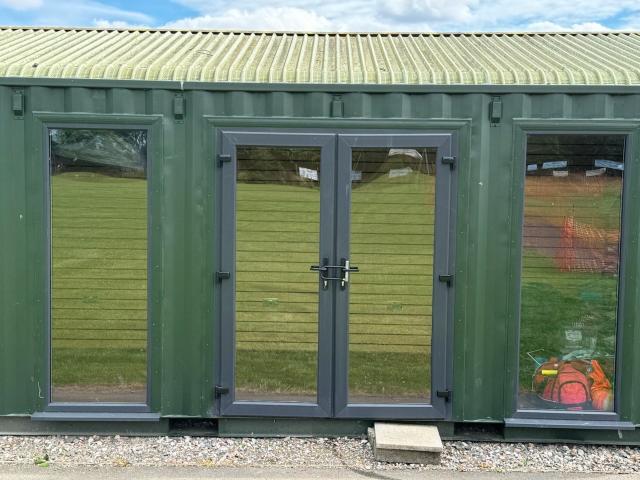
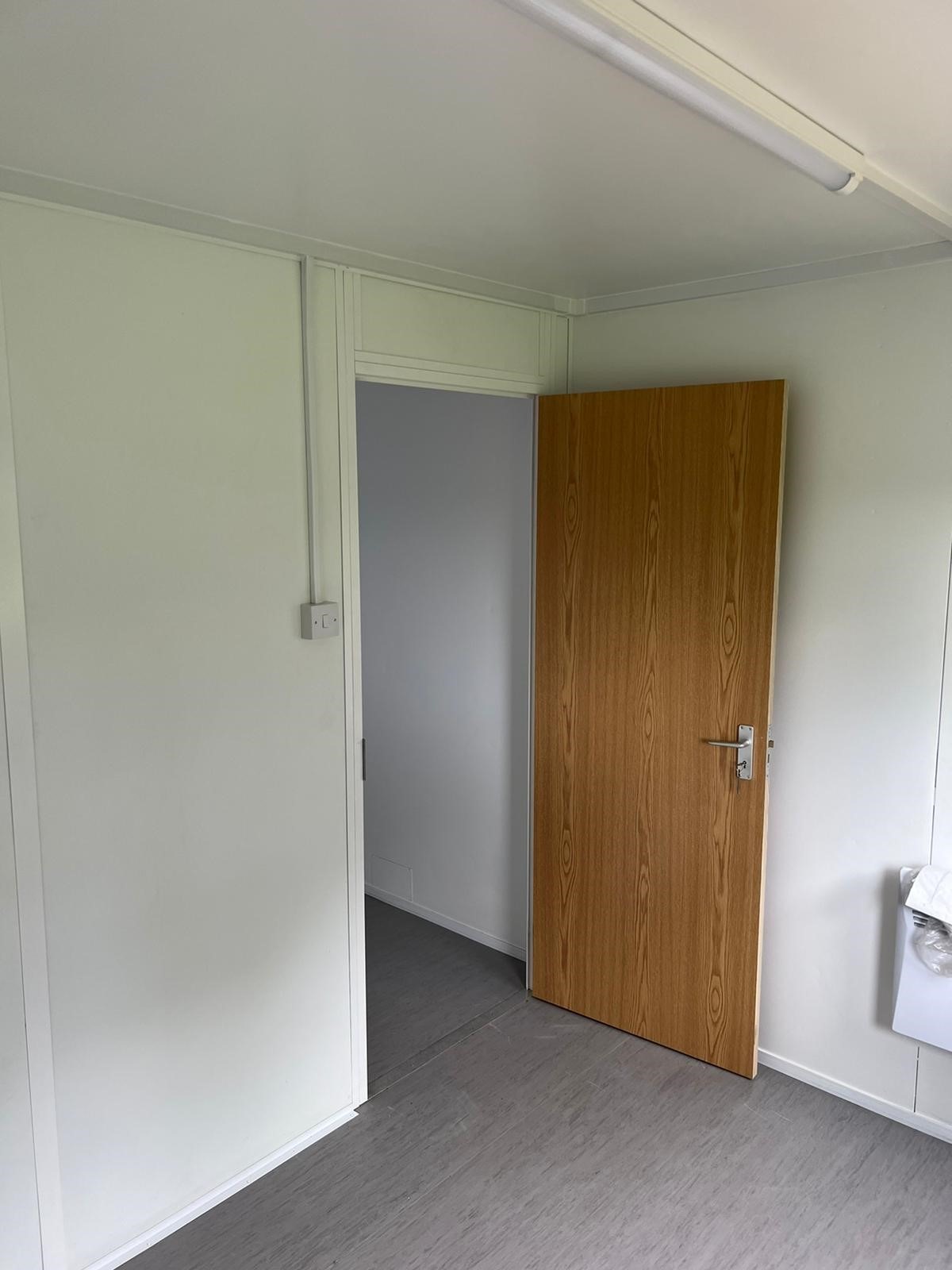
Fully refurbished
Colour light grey
Slate grey anthracite upvc double glazed windows
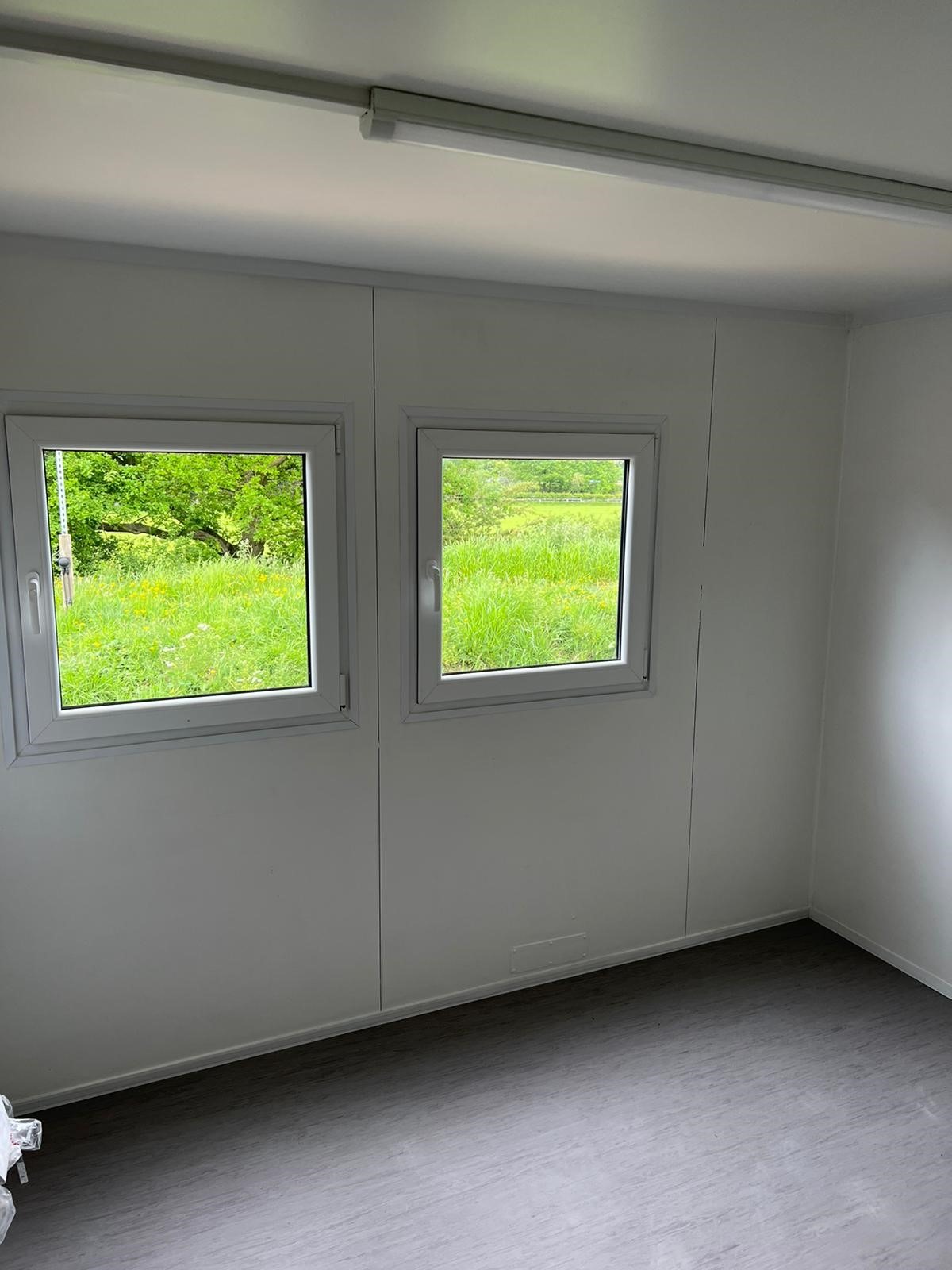
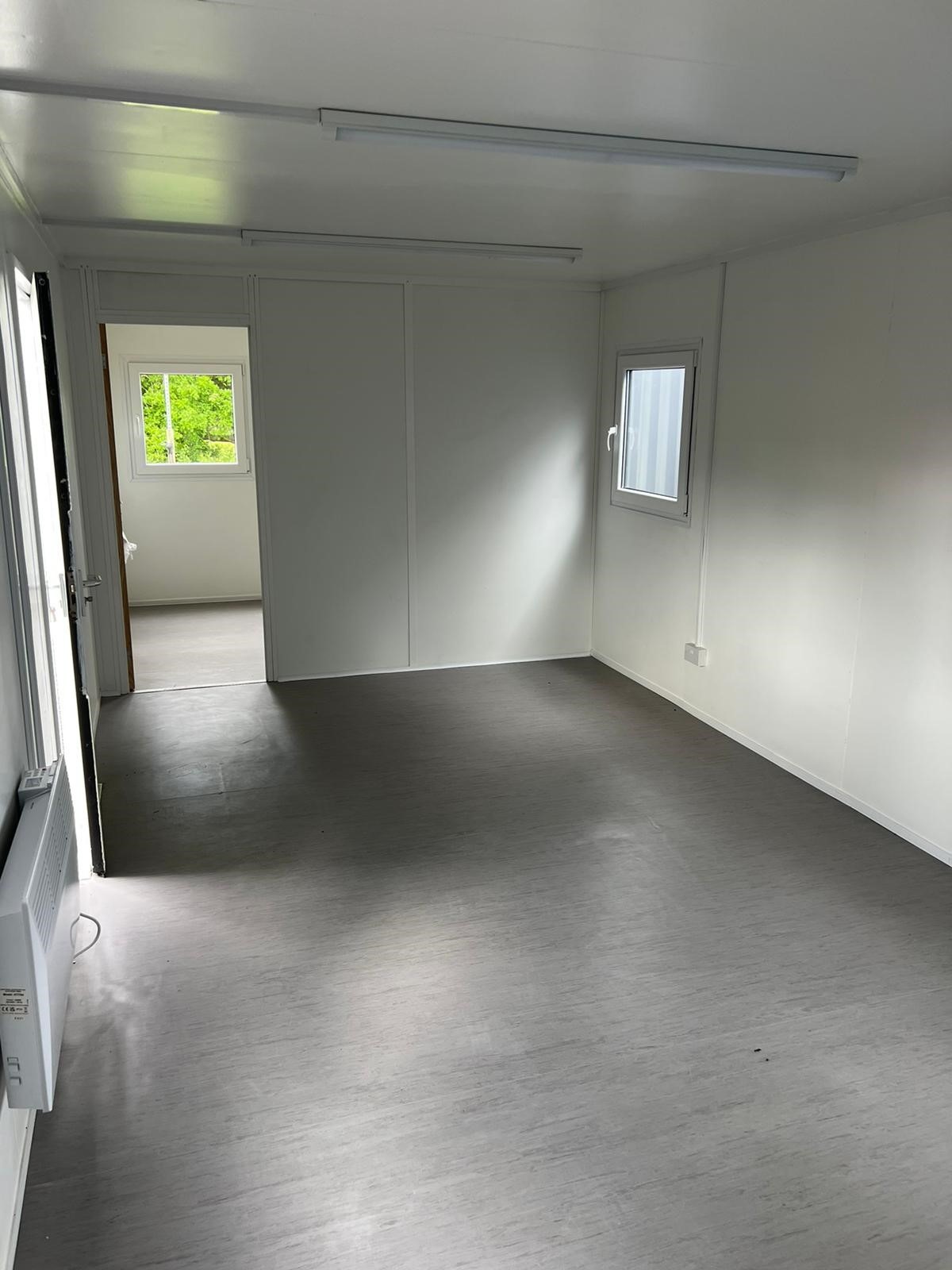
Location: Nationwide
+ VAT
Not Available for Hire
Call for an instant quote!
Fully Insulated with electric sockets, spot lighting, and heating
Wood Flooring
UPVC Sliding Door + Windows
Lead Time for build 6-8 weeks
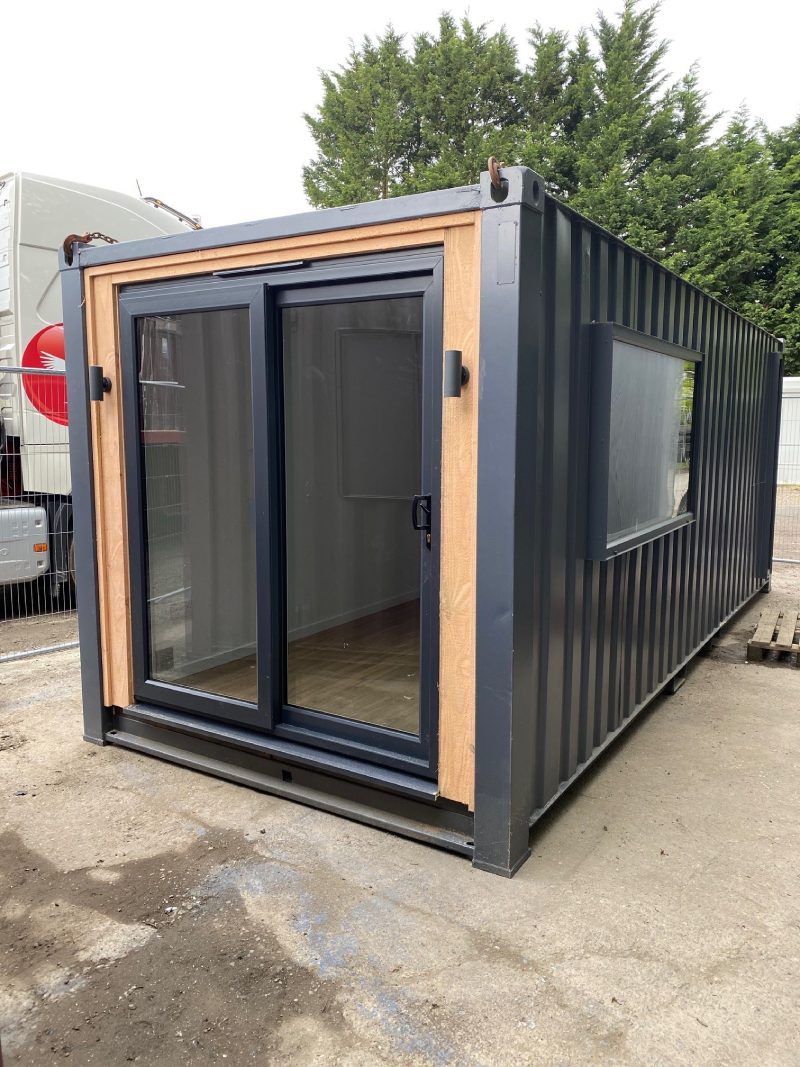
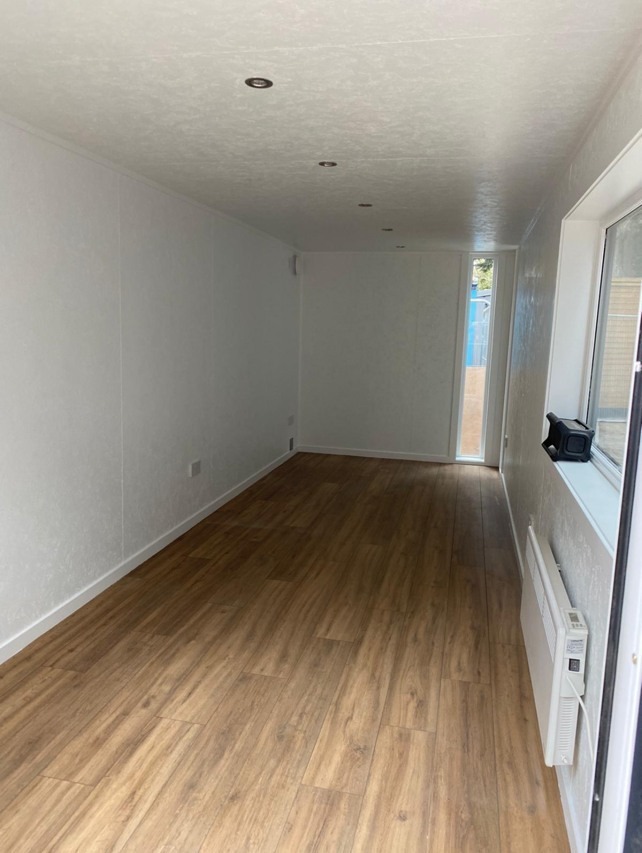
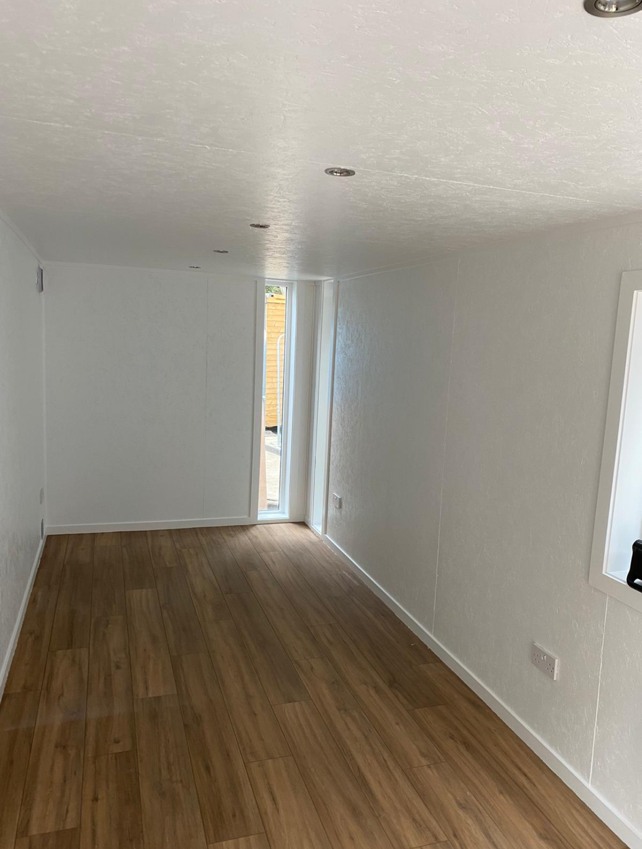
Location: Nationwide
+ VAT
Not Available for Hire
Call for an instant quote!
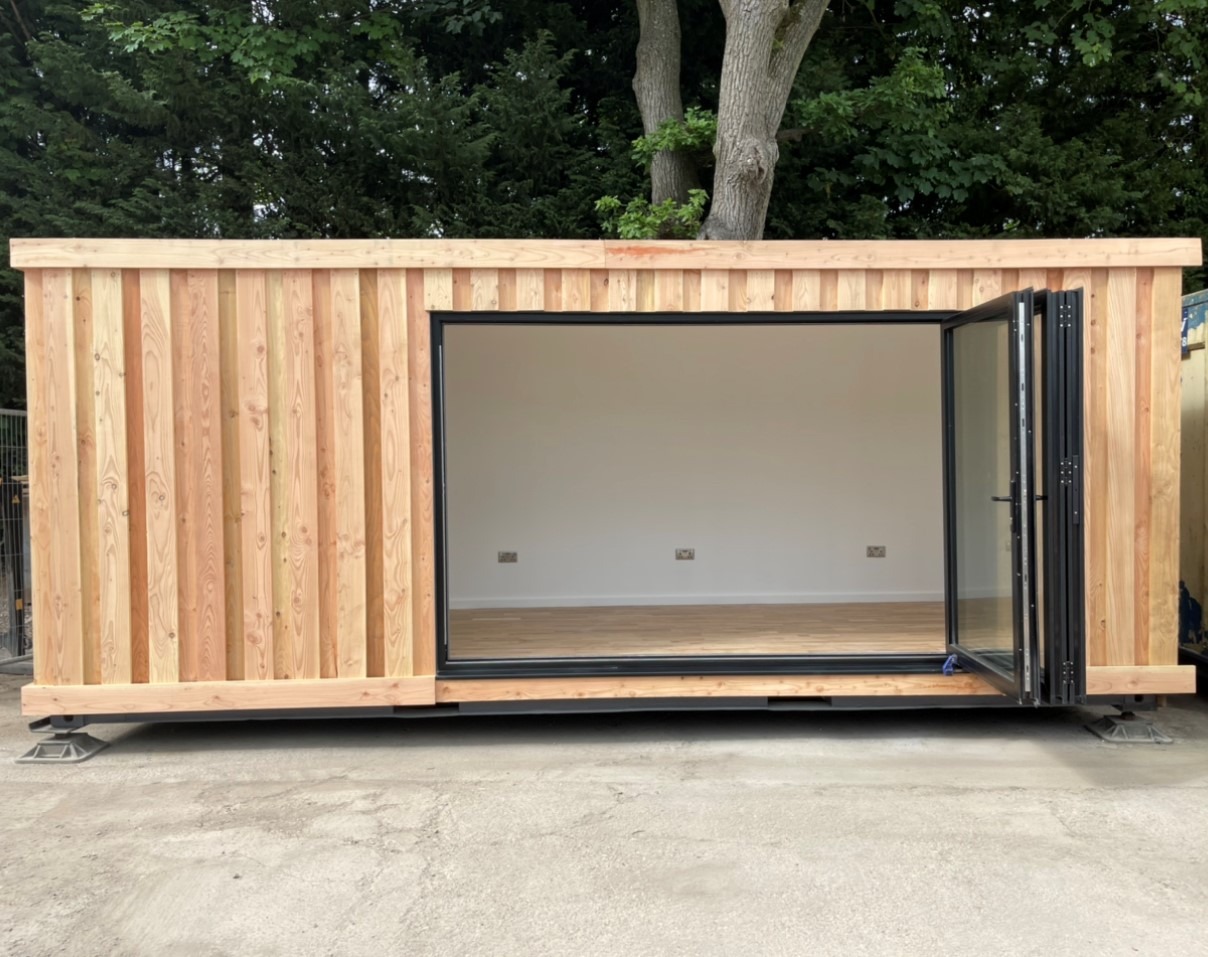
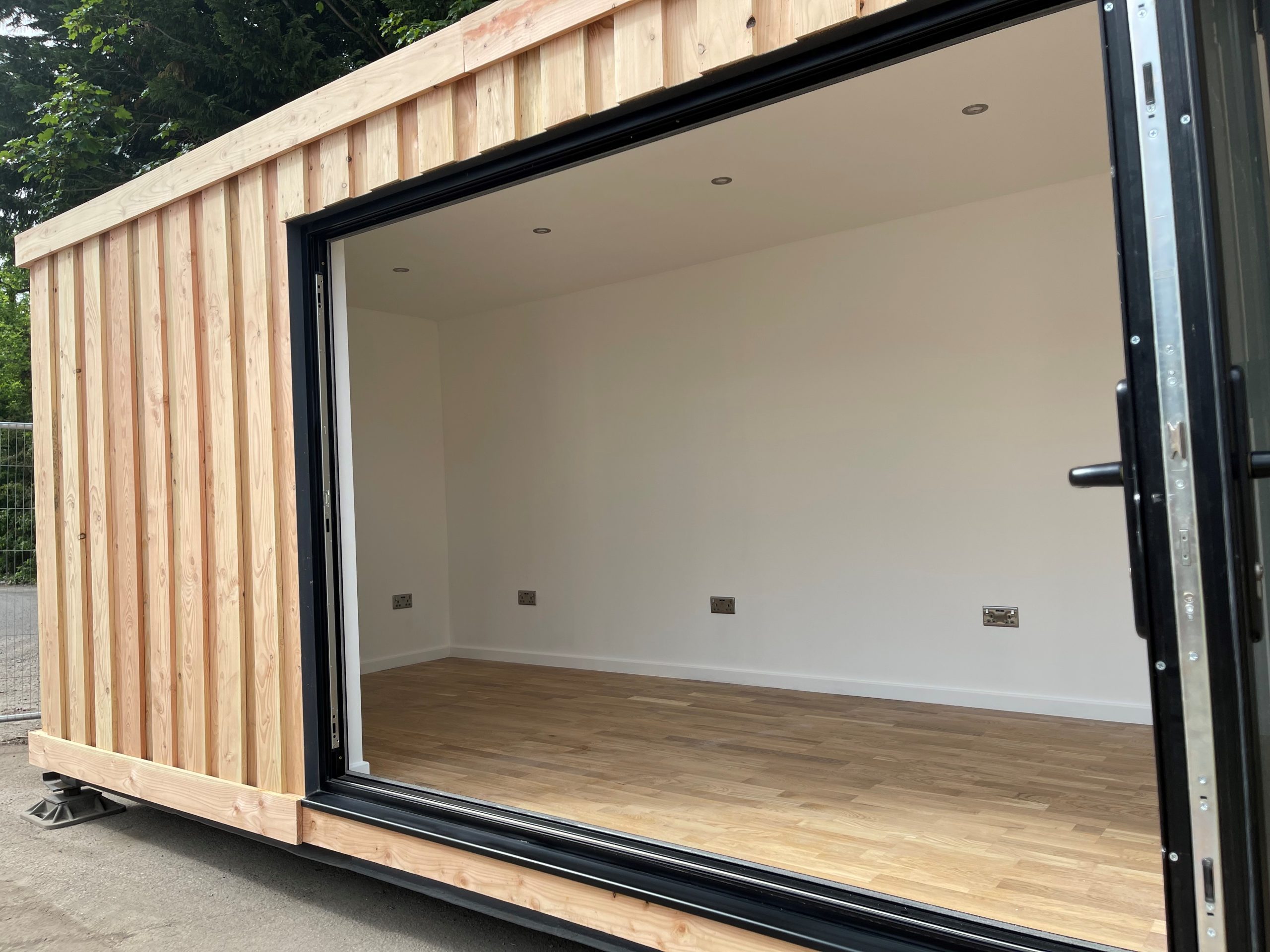
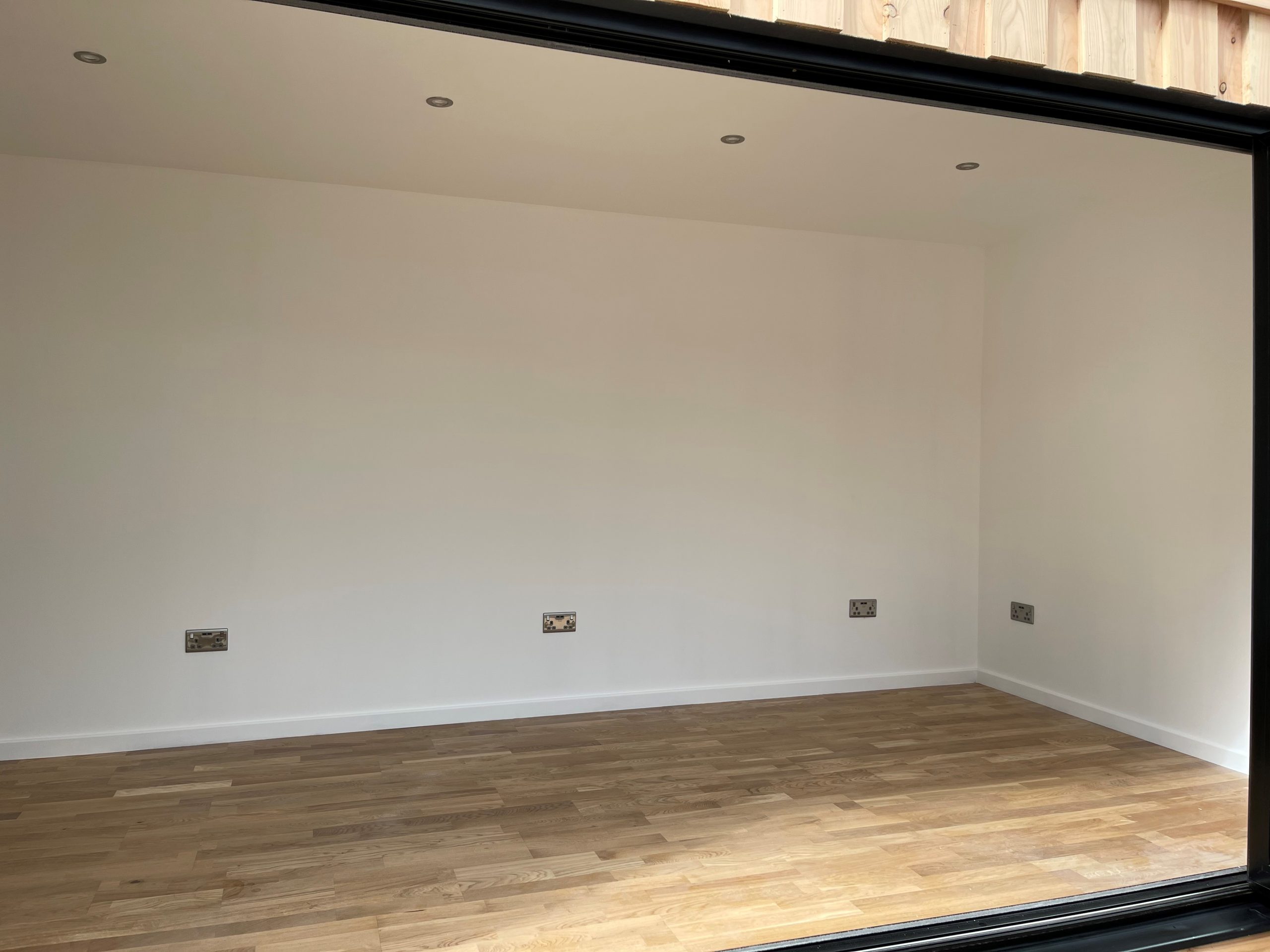
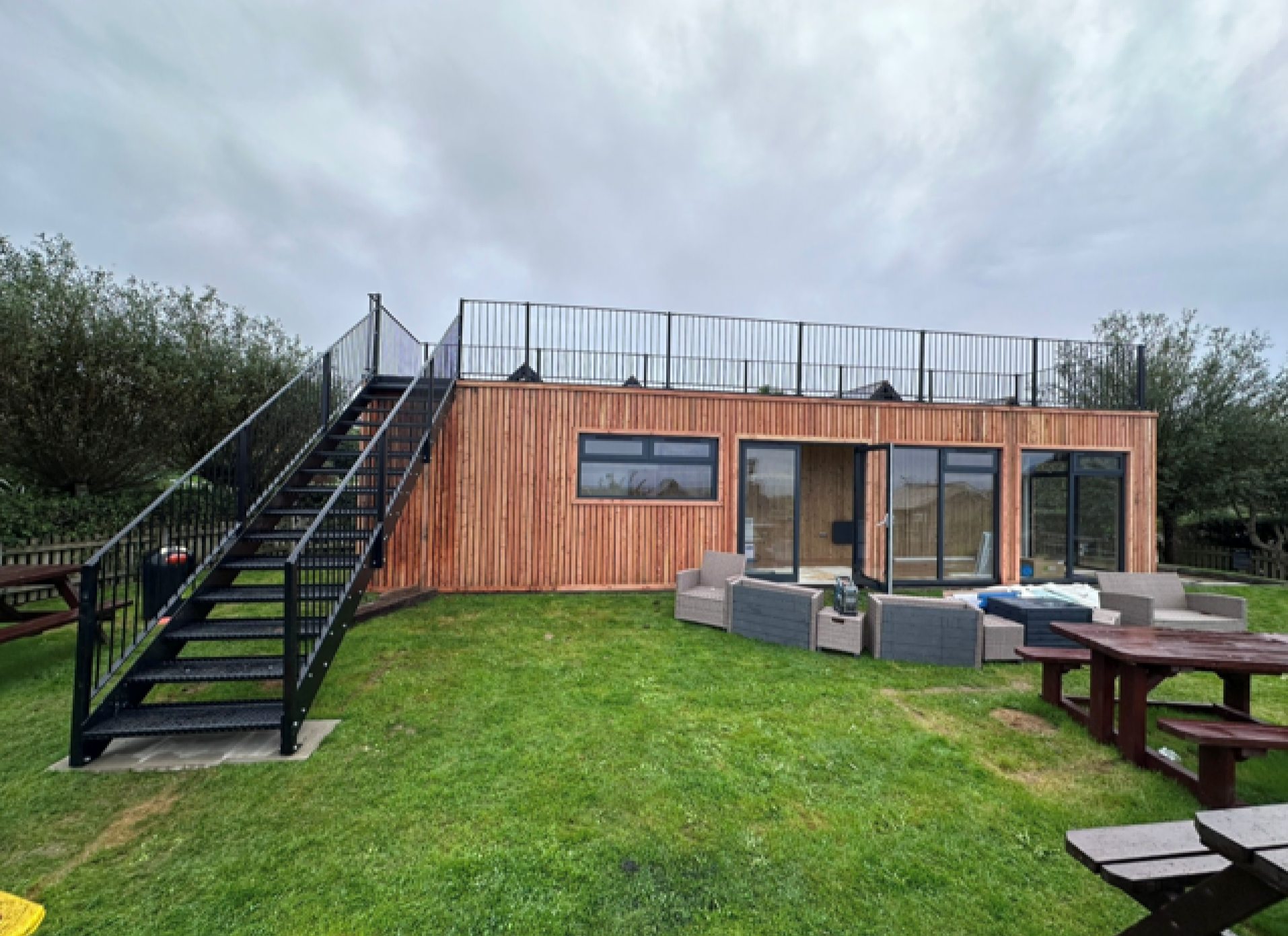
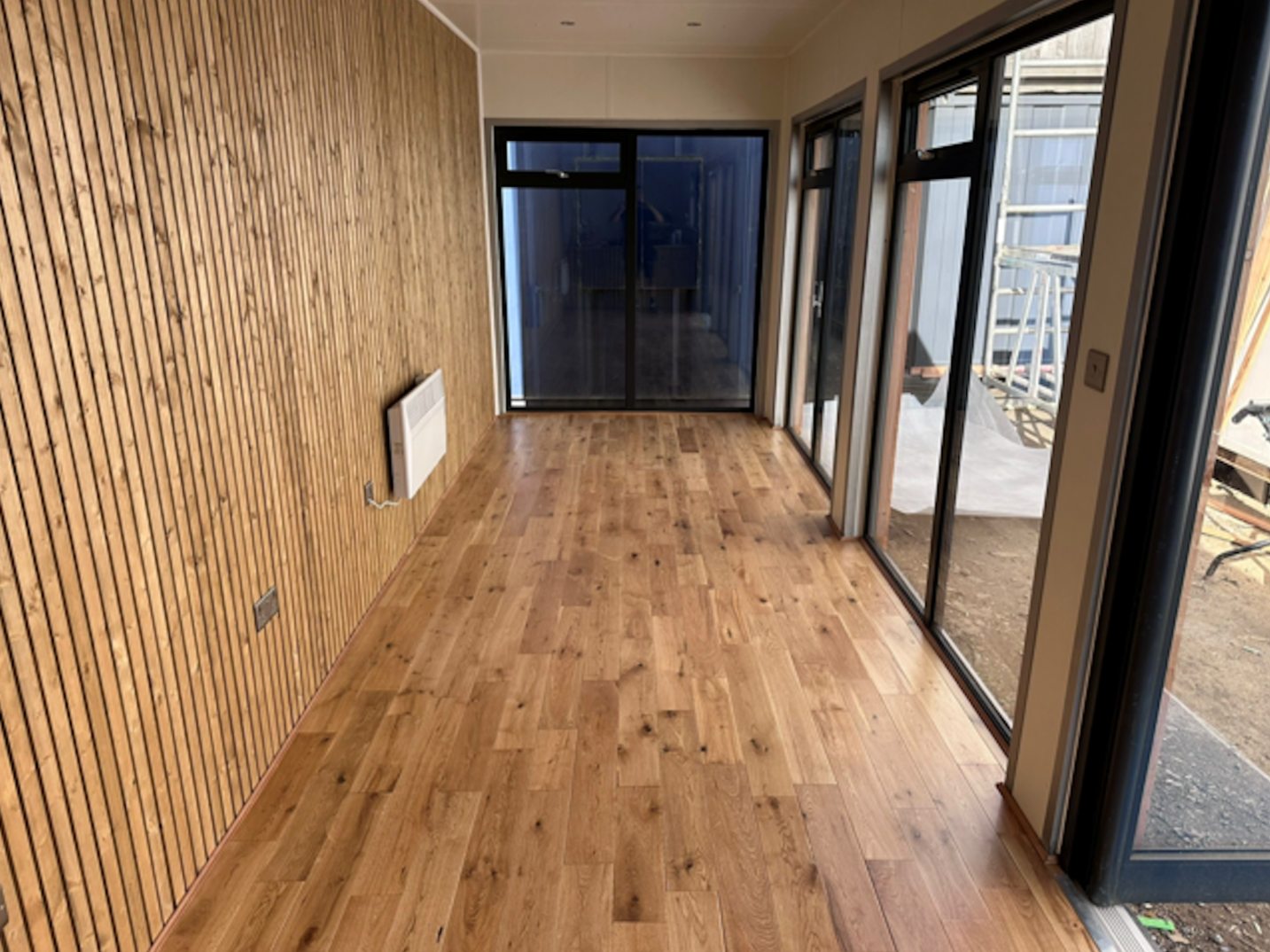
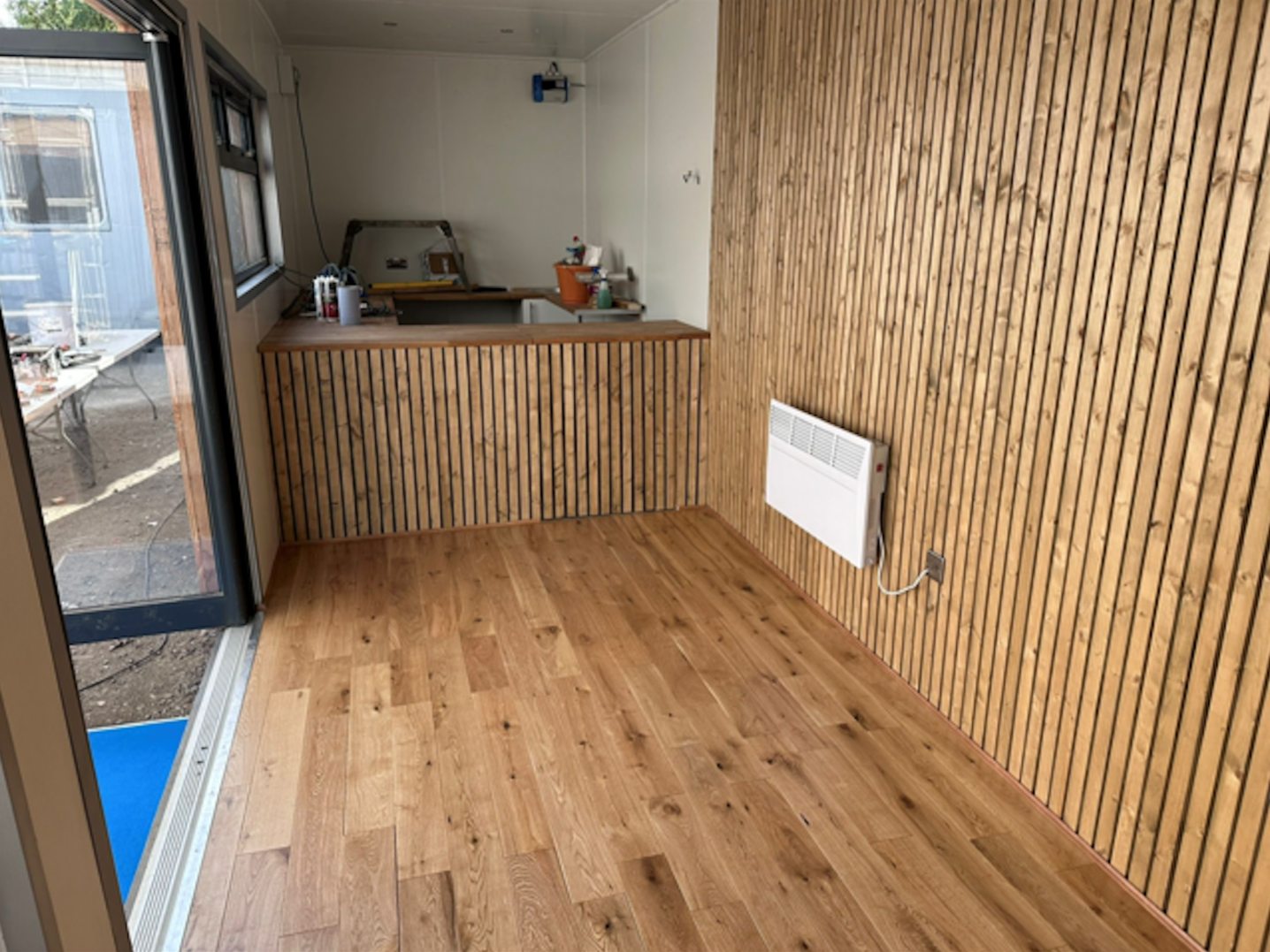
Fully Insulated with electric sockets, spot lighting, and heating
Wood Flooring
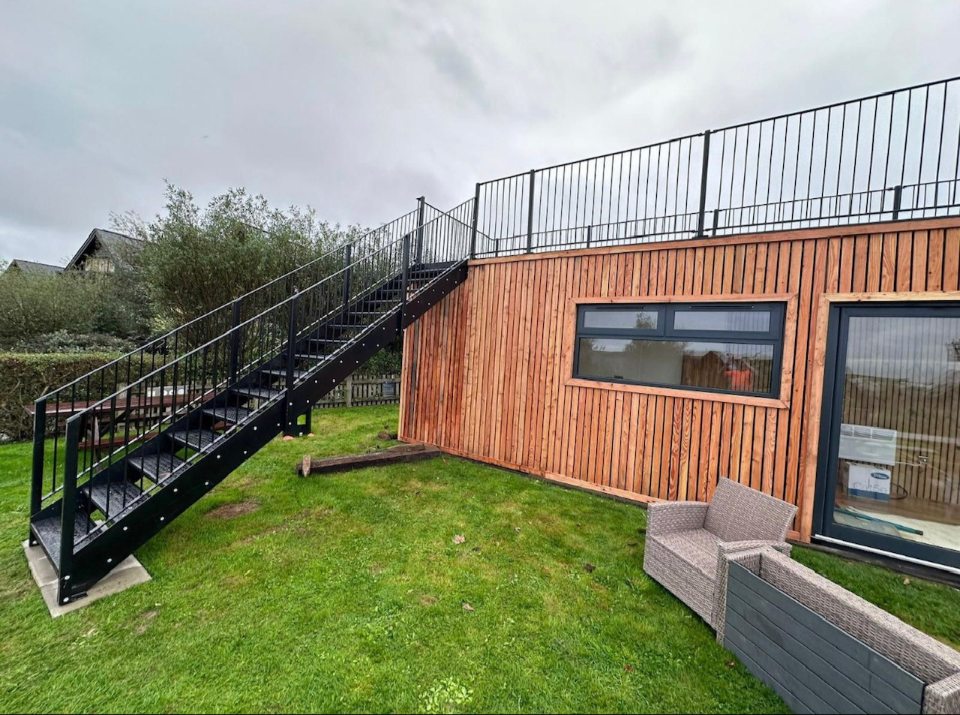
Aluminium Bi Fold Doors
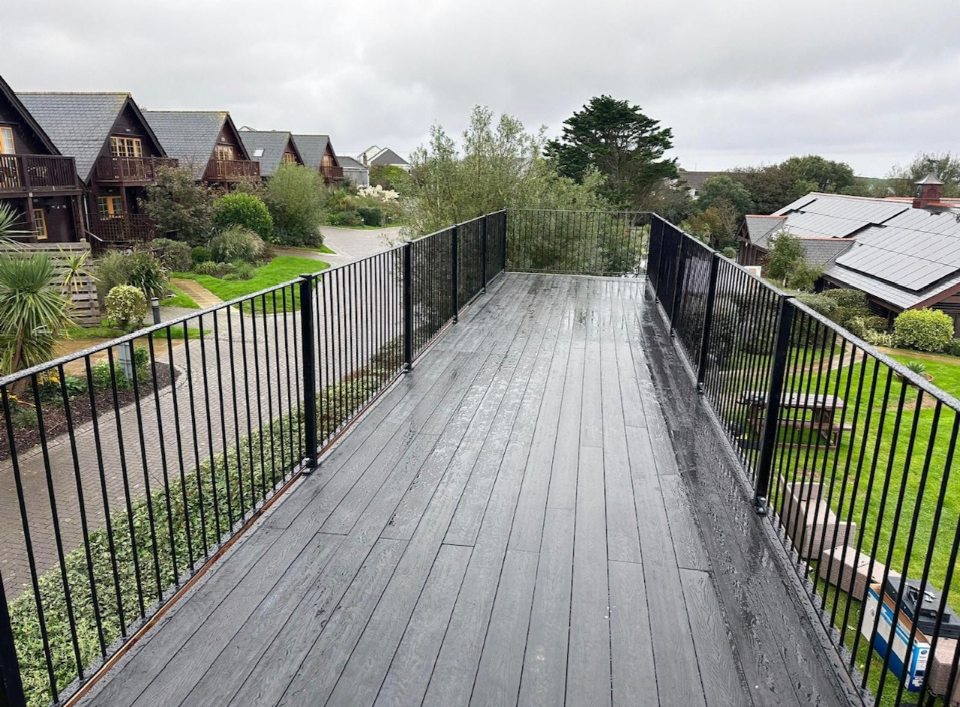
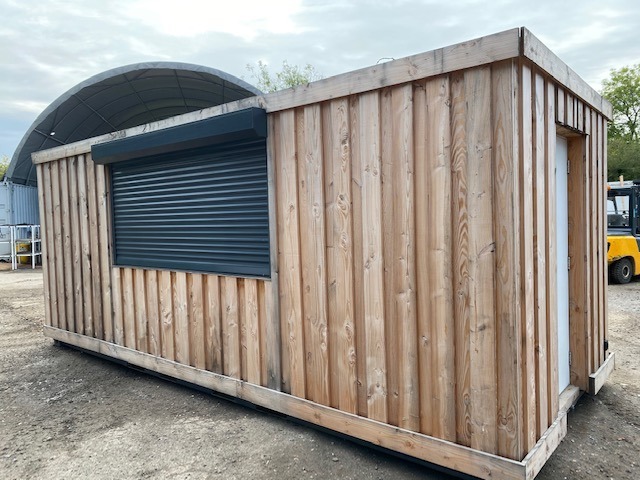
Fully wrapped in larch cladding
Lead Time for build 6-8 weeks
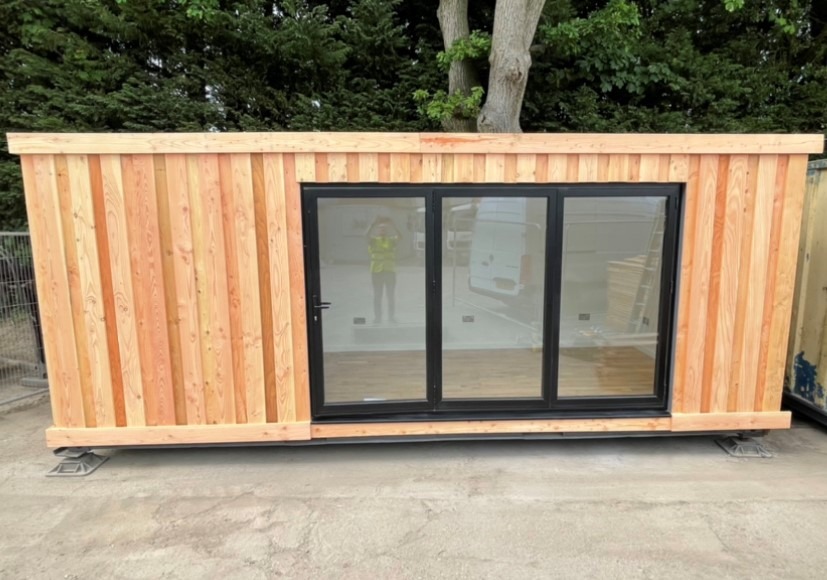
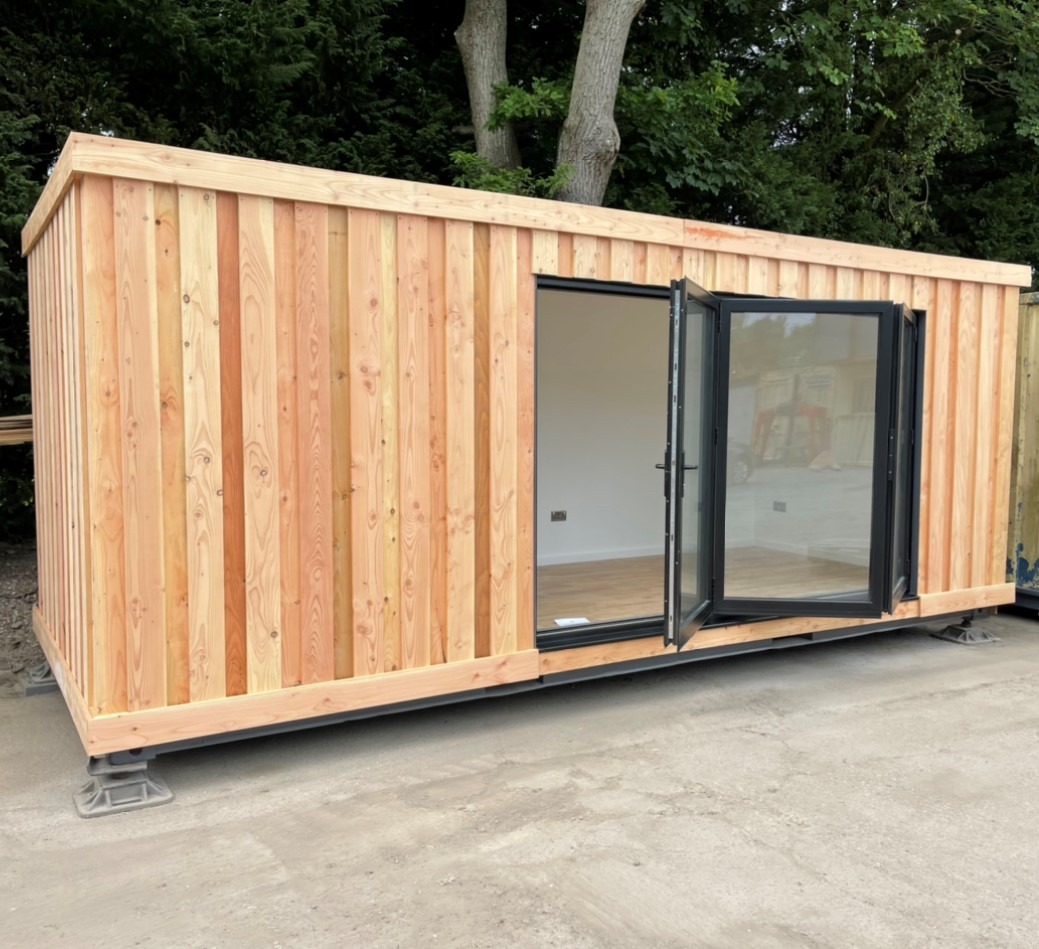
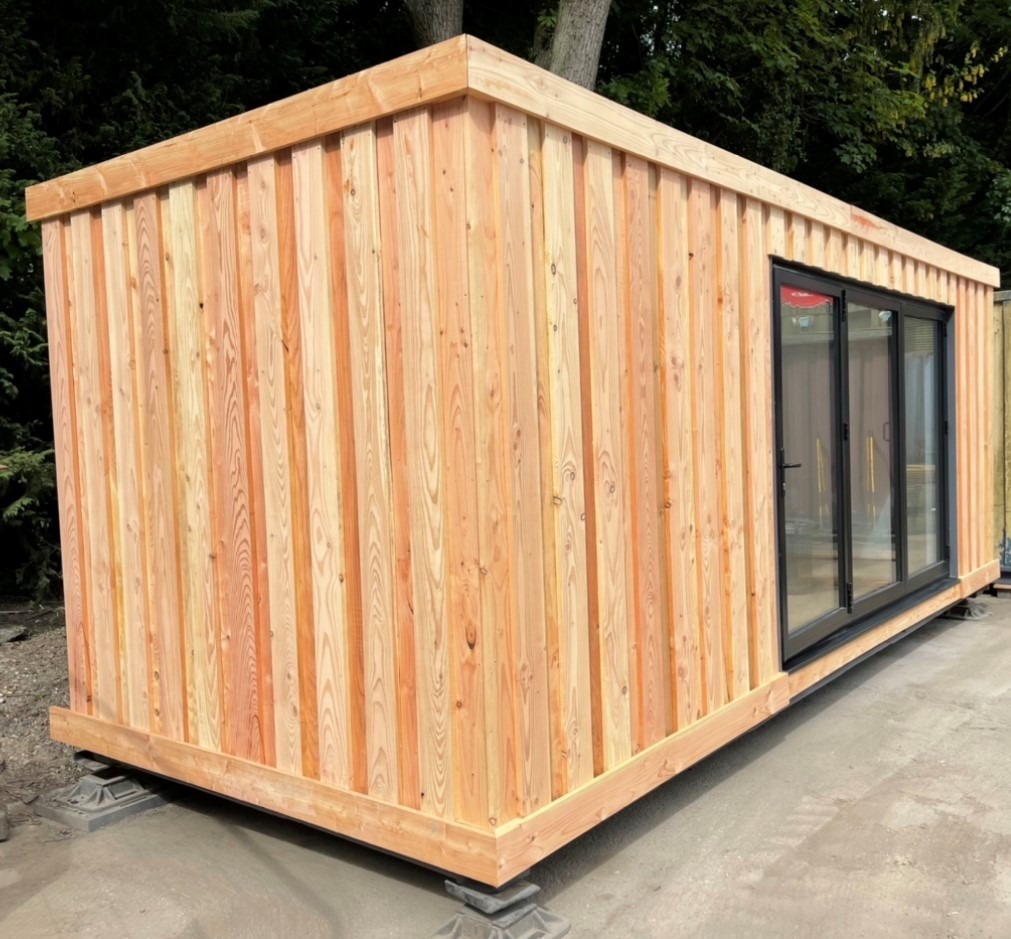
Location: Nationwide
+ VAT
Not Available for Hire
Call for an instant quote!
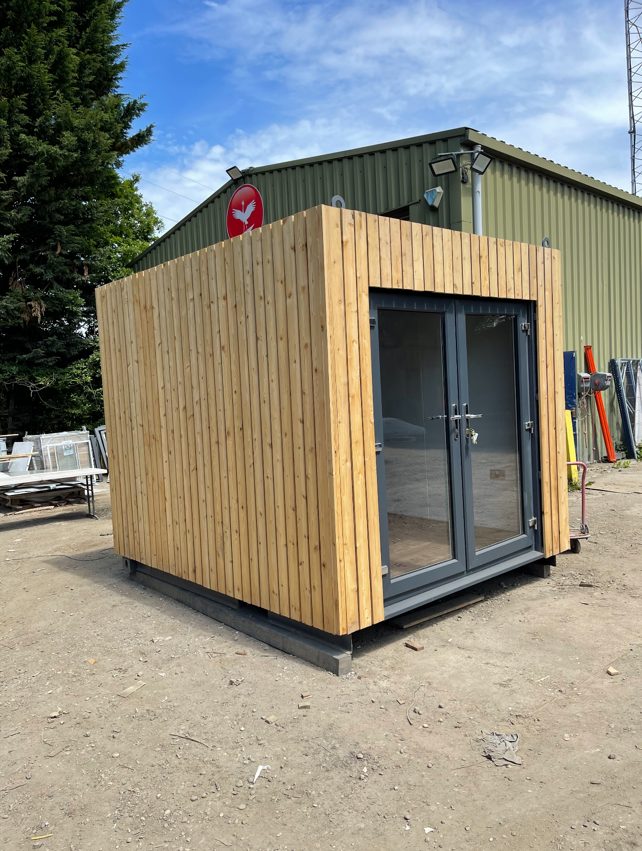
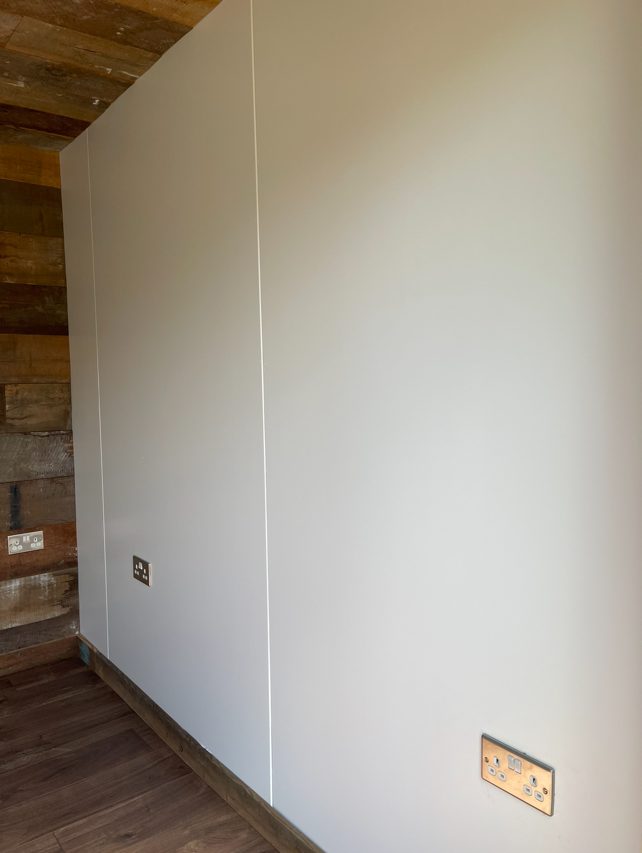
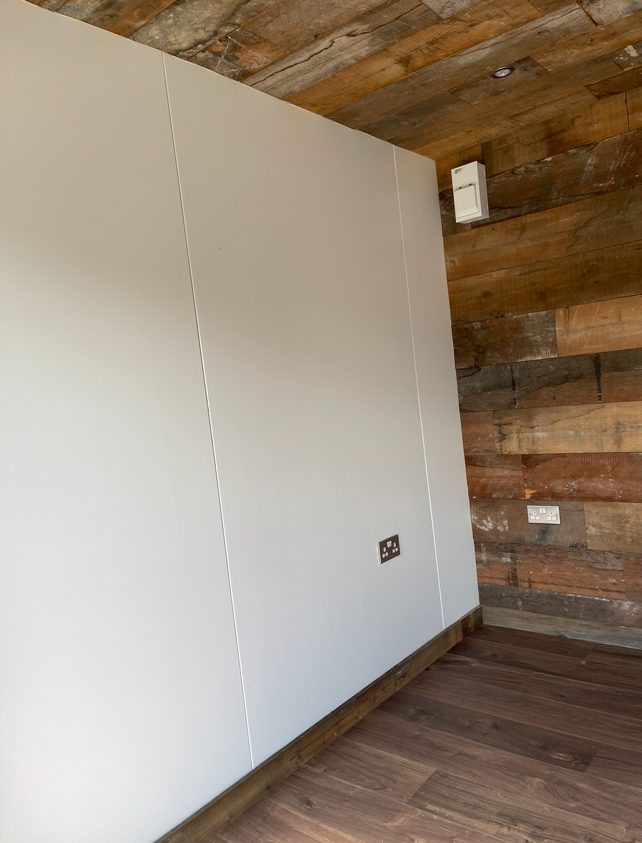
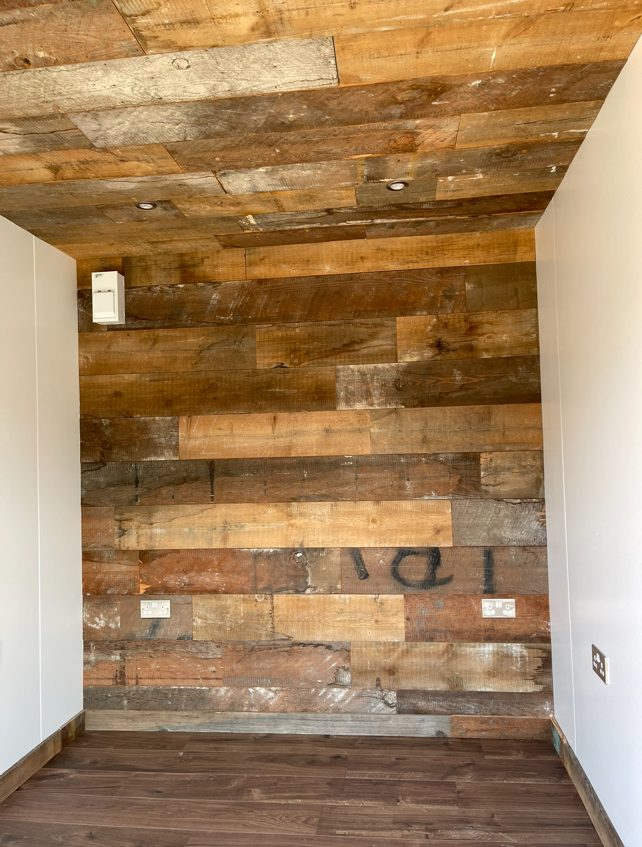
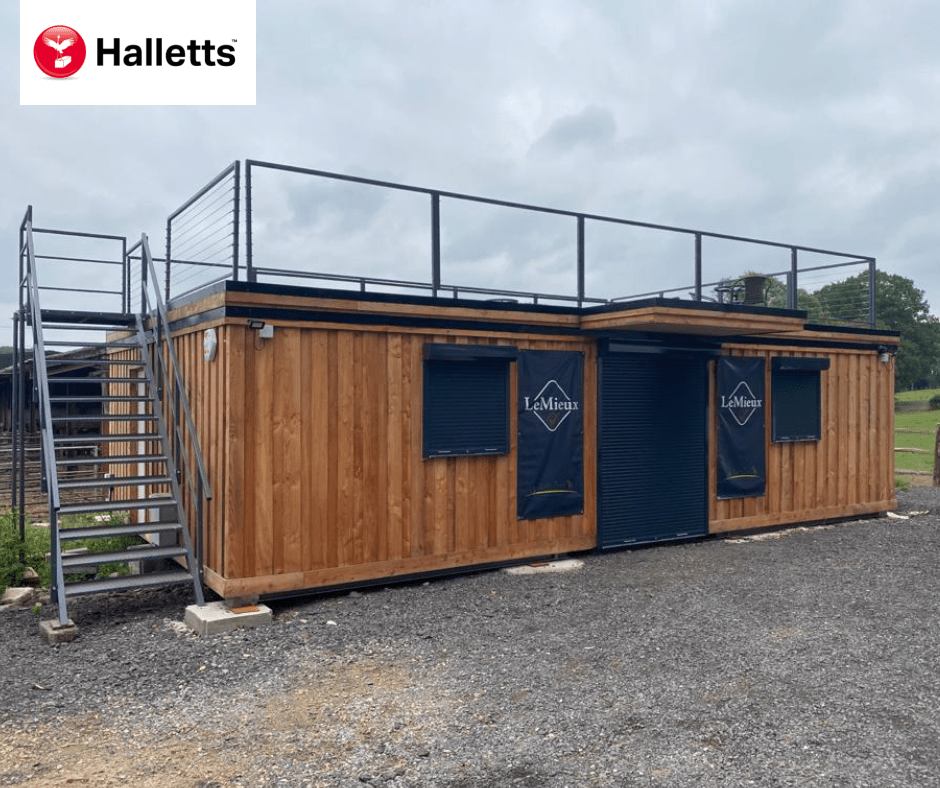
Fully Insulated with electric sockets, spot lighting, and heating
Wood Flooring
Feature Clad Wall and Ceiling
UPVC Double glazed French Doors
Fully wrapped in larch cladding
Lead Time for build 6-8 weeks
Location: Nationwide
EX VAT
Not Available for Hire
Call for an instant quote!
Location: Nationwide
EX VAT
Not Available for Hire
Call for an instant quote!
Location: Nationwide
EX VAT
Not Available for Hire
Call for an instant quote!
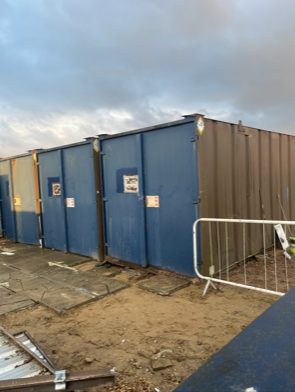
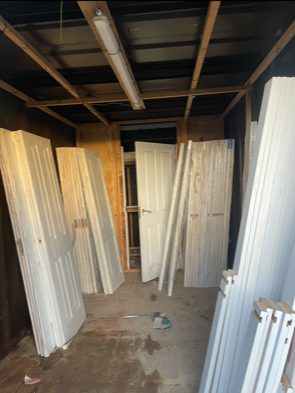
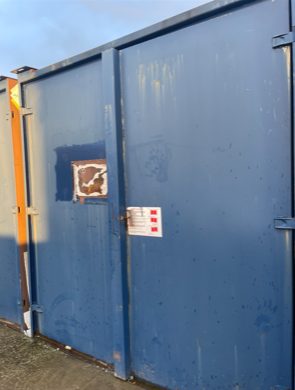
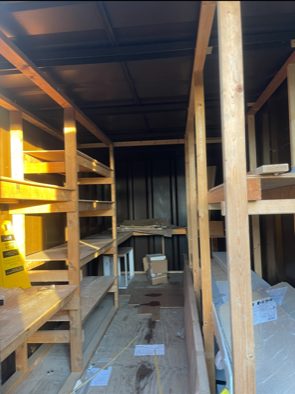
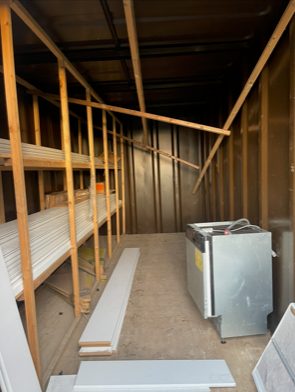
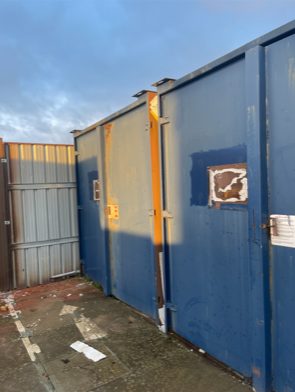
Location: Nationwide
EX VAT
Not Available for Hire
Call for an instant quote!
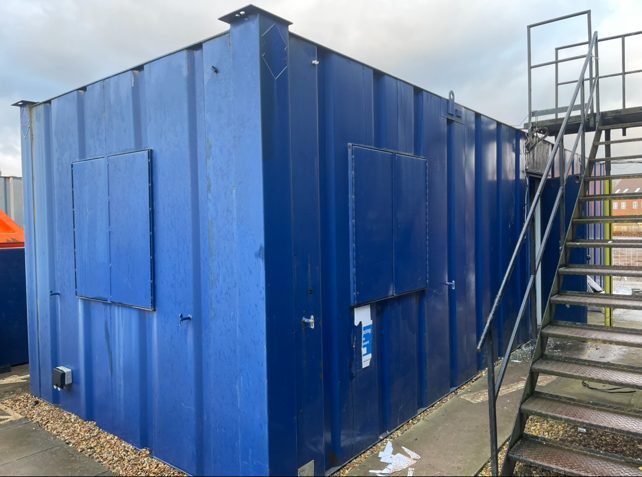
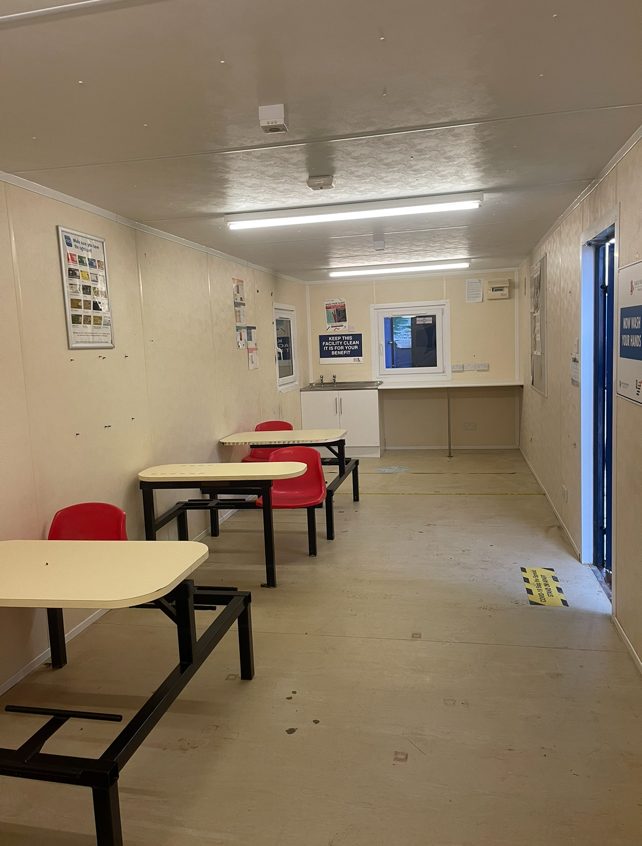
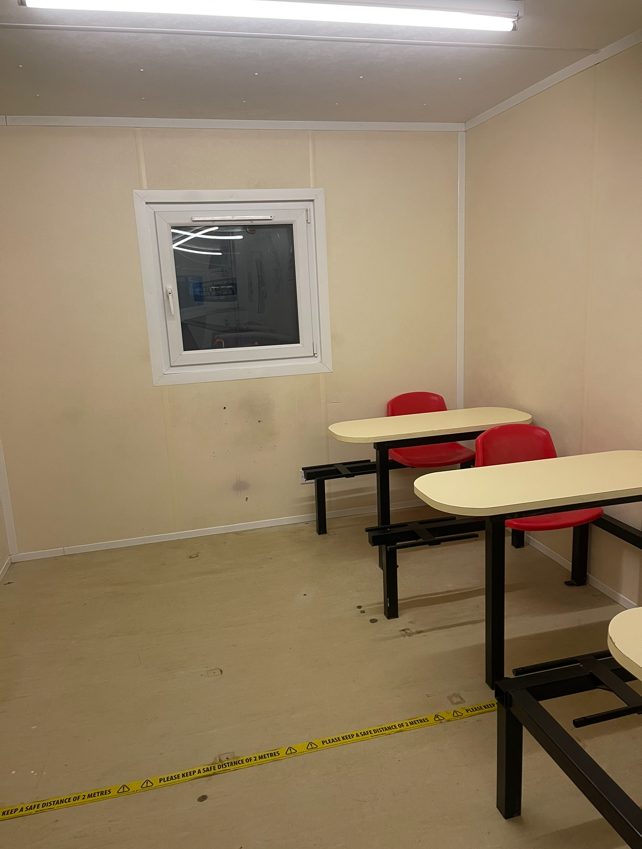
Location: Nationwide
EX VAT
Not Available for Hire
Call for an instant quote!

Location: Nationwide
EX VAT
Not Available for Hire
Call for an instant quote!
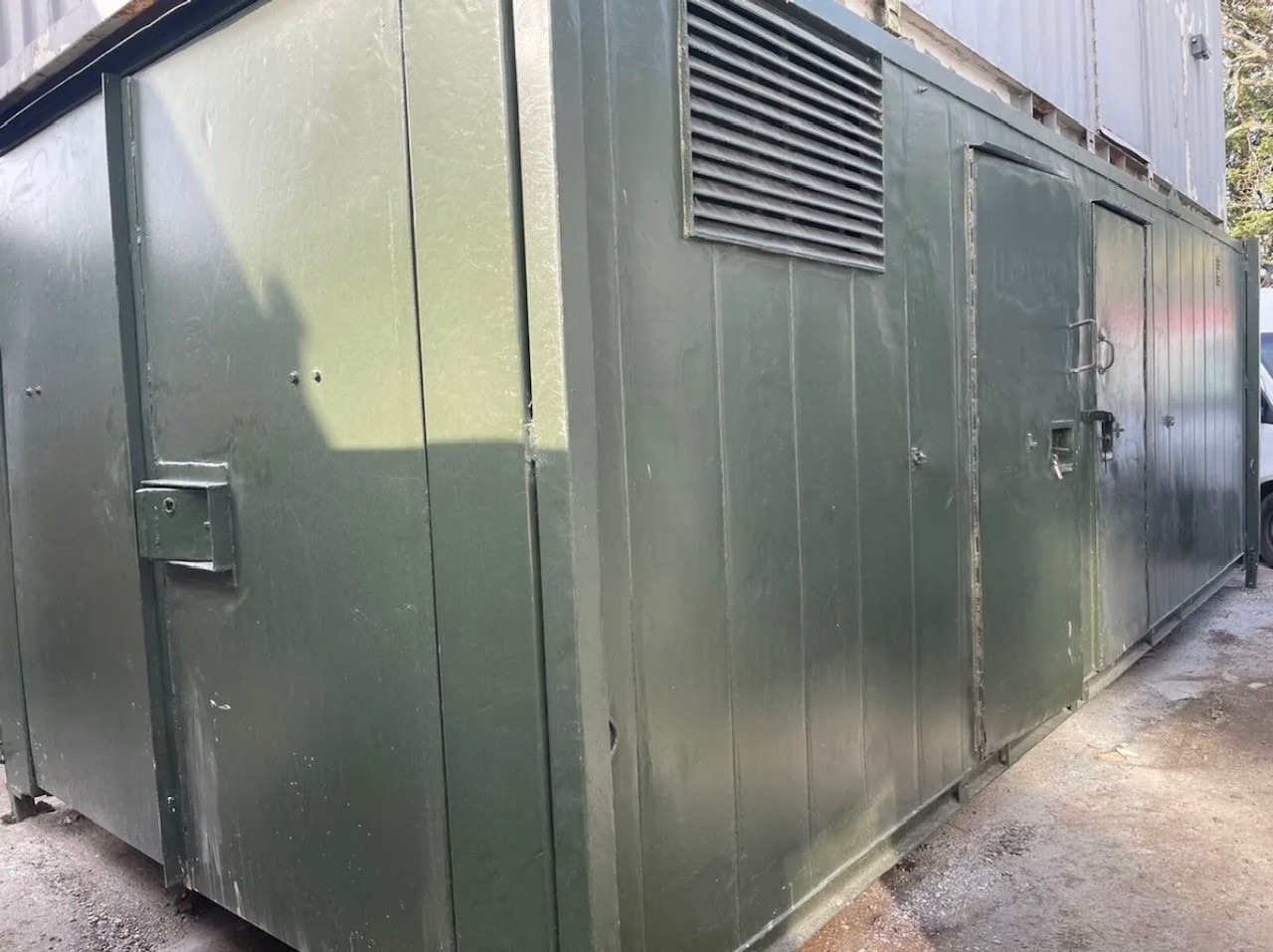
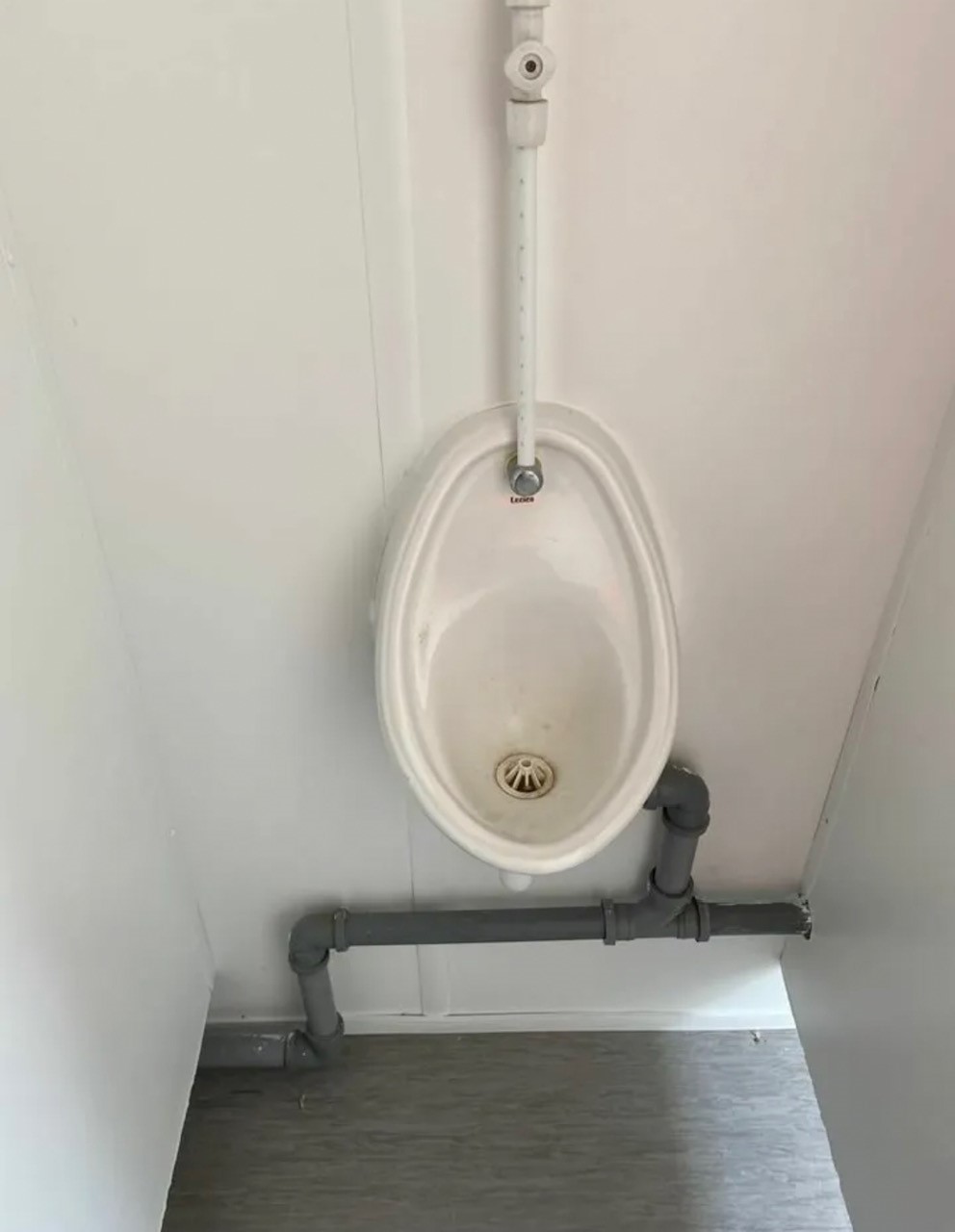
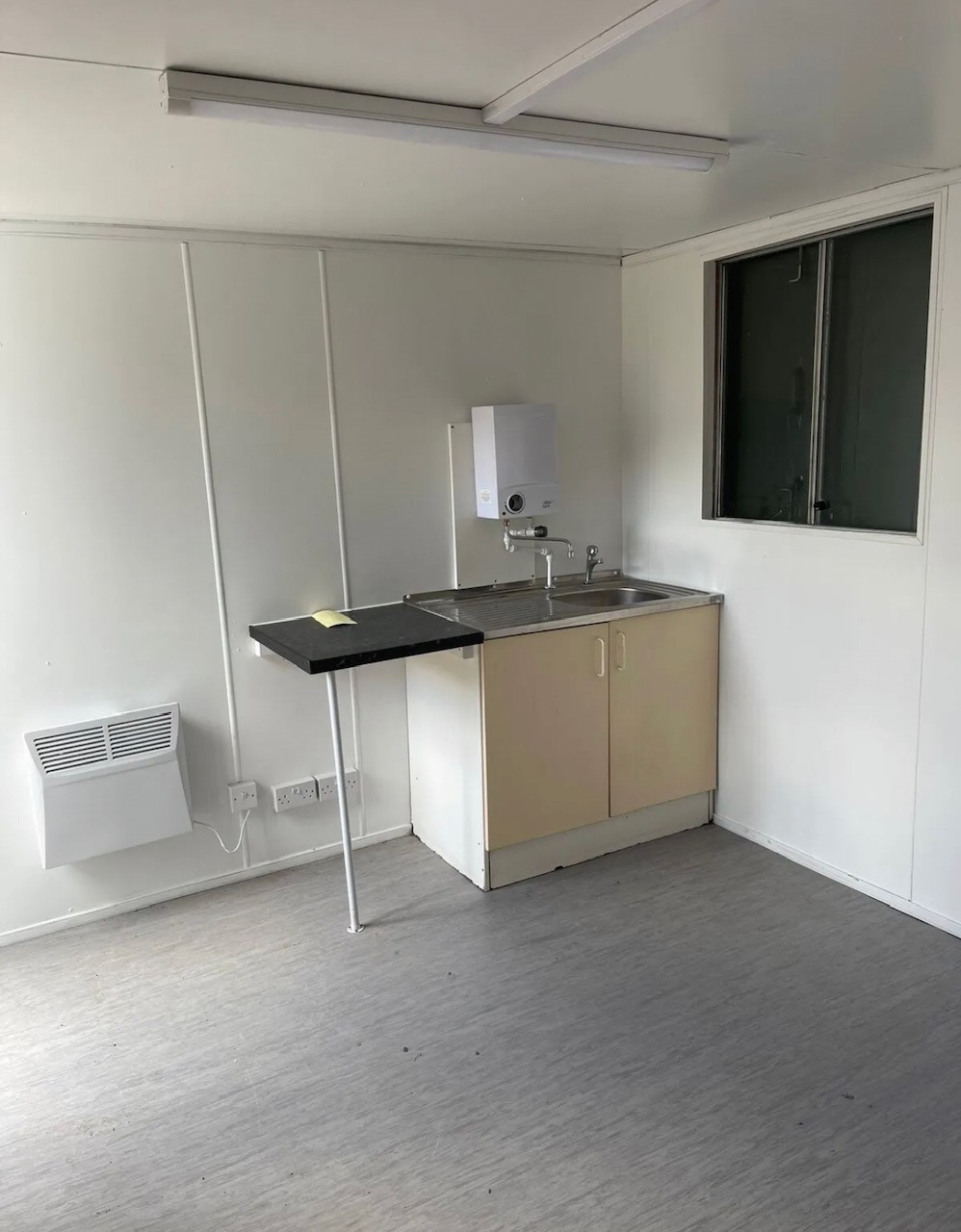
Location: Nationwide
EX VAT
Not Available for Hire
Call for an instant quote!
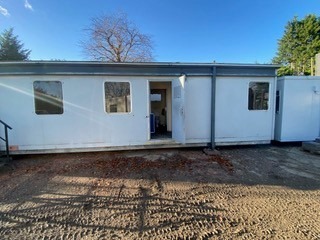
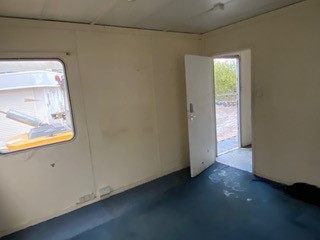
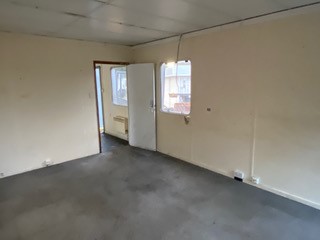
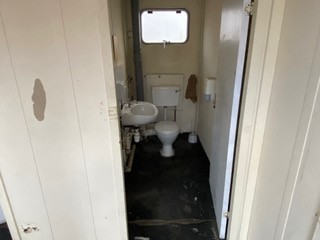
Location: Nationwide
EX VAT
Not Available for Hire
Call for an instant quote!
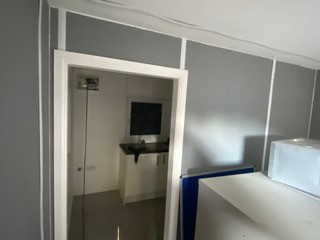
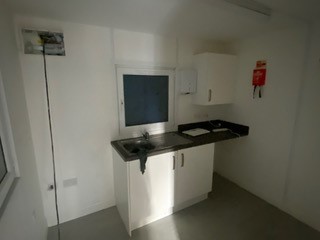
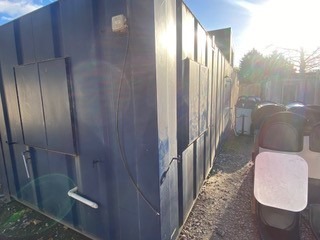
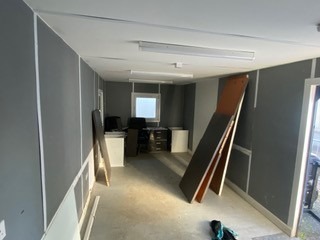
Location: Nationwide
EX VAT
Not Available for Hire
Call for an instant quote!
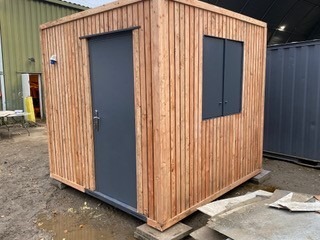
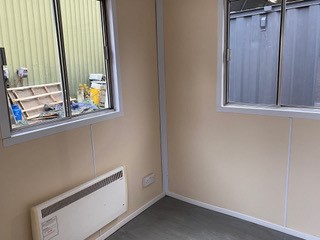
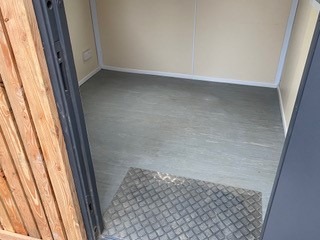
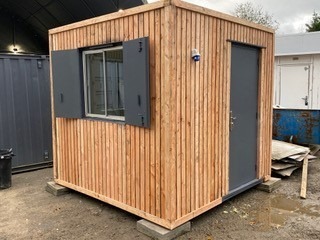
Location: Nationwide
EX VAT
Not Available for Hire
Call for an instant quote!
Location: Nationwide
EX VAT
Not Available for Hire
Call for an instant quote!
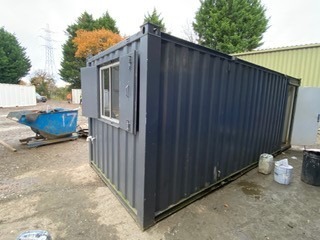
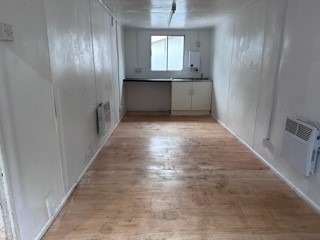
Location: Nationwide
EX VAT
Not Available for Hire
Call for an instant quote!
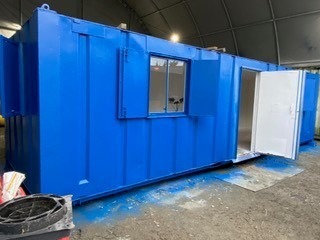
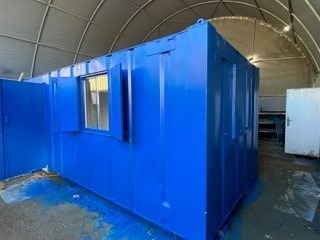
Location: Nationwide
EX VAT
Not Available for Hire
Call for an instant quote!
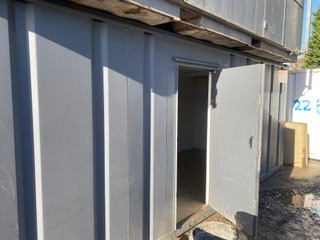
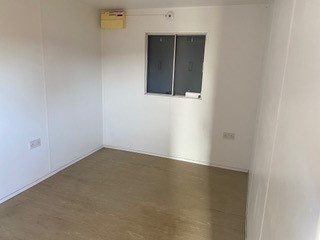
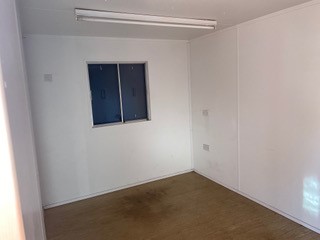
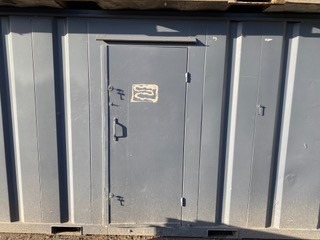
Location: Nationwide
EX VAT
Not Available for Hire
Call for an instant quote!
Location: Nationwide
EX VAT
Not Available for Hire
Call for an instant quote!
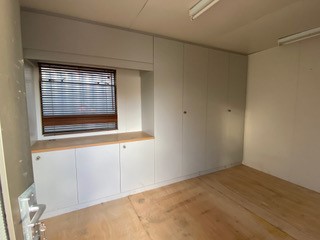
Location: Nationwide
EX VAT
Not Available for Hire
Call for an instant quote!
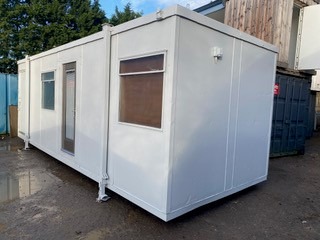
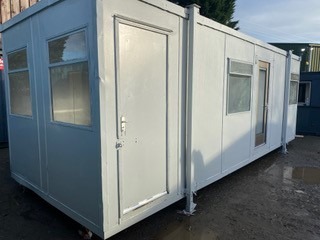
10ftx8ft – £5950 + Vat / 16ftx8ft – £7950 + Vat / 20ftx8ft – £9000 + Vat / 24ftx8ft – £12000 + Vat / 30ftx8ft – £13500 + Vat
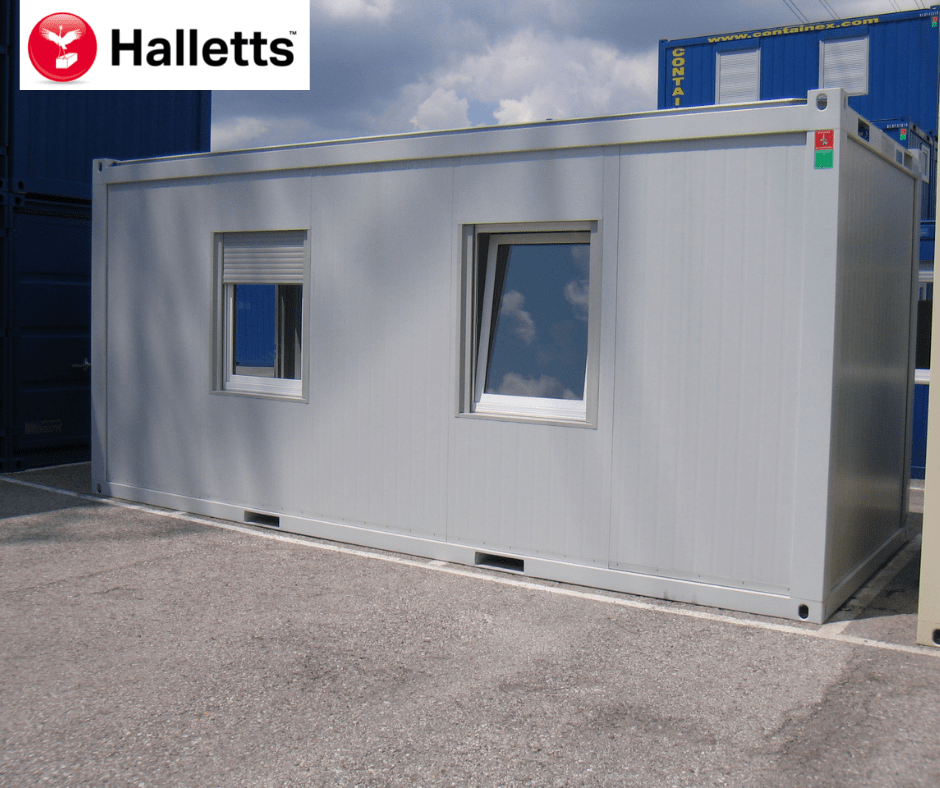
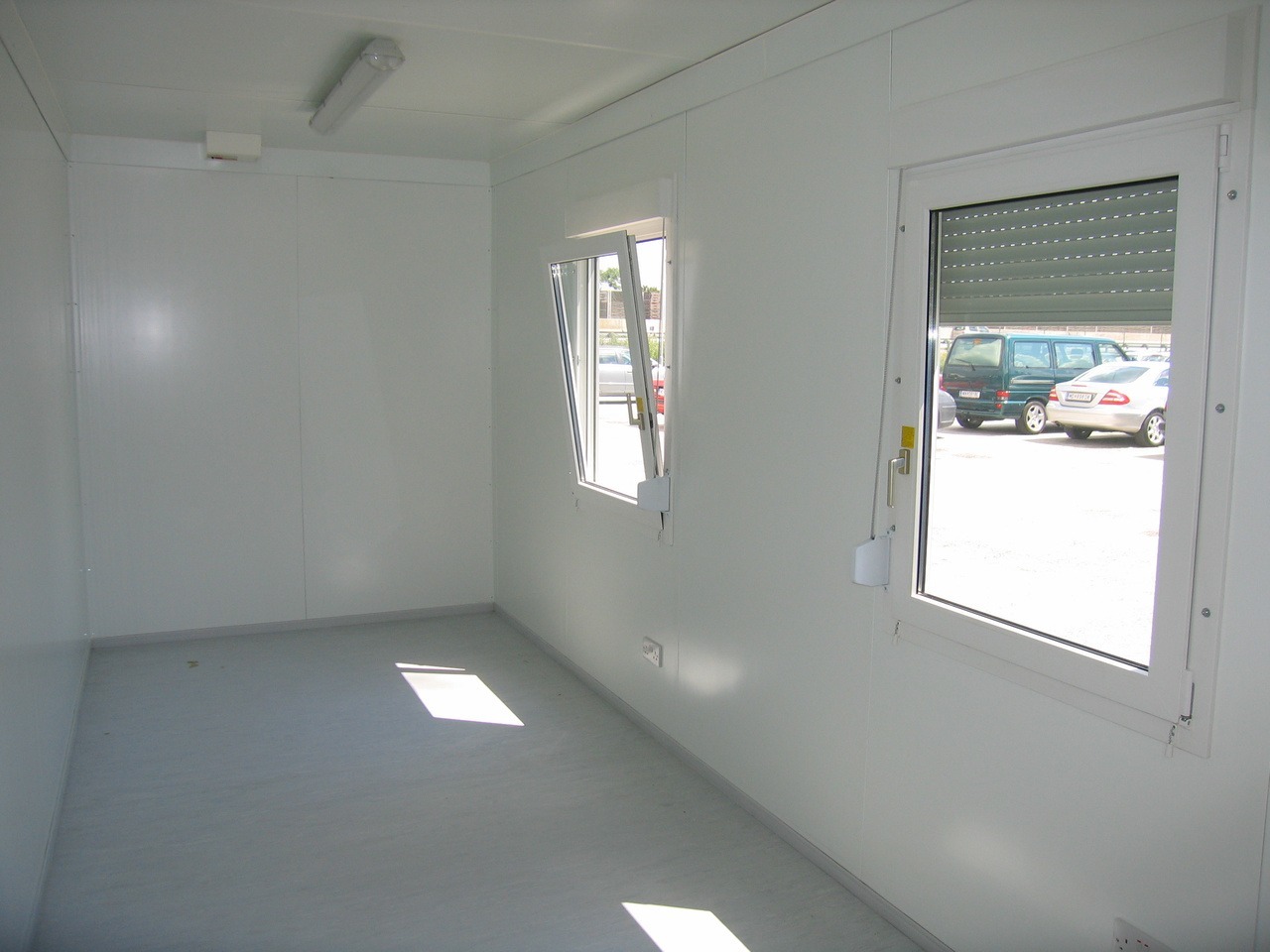
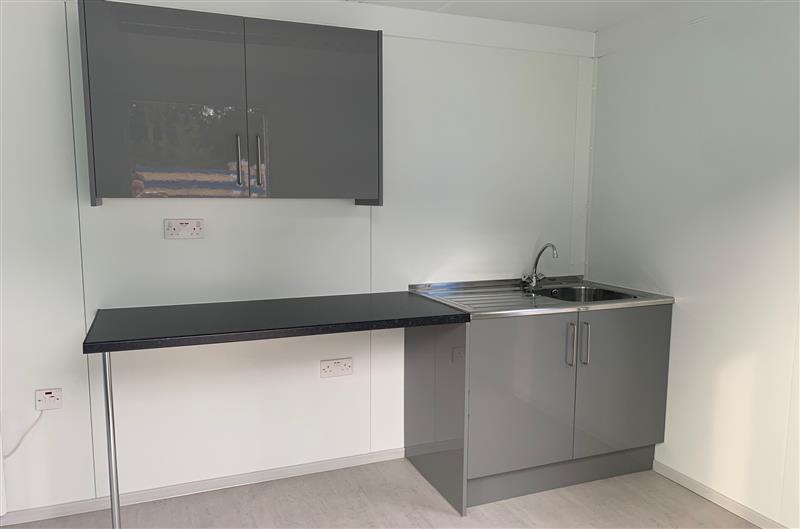
Location: Nationwide
EX VAT
Not Available for Hire
Call for an instant quote!
Location: Nationwide
EX VAT
Not Available for Hire
Call for an instant quote!
Location: Nationwide
EX VAT
Not Available for Hire
Call for an instant quote!
Location: Nationwide
Quantity: ∞
EX VAT
Not Available for Hire
Call for an instant quote!
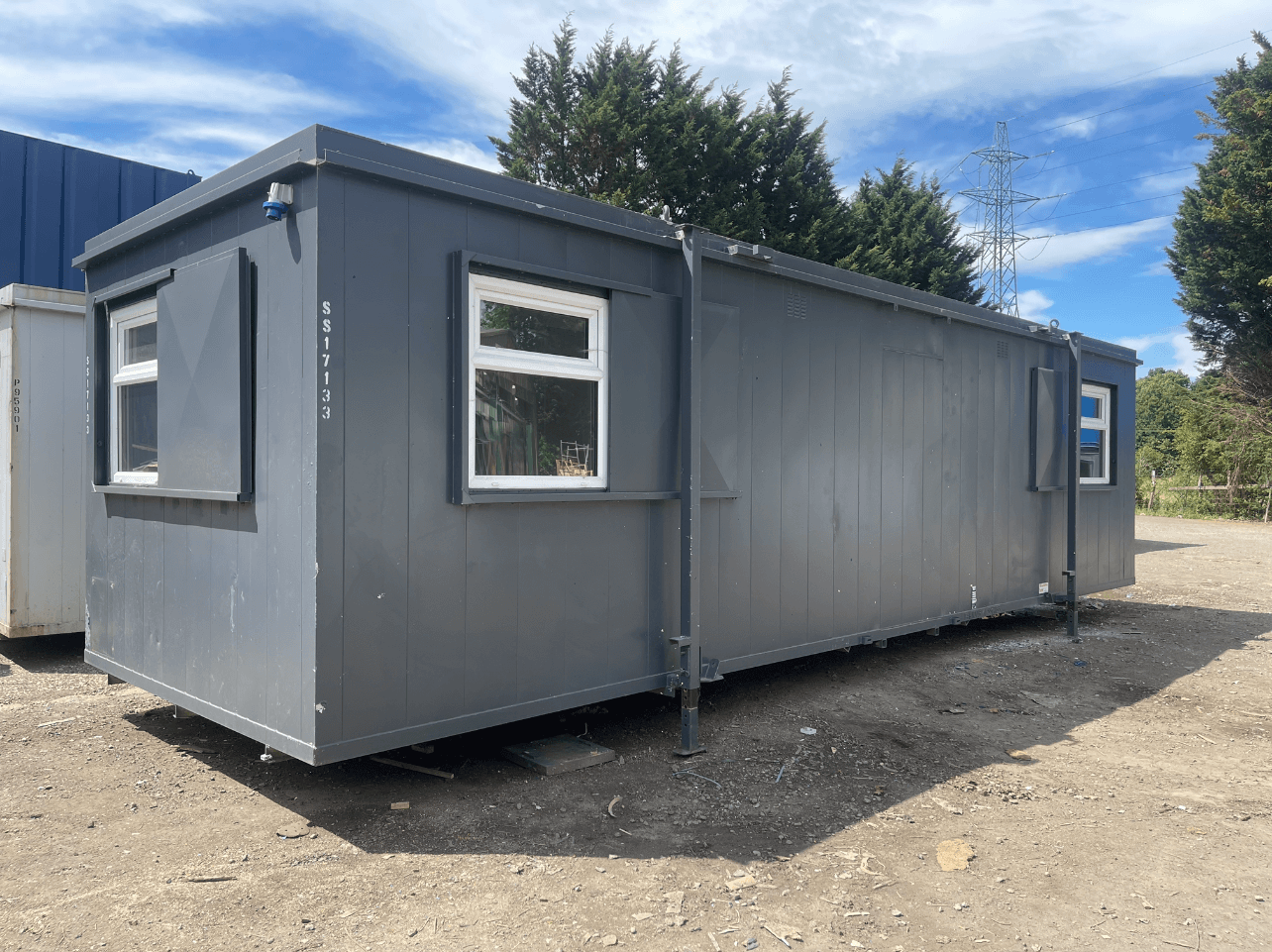
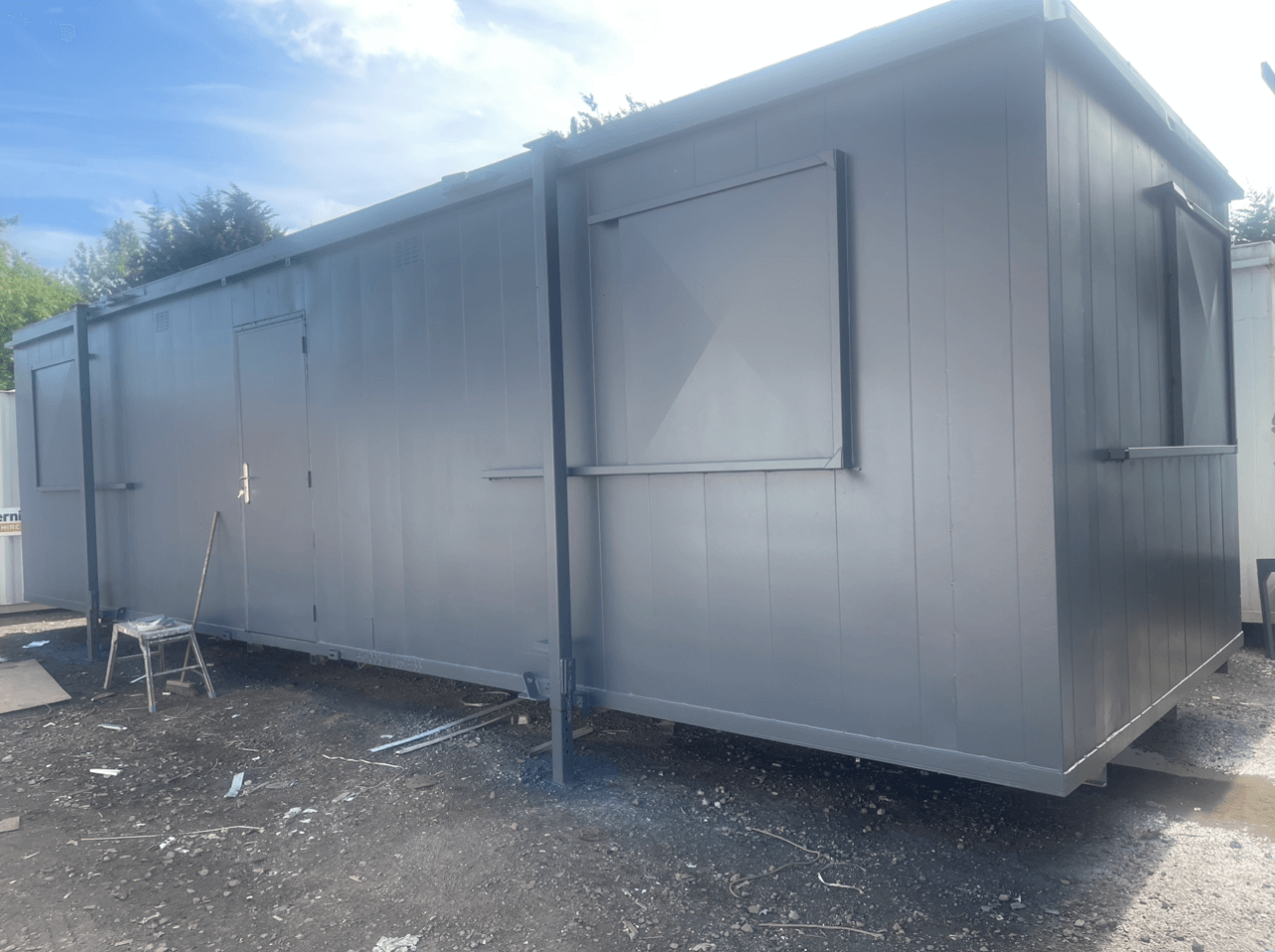
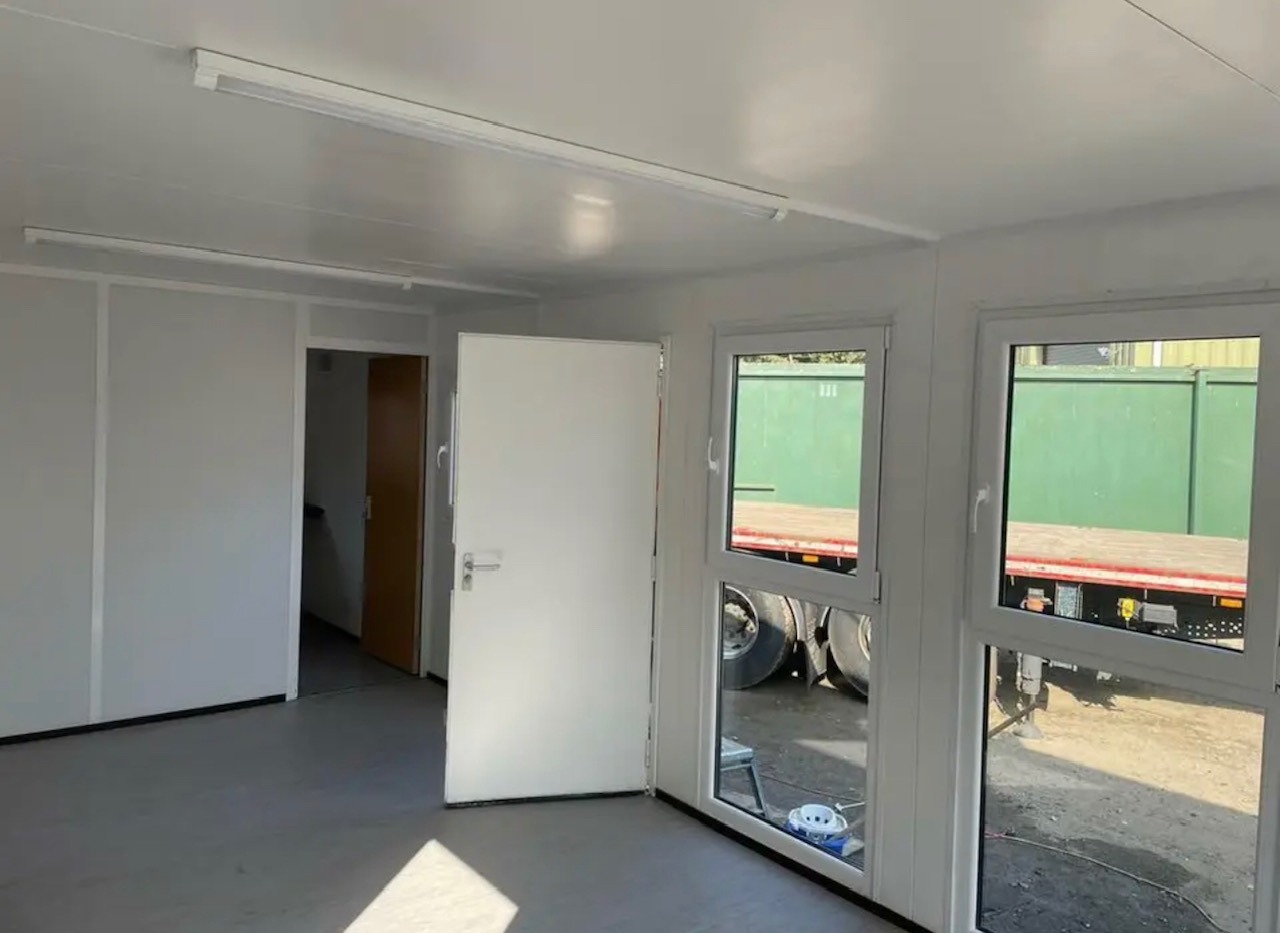
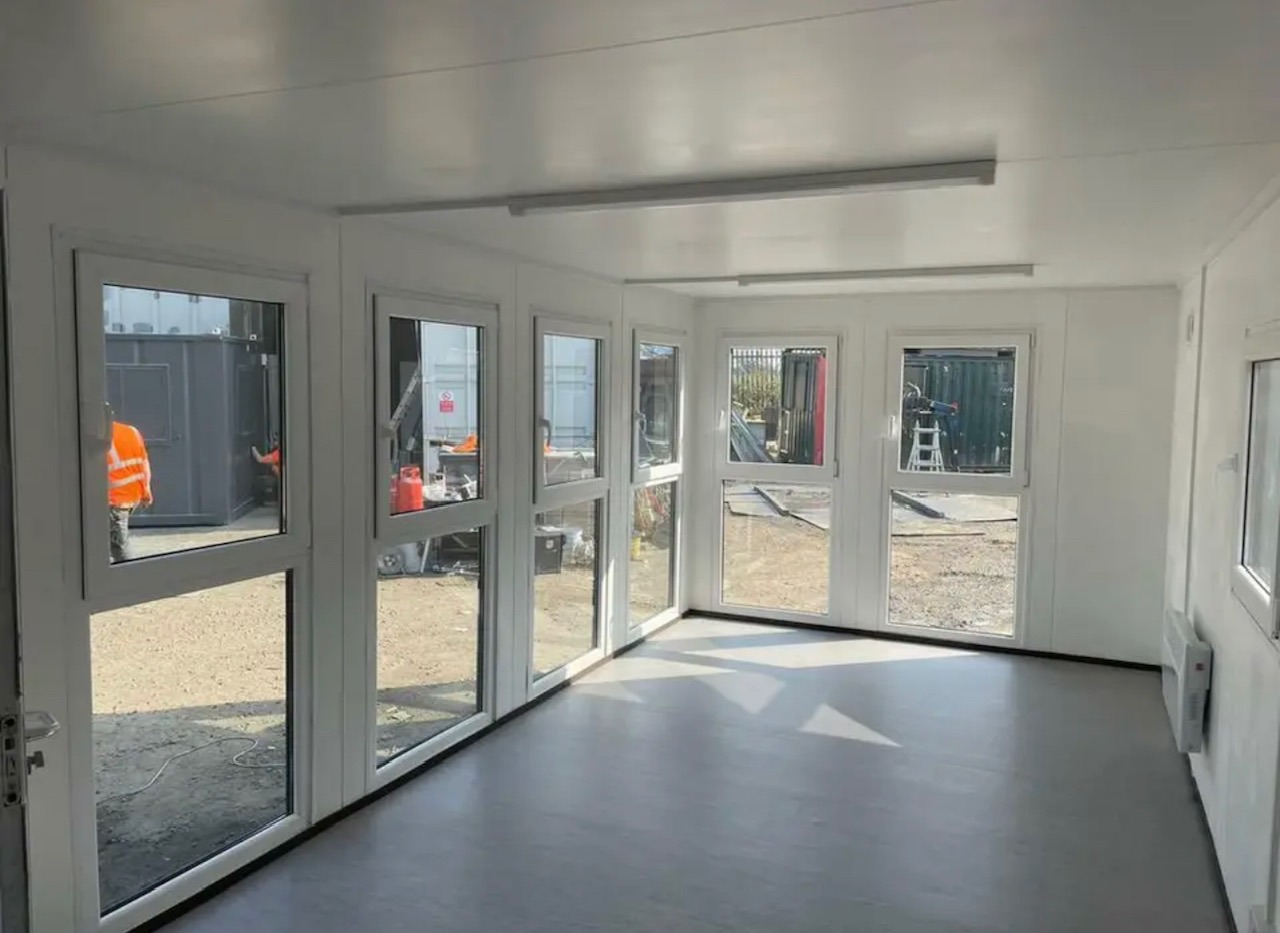
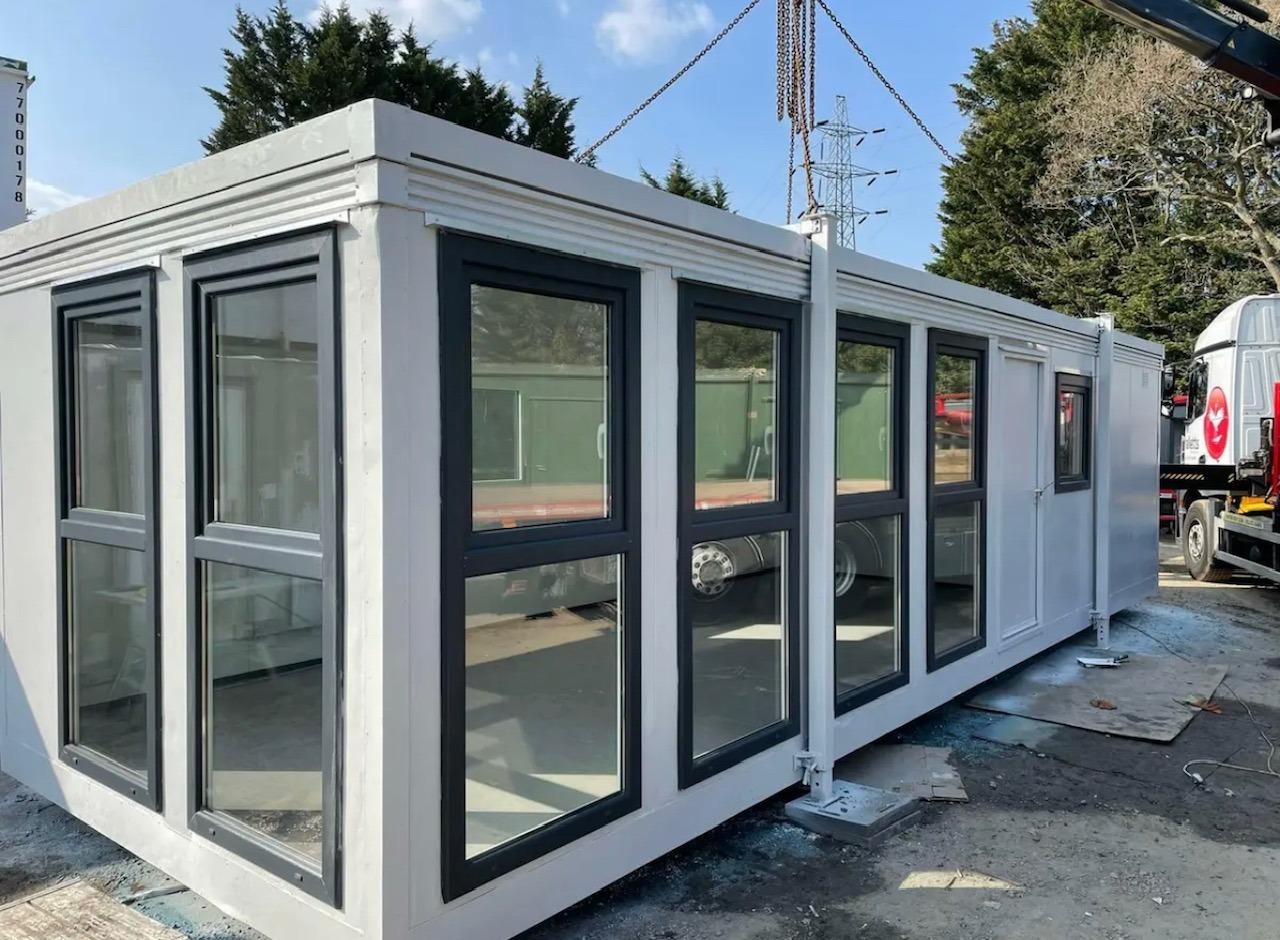
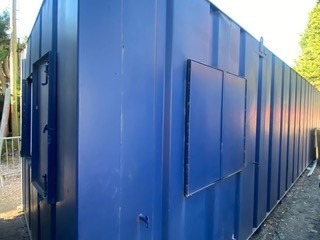
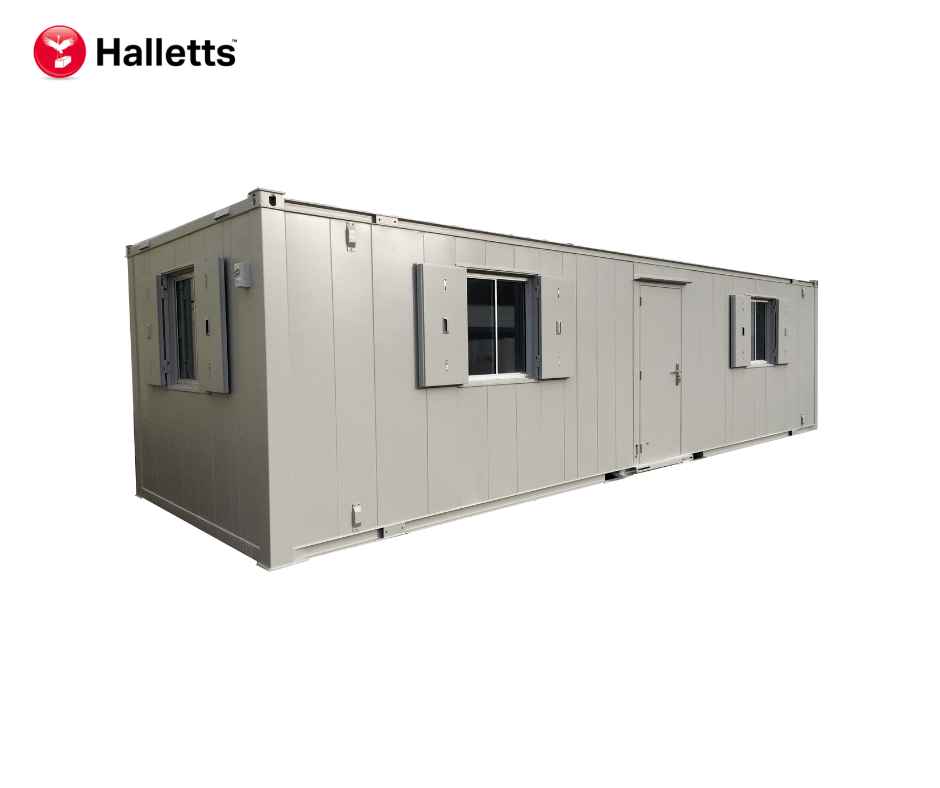
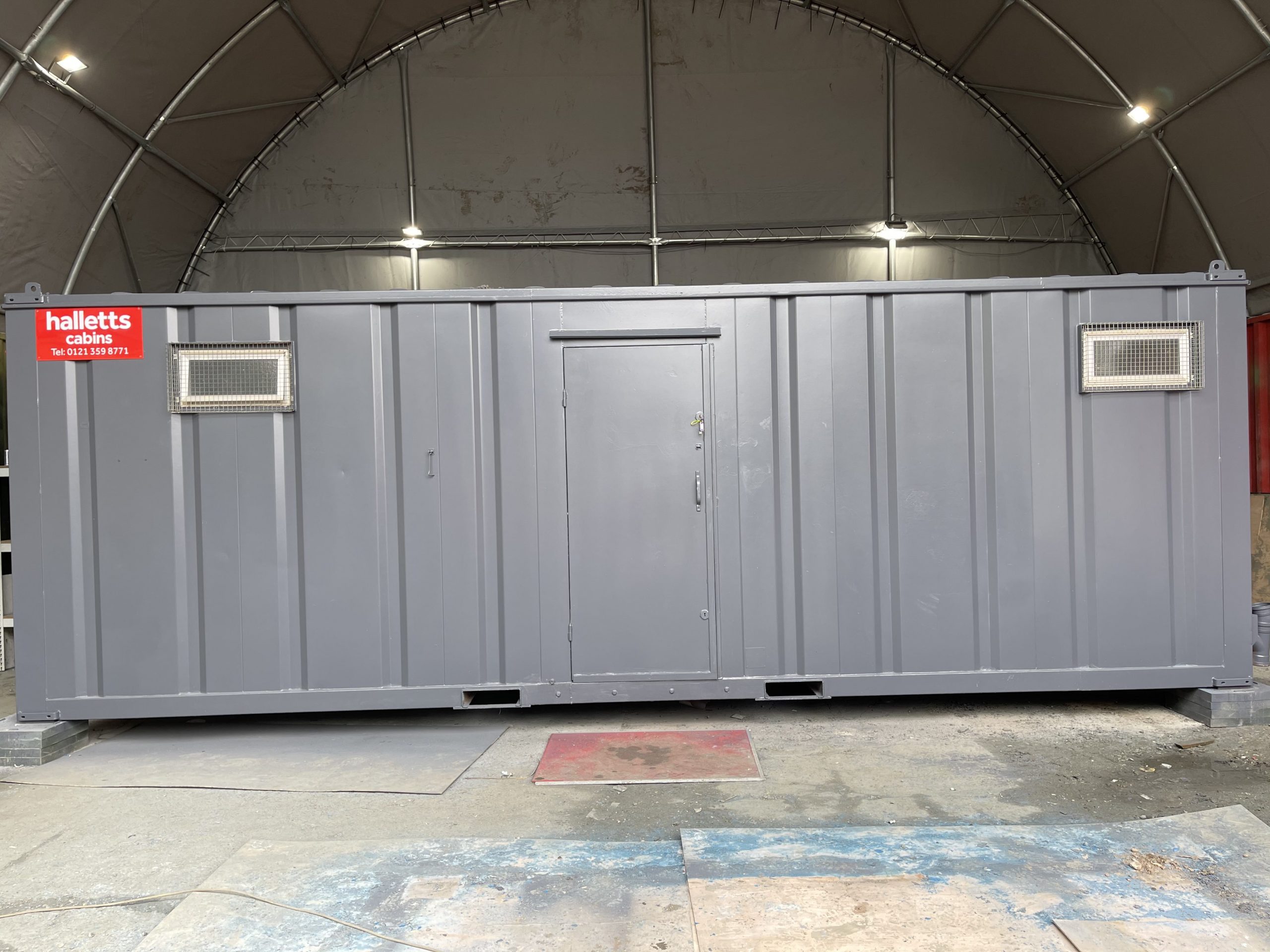
• Reinforced doors and windows with secure locking
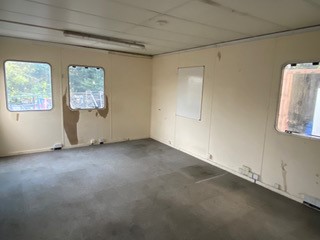
• Open plan with electric sockets and lighting
• Ral Code Colour of choice
• Any Extras available : Canteen, Partitions, Toilets.
Location: Nationwide
EX VAT
Not Available for Hire
Call for an instant quote!
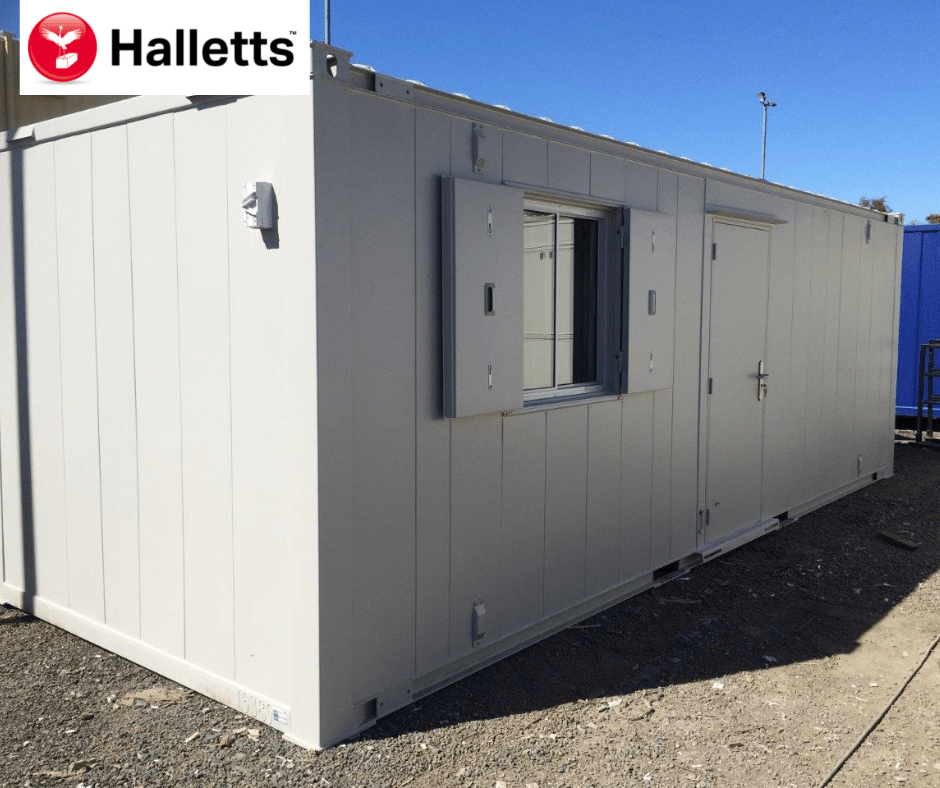
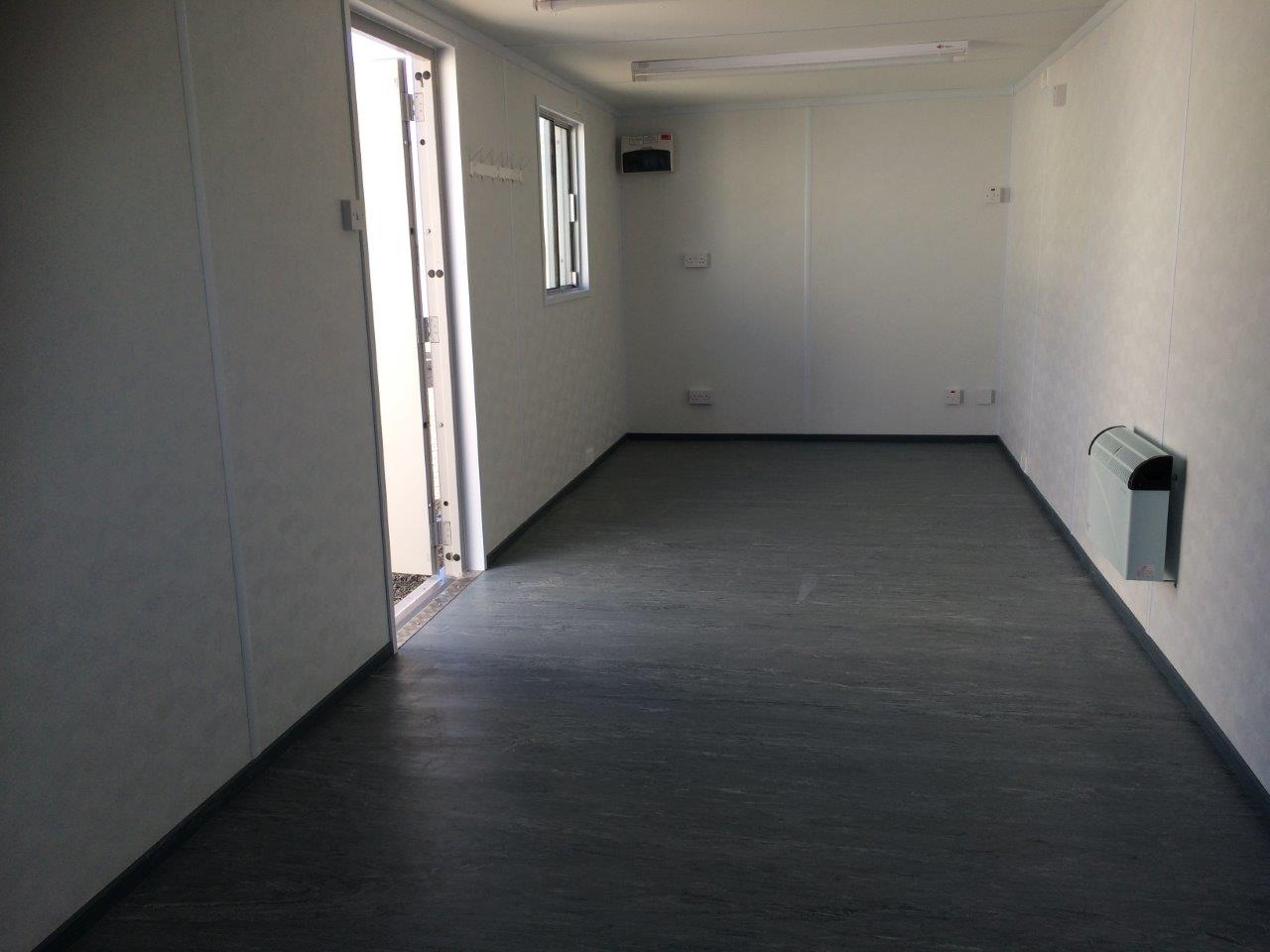
• Reinforced doors and windows with secure locking
• Open plan with electric sockets and lighting
• Ral Code Colour of choice
• Any Extras available : Canteen, Partitions, Toilets.
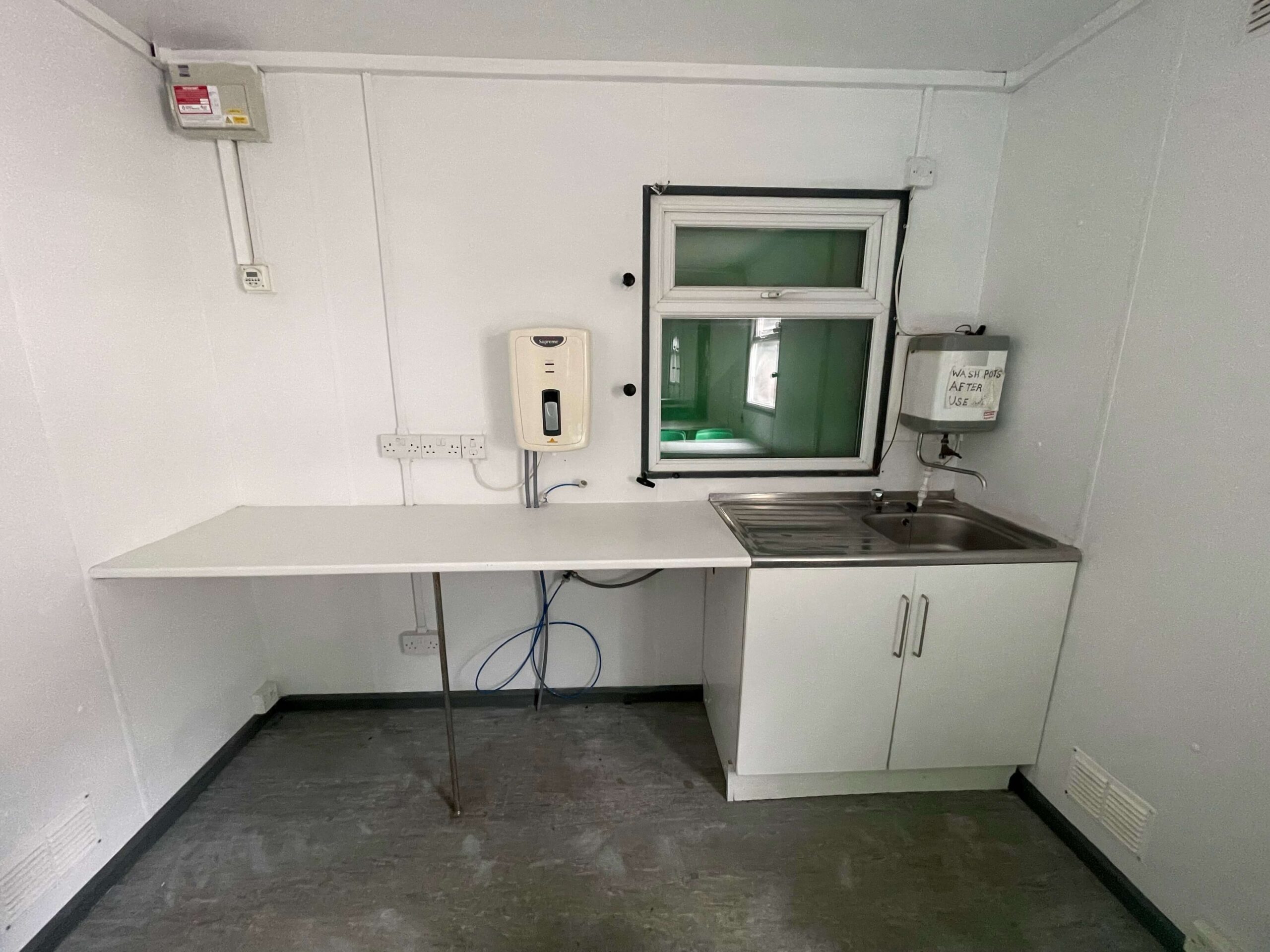
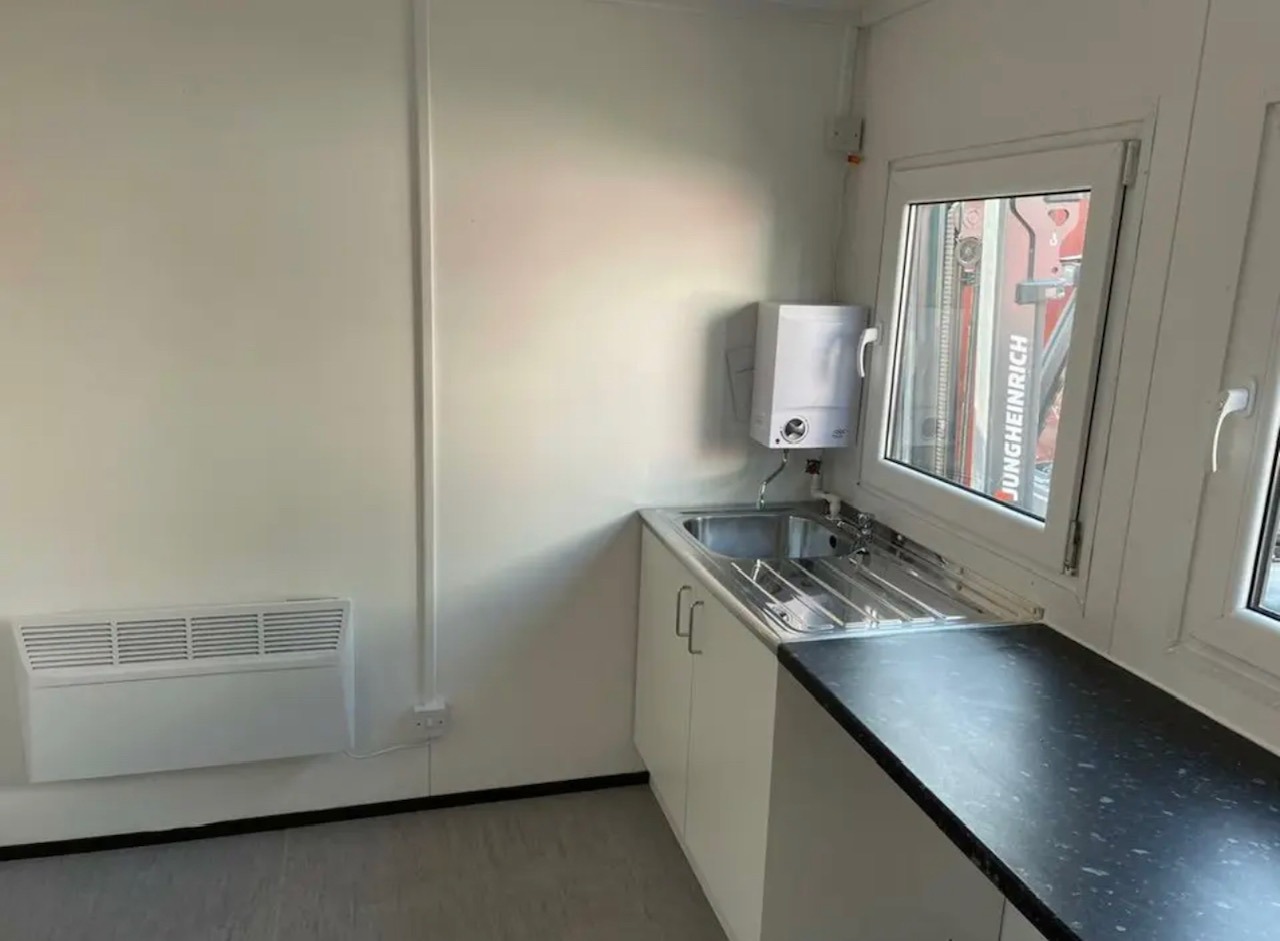
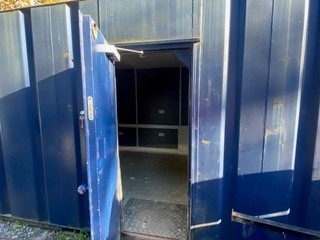
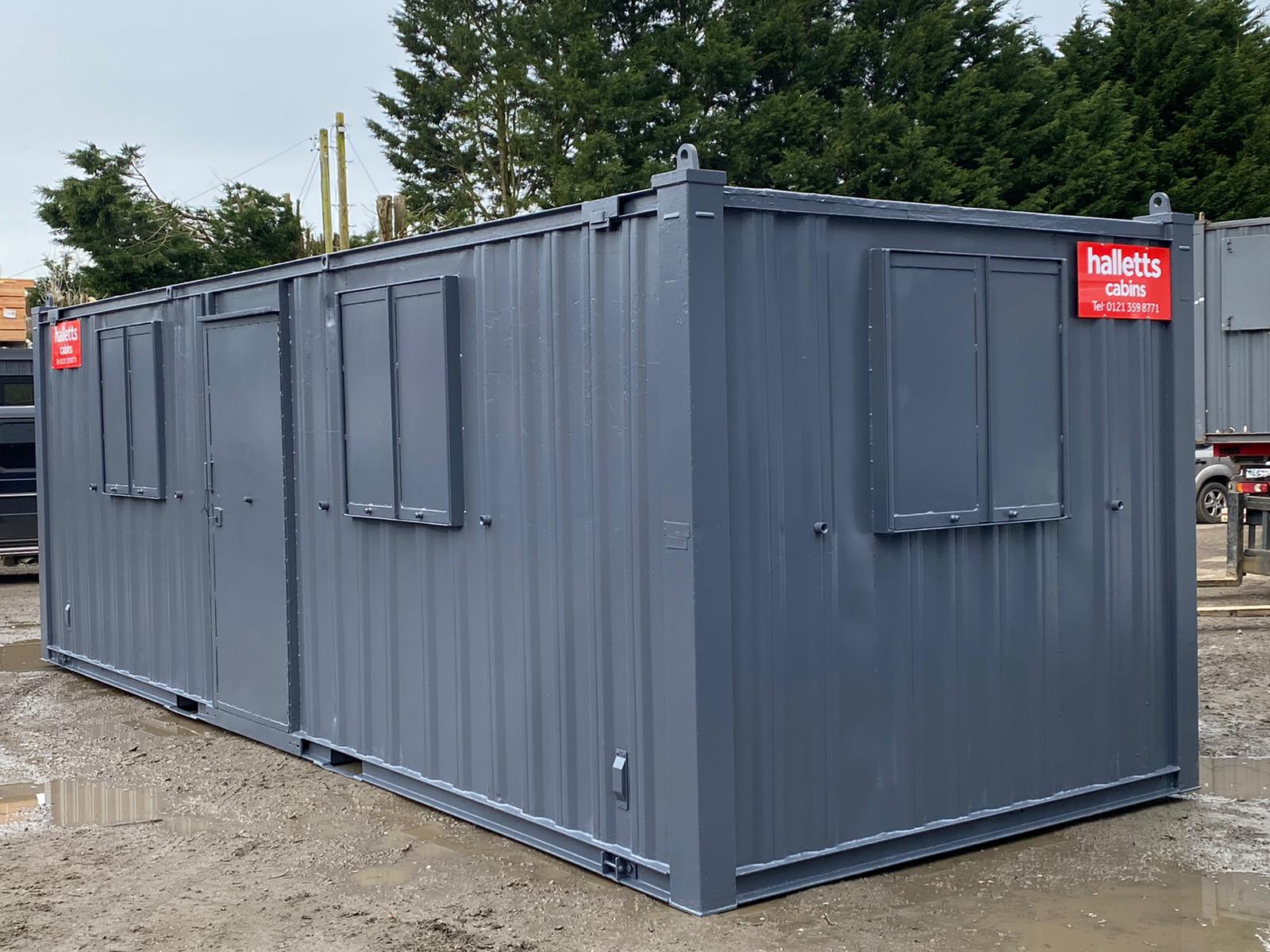
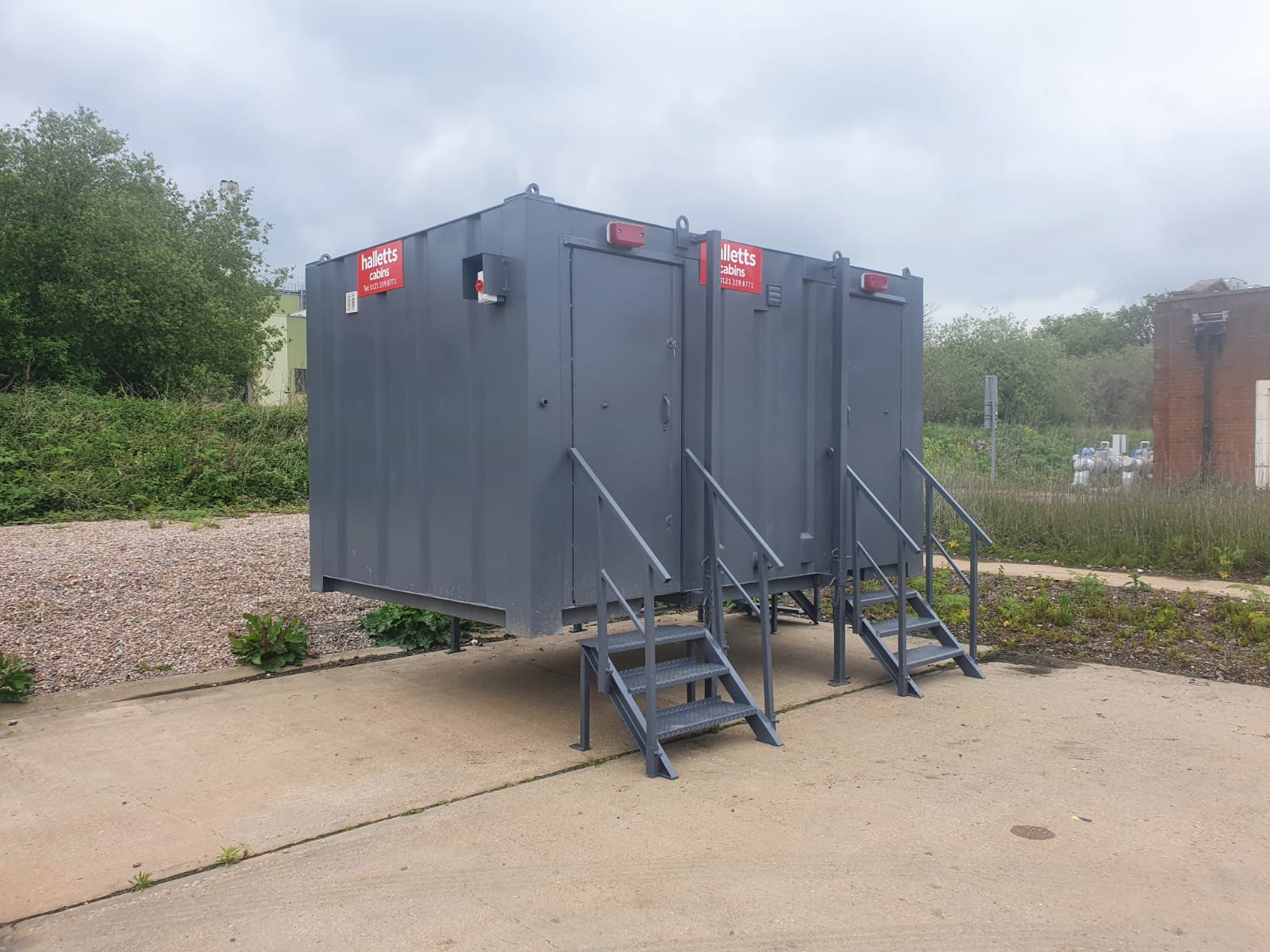
• Reinforced doors with secure locking
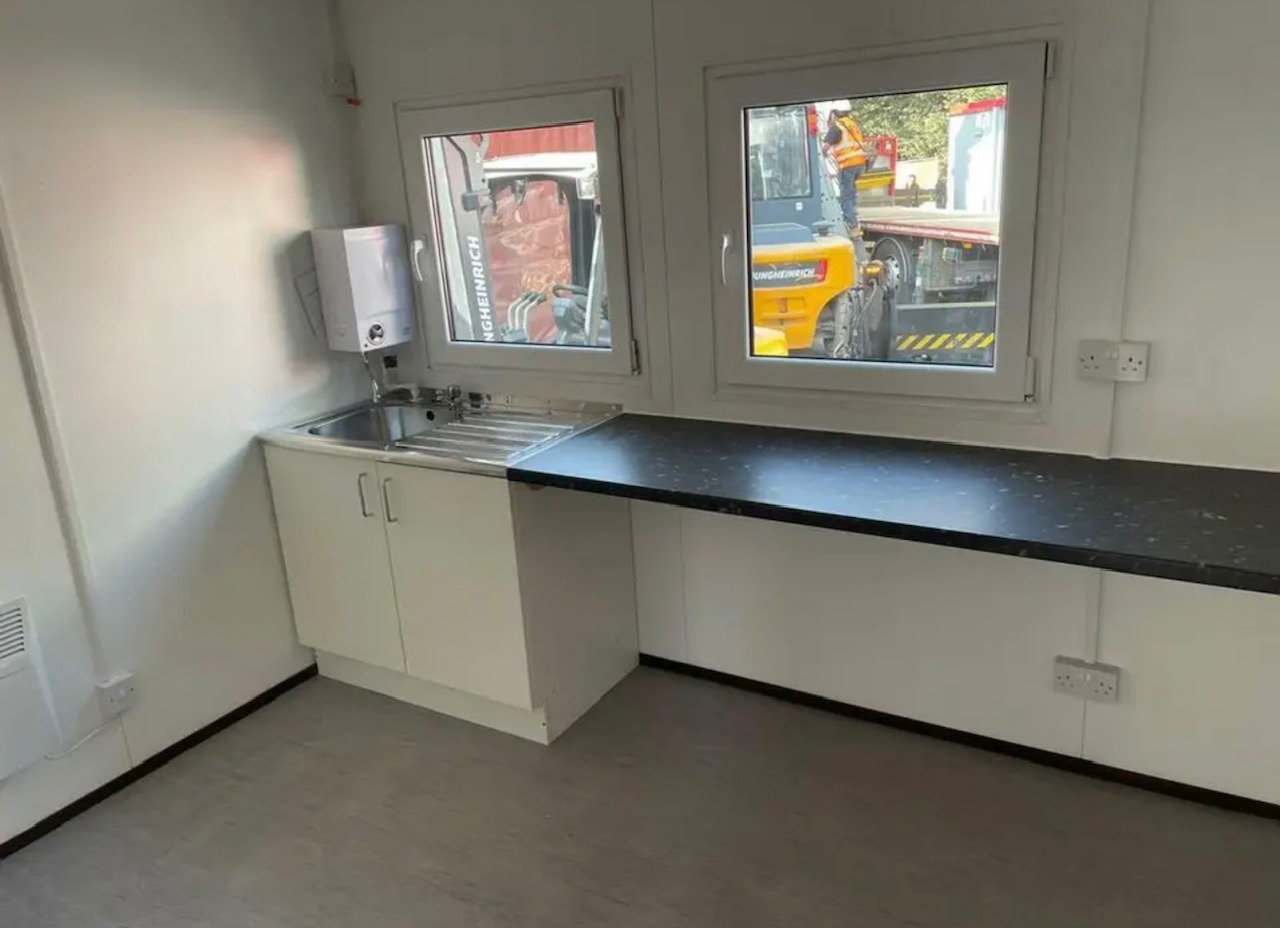
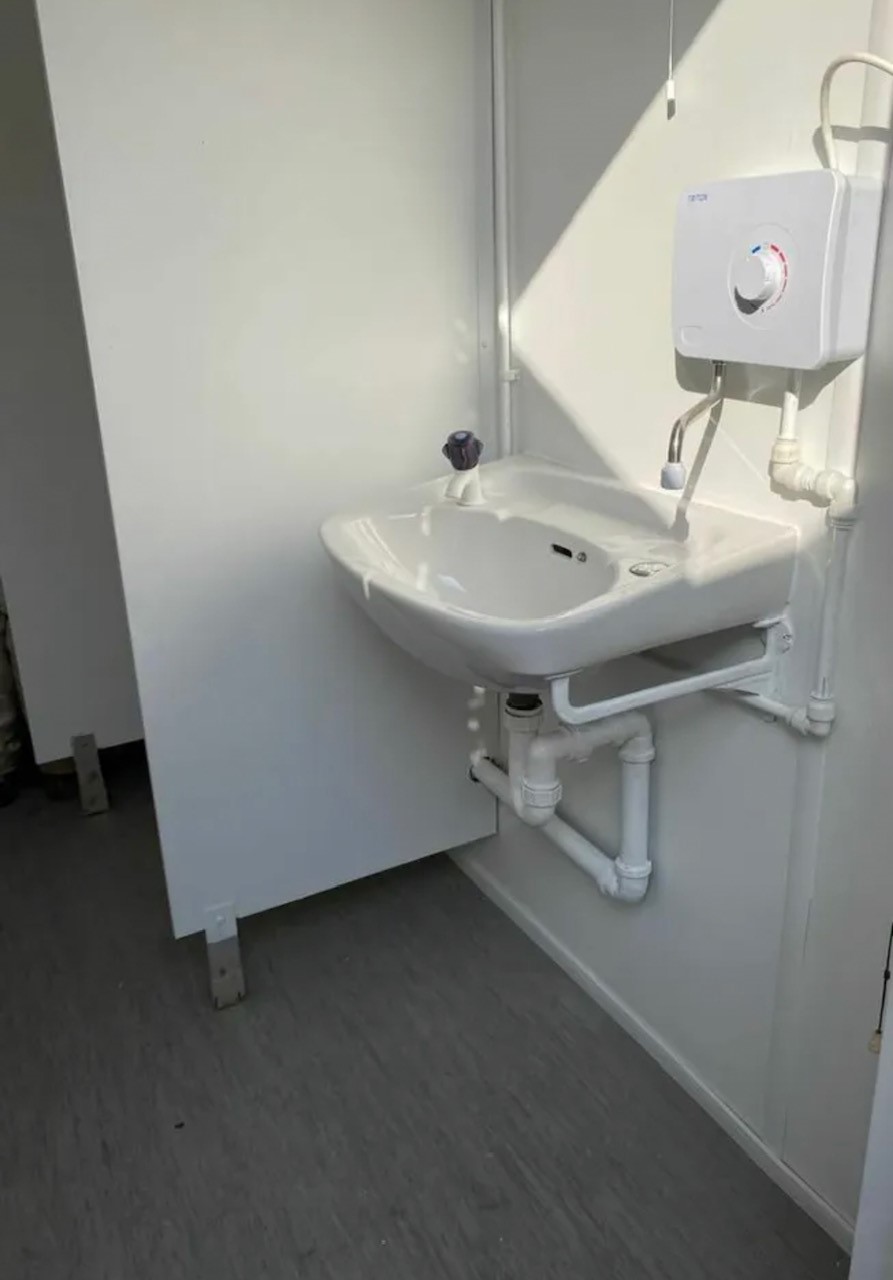
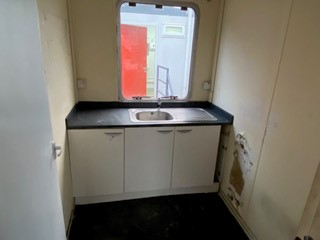
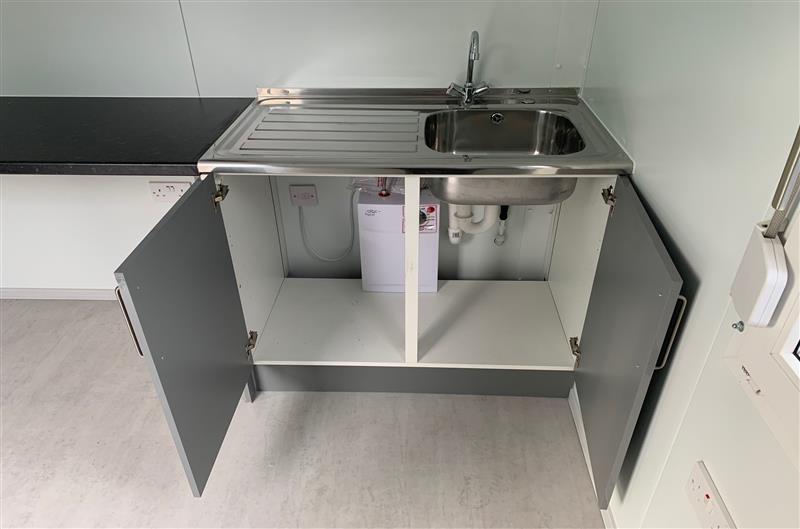
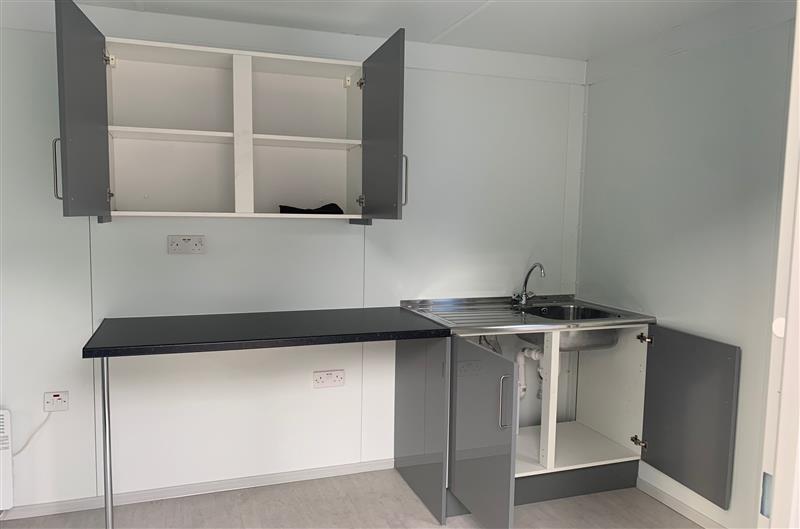
• Sink and water boiler included
Location: Nationwide
Quantity: ∞
EX VAT
Not Available for Hire
Call for an instant quote!
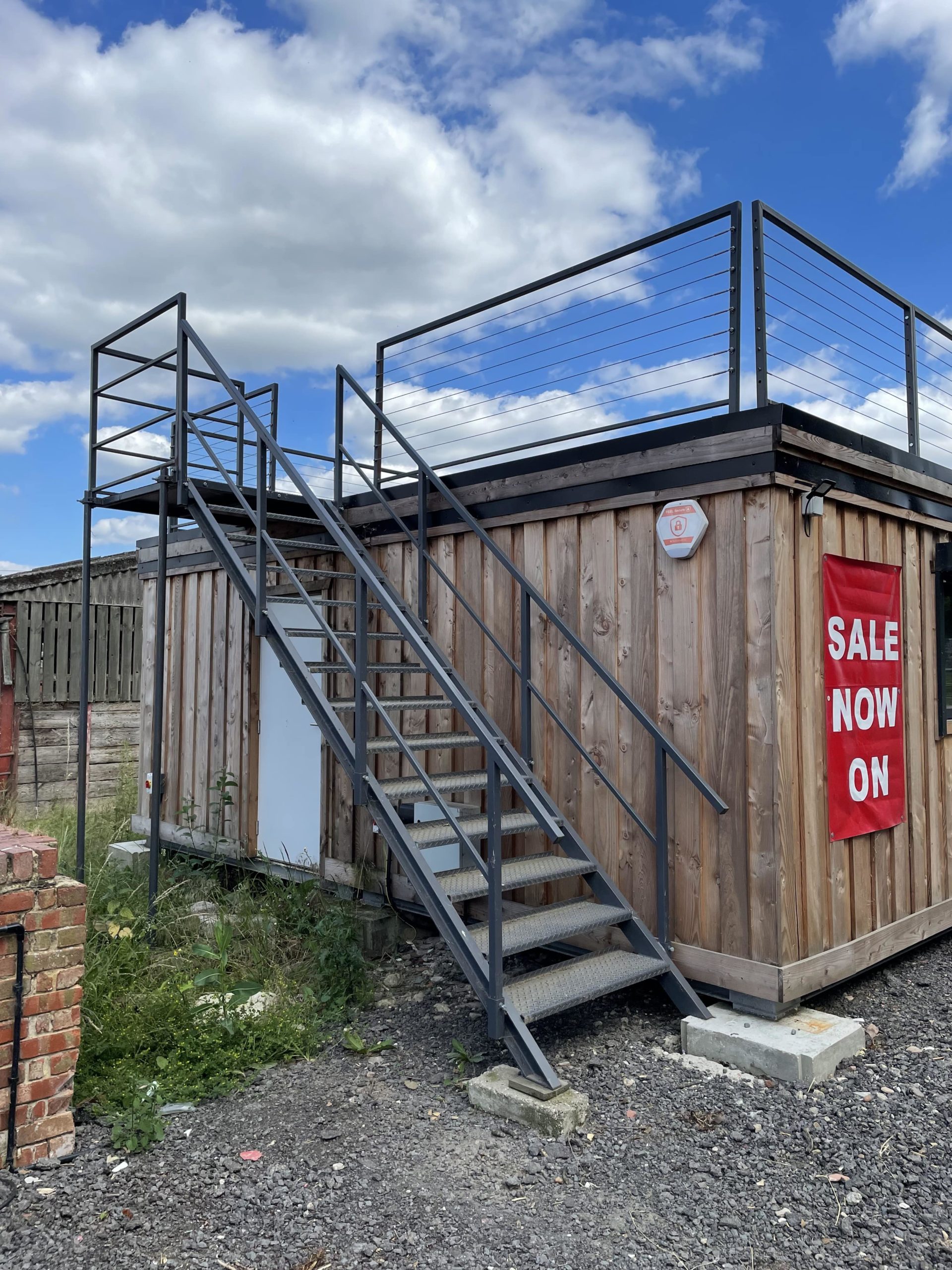
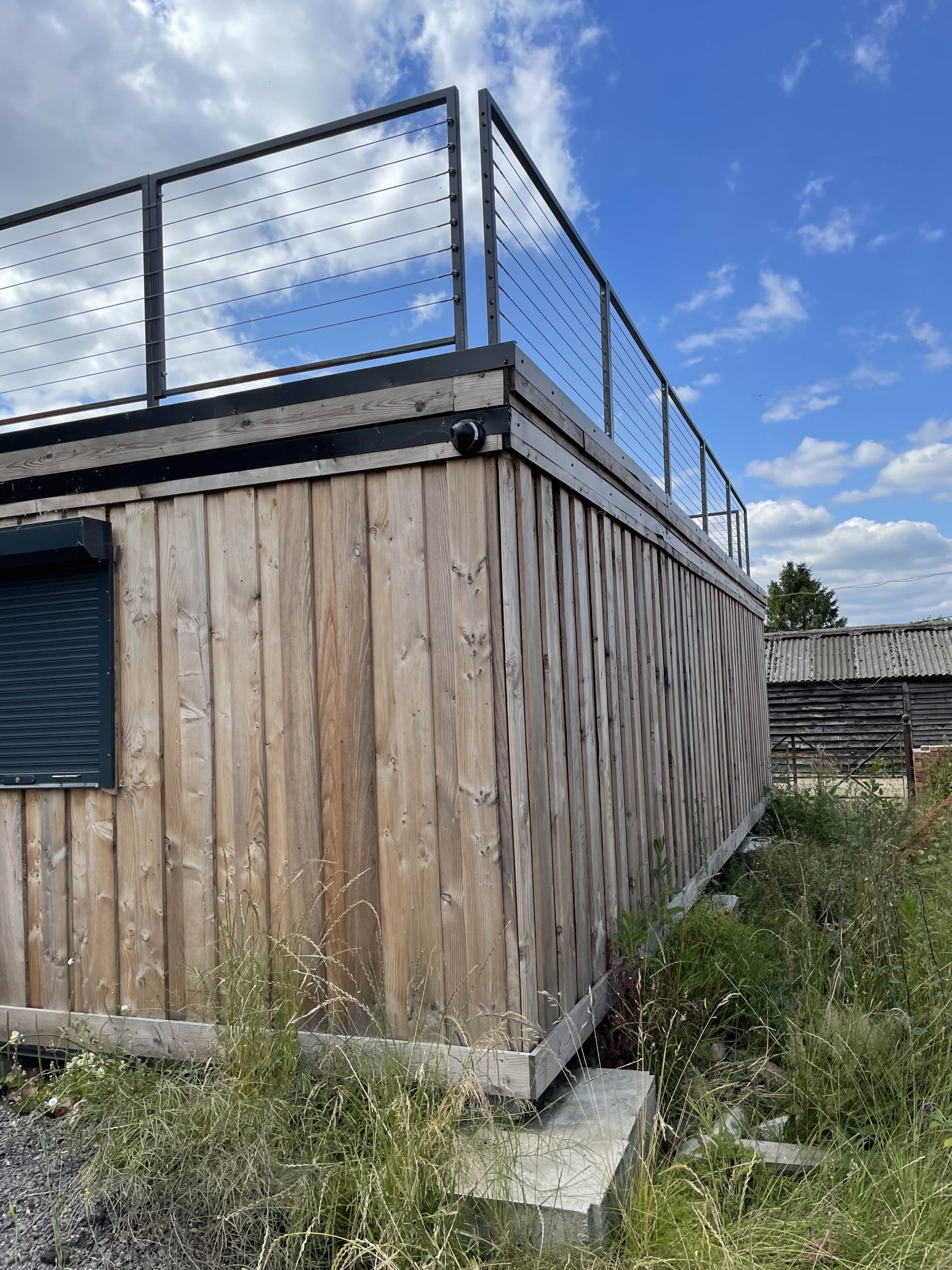
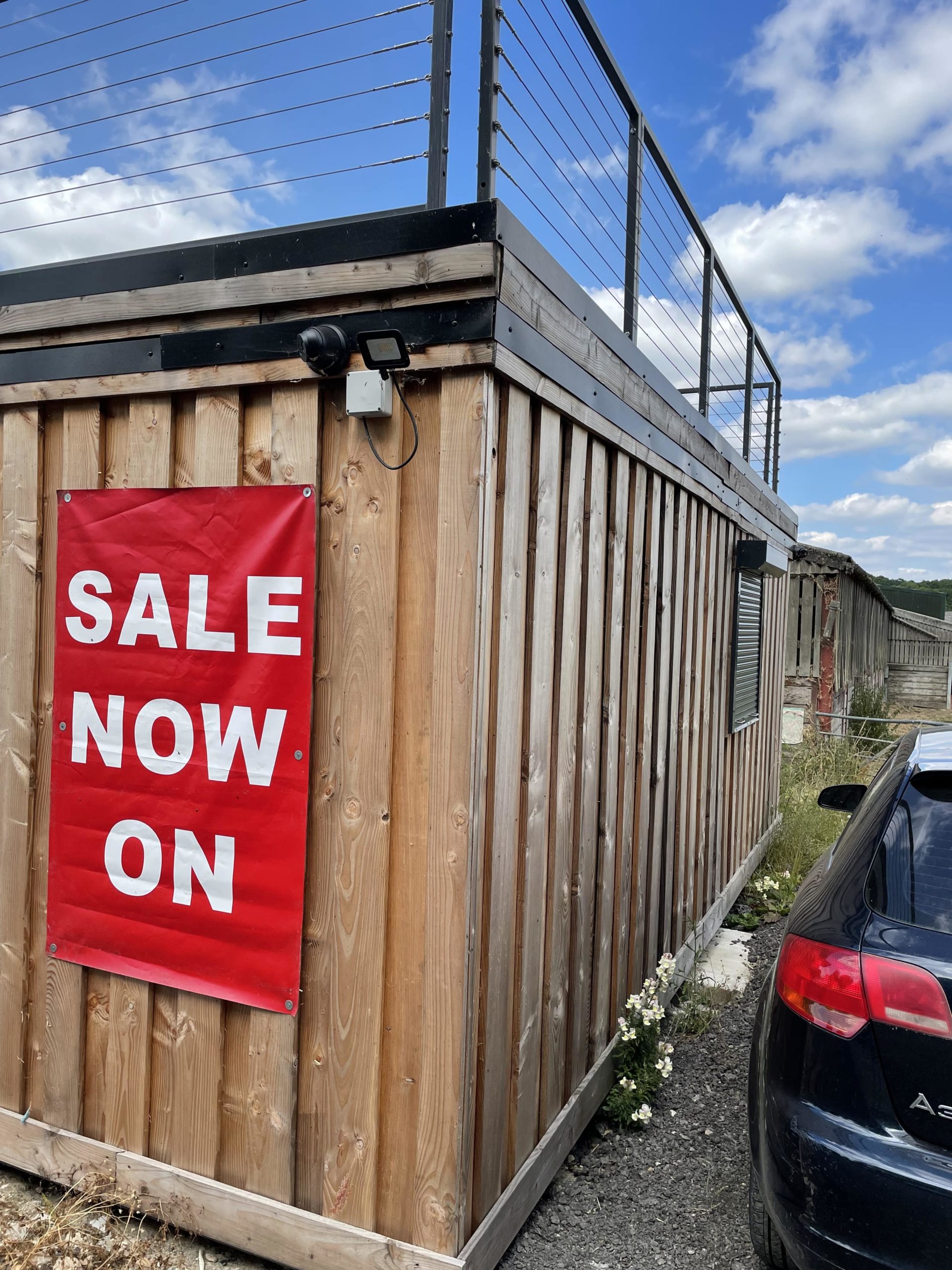
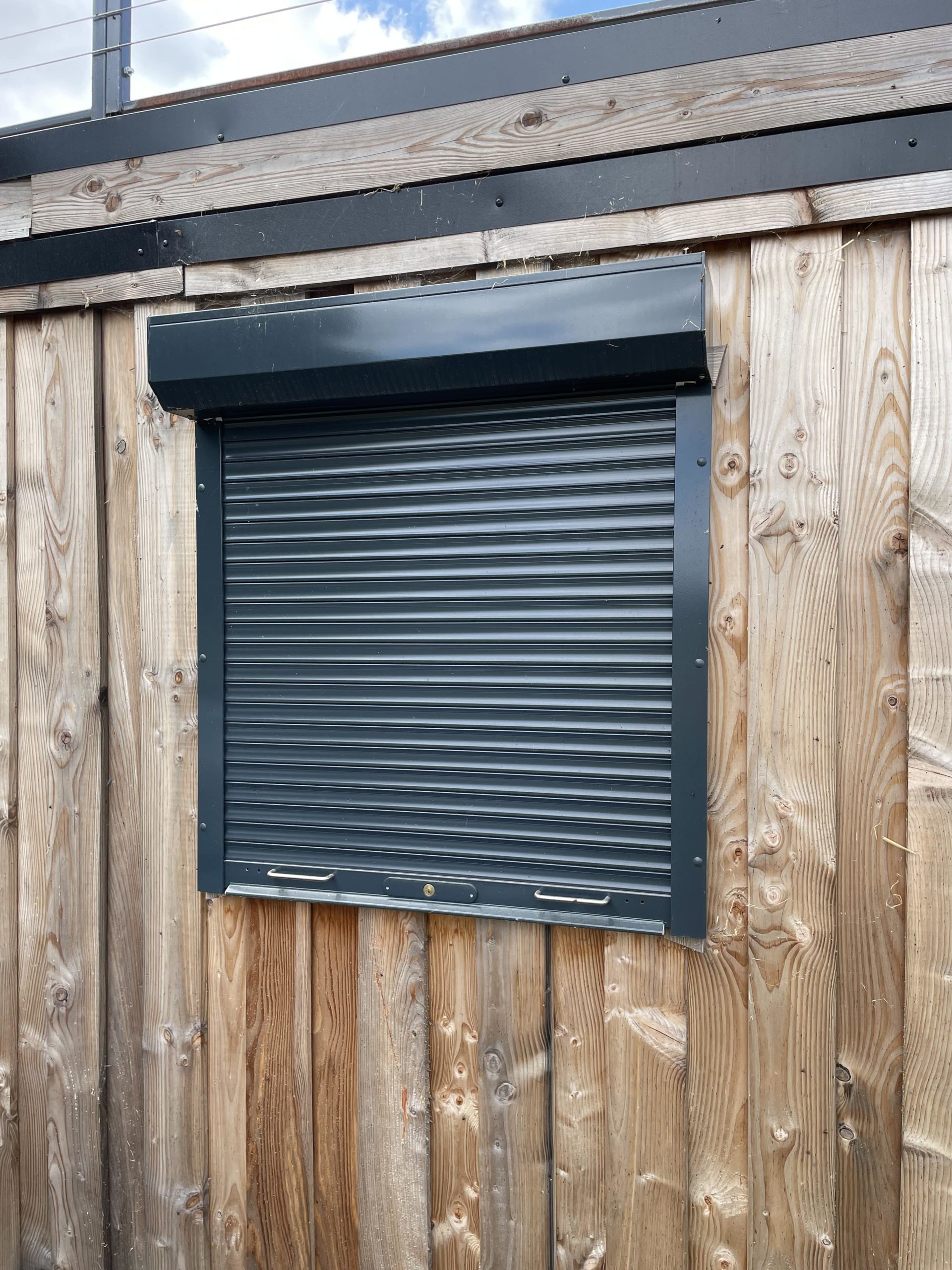
Location: Nationwide
EX VAT
Not Available for Hire
Call for an instant quote!
Get a Quick Container Quote Now!
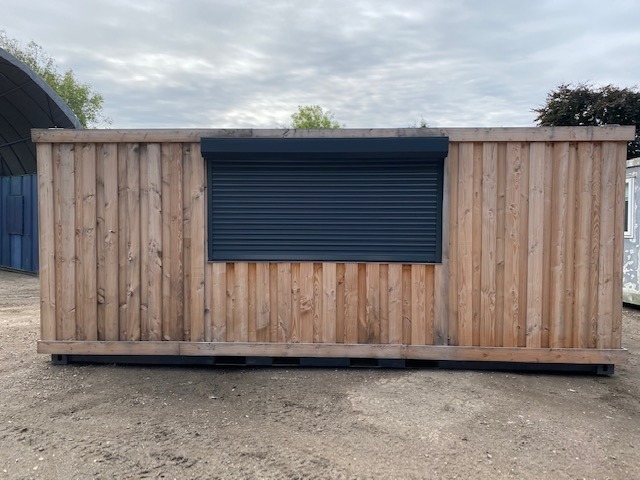
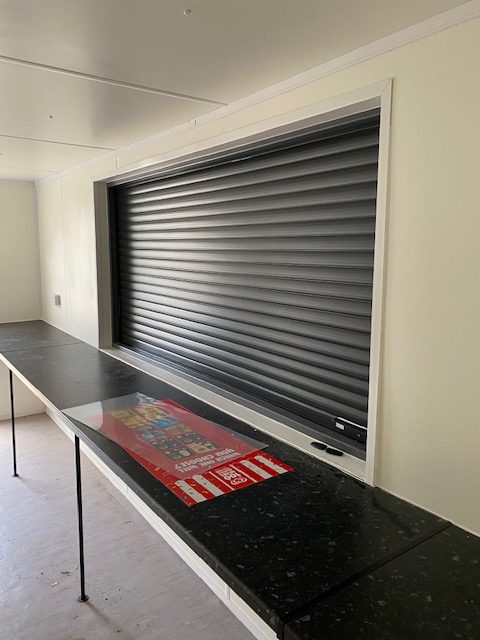
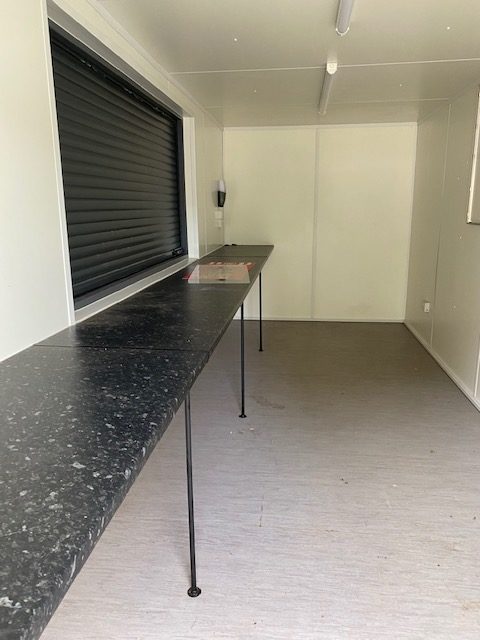
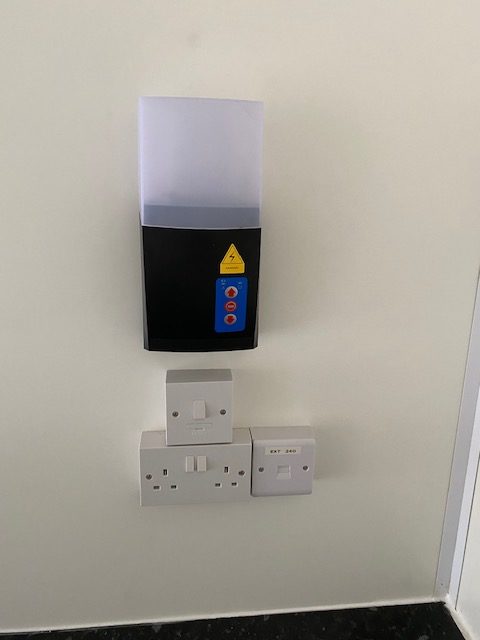
Location: Nationwide
EX VAT
Not Available for Hire
Call for an instant quote!
Get a Quick Container Quote Now!
Get a Quick Container Quote Now!
