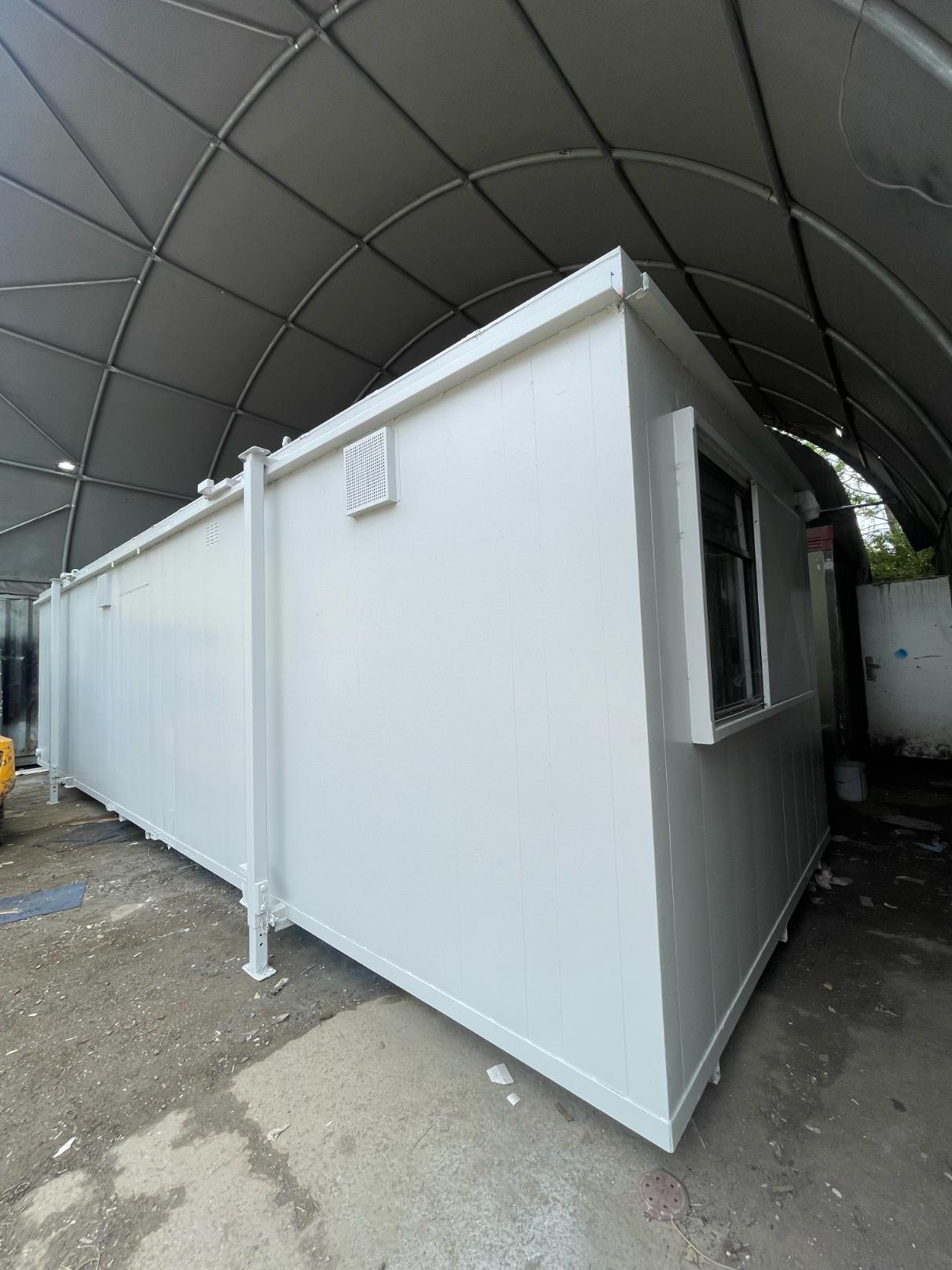
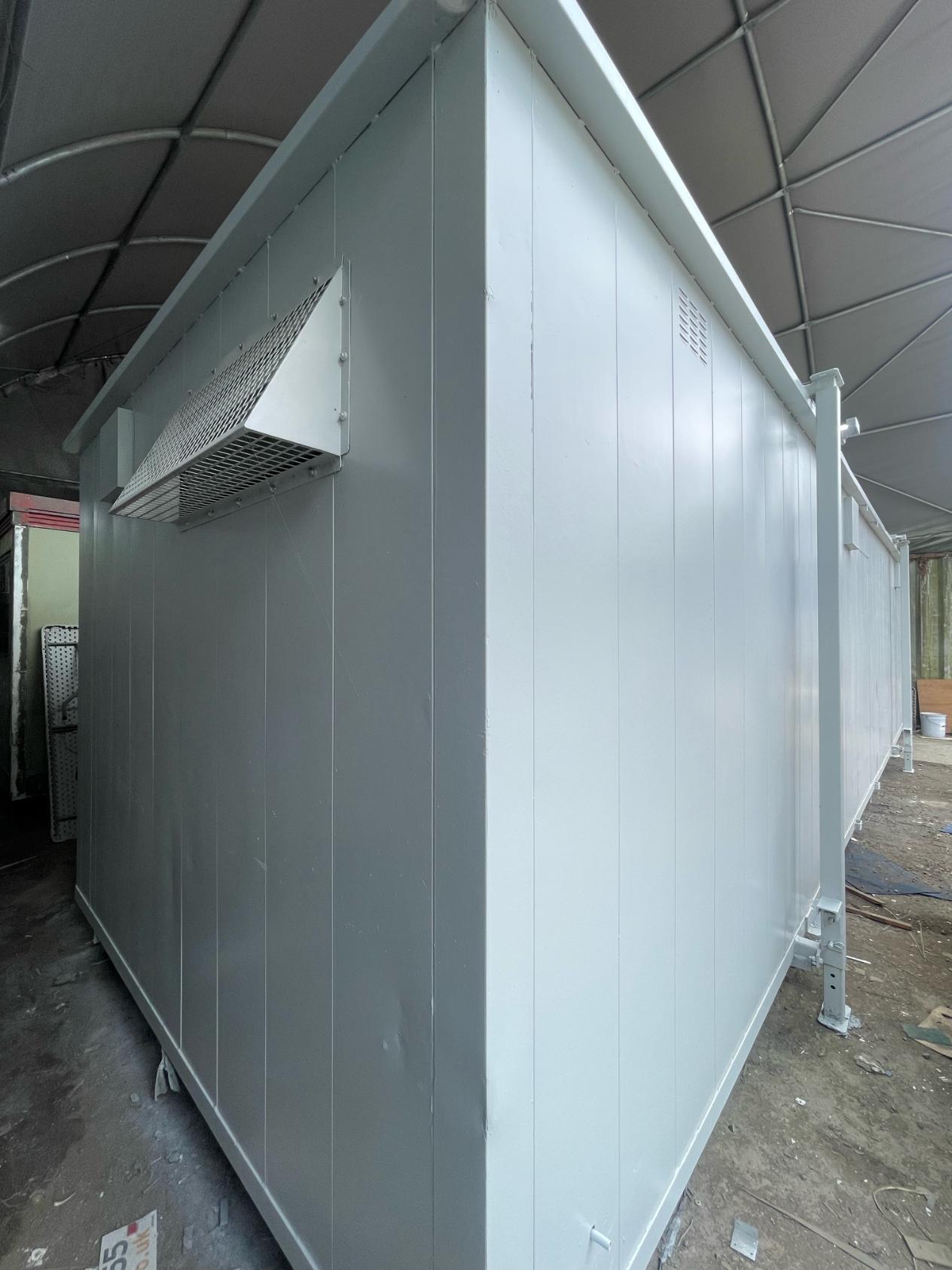
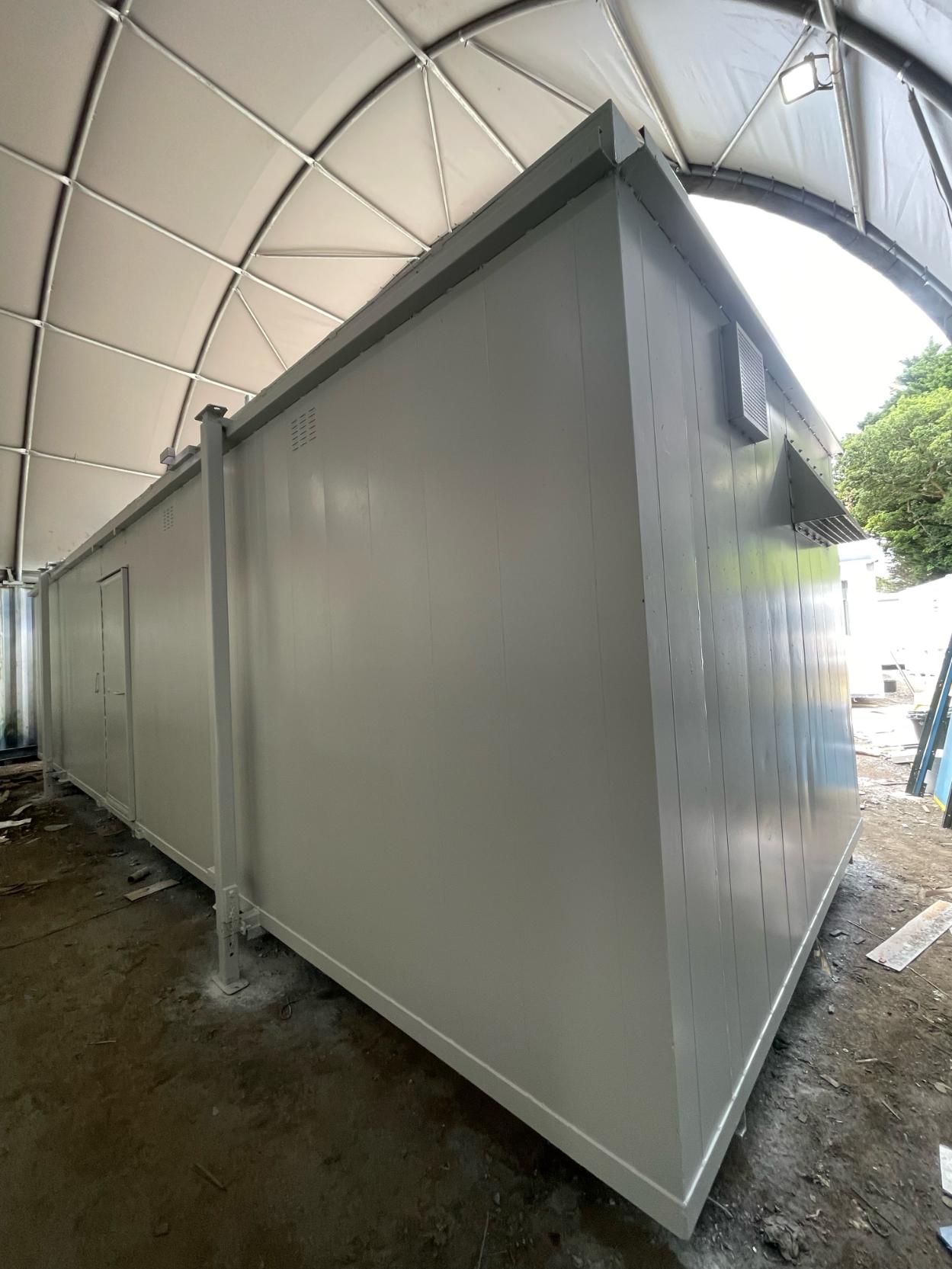
What Is a Lorry Container and What Types Are Available?
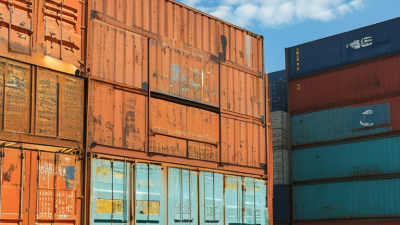
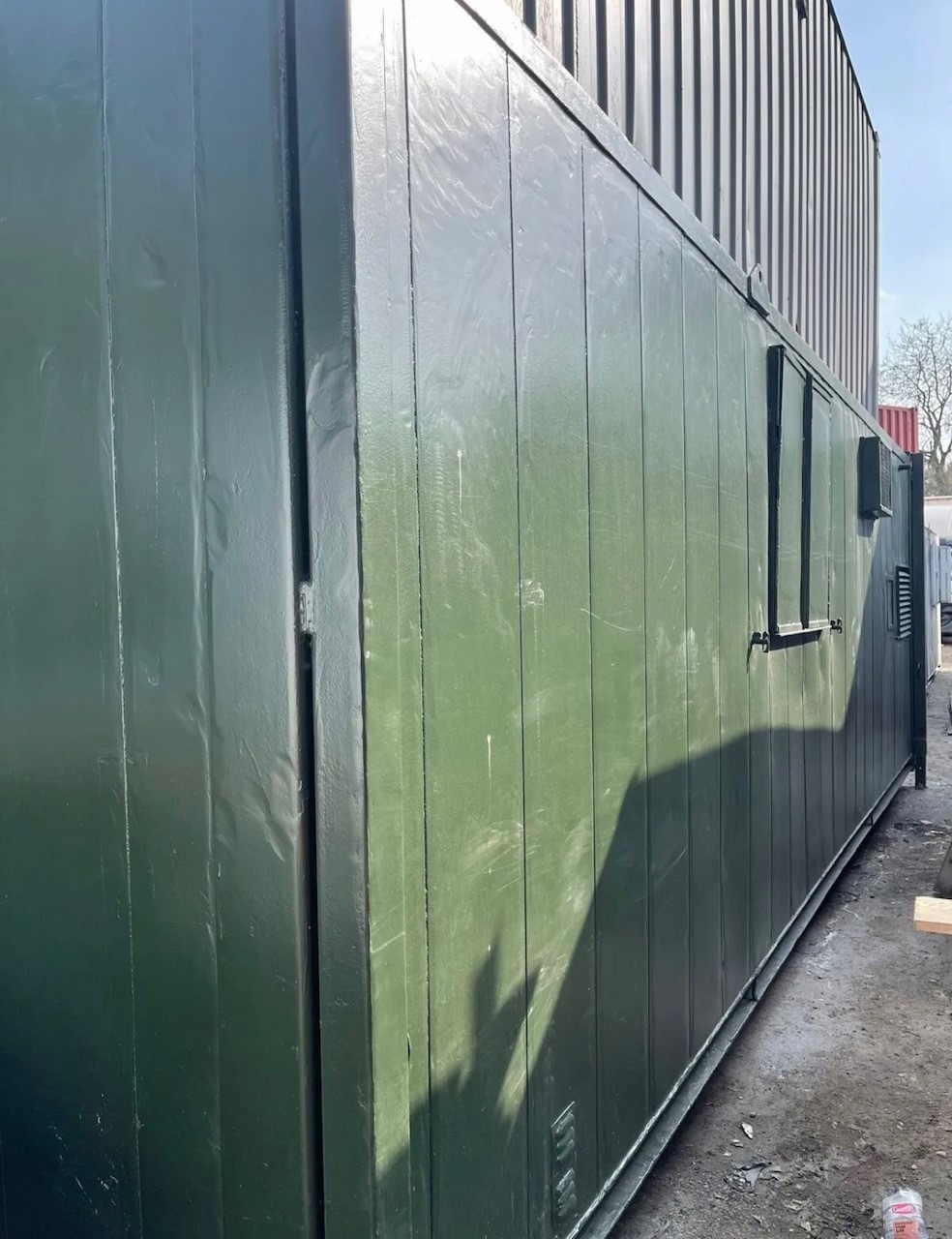
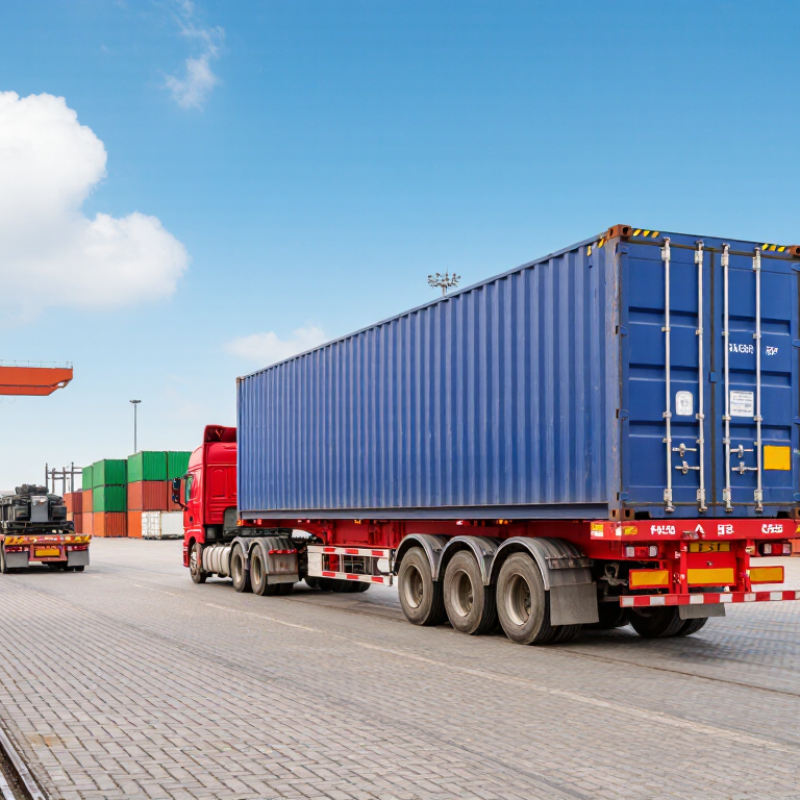
A lorry container is a standardized freight unit transported by road vehicles, often between factories, ports, warehouses, and distribution centers. In practical terms, it is the steel box seen secured behind a lorry, with corner castings, locking bars, and identification markings. Its design supports safer handling and faster transfers between road, rail, and sea. The United Nations Conference on Trade and Development reports that maritime transport carries over 80% of global merchandise trade by volume. This explains why road-compatible containers remain vital across international supply chains.
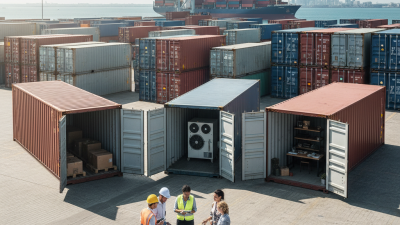
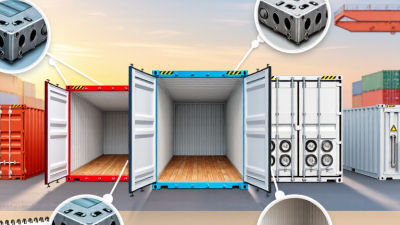
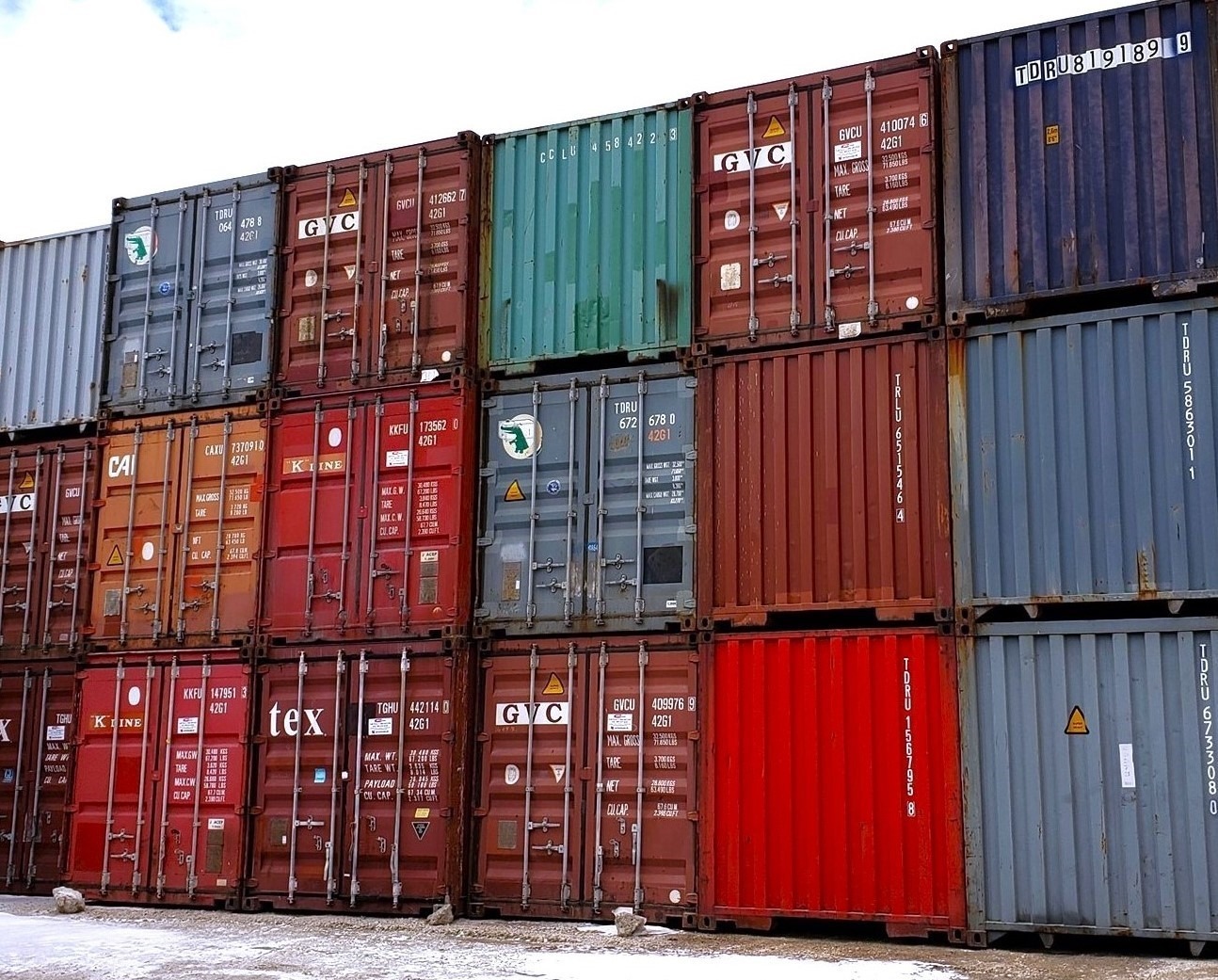
The most common options include 20-foot and 40-foot dry containers for general cargo. High-cube versions provide extra internal height for bulky goods. Refrigerated containers, or reefers, control temperature for food, pharmaceuticals, and other sensitive products. Open-top containers suit tall or crane-loaded cargo, while flat racks support machinery and oversized equipment. Tank containers transport approved liquid products under specialized safety requirements. ISO 668 provides dimensional and classification guidance, while the International Maritime Organization’s container safety framework supports structural inspection and secure handling. These standards matter when a lorry container moves through several transport networks.
Terminology can be inconsistent. A road operator may call the body a lorry container, while a shipping specialist may simply say intermodal container. That difference deserves attention. The wrong container type can waste capacity, increase handling time, or damage cargo. A useful selection process checks payload, internal dimensions, loading method, temperature needs, and route conditions. Reports such as UNCTAD’s Review of Maritime Transport show the scale of containerized logistics, but real performance still depends on careful planning. The steel box looks simple. The decision is not.
What Is a Lorry Container?
What Is a Lorry Container?
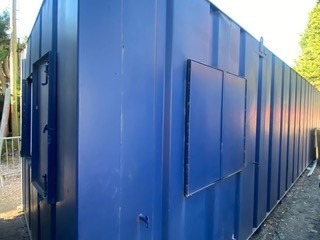
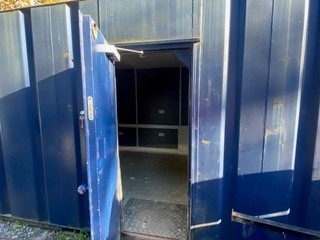
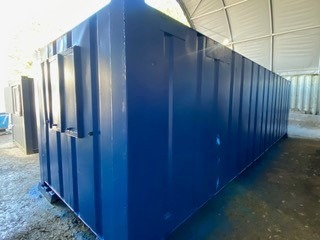
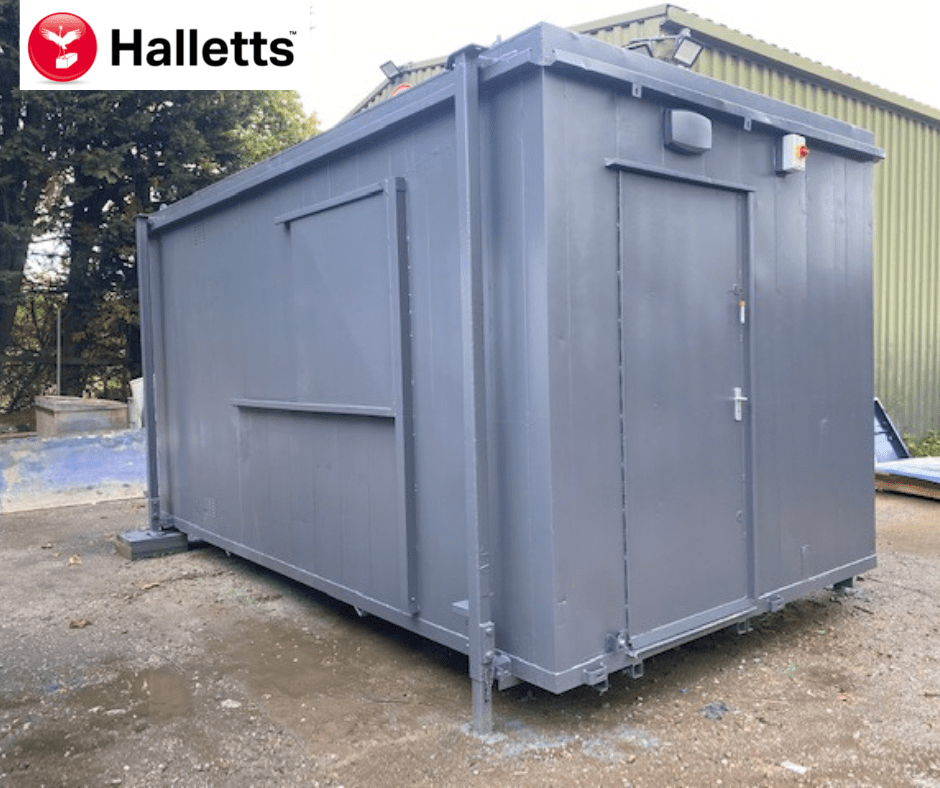
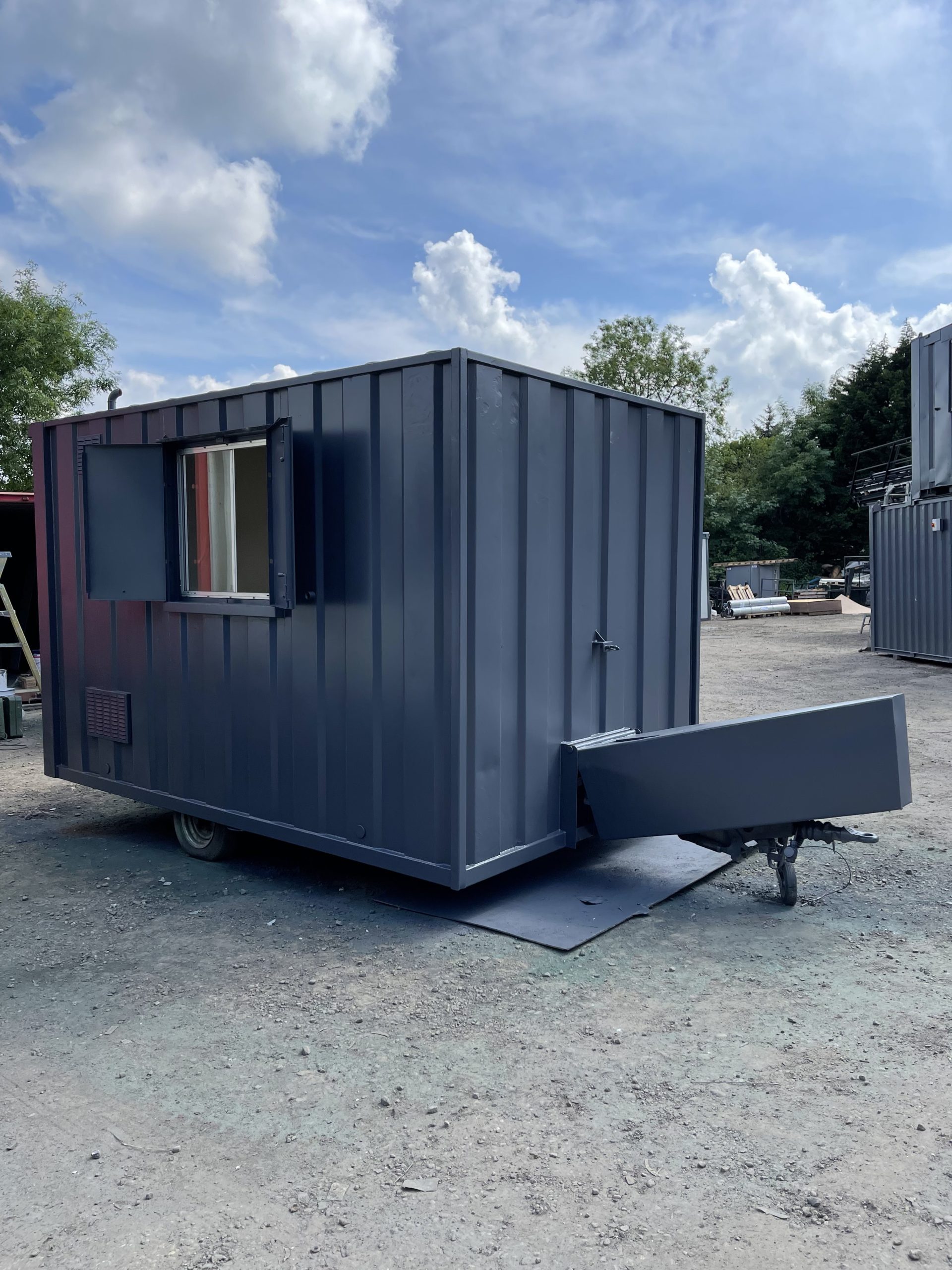
A lorry container is a removable or fixed cargo unit carried by a lorry. It protects goods during road transport, loading, and short-term storage. Unlike an ordinary truck bed, it usually has enclosed walls, a strong floor, and lockable doors. The term is not perfectly consistent. In some regions, it describes a standard shipping container; elsewhere, it means the lorry’s complete cargo body.
Common types include dry containers, refrigerated containers, open-top containers, flat racks, and tank containers.
A dry container suits boxed goods, furniture, and packaged equipment.
A refrigerated model controls temperature for approved food or pharmaceutical cargo.
Open-top units help load tall materials with lifting equipment.
Flat racks support oversized machinery, although the cargo needs careful securing.
Tank containers require specialist handling, inspections, and suitable operating procedures.
Tips:
Check the container’s internal dimensions before loading. Measure height, width, and door clearance, not only floor space. Inspect seals, hinges, roof panels, and the floor for damage. Confirm the lorry can carry the loaded weight safely. Weight distribution matters. A container may look balanced while placing too much pressure on one axle. Clear labels and accurate cargo records also reduce handling mistakes. Small oversights can become expensive, and container terminology can still cause confusion between suppliers, drivers, and warehouse teams.
How Is a Lorry Container Designed and Built?
A lorry container is designed around weight, movement, weather, and loading speed.
Its frame usually uses welded steel rails, while aluminium or coated panels reduce corrosion and unnecessary mass. Standard units follow ISO 668 dimensions, including a typical 20-foot container measuring 6,058 millimetres long and 2,438 millimetres wide. The CSC Convention also requires structural safety approval before international use. These rules support compatibility between lorries, rail wagons, and ships. Eurostat’s Transport in Figures 2024 reports that road freight carried roughly 77% of EU inland freight in 2022. The container must therefore survive frequent handling, not just one journey.
Builders reinforce corner posts, roof bows, cross-members, and the floor beneath forklift paths. A dry container uses sealed panels and locking doors. A refrigerated version adds insulation, airflow channels, and a cooling system. Curtain-side bodies prioritise quick side loading, but their flexible walls need careful tensioning. UNCTAD’s Review of Maritime Transport 2023 recorded about 858 million TEUs of global container port throughput in 2022. That scale makes small design failures expensive. A practical inspection checks door alignment, floor damage, weld quality, drainage, and lashing points. The weak point is often the seal. Even careful drawings can miss water paths around hinges or roof joints. No design is perfect. Engineers must keep testing real loading conditions, because uneven cargo and rough roads expose assumptions that laboratory tests may overlook.
What Are the Main Types of Lorry Containers?
A lorry container is a secure unit carried by a lorry for moving goods between locations. Its structure supports loading, lifting, and repeated road use. The main choice depends on the cargo, route, and handling equipment. A dry container has solid walls and a lockable door. It protects general cargo from rain, dust, and basic impact. This is the everyday workhorse.
Refrigerated containers, often called reefers, control internal temperature for chilled or frozen goods. They need a reliable power supply and regular temperature checks. Temperature records matter. Open-top containers have a removable roof or flexible cover. They suit tall cargo that cannot pass through standard doors. Flat-rack containers have collapsible ends and exposed sides. They carry machinery, timber, or other oversized loads. Tank containers are built for liquids and use reinforced frames. Their valves, seals, and pressure ratings require careful inspection.
On working sites, selection is rarely as simple as a catalogue suggests. A container may fit the cargo but fail the lifting plan. Check tare weight, maximum payload, door clearance, and floor condition. Inspect twist-lock points before loading. I have found that small details cause the biggest delays. A dry container can seem suitable until ventilation becomes necessary. A refrigerated unit may work technically but create extra power demands. Choosing well means matching the container to the full journey, not just the cargo inside.
What Is a Lorry Container and What Types Are Available?
A lorry container is a standardized cargo unit transported by road. The chart compares the typical internal volume of common container types. Actual dimensions can vary slightly by manufacturer and specification.
Dry containers are used for general cargo, while high-cube containers provide extra height. Refrigerated containers control temperature, open-top containers suit oversized cargo, and flat racks are designed for heavy or unusually shaped loads.
How Do Lorry Containers Differ in Size and Function?
A lorry container is a removable freight box carried by a truck or lorry. Its size and structure determine how safely and efficiently goods travel. Standard units often measure 20 or 40 feet long. A 40-foot high-cube container provides extra interior height for bulky cartons, machinery, or stacked pallets. However, more space does not always mean better loading. Weight limits, axle distribution, and the lorry’s chassis must still match the cargo.
Different designs serve different jobs. Dry containers protect ordinary goods from rain, dust, and handling damage. Refrigerated containers maintain controlled temperatures for food or sensitive materials. Open-top models suit tall cargo that cannot pass through standard doors. Flat-rack containers handle heavy equipment with unusual shapes, although they offer less weather protection. Internal width, door height, floor strength, and ventilation can change the practical capacity. A common mistake is choosing by length alone. I have seen wasted space caused by poor pallet planning, even when the container seemed large enough.
Tips:
Measure the cargo, not just the packaging. Check height, width, weight, and lifting points before booking transport. Leave room for safe securing materials. Confirm the lorry’s permitted load and route restrictions with a qualified transport provider. Photos of the packed cargo can help reveal problems early. Small details matter.
How Can You Choose the Right Lorry Container?
A lorry container is a fitted cargo unit carried by a lorry or truck. It protects goods during loading, transport, and unloading. Common types include dry containers, refrigerated containers, open-top units, and flatbed containers. Each design supports different cargo conditions.
Choosing the right lorry container starts with the cargo. Measure its length, width, height, and total weight. A dry container suits boxed goods, furniture, and equipment needing basic weather protection. Refrigerated models serve temperature-sensitive products, but they require stable power and regular temperature checks. Flatbeds work well for machinery or oversized loads. Open-top containers can simplify crane loading.
Think about the loading method, route, and unloading site. A narrow delivery yard may not accept a long lorry with a wide turning radius. Check the container’s internal dimensions, door clearance, floor strength, and certified load rating. Secure the cargo with suitable restraints, especially when roads are uneven. Inspect seals, hinges, flooring, and refrigeration controls before departure. Small faults become expensive delays.
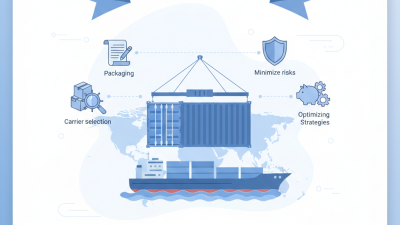
In practice, people often choose by price alone. That can be a poor decision. A cheaper container may increase handling time or damage risk. Ask the carrier for inspection records and written equipment specifications. I would also allow extra space for protective packaging, because cargo measurements are rarely perfect. Recheck the choice when the route, season, or cargo condition changes.