How to Choose a Linear Abrasion Tester?

Choosing a Linear Abrasion Tester begins with the surface, not the catalog. A coated panel, a plastic component, and a printed label may all need abrasion testing, but they do not necessarily need the same motion, load, or abrasive material. A machine that looks impressive on a specification sheet can still produce results that miss your real use conditions.

Start with the question your test must answer. Will the specimen face repeated rubbing, a defined stroke, or a particular contact pressure? Check the tester’s stroke length, speed range, load control, and fixture options. Look closely at how samples are secured. A small shift under the clamp can change the wear track and weaken comparisons between runs. Repeatability matters.

The instrument is only part of the method. Abrasive type, specimen preparation, conditioning, and inspection criteria also shape the result. Record them. Test representative materials, and compare the outcome with your intended application. Real surfaces can behave unpredictably. That deserves attention.

One practical principle for this guide is: “[Insert a verified industry expert’s name and exact quotation about repeatable abrasion testing].” No source article or verifiable expert quotation was provided, so this placeholder avoids inventing an expert or misattributing a statement. Replace it with a confirmed quotation before publication.

The sections ahead explain how to match tester features to materials, test goals, and lab routines. They also consider maintenance, operator usability, and documentation. A careful choice will not remove every uncertainty. It can make the results more consistent, interpretable, and useful.

How to Choose a Linear Abrasion Tester?

Define the Materials and Abrasion Conditions to Be Tested

Before selecting a linear abrasion tester, define the exact material and surface under test. A woven fabric, printed film, soft coating, and molded plastic respond differently to the same rubbing action. Record thickness, finish, conditioning time, and specimen orientation. For textiles, ISO 12947-2 describes Martindale abrasion testing at pressures of 9 kPa or 12 kPa, depending on the test setup. These figures are useful context, not direct settings for a linear tester. The motion and contact geometry differ. Small details matter.

Next, specify the abrasive, applied force, stroke length, speed, cycle count, and endpoint. State whether failure means visible wear, color change, coating breakthrough, or a measured mass loss. A metal stylus can cut a soft polymer, while a fabric counterface may better represent repeated contact with clothing. Test the same surface condition customers will encounter, including any cleaning or aging step. Keep it realistic. ASTM D4060 offers a useful comparison for coatings because it controls abrasive wheels and test cycles, but it uses rotary motion. Do not treat its results as interchangeable with linear-abrasion data. Run replicates, photograph the wear track under consistent lighting, and report any specimen variation. It is tempting to choose a severe load for faster results. That may rank samples differently from ordinary use. Define the conditions before comparing materials.

How to Choose a Linear Abrasion Tester? — Define the Materials and Abrasion Conditions to Be Tested

Start by specifying the material, counterface, contact force, dry or wet condition, stroke length, and failure endpoint. The chart shows the rubbing-stroke tolerance specified for the crockmeter procedure in ISO 105-X12, a method for assessing textile colour fastness to rubbing—not a universal setting for every abrasion test.

Reference conditions: ISO 105-X12 specifies a 104 ± 3 mm rubbing stroke, a 16 ± 0.1 mm rubbing finger, and a 9 N force. Define whether testing is dry or wet, and use the method’s specified procedure and endpoint. For other materials or wear mechanisms, select conditions appropriate to the intended use and applicable test method.

Understand How a Linear Abrasion Tester Works

How to Choose a Linear Abrasion Tester?

Understand How a Linear Abrasion Tester Works

A linear abrasion tester moves an abrasive head back and forth across a fixed specimen. A controlled load presses the head against the surface while the instrument records the stroke count. That repeated contact creates a narrow, measurable wear track. Simple in principle. Sensitive in practice.

The test result depends on more than cycle count. Abrasive grade, applied force, stroke length, speed, and specimen mounting can all change the wear pattern. ISO 12947-2, a textile abrasion test method, specifies test pressures of 9 kPa and 12 kPa for defined applications. These values offer useful context, but they are not automatic settings for every linear abrasion test. Match the method to the material and intended use.

When evaluating a tester, check whether its load is adjustable and its stroke remains consistent under repeated runs. Look for secure specimen clamps, replaceable abrasives, and clear cycle controls. Inspect the track, too: uneven wear may point to misalignment or inconsistent contact, not weak material alone. There is a practical limitation. A lab test cannot reproduce every scuff, dust particle, or pressure variation found in daily use. Record settings carefully, and compare samples only under the same conditions. A neat result can still mislead.
How to Choose a Linear Abrasion Tester? - Understand How a Linear Abrasion Tester Works
Selection Dimension What to Check Why It Matters Practical Selection Guidance
Operating principle The instrument moves an abrasive tool back and forth along a straight path while applying a controlled load to the specimen. Reciprocating contact can reproduce localized rubbing and wear more closely than broad, continuous rotary abrasion for some products. Confirm that the stroke path, contact geometry, and motion match the type of wear the product is expected to experience.
Specimen type and size Check specimen thickness, dimensions, flexibility, surface shape, and how it will be held in the fixture. Secure, repeatable mounting helps keep the abrasive contact consistent throughout each test. Choose a fixture that accommodates the actual sample without stretching, slipping, or obstructing the test area.
Abrasive tool Review the available abrasive media, such as an abrasive tip, pad, cloth, or other specified contact material. Abrasive type, condition, and contact area influence the wear pattern and can affect comparisons between tests. Select media suitable for the material and test method. Define replacement or conditioning practices to support repeatability.
Applied load Check the load range, available loading accessories, and how the force is applied to the contact point. Load affects contact pressure and the severity of abrasion; inconsistent force can produce misleading comparisons. Choose a tester that can apply the force required by the intended procedure and maintain it consistently during motion.
Stroke length and speed Verify the available linear travel, reciprocation rate, and whether these settings are adjustable. Travel distance and motion rate affect how often and how far the abrasive passes over the specimen. Match the instrument’s operating range to the relevant test procedure or product-use simulation. Avoid assuming that a faster test is equivalent to a longer test.
Cycle or endpoint control Look for a cycle counter, programmable stop, or a clear way to define and record the test endpoint. Consistent cycle counts make it easier to compare samples tested under the same conditions. Decide whether the test ends after a set number of cycles or when a defined change, such as visible damage, occurs.
Test environment Determine whether temperature, humidity, wet contact, or other conditioning requirements apply to the material or procedure. Material response and friction can vary with environmental conditions and specimen preparation. Use appropriate conditioning and document environmental conditions when they are part of the test method or comparison plan.
Evaluation method Identify how wear will be assessed: visual inspection, mass change, surface change, color change, or another defined measurement. The tester creates the abrasion action, but the evaluation method determines how the resulting damage is reported. Choose the assessment method before testing and use consistent lighting, measurement tools, and acceptance criteria where applicable.
Repeatability and documentation Check adjustment procedures, maintenance needs, operating instructions, and the ability to record key test settings. Controlled settings and documented procedures help different operators repeat and compare tests. Record the abrasive media, load, stroke length, speed, cycle count, specimen preparation, and evaluation method for each test series.
Best-fit decision Compare the tester’s motion, fixtures, load range, controls, and evaluation workflow with the intended material and test objective. A suitable instrument is one that can reproduce the required contact conditions and support a consistent measurement—not simply one with the most settings. Prioritize compatibility with the applicable test procedure or defined wear simulation, then confirm that the instrument can accommodate the samples and reporting needs.

Compare Motion, Load, and Stroke-Setting Options

How to Choose a Linear Abrasion Tester?

Compare Motion, Load, and Stroke-Setting Options

Start with the wear pattern your product experiences. A reciprocating motion suits repeated back-and-forth contact, such as fabric sliding against a surface. If your test method calls for another motion, confirm the instrument can reproduce it consistently. The right movement matters more than a long feature list. Small differences can change the wear track.

Next, match the applied load to the real contact condition and the test method. Too much force may damage a coating unrealistically; too little may hide meaningful wear. Check how the load is applied and whether it can be adjusted in suitable increments. Then review stroke settings. A longer stroke covers more surface, while a shorter one concentrates rubbing in a smaller area. Make sure the chosen range fits your sample size and test procedure. I’ve found that setup details are easy to overlook. They still affect the result.

Tips: Test a representative sample before settling on settings. Record motion, load, stroke length, cycle count, and conditioning details. Keep the specimen positioned the same way between runs. A neat result is not automatically a reliable one, so repeat the test and inspect whether the wear pattern is consistent.
Check Standards, Fixtures, and Data-Recording Features

Choose the test method before comparing linear abrasion testers. For textiles, check whether ASTM D4157’s oscillatory-cylinder procedure matches your specimen and intended claim. ISO 12947 uses a Martindale motion, so its results are not directly interchangeable with linear-stroke results. Small details matter. Confirm stroke length, speed, applied load, abrasive type, and the standard’s failure endpoint. A fixture should hold the sample flat without stretching it; uneven clamping can produce misleading wear tracks. For coated panels or soft materials, check whether the holder prevents slipping and keeps the contact area consistent.

Data recording matters just as much as the mechanism. Look for cycle counts, load, speed, stroke settings, test duration, and clear sample identification in every record. Exportable logs and time-stamped photographs make it easier to compare results across operators.

The U.S. EPA’s 2020 Advancing Sustainable Materials Management: 2018 Fact Sheet estimated that 17.0 million tons of textiles entered the U.S. municipal waste stream, with 11.3 million tons landfilled. That figure does not prove abrasion testing prevents waste, but it underlines why durability claims deserve careful evidence.

One detail is easy to miss: a tidy spreadsheet cannot correct a poorly aligned fixture. Record the setup, too. It feels repetitive, but that is often the useful part.

Match Tester Specifications to Your Laboratory Requirements

How to Choose a Linear Abrasion Tester?
Match Tester Specifications to Your Laboratory Requirements

Choosing a linear abrasion tester starts with the materials and tests your laboratory actually handles. List the sample types, dimensions, and surface finishes you expect to assess. A coated panel, a small plastic part, and a flexible textile may need different fixtures. Check that the tester’s stroke length, load range, and motion settings suit those samples. More adjustment is not automatically better.

Look closely at how load is applied and verified. A nominal setting is useful only when the applied force remains consistent during testing. Ask how the instrument is calibrated and how often calibration should be checked. Consider speed control, cycle counting, and whether the test area can hold your specimens securely. Small slips matter. A sample that shifts under the rubbing head can produce misleading wear patterns.

Your lab’s workflow matters, too. Confirm that operators can set up tests consistently, clean the contact surfaces, and record the settings used. If you follow a test method, compare its requirements with the tester’s available motion, load, and accessories before purchasing. Also check bench space, power needs, maintenance access, and data-export options. It is easy to focus on specifications and overlook daily handling. One practical trial with representative samples can reveal awkward fixtures or inconvenient setup steps. No single configuration fits every lab, and a detail you dismiss today may become a routine frustration.

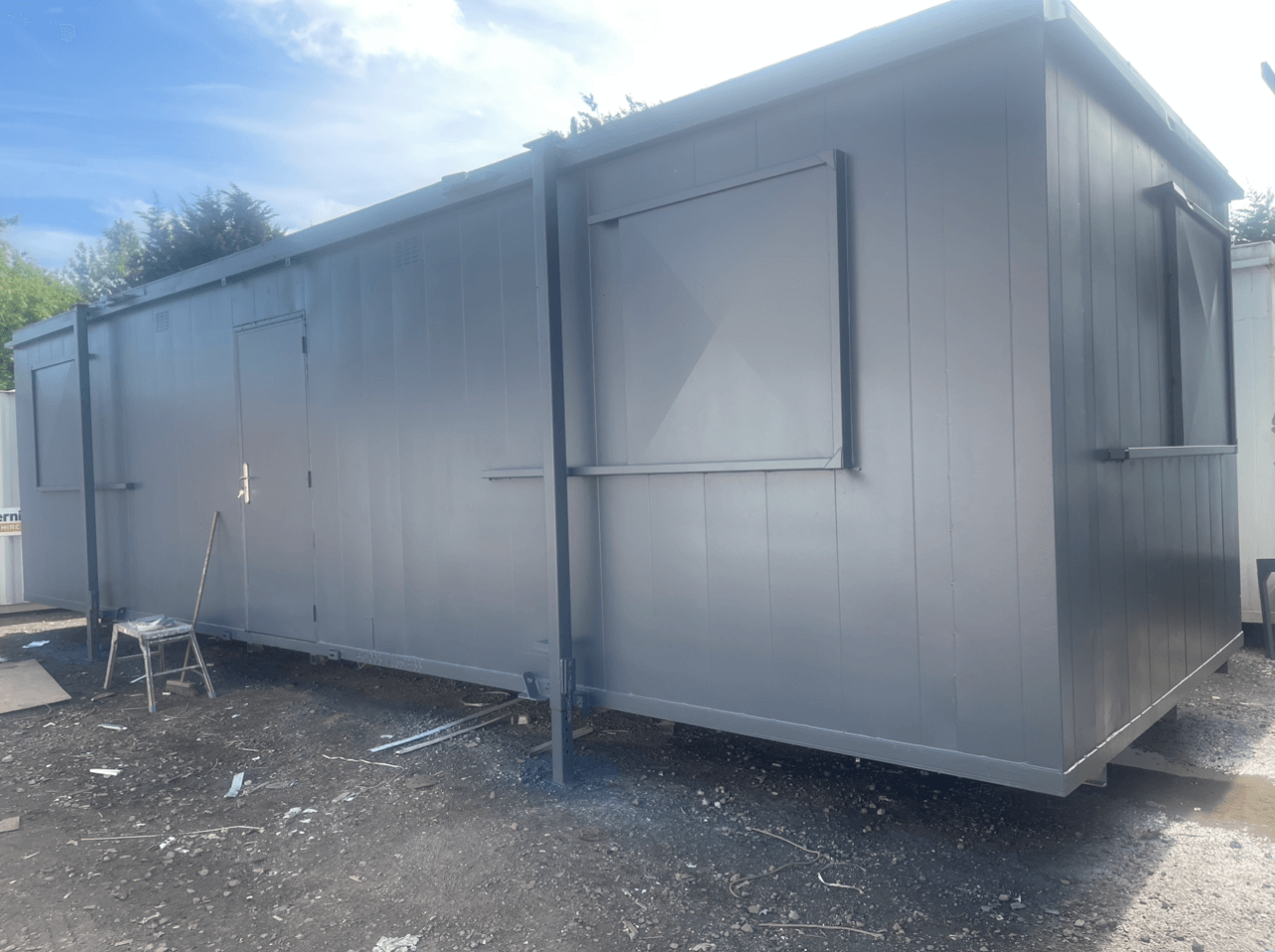
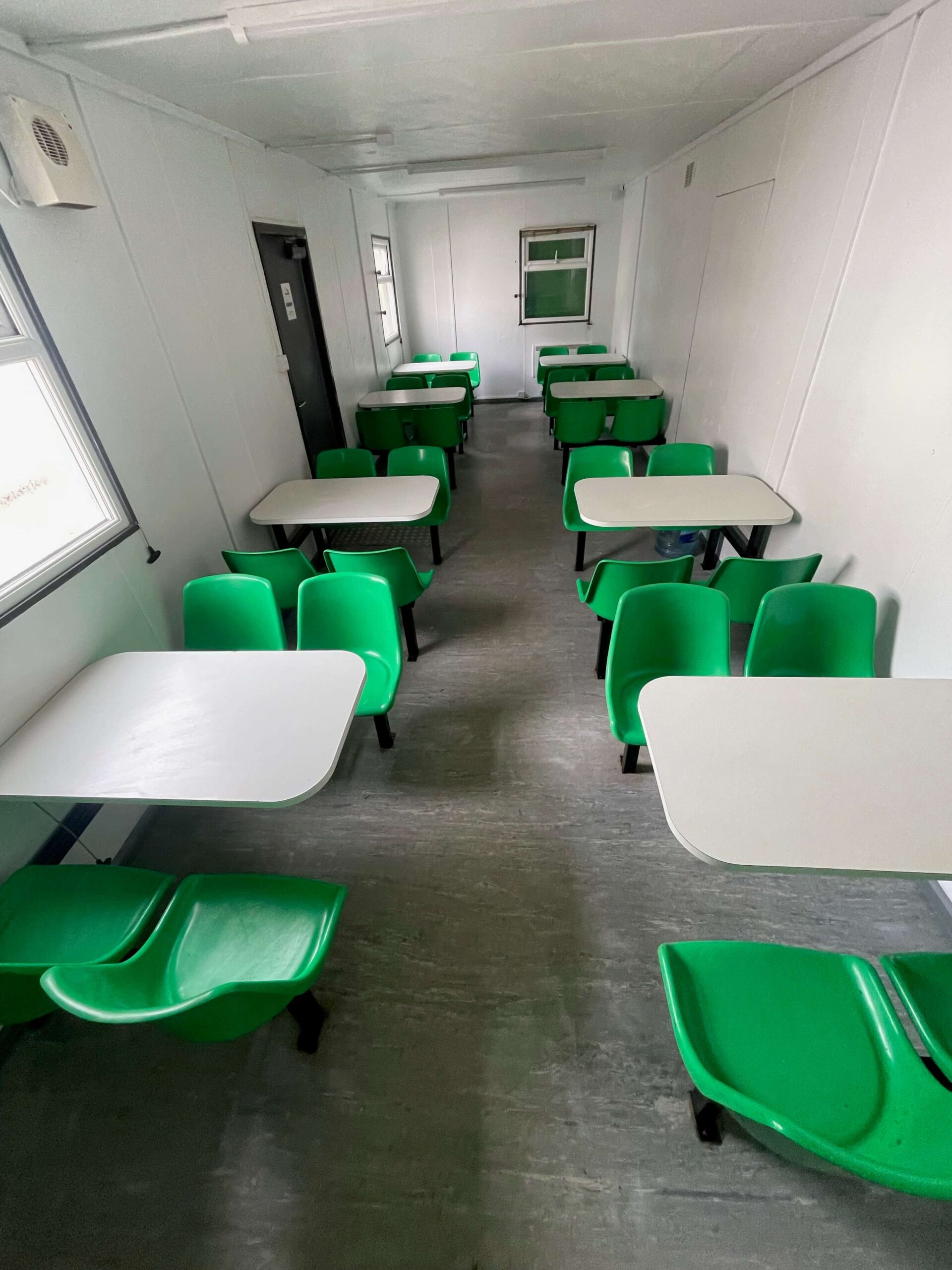
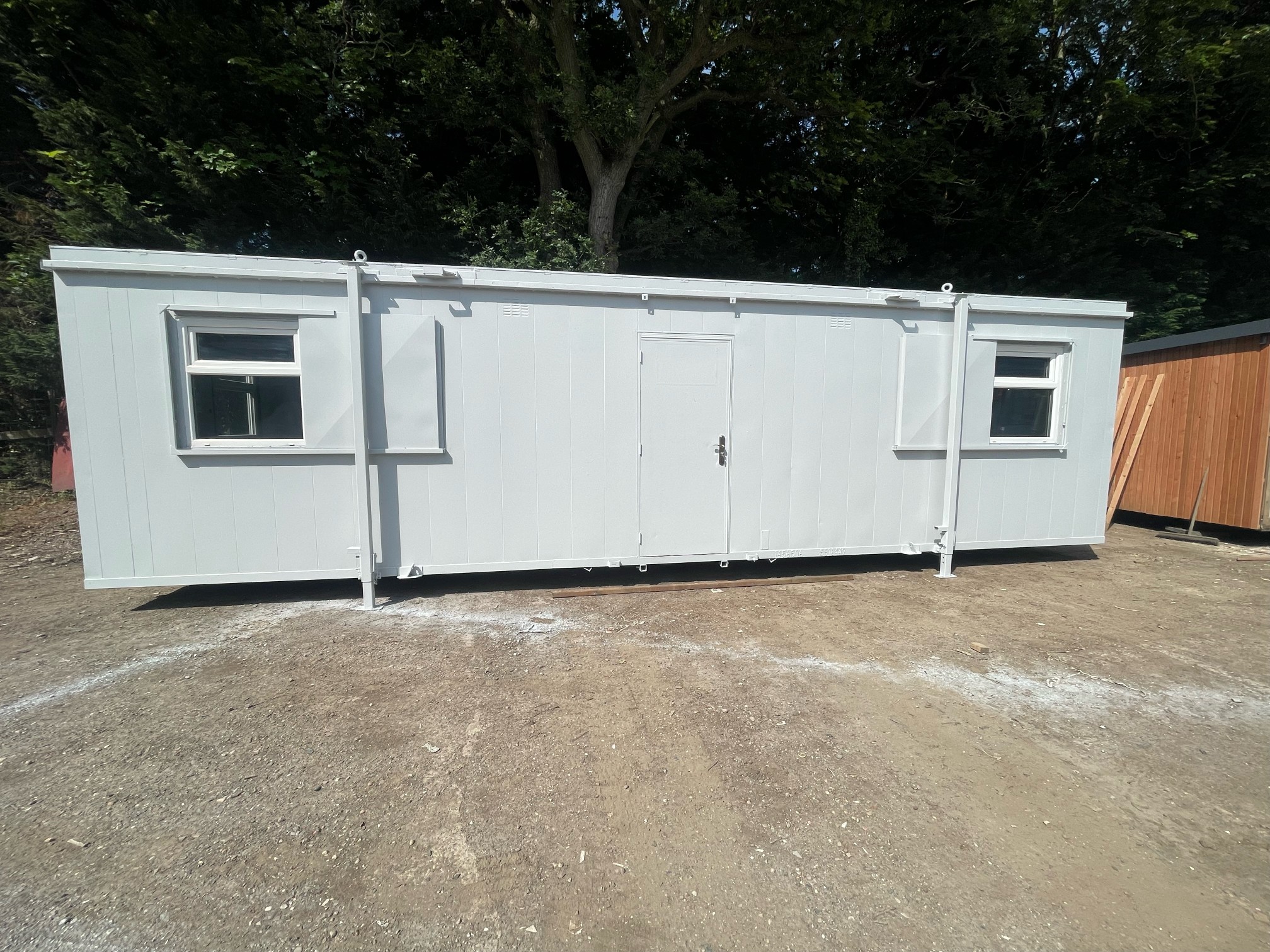
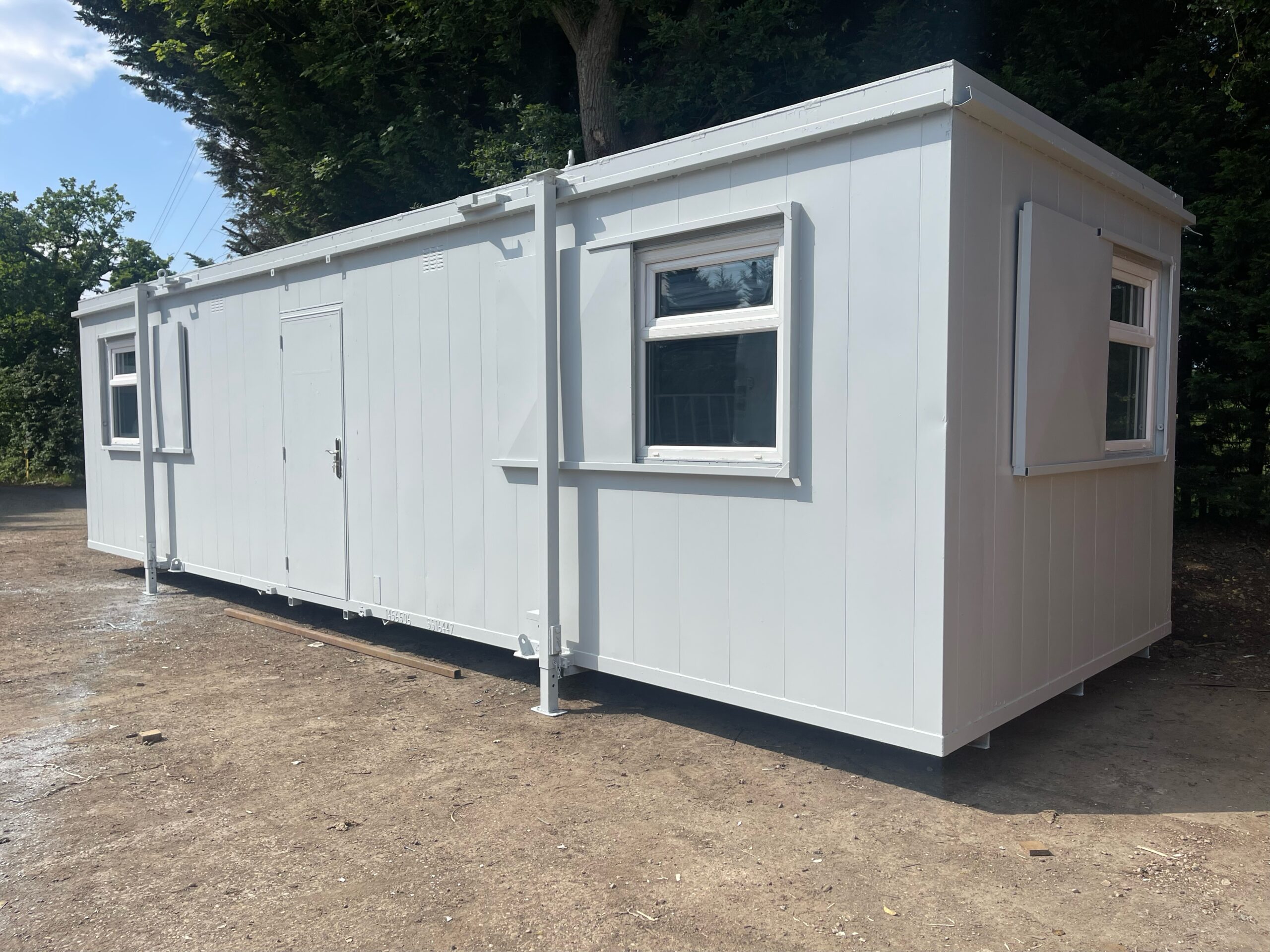
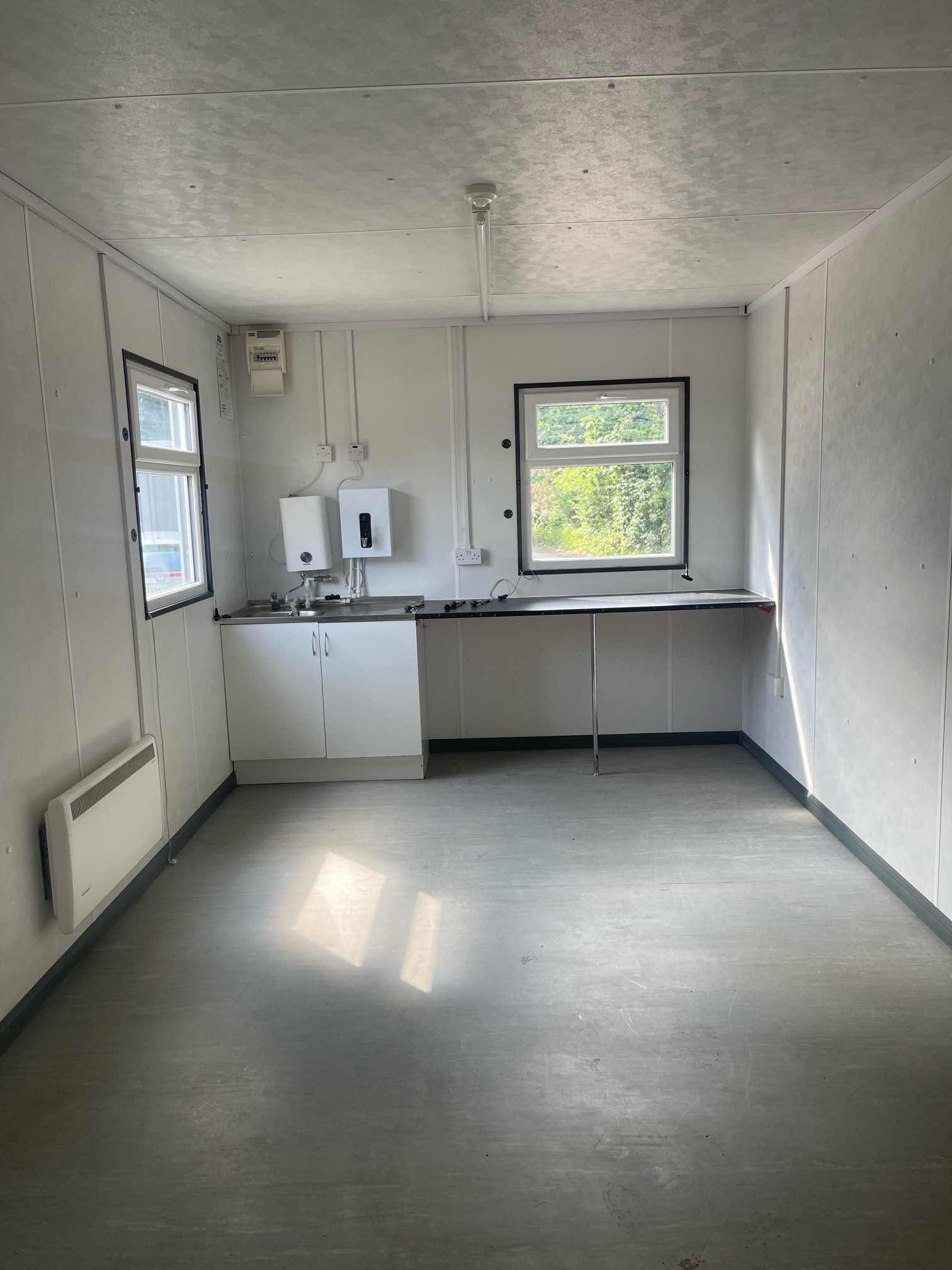
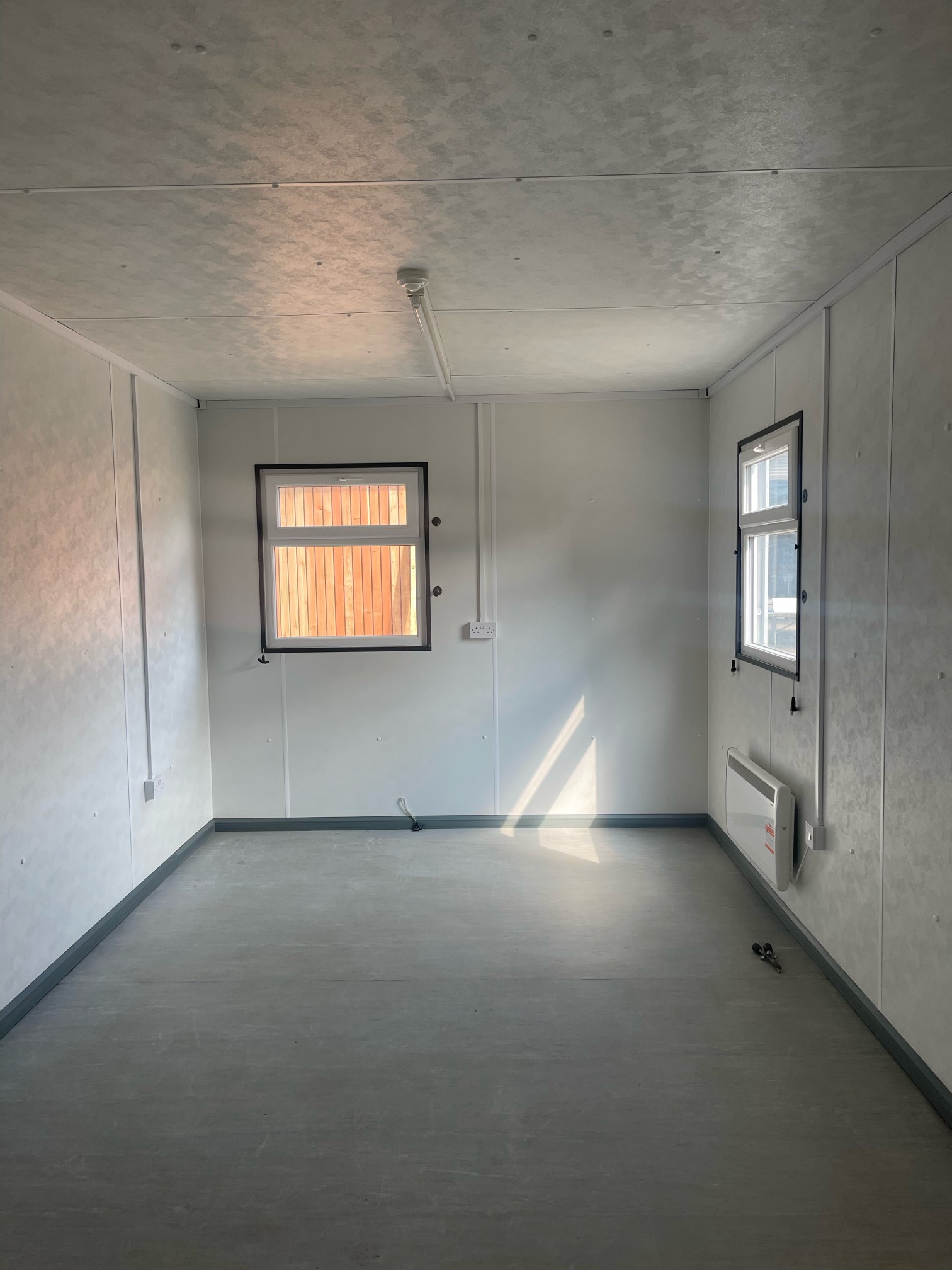
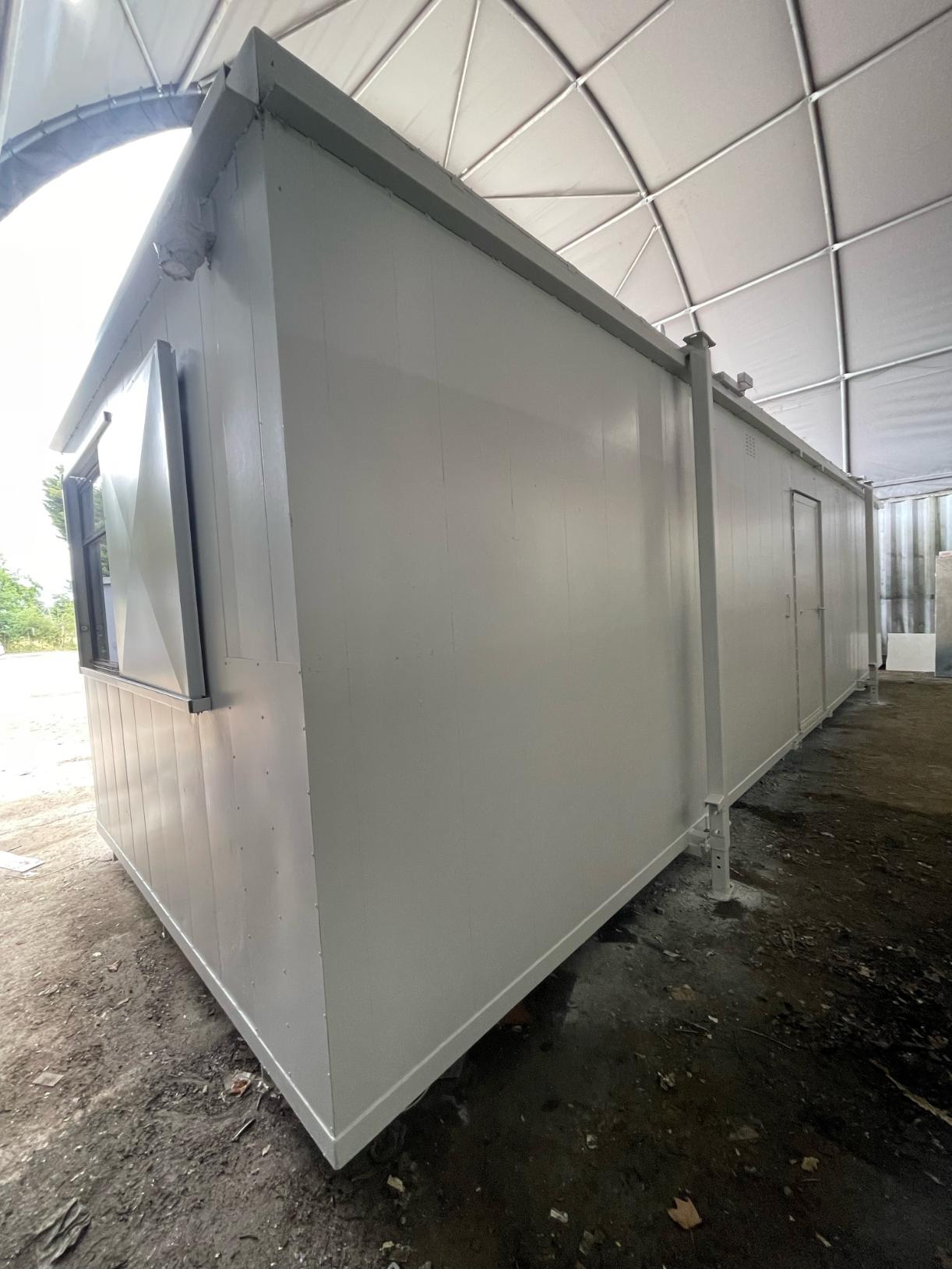
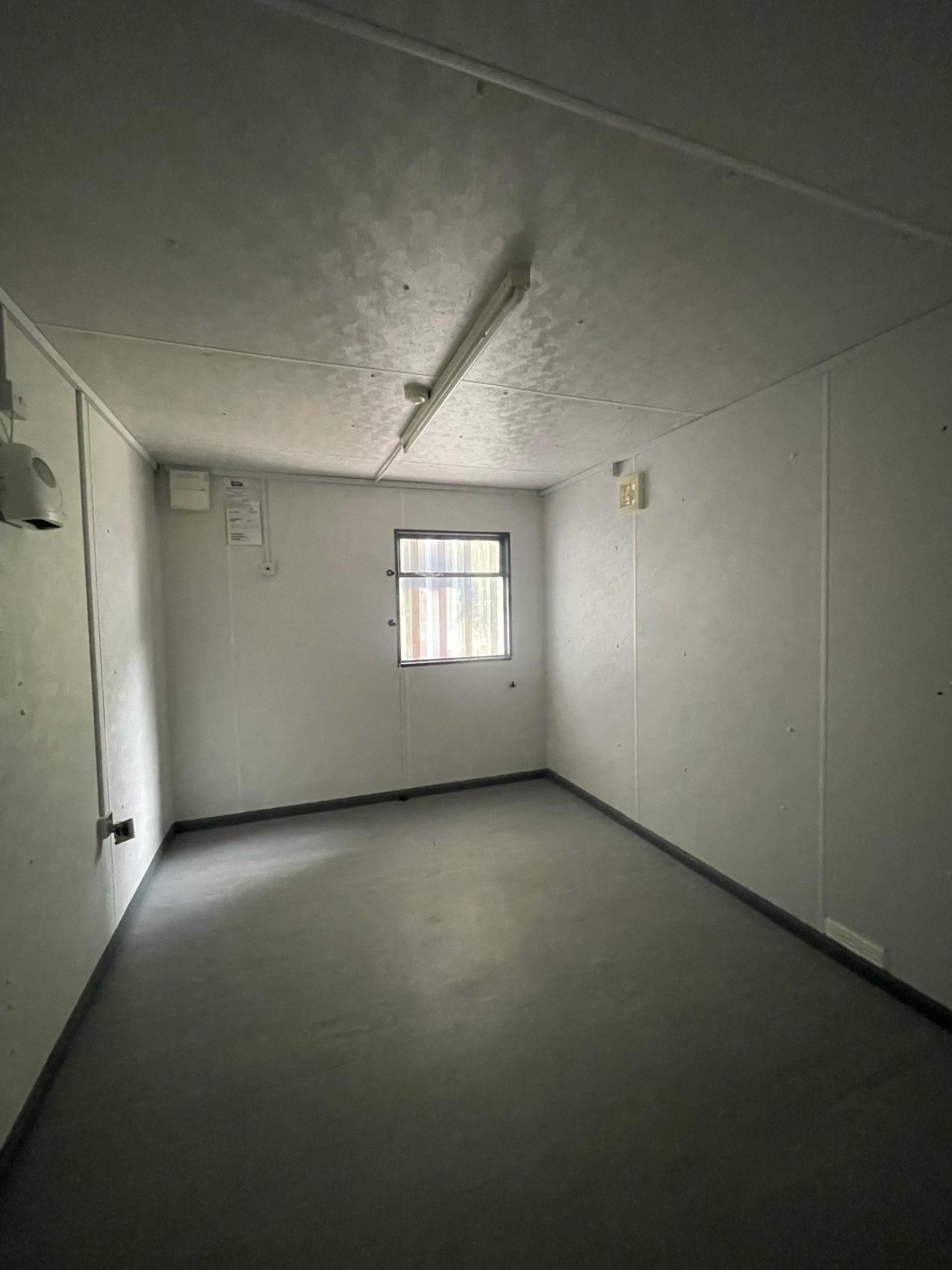
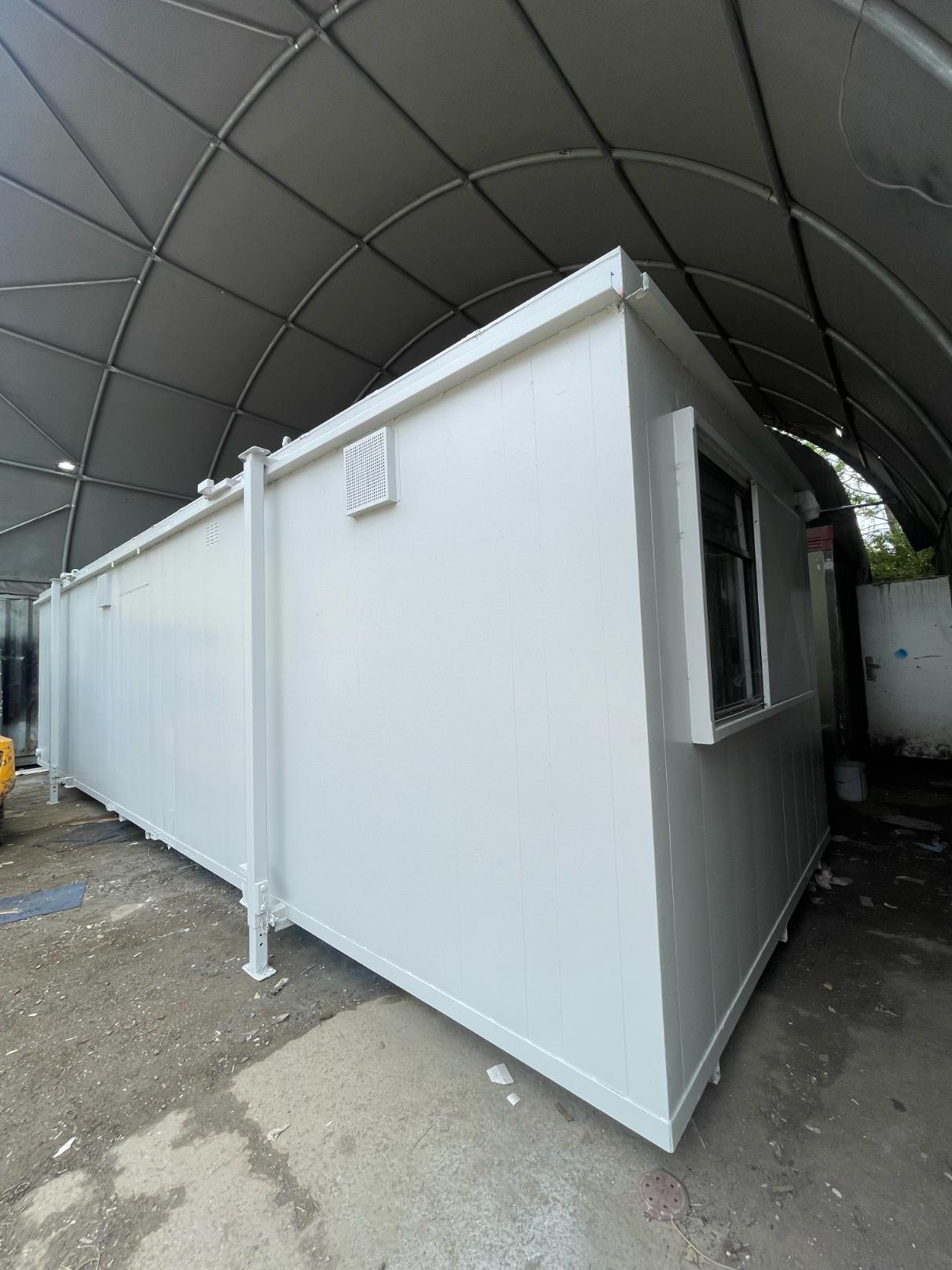
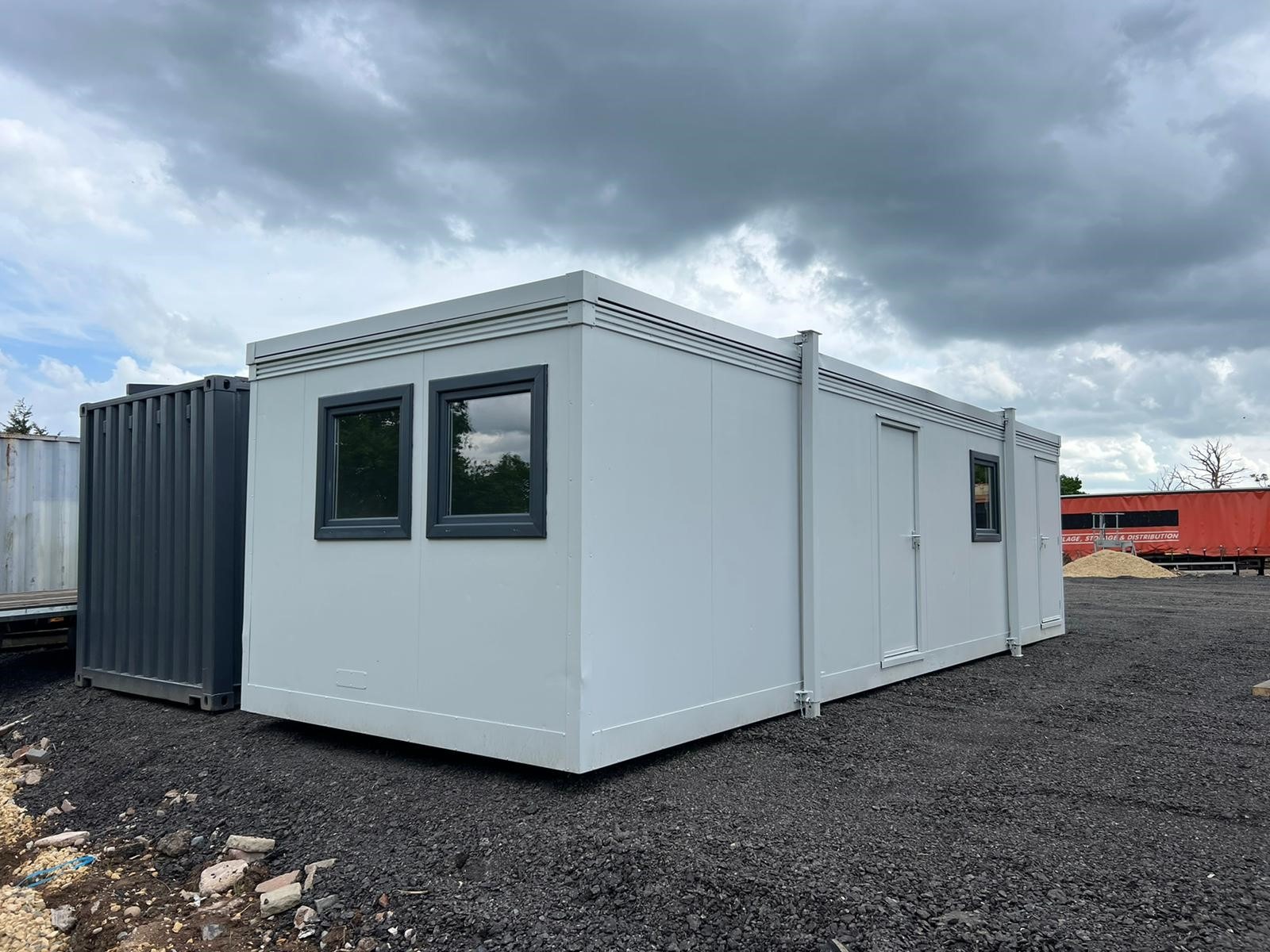
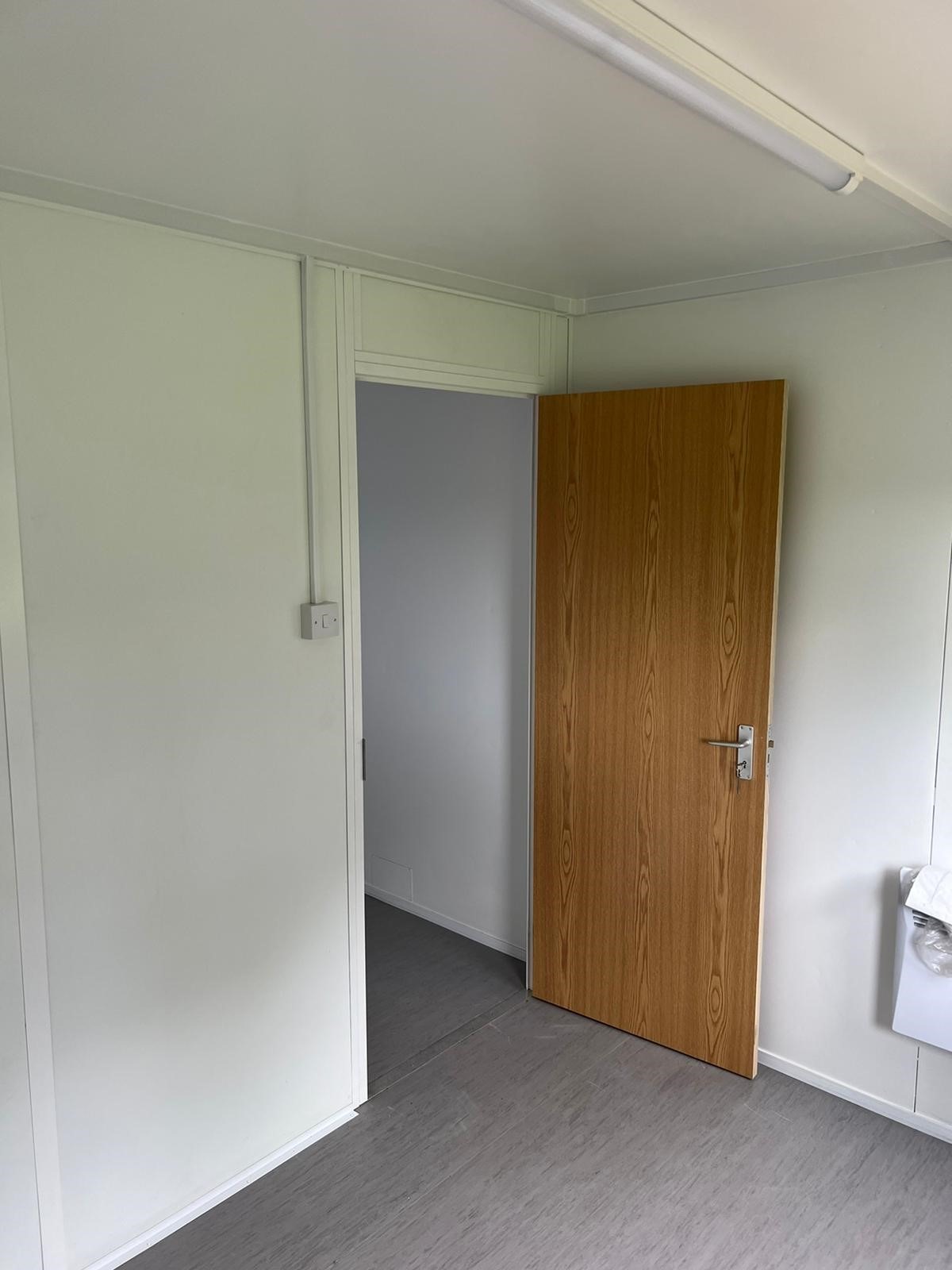
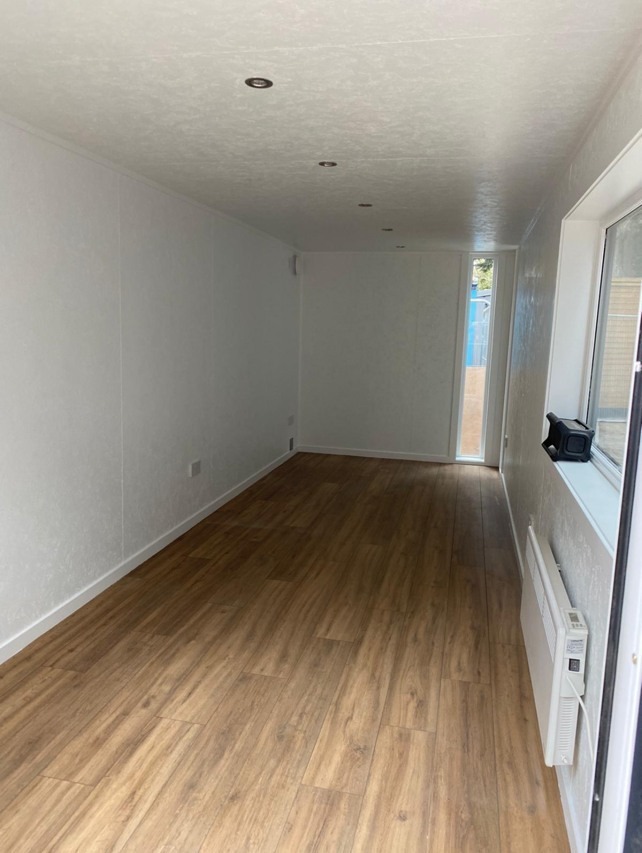
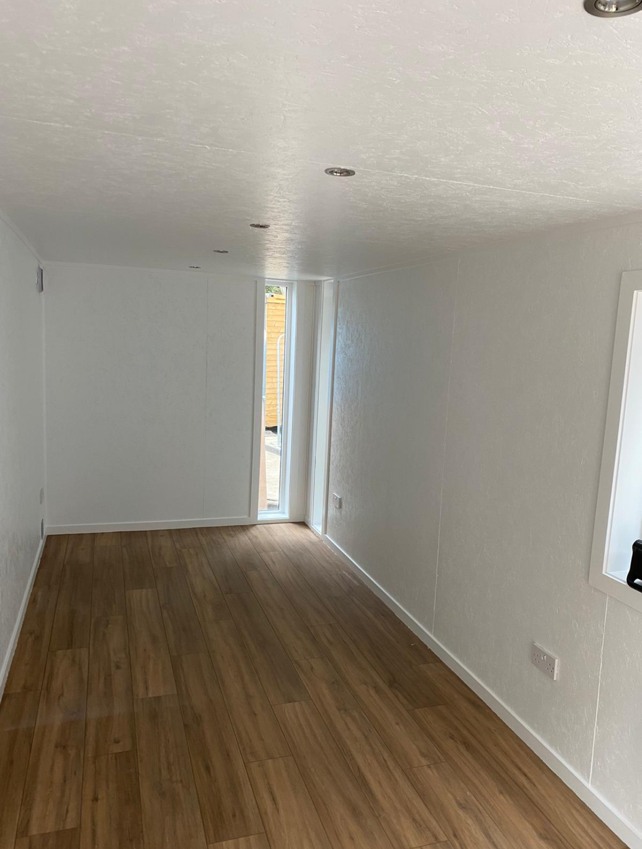
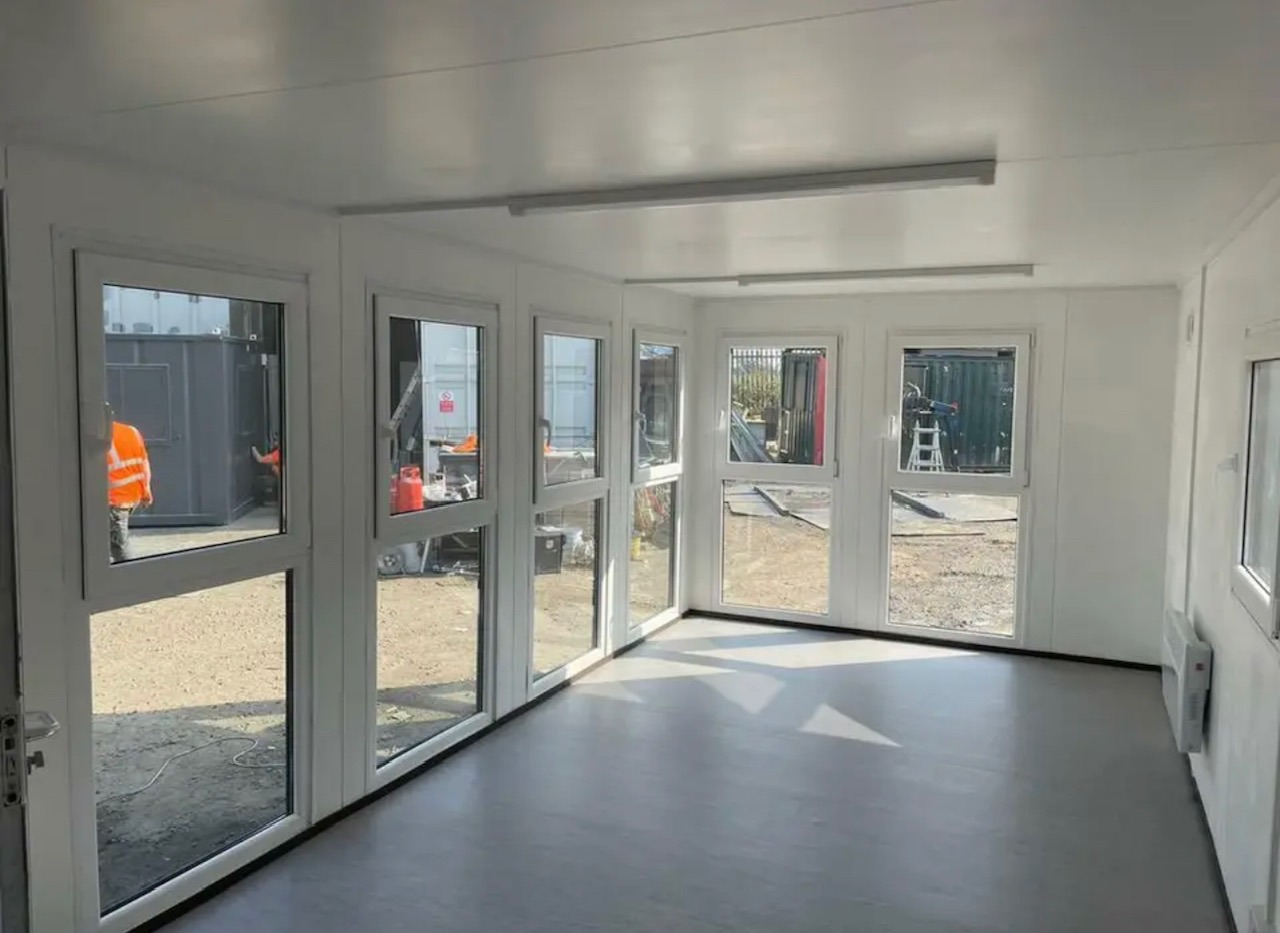
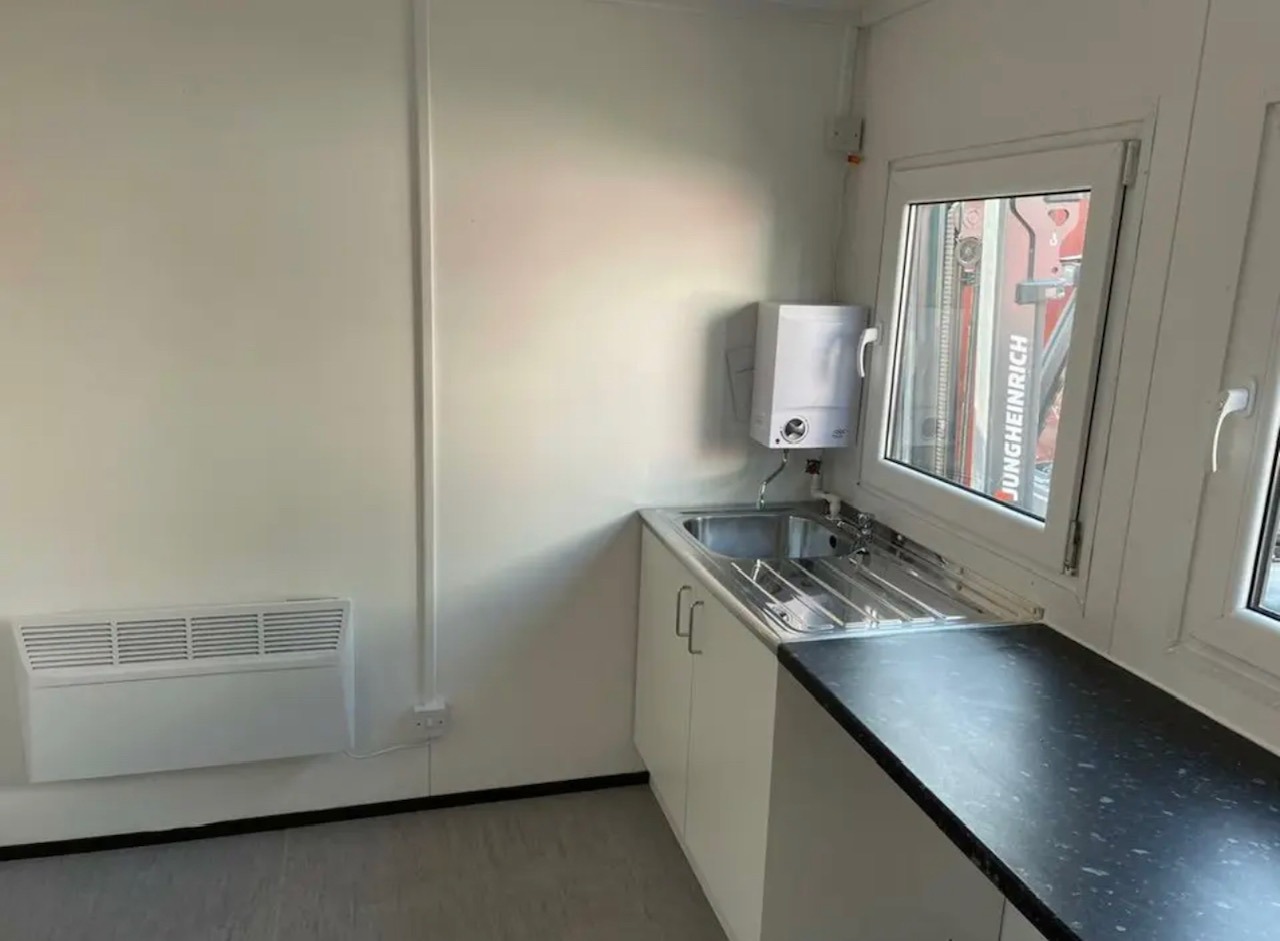
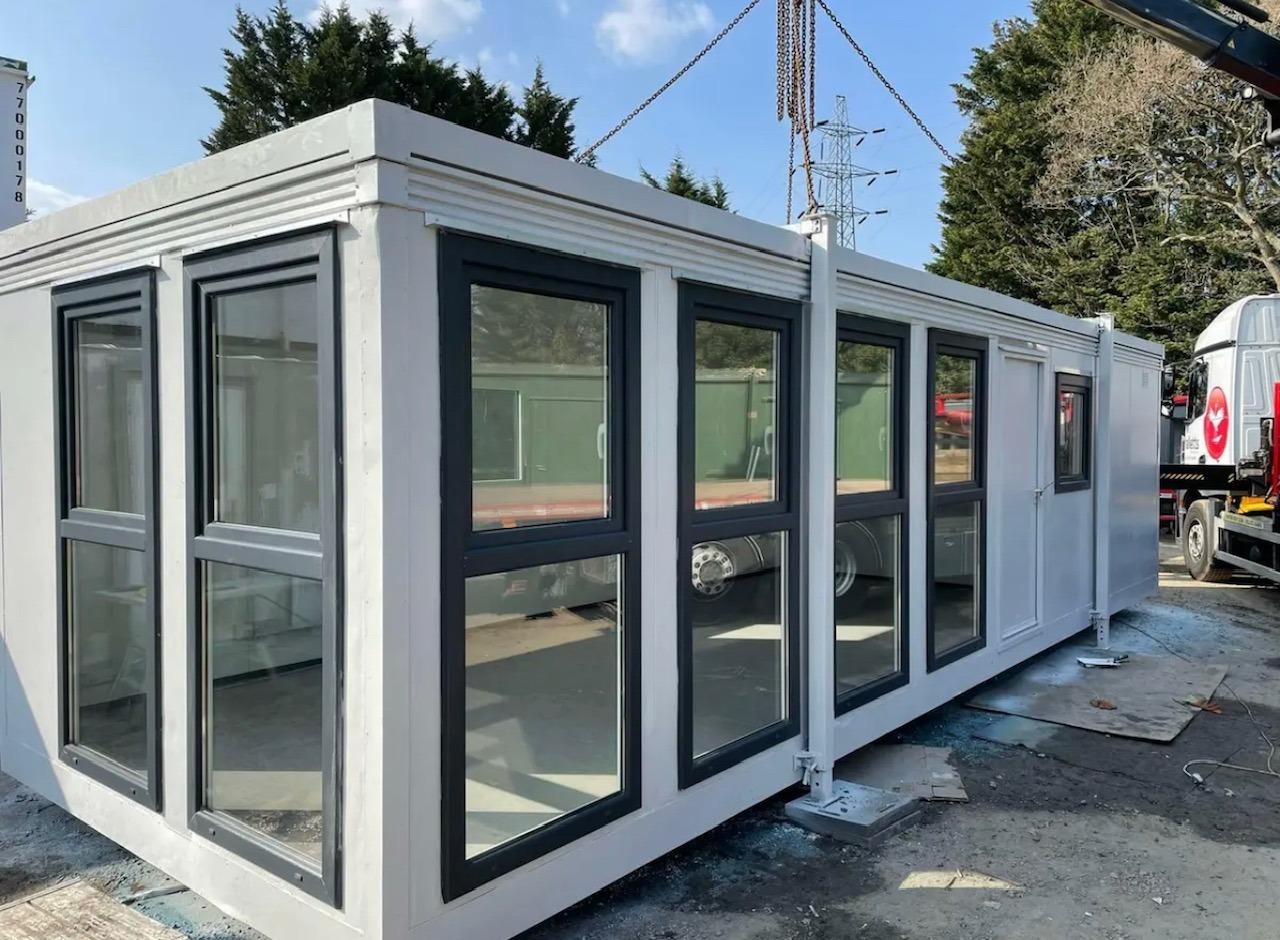
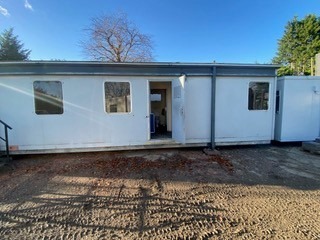
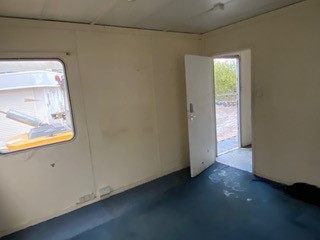
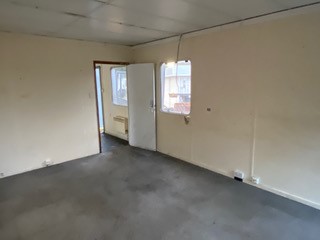
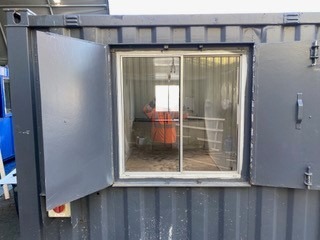
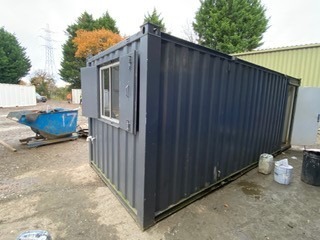
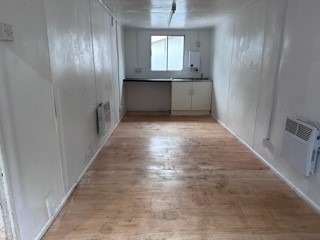
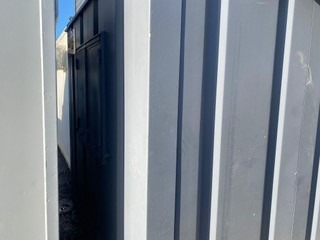
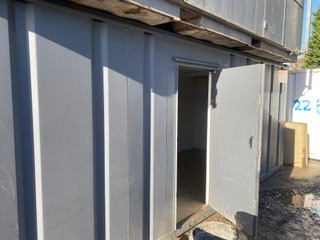
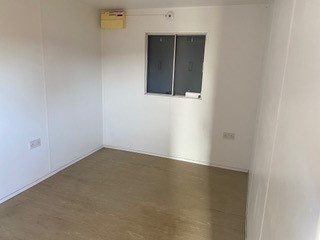
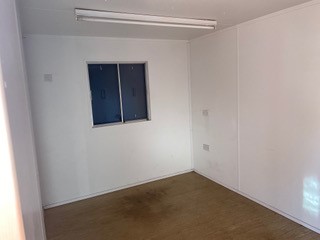
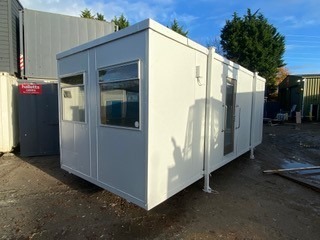
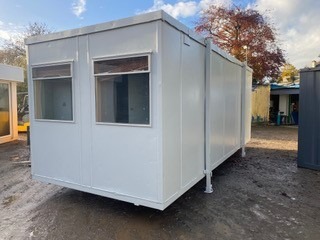
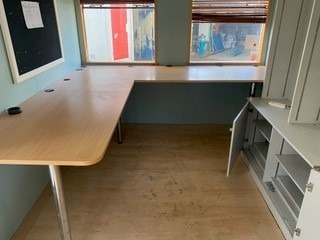
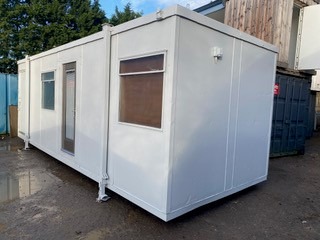
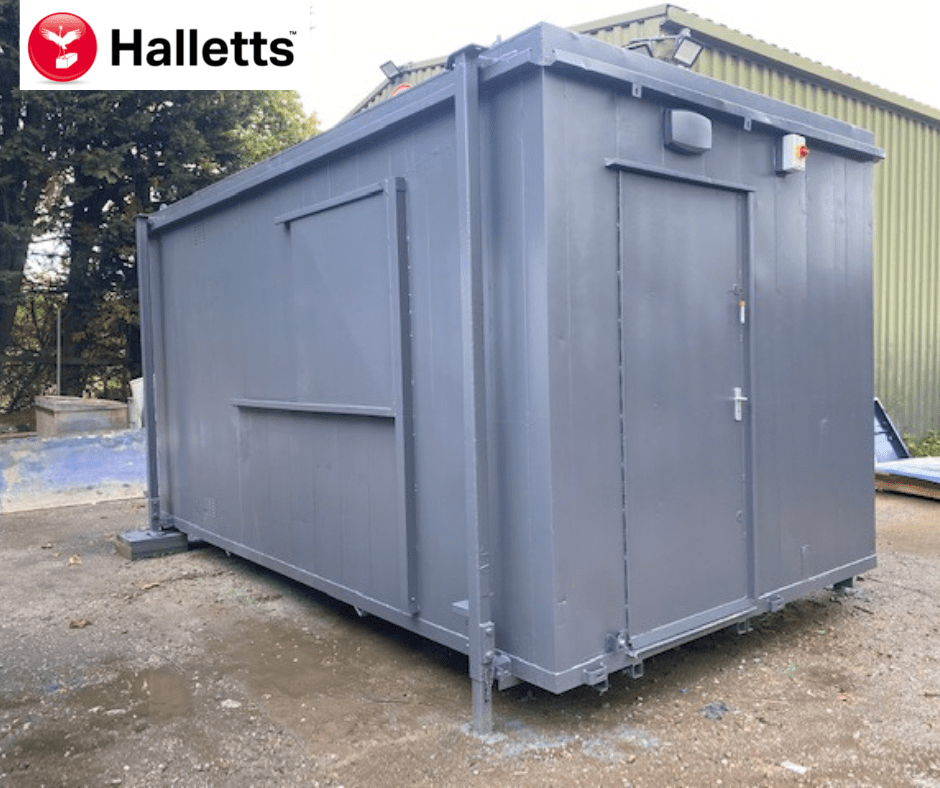
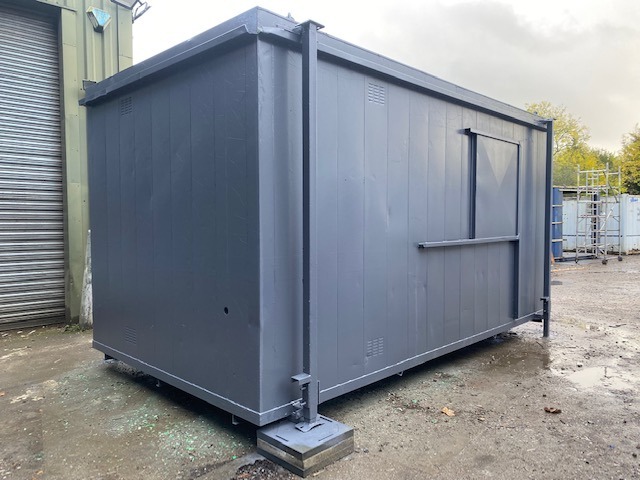
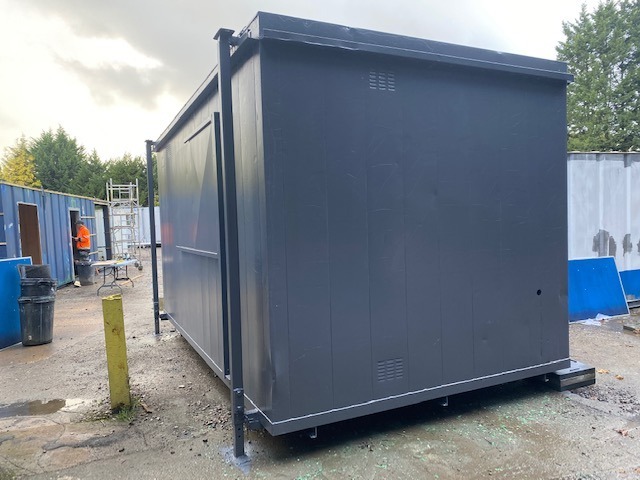
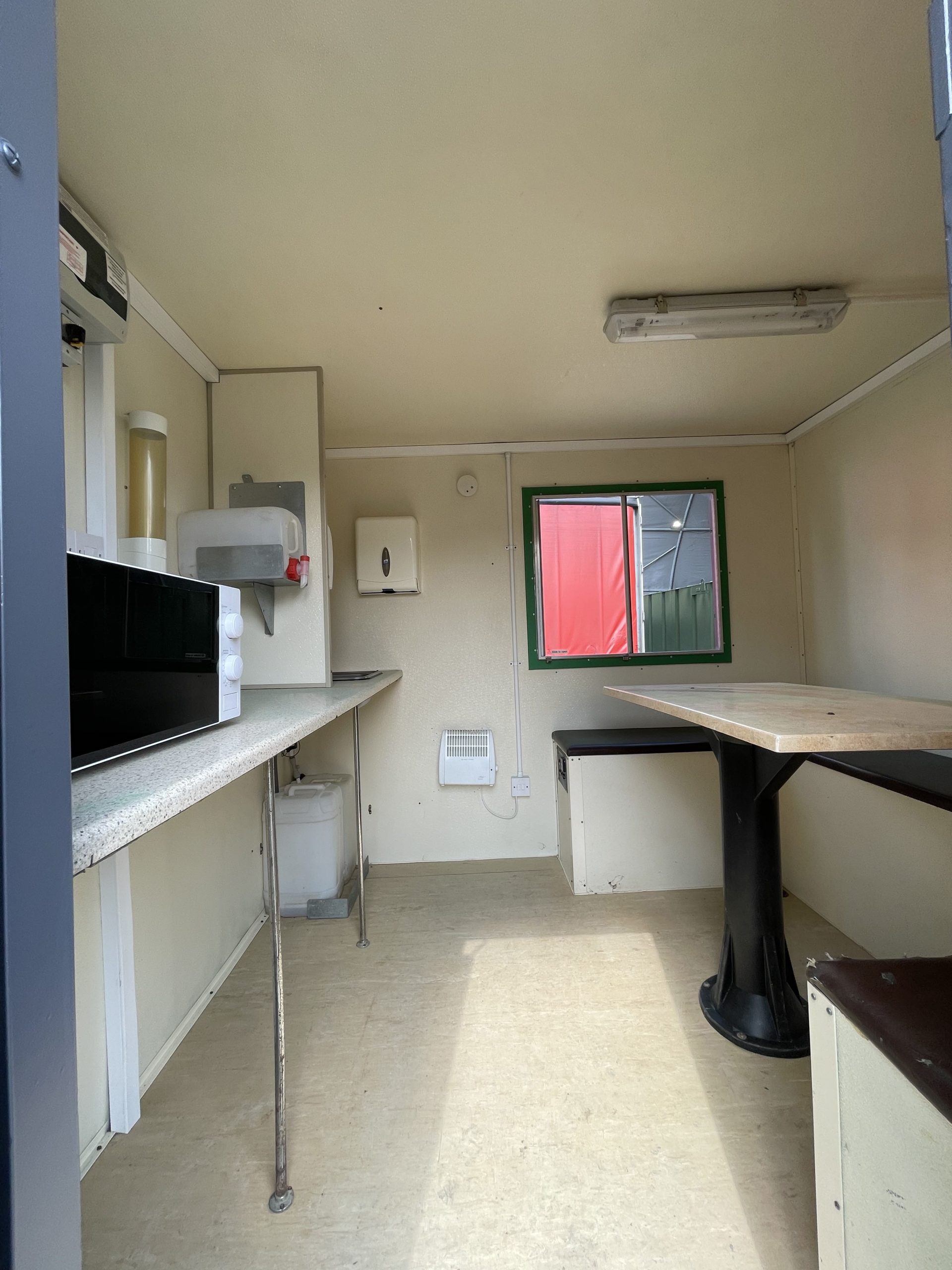
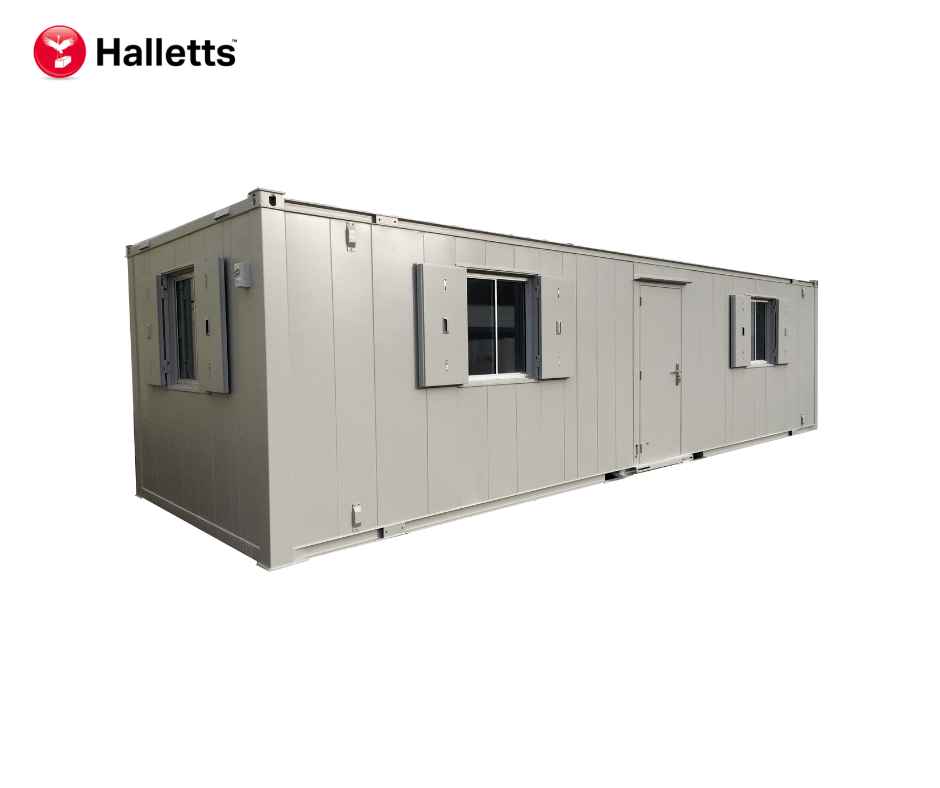
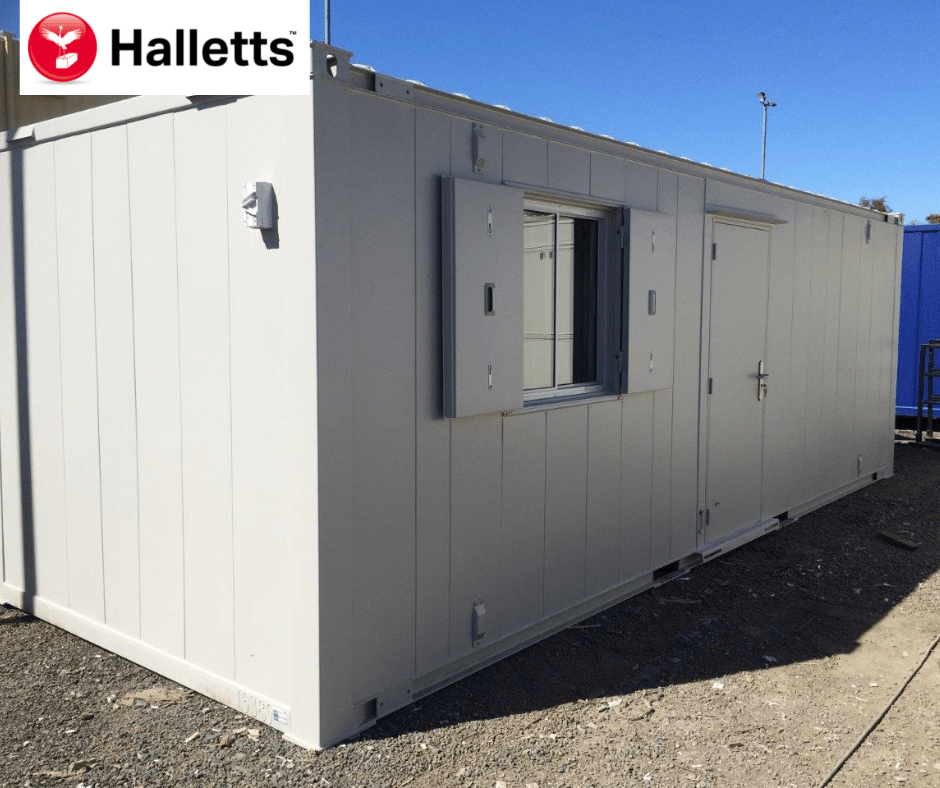
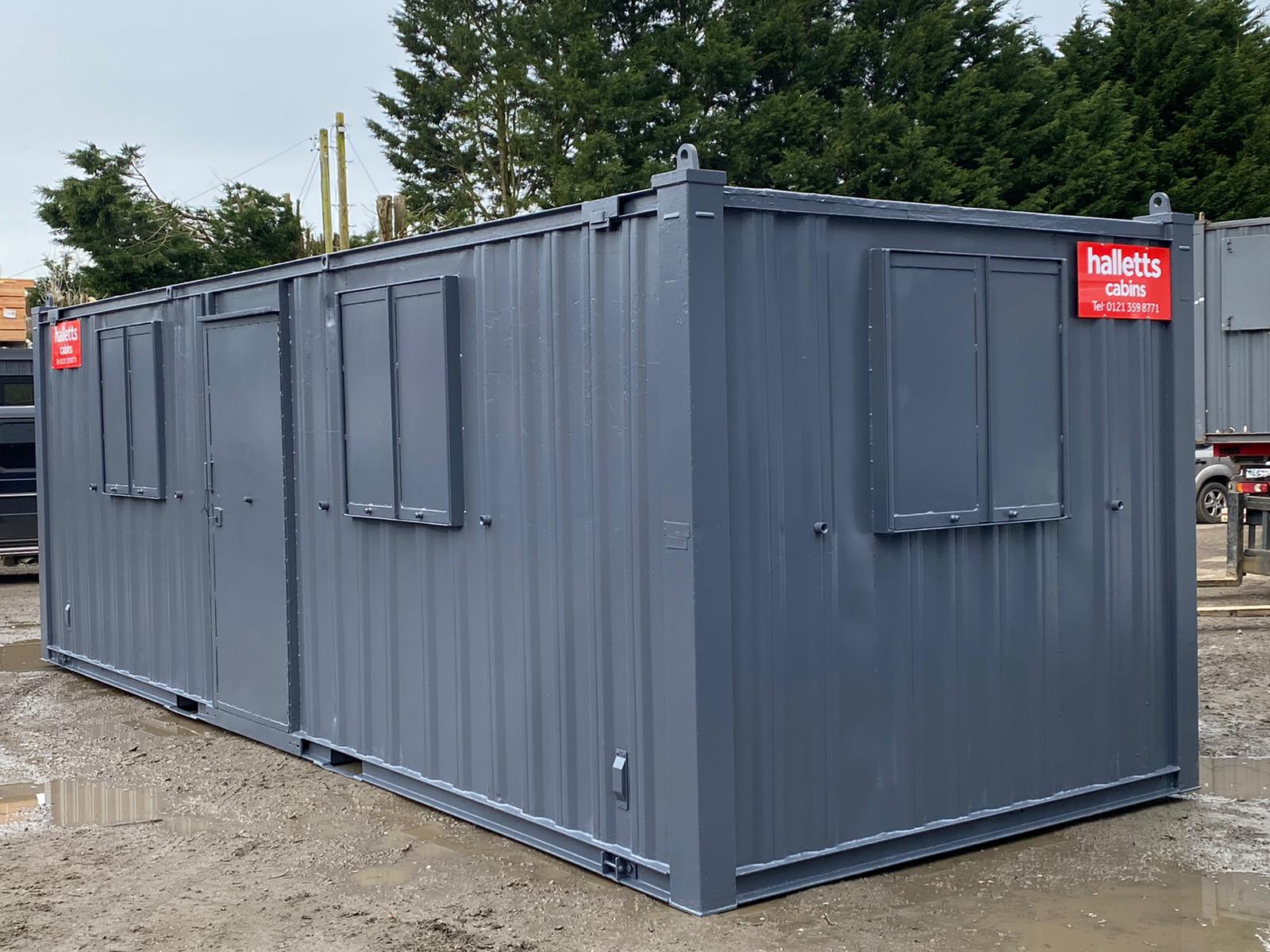
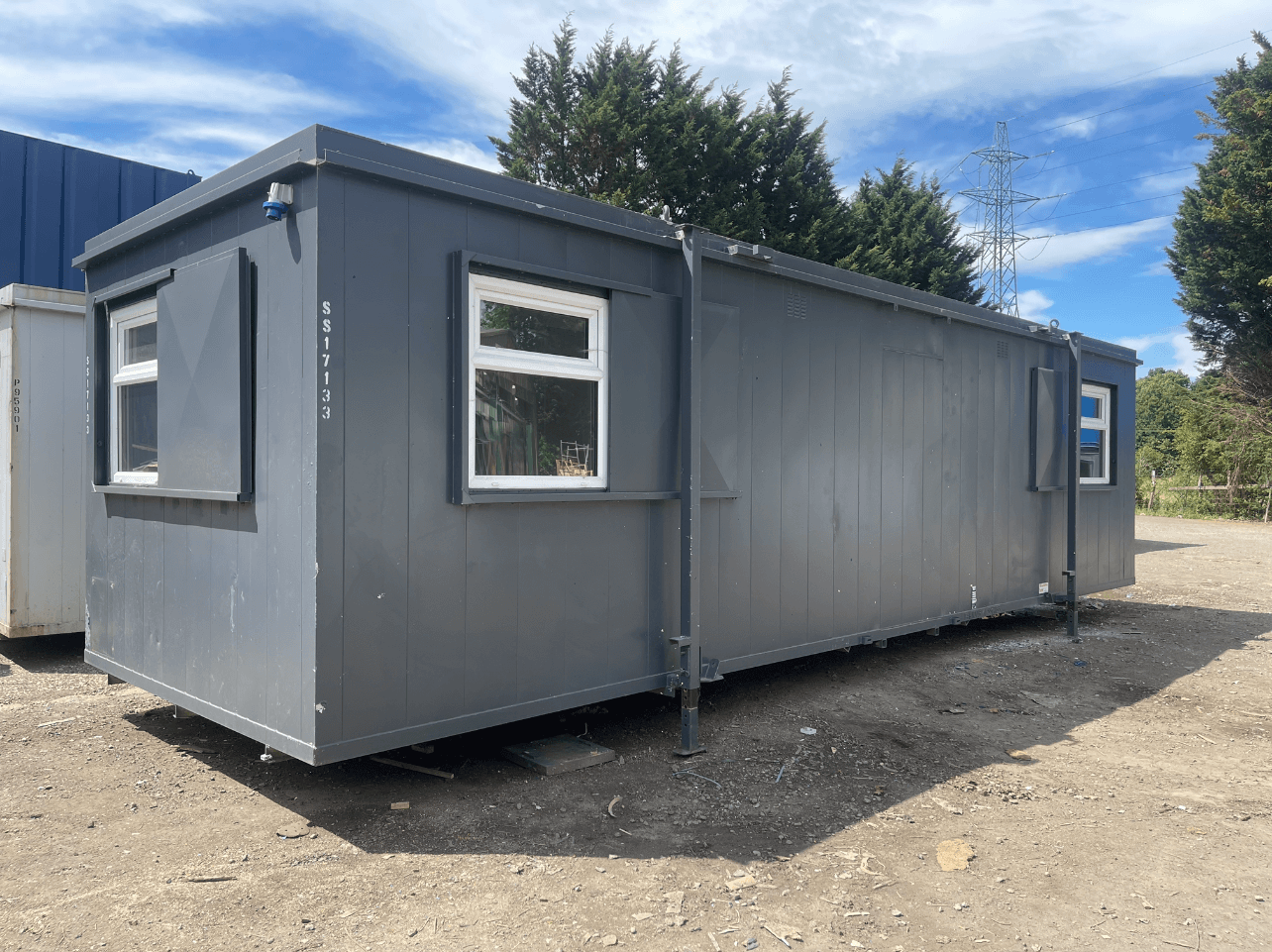
32ft x 10ft Anti Vandal Canteen/Office

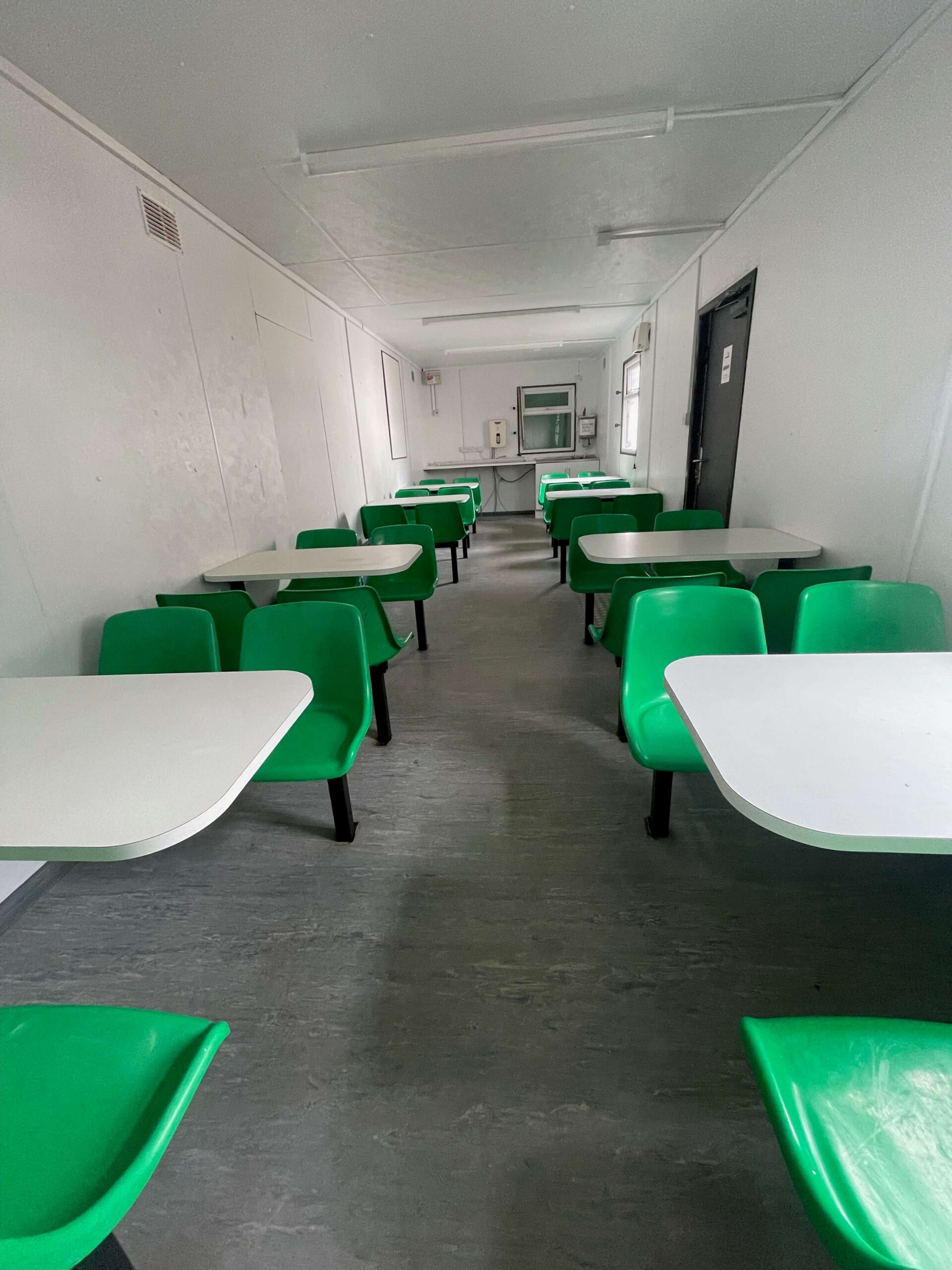
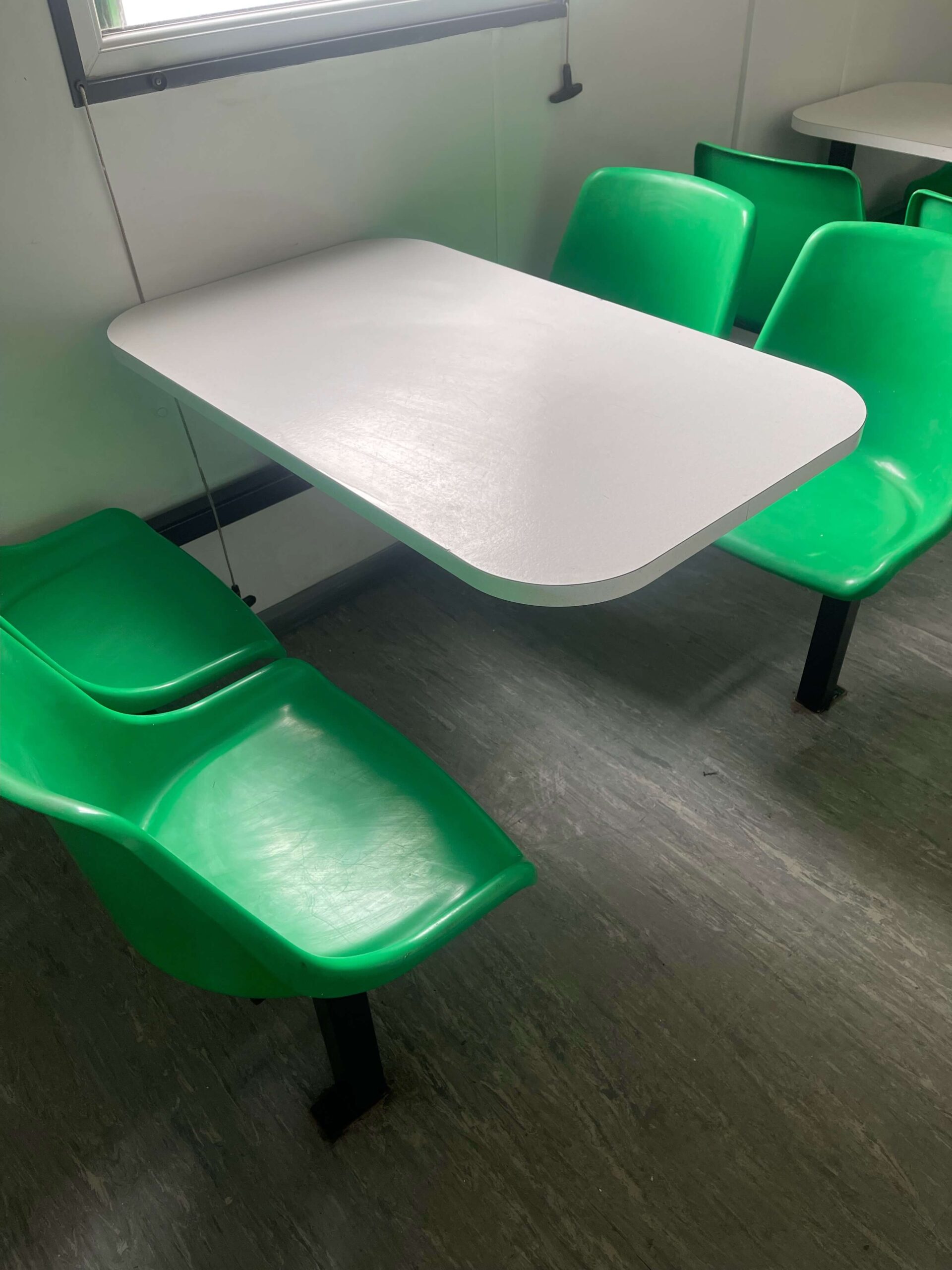
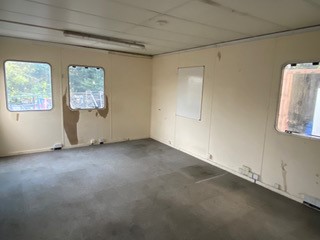
  • Complete with tables and chairs
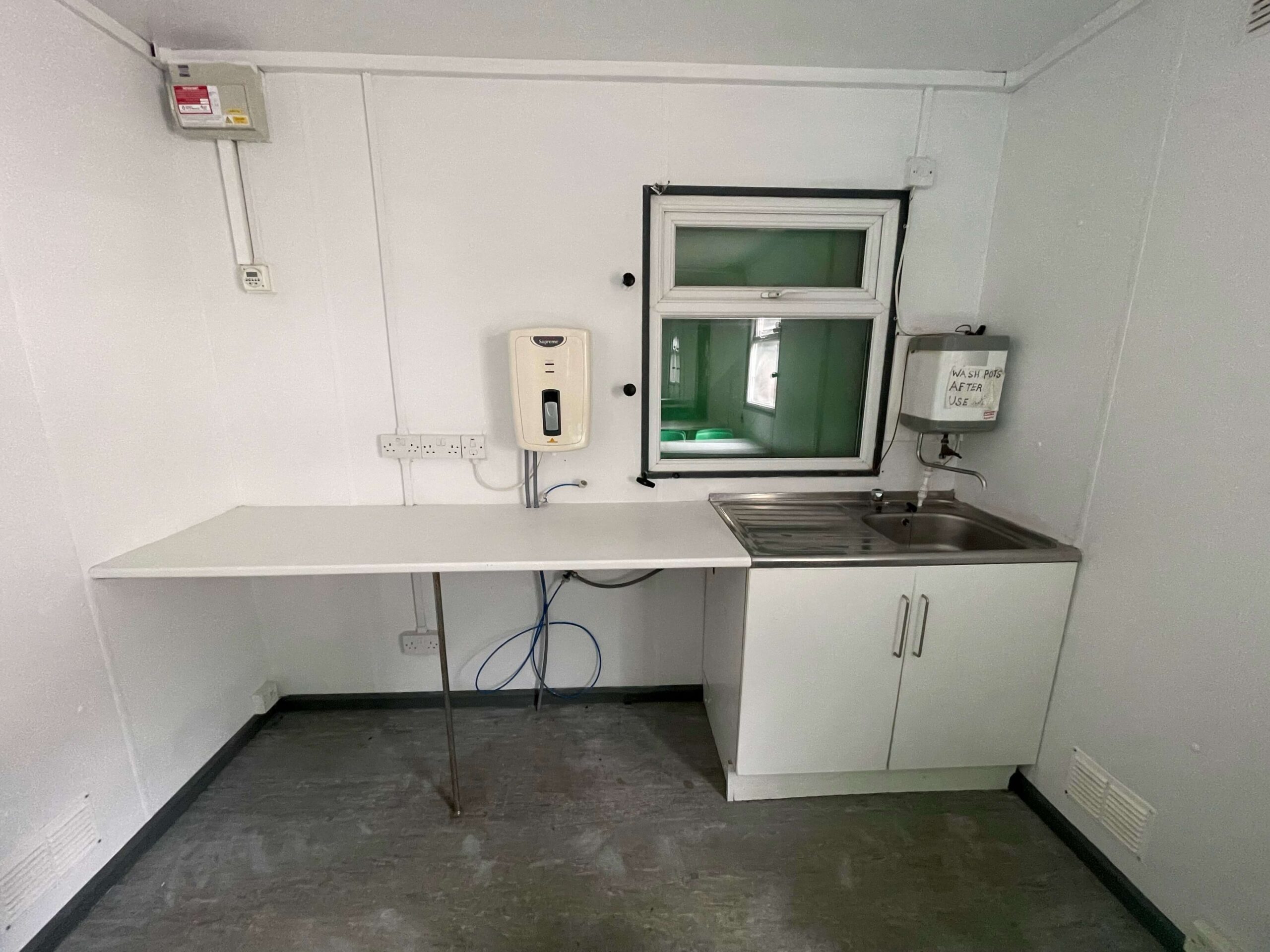
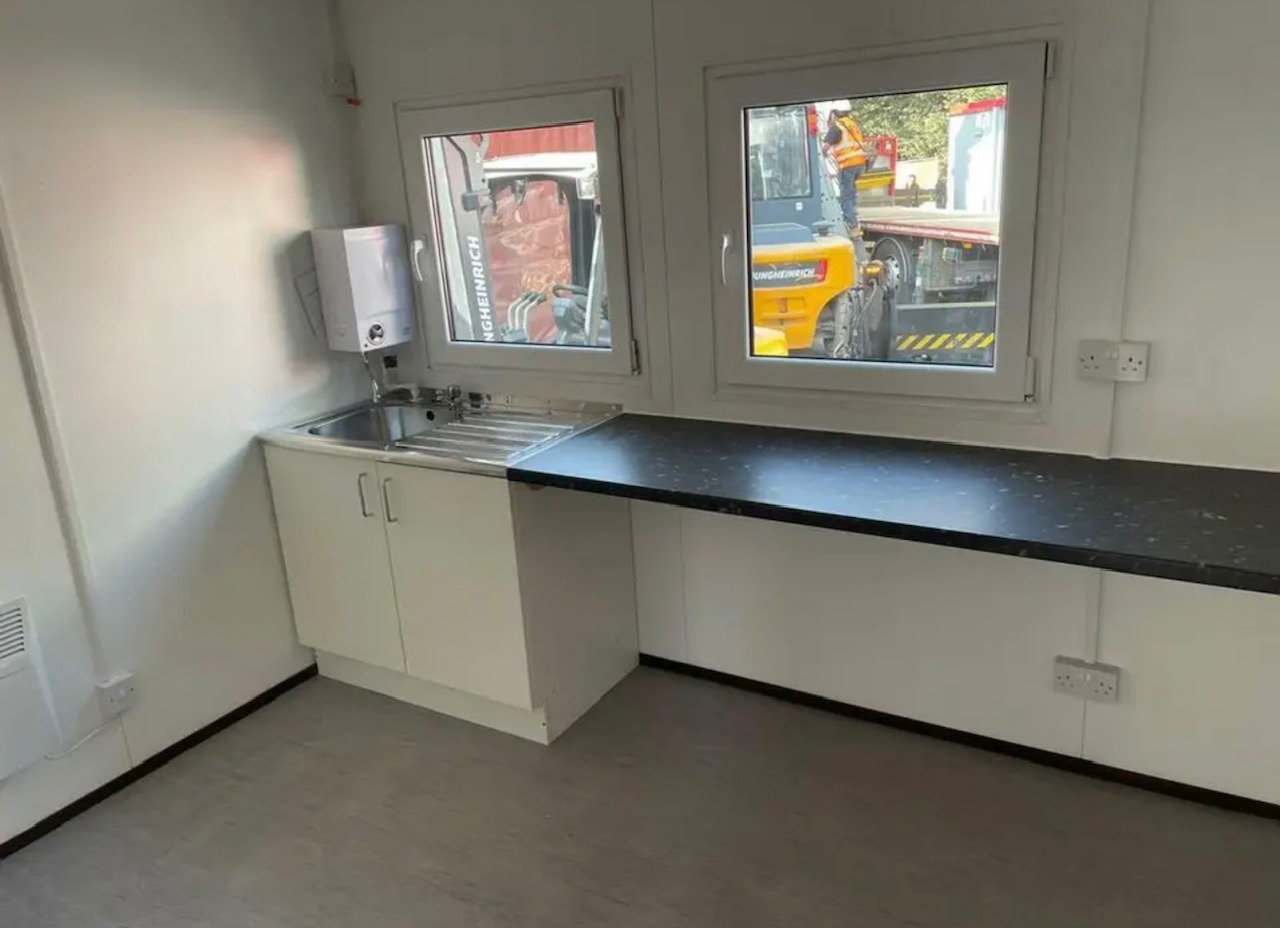
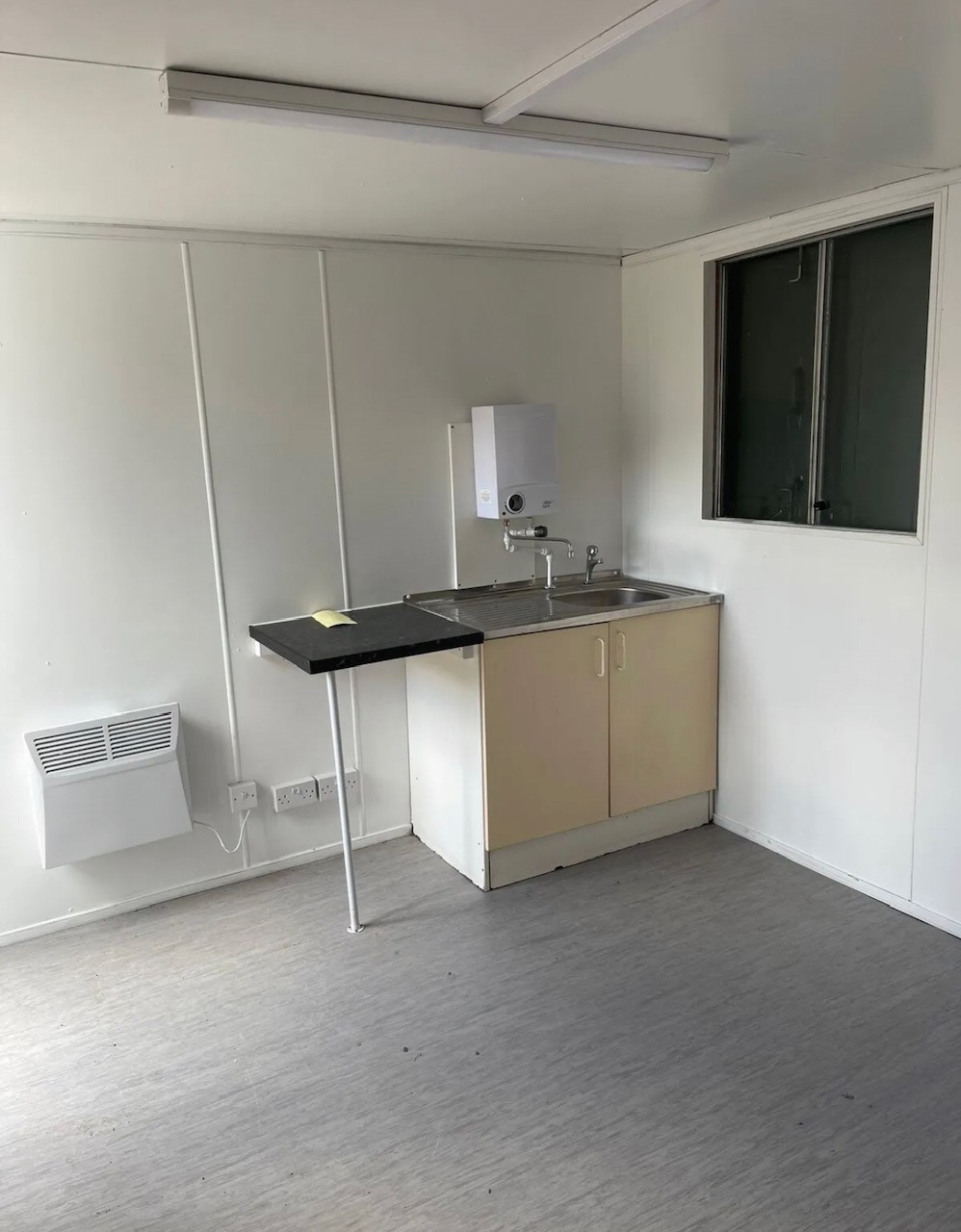
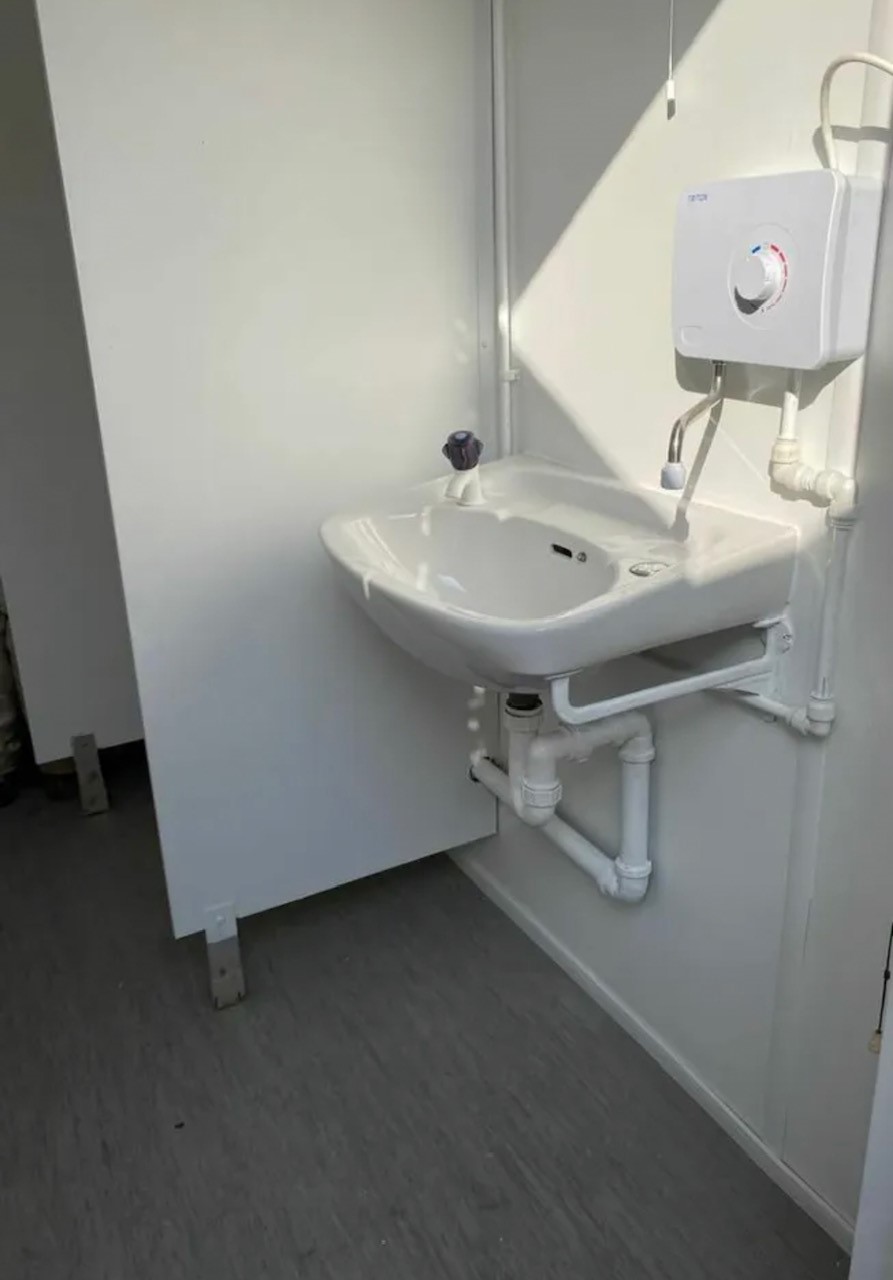
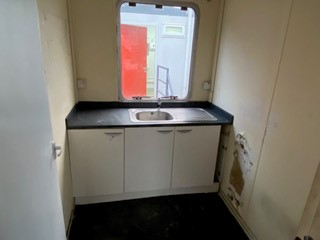
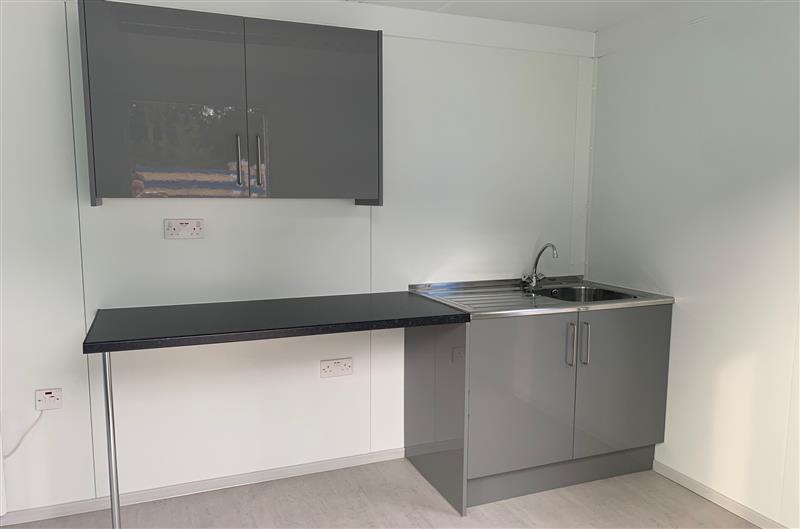
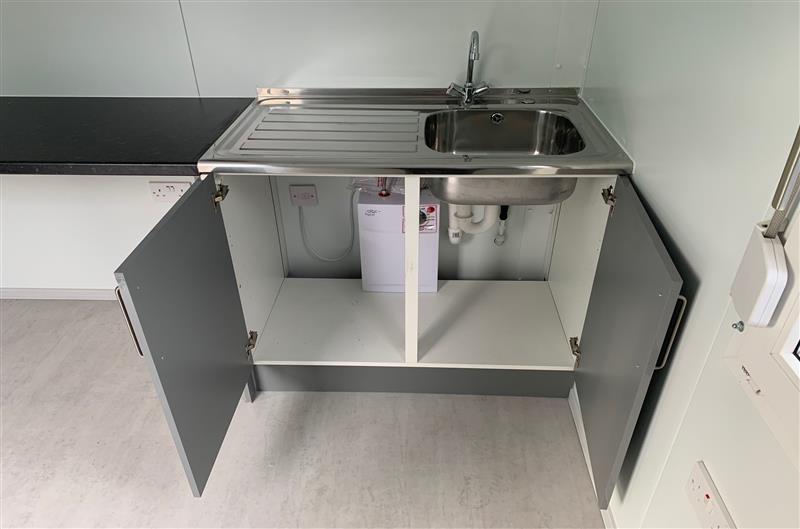
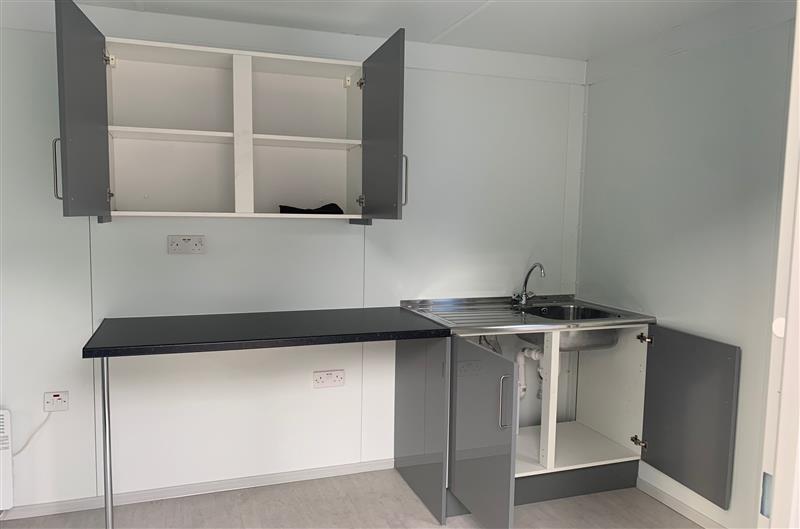
  • Kitchen with sink worktop, cupboard and water heater
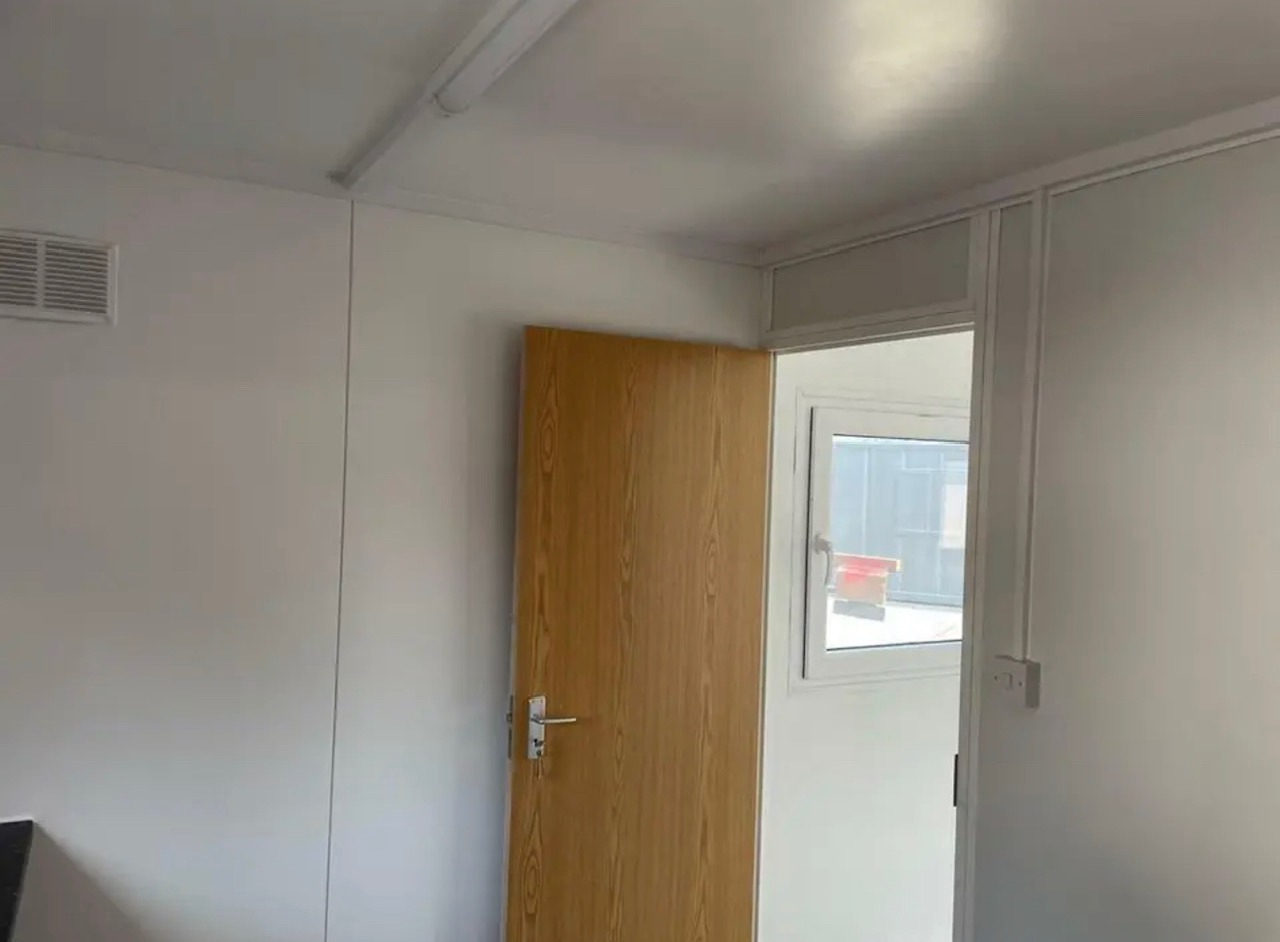
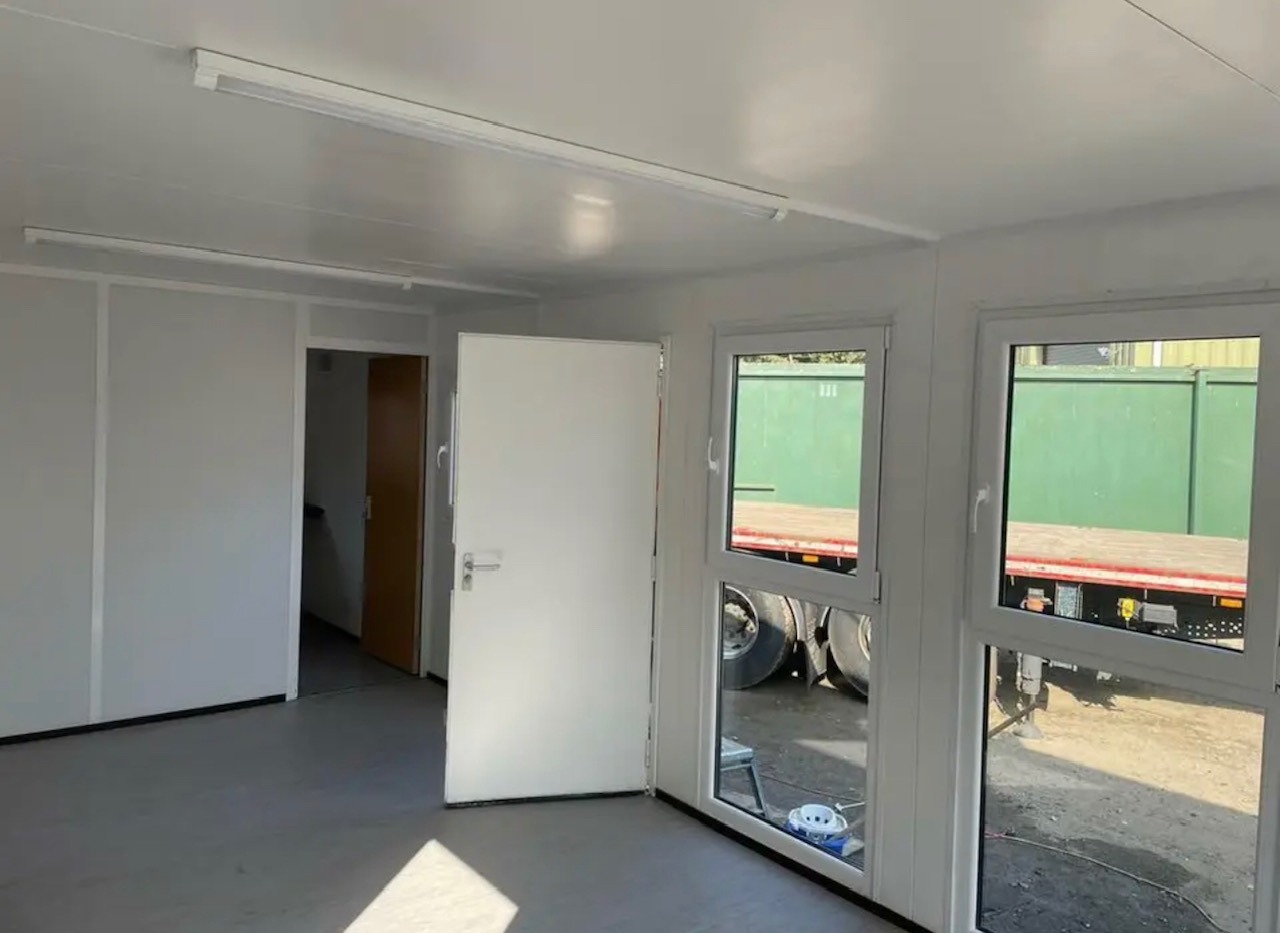
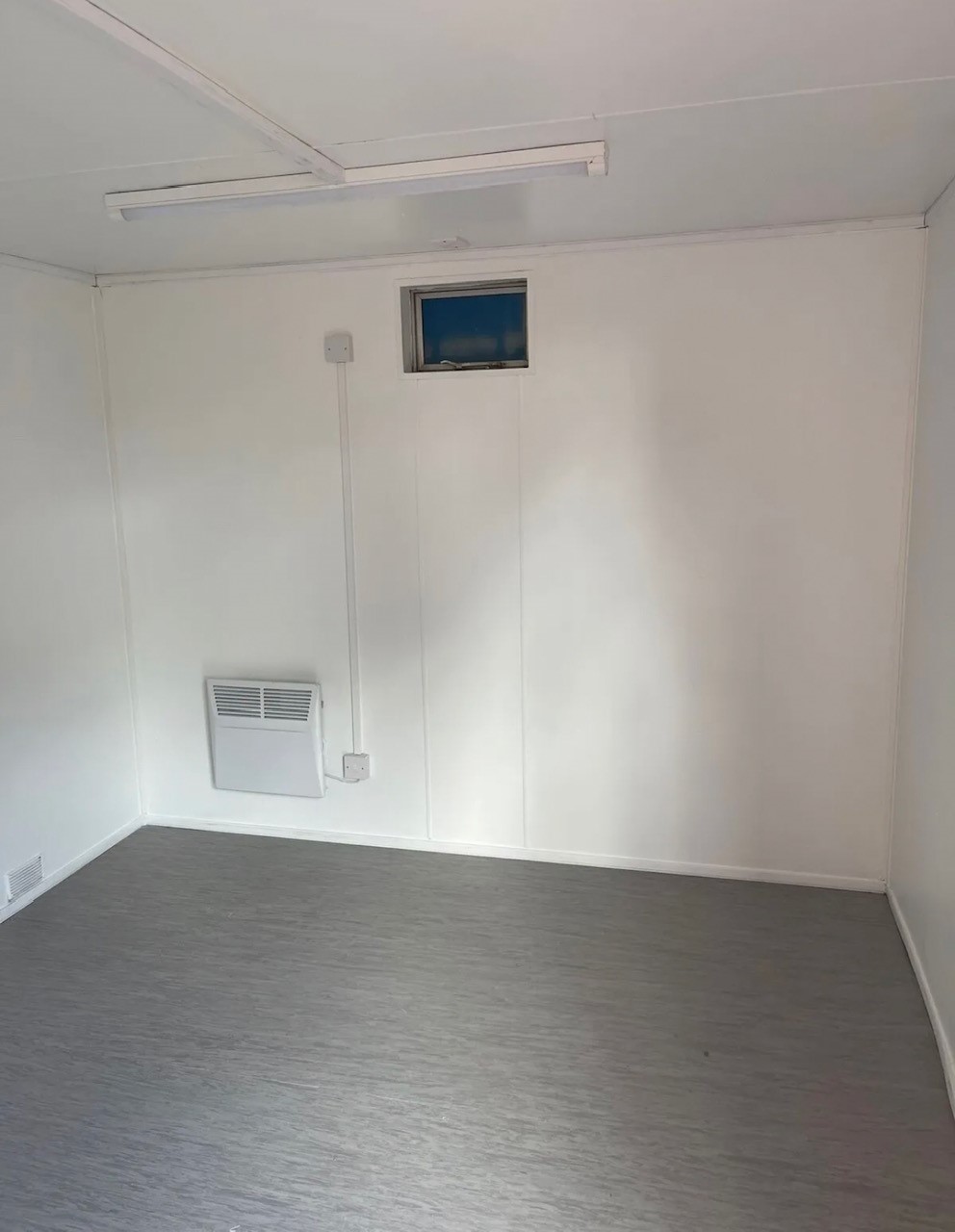
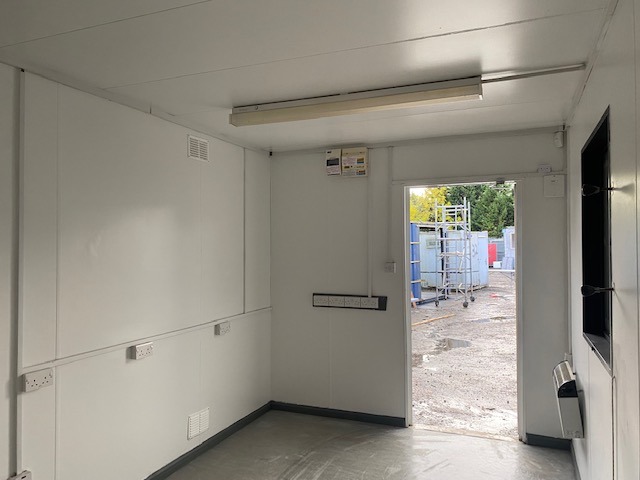
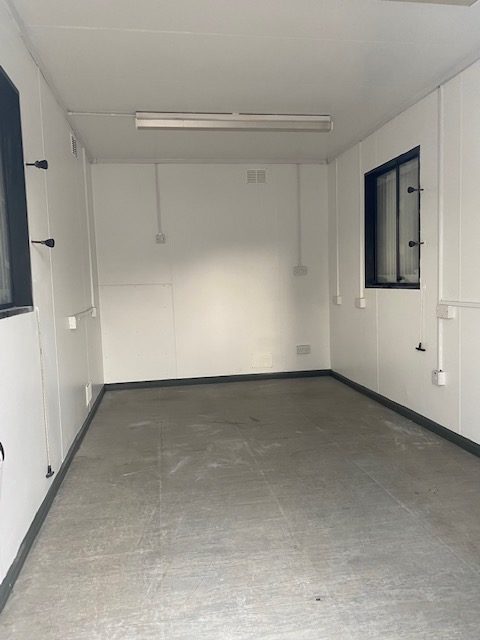
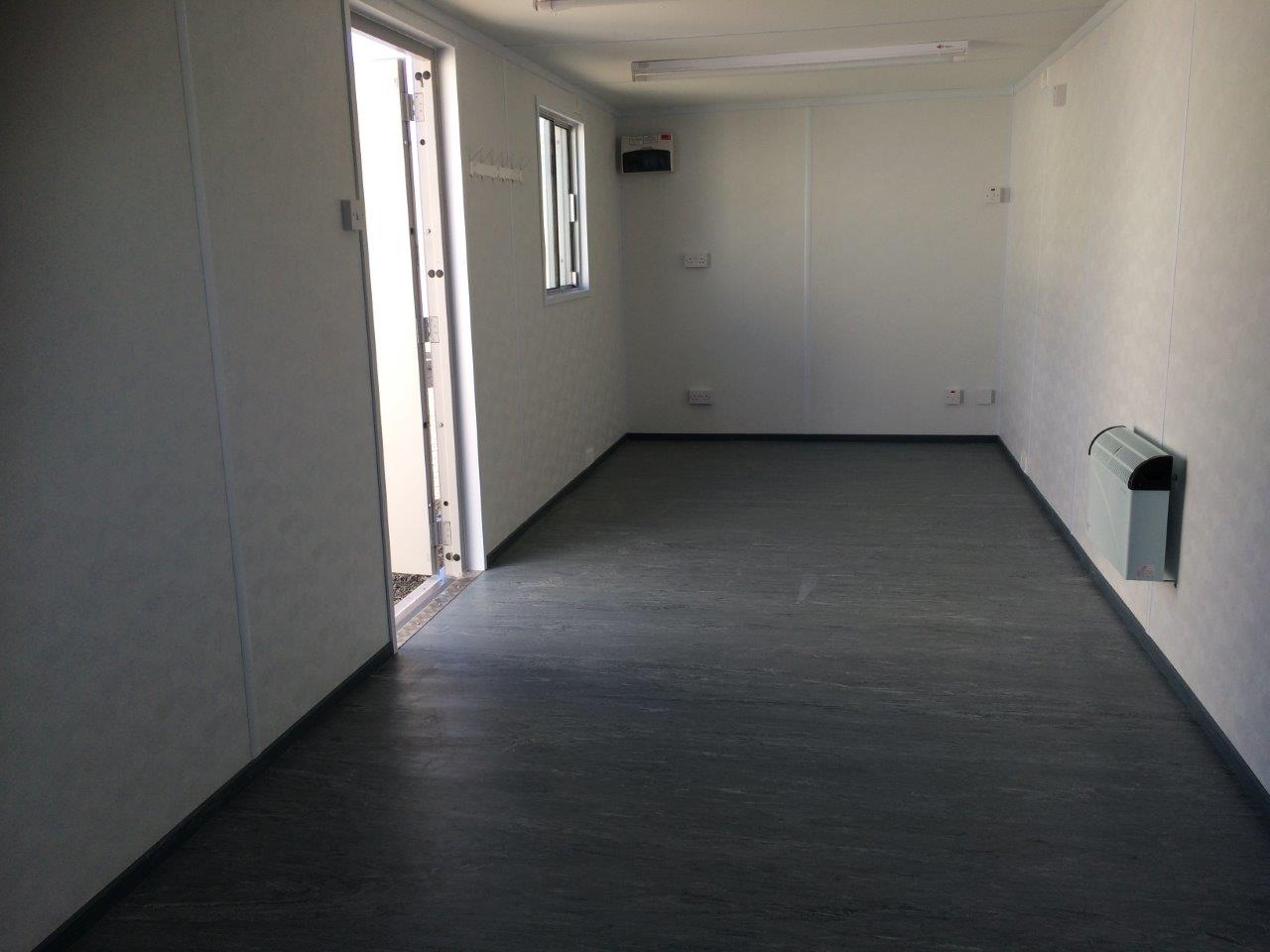
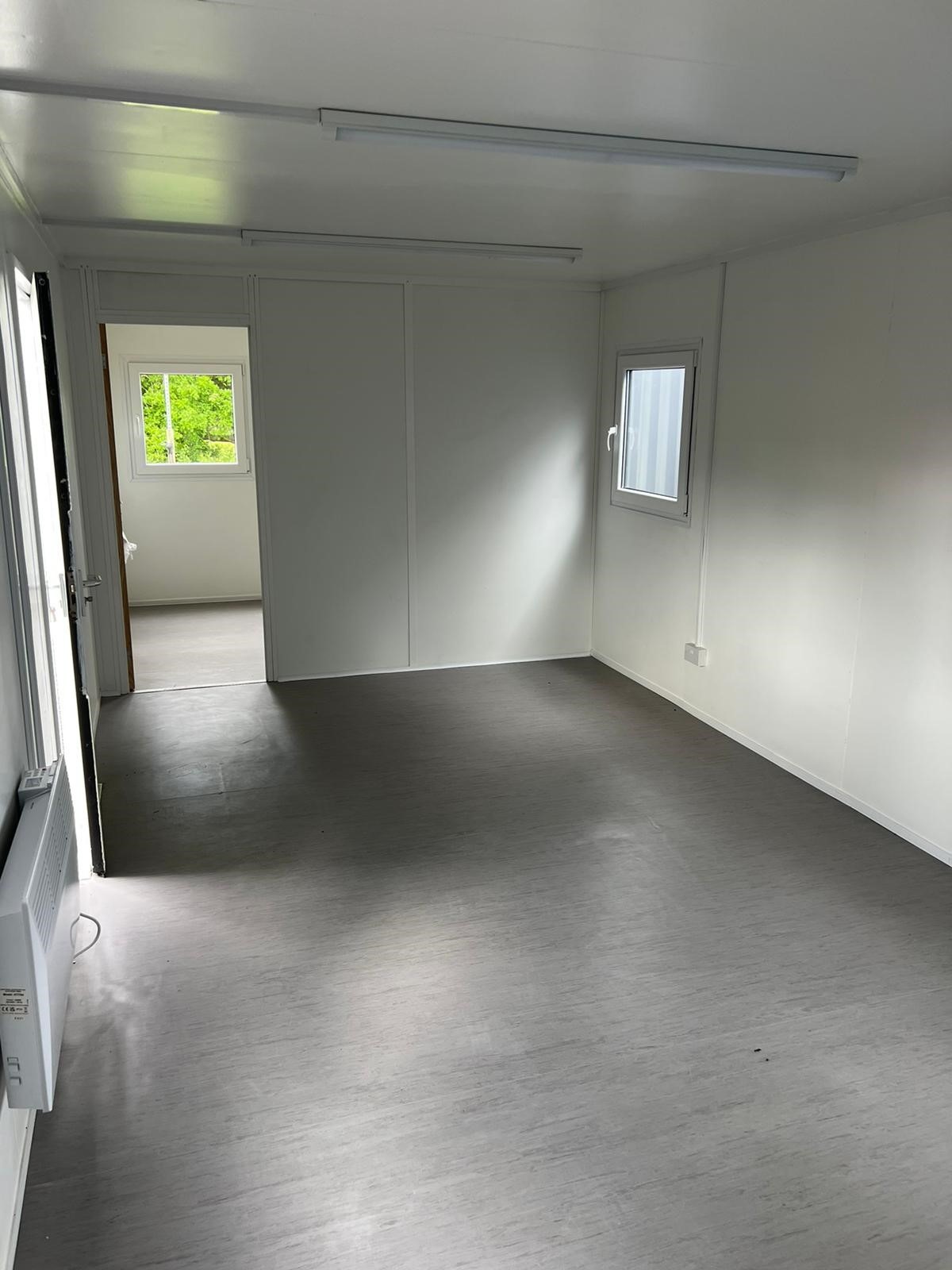
  • Insulated with electric sockets, lighting and heating
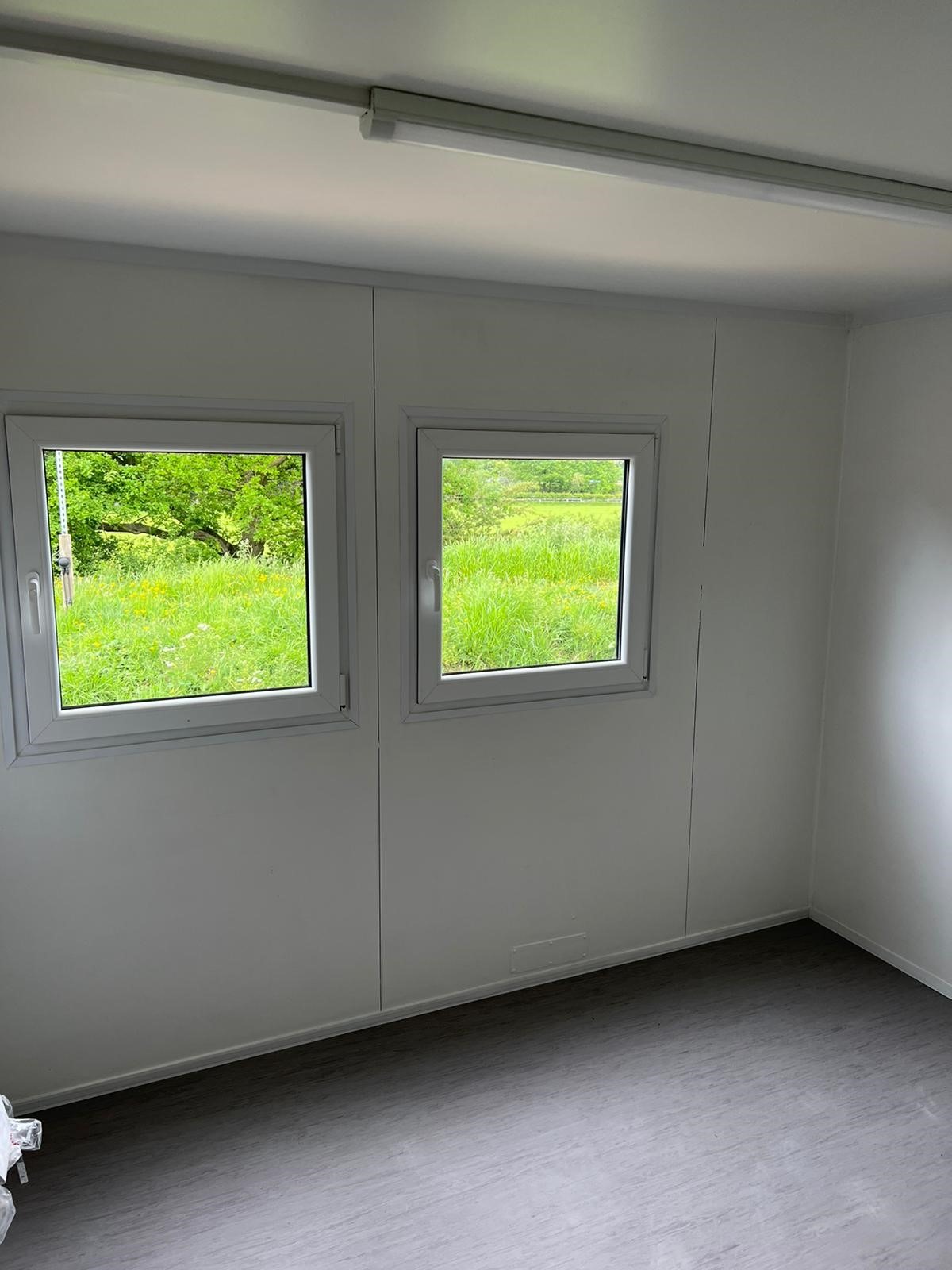
  • White upvc double glazing
  • External re spray in dark grey

Location: Nationwide

£6,500 + vat

Not Available for Hire

We can deliver for a cost please ask and send us post code.

Call for an instant quote!

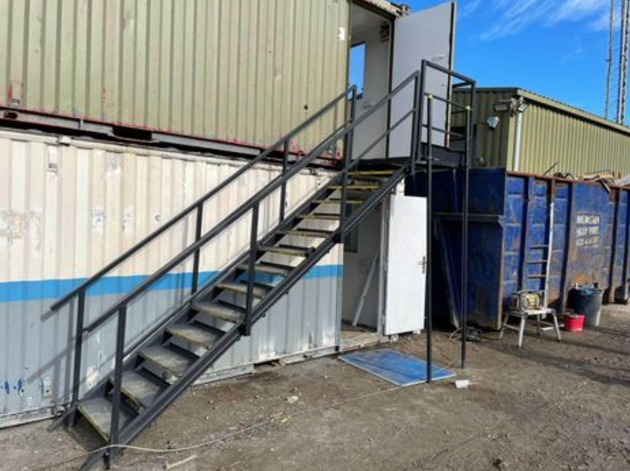
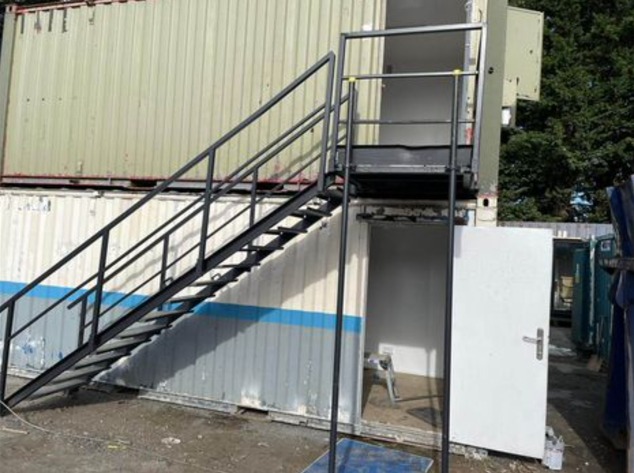
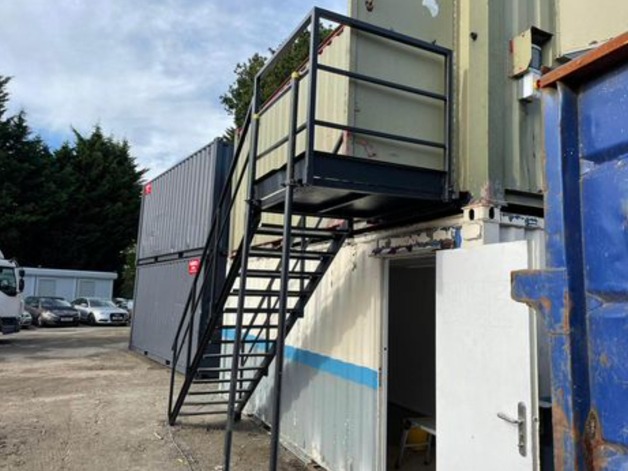
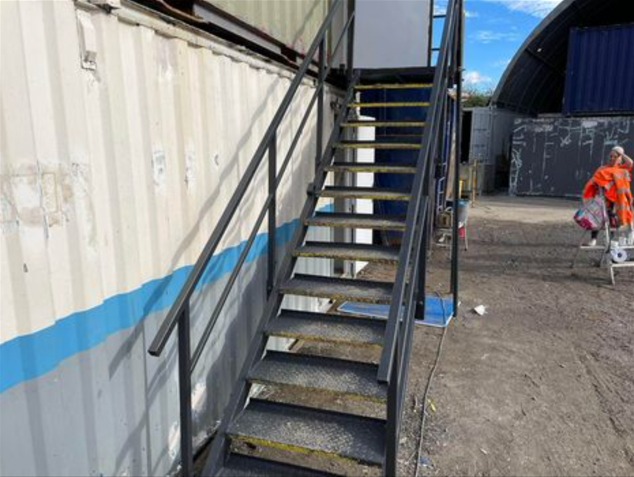
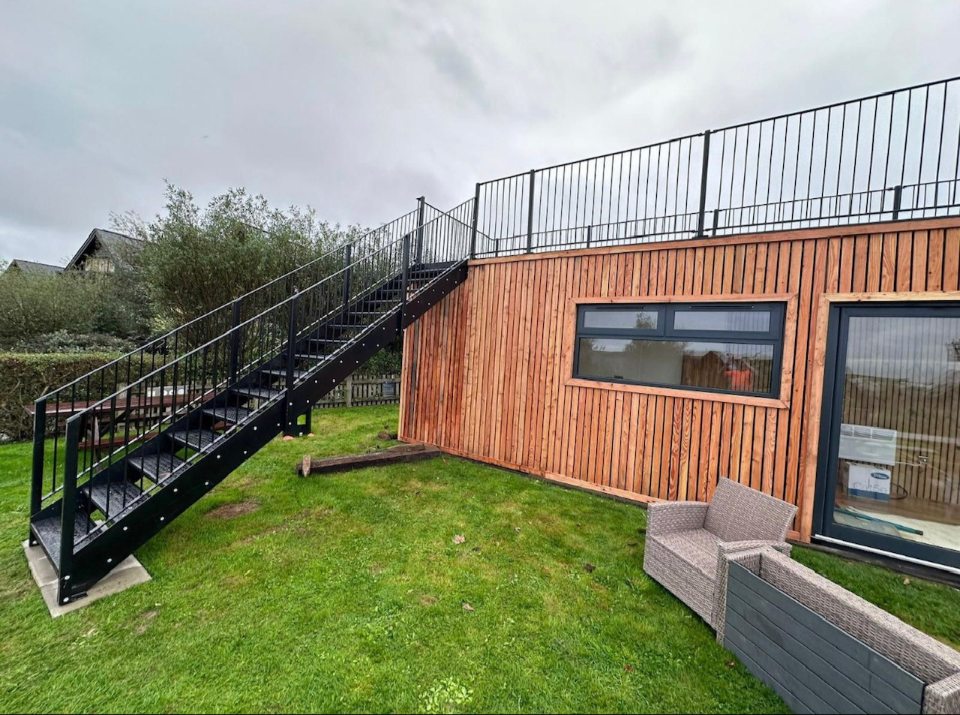
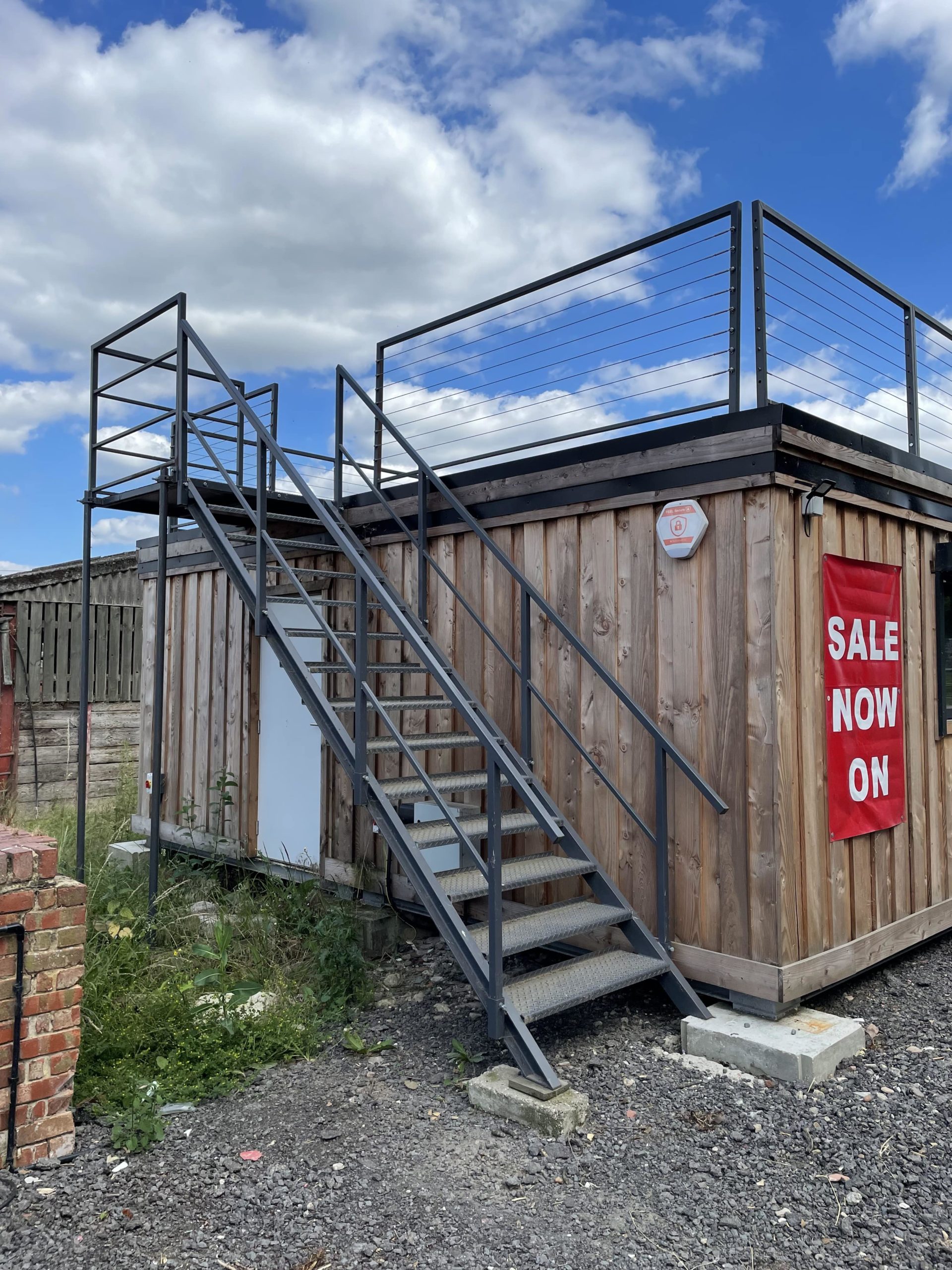
Steel Cabin Staircases, in various sizes

  • 13 tread

  • 14 tread

  • 15 tread

Location: Nationwide

£1,200.00 + vat

Not Available for Hire

Call for an instant quote!

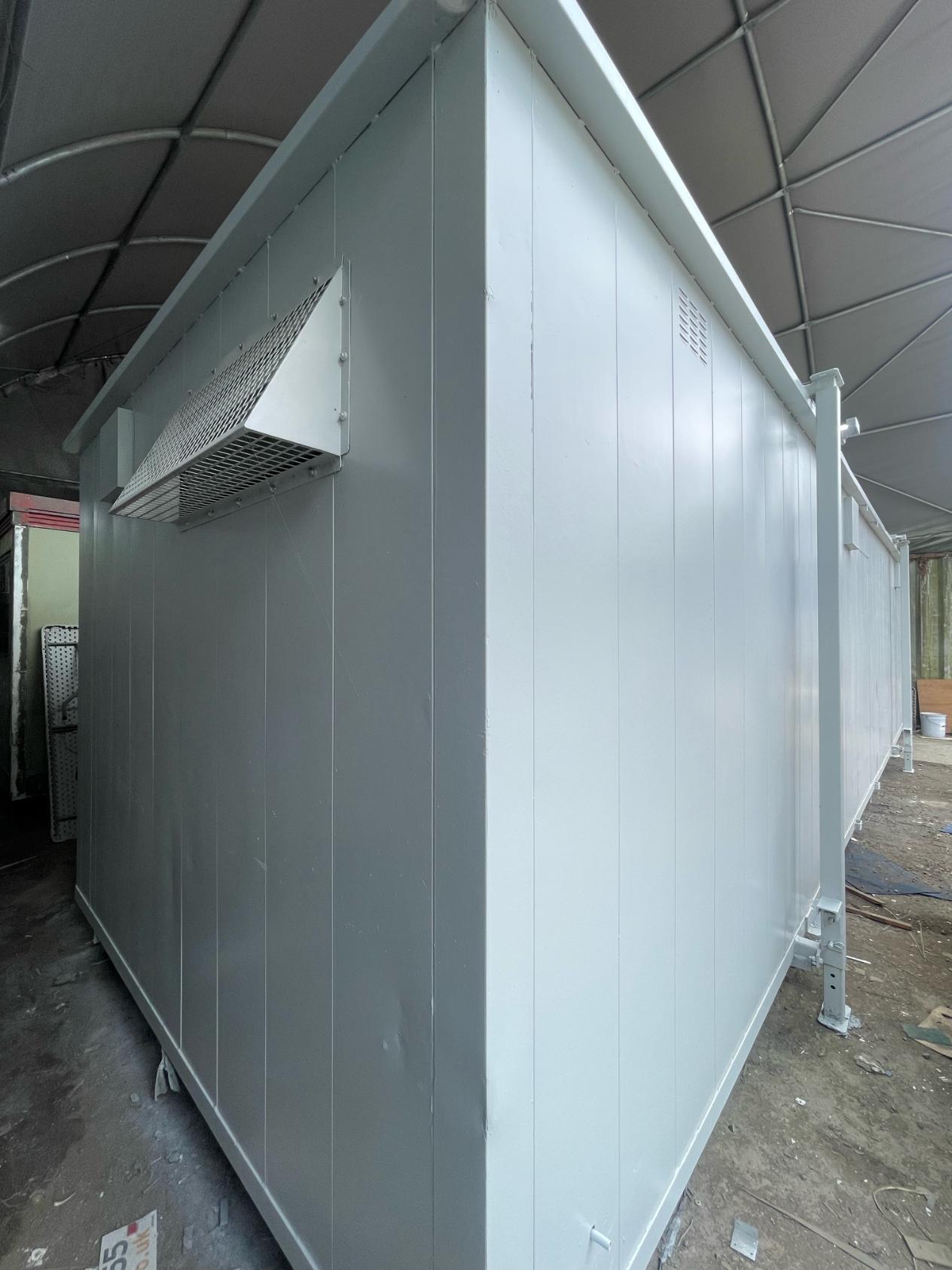
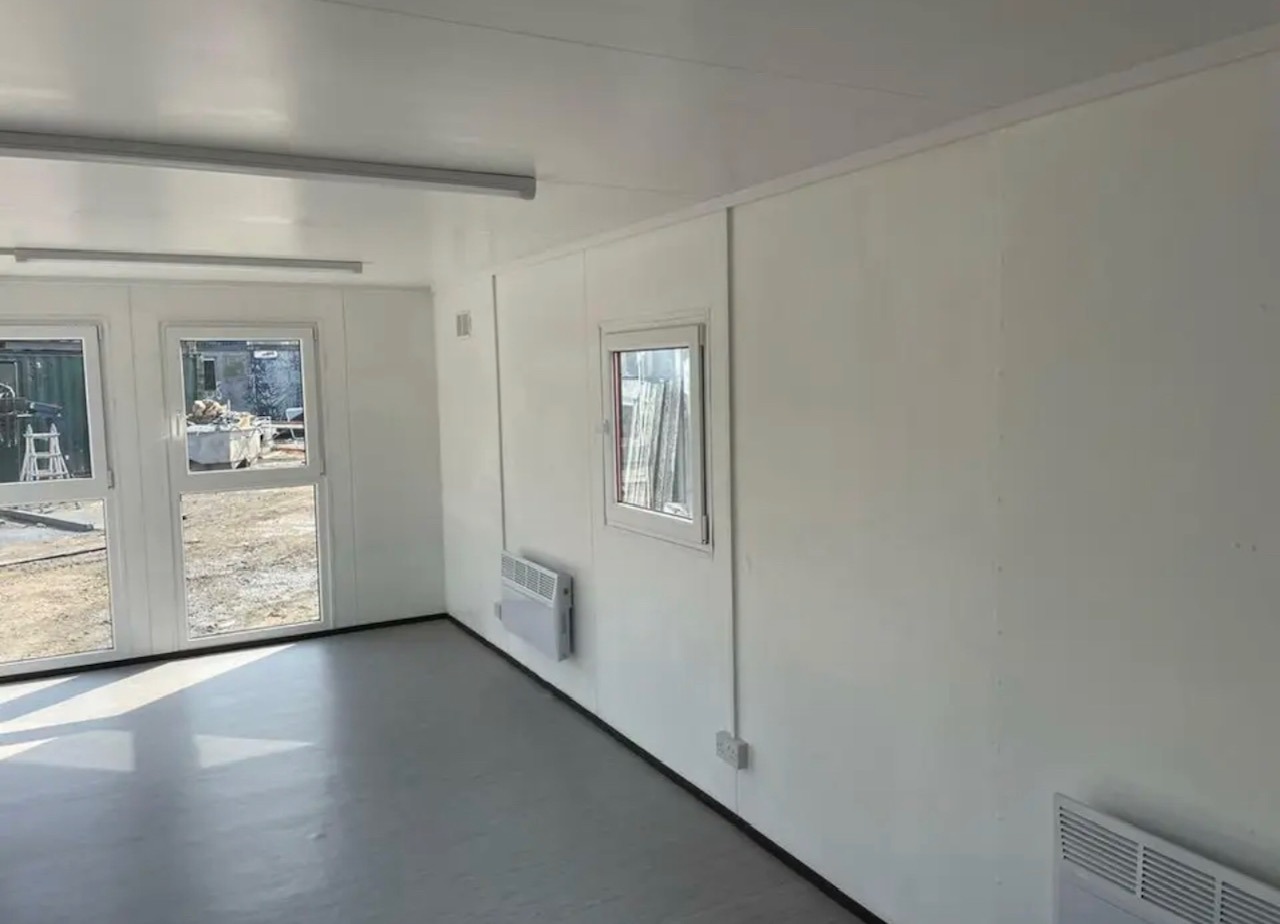
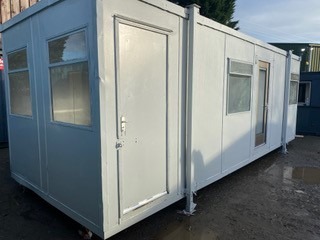
32ft x 10ft Anti Vandal Canteen/Office

    • Price: £5,995 + VAT
    • Description: 32ft x 10ft Anti Vandal Canteen/Office
  Part refurbished including:
  • Electric sockets, lighting and heating
  • White upvc double glazing
  • Canteen
  • Open plan
  • External light grey re spray

Location: Nationwide

£5,995 + vat

Not Available for Hire

We can deliver for a cost please ask and send us post code.

Call for an instant quote!

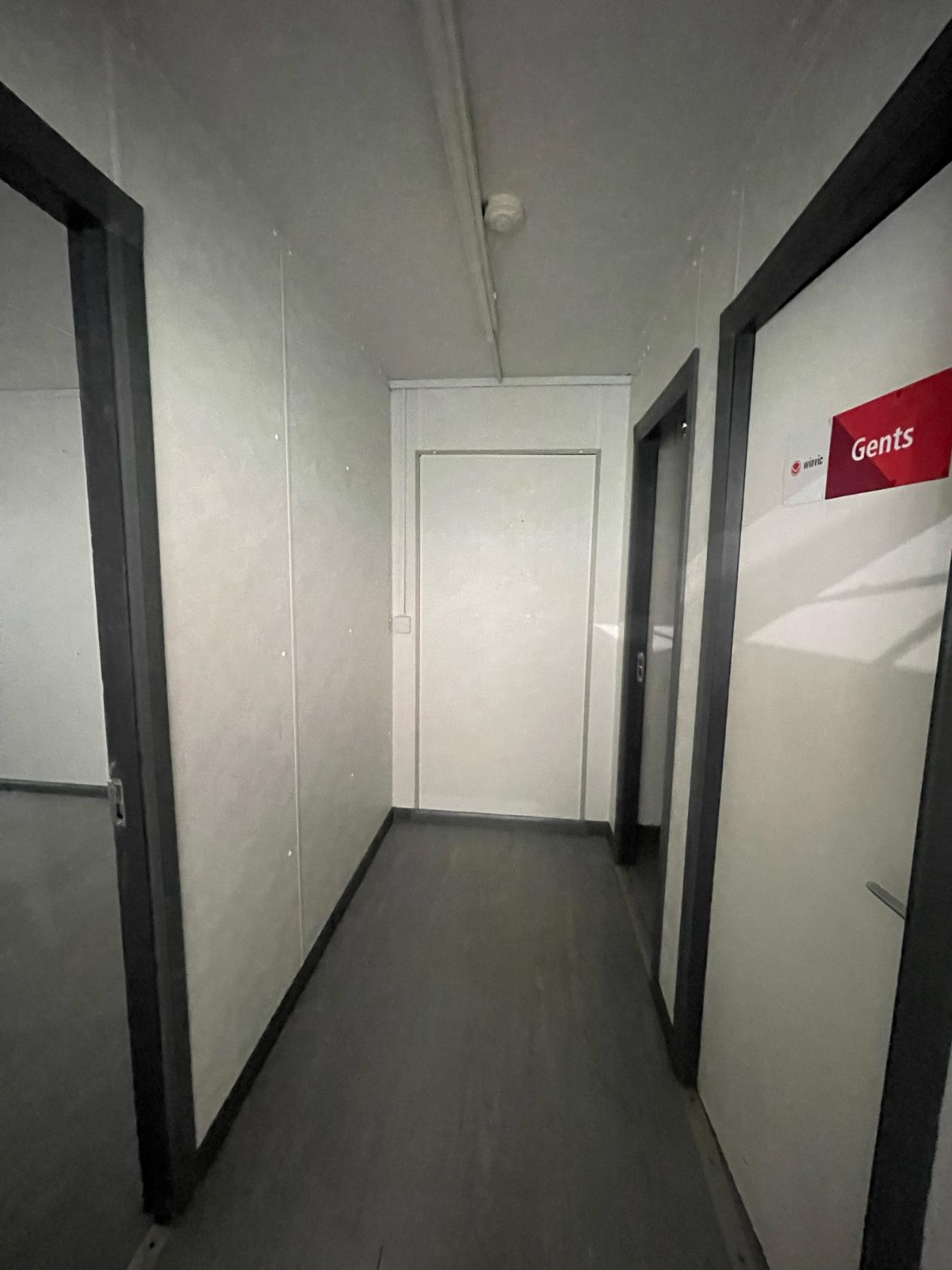
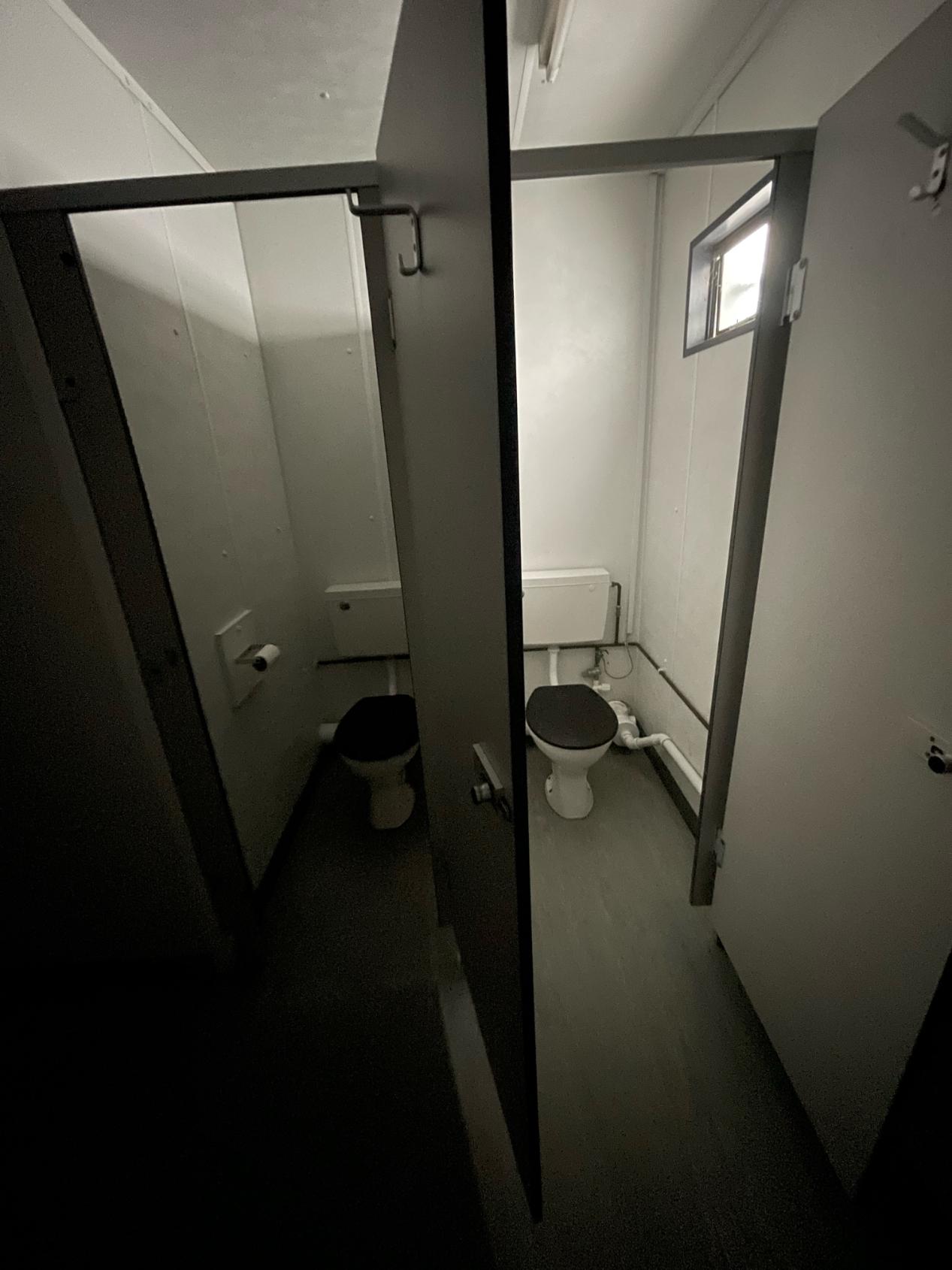
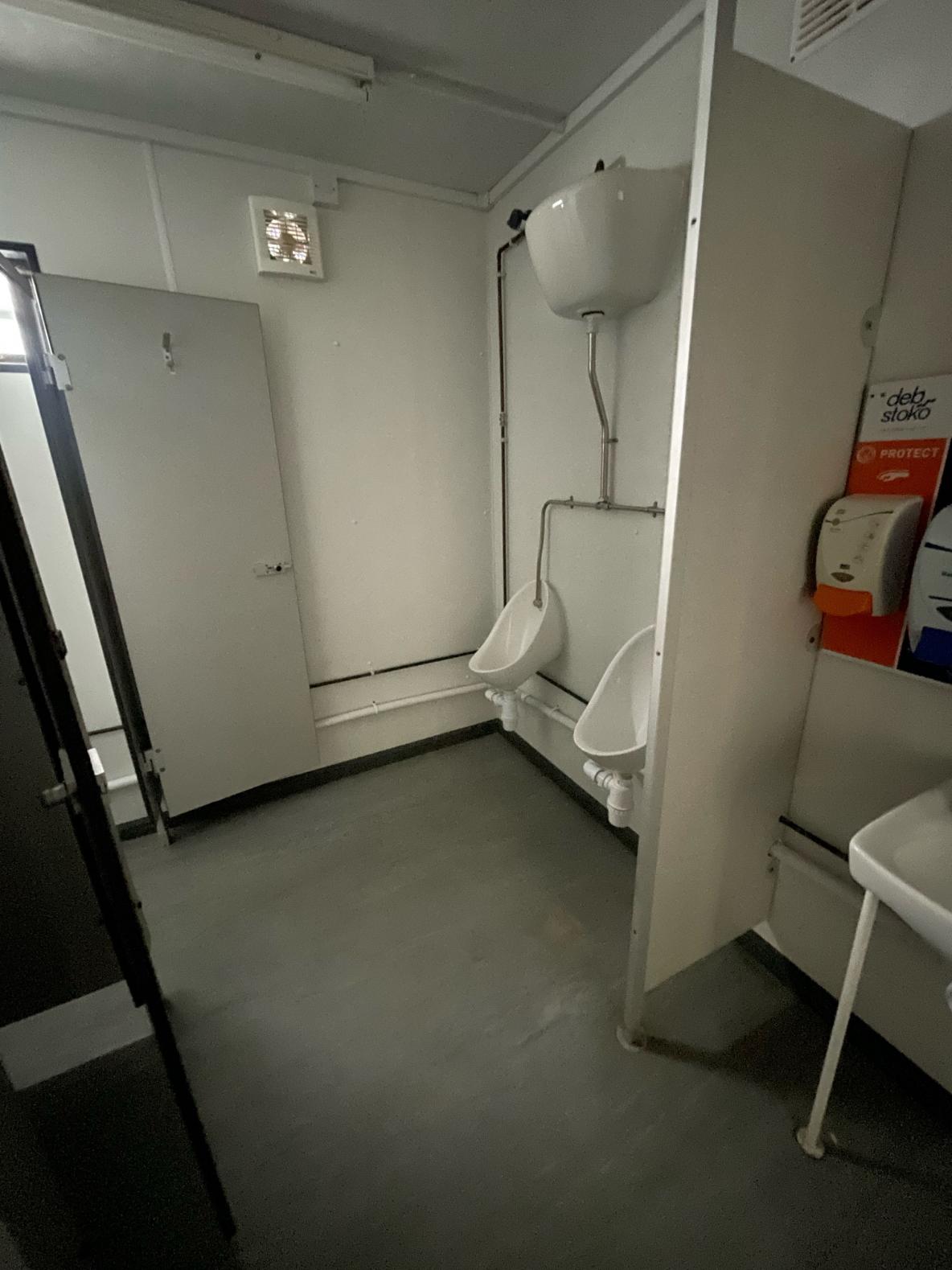
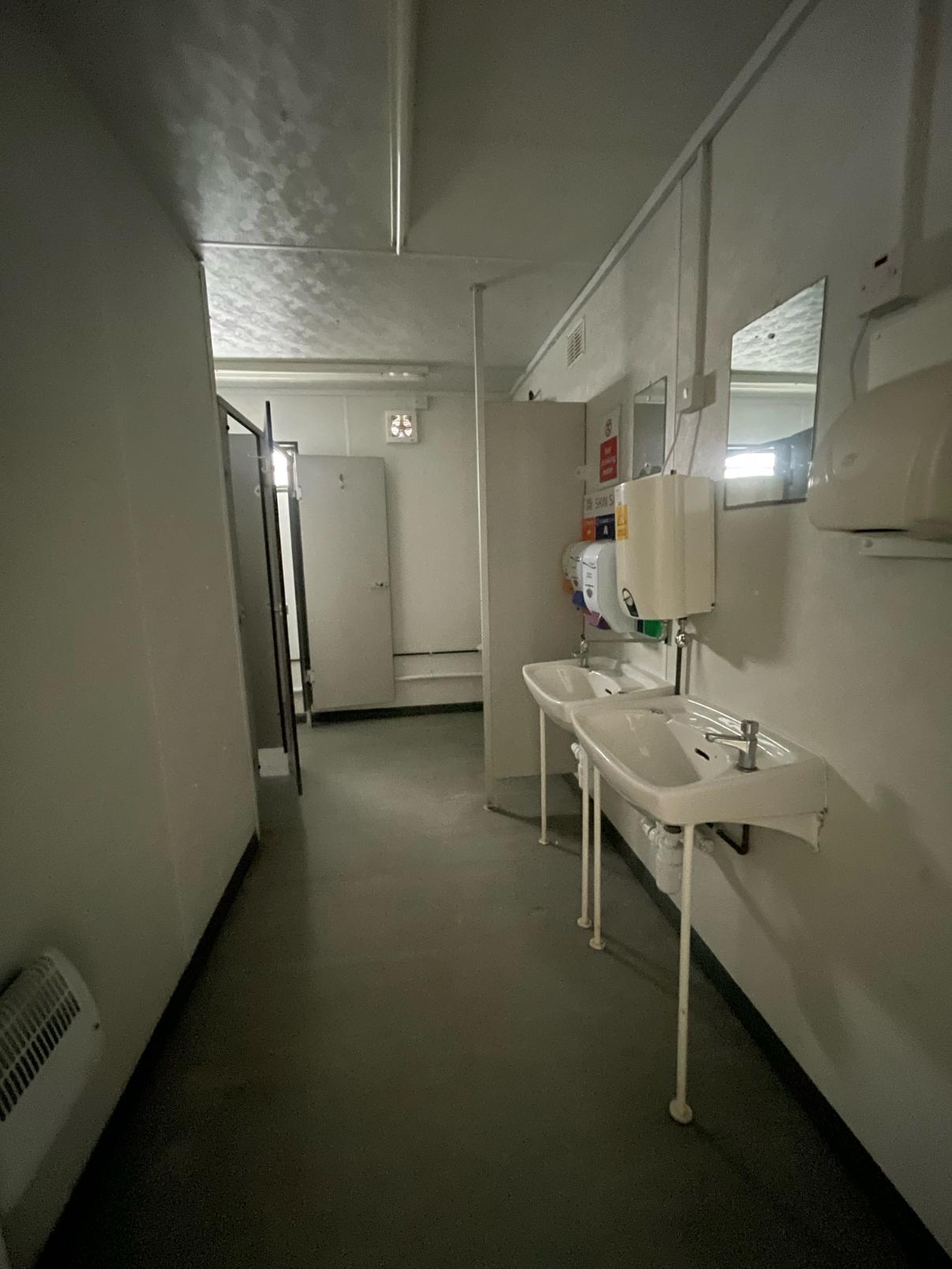
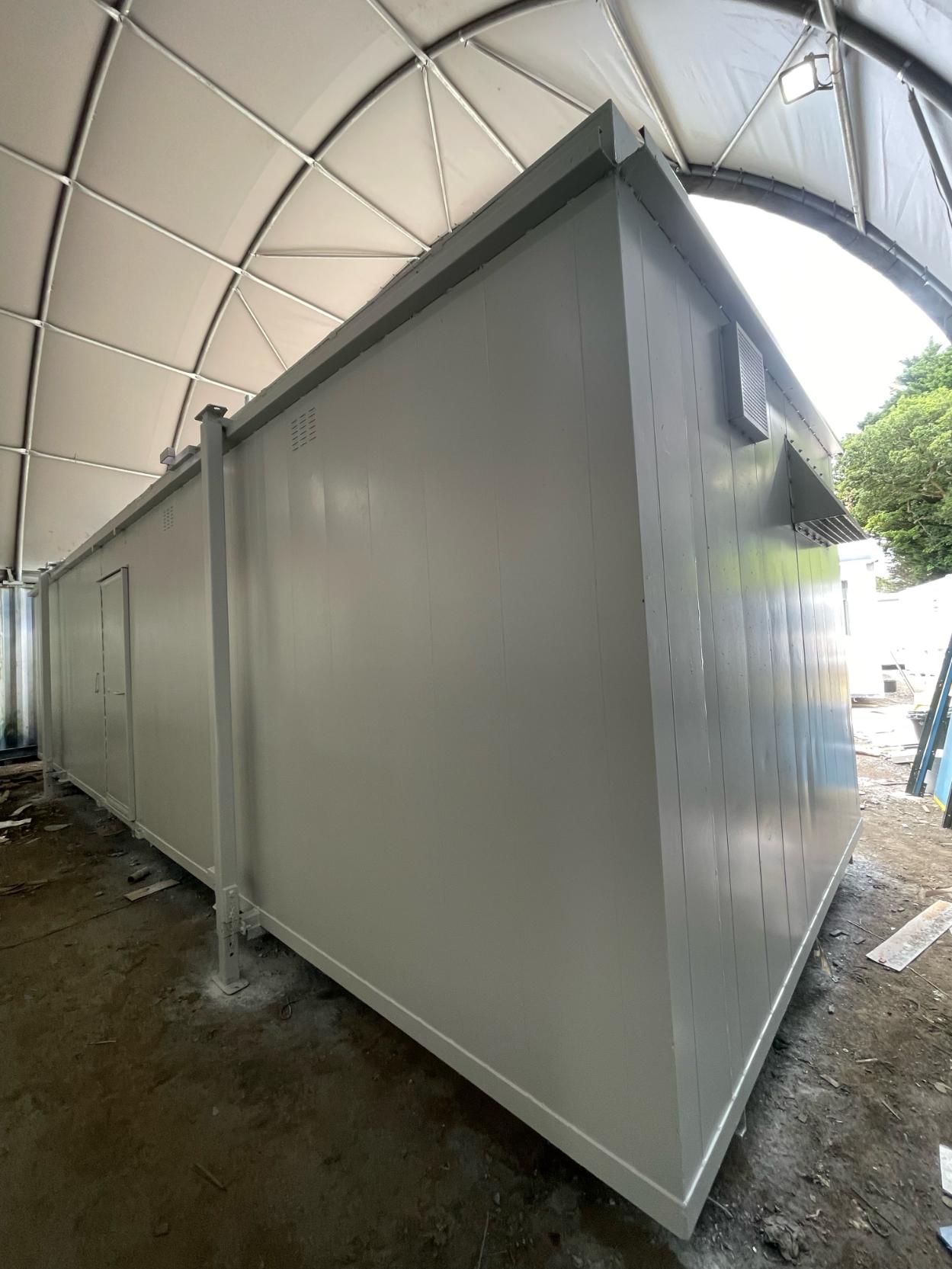
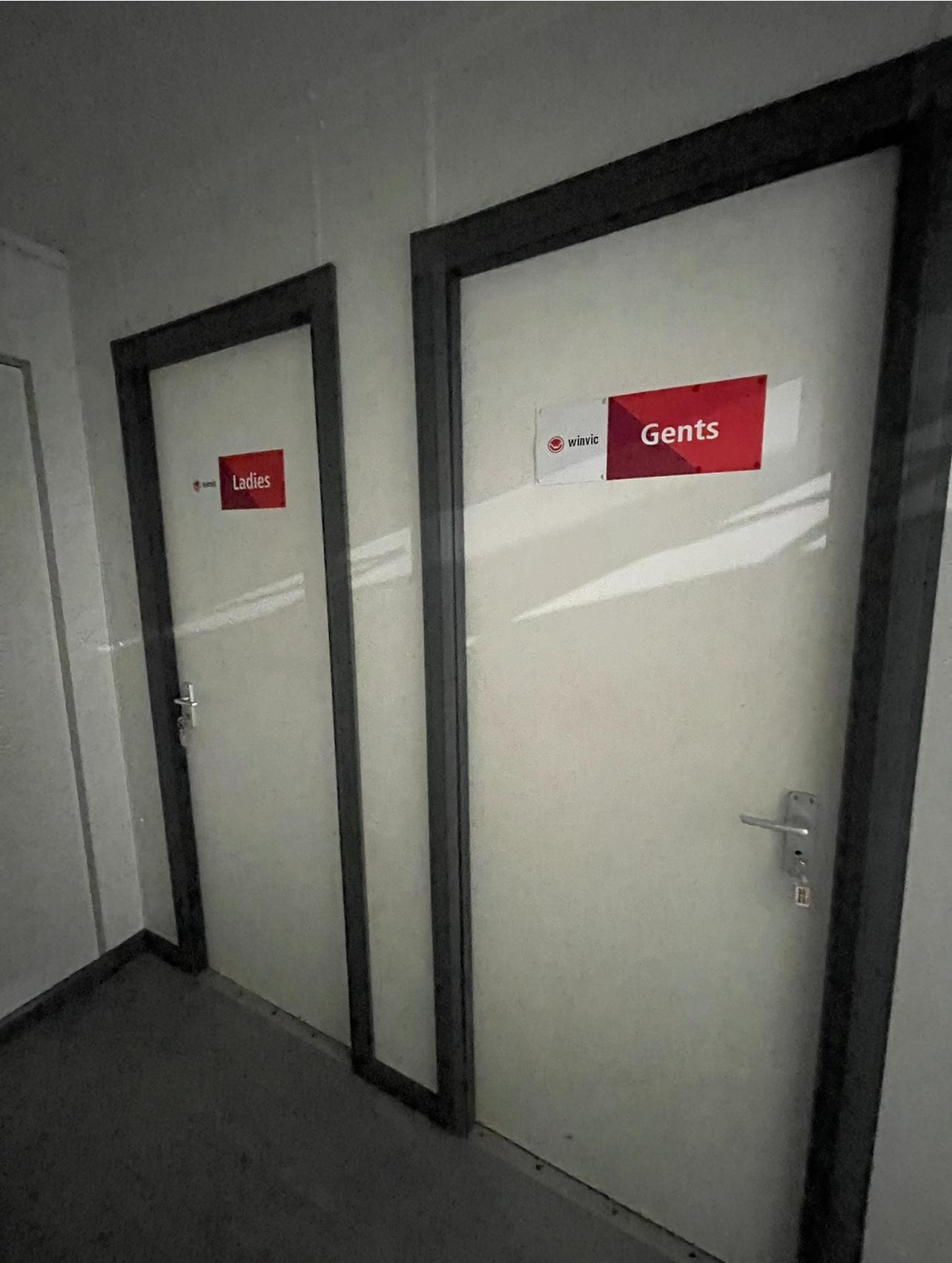
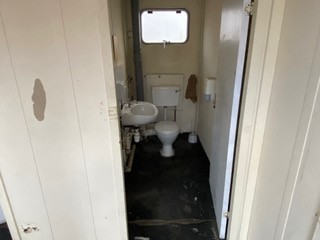
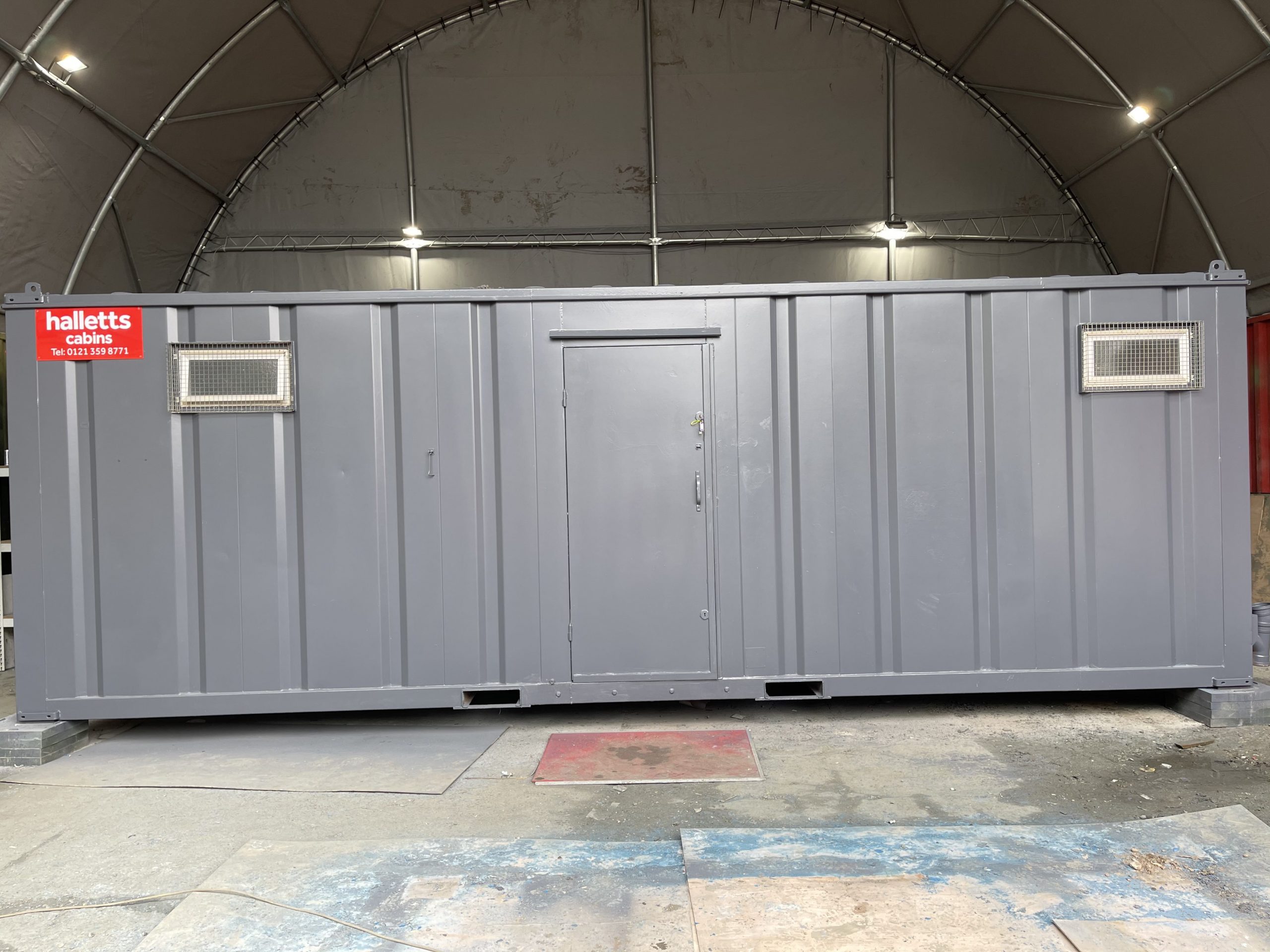
32ft x 10ft Drying Room, Toilet Block

Hallway leading into:

  • Price: £6,500 + VAT
  • Half open plan drying room, or we could add in a canteen. (additional cost)
  • Female Single toilet
  • Male toilets including 2 x cubicles, 2 x urinals and 2 x sinks
  • External light grey spray
  • Deep cleaned
  • Ready to use
  • Excellent overall condition

Transport can be arranged please ask.

Location: Nationwide

£6,500.00 + vat

Not Available for Hire

Call for an instant quote!

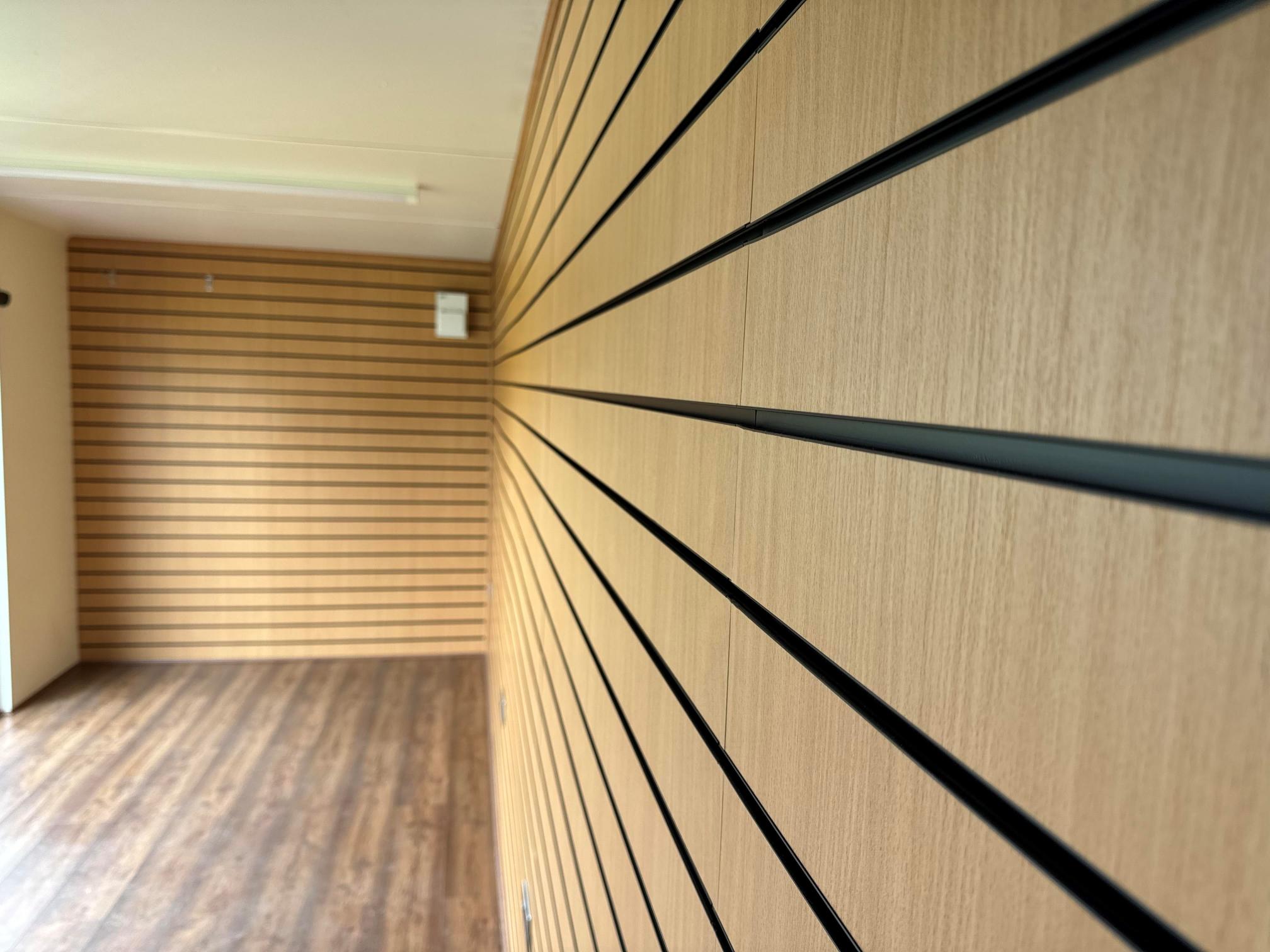
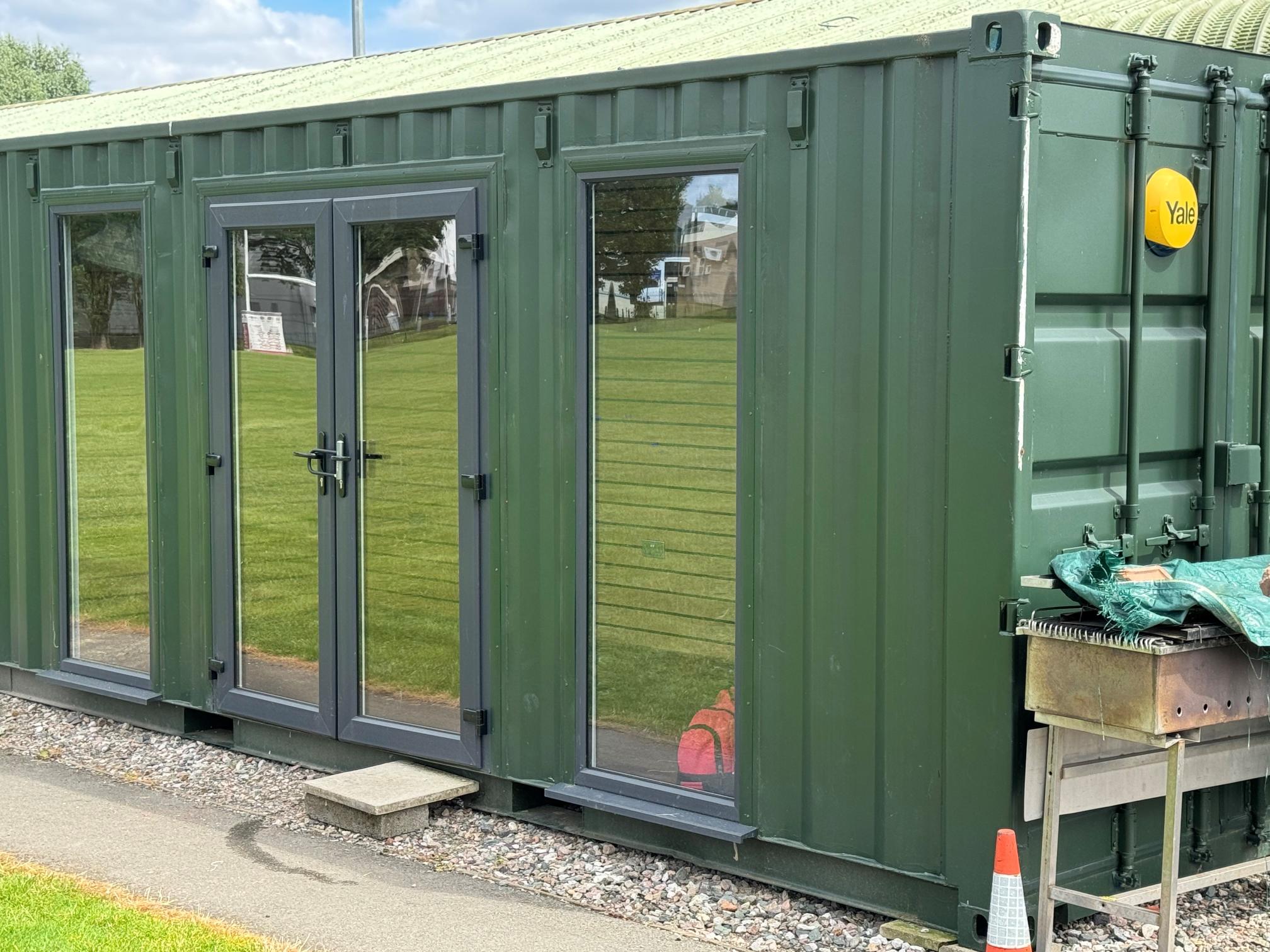
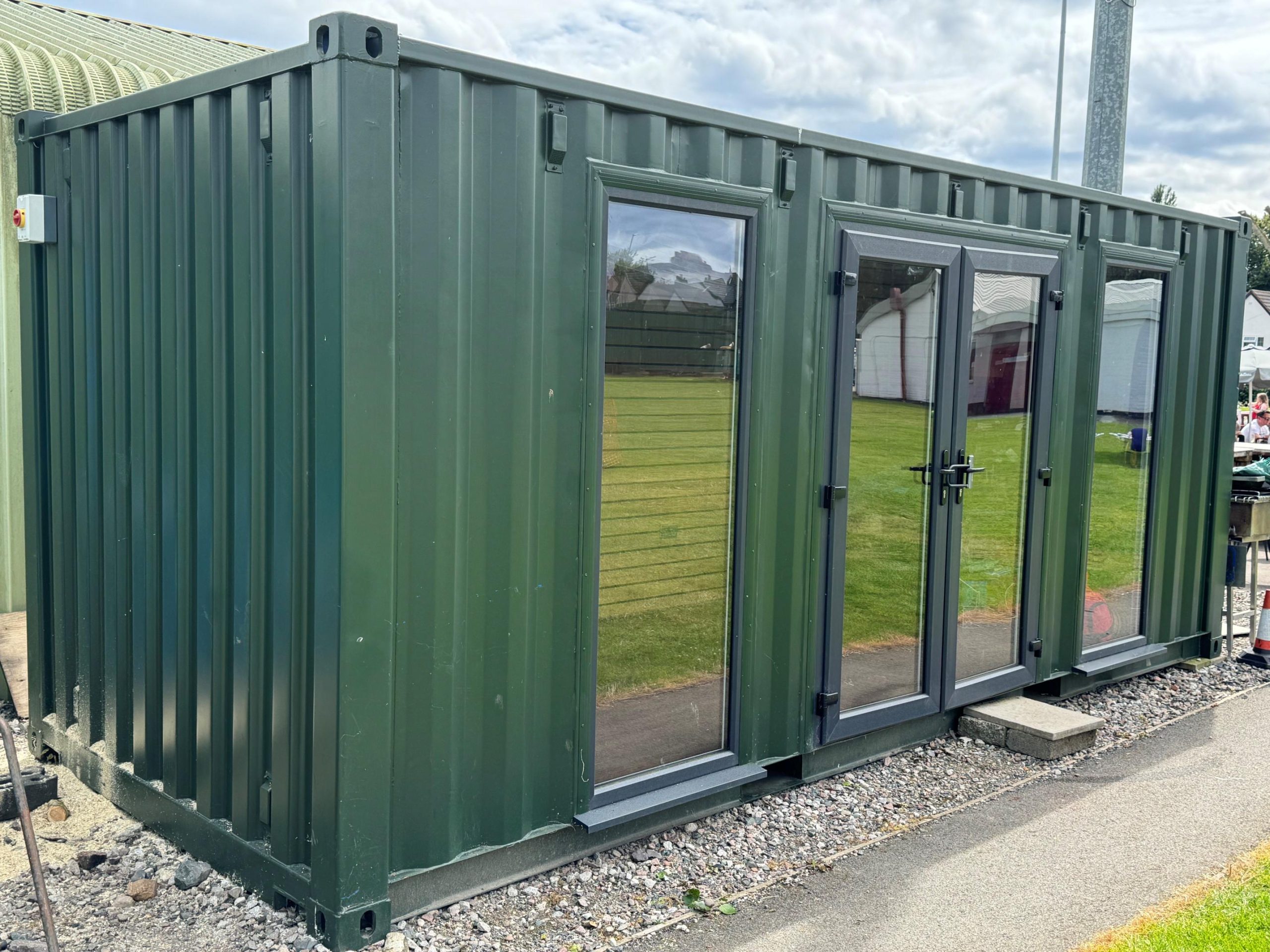
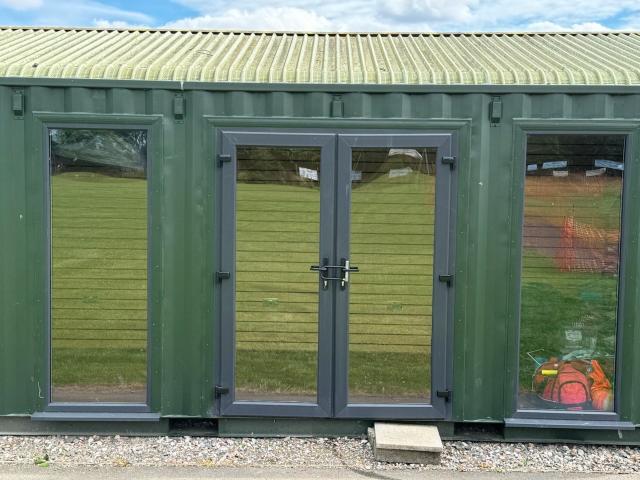
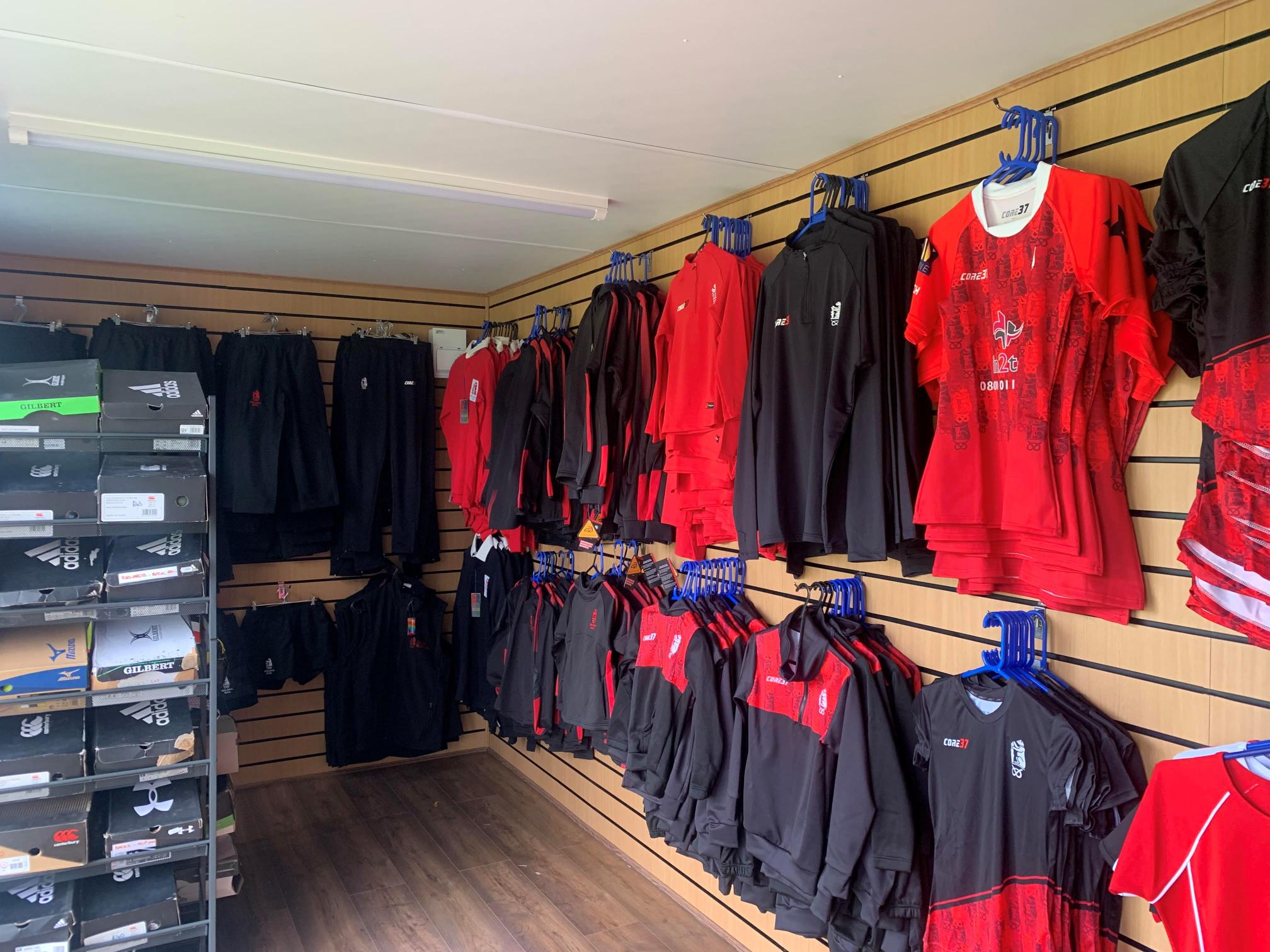
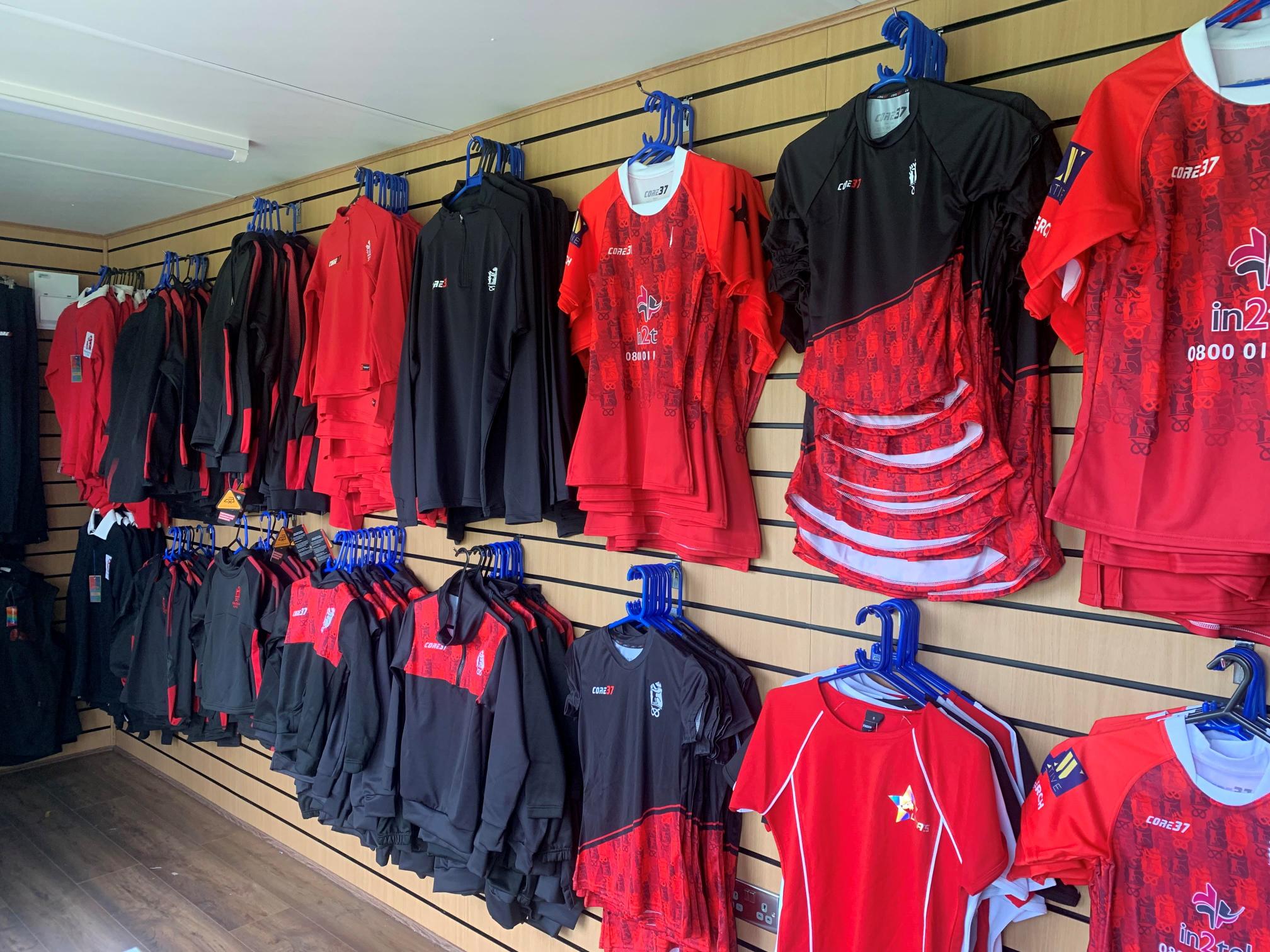
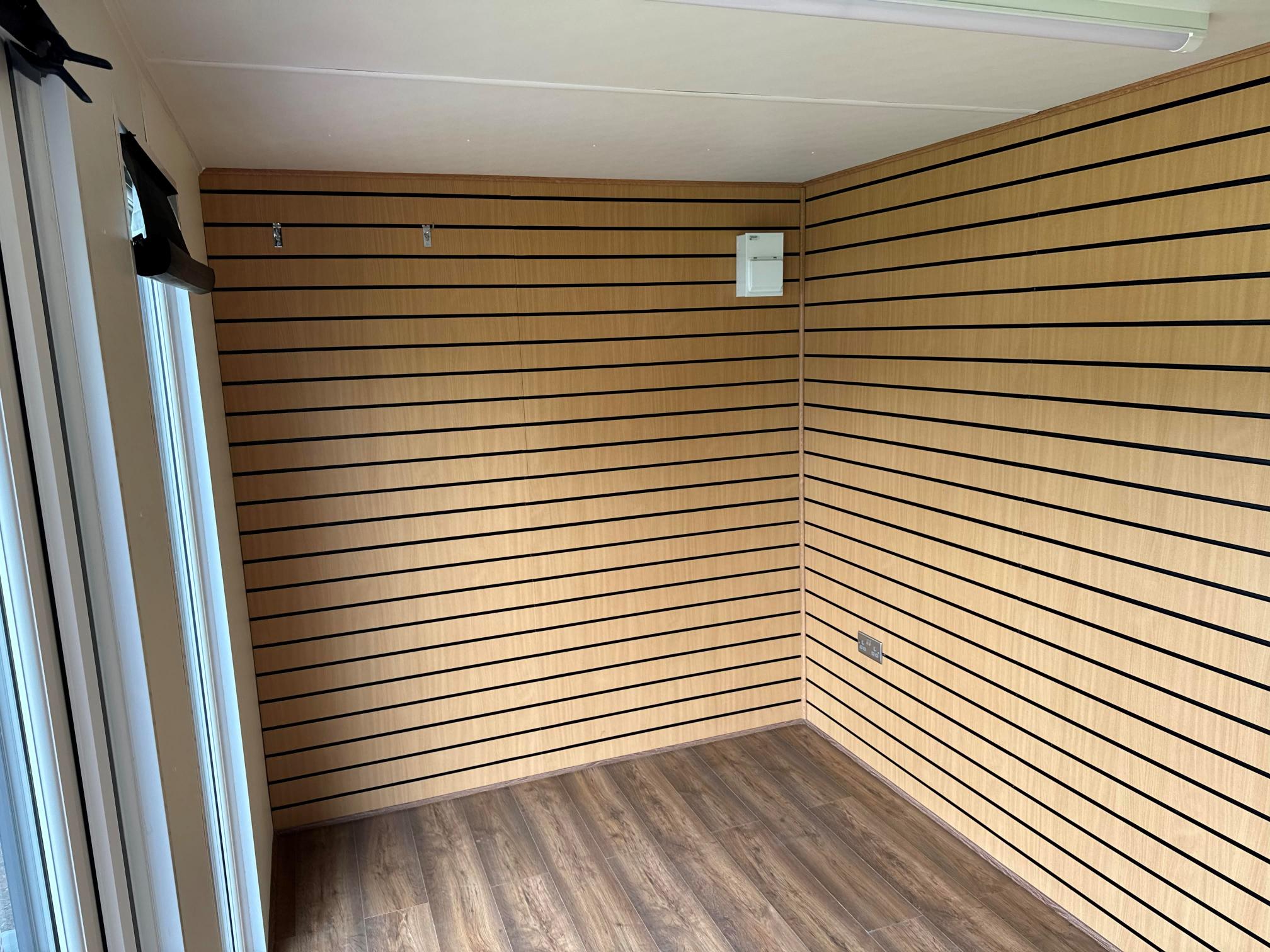
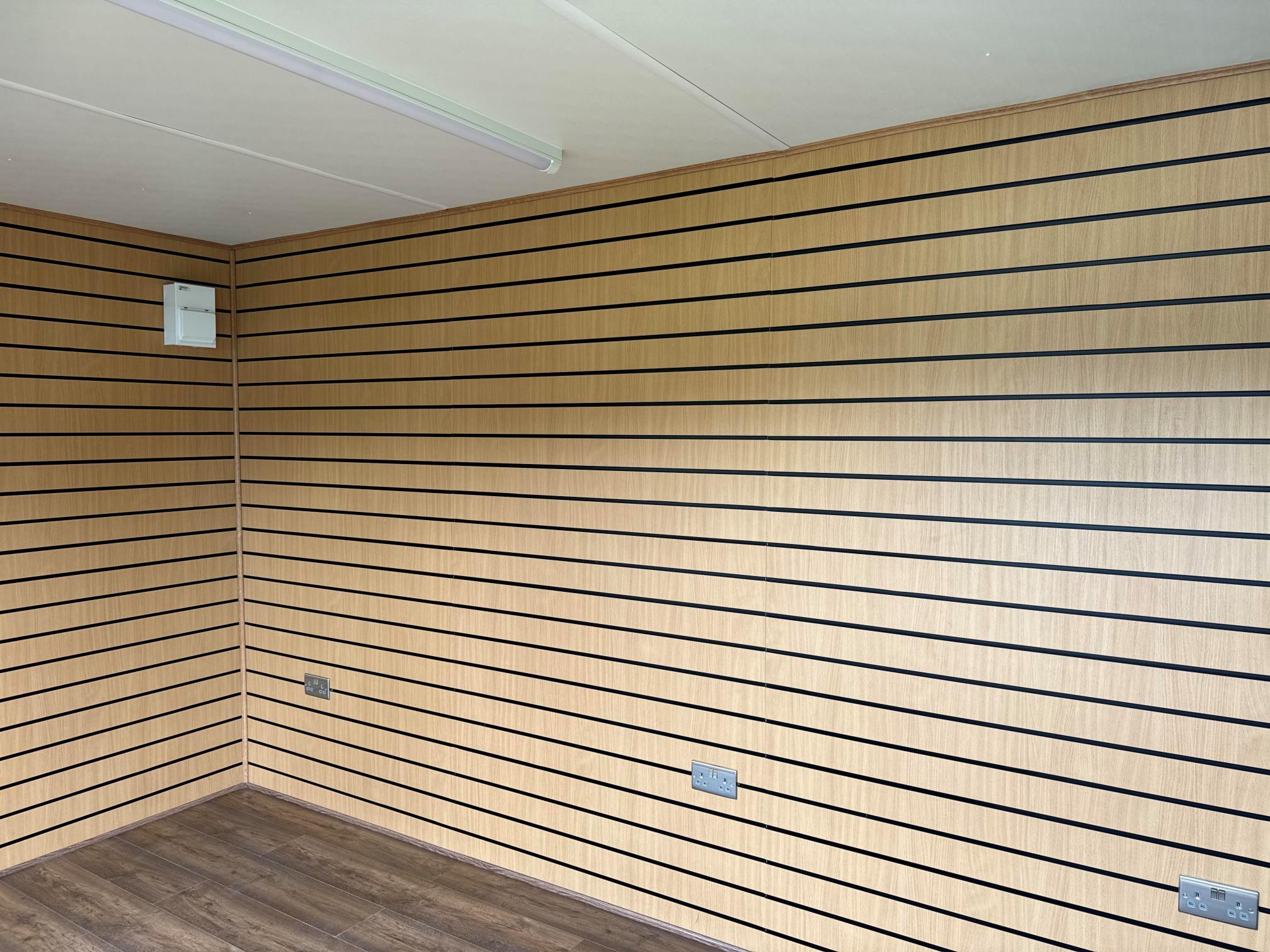
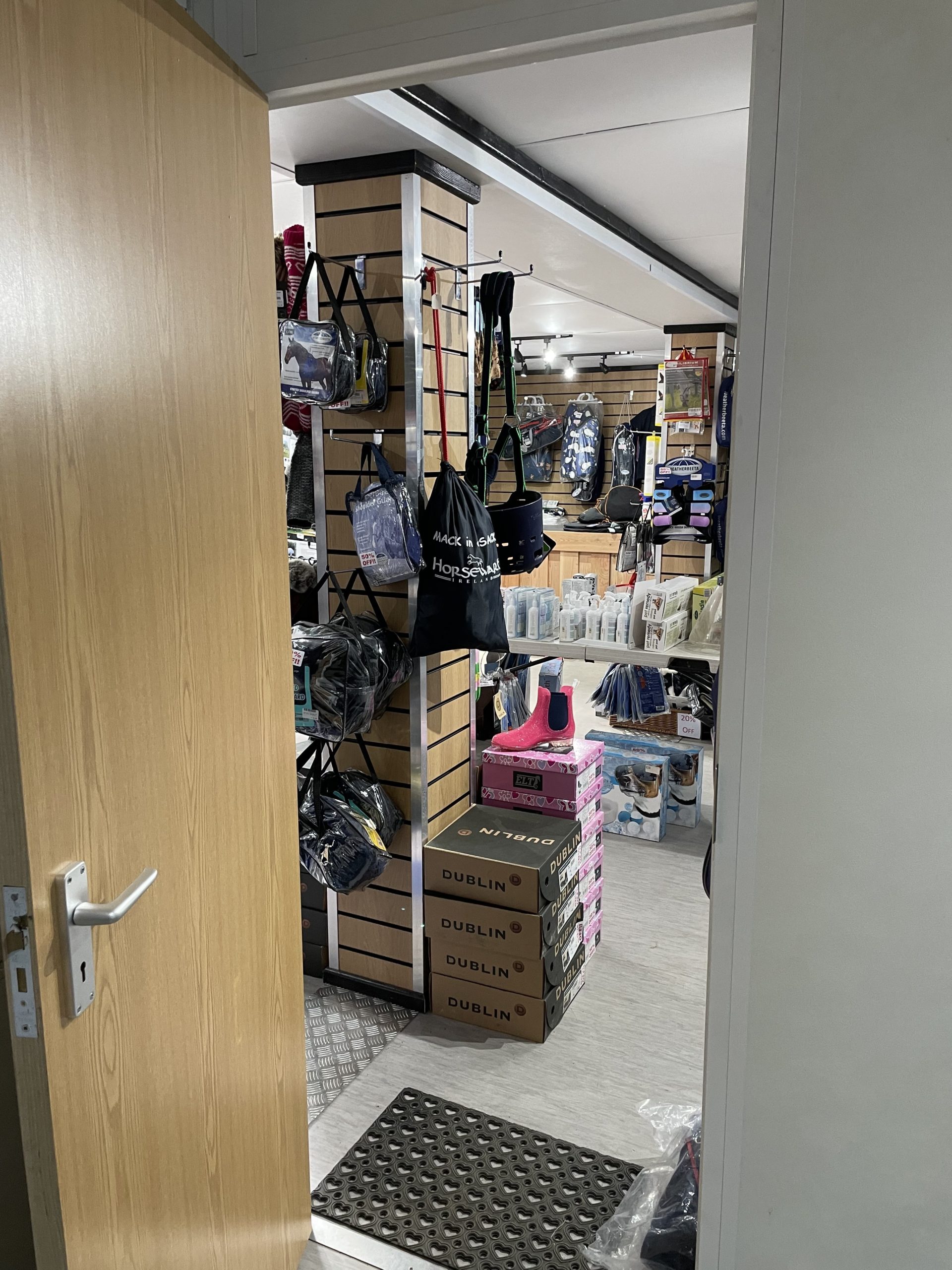
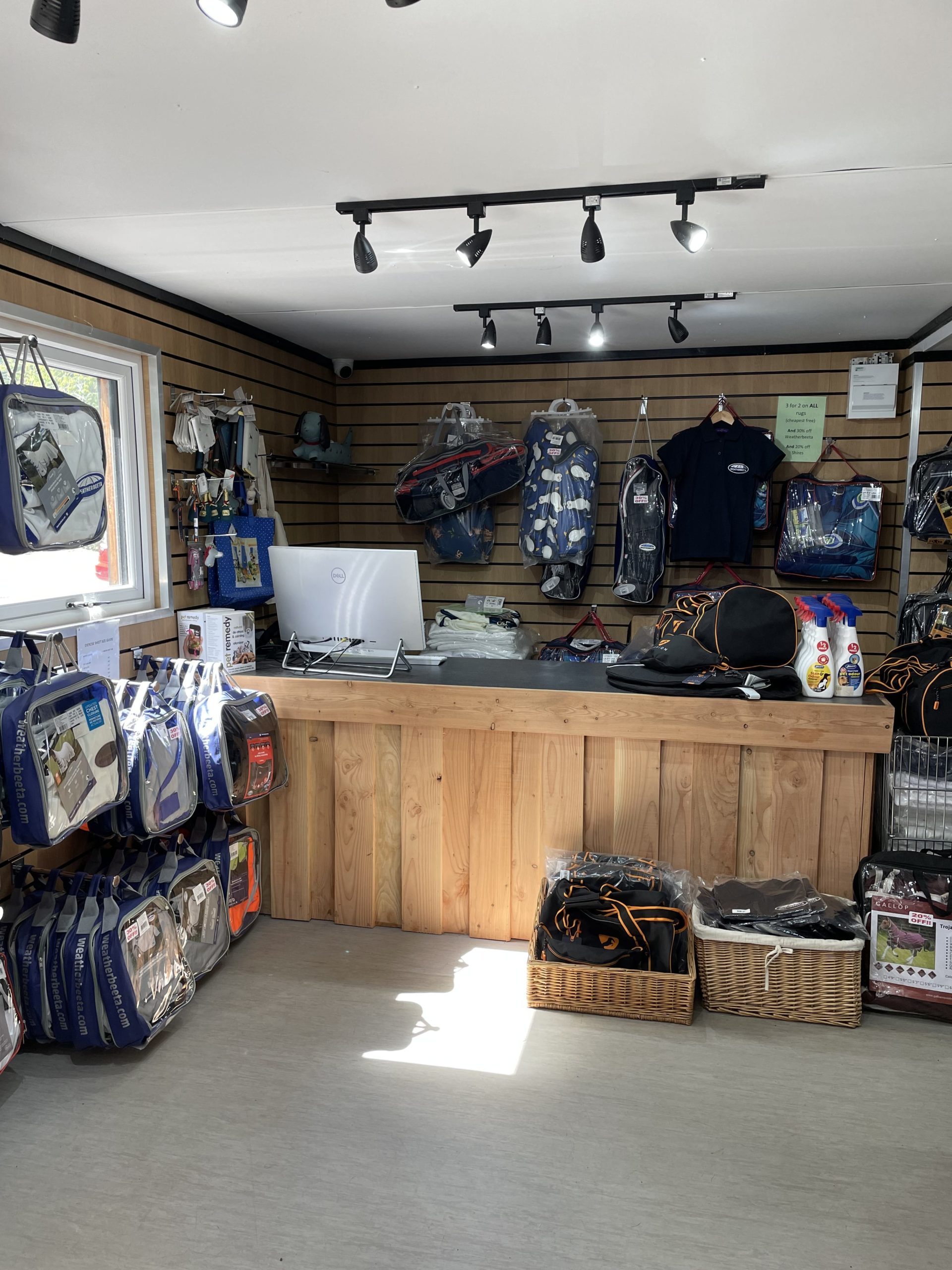
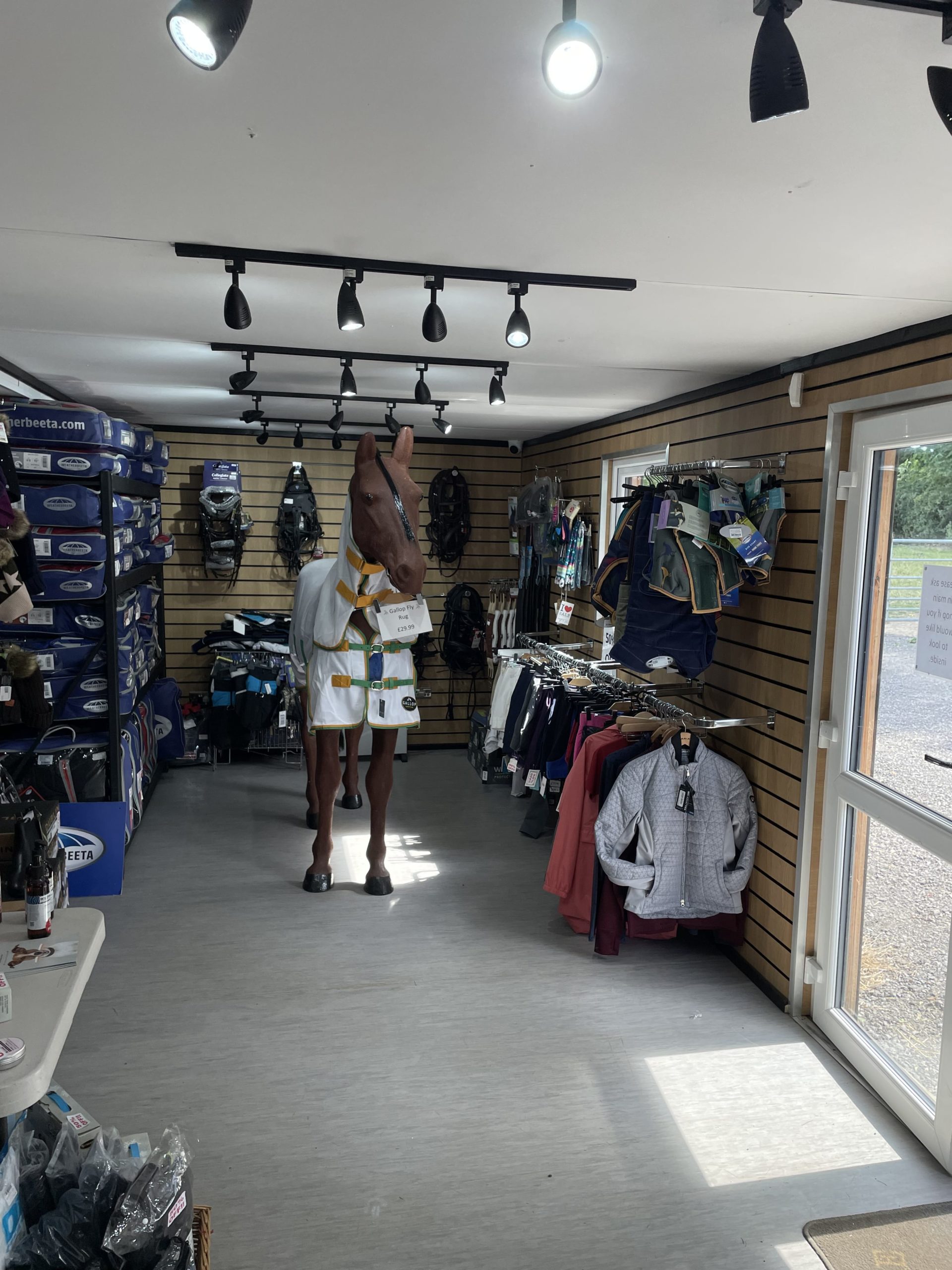
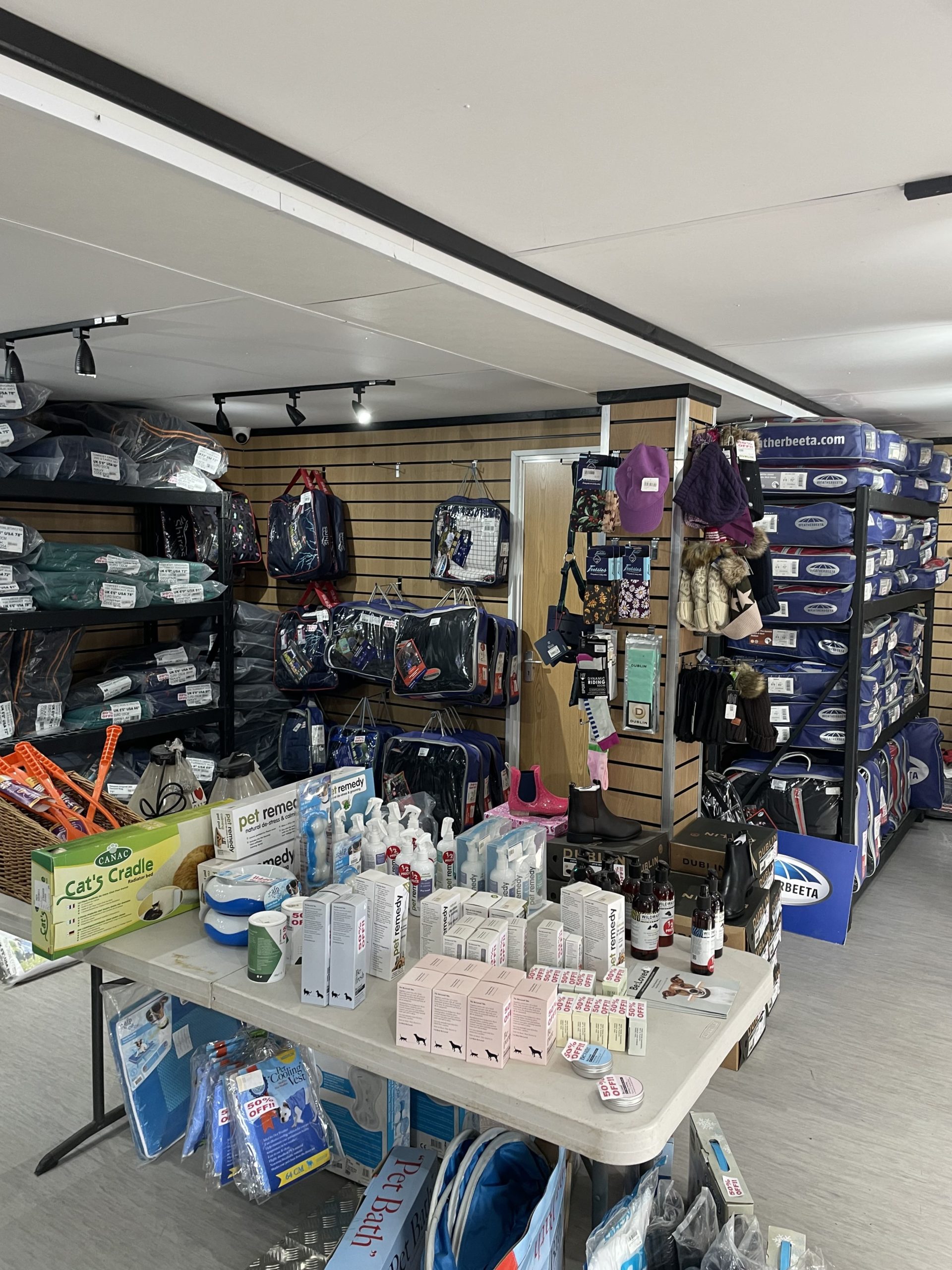
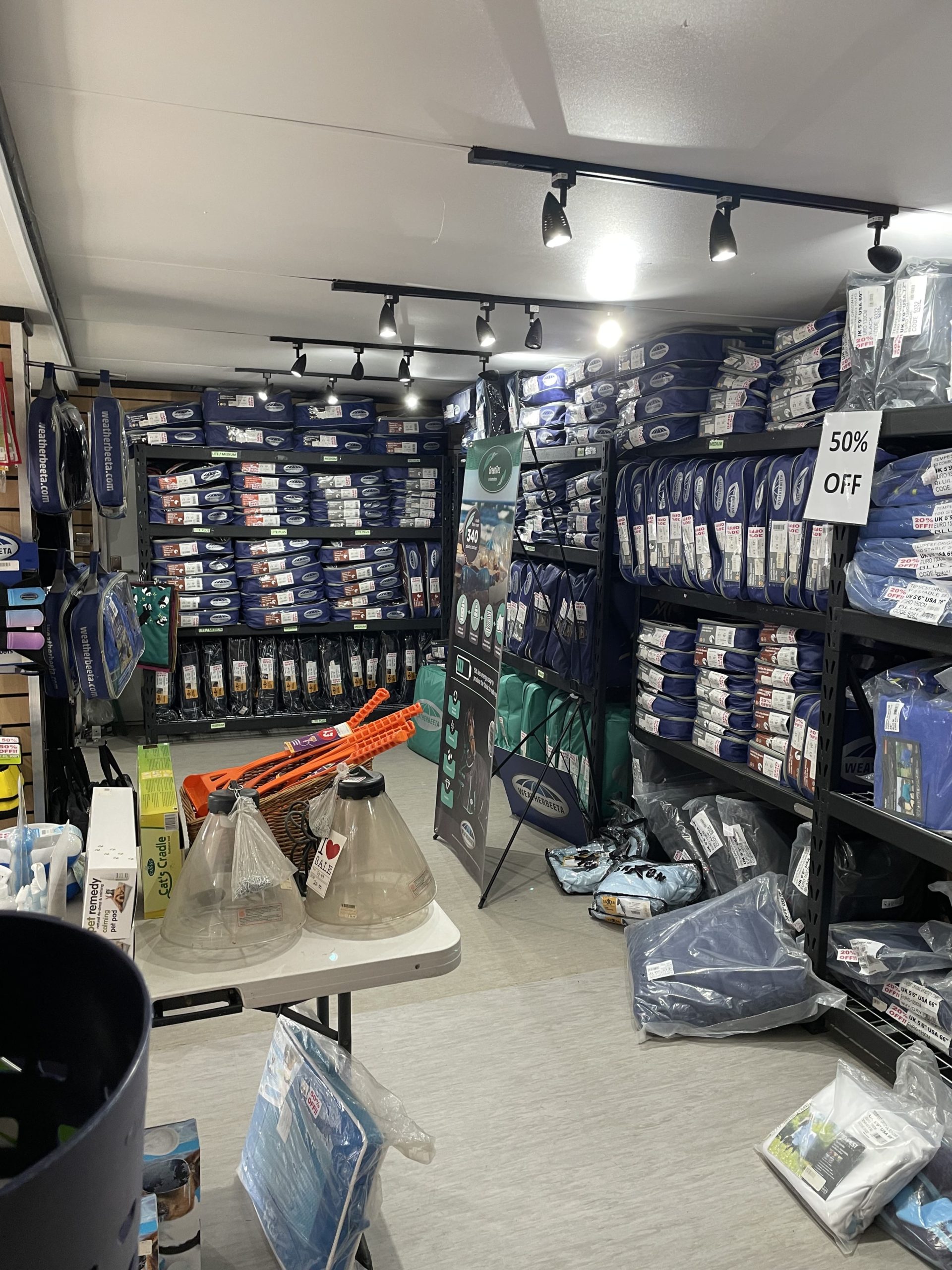
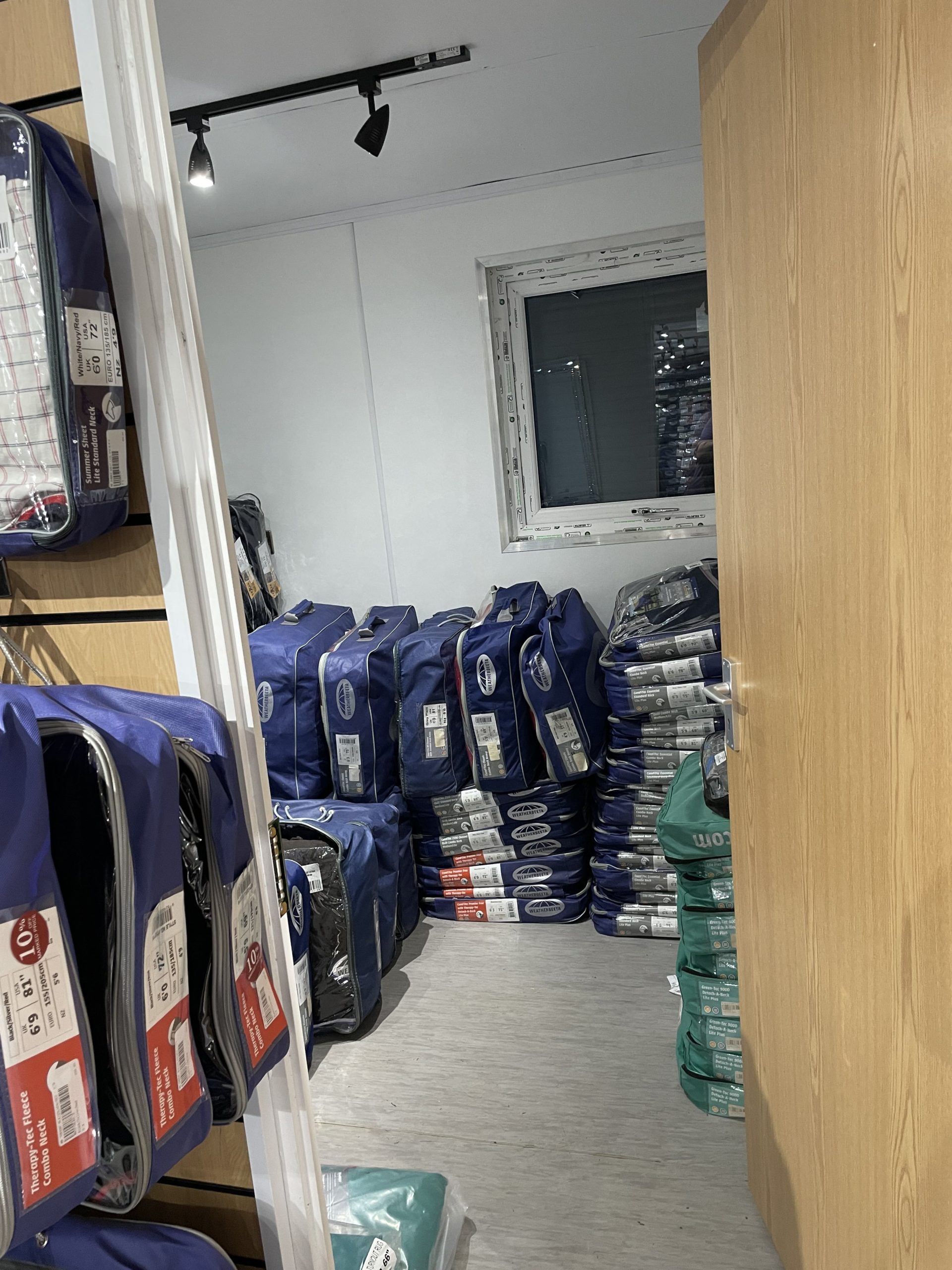
  • 20ft x 8ft Container Conversion Retail Shop

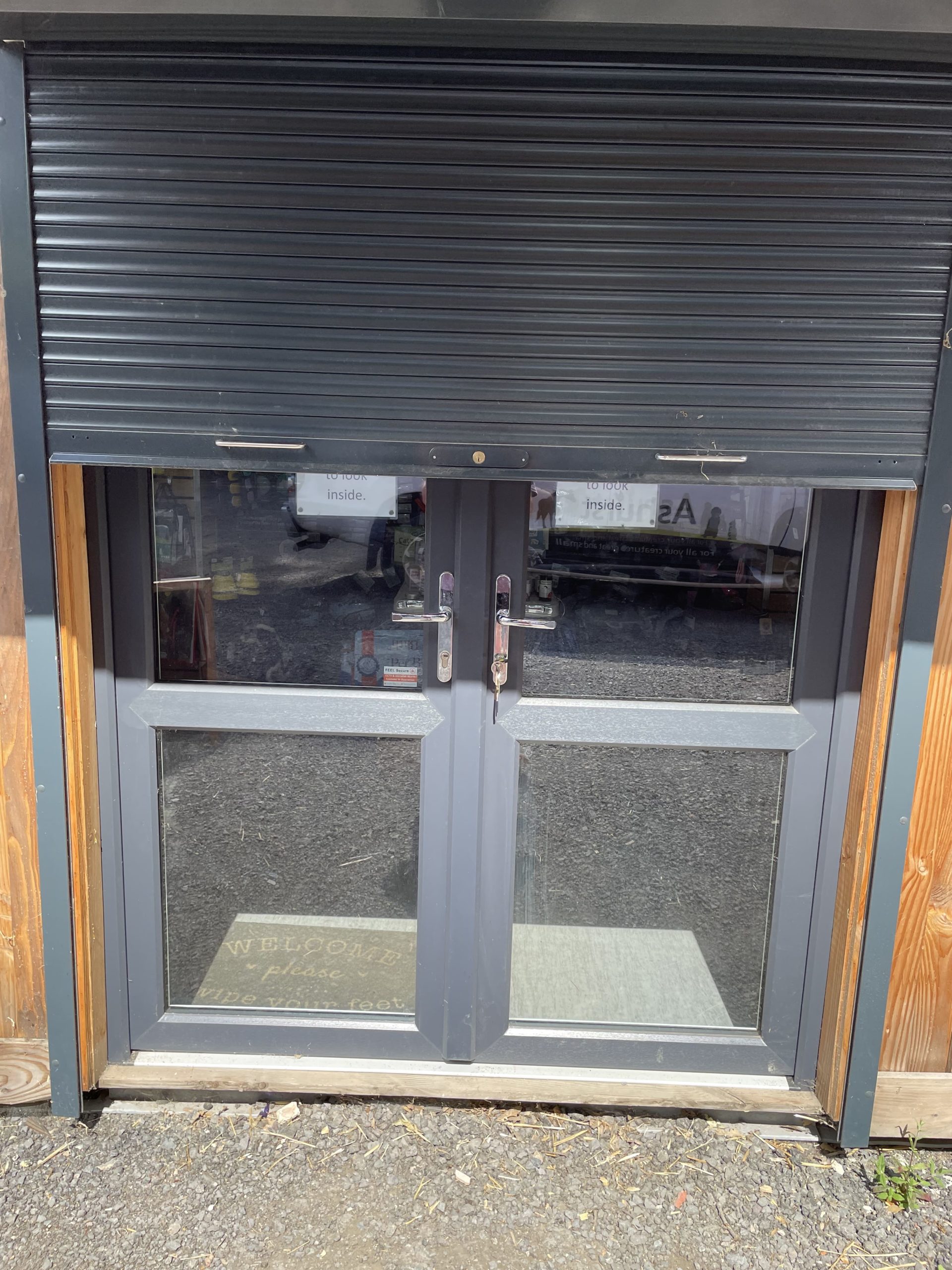
  • UPVC Double glazed Windows + French Doors

  • Slat Wall for retail fixings and Merchandise

  • Electric Chrome Sockets, led lighting and heating.

  • Laminate Flooring

  • 12 months Warranty

  • Maintenance call out package included

  • Less than 2 years old

  • Still in Brand New Condition

Location: Nationwide

POA

Not Available for Hire

Call for an instant quote!

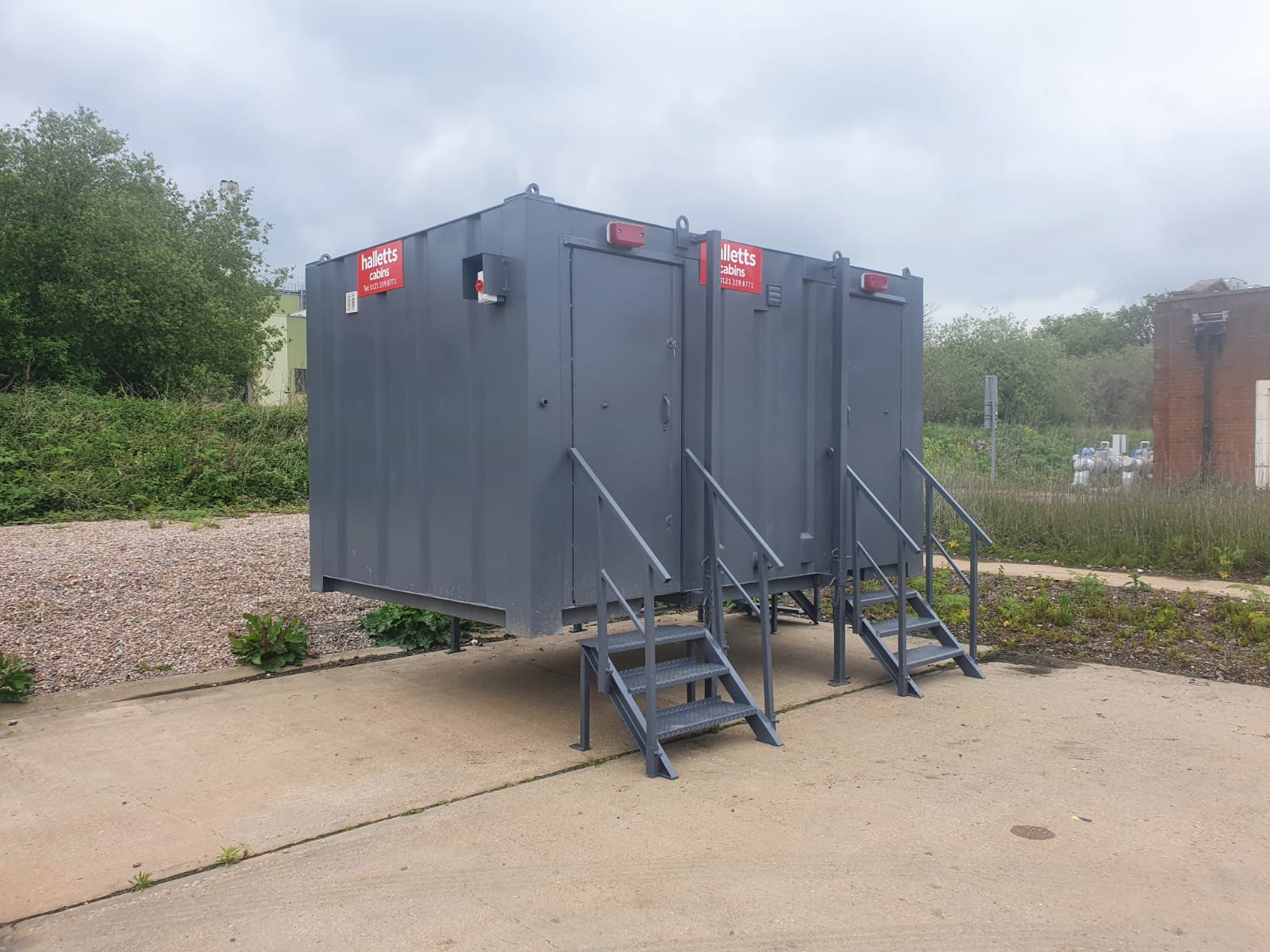
32ft x 10ft Jack Leg Cabin

  • Fully refurbished

  • Colour light grey

  • Slate grey anthracite upvc double glazed windows

Location: Nationwide


£15,000

+ VAT

Not Available for Hire

Call for an instant quote!

20ft x 8ft Container Office

  • Fully Insulated with electric sockets, spot lighting, and heating

  • Wood Flooring

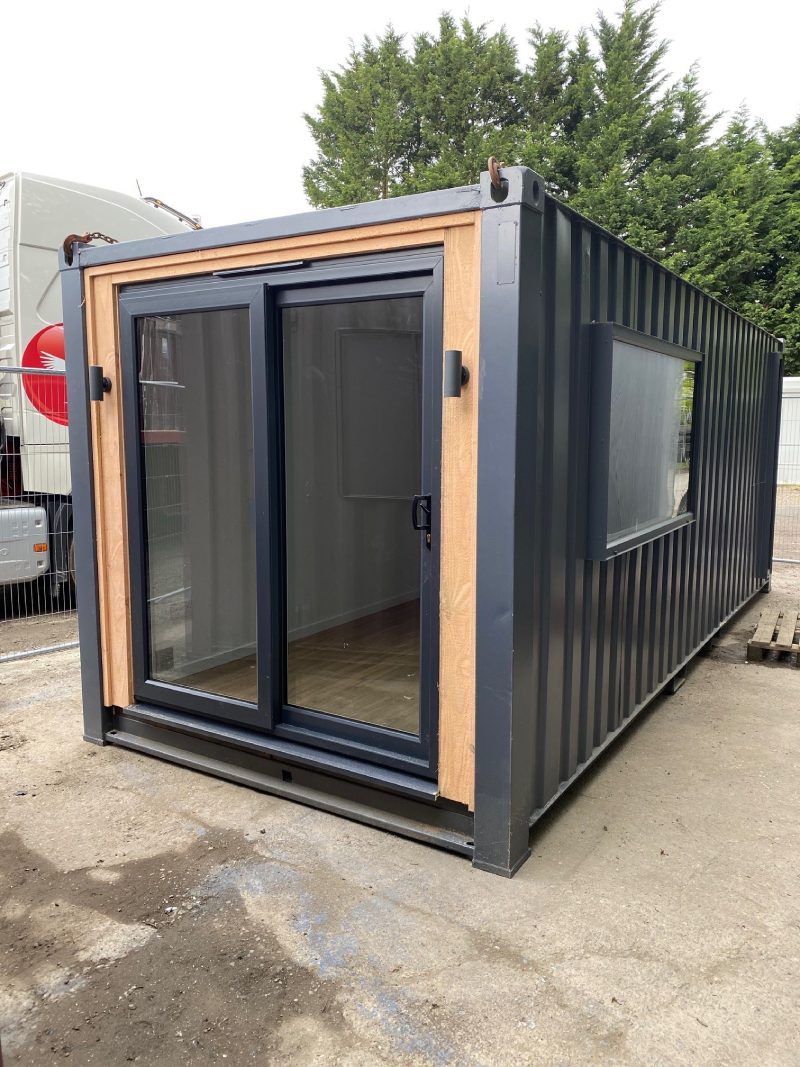
  • UPVC Sliding Door + Windows

  • Lead Time for build 6-8 weeks

Location: Nationwide


£12,995.00

+ VAT

Not Available for Hire

Call for an instant quote!

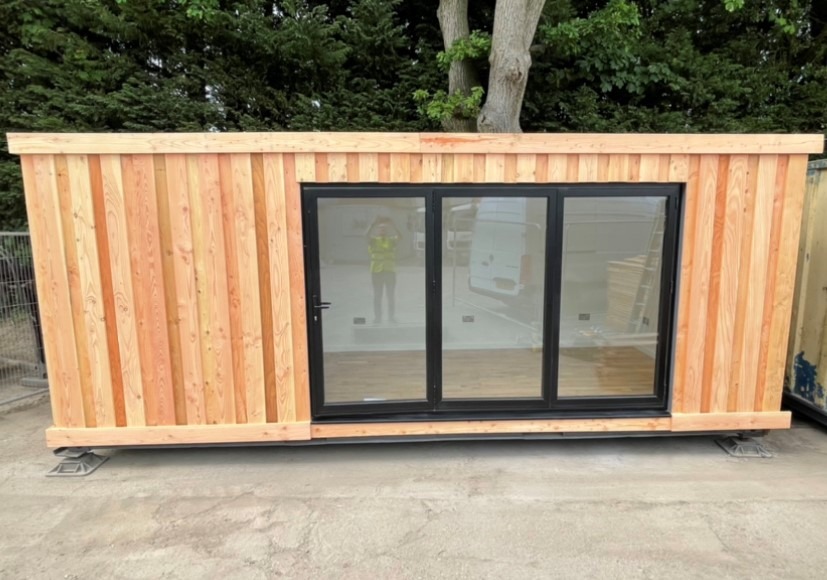
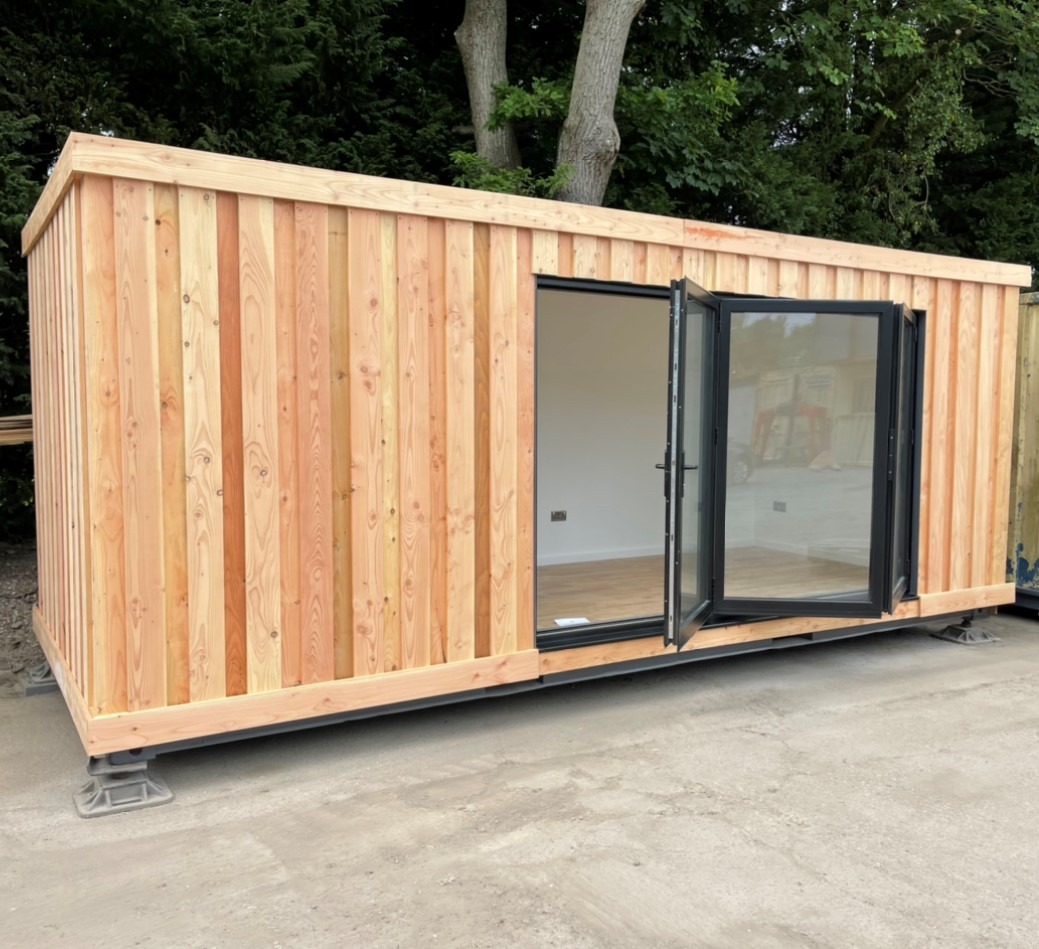
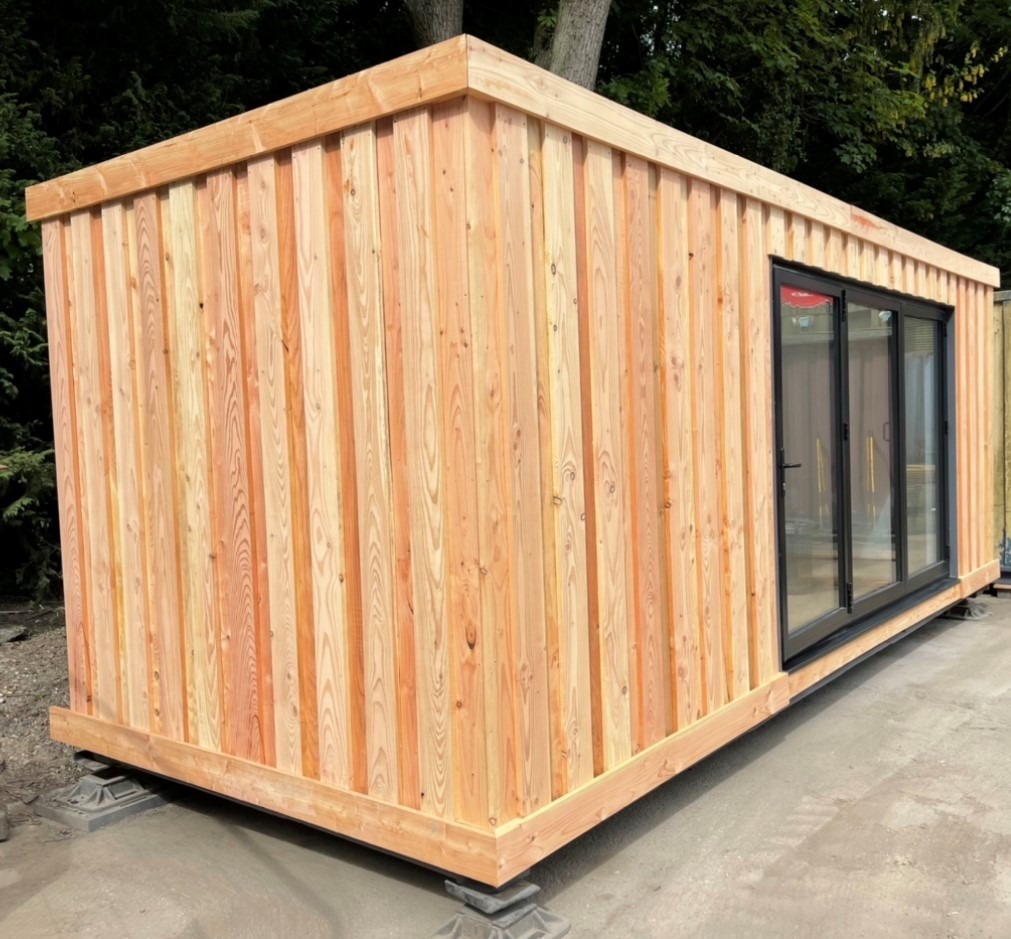
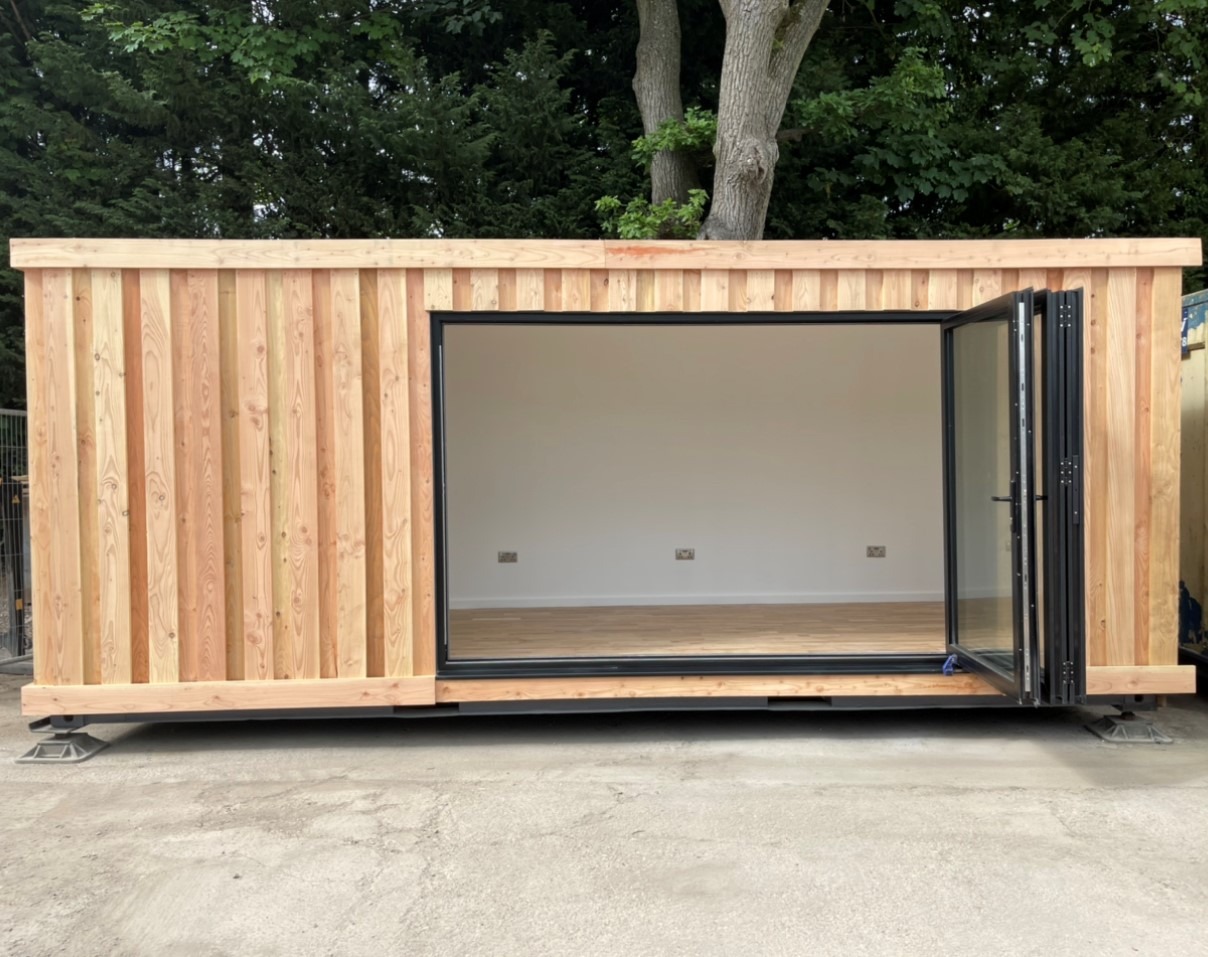
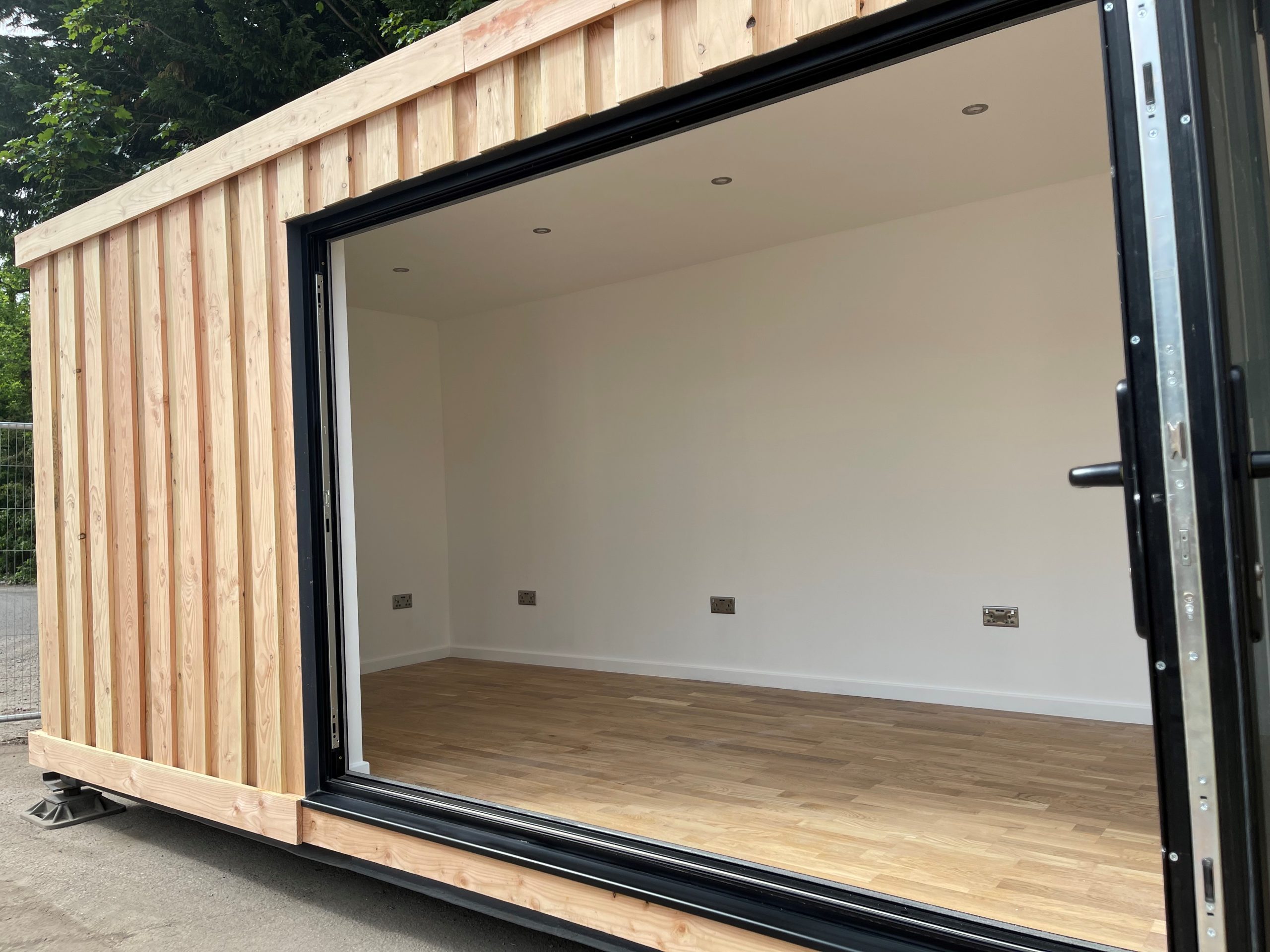
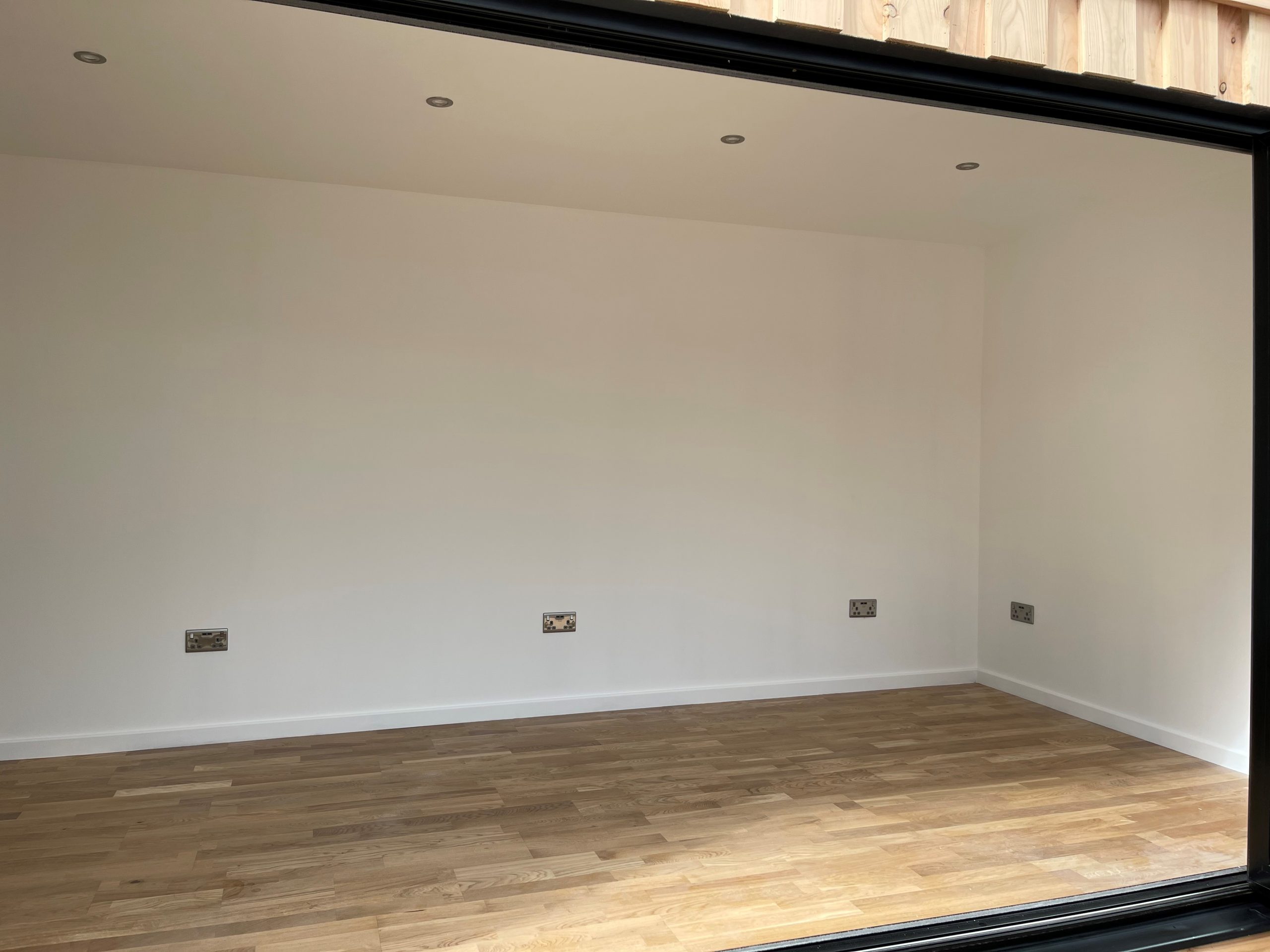
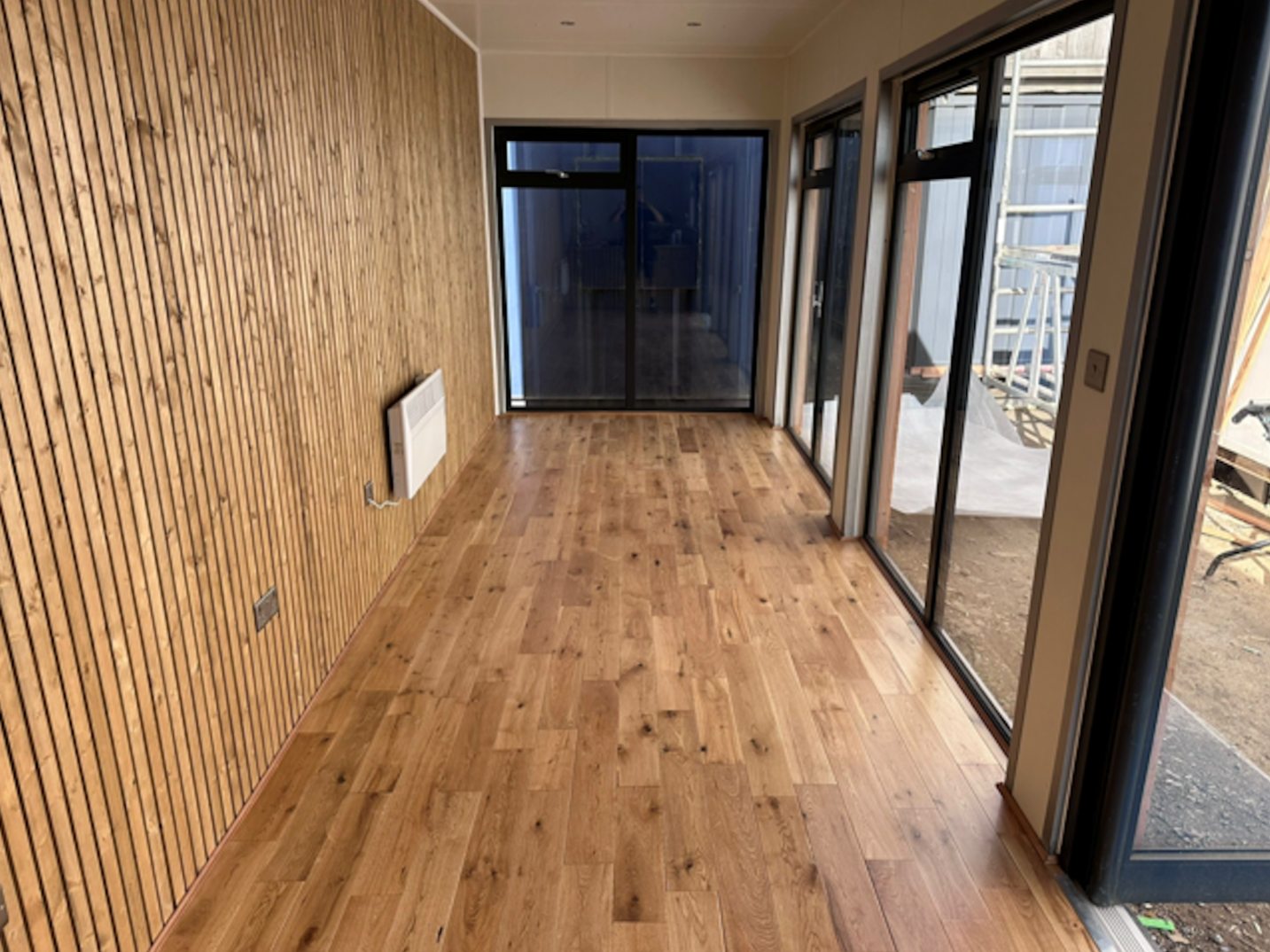
20ft x 8ft Container Office

  • Fully Insulated with electric sockets, spot lighting, and heating

  • Wood Flooring

  • Aluminium Bi Fold Doors

  • Fully wrapped in larch cladding

  • Lead Time for build 6-8 weeks

Location: Nationwide


£16,500.00

+ VAT

Not Available for Hire

Call for an instant quote!

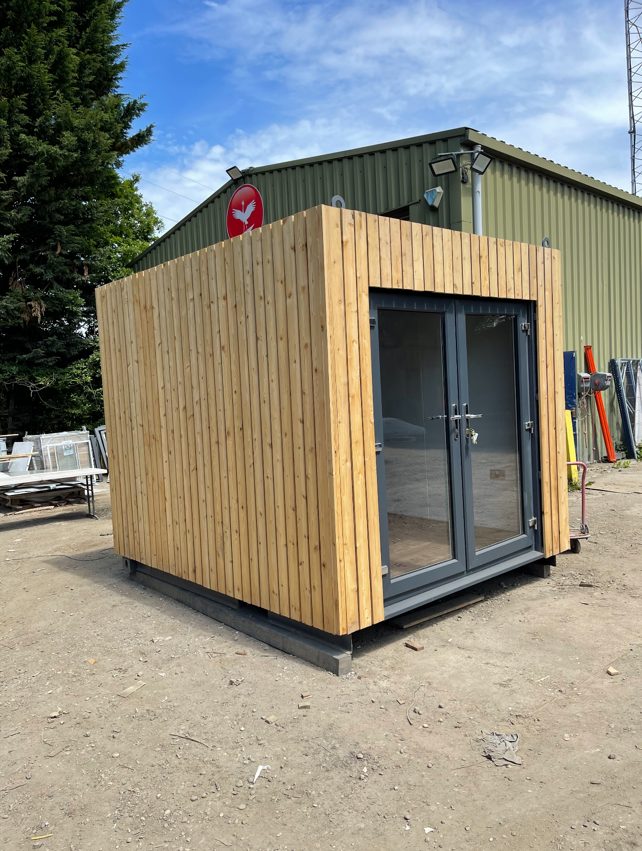
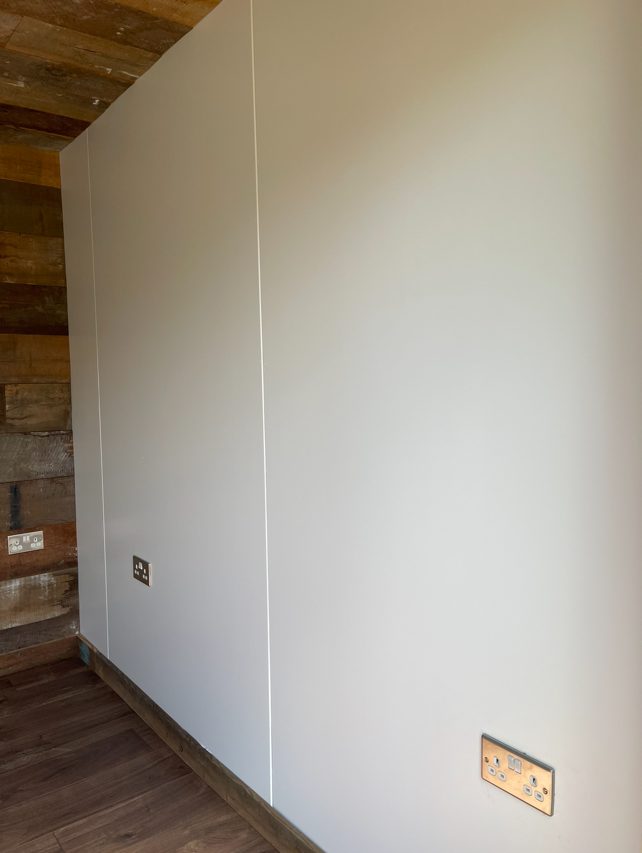
10ft x 8ft Container Conversion

  • Fully Insulated with electric sockets, spot lighting, and heating

  • Wood Flooring

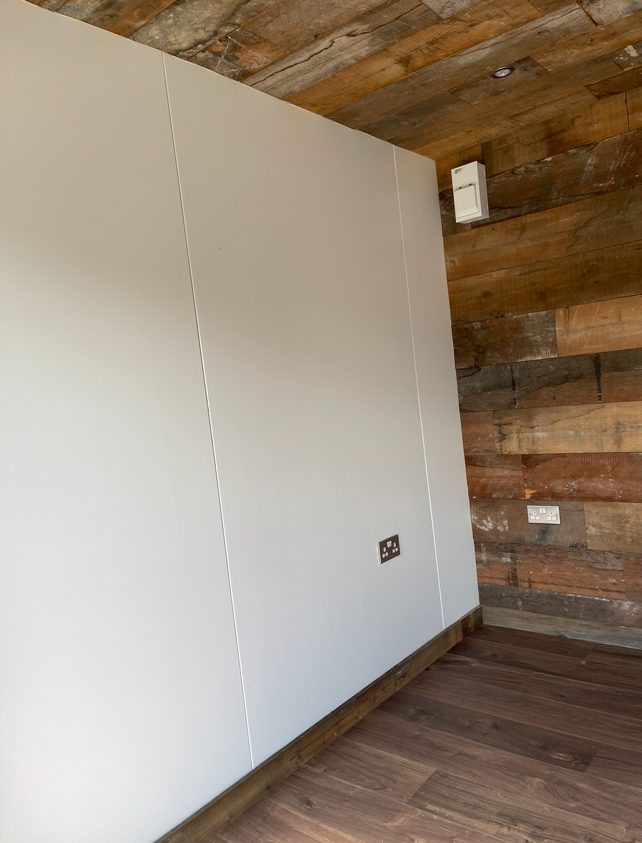
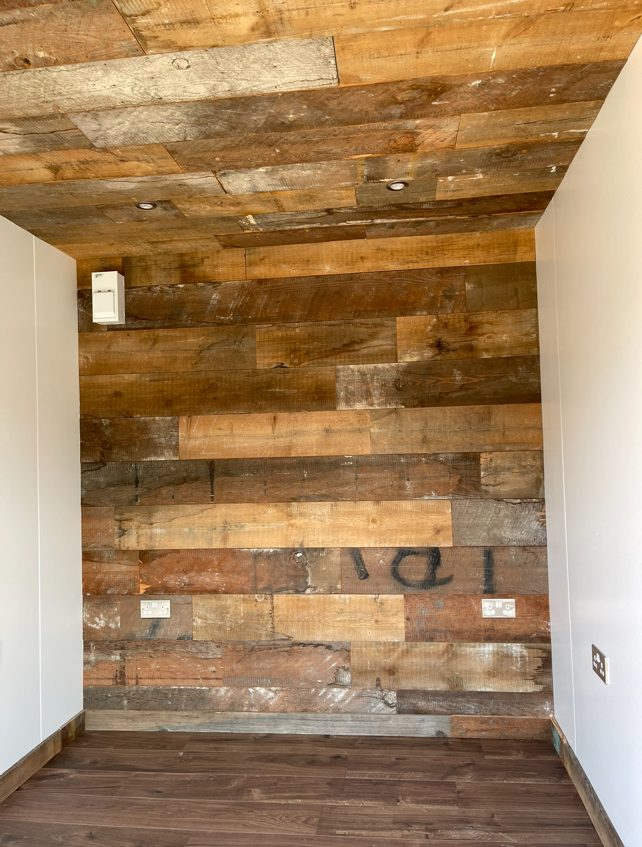
  • Feature Clad Wall and Ceiling

  • UPVC Double glazed French Doors

  • Fully wrapped in larch cladding

  • Lead Time for build 6-8 weeks

Location: Nationwide


£12,500.00

EX VAT

Not Available for Hire

Call for an instant quote!

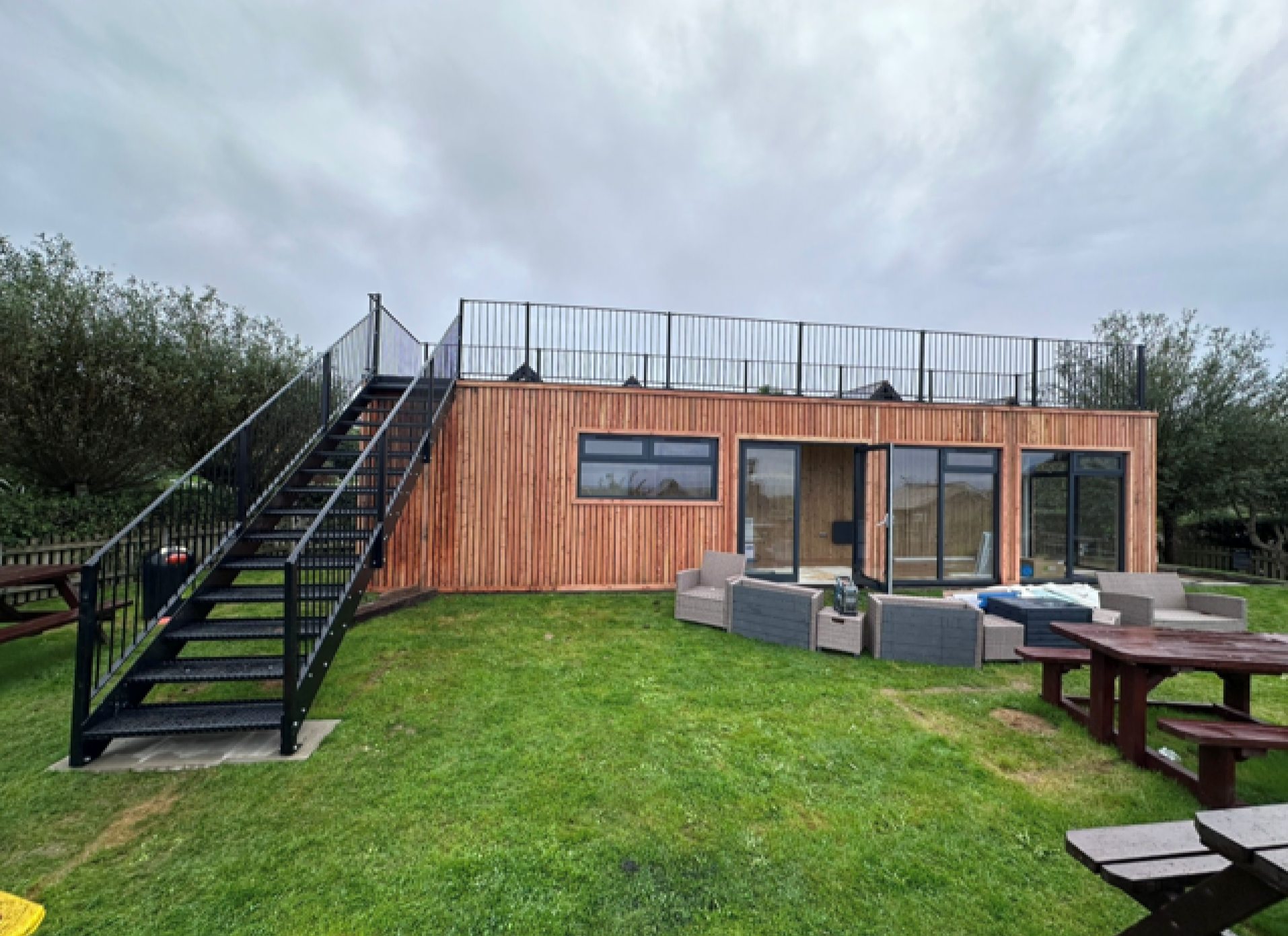
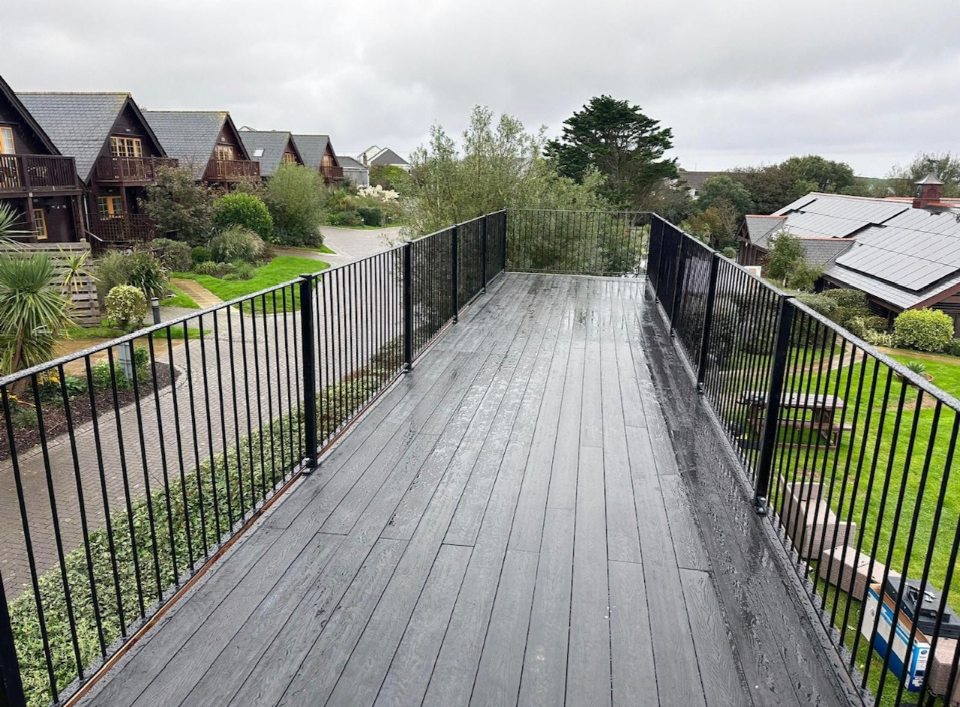
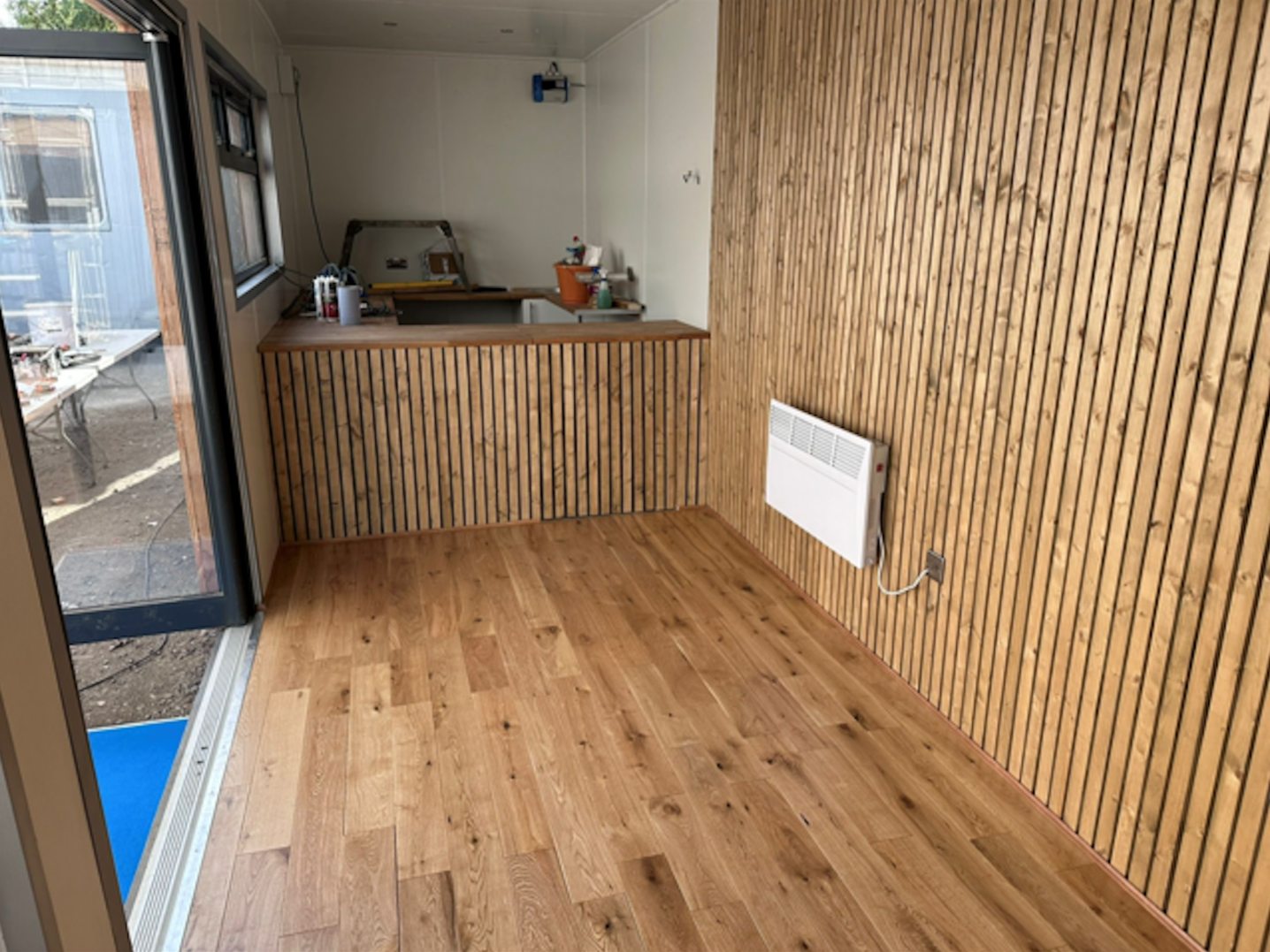
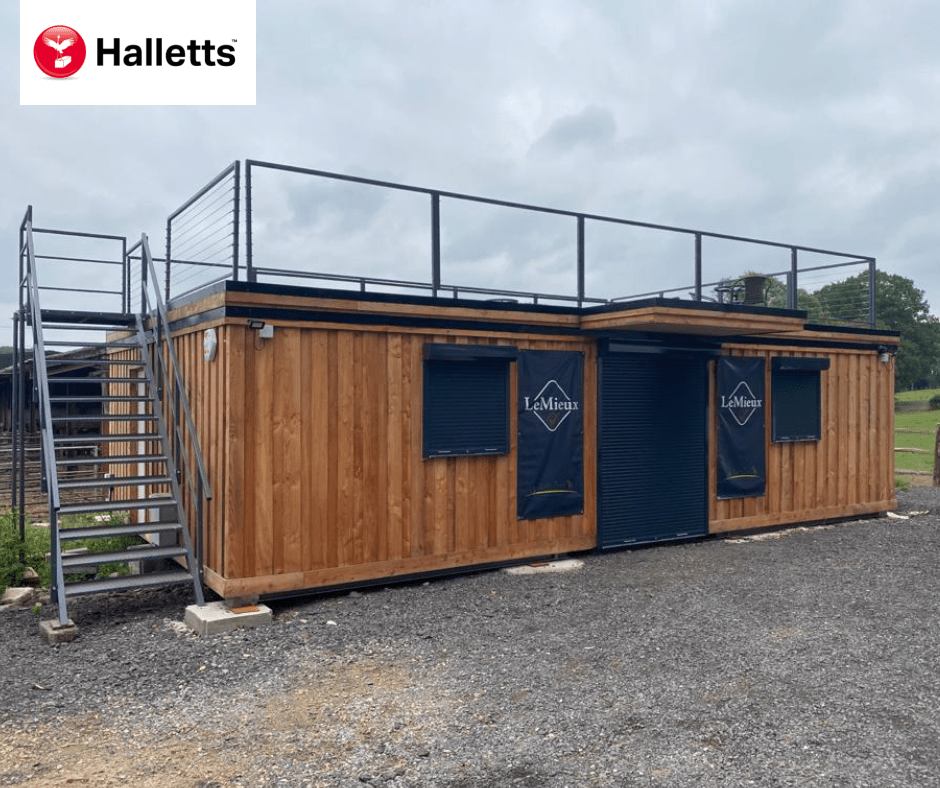
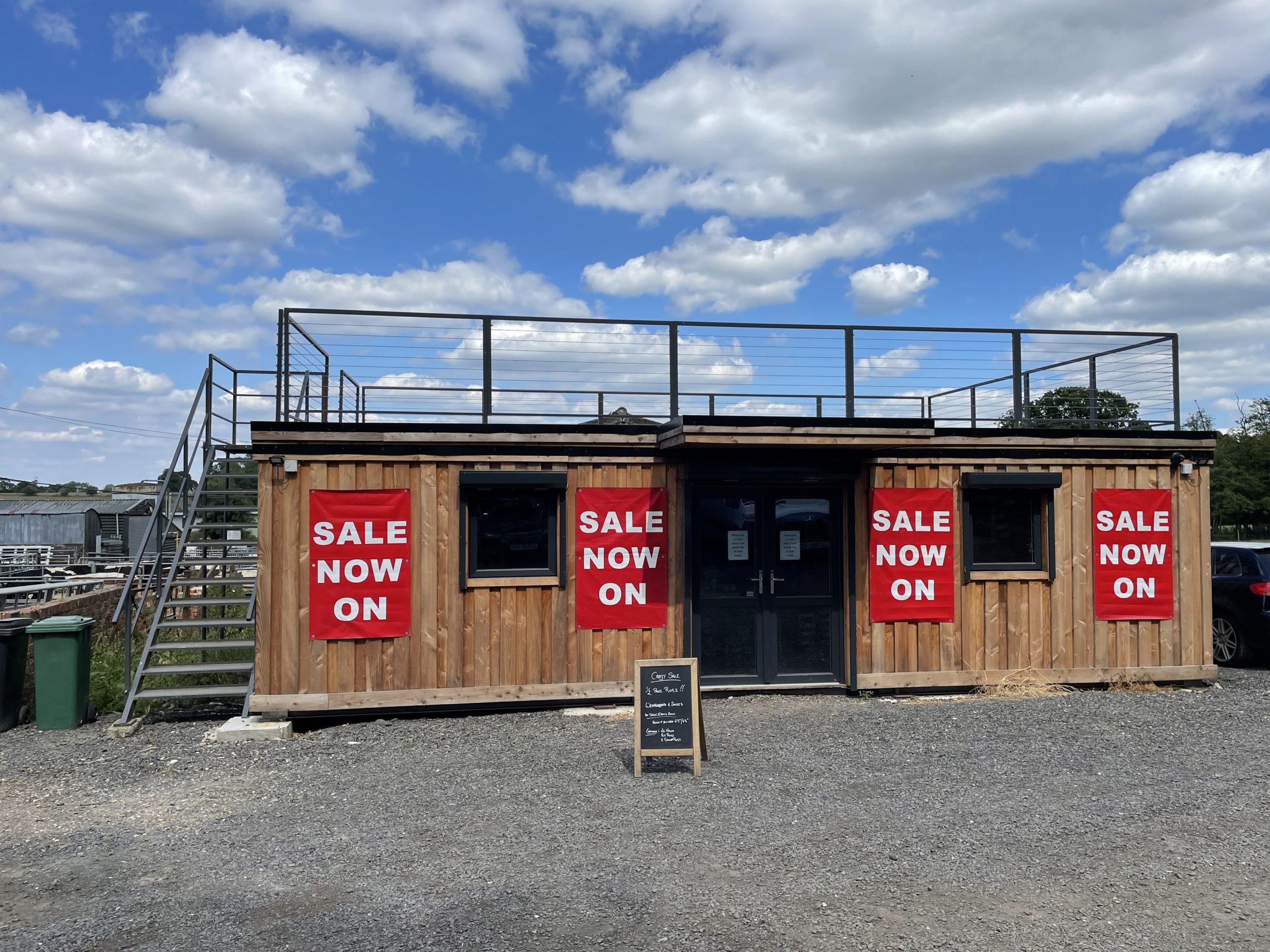
40ft x 8ft Rooftop Container Bar

  • 40ft x 8ft Rooftop Container Bar
  • Fully Insulated with electric sockets, spot lighting, and heating
  • Built in Bar
  • Wood Flooring
  • Feature Larch Clad Wall
  • Aluminium double glazed premium windows and double French doors
  • Fully wrapped in larch cladding
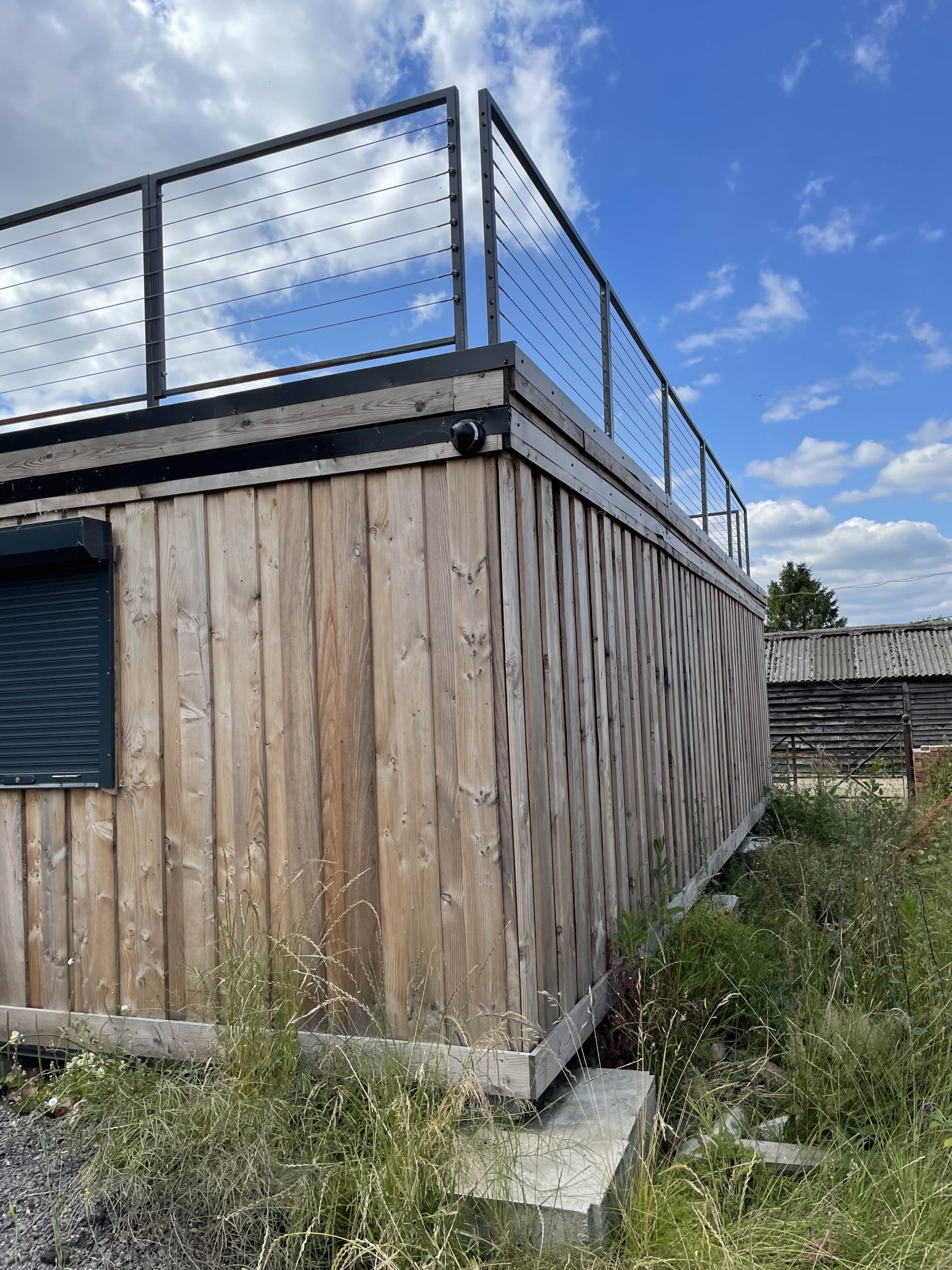
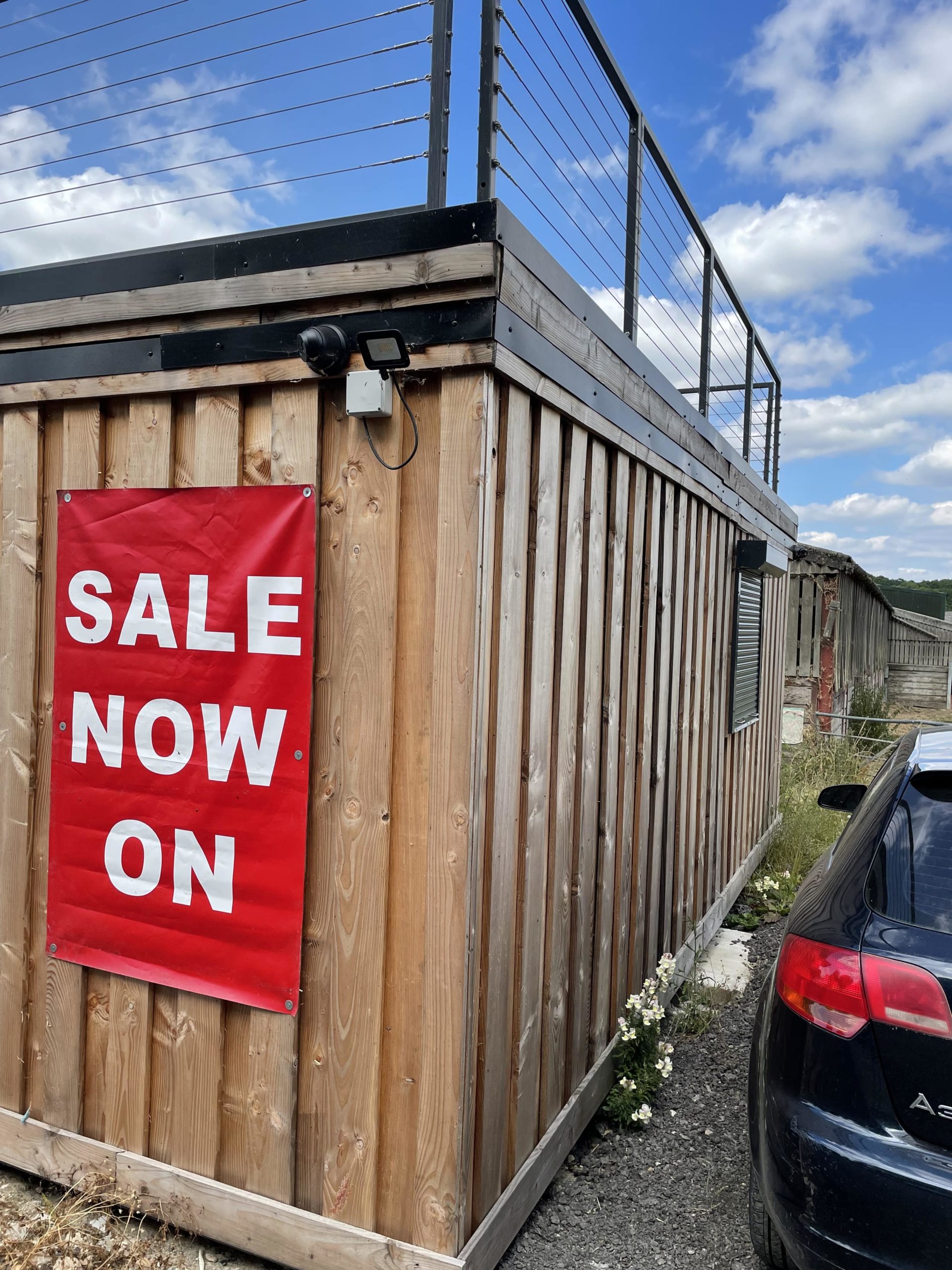
  • Steel staircase up to Rooftop terrace with full surrounding steel balustrade
  • Double container doors leading to cool room with Air Conditioning unit.
  • Lead Time for build 6-8 weeks

Location: Nationwide


£85,000.00

EX VAT

Not Available for Hire

Call for an instant quote!

  • Fully Refurbished
  • Zinc Roof
  • Colour Light Grey (Other Colour Options Available)
  • New Flooring
  • New Electric Sockets, Lighting and Heating
  • New UPVC Large and Small Windows
  • New Kitchenette with Partition
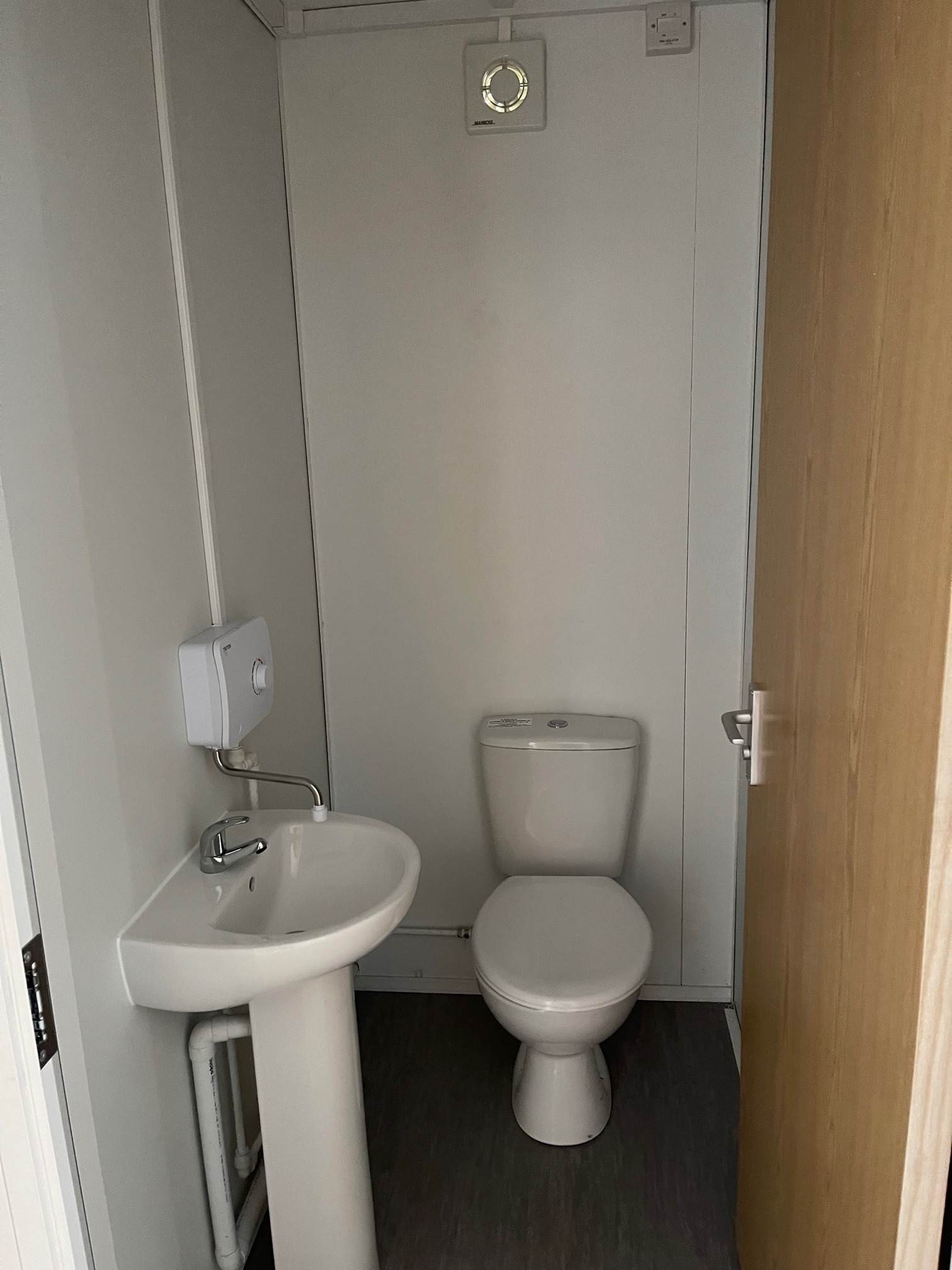
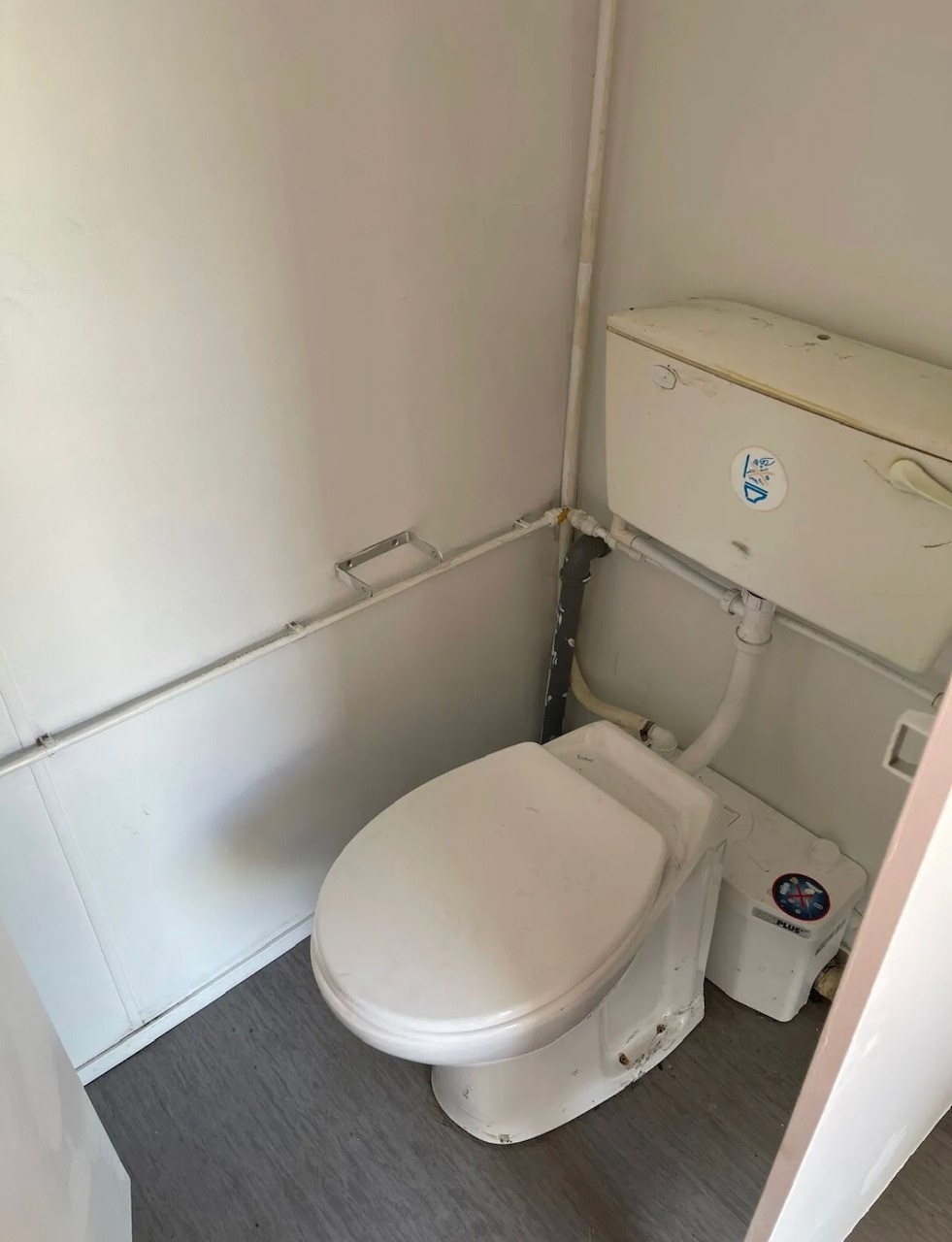
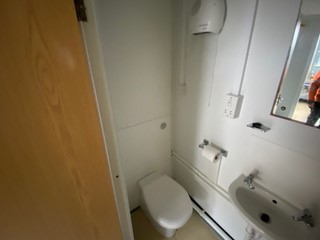
  • New Toilet Room with toilet, Sink, Water Heater and Fan

Location: Nationwide

£18,995

EX VAT

Not Available for Hire

Call for an instant quote!

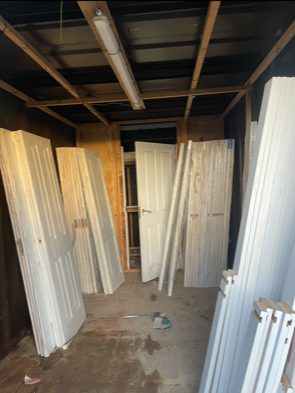
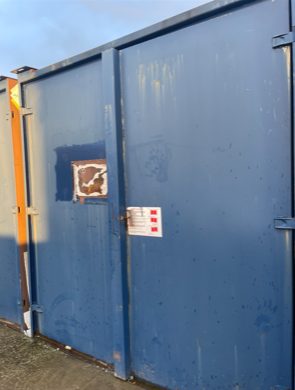
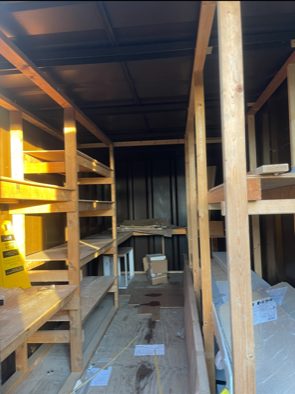
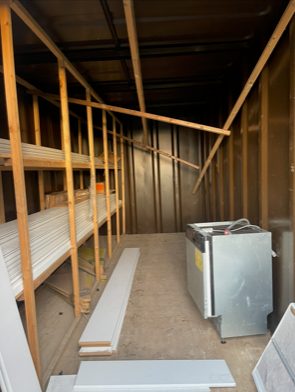
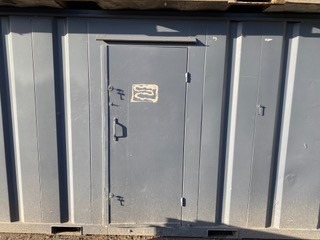
6 x 21ft x 8ft Container Stores

  • Wind and Water Tight
  • Very Good Condition
  • Some have racking inside
  • Floorings all good
  • Contents not included

Location: Nationwide


£1,500

EX VAT

Not Available for Hire

Call for an instant quote!

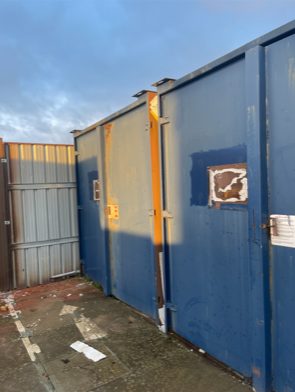
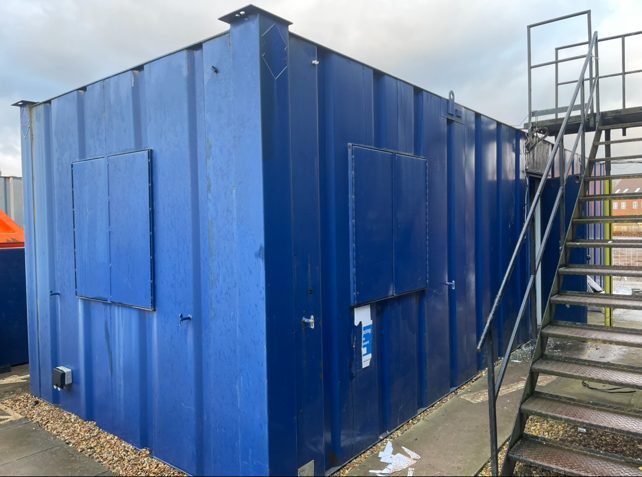
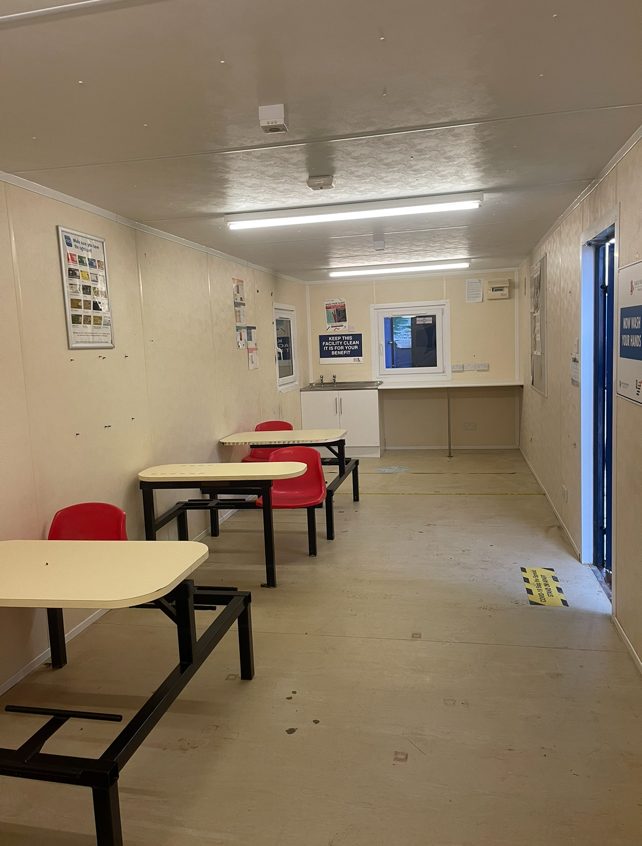
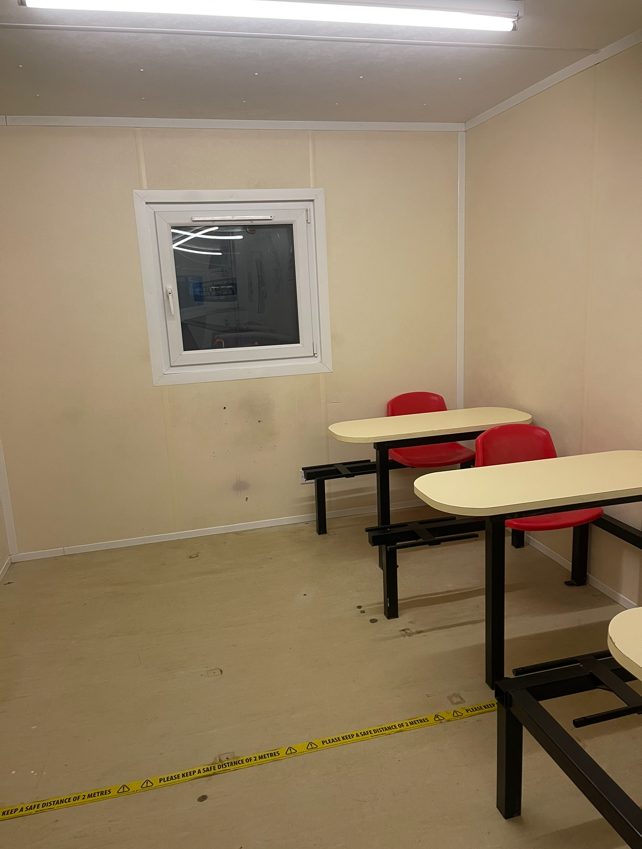
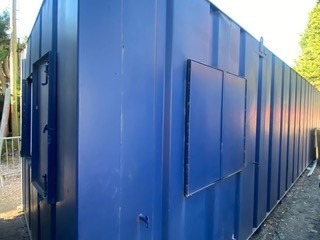
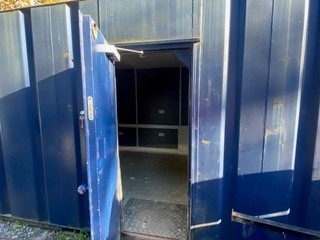
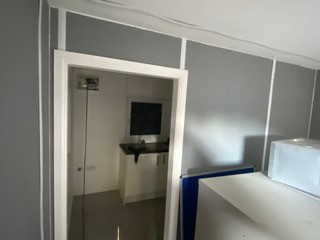
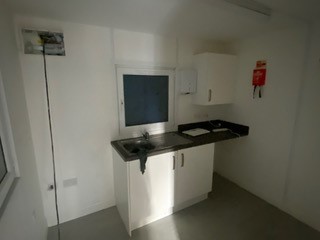
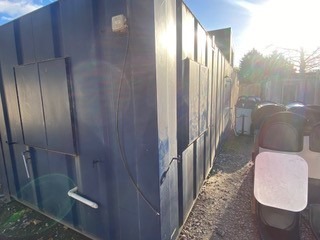
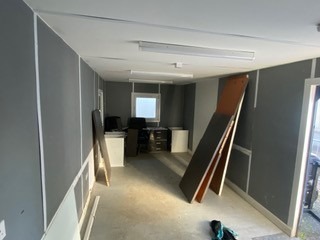
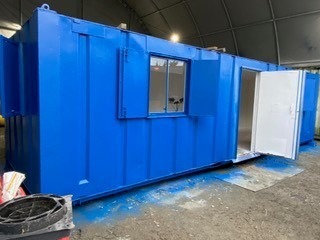
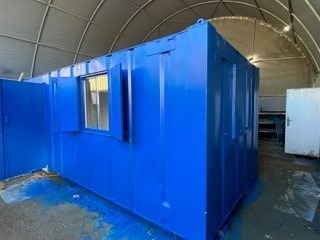
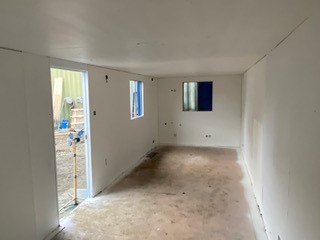
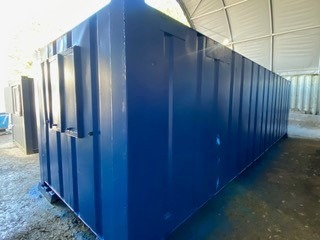
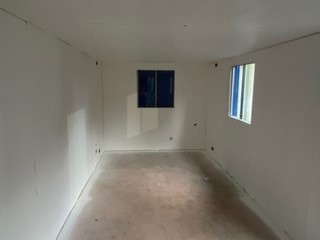
32ft x 10ft Anti Vandal Canteen in Blue

  • Used with electric sockets, lighting and heating
  • UPVC Double Glazed Windows
  • Furniture
  • Kitchenette 

Location: Nationwide


£4,995

EX VAT

Not Available for Hire

Call for an instant quote!

20ft Used Shipping Containers

  • Wind and Water Tight
  • Doors in good working Order
  • Random Selection
  • Lock Box and Lock additional cost.

Location: Nationwide


£1,500

EX VAT

Not Available for Hire

Call for an instant quote!

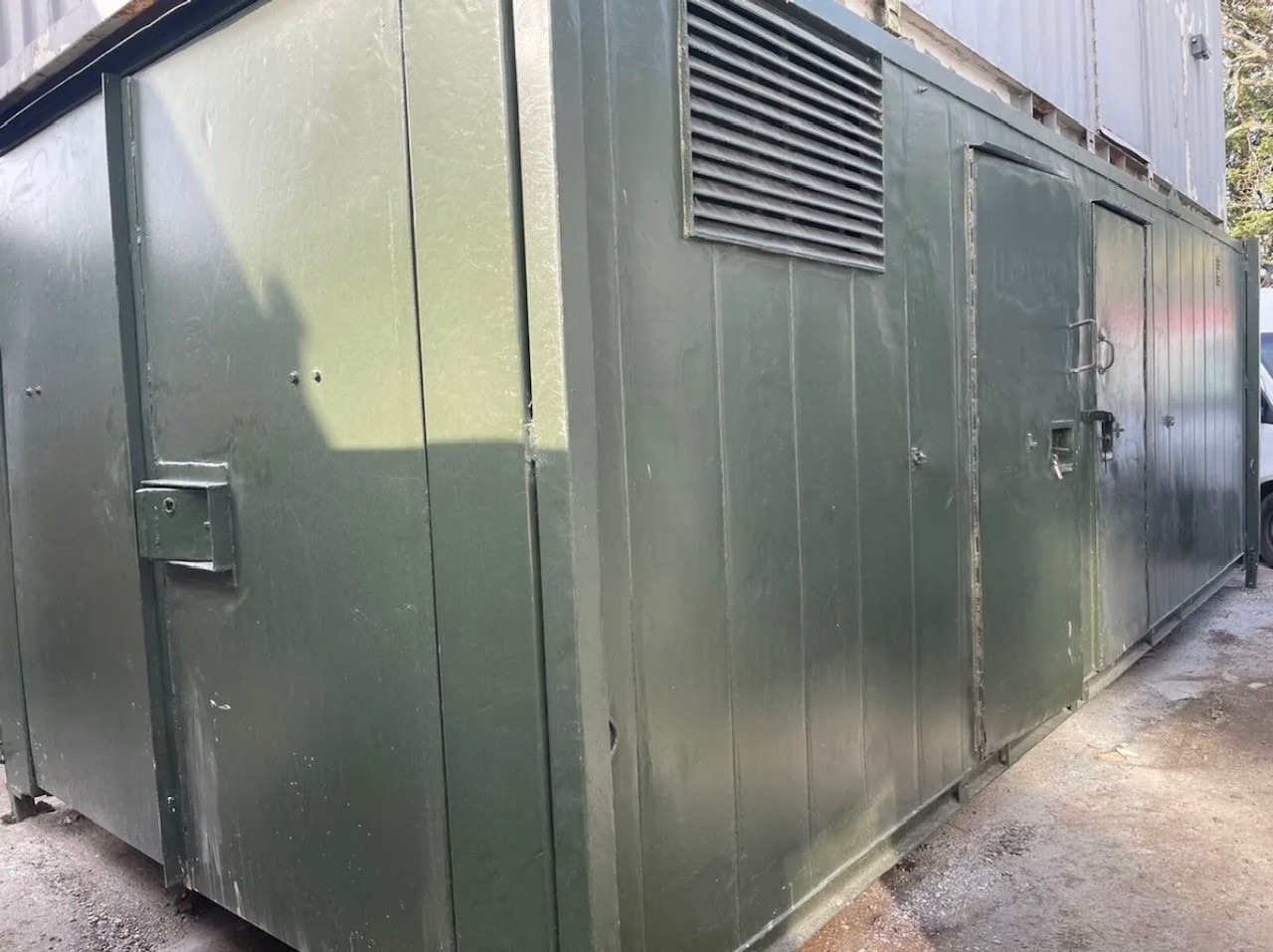
24ft x 10ft Jack Leg Anti Vandal Canteen/Toilet/Storage

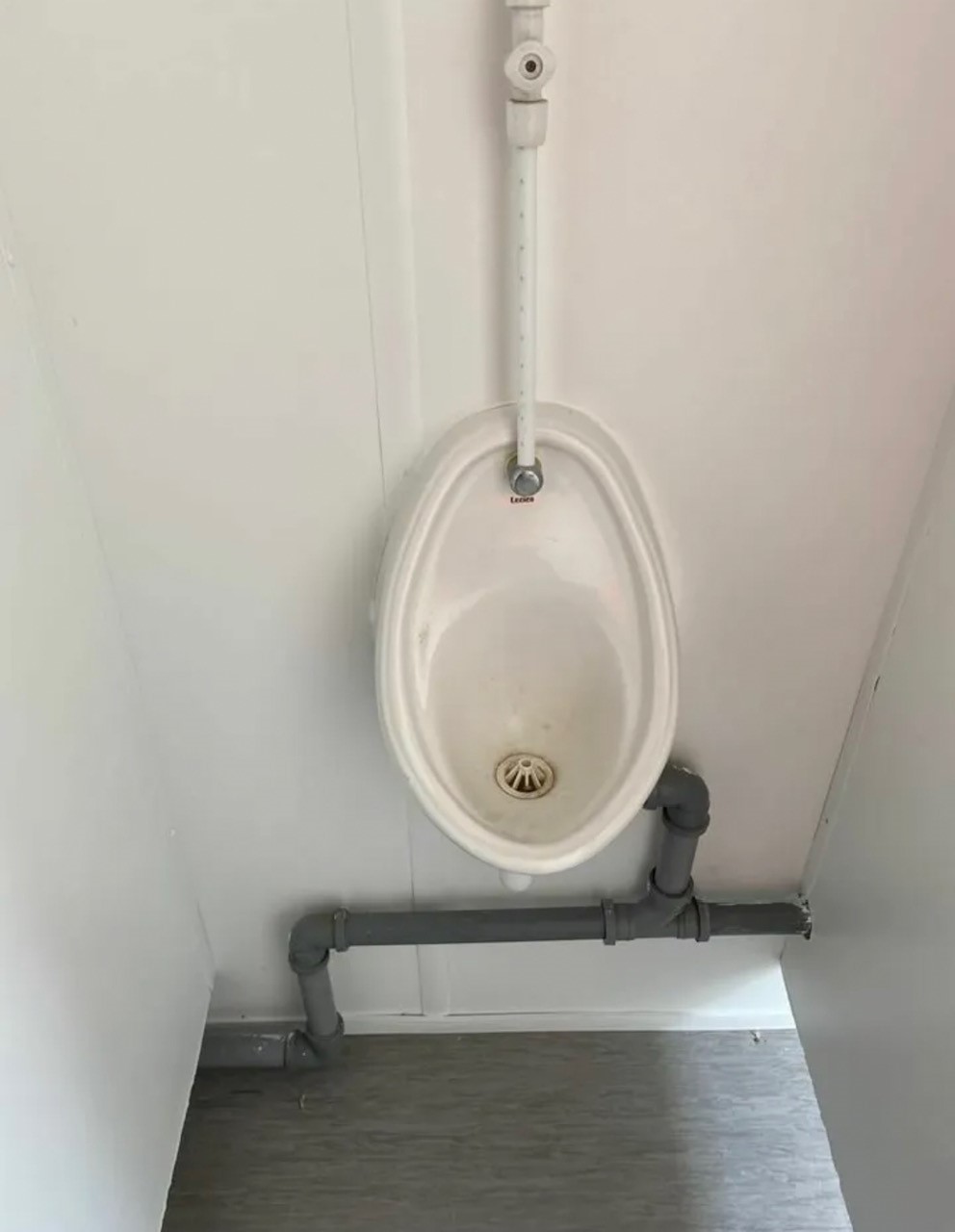
  • Split entrance for Canteen room and WC which includes single cubical, urinal and sink.
  • Container door end with storage.
  • Electric Sockets, Lighting and Heating
  • Fitted Floor to Ceiling Cupboards
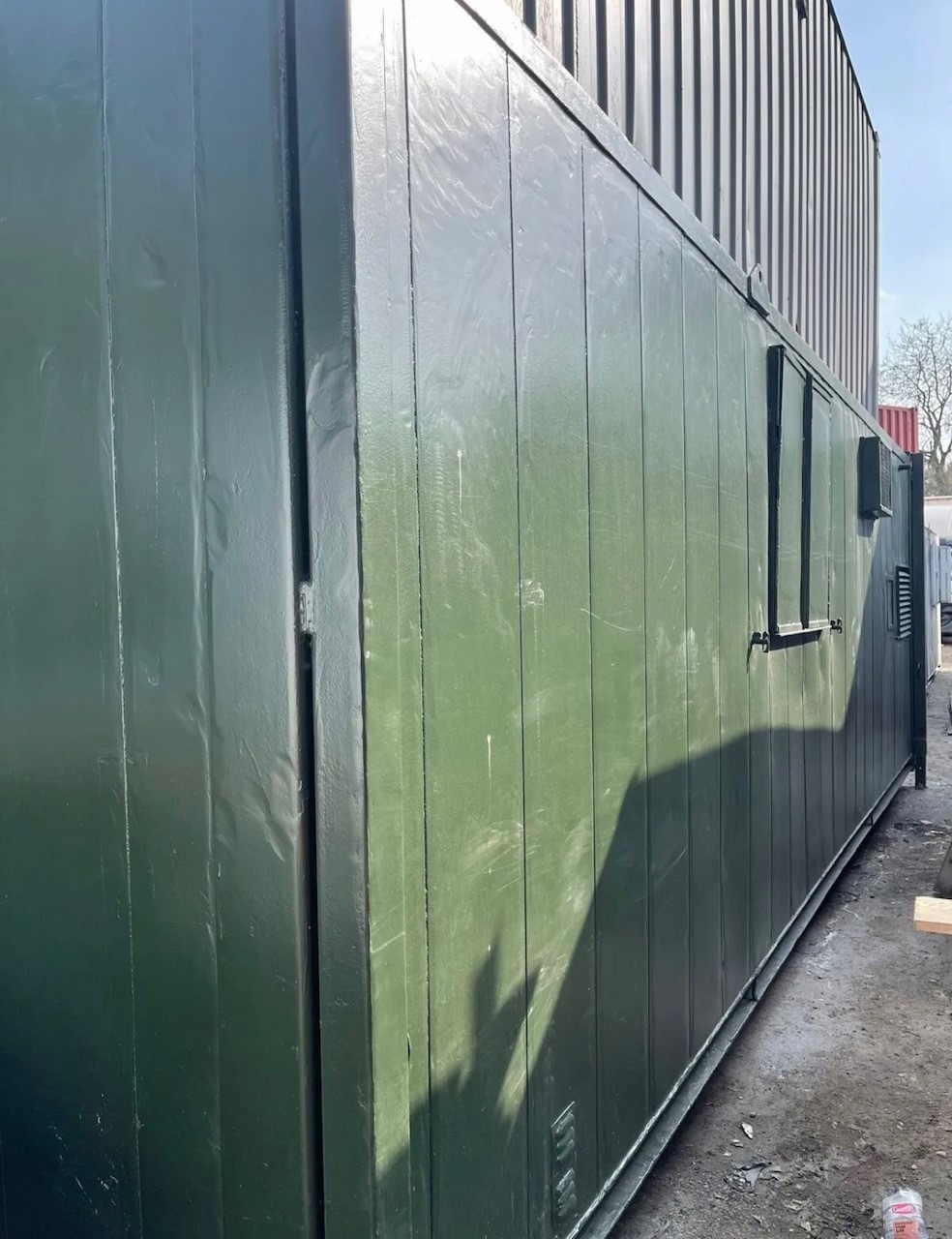
  • Colour: Dark Green

Location: Nationwide


£5,000

EX VAT

Not Available for Hire

Call for an instant quote!

40ft x 12ft Jack Leg Genuine Portakabin Pullman

  • 2 x Offices, Canteen and WC
  • Electric Sockets, Lighting and Heating
  • Colour: Light Grey
  • Full or Part Refurbishment option is available please ask.

Location: Nationwide


£9,500

EX VAT

Not Available for Hire

Call for an instant quote!

32ft x 10ft Anti Vandal Split Canteen/Office

  • Canteen approx 10ft – Office approx 22ft
  • Electric Sockets, Lighting and Heating
  • UPVC Double Glazing
  • Colour: Dark Blue

Location: Nationwide


£5,500

EX VAT

Not Available for Hire

Call for an instant quote!

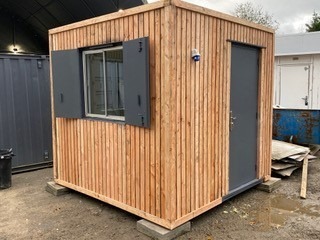
8ft x 8ft Anti Vandal Gate House/Office

  • Open Plan
  • Electric Sockets, Lighting and Heating
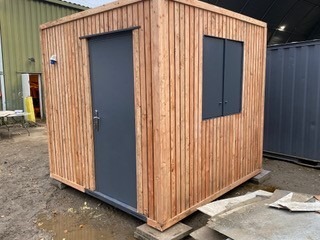
  • Colour: Clad in New Larch Timber

Location: Nationwide


£5,500

EX VAT

Not Available for Hire

Call for an instant quote!

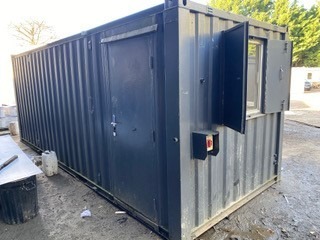
20ft x 10ft Anti Vandal Sleeper Unit

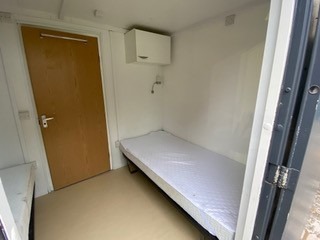
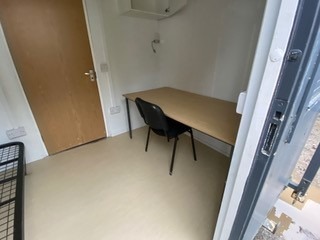
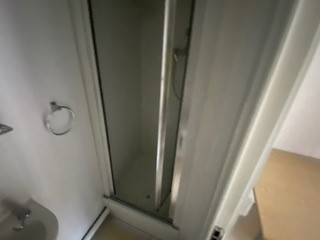
  • Split sides with two entrances, each side has its own room and Shower Toilet Facility
  • Electric Sockets, Lighting and Heating
  • Colour: Dark Grey

Location: Nationwide


£6,500

EX VAT

Not Available for Hire

Call for an instant quote!

21ft x 8ft Anti Vandal Canteen

  • Open Plan
  • Electric Sockets, Lighting and Heating, Hot water Unit + kitchen with cupboards and work top.
  • Colour: Dark Grey 

Location: Nationwide


£4,200

EX VAT

Not Available for Hire

Call for an instant quote!

30ft x 9ft Anti Vandal Fire Rated Office

  • Open Plan Refurbished
  • Electric Sockets, Lighting and Heating
  • Colour: Dark Blue

Location: Nationwide


£6,500

EX VAT

Not Available for Hire

Call for an instant quote!

24ft x 9ft Anti Vandal Office

  • Open Plan
  • Electric Sockets, Lighting and Heating
  • Colour: Dark Grey

Location: Nationwide


£4,200

EX VAT

Not Available for Hire

Call for an instant quote!

22ft x 9ft Jack Leg Portable Cabin

  • 22ft x 9ft Jack Leg Portable Cabin
  • Open Plan
  • Electric Sockets, Lighting and Heating
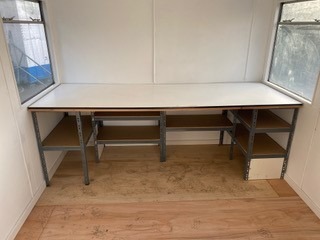
  • Fitted Desk and Floor to Ceiling Cupboards
  • Colour: Light Grey

Location: Nationwide


£4,995

EX VAT

Not Available for Hire

Call for an instant quote!

24ft x 9ft Jack Leg Portable Cabin

  • 24ft x 9ft Jack Leg Portable Cabin
  • Split Offices with two entrances
  • Electric Sockets, Lighting and Heating
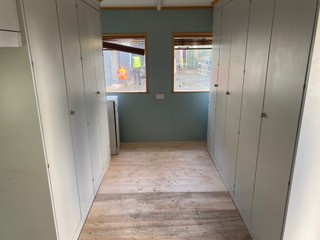
  • Fitted Floor to Ceiling Cupboards
  • Colour: Light Grey

Location: Nationwide


£5,500

EX VAT

Not Available for Hire

Call for an instant quote!

10ftx8ft – £5950 + Vat / 16ftx8ft – £7950 + Vat / 20ftx8ft – £9000 + Vat / 24ftx8ft – £12000 + Vat / 30ftx8ft – £13500 + Vat

  • Reinforced doors and windows with secure locking
  • Open plan with electric sockets and lighting
  • Any Extras available: Canteen, Partitions, Toilets.

Location: Nationwide


From £5,950

EX VAT

Not Available for Hire

Call for an instant quote!

  •  Electric Sockets, Lighting and Heating
  •  Wind & watertight
  •  Sprayed Dark Grey

Location: Nationwide


£4,995

EX VAT

Not Available for Hire

Call for an instant quote!

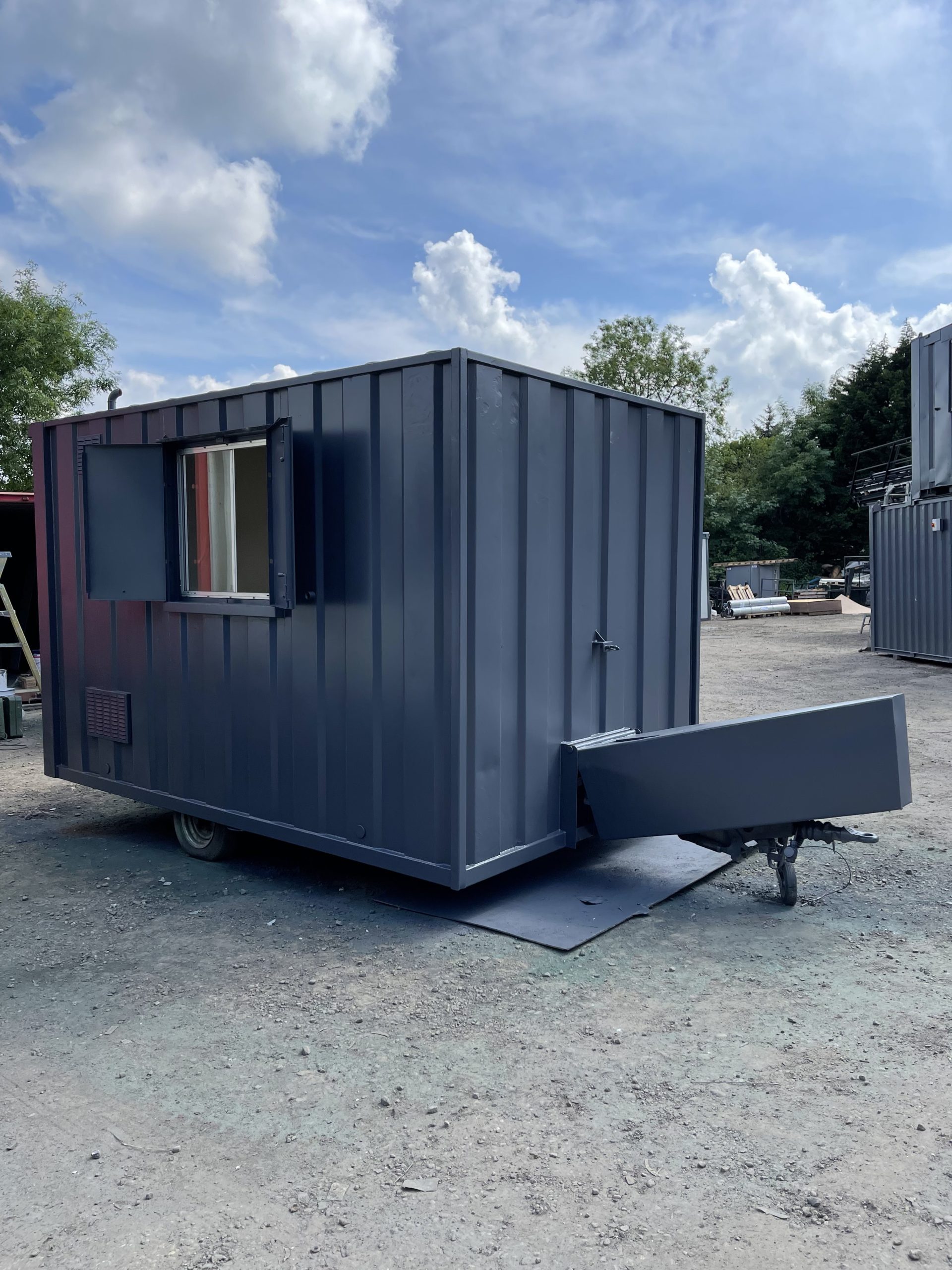
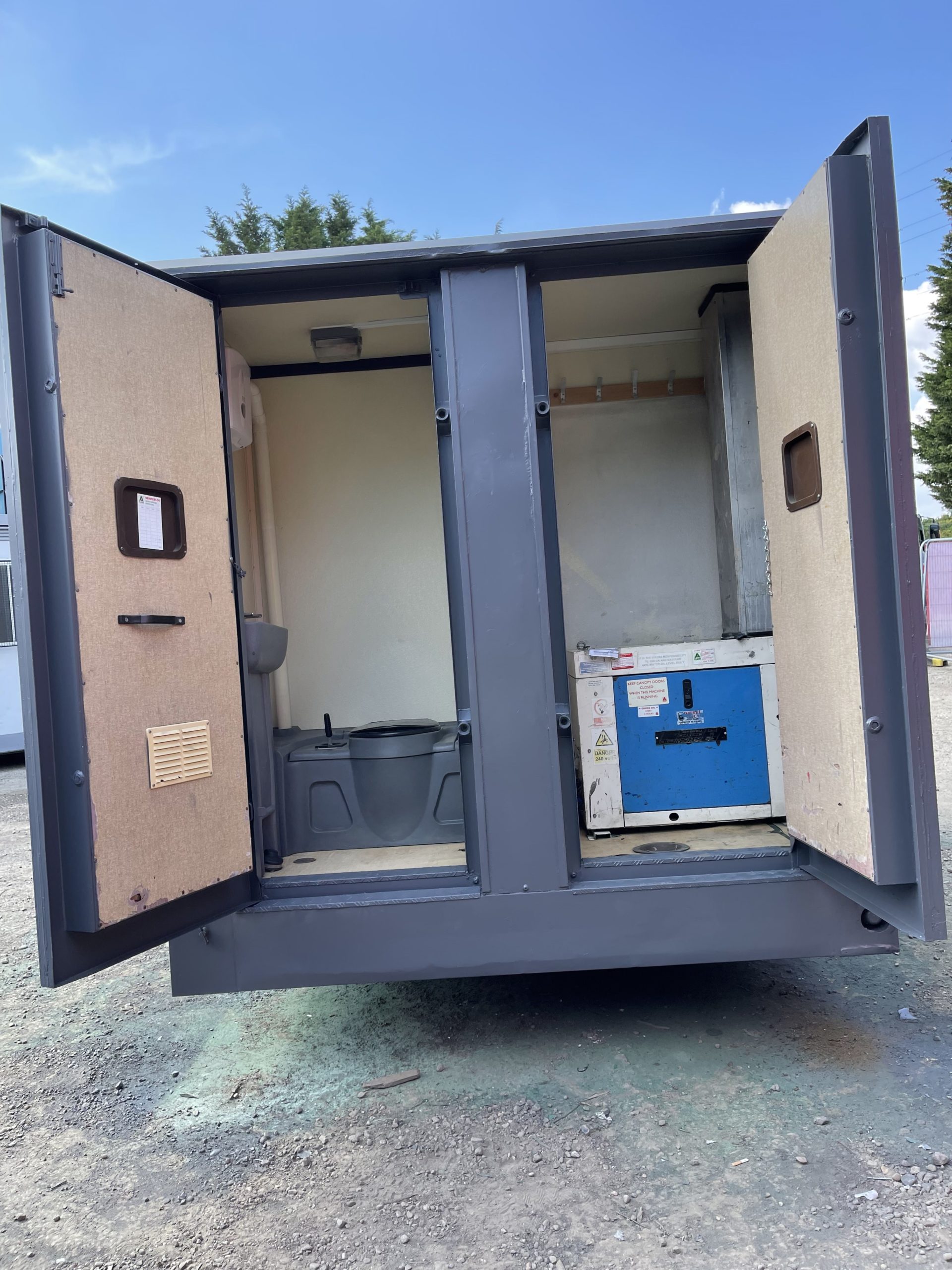
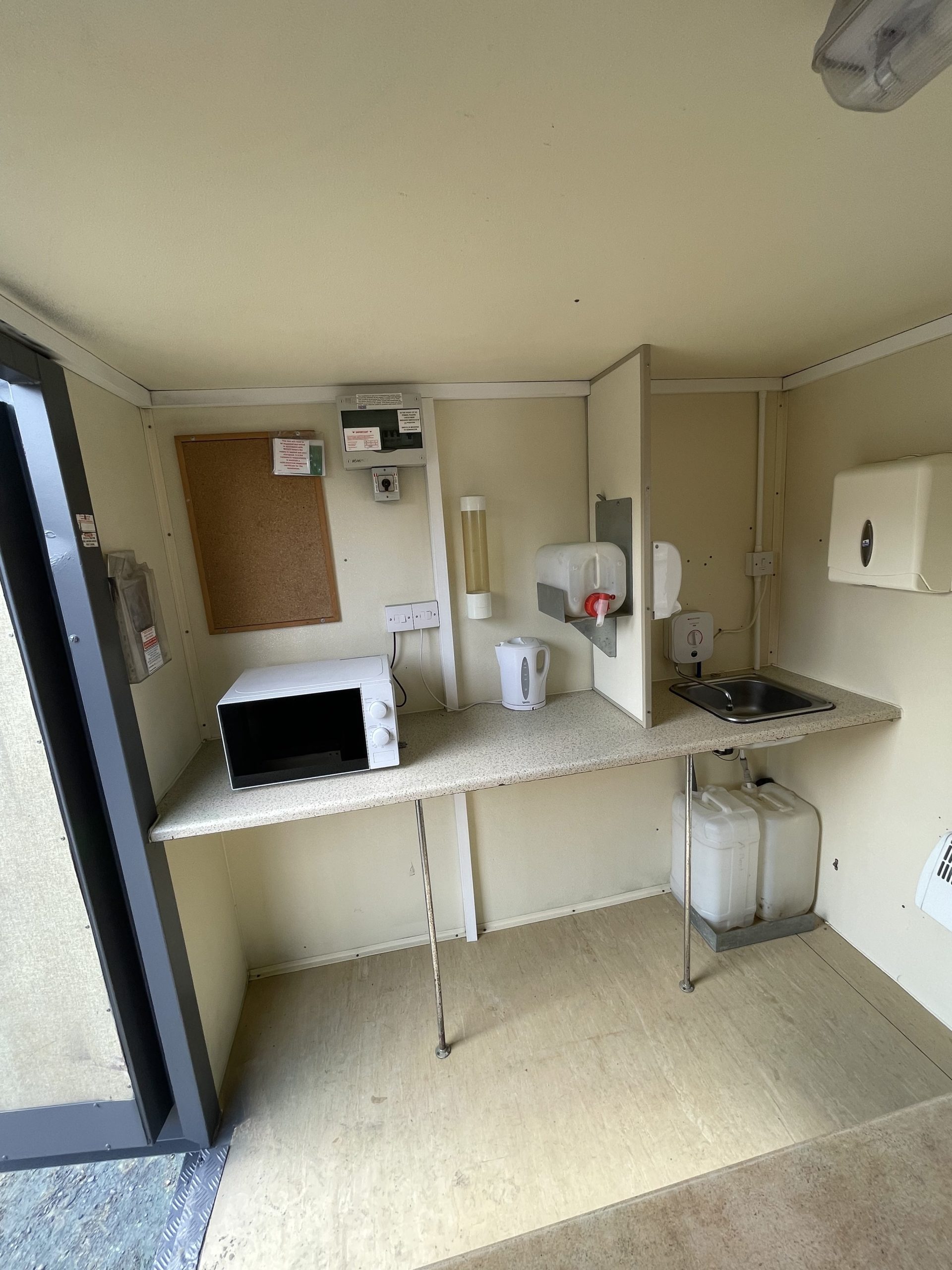
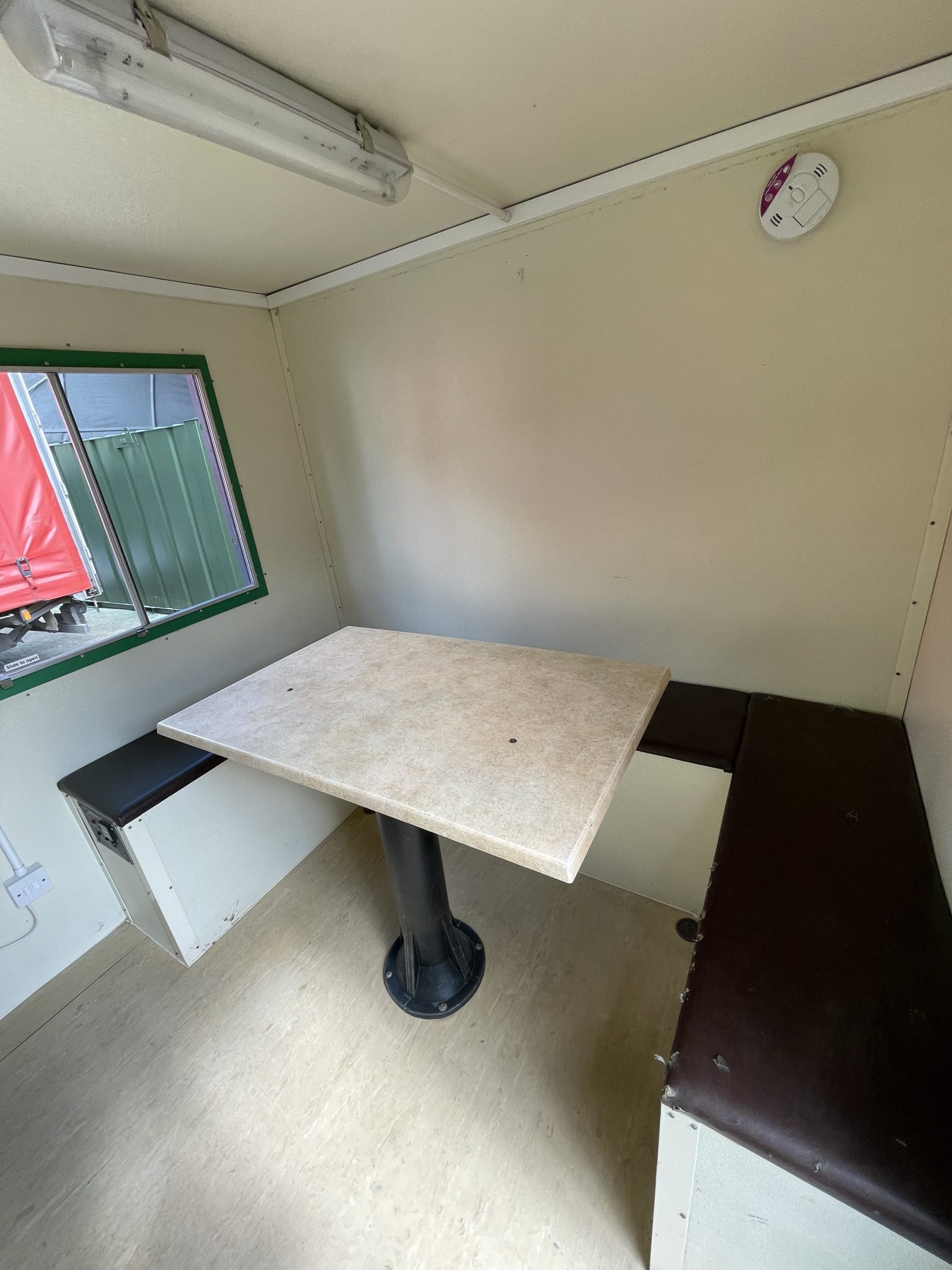
  • 12ft Towable Gound Hog
  • Includes: toilet, canteen and seating area
  • Full working generator, fully serviced and in great condition


Location: Nationwide


£6,500

EX VAT

Not Available for Hire

Call for an instant quote!

  • Reinforced doors with secure locking 
  • Electrics and lights included
  • Sink and water boiler included

Location: Nationwide

Quantity: ∞

£15,000

EX VAT

Not Available for Hire

Call for an instant quote!

• Reinforced doors and windows with secure locking
• Open plan with electric sockets and lighting
• Ral Code Colour of choice

• Any Extras available : Canteen, Partitions, Toilets.

Location: Nationwide


£11,995

EX VAT

Not Available for Hire

Call for an instant quote!

• Reinforced doors and windows with secure locking

• Open plan with electric sockets and lighting

• Ral Code Colour of choice

• Any Extras available : Canteen, Partitions, Toilets.

Location: Nationwide


POA

Not Available for Hire

Call for an instant quote!

test

• Reinforced doors with secure locking
• Sink and water boiler included

Location: Nationwide

Quantity: ∞

£12,495

EX VAT

Not Available for Hire

Call for an instant quote!

32ft x 20ft Cabin

  • Reinforced doors with secure locking 
  • Electrics and lights included
  • Sink and water boiler included
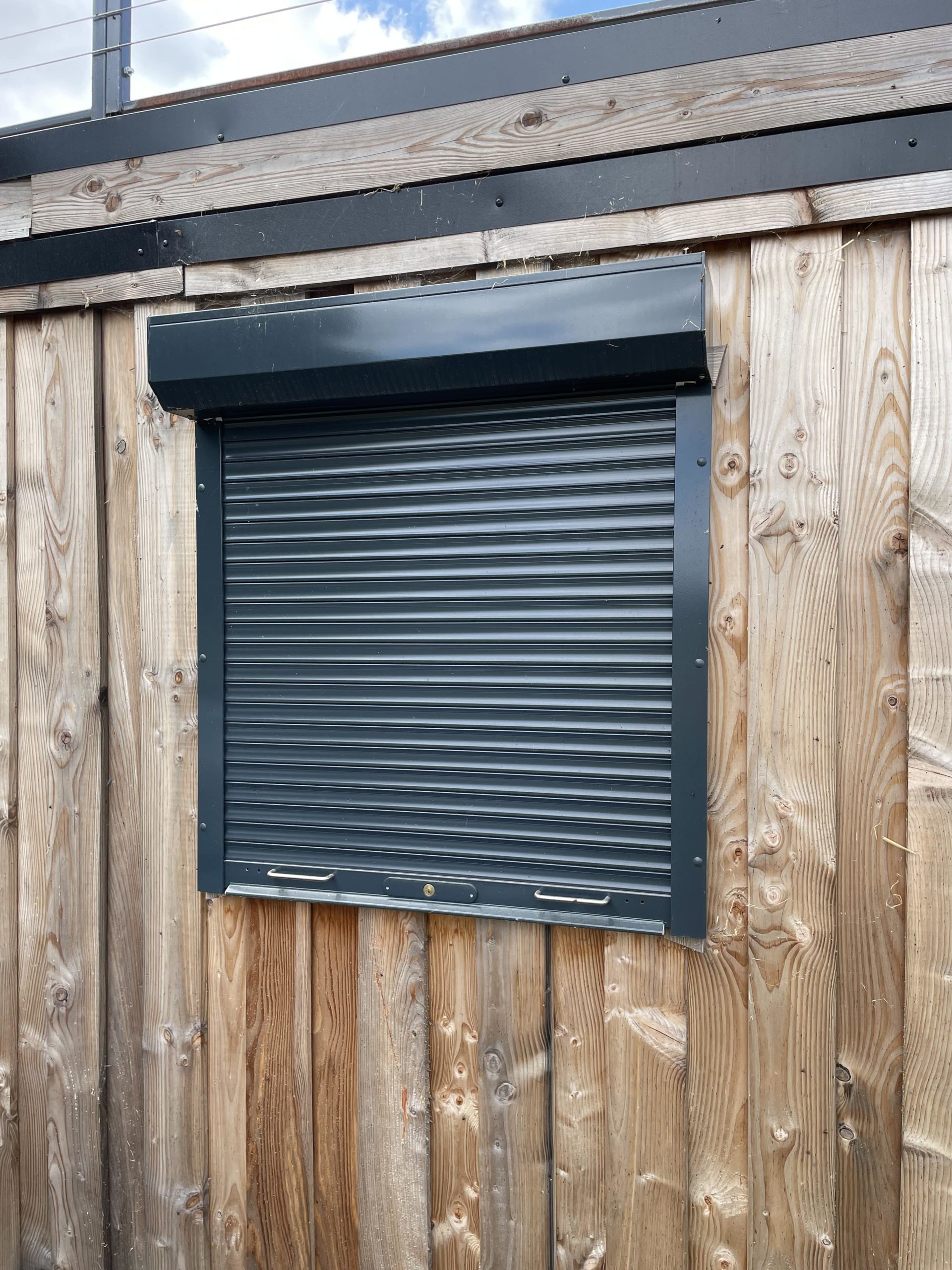
  • Electric Roller Shutters
  • Roof top terrace 
  • Store Room 
  • Slatwall installation 

Location: Nationwide


£39,000

EX VAT

Not Available for Hire

Call for an instant quote!

Looking to Buy or Hire?

Get a Quick Container Quote Now!

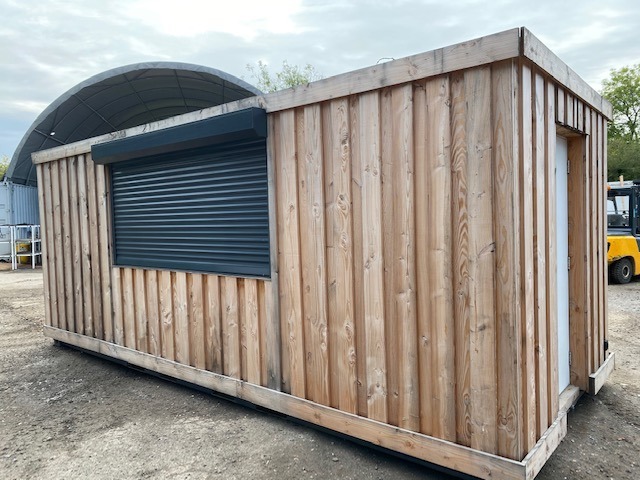
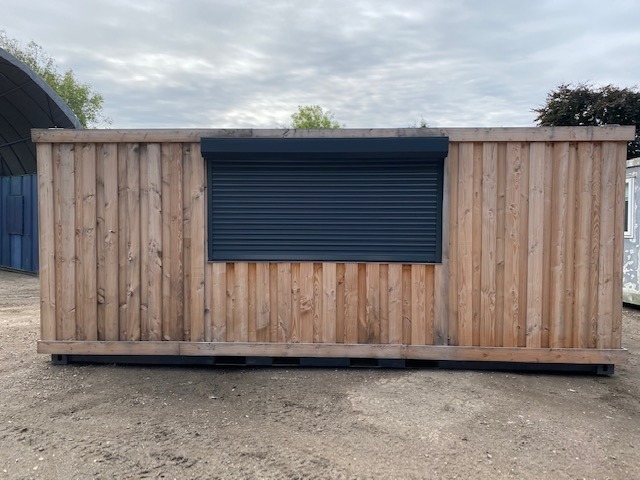
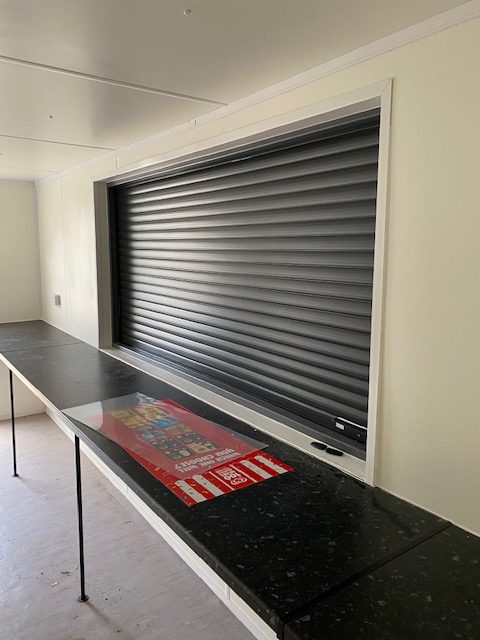
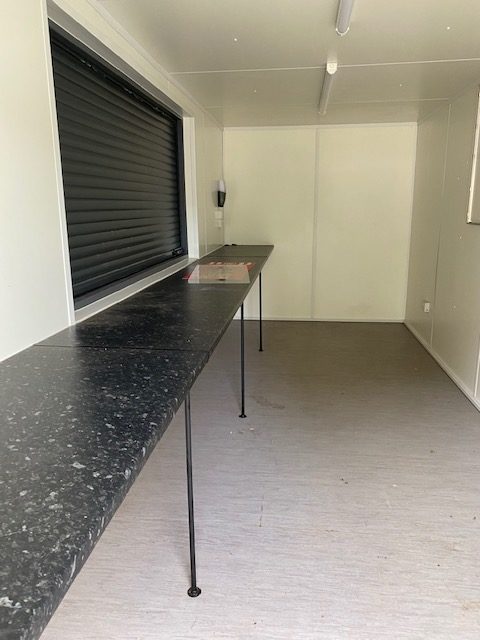
20ft x 8ft Container Kiosk

  • Open plan layout with worktop serving area
  • Electric roller shutter with remote control
  • Electrics and lights included

Location: Nationwide


£15,000

EX VAT

Not Available for Hire

Call for an instant quote!

Looking to Buy?

Get a Quick Container Quote Now!

Newsletter Signup Form

Be the first to discover our exclusive offers and latest company updates by signing up to our email newsletter. Every month we’ll keep you informed of our best prices, industry updates, customer’s container projects, national shows we’ll be exhibiting at, and much more.

Looking to Buy or Hire?

Get a Quick Container Quote Now!