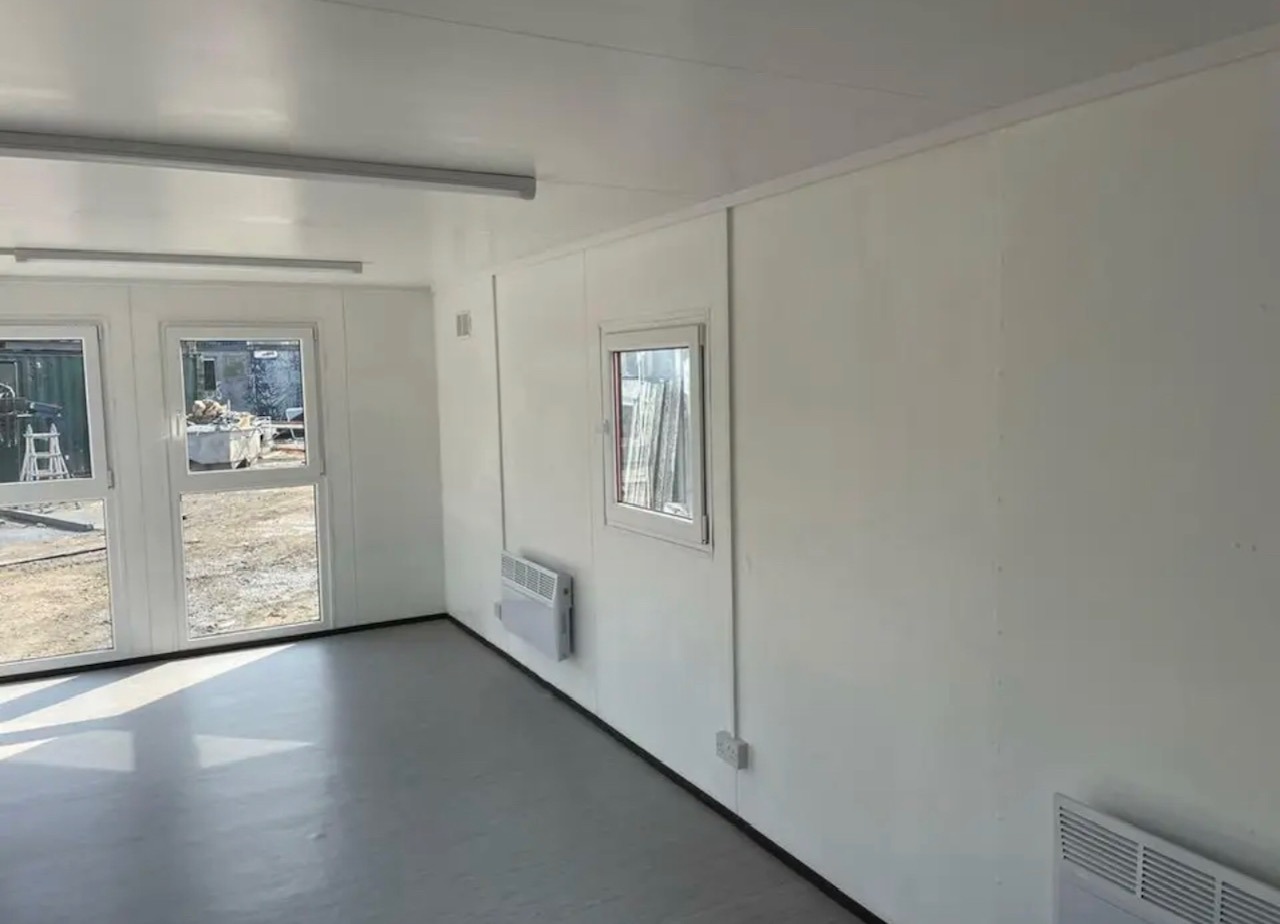
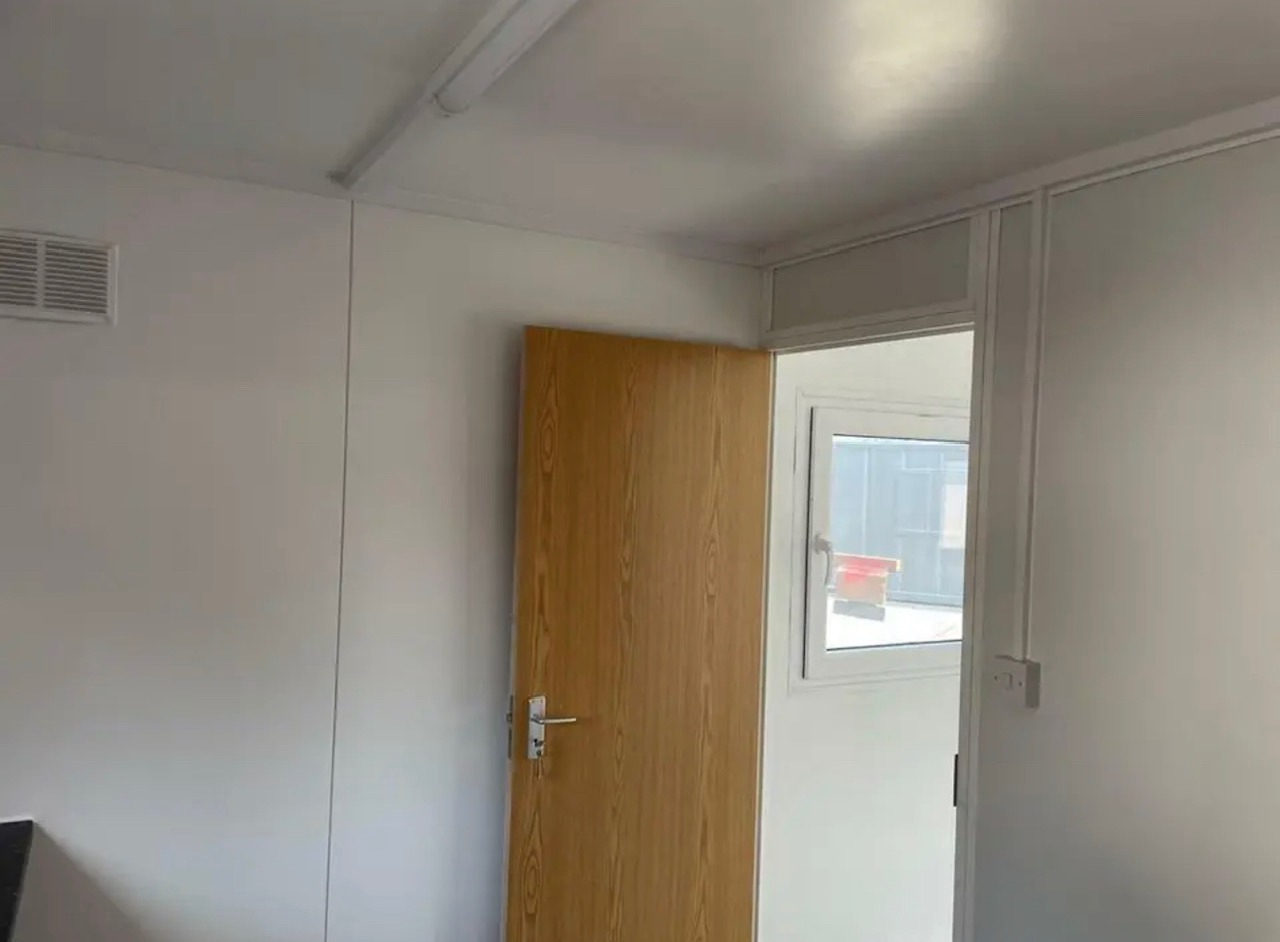
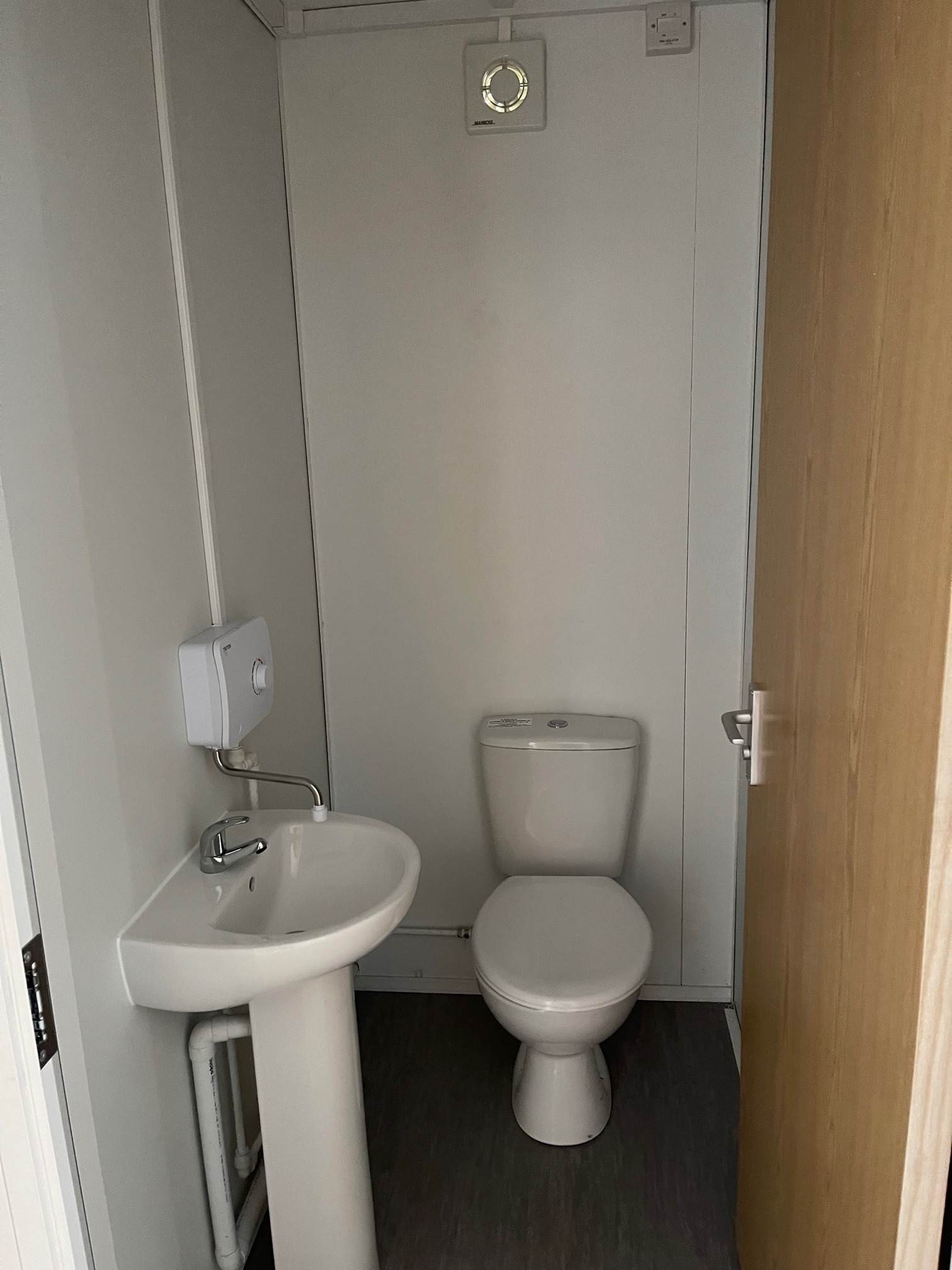
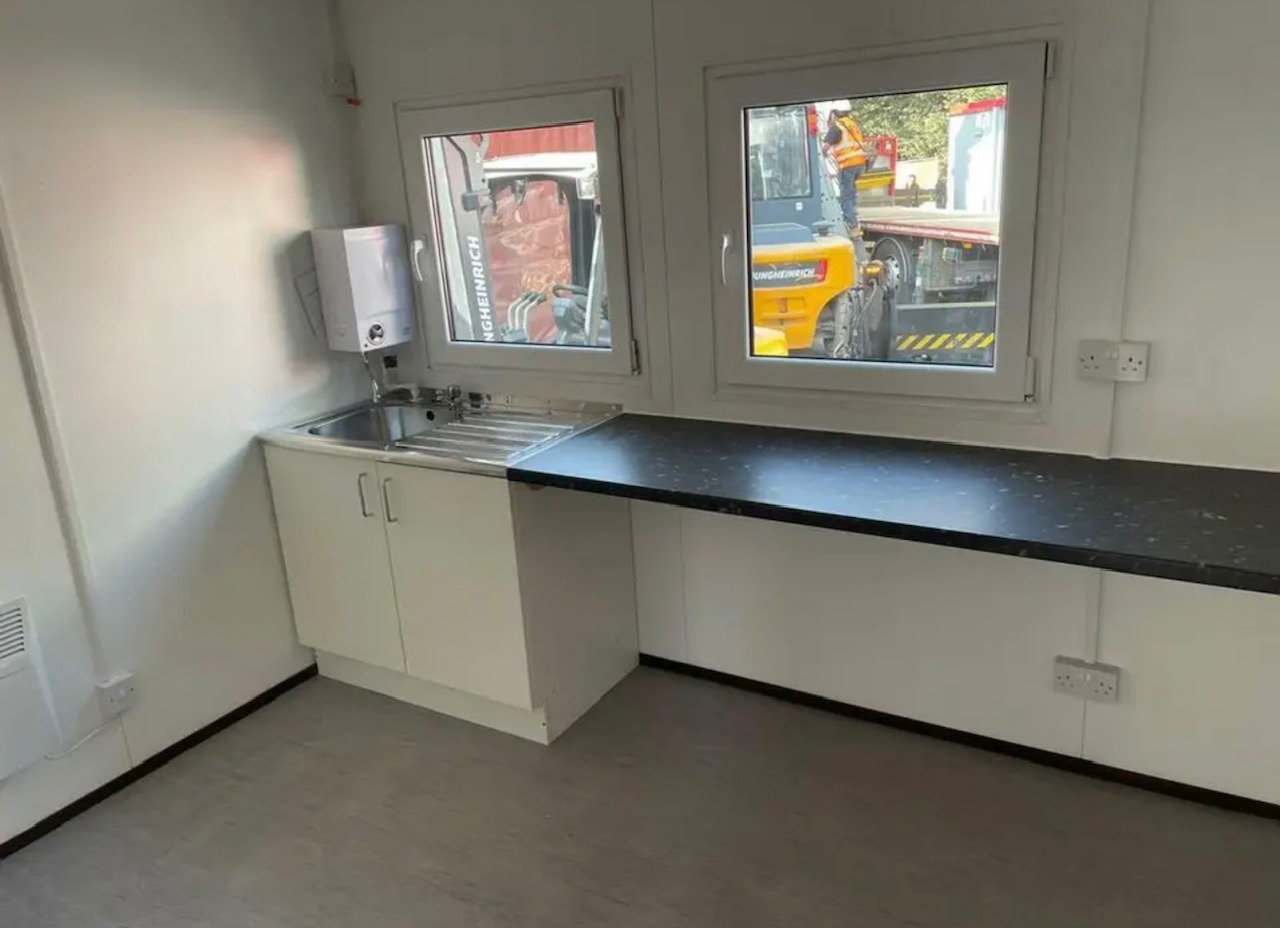
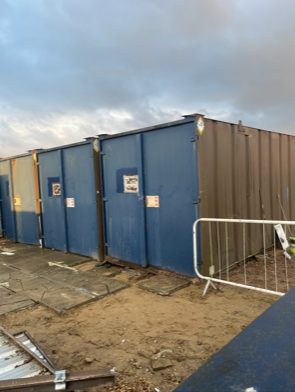
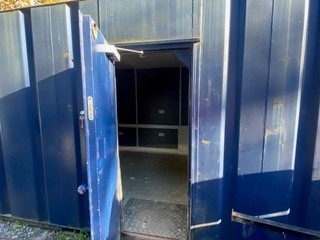
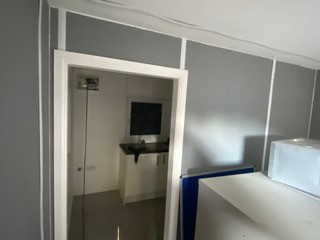
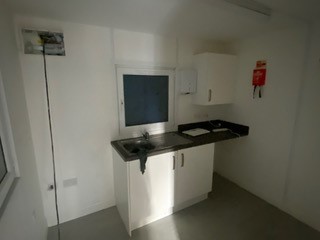
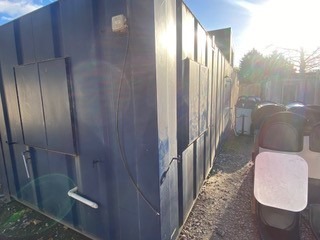
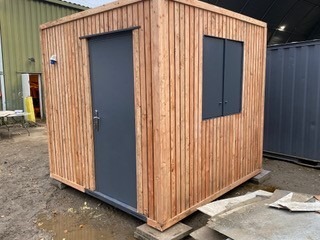
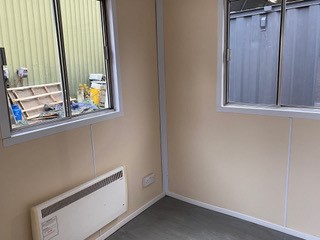
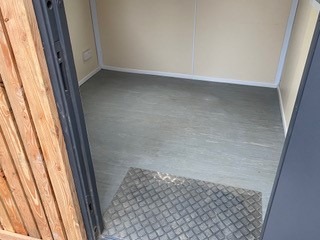
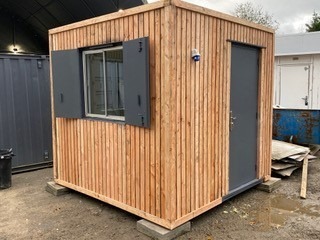
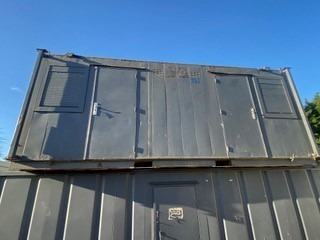
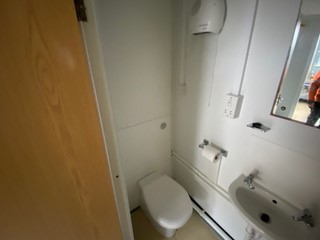
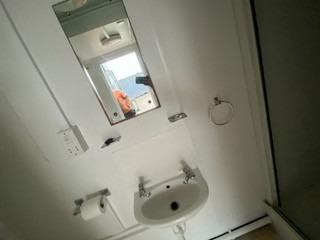
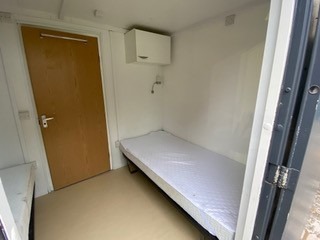
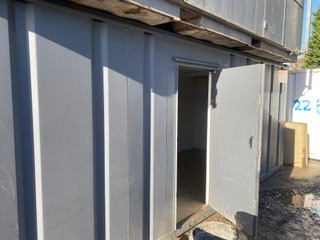
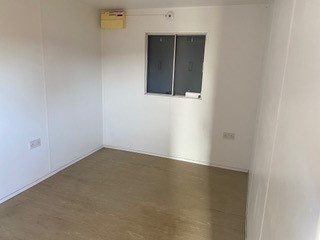
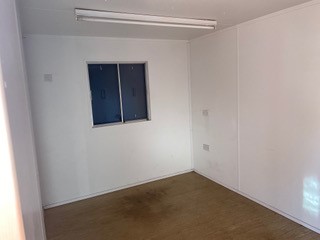
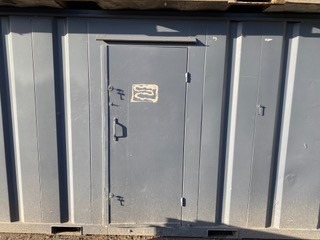
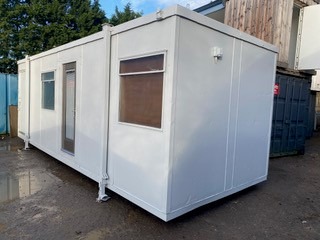
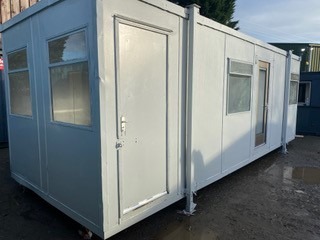
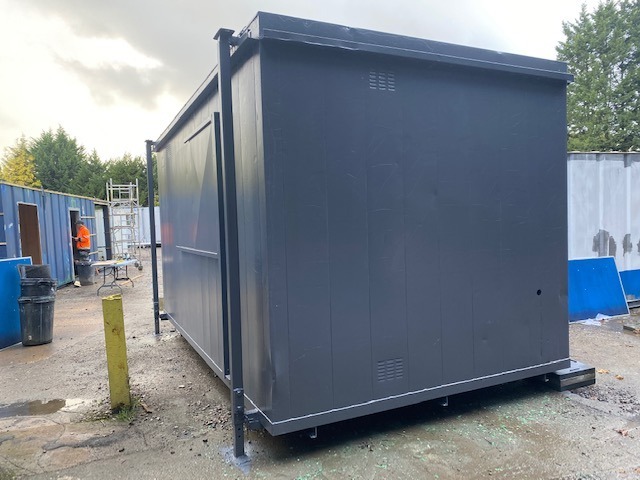
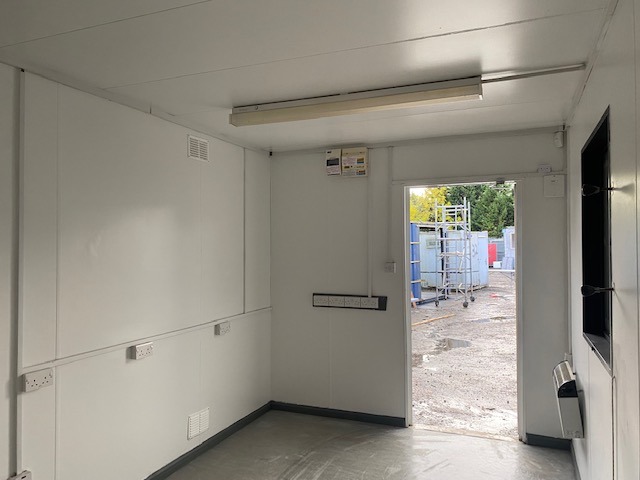
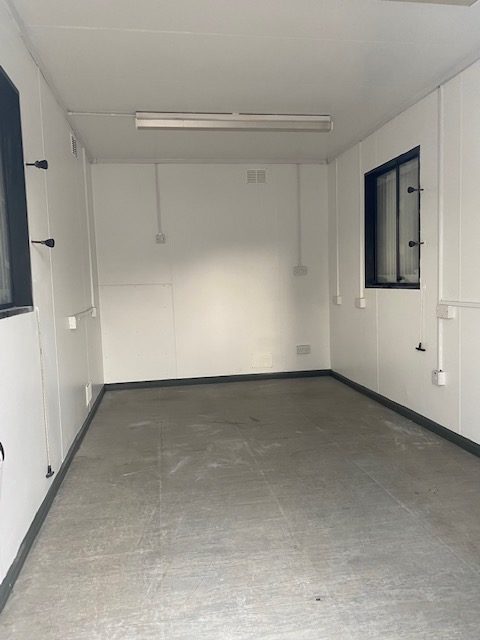
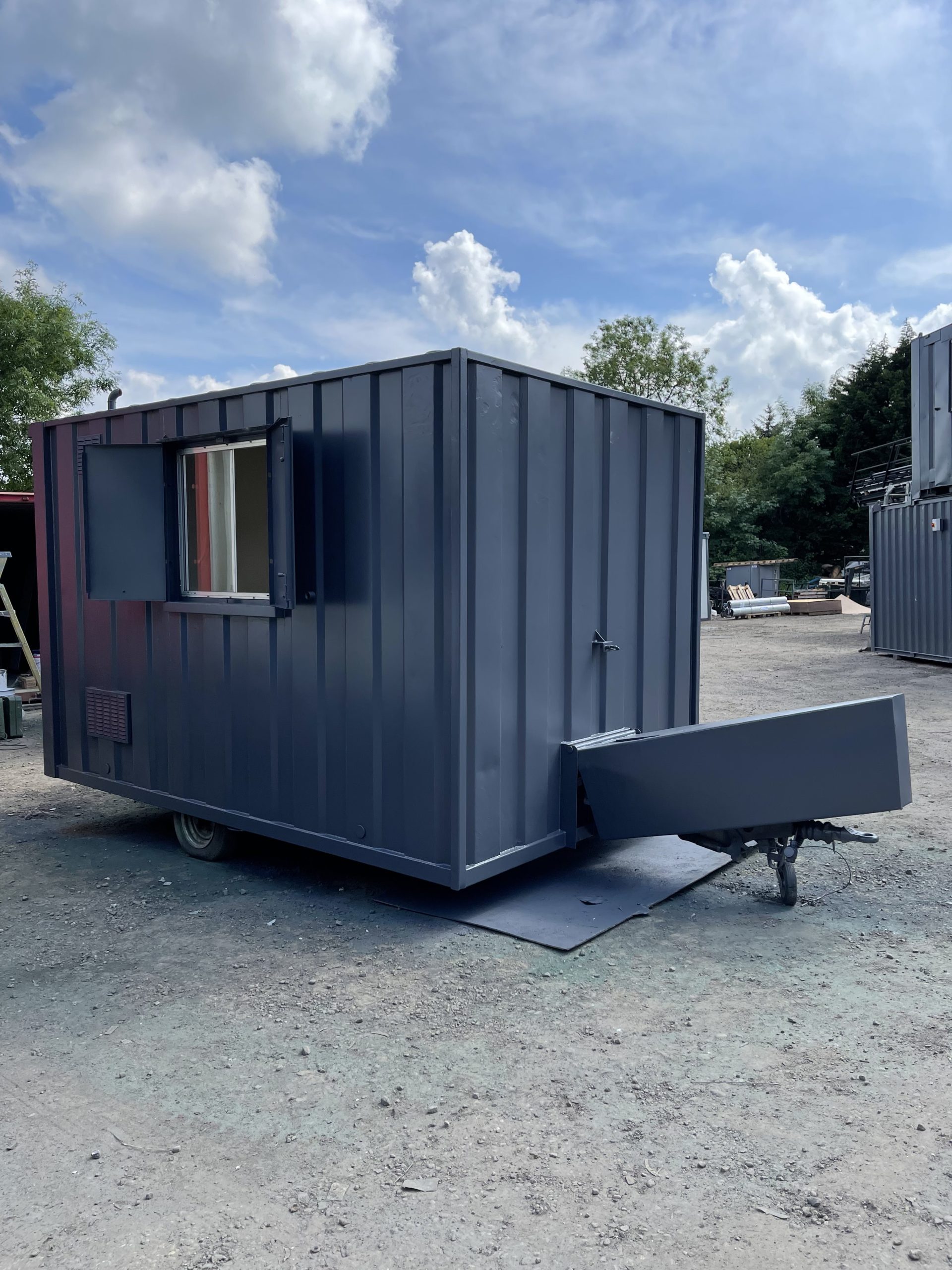
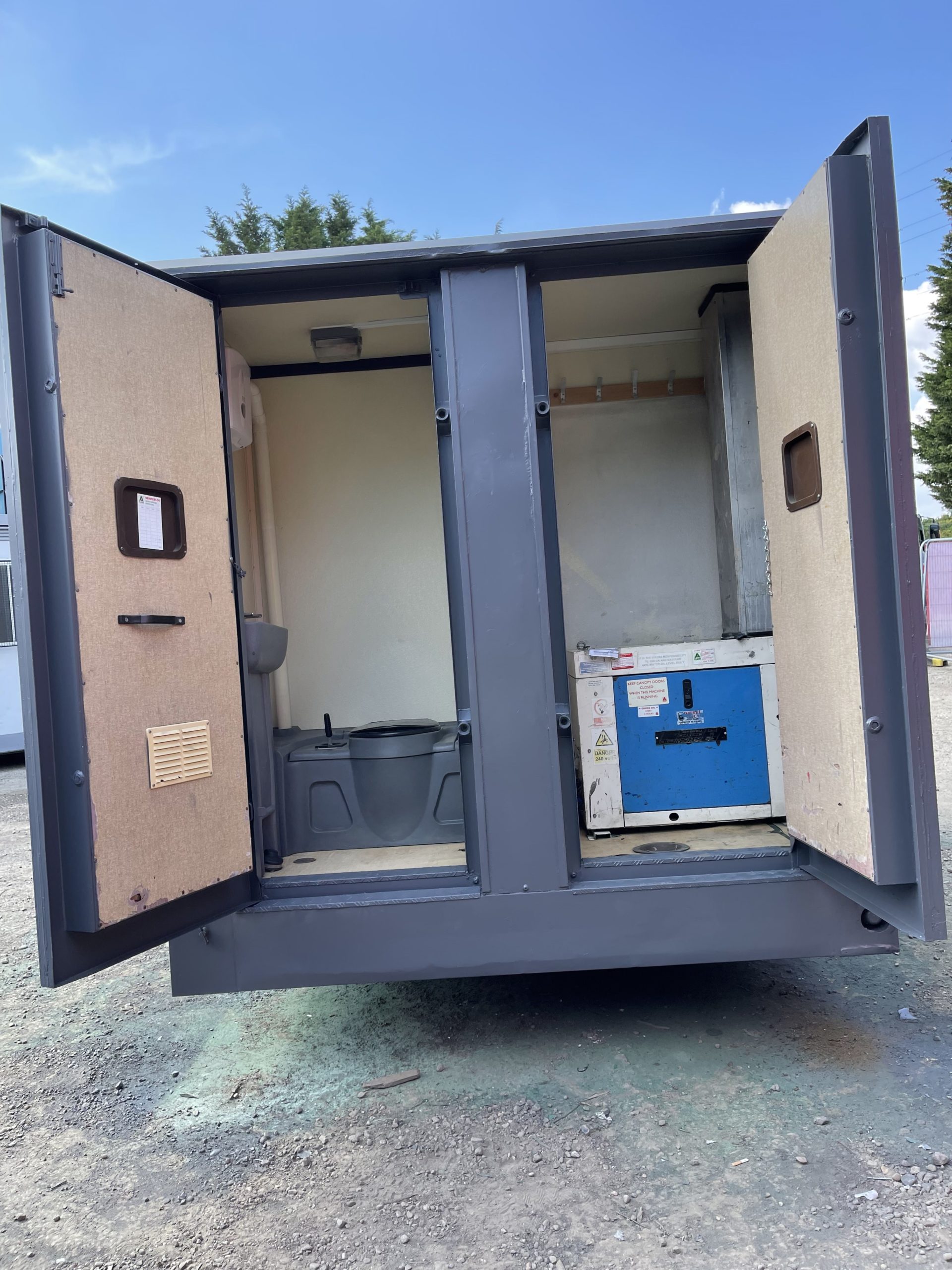
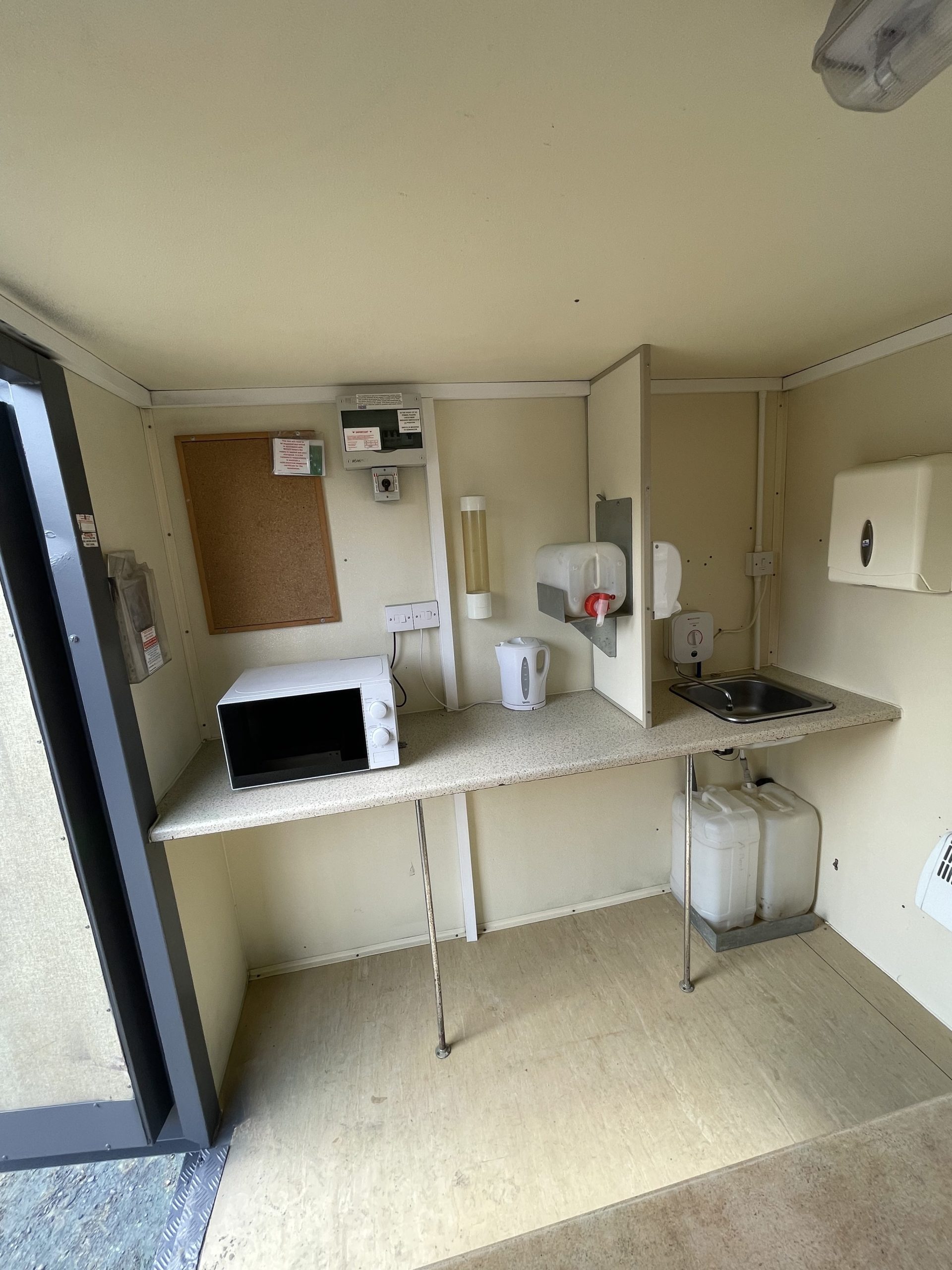
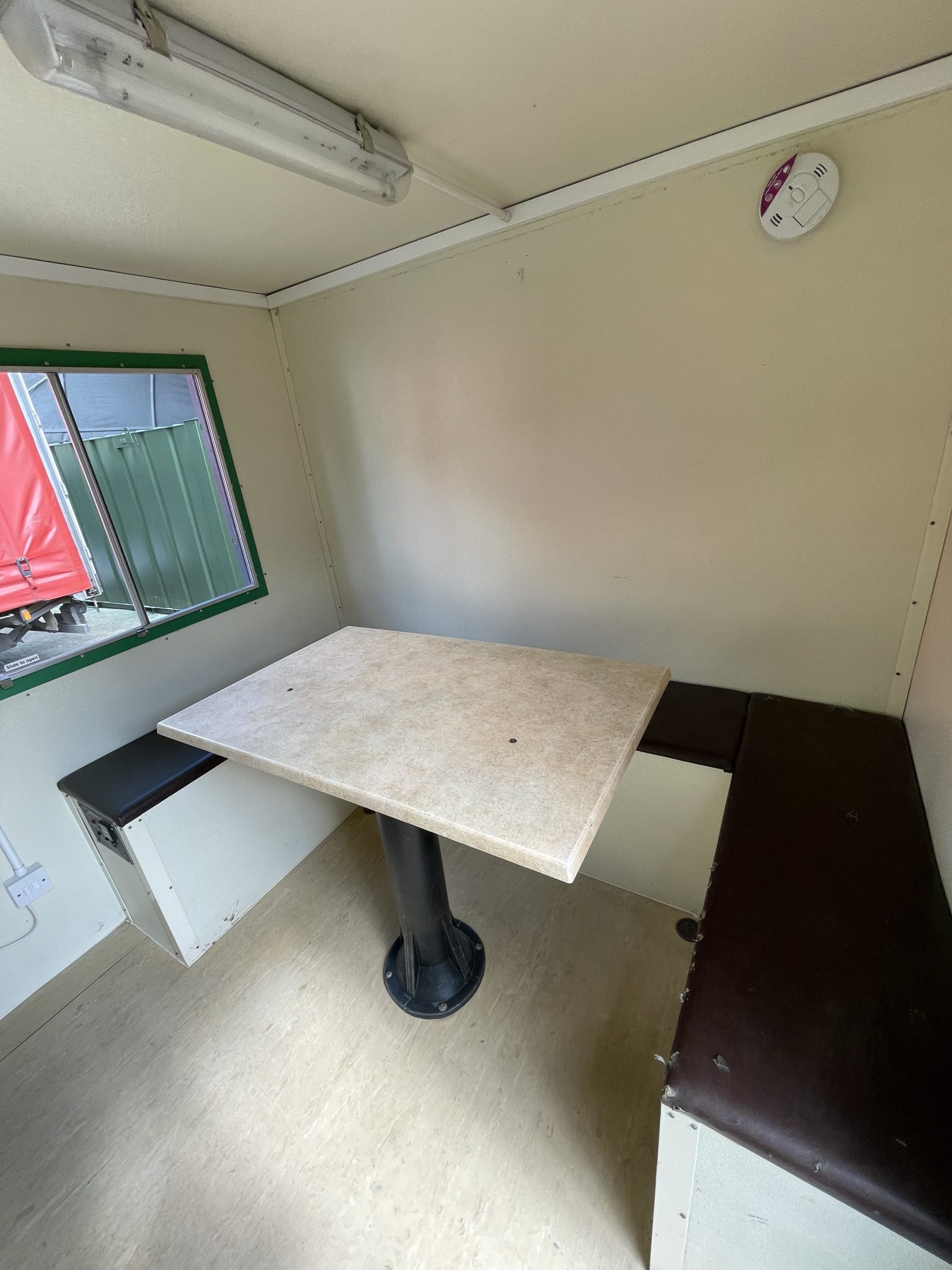
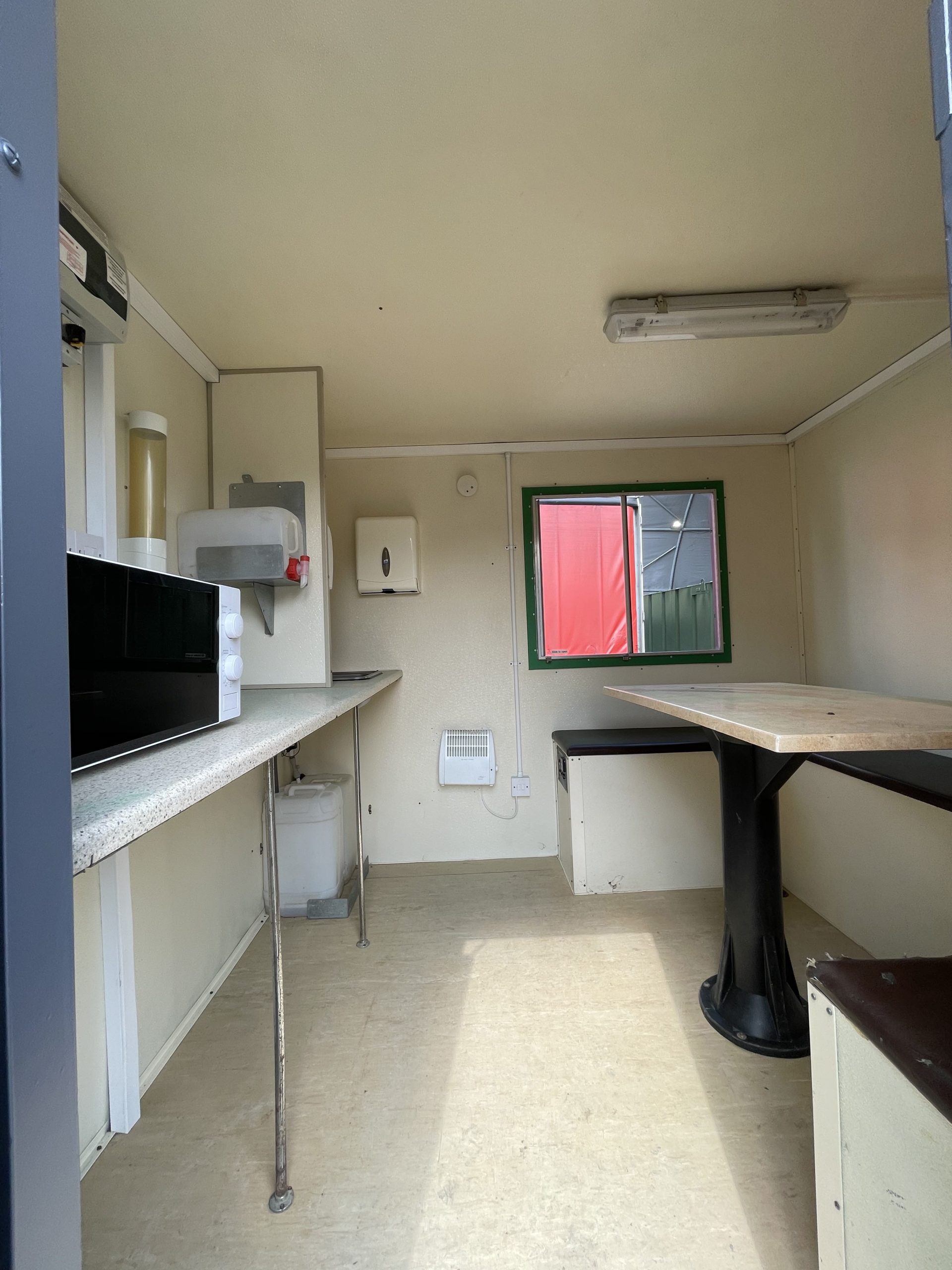
Buying a 10ft x 8ft shipping container sounds straightforward, but the right choice depends on more than size. You need to assess its condition, construction, delivery route, and intended use. A compact container can fit beside a garage, behind a workshop, or on a prepared concrete pad. However, access may become difficult if delivery trucks cannot reach the site.
This guide explains how experienced buyers compare suppliers, inspect specifications, and estimate the complete purchase cost. We will discuss new and used containers, weather-resistant features, door placement, ventilation, flooring, and security hardware. The listed dimensions can also cause confusion. Some sellers describe external measurements, while others emphasize usable interior space. Confirm both before paying.
Ask for clear photographs, manufacturing details, and a written condition report. Check whether the container has dents, corrosion, damaged seals, or uneven doors. Small rust spots may be manageable. Serious frame damage is different. Do not rely only on a low advertised price.
Delivery matters greatly. Measure gates, corners, overhead wires, and ground clearance before ordering. A container may fit on paper but fail at the final turn. That mistake can become expensive.
Choose a reputable supplier with transparent terms, documented specifications, and responsive support. Confirm local planning, placement, and site-safety requirements through the appropriate authorities. Regulations vary by location and intended use. This article offers practical guidance, but professional advice may still be necessary for permanent installations or major modifications.
A careful purchase starts with realistic measurements, honest inspection, and patience. The cheapest option is rarely the simplest one.
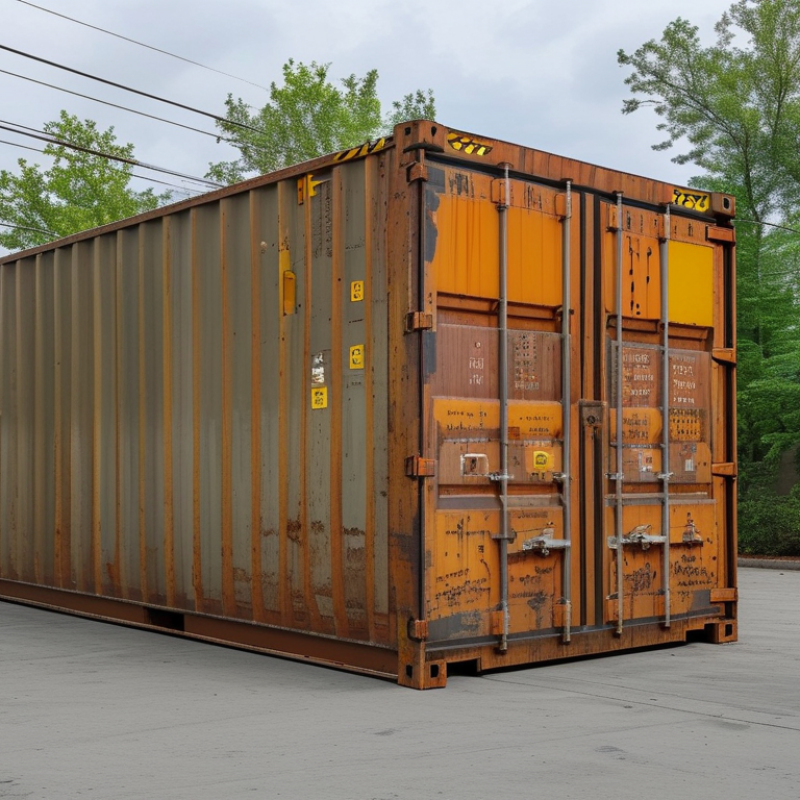
A 10ft x 8ft container sounds precise, but your requirements should come first. Decide whether you need dry storage, a workshop, equipment housing, or temperature control. A standard unit usually has about 15 cubic metres of internal space. However, wall ribs, door hardware, and insulation reduce usable room.
ISO 668:2020 defines standard container dimensions, but manufacturers may show small variations. Request the exact internal length, width, height, and door opening. A standard-height model is approximately 8ft 6in tall externally. A high-cube model is about 9ft 6in. That extra foot can change your placement plan.
Measure your largest item, including handles and packaging. Leave clearance for loading, ventilation, and future access. Check the maximum payload, floor rating, door condition, roof leaks, corrosion, and locking bars. A clean exterior can hide damaged flooring.
Ask for recent photographs and inspection records. UNCTAD’s Review of Maritime Transport 2024 recorded about 858 million TEU in global container-port throughput during 2023. This large market supports varied availability, but local stock may include older units.
Condition matters more than a perfect paint finish. I learned that the hard way.
Tips:
Prepare a one-page requirement sheet. Include dimensions, access needs, delivery distance, and site conditions. Compare the delivered price, not only the container price. Confirm the truck route, turning space, ground strength, and local placement requirements before payment. Do not choose by price alone.
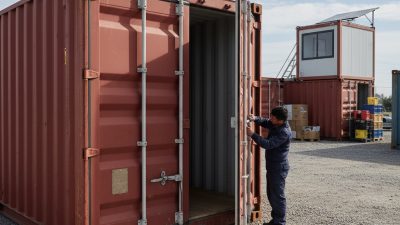
A new 10ft container offers cleaner floors, tighter door seals, and fewer repair surprises. However, it usually costs more per cubic foot than a used unit. UNCTAD’s Review of Maritime Transport 2024 recorded an 8.5% increase in container ship capacity by January 2024. Availability can improve, but small containers remain less common than 20ft models. Regional supply still matters.
Used containers can provide better value. Inspect the roof for pinholes, the corner posts for dents, and the plywood floor for soft patches. Surface rust is normal. Deep corrosion near welds is not. A used unit may have a strong frame but poor door alignment. That detail is easy to miss. Modified containers include windows, personnel doors, shelving, ventilation, or electrical systems. According to the Container xChange 2024 market review, container prices vary significantly by location and equipment condition. Modification costs can therefore change quickly. A cheap base unit may become expensive after cutting, welding, insulation, and delivery.
Tips: Ask for recent photos, dimensions, and the container’s identification plate. Confirm whether the quoted price includes transport and unloading. Measure your access route first. A narrow gate can ruin a careful purchase. Check local planning rules before adding permanent modifications. I have seen buyers focus on paint quality and overlook a leaking roof. That mistake is costly.
A 10ft x 8ft shipping container can look spacious online but feel tight on site. Confirm whether the advertised measurements are external or internal. Wall thickness, framing, and door hardware reduce usable space. Measure the length, width, height, and doorway yourself when possible. Also check whether the container will fit through your access gate. A delivery truck needs extra turning room. I once measured the storage area but forgot the gate clearance. That mistake delayed installation.
Inspect the container in daylight. Look for deep rust, soft floor sections, roof dents, and bent corner posts. Open and close every door several times. The seals should sit evenly and block visible light. A musty smell may suggest hidden moisture. Ask for recent photographs, inspection notes, and a written condition description. Photos can hide problems. I learned that the hard way. Check the wooden floor for chemical stains, loose boards, or repairs. Request a clear answer about its previous use.
Tips: Measure twice. Bring a flashlight. Check the roof from inside. Test the lock bars. Confirm delivery access. Ask about ventilation, shelving, lighting, and electrical needs before ordering. These features may require professional installation. Compare the quoted price with transport, placement, and preparation costs. Keep every agreement in writing. A reliable seller should explain limitations clearly, not promise a perfect container without evidence.
Buying a 10ft x 8ft shipping container sounds simple, but the quote rarely tells the whole story. Ask suppliers for exact external and internal dimensions, steel condition, door clearance, floor treatment, and wind- and watertight status. Request recent photos, not only catalogue images. An experienced supplier should explain repairs, inspection records, and regional delivery limits without vague promises.
Pricing depends on age, condition, delivery distance, and unloading equipment. Compare complete quotes, including taxes, transport, crane or tilt-bed charges, and placement fees. A low price may hide a difficult final delivery. Ask whether the unit is new, used, or refurbished. In my experience, refurbished containers can offer good value, but fresh paint may conceal floor damage. Inspect carefully.
Tips: Measure the site twice. Leave extra clearance. Confirm the truck route, turning space, overhead wires, gates, slopes, and soft ground before ordering. A 10ft container still needs room for the vehicle and safe positioning. Send the supplier site photos, measurements, and a simple access sketch. If delivery depends on a narrow lane, ask for a smaller vehicle or a pre-delivery survey. I once underestimated turning space; the container fit, but the truck did not. That mistake cost time and a second visit. Get every promise in writing, including delivery timing, damage procedures, and responsibility for failed access.
Typical planning ranges for a used 10ft x 8ft dry container are shown below. Actual prices depend on condition, location, delivery distance, access difficulty, and local taxes. Always request a written quote that includes delivery and placement.
Buying a 10ft x 8ft shipping container requires more than checking photographs and price. The usual external width is about 8 feet, while ISO 668 lists a standard 10-foot container at roughly 9 feet 10 inches long. Confirm the seller’s actual measurements, internal clearance, door opening, and floor height before paying. UNCTAD’s Review of Maritime Transport 2024 states that ships carry over 80% of global merchandise trade by volume, so containers endure demanding handling. Scratches are normal. Bent corner posts are not.
Request recent photos, the container number, manufacturing year, and a condition report. Check the roof for daylight, the floor for soft timber, and the doors for smooth operation. Ask whether the unit has a valid safety approval plate under the International Maritime Organization’s Container Safety Convention. A ten-year-old container may still perform well, but age alone proves little. I once underestimated door clearance; that mistake can turn a simple delivery into an expensive repositioning job.
Prepare the site before final payment. Measure the truck route, gate width, overhead cables, and turning space. Use level, compact ground with concrete pads or steel supports beneath the corner castings. Keep the container slightly above soil to improve drainage and ventilation. Confirm local planning, access, and stormwater requirements. Delivery fees can change sharply with distance, crane access, and waiting time. Get these charges in writing. Allow several extra inches around the doors. Real sites are rarely as square as drawings.
| Category | Purchase or Placement Item | Typical Specification or Data | What to Check | Recommended Action |
|---|---|---|---|---|
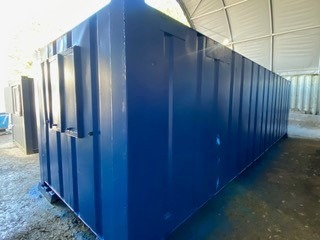
| Container Size | Nominal external dimensions | Approximately 10 ft long × 8 ft wide × 8 ft 6 in high | Measurements vary slightly by manufacturer and container age. | Request the exact measured dimensions before ordering. |
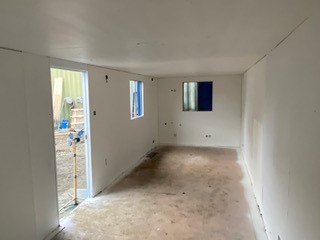
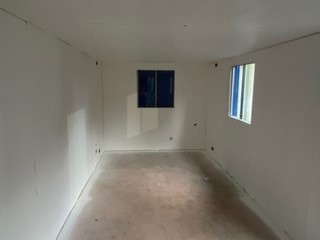
| Interior Space | Usable internal dimensions | Approximately 9 ft 2 in long × 7 ft 8 in wide × 7 ft 10 in high | Interior space is reduced by corrugated walls, flooring, and door hardware. | Compare the internal measurements with the intended storage items. |
| Door Opening | Standard cargo door clearance | Approximately 7 ft 8 in wide × 7 ft 5 in high | Door dimensions can differ according to construction and hardware. | Measure the largest item and allow extra clearance for loading. |
| Empty Weight | Tare weight | Commonly about 2,000–2,500 kg (4,400–5,500 lb) | The actual tare weight is shown on the container identification plate. | Use the actual weight when checking ground bearing capacity and transport requirements. |
| Load Capacity | Maximum cargo rating | Often approximately 25,000–28,000 kg (55,000–61,700 lb), depending on the unit | Payload is limited by the container rating, local transport rules, and floor condition. | Confirm the maximum gross weight and payload on the safety plate. |
| Condition Grade | New, one-trip, or used unit | One-trip units generally have less wear; used units may show dents, corrosion, or repaired areas. | Inspect roof, corner posts, doors, seals, floor, and welds. | Choose a wind- and watertight unit for ordinary storage; request inspection photos. |
| Corrosion Check | Rust and structural condition | Surface rust may be repairable; deep rust, holes, or distorted corner posts require closer evaluation. | Look beneath the floor, around door frames, along roof seams, and at corner castings. | Reject units with major structural corrosion unless professionally assessed and priced accordingly. |
| Water-Tightness | Protection from rain and moisture | A suitable storage container should have intact roof panels, seals, and door locking bars. | Check for daylight inside the closed container and signs of water staining. | Ask for a documented wind- and watertight inspection or conduct an in-person test. |
| Flooring | Marine plywood floor | Many containers use approximately 28 mm (1-1/8 in) hardwood or marine plywood flooring. | Check for soft spots, chemical odors, cracks, rot, and excessive moisture. | Use a floor suitable for the stored goods and disclose any special loading requirements. |
| Ventilation | Passive air vents | Standard units commonly include small passive vents to reduce condensation. | Vents should be unobstructed and protected from direct water entry. | Add approved ventilation only when needed, without weakening the structure. |
| Placement Base | Support under the container | Concrete pads, precast blocks, steel supports, or compacted gravel can be used when properly designed. | The base must be level, stable, well-drained, and capable of supporting concentrated corner loads. | Support all four corner castings and keep the floor clear of standing water. |
| Ground Preparation | Site surface and drainage | A compacted, level surface with positive drainage helps prevent settlement and corrosion. | Remove soft soil, standing water, vegetation, and obstacles from the placement area. | Prepare the site before delivery and verify that the base is level in both directions. |
| Delivery Access | Truck route and unloading area | Allow room for the delivery vehicle, turning movement, unloading equipment, and overhead clearance. | Check road width, gate width, slope, trees, utility lines, bridges, and underground services. | Provide site photographs and accurate measurements to the transporter before delivery. |
| Placement Clearance | Space around the container | Keep doors, vents, and access sides unobstructed; additional clearance is needed for maintenance. | Do not place the unit against walls, fences, branches, or utility equipment. | Orient the doors toward the easiest and safest access route. |
| Permits and Regulations | Local approval requirements | Requirements may depend on zoning, property use, foundation type, setbacks, and whether the unit is modified. | Rules differ by city, county, municipality, and property classification. | Contact the local planning or building authority before payment and site preparation. |
| Purchase Documents | Invoice, condition report, and delivery terms | Documents should state dimensions, condition, included features, delivery cost, taxes, and payment terms. | Confirm that the quoted price includes unloading and any accessorial delivery charges. | Obtain all terms in writing before making the final payment. |
| Final Inspection | Condition at delivery | The delivered unit should match the agreed size, condition, color, doors, vents, and accessories. | Inspect before the driver leaves and photograph any damage or discrepancy. | Record defects on the delivery paperwork and notify the seller promptly. |
| Security | Locks and unauthorized access | A lock box or hardened external lock protector provides better security than a standard padlock alone. | Check that locking bars operate smoothly and doors close evenly. | Install a suitable weather-resistant lock after placement. |
| Storage Environment | Condensation and temperature control | Steel containers can experience temperature swings and internal condensation, especially in humid climates. | Consider humidity-sensitive goods, air circulation, insulation, and moisture barriers. | Use desiccants, raised pallets, or professional ventilation for moisture-sensitive contents. |
Registered in England & Wales No. 2786496
Registered office at: 337 Tanworth Lane,
Shirley, Solihull, B90 4DU
Registered for VAT, registration No.
GB 655 1347 38


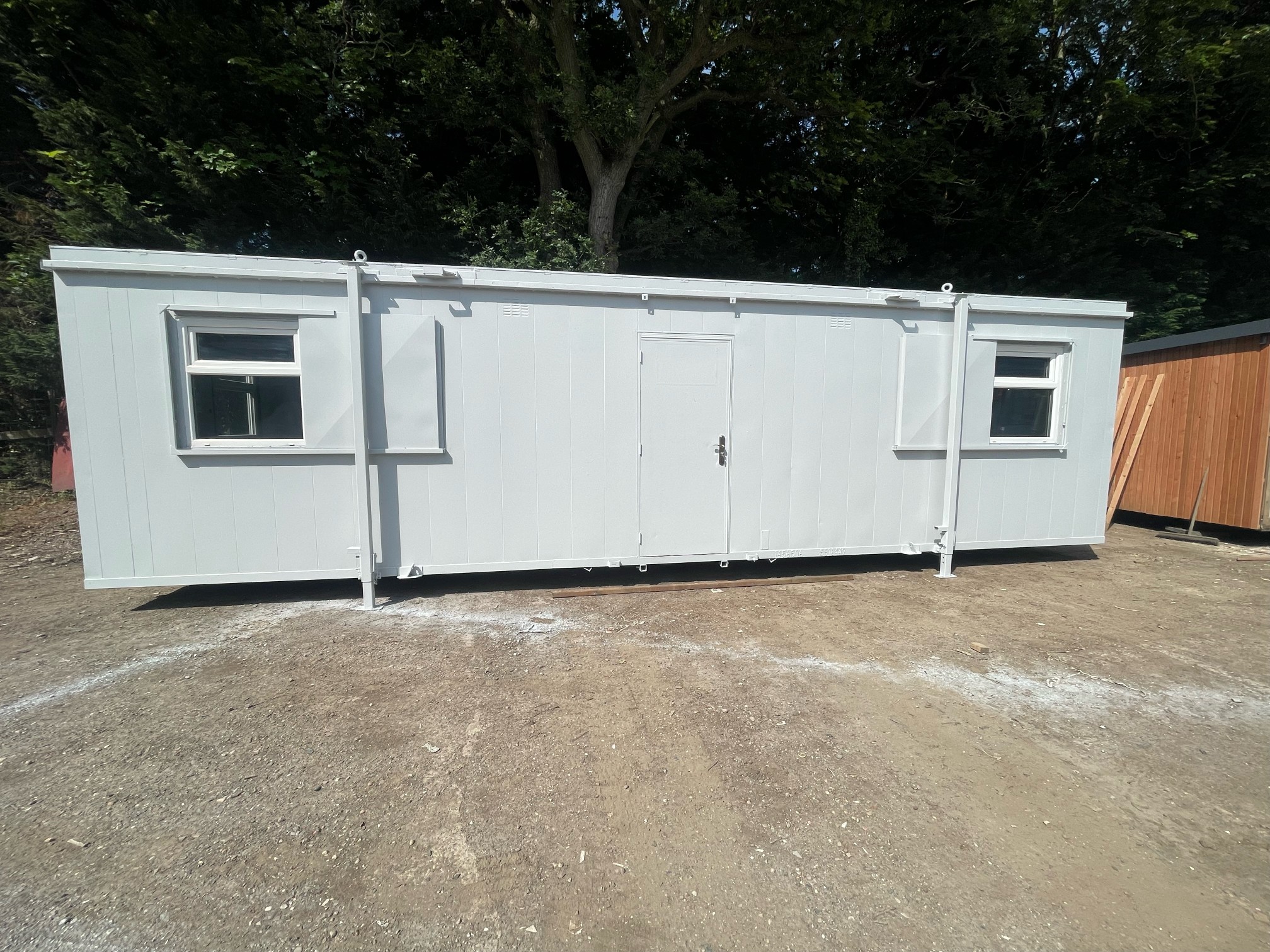
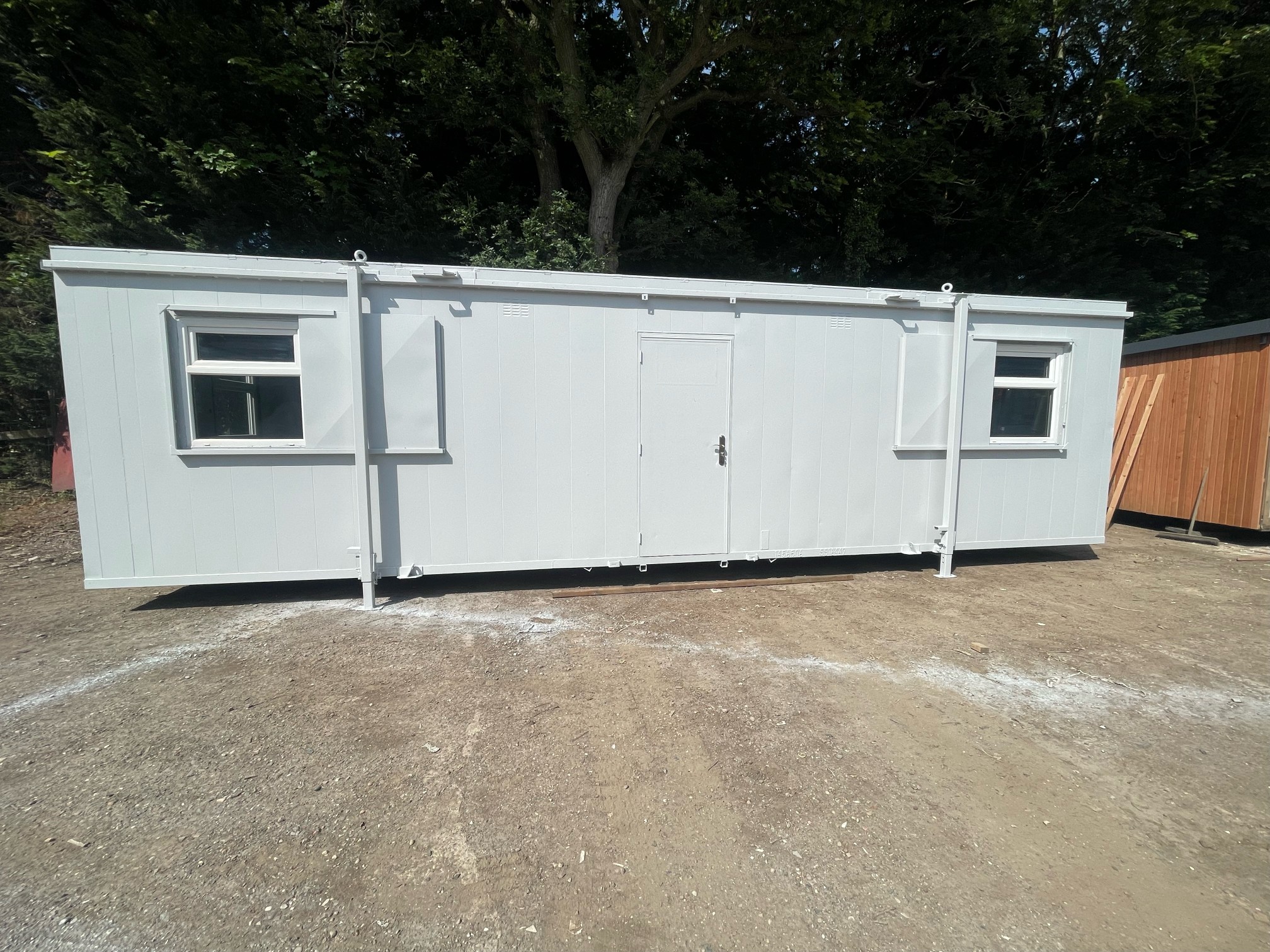
Location: Nationwide
Not Available for Hire
We can deliver for a cost please ask and send us post code.
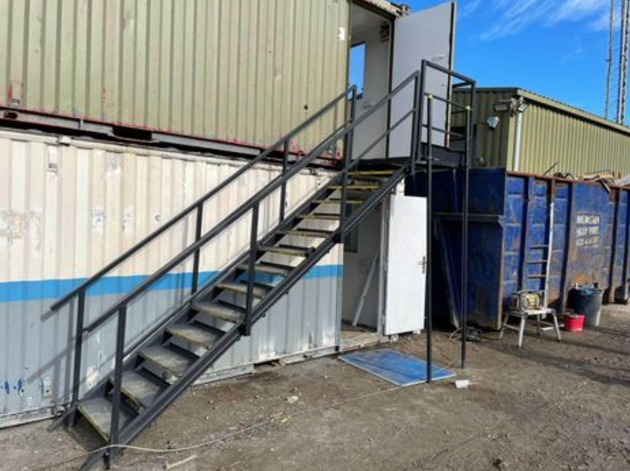
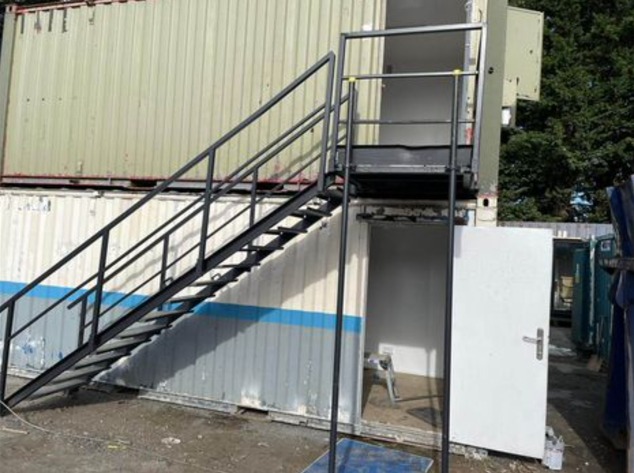
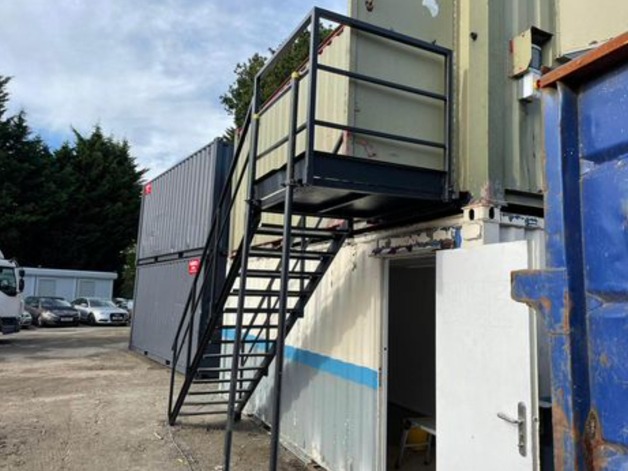
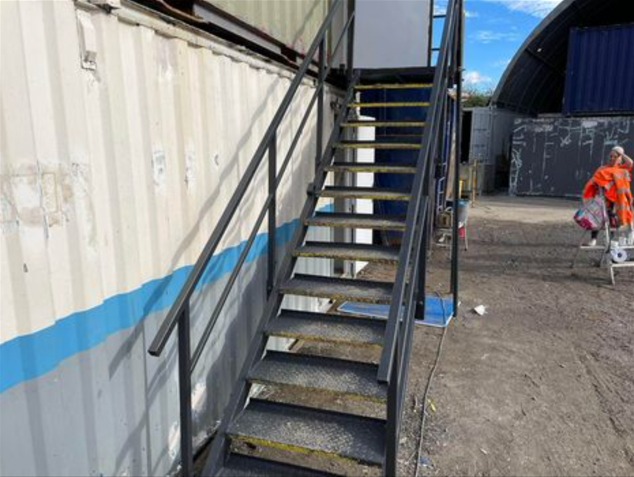
13 tread
14 tread
15 tread


Location: Nationwide
Not Available for Hire
Call for an instant quote!


Location: Nationwide
Not Available for Hire
We can deliver for a cost please ask and send us post code.
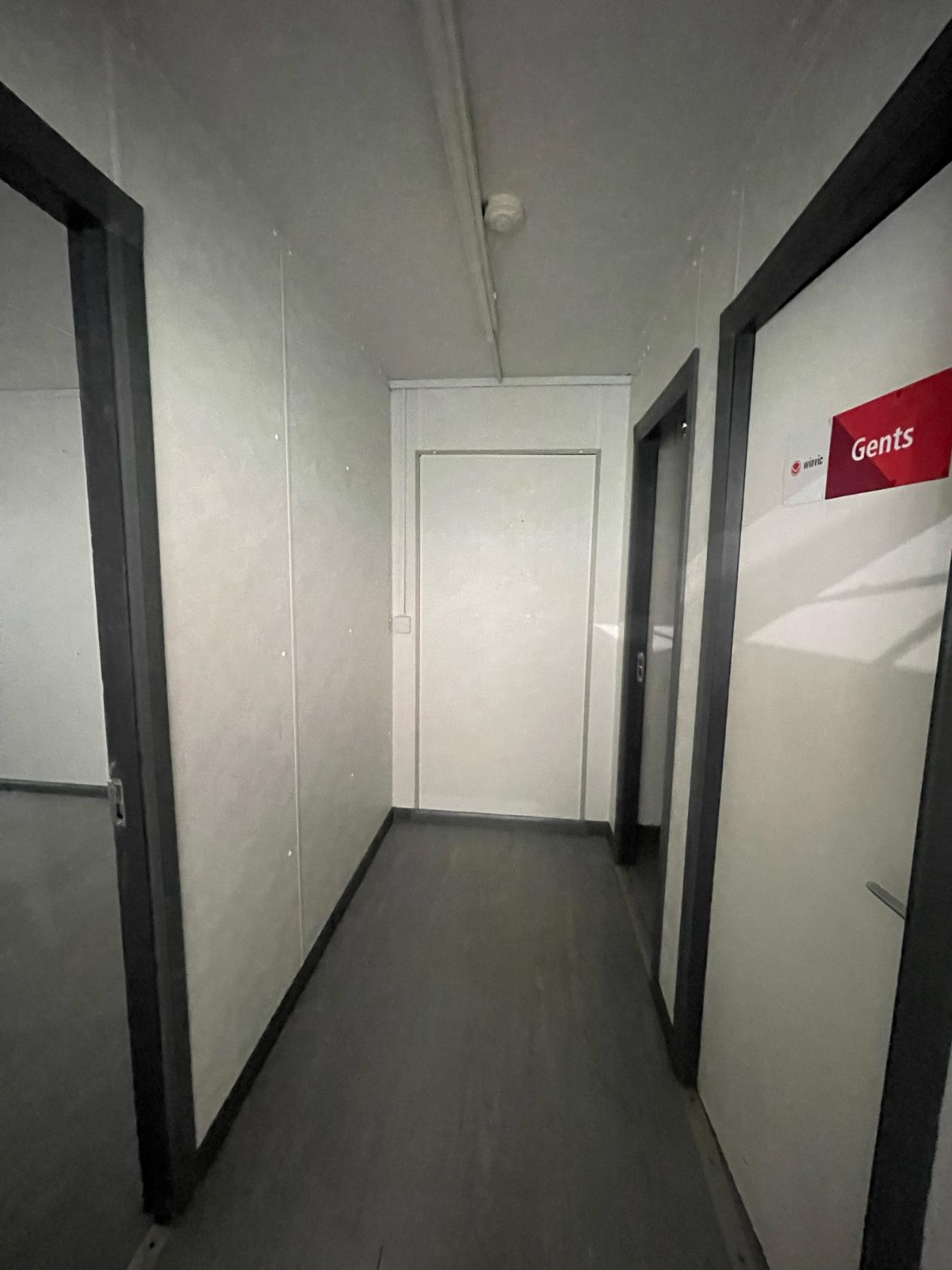
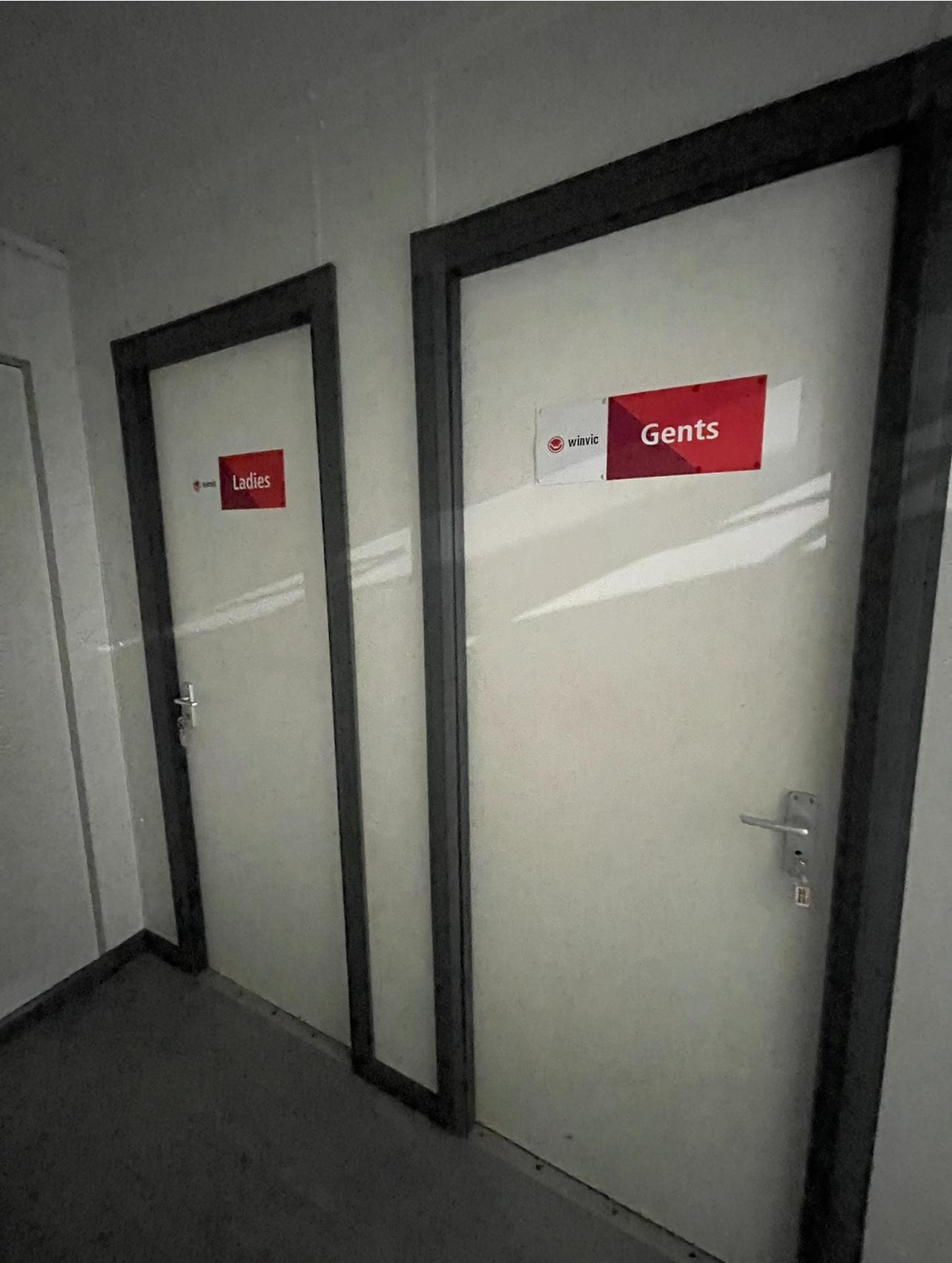
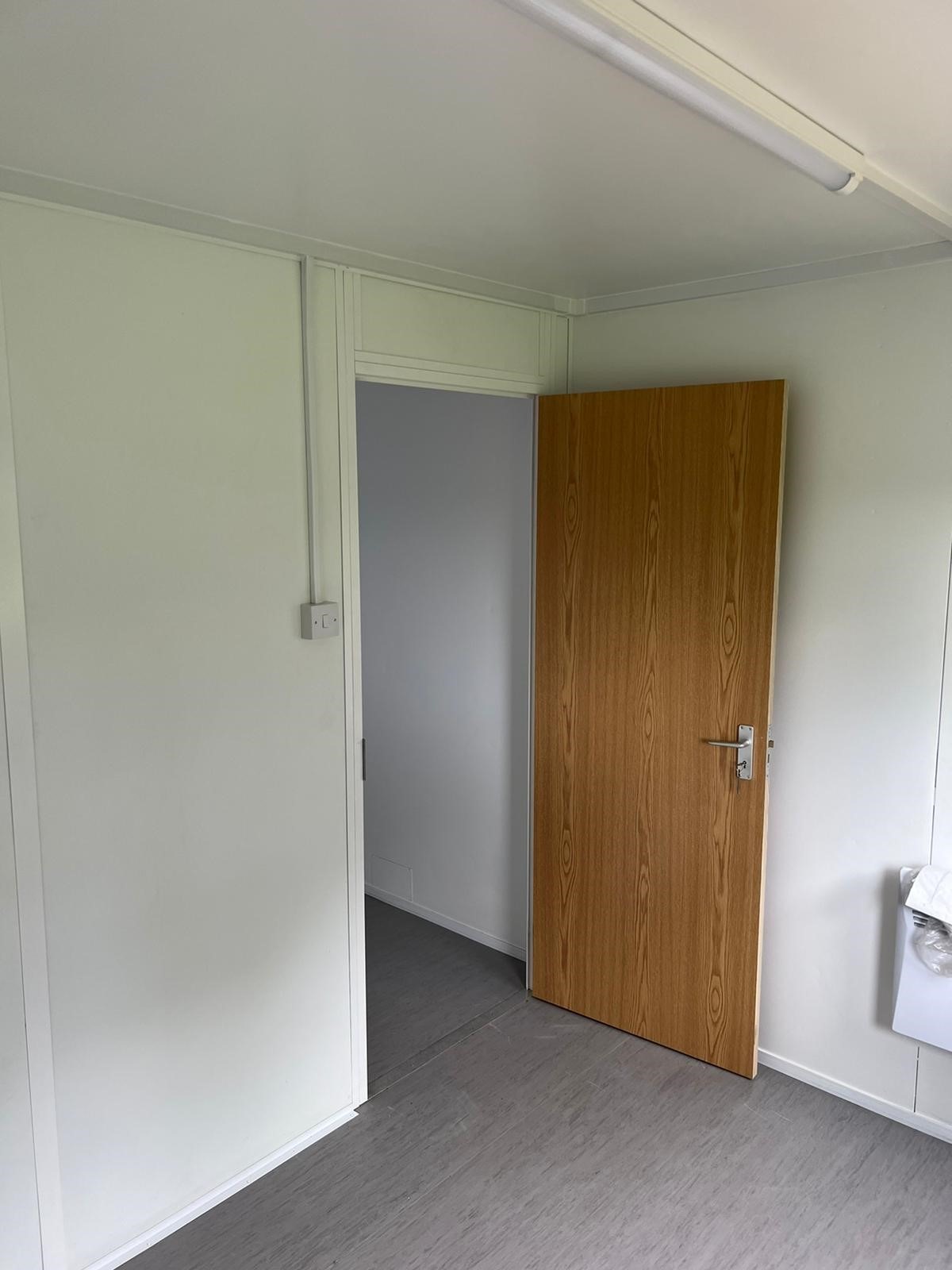
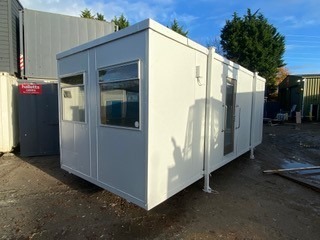
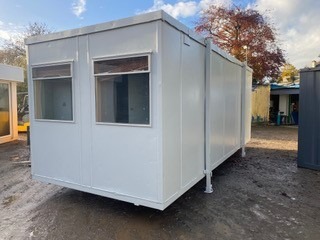
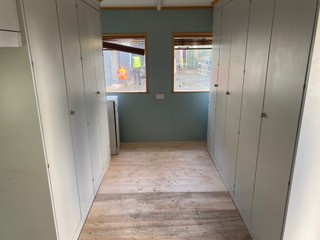
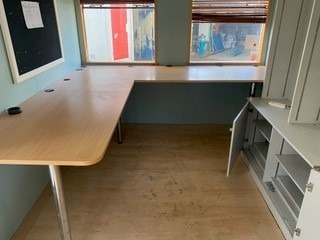
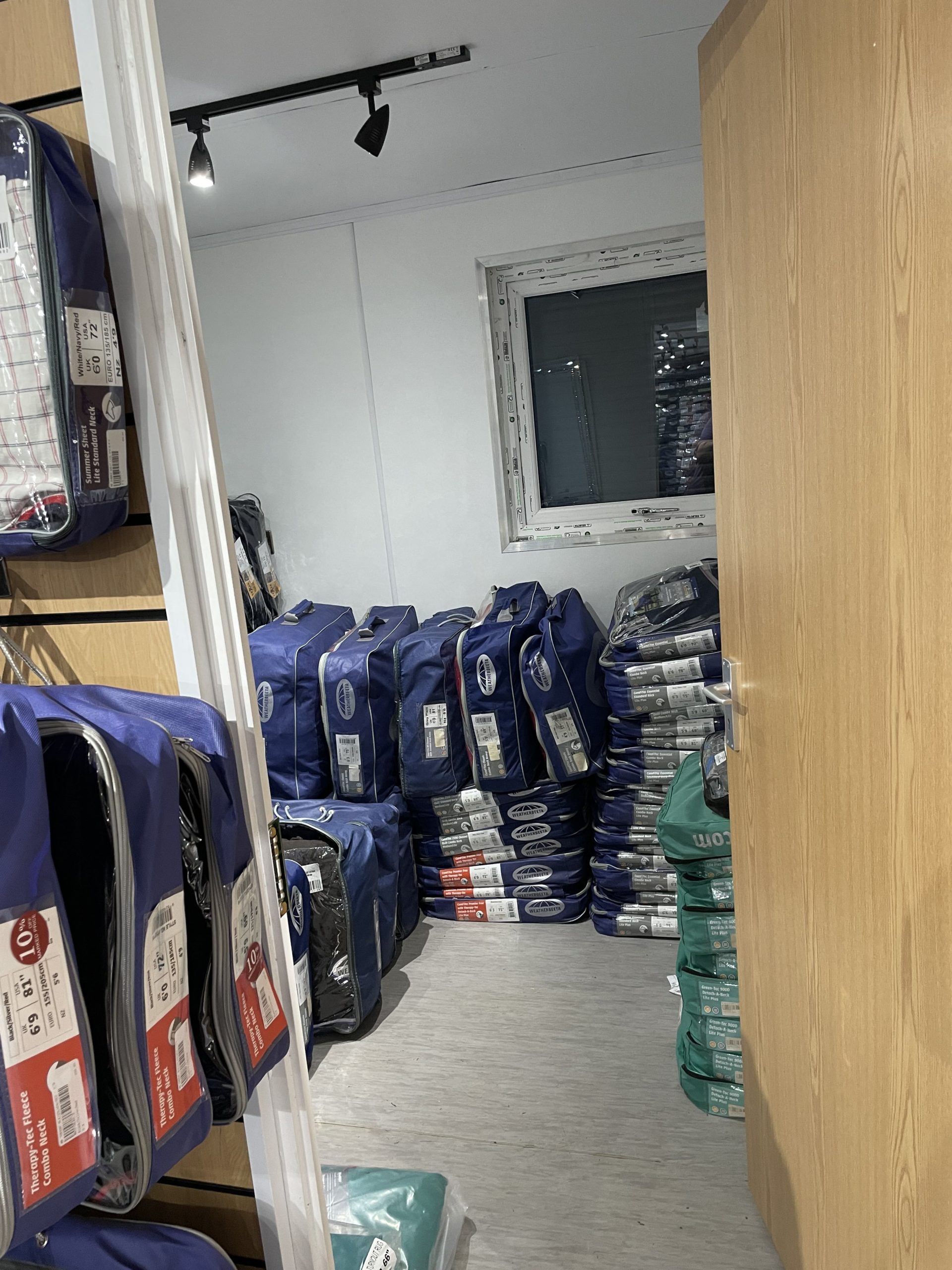
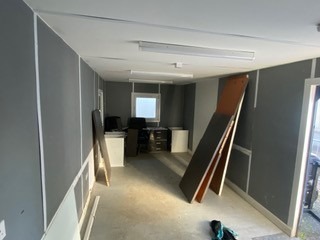
Hallway leading into:
Transport can be arranged please ask.


Location: Nationwide
Not Available for Hire
Call for an instant quote!
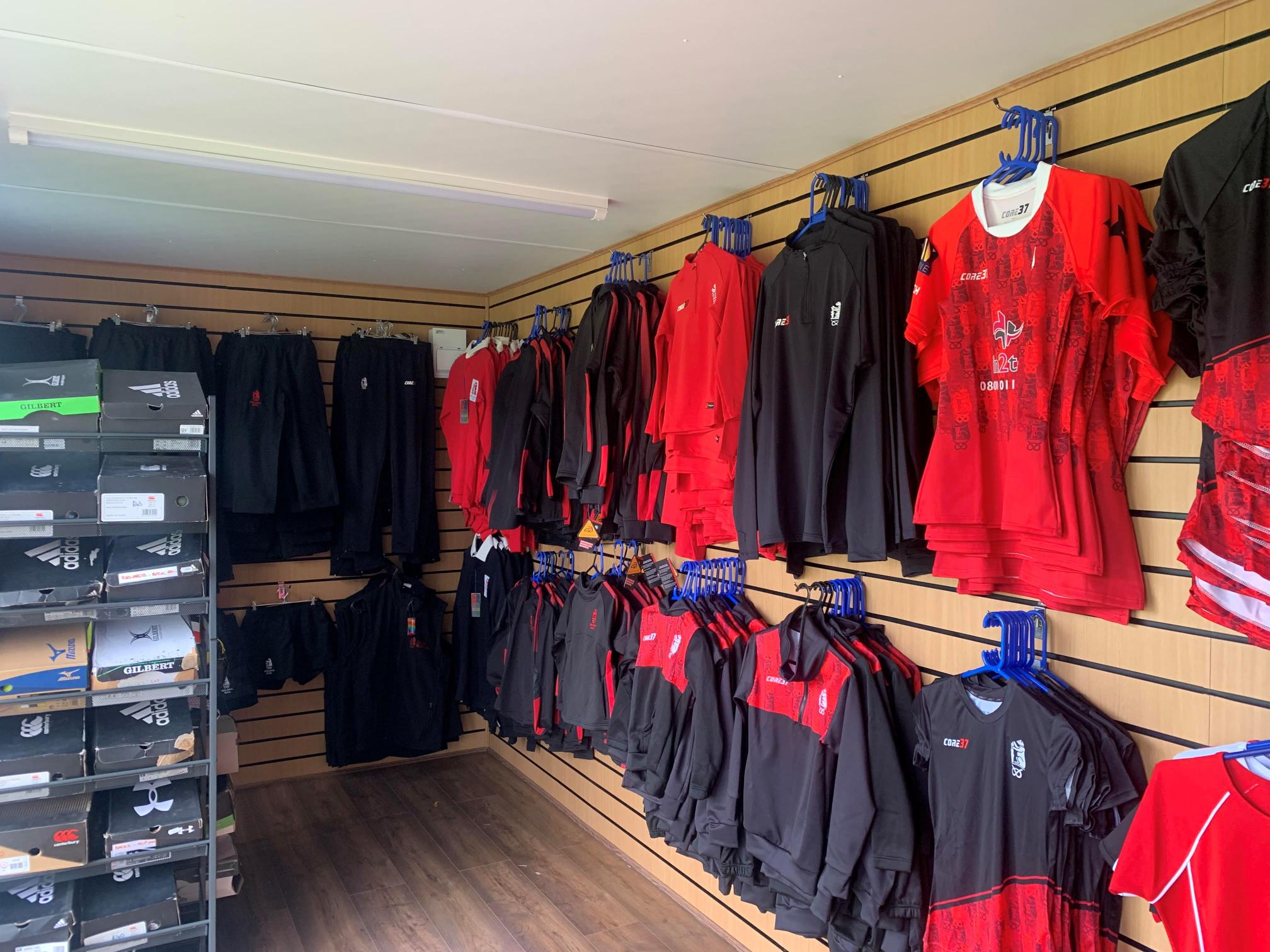
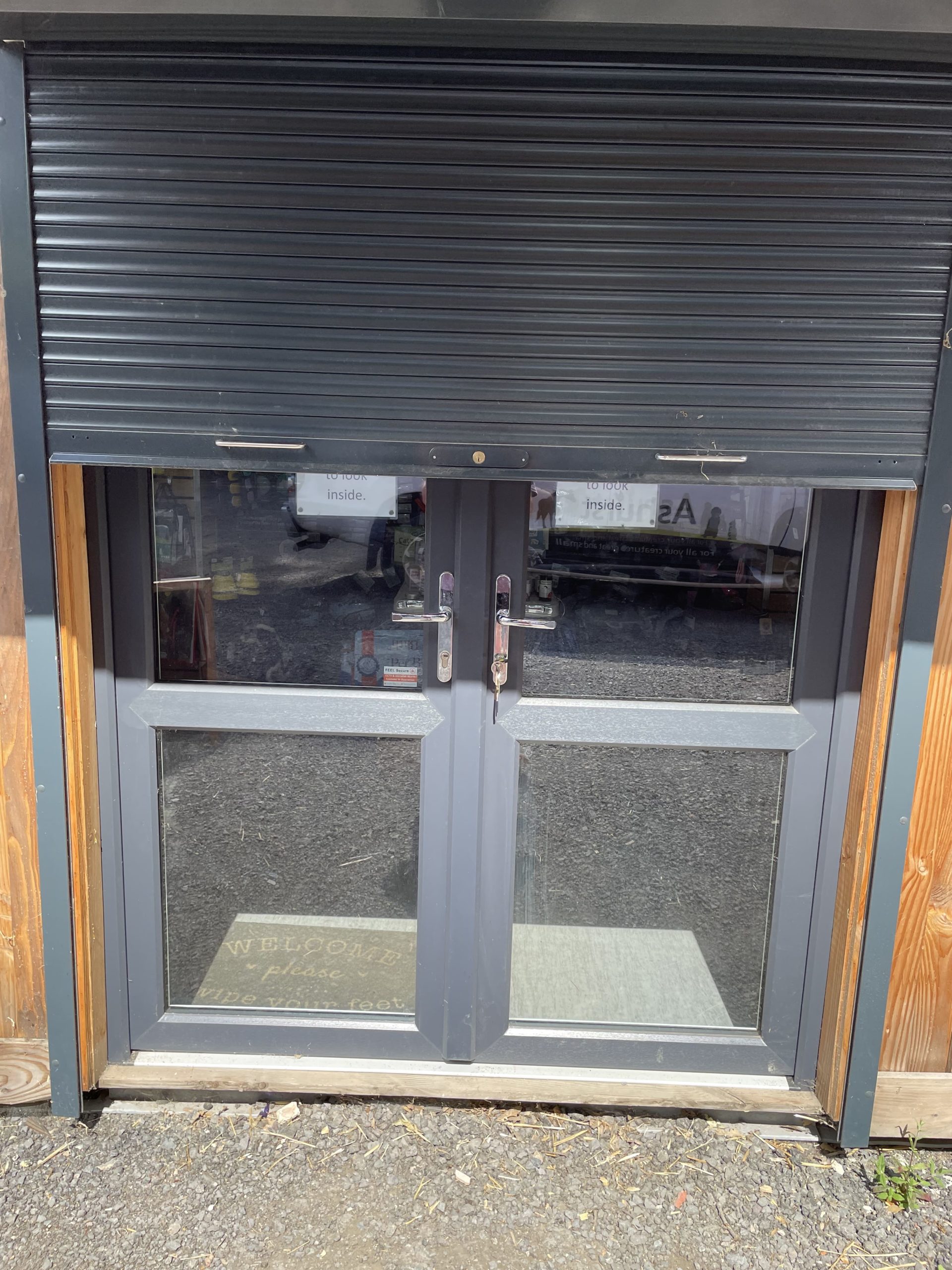
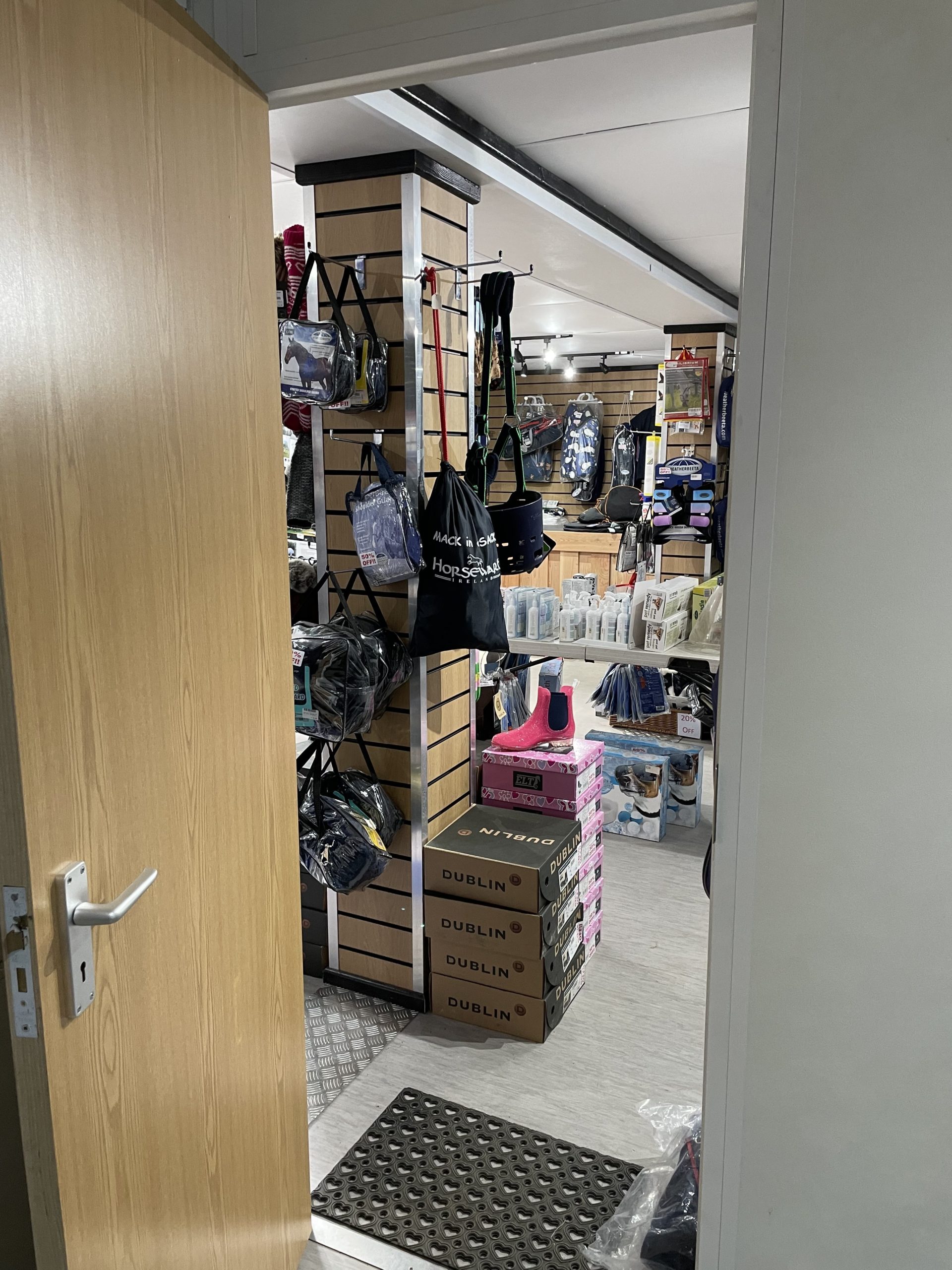
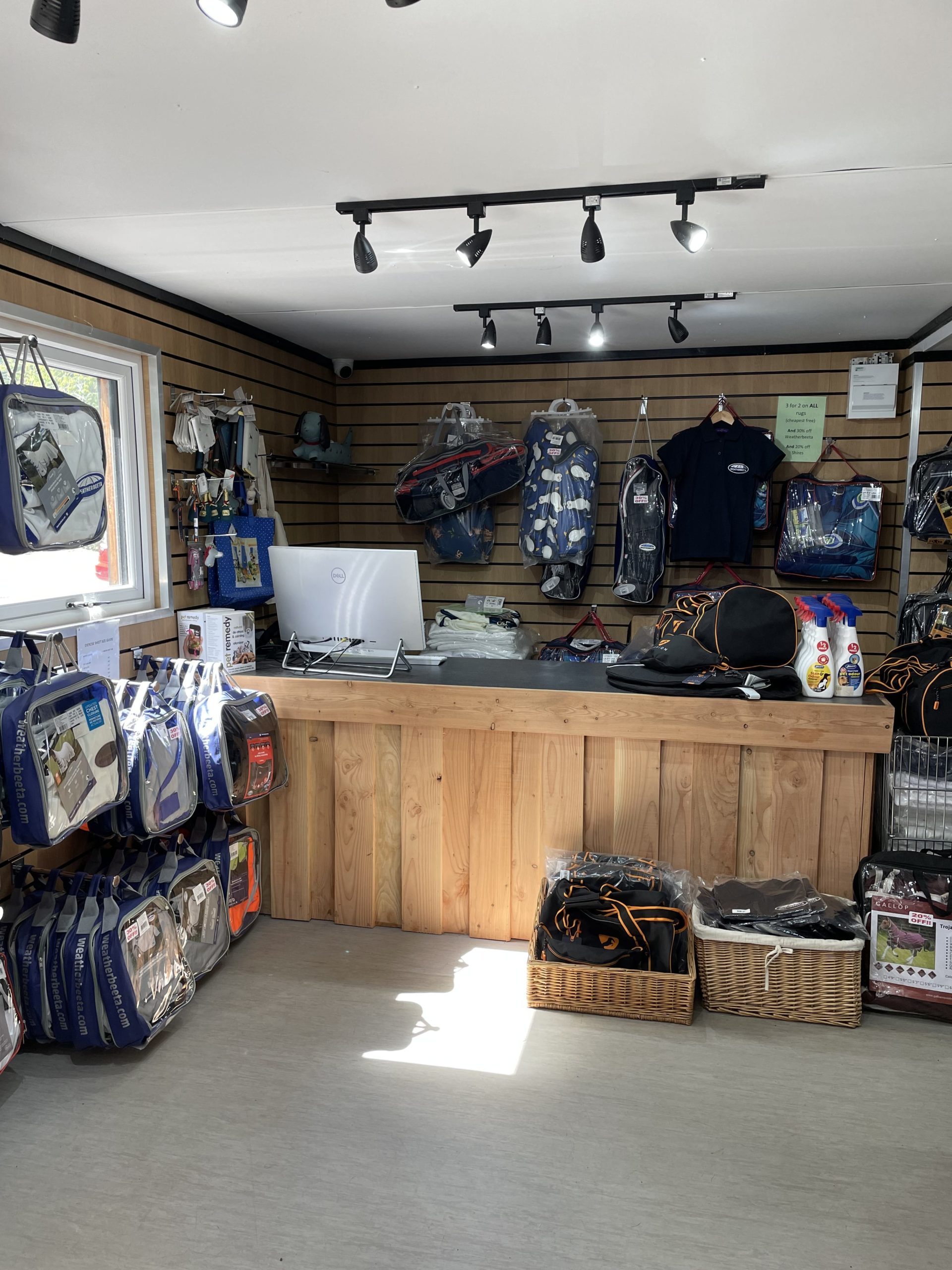
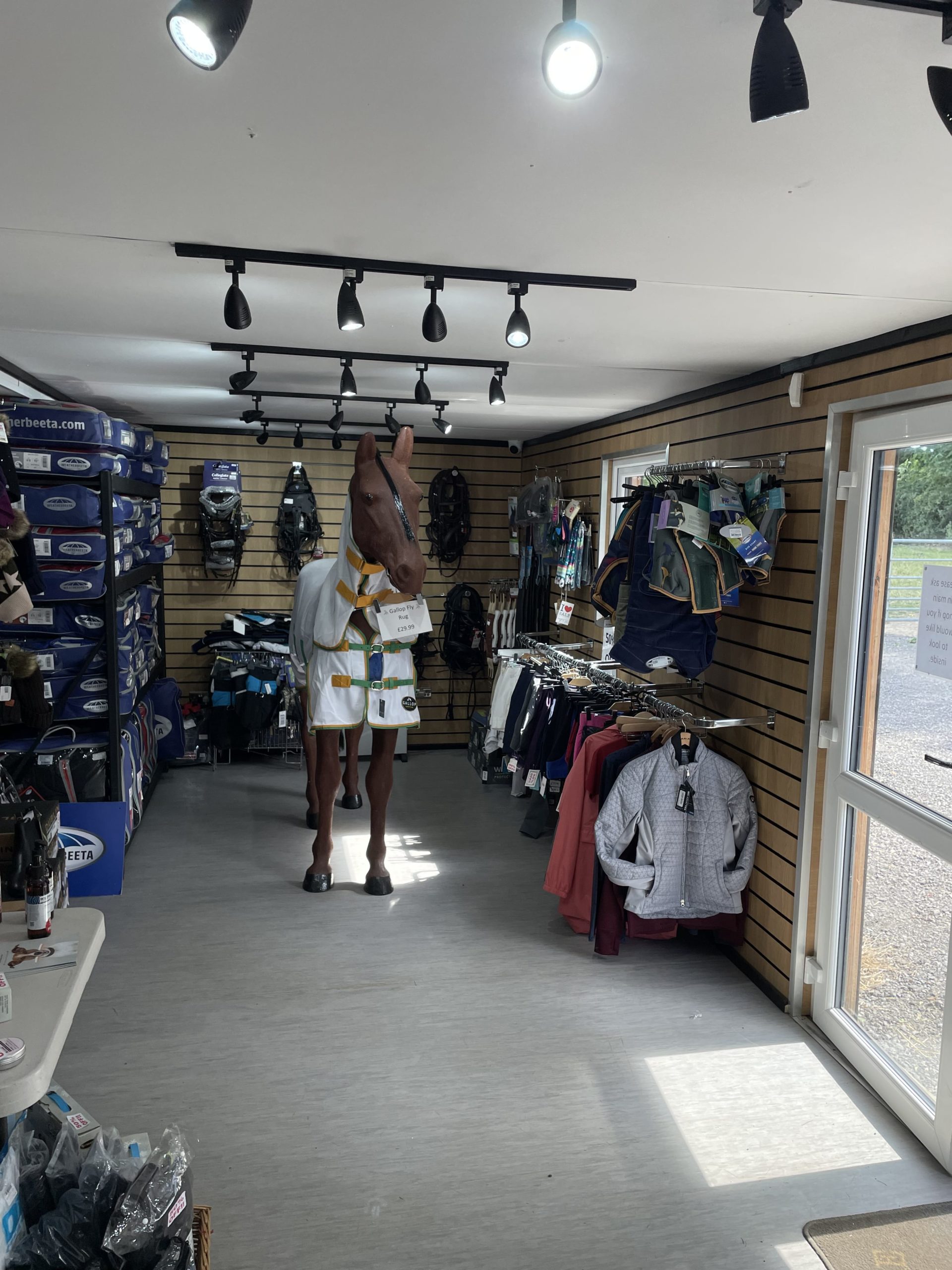
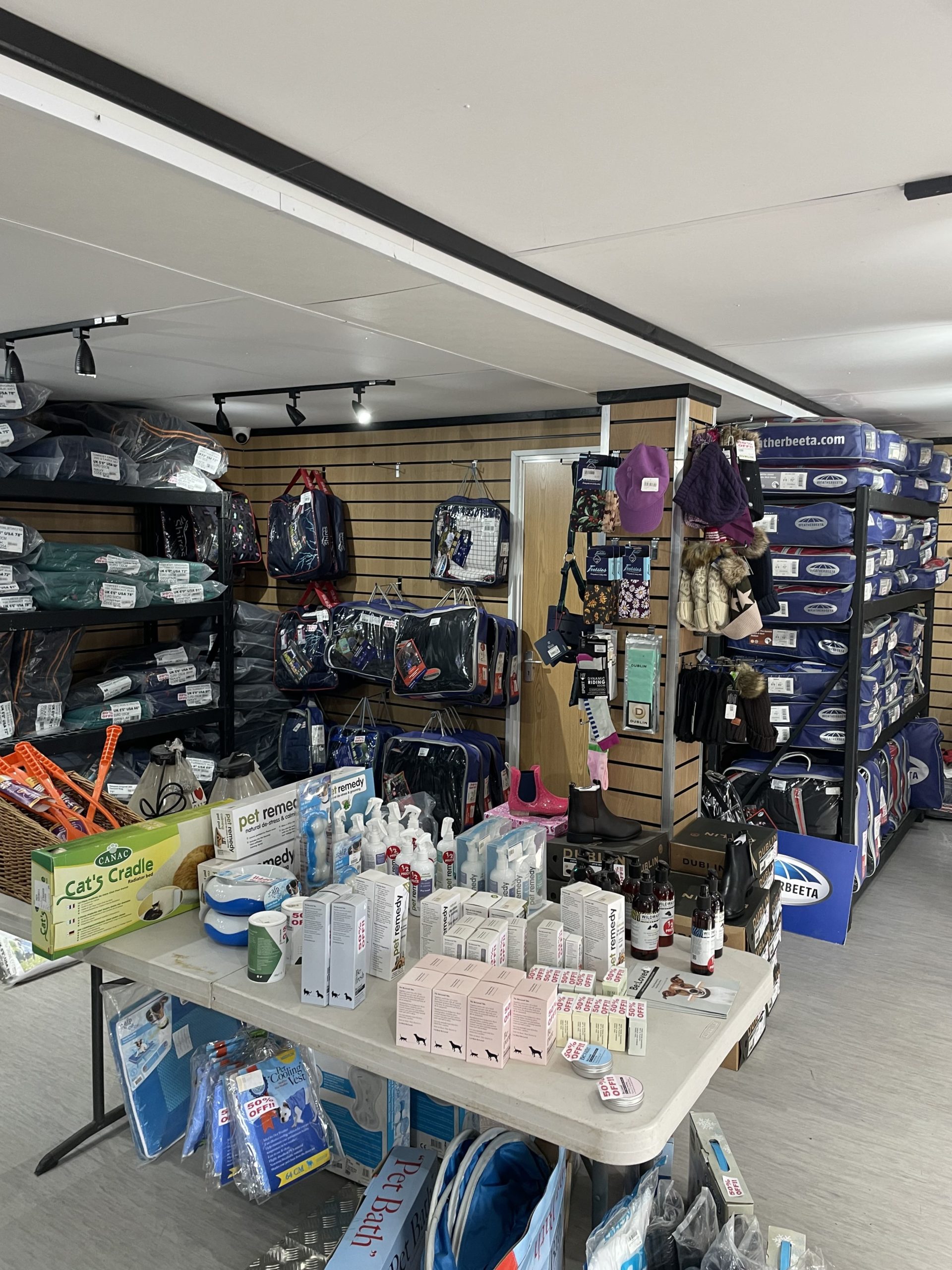
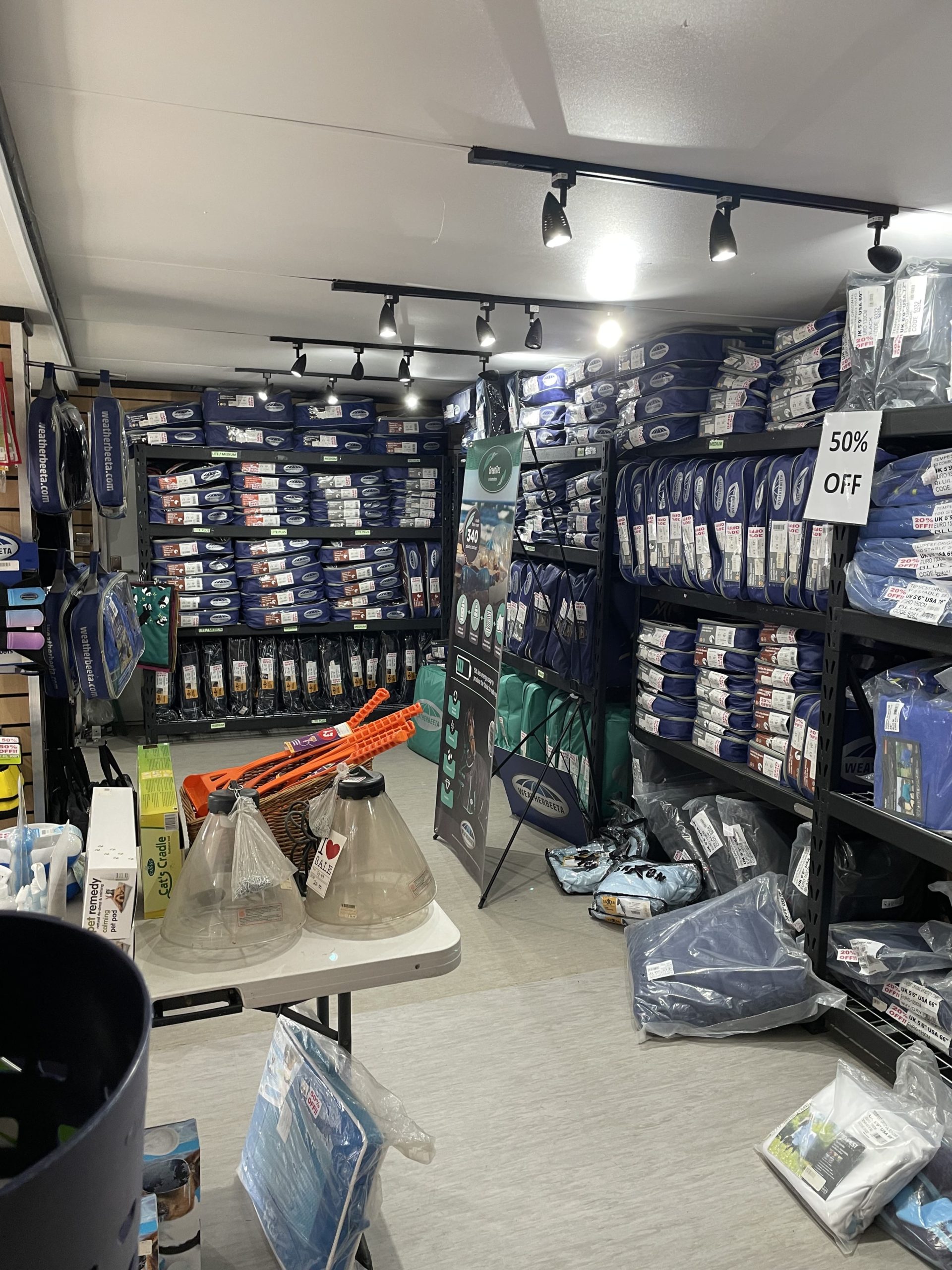
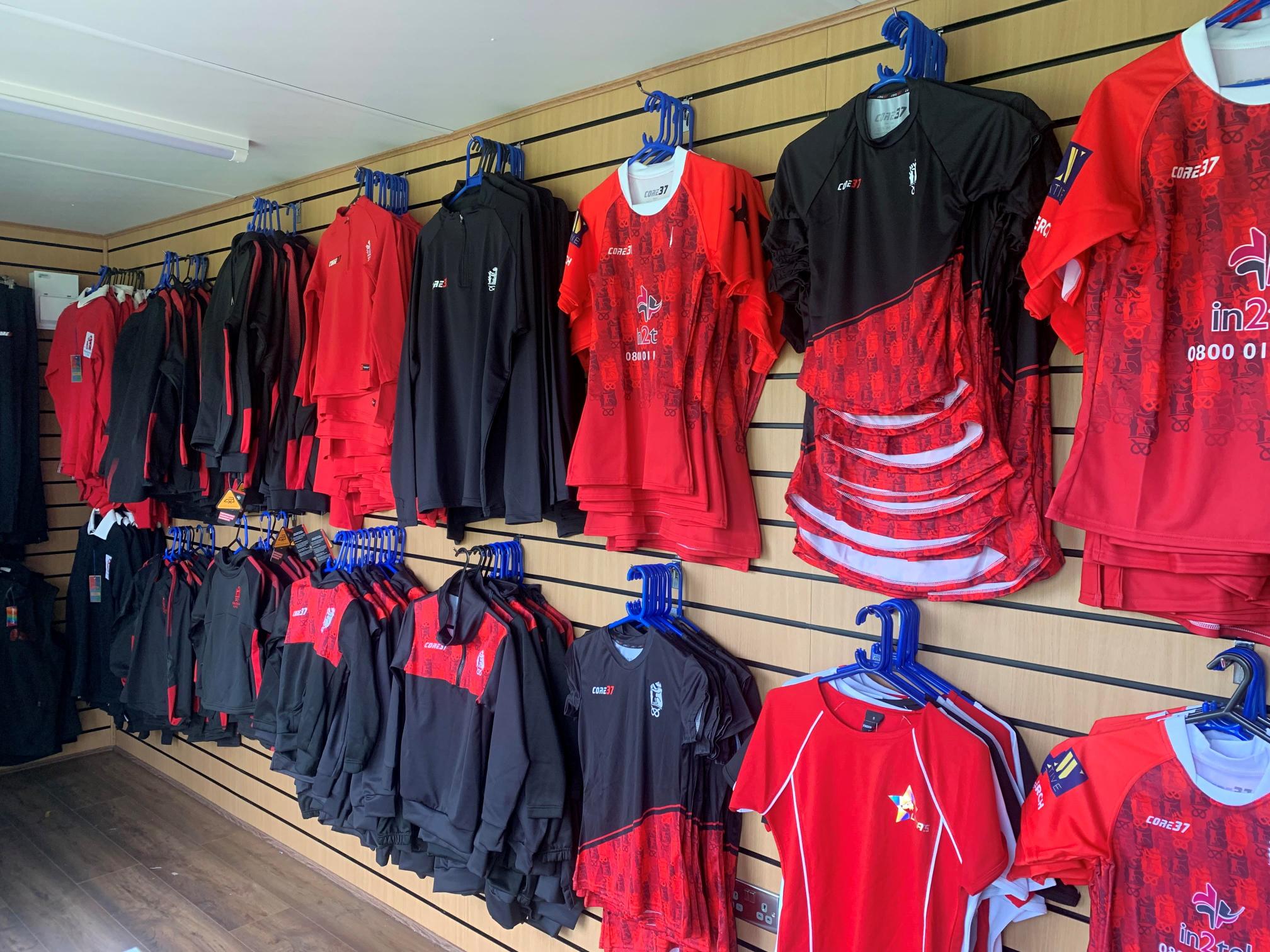
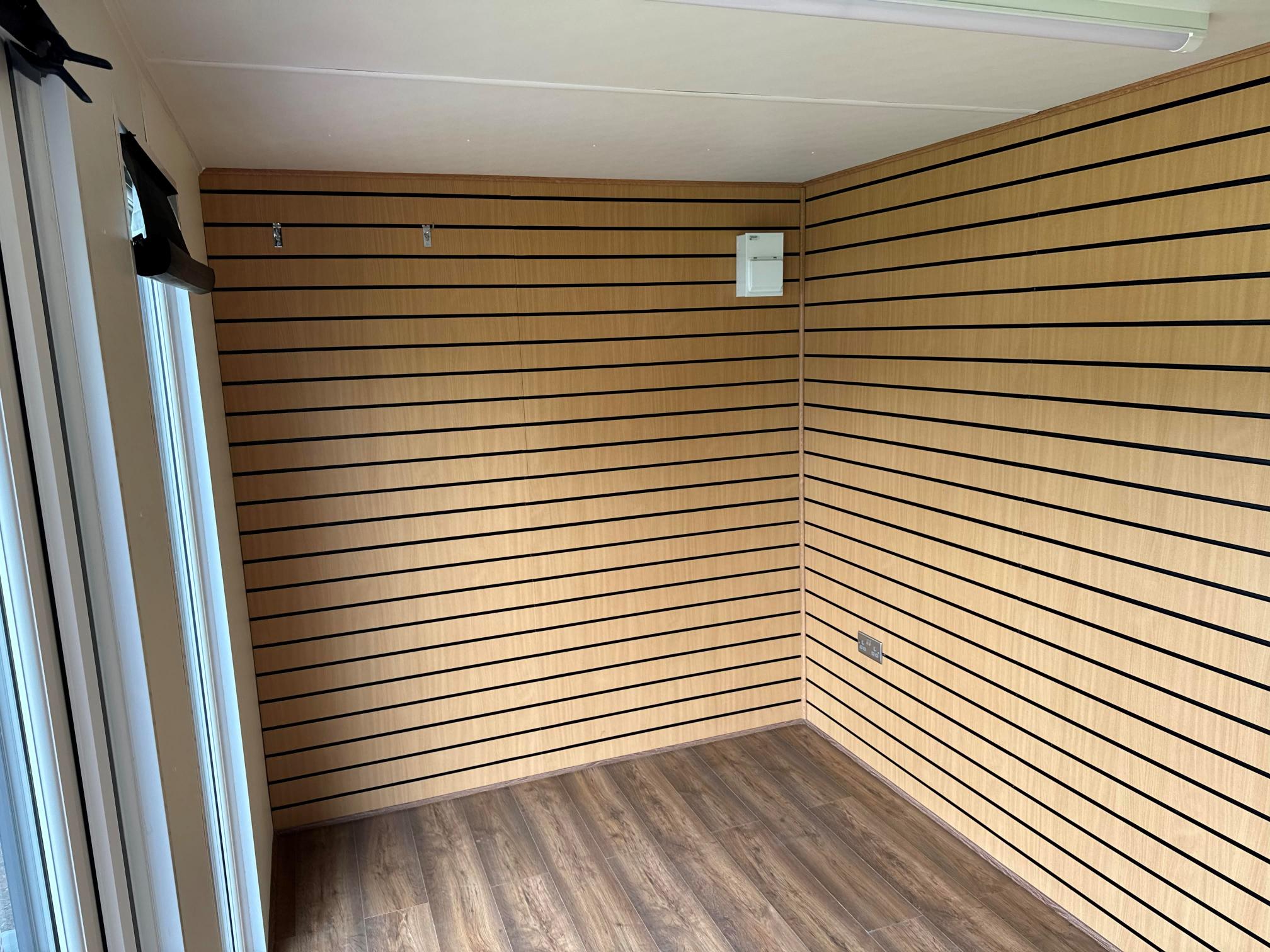
20ft x 8ft Container Conversion Retail Shop
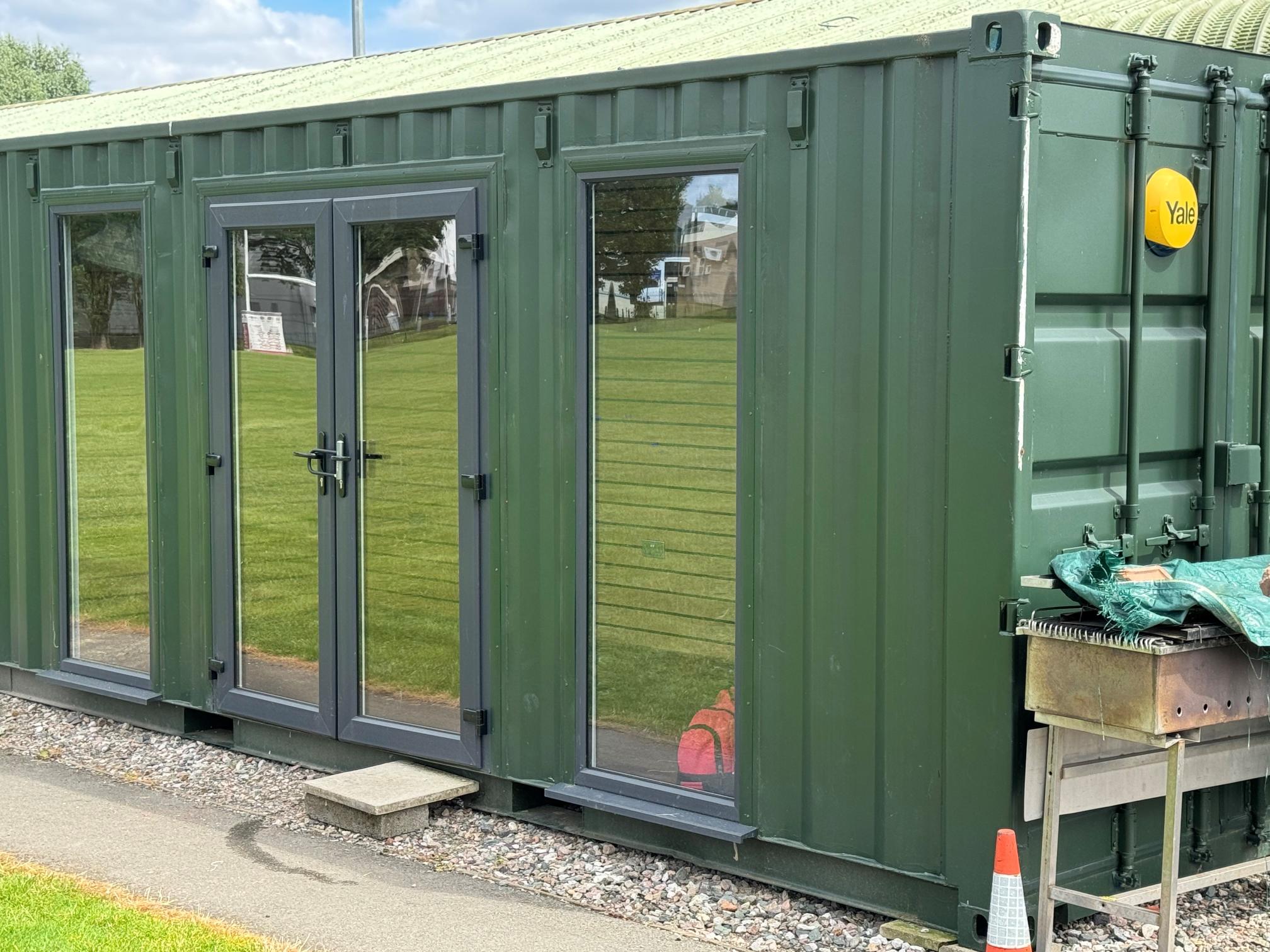
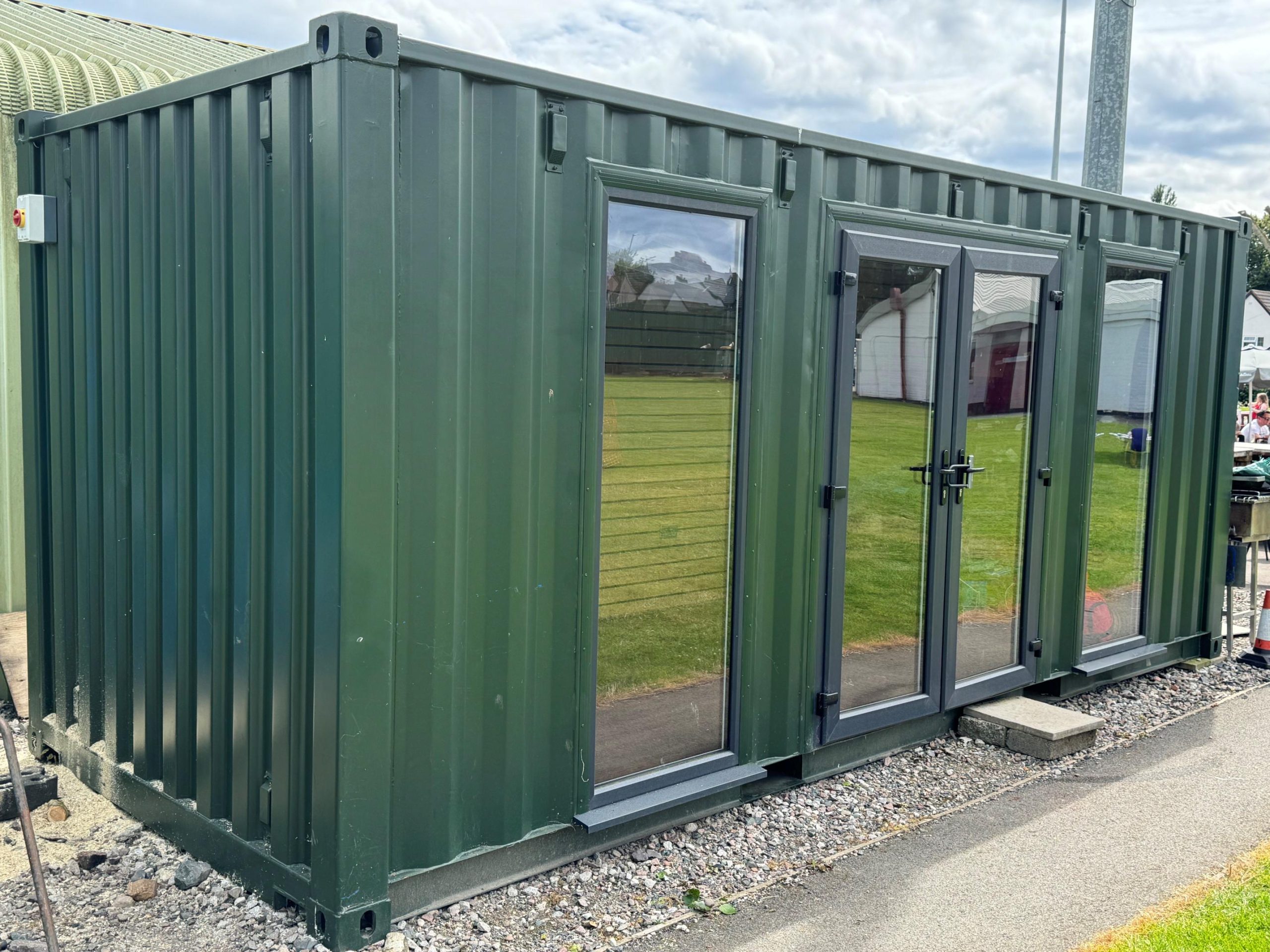
UPVC Double glazed Windows + French Doors
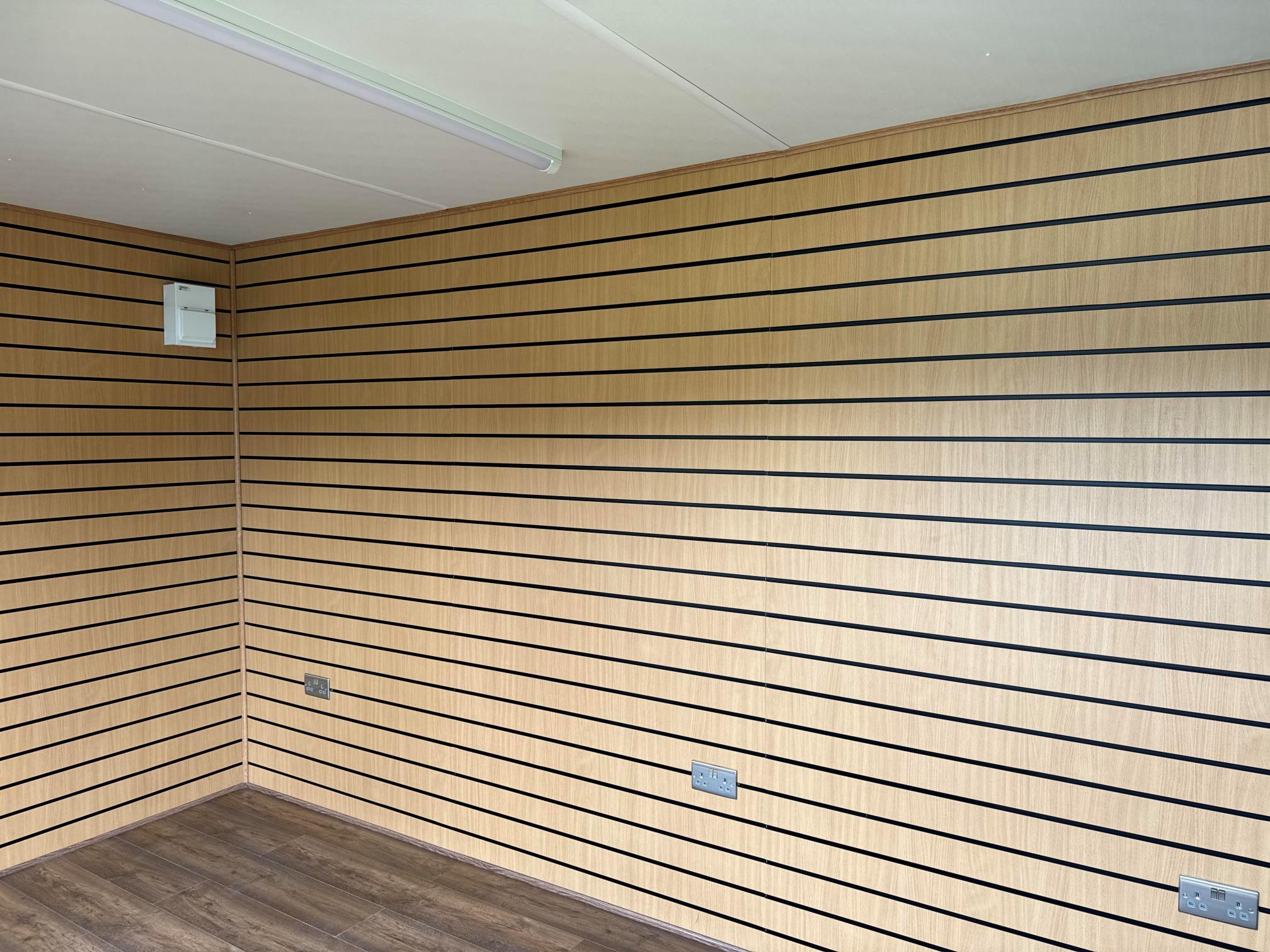
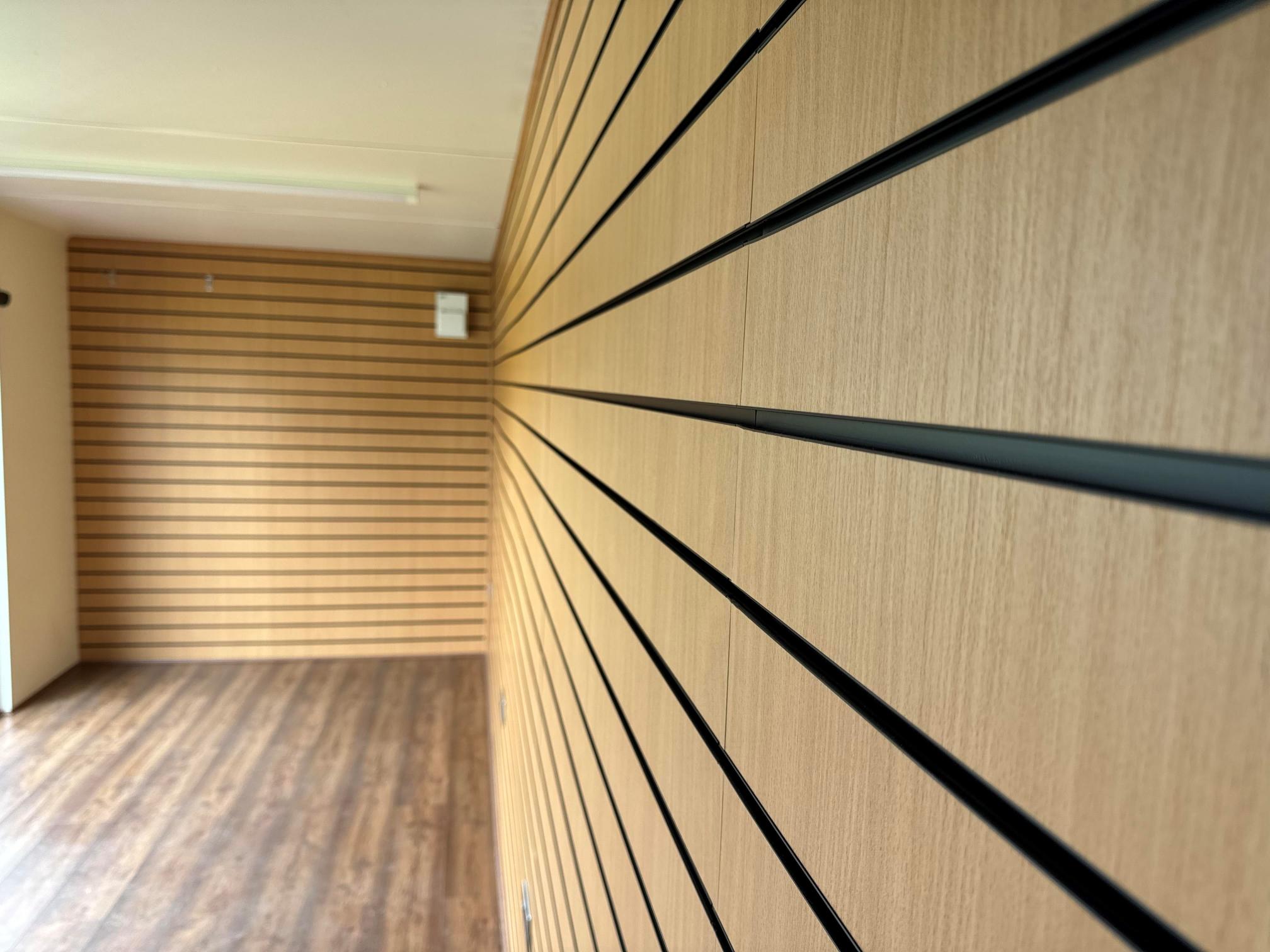
Slat Wall for retail fixings and Merchandise
Electric Chrome Sockets, led lighting and heating.
Laminate Flooring
12 months Warranty
Maintenance call out package included
Less than 2 years old
Still in Brand New Condition


Fully refurbished
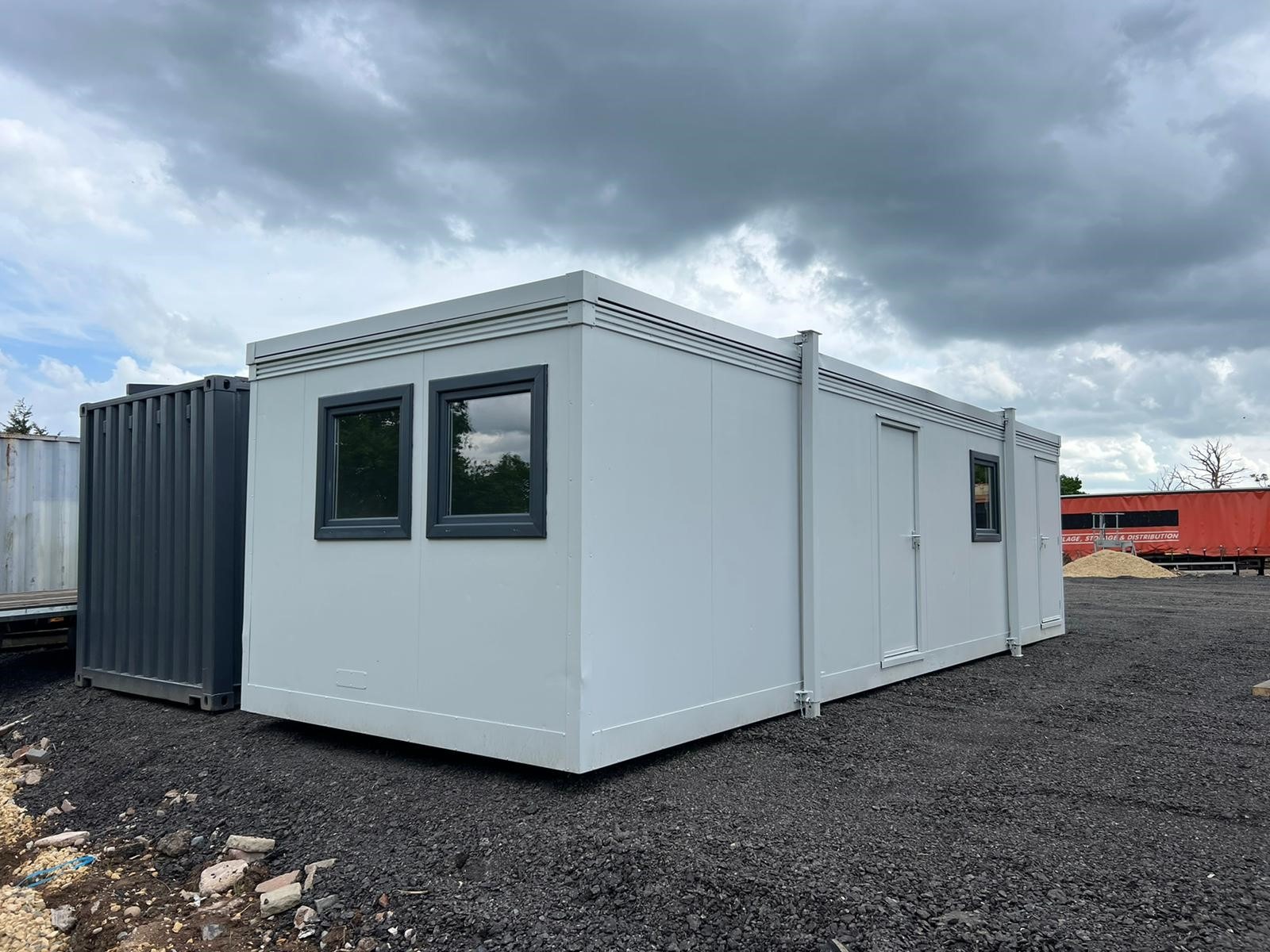
Colour light grey
Slate grey anthracite upvc double glazed windows


Location: Nationwide
+ VAT
Not Available for Hire
Call for an instant quote!
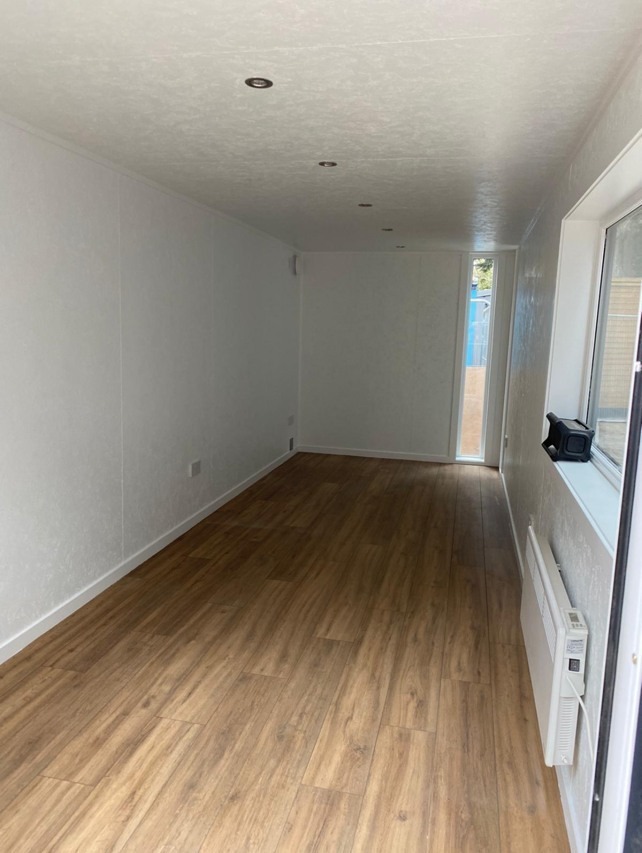
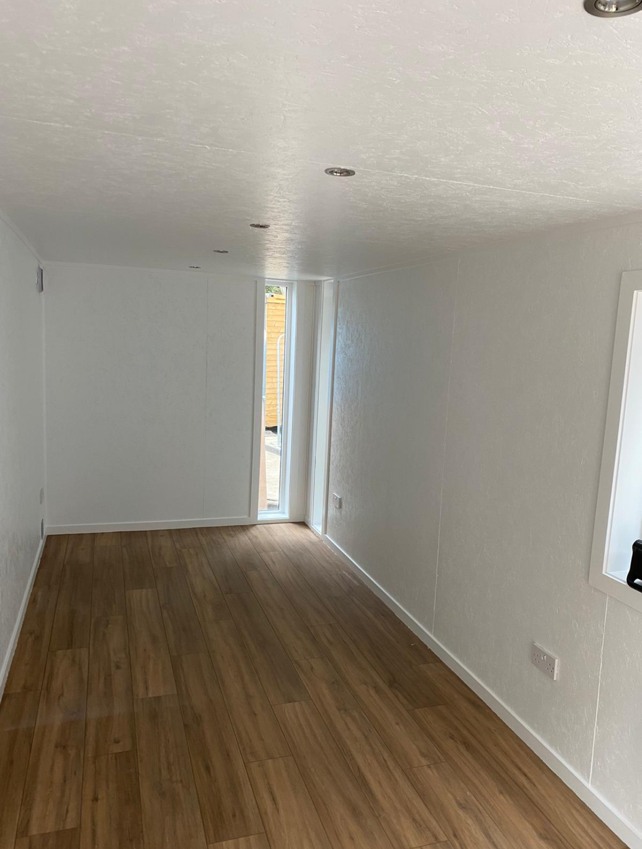
Fully Insulated with electric sockets, spot lighting, and heating
Wood Flooring
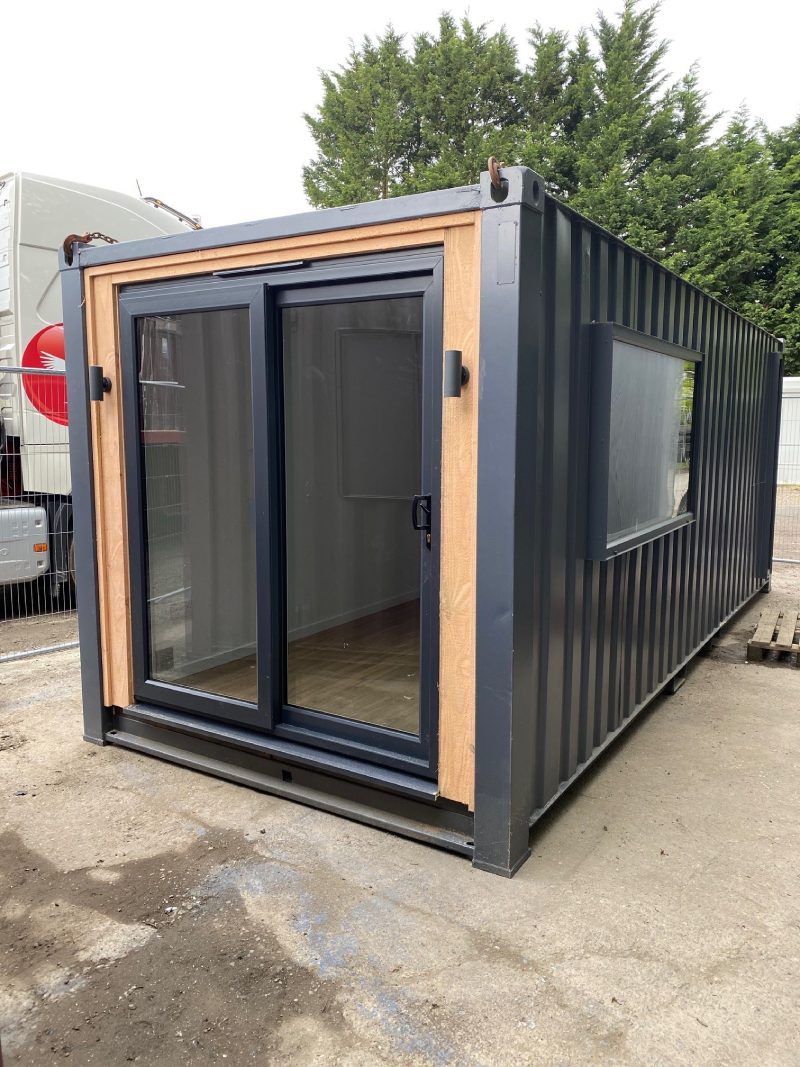
UPVC Sliding Door + Windows
Lead Time for build 6-8 weeks


Location: Nationwide
+ VAT
Not Available for Hire
Call for an instant quote!
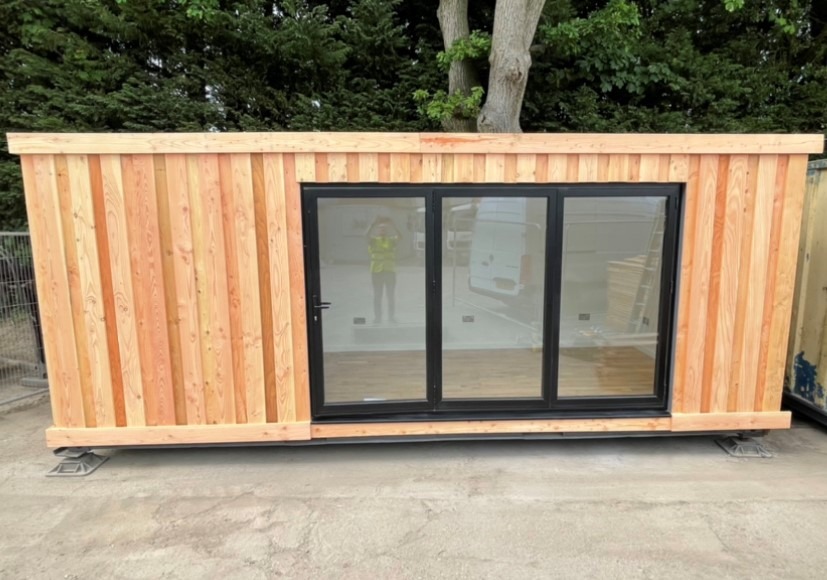
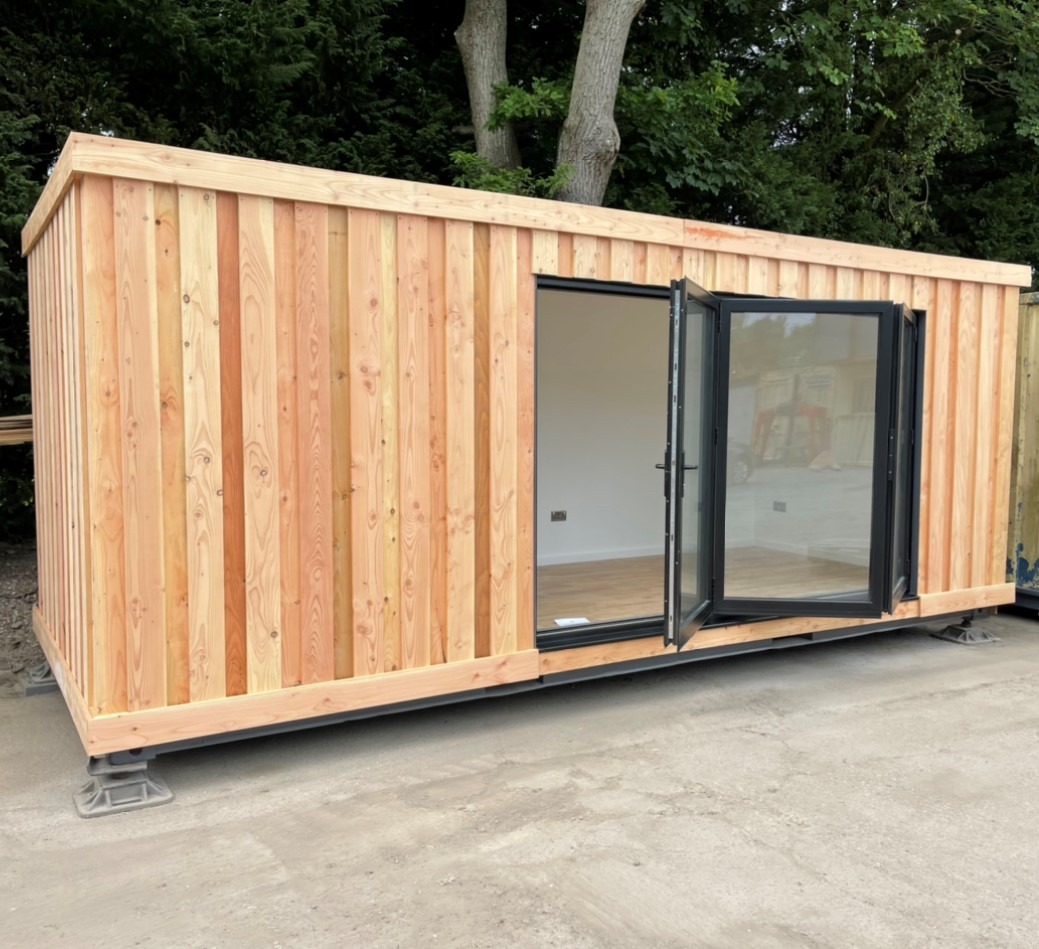
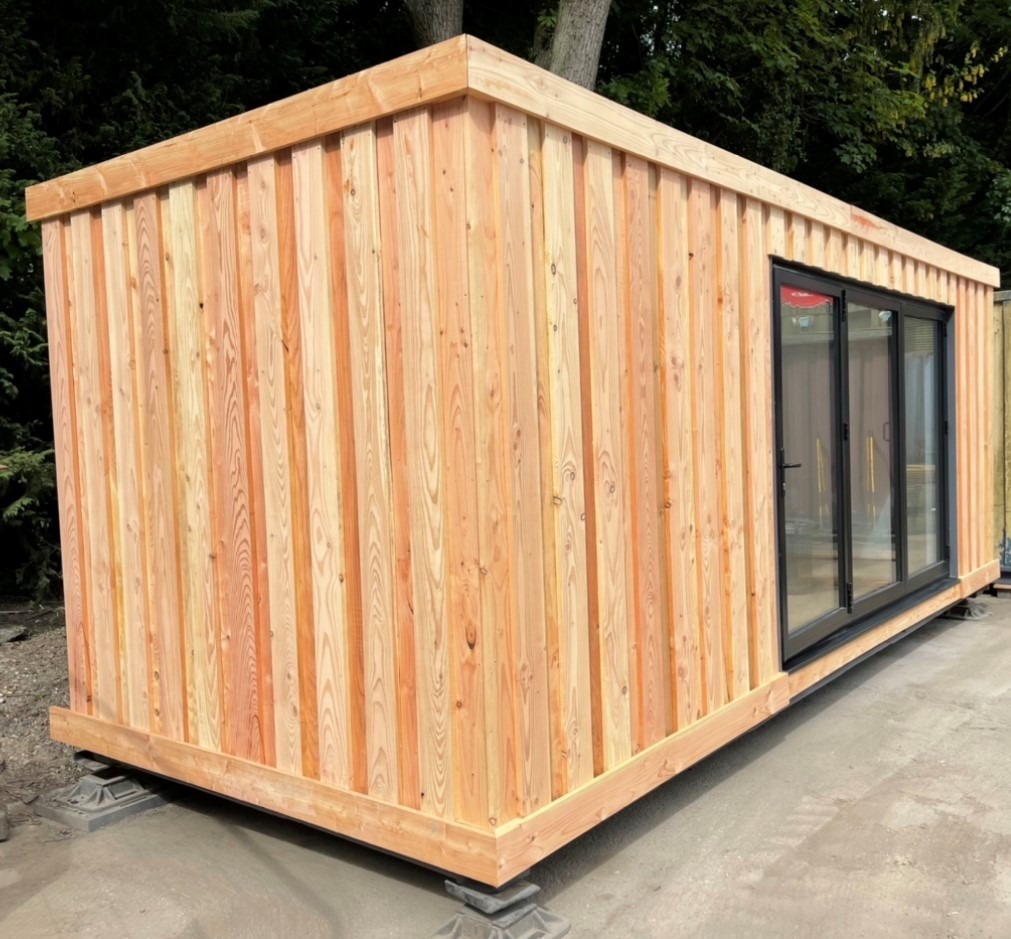
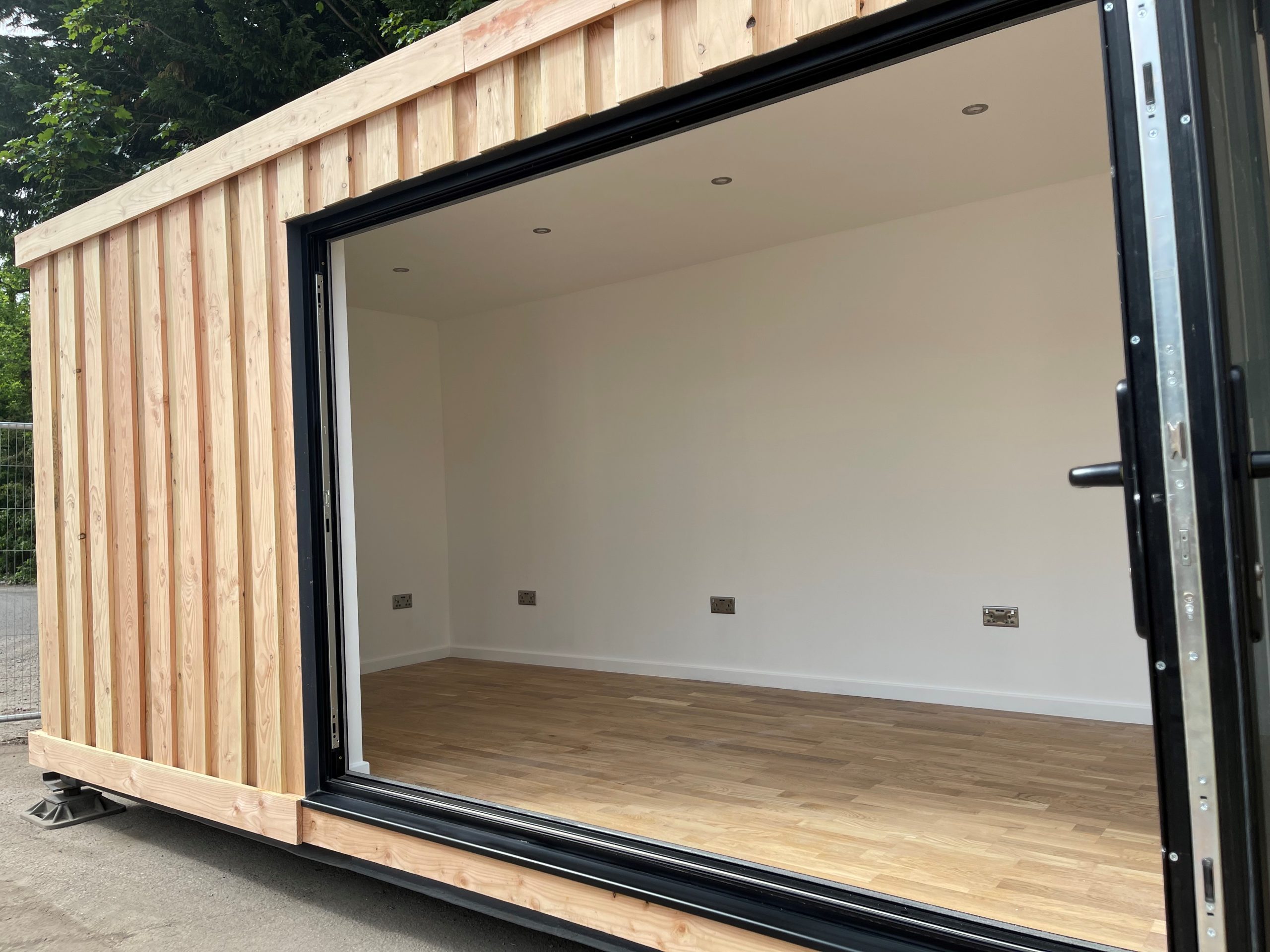
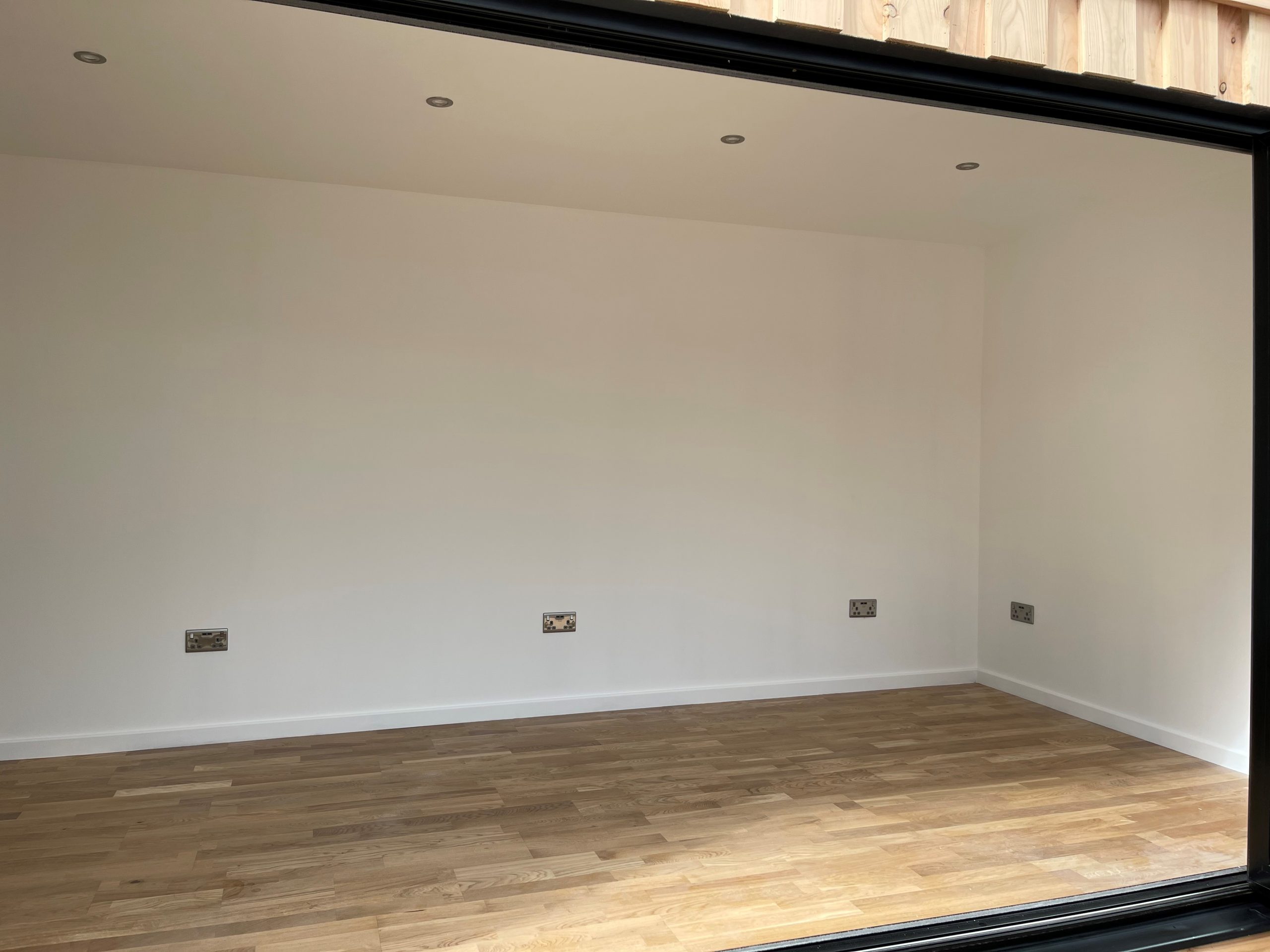
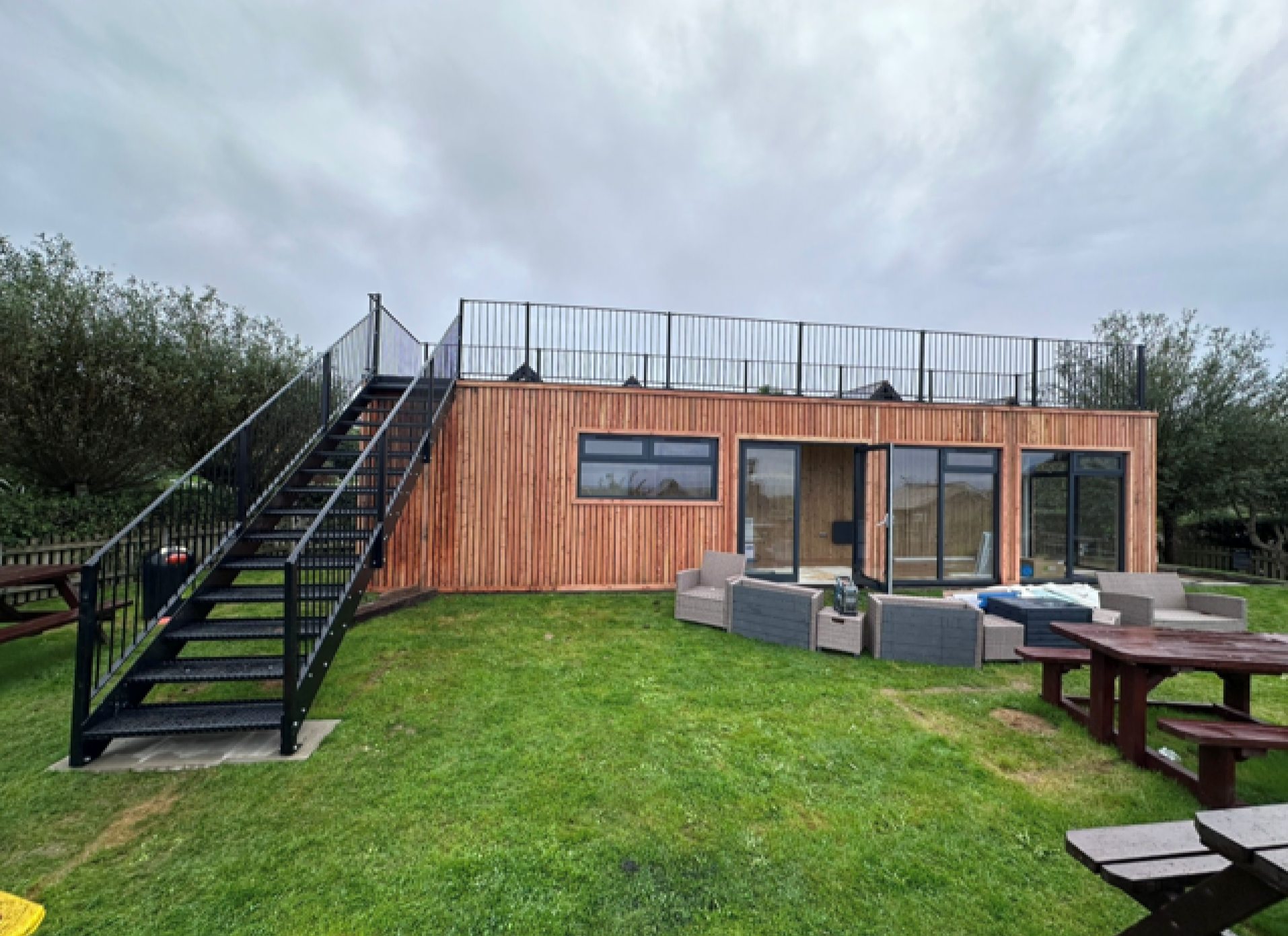
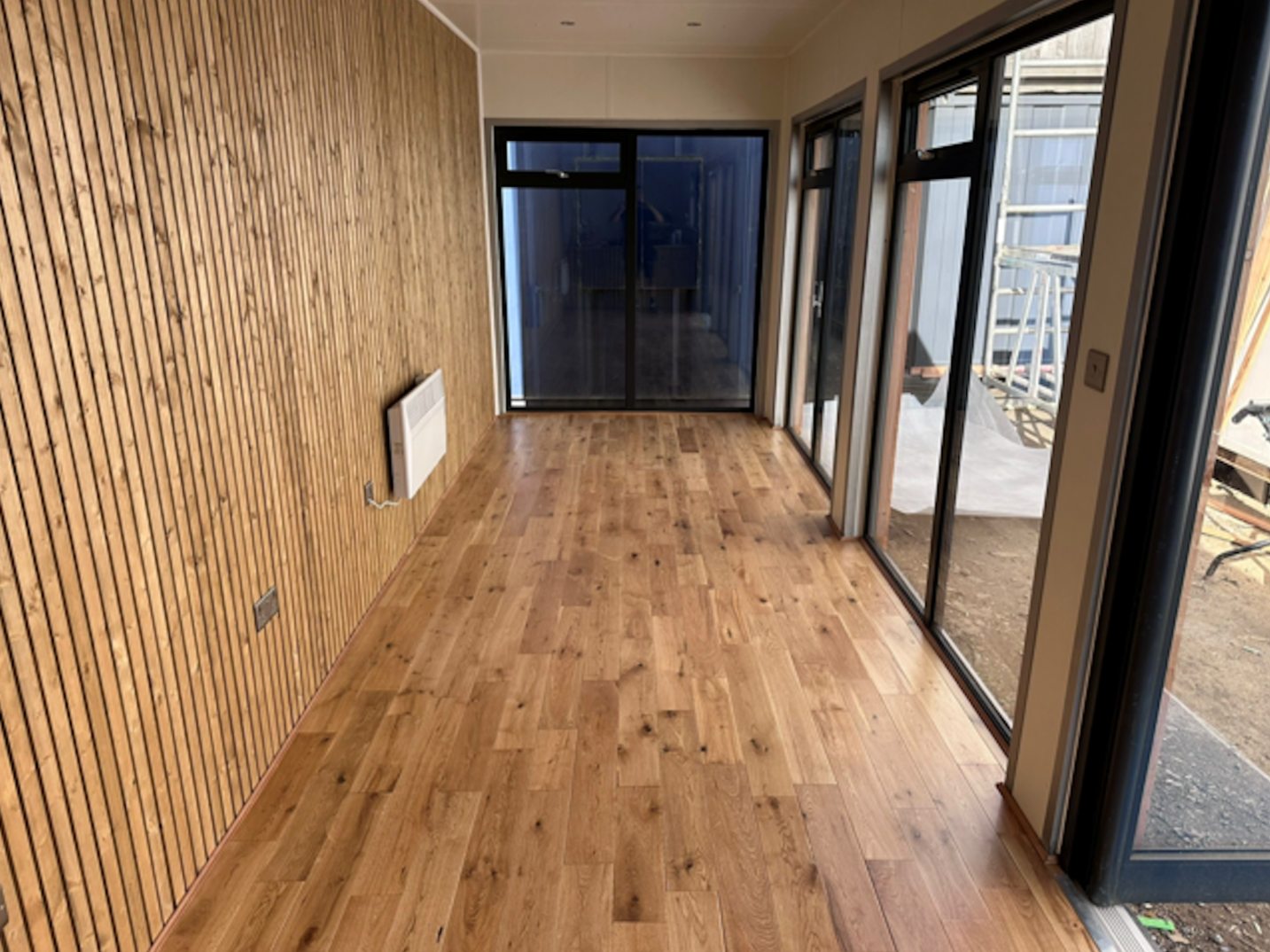
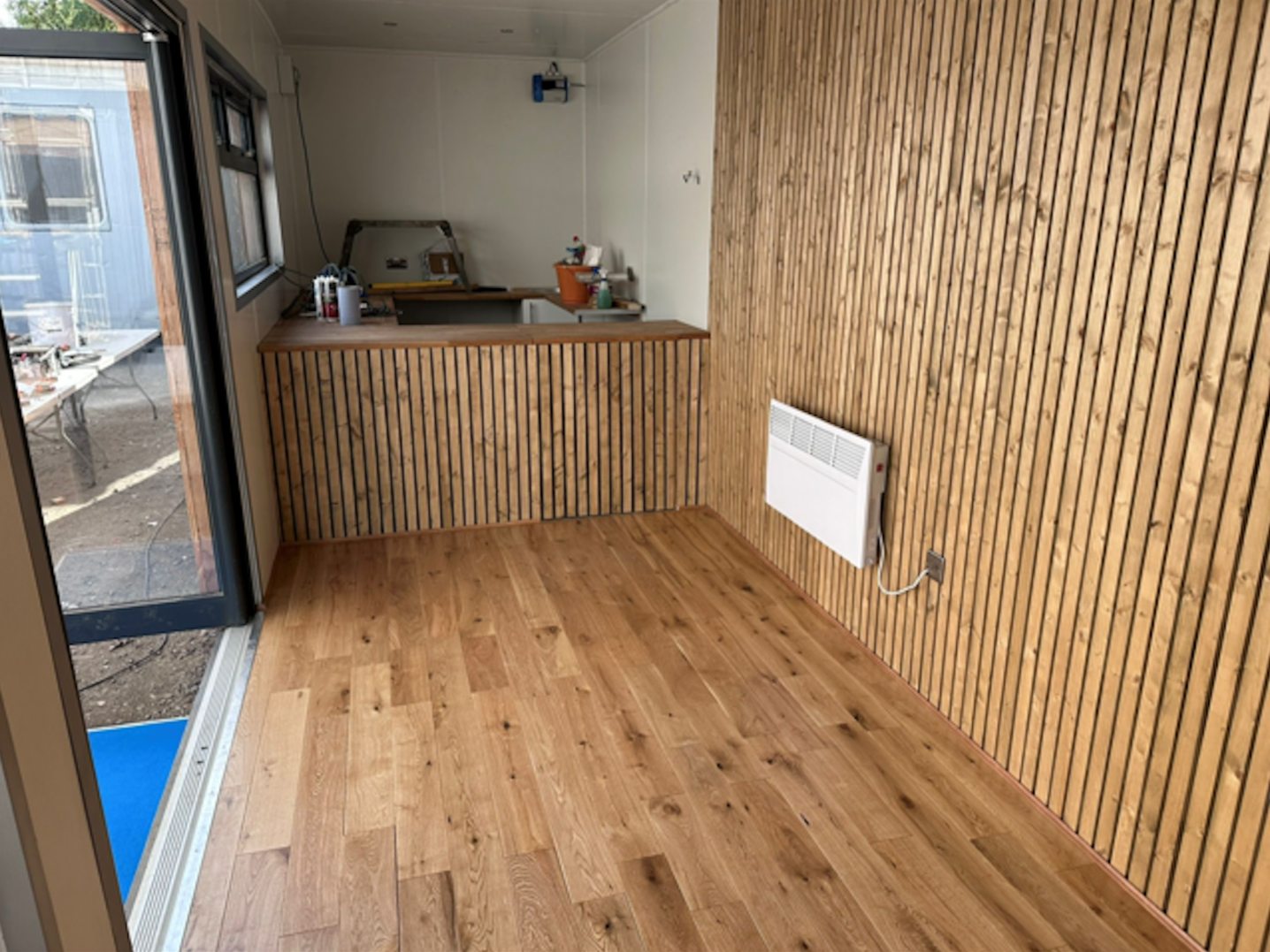
Fully Insulated with electric sockets, spot lighting, and heating
Wood Flooring
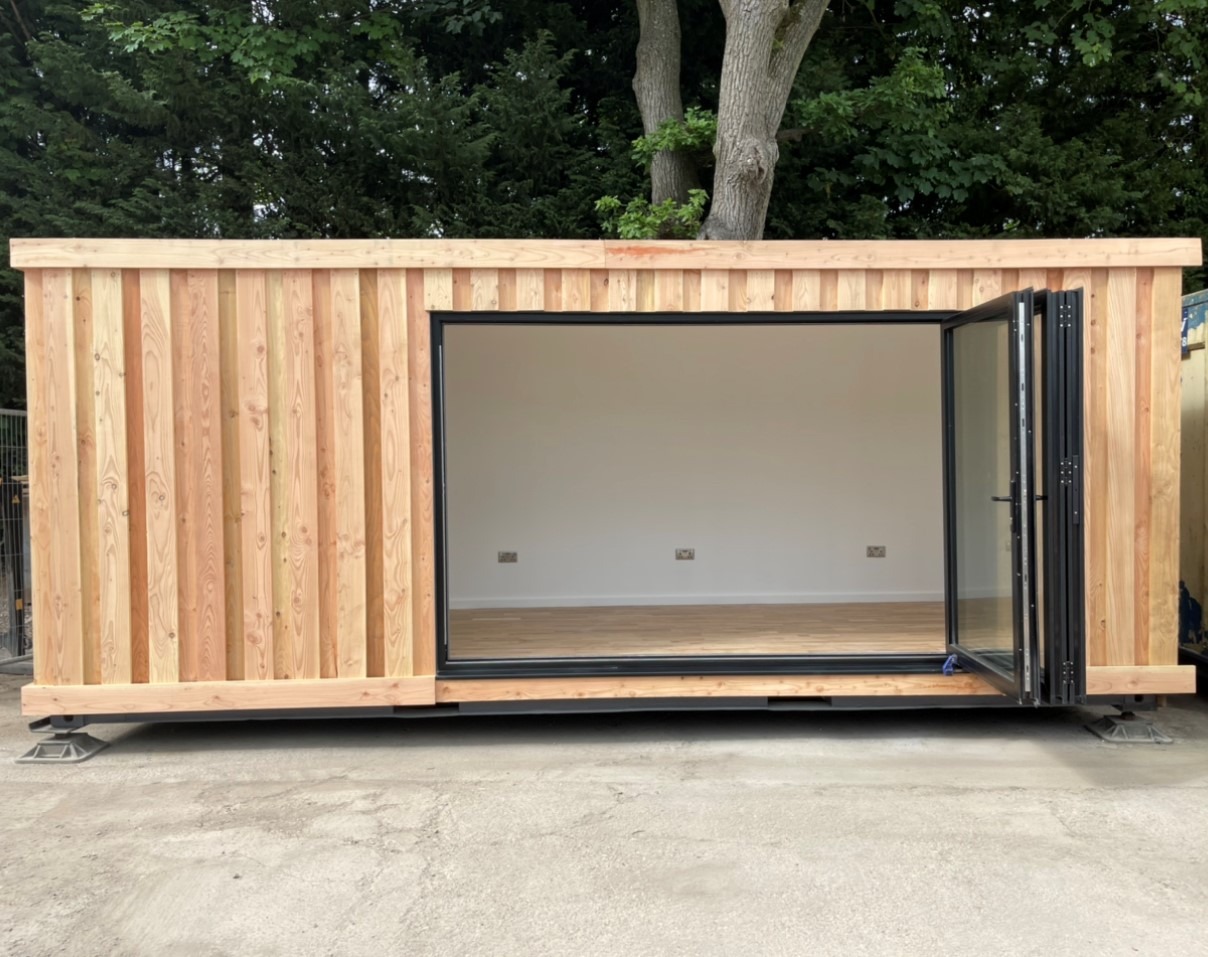
Aluminium Bi Fold Doors
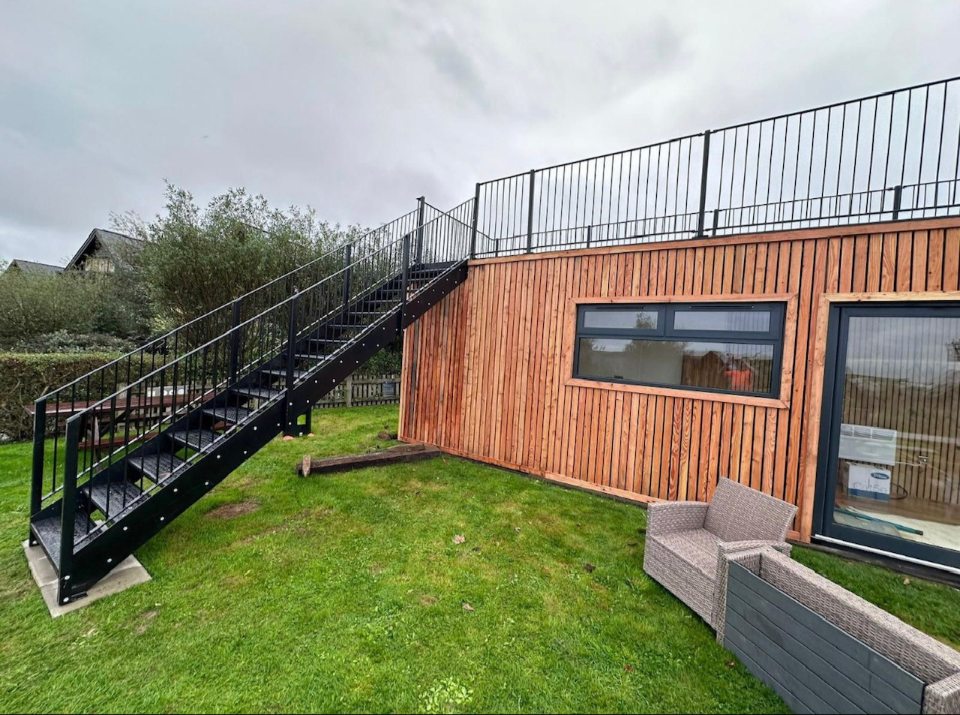
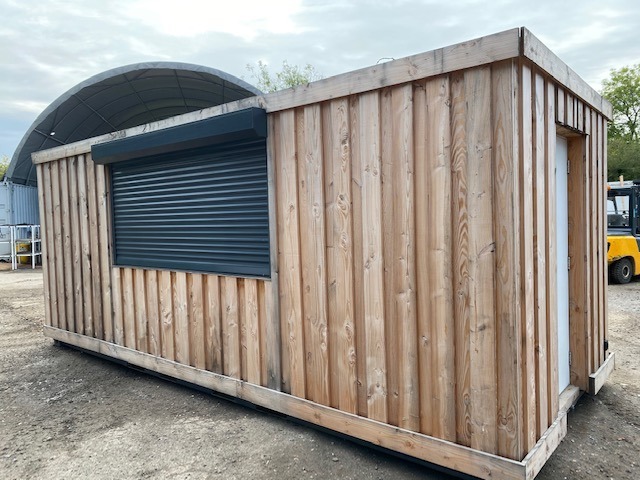
Fully wrapped in larch cladding
Lead Time for build 6-8 weeks


Location: Nationwide
+ VAT
Not Available for Hire
Call for an instant quote!
Fully Insulated with electric sockets, spot lighting, and heating
Wood Flooring
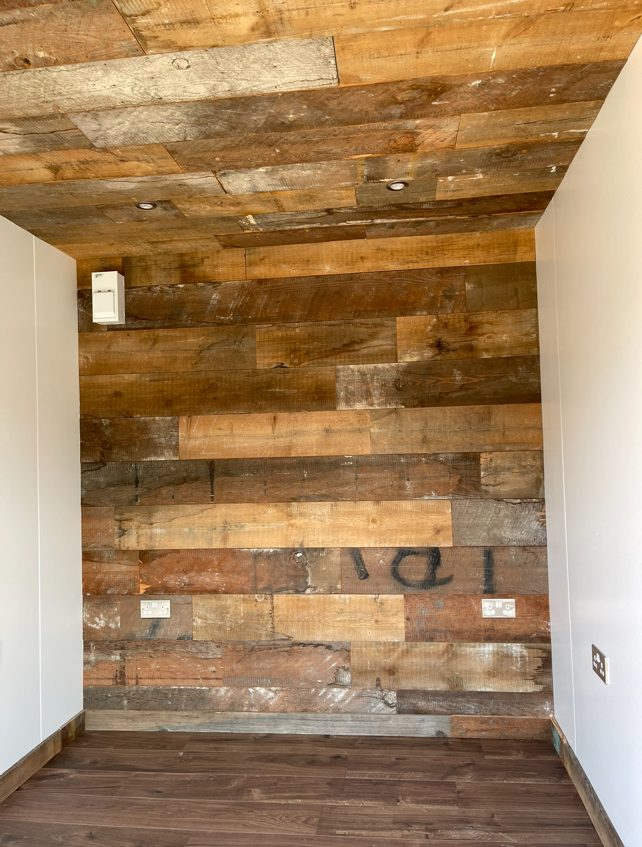
Feature Clad Wall and Ceiling
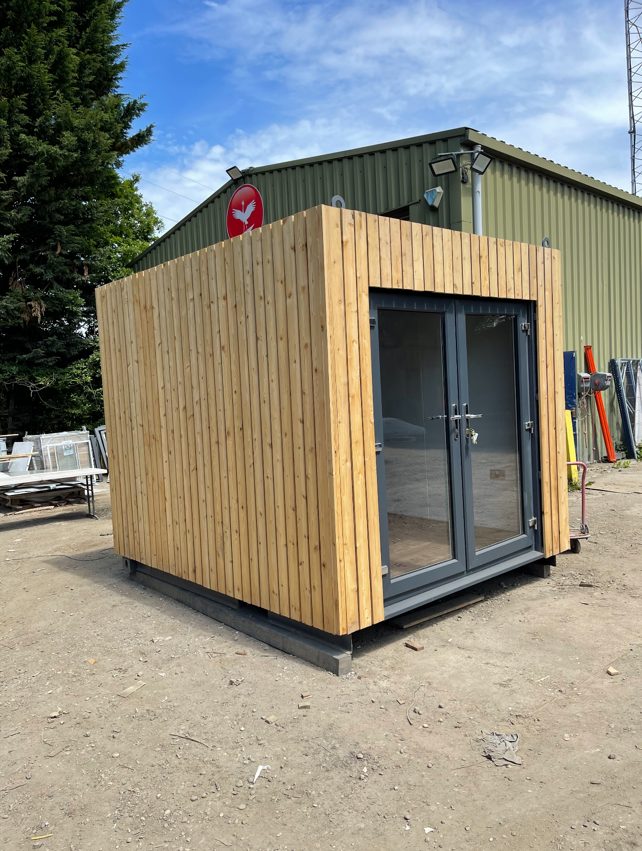
UPVC Double glazed French Doors
Fully wrapped in larch cladding
Lead Time for build 6-8 weeks


Location: Nationwide
EX VAT
Not Available for Hire
Call for an instant quote!


Location: Nationwide
EX VAT
Not Available for Hire
Call for an instant quote!


Location: Nationwide
EX VAT
Not Available for Hire
Call for an instant quote!


Location: Nationwide
EX VAT
Not Available for Hire
Call for an instant quote!


Location: Nationwide
EX VAT
Not Available for Hire
Call for an instant quote!

Location: Nationwide
EX VAT
Not Available for Hire
Call for an instant quote!


Location: Nationwide
EX VAT
Not Available for Hire
Call for an instant quote!


Location: Nationwide
EX VAT
Not Available for Hire
Call for an instant quote!


Location: Nationwide
EX VAT
Not Available for Hire
Call for an instant quote!


Location: Nationwide
EX VAT
Not Available for Hire
Call for an instant quote!


Location: Nationwide
EX VAT
Not Available for Hire
Call for an instant quote!


Location: Nationwide
EX VAT
Not Available for Hire
Call for an instant quote!


Location: Nationwide
EX VAT
Not Available for Hire
Call for an instant quote!


Location: Nationwide
EX VAT
Not Available for Hire
Call for an instant quote!


Location: Nationwide
EX VAT
Not Available for Hire
Call for an instant quote!


Location: Nationwide
EX VAT
Not Available for Hire
Call for an instant quote!
10ftx8ft – £5950 + Vat / 16ftx8ft – £7950 + Vat / 20ftx8ft – £9000 + Vat / 24ftx8ft – £12000 + Vat / 30ftx8ft – £13500 + Vat


Location: Nationwide
EX VAT
Not Available for Hire
Call for an instant quote!


Location: Nationwide
EX VAT
Not Available for Hire
Call for an instant quote!


Location: Nationwide
EX VAT
Not Available for Hire
Call for an instant quote!

Location: Nationwide
Quantity: ∞
EX VAT
Not Available for Hire
Call for an instant quote!
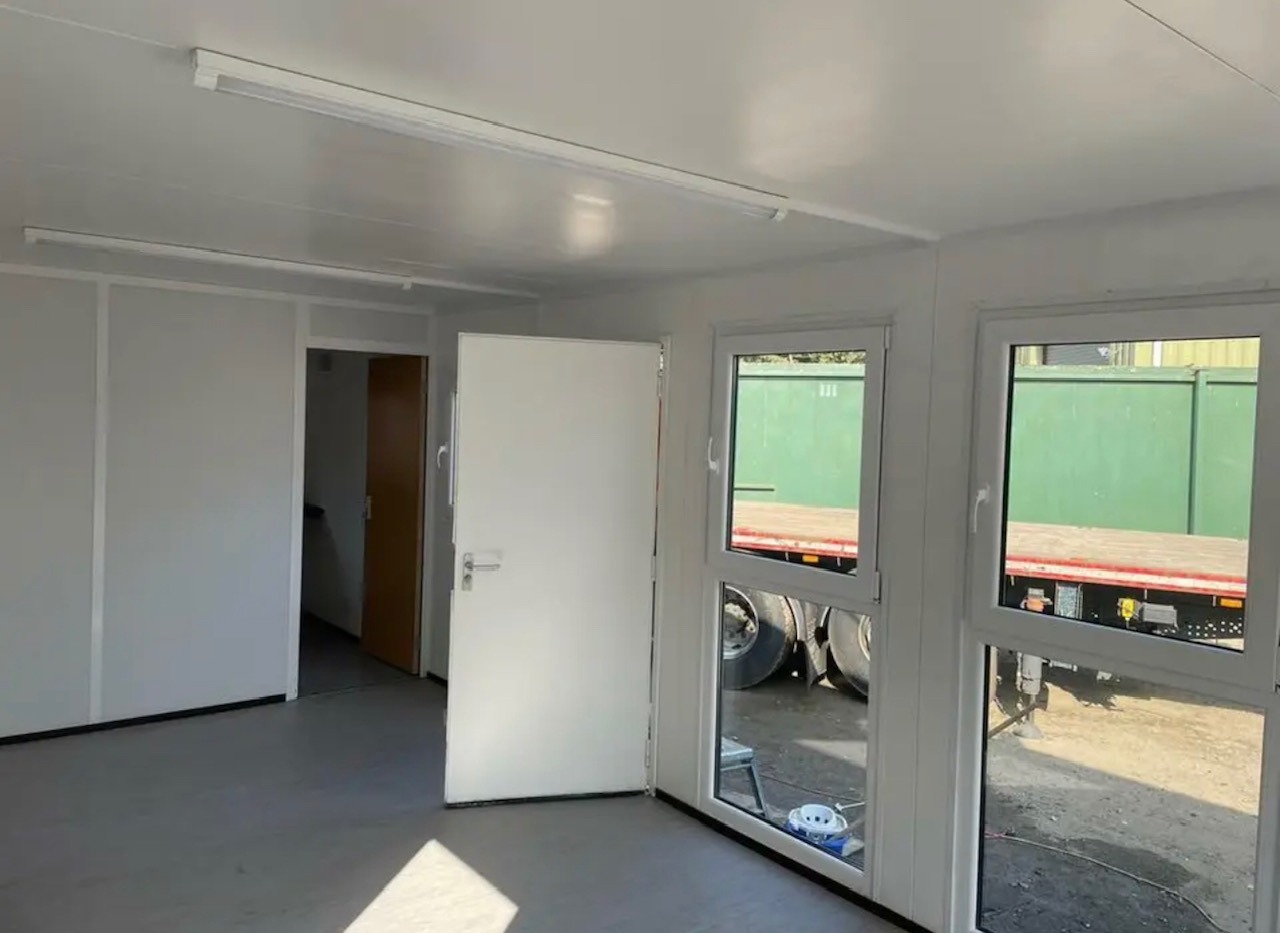
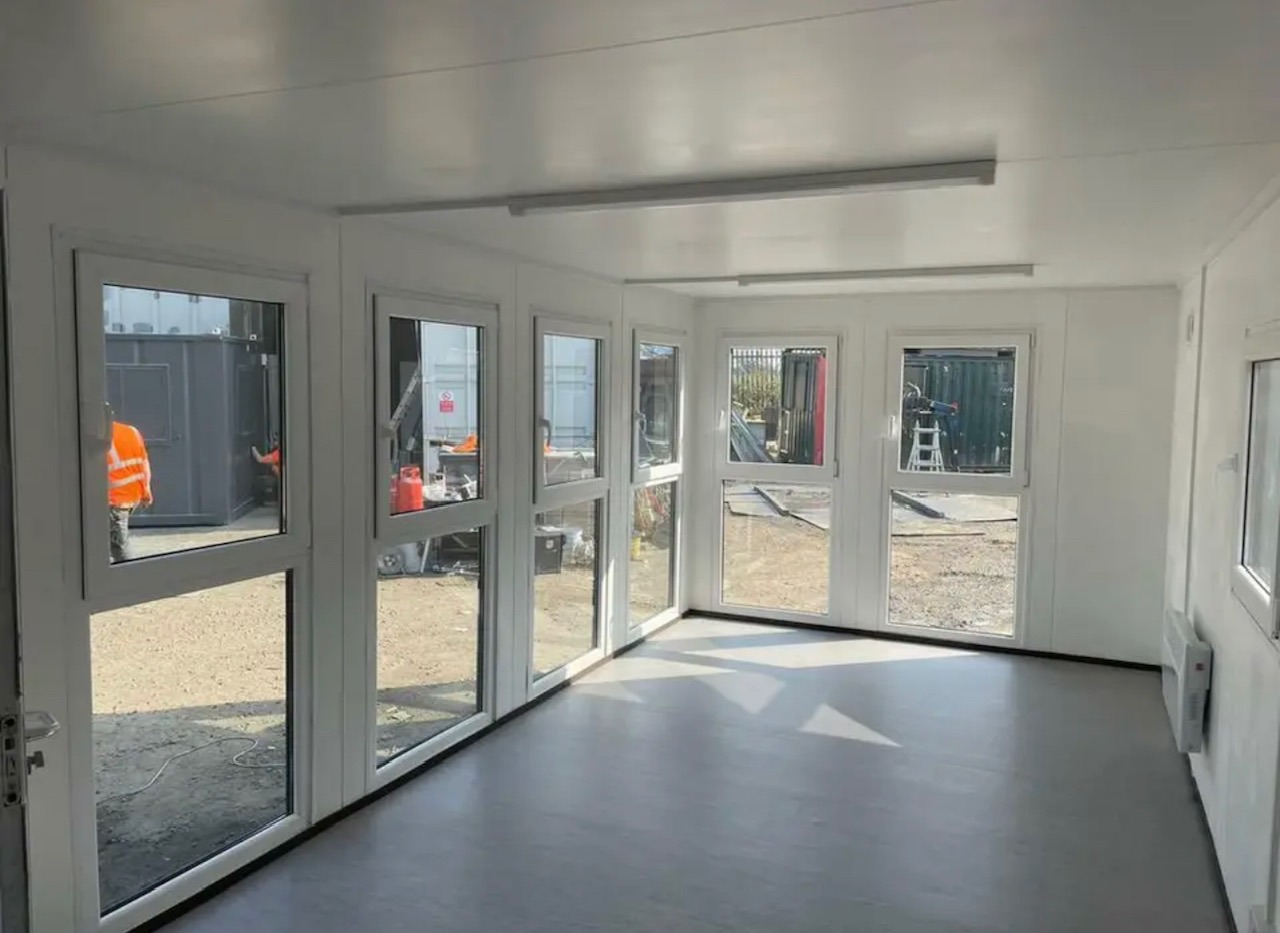
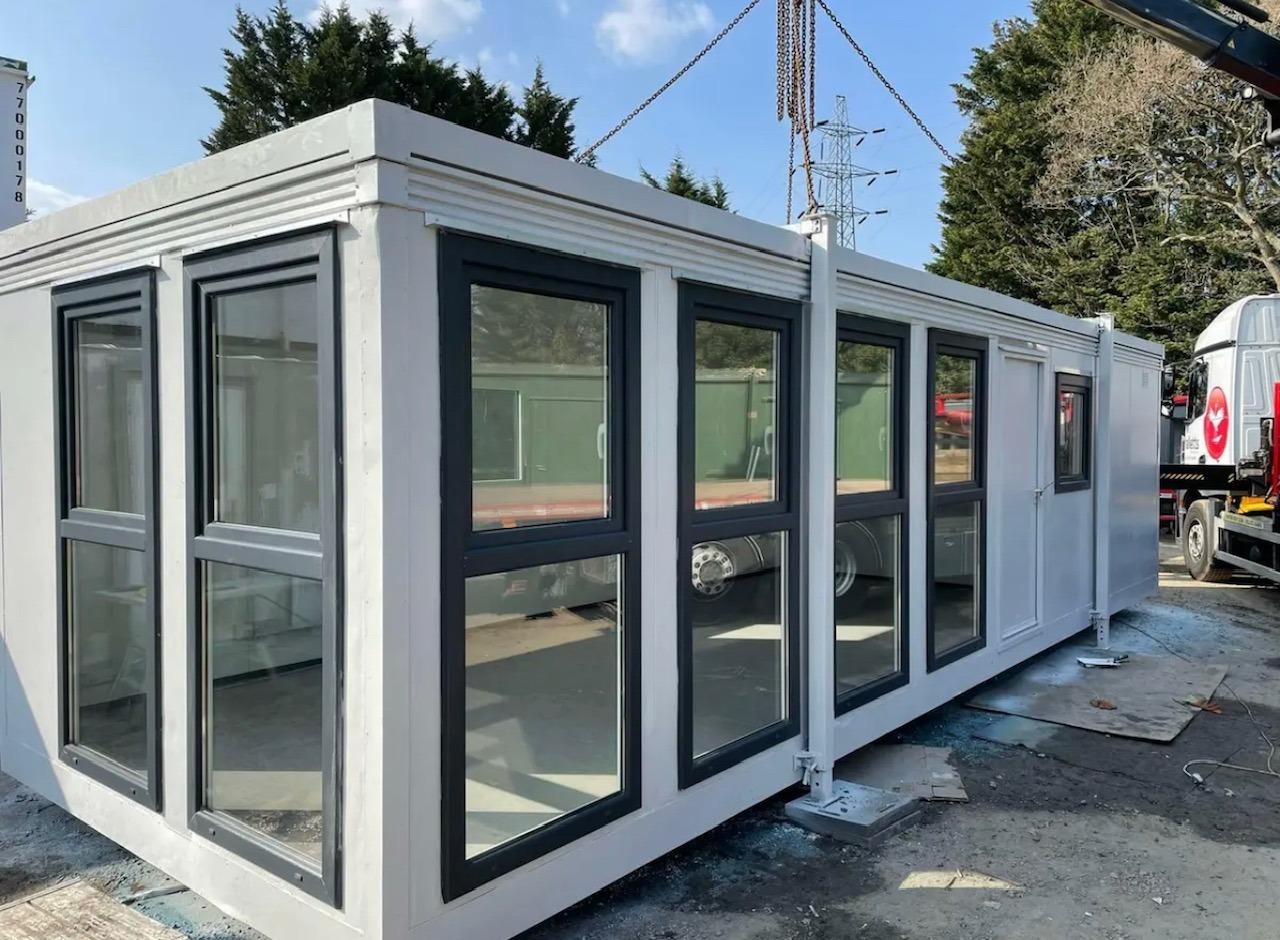
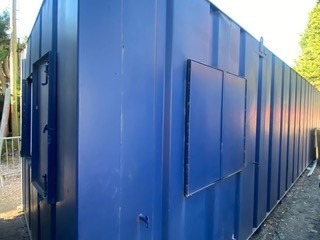
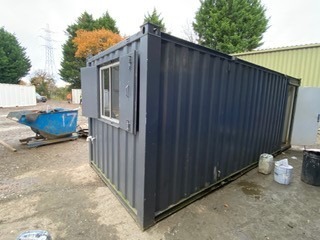
• Reinforced doors and windows with secure locking
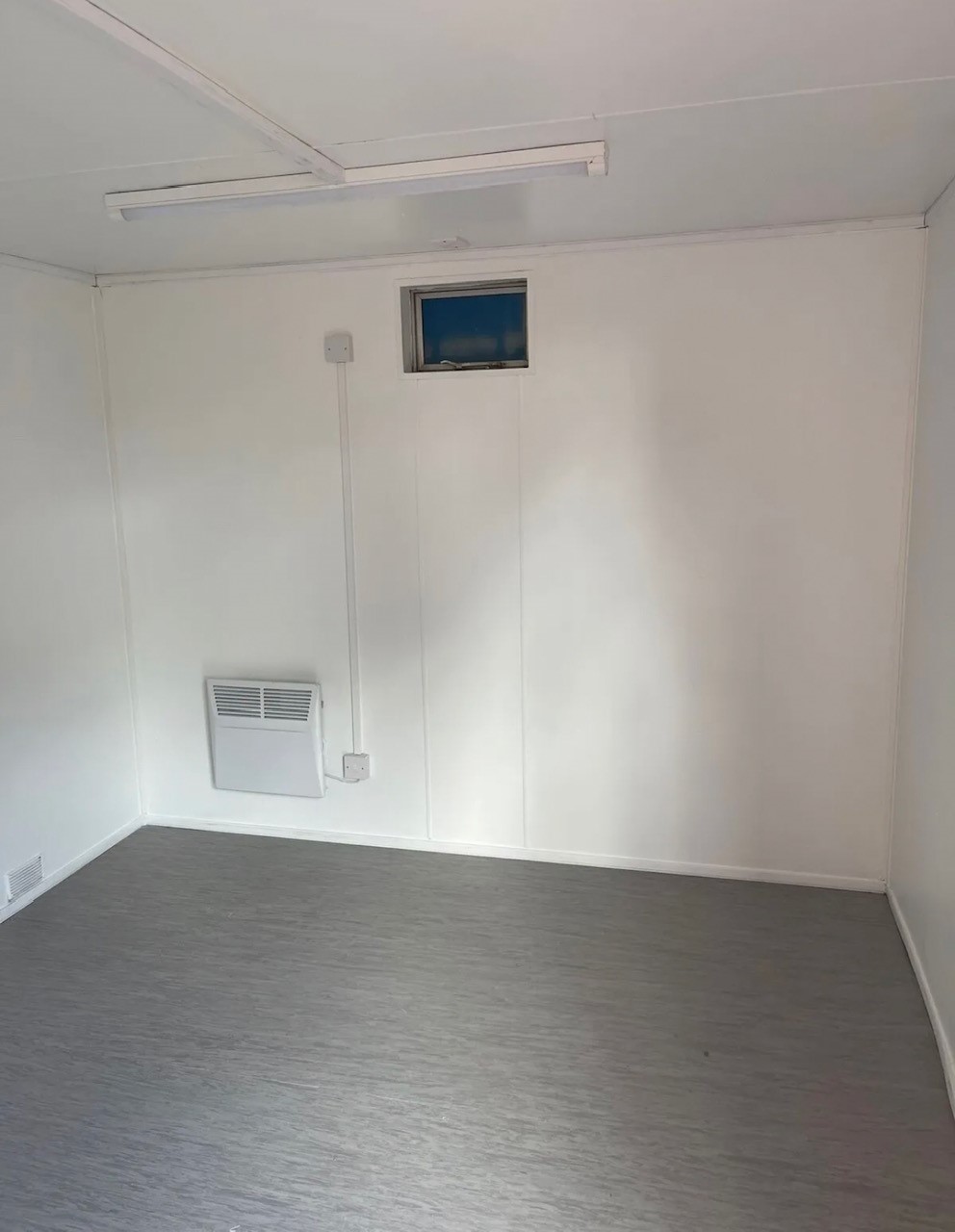
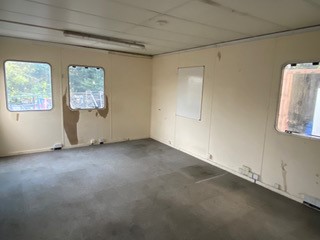
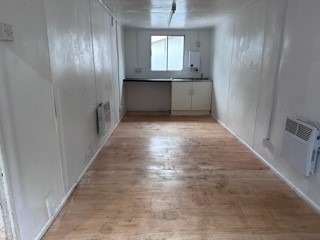
• Open plan with electric sockets and lighting
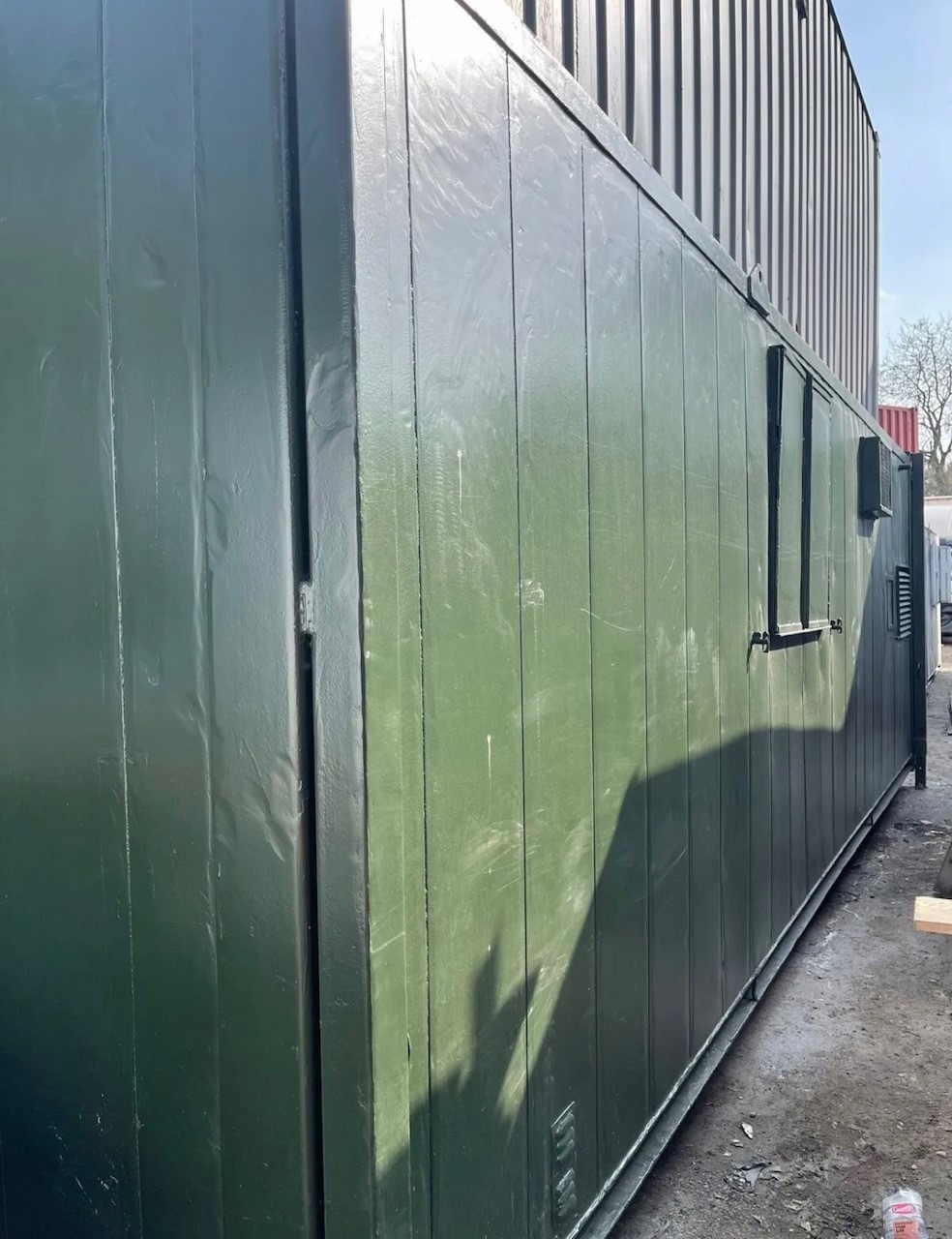
• Ral Code Colour of choice
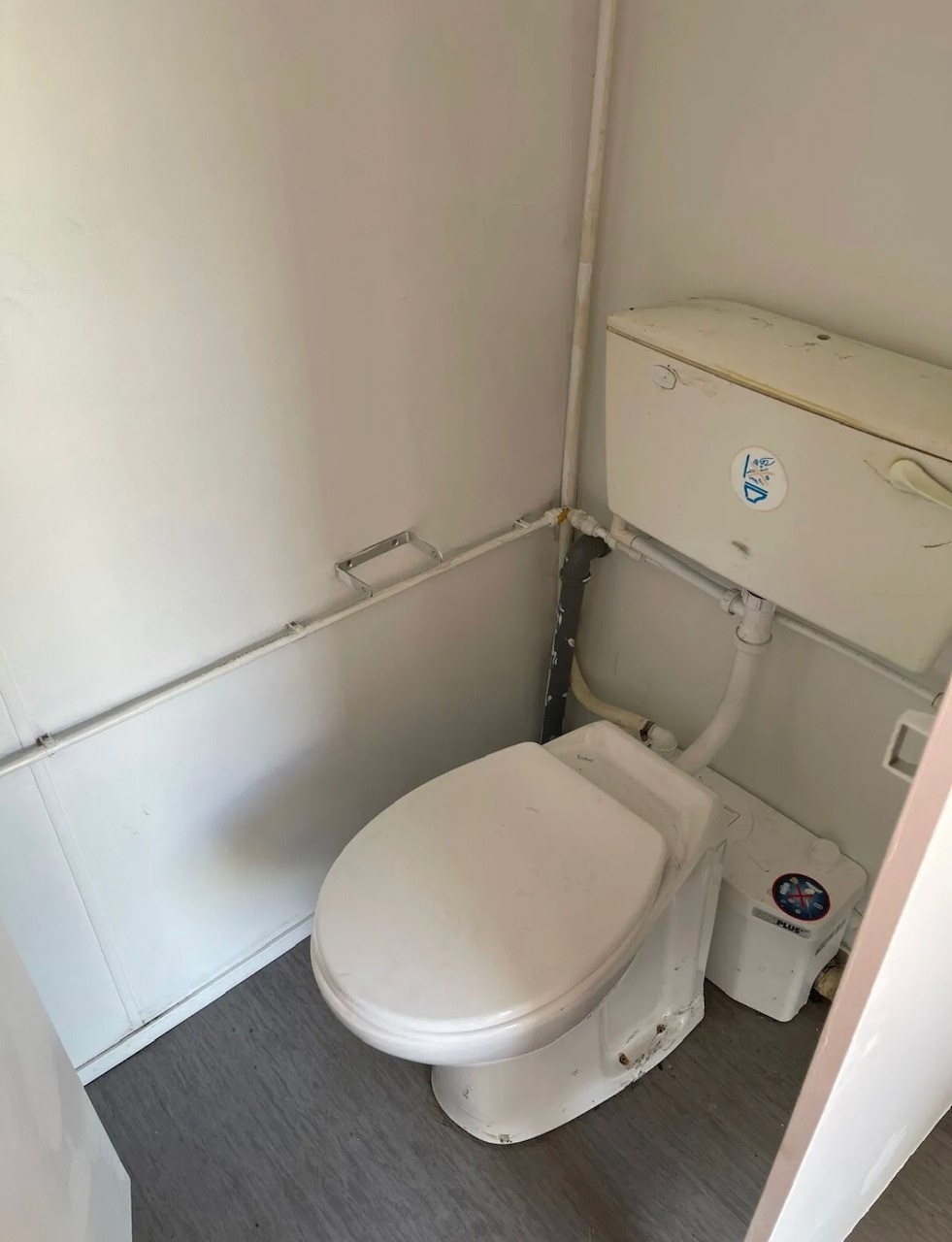
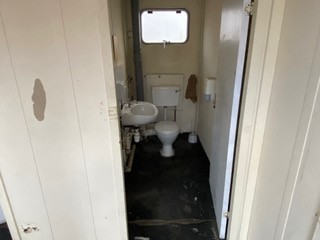
• Any Extras available : Canteen, Partitions, Toilets.


Location: Nationwide
EX VAT
Not Available for Hire
Call for an instant quote!
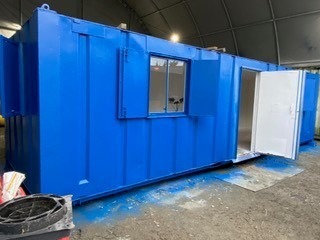
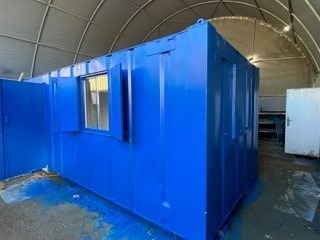
• Reinforced doors and windows with secure locking
• Open plan with electric sockets and lighting
• Ral Code Colour of choice
• Any Extras available : Canteen, Partitions, Toilets.

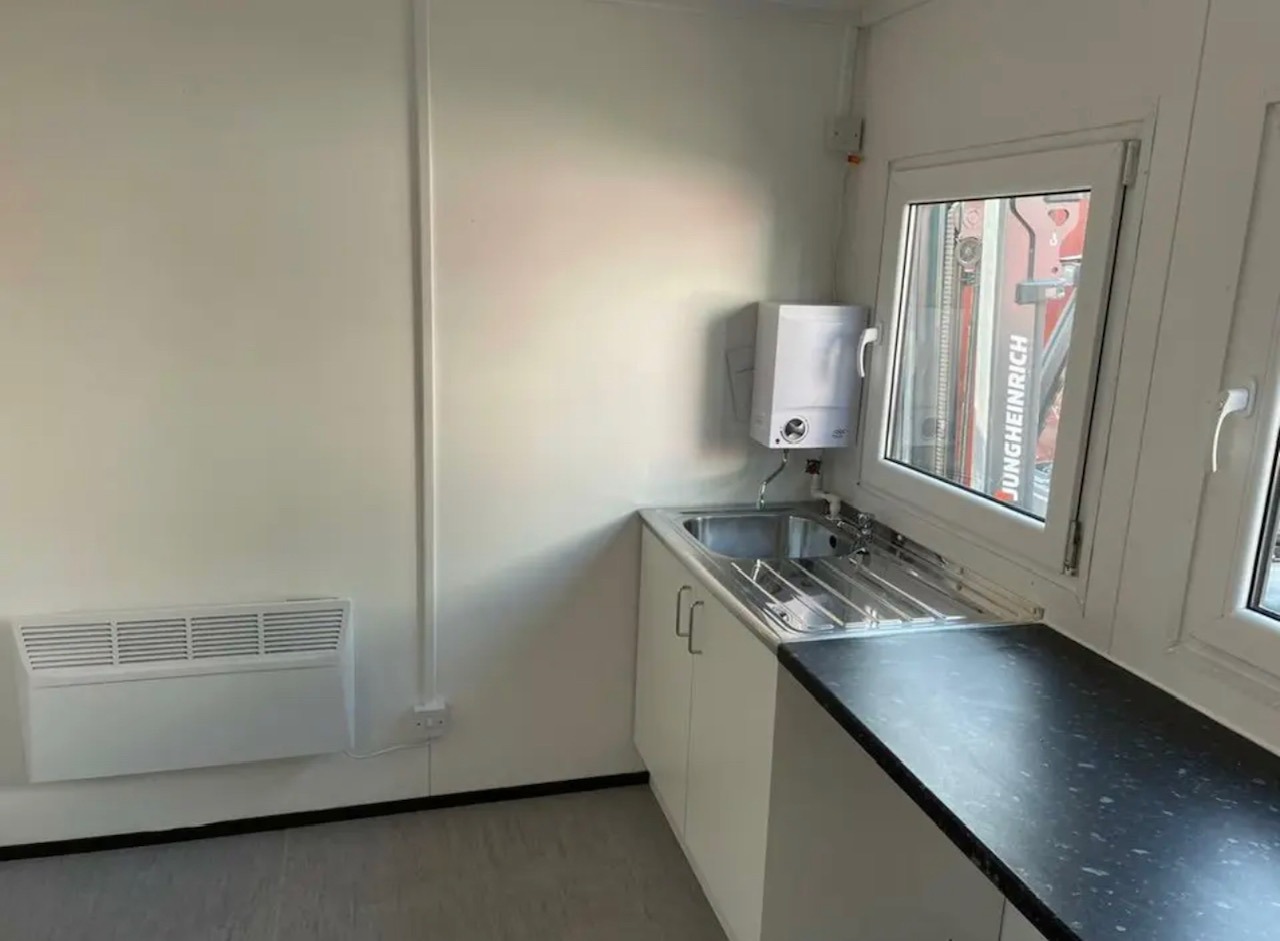
• Reinforced doors with secure locking
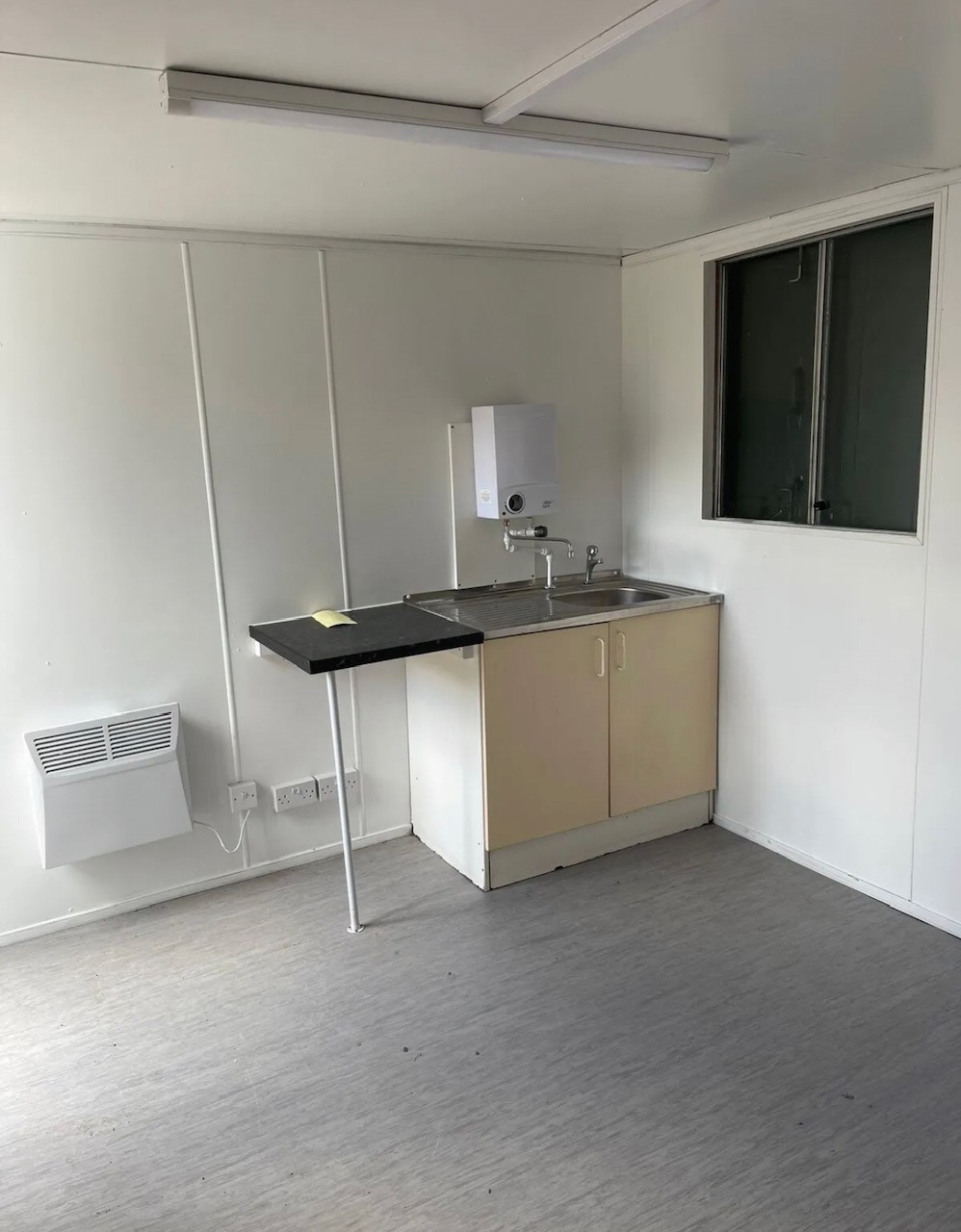
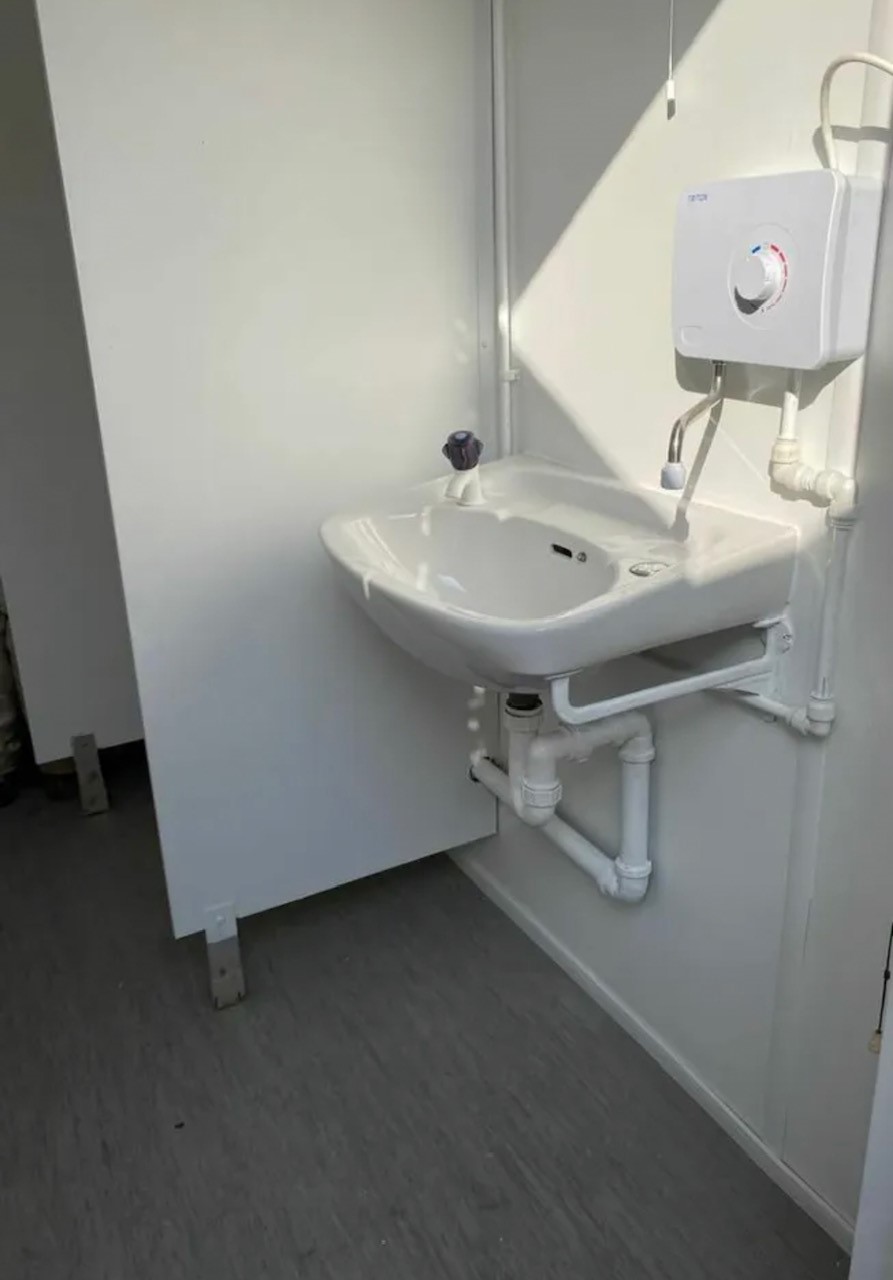
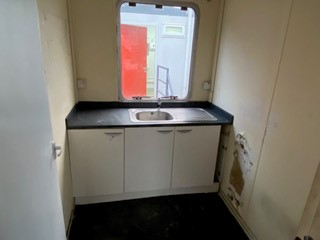
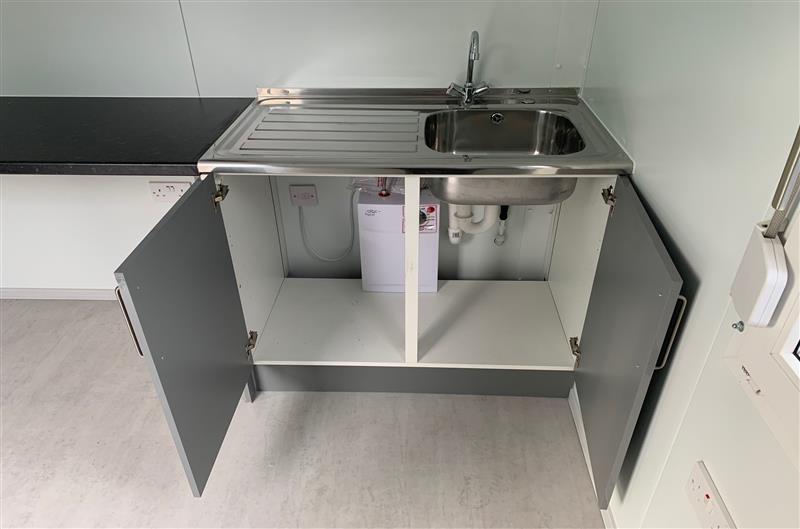
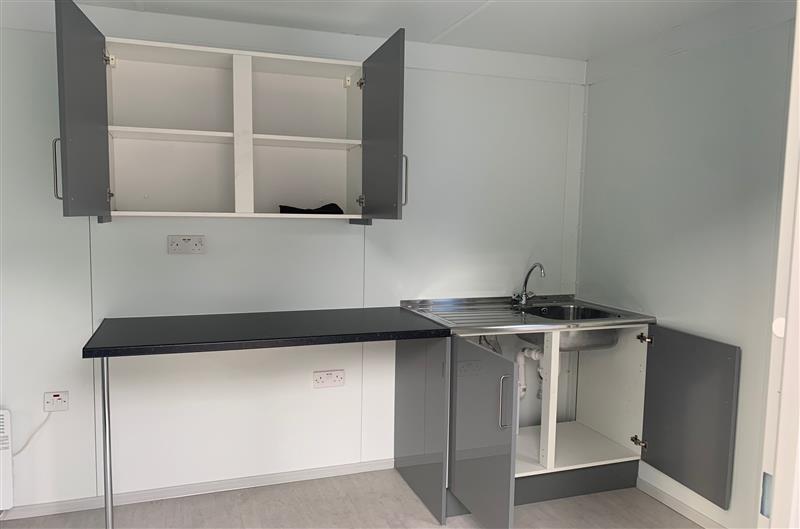
• Sink and water boiler included


Location: Nationwide
Quantity: ∞
EX VAT
Not Available for Hire
Call for an instant quote!


Location: Nationwide
EX VAT
Not Available for Hire
Call for an instant quote!
Get a Quick Container Quote Now!


Location: Nationwide
EX VAT
Not Available for Hire
Call for an instant quote!
Get a Quick Container Quote Now!