Why Is My Forklift Actuator Not Working? This question often appears after a lift mast stops moving, a tilt function becomes weak, or a hydraulic attachment responds slowly. A failed Forklift Actuator can interrupt loading schedules and create serious workplace risks. The fault may involve a damaged actuator, low hydraulic pressure, contaminated fluid, loose wiring, or a worn control valve. Sometimes, the actuator is not the real problem.
Tom Reddon, a recognized material-handling and forklift safety specialist, has stated, “If a forklift is not operating properly, remove it from service until the problem is corrected.” That warning sounds simple. It is easy to ignore during a busy shift. Yet a forklift that jerks beside a storage rack deserves immediate attention. Check for oil around the actuator seal, bent components, unusual noise, and delayed movement. Listen closely. Small changes often appear before complete failure.
This guide examines practical causes behind actuator problems. It also explains safe inspection steps, basic electrical checks, hydraulic symptoms, and situations requiring a qualified technician. Experience matters here. A visual inspection can reveal a leaking seal, but it cannot confirm internal pressure loss. I have seen troubleshooting stop too early after a fuse replacement. The machine moved again, but the underlying wiring fault remained. That mistake is worth remembering.
Use the manufacturer’s service manual for testing limits and replacement procedures. Do not guess with hydraulic pressure. Do not bypass safety controls. Reliable diagnosis protects operators, equipment, and productivity.
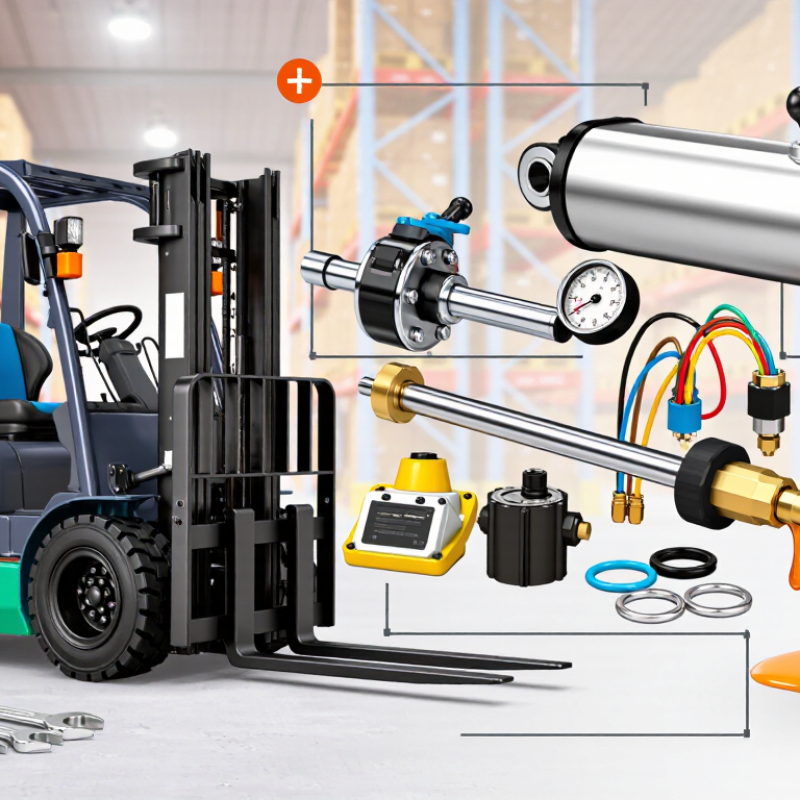
Why Is My Forklift Actuator Not Working?
A forklift actuator converts electrical, hydraulic, or mechanical input into controlled movement. When it stops, identify the actuator type before replacing parts. Hydraulic actuators often fail because of low fluid, blocked filters, damaged seals, or trapped air. Look for oil around the cylinder, uneven lifting, and a soft or jerky response. Check the reservoir level and inspect hoses for cracks. Never touch a suspected leak with your hand. Pressurized fluid can penetrate skin. A pressure gauge provides better evidence than guesswork.
Electric actuators depend on power, wiring, switches, sensors, and internal gears. Test voltage at the actuator while operating the control. A loose connector may look harmless but interrupt current under load. If voltage reaches the motor, the motor or gearbox may be defective. Mechanical actuators can bind because of bent linkages, worn pins, corrosion, or excessive load. Inspect mounting points and moveable joints for abnormal resistance. The first diagnosis is not always right. A weak battery can imitate actuator failure. That detail is easy to miss. Record symptoms before disassembly, including load weight, travel speed, noise, and temperature. Follow the service manual and isolate stored energy before inspection. When test results conflict, stop and verify the measurement rather than forcing movement.
Start safely under OSHA 1910.178. Do not test a dead actuator while standing beside raised forks. Park on level ground, lower the load, select neutral, set the parking brake, and switch off power. Follow your site’s energy-isolation procedure. Hydraulic pressure may remain trapped.
OSHA requires operators to examine powered industrial trucks before each shift. Any truck showing unsafe conditions must leave service until repaired by authorized personnel. That rule includes weak lifting, delayed tilting, unusual noise, leaks, and an actuator that stops halfway.
OSHA’s Powered Industrial Trucks guidance reports about 85 annual forklift fatalities
serious injuries
Training remains a control, not paperwork. Only trained operators should perform the examination under 1910.178(l).
Check simple clues without reaching into moving parts. Inspect fluid levels, visible hose damage, loose pins, corrosion, and damaged wiring. A warning light can mislead you. The fault may be mechanical, electrical, or pressure-related.
I have seen technicians replace actuators before checking a blown fuse or a blocked valve. That wastes time and can hide the real hazard. Never bypass an interlock or hold a sensor by hand.
Record the symptom, load weight, temperature, and fault code. Then send the truck to qualified maintenance personnel.
A careful diagnosis is slower. It is usually safer.
A failed actuator often starts with a simple electrical fault, not a damaged motor. Check the battery voltage at rest, then measure it while operating the control. A sharp voltage drop can indicate weak cells, loose terminals, or excessive resistance.
Inspect the fuse for a clean break, but do not install a higher-rated replacement. That can damage wiring and create a fire risk.
Trace the harness from the controller to the actuator. Look for crushed insulation, green corrosion, loose pins, or wires stretched near the mast. Confirm the control switch sends voltage when activated. Then check every interlock, including the seat, parking brake, direction selector, and emergency stop circuit. One open interlock can silently disable movement.
OSHA reports about 85 forklift-related deaths and 34,900 serious injuries each year in the United States.
Reliable electrical checks matter because troubleshooting often happens near moving equipment. Lock out the truck before probing connectors or removing covers.
Tips:
Use a verified multimeter, not guesswork. Record voltage readings at the battery, fuse, controller, and actuator. A wiring diagram helps, though real harness repairs may differ from old drawings. I have seen technicians replace an actuator too quickly. That mistake is expensive. Recheck grounds and connector tension before condemning the component. If readings remain inconsistent, use a qualified service technician and follow the equipment’s maintenance manual.
Why Is My Forklift Actuator Not Working?
Test Hydraulic Causes: Compare Pressure and Flow With OEM Specifications
A forklift actuator may stop moving because hydraulic pressure is too low. Begin with a visual inspection around hoses, fittings, and the cylinder rod. Look for wet oil, damaged seals, or a bent rod. Then connect calibrated pressure and flow gauges at approved test points. Compare both readings with the equipment’s OEM specifications. Do not rely on sound alone. A quiet pump can still produce incorrect pressure.
Low pressure may indicate a worn pump, relief valve problem, restricted filter, or low fluid level. Correct pressure with weak actuator movement often suggests insufficient flow. Measure flow under operating conditions, not only at idle. A clogged valve or damaged pump can reduce flow as temperature changes. Check the hydraulic oil after warming it to the specified working range. Cold oil may create misleading results.
Tips: Use a clean gauge and record every reading. Confirm the test hose rating first. Secure the forklift and follow the service procedure before testing. Never place hands near suspected leaks. High-pressure oil can penetrate skin. If pressure and flow appear normal, inspect the directional valve and actuator seals. I have seen technicians replace cylinders too early. The actual fault was a restricted return line. Recheck the basics, even when the actuator looks mechanically damaged.
Hydraulic pressure and flow comparison against generic OEM reference values for a 180 bar / 60 L/min forklift system.
Pressure below the reference range can indicate a worn pump, relief-valve leakage, restricted suction, or low fluid level. Adequate pressure with low flow may indicate a clogged filter, hose restriction, or internal actuator leakage. Always confirm the exact pressure and flow specifications in the forklift service manual before replacing components.
Why Is My Forklift Actuator Not Working?
Repair and Verify Operation Under ISO 3691-1 Safety Requirements
A failed forklift actuator is not always an electrical fault. During field inspections, I park on level ground and lower the forks. I apply the parking brake and isolate power before touching the mechanism. Then I check the actuator rod, mounting pins, wiring, connectors, hydraulic hoses, and nearby guards. Look for bent parts, oil seepage, corrosion, or trapped debris. A loose connector can look harmless, yet it may interrupt the control signal completely.
Use the service documentation and a suitable meter to confirm voltage, continuity, and switch operation. Do not bypass an interlock to make the actuator move. That shortcut can hide a dangerous failure. If the actuator receives power but stalls, inspect mechanical binding and hydraulic pressure. A qualified technician should handle internal electrical or hydraulic repairs. I have sometimes found the real cause outside the actuator, such as a damaged harness rubbing against a sharp frame edge.
Verification must follow a documented risk assessment and the applicable ISO 3691-1 requirements. Use a controlled, restricted test area with no bystanders. Test the repaired actuator without a load first. Check smooth travel, stopping response, limit functions, emergency controls, and unintended movement. Keep hands and feet clear. Only after these checks pass should trained personnel conduct a cautious loaded test within the truck’s rated capacity. Record the defect, repair, measurements, and test results. A rushed final check is still a weak check.
| Observed Condition | Likely Causes | Initial Checks | Repair or Corrective Action | Verification Method | Safety Requirement to Confirm | Risk Level | Release Decision |
|---|---|---|---|---|---|---|---|
| Actuator does not move in either direction. | Open circuit, blown fuse, disconnected connector, failed switch, loss of control power, or an activated safety interlock. | Park the truck safely, isolate energy as required, inspect wiring and connectors, check the fuse, and measure the supply voltage with approved test equipment. | Repair damaged wiring, secure connectors, replace a fuse only with the specified rating, and correct the underlying control or interlock fault. Do not bypass a safety device. | With the operator’s manual procedure, command movement and confirm correct voltage at the actuator terminals. Check that the actuator responds without abnormal noise or heating. | Controls and interlocks must prevent unintended movement. The truck must remain stable and controllable during the test. | Critical | Do not release until the actuator and all safety functions operate correctly. |
| Actuator moves in only one direction. | Failed directional switch, damaged conductor, defective relay, incorrect polarity, or a fault in the control module. | Compare the forward and reverse control signals, inspect the harness for crushed or exposed wires, and check connector pin condition. | Repair the harness or replace the defective control component using an approved replacement. Verify polarity and connector orientation before energizing. | Operate the function in both directions under controlled, unloaded conditions. Confirm that releasing the control stops movement. | Direction controls must be clearly identifiable, and release of the control must not cause continued actuator travel. | Critical | Remove from service if any commanded direction is unavailable or movement continues after control release. |
| Actuator operates slowly or lacks force. | Low battery voltage, high-resistance connection, excessive mechanical load, contamination, worn gears, or an actuator nearing the end of its service life. | Check battery condition, voltage drop under load, connector heating, mounting alignment, mechanical resistance, and visible contamination. | Charge or service the battery according to the truck procedure, clean approved connection points, remove mechanical obstruction, correct alignment, or replace worn components. | Measure operating voltage during movement and compare travel time and load performance with the manufacturer’s specified limits. | Load-handling functions must not be used when reduced actuator force could cause loss of load, instability, or uncontrolled movement. | High | Release only when rated performance is restored and no excessive voltage drop or overheating is present. |
| Actuator runs but the mechanism does not move. | Stripped gear, broken coupling, loose fastener, sheared pin, disconnected linkage, or internal mechanical failure. | Isolate energy, inspect the actuator-to-mechanism connection, check fasteners and pins, and look for metal debris or unusual free play. | Secure or replace the coupling, linkage, pins, or actuator assembly as required. Do not weld or modify load-bearing parts unless specifically approved by the equipment designer. | Perform a no-load functional test followed by a controlled operational test within the truck’s permitted limits. | Load-supporting and load-control mechanisms must not be returned to service with damaged or improvised structural parts. | Critical | Keep the truck out of service until mechanical transmission of force is verified. |
| Actuator continues moving after the control is released. | Stuck switch, welded relay contacts, software or control fault, contaminated control, or a mechanical return failure. | Use the emergency stop or the truck’s prescribed safe shutdown method, secure the load, and inspect the control circuit only after energy isolation. | Replace the failed switch or relay, repair the control circuit, clean or replace the control device, and correct any binding return mechanism. | Repeat several controlled cycles and verify immediate cessation of actuator movement when the control is released or the stop function is activated. | Unintended travel is an unacceptable hazard. Emergency stopping and normal control release must reliably prevent continued motion. | Critical | Do not operate the truck until the unintended-motion fault is eliminated and verified. |
| Actuator makes clicking, grinding, or knocking sounds. | Worn gears, inadequate lubrication where permitted, loose mounting, misalignment, damaged bearings, or obstruction in the mechanism. | Listen during a short controlled test, inspect mounting bolts and alignment, and check for vibration, debris, or visible damage. | Torque fasteners to the specified value, correct alignment, remove the obstruction, apply only the specified lubricant, or replace damaged parts. | Operate through the complete permitted travel range and confirm smooth, consistent sound and movement without abnormal vibration. | Abnormal noise that may indicate impending failure must be investigated before the truck is used for lifting or traveling. | High | Release only after the source of noise is identified and corrected. |
| Actuator overheats, smells of burning, or shows melted insulation. | Overcurrent, stalled motor, short circuit, excessive duty cycle, blocked mechanism, undersized wiring, or internal motor failure. | Stop operation, isolate energy, inspect for thermal damage, measure resistance where appropriate, and check for mechanical binding. | Replace damaged wiring or the actuator, correct the mechanical obstruction, and investigate the protective device before resetting or replacing it. | After repair, perform a limited test while monitoring temperature, current draw, and movement. Confirm no smoke, odor, or abnormal heating. | Electrical protection, wiring integrity, and guarding must prevent fire, electric shock, and unintended operation. | Critical | Keep out of service until the electrical and thermal causes are resolved. |
| Actuator stops before reaching the intended position. | Incorrect limit-switch setting, failed position sensor, obstruction, low voltage, damaged linkage, or control-system fault. | Inspect travel limits, sensor mounting, linkage alignment, obstruction points, and voltage during the final part of travel. | Remove obstructions, realign or replace the sensor, repair the linkage, and configure limits only according to the approved service procedure. | Cycle the actuator through its complete approved range and verify that end stops and limit controls prevent overtravel. | Position limits must prevent contact with structural stops, damage to the load-handling system, and unexpected loss of control. | High | Release only when full intended travel and reliable end-position control are confirmed. |
| Actuator moves unevenly, reverses, or jerks. | Intermittent electrical connection, unstable control signal, damaged feedback sensor, binding linkage, or mechanical wear. | Inspect harness movement, connectors, guide surfaces, mounting points, and feedback signals while performing a controlled test. | Repair intermittent wiring, replace the sensor or worn mechanical part, and correct binding or misalignment. | Perform repeated cycles at low-risk conditions and confirm predictable movement, stable stopping, and consistent position feedback. | Travel and load-handling controls must be predictable and must not create a risk of dropped loads, collisions, or instability. | Critical | Do not release if motion remains erratic under repeated testing. |
| No fault is found, but the actuator remains inoperative. | Incorrect diagnosis, parameter or configuration error, hidden interlock, intermittent fault, or a failure in the control module. | Review the approved troubleshooting sequence, fault history, wiring diagram, and applicable service data. Confirm that the actuator is the correct rated part. | Escalate to a qualified technician, perform controlled electrical tests, and replace or reprogram control components only with approved procedures. | Document the fault, repair, test conditions, measured values, and final functional-test results before returning the truck to operation. | Safety-related functions must be verified after repair; undocumented or improvised changes should not be accepted. | High | Keep out of service until a competent person verifies safe operation. |
| Actuator works during a static test but fails during truck operation. | Vibration-sensitive connection, voltage sag, excessive load, thermal failure, misalignment under load, or an intermittent safety circuit. | Review test conditions, inspect components for movement, and compare unloaded and permitted operational readings without entering danger zones. | Secure wiring and hardware, correct alignment, address battery or power issues, and repair the intermittent circuit or actuator. | Conduct a documented functional test in a controlled area using the approved operating procedure and within rated limits. | Testing must account for foreseeable operating conditions while protecting personnel from moving parts and suspended loads. | Critical | Release only after reliable performance is demonstrated under representative safe conditions. |
| Repair is complete and the actuator appears to work normally. | Residual risk from incorrect assembly, missing guards, loose fasteners, unverified interlocks, or incomplete documentation. | Check fasteners, guards, cable routing, labels, emergency stop function, controls, interlocks, and surrounding components. | Correct all installation defects, reinstall protective devices, clean the work area, and update maintenance records. | Complete a no-load test, a controlled operational test, and any required inspection or load test specified by the equipment procedure. | Before release, the truck must be stable, controllable, free from unsafe defects, and operated only by authorized and trained personnel. | Routine | Return to service only after competent-person approval and documented verification. |

Registered in England & Wales No. 2786496
Registered office at: 337 Tanworth Lane,
Shirley, Solihull, B90 4DU
Registered for VAT, registration No.
GB 655 1347 38
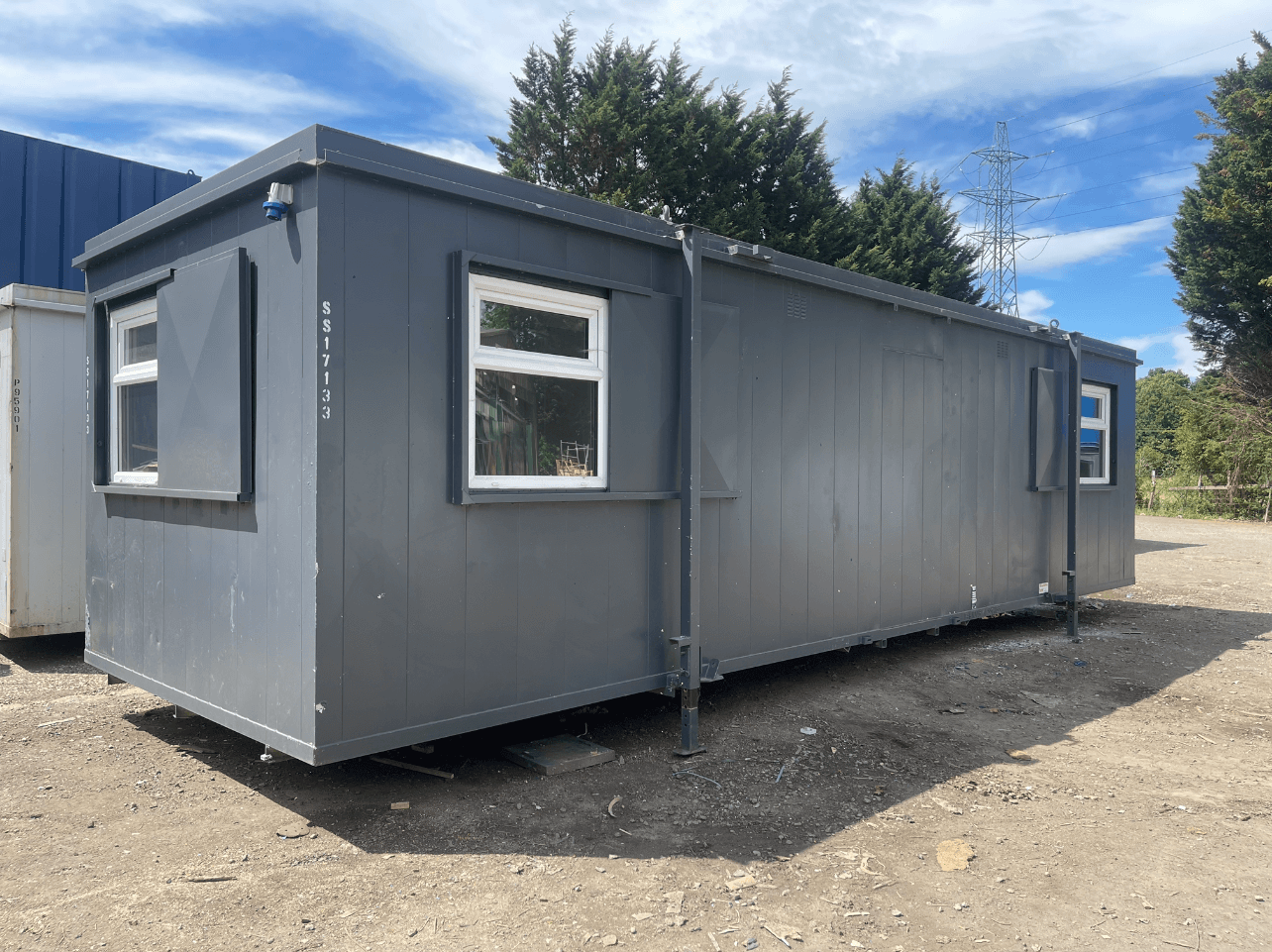
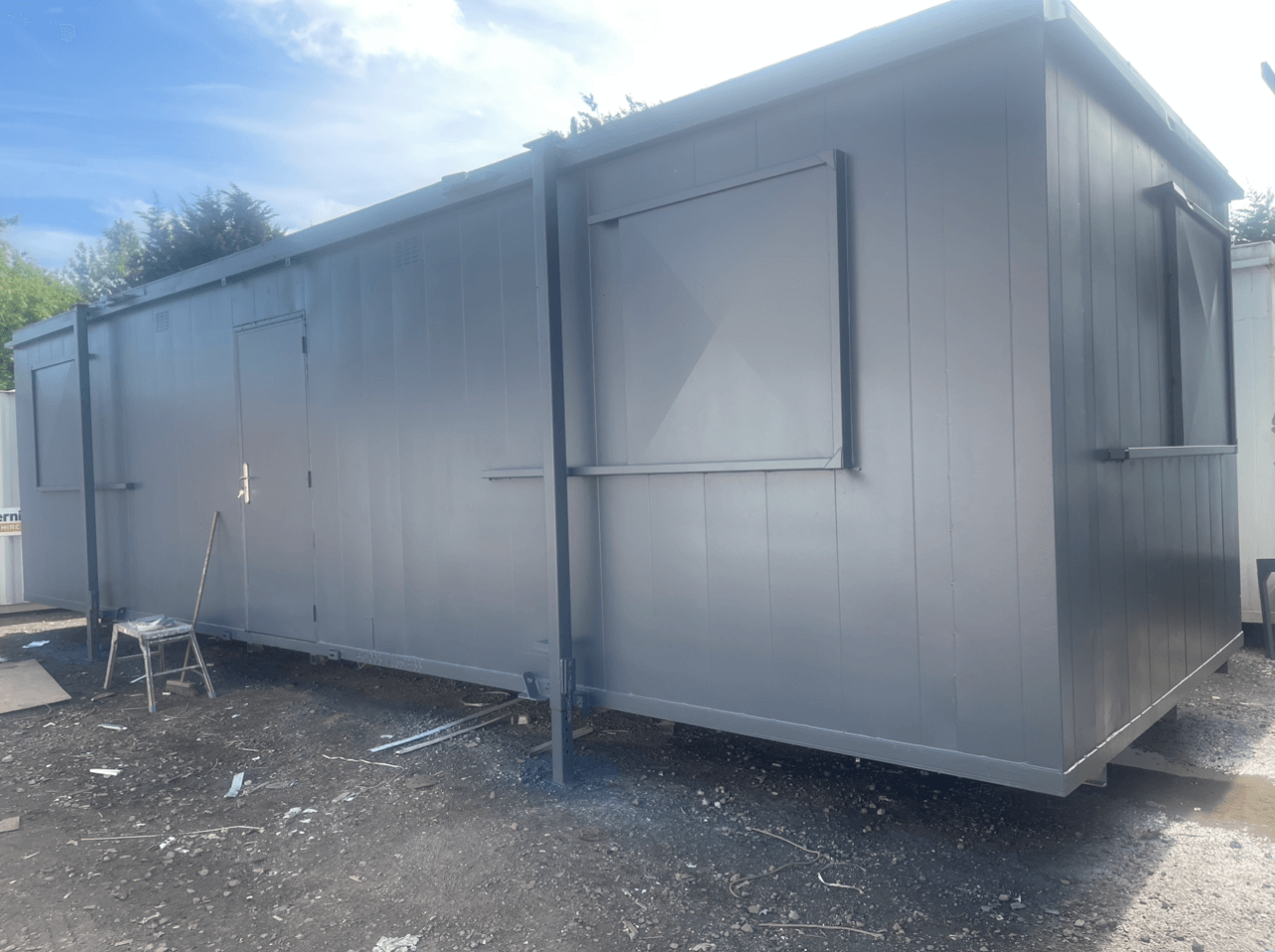
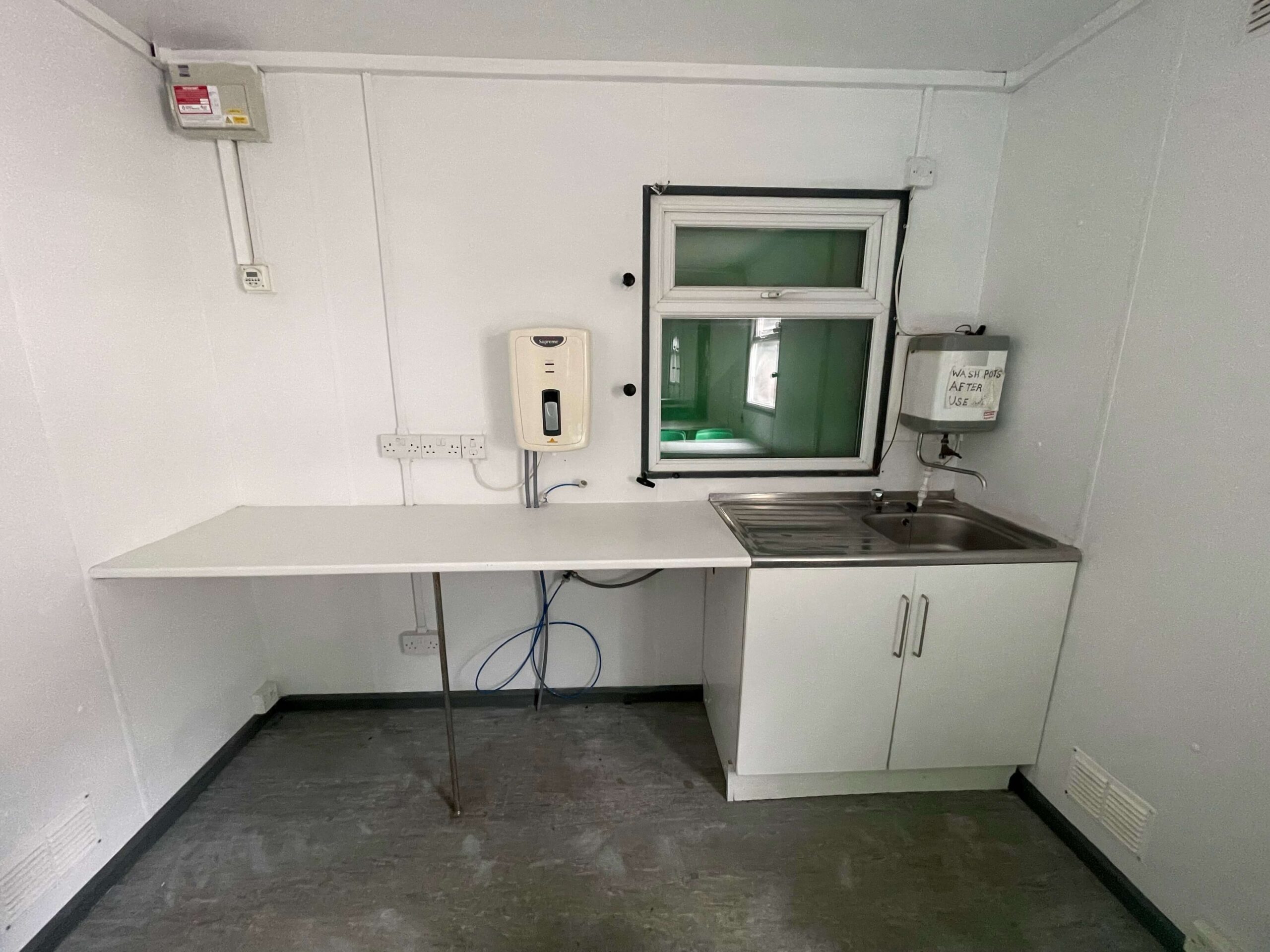
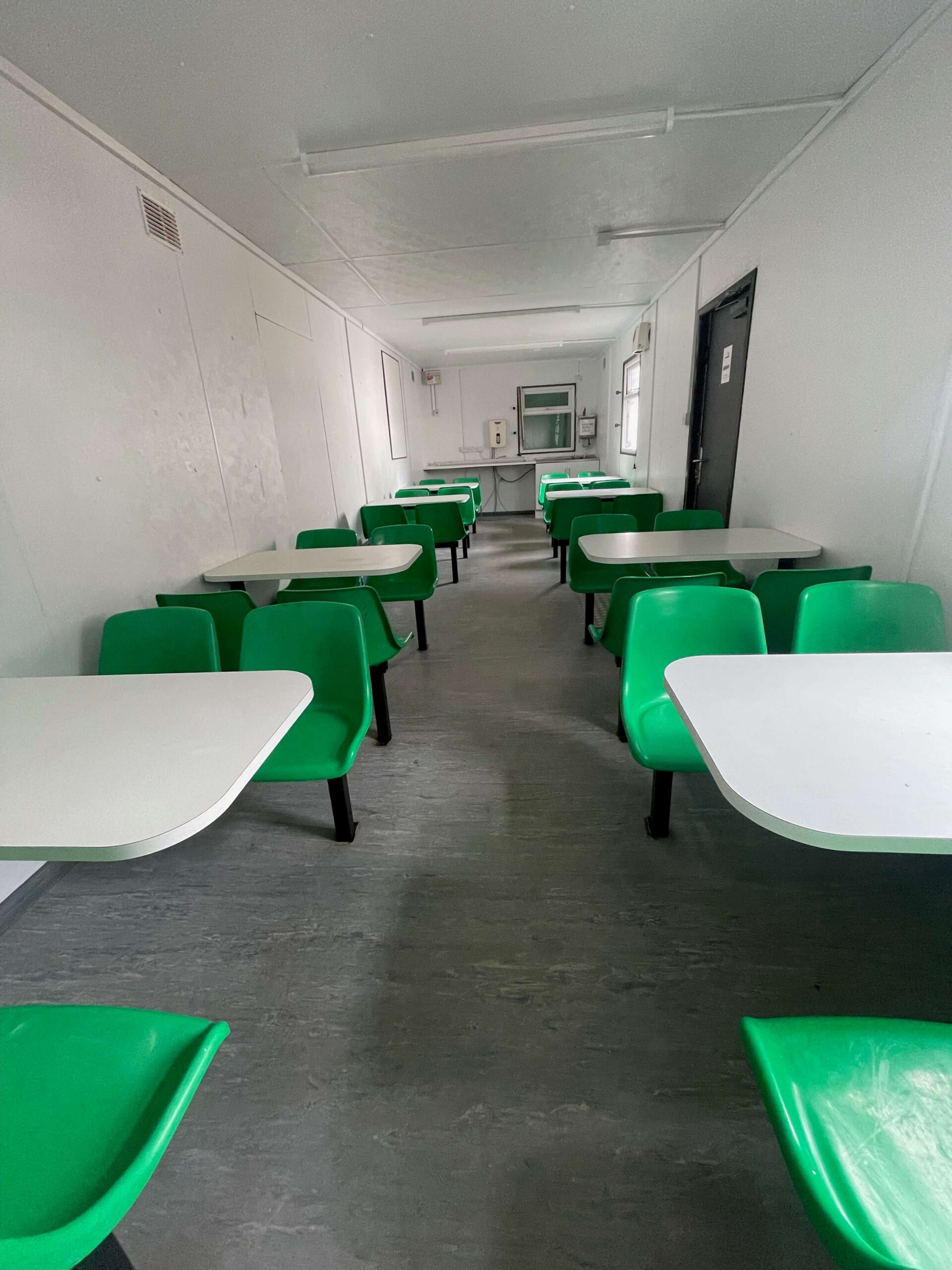
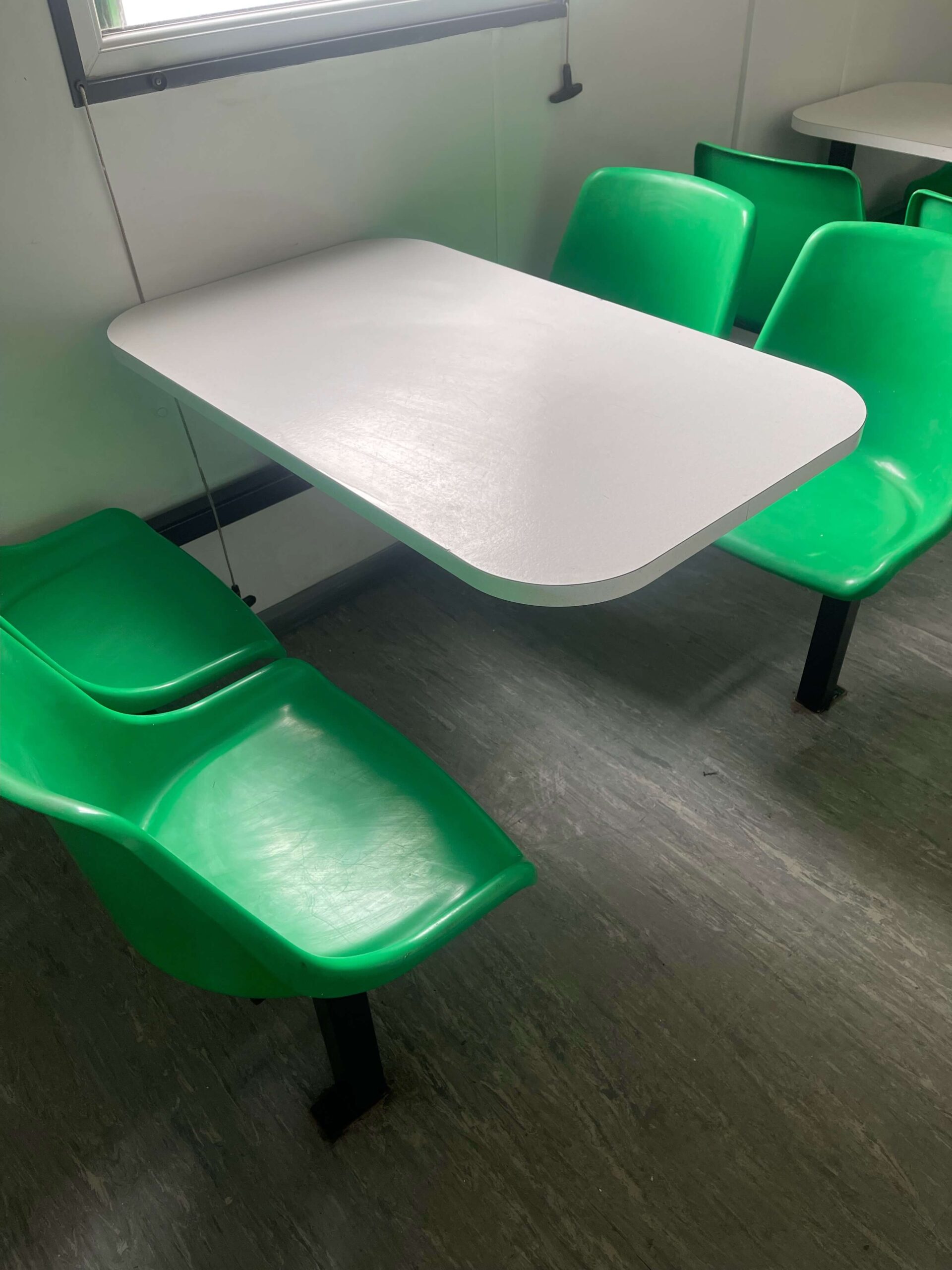
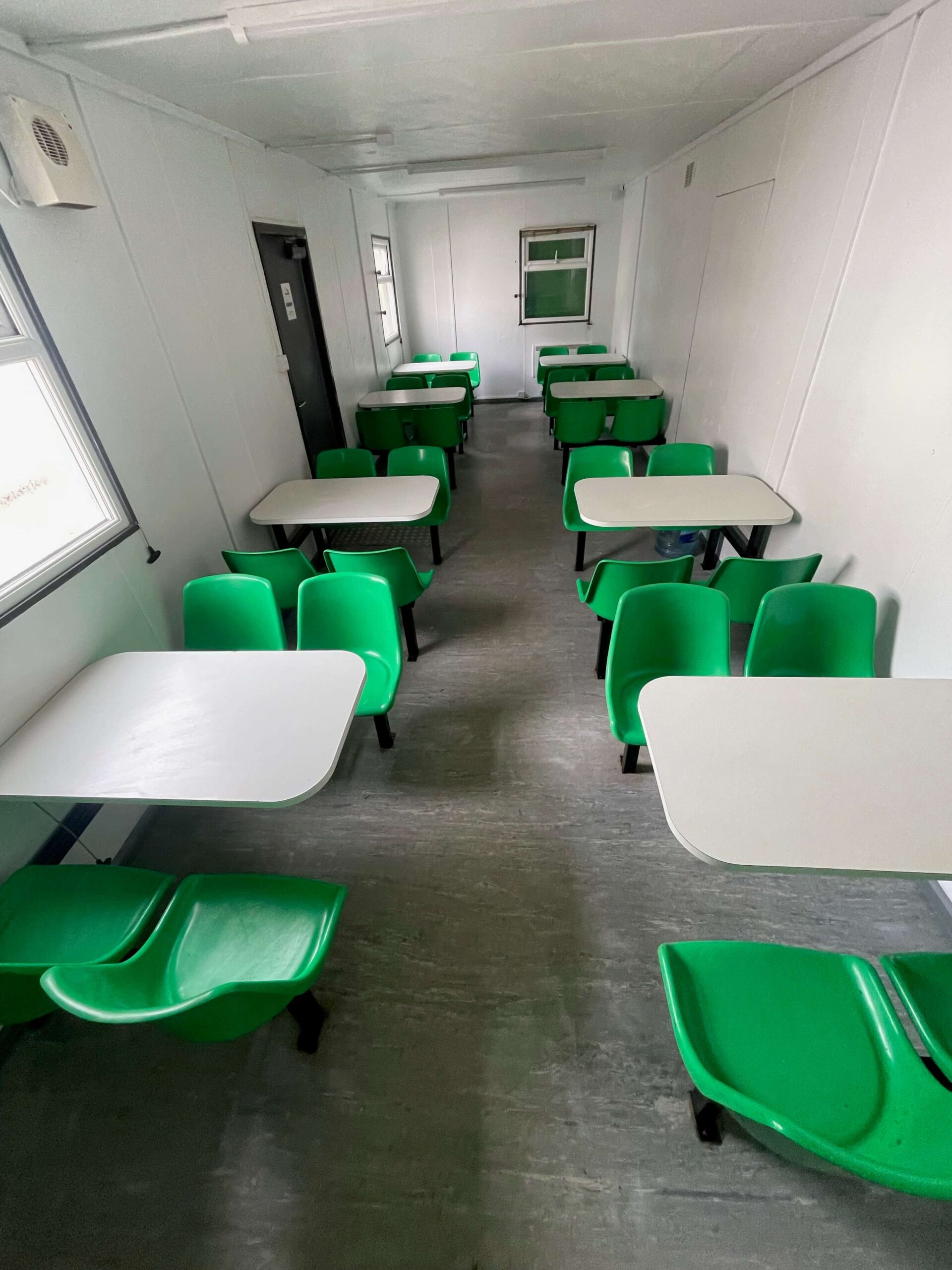
Location: Nationwide
Not Available for Hire
We can deliver for a cost please ask and send us post code.
13 tread
14 tread
15 tread
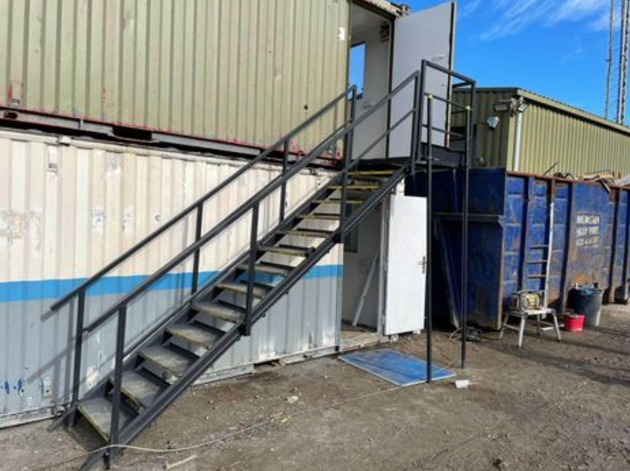
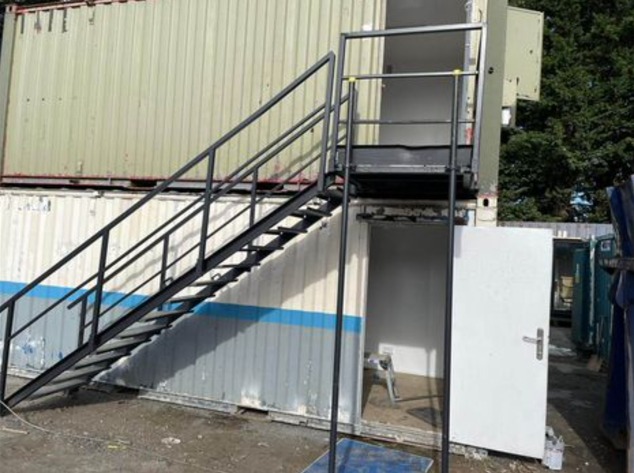
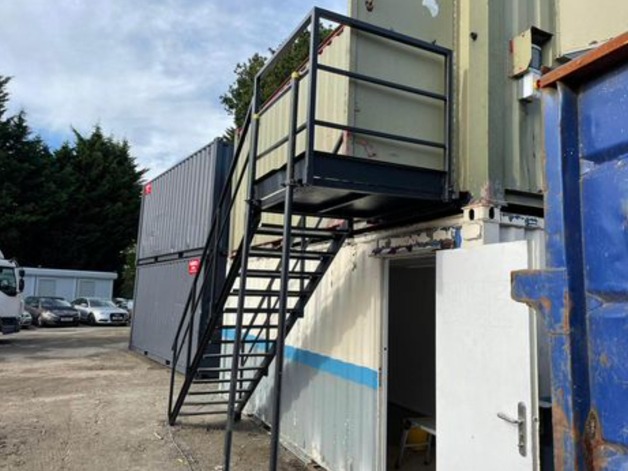
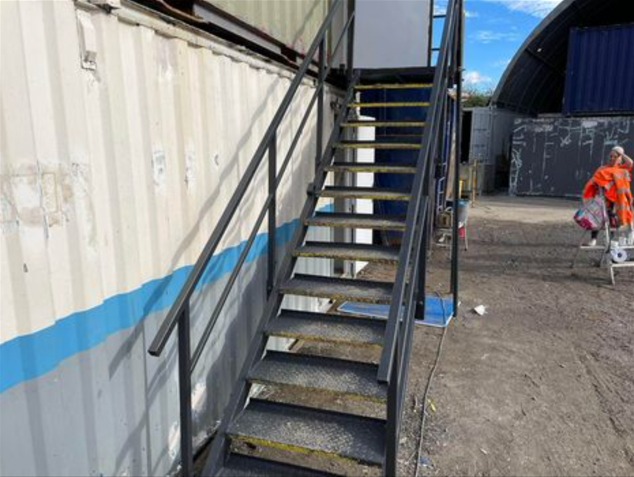
Location: Nationwide
Not Available for Hire
Call for an instant quote!
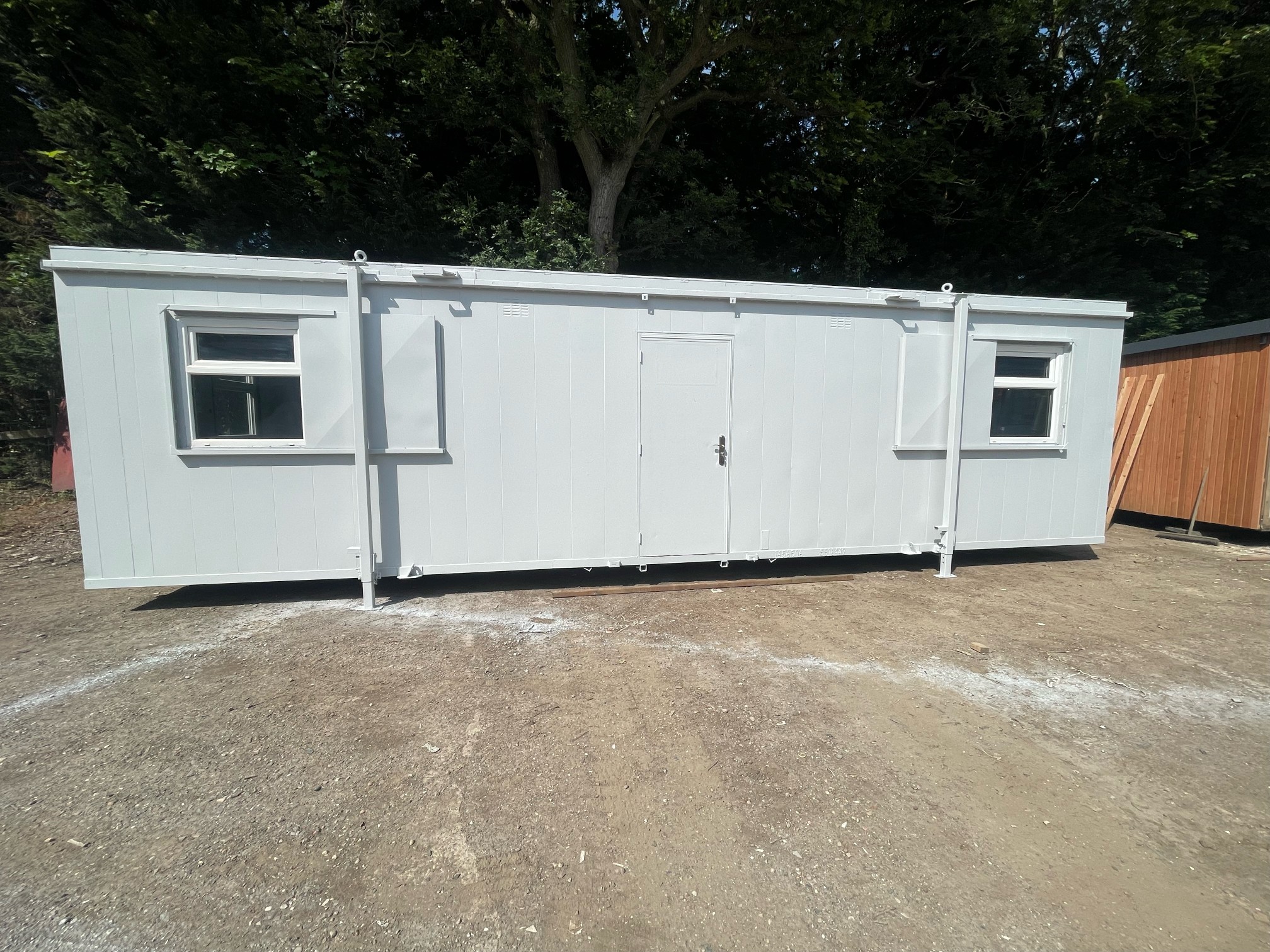
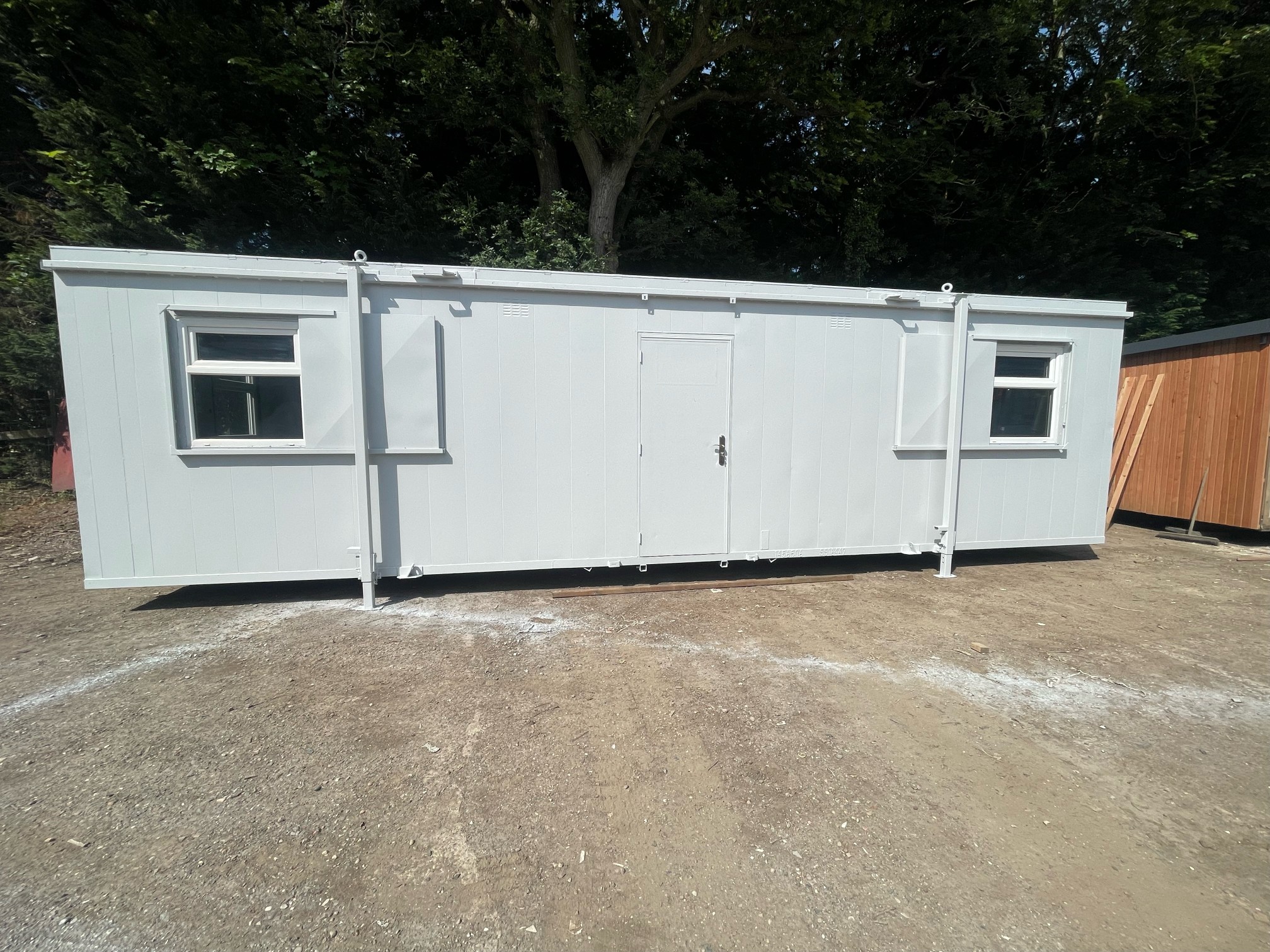
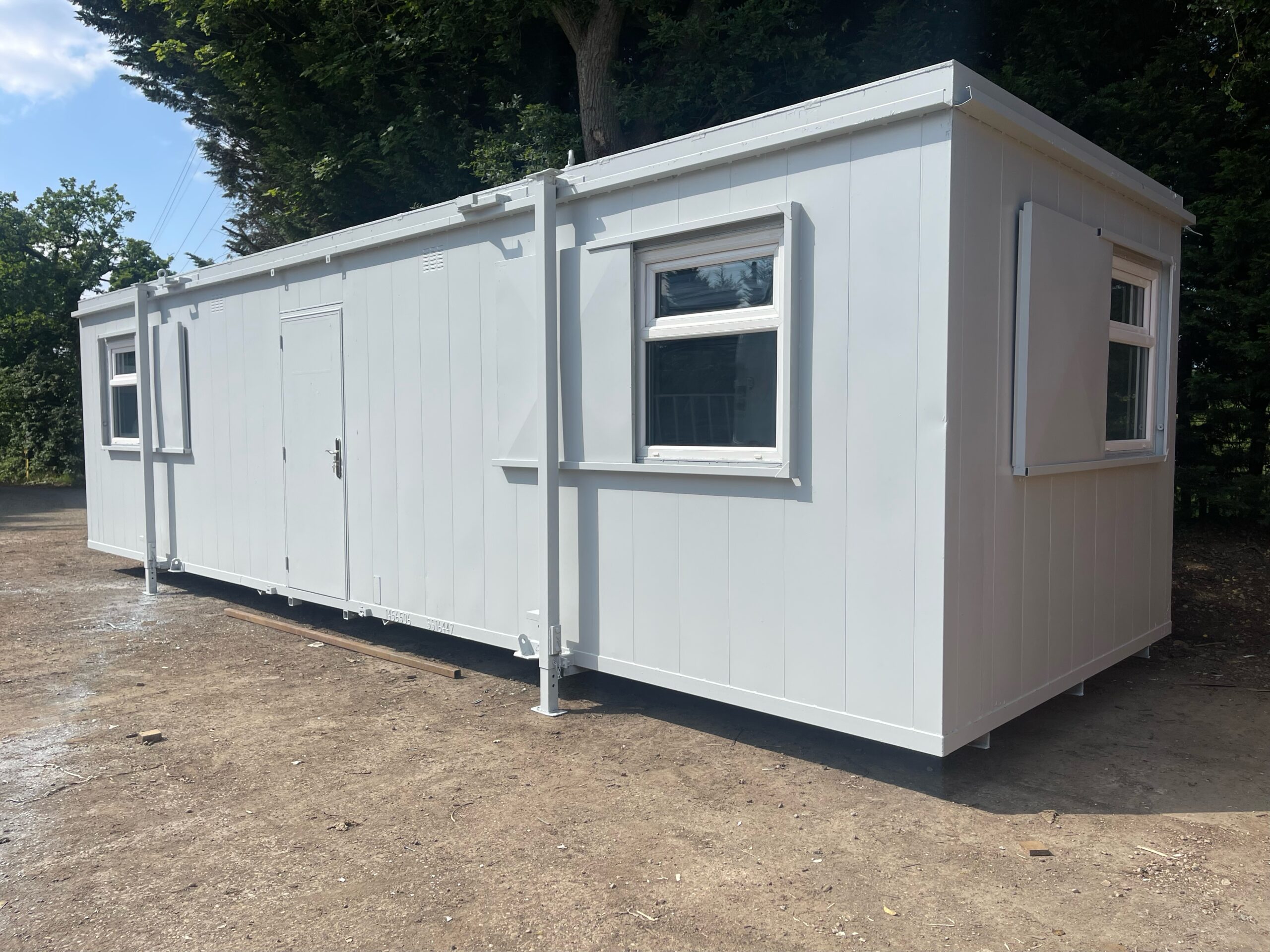
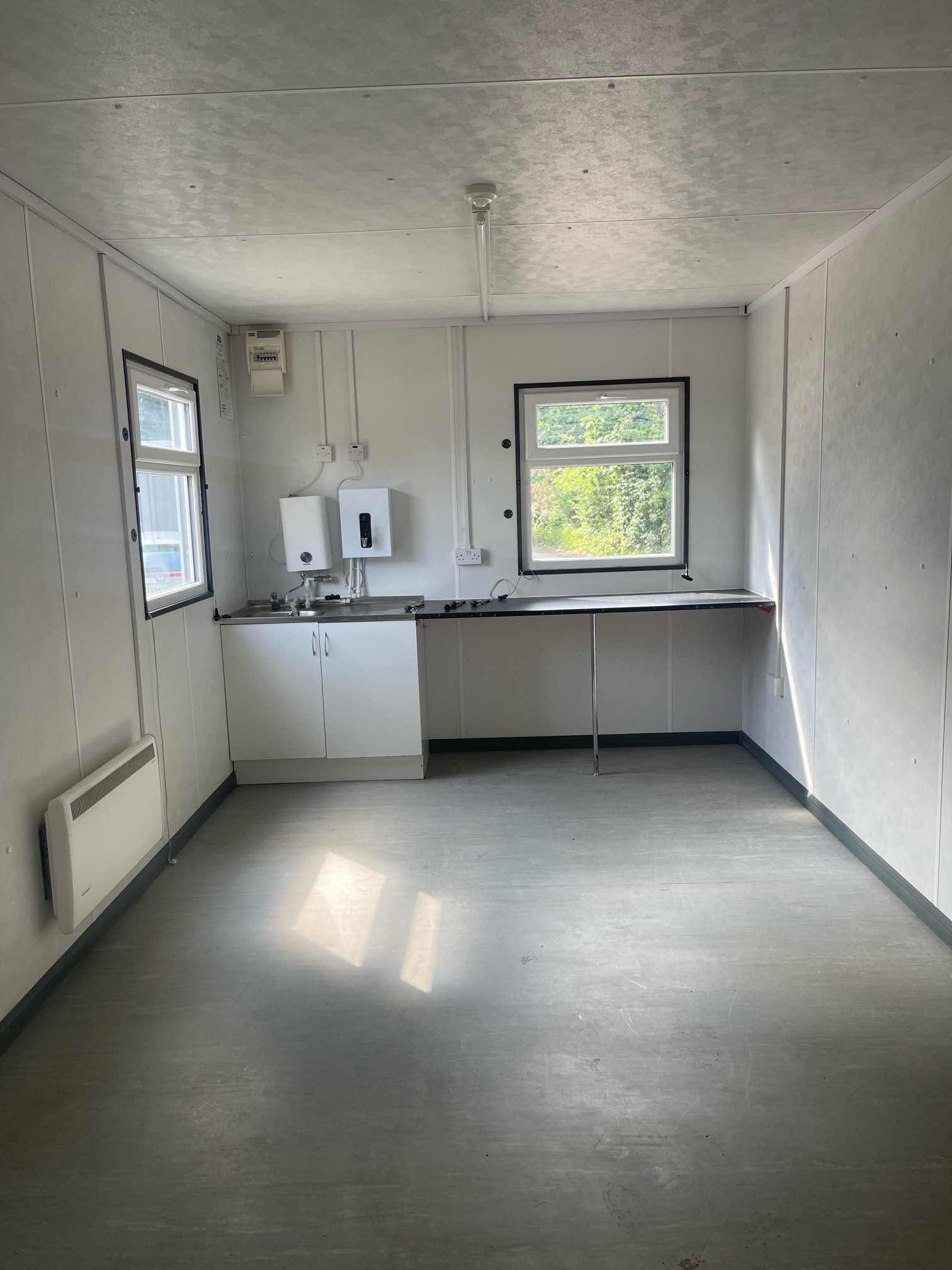
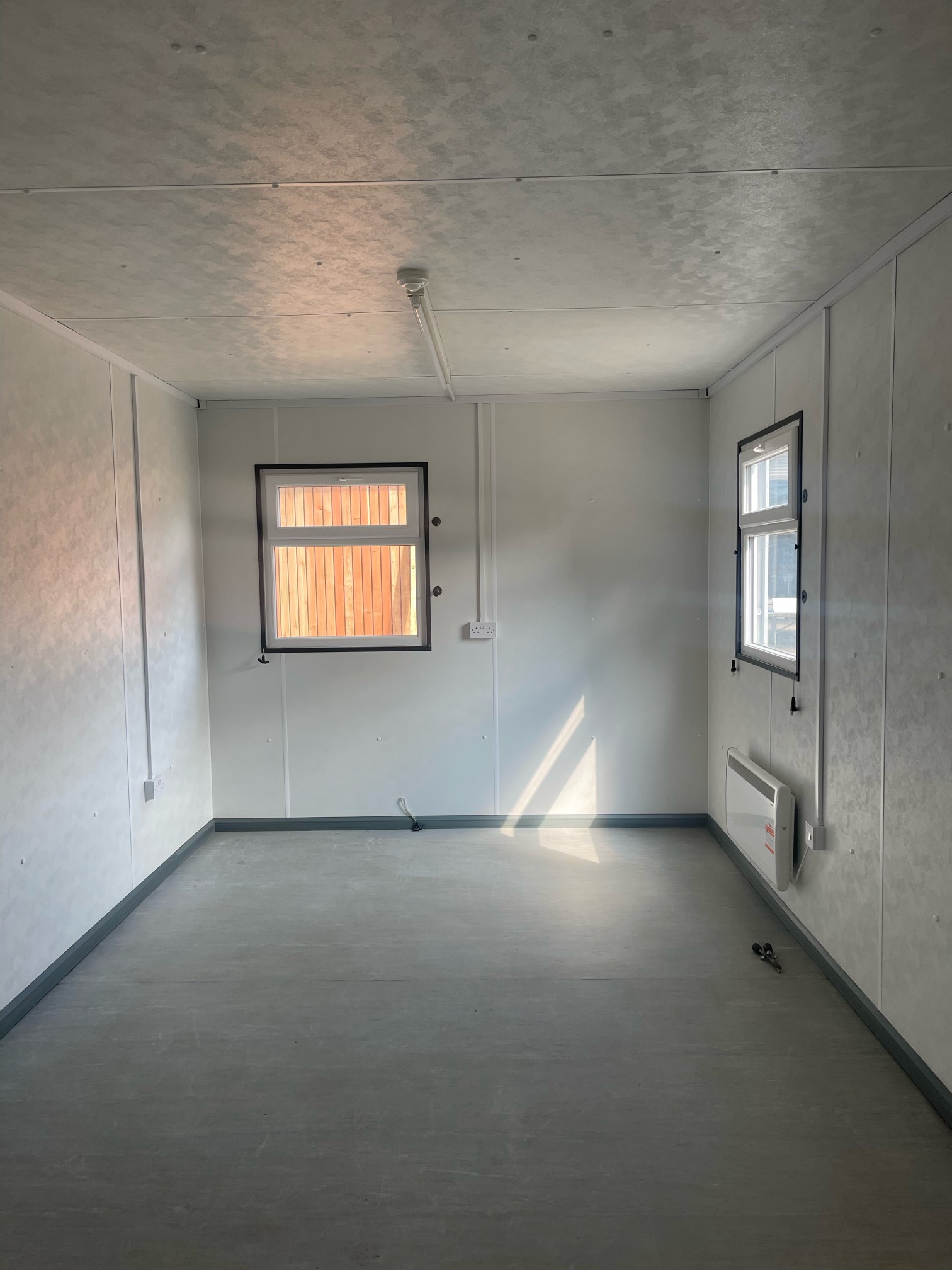
Location: Nationwide
Not Available for Hire
We can deliver for a cost please ask and send us post code.
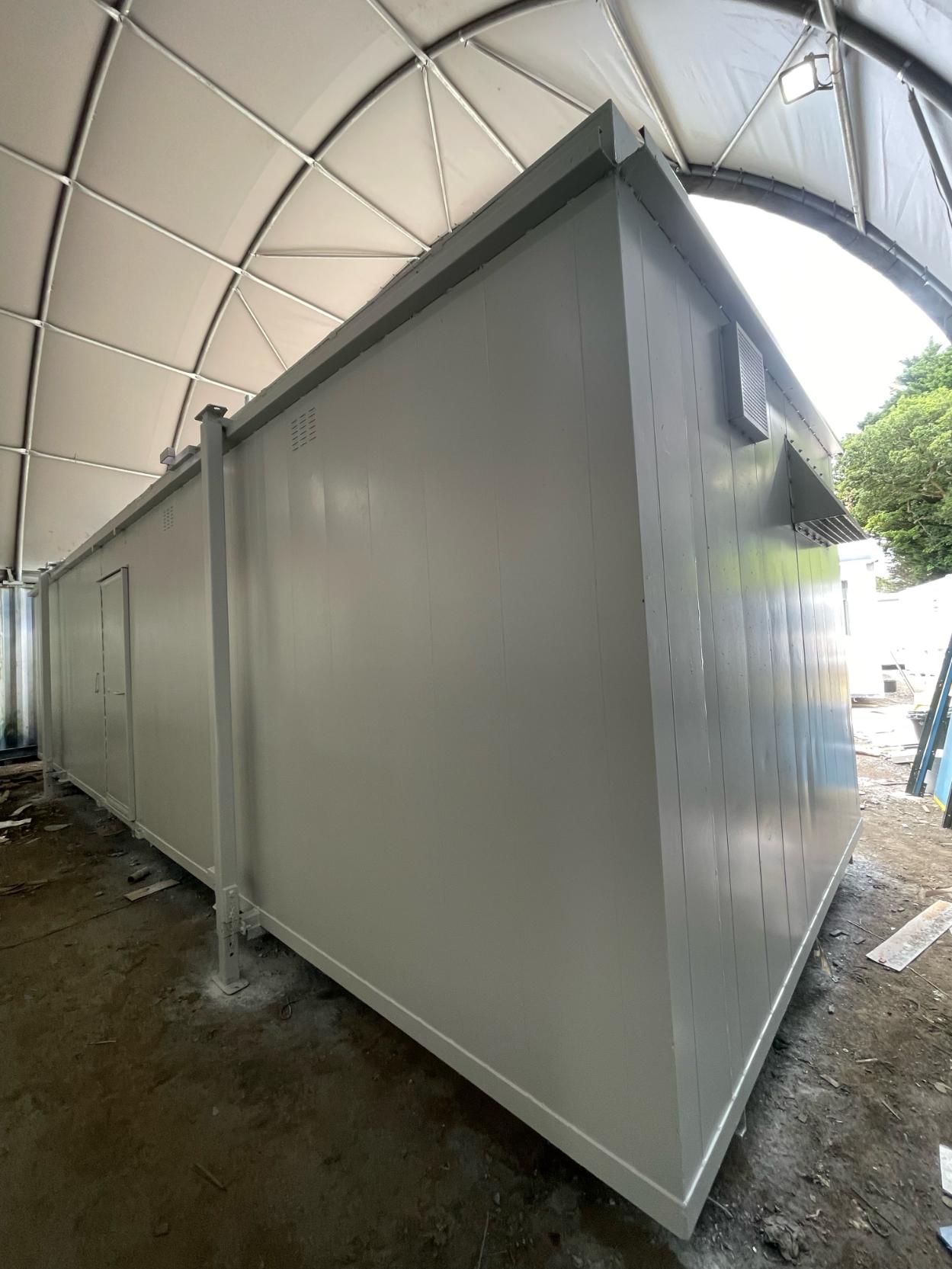
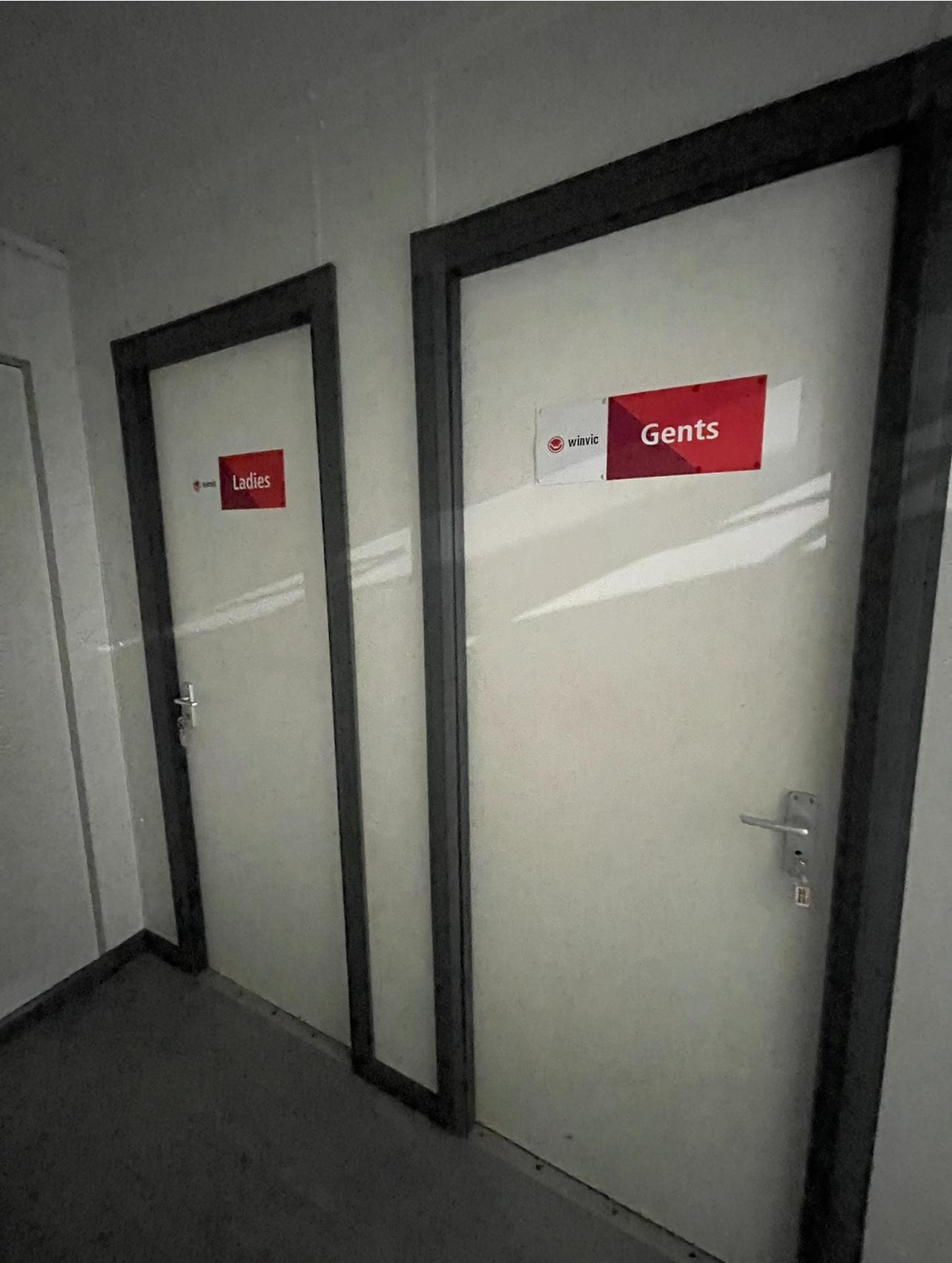
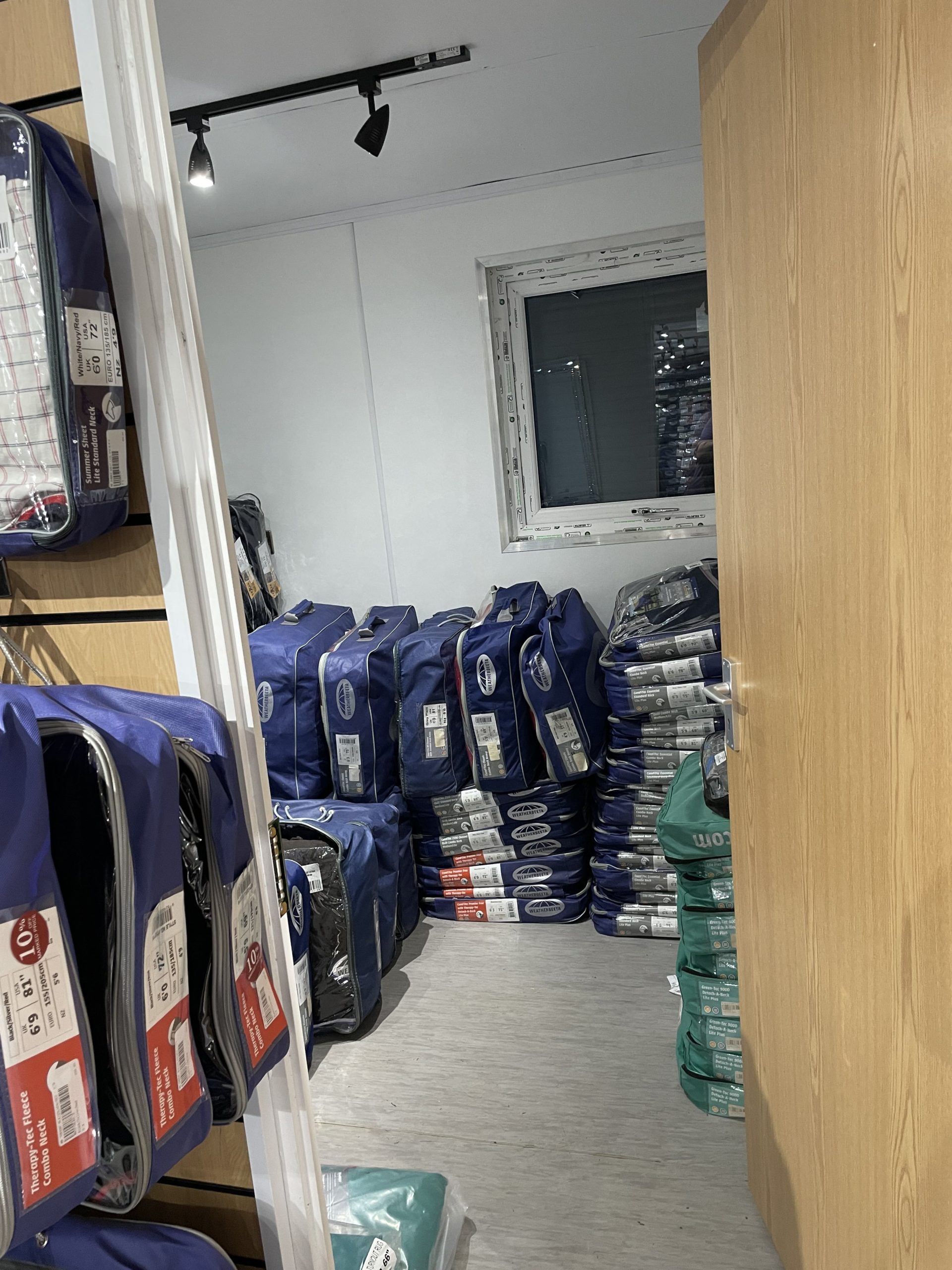
Hallway leading into:
Transport can be arranged please ask.
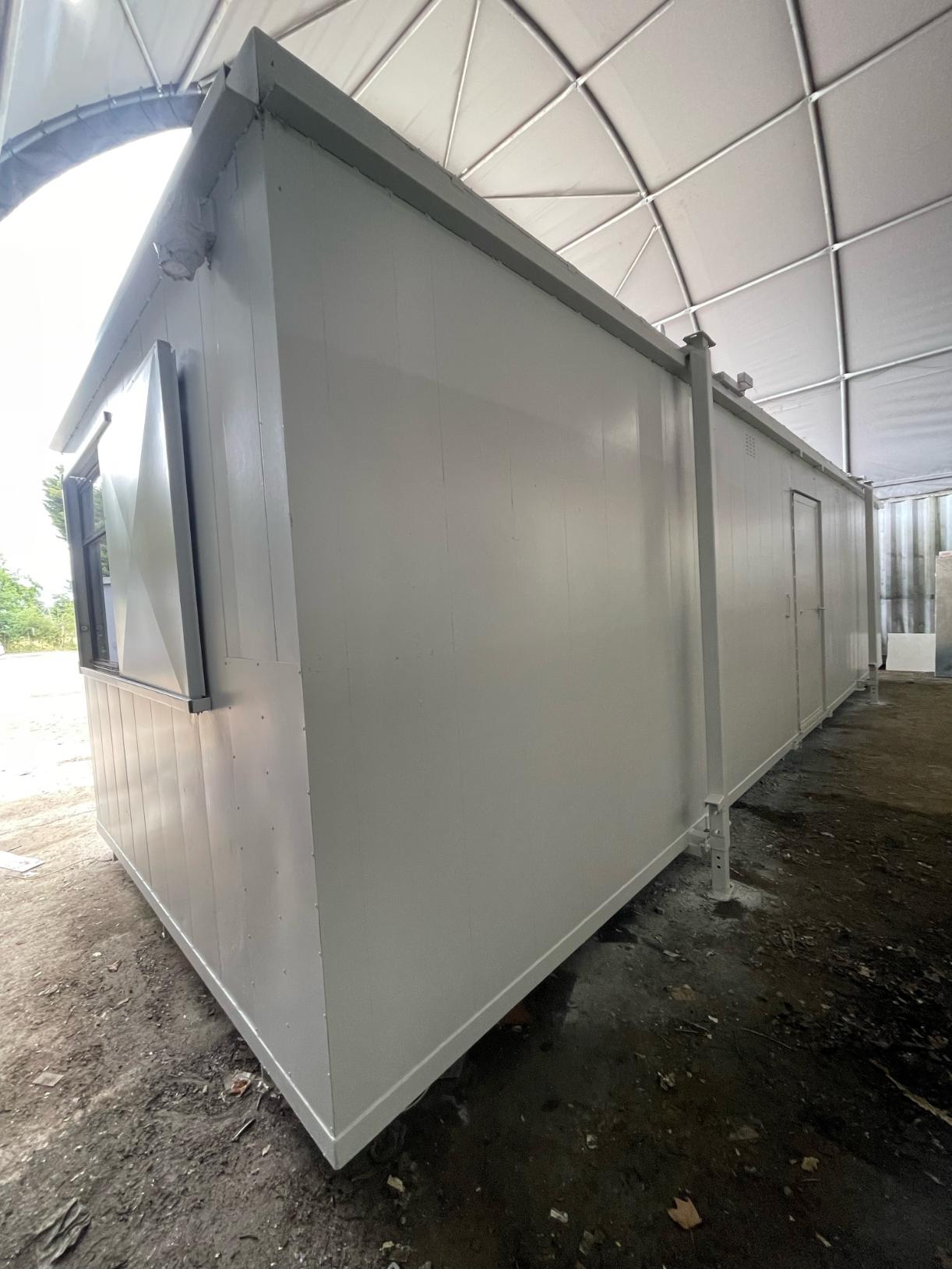
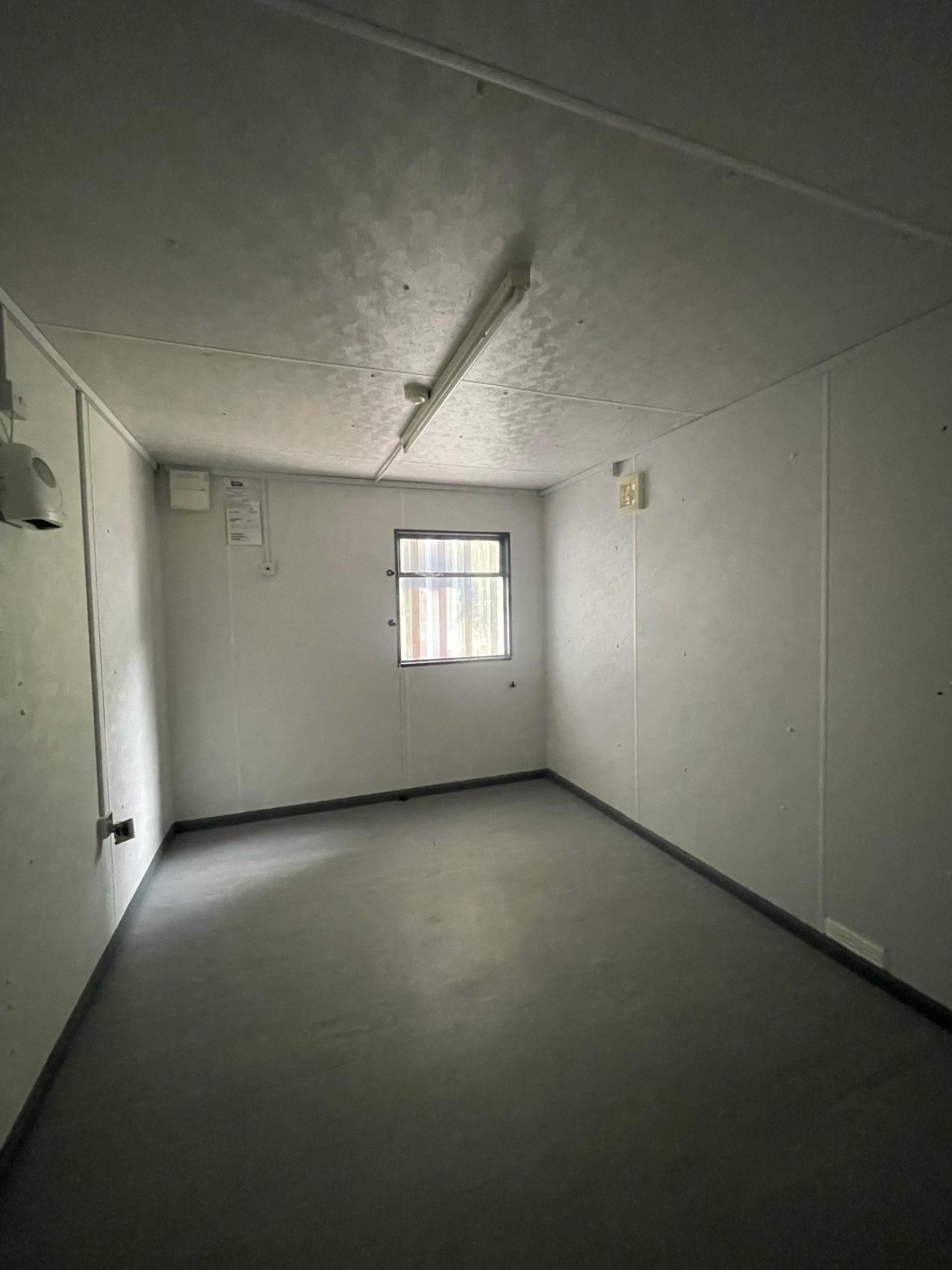
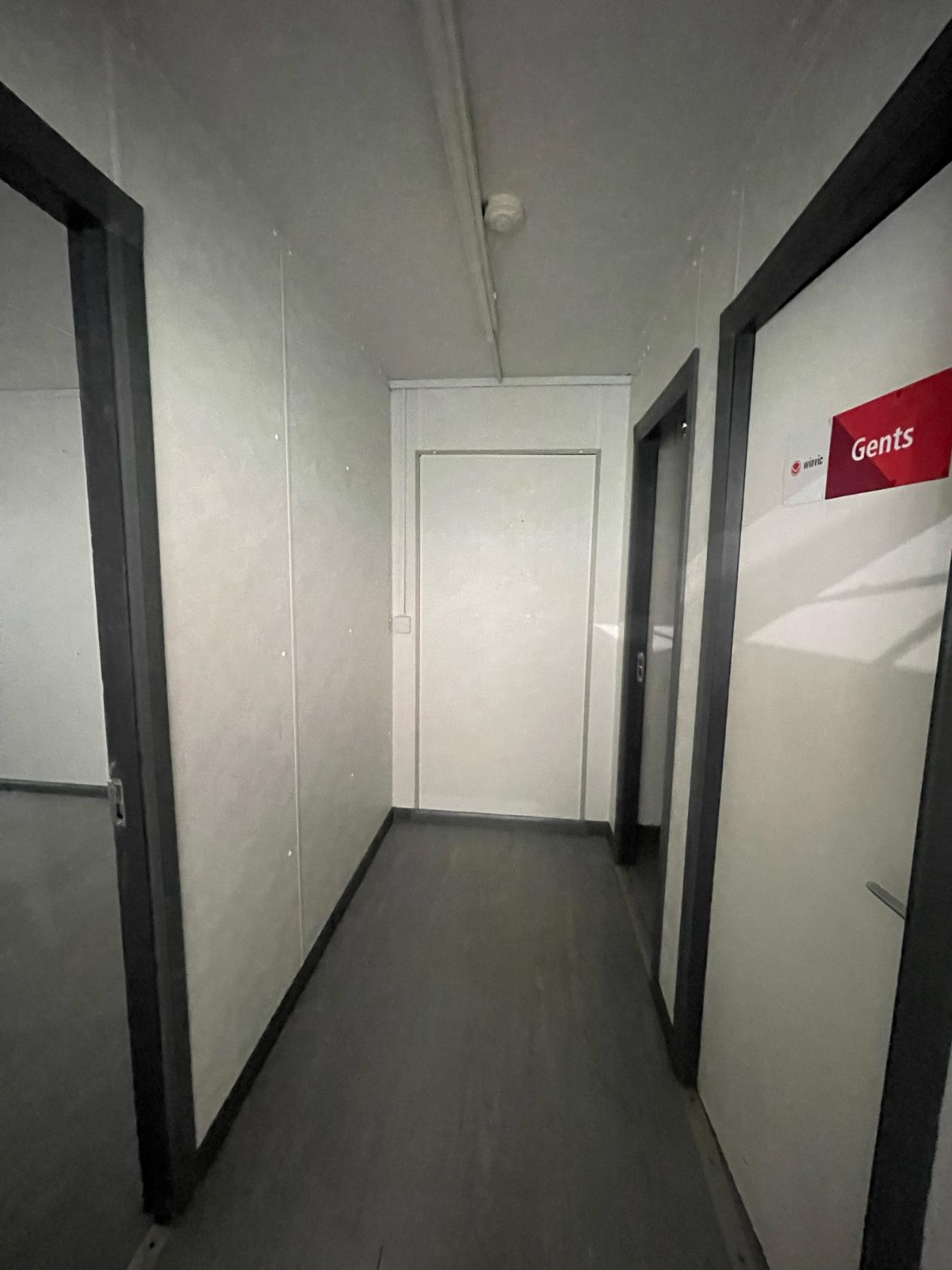
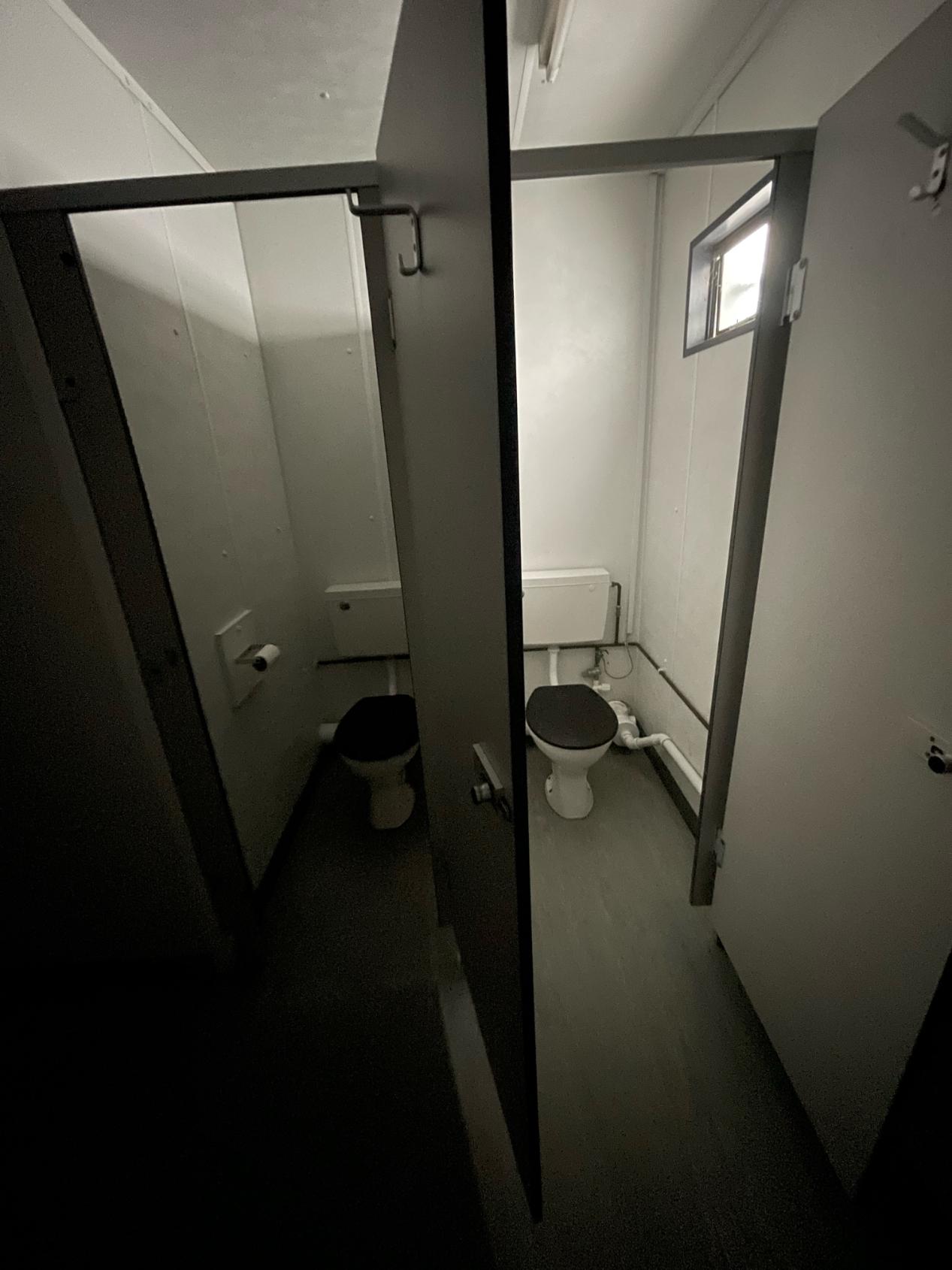
Location: Nationwide
Not Available for Hire
Call for an instant quote!
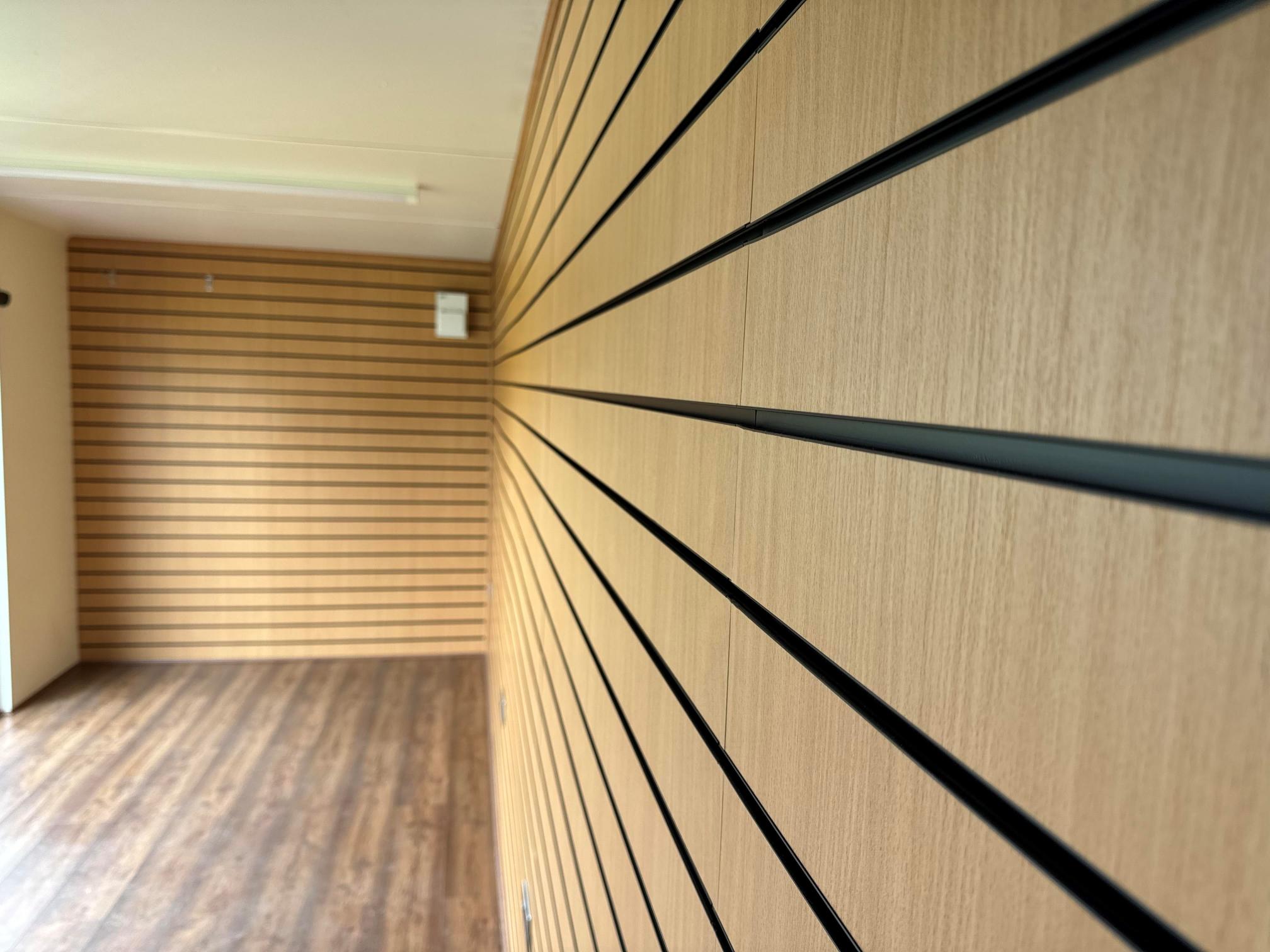
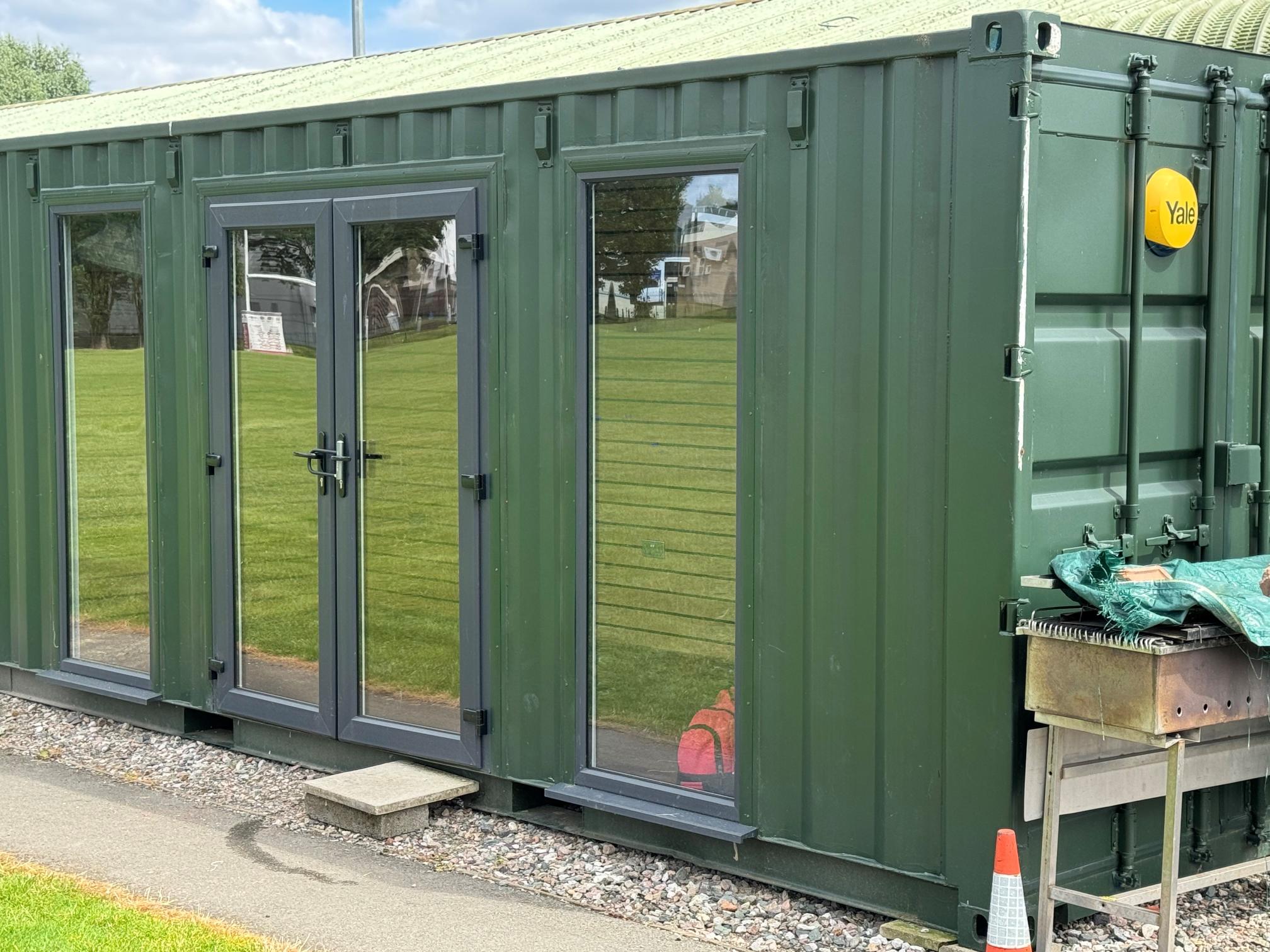
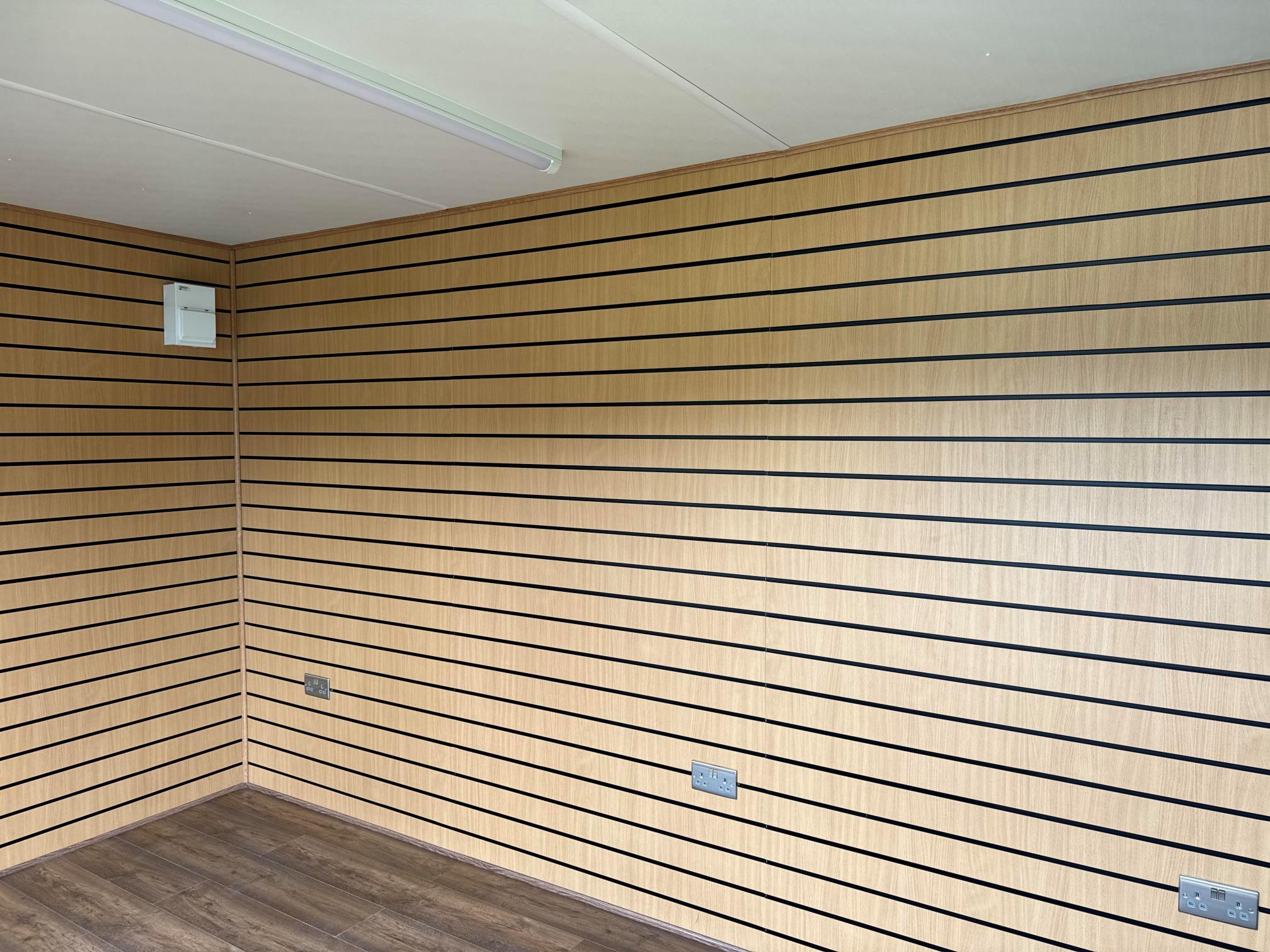
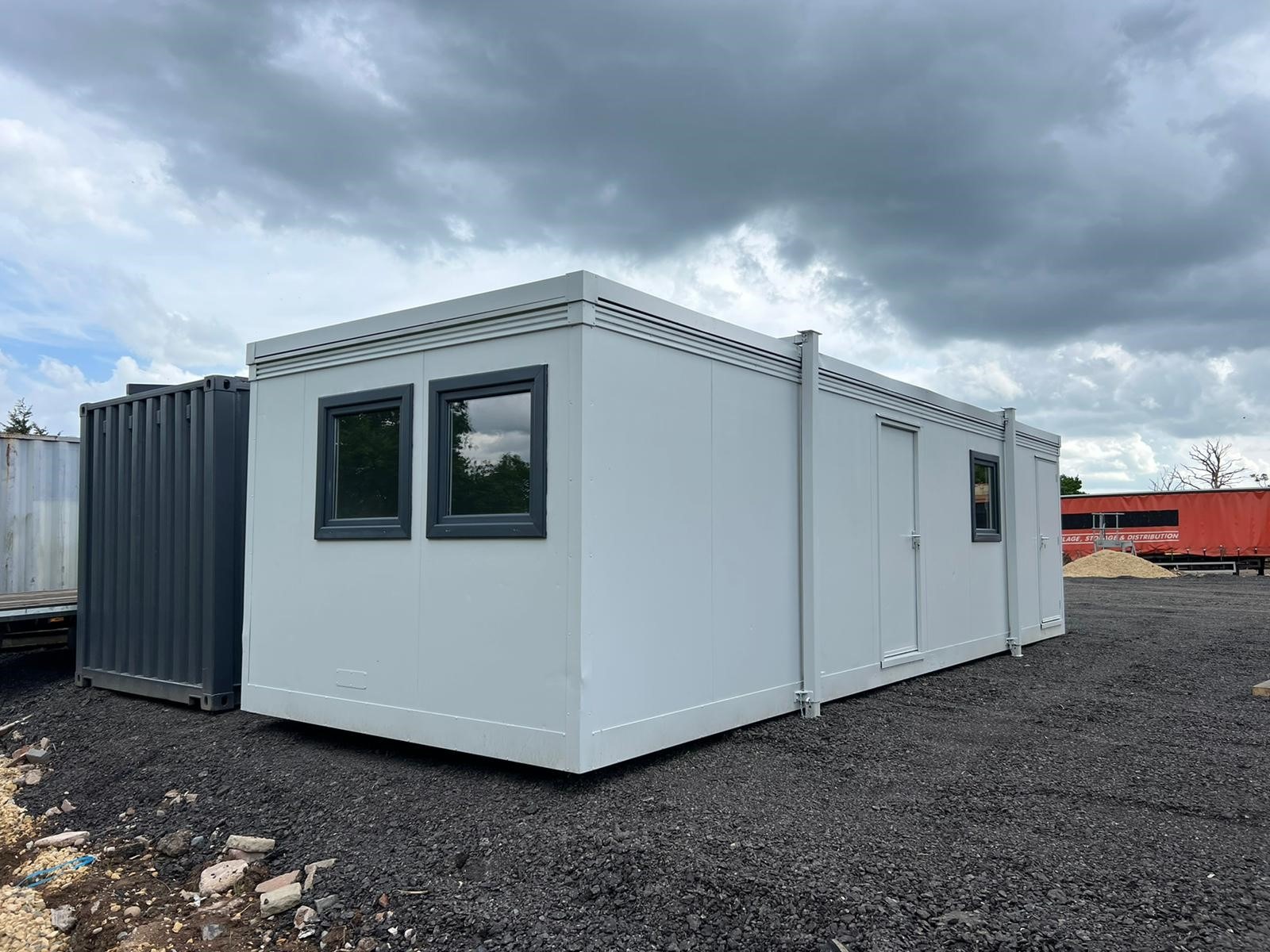
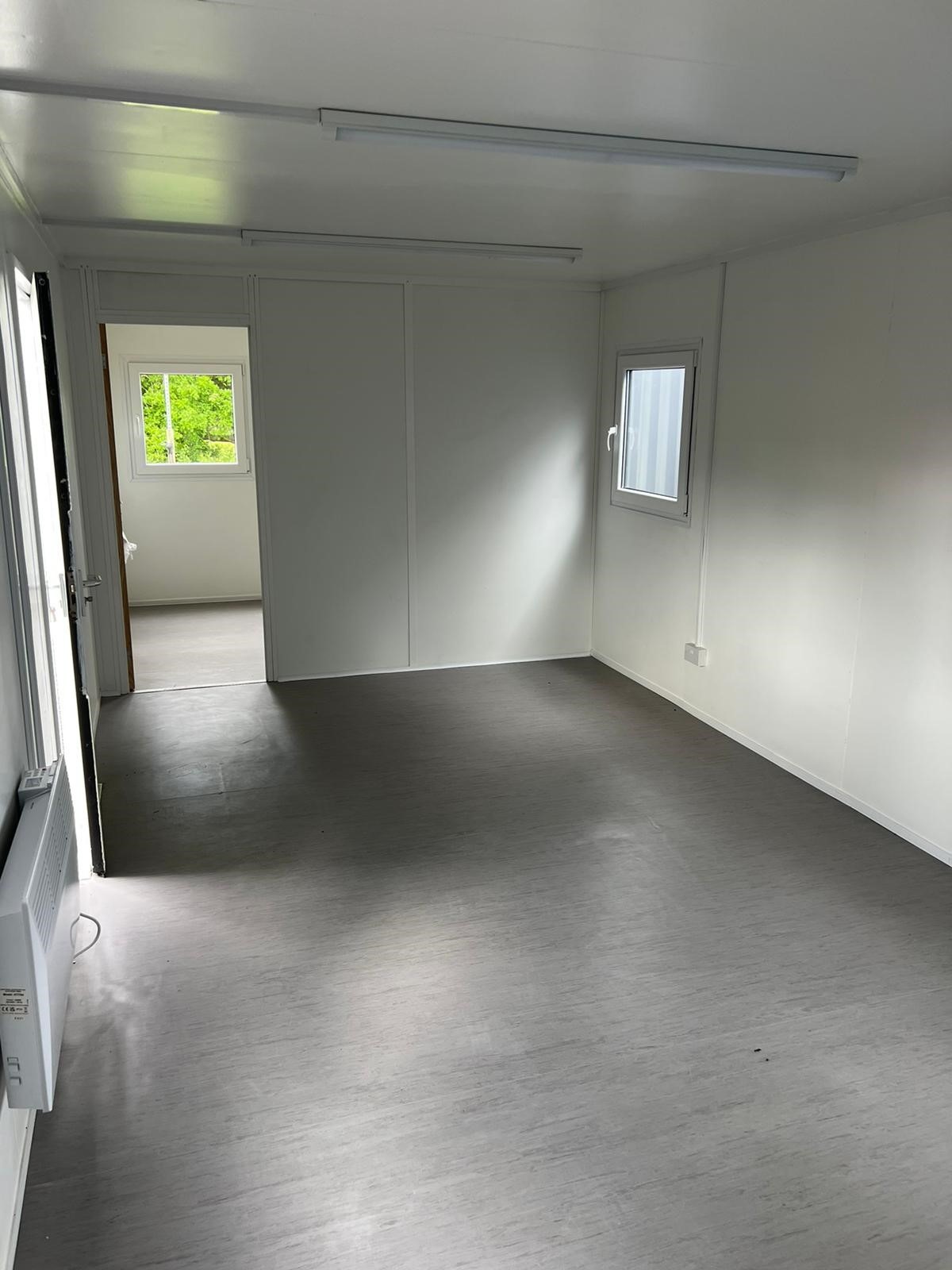
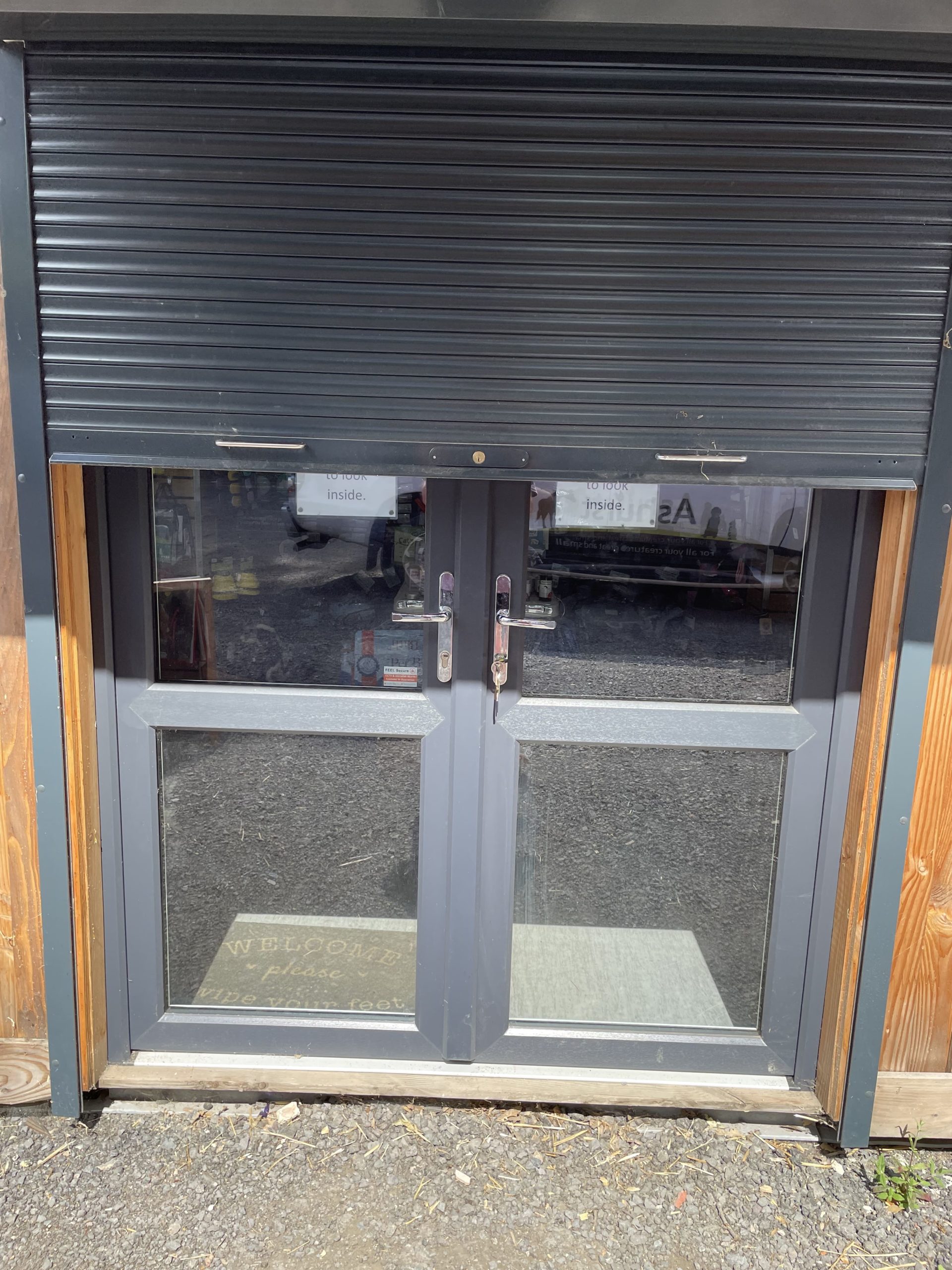
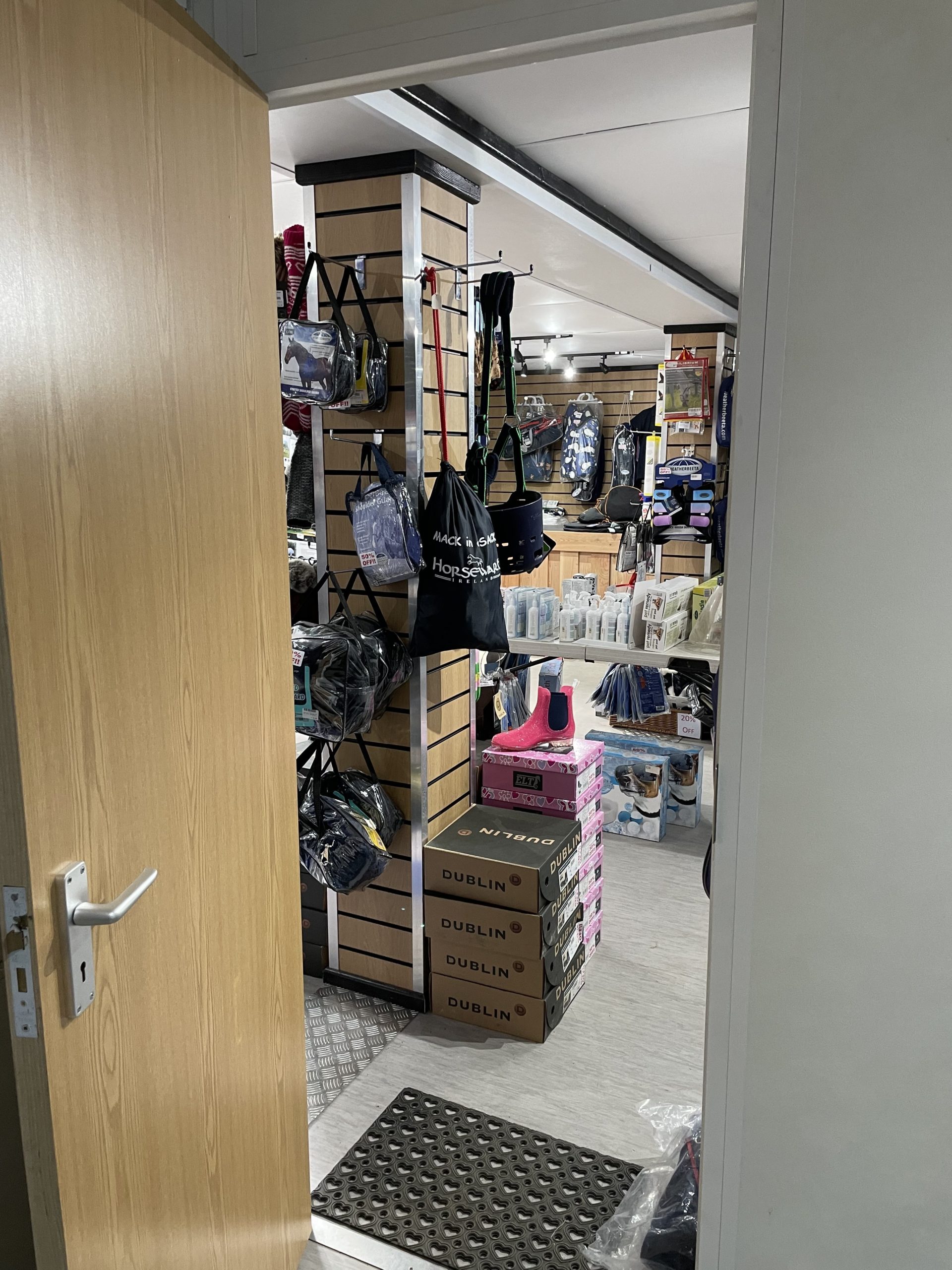
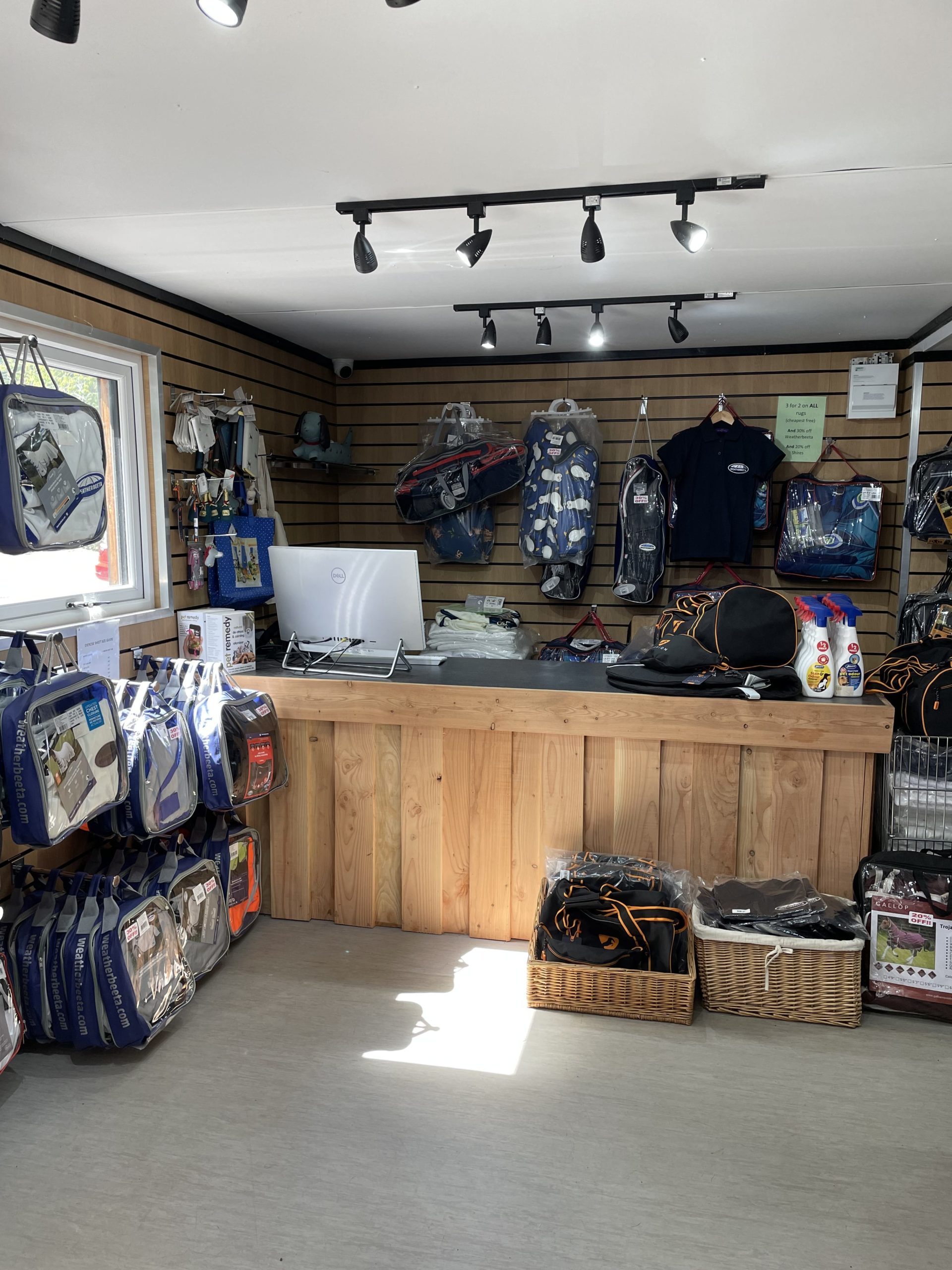
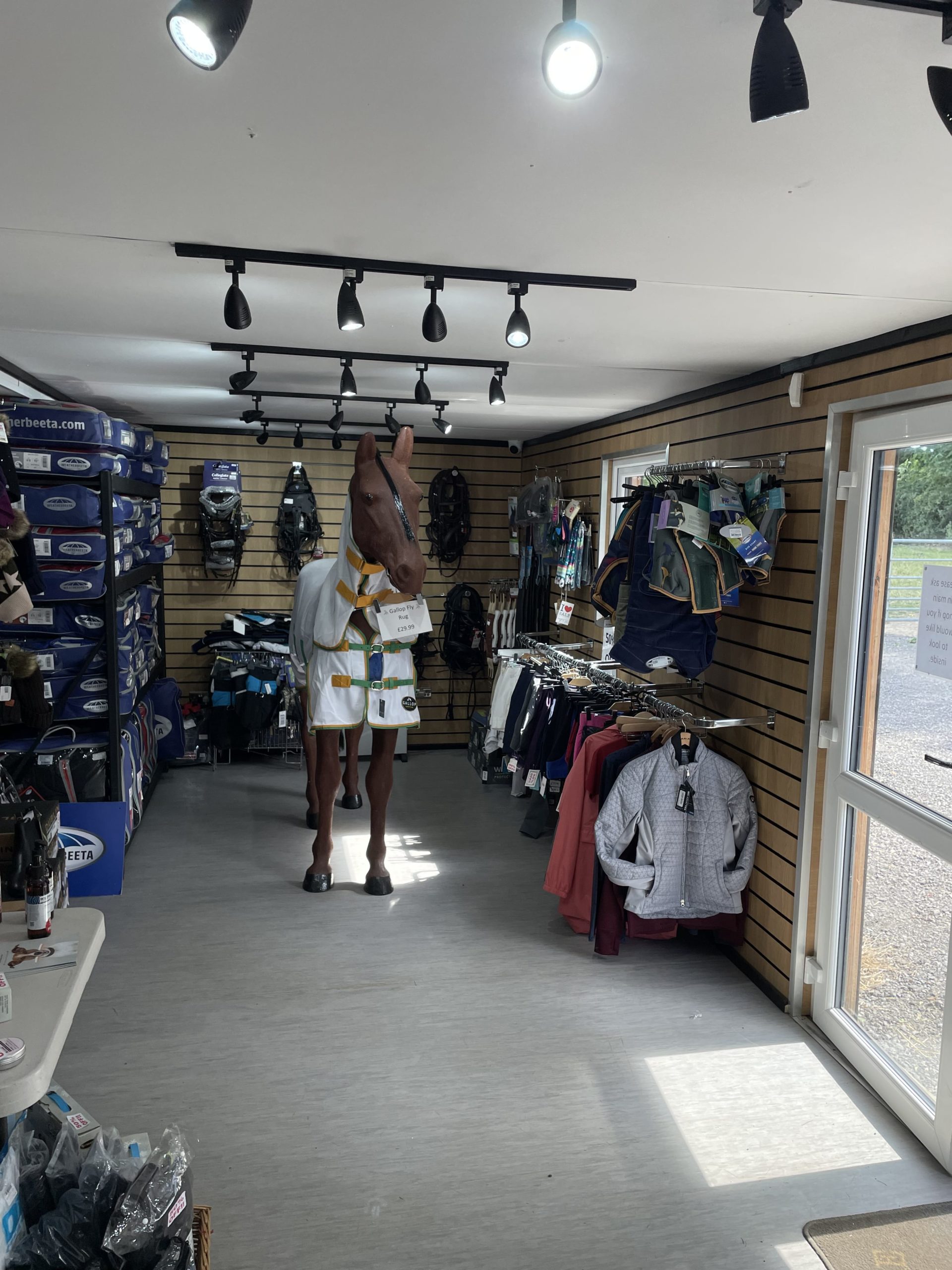
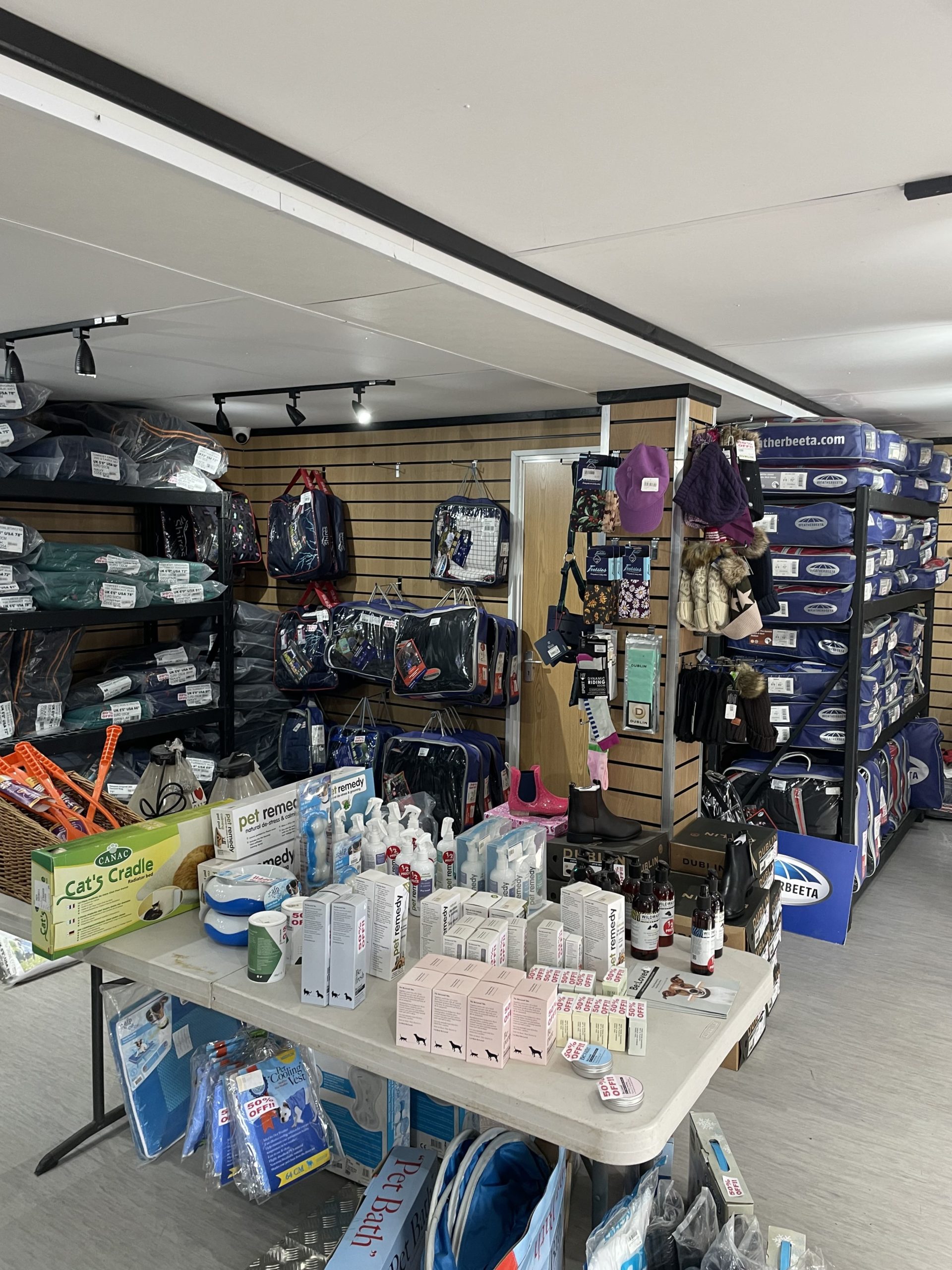
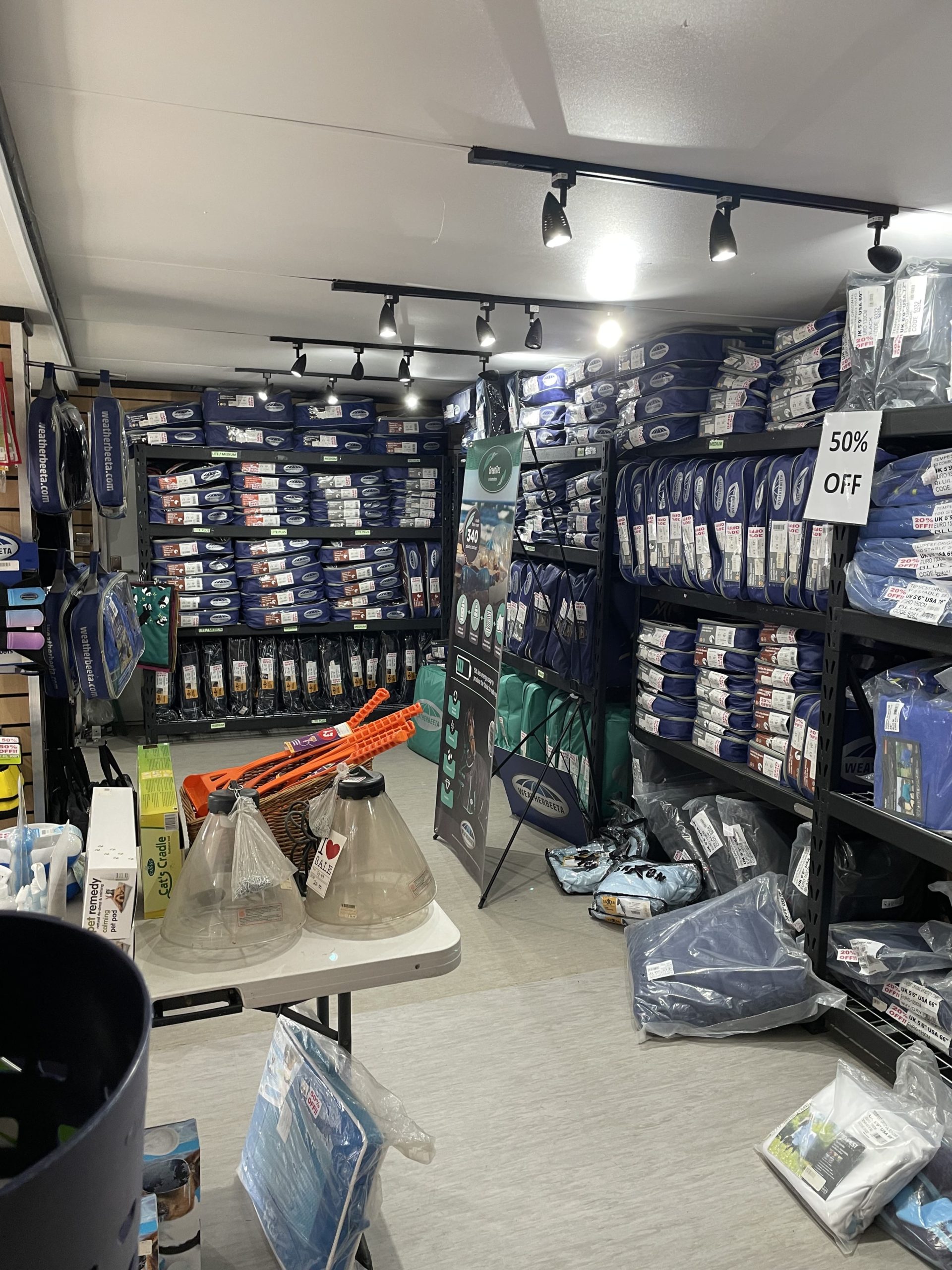
20ft x 8ft Container Conversion Retail Shop
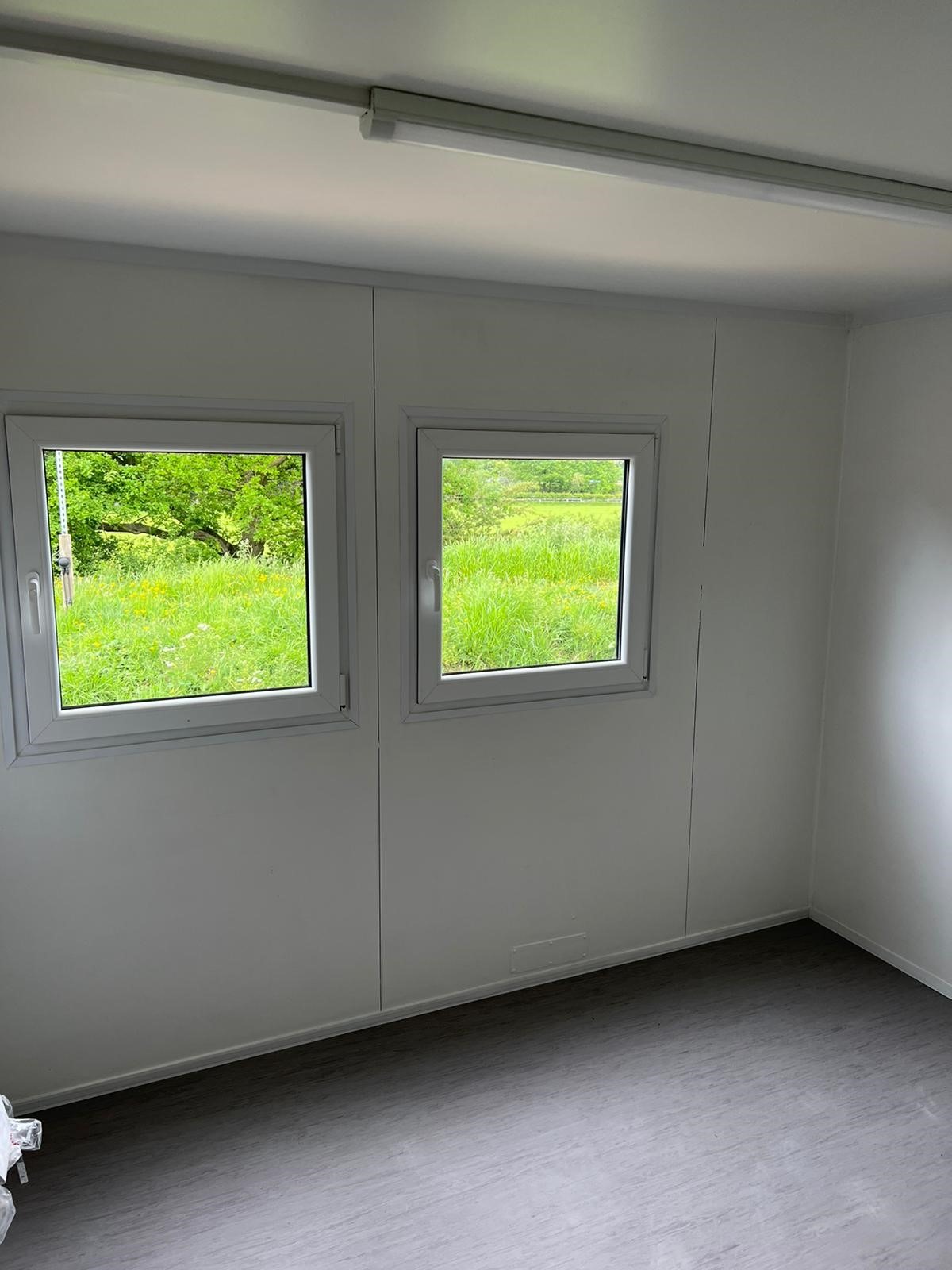
UPVC Double glazed Windows + French Doors
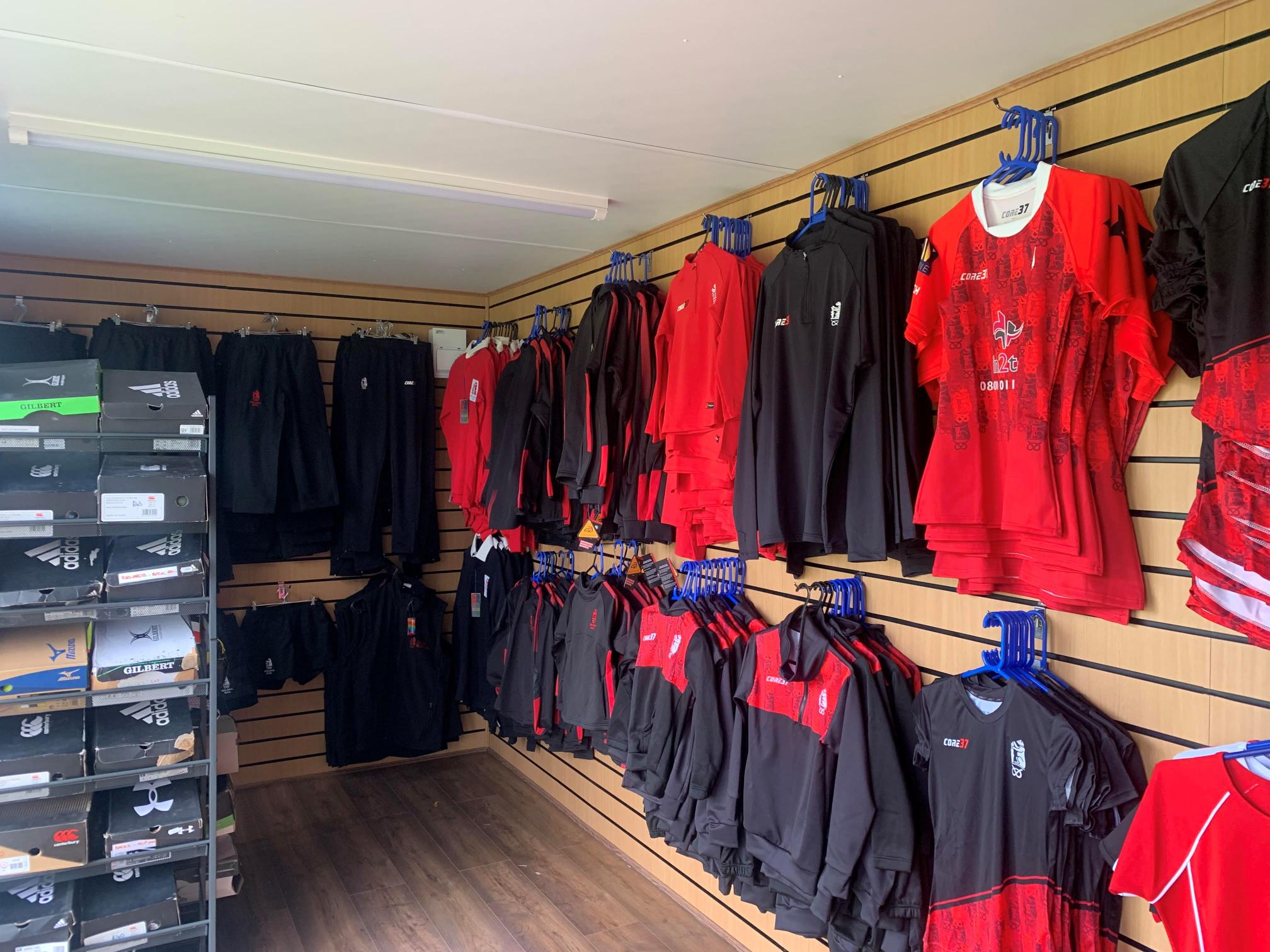
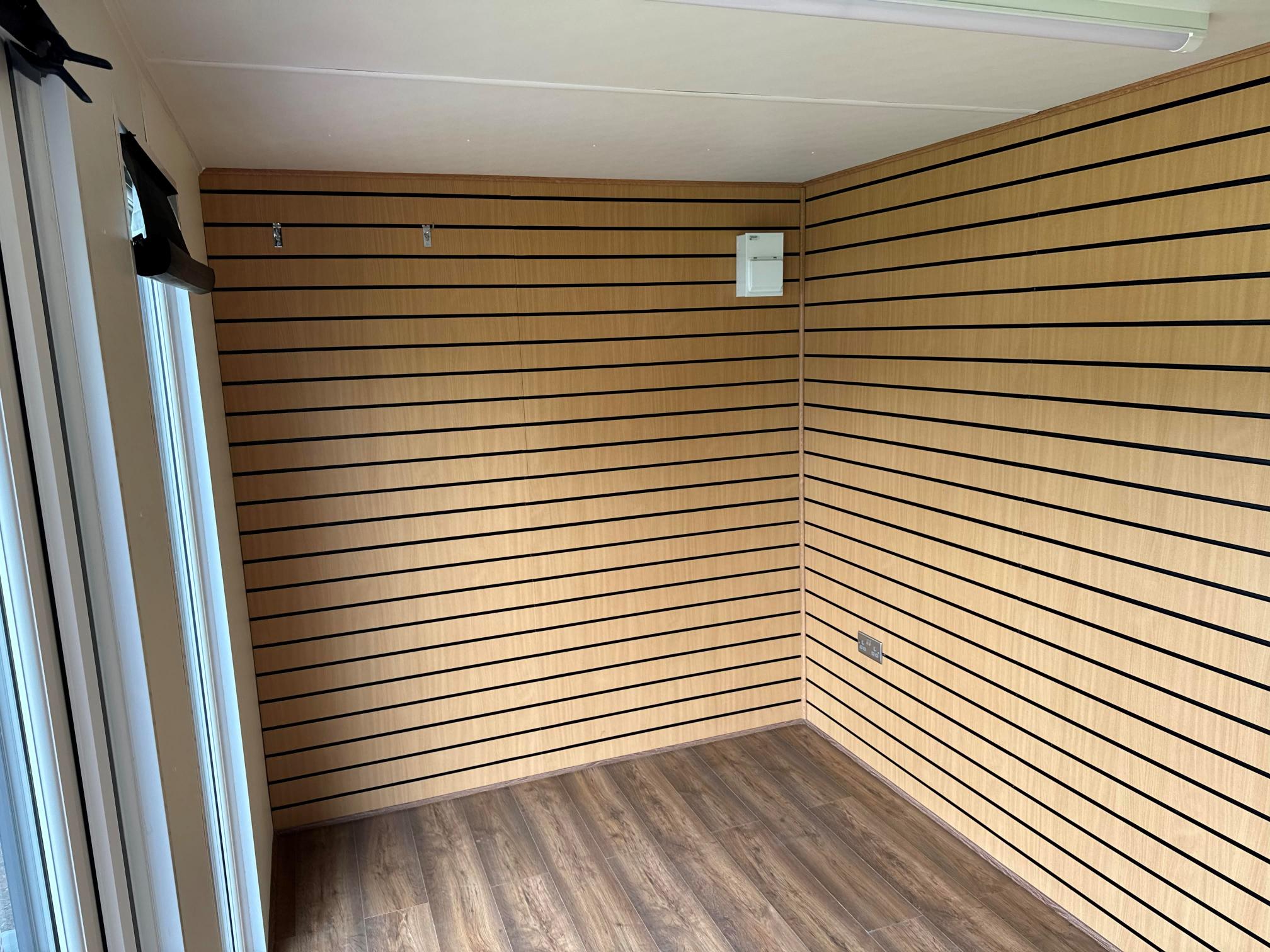
Slat Wall for retail fixings and Merchandise
Electric Chrome Sockets, led lighting and heating.
Laminate Flooring
12 months Warranty
Maintenance call out package included
Less than 2 years old
Still in Brand New Condition
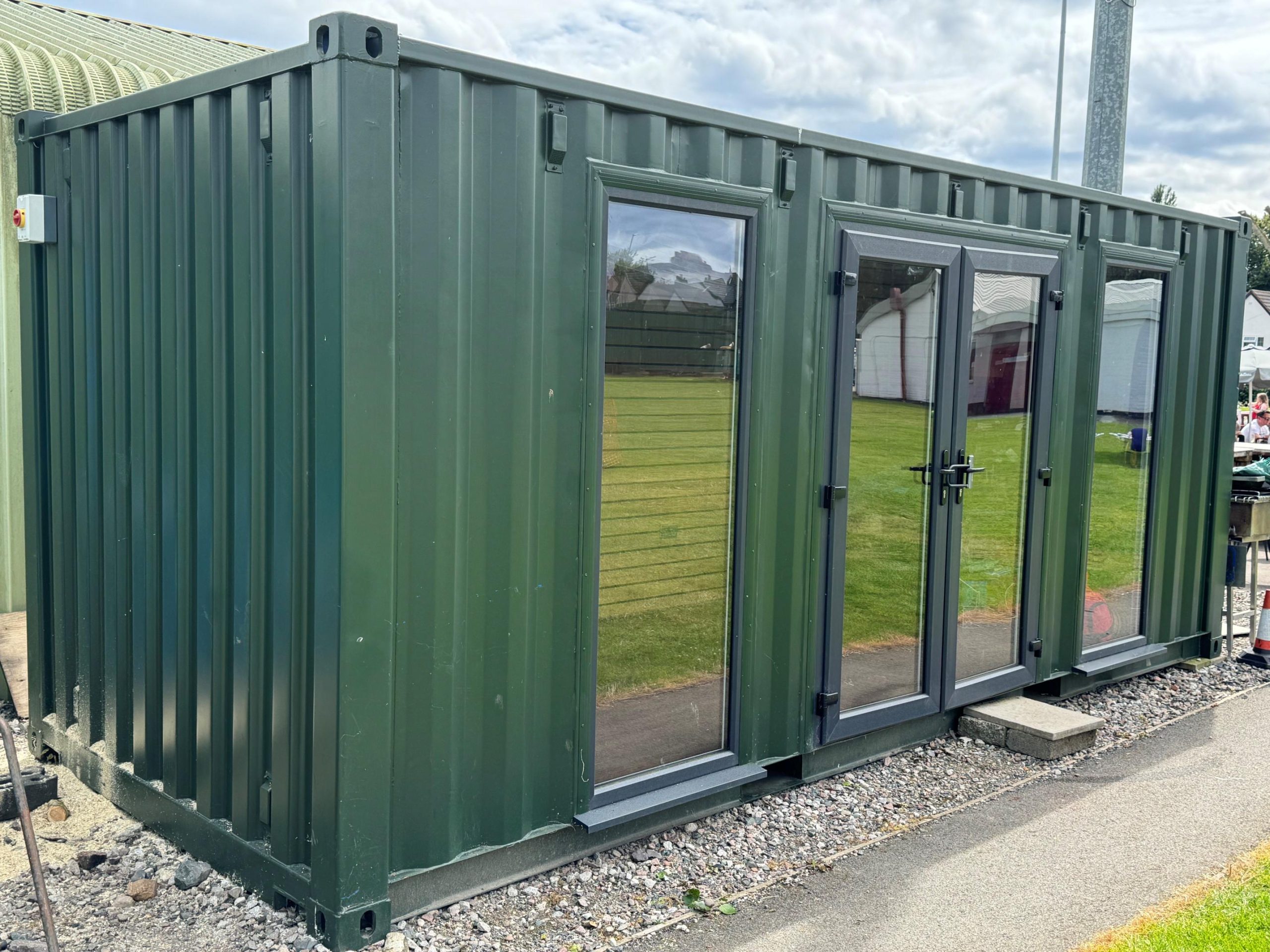
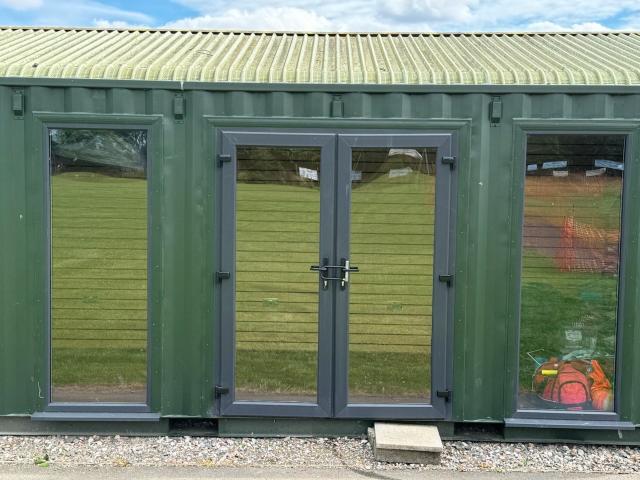

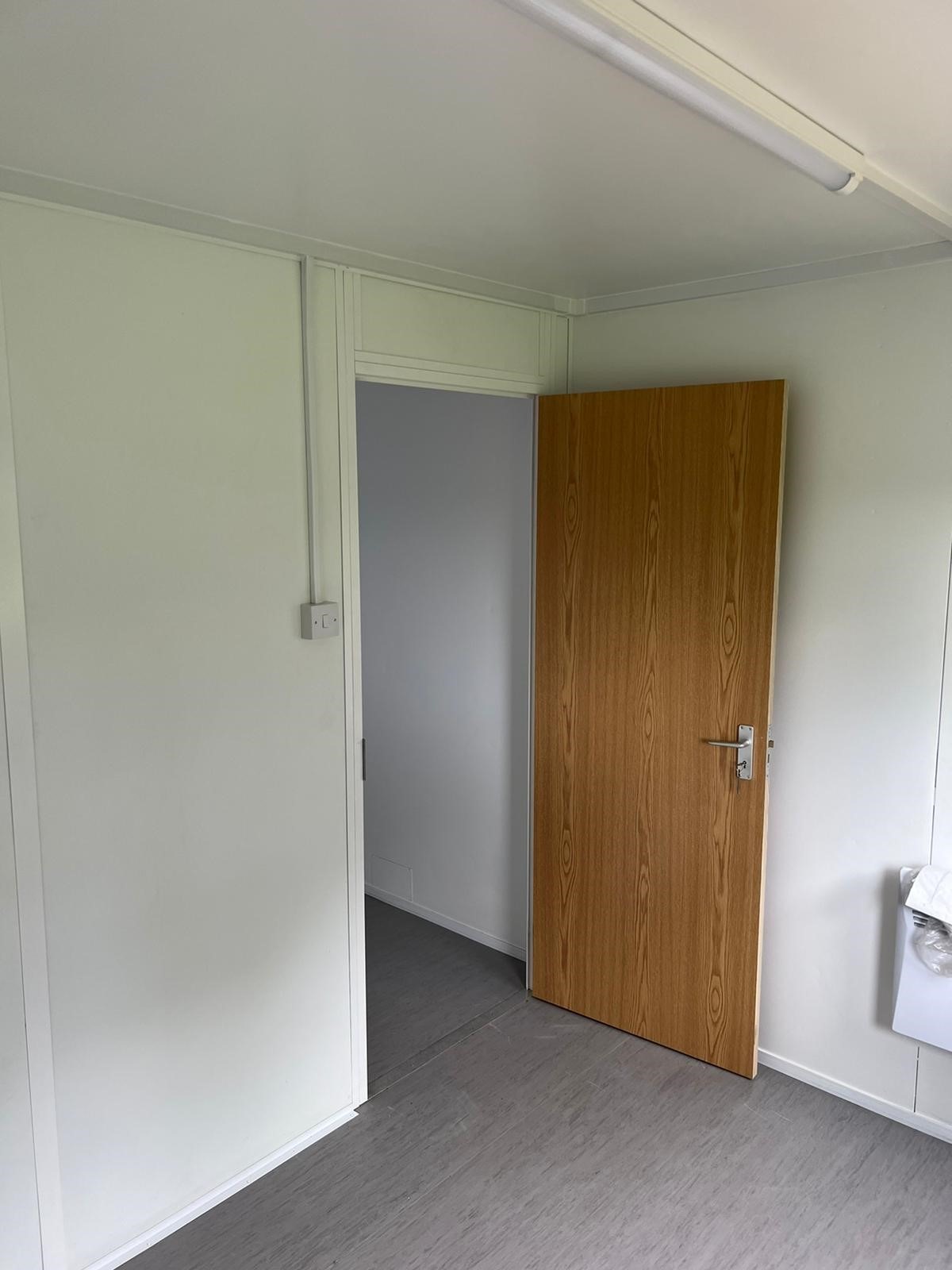
Fully refurbished
Colour light grey
Slate grey anthracite upvc double glazed windows
Location: Nationwide
+ VAT
Not Available for Hire
Call for an instant quote!
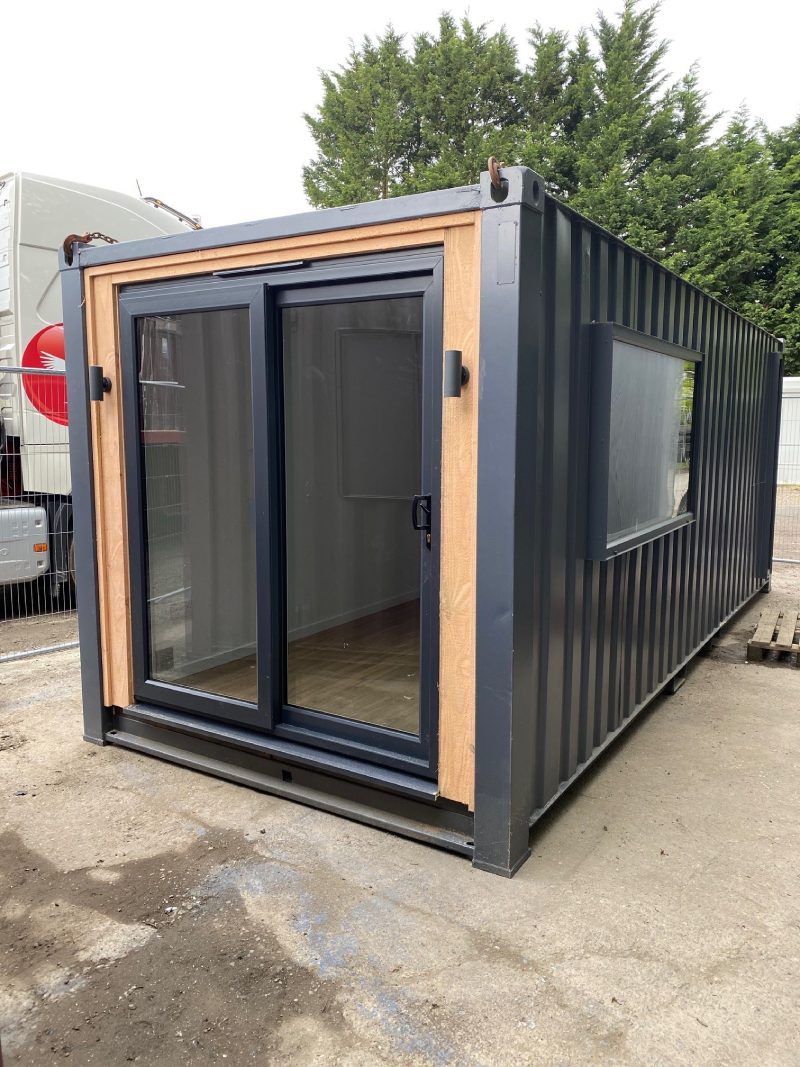
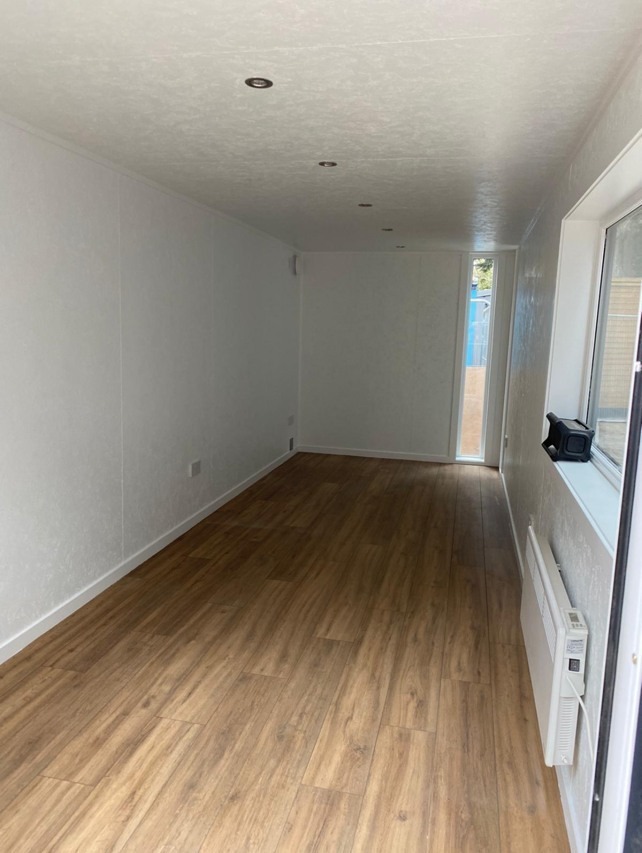
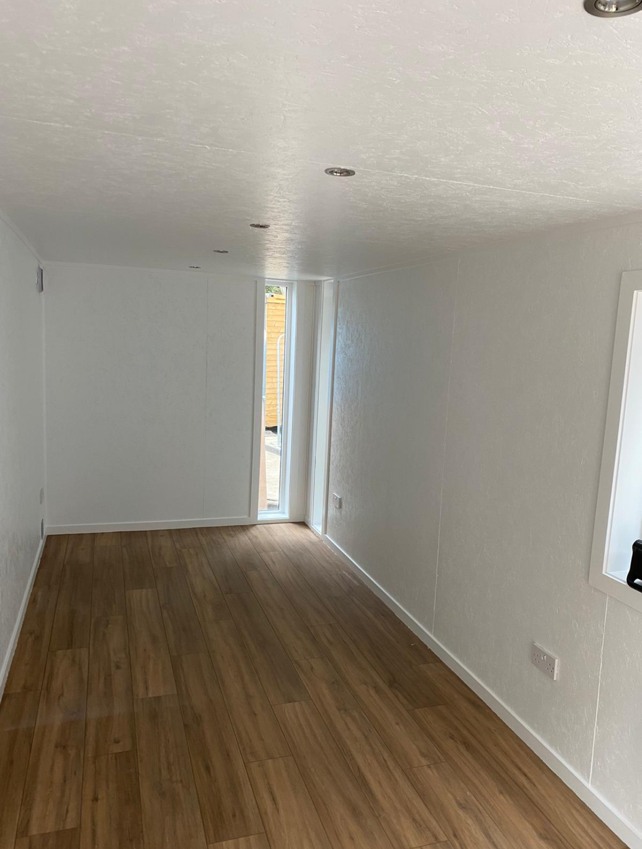
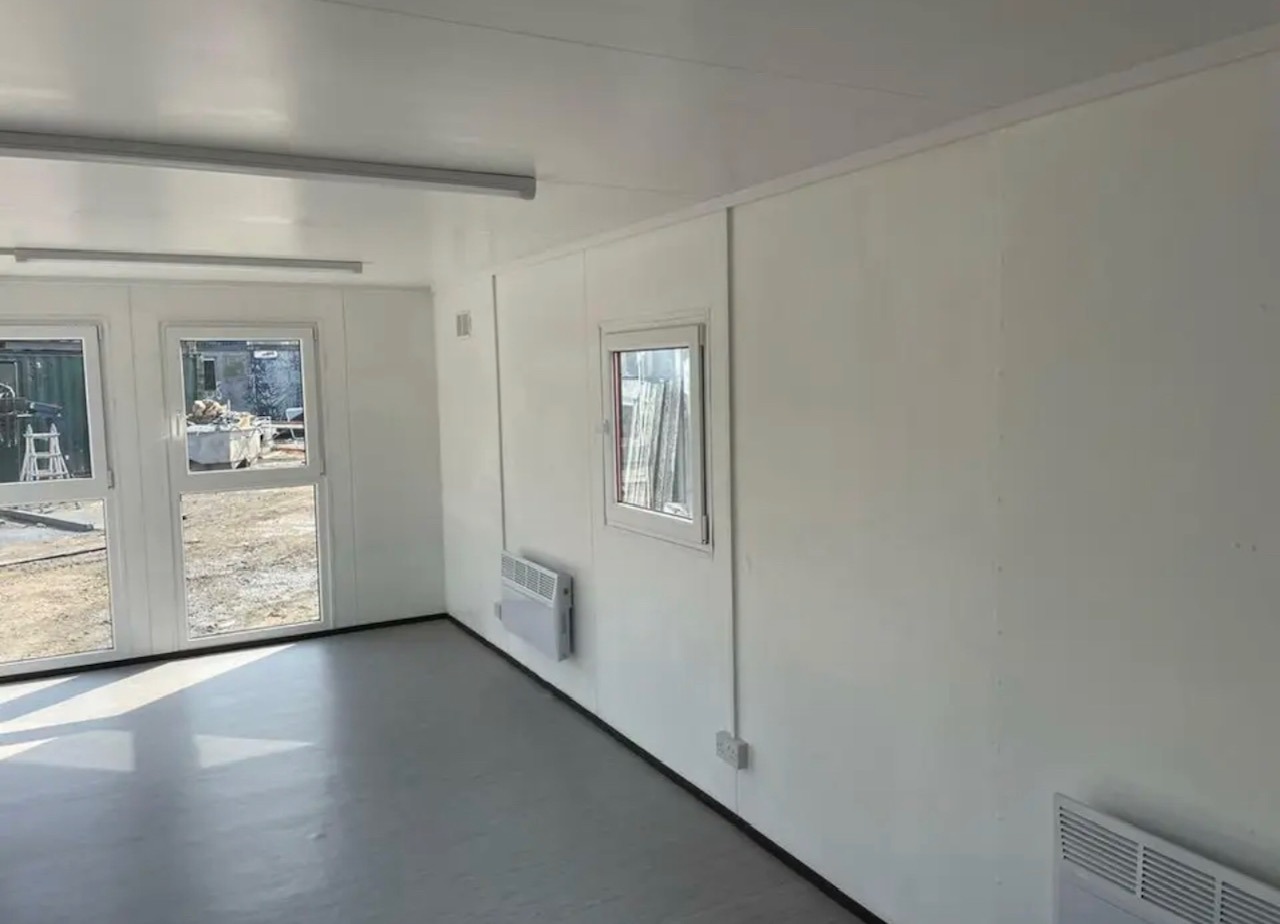
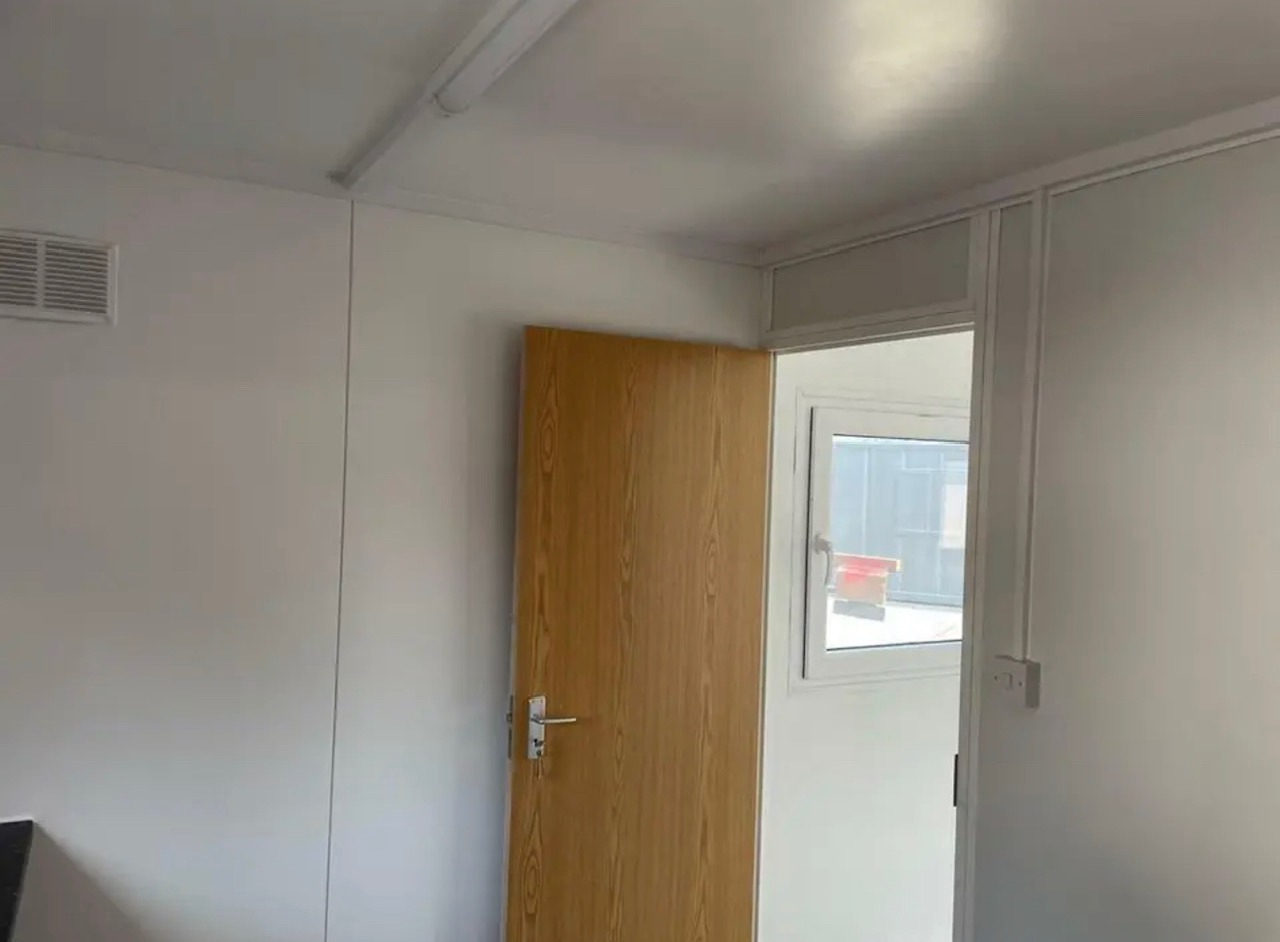
Fully Insulated with electric sockets, spot lighting, and heating
Wood Flooring
UPVC Sliding Door + Windows
Lead Time for build 6-8 weeks
Location: Nationwide
+ VAT
Not Available for Hire
Call for an instant quote!
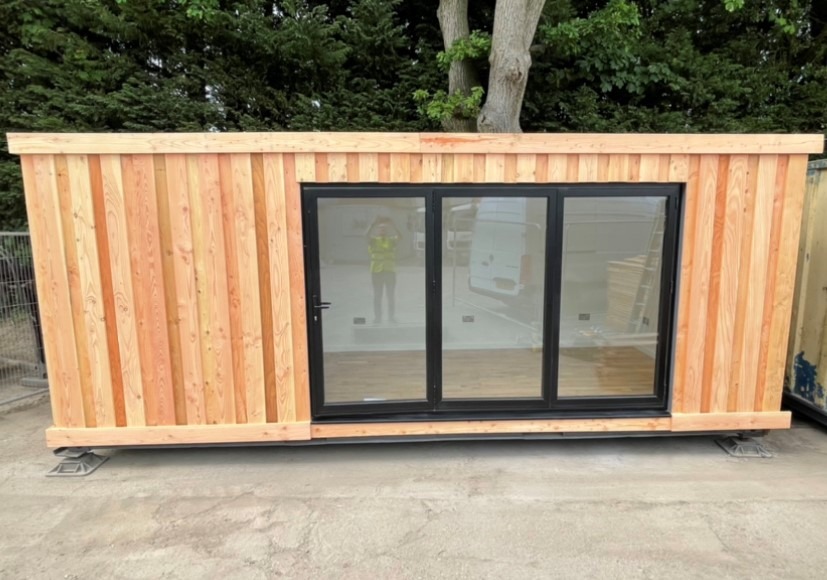
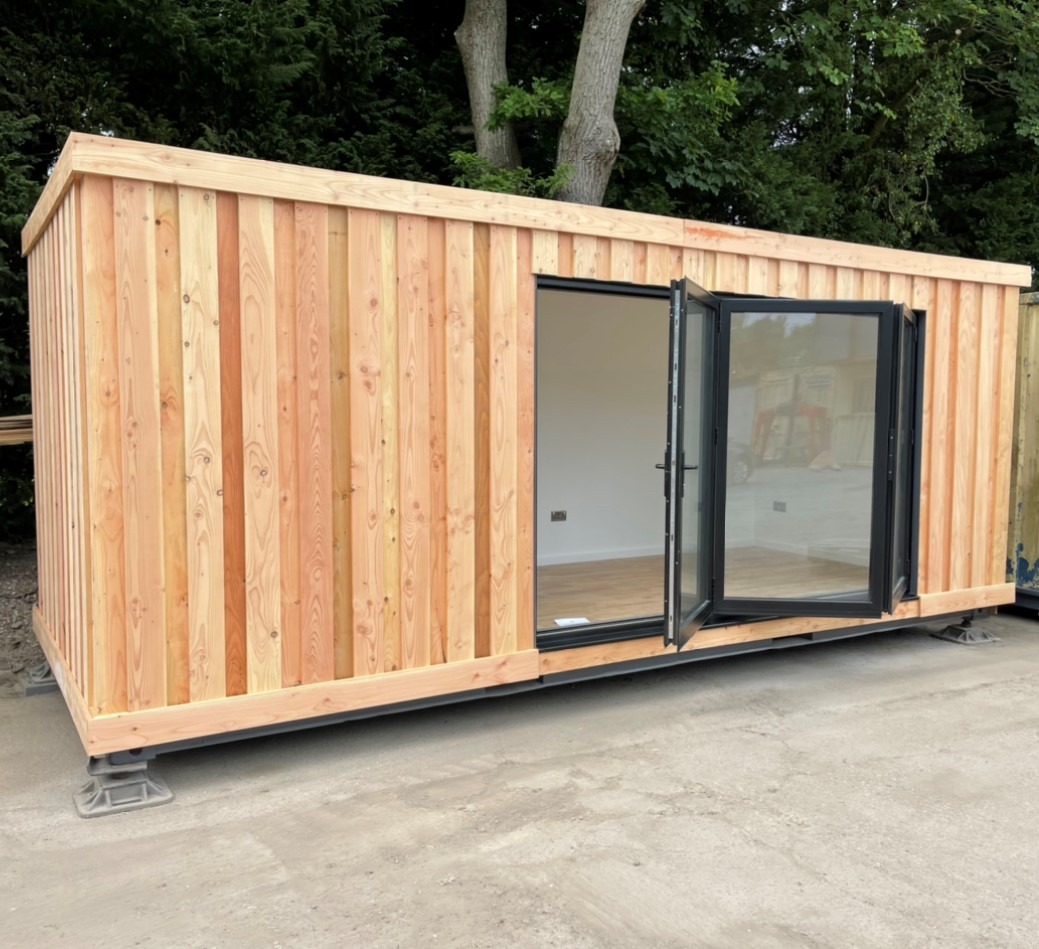
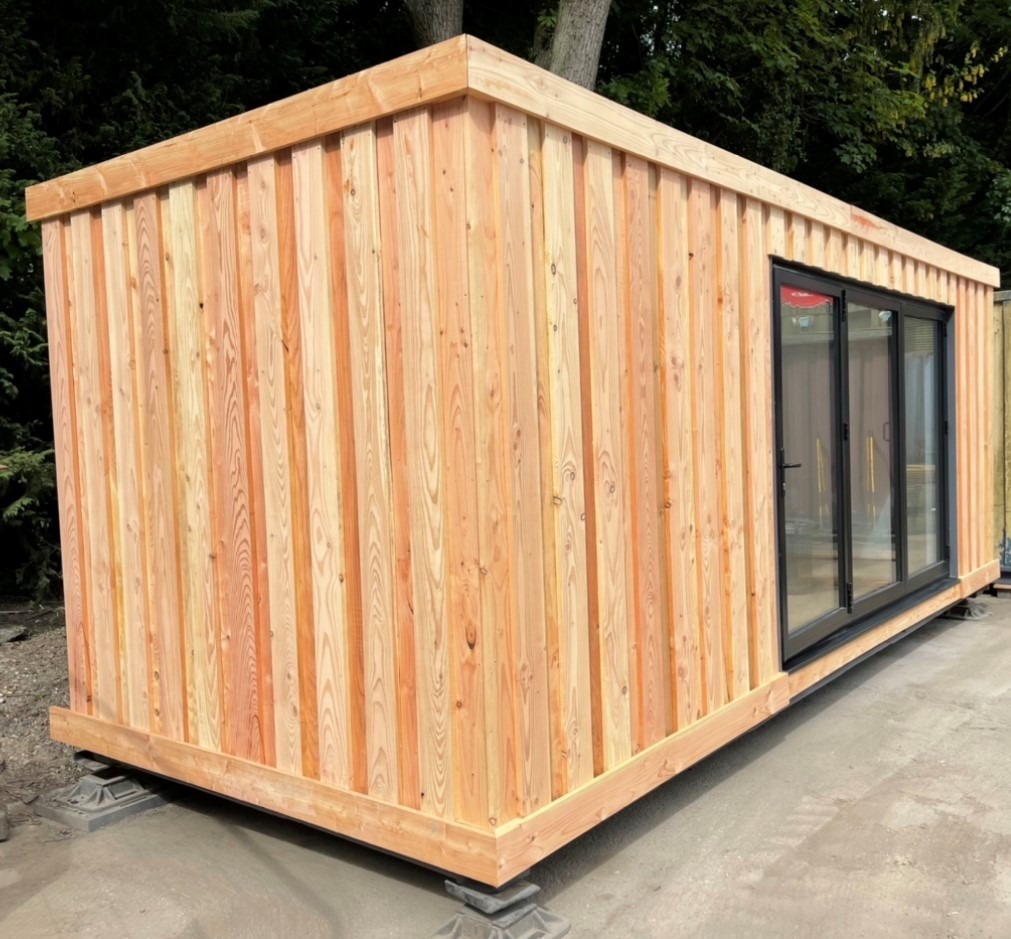
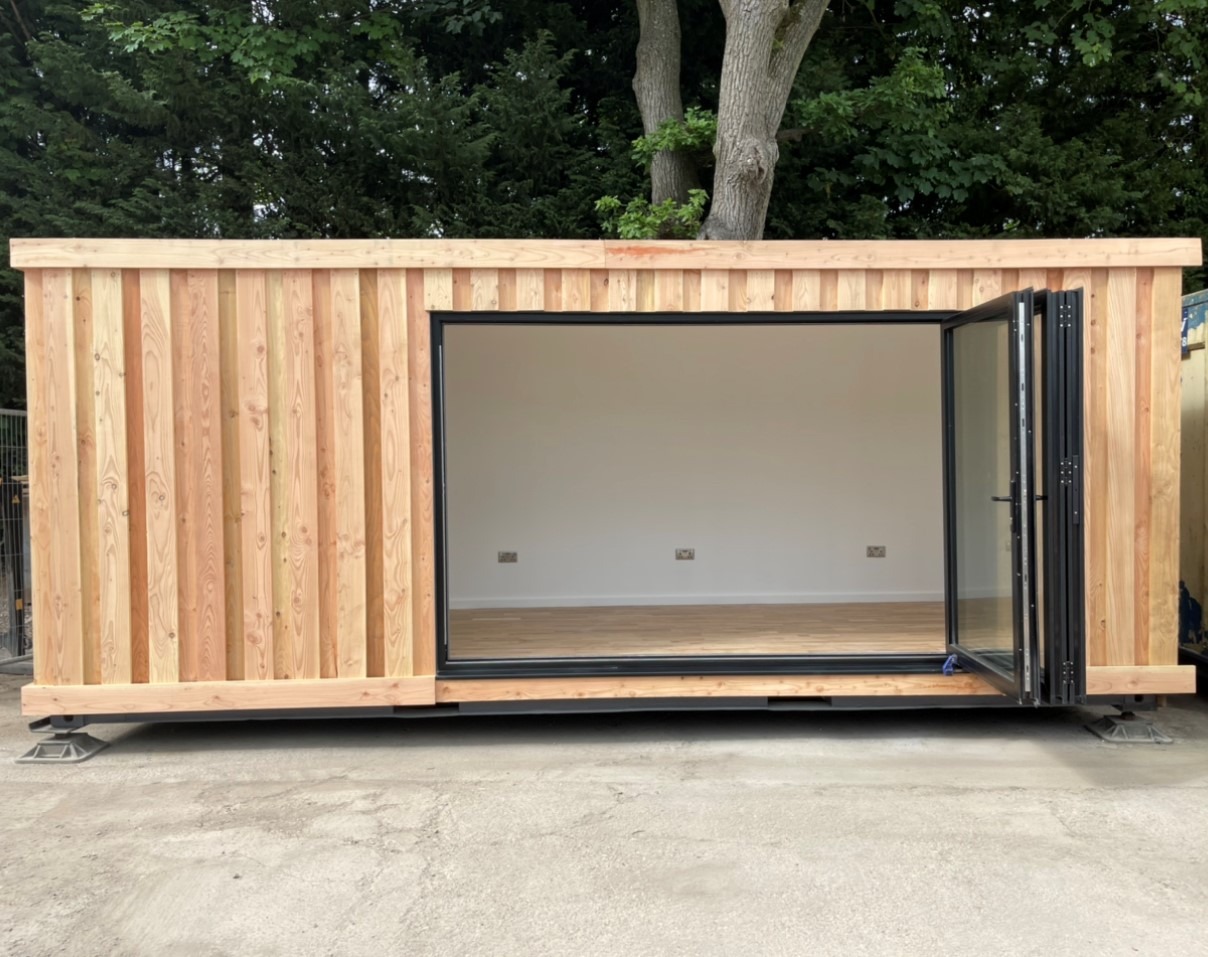
Fully Insulated with electric sockets, spot lighting, and heating
Wood Flooring
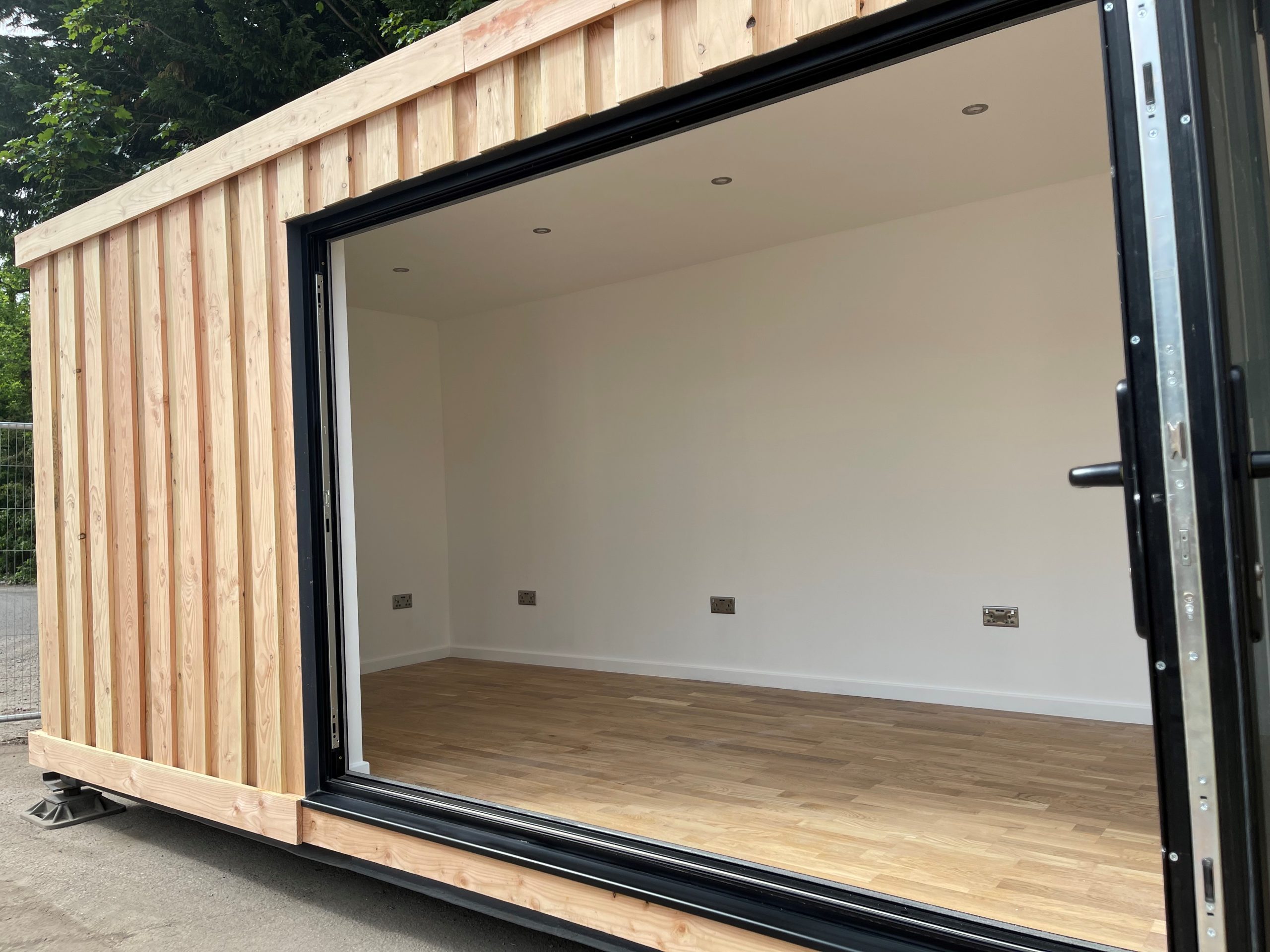
Aluminium Bi Fold Doors
Fully wrapped in larch cladding
Lead Time for build 6-8 weeks
Location: Nationwide
+ VAT
Not Available for Hire
Call for an instant quote!
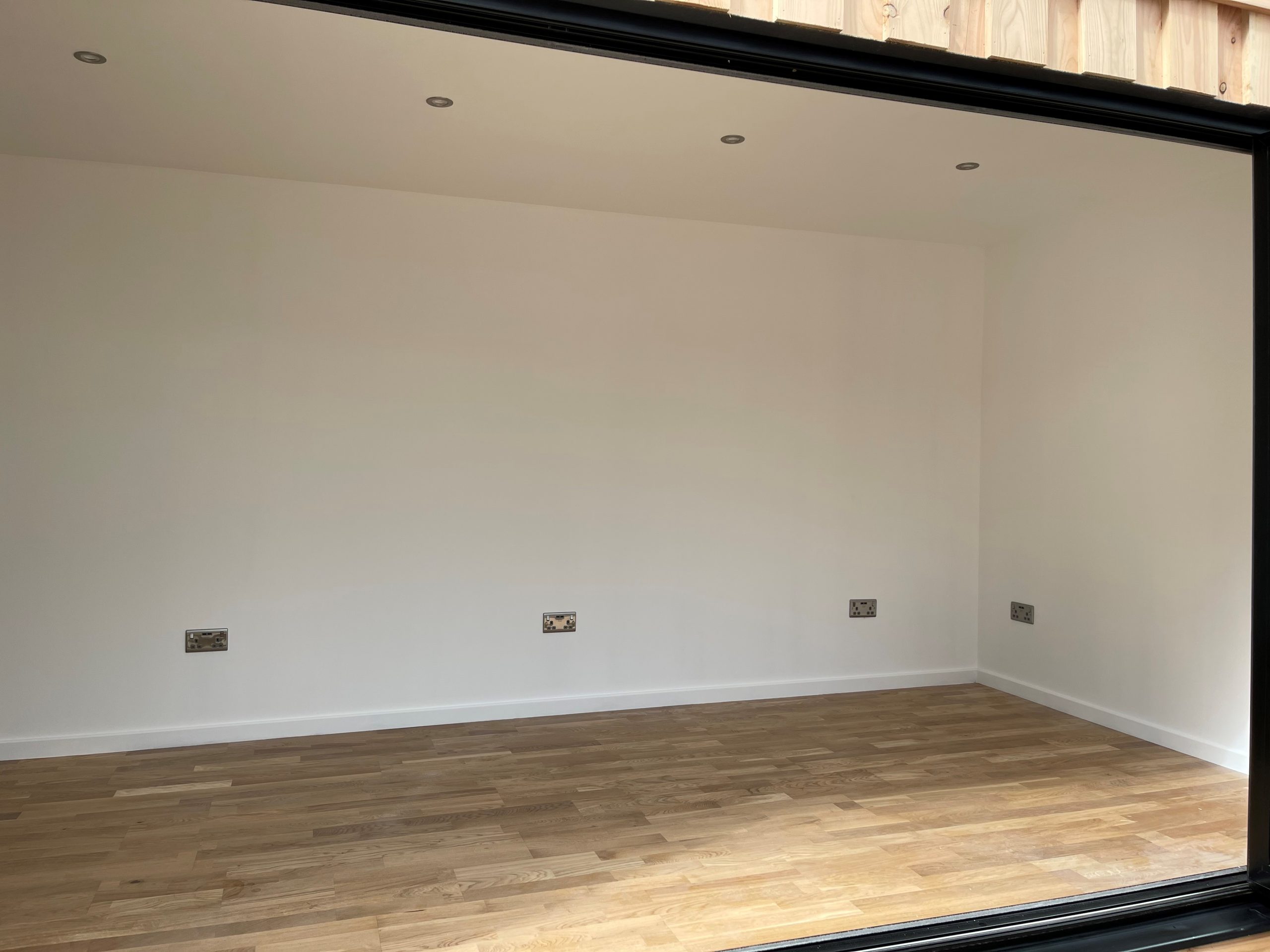
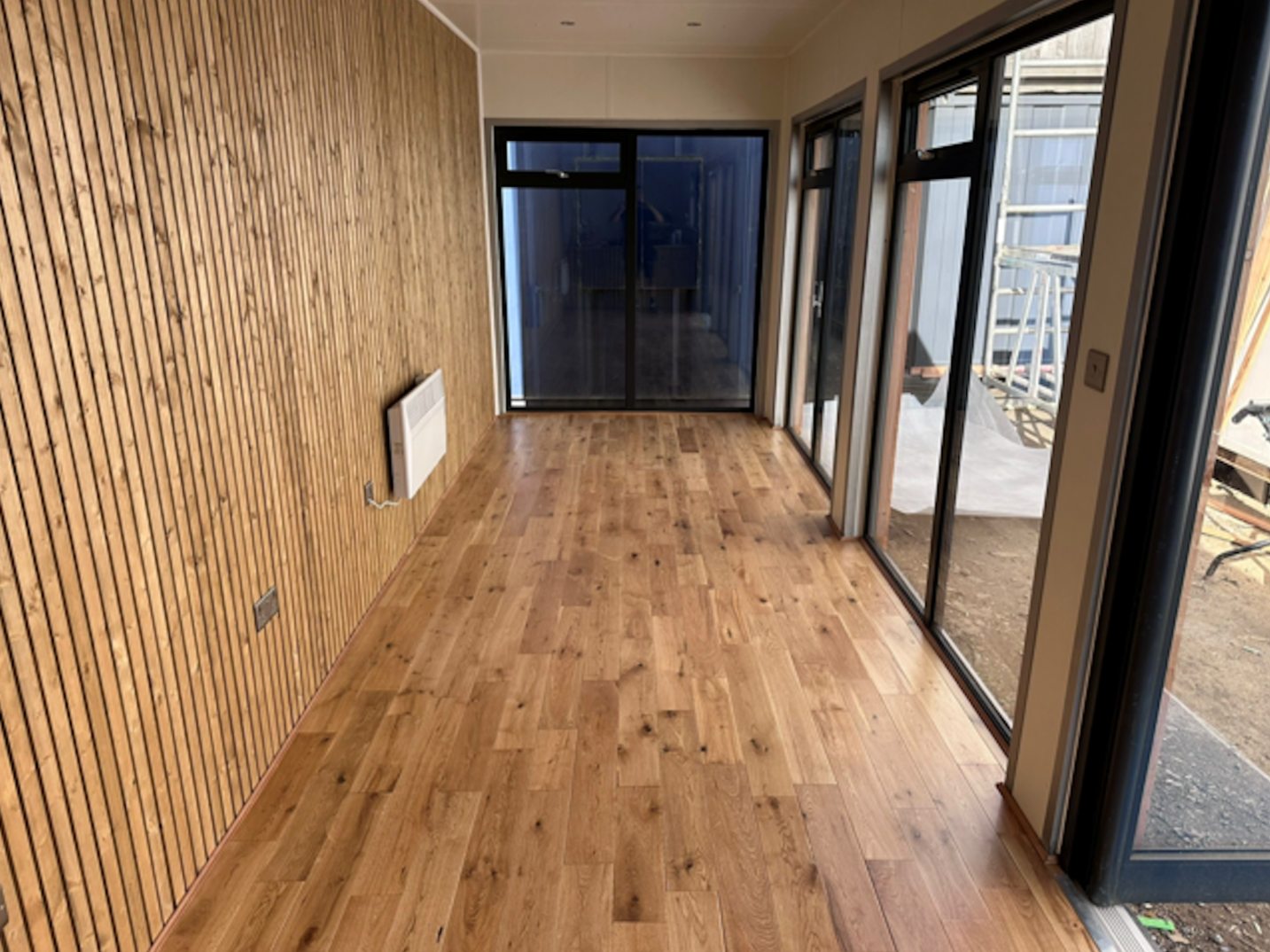
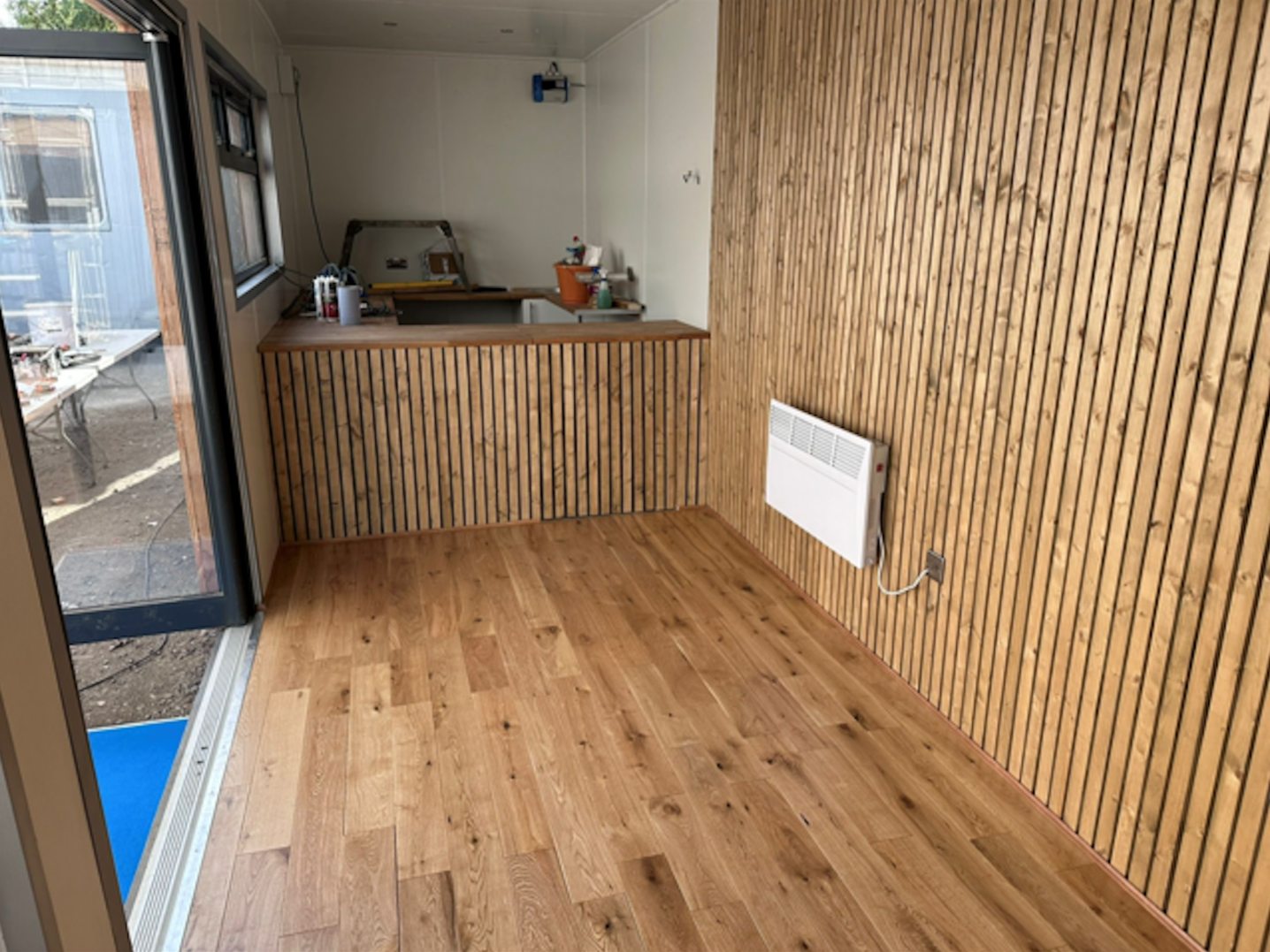
Fully Insulated with electric sockets, spot lighting, and heating
Wood Flooring
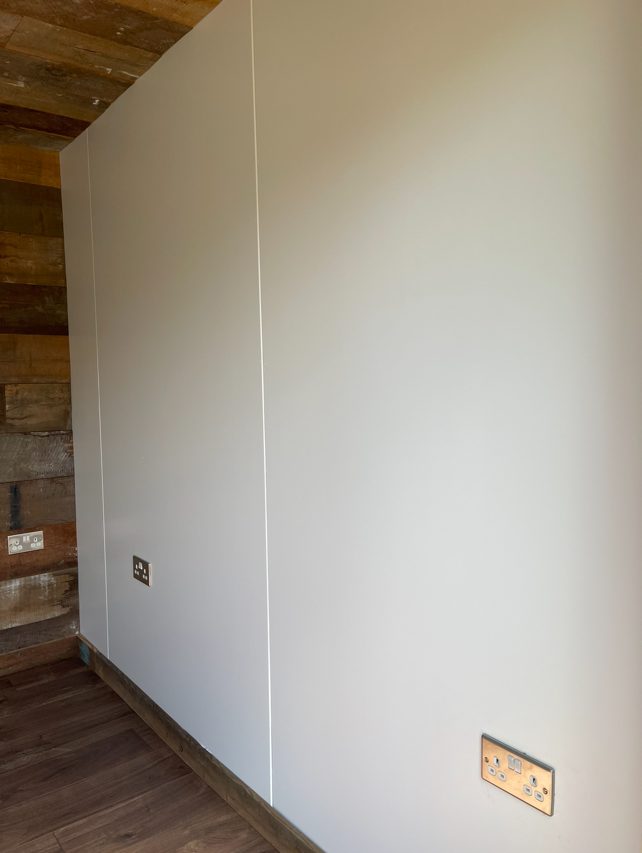
Feature Clad Wall and Ceiling
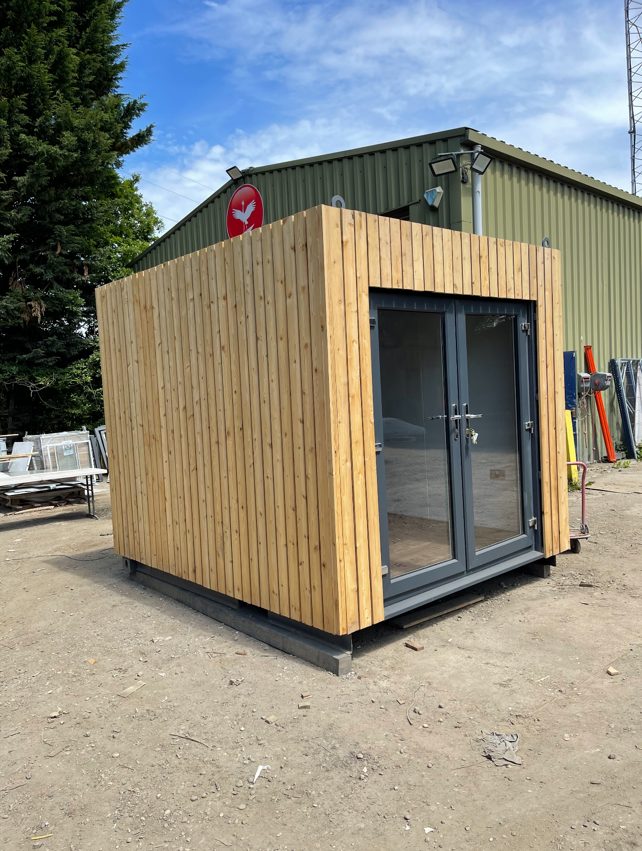
UPVC Double glazed French Doors
Fully wrapped in larch cladding
Lead Time for build 6-8 weeks
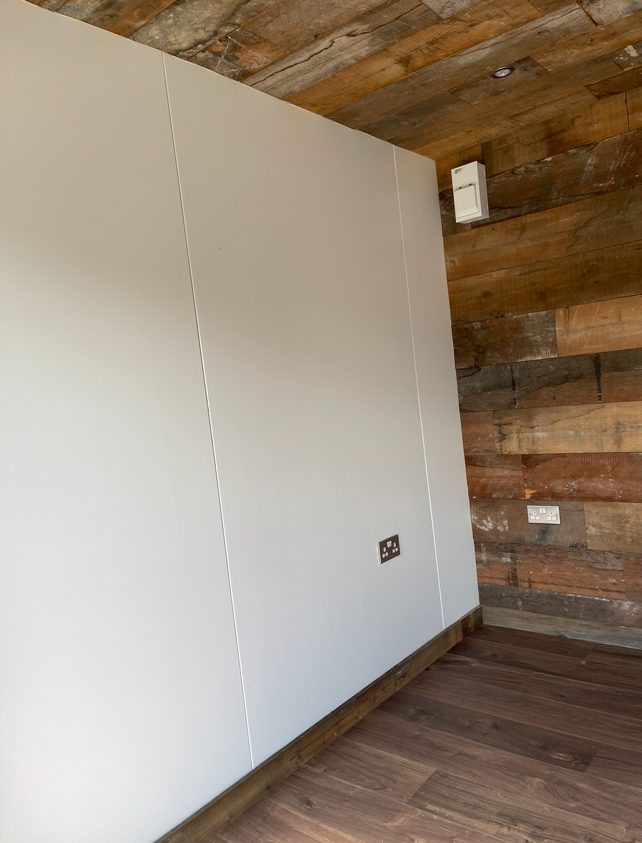
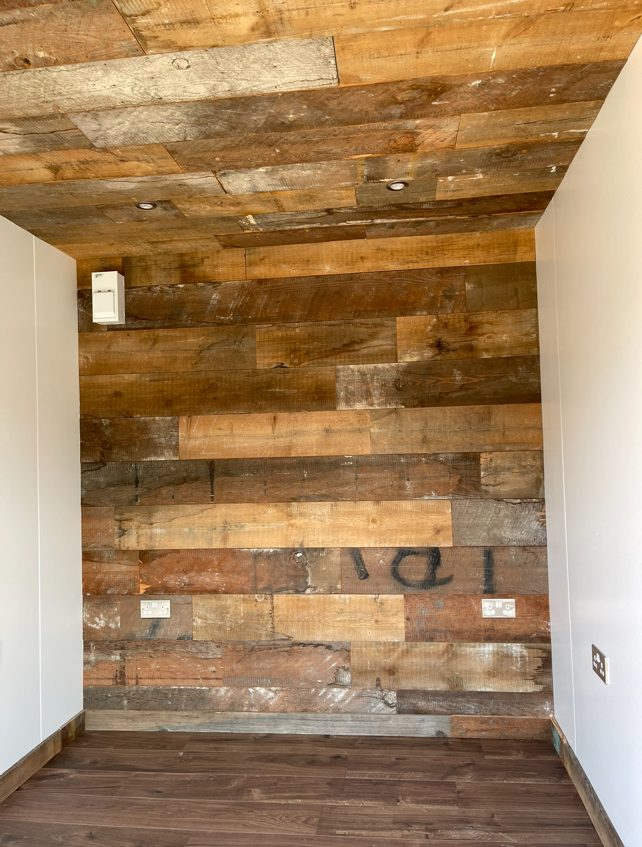
Location: Nationwide
EX VAT
Not Available for Hire
Call for an instant quote!

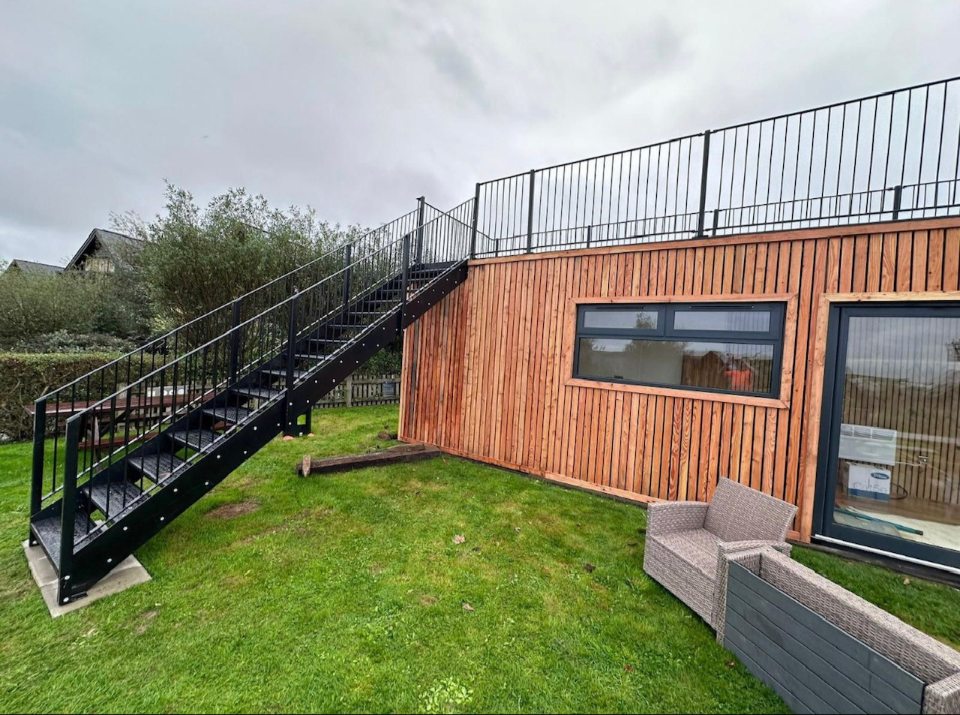
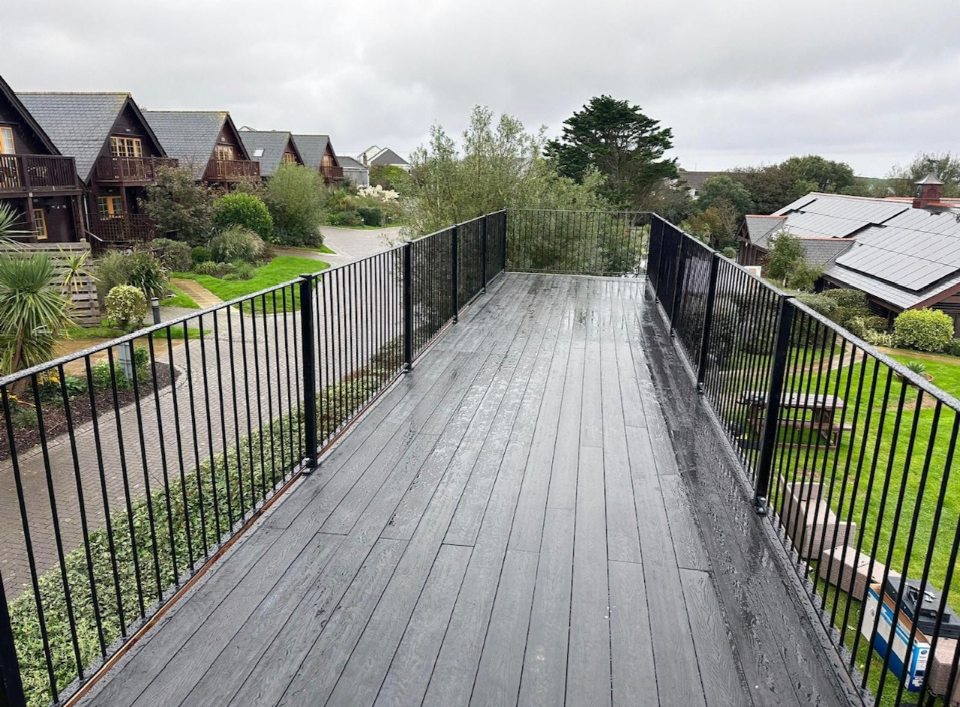
Location: Nationwide
EX VAT
Not Available for Hire
Call for an instant quote!
Location: Nationwide
EX VAT
Not Available for Hire
Call for an instant quote!
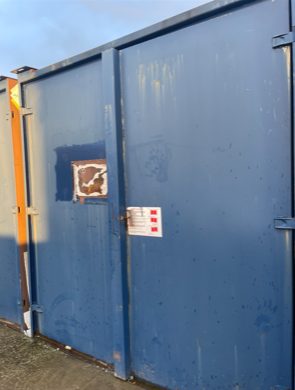
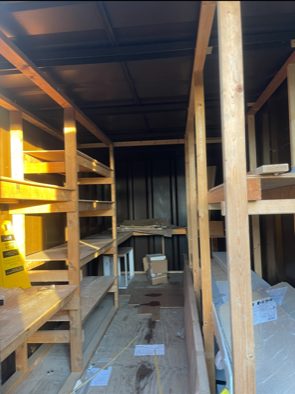
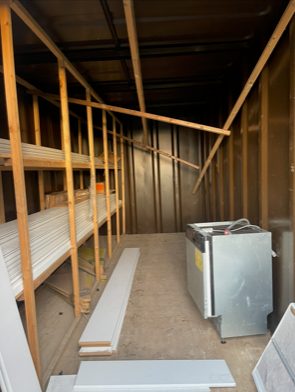
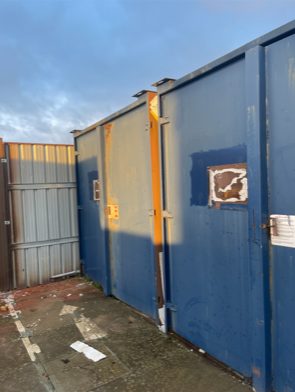
Location: Nationwide
EX VAT
Not Available for Hire
Call for an instant quote!
Location: Nationwide
EX VAT
Not Available for Hire
Call for an instant quote!
Location: Nationwide
EX VAT
Not Available for Hire
Call for an instant quote!
Location: Nationwide
EX VAT
Not Available for Hire
Call for an instant quote!
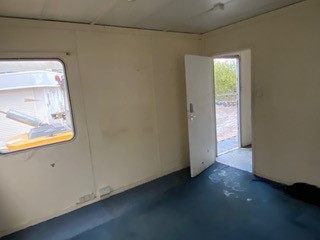
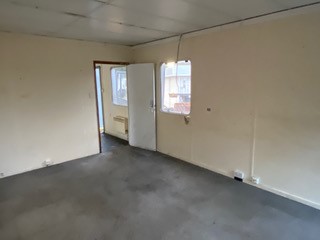
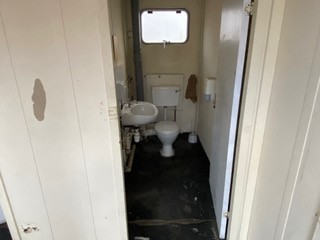
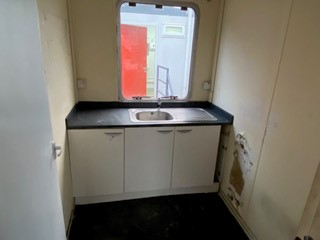
Location: Nationwide
EX VAT
Not Available for Hire
Call for an instant quote!
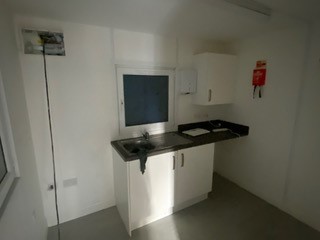
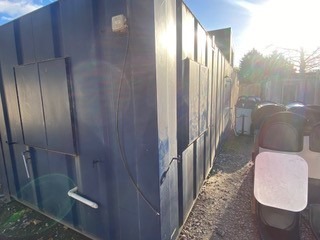

Location: Nationwide
EX VAT
Not Available for Hire
Call for an instant quote!
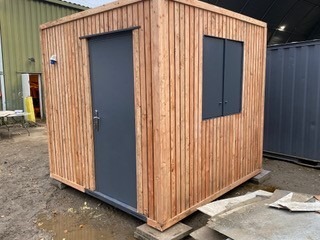
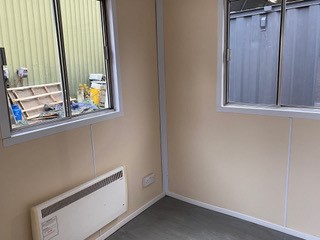
Location: Nationwide
EX VAT
Not Available for Hire
Call for an instant quote!

Location: Nationwide
EX VAT
Not Available for Hire
Call for an instant quote!
Location: Nationwide
EX VAT
Not Available for Hire
Call for an instant quote!
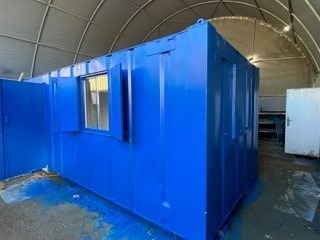
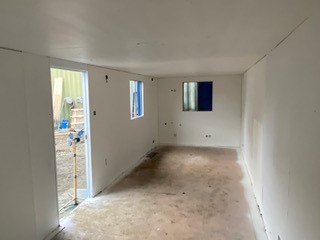
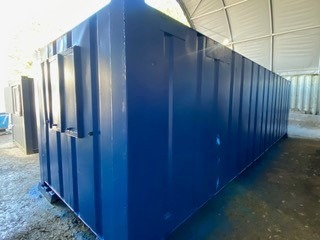
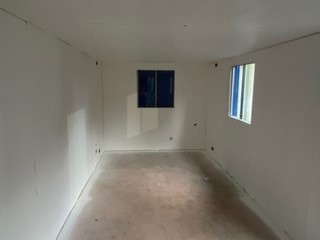
Location: Nationwide
EX VAT
Not Available for Hire
Call for an instant quote!
Location: Nationwide
EX VAT
Not Available for Hire
Call for an instant quote!

Location: Nationwide
EX VAT
Not Available for Hire
Call for an instant quote!
Location: Nationwide
EX VAT
Not Available for Hire
Call for an instant quote!
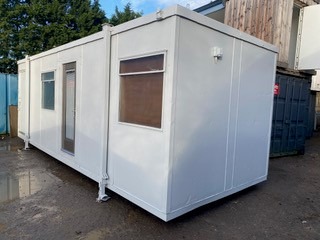
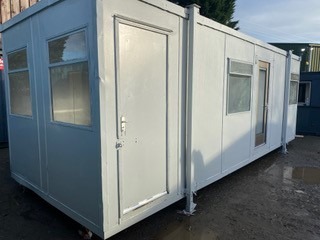
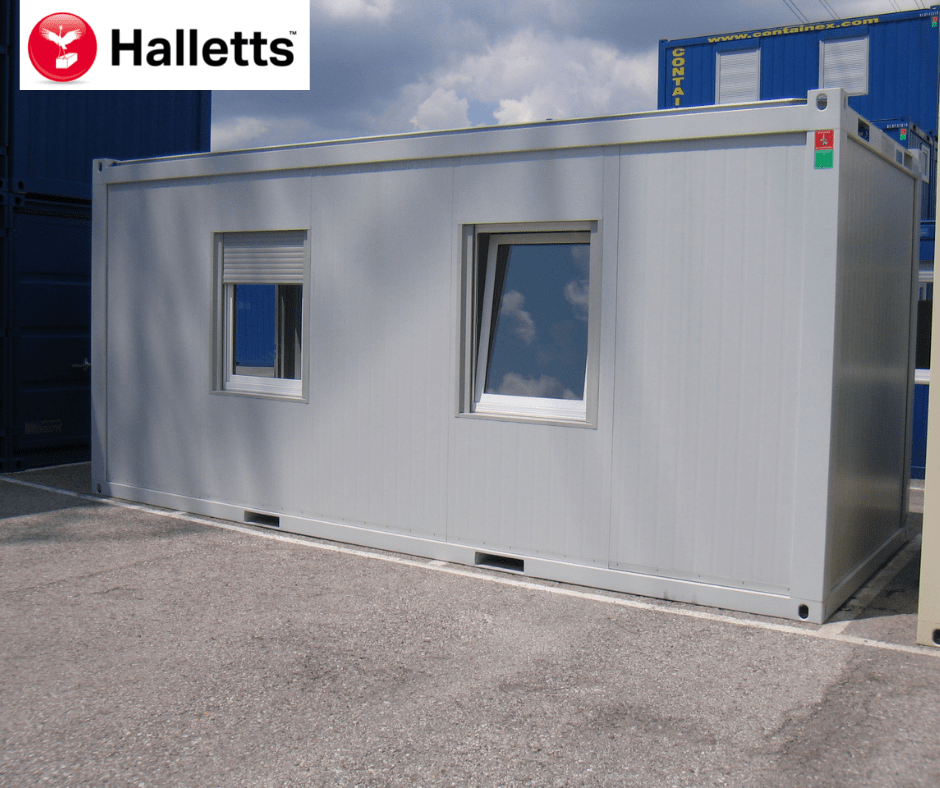
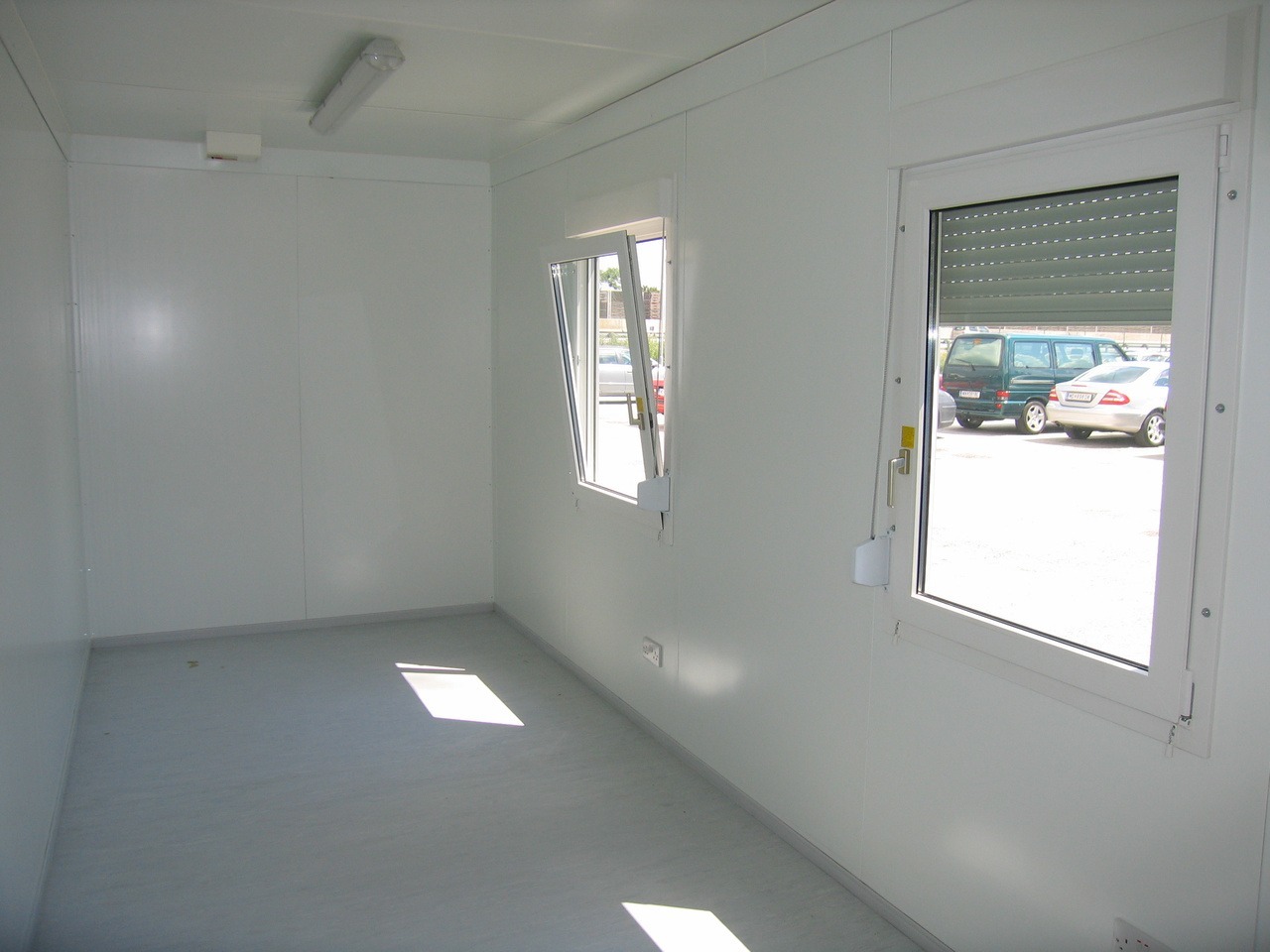
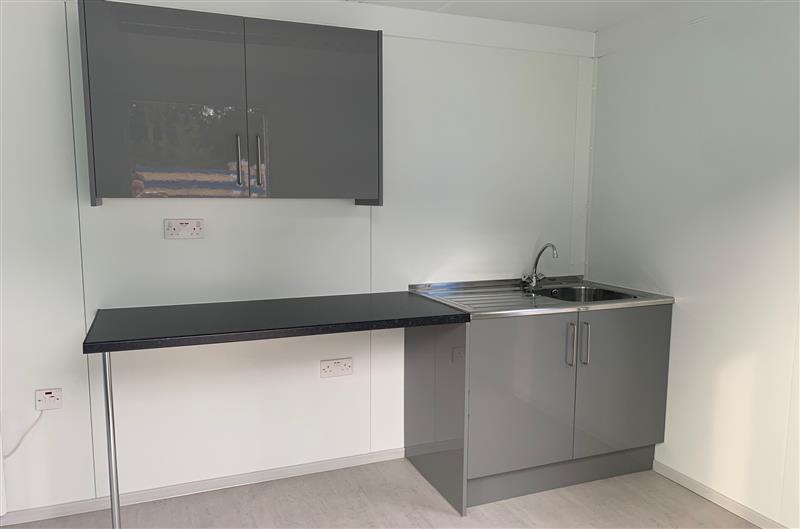
10ftx8ft – £5950 + Vat / 16ftx8ft – £7950 + Vat / 20ftx8ft – £9000 + Vat / 24ftx8ft – £12000 + Vat / 30ftx8ft – £13500 + Vat
Location: Nationwide
EX VAT
Not Available for Hire
Call for an instant quote!
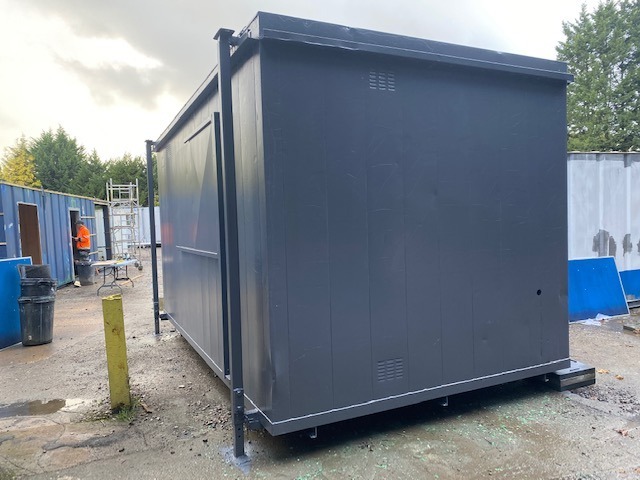
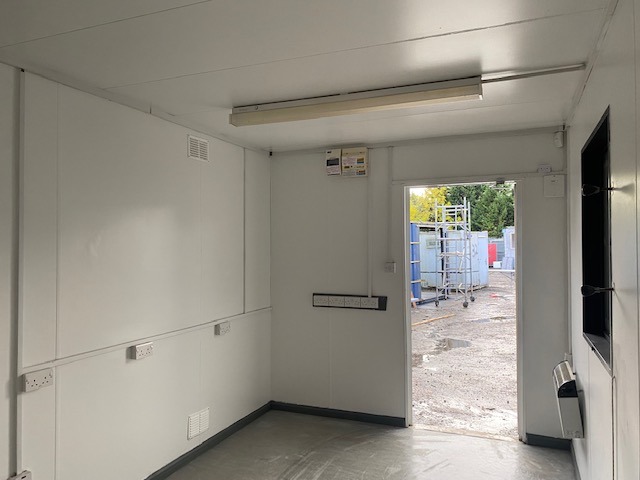
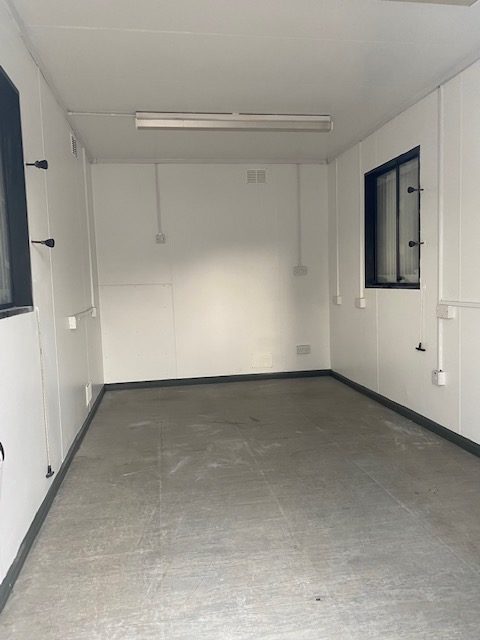
Location: Nationwide
EX VAT
Not Available for Hire
Call for an instant quote!
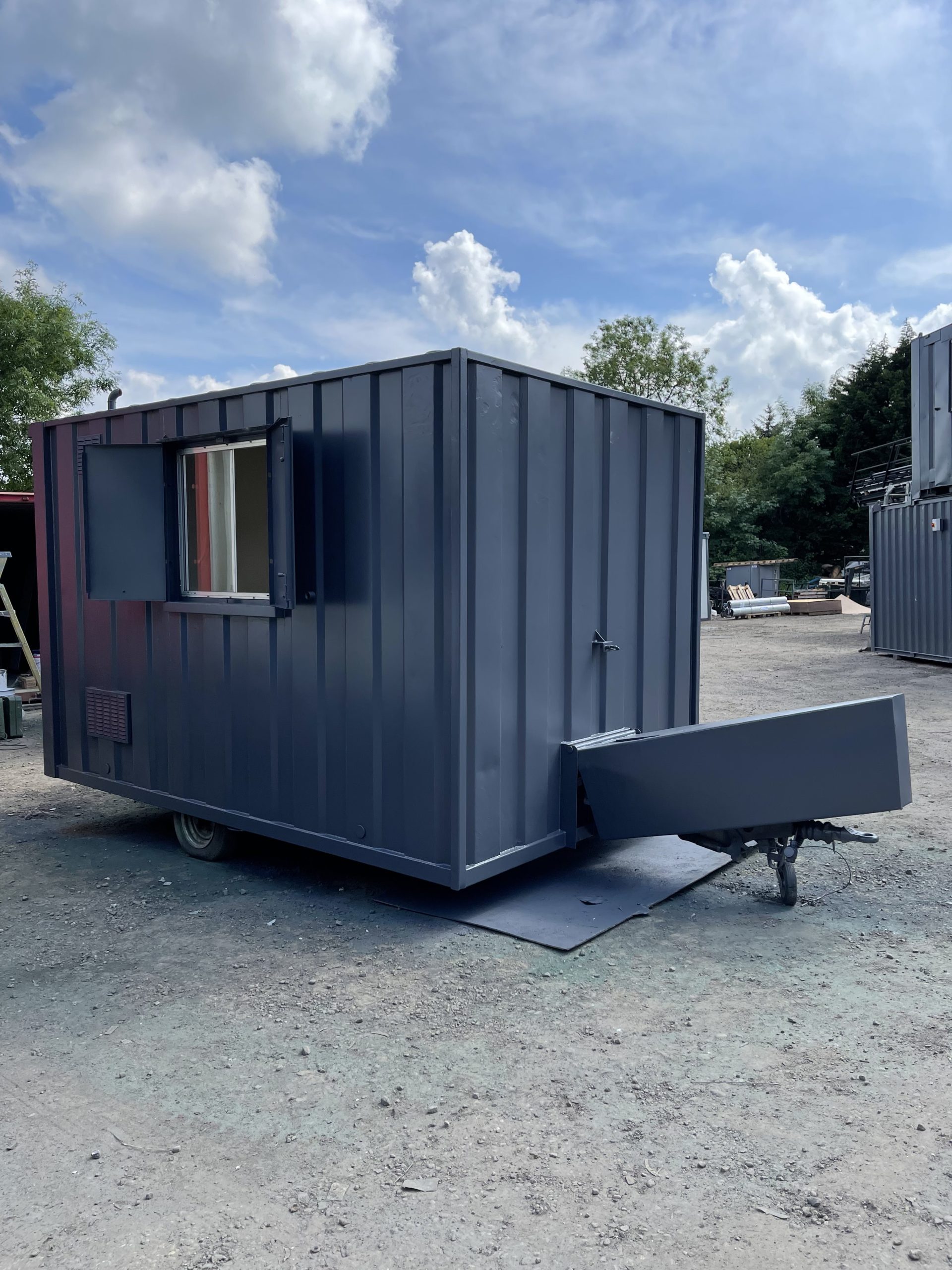
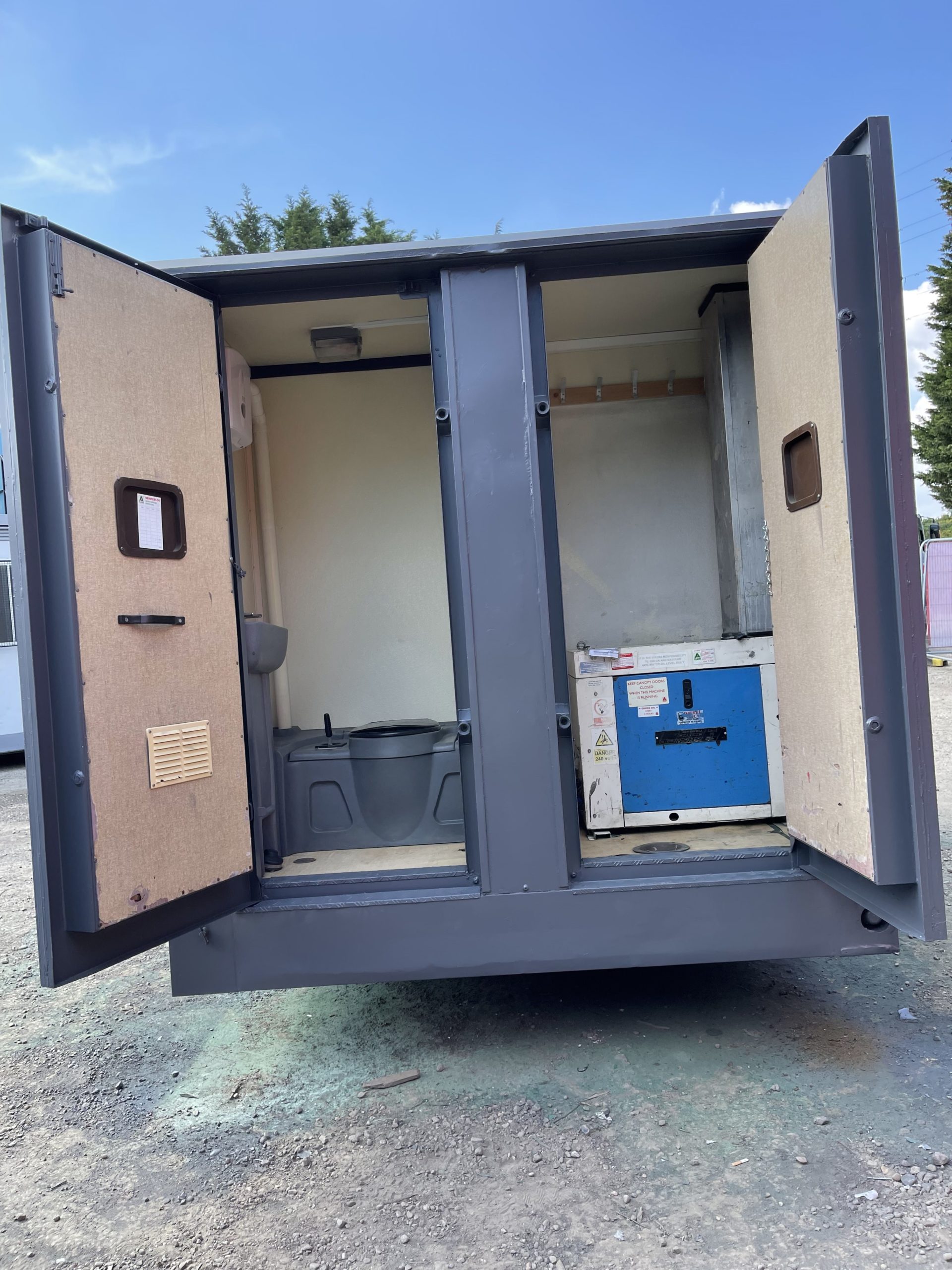
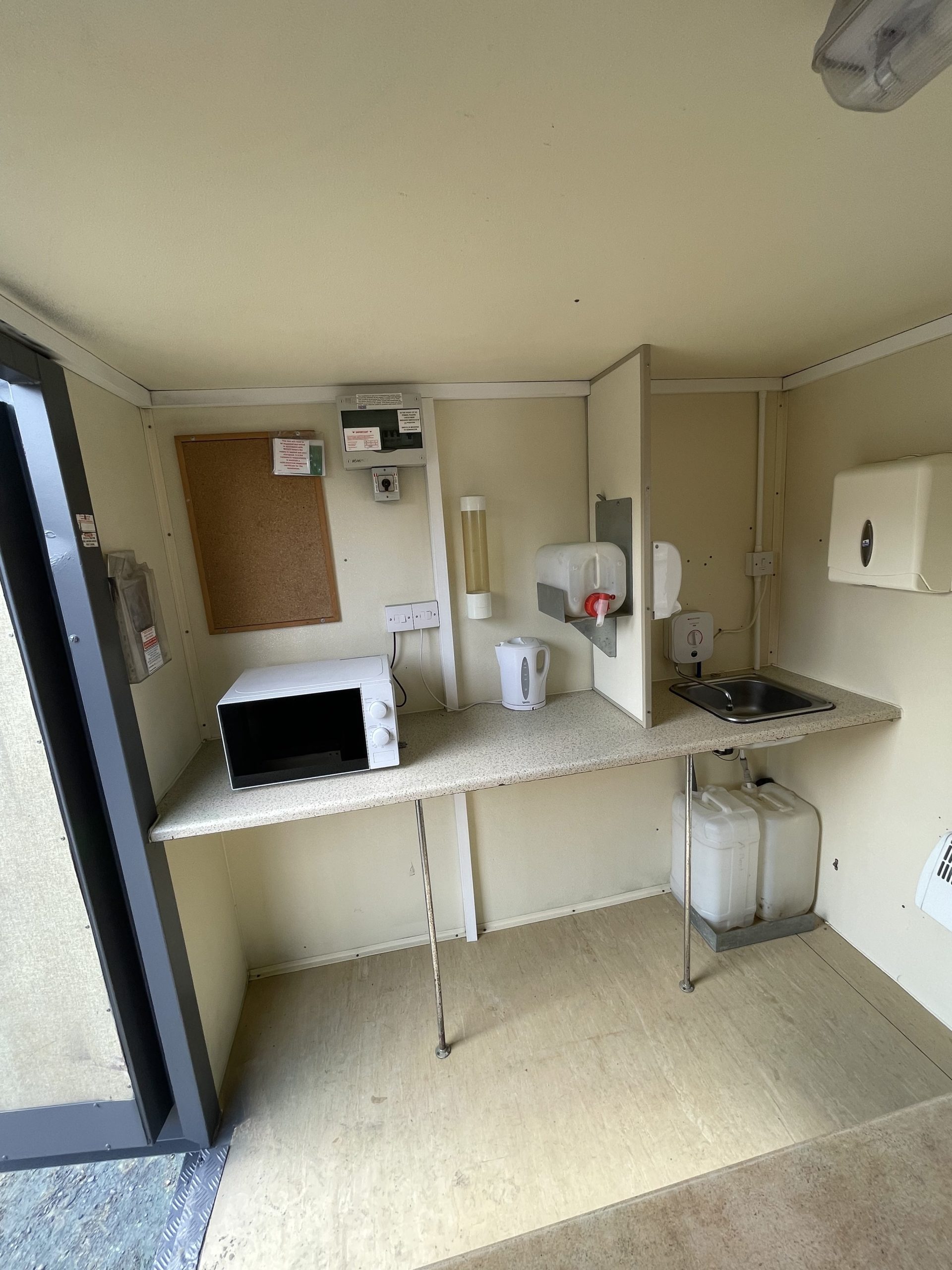
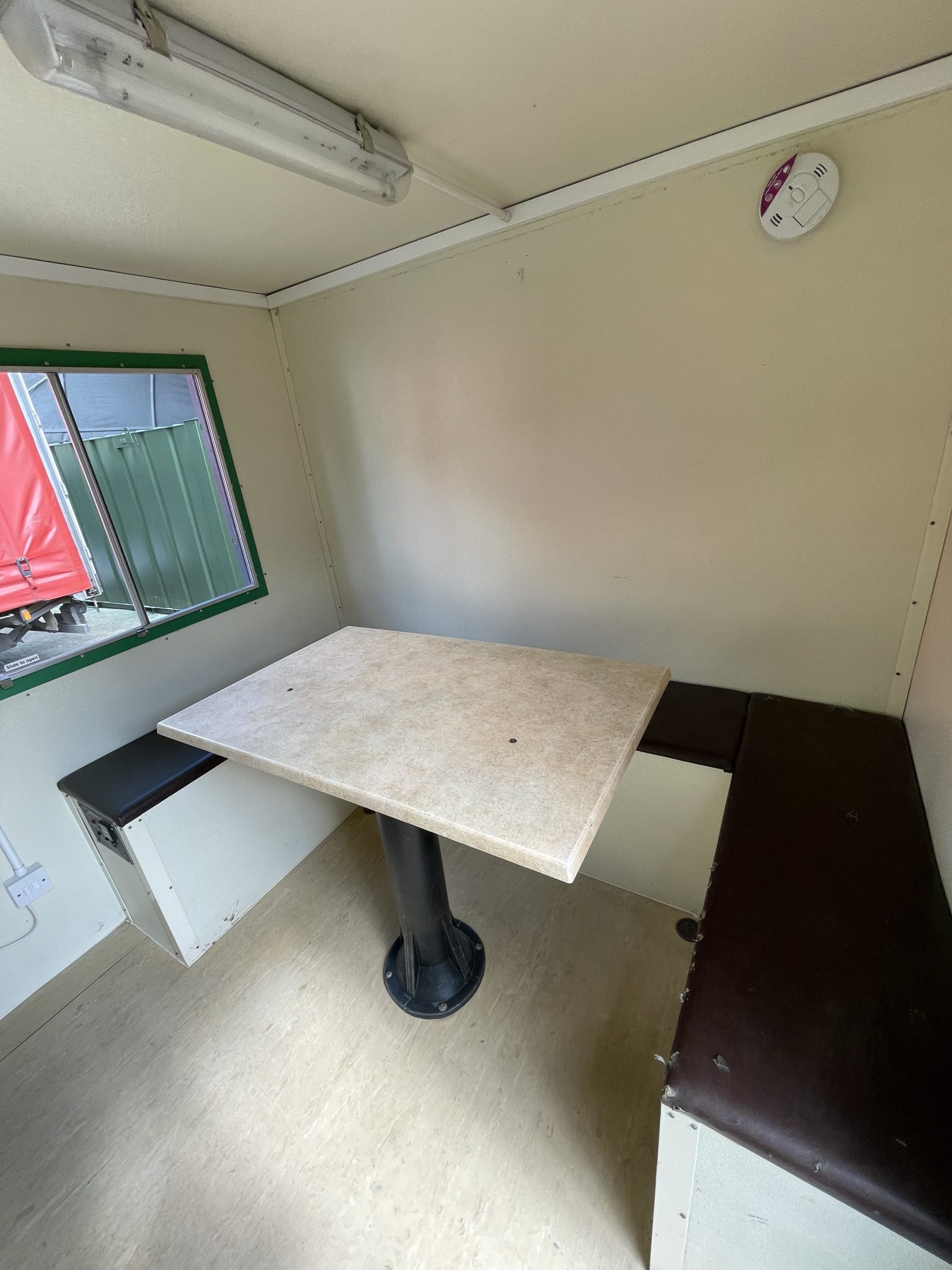
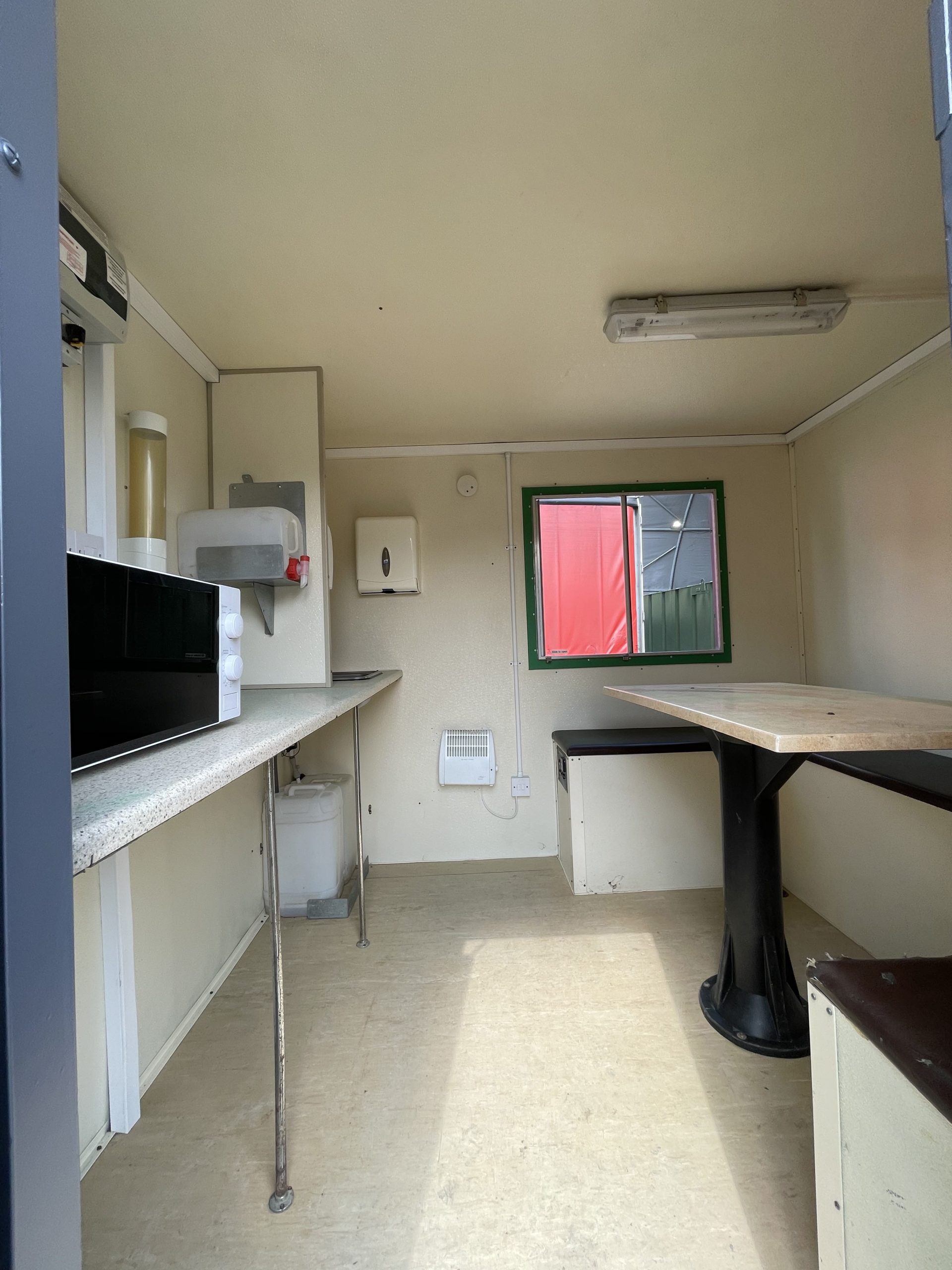
Location: Nationwide
EX VAT
Not Available for Hire
Call for an instant quote!
Location: Nationwide
Quantity: ∞
EX VAT
Not Available for Hire
Call for an instant quote!
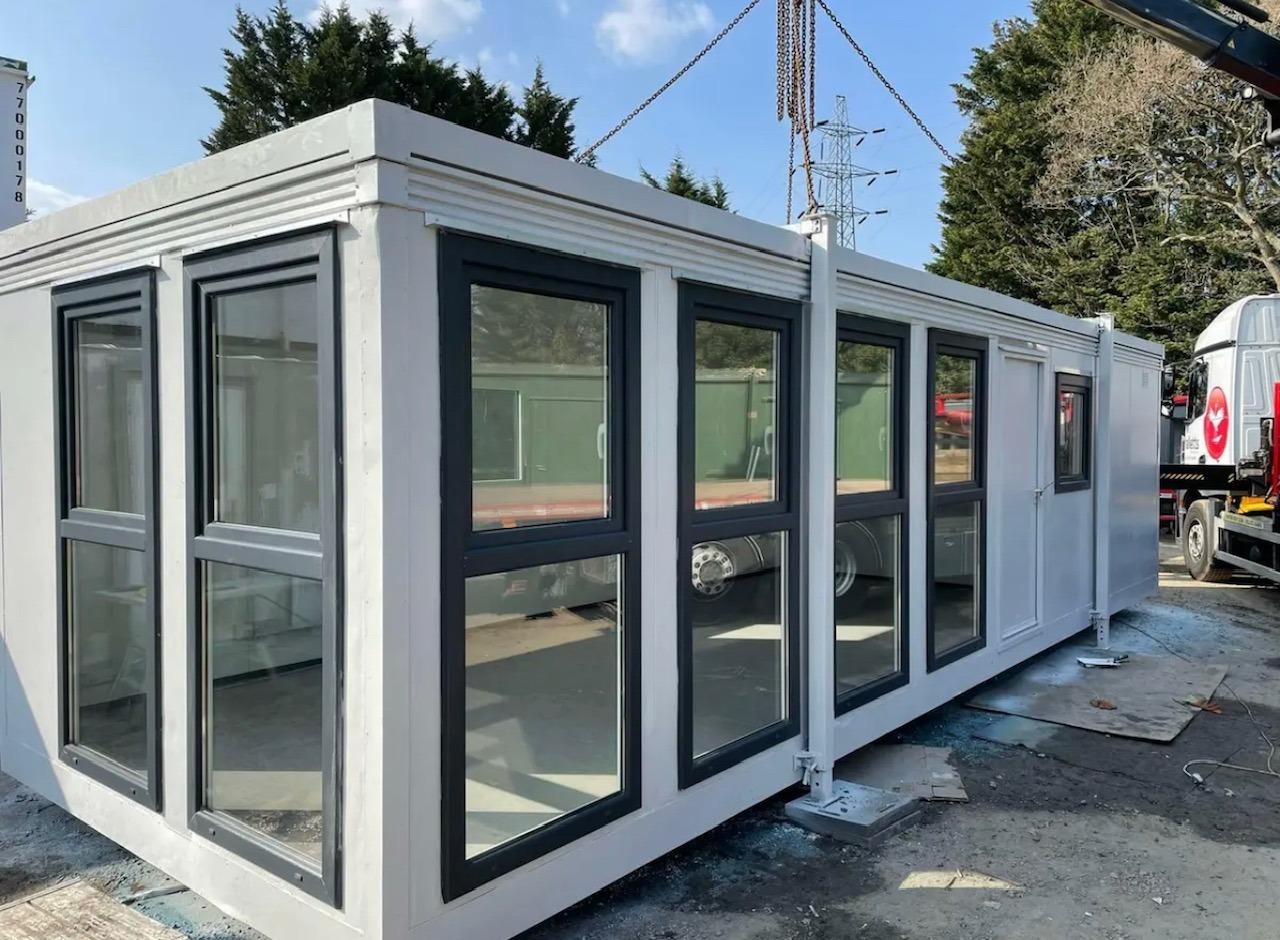
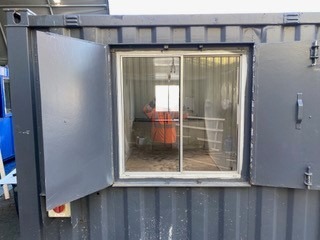
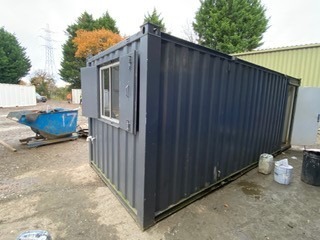
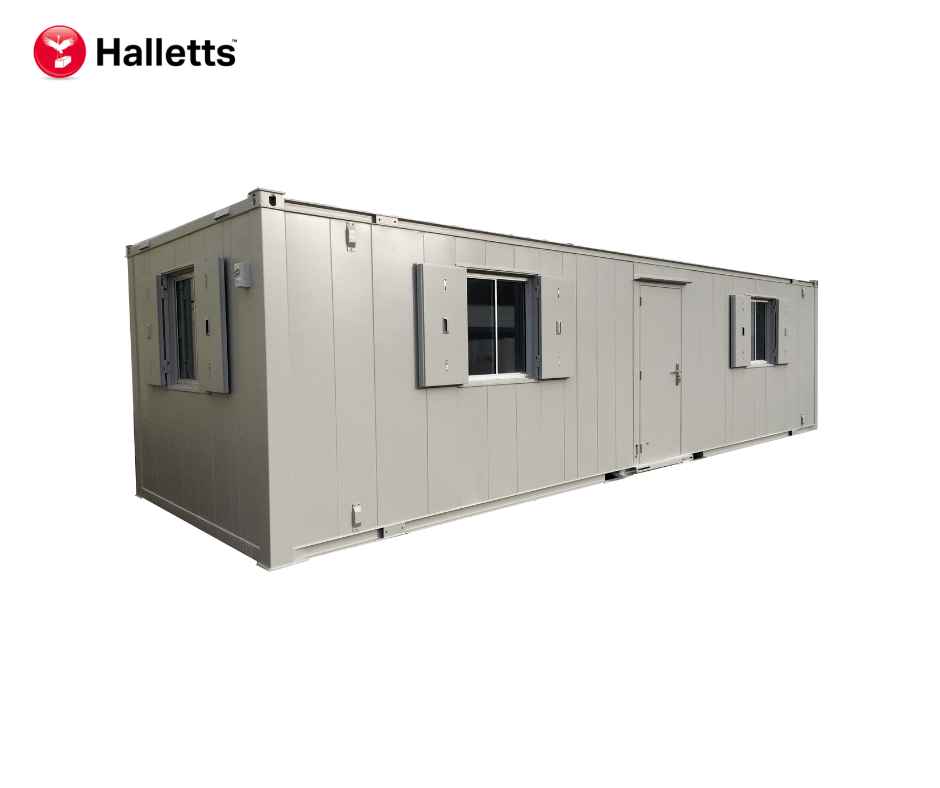
• Reinforced doors and windows with secure locking
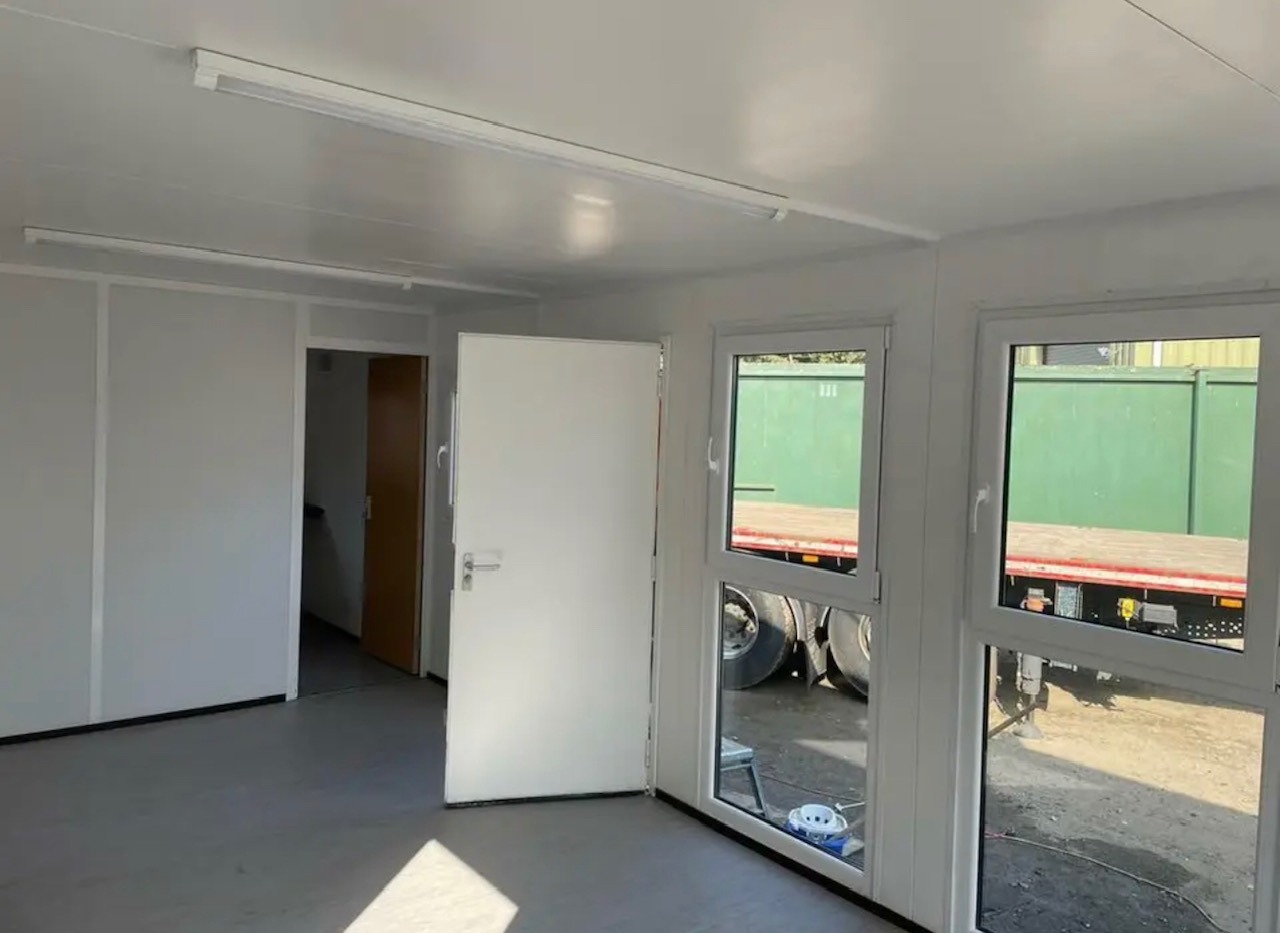
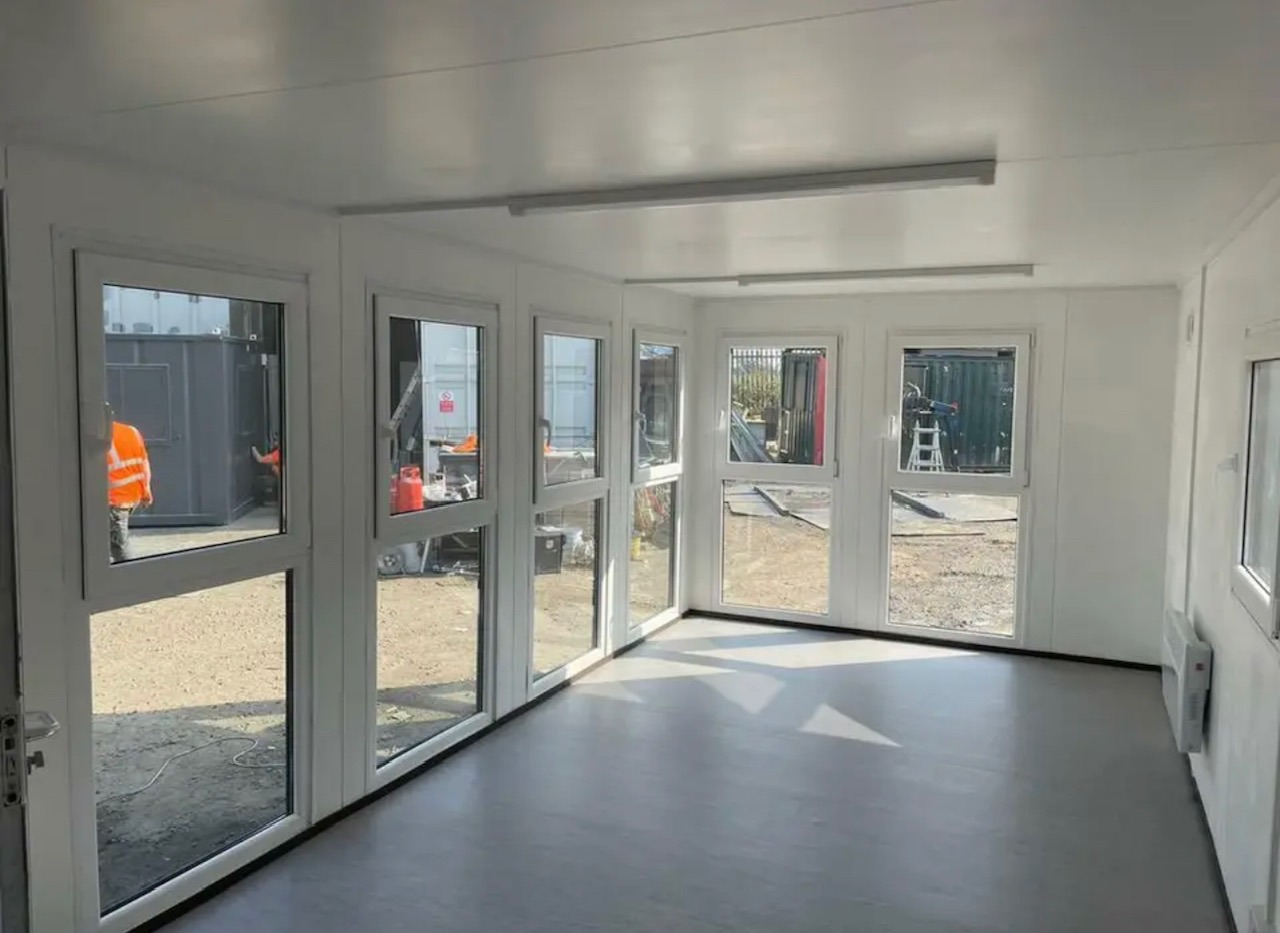
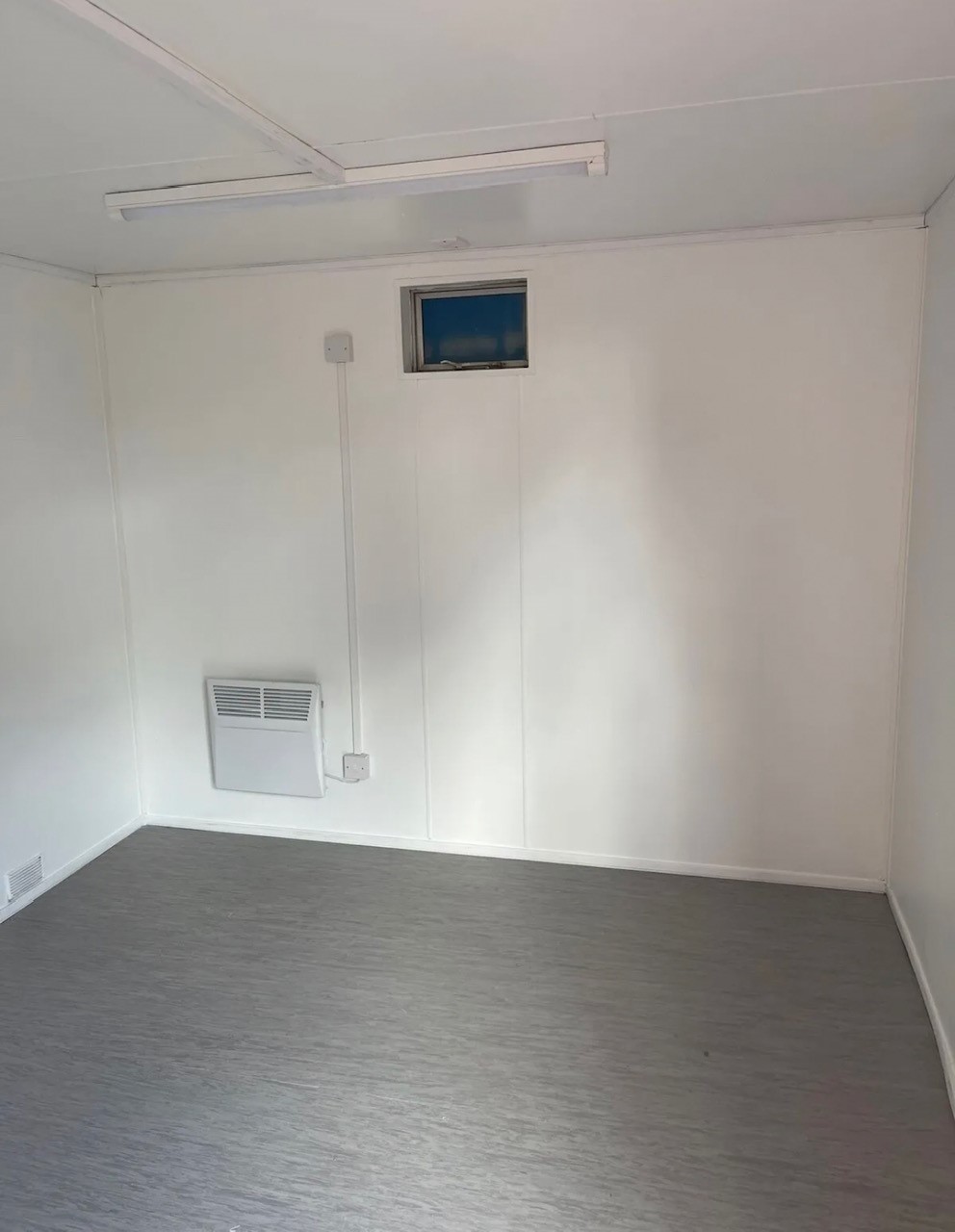
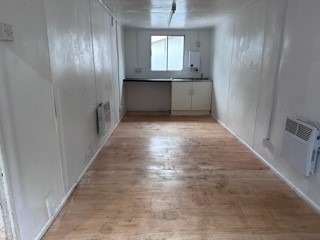
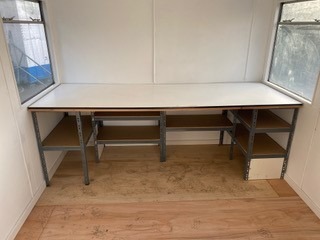
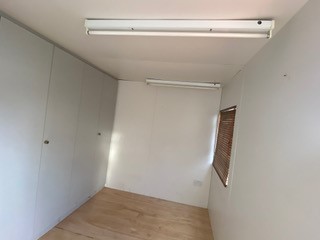
• Open plan with electric sockets and lighting
• Ral Code Colour of choice
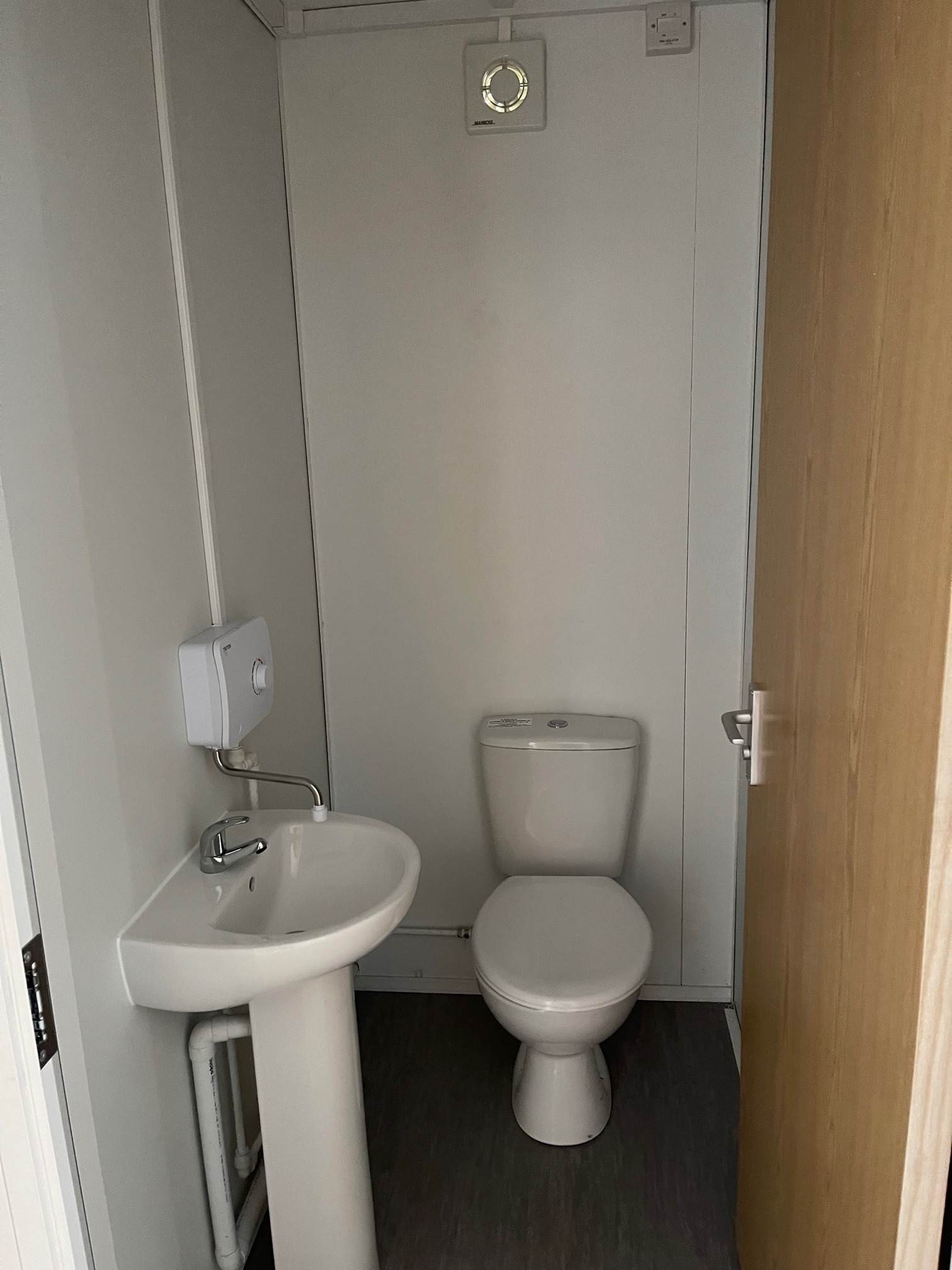
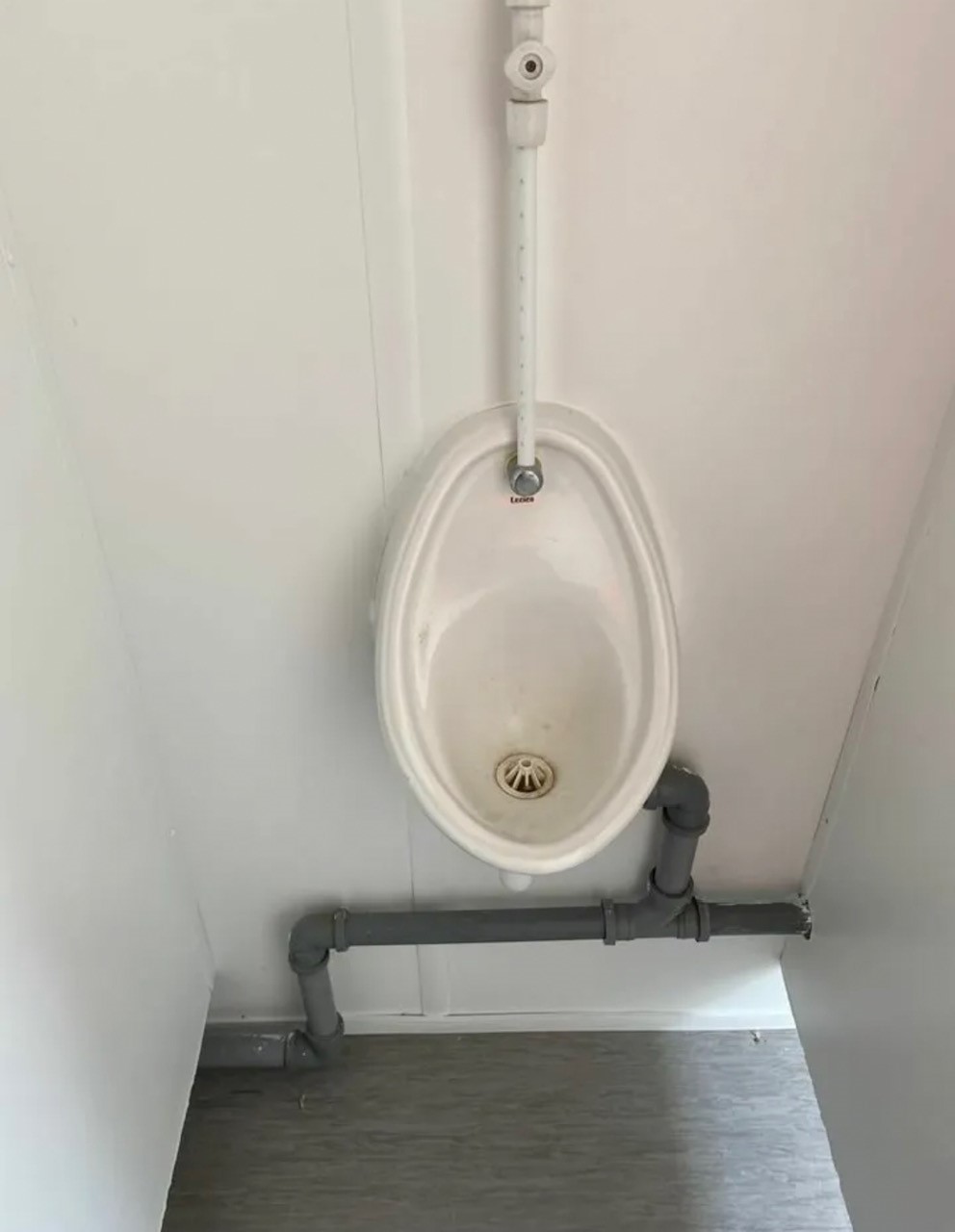
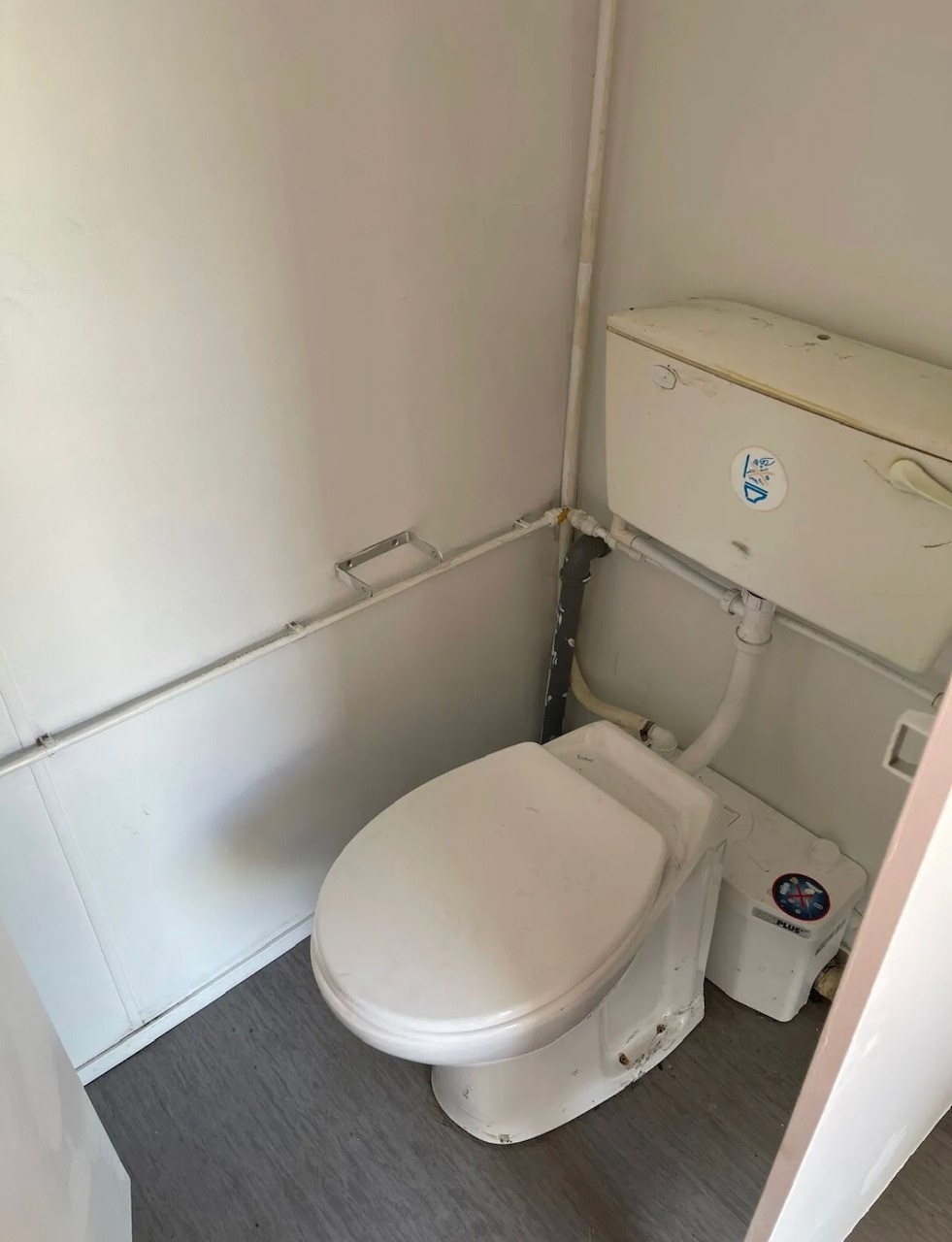
• Any Extras available : Canteen, Partitions, Toilets.
Location: Nationwide
EX VAT
Not Available for Hire
Call for an instant quote!
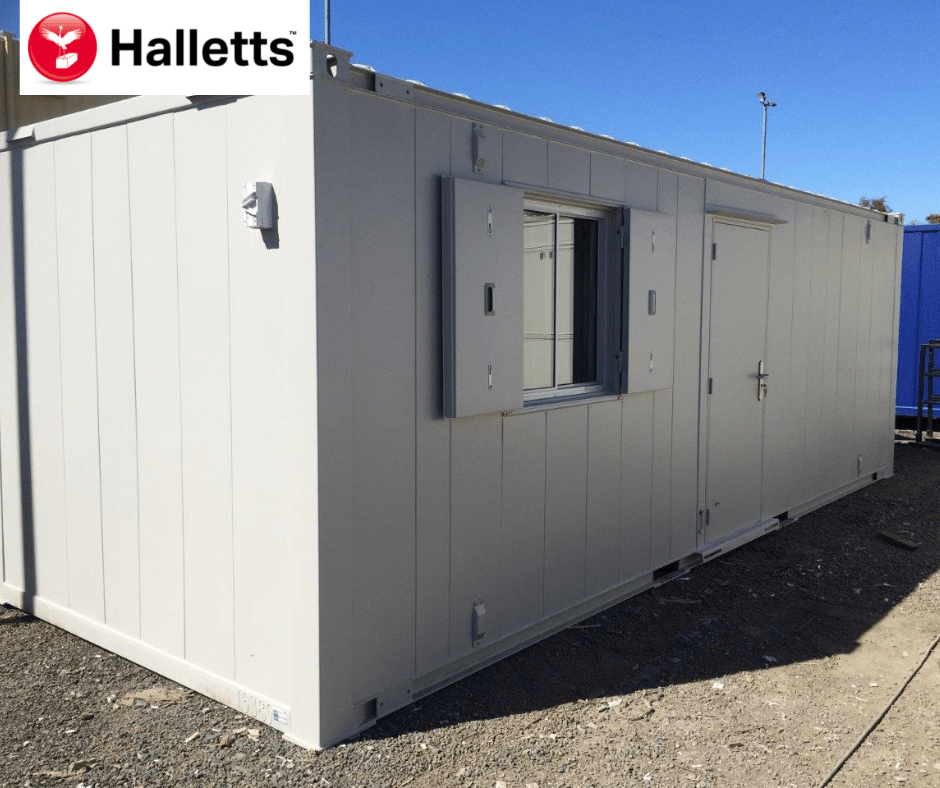
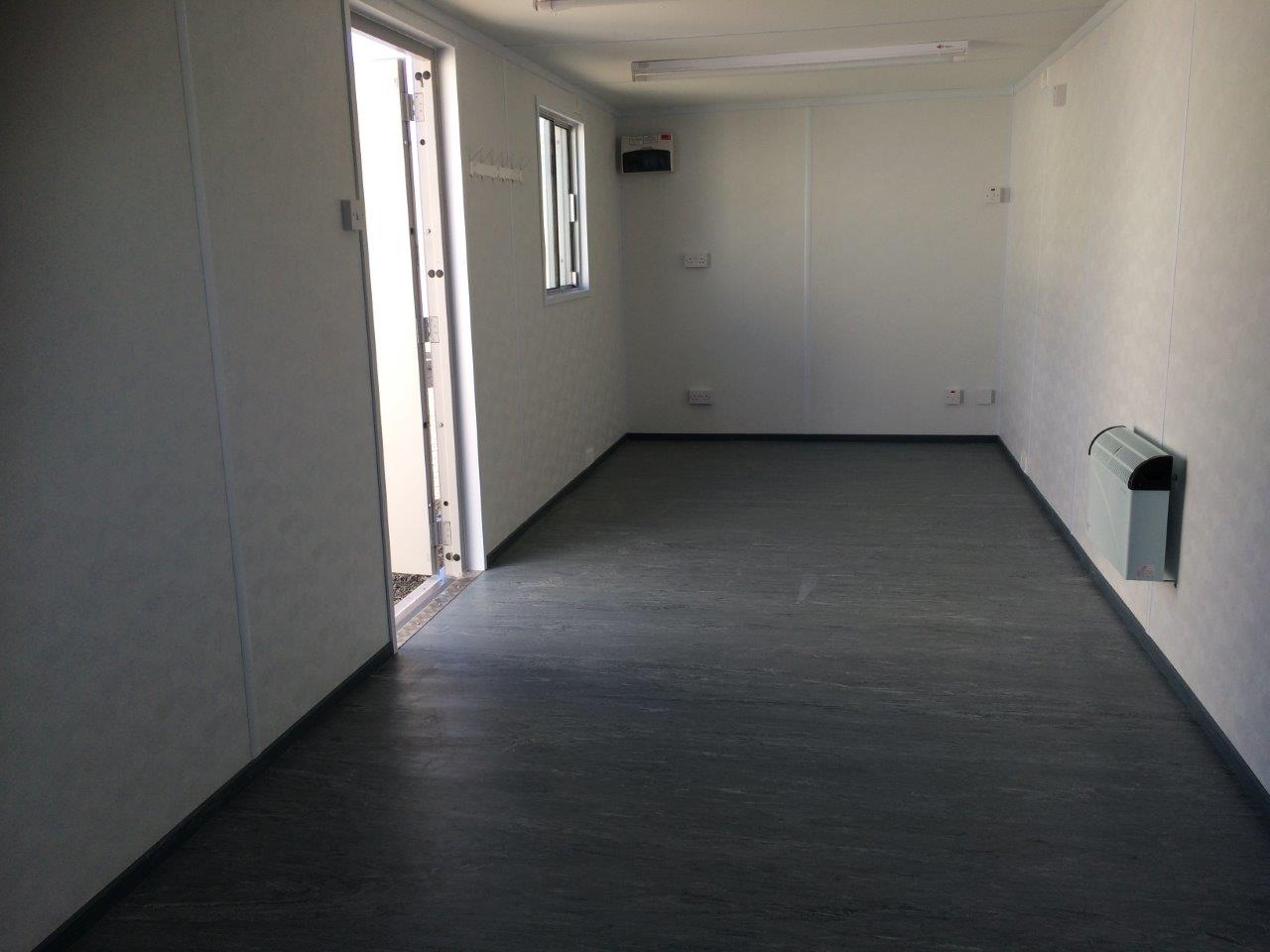
• Reinforced doors and windows with secure locking
• Open plan with electric sockets and lighting
• Ral Code Colour of choice
• Any Extras available : Canteen, Partitions, Toilets.
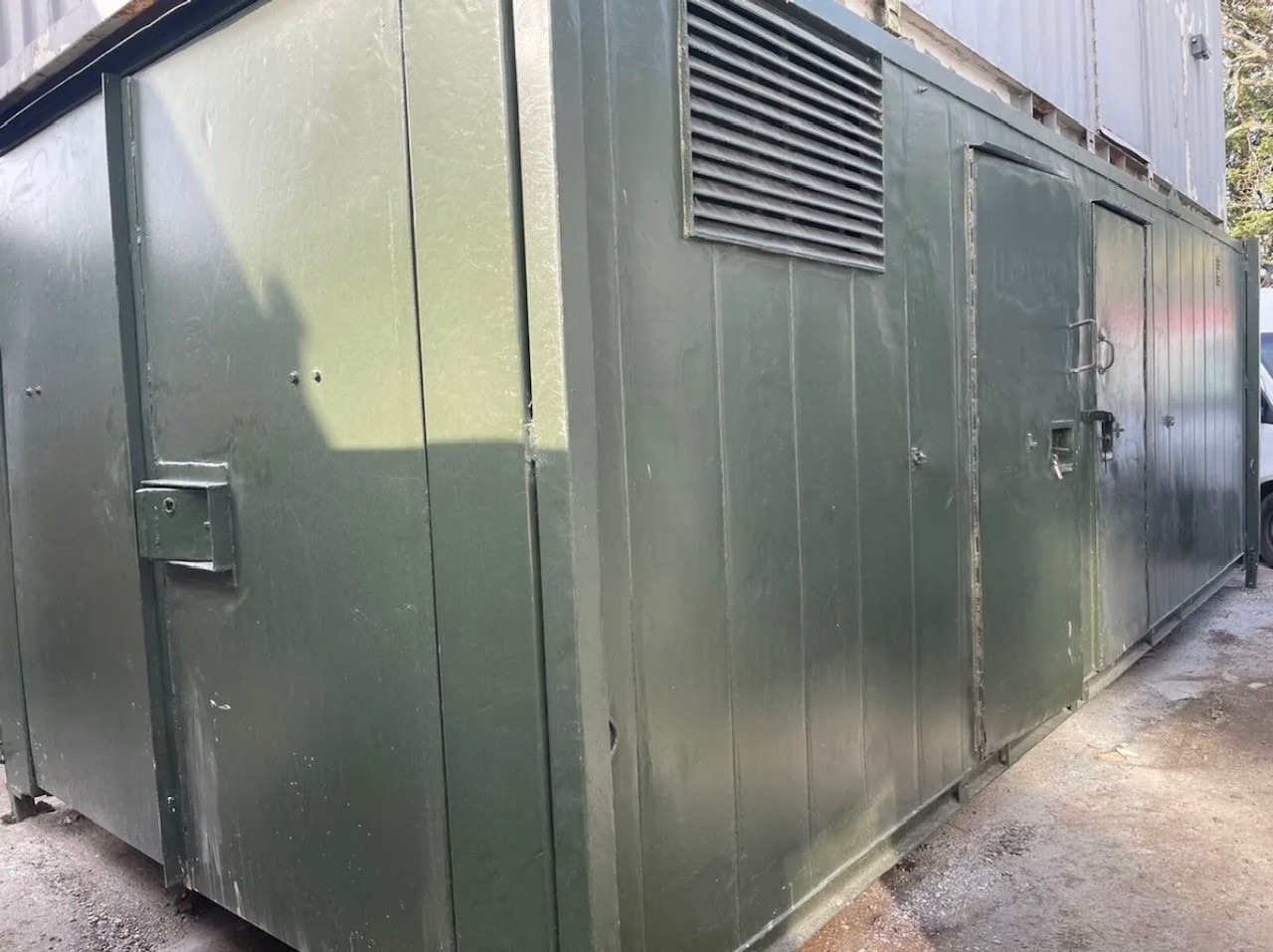
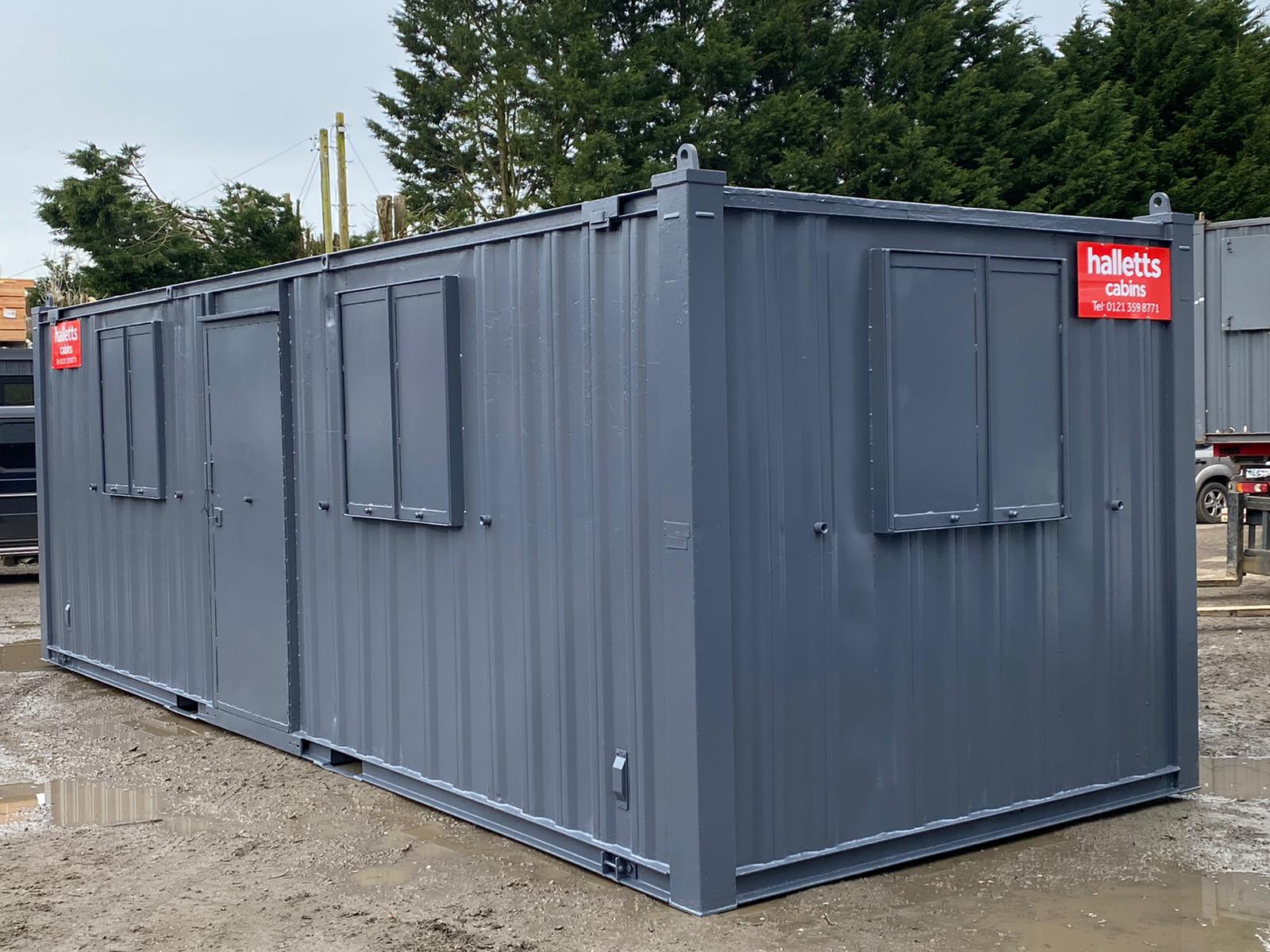
• Reinforced doors with secure locking
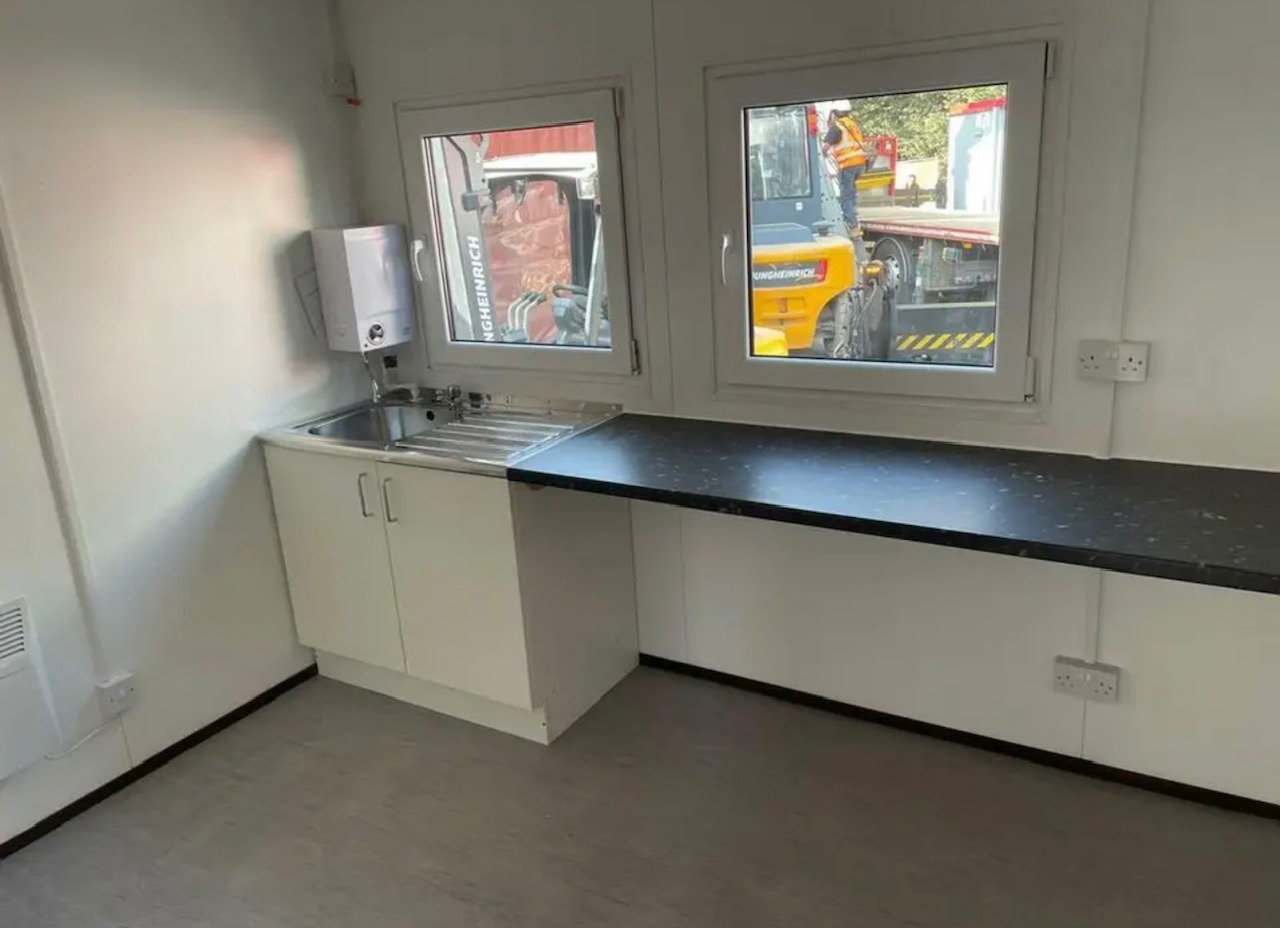
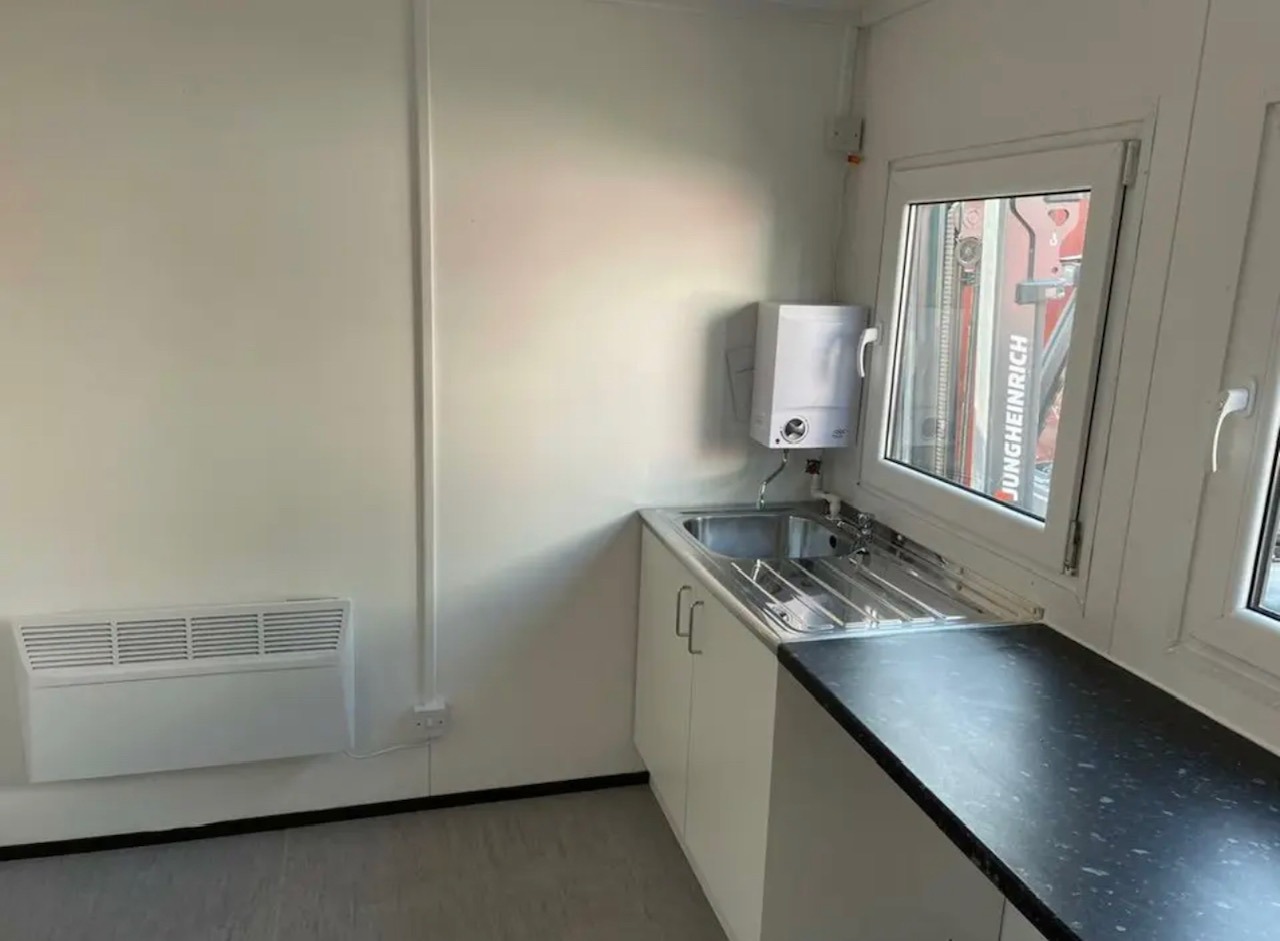
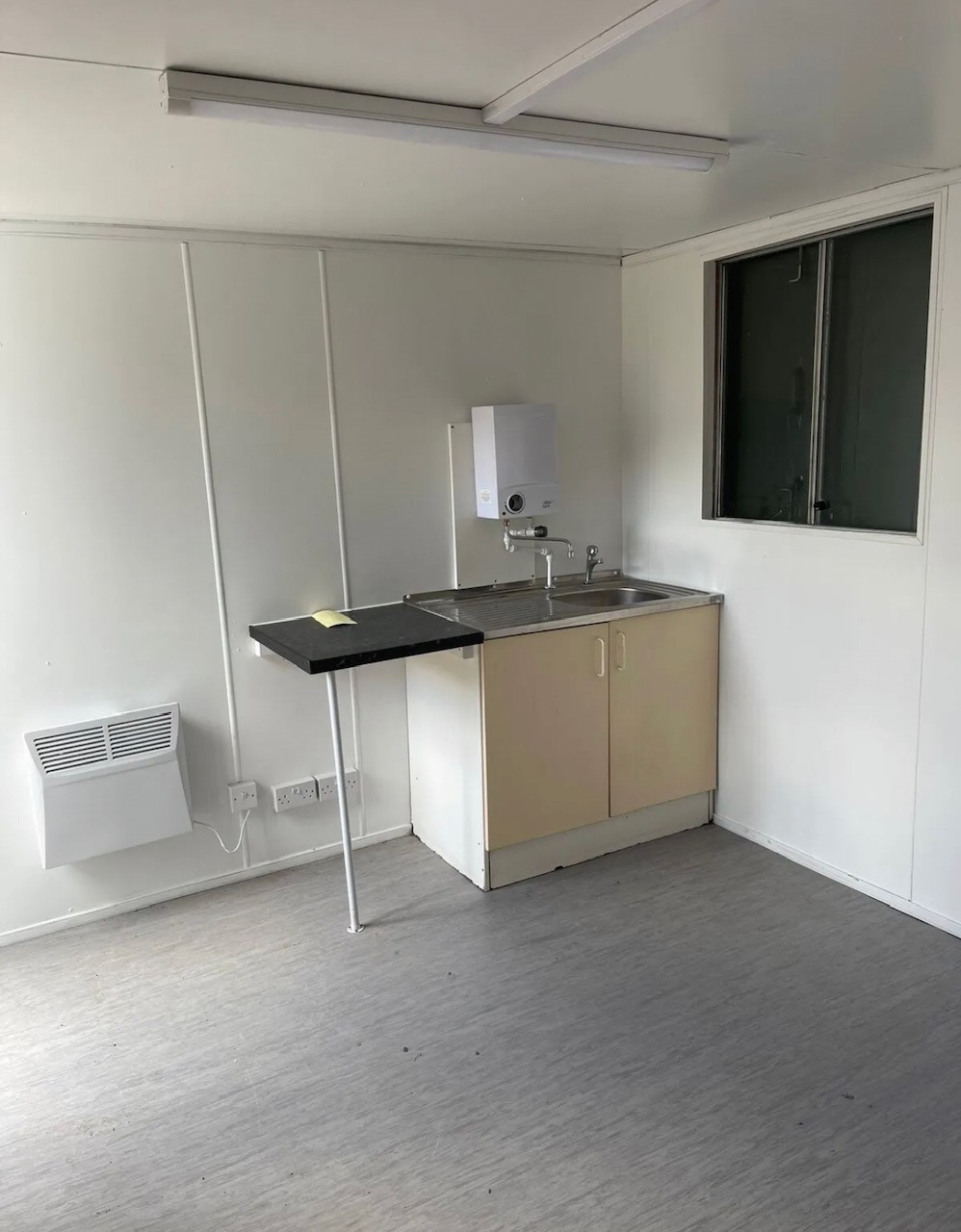
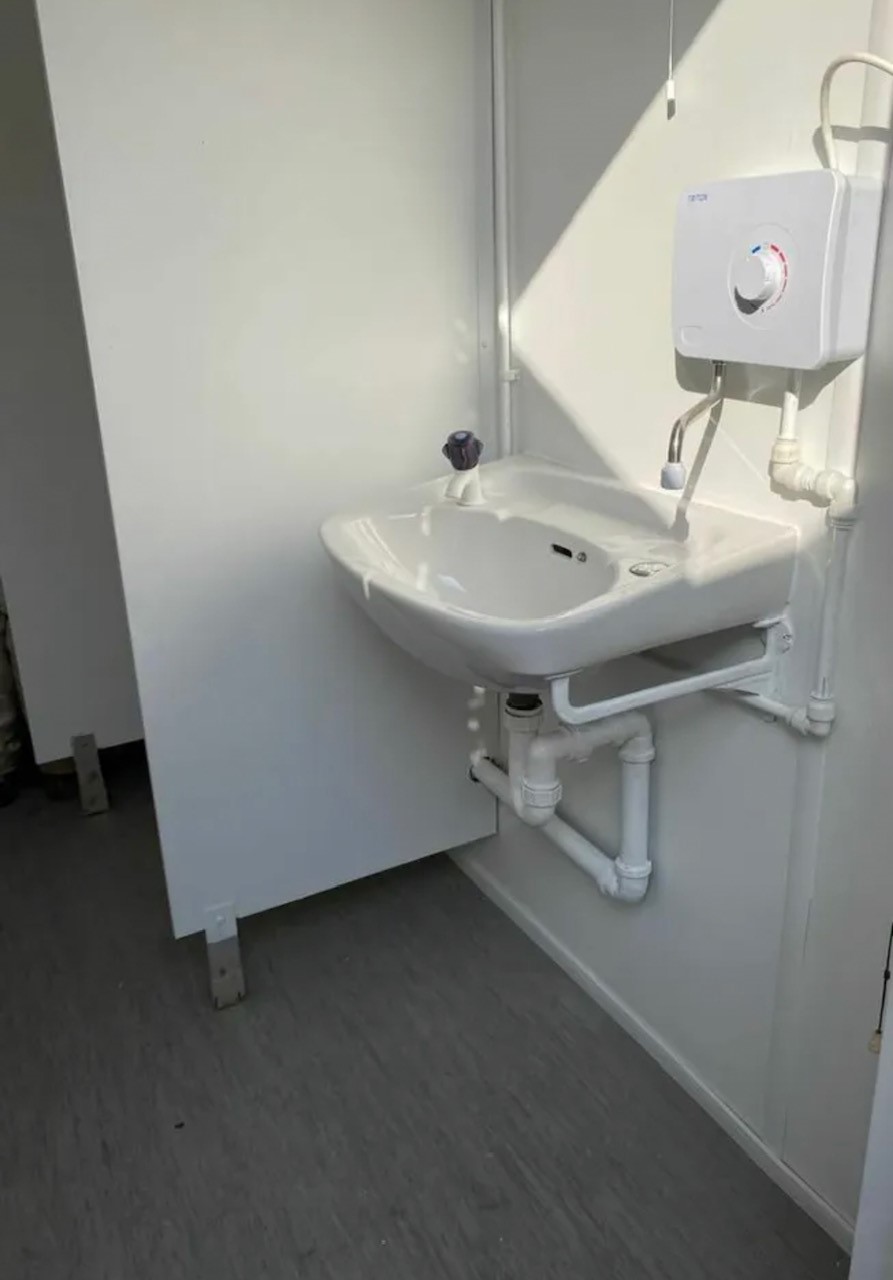
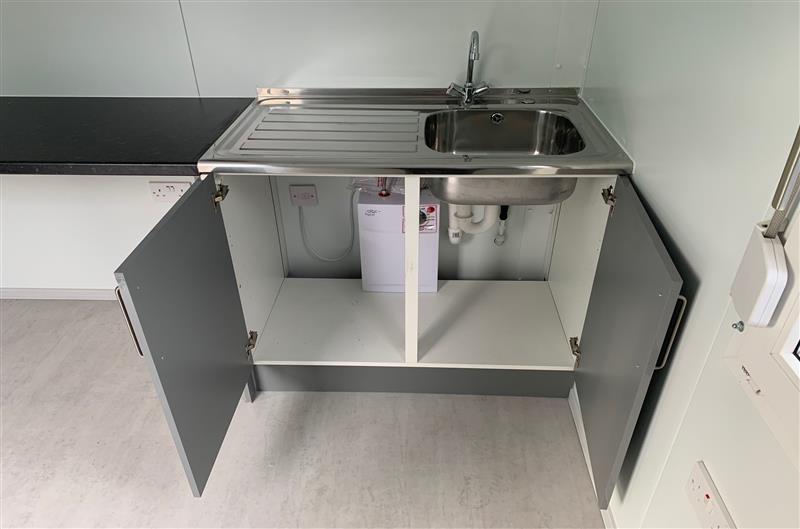
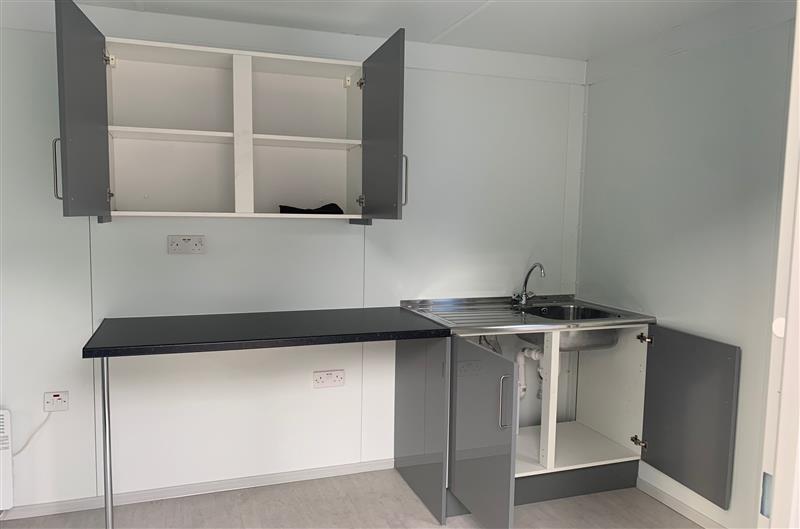
• Sink and water boiler included
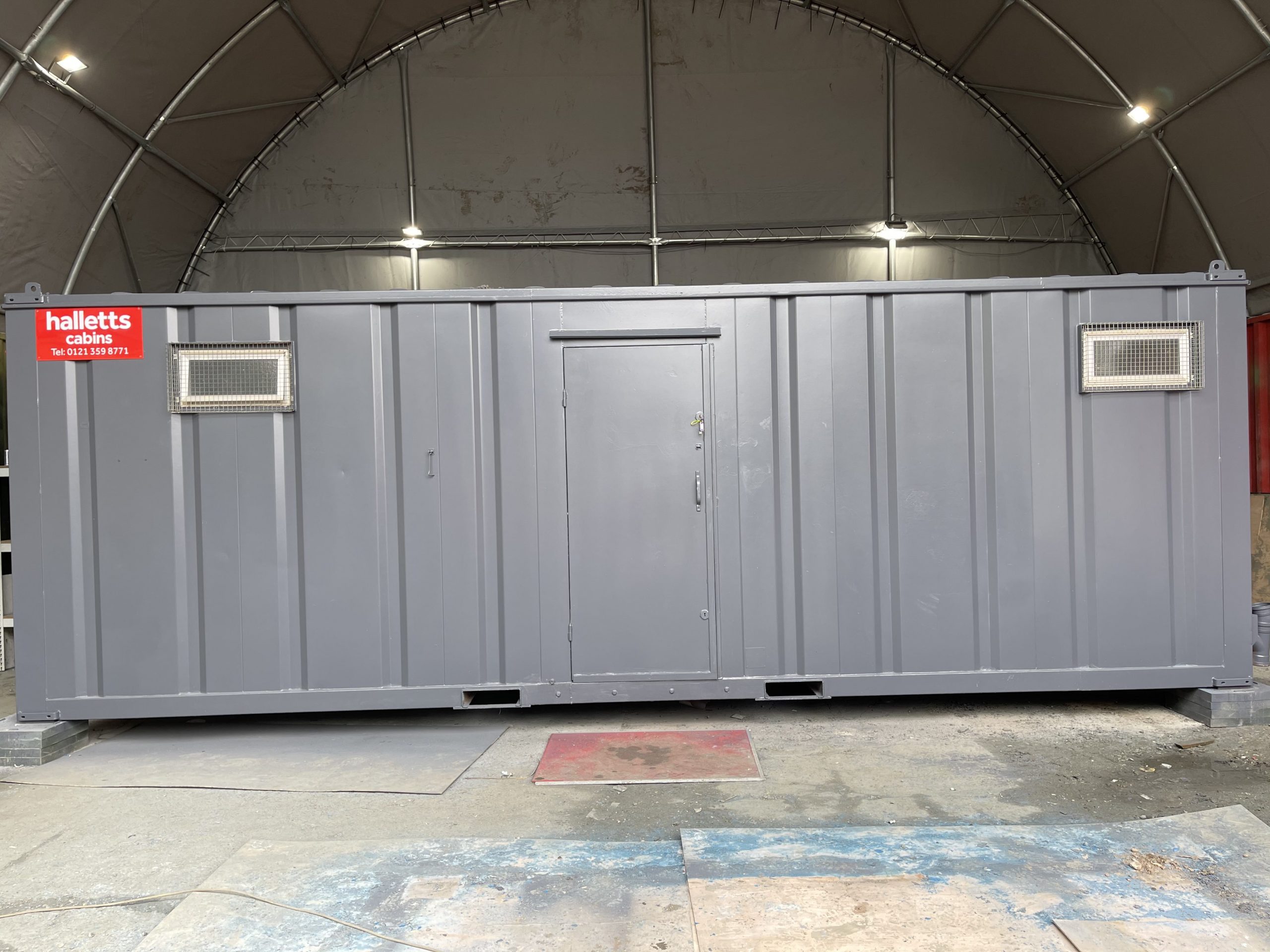
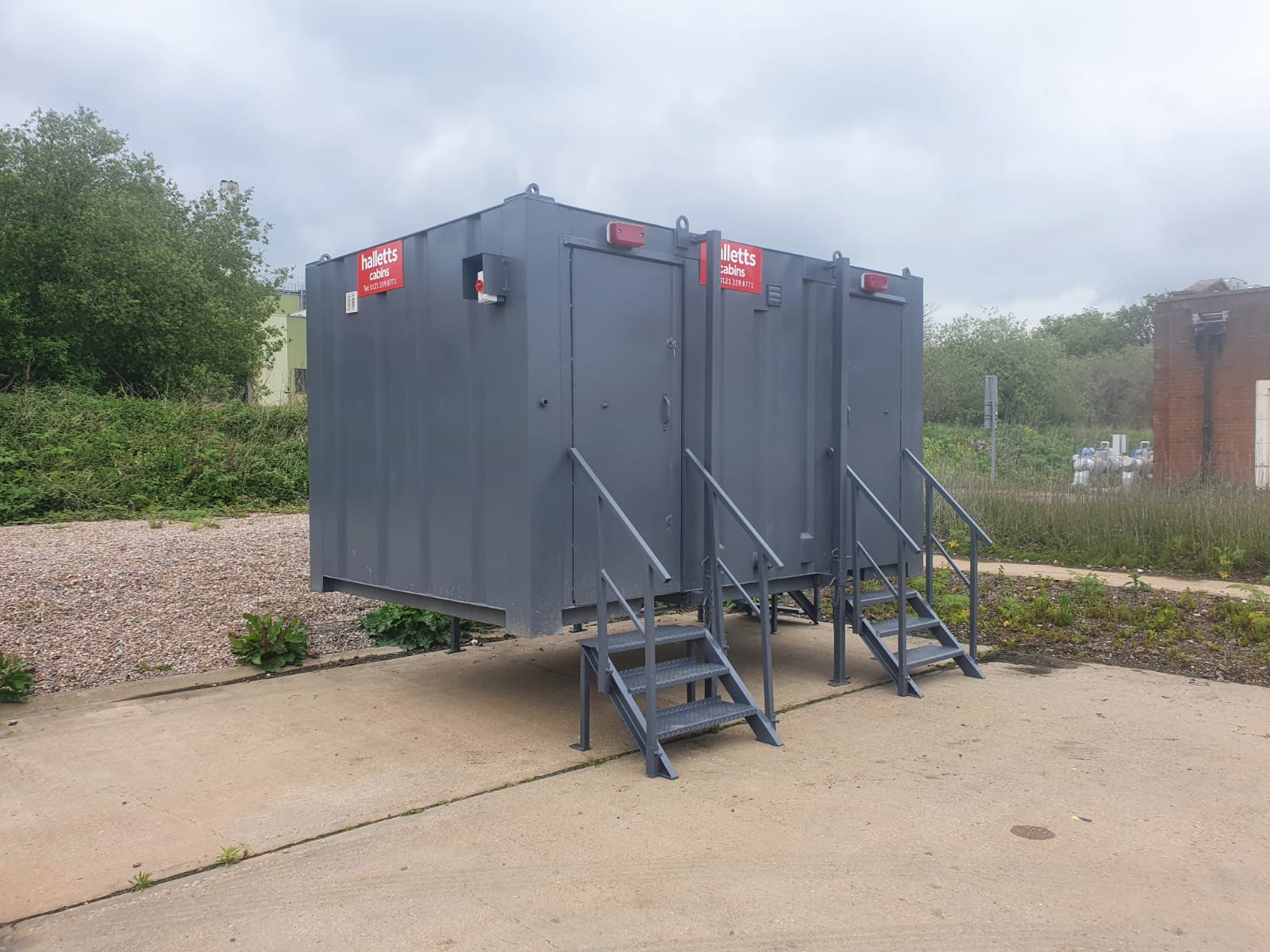
Location: Nationwide
Quantity: ∞
EX VAT
Not Available for Hire
Call for an instant quote!
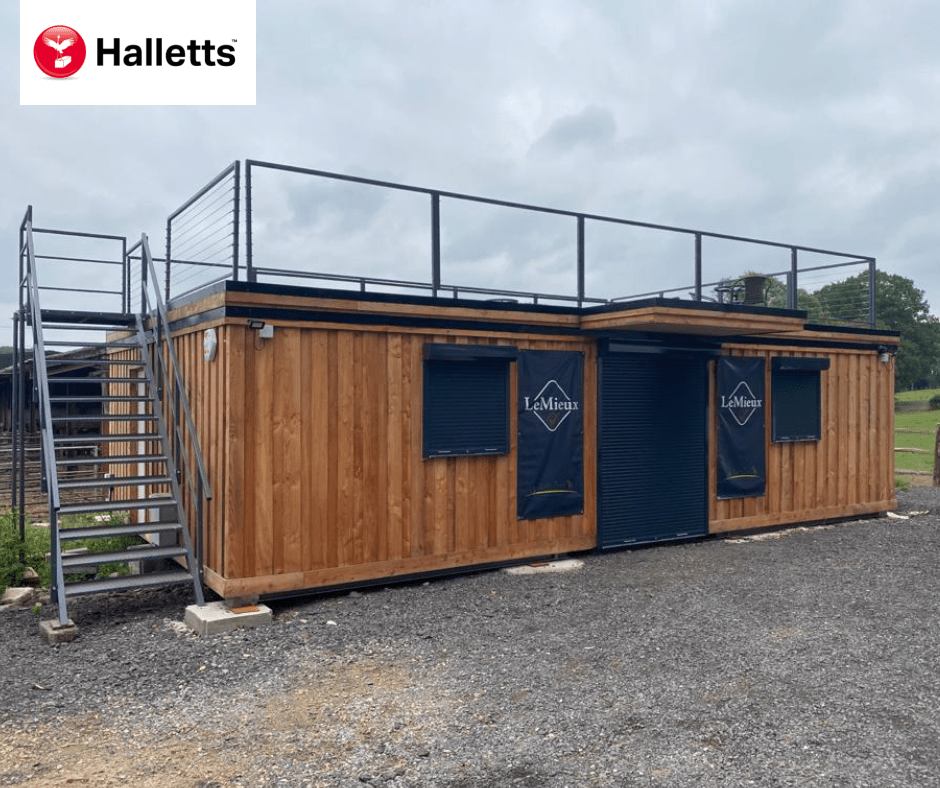
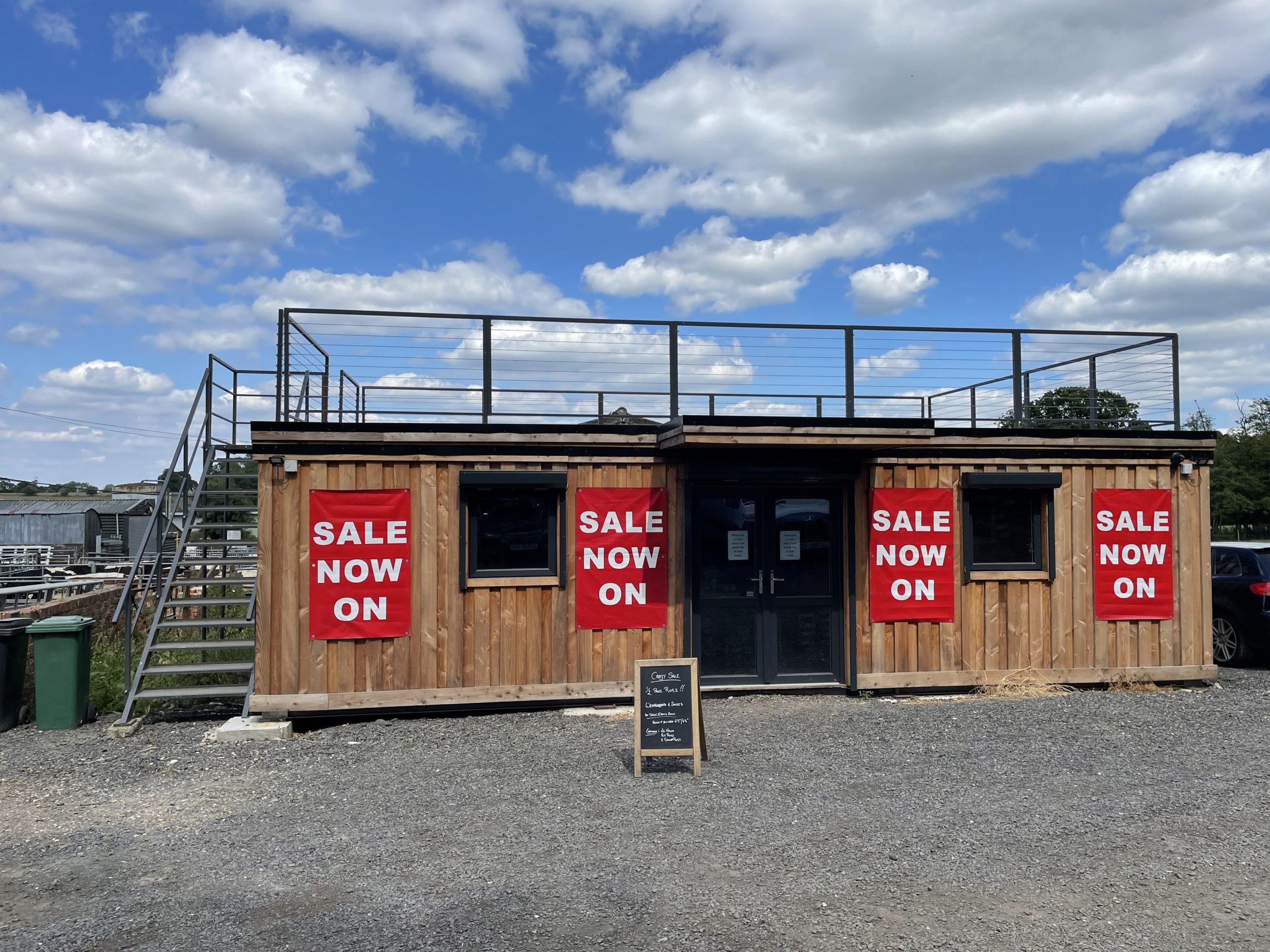
Location: Nationwide
EX VAT
Not Available for Hire
Call for an instant quote!
Get a Quick Container Quote Now!
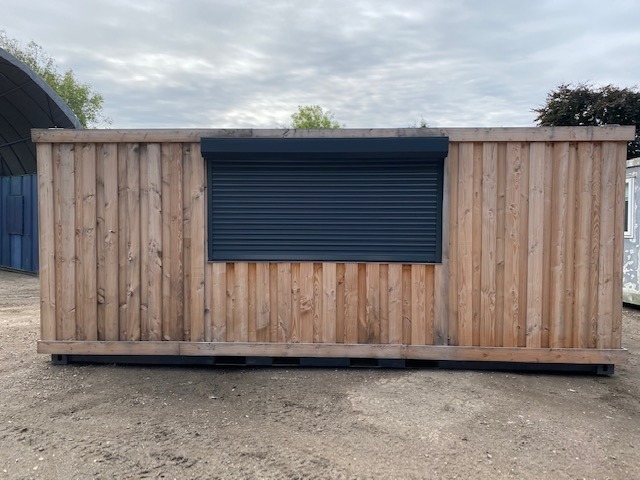
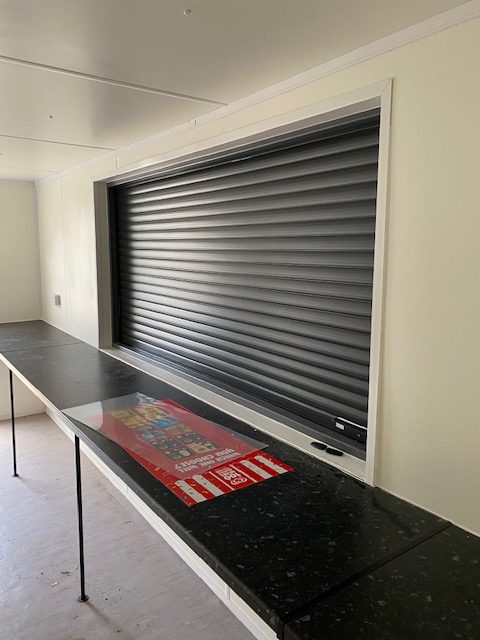
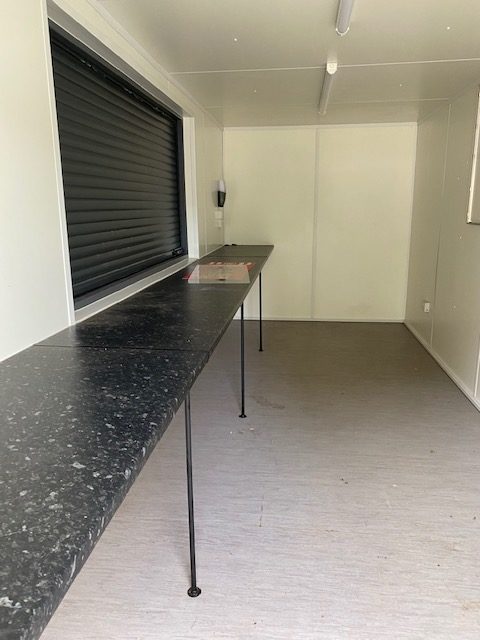
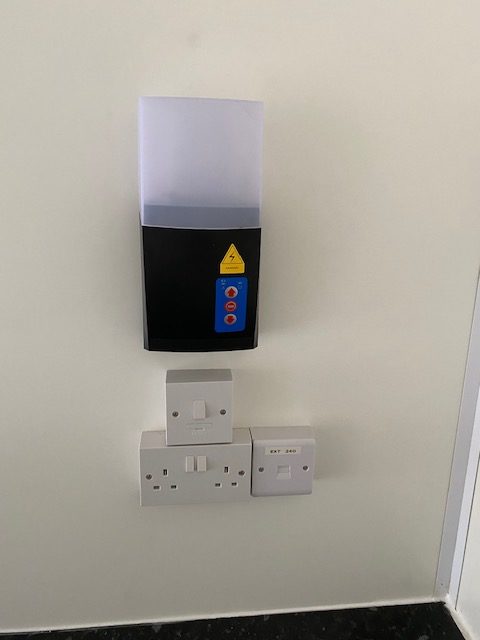
Location: Nationwide
EX VAT
Not Available for Hire
Call for an instant quote!
Get a Quick Container Quote Now!
Get a Quick Container Quote Now!
