Choosing Geo Synthetic Materials in 2026 requires more than comparing product prices or tensile strength. Engineers must connect each material with the project’s actual risks, climate, soil behavior, and construction conditions. A drainage geocomposite beside a highway cannot be judged like a geomembrane beneath a landfill. The details matter.
Dr. Robert M. Koerner, a leading geosynthetics authority, stated, “The proper selection of a geosynthetic requires an understanding of its function, the site conditions, and the installation environment.” This principle remains highly relevant in 2026. Material selection should examine filtration, separation, reinforcement, drainage, containment, puncture resistance, chemical compatibility, and long-term durability. Laboratory data helps. It does not replace field judgment.
Look closely at the site.
A wet clay embankment may need reinforcement with controlled interface friction. A reservoir liner may require welding performance, ultraviolet resistance, and verified leak testing. A temporary construction road may prioritize survivability under repeated vehicle loads. These examples show why one “strongest” product rarely exists.
Reliable decisions also depend on documented testing, qualified installers, traceable manufacturing, and independent technical review. Environmental conditions are changing, yet some specifications still depend on outdated assumptions. That weakness deserves attention.
This guide examines practical selection methods for 2026, including performance testing, life-cycle value, installation quality, and project-specific risk. It also recognizes an uncomfortable truth: even excellent Geo Synthetic Materials can fail when design communication is poor or site conditions are underestimated. The best choice is not always the most advanced material. It is the material whose performance can be justified, inspected, and maintained throughout the project’s intended life.
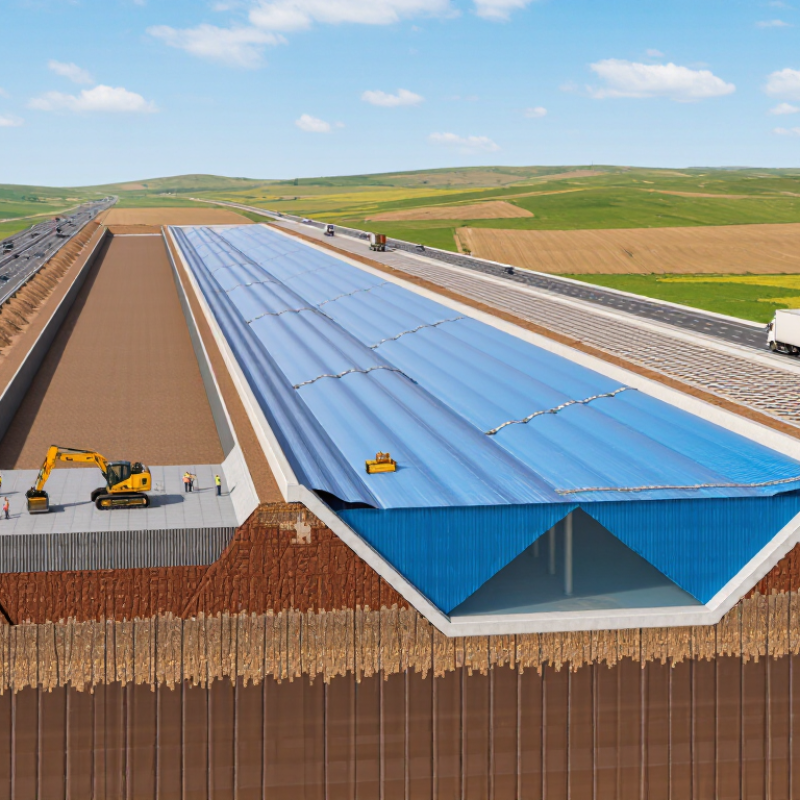
Geosynthetic materials are engineered polymer products used with soil, rock, or other construction materials. They include geotextiles, geomembranes, geogrids, geonets, and geocomposites. Each type performs a different function. Some separate unstable soil layers. Others filter water, reinforce slopes, control erosion, or prevent leakage.
Their uses are practical and widespread. On roads, geotextiles can separate clay from aggregate and reduce rutting after heavy rain. Geogrids reinforce weak foundations beneath roads, railway tracks, and parking areas. Geomembranes create low-permeability barriers in reservoirs, wastewater ponds, and engineered waste containment systems. Geocomposites can collect and drain water behind retaining walls or beneath landfills. I have seen drainage failures caused by blocked outlets, not poor product strength. Small details matter.
Choosing materials in 2026 requires more than comparing tensile strength. Engineers should examine soil chemistry, ultraviolet exposure, installation damage, temperature changes, and expected water pressure. Recycled content may support sustainability goals, but it must not compromise durability or quality control. Laboratory data helps, yet field conditions can differ sharply. A sample may pass testing and still fail after careless placement. That risk deserves attention. Site inspection, certified testing, and clear installation records improve reliability. Forecasts for heavier rainfall also make drainage capacity increasingly important, although local climate assumptions can still be wrong.
Geosynthetic materials are polymeric or mineral-based products used in soil, rock, and water-control applications. The chart shows representative engineering thickness ranges, which can help with initial material screening. Final selection should also consider tensile strength, puncture resistance, permeability, chemical compatibility, UV exposure, installation conditions, and project design standards.
Geotextiles are commonly used for separation, filtration, drainage, and erosion control. Geogrids improve soil reinforcement and load distribution. Geomembranes provide low-permeability barriers for ponds, landfills, and containment systems. Geosynthetic clay liners support hydraulic barrier systems, while geocomposite drainage products combine drainage and filtration functions.
Before choosing a geosynthetic material, define what the project must survive. A road over soft clay faces different risks from a landfill cover. Record soil strength, groundwater levels, rainfall, temperature, chemical exposure, and construction traffic. Measure the expected loads, slope angles, settlement, and service life. Small details matter. A loaded truck may damage an exposed layer before installation is complete.
State the required function in practical terms. Is the material separating soil layers, filtering water, draining liquid, reinforcing a slope, or controlling erosion? One product rarely performs every function equally well. Set measurable requirements for tensile strength, puncture resistance, permeability, interface friction, and creep performance. Include installation conditions, available equipment, seam methods, and inspection procedures. Local codes and project specifications should guide the testing plan, not replace it.
Field experience also demands honest assumptions. I have seen designs fail because laboratory soil data did not match wet site conditions. A clean calculation can still mislead. Ask how the material will behave after folding, sunlight exposure, repeated loading, and imperfect placement. Allow for construction damage and realistic tolerances. Then compare candidate materials against the full requirement list, including transport, repair, and long-term monitoring. The cheapest option may become expensive after one overlooked constraint.
How to Choose Geosynthetic Materials in 2026?
How to Match Geosynthetic Types to Engineering Functions
Geosynthetic selection should begin with the engineering function, not the product name. Use geotextiles for separation, filtration, drainage, or surface protection. Choose geogrids when soil reinforcement and load distribution are required. Geomembranes suit projects needing low-permeability containment, such as reservoirs or waste barriers. Geocomposites can combine drainage and filtration in limited spaces. The function must lead.
Consider actual site conditions. Review soil gradation, water pressure, temperature, ultraviolet exposure, chemical contact, and construction traffic. A geogrid may reinforce a road base, but it cannot replace proper drainage. A geomembrane may resist leakage, yet poor seams can undermine the entire system. Field inspections often reveal this gap between laboratory performance and installation quality. Small details matter.
Tips: Match each material with measurable design requirements. Check tensile strength, puncture resistance, permeability, aperture size, and long-term durability. Ask for independent test data and documented quality controls. Keep installation equipment in mind. A theoretically suitable material may be difficult to place safely on uneven ground. No choice is perfect. Recheck the design after trial installation, because early assumptions can be wrong.
How to Choose Geosynthetic Materials in 2026?
Performance selection should begin with site stress, not product type. During field reviews, I check puncture risk, tensile demand, creep, chemical exposure, UV, temperature, and installation damage. A material that passes laboratory testing may still fail beside sharp aggregate. The U.S. Federal Highway Administration reports that construction damage is a major design concern for geosynthetic applications. This makes survivability testing essential.
For drainage layers, transmissivity must remain adequate under long-term compression. For barriers, permeability, seam strength, and stress-crack resistance deserve equal attention. GRI GM13 specifications commonly require geomembrane oxidative induction time of at least 100 minutes and stress-crack resistance of 500 hours for applicable materials. These figures are useful benchmarks, not universal guarantees. ASTM test results should be reviewed beside actual soil chemistry and loading conditions. I have seen designs rely too heavily on tensile strength. That is an avoidable weakness. Creep data, interface friction, and aging behavior can control real service life.
Tips: Request test data from independent laboratories. Compare values at the project’s design temperature. Check performance after installation damage testing, not only before it. Review seam samples and field records. A neat spreadsheet can still mislead. The 2023 Geosynthetics Manual from the International Geosynthetics Society emphasizes site-specific design and installation quality. Engineers should also include reduction factors for creep, abrasion, biological exposure, and chemical degradation. One factor is often missed: maintenance access. A strong material becomes less useful when inspection is impossible.
| Geosynthetic Material | Primary Function | Critical Performance Factors | Typical Indicative Data | Best-Fit Applications | Selection Checks |
|---|---|---|---|---|---|
| Nonwoven Geotextile | Separation Filtration Drainage Protection | Mass per unit area, apparent opening size, permittivity, transmissivity, puncture resistance, UV exposure, and clogging resistance. | Common mass range: approximately 100–1,000 g/m². Stronger grades may provide puncture resistance above 1 kN, depending on polymer, mass, and test method. Hydraulic properties vary substantially with thickness and pore structure. | Road subgrades, drainage layers, erosion-control systems, landfill protection layers, and separation between soil and aggregate. | Match opening size to the soil particle-size distribution; verify filtration criteria, installation survivability, and long-term clogging behavior. |
| Woven Geotextile | Separation Reinforcement Stabilization | Tensile strength, tensile modulus, junction strength, aperture stability, creep, puncture resistance, and interface friction. | Typical tensile strengths range from approximately 20 to more than 200 kN/m, depending on construction and polymer. Lower elongation products are generally preferred where deformation control is important. | Soft-soil road foundations, working platforms, embankments, railway subgrades, and separation under aggregate bases. | Consider required design strain, aggregate size, installation damage, subgrade bearing capacity, and whether filtration or reinforcement is the dominant function. |
| Geogrid | Soil Reinforcement Load Distribution Confinement | Rib tensile strength, tensile modulus at design strain, junction efficiency, aperture geometry, creep reduction, installation damage, and soil–grid interaction. | Product strengths commonly range from approximately 20 to 200 kN/m or higher. Design performance should be based on strength at the relevant strain, not only the ultimate tensile rating. | Reinforced soil walls, mechanically stabilized earth structures, basal reinforcement, pavement improvement, and foundation platforms. | Check aperture compatibility with aggregate size, pullout resistance, connection strength, long-term reduction factors, and construction loading. |
| Geomembrane | Liquid Barrier Gas Barrier Containment | Thickness, tensile and tear strength, puncture resistance, seam strength, stress-crack resistance, chemical compatibility, oxidation resistance, and permeability. | Common thickness range: approximately 0.75–3.0 mm for many containment applications. Properly selected geomembranes have extremely low hydraulic conductivity, commonly targeted at less than 1 × 10⁻¹³ m/s. | Landfill liners and covers, ponds, reservoirs, wastewater facilities, mining containment, and secondary containment systems. | Evaluate fluid chemistry, operating temperature, subgrade smoothness, seam quality, wrinkles, exposed service life, and damage during installation. |
| Geosynthetic Clay Liner (GCL) | Low-Permeability Barrier Self-Sealing | Bentonite mass, hydraulic conductivity, swell behavior, peel strength, shear strength, hydration conditions, and resistance to chemical incompatibility. | Laboratory hydraulic conductivity is often specified at approximately 1 × 10⁻¹¹ m/s or lower under defined test conditions. Actual performance depends strongly on confining stress, hydration water, and leachate chemistry. | Composite landfill liners, capping systems, canals, ponds, and low-permeability barriers beneath or above soil layers. | Confirm compatibility with saline or high-calcium liquids, prevent premature hydration and desiccation, and provide adequate confinement and overlap. |
| Geocomposite Drainage Layer | In-Plane Drainage Filtration Leakage Collection | Transmissivity under normal stress, compressive creep, filter compatibility, flow capacity, interface friction, and installation survivability. | In-plane flow capacity is project-specific and must be reported under defined normal stress and hydraulic gradient. Drainage performance can decrease substantially as compressive stress and creep increase. | Landfill leachate drainage, retaining walls, basements, green roofs, roadway edge drains, and capillary break systems. | Design for long-term rather than short-term flow capacity; account for clogging, confinement, slope, discharge length, and construction damage. |
| Geocell | Lateral Confinement Erosion Control Load Support | Cell depth, seam strength, polymer durability, confinement efficiency, infill compatibility, UV resistance, and surface anchorage. | Common cell depths range from approximately 75 to 300 mm, with deeper systems used for greater confinement or erosion-control demands. Performance depends on cell geometry, infill material, slope, and anchorage. | Unpaved roads, slope protection, channel lining, embankment stabilization, access roads, and load-support platforms. | Check slope angle, hydraulic forces, infill gradation, anchorage design, seam durability, and resistance to repeated traffic or freeze–thaw cycles. |
| Geomat or Geosynthetic Erosion-Control Blanket | Surface Erosion Control Vegetation Support | Open area, thickness, tensile strength, shear stress resistance, UV durability, biodegradation period, and vegetation establishment. | Performance is commonly classified by permissible shear stress or allowable flow conditions rather than tensile strength alone. Temporary biodegradable products and permanent synthetic products have different service-life expectations. | Cut slopes, drainage channels, riverbanks, construction-site slopes, and revegetation areas. | Select according to rainfall intensity, flow velocity, slope geometry, soil erodibility, vegetation type, and required service duration. |
Choosing geosynthetics in 2026 requires evidence, not attractive product sheets. The World Bank’s What a Waste 2.0 estimates 2.01 billion tonnes of municipal waste are generated globally each year. At least 33% remains unmanaged. That pressure makes liner and drainage reliability critical. Verify resin type, mass per area, thickness, tensile strength, puncture resistance, and permeability through accredited laboratory testing. Ask for batch-specific results, not only generic certificates.
Compatibility testing should reflect the real site. Examine leachate chemistry, soil friction, temperature, ultraviolet exposure, and installation stress. GRI-GM13, widely referenced for geomembrane specifications, includes requirements for thickness, tensile properties, carbon black, and oxidative induction time. These checks help reveal weak or poorly stabilized materials. They do not replace project-specific testing. A certificate is only a starting point.
Long-term performance needs documented design assumptions. FHWA’s Geosynthetic Design and Construction Guidelines emphasize seam quality, subgrade preparation, drainage control, and construction inspection. Field technicians should record roll numbers, seam temperatures, air-pressure tests, destructive samples, and repair locations. Small wrinkles can become serious stress points. I have seen excellent materials fail after careless placement. That is uncomfortable, but useful. Reviewers should also challenge accelerated-aging results, because laboratory exposure rarely reproduces every chemical and mechanical condition. Select materials with traceable data, compatible interfaces, and a realistic maintenance plan.

Registered in England & Wales No. 2786496
Registered office at: 337 Tanworth Lane,
Shirley, Solihull, B90 4DU
Registered for VAT, registration No.
GB 655 1347 38
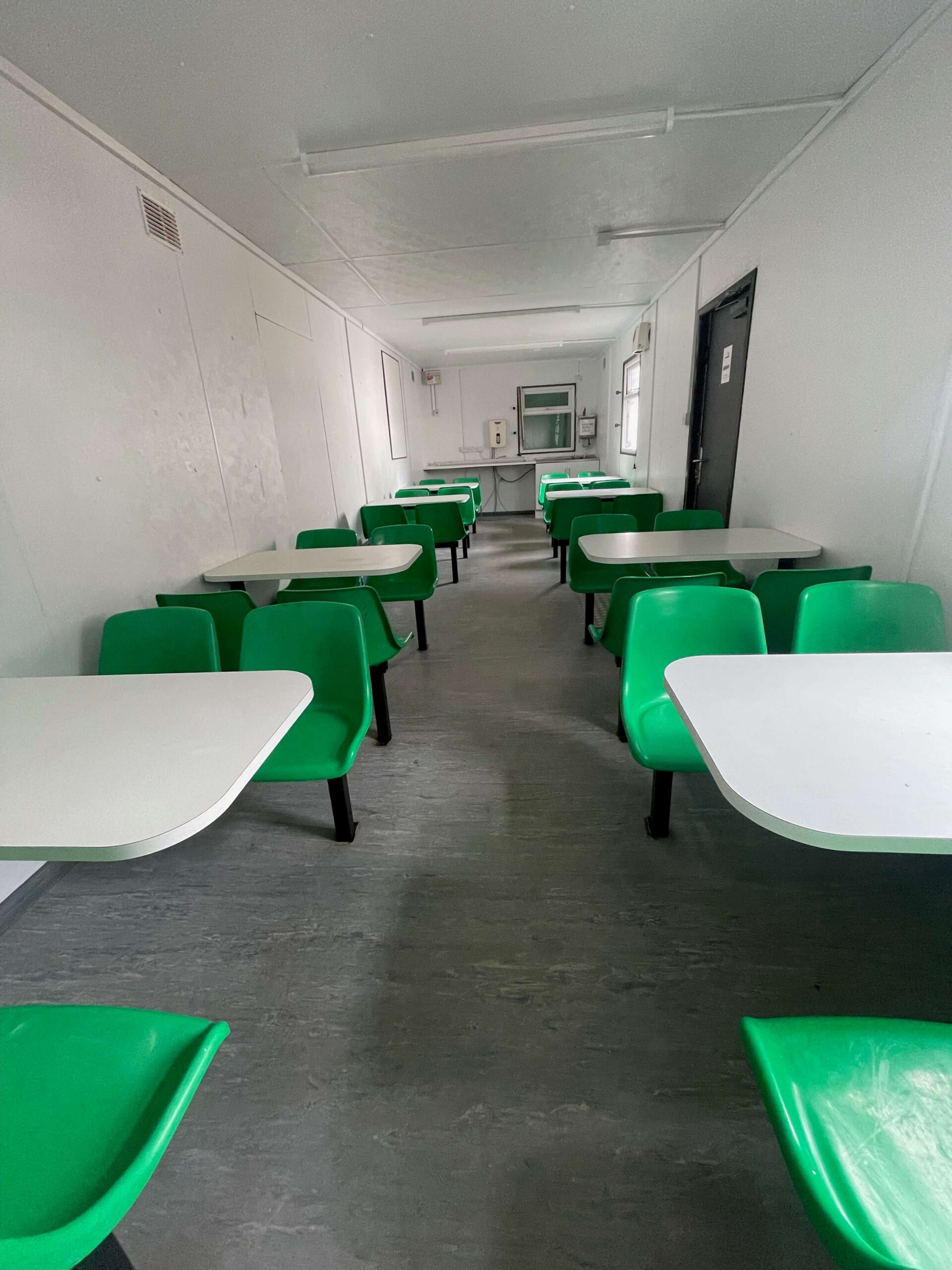
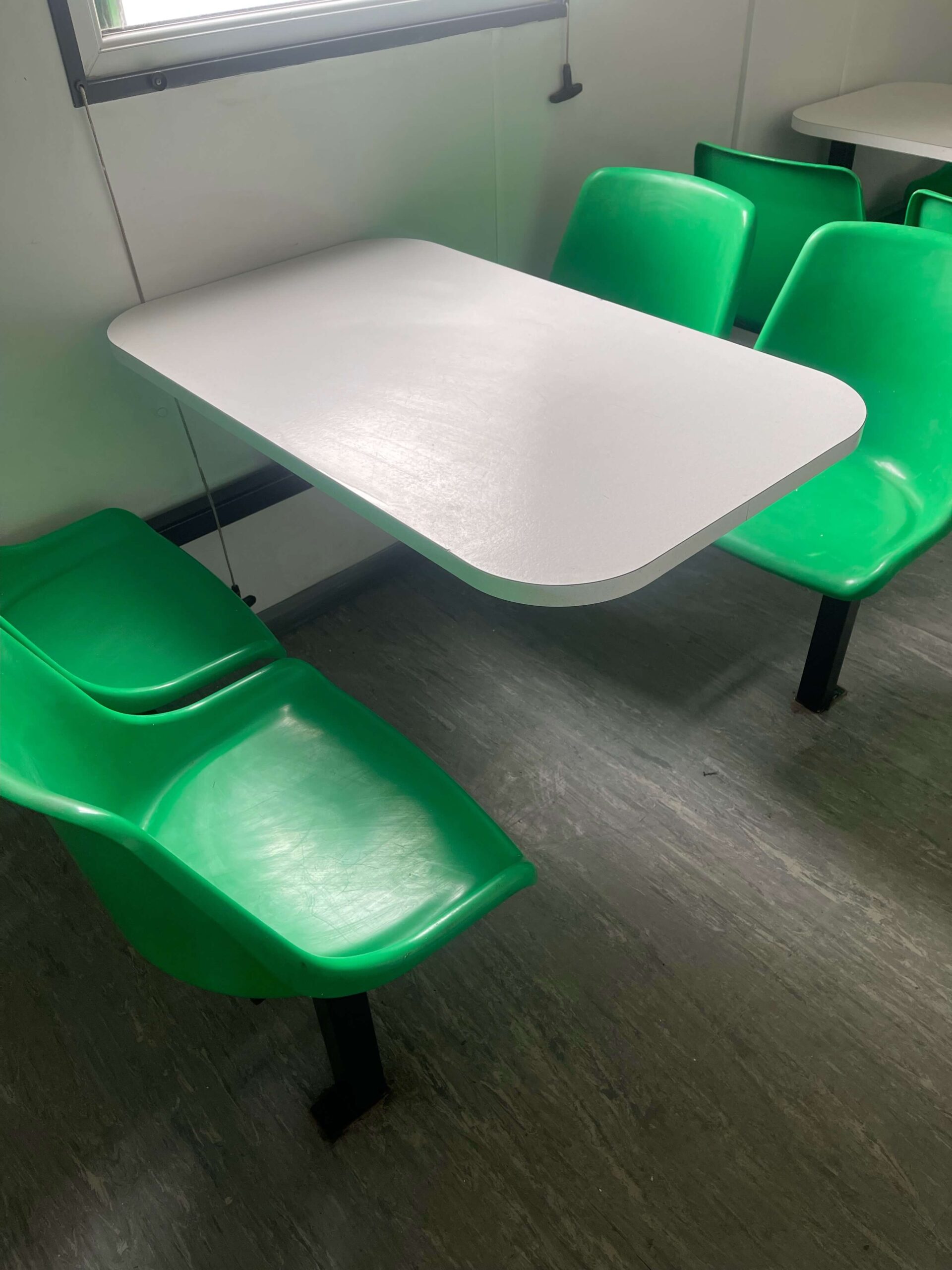
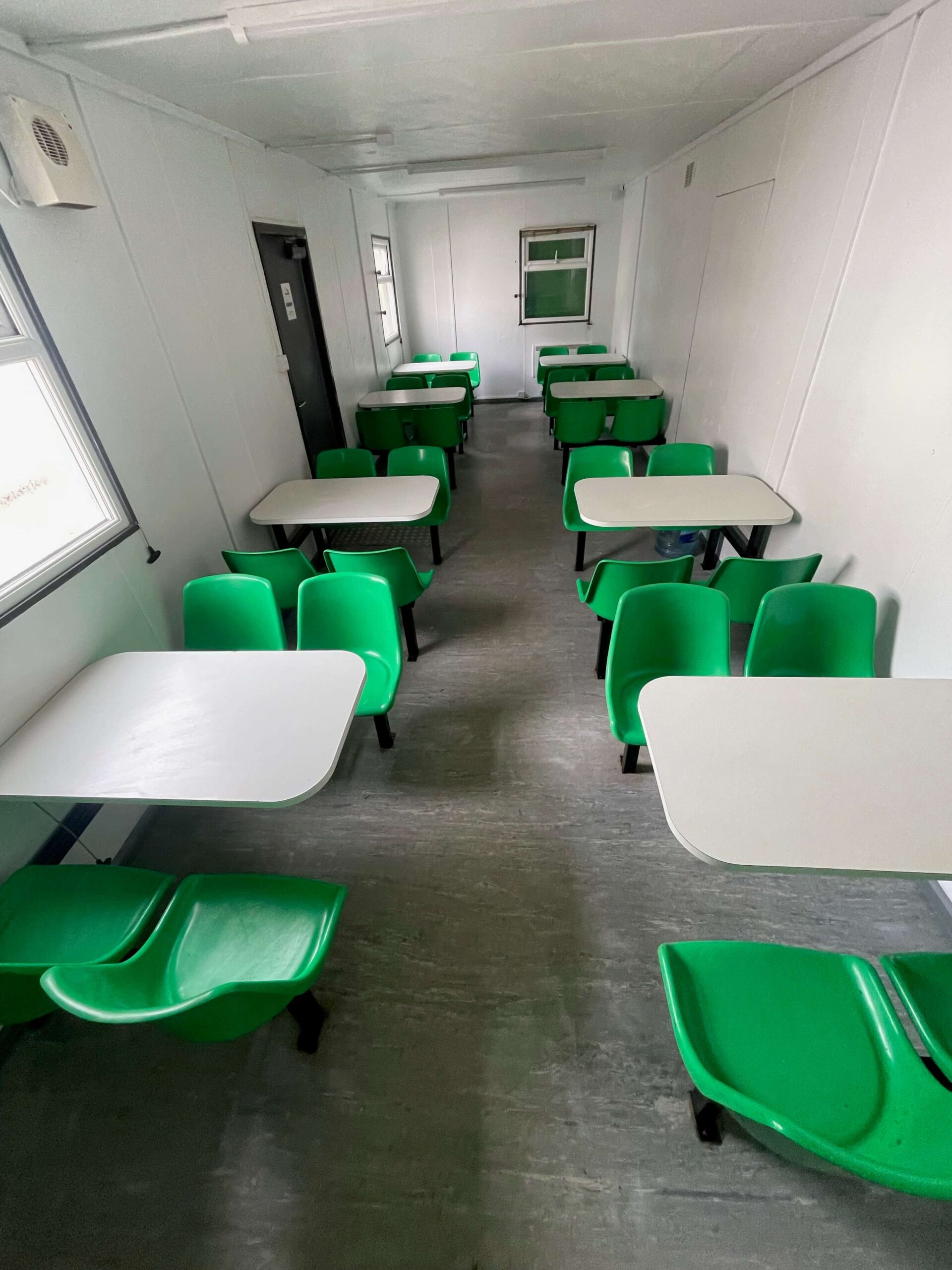
Location: Nationwide
Not Available for Hire
We can deliver for a cost please ask and send us post code.
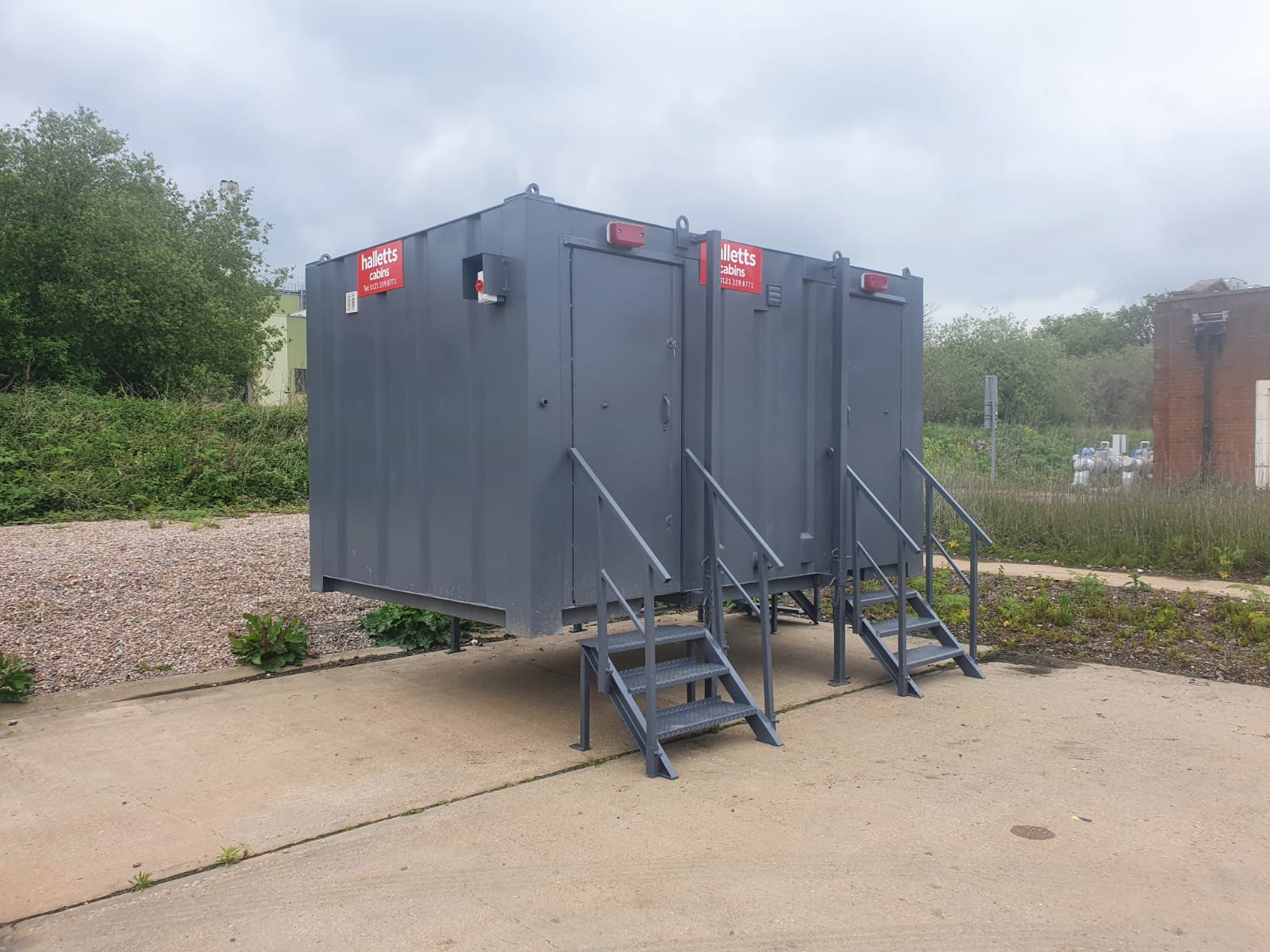
13 tread
14 tread
15 tread
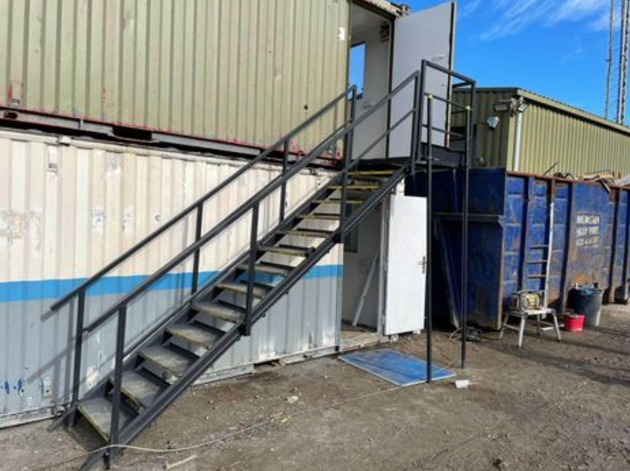
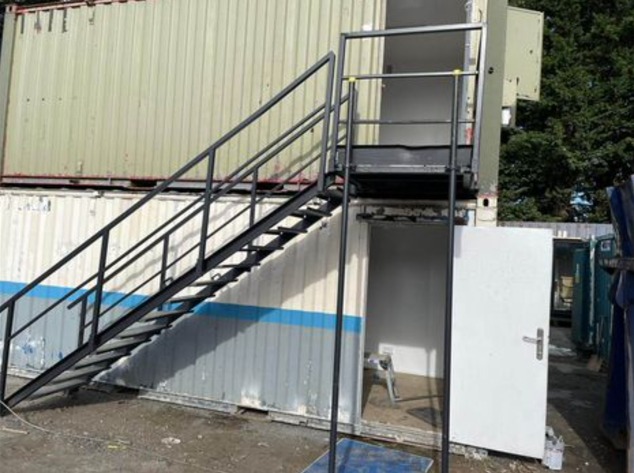
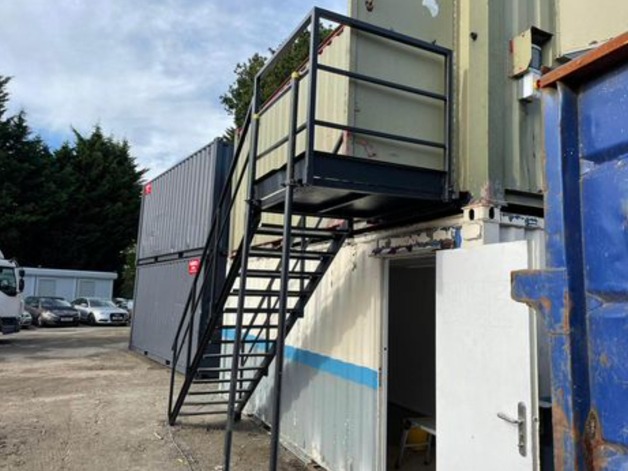
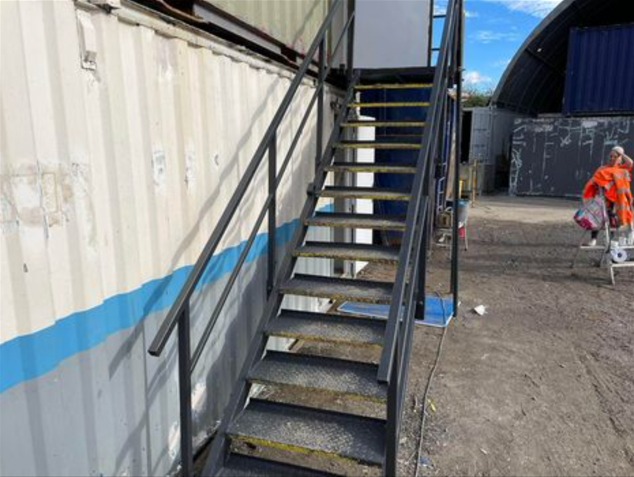
Location: Nationwide
Not Available for Hire
Call for an instant quote!
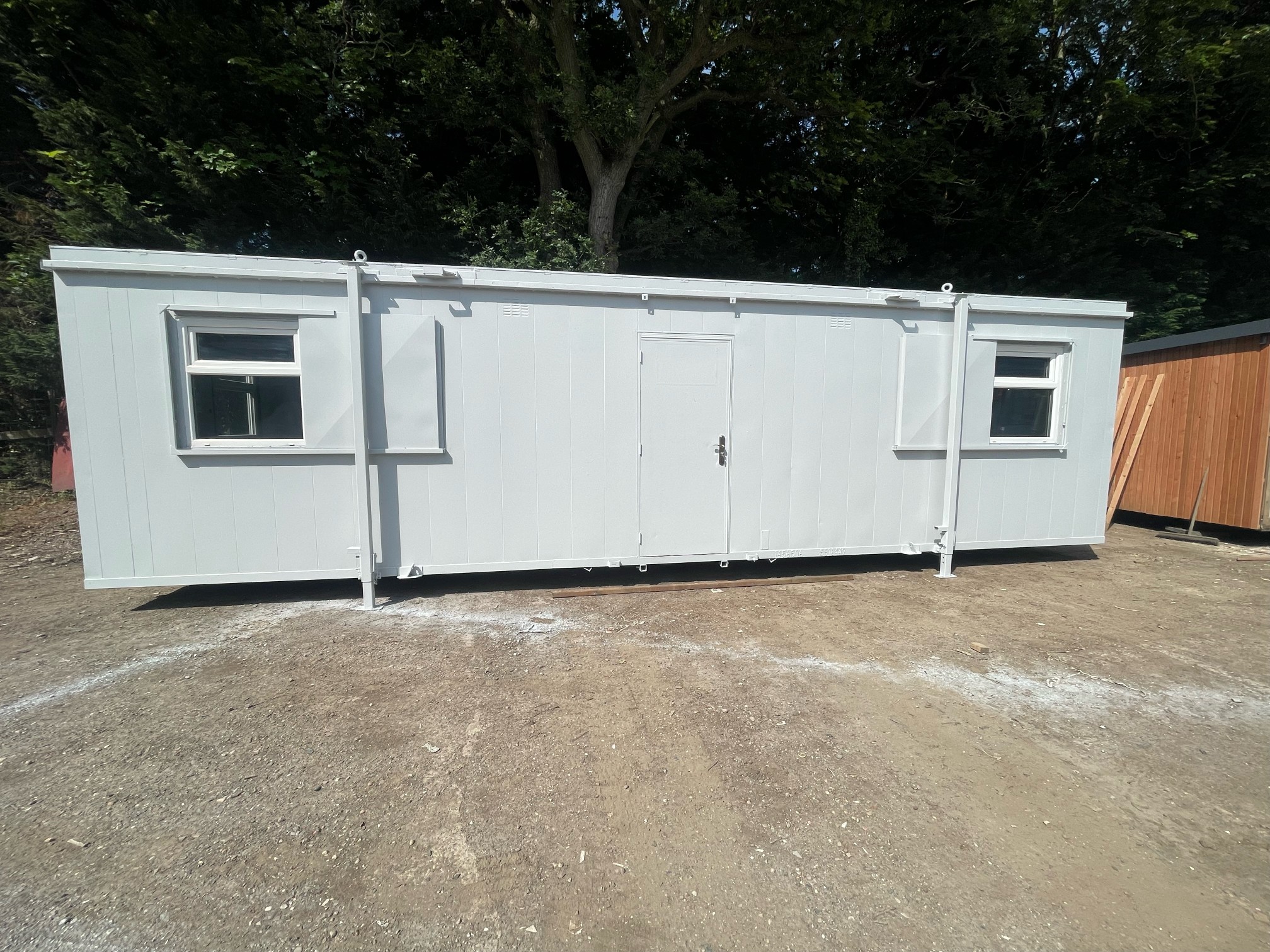
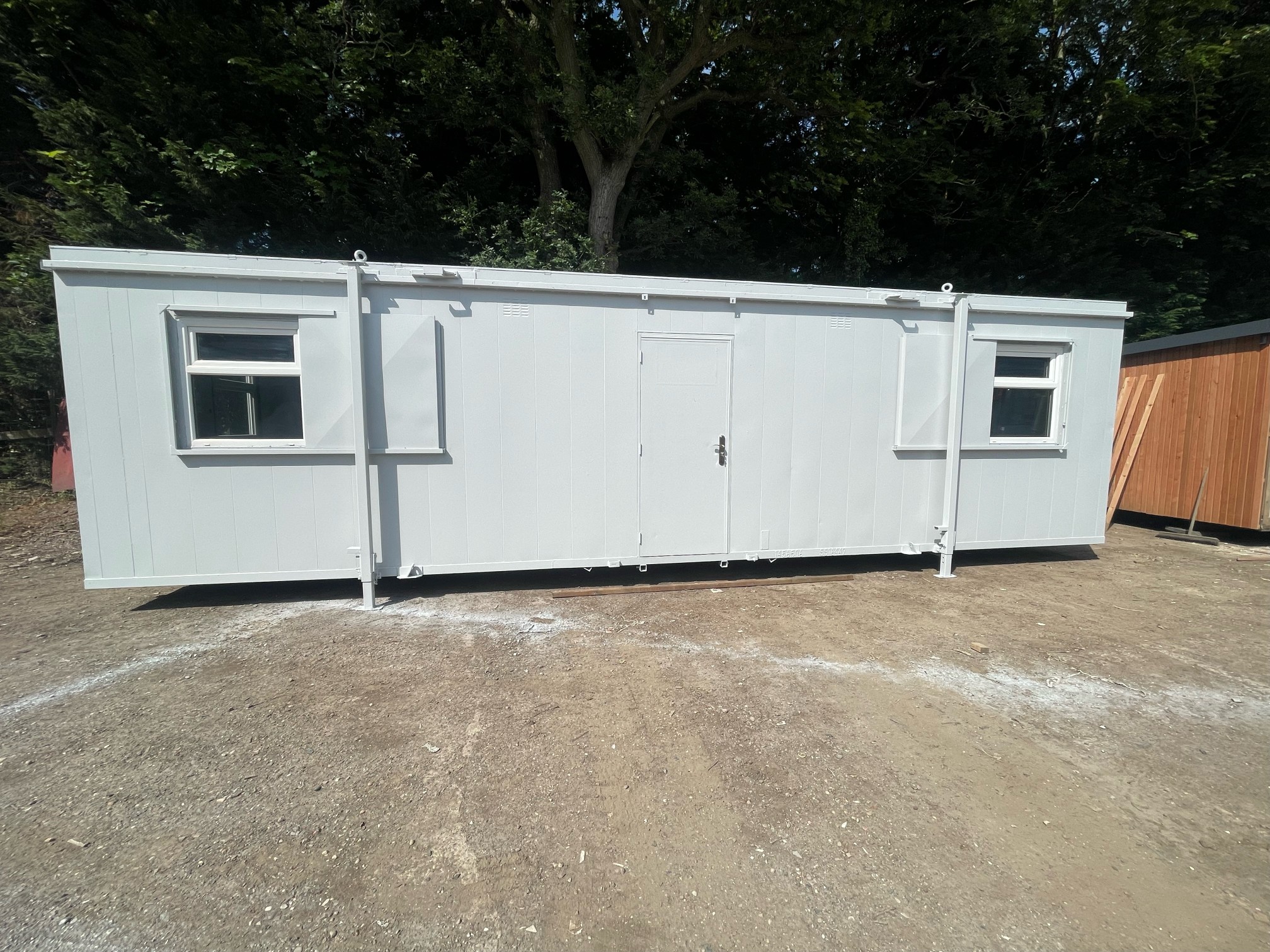
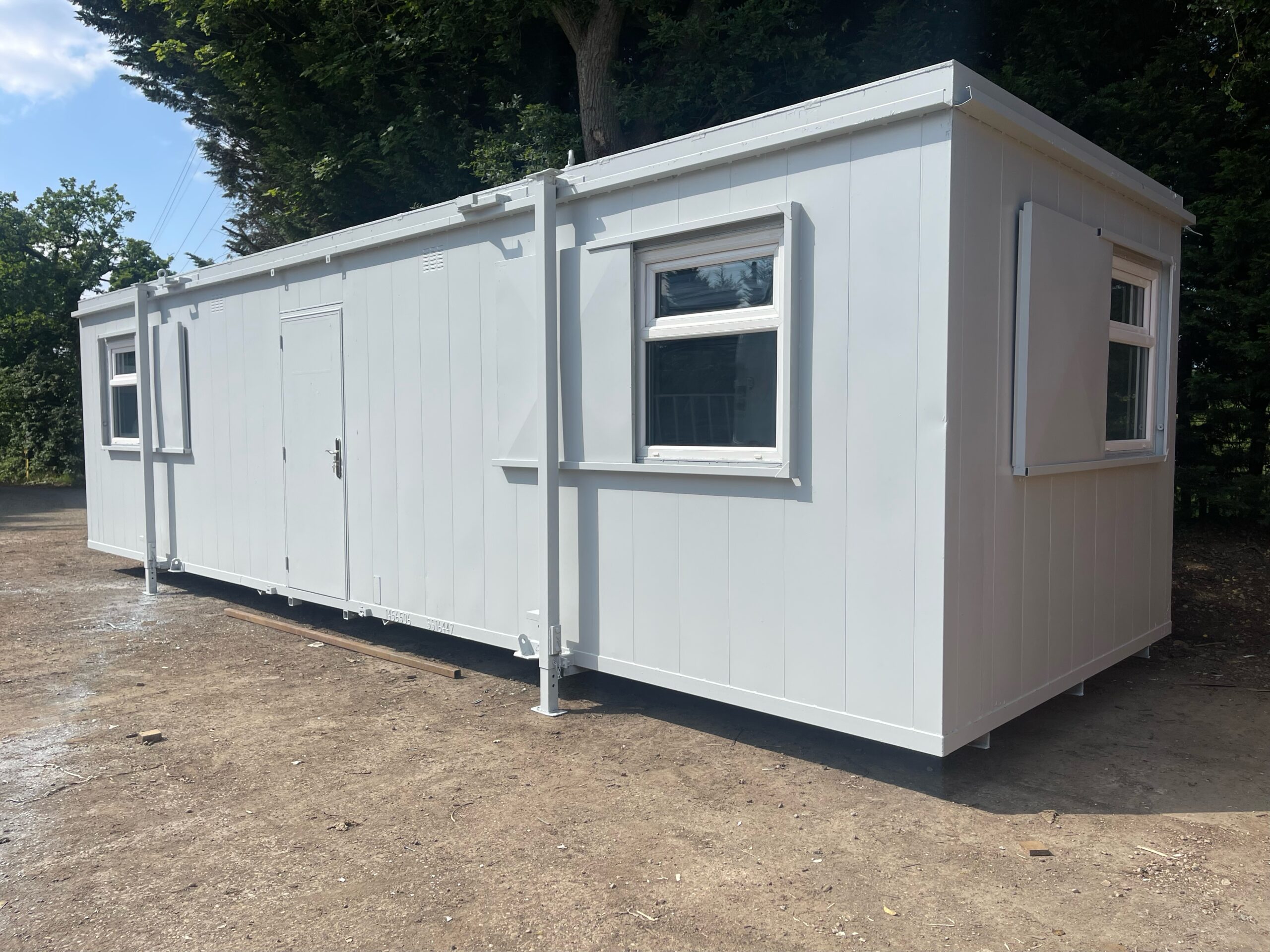
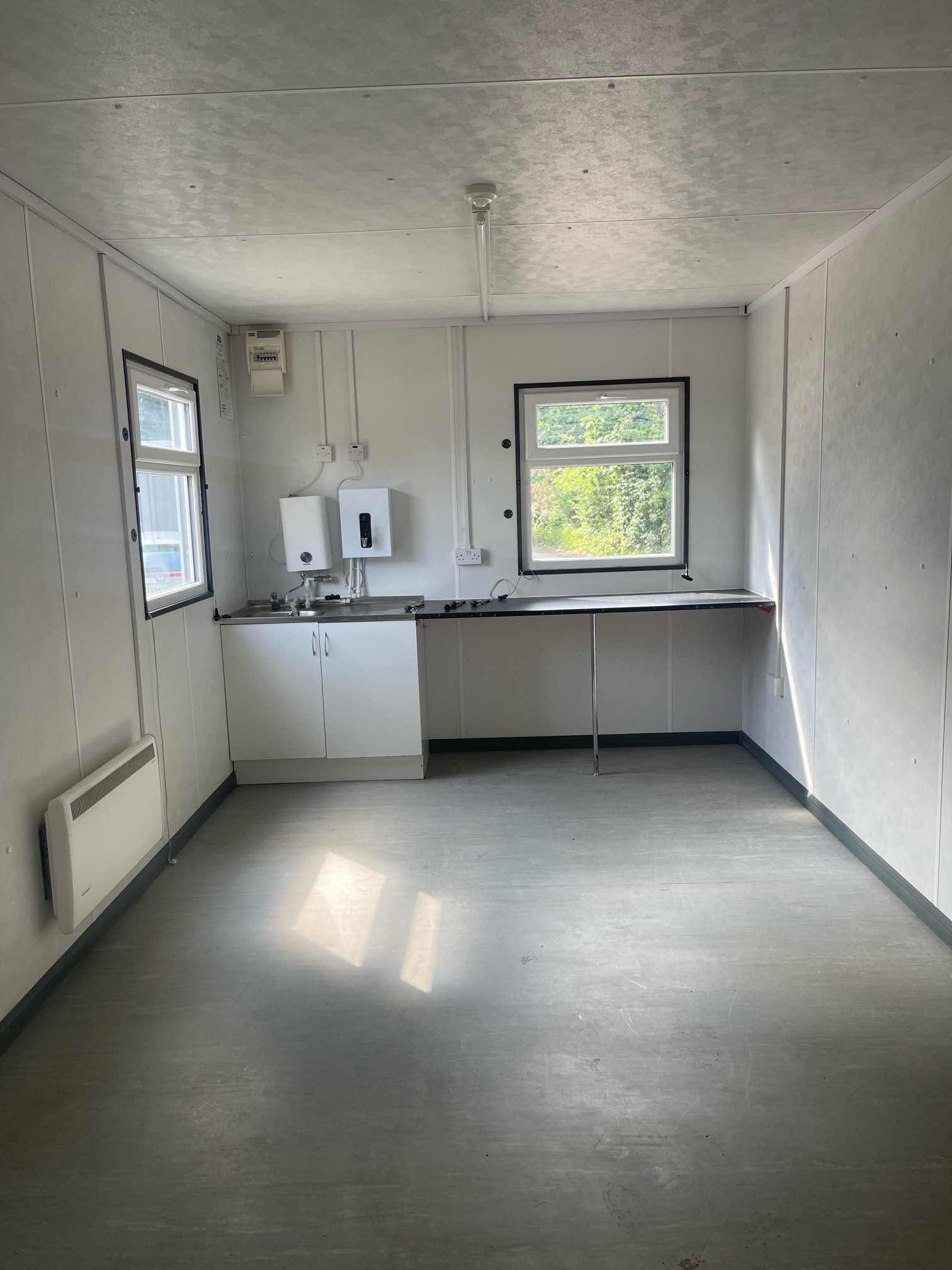
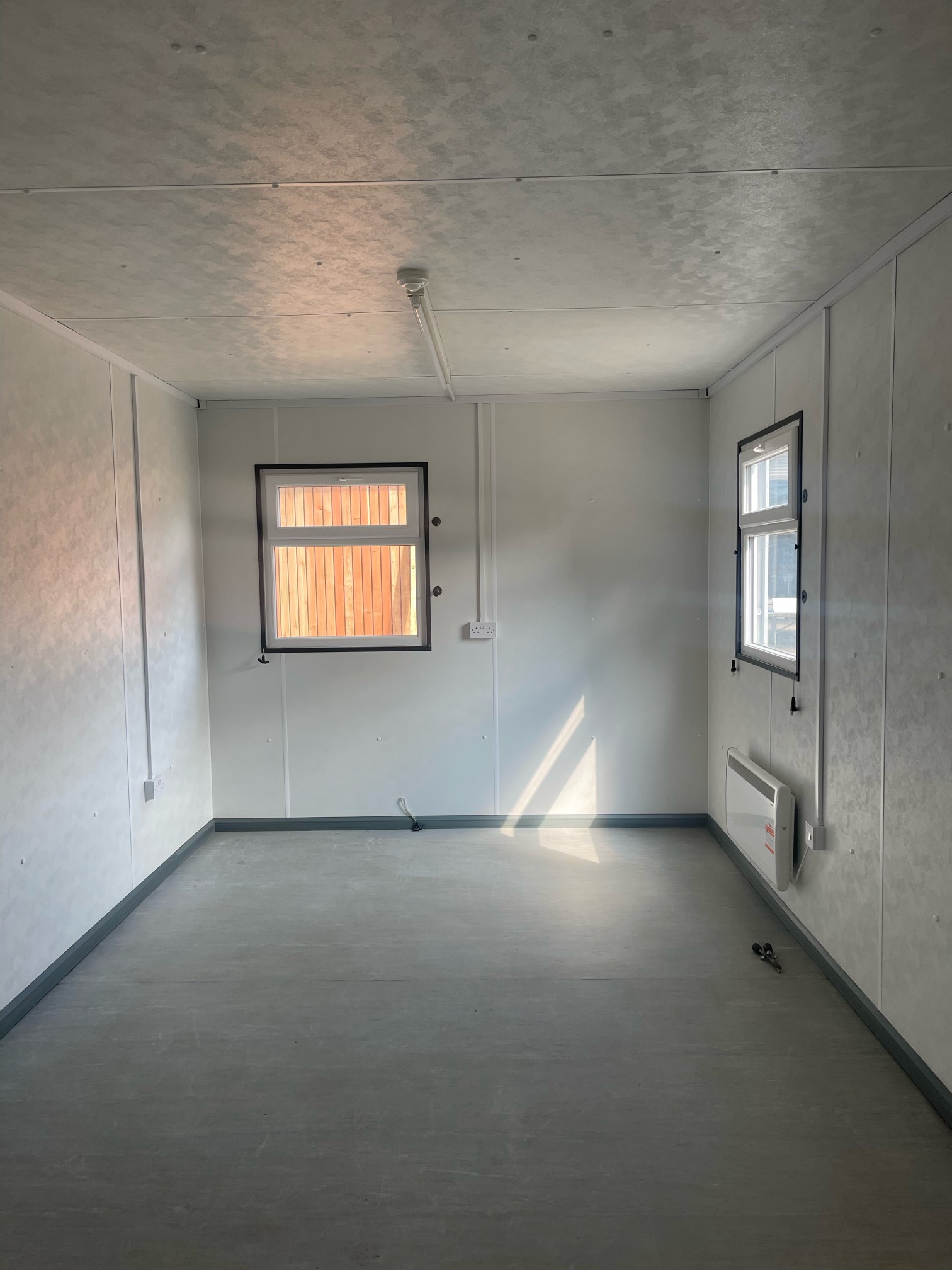
Location: Nationwide
Not Available for Hire
We can deliver for a cost please ask and send us post code.
Hallway leading into:
Transport can be arranged please ask.
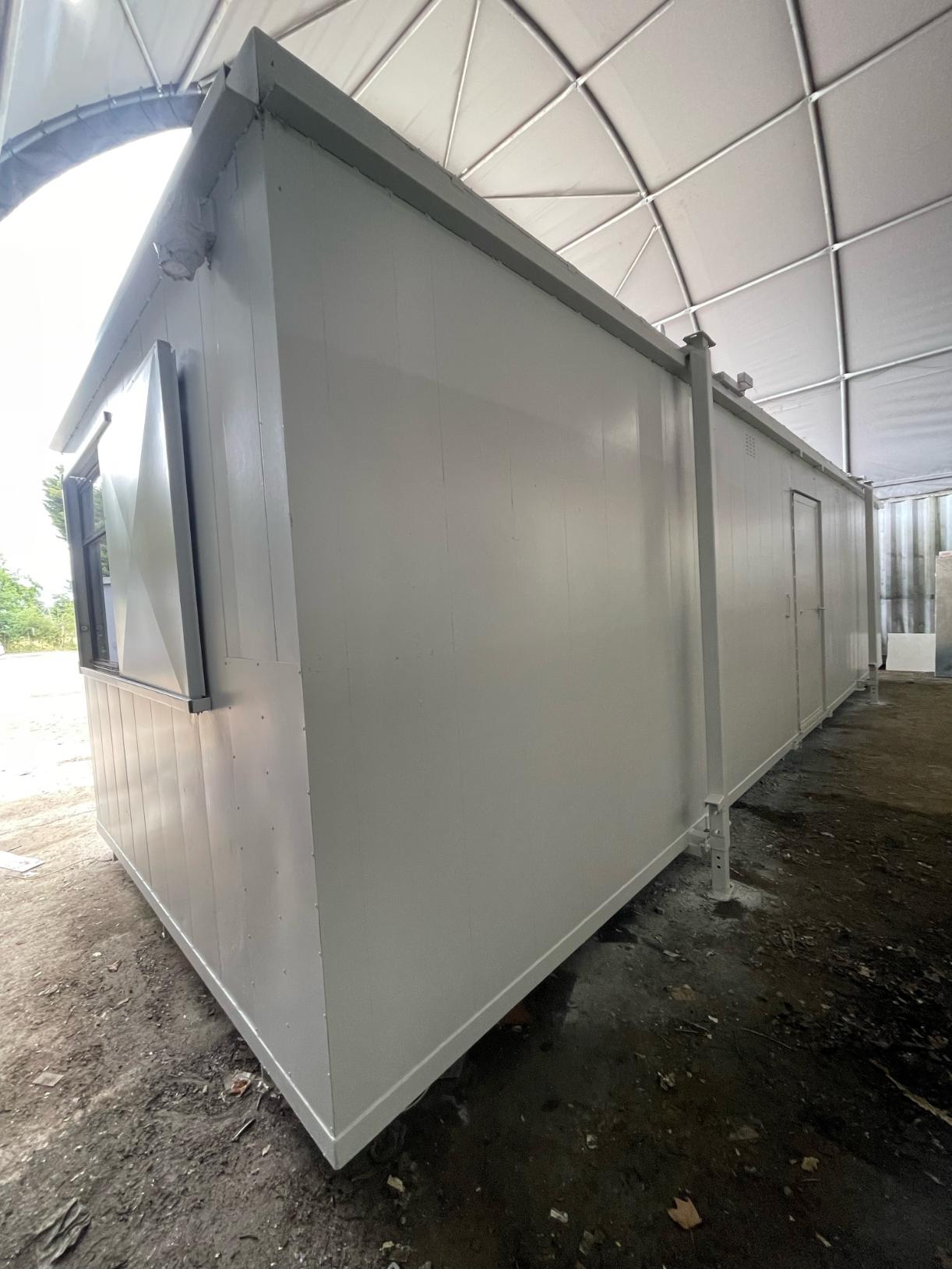
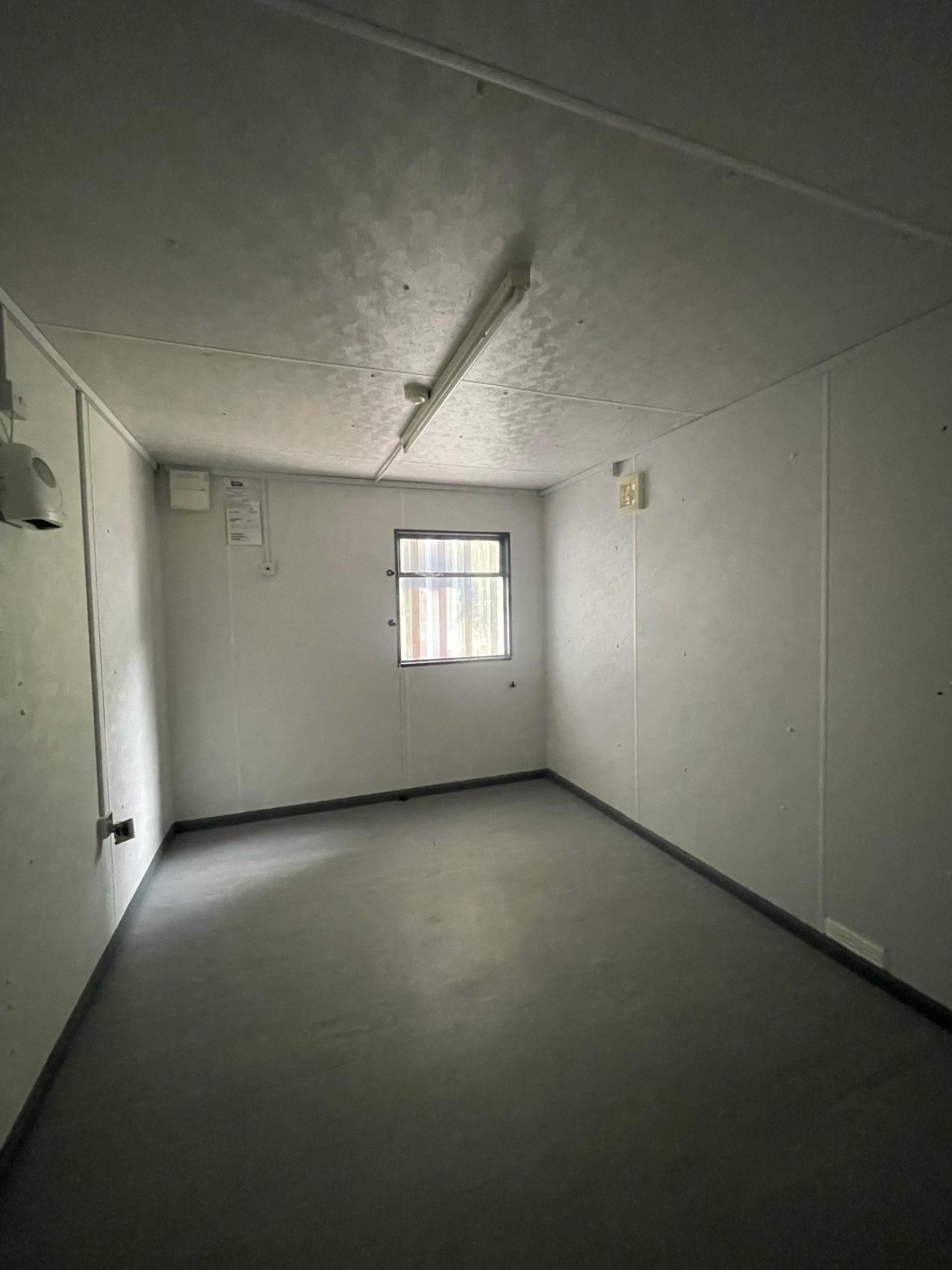
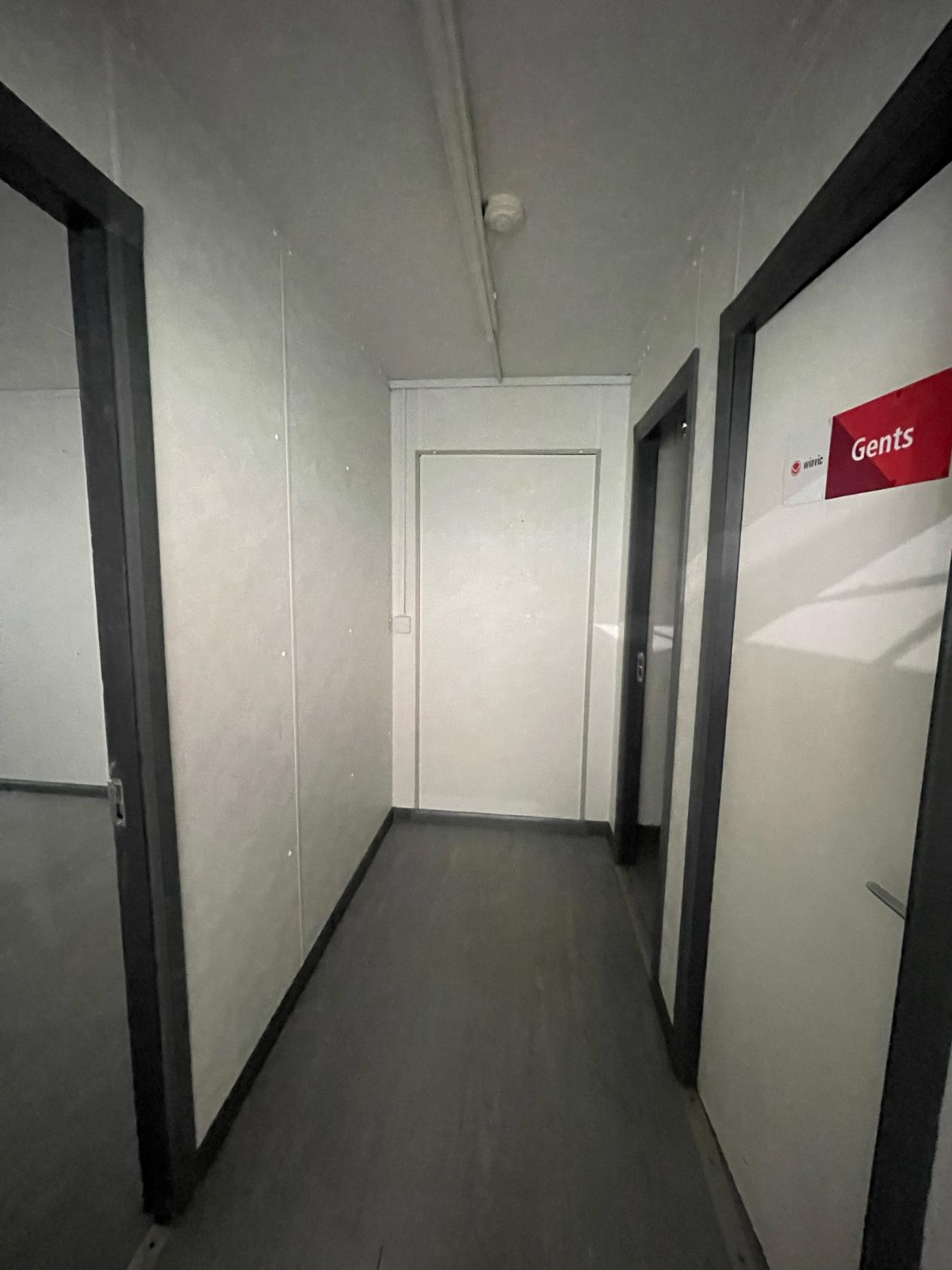
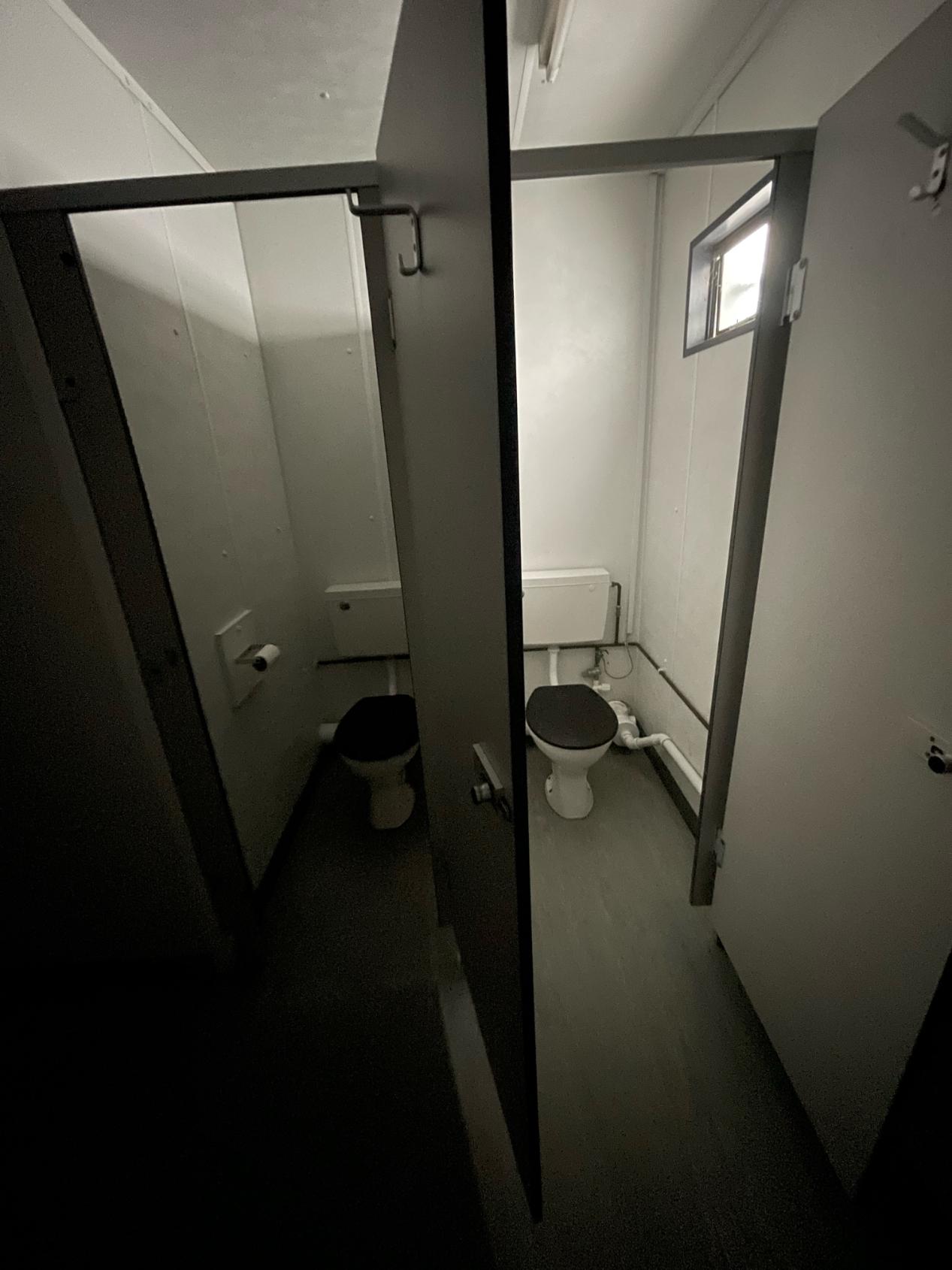
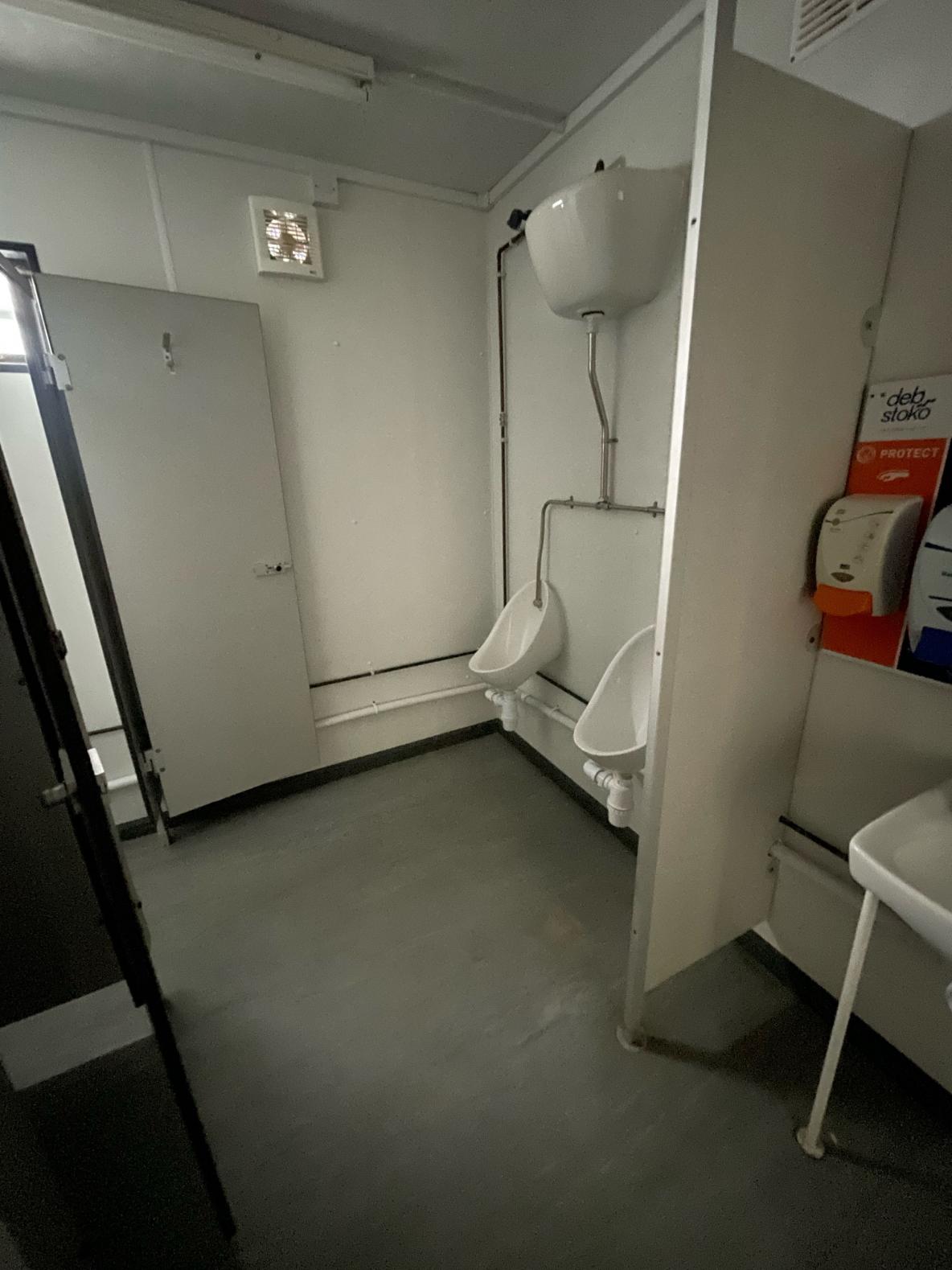
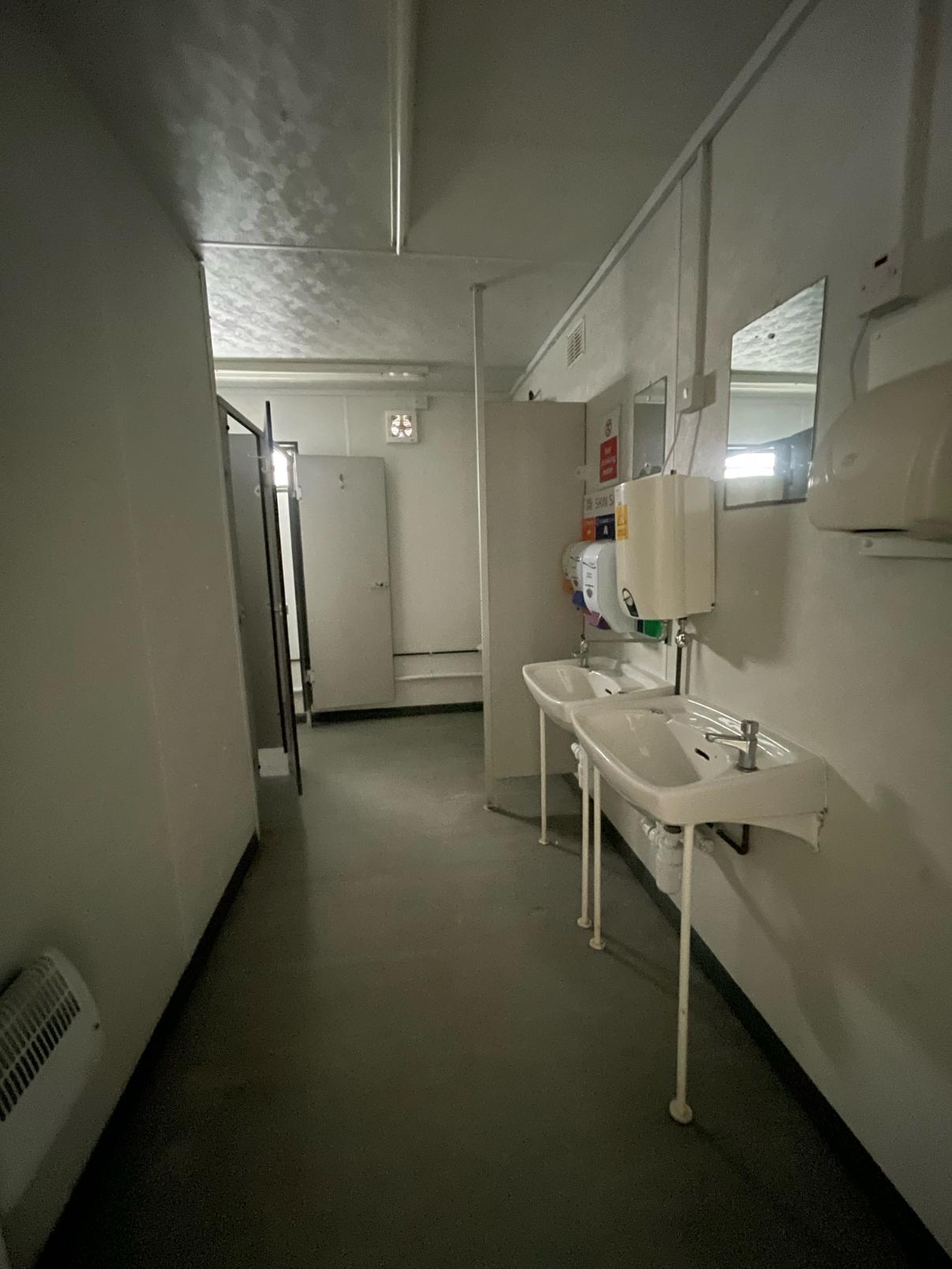
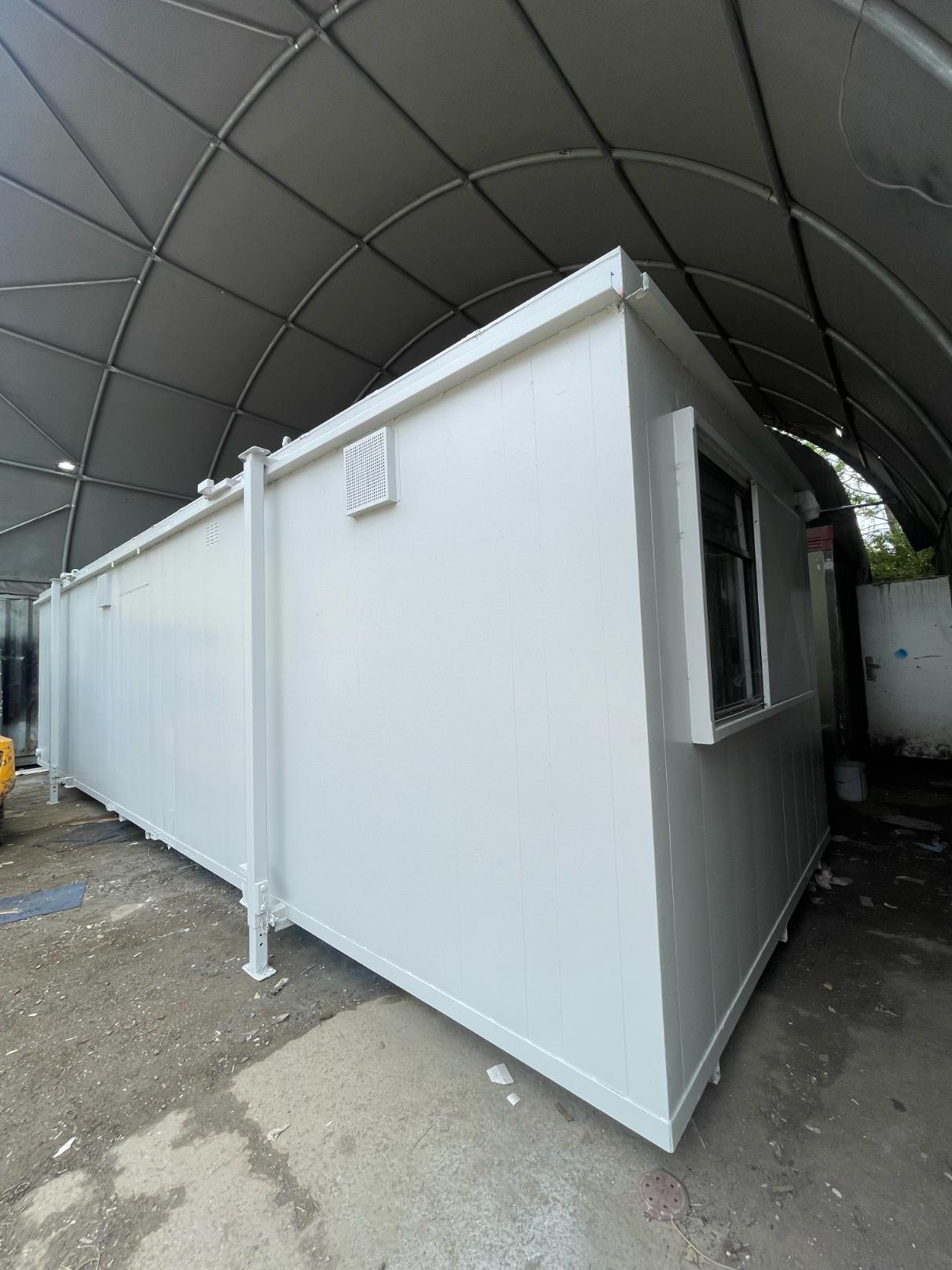
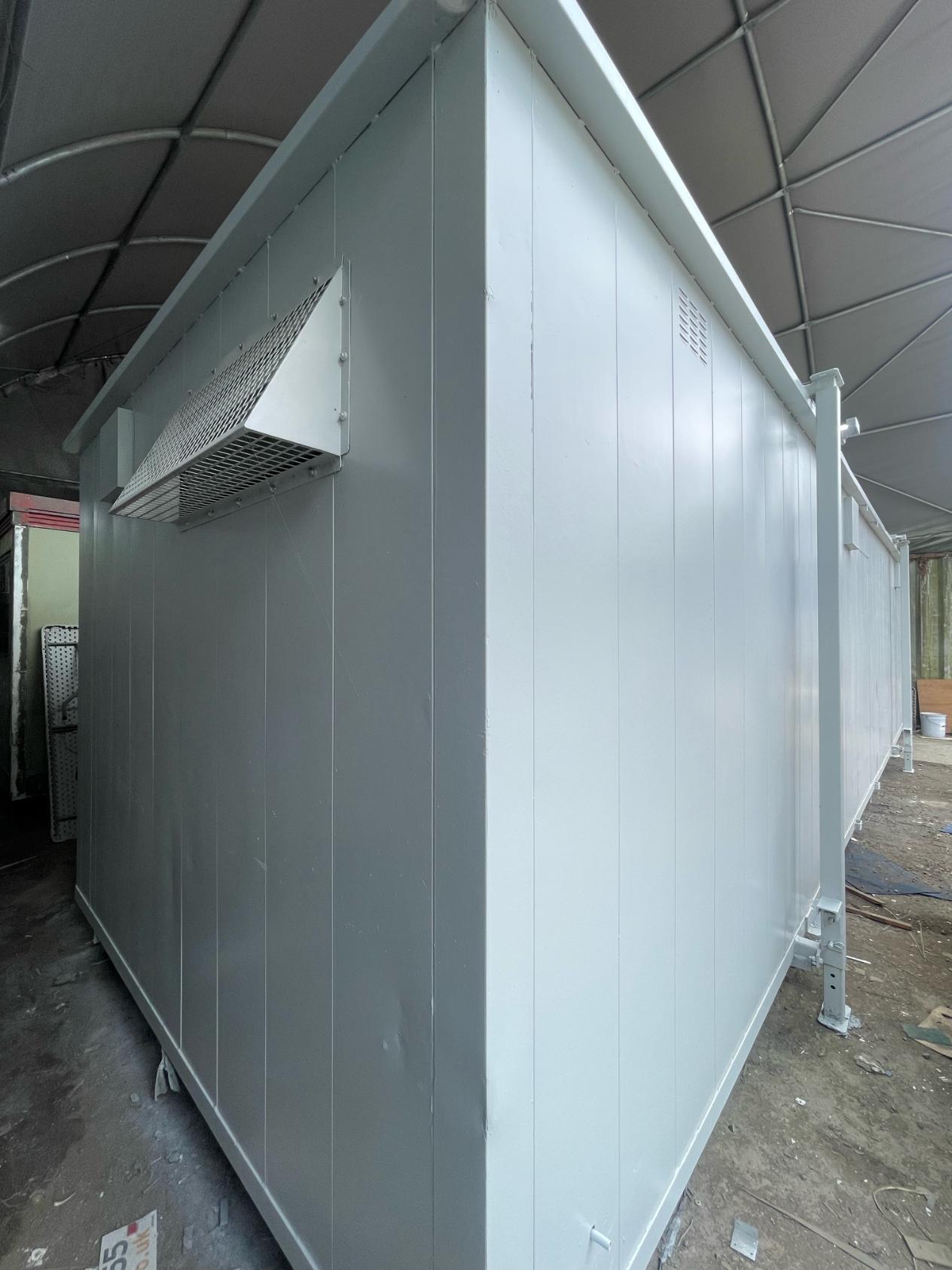
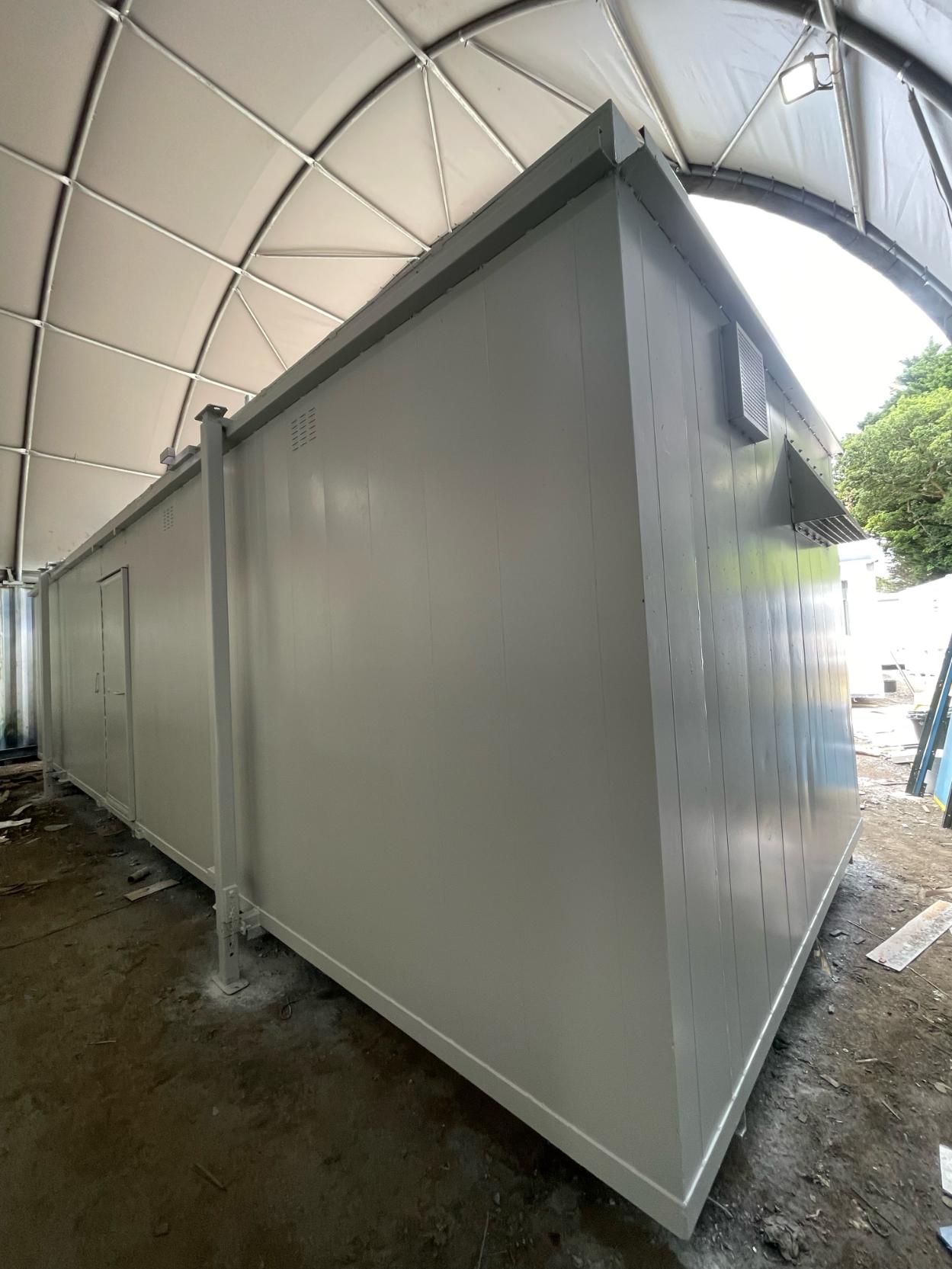
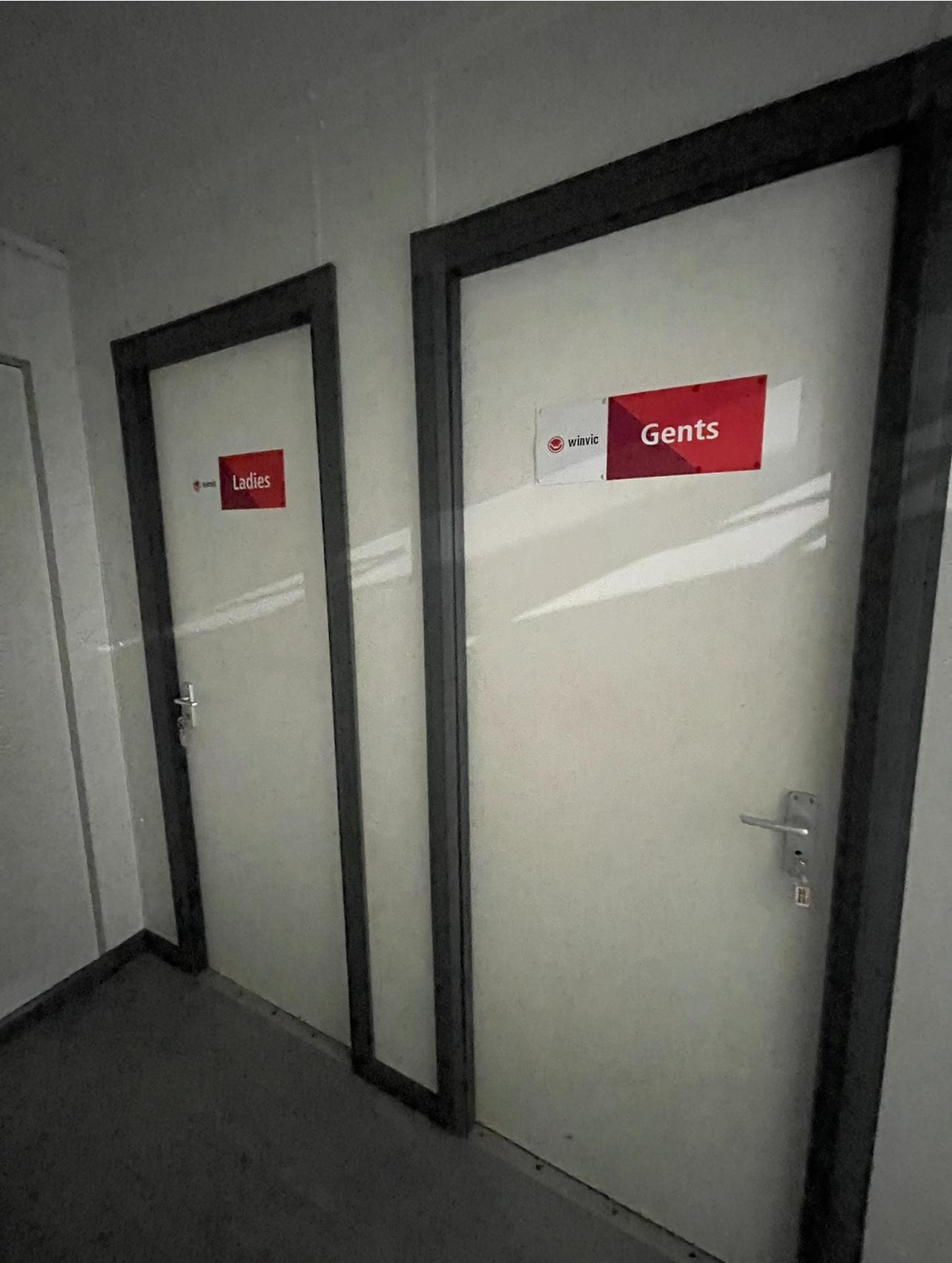
Location: Nationwide
Not Available for Hire
Call for an instant quote!
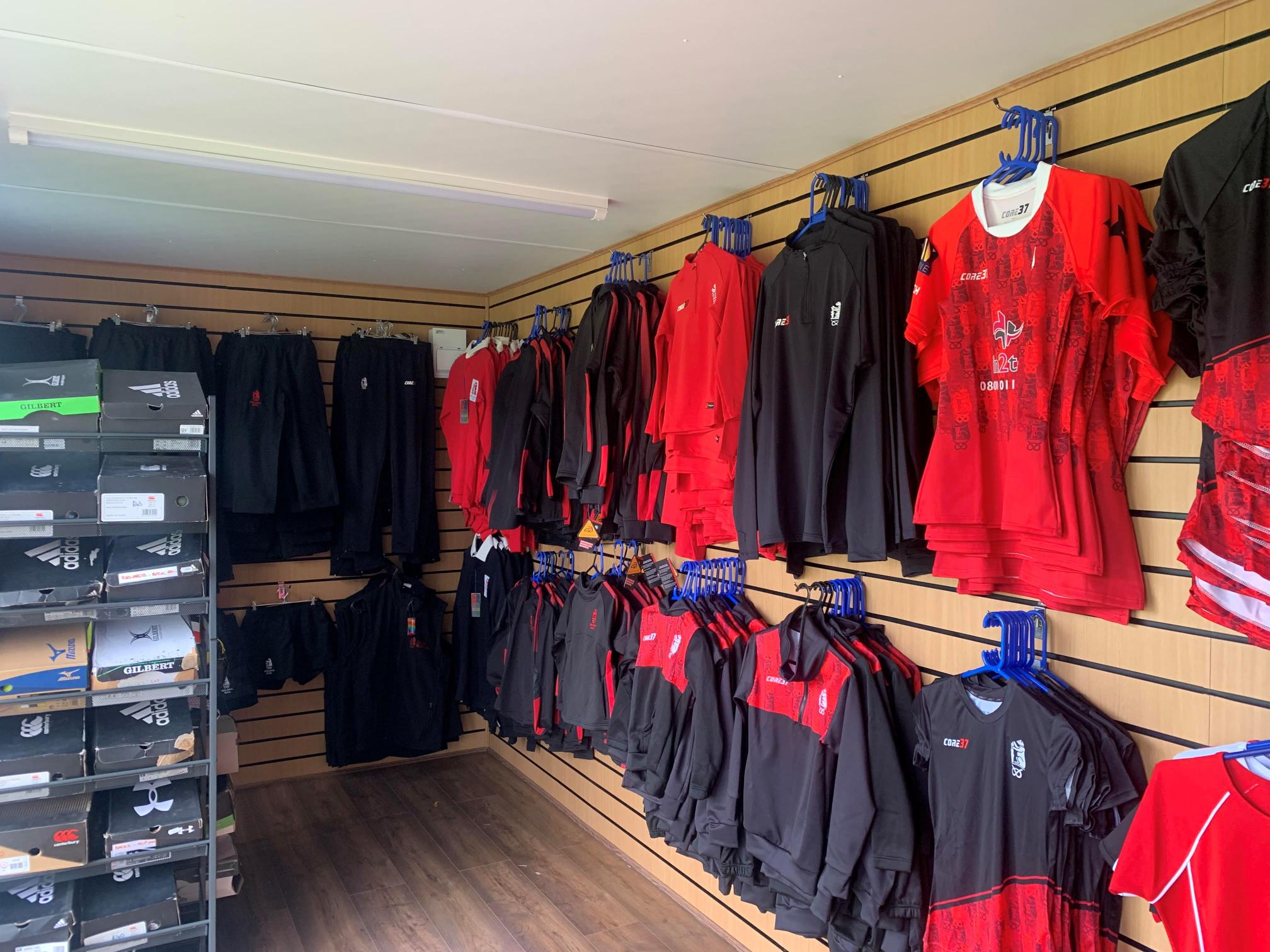
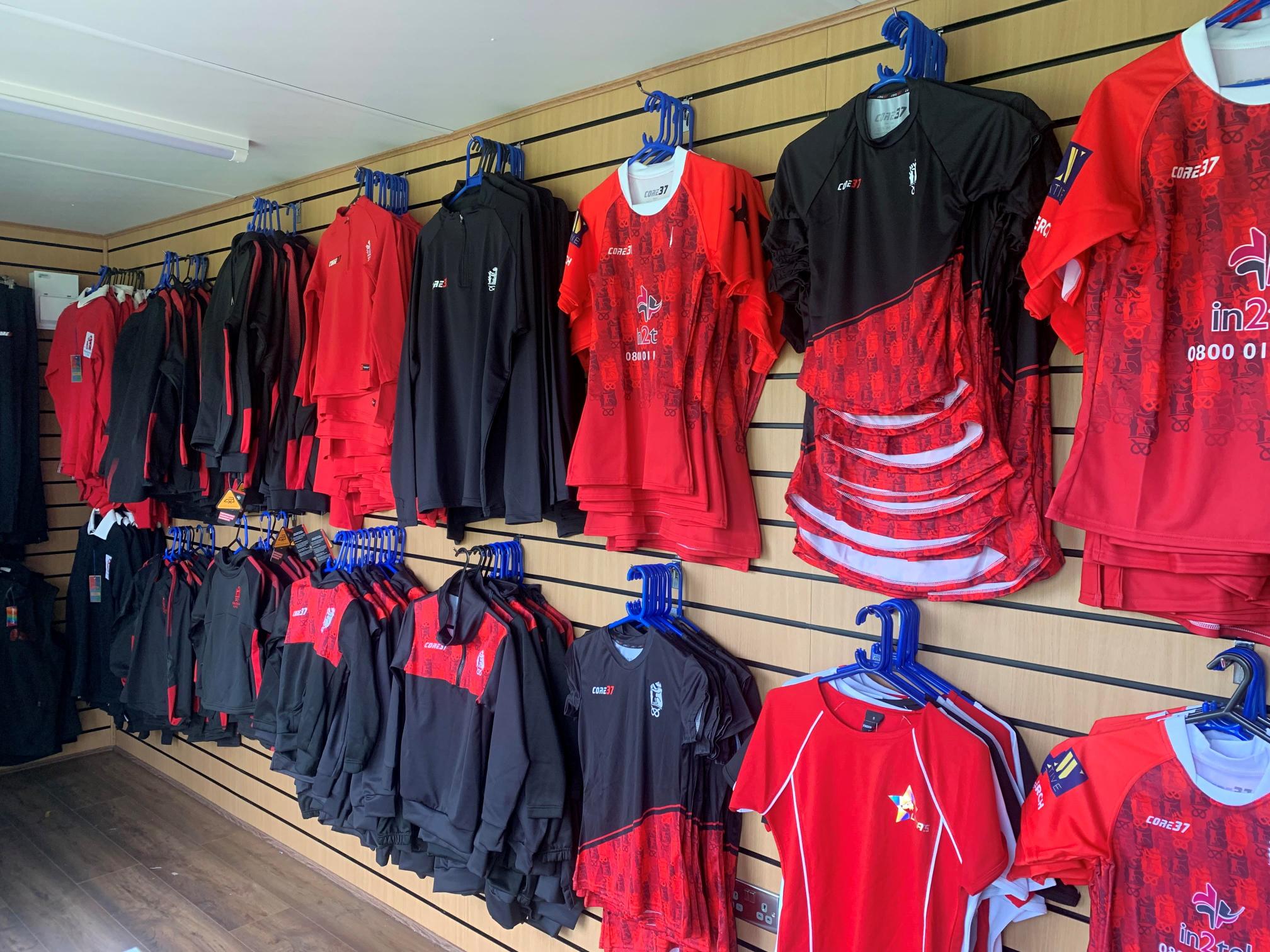
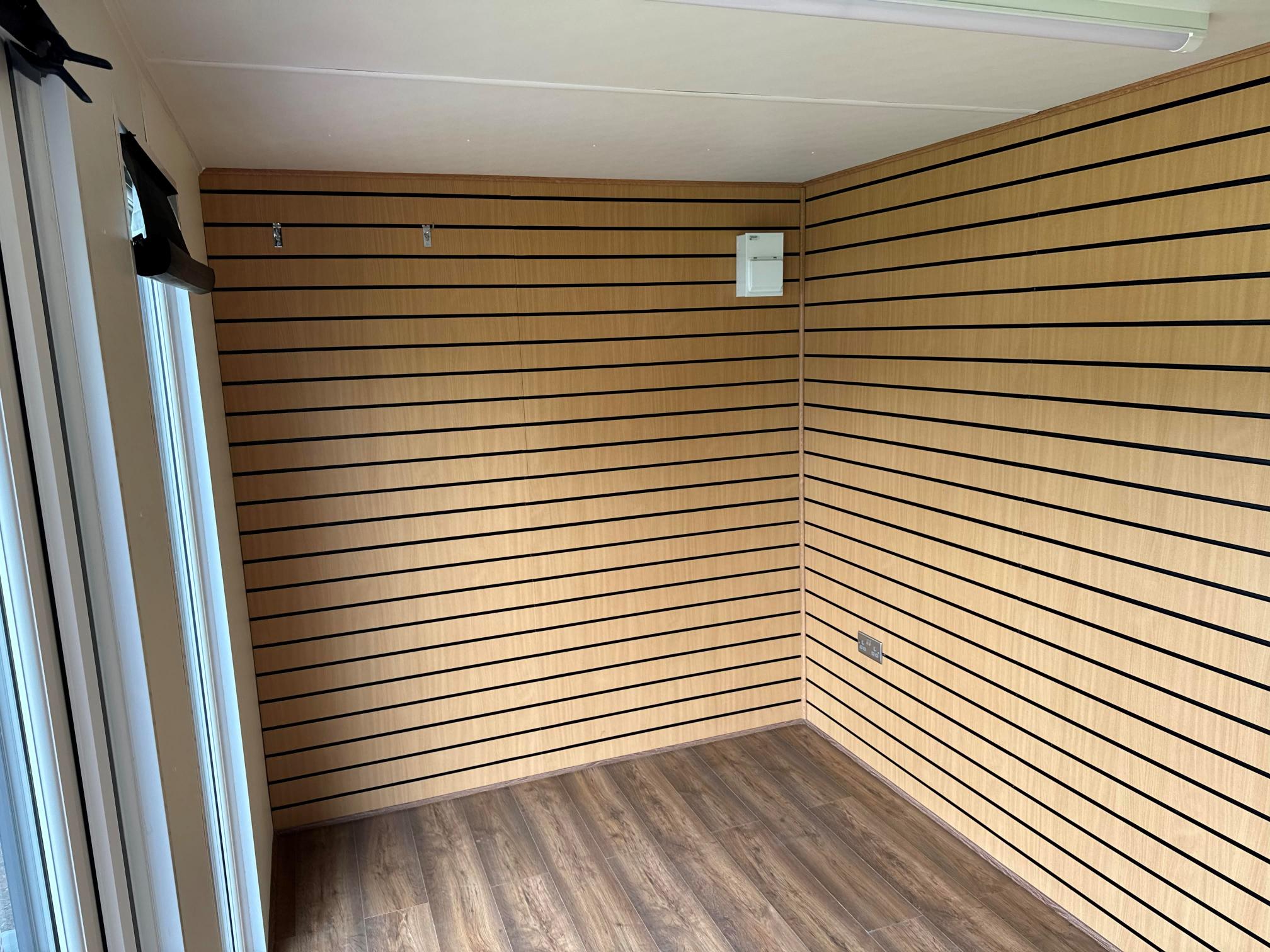
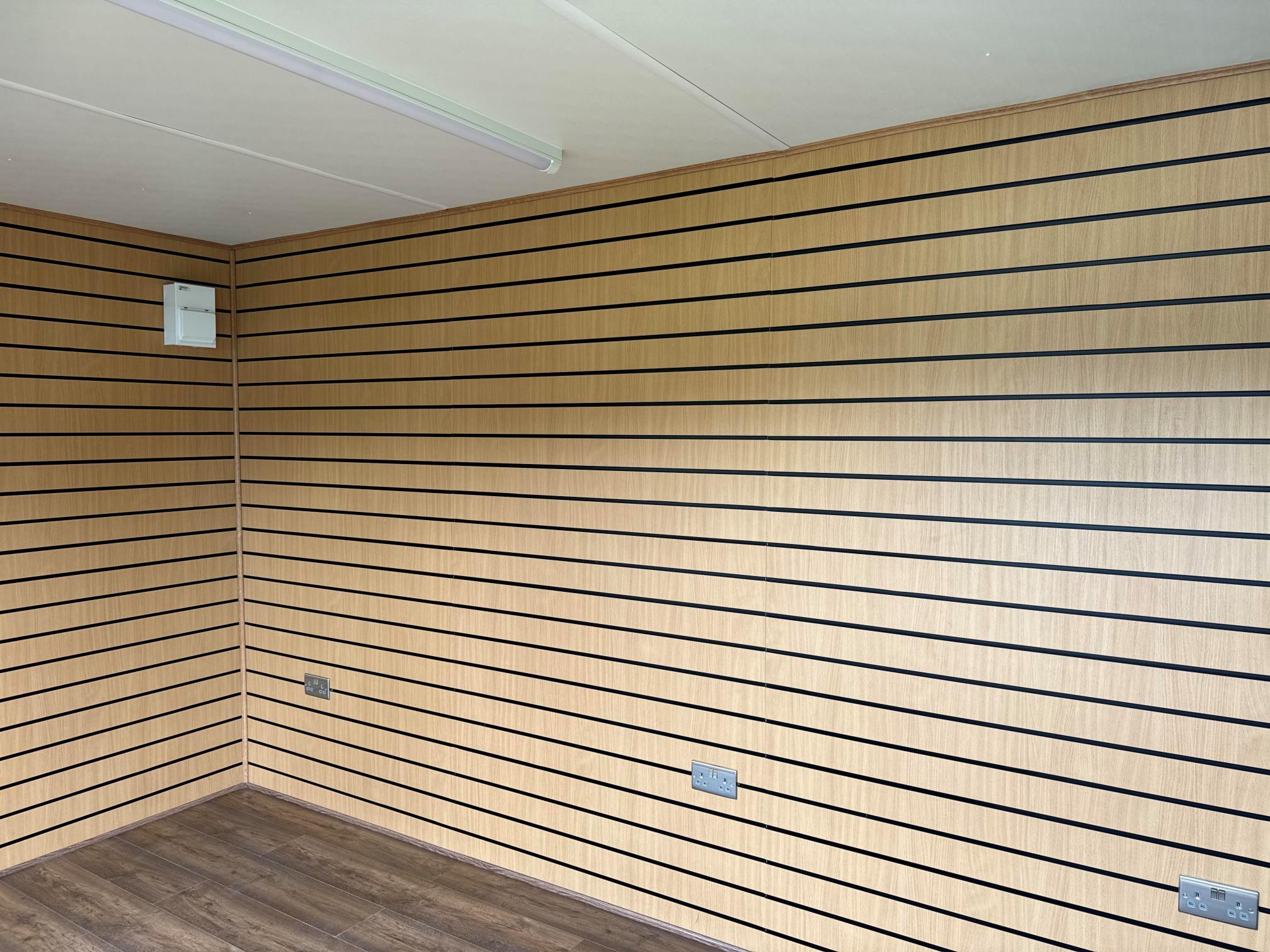
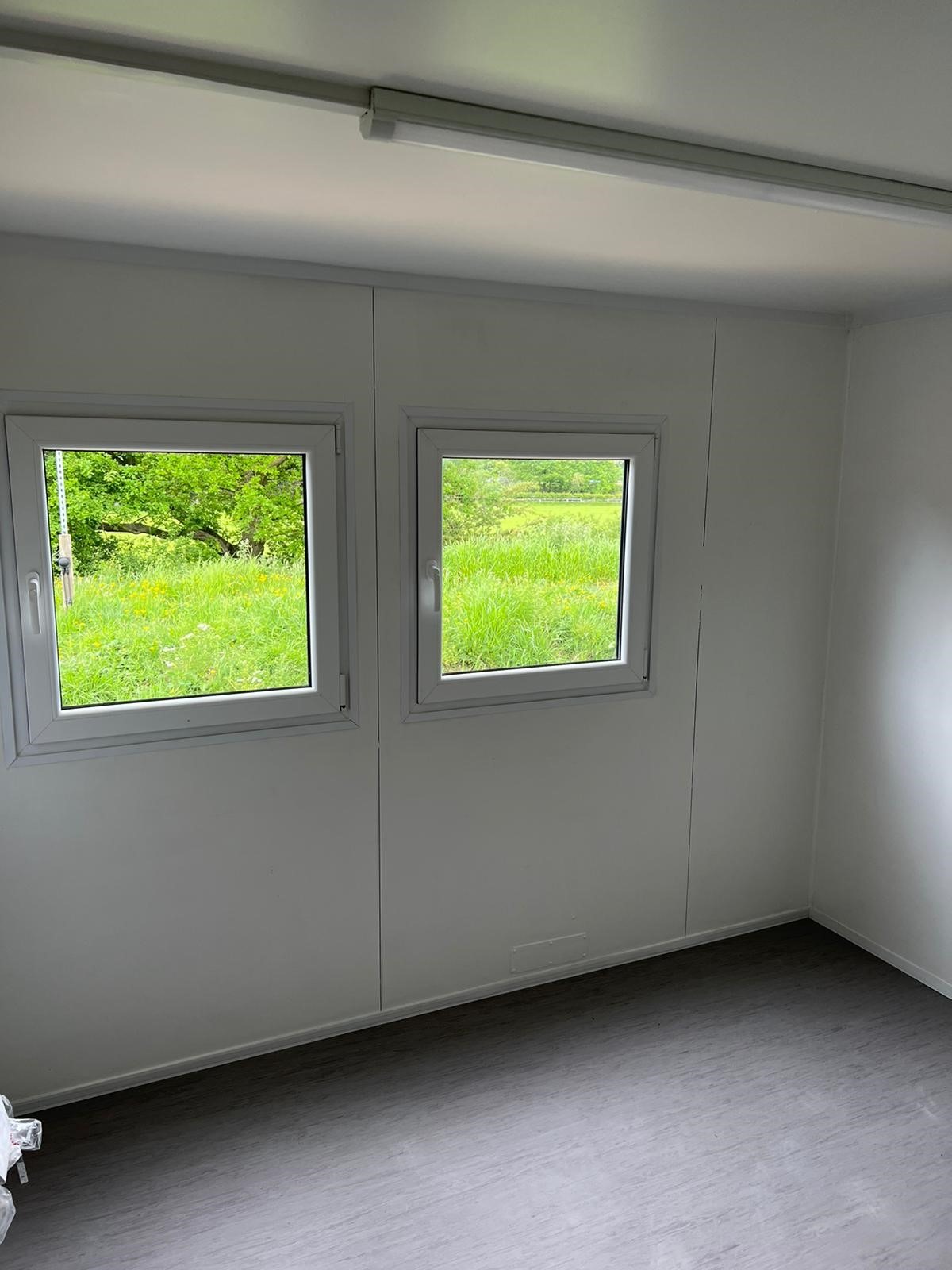
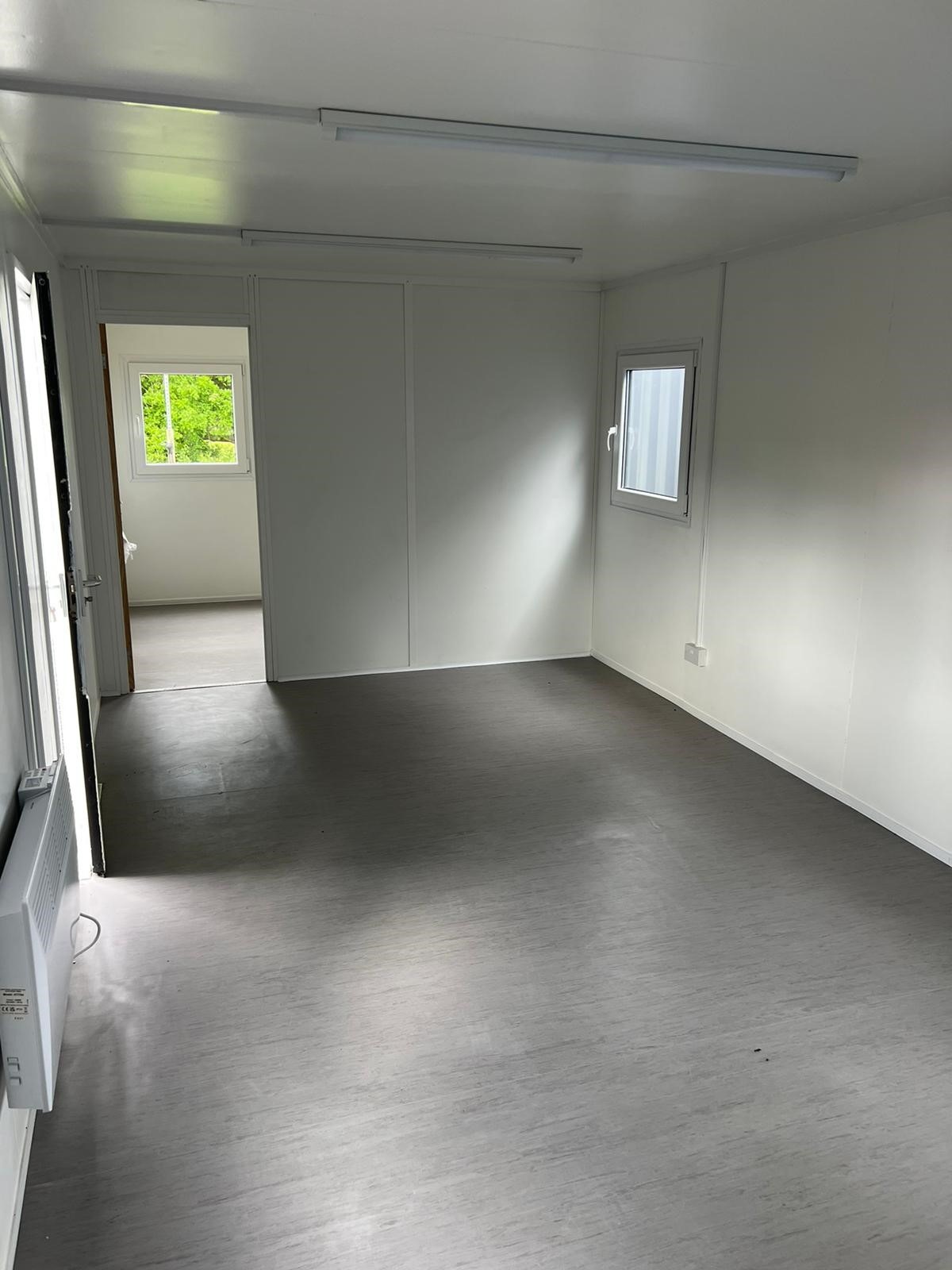
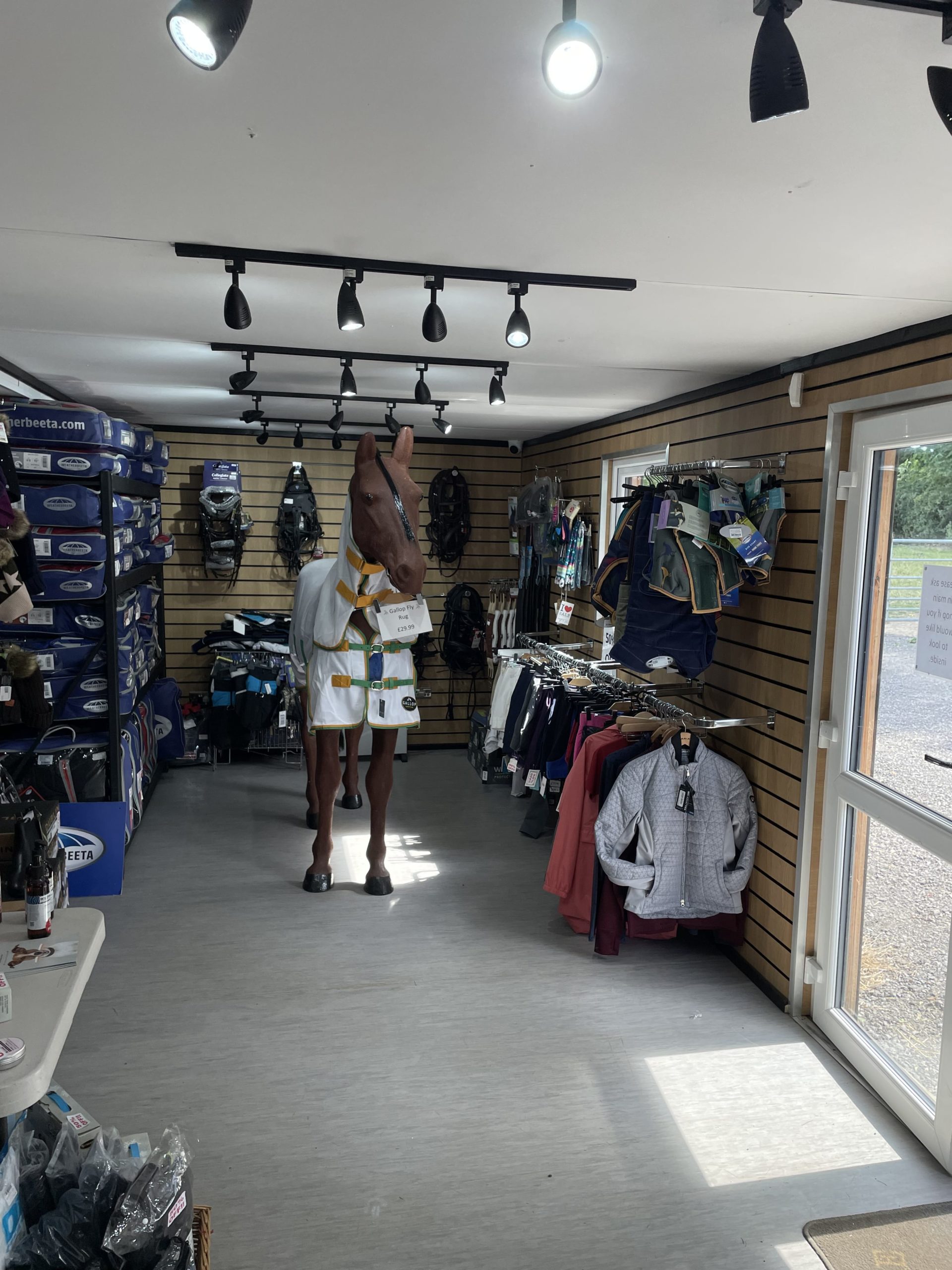
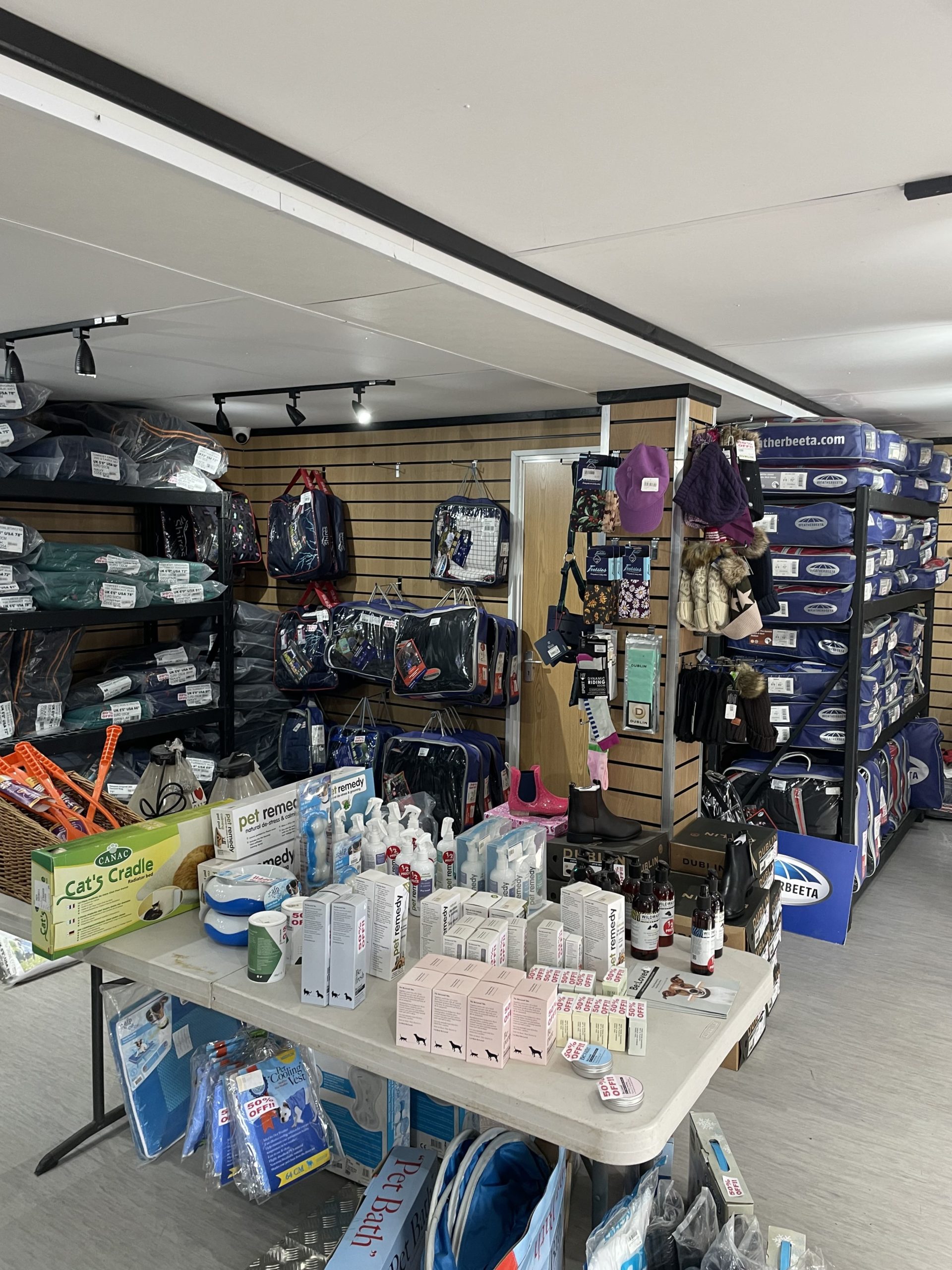
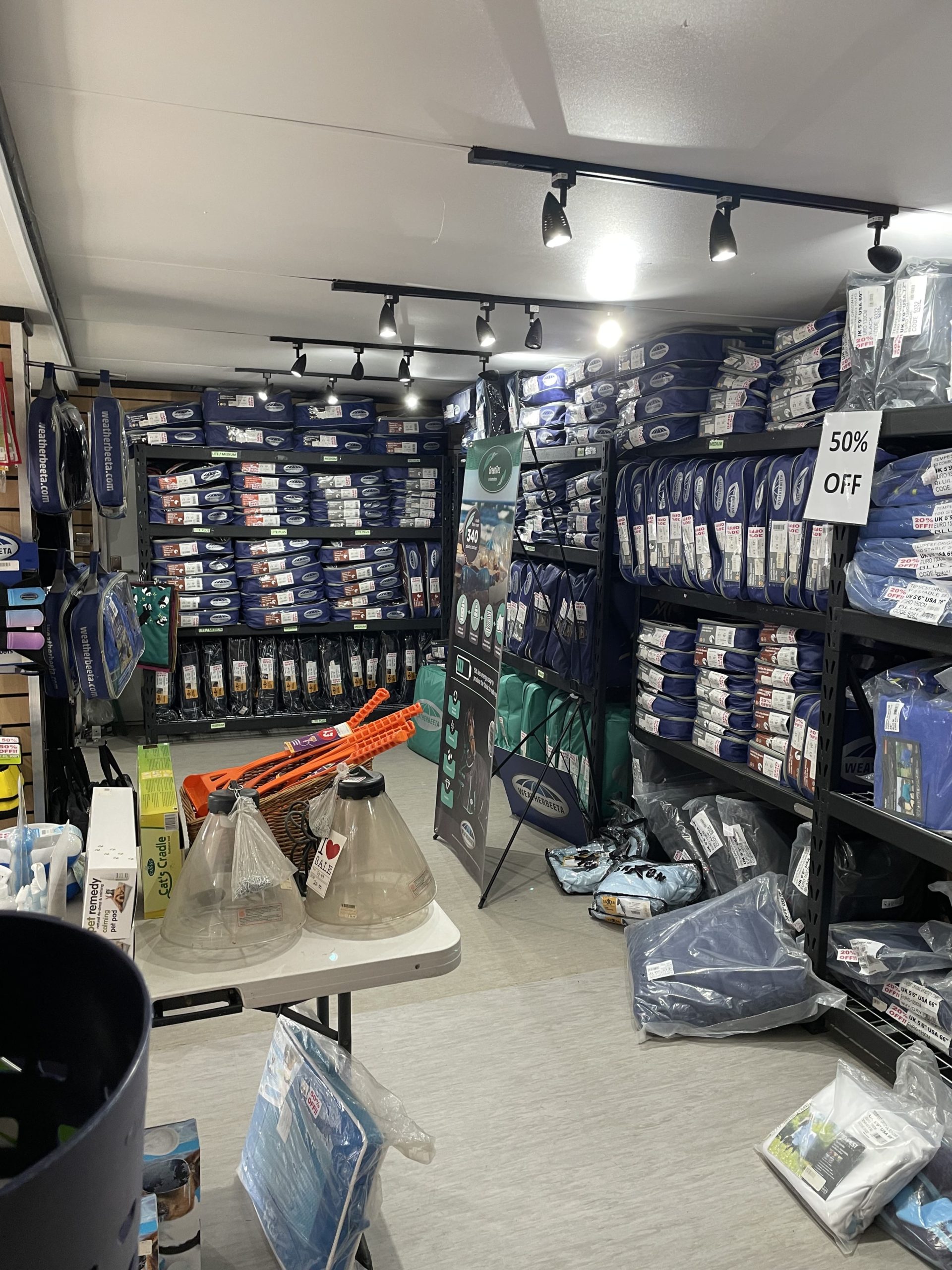
20ft x 8ft Container Conversion Retail Shop
UPVC Double glazed Windows + French Doors
Slat Wall for retail fixings and Merchandise
Electric Chrome Sockets, led lighting and heating.
Laminate Flooring
12 months Warranty
Maintenance call out package included
Less than 2 years old
Still in Brand New Condition
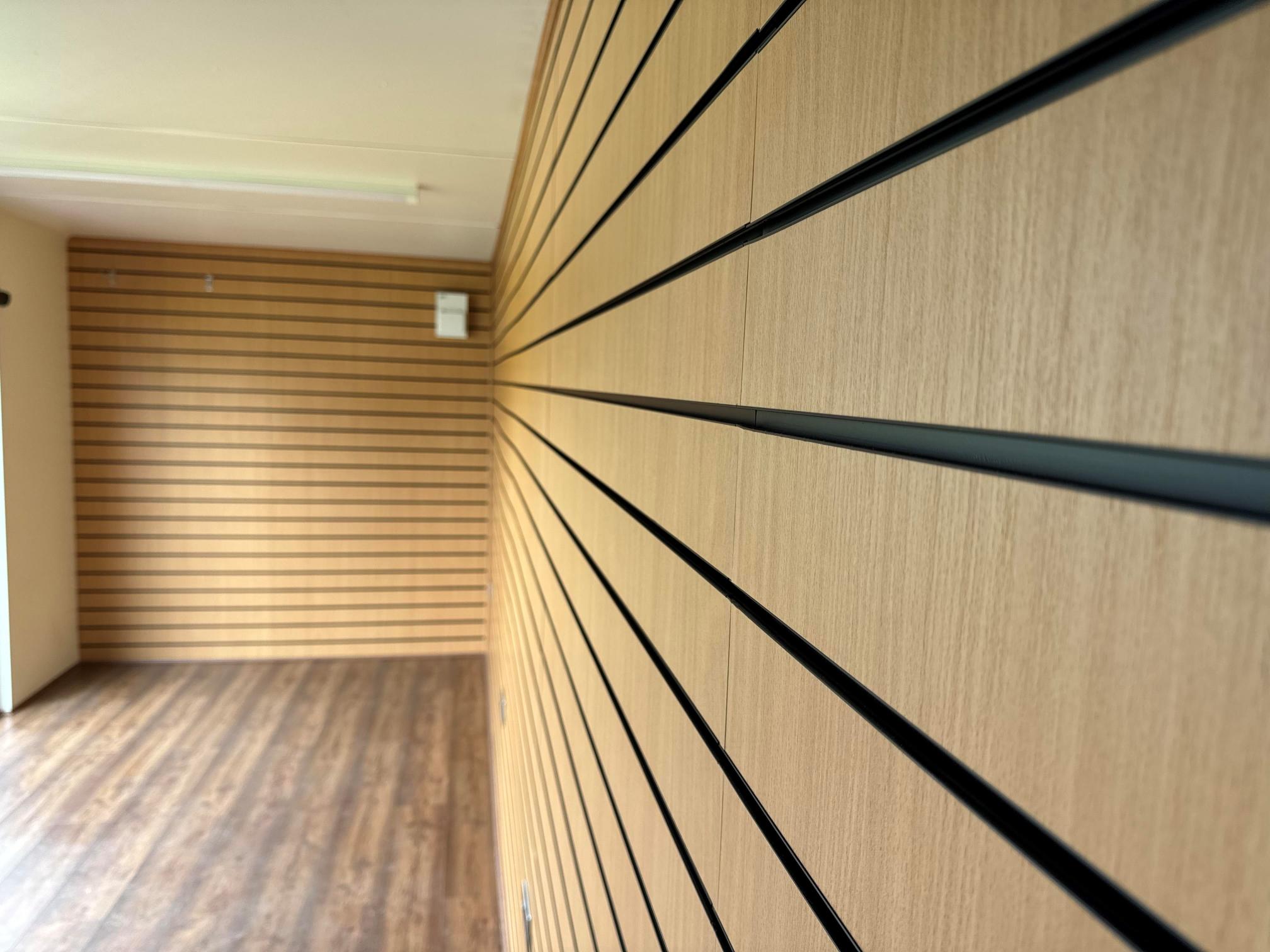
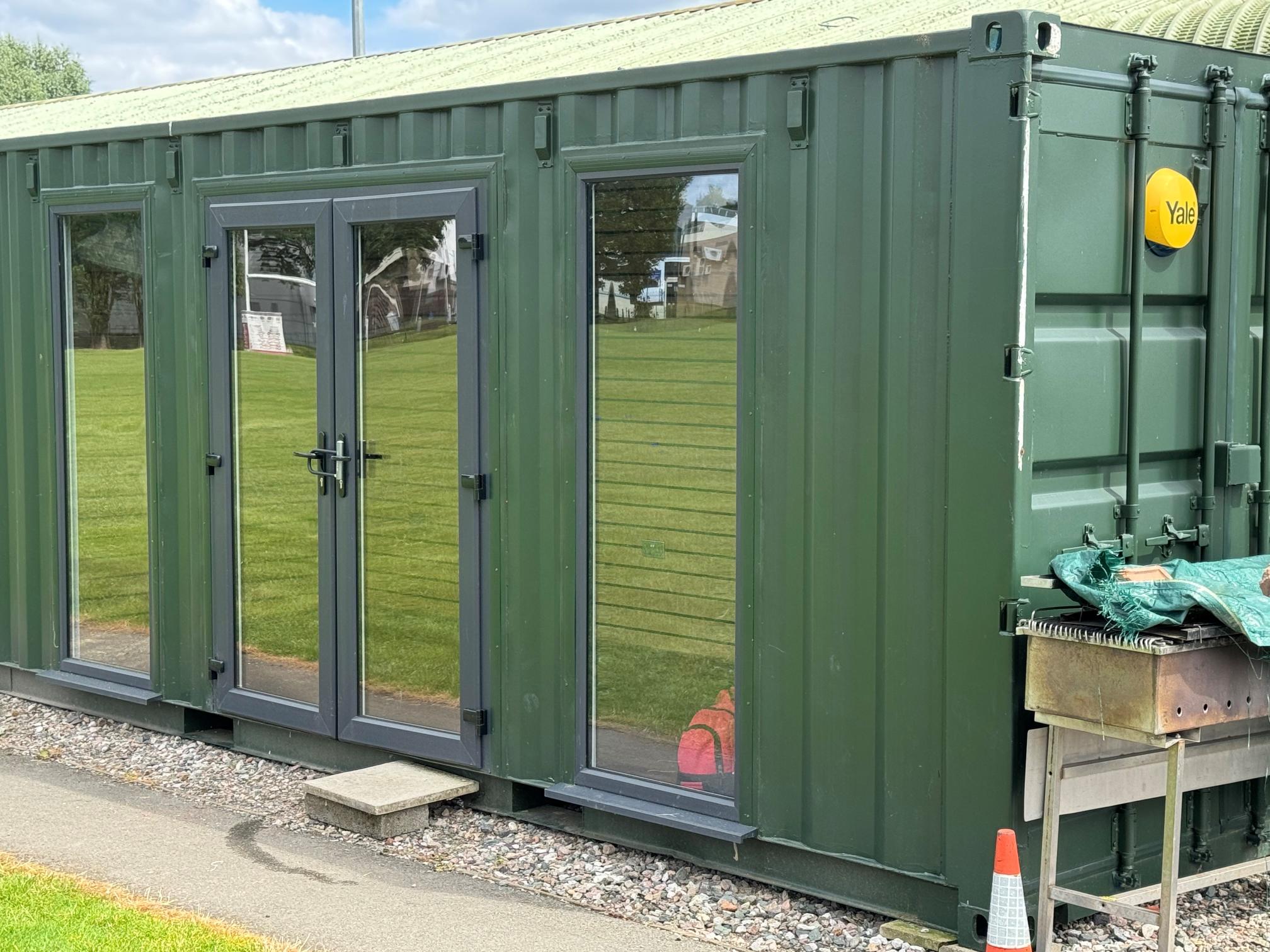
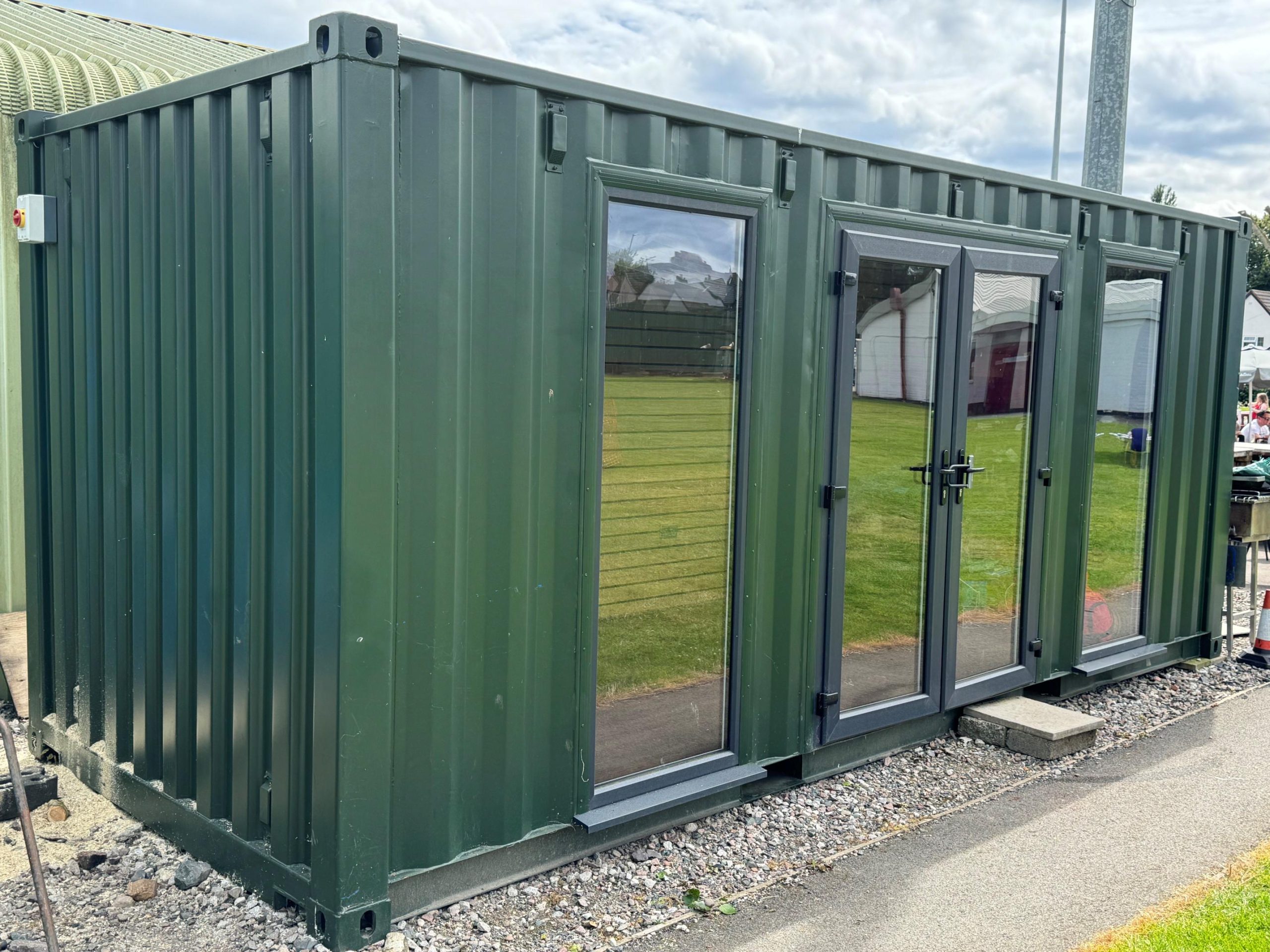
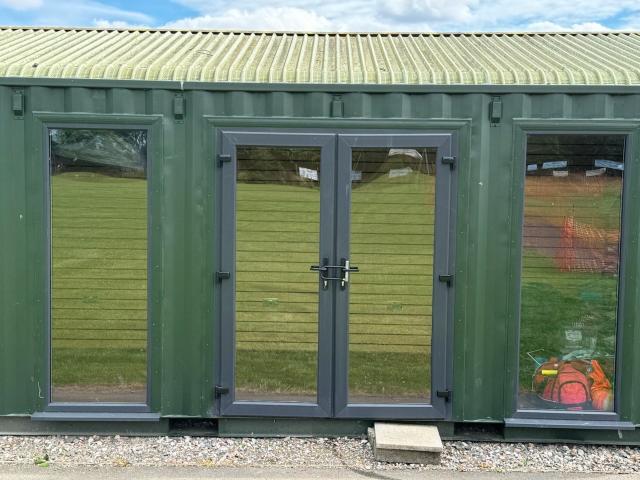
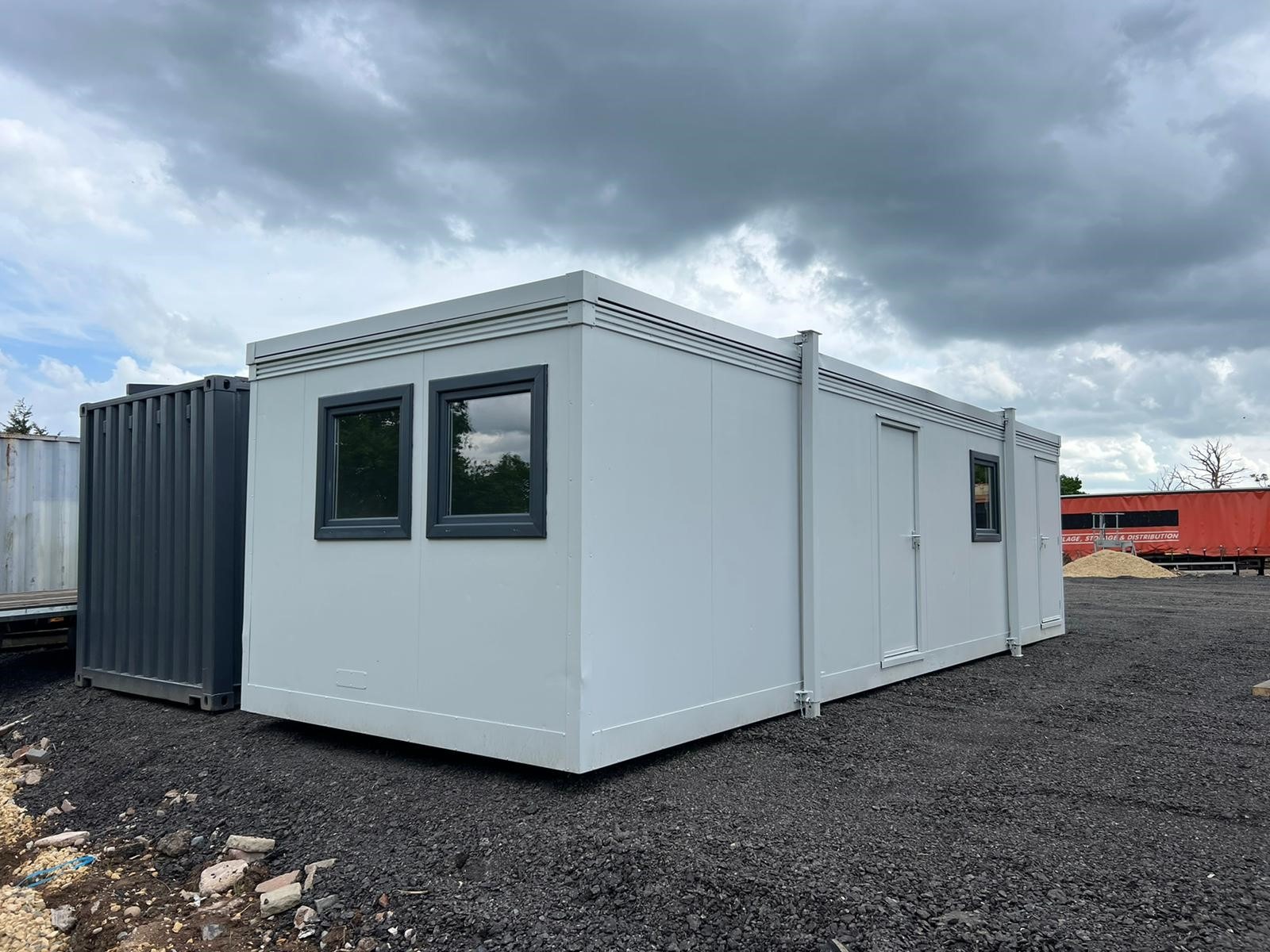
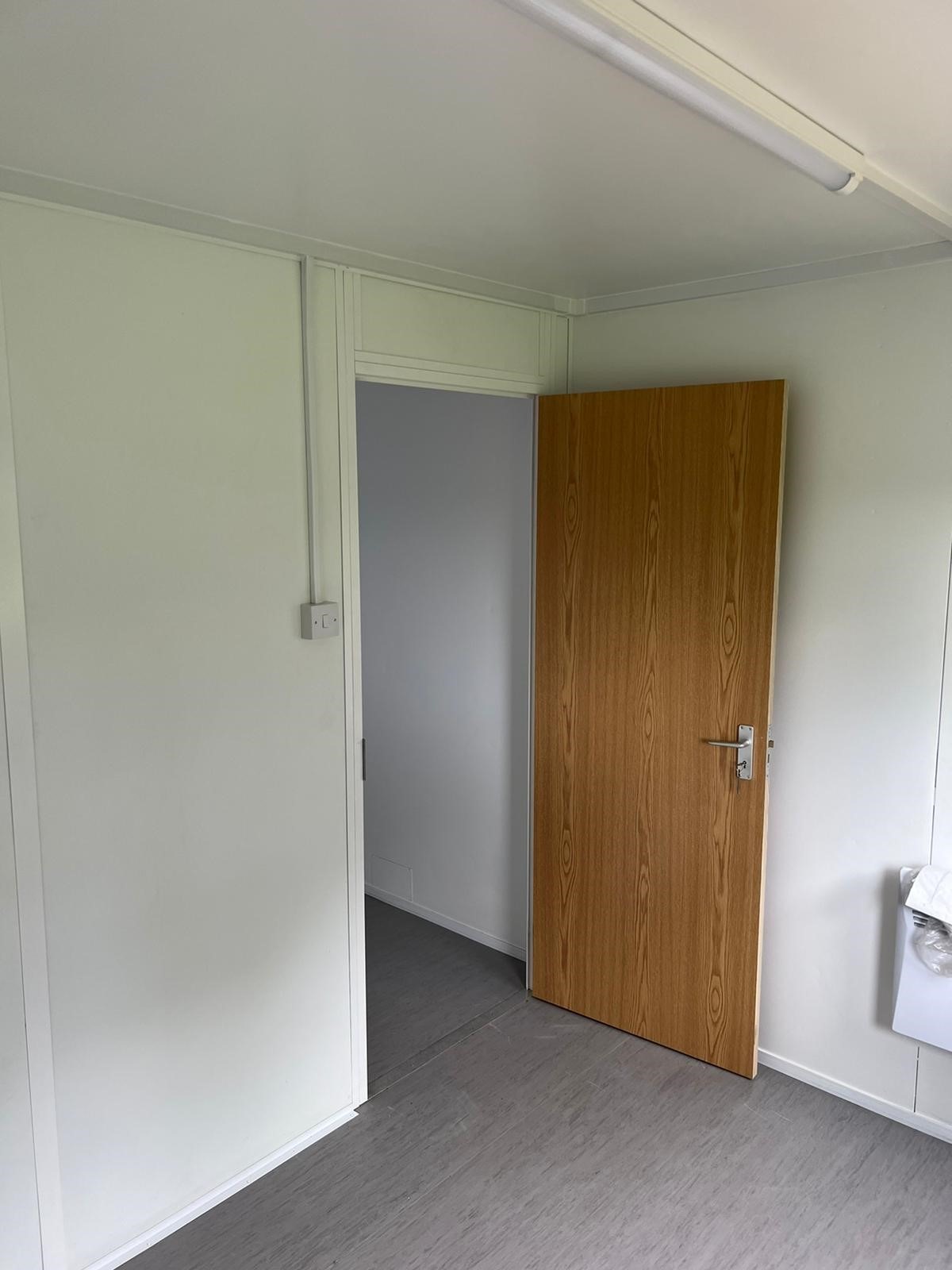
Fully refurbished
Colour light grey
Slate grey anthracite upvc double glazed windows
Location: Nationwide
+ VAT
Not Available for Hire
Call for an instant quote!
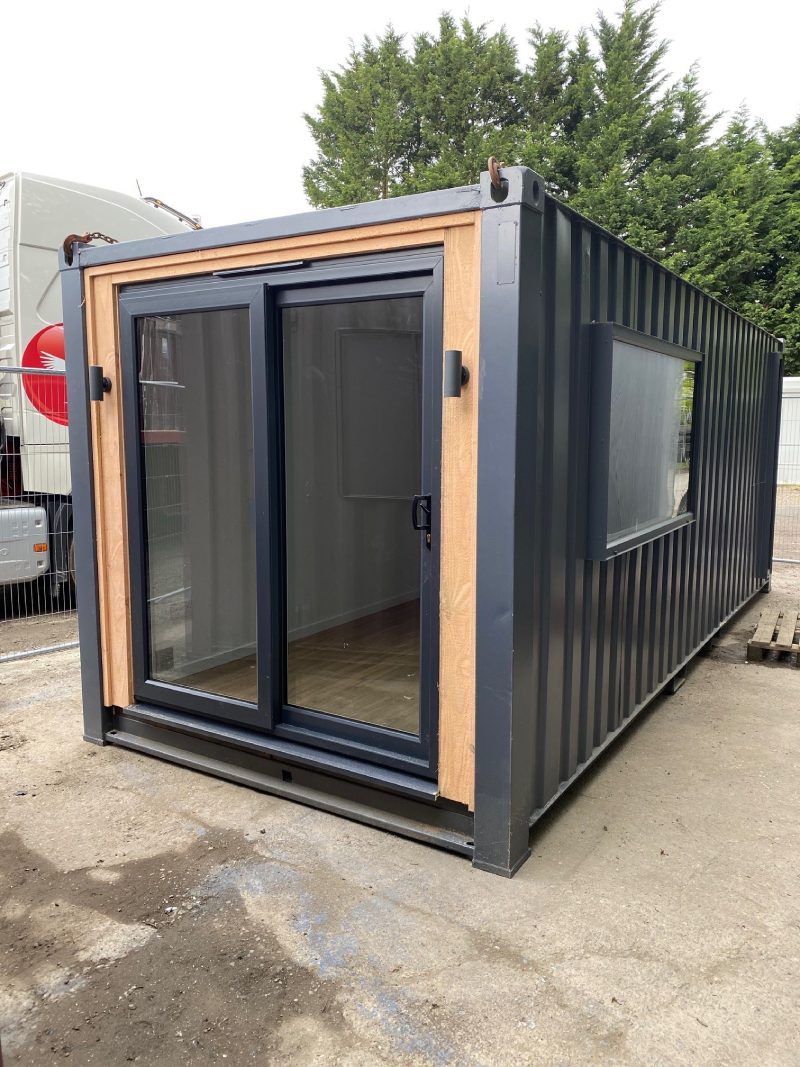
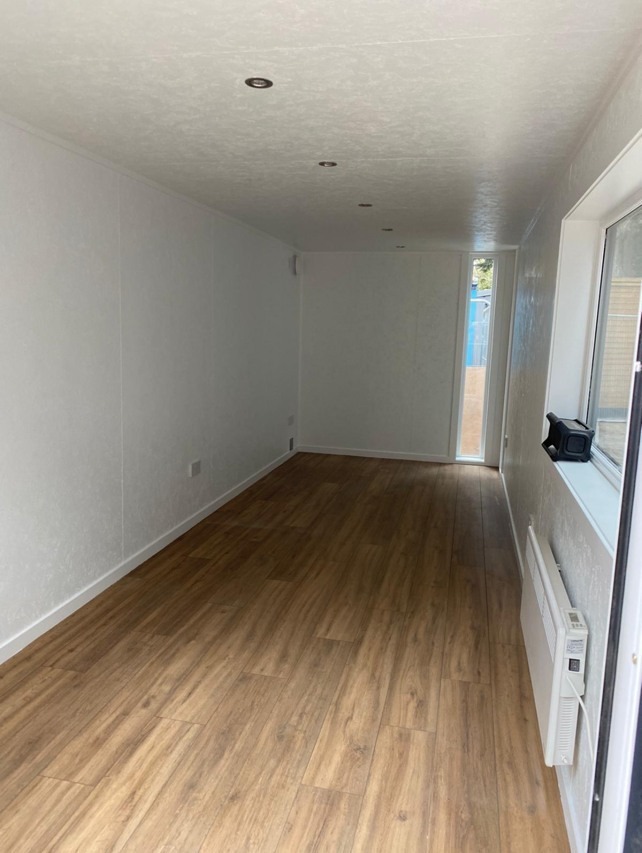
Fully Insulated with electric sockets, spot lighting, and heating
Wood Flooring
UPVC Sliding Door + Windows
Lead Time for build 6-8 weeks
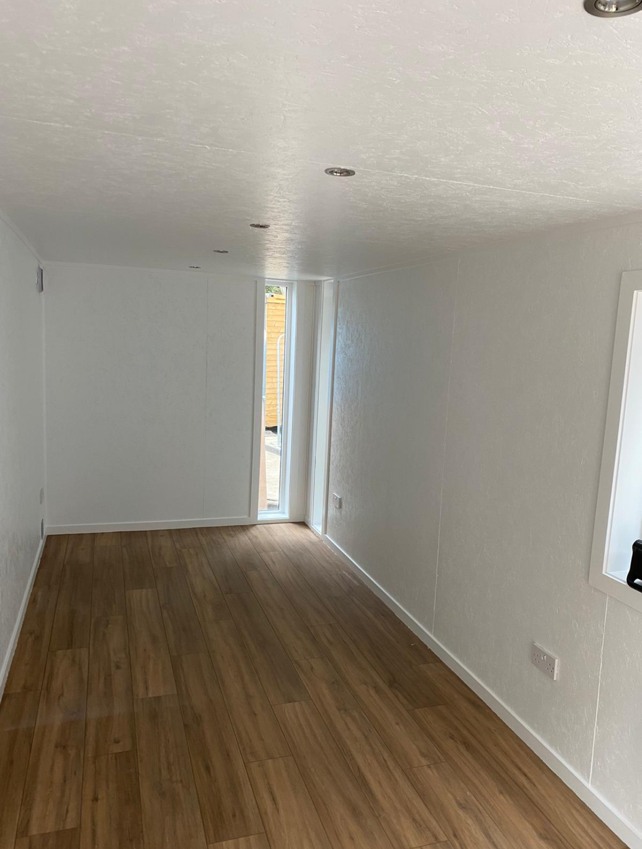
Location: Nationwide
+ VAT
Not Available for Hire
Call for an instant quote!
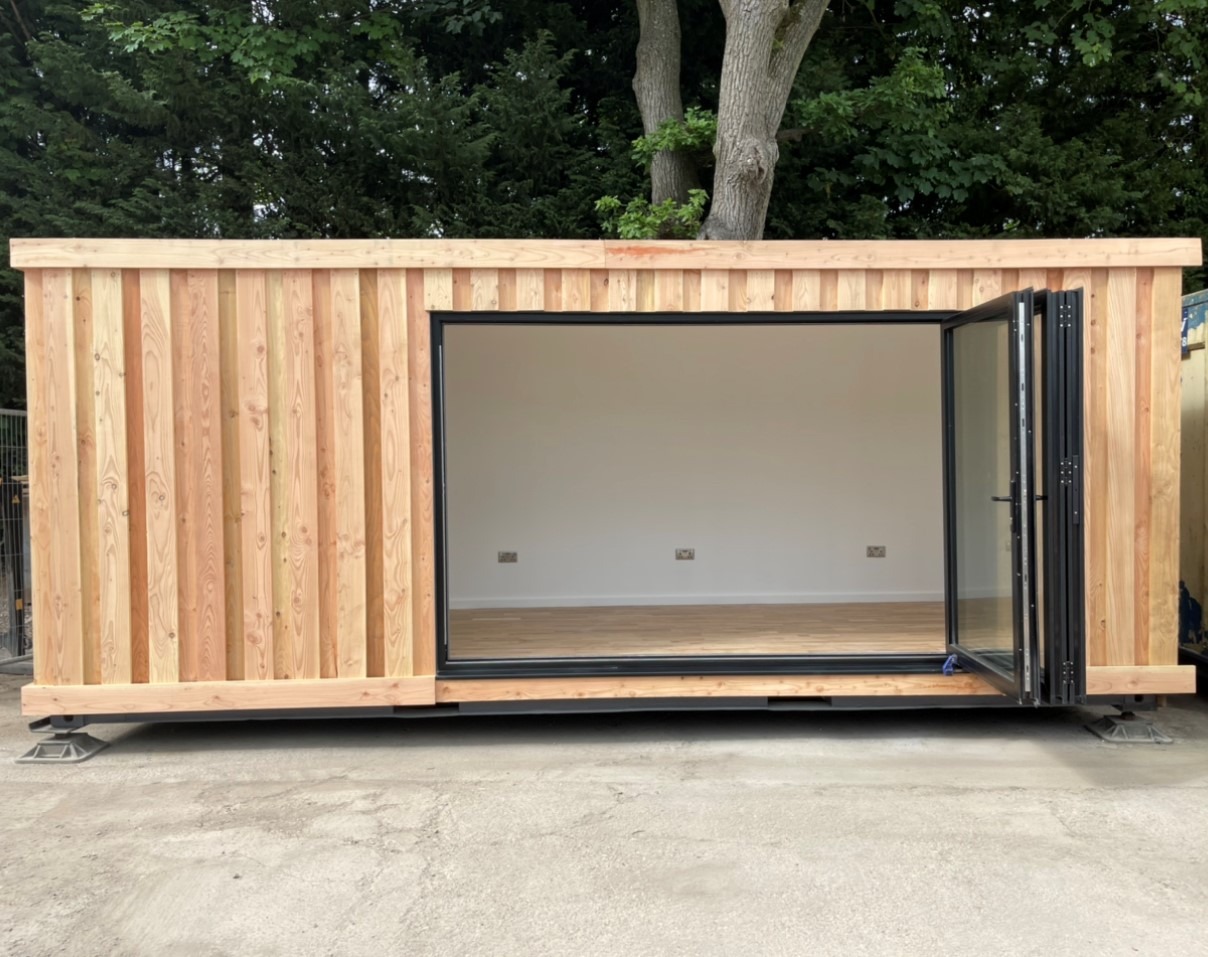
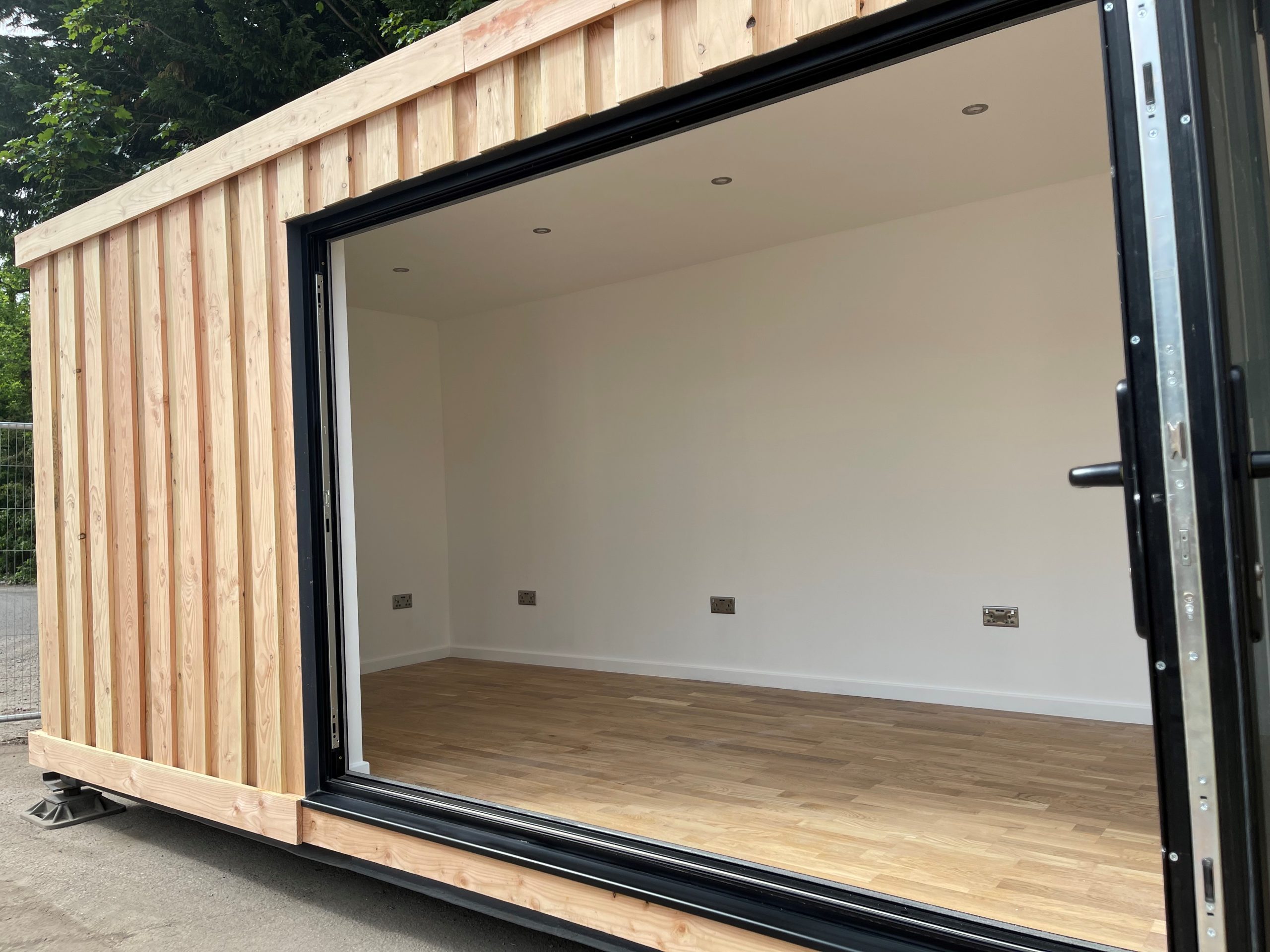
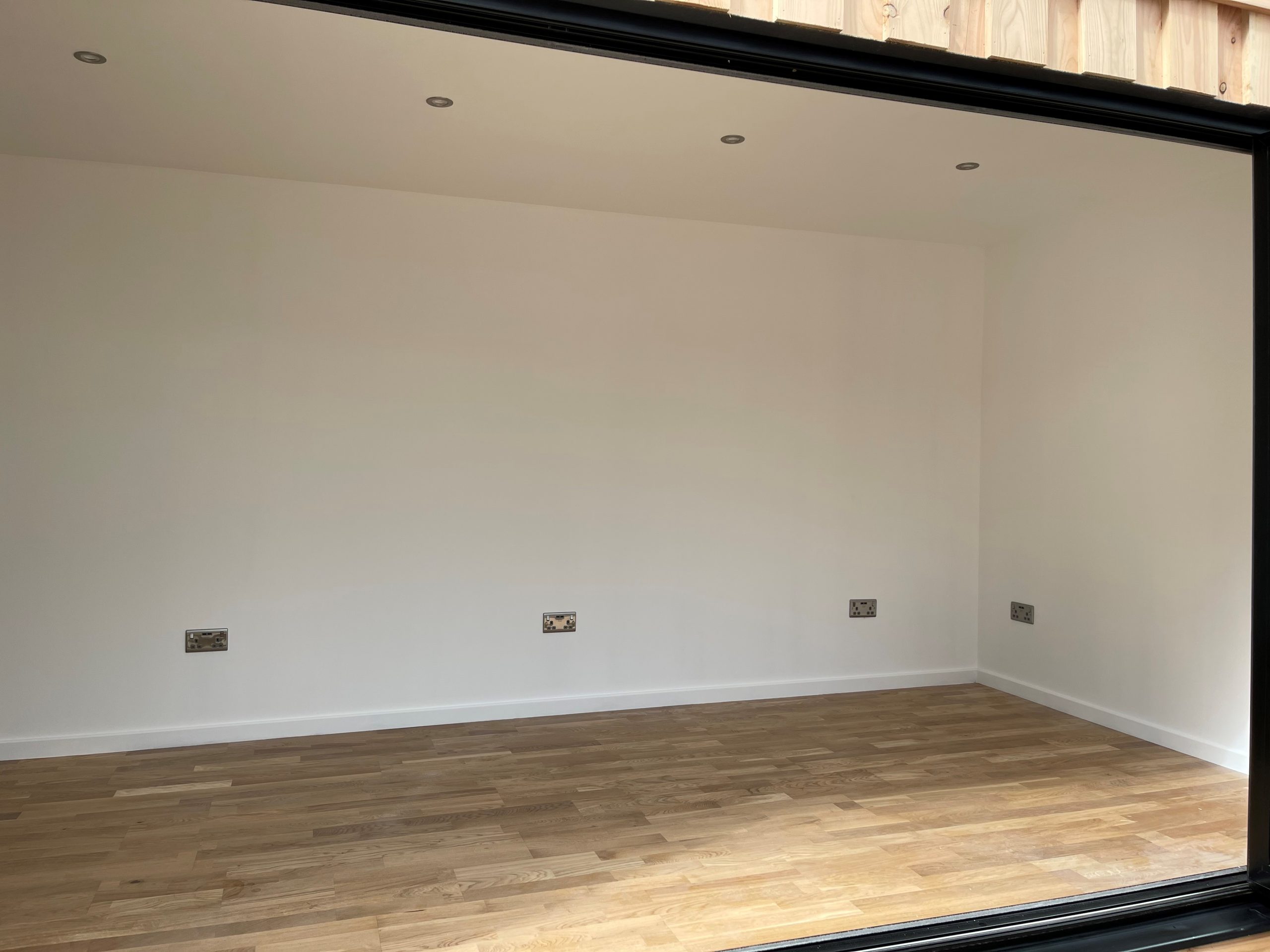
Fully Insulated with electric sockets, spot lighting, and heating
Wood Flooring
Aluminium Bi Fold Doors
Fully wrapped in larch cladding
Lead Time for build 6-8 weeks
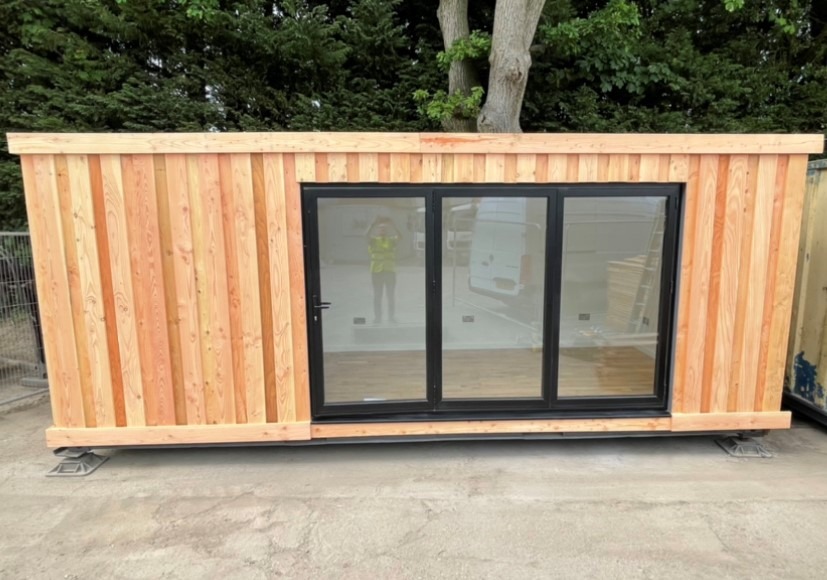
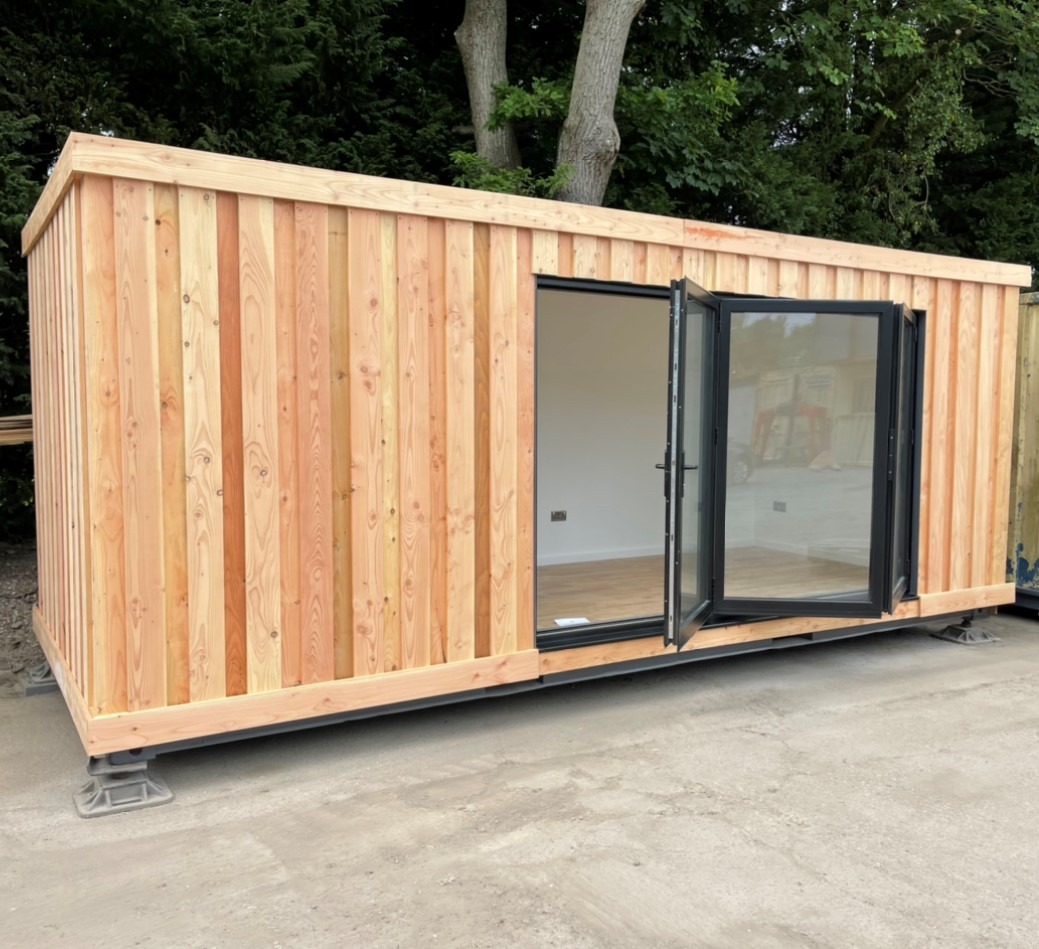
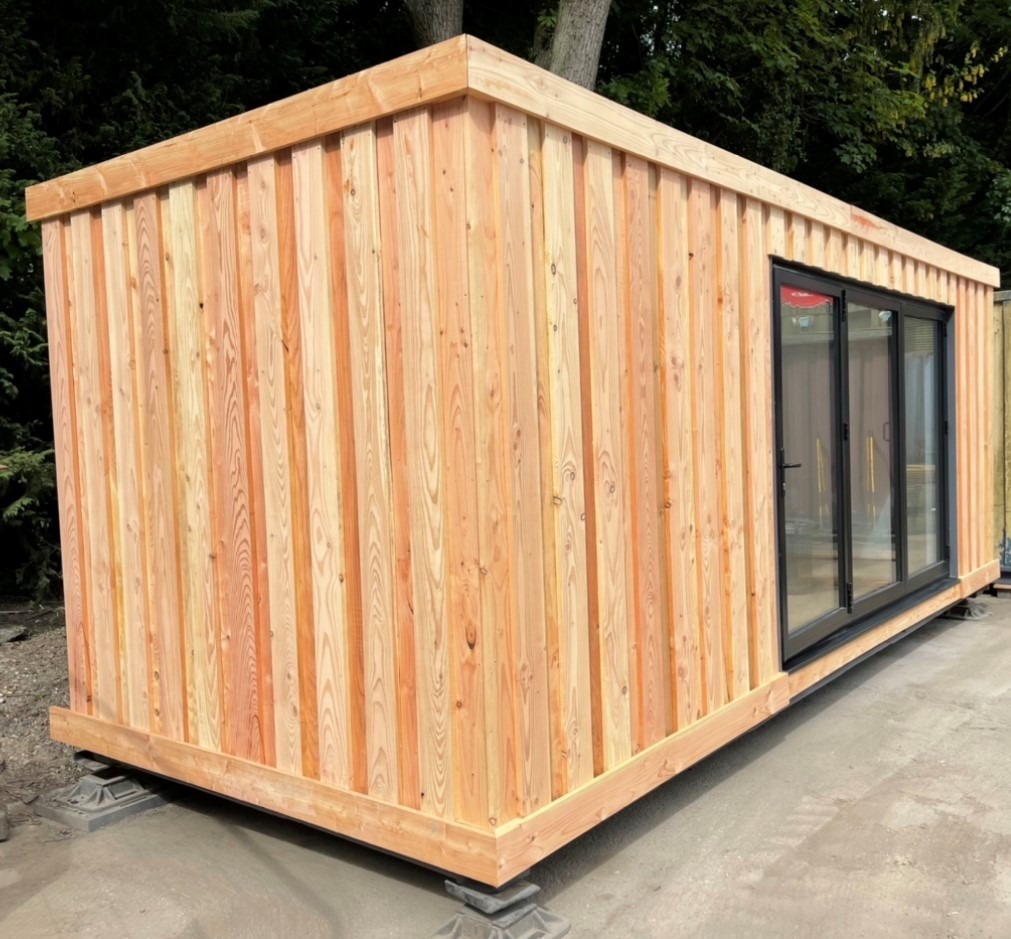
Location: Nationwide
+ VAT
Not Available for Hire
Call for an instant quote!
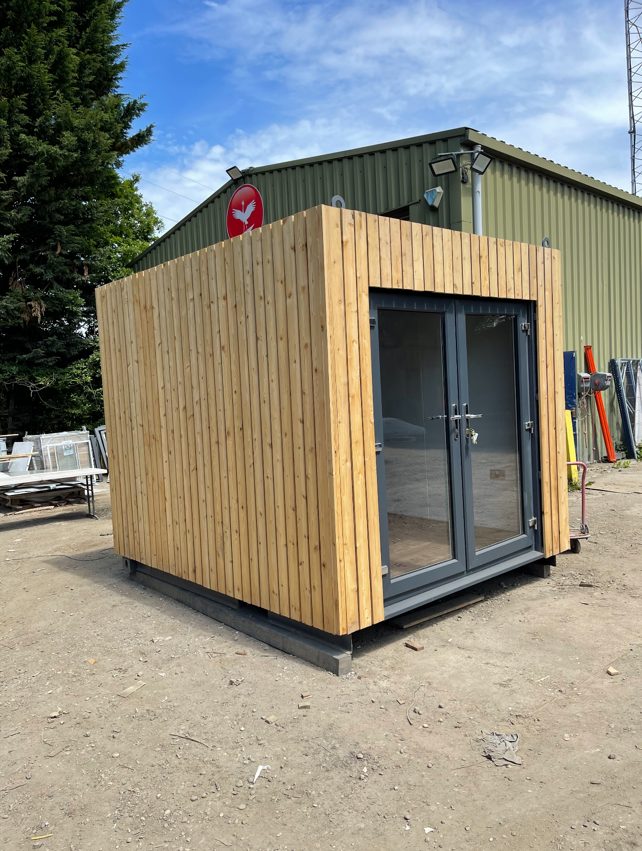
Fully Insulated with electric sockets, spot lighting, and heating
Wood Flooring
Feature Clad Wall and Ceiling
UPVC Double glazed French Doors
Fully wrapped in larch cladding
Lead Time for build 6-8 weeks
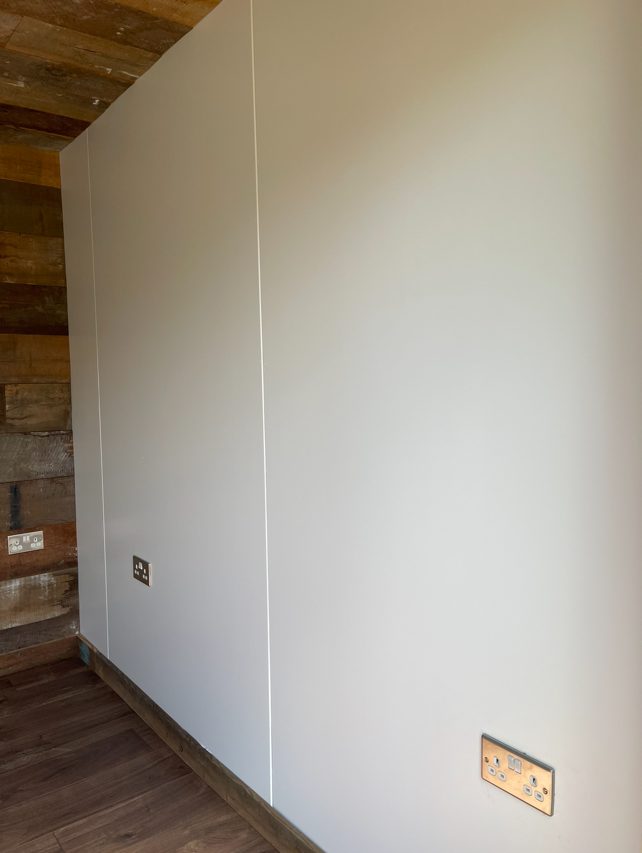
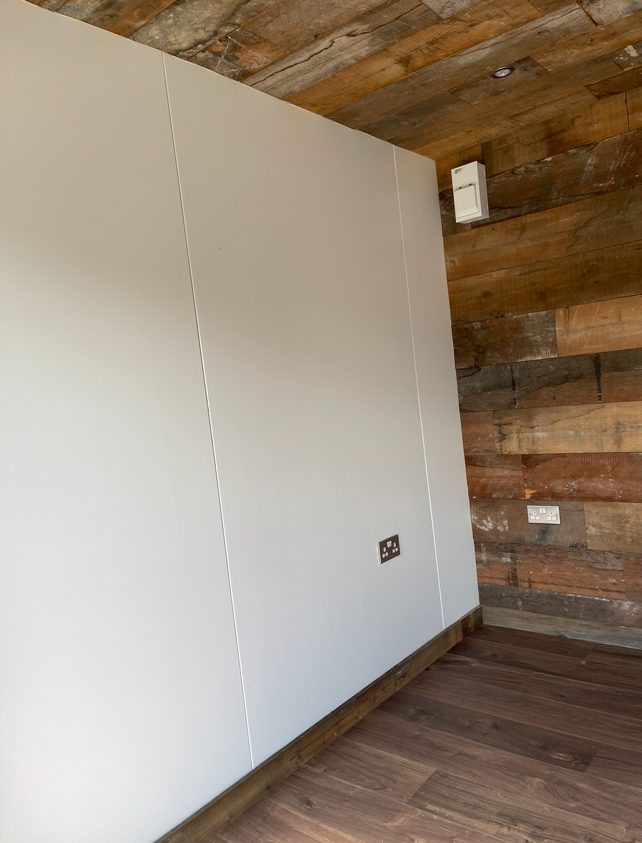
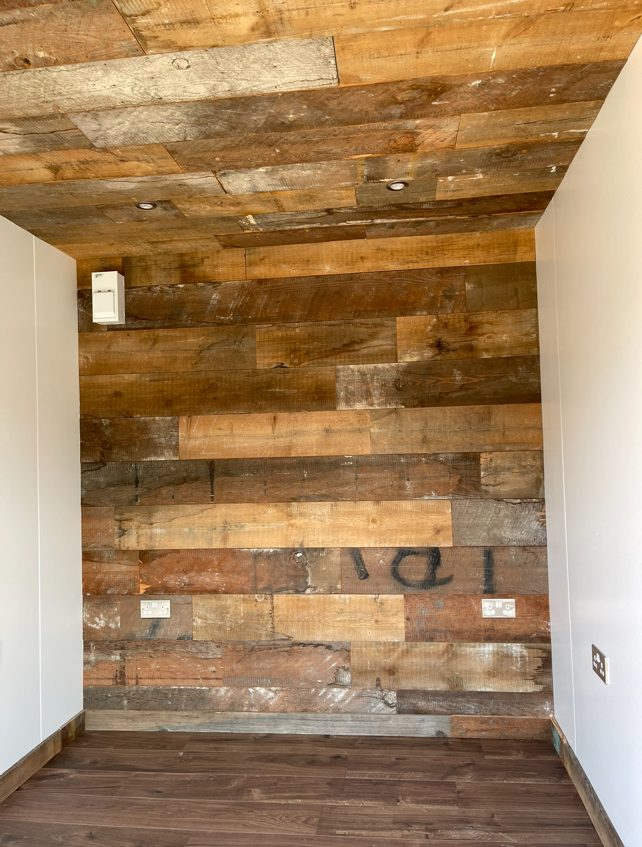
Location: Nationwide
EX VAT
Not Available for Hire
Call for an instant quote!
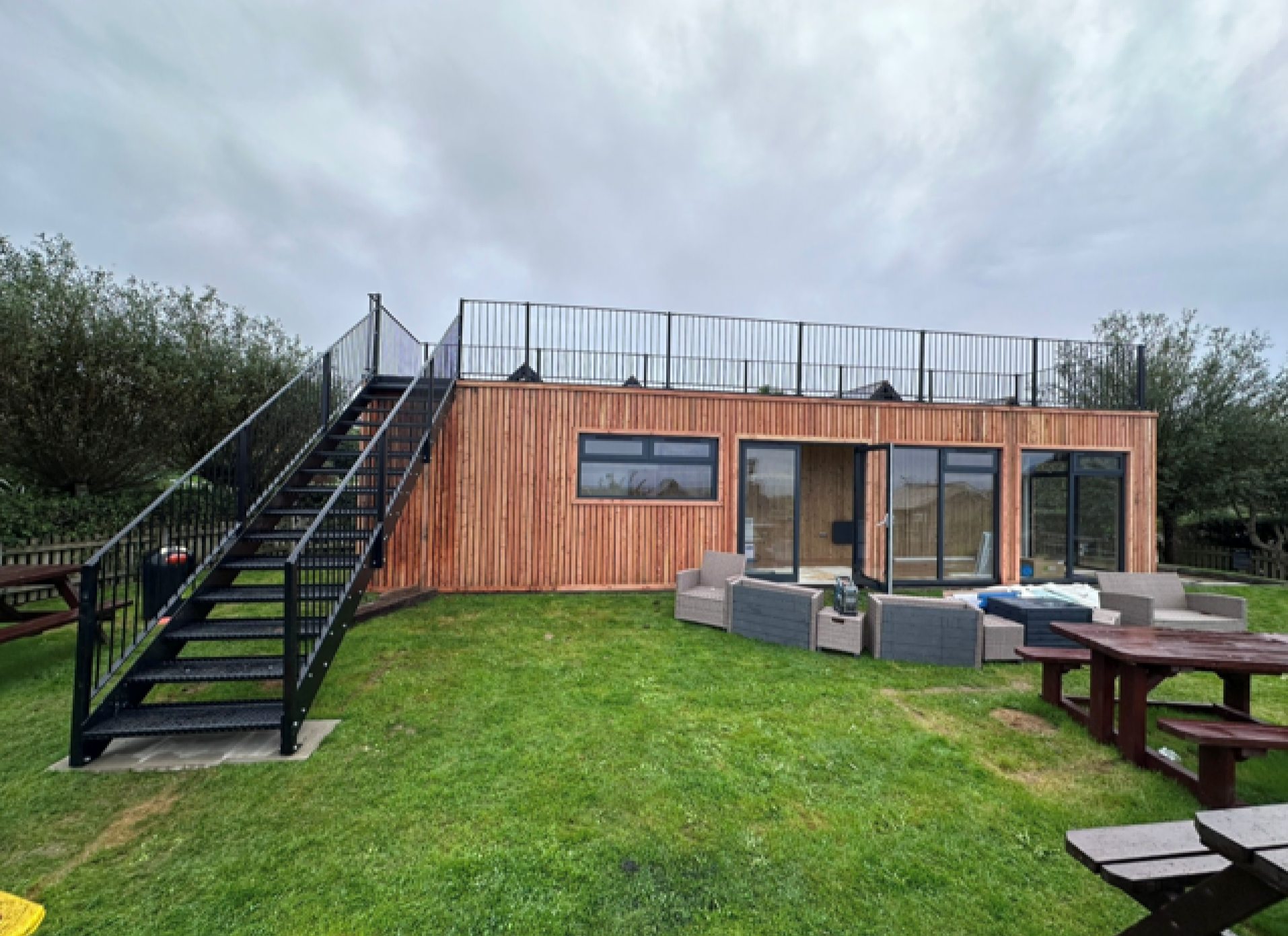
Location: Nationwide
EX VAT
Not Available for Hire
Call for an instant quote!
Location: Nationwide
EX VAT
Not Available for Hire
Call for an instant quote!
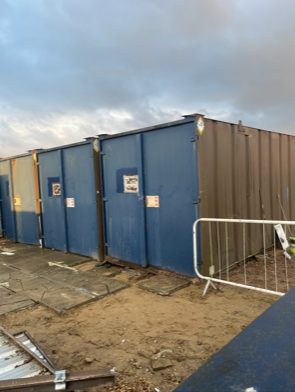
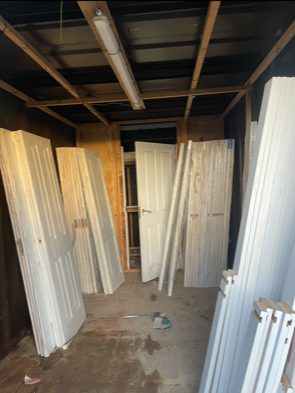
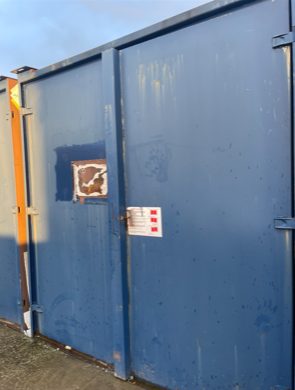
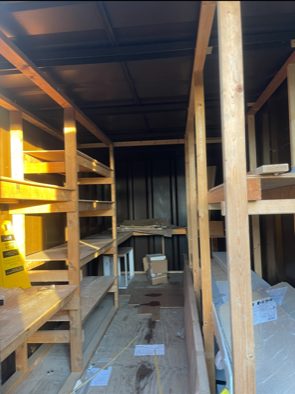
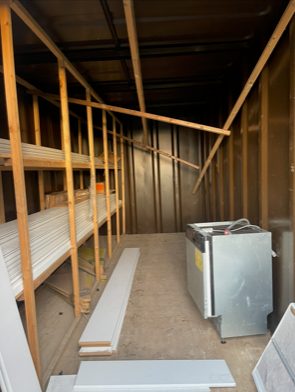
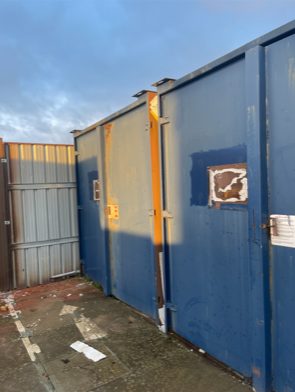
Location: Nationwide
EX VAT
Not Available for Hire
Call for an instant quote!
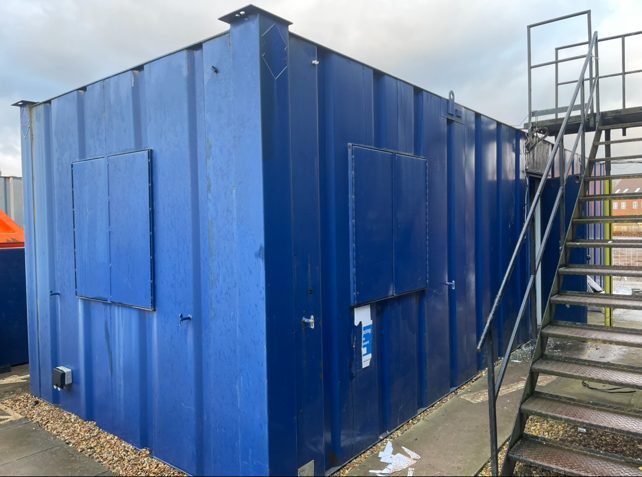
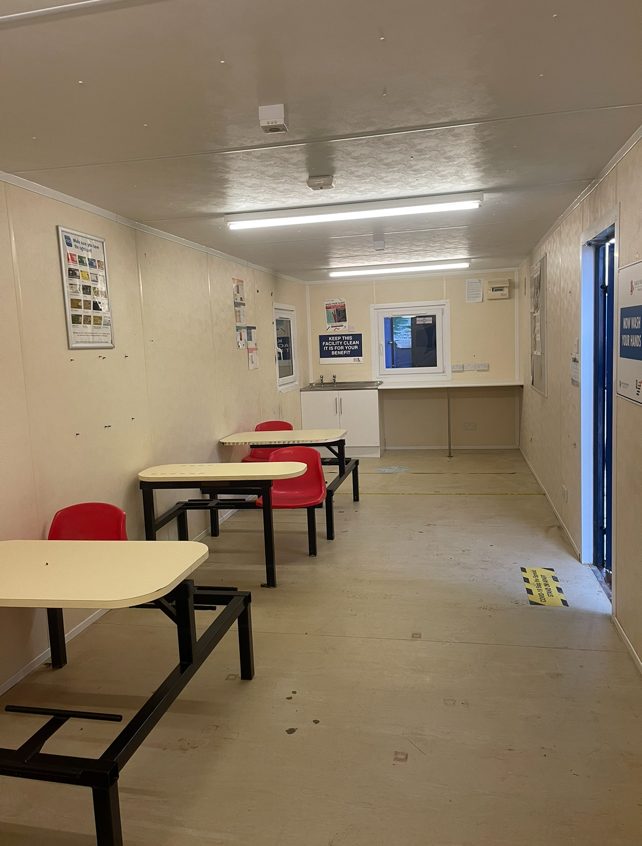
Location: Nationwide
EX VAT
Not Available for Hire
Call for an instant quote!
Location: Nationwide
EX VAT
Not Available for Hire
Call for an instant quote!
Location: Nationwide
EX VAT
Not Available for Hire
Call for an instant quote!
Location: Nationwide
EX VAT
Not Available for Hire
Call for an instant quote!
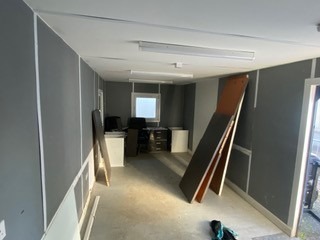
Location: Nationwide
EX VAT
Not Available for Hire
Call for an instant quote!
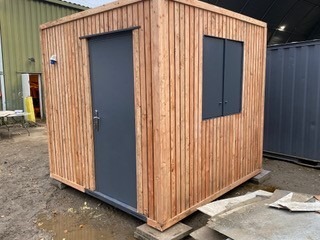
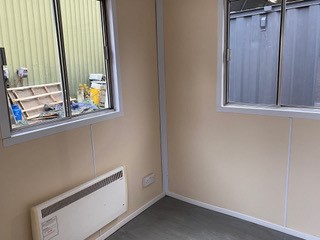
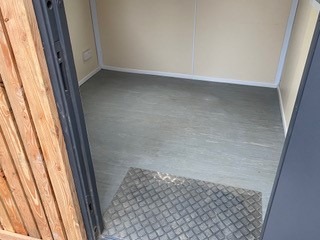
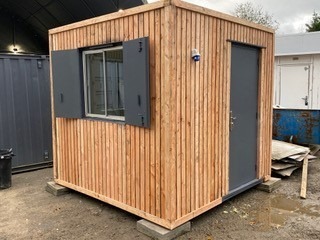
Location: Nationwide
EX VAT
Not Available for Hire
Call for an instant quote!
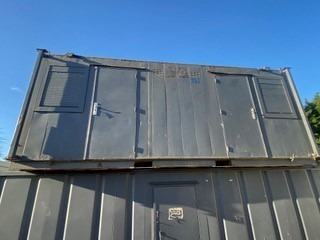
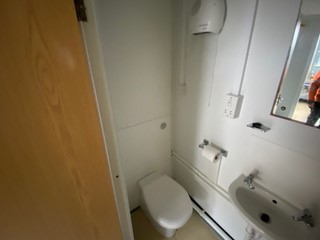
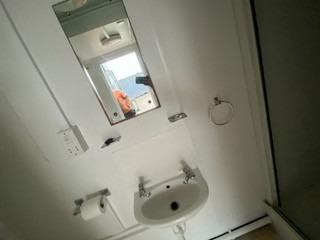
Location: Nationwide
EX VAT
Not Available for Hire
Call for an instant quote!
Location: Nationwide
EX VAT
Not Available for Hire
Call for an instant quote!
Location: Nationwide
EX VAT
Not Available for Hire
Call for an instant quote!
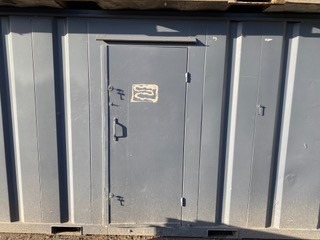
Location: Nationwide
EX VAT
Not Available for Hire
Call for an instant quote!
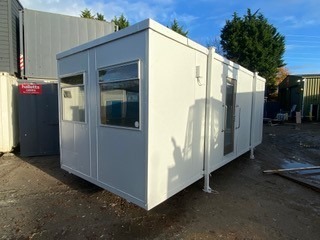
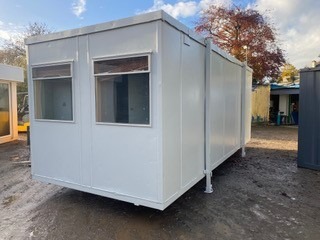
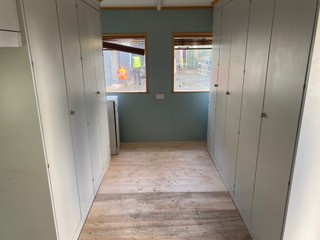
Location: Nationwide
EX VAT
Not Available for Hire
Call for an instant quote!
Location: Nationwide
EX VAT
Not Available for Hire
Call for an instant quote!
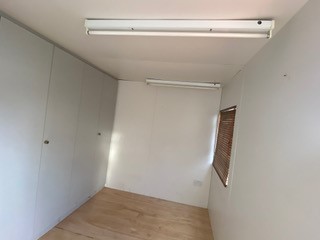
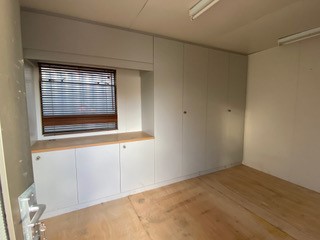
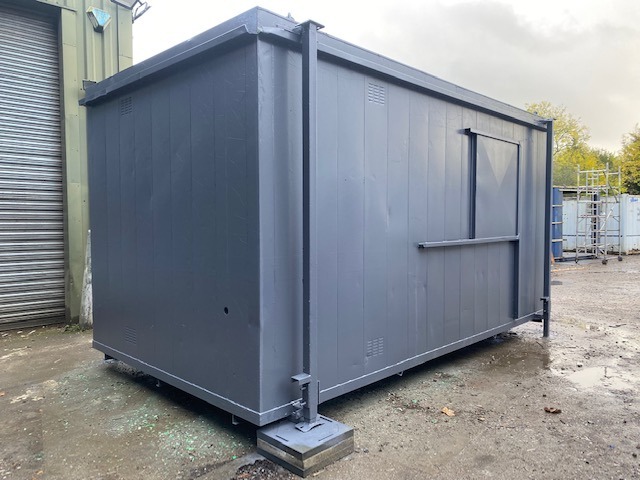
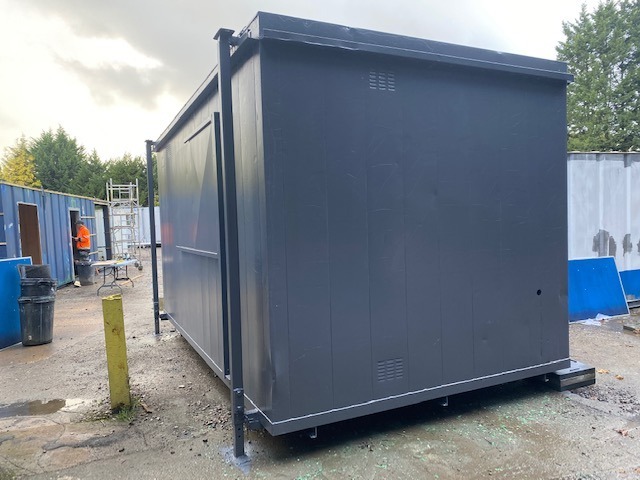
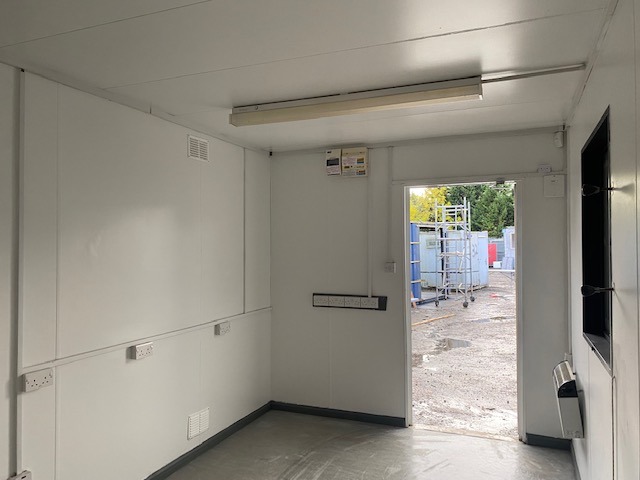
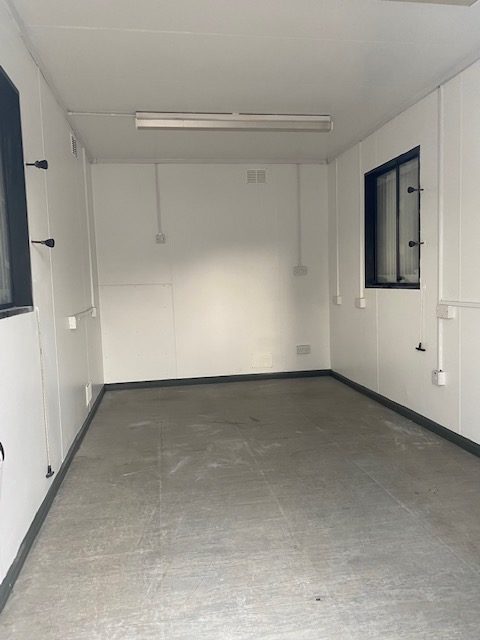
10ftx8ft – £5950 + Vat / 16ftx8ft – £7950 + Vat / 20ftx8ft – £9000 + Vat / 24ftx8ft – £12000 + Vat / 30ftx8ft – £13500 + Vat
Location: Nationwide
EX VAT
Not Available for Hire
Call for an instant quote!
Location: Nationwide
EX VAT
Not Available for Hire
Call for an instant quote!
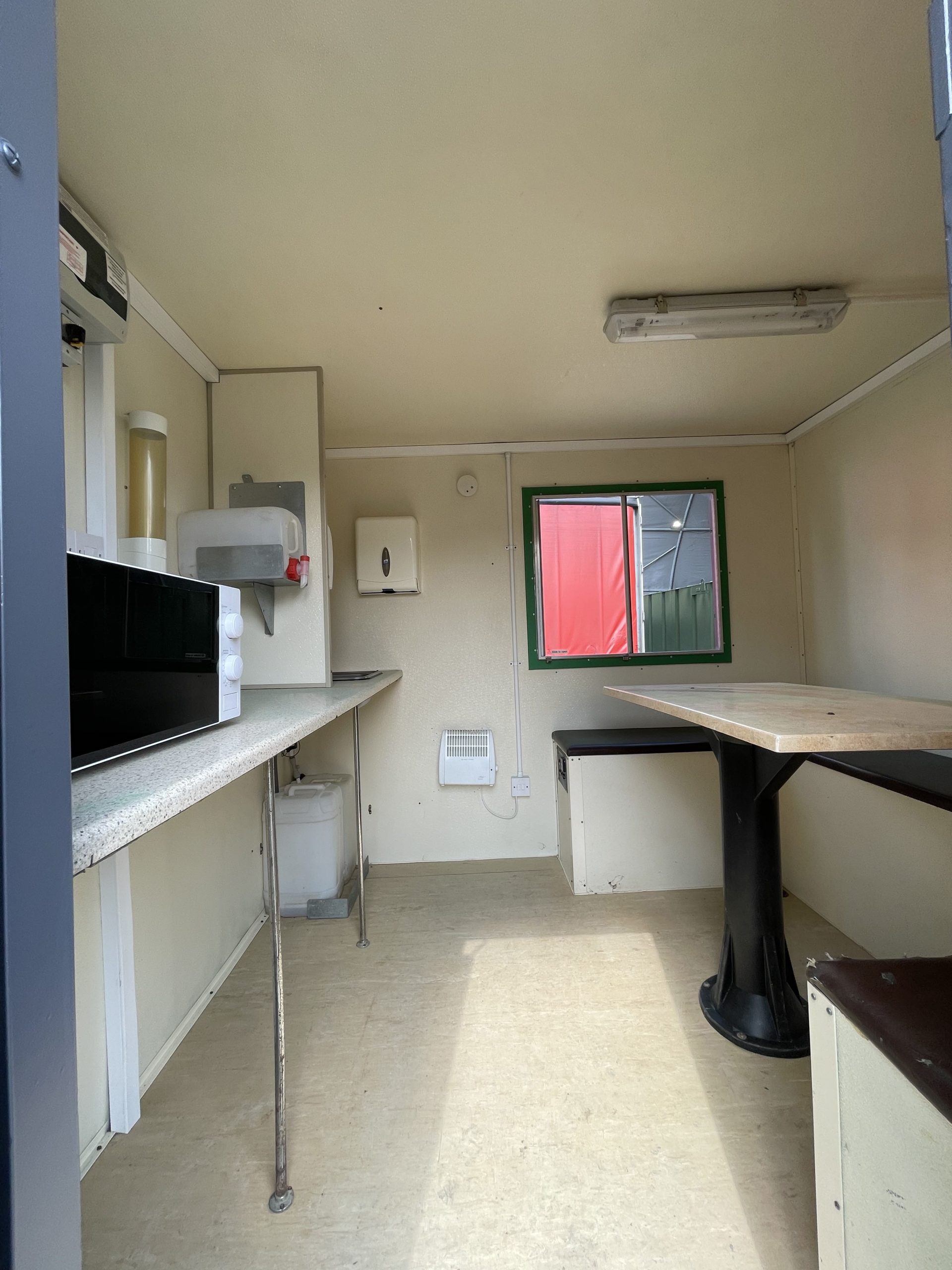
Location: Nationwide
EX VAT
Not Available for Hire
Call for an instant quote!
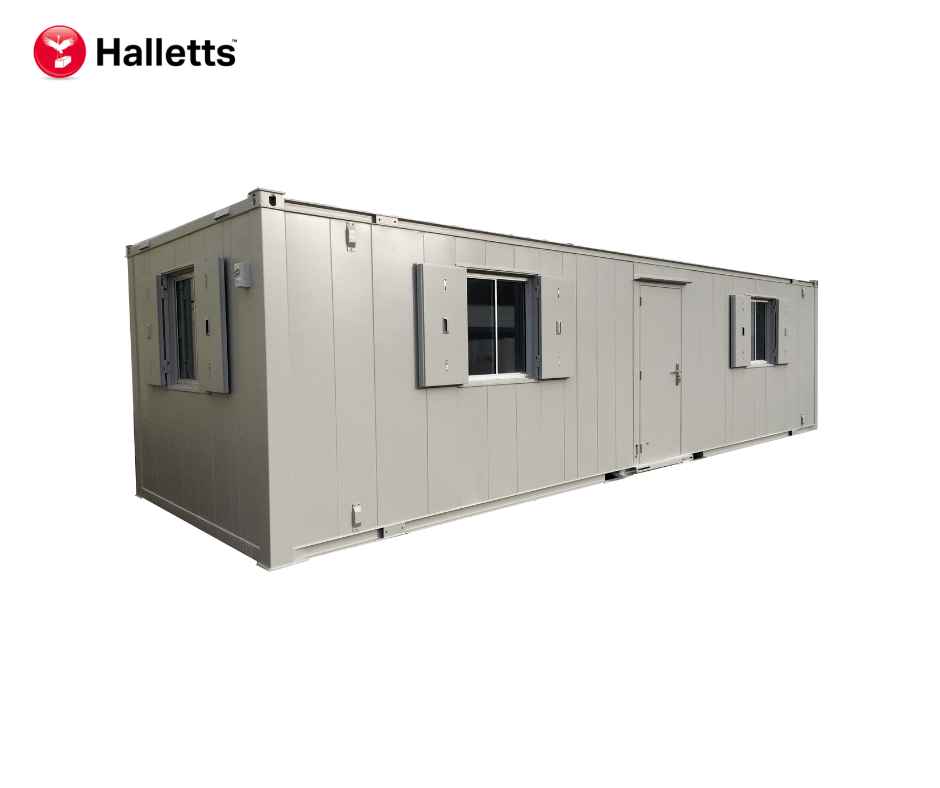
Location: Nationwide
Quantity: ∞
EX VAT
Not Available for Hire
Call for an instant quote!
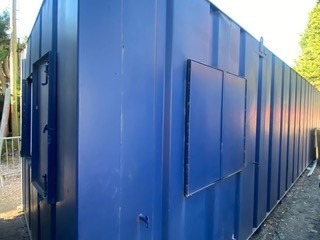
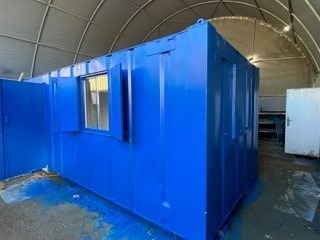
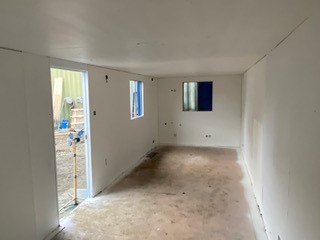
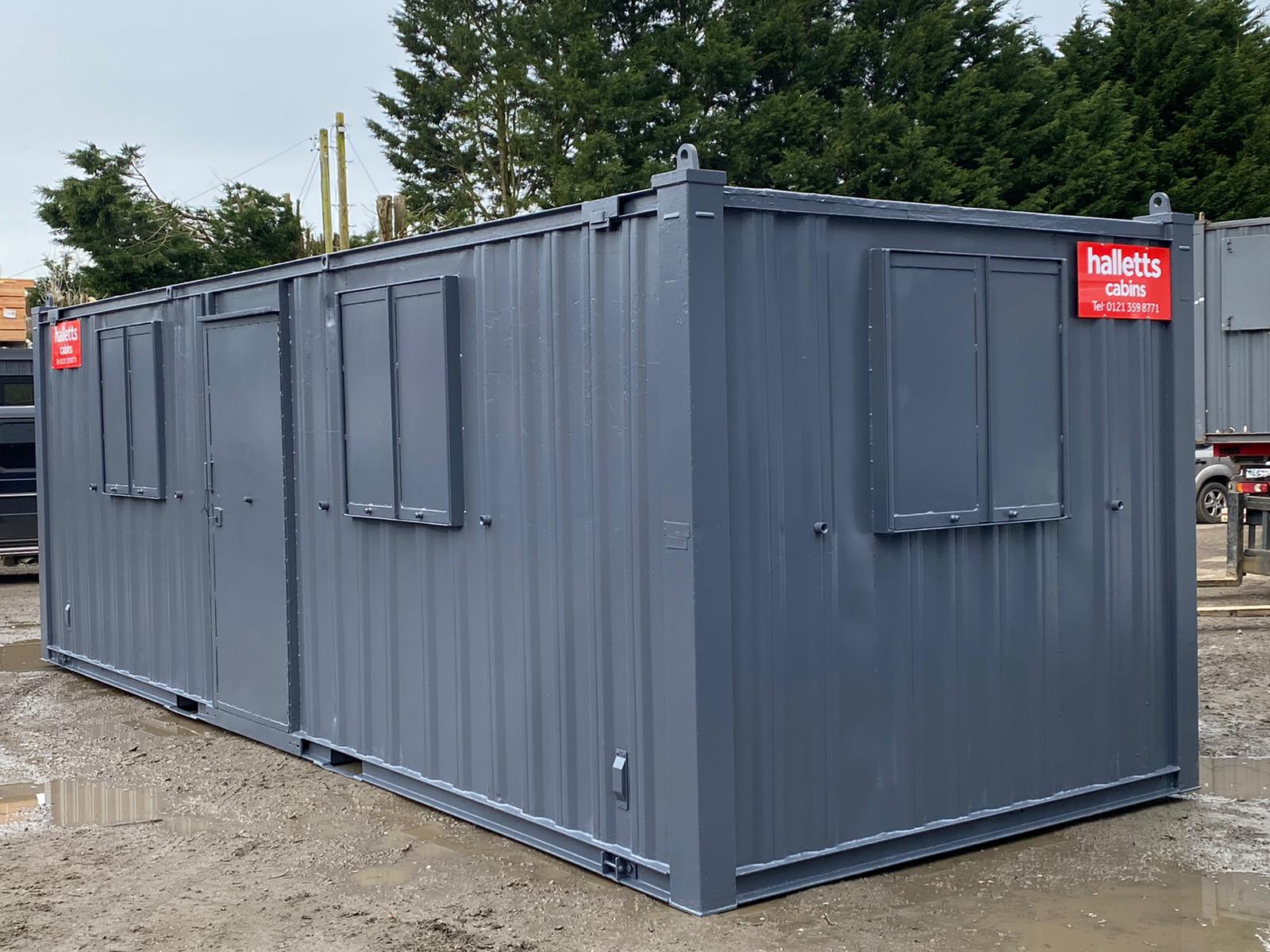
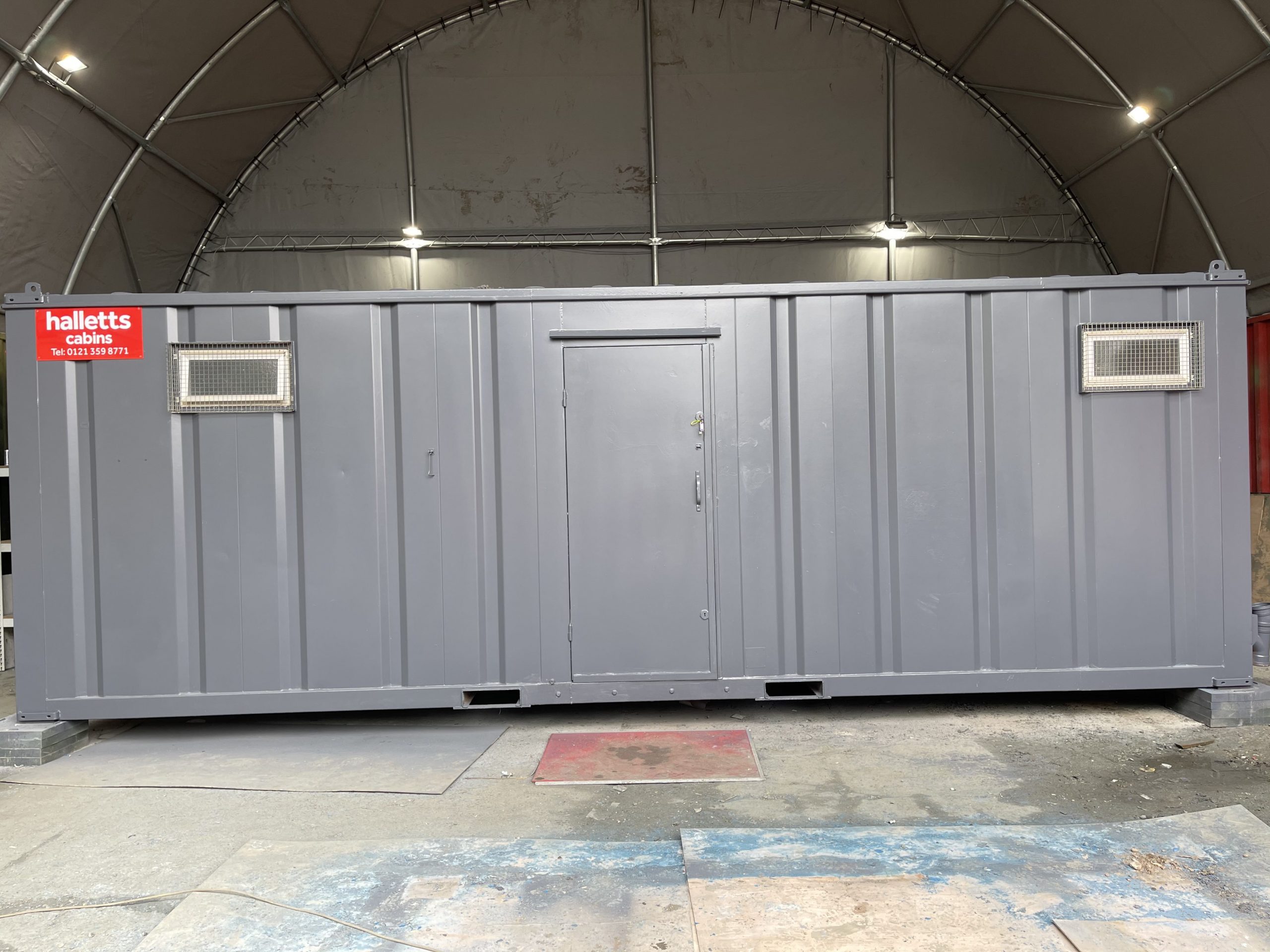
• Reinforced doors and windows with secure locking
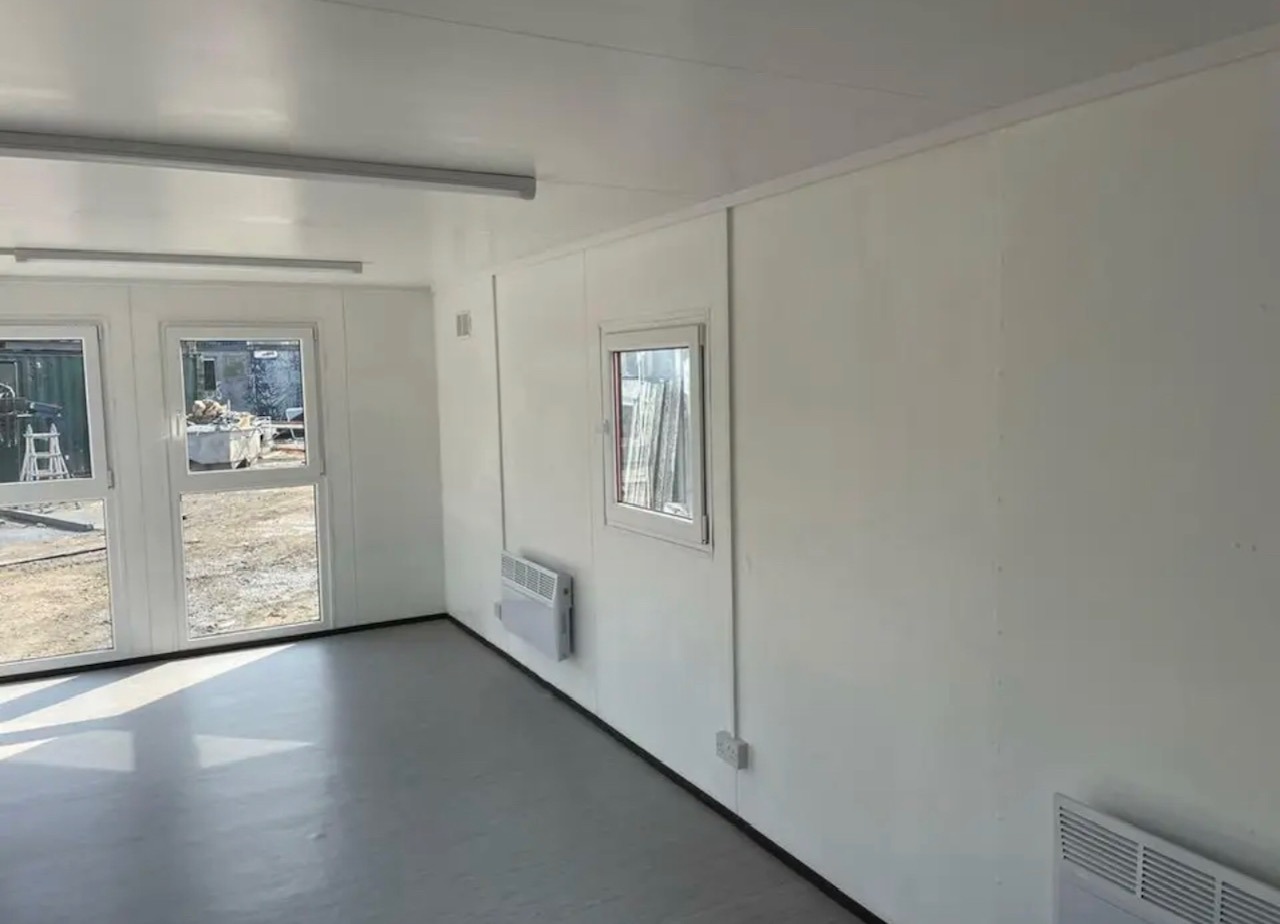
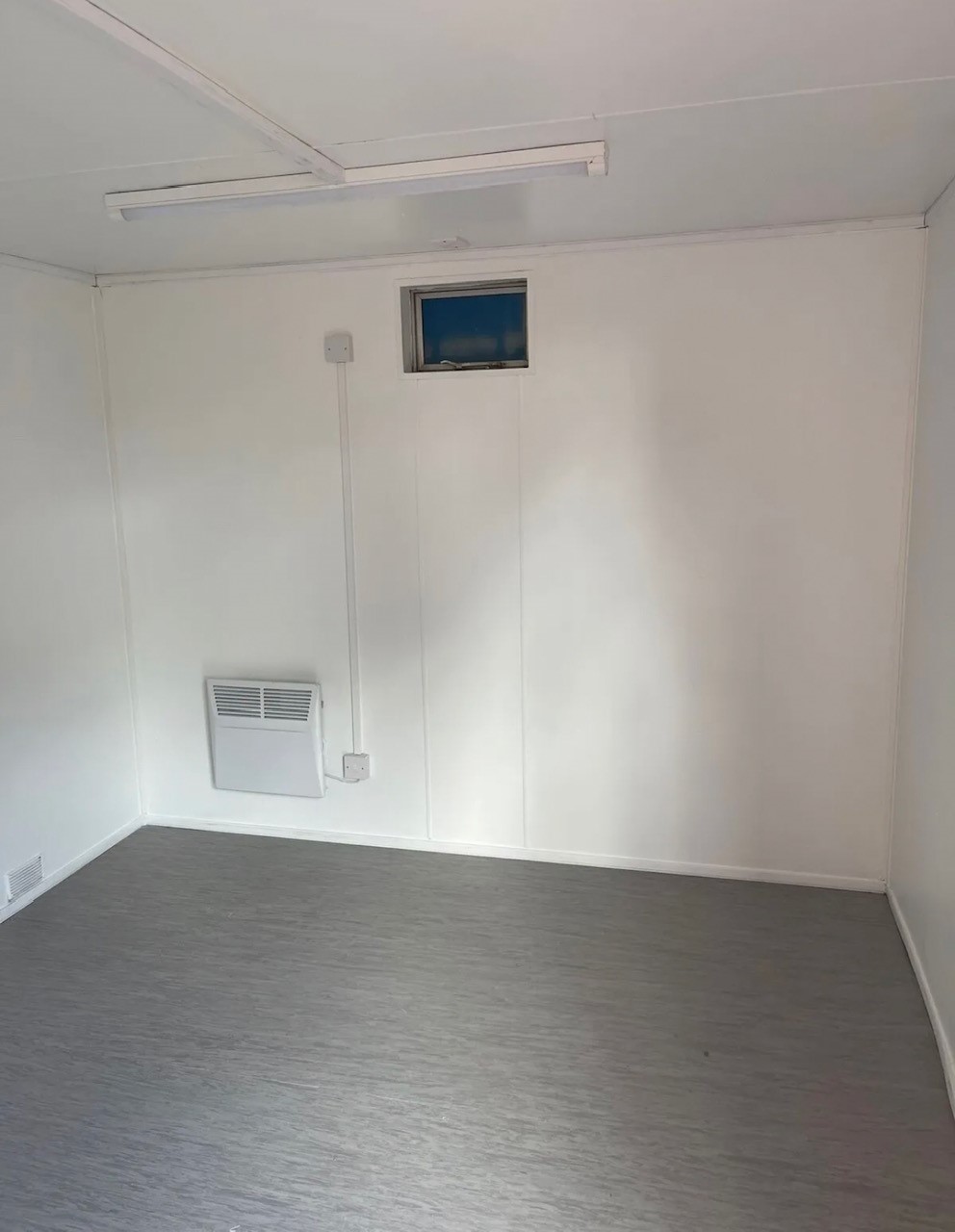
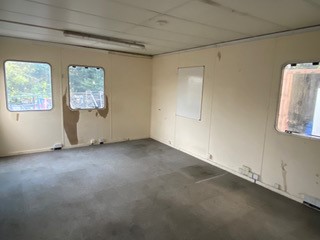
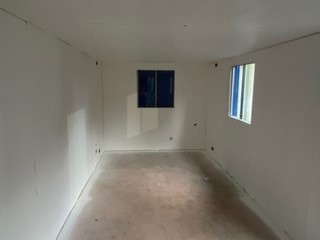
• Open plan with electric sockets and lighting
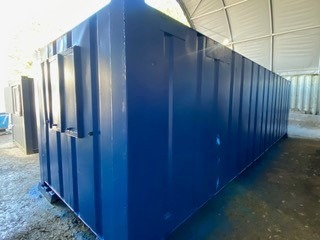
• Ral Code Colour of choice
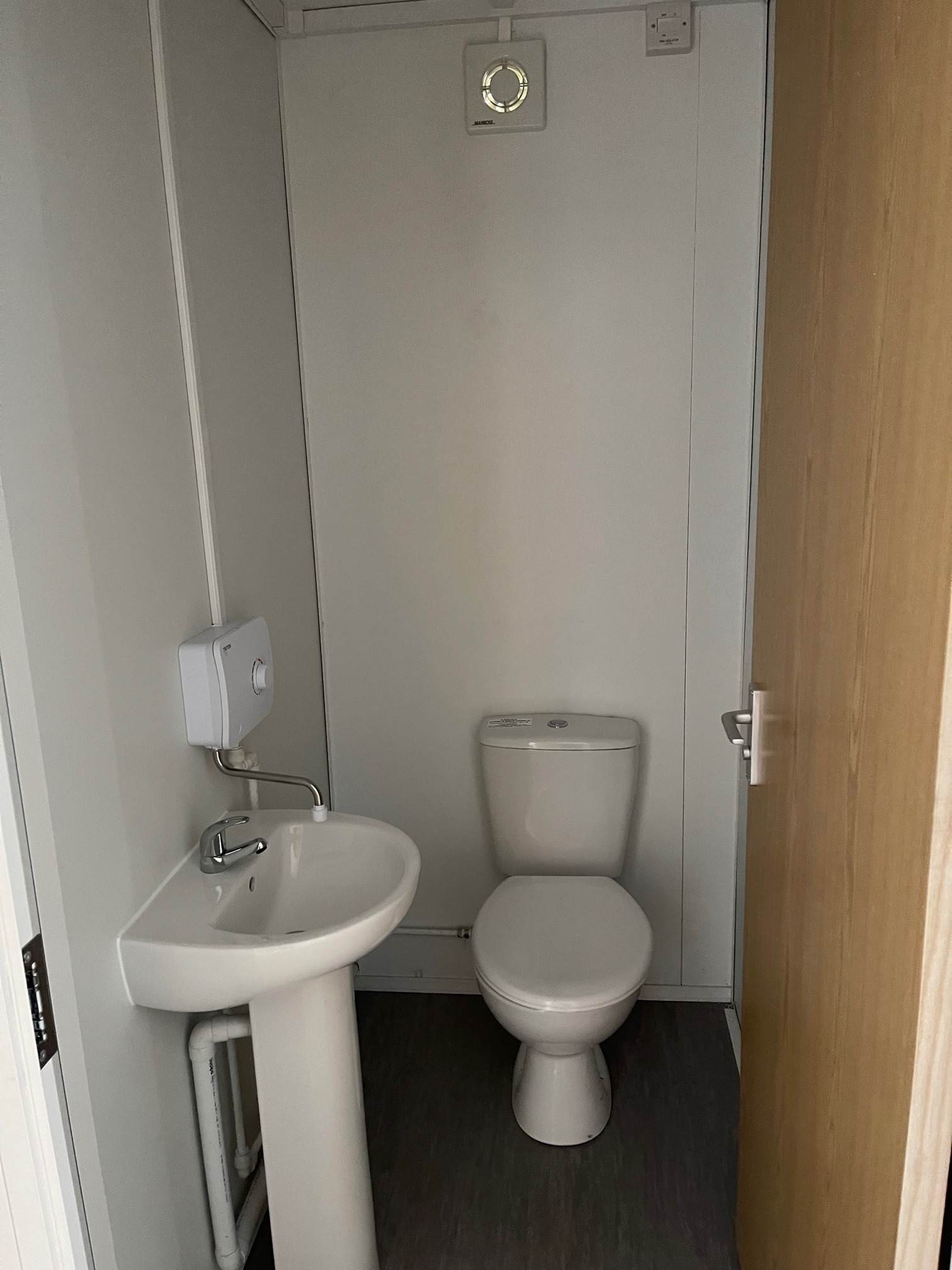
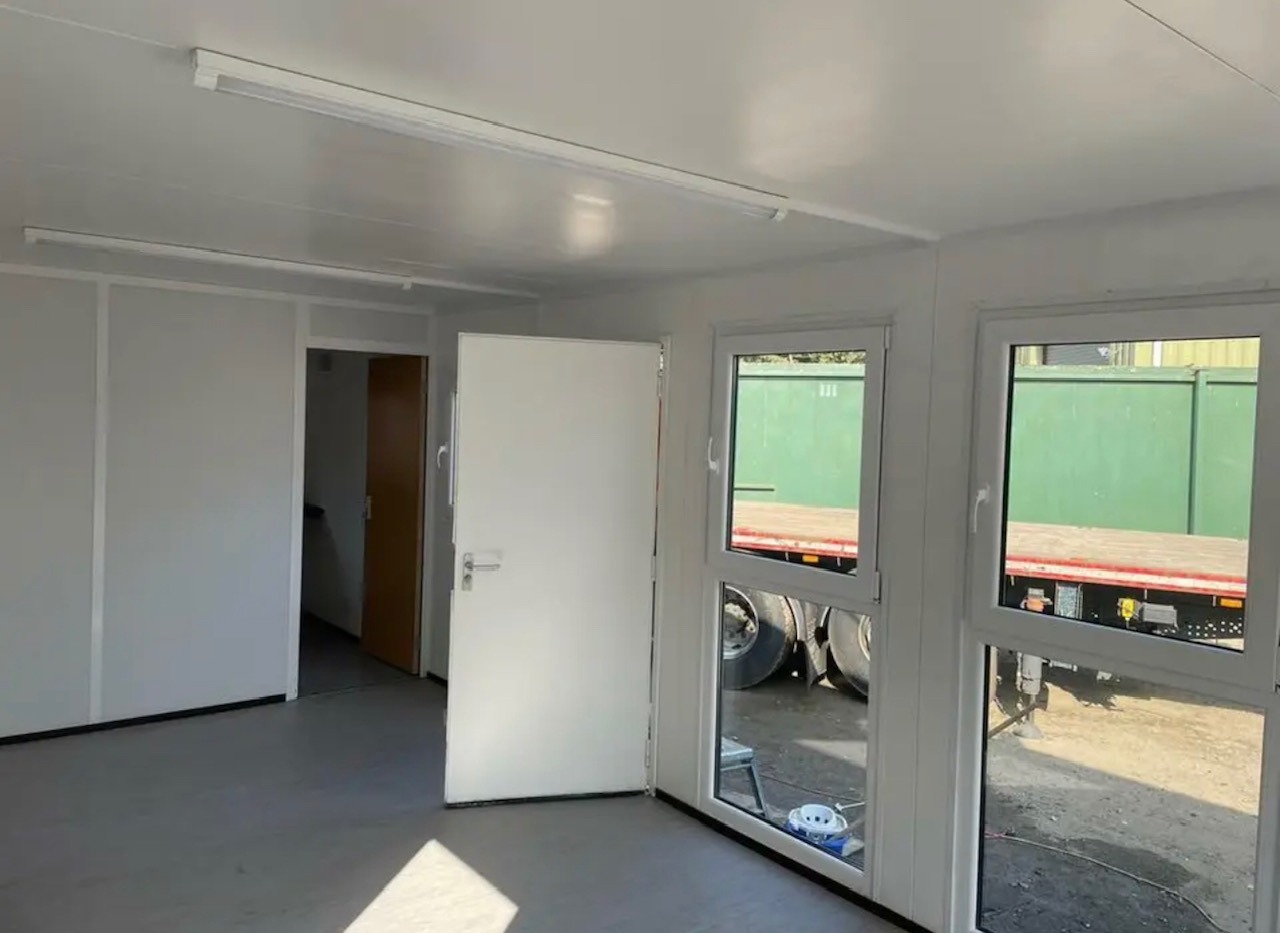
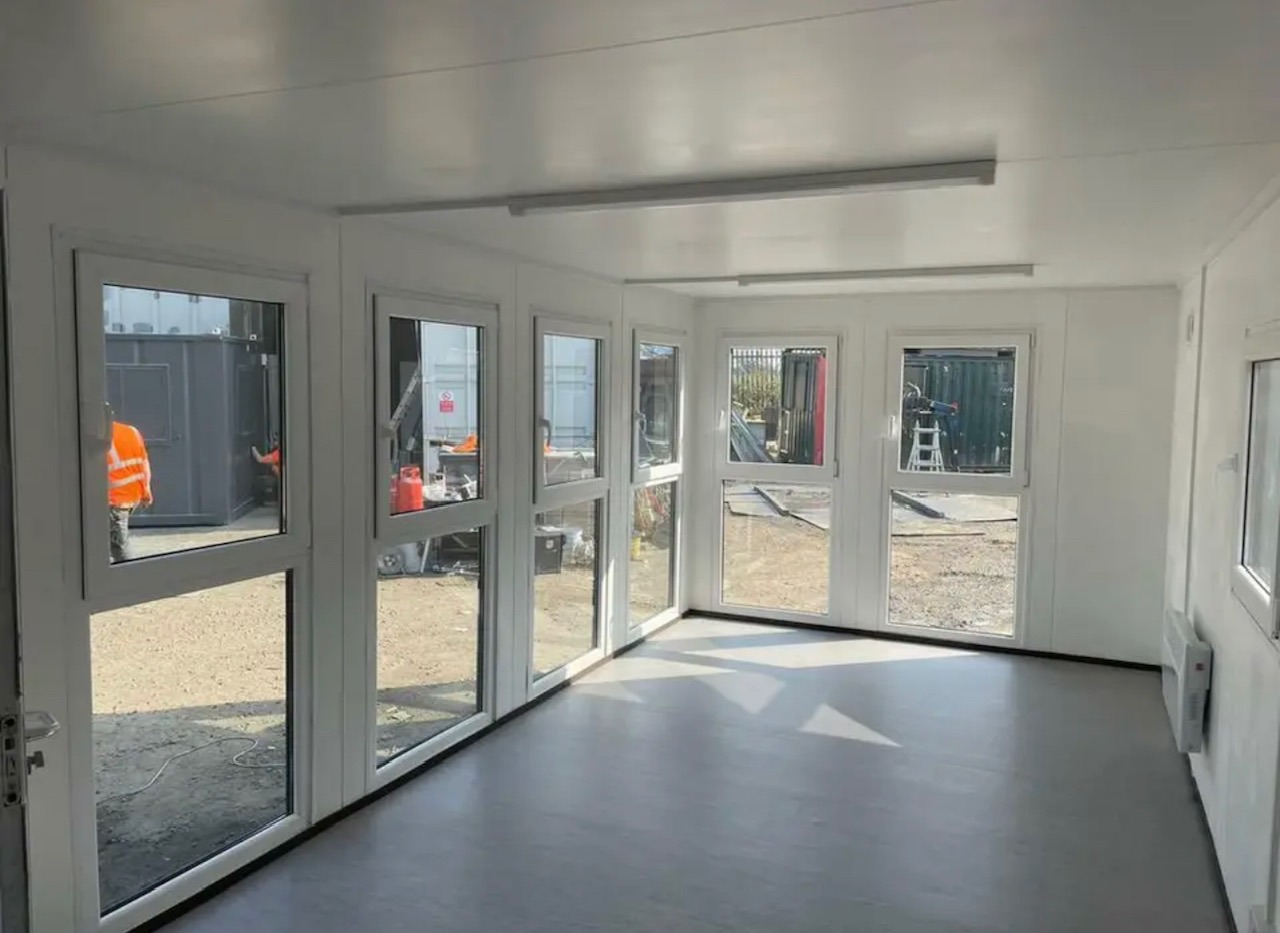
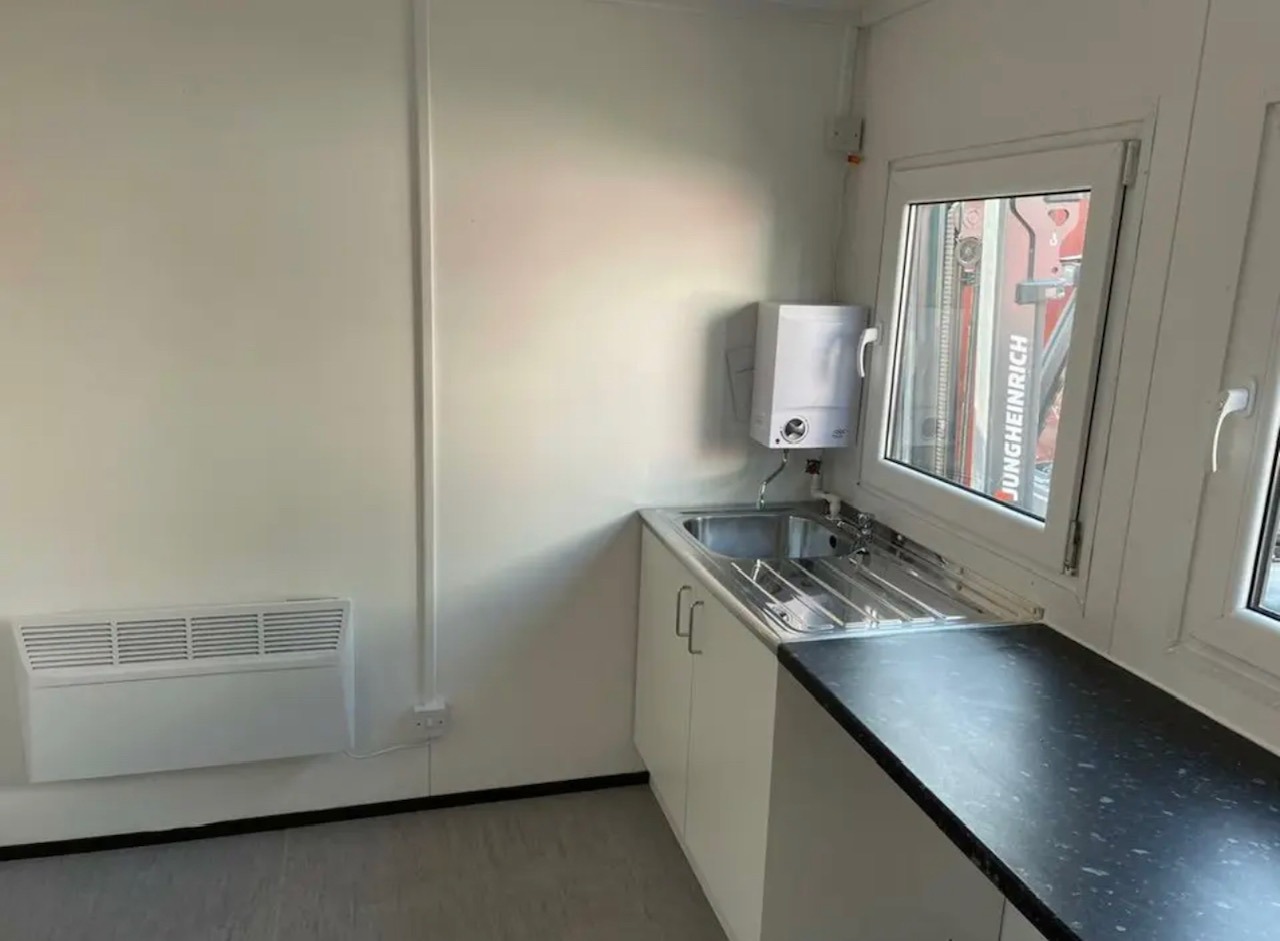
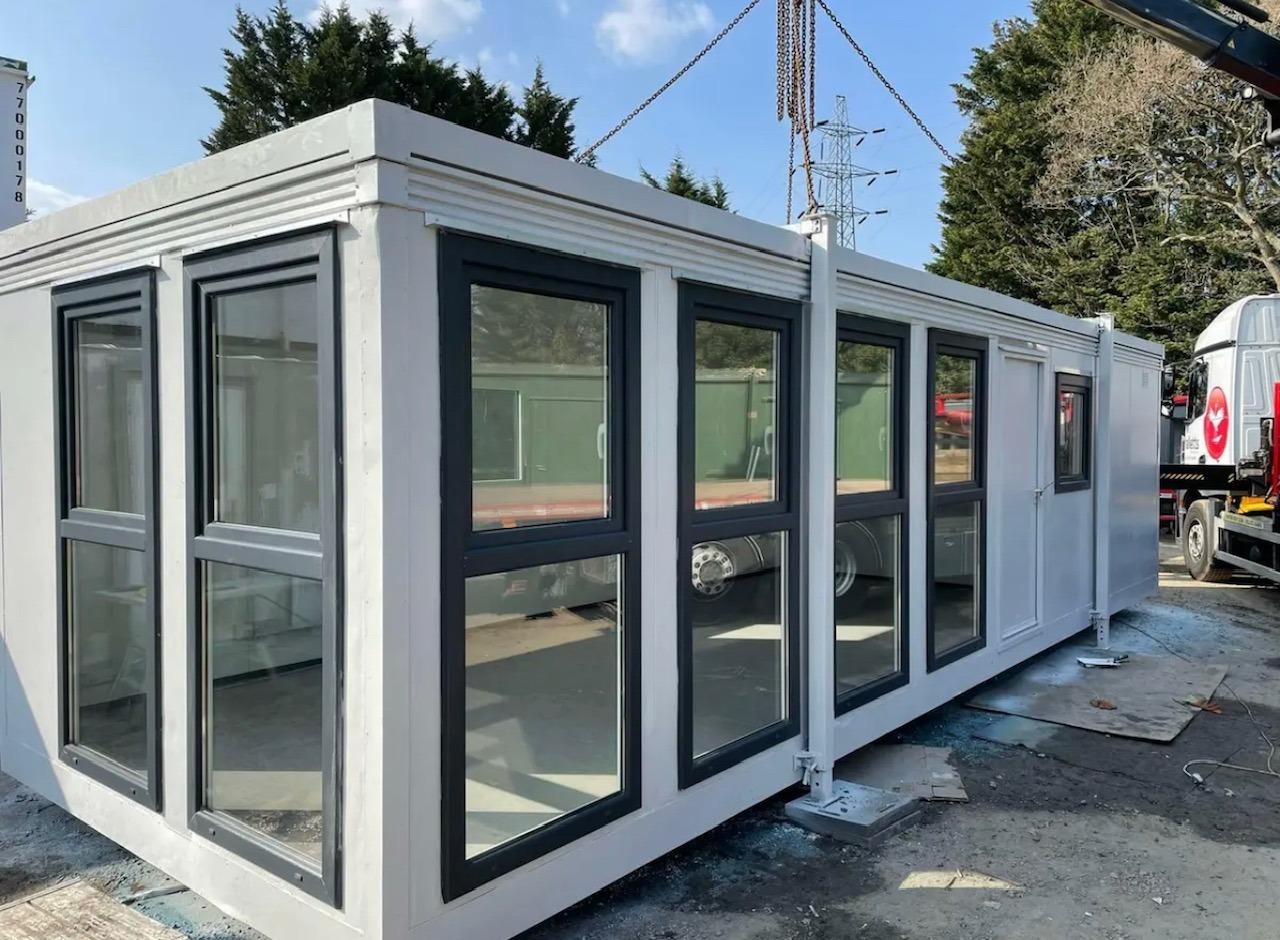
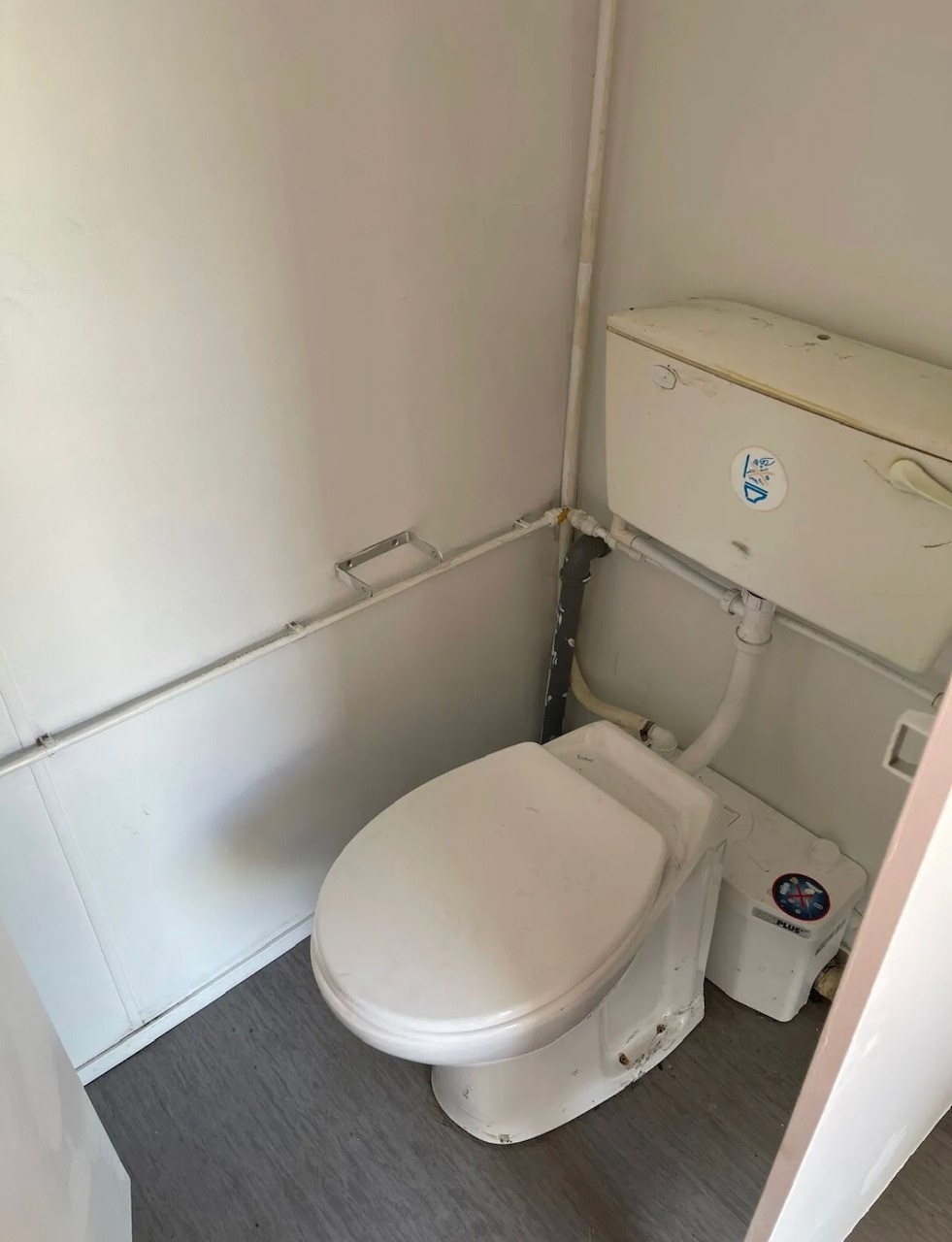
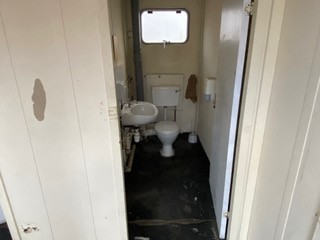
• Any Extras available : Canteen, Partitions, Toilets.
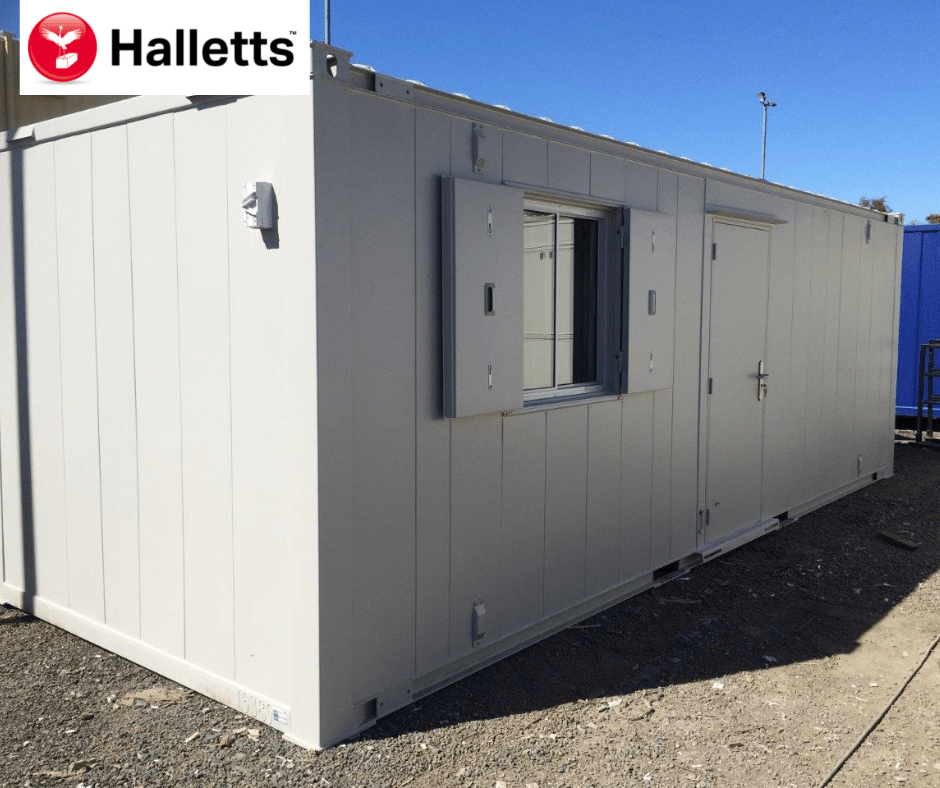
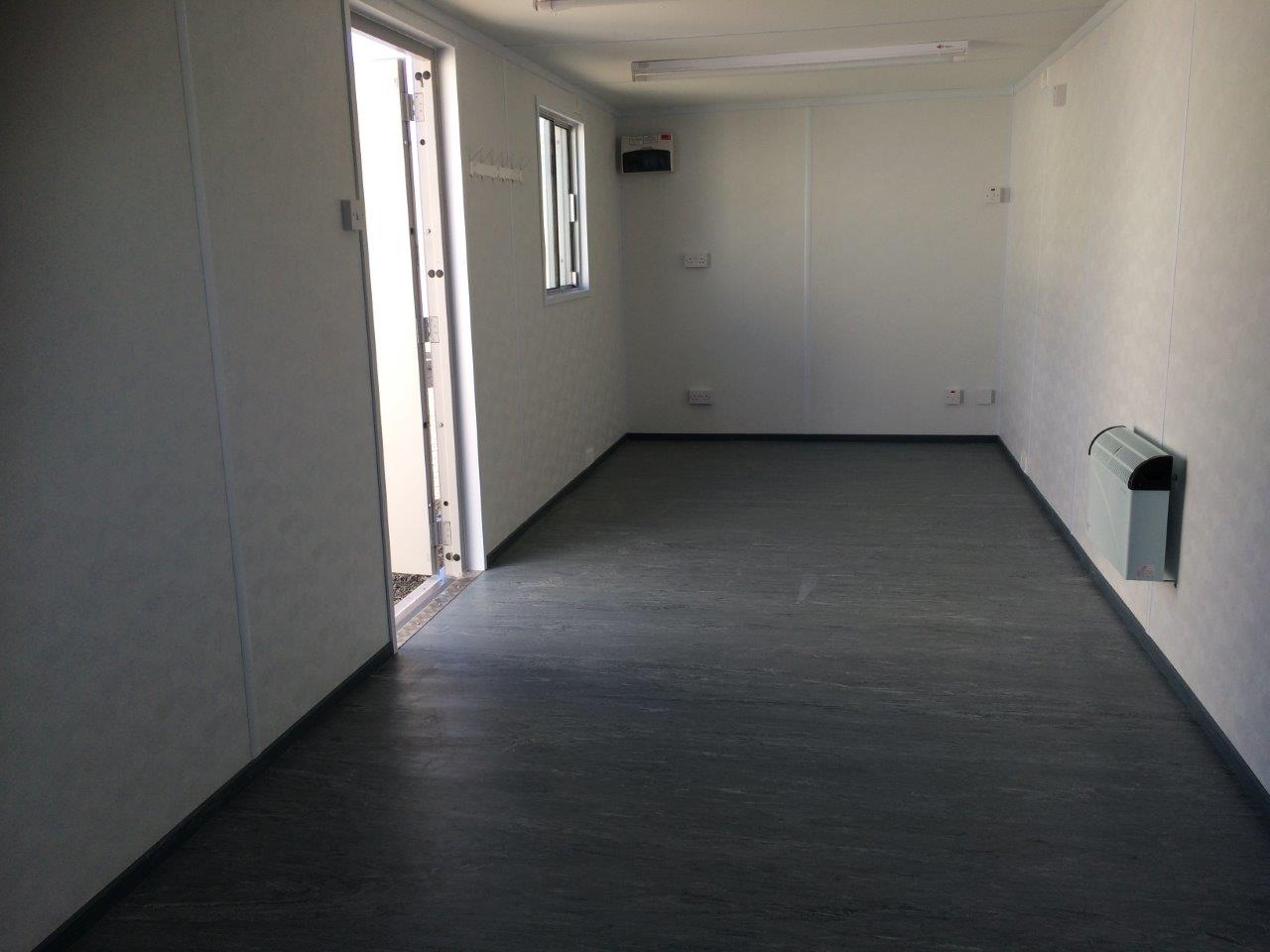
Location: Nationwide
EX VAT
Not Available for Hire
Call for an instant quote!
• Reinforced doors and windows with secure locking
• Open plan with electric sockets and lighting
• Ral Code Colour of choice
• Any Extras available : Canteen, Partitions, Toilets.
• Reinforced doors with secure locking
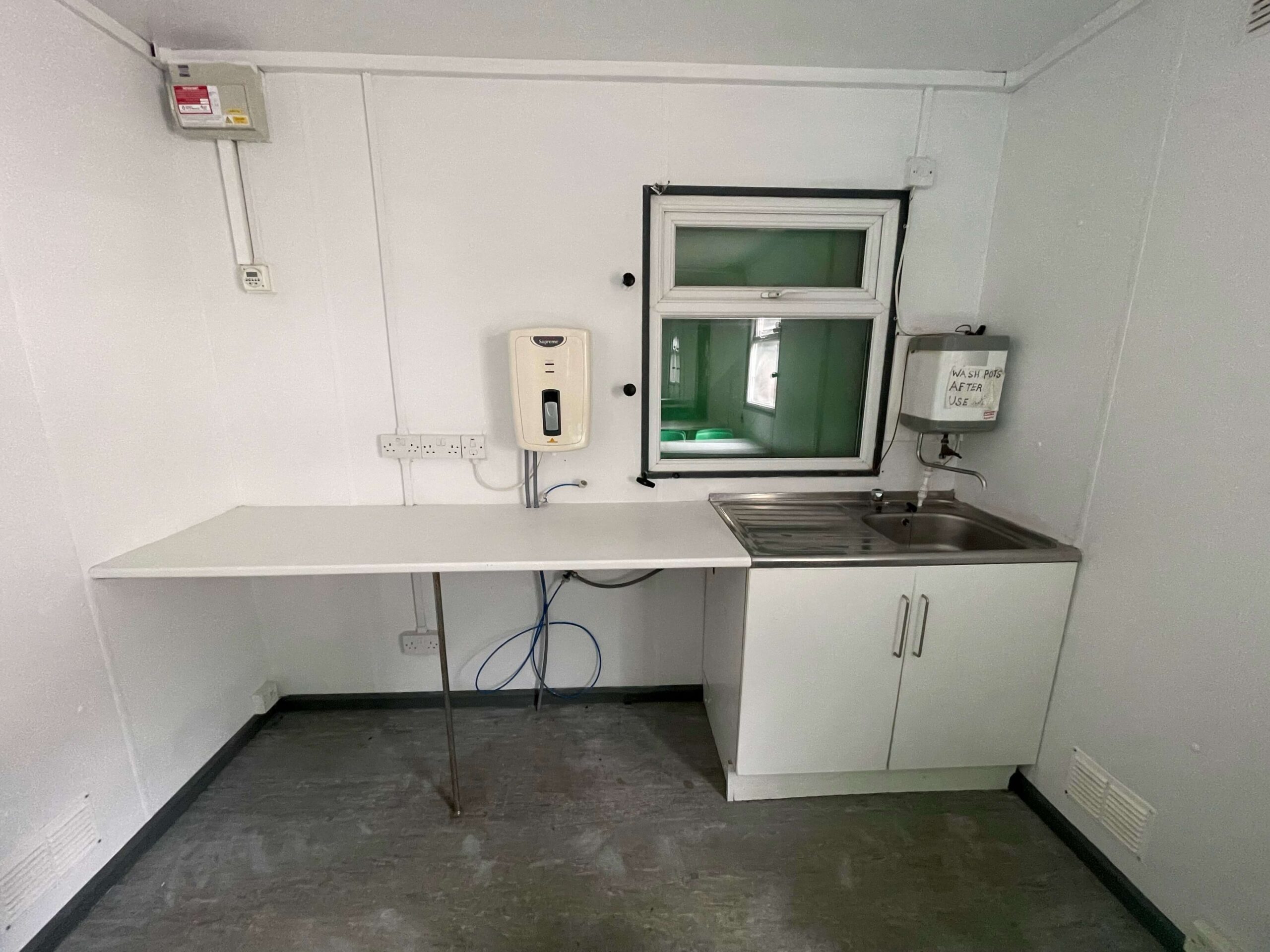
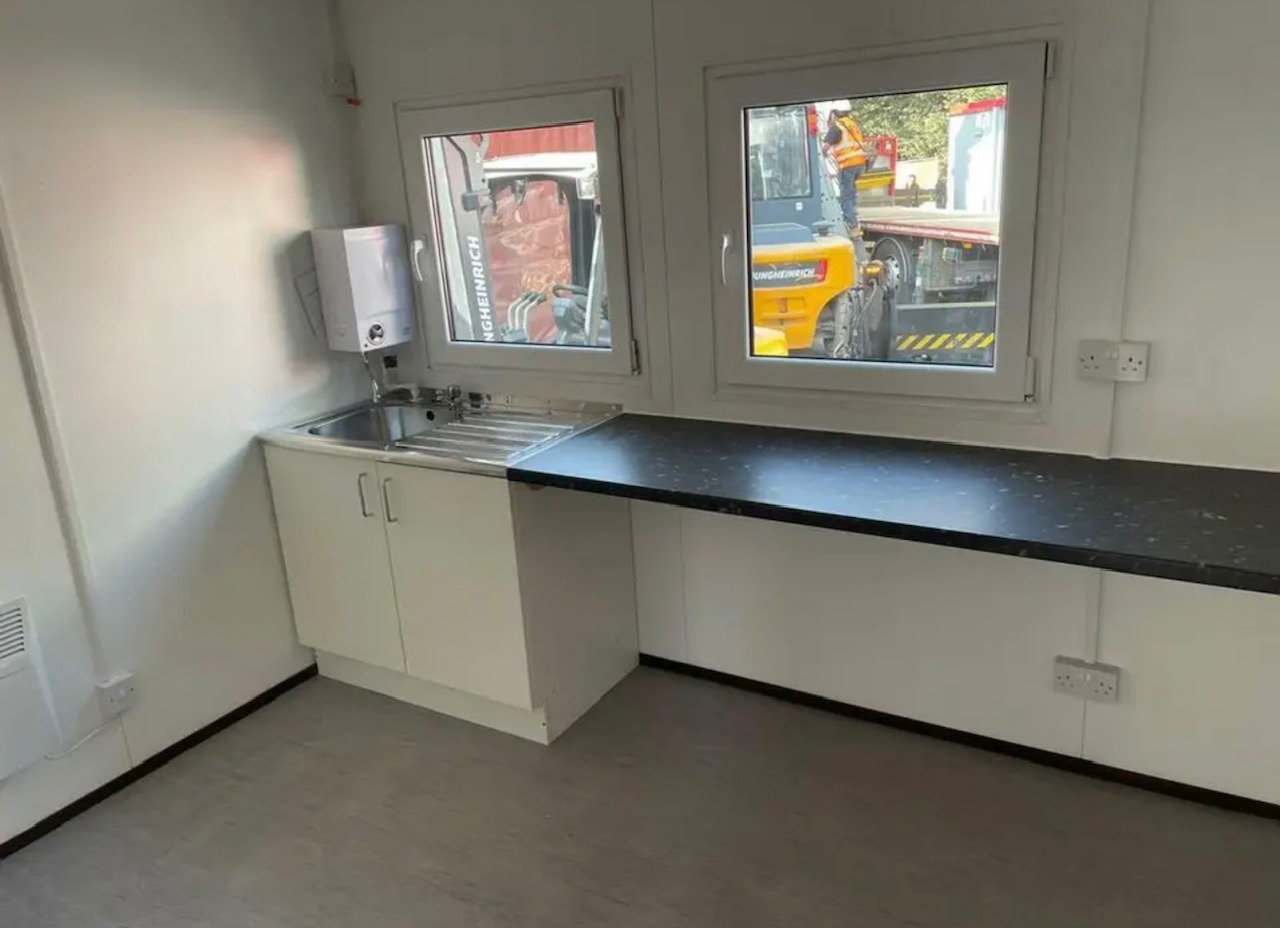
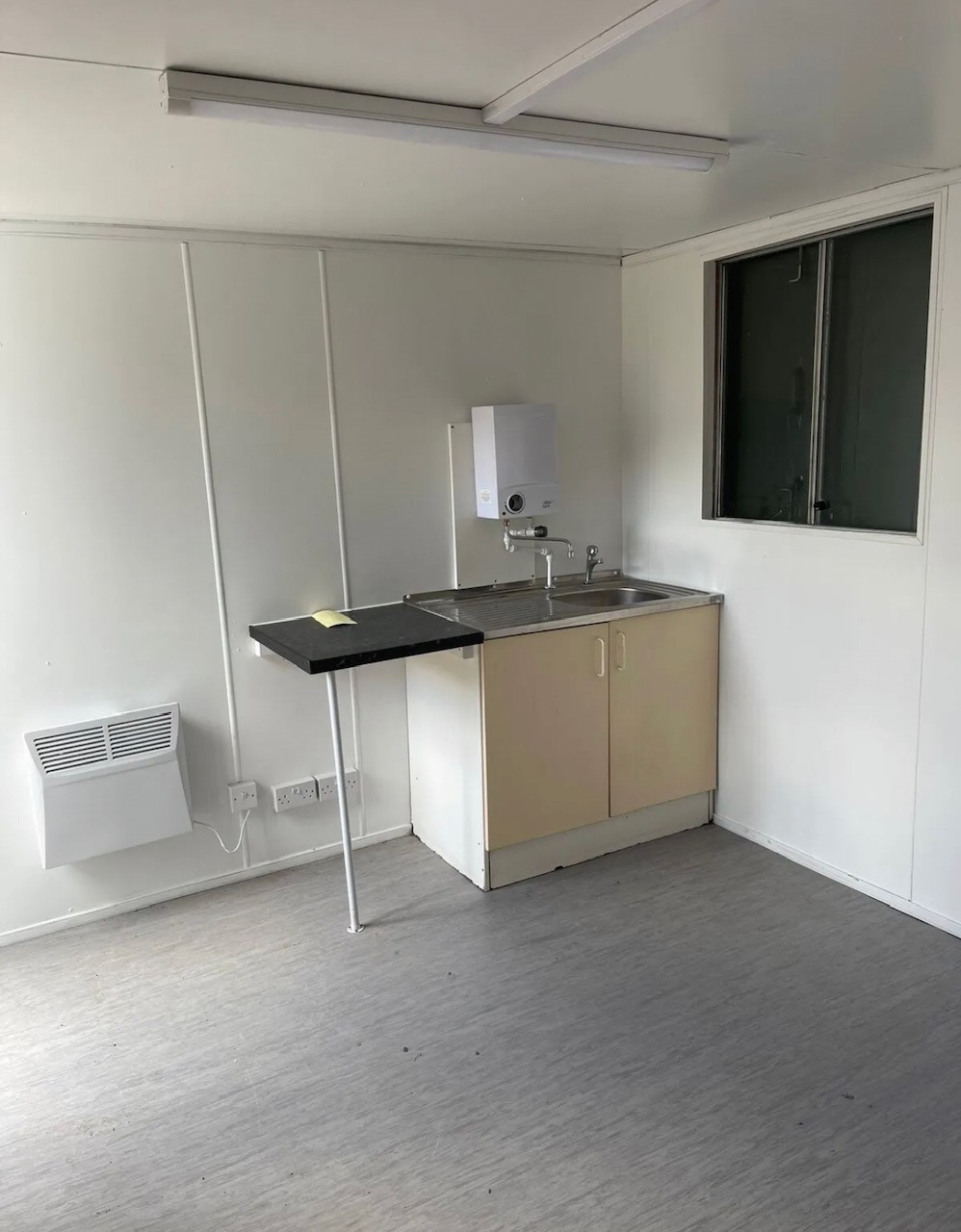
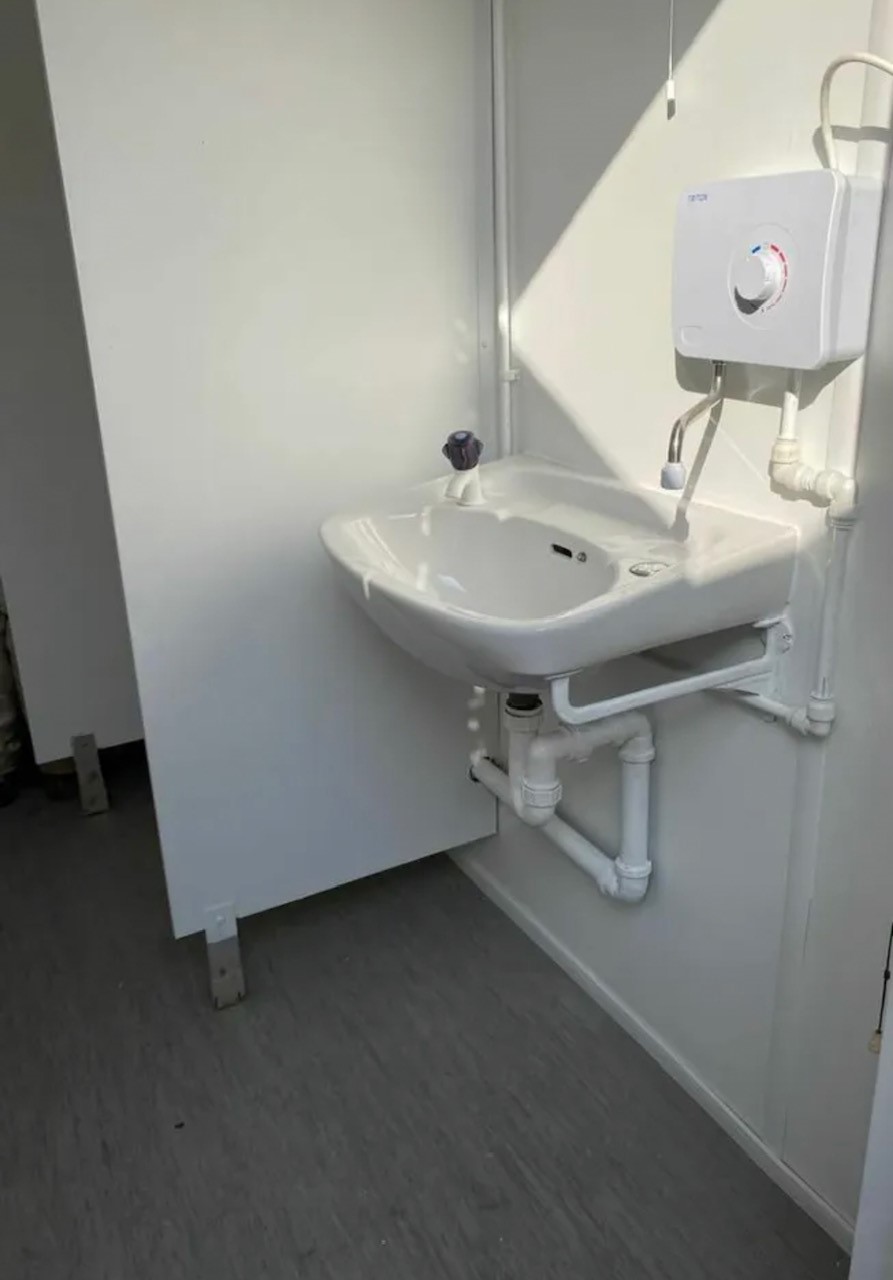
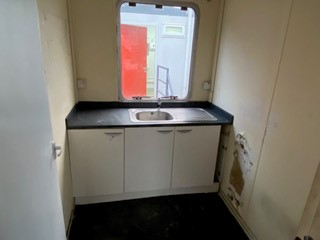
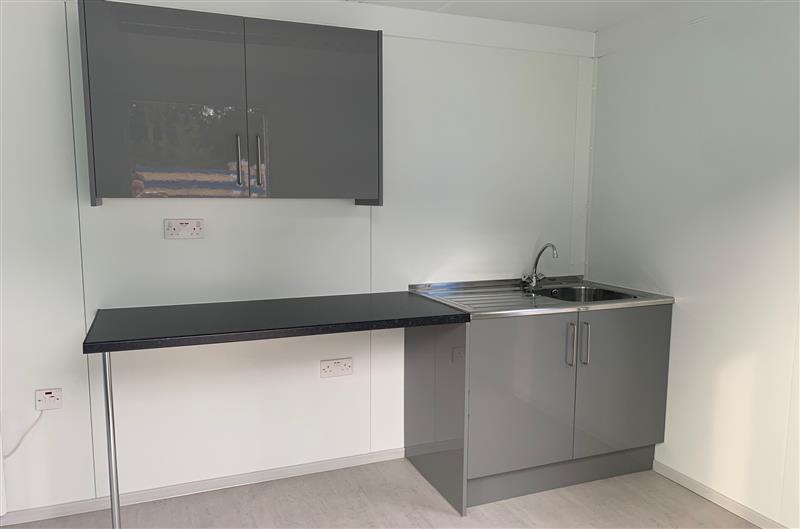
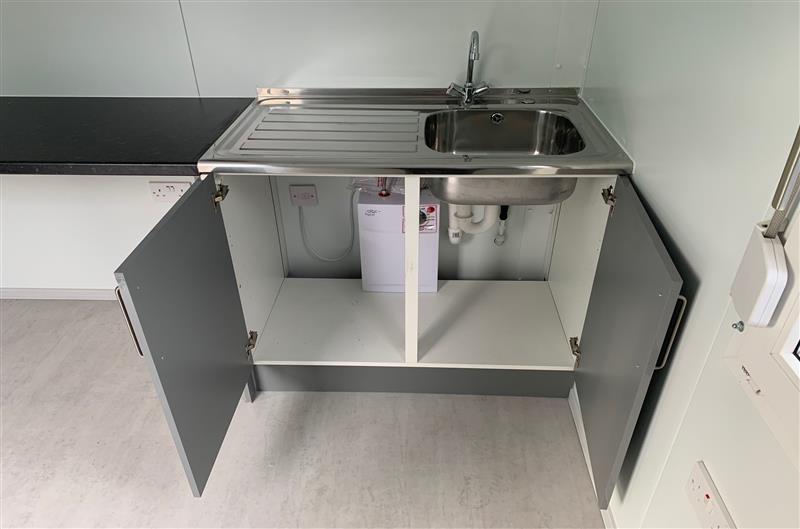
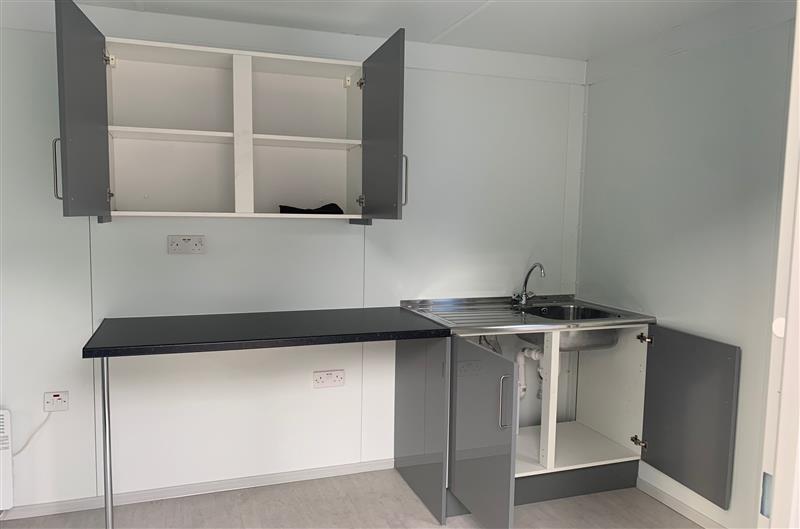
• Sink and water boiler included
Location: Nationwide
Quantity: ∞
EX VAT
Not Available for Hire
Call for an instant quote!
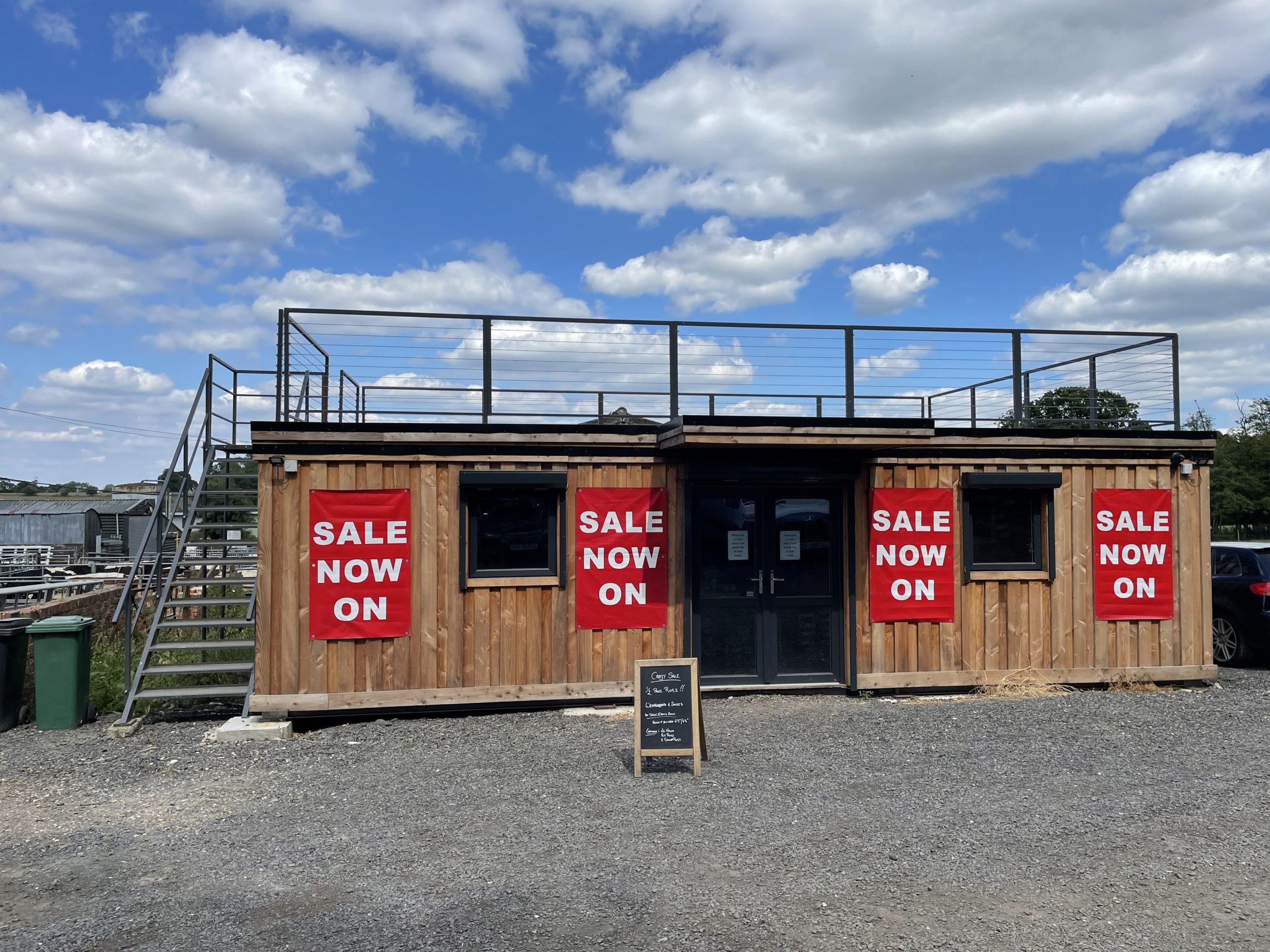
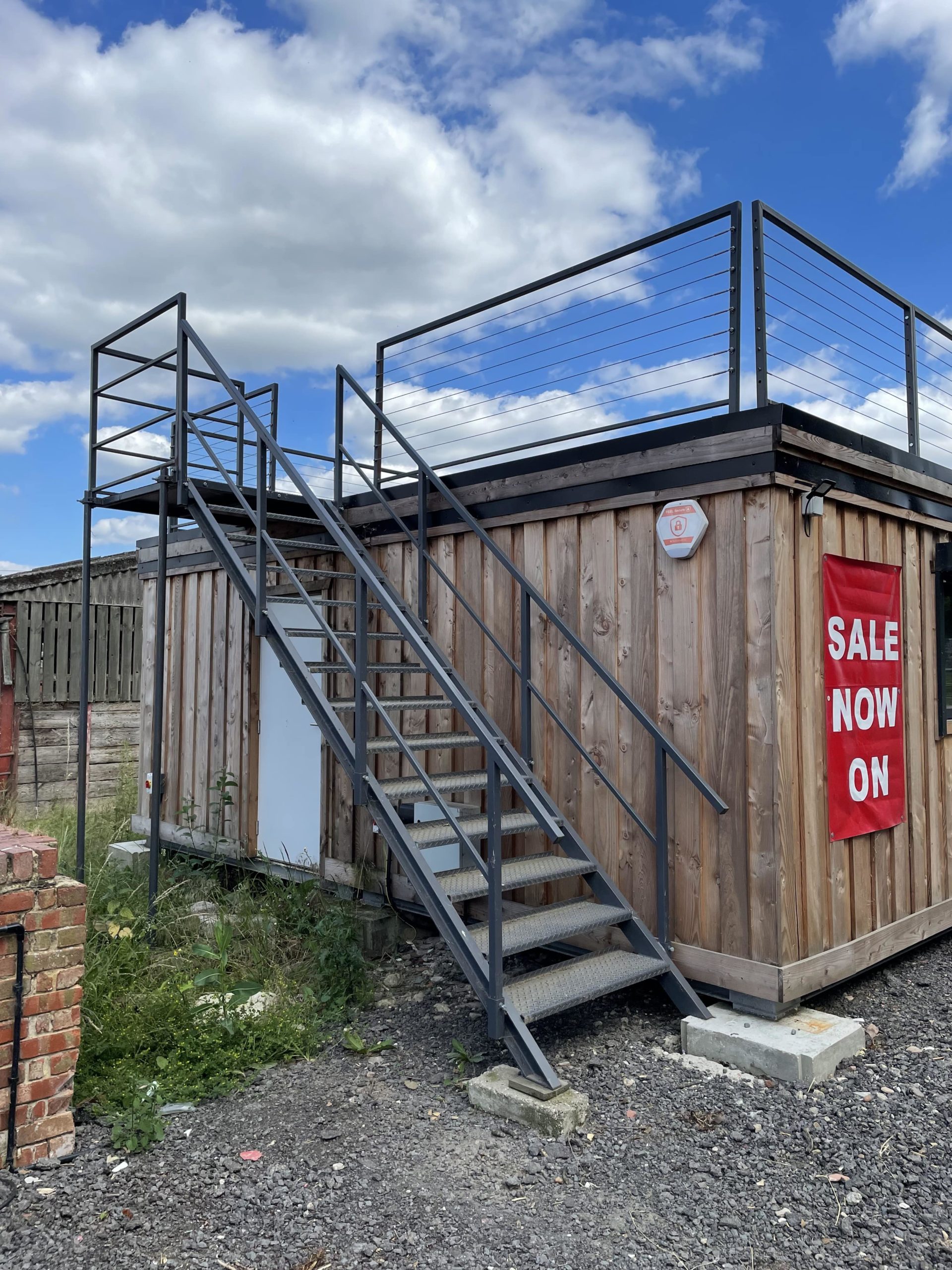
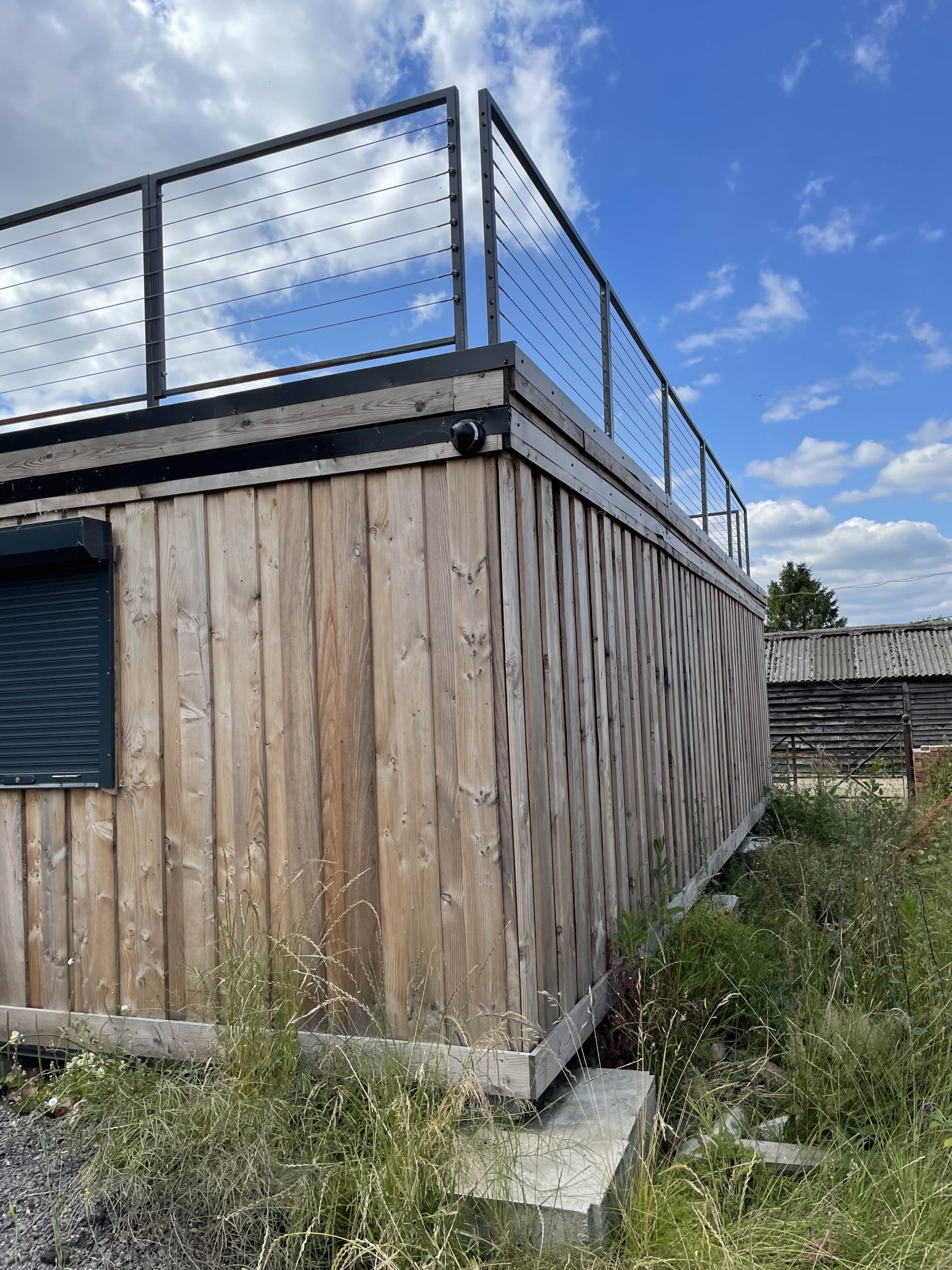
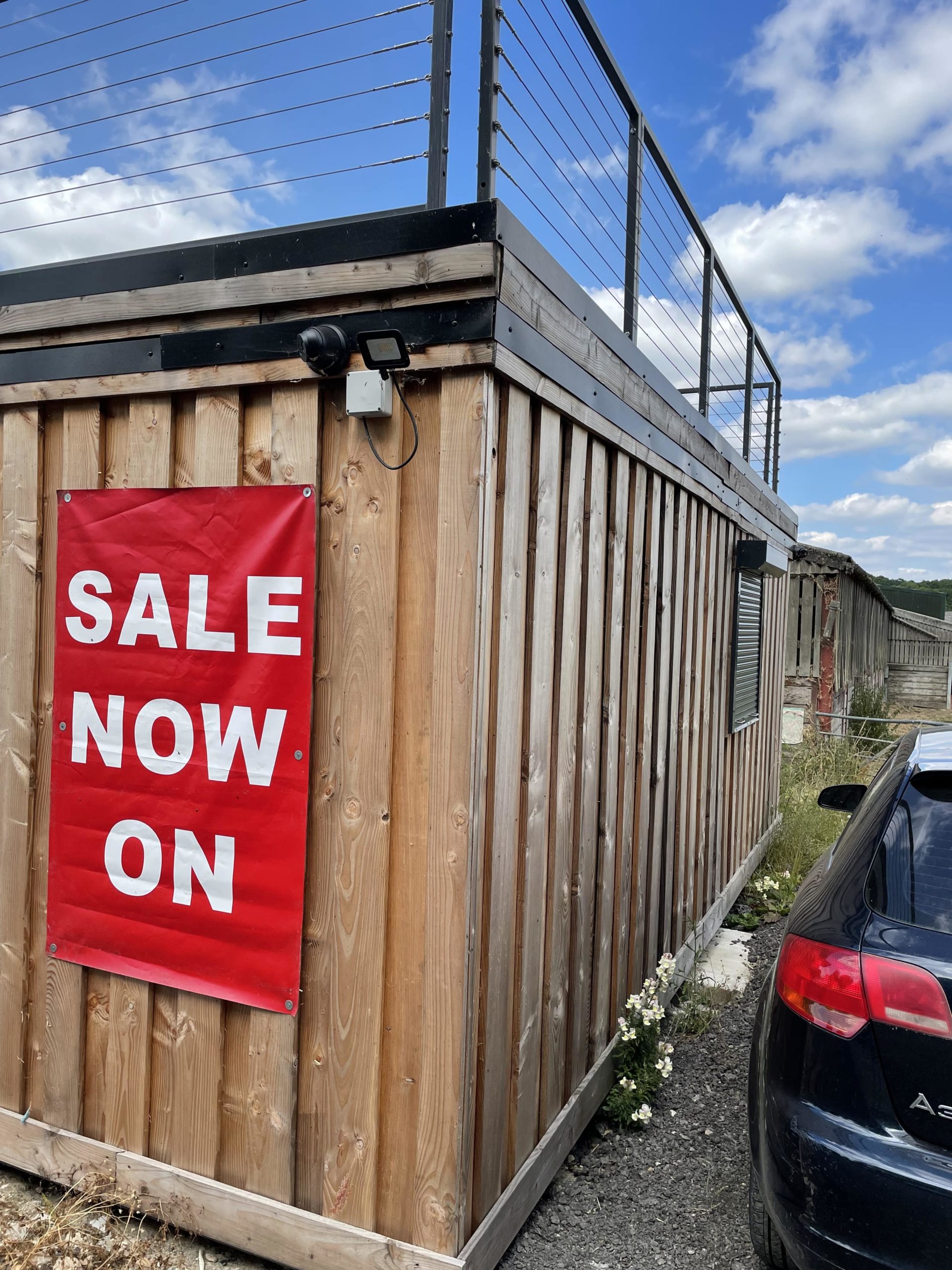
Location: Nationwide
EX VAT
Not Available for Hire
Call for an instant quote!
Get a Quick Container Quote Now!
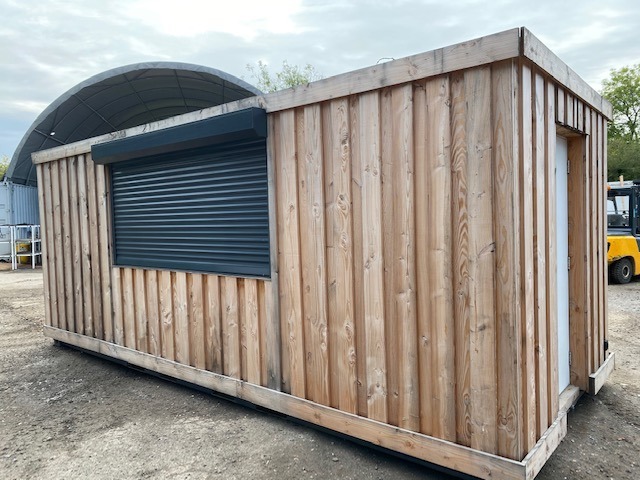
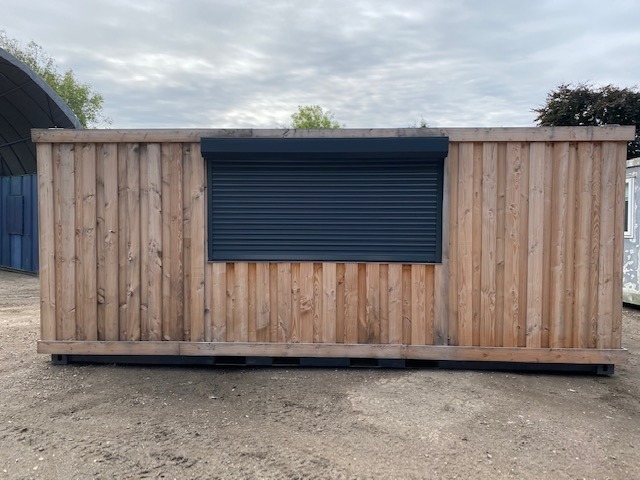
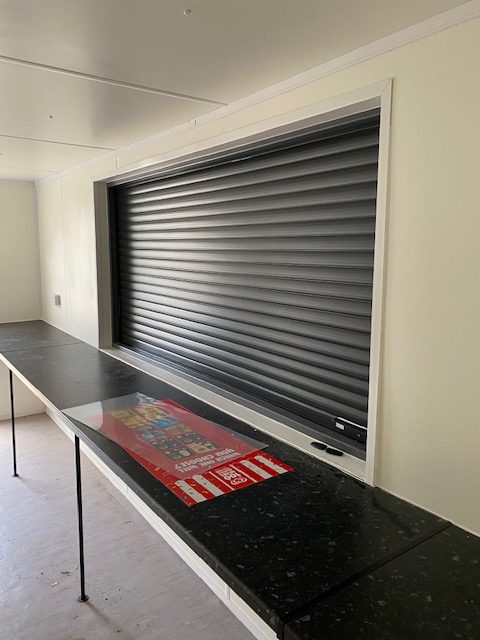
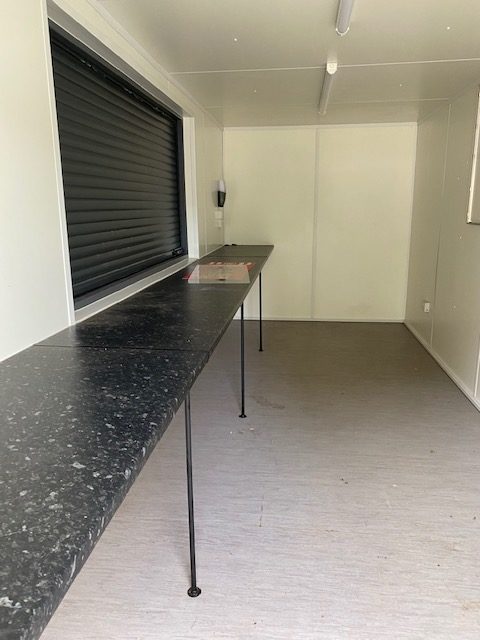
Location: Nationwide
EX VAT
Not Available for Hire
Call for an instant quote!
Get a Quick Container Quote Now!
Get a Quick Container Quote Now!
