Choosing the right Food Cooler in 2026 means looking beyond bright colors and impressive capacity claims. A practical cooler should protect food, manage temperature, and remain comfortable to carry. Those needs change with the situation. A family picnic, a long road trip, and a lunch break require different designs.
During real-world testing, small details often become important. Thick insulation can preserve cold food longer, but it may increase weight. A tight lid helps retain ice, yet stiff hinges can frustrate daily use. Smooth interior walls simplify cleaning, while removable baskets keep sandwiches away from melting ice. Check the drainage plug, handle strength, seal quality, and stated internal capacity before buying.
Numbers can mislead.
Manufacturers may measure ice retention under controlled conditions. Your results can differ in direct sunlight, humid weather, or a hot vehicle. This guide compares Food Cooler types through practical experience, published specifications, user-focused testing, and sensible food-storage considerations. It also examines electric models, soft coolers, hard-shell designs, portability, durability, and cleaning requirements.
Not every premium model deserves its price. Some affordable coolers perform surprisingly well. Others look sturdy but lose cold air quickly. That is where careful comparison matters. The best choice depends on temperature control, available space, carrying distance, and how often the cooler will be used. Expect trade-offs, not perfection.
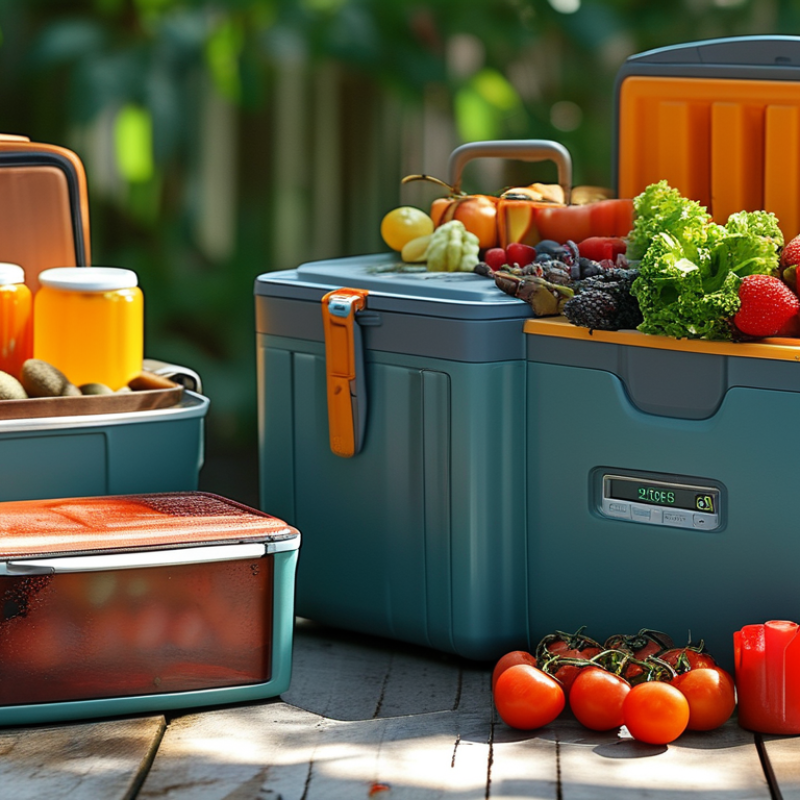
A food cooler is an insulated container that slows heat transfer. It protects food during travel, work, picnics, and emergencies.
Ice packs absorb incoming heat while insulation delays warming. The USDA Food Safety and Inspection Service recommends keeping perishable food at 40°F (4°C) or below. Above that temperature, bacteria can multiply quickly. A cooler does not sterilize food. It only buys time.
In practical use, cooler performance depends on more than size. Thick insulation, a tight lid, strong seals, and enough cold packs matter greatly. A built-in thermometer gives better evidence than touch.
The USDA advises discarding perishables left above 40°F for over two hours. That limit drops to one hour when temperatures exceed 90°F. The UNEP Food Waste Index Report 2024 estimated that 1.05 billion tonnes of food were wasted in 2022. Better temperature control cannot solve waste alone, but it can prevent avoidable spoilage. Still, advertised ice-retention claims may not match a crowded, sunlit vehicle.
Tips:
Pre-chill the cooler and food overnight. Use separate packs for drinks and perishables. Fill empty spaces with clean ice or frozen bottles. Open the lid briefly. Keep the cooler shaded. Place raw meat in leakproof containers, below ready-to-eat food. Check the internal temperature before eating. A small digital thermometer is worth carrying.
Personally, I would choose temperature visibility over decorative features. It feels less impressive, but it is more honest.
Choosing a food cooler starts with the trip, not the advertised capacity. Soft-sided coolers suit short commutes, office lunches, and light picnics. They are easier to carry and store, but insulation usually fades faster in direct sun. Hard-sided insulated coolers fit camping, fishing, and family road trips. Their thick walls protect food longer, though their empty weight can become annoying. I have learned that a large cooler often travels half-empty.
Powered compressor coolers suit extended travel, vehicle use, and situations without reliable ice. They offer steadier temperatures, but require battery planning and ventilation. Do not treat them like magic. A warm power cable or weak battery can spoil the plan. The Outdoor Industry Association’s 2024 Outdoor Participation Trends Report recorded 175.8 million U.S. outdoor participants in 2023, showing how varied cooler use has become.
Temperature performance matters more than appearance. USDA FSIS guidance recommends keeping perishable food at 40°F or below. The FDA Food Code sets 41°F or below for cold holding in food service. Pack raw meat in sealed containers, place it beneath ready-to-eat foods, and use a separate drink compartment when possible. USDA also advises limiting perishable food above 40°F to two hours, or one hour above 90°F. I sometimes choose a smaller cooler for better ice coverage, although that can reduce packing flexibility. Measure the internal temperature during a real trip; marketing claims cannot replace that evidence.
| Cooler Type | Typical Capacity | Typical Cooling Duration | Best Uses | Main Advantages | Key Limitations | Portability | Value for Food Safety |
|---|---|---|---|---|---|---|---|
| Soft-Sided Insulated Cooler | Approximately 8–30 quarts | About 6–24 hours with sufficient ice or frozen packs | Work lunches, day trips, short hikes, beach visits, and small family outings | Lightweight, foldable, easy to store, and convenient for frequent carrying | Usually less durable and less insulating than a rigid cooler; can be difficult to clean if food leaks | ★★★★★ Very easy to carry | Good for short periods when packed tightly and kept out of direct sunlight |
| Hard-Sided Insulated Cooler | Approximately 20–100+ quarts | About 1–3 days, depending on insulation, ice quantity, opening frequency, and ambient temperature | Family picnics, camping, fishing, road trips, and extended outdoor meals | Strong protection, easy-to-clean interior, stable stacking surface, and generally better ice retention | Heavy when full and takes more storage space | ★★★☆☆ Moderate portability | Very good for keeping perishable food cold during day-long or multi-day activities |
| Personal Lunch Cooler | Approximately 4–10 quarts | About 4–12 hours with an appropriate ice pack | School, office lunches, commuting, and single-person meals | Compact, affordable, lightweight, and sized for portion-controlled meals | Limited space for beverages and large containers; short cooling window | ★★★★★ Extremely easy to carry | Suitable for a meal period if chilled food is packed with a cold source |
| Cooler Backpack | Approximately 12–30 quarts | About 8–24 hours with ice or frozen packs | Hiking, cycling, sightseeing, commuting, and hands-free outdoor activities | Even weight distribution, hands-free transport, and easier movement over uneven ground | Capacity is usually limited; soft materials may provide less structural protection | ★★★★★ Excellent for walking | Good for day trips when the bag remains closed and is kept shaded |
| Wheeled Cooler | Approximately 40–100 quarts | About 1–3 days, depending on insulation and ice management | Large picnics, sporting events, tailgating, camping, and campsite food storage | Large capacity with easier transport over paved or relatively smooth surfaces | Less convenient on sand, stairs, rocky trails, or rough ground; bulky to store | ★★★☆☆ Easy on smooth surfaces | Very good for separating drinks from perishable foods in larger quantities |
| Electric Compressor Cooler | Approximately 20–100+ quarts | Continuous cooling while connected to a suitable power source | Long road trips, vehicle travel, camper use, remote work sites, and extended stays | Can maintain refrigerator-like temperatures without continually replacing ice; some models allow freezing | Requires reliable power, costs more, and may draw significant energy from a vehicle battery | ★★☆☆☆ Less convenient to move when full | Excellent when powered correctly and monitored with a reliable temperature control system |
| Thermoelectric Cooler | Approximately 12–50 quarts | Continuous cooling while powered; performance depends strongly on surrounding temperature | Short road trips, vehicle use, office environments, and keeping drinks or prepared food cool | Usually lighter than compressor units and does not require ice | Often cools to a limited level below ambient temperature and may not perform well in very hot weather | ★★★☆☆ Moderate portability | Useful when the unit can consistently maintain a safe chilled temperature |
| Insulated Food Delivery Container | Approximately 10–40 quarts | Generally a few hours, depending on food temperature, insulation, and use of hot or cold packs | Meal transport, catering, grocery delivery, picnics, and transporting prepared dishes | Designed for organized food transport; often includes compartments or removable liners | Not normally intended for long-term storage or extended outdoor cooling | ★★★★☆ Easy to carry | Good for short transport when food is already kept at a safe hot or cold temperature |
General guidance: Keep perishable food at or below 40°F (4°C) during cold storage, use a food thermometer when possible, and minimize the time the cooler remains open. Actual performance varies with insulation quality, ice or pack ratio, loading method, ambient temperature, and frequency of opening.
How to Choose the Best Food Cooler in 2026?
Choosing the right cooler starts with your meals, not its advertised capacity. I measure the food planned for each day, then add space for ice packs and air circulation. A cooler filled too tightly cools unevenly. That is risky.
For one person’s day trip, 15 to 25 liters may hold sandwiches, fruit, drinks, and two cold packs. A family weekend usually needs 40 to 60 liters, depending on cooking plans. Raw ingredients need separate containers, which consume more room than expected. Check the internal dimensions, not only the stated volume. A narrow cooler may hold fewer meal boxes than a shorter, wider model. Measure your largest container at home. It takes a minute.
Storage capacity also depends on how you pack. Flat food containers waste less space than irregular bags. Keep fragile items near the top. Heavier items belong below. For longer trips, leave roughly 20 percent of the interior available for ice and safe separation. This estimate is practical, but imperfect. My own calculations often fail when someone adds “just one more” drink. Plan for that mistake.
Consider where the cooler will travel. A large container may fit your kitchen but not your car’s footwell. Handles, wheels, and lid clearance need checking. If lifting is difficult, a smaller cooler can be the safer choice. Capacity is useful only when you can carry, open, and clean it without strain.
How to Choose the Best Food Cooler in 2026?
A reliable food cooler begins with effective insulation. Thick closed-cell foam usually slows heat transfer better than thin, soft lining. Check the lid seal carefully. A tight gasket should close evenly without visible gaps. Small gaps can waste cooling power quickly. The interior should also have smooth, food-safe surfaces. They are easier to wipe after melted ice, sauce, or spilled juice. For perishable food, aim to maintain 4°C (40°F) or below. Use frozen packs around the food, not only beneath it. Pre-chilling the cooler and its contents improves performance.
Cooling design matters as much as insulation. A passive cooler works well for short trips when packed tightly. A powered model can offer steadier temperatures, but it needs dependable battery access. Look for clear temperature controls and a readable display. Avoid trusting impressive cooling claims without testing conditions. Outdoor heat, frequent opening, and direct sunlight change results. I once focused on ice-retention numbers and ignored the lid design. That mistake taught me to inspect practical details.
Portability decides whether the cooler gets used regularly. Measure your vehicle space, kitchen storage, and walking route before buying. Strong handles should feel comfortable with a full load. Shoulder straps help on stairs, while wheels suit heavier models. However, wheels add weight and may struggle on sand or gravel. A drain plug can simplify cleaning, but it must seal securely. Choose a size you can lift safely. Bigger is not always better.
Essential insulation, cooling, and portability features
Safety should guide every comparison. A reliable cooler needs a tight seal, stable insulation, and a drainage plug. Use a separate thermometer, because touch cannot confirm safe temperatures. For perishable food, aim to keep the interior near 4°C (40°F) or below. Place ice packs around meat, dairy, and prepared meals. A crowded cooler may stay cold longer, but food access becomes slower and messier. I learned this after leaving the lid open during a long picnic.
Durability depends on more than thick walls. Check the hinge, handle mounts, zipper, and corner protection. These parts receive the most stress in real use. A sturdy shell matters when the cooler rides in a vehicle or sits on rough ground. Still, heavier construction can reduce portability. I once chose the toughest model available and rarely carried it. That was poor judgment. Consider how often you will lift it, not just how long it might last.
Cleaning affects safety and long-term value. Choose smooth interior surfaces with few seams and removable parts. After use, wash spills with warm water and mild detergent, then dry the cooler completely. Trapped moisture can create unpleasant odors. Compare the purchase price with replacement parts, ice use, storage space, and expected service life. A cheaper cooler may cost more if its seal fails quickly. Check the warranty terms carefully. They can reveal how confidently the maker supports its construction.

Registered in England & Wales No. 2786496
Registered office at: 337 Tanworth Lane,
Shirley, Solihull, B90 4DU
Registered for VAT, registration No.
GB 655 1347 38
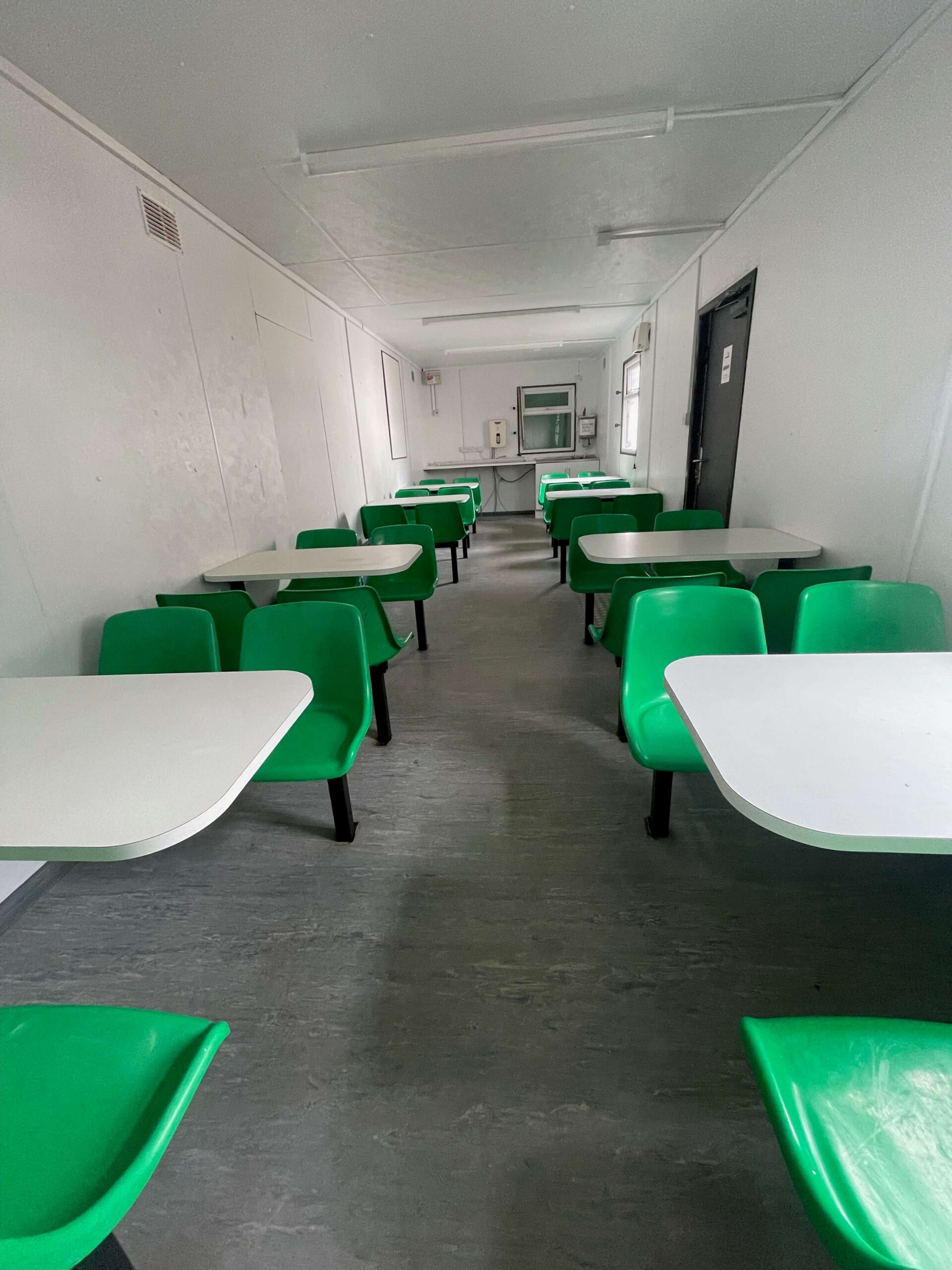
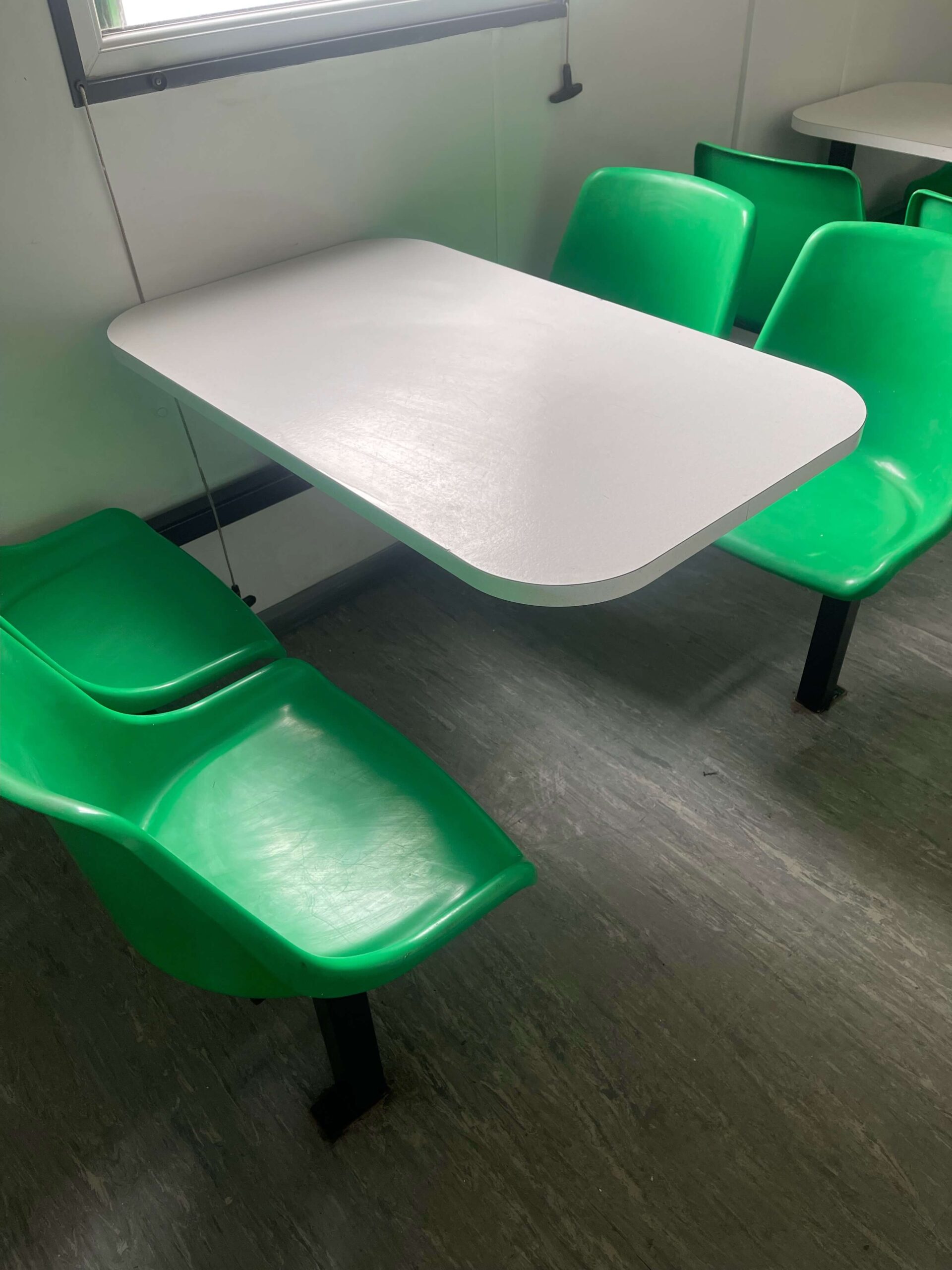
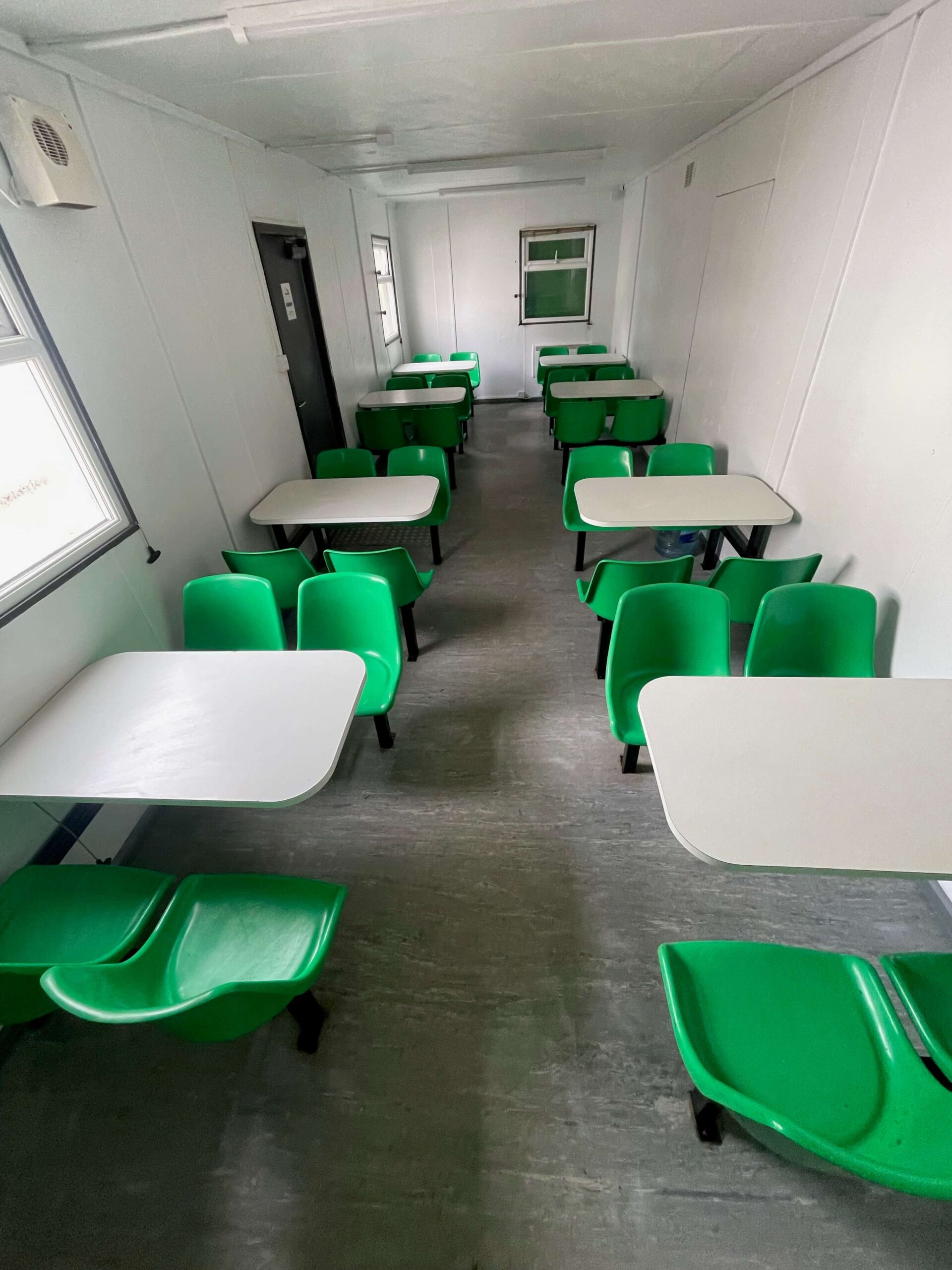
Location: Nationwide
Not Available for Hire
We can deliver for a cost please ask and send us post code.
13 tread
14 tread
15 tread
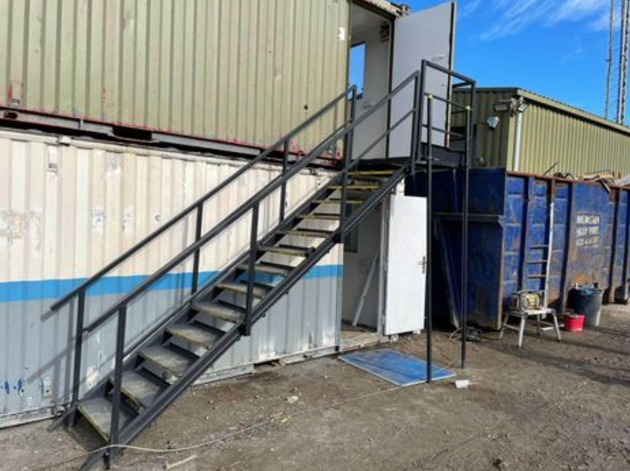
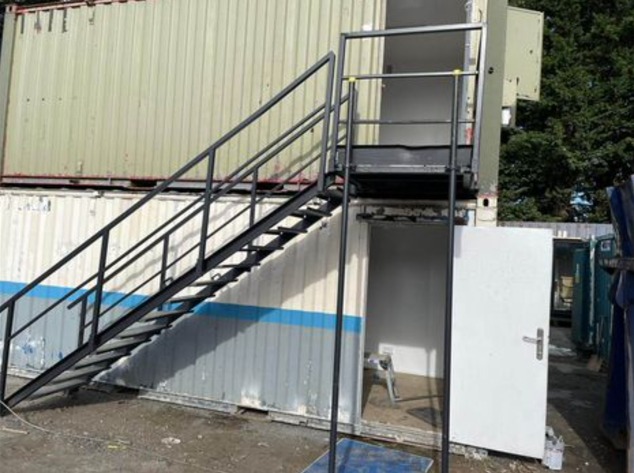
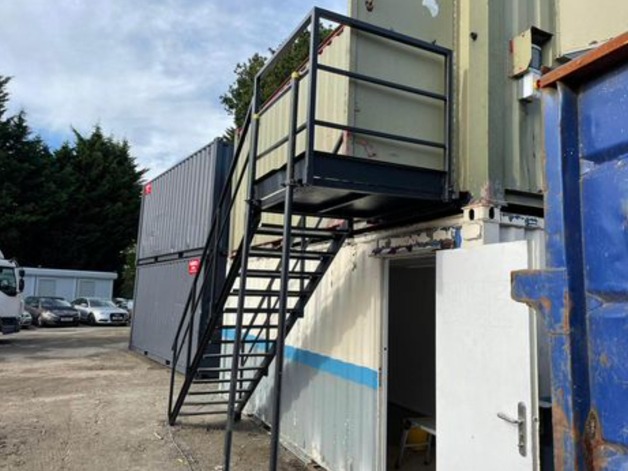
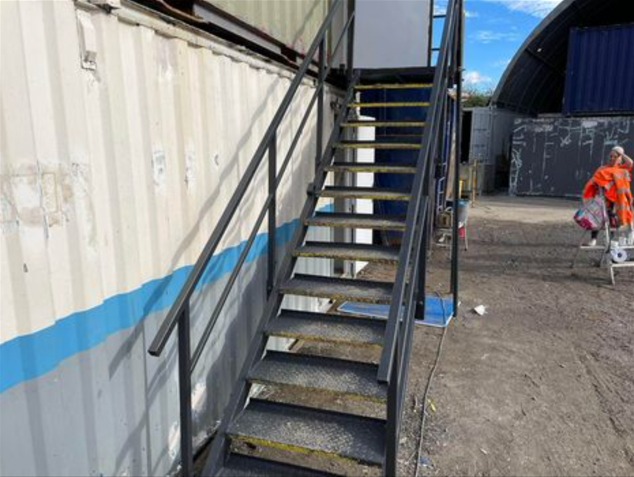
Location: Nationwide
Not Available for Hire
Call for an instant quote!
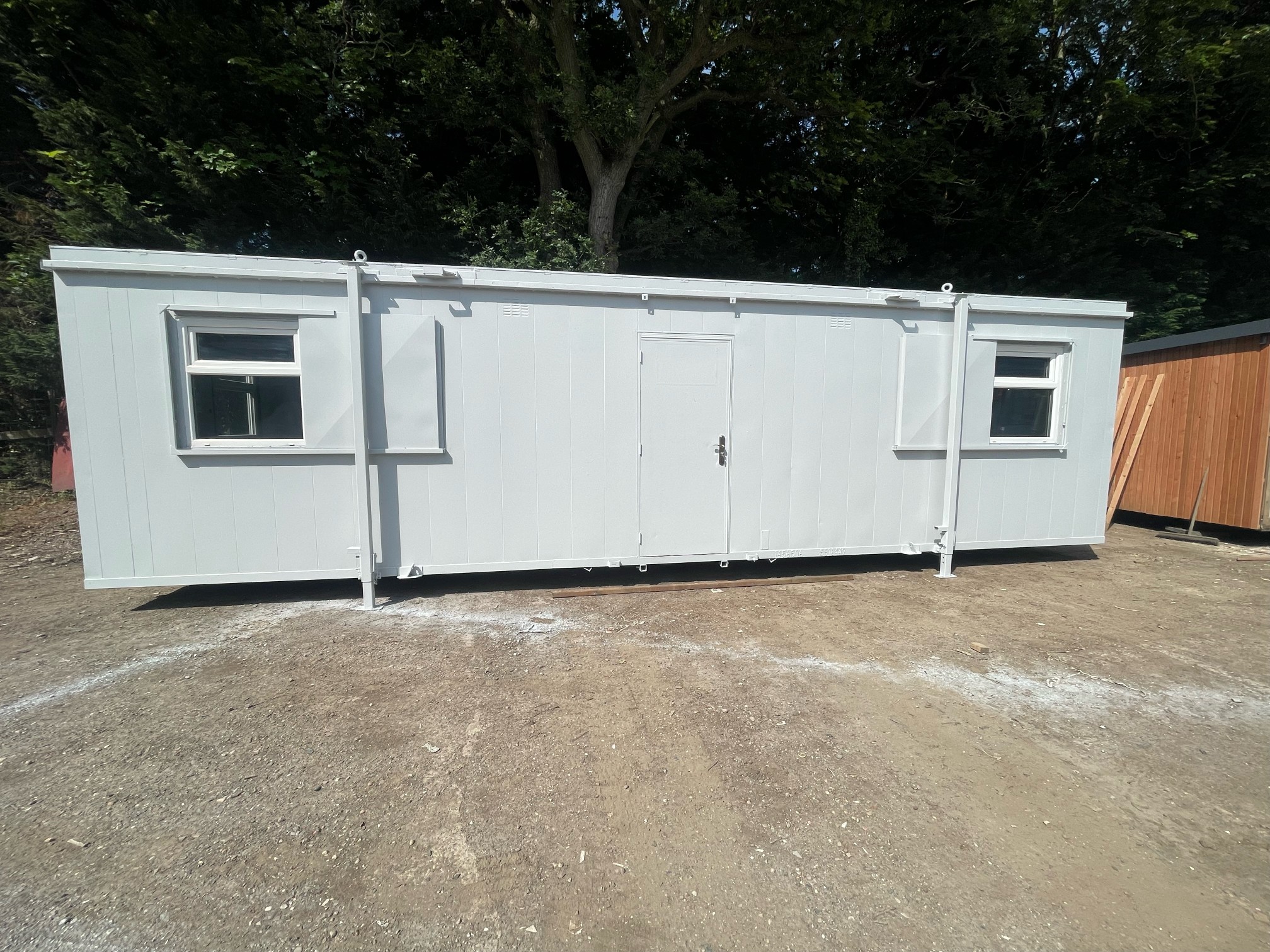
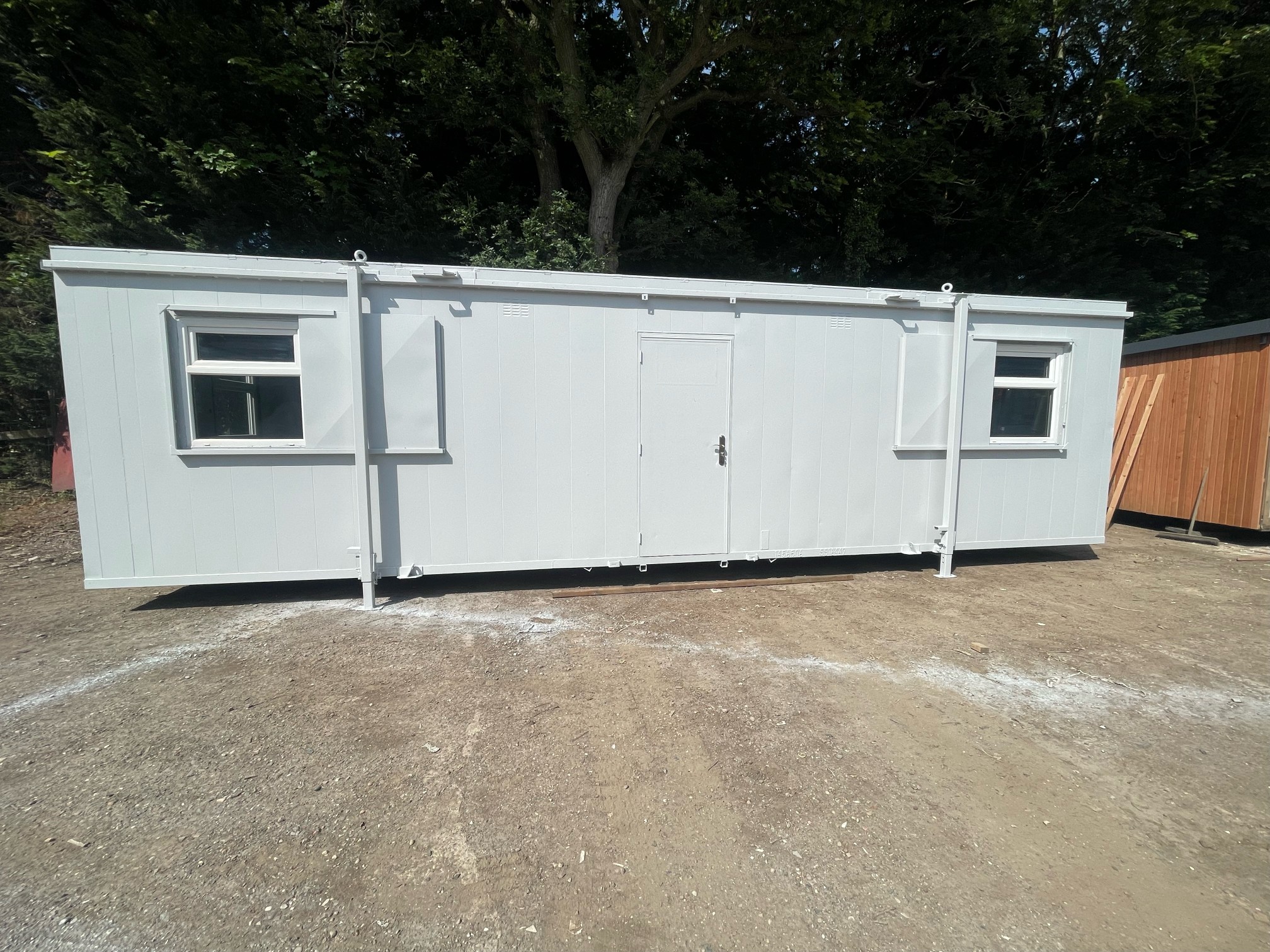
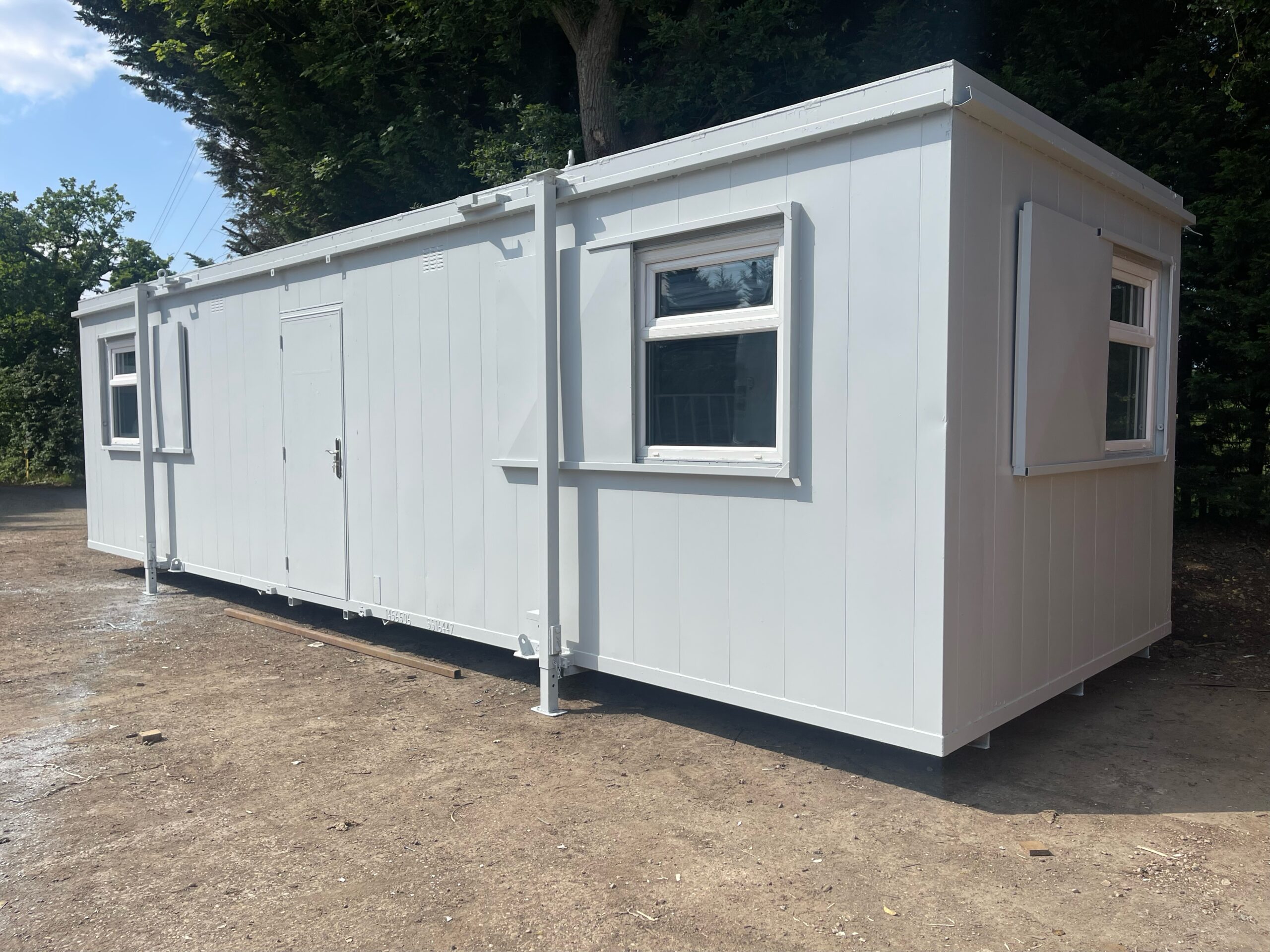
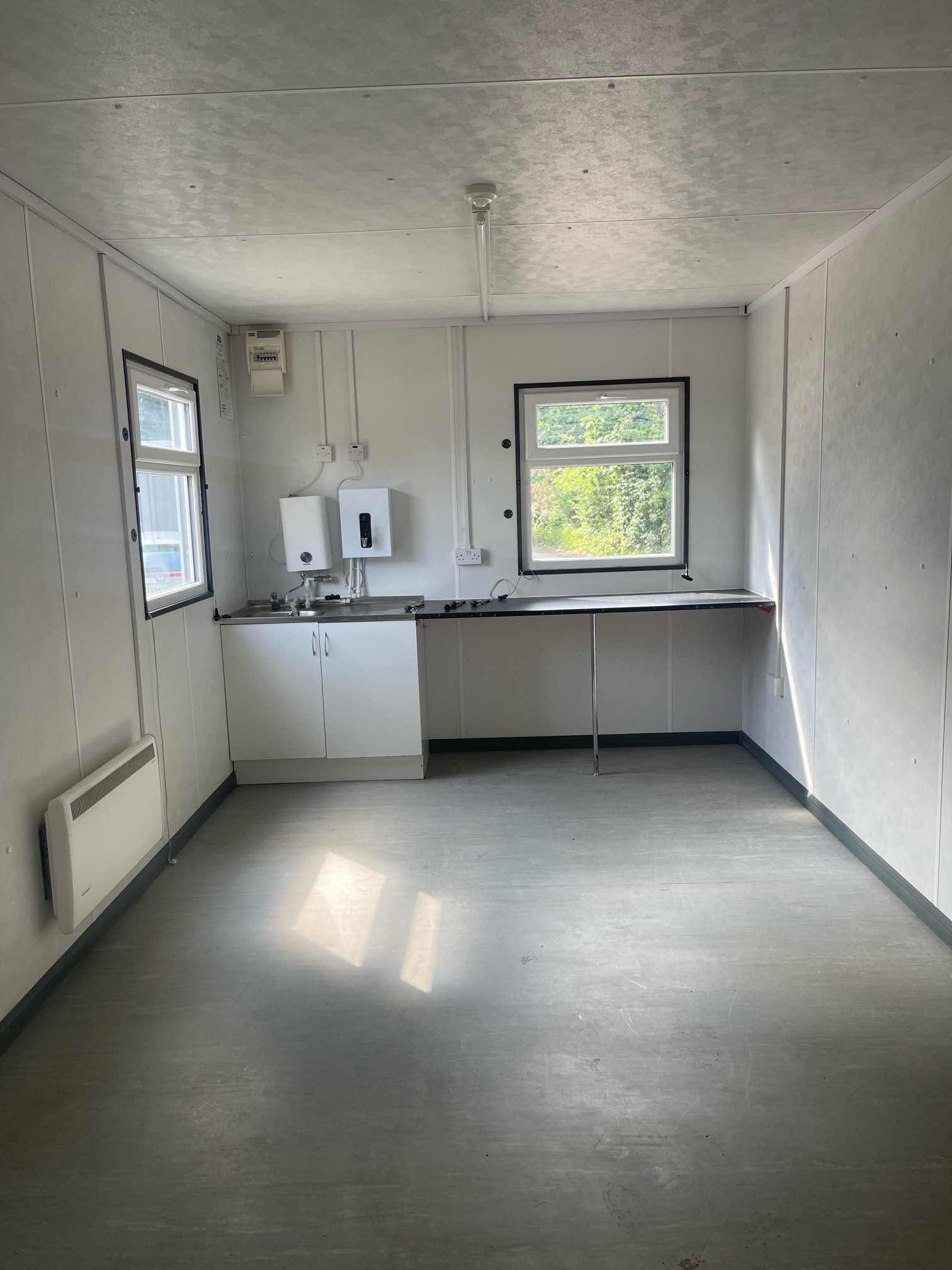
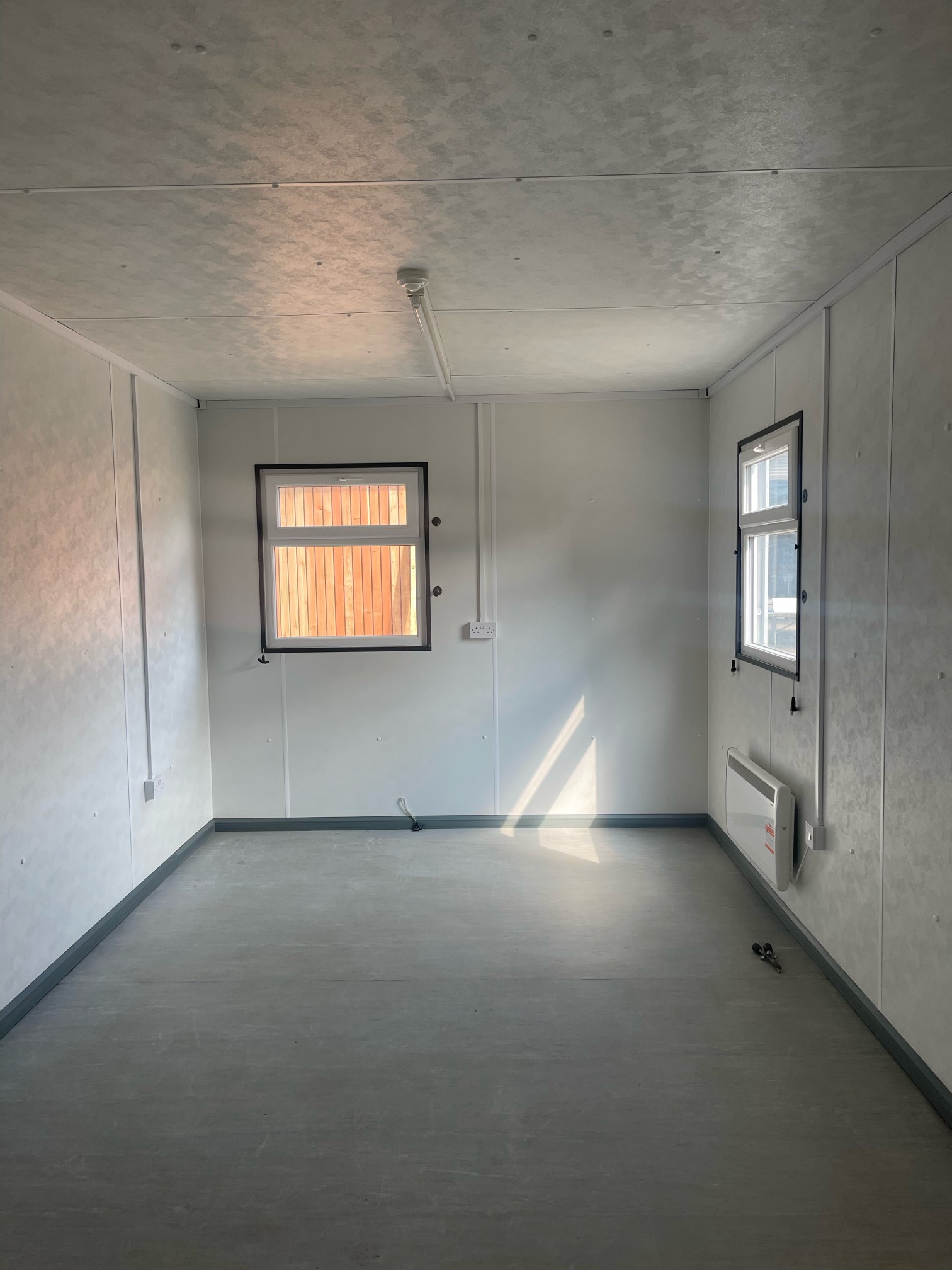
Location: Nationwide
Not Available for Hire
We can deliver for a cost please ask and send us post code.
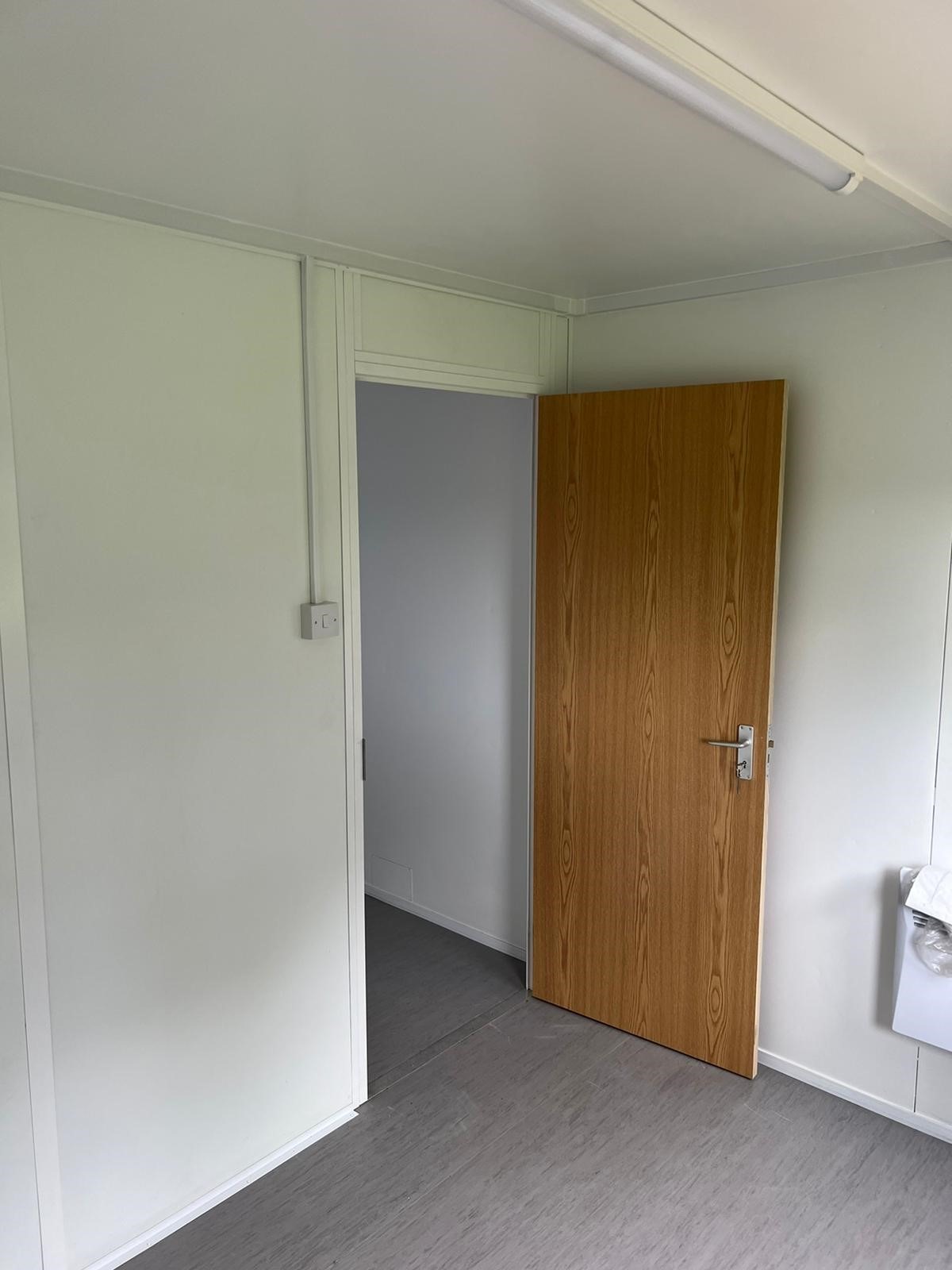
Hallway leading into:
Transport can be arranged please ask.
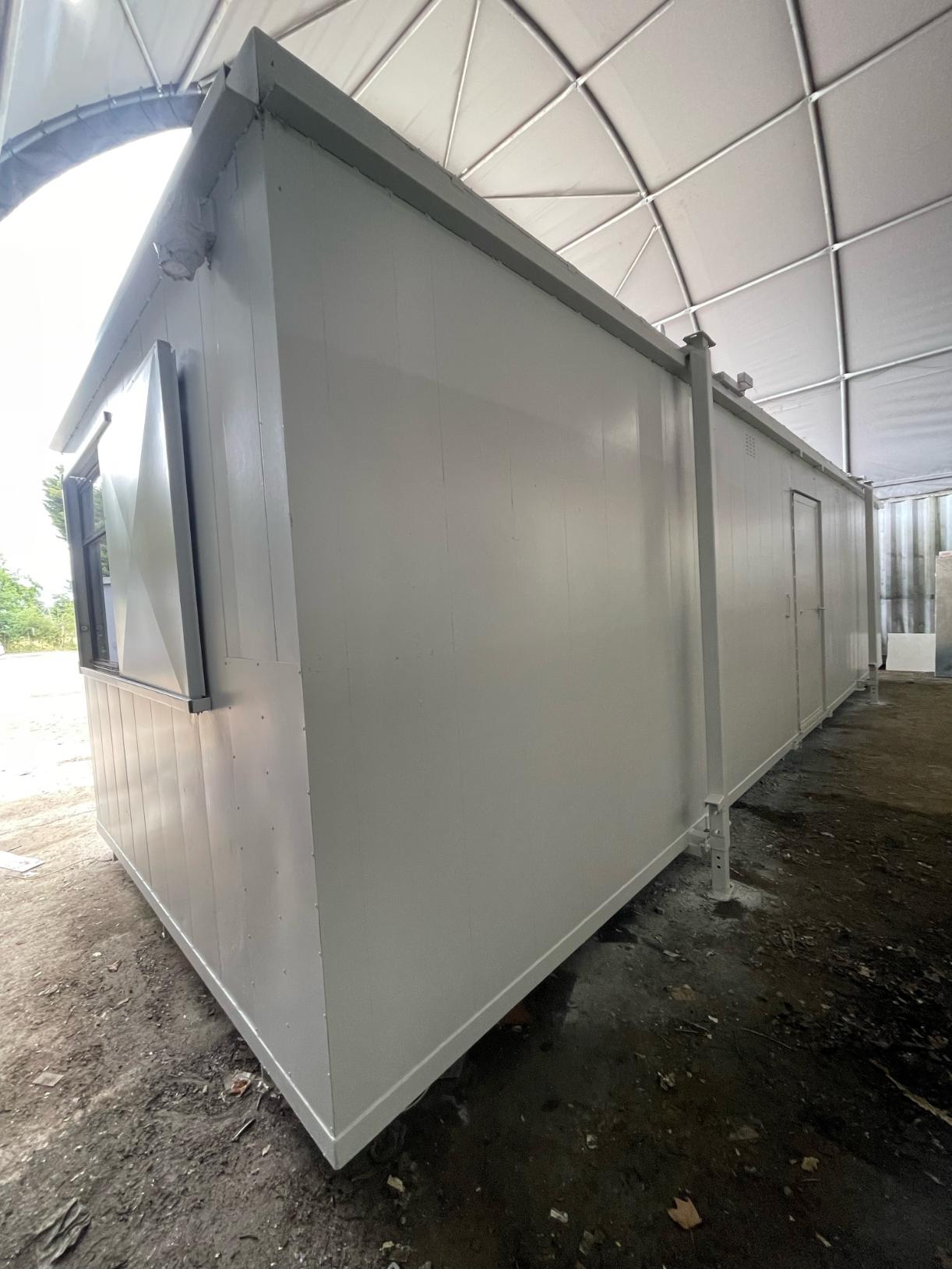
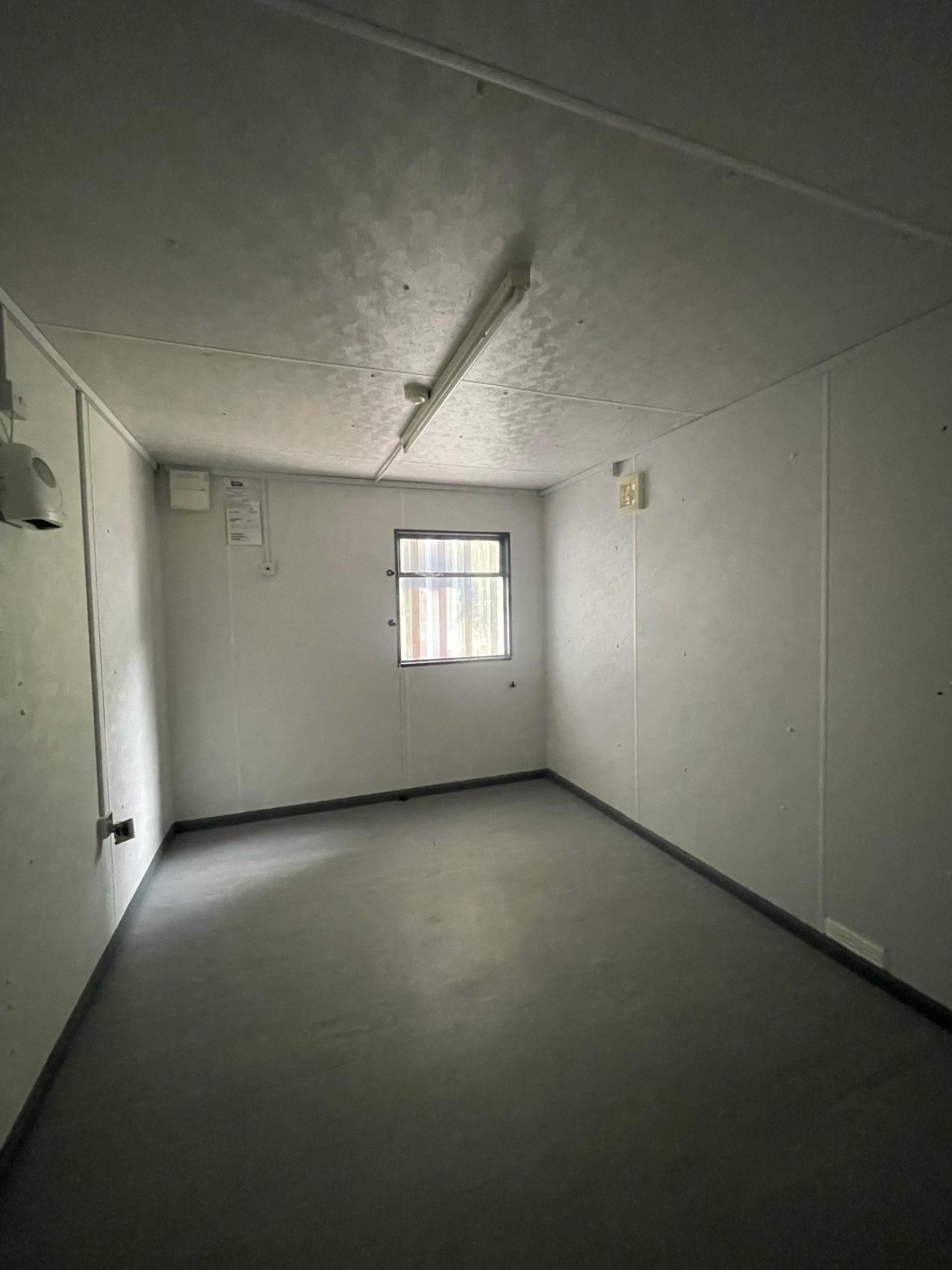
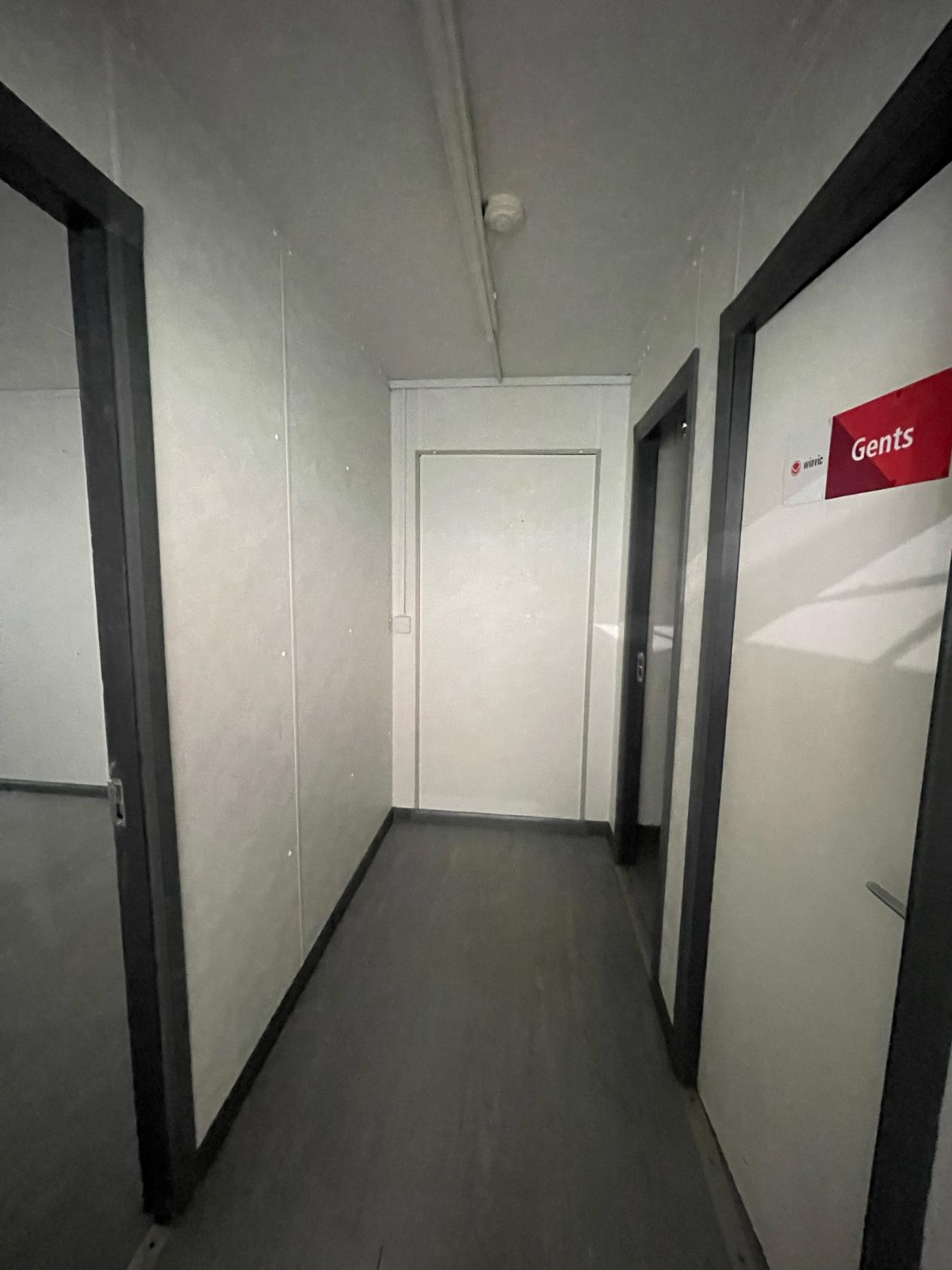
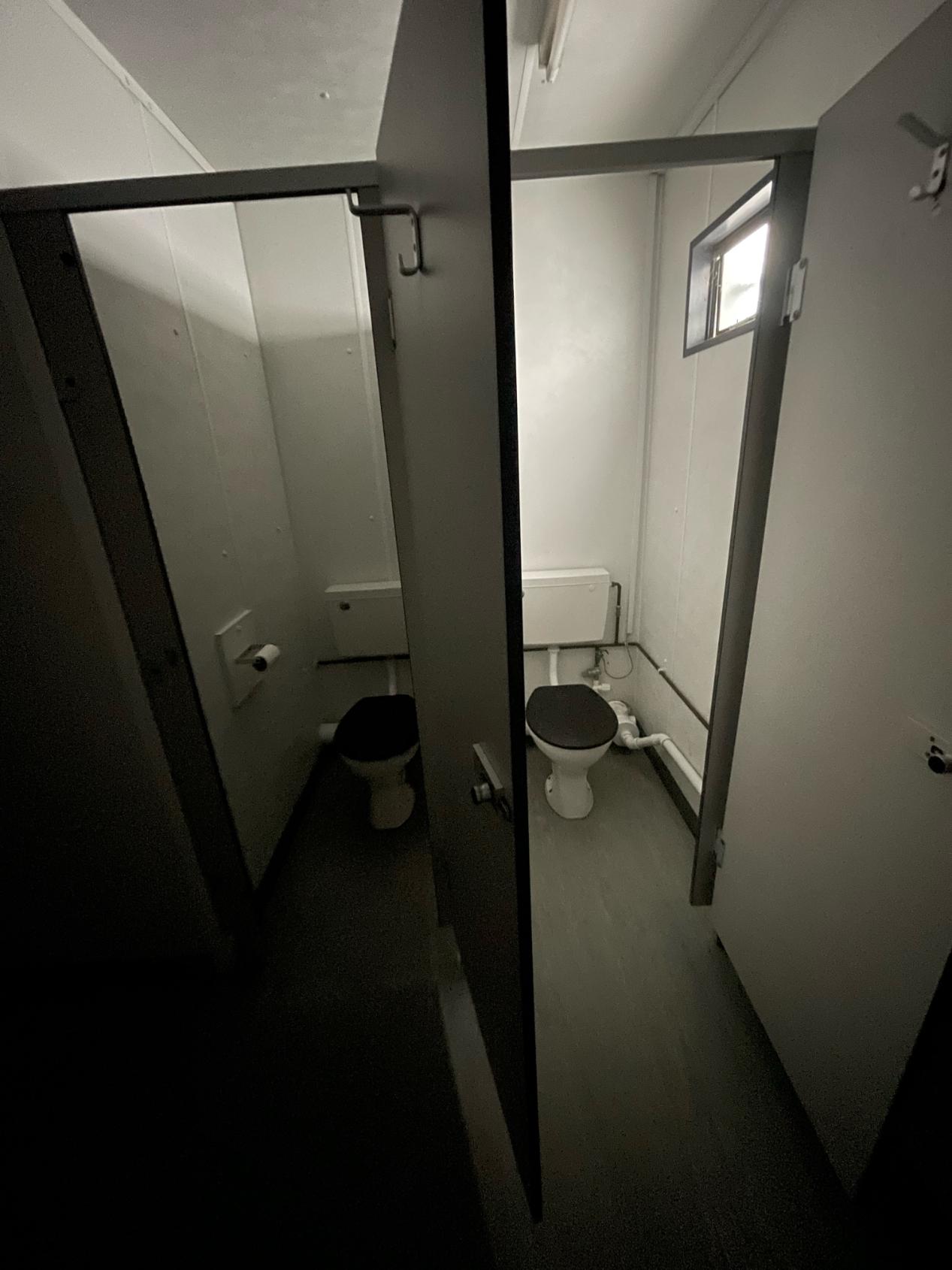
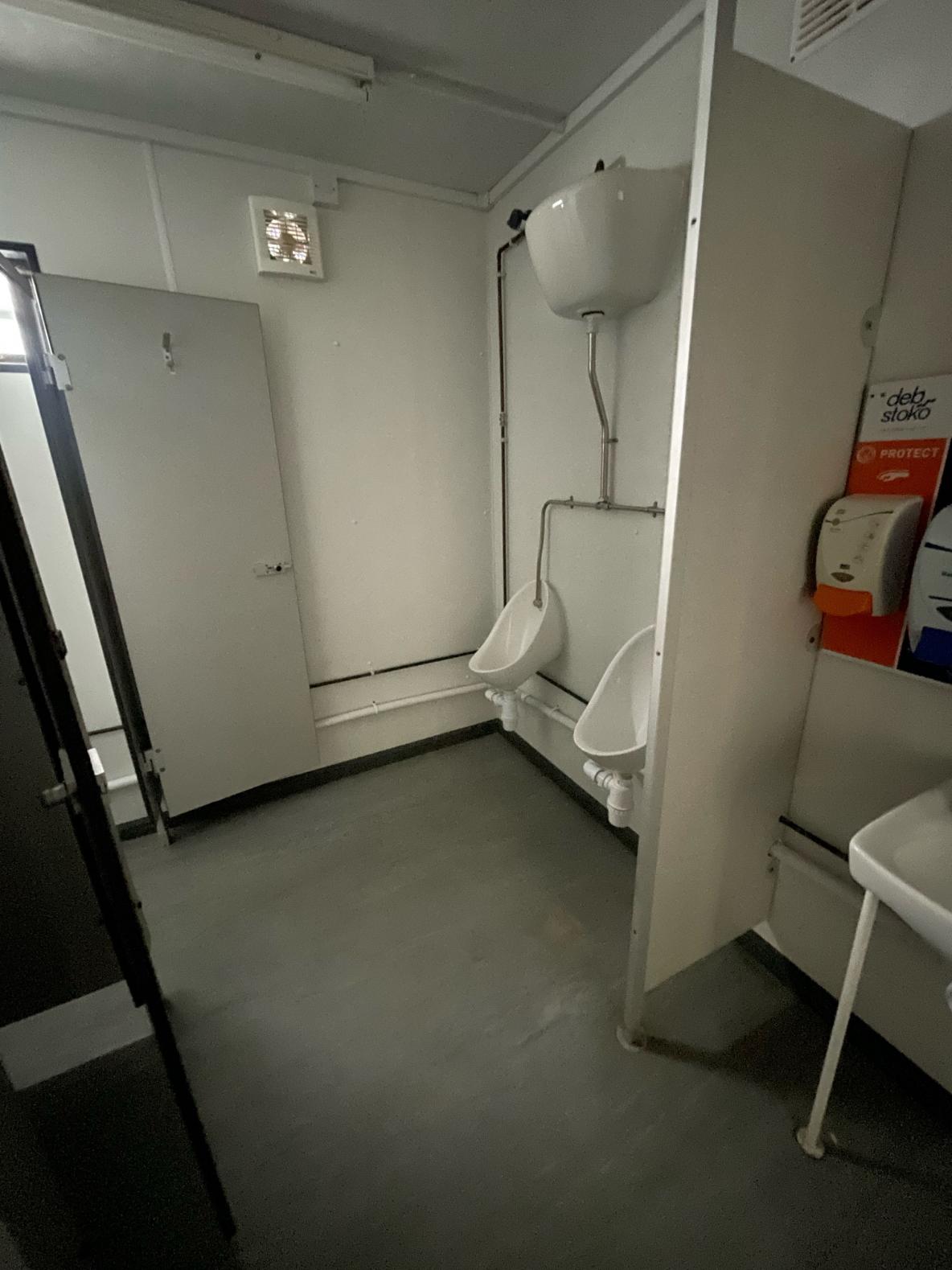
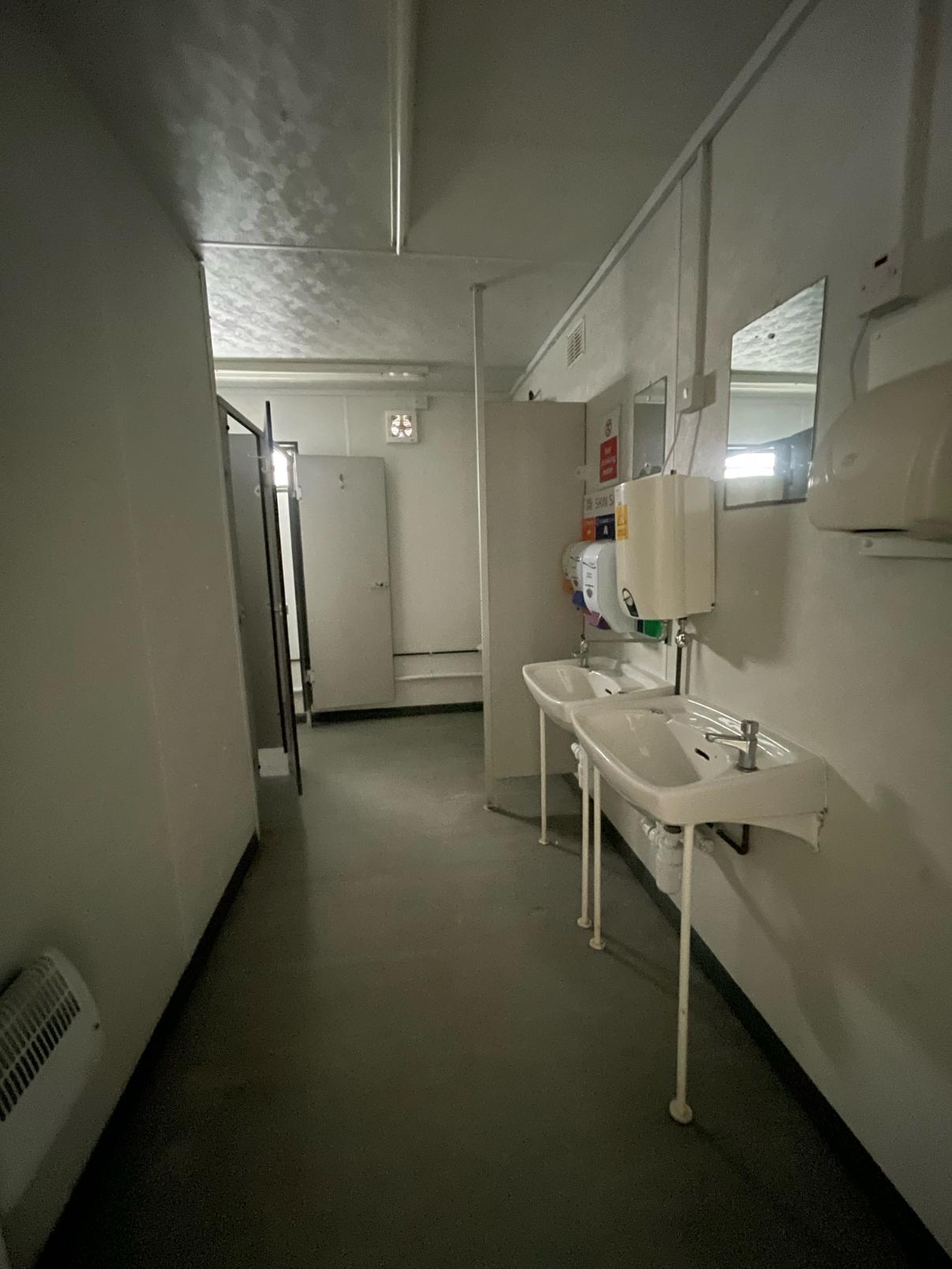
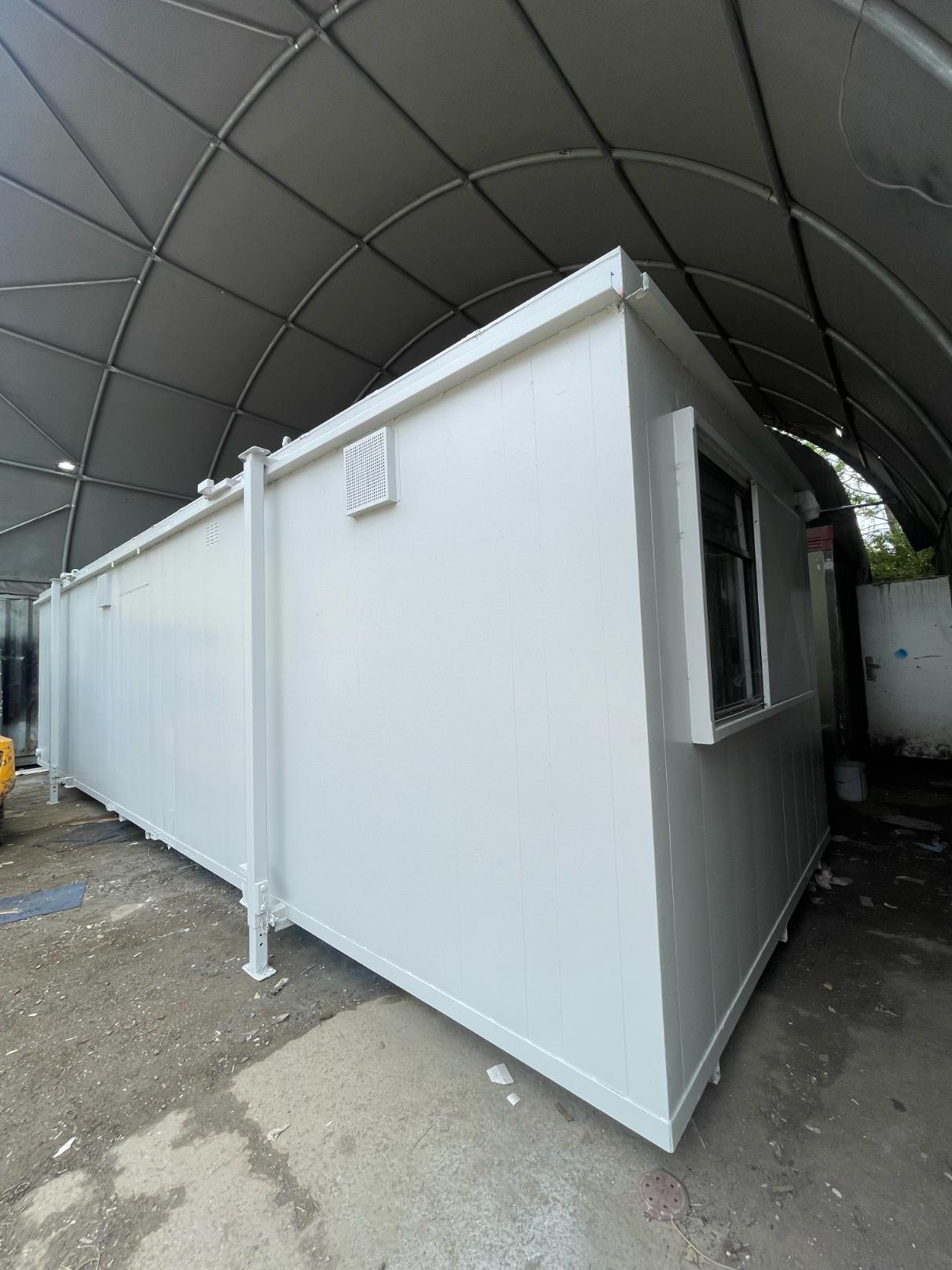
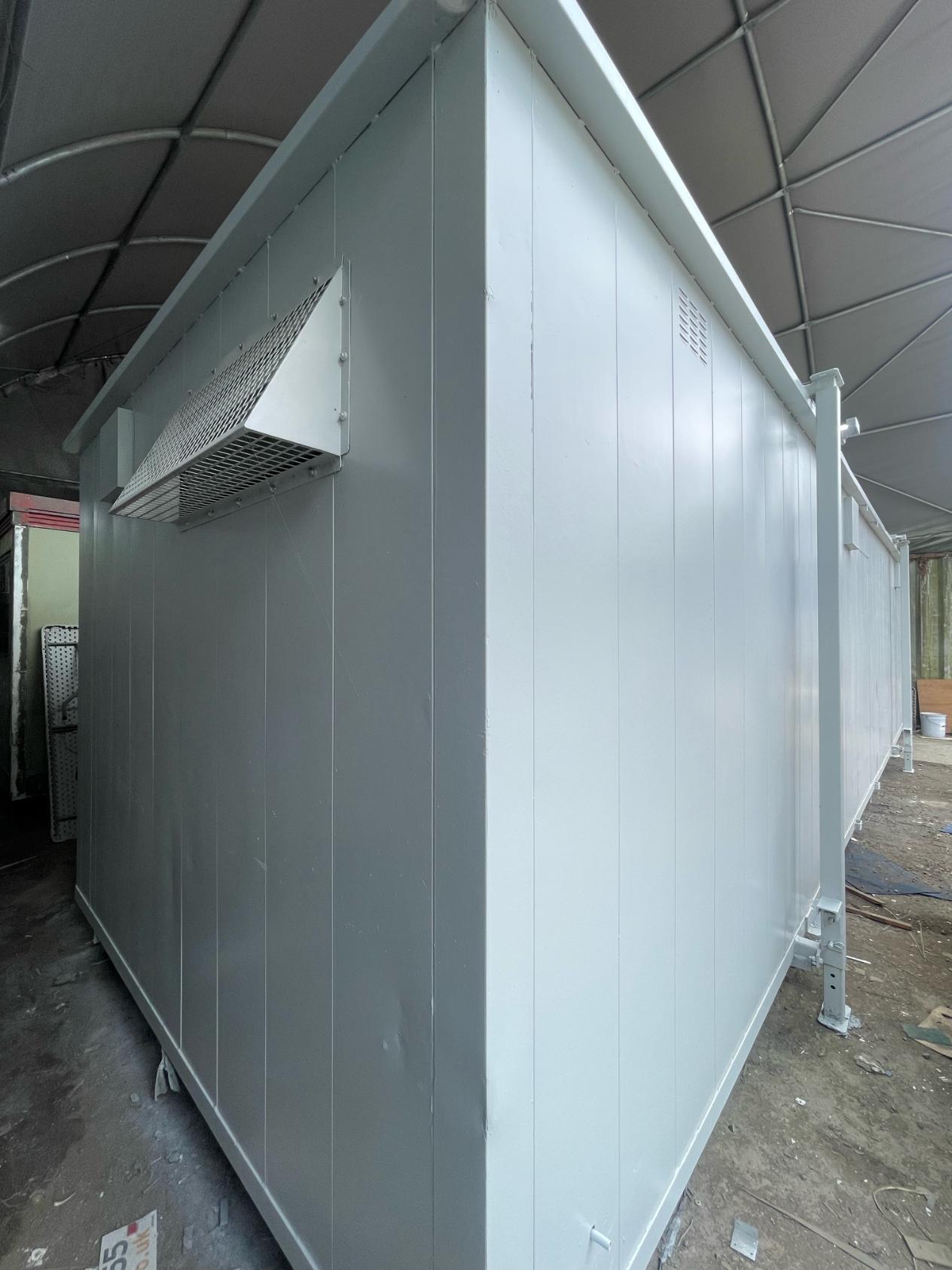
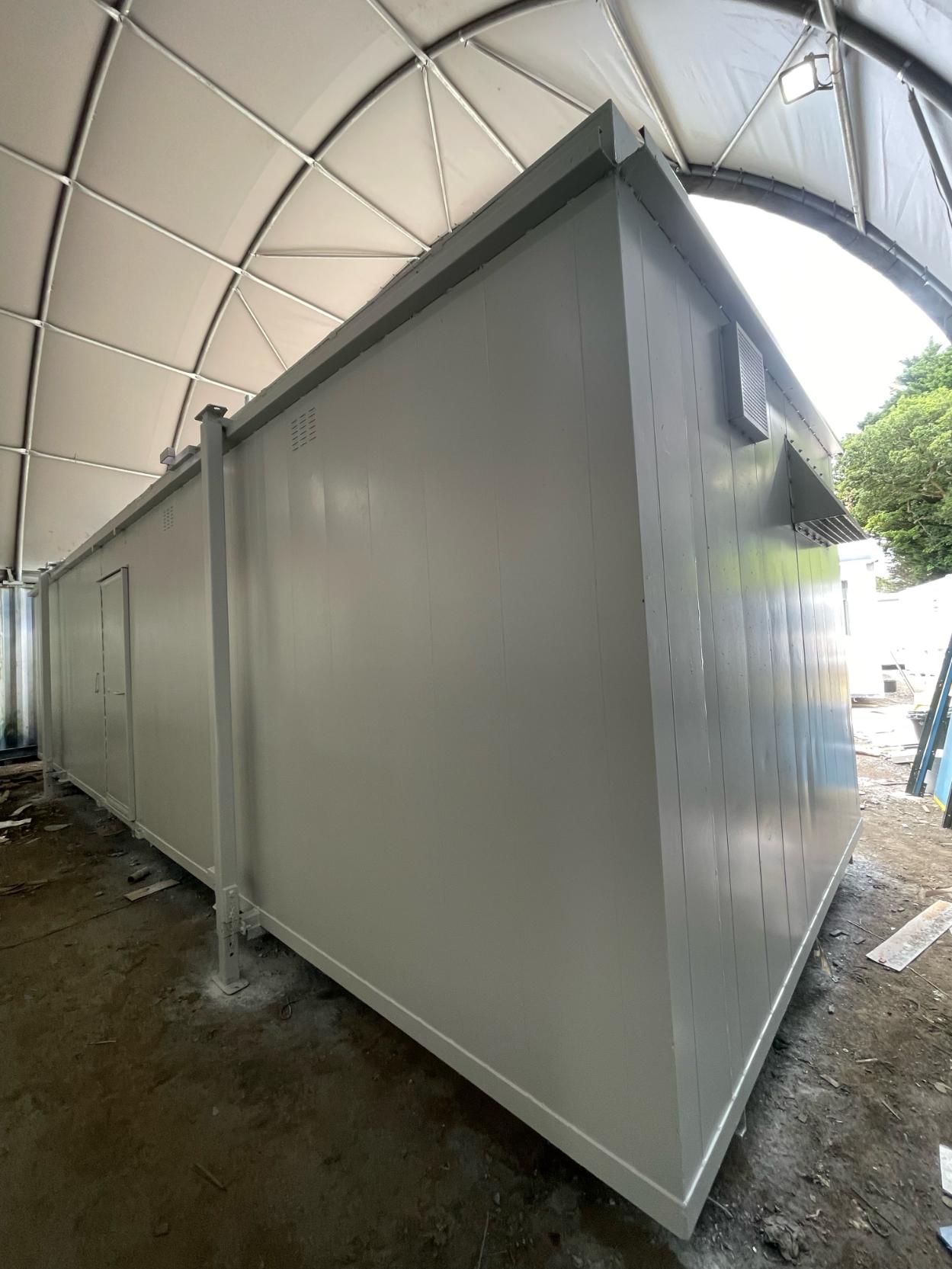
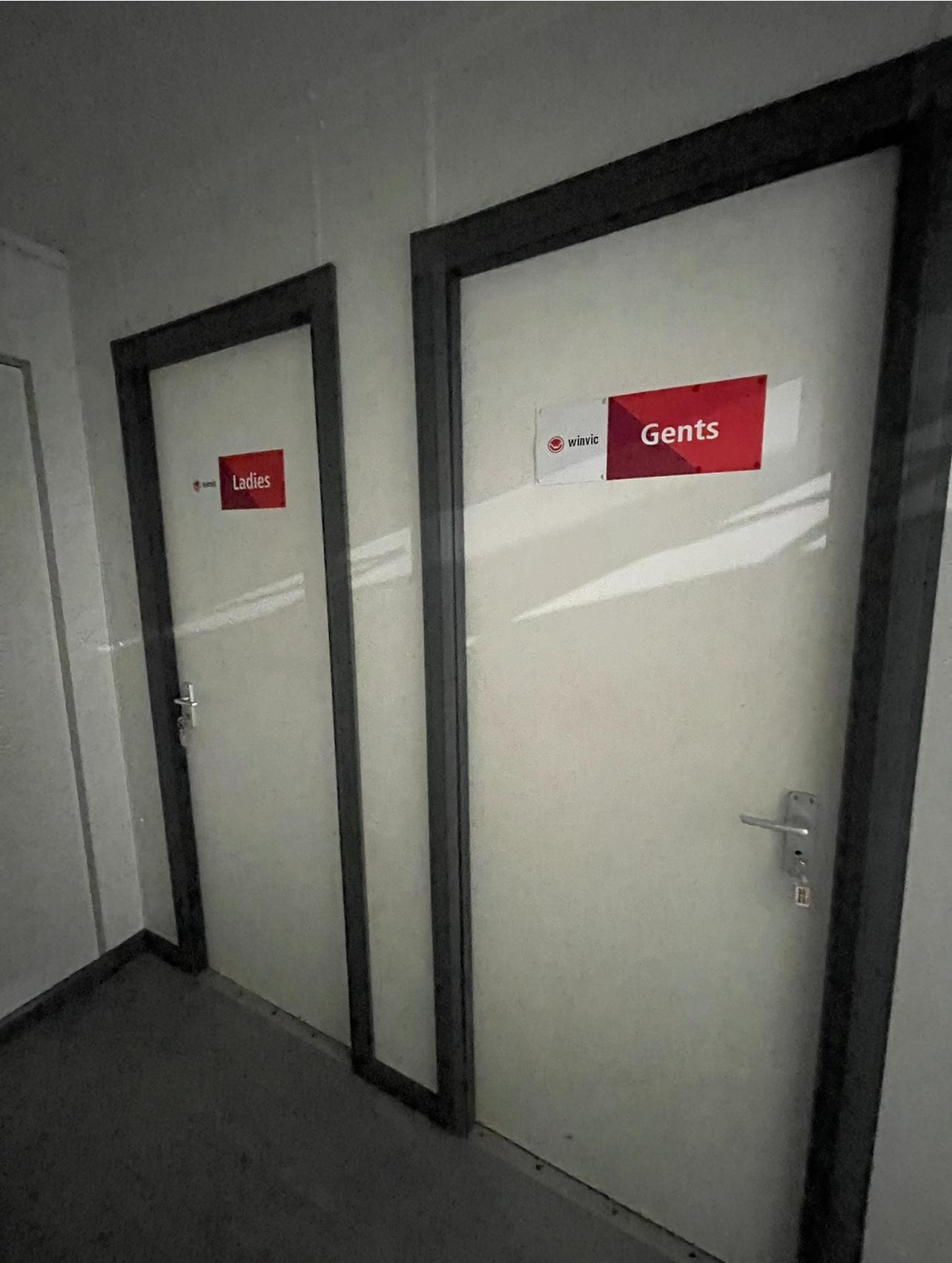
Location: Nationwide
Not Available for Hire
Call for an instant quote!
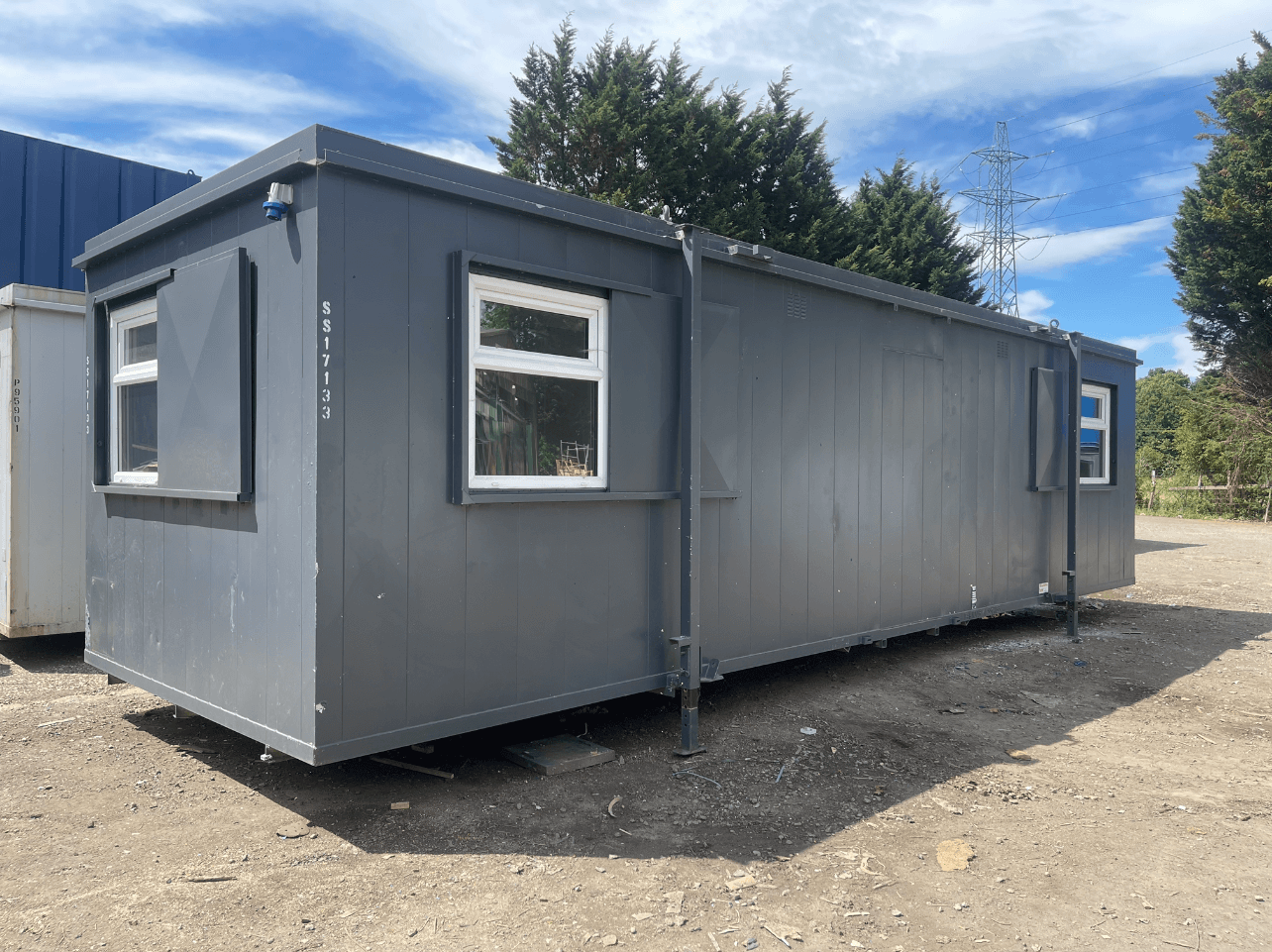
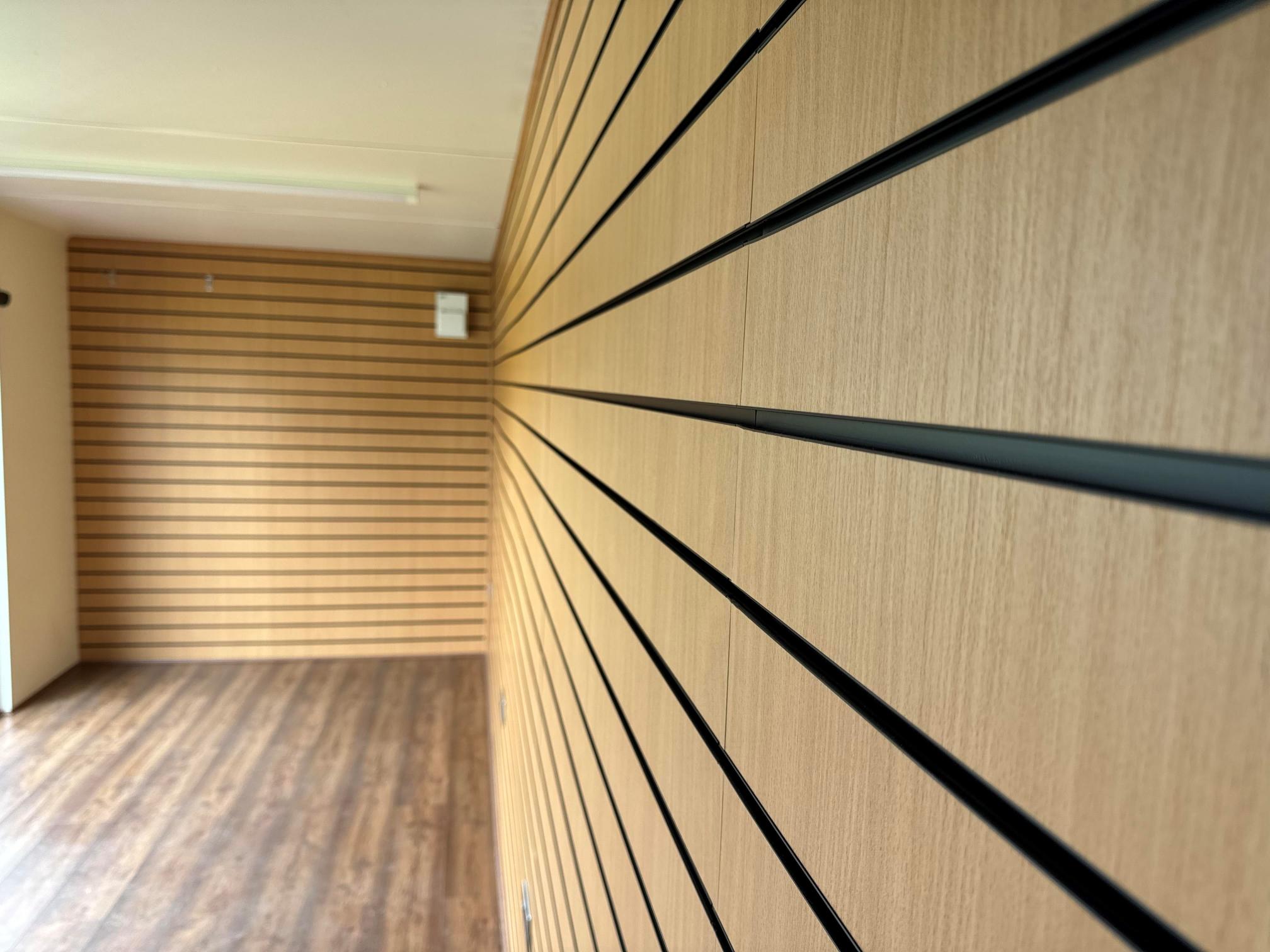
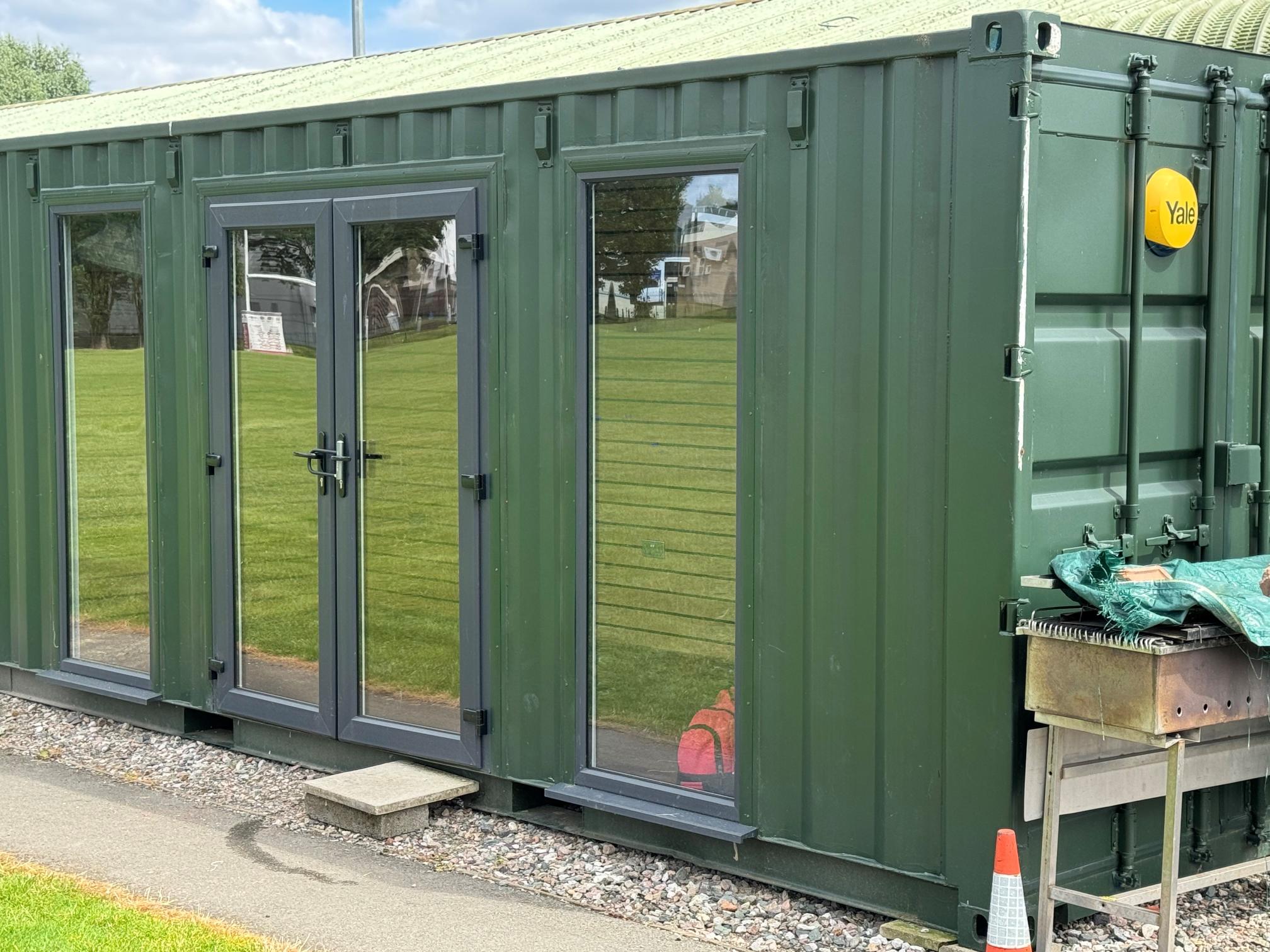
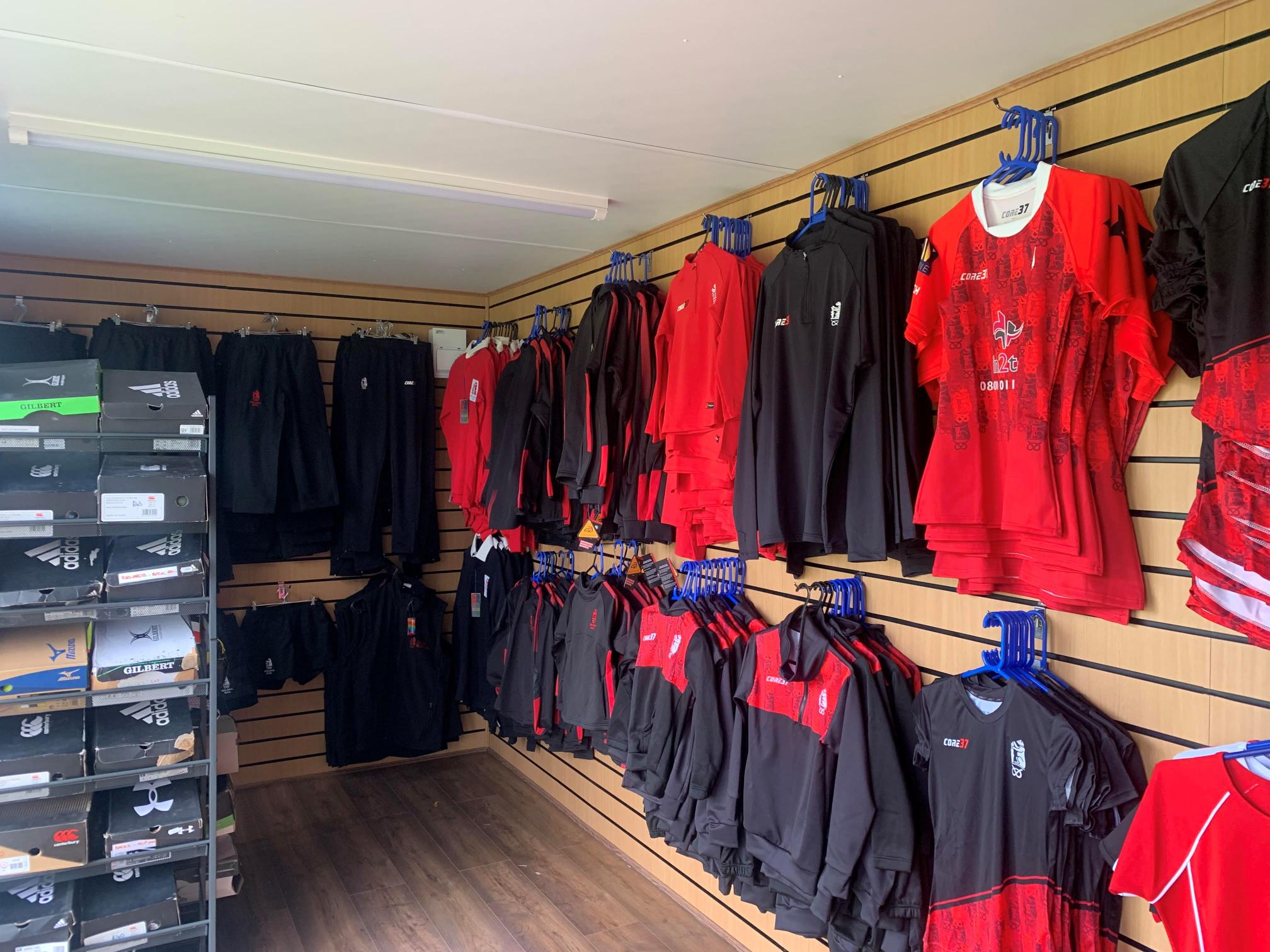
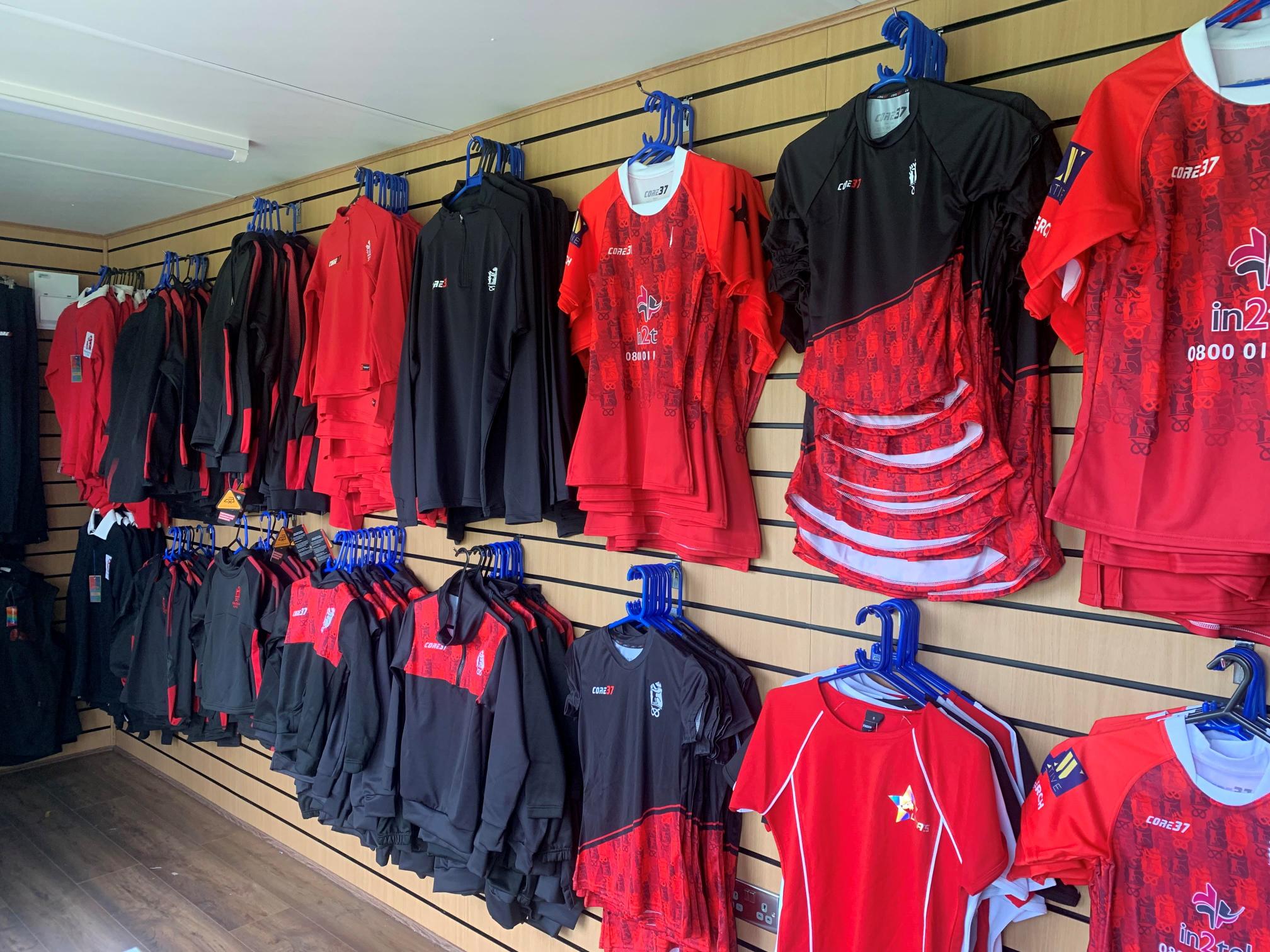
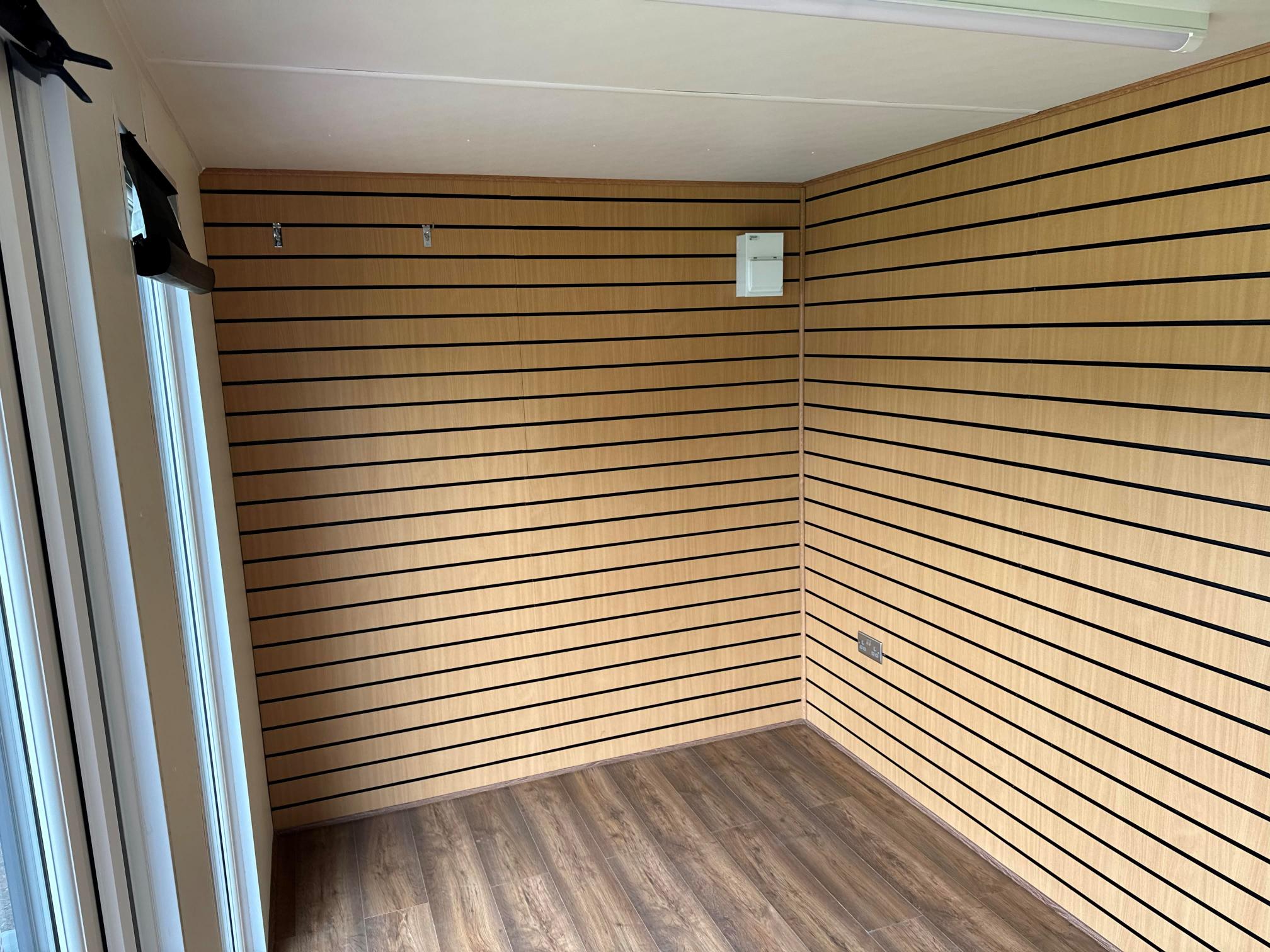
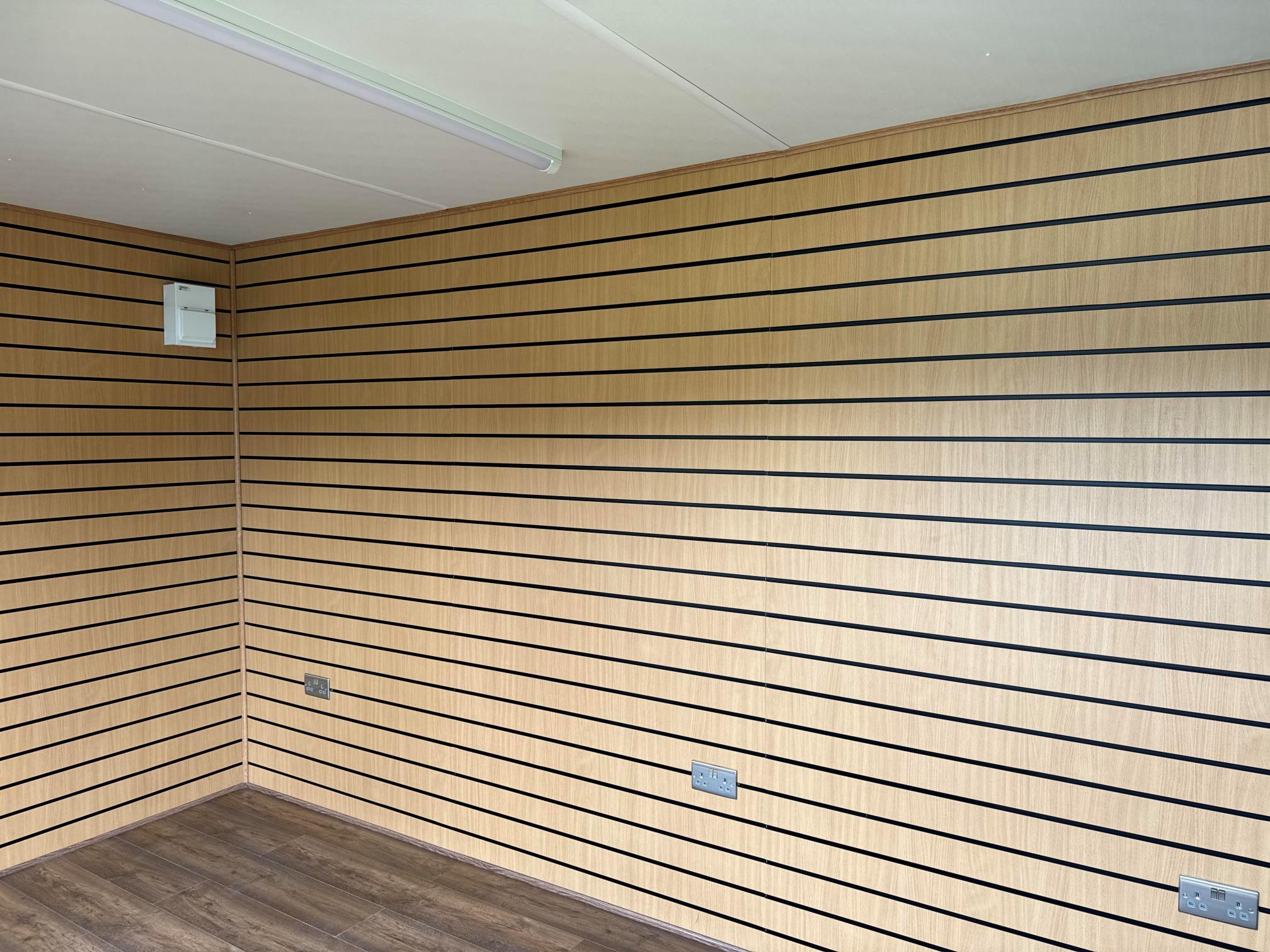
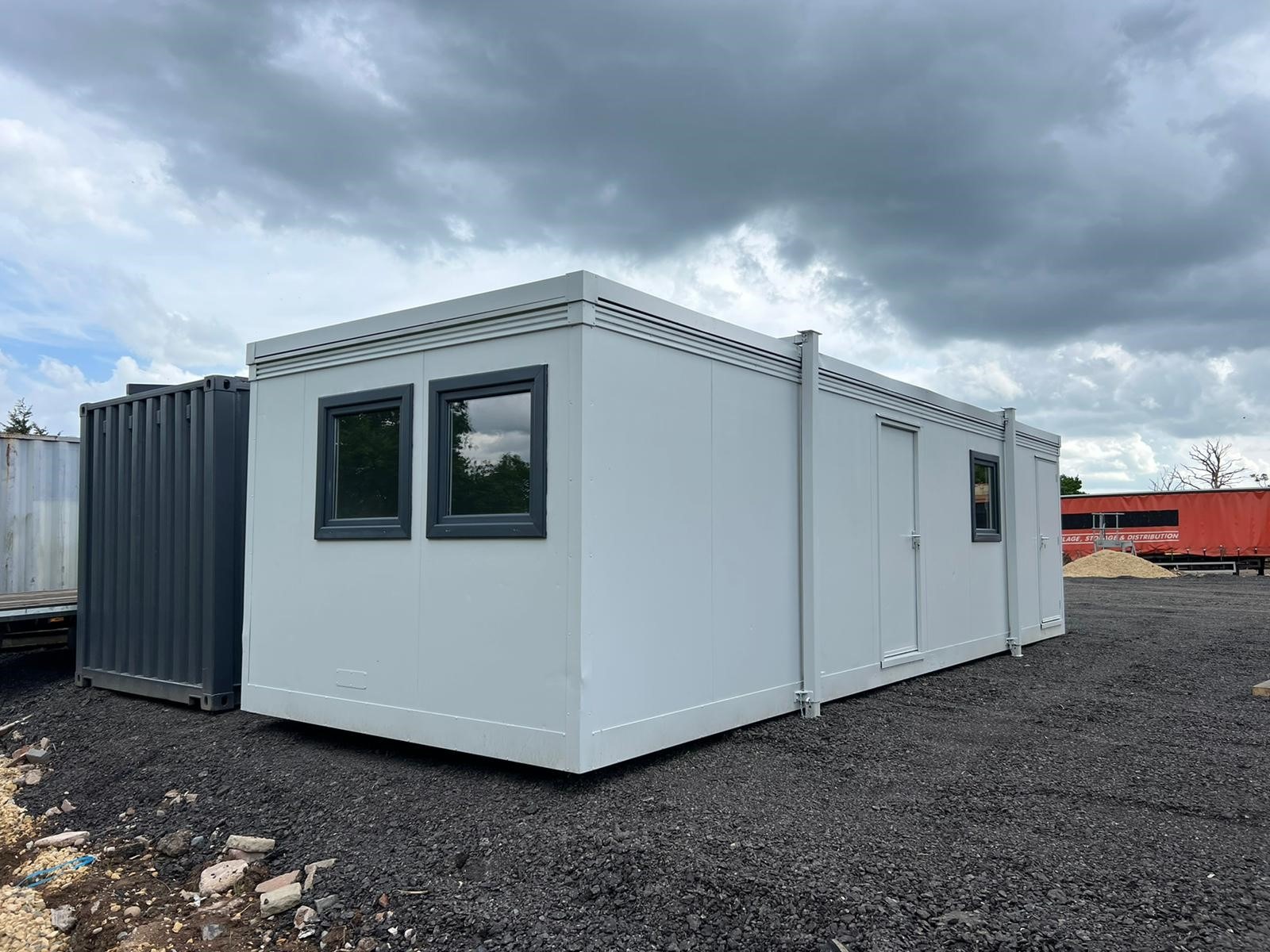
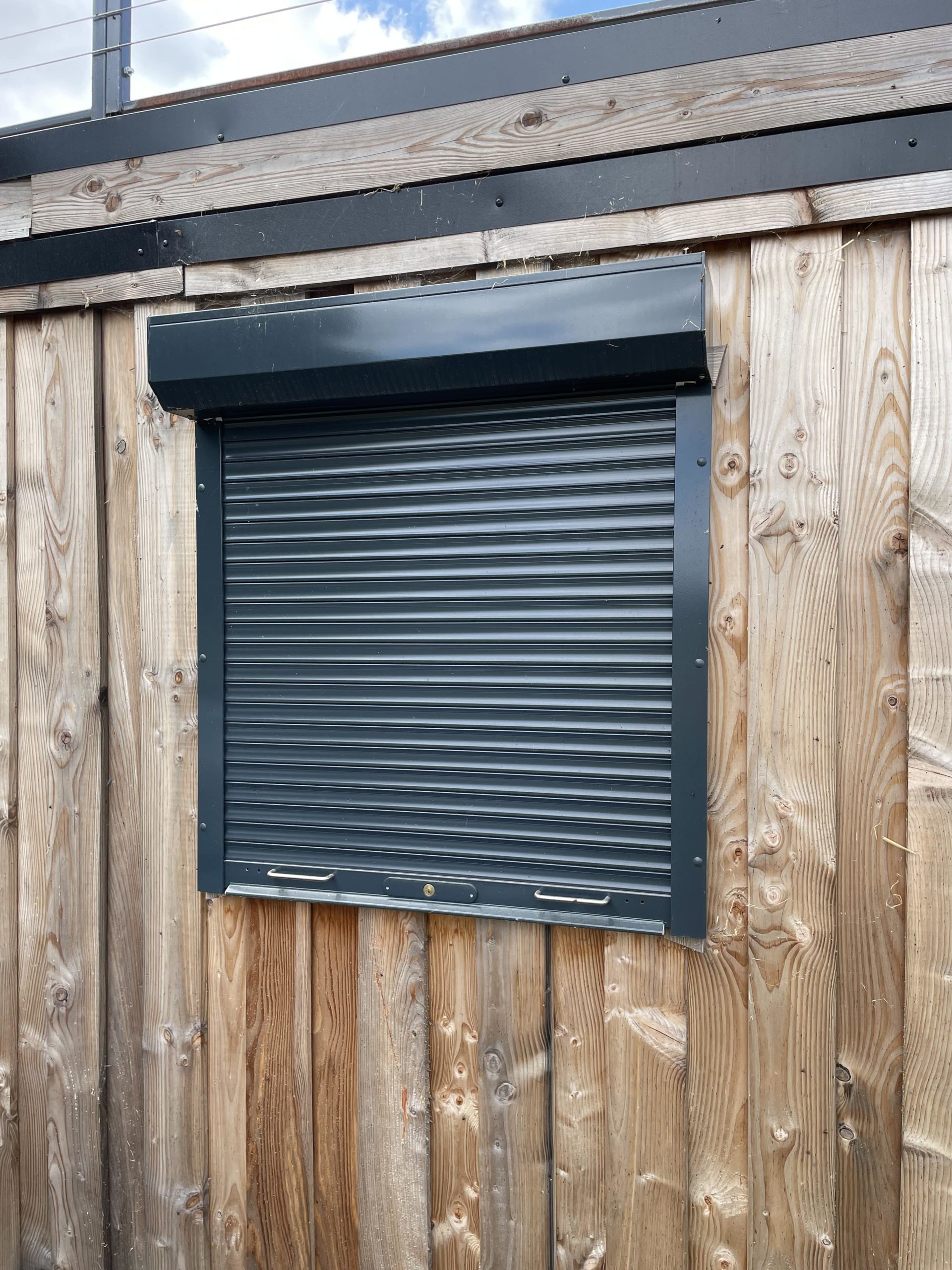
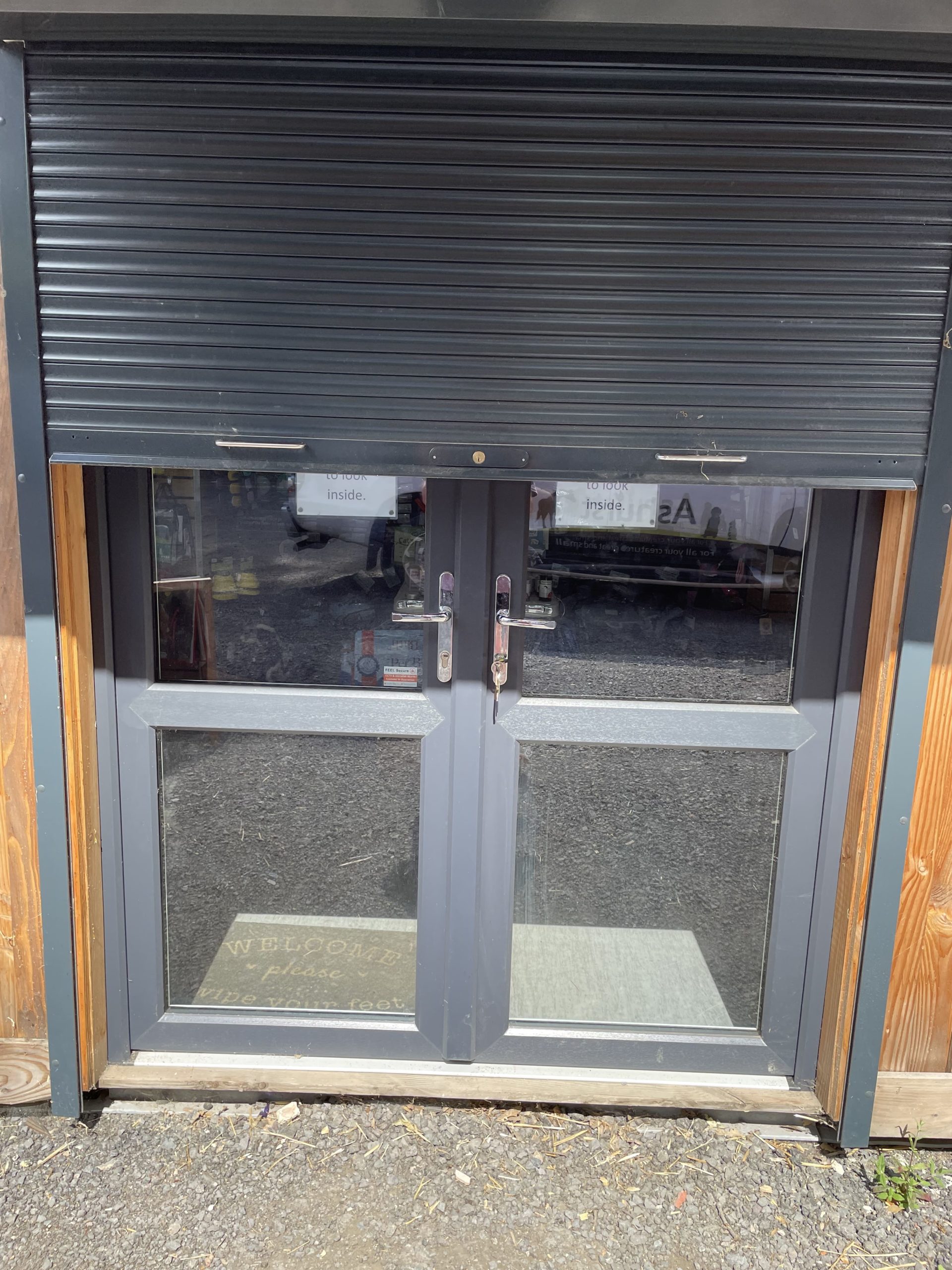
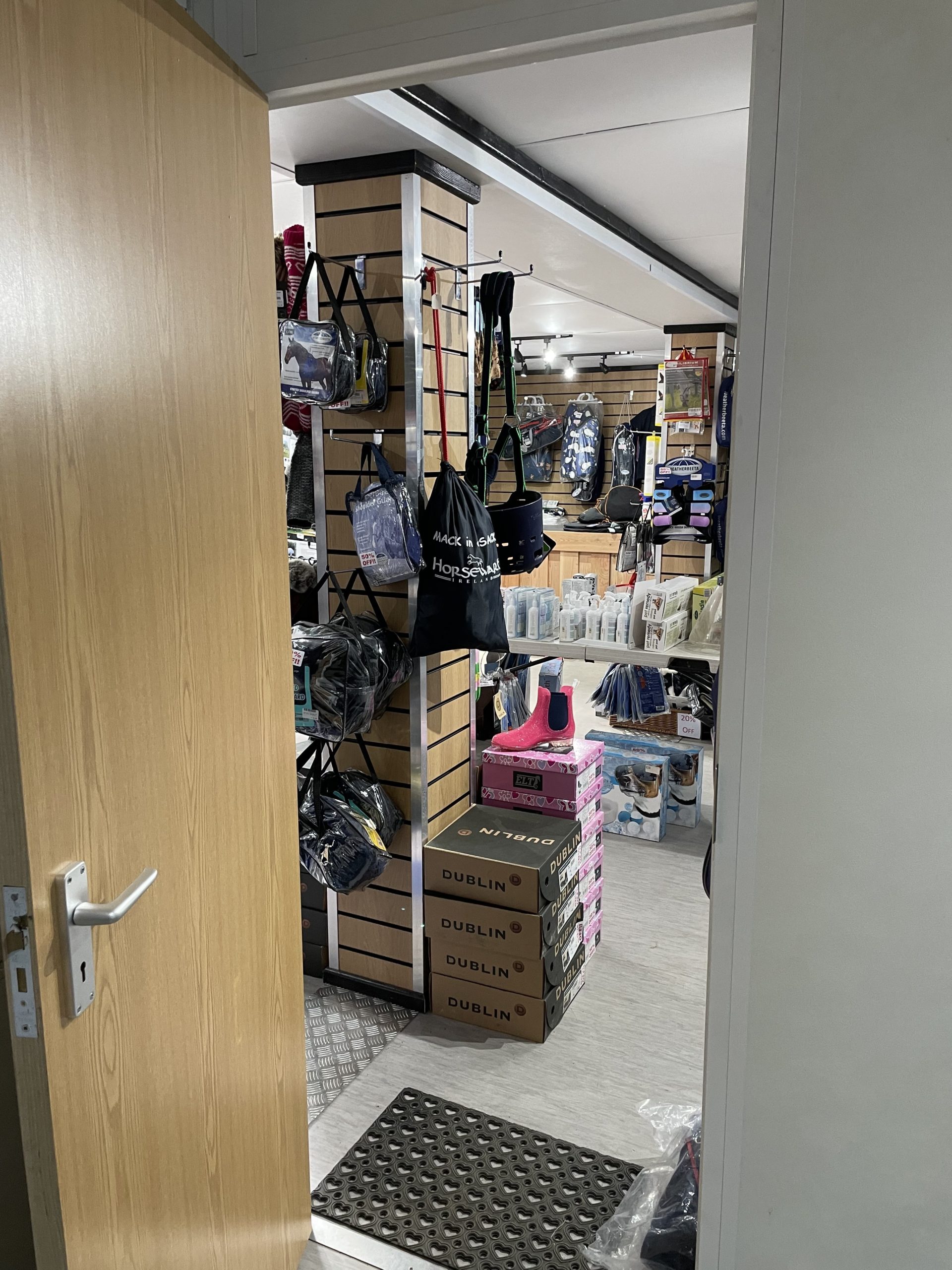
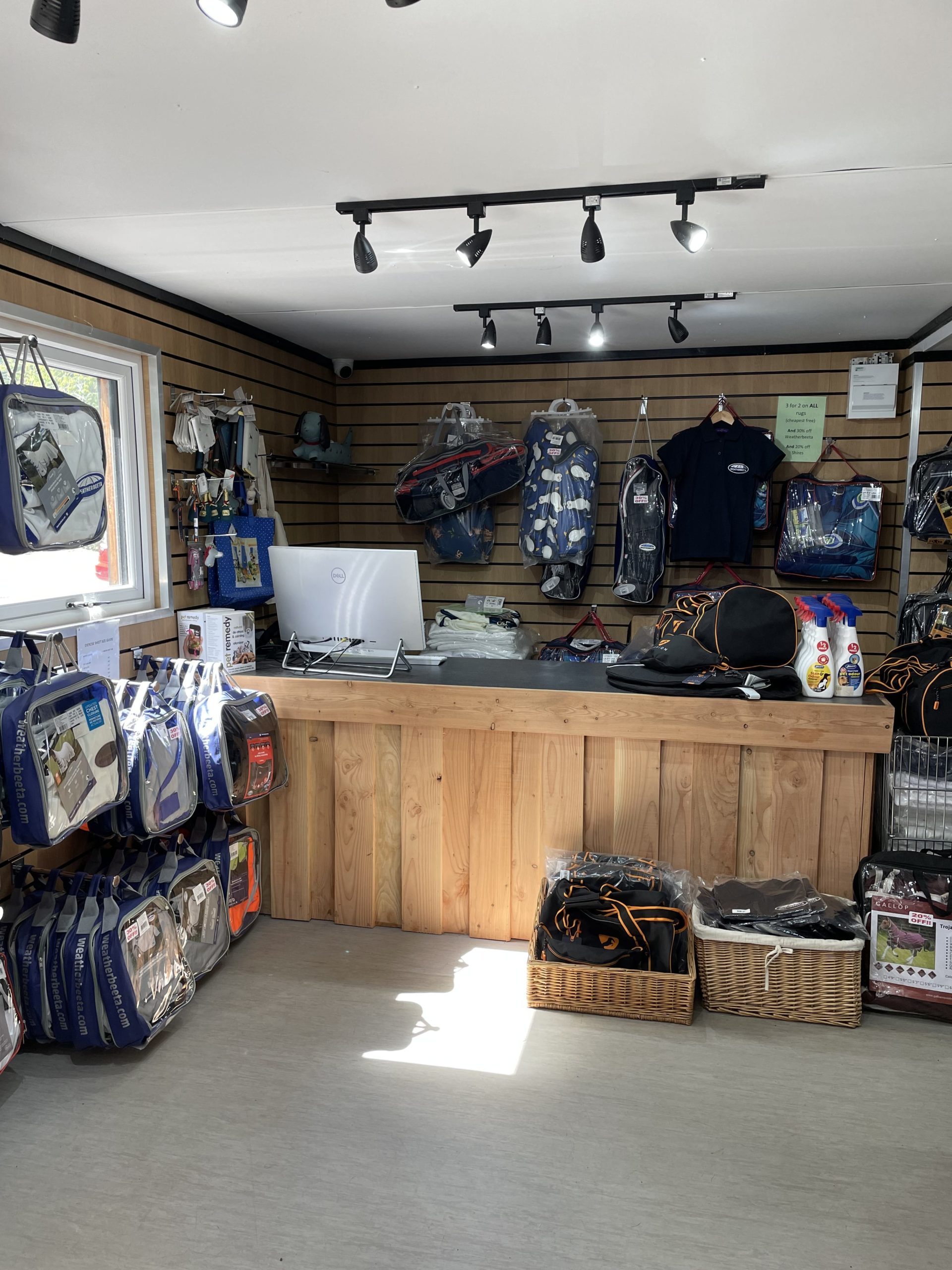
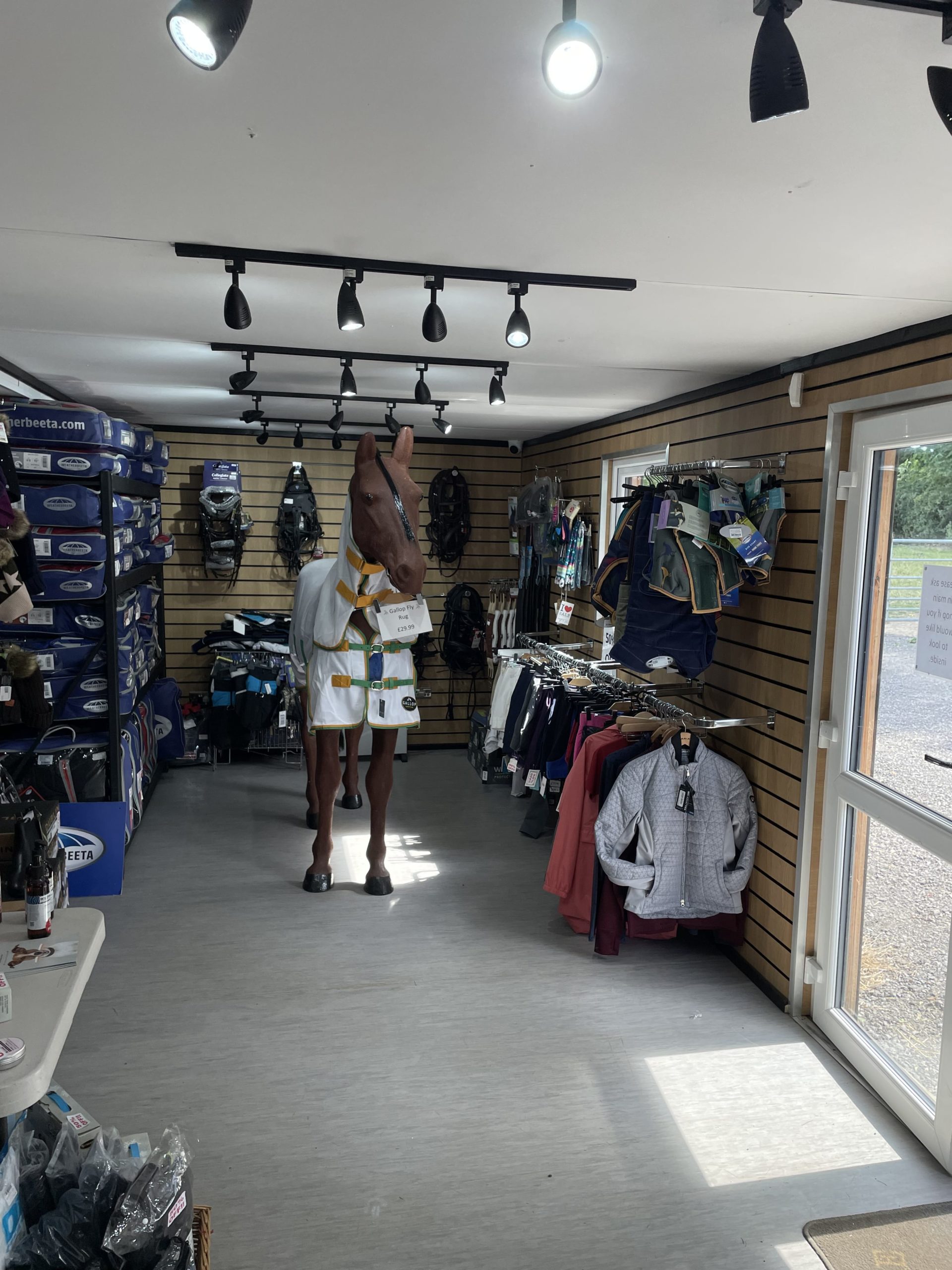
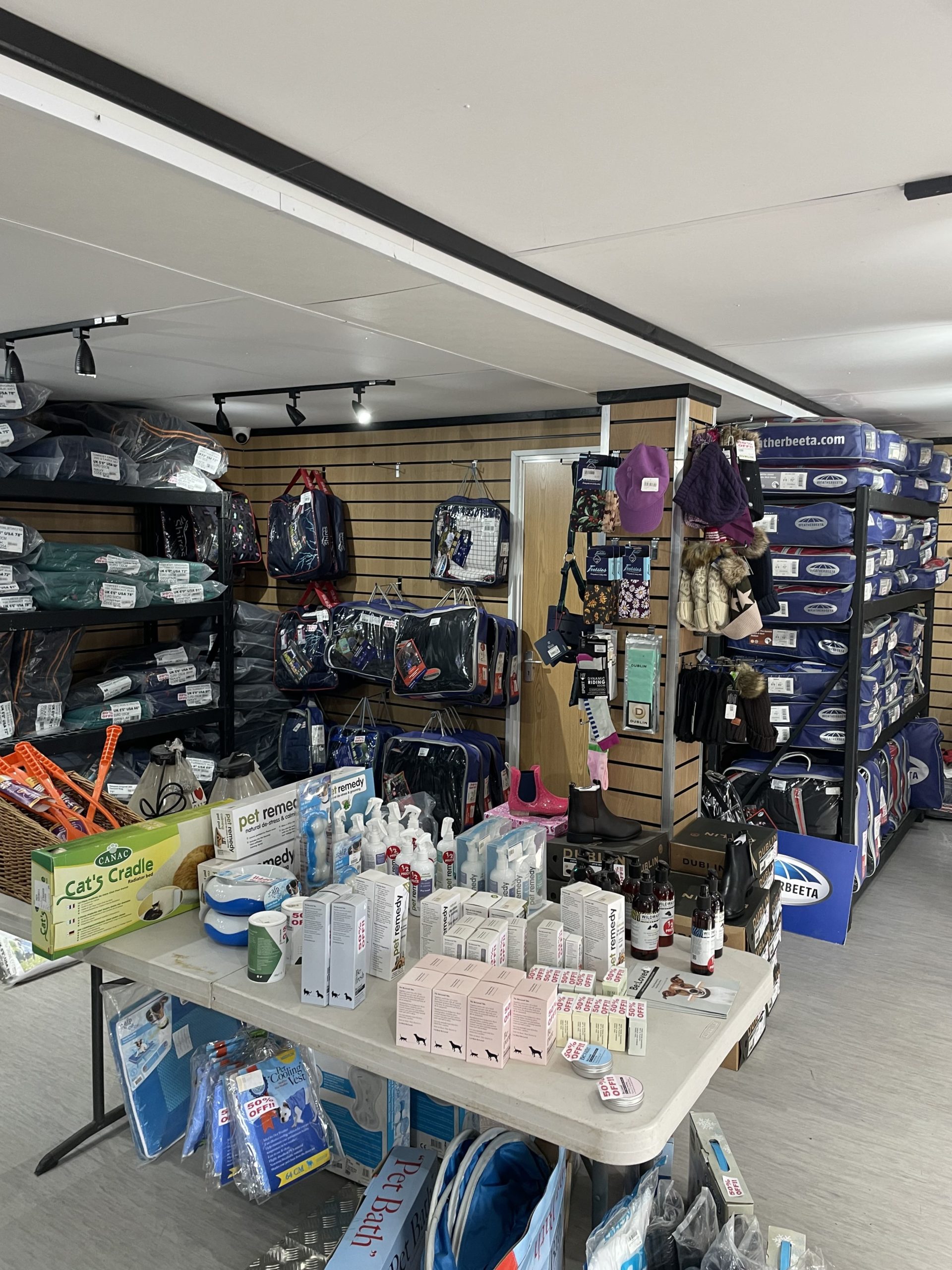
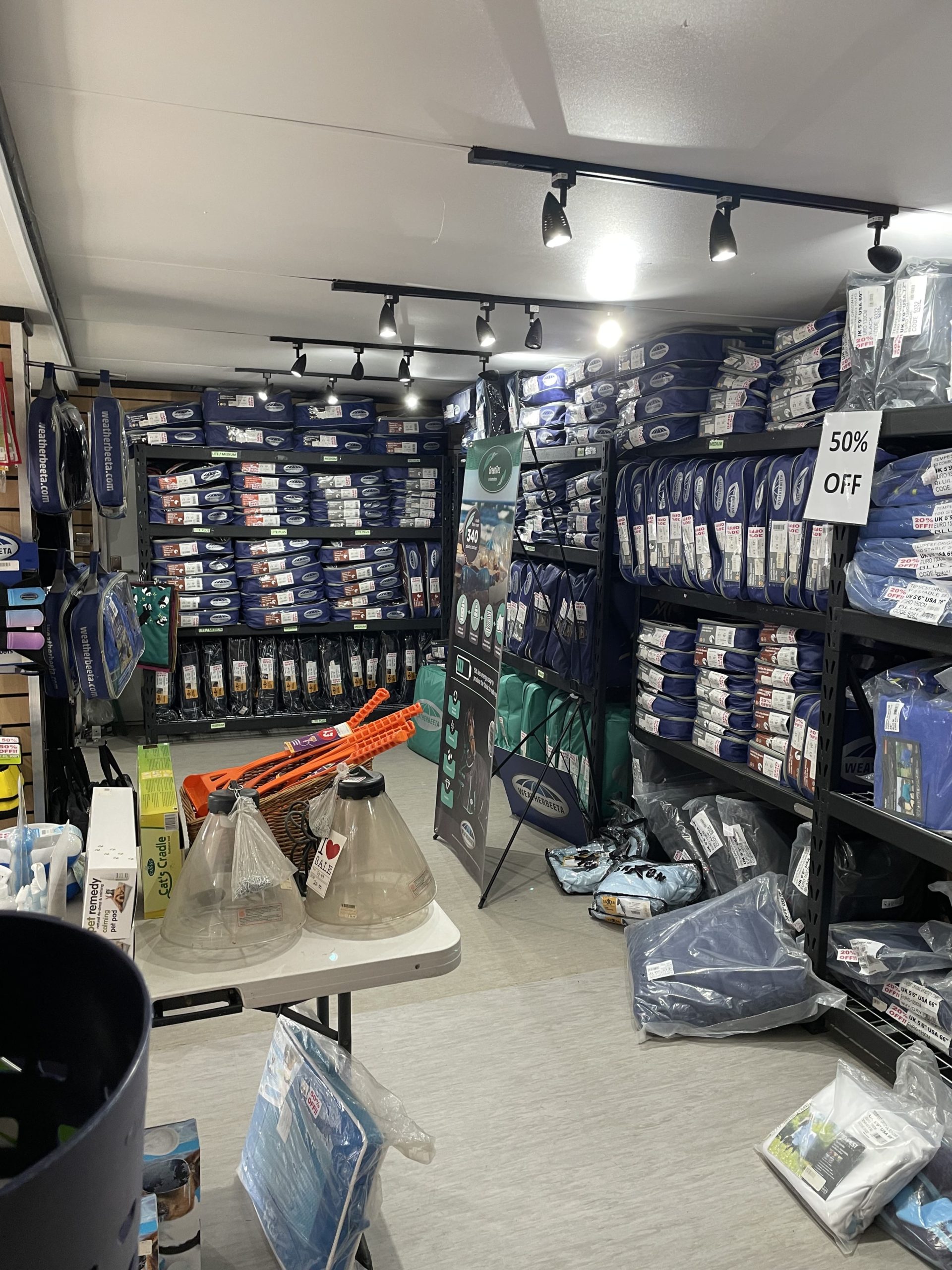
20ft x 8ft Container Conversion Retail Shop
UPVC Double glazed Windows + French Doors
Slat Wall for retail fixings and Merchandise
Electric Chrome Sockets, led lighting and heating.
Laminate Flooring
12 months Warranty
Maintenance call out package included
Less than 2 years old
Still in Brand New Condition
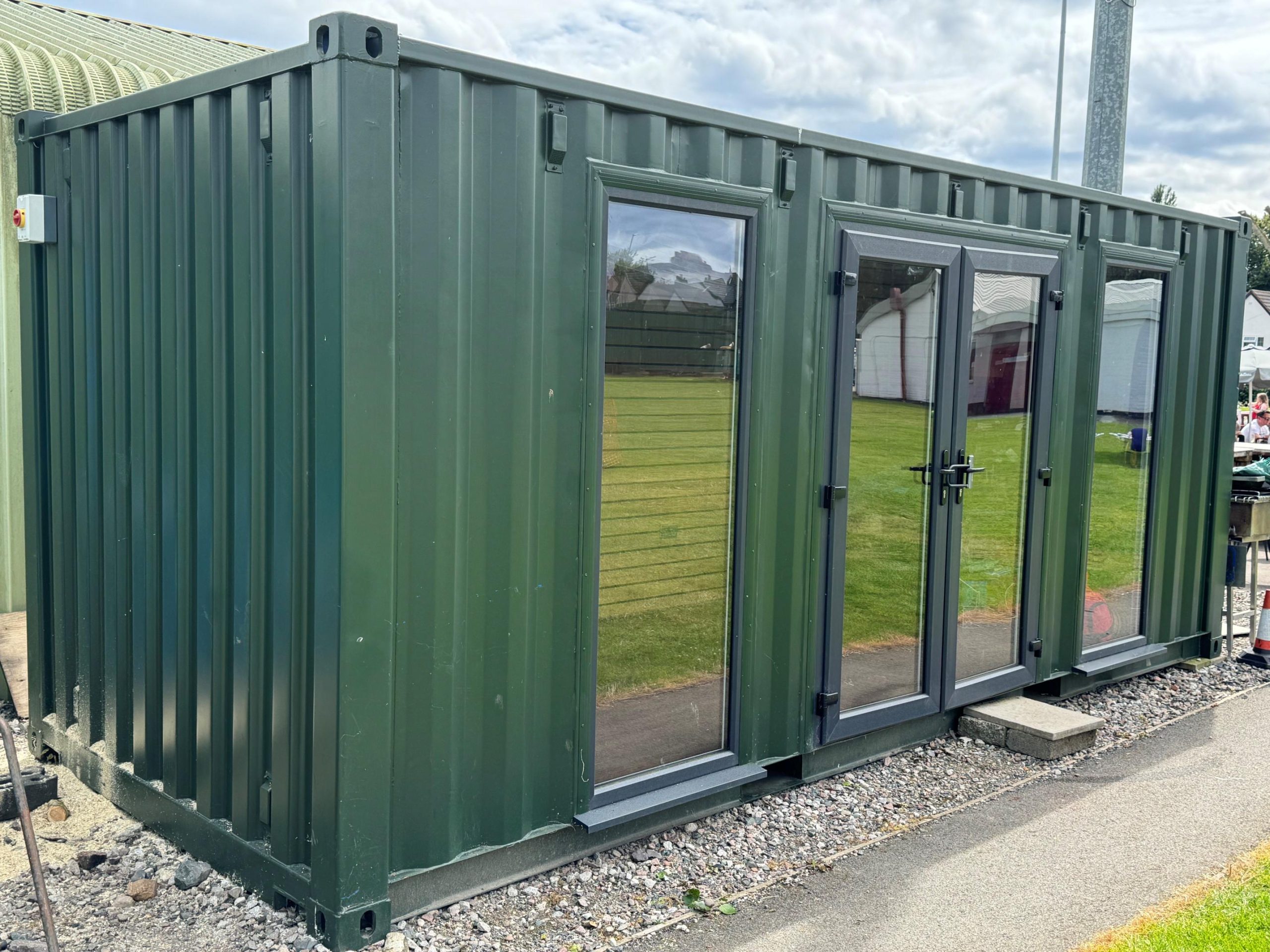
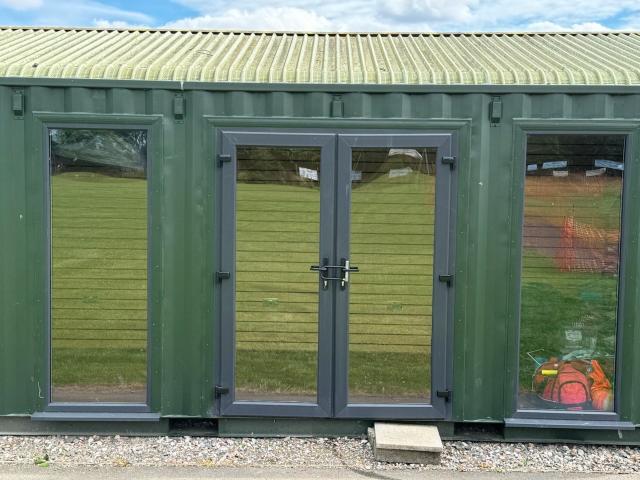
Fully refurbished
Colour light grey
Slate grey anthracite upvc double glazed windows
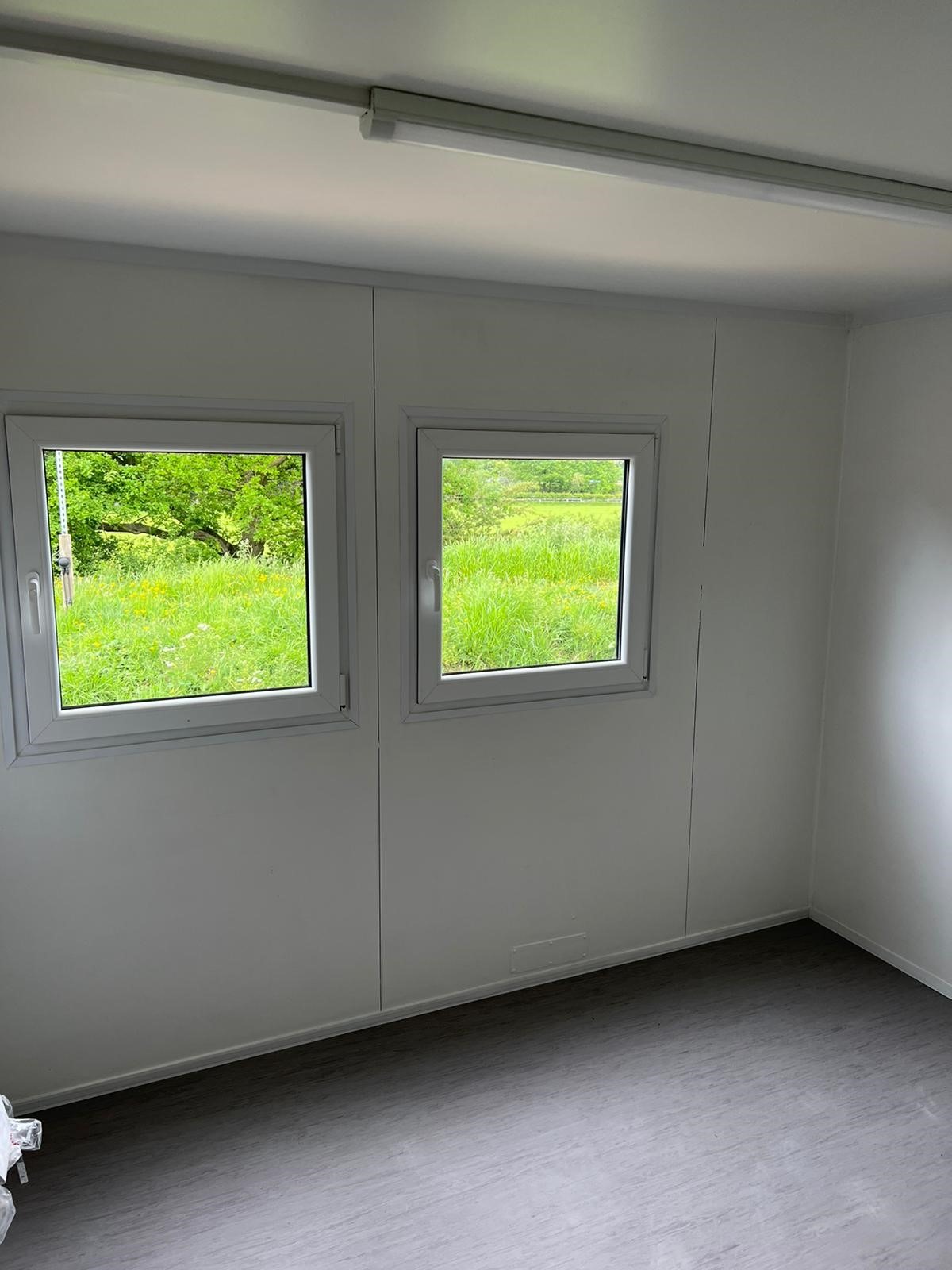
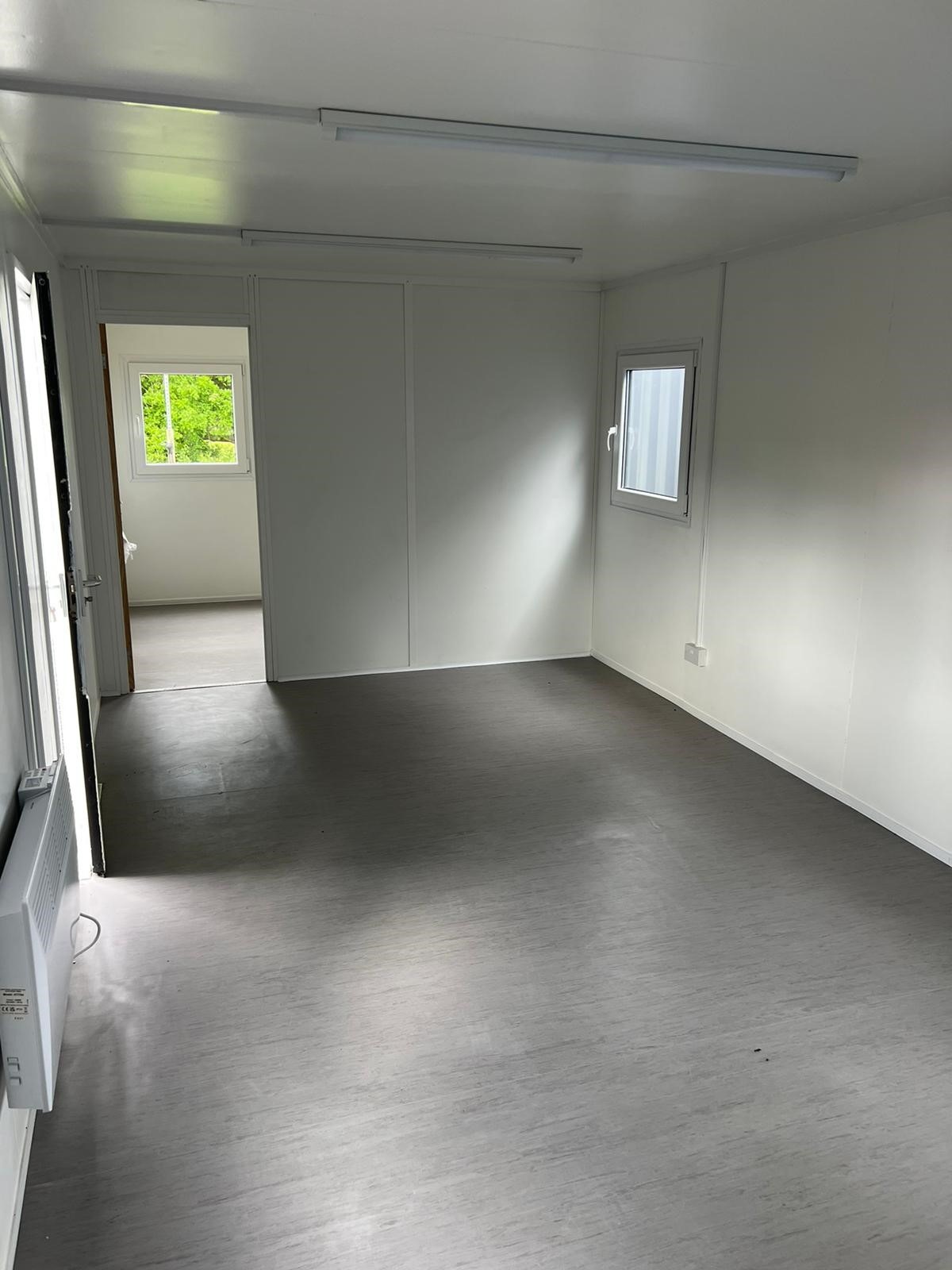
Location: Nationwide
+ VAT
Not Available for Hire
Call for an instant quote!
Fully Insulated with electric sockets, spot lighting, and heating
Wood Flooring
UPVC Sliding Door + Windows
Lead Time for build 6-8 weeks
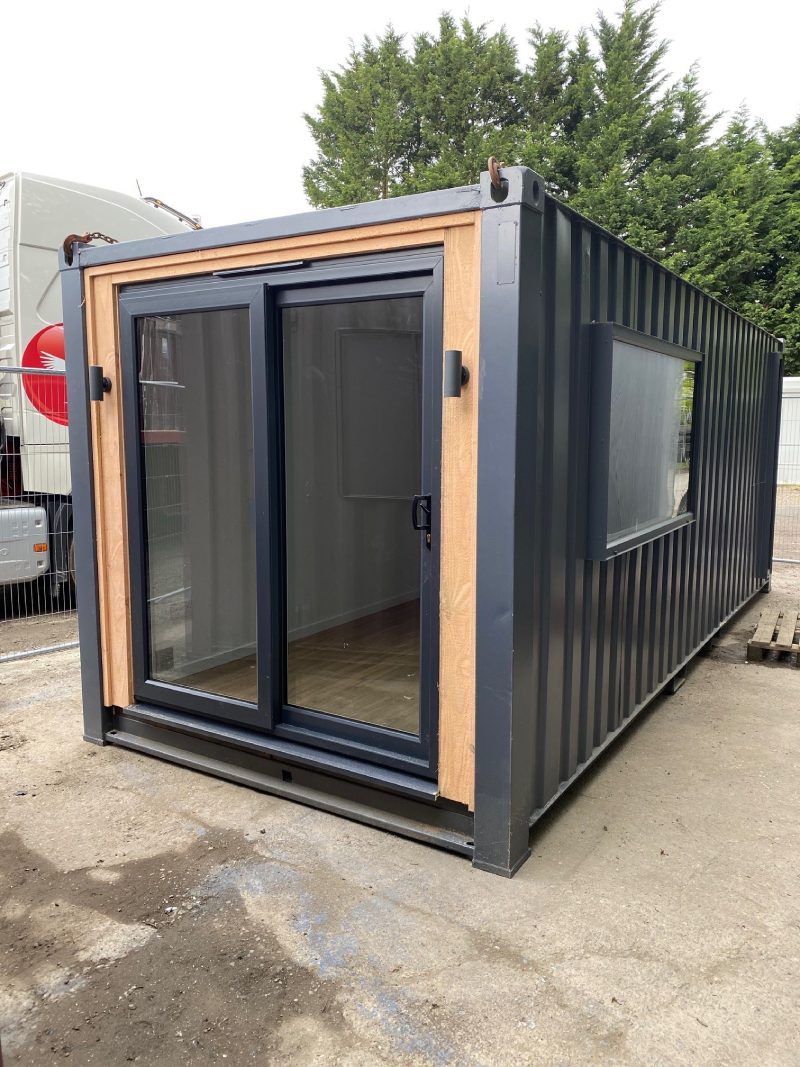
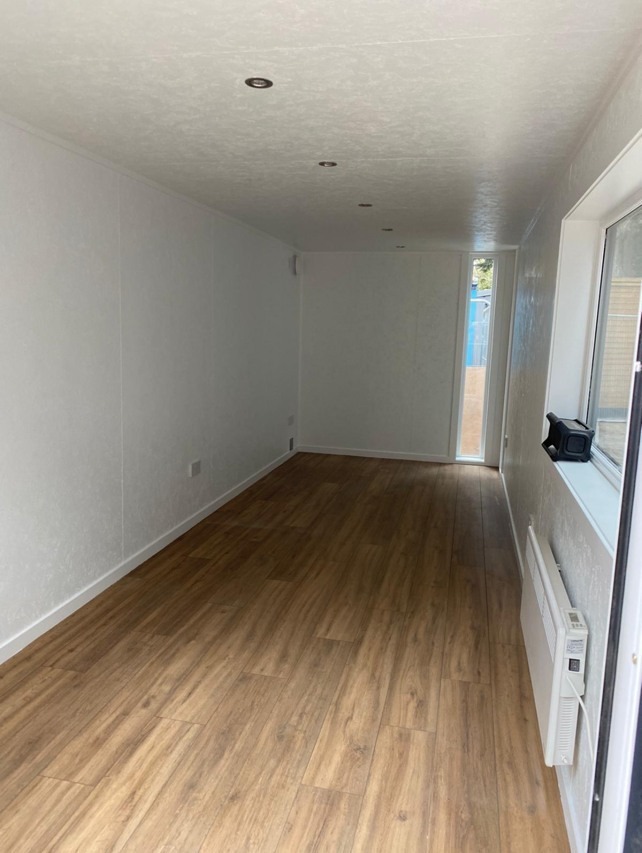
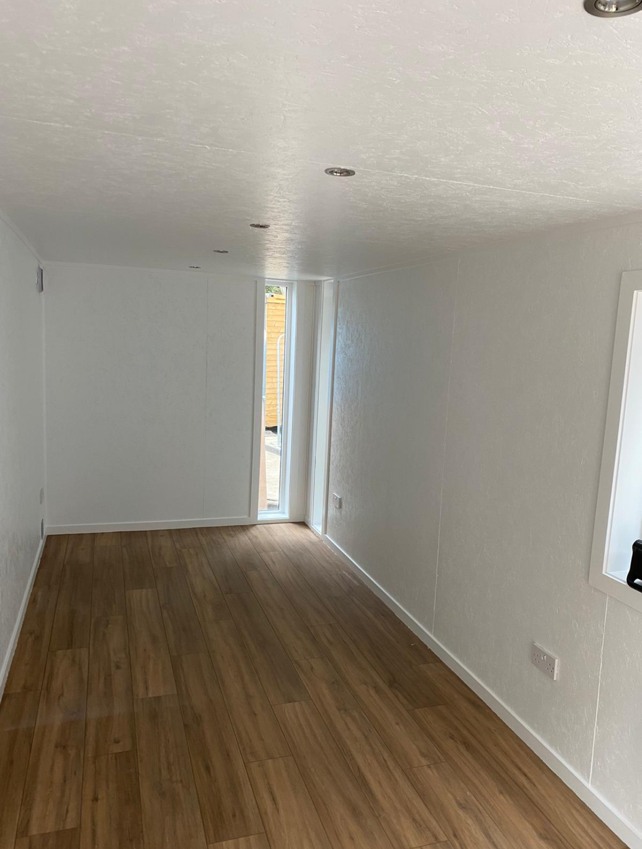
Location: Nationwide
+ VAT
Not Available for Hire
Call for an instant quote!
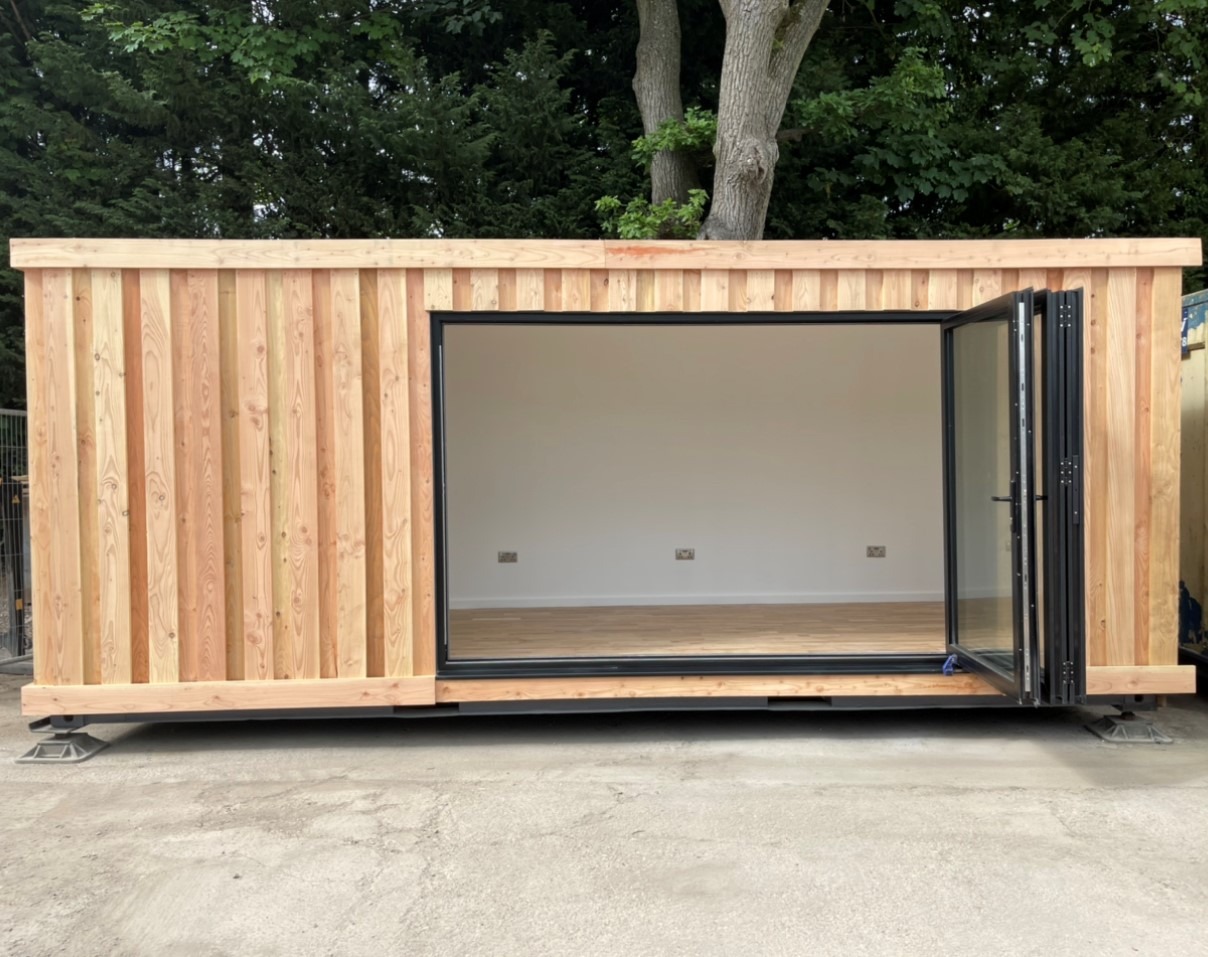
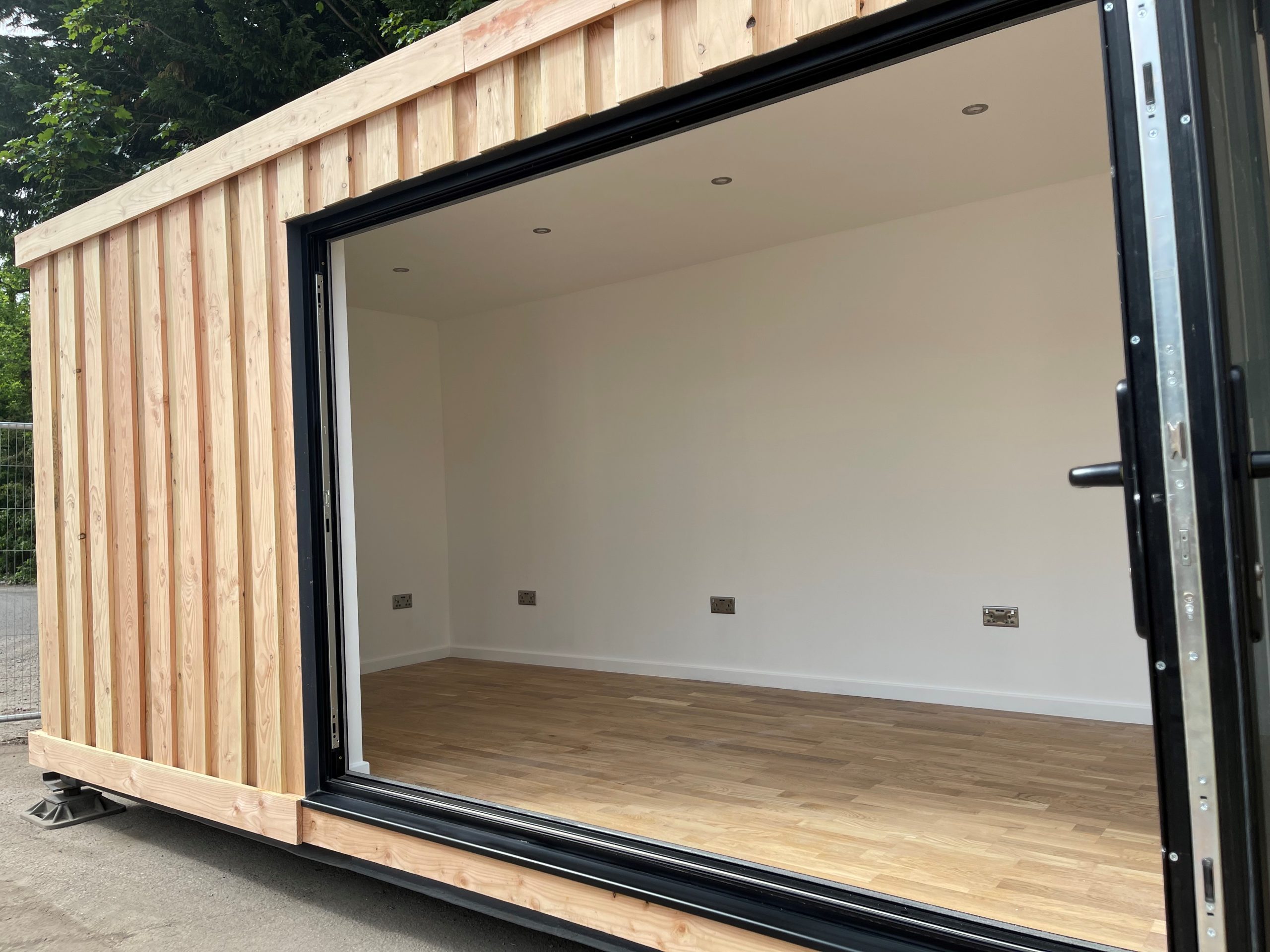
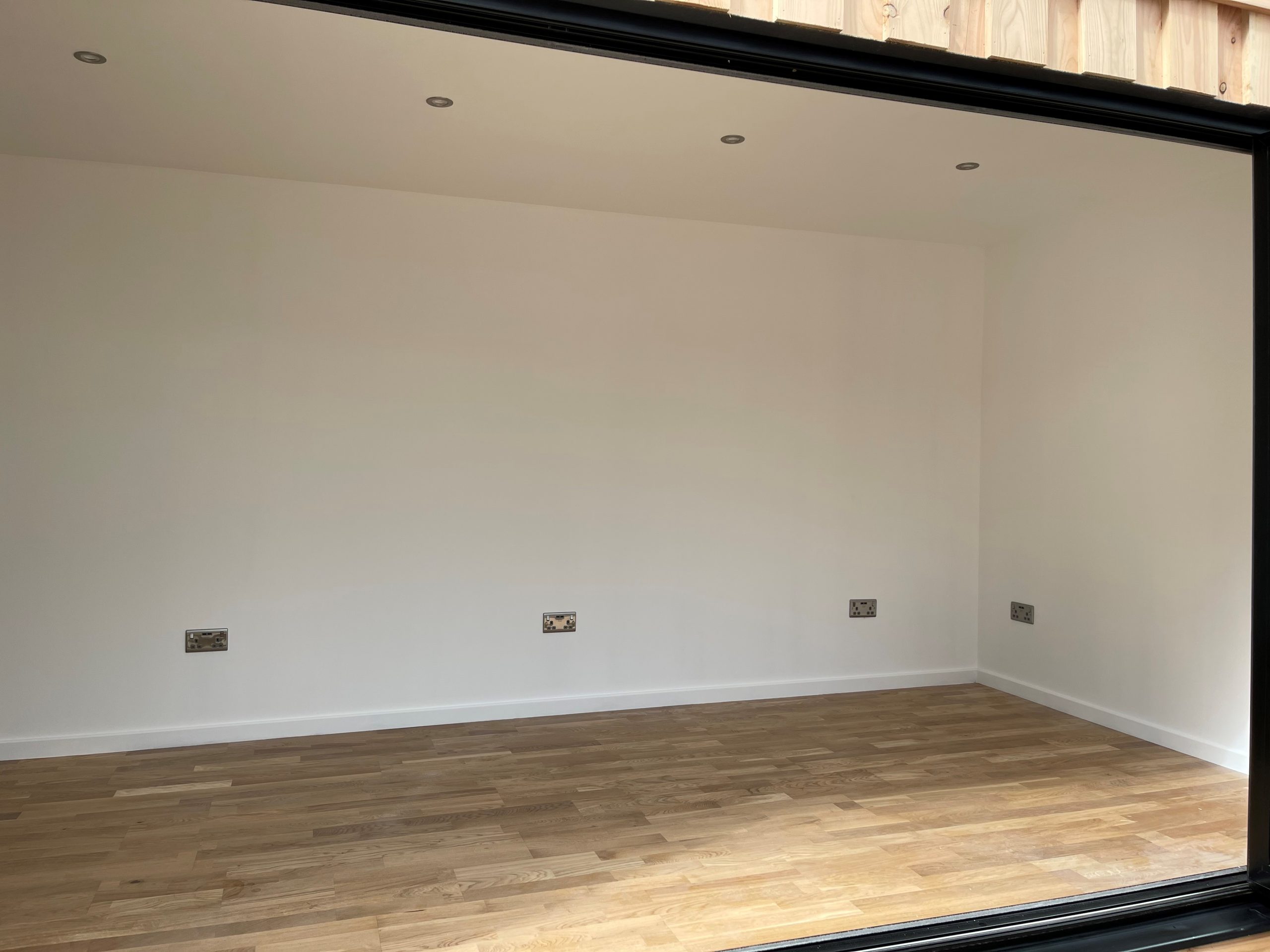
Fully Insulated with electric sockets, spot lighting, and heating
Wood Flooring
Aluminium Bi Fold Doors
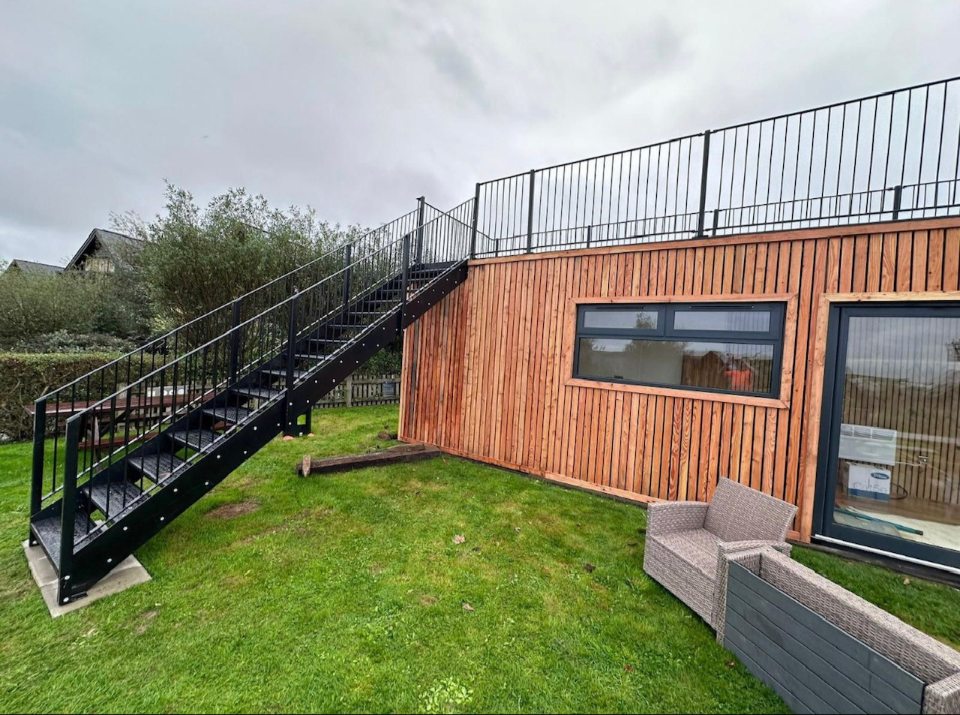
Fully wrapped in larch cladding
Lead Time for build 6-8 weeks
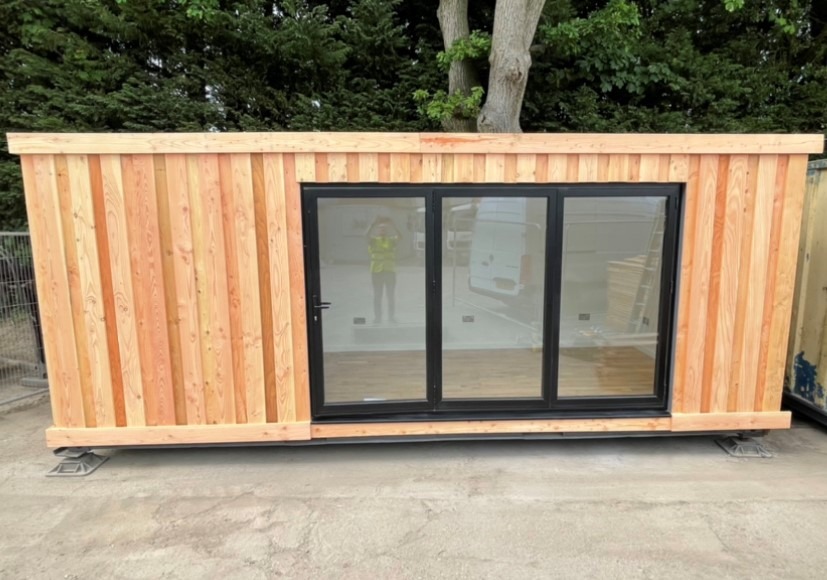
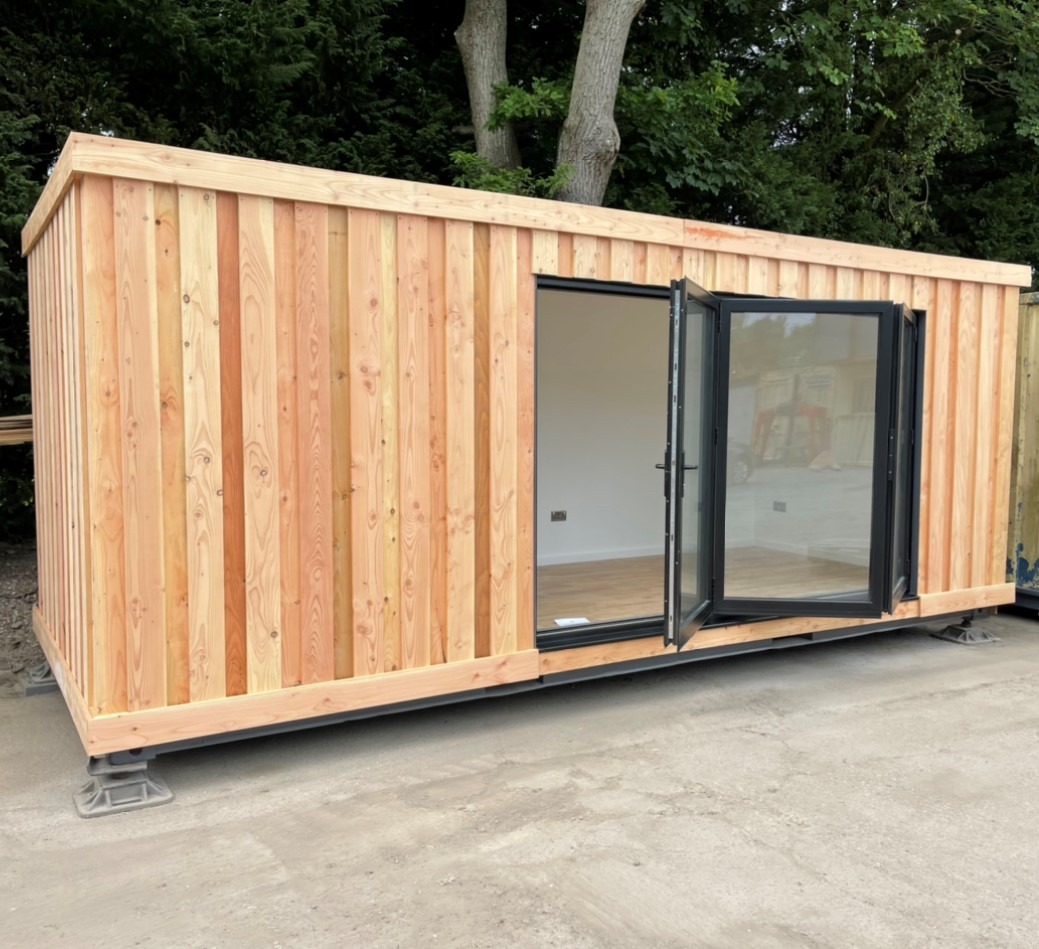
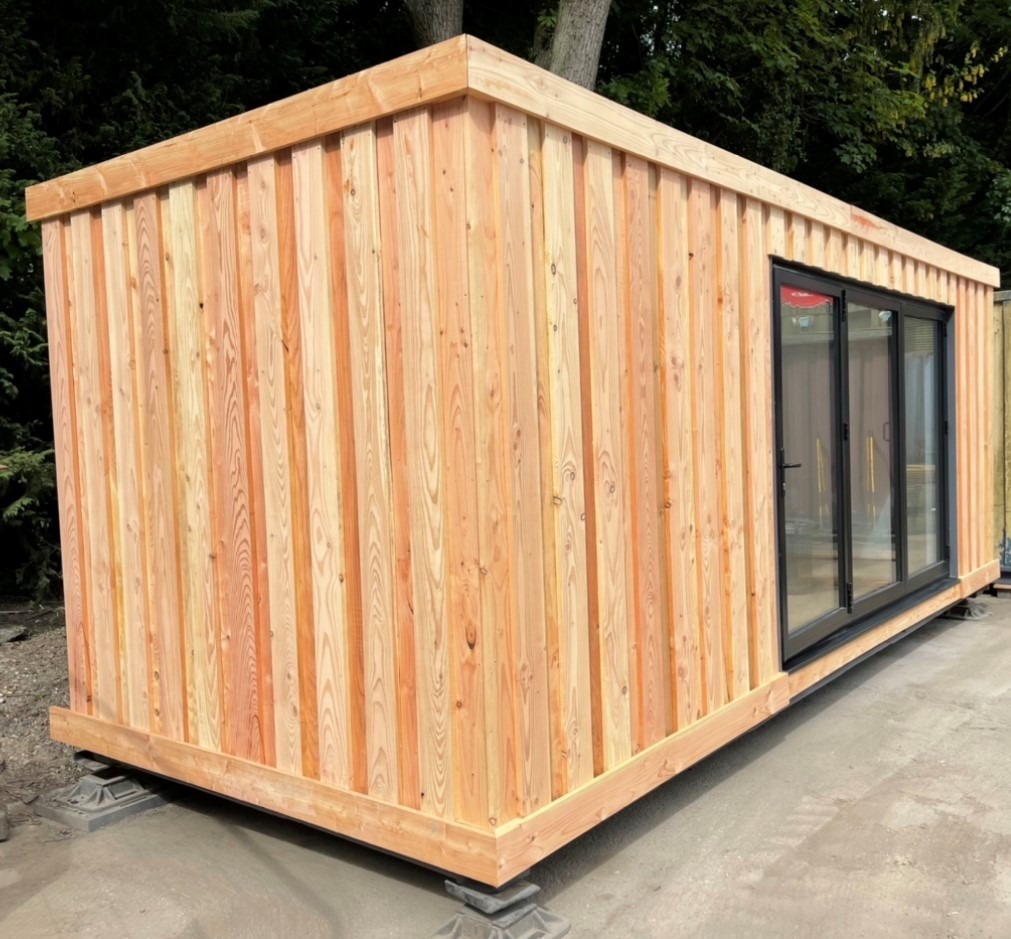
Location: Nationwide
+ VAT
Not Available for Hire
Call for an instant quote!
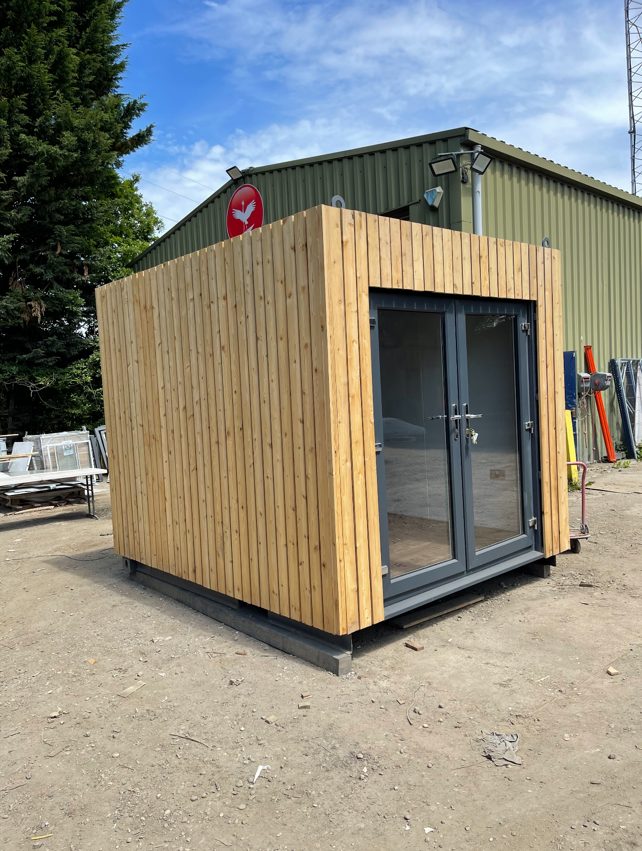
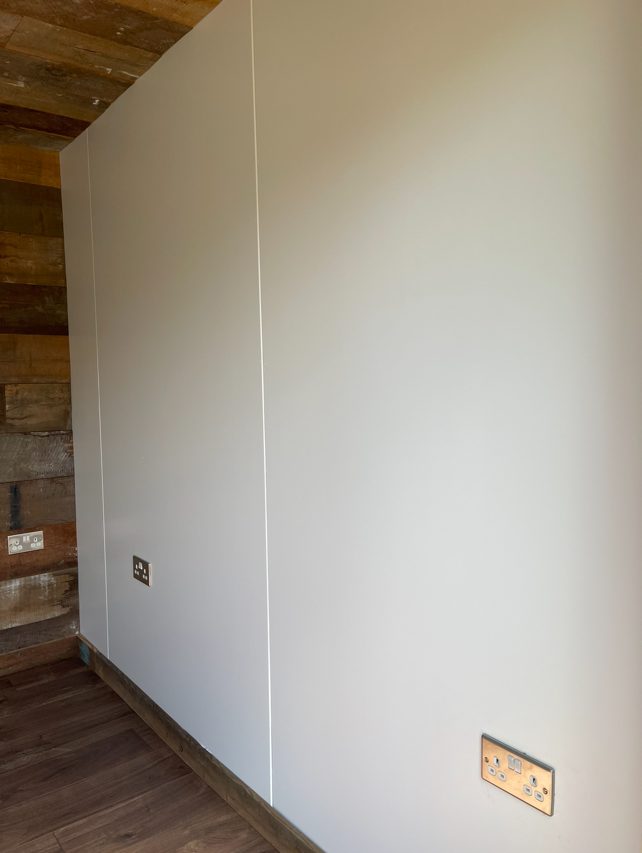
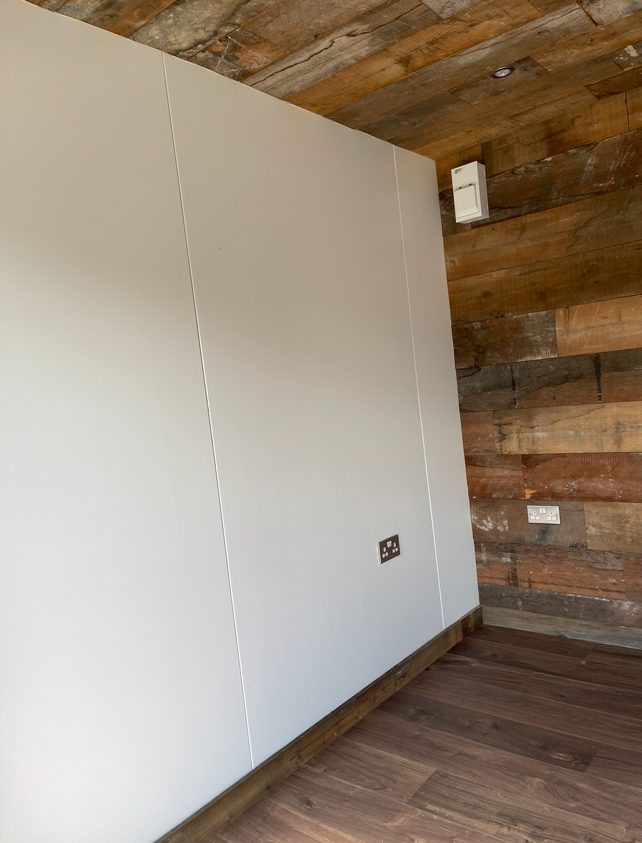
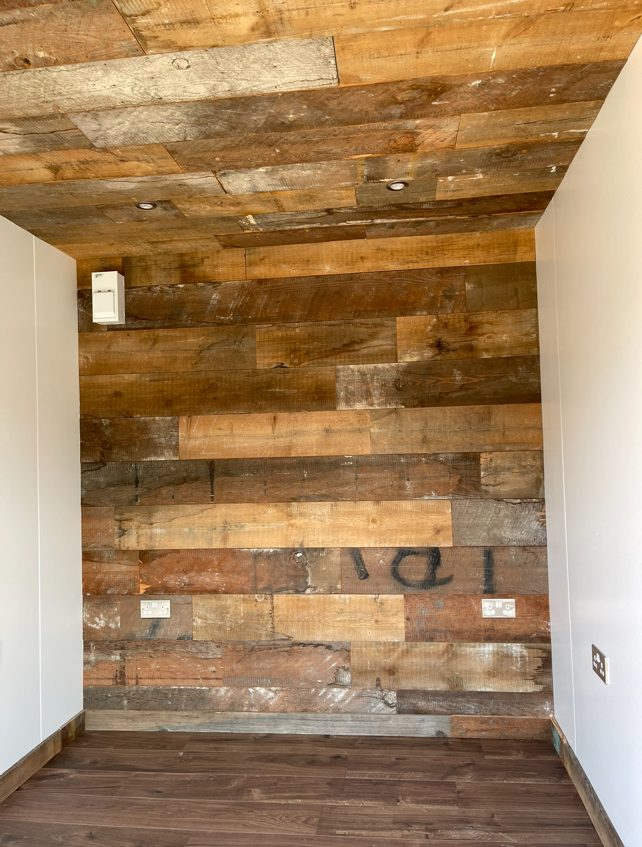
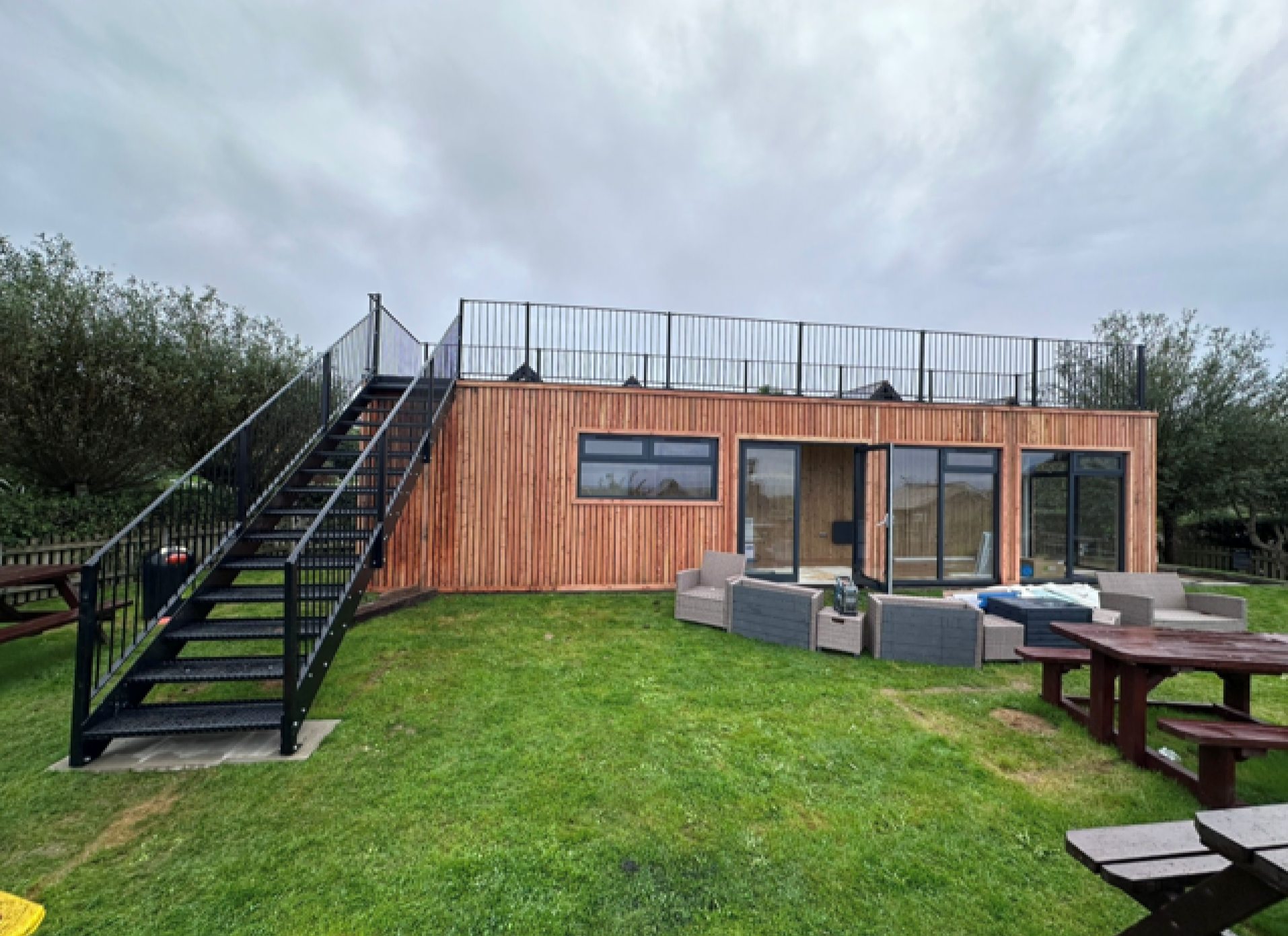
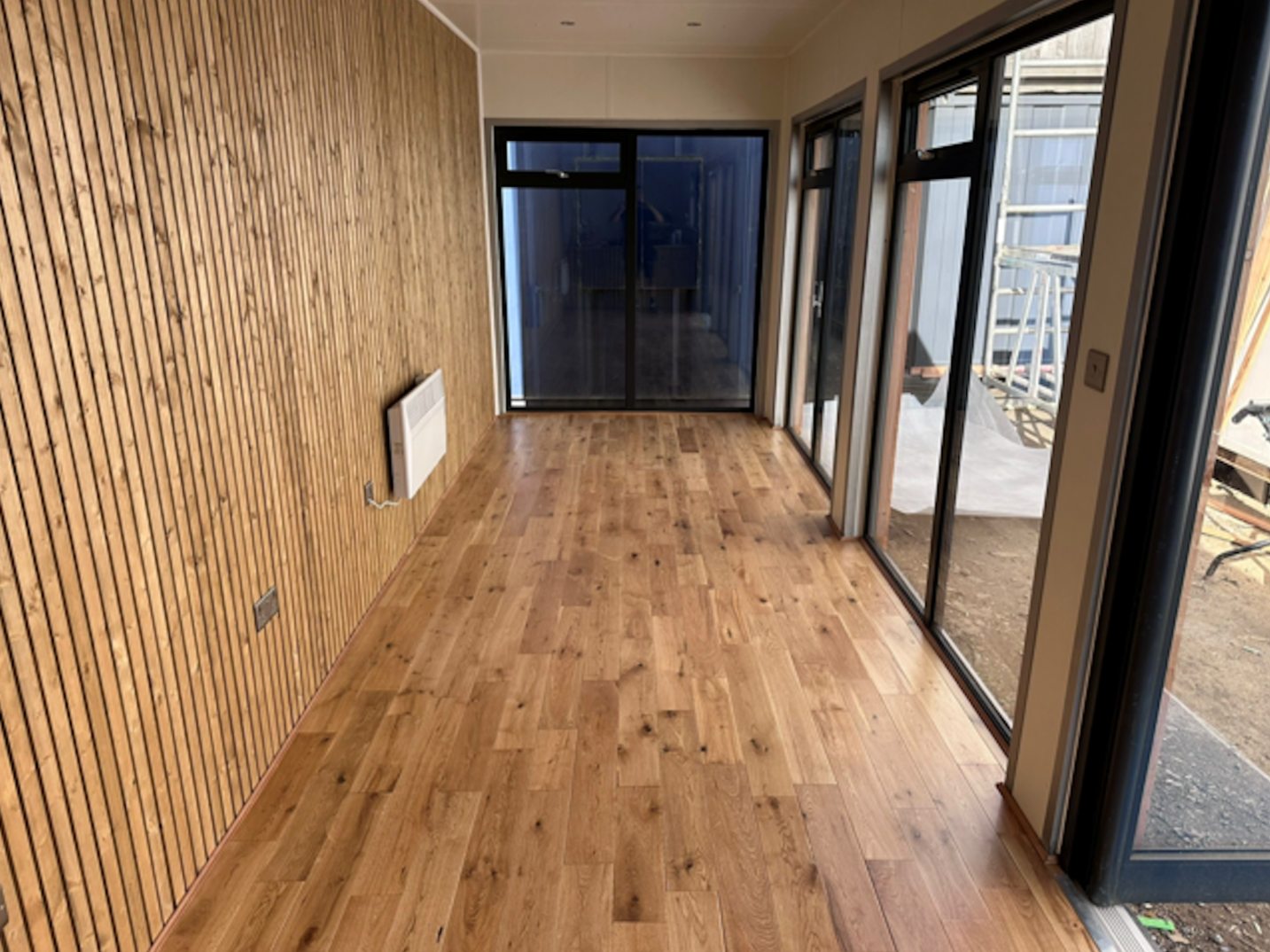
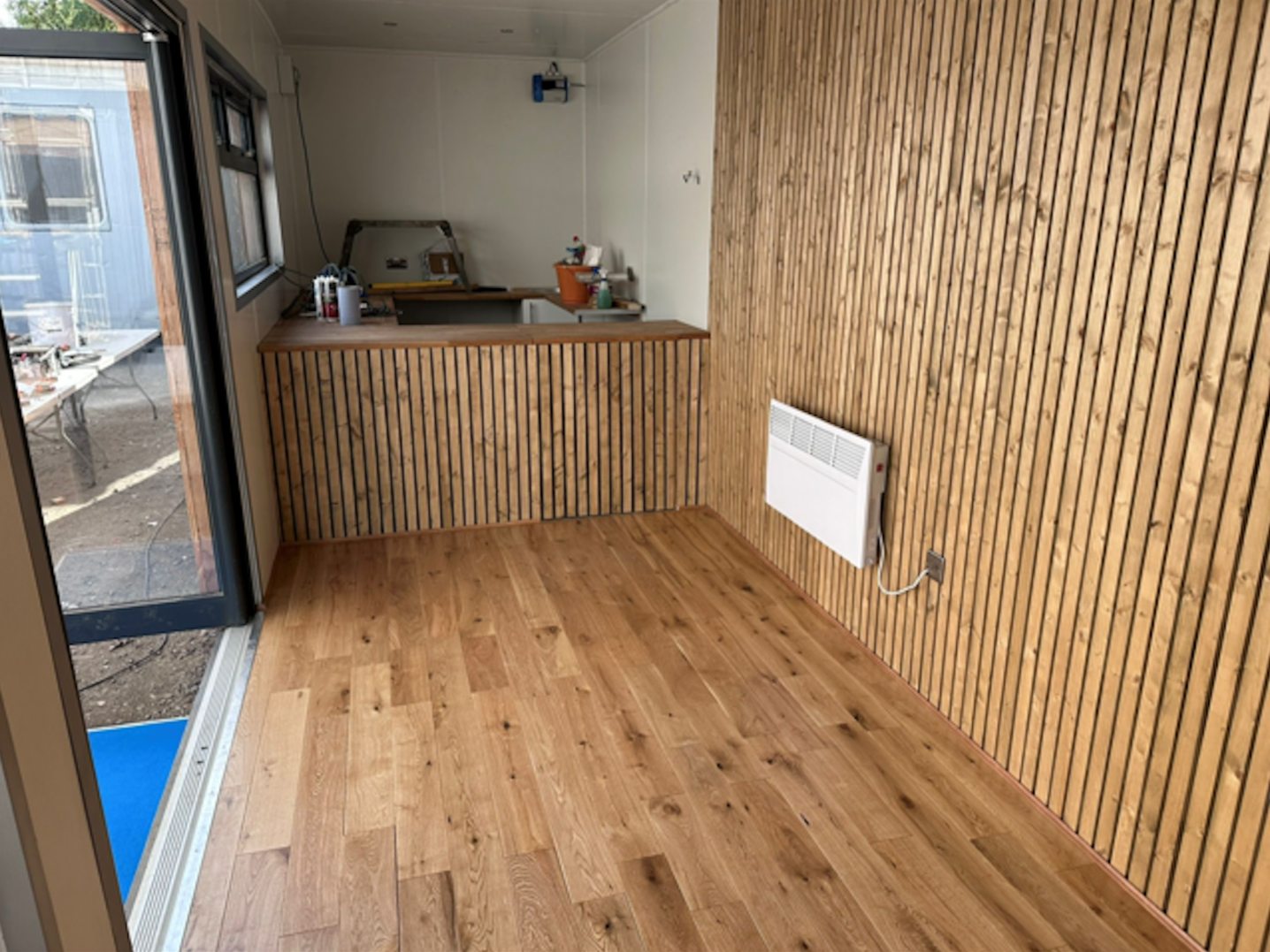
Fully Insulated with electric sockets, spot lighting, and heating
Wood Flooring
Feature Clad Wall and Ceiling
UPVC Double glazed French Doors
Fully wrapped in larch cladding
Lead Time for build 6-8 weeks
Location: Nationwide
EX VAT
Not Available for Hire
Call for an instant quote!
Location: Nationwide
EX VAT
Not Available for Hire
Call for an instant quote!
Location: Nationwide
EX VAT
Not Available for Hire
Call for an instant quote!
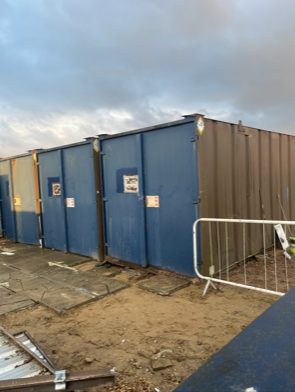
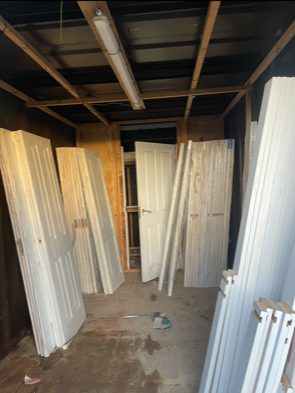
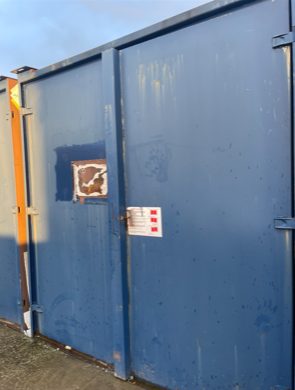
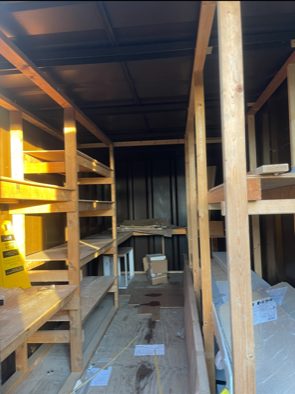
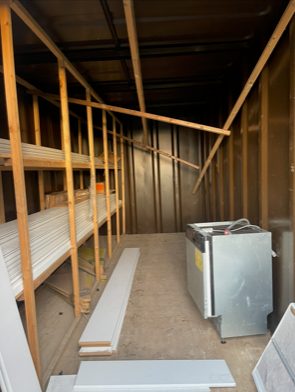
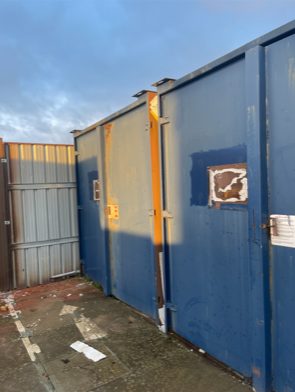
Location: Nationwide
EX VAT
Not Available for Hire
Call for an instant quote!
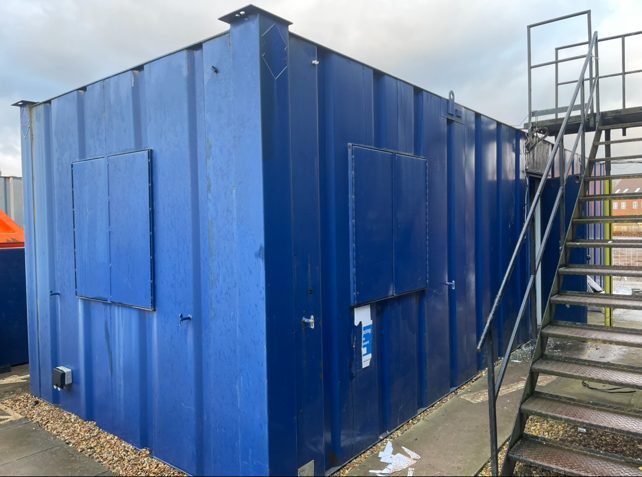
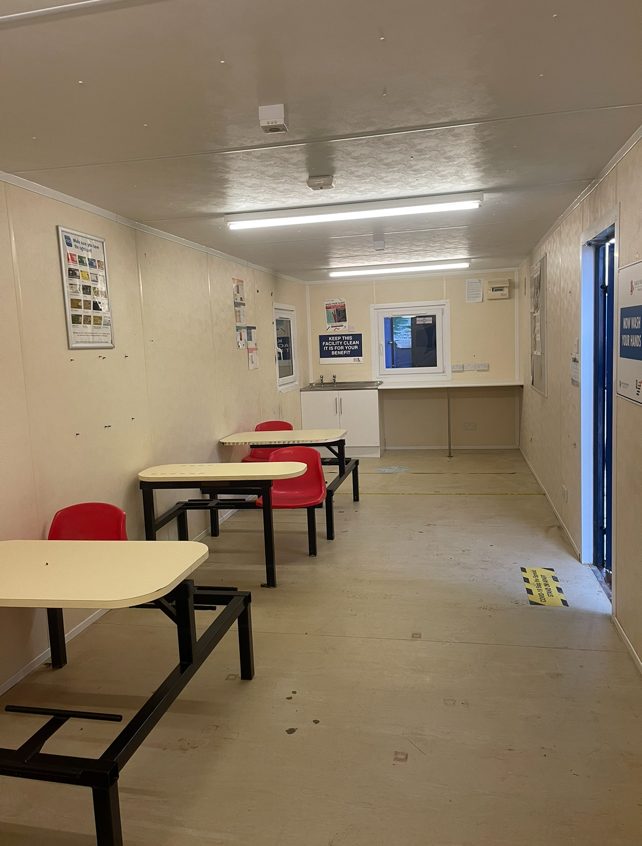
Location: Nationwide
EX VAT
Not Available for Hire
Call for an instant quote!
Location: Nationwide
EX VAT
Not Available for Hire
Call for an instant quote!
Location: Nationwide
EX VAT
Not Available for Hire
Call for an instant quote!
Location: Nationwide
EX VAT
Not Available for Hire
Call for an instant quote!
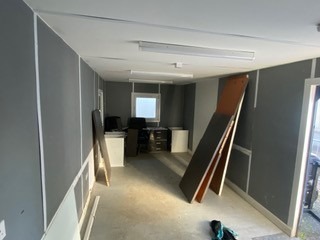
Location: Nationwide
EX VAT
Not Available for Hire
Call for an instant quote!
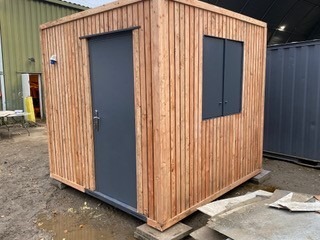
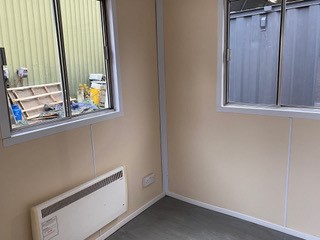
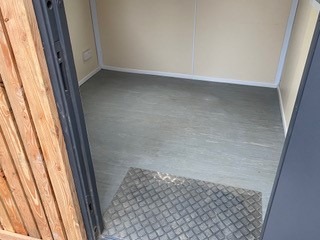
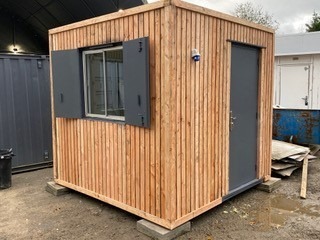
Location: Nationwide
EX VAT
Not Available for Hire
Call for an instant quote!
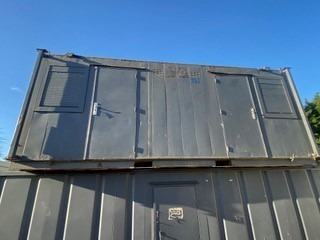
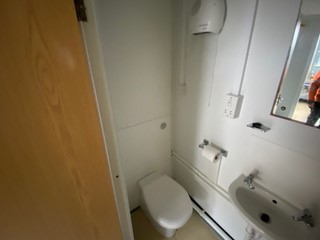
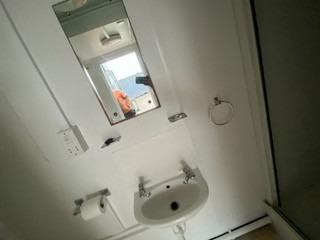
Location: Nationwide
EX VAT
Not Available for Hire
Call for an instant quote!
Location: Nationwide
EX VAT
Not Available for Hire
Call for an instant quote!
Location: Nationwide
EX VAT
Not Available for Hire
Call for an instant quote!
Location: Nationwide
EX VAT
Not Available for Hire
Call for an instant quote!
Location: Nationwide
EX VAT
Not Available for Hire
Call for an instant quote!
Location: Nationwide
EX VAT
Not Available for Hire
Call for an instant quote!
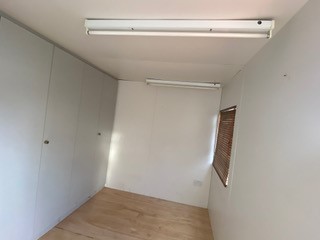
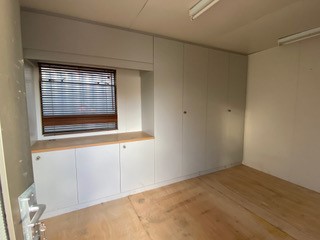
10ftx8ft – £5950 + Vat / 16ftx8ft – £7950 + Vat / 20ftx8ft – £9000 + Vat / 24ftx8ft – £12000 + Vat / 30ftx8ft – £13500 + Vat
Location: Nationwide
EX VAT
Not Available for Hire
Call for an instant quote!
Location: Nationwide
EX VAT
Not Available for Hire
Call for an instant quote!
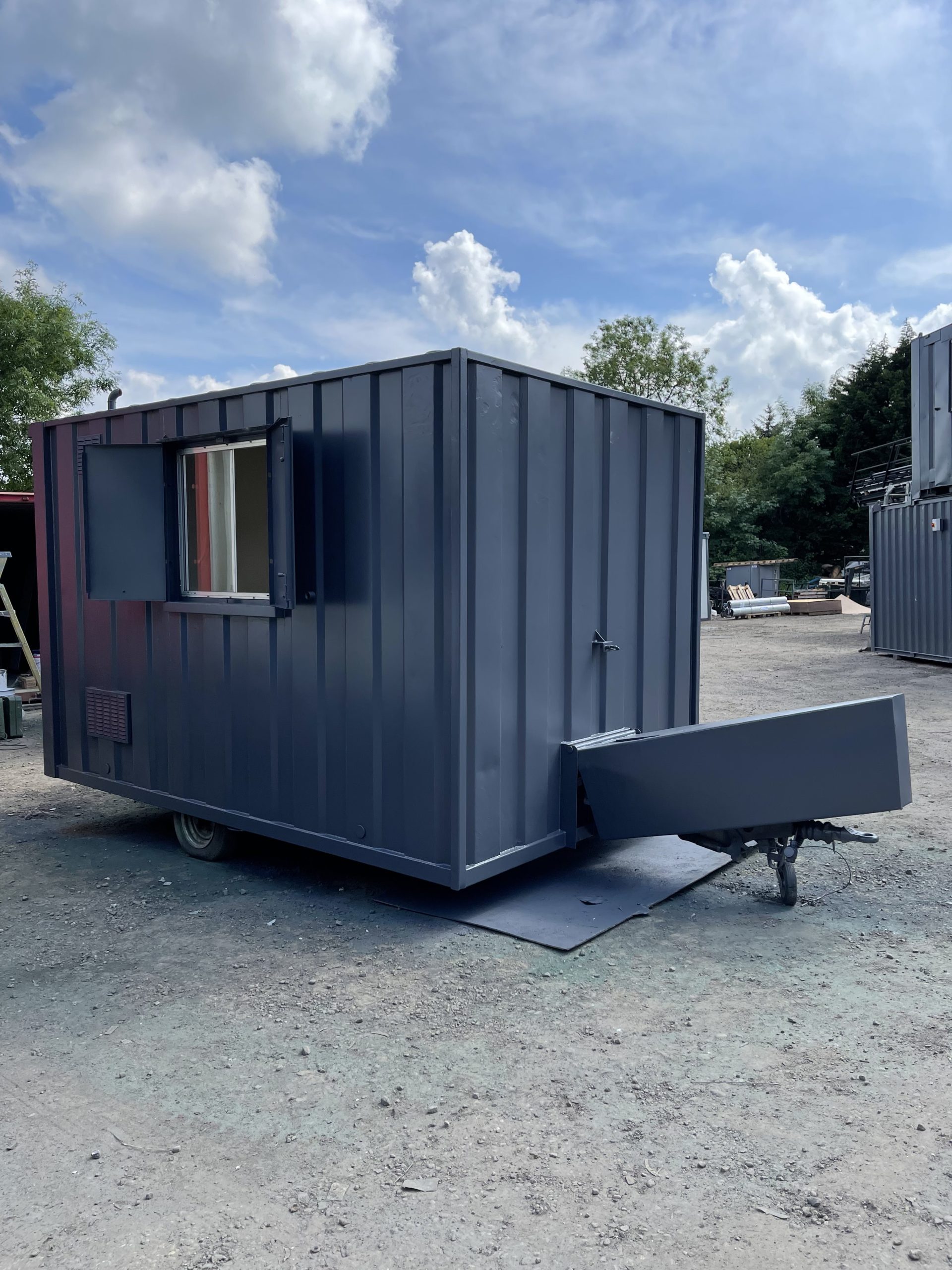
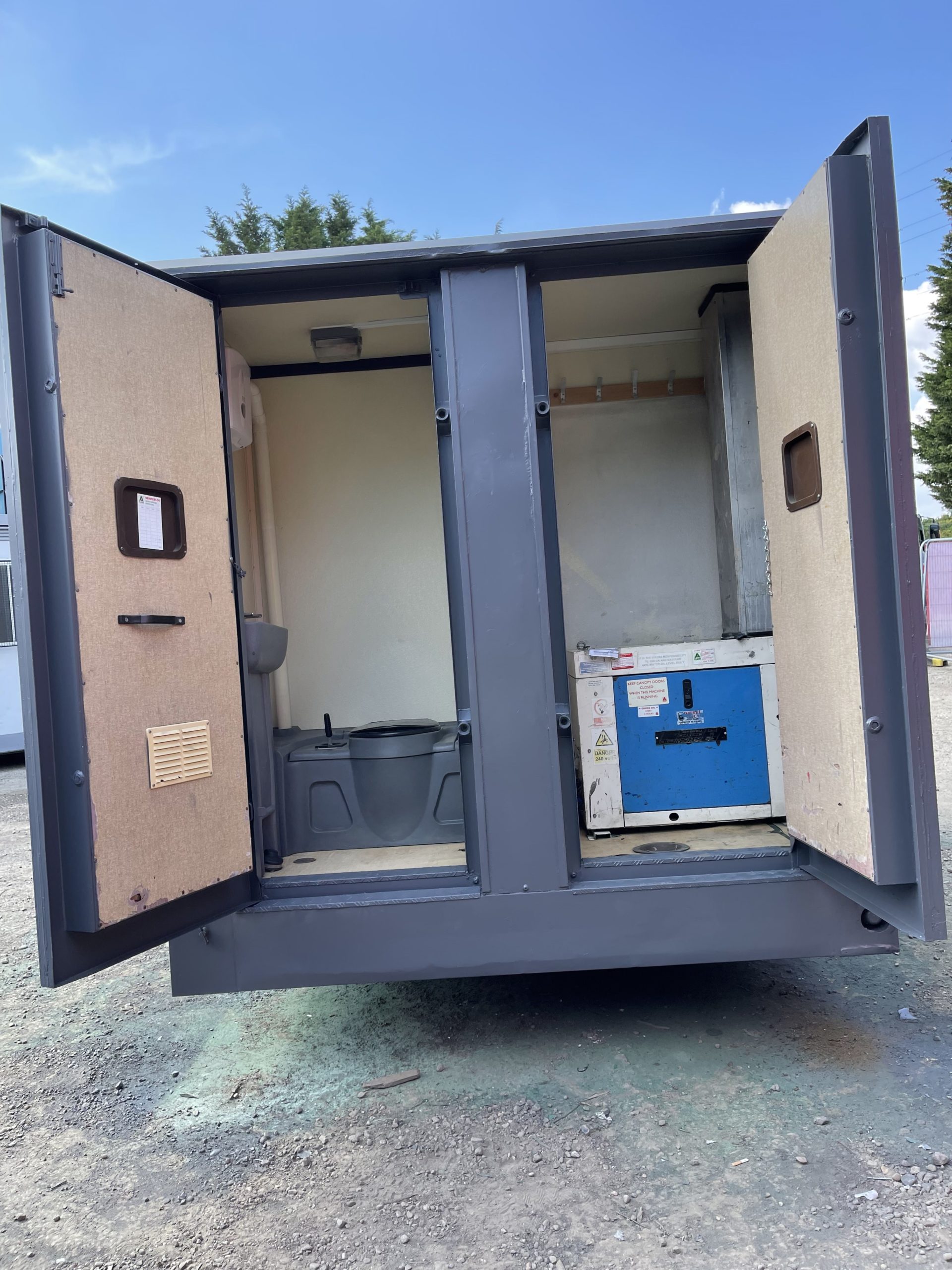
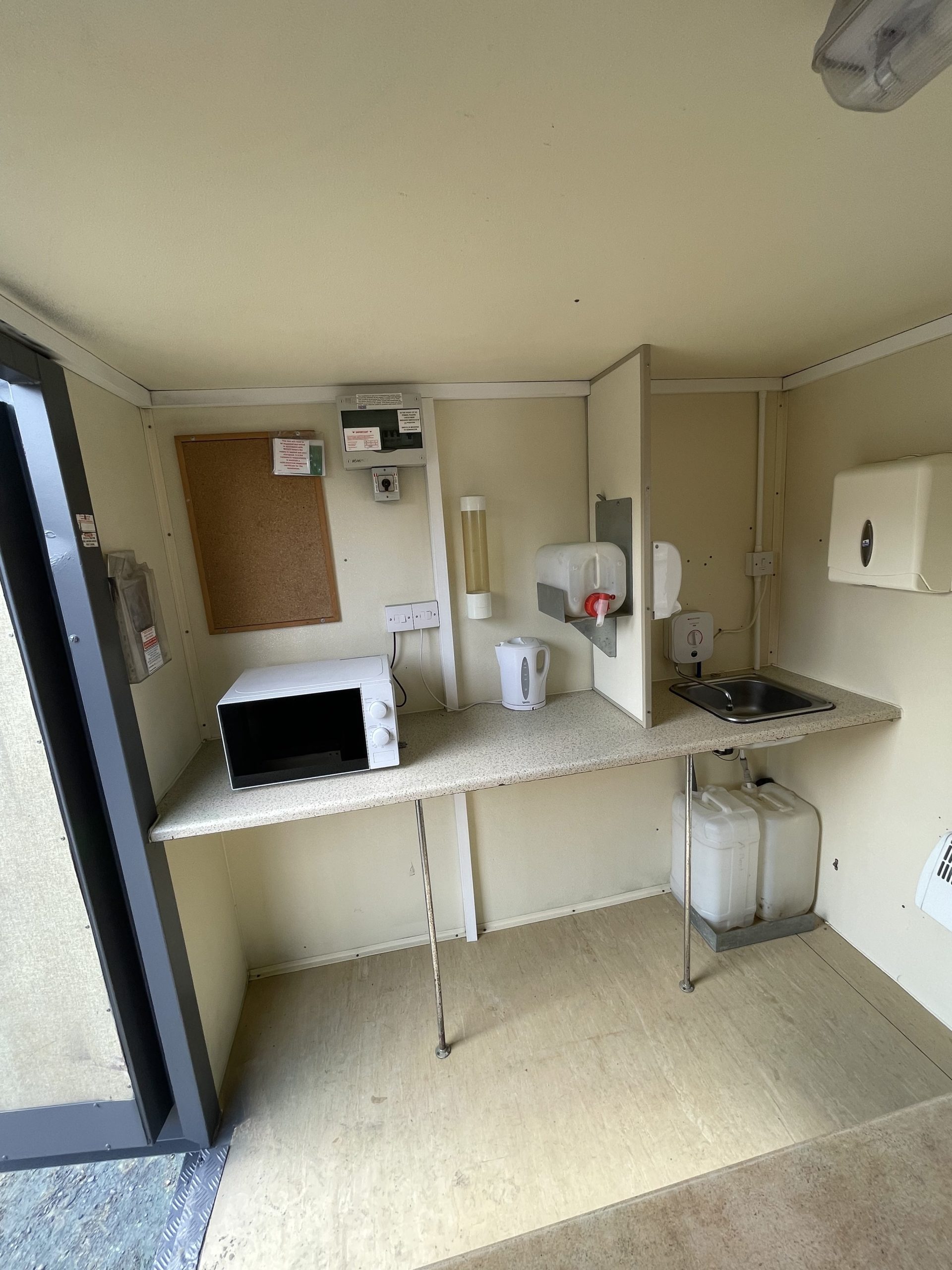
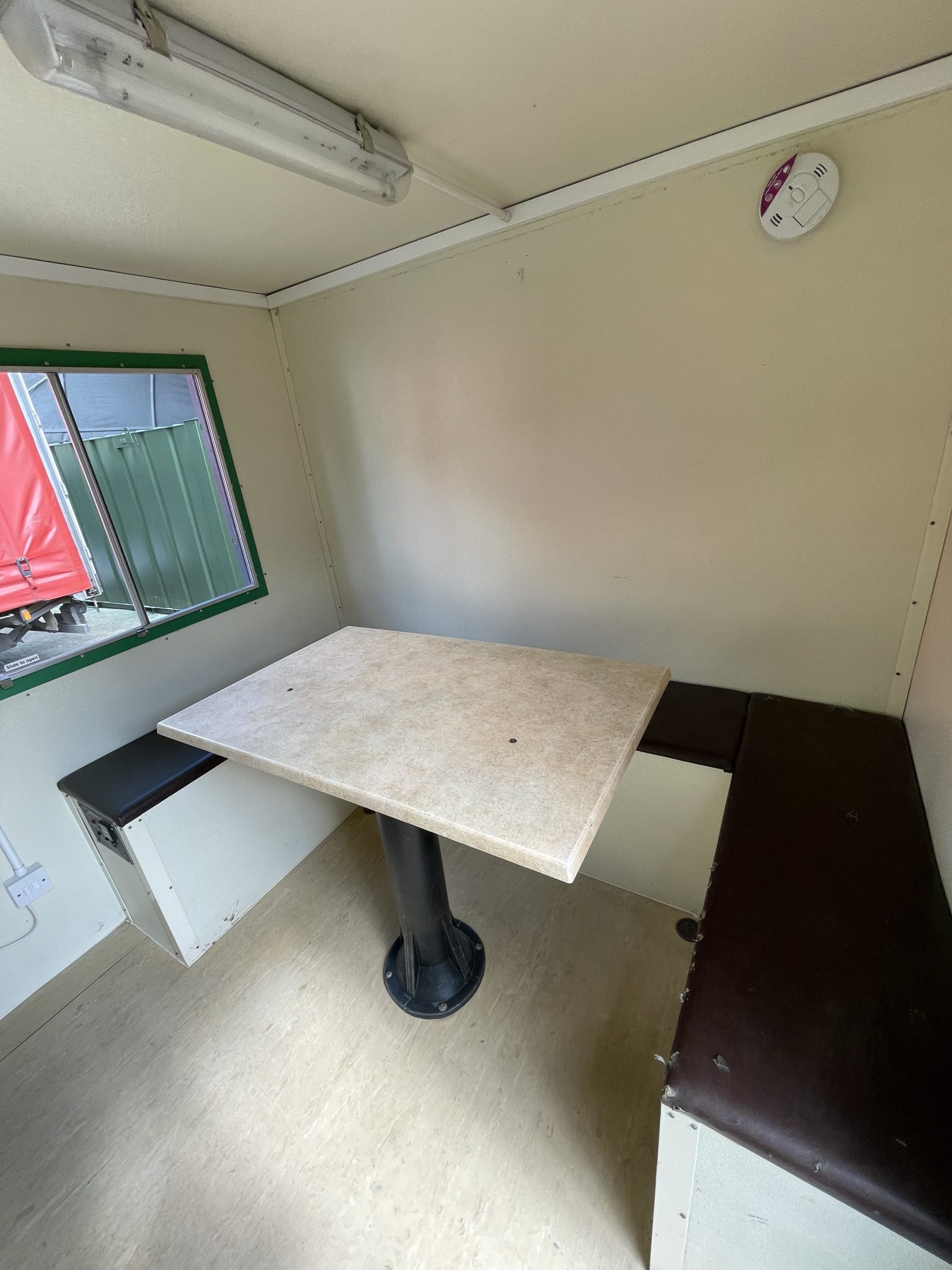
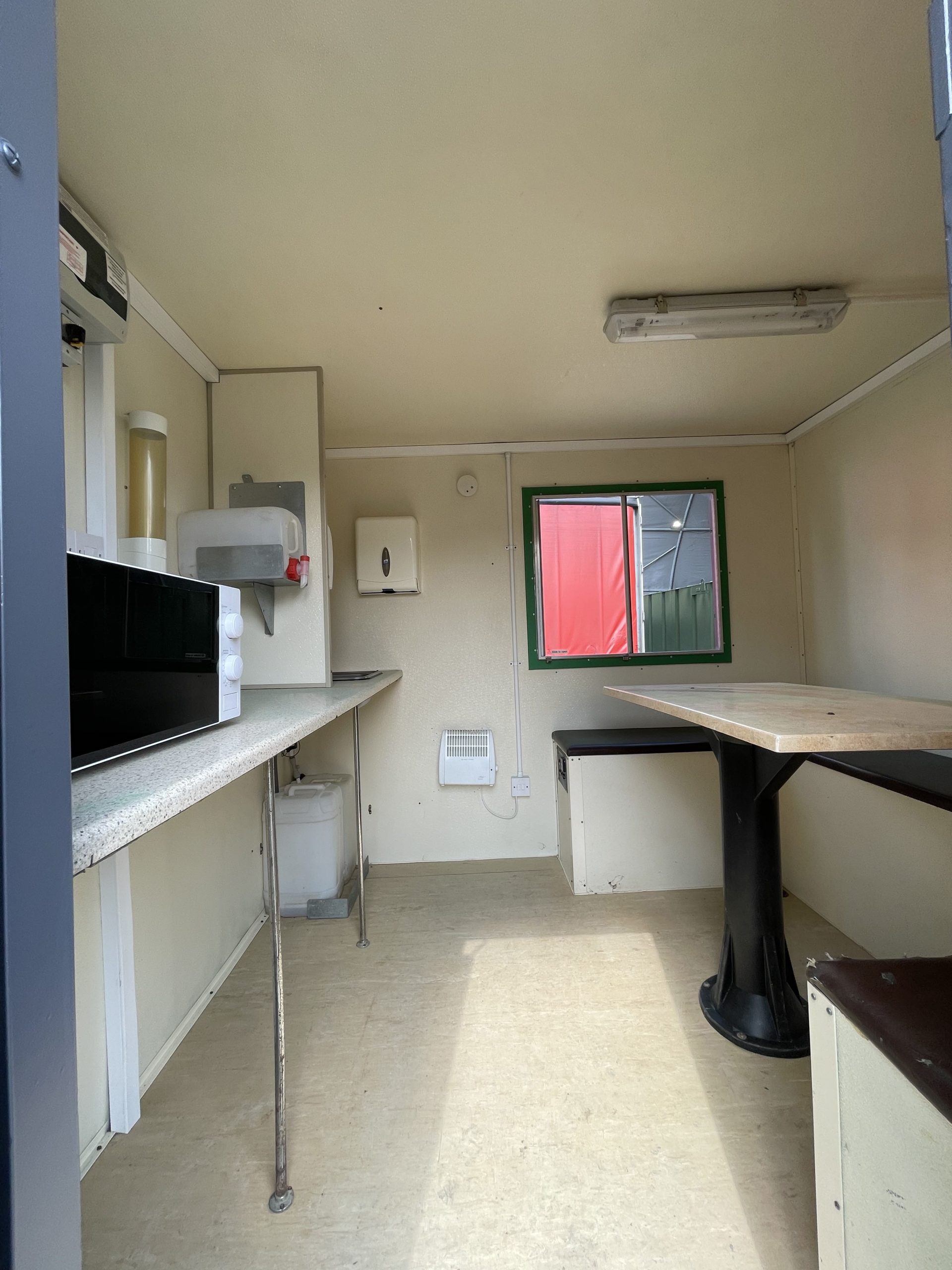
Location: Nationwide
EX VAT
Not Available for Hire
Call for an instant quote!
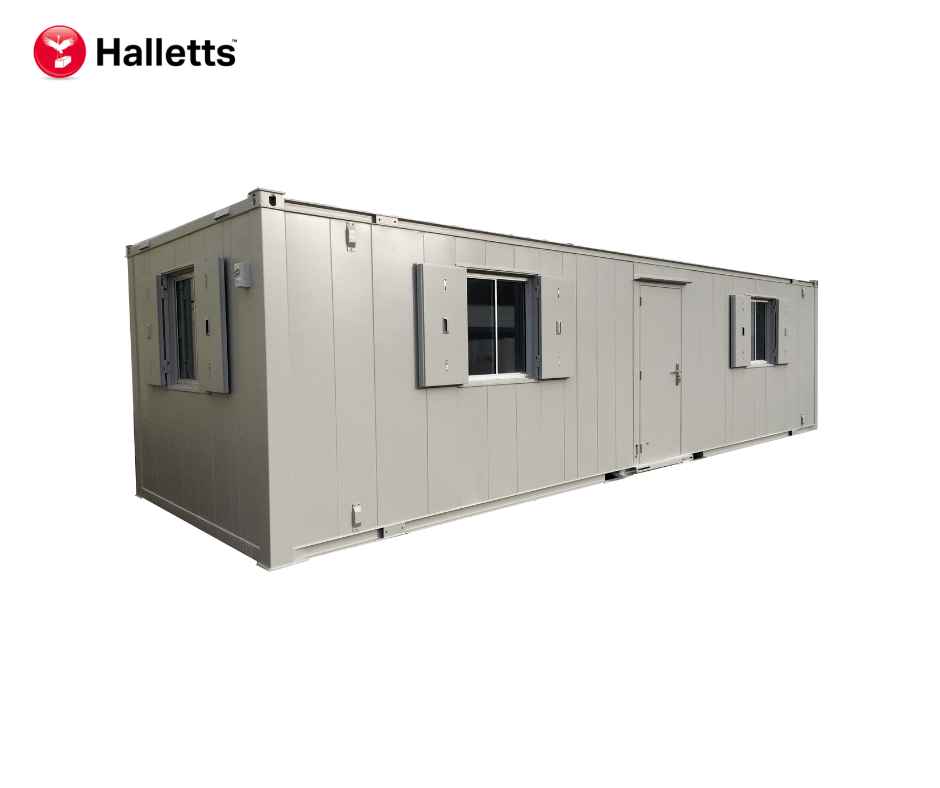
Location: Nationwide
Quantity: ∞
EX VAT
Not Available for Hire
Call for an instant quote!
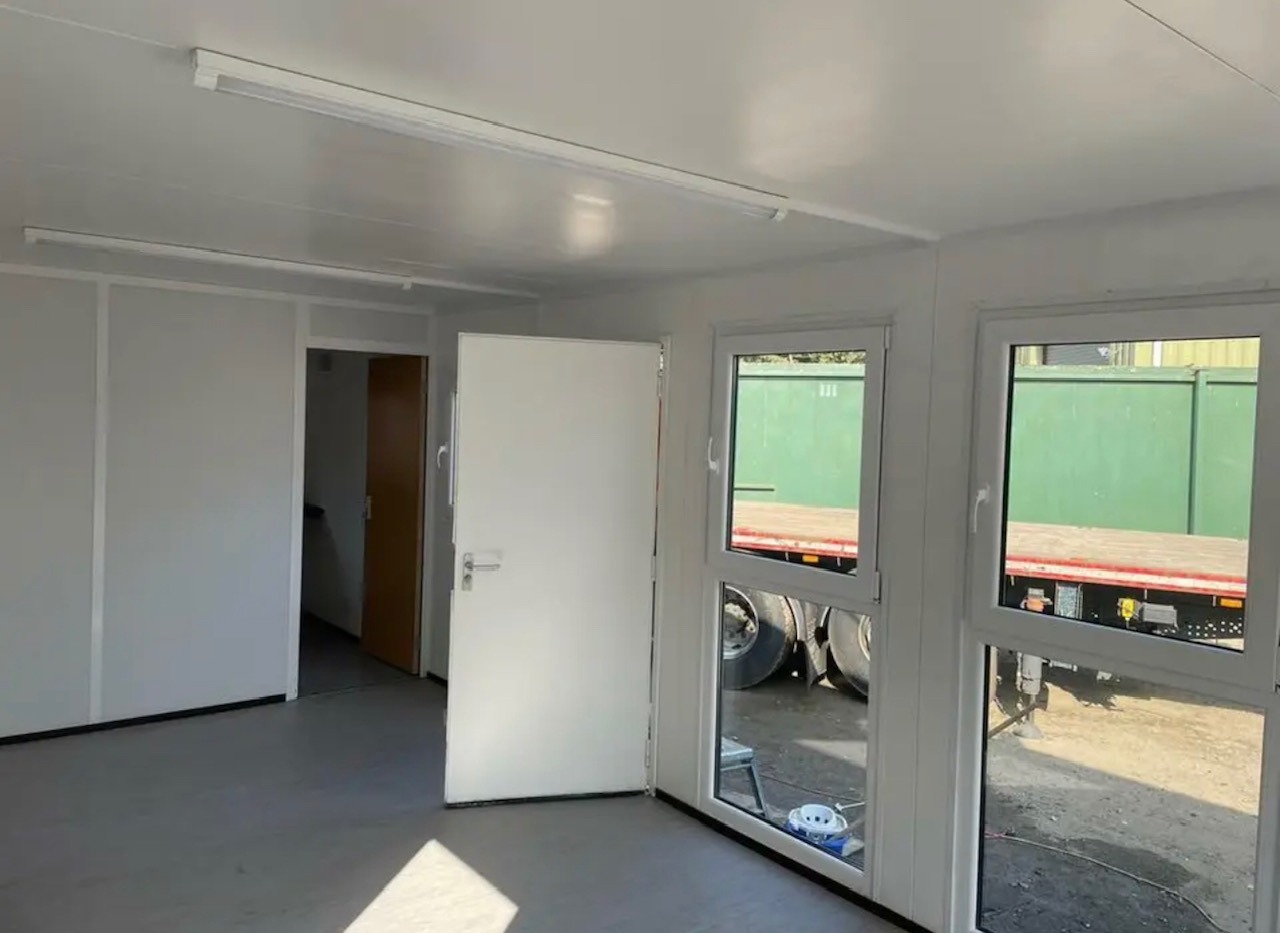
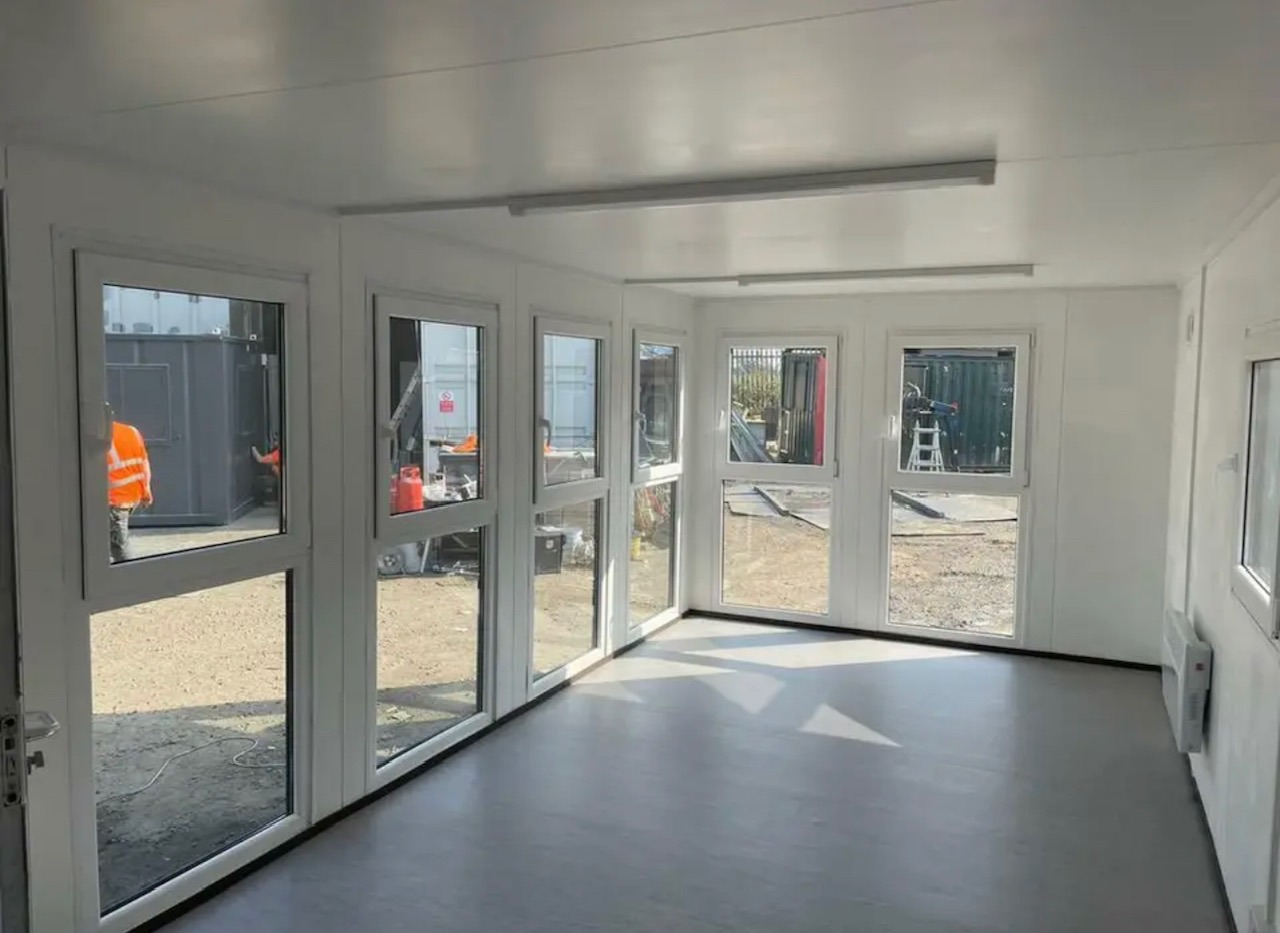
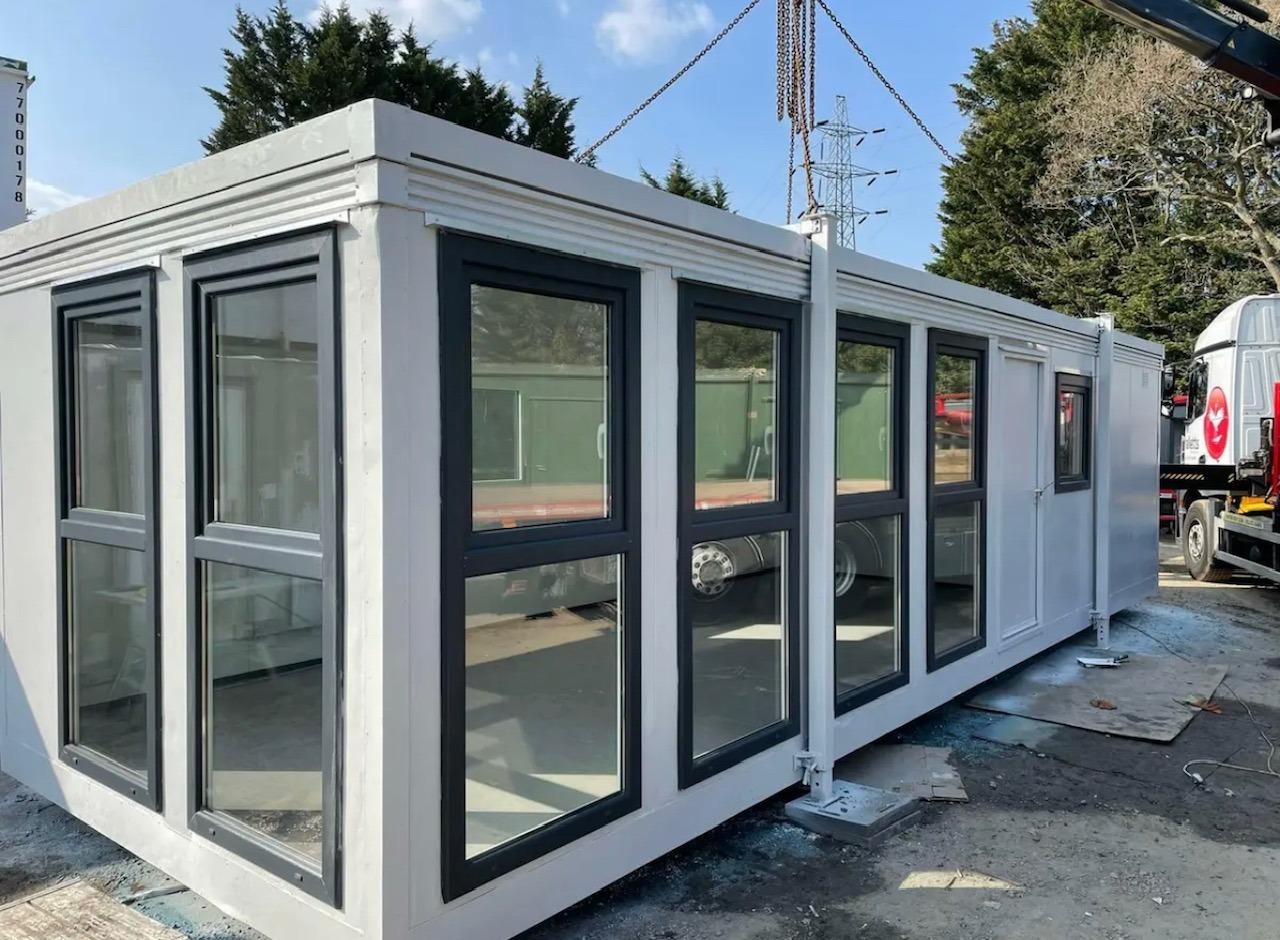
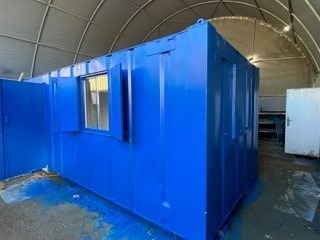
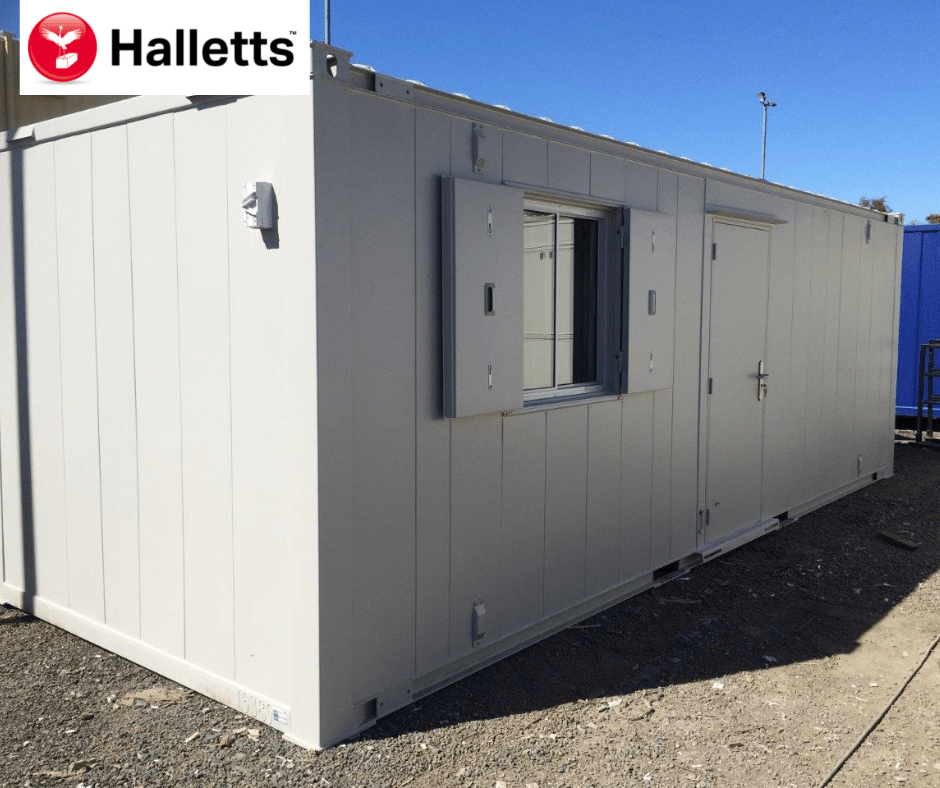
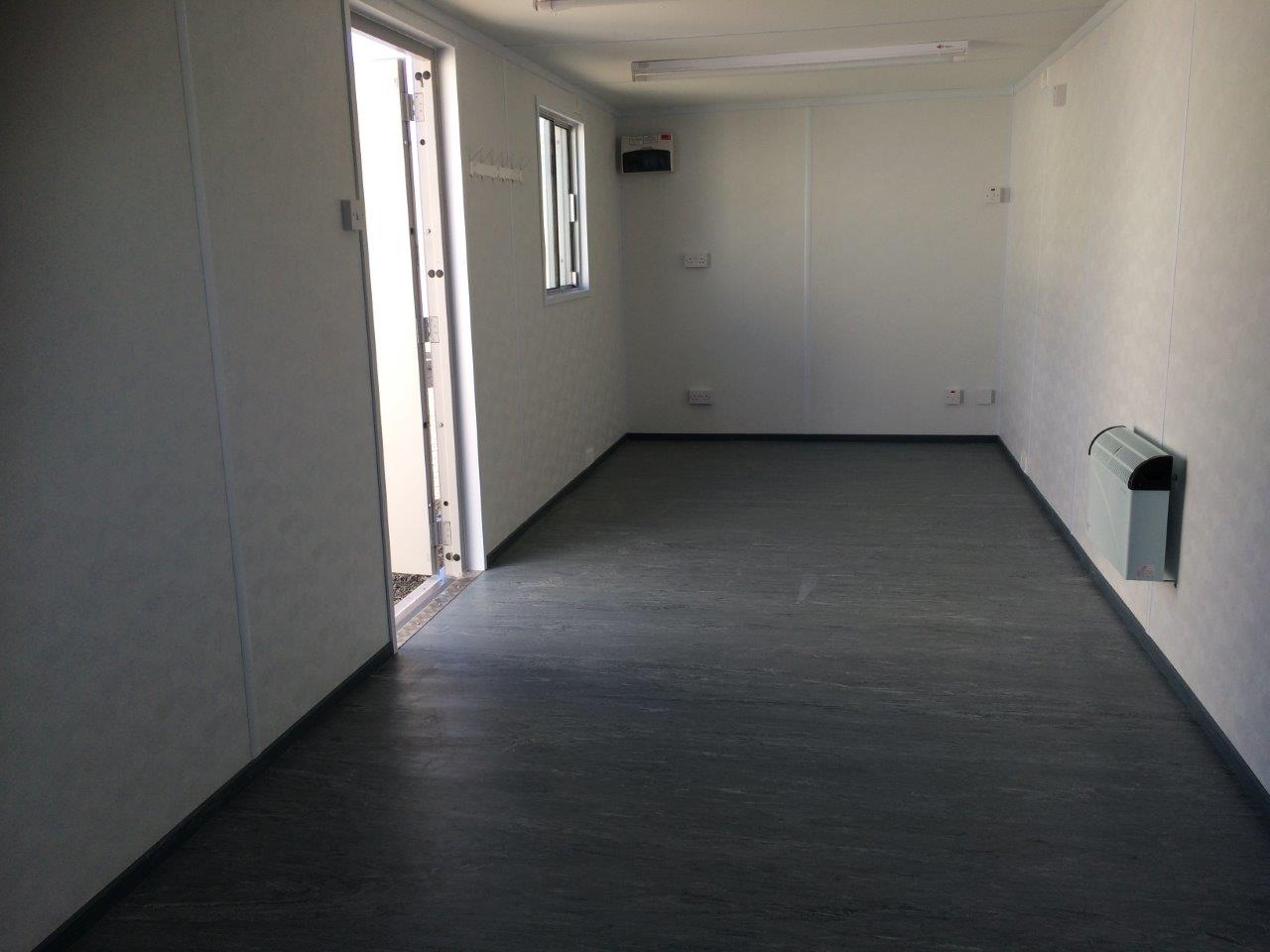
• Reinforced doors and windows with secure locking
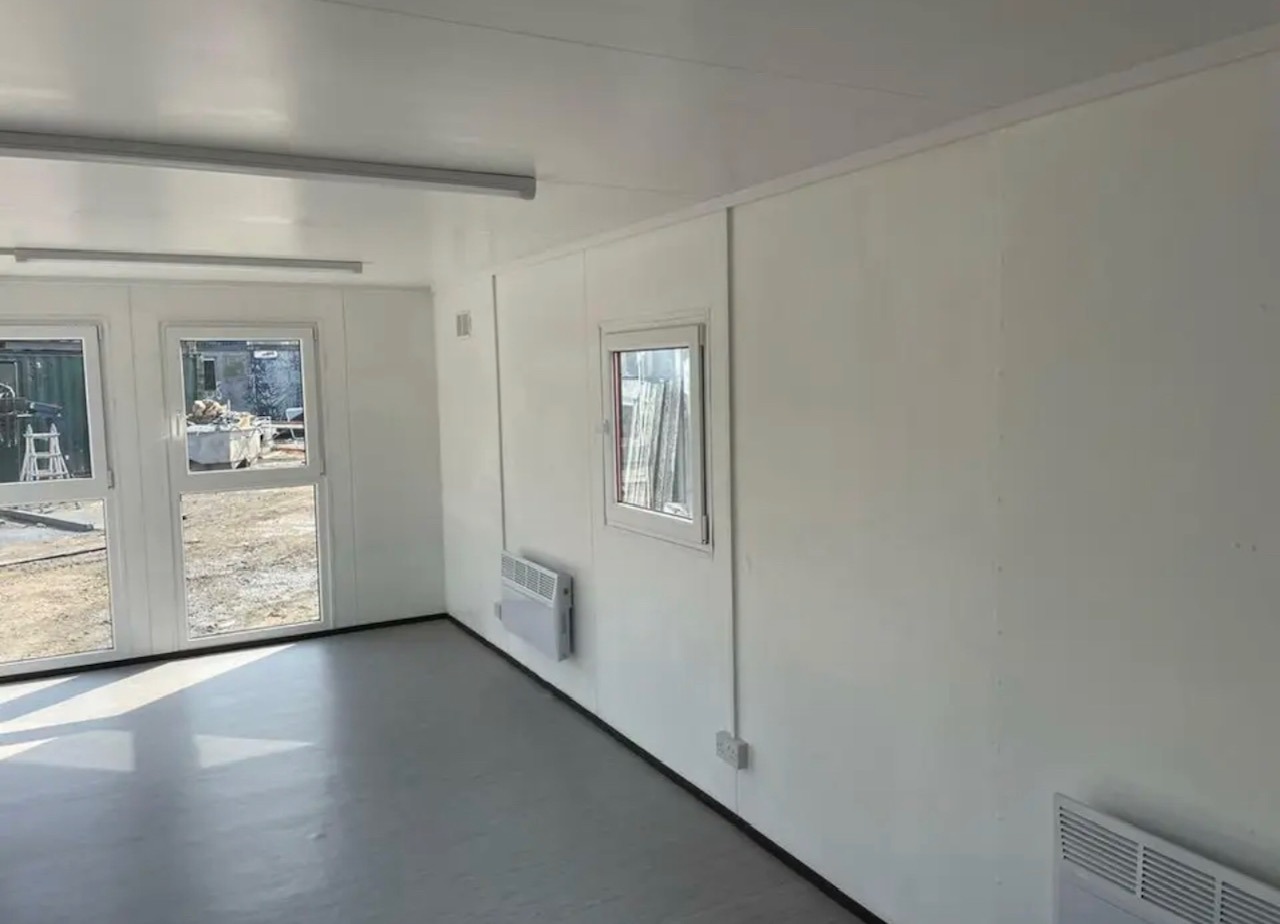
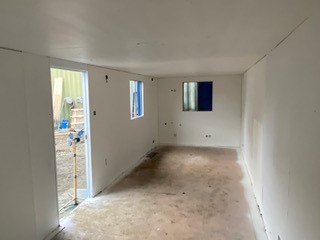
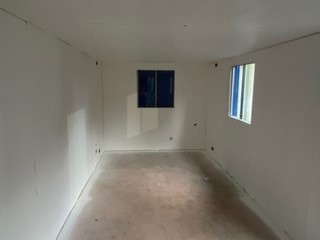
• Open plan with electric sockets and lighting
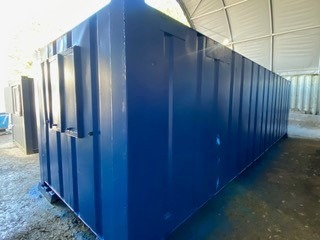
• Ral Code Colour of choice
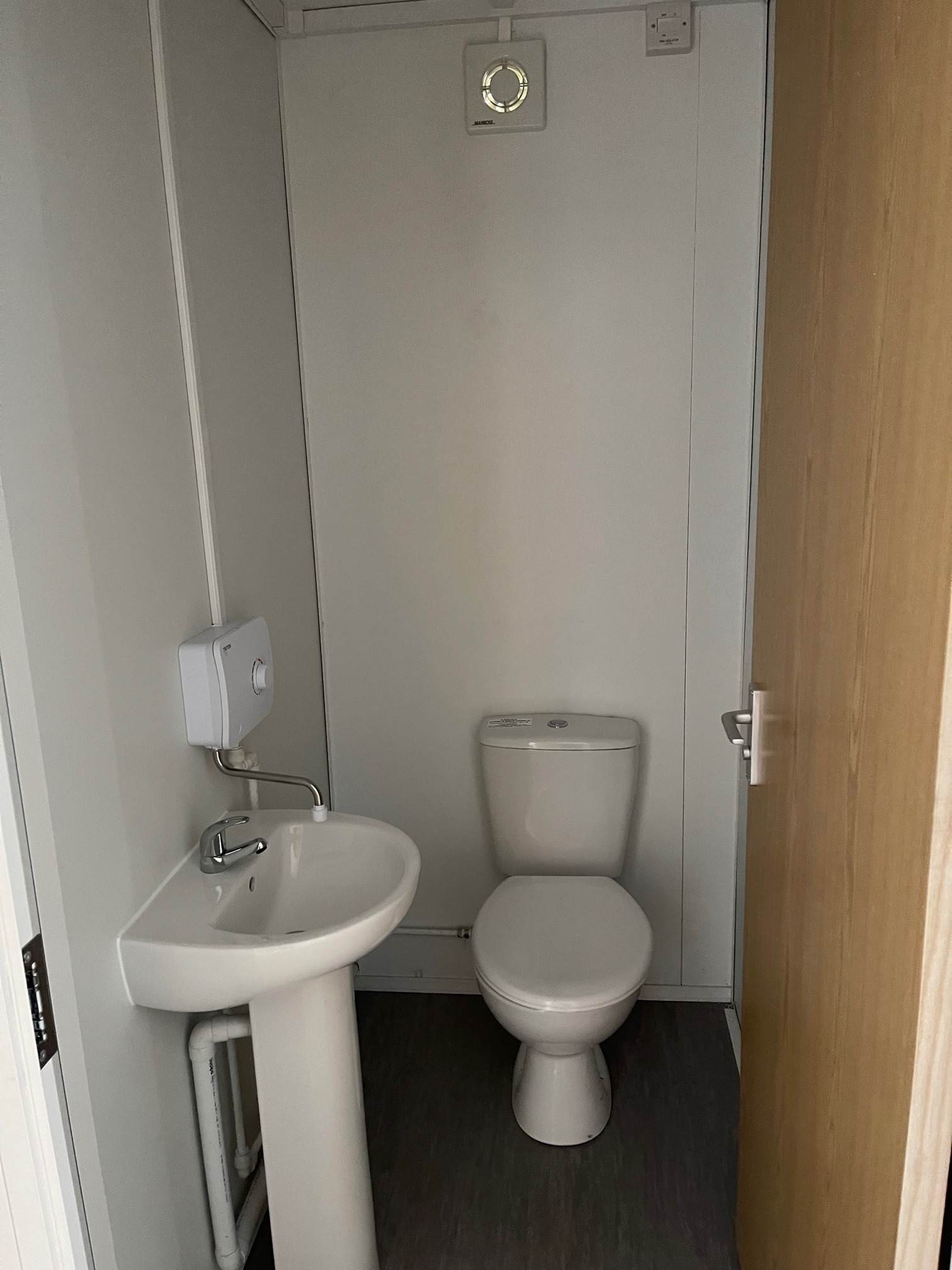
• Any Extras available : Canteen, Partitions, Toilets.
Location: Nationwide
EX VAT
Not Available for Hire
Call for an instant quote!
• Reinforced doors and windows with secure locking
• Open plan with electric sockets and lighting
• Ral Code Colour of choice
• Any Extras available : Canteen, Partitions, Toilets.
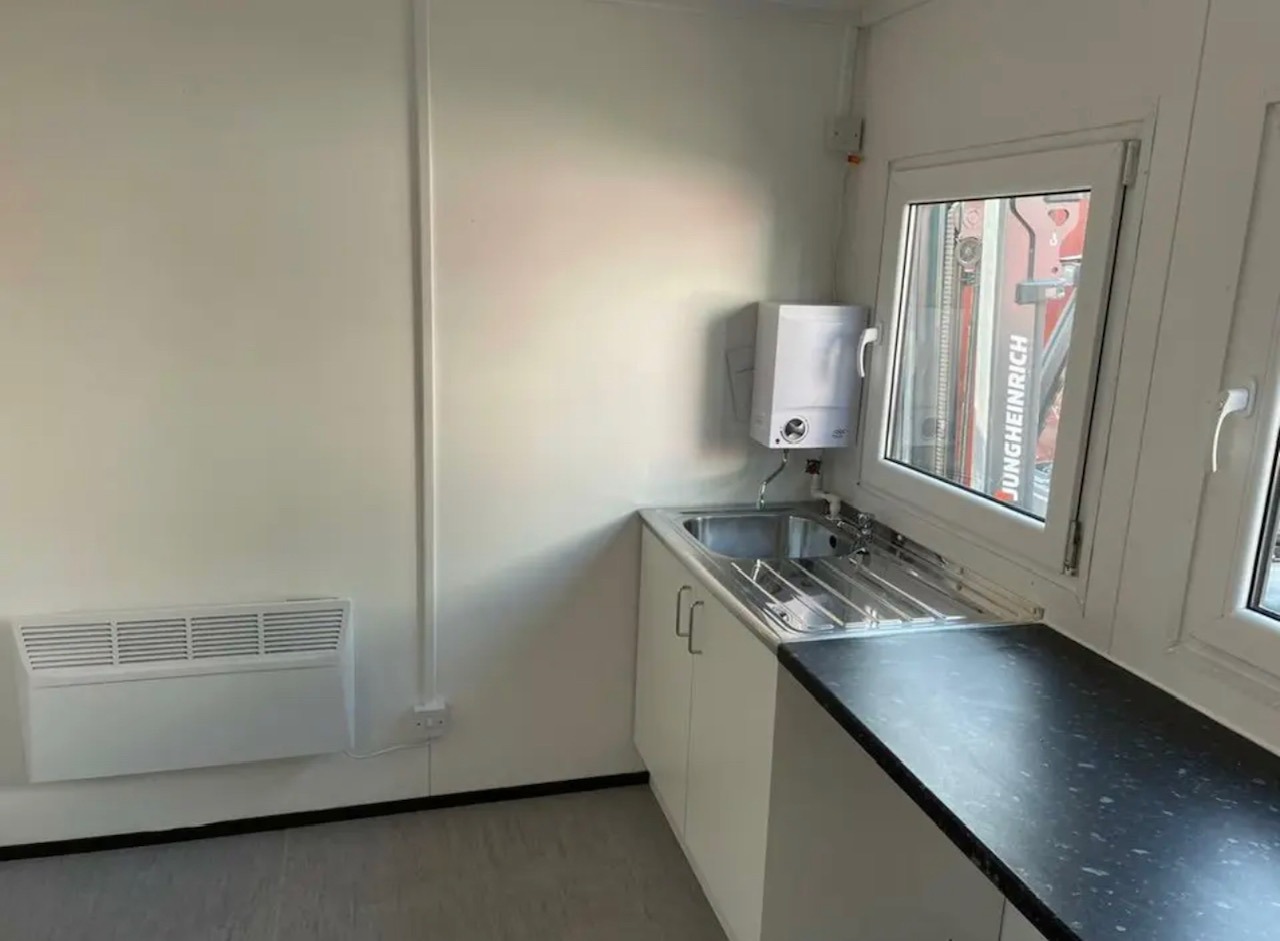
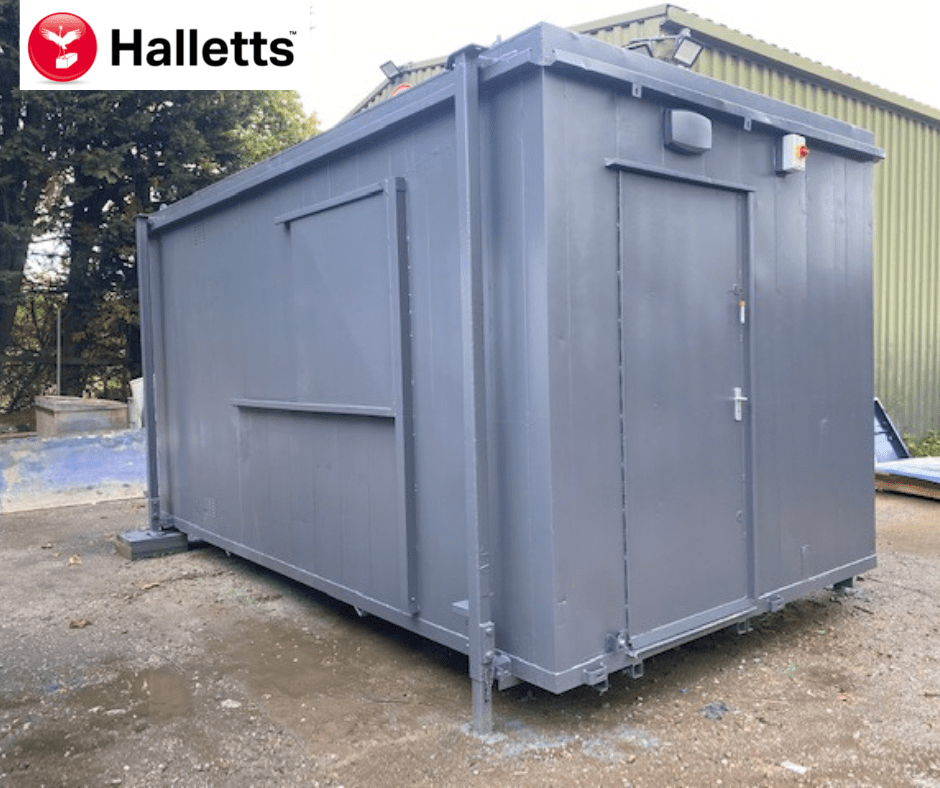
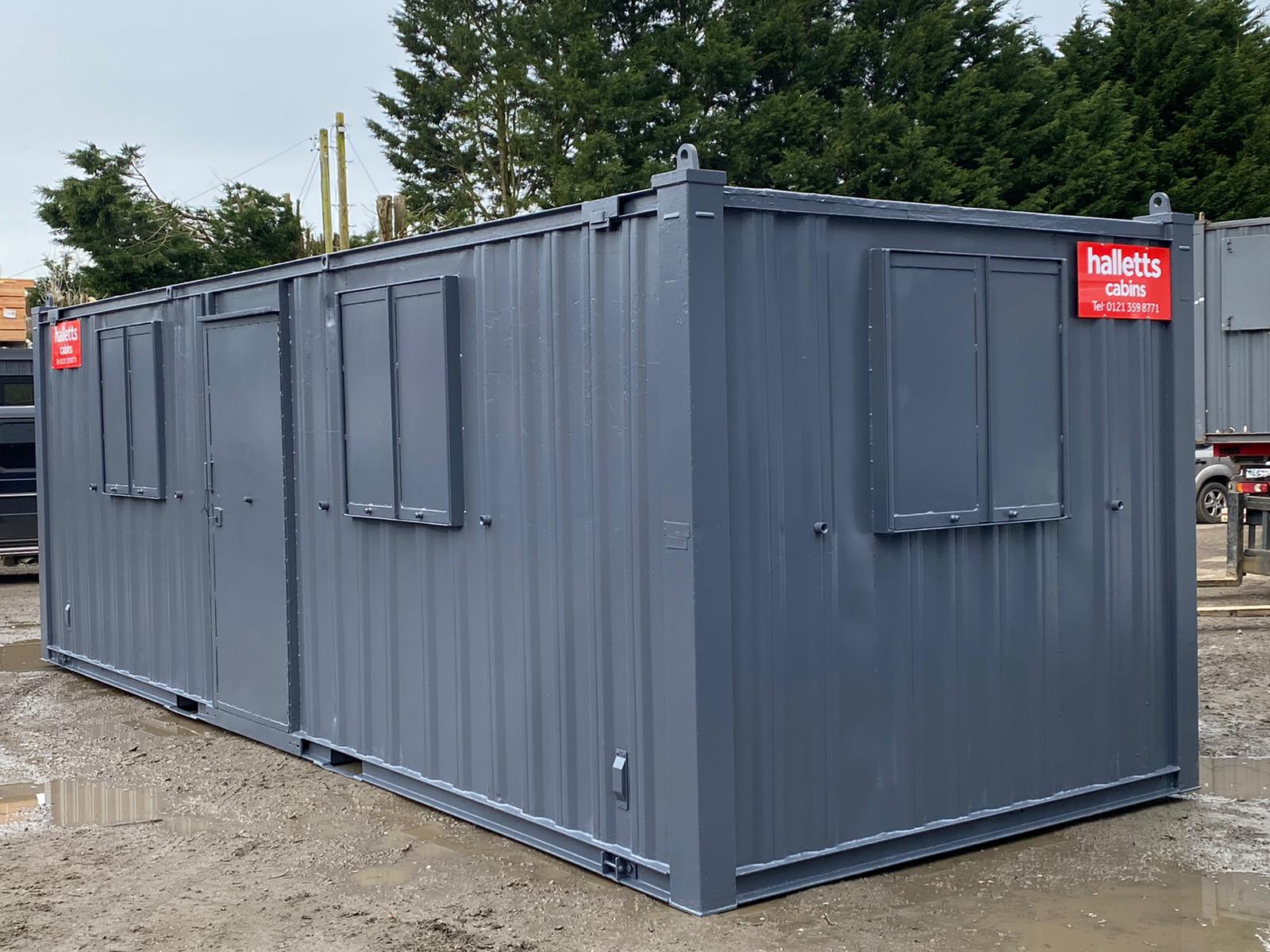
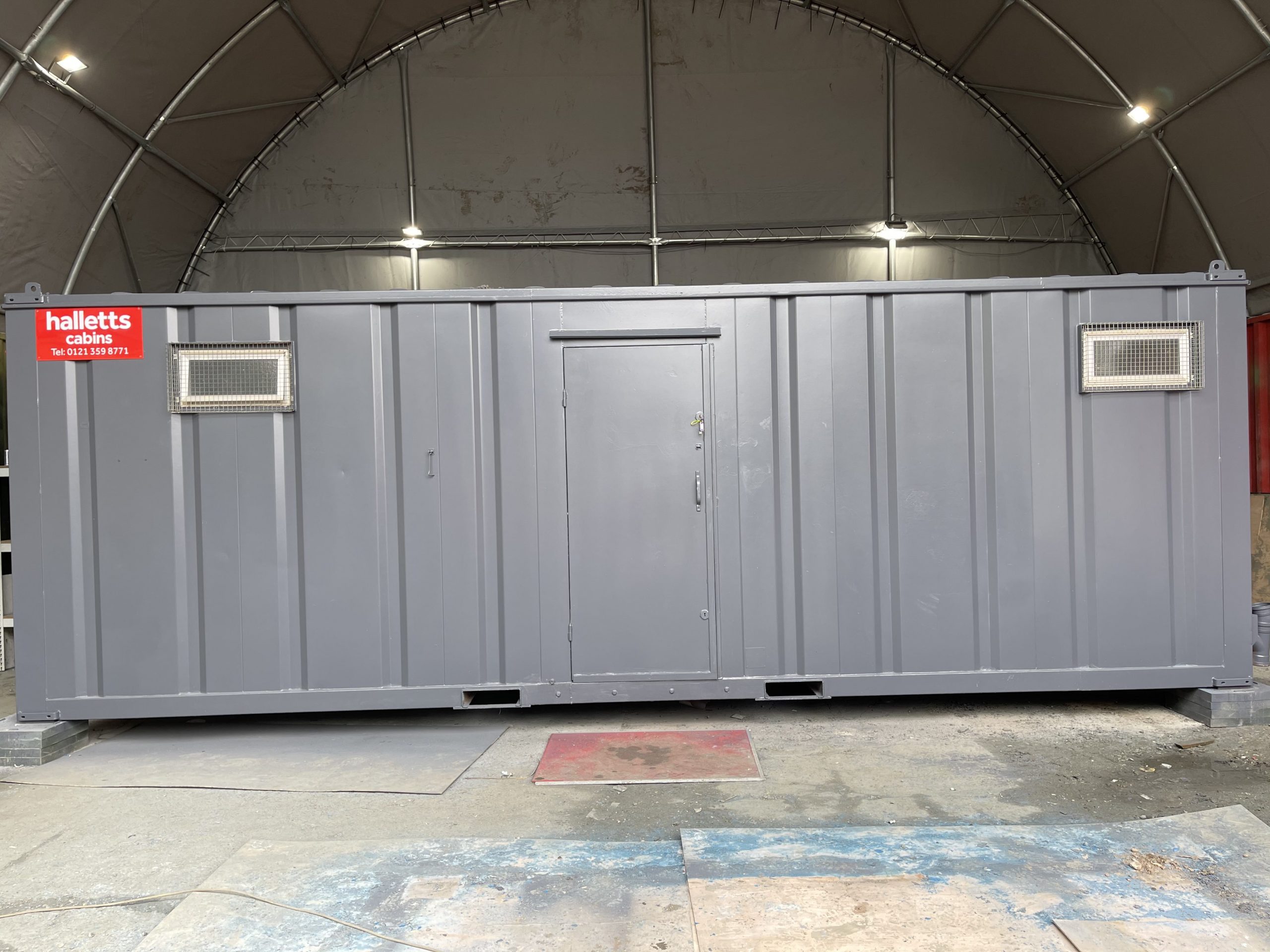
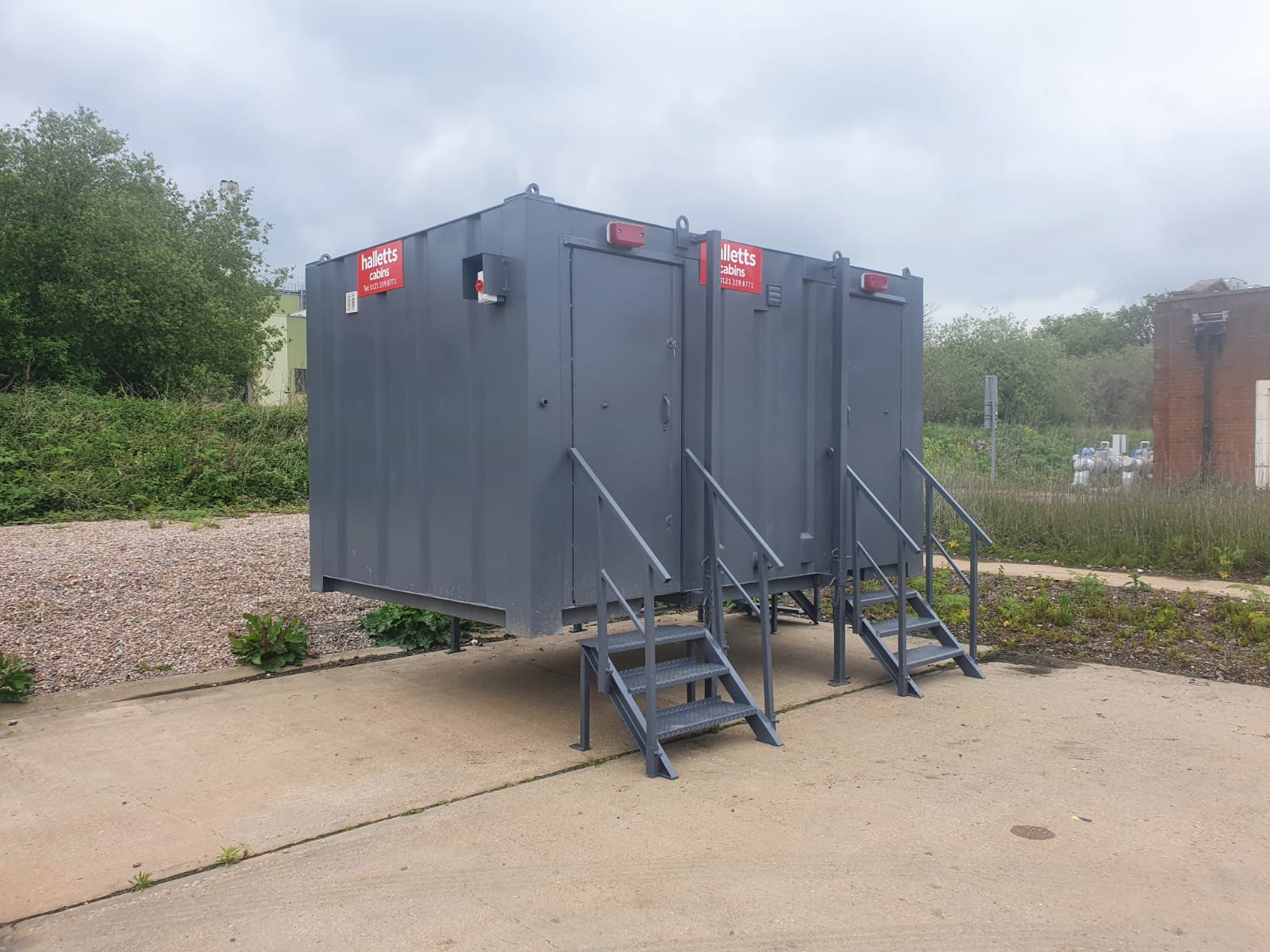
• Reinforced doors with secure locking
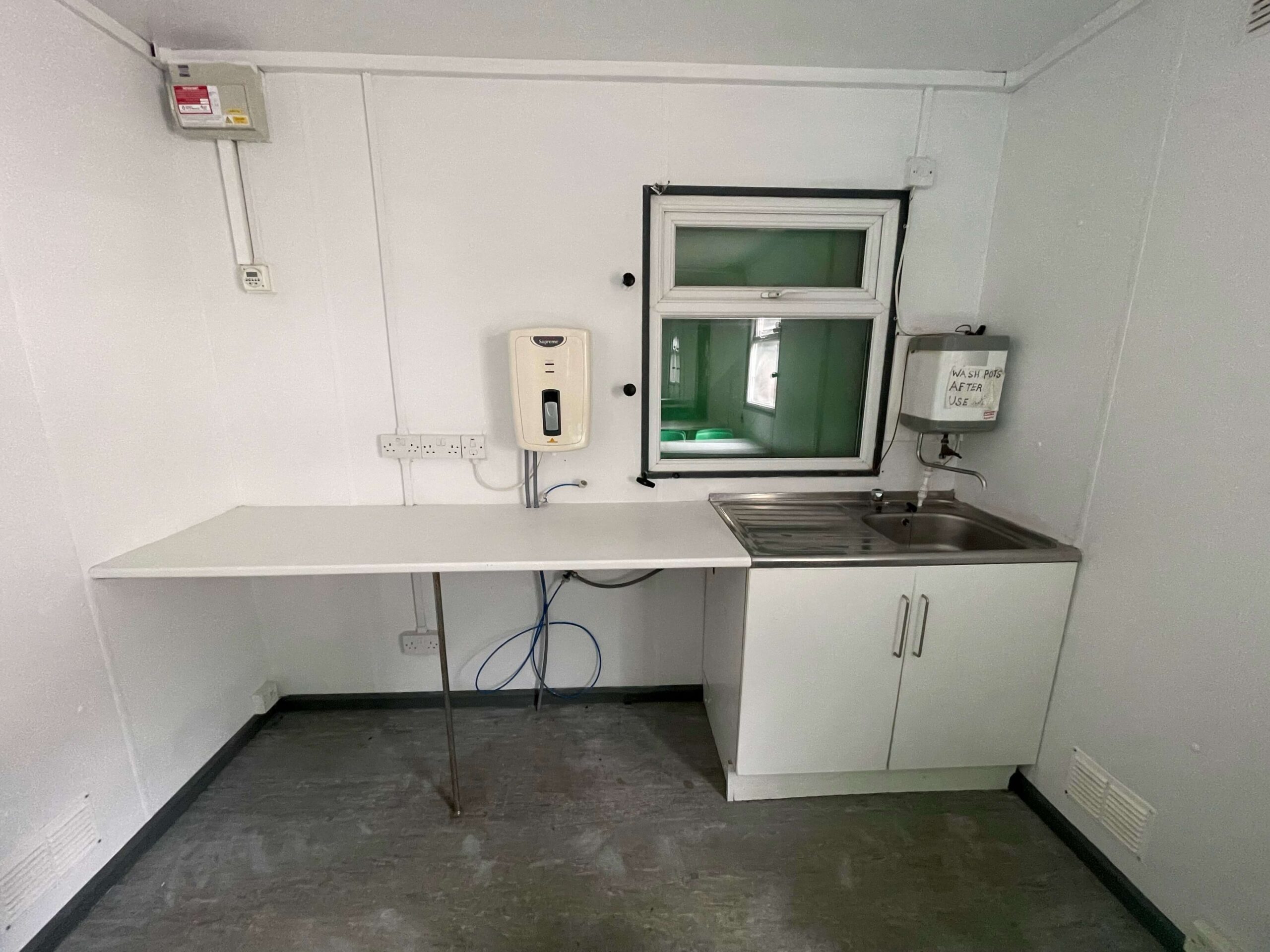
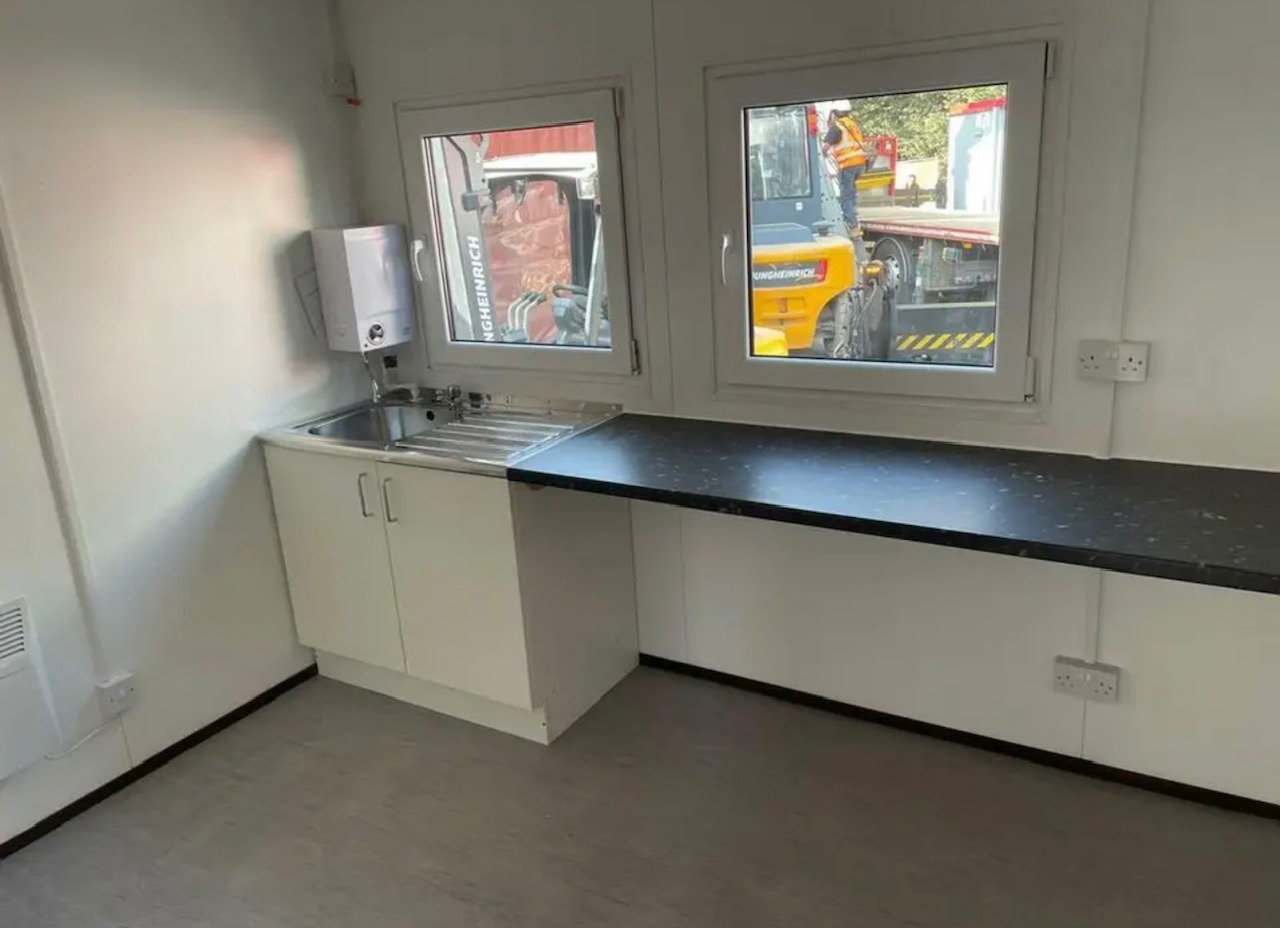
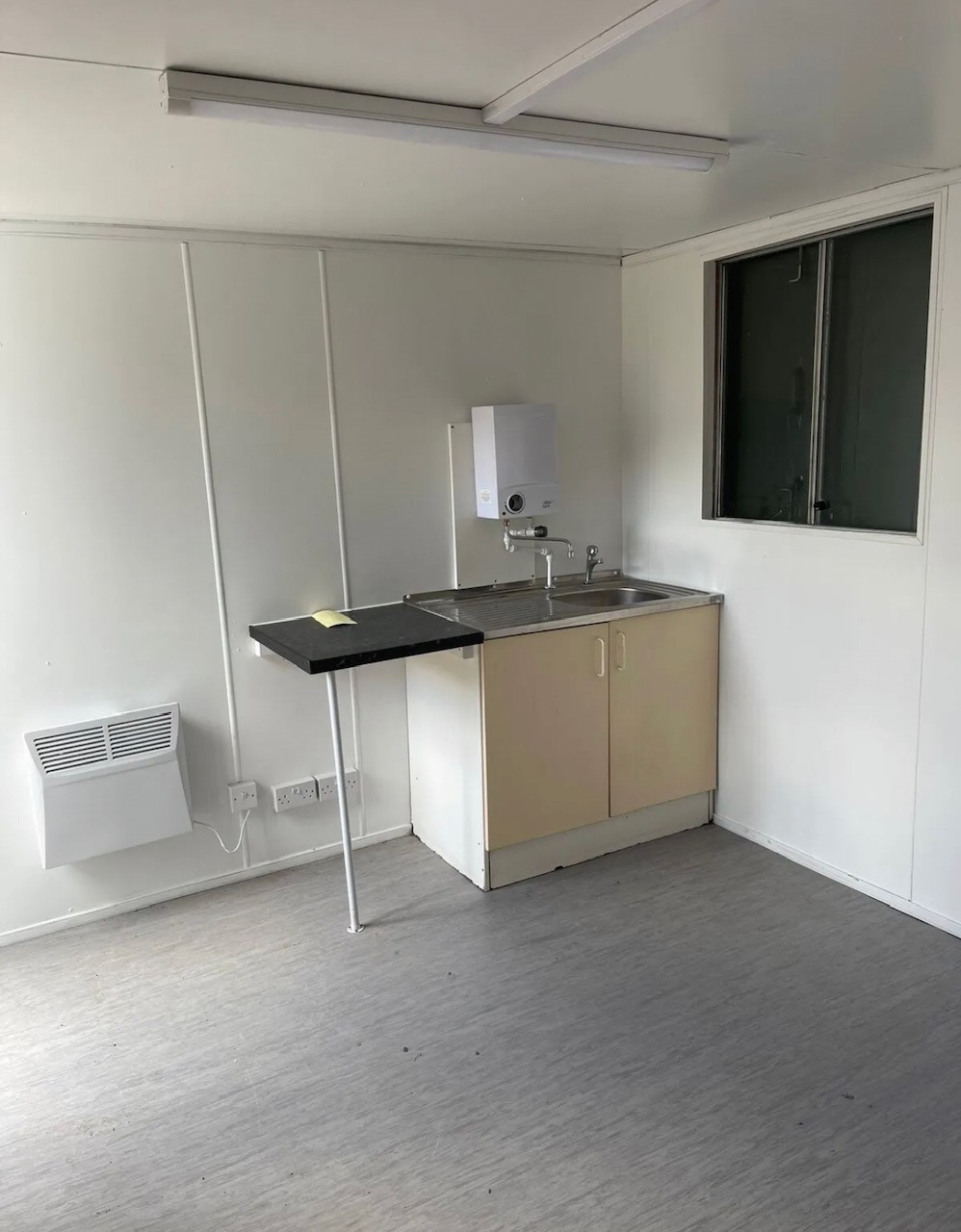
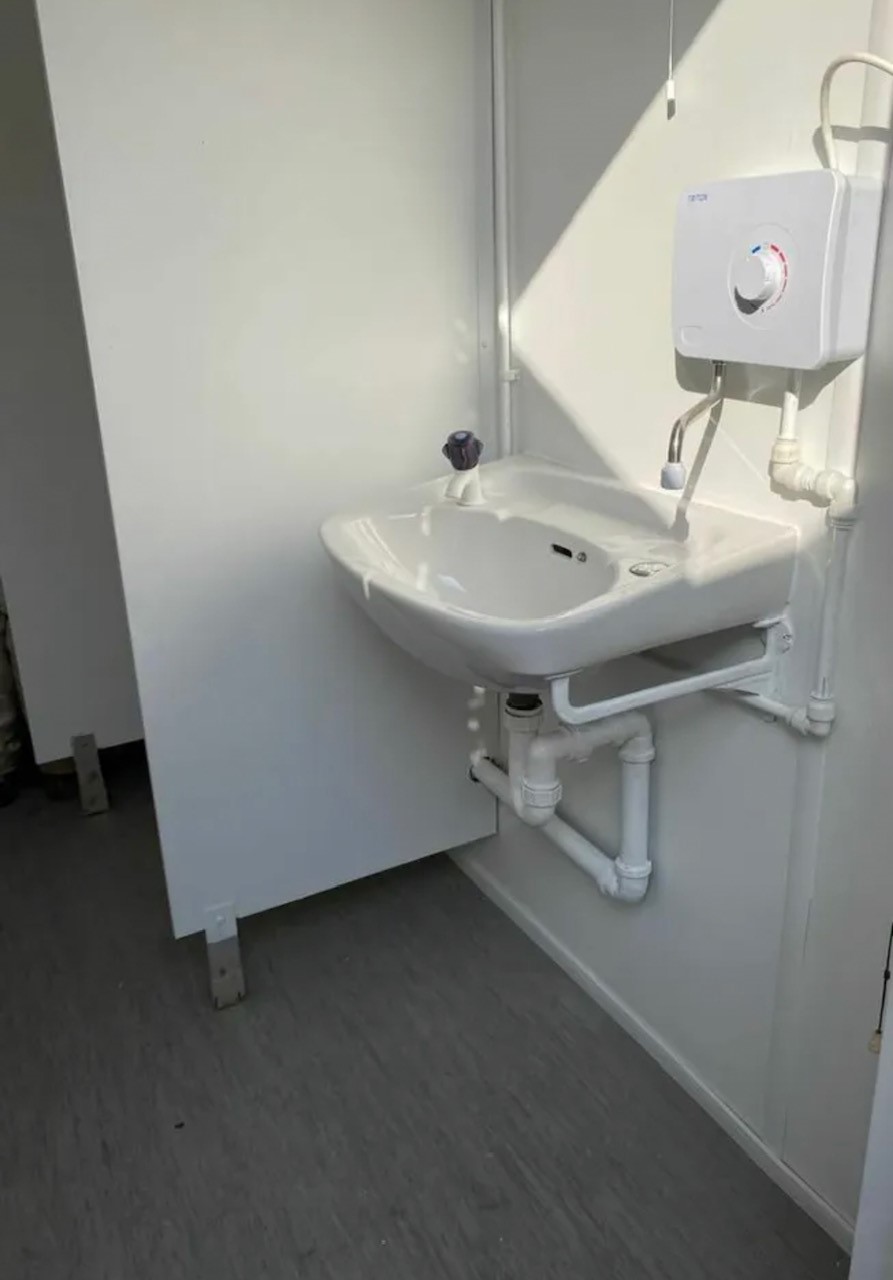
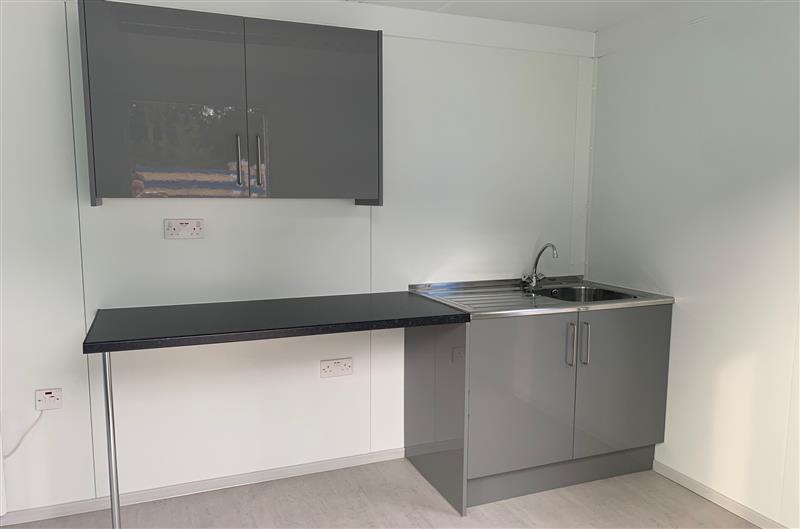
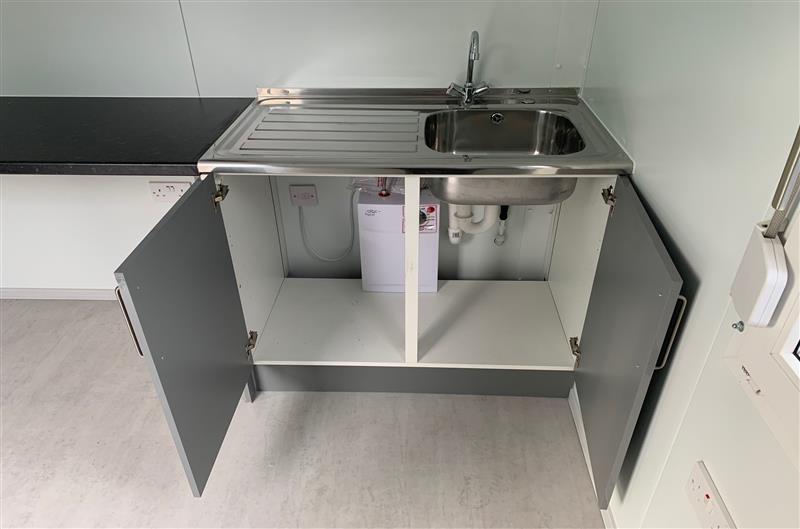
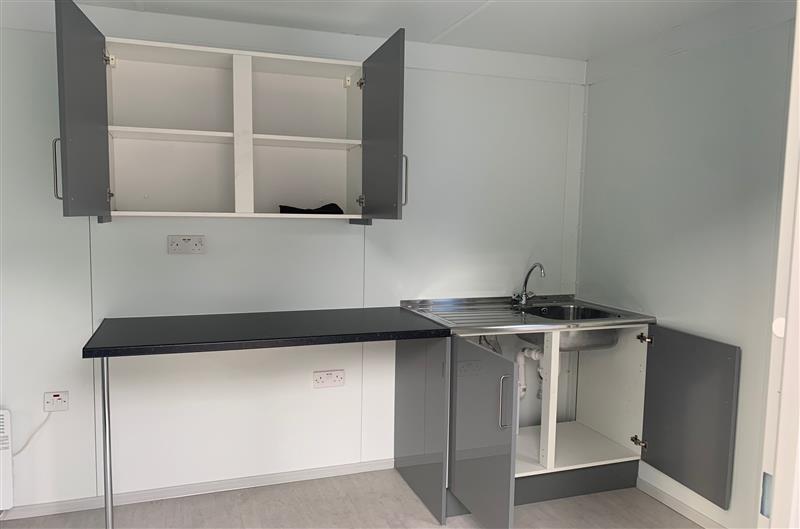
• Sink and water boiler included
Location: Nationwide
Quantity: ∞
EX VAT
Not Available for Hire
Call for an instant quote!
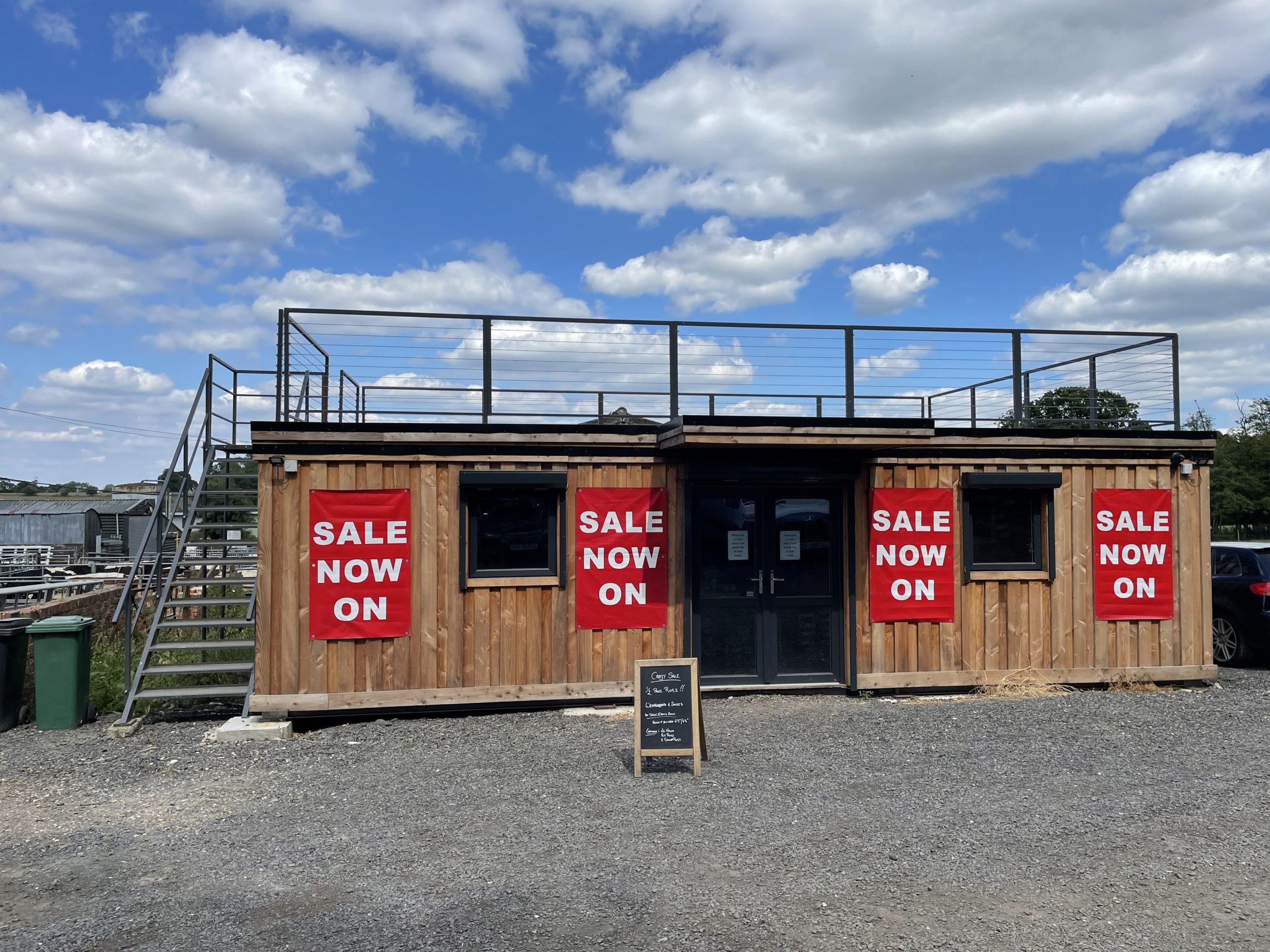
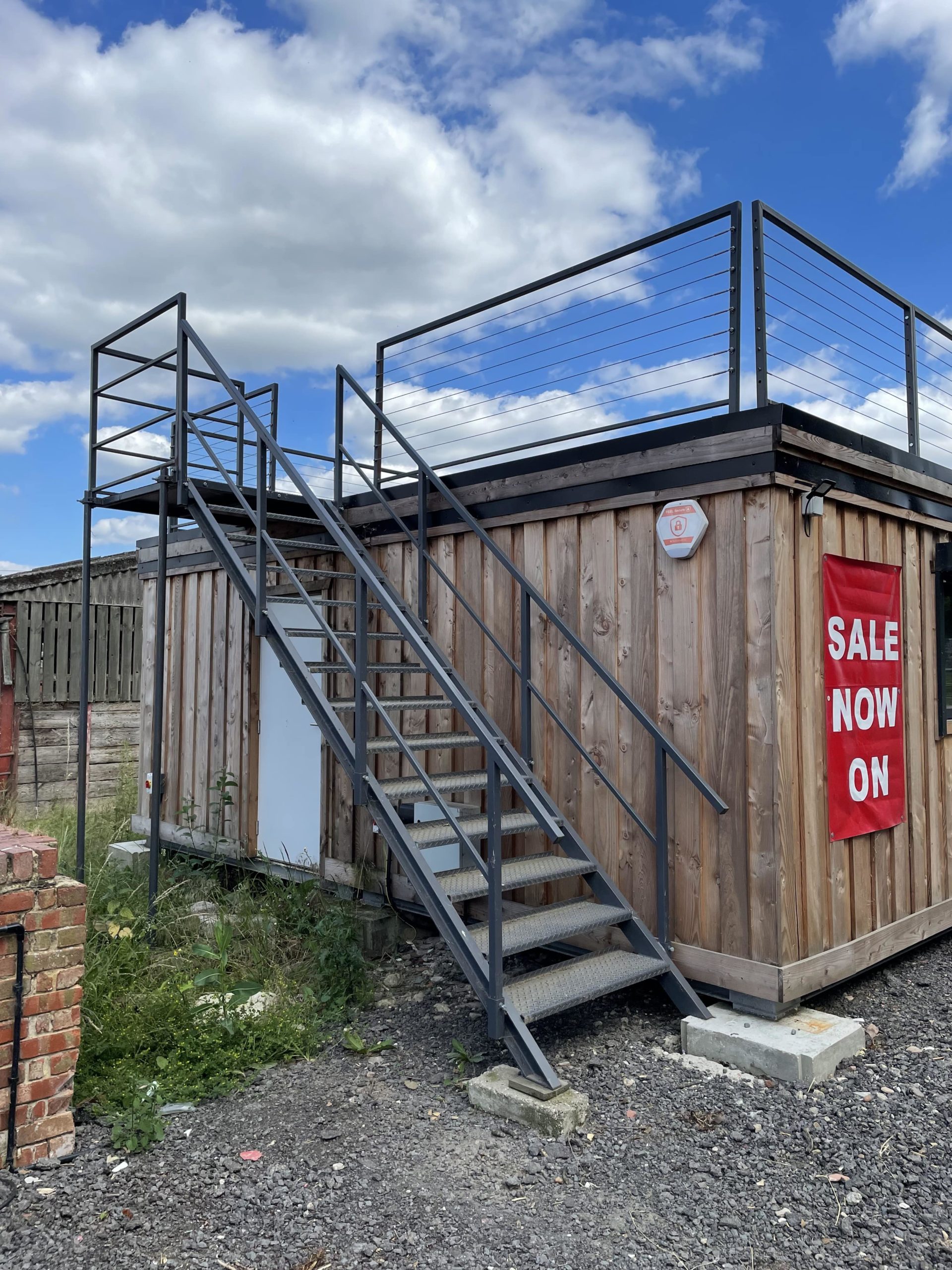
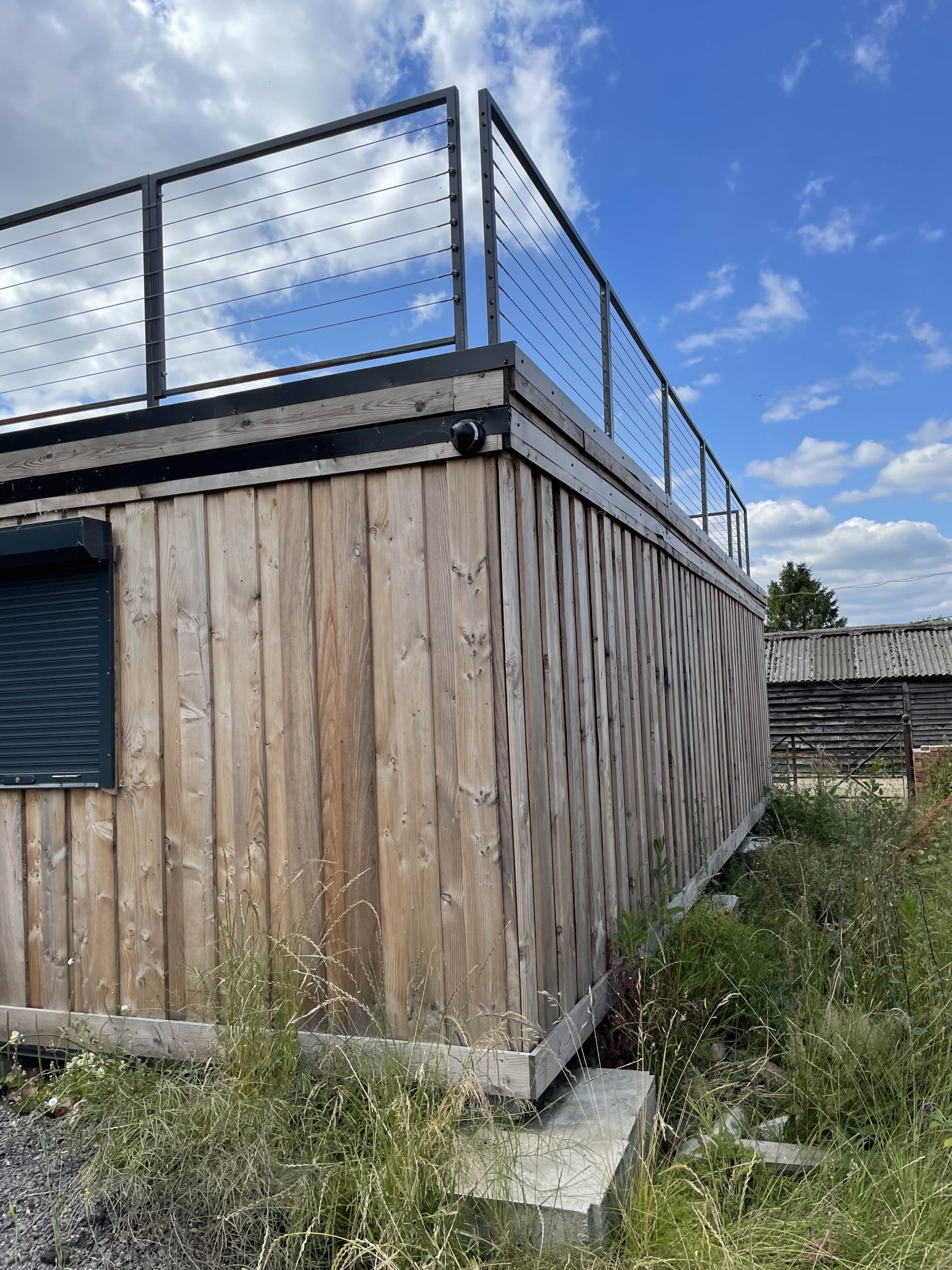
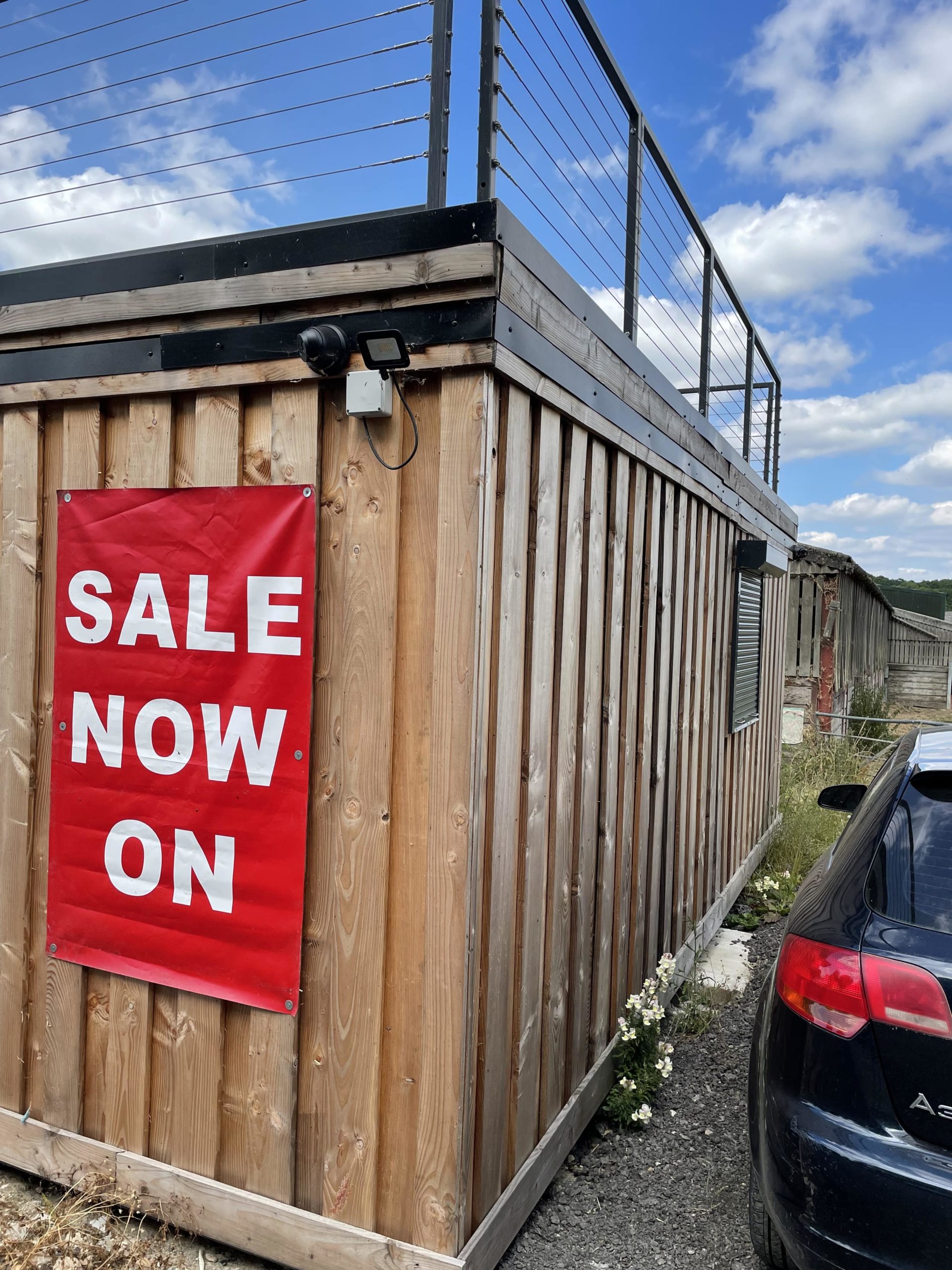
Location: Nationwide
EX VAT
Not Available for Hire
Call for an instant quote!
Get a Quick Container Quote Now!
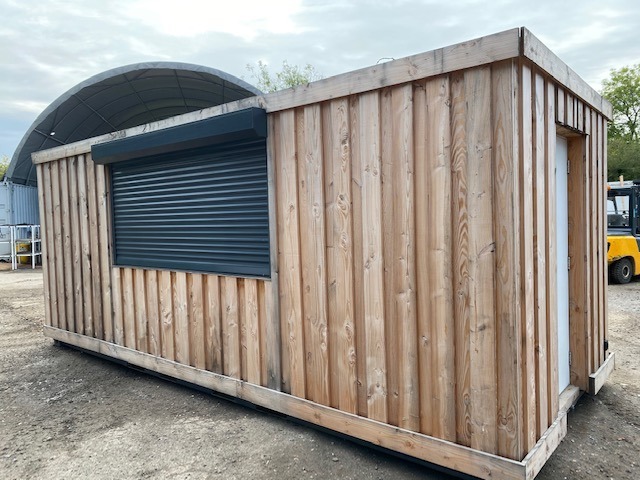
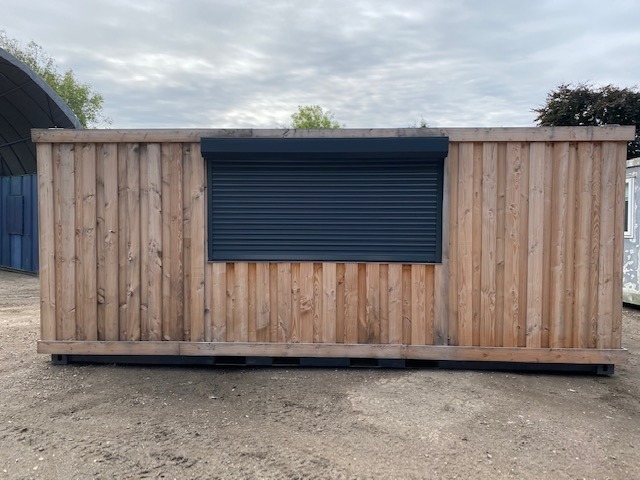
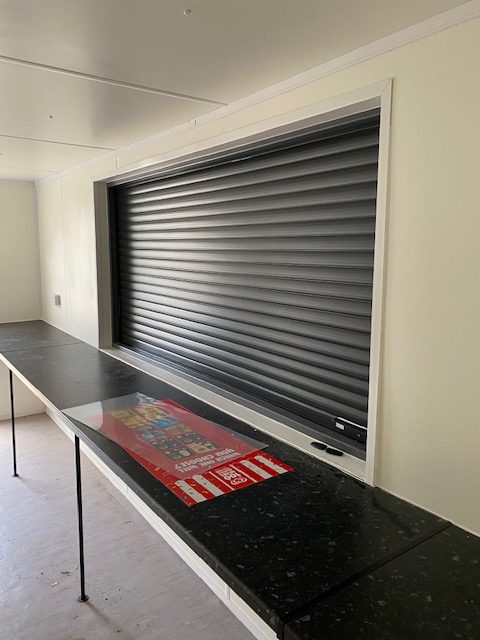
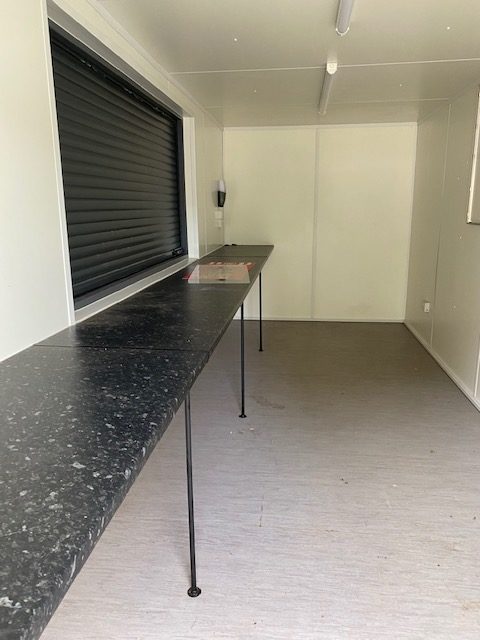
Location: Nationwide
EX VAT
Not Available for Hire
Call for an instant quote!
Get a Quick Container Quote Now!
Get a Quick Container Quote Now!
