Choosing the right Air Heat Exchanger is not simply a matter of comparing catalog prices. The best option must match your building, climate, airflow, and operating schedule. A unit designed for a clean office may struggle in a dusty workshop. That difference matters.
Start with real operating conditions. Measure supply and exhaust airflow, temperature ranges, humidity, and available installation space. Check the pressure drop, because an efficient exchanger can still increase fan energy. At a rooftop installation, wind, rain, and freezing temperatures also affect performance. Small details often become expensive problems.
Look closely at the core material and construction. Aluminum, polymer, and treated surfaces offer different advantages for corrosion resistance, cleaning, and durability. Ask manufacturers for tested efficiency data, sound levels, operating limits, and maintenance instructions. Independent test reports and recognized certifications provide stronger evidence than promotional claims. Request performance data at conditions close to your project, not only ideal laboratory points.
Maintenance deserves equal attention. Can technicians remove filters safely? Is the core accessible without dismantling the ductwork? A clogged filter may reduce airflow and quietly damage expected savings. Condensation management also matters in humid climates. Poor drainage can create odors, corrosion, or indoor air quality concerns.
No selection is perfect. A higher recovery rate may bring greater pressure loss or a higher purchase price. The cheapest unit may cost more through energy use and service calls. Recheck every assumption before approval. A reliable decision balances performance, safety, lifecycle cost, and practical maintenance. When comparing an Air Heat Exchanger, documented evidence should guide the choice, not attractive numbers alone.
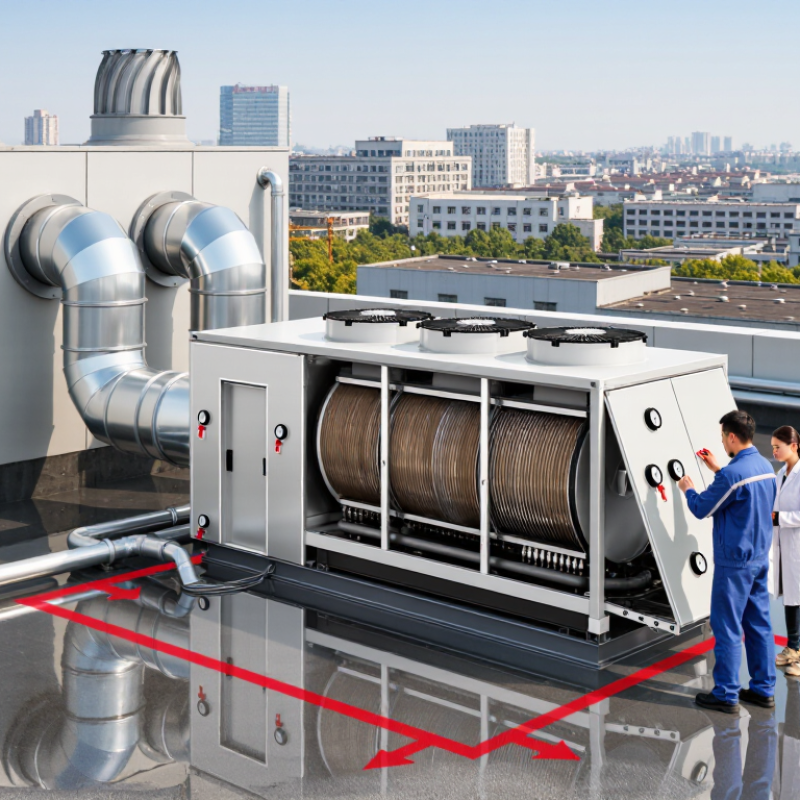
An air heat exchanger transfers thermal energy between air streams or between air and a fluid. Choosing one starts with its airflow arrangement, not its casing. Plate heat exchangers guide supply and exhaust air through separate channels. Thin plates conduct heat while preventing direct mixing. The streams stay separate. They suit ventilation systems that need simple operation and modest maintenance.
Rotary heat exchangers use a slowly turning wheel filled with heat-storing material. One half absorbs heat, then releases it into the opposite airstream. Some designs also transfer moisture. This improves winter comfort but may allow limited cross-contamination. Heat-pipe exchangers use sealed tubes containing a working fluid. The fluid evaporates on the warm side and condenses on the cool side. No mechanical rotation is needed. They work well where airflow paths must remain isolated.
Finned coil exchangers transfer heat between air and water or refrigerant. Their performance depends on coil area, fluid temperature, airflow speed, and fin cleanliness. In practical equipment reviews, I have seen a theoretically efficient exchanger underperform because filters were neglected. Maintenance changes the answer. I once focused too heavily on rated efficiency and overlooked pressure drop. That mistake increased fan energy and operating noise. Reality is less tidy. Compare sensible and latent recovery, leakage risk, cleaning access, frost control, and measured airflow before selecting the suitable type.

How to Choose the Best Air Heat Exchanger?
Match Heat Exchanger Design to Airflow and Heat Transfer Needs
Choosing an air heat exchanger starts with measured airflow, not a catalogue size. Record supply volume, inlet temperature, humidity, and operating hours. A system moving 8,000 cubic meters per hour needs a different core than a small ventilation unit. Air velocity matters too. Excessive velocity can increase pressure drop, noise, and fan energy.
Temperature goals should guide the heat transfer surface. Finned surfaces suit many air-to-air applications, while larger surfaces help when temperature differences are small. Check the required recovery rate at actual operating conditions. Rated performance can change with dust, frost, and uneven airflow. It happens often. Leave access space for cleaning and inspection.
Material selection should reflect moisture, contaminants, and outdoor exposure. Review corrosion resistance, seal quality, thermal expansion, and allowable pressure. Ask for tested performance data, installation limits, and maintenance instructions. I would not accept a calculated efficiency without checking the test conditions. A quick estimate is useful, but rarely final. During commissioning, measure temperatures, airflow, and pressure drop across the exchanger. Compare those readings with the design values. If results differ, investigate duct imbalance, sensor position, or fouling before changing the equipment.
Match heat exchanger design to airflow and heat transfer needs. The chart shows representative sensible heat recovery effectiveness for a counterflow air-to-air heat exchanger operating at different airflow rates. As airflow increases through the same core size, contact time decreases and heat recovery typically falls.
Design guidance: Select a larger or more efficient exchanger when the required airflow is high and heat recovery is a priority. Also verify allowable pressure drop, fan capacity, air temperature, humidity, fouling risk, and maintenance requirements before final selection.
Choosing the best air heat exchanger starts with efficiency, but efficiency alone can mislead. Compare heat recovery performance with pressure drop, fan energy, and expected airflow. A unit with excellent laboratory efficiency may perform poorly when filters become dirty. Check the temperature range, humidity, and air volume at the installation site. Real operating conditions matter more than brochure figures.
Material selection should match the air chemistry and maintenance plan. Aluminum offers low weight and good thermal conductivity. Stainless steel may suit corrosive or humid environments, but it adds cost and weight. Size the exchanger for required capacity, available space, and future airflow changes. An oversized unit can increase purchase costs without proportional benefits. An undersized unit may create unstable temperatures and excessive pressure loss. A clean calculation is useful, yet assumptions should be challenged.
Tips: Request performance data at your actual airflow and temperature difference. Ask how fouling affects efficiency. Leave practical access for inspection and cleaning. Check seals, drain arrangements, and connection sizes before ordering. Record seasonal conditions, too. They often reveal design weaknesses. One detail is easy to miss: noise. A high-speed fan may achieve the target airflow but create complaints nearby. Review the full system, not only the exchanger core.
Choosing the best air heat exchanger starts with the service routine, not the catalogue rating. In field inspections, I look for removable panels, accessible filters, and drain points that do not require special tools. A unit may perform efficiently, yet become expensive if technicians need half a day to reach the core. Inspectors should record cleaning intervals, replacement parts, and safe access requirements. Small details matter.
Installation space can change the decision quickly. Measure the equipment footprint, service clearance, duct direction, and ceiling height before comparing models. A compact exchanger may fit a narrow plant room, but restricted access can increase future labor costs. Leave room for filter removal. Do not measure only the casing. Noise control and condensate drainage also need practical space, especially in humid buildings.
Total cost includes purchase, installation, energy use, maintenance, and eventual disposal. A simple spreadsheet can compare these costs over ten years. Use realistic operating hours, local electricity rates, and estimated filter prices. I once underestimated lifting costs because the unit looked lightweight on paper. That mistake changed the project budget. Efficiency ratings are useful, but they should not replace site-specific calculations. A cheaper unit may require frequent cleaning, while a higher-priced design may reduce downtime. However, long-term savings are not guaranteed. Dust levels, staff skills, and neglected maintenance can undermine a good specification.
Choosing the best air heat exchanger starts with measured performance, not attractive specifications. Check the required airflow, temperature range, pressure drop, and heat recovery efficiency. A model may show excellent efficiency, yet perform poorly when filters become dirty. Ask for test conditions and verified data.
Safety checks deserve equal attention. Confirm that materials suit the air quality, humidity, and operating temperature. Inspect seals, drainage paths, access panels, and frost protection. During commissioning, measure inlet and outlet temperatures with calibrated instruments. Listen for unusual vibration. It often reveals installation problems early. Review cleaning access carefully, because neglected surfaces reduce heat transfer and may encourage contamination. Local safety requirements should guide electrical, pressure, and fire-related decisions.
Tips: Compare real operating data, not only catalogue values. Leave space for maintenance tools and filter removal. Test alarms before full operation. Keep a record of readings. Small details matter.
Experience also shows that the highest efficiency model is not always the best choice. A compact exchanger may save space but create higher pressure loss. A cheaper unit may demand more frequent cleaning. Recheck assumptions after installation, because airflow can differ from design calculations. No selection is perfect. Reliability comes from clear evidence, practical inspection, and regular review.
| Generic Model | Heat Exchanger Type | Rated Airflow (m³/h) | Sensible Heat Recovery (%) | Latent Heat Recovery (%) | Airside Pressure Drop (Pa) | Operating Temperature (°C) | Cross-Contamination Risk | Freeze Protection Required | Recommended Application | Selection Result |
|---|---|---|---|---|---|---|---|---|---|---|
| AHX-01 | Counter-flow plate | 500–2,000 | 75–90 | 0 | 120–220 | −20 to 50 | Very low | Yes, in cold climates | Homes, offices, schools and clean ventilation systems | Best overall efficiency |
| AHX-02 | Cross-flow plate | 300–1,500 | 50–75 | 0 | 80–180 | −20 to 50 | Very low | Yes, in cold climates | Compact ventilation units and moderate airflow systems | Balanced cost and performance |
| AHX-03 | Rotary heat wheel | 2,000–50,000 | 65–85 | 45–75 | 100–250 | −20 to 60 | Moderate | Usually no, but frost control may be needed | Large commercial buildings where humidity recovery is useful | Best for large airflow and humidity recovery |
| AHX-04 | Membrane enthalpy plate | 500–10,000 | 65–80 | 40–70 | 100–220 | −20 to 50 | Low | Yes, below freezing conditions | Humid climates, offices and energy-efficient ventilation systems | Best for humidity control |
| AHX-05 | High-temperature plate | 1,000–20,000 | 55–80 | 0 | 150–300 | −20 to 200 | Very low | Depends on exhaust moisture | Industrial exhaust-air heat recovery and process ventilation | Best for high-temperature duty |
Registered in England & Wales No. 2786496
Registered office at: 337 Tanworth Lane,
Shirley, Solihull, B90 4DU
Registered for VAT, registration No.
GB 655 1347 38


Location: Nationwide
Not Available for Hire
We can deliver for a cost please ask and send us post code.
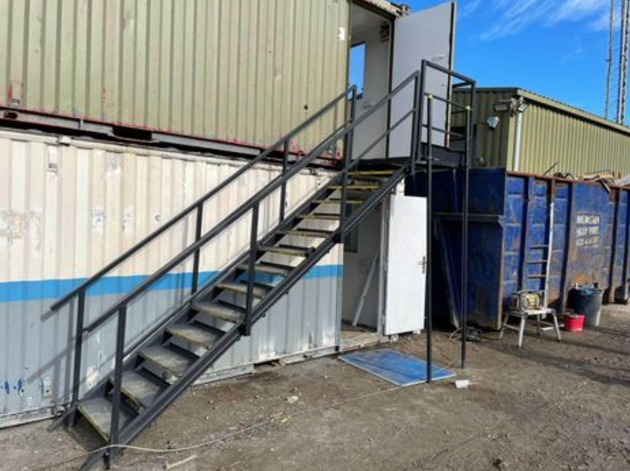
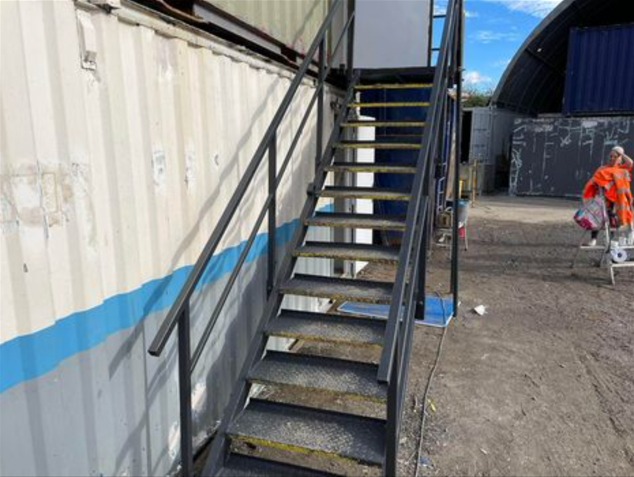
13 tread
14 tread
15 tread


Location: Nationwide
Not Available for Hire
Call for an instant quote!


Location: Nationwide
Not Available for Hire
We can deliver for a cost please ask and send us post code.
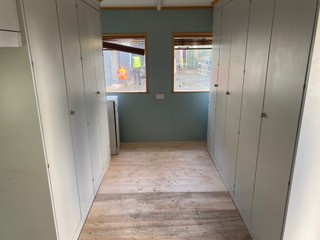
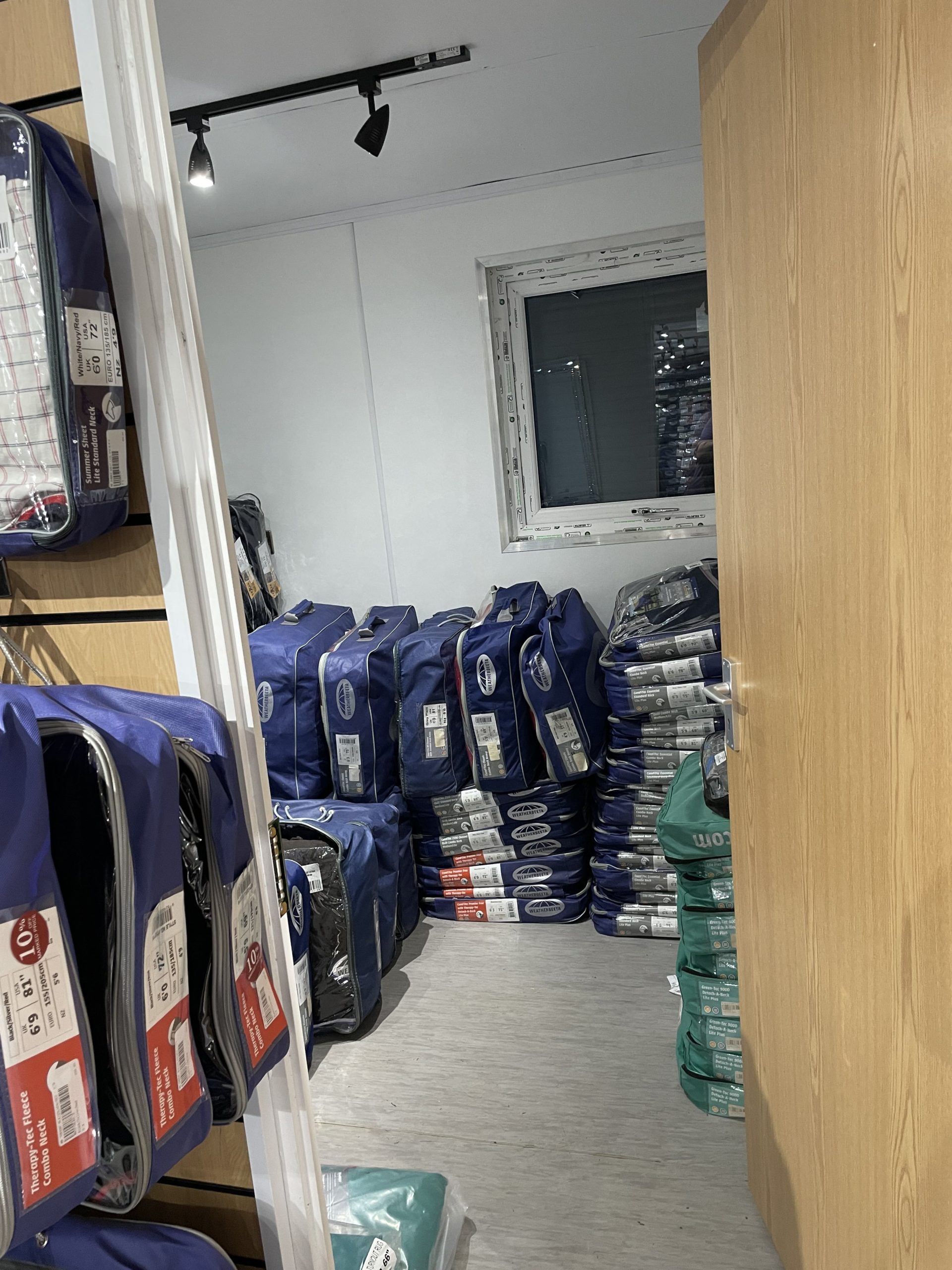
Hallway leading into:
Transport can be arranged please ask.


Location: Nationwide
Not Available for Hire
Call for an instant quote!
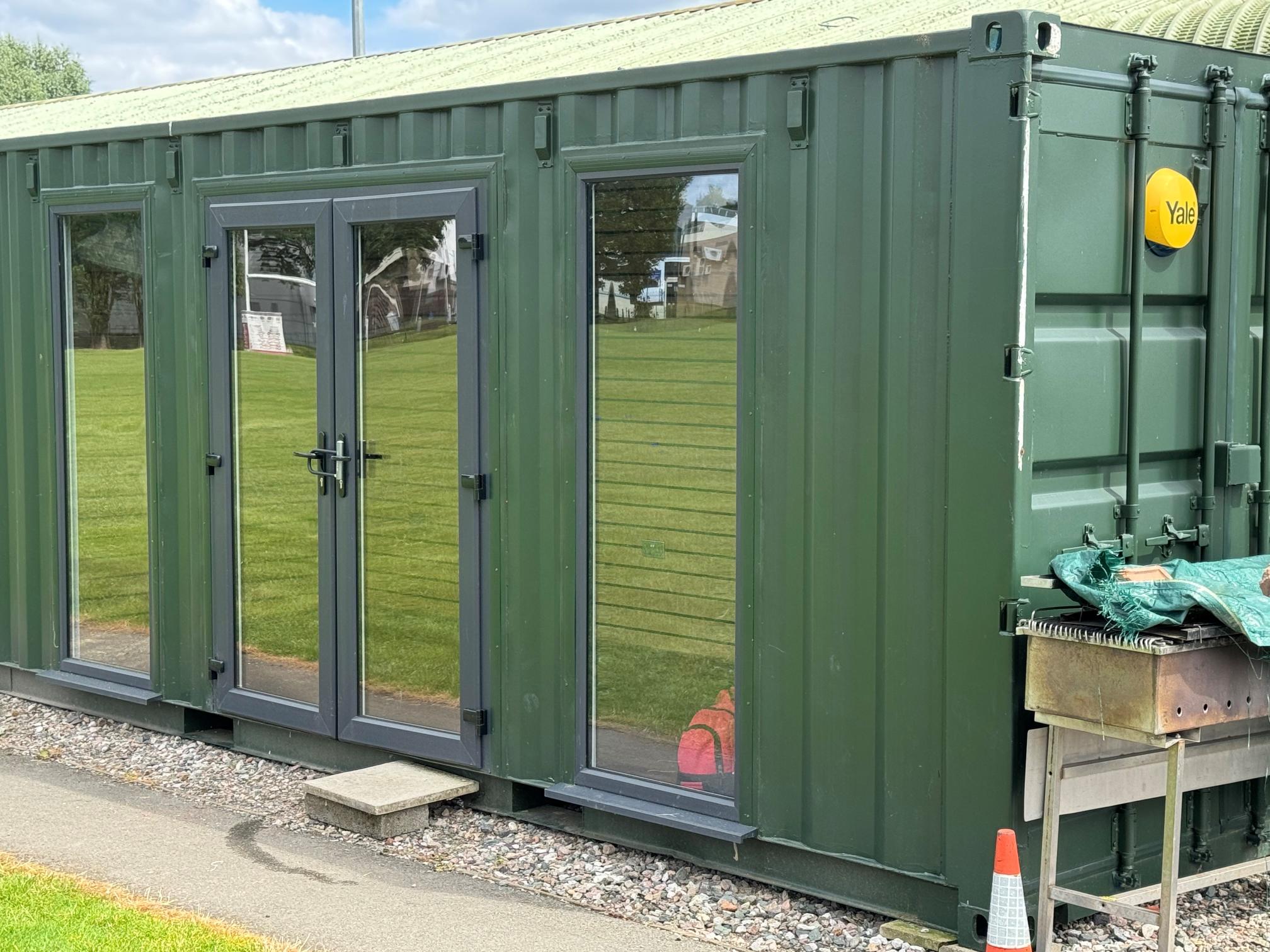
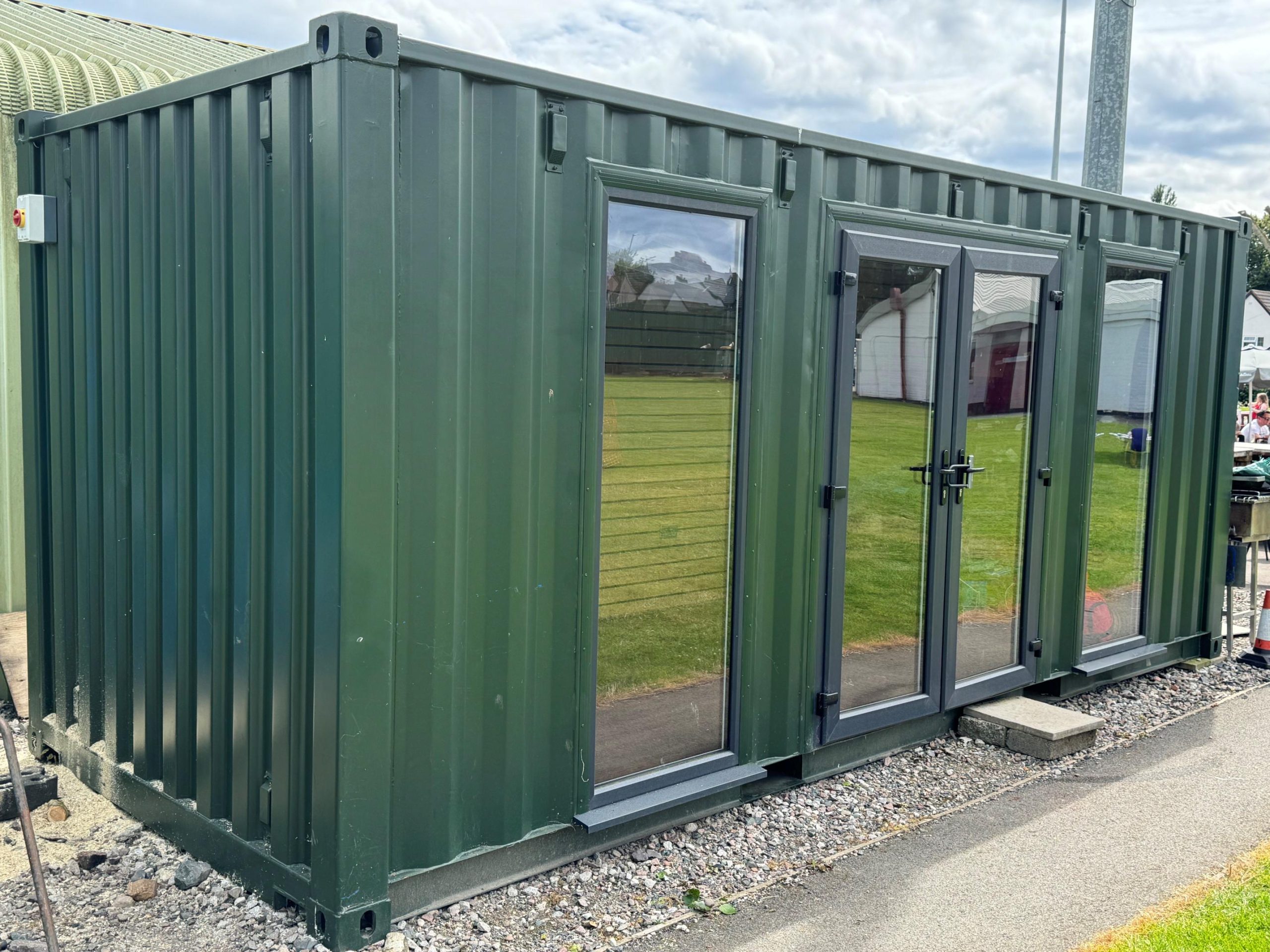
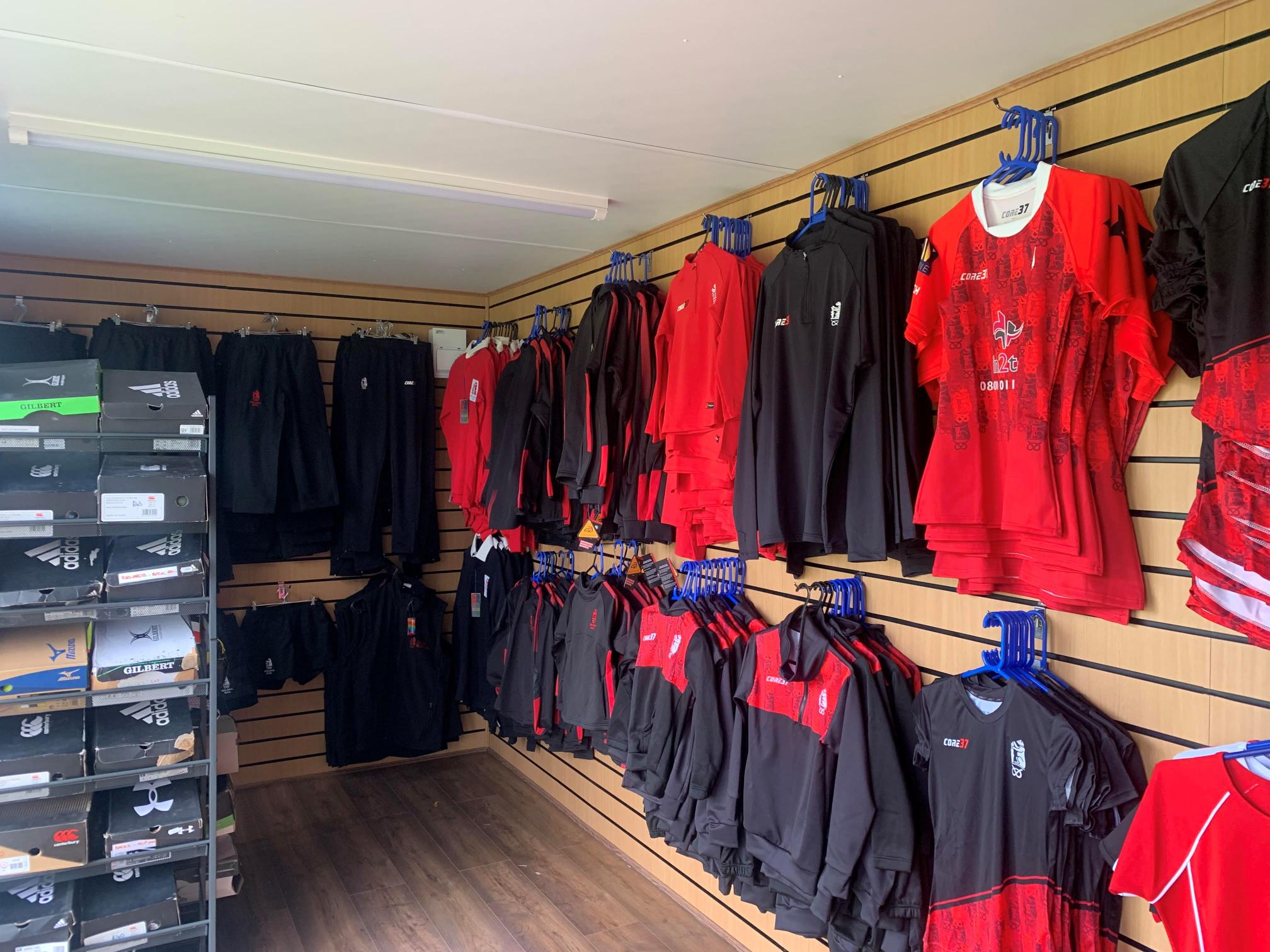
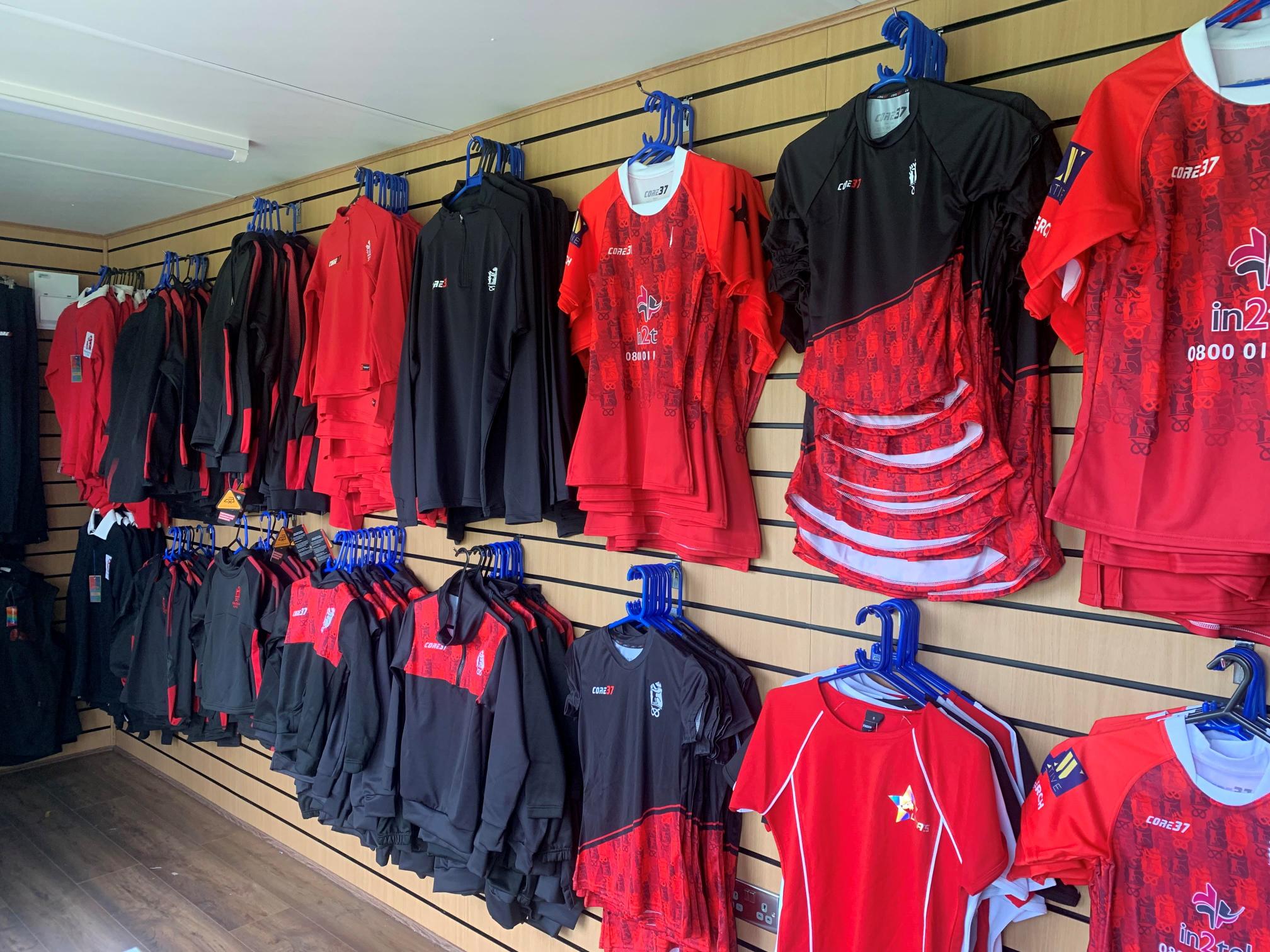
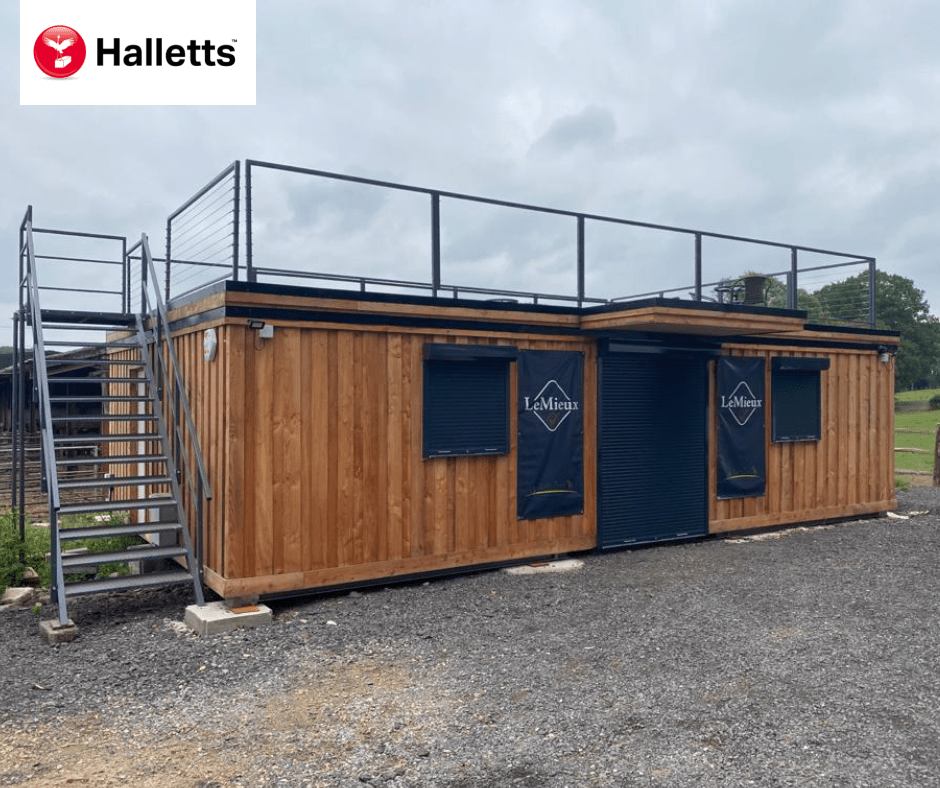
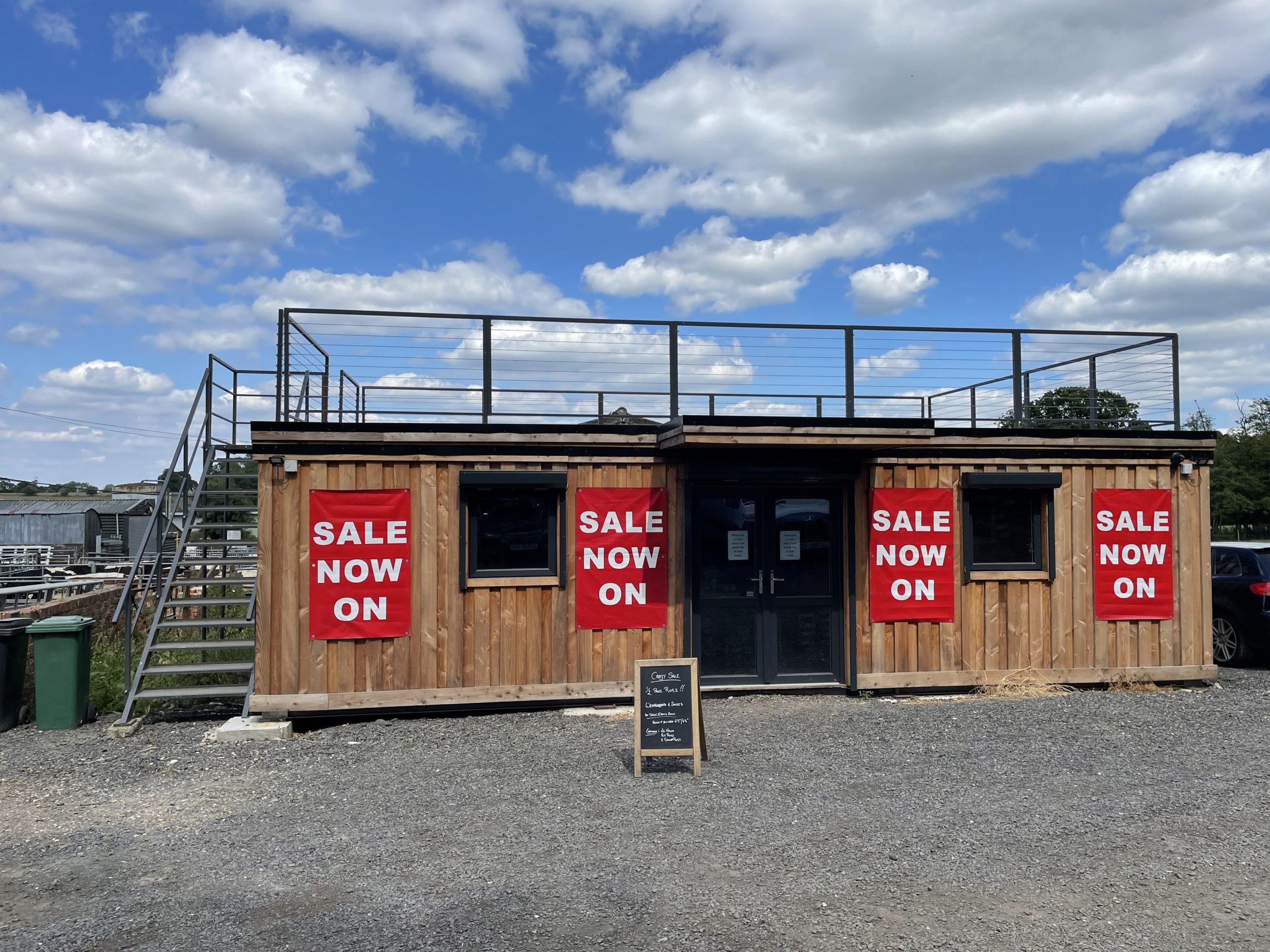
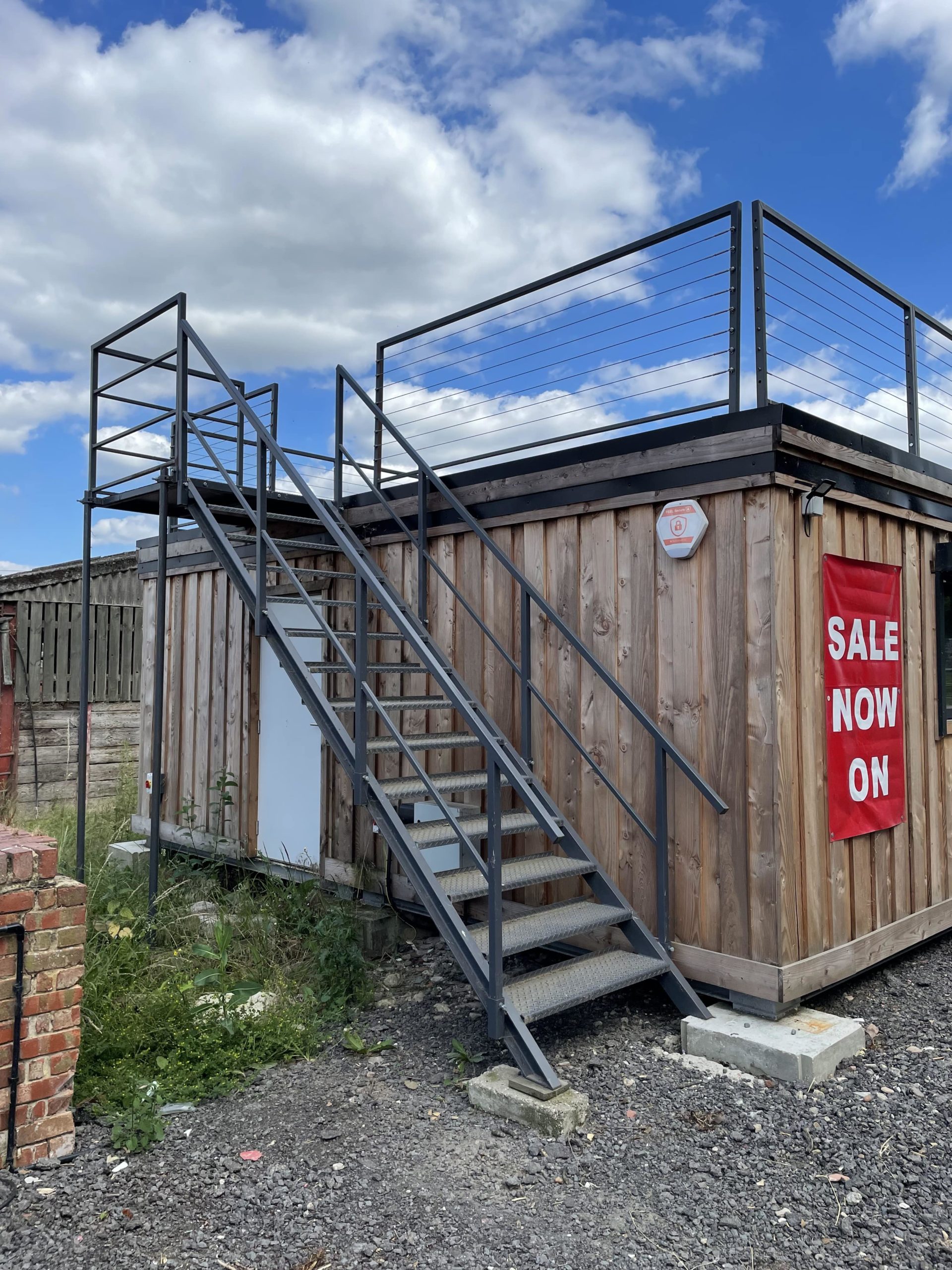
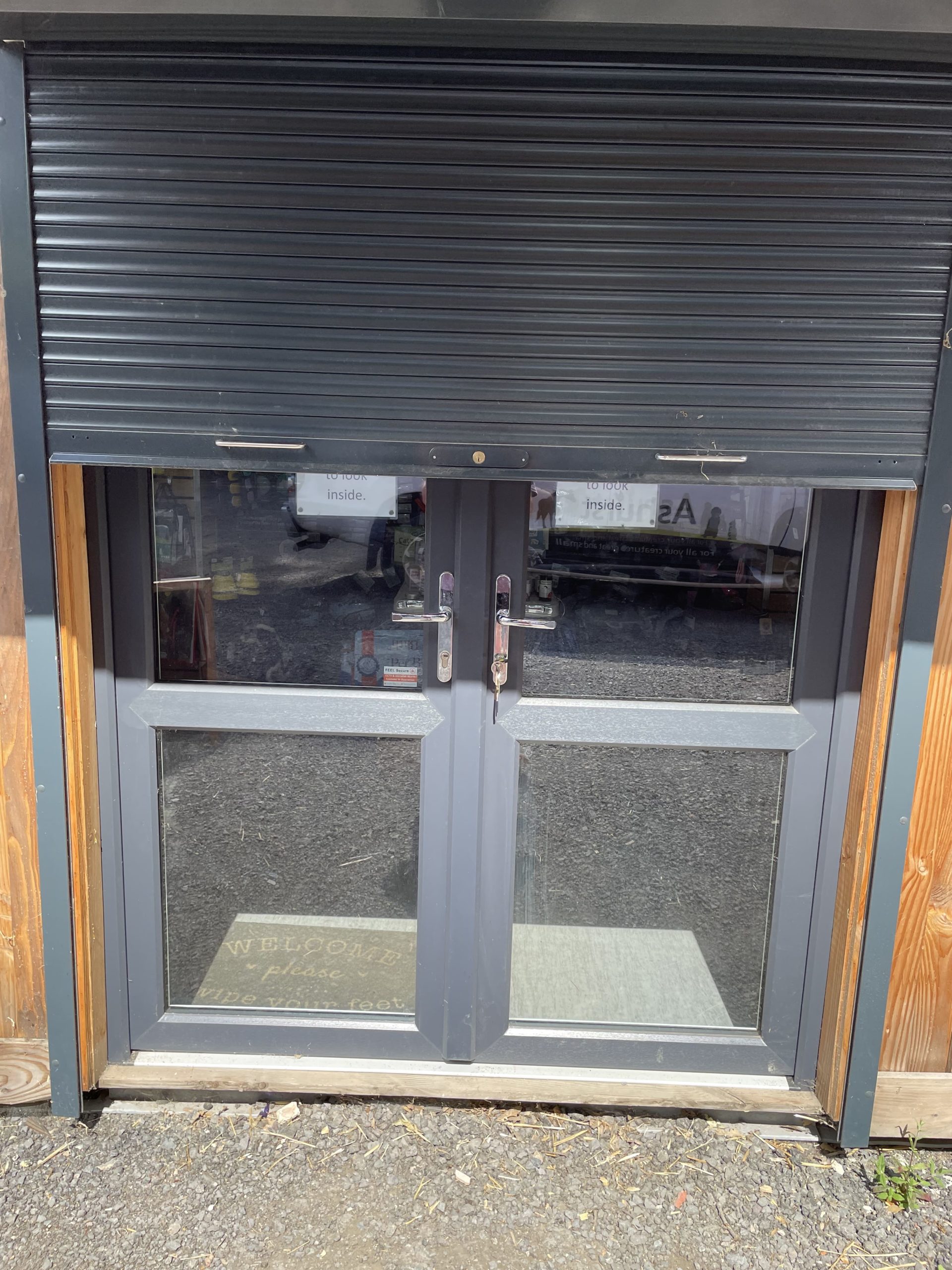
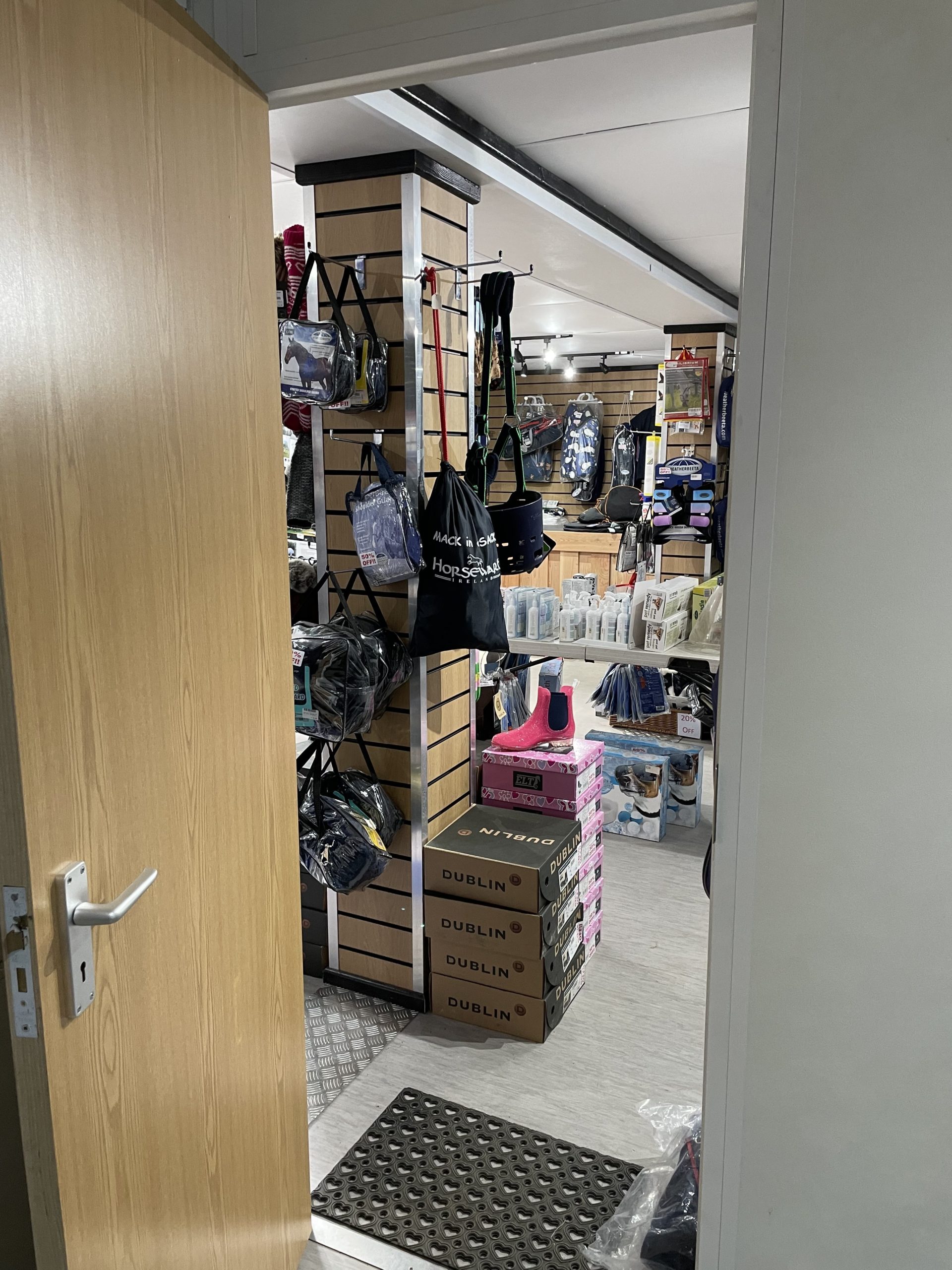
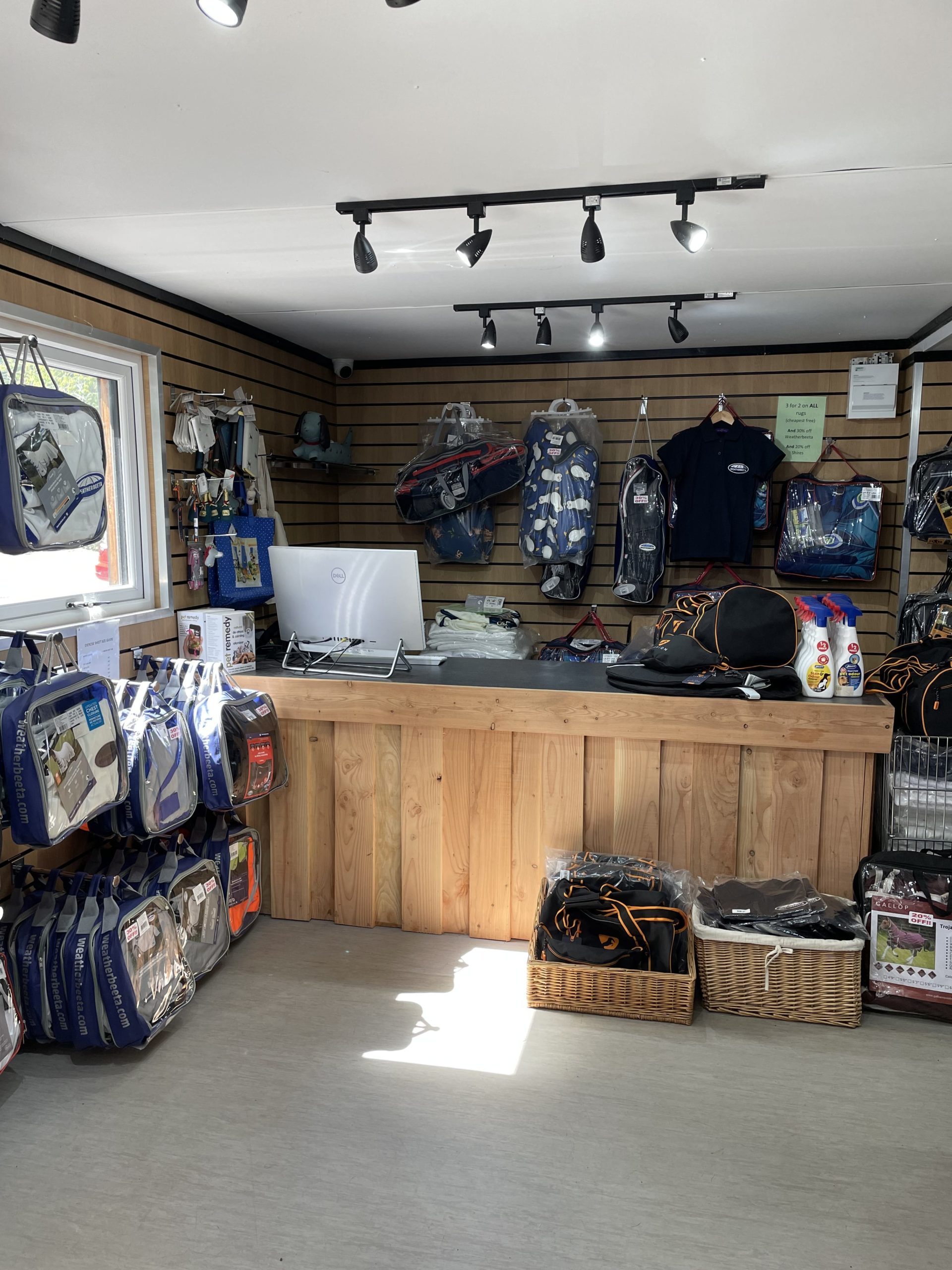
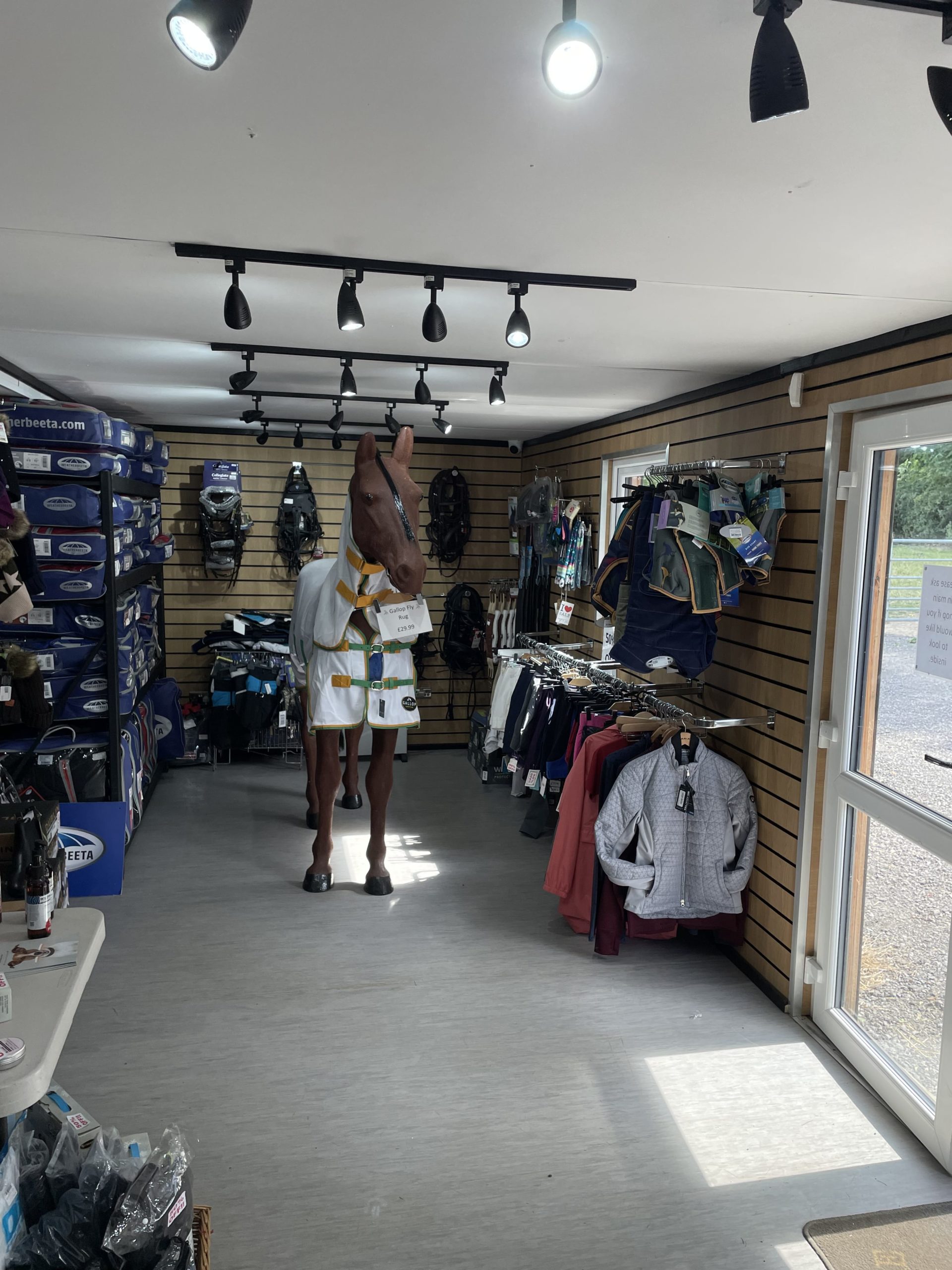
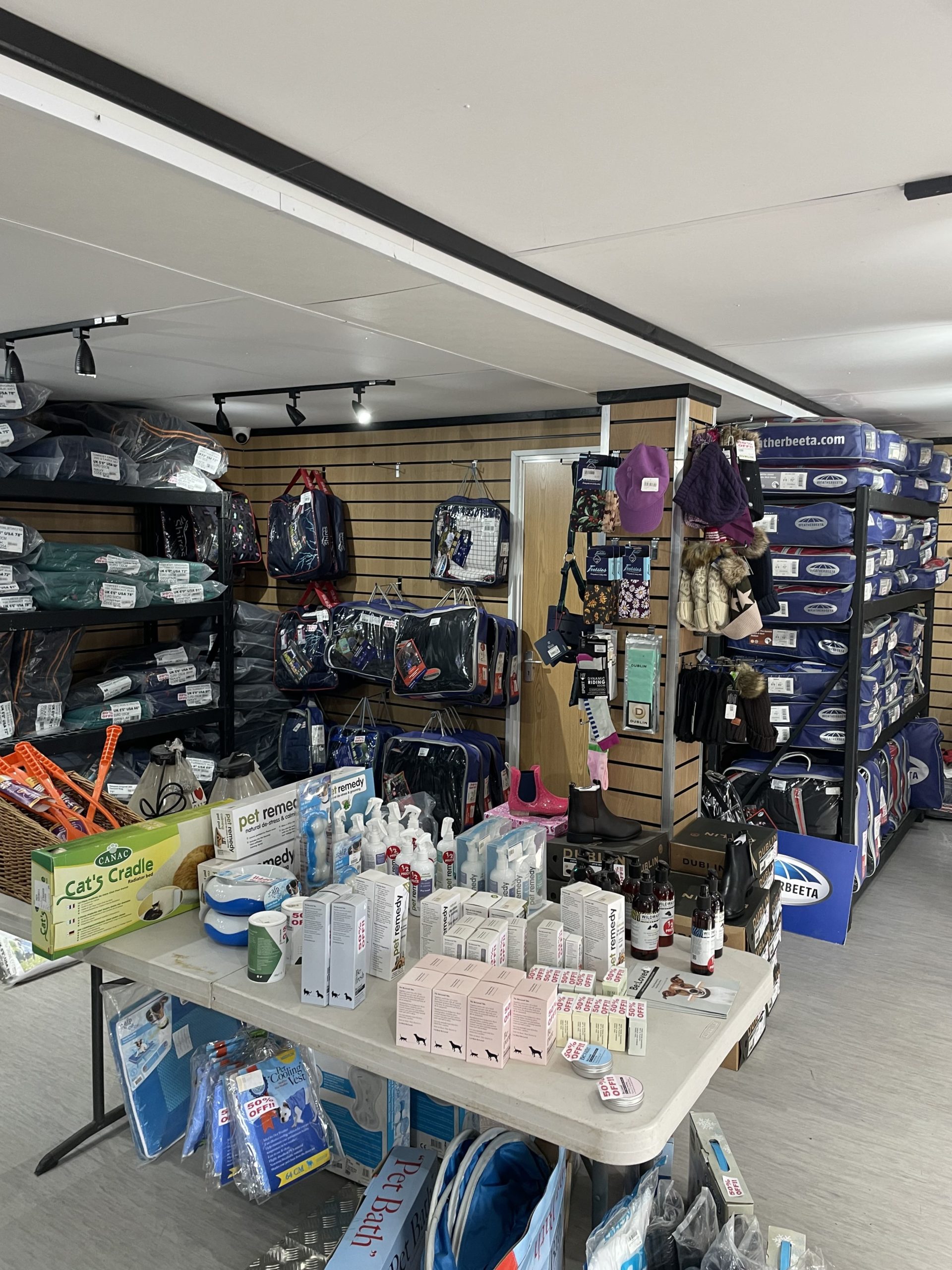
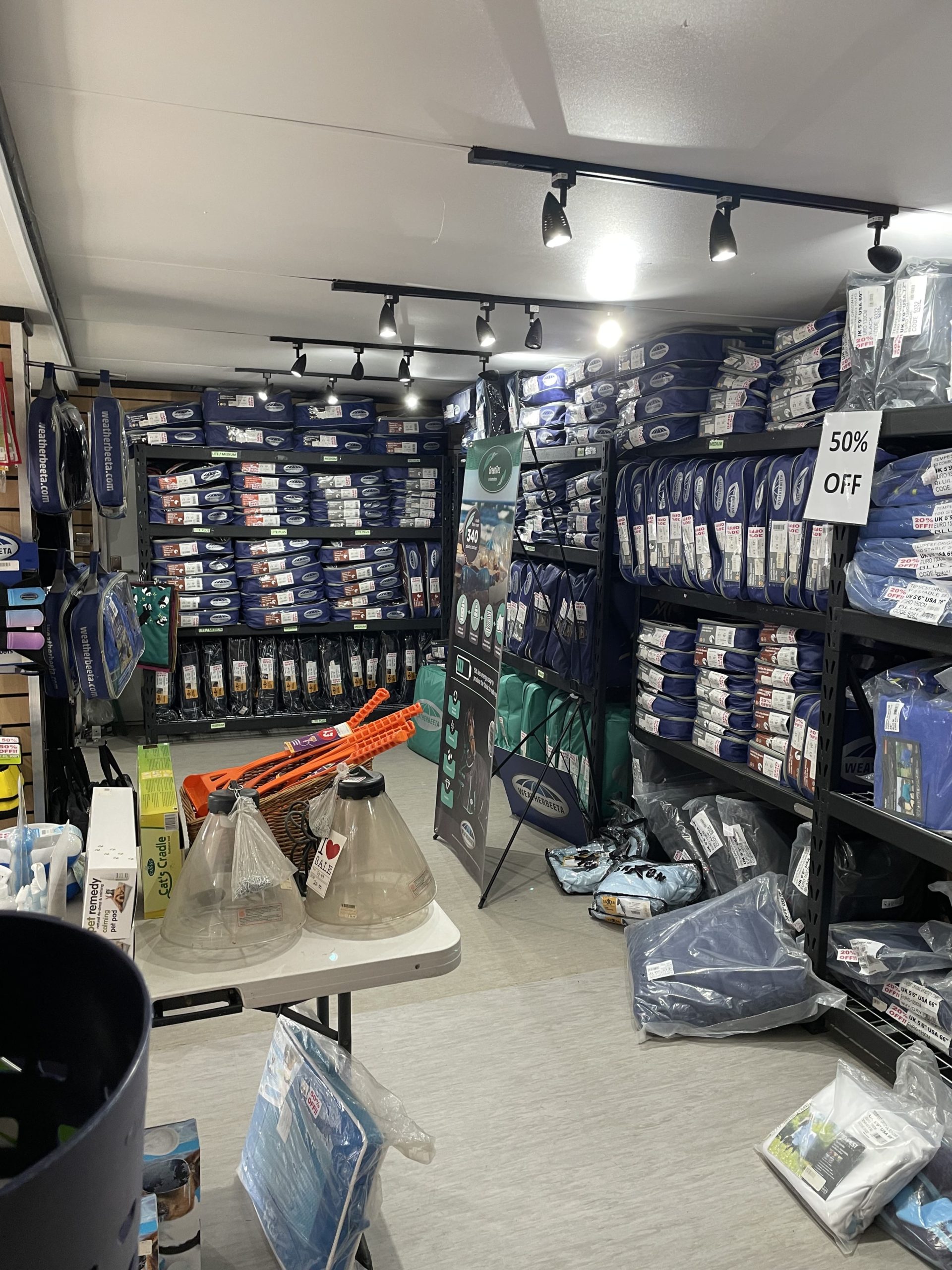
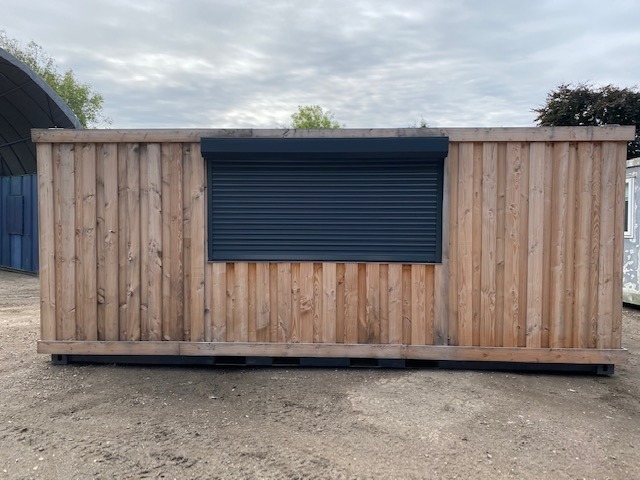
20ft x 8ft Container Conversion Retail Shop
UPVC Double glazed Windows + French Doors
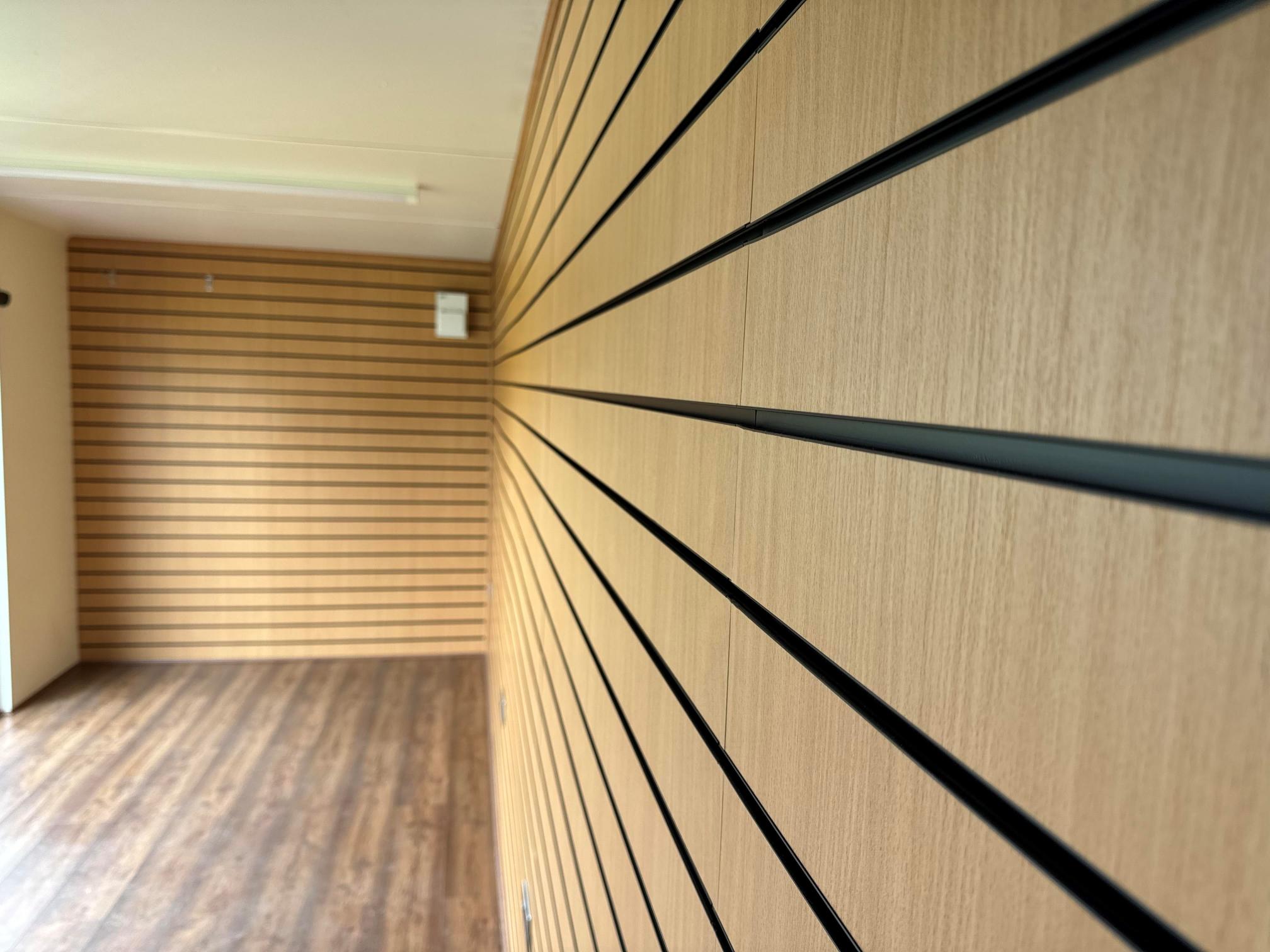
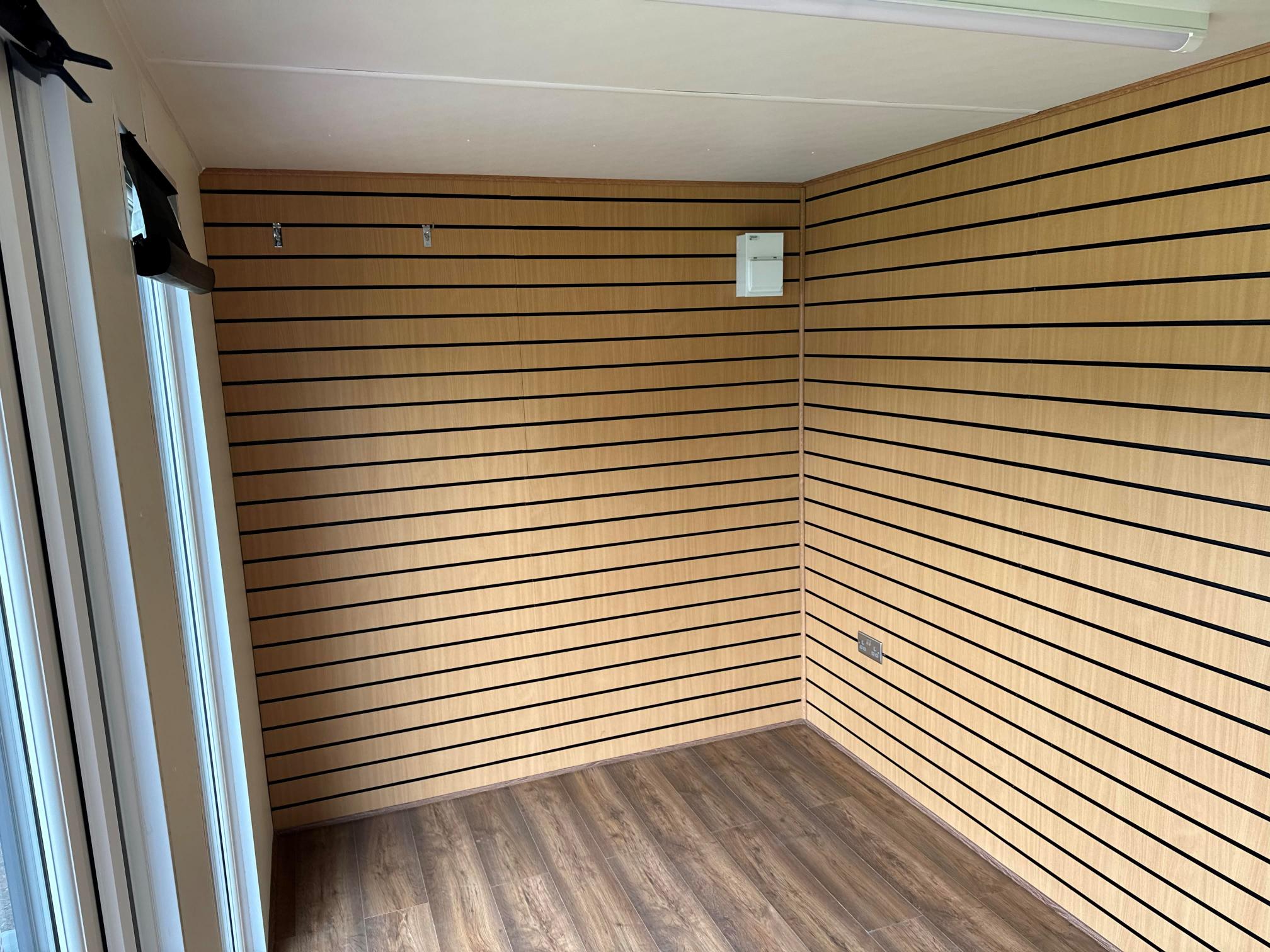
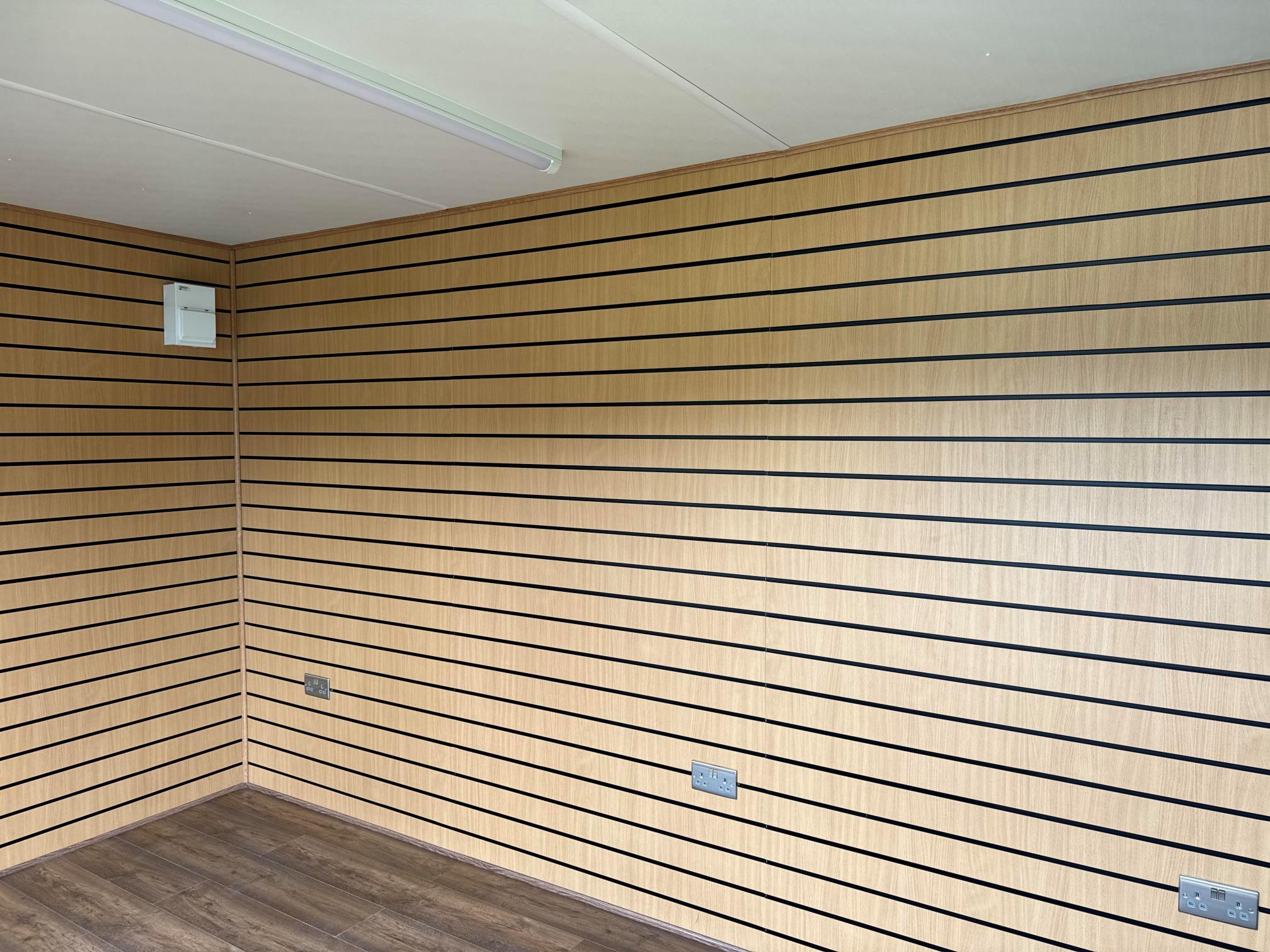
Slat Wall for retail fixings and Merchandise
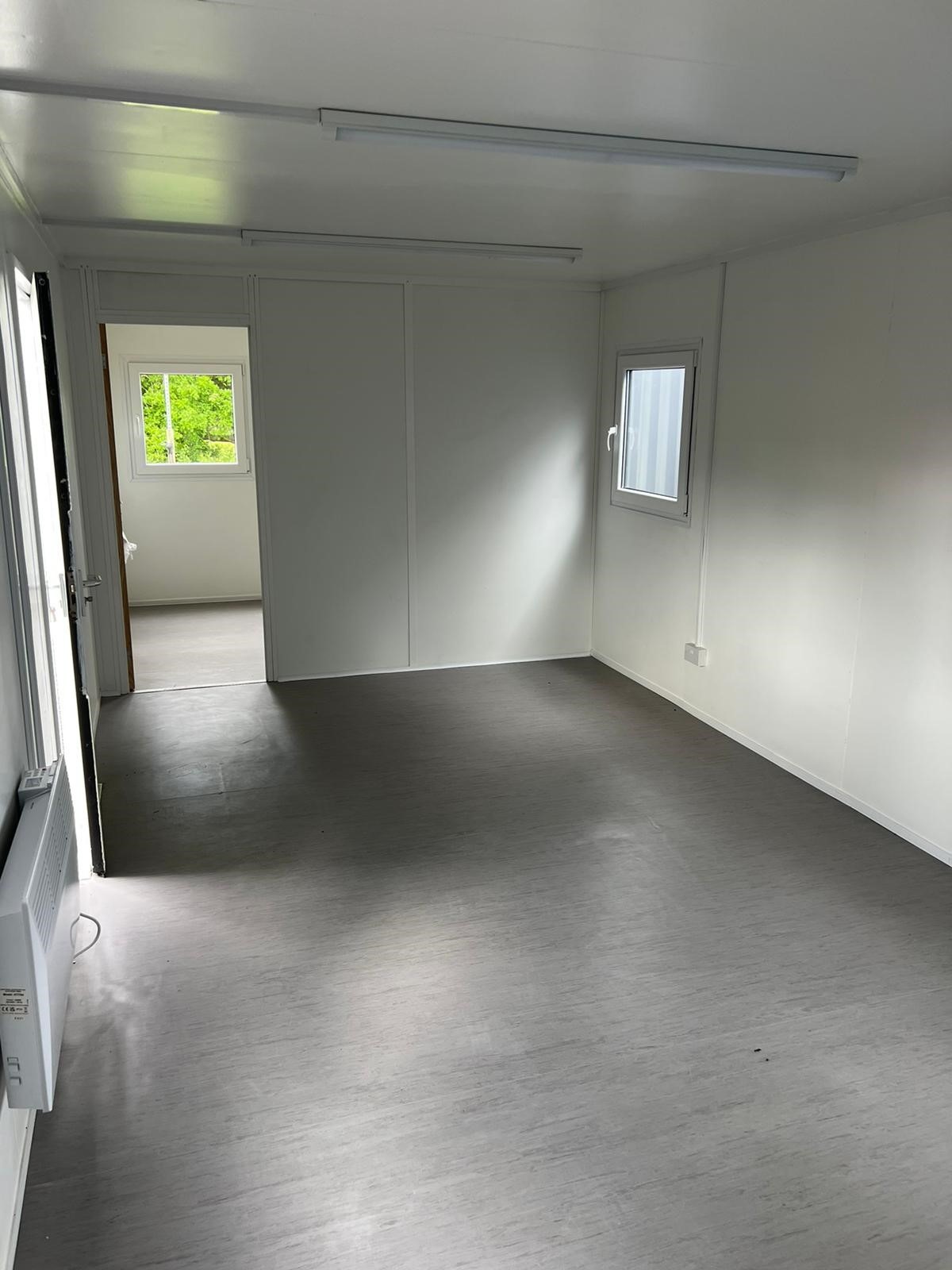
Electric Chrome Sockets, led lighting and heating.
Laminate Flooring
12 months Warranty
Maintenance call out package included
Less than 2 years old
Still in Brand New Condition


Fully refurbished
Colour light grey
Slate grey anthracite upvc double glazed windows


Location: Nationwide
+ VAT
Not Available for Hire
Call for an instant quote!
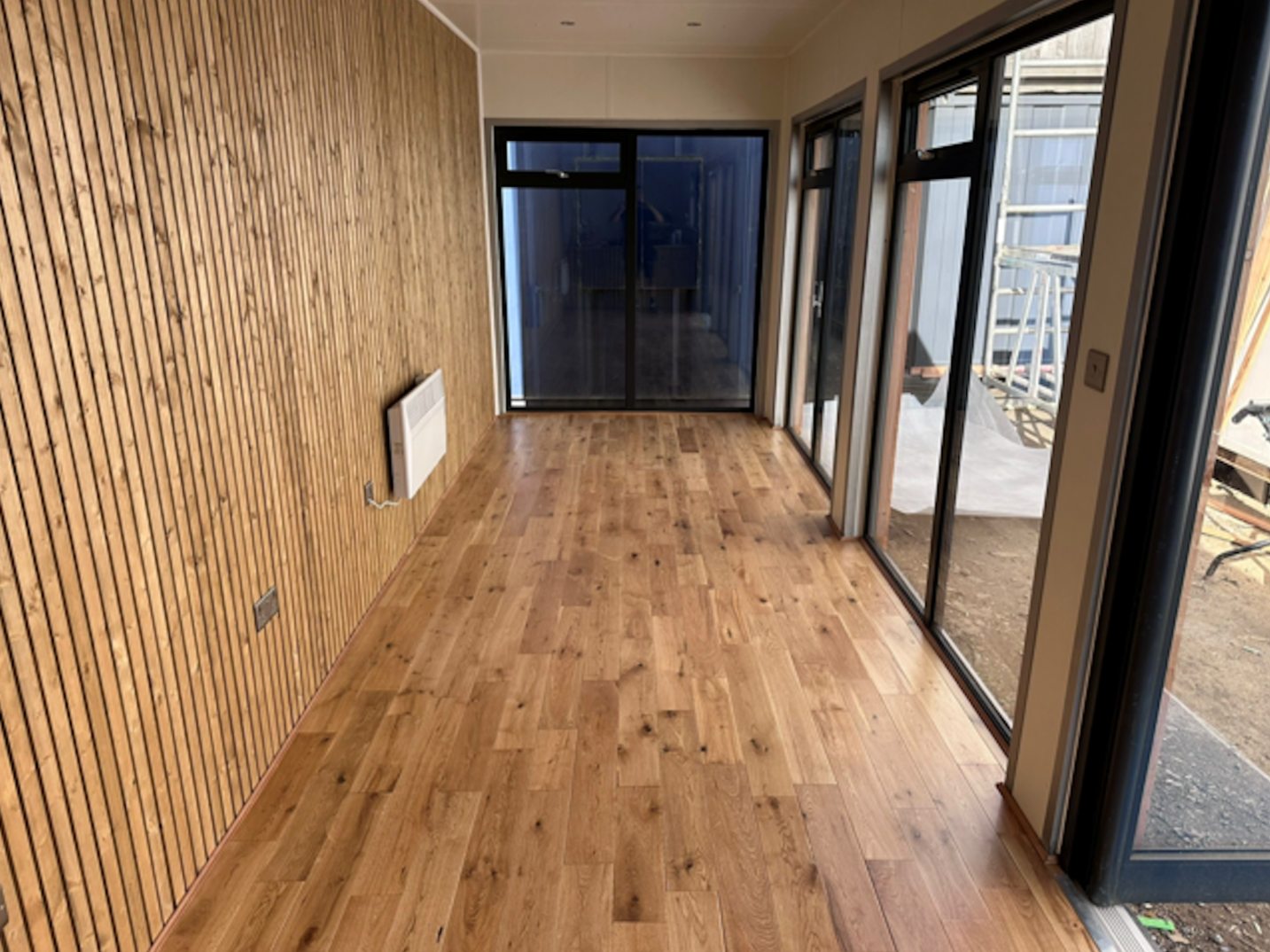
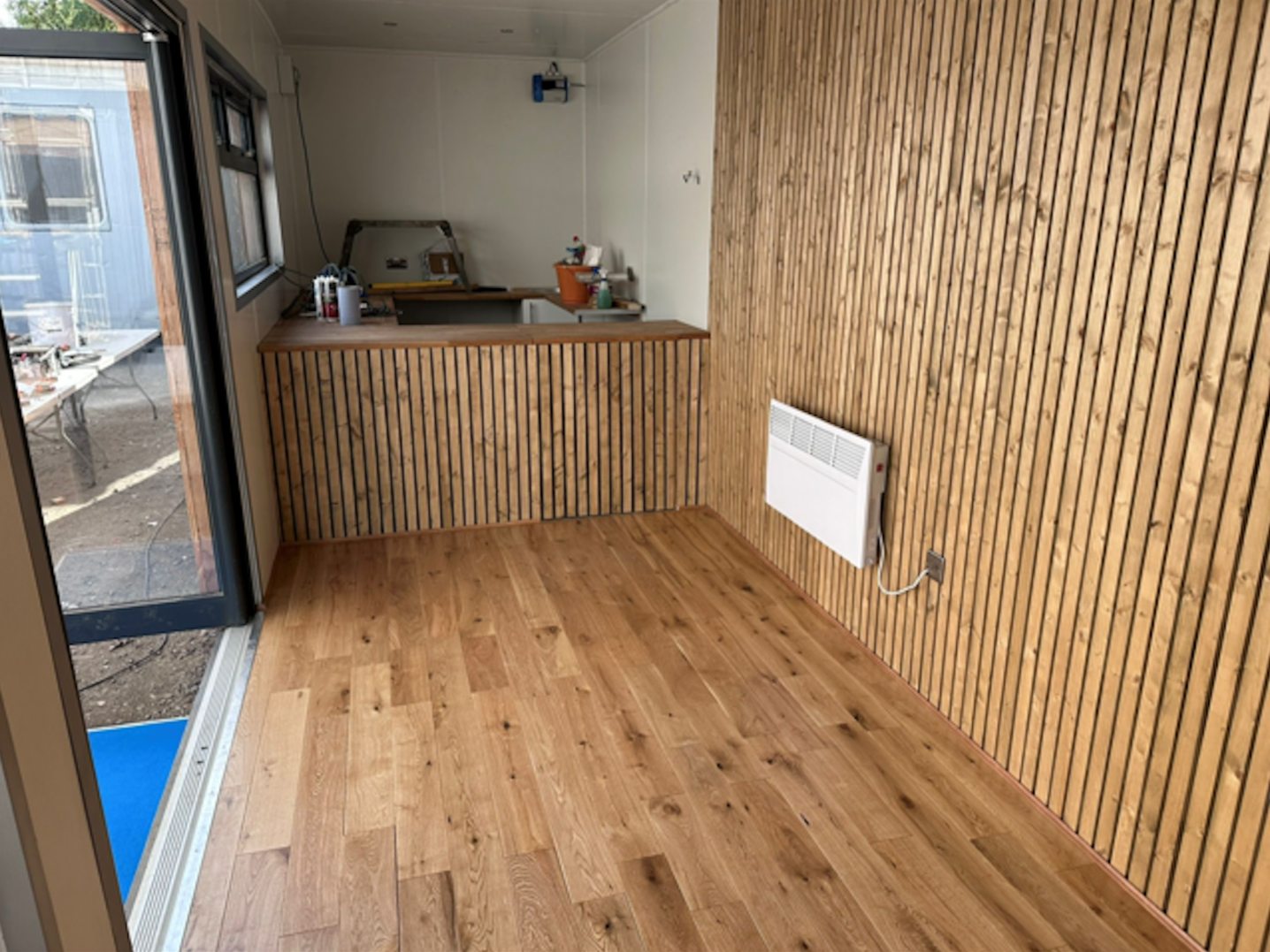
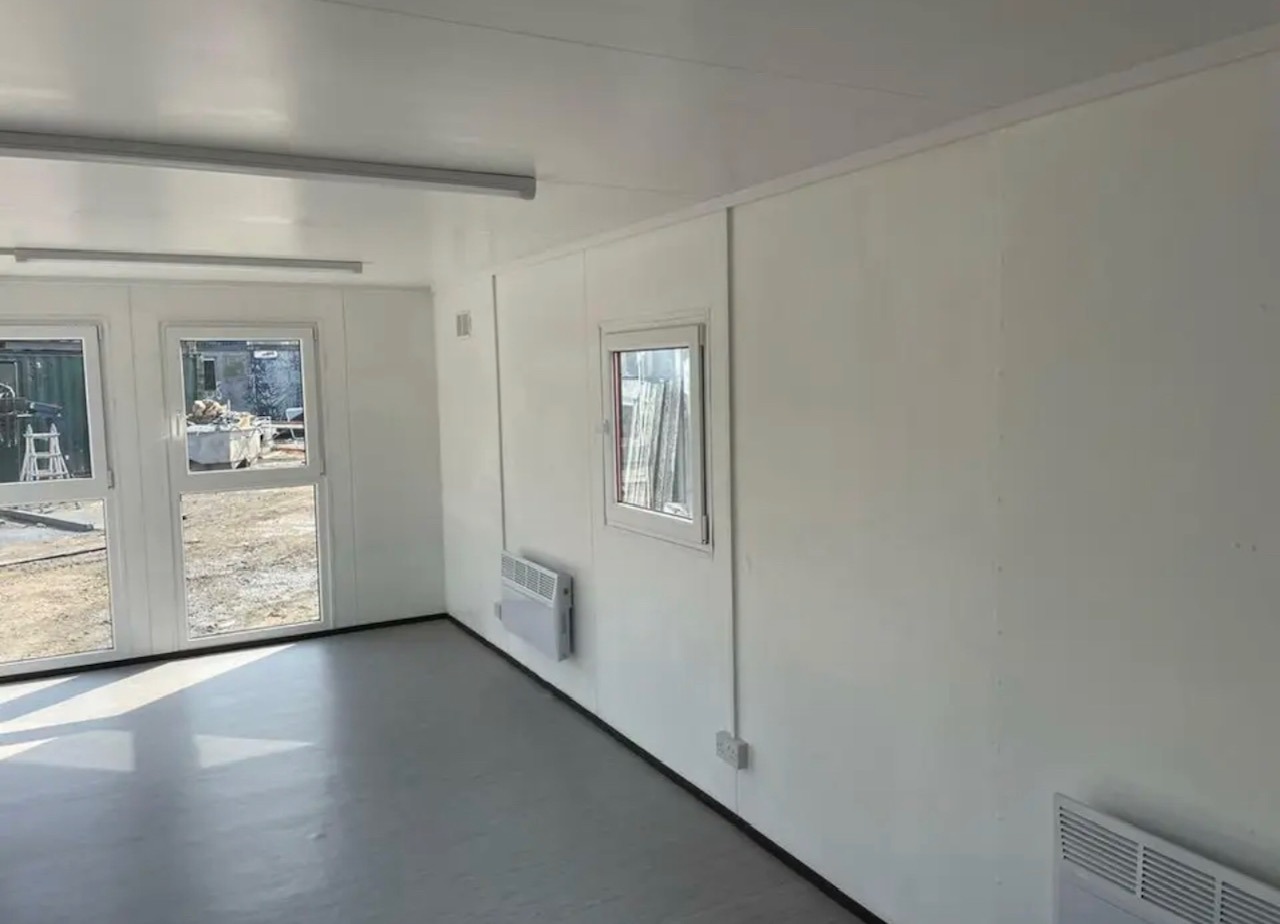
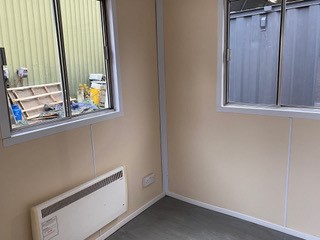
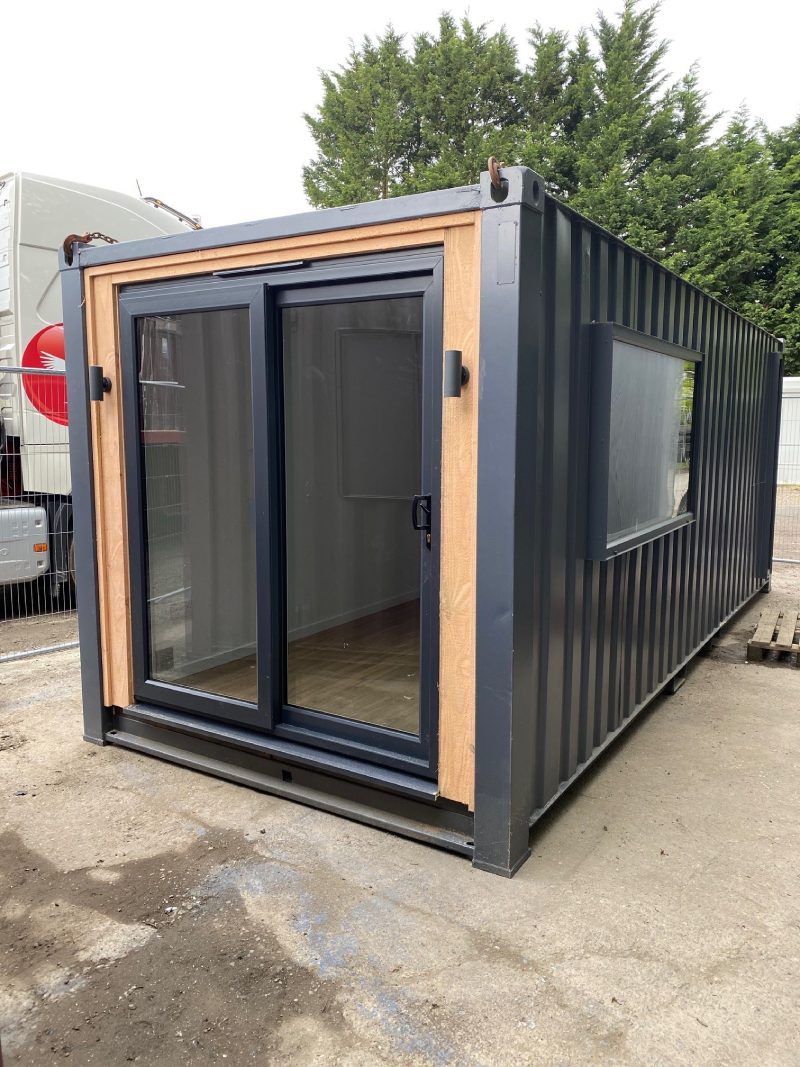
Fully Insulated with electric sockets, spot lighting, and heating
Wood Flooring
UPVC Sliding Door + Windows
Lead Time for build 6-8 weeks


Location: Nationwide
+ VAT
Not Available for Hire
Call for an instant quote!
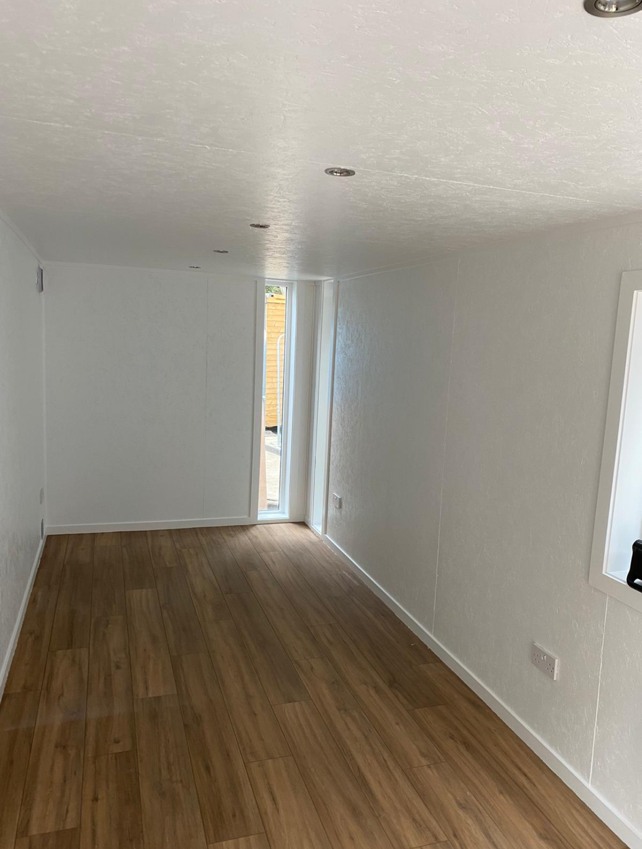
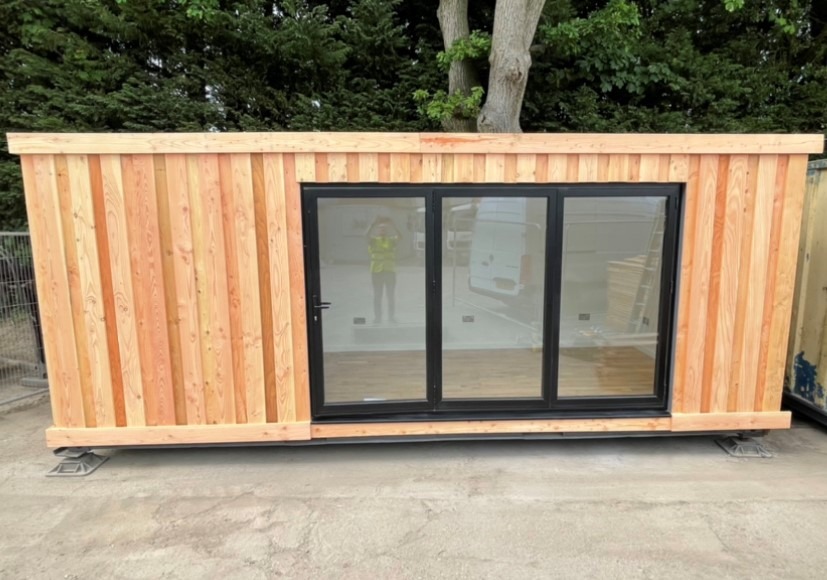
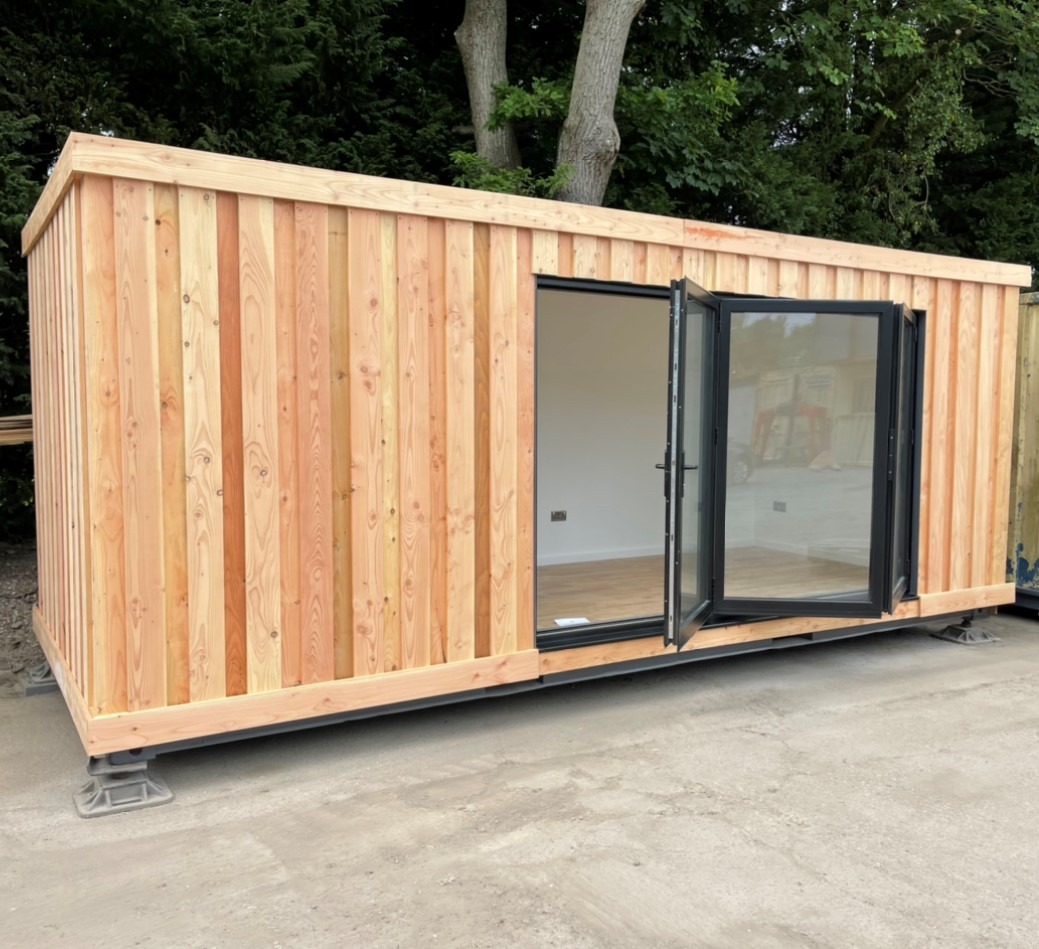
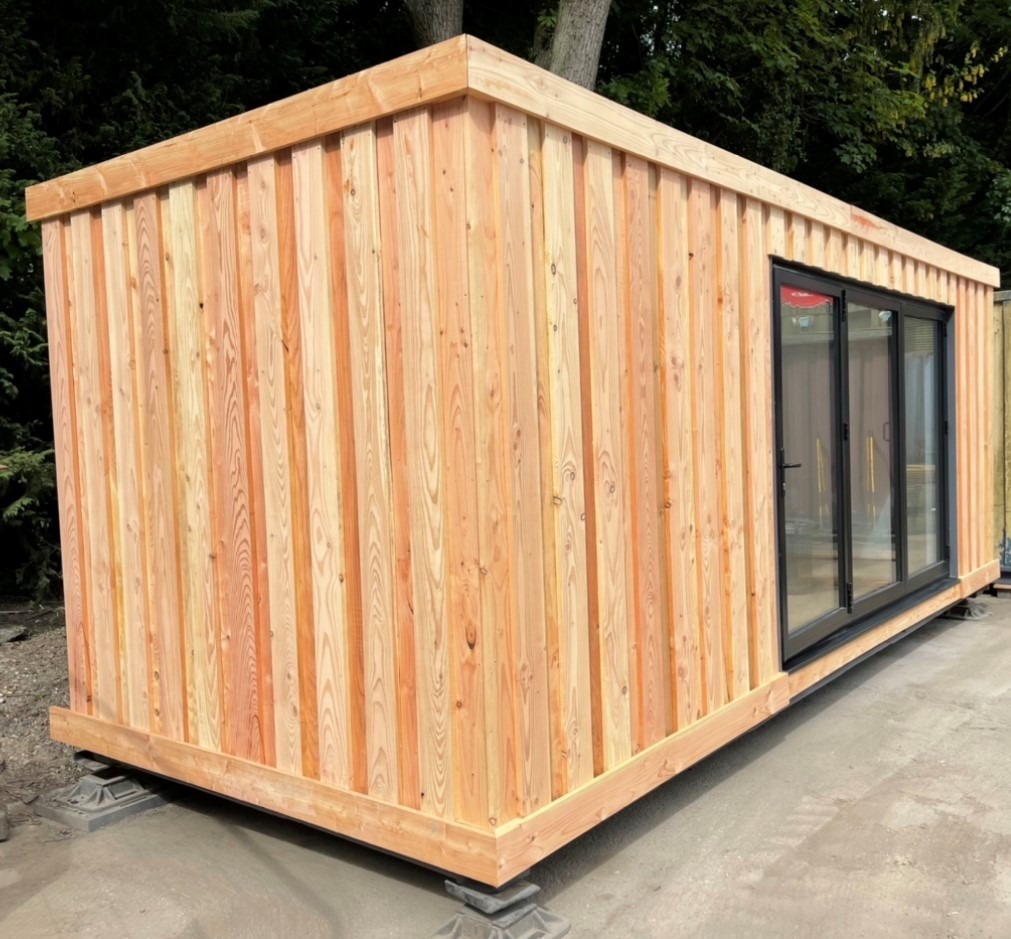
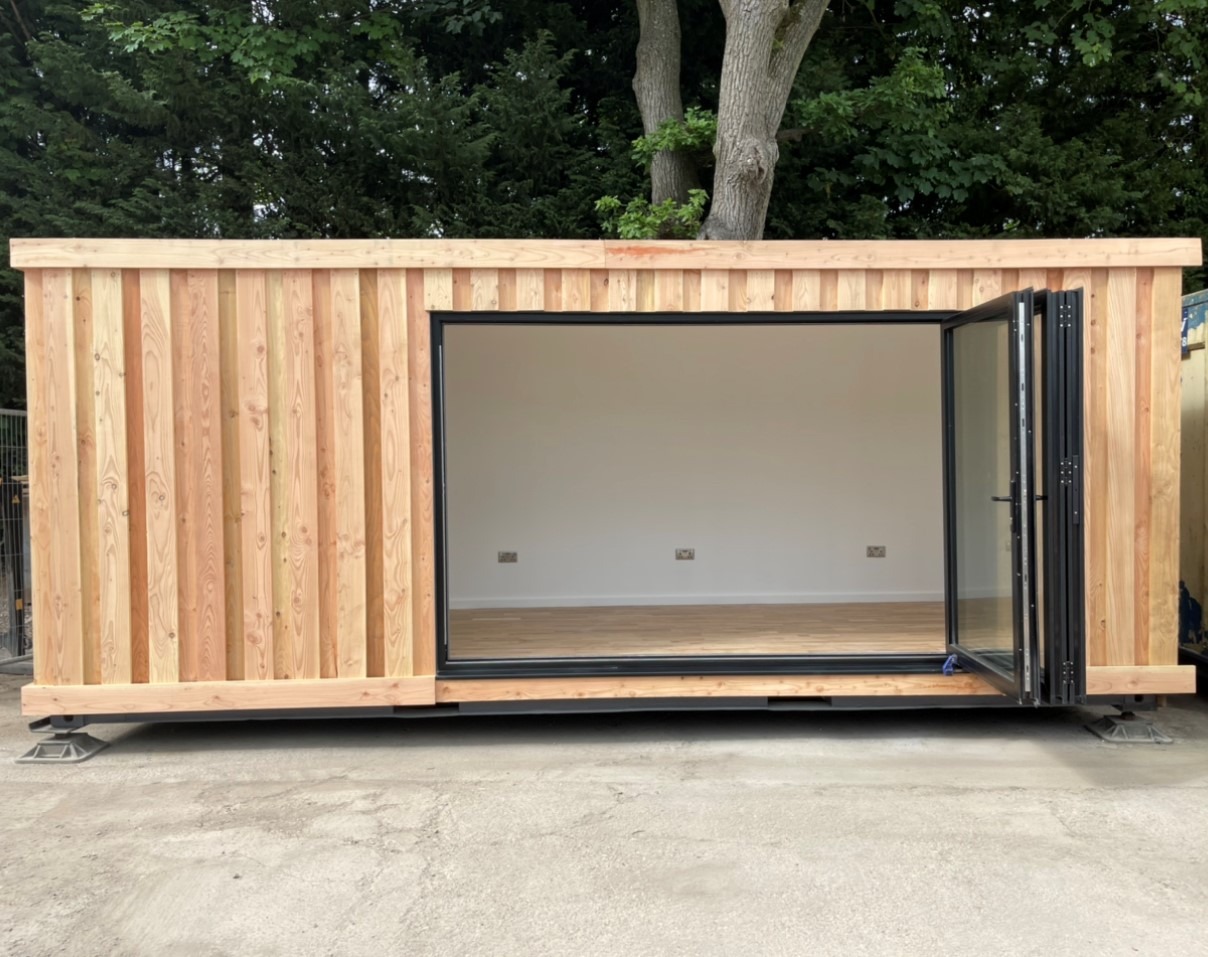
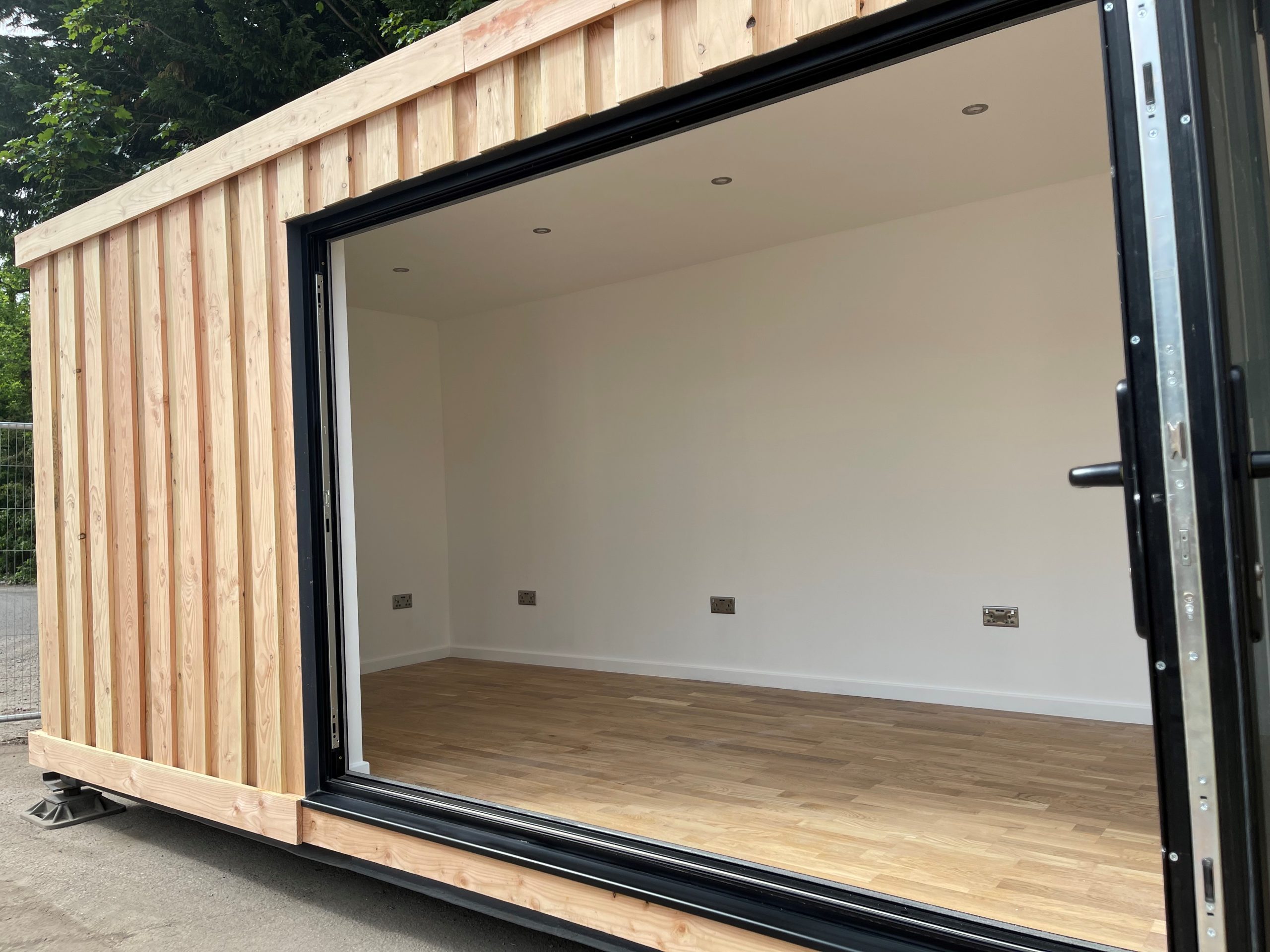
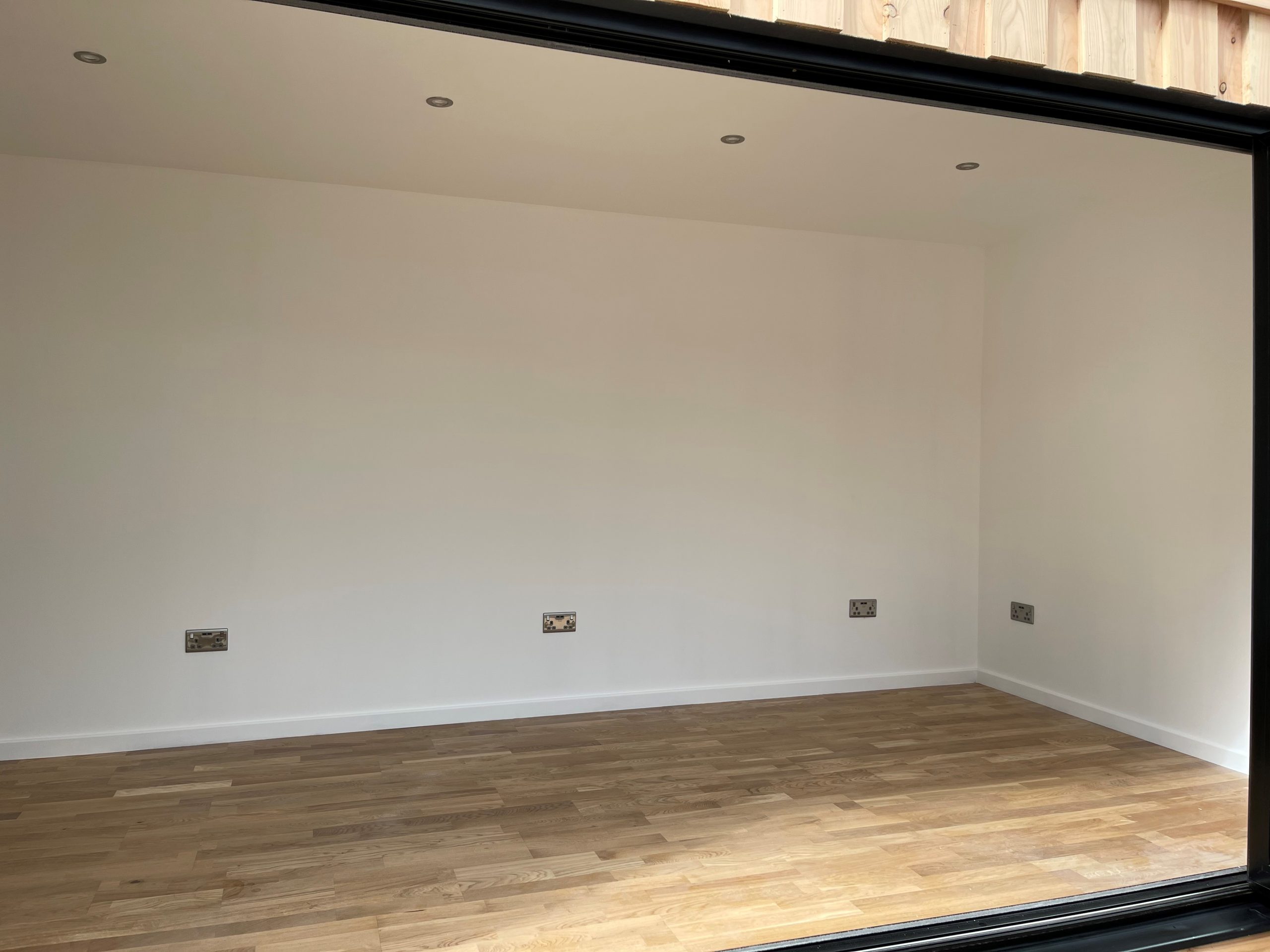
Fully Insulated with electric sockets, spot lighting, and heating
Wood Flooring
Aluminium Bi Fold Doors
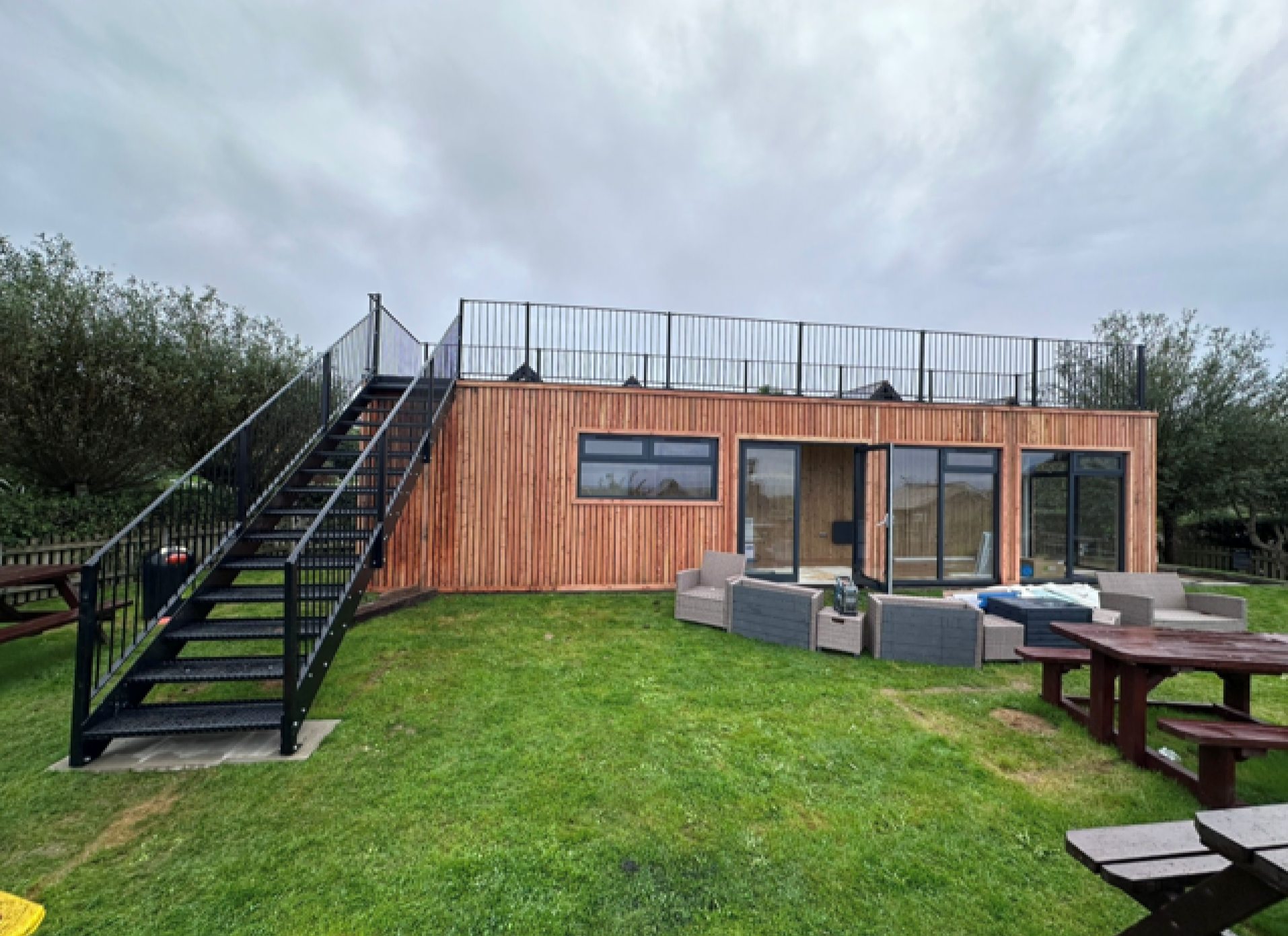
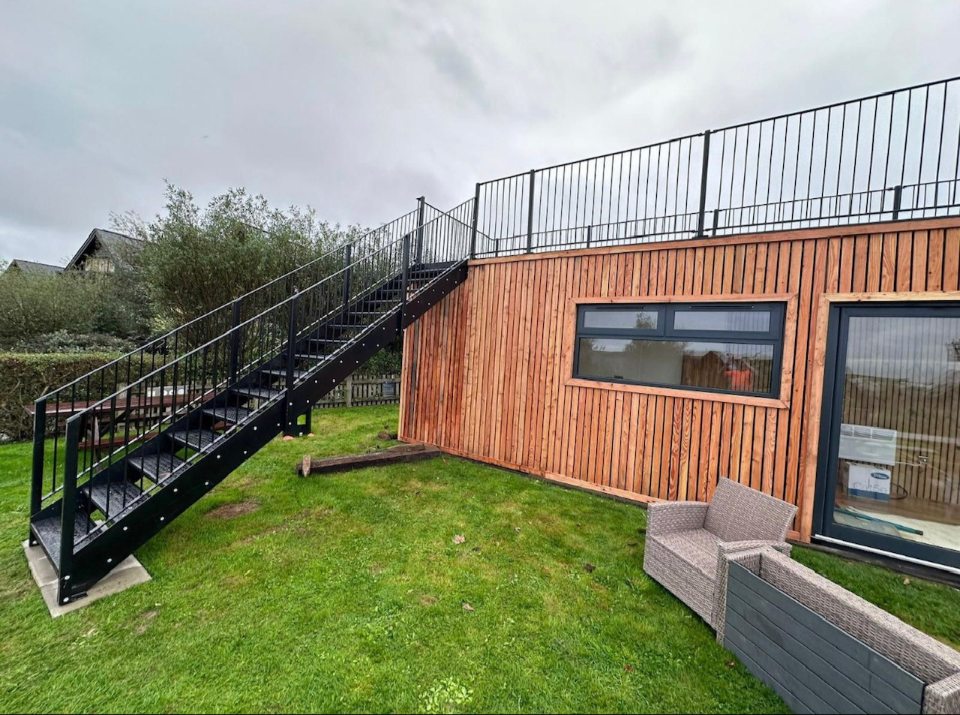
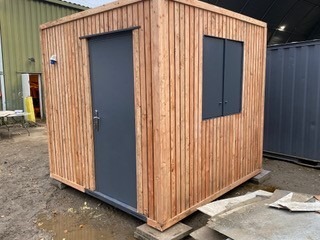
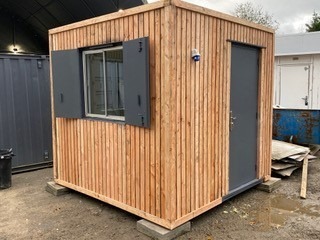
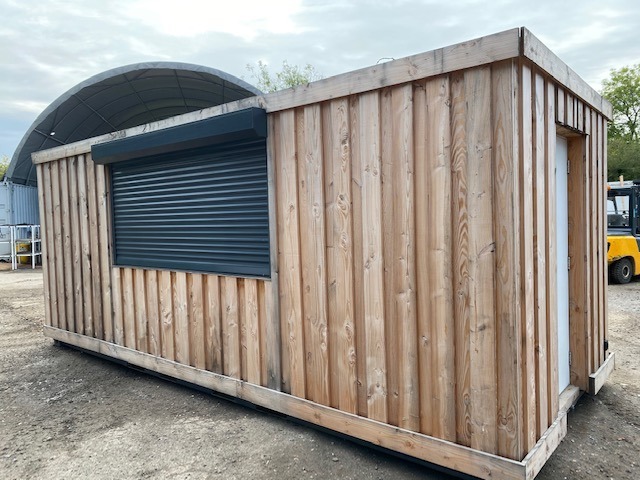
Fully wrapped in larch cladding
Lead Time for build 6-8 weeks


Location: Nationwide
+ VAT
Not Available for Hire
Call for an instant quote!
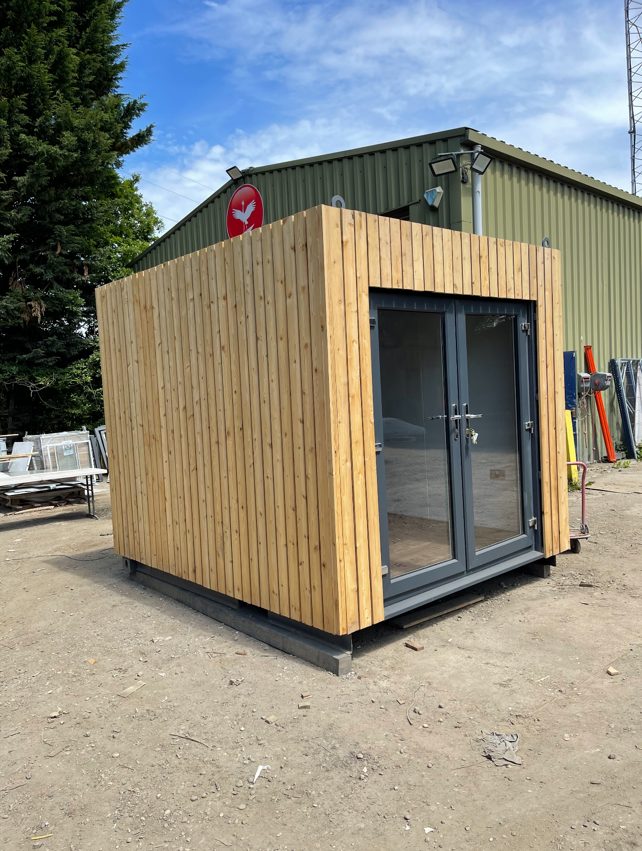
Fully Insulated with electric sockets, spot lighting, and heating
Wood Flooring
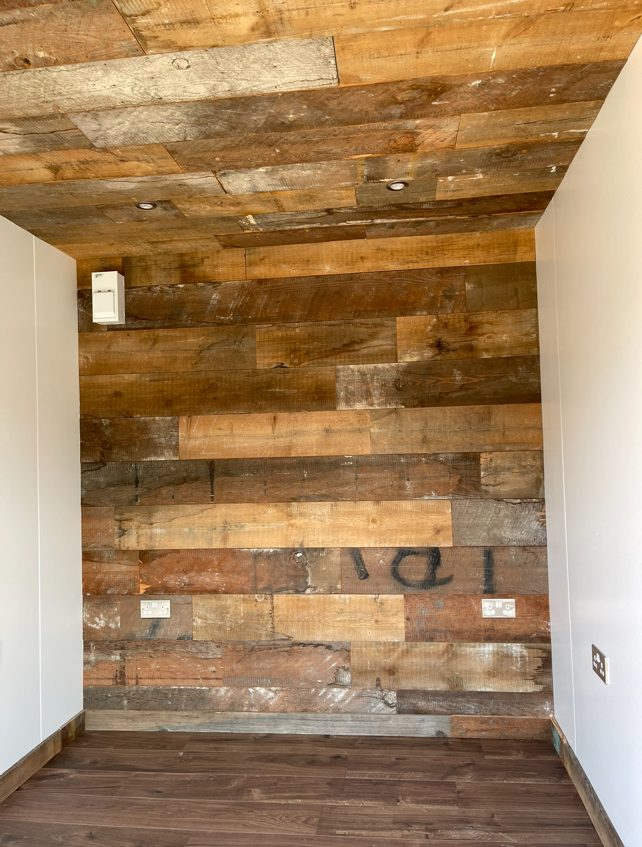
Feature Clad Wall and Ceiling
UPVC Double glazed French Doors
Fully wrapped in larch cladding
Lead Time for build 6-8 weeks


Location: Nationwide
EX VAT
Not Available for Hire
Call for an instant quote!


Location: Nationwide
EX VAT
Not Available for Hire
Call for an instant quote!


Location: Nationwide
EX VAT
Not Available for Hire
Call for an instant quote!


Location: Nationwide
EX VAT
Not Available for Hire
Call for an instant quote!


Location: Nationwide
EX VAT
Not Available for Hire
Call for an instant quote!

Location: Nationwide
EX VAT
Not Available for Hire
Call for an instant quote!


Location: Nationwide
EX VAT
Not Available for Hire
Call for an instant quote!


Location: Nationwide
EX VAT
Not Available for Hire
Call for an instant quote!


Location: Nationwide
EX VAT
Not Available for Hire
Call for an instant quote!


Location: Nationwide
EX VAT
Not Available for Hire
Call for an instant quote!


Location: Nationwide
EX VAT
Not Available for Hire
Call for an instant quote!


Location: Nationwide
EX VAT
Not Available for Hire
Call for an instant quote!


Location: Nationwide
EX VAT
Not Available for Hire
Call for an instant quote!


Location: Nationwide
EX VAT
Not Available for Hire
Call for an instant quote!


Location: Nationwide
EX VAT
Not Available for Hire
Call for an instant quote!


Location: Nationwide
EX VAT
Not Available for Hire
Call for an instant quote!
10ftx8ft – £5950 + Vat / 16ftx8ft – £7950 + Vat / 20ftx8ft – £9000 + Vat / 24ftx8ft – £12000 + Vat / 30ftx8ft – £13500 + Vat


Location: Nationwide
EX VAT
Not Available for Hire
Call for an instant quote!


Location: Nationwide
EX VAT
Not Available for Hire
Call for an instant quote!


Location: Nationwide
EX VAT
Not Available for Hire
Call for an instant quote!

Location: Nationwide
Quantity: ∞
EX VAT
Not Available for Hire
Call for an instant quote!
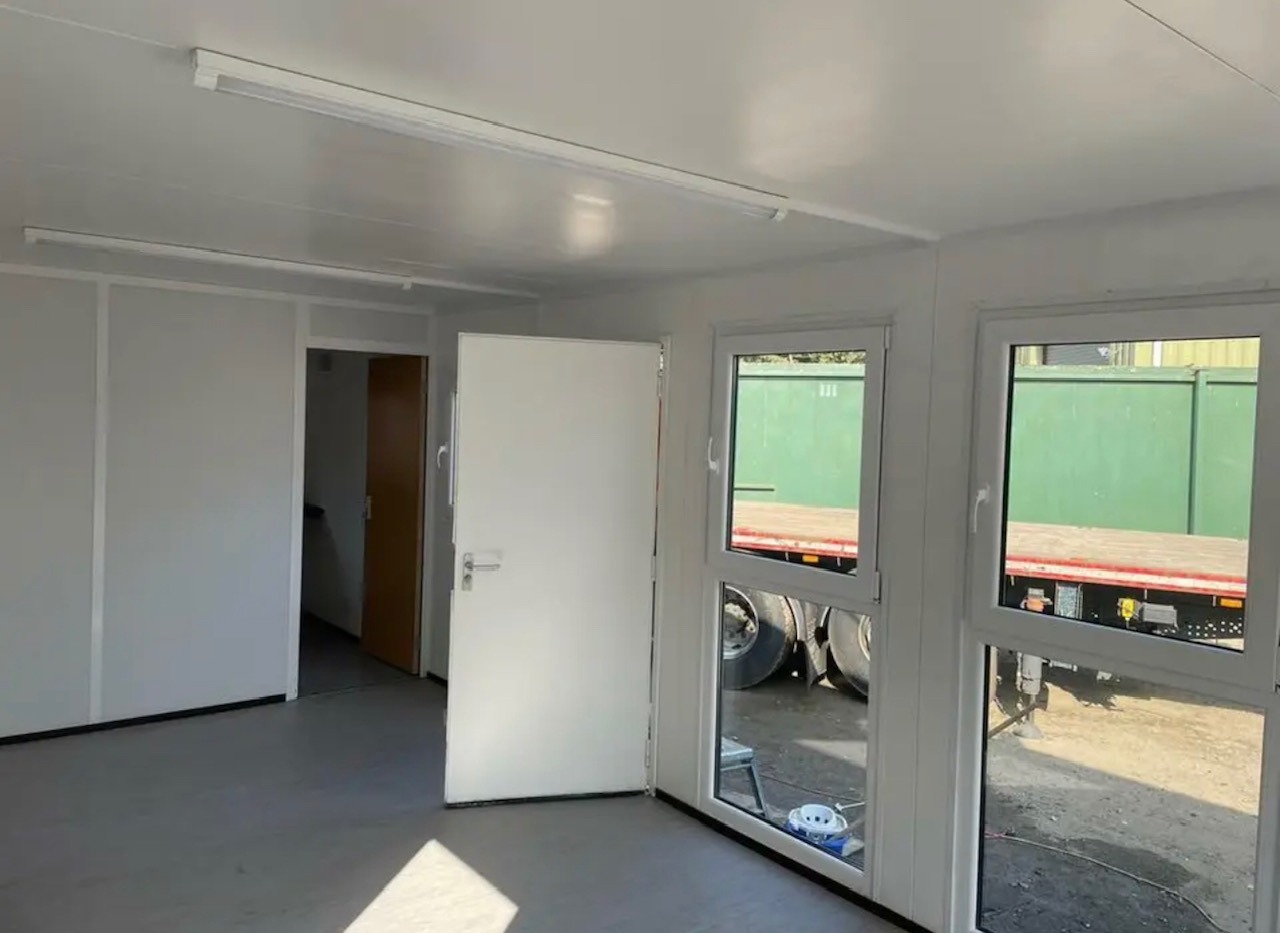
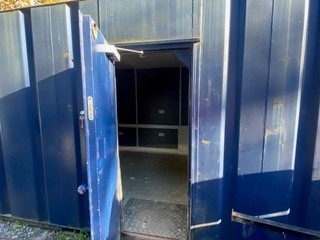
• Reinforced doors and windows with secure locking
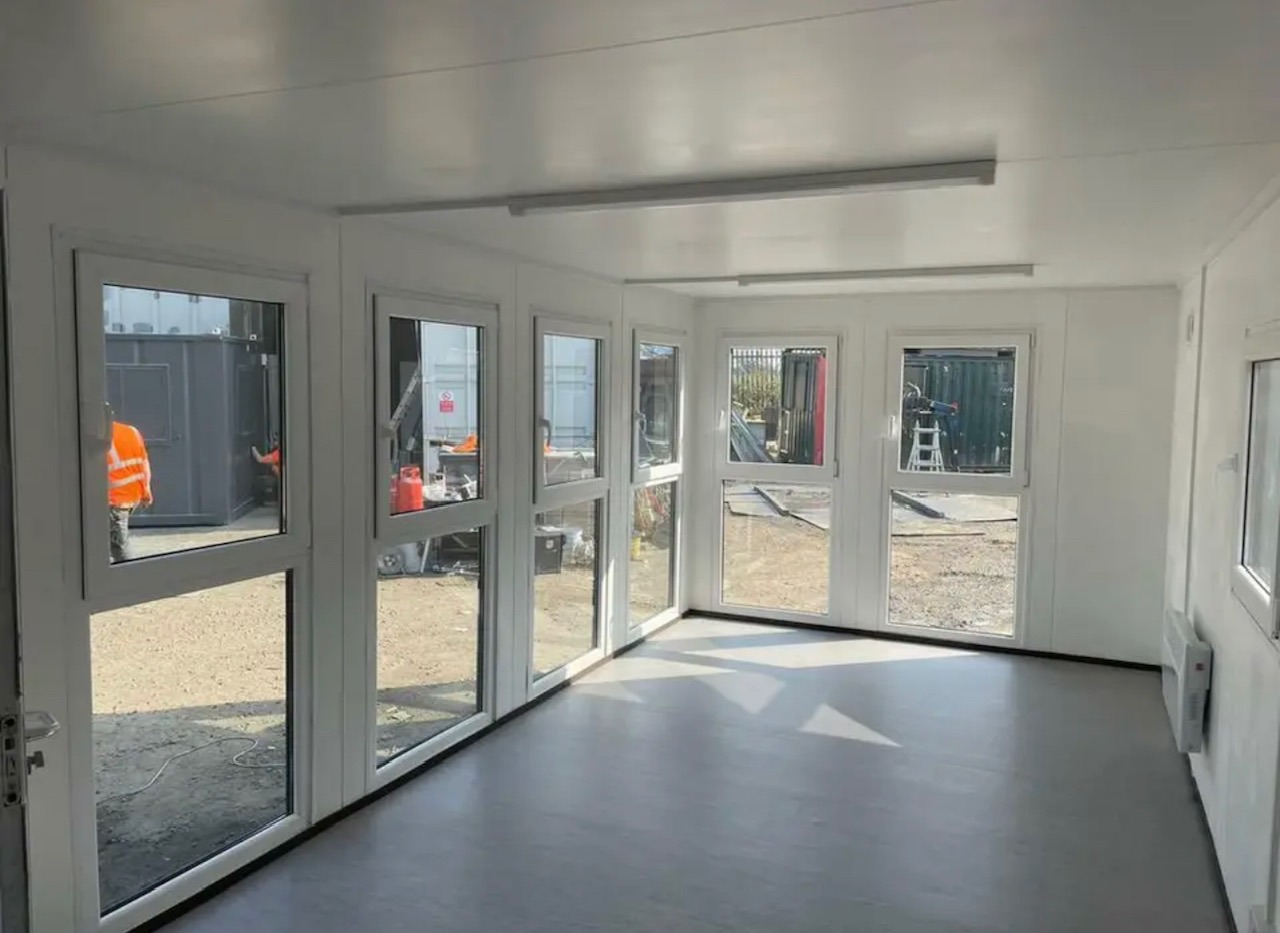
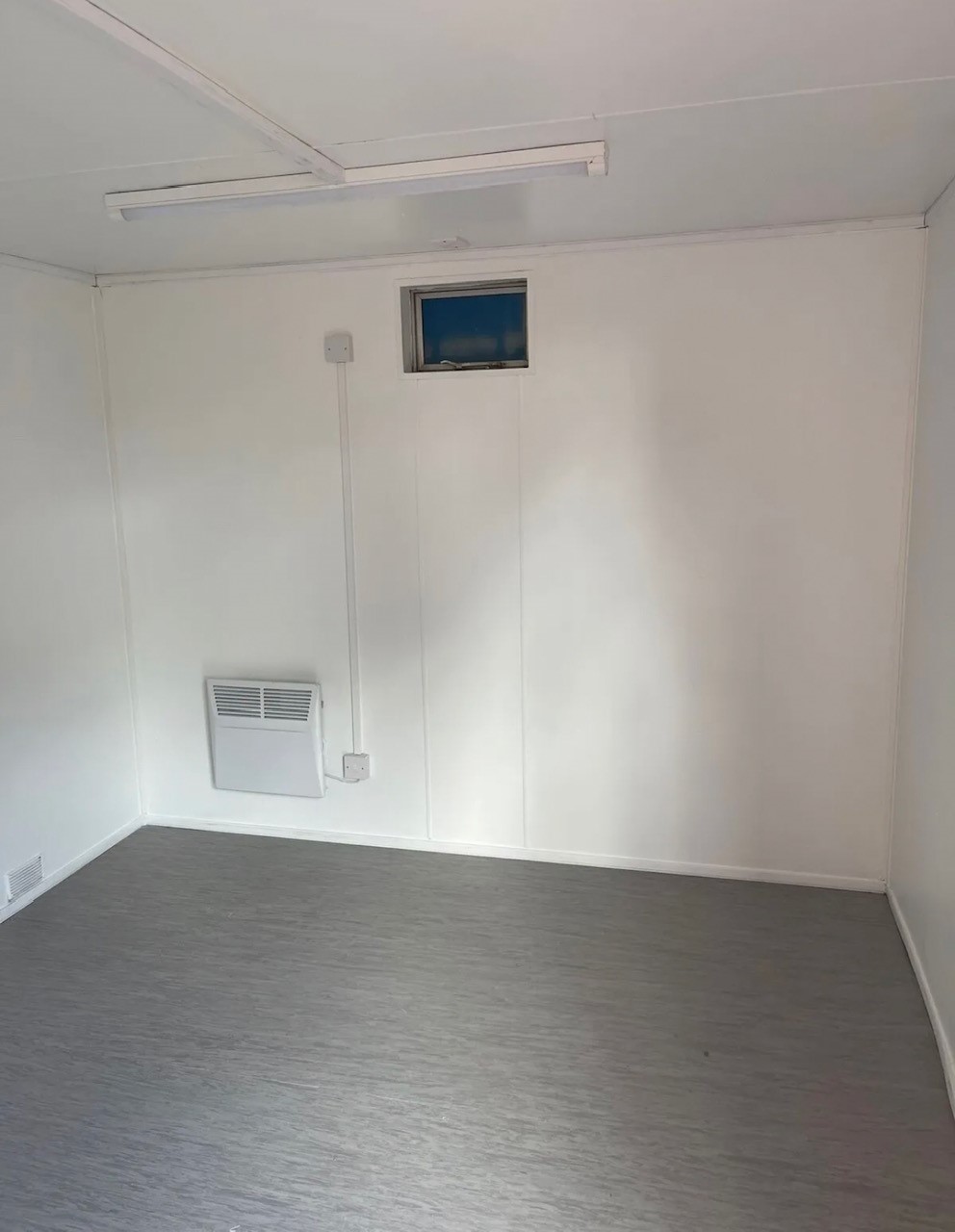
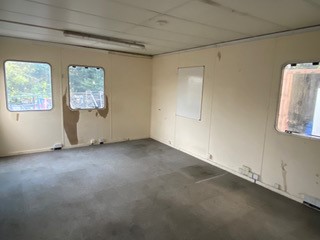
• Open plan with electric sockets and lighting
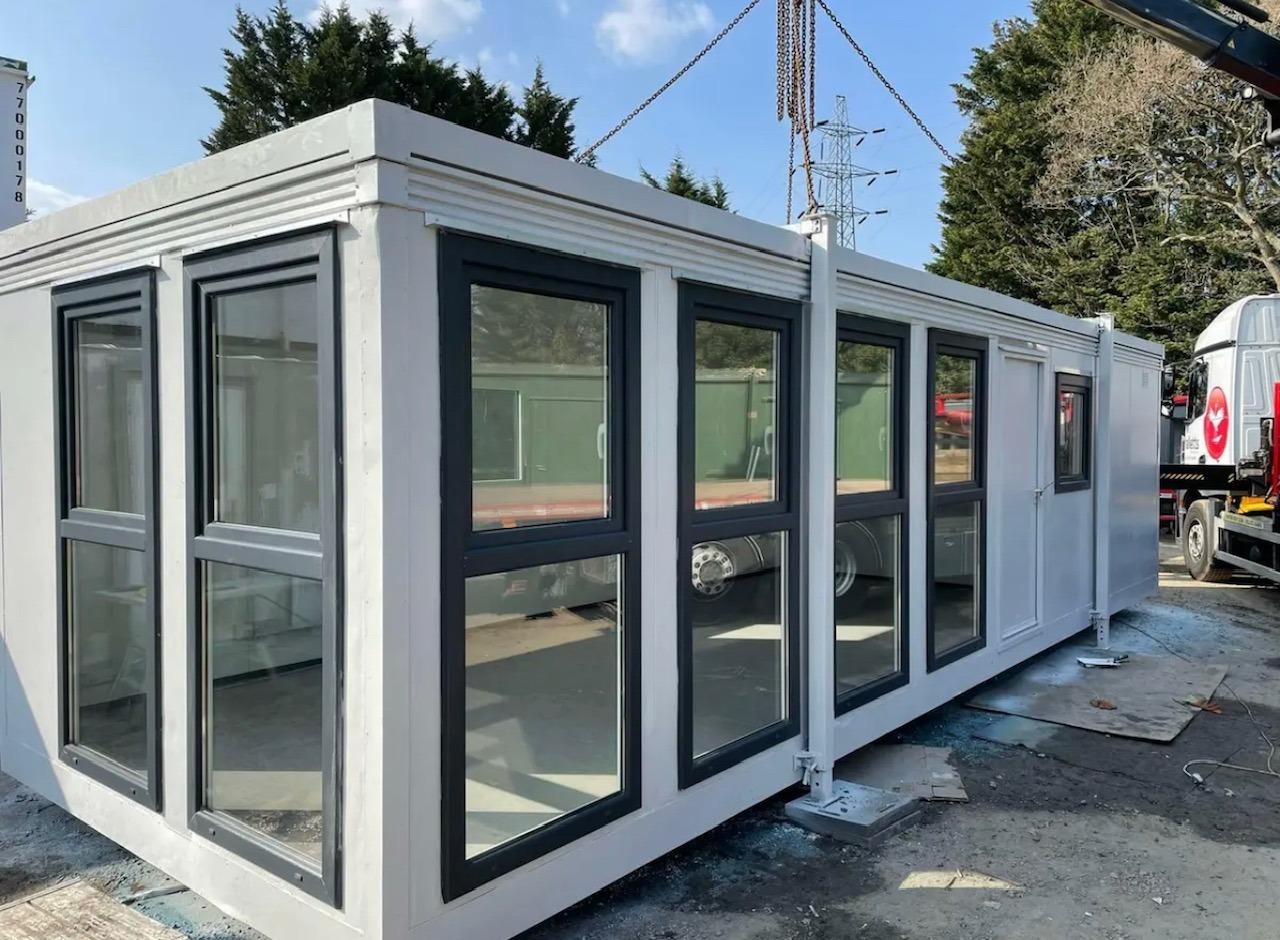
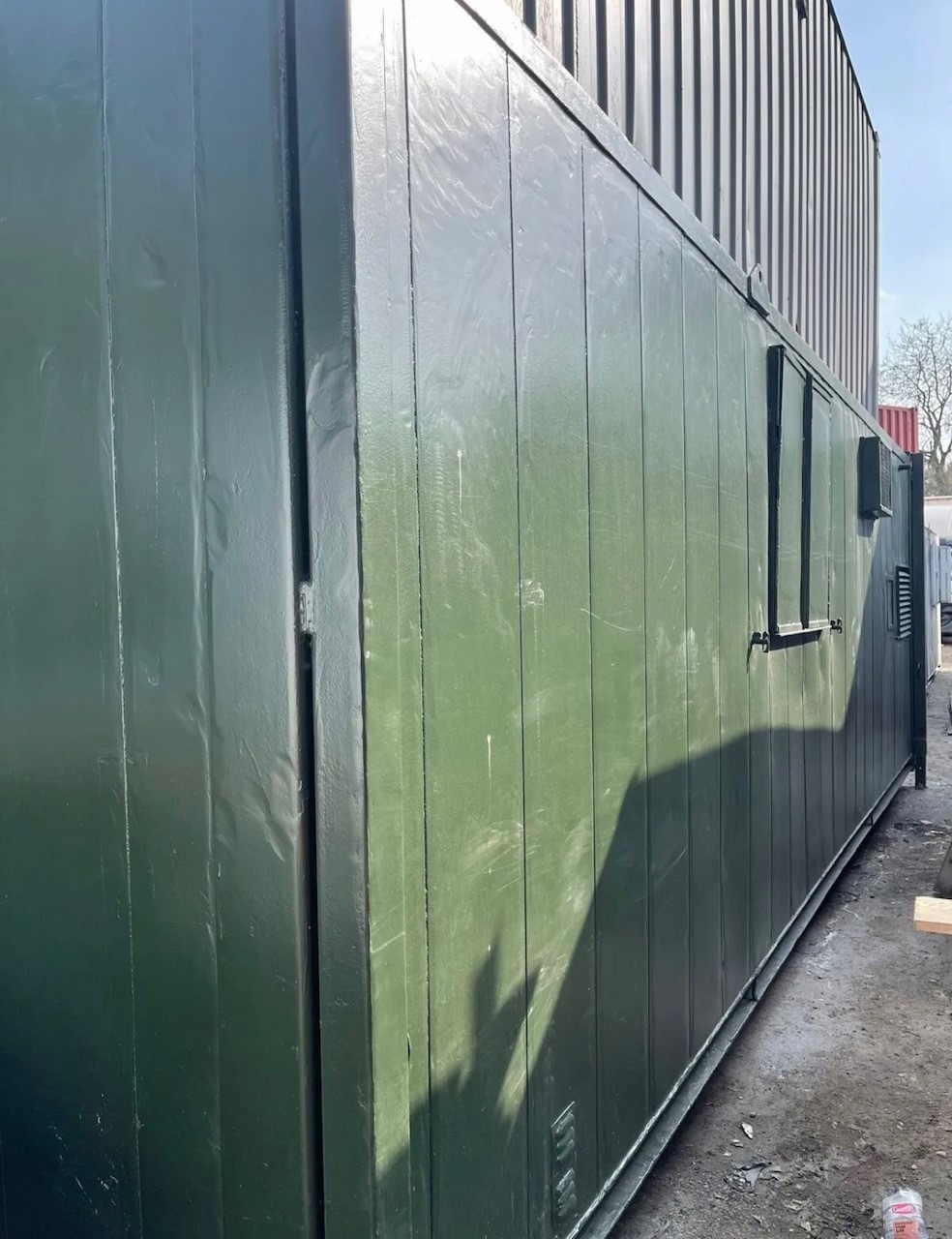
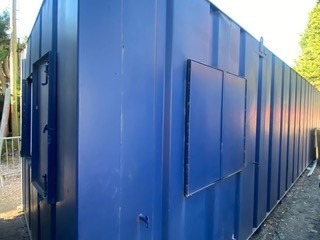
• Ral Code Colour of choice
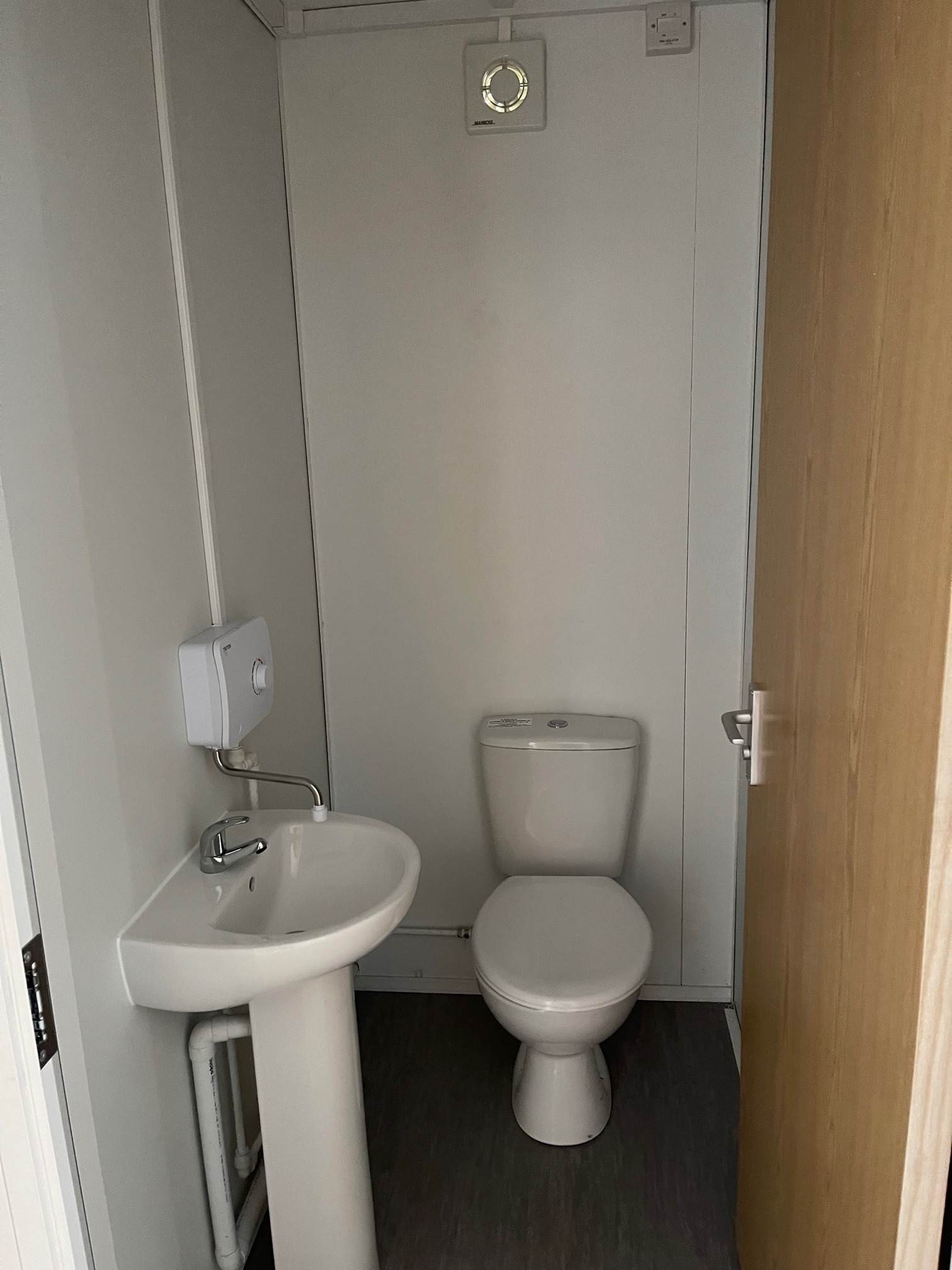
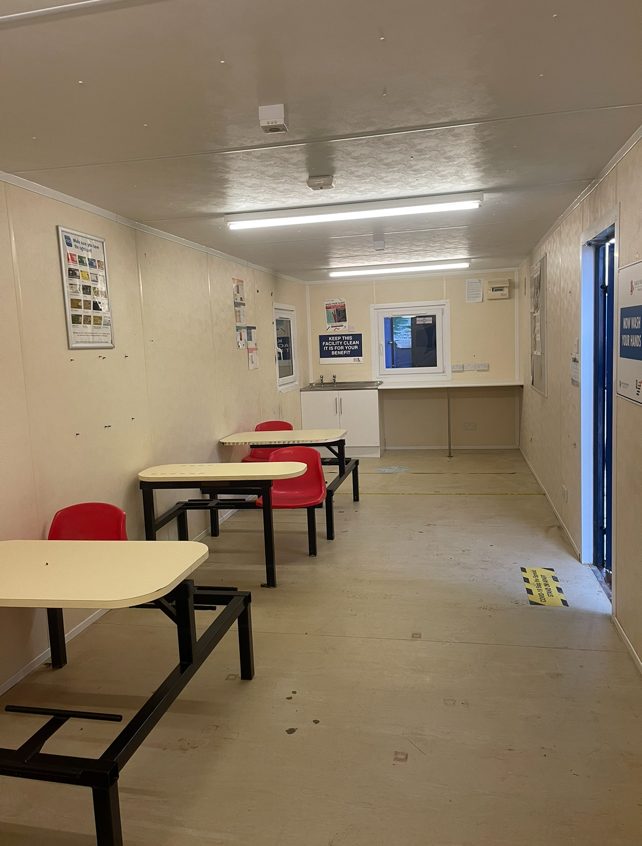
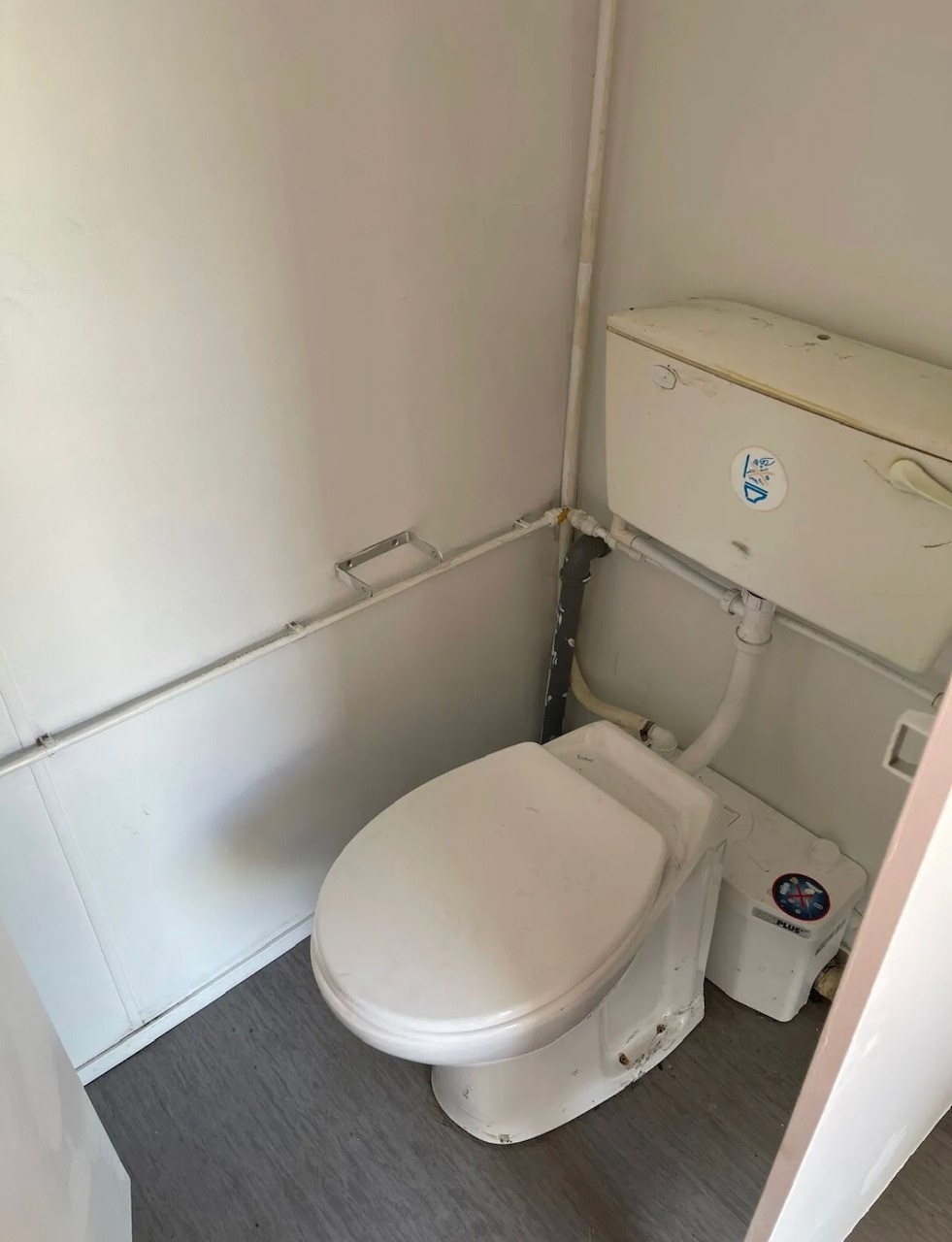
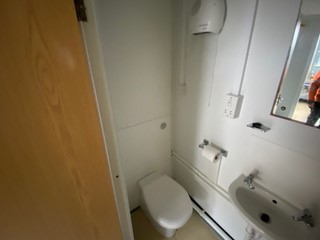
• Any Extras available : Canteen, Partitions, Toilets.


Location: Nationwide
EX VAT
Not Available for Hire
Call for an instant quote!
• Reinforced doors and windows with secure locking
• Open plan with electric sockets and lighting
• Ral Code Colour of choice
• Any Extras available : Canteen, Partitions, Toilets.

• Reinforced doors with secure locking
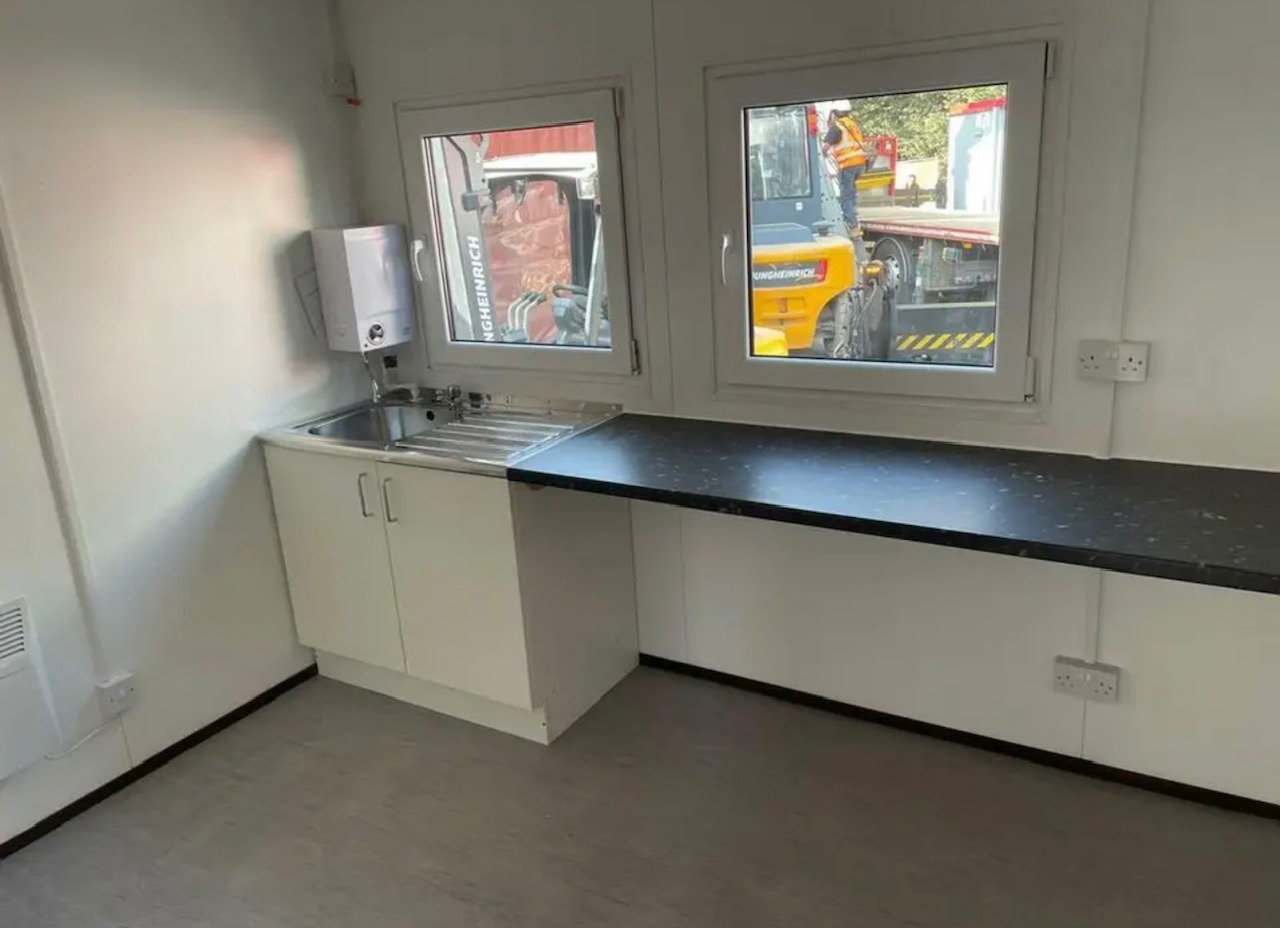
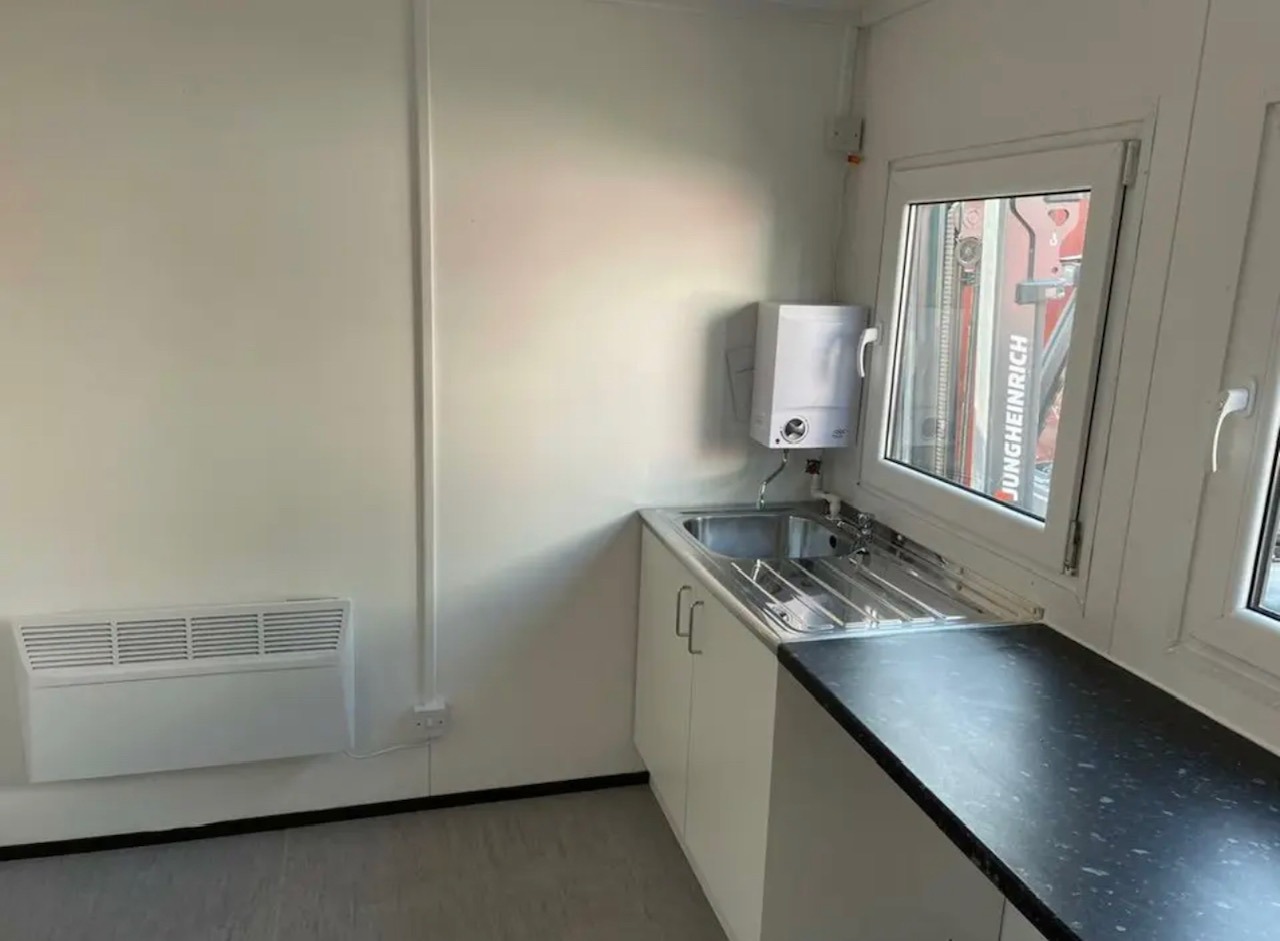
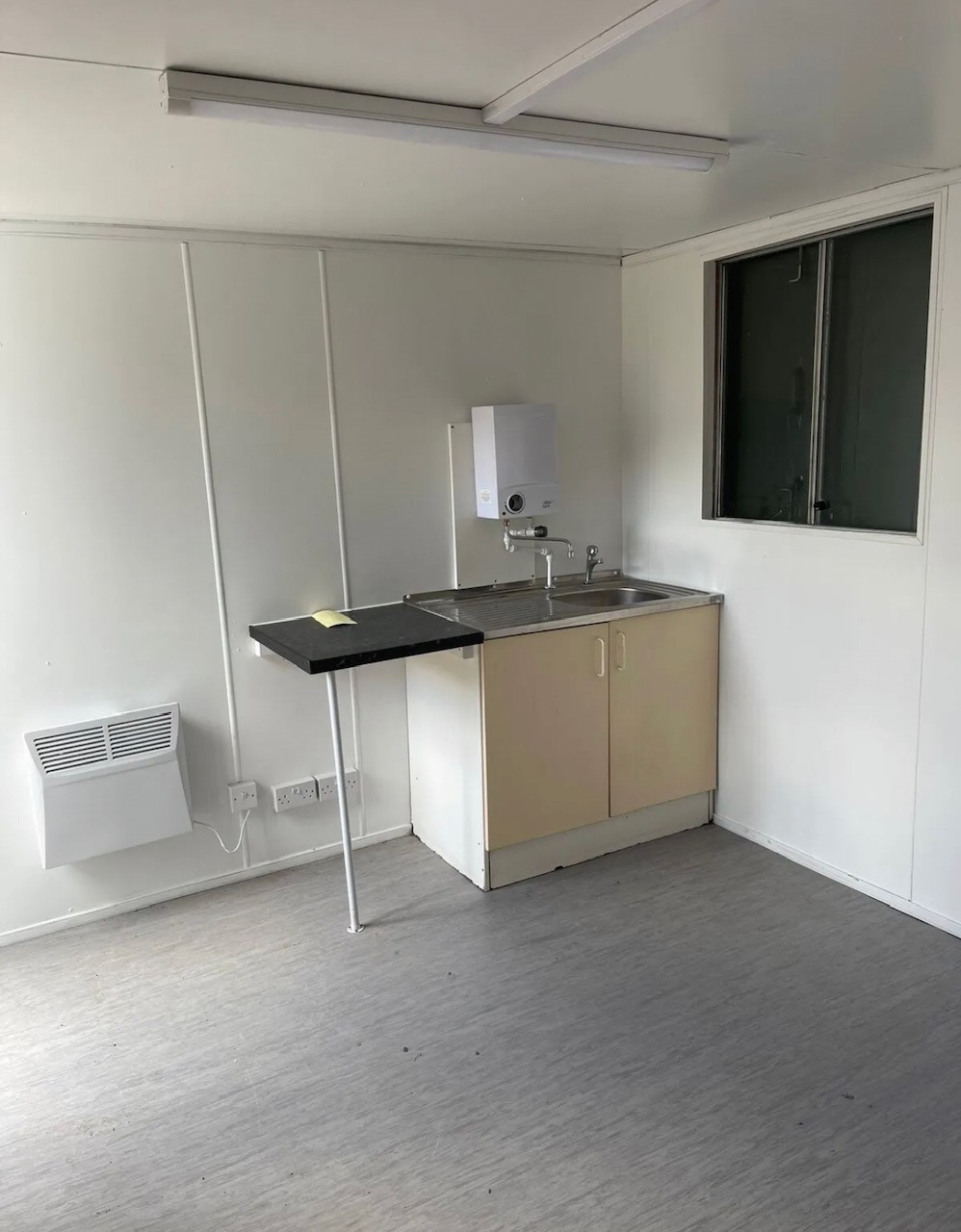
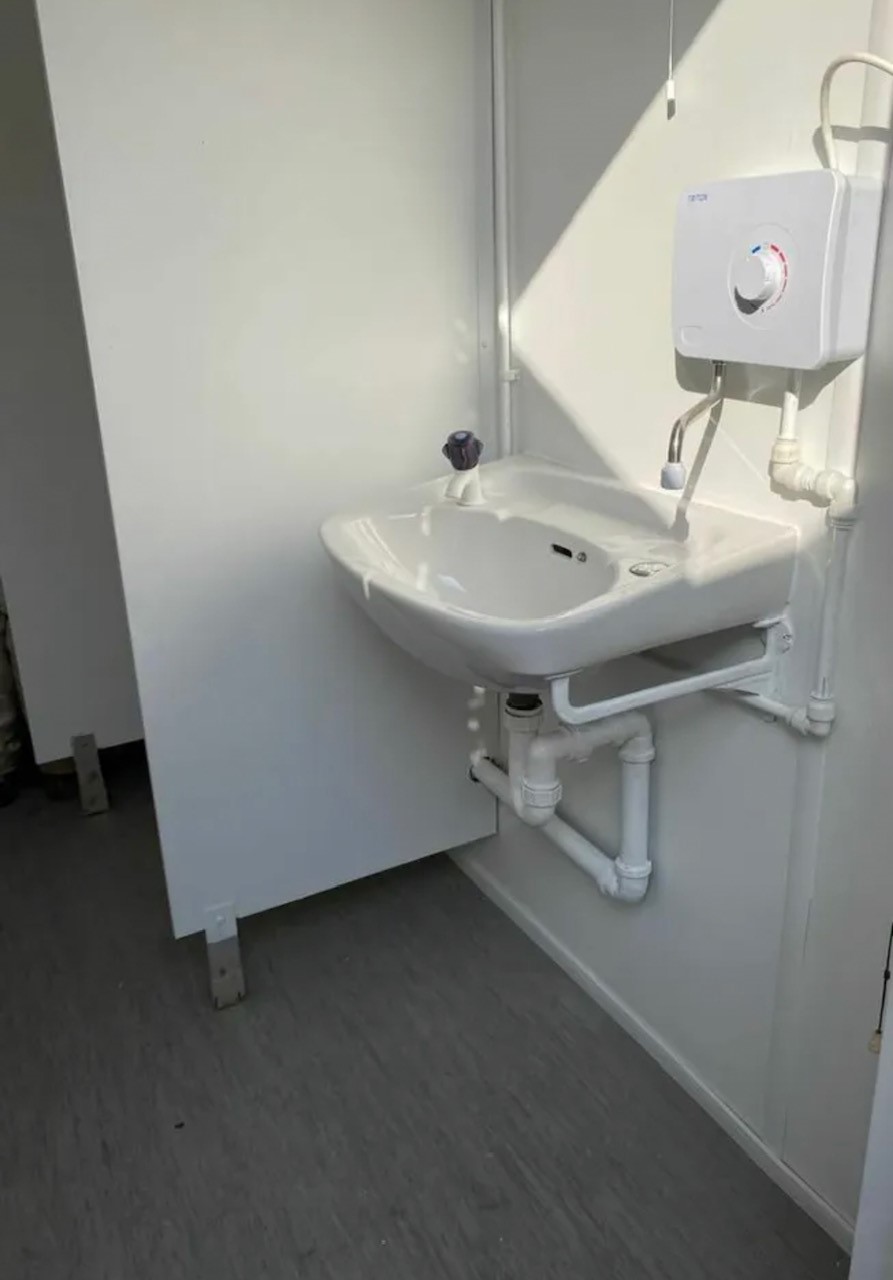
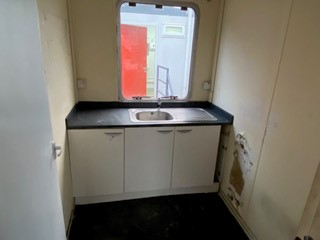
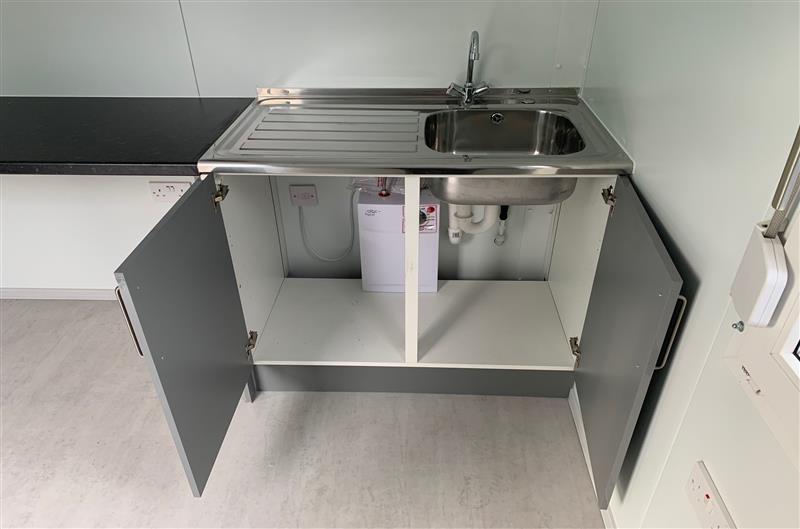
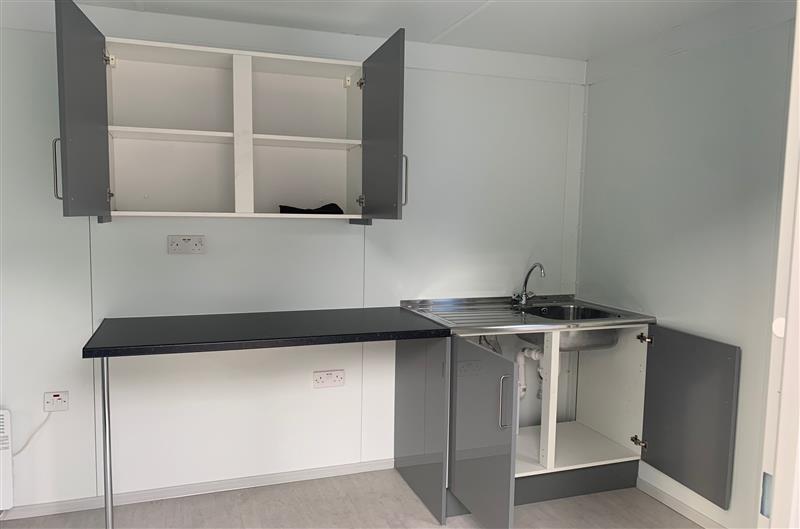
• Sink and water boiler included


Location: Nationwide
Quantity: ∞
EX VAT
Not Available for Hire
Call for an instant quote!


Location: Nationwide
EX VAT
Not Available for Hire
Call for an instant quote!
Get a Quick Container Quote Now!


Location: Nationwide
EX VAT
Not Available for Hire
Call for an instant quote!
Get a Quick Container Quote Now!