Choosing a Low Speed Electric Car in 2026 requires more than comparing showroom prices. The right model should fit your daily routes, charging access, passenger needs, and local road requirements. A compact vehicle may handle narrow streets well, yet feel unstable on rough surfaces or steep hills. Test the car where you will actually drive it.
Battery capacity matters, but published range is only a starting point. Cold weather, heavy loads, tire pressure, and frequent stops can reduce real-world distance. Ask about battery chemistry, warranty coverage, replacement cost, and service availability. These details often matter more than a glossy dashboard.
Look closely at braking performance, lighting, seat-belt design, visibility, and weather protection. A useful test includes reversing, parking, climbing a slope, and entering the vehicle repeatedly. Small inconveniences become serious after months of ownership. Do not ignore them.
Charging should match your routine. Home charging is convenient, but apartment residents may need a dependable public option. Check connector standards, charging time, and electrical requirements before signing a contract. Some low-speed models offer impressive technology but limited repair support. That weakness deserves attention.
Reliable decisions should combine manufacturer specifications, independent reviews, dealer records, and hands-on experience. Claims can be incomplete. Even expert advice has limits. Consider total ownership cost, not only the purchase price. Insurance, tires, battery degradation, maintenance, and financing can change the final calculation. This guide examines those practical factors, helping you choose with clearer expectations and fewer expensive surprises.
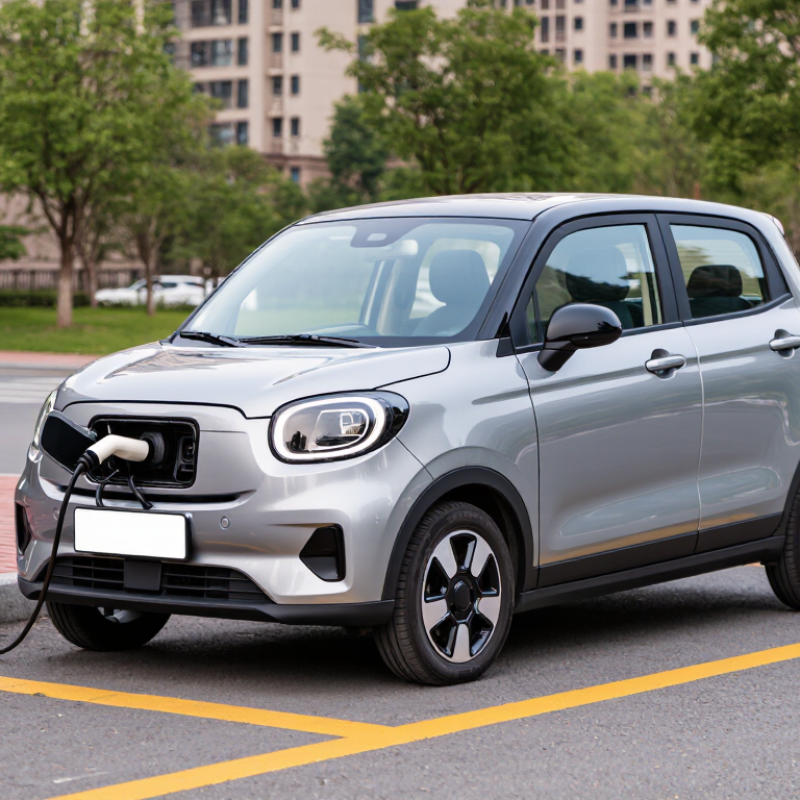
Low-speed electric cars are compact vehicles designed for short, controlled trips. Their limited speed makes them practical on private roads, residential streets, campuses, and planned communities. They are not replacements for full-size cars in every situation. Local rules may restrict where they can travel.
In real-world evaluation, I would check the seating position, braking response, turning radius, and visibility before comparing battery range. A short test drive reveals more than a colorful specification sheet. Try the car with two passengers and several bags. Small differences become obvious. A fully charged battery may perform differently on hills, cold mornings, or rough roads. Charging access matters too. A vehicle parked far from an outlet can quickly become inconvenient.
These cars suit school campuses, resort areas, retirement communities, and nearby shopping trips. They can also support low-speed maintenance work when carrying tools or light equipment. Look for working lights, seat belts, mirrors, reliable brakes, and weather protection. Confirm the permitted speed and road access with local authorities before purchase. Safety equipment should match the intended environment.
My first assumption was that the longest advertised range would be the best choice. That was too simple. A shorter-range car with easier charging may serve daily needs better. I would also inspect service support and battery replacement costs. Those details are easy to overlook. The right choice depends on routine, road conditions, passenger needs, and honest expectations.
Low-speed electric cars are best suited to short, predictable trips rather than high-speed highways. The chart compares common reference speed ceilings for vehicle categories used in neighborhood, campus, gated-community, and urban environments.
A golf-cart-style vehicle typically operates around 24 km/h, while a U.S. low-speed vehicle is federally defined within a 32–40 km/h design-speed range. The European L6e light quadricycle category is limited to 45 km/h. Always check local licensing, registration, road-access, lighting, safety, and insurance requirements before buying.
Choosing a low-speed electric car in 2026 starts with your daily route, not its advertised technology. The IEA’s Global EV Outlook 2025 reports that global electric-car sales exceeded 17 million in 2024, yet battery size and charging access still vary widely. Measure your real journey, including school stops, steep roads, winter weather, and unplanned errands. A 40-mile quoted range may feel inadequate after heating use and battery aging. Leave a practical reserve of 25 to 30 percent.
Range is only one decision. In the United States, federal low-speed vehicle rules generally limit speed to 20–25 mph, while local road access can differ. Check the regulations where you drive. The U.S. Department of Energy’s Alternative Fuels Data Center recommends comparing charging power, connector type, and charging time, not merely battery capacity. A household outlet may work overnight. Sometimes, it will not.
Count passengers carefully. Two adults and groceries create different demands than four passengers with child seats. Check seat dimensions, payload, storage, and suspension comfort during a real test drive. The European Environment Agency reports that vehicle mass strongly affects energy consumption, so extra seats and cargo can reduce efficiency. I would also inspect brakes, lights, tires, and battery warranty records. My checklist can still miss hidden costs. Ask for service evidence, and question unusually optimistic range claims. Reliability matters more than a glossy display.
How to Choose a Low Speed Electric Car in 2026?
Battery choice affects range, weight, cost, and daily confidence. Lithium-ion batteries usually offer longer usable range and faster charging. They also cost more and need careful thermal management. Lead-acid batteries remain affordable, but they are heavier and often lose range in cold weather. For short neighborhood trips, that trade-off may be acceptable. Check the battery warranty, replacement price, and expected cycle life. Do not trust range figures alone.
Charging should match your routine, not your hopes. A standard household outlet may work overnight, provided the wiring is safe and dedicated. A faster charger can reduce waiting time, but it may require professional installation. Ask whether the vehicle supports rain-safe outdoor charging. Test the charging cable, connector, and storage location before purchase. Small annoyances become daily problems.
Safety deserves more attention than decorative screens. Look for strong lighting, reliable brakes, seat belts, mirrors, parking sensors, and a stable frame. Verify local speed and equipment requirements. A covered cabin, adjustable seat, good ventilation, and soft suspension improve comfort on uneven streets. Sit inside for ten minutes. Check knee room and visibility. I would also inspect door handles with gloves. That detail is easy to miss. No checklist is perfect. Review the manual, service access, and independent test information before deciding.
| Decision Category | Option or Specification | Typical Real-World Data | Main Advantages | Limitations and Considerations | Best Suited For |
|---|---|---|---|---|---|
| Battery Type | Lithium iron phosphate (LFP) | Usually 3.0–15.0 kWh in low-speed vehicles; approximately 2,000–4,000 full charge cycles depending on temperature, charging rate, and battery management. | Good thermal stability, long service life, strong tolerance for regular charging, and generally lower fire risk than less stable lithium chemistries. | Usually heavier and less energy-dense than nickel-rich lithium batteries. Cold-weather charging may require battery protection or preheating. | Frequent daily use, neighborhood transportation, and buyers prioritizing durability and safety. |
| Battery Type | Nickel-manganese-cobalt lithium-ion | Typically 3.0–15.0 kWh; approximately 1,000–2,000 full charge cycles under normal operating conditions. | Higher energy density can reduce battery weight and may provide longer range for a similar battery size. | Usually costs more, requires a robust battery-management system, and is more sensitive to high temperatures and charging abuse. | Users who need lower vehicle weight or greater range within a limited battery compartment. |
| Battery Type | Sealed lead-acid | Common capacities are approximately 3.6–12.0 kWh; often around 300–800 full charge cycles. Usable energy is commonly limited to about 50–70% of rated capacity to reduce wear. | Lower initial purchase cost, simple service arrangements, and wide availability in some markets. | Heavy, slower to charge, shorter service life, and reduced range when used in cold weather or under high loads. | Occasional short-distance use where the lowest upfront cost is more important than weight and lifetime cost. |
| Battery Capacity | Small battery pack: 3–6 kWh | Typical practical range of about 30–80 km per charge, depending on speed, payload, temperature, terrain, and battery age. | Lower purchase price, shorter charging time, and lower replacement cost. | Less reserve range and greater sensitivity to cold weather, hills, passenger weight, and frequent high-speed operation. | Short urban trips, retirement communities, campuses, and predictable daily routes. |
| Battery Capacity | Medium battery pack: 6–10 kWh | Typical practical range of about 60–130 km per charge under mixed low-speed driving conditions. | Balanced range, weight, cost, and charging requirements. | May require overnight charging after a long day of repeated trips. | Most private users who want a practical balance for regular local transportation. |
| Battery Capacity | Large battery pack: 10–15 kWh | Typical practical range of about 90–180 km per charge, although cold temperatures and heavy loads can reduce range substantially. | Greater range reserve and fewer charging stops. | Higher purchase weight and cost; longer charging time and potentially higher replacement expense. | Longer local commutes, delivery routes, and users with limited access to daily charging. |
| Charging Option | Standard household outlet, 120 V AC | Often adds approximately 8–15 km of range per hour, depending on charger power and vehicle efficiency. A 6–10 kWh battery may take about 6–12 hours to recharge. | Works with common household electrical outlets and requires little dedicated infrastructure. | Slowest option. The outlet should be properly grounded and not shared with high-power appliances through an unsuitable extension cord. | Overnight charging at home and users with low daily mileage. |
| Charging Option | Standard household outlet, 230 V AC | Often adds approximately 15–30 km of range per hour. A 6–10 kWh battery may take about 3–7 hours, depending on the onboard charger. | Faster than a 120 V connection and practical for overnight or daytime charging. | Electrical installation must meet local codes, and charging speed is limited by the vehicle's onboard charger. | Homes and facilities with suitable 230 V electrical service. |
| Charging Option | Dedicated AC wall charger | Common output is approximately 3.6–7.4 kW. Charging time for a 6–10 kWh battery can be roughly 1.5–4 hours if the vehicle accepts the available power. | More convenient, safer for frequent use, and easier to schedule with timers or energy-management features. | Requires installation cost and adequate wiring. A low-speed vehicle may not be able to use the full output. | Frequent daily drivers, shared facilities, and users needing faster turnaround. |
| Charging Option | Portable charging cable | Usually supports low-to-moderate AC charging and may provide approximately 1.4–3.6 kW, depending on the cable and circuit. | Convenient for travel, temporary locations, and emergency charging. | Charging speed is limited, and repeated use on an unsuitable outlet can create heat or electrical-safety risks. | Users who need charging flexibility away from their primary parking location. |
| Charging Option | DC fast charging | Usually not included on low-speed electric cars. Where supported, charging power may range from approximately 10–30 kW, but vehicle compatibility and battery limits vary significantly. | Can reduce charging time substantially when compatible. | Higher installation cost, limited availability, greater battery heat generation, and possible incompatibility with small battery packs. | Only buyers who regularly need rapid charging and have confirmed vehicle compatibility. |
| Performance | Maximum speed | Common low-speed configurations are approximately 25–45 km/h, depending on local vehicle classification and regulations. | Suitable for neighborhood roads and areas with lower speed limits. | May not be legal or safe on high-speed roads. Buyers must check local registration, licensing, and road-access rules. | Residential areas, campuses, resorts, industrial sites, and short urban routes. |
| Efficiency | Energy consumption | Approximately 60–150 Wh/km is common for small low-speed vehicles, with higher consumption caused by hills, cold weather, high payloads, and frequent acceleration. | Low operating energy cost compared with conventional fuel-powered vehicles. | Published laboratory figures can be more optimistic than real-world results. | Users who can plan trips around realistic range rather than maximum advertised range. |
| Safety | Seat belts and occupant restraints | Look for three-point belts where available, secure belt anchors, adjustable belt height, and clearly stated seating capacity. | Helps reduce occupant movement during sudden braking or a collision. | Some low-speed vehicles have limited restraint systems or side protection. Every seating position should be used only as designed. | All users, especially vehicles carrying passengers or operating near mixed traffic. |
| Safety | Braking system | Disc or drum brakes may be used. Look for a dual-circuit system where available, a parking brake, and predictable stopping performance with a full load. | Reliable braking improves control on slopes and in wet conditions. | Brake performance can decline with worn pads, wet surfaces, overloaded use, or poor maintenance. | Hilly areas, frequent passenger transport, and delivery applications. |
| Safety | Electronic stability and traction assistance | Some models may offer electronic stability control, traction control, hill-start assistance, or regenerative braking control. | Can improve control on slippery surfaces, inclines, and during sudden maneuvers. | These systems do not replace cautious driving, suitable tires, or appropriate speed. | Rainy or hilly regions and users who value additional driver assistance. |
| Safety | Lighting and visibility | Recommended equipment includes LED headlights, rear lights, brake lights, turn signals, hazard lights, reflectors, mirrors, and a horn. | Improves visibility to pedestrians, cyclists, and other road users. | Small vehicles can be difficult to see in blind spots, especially at night or in bad weather. | Users operating at dawn, dusk, night, or in busy parking areas. |
| Safety | Battery protection | Look for battery-management functions such as overcharge protection, over-discharge protection, short-circuit protection, temperature monitoring, and cell balancing. | Supports battery life and reduces electrical and thermal risks. | Protection features cannot compensate for damaged batteries, incorrect chargers, water intrusion, or unauthorized modifications. | Every buyer, especially users in hot, cold, humid, or dusty environments. |
| Comfort | Seating and ergonomics | Check seat width, seat-back support, steering-wheel position, pedal spacing, entry height, and adjustment range before purchase. | Reduces fatigue and improves control during repeated short trips. | Compact vehicles may have limited legroom and adjustment, particularly for taller occupants. | Daily drivers and users who spend more than 30 minutes per trip in the vehicle. |
| Comfort | Suspension and tires | Independent front suspension, hydraulic dampers, pneumatic tires, and a full-size spare or repair kit can improve ride quality and reliability. | Better control and comfort on uneven pavement, speed humps, and rough access roads. | More suspension components can increase maintenance requirements and cost. | Uneven roads, rural lanes, resorts, campuses, and industrial sites. |
| Comfort | Weather protection | Useful features include a roof, windshield, wipers, side curtains or doors, demisting, ventilation, and water-resistant interior materials. | Improves usability in rain, wind, and moderate cold. | Heating, defogging, and air conditioning can reduce driving range, especially on small battery packs. | All-season users and regions with frequent rain or cold weather. |
| Comfort | Heating and air conditioning | Cabin heating can consume approximately 1–5 kW, while compact air-conditioning systems may use roughly 0.5–2.0 kW during operation. | Improves comfort and windshield visibility in extreme weather. | May reduce range noticeably during extended use. Heated seats can use less energy than heating the entire cabin. | Users in cold or hot climates who need regular weather protection. |
| Convenience | Regenerative braking | Commonly provides adjustable low-to-moderate energy recovery during deceleration, but it does not replace mechanical brakes. | Can reduce brake wear and recover a small amount of energy in stop-and-go traffic or on descents. | Energy recovery is limited, and the vehicle may still require frequent mechanical braking. | Urban routes with frequent stops and downhill sections. |
| Convenience | Display and monitoring | Useful information includes battery percentage, estimated remaining range, charging status, outside temperature, warning messages, and service alerts. | Helps drivers plan charging and identify problems early. | Range estimates can change with speed, payload, terrain, temperature, and battery condition. | All users, particularly those with longer or less predictable routes. |
| Ownership | Battery warranty and replacement | Warranty terms vary widely. A buyer should confirm time coverage, mileage or cycle limits, minimum retained capacity, exclusions, and replacement procedures in writing. | Reduces uncertainty about the largest long-term replacement component. | Warranty coverage may exclude water damage, misuse, unauthorized repairs, or normal capacity loss. | Every buyer before placing an order or making a deposit. |
| Ownership | Operating temperature | Many lithium battery systems operate best near 15–30°C. Cold weather can temporarily reduce range and charging performance; high heat can accelerate battery aging. | Understanding temperature effects leads to more realistic range planning. | Charging a very cold or damaged lithium battery can be unsafe unless the battery-management system permits it. | Users in regions with freezing winters or very hot summers. |
| Ownership | Legal and road-use requirements | Requirements can include registration, insurance, driver licensing, helmet use, lighting standards, maximum speed limits, and restrictions on high-speed roads. | Ensures the vehicle can be used legally for its intended routes. | Rules differ by country, state, province, municipality, and vehicle classification. | Every buyer should verify local regulations before purchase. |
| Selection Priority | Recommended evaluation order | 1. Legal road access; 2. Real daily distance; 3. Battery chemistry; 4. Charging location; 5. Safety equipment; 6. Weather protection; 7. Comfort and storage. | Prevents buyers from choosing based only on price, appearance, or maximum advertised range. | A larger battery or faster charger cannot solve a vehicle-class, road-access, or safety mismatch. | Most buyers comparing low-speed electric cars in 2026. |
Data ranges are general industry-level estimates for small low-speed electric vehicles rather than specifications for any particular manufacturer or model. Actual range, charging time, battery life, safety equipment, and legal requirements depend on vehicle design, local regulations, temperature, terrain, payload, driving style, and maintenance.
Before choosing a low-speed electric car, check how your local authority defines it. Some regions classify these vehicles by maximum speed, motor power, weight, or seating capacity. Rules vary widely. A vehicle limited to 25 mph may have different requirements from one reaching 35 mph. Read the official transport department’s current guidance, not only the seller’s description. Definitions can change.
Licensing requirements deserve careful attention. You may need a standard driving licence, a restricted permit, or no licence under limited conditions. Minimum age rules may also apply. Registration, insurance, lighting, seat belts, and identification plates are common checkpoints. Ask whether the vehicle requires an inspection before public-road use. Keep written answers from the licensing office. Verbal advice can be misunderstood.
Road access is often the deciding factor. A low-speed vehicle may be legal on local streets but prohibited on highways, major arterial roads, bridges, or roads with posted speed limits above a set threshold. Check the route between your home, workplace, and charging location. Look for signs, lane restrictions, and seasonal rules. A quiet neighborhood road can still connect to a restricted route. Test the journey in daylight before buying. I would also verify braking performance on a slope and visibility beside larger vehicles. My earlier assumption that “street legal” meant “usable everywhere” was wrong. That phrase is often too broad. Keep the official rules in the glove box.
How to Choose a Low Speed Electric Car in 2026?
A low speed electric car can look affordable at first glance. The purchase price is only one part of ownership. Check charging costs, insurance, registration, tires, brakes, and routine service. Battery replacement may become the largest expense later. Ask for a written estimate based on your expected yearly mileage. A cheaper vehicle may cost more if parts are difficult to source. That lesson is easy to miss.
Reliability depends on more than a smooth showroom drive. Inspect battery health, charging behavior, wiring, suspension, corrosion, and panel alignment. Request service records and confirm who performed the work. During a test drive, listen for unusual motor noise and uneven braking. Warranty terms need equal attention. Check coverage length, battery capacity limits, exclusions, labor charges, and transfer rules. Verbal promises are not enough. Read every line.
Tips: Compare total five-year costs, not monthly payments. Obtain an independent inspection before paying. Keep charging equipment protected from rain and extreme heat. Leave room for repairs in your budget. No inspection is perfect. A careful decision still involves uncertainty. Recheck local driving restrictions and registration requirements, because low-speed vehicle rules can vary by location.

Registered in England & Wales No. 2786496
Registered office at: 337 Tanworth Lane,
Shirley, Solihull, B90 4DU
Registered for VAT, registration No.
GB 655 1347 38
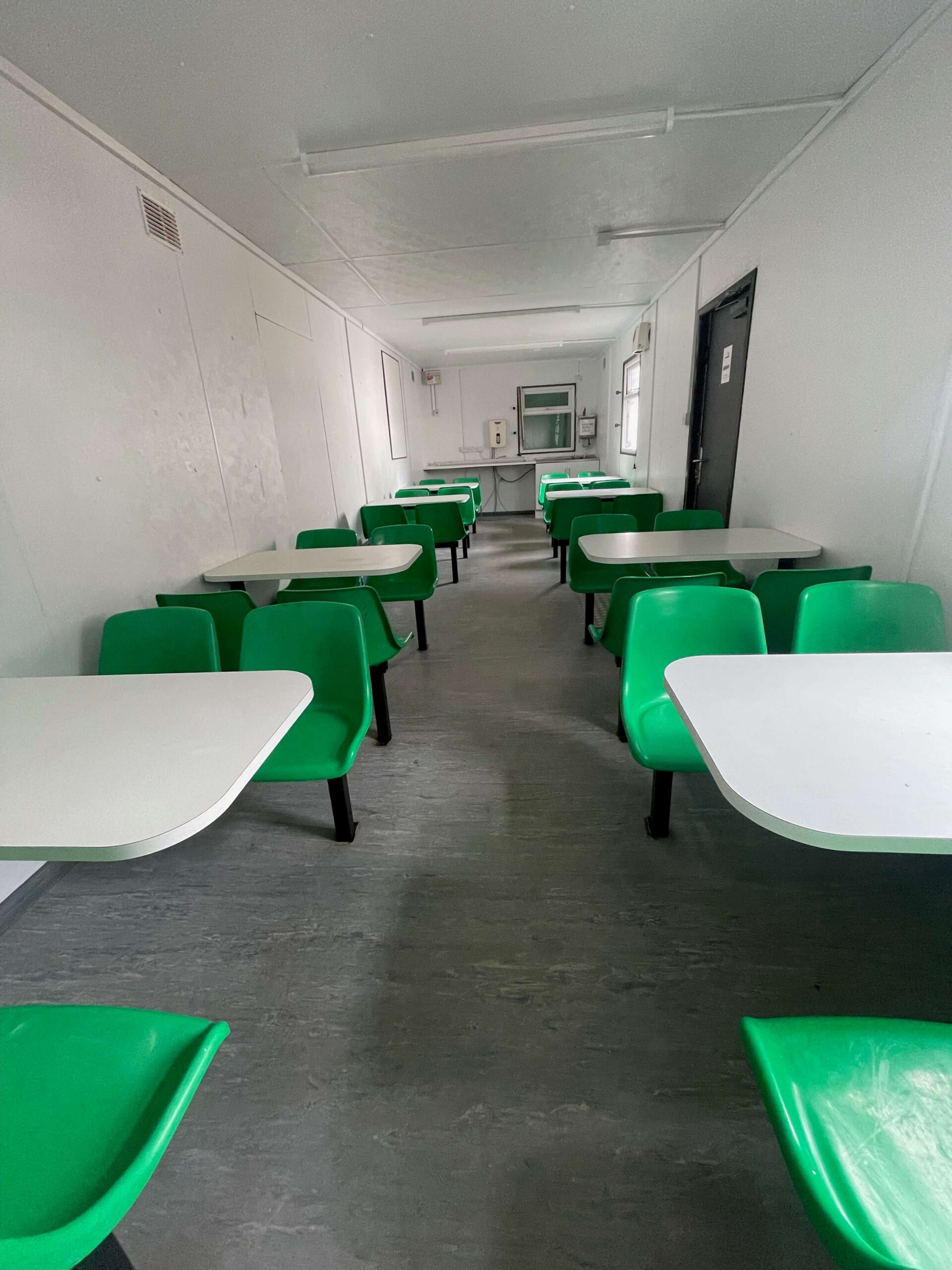

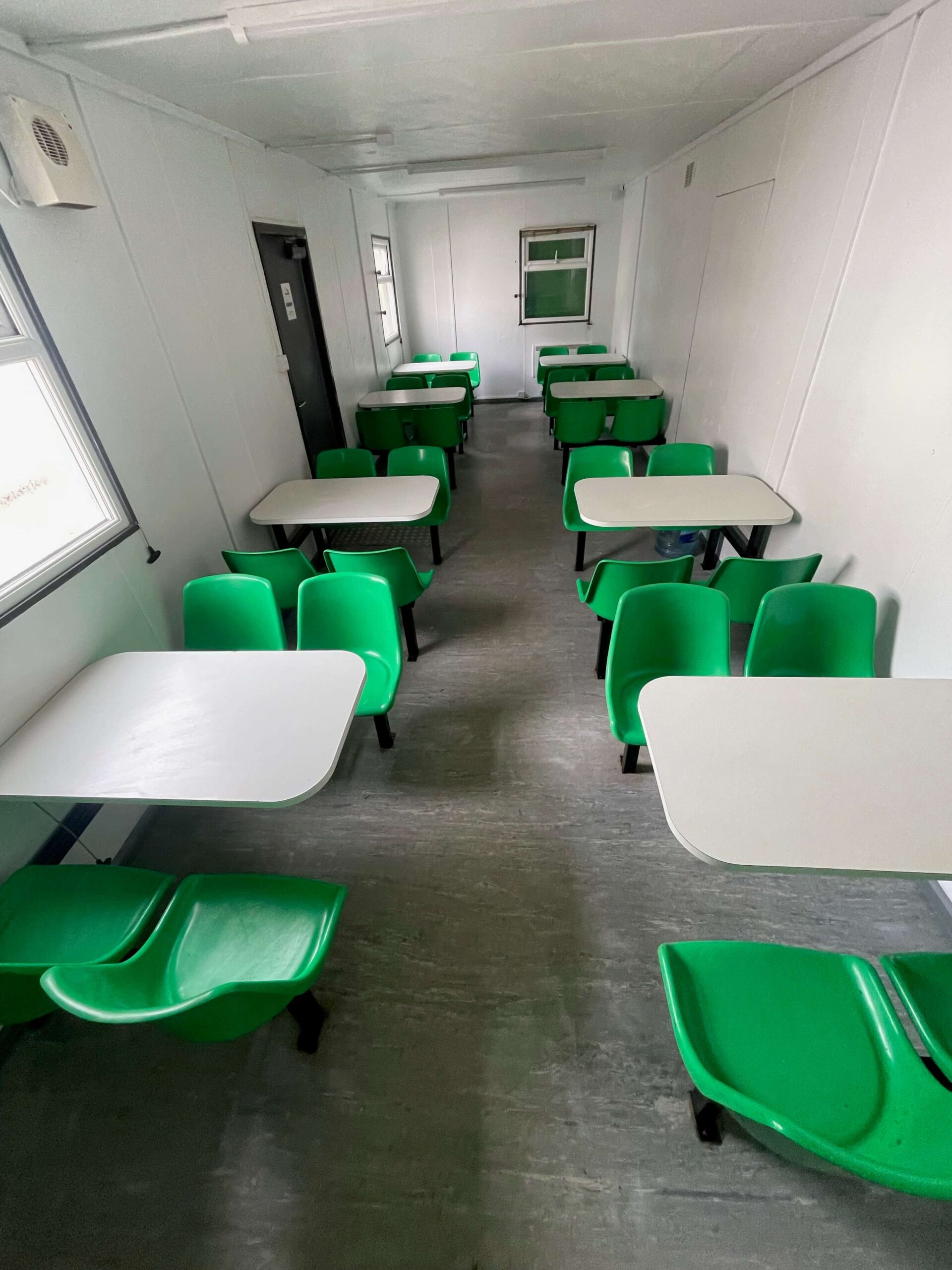
Location: Nationwide
Not Available for Hire
We can deliver for a cost please ask and send us post code.
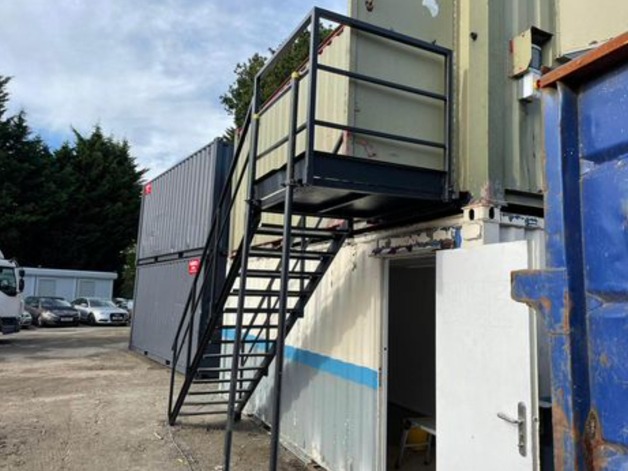
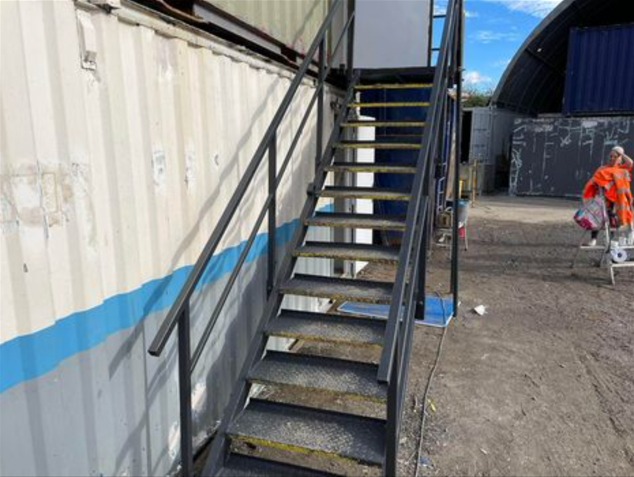
13 tread
14 tread
15 tread
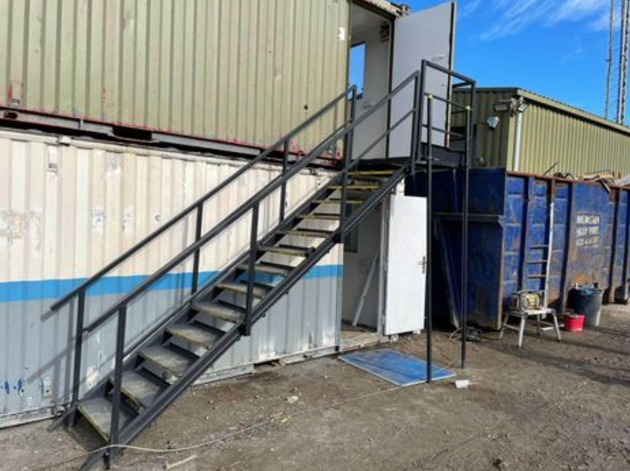
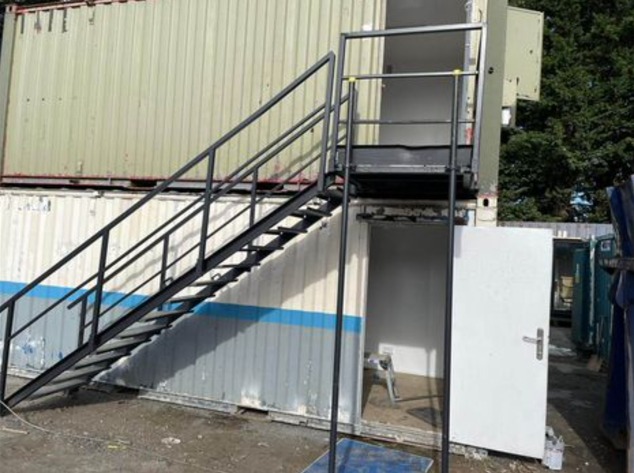
Location: Nationwide
Not Available for Hire
Call for an instant quote!
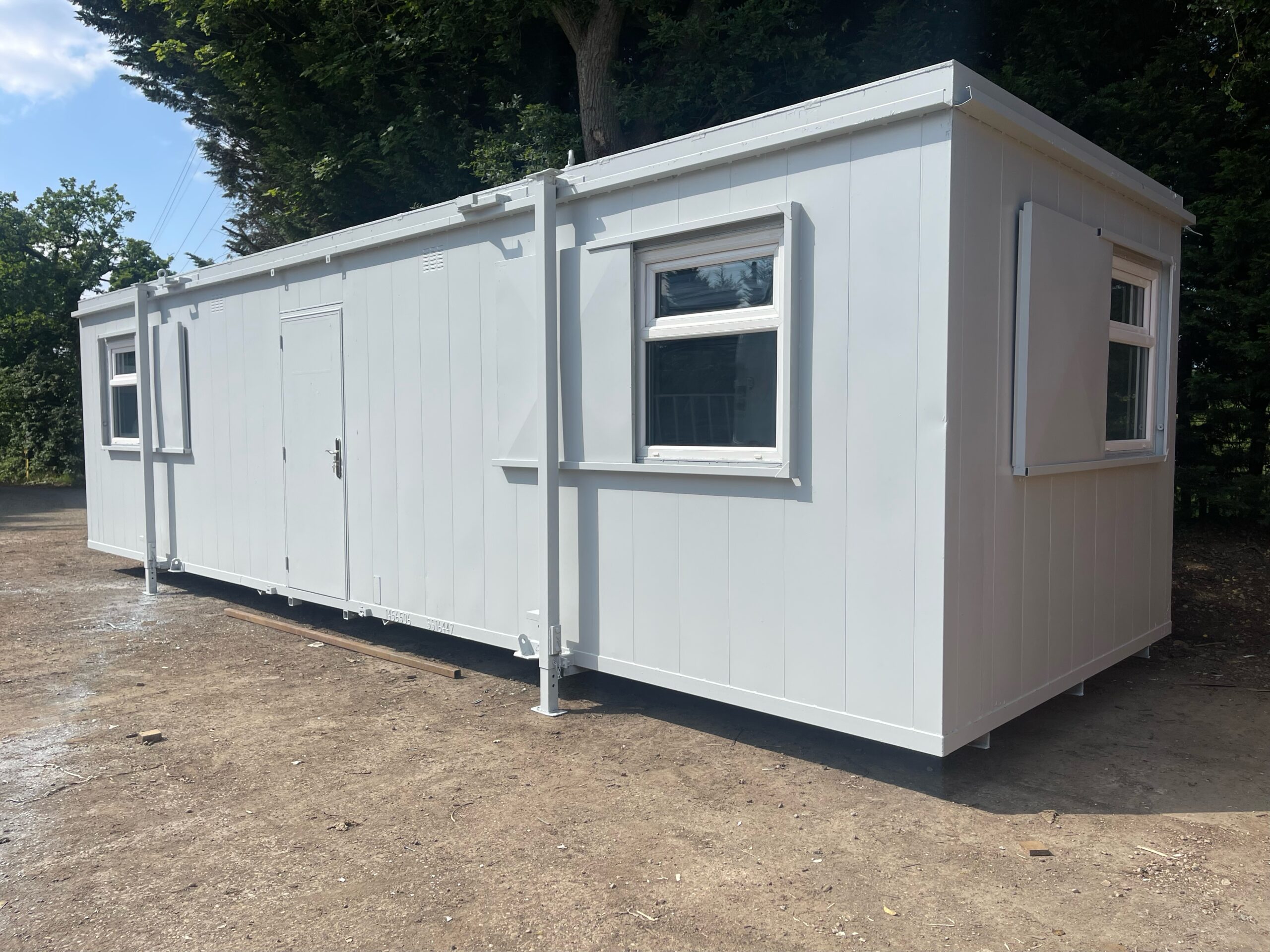
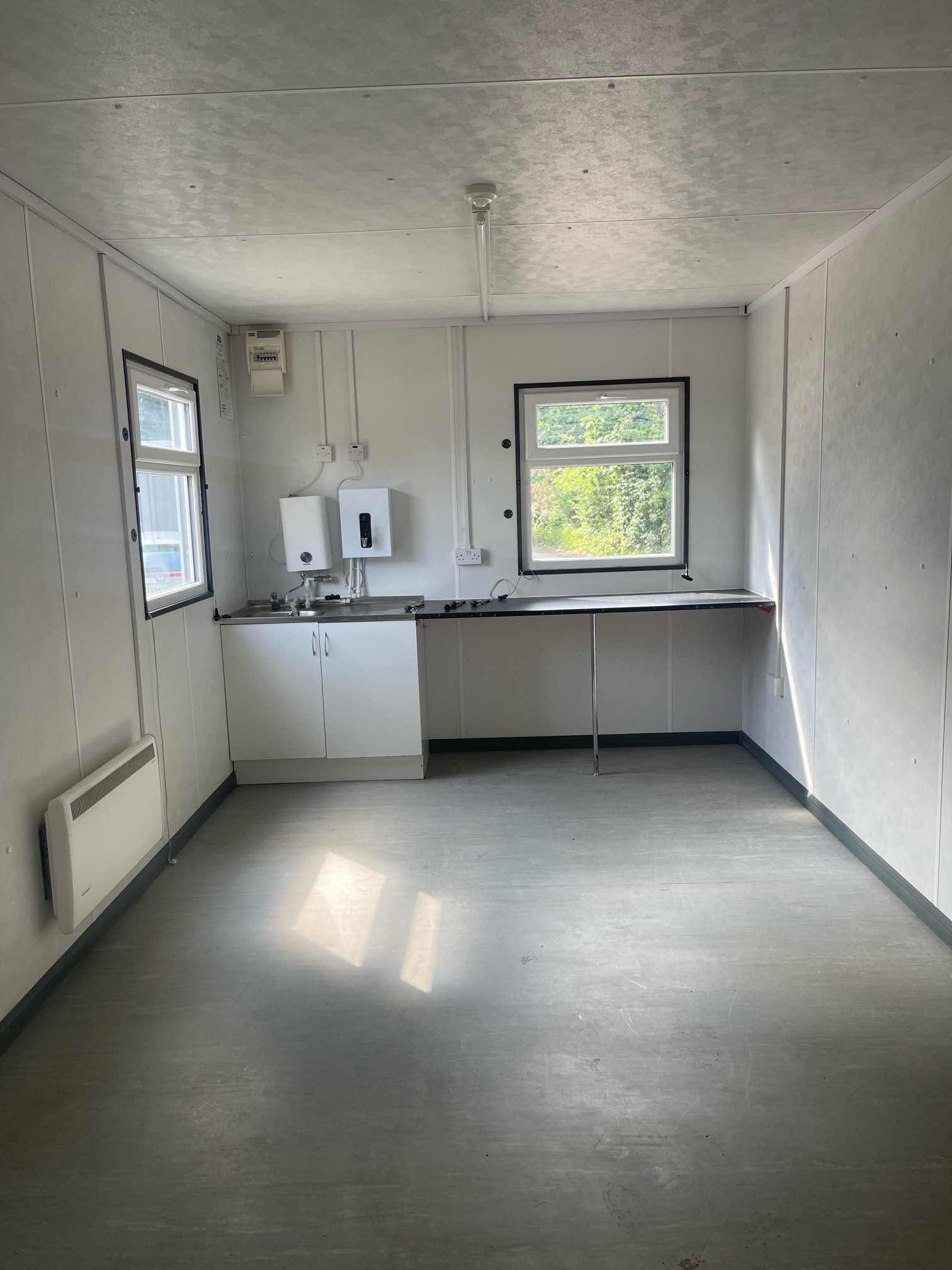
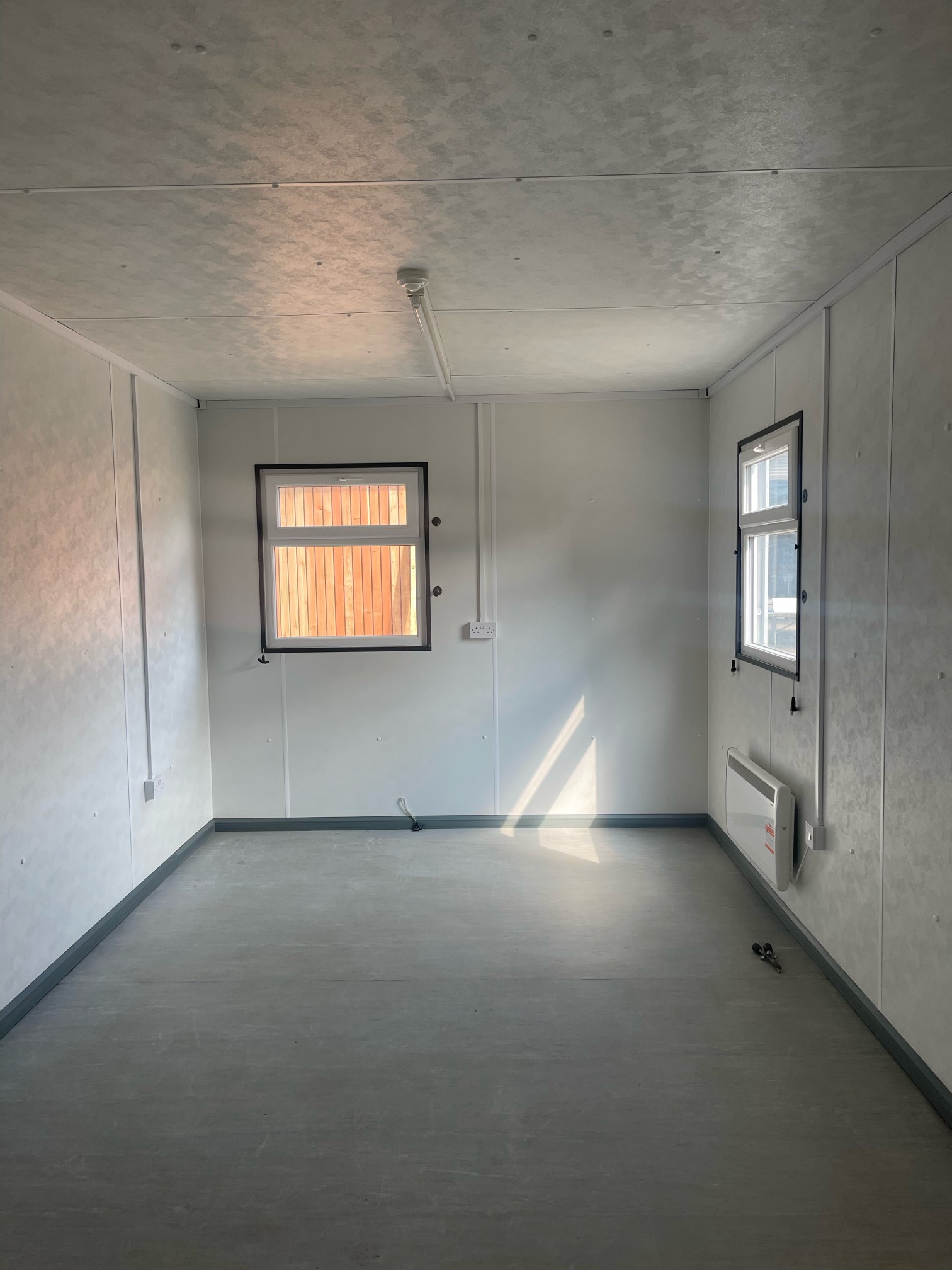
Location: Nationwide
Not Available for Hire
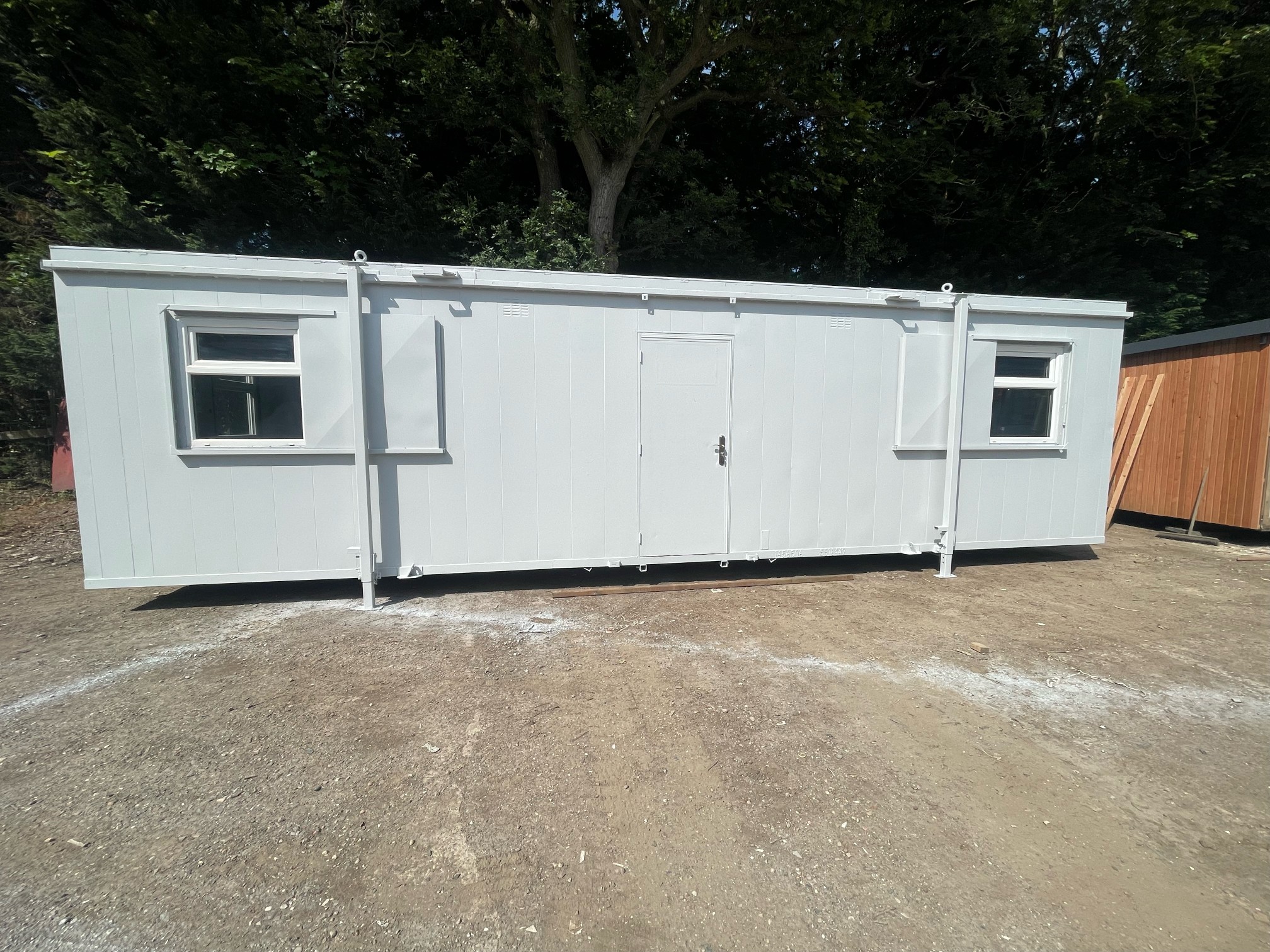
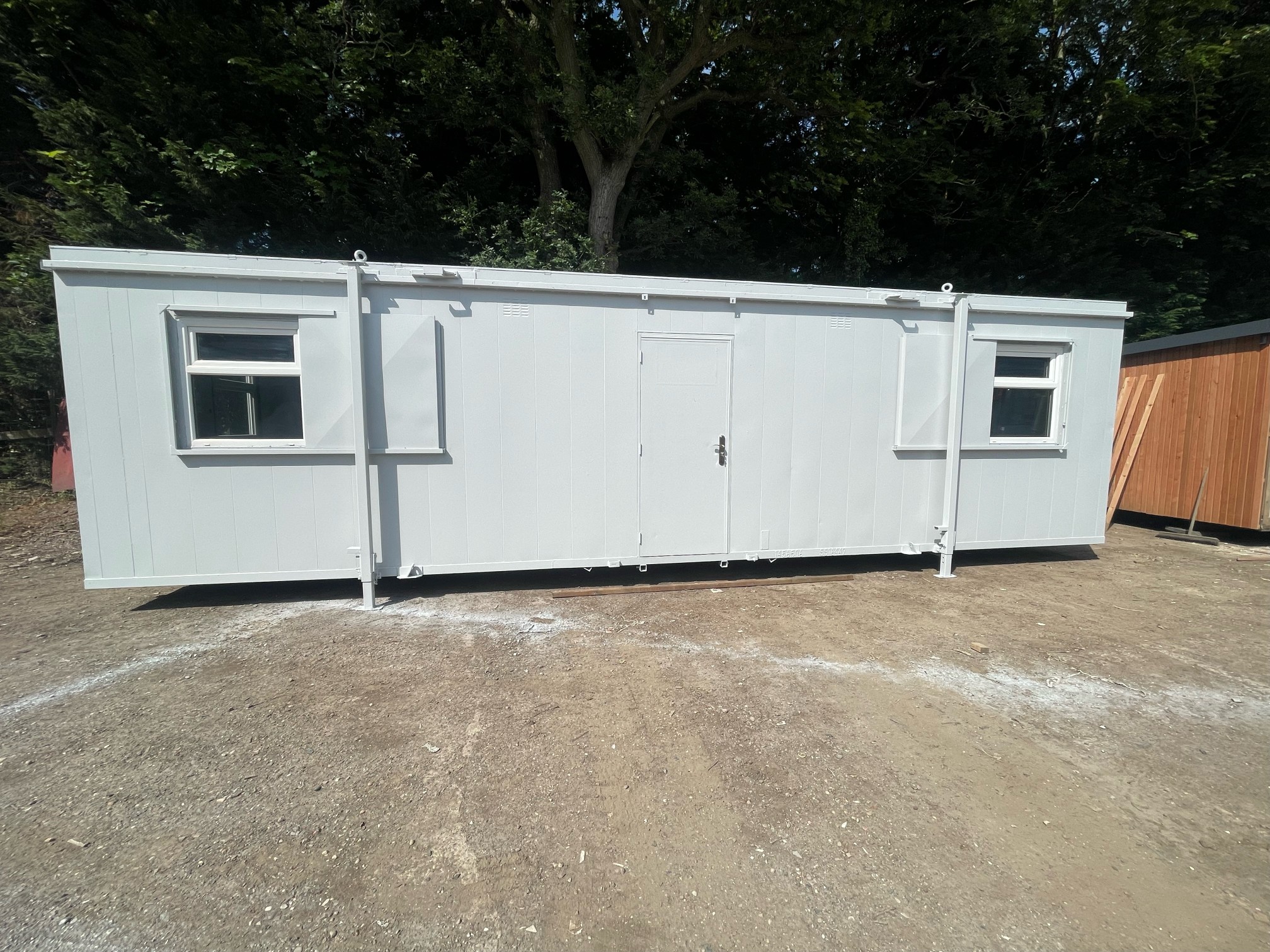
We can deliver for a cost please ask and send us post code.
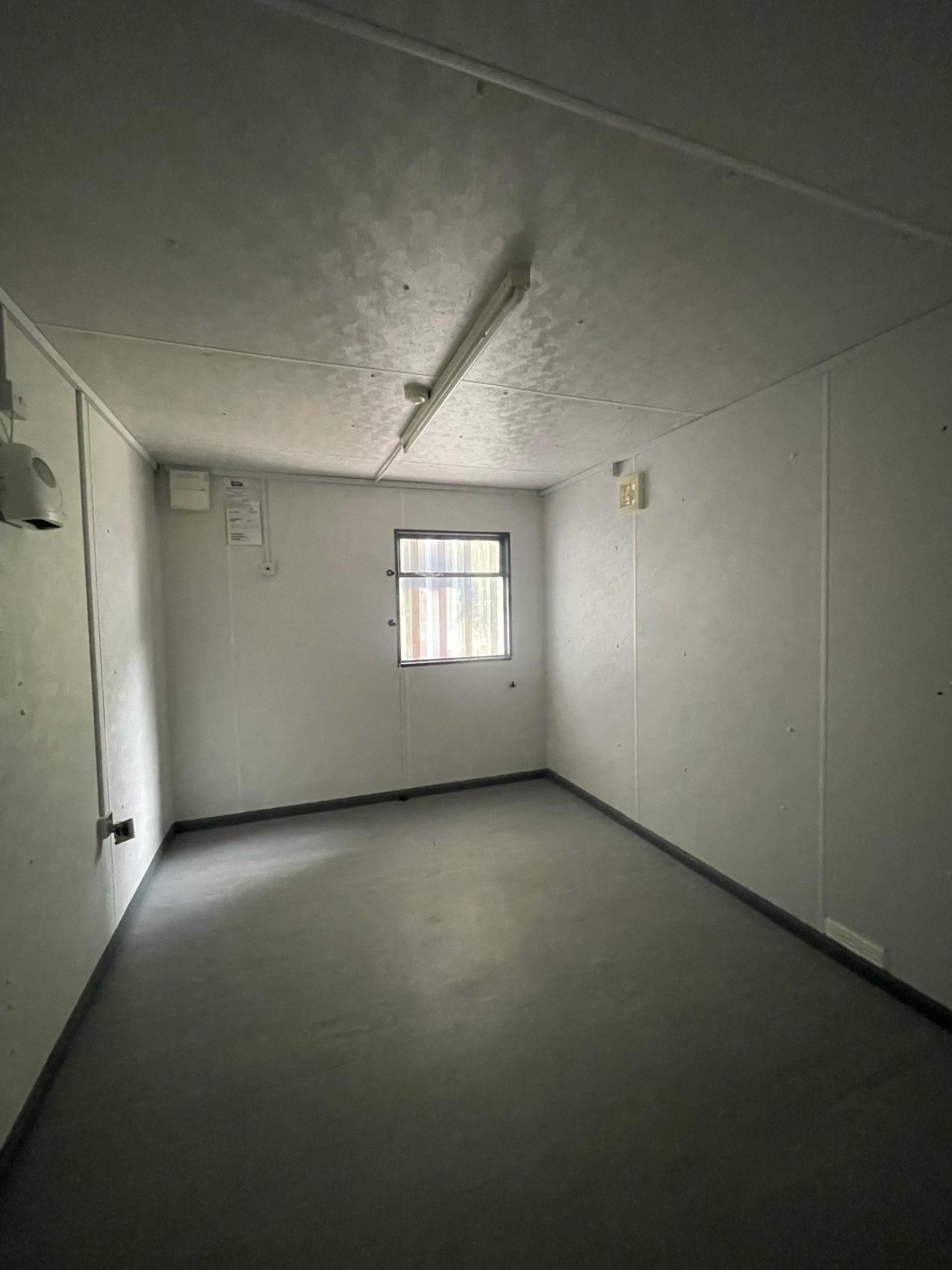
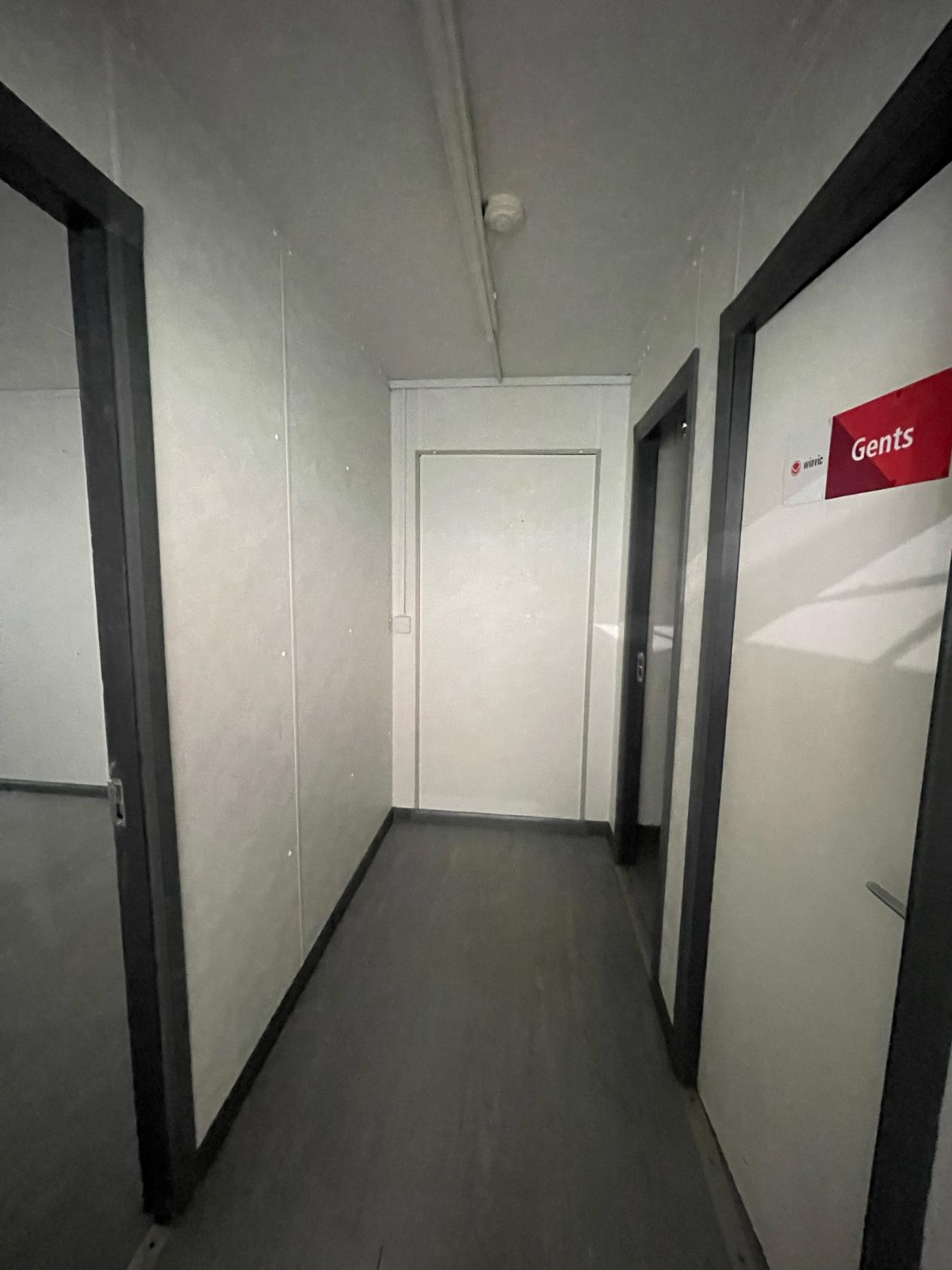
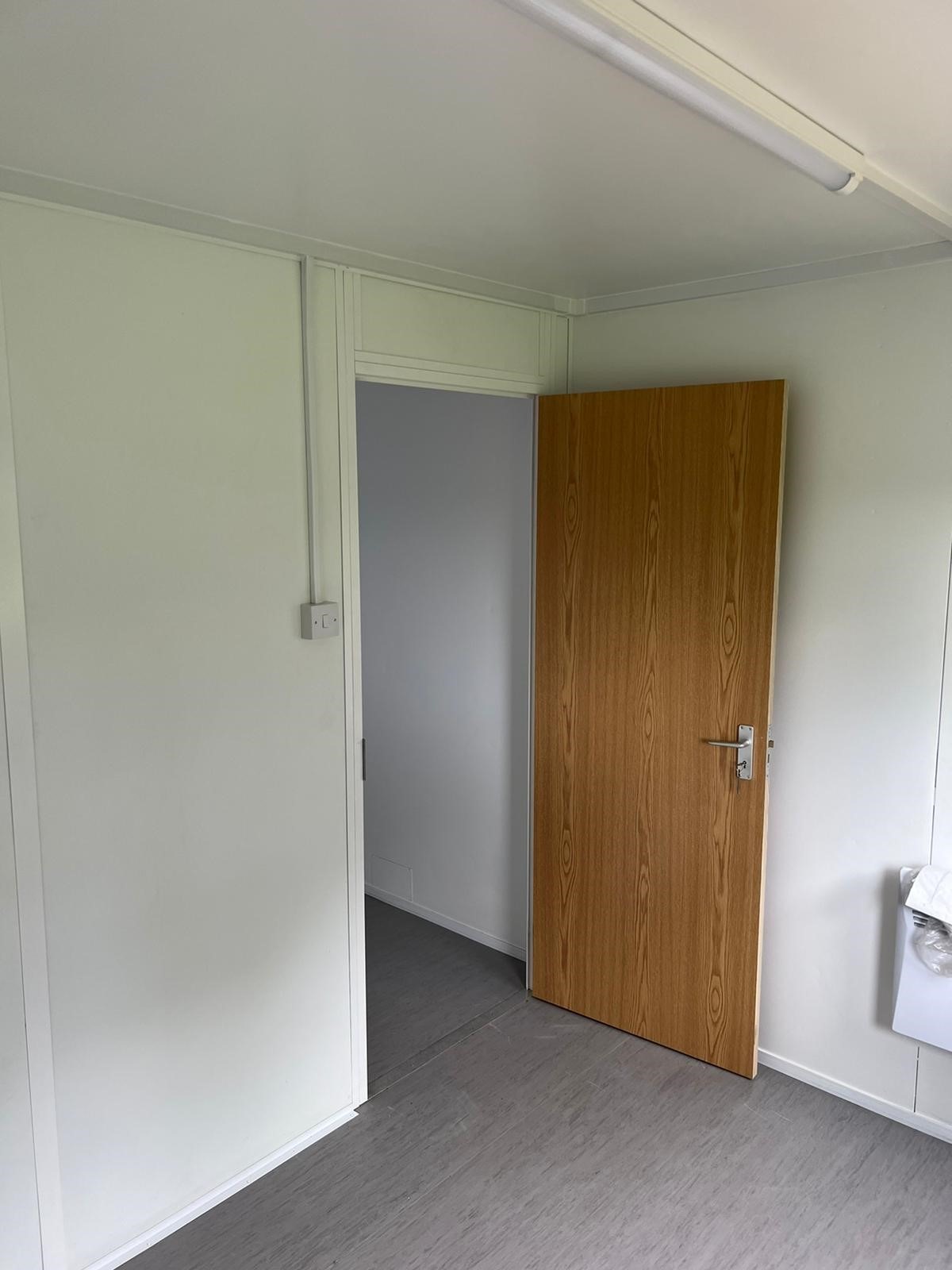
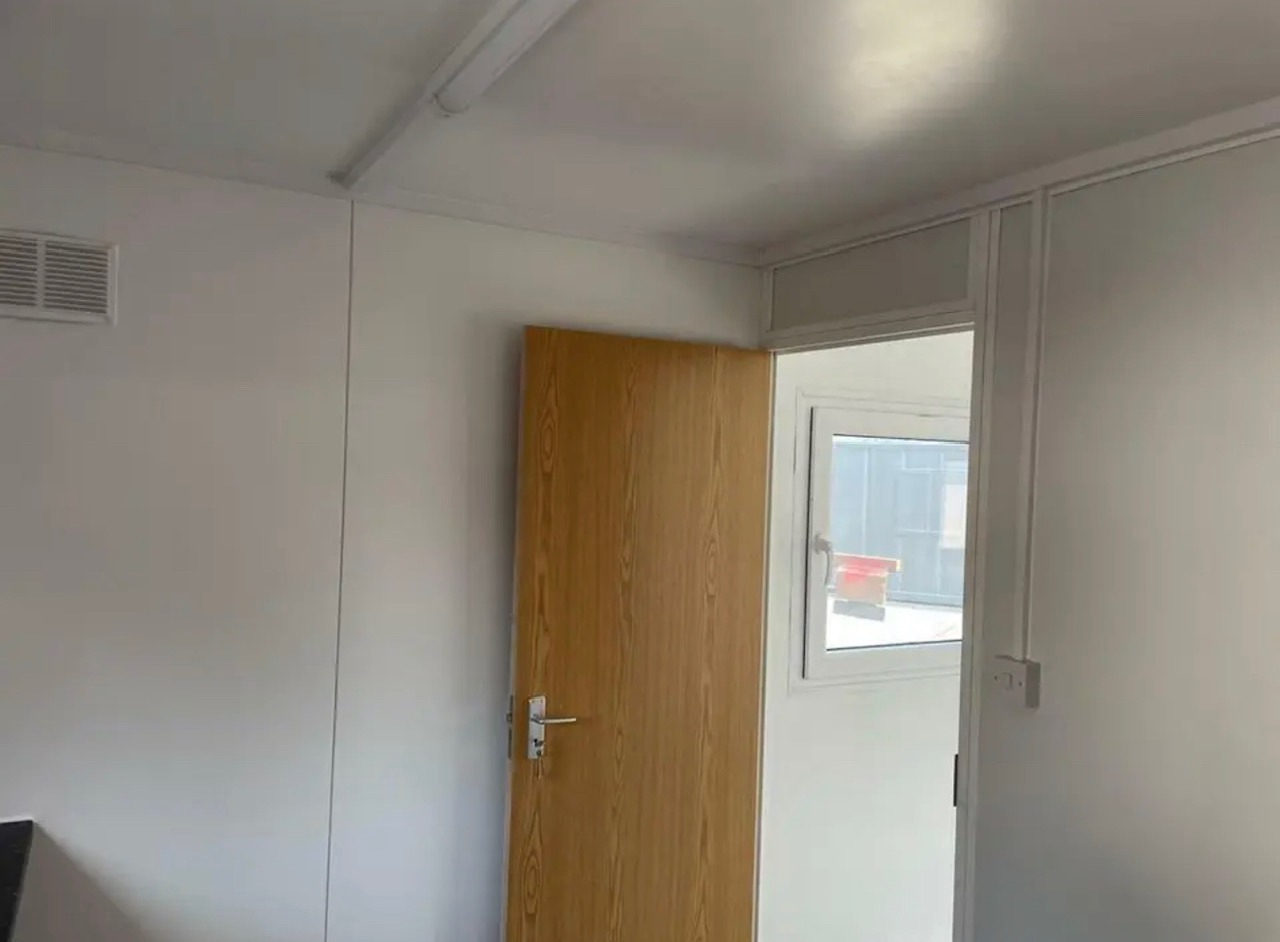
Hallway leading into:
Transport can be arranged please ask.
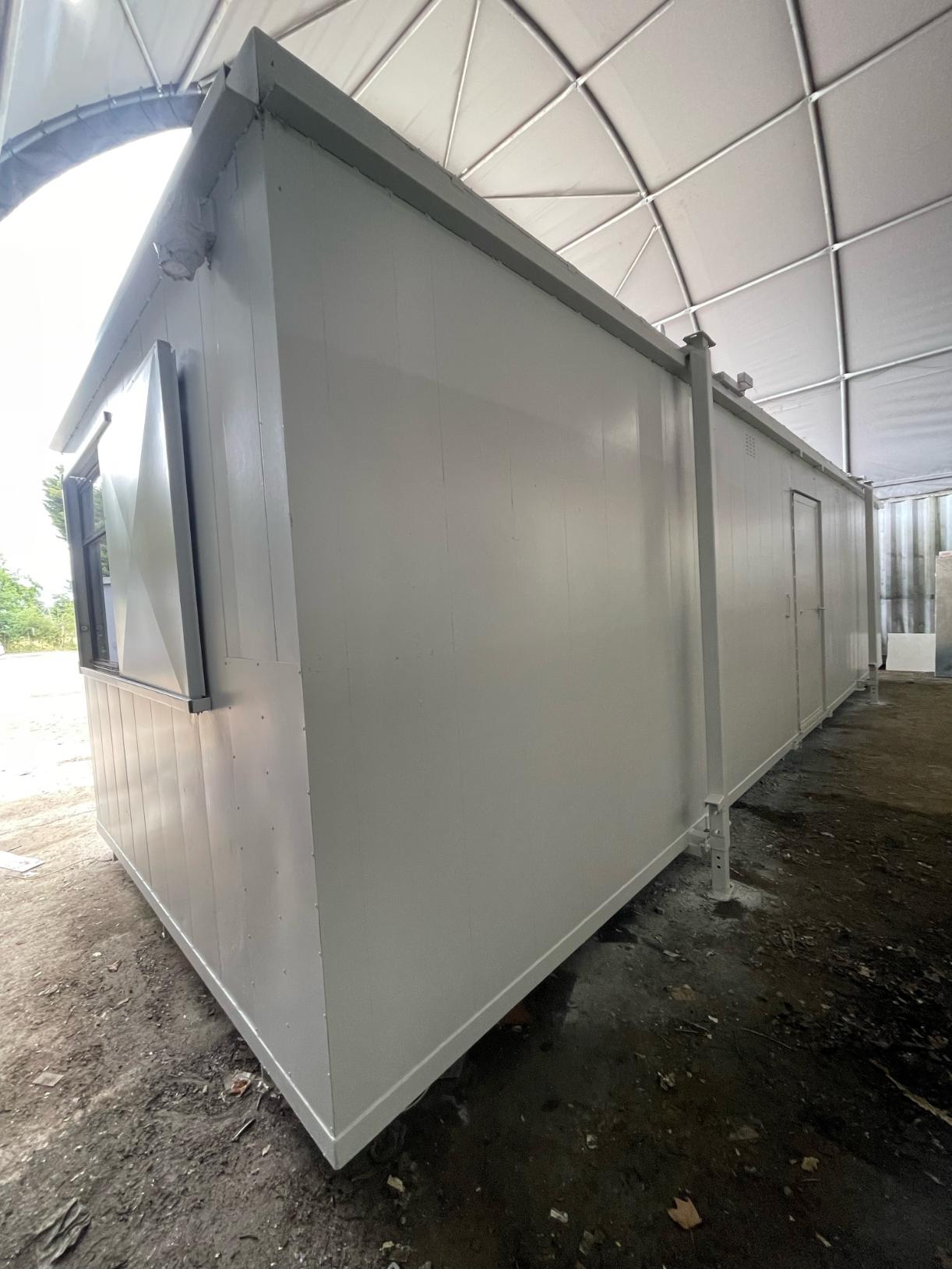
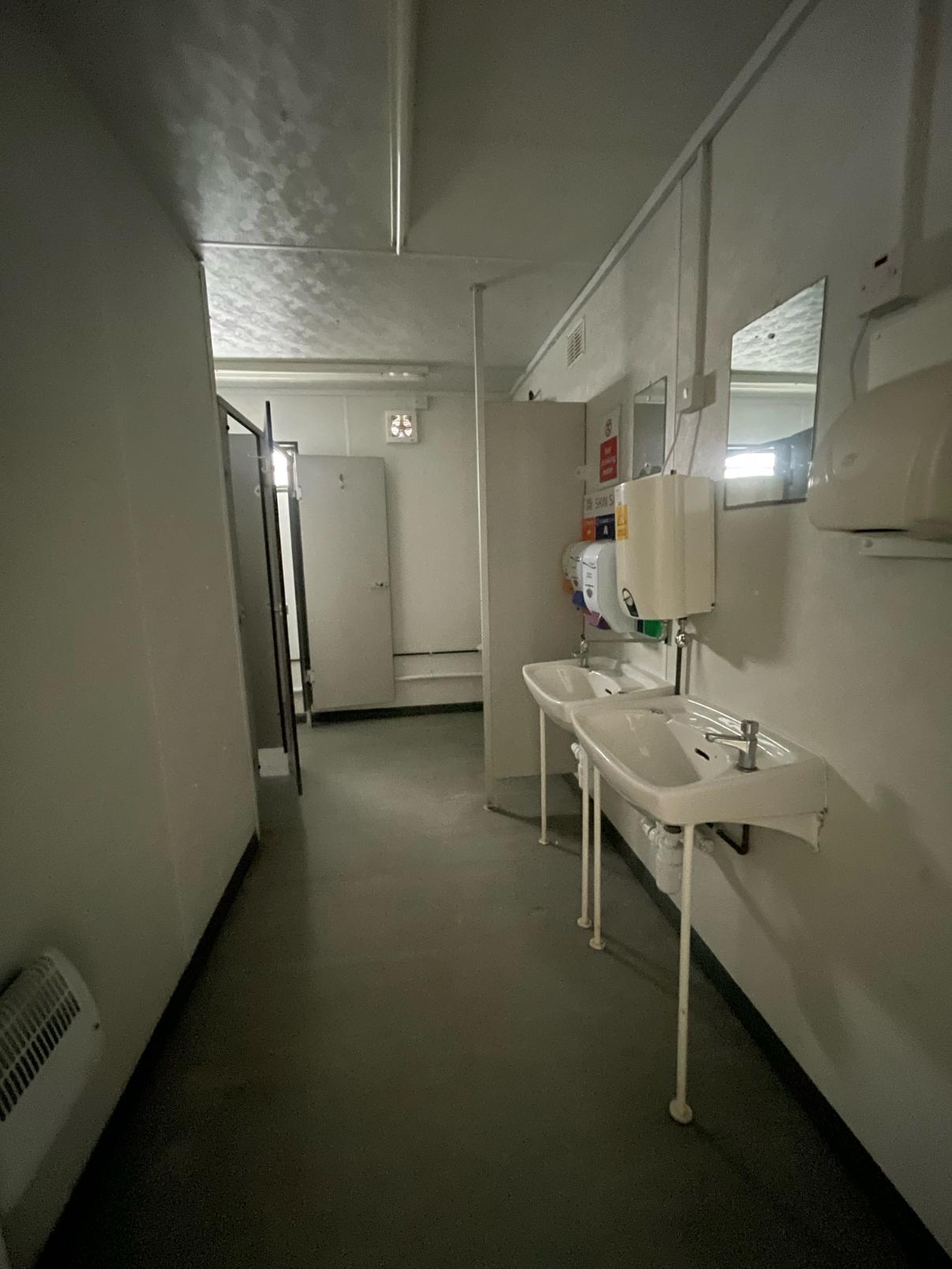
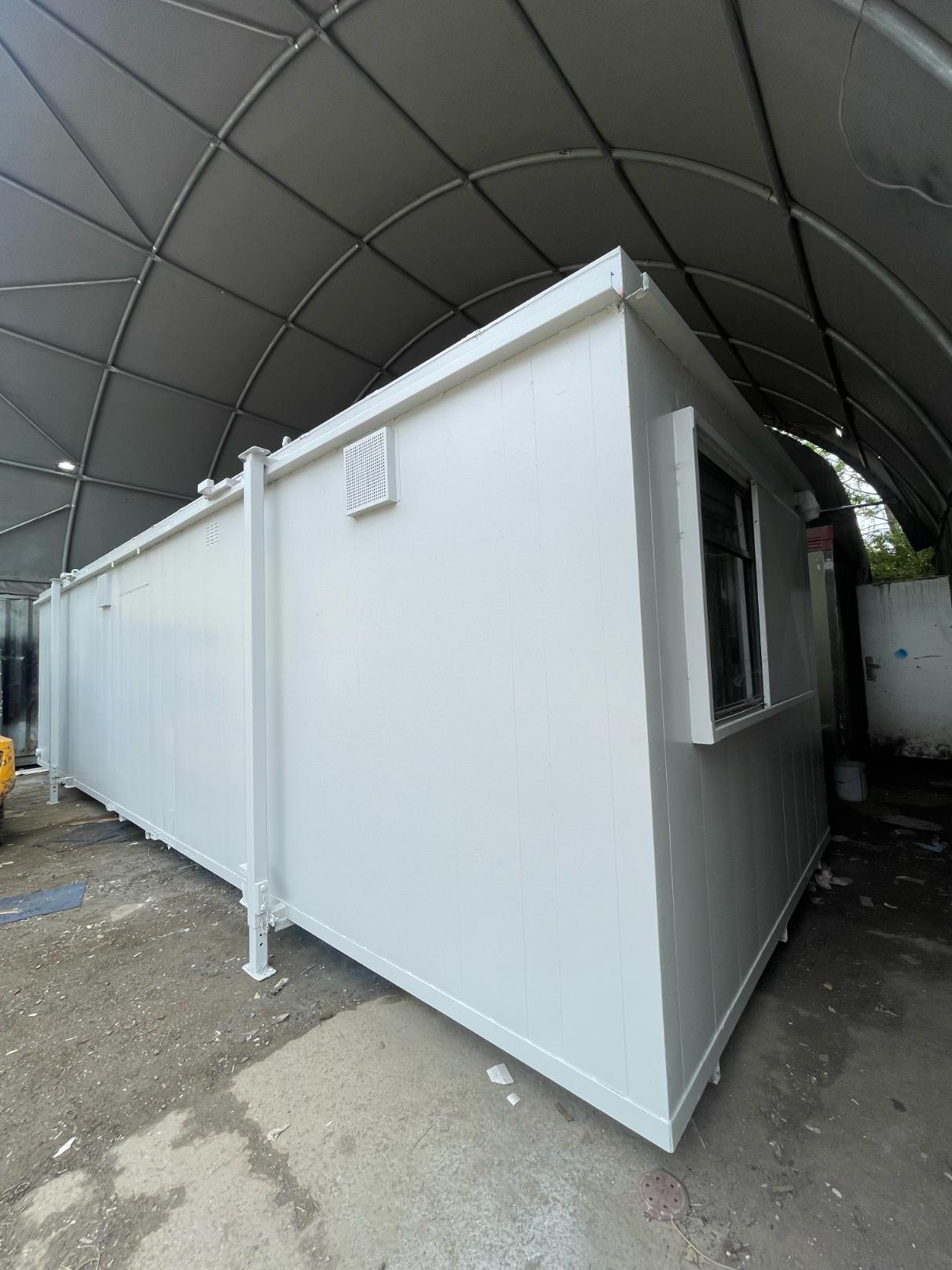
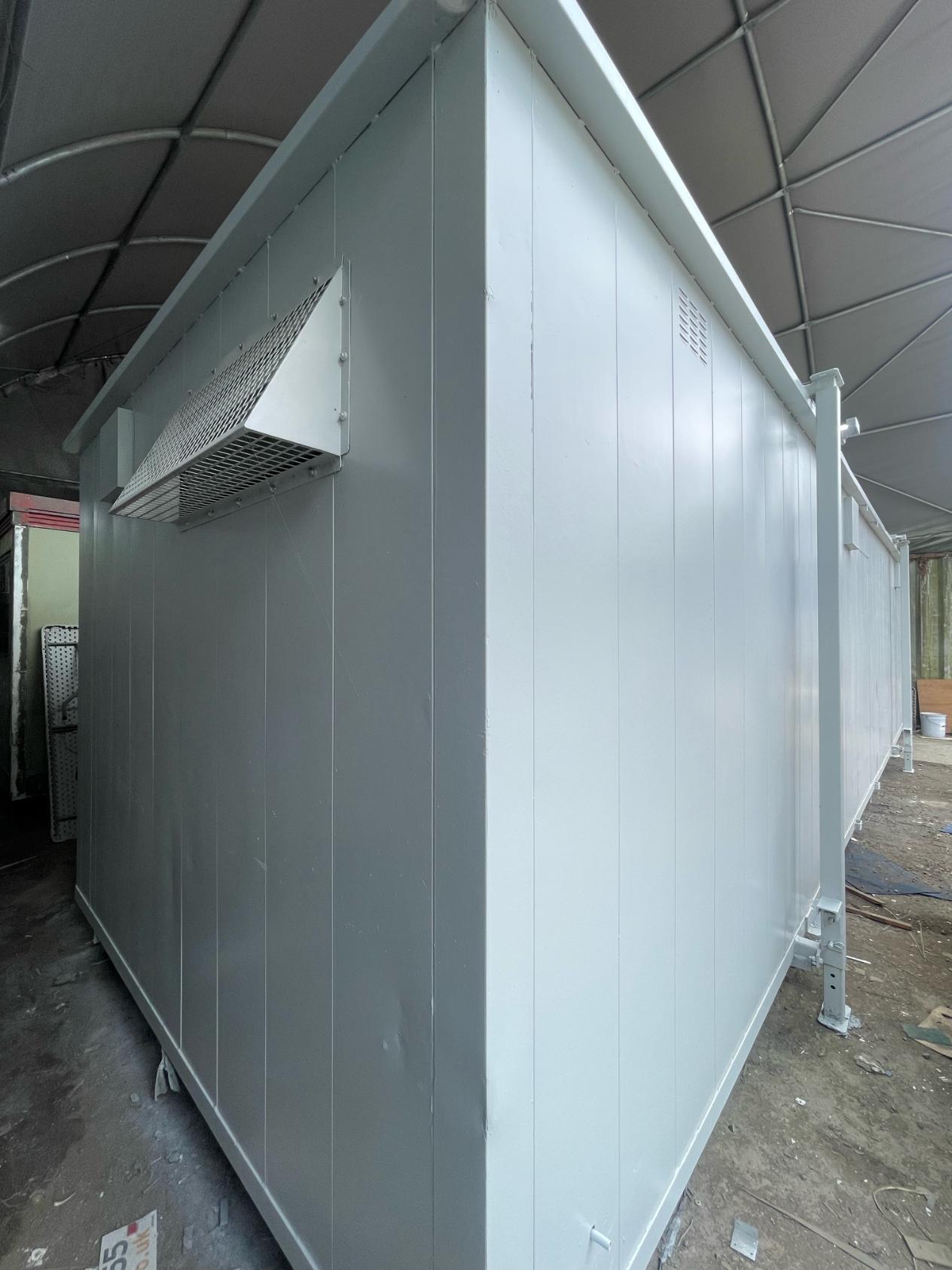
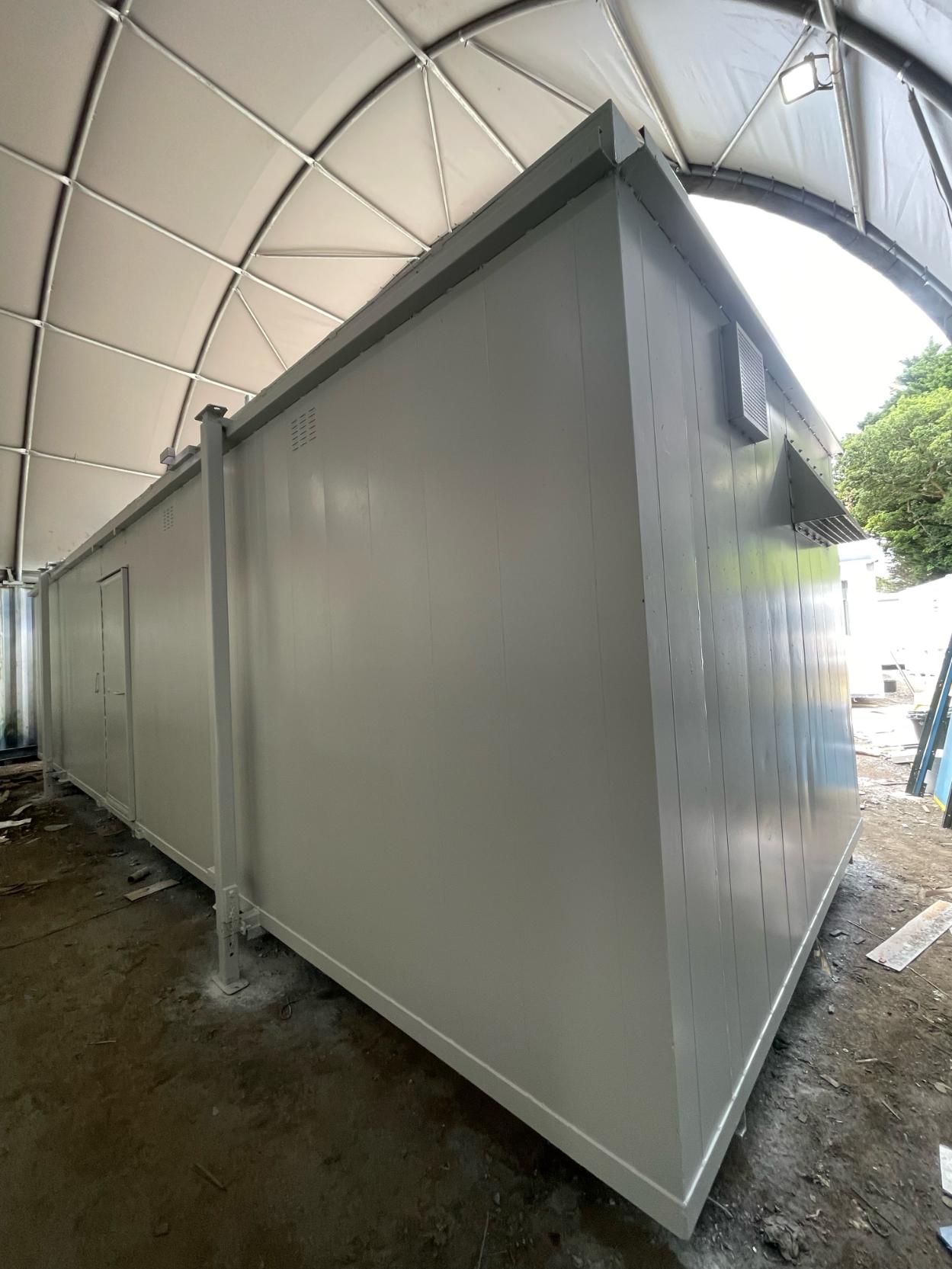
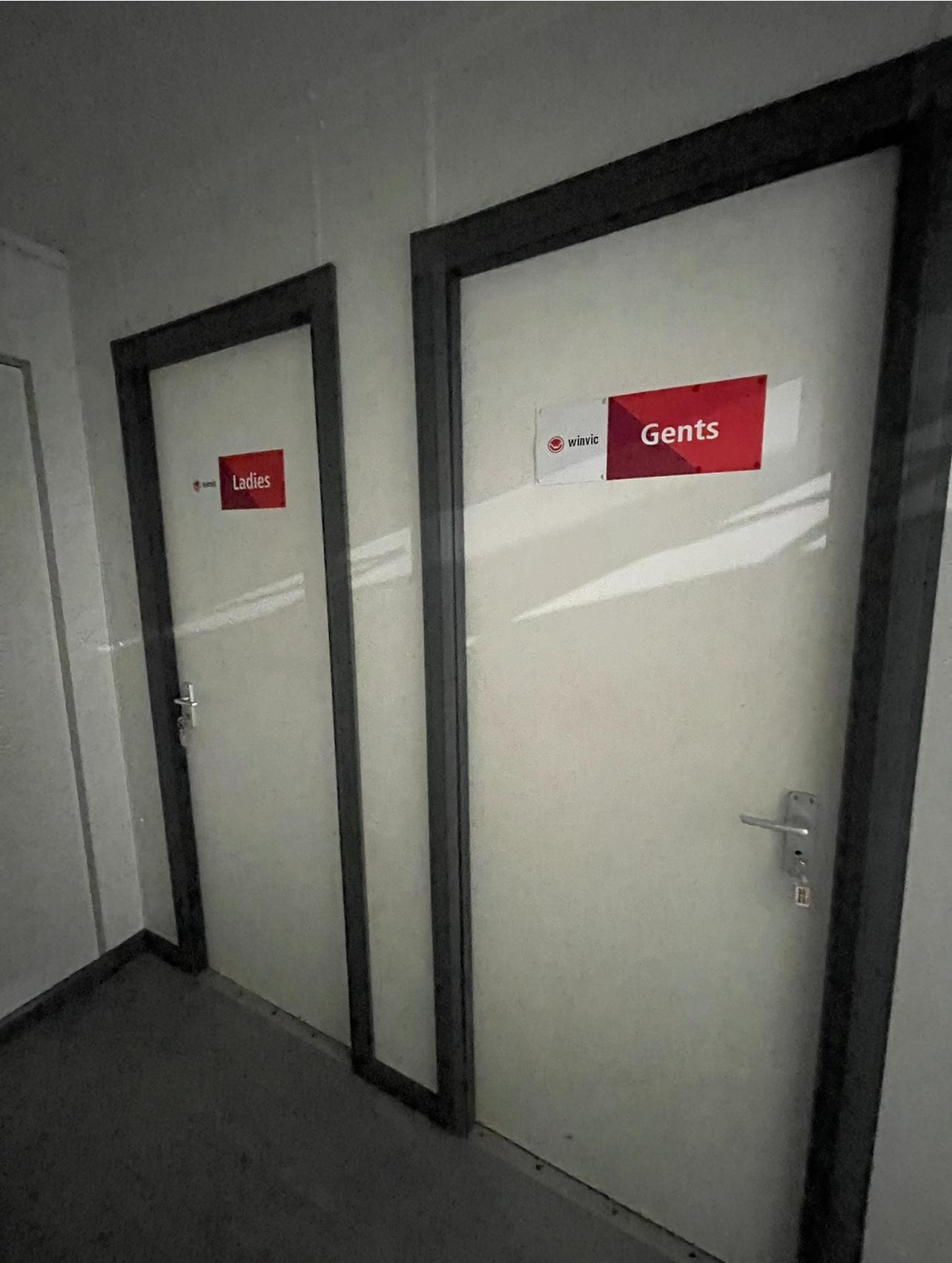
Location: Nationwide
Not Available for Hire
Call for an instant quote!
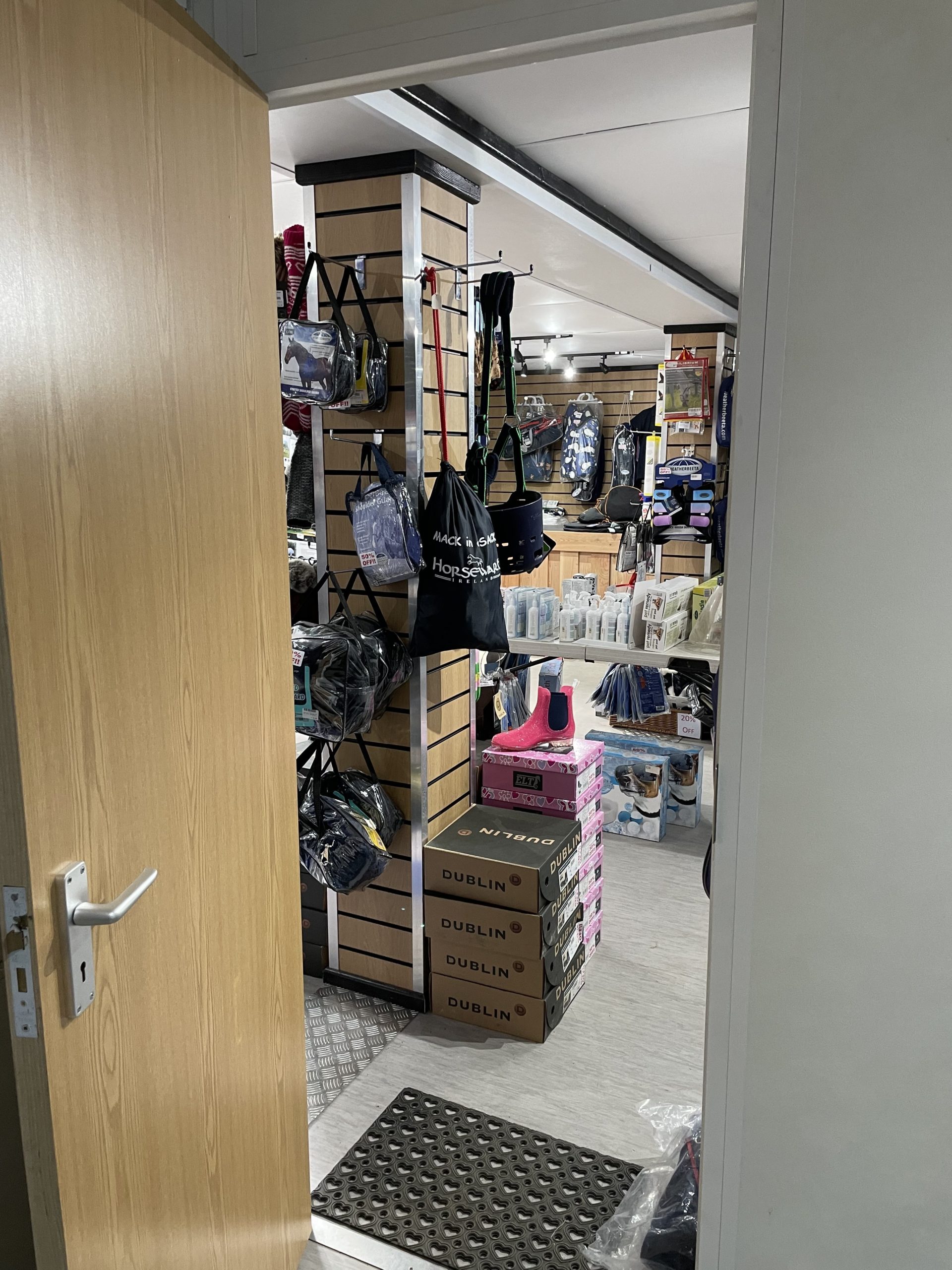
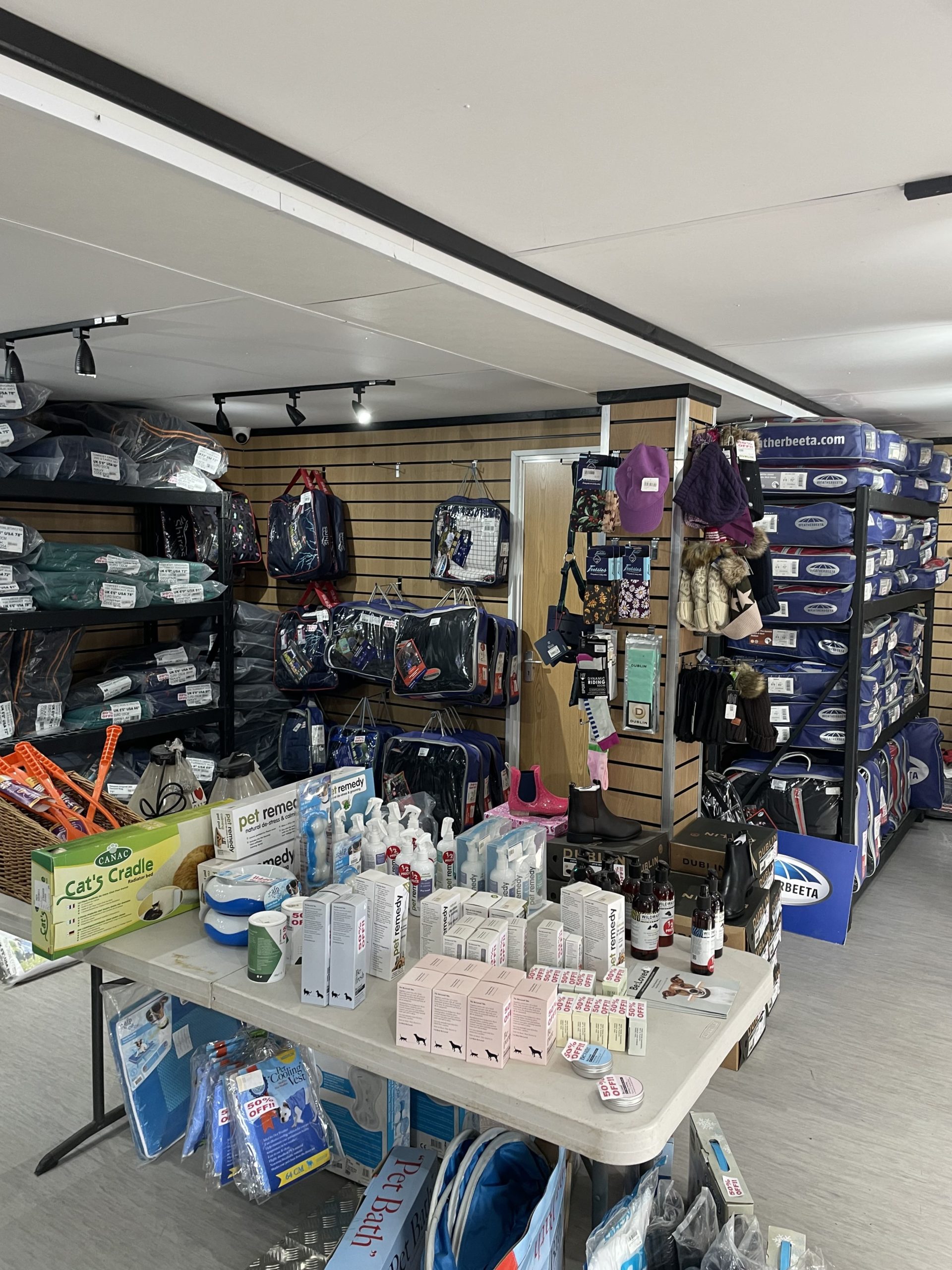
20ft x 8ft Container Conversion Retail Shop
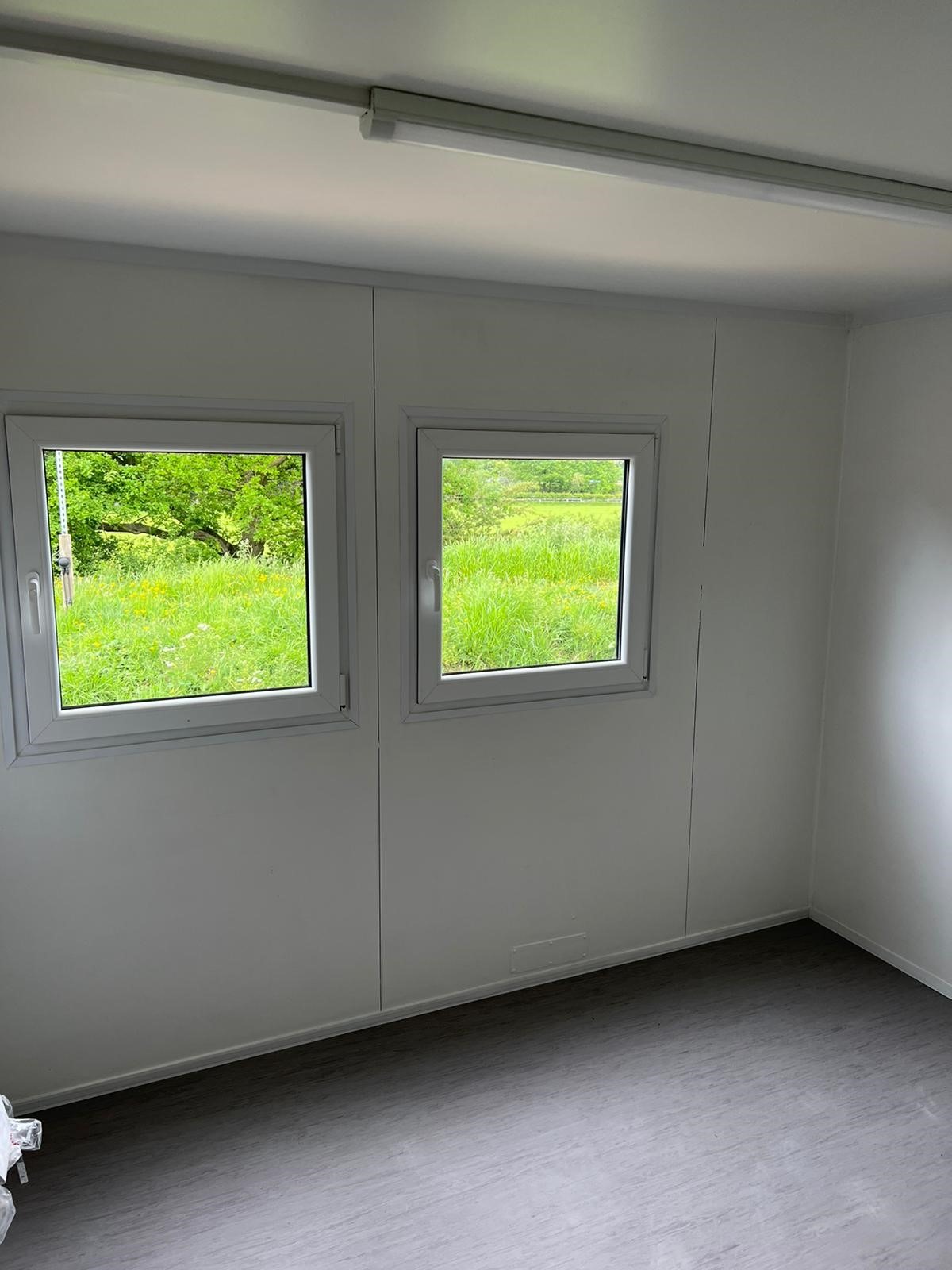
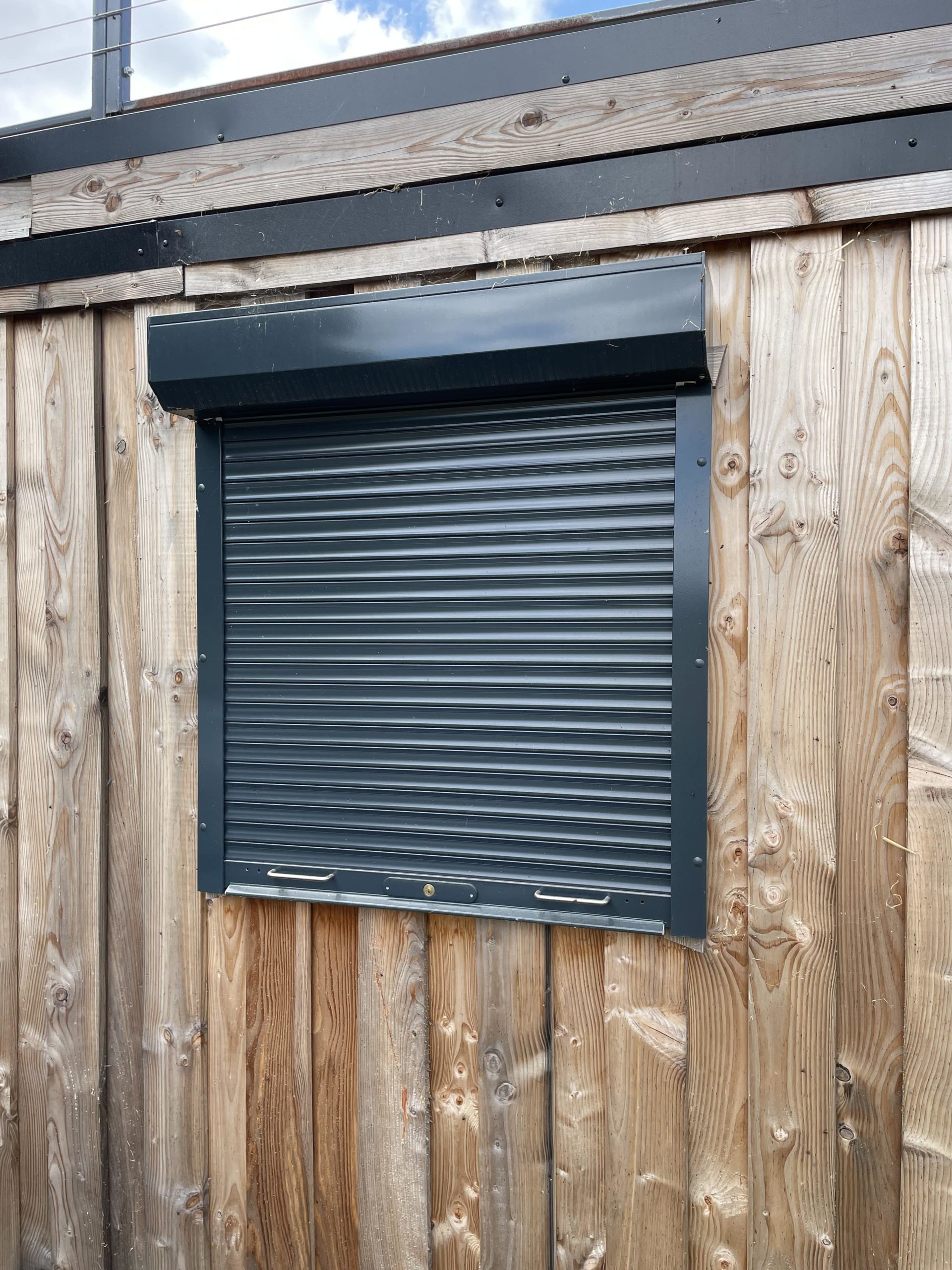
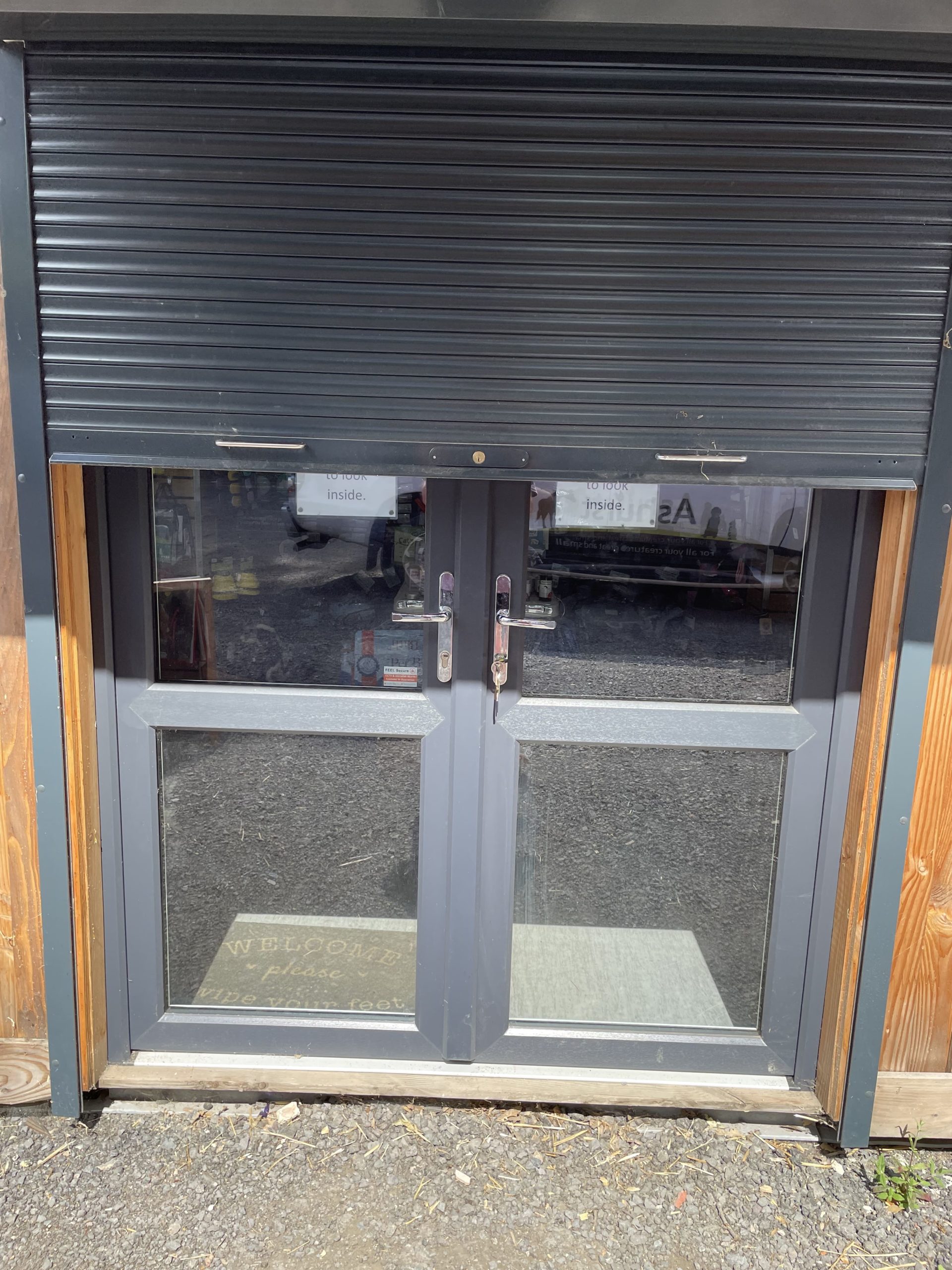
UPVC Double glazed Windows + French Doors
Slat Wall for retail fixings and Merchandise
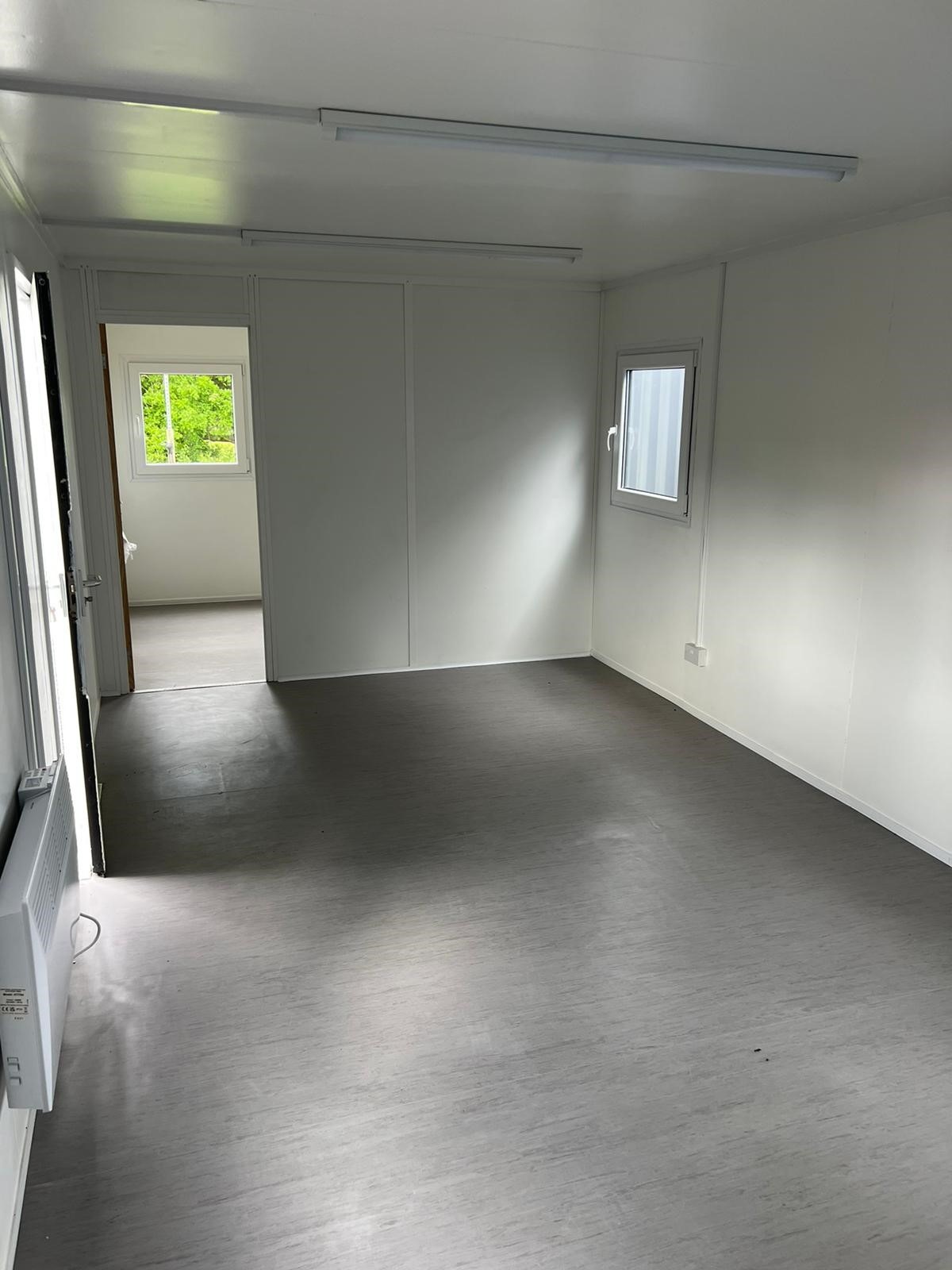
Electric Chrome Sockets, led lighting and heating.
Laminate Flooring
12 months Warranty
Maintenance call out package included
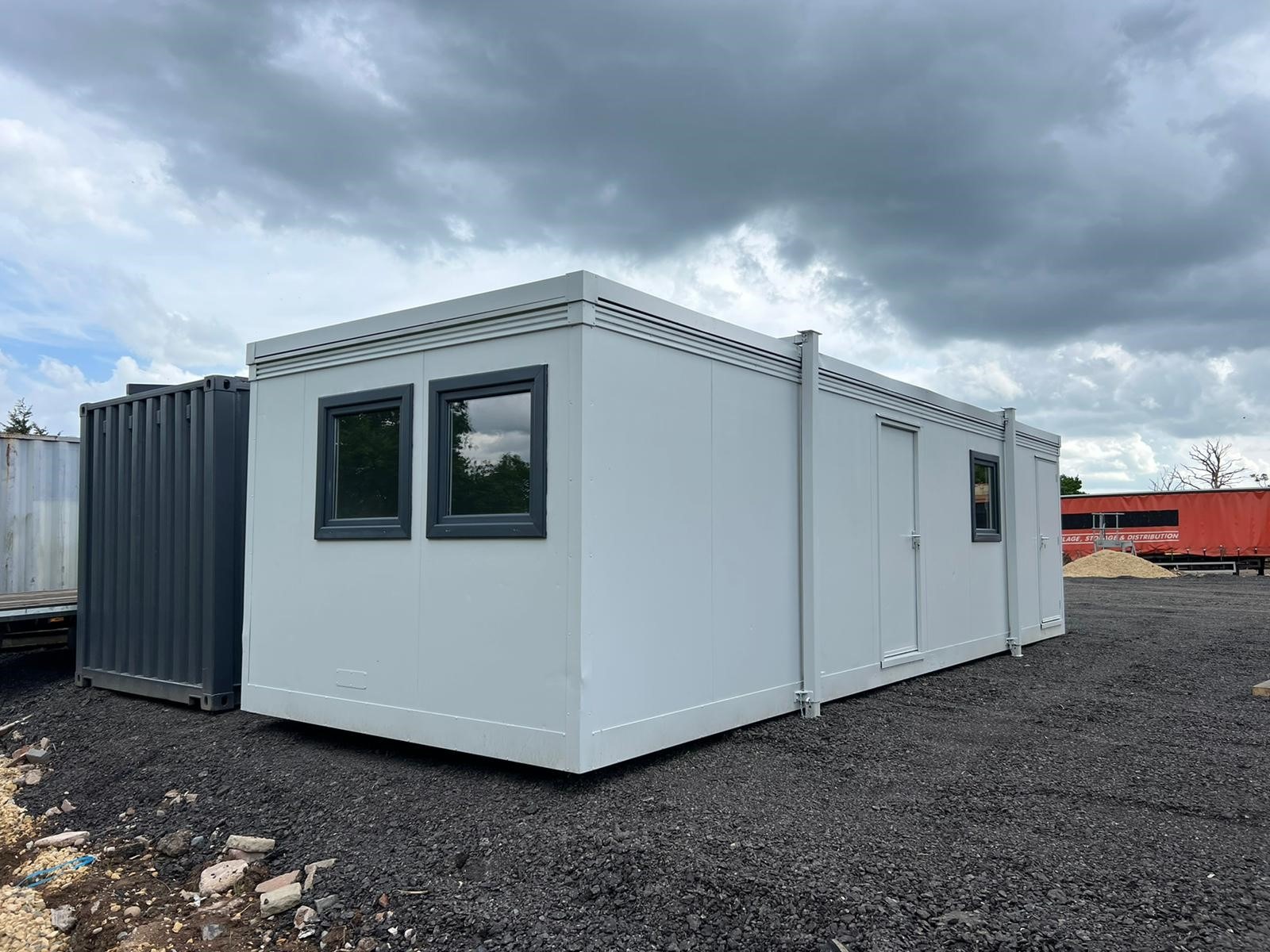
Less than 2 years old
Still in Brand New Condition
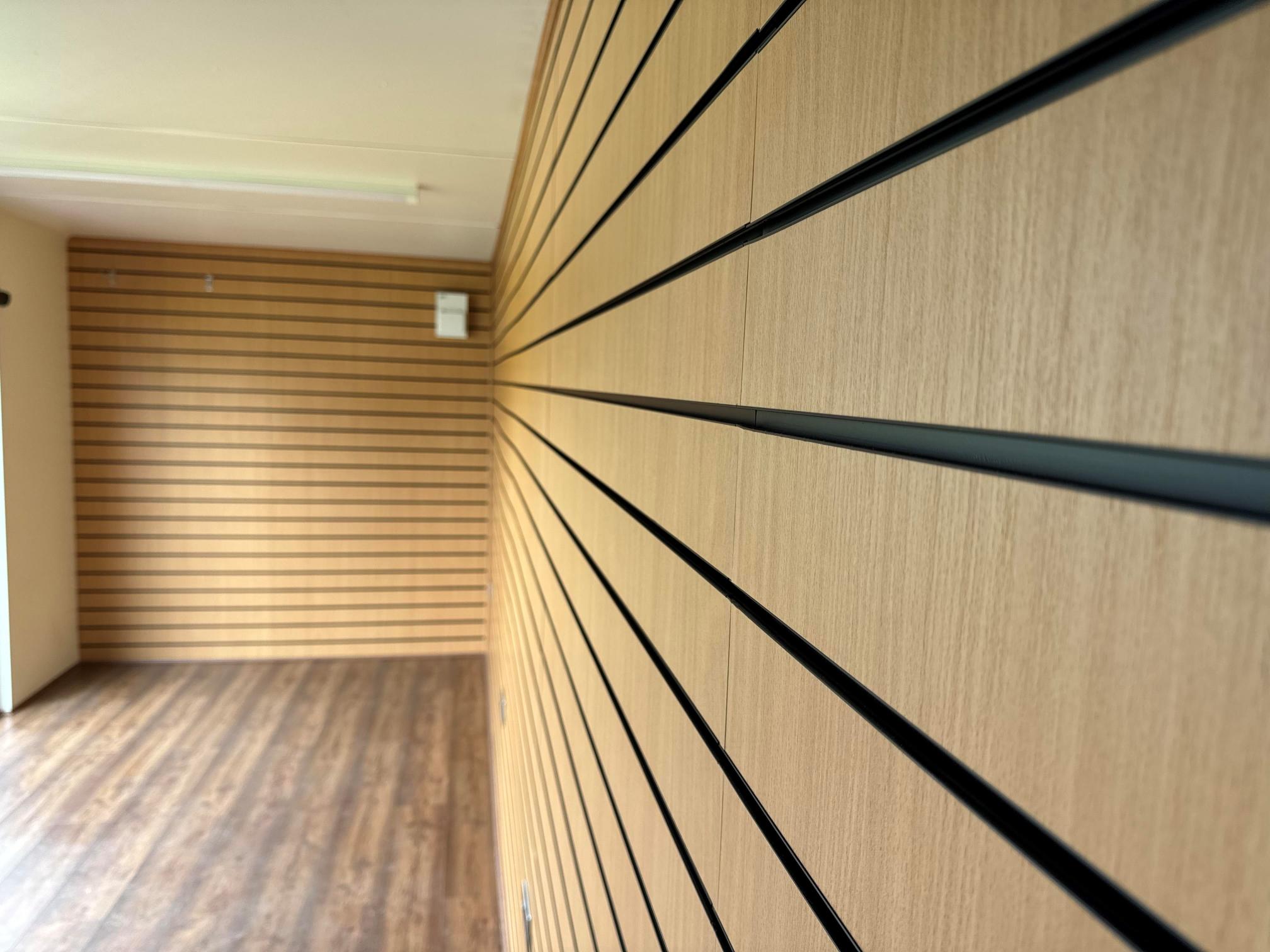
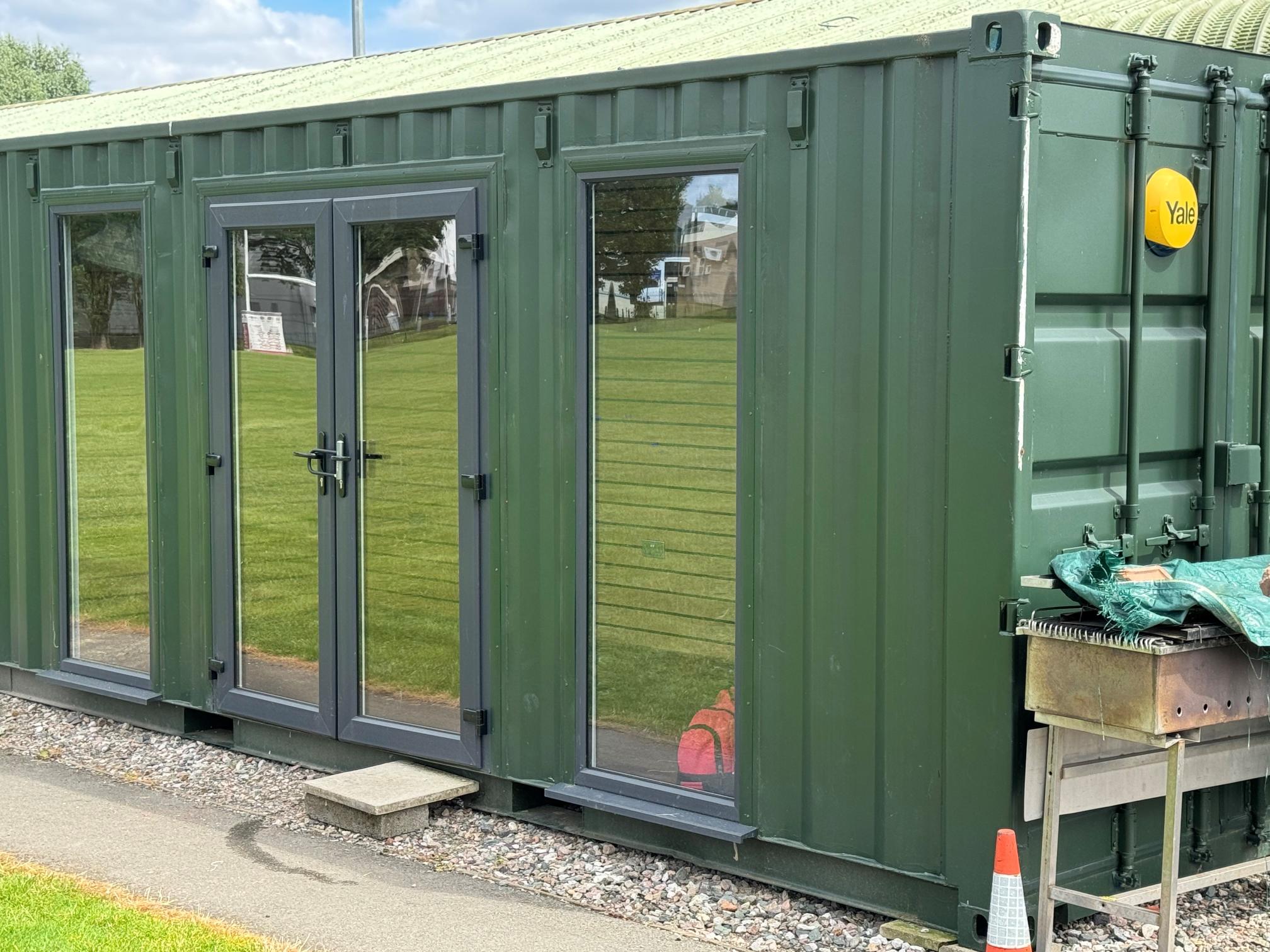
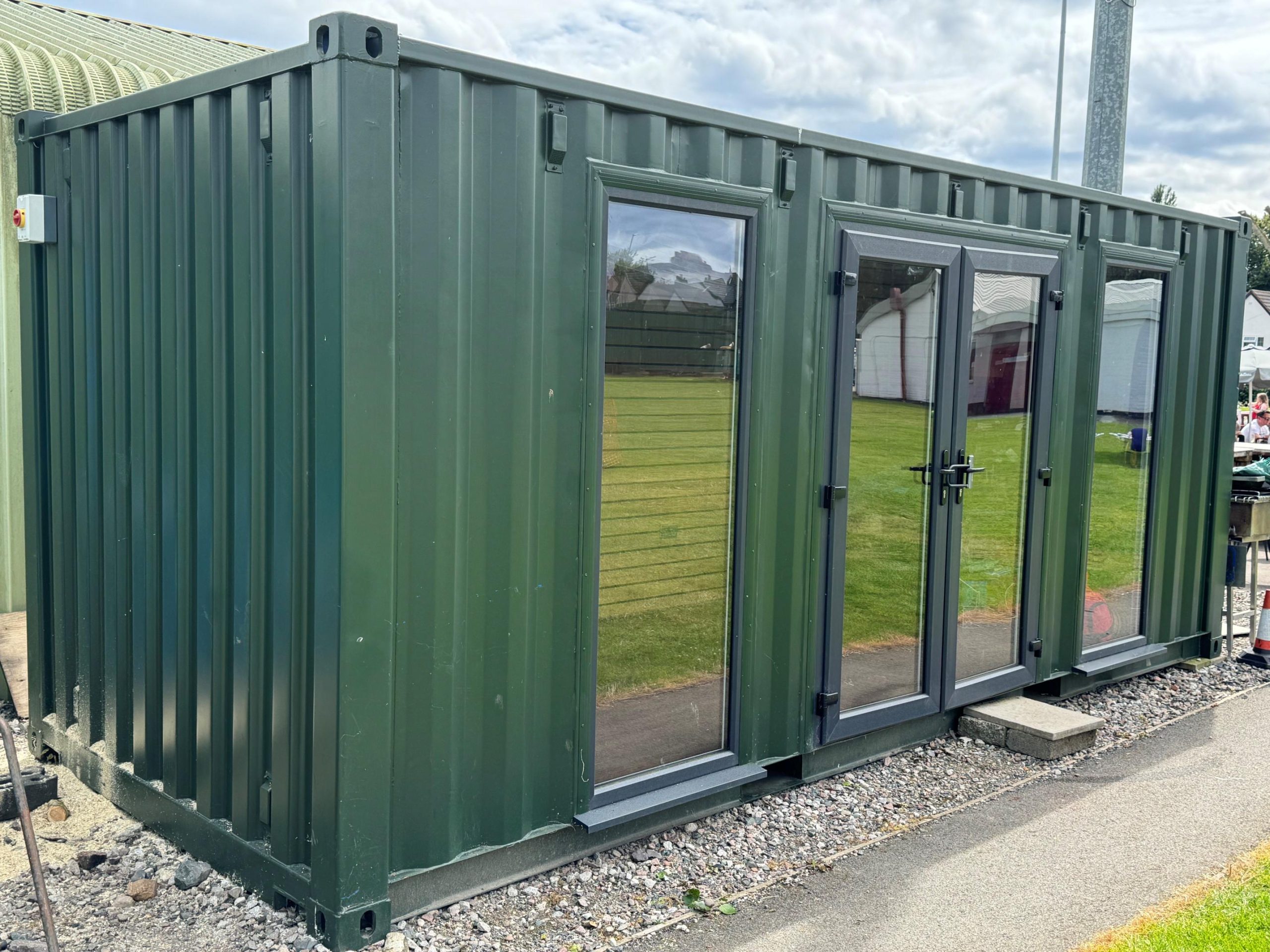
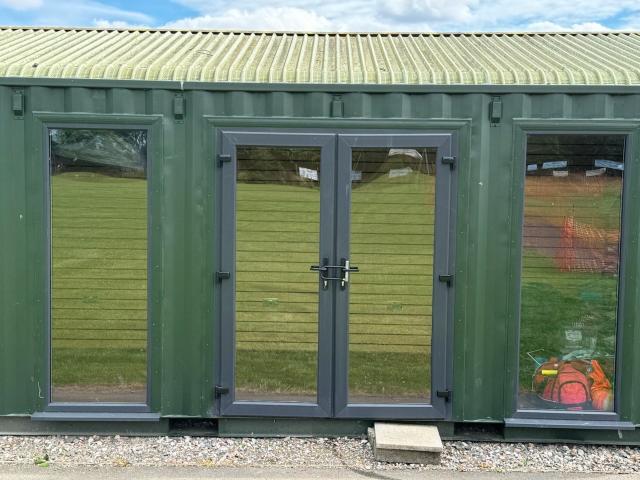
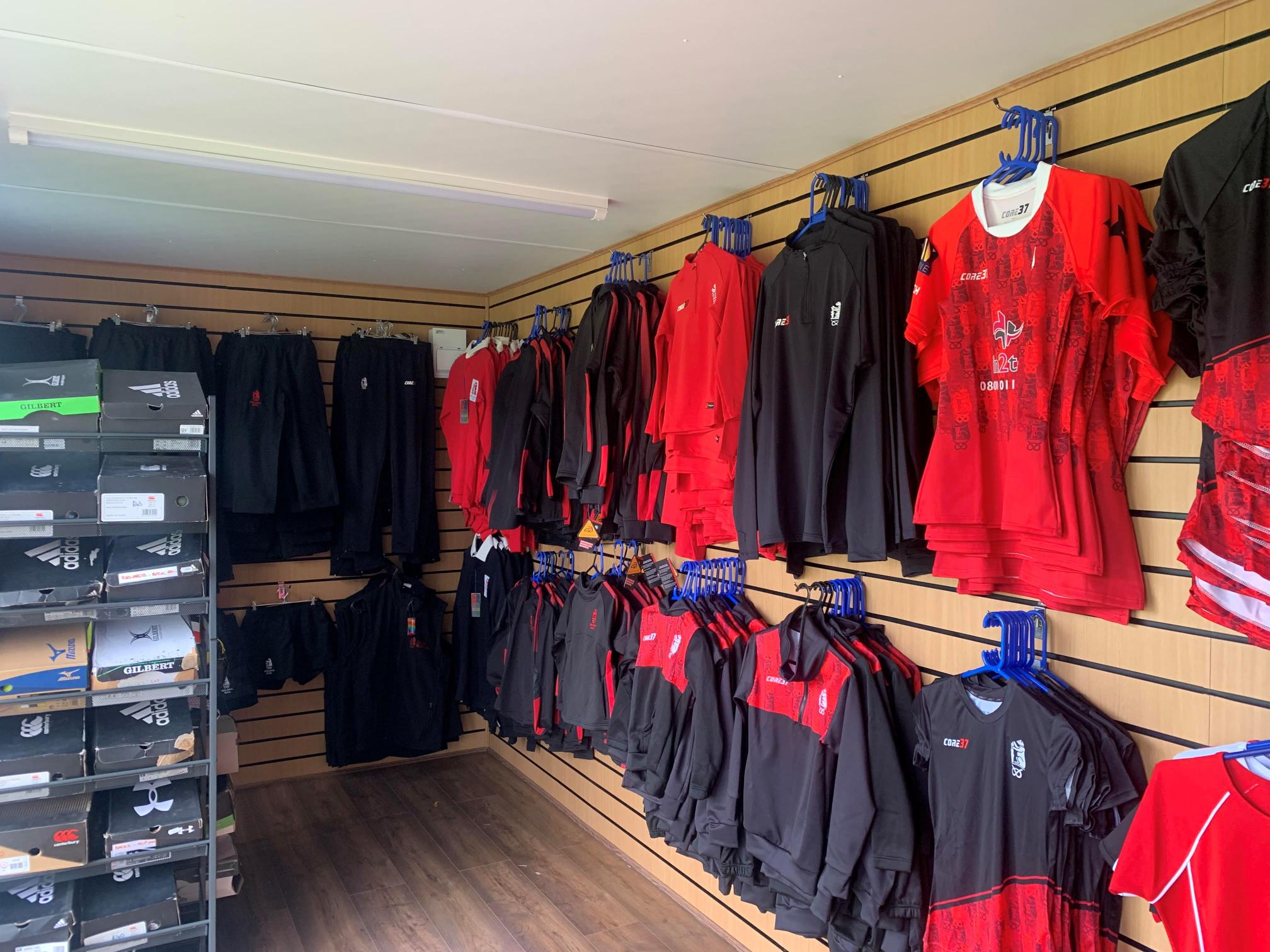

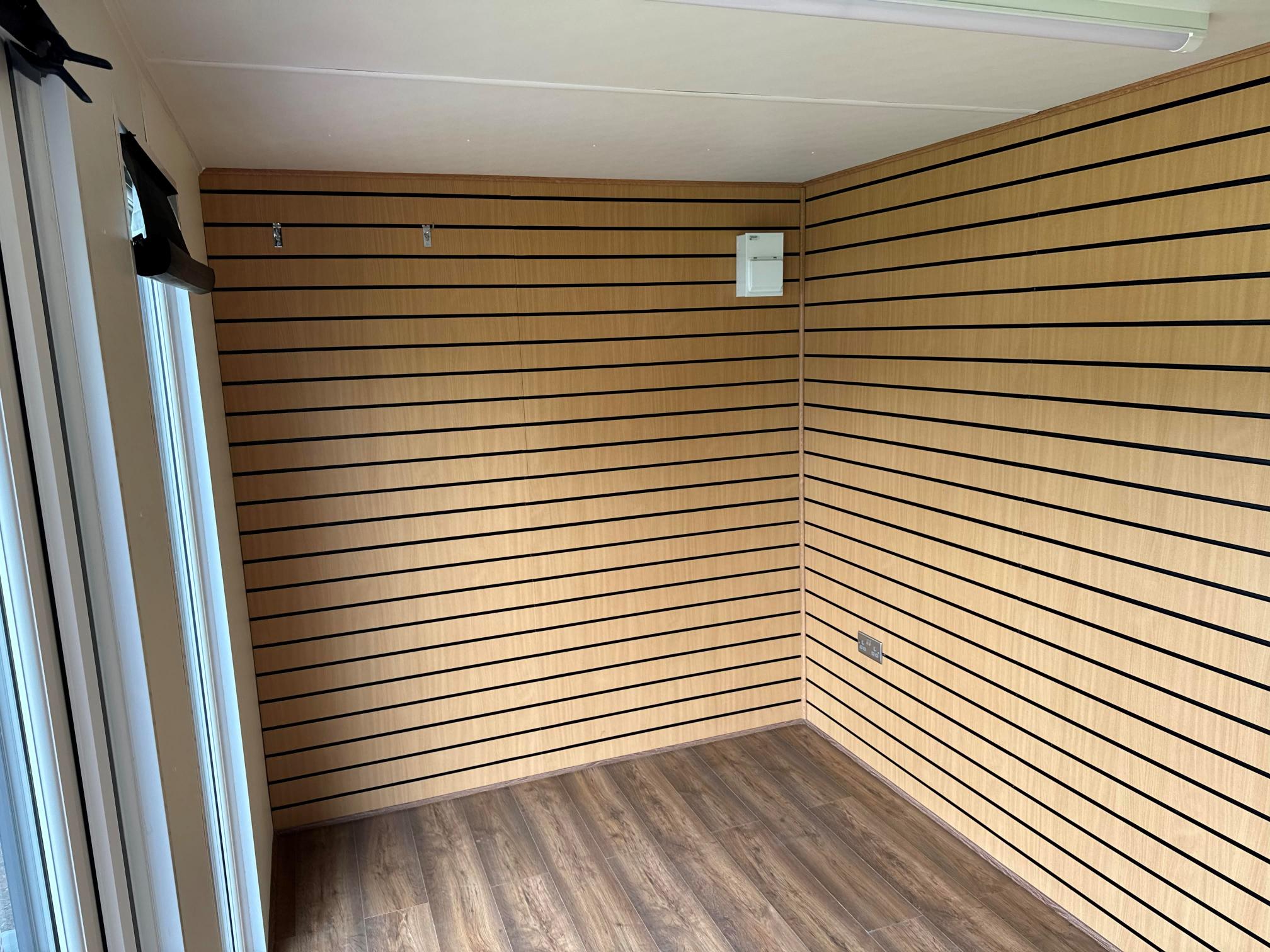
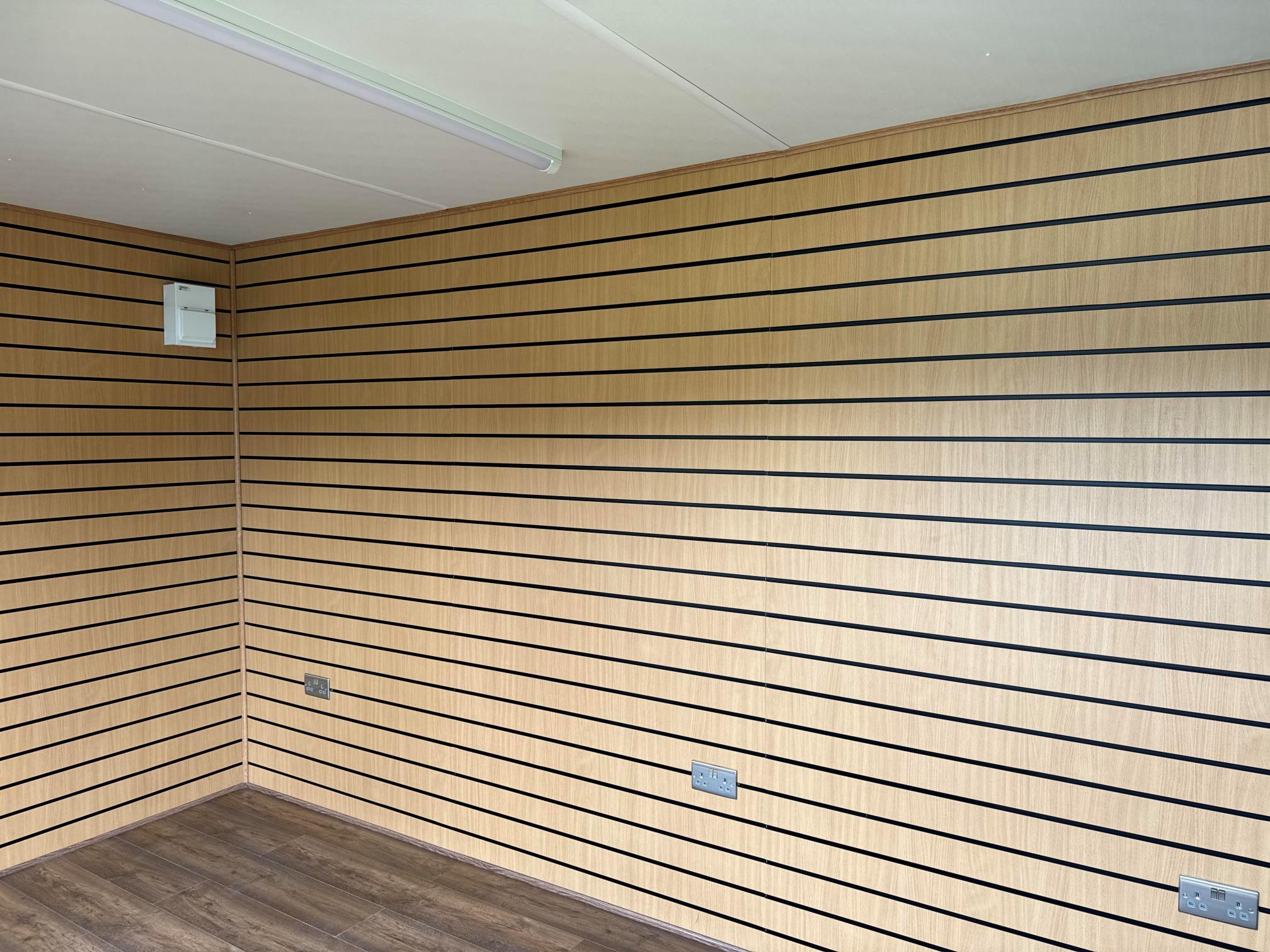
Fully refurbished
Colour light grey
Slate grey anthracite upvc double glazed windows
Location: Nationwide
+ VAT
Not Available for Hire
Call for an instant quote!
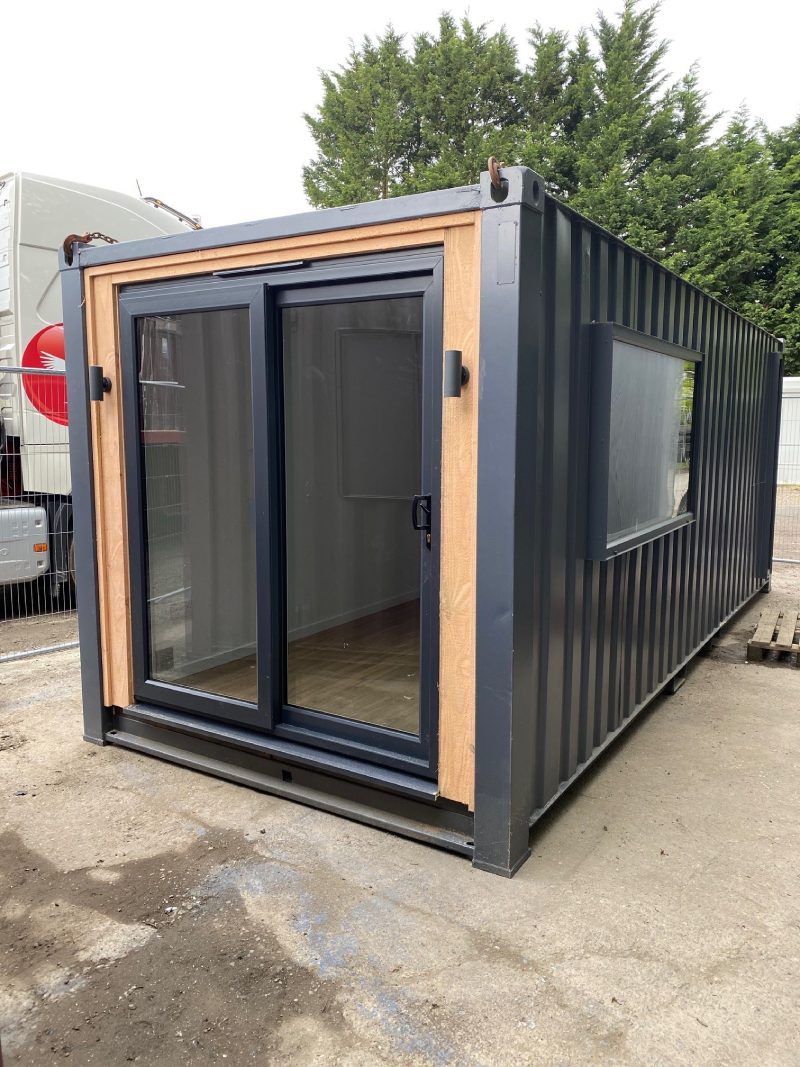
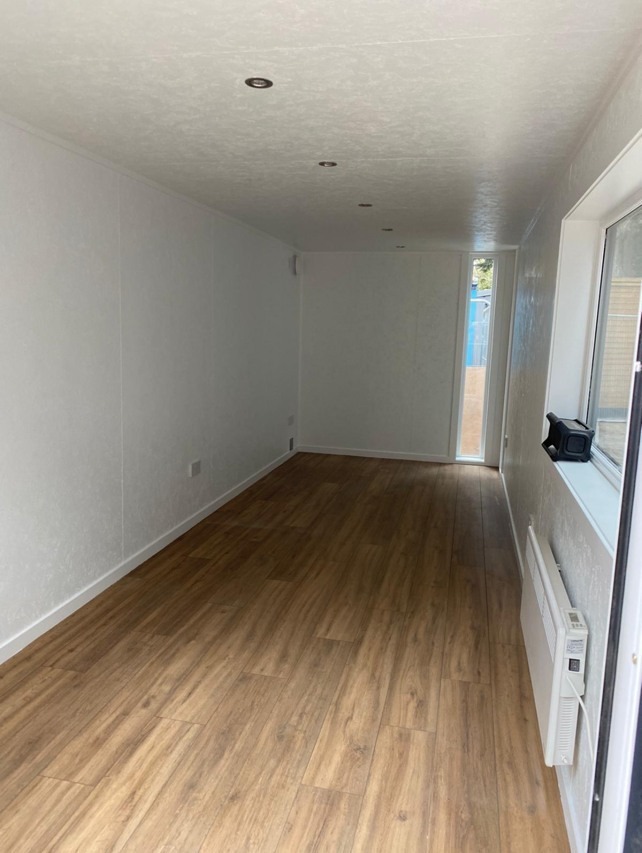
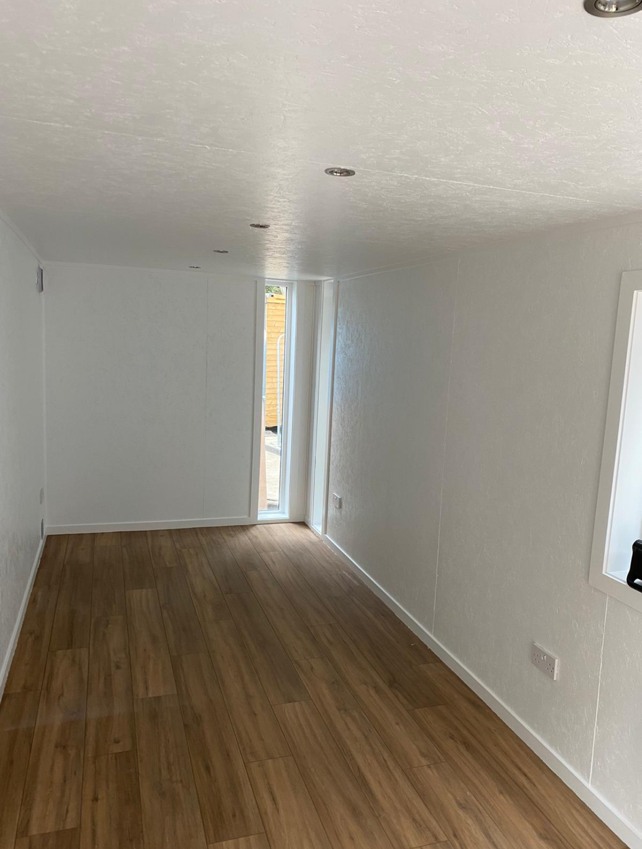
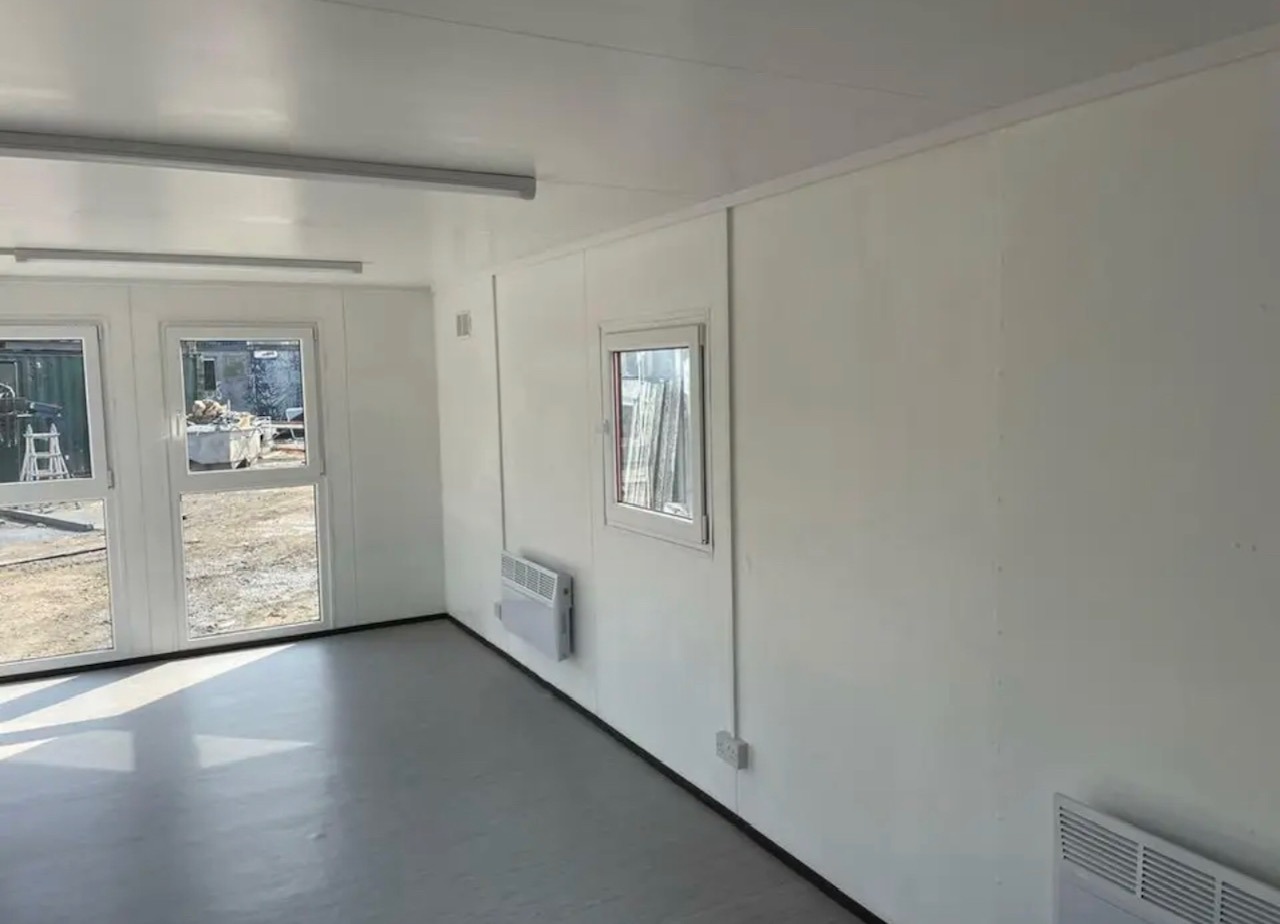
Fully Insulated with electric sockets, spot lighting, and heating
Wood Flooring
UPVC Sliding Door + Windows
Lead Time for build 6-8 weeks
Location: Nationwide
+ VAT
Not Available for Hire
Call for an instant quote!
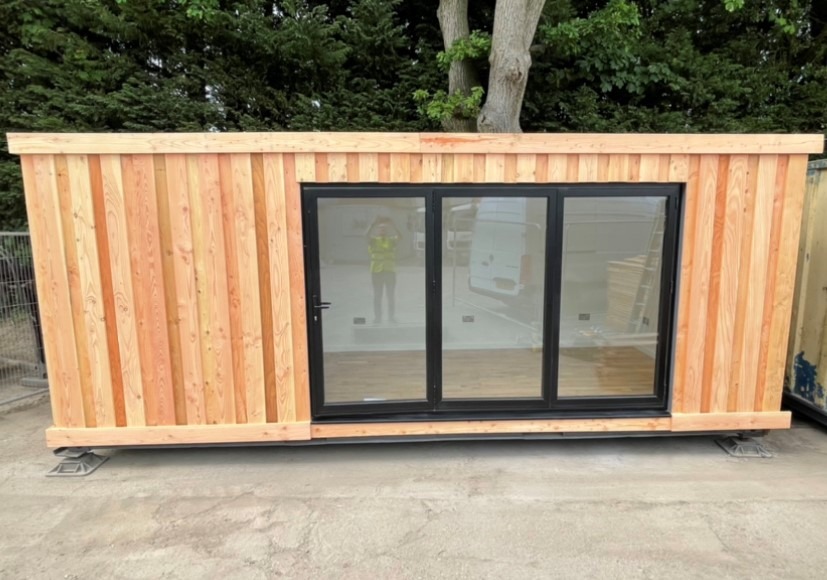
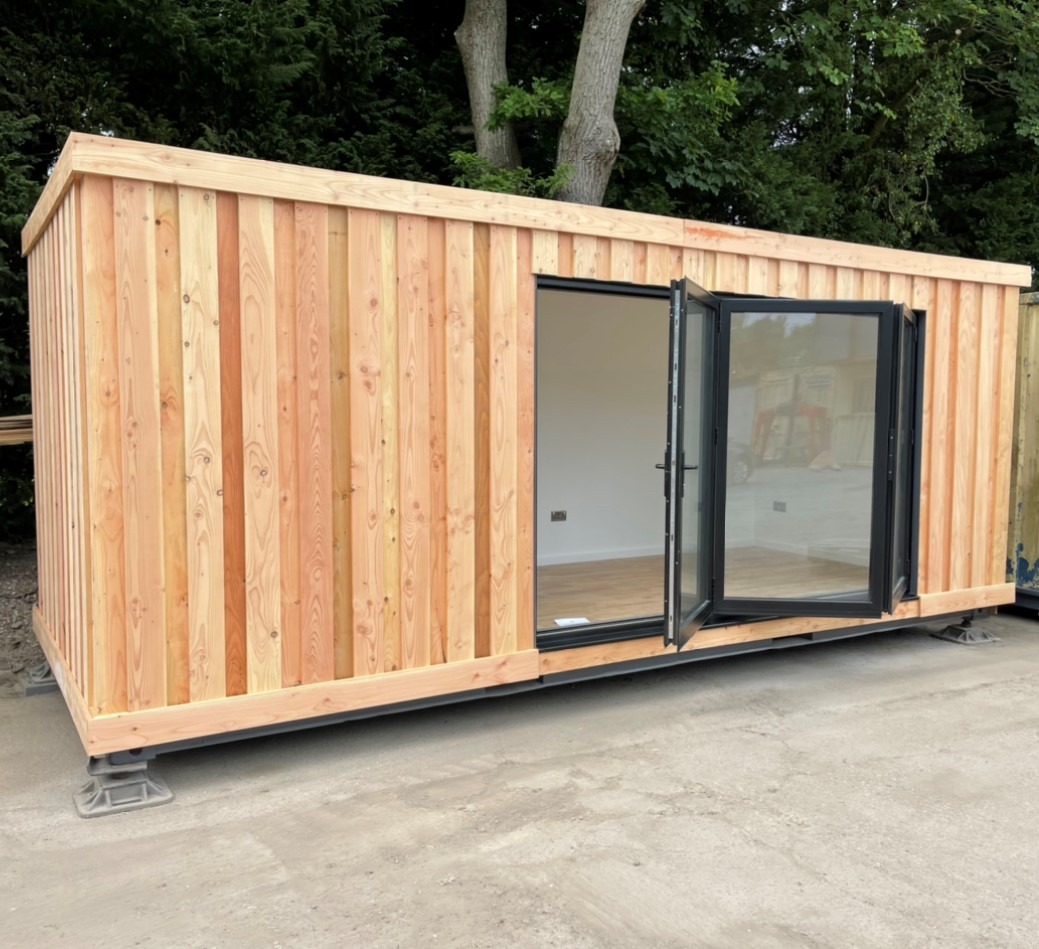
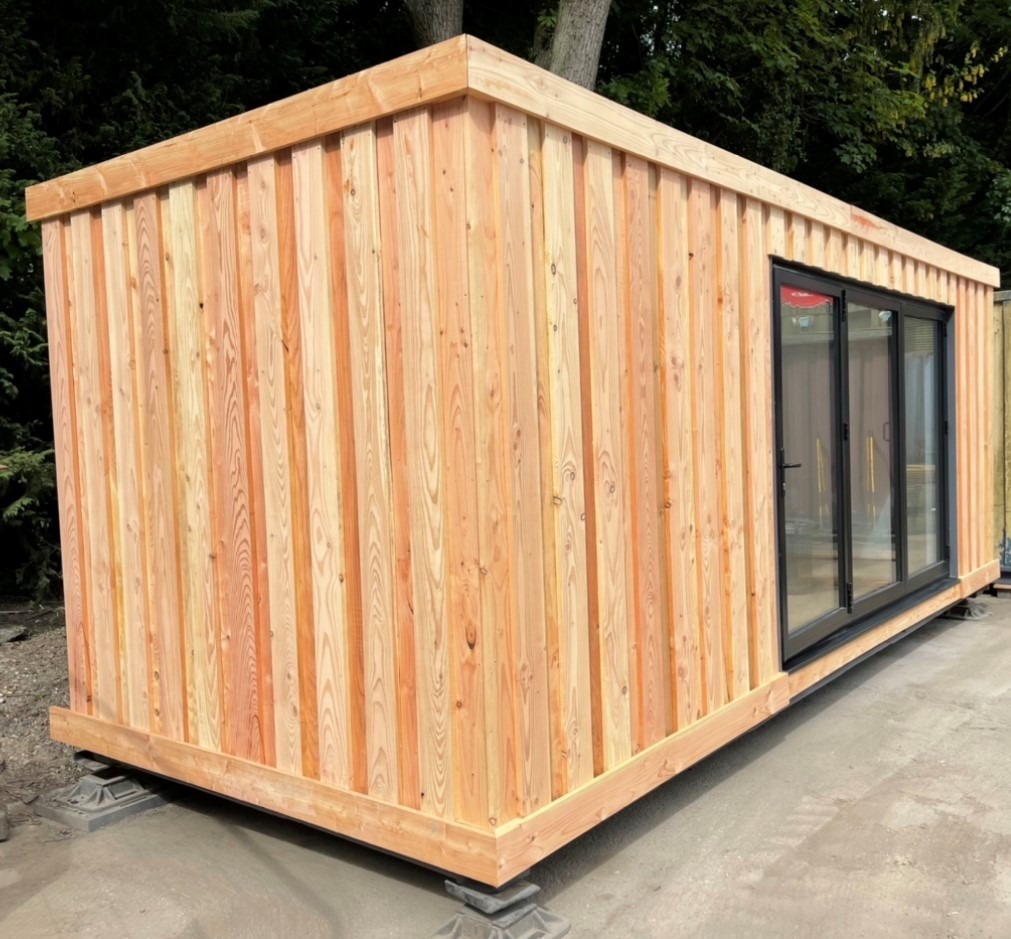
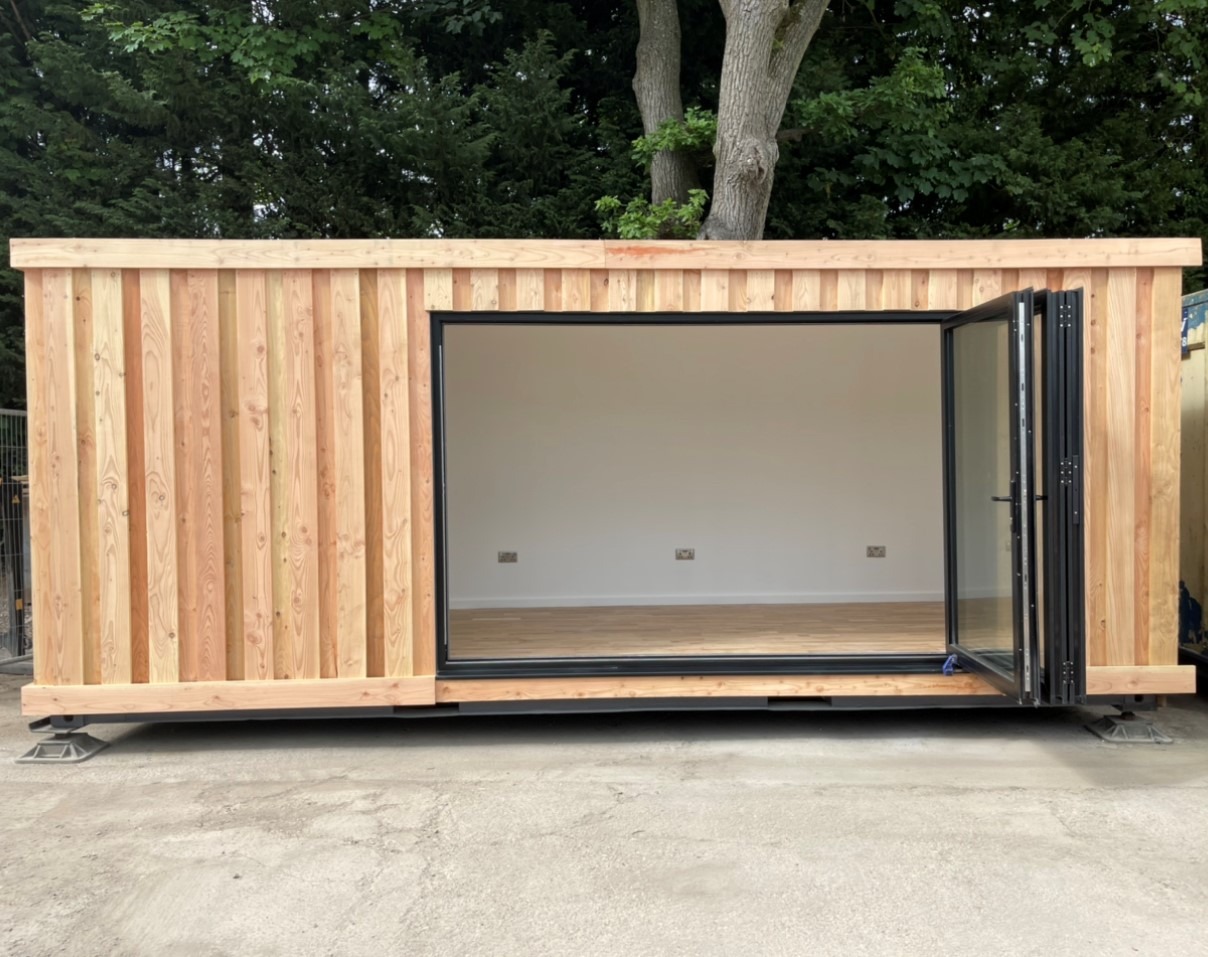
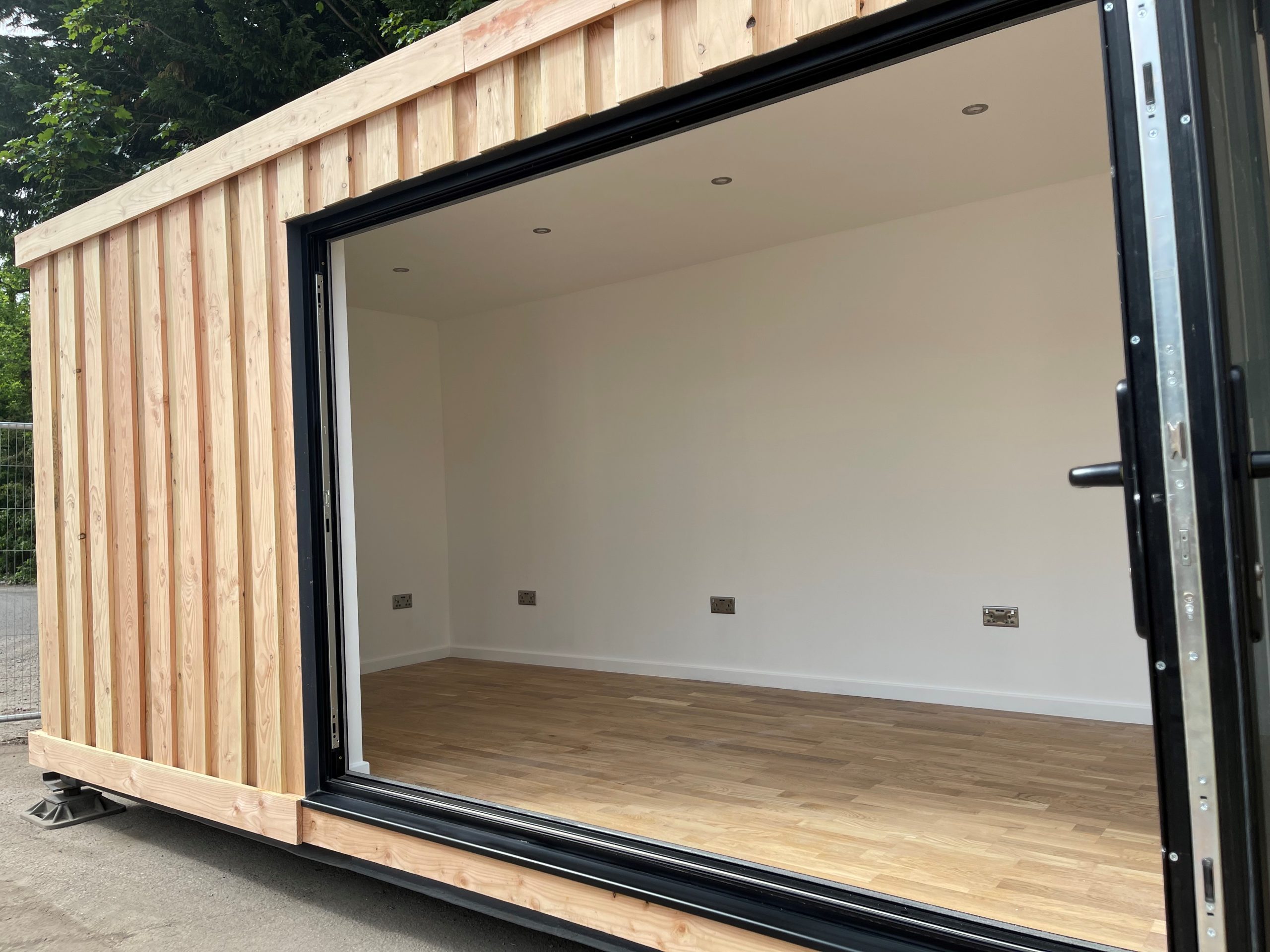
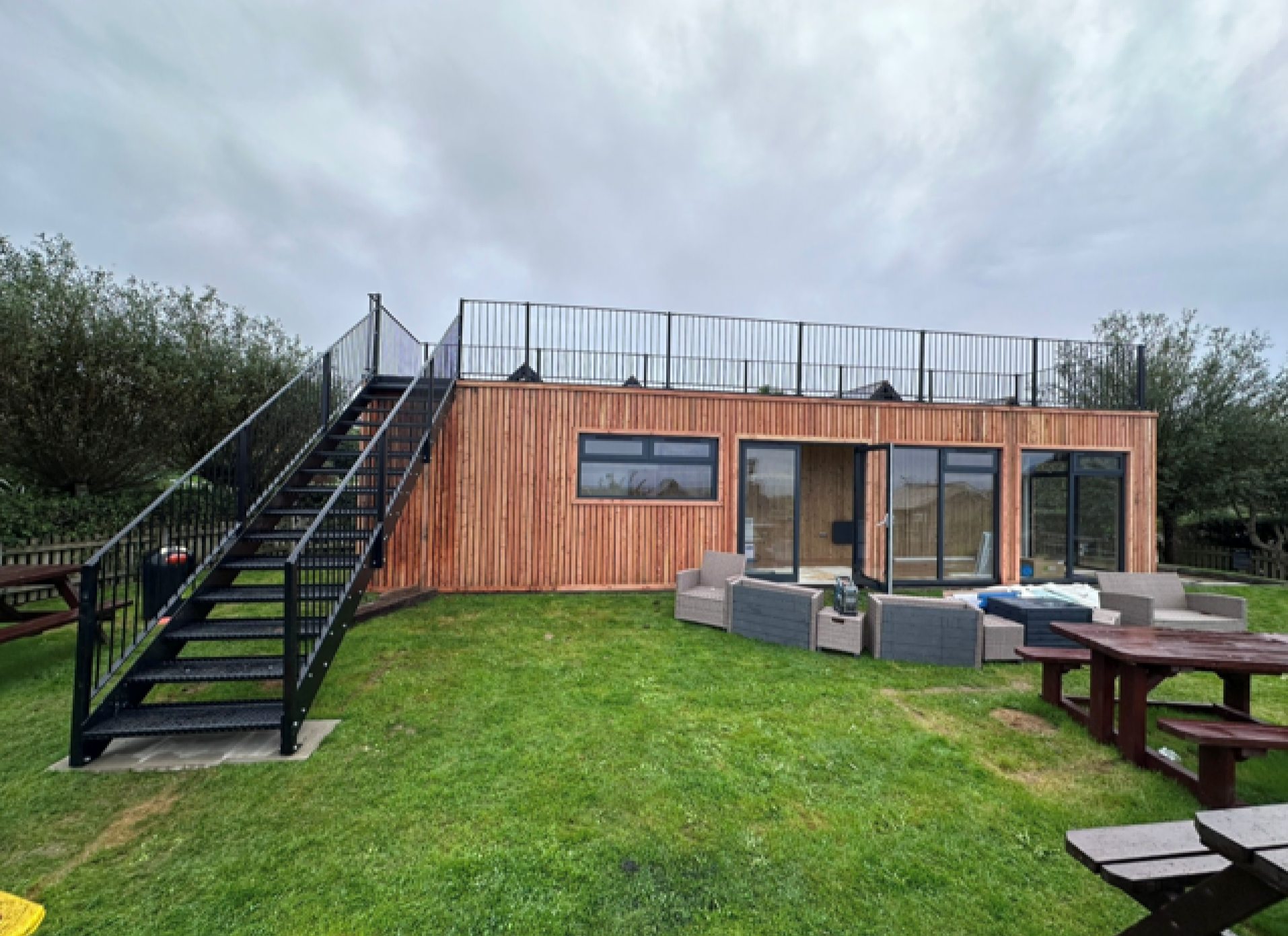
Fully Insulated with electric sockets, spot lighting, and heating
Wood Flooring
Aluminium Bi Fold Doors
Fully wrapped in larch cladding
Lead Time for build 6-8 weeks
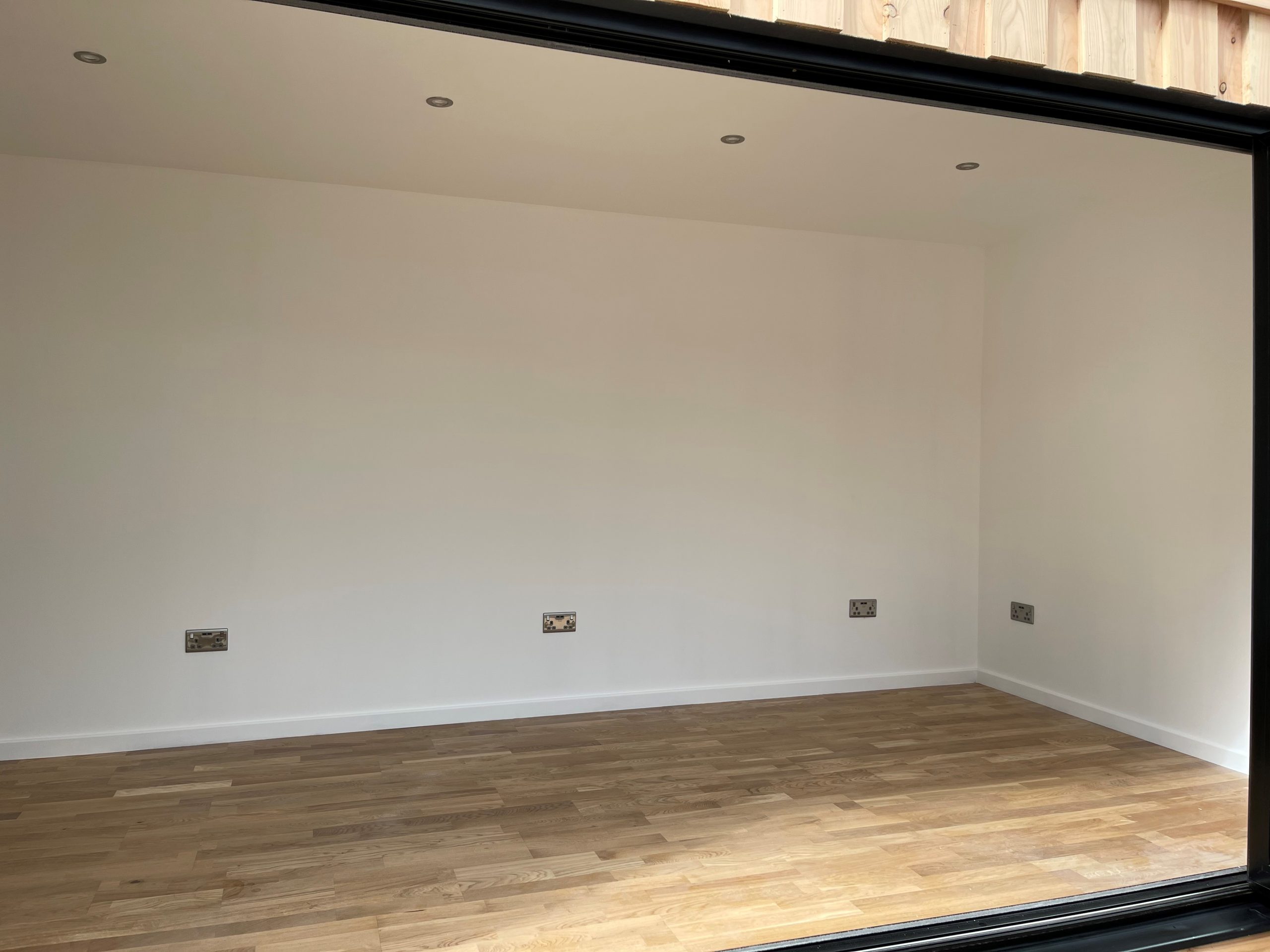
Location: Nationwide
+ VAT
Not Available for Hire
Call for an instant quote!
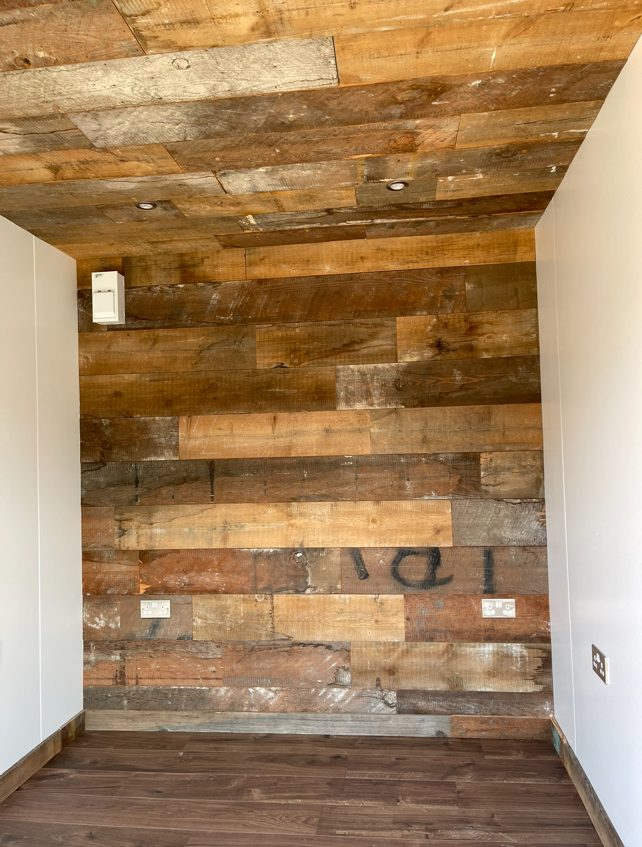
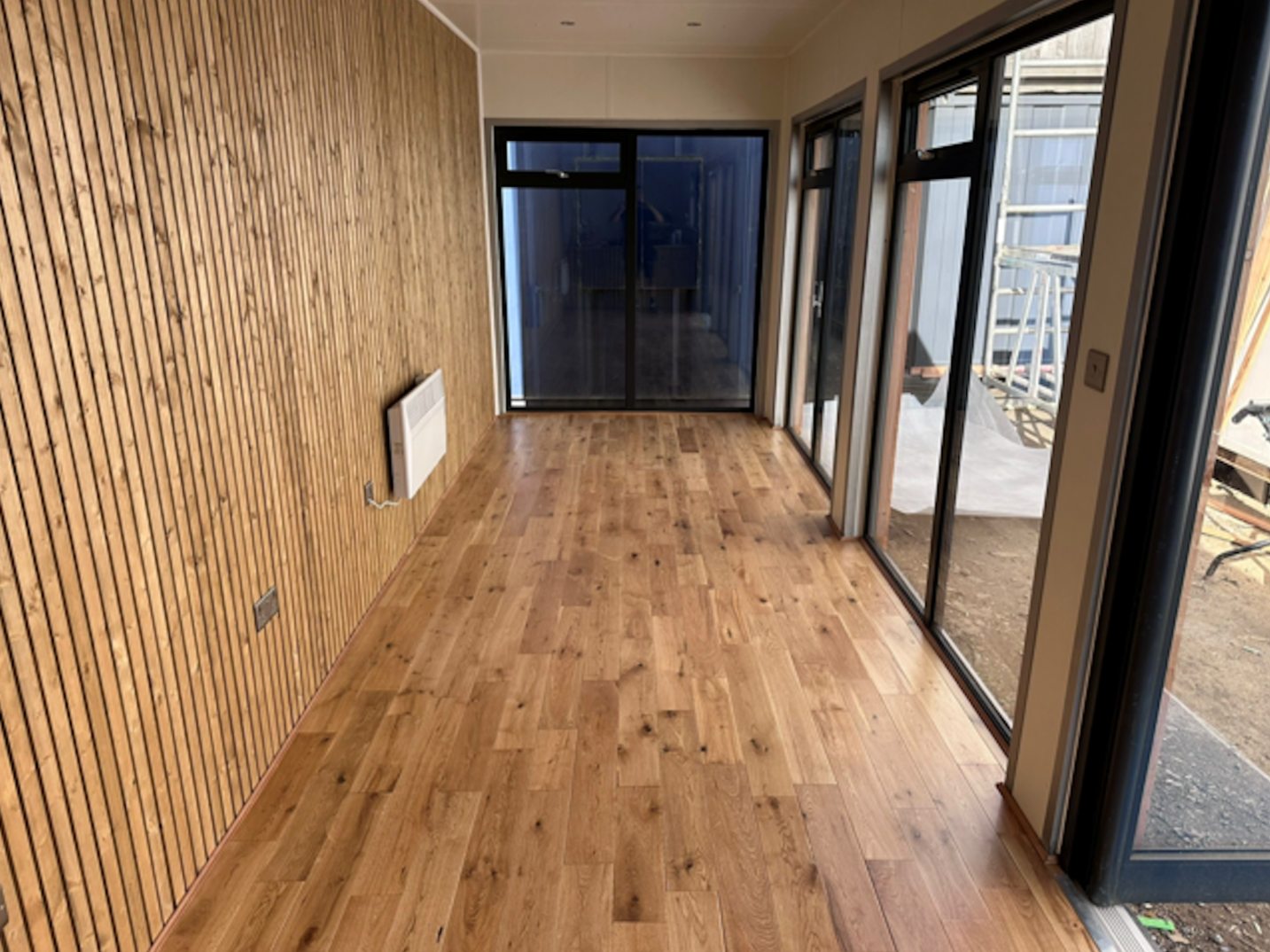
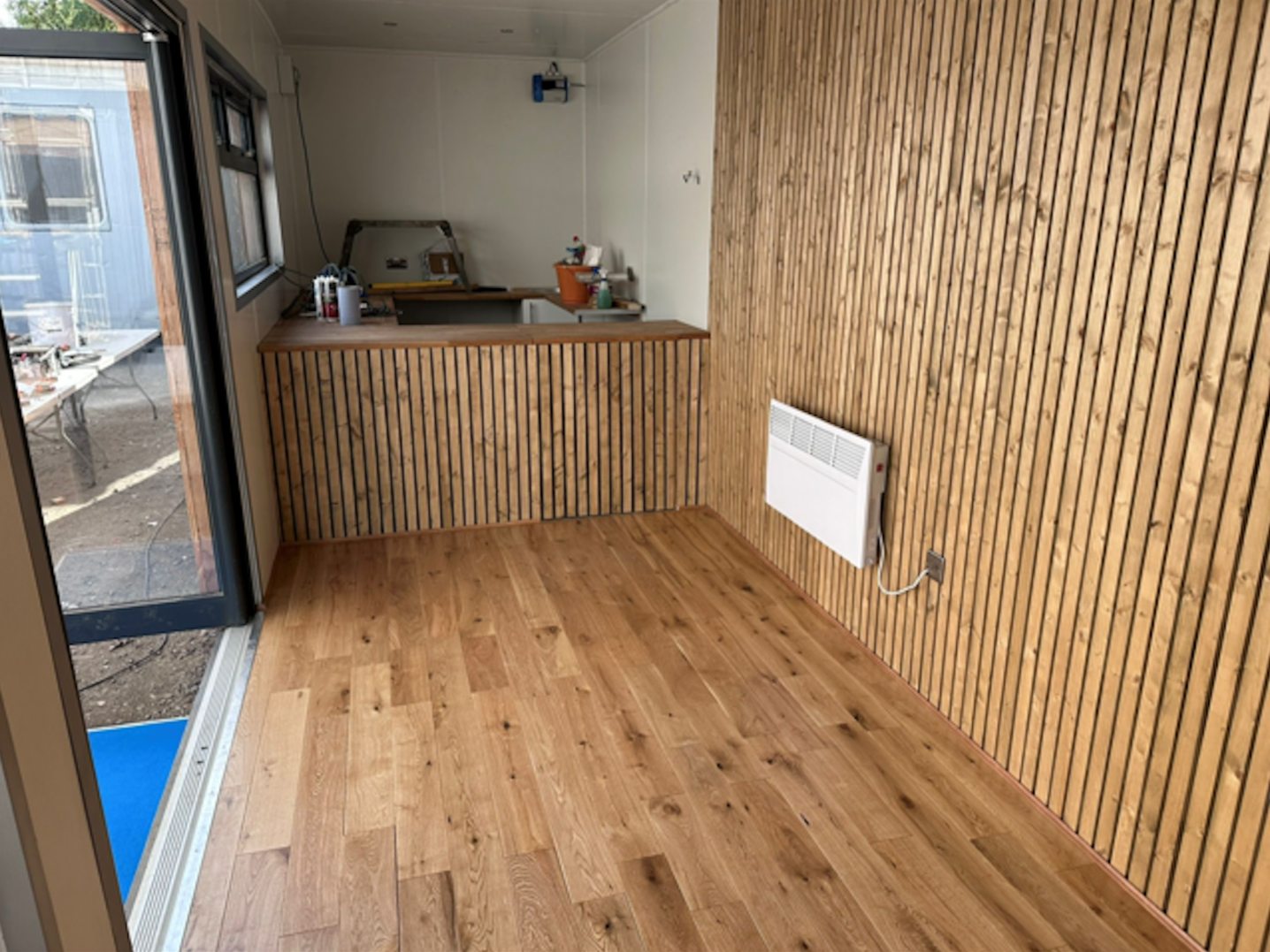
Fully Insulated with electric sockets, spot lighting, and heating
Wood Flooring
Feature Clad Wall and Ceiling
UPVC Double glazed French Doors
Fully wrapped in larch cladding
Lead Time for build 6-8 weeks
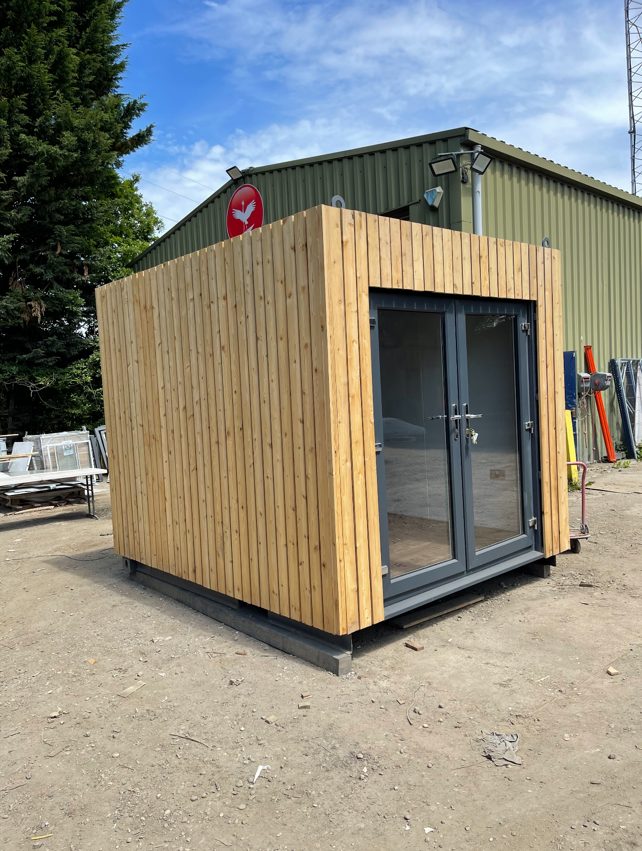
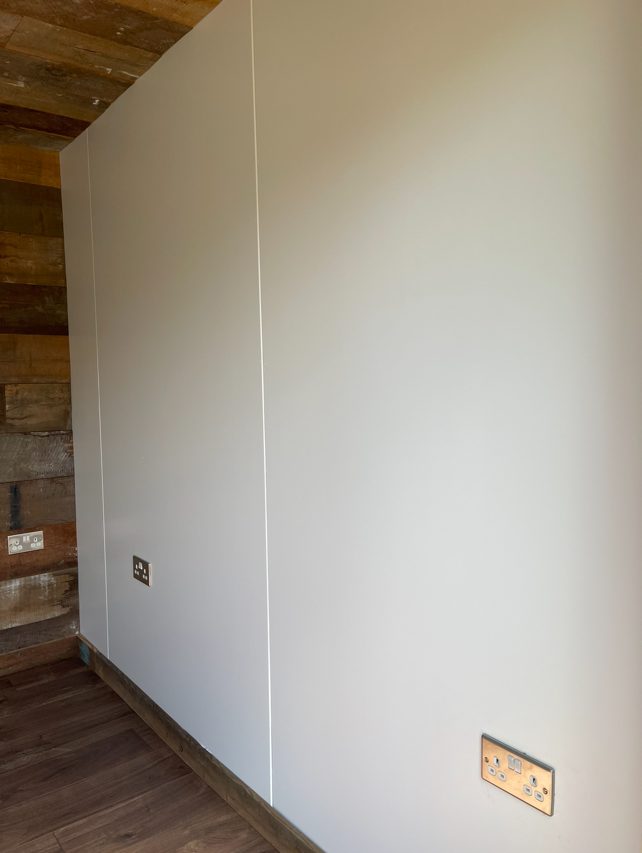
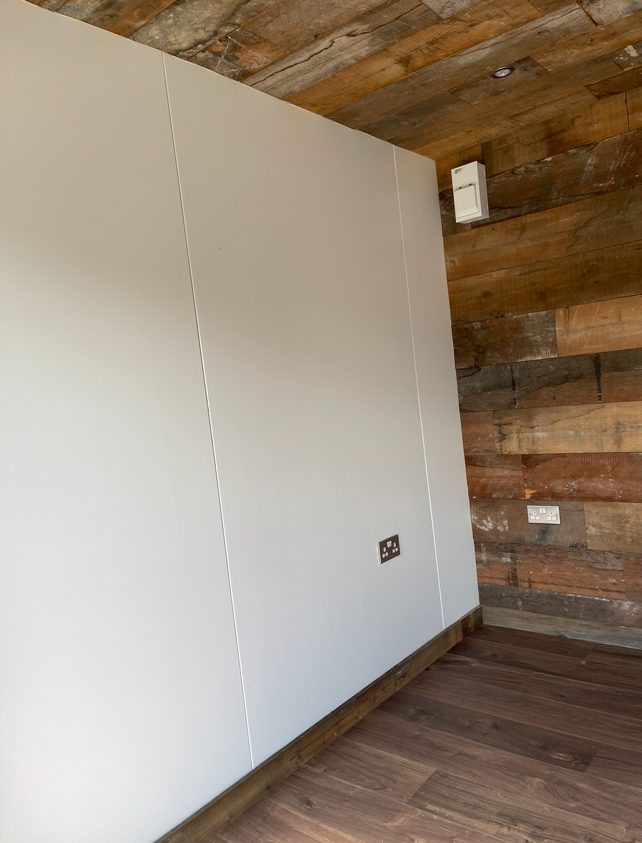
Location: Nationwide
EX VAT
Not Available for Hire
Call for an instant quote!
Location: Nationwide
EX VAT
Not Available for Hire
Call for an instant quote!
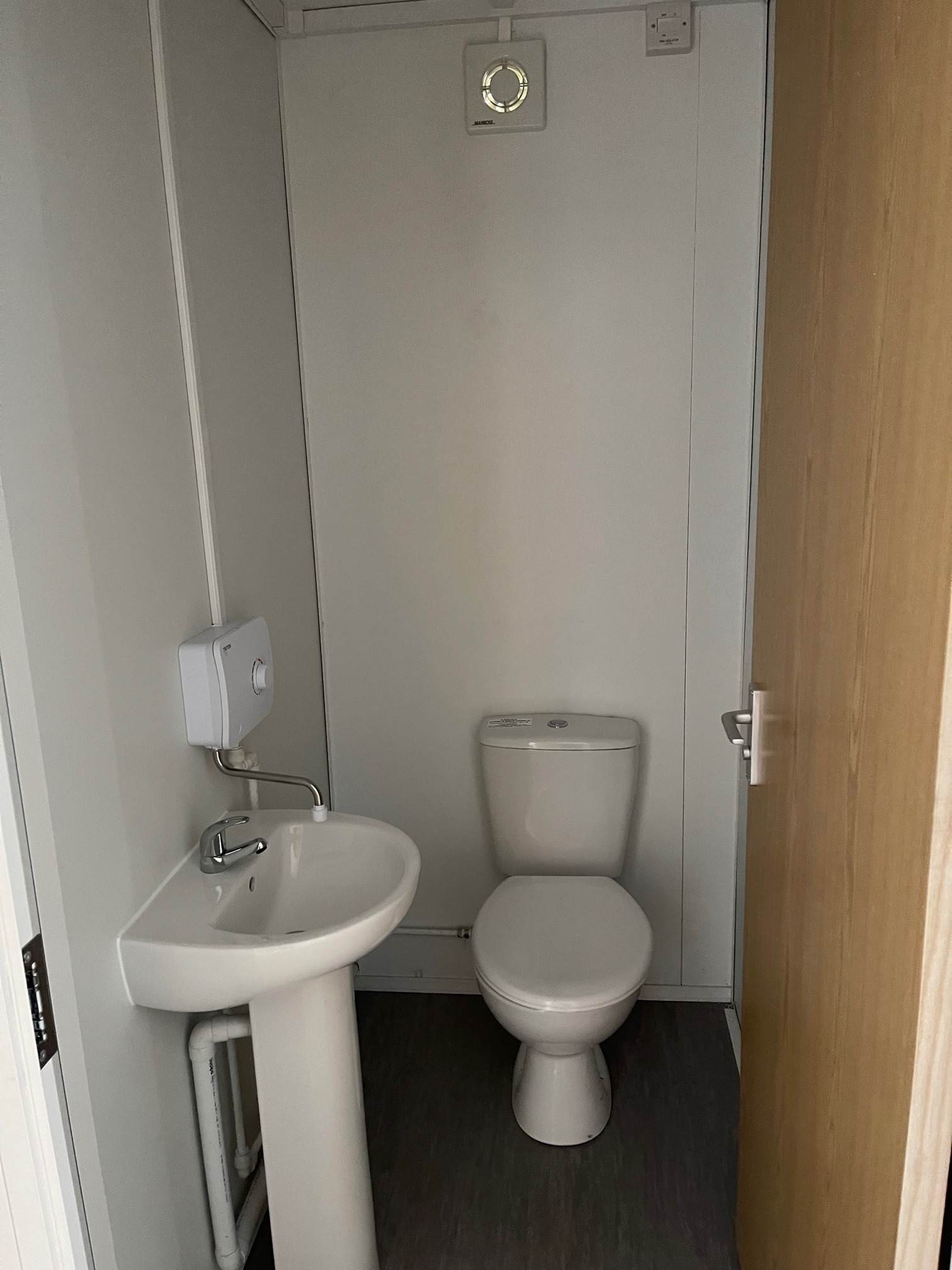
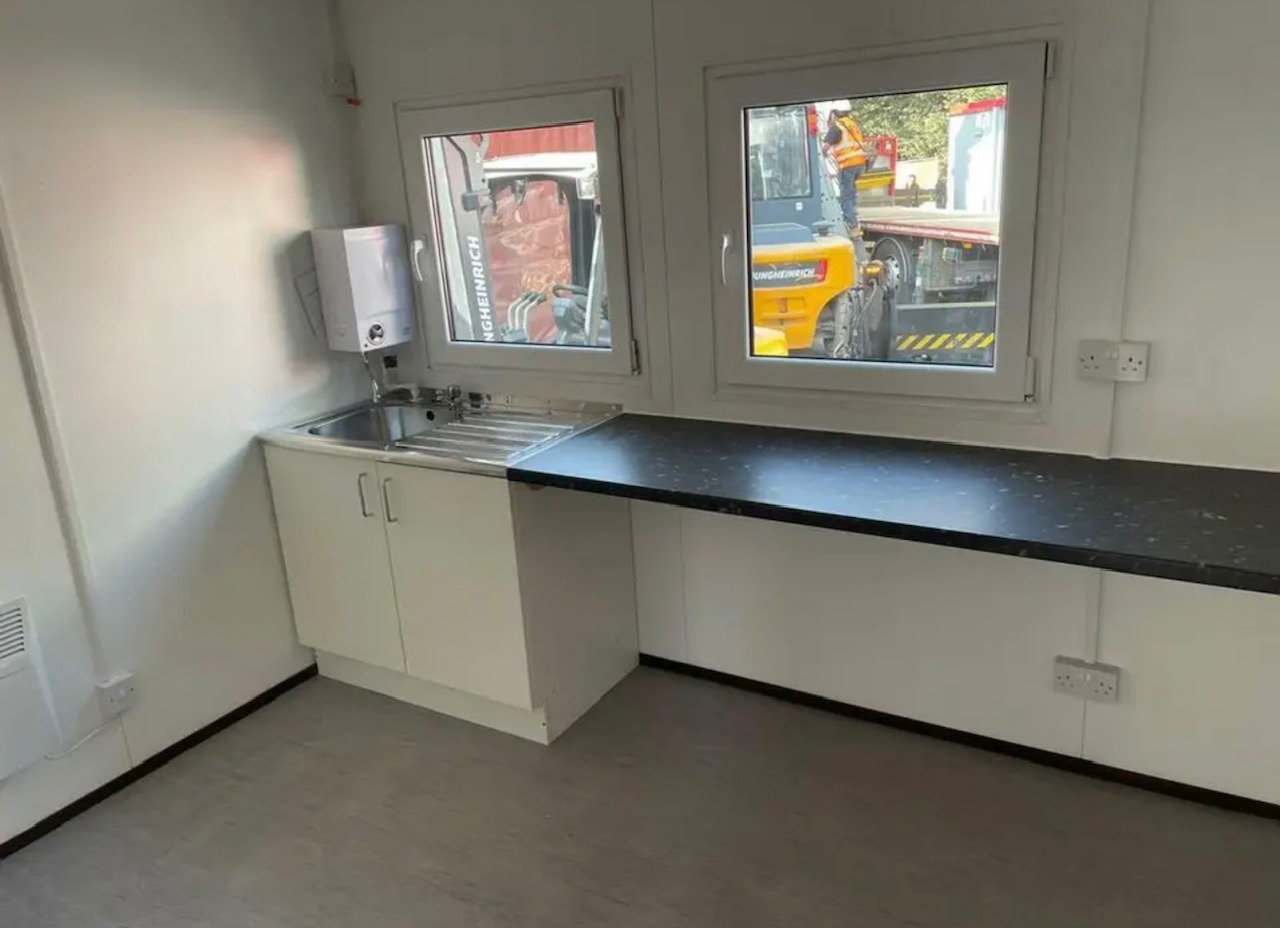
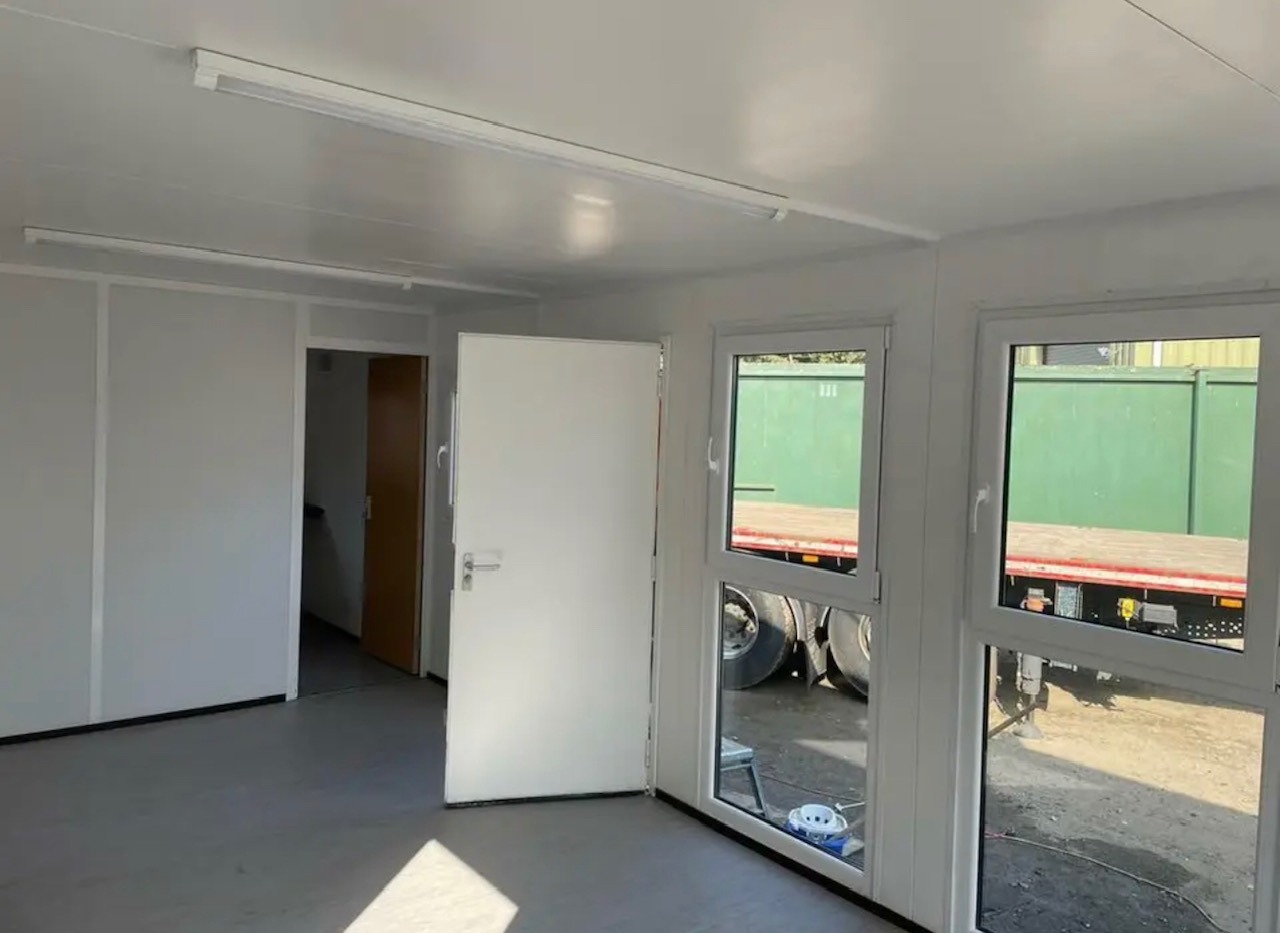
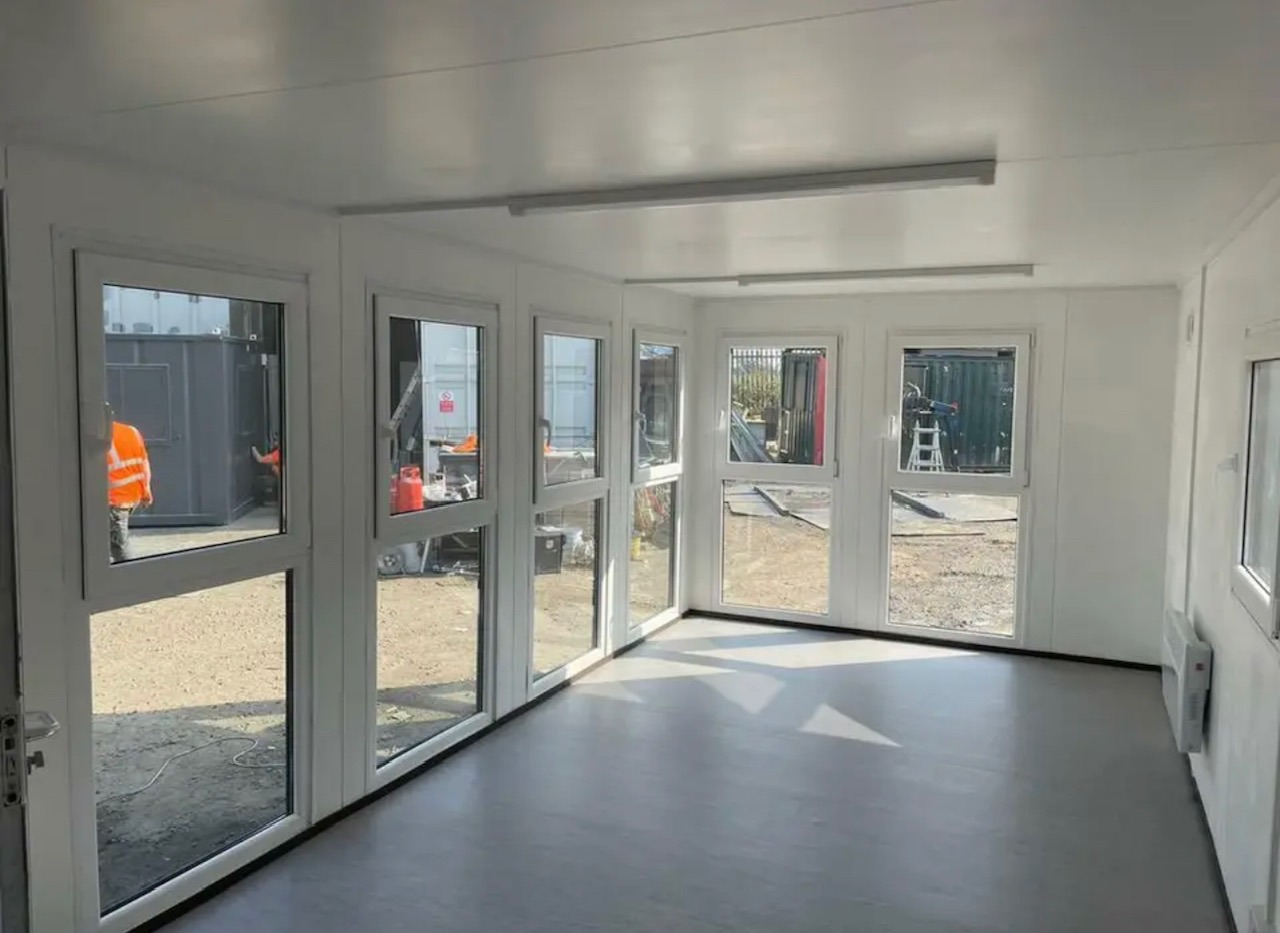
Location: Nationwide
EX VAT
Not Available for Hire
Call for an instant quote!

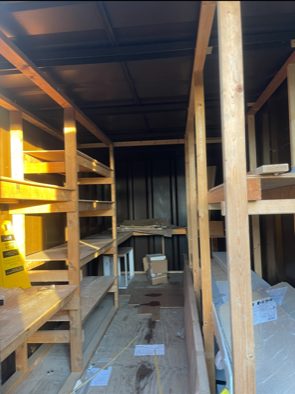
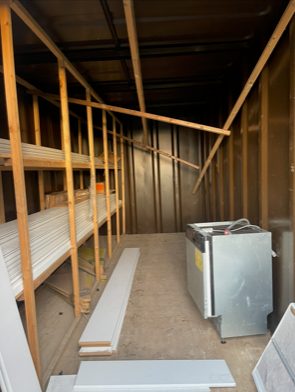
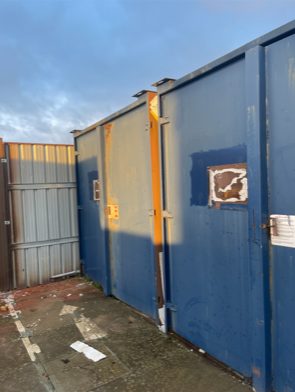
Location: Nationwide
EX VAT
Not Available for Hire
Call for an instant quote!
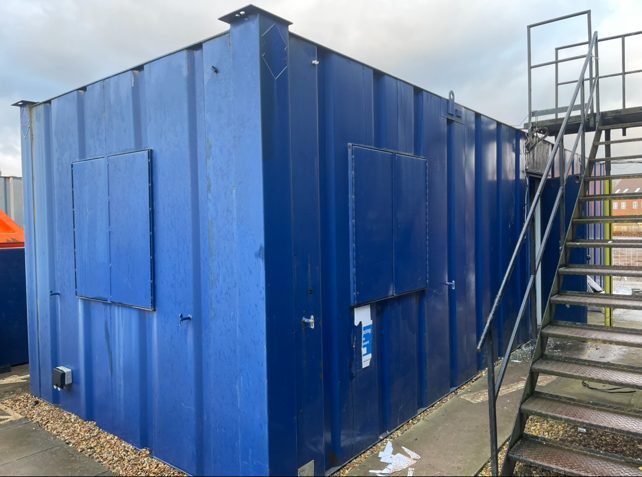

Location: Nationwide
EX VAT
Not Available for Hire
Call for an instant quote!

Location: Nationwide
EX VAT
Not Available for Hire
Call for an instant quote!
Location: Nationwide
EX VAT
Not Available for Hire
Call for an instant quote!
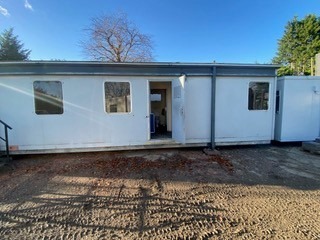
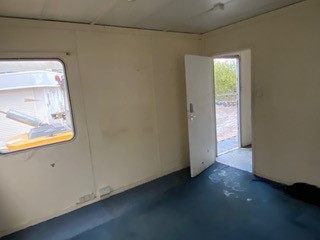
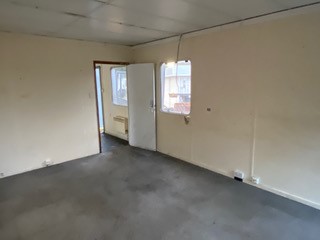
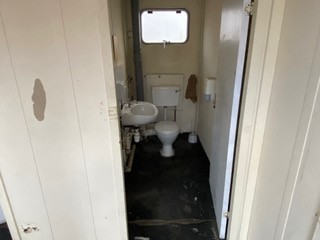
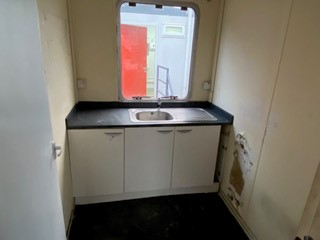
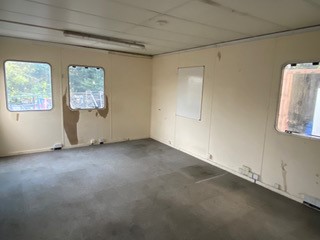
Location: Nationwide
EX VAT
Not Available for Hire
Call for an instant quote!
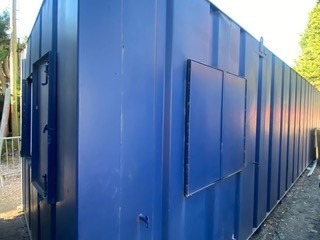
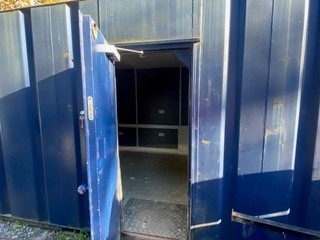

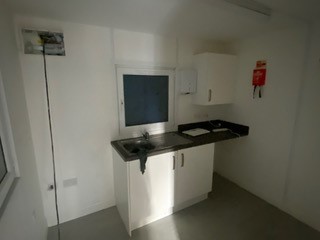
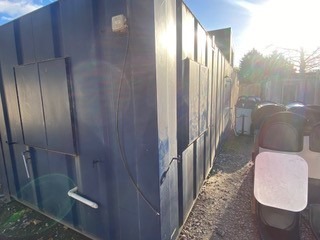

Location: Nationwide
EX VAT
Not Available for Hire
Call for an instant quote!
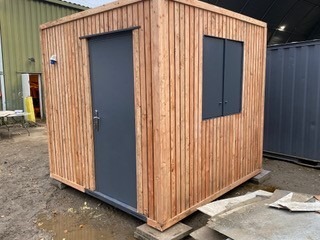
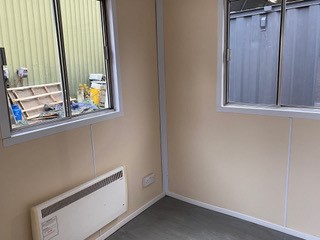
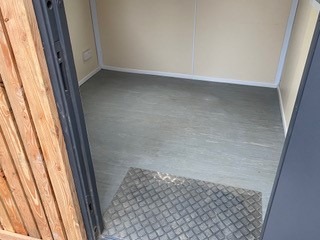
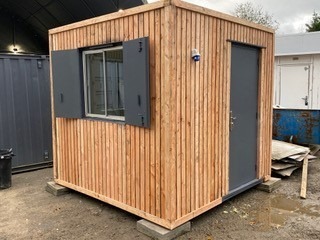
Location: Nationwide
EX VAT
Not Available for Hire
Call for an instant quote!
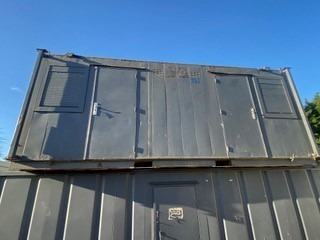
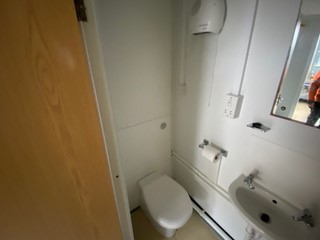


Location: Nationwide
EX VAT
Not Available for Hire
Call for an instant quote!
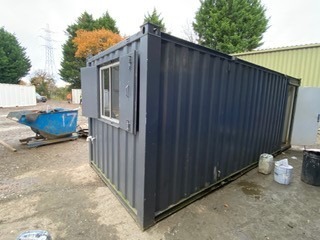
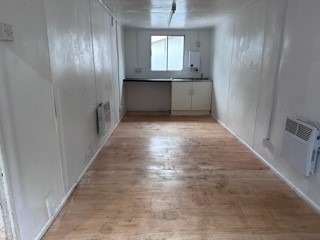
Location: Nationwide
EX VAT
Not Available for Hire
Call for an instant quote!
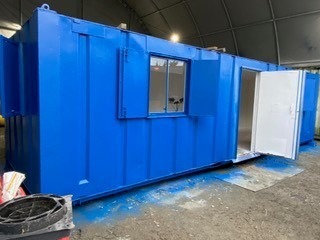
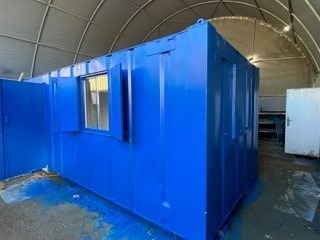
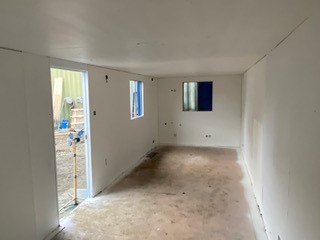
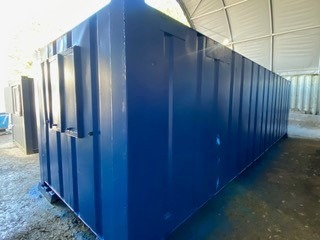
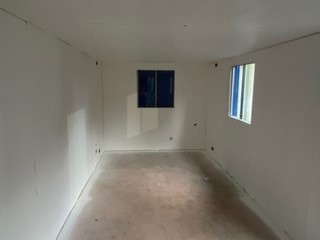
Location: Nationwide
EX VAT
Not Available for Hire
Call for an instant quote!
Location: Nationwide
EX VAT
Not Available for Hire
Call for an instant quote!

Location: Nationwide
EX VAT
Not Available for Hire
Call for an instant quote!
Location: Nationwide
EX VAT
Not Available for Hire
Call for an instant quote!
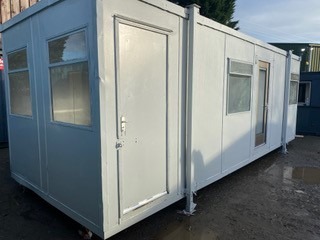
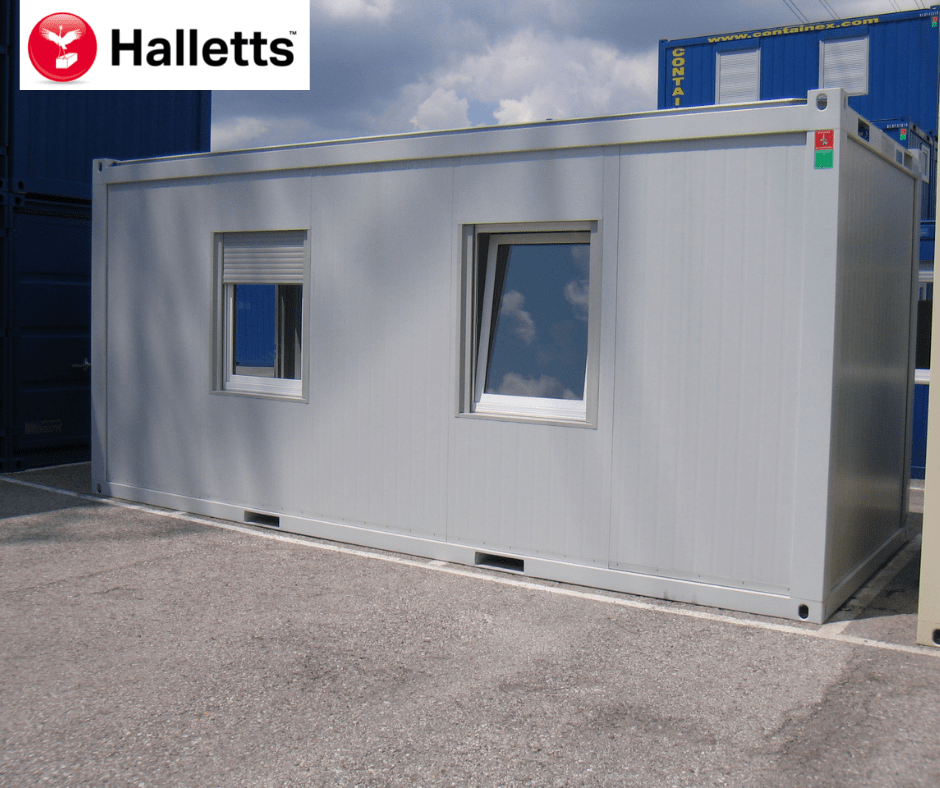
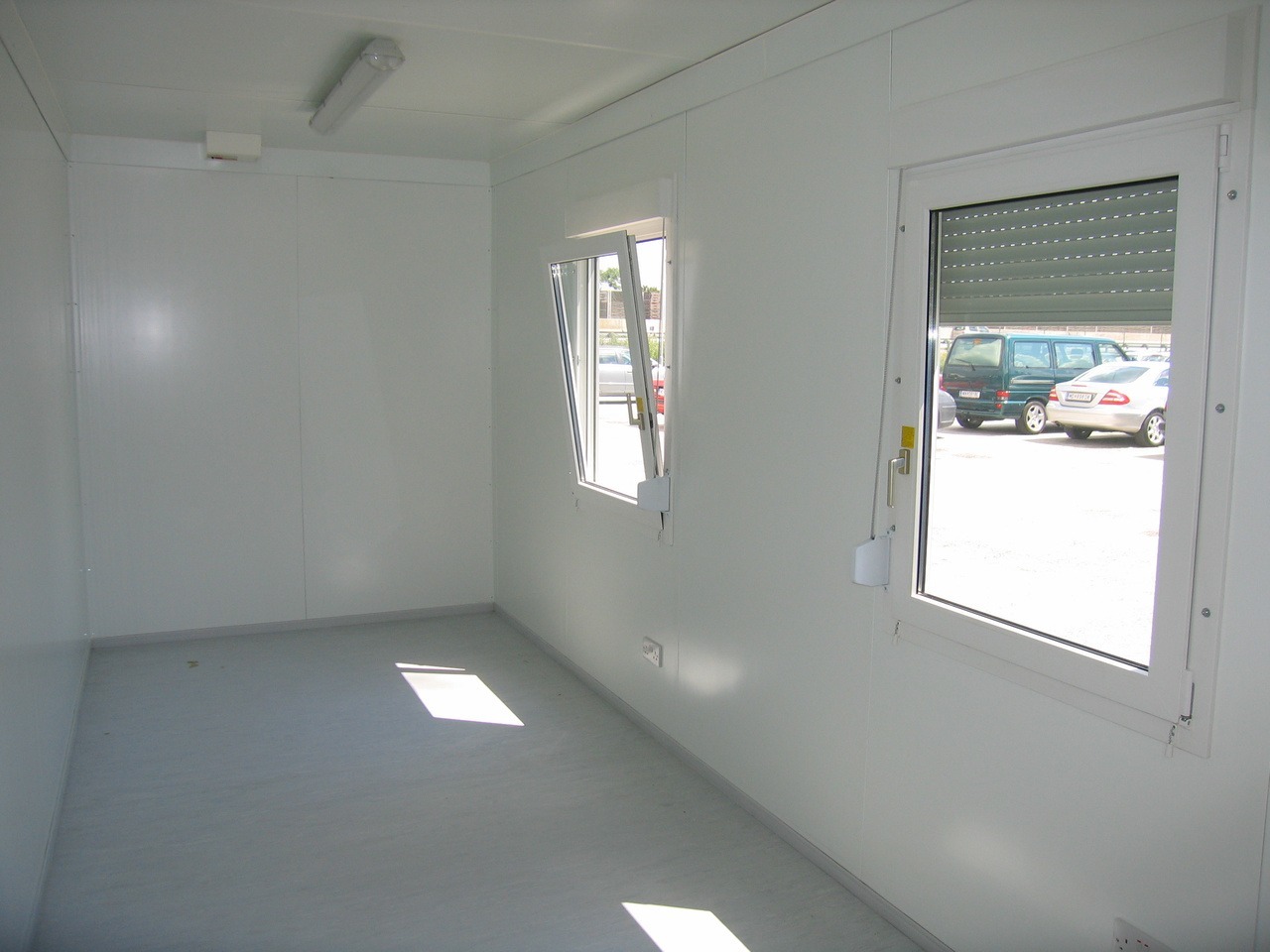
10ftx8ft – £5950 + Vat / 16ftx8ft – £7950 + Vat / 20ftx8ft – £9000 + Vat / 24ftx8ft – £12000 + Vat / 30ftx8ft – £13500 + Vat
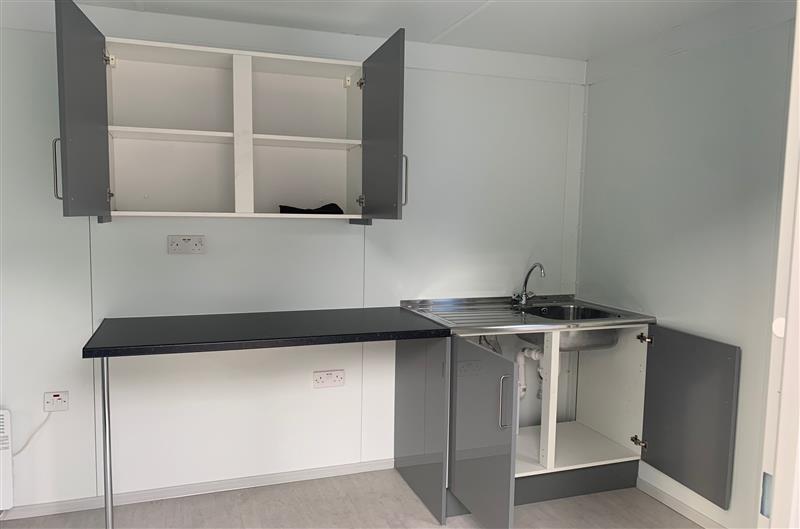
Location: Nationwide
EX VAT
Not Available for Hire
Call for an instant quote!
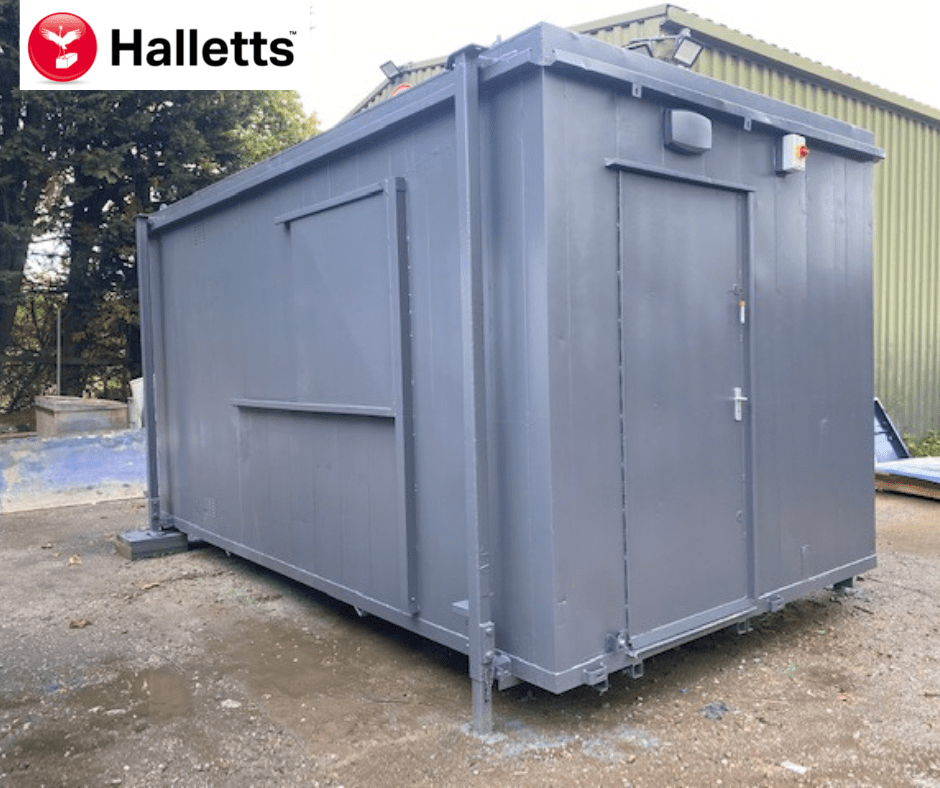
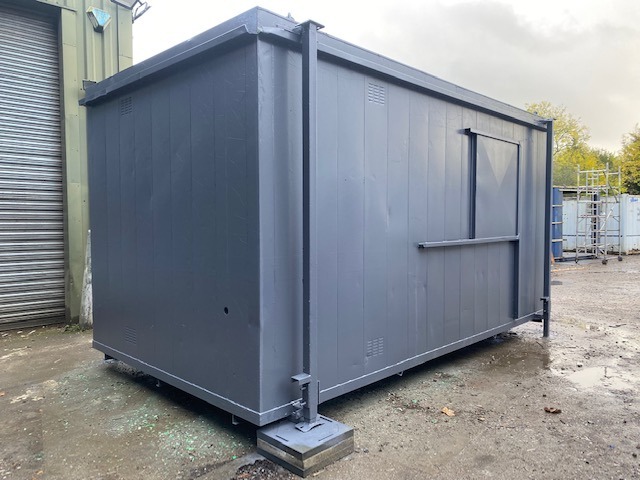
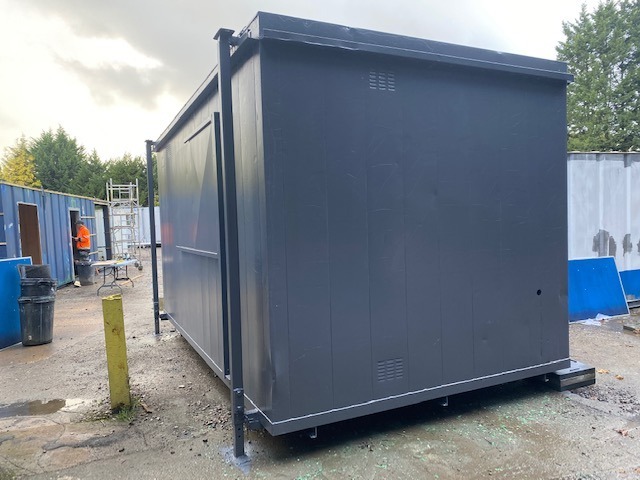
Location: Nationwide
EX VAT
Not Available for Hire
Call for an instant quote!
Location: Nationwide
EX VAT
Not Available for Hire
Call for an instant quote!
Location: Nationwide
Quantity: ∞
EX VAT
Not Available for Hire
Call for an instant quote!
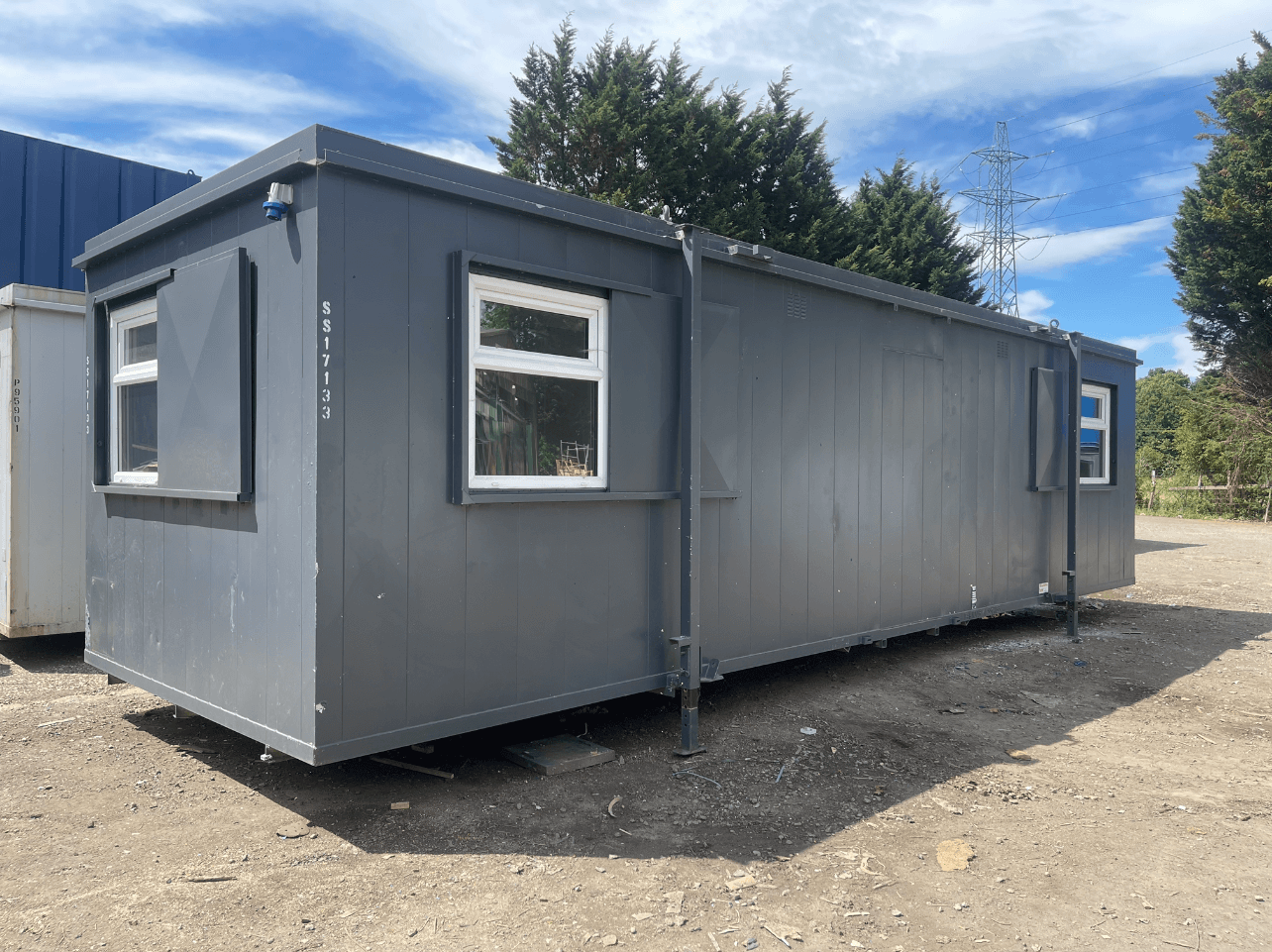
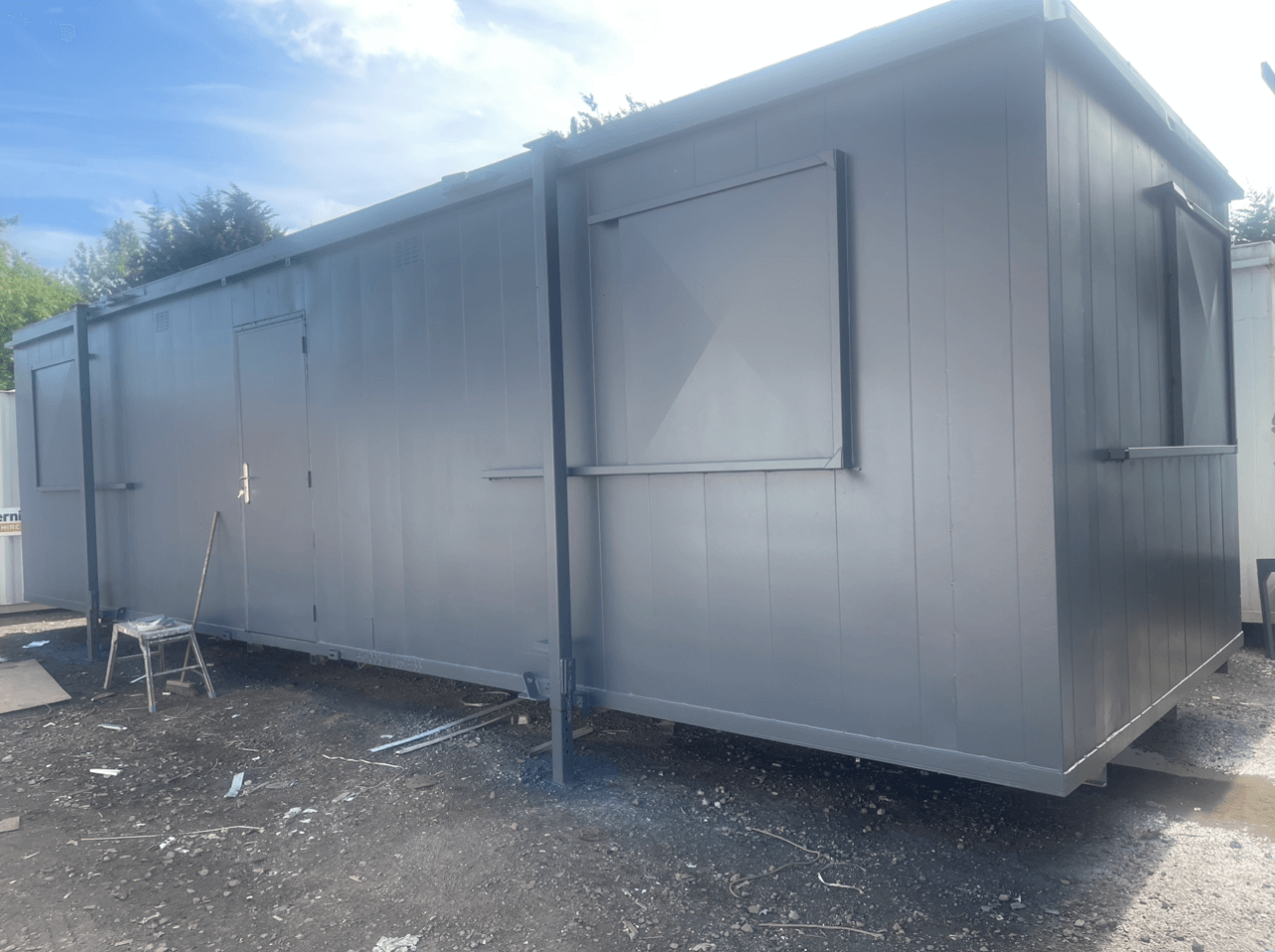
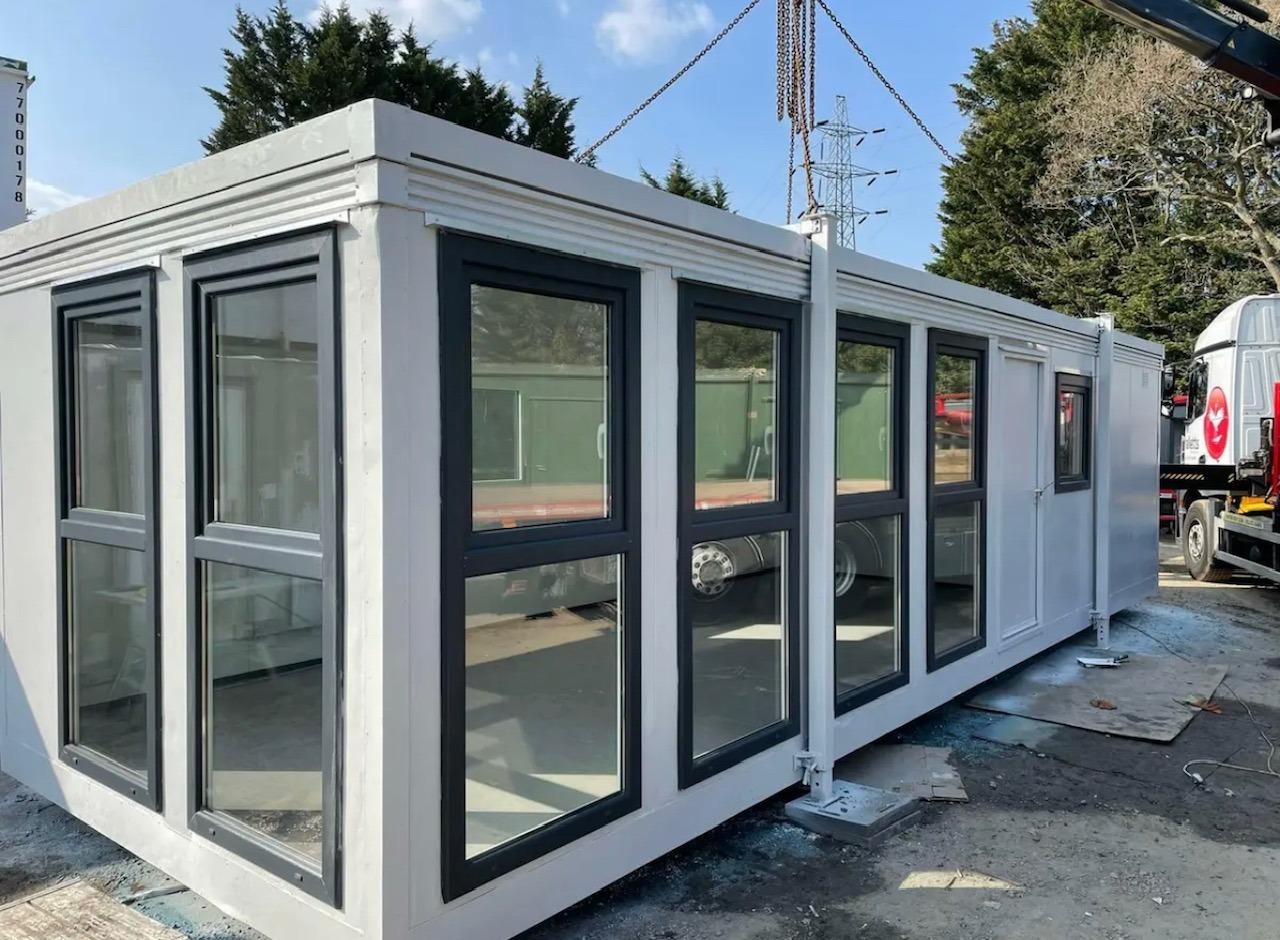
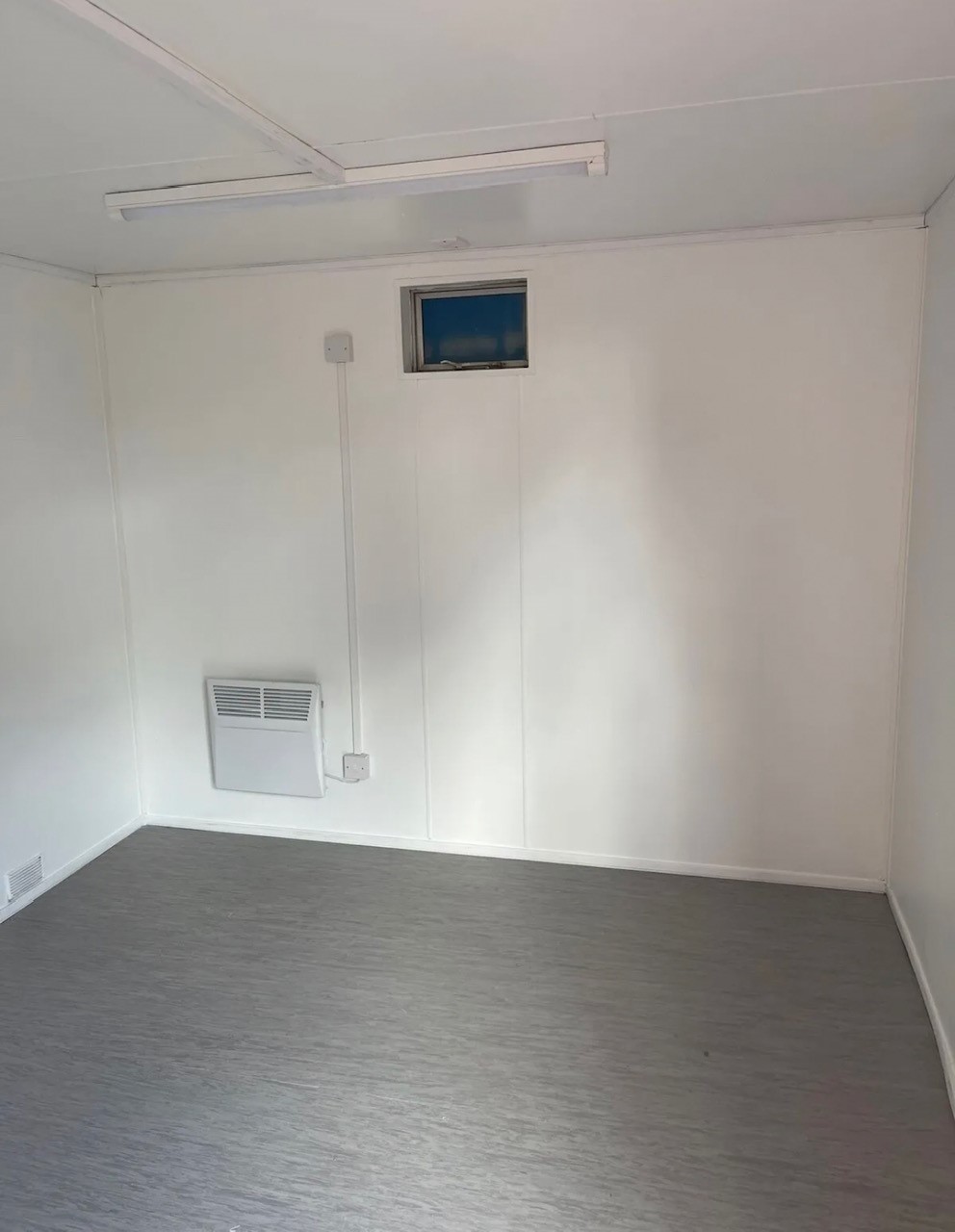
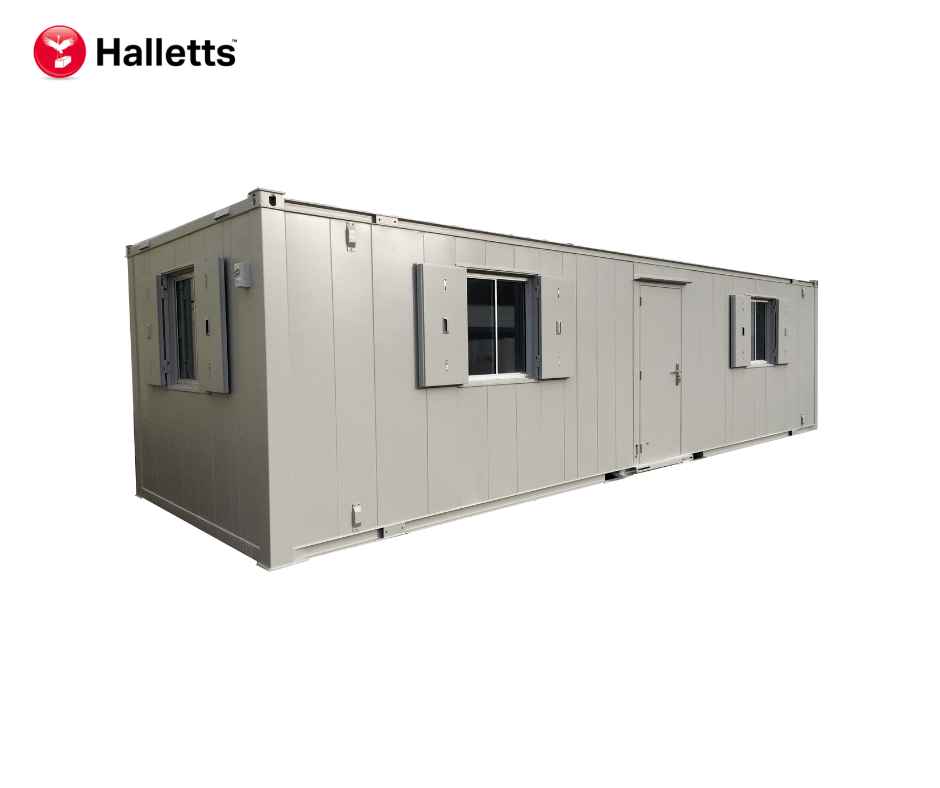
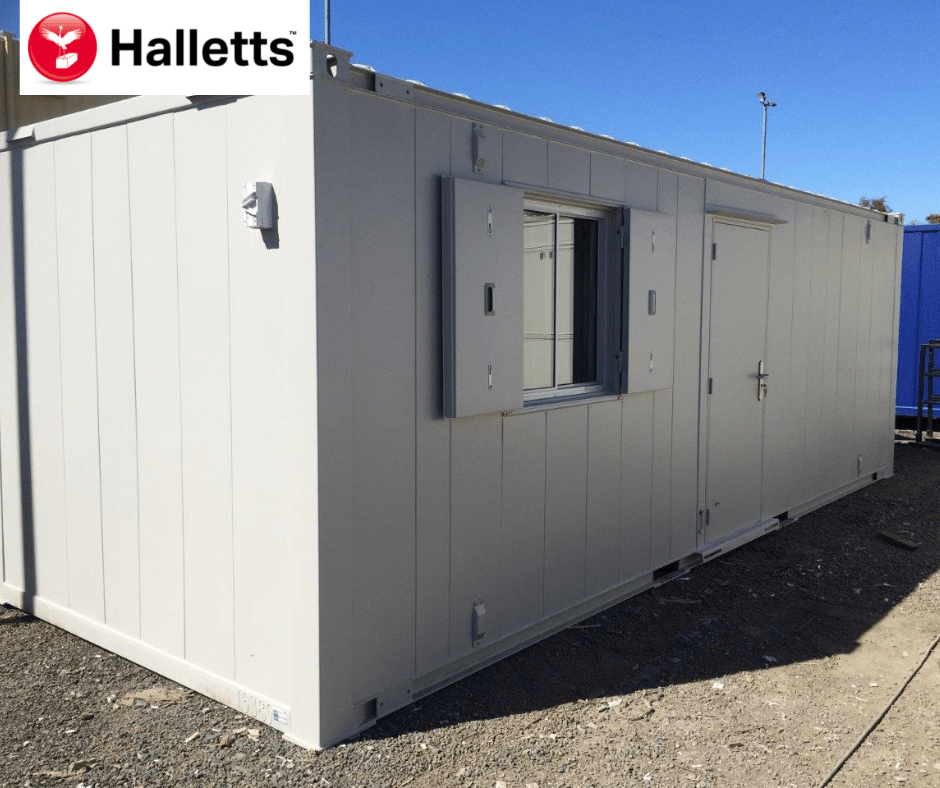
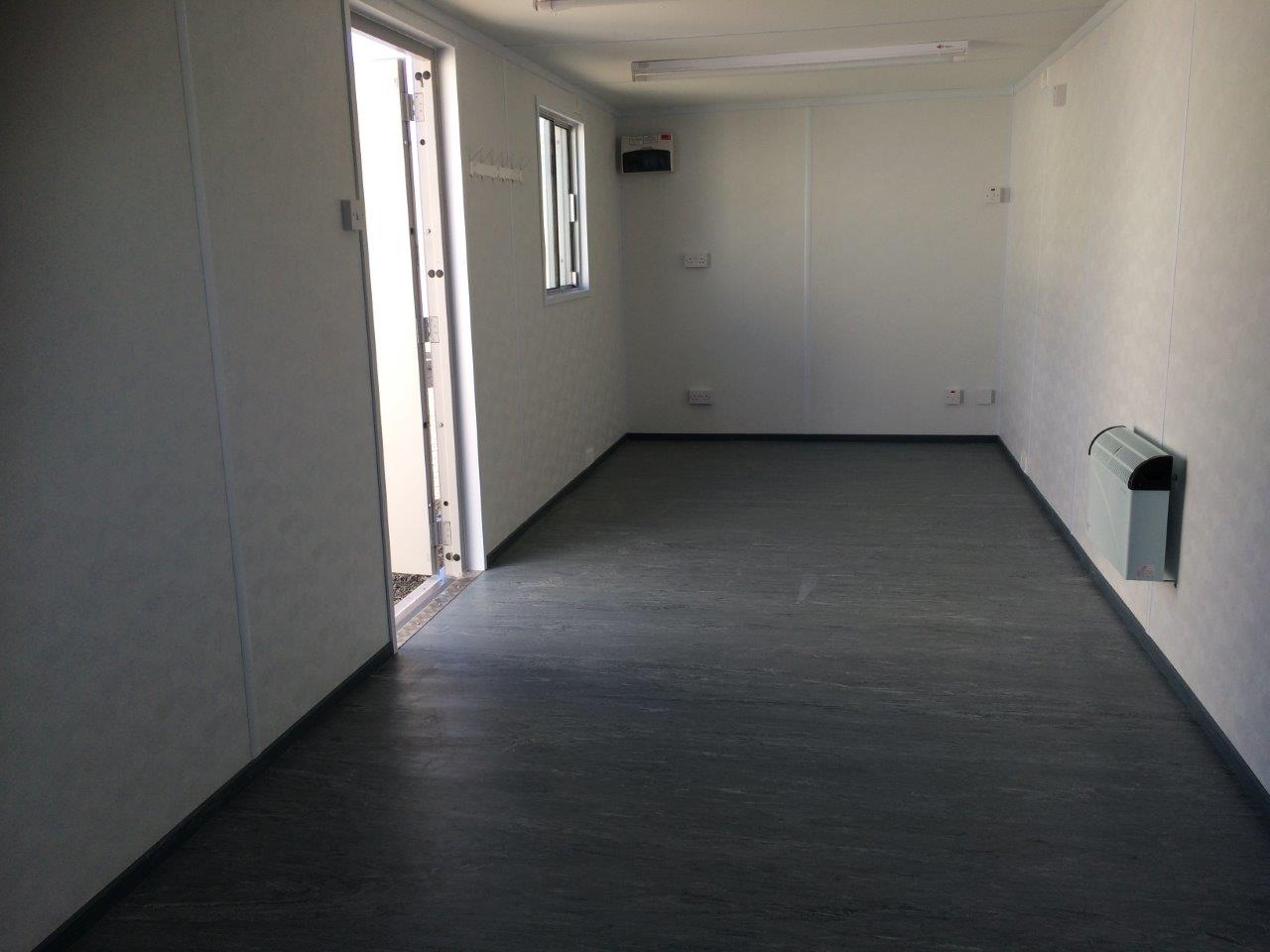
• Reinforced doors and windows with secure locking
• Open plan with electric sockets and lighting
• Ral Code Colour of choice
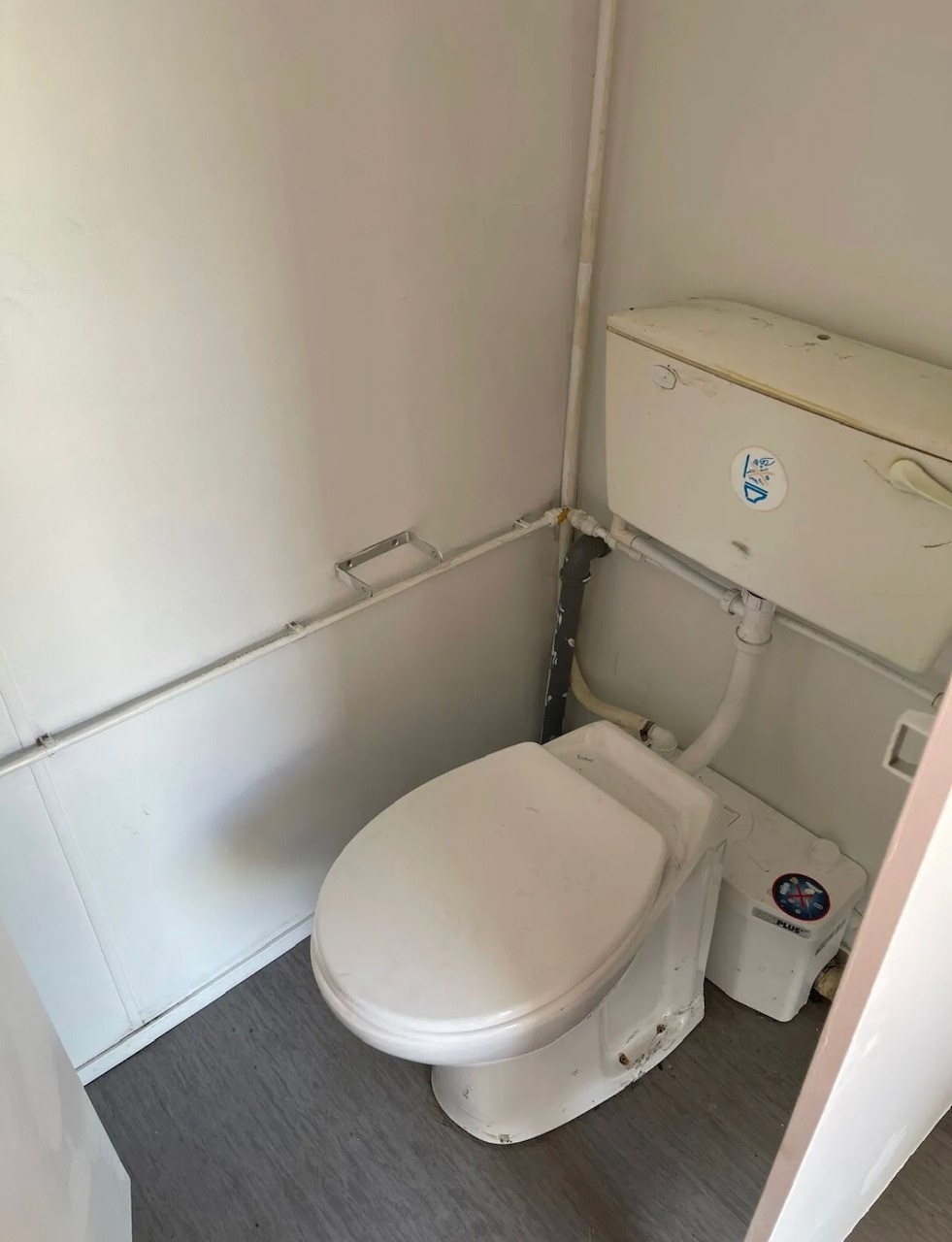
• Any Extras available : Canteen, Partitions, Toilets.
Location: Nationwide
EX VAT
Not Available for Hire
Call for an instant quote!
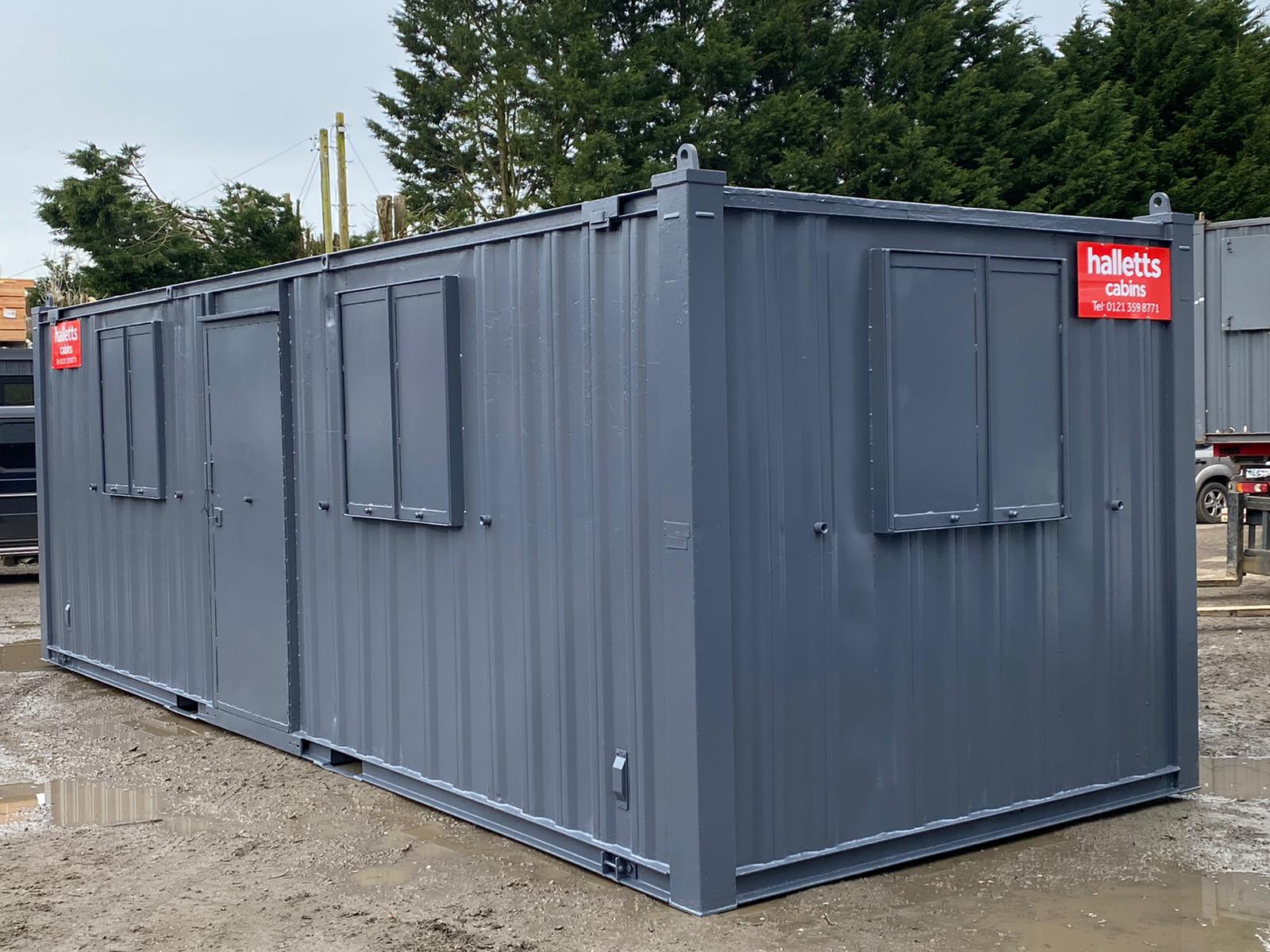
• Reinforced doors and windows with secure locking
• Open plan with electric sockets and lighting
• Ral Code Colour of choice
• Any Extras available : Canteen, Partitions, Toilets.
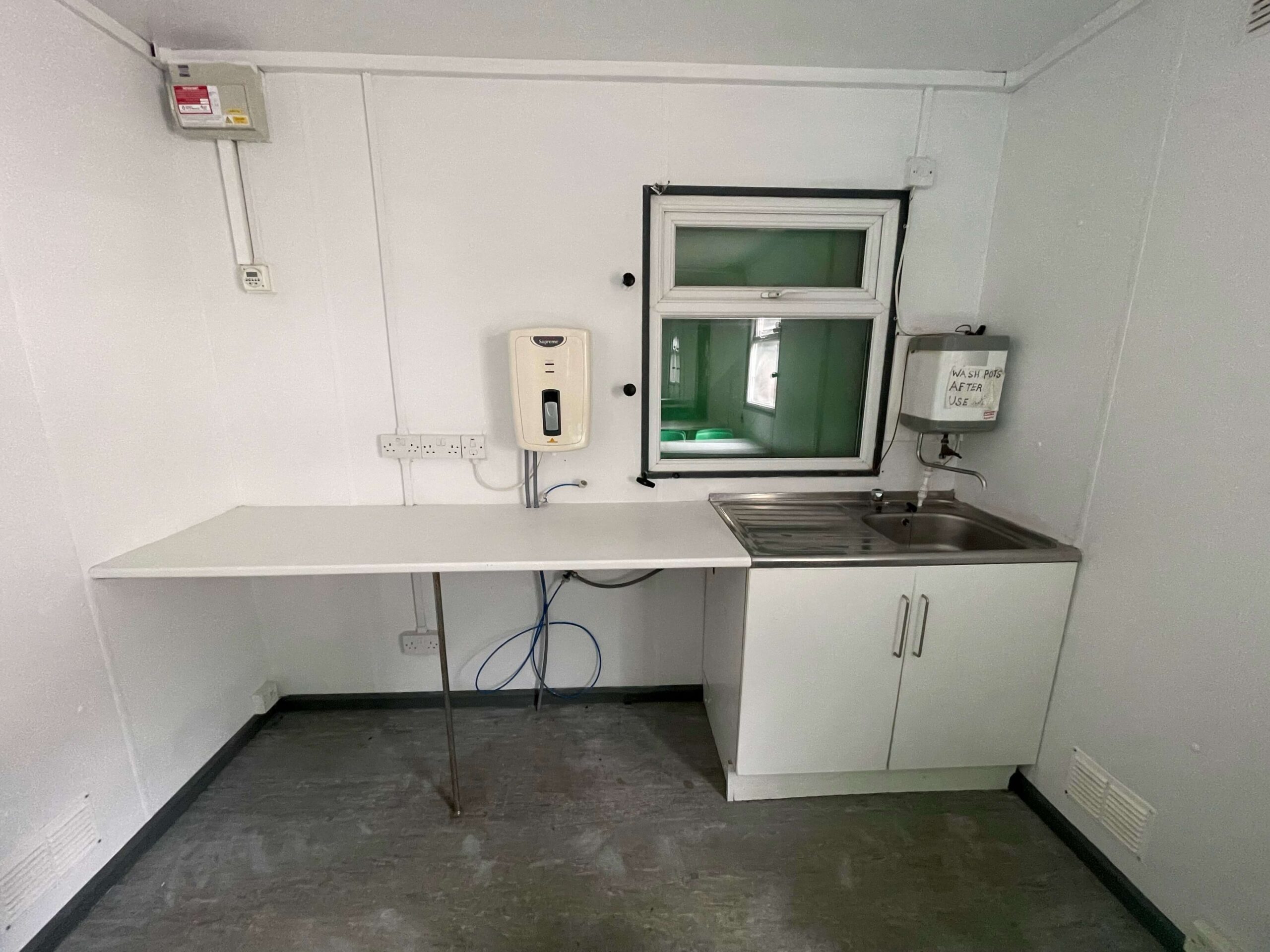
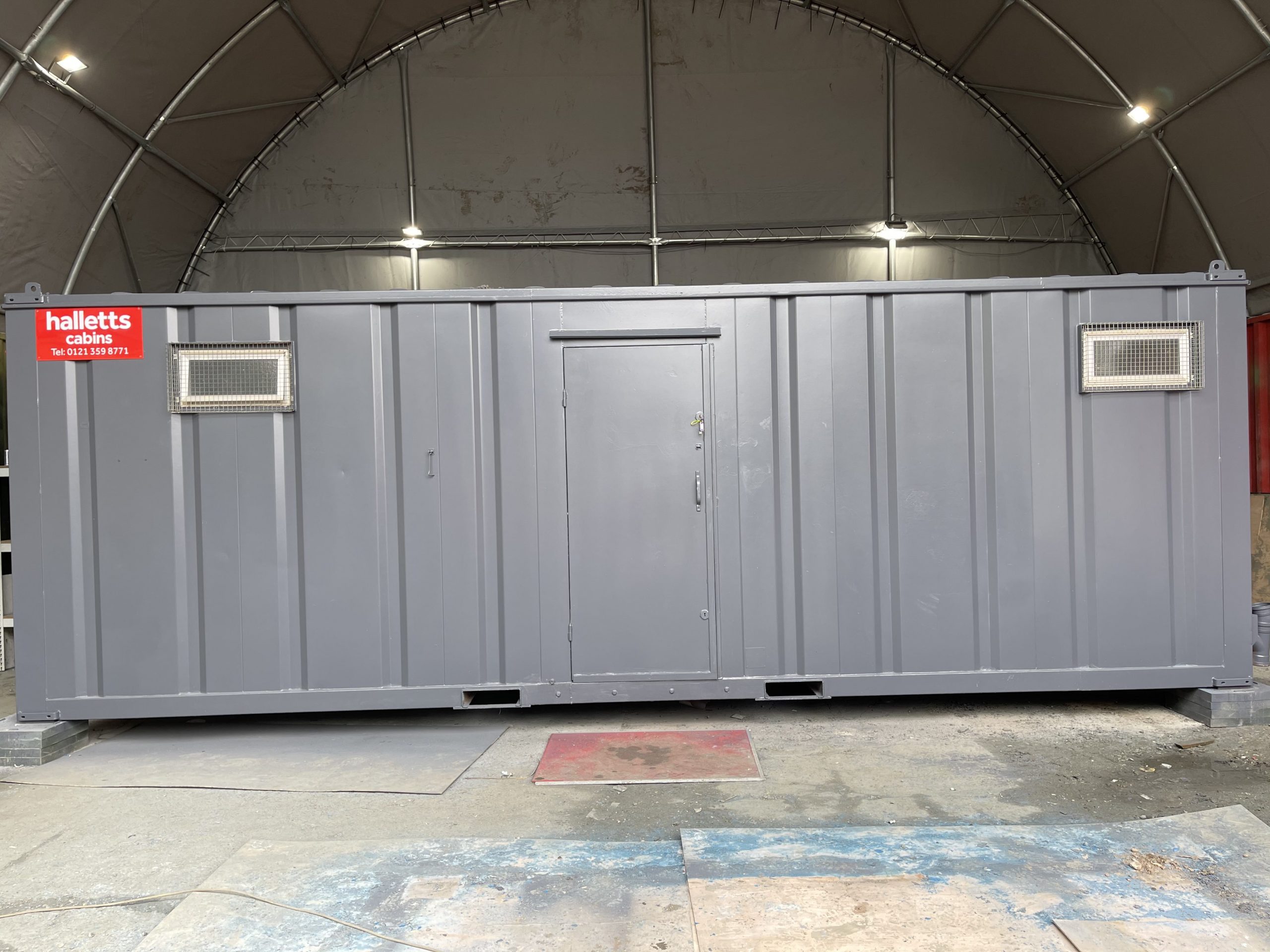
• Reinforced doors with secure locking
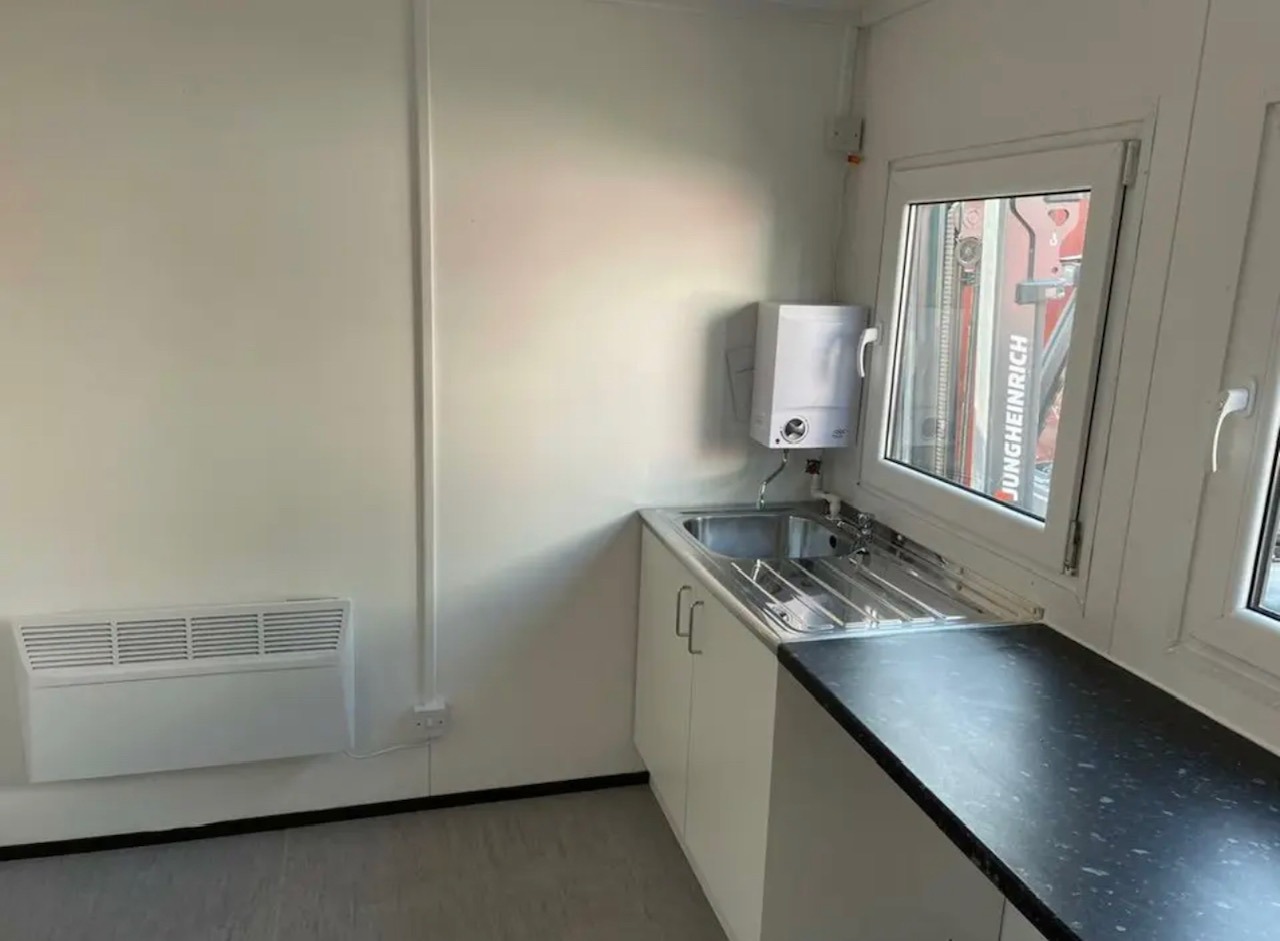
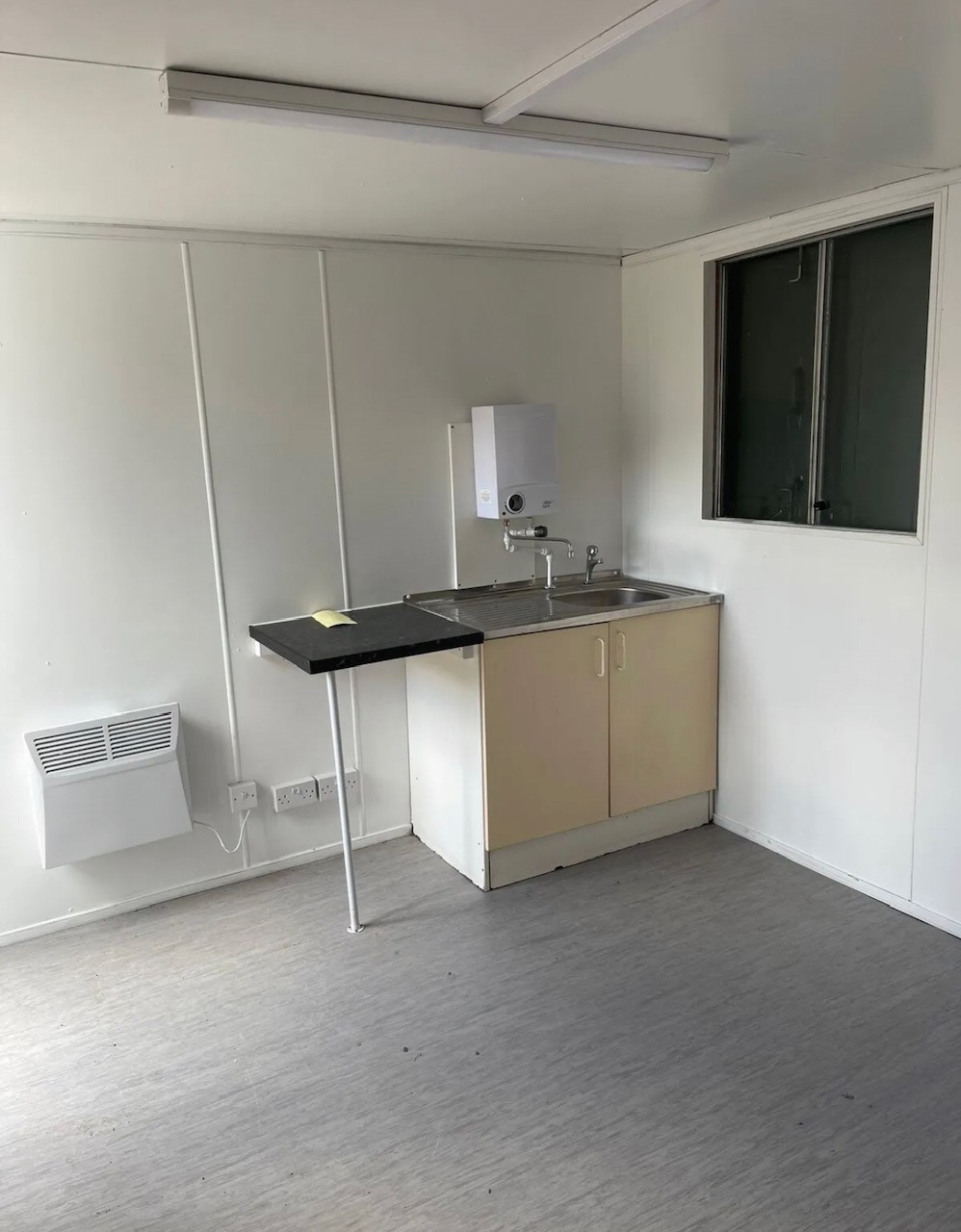
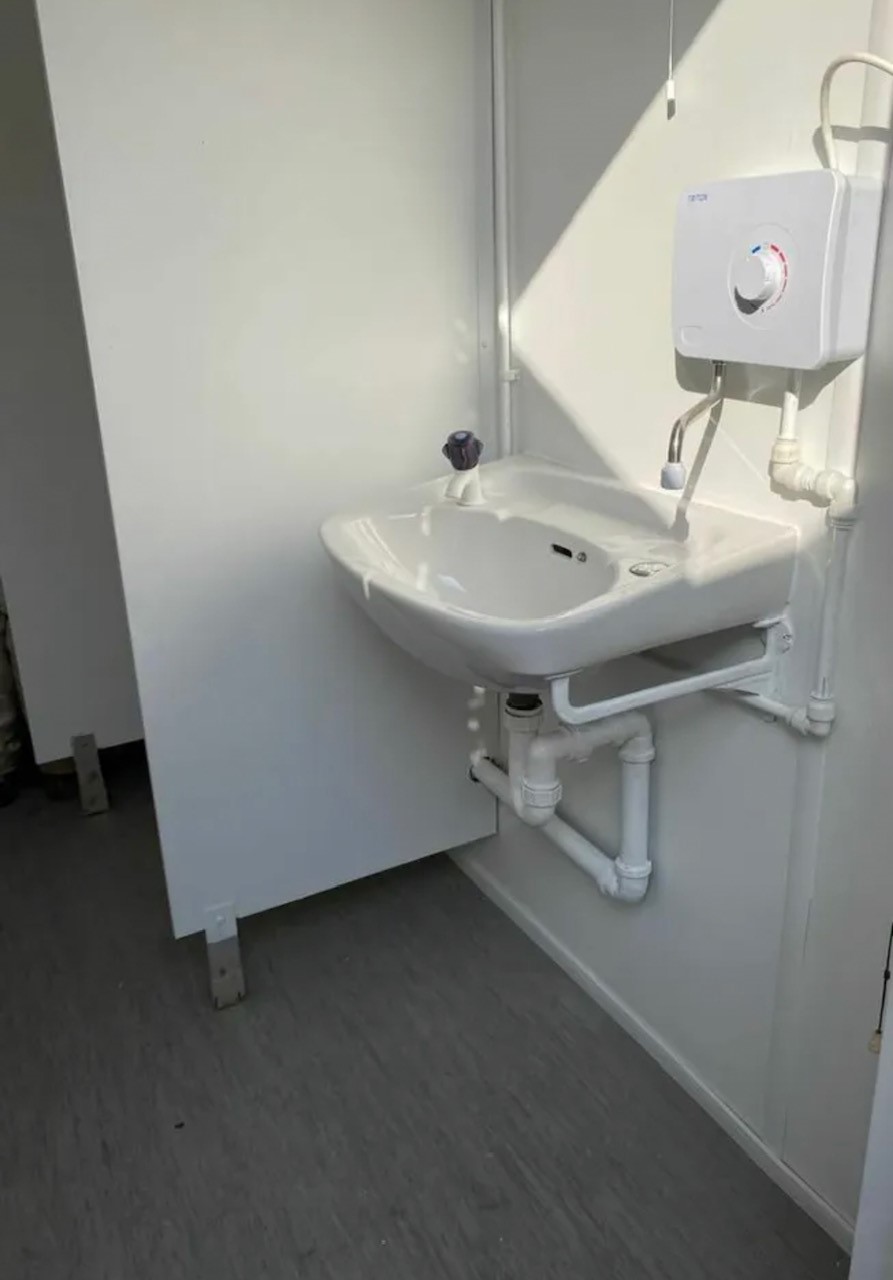
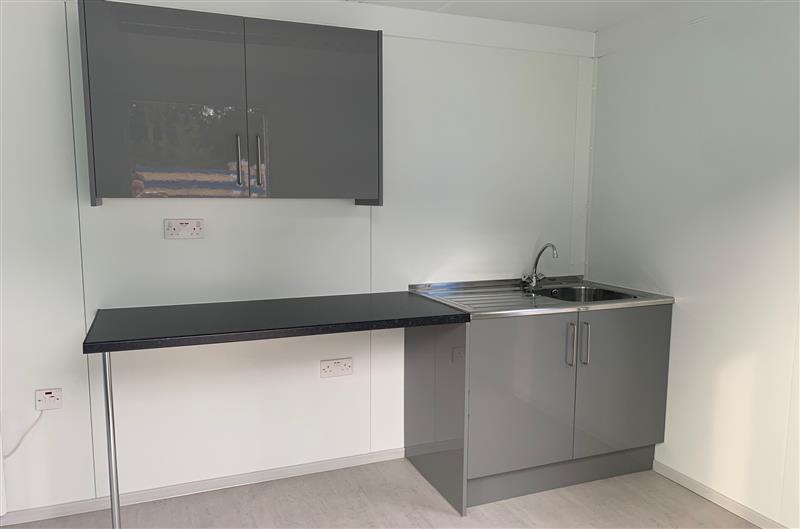
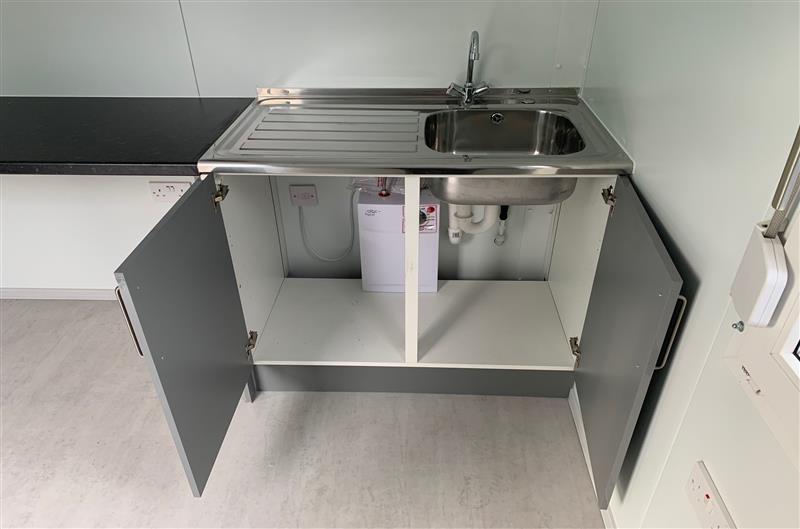
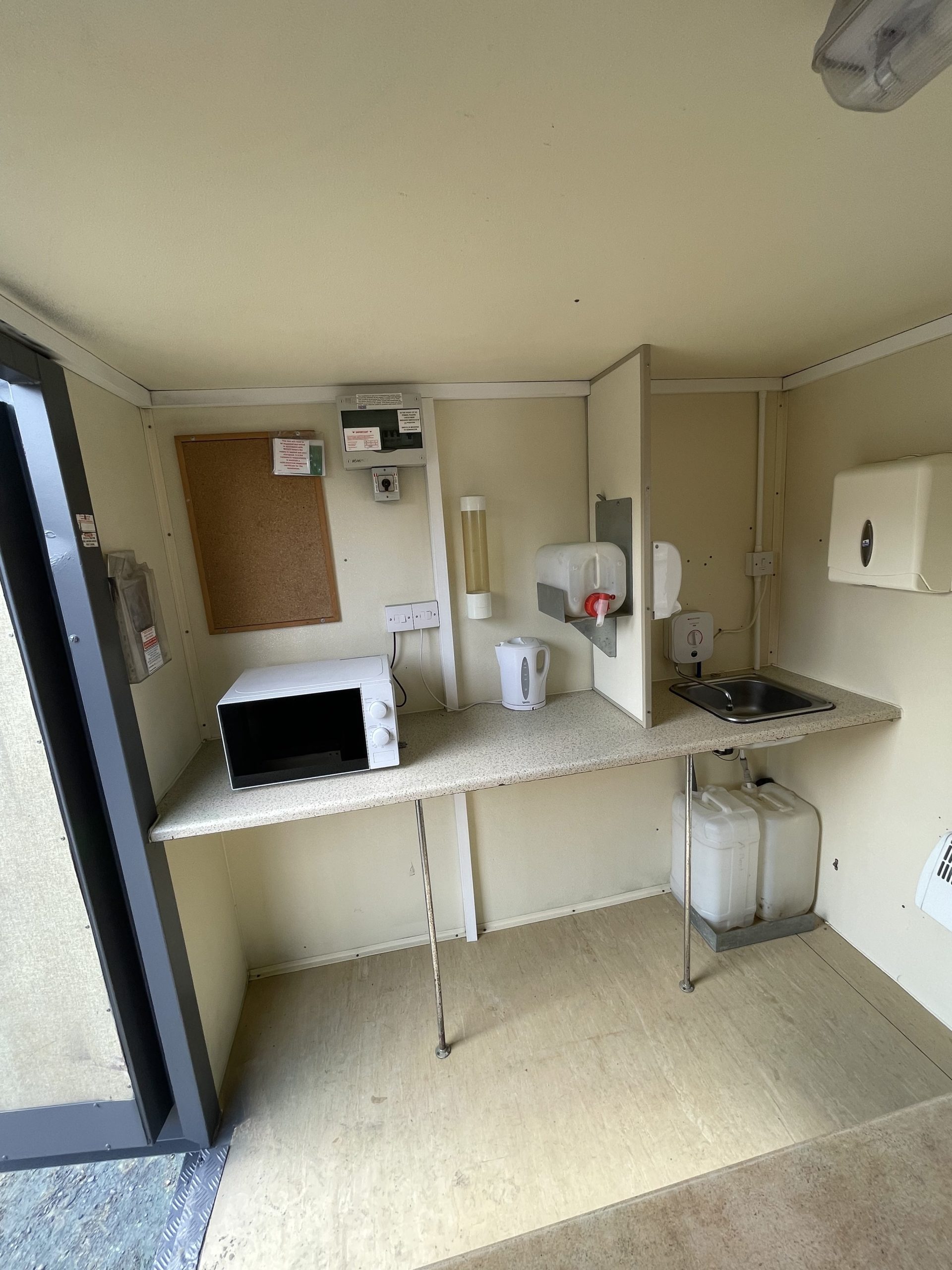
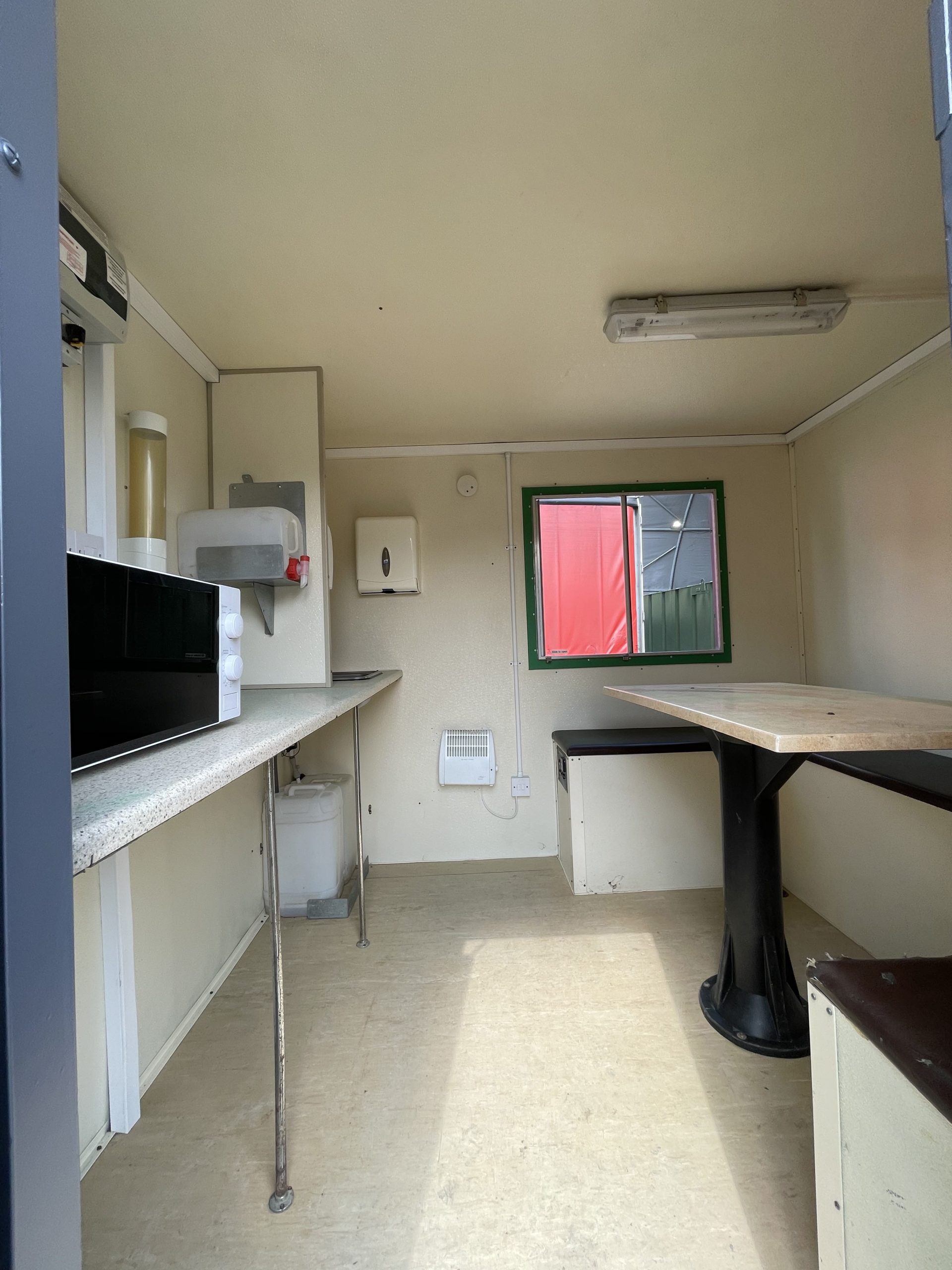
• Sink and water boiler included
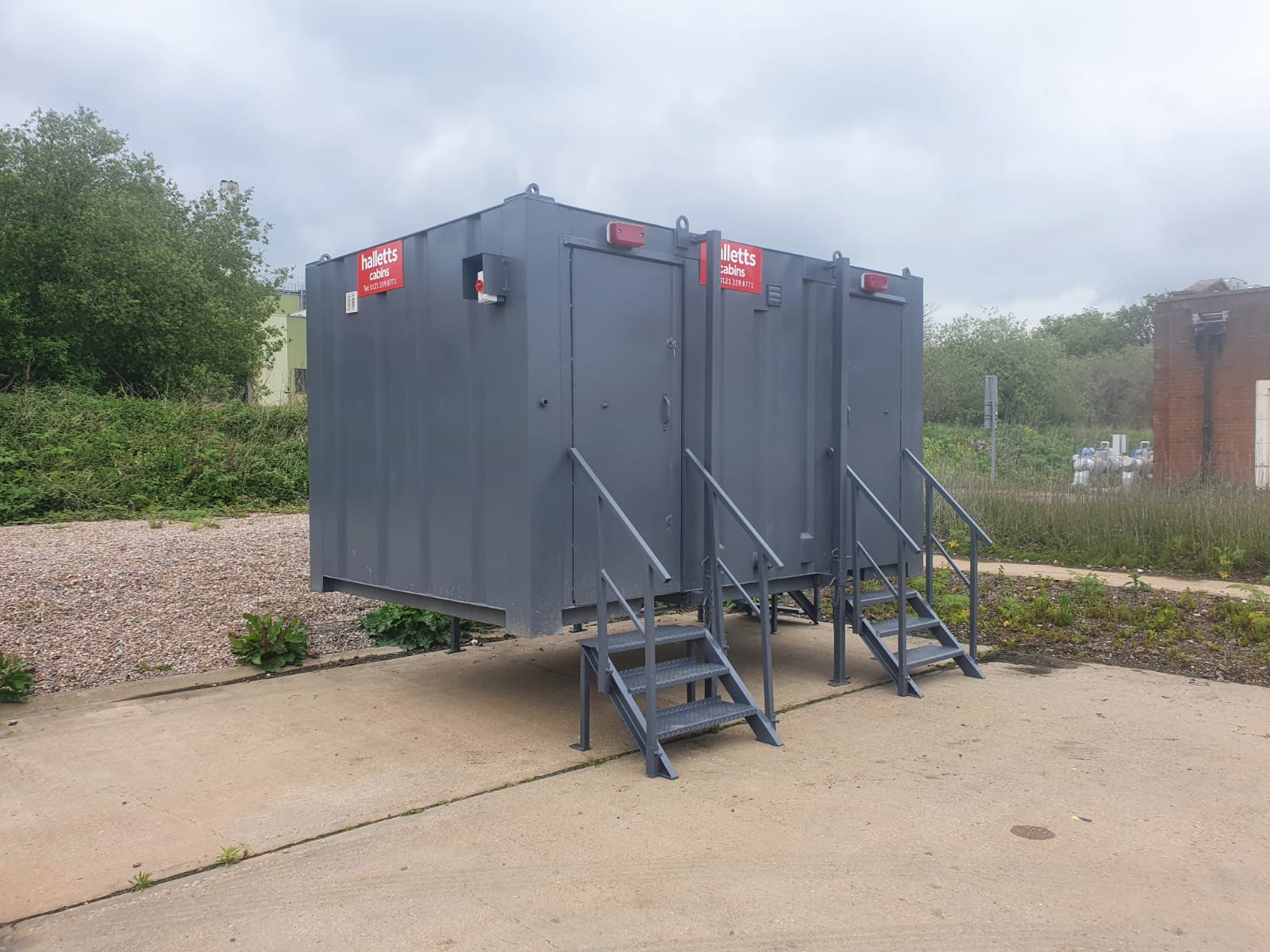
Location: Nationwide
Quantity: ∞
EX VAT
Not Available for Hire
Call for an instant quote!
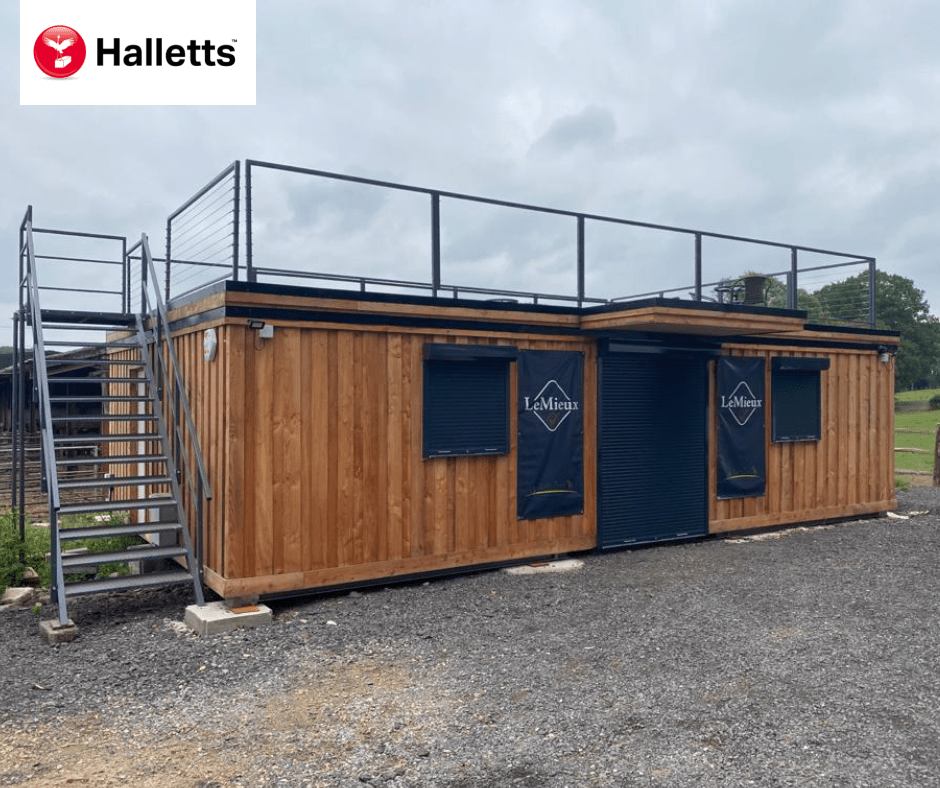

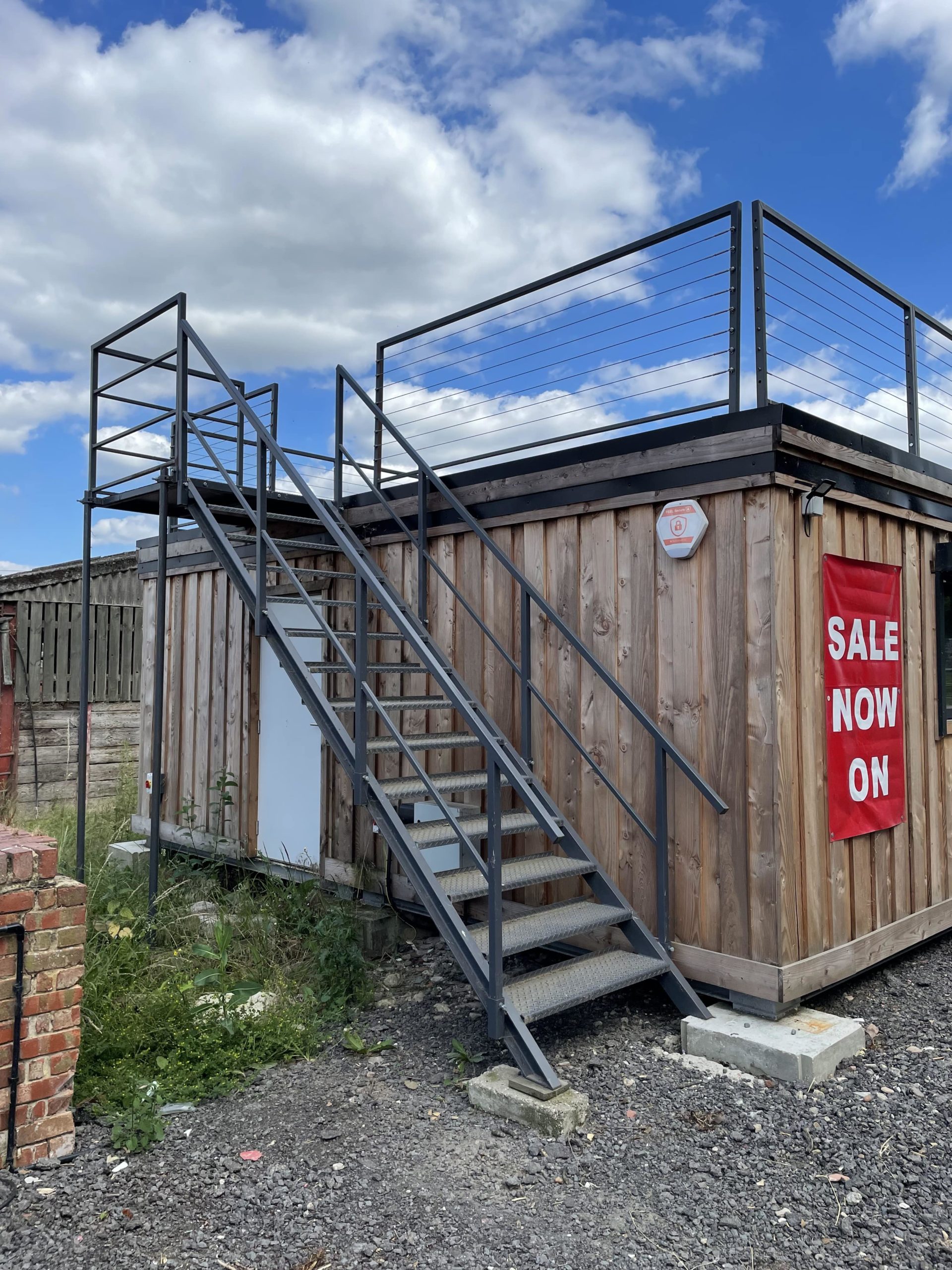
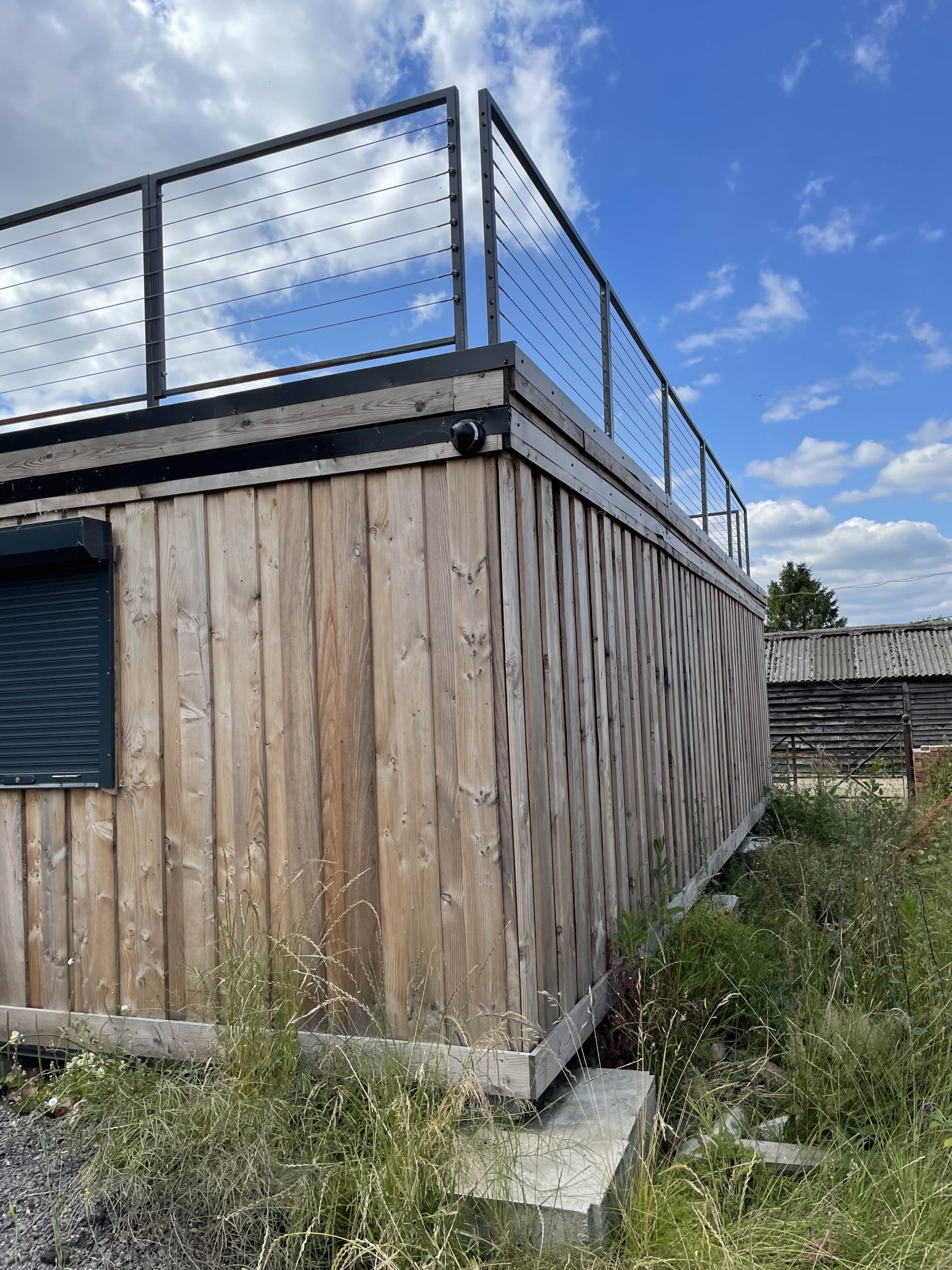





Location: Nationwide
EX VAT
Not Available for Hire
Call for an instant quote!
Get a Quick Container Quote Now!
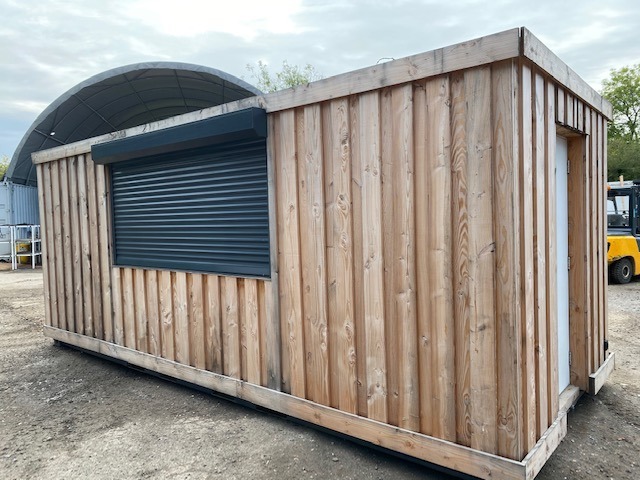
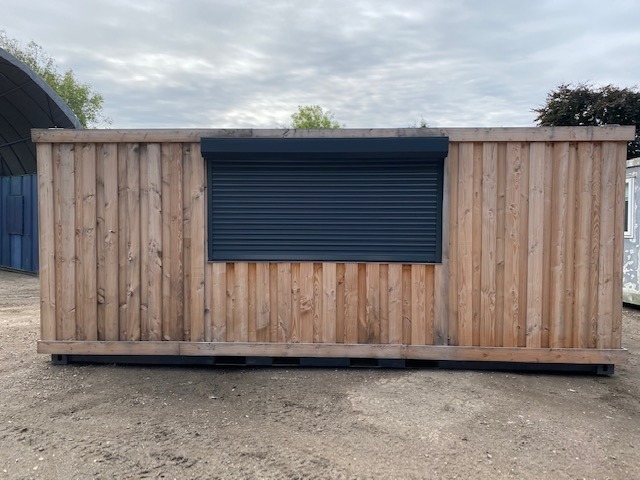
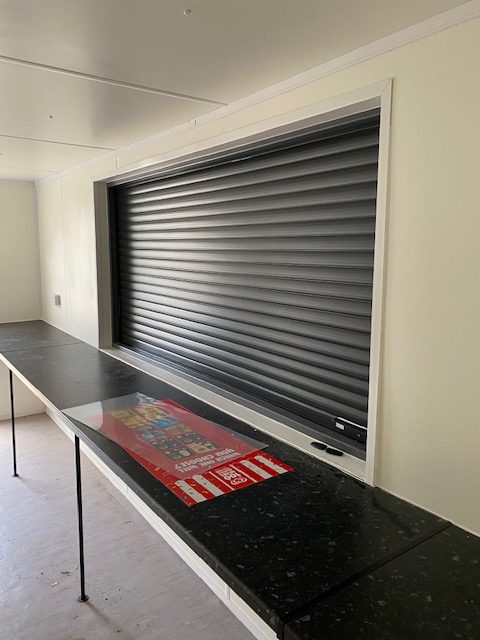
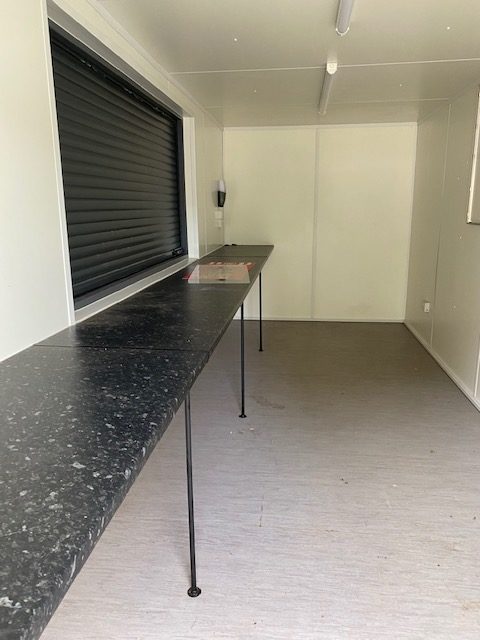
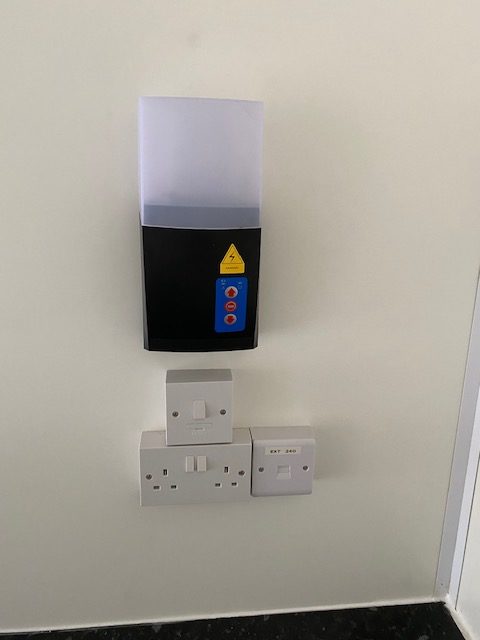
Location: Nationwide
EX VAT
Not Available for Hire
Call for an instant quote!
Get a Quick Container Quote Now!
Get a Quick Container Quote Now!
