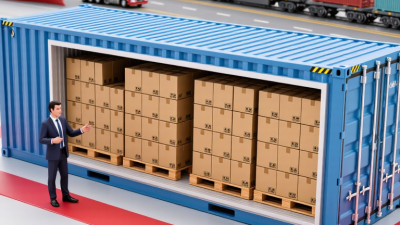
Choosing a 40ft container is not simply a matter of selecting the largest available box. It affects freight cost, cargo protection, handling efficiency, and delivery reliability. A standard 40ft container usually provides about 67 cubic metres of internal space, while a 40ft high-cube container offers extra height for bulky cargo. That difference can change pallet plans significantly.
Industry data supports careful planning. UNCTAD’s Review of Maritime Transport 2024 reports continued expansion in container vessel capacity, yet schedules remain exposed to congestion, rerouting, and port disruptions. The World Bank’s Logistics Performance Index 2023 also shows that shipment tracking and timeliness differ widely between markets. A suitable container must therefore match the cargo, route, equipment availability, and terminal conditions.
Lars Jensen, an independent container-shipping analyst, has described the sector plainly: “The container shipping industry is a very cyclical industry.” His observation matters when rates and equipment supplies change quickly. A 40ft container may appear economical, but poor weight distribution can create handling problems. More space is not always better.
Check cargo dimensions, gross weight, loading method, ventilation needs, and destination restrictions before booking. Confirm whether standard or high-cube equipment is actually available at the origin. Allow space for bracing and safe access. Small omissions become expensive at the terminal.
This guide examines those practical decisions. It also questions a common assumption: maximum volume does not always mean maximum value. Reliable container selection requires evidence, not guesswork.

Choosing a 40ft container starts with understanding your cargo, not the container’s name. Measure each carton, pallet, crate, or machine carefully. Record length, width, height, weight, and quantity. A single oversized item can change the entire loading plan.
Think about volume and weight together. A 40ft container offers substantial floor space, but its safe payload has limits. Dense goods may reach the weight limit before using all available volume. Fragile goods need clearance, cushioning, and stable stacking. Moisture-sensitive cargo may also require ventilation or protective packaging. Leave practical working space near the doors. This makes unloading safer and faster.
Tips: Create a simple loading diagram before booking. Place heavy units low and close to the center. Keep labels visible. Check door dimensions, pallet compatibility, and lifting access. Ask a qualified freight professional to verify the final figures. In practice, small measurement errors often create expensive delays. I have found that estimating by carton count alone is unreliable. Recheck the numbers after packaging changes. Your first plan may be wrong. That is useful information, not failure.
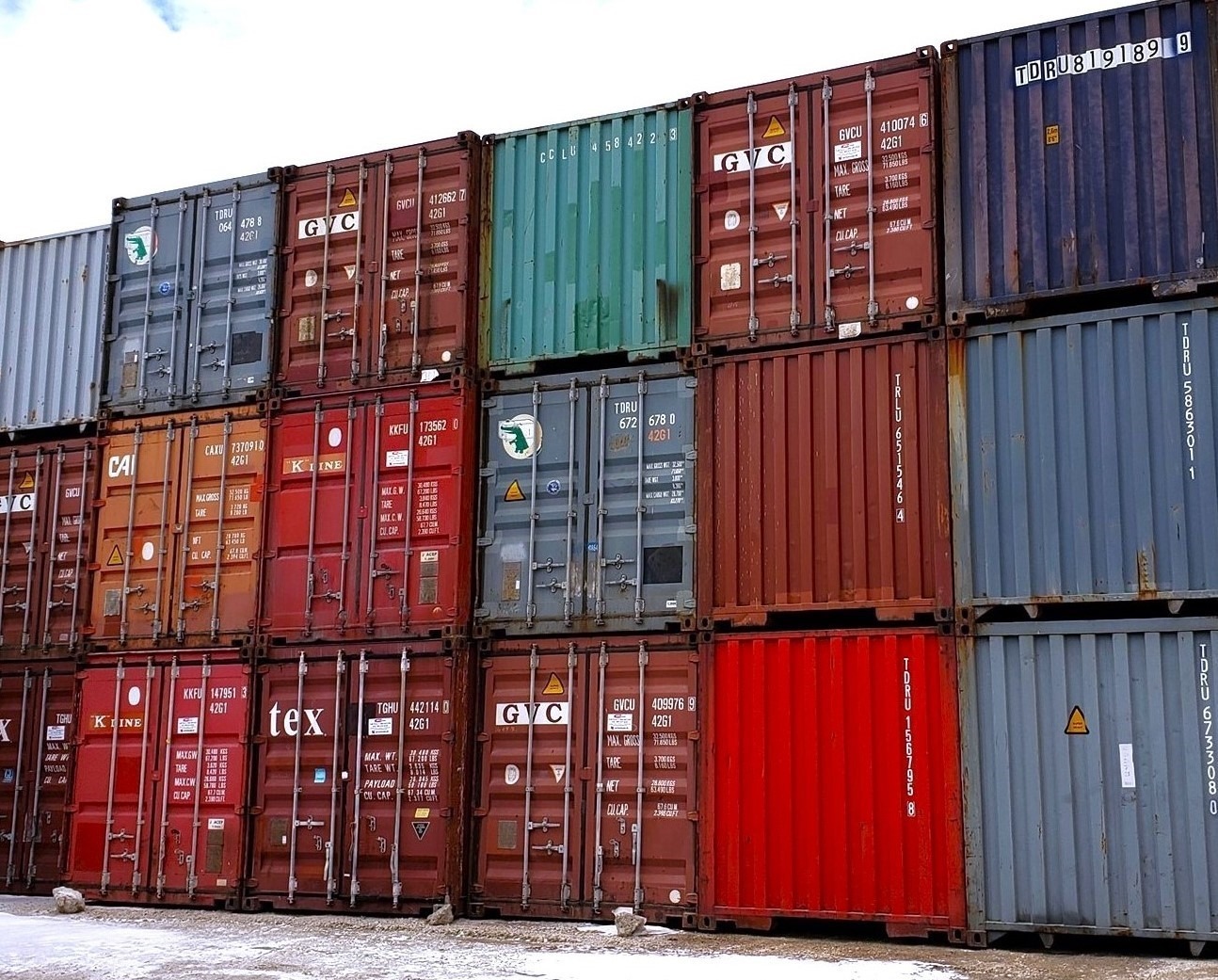
A 40ft container is not a single specification. Standard dry units usually provide about 12.03m length, 2.35m width, and 2.39m height internally. High-cube units keep similar length and width but offer about 2.69m internal height. These figures follow ISO 668:2020 dimensions, but manufacturers and repair histories create small differences. Measure the actual unit.
The high-cube option suits tall cartons, furniture, and lightweight machinery. However, extra volume does not increase the legal payload. A typical 40ft dry container may carry around 26,000–28,000kg, depending on tare weight, road limits, and the container’s safety plate. UNCTAD’s Review of Maritime Transport 2024 records continued growth in global container capacity, making equipment availability important during booking. Still, capacity on paper can mislead. Port rules may reduce usable weight.
Reefers normally have less internal space, often near 11.56m long, 2.29m wide, and 2.25m high. Their insulation, evaporator housing, and airflow channels consume valuable volume. Open-top containers help with tall or crane-loaded cargo, while flat racks support oversized machinery but require careful lashing plans. I still remeasure door openings and floor length before loading. This is where assumptions fail. Add clearance for pallets, ventilation, and uneven cartons, not just the cargo’s stated dimensions.
How to Choose a 40ft Container for Global Shipping?
A 40ft container offers useful volume, but size alone should not guide your choice. Check its tare weight before calculating the payload. The maximum gross weight includes both container and cargo. A heavier container leaves less room for goods. Confirm the container’s rating plate and inspection condition. Rust, damaged doors, or a weak floor can create serious loading problems.
Cargo weight must match the container’s payload and the transport route. A port may accept one weight, while local roads impose a lower axle limit. This difference can delay delivery or require costly cargo removal. Ask the carrier for the current weight rules. Also confirm the verified gross mass before loading. Weigh the container, not just the products. Scales can be imperfect, and small errors become important with dense cargo.
Distribute weight across the floor. Do not place heavy machinery against one wall. Use blocking, bracing, and suitable restraints to prevent movement during sea and road transport. Leave space for doors, ventilation, and safe handling. Check whether a standard or high-cube container fits the cargo dimensions. More internal height is useful, but it does not increase the permitted gross weight. Shipping regulations also differ by country, port, and vehicle type. Experienced planners review route limits, cargo documents, and loading photos before dispatch. A loading plan may look complete and still miss one local requirement. That is where careful rechecking matters.
Use the comparison below to select a suitable 40ft container. Dimensions and weight figures are typical ISO-based reference values; the container's safety plate, carrier booking confirmation, port restrictions, and local road regulations always take priority.
| Data Dimension | 40ft Standard Dry Container | 40ft High Cube Dry Container | Selection Guidance |
|---|---|---|---|
| Nominal external length | 40 ft / 12.192 m | 40 ft / 12.192 m | Both types occupy the same nominal container length. |
| Typical external width | 8 ft / 2.438 m | 8 ft / 2.438 m | Confirm the actual equipment dimensions when planning special handling or tight clearances. |
| Typical external height | 8 ft 6 in / 2.591 m | 9 ft 6 in / 2.896 m | Choose High Cube when additional vertical space is needed, but check bridges, tunnels, chassis, and terminal clearances. |
| Typical internal length | 12.03 m | 12.03 m | Allow space for doors, corner posts, lashing, and load-securing equipment. |
| Typical internal width | 2.35 m | 2.35 m | Usable width can vary slightly by container design and lining. |
| Typical internal height | 2.39 m | 2.69 m | High Cube provides approximately 300 mm of additional internal height. |
| Typical internal volume | Approximately 67.7 m³ | Approximately 76.4 m³ | Volume is useful for bulky, lightweight cargo; it does not increase the permitted gross weight. |
| Typical tare weight | Approximately 3,700–4,000 kg | Approximately 3,900–4,200 kg | Use the exact tare weight printed on the container safety approval plate. |
| Common maximum gross mass | Up to 30,480 kg | Up to 30,480 kg | Maximum gross mass equals cargo weight plus tare weight. The actual limit may be lower due to the container plate, carrier, route, port, or vehicle regulations. |
| Approximate payload derived from 30,480 kg gross mass | Approximately 26,480–26,780 kg | Approximately 26,280–26,580 kg | Calculate payload as maximum permitted gross mass minus the actual tare weight; never rely only on an estimated range. |
| Best suited for | Dense cargo with moderate volume requirements | Large-volume or lightweight cargo, cartons, furniture, and packaged goods | Choose based on cargo density, stacking pattern, package dimensions, and route restrictions. |
| Check Item | What to Verify | Why It Matters |
|---|---|---|
| Actual container tare | Read the tare weight on the container safety approval plate or equipment record. | Tare weight differs between individual containers and directly affects the available payload. |
| Verified Gross Mass (VGM) | Submit the verified gross mass required for the ocean shipment before the carrier's stated cut-off time. | A packed container without an accepted VGM may be refused for loading under international maritime requirements. |
| Gross mass calculation | Gross mass = cargo, packaging, pallets, dunnage, securing materials, and container tare. | Omitting pallets, blocking, or packaging can cause an inaccurate declaration and an overweight condition. |
| Road transport limit | Check the legal combination weight, axle limits, chassis limits, and local restrictions at origin and destination. | A container may be within its ISO gross limit but still exceed the permitted road or axle weight. |
| Port and terminal limit | Confirm terminal acceptance rules, weighing procedures, crane limits, and appointment requirements. | Ports may apply operational limits that are lower than the container's marked maximum gross mass. |
| Weight distribution | Distribute cargo evenly, keep the center of gravity low, and avoid concentrated loads unless the floor rating permits them. | Uneven loading can damage the container, affect vehicle stability, or lead to handling rejection. |
| Dangerous goods | Check applicable dangerous-goods classification, packaging, marking, labeling, documentation, and carrier acceptance rules. | Regulated cargo may require special declarations, segregation, equipment, and routing controls. |
| Oversized cargo | Measure the packed cargo, including protective packaging, and check door opening dimensions and out-of-gauge procedures. | Cargo that fits the internal volume may not pass through the door or may require special approval. |
| Container condition | Inspect the floor, doors, roof, walls, seals, odor, water tightness, and valid safety approval markings. | A damaged or unsuitable container can cause cargo loss, water damage, or loading delays. |
| Carrier confirmation | Obtain written confirmation of equipment type, permitted weight, booking restrictions, and documentation cut-offs. | Carrier and route-specific rules can be stricter than general ISO reference specifications. |
Practical rule: select a 40ft Standard container when cargo weight is the main constraint; select a 40ft High Cube when cargo volume or height is the main constraint. In both cases, the lower limit imposed by the container, carrier, port, vehicle, axle, or route must be followed.
How to Choose a 40ft Container for Global Shipping?
A reliable 40ft container begins with a careful condition check. Inspect the doors, locking bars, roof, floor, and corner posts. Look for daylight through wall panels, fresh paint over rust, or damp wooden flooring. Door seals should close tightly without excessive force. The container should also carry a valid inspection plate and matching identification numbers. In my experience, photographs are useful, but they cannot replace an in-person inspection. A clean-looking container may still have hidden leaks.
Availability can change quickly near busy ports, seasonal export areas, and inland depots. Confirm the container’s exact location, release date, and pickup conditions before booking transport. Ask whether the unit is suitable for your cargo dimensions and loading method. A delayed release can disrupt a warehouse schedule and create extra storage costs. I once underestimated local availability, and the cheaper option became expensive after several days of waiting.
Tips: Compare the total cost, not only the rental rate. Include inspection, transport, handling, storage, and possible repositioning charges. Request recent condition photos and written confirmation of the container’s status. Check the floor for odors or chemical stains, especially when shipping sensitive goods. Leave a small cost buffer. Estimates are rarely perfect.
How to Choose a 40ft Container for Global Shipping?
The chart uses an indicative procurement index from 0 to 100, where higher scores represent a stronger balance of condition readiness, market availability, and cost efficiency. One-trip units usually offer the best condition, while cargo-worthy and wind-and-water-tight units can provide better cost efficiency. Before booking, verify the CSC plate, structural condition, floor integrity, depot availability, and the current lane-specific quotation.
A standard 40ft dry container typically provides about 67.7 m³ of internal volume, while a 40ft high-cube container provides approximately 76.4 m³. Actual payload depends on the container tare weight and the maximum gross weight shown on its safety plate.
Choosing a 40-foot container starts with the cargo, not the container label. Measure every pallet, crate, and awkward corner before booking space. A standard 40-foot unit suits dense, stable freight. A high-cube unit offers extra internal height for bulky cartons. Check both volume and maximum payload limits. More space does not always mean more usable capacity.
Inspect the container in daylight before loading. The floor should feel solid, with no major cracks, sharp edges, or visible water stains. Close the doors and look for light entering through the seals. Dry the interior completely. Moisture can damage metal parts, paper packaging, and wooden components during a long voyage. Use suitable desiccants when the cargo needs added protection.
Place heavier items low and distribute weight across the floor. Leave enough clearance for safe door operation. Use blocking, bracing, and straps so cargo cannot shift when the vessel rolls. Photograph the empty container, the loaded cargo, and the final door seal. Record the container number and loading time. These details support reliable handovers.
A good loading plan still needs practical judgment. I have seen carefully measured cargo occupy more space because packaging bulged during handling. Allow a small working margin. Confirm packing rules, weight limits, and required shipping documents with the transport provider and destination authorities. Small oversights become expensive delays.





Registered in England & Wales No. 2786496
Registered office at: 337 Tanworth Lane,
Shirley, Solihull, B90 4DU
Registered for VAT, registration No.
GB 655 1347 38
Location: Nationwide
Not Available for Hire
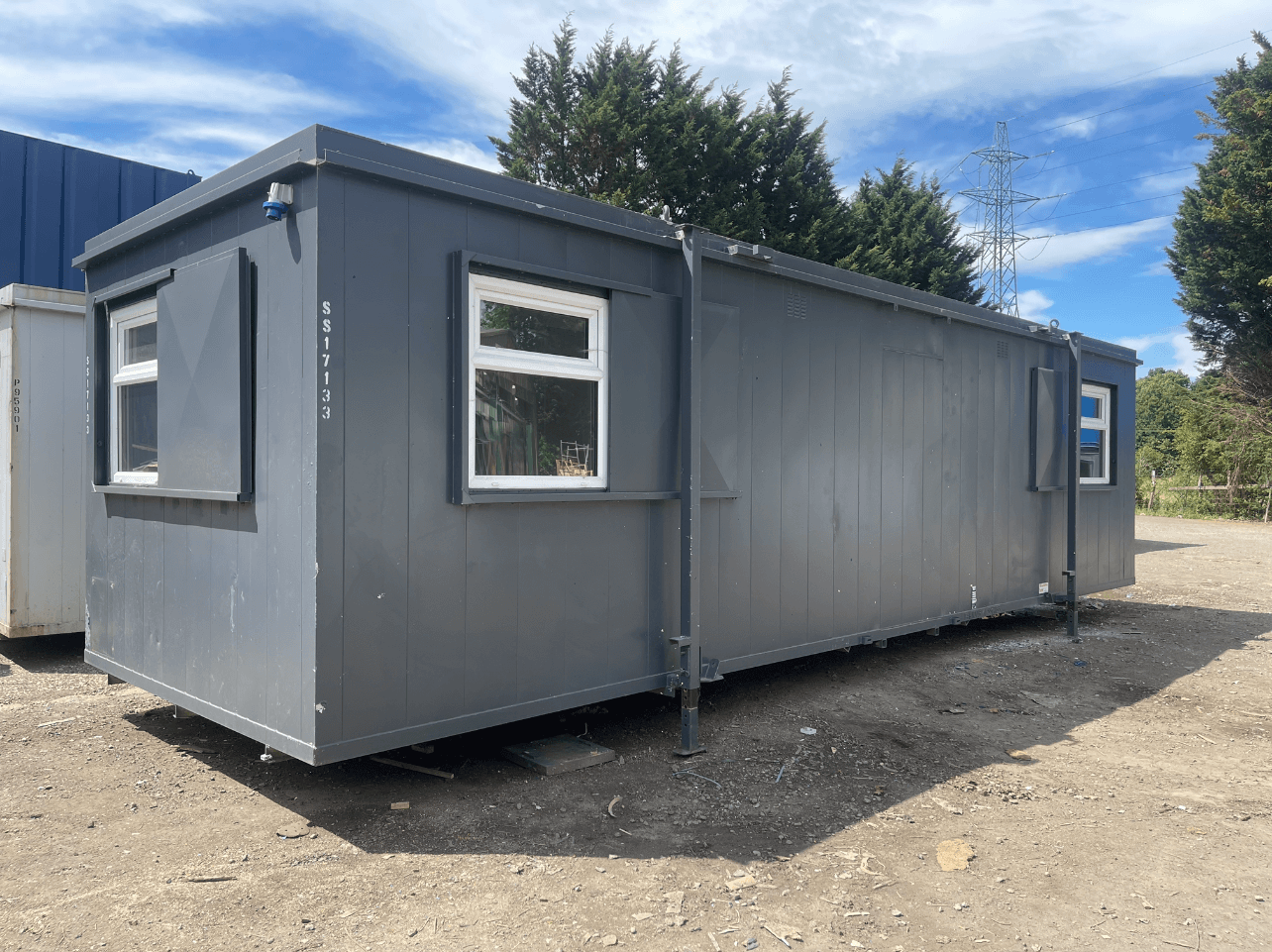
We can deliver for a cost please ask and send us post code.
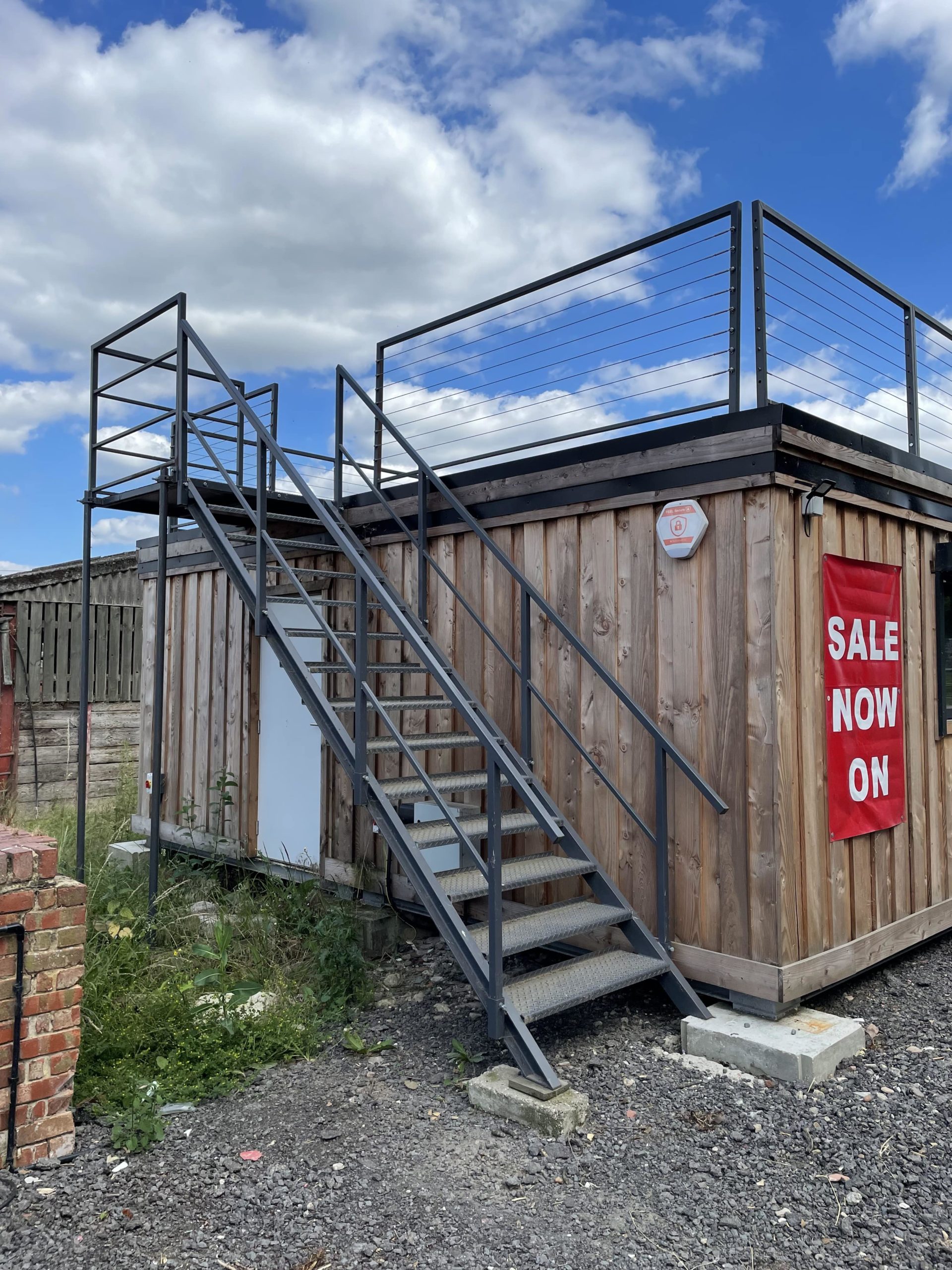
13 tread
14 tread
15 tread
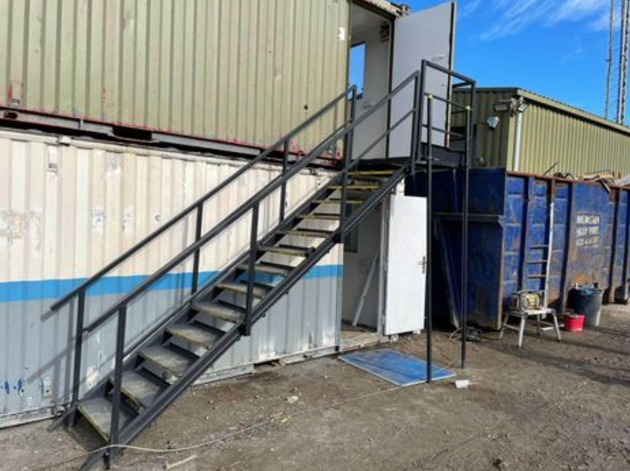
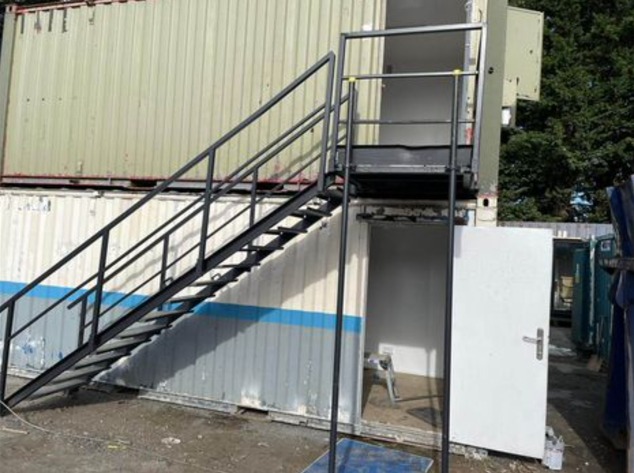
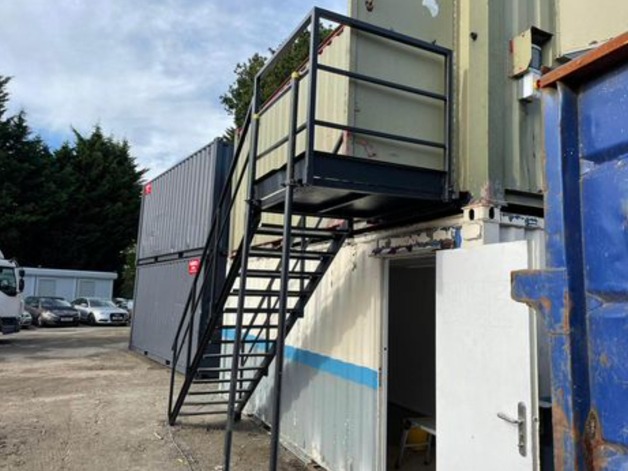
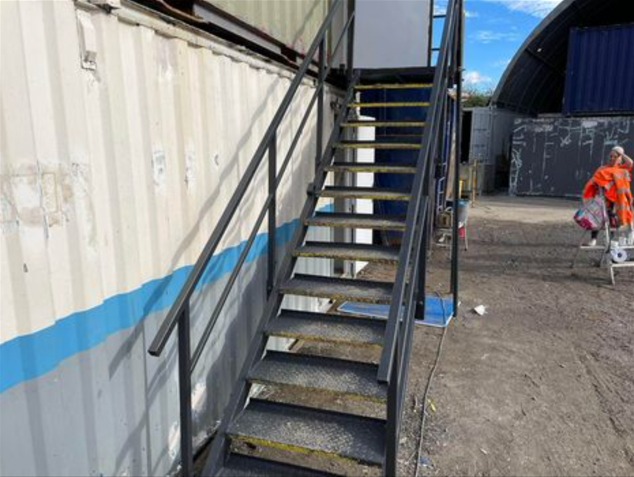
Location: Nationwide
Not Available for Hire
Call for an instant quote!
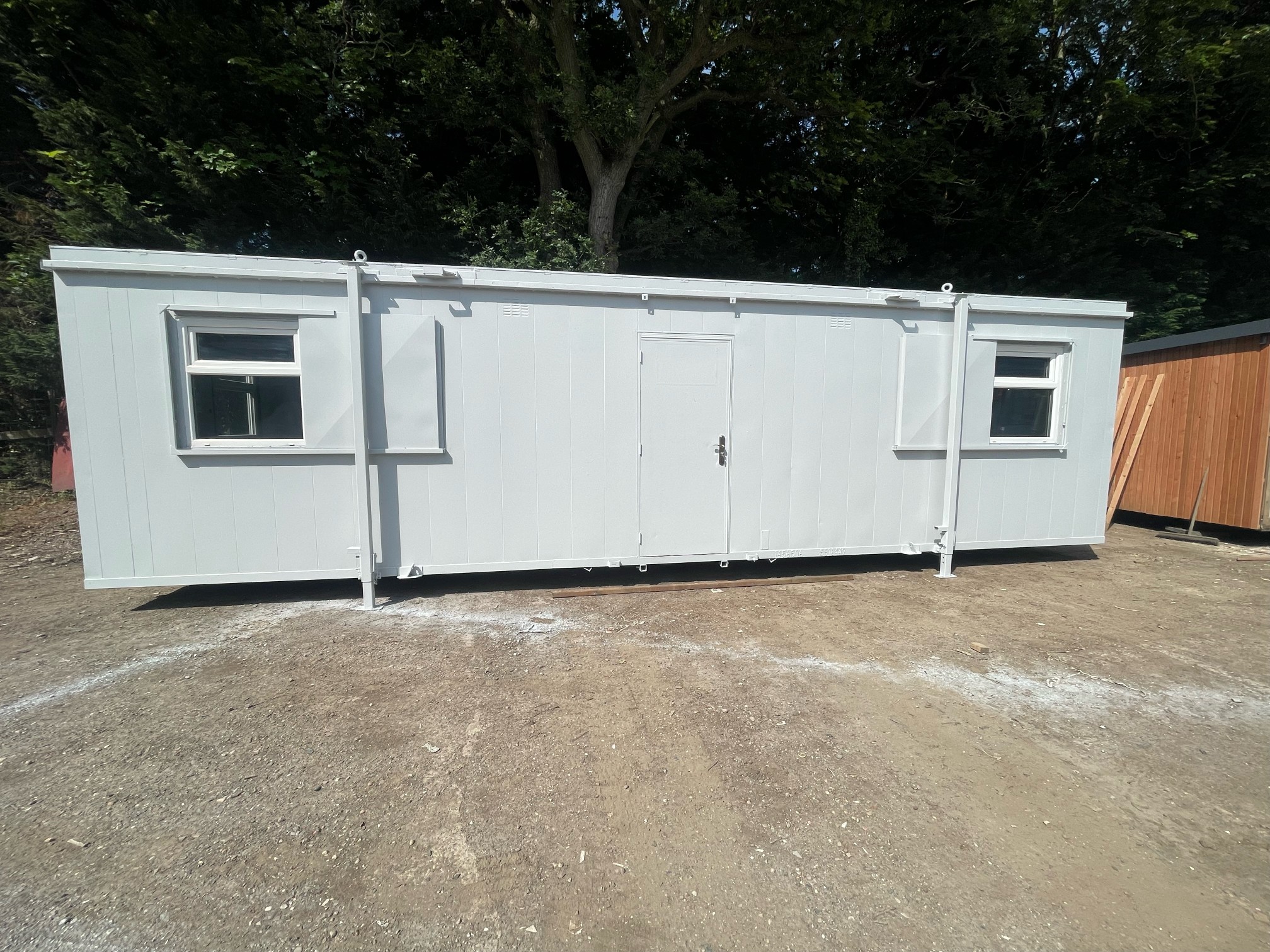
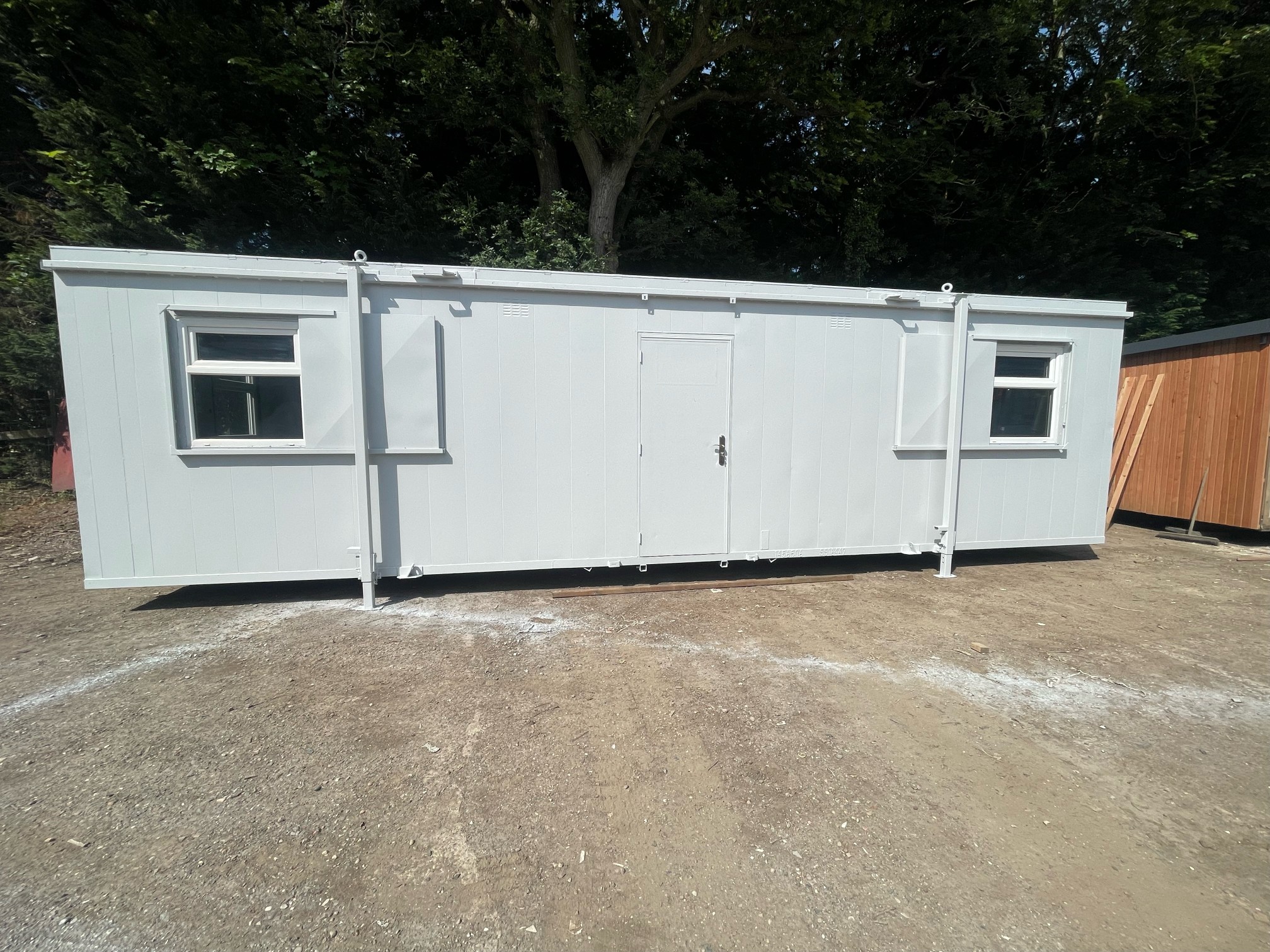
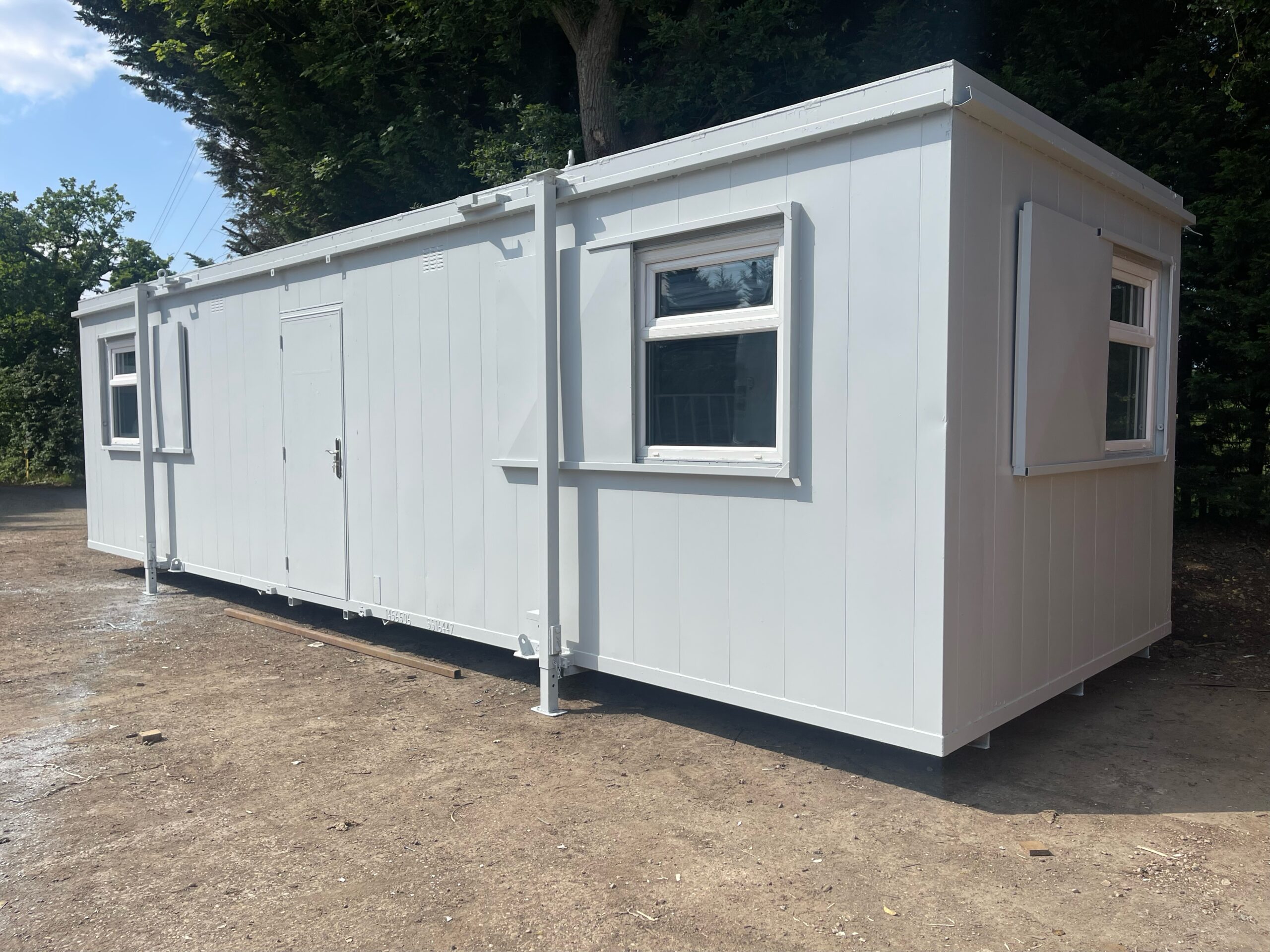
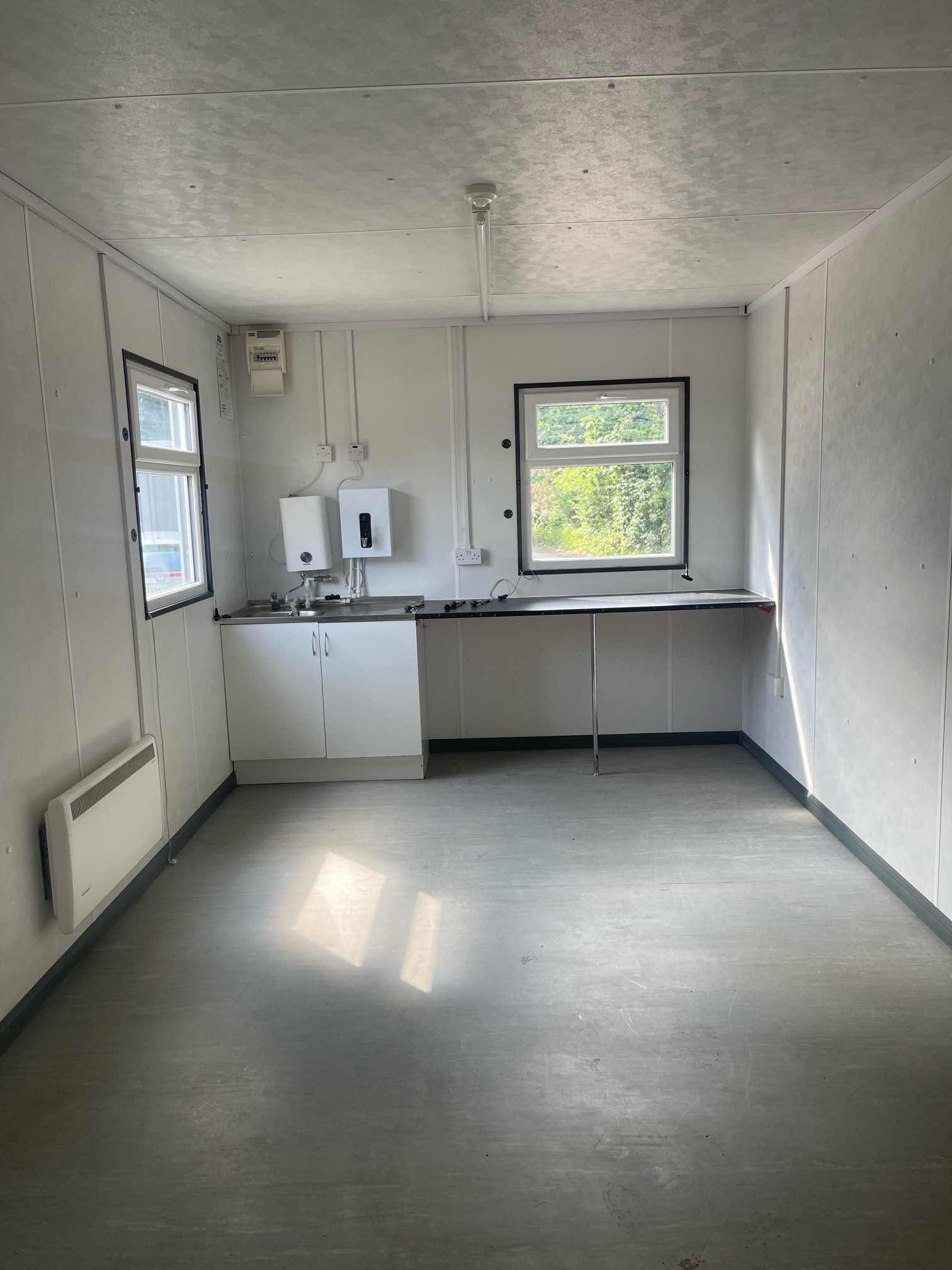
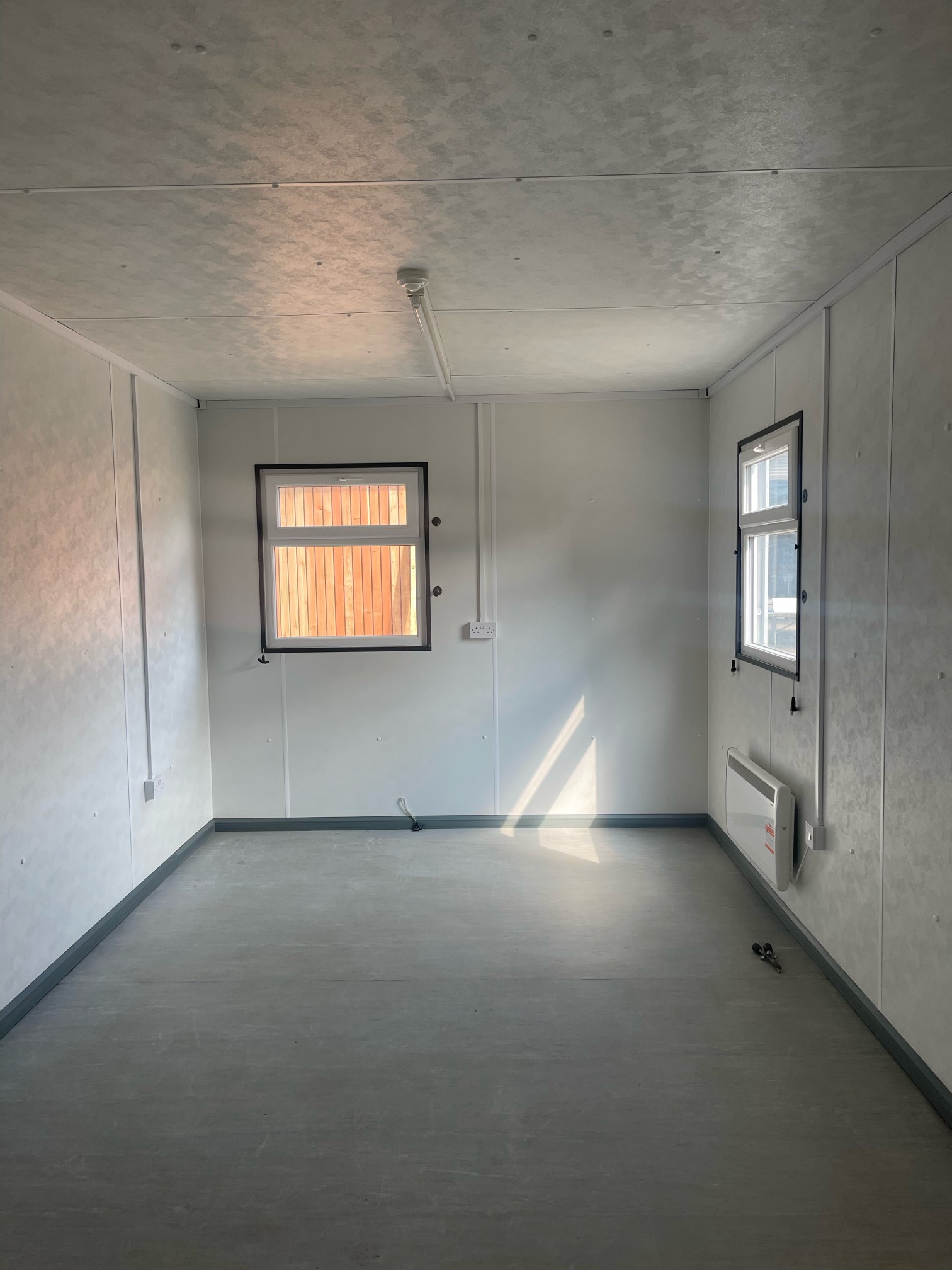
Location: Nationwide
Not Available for Hire
We can deliver for a cost please ask and send us post code.
Hallway leading into:
Transport can be arranged please ask.
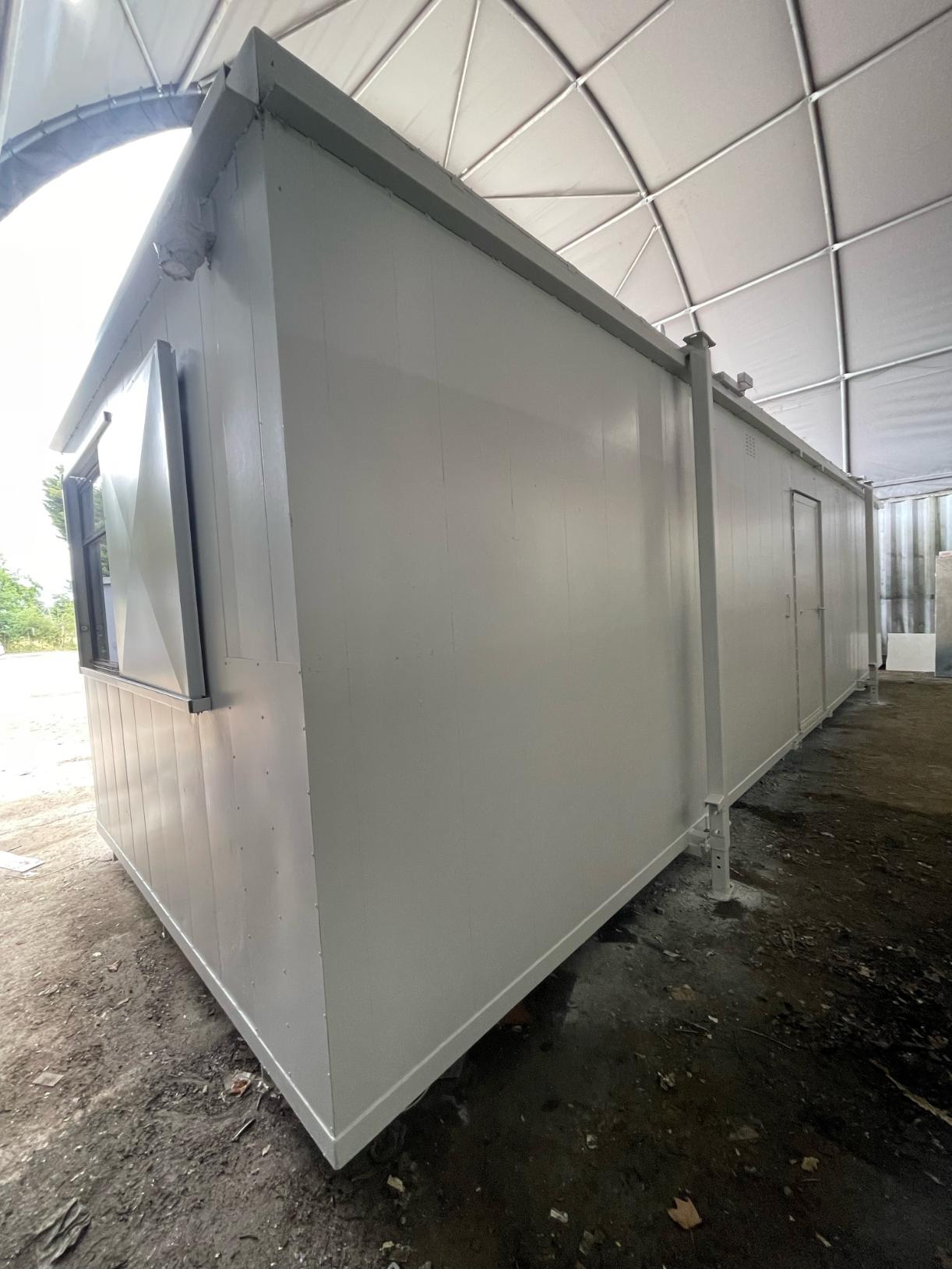
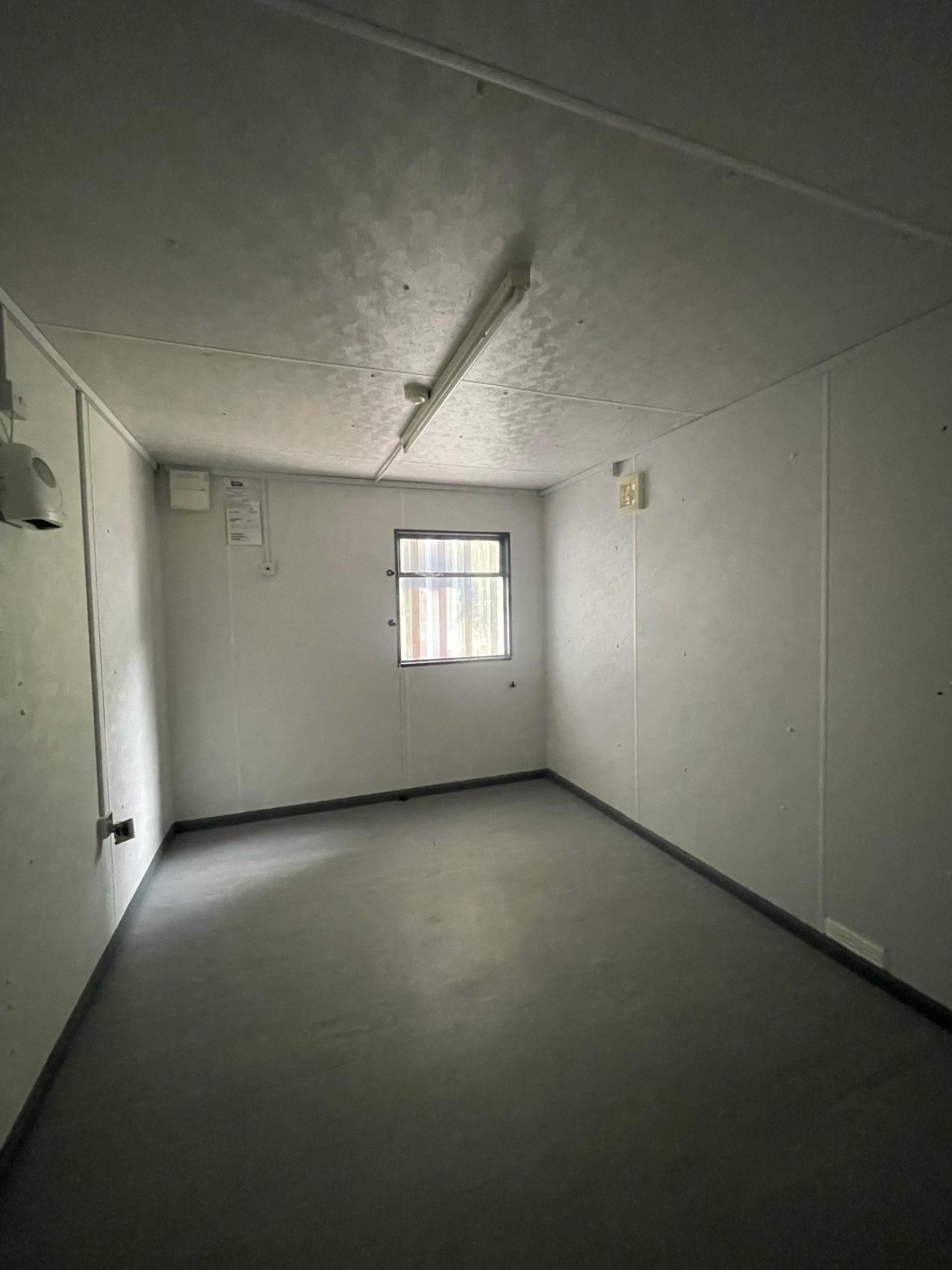
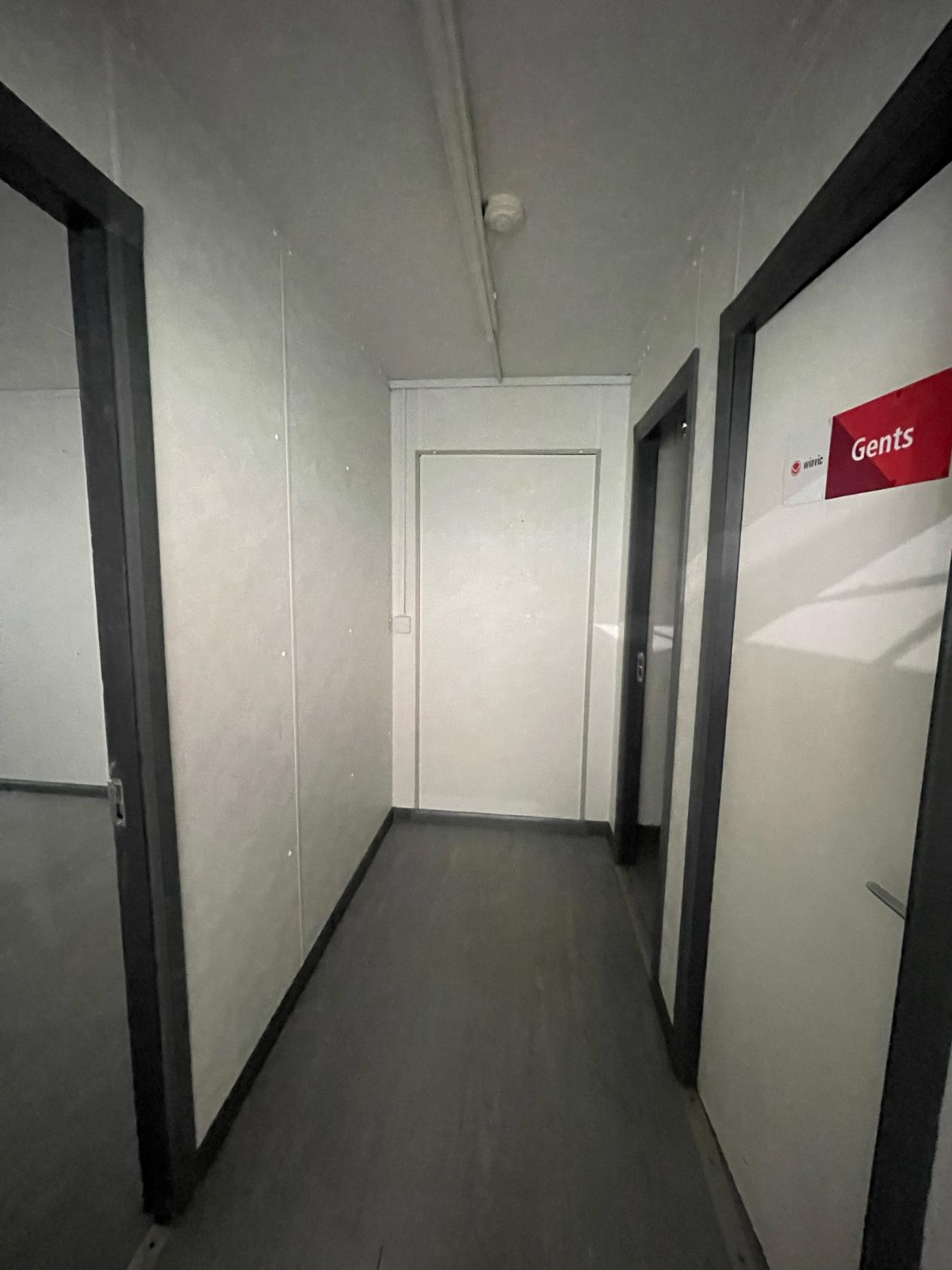
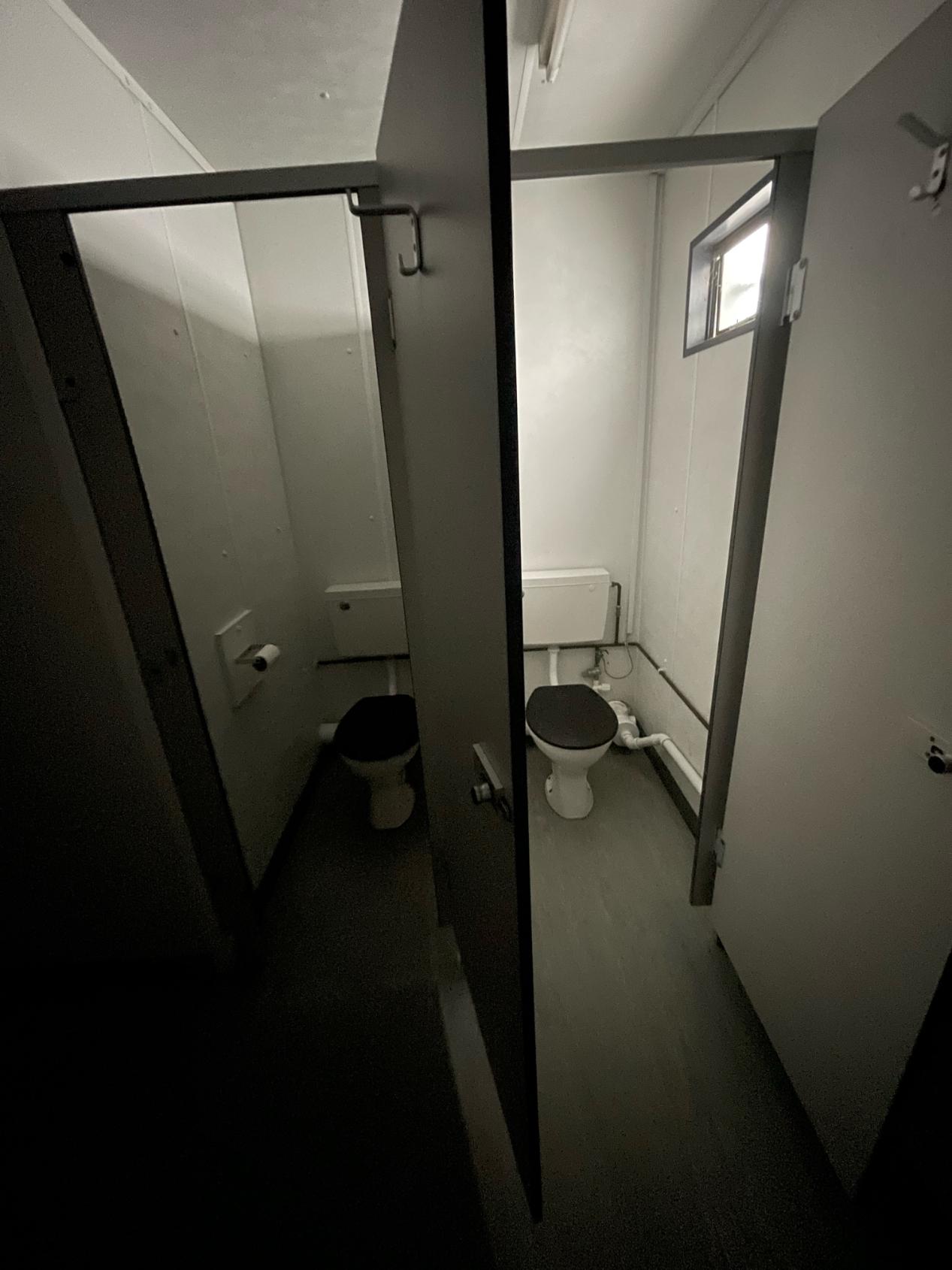
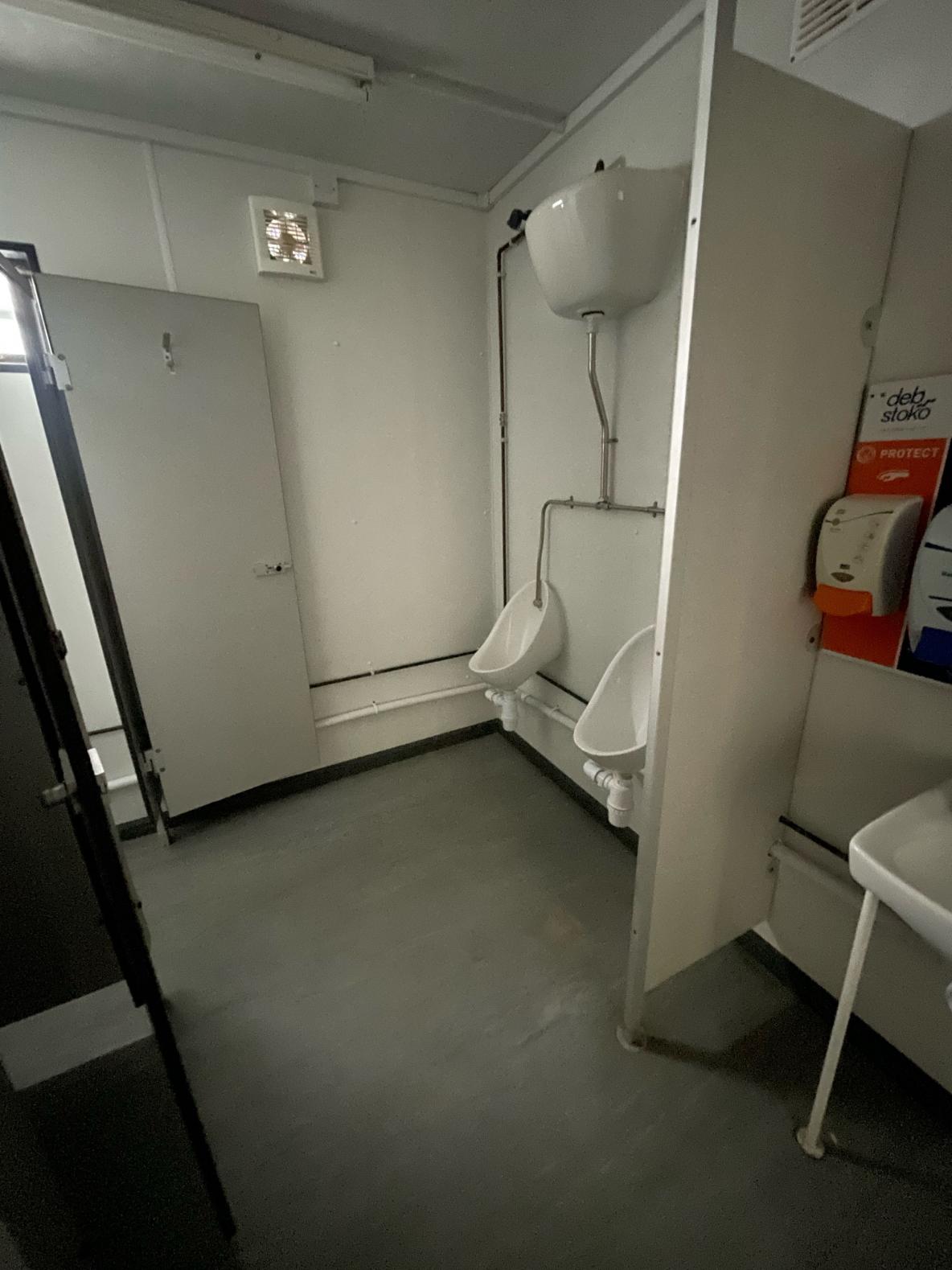
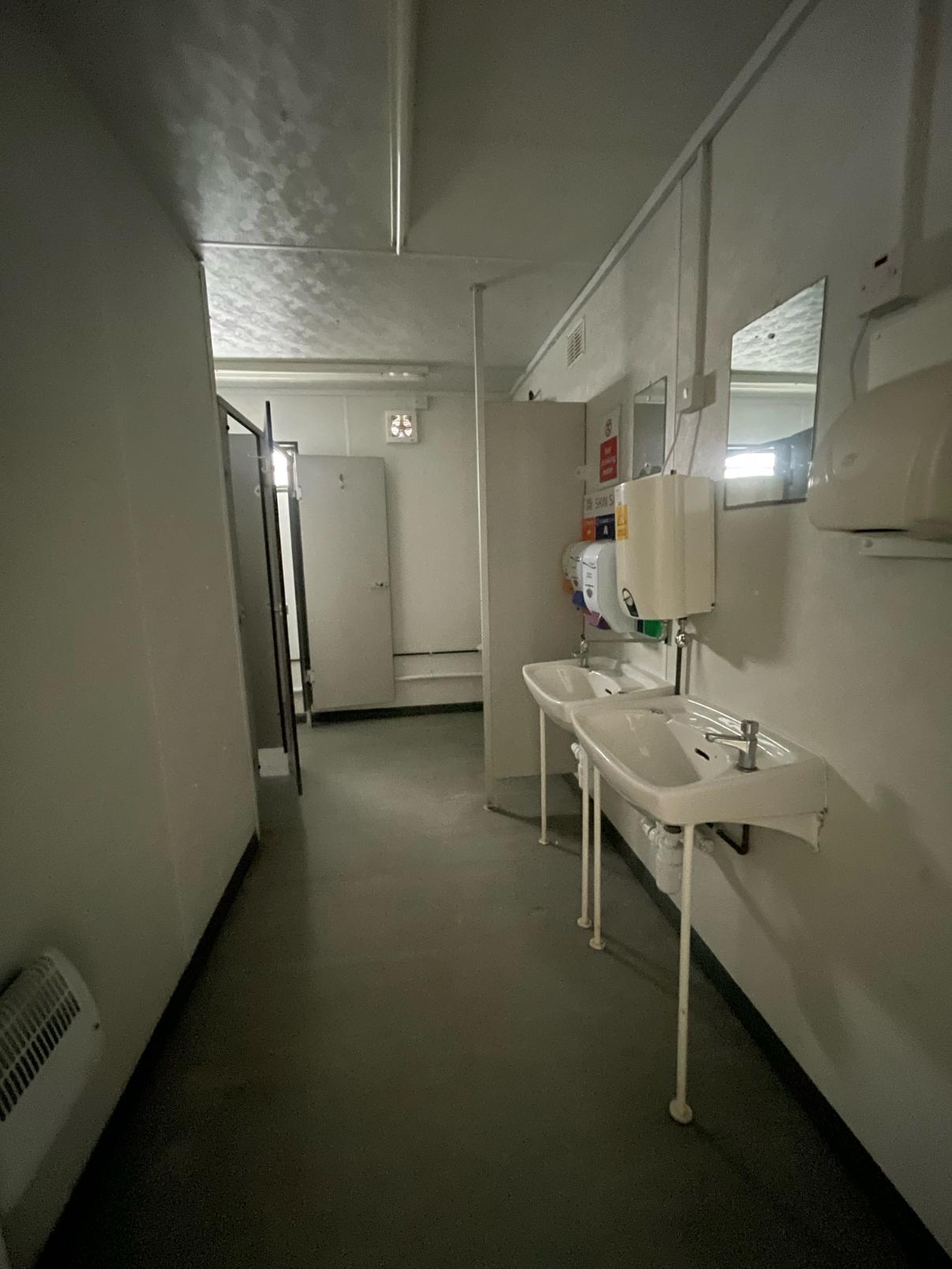
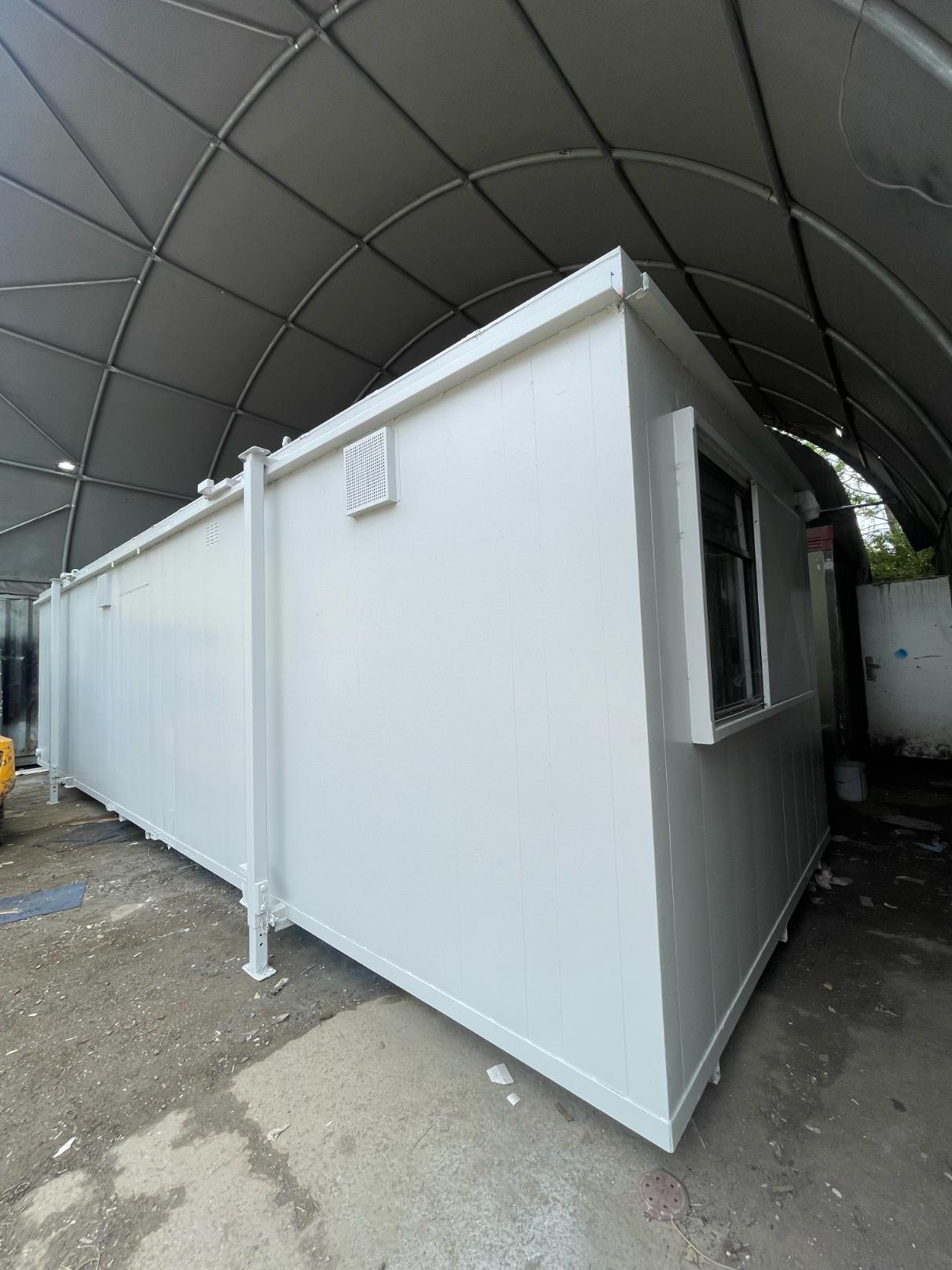
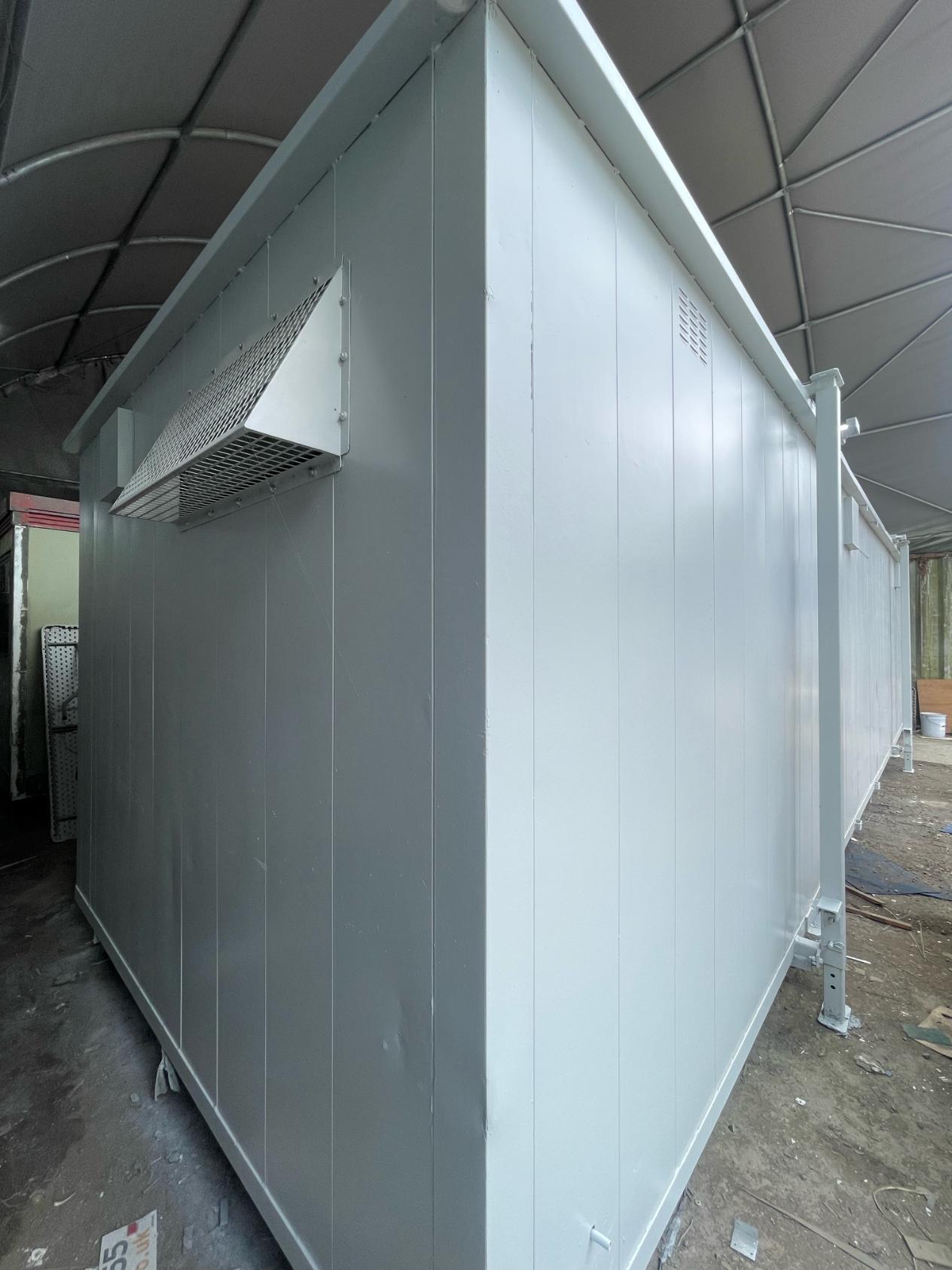
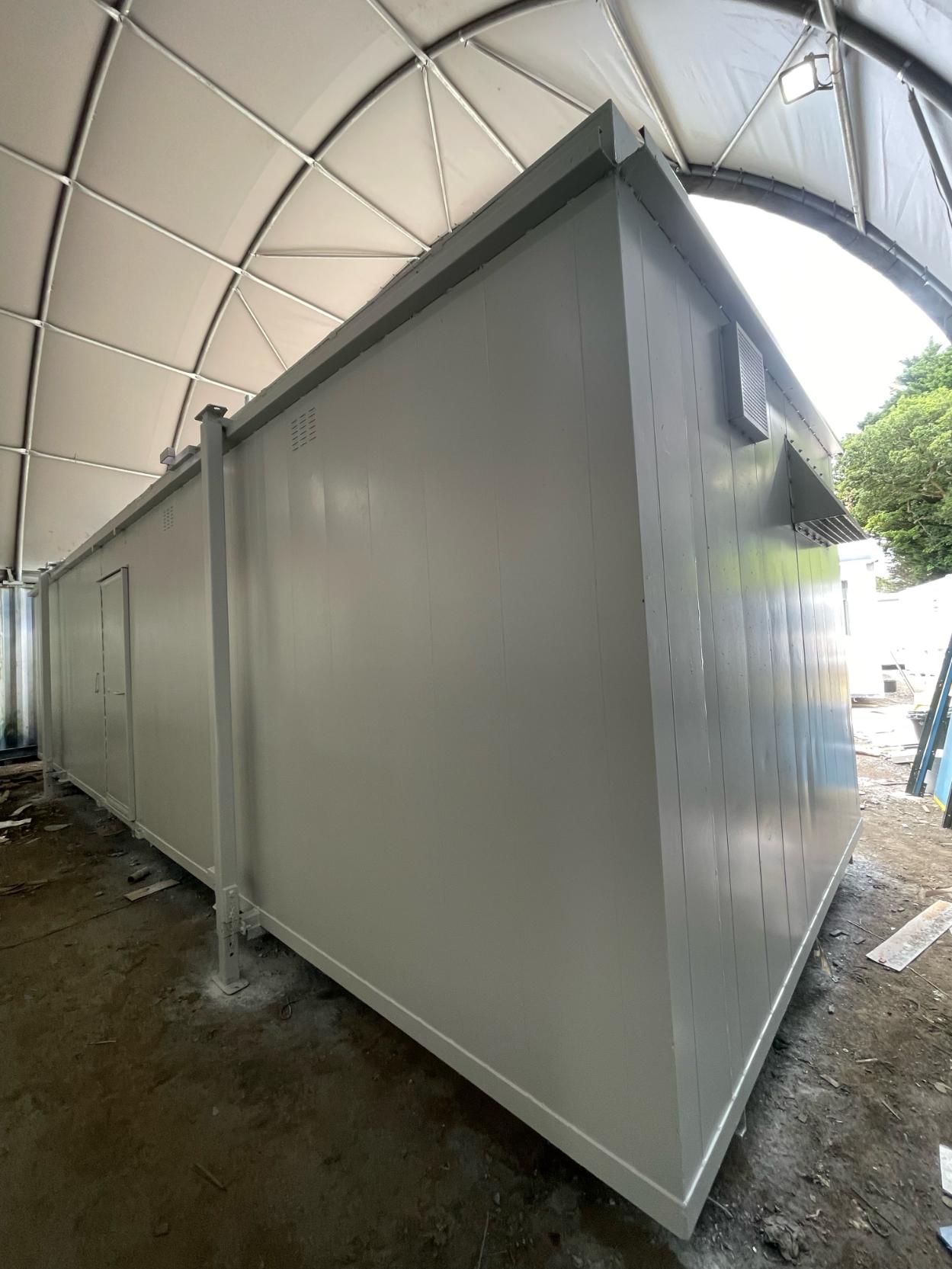
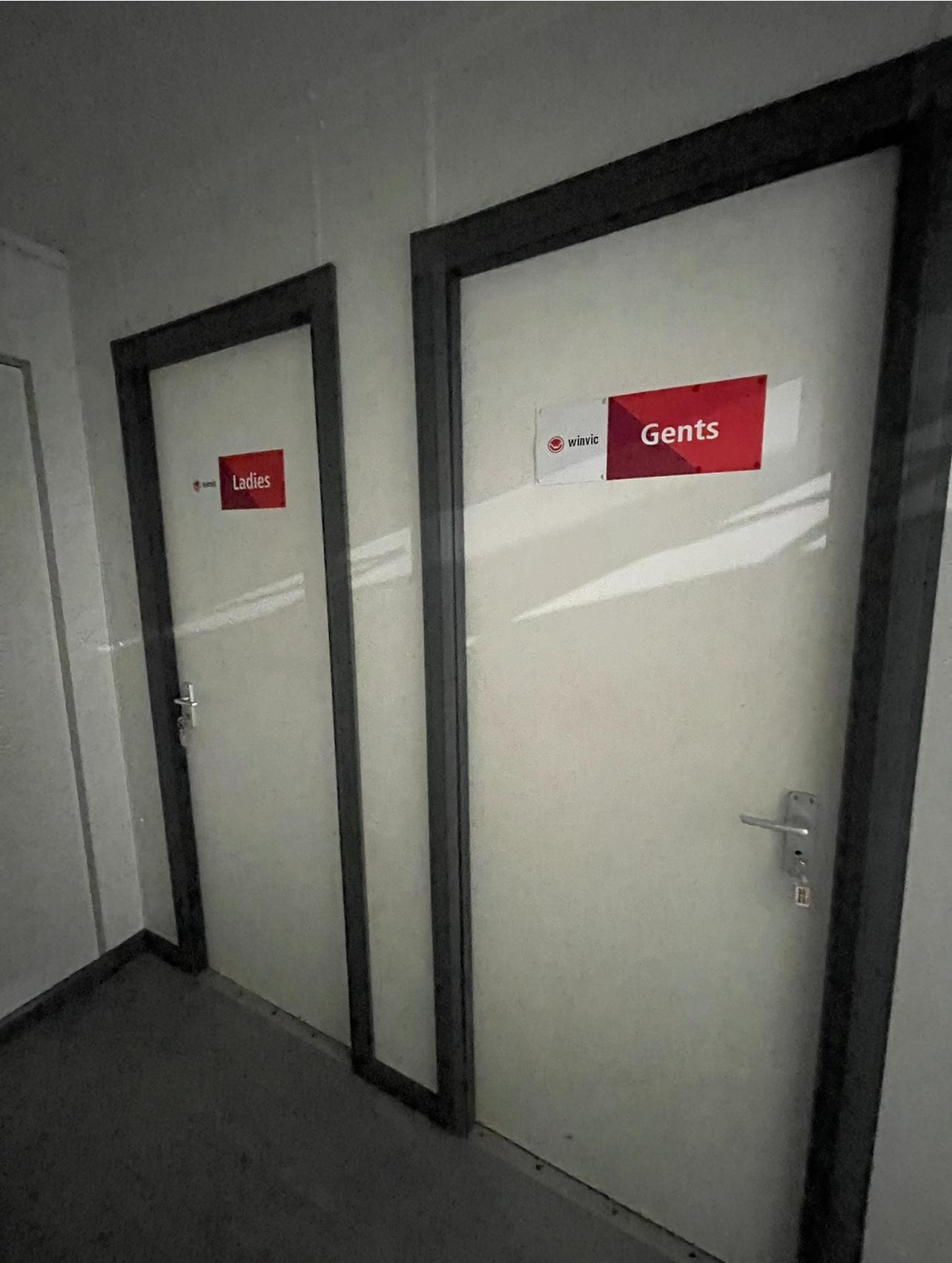
Location: Nationwide
Not Available for Hire
Call for an instant quote!
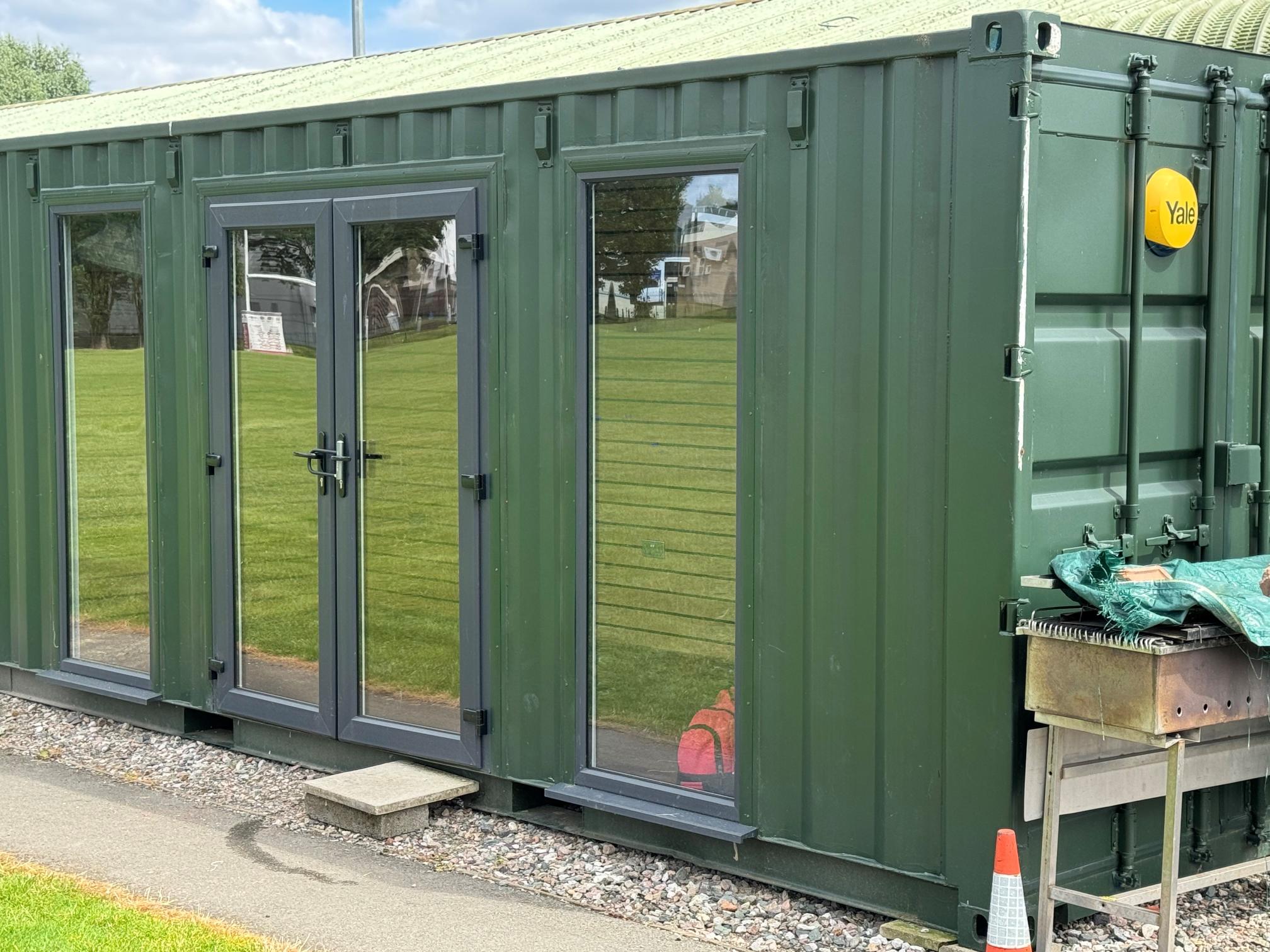
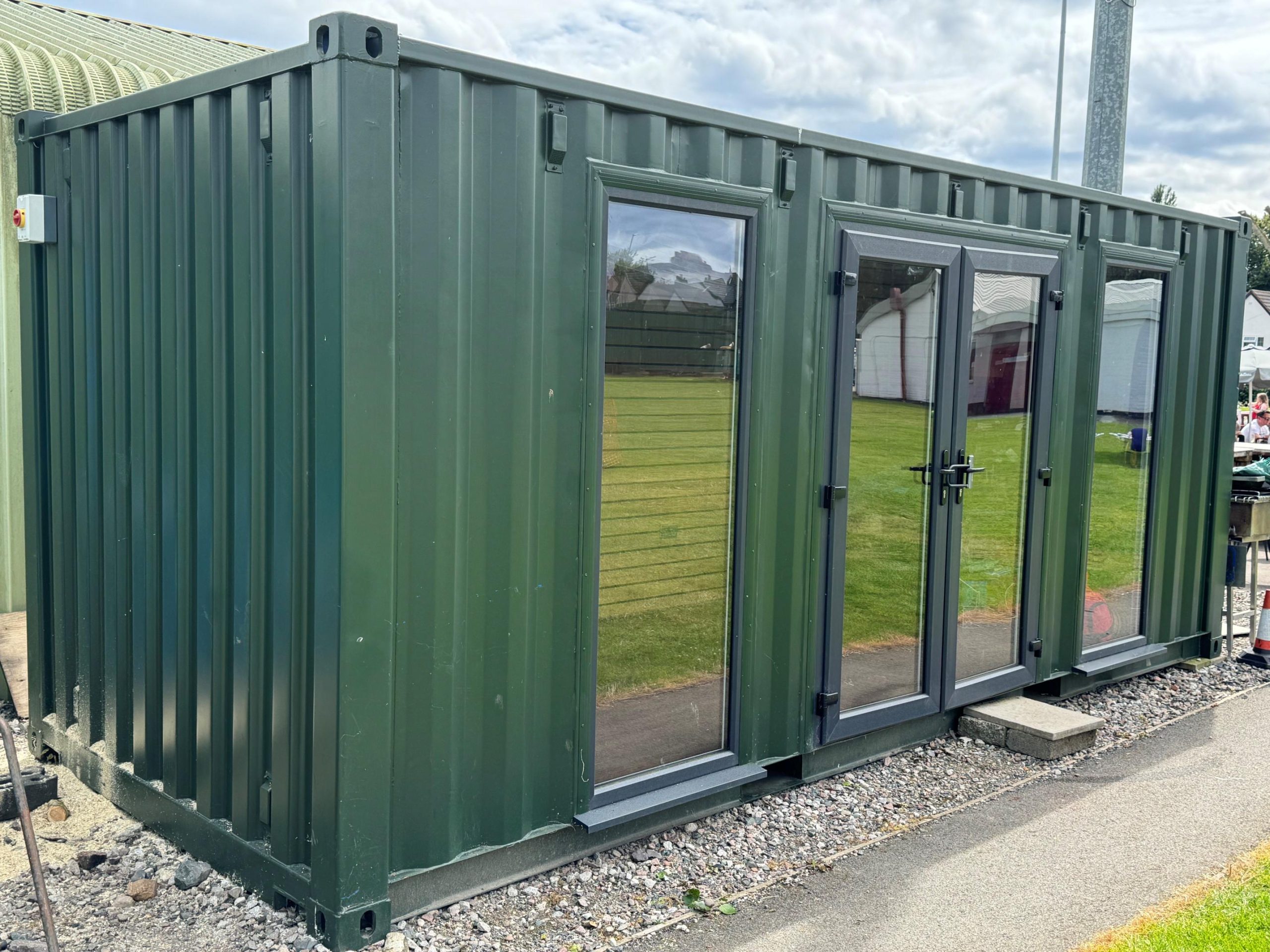
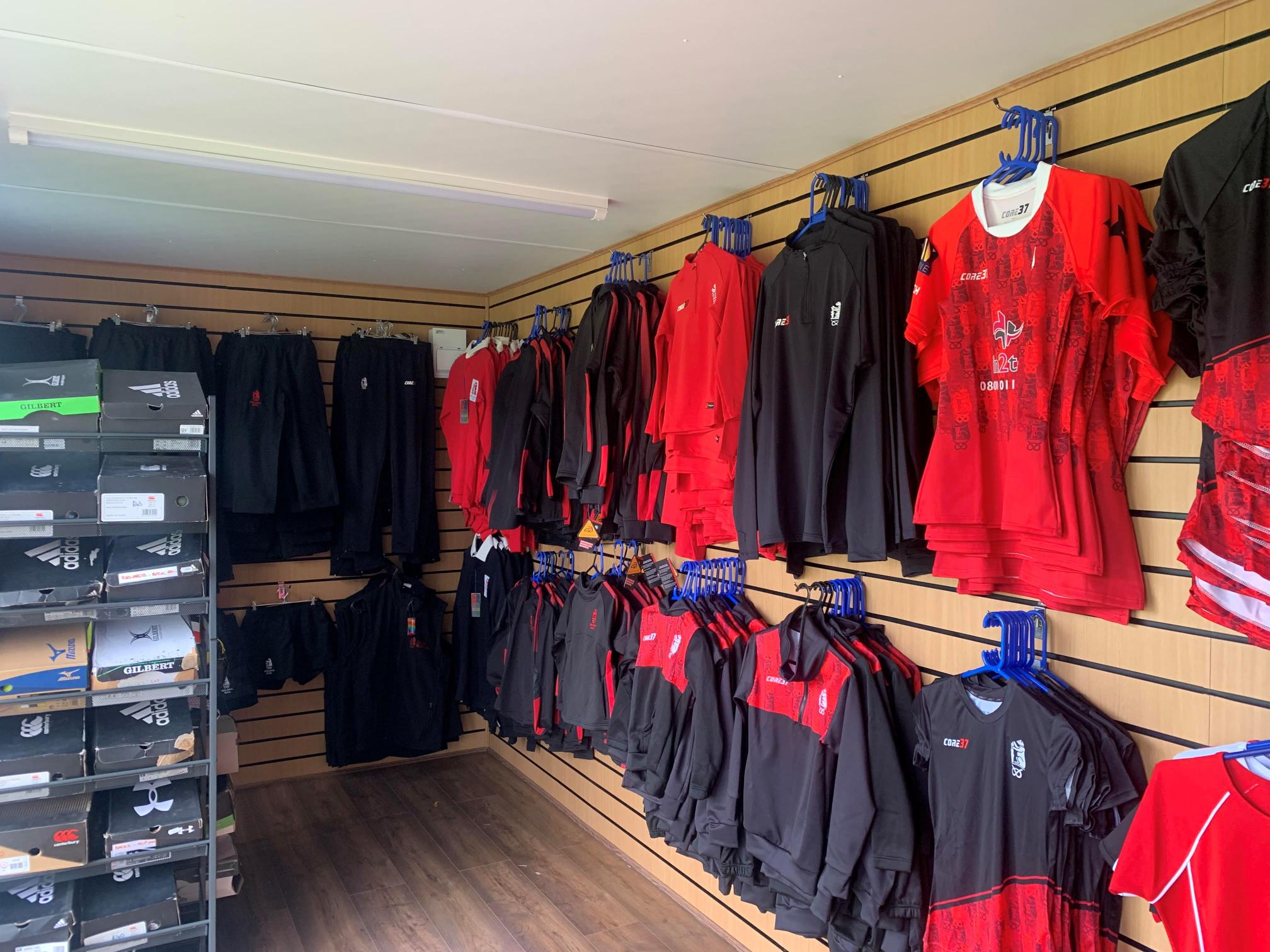
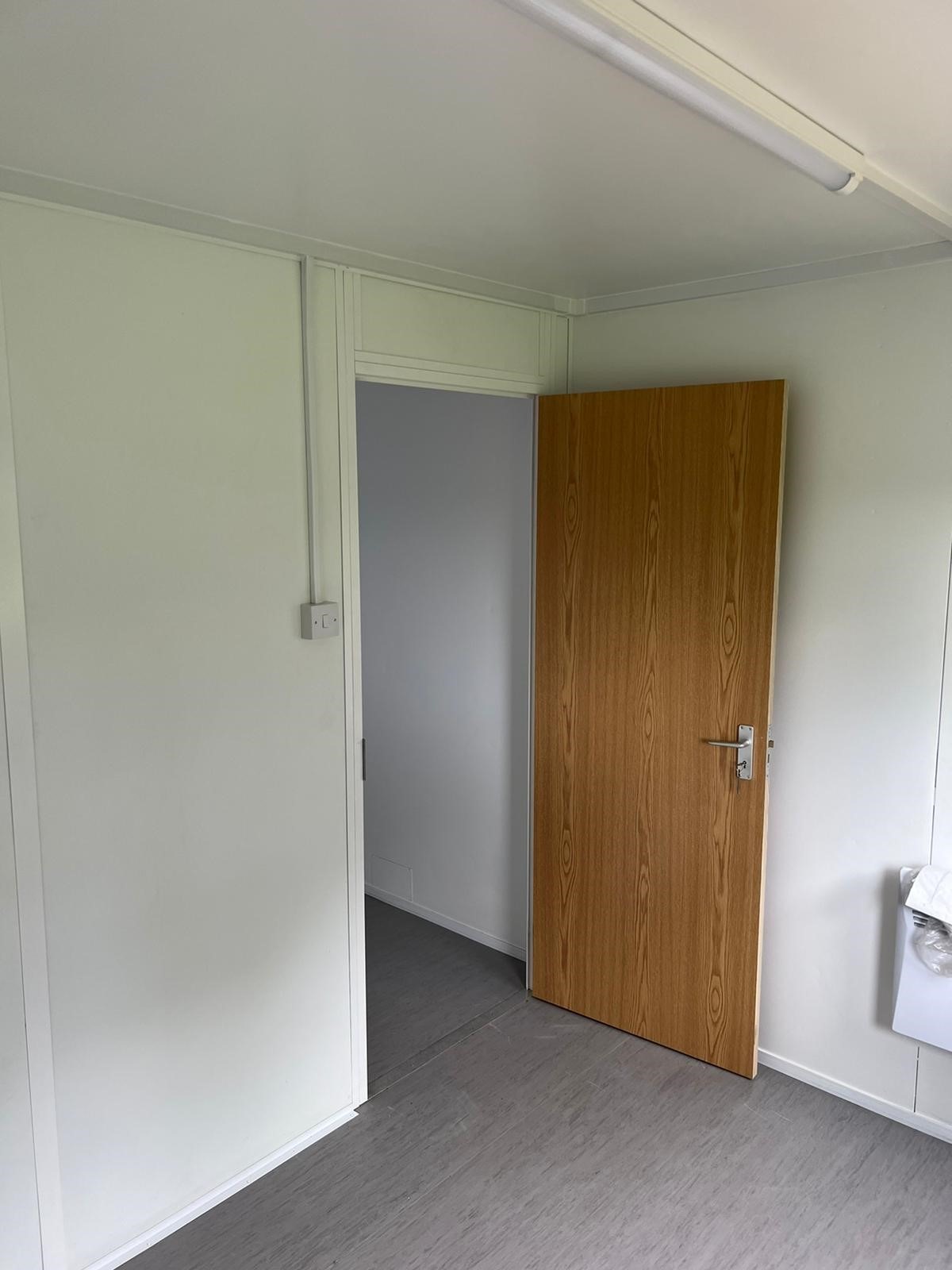
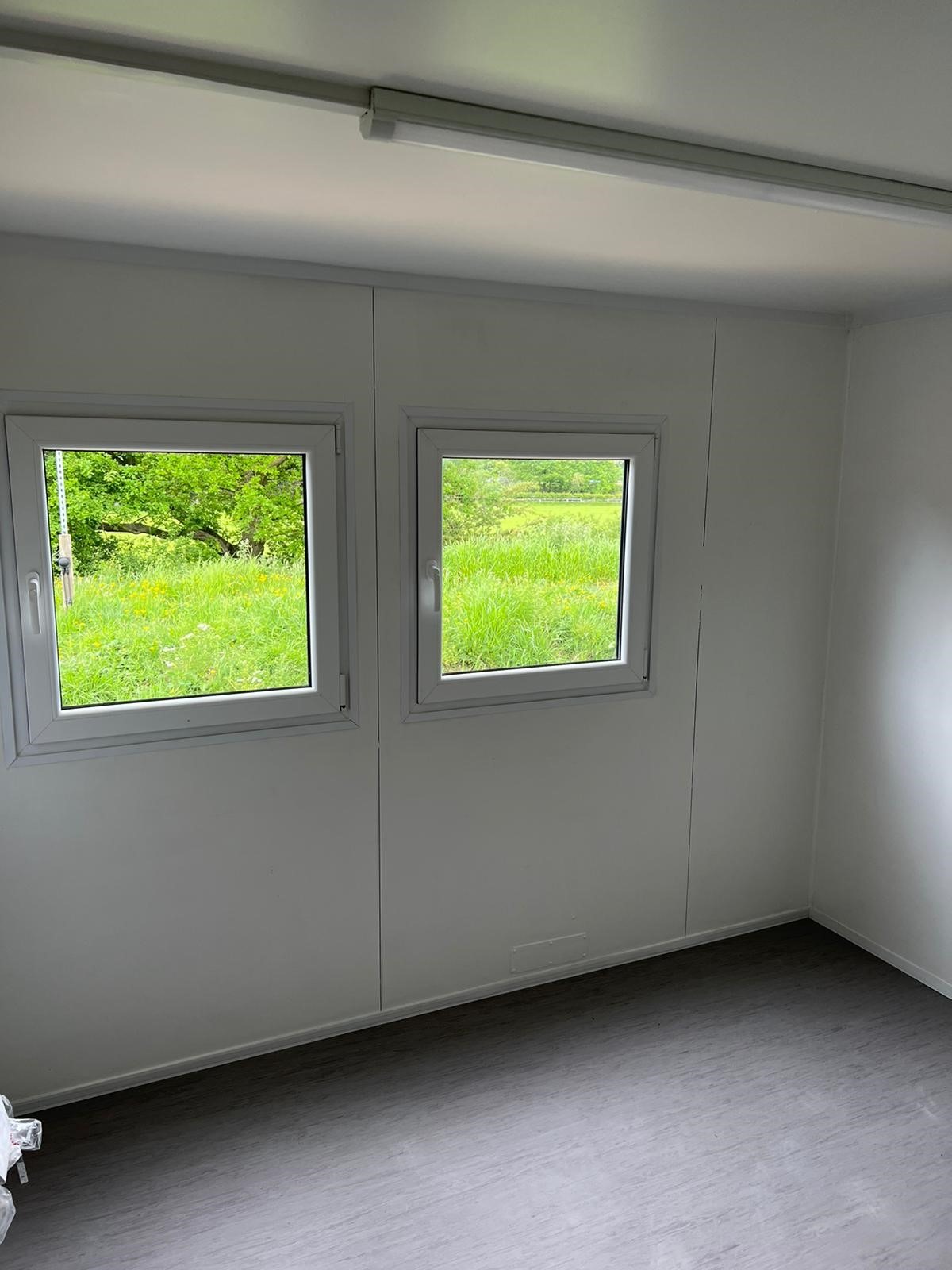
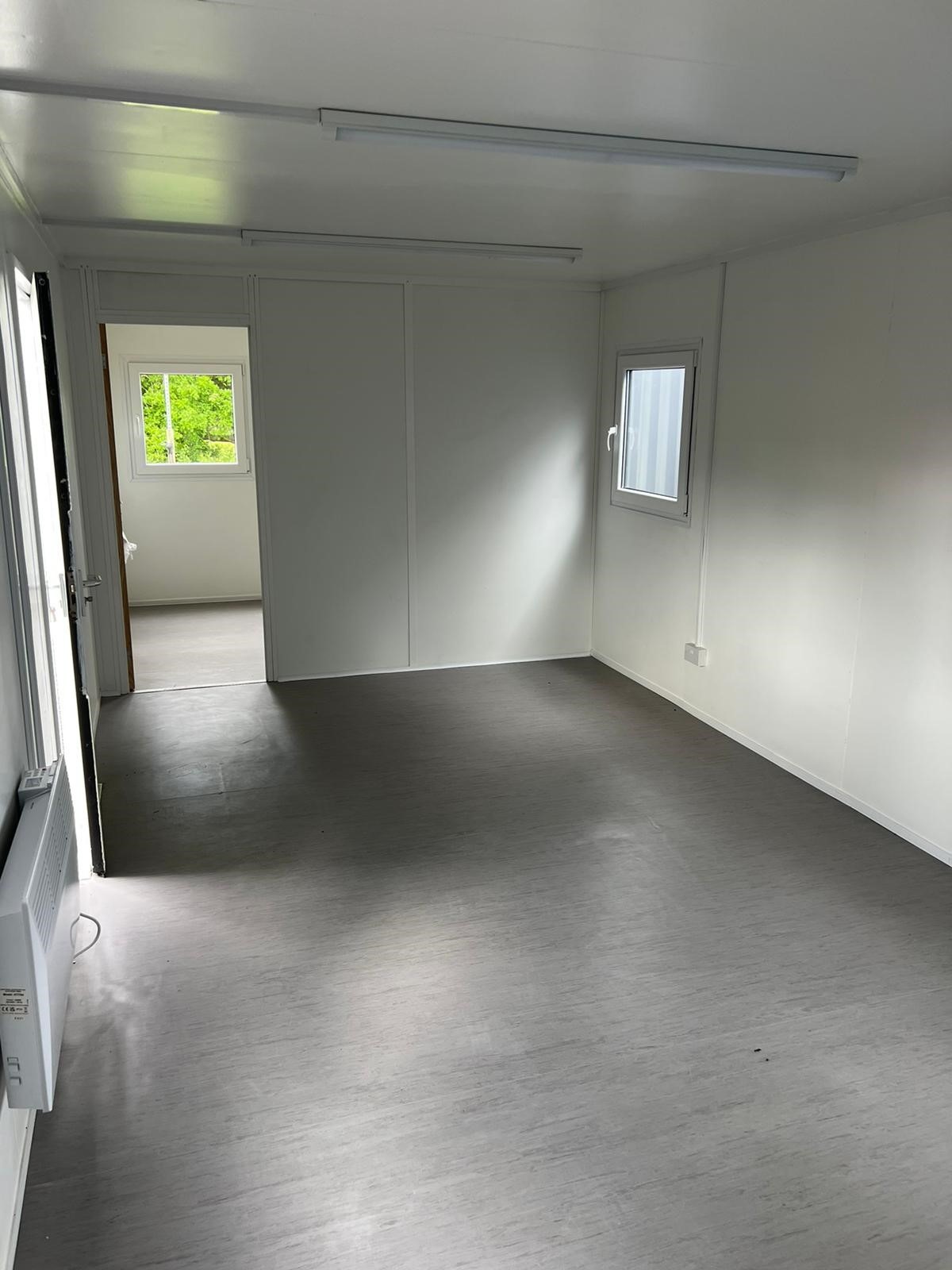
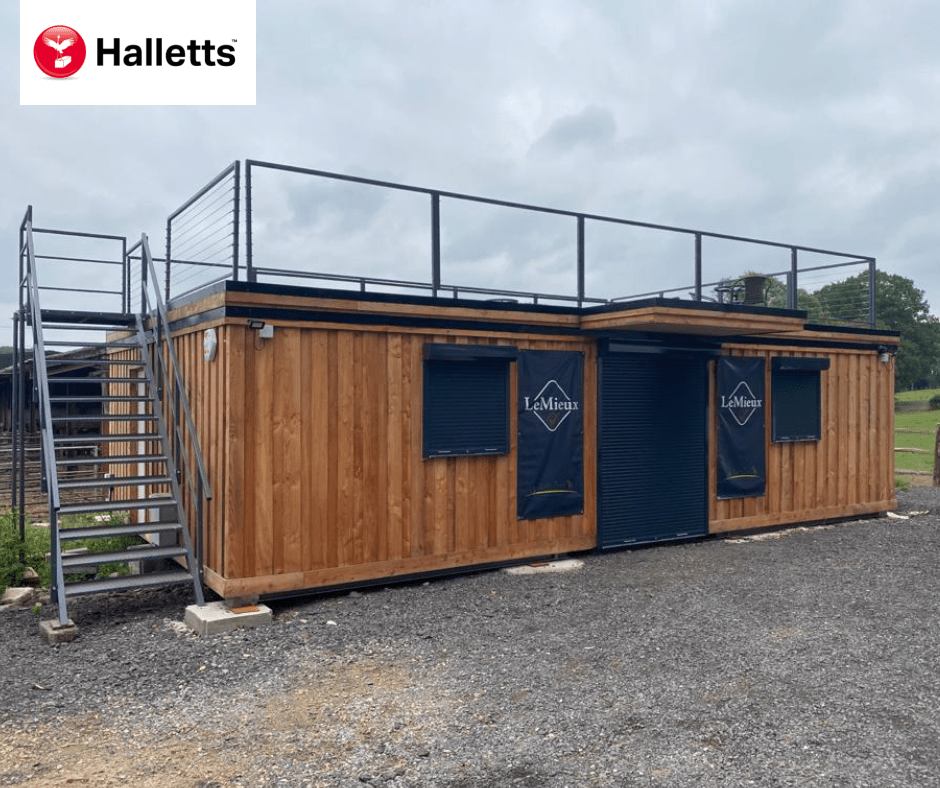
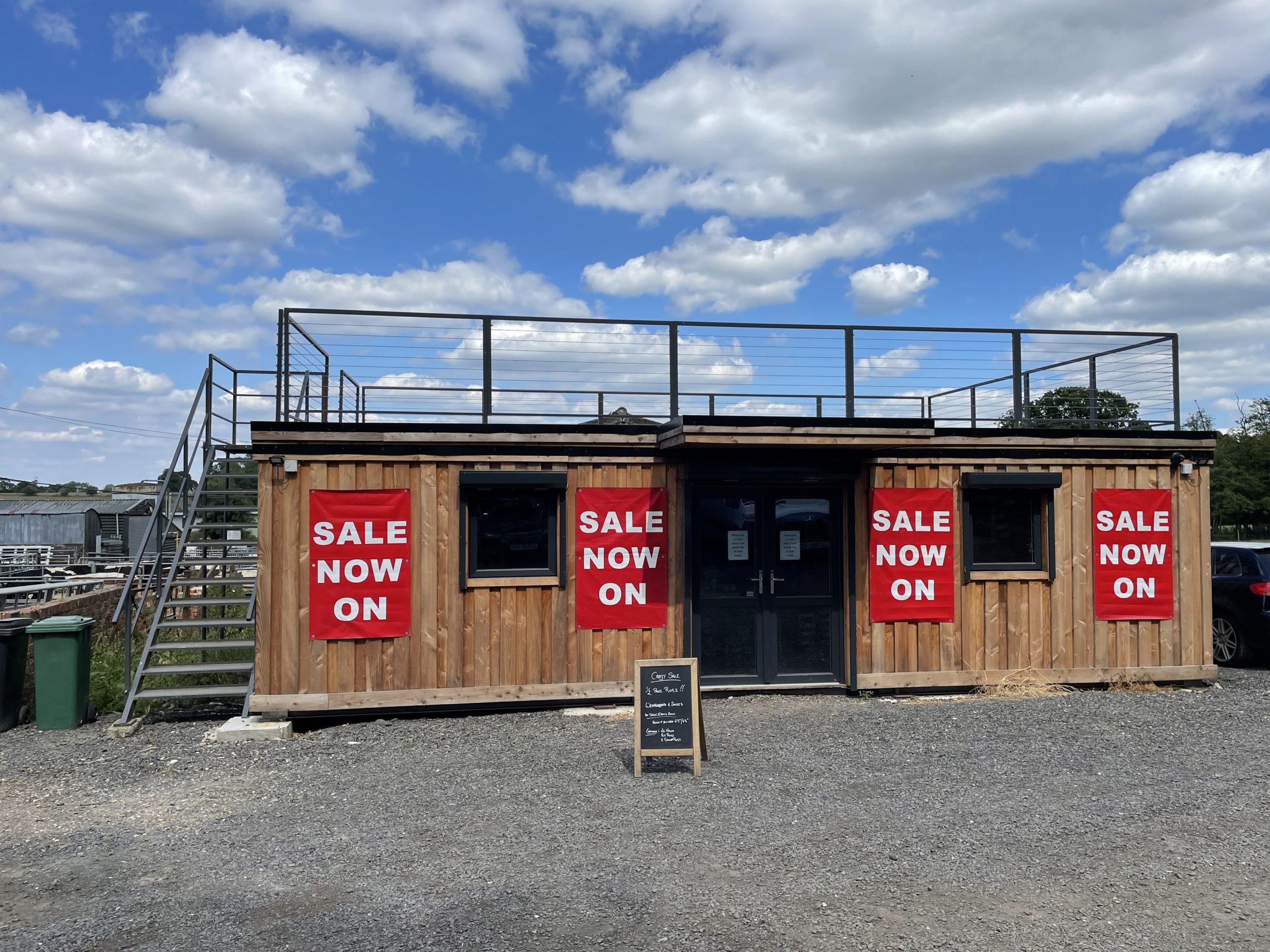
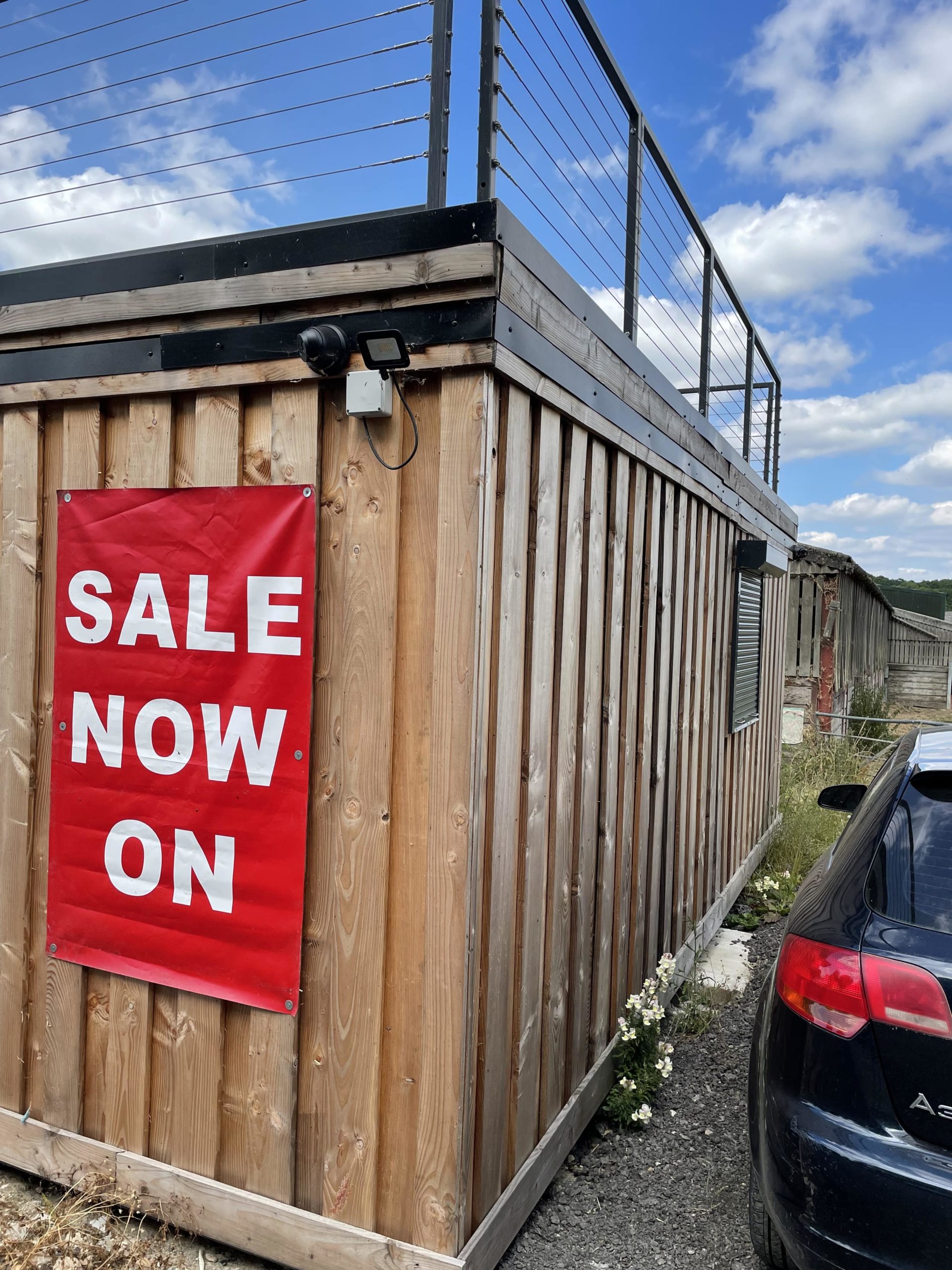
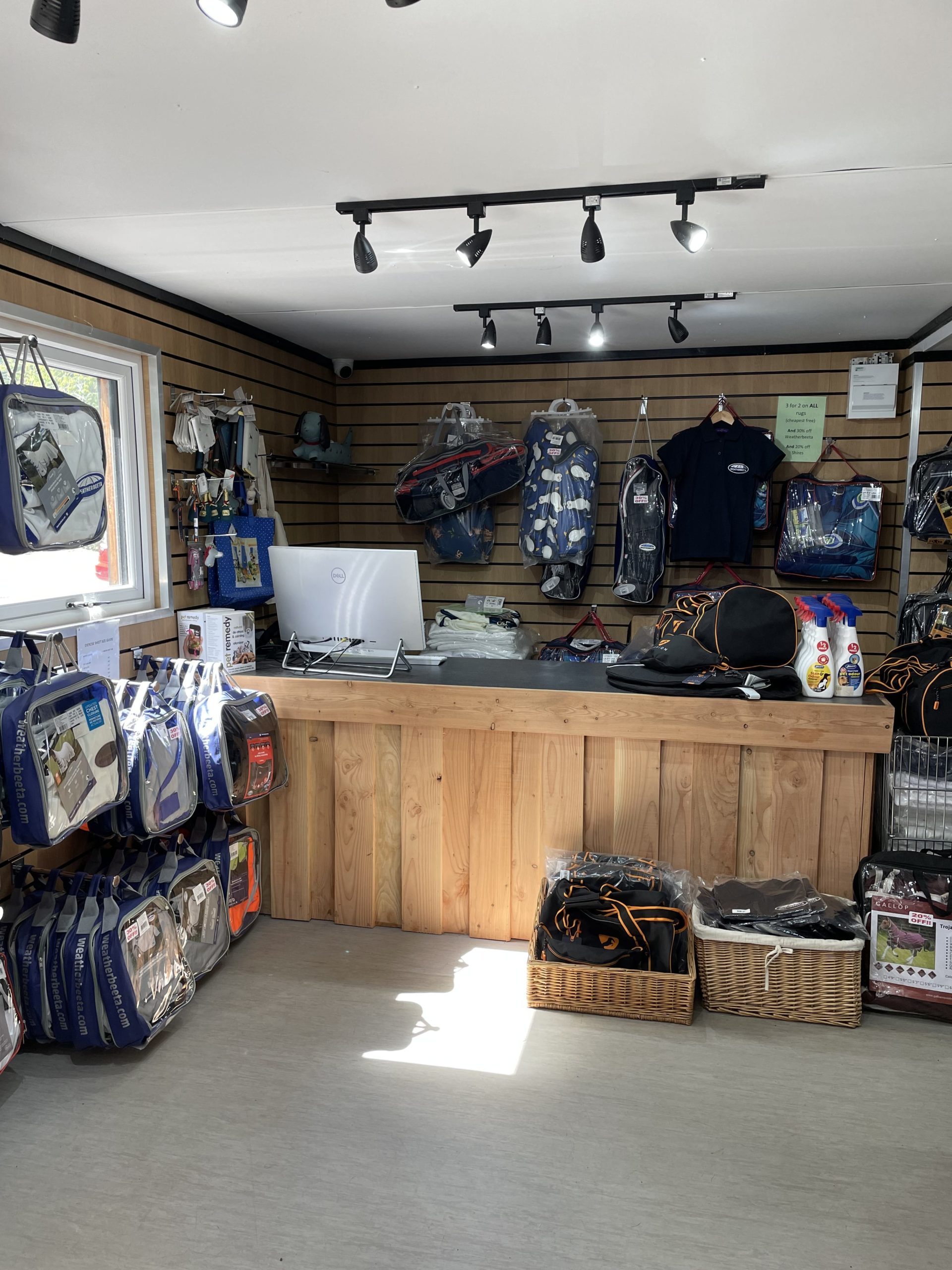
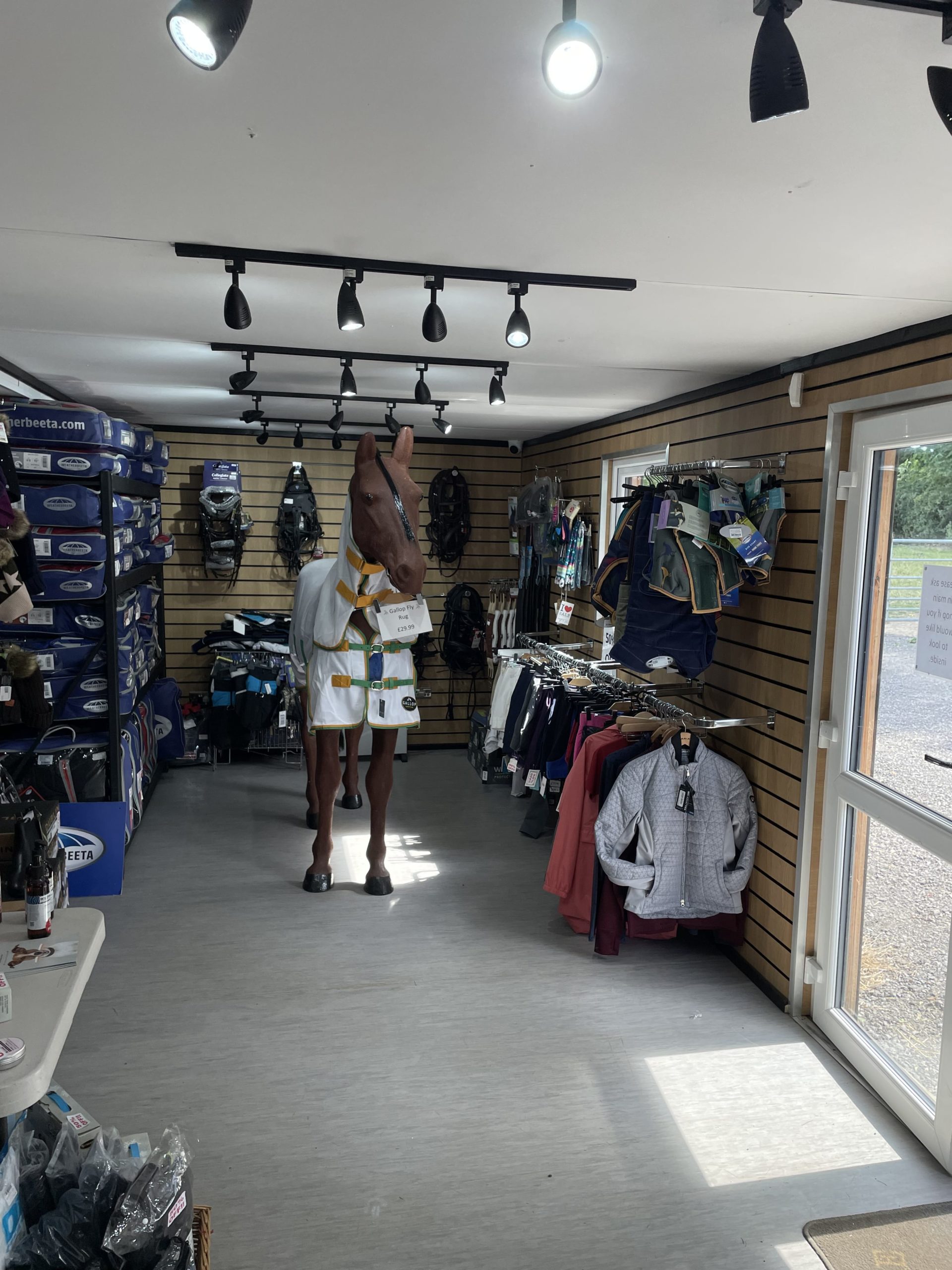
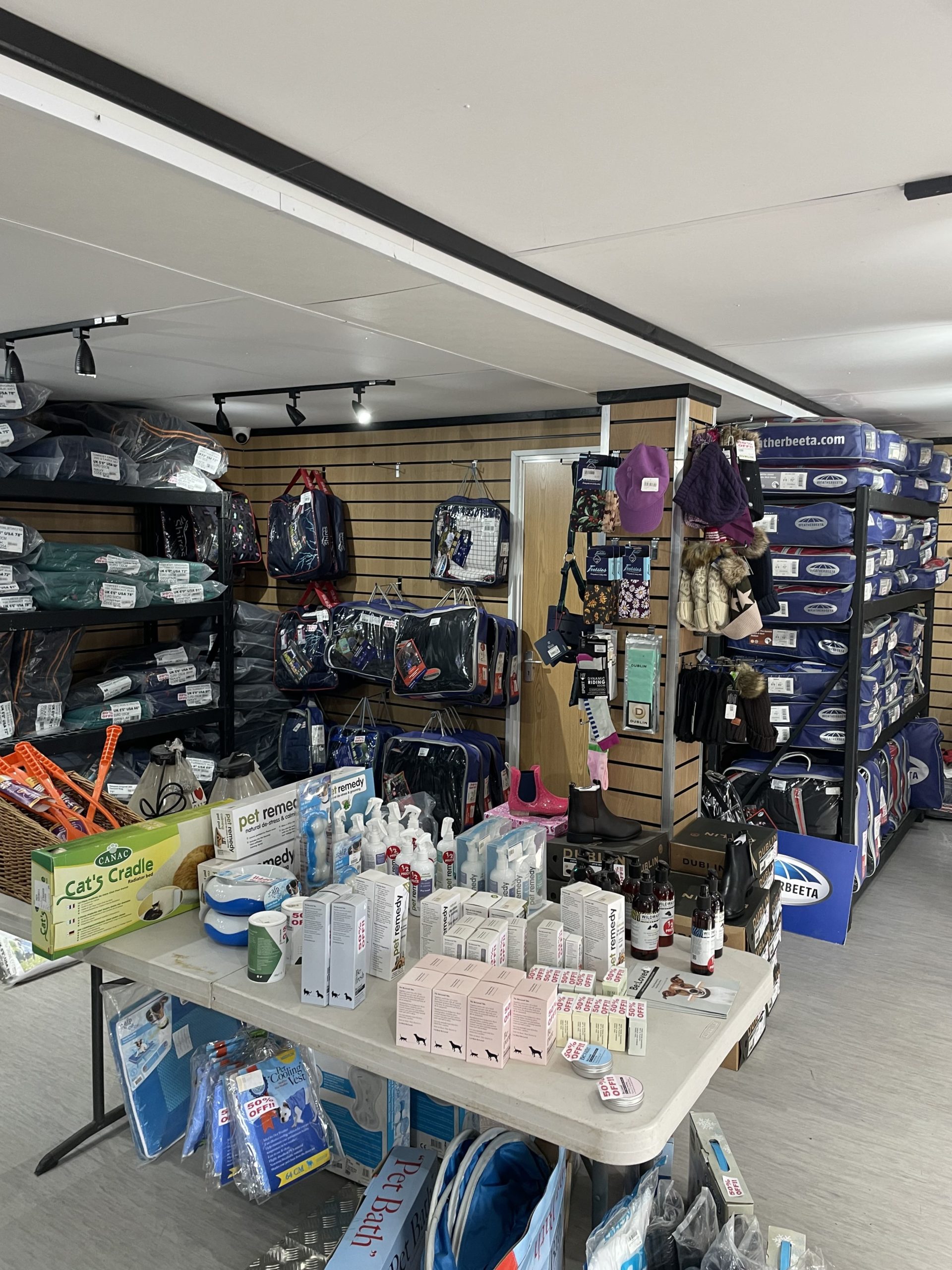
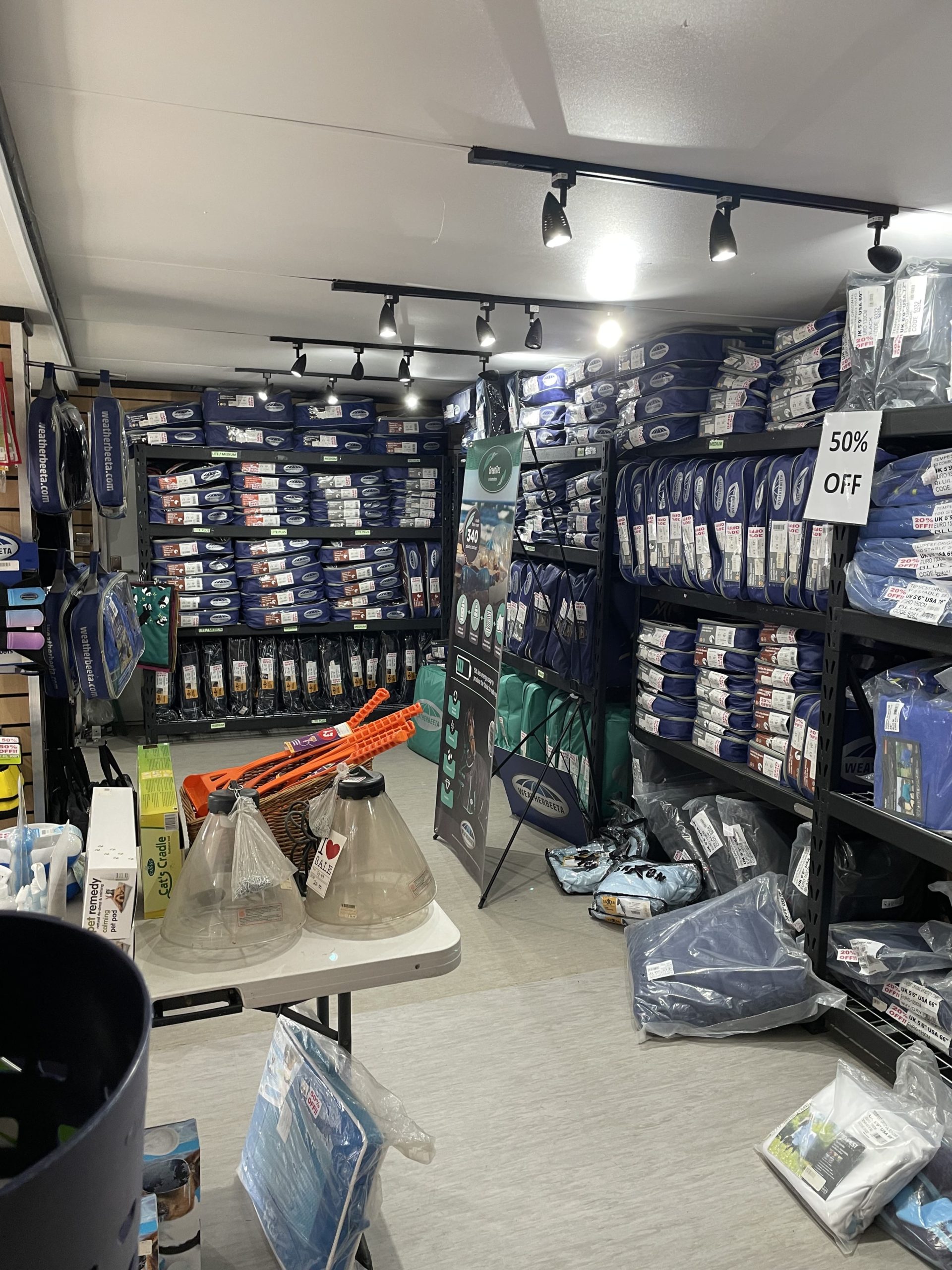
20ft x 8ft Container Conversion Retail Shop
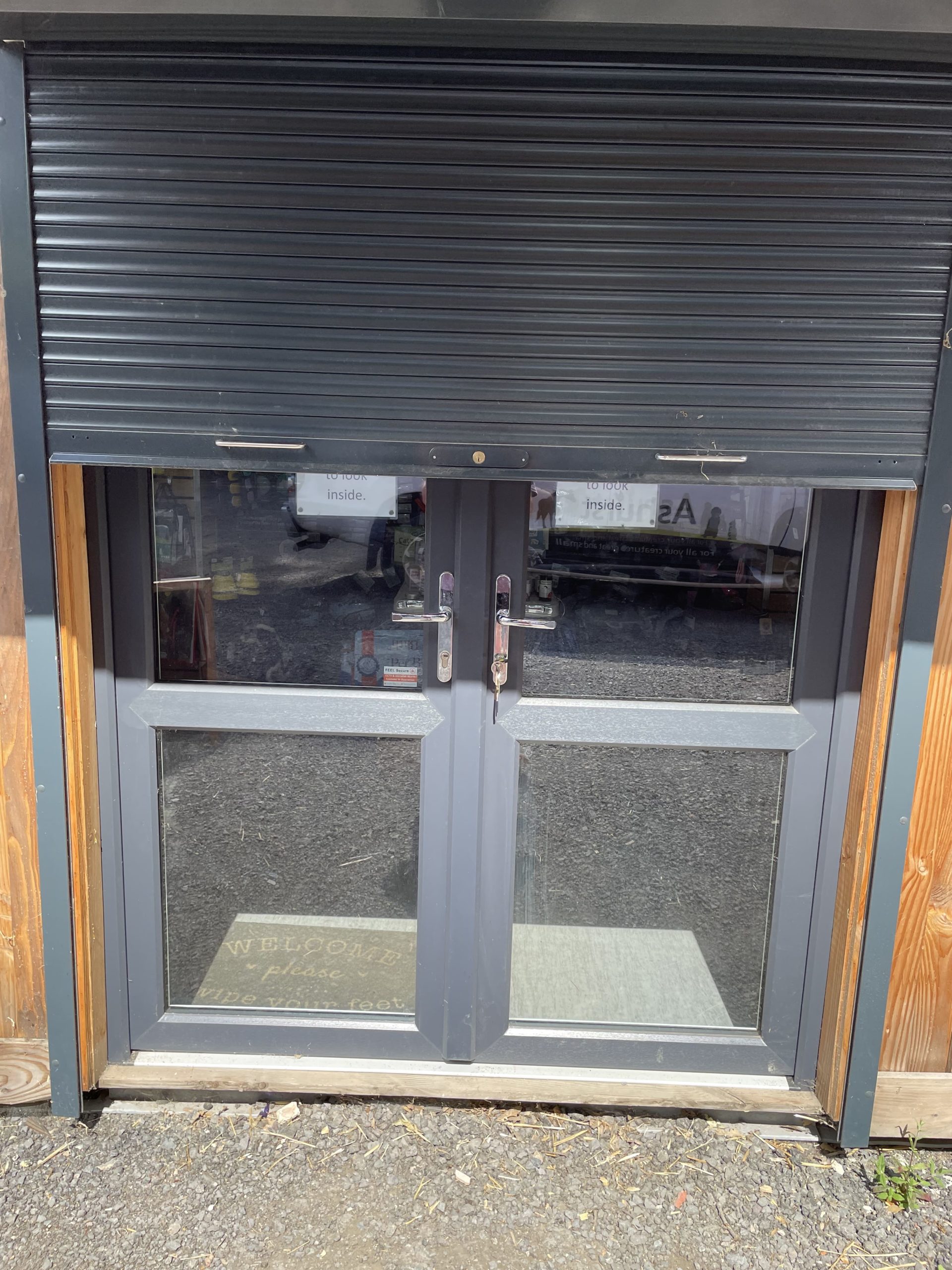
UPVC Double glazed Windows + French Doors
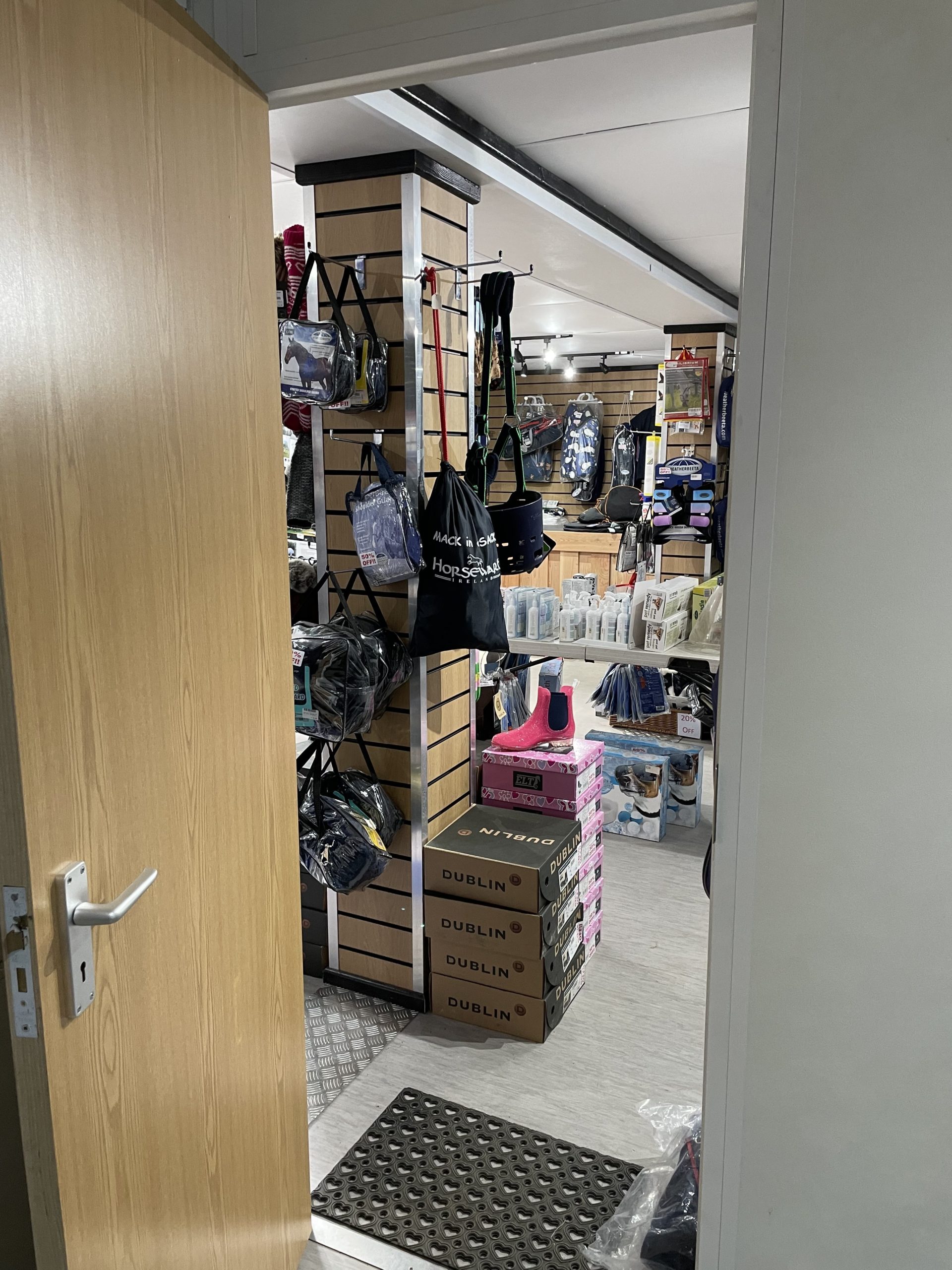
Slat Wall for retail fixings and Merchandise
Electric Chrome Sockets, led lighting and heating.
Laminate Flooring
12 months Warranty
Maintenance call out package included
Less than 2 years old
Still in Brand New Condition
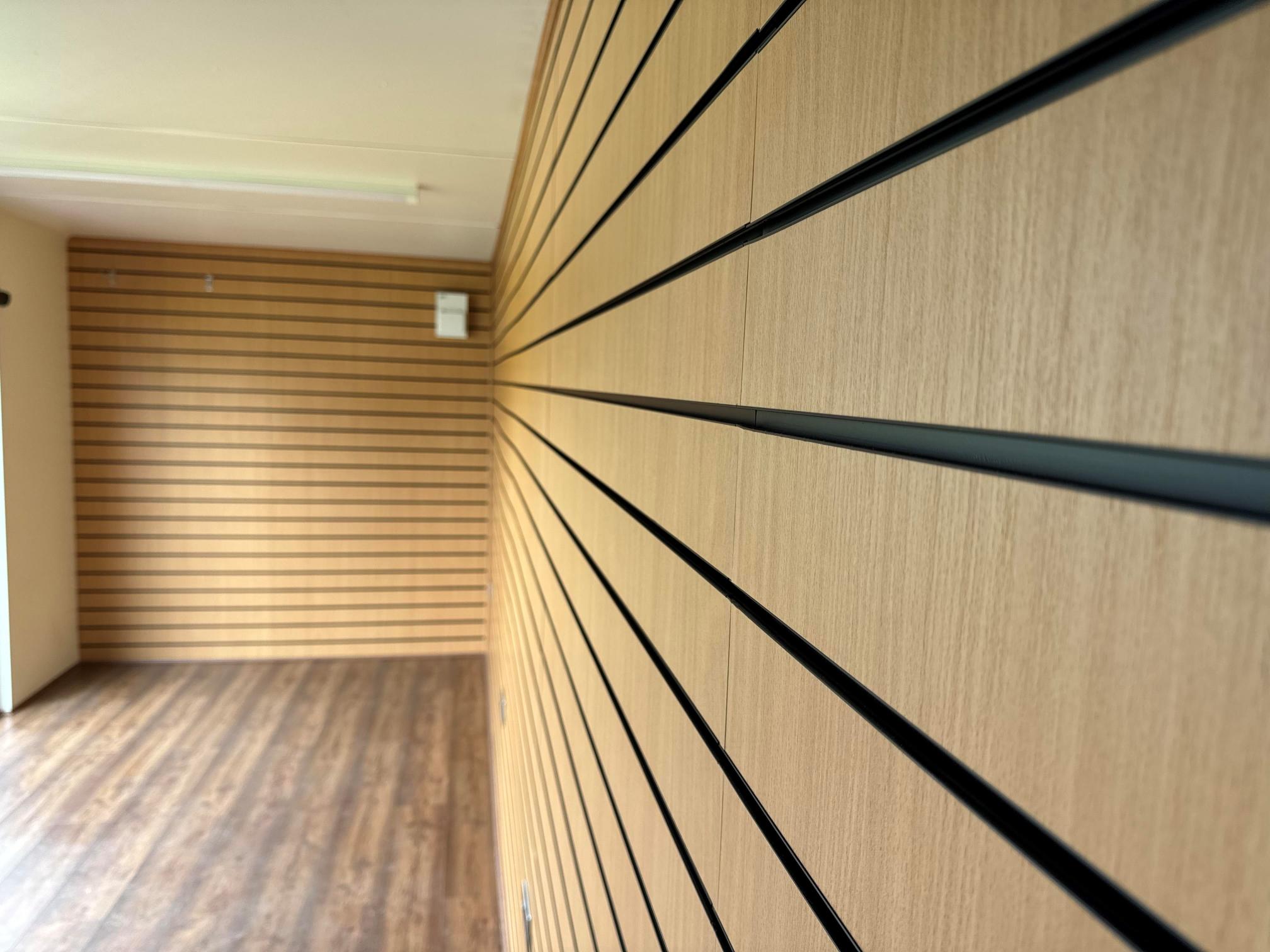
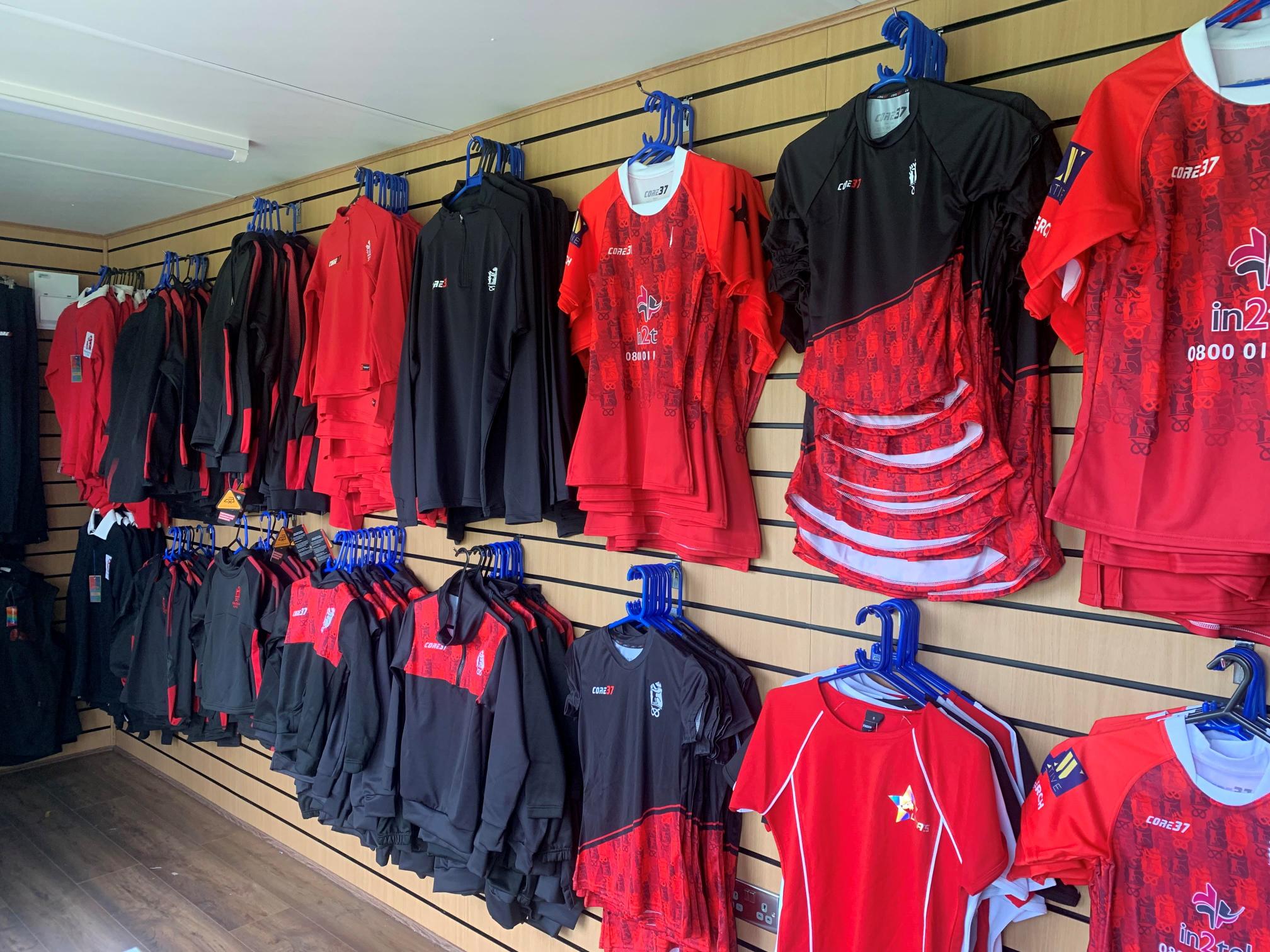
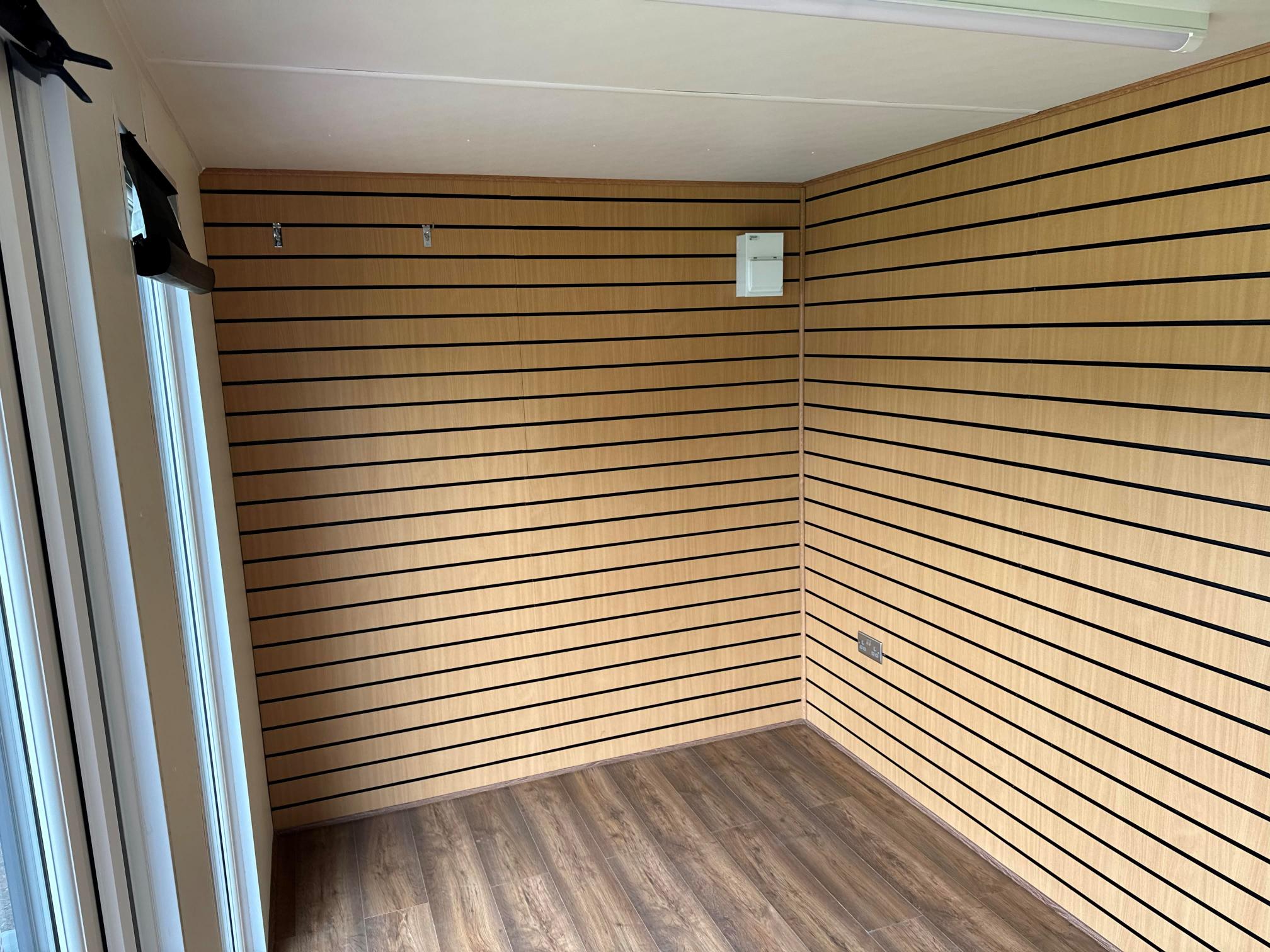
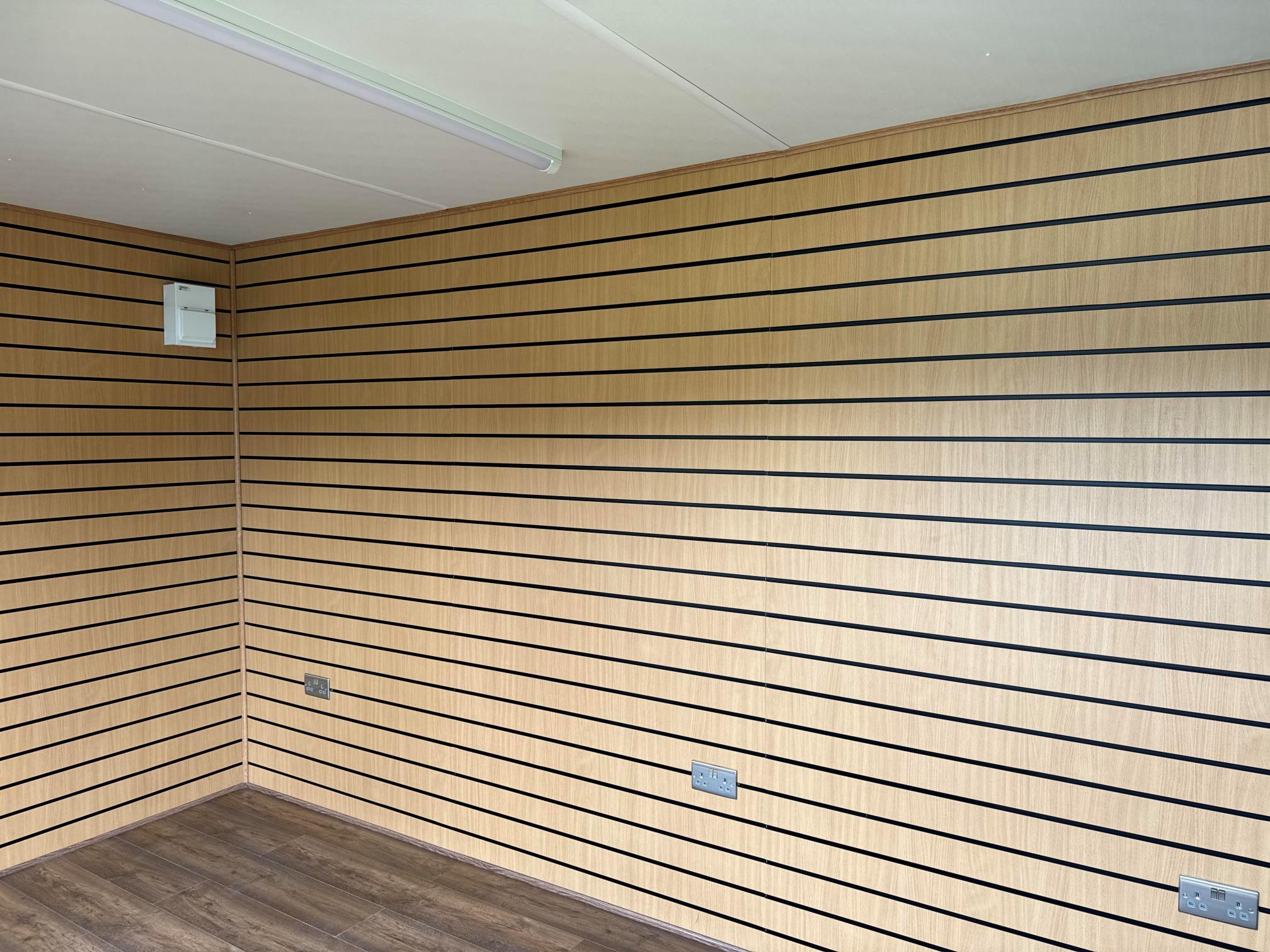
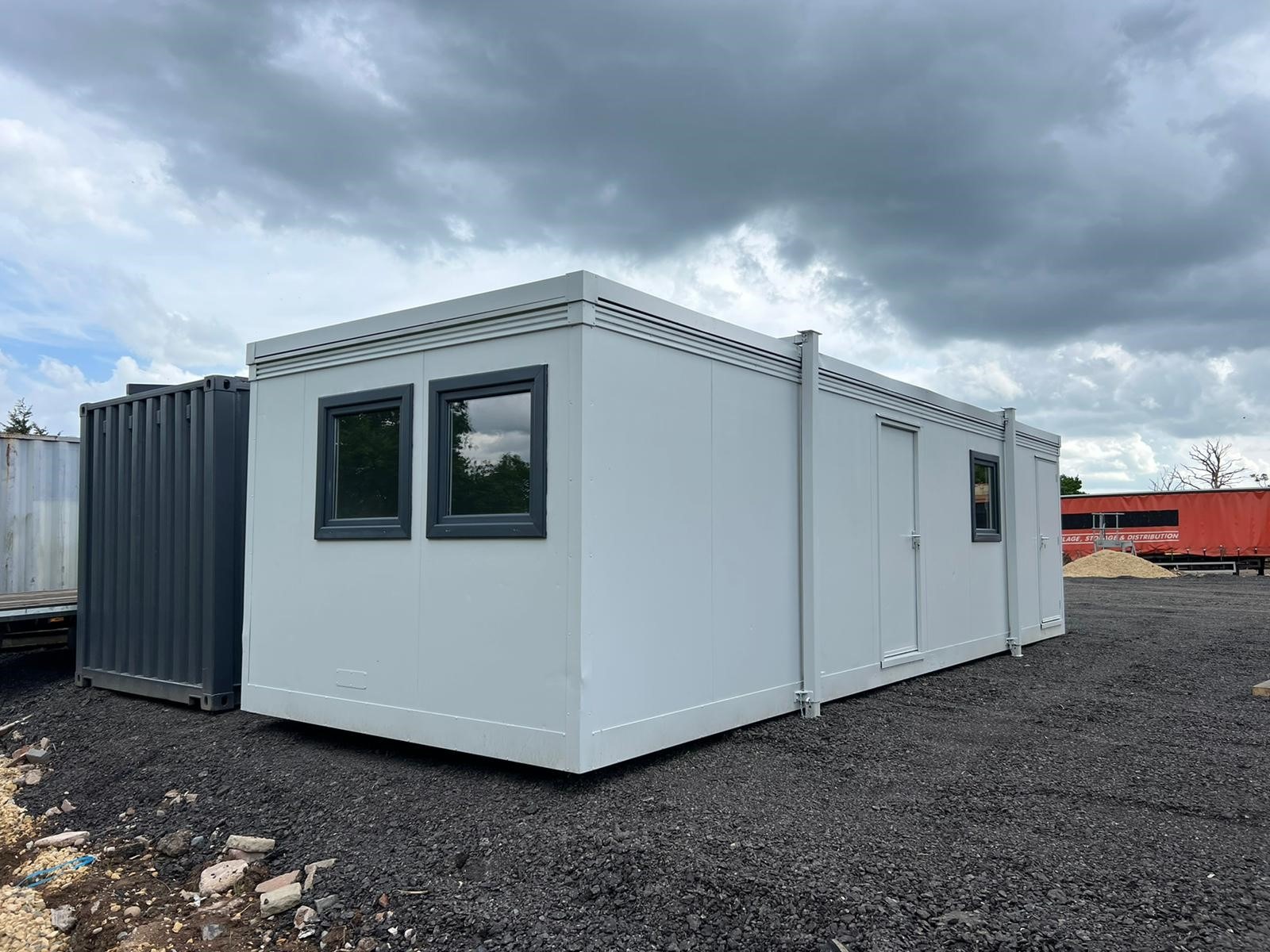
Fully refurbished
Colour light grey
Slate grey anthracite upvc double glazed windows
Location: Nationwide
+ VAT
Not Available for Hire
Call for an instant quote!
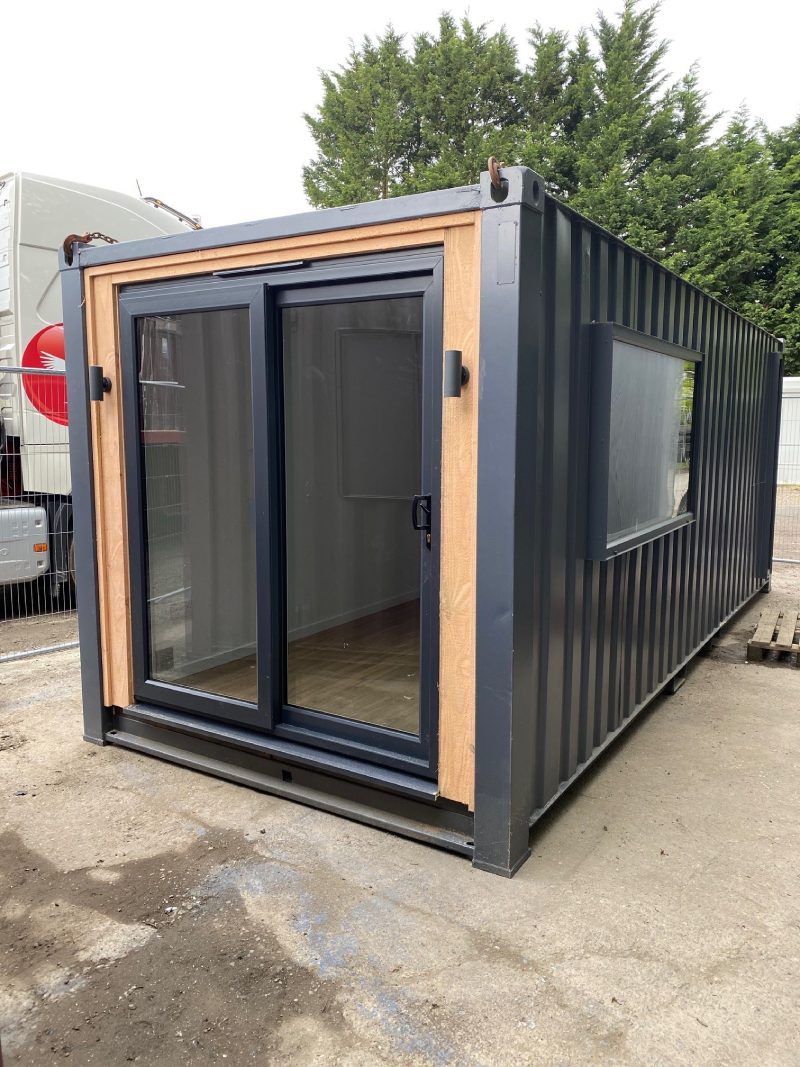
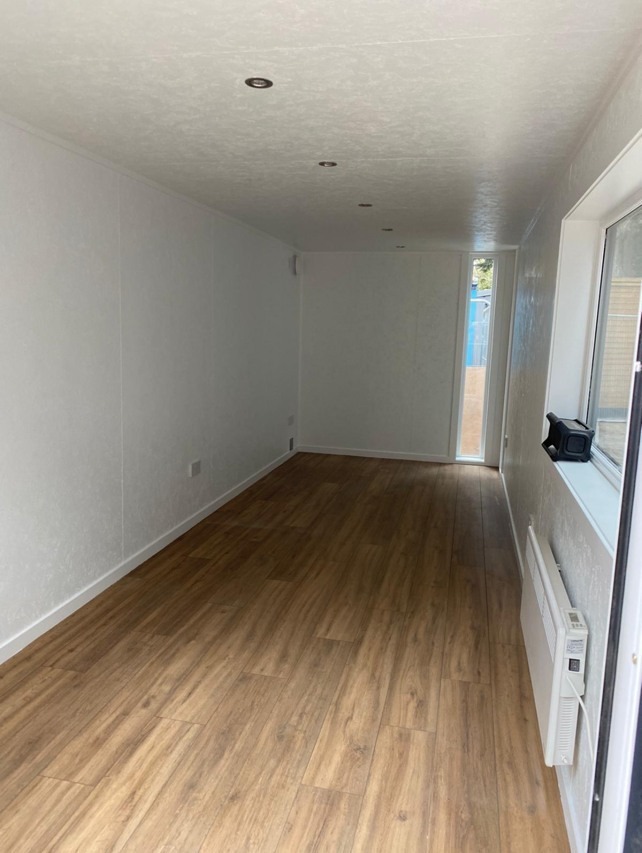
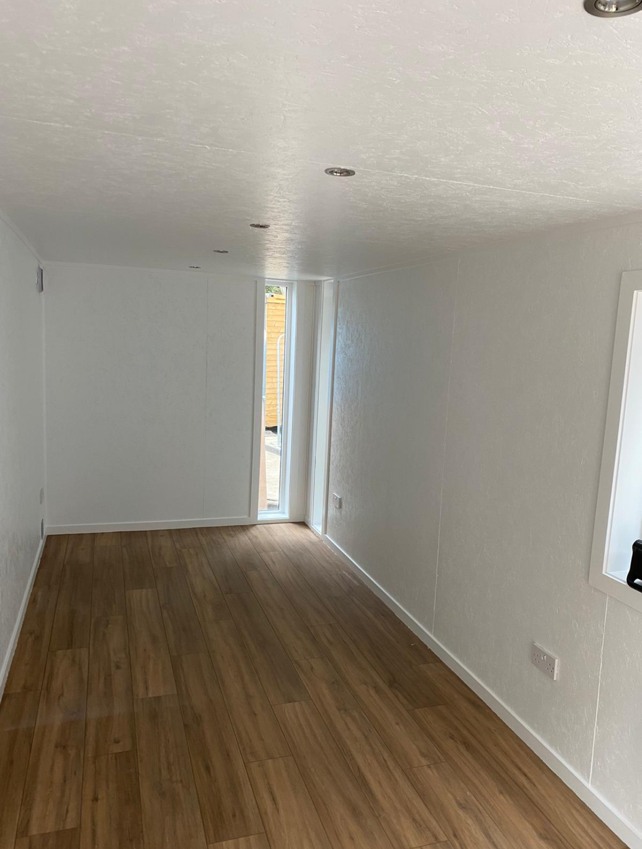
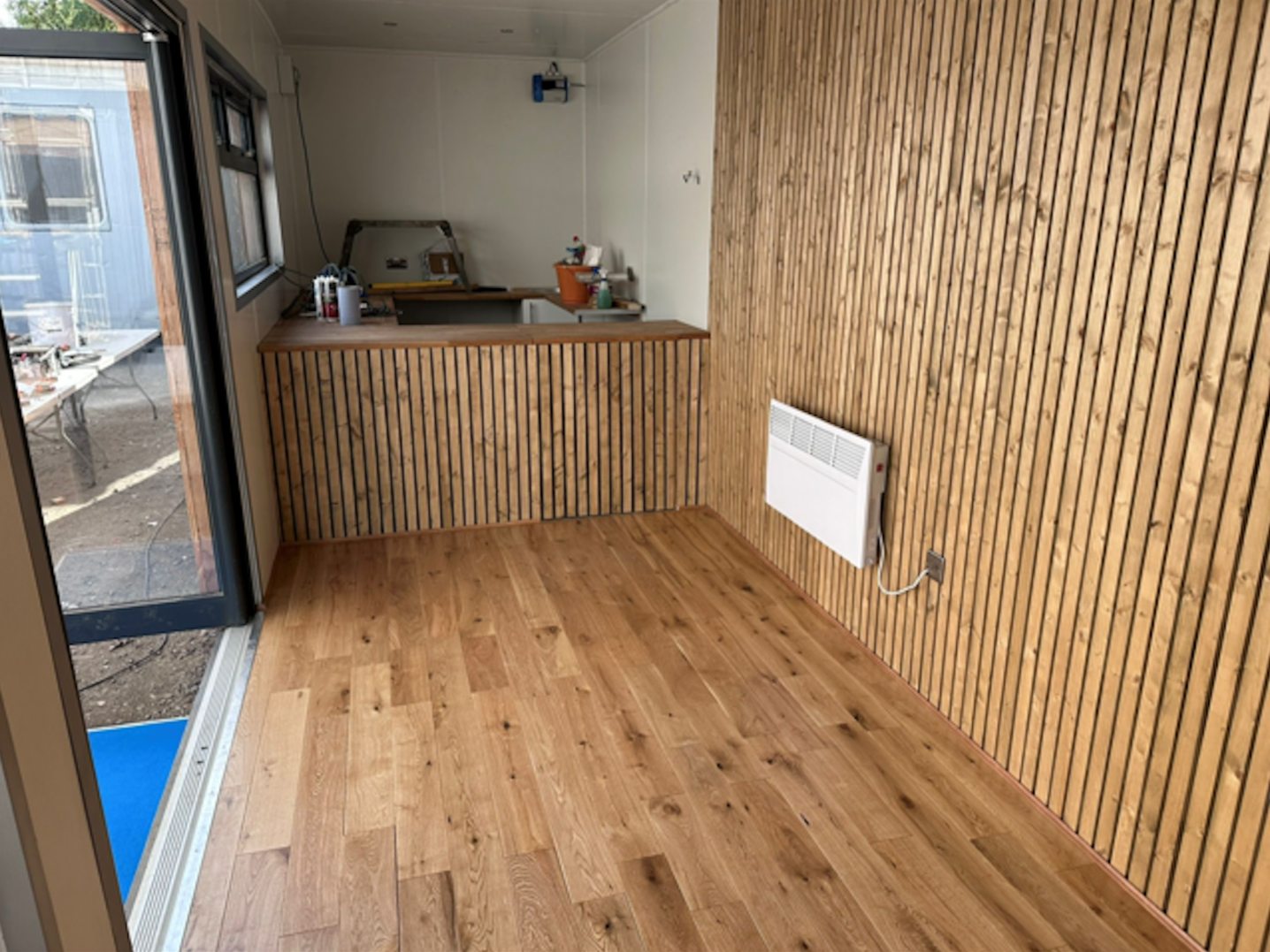
Fully Insulated with electric sockets, spot lighting, and heating
Wood Flooring
UPVC Sliding Door + Windows
Lead Time for build 6-8 weeks
Location: Nationwide
+ VAT
Not Available for Hire
Call for an instant quote!
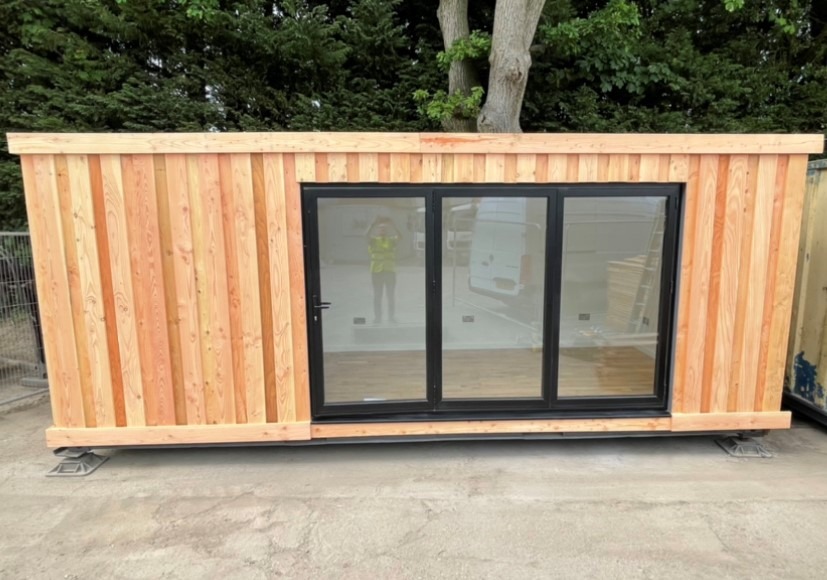
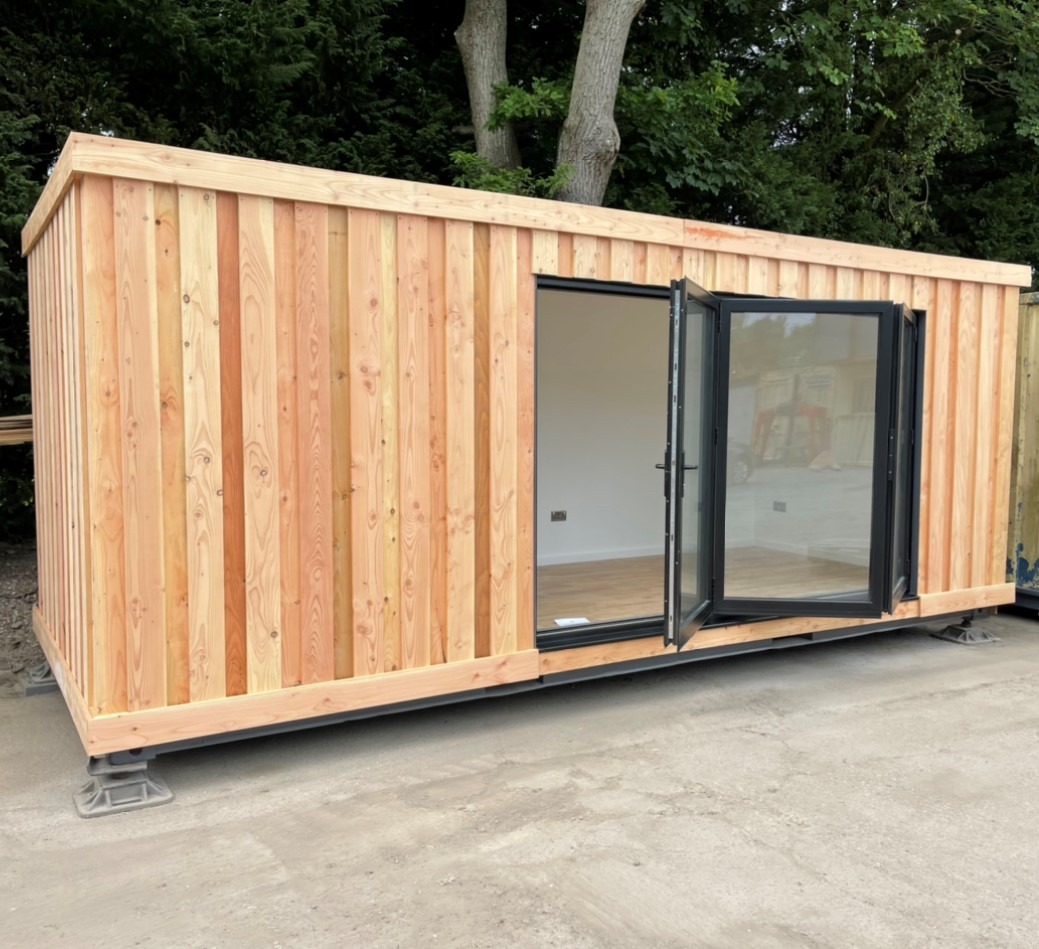
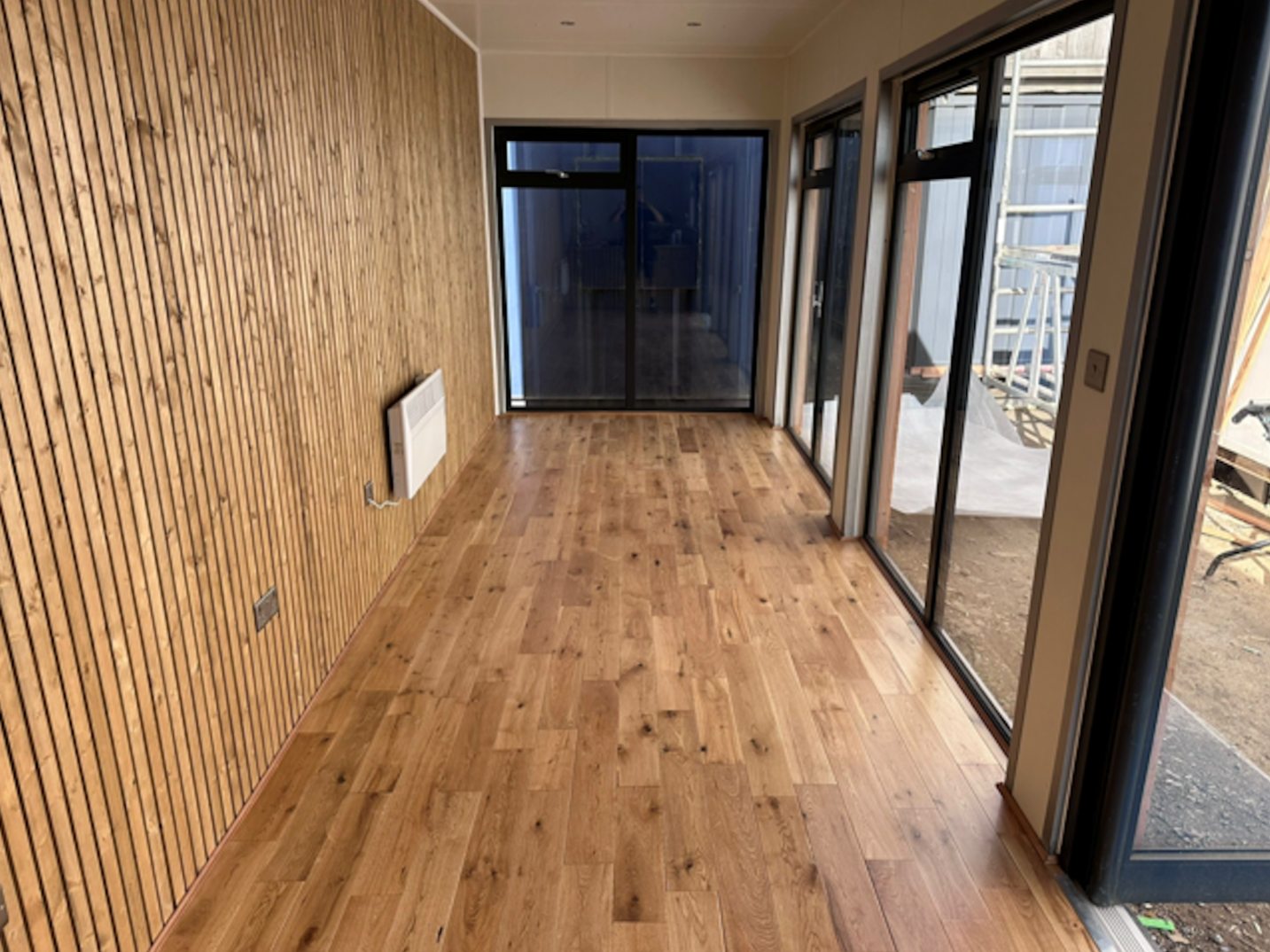
Fully Insulated with electric sockets, spot lighting, and heating
Wood Flooring
Aluminium Bi Fold Doors
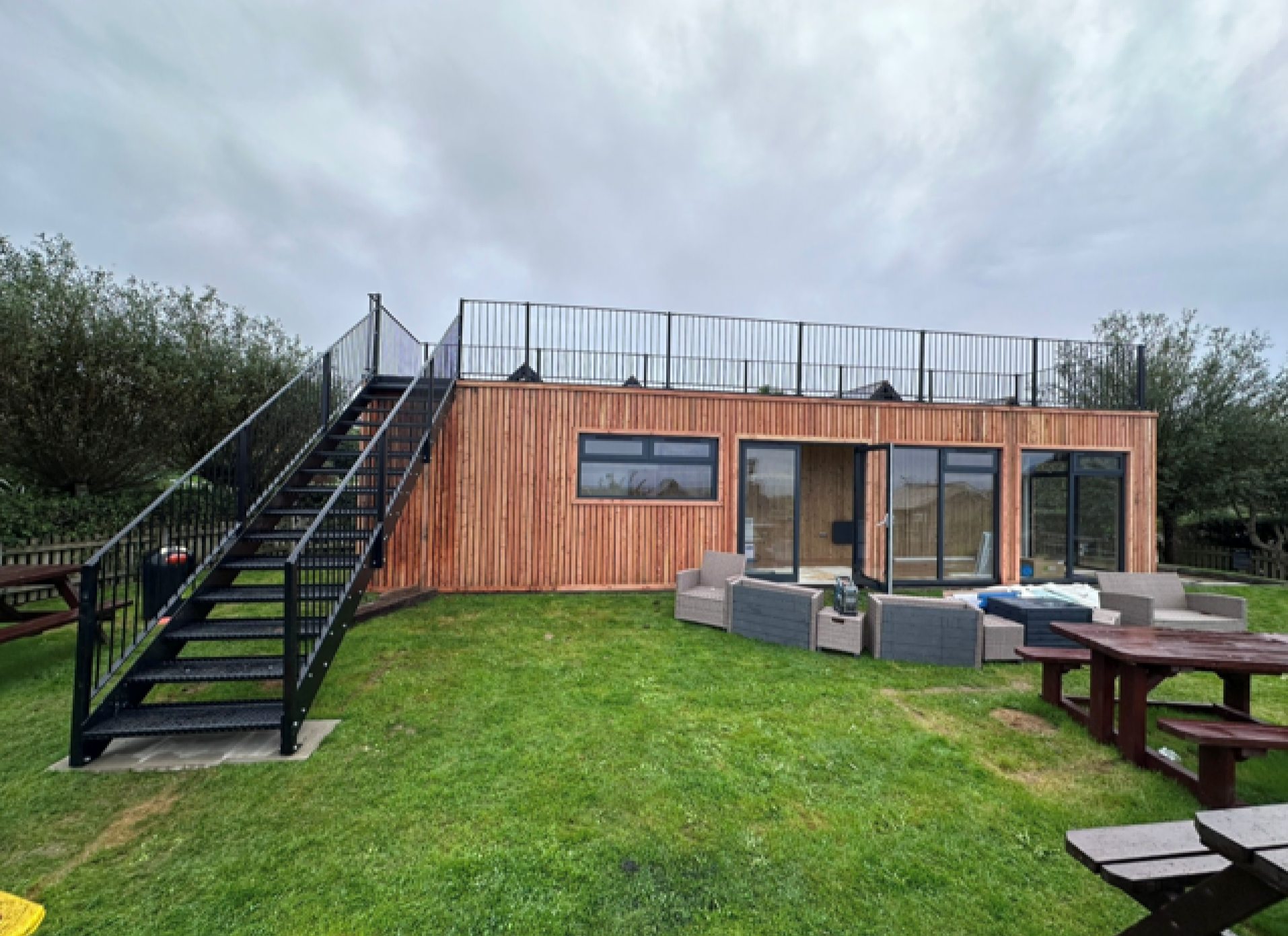
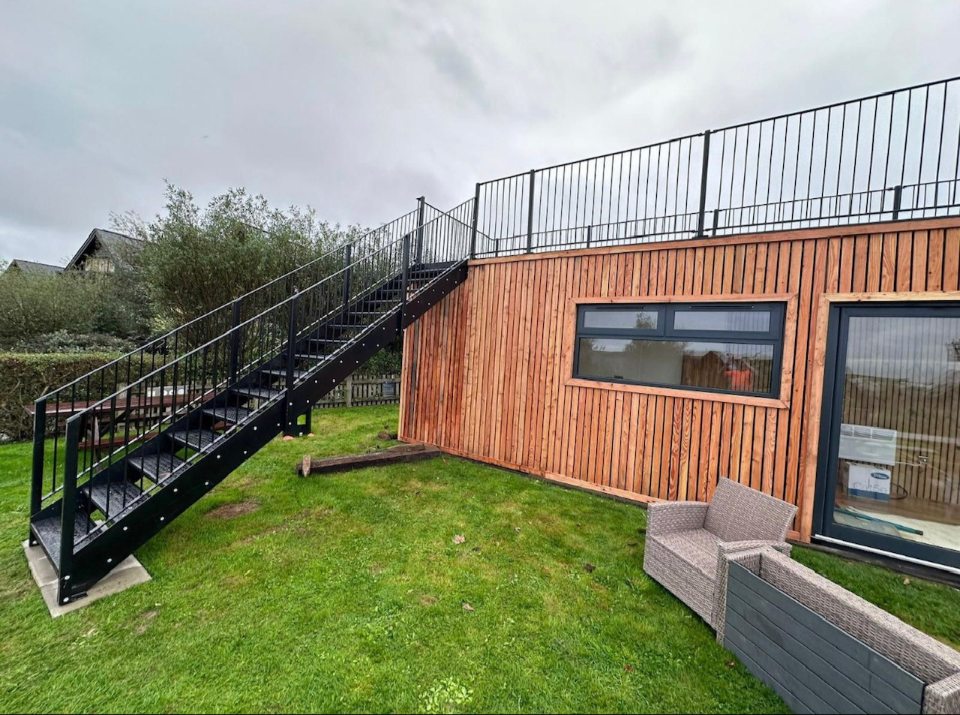
Fully wrapped in larch cladding
Lead Time for build 6-8 weeks
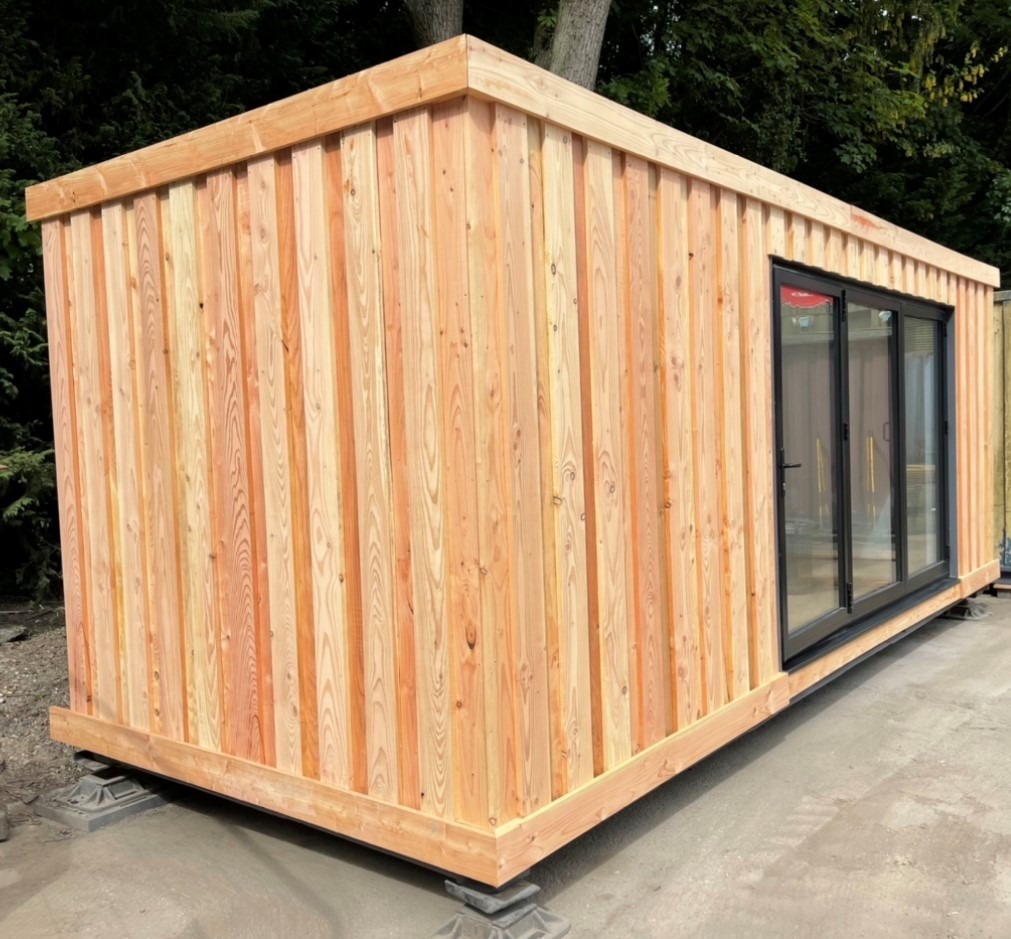
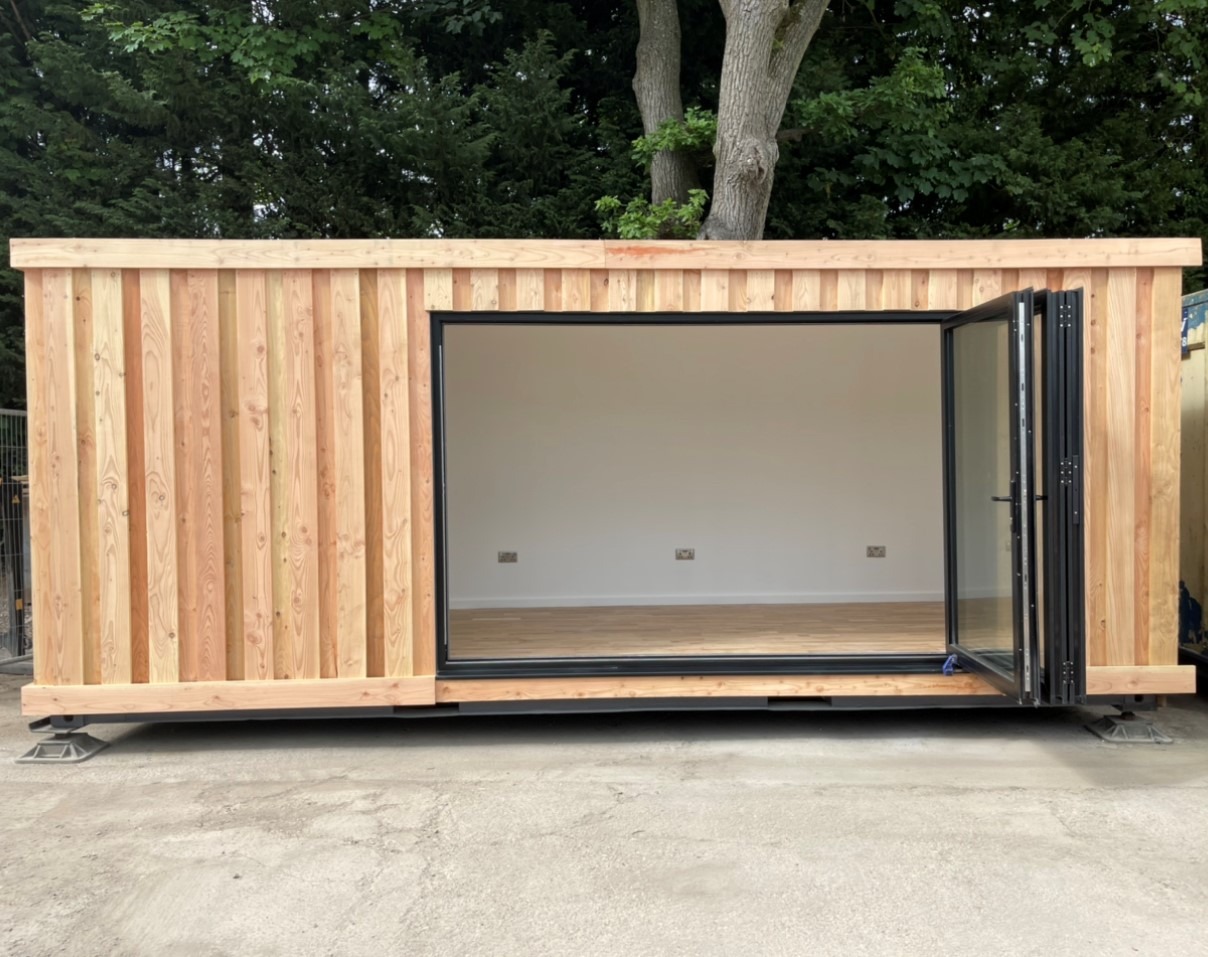
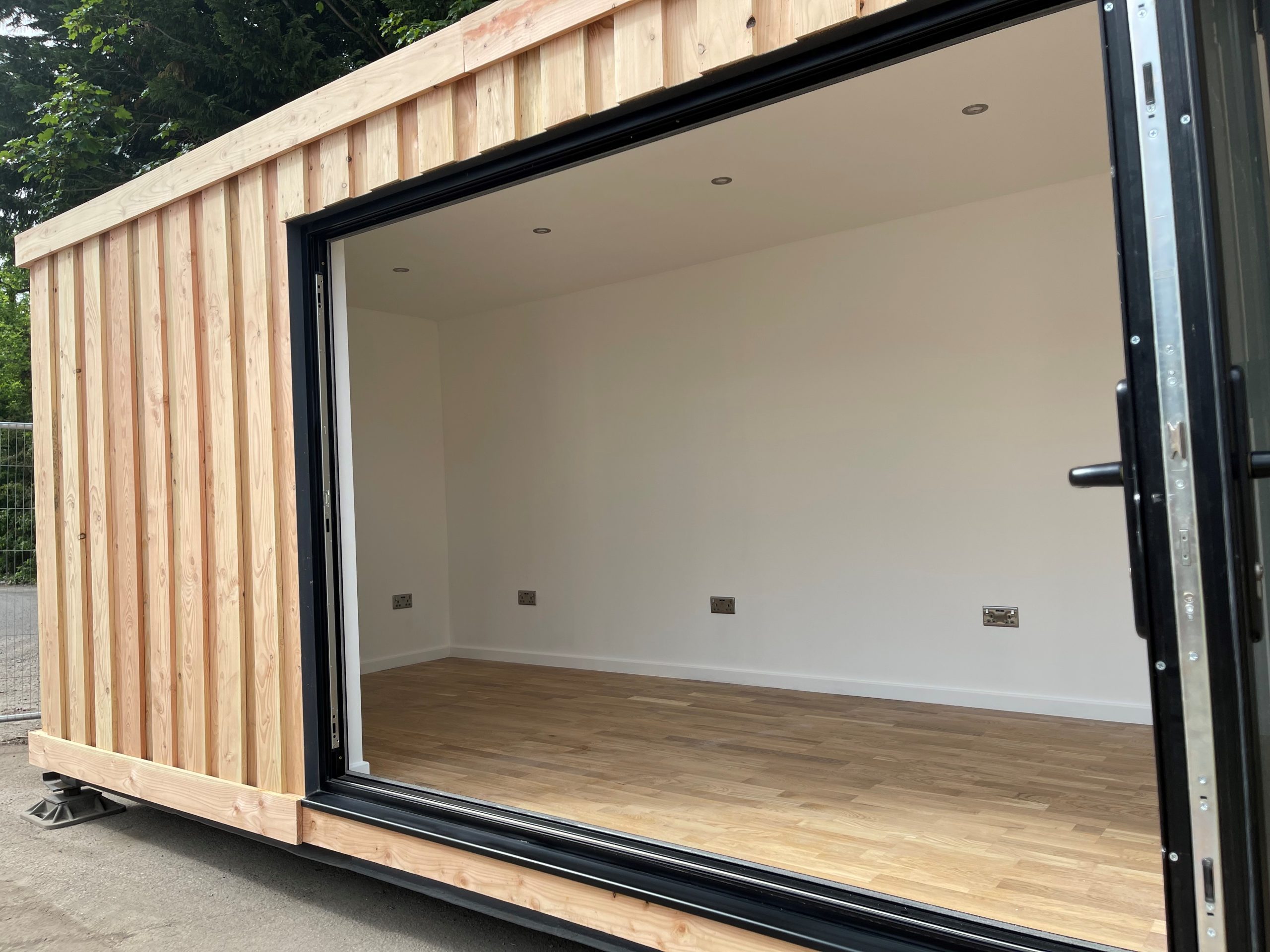
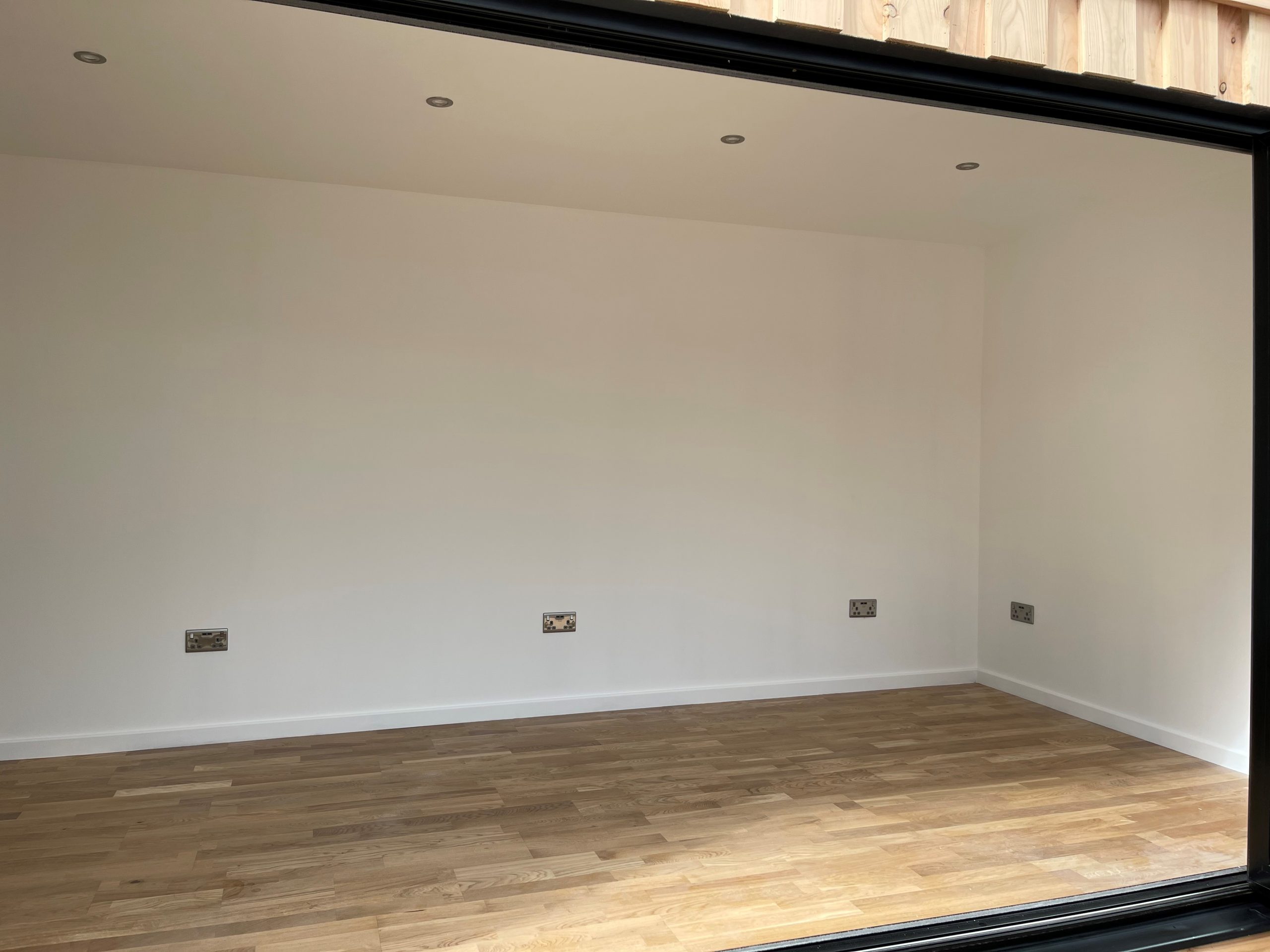
Location: Nationwide
+ VAT
Not Available for Hire
Call for an instant quote!
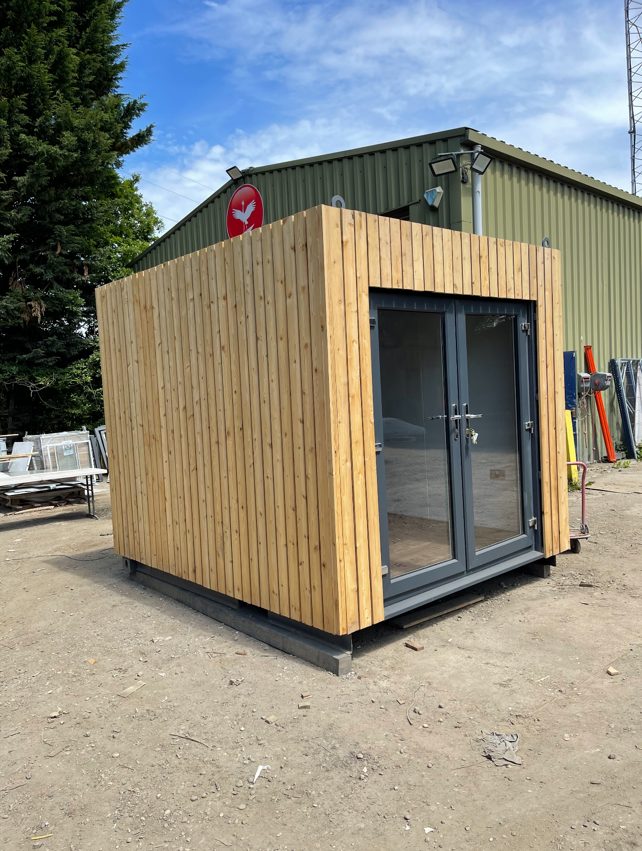
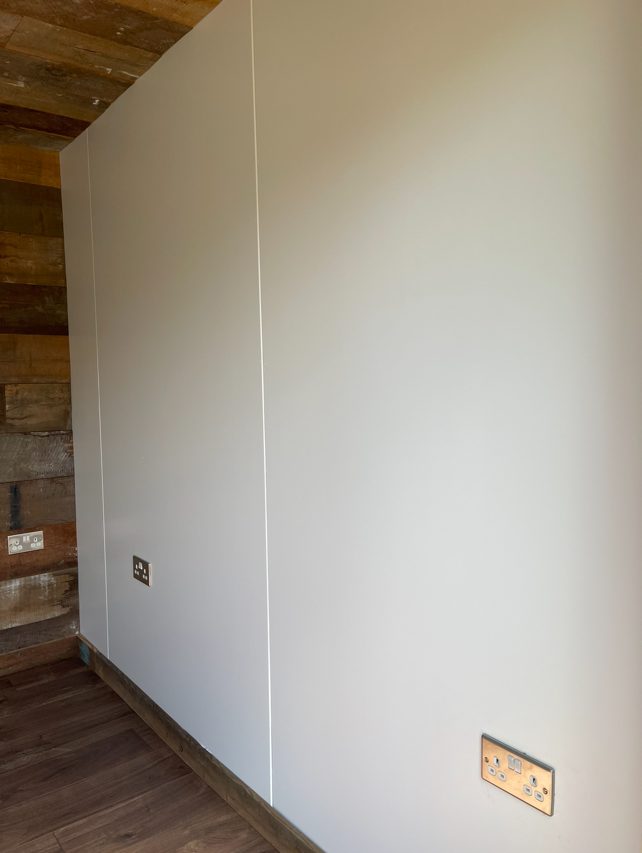
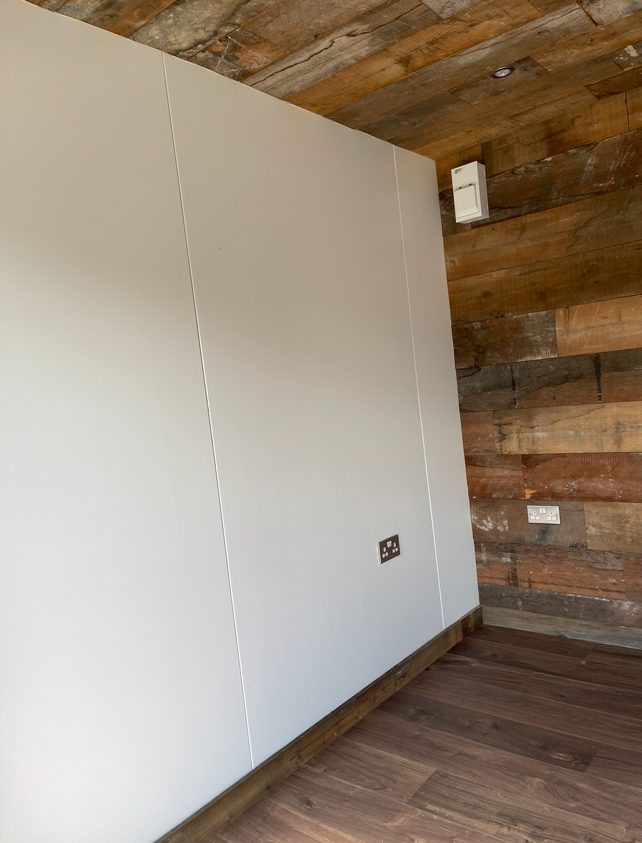
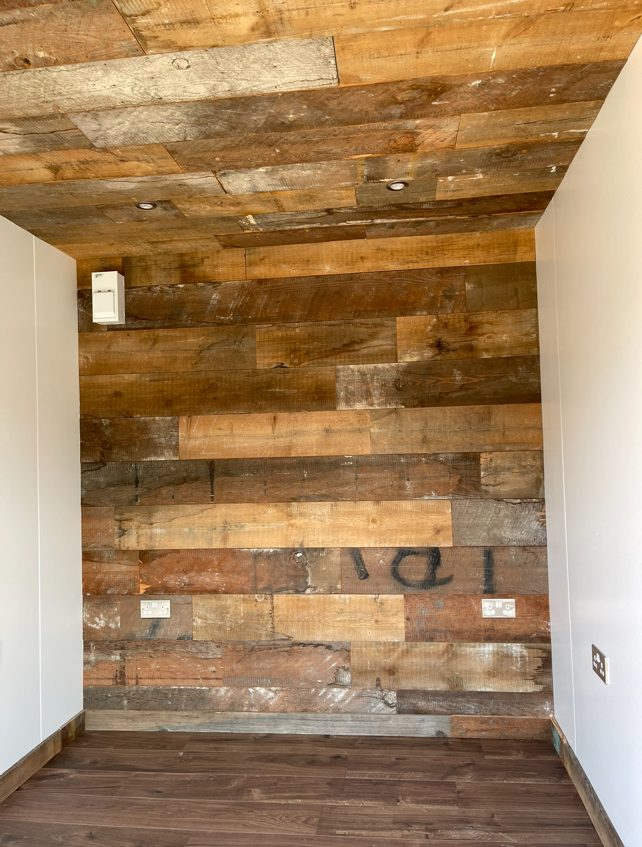
Fully Insulated with electric sockets, spot lighting, and heating
Wood Flooring
Feature Clad Wall and Ceiling
UPVC Double glazed French Doors
Fully wrapped in larch cladding
Lead Time for build 6-8 weeks
Location: Nationwide
EX VAT
Not Available for Hire
Call for an instant quote!
Location: Nationwide
EX VAT
Not Available for Hire
Call for an instant quote!
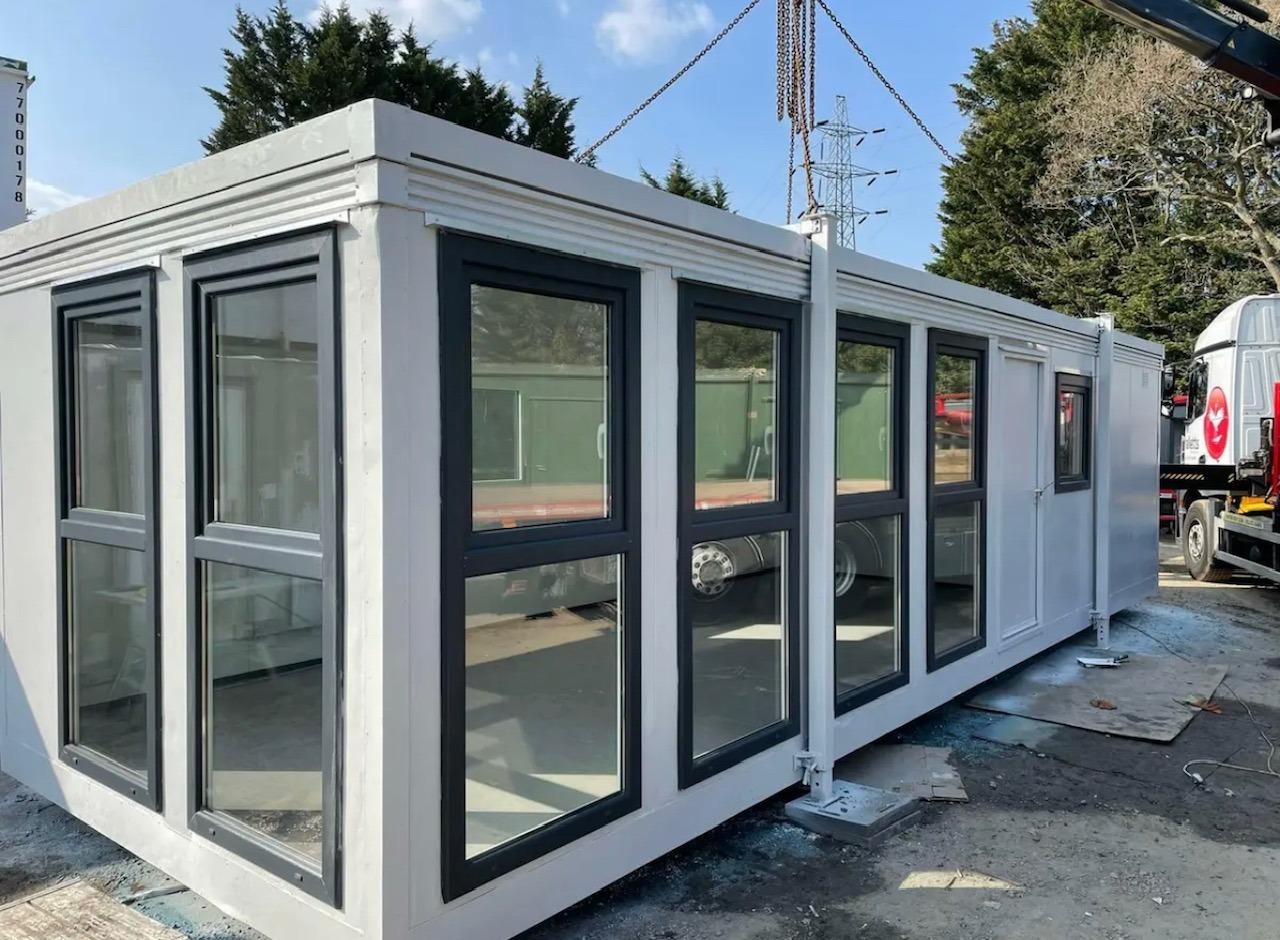
Location: Nationwide
EX VAT
Not Available for Hire
Call for an instant quote!
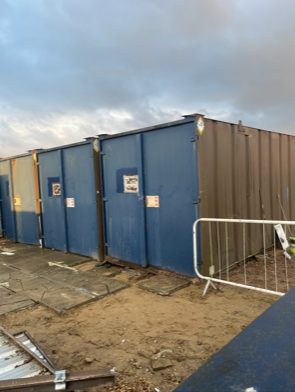
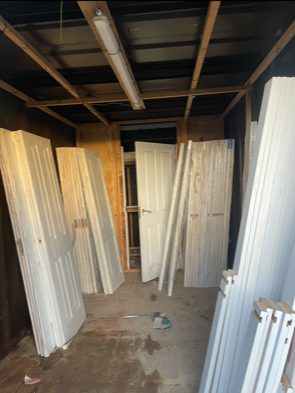
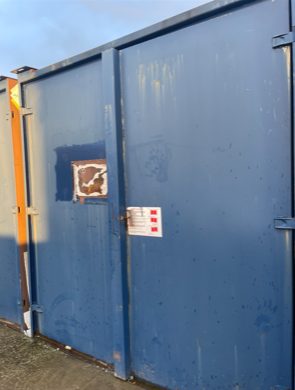
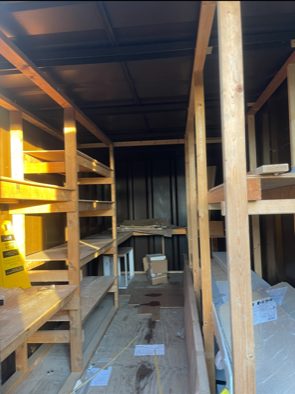
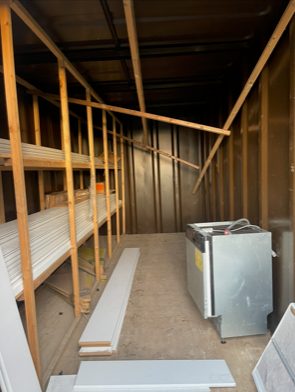
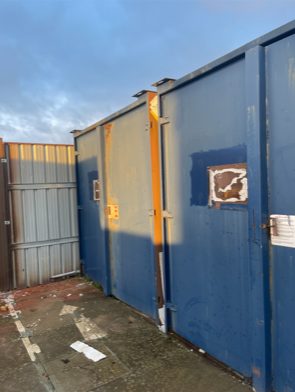
Location: Nationwide
EX VAT
Not Available for Hire
Call for an instant quote!
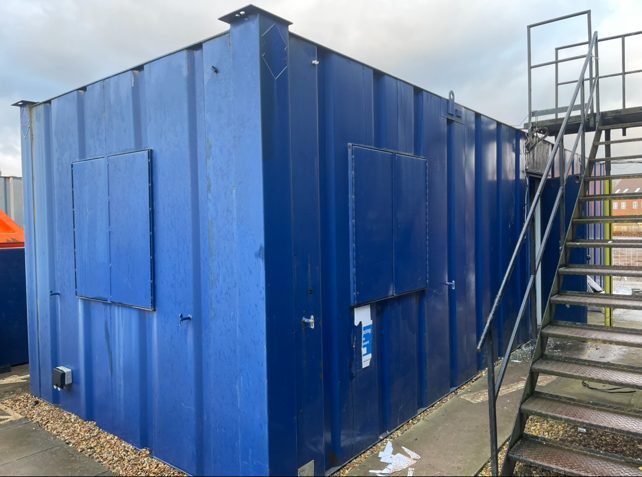
Location: Nationwide
EX VAT
Not Available for Hire
Call for an instant quote!
Location: Nationwide
EX VAT
Not Available for Hire
Call for an instant quote!
Location: Nationwide
EX VAT
Not Available for Hire
Call for an instant quote!
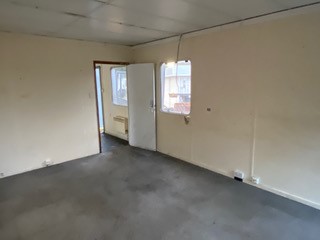
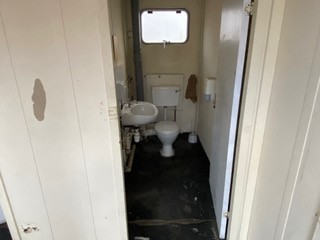
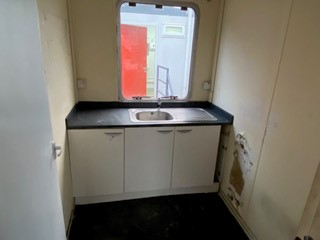
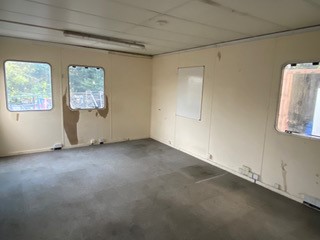
Location: Nationwide
EX VAT
Not Available for Hire
Call for an instant quote!
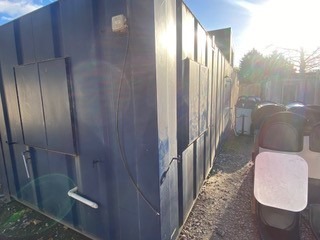
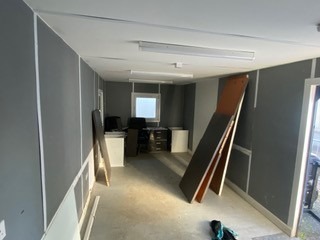
Location: Nationwide
EX VAT
Not Available for Hire
Call for an instant quote!
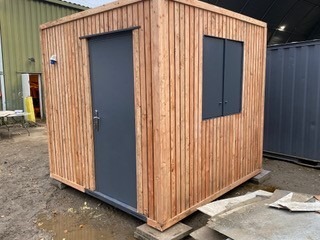
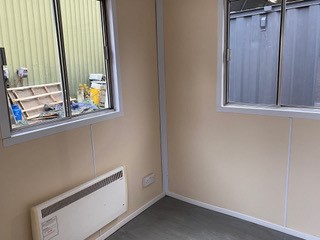
Location: Nationwide
EX VAT
Not Available for Hire
Call for an instant quote!
Location: Nationwide
EX VAT
Not Available for Hire
Call for an instant quote!
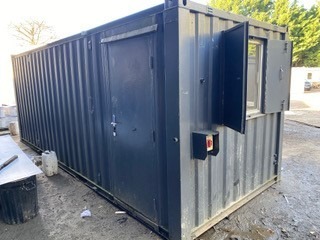
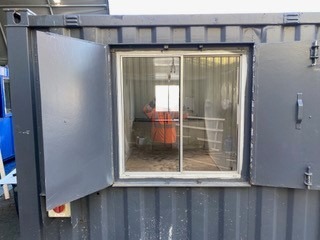
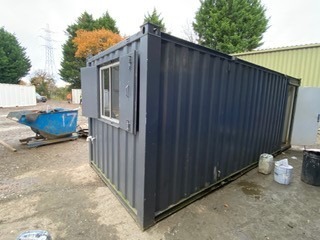
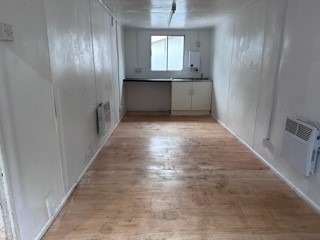
Location: Nationwide
EX VAT
Not Available for Hire
Call for an instant quote!
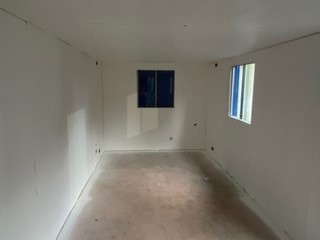
Location: Nationwide
EX VAT
Not Available for Hire
Call for an instant quote!
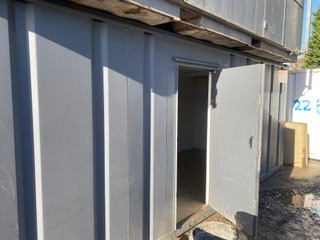
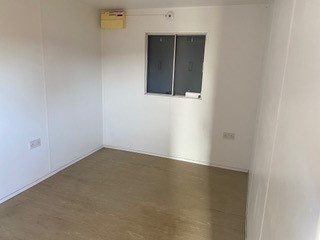
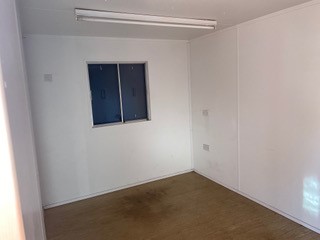
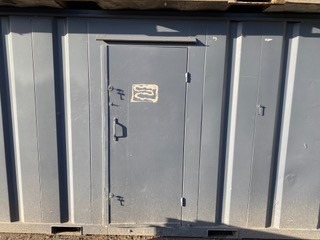
Location: Nationwide
EX VAT
Not Available for Hire
Call for an instant quote!
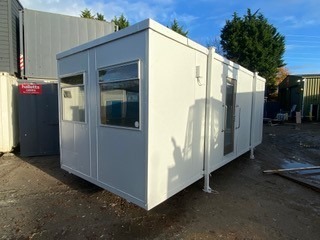
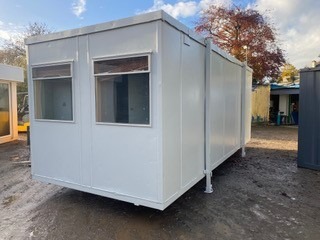
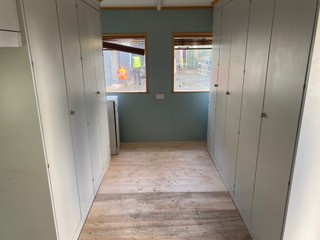
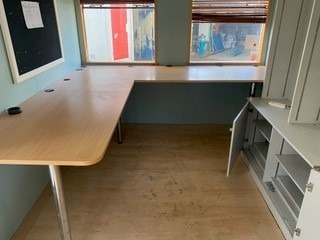
Location: Nationwide
EX VAT
Not Available for Hire
Call for an instant quote!
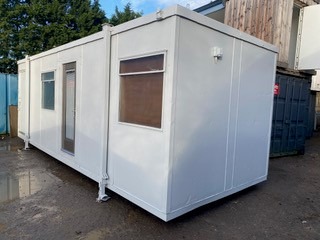
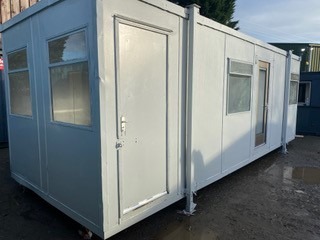
Location: Nationwide
EX VAT
Not Available for Hire
Call for an instant quote!
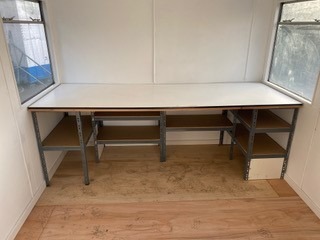
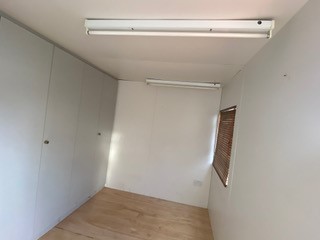
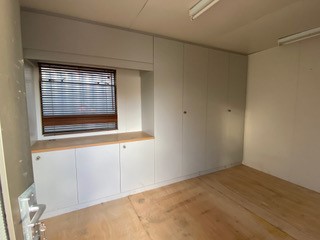
10ftx8ft – £5950 + Vat / 16ftx8ft – £7950 + Vat / 20ftx8ft – £9000 + Vat / 24ftx8ft – £12000 + Vat / 30ftx8ft – £13500 + Vat
Location: Nationwide
EX VAT
Not Available for Hire
Call for an instant quote!
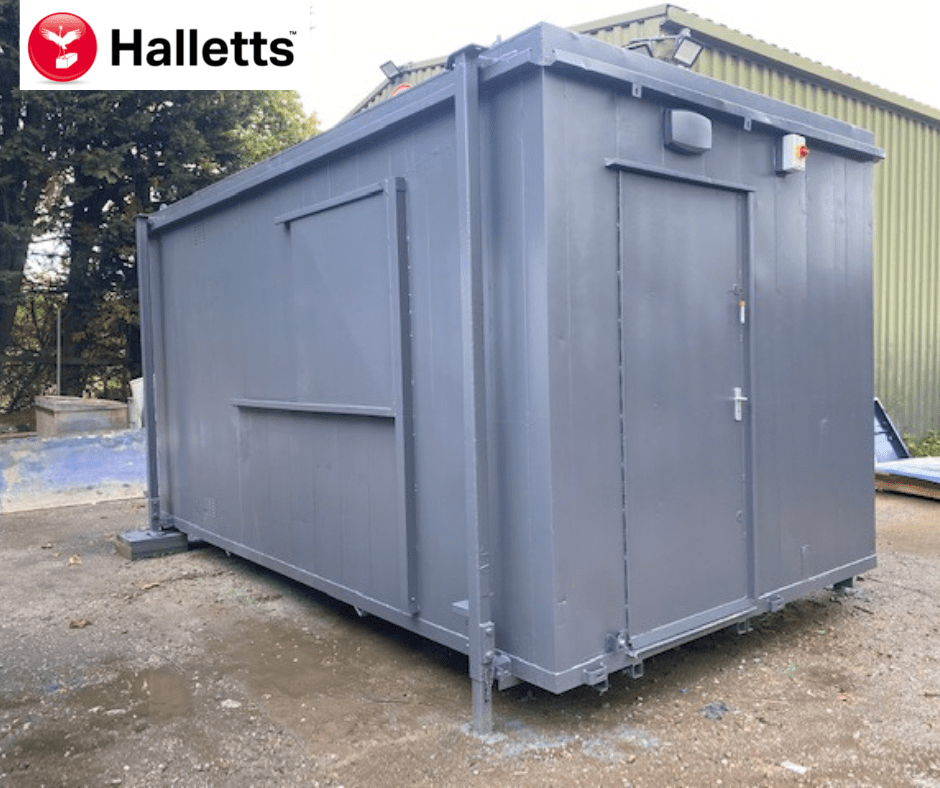
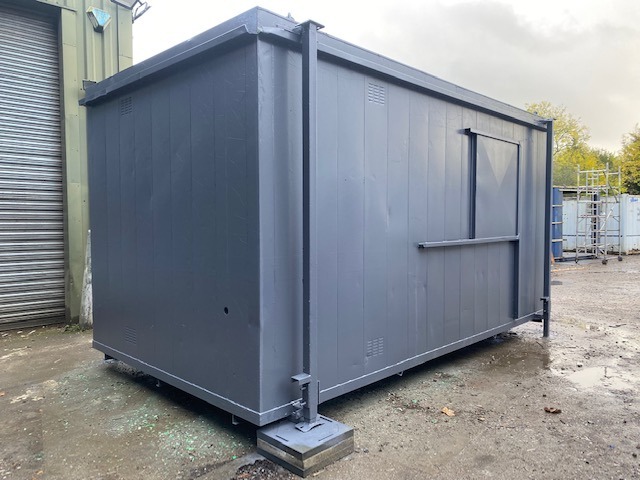
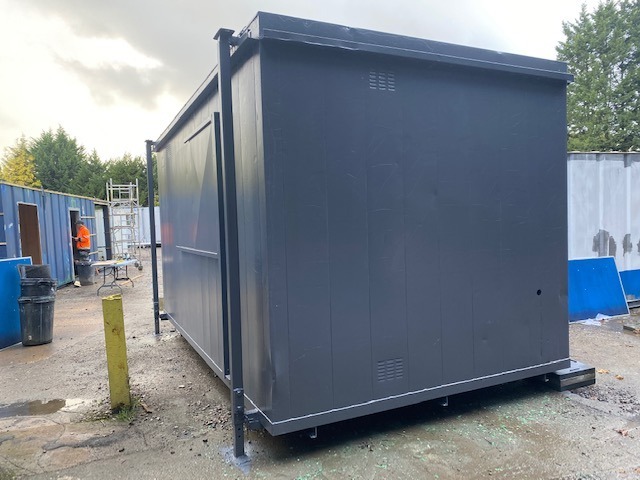
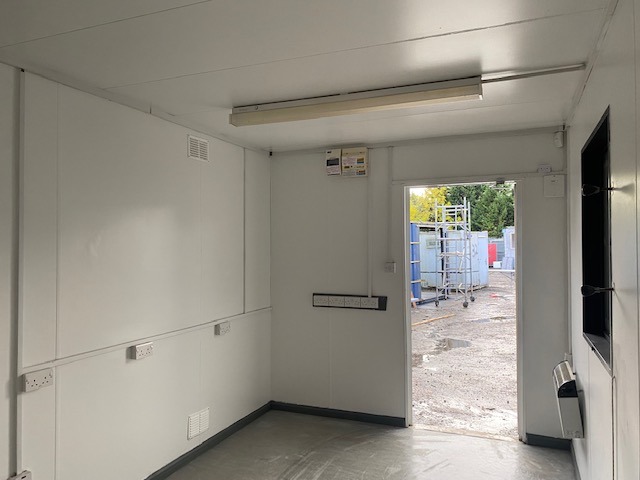
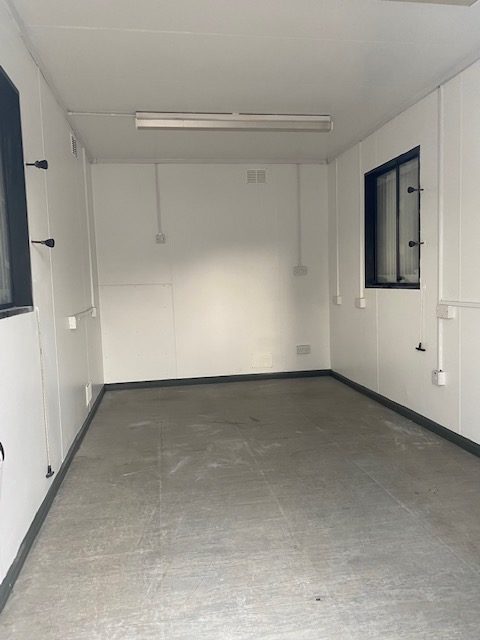
Location: Nationwide
EX VAT
Not Available for Hire
Call for an instant quote!
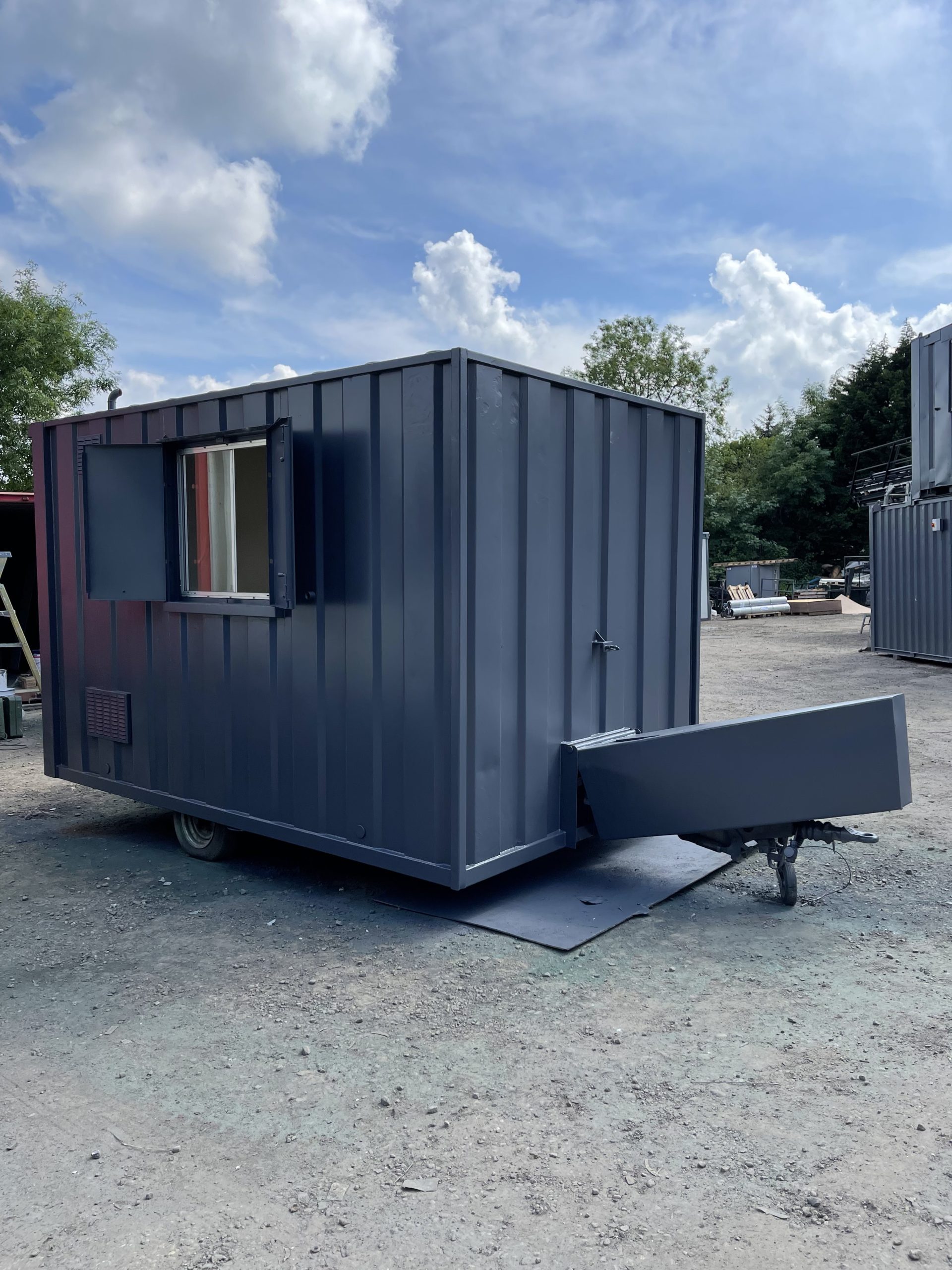
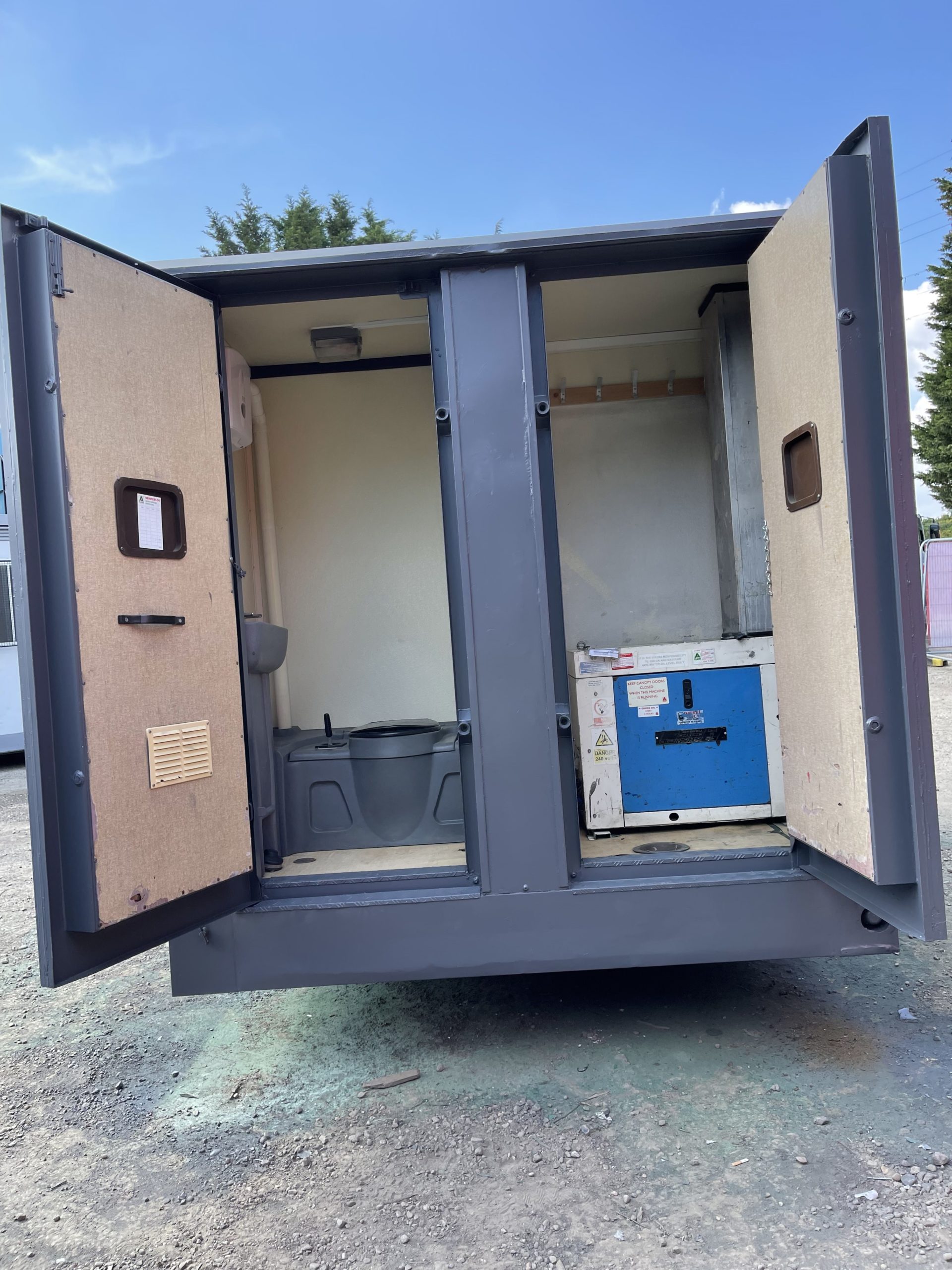
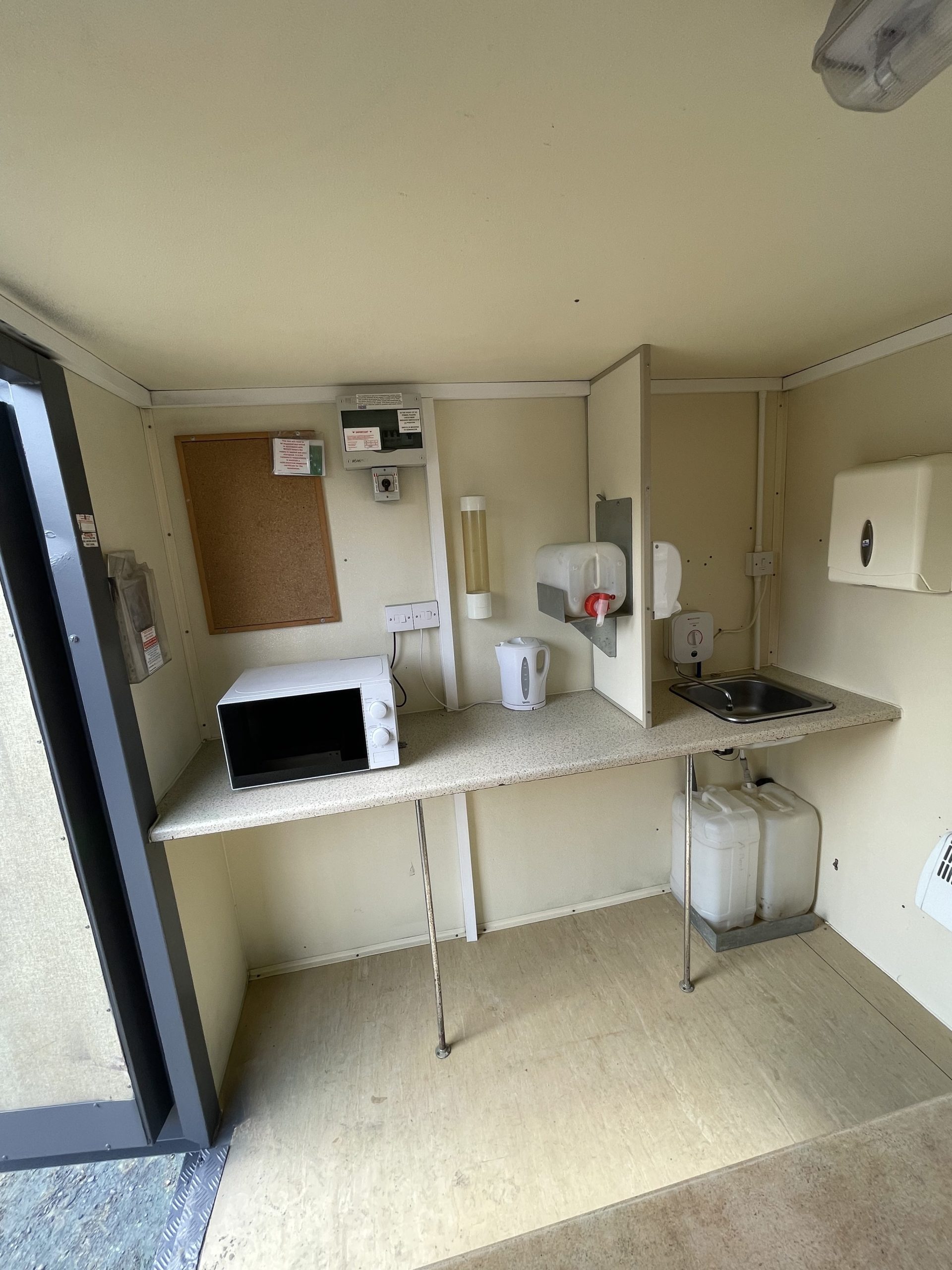
Location: Nationwide
EX VAT
Not Available for Hire
Call for an instant quote!
Location: Nationwide
Quantity: ∞
EX VAT
Not Available for Hire
Call for an instant quote!
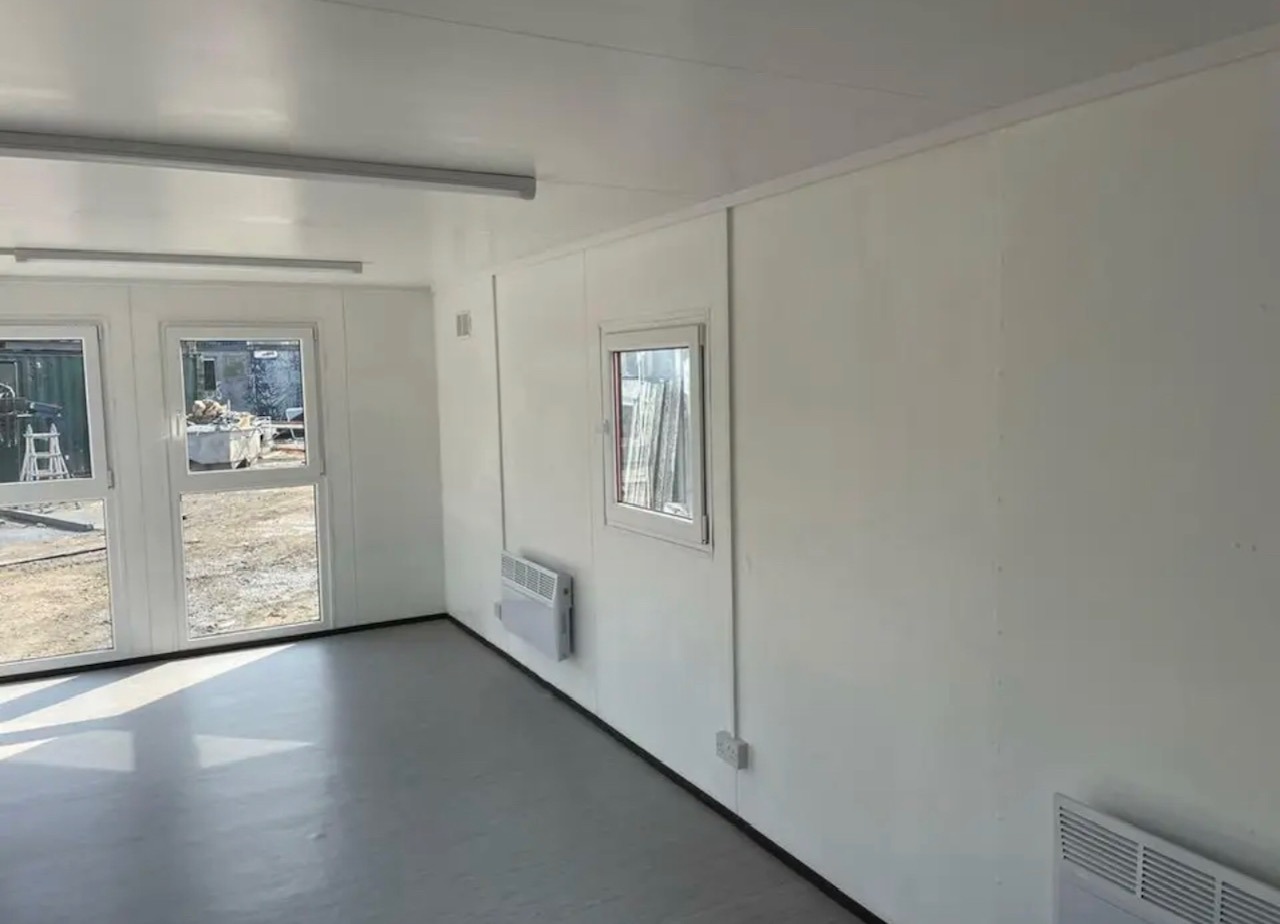
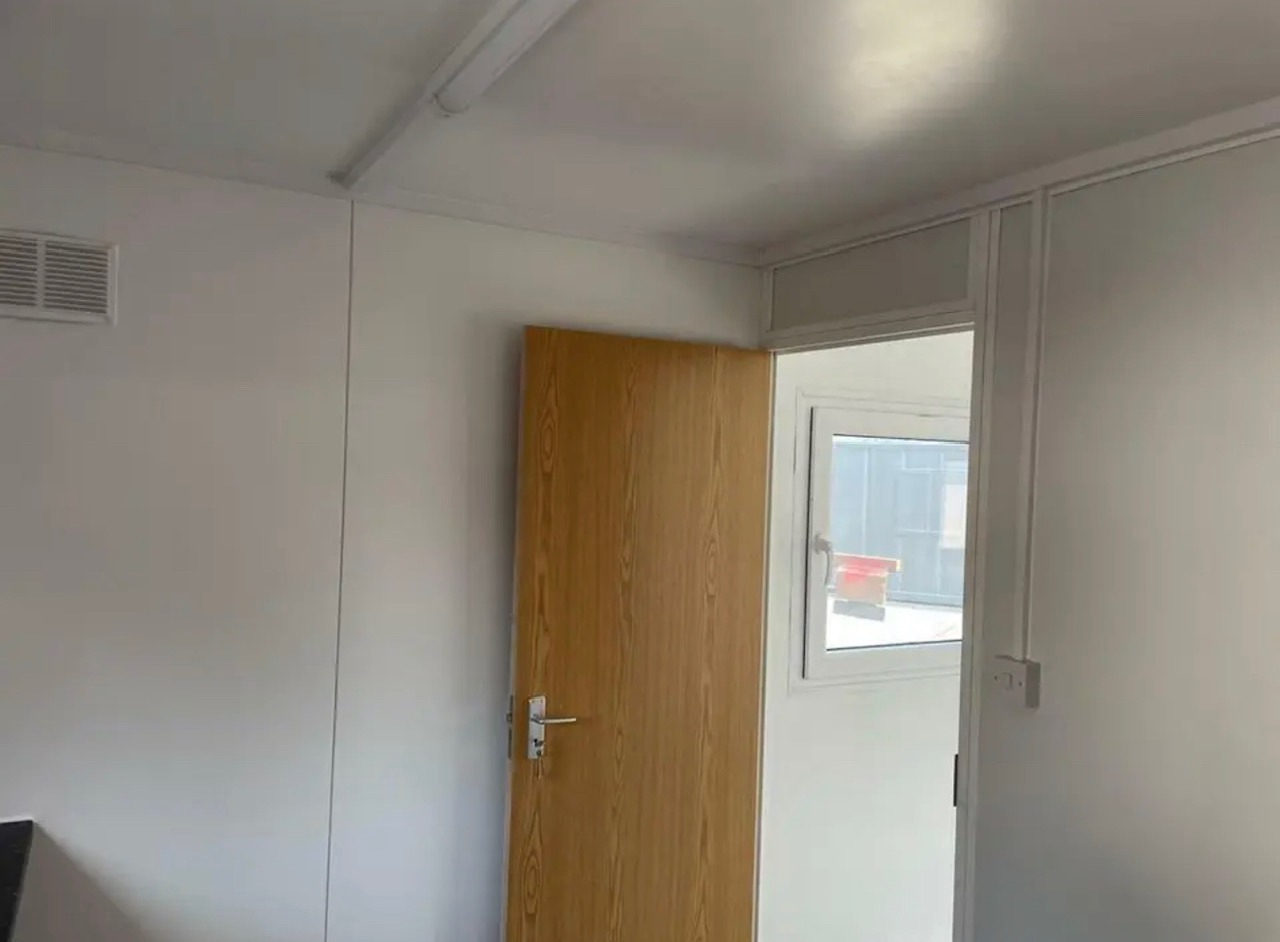
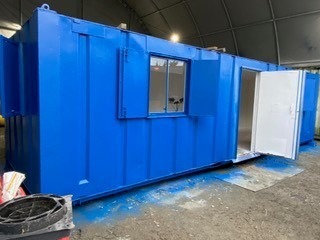
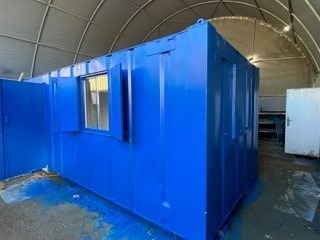
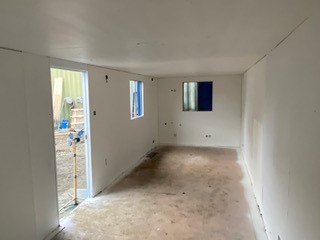
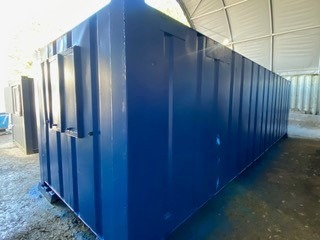
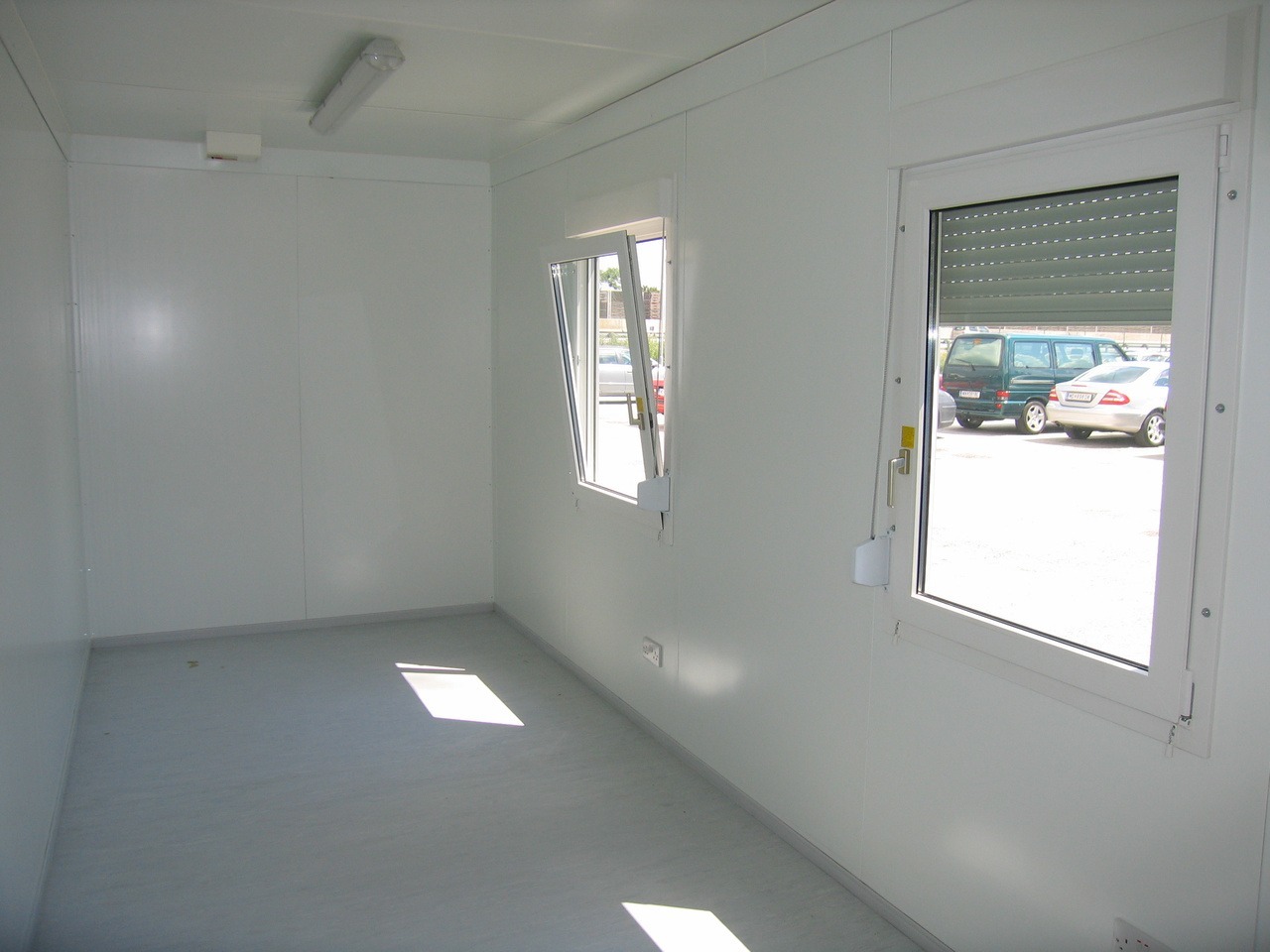
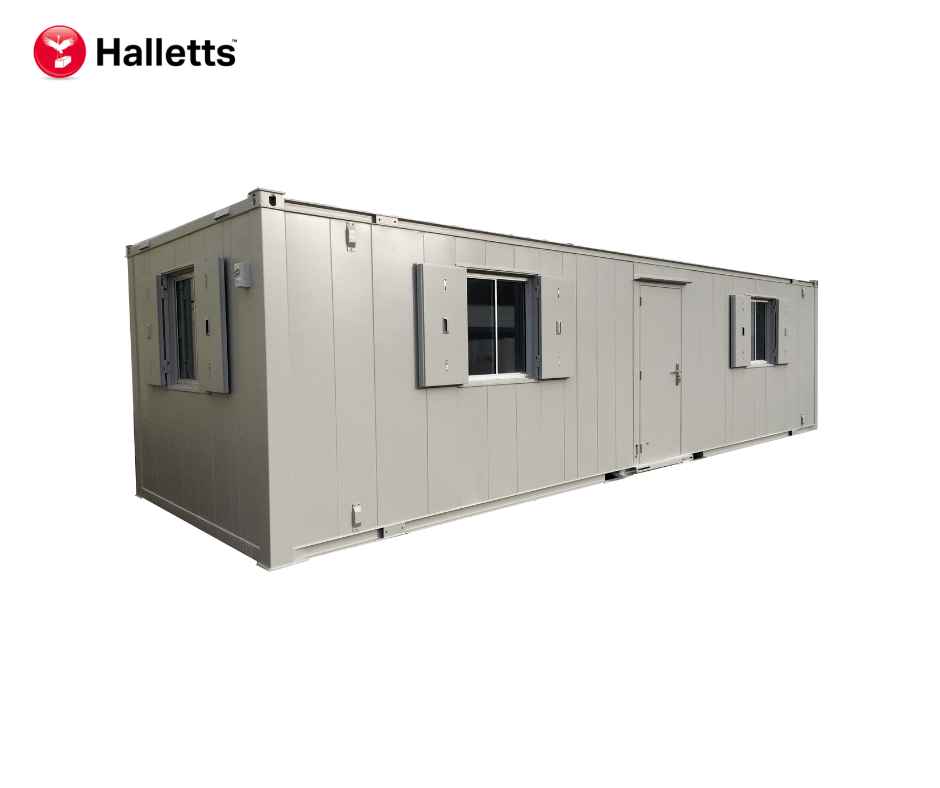
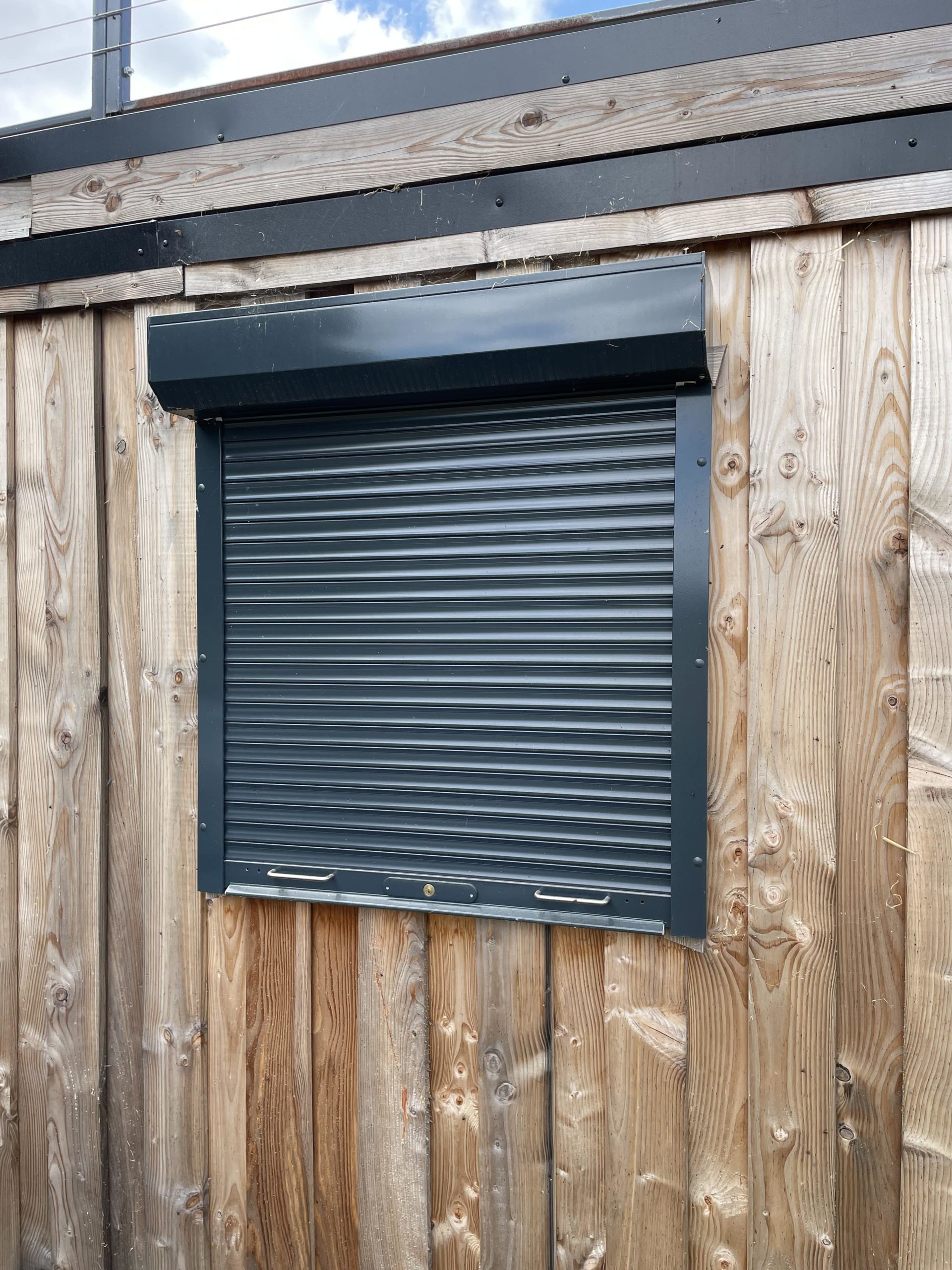
• Reinforced doors and windows with secure locking
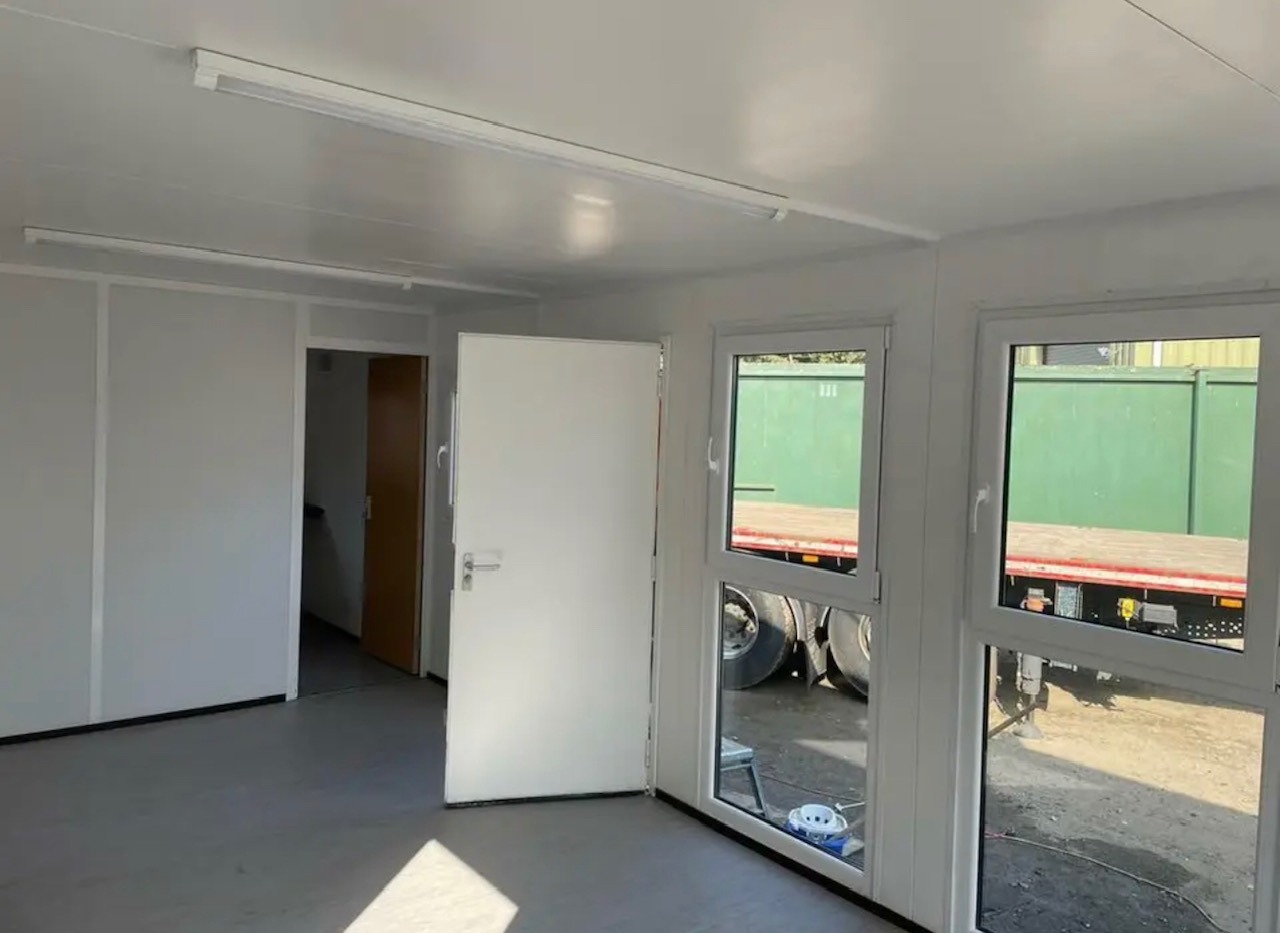
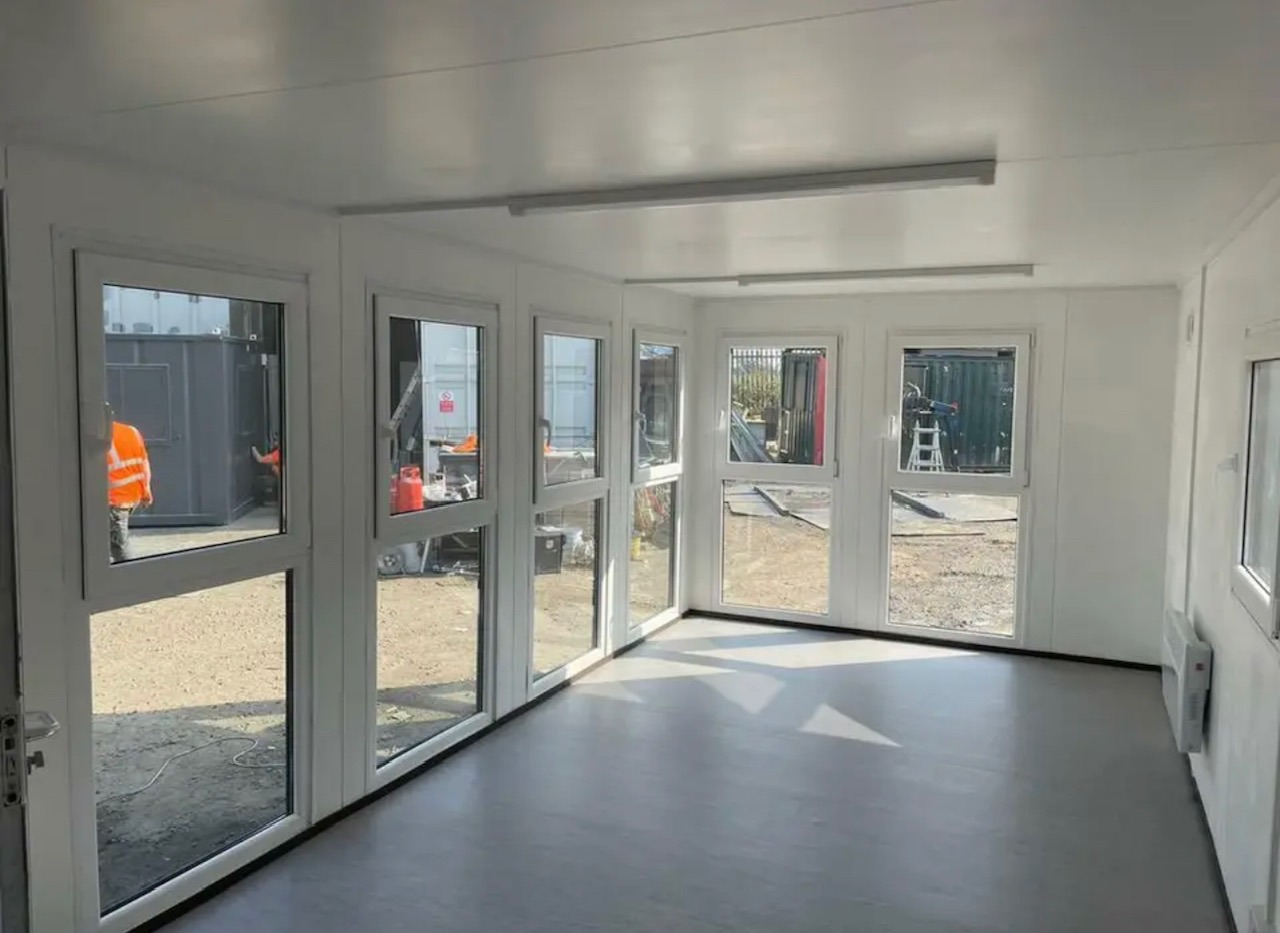
• Open plan with electric sockets and lighting
• Ral Code Colour of choice
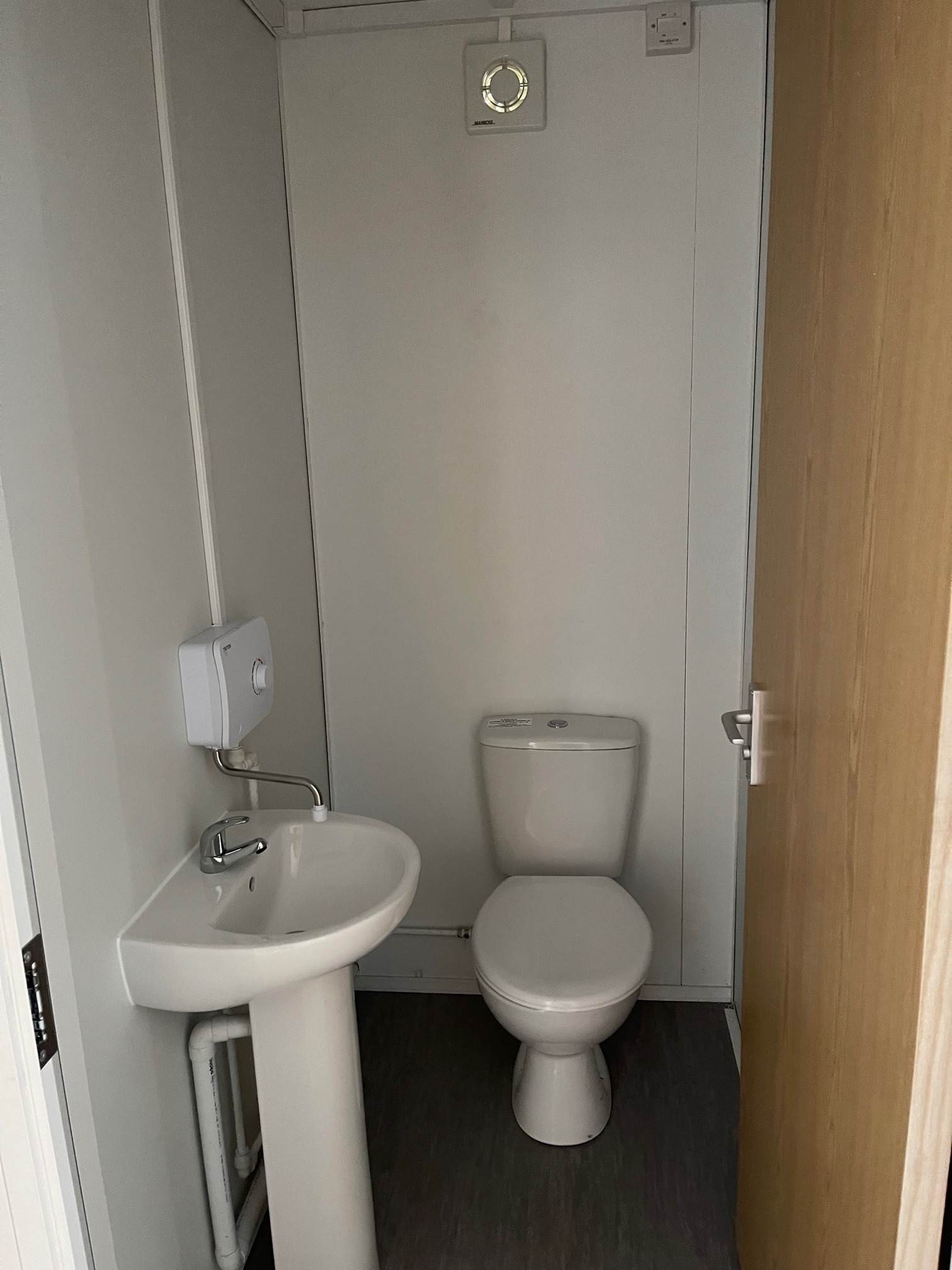
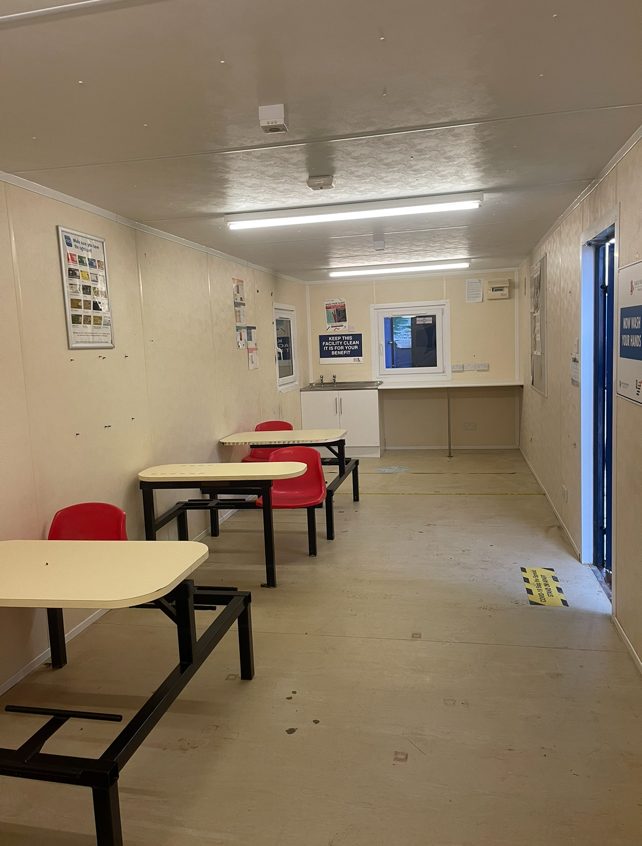
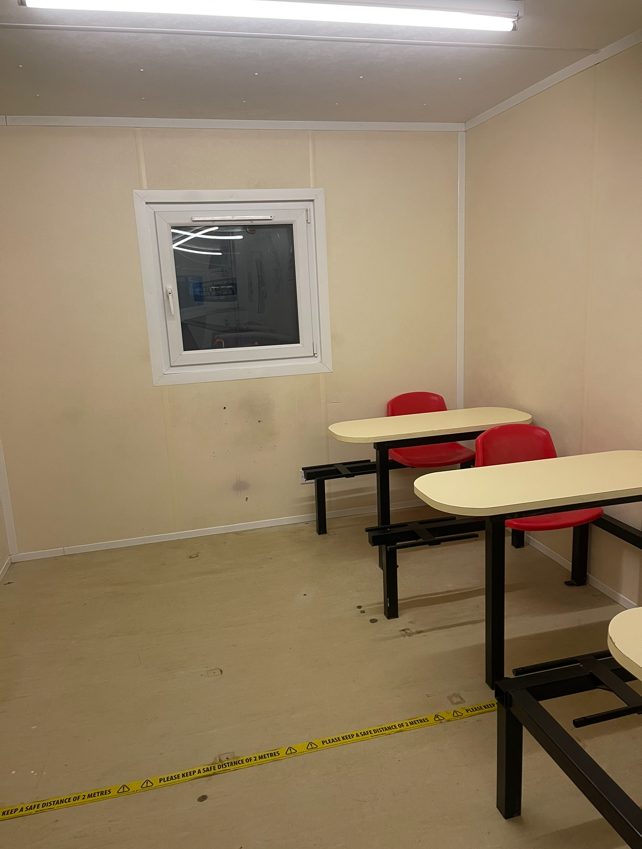
• Any Extras available : Canteen, Partitions, Toilets.
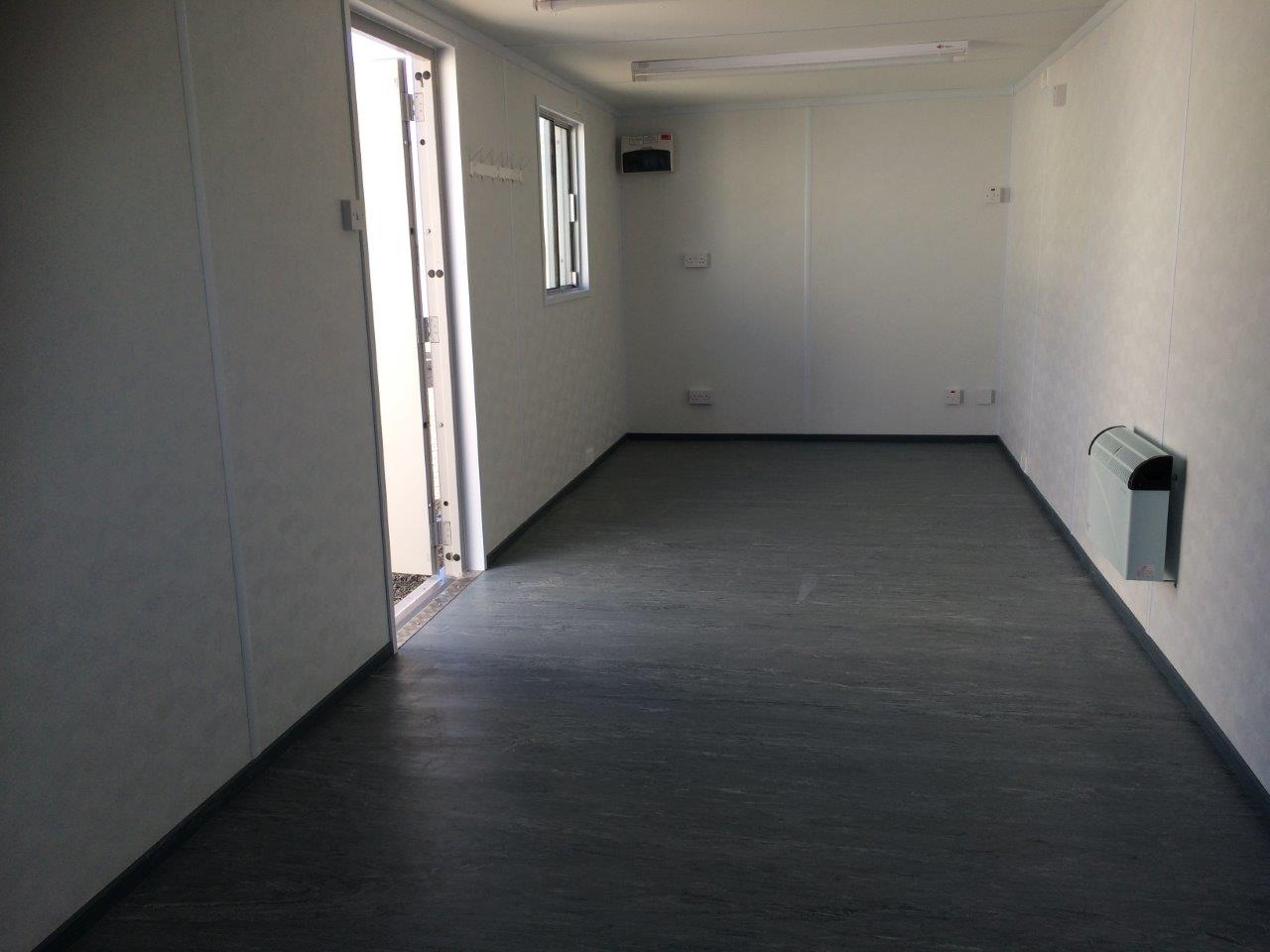
Location: Nationwide
EX VAT
Not Available for Hire
Call for an instant quote!
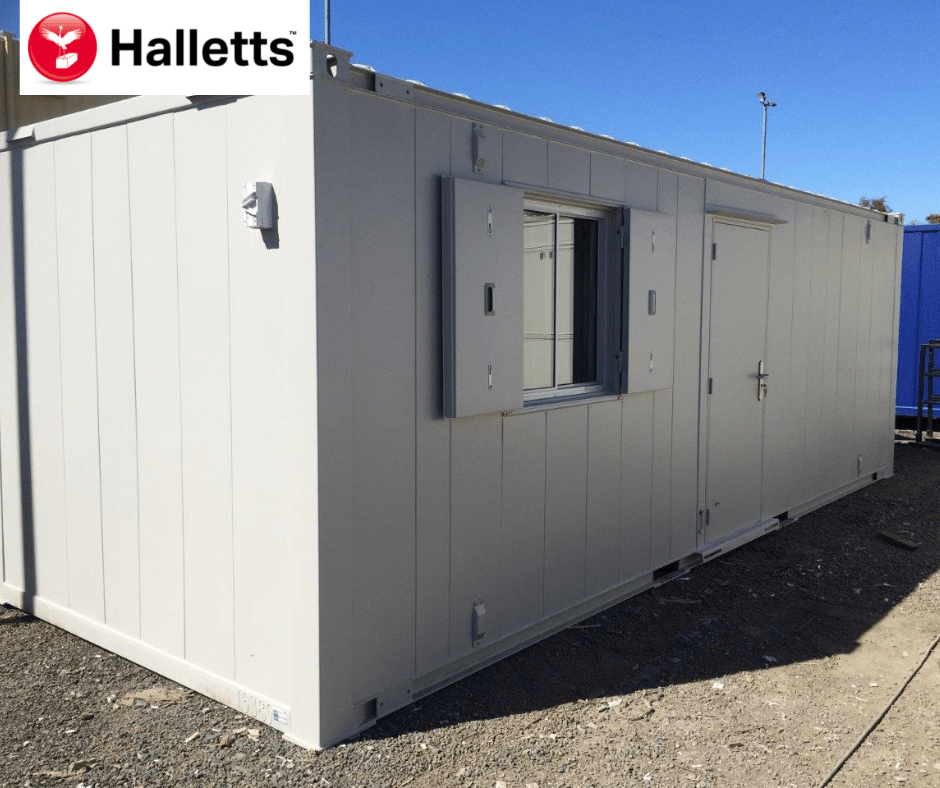
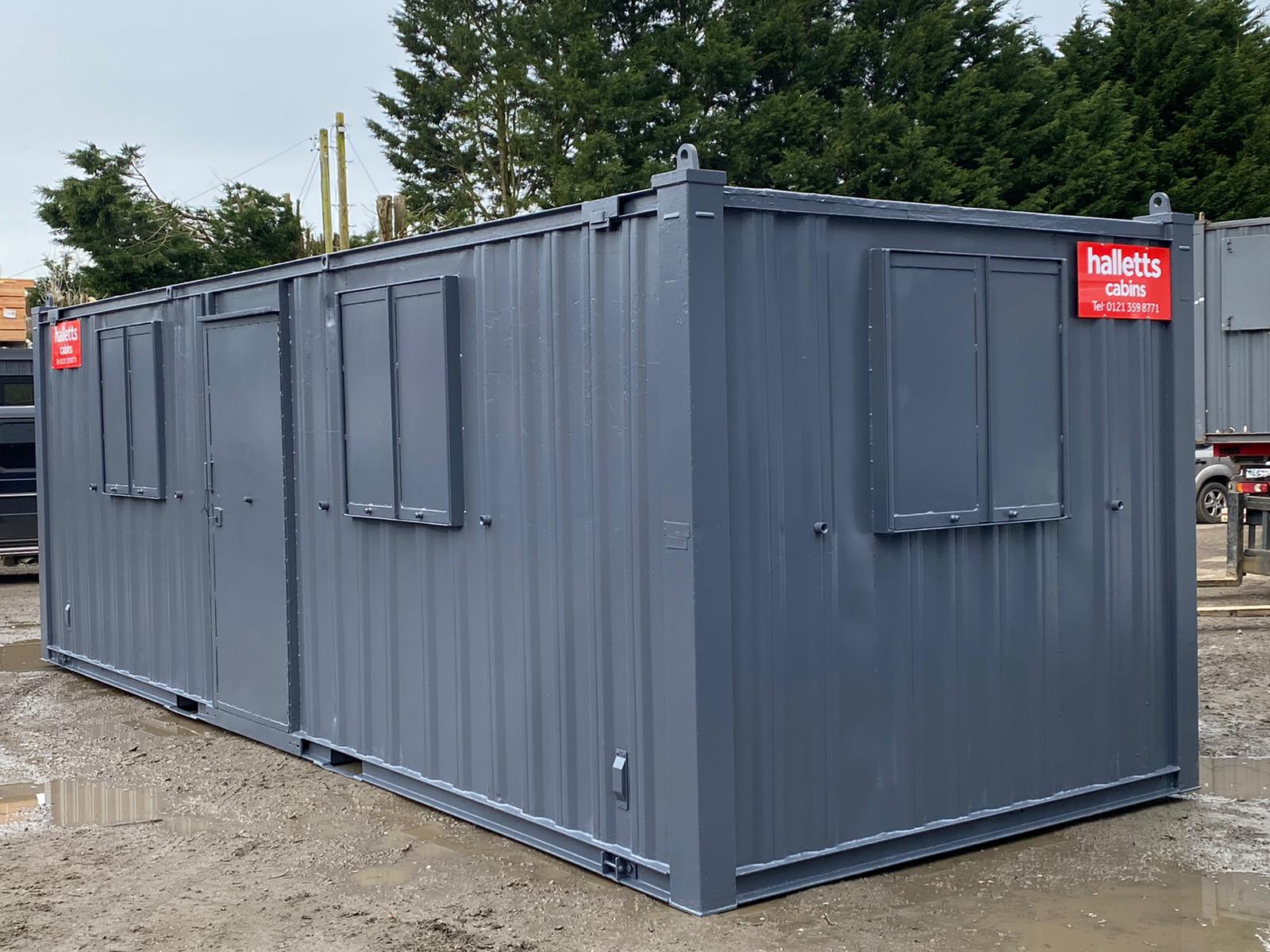
• Reinforced doors and windows with secure locking
• Open plan with electric sockets and lighting
• Ral Code Colour of choice
• Any Extras available : Canteen, Partitions, Toilets.
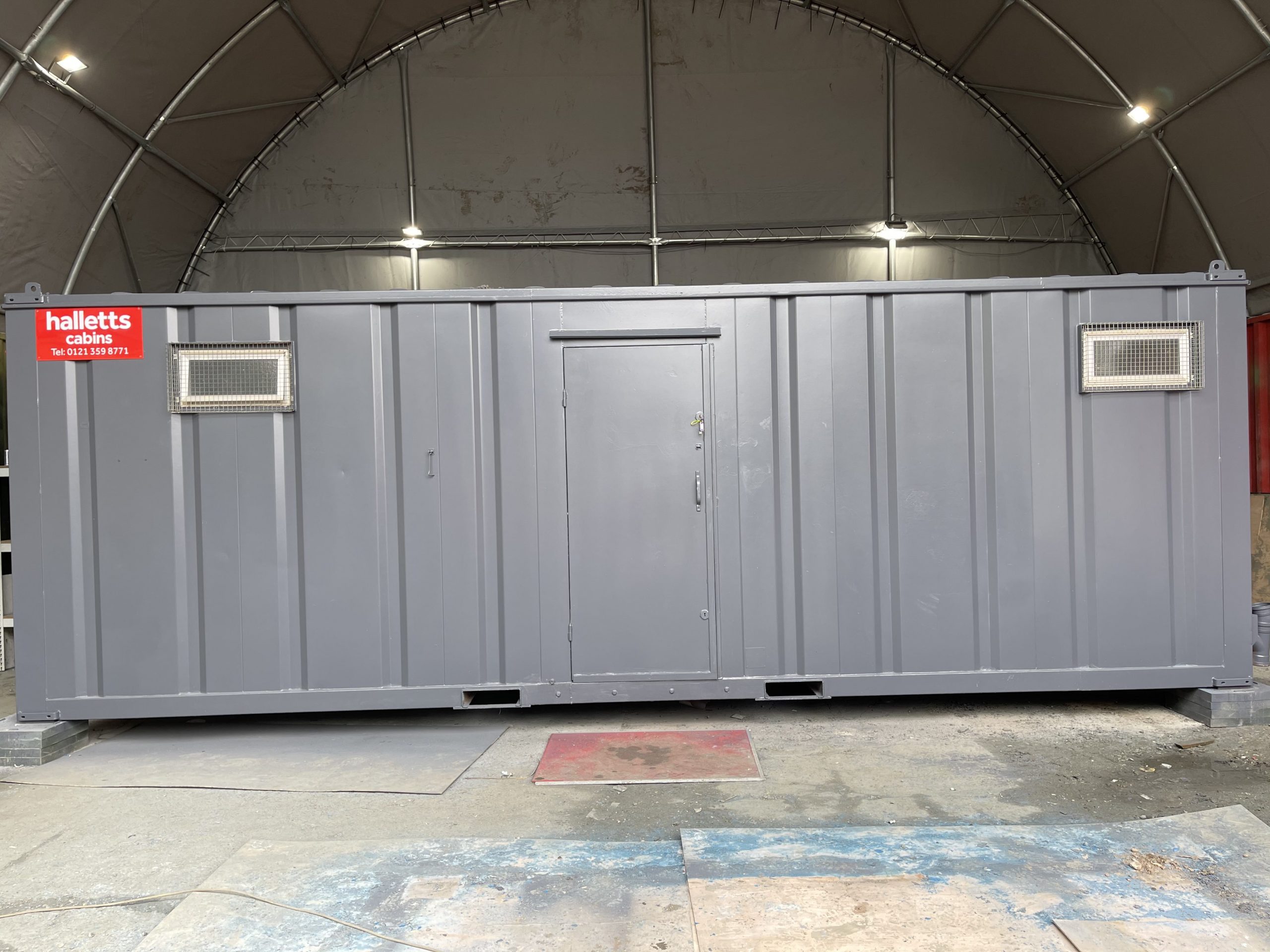
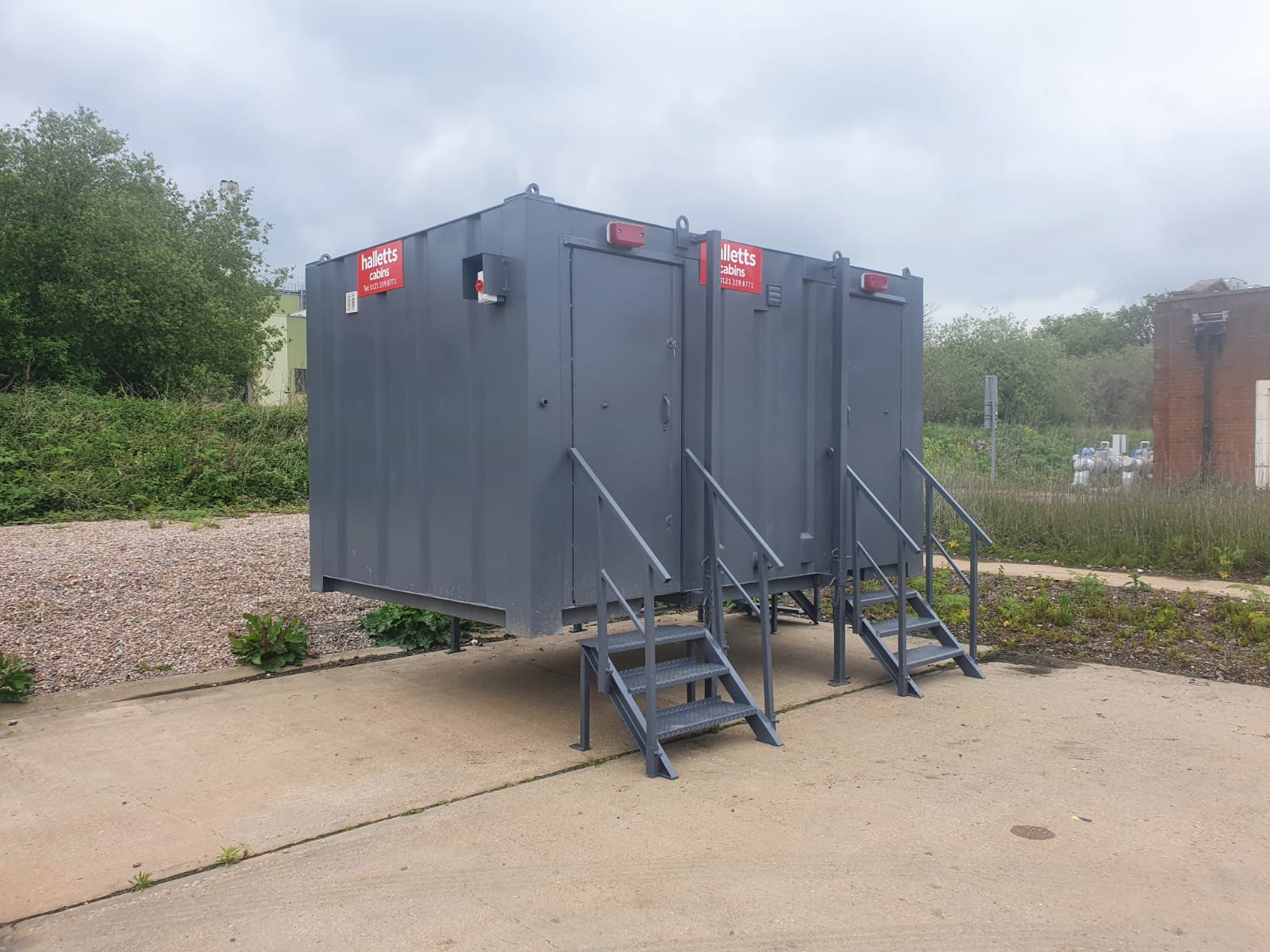
• Reinforced doors with secure locking
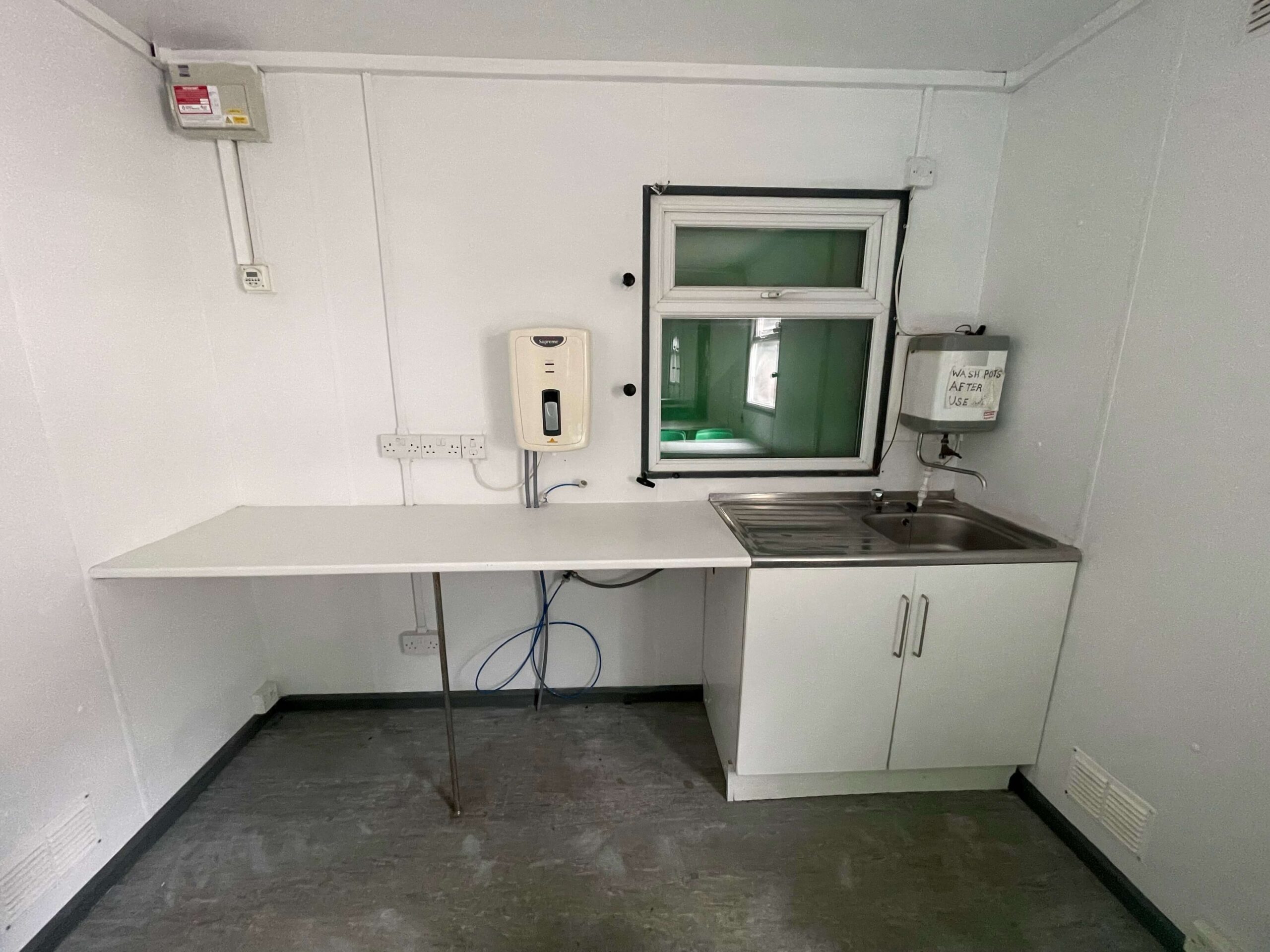
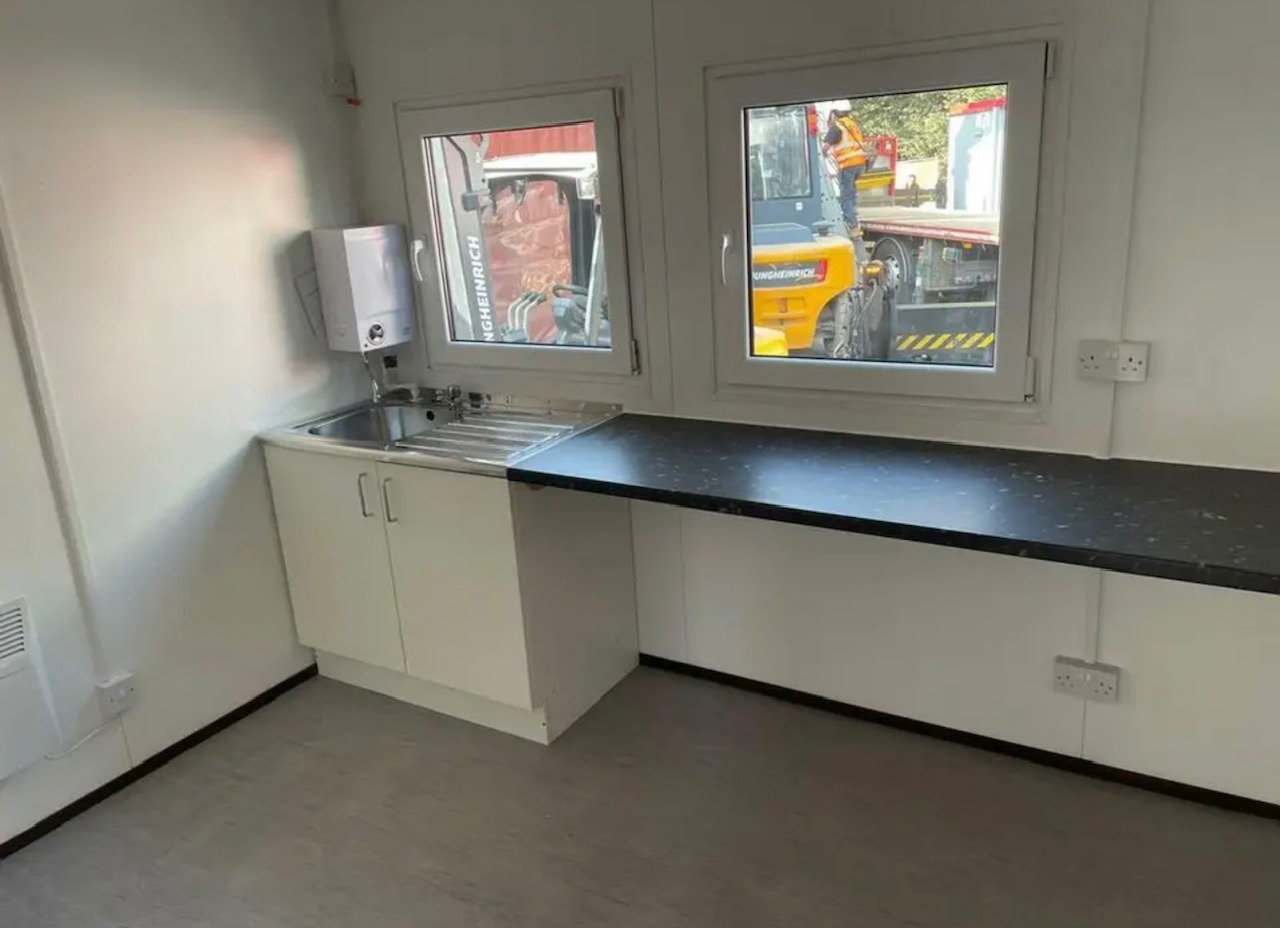
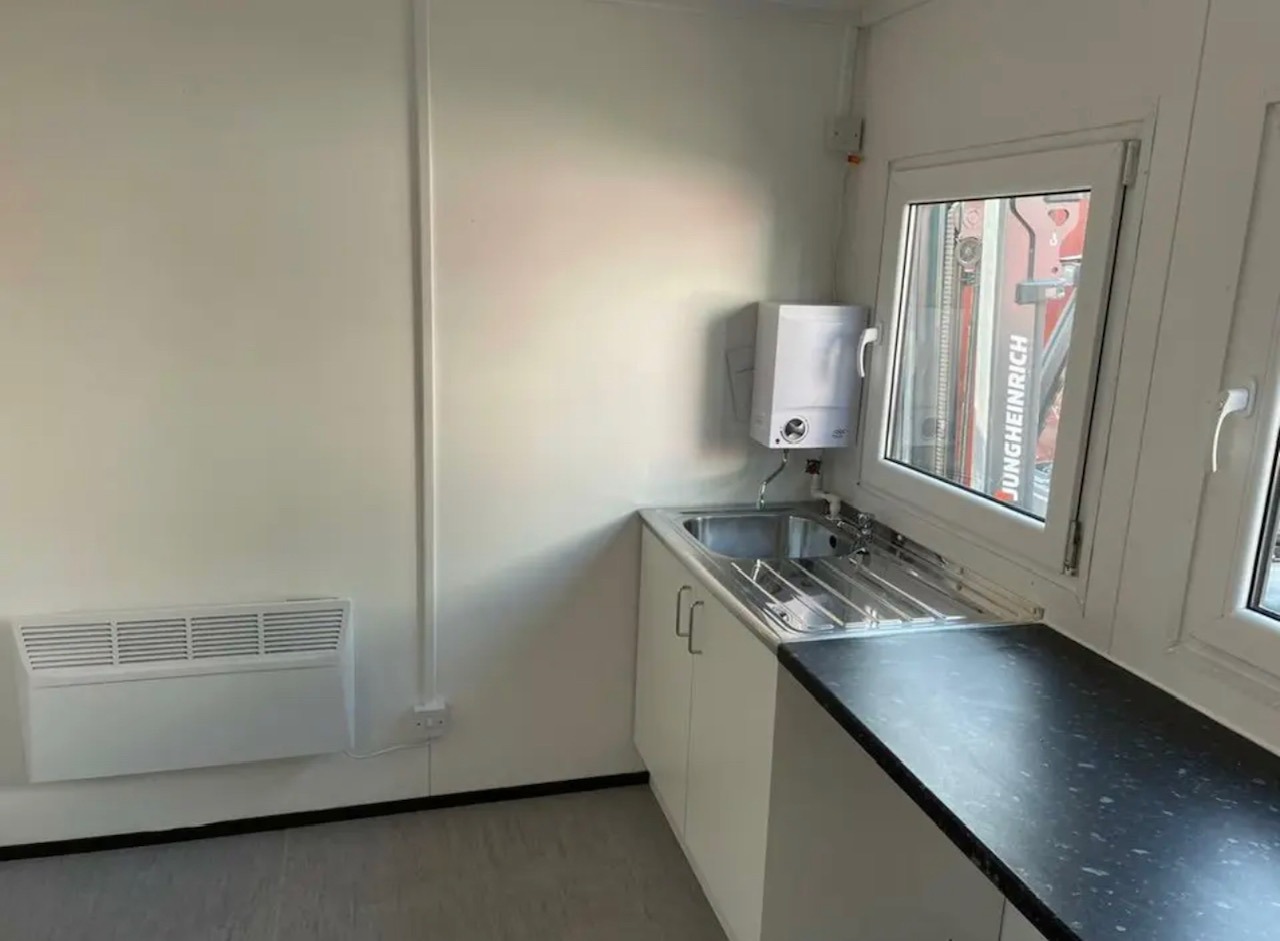
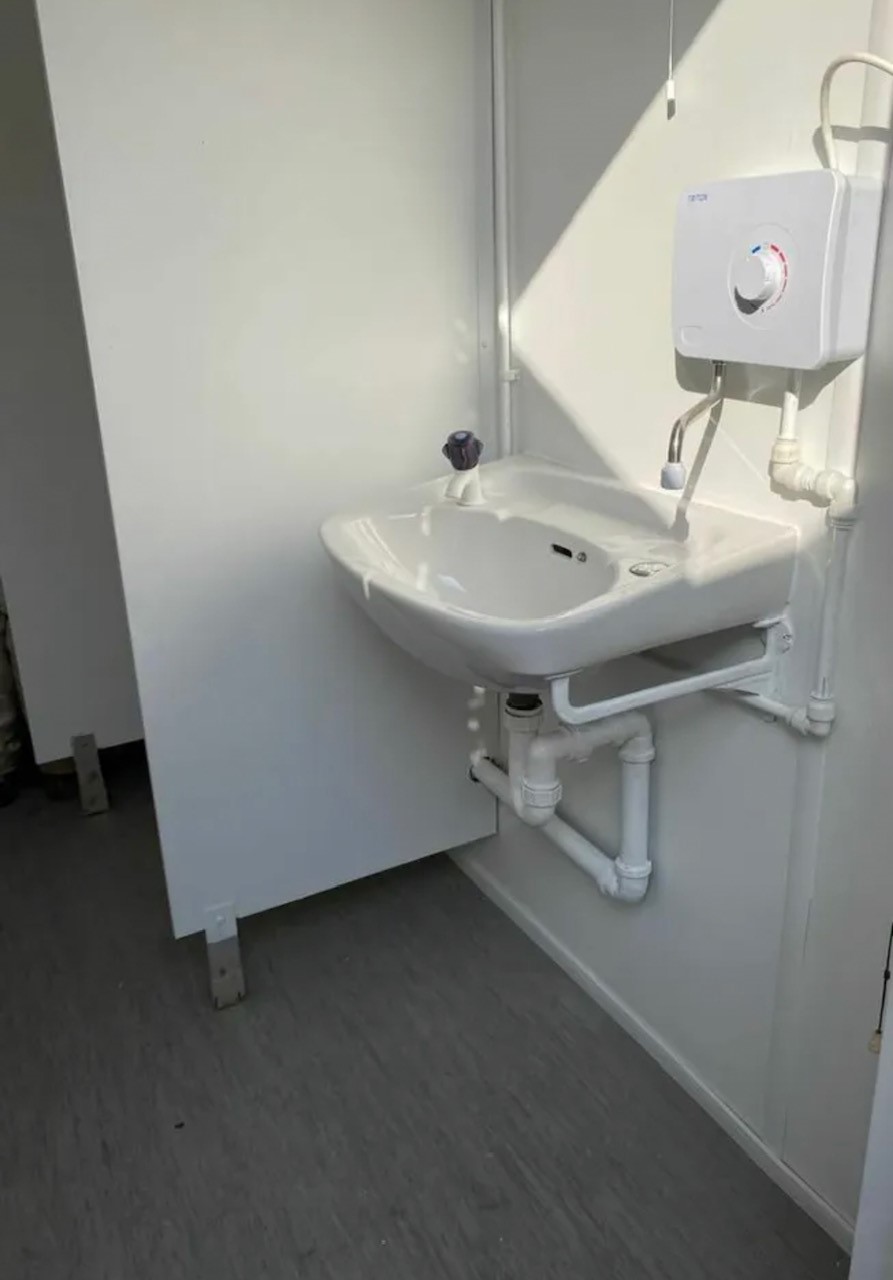
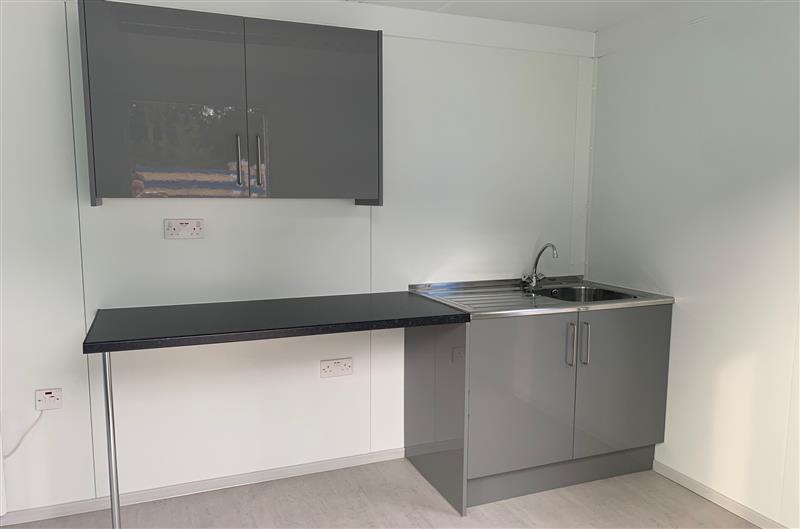
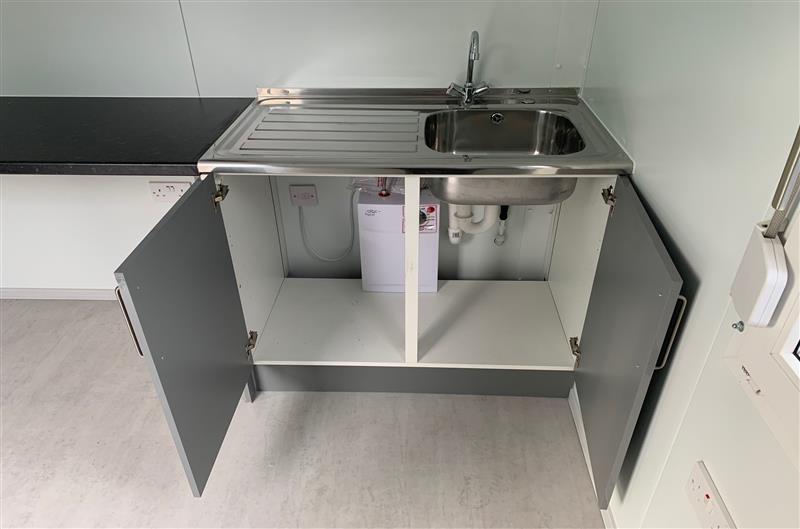
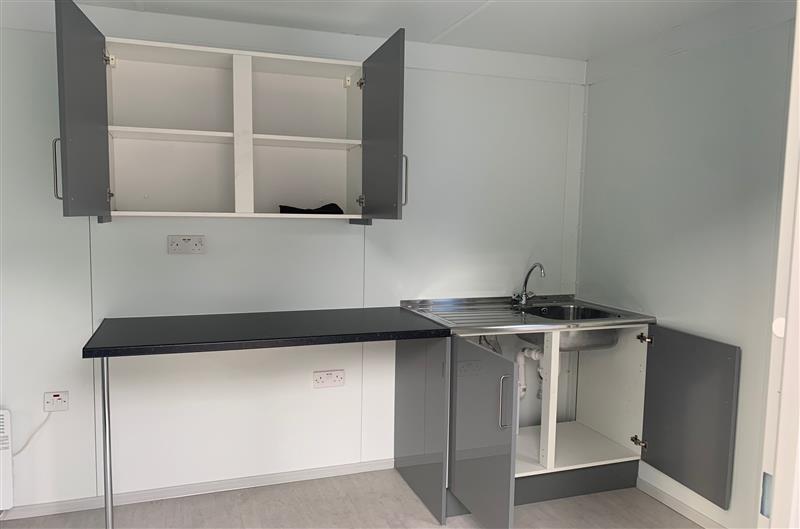
• Sink and water boiler included
Location: Nationwide
Quantity: ∞
EX VAT
Not Available for Hire
Call for an instant quote!
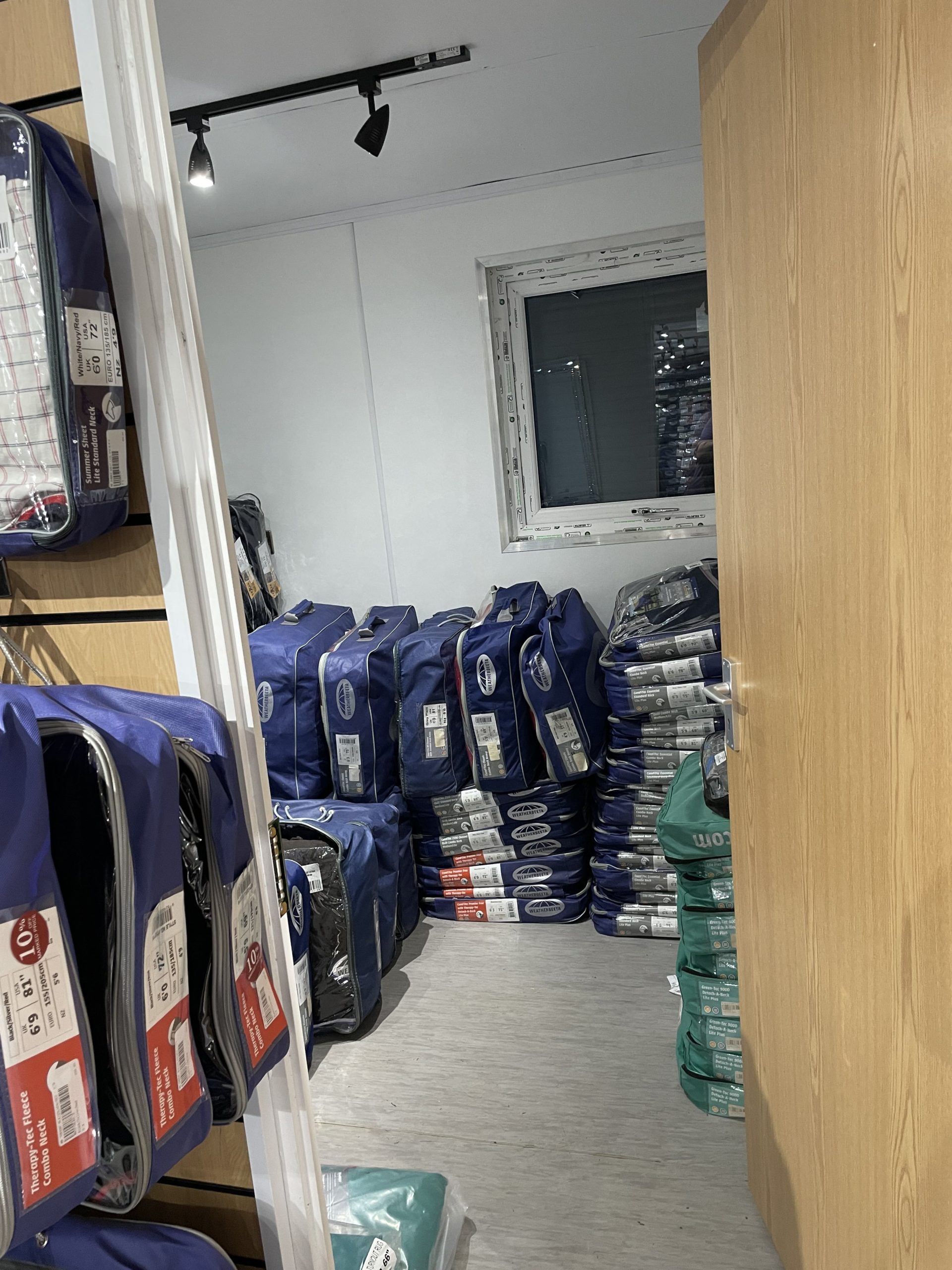
Location: Nationwide
EX VAT
Not Available for Hire
Call for an instant quote!
Get a Quick Container Quote Now!
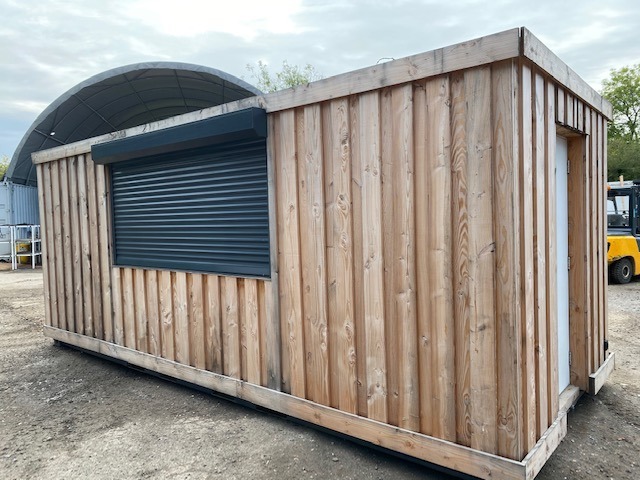
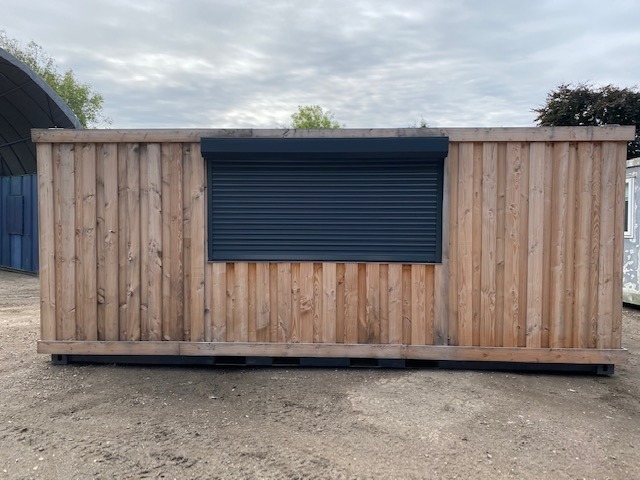
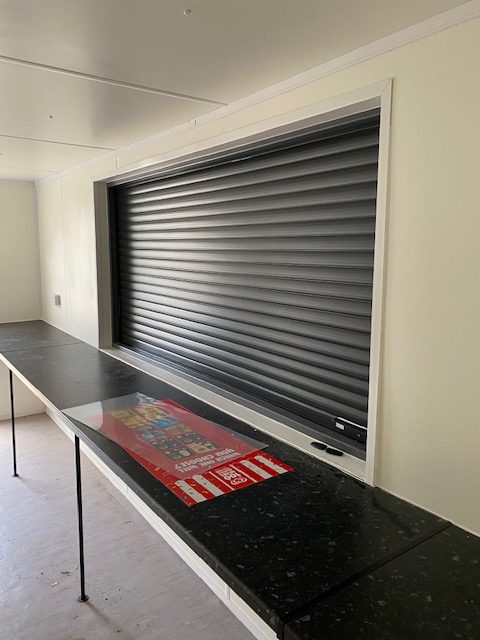
Location: Nationwide
EX VAT
Not Available for Hire
Call for an instant quote!
Get a Quick Container Quote Now!
Get a Quick Container Quote Now!
