What Is Belt Conveying Equipment and How Does It Work?

Belt Conveying Equipment moves bulk materials and packaged products along a continuous path. It uses a flexible belt, powered pulleys, support rollers, and a controlled drive system. Materials travel steadily between loading and discharge points. This simple movement supports mining, manufacturing, agriculture, warehousing, and many other industries.

The belt usually rests on rollers or a flat support surface. A motor turns the drive pulley, creating friction against the belt. That friction carries the load forward. Tensioning devices keep the belt aligned and reduce slipping during operation. At the loading zone, skirts and impact beds can limit spillage and protect the belt from sharp materials.

Small details matter.

A reliable conveyor requires suitable belt width, speed, capacity, and material compatibility. Operators should also inspect fasteners, rollers, guards, and emergency-stop devices regularly. In practical workplaces, dust, moisture, uneven loading, and temperature changes can affect performance. A system that works well on paper may need adjustment after installation. That is an important limitation often overlooked.

Experienced maintenance teams watch for belt mistracking, unusual noise, rising motor temperature, and material buildup. These signs can reveal problems before they cause costly downtime. Professional design should consider the full route, including transfer points, inclines, cleaning access, and worker safety. No conveyor is maintenance-free. Even durable equipment needs inspection, accurate installation, and sensible operating practices. Understanding these principles makes it easier to choose, operate, and improve Belt Conveying Equipment for dependable material handling.
What Is Belt Conveying Equipment and How Does It Work?

What Is Belt Conveying Equipment?

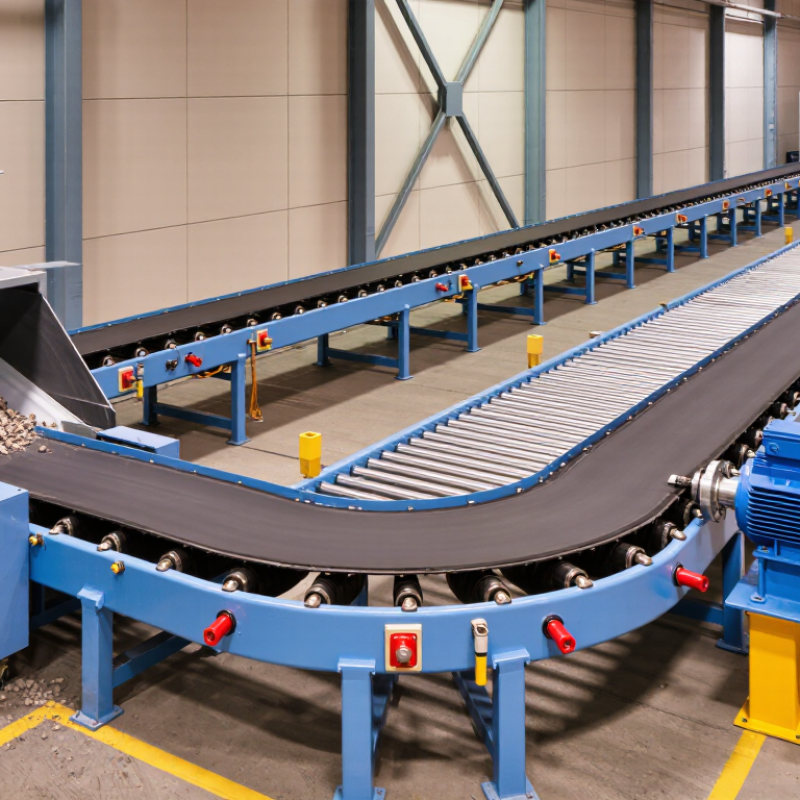
Belt conveying equipment is a mechanical system that moves materials along a continuous belt. It usually includes a belting surface, drive pulley, return pulley, support rollers, frame, and tensioning device. The belt may carry boxes, mineral fragments, grain, or packaged products. Its design changes with the material, distance, speed, and working environment.

An electric motor turns the drive pulley. Friction between the pulley and belt pulls the belt forward. Rollers support the loaded section and reduce sag. The return side travels underneath, often with fewer supports. At the discharge end, the material leaves the belt through controlled movement, not sudden lifting. Guards, emergency stops, belt cleaners, and alignment sensors improve operating safety and reliability.

The equipment looks simple.

In practice, small details matter. A belt running only slightly off-center can rub the frame and wear its edge. Excessive tension can damage bearings, while insufficient tension may cause slipping. Moisture, dust, sharp materials, and temperature changes also affect performance. Maintenance teams should check pulley surfaces, roller rotation, belt joints, and buildup regularly. One common mistake is selecting capacity from belt width alone. Load density and feeding conditions matter too. A careful design still needs review after installation, because real material flow rarely matches every original assumption.

What Is Belt Conveying Equipment and How Does It Work?

Data Dimension What It Is How It Works Typical Facts and Considerations
Basic Definition A belt conveyor is a mechanical handling system that continuously transports materials on a moving belt. An endless belt travels around rotating pulleys while carrying materials from one point to another. It can move packaged goods, bulk solids, containers, components, and other materials over short or long distances.
Conveyor Belt The flexible carrying surface that supports and moves the transported material. The belt receives motion from the drive pulley and returns along the lower side of the conveyor frame. Common belt materials include rubber, PVC, polyurethane, and fabric-reinforced elastomers. Material selection depends on temperature, abrasion, oil, food-contact, and chemical requirements.
Drive Pulley The powered pulley that transfers rotational force to the belt. An electric motor and gearbox rotate the pulley; friction between the pulley surface and belt produces belt movement. Drive pulleys are commonly located at the discharge end, although the arrangement can vary by conveyor design.
Head Pulley The pulley positioned near the material discharge point. As the belt passes around the head pulley, the conveyed material leaves the belt and falls or transfers to the next process. The head pulley may also serve as the drive pulley in many conveyor arrangements.
Tail Pulley The pulley located at the loading or return end of the conveyor. It guides the belt back toward the loading area and helps maintain the belt loop. Some designs use an adjustable tail pulley to assist with belt tracking and tensioning.
Idler Rollers Unpowered rollers that support the belt and its load. They rotate as the belt passes over them, reducing sag and rolling resistance. Carrying idlers support the loaded section; return idlers support the empty belt on its underside.
Carrying Idler Arrangement The roller configuration beneath the loaded carrying side of the belt. Flat idlers support a flat belt, while troughed idlers form a shallow channel that helps retain bulk material. Typical trough angles include approximately 20, 35, or 45 degrees, depending on the design and material-handling requirements.
Conveyor Frame The structural framework that supports pulleys, idlers, the belt, and protective components. It maintains alignment and provides the required elevation, length, and support for the conveyor route. Frames may be constructed from steel, stainless steel, or aluminum, depending on load, environment, hygiene, and corrosion requirements.
Motor and Gearbox The power unit that supplies controlled rotational force to the drive pulley. The motor produces rotation, while the gearbox generally reduces speed and increases usable torque at the drive pulley. Required power depends on belt speed, conveyor length, incline, material mass, friction, acceleration, and operating duty.
Belt Tensioning System A mechanism that maintains suitable tension in the belt. Take-up devices compensate for belt stretch and help preserve contact between the belt and drive pulley. Common approaches include screw take-ups, gravity take-ups, and automatic tensioning systems.
Belt Tracking The process of keeping the belt centered along the conveyor structure. Correct pulley alignment, idler positioning, belt tension, and tracking devices help prevent sideways belt movement. Poor tracking can cause edge damage, material spillage, increased wear, and unplanned downtime.
Loading Zone The area where material is placed onto the moving belt. Chutes, hoppers, skirts, and impact idlers control the material flow and reduce the force of falling material. Proper loading should be centered, steady, and aligned with the belt direction to minimize spillage and belt damage.
Discharge Zone The area where material leaves the conveyor. Material typically discharges at the head pulley or transfers to another conveyor, screen, bin, or processing machine. Discharge behavior depends on belt speed, pulley diameter, material properties, and the transfer-point design.
Belt Speed The linear speed at which the belt travels. Speed is controlled by the drive system and determines how quickly material moves through the conveying route. Many industrial conveyors operate at speeds ranging from below 0.5 m/s to several meters per second; the correct value depends on the material and application.
Load Capacity The amount of material the conveyor can transport safely and continuously. Capacity is influenced by belt width, belt speed, material density, cross-sectional loading, incline, and equipment design. Capacity is commonly expressed in tonnes per hour for bulk materials or units per minute for packaged products.
Belt Width The usable transverse width of the conveyor belt. A wider belt can carry a larger cross-sectional load or provide more space for individual products. Typical industrial belt widths vary from narrow belts used for small products to wide belts used for heavy bulk handling.
Incline and Decline Operation The ability to transport material upward or downward between different elevations. Inclined conveyors use belt friction, suitable loading, and sometimes cleats or raised profiles to reduce sliding. The allowable angle depends on belt surface, material shape, moisture, particle size, and whether the material is packaged or loose.
Cleated Belt A belt fitted with raised transverse profiles or cleats. The cleats help retain products or bulk material when the conveyor operates on an incline or decline. Cleat height and spacing should match the material characteristics and the required conveying angle.
Skirt Boards Sealing plates installed along the sides of a loading area. They contain material during transfer and reduce spillage before the load becomes evenly distributed on the belt. Skirt contact should be adjusted carefully because excessive pressure can increase belt wear and drive resistance.
Safety Features Devices and guards designed to reduce operational risks. Emergency pull cords, guards, interlocks, alarms, and accessible stop controls allow the conveyor to be stopped or isolated during unsafe conditions. Safety provisions should follow applicable workplace regulations, risk assessments, and site-specific procedures.
Energy Use The electrical power required to operate the conveyor. Energy is mainly used to overcome belt and idler resistance, lift material, accelerate the load, and overcome friction in the drive system. Efficient loading, correct belt tension, aligned components, and properly maintained rollers can reduce energy consumption.
Routine Maintenance Inspection and servicing activities used to keep the conveyor reliable. Operators inspect belt condition, tracking, pulley lagging, idlers, fasteners, drive components, guards, and emergency-stop devices. Maintenance intervals depend on operating hours, load, dust, moisture, temperature, material abrasiveness, and manufacturer specifications.
Primary Advantages The operational benefits of belt conveying equipment. Continuous belt movement provides a controlled path for transporting materials between processes. Advantages commonly include continuous operation, relatively low noise, adaptable layouts, gentle product handling, and suitability for automation.
Common Limitations Conditions that may restrict conveyor performance. Material properties, excessive incline, poor loading, belt misalignment, or unsuitable environmental conditions can reduce performance. Potential issues include belt wear, spillage, carryback, product degradation, limited flexibility around obstacles, and the need for regular maintenance.

What Are the Main Components of a Belt Conveyor?

A belt conveyor is a moving system built from several working parts. The belt carries material, while pulleys guide and tension it. CEMA’s Belt Conveyors for Bulk Materials, 7th Edition, identifies belt width, speed, loading rate, and material density as key capacity factors. These variables must match.

The drive pulley transfers motor torque to the belt. A tail pulley redirects the return strand. Snub pulleys can increase belt contact around the drive pulley, reducing slip. Idlers support the belt along its route. Troughing idlers shape the carrying side, while return idlers support the empty belt underneath. The frame holds these assemblies in alignment. Small errors matter. A belt may drift, rub, and wear unevenly.

A take-up device maintains tension as the belt stretches or temperature changes. Loading chutes control the material stream and reduce impact at the transfer point. Scrapers remove sticky residue from the carrying surface. Guards cover nip points near pulleys and rollers. Emergency pull-cords and belt misalignment switches add practical protection, consistent with OSHA machine-guarding requirements under 29 CFR 1910.212. ISO 5048 also treats effective tension, resistance, and power as connected design factors. In field inspections, I would not check the motor alone. A clean belt can hide a failing bearing, and a quiet conveyor can still be misaligned. One overlooked roller may become the real bottleneck.

How Does a Belt Conveyor Move Materials?

A belt conveyor moves materials through controlled friction, tension, and rotation. An electric motor turns the drive pulley, which grips the belt surface. The moving belt then carries boxes, ore, packages, or food-grade loads along its top run. Idler rollers support the loaded section and reduce sag. At the discharge point, the belt bends around the pulley and releases the material.

The return side travels underneath the frame and loops back to the tail pulley. A take-up system maintains tension as the belt stretches or temperature changes. Belt speed, width, loading profile, and material density determine capacity. CEMA’s Belt Conveyors for Bulk Materials, 7th Edition, uses these factors in conveyor design calculations. The U.S. Department of Energy reports that motor-driven systems consume more than 70% of industrial electricity, so alignment and motor selection deserve close attention.

Tips: Keep the belt centered. Check pulley lagging, idler noise, and spillage daily. In practical commissioning, small tracking errors often become expensive maintenance problems. Yet, calculations alone do not guarantee smooth movement. Moisture, uneven loading, and material lumps can change performance quickly. A well-designed conveyor still needs observation, adjustment, and honest review.

What Is Belt Conveying Equipment and How Does It Work?

A belt conveyor uses a continuous belt, drive pulley, idler rollers, and a motor to move materials. The drive pulley creates friction with the belt, while the moving belt carries materials along its conveying surface.

The chart shows representative operating speed ranges commonly used for different material-handling applications. Actual speed depends on material characteristics, belt width, loading rate, conveyor length, and safety requirements.

What Types of Belt Conveying Equipment Are Available?

Belt conveying equipment moves materials with a continuous belt driven by a motor, pulley, and support rollers. The belt carries loads from one point to another with steady speed and controlled spacing. Common designs include flat belt conveyors for cartons and packages, troughed belt conveyors for bulk materials, and cleated belt conveyors for inclined movement. Modular belts suit wet or frequently washed areas. Roller-bed belts reduce friction under heavier loads.

Other useful types include magnetic belt conveyors, wire-mesh belts, and flexible conveyors. Magnetic designs separate ferrous pieces during processing. Wire-mesh belts tolerate heat and improve airflow. Flexible units fit temporary layouts or changing production lines. According to Grand View Research, the global conveyor belt market is projected to grow at about 4.6% annually from 2024 to 2030. That growth reflects wider automation, but it does not make every belt system suitable. A design may look efficient on paper and still fail when dust, moisture, or uneven loading appears.

Tips: Match belt width, speed, and incline to the material. Check transfer points for spillage and pinch risks. MHI’s 2024 industry report identifies automation as a continuing investment priority across supply chains. Still, manual inspection matters. Watch for belt drift, unusual noise, and damaged edges. Small warning signs are easy to ignore. They should not be.

Where Is Belt Conveying Equipment Used?

Belt conveying equipment moves materials along a continuous belt, usually supported by rollers and driven by a motor. In practical operations, it is used where steady movement matters more than short-distance lifting. Mining sites carry crushed stone from one processing stage to another. Quarries move sand, gravel, and aggregate across uneven ground. Ports use long conveyor lines to transfer bulk cargo between storage areas and loading equipment.

Factories use belt conveyors for cartons, parts, and packaged goods. In food processing, suitable belt surfaces transport vegetables, grains, and sealed products through washing, sorting, and packing areas. Warehouses depend on them to move parcels between workstations. Recycling facilities also use slower belts, allowing workers and sensors to separate paper, metal, plastic, and other materials. The belt speed must match the inspection task. Too fast, and mistakes increase.

Design details change with the workplace. Inclined belts need stronger grip and careful load control. Outdoor systems require protection from rain, dust, and temperature changes. Operators should inspect belt tension, roller alignment, emergency stops, and spillage points regularly. Small faults become expensive quickly. A belt conveyor is efficient, but it is not perfect. Poor loading can cause material to fall, while weak maintenance may create unexpected downtime. In some facilities, manual handling still works better for fragile items or irregular loads. Choosing the equipment requires real measurements, not assumptions.

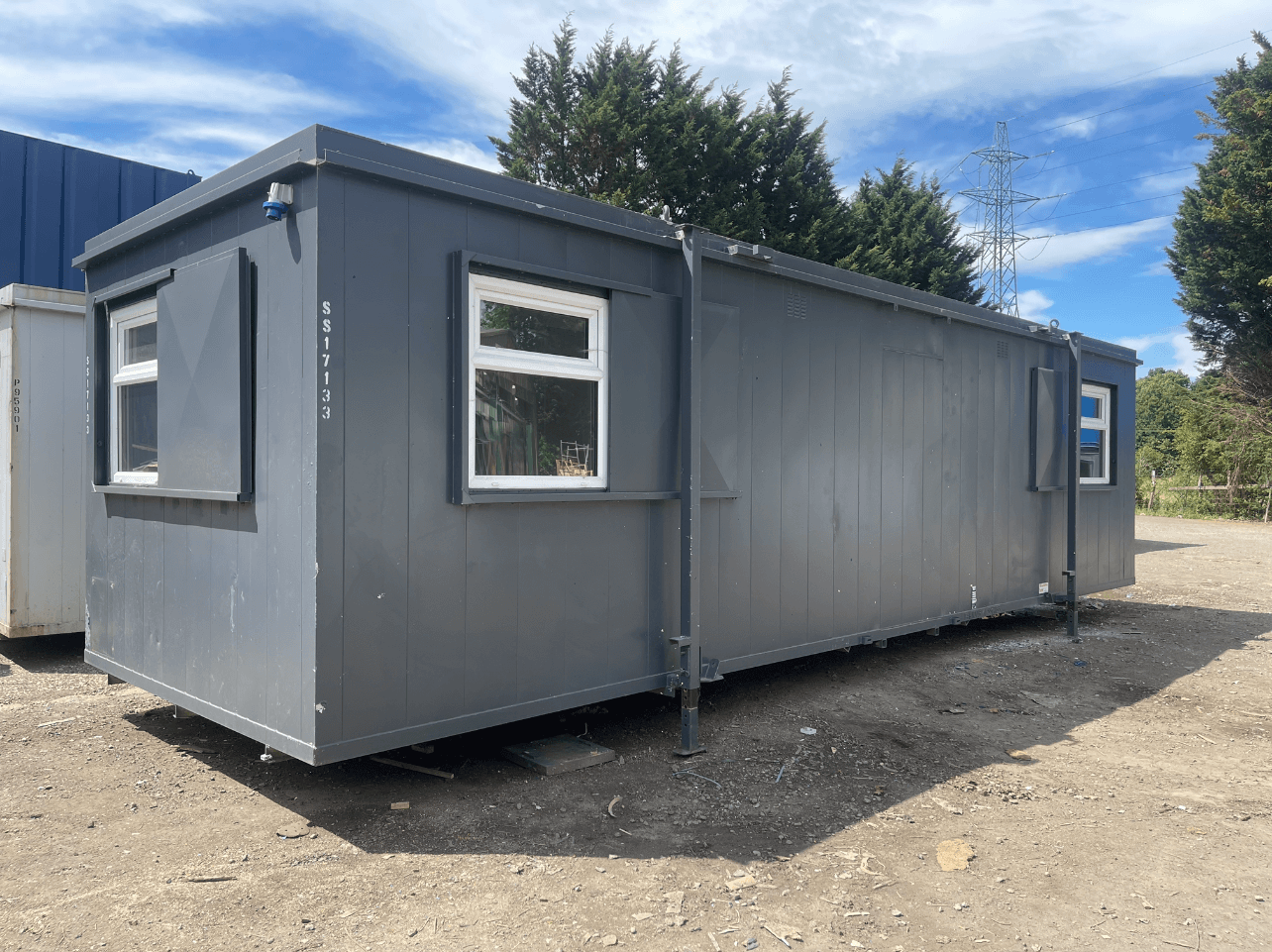
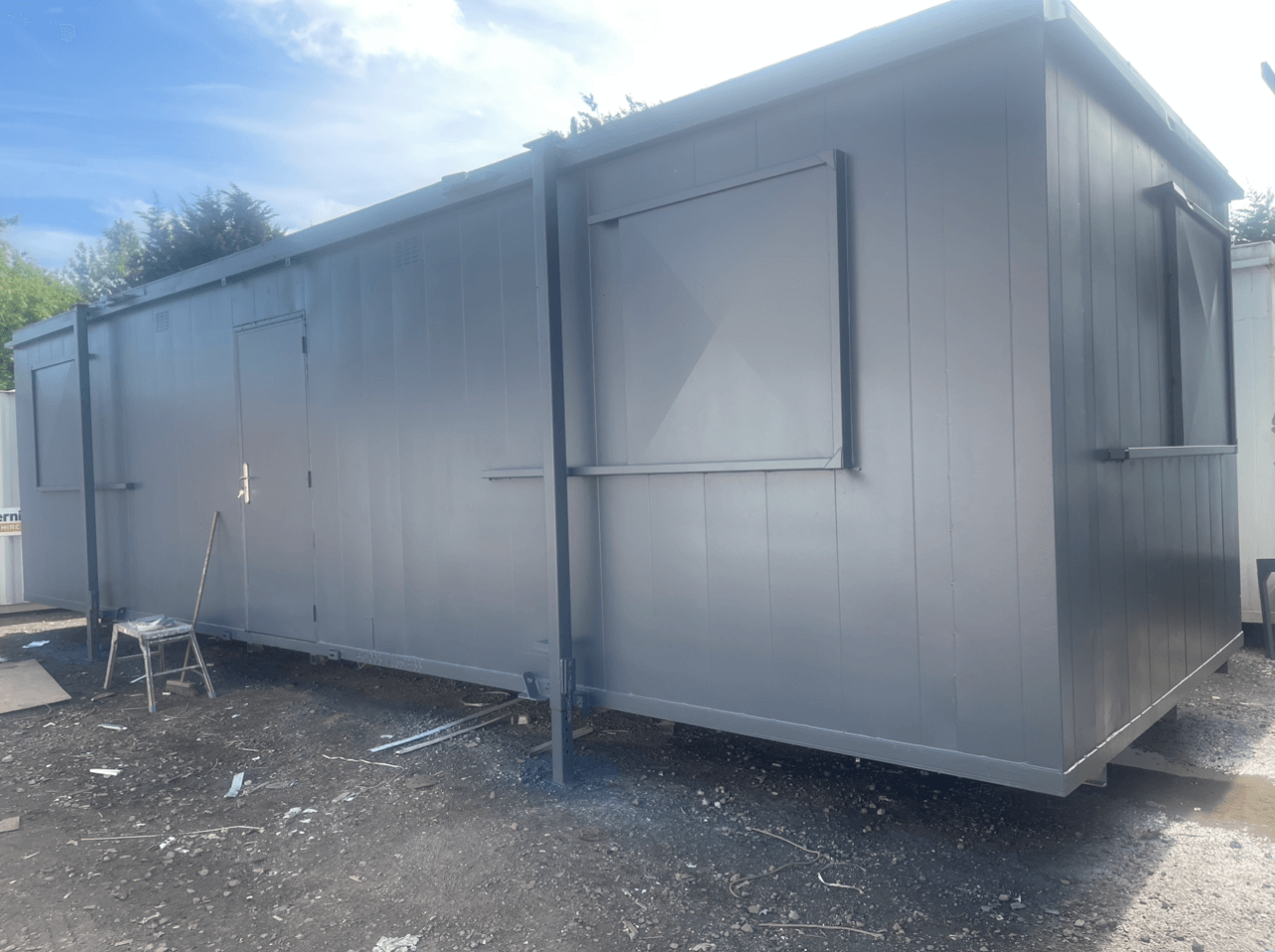
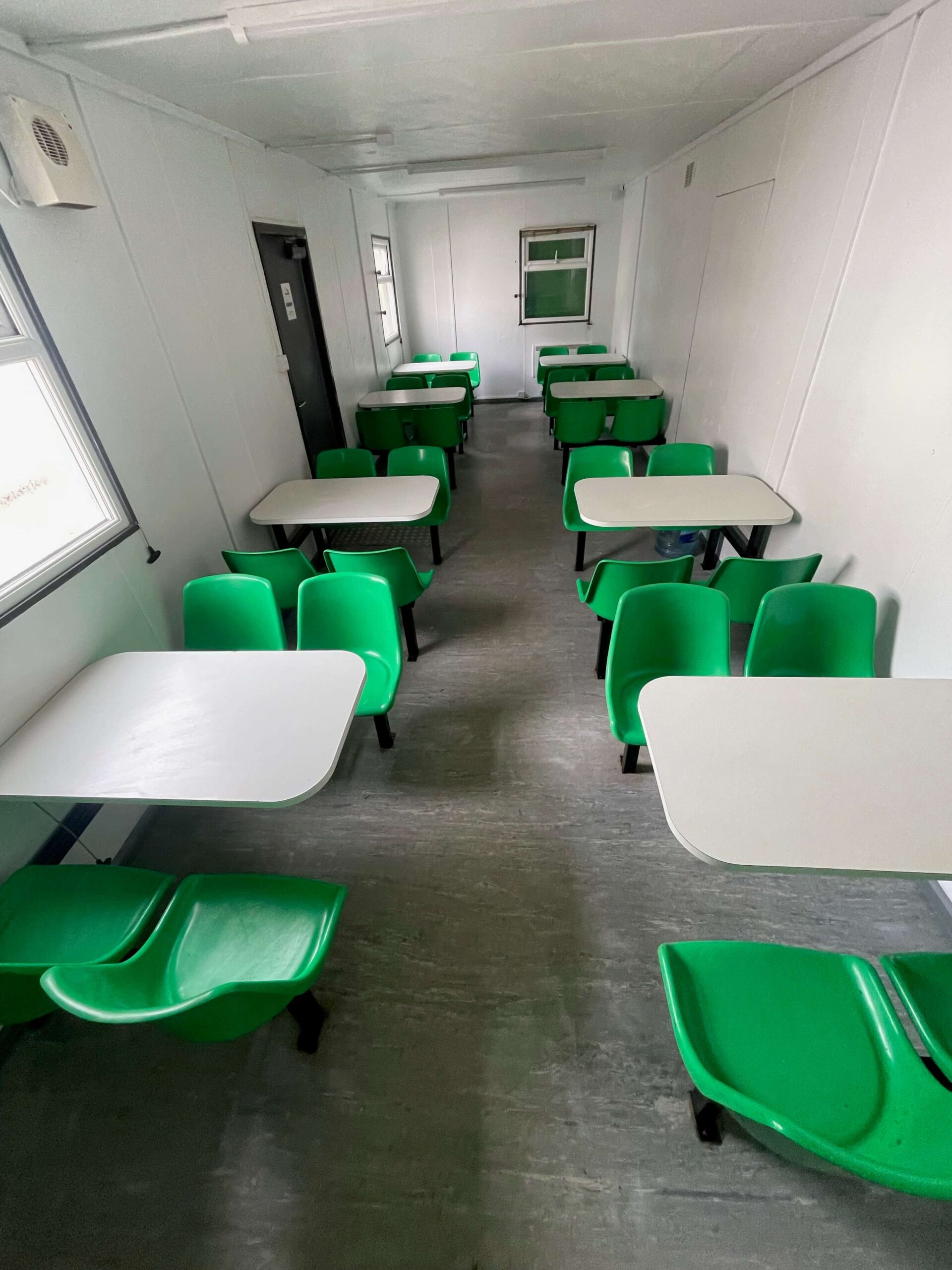
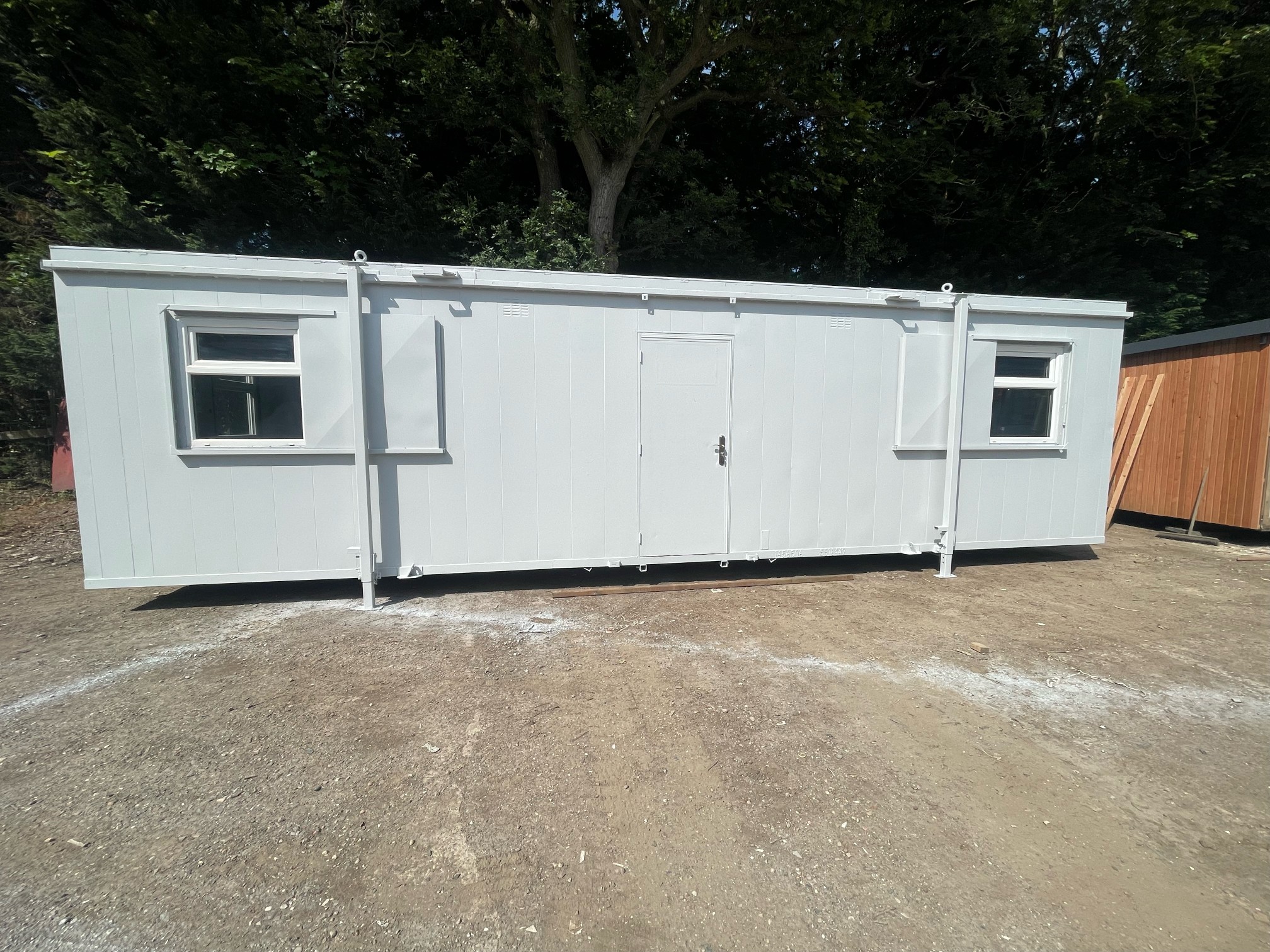
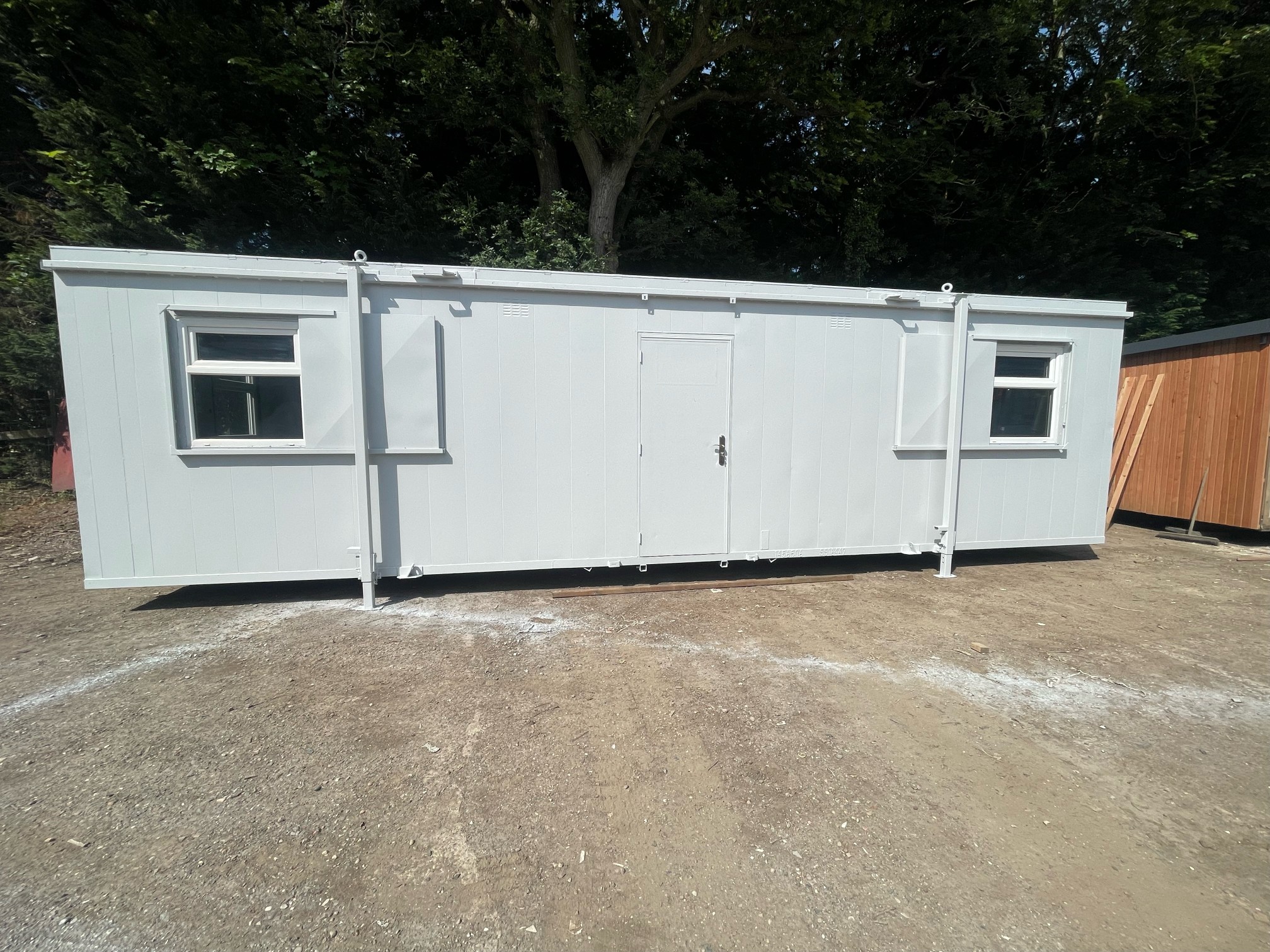
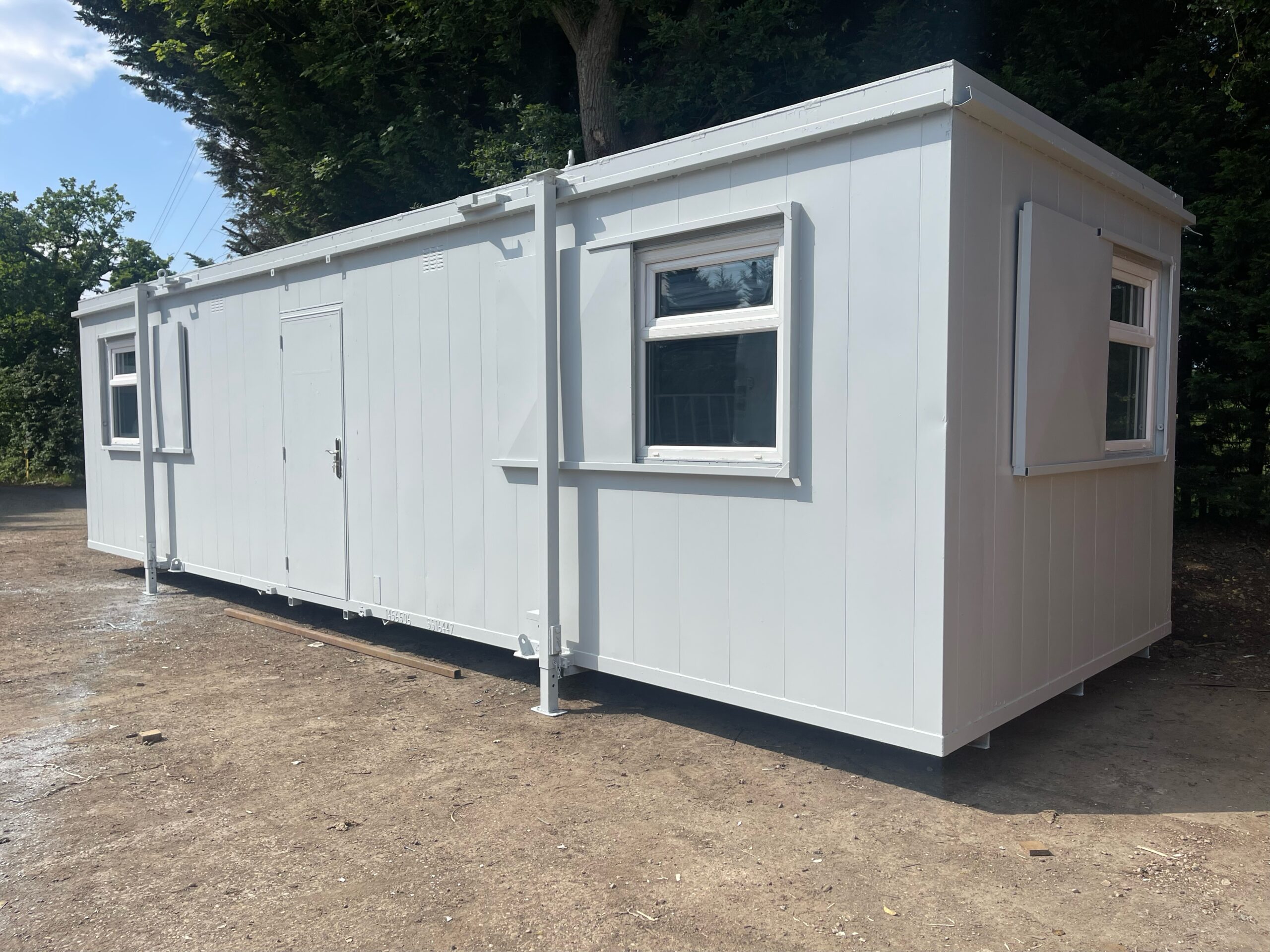
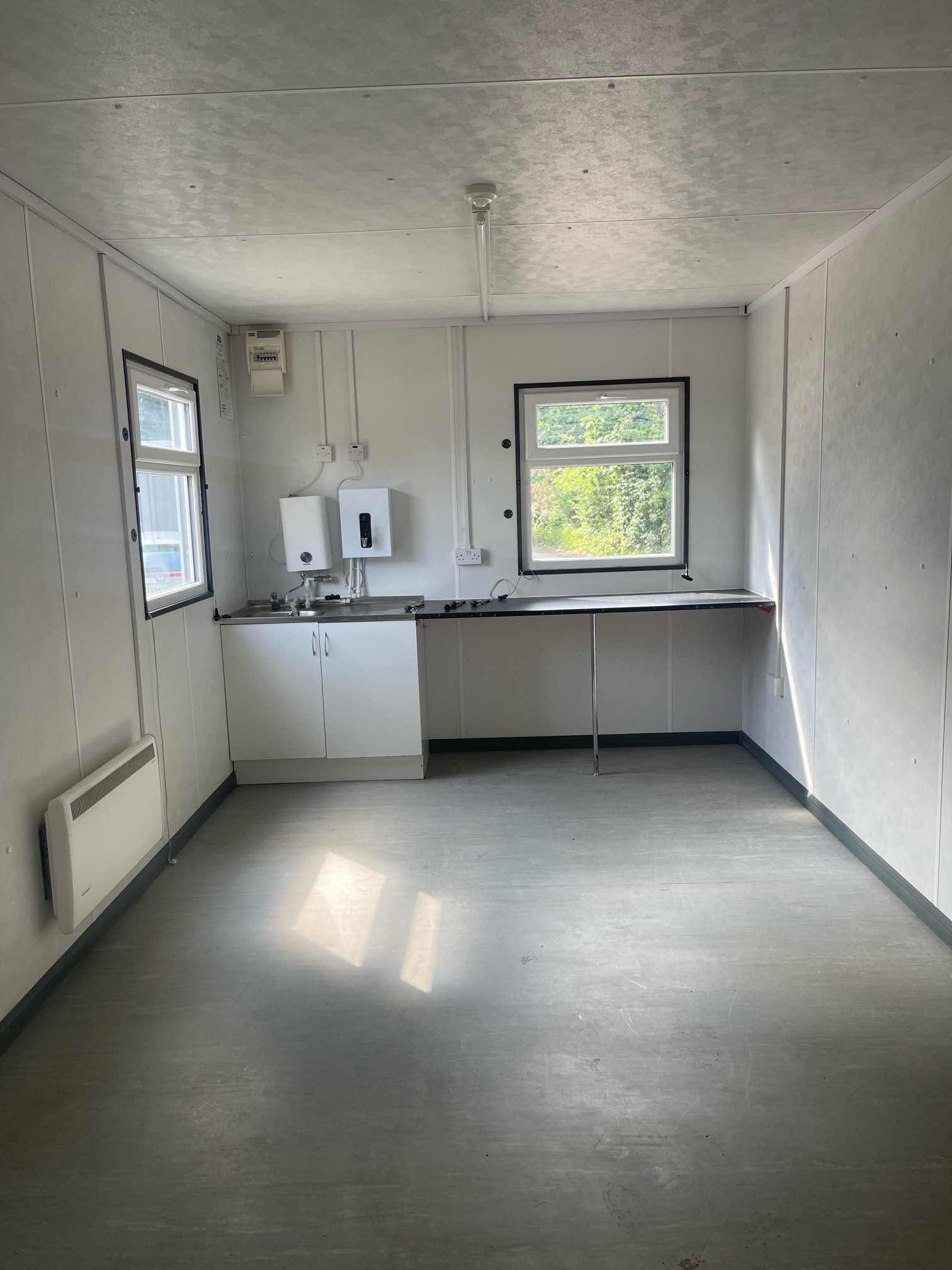
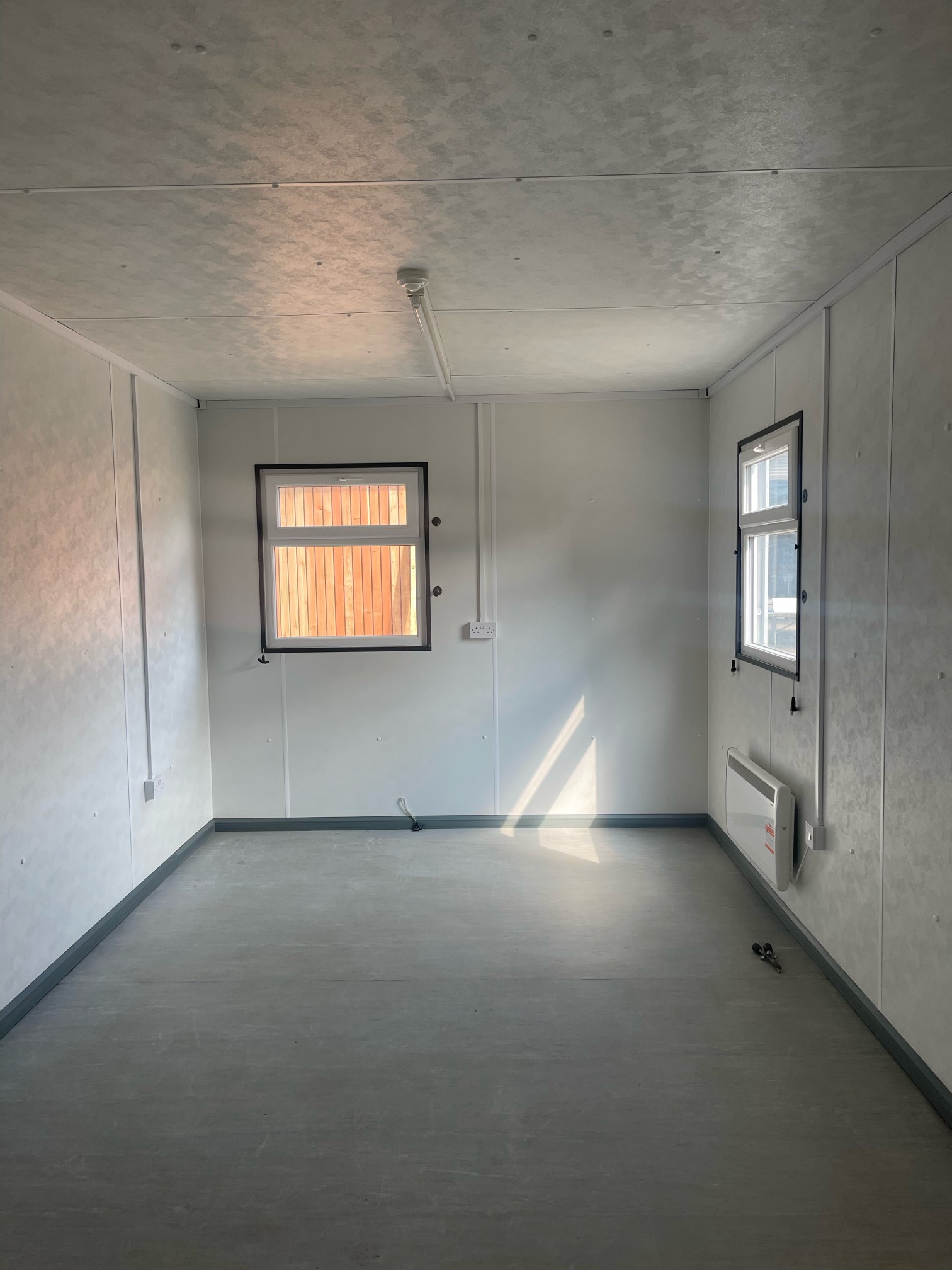
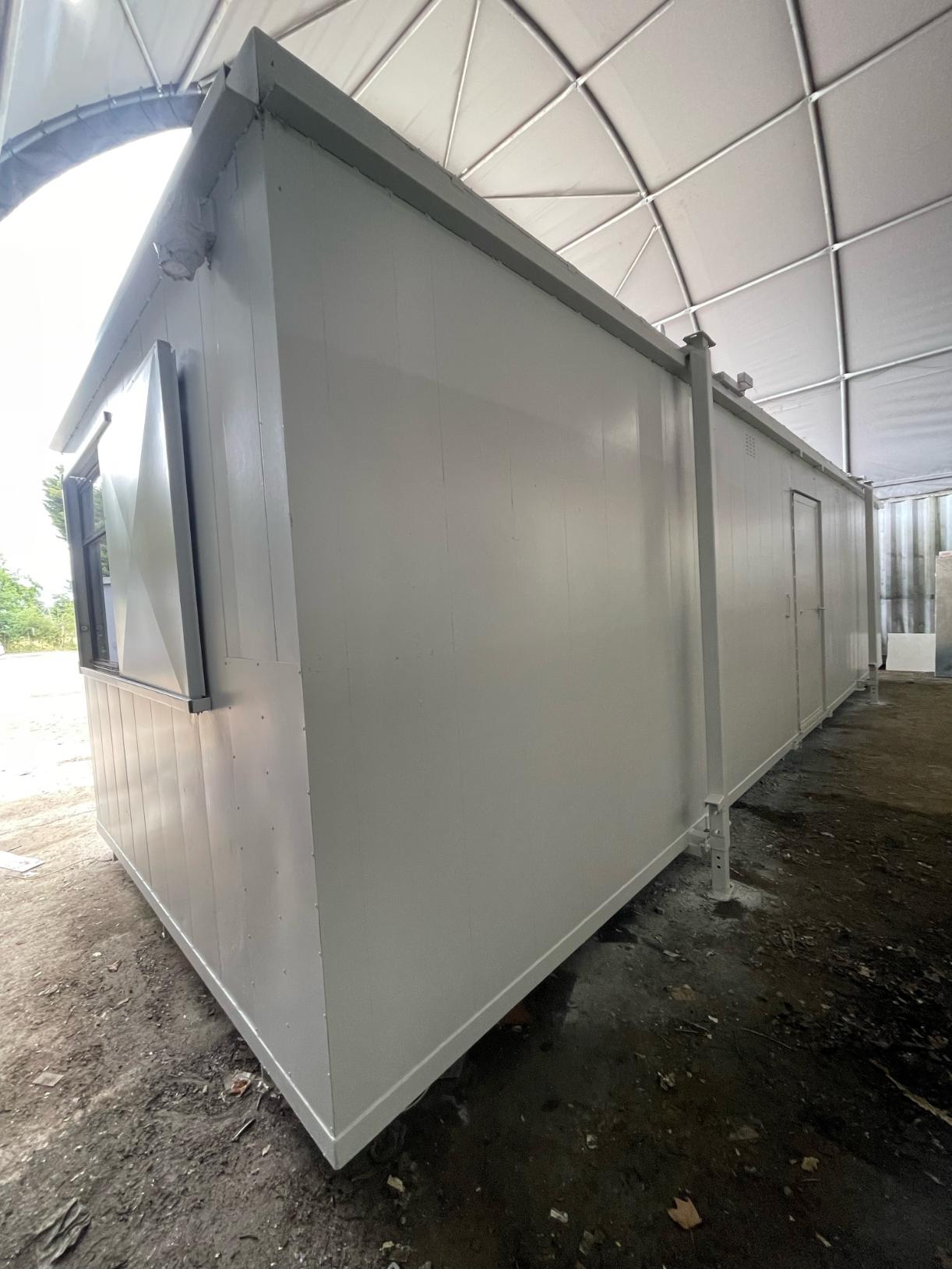
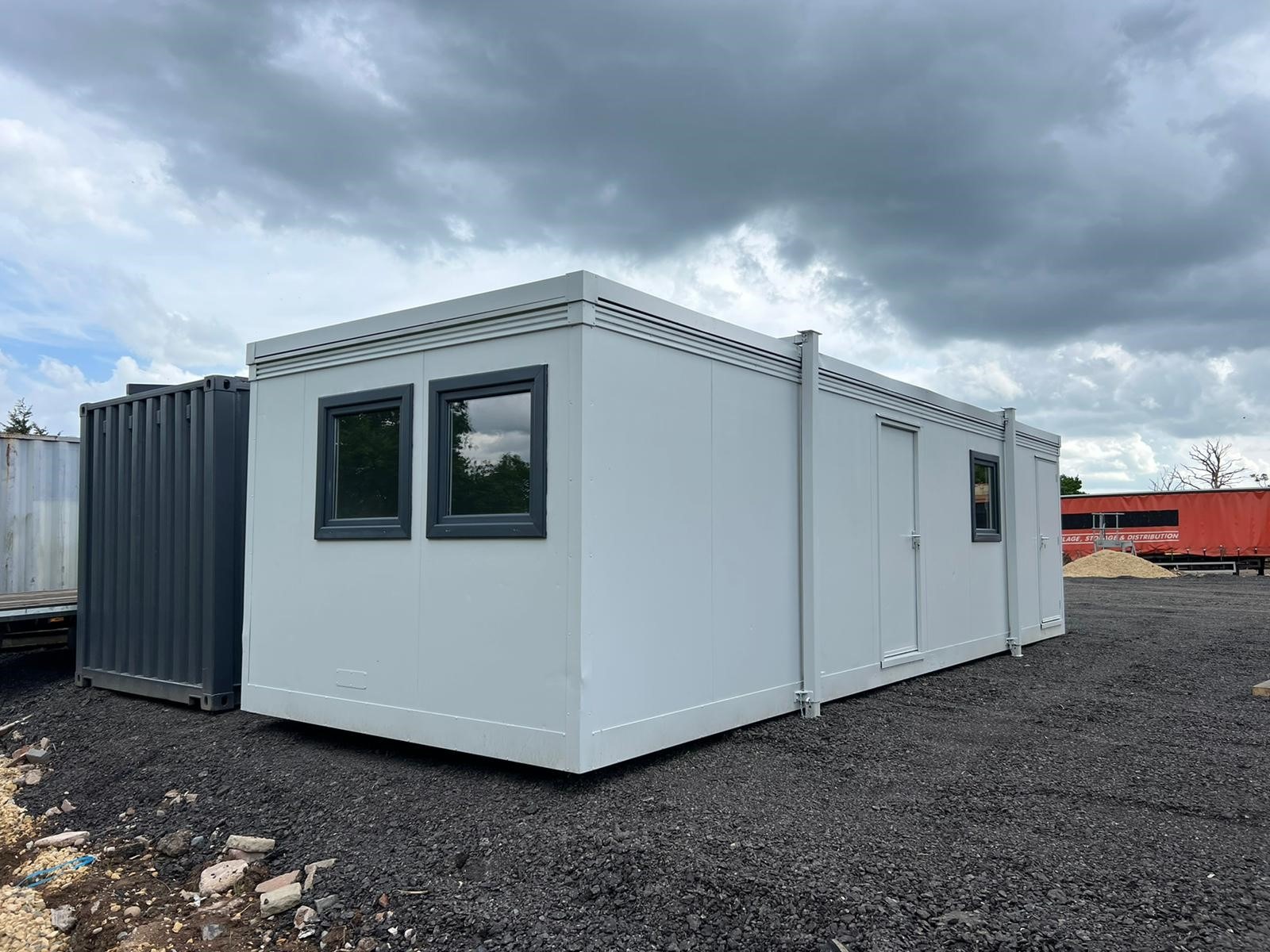
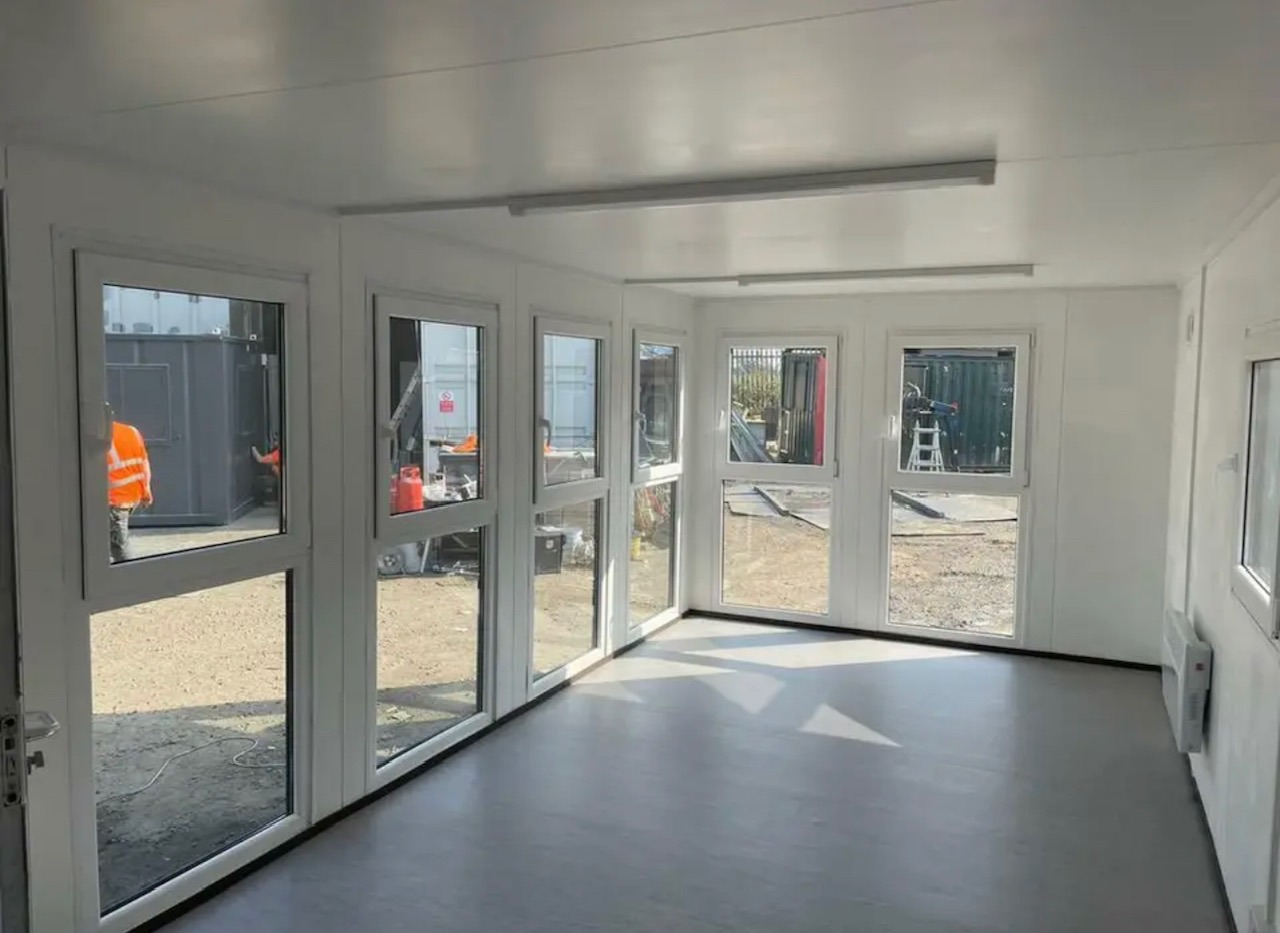
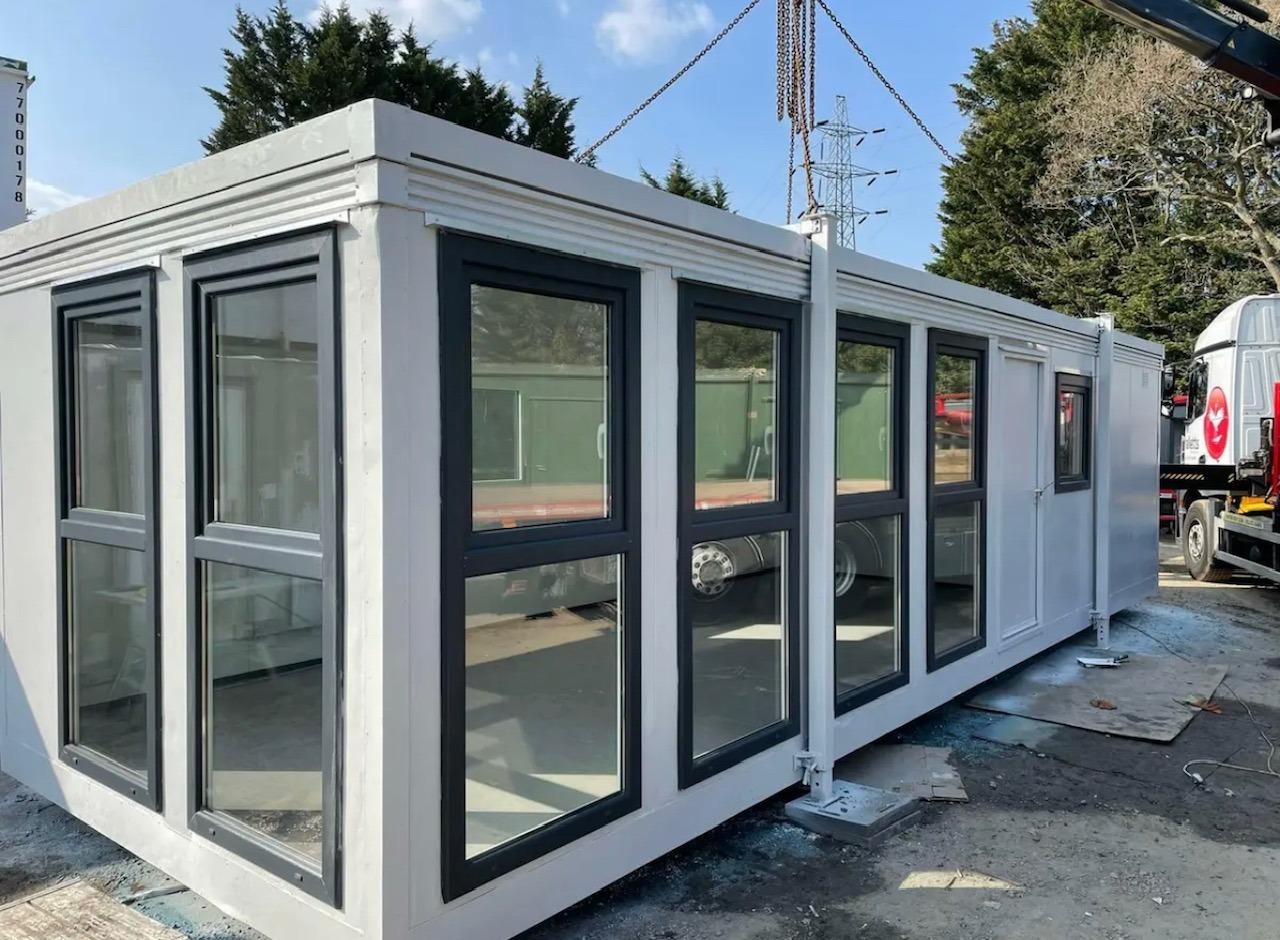
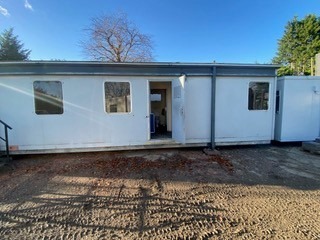
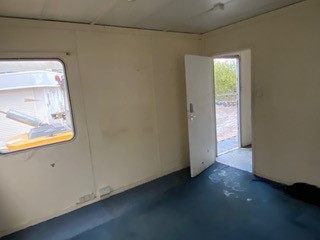
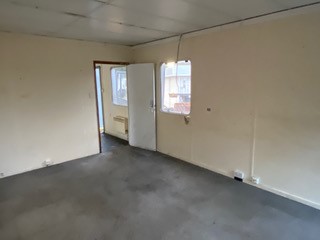
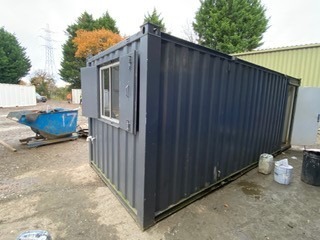
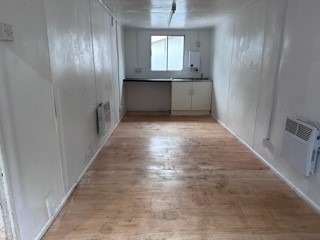
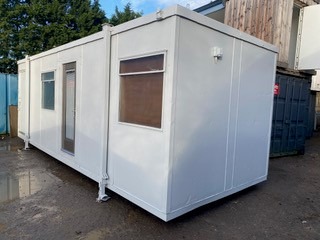
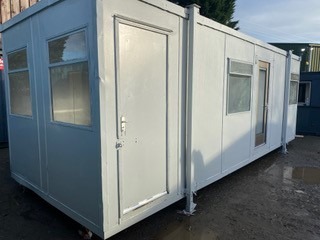
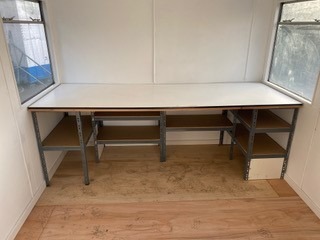
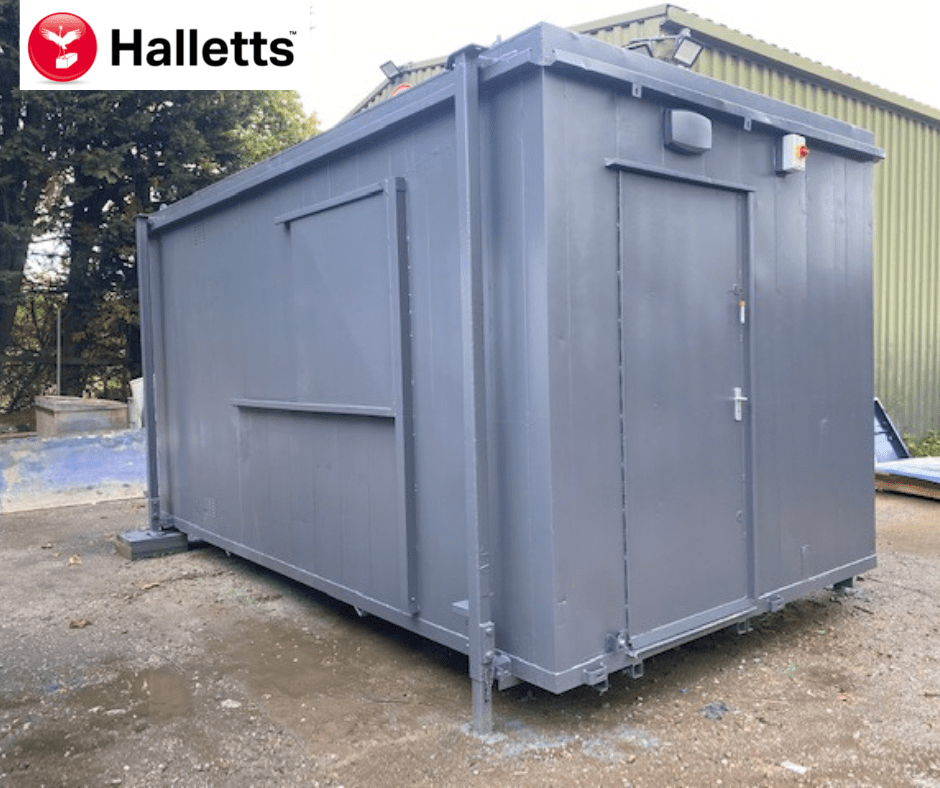
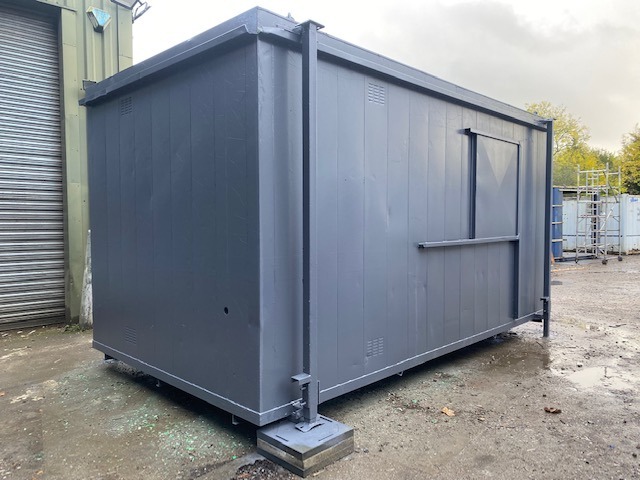
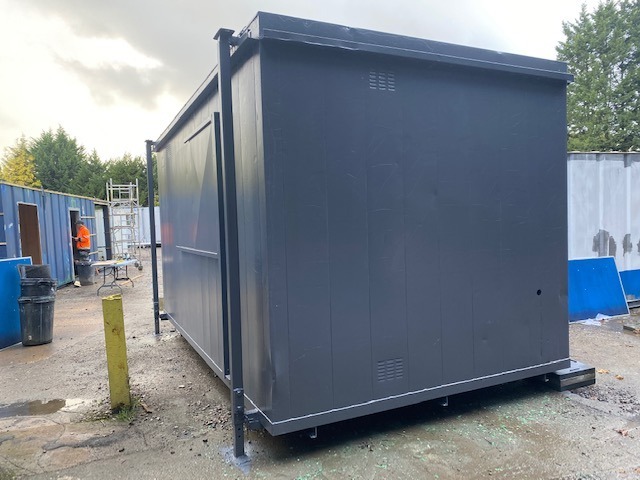
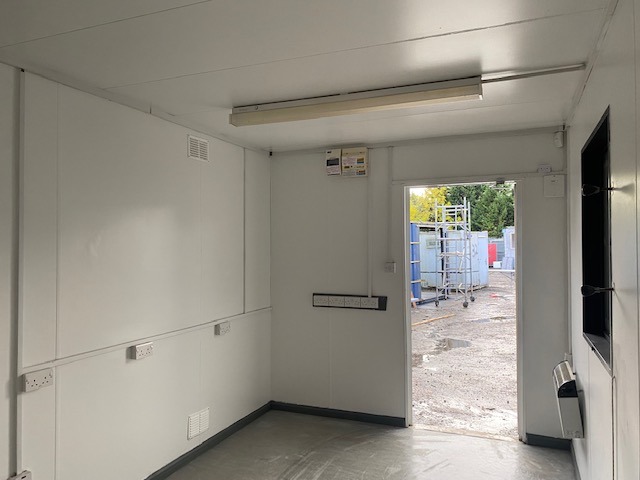
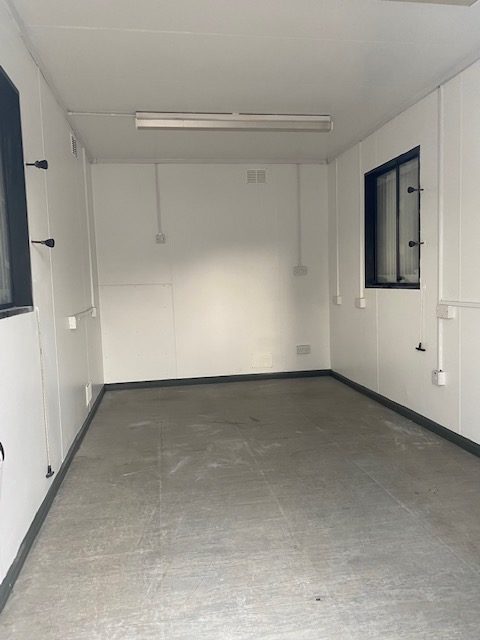
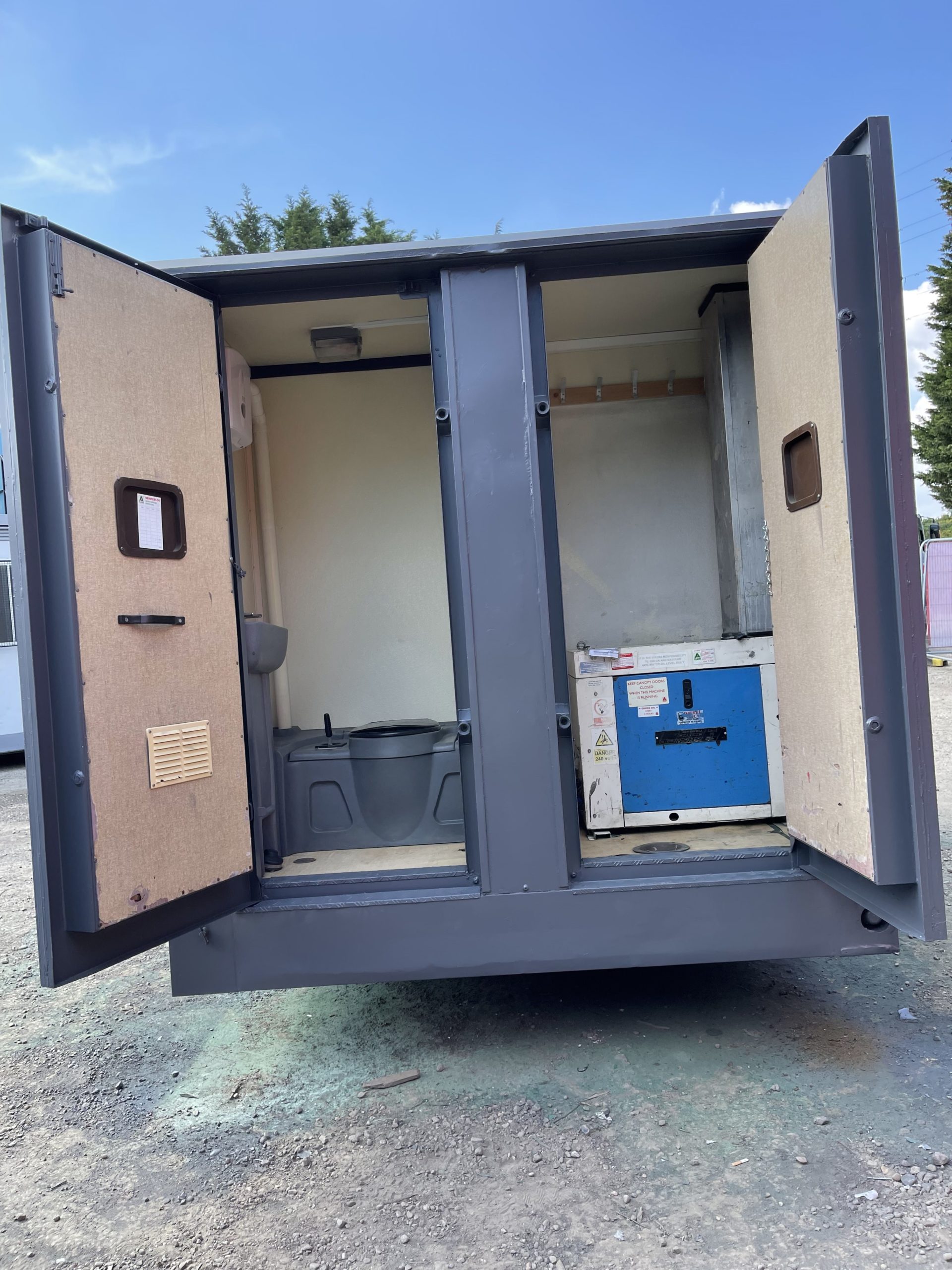
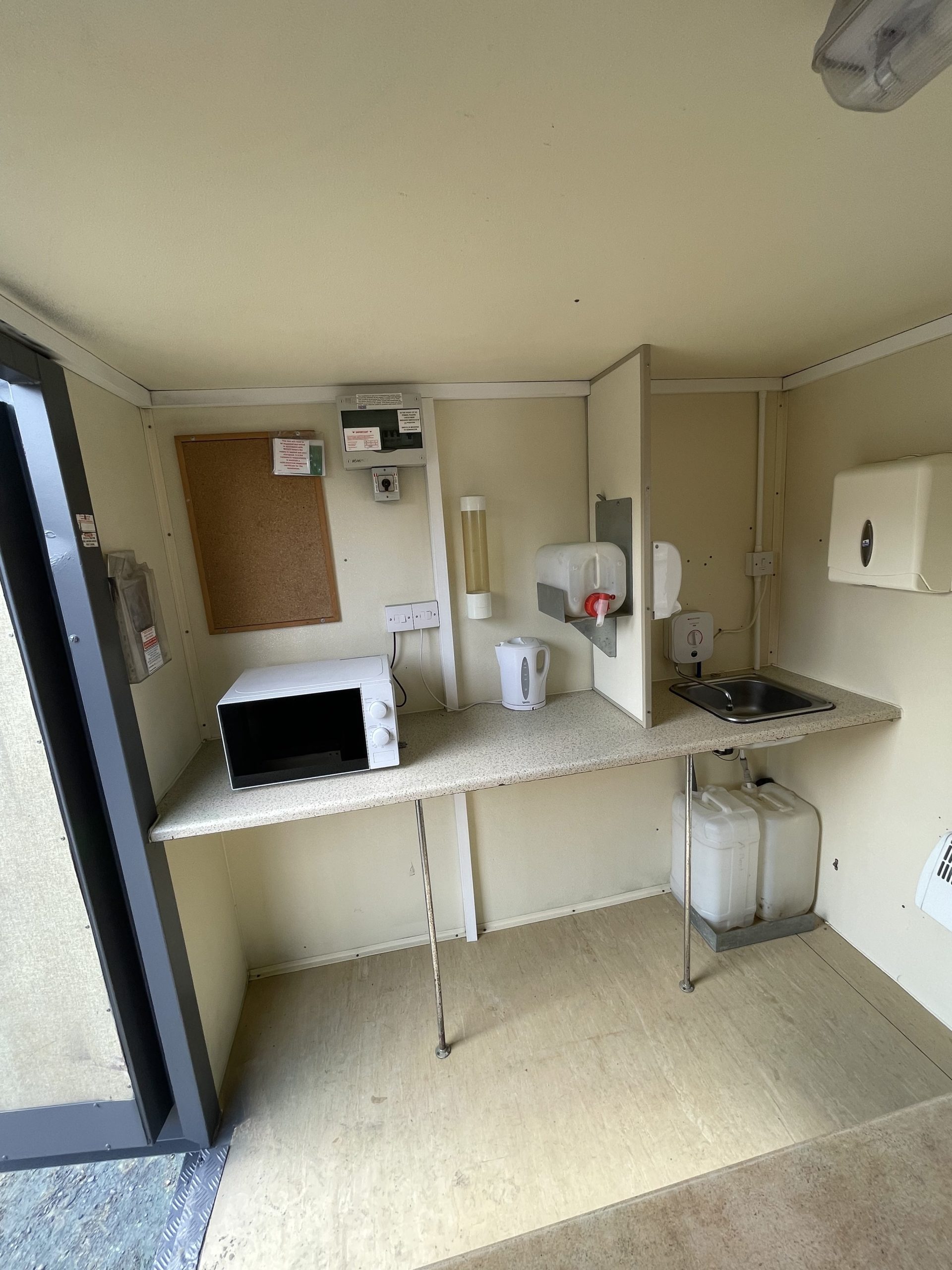
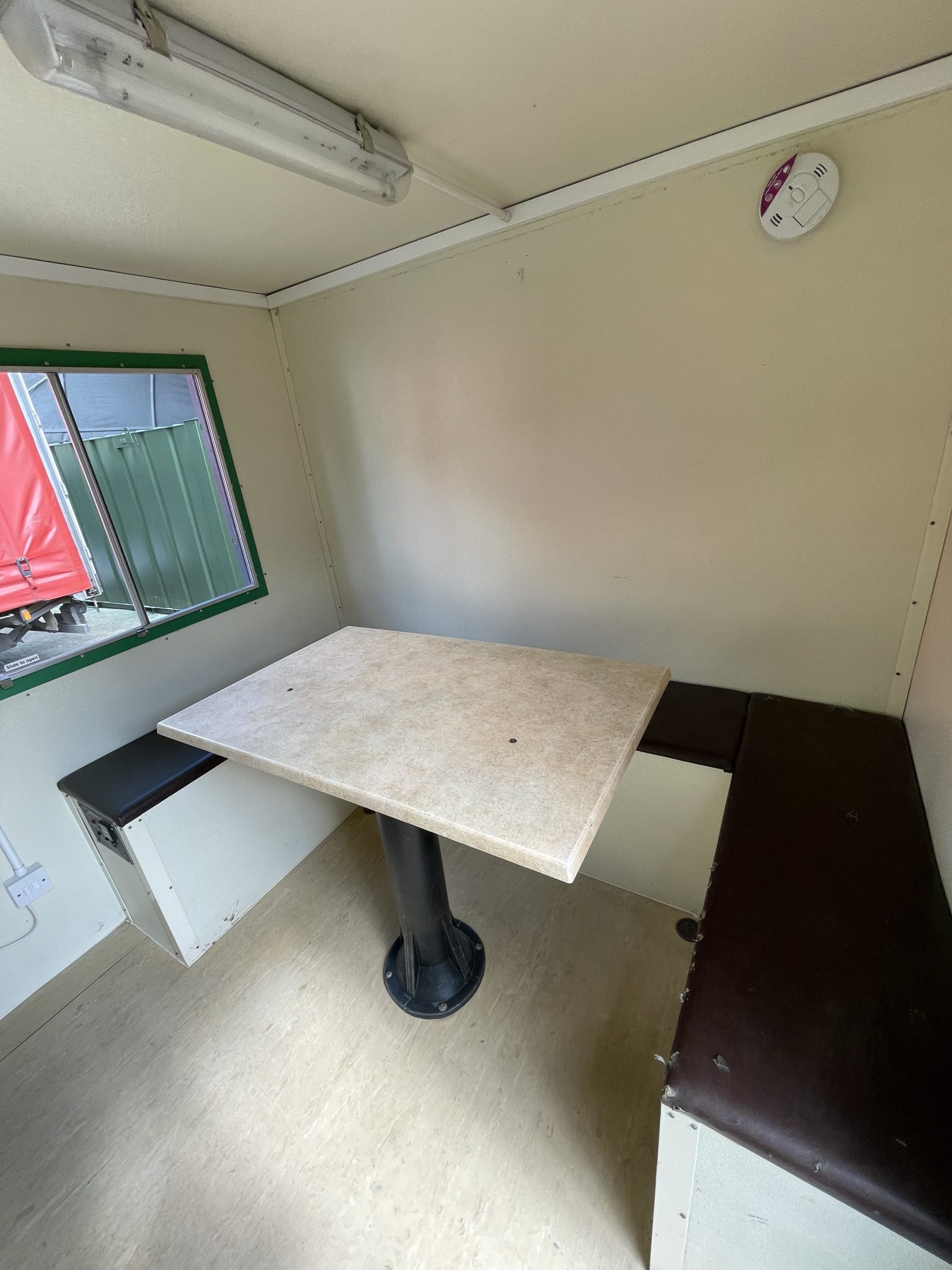
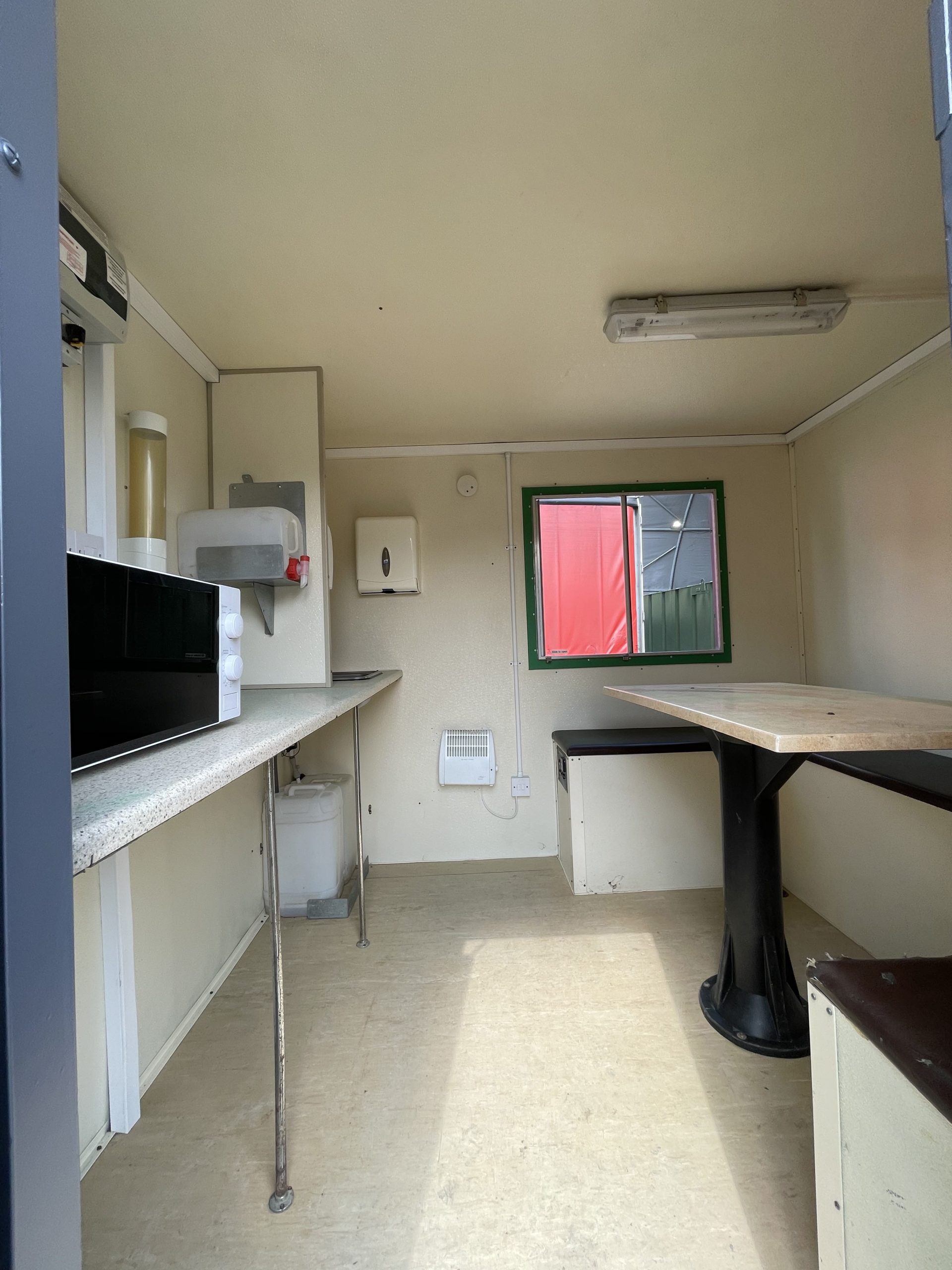
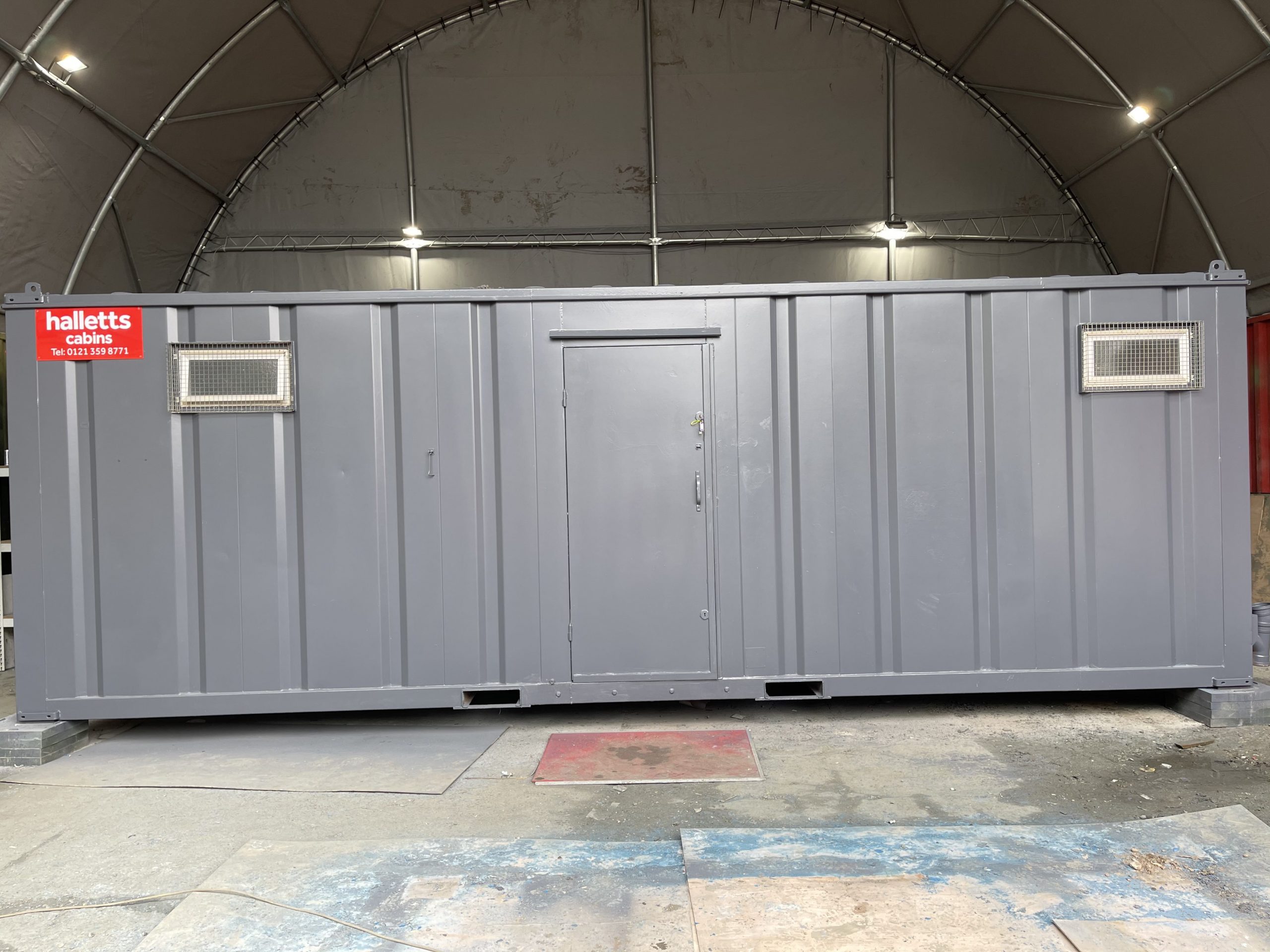
32ft x 10ft Anti Vandal Canteen/Office

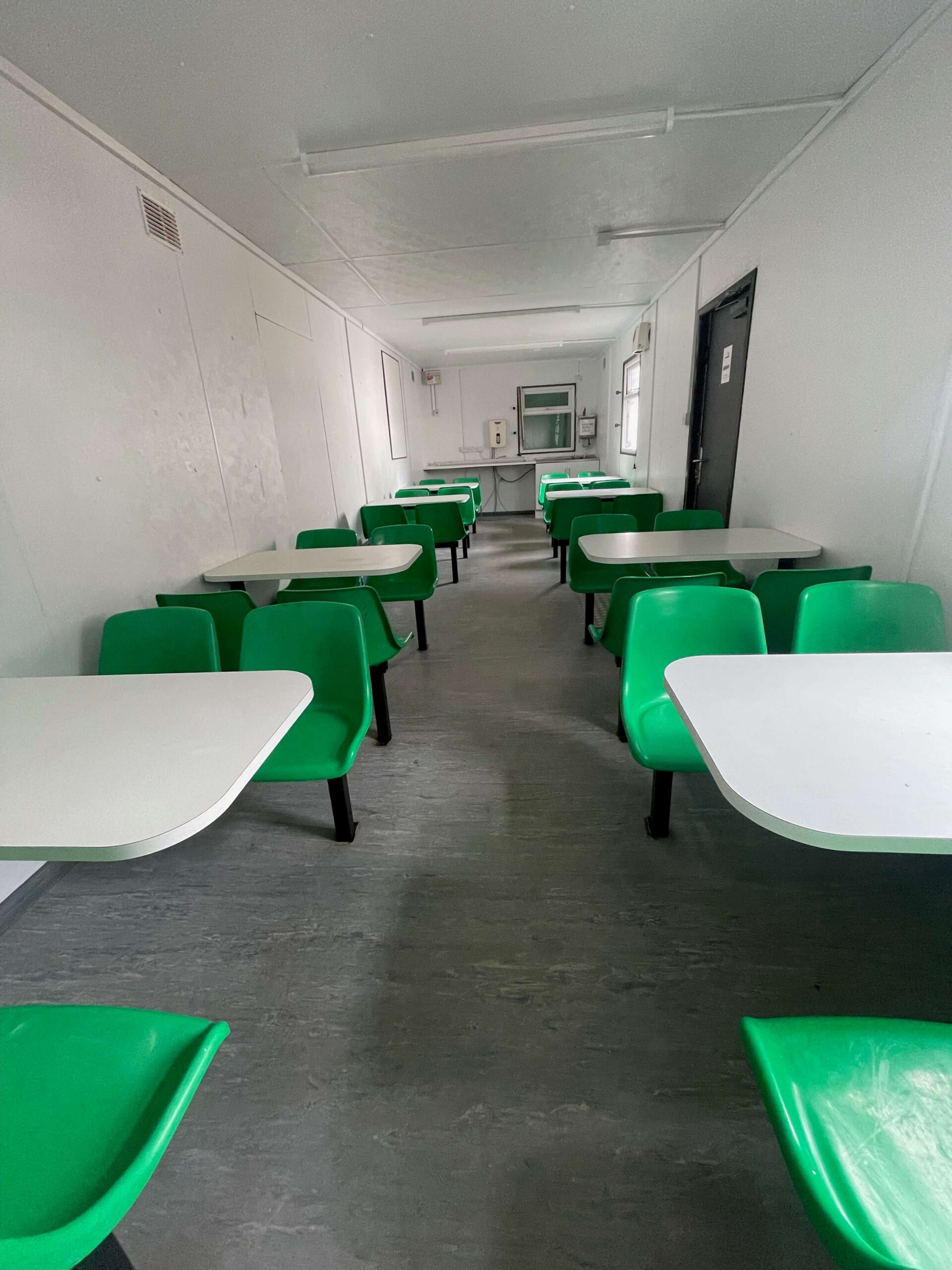
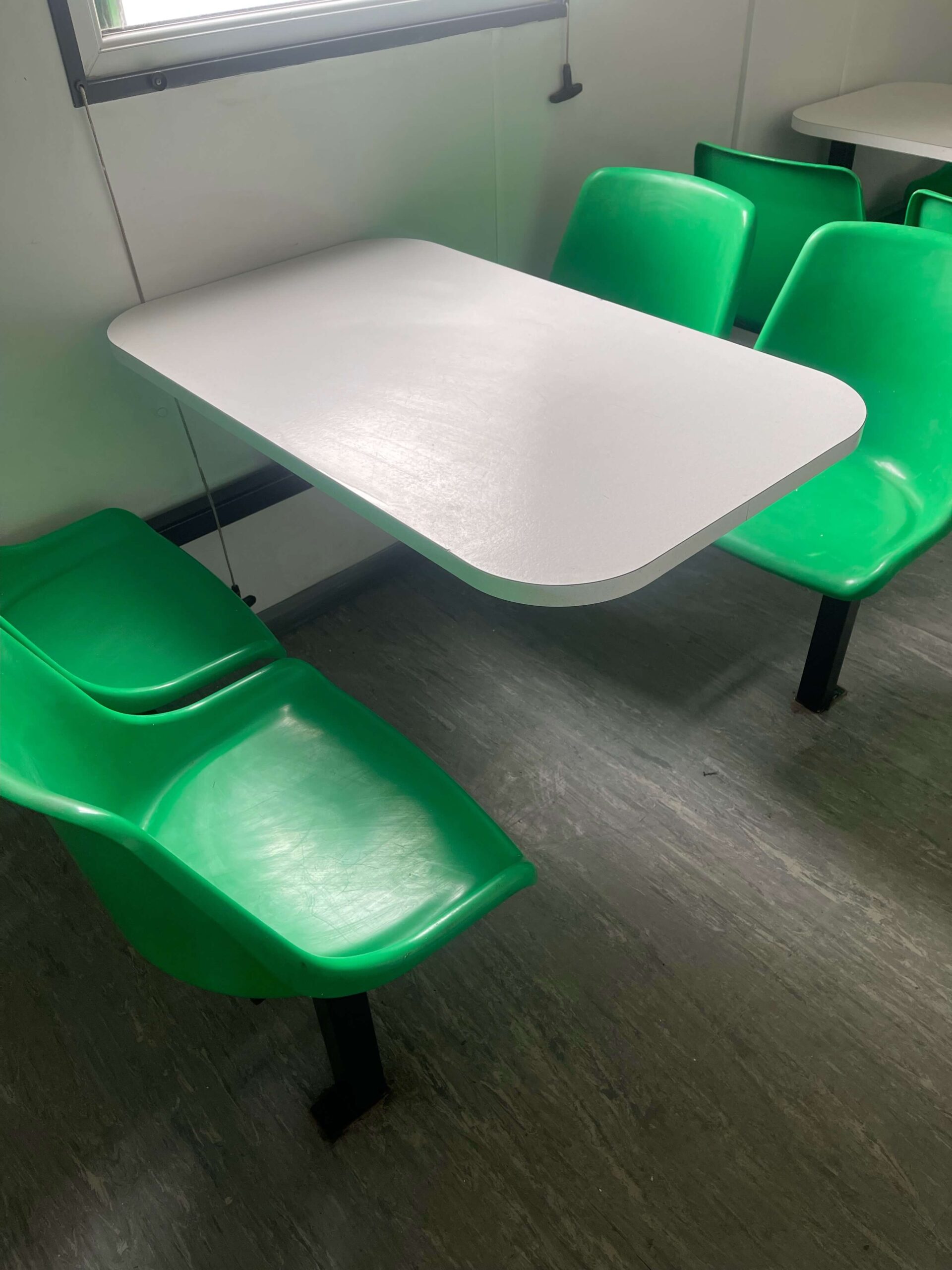
  • Complete with tables and chairs
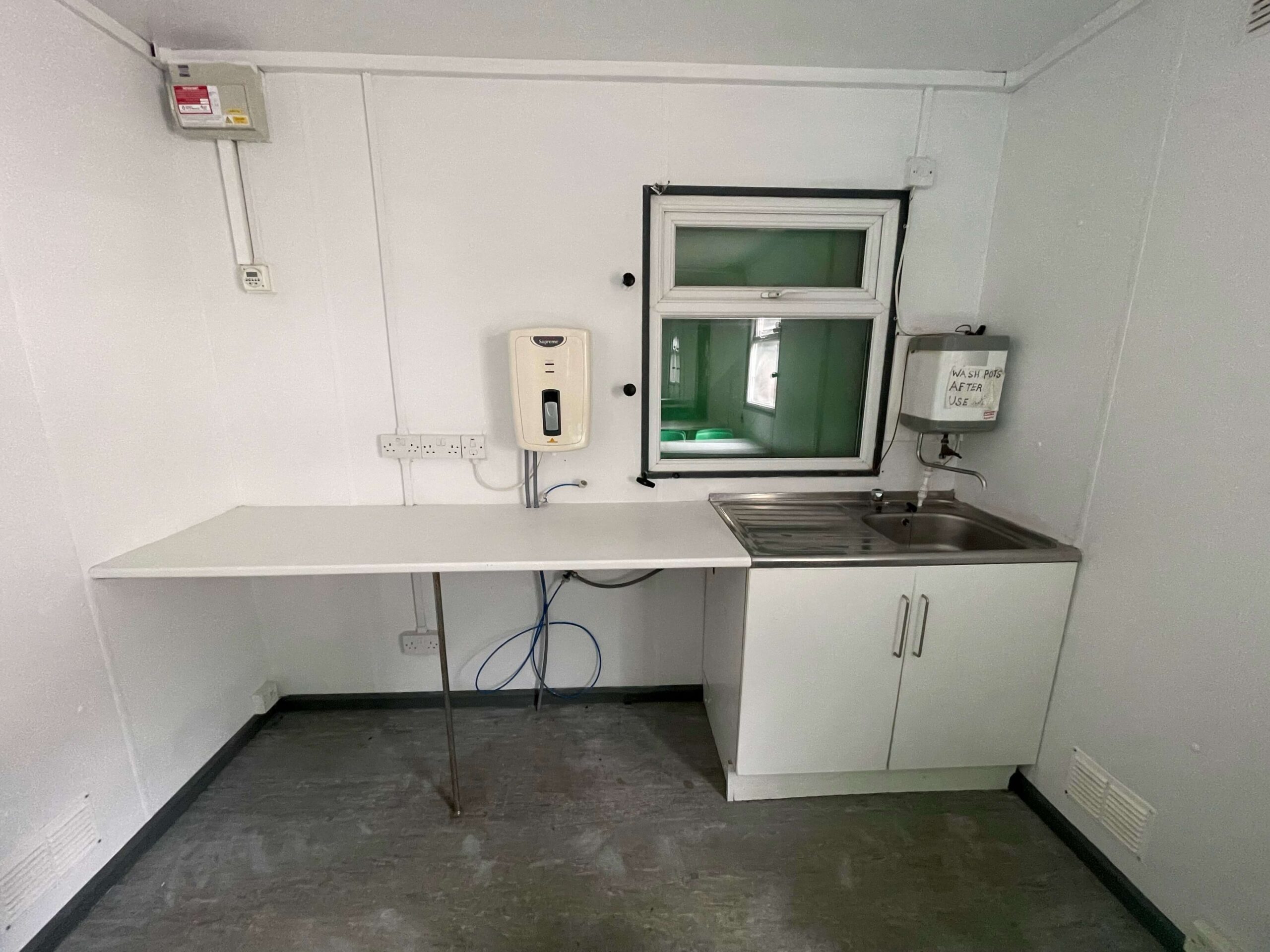
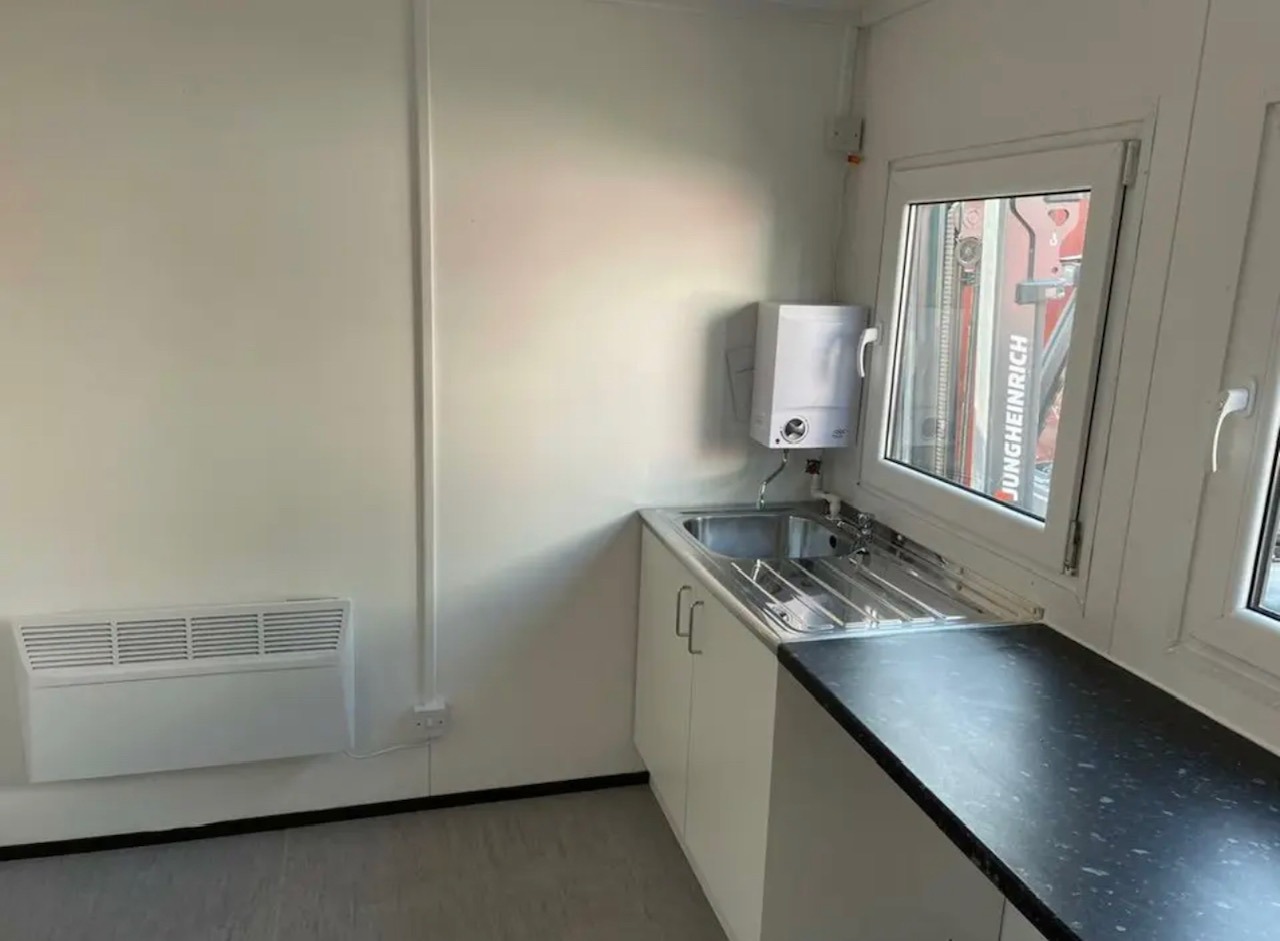
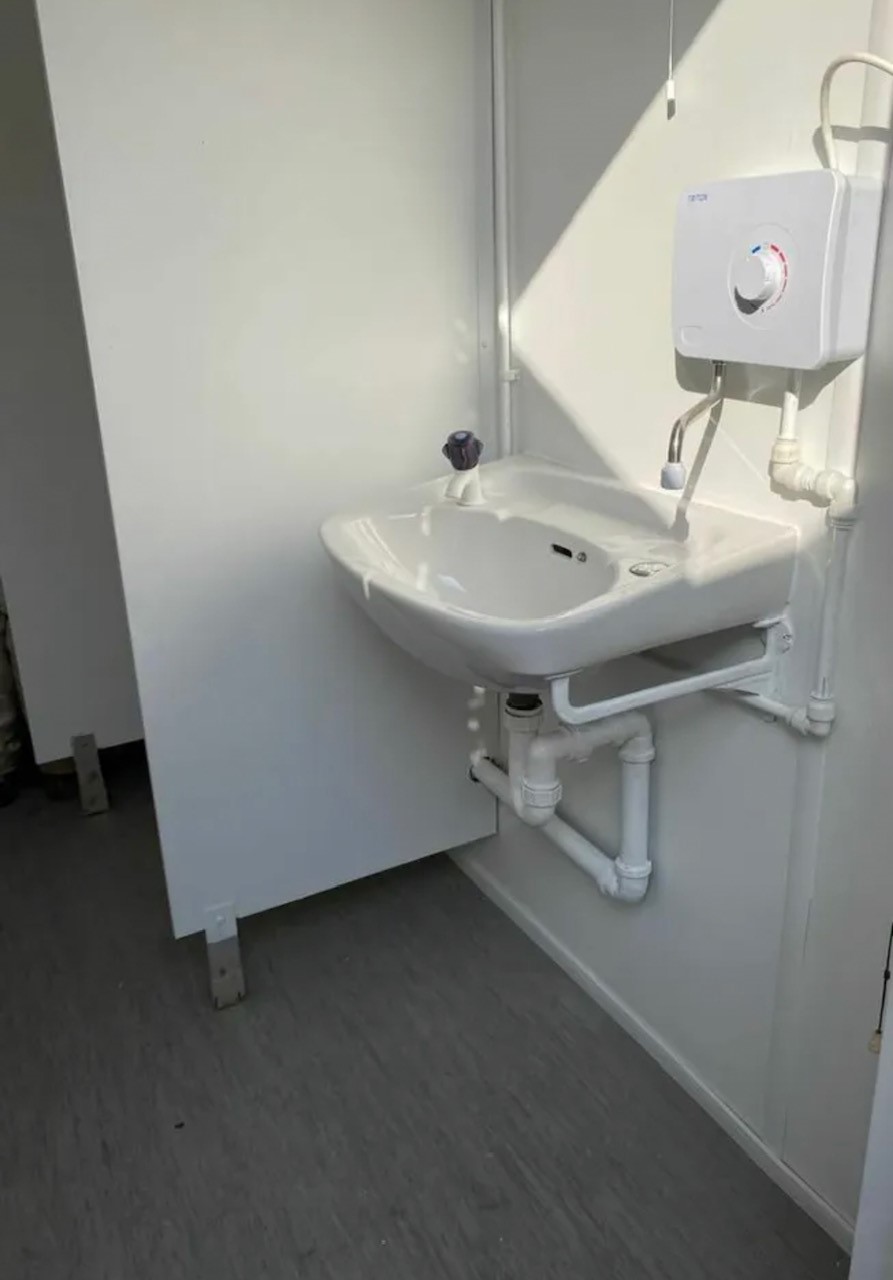
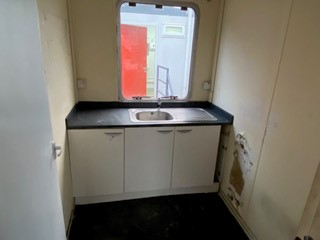
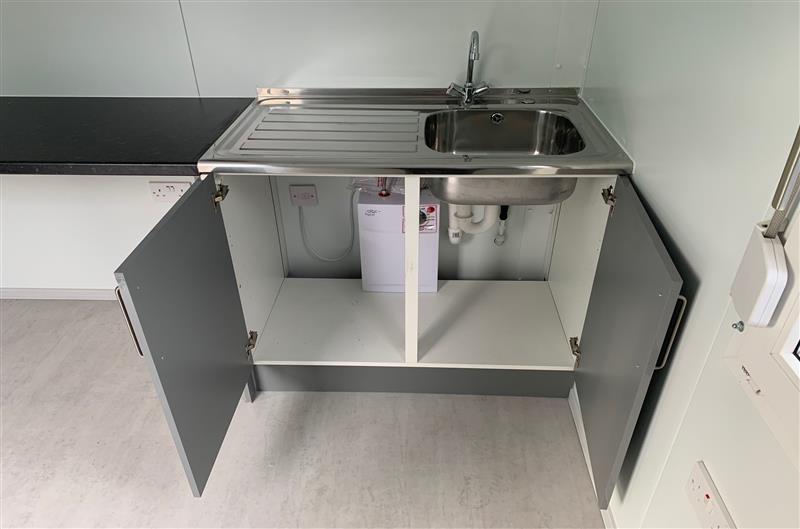
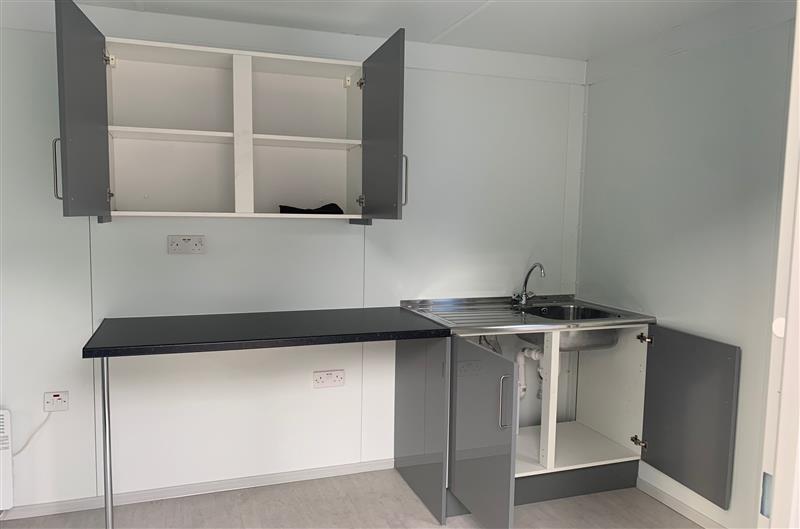
  • Kitchen with sink worktop, cupboard and water heater
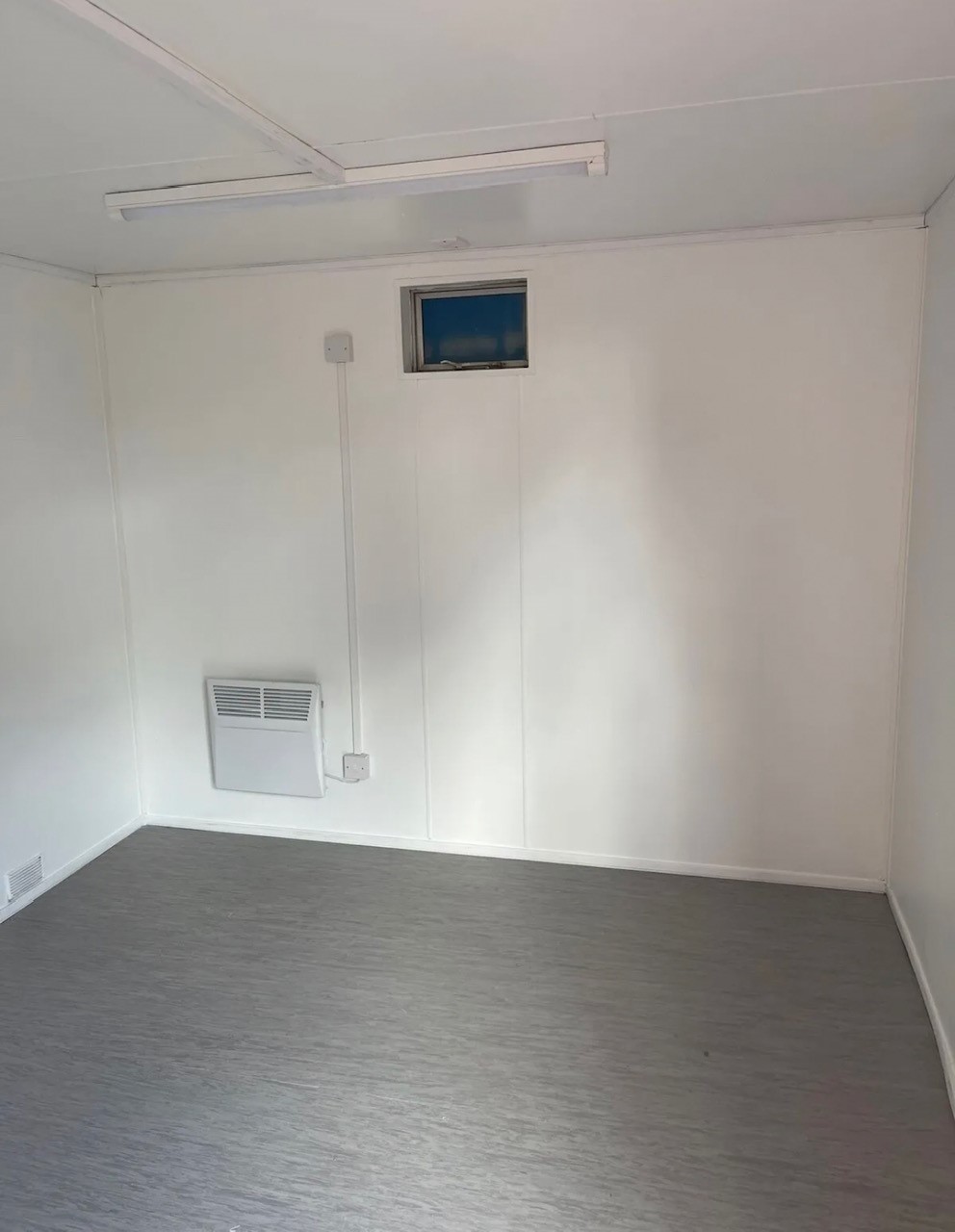
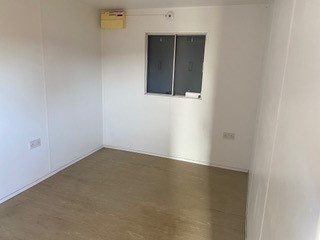
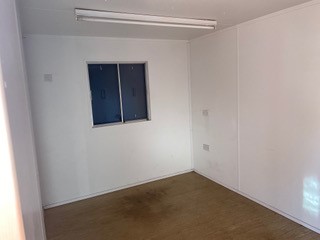
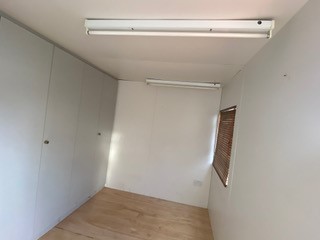
  • Insulated with electric sockets, lighting and heating
  • White upvc double glazing
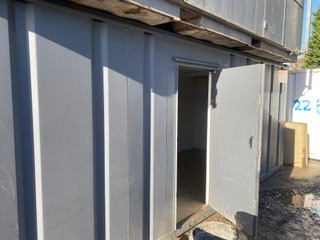
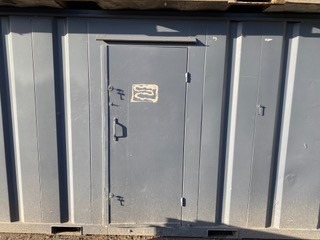
  • External re spray in dark grey

Location: Nationwide

£6,500 + vat

Not Available for Hire

We can deliver for a cost please ask and send us post code.

Call for an instant quote!

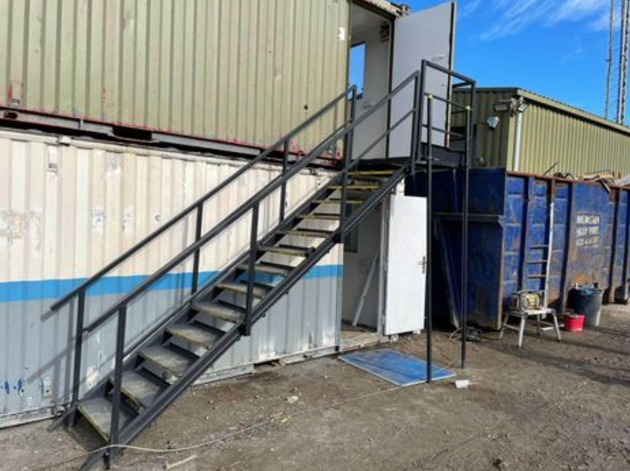
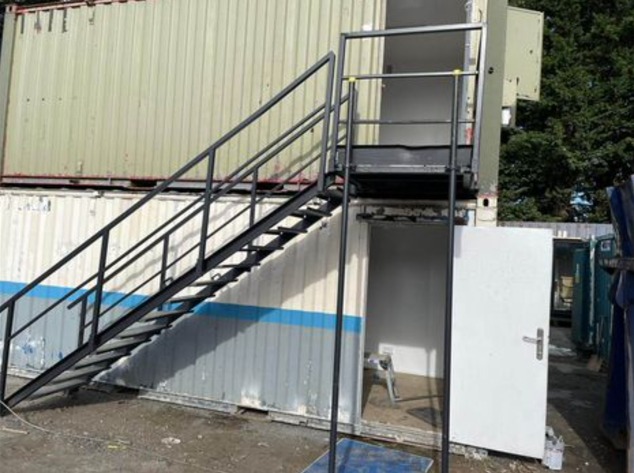
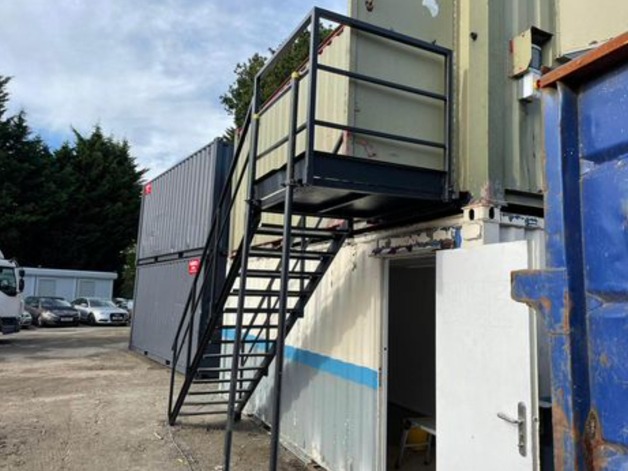
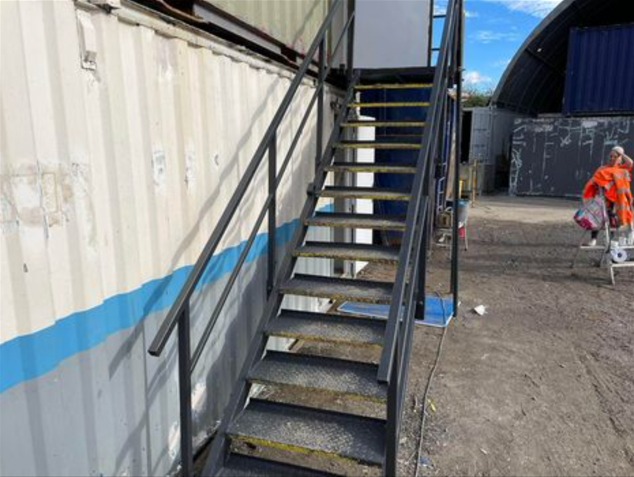
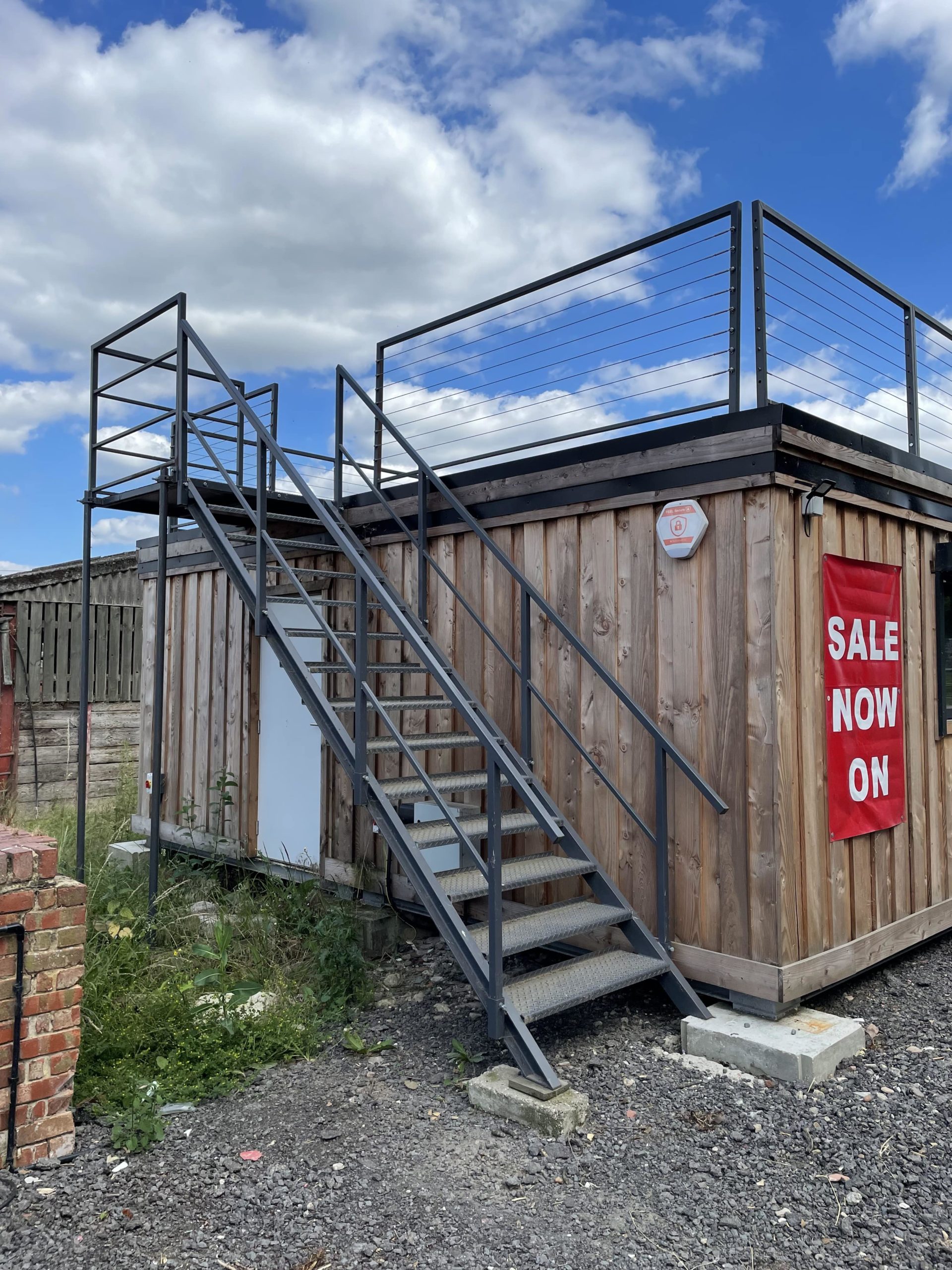
Steel Cabin Staircases, in various sizes

  • 13 tread

  • 14 tread

  • 15 tread

Location: Nationwide

£1,200.00 + vat

Not Available for Hire

Call for an instant quote!

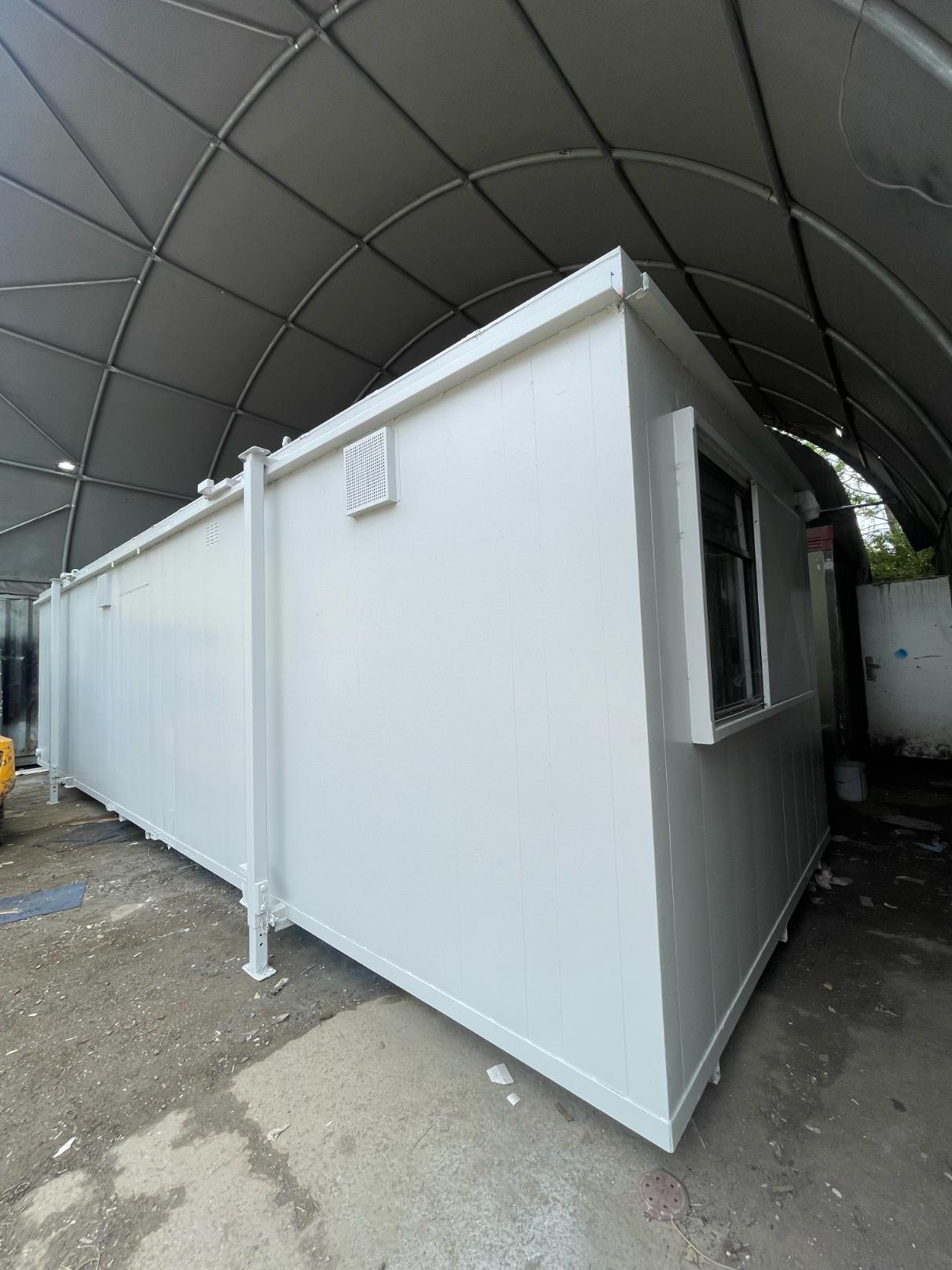
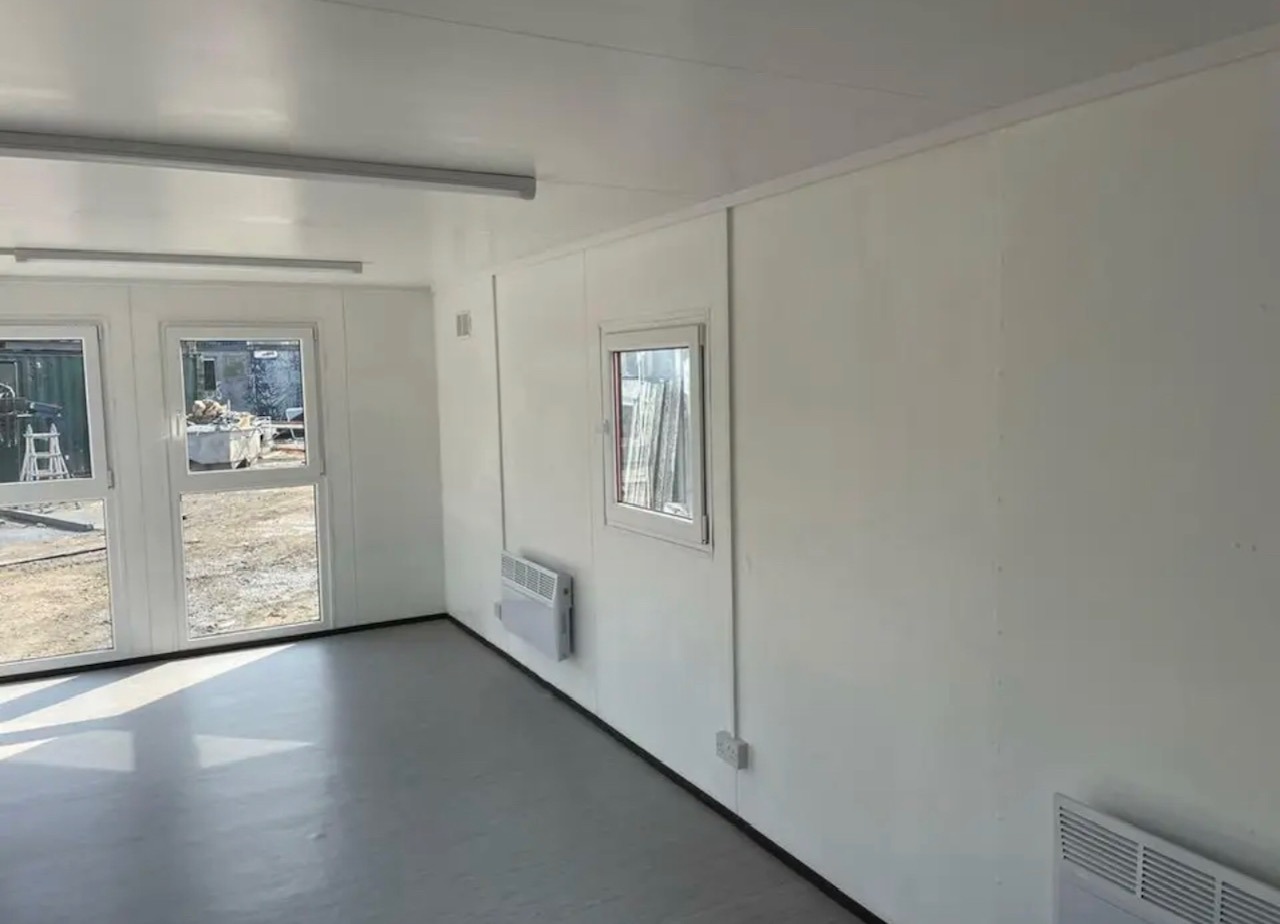
32ft x 10ft Anti Vandal Canteen/Office

    • Price: £5,995 + VAT
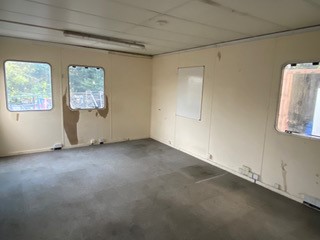
    • Description: 32ft x 10ft Anti Vandal Canteen/Office
  Part refurbished including:
  • Electric sockets, lighting and heating
  • White upvc double glazing
  • Canteen
  • Open plan
  • External light grey re spray

Location: Nationwide

£5,995 + vat

Not Available for Hire

We can deliver for a cost please ask and send us post code.

Call for an instant quote!

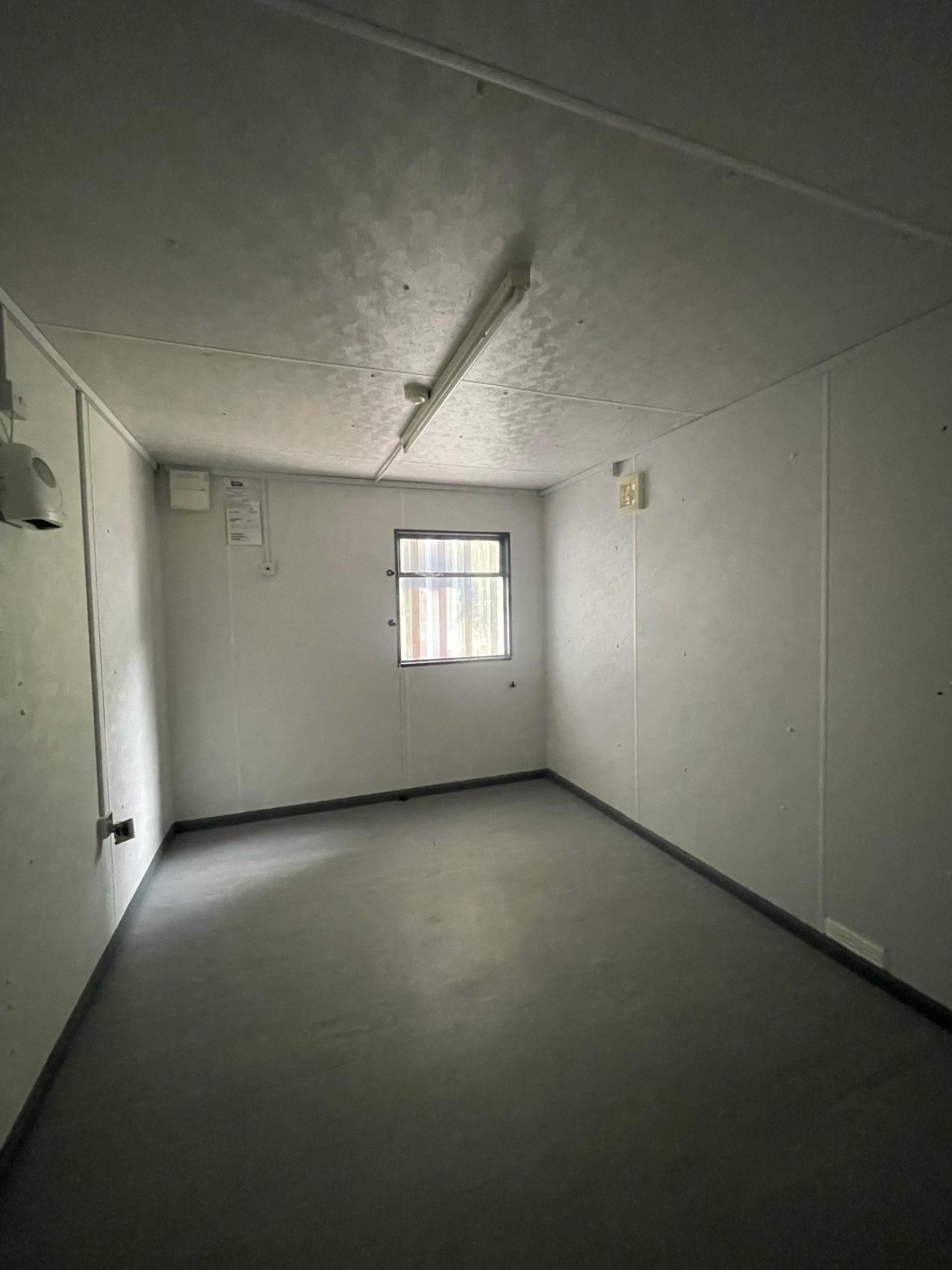
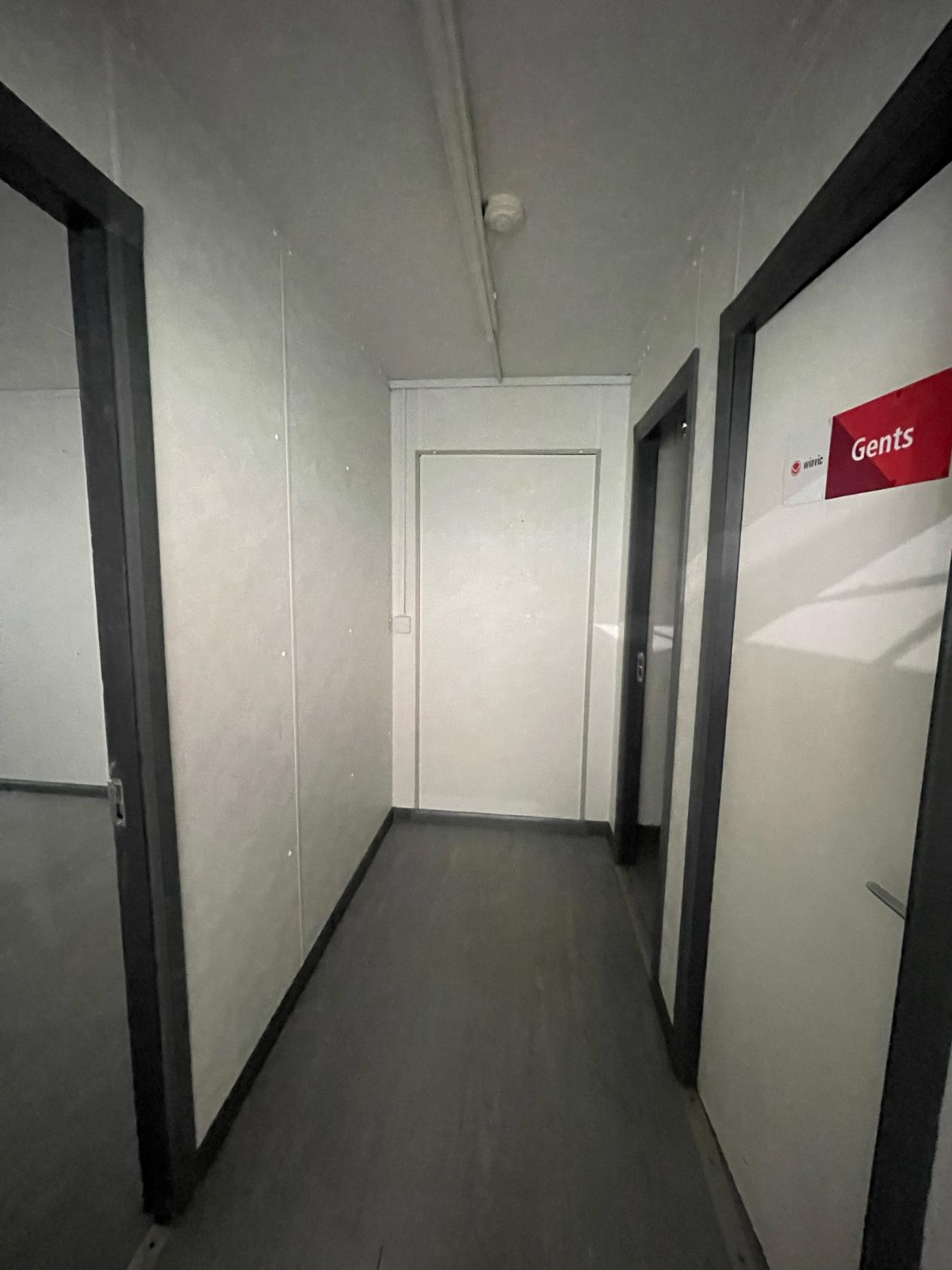
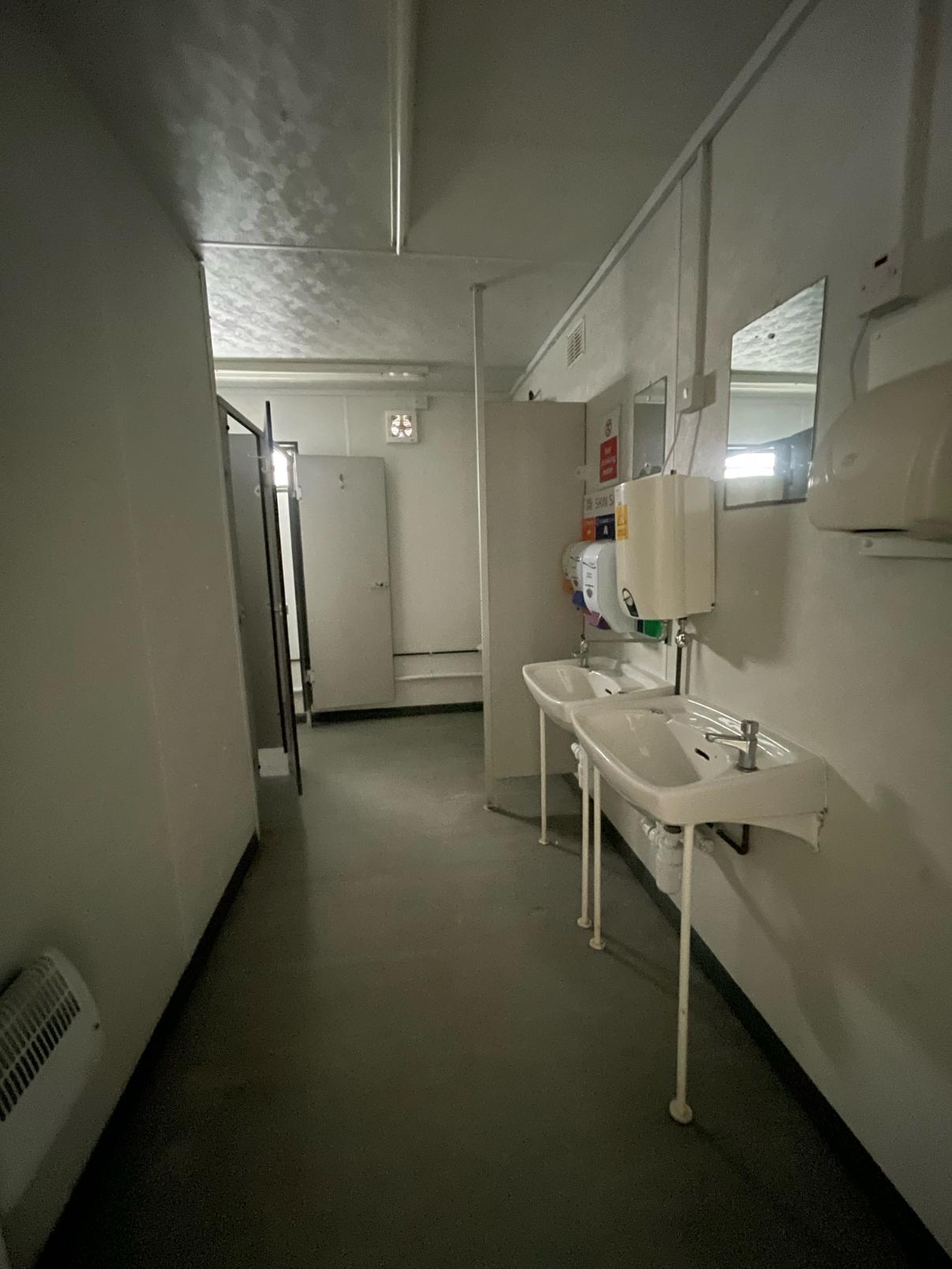
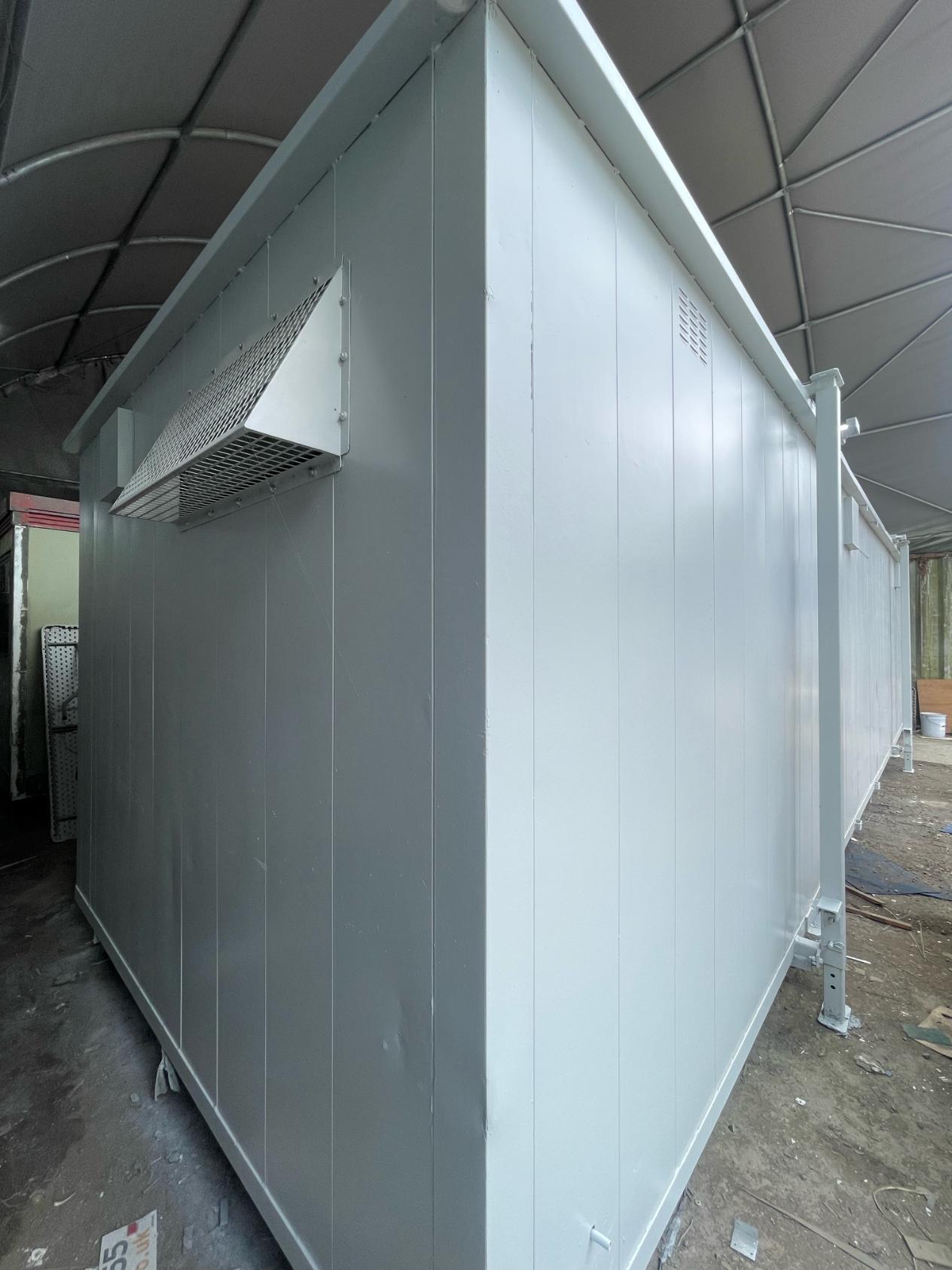
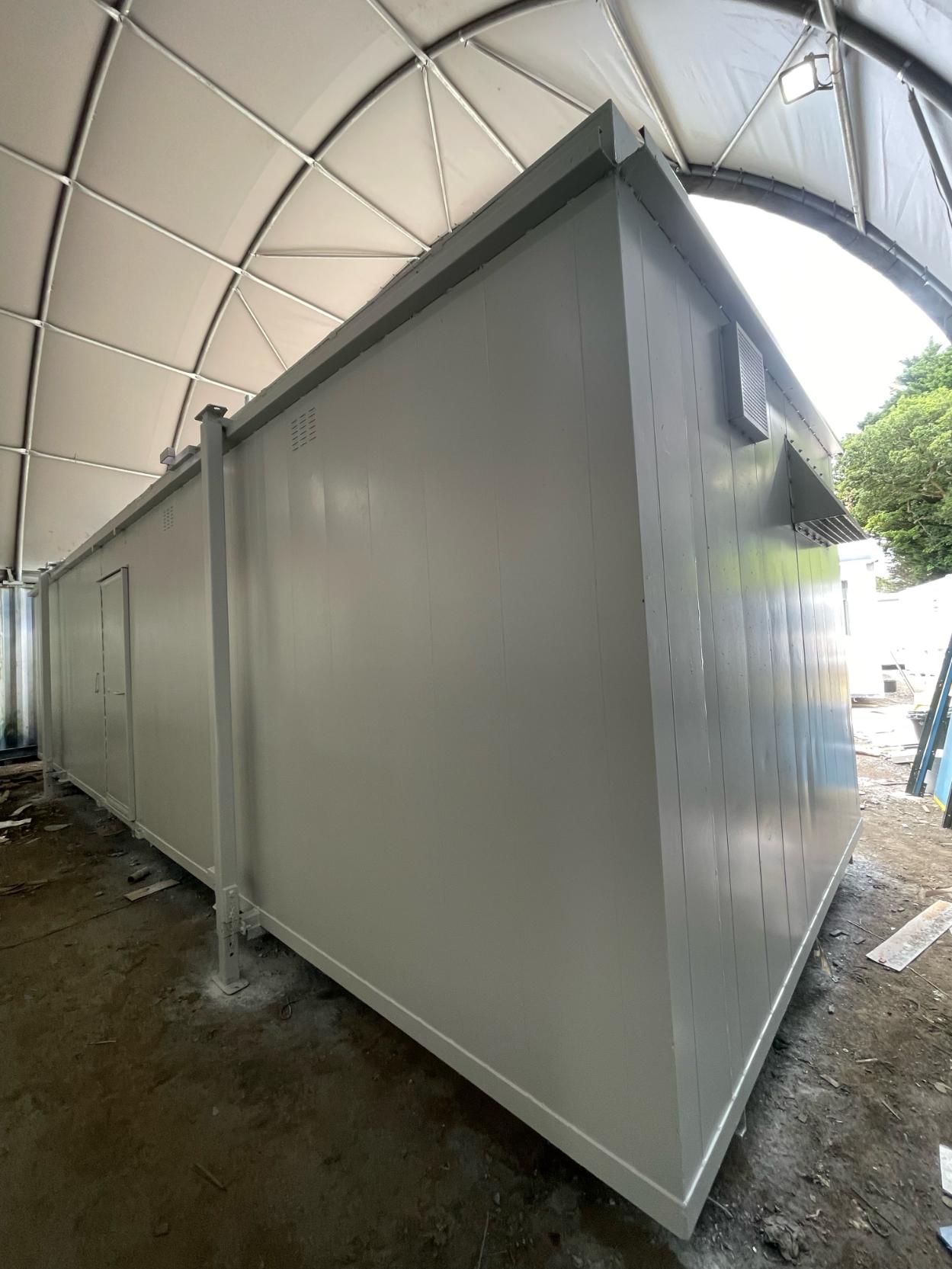
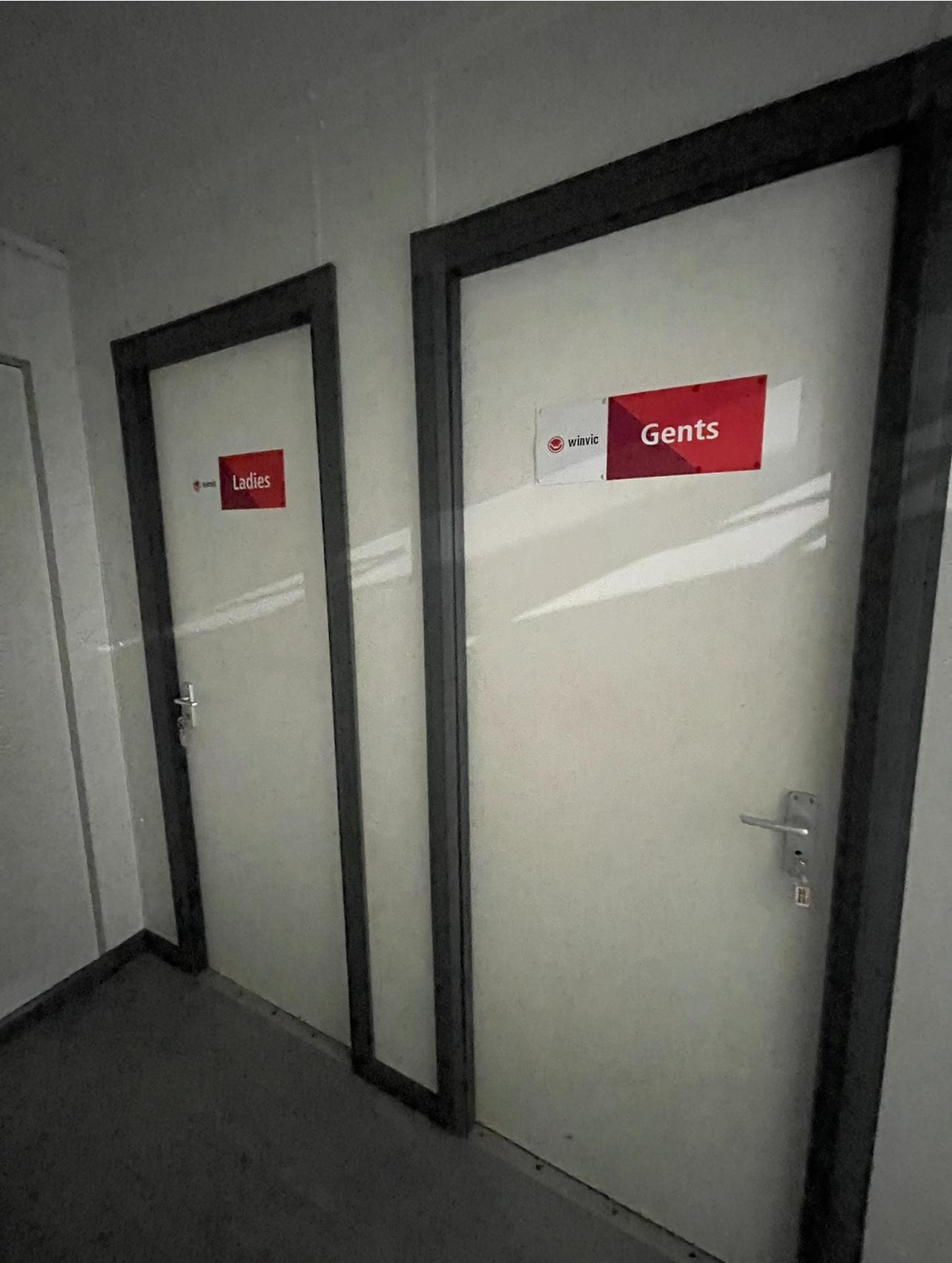
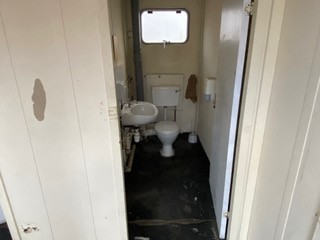
32ft x 10ft Drying Room, Toilet Block

Hallway leading into:

  • Price: £6,500 + VAT
  • Half open plan drying room, or we could add in a canteen. (additional cost)
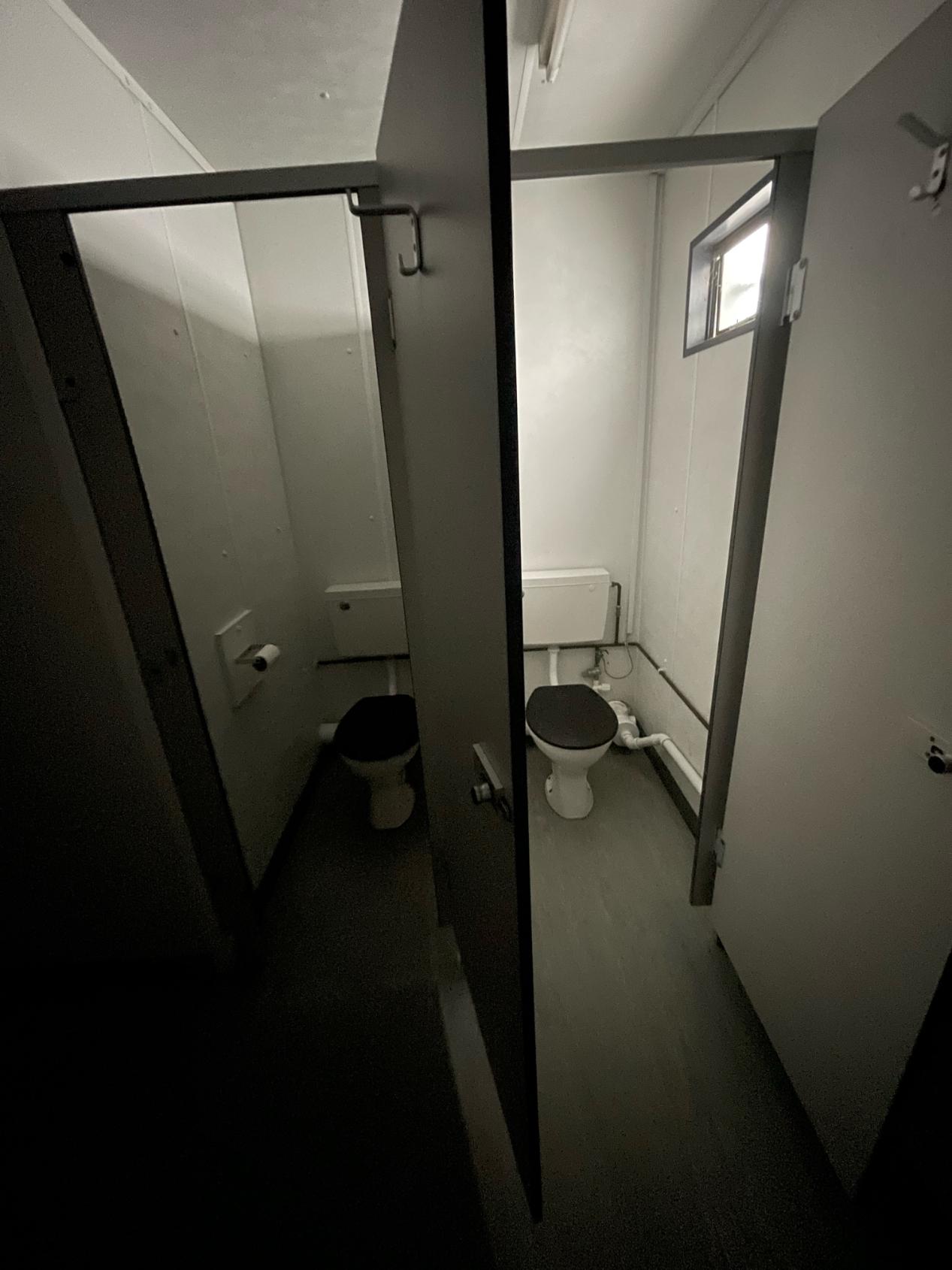
  • Female Single toilet
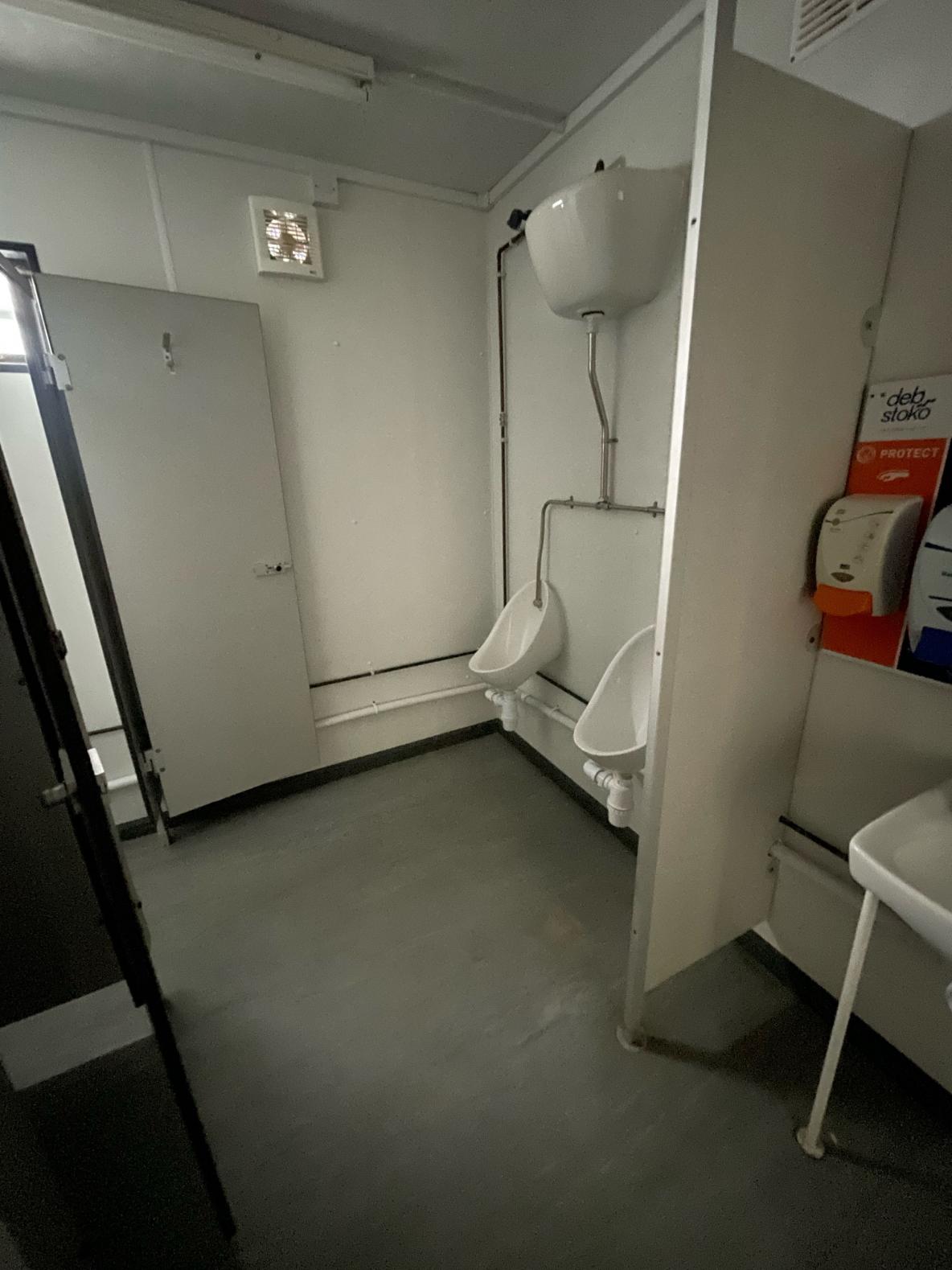
  • Male toilets including 2 x cubicles, 2 x urinals and 2 x sinks
  • External light grey spray
  • Deep cleaned
  • Ready to use
  • Excellent overall condition

Transport can be arranged please ask.

Location: Nationwide

£6,500.00 + vat

Not Available for Hire

Call for an instant quote!

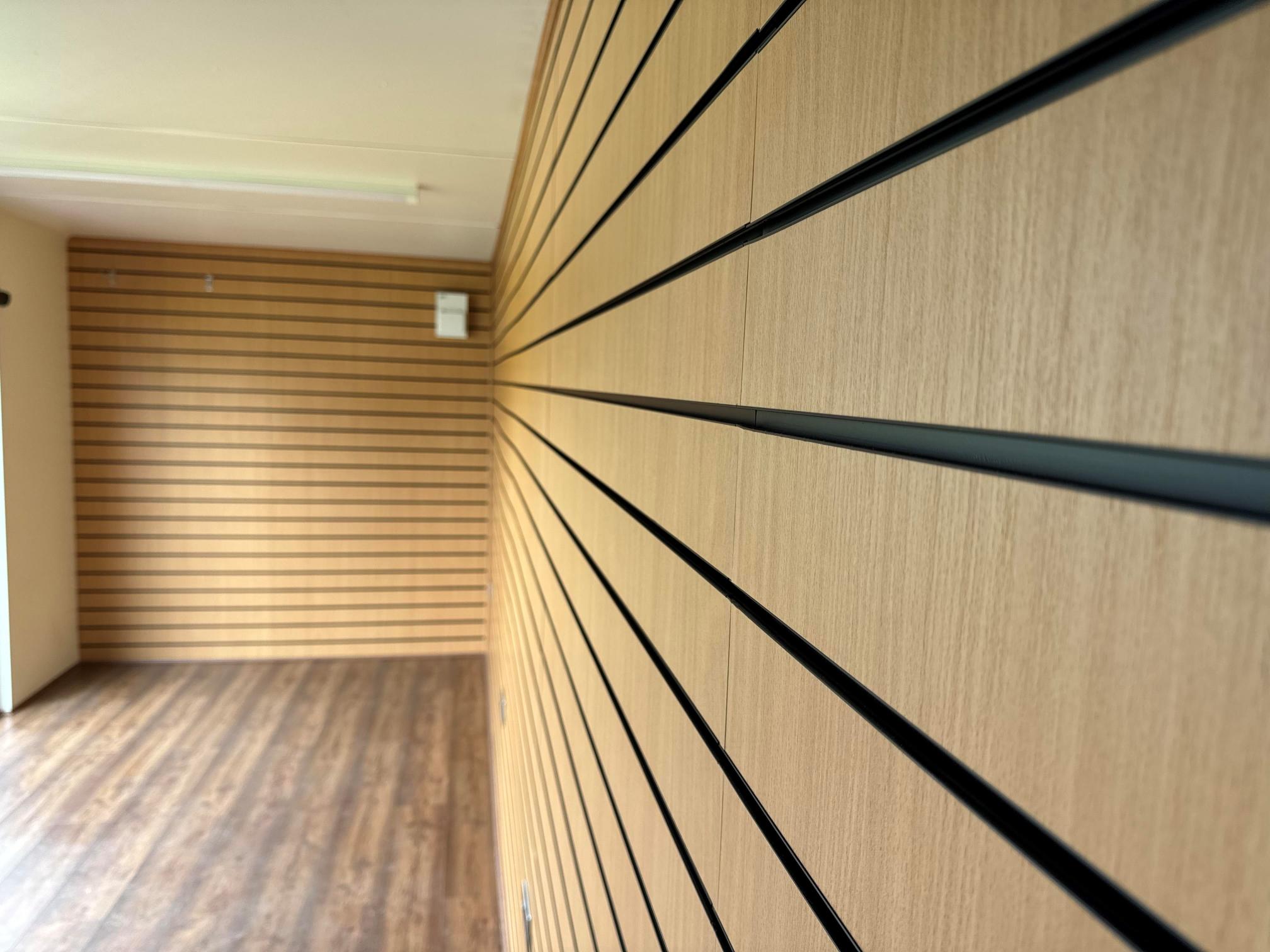
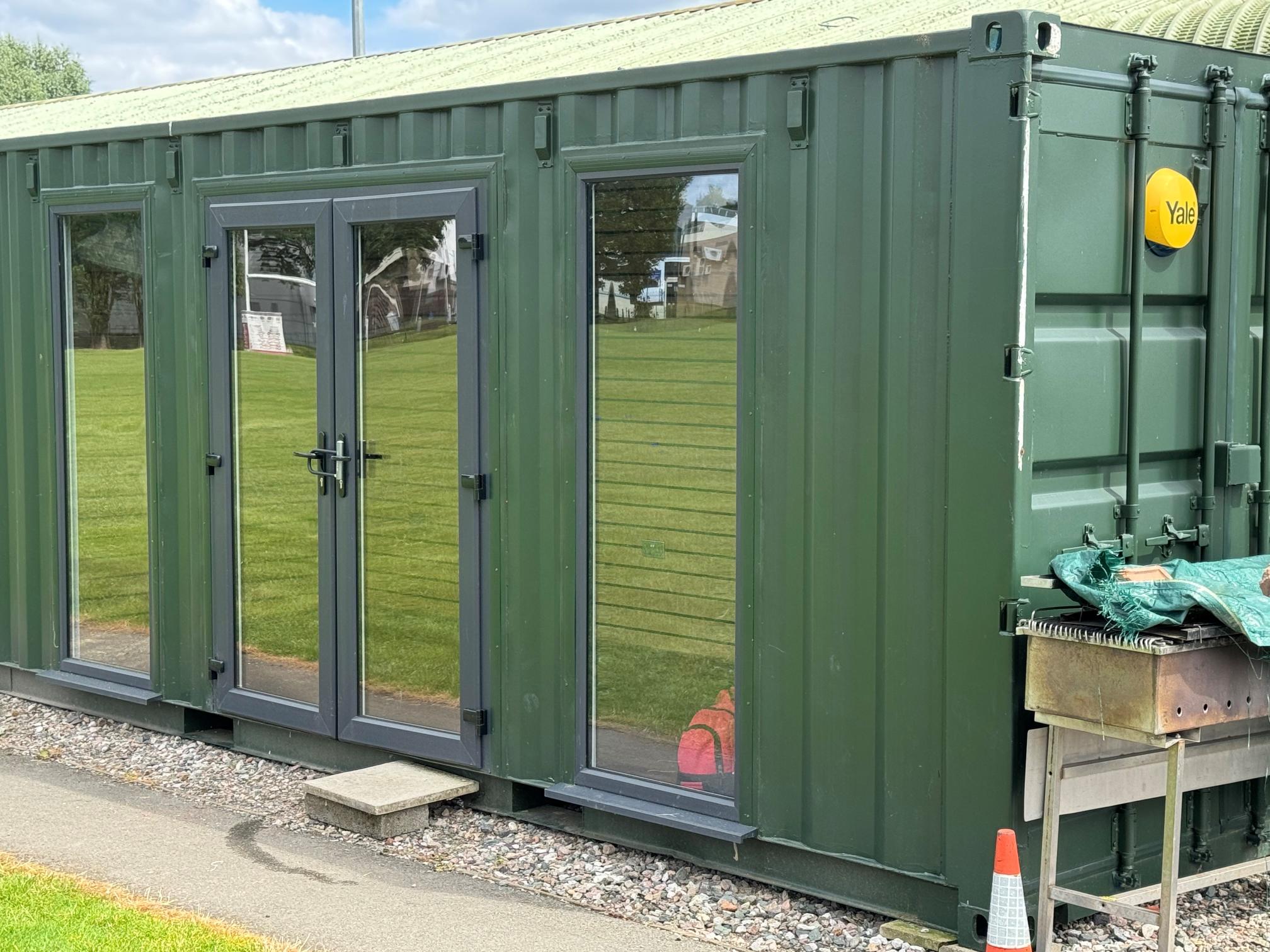
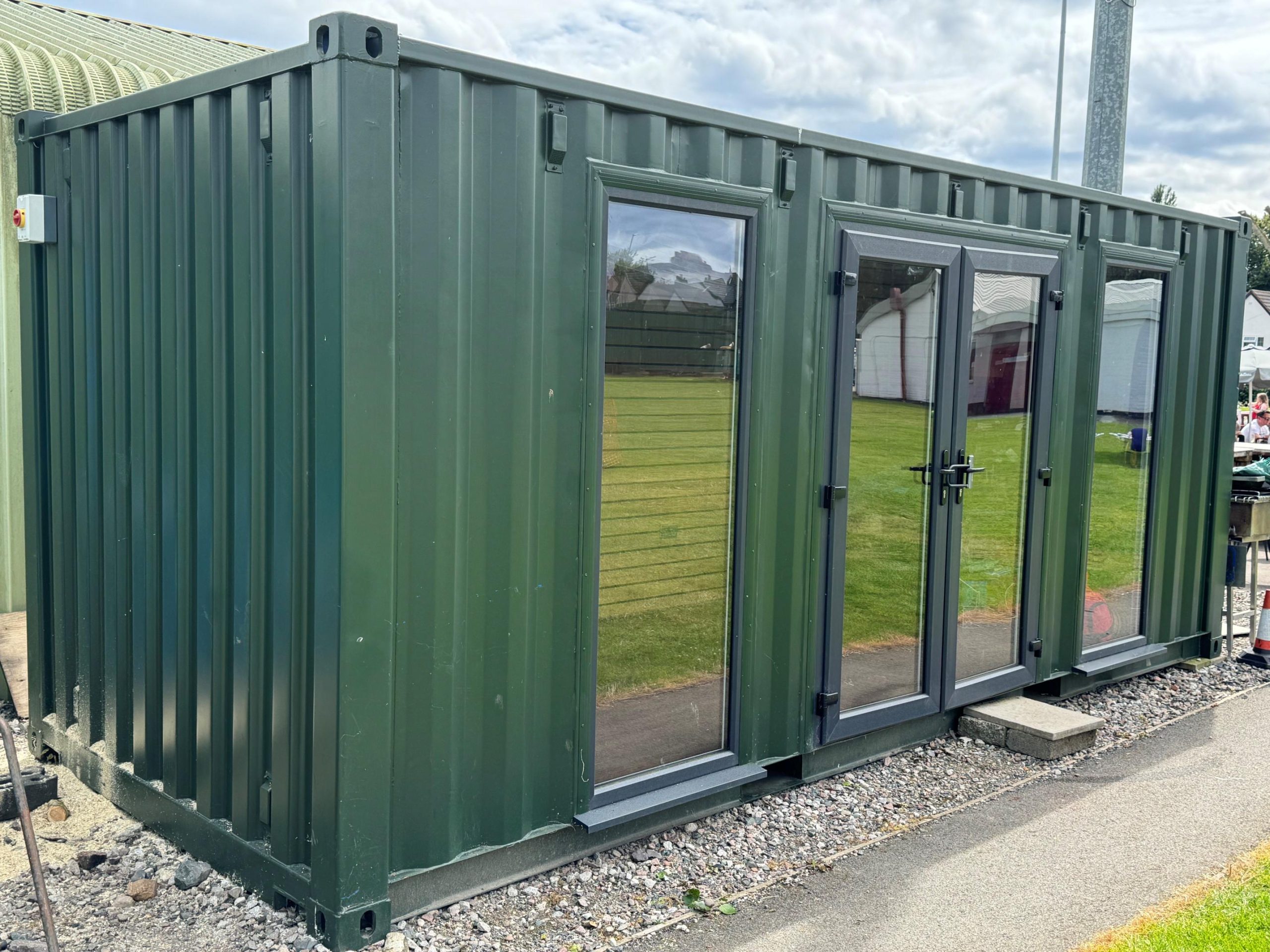
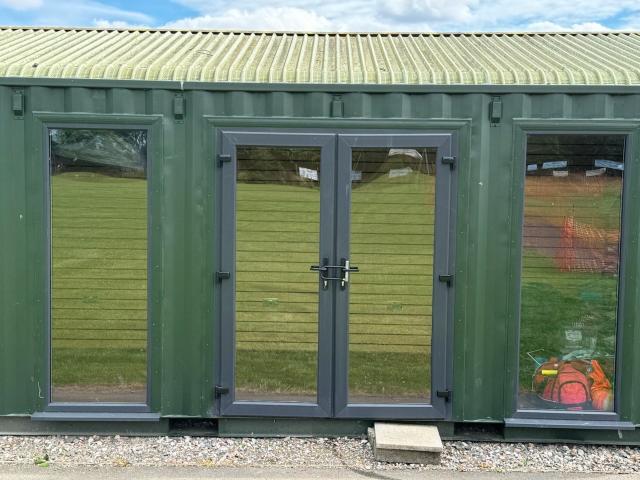
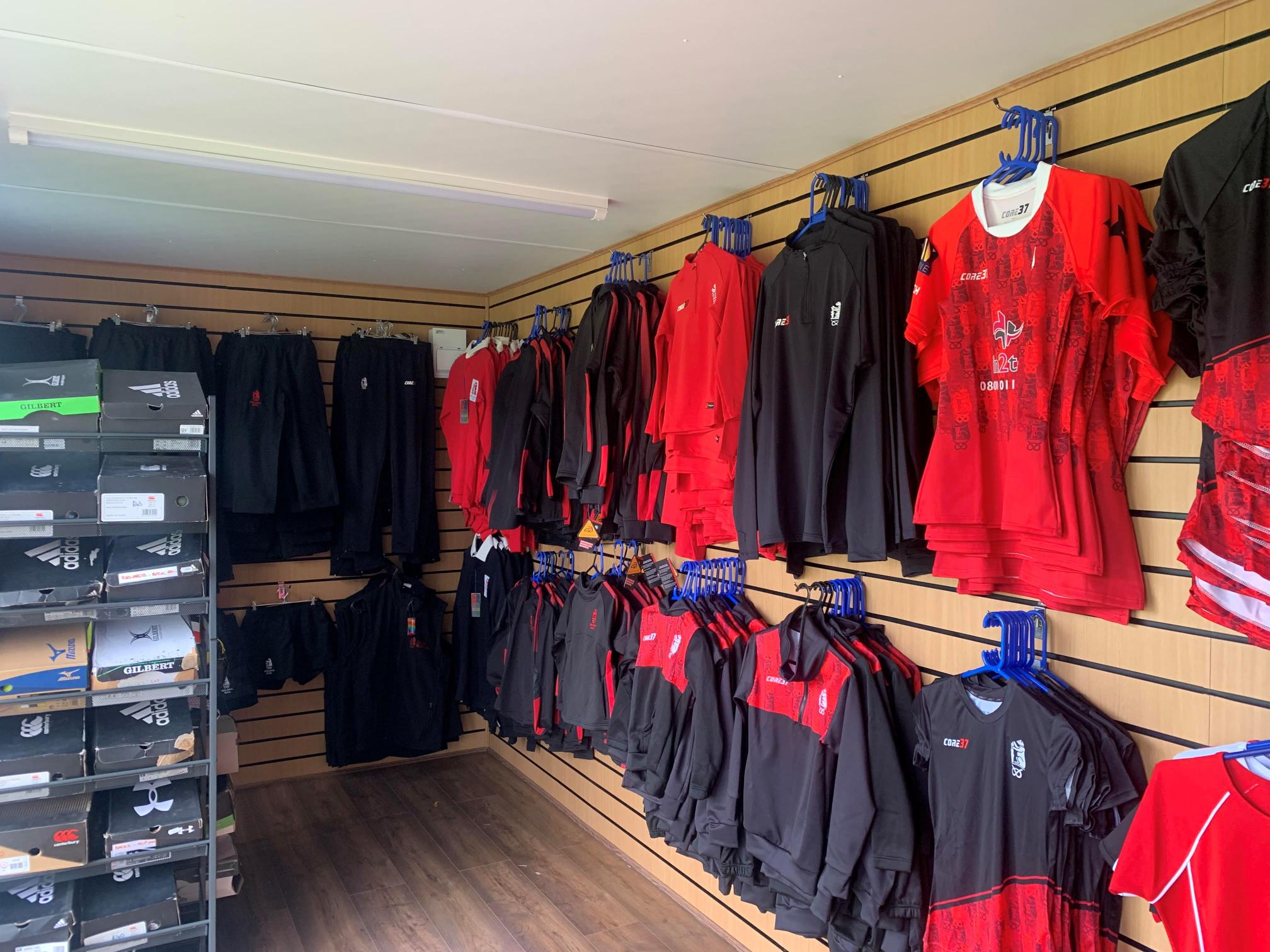
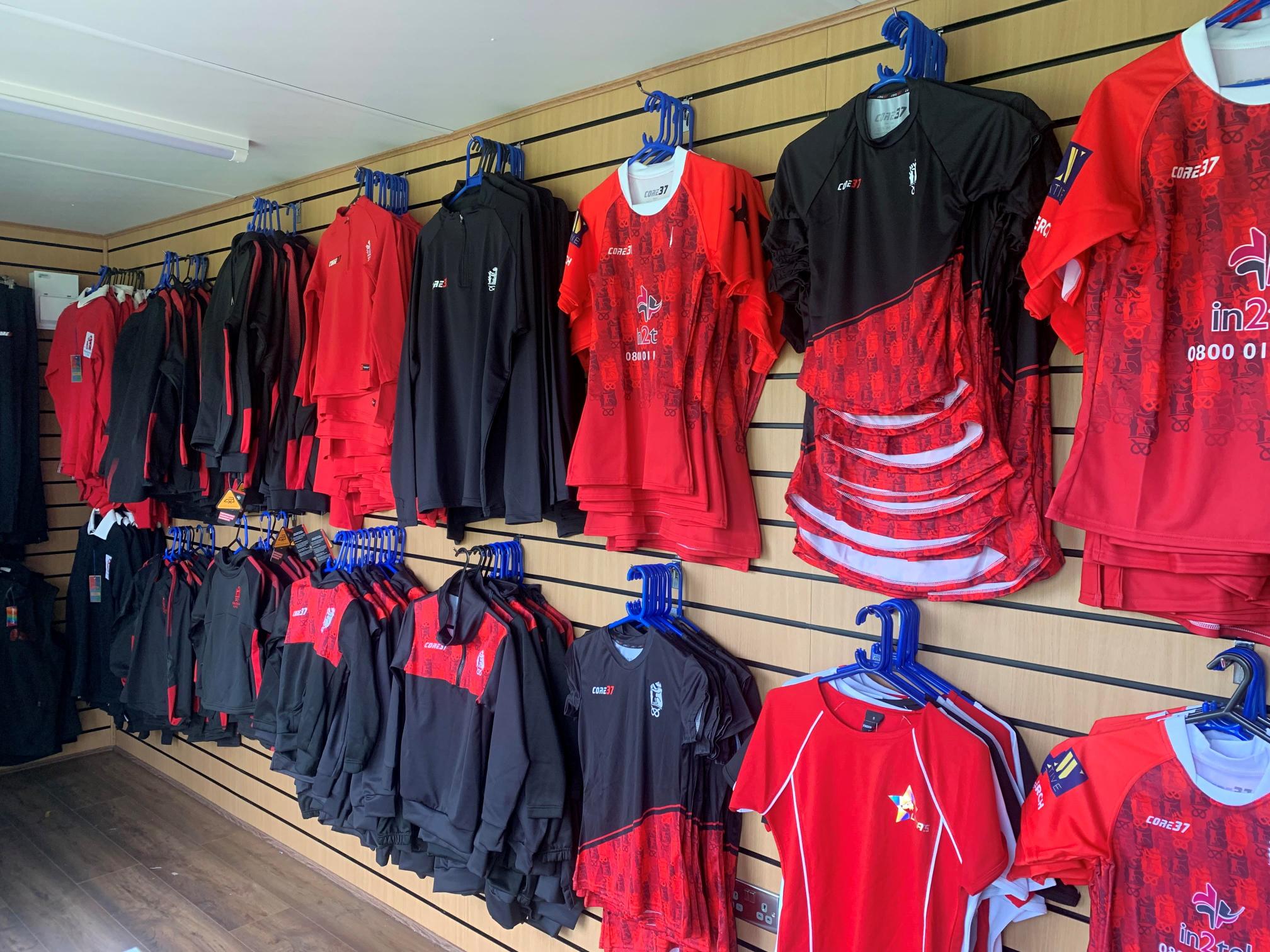
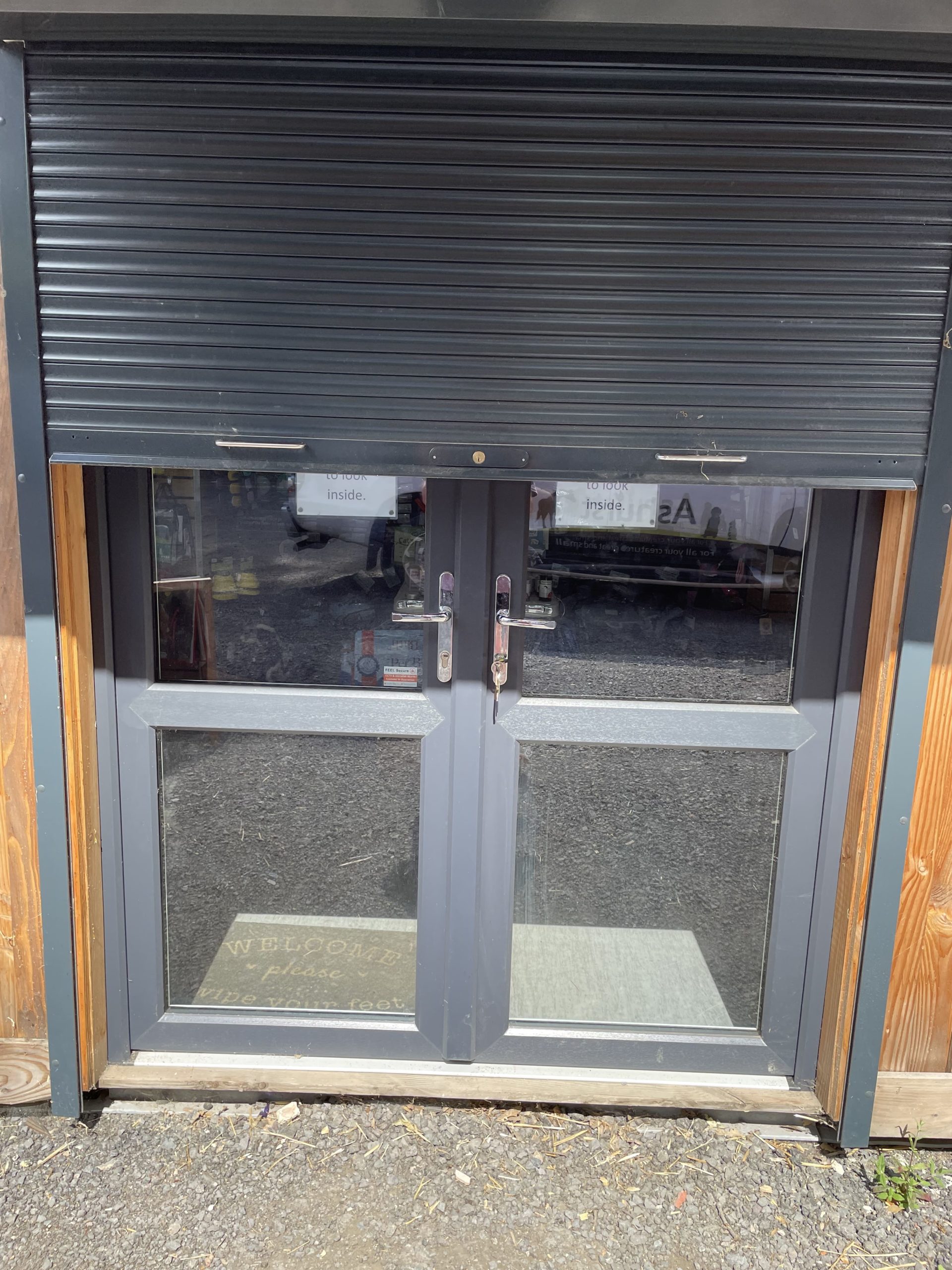
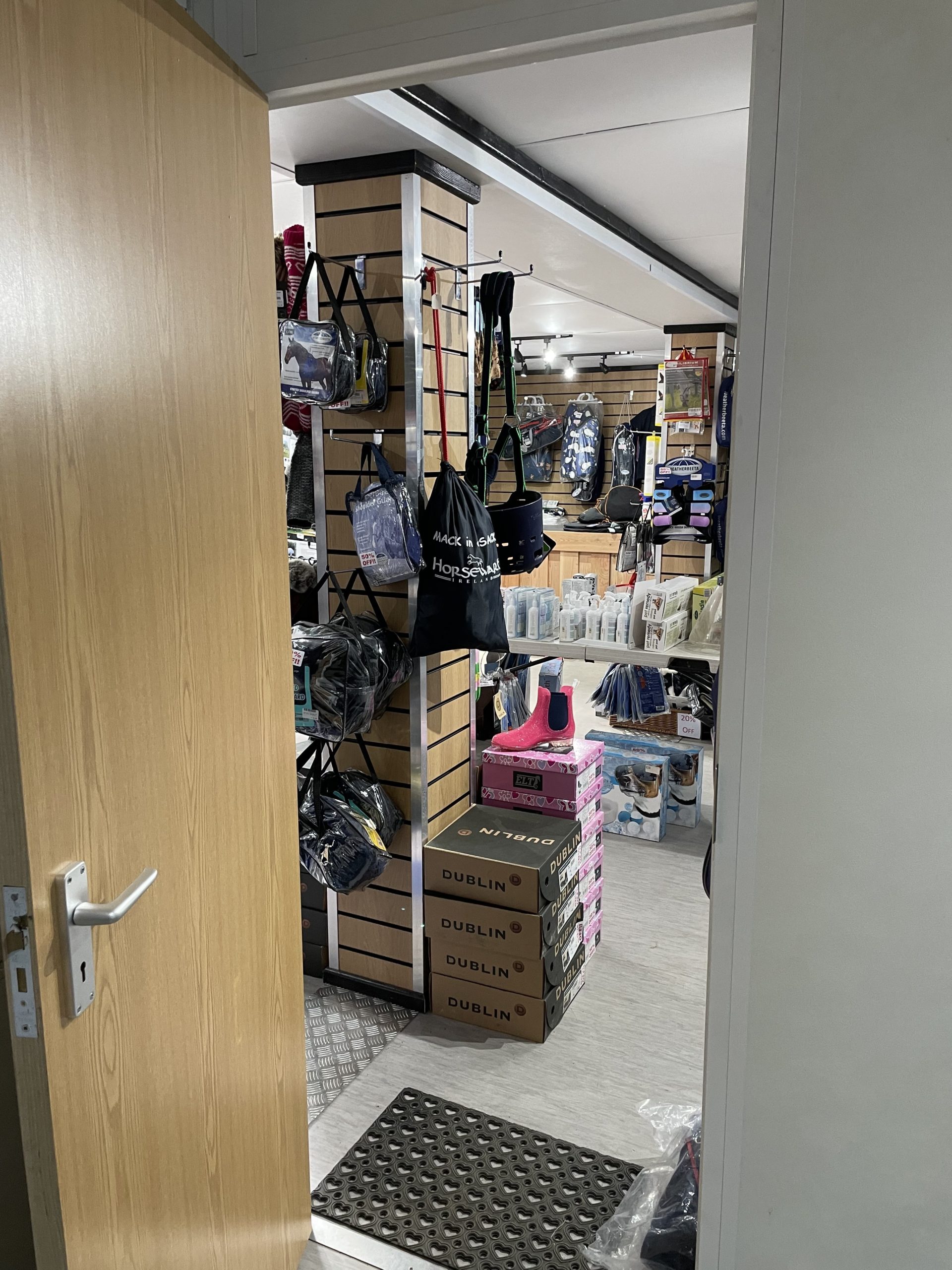
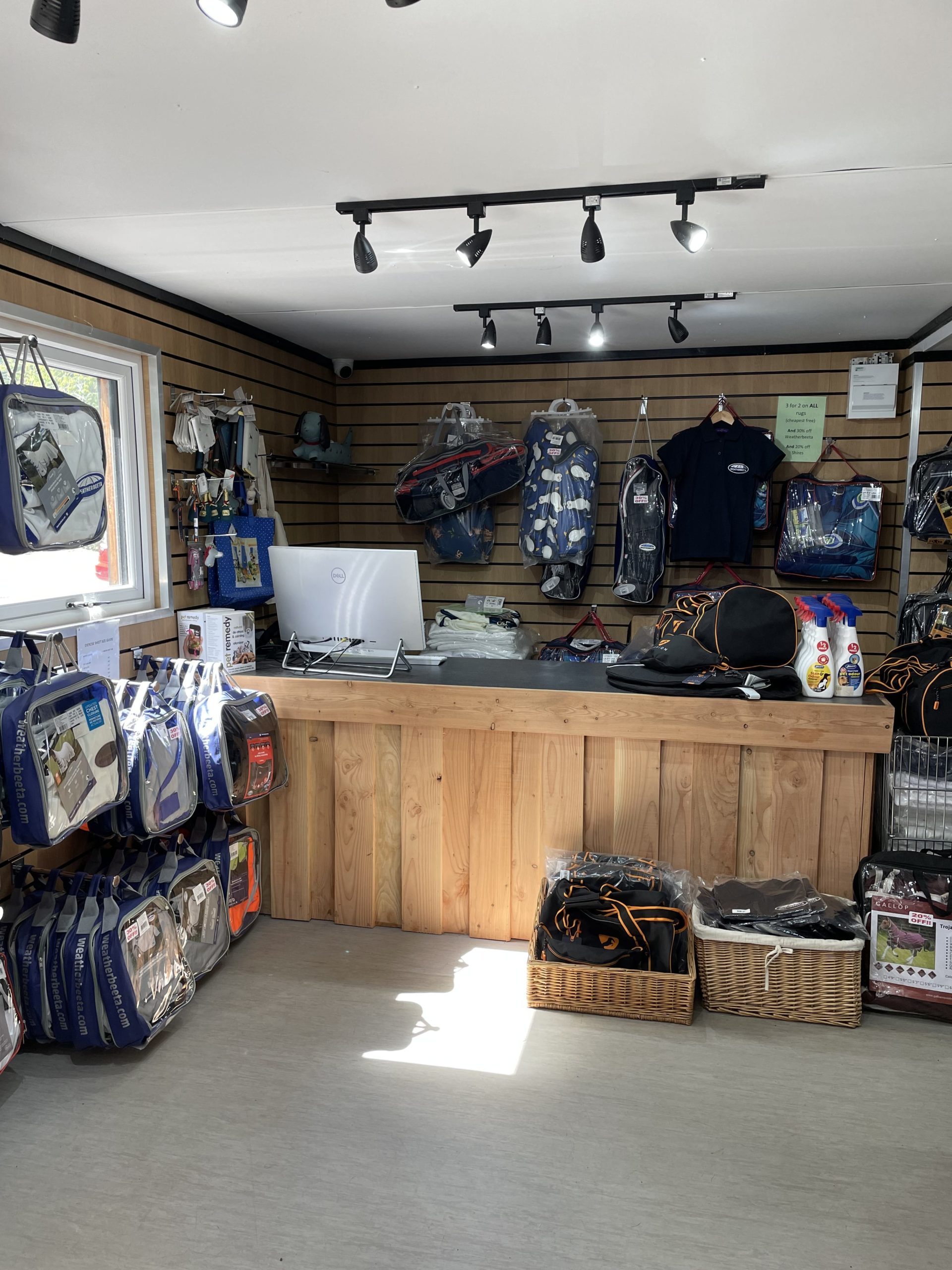
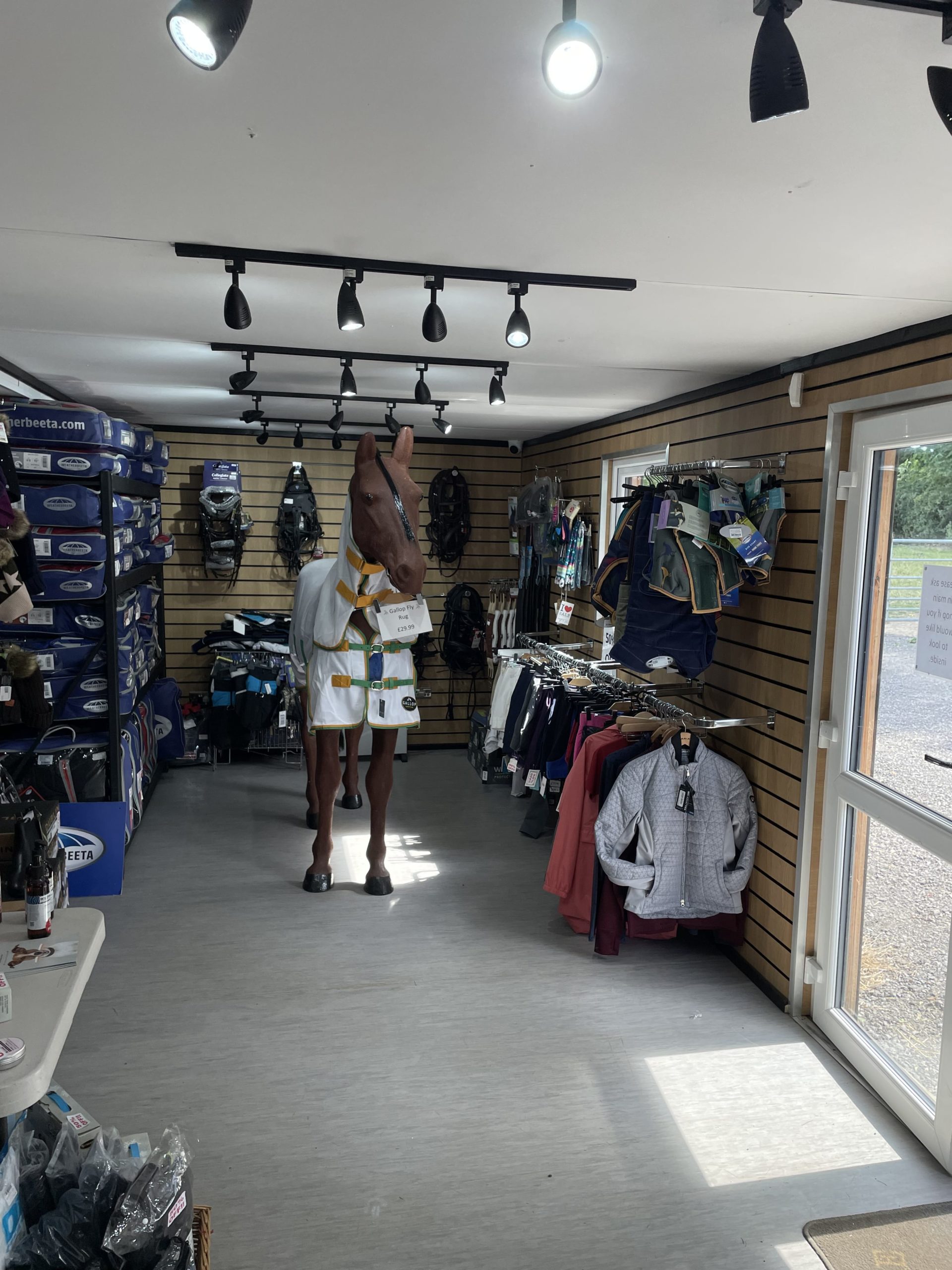
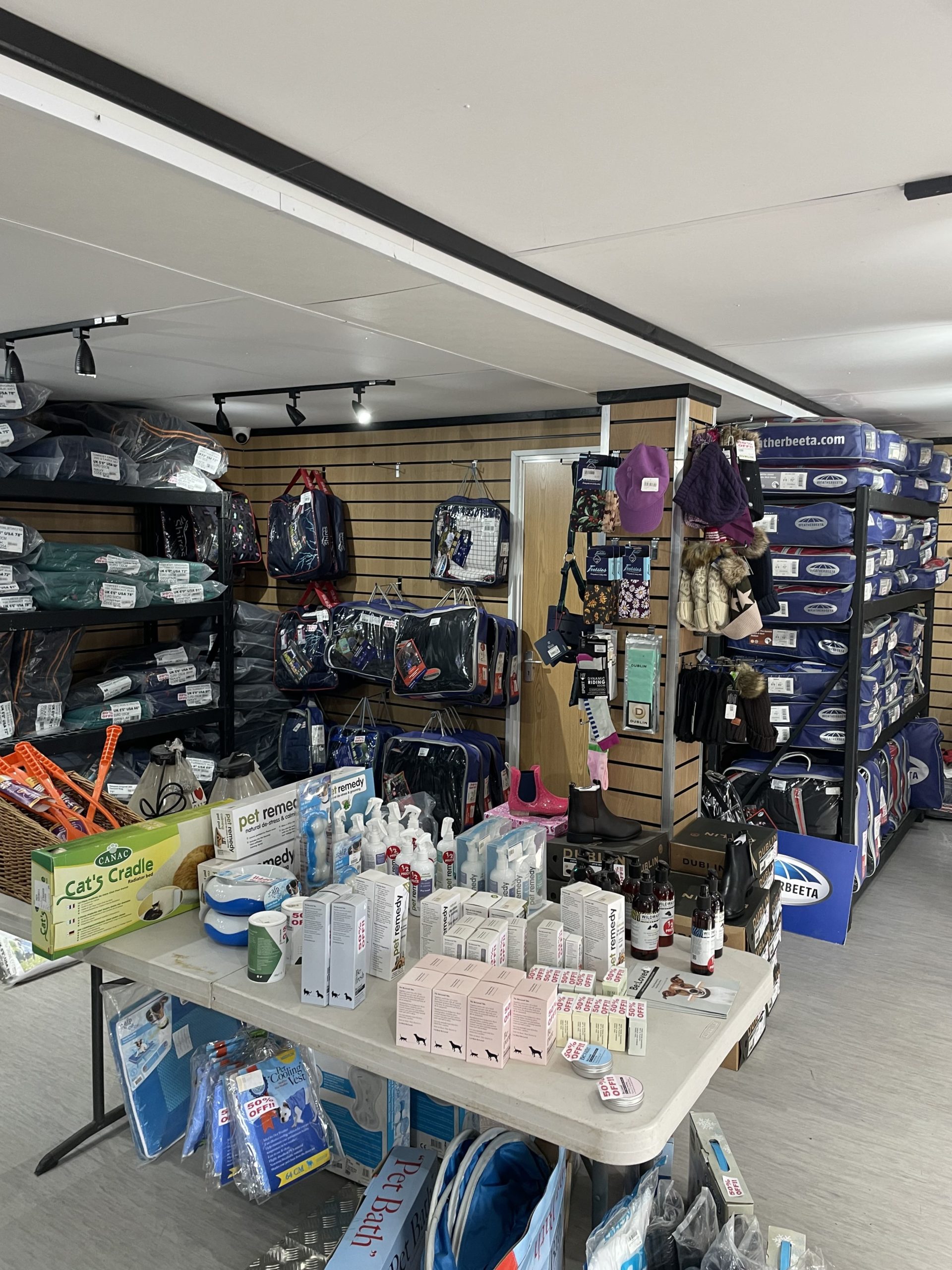
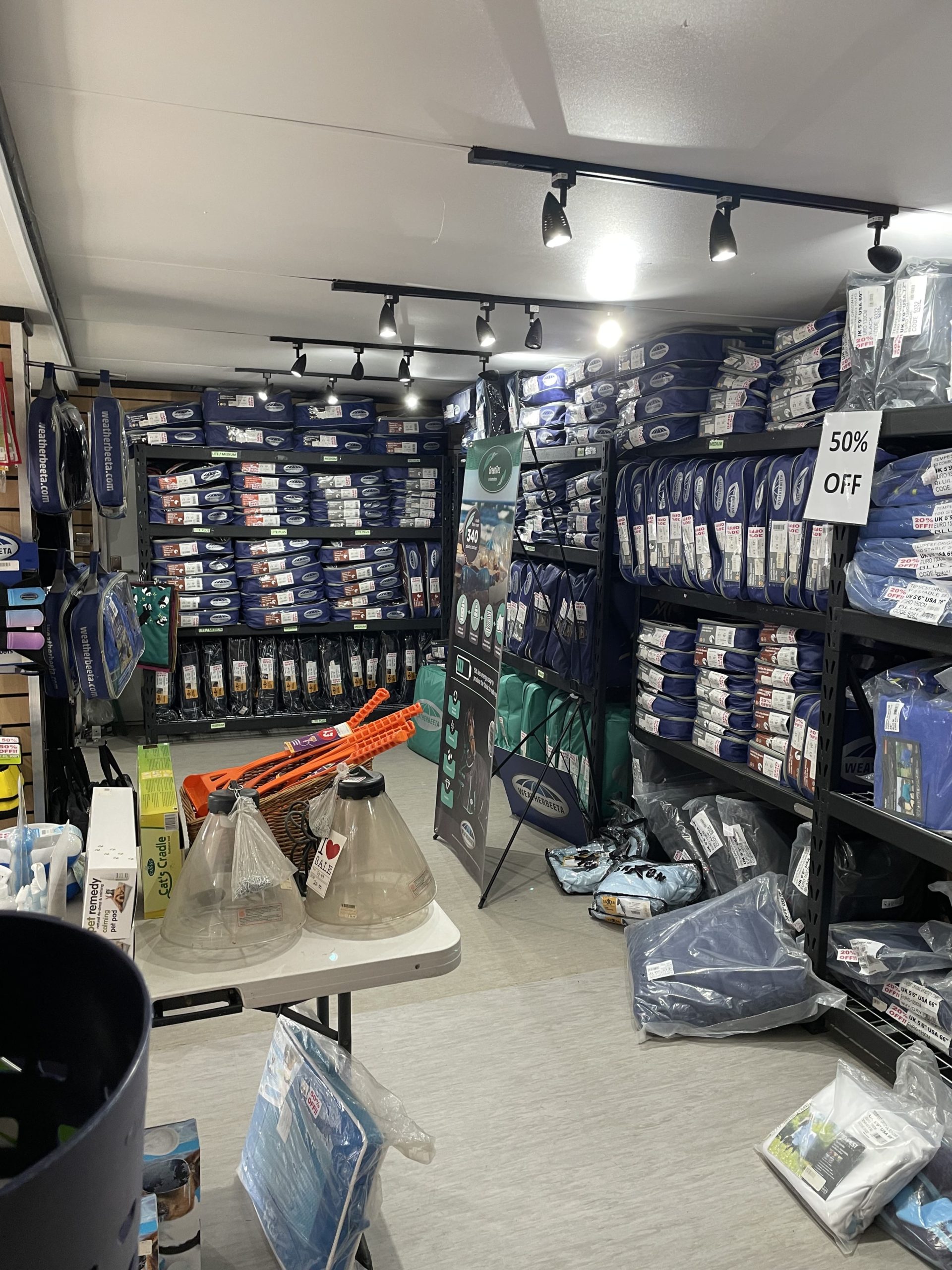
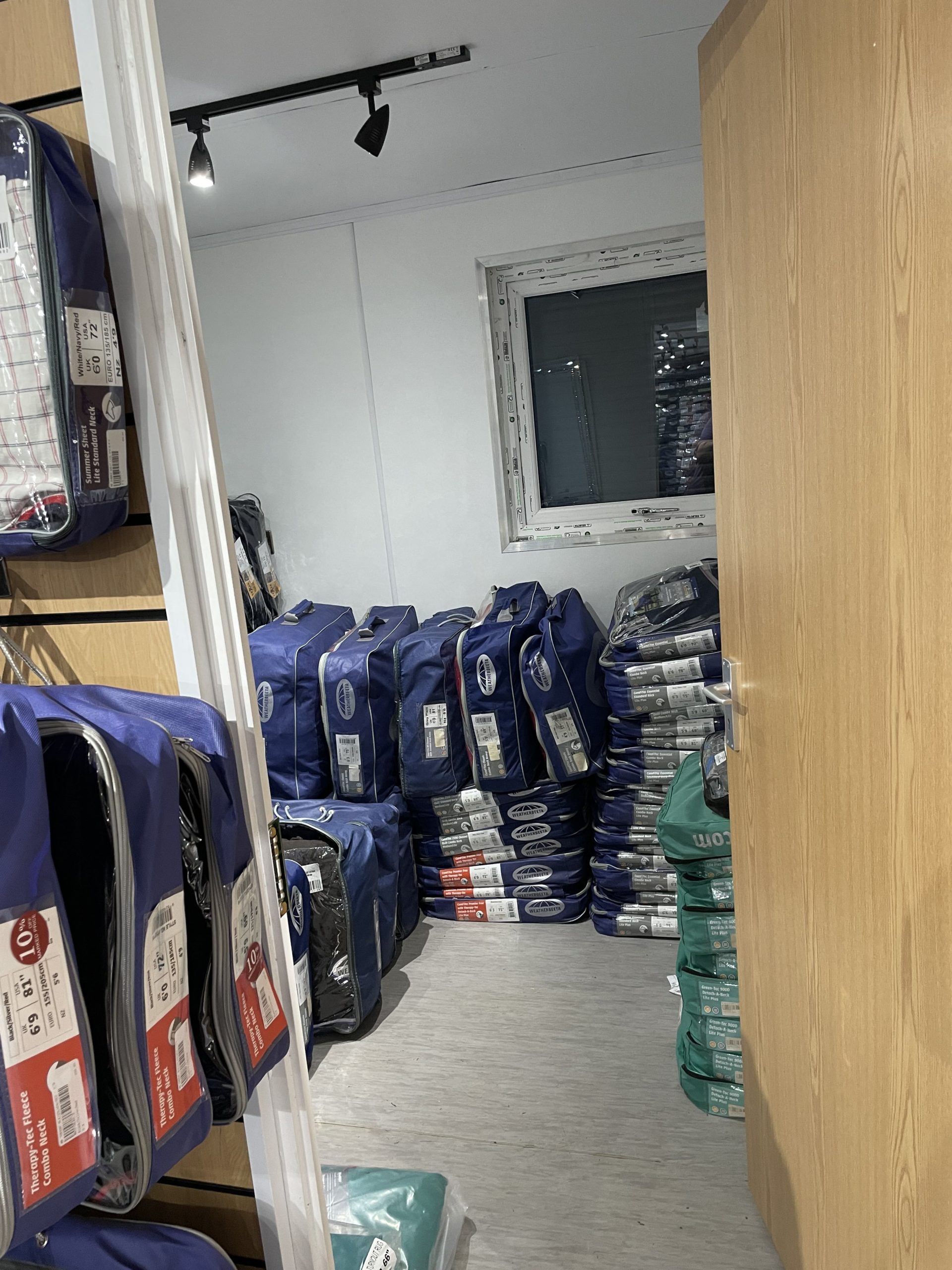
  • 20ft x 8ft Container Conversion Retail Shop

  • UPVC Double glazed Windows + French Doors

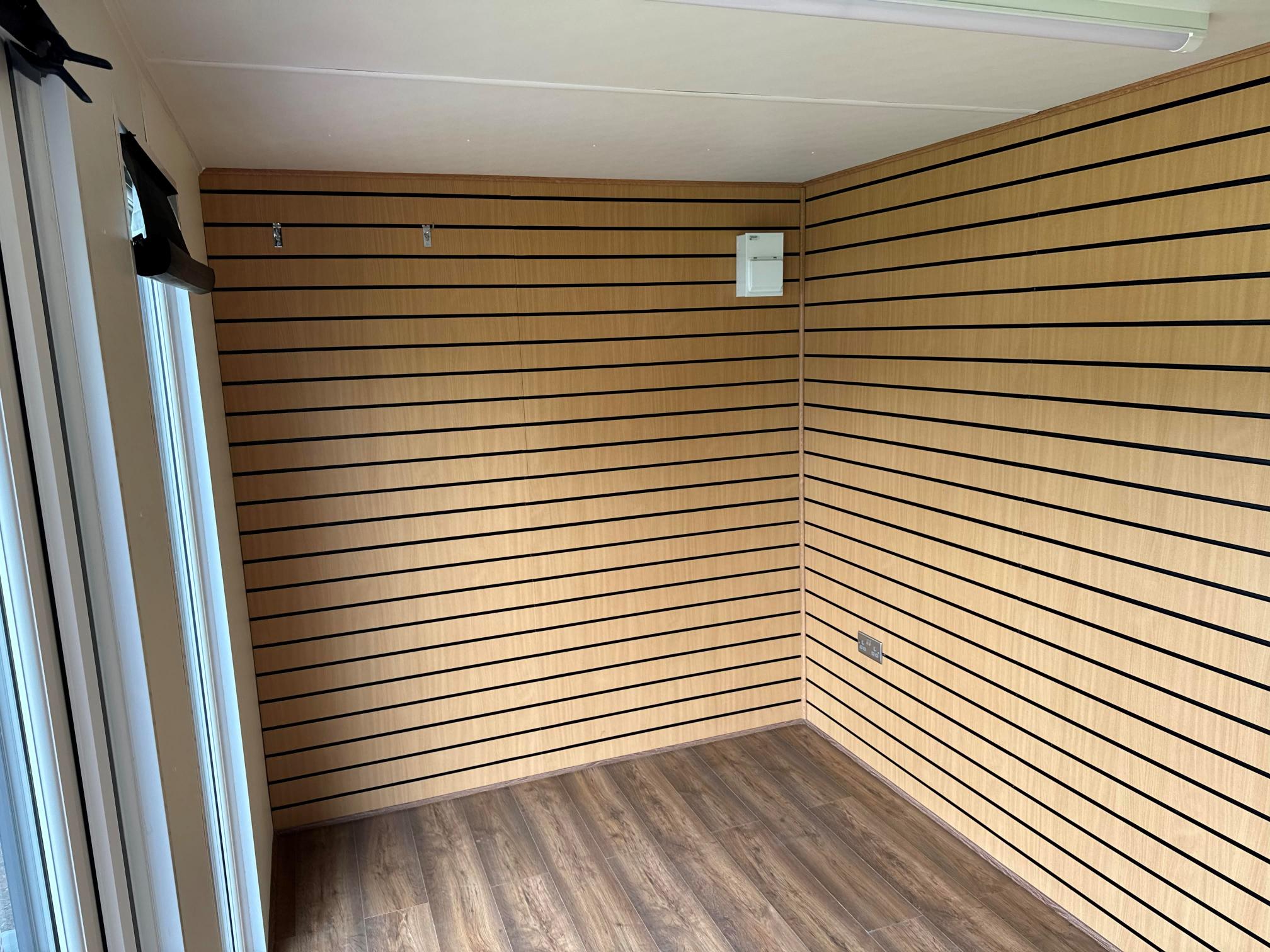
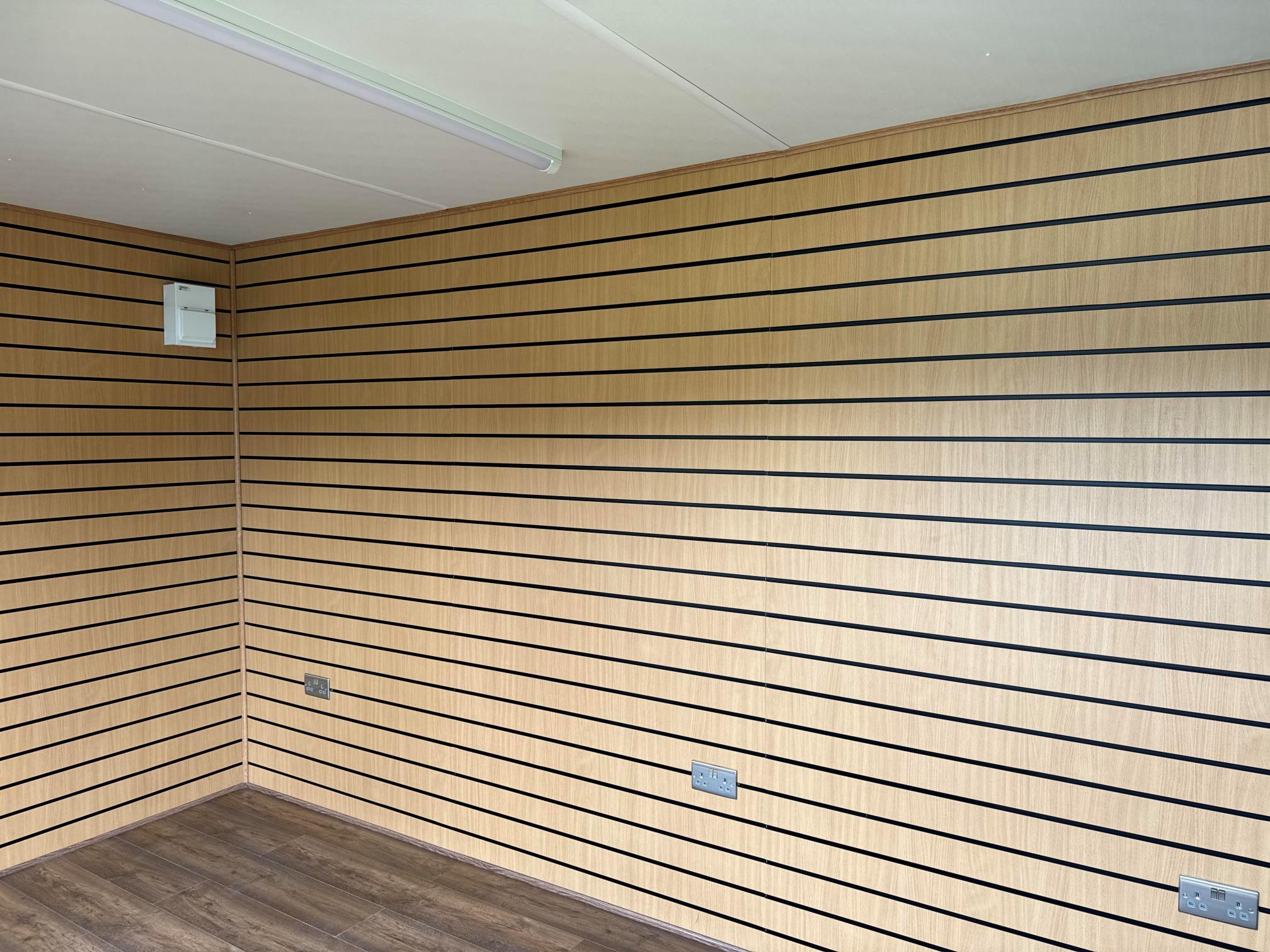
  • Slat Wall for retail fixings and Merchandise

  • Electric Chrome Sockets, led lighting and heating.

  • Laminate Flooring

  • 12 months Warranty

  • Maintenance call out package included

  • Less than 2 years old

  • Still in Brand New Condition

Location: Nationwide

POA

Not Available for Hire

Call for an instant quote!

32ft x 10ft Jack Leg Cabin

  • Fully refurbished

  • Colour light grey

  • Slate grey anthracite upvc double glazed windows

Location: Nationwide


£15,000

+ VAT

Not Available for Hire

Call for an instant quote!

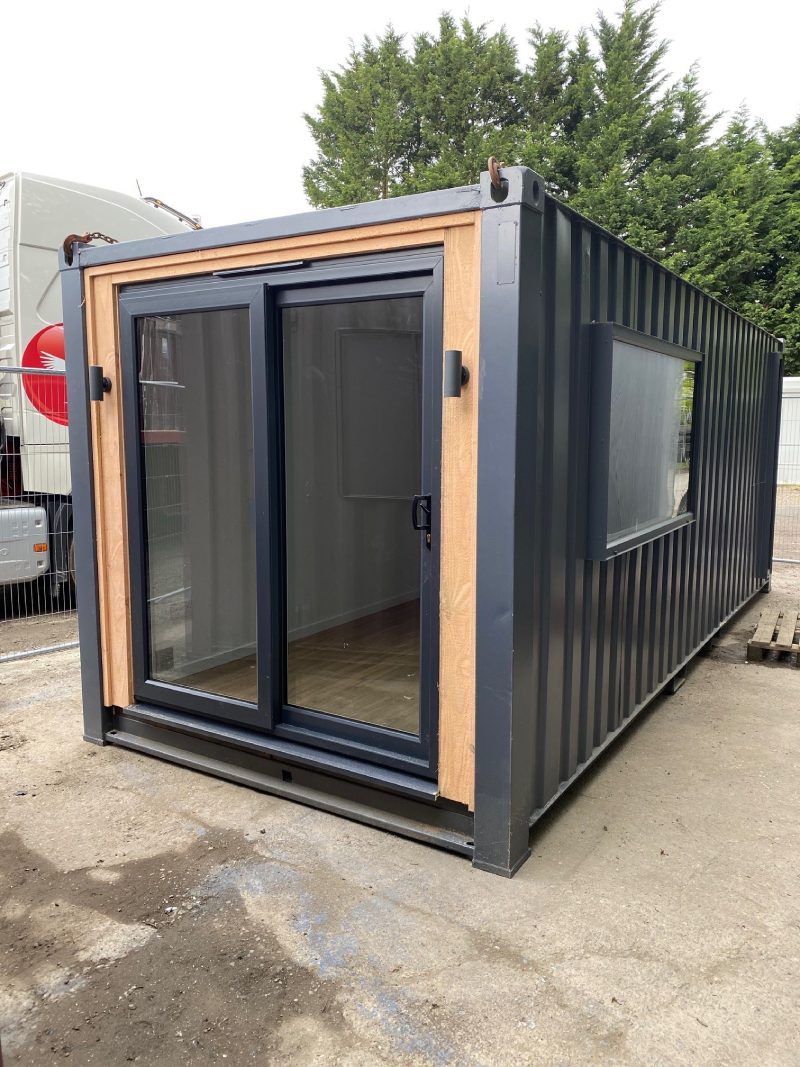
20ft x 8ft Container Office

  • Fully Insulated with electric sockets, spot lighting, and heating

  • Wood Flooring

  • UPVC Sliding Door + Windows

  • Lead Time for build 6-8 weeks

Location: Nationwide


£12,995.00

+ VAT

Not Available for Hire

Call for an instant quote!

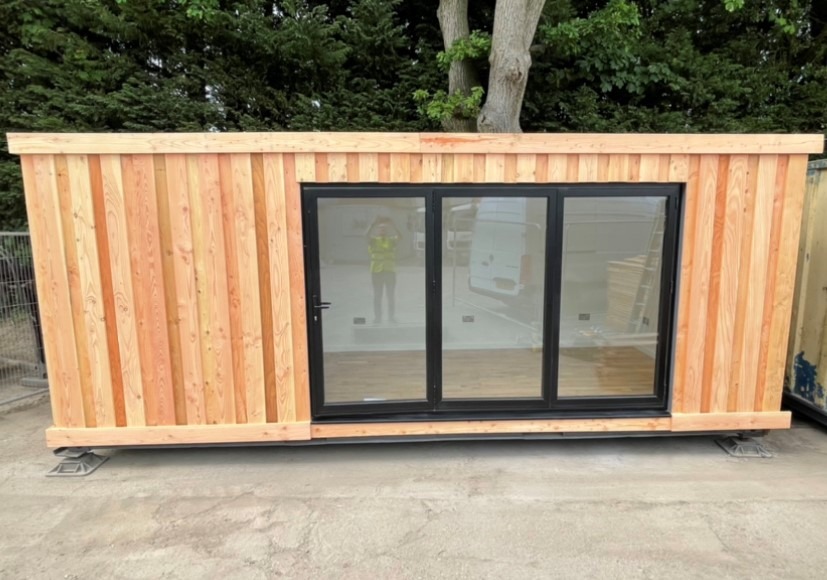
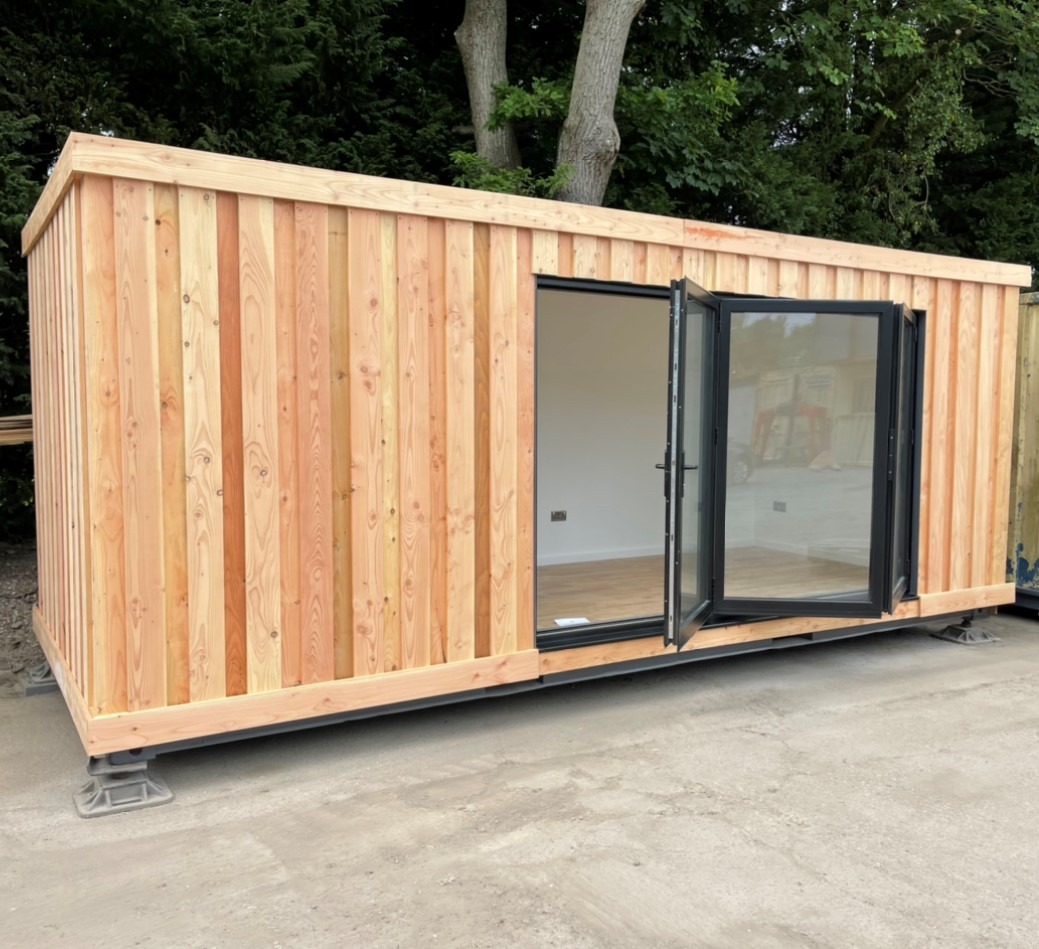
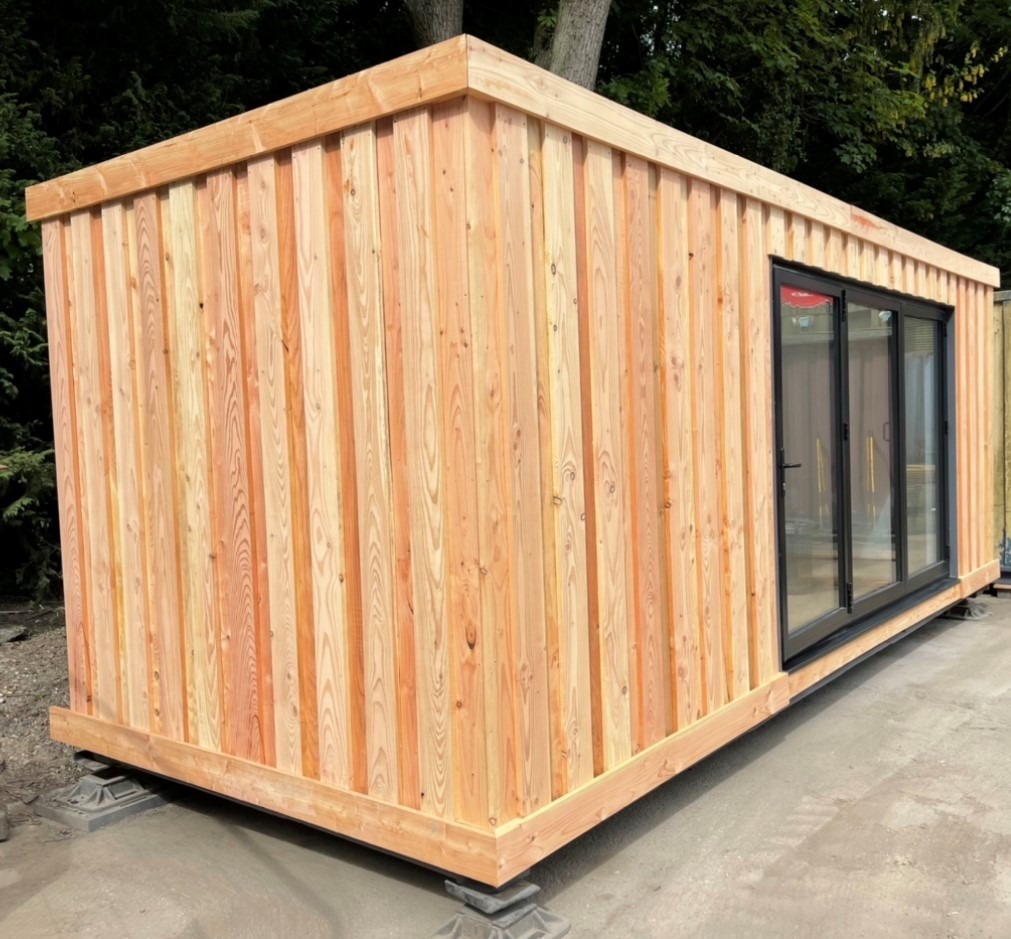
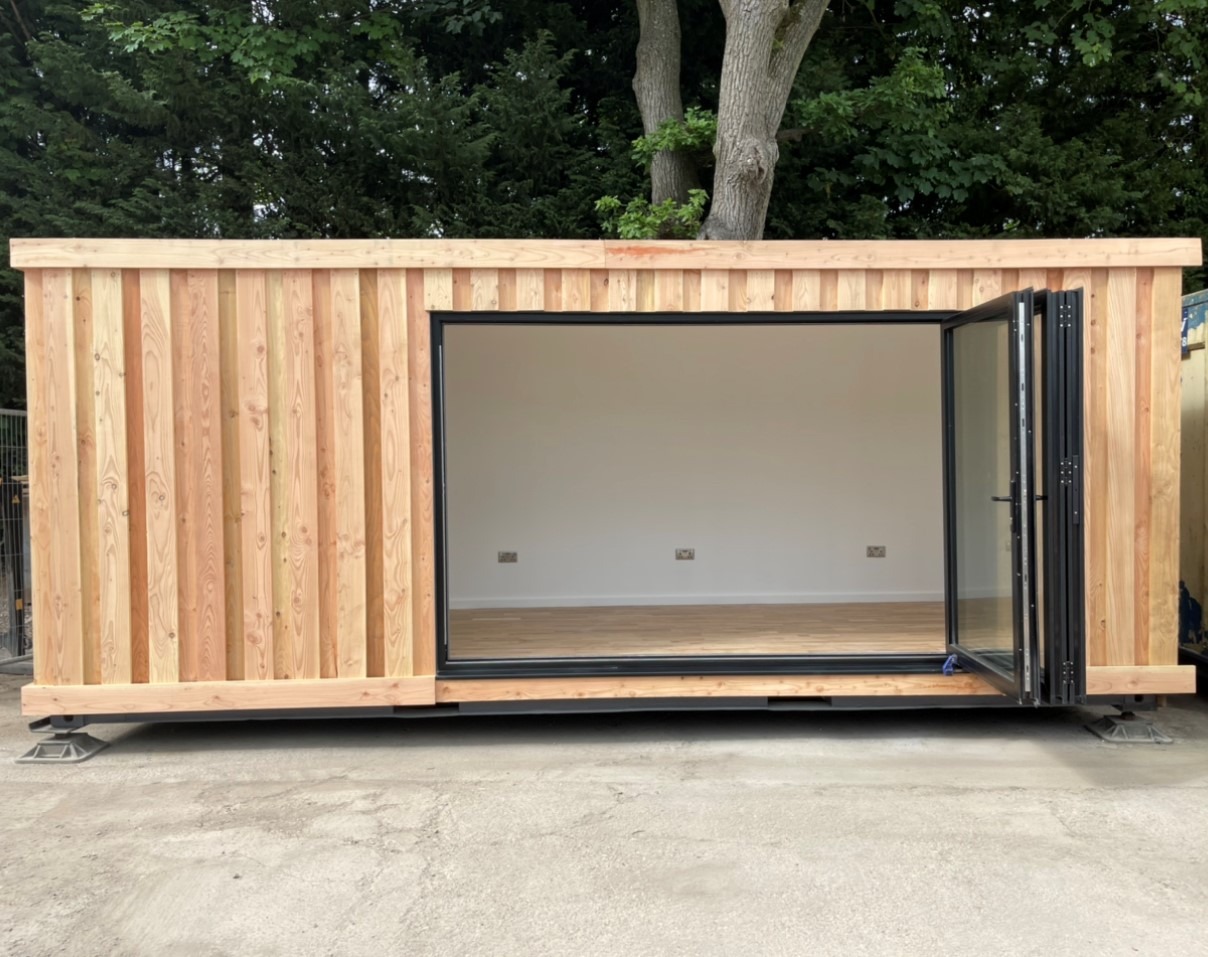
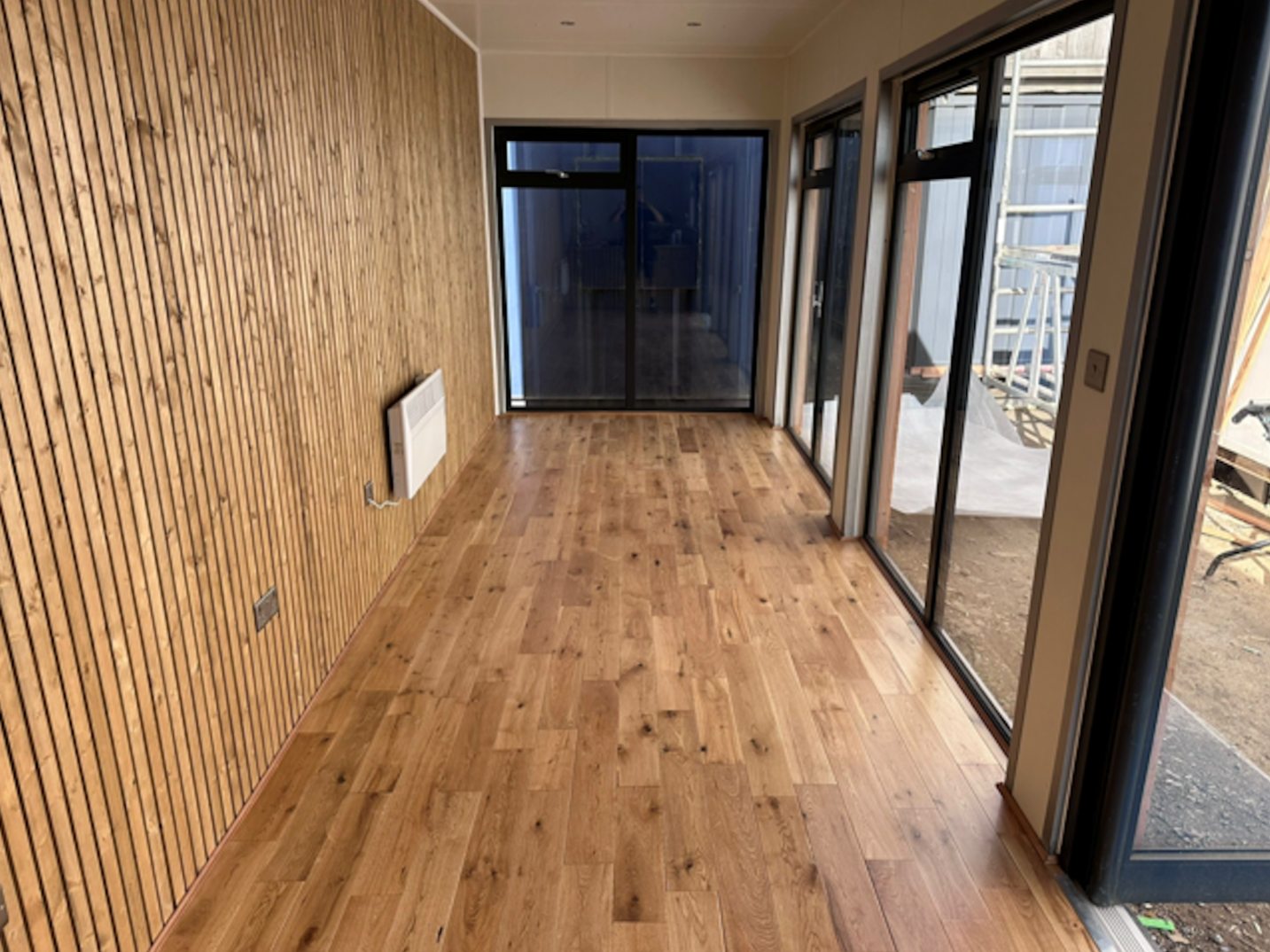
20ft x 8ft Container Office

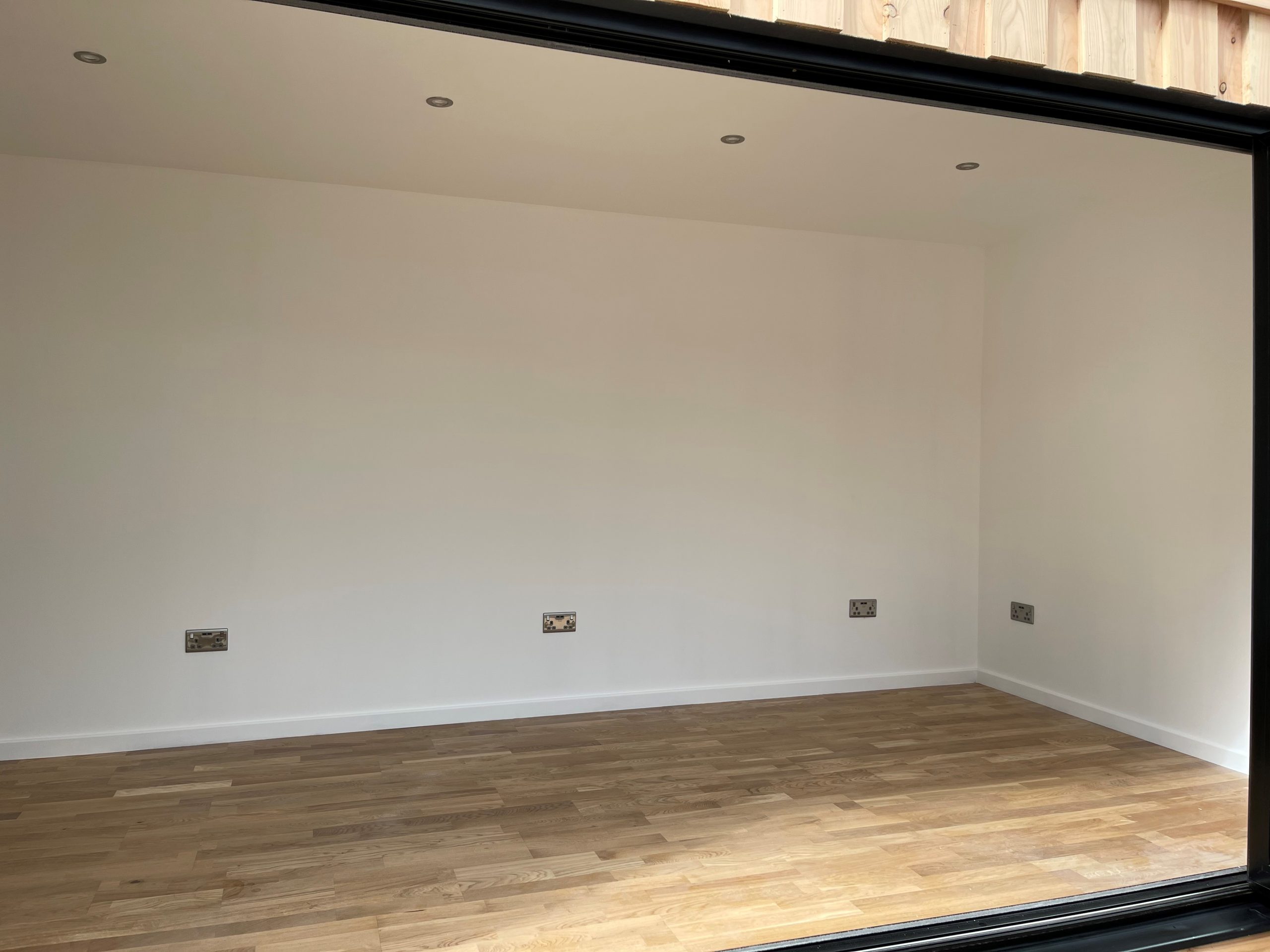
  • Fully Insulated with electric sockets, spot lighting, and heating

  • Wood Flooring

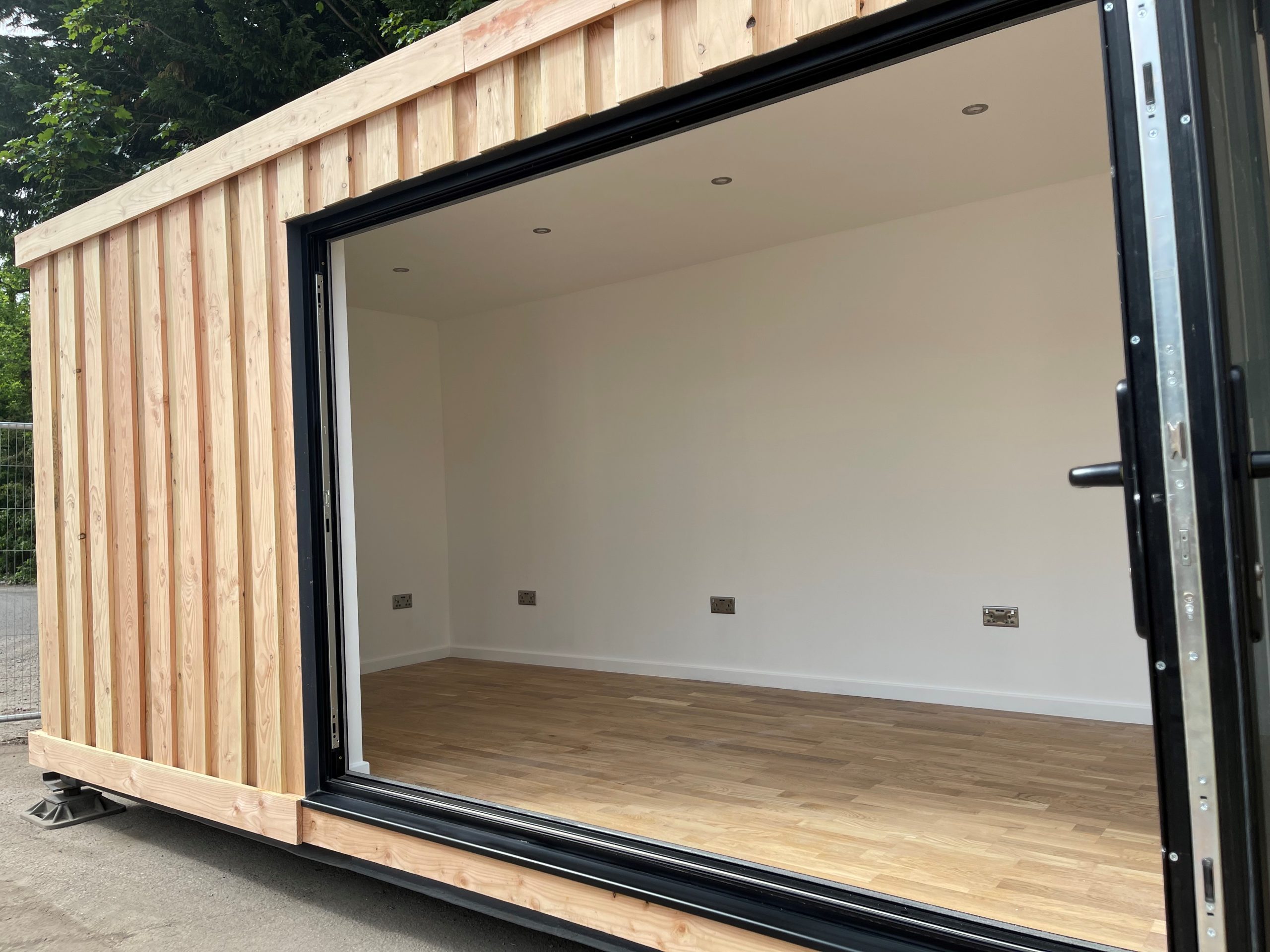
  • Aluminium Bi Fold Doors

  • Fully wrapped in larch cladding

  • Lead Time for build 6-8 weeks

Location: Nationwide


£16,500.00

+ VAT

Not Available for Hire

Call for an instant quote!

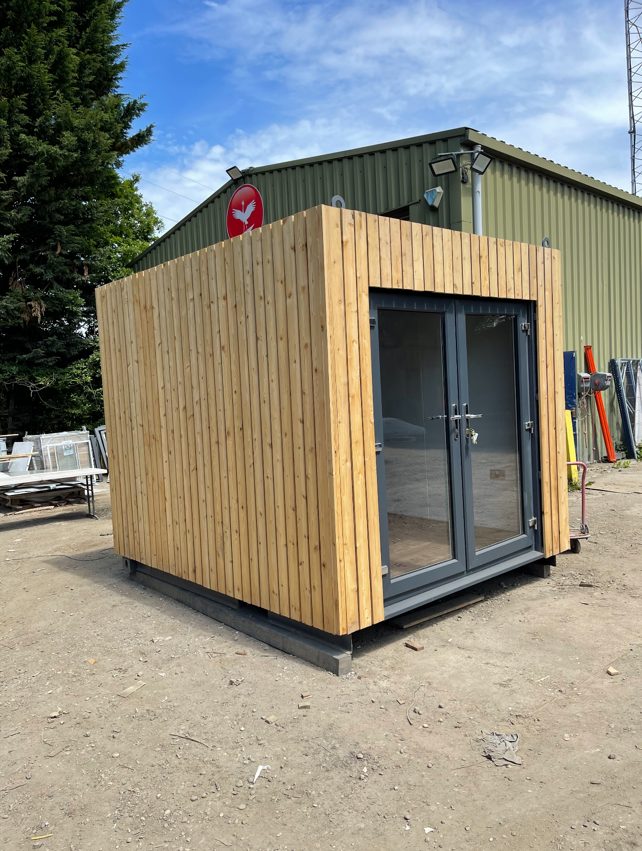
10ft x 8ft Container Conversion

  • Fully Insulated with electric sockets, spot lighting, and heating

  • Wood Flooring

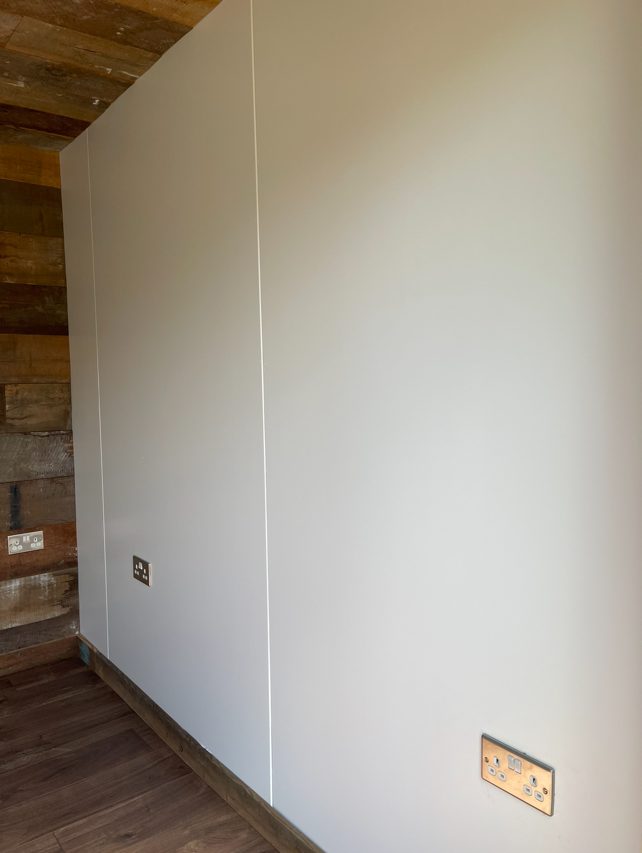
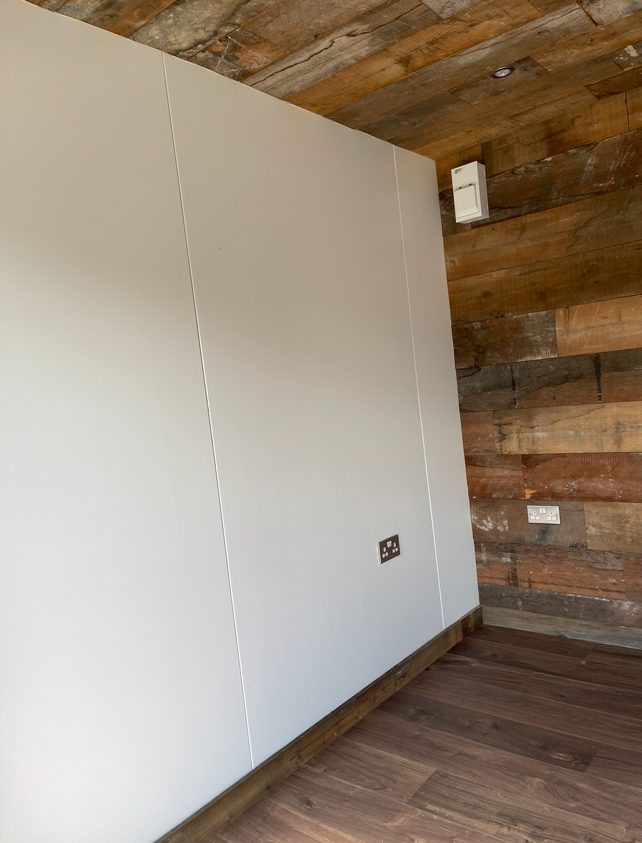
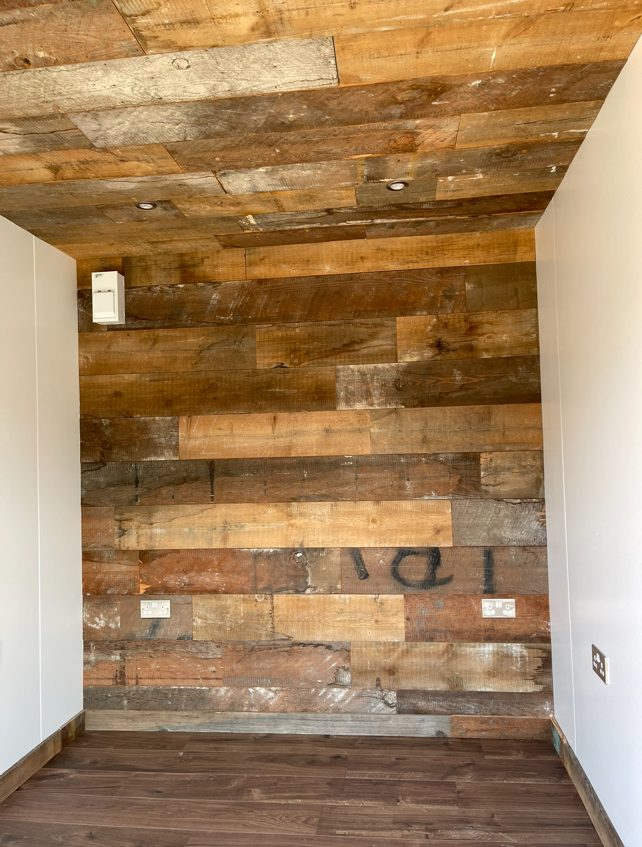
  • Feature Clad Wall and Ceiling

  • UPVC Double glazed French Doors

  • Fully wrapped in larch cladding

  • Lead Time for build 6-8 weeks

Location: Nationwide


£12,500.00

EX VAT

Not Available for Hire

Call for an instant quote!

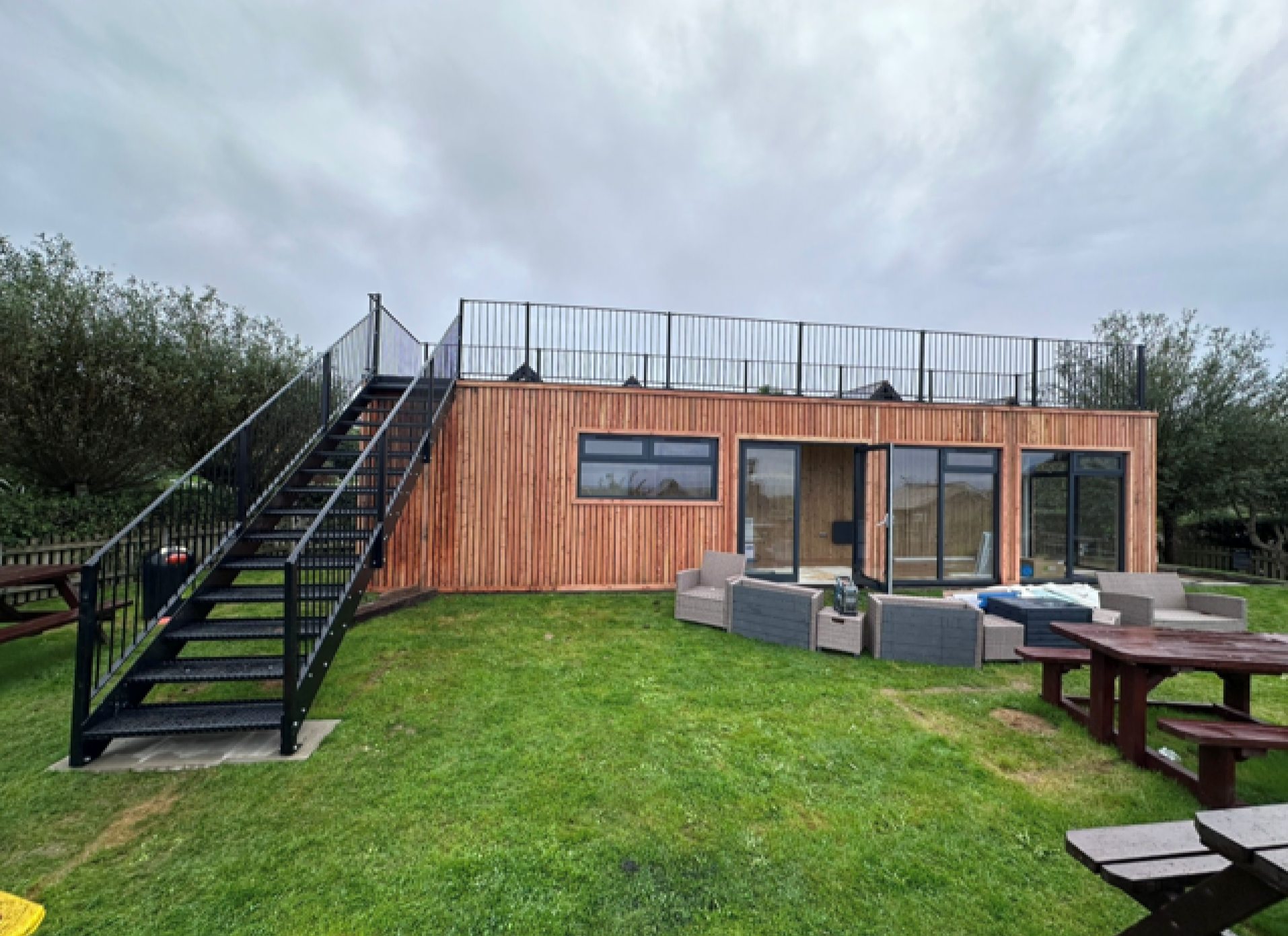
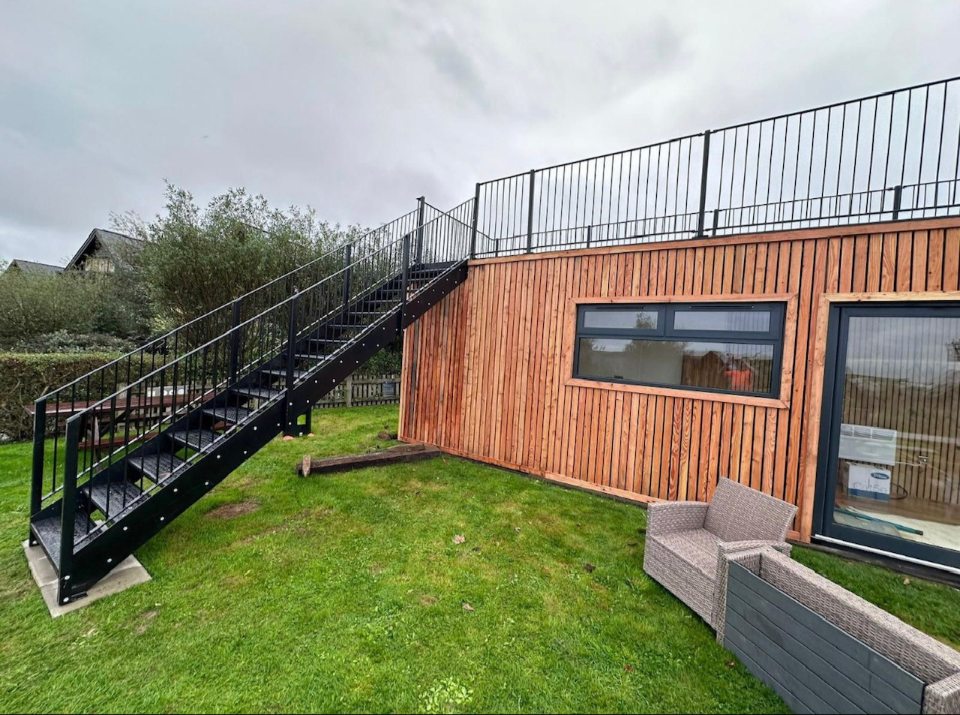
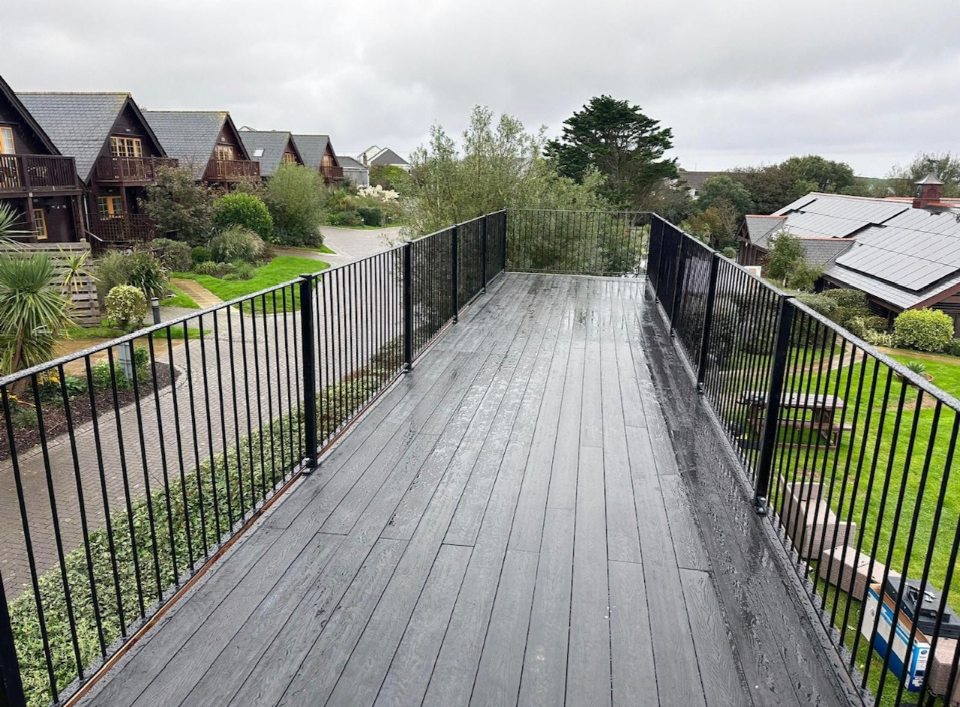
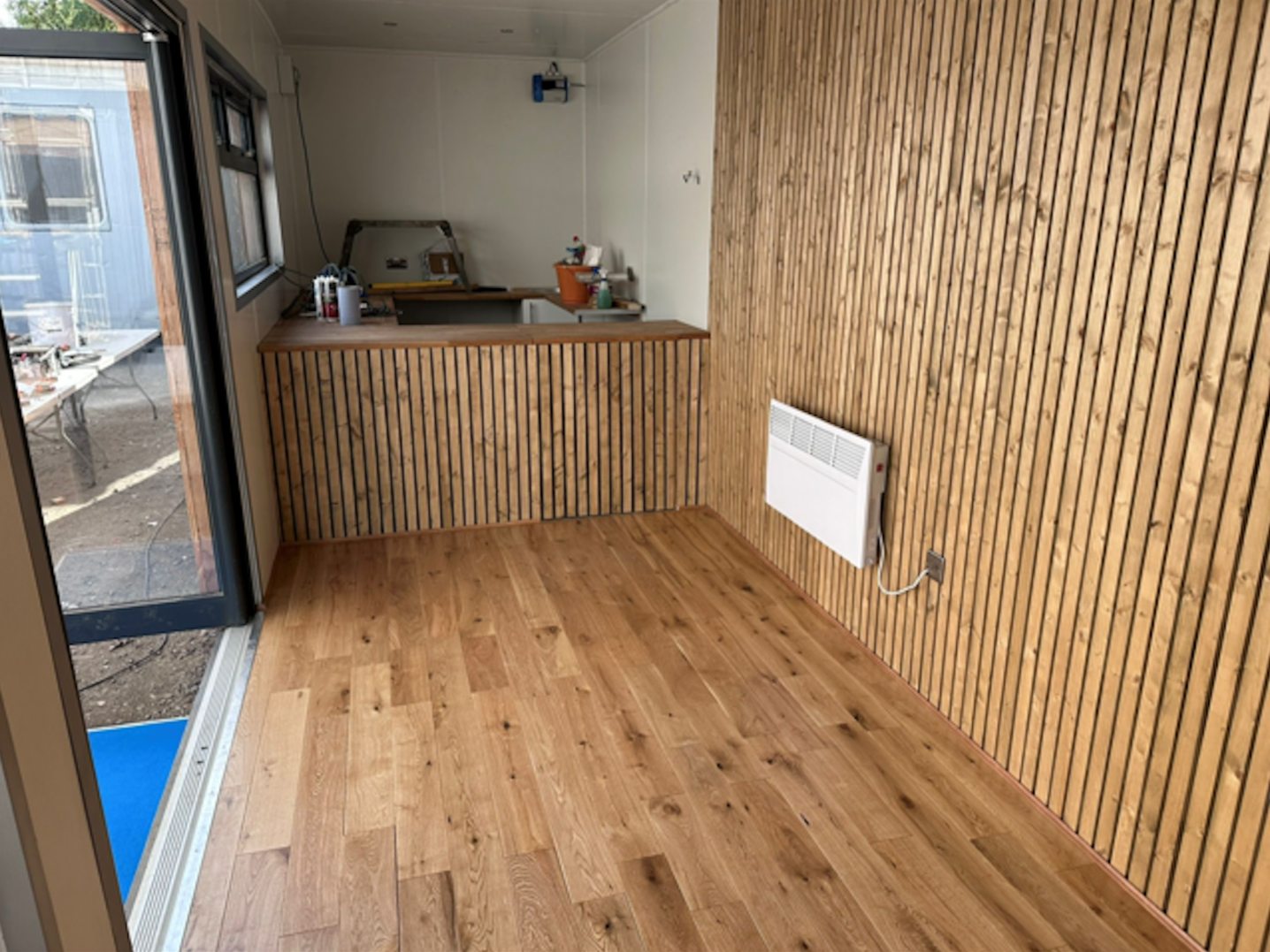
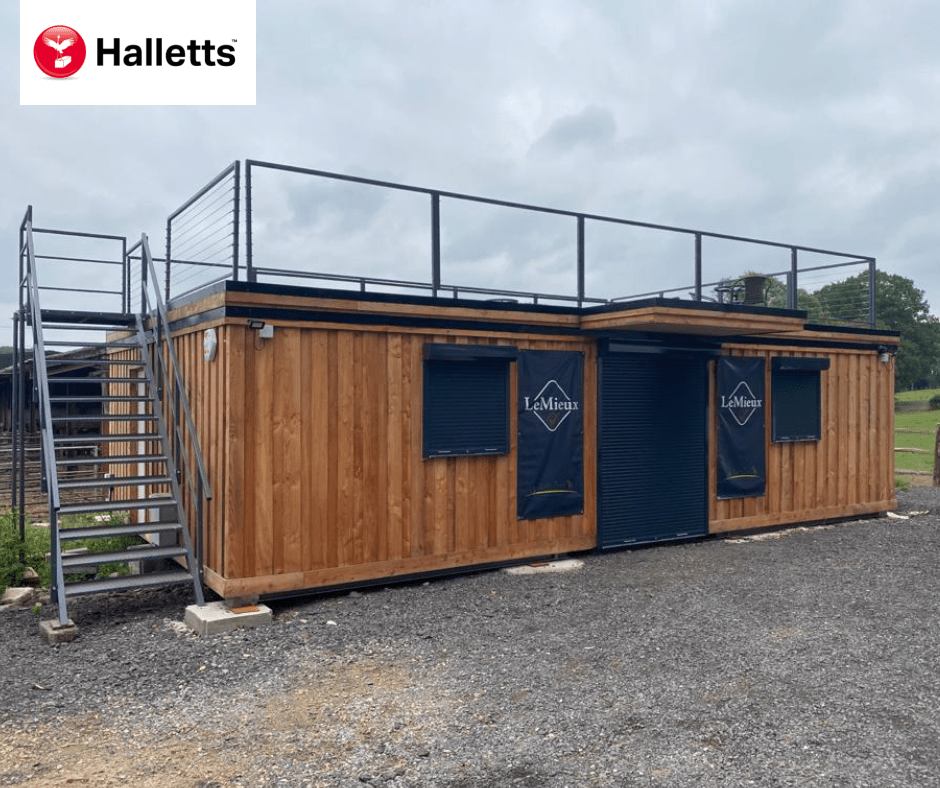
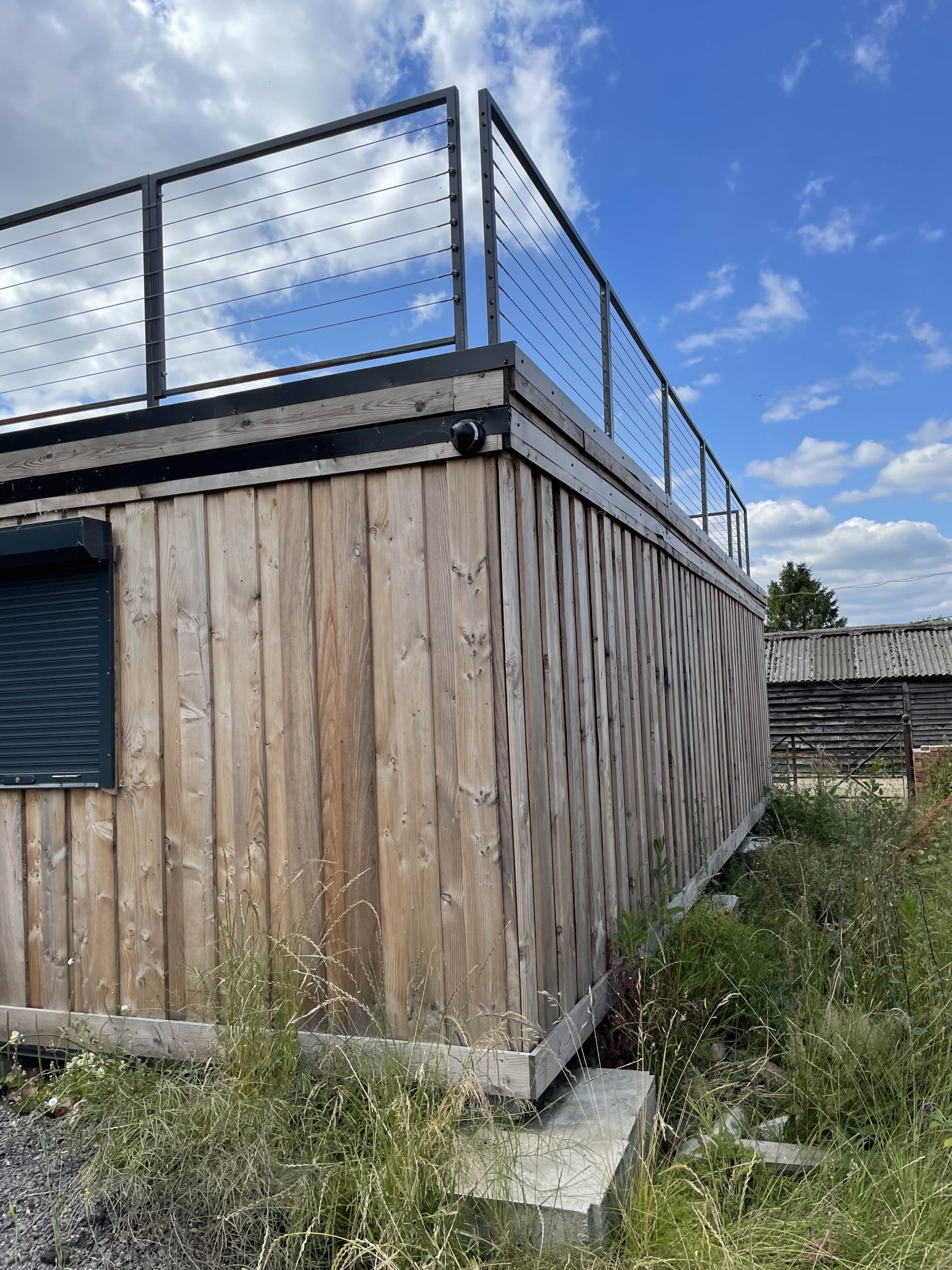
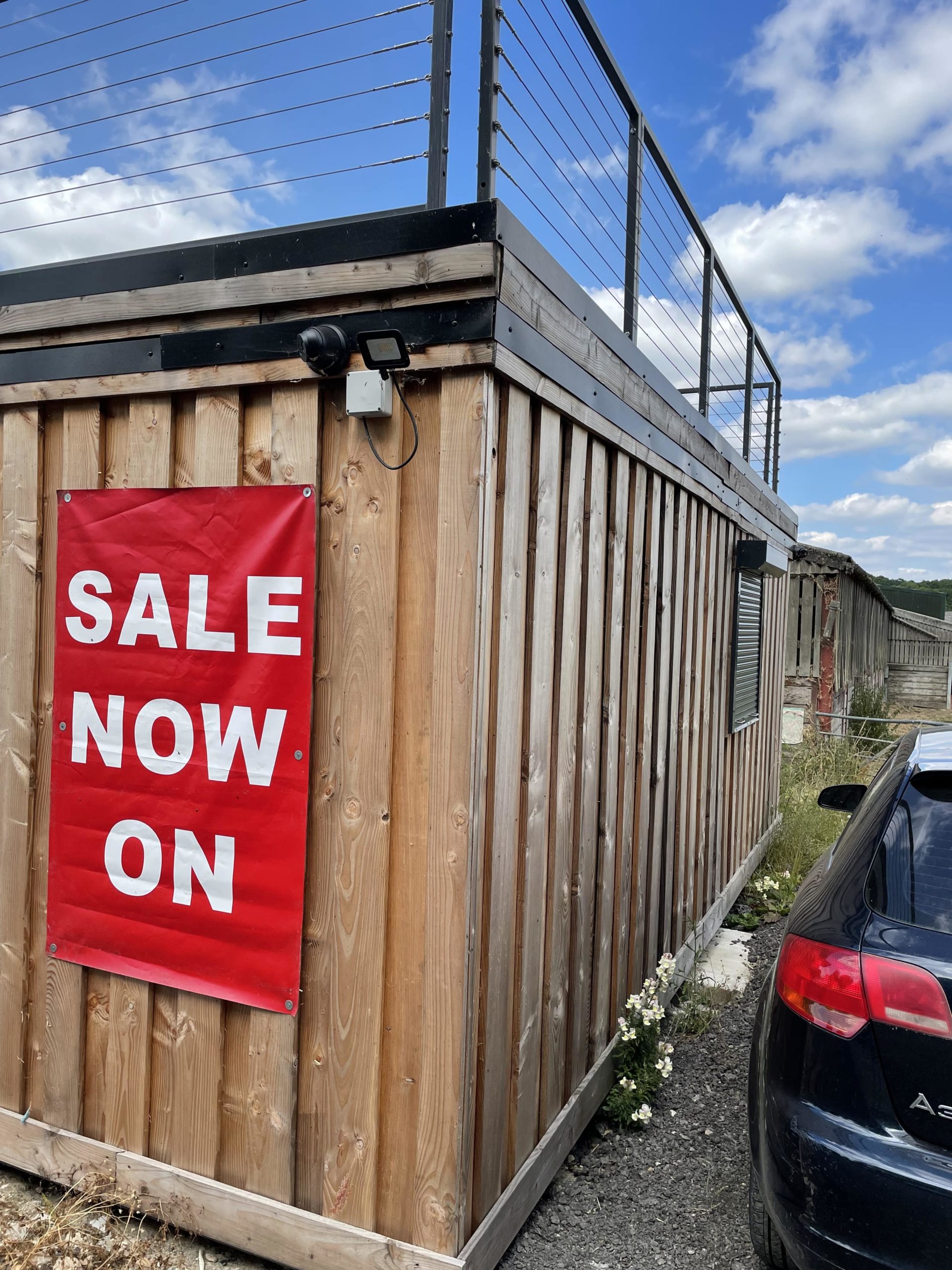
40ft x 8ft Rooftop Container Bar

  • 40ft x 8ft Rooftop Container Bar
  • Fully Insulated with electric sockets, spot lighting, and heating
  • Built in Bar
  • Wood Flooring
  • Feature Larch Clad Wall
  • Aluminium double glazed premium windows and double French doors
  • Fully wrapped in larch cladding
  • Steel staircase up to Rooftop terrace with full surrounding steel balustrade
  • Double container doors leading to cool room with Air Conditioning unit.
  • Lead Time for build 6-8 weeks

Location: Nationwide


£85,000.00

EX VAT

Not Available for Hire

Call for an instant quote!

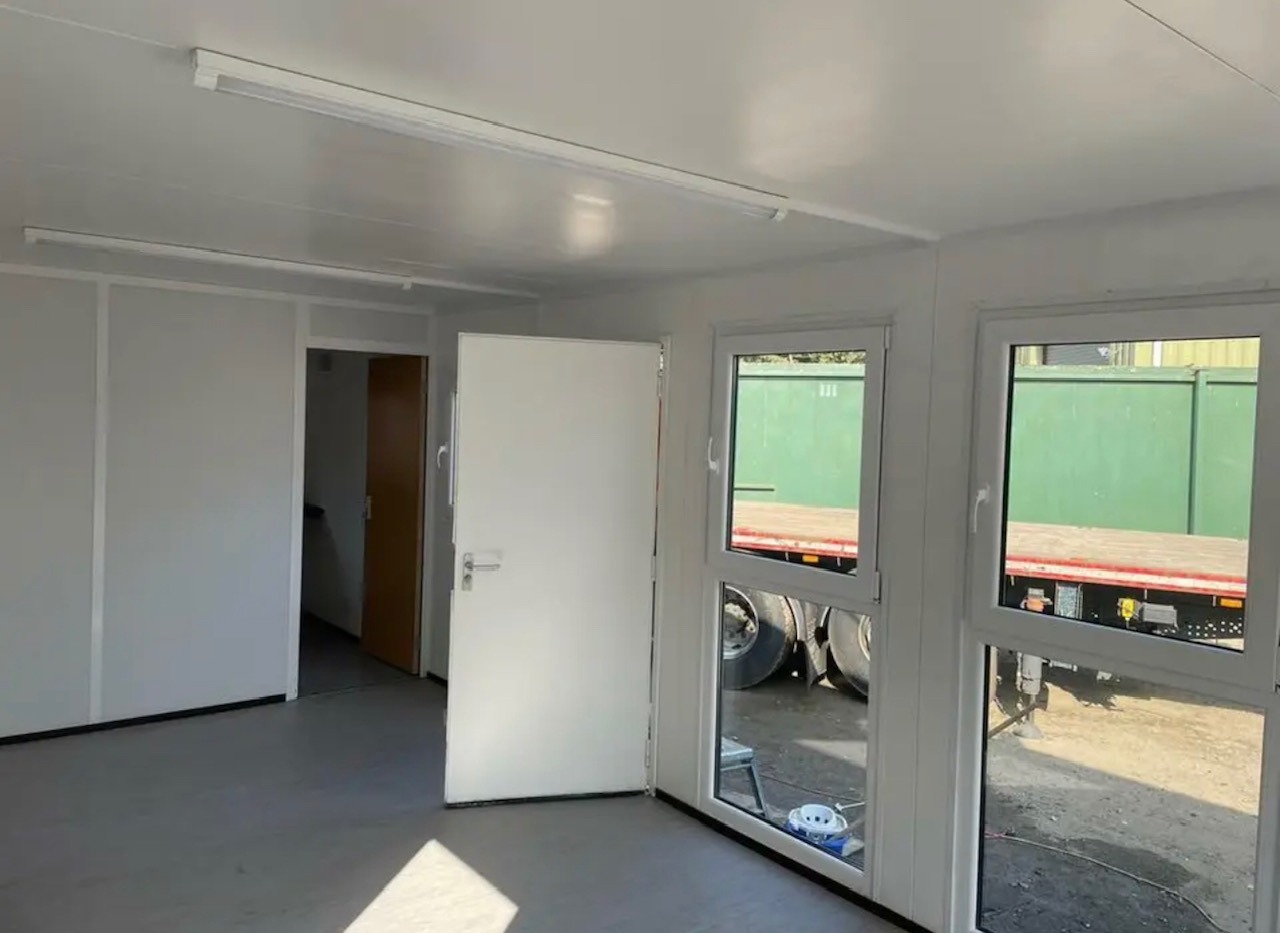
  • Fully Refurbished
  • Zinc Roof
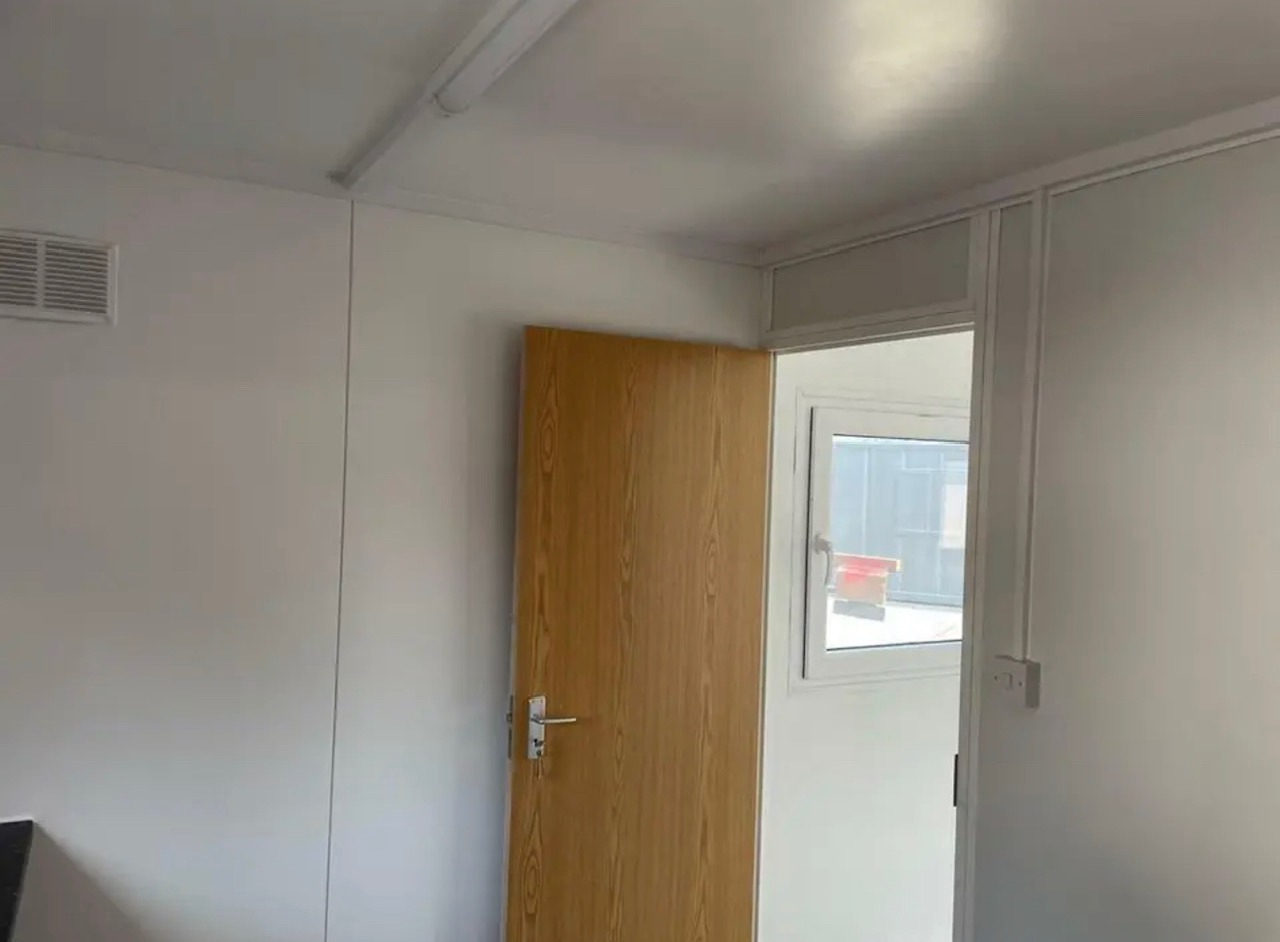
  • Colour Light Grey (Other Colour Options Available)
  • New Flooring
  • New Electric Sockets, Lighting and Heating
  • New UPVC Large and Small Windows
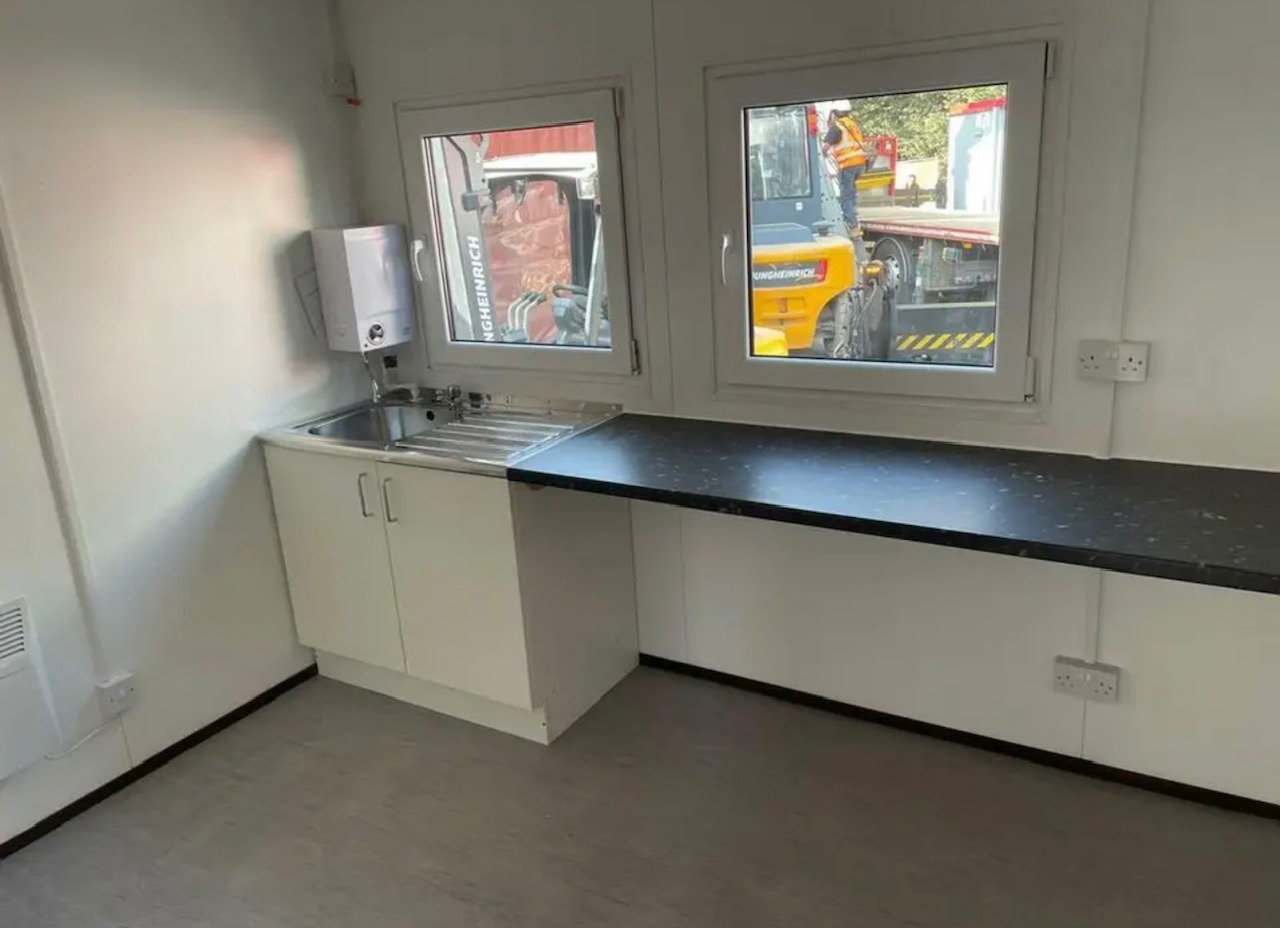
  • New Kitchenette with Partition
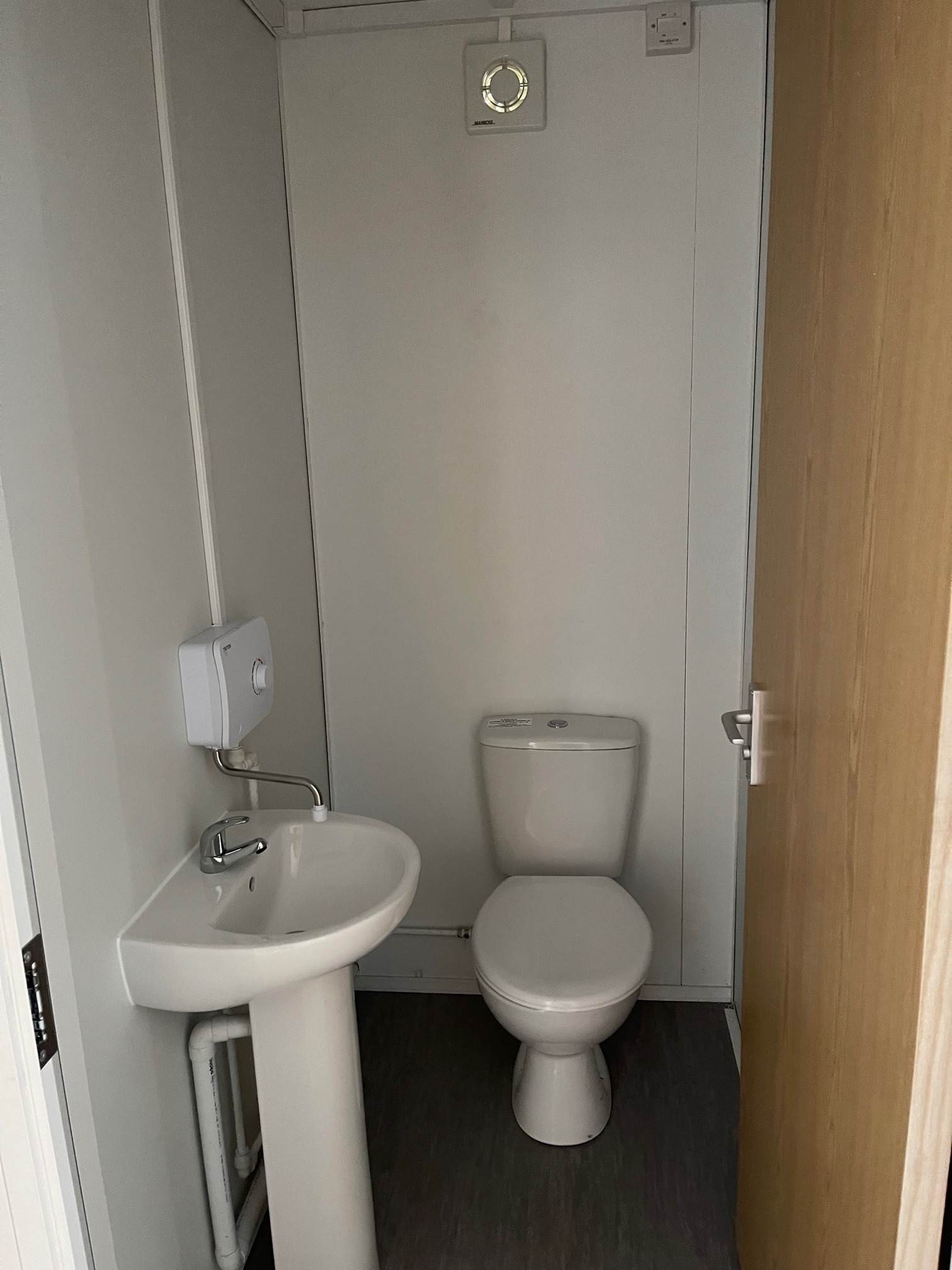
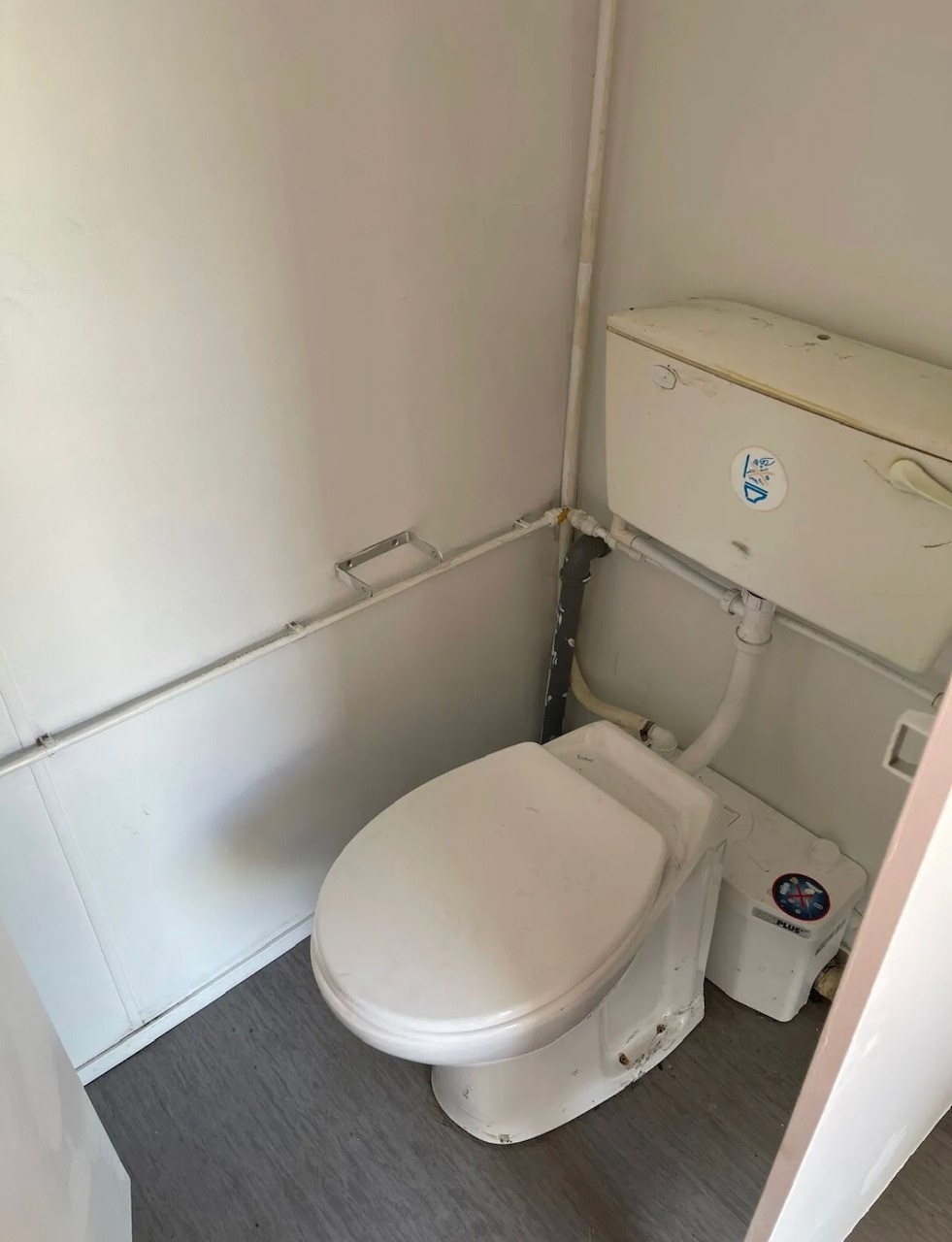
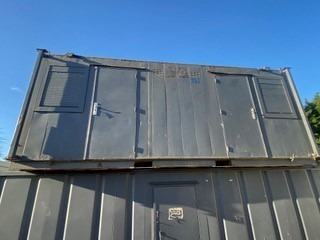
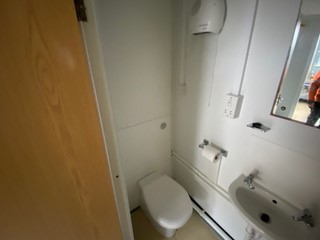
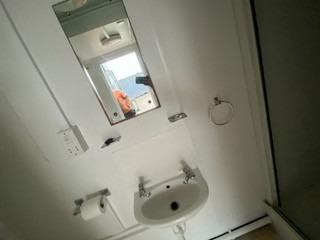
  • New Toilet Room with toilet, Sink, Water Heater and Fan

Location: Nationwide

£18,995

EX VAT

Not Available for Hire

Call for an instant quote!

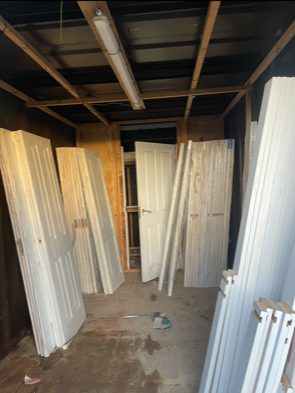
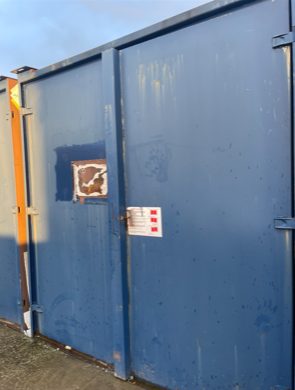
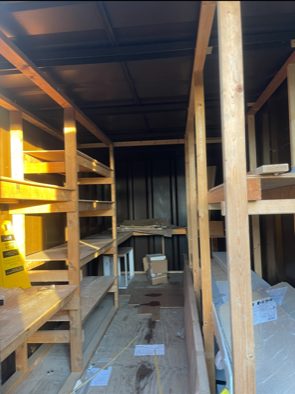
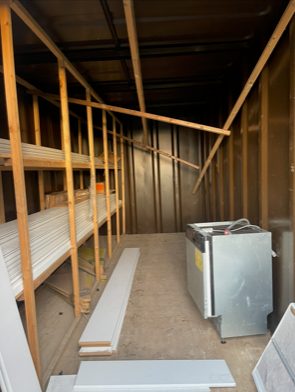
6 x 21ft x 8ft Container Stores

  • Wind and Water Tight
  • Very Good Condition
  • Some have racking inside
  • Floorings all good
  • Contents not included

Location: Nationwide


£1,500

EX VAT

Not Available for Hire

Call for an instant quote!

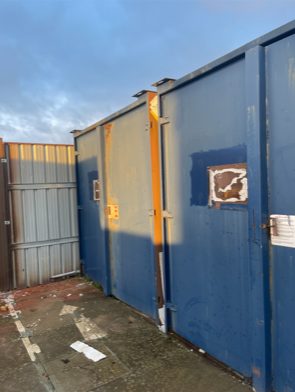
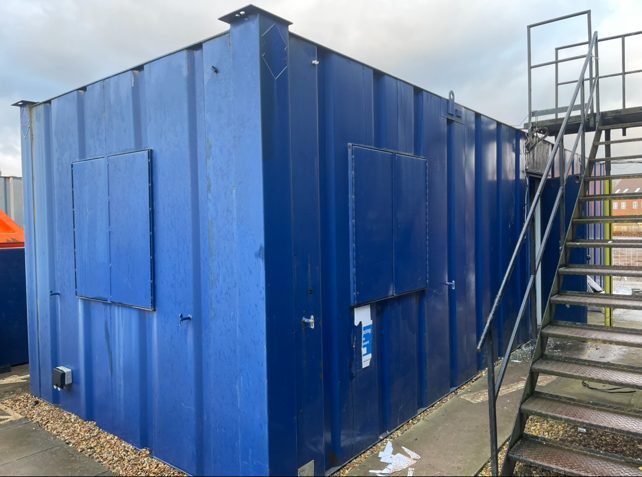
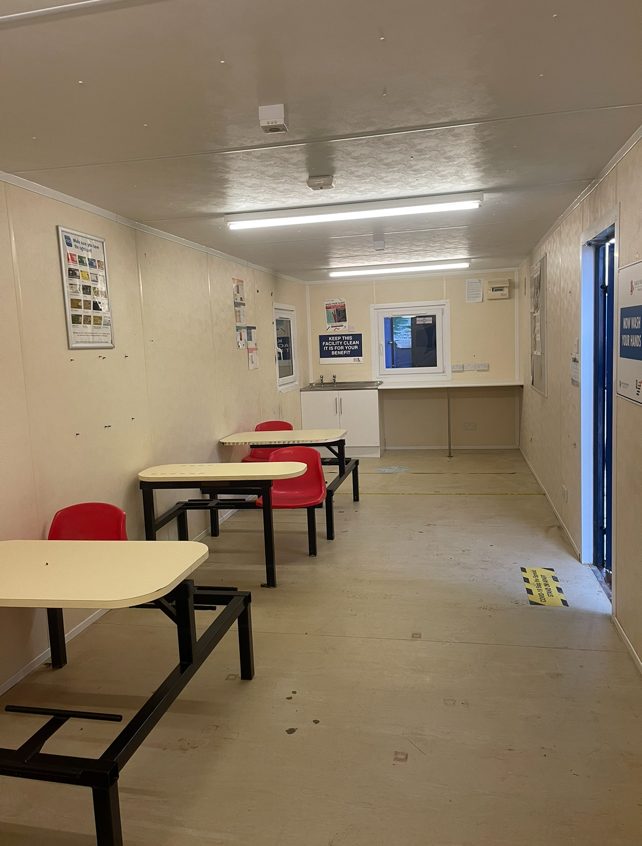
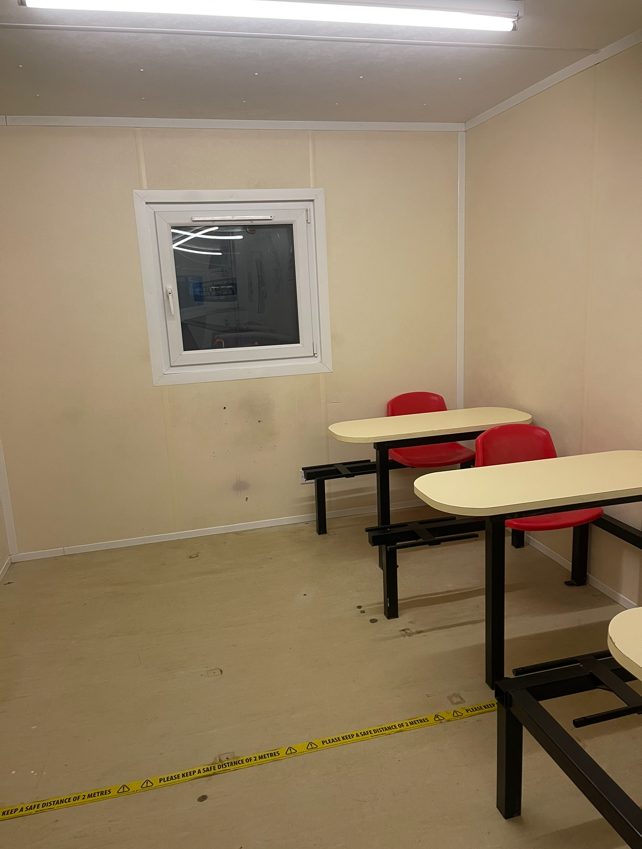
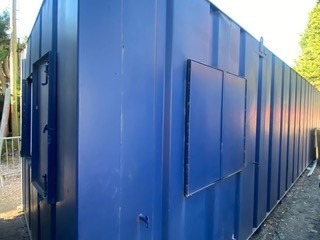
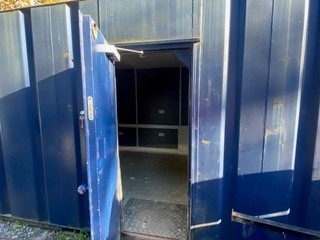
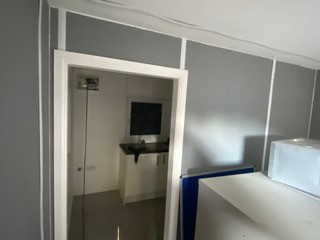
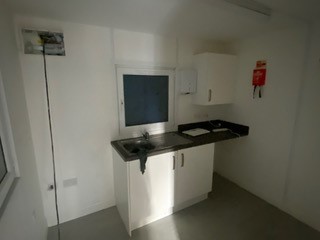
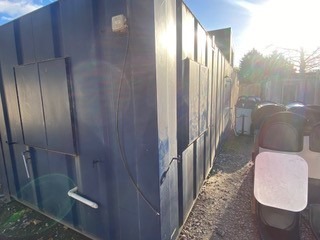
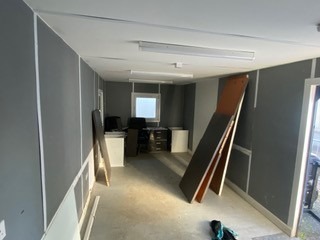
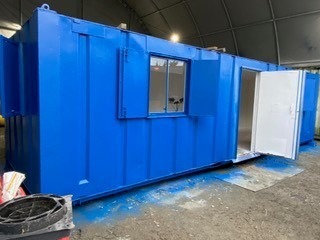
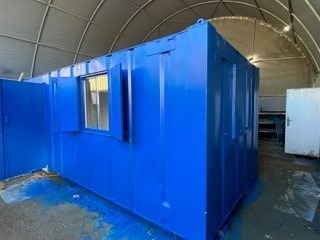
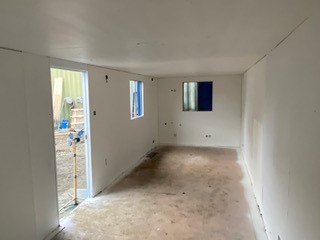
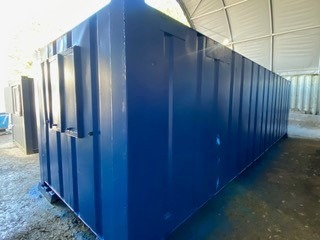
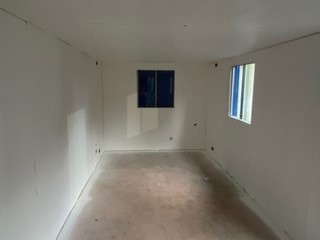
32ft x 10ft Anti Vandal Canteen in Blue

  • Used with electric sockets, lighting and heating
  • UPVC Double Glazed Windows
  • Furniture
  • Kitchenette 

Location: Nationwide


£4,995

EX VAT

Not Available for Hire

Call for an instant quote!

20ft Used Shipping Containers

  • Wind and Water Tight
  • Doors in good working Order
  • Random Selection
  • Lock Box and Lock additional cost.

Location: Nationwide


£1,500

EX VAT

Not Available for Hire

Call for an instant quote!

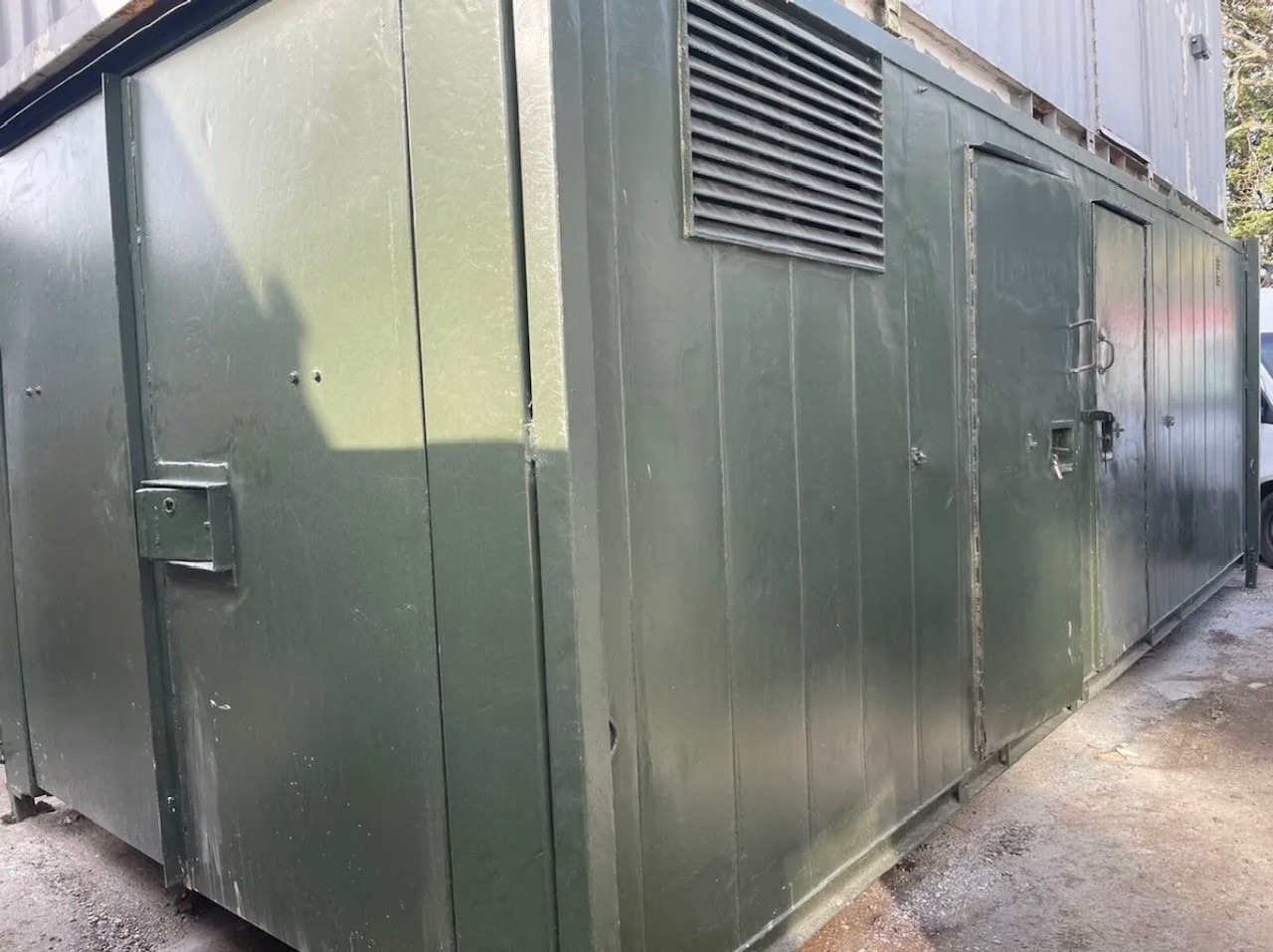
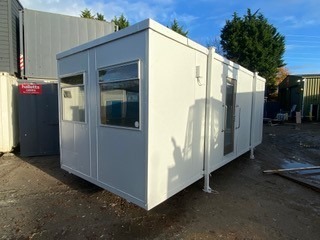
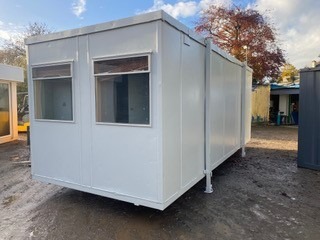
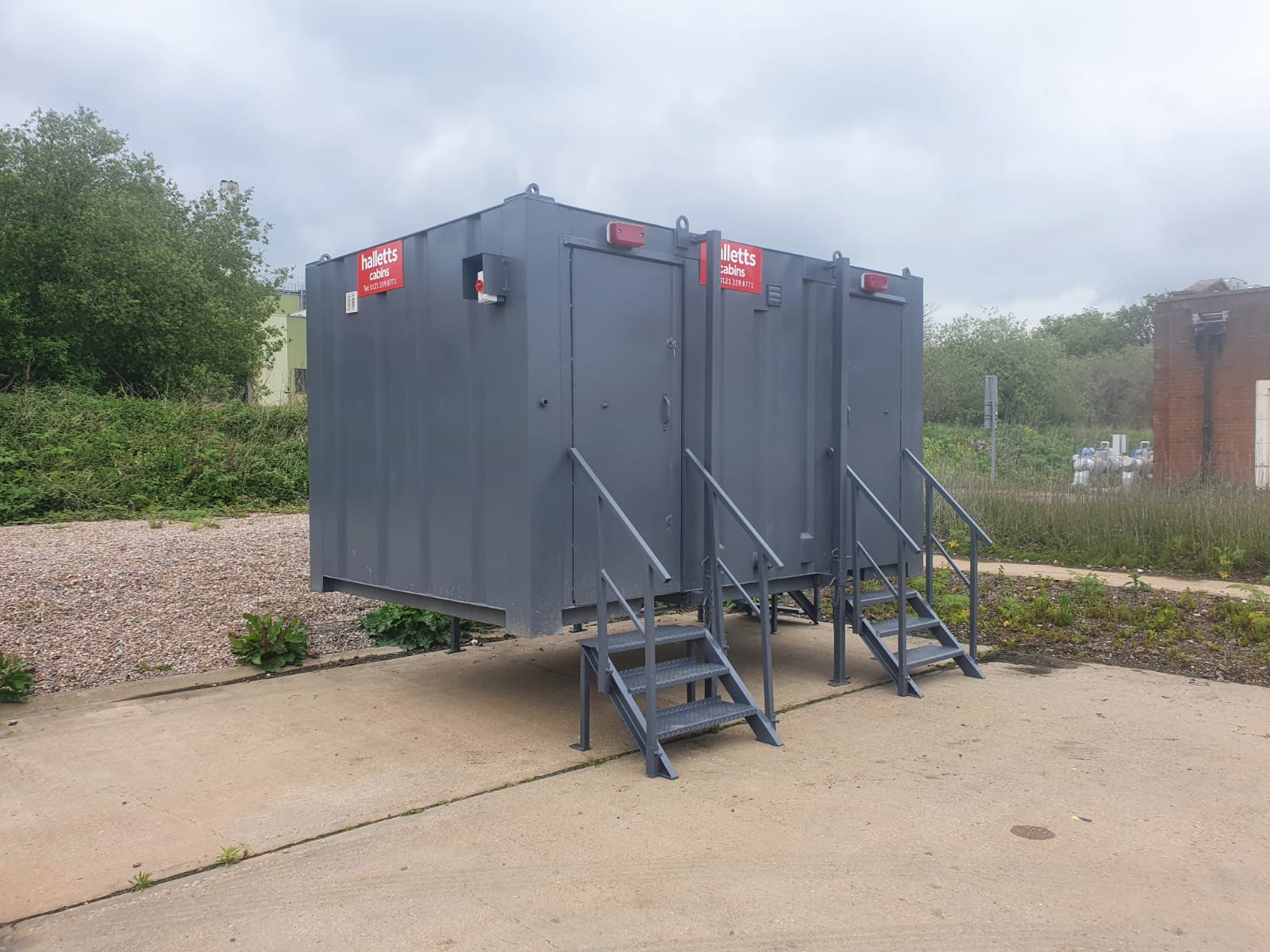
24ft x 10ft Jack Leg Anti Vandal Canteen/Toilet/Storage

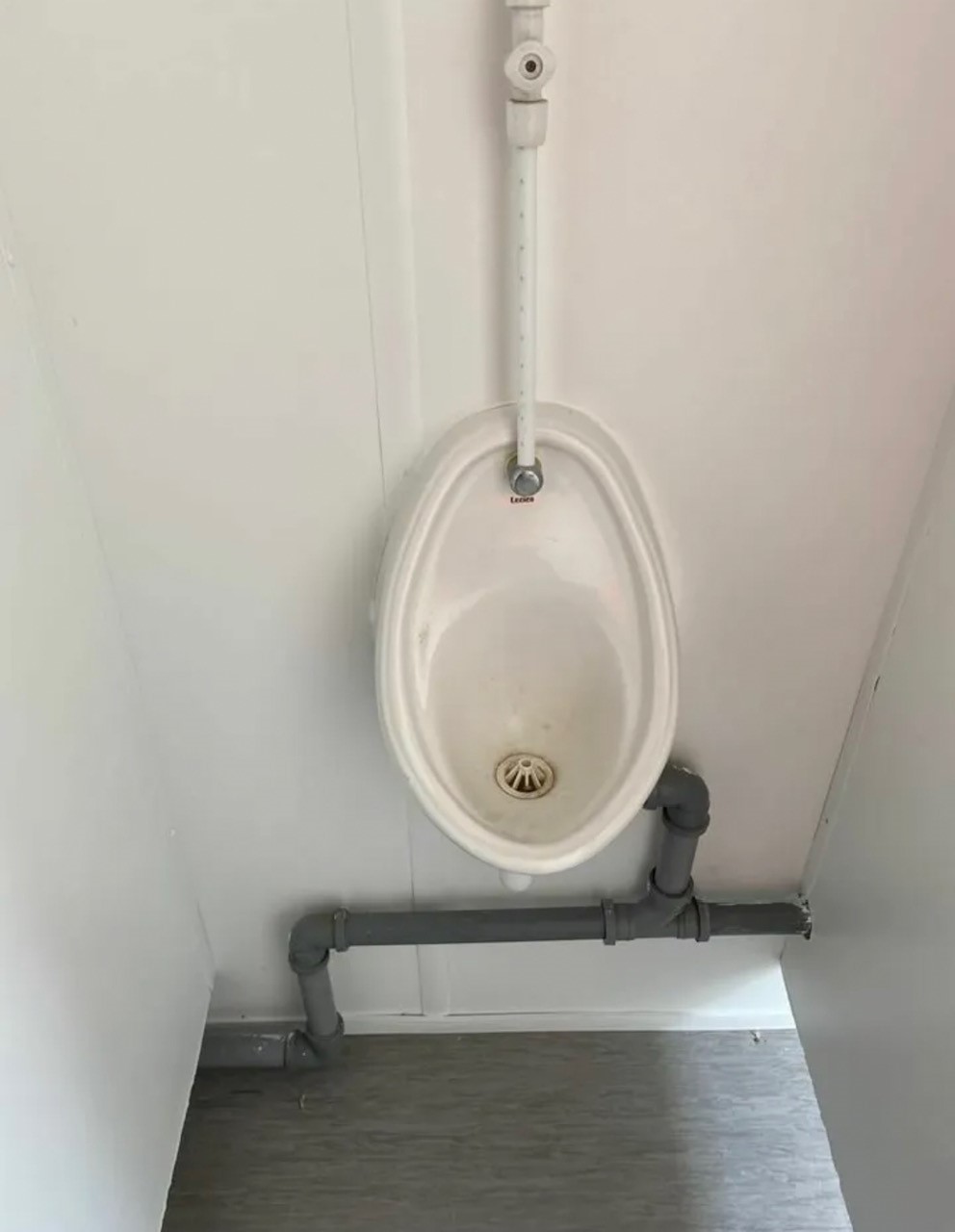
  • Split entrance for Canteen room and WC which includes single cubical, urinal and sink.
  • Container door end with storage.
  • Electric Sockets, Lighting and Heating
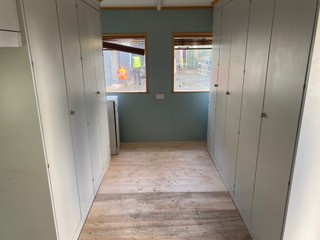
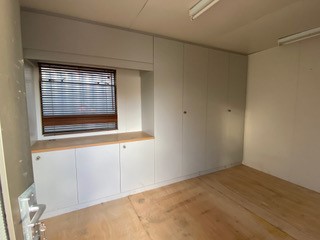
  • Fitted Floor to Ceiling Cupboards
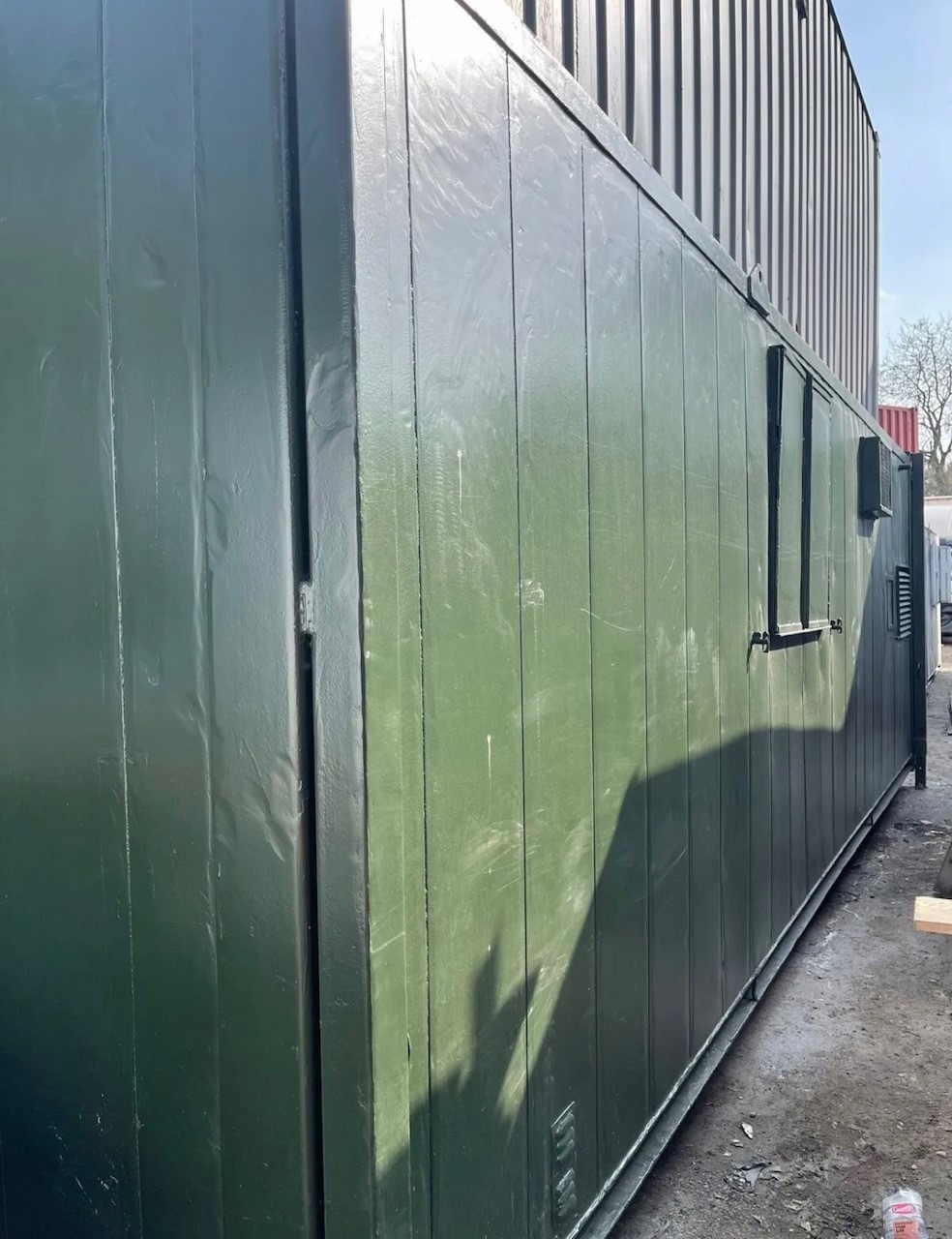
  • Colour: Dark Green

Location: Nationwide


£5,000

EX VAT

Not Available for Hire

Call for an instant quote!

40ft x 12ft Jack Leg Genuine Portakabin Pullman

  • 2 x Offices, Canteen and WC
  • Electric Sockets, Lighting and Heating
  • Colour: Light Grey
  • Full or Part Refurbishment option is available please ask.

Location: Nationwide


£9,500

EX VAT

Not Available for Hire

Call for an instant quote!

32ft x 10ft Anti Vandal Split Canteen/Office

  • Canteen approx 10ft – Office approx 22ft
  • Electric Sockets, Lighting and Heating
  • UPVC Double Glazing
  • Colour: Dark Blue

Location: Nationwide


£5,500

EX VAT

Not Available for Hire

Call for an instant quote!

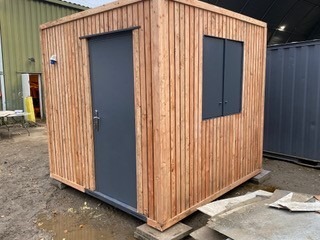
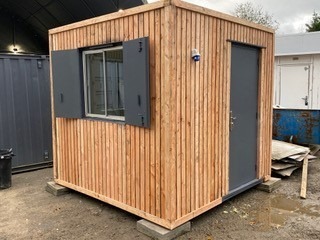
8ft x 8ft Anti Vandal Gate House/Office

  • Open Plan
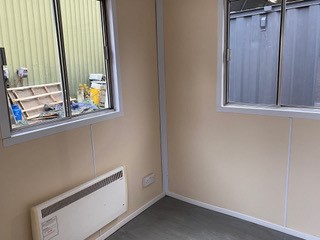
  • Electric Sockets, Lighting and Heating
  • Colour: Clad in New Larch Timber

Location: Nationwide


£5,500

EX VAT

Not Available for Hire

Call for an instant quote!

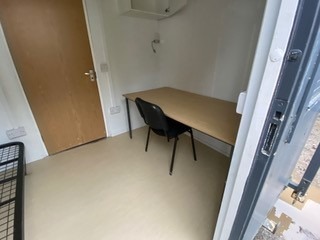
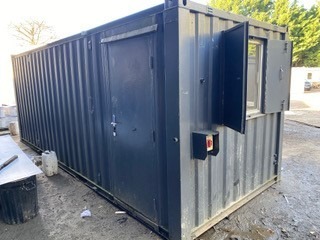
20ft x 10ft Anti Vandal Sleeper Unit

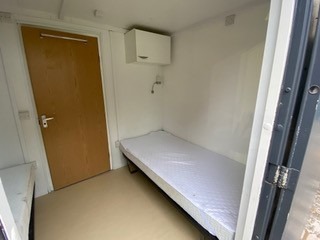
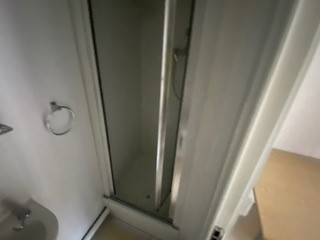
  • Split sides with two entrances, each side has its own room and Shower Toilet Facility
  • Electric Sockets, Lighting and Heating
  • Colour: Dark Grey

Location: Nationwide


£6,500

EX VAT

Not Available for Hire

Call for an instant quote!

21ft x 8ft Anti Vandal Canteen

  • Open Plan
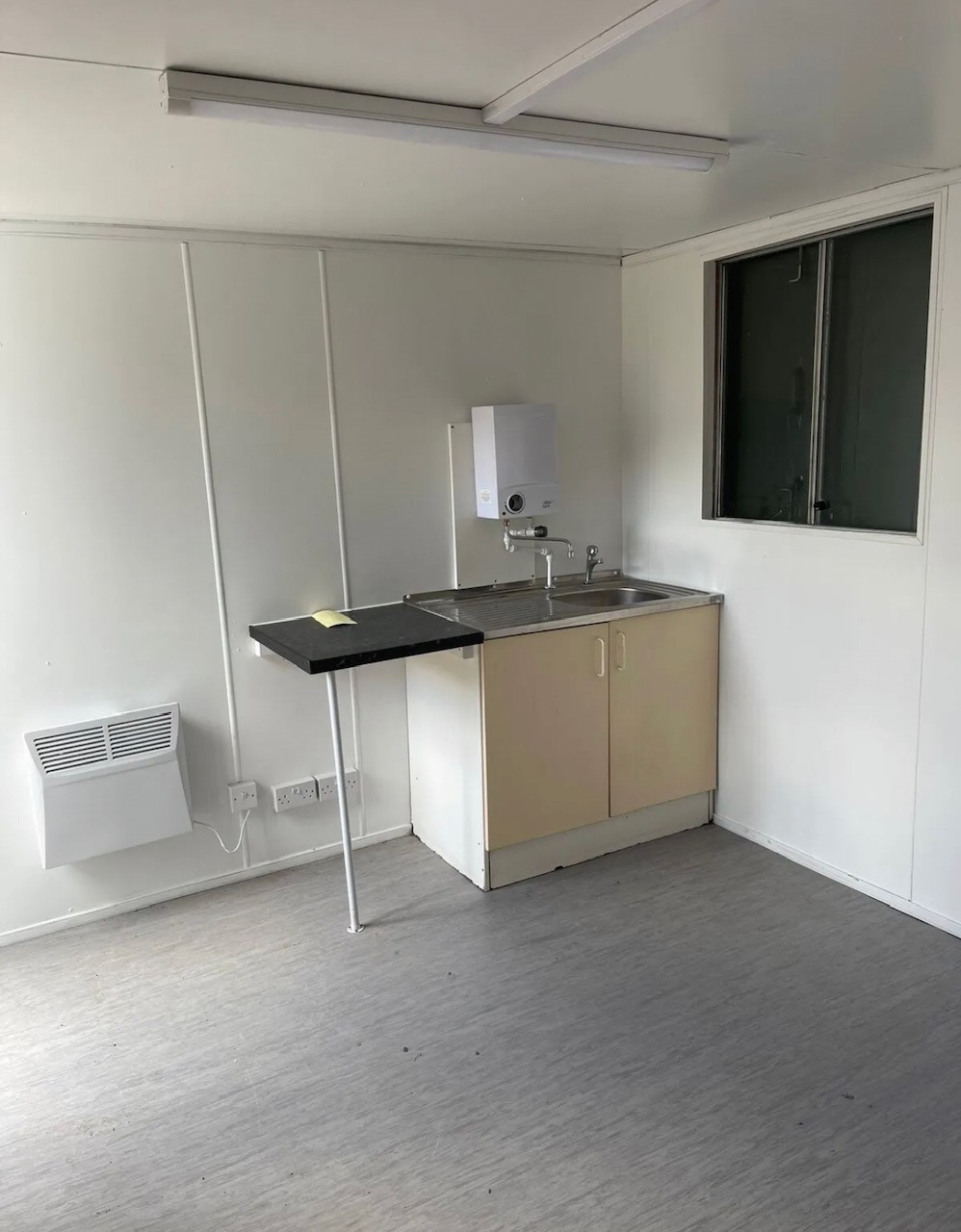
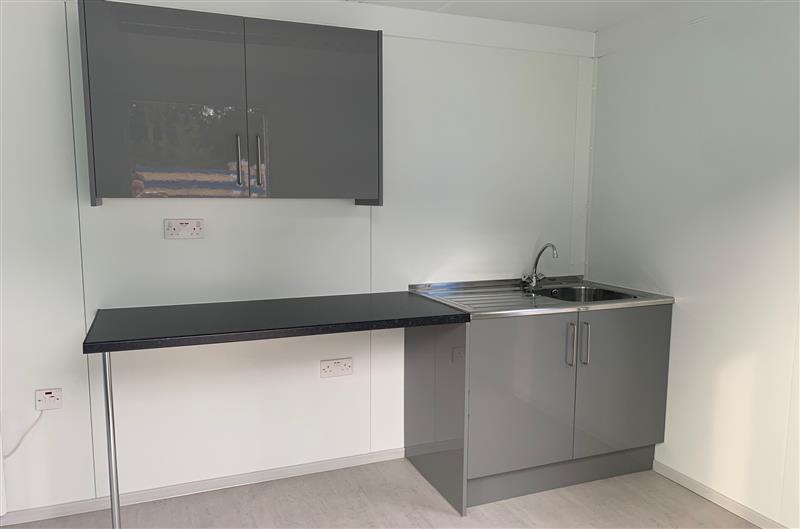
  • Electric Sockets, Lighting and Heating, Hot water Unit + kitchen with cupboards and work top.
  • Colour: Dark Grey 

Location: Nationwide


£4,200

EX VAT

Not Available for Hire

Call for an instant quote!

30ft x 9ft Anti Vandal Fire Rated Office

  • Open Plan Refurbished
  • Electric Sockets, Lighting and Heating
  • Colour: Dark Blue

Location: Nationwide


£6,500

EX VAT

Not Available for Hire

Call for an instant quote!

24ft x 9ft Anti Vandal Office

  • Open Plan
  • Electric Sockets, Lighting and Heating
  • Colour: Dark Grey

Location: Nationwide


£4,200

EX VAT

Not Available for Hire

Call for an instant quote!

22ft x 9ft Jack Leg Portable Cabin

  • 22ft x 9ft Jack Leg Portable Cabin
  • Open Plan
  • Electric Sockets, Lighting and Heating
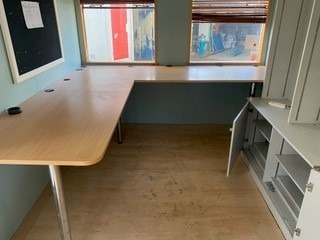
  • Fitted Desk and Floor to Ceiling Cupboards
  • Colour: Light Grey

Location: Nationwide


£4,995

EX VAT

Not Available for Hire

Call for an instant quote!

24ft x 9ft Jack Leg Portable Cabin

  • 24ft x 9ft Jack Leg Portable Cabin
  • Split Offices with two entrances
  • Electric Sockets, Lighting and Heating
  • Fitted Floor to Ceiling Cupboards
  • Colour: Light Grey

Location: Nationwide


£5,500

EX VAT

Not Available for Hire

Call for an instant quote!

10ftx8ft – £5950 + Vat / 16ftx8ft – £7950 + Vat / 20ftx8ft – £9000 + Vat / 24ftx8ft – £12000 + Vat / 30ftx8ft – £13500 + Vat

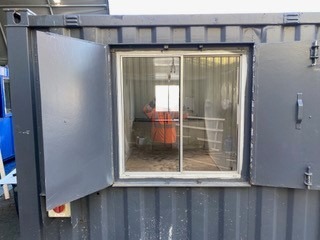
  • Reinforced doors and windows with secure locking
  • Open plan with electric sockets and lighting
  • Any Extras available: Canteen, Partitions, Toilets.

Location: Nationwide


From £5,950

EX VAT

Not Available for Hire

Call for an instant quote!

  •  Electric Sockets, Lighting and Heating
  •  Wind & watertight
  •  Sprayed Dark Grey

Location: Nationwide


£4,995

EX VAT

Not Available for Hire

Call for an instant quote!

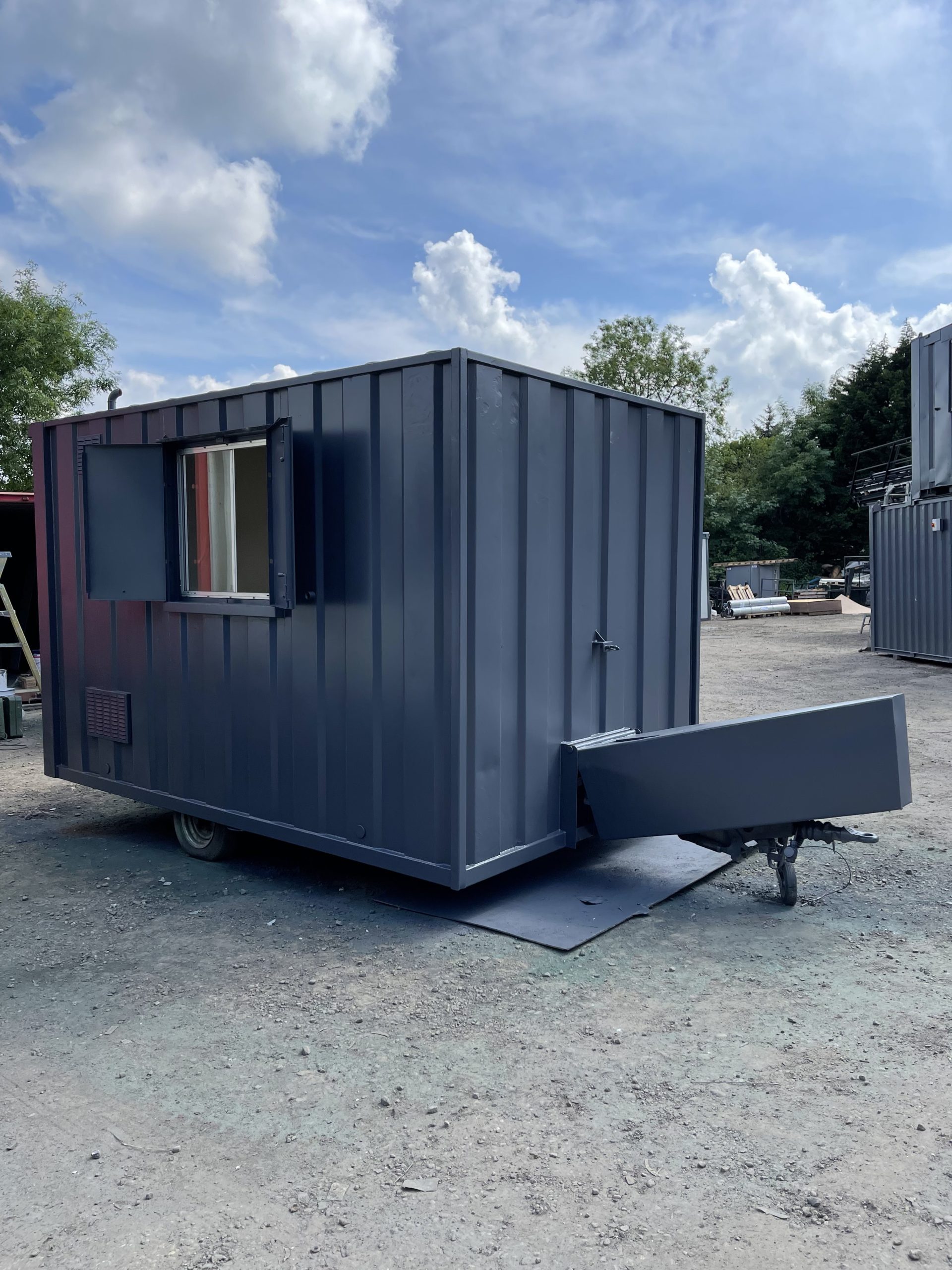
  • 12ft Towable Gound Hog
  • Includes: toilet, canteen and seating area
  • Full working generator, fully serviced and in great condition


Location: Nationwide


£6,500

EX VAT

Not Available for Hire

Call for an instant quote!

  • Reinforced doors with secure locking 
  • Electrics and lights included
  • Sink and water boiler included

Location: Nationwide

Quantity: ∞

£15,000

EX VAT

Not Available for Hire

Call for an instant quote!

• Reinforced doors and windows with secure locking
• Open plan with electric sockets and lighting
• Ral Code Colour of choice

• Any Extras available : Canteen, Partitions, Toilets.

Location: Nationwide


£11,995

EX VAT

Not Available for Hire

Call for an instant quote!

• Reinforced doors and windows with secure locking

• Open plan with electric sockets and lighting

• Ral Code Colour of choice

• Any Extras available : Canteen, Partitions, Toilets.

Location: Nationwide


POA

Not Available for Hire

Call for an instant quote!

test

• Reinforced doors with secure locking
• Sink and water boiler included

Location: Nationwide

Quantity: ∞

£12,495

EX VAT

Not Available for Hire

Call for an instant quote!

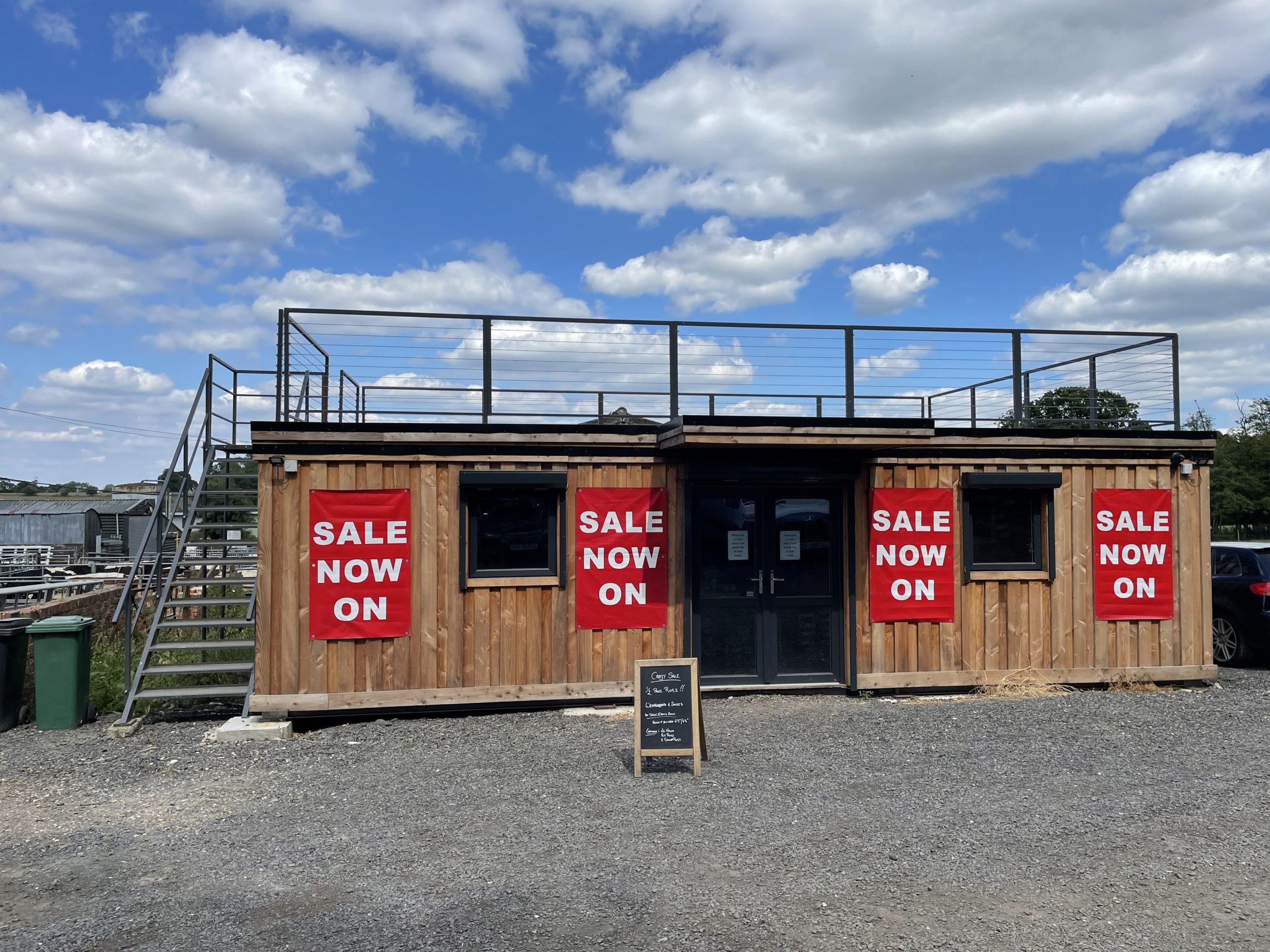
32ft x 20ft Cabin

  • Reinforced doors with secure locking 
  • Electrics and lights included
  • Sink and water boiler included
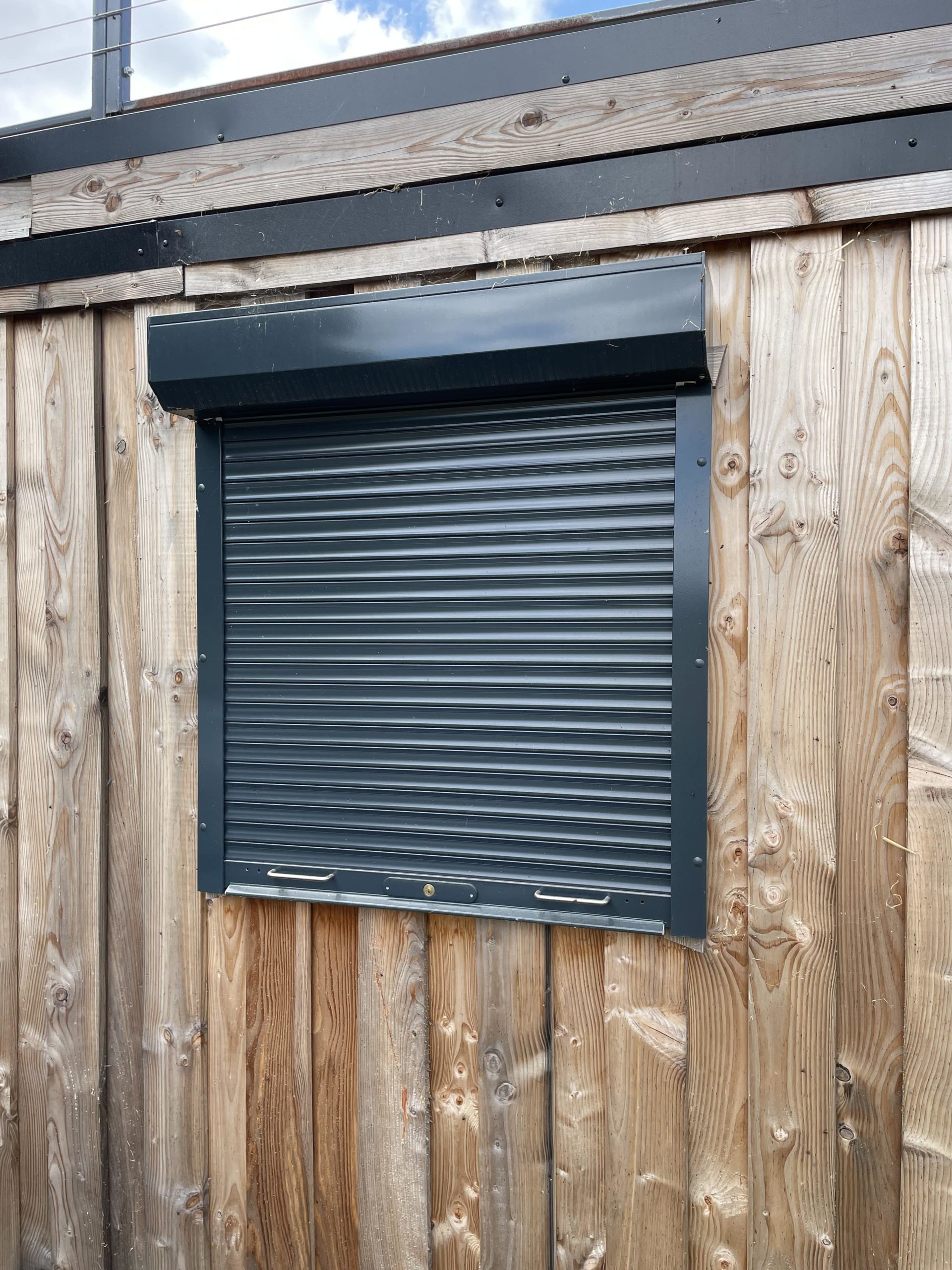
  • Electric Roller Shutters
  • Roof top terrace 
  • Store Room 
  • Slatwall installation 

Location: Nationwide


£39,000

EX VAT

Not Available for Hire

Call for an instant quote!

Looking to Buy or Hire?

Get a Quick Container Quote Now!

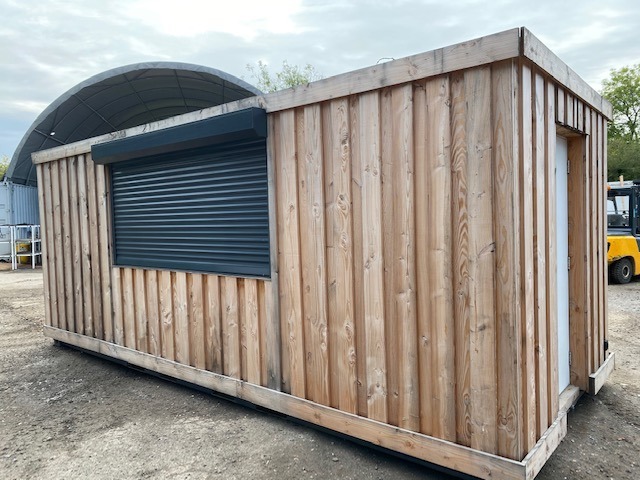
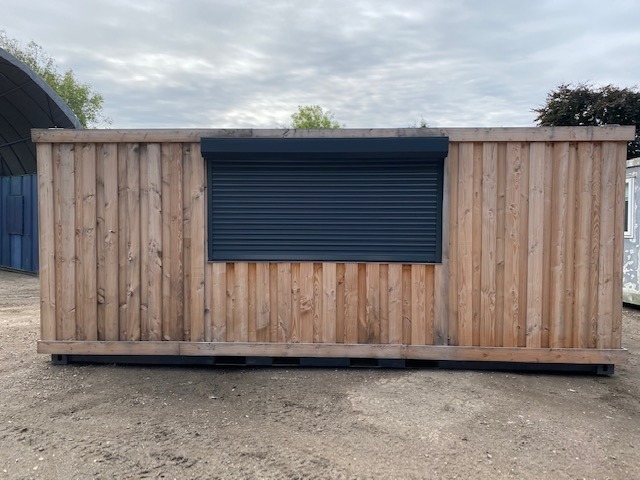
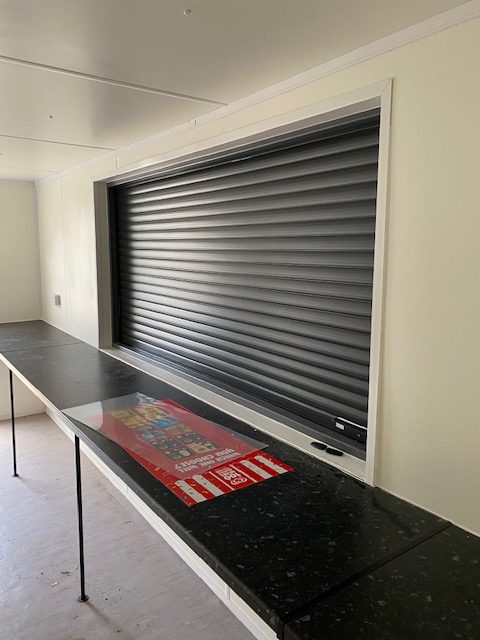
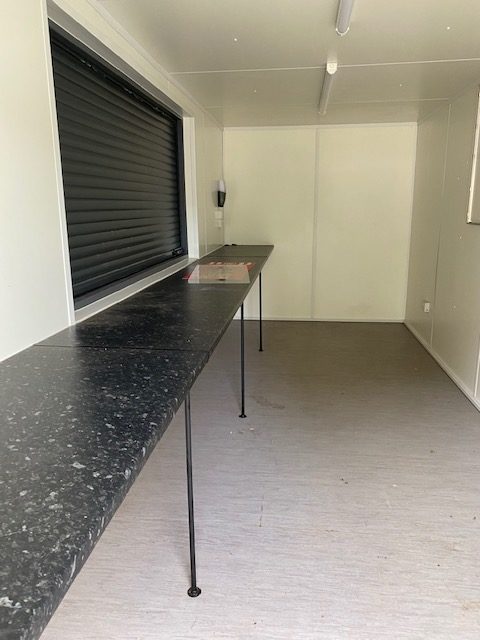
20ft x 8ft Container Kiosk

  • Open plan layout with worktop serving area
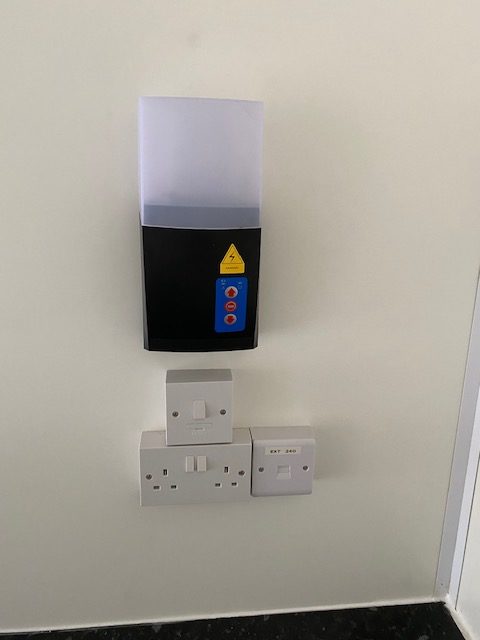
  • Electric roller shutter with remote control
  • Electrics and lights included

Location: Nationwide


£15,000

EX VAT

Not Available for Hire

Call for an instant quote!

Looking to Buy?

Get a Quick Container Quote Now!

Newsletter Signup Form

Be the first to discover our exclusive offers and latest company updates by signing up to our email newsletter. Every month we’ll keep you informed of our best prices, industry updates, customer’s container projects, national shows we’ll be exhibiting at, and much more.

Looking to Buy or Hire?

Get a Quick Container Quote Now!